×You need to sign in to continue.

Shared posts

29 Jan 15:35

A Favorite Fort Point Cafe Shutters

by Dana Hatic
Sarah

NO!!!!!!!!!!

Barrington Coffee in Fort Point

Monday, January 28, is last call for Barrington Coffee

A local coffee roaster will close one of its two Boston cafes following business on Monday. Barrington Coffee Roasting Company in Fort Point (346 Congress St., Boston) has its last day in business January 28, an employee reached at the shop confirmed. Several Twitter users indicate that the cafe may be replaced with a Santander bank.

Barrington first opened its Fort Point cafe in 2011 and later added a second Boston proper location in Back Bay (303 Newbury St.). The company roasts its beans at a facility in Lee and operates a wholesale business that serves many of the Boston area’s coffee shops and cafes. Coffees are roasted to order, and the beans are selected for their quality and sustainability.

Each of the Barrington cafes serves hot and iced coffee beverages, cold brew, tea, and assorted snacks, from yogurt and oatmeal to bagels and pastries. Catch the team at the Fort Point cafe before it closes at the end of the day on January 28.

Eater has reached out to Barrington for more details on today’s closure and will update this story if more information becomes available.

Barrington Coffee Roasting Company Coverage on Eater [EBOS]
Barrington Coffee Roasting Company [Official Site]

29 Jan 12:28

Hey, Quick Question: Can Virgil Abloh Actually Make Men's Harnesses A Thing?

by Alyssa Vingan Klein
Sarah

LET'S HOPE SO

Welcome to our column, "Hey, Quick Question," where we investigate seemingly random happenings in the fashion and beauty industries. Enjoy! Wherever Virgil Abloh dares to go, the fuccbois follow. This is a proven fact, considering that his first menswear collection for Louis Vuitton reportedly sold ...

Continue reading

26 Jan 18:43

Shai, 23“I’m wearing a blanket coat by Bill Bass, a throw...


Shai, 23

“I’m wearing a blanket coat by Bill Bass, a throw scarf, oversize baggy denim, and my trusty pink Yankee cap. Things that inspire my style are my friends because we’re all like suffering under capitalism and being broke queer people of color but I love being able to dress better than the rich people you see in Soho. I also look at Vogue runway a lot and I love old Comme des Garçons, Margiela, and I’m in love with Telfar.”

Jan 18, 2019 ∙ SoHo
25 Jan 22:40

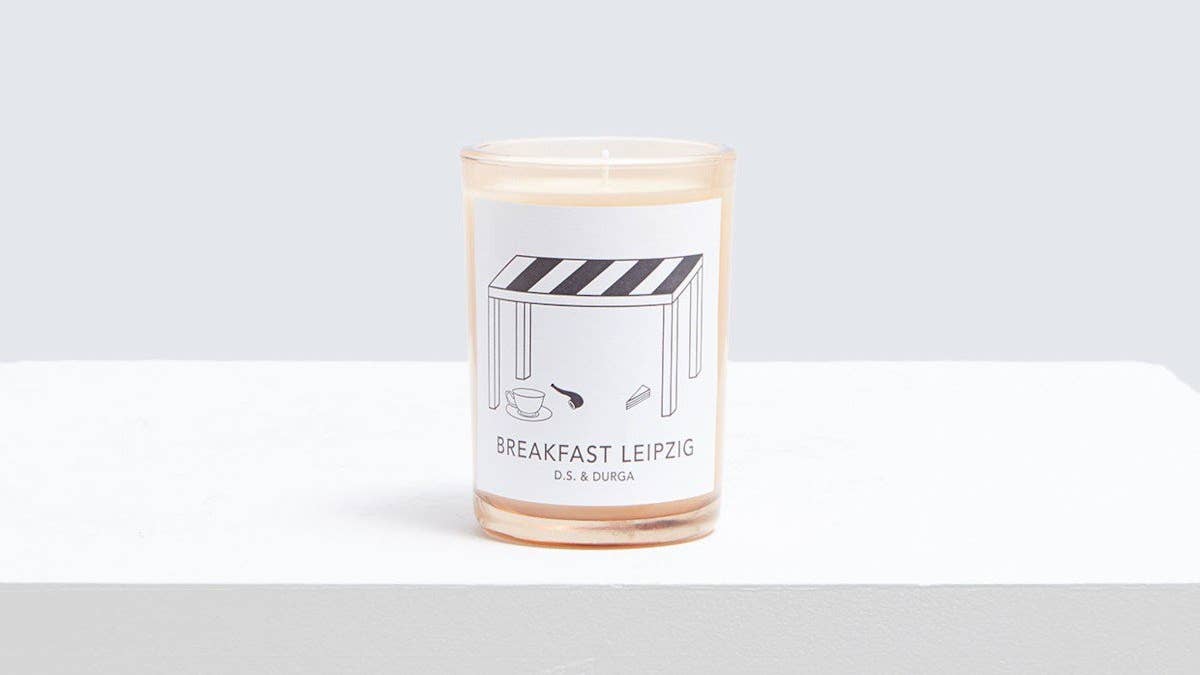
Steph's New Favorite Candle Smells Like Coffee, Almond Pastries and Leather-Bound Books

by Stephanie Saltzman
Sarah

why are candles so expensive :(

It's getting to that point in winter when the holiday decorations and cheer have dissipated, giving way to what seems like nothing but gray skies and bitter cold. My best means of coping? Nesting! I swath myself in cozy fleeces, burrow underneath piles of blankets and light a mood-lifting candle to ...

Continue reading

19 Jan 14:33

You do not have to be good

by Austin Kleon
Sarah

notes to self

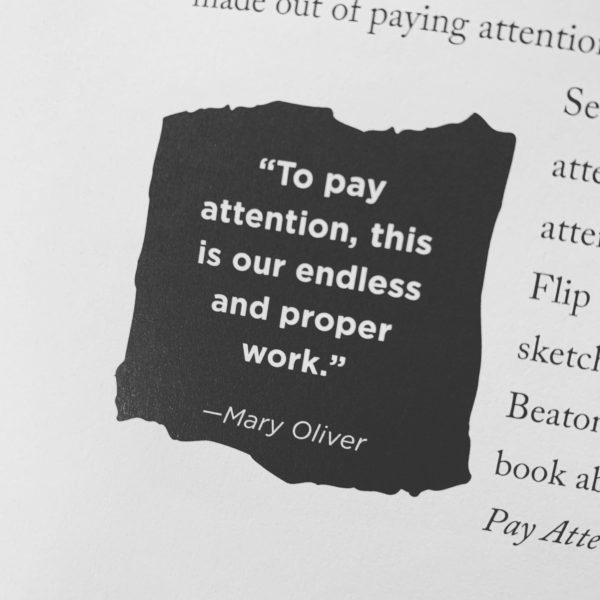
Words to live by. (From chapter 5 of Keep Going)

Mary Oliver has died. I have a friend who used to keep her poem “Wild Geese” folded up in his wallet. It begins:

You do not have to be good.
You do not have to walk on your knees
For a hundred miles through the desert, repenting.
You only have to let the soft animal of your body
love what it loves.

Here she is reading it:

She grew up in Maple Heights, Ohio, about a half hour southeast of where I’m typing this. When she gave a (rare) reading in Cleveland, she joked, “I have to read ‘Wild Geese’ or I shall be chased from the city.”

She said she wrote it while in Cleveland, trying to coax a student to practice the end stop lines technique. “You write one and I’ll write one,” she offered, resulting in “Wild Geese.”

Later in the reading she was asked what it takes to be a poet.

“Read a lot of poetry; find poetry you really love. Don’t be afraid to imitate it. That’s how we learn most everything in the world — love and imitation. The second part is to seek primary sources, to go out into the world. Go to the art museum, yes, but go out into the forest, too. Pay attention to the world.”

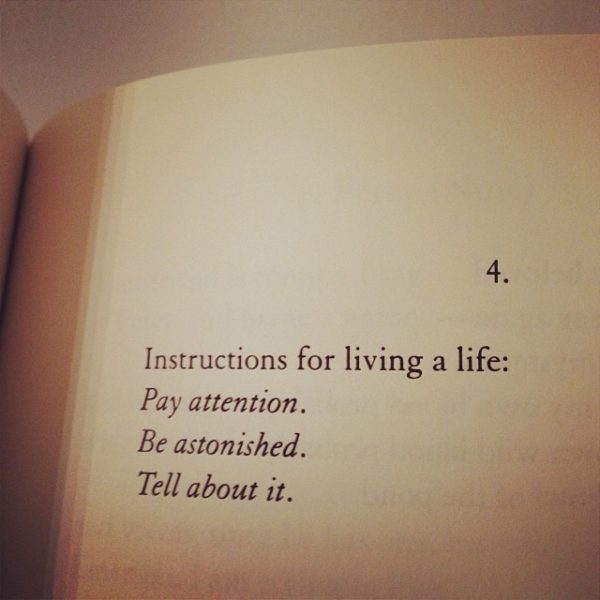
This really is the great message of her work: Pay attention. And pay attention to what you pay attention to. (The message of most great art, really.)

It’s spelled out in her poem, “Sometimes”:

It’s there in “A Summer Day”:

I don’t know exactly what a prayer is.
I do know how to pay attention, how to fall down
into the grass, how to kneel down in the grass,
how to be idle and blessed, how to stroll through the fields,
which is what I have been doing all day.
Tell me, what else should I have done?
Doesn’t everything die at last, and too soon?
Tell me, what is it you plan to do
with your one wild and precious life?

It’s there in “When Death Comes”:

When it’s over, I want to say: all my life
I was a bride married to amazement.
I was the bridegroom, taking the world into my arms.

When it’s over, I don’t want to wonder
if I have made of my life something particular, and real.
I don’t want to find myself sighing and frightened,
or full of argument.

I don’t want to end up simply having visited this world.

I think she did it right. And showed us how we can, too.

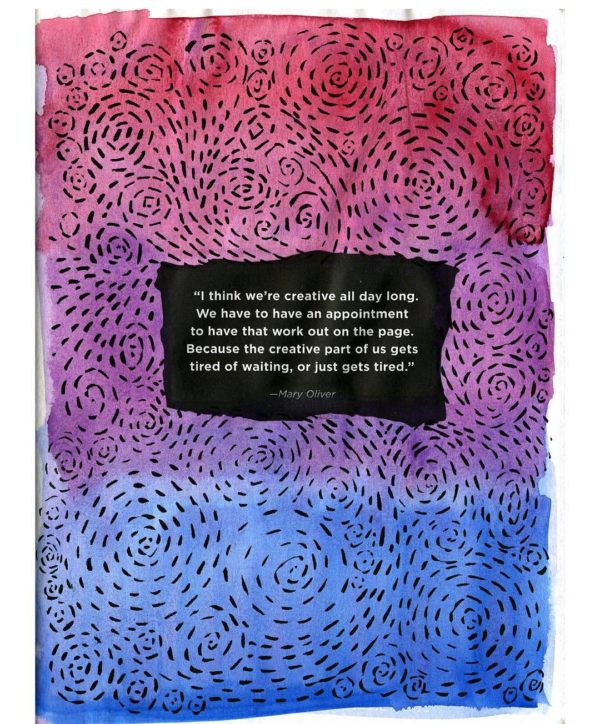
The opening page of The Steal Like An Artist Journal, painted by Heather Champ
18 Jan 00:59

The Spolia Tarot in the Haute Macabre Shop

by Samantha
Sarah

This is beautiful, but I feel like I'm not good enough at 'regular' tarot to introduce a different style deck!

New in the Haute Macabre Shop: The Spolia Tarot

A stunning 97 card deck of Tarot, elemental, and Zodiac cards by artist Jen May and writer Jessa Crispin.

Using images from history, from alchemy and mysticism, from mythology and the natural world to create a lush deck layered with meaning. The word “Spolia” means using rubble as building material. It also felt fitting for the time we are living in, as institutions, gender norms, religions, and ideas about how a society should function are all tumbling down and need to be rebuilt. We both believe that intuition and spirit are essential tools for guiding us through this process.

Each deck comes in a tuck case box with an instructional guide.

Available now in the Haute Macabre Shop


12 Jan 21:01

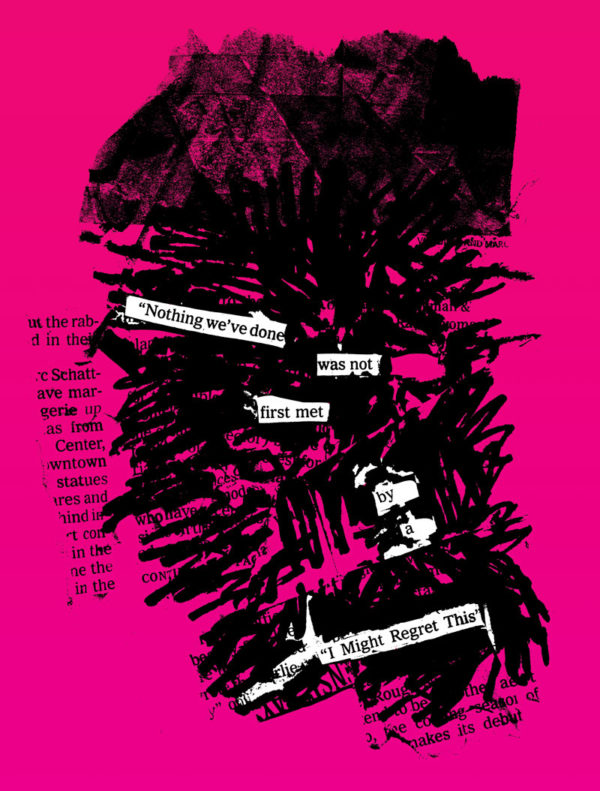
Nothing we’ve done

by Austin Kleon

Not sure what this is yet. But I like it.

11 Jan 00:46

Harold, 23“My kimono is from The Kimono House in Soho, the...

Sarah

forever


Harold, 23

“My kimono is from The Kimono House in Soho, the overshirt is from an independent brand from Lijiang, China, the pants are from Pas de Calais, the shoes are Doc Martens. I think my most specific style inspirations are punk and old Asian grandparents! I like clothing as part of counterculture, as well as messing with proportions to constantly change how the body is presented. Obviously love CDG, Yohji, Helmut Lang and Margiela, and Pas de Calais is a favorite (especially for pants). For shoes I always gravitate back to Docs, and as far as stores go I find myself constantly hitting up Tokio 7 and James Veloria.”

Dec 29, 2018 ∙ SoHo
10 Jan 04:01

Real Talk: Starting a New Chapter is Scary

by Grace Bonney
Sarah

What now indeed. Lots of changes in the pipeline

Artwork by Bekah Worley

One of the things I read all the time in business or entrepreneurial publications (or even just Instagram inspirational quote land) is to leap forward without fear. To make a huge jump and just trust it will all work out. Looking backward? Never! That would be showing signs of regret or weakness or doubt. And for some reason mainstream books and publications seem to be averse to the idea of expressing vulnerability or looking closely at the complicated tangle of feelings that arise when you end one beautiful chapter in hopes of starting a new one.

But that’s not me. I’ve learned over the past few years that clean starts don’t exist. Blank slates are a myth. And looking forward without bringing some of the past with you is darn near impossible (and that’s okay!).

So today I want to get back to what I used to do a lot of here: talk honestly about how hard and scary creative and business (and just general!) life can be. I’ve gotten a lot of emails and DMs over the past 24 hours after we announced that this would be our last year blogging at Design*Sponge, and they boil down to this: “You must have something BIG up your sleeve — what is it??” or “So brave! You must feel so good and freeing to move forward and start over again!”

But I have neither of those things. I have nothing up my sleeve, no secret project waiting in the wings to announce and I definitely don’t feel that looking for a new chapter is easy or freeing right now. Does it feel right? Yes. But does it also feel terrifying? YESSSS.

I’ve been quietly following a lot of women who’ve closed their companies after over a decade in business and have been watching to see how they handle those feelings and negotiate them publicly. I’ve been incredibly inspired by our own Erin Austen Abbott who closed her beautiful shop, Amelia, and is doing more independent work now. I’ve also been following Little Paper Planes founder Kelly Lynn Jones as she closed her shop in California to become an art teacher. They’ve both spoken openly on their feeds about the mixed emotions that come with closing something that has a community around it and all the pressure and fear and worries that can come with that. But watching them experience joys (and hardships) and new feelings and experiences they didn’t expect has been so uplifting and hopeful.

I know a lot of you reading have been through moments like this, whether they’re professional or personal. And I’d love to know what your experiences were like. How did you handle that mix of feelings? Fears, doubts, regrets? Did you stuff them down or let them breathe out in the air and face them head-on? What new feelings and experiences and growth did you encounter that you maybe never even knew you could?

As we navigate this final year together and talk openly about things, I’d love to continue to create space for honesty and meaningful community dialogue around these bigger issues that don’t always get tackled online. Entrepreneurship isn’t always high-fiving and inspirational quotes, sometimes it’s scary and made up of a potent mix of fear and faith. How did you find your faith to move on to something new? xo, Grace

05 Jan 01:56

Must Read: The Most Effective Skin-Care Trick Is Being Rich, What to Look Forward to This Year in Fashion

by Dara Prant
These are the stories making headlines in fashion on Friday. The most effective skin-care trick is being rich "You can drink as much water and wear as much sunscreen as you want, but the most effective skin-care trick is being rich," writes Amanda Mull for The Atlantic. In the piece, Mull ...

Continue reading

26 Dec 21:32

Alexander Wang and Uniqlo Are Collaborating on New Heattech Underwear

by Maura Brannigan
Sarah

yay i hope!

Alexander Wang's biannual runway blowout was sorely missed from last month's New York Fashion Week calendar, but that doesn't mean the downtown-cool designer hasn't continued to keep us on our toes.  Ahead of his namesake label's upcoming December 2018 presentation, Wang has been busy, for ...

Continue reading

26 Dec 02:56

Skip The Small Talk With A “Personality Cheese Board”

by swissmiss
Sarah

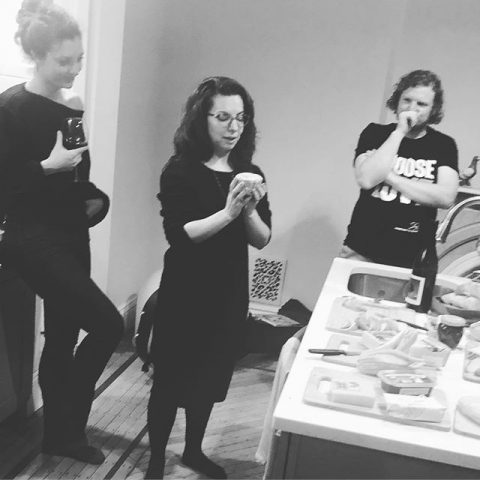
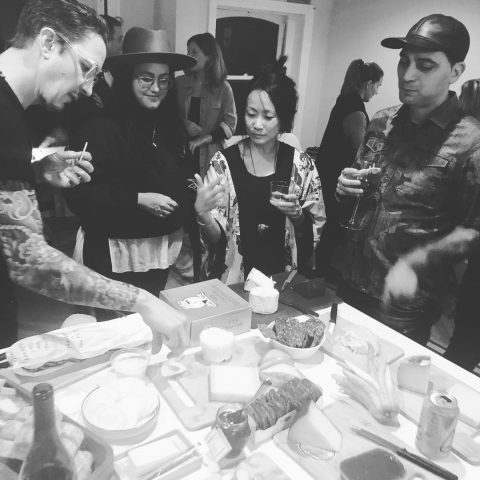
Clearly this party is happening

Here’s an idea for you to cut through all the small talk, next time you host a party:

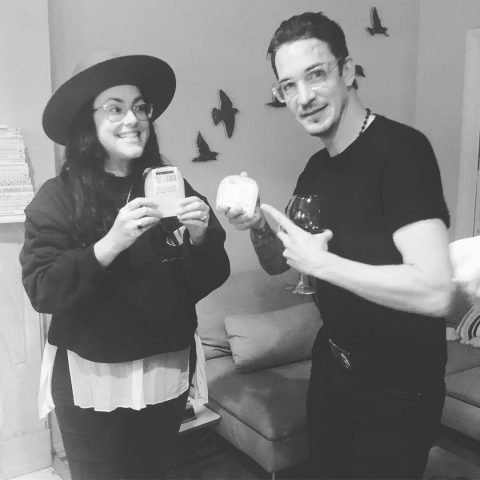
A few days ago I experimented with a “Cheese Personality Party”. Everyone had to bring a cheese that reflects their personality in some way or the other. Once everyone was present, we stood in a circle around the cheeses and listened to everyone’s reasoning for their choice. I was surprised how honest, sometimes vulnerable and sometimes just plain funny the thinking was. I will definitely do this again. ⠀ ⠀ ⠀

Looking at a cheese board filled with your friends’ personalities is simply the best.

My friends Stephanie and Jonathan Fields definitely made us laugh by bringing a cheesecake. Well played!

15 Dec 20:59

Gherardo Felloni Is Breathing New Life Into Roger Vivier, One Buckle at a Time

by Tyler McCall
Sarah

thoughts on this look

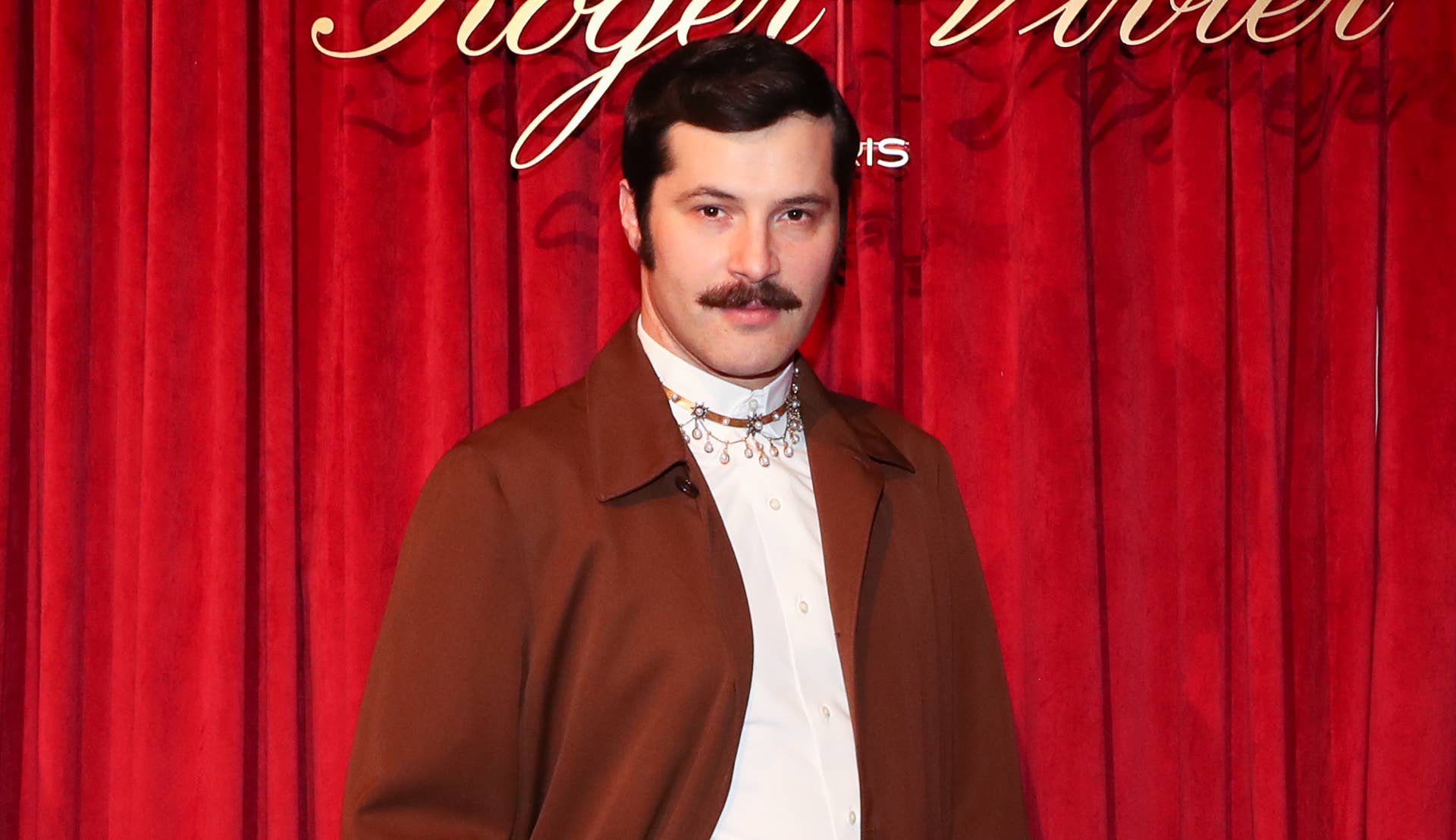
Entering Hotel Vivier, a one-night-only pop-up tucked away in a private home located in NYC's West Village, was a lot like stepping onto a film set. In one corner, one might discover an opera singer at work; in the bathtub, an incredibly limber woman dressed in a tuxedo stretched into impossible ...

Continue reading

11 Dec 08:39

Two Aussies Pay Homage to the Fearlessness of the 80s

by Garrett Fleming
Sarah

This is the couch I wanted, but couldn't afford.

Two Aussies Pay Homage to the Fearlessness of the 80s, Design*Sponge

Two Aussies Pay Homage to the Fearlessness of the 80s, Design*Sponge

Time and time again I’ve heard of homeowners and renters working tirelessly to rid their space of its dated look and bring it into the 21st century. Oftentimes items from the 1980s, in particular, are the first to get the boot when it comes time to redecorate. I’m not sure if it’s the pastels or the floral draperies that get everyone so worked up, but many believe this specific decade offered little in terms of worthwhile interior design.

For Natasha Webb and her husband Anthony, however, the 1980s embody something too unique to forget. They say the decade’s penchant for experimentation with color and mixing patterns was revolutionary and is still unmatched. “The 80s [were] all about putting yourself out there in every way,” they tell us.

When decorating their 1983-era home in Melbourne, Australia, they strove to infuse it with this boldness. To do so Natasha started with colorful and eye-catching abstract artwork. She then sampled the brightest hues from each piece and began peppering them throughout each room. The result is a kaleidoscopic look that acts as a time machine transporting us back to a period when there weren’t so many rules and louder was better. Scroll down to check it out. Enjoy!  —Garrett

Photography by Natasha Webb

Image above: Natasha matched accessories to the array of colors found in each room’s respective artwork in order to help every space feel cohesive.

07 Dec 05:05

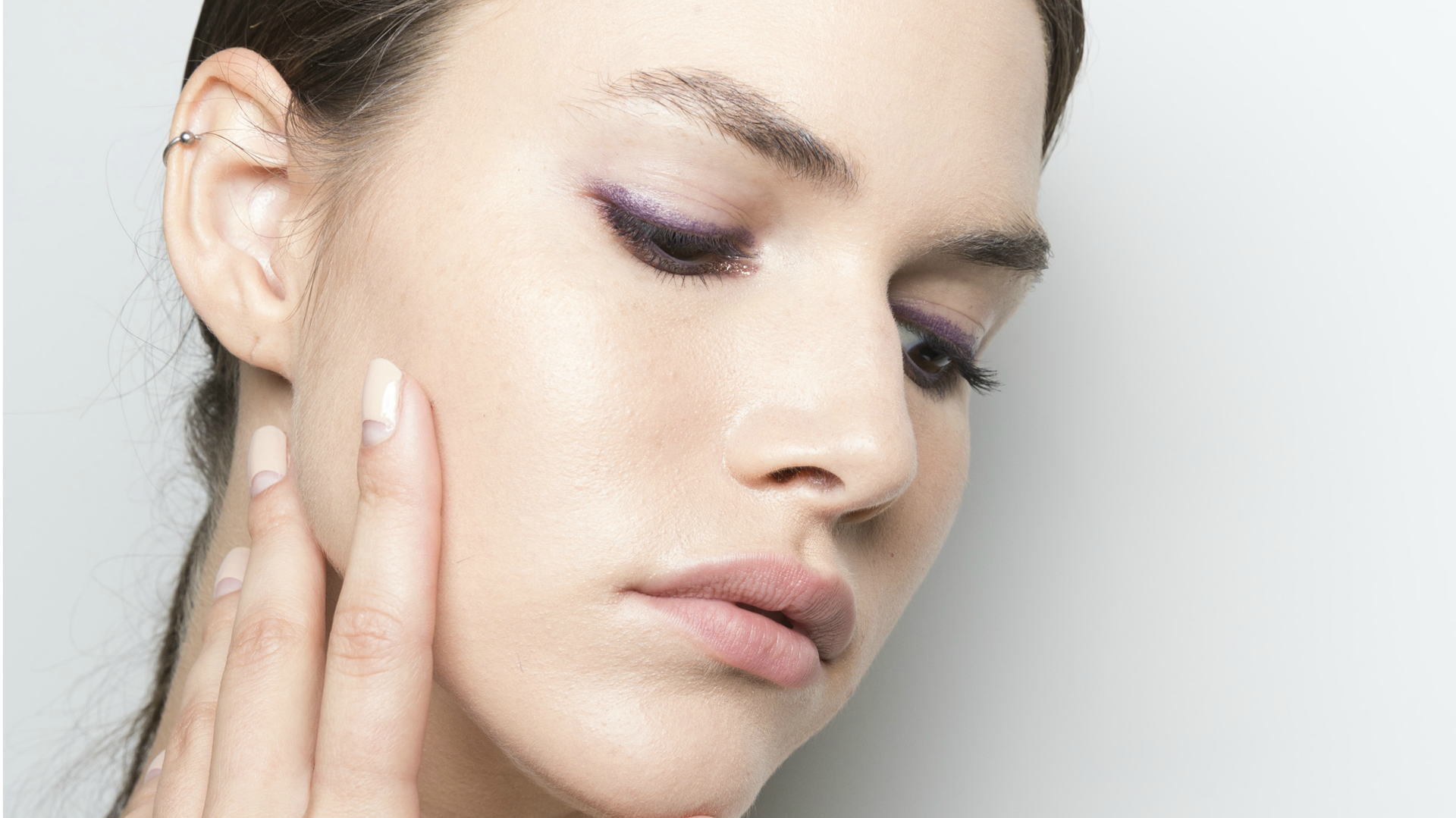
11 Moisturizing Masks to Rescue Chapped, Flaky Lips

by Lindsey Unterberger
Sarah

sharing only for this weird ass picture

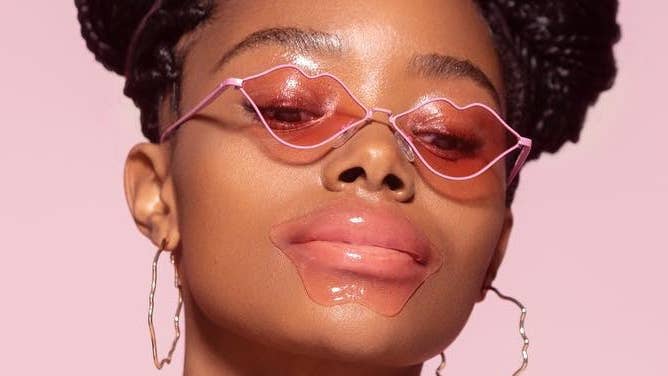
Chapped lips are as much a part of winter as hot chocolate and cozy sweaters, but unlike the latter two things, they're not exactly welcome. You can thank the combination of thin skin on your lips and moisture-sucking cold, dry air (not to mention wind gusts) for the flake fest on your mouth. For ...

Continue reading

05 Dec 01:42

Coco, 54“I’m a makeup artist and I also work at Housing Works...


Coco, 54

“I’m a makeup artist and I also work at Housing Works curating high end women’s designer clothing for events like A Current Affair and the events at our stores. Everything I have on is Issey Miyake. That’s my favorite designer and I created my personal style around his designs especially the Pleats Please.”

Oct 13, 2018 ∙ Industry City
04 Dec 01:02

Can you just search ‘Yoga’ on the computer and *white noise* 


Can you just search ‘Yoga’ on the computer and *white noise* 

27 Nov 23:58

Change Ahead: I'm Shifting from Local to Global in 2019

by noreply@blogger.com (Nina Simon)
Sarah

Nina Simon is a big reason why I wanted to work in museums, but we aren't as into truly breaking things apart out here, so I guess I'll stick in HR.

I have some big news to share. In mid-2019, I will transition out of my role as the executive director of the Santa Cruz Museum of Art & History (MAH) to focus full-time on leading OF/BY/FOR ALL, an emerging global movement to build more inclusive community institutions. We're planning for a slow and thoughtful transition; you can read more about it on the MAH website. Here on this blog, I wanted to share more of the personal side of this decision and what it means for me.

It has been my great privilege to lead the MAH since May of 2011. When I started as executive director, I was 29 years old. I knew nothing about management. Nothing about fundraising. But the museum needed a new direction, and the board took a risk on me. I knew something about community participation. I knew something about taking risks and making space for others to do so. I knew that Santa Cruz County - my beloved chosen home - was full of creative, curious people eager to connect in a new kind of institution. And so we made the MAH that institution, full of diverse, brilliant humans coming together to build a stronger, more connected community.

The MAH today is profoundly different from the museum I was hired to run in 2011. The budget is up 4x, full-time staff is up 6x, and visitation is up 9x. We've built a community plaza, hosted hundreds of community festivals, and co-created exhibitions that spark action on social issues. We now have a wholly community-rooted model, working with over 2,000 local partners annually to plan, produce, and share exhibitions and events. Our visitors and partners reflect the diversity of our community. And the reason they participate is not fundamentally to learn about art or history. People come into the MAH every day to make art. To make history. And to do it together, with friends and strangers alike.

I like to joke that both our biggest advocates and our biggest critics say the same thing about the MAH: "that museum is a community center." They're right. Our incredible staff and partners make it so every single day. I couldn't be prouder.

So why would I start to make plans to leave at this time of strength and beauty? Over the past year, I've worked with the MAH board to incubate OF/BY/FOR ALL, a global movement to help more organizations do the kind of community-involved work we do at the MAH. When OF/BY/FOR ALL started, we imagined it would grow big one day. We had no idea how quickly that day would come. In the past year, OF/BY/FOR ALL has gone from a good idea to a full-fledged nonprofit startup. I'm thrilled that so many people around the world want to work with us to build more inclusive institutions. I'm full of gratitude for the amazing staff at the MAH who have made it possible for me to spend more time online and on airplanes. But I see that this won't be sustainable for too much longer. I see the incredible potential for both the MAH and for OF/BY/FOR ALL, and I believe that each will soon need focused, committed leadership.

This sent me into an honest assessment of my own skills and passions and where I could do my best work. I'm an entrepreneurial, experimental, opportunistic leader. Those skills made me a great fit to turn around and grow the MAH to the amazing place it is today. But I see that these same skills could make me a liability to keep the MAH strong and growing. I've learned and grown a lot as a manager and leader as the MAH has evolved. But the institution is growing beyond my "zone of genius" as a risk-taking spacemaker. The MAH doesn't need someone to break it open and rebuild it. It needs someone to deepen and strengthen it.

I love the MAH, and I want it to have the best executive director possible. I know that person is out there--that leader who is brilliant on depth and structure, committed to community impact and inclusion. Maybe it's you - or maybe it's someone you know. When we post the job announcement in a few weeks, I hope you'll help share the opportunity. I truly believe it's the best museum director job in the world.

This was not an easy decision to make. I'll be leaving a place that has become home for me. I have brilliant colleagues who make our office joyful, zany, and loving. They teach me new ways to be true to our community every day. I have the best board, full of thoughtful, diverse community leaders. And then there are the people walking in every day ready to get involved, their pockets spilling over with passion and ideas. I love how open the MAH feels and how open it has made me.

But I also see what a big opportunity lies ahead for me with OF/BY/FOR ALL. I see what a big opportunity exists for the next director of the MAH. I have often thought of my job at the MAH as that of a spacemaker. I create and hold space for our community to flourish in all its creative and cultural diversity. With OF/BY/FOR ALL, I'll be able to take that spacemaking to a global stage, helping empower organizations and communities all over the world to grow stronger together. I'm moving forward with hope towards that abundant future for our community, our museum, and our world.
13 Nov 01:40

How Fascism Works

by Jason Kottke
Sarah

feeling very useless

Yale philosopher Jason Stanley recently published a book called How Fascism Works: The Politics of Us and Them. Sean Illing interviewed him for Vox about what fascism is and isn’t and whether Trump is practicing fascist politics (spoiler alert: yes). I found this bit about how America is particularly susceptible to fascism interesting (italics mine…that is an amazingly succinct paragraph about American culture):

Well, the Ku Klux Klan deeply affected Adolf Hitler. He explicitly praised the 1924 Immigration Act, which severely limited the number of immigrants allowed to enter the US, as a useful model.

The 1920s and the 1930s was a very fascist time in the United States. You’ve got very patriarchal family values and a politics of resentment aimed at black Americans and other groups as internal threats, and this gets exported to Europe.

So we have a long history of genocide against native peoples and anti-black racism and anti-immigration hysteria, and at the same time there’s a strain of American exceptionalism, which manifests as a kind of mythological history and encourages Americans to think of their own country as a unique force for good.

This doesn’t make America a fascist country, but all of these ingredients are easily channeled into a fascist politics.

This has been on my mind lately; here’s what I wrote a couple of weeks ago, reflecting on a trip to Berlin:

With overt anti-Semitism growing in the US (as well as other things like the current administration’s policies on immigration and jailing of children in concentration camps), it’s instructive to compare the German remembrance of the Holocaust to America’s relative lack of public introspection & remembrance about its dark history.

In particular, as a nation the US has never properly come to terms with the horrors it inflicted on African Americans and Native Americans. We build monuments to Confederate soldiers but very few to the millions enslaved and murdered. Our country committed genocide against native peoples, herded them onto reservations like cattle, and we’re still denying them the right to vote.

See also Umberto Eco’s 14 Features of Eternal Fascism.

Update: In a video for the NY Times called Is President Trump Fascist?, Stanley goes over the three elements that are always present when fascism takes hold of a country.

Open Culture has a good summary of the video if you prefer to read.

Fascist leaders sow division; they succeed by “turning groups against each other,” inflaming historical antagonisms and ancient hatreds for their own advantage. Social divisions in themselves-between classes, religions, ethnic groups and so on-are what we might call pre-existing conditions. Fascists may not invent the hate, but they cynically instrumentalize it: demonizing outgroups, normalizing and naturalizing bigotry, stoking violence to justify repressive “law and order” policies, the curtailing of civil rights and due process, and the mass imprisonment and killing of manufactured enemies.

Tags: books   How Fascism Works   interviews   Jason Stanley   politics   Sean Illing   USA   video
09 Nov 01:18

Pierre Cardin’s Le Palais Bulles

by Chrysanthe Tenentes
Sarah

When we win that crazy lottery I'll book this place

I’ve been taking refuge from the news in music (WQXR or Spacemen 3, lately), art (more on that here soon), novels (this weekend’s perhaps ill-timed read was Naomi Alderman’s The Power), and travel fantasies. Here’s one I’ve been thinking about for months.
palais-bulles.jpg
Pierre Cardin’s Le Palais Bulles is not open to visitors but can be booked for events, so if anyone reading this ends up planning one there *please* do invite me. The compound, just outside of Cannes in Théoule-sur-Mer, was designed by Hungarian architect and “concepteur of bubble housing” Antti Lovag from 1975-1989.
le-palais-bulles.jpg
French designer Simon Porte Jacquemus stayed in the bubble palace over the summer and got some pretty incredible shots (his Instagram page is a nice escape in itself).
interior-gradient-palais-bulles.jpg
Dezeen has a series of interior shots of the 2016 renovation.
palais-bulles-sink.jpg
pink-interior-palais-bulles.jpg

Tags: architecture   design
07 Nov 00:02

That Sandwich is Looking At You

by swissmiss
Sarah

yay bread

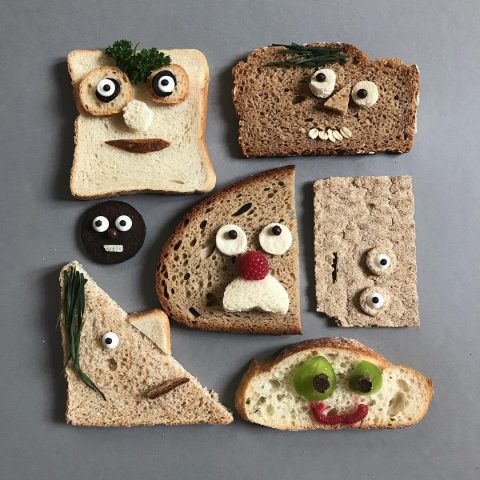
These made me giggle.

26 Oct 20:17

Another day, another woodcock downtown

by adamg
Sarah

guess I'm too macabre for Universal Hub--sorry Adam

Tim Hanafin spotted this woodcock on Water Street this morning. Reports are now coming in of woodcocks all over Boston Proper (dear reader: we spared you a photo of a poor, dead woodcock in Fort Point).

According to the Ruffed Grouse Society, which also covers woodcocks (cut that out, of course there's a Ruffed Grouse Society), late October and early November is peak migration time for northern woodcocks flying south for the winter.

Woodcock migrate at altitudes of about 50 feet, flying at night and resting or feeding in secluded thickets during the day. The birds travel alone or in loose flocks called "flights." Migration usually peaks in late October and early November in more northern areas, but the process sometimes starts as early as September and lasts until the end of November. With the coming of autumn, strong northwest winds and cold nights push large numbers of woodcock south.

The society has a database which you can use to report woodcock sightings.

And the Animal Rescue League of Boston has a hotline, at 617-426-9170, to report birds that appear injured or disoriented.

24 Oct 23:41

See Every Piece From the Alexander Wang x Uniqlo Heattech Collaboration

by Dhani Mau
Sarah

It is...just underwear. I appreciate that he is eating some kind of sno-ice here though

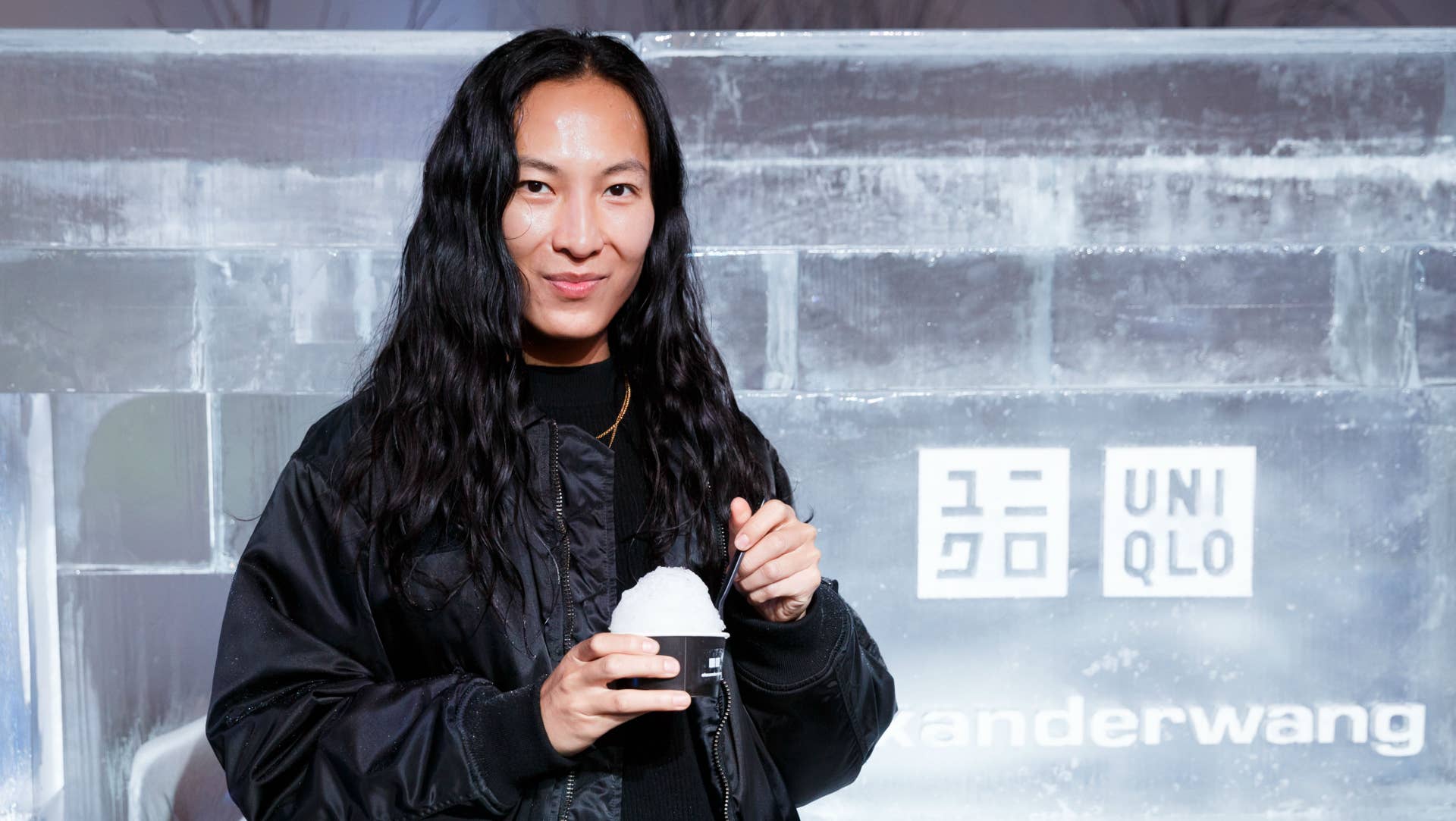
As great and effective as Uniqlo's Heattech line of insulating basics is, you have to admit it leaves something to be desired aesthetically. So, Uniqlo, which has a knack for doing on-brand designer collaborations that make sense, tapped Alexander Wang to give the range a little revamp just in time ...

Continue reading

17 Oct 00:02

Saturday Morning Breakfast Cereal - Gregor

by tech@thehiveworks.com


Click here to go see the bonus panel!

Hovertext:
May I just say that I'm really happy with how the fold in the burrito looks in panel 1.


Today's News:
11 Oct 00:47

Pantsdrunk, the Finnish Art of Relaxation

by Jason Kottke
Sarah

oh wow

Kalsarikanni

You’ve likely heard of hygge, the Danish word for a special feeling of coziness that’s been productized on Instagram and elsewhere to within an inch of its charming life. The Finns have a slightly different take on the good life called kalsarikännit, which roughly translates to “pantsdrunk” in English. A promotional site from the Finnish government defines it as “the feeling when you are going to get drunk home alone in your underwear — with no intention of going out”. They made the emoji above to illustrate pantsdrunkenness.1

Finnish journalist Miska Rantanen has written a book on kalsarikännit called Päntsdrunk (Kalsarikänni): The Finnish Path to Relaxation.

When it comes to happiness rankings, Finland always scores near the top. Many Finnish phenomena set the bar high: the best education system, gender equality, a flourishing welfare state, sisu or bull-headed pluck. Behind all of these accomplishments lies a Finnish ability to stay calm, healthy and content in a riptide of endless tasks and temptations. The ability comes from the practice of “kalsarikanni” translated as pantsdrunk.

Peel off your clothes down to your underwear. Place savory or sweet snacks within reach alongside your bed or sofa. Make sure your television remote control is nearby along with any and all devices to access social media. Open your preferred alcohol. Your journey toward inner strength, higher quality of life, and peace of mind has begun.

Kalsarikännit isn’t as photogenic as hygge but there is some evidence of it on Instagram. As Rantanen explains, this lack of performance is part of the point:

“Pantsdrunk” doesn’t demand that you deny yourself the little things that make you happy or that you spend a fortune on Instagrammable Scandi furniture and load your house with more altar candles than a Catholic church. Affordability is its hallmark, offering a realistic remedy to everyday stress. Which is why this lifestyle choice is the antithesis of posing and pretence: one does not post atmospheric images on Instagram whilst pantsdrunk. Pantsdrunk is real. It’s about letting go and being yourself, no affectation and no performance.

I have been off alcohol lately, but kalsarikännit is usually one of my favorite forms of relaxation, particularly after a hard week.

  1. That’s right, the Finnish government made emoji of people getting pantsdrunk. Americans are suuuuuper uptight.

Tags: alcohol   books   emoji   Finland   food   language   Miska Rantanen
29 Sep 23:57

Perfectly normal shopping malls, named by neural network

Sarah

CHANTING PLACE

The names of American shopping malls are a carefully calculated combination of bland and grandiose. Even the plainest of strip malls will have a faded sign somewhere proclaiming it to be the “Westbrook Manor Shoppes at Town Center Mall” or something of that nature. What happens if a machine learning algorithm tries to imitate this?

Thanks to Keith Wezwick I had a dataset of 1,106 existing shopping malls - a smallish dataset but one with enough consistency that I thought a neural net might be able to get the hang of it. I gave the dataset to char-rnn, a type of character-level recurrent neural network. Unlike some other neural networks I’ve used, this one starts from scratch - when it has its first look at the dataset, its neurons are connected randomly, with no built-in knowledge of any other datasets or even of English.

After a few passes through the dataset, it has learned to use letters and spaces, and even has learned some of the most common words. You can probably tell these are supposed to be shopping centers. You can also probably tell that there’s something terribly wrong with them.

Rre Gostge
Toreson Shoppiol Trape Center
The Shopp Mall
Preen Center
CoKies Mall
Shoppin Stophend
8!oon Center
Wastfield Stopas Center
Lieemsoo ah Tre Stops Mall
Woller Vallery
Baspoon Towne Center
Cowpe Toeoe Center Lrnme Cherry Center Warleros Oewves Mall

(To find out what these malls looked like, I asked AttnGAN, an algorithm trained to generate an image to go with any phrase)

But after more training, the mall-naming algorithm got… a bit better. By the time it had looked through the list of malls about 13 times, it was reproducing some malls word-for-word. I didn’t really intend for it to plagiarize malls verbatim from its input data, but the problem is I had told it to produce more malls like the ones it saw, and as far as it’s concerned, a perfect solution is to copy them. (This problem is called overfitting, and shows up in all sorts of annoying ways in machine learning research.) It did produce original malls too, though, and its original malls were definitely noticeable as neural net creations.

Bointy Mall
Fall of Lruin Mall
Princer Mall
Gollfop Mall 
East Bointy Mall
North Drain Mall
Town Center at Citylands
Galleria Shrps at Santa Mariatun
Outlets of the Source Mall
Peachdate Mall
Willowser Pork Mall
Mall of testland Mall

So the mall-generating neural net never quite got out of the “definitely not a real mall” territory. Could they get even more unsettling? The answer is, delightfully, yes. Here’s the output from a neural net (textgenrnn, this time), that was trained on the shopping mall dataset, but only after it was trained on transcripts from the spooky podcast Welcome to Night Vale. In Night Vale, every conspiracy theory is true, and deadly figures haunting the dog park, or mysterious glowing clouds, are just part of everyday life. Night Vale has a mall. It’s called “Night Vale Mall.” Seeing as it has in the past suffered outbreaks of deadly poison gas, even deadlier Valentine’s Day cards, and some kind of screaming vortex in the food court (and we don’t even know why East Night Vale Mall is now disused), it is just possible that Night Vale may be needing to name a new mall sometime in the near future. Perhaps one of these names will be suitable.

Burning Park Mall
Person Shell
The Shape
All Owl Mall
Place
Square Mall
Complete store of Mall
The What is Mall Mall
Many Head Mall
Mall Glow Place
Chanting Place
South Unit Presence
This is Center Mall
Goodnight Mall
Mall Pill Press Office Blood Park Mall
Carlous Preferse was all danger the Shoppendatoland Burning Shaper Mall

For more unsettling shopping malls (including one adults-only mall), as well as bonus material each time I post, enter your email here. It’s perfectly safe. Probably. Just stay away from the South Unit Presence.

27 Sep 23:59

Rick Owens's Spring 2019 Show, Like The World, Was Literally on Fire

by Fashionista
"Burn it all down, Rick Owens," tweeted New York Times critic Vanessa Friedman from the front row at Paris Fashion Week. She was referencing the literal burning tower at the center of "Lord of Darkness" Rick Owens's runway, but also undoubtedly expressing the sentiment of many, many American ...

Continue reading

27 Sep 14:04

Bucket Hats Are Officially 'A Thing,' According to the Street Style on Day 2 of Paris Fashion Week

by Fashionista
Sarah

ummm...

Have you bought a bucket hat yet? If you thought the throwback accessory was going to stay in the '90s forever, think again. Not only has it made an appearance on the runways in previous seasons, as well as among the street style crowd at Paris Men's Fashion Week over the summer, but ...

Continue reading

21 Sep 00:03

Farewell From Racked

by Racked Staff
Sarah

awww bummer. I guess I'm not the only one who's aged out of fashion/trends--media is still changing and I'm no longer a 'hot' market.

Racked is no longer publishing. Thank you to everyone who read our work over the years. The archives will remain available here; for new stories, head over to Vox.com, where our staff is covering consumer culture for The Goods by Vox. You can also see what we’re up to by signing up here.

Today is our last day publishing on Racked. Thank you for reading and watching (and commenting and tweeting and emailing!) for the past 11 years. We’ve put together some best-of lists for you to enjoy, and our entire archive will remain available on the site.

Check out the newly launched The Goods by Vox for stories and videos about what people buy, and — more importantly — how and why. You can sign up for The Goods’ newsletter here.

19 Sep 23:20

The In-Between Space

by andrea bennett
Sarah

We shouldn't get rid of old labels if people still find value in them. One of my friends considers himself transexual, under the broad umbrella of transgender, and yet people tell him he can't use that term anymore, which is bullshit.

In grade four, our class was located in a portable about a hundred metres beyond the school’s back door. A small wooden porch flanked by two railings and a set of stairs lead up to the portable; it also provided a multi-level platform useful for playing WWF Wrestlemania. One other girl sometimes played with us, but mostly it was just me and a whole bunch of boys. The goal was to hurl ourselves at each other hard enough to pin—to push and jostle and launch off the porch onto an unsuspecting crowd of wrestlers. The boys weren’t my friends, but they let me play with them. (Sports is all about numbers.) I had long hair but it was unkempt, and we were in the era of ‘90s Jaromir Jagr—his glorious, curly mullet unfurling from his hockey helmet in much the same way my dark waves bunched at my shoulders.

That year, I turned nine and was finally allowed to play hockey. The first time I knocked over a fellow girl—not on my team—I stopped skating and helped her back to her feet as my father hollered from the stands. Afterwards, my father and my coaches told me to “use my size,” the way it was useful on the porch behind the portable.

That year, in school, we played a math game called Around the World, based on times tables, in which the goal was to circle the classroom, defeating your classmates one by one. That year, drunk on wrestling and hockey and math—a subject I understood to be best suited to real (read: male) nerds—I requested that my classmates call me “Andy.” They did not comply.

I grew up in a time and place—a small town called Dundas, Ontario, b. 1984—when gender roles were binary. I grew up in a place where my favourite tomboy classmate later ridiculed my unshaven legs. I grew up in a place where, walking to work or the library, people yelled gendered, homophobic slurs out of their cars at me. I grew up with a mother I thoroughly confused and disappointed, just by virtue of being myself. It’s hard to say what kind of a person I’d be if these conditions had been different. Given these conditions, though, I took refuge in “tomboy.”

*

The word “tomboy” first emerged in the mid-16th century to describe rude, forward boys. A couple decades later, it began to apply to women—more specifically, bold and immodest, impudent and unchaste women. Soon after that, the term found the home we’re familiar with, referring to girls who behaved like “spirited or boisterous” boys. (Men got to keep “tom cat”—super creepy if you’ve ever googled “cat sex” after hearing alleyway yowling in the middle of the night.) 

By the time I hit elementary school, tomboy’s denotation had remained similar, but its connotation had shifted: wanting to be like a spirited and boisterous boy wasn’t such a bad thing. Second-wave feminism had crested, powersuits had come and gone, and we all understood that embodying certain aspects of masculinity provided a shortcut—albeit tenuous—to power in adulthood, and freedom in childhood. As Jack Halberstam writes in his 1998 book Female Masculinity, tomboyism tended, at that time, to be “associated with a ‘natural’ desire for the greater freedom and mobility enjoyed by boys.” Of course, there were boundaries: eschewing girls’ clothing altogether, or, say, asking your classmates to opt for a more masculine version of your name.

“Tomboy,” as an adult term, is most often applied to straight women who are somewhat masculine or boyish, or maybe “androgynous”—most often applied by the mainstream to masculine people with model-like proportions, proportions that are clothing-flexible because they are narrow and boxy. The first sentence of Lizzie Garrett Mettler’s introduction to Tomboy Style: Beyond the Boundaries of Fashion, goes like so: “When I arrived on campus for my first day at Brooks School in North Andover, Massachusetts, I was thirteen and as plumb a tomboy as any.” A couple of paragraphs later, when Mettler describes breaking her collarbone playing field hockey, she writes that her new Brooks best friend, Kingsley Woolworth, “decorated [her] sling with Lilly Pulitzer fabric sourced from a pair of my mother’s cigarette pants.”

Mettler’s tomboyhood fashion icons, featured in the full-colour book, are universally thin, generally white, and cover the usual gamut from Coco Chanel to Patti Smith, Carolyn Bessette-Kennedy and Diane Keaton, with more contemporary additions like Tilda Swinton and Janelle Monae.

My favourite photo is probably the one of Eartha Kitt, in mid-swing, playing baseball. Most of the other photos and icons—not to take anything away from these women, who are all great women—don’t include people like me. I don’t and can’t see myself in these rich icons: their small breasts, their bony shoulders, the ease with which a pair of trousers glides past their hips and thighs. Taken together, with Mettler’s narrative, “tomboy” is a way of being a woman that fits quite neatly into what we expect of “woman”: a conventional BMI, tousled hair, a camera-friendly approach. Bodies with hips cocked, odalisque’d across the hood of a ‘50s car. Style from brands and stories that are very parochially New York, or what you’d call continental, European. Style that reaches out to rich woman who want to marry rich men to let them know that everything will be okay: here is a way forward that will still appeal to the men and women in your social niche.

*

Last year, I was eating lunch at a cafe in Greenpoint, Brooklyn. Behind me, a mom and daughter spoke Polish and waited for their order. They were of a set: both blonde and blue-eyed, similar facial structure, similar feminine clothing styles, similar body types.

When I was very young and could be forced into puffy-sleeved dresses, could be convinced or strong-armed into curls and tights, my mother foresaw a future where we were of a set. My hair wasn’t blonde like hers, my eyes weren’t blue, my ears stuck out farther from my head than they were supposed to, but none of these things were immutable.

At eight or nine I began to grow. My body shot up and broadened. My legs lengthened, my belly got round, I became chubby, grew breasts. Next to my peers, who still looked like children, I felt monstrous. My mom urged the hairdresser to “soften” my face with feathered bangs. We fought about clothes. I wanted to dress like the boy from two doors down who wore low-riding shorts and untucked T-shirts; wearing my pants like that, my mom said, would draw attention to my belly. We bought aspirational-sized clothing. We put me on a diet. I starved and binged. I forgot to close my legs when I was made to wear a skirt.

Instead of being of a set with my mom, I resented her as much as my inability to give her what she wanted from me.

“Tomboy” provided me with my first out. Tomboy offered a way to pursue masculinity from what felt like a failed female body. I gave up mimicking girlhood, accepted a ruptured relationship with my mother, and slowly began to build a relationship with my body and my selfhood that wasn’t based in self-negation. The world I grew up in—the world we live in now—still places an inordinate amount of pressure on female bodies as consumable; opting out of femininity, even privately, freed me to see myself as a whole person, and it also freed me to interrogate the legitimacy of the boundaries I was breaching with my monstrosity. Tomboyhood offered me a kind of self-acceptance I never got to experience as a girl.
But conventional gender-code breaking—allowed, within boundaries, for girls—ends, too often, with adulthood. As Jack Halberstam writes, “If adolescence for boys represents a rite of passage… for girls, adolescence is a lesson in restraint, punishment, and repression.” In popular culture (The Adventures of Pippi Longstocking, for example), tomboyism is often folded into narratives about resisting adulthood; there’s a tacit understanding that with time, a tomboy will grow out of her (his, their) affinity for masculine presentation, masculine-coded pastimes, masculine-coded work.

And so tomboy gets roped in, like everything else, to safety and convention—swanning into simple, elegant, usually white, womanhood. A conventionally attractive woman devouring a burger in a men’s magazine profile; an unadorned silk dress.

My masculinity never turned men’s mag icon. I have never been an uncomplicated body in a silky dress; instead, I began to identify with the world of female masculinity best understood and embraced by queer theory; I pursued masculine-coded work, becoming a bike mechanic; I grew up and, though I dated men, came to identify as queer.

For over a year, I have had a BuzzFeed video bookmarked on my computer: “What Is Female Masculinity?” I watch it about once a month. The video starts with identifications: “I don’t really identify with anything but if anything I guess it would be butch”; “MOC, which is, like, masculine of centre”; “Genderqueer butch mahoo”; two “gender-neutral”s; “LHB: Long-haired butch.” Everybody has similar but diverging things to say about masculinity, female masculinity, aesthetics, and the benefits and disadvantages of being masculine and female in a world that prizes many aspects of masculinity. Near the end, one of the participants says, “A lot of times, butch women are blessed with the burden of boobs. That’s a very funny cross to bear on top of everything else.”

I have large breasts—boobs—and like many people who experience gender dysphoria, I do everything in my power to keep this detail from the general public (I own a compression vest, surreptitiously wear sports bras under collared shirts, curve my wide shoulders forward in an attempt to hide myself). Often, I’m proud of myself and I accept my body. But sometimes, I feel alone, quite alone. I can’t sum up the power of watching someone express my secret shame as a warmly funny in-joke.   

I understand why people balk at labels—why further subdivide the world? But I think of them—tomboy, butch, genderqueer, MOC—as functional and hopeful. That function is communication. If I can’t describe who I am in this world—I am who I am, whether or not I can describe it—then I can’t seek out others like me.

Early in 2015, a feminist mom, Meredith Hale, wrote “Don’t Call My Daughter a Tomboy” for the Huffington Post. Hale’s daughter comes home from school one day and announces that she feels like she is like a boy, and, in fact, a tomboy, because she likes sports. Hale writes, in part, that she had “been guilty of using the label ‘tomboy’”—but only before she “knew better.” Late last year, feminist Catherine Connors wrote a piece for Her Bad Mother (later reprinted by Bust) called “Don’t Call Her a Tomboy.” Connors’s daughter, who dirtbikes, self-identifies as a tomboy. “I wouldn’t call you a tomboy, sweetie. I think that you’re you,” Connors tells her kid. “And you like a lot of different things, and they’re not just ‘boy things’ or ‘girl things,’ they’re things that you like.” Similarly, Hale wants her daughter to grow up embracing her femininity at the same time as she feels free to pursue whatever sports and pastimes draw her attention.

Eventually, Connors comes to the conclusion that these ongoing conversations are not really about tomboys, after all—they are about feminism. That girls and boys can contain multitudes. That gender stereotypes must be challenged. That parents must contest the ways in which society—with its pink aisles and camo prints—boxes in boys and girls.

Has our conception of gender changed so much that the in-between space that was so useful for me as a child—that is useful for me as an adult—is no longer necessary? After mulling over these pieces—and, more broadly, the differences between mainstream feminism and queer feminism—for more than a year, I wish there was room to embrace both tomboy and the fight to move beyond gender stereotyping. I wonder: how would I have felt if I received these messages from my mother? What if, instead, we outlined for kids like these that girls and boys can do and like and be who they want—but if they’re not a girl, or not a boy, that’s okay, too?

I have done a lot of work to disentangle myself from misogyny—to embrace my own femininity, to move past the ways in which I had rejected femininity broadly because it had been foisted upon me. I can’t help but feel that mainstream feminism has not done the same amount of work to understand genderqueerness, to understand complex trans identities. Why, otherwise, would you call to kill a term that still holds some usefulness for me, and others like me? If the world has told us for much of our lives that we are not quite women, and, moreover, “girl” and “woman” never quite fit, is it our responsibility to forcibly expand girlhood and womanhood until it grudgingly accepts us? Can I not just be woman-adjacent in peace?

Identity exists at the crux point of internal and external pressures—who we feel we are, and how others see us. Far from being discrete, one feeds into the other. I have no way of knowing how I’d feel if I hadn’t spent my youth feeling shamed into, and failing at, femininity. I wouldn’t be a feminine woman, but maybe I’d feel more comfortable stretching “woman” till it fit. As it stands, I’m not a woman, and I’m not a man; I’m not a tomboy anymore, either, though kernels of tomboyhood remain useful for me. From time to time, lifting a cargo bike into a repair stand, I tell myself to use my size; from time to time, I opt for a dress I can walk or bike in, because shoehorning a curvy body into masculine clothes takes work. In adolescence, tomboyhood offered a positive way to describe myself instead of repeating I’m not, I’m not, I’m not. It emphasized doing rather than being; it offered the option of finding power, and community, in monstrosity.