
See more art by Dave Mercier!
 ...
...
Spoiler alert: Kevin still really loves pizza…

Hughes Entertainment/Astrid Stawiarz / WireImage for Turner Networks

Hughes Entertainment
There’s a famous photo from the Golden Age of Hollywood that features actress Sophia Loren giving blonde bombshell Jayne Mansfield’s abundant cleavage some rather disapproving side eyes:

(Image Via Rex Features)
The 1957 photo became a classic because it’s full of attitude and tells a great story about the battle for the spotlight going on between talented actresses and bombshells in Hollywood during the 50s and 60s.
Fans have always assumed that Sophia wore a look of anger or derision, but in a recent interview with Entertainment Weekly Sophia reveals she was more scared than angry:
Paramount had organized a party for me. All of cinema was there, it was incredible. And then comes in Jayne Mansfield, the last one to come. For me, that was when it got amazing. . . . She came right for my table. She knew everyone was watching. She sat down. And now, she was barely . . . Listen. Look at the picture. Where are my eyes? I’m staring at her nipples because I am afraid they are about to come onto my plate. In my face you can see the fear. I’m so frightened that everything in her dress is going to blow—BOOM!—and spill all over the table.
So her stare wasn't purely venomous- she was also concerned for the welfare of the table settings. Can you blame her for feeling a bit overshadowed by Mansfield and her two friends?!
-Via Vanity Fair
Snob<3
Una sesión acompañados por grandes voces femeninas del rocknroll de las últimas ciatro décadas. Playlist; Blondie (Sunday girl), The Runaways (School days), Joan Jett and the Blackhearts (Pretty vacant), Nikki and the Corvettes (Back seat love), Fifi and the Mach III (Beautiful rainbow), Shonen Knife (Super group), Mikabomb (Garage super stars), The Plasmatics (Butcher baby), The Avengers (Open your eyes), The Go-Go’s (Vacation), The Pandoras (That’s your way out), The Headcoattes (Hurt me), The Muffs (Not like me), The White Lights (Just don’t say anything), Suzy y los Quattro (What you want) y Los Romeos (Femme fetale).
This post originally appeared on VICE UK
If you came to games fresh during the previous console generation, where once-grainy graphics made the switch to full HD, you don't know how easy you've had it. There was a time, long before the gushes of crimson coloring contemporary offerings of extreme violence--Gears and God of War, Dead Rising, and the more recent Resident Evils, Max Payne 3, the Dead Space series, Bulletstorm, and BioShock (to name but a few)--where you had to lean on your imagination to bring scenes of disgusting dismemberment to life.
Today's games are suitably rated, informing parents that something like Shadows of the Damned really isn't for their six-year-old. But there was a time when violence in games was barely regulated at all, when a kid much like myself could slip Barbarian into his ZX Spectrum's tape deck and settle down for an afternoon of decapitating.
Barbarian: The Ultimate Warrior, to give Palace Software's 1987 one-on-one fighter its full title, is today mostly remembered for two things. One, it featured Wolf from Gladiators on its packaging (alongside, when first published, Page 3 girl Maria Whittaker); and two, you could cut your opponent's head off and see his corpse dragged away by some goblin chap. The Spectrum's limited palette and basic animations left a lot to interpretation, but it wasn't long before a cracked Amiga version made its way to my bedroom. Then, with more colors on show, I could really revel in the ruddy glory of a classic finishing move.

The mighty Wolf
Barbarian attracted its share of bad press, with conservative critics calling its packaging "pornographic." Concerns were raised about the game's gory content, but not so much as to have its British sales restricted, as today's games are by the BBFC and PEGI. The game did received an 18-certificate in Germany, though, and wasn't available to younger players until its red stuff was turned to green. Which makes all the difference, offensichtlich.
In the UK, the first game to get the BBFC on its case was the CRL Group's Dracula (1986), released for various home computer formats of the time and deemed too graphic to be sold to under-15s. This bummed its makers out, as they were hoping for a higher certificate. Undeterred, CRL put out Jack the Ripper the very next year, and were rewarded with the first-ever BBFC 18 for a video game. Not that Dracula or Jack the Ripper were exciting action games--they were text adventures, of the kind seen in the movie Big (you can actually play The Cavern of the Evil Wizard, if you like). Images were static, and crap.

'Chiller': senseless violence you'd need a lobotomy to enjoy
There was bloodier fare to be found in the arcades of the 1980s. Splatterhouse gobbled up pocket money in 1988 (its 2010 remake is a modern gore-fest), but a much grosser game beat it by two years. Chiller, developed by Exidy in 1986, invited the player to pick up a light gun and target human captives, severing limbs, squashing skulls, and liberally splattering blood around each level. "You" are the torturer of the title, responsible for ensuring that these helpless souls are punished in the very worst ways possible. Quite amazingly, the game was ported to the Nintendo Entertainment System in 1990, albeit after some substantial censoring. All the same, it made for an incongruous addition to the NES's family-friendly catalogue.
But Chiller had a problem: It was fucking awful, a joyless shooter with nothing going for it except gore. A still-bloody but rather more cerebral proposition was Interplay's Battle Chess, released on the Amiga in 1988. It was great fun working your way through all the different combat animations, the best of which witnessed a splash of red. Bishops were uncommonly brutal, stabbing the queen clean through and slicing the king three ways, while knight versus knight would see the taken piece lose its arms and legs--a precursor of sorts, perhaps, to the limb-removal finishing moves of 1992 arcade fighter Time Killers.
[youtube src='//www.youtube.com/embed/_aF-HtQ_BcU' width='640' height='360']' Primal Rage'
Of course, any fighter game that saw off its second-place contenders by tossing their body parts around the screen was more indebted to the bout-climaxing bloodiness of Mortal Kombat than anything else. Midway's arcade game, subsequently ported to home systems, was the fiercest rival of Street Fighter II in the 1990s, and the progenitor of countless cartilage-cleaving clones. Primal Rage (Atari, 1994) featured prehistoric beasts but retained MK's fatalities, while Saffire's Bio F.R.E.A.K.S. for the Nintendo 64 took finishing moves into the third dimension, but nobody cared. And we simply don't talk about Way of the Warrior any more. It's too upsetting.
Games censorship owes much to Mortal Kombat--it was the spine-yanking finishing move of its character Sub-Zero that led to the introduction of the ESRB, responsible for age-rating releases in the United States and Canada. The move--like all moves in MK--has got gorier over myriad iterations, but as graphics have improved and sound effects have become all the more squelchy, it's actually lost some of its allure. All the same, MK's creative killings remain some of the most grotesque sights on a modern console.
[youtube src='//www.youtube.com/embed/d2KUSGHTk5w' width='640' height='360']'Mortal Kombat X' finishing moves. The game is due in April 2015
You can line up a number of today's games as continuations of developers' laissez-faire attitude to gore that's been evident since the 1980s--The Evil Within is exquisitely gooey, and Dead Rising 3 isn't afraid to paint its town several shades of entrails. But there's nothing all that memorable about their explicit scenes, because we're so used to seeing this stuff. Whereas, in previous generations, excessive gore stood out--and when it was paired with an enjoyable game, magic happened.
Moonstone: A Hard Days Knight was one such title, released by Mindscape in 1991 for the Amiga. Up to four players could take turns guiding their knight around a fantasy land plagued by monsters--and they'd battle each other when paths crossed. The objective was to deliver the titular rock to a Stonehenge-like central area, at which point your character would ascend to the stars like a god. Or something. The story didn't matter then, and to a great extent it doesn't now, because all I really remember was scenes like this, and this, and this. Just look at it in motion. Glorious...
[youtube src='//www.youtube.com/embed/c0FzZ6B8Xa8' width='640' height='360']'Moonstone': Fast-forward to 9:55 and drink it all in
The Amiga was home to a multitude of gory games, but one outstanding example of its kind was Damage: The Sadistic Butchering of Humanity, which is essentially a Grand Theft Auto murder spree played out by Sensible Soccer sprites, a side-scrolling urban Cannon Fodder. Issued in 1996, it's a game devoted exclusively to, in its makers' words, killing "thousands of enemies: harmless civilians, policemen, army troopers, organized criminals, bloodhounds and vehicles." You end the game with your dick out, nuking the world. It's been remade for modern systems, and could be seen as a forerunner of Dennaton Games' Drive-inspired Hotline Miami--colorful and subversive alongside the gratuitous violence.
Believe it or not, despite such gleeful goriness, not many games have been threatened with a ban in Britain. Carmageddon was refused a certificate in 1997, but modifications saw it pass censors, and Rockstar's crowbar-happy Manhunt 2 had to go via the courts--and undergo a handful of edits--on its way to commercial release ten years later. It eventually received an 18 from the BBFC, and found a home on, of all consoles, Nintendo's cuddly Wii. Another game to face up to and beat a British ban was 2004's The Punisher, from Volition, Inc. Its interrogation scenes were only passed when processed into monochrome--decide for yourself if anything goes too far.

'MadWorld': This is not the Mario game you're looking for
The black-and-white-but-red-all-over aesthetic returned with Platinum Games' MadWorld in 2009--against type, the over-the-top dice-them-up was exclusively for the Wii. PC first-person shooters have wallowed in grisly surrounds for decades. Both Rise of the Triad (1994) and Blood (1997) drew influences from 1992's Wolfenstein 3D and Id Software's evergreen Doom--a game that recently received a new "Brutal" mod, raising the gore to puke-worthy proportions. And then there's Postal 2, which you really don't want to mix up with Portal 2 on your Christmas list.
Over at Nintendo's greatest competitors, Sega did what it could to market its Mega Drive as the more mature choice for late-80s/early-90s gamers by sanctioning a series of bloody titles. In 1990 it received a port of Techno Cop, a wholly shitty affair that mixed 2-D shooting with abysmal driving sections. It's terrible, but noteworthy for being the first Mega Drive (Genesis) game to carry an explicit content warning in the States.
The Mega Drive's RoboCop Versus the Terminator (1994) saw enemies explode into pools of the red stuff, whereas its Super Nintendo counterpart just had them vanish in puffs of smoke. Its port of Mortal Kombat kept the blood that the SNES didn't, too, and when the Mega-CD received an English-language version of Hideo Kojima's masterful cyberpunk mystery game Snatcher, it didn't scrimp on the gore at all.

'Snatcher': Your colleague's gone and lost his head
From the weird-as-all-fuck file comes Harvester, originally released in 1996 but brought to Steam in April 2014. It's a point-and-click puzzle game featuring popular-at-the-time full-motion video footage. It's also completely out of its mind. I don't really know where to begin. Maybe with the baby whose eyes fall out of its face? Perhaps the teacher who baseball-bats a pupil to death? Or the part where a mother's own children eat her? Oh, and you can totally kill your wife-to-be, in a scene that wouldn't look out of place in Mortal Kombat. (Do note that every one of those links contains a spoiler, best avoided if you want to play the game yourself.)
I want to finish on a release that followed Mortal Kombat's lead in its graphic finishers, but for my money took things to the highest level for 16bit slaughter. Sega's self-developed Eternal Champions was a 1993 fighter that, while overly acclaimed in some quarters, was a decent second-choice scrapper for when your mate was over and your copy of Street Fighter II had gone missing. But its Mega-CD update, 1995's Challenge from the Dark Side, was something else. I still have a copy, and I don't mind saying that some of its content can churn my stomach today.

'Eternal Champions': I'm no doctor, but that's going to need more than a plaster
In 2006, IGN wrote that Eternal Champions' Overkills were the goriest finishers in gaming. Based on the CD version, I can't disagree. This game was brutal. And I made sure I learned every move, ticking them off as I went, compiling my favorites. ...Dark Side expanded on the simple Overkills, adding Sudden Death scenarios, gruesome Vendetta finishers, and FMV Cinekills, where the unfortunate victim would be teleported to their doom at the hands of the Dark Champion--an evil dude with a lightbulb for a head.
I appreciate that today's glossy gore is more realistic than video games have ever before realized, but some of what ...Dark Side featured was just--is just--horrific. Check out the video below, featuring Overkills and Sudden Deaths.
[youtube src='//www.youtube.com/embed/nQlXJl_zf3Q' width='560' height='315']Special mentions for the casual shotgun killing at 1:11, the microwaving of 4:35, the acid bath at 6:24, and the impaling at 10:42. And stay the distance for a literally monumental finish. Beautiful.
Illustration by Patrick R Allan
Follow Mike Diver on Twitter.

For the fourth year in a row, “Jimmy Kimmel Live!” has succeeded in crowd-sourcing some of the finest, socially acceptable Halloween-themed child abuse this nation has ever seen through the lens of the smartphone.
I don’t know how, but the “I Told My Kids I Ate All Their Halloween Candy” bit still feels genuine — unlike some parent-child “viral” videos — and let’s face it: It’s a perfectly clean shot for mothers and fathers to get back at their kids. I hope one day after the road warriors brush off the dust from the civilization that once was, that the nomads who rule this land will discover these clips and think this bit was a celebrated American tradition right alongside the carving of the turkey and dressing up as a zombie Santa before barfing in a stranger’s home. To wit, a United States how it should be remembered.
Here’s Kimmel’s vid from 2013 when you’re done schadenfreude-ing with this year’s pack of tormented children below.
source: Jimmy Kimmel Live
You’ll be stunned to discover people have found a new and exciting way to take the piss.


FERROL360 | Martes 4 noviembre 2014 | 14:18
Ferrolterra, Eume y Ortegal cerraron octubre con 18.420 desempleados tras subir el paro por encima del 1,5 % a lo largo de ese mes. Concretamente, el área de Ferrol suma 15.635 parados -220 por encima de septiembre-, Eume se mantiene con 1.897 y Ortegal asciende a 888 desocupados -64 más que el mes anterior-. En total, hay 284 nuevos demandantes de empleo en la zona.
El dato interanual, en cambio, refleja que el paro descendió en 1.530 personas frente a octubre del pasado ejercicio. El incremento porcentual está por debajo de la media gallega, de un 2,45 %, y de la estatal, que es del 1,78 %.

¿El aficionado al cómic necesita otra reseña de Torpedo 1936? ¿Se puede decir algo de este tebeo que no se haya dicho todavía?
Ya saben todos que es la crónica de las andanzas de Lucca Torelli, alias Torpedo, un asesino a sueldo totalmente amoral que se mueve en el New York de los años 30 entre gángsters y prostitutas. También saben de la característica mezcla de género negro y sentido del humor que desarrolló en la serie Enrique Sánchez Abulí, creando unas historias que son pura diversión, y que si tienen alguna moraleja o lección que enseñar es que la vida es muy puta. También conocen perfectamente el estupendo trabajo de un Jordi Bernet en su mejor momento, y la anécdota de que hizo suyo a Torpedo tras subir a la serie ya empezada, sustituyendo a un Alex Toth que dio la espantá al ver el rumbo que tomaban los guiones de Abulí. Y, por supuesto, también saben que Panini acaba de recopilar todas las historietas publicadas en los veinte años que duró la serie en un único tomo
No, el aficionado al cómic no necesita otra reseña de Torpedo 1936. El aficionado al cómic necesita Torpedo 1936
Torpedo 1936 Integral
Enrique Sánchez Abulí y Jordi Bernet
Panini Cómics
Libro en tapa dura. 720 páginas. 60€Por primera vez en nuestro país, un volumen integral recoge todas las historias de Torpedo 1936, La mejor historieta de serie negra de las últimas tres décadas, que cosechó un éxito mundial desde sus inicios a ambos lados del charco. Torpedo narra la historia de un inmigrante de origen italiano, la de un asesino a sueldo que reparte su particular justicia, por la calles de Nueva York, durante la Gran Depresión. El mérito debe atribuirse a dos genios como Enrique Sánchez Abulí y Jordi Bernet. Dos auténticas figuras del cómic nacional, un tándem creativo irrepetible, que han dado vida a una leyenda del tebeo. Fruto de unos guiones llenos de ingenio de Abulí que muestran el lado oscuro del alma del ser humano, y del mágico pincel seco de Bernet, con su gran sentido del ritmo cinematográfico.
El artículo Torpedo 1936: el humor negro de Abulí y Bernet apareció primero en GenComics.
 The Asylum Street Spankers long ago proved that you don’t need to make big noise to have big fun. The acoustic band’s final release, taken from their farewell shows in 2011, holds to the same gritty, unamplified aesthetic that drove them for their 17 years together. For part of that time the singer Wammo was part of the band, and as I remember it he had the most personality of all the members, and that’s saying a lot. Many members have come and gone over the years, and during their later period, the other musicians, especially Christina Marrs, continued to bring the soul through their voices and instruments.
On The Last Laugh, their final release, the foot- stomping spirit of the Spankers is strong as ever. Listen in – you have to strain to hear it – as…
320 kbps | 100 MB UL | MC ** FLAC
…mandolin and banjo player Charlie King taps out the tune on his cell phone (at least that’s what it sounds like he’s doing) between singing the verses of his “She Texted Me Goodbye.” Listen to the whole group belt out multi-part harmonies in the traditional gospel tune “Didn’t It Rain.” And listen as Marrs wails on her own “Never Goin’ Back,” then “sings” the melody of Saint-Saens’ classic “The Swan” (from Carnival of the Animals) on her musical saw.
That last number is an appropriate choice, this disc being the band’s swan song. The Asylum Street Spankers are gone, but not forgotten. Their completely acoustic show at Joe’s Pub in New York some years ago – no amplifiers, no microphones – remains one of my most memorable concertgoing experiences. It’s nice to have one more piece of documentation, and since this collection contains only songs the band never released before, it’s essentially a new album.
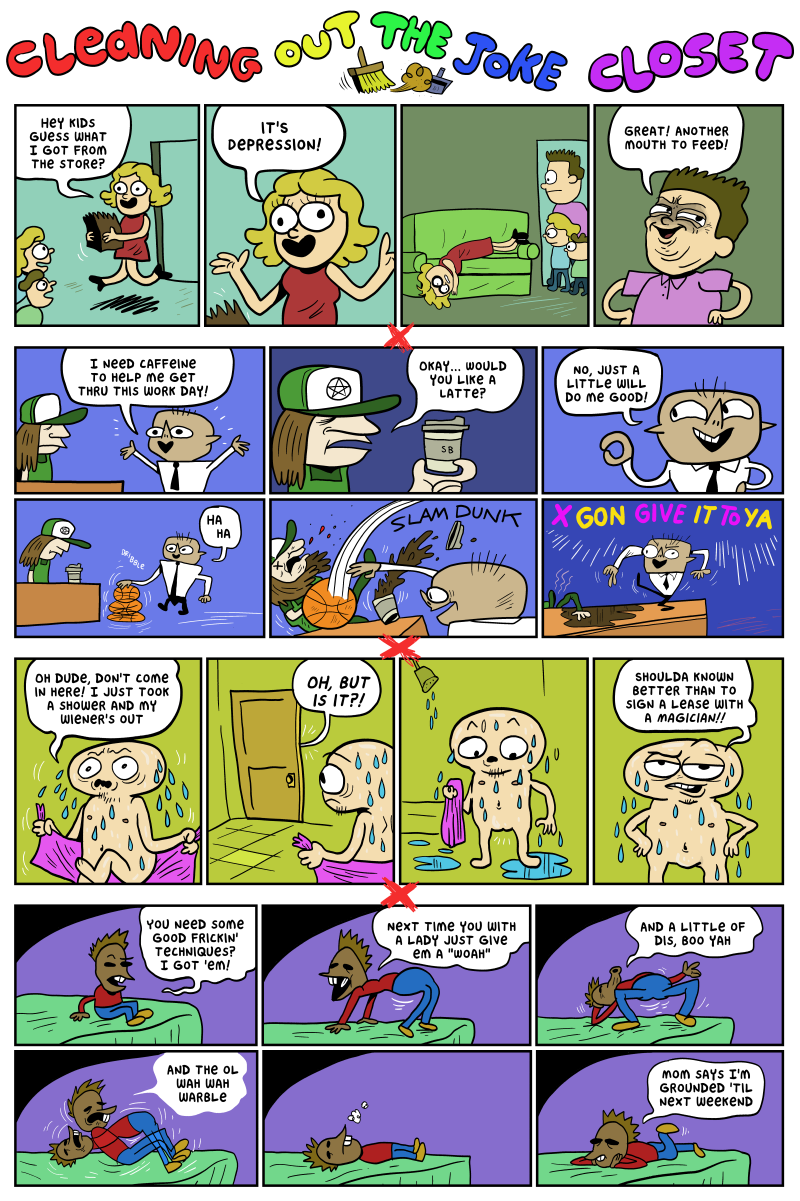
Time to start lookin around the place and cleaning up. All these little jokes I weren't sure about gotta add up to at least ONE chuckle if I throw em all together. Seems like a reasonable assumption to me!
SnobD:
 In 2012, in quick succession, Jenn Grant lost her mother to breast cancer, went on a trip to Spain and moved into a new home in Lake Echo, 25 minutes east of Halifax, with her husband, producer/multi-instrumentalist Daniel Ledwell.
All of this informed Grant’s warmly textured fifth album, Compostela (“field of stars”), written in a trailer parked on the couple’s property, on a steady diet of Damien Jurado, Father John Misty and Rodriguez. (There’s a shout-out to the recently rediscovered Detroit folkie on “Wild Animal” when Grant sings, “I sang to Sugar Man while his record played.”)
Grant’s aim was to make a psychedelic folk album; luckily, the only overtly psych tune on the record…
320 kbps | 113 MB UL | MC ** FLAC
…is “Canadian Maple Grove.” Throughout, the rest of the psych-folk experiments subtly add colour. In fact, Compostela, Grant’s third album with Ledwell, may well be her most cohesive to date, despite the much-touted inclusion of a number of guest backup singers, including Doug Paisley, Sarah Harmer, Rachel Sermanni, Rose Cousins, frequent collaborator Buck 65 and an audience at the Black Sheep Inn.
Perhaps it’s because the underpinnings of the songs are so strong and simple: Grant’s classical guitar, coupled with Ledwell’s organ, Rhodes, synths and guitars, Tavo Diez di Bonilla on bass and Michael Brushey behind the kit provide the perfect bedrock. Grant’s usual drummer, Michael Belyea, was away for most of the sessions, but his congas and percussion, added later, contribute greatly to the album’s cradling sense of warmth and consistency.
Grant’s voice — which has always been lovely — has found new depth in these mellow, soulful songs. Her mother’s presence is felt on “Barcelona,” with Ron Sexsmith’s and Don Kerr’s backup vocals perfectly suited to the song’s healing nostalgia, and on “Bring Me A Rose,” with Grant’s brother Daniel on charango, Ellen Gibling on harp, Justin Rutledge on backup vocals, and Ledwell on pedal steel. “When I grow up,” Grant sings, “I want to be a picture of my mother holding onto me.”

El ascenso de Podemos está obligando al resto de partidos políticos a replantearse la forma en la que lanzan sus mensajes a la ciudadanía. Han tardado en percatarse, pero ya se han dado cuenta del torbellino que está generando la decepción social imperante. Un ciclón que se traduce en una tajante brecha entre los grandes partidos políticos y la población.
Hay que frenar el descrédito y recuperar la confianza en la política. Una política que trabaja por la gente. Difícil reto en un país en el que no paran de salir a la luz casos de corrupción. Ya no bastan los monólogos en mítines, los aplausos prefabricados en actos de autobombo, las ruedas de prensa sin preguntas y los desfasados anuncios electorales del ‘y tú más’.
Las plataformas de comunicación han evolucionado. También la población. Sólo irán por delante los líderes que entiendan el valor de la transparencia y sepan utilizar la esencia de las redes sociales. Y eso supone una interacción constante con los votantes, que dejan de ser sólo votantes para pasar a ser compañeros de viaje.
Aunque, de momento, nuestros políticos más veteranos parecen dejar influirse más en la forma que en el fondo del asunto. Incluso fijándose en la vestimenta que es tendencia. O, al menos, lo parece.
La apariencia siempre ha sido importante en la comunicación política. Un factor que no se puede menospreciar a la hora de cosechar credibilidad. En ese sentido, el pasado domingo sorprendió en Twitter la vestimenta de Rosa Díez cuando fue entrevistada por Ana Pastor en El Objetivo.
La fundadora de UPyD rompió con su estética de traje chaqueta para llevar una camisa de cuadros. ¿Ha sucumbido Díez a la moda hipster? ¿Se ha inspirado en Pablo Iglesias para mostrar una supuesta mayor cercanía con la calle? ¿O simplemente Jordi Évole le ha prestado una de sus camisas de cuadros?
Lo que está claro es que los políticos, en un acto o en la poderosa plataforma de la televisión, no dejan nada al azar. Rosa Díez escogió esa estética por algo.
Los símbolos que denotan proximidad y rompen prejuicios son importantes en la política de hoy y siempre. Pero no lo único. La comunicación no es sólo la ropa: es la capacidad para explicar, analizar, reaccionar, contestar, comprender y sentir las necesidades de la realidad.
Y ADEMÁS…
Pablo Iglesias, ¿triunfador por el poder de la televisión?
Jordi Évole: así revolucionó la información en horario de máxima audiencia
Lo que ha aportado ‘El Objetivo’ de Ana Pastor a la televisión nacional

El culto al cuerpo es de derechas. Es el nuevo y es que yo amo la vida y amo el amor soy un truhán soy un señor algo bohemio y soñador.
Dolor y dinero. Christopher Markus, Stephen McFeely & Michael Bay. 2013.

We all do it. We obsessively watch TV shows that we kind of despise, and then we mock them, and complain about them on the internet afterwards. "Hate-watching" is a thing now. What's going on — are we just masochists? Are we doing serious damage to our bodies? What's the worst thing that could happen to us?


When former Royal Marine Gary Maunder’s wife Annette passed away from cancer in September at the untimely age of 55, Gary wanted to do something special to honor her memory. So he took Annette’s ashes to an Essex, England based fireworks firm and had her ashes turned into a fireworks display at a cost of about 400 dollars.
This is actually quite a bargain given the thousands it would cost if you want to rocket a loved one or a pet’s remains into space.
For anyone who is raising an eyebrow at this unorthodox memorial, the idea for such an incendiary send-off was all Annette’s. His late wife was no stranger to irreverent gestures—she definitely sounds like she was a character.

And in case you thought you were going to get through the day without developing a lump in your throat, Gary Maunder described his marriage as “…the best 13 years of my life. We won the battle but lost the war. She was a keeper.”

Maunder gave his late wife her explosive farewell in the company of her father on Sunday night in Plymouth, England.
“She would have loved it. It’s a good way to send her off,” said Maunder, via Metro.
We’re inclined to agree.
source: Metro, Daily Mail
Hay muchas maneras de hacer chistes y no tantas de ser gracioso, como voy a demostrar a continuación. La dificultad lleva a que se acaben usando tropos para intentar agilizar todo lo que ha funcionado una vez porque con suerte la repetición logrará que acabe sonando gracioso.
Es lo que se conoce como Humor por repetición. El riesgo obvio es que en lugar de divertir aburras. De manera que puede darse el caso de que en lugar de repetir en la misma obra -a lo largo de un capítulo, por ejemplo- se convierta en un Running Gag. Es decir, un chiste o situación pretendídamente humorística que aparece con cierta frecuencia. Puede ser una referencia a una situación concreta, un gusto algo extravagante o cualquier otra desviación de la norma. Los Latiguillos -Catch Phrases en inglés- son la forma más sencilla de lograr una forma sencilla pero efectiva y tan obvia que más vale que tenga una finalidad más allá que dar algo que gritar al público al verlo llega, o al verlo venir.
De ahí también el uso de los Stock Jokes, esos que todo el mundo conoce y pueden funcionar simplemente por mención o para subvertirlos de alguna manera. En España tenemos el de El Perro Mistetas. Pero hay muchos más, dentro de los cuales estarían los que dejan una parte para completar como el de La gallina que cruzó la carretera o el de Los aristócratas, se nos ofrece un punto de partida como en los de Toc, toc o Hay una mosca en mi sopa o incluso los de Tu madre y, por supuesto, están los completamente modulares a rellenar por el que va a soltarlos: Si tuviera un euro por cada X entonces Y, En Rusia comunista, Si quisiera X habría Y -y su variación Me gusta el X como me gusta el Y-, Llamó X, quiere Y de vuelta, ¿Qué somos? X ¿Qué queremos? Y… Y muchos más, claro, no hay más que darse una vuelta por tuiter. Incluso los hay en los que lo ofrecido es el final por funcionar como remate y punch-line de una frase al cambiarle el sentido. A estas alturas el más conocido es el ejemplo de chiste malo popularizado por The Office: Eso es lo que ella dijo.
Por supuesto no solo hay un Stock de chistes, también los hay en las parodias. Imágenes y frases tan metidas en la cultura popular que simplemente nombrándolas sabes qué es lo que está teniendo lugar, una suerte de Shout Out, un saludo si lo preferís, que sirve para despreocuparse en gran medida de tener que elaborar más. O, simplemente, porque te apetecía. Como decía antes, disfraces de Charlot, spaghettis que terminan en beso, Esos molestos niños, un susto en la ducha, cruzar Abbey Road y tantas otras imágenes de la cultura popular que pasan al imaginario -o de la cultura sancionada como la Pietà- permitiendo un guiño claro y directo.
Eso tiene un sentido también debido a una diferencia que no siempre se explica. La diferencia entre una Parodia y una Sátira. O, incluso, la diferencia entre las dos anteriores y un Pastiche. Que puede parecer una tontería pero este último acercamiento puede confundirse con los anteriores, probablemente porque cuando se hace explícito suele incluir un cierto humor y cuando es implícito no siempre se puede evitar el uso de los lugares comunes vistos de manera humorística por menos deliberado que sea. En realidad el Pastiche no es más que la reproducción de algo asentado ajeno, de manera habitual la obra concreta de un autor o de un personaje, creado mediante combinaciones con la intención de crear algo nuevo. De ahí que en muchos de esos pastiches estemos ante antecedentes directos de la Fan-Fiction, pues el uso de propiedades ajenas mezcladas facilita mucho que esto suceda. Por supuesto tanto las Parodias como las Sátiras pueden tomar elementos del Pastiche pero no es algo inmediato o bidireccional, simplemente una consecuencia. En realidad la Parodia es una imitación humorística, burlesca habitualmente, que puede ser tanto con intención de burla como de amistoso homenaje, no tiene por qué ir a hacer sangre y, de hecho, lo más normal es que sea de un humor romo y autocomplaciente.
Por contra, la Sátira es un comentario mordaz e hiriente, busca ridiculizar al objeto sufriente normalmente poniendo de relevancia las contradicciones y errores, los fallos propios de cualquier obra o situación. La sátira va siempre a hacer sangre, esa es su principal diferencia con la parodia. Una forma sencilla de hacerlo es mediante las Diatribas, los Rants, monólogos de alguien en apariencia molesto que usa un tono de enfado o indignación para censurar alguna cosa. El problema aquí es que muchas veces se usa para hacer Comedia Tópica, centrada en algún tema de actualidad y, por tanto, con fecha de caducidad muy cercana. Por el otro lado, puede formar parte de la Insult Comedy, una forma de comedia especialmente complicada de realizar correctamente que se apoya en ir insultando al público de manera creativa y divertida. Es decir, que realmente no son insultos tanto como la forma de introducir los chistes y burlarse de temas variados. Lo más importante es recordar que tiene que ser Comedy además de Insult, algo que muchos de sus teóricos practicantes no acaban de pillar. El reverso de esto sería la Self-Deprecation, el Auto-Desprecio, que hace que la comedia se centre en burlarse de uno mismo, tanto en lo exterior como en lo interior, capacidades, logros y demás situaciones en las que uno haya podido humillarse para luego exponerlo públicamente. Motivo este más que razonable para dar paso a la Comedia de Personaje en la cual el cómico construye a alguien que puede estar más o menos cerca de su propia persona y que será el que vehicule la acción cómica bien mediante el uso de algún tipo propio de comedia como para centrar ese desprecio. Y en contra de lo que pueda parecer hay de todo. Desde el Mr. Bean de Rowan Atkinson a los distintos personajes de Sacha Baron Cohen o, por supuesto, el Stephen Colbert de Stephen Colbert. Obviamente en esta categoría también entrarían los innumerables personajes del SNL o cosas como Larry the Cable Guy, aunque sea solo para demostrar que además de altos hay bajos.
Hay muchos tipos de comedia, pero como no son tropos propiamente dichos vamos a enumerarlos rapidito: Observational, la de Os habéis fijado en que; Improvisación, sí, esto es un tipo de humor, de los que sirven para ejercitarse y sacar músculo, Yes And; Slapstick, comedia física, generalmente relacionada con el uso exagerado del cuerpo bien sea en golpes o contorsiones; Cringe, o Awkward, es decir Vergüenza, la situación en la que el cómico se pone o de la que habla causa ante el público la vergüenza ajena por el personaje/cómico, era una cosa muy inglesa hasta que apareció gente como Larry David para reclamarla; Sitcom, comedia de situación, normalmente uno de los géneros televisivos más que un estilo en sí; Romcom, comedia romántica, ¿qué? ¿no so gusta cómo crean palabras los anglos?, esto suele ir más para películas pero en fin; Ah, y luego está Humor Negro, relacionado con temas macabros o morbosos, generalmente la muerte pero también amputaciones y otros momentos sangrientos; Humor Verde, chistes de índole sexual, ¿de verdad os lo tengo que explicar?; Humor Marrón, ha llegado la escatología, que si chistes de pedos que si chistes de caca, productos de la gente; Humor Azul, ese es el término anglo habitual, en España como somos así solemos referirnos a esto como Ser políticamente incorrecto cuando queremos decir hacer humor con realidades complejas como el racismo, el sexismo, la homofobia y todos eso estilos espinosos que más te vale no intentar sin tener claro el plan; Humor Amarillo, esto era un programa y no un tipo de humor pero era imposible dejarlo fuera porque estabais todos pensando en ello y, además, me permite rematar esta minisección hablando de la Dub Comedy o Comedia de doblaje, algo tan antiguo que Enrique Jardiel Poncela ya la usaba en sus Celuloides rancios en los años veinte. Consiste en redoblar un material audiovisual previo para lograr un efecto cómico, en ocasiones incluyendo una edición del material visual -bien dentro del propio contexto de la obra, otras mezclándo varias- para hacer las imágenes aún más apropiadas para el nuevo doblaje -o cartelitos si la película es muda, que como digo de esto hace mucho tiempo ya- proporcionando así una creación nueva a partir de una antigua. Al estar creada no con personajes sino directamente como una suerte de reciclaje y collage no estamos tanto ante un pastiche como ante un primo espiritual del mismo.
Como decía, hay muchos tipos, así que alguno se habrá olvidado y otro me cuesta entenderlo como propio de la comedia -digamos, la Comedia Musical que no es tanto otro tipo de comedia como otro medio para crearla- o porque es difícil incluso de explicar qué haces hablando de ellos como la Prop Comedy, a partir de objetos que se van sacando con intención cómica pero que, como cualquiera que haya visto a Carrot top alguna vez, rara vez tiene realmente gracia. Tampoco está tan claro que sean tropos cosas como los Malapropismos, esa confusión intencionada entre una palabra y otra fonéticamente similar con finalidad cómica (vg: Me gusta esa chica porque tiene una figura esterilizada, muy elegante) que más allá de la utilidad en la construcción de algunos personajes se acerca más a una figura retórica que a un tropo.
Sin embargo sí que podría acercarse más el Deadpan, que es el afrontar el humor -sobre todo el que dice uno mismo, aunque también valga para lo que recibe o lo que le pasa- sin mover un músculo. No es necesario sea con cara de tristeza pero desde luego nada de demostrar que se trata de algo divertido, lo que puede llevar a situaciones de confusión ante el carácter humorístico de lo dicho. Estaría dentro de lo que podríamos considerar las maneras de afrontar o soltar -delivery- un texto. Otra de ellas sería la Inocencia Subvertida, todo un clásico en el que alguien con pinta de absoluto candor o ingenuidad empieza a largar algo que contradice su apariencia. Tropo muy común para niños y gente mayor que por características de enmarcado sexual se suele asociar más con los de género femenino, del mismo modo que lo contrario -un señor normalmente barbado en un contexto de malotismo como puede ser vestido de curo tipo motero peligroso- hablando con extrema educación o realizando alguna actividad que choque, como tomar el té en un juego de porcelana, funciona como subversión de nuestras ideas preconcebidas. Lo interesante, más allá de cómo hemos llegado a crear esas imágenes sociales que pueden ser luego aniquiladas, es la manera en la que algunos cómicos han sabido aprovecharlas. Como Betty White, que comenzó desempeñando ese papel de dulce ingenua -aunque con algunas salidas- en Life with Elizabeth y otros trabajos de radio y tv, eso lo subvirtió con su papel de Sue Ann Nivens en The Mary Tyler Moore Show, lo volvió a subvertir regresando como la ingenua Rose Nylund para Las chicas de oro y acabó dándole una última vuelta en su carrera posterior de Boston Legal a Hot in Cleveland. Y es que saber aprovecharse de estas cosas es siempre inteligente.
Podemos emparentar esto con las reglas que ya mencionamos con anterioridad como la Regla de Gracioso -es decir, hacer algo que contravenga todo lo que estás contando de la historia o el personaje para ganar una risa. De nuevo: Ya puede ser bueno.- o la Bola de Estupidez, que hace que el personaje que la lleva se comporte de manera estúpida, fuera de personaje. Esto además puede ayudar ante situaciones clásicas como las entradas y salidas inesperadas, especialmente con Está detrás de mi, ¿verdad? o con Aquí llega, en el que justo tras hablar de alguien, en términos generalmente no muy buenos, entra en escena como remate del chiste. Muchas veces para rematar con un ¡Oh, mierda! -Oh, crap!- porque el personaje acaba de caer en lo que ha pasado en realidad, bien que se la hayan jugado o que ha cometido el error de su vida. No confundir con ¡Gasp!, que es una reacción directa.
Podría pasarme horas -sí, más- hablando de tropos en comedia pero precisamente esta Reacción y sus subdivisiones viene perfectos para ir cerrando. Usado desde tiempos del vodevil, la Reacción suele ser silenciosa. Bien un cambio de expresión mínimo, algo más elaborado o, ¿por qué no? caer hacia atrás mientras salen nubecitas de polvo de los pies. Pero casi mejor un movimiento facial discreto. Por supuesto la forma de dar y expresas estas reacciones da para todo un catálogo, tenemos la mencionada Caída -Face Fault-, cuando no directamente de una silla; Reacción Ocular, el Eye Take, que suelen consistir en que el personaje abre de forma exagerada los ojos; o Quitarse las gafas de manera exagerada, que también; otra famosa es El surtidor, o Spit Take, en el que lo que se dice provoca que el personaje que escucha reaccione regando con lo que está bebiendo como si fuera un aspersor; dos reacciones contrapuestas son El encogimiento, Shrug Take, en el que el personaje en lugar de una reacción deja pasar lo ocurrido sin darle mayor importancia -como pasa con las hamburguesas de rata en Demolition man- y la Reacción Salvaje, la Wild Take, que es sobrerreaccionar hasta extremos que más que sobreactuación podríamos ponernos en el dibujo animado. Por último tenemos el Guiño lateral, el Aside glance, que es una manera de reaccionar no ante los otros personajes sino comentando con una ruptura de la cuarta pared hacia el espectador, la especialidad de Francis Urquhart, de manera que podemos referirnos a solo un guiño de complicidad o incluso a toda una parrafada.
Terminamos ya con la explicación del título. No Pun Intended es una expresión cotidiana que viene a significar Sin intención humorística y que se refiere a los Puns, esos juegos bien de palabras o bien de significados frente a una realidad, es decir, cuando a Mortadelo le decían eso de Se nota que no tiene un pelo de tonto. La realidad de su calvicie servía como contraposición al texto para crear la ruptura humorística necesaria. Que puede ser con o sin intención, pero que lleva al Pun. Algo que facilita que se vayan encadenando tanto lo uno como lo otro para propiciar el Hurricane of Puns, que va acumulando juegos de palabras y significados uno sobre otro en parte por la posibilidad de que el que no funcione sea sustituido por otro que sí o por entrar en formatos extremos como la astracanada o la parodia a lo ZAZ que lo que buscan es la mayor densidad humorística posible. Algo que he dejado para el final para que veáis lo que podía haber acabado siendo esta columna, ¡lo que me ha costado resistirme! Al menos hasta el final, porque ahora que estamos aquí ya puedo decir… Chim-Pun.

On Wednesday, the National Review published an article by Kevin D. Williamson titled “Pathetic Privilege” in which Williamson essentially raked Lena Dunham over the coals for her tony upbringing — and also pointed out disturbing passages in Dunham’s book regarding childhood interactions with her sister Grace. Among the more petty gripes about her writing ability and posh upbringing, Williamson points to a few passages in Dunham’s “Not That Kind of Girl,” where a 7-year-old Dunham examines her younger sister’s vagina as sexual molestation.
Williamson cites, “Dunham writes of casually masturbating while in bed next to her younger sister, of bribing her with ‘three pieces of candy if I could kiss her on the lips for five seconds . . . anything a sexual predator might do to woo a small suburban girl I was trying.’”
Here’s the Lena Dunham “sexual predator” joke, in case yall thought it was made up. pic.twitter.com/XmMUQD1OuK
— Dianna E Anderson (@diannaeanderson) November 1, 2014
Williamson also points to an incident in the memoir where 7-year-old Dunham examined her 1-year-old sister’s vagina to see if it looked the same as her own, only to find that her sister had actually inserted some pebbles into the orifice as a joke. In addition to Dunham’s behavior, Williamson calls out Dunham’s parents, artists Laurie Simmons and Carroll Dunham for enabling an abusive and deviant environment via their sexually explicit artwork and their tendency to coddle their children.
The story was then picked up by the blog Truth Revolt. It’s worth pointing out that writer Bradford Thomas initially reported Dunham’s age as 17 instead of 7 at the time of the incident and has since corrected his mistake.
Naturally, the revelation has sparked internet outrage and Dunham has since been criticized as another sexual predator that has been given a pass because of fame and privilege. Dunham took to Twitter on Saturday to respond personally to accusations that she sexually abused her sister.
The right wing news story that I molested my little sister isn’t just LOL- it’s really fucking upsetting and disgusting.
— Lena Dunham (@lenadunham) November 1, 2014
And by the way, if you were a little kid and never looked at another little kid’s vagina, well, congrats to you.
— Lena Dunham (@lenadunham) November 1, 2014
Usually this is stuff I can ignore but don’t demean sufferers, don’t twist my words, back the fuck up bros.
— Lena Dunham (@lenadunham) November 1, 2014
I told a story about being a weird 7 year old. I bet you have some too, old men, that I’d rather not hear. And yes, this is a rage spiral.
— Lena Dunham (@lenadunham) November 1, 2014
However, Dunham’s defense seems like it just invited more criticism.
Lena Dunham literally compared herself to a sexual predator and gets upset when people call her a sexual predator?????? ok
— Aleysa :3 (@meigerweee) November 2, 2014
source: Buzzfeed
One of milk's big sells — aside from being a nice complement to breakfast cereal — is that its high calcium-content helps build stronger bones. A big new study of more than 100,000 Swedes suggests this is absolutely false: it finds no correlation between stronger bones and milk consumption.
The new research, published British Medical Journal, examined whether consuming more dairy products correlated with longer life or fewer fractures. They used a 20-year data set of how much dairy tens of thousands of Swedish people consumed daily.
Most of what they learned about milk was not good news. They found that, in both women and men, higher milk consumption correlated with higher rates of death. And in women, those who consumed more milk were also more likely to have fractured a bone, not less.
The research follows on another large 2005 study, of more than 70,000 nurses, which also showed milk to have no protective benefit against fractures and a separate review, also published in 2005, that found "scant evidence" to support "dairy product intake for promoting adolescent bone mineralization."
Taken together, most of the evidence does seem to stack up against milk as a way to prevent broken bones. But is consuming milk actively harmful? The new, Swedish study did, after all, find higher death rates and more broken bones among those who consumed more dairy products. And they argue that could be the fault of lactose, which in some research has been shown to be harmful to health.
There is less evidence on this point and, as obesity expert Yoni Freedhoff argues, one correlational study probably should not be enough to write off milk altogether. Drink milk if you like it, he argues, but not because you think you're getting some special health benefit out of it.
"I'm still comfortable with my belief that milk is neither a magic fairy brew nor a devil's broth and should be consumed in the name of loving it, but not in the name of your health," he writes.
66 million years ago, a large asteroid about six miles in diameter smashed into what is present-day Mexico. It was the most unpleasant thing you can imagine for everyone here at the time, and it ended up causing the extinction of over 75% of species, including all the dinosaurs.
Right?
It killed off all the dinosaurs—that’s how the story goes. Right?
The thing is, when we picture dinosaurs, we picture large, reptile-looking guys tramping about on land being dicks. And yes, those guys you’re picturing went extinct.
But there were also a lot of other kinds of dinosaurs, including some with feathers who could fly. While no non-flying dinosaurs survived the mass extinction, some of their avian cousins did survive, and they’re still surviving today. Which leaves us with the surprising fact:
Birds aren’t just the descendants of dinosaurs, they are dinosaurs.
Birds are close relatives of the notorious Velociraptor1—they share a common ancestor with it from the Jurassic period.2
So there dinosaurs were, ruling the Earth, when a big rock changed everything, setting mammals on a new course to dominate the world and sending the mighty dinosaur off to the periphery to watch from the sidelines. And today, most of our attention is on the mammals of the world—ourselves in particular, but also on our dogs and cats and elephants and bears and whales and cows and monkeys and sheep.
But what about our planet’s flying dinosaurs over on the sideline? Have any of us thought to see what’s going on with them?
Sometimes, when a big, popular circus loses its appeal and another, new form of entertainment takes over, and then a bunch of time passes, it’s better not to see what those old, forgotten circus performers are doing these days. Sometimes, you don’t want to know. Because sometimes, it turns out that what’s going on behind the doors of the old, broken down circus caravan is a bunch of weird, dark shit.
This week, I decided to pull back the curtain on the bird world and see what was happening there. Here’s a report on what I found:
Identity Fraud: Ordinary Birds Pretending to Be Exotic
There’s no less glamorous animal than the pigeon, so it’s understandable why so many pigeons are trying to pass off as other, less stigmatized types of birds—but come on:

It’s just not working:

Growing a mustache and calling yourself the Inca Tern is clearly not fooling anyone:

The best pigeon-hiding effort I’ve seen is by a group of white pigeons who spent millions of dollars on PR and rebranded itself as “the dove,” locking down a partnership with the Catholic church and plastering the internet with images and drawings like this:

It gets worse. Here’s a vulture that grew a beard to try to escape all the baggage of being a vulture, which might have worked had it come up with a cleverer name for itself than the bearded vulture:

Here are two skinny-headed anhingas who are pretending not to be birds by posing as the hind legs of a deer or a dog:

Then again, we shouldn’t be surprised when the anhinga is unimpressive, given that this is how it plays hide and seek.
An even more ridiculous move is some normal yellow and black bird gluing a clearly-fake plastic beak onto its face and calling itself the toucan:

Then there’s the harpy eagle trying to pose as a fucking panda bear of all things:

But the most blatant identity fraud cases are happening throughout the chicken world. I get that no one wants to be a chicken.3 A chicken is a tweaky, paranoid joke of an animal. A chicken doesn’t fly, it spazzes into a brief flutter—and it can’t chirp, settling instead for the absurd “bawk.” And while we have the courtesy to call cow and pig meat euphemisms like “beef” and “pork,” we just call chicken meat “chicken,” because nobody respects the chicken. I understand why you’d wish you were a different type of bird. But that’s no excuse for doing psychotic things like painting yourself black:

Or getting a transparent makeover:

Or getting a ridiculous haircut:

Or fluffing out your feathers and calling yourself the silkie hen:

I also discovered a new fad that’s gotten hot—impersonating humans.
Here’s a bird pretending to be a makeup-y 53-year-old woman:

And here’s a bird trying to be a human grandmother:

Here are birds posing as human old men:

And it’s apparently become trendy to grow stylish human hair:

The irony of all these ordinary birds going to insane lengths to try to be more exotic is that what’s going on in the world of exotic birds is far worse:
Sadistic Psychological Abuse of Male Birds By Females
What humans don’t realize is that exotic birds are only exotic for one reason—women abusing their power of sexual selection to force horny men to go through tremendous shame and indignity at their whim. The females in a species of birds can get together and decide to evolutionarily turn the men of their species into literally whatever absurd creatures they want just by agreeing to all “select” for it. Like female peacocks getting together and colluding to only sleep with the men who turn themselves into the biggest, prettiest fans—which leaves the men with no choice but to spend the next hundred million years evolving into big, pretty fans:

And you’d think it would be bad enough that the female mallard thought it would be fun to turn the male mallard’s head bright green, but the much more twisted female mandarin duck has made her man into a piece of full-blown abstract art:

And this is nothing compared to the sick practice by some species of female birds to turn their males into “birds of paradise”—like the tanager females, who got together and decided to have sex with only the fuzziest, most neon men, resulting in this tragedy:

And just look at the shame on the face of the male Wilson’s bird of paradise:

One set of females forced their males to change species altogether into an orange fuzz ball and renamed them “the cock of the rock” because they found it fucking hilarious:

You’d think turning men into clowns would be enough, but the women aren’t done. They make their clowns put on mortifying dance performances:
Meanwhile, many birds have bigger things to worry about than whether they’re exotic or not:
Birds With Proportional Difficulties
There are birds out there going through physical hell and no one has any idea. Like this bird who has the head of a duck but the body of a sparrow:

Or this bird who has a miniature pair of human legs instead of normal bird legs:

This bird has no head:

And this bird is only a head:

These birds didn’t realize you were supposed to be a body with feathers on it, not just feathers and nothing else:4


And this bird forgot to not be just a fuzzy sphere:

Widespread Facial Rotting
One of the more disturbing findings of my investigation was the large number of birds out there who are actively decaying even though they’re not dead yet. The most well-known example is the gruesome turkey, whose facial gummies—which are delicious-looking on other birds—have horribly rotted:

And it gets worse. The wood stork’s head is fully decomposing:

Some have tumor or mold-ridden beaks:

And others have replaced their head entirely with that of a tiny bludgeoned-to-death llama:

Creatures Out in the Open Who Are Clearly Supposed to Still Be in The Egg
The elephant in the room whenever you’re in the presence of a newborn human baby is that it very obviously belongs in the womb for another month. But in the bird world, this phenomenon is far more extreme. Some upsetting examples:

Most alarmingly, many of these fetuses are in a constant state of agony, with every passing moment being the new worst moment of their life:

Birds Who Forgot to Go Extinct When They Were Supposed To
There are a number of birds currently living who were obviously supposed to go extinct a long time ago and just forgot. Most notably, the shoebill:

And the helmeted hornbill:

Rampant Narcissism
The golden pheasant is a prime offender:

As is this strapping eagle, who needs to rein it in a notch and remember that he’s still a bird:

As is this chicken, who doesn’t even have clothes on, let alone a fashion runway and an audience:

But for Americans, we don’t have to look very hard to find avian narcissism at its worst. This is what the bald eagle looked like before 1776:

Just an ordinary, low-confidence bird. But ever since signing a deal with the US to serve as its national emblem, the bald eagle has let the whole thing go to his head, strutting around with this absurd look on his face:

Little does he know how close he was to being ousted in favor of the turkey of all animals.5
Rank Racism

Outrage at Nothing in Particular
There’s an odd fetish in the bird world with being outraged about what seems like nothing in particular.


The Biggest Asshole in the Animal Kingdom
If you know the animal kingdom, you know that’s saying a lot. And no, I’m not talking about the ostrich, nature’s terrible personality on a stick:

I’m talking about the goose.

Outside of the heinous world of insects, I can’t think of a creature that has literally no redeeming qualities. Except for the goose.

You know when you have some bread and you decide to feed some birds, and there’s one piece of shit who’s bigger than everyone else and shoves the other birds out of the way, taking literally every piece of bread, and you have to cleverly strategize in order to throw bread to the rest of the birds, and even then it’s hard? Well the goose is the quintessential feed-the-birds-bully.

The goose is perpetually unpleasant to be around, and the second something happens that doesn’t go his way, he has a fit and makes this appalling face:


That’s about plenty of the goose.
Delusion
The bald eagle isn’t the only bird with a hero’s complex. Steller’s sea-eagle seems to be convinced that he’s that Disney character who’s all hardened and low-voiced and gruff and doesn’t want to talk about his past but then ends up having a heart of gold and agrees to mentor the protagonist and ends up sacrificing himself to save the day:

On the other side of things, it appears that the vulture has taken his reputation to heart and become a caricature of himself, overexaggerating his sinister, menacing stereotype in a bad-guy-in-a-kids-movie way:

And just when you thought we had our hands full with these real birds thinking they’re fictional, the puffin, who is fictional, is out there living his life in the three-dimensional real world as if he’s an actual creature:

Odd so far, and a bit grim. But as my investigation grew deeper and I asked more questions, I began to uncover more disturbing things going on in the darkest corners of the bird world:
Legitimately Psychotic Behavior in the Pigeon World
The identity fraud pigeon cases mentioned above were just the tip of the iceberg of the strange things going on with pigeons. On the streets of your city, you’d have no idea, but as I explored, I was shocked by what I found. It started with certain pigeons looking kind of abnormal:

Something wasn’t right. I dug deeper, and an entire perverted world began to reveal itself:


![pigeons-champion4[3]](http://28oa9i1t08037ue3m1l0i861.wpengine.netdna-cdn.com/wp-content/uploads/2014/10/pigeons-champion43.jpg)
After that last one, I decided I had dug deep enough. I still don’t know what the fuck is going on with those pigeons.
And my darkest findings were still yet to come—
The Rapey White Parrot That’s Terrorizing the Planet
I’m not talking about normal parrots, or even this overly-segmented fuck:

I’m talking very specifically about the white parrot:

Here’s what I want you to do. Look at the above photo and form an opinion about his motive at the moment the picture was taken.
Now watch this video:
Now look at this picture again:
Not okay, right?
A Ghostly Sociopath Who Watches You at Night
Owls are creepy. Everyone knows that. But when most people think of an owl, they picture this handsome, potentially-wise, only-scary-in-a-cartoonish-way owl:

Or maybe they picture the low self-esteem owl:

They might even picture the genuinely eerie round-headed owl:

What they probably don’t picture is the ghostly sociopath owl who watches you at night:

Let’s just discuss the situation here. First of all, he doesn’t have a face, he has an anti-face, which is unsettling as fuck. Secondly, he’s a predator who makes his living silently murdering unsuspecting living things. Thirdly, he’s nocturnal. Of course. Fourthly, most of the time, he’s just standing there by himself, perfectly still, with wide eyes. Fifthly, he says “hoo.” All the normal birds “chirp,” and this creepy fuck says “hoo.” And finally, add on to all of that that his head swivels around and even flips completely upside down:

Then—then—I come across this GIF:

And this GIF:

Nothing about this GIF is okay. The guy on the left is manically devouring some kind of rat alive, the two guys on the right are slinking around like the grudge lady coming down the stairs, and those three manage to be the three least disturbing owls in the GIF.
Moving on—
Complete Mental Breakdowns
We all know that the flamingo lost his mind a long time ago:

And the potoo’s snap is well-documented:


But as I reached the farthest fringes of society, I saw more and more cases that seemed beyond hope.
Like the arctic tern and its inexplicable migration habits. In general, I’ve always wondered what birds’ issue is and why they need to migrate such absurd distances, and then I read about the arctic tern and found this:
Arctic terns are true champions in the bird world. They fly about 11,000 miles from their breeding grounds in the Arctic to their winter home in Antarctica.
Champions? Champions of what—horrible decision-making? The North Pole is 6,000 miles away from the equator. Every climate possible exists in between. Whatever climate difference they’re finding on the other pole could be achieved by flying 1,000 miles of latitude away from the pole. There’s no explanation for going farther than 6,000 miles. And if the arctic tern claims there’s some key subtle factor that makes the far pole better than somewhere on their current hemisphere, that’s like commuting every day from your home in Boston to an office in San Francisco because you found a slightly better deal on office rent there.

An atrocious decision-maker
Then there’s the California condor, who at some point began shaving his whole head and face for no apparent reason:


And there’s this lunatic:

And this chicken, whose family hasn’t heard from him in over a year:

And these chickens, who look like walking food:


And these birds, who are non-ironically and permanently impersonating Big Bird:

And this parakeet, for whom we need no comment:

Birds Who Apparently Think This is All a Big Joke
If there’s one takeaway from all this, it’s that the state of the bird world should not be taken lightly, especially by birds. And yet, in the midst of everything I found, there were a bunch of birds who couldn’t give a fuck either way. Like the dimwitted spoonbill:

Or this incredibly immature pelican:

Or the blue-footed booby—

—who seemed more intent on dancing than doing anything to help:

I’ll wrap up with a bird who should be concerned about both the wider bird world and his own bizarre situation and seems apparently worried about neither:

So there you go. Next time you’re outside and you see your neighborhood crow or sparrow or pigeon, just remember: A) it’s a dinosaur, B) it may have secrets, and C) leave it at that—some things are better left unexplored.

____________
More Wait But Why investigative journalism into the animal world:
The Bunny Manifesto
The Primate Awards
Why Bugs Ruin Everything
Note: We changed over to Disqus for comments. Annoying that it makes you create an account, but it only takes 2 seconds and it’s much more interactive with upvoting and downvoting. Facebook comment section is the same as it was. If you have feedback, we’d love to hear it—contact@waitbutwhy.com.
who the movie Jurassic Park lied to you a lot about—they were around the size of a turkey, feathered, and not especially intelligent.↩
I have a billion things to say about dinosaurs and this extinction event, but I’m going to cut myself off here and save it for a post all about it.↩
Weirdly, the currently-living creature whose DNA is most closely-related to that of a Tyrannosaurus Rex? The chicken. I picture what happened is that T-Rexes started having these disappointing sons and the fathers would be like, “You’re not my son” and then those sons would have even more disappointing sons and disown them, and then it happened again and again each generation and 65 million years later, this is where we are.↩
I’ve been informed by a reader that the first of these two birds is, in fact, much more of a Christmas tree ornament and much less of a living bird. On one hand, I should probably take it off the post. On the other hand, I’m going to leave it up as commentary about how ridiculous-looking real birds are that I couldn’t tell that this was fake.↩
Before settling on the bald eagle, Ben Franklin suggested that the US choose the turkey as its national emblem. He thought the turkey made more sense because it was aggressive and mean, while the bald eagle was a lazy scavenger.↩
The post The Dark Secrets of the Bird World appeared first on Wait But Why.


 Some things changed, some didn't,,,,


 Just ran into this again,,,




.jpg)


