Hernández obvia a Currás e Conde Roa e asegura que a "lexislatura" municipal foi "durísima" por mor das protestas cidadás. Feijóo insta a obviar aos "da coleta" e reclama que quen votou ao PP en 2009 e 2011 o volva a facer agora.
 Ten volumes into their seemingly never-ending, always-excellent By the Bayou series, Ace returns to R&B for Mad Dogs, Sweet Daddies & Pretty Babies.
Like nearly all of its predecessors, this is primarily archival — i.e., there aren’t a lot of familiar names, but there are acts that have popped up on previous Bayou installments because, at this point, it’s been proven that the well is deep but not fathomless.
Newly discovered cuts by unknowns can hardly be called “recycling,” and this, like its cousins, is pretty close to straight-up aural dynamite. Most of these 28 tracks come from J.D. Miller’s Crowley studio in Southern Louisiana, appearing on imprints like Flyright, Goldband, Zynn, and Rod in the late ’50s and early ’60s although this is also graced by some previously unreleased cuts and sides that…
320 kbps | 151 MB UL | HF | MC ** FLAC
…popped up on previous archival comps. Some familiar rhythms and musical motifs pop up — there are echoes of other, better-known New Orleans songs, not to mention two variations of Lester Roberts’ hopping “Take It Home to Grandma” — and there’s a pretty wide variety of sounds here, too, ranging from the greasy blues of Lazy Lester and the zydeco of Clifton Chenier to rhumbas, piano boogies, relaxed shuffles, and hard-driving guitar blues. If there’s not one song that delivers a full-fledged knock-out, there are no dogs in the bunch, either: it keeps the party cooking until the early hours and, and given the nine equally good discs which have preceded Mad Dogs, Sweet Daddies & Pretty Babies, that’s pretty remarkable indeed.

In 2011, Mark Waid took over writing the book Daredevil when it was relaunched in the wake of a crossover called "Shadowland" (it's complicated and involved Daredevil getting possessed by a demon). His run was almost immediately hailed as one of the best comics out there and still is. But now, after four years on the book (and another relaunch), Mark Waid will be ending his run.


Dominion: Adventures
Dominion: Adventures, the ninth expansion to Dominion, will be released in April 2015! Here is the blurb from Rio Grande Games:
Life is either a daring adventure or nothing. You’re not sure which, but at least you’ve narrowed it down. You are rich with life experiences, but have had trouble trading them for goods and services. It’s time to seek your fortune, or anyone’s really, whoever’s is closest. To the west there’s a land of milk and honey, full of giant bees and monstrous cows. To the east, a land of eggs and licorice. To the north, treacherous swamps; to the south, loyal jungles. But all of them have been thoroughly pillaged. You’ve heard legends though of a fifth direction, as yet unspoiled, with its treasures conveniently gathered into troves. You have your sword and your trail mix, handed down from your father, and his father before him. You’ve recruited some recruits and hired some hirelings; you’ve shined your armor and distressed a damsel. You put up a sign saying “Gone Adventuring.” Then you put up another sign, saying “Beware of Dog,” in case people get any ideas. You’re ready. You saddle up your trusty steed, and head florst.
This is the 9th addition to the game of Dominion. It has 400 cards, 6 mats, and 60 tokens. There are 30 new Kingdom cards, including the return of Duration cards that do things on future turns, plus Reserve cards that can be saved for the right moment. There are also 20 Event cards that give you something to buy besides cards, including tokens that modify cards.
Obviously, there’s not much news on the expansion yet, but people are discussing the expansion on the forum with some of the expansion’s playtesters.
Later this month, stay tuned for card previews from Adventures from Donald X. Vaccarino!



Library Flasher (2) originally appeared on MyConfinedSpace NSFW on March 1, 2015.

Common in the US, rare in Europe and now championed in Africa, male circumcision is hotly debated. Are the gains worth the loss?


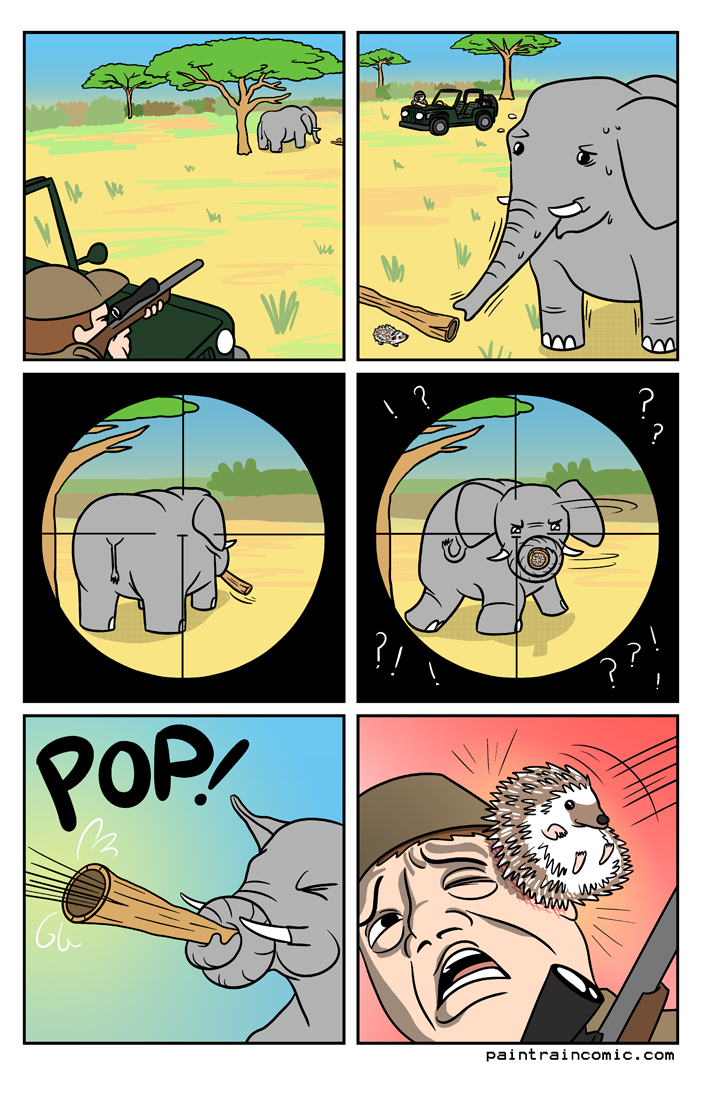
I’m pretty sure I just made a ‘Clever Girl’ reference a few weeks ago so now what am I supposed to say here?! :'(
Not sure why I’m thinking about hunters so much lately! Maybe I have a subconscious desire… to be hunted.
Leonard Nimoy, conocido en todo el mundo por su encarnación del vulcaniano Spock, el miembro más carismátio de la tripulación clásica de Star Trek, escribió en 1975, antes del rodaje de la primera película inspirada en la serie, un libro llamado I am not Spock (No soy Spock). Era una autobiografía en la que reflexionaba sobre el mítico personaje y sus diferencias con él, y muchos fans lo entendieron como una visión negativa del actor hacia un posible encasillamiento. No lo era, y en 1995 Nimoy publicó I am Spock (Soy Spock), en el que agradecía las múltiples satisfacciones que le había dado el personaje. Un libro que, por cierto, estuvo a punto de titularse Maybe I am Spock (Quizás sí que soy Spock). Todo ello, sintomático de la absoluta identificación que había entre personaje y actor: Leonard Nimoy, excelente actor, también poeta, escritor, director y guionista, era Spock por encima de todas las cosas.
Leonard Nimoy falleció el viernes a los 83 años de una enfermedad pulmonar obstructiva crónica, heredada de los muchos años que vivió como fumador compulsivo, aunque dejó el tabaco hace tres décadas. Su delicado estado de salud le llevó a espaciar su actividad más reciente como actor, pero lo cierto es que hubo un par de ellas especialmente significativas en los últimos años. Por un lado, puso voz a un muñeco de Spock que habla con Sheldon en The Big Bang Theory, una serie plagada de referencias a la serie clásica de Star Trek. Por otra parte, dio vida a Spock Prime, el Spock esencial y definitivo que dialoga con el joven Spock interpretado por Zachary Quinto en el reciente reboot de Star Trek (2009) y su secuela.
Un excelente cierre para uno de los personajes esenciales del cine y la televisión de ciencia-ficción, tal y como nos lo describe el crítico de cine Fausto Fernández cuando le preguntamos por la importancia del papel de Spock: “Los reboots cinematográficos de J. J. Abrams le han otorgado un rol doblemente capital: el nexo de unión entre las diferentes mitologías del ideario/universo de Gene Roddenberry, creador de la serie. Spock sigue siendo esa suerte de centinela que imaginaran los escritores de pulp o los guionistas de los tebeos de la Marvel".
¿Qué tiene Spock que todos lo adoran?
Desde su primera aparición en la serie clásica de Star Trek, Spock llamó la atención de los aficionados por la inusual complejidad que los guiones otorgaban a un personaje no-humano. Hasta aquel momento, los alienígenas de la ciencia-ficción eran enemigos o, en el mejor de los casos, puntos de apoyo para que los humanos mostraran... Bueno, su humanidad.
Pero Spock era mucho más: nos cuenta Jordi Sánchez-Navarro, experto en cultura pop, que explica que “el gran atractivo de la serie se basa, por supuesto, en el contraste entre el Capitán Kirk (para mí, William Shatner también hace una creación magistral) y Spock. Spock es el oficial científico, dotado de alucinantes capacidades de deducción lógica (recoge algo de Sherlock Holmes) y aunque no lo hace tan a menudo como Kirk, sabe recurrir a la fuerza cuando hace falta. Es un héroe más completo y complejo que Kirk”.
Leonard Nimoy fue el responsable de que Spock tuviera esa complejidad que tanto gustaba a los fans, y llevó hasta el extremo la falta de emociones que la serie achacaba a los habitantes del planeta Vulcano (aunque él tenía parte de sangre humana): a veces entraba en conflicto con los hiperpasionales humanos, siempre dejándonos llevar por ridículos impulsos, a veces aportaba notas de humor a los dramas de la tripulación, a veces con su visión científica de todo lo que sucedía a su alrededor proporcionaba las reflexiones más valiosas sobre la tripulación del Enterprise.
Pero había más: Sánchez Navarro afirma que “para el público televisivo de la ciencia ficción de los sesenta, obviamente juvenil, Spock es un reflejo. Encarna los dilemas de la adolescencia -una lucha por controlar las emociones, cierta incapacidad de actuar con normalidad en sociedad- pero cuando es necesario se erige en héroe. El adolescente piensa: 'si Spock puede ser un héroe, yo también'. Y aparte de eso también es, evidentemente, un nerd. Lo cual lo hace muy atractivo para ese mismo público, el de los nerds, que es el que ha generado el culto a Star Trek con el paso de los años”.
Es muy posible que por esa personalidad, Spock haya perdurado tantísimo en el tiempo. Posiblemente es la aportación más moderna de Star Trek -una serie que, por otra parte, siempre anduvo adelantada a su tiempo-. Fausto Fernández nos cuenta que “Spock representó el primer personaje moderno de la historia de la televisión, del serial de ciencia-ficción. Un Doctor Manhattan de Watchmen avant la lettre, capaz de empatizar (y simpatizar) a su manera con los defectos e imperfecciones impulsivas del homo terrícola. Era lógico que Spock, el personaje (y ese Leonard Nimoy que lo encarnaba), perdurara en el imaginario colectivo de esos convulsos años sesenta del pasado siglo XX: era el futuro.”
La sombra de Spock
Leonard Nimoy vivió toda su vida marcado por la popularidad de su personaje. Sin embargo, como le pasaba a tantísimos fans de Star Trek, él era el primer fascinado por la magnética personalidad del vulcaniano. Por eso grabó discos como Mr. Spock's Music From Outer Space, en el que, sin salir de su personaje de Spock, cantaba a lo divino, lo humano y lo cósmico, acompañado de múltiples sintonías televisivas y efectos especiales de ciencia-ficción. También puso voz a Spock en la serie de animación de Star Trek a principios de los setenta y se aprovechó de su propia imagen como sabio galáctico para presentar los popularísimos documentales In search of...
Y cómo no, participó en las películas inspiradas en la serie, estrenadas a partir de 1979. El personaje de Spock, que muere al final de la segunda de ellas (aunque Nimoy quería que fuera al principio), La ira de Khan, reaparecería en posteriores secuelas. El propio Nimoy dirigiría un par de entregas (entre ellas la cuarta, que es prácticamente una comedia) y casi dio vida al villano de Star Trek V, un hermano gemelo de Spock llamado Sybok.
Sin embargo, Nimoy no solo es Spock, aunque a veces cueste distinguirlos. Afirma Sánchez-Navarro que “si en algún momento pensamos que se encasilló es porque creó uno de los personajes más poderosos de la historia de la cultura audiovisual. Es un icono de la ciencia ficción o del fantástico, a la altura del robot Robby, la Maria de Metropolis o King Kong". Pero trufó el cine de los setenta y ochenta con otras interpretaciones impecables, a menudo inevitablemente dependientes de la personalidad fría y deshumanizada de Spock. Por ejemplo, Nimoy fue una de las víctimas de los invasores en el remake de La invasión de los ultracuerpos. O uno de los espías del equipo de Misión: Imposible en la mítica serie de televisión. Más recientemente, destacó en varios episodios de Fringe.
Leonard Nimoy nunca llegó a estar del todo inactivo. Era un usuario frecuente de Twitter, y hace solo cinco días tuiteaba esto:
“La vida es como un jardín. Puede haber momentos perfectos, pero no pueden preservarse, salvo en los recuerdos”. Una reflexión sobre la vida un punto fría, un punto emocional, un punto Spock. Nimoy nunca llegó a separarse del todo de su mítico personaje. Por eso será recordado siempre, y algo nos dice (al fin y al cabo escribió un libro solo para rendirse a la evidencia de que, en efecto, él era Spock) que hace tiempo que estaba orgulloso de eso.
"When it comes to ratings, Fox's Empire is on a trajectory that's unprecedented in broadcast television's recent history, which has mostly been marked by — to appropriate a phrase from Hakeem Lyon (Bryshere Y. Gray) — drip drops, if not just plain old slaughter. As of last week, it is the No. 1 show on network television in the 18 to 49 demographic advertisers seek. And once again, the show built on its ratings this week."
"The Feb. 25 episode expanded the show's viewership for the seventh week in a row. In preliminary Nielsen numbers, it drew 13.9 million viewers and a 5.4 rating in the key 18 to 49 demo. When you compare that to the Jan. 7 premiere's already impressive audience of 9.9 million and 3.8 among those 18 to 49, it's clear the Fox drama has exploded. Since Nielsen began measuring total viewers as a data point in the early '90s, no new show has risen weekly like Empire has."Variety review by Brian Lowry
"Created by director Lee Daniels and Danny Strong, who collaborated on 'Lee Daniels' The Butler' (which counted Howard among its cast), 'Empire' owes an obvious debt to 'Dreamgirls,' exposing the ruthlessness that surrounds the music industry. The premiere effectively uses flashbacks to putty in some of the family history, but almost every beat is so familiar the narrative can employ a kind of shorthand. That includes the music, which is plentiful, catchy, written by Timbaland, and as slick and derivative as everything else on display." Eric Deggans at Code Switch, NPR: The Success Of Fox's 'Empire' Reveals A Few Do's And Don'ts For TV
"Empire seems to be working because it is telling stories that resonate with black viewers. It's talking about black families' struggles to accept gay people, sibling rivalries, couples separated when one person lands in jail and the struggles black women face for equality with black men. Crafting a world that feels real to black viewers is an achievement which reaches beyond the race of its characters to the heart of its storytelling."In hip-hop-fueled 'Empire,' 'King Lear' meets 'Dynasty' - L.A. Times, Robert Lloyd: "[Lee] Strong has, indeed, said that he wanted to make a hip-hop 'Lear.' But Daniels has also said that he wanted to make 'a black "Dynasty".' They have both gotten their wish, and though the result can be obvious, even cornball, at times, the show — which is smart enough, often enough — works."
"There's a lot of astonishingly tone deaf if not downright condescending chatter right now as to 'why' Empire is such a massive hit; a question or concern that didn't greet, say, Revenge when it had a successful launch and popular first season. Certainly, it shouldn't be considered out of bounds to discuss the cultural implications of a night-time soap opera with a predominantly black cast gaining a large audience, but there's this underlying tone that's part 'Black people have discovered television!' and part 'White teenagers have discovered black people!' Hey, how about, it's a show with a really talented cast and creators, with a rather high number of Oscar, Emmy and Grammy nominations (and wins) among them; a situation that, if everyone involved was white, would be referred to as a show with a high 'pedigree' whose success wouldn't ever be questioned or need to be explained?The A.V. Club: "Empire will either continue to be fun and splashy, while staying grounded and engaging, or it will flame out as so many primetime sudsers have before it, becoming too ridiculous for its own good."
"We're gonna go with that."
♫ From sea to shining sea. ♫

"The Tunnel Bar is built underground in an old pedestrian tunnel. The arched stone walls, sleek bar, and big, comfy chairs make it the ideal place for a classy evening out. I'd kill to go back there."
—submitted by Bergin Smith, Facebook

The Carousel Bar & Lounge in Hotel Monteleone is a French Quarter staple, having been in business for 65 years. Inside, visitors can enjoy a cocktail while going for a spin on the gorgeous Merry-Go-Round.
—submitted by Trina Bazzell, Facebook
Via Facebook: TheHotelMonteleone

Via Facebook: GoodTimesatDaveyWaynes

Ayer mismo mi compañero Pakus os preguntaba si cuando vais a la carnicería soléis pedir simplemente “filetes tiernos” o sabéis que pieza de carne queréis y para qué, sin necesidad de que sea el carnicero el que decida por nosotros. Por lo que parece bastante importante conocer que zona del despiece de ternera tiene un uso u otro según cómo la queramos preparar.
Por ello, y para que tengáis una referencia a la hora de ir al supermercado, hoy os traemos las piezas cárnicas de ternera según su categoría comercial y su uso en la cocina.
Las categorías comerciales están determinadas por el corte, contenido en grasa y tejido conjuntivo , siendo cada categoría apropiada para distintos tipos de preparaciones o cocción.

Lomo alto: Carne limpia, jugosa, es la parte delantera del lomo y sus cortes son muy valorados. Si el corte va deshuesado se puede usar para el conocido roast-beef y si tiene el hueso nos dará unos esplendidos chuletones. Es ideal para freír, hacer a la plancha, a la brasa o a la parrilla.
Lomo bajo: Sería la parte trasera del lomo. Es una carne jugosa, magra y tierna proporcionando unos filetes de gran untuosidad. Si hablamos de los filetes que se encuentran entre las costillas, se trataría del entrecot.
Solomillo: Es una de las piezas más apreciadas puesto que se trata de una carne muy jugosa y tierna, además casi sin infiltraciones de grasa. Es perfecta para unos medallones a la plancha, asar al horno o para el clásico roast beef.
Una receta para inspirate: Solomillo al horno con salsa de vino tinto

Tapilla: Es una pieza cárnica tierna, pero un poco seca al no tener infiltraciones de grasa, perfecta para hacer filetes rebozados y freír, aunque también serviría para asar.
Babilla: Se divide en dos parte. Una zona más cercana a la cadera, tierna y jugosa, ideal para unos buenos filetes y otra parte cercana a la rodilla, de carne un poco más dura que se utilizaría para guisar.
Cadera: Se sitúa en la parte más alta de la pata trasera. La cadera presenta un corte jugoso, con poca grasa y que da lugar a filetes tiernos ideales para la plancha.
Redondo:Esta pieza de buena forma, es más tierna y jugosa que la contra, posee poca grasa y casi no presenta nervios. Es una pieza clásica para el asado. También es perfecta para mechar y elaborar productos con carne picada.
Contra:Es una pieza que no contiene grasa lo que se traduce en que es seca y poco tierna, buena para guisar y para filetes empanados.
Tapa: Pieza muy apreciada para hacer a la plancha o freír, es de donde se forman los escalopes y escalopines, así que ideal para hacer rebozados.
Una receta para inspirarte: Receta tradicional de redondo de ternera asado

Rabillo de cadera: Es un corte que forma parte de la cadera, se presenta rodeada de sebo, y tiene una zona central más tierna. Su uso principal es para guisar, pero también se pueden cortar escalopines, o carne picada.
Pez: Es una pieza alargada, tierna y jugosa. Prefecta para asar o rellenar.
Espaldilla: Es una carne grasa y jugosa que se emplea principalmente para estofados, guisos, asar entera o incluso para plancha. Se divide en dos partes, cantero y plana, de ésta última se obtiene el conocido filete del solomillo del carnicero.
Culata de contra: es una pieza jugosa, tierna y que presenta bastante tejido tendinoso. Ideal este corte para filetes, brochetas de carne, pero también para guisar.
Brazuelo: Es una carne de las llamadas gelatinosas, perfecta para guisar y hacer caldos y con menos nervios que el morcillo.
Aguja: Carne tierna y bastante jugosa, ideal para guisar o estofar, pero también se obtienen filetes para plancha y fritos.
Una receta para inspirarte: Estofado de aguja de buey al curry

Aleta: es una carne bastante dura que requiere largas cocciones, es por eso que su uso principal será para guisar.
Llana: carne fibrosa, pero de calidad. Se emplea para guisos clásicos como el ragú y también para el steak tartar. Tiene forma plana y está cubierta por una tela blanca llamada tez.
Morcillo o jarrete: Situada en la parte de debajo de las patas es una carne melosa, con mucha fibra y muy rica en colágeno. Se emplea para guisos y para los cocidos de garbanzos como el cocido madrileño, pero también para preparar caldos. Su corte transversal es el ossobuco.
Una receta para inspirarte: Aleta de ternera rellena al estilo tradicional

Rabo: Carne gelatinosa que se encuentra pegada a los huesos de la cola del animal. Contiene grasa y es perfecta para guisos y caldos. Se emplea para el guiso de rabo de toro.
Pescuezo: Con mucho tejido conjuntivo es una pieza seca y cuyo uso es casi prácticamente para carne picada o para caldos.
Pecho: Es un corte poco valorado puesto que tiene gran cantidad de tejido conjuntivo y tendones. Es una pieza que lleva hueso y que es ideal para caldos, sopas, asados y algún guiso.
Morrillo: Esta carne jugosa es ideal para cocer y hacer guisos.
Falda: Carne gelatinosa, pero muy sabrosa. Lo ideal es para picar, pero también se emplea en rellenos, guisos y estofados.
Costillar: Es la zona que se emplea para barbacoas y asados de tipo churrasco. También ideal para asar y meter al horno. Son los huesos cartilaginosos que tienen parte de la carne de la falda.
Una receta para inspirate: Receta de sopa de carne casera
Estas son las piezas que pertenecen a cada categoría de la carne de ternera. Ahora os dejamos una guía rápida par saber que pieza pedir en la carnicería según el empleo que queráis darle en vuestra cocina.
Esperamos que esta guía os ayude a conocer un poco más el despiece de la carne de ternera y que ya no tengáis que llegar a la carnicería, y cómo decía mi compañero Pakus, le pidáis al carnicero “algo tierno”.
En Directo al paladar | Probamos la auténtica carne Wagyu de japón
-
La noticia Las piezas de ternera y sus usos en la cocina fue publicada originalmente en Directo al Paladar por Esther Clemente .

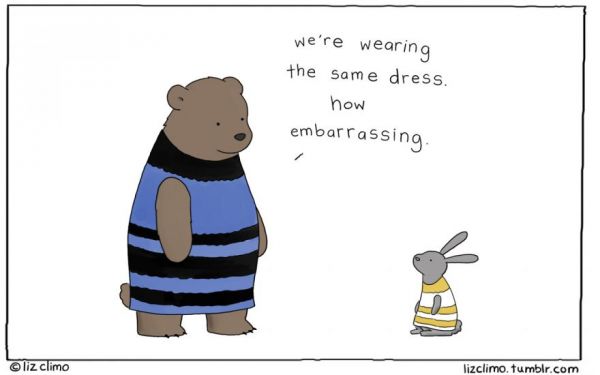
This week saw the internet go crazy over a picture of a dress that appeared to be different colors to different people. It didn’t take long for creative minds to take advantage of the situation. We had tons of people trying to explain the phenomenon, but even better were those who made it funny. As you can see here, Liz Climo used the dress perfectly for her animal characters.
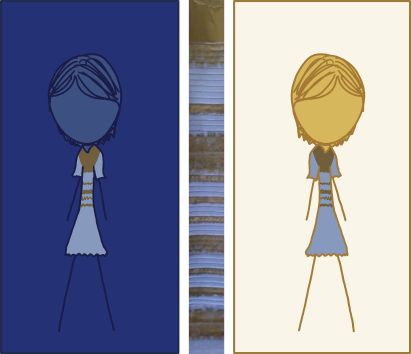
Randall Munroe at xkcd explained how the phenomena worked without a word in his Friday comic. The hover text for this one is priceless. Keep reading for more.
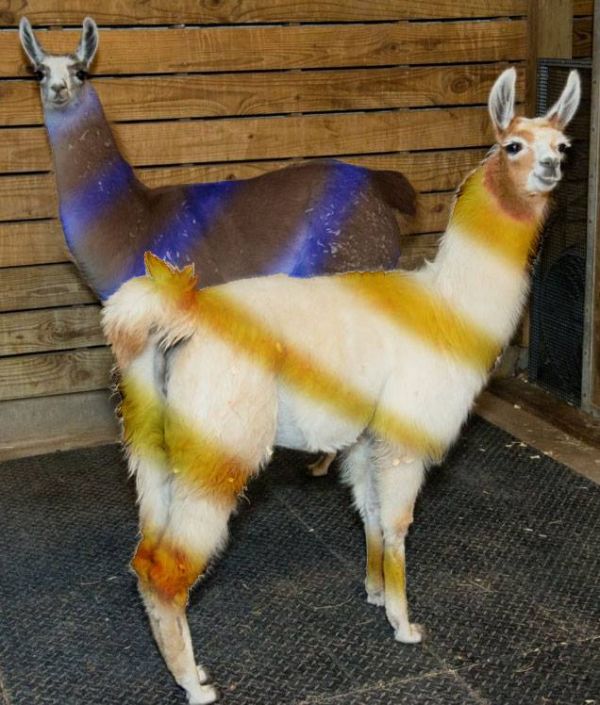
The Houston Zoo made a reference to two memes from Thursday: the dress and the escaped llamas.
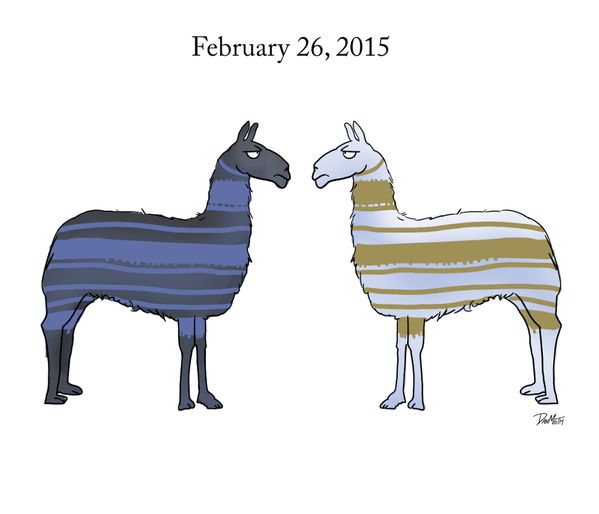
Referencing the same two stories, Dan Meth created an illustration to commemorate Buzzfeed’s biggest traffic day ever.

Redditor epwnym posted a sequence from The Matrix that inserted the dress into the drama.
You people are all crazy. All I'm seeing is blue and white.
— John Calipari (@UKCoachCalipari) February 27, 2015
The world of sports looked at the dress a little differently. Athletes and coaches saw all kinds of colors no one else did -as long as those colors were their own team colors.

Someone tried to blame the conundrum on the Illuminati. Found at The Chive.

Redditor Sooprman just added fuel to the fire with new Power Rangers.
@nickyork9000 did a thing on my leg
A photo posted by Daniel Howland (@danielhowland) on Feb 27, 2015 at 10:51pm PST
It was only a matter of time before someone got a tattoo. Daniel Howland was the first, as far as we know.
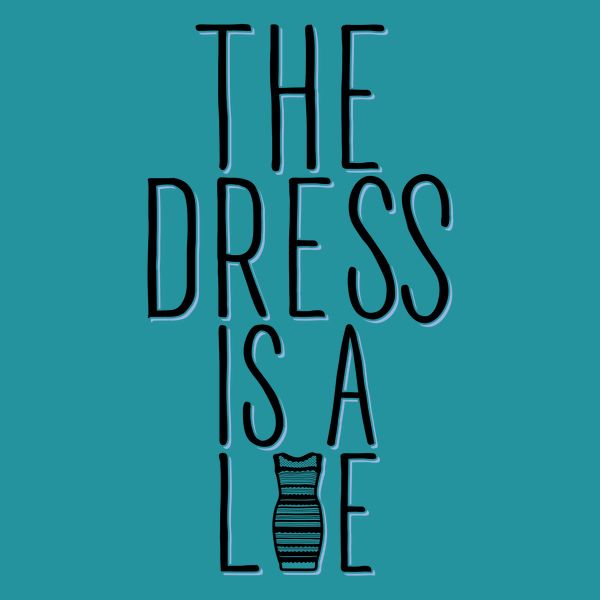
But best of all, NeatoShop artist Olipop has t-shirts that commemorate the Great Dress Debate.
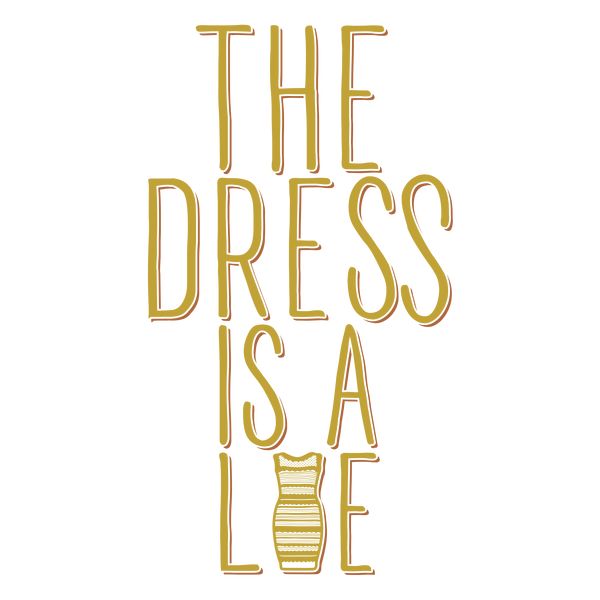
Available in two colors, of course. Oh yeah, just because the title says “A Thousand Memes” doesn’t mean I’m going to post them all here.
 Die Montesas sind eine Beatband. Punkt. Beat und auch ein wenig Shimmy, und ab und zu etwas Shake und Twist. Meistens auf englisch, selten auf deutsch. Die vier Musiker haben gleiches Bühnenoutfit und spitze Schuhe an. Auf der Bühne wird wild abgehottet. Manchmal singen sie zu dritt dreistimmig. Es gibt zwei Saiteninstrumente in der Band: eine Elité-Bassgitarre und eine Guild-StarfireIII- Gitarre. Niemals sind Effektgeräte dabei. Verzerrer ist doof und wird natürlich auch am Verstärker NIEMALS eingestellt. Dazu gesellt sich ein Schlagzeug und eine Weltmeister-Orgel, welche ein seltenes Produkt aus dem ehemaligen deutschen Osten ist und über eine immense Durchschlagkraft verfügt. Manchmal sind auch diese beiden Mädchen dabei: die Montesitas! Sie schwingen wie wild die Rasseln und singen mit. Dabei wird der Pony-Ride getanzt und die männlichen Konzertbesucher sind ganz aus dem Häuschen! Die Montesas machen Logenmusik für Leute aus der Beatloge. Aber auch Leute, die noch nie was von der Beatloge gehört haben, staunen, und fangen an, diese Art Musik zu lieben. Sie klingt alt... so ende Fünfzies, Anfang Sechzies... bisschen wilder vielleicht... aber so wunderlich neu! Ja. Denn Niemand macht heutzutage so eine Musik! Von frühesten Kinderjahren an, haben diese vier jungen Kerls ja gar nichts anderes gehört als Rockabilly, Ska, Rocksteady, Beat und Soul. Erst nach wilden Experimenten in verschiedenen Bands fanden sie sich als "Montesas" zusammen um fortan die Beatlogenmusik einer breiteren Öffentlichkeit zugänglich zu machen. Viele hundert Konzerte in den renommiertesten Clubs im ganzen alten Kontinent haben sie nun schon gemeistert und Gastspiele auf den größten 60´s-Festivals mit Bravour absolviert: Larsen-records Festival (F), After Dark Garage Festival (F), Festival Beat (I), Wipe-Out-Weekend (E), Bieler-See-Open Air (CH), Summer Safari (D), Cosmic Trip (F) usw... Immer öfter bringen die Montesas ein eigenes Vorprogramm mit: die Kapelle "the Black Knights" aus Rumänien. Mit ihrem primitiven Trash-a-billy schaffen die BLACK KNIGHTS einen interessanten Kontrast zu den gekonnten Musikmanövern der Montesas. - from: http://buntundkahl.de
 The Montesas:
 Ami Britton explores bondage in relation to pop culture by outlining five key moments which demonstrate why S&M and pop music make perfect bed-fellows.
Don’t worry, I’m not about to write about “50 Shades of Grey.” What has actually inspired me to write this is Peter Strickland’s film “Duke Of Burgundy”, a beautiful lesbian bondage-themed film in the finest tradition of S&M film making and possible (very) early candidate for film of the year.
More specifically, seeing the film this started something of a social media debate about how to handle this subject tastefully … Luis Bunuels’ “Belle De Jour” remaining the prime example of how effective a theme it can be; but it can also seem exploitative, sexist and titillating if handled wrong.
However, without the pressure of storyline and visuals, music has been handling this theme very, very well for years now. So have your safe words at the ready as we journey through five key moments which show why S&M seems to be one of the finest muses of pop culture and music…
1. The Velvet Underground Set The Standard
The Velvet Underground, of course, set the standard for a lot of things and it was inevitable that this article had to include them. As the definitive avant-garde act, their attitude to sex seemed appropriately offbeat. For starters, they were named after Michael Leigh’s 1965 book exploring experimental (largely S&M) sex, something they then explored more on “Venus in Furs,” one of the standout moments on 1967s hugely seminal album “The Velvet Underground and Nico.”
Inspired by Von Sacher Masoch’s taboo-busting yet eloquent novel of the same name, Lou Reed’s brooding delivery of lyrics about awaiting servants and “tasting the whip” fit John Cale’s oddly dark viola. The track was also used as the soundtrack for an oddly kinky, avant-gardist ad featuring gimp masks for Dunlop tyres which helped to make this dark, timeless, and definitive track the go-to song when it comes to classic kinkiness meaning that we reckon every alternative act who visits this subject surely owes something to the Velvets.
2. Westwood And Mclaren Put The Fetish Into Fashion
Fetish wear as we know it has been around for a long time. The fetish designs sold by Yva Richard in Paris from the 1920s right up until his store was banished by the Nazi occupation of France, in fact, look exactly like fetish clothing of the present day. However, as part of the punk aesthetic, Vivienne Westwood and Malcolm McLaren took things a whole, subversive, step further when they opened “Sex,” a shop which took the latex and bondage straps of the S&M world and marketed it as every day wear.
This is the ultimate détournement, something the Situationist disciples would very much appreciate. Taken out of context, the latex fetish-inspired look was a shock to the establishment and to the public. Sex assistant Jordan has spoken of the horror of other commuters seeing her on her way to work. S&M imagery infused punk, from Adam and the Ants early artwork to Siouxsie Sioux’s dominatrix type look. (Siouxsie also used to walk her friend around on a leash like a pet dog, as well as writing sexually taboo-busting songs such as the ultra-dark comedy fetish song “Carcass”, about a man in love with a joint of meat).
Détournement remains the key though – the themes of punk music were largely asexual, focusing instead on more social concerns and thus being a fully constructive cultural movement. The fetish look, though, remained integral, and has continued to inspire youth subculture, re-emerging as part of the Goth look from the early 80s onwards.
3. Mute Set Their Own Standard
Mute 01 – “TVOD / Warm Leatherette” by The Normal – is one of those records, like Buzzcocks “Spiral Scratch”, that should be celebrated for its contribution to the story of DIY independent record-making as much as it should the content.
However, the content is pretty special too – The Normal (AKA Daniel Miller) initially released “TVOD” as the A-side, but it was the B-side, “Warm Leatherette,” that got people’s attention being. a dark and cold tribute to JG Ballard’s wonderful novel ”Crash” and including the lines…
“A tear of petrol,
Is in your eye,
The handbrake penetrates your thigh.
Quick, lets make love,
Before we die”
…which Miller spoke over an effectively simple synth. It was wry and oddly far more sexy than it ought to be and, whilst not strictly S&M, car crash fetishism was still very much an ultra-kinky taboo.
Later Mute would form ties with Industrial Records, and bands such as Throbbing Gristle and Nurse With Wound took the S&M template and ran with it in a challenging and interesting fashion. It would be another Mute act, though, who would grab more mainstream attention…
4. Master And Servant And Synth-Pop
Mute’s biggest selling act, Depeche Mode, might have been the label’s most mainstream and friendly act, but their synth classic “Master and Servant” which included the lines…
“You treat me like a dog,
got me down on my knees…
lets play Master and Servant”
….blatantly picks up the S&M baton!
The glam sexuality of the synth movement in general allowed scope for taboo-busting themes that seemed to stick two fingers up to the terrified sexual attitude sweeping the nation due to AIDS; Soft Cell named their album “Non-Stop Erotic Cabaret” and created tongue in cheek shock-horror songs such as “Sex Dwarf.”
Synth-pop and kink, it seemed, were ideal bedfellows.
5. The Raveonettes And Co Bring The Naughty To The Noughties
The Noughties brought a wave of sexually-tinged, female-centric bands to the fore, such as CSS, the Yeah Yeah Yeahs, and The Kills, but it was the Danish duo The Raveonettes 2003 debut album “Chain Gang of Love”, a kind of neo-noir odyssey through a sleazy, Sin City-esque underworld, which showed that the S&M muse was still very force.
With such lyrics as…
“Chains,
Black leather and sex,
It’s not that complex”
…and the unflinching “Sado Sue will make you scream” line, the lyrics are overt and carry extra weight when delivered somewhat sweetly by the bass player and co-vocalist Sharin Foo, a tall polished blonde who appears a kind of hybrid between Nico, Catherine Deneuve in Belle Du Jour, and Sandy at the end of Grease if she had put that cigarette out on Danny’s arm. But what’s really noteworthy is the delivery of these lyrics as droll, detached, and out of the mouths of the almost inevitably black-clad individuals … which of course brings us right back to The Velvet Underground!
~I think the reason that S&M has been such a fruitful muse to alternative music is because it is just that: alternative. From the obvious, like the whip-cracking, often homoerotic synth bands to more unlikely characters (Morrissey singing “I crack the whip / you skip / but you deserve it” on The Smith’s “Handsome Devil,” for instance, or the pop charm of James’ “Laid” thinly veiling a heavy bondage theme) those figures created something that steps outside of the mainstream that treated sex the same way in their lyrics and imagery.
However, in the post- “50 Shades” age, in which This Morning run a (in my opinion) totally unsuitable feature on the best S&M toys in a mid-morning slot under the incongruous guidance of Philip Schofield, the sublimation of bondage into the mainstream might cause it to be a less appealing image for the avant-garde and the alternative take. However, I don’t think this will last.
Such an enduring relationship can’t be separated for to long…
The post A surprisingly enduring relationship: top five bondage meets pop culture moments by Ami Britton appeared first on Louder Than War.

Okay, I knocked this out in a couple of hours after the internet shenanigans of last night. If I had posted this five minutes later, it wouldn’t be funny anymore because everyone would have already forgotten about The Dress thingy. So, here’s an adaptation of H.P. Lovecraft’s “The Colour Out of Space” from the September, 1927 issue of Amazing Stories.
 Book and CD celebrates Bristol music scene 1974-1981. Bristol’s leading counter-culture publishers Tangent Books and Bristol Archive Records have joined forces to produce a photographic book and CD celebrating the Bristol music scene 1974-1981.
The CD features 22 tracks including contributions from Magic Muscle, The Cortinas, Shoes for Industry, The Various Artists, The Ratbites From Hell, The Spics and The X-Certs.
The CD features a 44-page booklet with sleeve notes by Thomas Brooman CBE who played drums with The Media, The Spics and The Sidneys before going on to co-found WOMAD and Real World Records with Peter Gabriel.. Said Richard Jones of Tangent Books: ‘I’ve known Mike Darby…
320 kbps | 186 MB UL | HF | MC ** FLAC
…from Bristol Archive Records for many years and we both work in similar areas celebrating Bristol’s rich counter-culture, but this is the first time we’ve worked together. It’s a really exciting project bringing together John Spink’s photography and Gill Loats’ written memories with a CD. It’s a fantastic package that begins to make sense of the early years of the Bristol Sound.’
The book, Bristol Boys Make More Noise is based on the work of John Spink one of the few photographers to capture the Bristol music scene from the mid 1970s to the early 1980s. John moved to Bristol from London in 1972 and fell in with the band Magic Muscle who lived in the communal ‘Fun House’ in Cotham’ He worked as an occasional photographer for music mags as well as performing in some early shows by the surrealist Crystal Theatre.
He pioneered a technique of processing black and white film using X-ray developer which enabled him to shoot in low light (such as clubs) without using flash. This collection not only captures the Bristol scene during these years as Bristol music moved from 70s rock (Magic Muscle) through punk (The Cortinas) to the experimental adventurers The Pop Group and The Various Artists but also showcases John’s unique photographic style.
In 1981, John left Bristol for New York where he worked for Caroline Records. He now lives in Northern California and works as a tour manager for a large music merchandising company.
John’s pictures are put in context by author Gill Loats who was at the heart of the Bristol music scene working as a DJ at the infamous Dug Out Club and watching live music most nights of the week.
01. Magic Muscle – Free as a Bird (4:52)
02. The Cortinas – Defiant Pose (2:40)
03. The Spics – You and Me (3:12)
04. Gardez Darkx – Bliss (3:24)
05. The Radicals – Nights of Passion (3:07)
06. Talisman – Run Come Girl (4:14)
07. The X-Certs – Queen and Country (2:59)
08. The Media – New Blood (3:12)
09. Joe Public – Yellow Runs Forever (4:07)
10. The Spics – Angels in the Rain (4:26)
11. Sneak Preview – Slugweird (4:02)
12. The Various Artists – Unlucky in Love (2:47)
13. The Various Artists – Time of My Life (3:58)
14. The Stingrays – Exceptions (2:03)
15. The Untouchables – Keep on Walking (3:39)
16. The Spics & Wendy Partridge & Joanna Swan – Fire (2:42)
17. Shoes For Industry – Sheep Dog Trial Ina Babylon (3:42)
18. C.C.Sager – Deathbed Lullaby (3:57)
19. The Dragons – Best of Both Worlds (4:11)
20. The Fabulous Ratbites From Hell – Sparkle (5:52)
21. The Vultures – She’ll Be Back (2:20)
22. The Sidneys – Bleak Grey Skies (2:26)