Although the actual release date was in September, there are already tributes to the movie Goodfellas for its 25th anniversary. Martin Scorsese’s film was based on the book Wiseguys, which told about FBI informant Henry Hill and the Lucchese crime family. One of the plot points was the infamous Lufthansa heist of 1978.
The Lufthansa Heist at Kennedy International Airport in 1978 is The Rolling Stones of crime. Criminals aren’t supposed to be allowed to reap the spoils of their crimes, but the Lufthana heist made a lot more money than just the original $6 million ($20 mil if you account for inflation), which is the biggest heist in American history. The Lufthansa heist has, so far, produced two made for TV movies, The 10 Million Dollar Getaway, which I’ve never seen, and The Big Heist, which happened to be on a couple weeks ago in all its Donald Sutherland Irish accent mashup glory. Goodfellas, directed by Martin Scorsese, is of course a gangster classic. The Beatles of crime is, of course, the Gallo Profaci wars, which launched the stories of The Godfather.
The film Goodfellas changed the names of the characters in the nonfiction book, and altered details for dramatic reasons. Den of Geek tells us who is who and what happened to them, in a list profiling the actual gangsters that the characters in Goodfellas were modeled after. While they were quite entertaining onscreen, you wouldn’t want to cross them in real life.
Primeiro foi a alcachofa. E ben sabe deus que eu non daba un duro porque a alcachofa acabara sendo un dos elementos da nouvelle cuisine de todo lugar que máis ou menos pretenda molar. Pero si, a alcachofa é un dos novos rulos de cabra. Parece que ninguén lembra cando era Rociito quen anunciaba as bondades da dieta da alcachofa: conseguiu sobrevivir ao seu pasado trash. Asumino nunha comida de prensa (señores de traxe falando das súas cousas – importantes – nalgún lugar de alto standing mentres os xornalistas comen cunha man e toman notas coa outra): puxéronme un prato diante con algo que semellaba unha pataca… pero era unha alcachofa disfrazada.
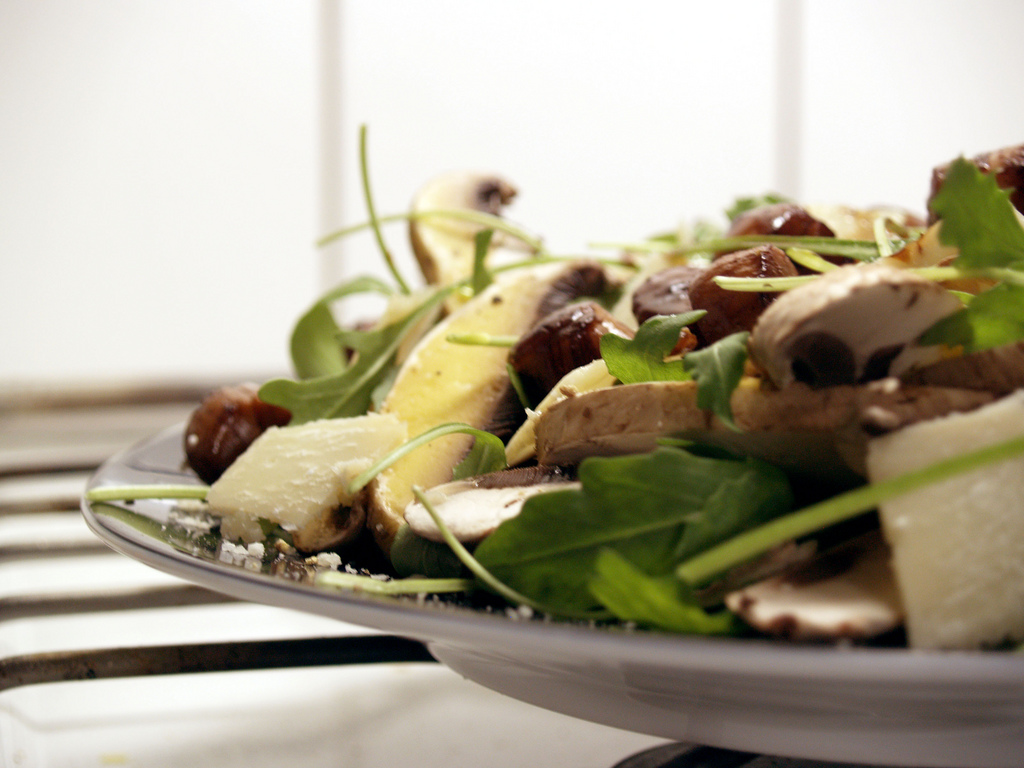
E agora está pasando coa rúcula, ese invento de Satanás (polo menos). Non vos enganedes e non vos deixedes enlear polos grandes problemas do mundo: existe unha conspiración mundial para facernos a todos comer rúcula, a pesar do seu noxento sabor e, aínda por riba, asentir mentres o facemos porque nunca probamos prato mellor. A rúcula non é gourmet, non o esquezades (antes de que a conspiración mundial que vos vou desvelar vos lave o cerebro). A miña iluminación chegou o outro día en Mercadona (non, non tiven que caer de ningún cabalo para velo, nin sequera tropecei coa neveira da sección de frescos). De todas as bolsas de ensaladas preparadas que venden non quedan máis que un par que non levan rúcula e son, claro!, as aburridas que non teñen nomes evocadores como brotes tiernos.
O tomate é para confundir
Entón decidinme a crear un movemento de resistencia ante este abrumador movemento de opresión culinario (as reducións de Pedro Ximénez podo aceptalas, pero a rúcula… xamais!) e demostrar con feitos cara onde imos
1. Se analizas friamente a que sabe a rúcula non podes dicir que sexa algo realmente agradable. En serio, algunha persoa no mundo pode dicir que a rúcula é o seu prato favorito entre todos os que existen? É unha bomba de sabor, excesivamente forte, que acaba matando todo o que acompaña. Como unha folliña de rúcula escape ao teu ollo avizor cando estás comendo unha ensalada e lle deas unha dentellada inocente, non importa nada o que vaia con ela. Só comerás rúcula. E o seu sabor quedará como unha maldición (maldición bíblica como pouco) no teu padal.
2. Algúns sitios cool poñen rúcula en todos e cada un dos pratos nos que poden metela. Aínda non atopei unha carta de sitio con pretensións de ser molón que teña unha sobremesa con rúcula, pero tempo ao tempo.
3. É super sana. Ou iso din. Buscade en Google ‘propiedades da rúcula’ e asustádevos. O lobby da rúcula conseguiu convencer a tantos xornalistas (seguro que en comidas monotemáticas en restaurantes de luxo e en viaxes de prensa a granxas tradicionais mediterráneas nas que encantadores granxeiros dignos da farm lit cultivan rúcula como a cultivaban os seus avós) A rúcula mellora a saúde, faiche pouco menos que forte como un superheroe e, se a apuras, ata che busca un mozo. Guapo, xeitoso e con pelazo, por suposto.
4. É super tradicional da dieta mediterránea, que como sabedes é a que máis mola e que temos todos nós (pouco importa que o Mediterráneo estea a 11 horas de coche de Fisterra… e que non teñamos dieta mediterránea). Os romanos xa tomaban rúcula (bah, e seguro que tamén os celtas e todas as nacións célticas). Pero a verdade verdade é que ata principios dos 90 era unha mala herba que ninguén quería e que comía só catro gatos.
5. Convertérona en algo máis viral que un vídeo con gatiños. Quen foi o que deu o pistaletazo de saída para converter esa mala herba que era asasinada sen contemplacións nun elemento obrigatorio en todo prato e nunha praga que non podes evitar cando pides unha ensalada (e como todos teñen a mesma bolsa de Florette, en realidade, non podes evitar que che sirvan) é algo que se me escapa. Pero quen o fixo é un maestro do viral. Un puto xenio, se me permitides o xiro coloquial. A rúcula é viral, de verdade, máis viral que os bonequillos que morren de Dumb ways to die, máis viral que un tuit trapalleiro de Bisbal, máis viral que a muller que a liou parda. A rúcula está en todas partes, como a gripe en inverno, e é imposible escapar á súa rede.
Pero, non llo contedes a ninguén, eu teño a secreta esperanza de que iso sexa o que acabe con ela. Pensade nas malditas peladillas de Nadal. Nalgún momento eran o máis, a rúcula dos doces de Nadal. E onde están agora? Son as leprosas das cestas de Nadal.
PD: Se vedes que non publico nada nunhas semanas, preocupádevos por min. É posible que á parte de Disquecool á que o lobby da rúcula xa lle lavou o cerebro teña acabado comigo.
La ‘marca España’ no ha tenido éxito fuera de las oficinas de los burócratas del PP que se la inventaron. Nadie la cita cuando se habla nuestro país en el extranjero. Sin embargo el concepto de "casta" que puso de moda Podemossí se ha popularizado hasta tal punto que Owen Jones, la voz más relevante de la nueva izquierda británica, ha optado por titular así su nuevo ensayo: The Establishment. La casta al desnudo (Seix Barral), un mordaz análisis sobre la connivencia entre políticos, banqueros, empresarios, policía y prensa británicos construida durante décadas a golpe de think tank y billetera, que eclosionó con las políticas neoliberales impuestas durante la era Thatcher y que hoy atraviesa por sus años dorados gracias a la crisis del 2008. El Reino Unido, donde la brecha entre ricos y pobres ha crecido más en los últimos cinco años que en las últimos siete décadas, se enfrenta el 7 de mayo a unas disputadísimas elecciones generales donde, sin embargo, no hay un Podemos que contrarreste el mensaje de la casta.
Owen Jones podría ser el Iñigo Errejón del Reino Unido ya que físicamente son inquietantemente parecidos y se expresan con la misma voracidad, locuacidad y cercanía. Pero Jones, de 31 años, no ha creado un nuevo partido como el de Pablo Iglesias, aunque no niega que sueña con que algún día exista un "Podemos o un Syriza" inglés. Jones fue quien reivindicó la existencia de la clase obrera británica en su primer libro, Chavs, obligando a replantear esa idea que nos vendieron en toda Europa de que “todos somos clase media” cuando lo cierto es que la clase obrera sigue estando ahí, igual de machacada que antes “aunque ya no estén en la mina ni en las fábricas sino en los supermercados, en los call centers y en las tiendas”. Aquel libro le convirtió en el nuevo gurú de la izquierda británica y cuatro años después él mismo se define como un “activista que escribe para llevar el mensaje del cambio a la mayor cantidad de gente posible, ”, aunque a veces caiga en contradicciones.
PREGUNTA. Ha escrito un libro en contra de la casta y sin embargo en sus columnas en 'The Guardian' y en la calle hace campaña activa por los laboristas, que no se libran de ser casta. ¿Por qué?
RESPUESTA. Prefiero luchar contra un gobierno laborista que contra un gobierno tory. Estoy siendo táctico. El laborismo tiene una posición rara dentro del ‘establishment’ y que apenas desarrollé en el libro. No hay duda de que el nuevo laborismo de Tony Blair era pura casta pero lo que convierte el laborismo en algo diferente y más complicado es su conexión con los sindicatos. El laborismo se creó para darle voz a la gente que pertenecía a los sindicatos y ellos siguen siendo su columna vertebral. Si desapareciera esa conexión, el partido dejaría de existir sin duda, y daría pie a la creación de otro partido de izquierdas. El problema que tenemos en Inglaterra es que no se puede tener otro partido porque el sistema electoral británico no lo permite. Ha habido muchos intentos en los últimos 150 años y han fracasado estrepitosamente.
Dicho esto, y aunque estoy convencido de que nuestro sistema electoral acabará colapsando porque es insostenible, creo que dentro del laborismo hay gente con visiones muy de izquierdas que no son casta y aunque el laborismo no represente la alternativa radical que yo quiero, si ganaran los conservadores sería una catástrofe porque no sólo acabarían con lo poco queda del Estado del bienestar, sino con la energía de los movimientos sociales, cuya presión sí ha provocado cambios. Lo que tuvo que ocurrir en España y Grecia para que nacieran Podemos y Syriza fue que los partidos socialdemócratas atacaron los intereses de sus votantes –medidas de austeridad. por ejemplo-. Digamos que en este momento votar laborista es lo único que podemos hacer en Reino Unido.
P. ¿Cuánto puede tardar en llegar un Podemos a su país?
R. Depende de la pasofikación o ‘ psoecización’ a la que se sometan los laboristas. Si ganan y siguen defendiendo las políticas de austeridad y los recortes sociales, el partido se acaba y veremos nacer un Podemos en Reino Unido, pero quien sabe, quizás los diferentes grupos de izquierdas que hoy trabajan por separado sean capaces de obligarles a virar a la izquierda.
P.Cuando habla de Podemos, de quien se ha declarado admirador “con cierta envidia”, menta al populismo de izquierdas. Pero populismo es una palabra con muy mala reputación.
R. Pues a mí me gustaría reivindicarla. Populismo viene de popular. La gente ya no piensa en términos de derecha e izquierda. Piensan en problemas que tienen que resolverse. Para mí el lenguaje marxista no es un problema porque he crecido en una familia trotskista y estoy familiarizado con esa retórica, pero es obvio que hay nuevas generaciones que no entienden ese lenguaje. En ese sentido creo que uno de los grandes logros de Podemos, además por supuesto de que les voten, es haber sido ser pragmáticos: proponer políticas radicales que rompen el consenso neoliberal utilizando un lenguaje alejado de las palabras tradicionales de izquierdas o derechas.
P. Es decir, el lenguaje es clave en la creación del mensaje político. O cultural.
R. Por supuesto. Si te fijas en la cultura hoy, el mensaje proviene fundamentalmente de las clases privilegiadas. Por un lado está la mercantilización de la cultura: se ha convertido en un producto que se compra y se vende, ya no se habla de ella como conocimiento, pero además gran parte de la cultura la produce la gente pudiente, y por tanto refleja su visión, sus prejuicios. Si a eso le unes el hecho de que la prensa es el arma más poderosa con la que cuenta el neoliberalismo, te encuentras con una cultura bastante descafeinada.
P. ¿Ha perdido la cultura su poder, si es que alguna vez lo tuvo?
R. Creo que la cultura hoy sirve para preservar el statu quo y excluye a millones de personas. En la televisión, en el cine, se caricaturiza a la clase baja. No se ve realmente cómo vive la gente. Solía haber una tradición de músicos que provenían de la clase trabajadora, que hablaban de sus problemas, que se implicaban políticamente, pero parece que eso también se está perdiendo. Abres las páginas de cultura de un periódico y ¿qué te encuentras? ‘Celebrities’. Es una manera de darle glamour al privilegio y la riqueza. Y si las celebrities quieren decir algo un poco controvertido, inmediatamente se les ataca con su vida privada, así que la mayoría prefiere no tomar partido políticamente.
P. Eso le ocurrió recientemente al actor Russell Brand cuando salió a protestar a favor de más vivienda social. Se le atacó por tener una casa ‘de rico’. Él es una celebrity (un cómico) muy peculiar porque es muy activo en los movimientos sociales, es un modelo para miles de jóvenes británicos y sin embargo se enorgullece de no votar.
R. Russell Brand es muy importante porque aunque dice ‘no votes’ y yo estoy completamente en desacuerdo con él, ha creado un debate a escala nacional sobre la democracia y el voto que es muy sano. Pero él no es la razón por la que la gente joven no sienta entusiasmo por ir a votar. Son los políticos quienes les han desilusionado. Russell Brand les hace debatir sobre economía, sobre vivienda, sobre política internacional mientras que los políticos son incapaces de estimularles.
La gente joven no vota porque no tiene ninguna esperanza. No sienten que la política vaya a provocar ningún cambio real en sus vidas. Ven a los políticos distantes e irrelevantes, necesitan una política que hable su lenguaje y por eso yo paso mucho tiempo hablando con los jóvenes. La juventud no es apática como nos intentan hacer creer desde el establishment, simplemente se han resignado. Son dos conceptos muy diferentes.
P. En su libro asegura que la derecha ha sido capaz de irle arrebatando conquistas a las clases bajas desde la era Thatcher porque se preparó muy bien durante las décadas anteriores y fue construyendo su discurso teórico poco a poco con la ayuda de think tanks y lobbys financiados por grandes empresarios que supieron aprovechar la crisis de los setenta, -igual que se ha hecho con la crisis de 2008- para plantear sus propuestas como la única alternativa posible. ¿Puede hacer la nueva izquierda de Podemos o de su propio país lo mismo sin el apoyo del dinero y de la prensa?
R. No tenemos dinero pero tenemos a la gente. Mucha gente y ahí está nuestra fuerza. Por eso necesitamos la política de la esperanza. Las injusticias son temporales y pueden superarse con la suficiente determinación y convicción.
Los métodos anticonceptivos naturales experimentan un revival gracias a su modernización en forma de softwares y apps pero, ¿podemos realmente confiar en las versiones digitales?
The only thing missing is “Oliver Cromwell.”
Otherwise, Monty Python’s Total Rubbish: The Complete Collection is complete indeed. Or complete enough, at any rate. It’s a collection of all nine albums the comedy troupe released in the U.K., remastered and split among nine CDs with a lavish book featuring a foreword from Michael Palin and archival photos.
It’s not the first compilation the Pythons have released: they’ve put out a steady stream of best-of discs over the years, and repackaged eight of their albums into The Instant Monty Python CD Collection, a six-disc box set, in 1994. That would have sufficed, if not for the annoying way the discs were organized: instead of individual tracks for each sketch, each of the eight albums in…
…the collection was split into vinyl sides, meaning there were two tracks per CD, along with a list of what each 20-plus minute track contained.
That was fine for binge-listening on car rides and the like, but made it irritating to find specific sketches without a lot of fast-forwarding. By rectifying that particular oversight, and adding a ninth album, Total Rubbish offers the single best overview of Monty Python’s career, from their 1970 LP debut Monty Python’s Flying Circus through their last original album in 1983, the soundtrack to Monty Python’s The Meaning of Life.
It’s been more than 30 years now since Monty Python released anything new (apart from “Oliver Cromwell,” a song that first came out in 1989 and appeared on the group’s 1991 compilation Monty Python Sings), and yet the troupe’s influence endures—even flourishes, given the massively successful reunion of the surviving Pythons earlier this year in London—in what looks like a golden age for comedy.
In fact, there’s no way to overstate the influence Monty Python has had on comedy over the past 45 years. From Saturday Night Live to Portlandia, Adult Swim to the Jash comedy collective on YouTube, and TV shows including The Office, Arrested Development, Flight of the Conchords, South Park and too many others to count, Monty Python is a common thread connecting them with deadpan treatment of outlandish premises.
John Cleese, Eric Idle, Michael Palin, Graham Chapman, Terry Gilliam and Terry Jones weren’t the first to do ridiculous things with a straight face—The Goon Show predated them in Britain and Firesign Theatre in the U.S.—but the Pythons were masters of the form, and their mix of surrealism, social satire and studied British understatement remains funny decades later, without coming off as a relic from a different time.
Part of the reason their humor endures is context: they rarely took on contemporary social or political issues of the day, leaning instead toward oddball takes on history, absurdist twists on everyday situations and trends in culture, both popular and high. Poking fun at the amoral expedience of the advertising industry on “String,” from Monty Python’s Contractual Obligation Album, or listening to Idle’s breathless soliloquy about the hell that is other people on package vacations in the “Travel Agent” sketch from Monty Python’s Previous Record—“swimming pools full of fat German businessmen pretending they’re acrobats, forming pyramids and frightening the children and barging in the queues”—are still funny because they still ring true. Indeed, when the Uruguayan soccer player Luís Suarez bit Italy’s Giorgio Chiellini during the World Cup this summer, the English announcer’s initial reaction—an understated “Oh dear”—called to mind Palin in the “Festival Hall Emile” sketch. When a lovely solo is interrupted by the sound of crunching wood, Palin interjects, “Oh dear, Gilbert has trodden on his violin.”
It also helps that the Pythons, six upper-crust white men, delighted in lampooning their own social class, giving working-class types the upper hand over the stuck-up sticky-beaks (to quote “Bruce’s Sketch” from Matching Tie and Handkerchief) in bits like “Cheese Emporium” or “Dead Parrot Sketch,” which proved so popular the Pythons took to calling it “Oh, Not Again.”
They were irreverent about organized religion in short sketches like “Martyrdom of St. Vincent” and in longer forms, such as Monty Python’s Life of Brian and parts of Monty Python and the Holy Grail and The Meaning of Life, all of which are included in Total Rubbish. They had a knack for sending up high culture in sketches like “Novel Writing,” which lends a sports-fanatic air to the decidedly more sedate activity of Thomas Hardy writing the opening lines of a new novel.
They were pioneers in the comedy of irritating repetition (the nasal song “Here Comes Another One,” for example, or the extended clattering mayhem of “Mary Queen of Scots”), and masters of wordplay on “Contradiction,” “Argument” and “Neville Shunt,” a send-up of critical reviews like this one. They were funny in song (“Every Sperm Is Sacred,” “Medical Love Song”), and had an impressive affinity for treating the bizarre as normal on “An Elk Sketch,” “Crunchy Frog (Trade Description Act)” and “Eric the Half a Bee Sketch” and accompanying song.
In fact, it’s hard not to gape at the sheer scope of what Monty Python accomplished. As with so much comedy, explaining the joke is also what ruins it, and a huge swath of Python sketches are best appreciated by listening to them. Total Rubbish offers the best of them.
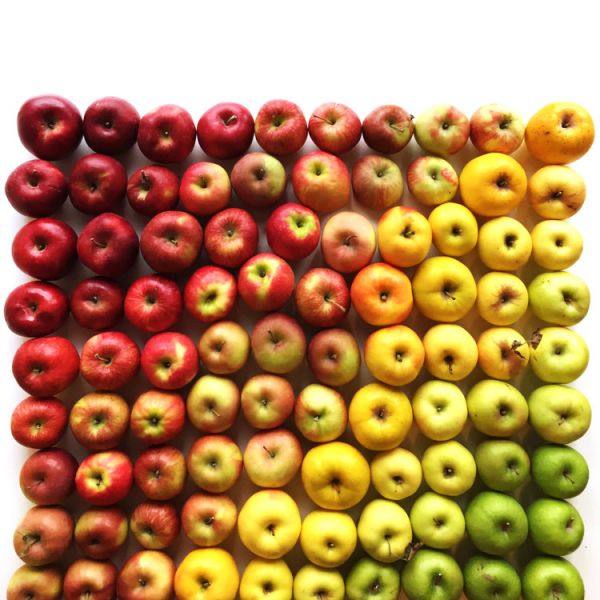
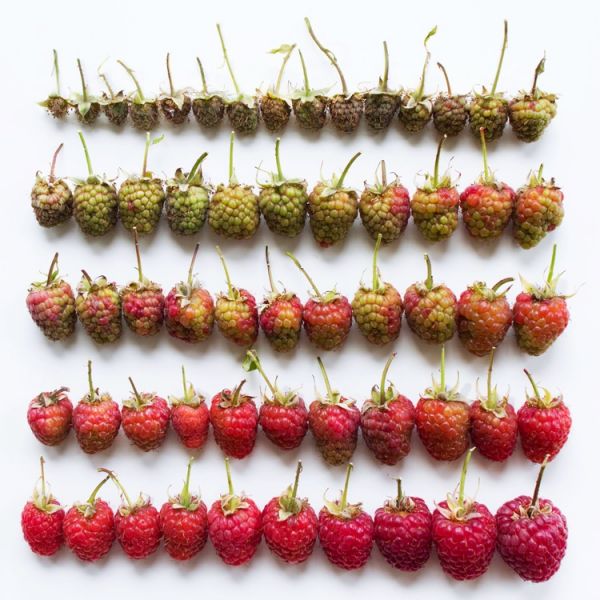
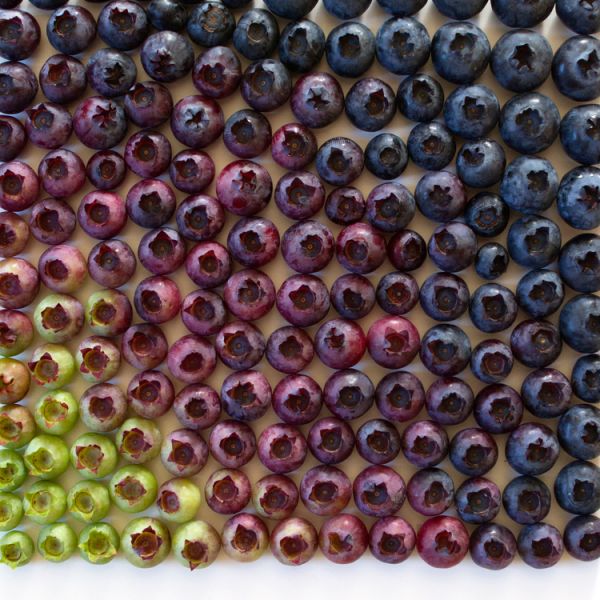
Brittany Wright, a photographer in Seattle, thinks of food as an art form--for both the eyes and the mouth. One of her recent explorations of this field includes arranging foods from her garden and grocery into assemblies sorted by color gradient. Each edible canvas is a smooth blend of colors, from light to dark. You can track her progress in the series on Instagram.
Democracy is on sale, something everyone who watches politics knows very well. Of more interest to iPad gamers though is that Democracy 3 [$0.99 (HD)], Positech Games's Democracy simulation, is $0.99 today down from $9.99. It's the first time that Democracy 3 has dropped so low, so if the special interests you are representing want to influence (ruin) the political system of a country, now is your chance to make it happen at a bargain price.
If you haven't played Democracy 3 before, the game puts you in the shoes of a president or prime-minister who is trying to run a country filled with citizens whose interests and beliefs cover the whole spectrum of political opinions. You have to try and balance your budget while keeping your constituents happy enough to refrain from assassinating you (which is a possible, and very common, end to your political career). The game started as a PC game and then was ported to the iPad, but its quite innovative UI makes playing on the iPad a joy (despite its few UI niggles here and there). So, if you want to see how difficult it is to run a country while keeping everyone happy, give this game a try.
The Saudis are finally getting some bang out of all the bucks they’ve spent on weapons over the past 50 years, with Saudi planes bombing Yemen for more than a month now.
There was a short, very short, break in late April, when the campaign was supposed to shift gears to a more “political” phase, but that lasted, oh, a few hours. Literally a few hours. The break was announced on April 21, and on April 22, the inevitable headline appeared: “Saudi-led Coalition Resumes Air Strikes.”
The instant dissolve of the ceasefire shouldn’t have surprised anybody. The half-life of a Yemeni ceasefire is as short as those elements born in a particle accelerator. This is a typical 21st-century war, slow, small, chronic. Casualties have been fairly low, compared to the mass slaughters of the previous two centuries, with about a thousand people officially killed, a few thousand more officially wounded. Unofficial dead and wounded would probably double that number, but even so, this is not Stalingrad or Gettysburg. This is a Saudi Air Force attempt to do surgical strikes.
It’s a lot harder to put a bomb in the right place than the video games make it look, especially in urban combat. The USAF, whatever its other problems, is damned good at this; the Saudi Air Force doesn’t seem to have the same degree of finesse. It’s not entirely the pilots’ fault; they’re working with munitions designed to be used in NATO’s mythical Armageddon, all-out war between Warsaw Pact and Western armies. They went for maximum splatter effect back then. In a sense, we’re seeing how badly these weapons work in our weird form of warfare, where you can lose big if you kill too many people.
The bombing hasn’t accomplished anything much, except to slow down the Shia (Houthi) advance on Aden. But there was one big fringe benefit for Saudi pilots: free Bentleys. Yes, Prince Alwaleed bin Talal, previously known for offering luxury cars to the Kingdom’s winning soccer team, Tweeted a promise to buy 100 new Bentleys for the 100 Saudi pilots who were bombing Yemen.
It was a straight-up, one-per-customer deal, one Bentley for one pilot, no second Bentley for extra missions as far as I know, no fine print about throwing in a Kia Rio for extra civilian kills or any such complications.
He deleted the Tweet a little later, of course, because it didn’t go over so well—a bunch of naysayers whining about how he hadn’t pledged one lousy riyal to rebuild the hospitals Saudi pilots were quasi-accidentally demolishing in Yemen, that sort of negativity—but by the time the Prince deleted his Tweet, it was already viral, and I’m sure every pilot in the Saudi AF will be running to the front door like a kid on Christmas every time the bell rings for the next few months. After all, this is the way people inside and outside the Magic Kingdom want to see the Saudi elite, as wacky but generous hicks, scattering largesse.
The real Saudi elite is much less wacky, much less hick-ish, and much grimmer than their goofy rep. They may splash out for the occasional stunt like this Bombs-for-Bentleys deal (though I wouldn’t hold my breath if I were a Saudi pilot), but most of the time, the Saudis spend money on military gear in a strange but rational manner.
And in the context of Saudi military spending, a crummy little Bentley, average price around $225,000 brand new, is nothing at all.
The Kingdom is one of the biggest defense spenders in the world, tossing out more than $80 billion per year on weaponry. When you break down military spending per capita, Saudi is easily the biggest spender of all.
The only countries spending more on military procurement are the US, China, and (maybe) Russia. When you consider that there are only 30 million Saudis, compared to 310 million American, 1.3 billion Chinese, and 146 million Russian citizens, the Saudi defense budget stands out as ridiculously huge. One out of every seven dollars spent on imported weaponry comes from the Saudi treasury.
Of course Saudi citizens don’t feel the pinch of these huge expenses. Taxes in Saudi Arabia are zero-point-zero. That’s the deal the Saud family made with its people: “No taxation for no representation.” The money to buy all this fancy tech is siphoned right out of the oil that is the personal property of the Saud family, who are the official owners—not just rulers, but owners—of the country.
And the Saud family has been spending this kind of absurd amount on weapons for decades, with no real thought of ever using them. In fact, the Saudis usually had to rely on foreign tech assistance from the US or Pakistan to field their new buys, like the AWACS.
The one time the Kingdom faced what our hysterical Israeli buddies like to call “an existential threat”—when Saddam Hussein swarmed Kuwait, the Saudis’ little cousin-statelet, in August 1991—they barely even pretended to handle the threat with their own military, going direct for the “Call the Americans” strategy (to the annoyance of a tall skinny dude named bin Laden, with subsequent repercussions here’n’there. But then, bin Laden was Yemeni, a feistier type than yer true Saudi).
The Saudis spread their cash around the world, with a giant slice landing in the vicinity of Washington D.C., but plenty left over to scatter over the official precincts of Paris, London, and Islamabad. In fact, the Pakistani Army and its ultra-sleaze core, the ISI, has been one of the biggest cash dumps for Saudi over the last few decades. The Saudis thought they were buying Pakistan’s promise to supply cannon fodder in the event of a nasty war like the one going on in Yemen. After all, the Pakistani prime minister, Nawaz Sharif, was a guest of the Kingdom for years after being deposed.
But Pakistan did something that shocked and outraged the Sauds. On April 7, the Pakistani Parliament voted unanimously not to send any troops to Yemen.
You can imagine the outrage in Riyadh. All the money they spent on those legislators, and the ingrates had the sheer gall to refuse to send cannon fodder on request!
It was democracy in action, or at least one of the ways you can use the appearance of democracy to avoid doing something you didn’t want to do in the first place. Nobody in Pakistan is dumb enough to send ground troops to fight the Yemeni Shia on their home turf, but a lot of people way up in Pakistan’s real elite, from the PM on down, owed the Saudis a favor. How do you get out of an awkward request from somebody whose bribes put your kids through private school?
The answer is beautifully simple: Blame democracy! If Pakistan were still an outright military dictatorship, the ISI/Army wouldn’t have any excuse for wimping out on the Saudis’ request, but now that there’s a parliament, you can pass the word to the MPs, warn them that ground troops to Yemen has always been a very bad idea (just ask the Ottomans) and blame your wimp-out on that pesky Western virus, representative democracy.
Under Pakistan’s constitution, the resolution is nonbinding, because the prime minister has complete authority over the country’s armed forces. But Prime Minister Nawaz Sharif said this week that he planned to leave the matter to Parliament.
But much, much better to pull the ol’ “What can I do? My hands are tied!” routine.
It was a beautiful moment in the history of double-crosses, and it couldn’t happen to a more fitting sucker than the Saudis, who’ve always had a horror of democracy in any form. When their Pakistani officer liaisons shrugged and said, “It’s those damn MPs!” the Saud princes must have nodded grimly. They always knew no good could come of this human-rights crap.
I can imagine the laughter in the Pakistan parliament after this magnificent farce was over. One thing that distinguishes South Asian Muslims from the Peninsula Arabs is that people from the Subcontinent love to crack each other up. The Saudis tend to worry about their dignity way too much to laugh. It used to kill the Pakistanis in Saudi, the deadly earnestness of the Saudis. As one of them used to say, “These people must have iron in their necks!” Rodney Dangerfield’s original tough crowd. So, if you can’t make ’em laugh, make ’em a laughingstock. And Pakistan did it beautifully.
Of course, there had to be a face-saving concession from the Prime Minister, who owes his career to Riyadh. So Sharif went to Saudi and promised that in the event that the Houthi swarm north, into Saudi proper, then hey, man, Pakistani troops would be there to help.
That scenario isn’t entirely far-fetched. All the hype about Iran, and a proxy war between Iran and Saudi, is, as one sane commentator pointed out, “nonsense.”
This is an entirely Arabian problem; Iran doesn’t need to do a thing but watch and eat pistachios (from Fresno, probably).
And if it ever came down to Yemeni Shia forces heading north, into Saudi, there’s not much the Saudi Army and Border Police could do to stop them. Like a lot of countries, Saudi’s armed forces are full of parallel structures (Army vs. National Guard) designed to counterbalance each other, and focused on squashing any internal threat, rather than dealing with foreign invasions. A Saudi police station is a terrifying place, but a Saudi army base is a lot more relaxed. The US military is the real armed force of the Kingdom, and Saudi soldiers and officers know that perfectly well.
Of course that doesn’t make for Prussian military discipline, or PLA-level morale. If the Yemeni Shia ever crossed into Najran or Jizan provinces, the Saudi Army would probably execute a tactical withdrawal, using their ultimate weapon, the Smartphone, to order some air-to-ground takeout from the USAF.
Any ground combat between the Saudis and Houthis would be, as they say, one-sided. The Yemeni highlanders have been fighting all their lives, and have very little to lose, while the typical Saudi officer has way too much.
It’s that imbalance, wobbling along an undefined border, that makes Riyadh so frightened now. The luck of the petrochemical draw made them absurdly rich while the Yemenis, once the smart, worldly traders, have lost everything. People like that are always going to be more ready to die than a Saudi officer whose real obsession is how many Dolce & Gabbana knockoffs his sweatshop in Guangzhou is turning out per week.
When you consider how much money the Saudis have invested in bribes over the past century, and how spotty the returns have been (as shown by the Pakistani refusal to send troops), you have to wonder if it’d be cheaper just to bomb the Yemeni Highlands with cash. I mean literally, just parachute wads of $20 bills down on Saada Province, give the Shia down there something to lose.
It’s a strategy whose time has to come sooner or later, the cash-bombing campaign. It’s been tried in various indirect ways, but nobody’s had the balls to just take it to the utter literal level, actual wads of cash on little parachutes fluttering down on Yemeni villages where $15 per month buys you a house.
“Give ’em something to lose” is probably the best counter-insurgency slogan you could come up with, the only one that seems to work. Never mind giving Bentleys to Saudi pilots who’d probably rather have a 1970 Barracuda anyway. Send the Bentleys over the border, to the Shia provinces of Yemen. Bomb ’em with Bentleys! Or better yet, just drop the cash on them. Less likely to cause collateral damage, and I’m pretty sure the Yemeni are smart enough to spend the cash on a sensible buy like a Land Cruiser instead of those stodgy old Rollsez.
Instagram acaba de añadir tres nuevos filtros a su ya extensa colección de retoques predeterminados. Además, la aplicación ha habilitado la posibilidad de añadir emojis como hashtags o buscar mediante estos símbolos. Sí os suena absurdo es porque aún no habéis leído cuál es el único Emoji prohibido: la berenjena.
Meet Chilesaurus diegosuarezi, a newly described dinosaur discovered by a seven-year-old boy in Chile. The theropod was related to famous meat-eaters like T. rex, but researchers think itwas a vegetarian. Stranger still: It possessed a mixture of anatomical features unlike anything researchers have seen before.
The third ever World Happiness Report — created by the UN's Sustainable Development Solutions Network and co-edited by economists John F. Helliwell, Richard Layard, and Jeffrey Sachs — is officially out. While the report includes more fascinating data on well-being around the world than I could ever list in full, its centerpiece is a ranking of countries by average happiness. This map summarizes the results:
(Vox/Joss Fong)
The report focuses less on momentary emotions ("Are you happy right now?" "Did you have a good day today?" etc.) than on people's evaluations of their lives, taken as a whole. It relies on Gallup polling, which asks respondents to imagine the best possible life for them and then rank their current lives on a 0 to 10 scale, relative to that best life. This question is known as "Cantril's ladder," and it's the standard way many researchers measure life satisfaction (as opposed to momentary happiness).
The most striking thing about the map is that people rich countries are, overall, considerably more satisfied with their lives than people in poor countries. That shouldn't be surprising. The weight of the evidence suggests that both momentary happiness and life satisfaction are heavily correlated with GDP per capita.
In fact, the World Happiness Report found that GDP per capita was one of the most important explanatory variables in determining national happiness, along with social support (if you have someone in your life you can count on), healthy life expectancy, freedom (answer to the question "Are you satisfied or dissatisfied with your freedom to choose what you do with your life?"), generosity ("Have you donated money to a charity in the past month?"), and government corruption. "Taken together," the authors write, "these six variables explain almost three-quarters of the variation in national annual average ladder scores among countries."
If you consider yourself a big Amy Schumer fan, here's an exciting new product that'll prove you love her more than anyone: The Official Amy Schumer Doll™! Just like the real Amy, the Official Amy Schumer Doll sleeps in until 1:00pm, often passes out in strangers' beds, and has a pair of skinny jeans in the back of her closet ready to wear for that one lucky day in the distant future. Catch the rest on this week's new episode of Inside Amy Schumer tomorrow night at 10:30pm.
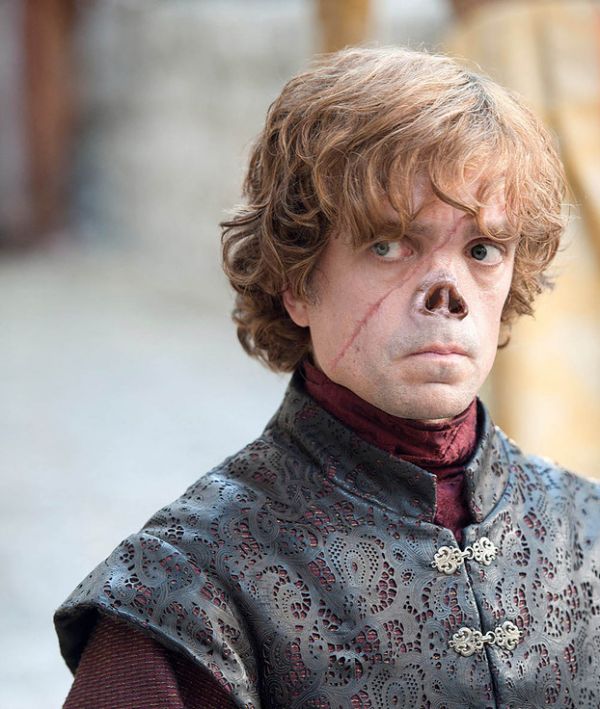
The makers of Game Of Thrones have tried to stay as faithful to George R. R. Martin's books as possible, but some changes simply must be made when a book is translated into a visual medium.
Characters are often changed to make them, and their appearance, more visually appealing to viewers, which is why that imp Tyrion Lannister is still a sympathetic character:
“Tyrion’s fingers went to the great gash that ran from above one eye down to his jaw, across what remained of his nose. The proud flesh was still raw and warm to the touch.” —A Storm of Swords
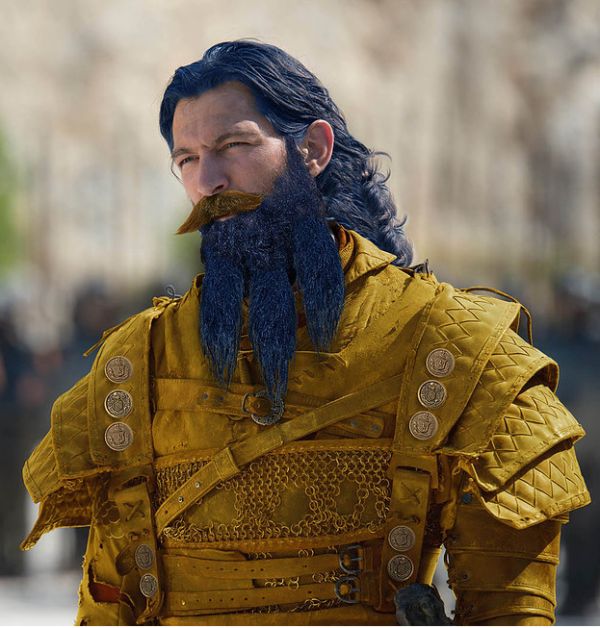
And some characters have their overall look radically altered just so their flamboyant style will flow with the overall color scheme of the show, such as the radical decolorization of Daario Naharis:
“Daario Naharis was flamboyant even for a Tyroshi. His beard was cut into three prongs and dyed blue, the same color as his eyes and the curly hair that fell to his collar. His pointed mustachios were painted gold. His clothes were all shades of yellow; a foam of Myrish lace the color of butter spilled from his collar and cuffs, his doublet was sewn with brass medallions in the shape of dandelions, and ornamental goldwork crawled up his high leather boots to his thighs.” —A Storm of Swords
A lot of us are conditioned to consider sex to be a pre-bed thing — and it can be. But it doesn’t have to be. In fact, there’s lots of reasons to consider getting it on in the morning.
Getting frisky in the morning simply makes sex better. Not only can you take advantage of testosterone levels and morning wood but the endorphins help to ensure that you’ll start the day in a good mood, says Dr. Jess, Astroglide’s resident sexologist. Plus, six more other enticing reasons:
1. It Sets A Positive Tone For The Day
It’s a great way to set the day, starting off on the right foot with your man by immediately getting connected, says dating expert Laurel House. If you’re tired and “not in the mood” in the morning but your man naturally wakes up excited, let him take you from behind. Lay on your side, his arms wrapping around your body to hold you close, as he presses inside you from behind.
2. It Makes You Prettier
For real. You will not only be rewarded with an orgasm to start your day, but shiny hair and skin as a result of DHEA and the natural sex glow that promotes circulation, says Dr. Jess.
3. It Keeps You Healthy
There may be random people coughing and sneezing on the subway during your morning commute — but it won’t be you. Having sex gives you a stronger immune system due to increased levels of immunoglobulin-A, says Dr. Jess.
4. It Keeps You In The Moment
“Since your mind has been shut off for the last several hours you’re not distracted by thoughts of social media, office politics and your to-do list. You’re in your body and in the moment, allowing you to release into your sensual side,” says Katrina “Rainsong” Messenger.
5. It Reboots Your Body
You may have been on the down slope of a systems check. During sleep, your body runs through the cycle of arousal several times, says Messenger, so if you happen to wake up during one of those cycles, your body has already started some of the foreplay for you!
6. It’s A Chance To Continue That Naughty Dream
You may have been dreaming about sex. While sex dreams are not always about sex — nor are they connected with the body getting aroused while asleep — waking up from a sexy reverie can certainly set the mood!
7. It’s When He’s Most Horny
Men have hormonal cycles too and their cycles change throughout the day, says Messenger. For many men testosterone is highest in the morning (between 4 and 6 am). Coupled with being well-rested and relaxed, that testosterone boost can lead to a seriously hot wake-up call!
In a nifty series of articles, my friend Dan Griliopoulos has been modeling the United Kingdom's major political parties' stances in the simulation game Democracy 3. The latest piece tackles creepy far-righters UKIP, and the model isn't so favorable: Read the rest
German Pirate MEP Julia Reda's copyright report calls for an end to geoblocking within
the EU market, which is inarguably required to create a single digital
market. If a European can buy something in one EU member state, she
should be able to buy it in the other member-states, too.
Read the rest
The arrival of farming in Europe beginning around 8,500 years ago required adaptation to new environments, pathogens, diets, and social organizations. While evidence of natural selection can be revealed by studying patterns of genetic variation in present-day people, these pattern are only indirect echoes of past events, and provide little information about where and when selection occurred. Ancient DNA makes it possible to examine populations as they were before, during and after adaptation events, and thus to reveal the tempo and mode of selection. Here we report the first genome-wide scan for selection using ancient DNA, based on 83 human samples from Holocene Europe analyzed at over 300,000 positions.
"White," of course, is a a social designation. The question really is, "Why are northern Europeans depigmented?" Here is a map of human skin tone. The natives of northern Europe are oddly light-skinned. They are paler than anyone else on earth.
World is facing many challenges but one of the most critical
ones is youth unemployment. An unemployed person is someone who does not have a
job but is actively seeking work. As defined by the United Nations young people
are the part of population aged between 14 – 28 years old.
In the Euro Area the unemployment rate is 11.3% and for many countries in
the European Union, half of the unemployed working force is made by youth. For
more updated data you can follow this link Unemployment Rates 2015
Globally for many other countries, the unemployment youth rates make four to five
times more than the adult rates in every country in the world.
In order to be considered as unemployed one should:
not have a job
be willing and able to work
be actively searching for a working position
Do you know the unemployment rates in your country? Are you
aware of any policy initiatives undertaken by your government to assist young
entrepreneurs or encourage companies to hire young people?
En apenas un año, la entidad gallega Abanca (la antigua Novagalicia Banco) ha pasado de ser un ruinoso negocio que precisó de 8.900 millones de euros públicos para recapitalizarse, a dar un beneficio neto de más de 1.198 millones en 2014, una vez privatizada, y después de que su actual dueño, el venezolano Banesco, pagara apenas 1.003 millones.
Los acertijos de lógica gustan. Tanto el del cumpleaños de Cheryl como el problema del cordel y la barra se han compartido en todo el mundo y han generado debate y arduas discusiones. Con el objetivo de ofrecer más entretenimiento y quebraderos de cabeza a costa de que vuestra productividad en la oficina descienda en picado, os ofrecemos siete problemas de lógica clásicos: para algunos basta con ir eliminando alternativas, para otros hay que ejercitar el pensamiento lateral, los hay que sólo requieren algo de sentido común. Coged papel y lápiz, que comenzamos.
1. La isla de los ojos azules
Comenzamos con el que según Bernardo Marín, responsable de la edición digital de El País y aficionado a los acertijos, describe como “el más bonito del mundo”. Lo formulamos tal y como lo recogía el periodista y matemático Adrián Paenza en Página 12. Se trata de un acertijo que, como casi todos, tiene muchas versiones y variantes, incluyendo una que publica el viñetista XKCD.
En una isla hay 100 habitantes. Todos ellos tienen o bien ojos azules o bien ojos marrones. Todos ven el color de los otros, pero no el color propio. No pueden hablar del tema y no hay espejos. Eso sí: una ley establece que si alguien descubre que tiene los ojos azules, ha de abandonar la isla a las 8 de la mañana siguientes. Todos los isleños tienen la misma capacidad para razonar y todos son capaces de usar una lógica impecable.
Un día, una persona llega de visita a la isla y, mientras los mira a todos, dice, sin señalar a nadie en concreto: “¡Qué bueno es ver al menos una persona con ojos azules después de tanto tiempo de estar en alta mar!”
¿Qué consecuencias trajo este comentario a los habitantes de la isla?
2. La sucesión más difícil
¿Qué número sigue en esta sucesión numérica:
1 - 2 - 4 - 5 - 8 - 1000…
3. El camino del monje
Un monje parte al amanecer de su monasterio hasta la cima de una montaña, donde llega tras un camino de varias horas. Se queda a descansar y a dormir, y sale por la mañana de la montaña a la misma hora para regresar a su monasterio.
Es posible que no tardara lo mismo en ir que en volver y da igual que su velocidad no fuera constante o cuándo y cuántas veces se parara a descansar: el monje pasó por algún punto del camino exactamente a la misma hora, pero con un día de diferencia. ¿Por qué?
4. La puerta infernal
Uno de mentirosos. Estás encerrado en una habitación en la que hay dos puertas vigiladas por dos centinelas. Una lleva a la libertad, pero la otra a la muerte segura. Puedes elegir una puerta y antes puedes hacer una pregunta a uno de los centinelas. Hay un problema: uno de ellos siempre dice la verdad, pero el otro siempre miente.
¿Qué pregunta harías para salvar tu vida?
5. Los sombreros
En una mesa hay tres sombreros negros y dos blancos. Tres personas se ponen un sombrero al azar sin mirar el color y se colocan en fila india. No sé, es una fiesta un poco rara.
El tercero ve el color de los dos que tiene delante y se le pregunta si sabría decir cuál es el color de su sombrero. Contesta que no.
El segundo sólo puede ver el sombrero del primero. Se le hace la misma pregunta y contesta que no.
El primero no ve ningún sombrero, pero sabe perfectamente de qué color es el suyo.
¿Qué lógica siguió?
6. La contraseña
Un grupo de policías investiga el cuartel general de un grupo de delincuentes. Quieren infiltrarse, pero necesitan la contraseña, así que vigilan para intentar averiguarla. Un tipo se acerca a la puerta. Desde el interior le dicen: “18”. Contesta: “9”. La puerta se abre y le dejan pasar. Llega otro. Le dicen: “8” y contesta: “4”. También le dejan entrar. Llega un tercero. Al número “14” contesta “7” y le abren la puerta.
Los policías creen haber dado con la clave: sólo hay que dividir entre dos el número que digan. Así pues, deciden enviar a un agente de incógnito. Al llegar a la puerta le dicen “0”. Contesta: “0”. La puerta no sólo no se abre, sino que le disparan y lo matan. Lo vuelven a probar con otro agente. Desde dentro se oye: “6”. Contesta: “3”. Lo matan de nuevo.
¿Cuál es el error que cometieron los policías?
7. Manzanas traigo
Tienes una frutería y te han repartido tres cajas: una tiene sólo manzanas; otra, sólo naranjas; la tercera, manzanas y naranjas. Cada caja tiene una etiqueta: “manzanas”, “naranjas” y “manzanas y naranjas”. Ninguna de las cajas tiene la etiqueta que le corresponde. ¿Cómo puedes saber la fruta que contiene cada una de las cajas sacando una sola pieza de una sola de ellas?
Soluciones
1. Todos los que tengan ojos azules abandonarán la isla.
Si sólo hubiera una persona con ojos azules, lo sabría ya que vería que los 99 restantes los tienen marrones, así que se marcharía.
Si hubiera dos, el primero (A) podría pensar que se refiere al segundo (B) y que sólo hay uno, pero el segundo pensaría lo mismo del primero. Cuando uno ve que el otro no deja la isla el primer día, sólo le queda deducir que él también tiene los ojos azules, por lo que ambos se tendrán que marchar al segundo día.
Lo mismo ocurre si hubiera tres, ya que A vería que B y C no dejan la isla y que, por tanto, él también tiene los ojos azules, así que se tendrían que ir los tres el tercer día, al ver A (por ejemplo) que ni B ni C se han ido el segundo día.
Y así hasta que se vayan todos los habitantes con ojos azules, sean cuantos sean.
2. 1001. Es el siguiente número que en castellano se escribe sin e. Lo sé, estás muy enfadado. Para compensar, te propongo otro acertijo similar. ¿Qué número sigue en esta otra secuencia?
U, D, T, C, C, S, S…
Ojo, que va la solución en la siguiente línea.
(Solución: sigue la O. Son las iniciales de los números 1, 2, 3, 4...).
3. Imaginemos que se trata de dos monjes que salen a la misma hora de puntos opuestos: si siguen el mismo camino, en algún momento se tendrán que cruzar. Ahora parece obvio, ¿verdad?
4. “¿Qué diría el otro centinela si le pregunto cuál es la puerta segura?”.
Si mi centinela miente y el otro dice la verdad, mi centinela me dirá cuál es la puerta que lleva a la muerte. Si mi centinela dice la verdad y el otro miente, también me dirá cuál es esa puerta, ya que es la que el otro me diría. Sólo hay que escoger la opuesta a la que me contesten.
5. Si el último no sabe de qué color es su sombrero, eso significa que los otros dos no son blancos, porque si no, sabría que el suyo es negro. Así que o bien hay uno blanco o los dos son negros.
El segundo ha deducido esto mismo al oír lo que dice el primero, así que si no sabe de qué color es su sombrero es porque el primero es negro. Si el del primero fuera blanco, sabría que el suyo es negro porque los dos no pueden ser blancos.
Por tanto, el primero sabe que su sombrero es negro.
6. Ya es mala suerte, pero la contraseña consistía en decir el número de letras correspondiente al número que le decían.
Dieciocho tiene nueve letras.
Ocho tiene cuatro letras.
Catorce tiene siete.
Cero tiene cuatro.
Y seis tiene otras cuatro.
7. Has de coger una pieza de la caja que dice “manzanas y naranjas”. Como todas están mal etiquetadas, incluida esta, no necesitas saber más.
Si es una manzana, esta es la caja de las manzanas. Las naranjas están en la etiquetada como “manzanas” y la caja que queda, la de “naranjas”, contiene naranjas y manzanas.
Si es una naranja, tienes la caja de las naranjas. La etiquetada como “naranjas” contiene manzanas y la que tiene la etiqueta “manzanas” guarda naranjas y manzanas.
When you're sitting on the couch in your snuggie, do you ever wish you could be having sex? When you're having sex, do you ever wish you could be wearing your snuggie? Now you can with the Pokie! Comes with the exclusive Pokie Sutra.




 The only thing missing is “Oliver Cromwell.”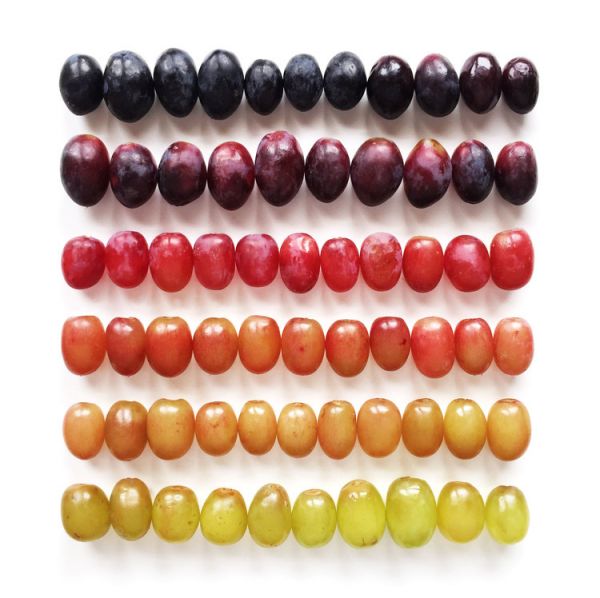





 Gary Brecher is the War Nerd.