Best way to up your productivity on your tablet? Automate everything. Workflow integrates with a ton of different apps, including Facebook, Dropbox, and the Camera app. Some popular uses are a tip calculator, an action that creates PDF out of Safari webpages, and another that offers walking directions to the nearest coffee shop.
You can create many different workflows or use ones people have already created in the workflow gallery.
If This Then That is great for automating online services like social media apps. Some of the tablet-specific recipes include: marking when you met a new contact in your calendar; logging how much time your spend at school/home/work; or setting up an alarm for emails you've starred in Gmail.
They are designed to disinfect us of our fragility. To cleanse us of our flaws. To disinfect us of weakness. Love, grace, mercy, longing, forgiveness, passion, truth, nobility, dreams. Their objective is to stamp all that out; to eradicate it; to erase it. To replace it with calculation, ruthlessness, self-concern; gluttony; cruelty; anxiety, despair. By using the most sophisticated technology ever made to subjugate, oppress, and goad us into being little torturers ourselves.Our economy doesn't make stuff anymore. So what does it make?
Ni dos minutos son necesarios para conseguir que miles de ferrolanos se sientan identificados con las imágenes que se pueden ver en el corto «Ferrol Mola», creado por Carlos A. Quirós y Cristina Esteiro, o lo que es lo mismo, Cuerda Floja Producciones.
El vídeo se hizo público en la plataforma Vimeo el pasado jueves y en tan solo cuatro días ha alcanzado más de 7.500 visitas y se ha «viralizado» por las redes sociales. ¿La clave del éxito? Que las imágenes hablen por sí solas, con una voz en off totalmente descriptiva que sirve como refuerzo al poder visual y cuyo objetivo es la crítica a partir de la percepción particular de cada persona; sin posicionarse.
El codirector del corto, Carlos A. Quirós, señala que «el punto de vista es lo más importante en el cine y en el audiovisual en general; es lo que diferencia unos trabajos de otros», y añade que su punto de vista «estaba claro». Ambos piensan que el amplio número de visitas desde su publicación se debe a que «el tema se ha tratado de la manera más auténtica posible y más neutral».
La Semana Santa aparece en varias de las escenas ya que se trata de un «momento en el que Ferrol se convierte en el centro de muchas miradas» y que, cuando termina, la ciudad «vuelve a la cruda realidad», explican los creadores del proyecto audiovisual. Los Jardines de Herrera, la Plaza de Armas o el barrio de Canido han sido algunos de los lugares escogidos para ser partícipes en la obra, ya que se tratan de espacios emblemáticos de la ciudad, pero retratados «desde un punto de vista que quizás no se había visto antes aunque mucha gente lo sentía», matizan ambos miembros de Cuerda Floja Producciones.
Muchas personas habrán pensado que la idea para este cortometraje comenzó con el conocido grafiti amarillo que acompaña a la frase que da título al proyecto audiovisual. Sin embargo, surgió con otra expresión pintada en una pared de la calle María y que dice «Ferrol recicla». Cuando Carlos y Cristina se sentaron en montaje en busca del hilo conductor de la historia, se preguntaban cuál sería el origen de la pintada y al final, se decidieron como disculpa narrativa por el grafito redondo y amarillo que aparece en varios planos del corto.
El nacimiento de este vídeo se debe a un concurso organizado por la EFTI, Escuela Internacional de Fotografía y Cine de Madrid, en el que solicitaban que se realizara un vídeo en el que se fotografiara la luz de la ciudad para optar a una beca para realizar el master en Dirección de Fotografía en Cine.
Carlos A. cuenta que «la sorpresa fue mayúscula cuando le mandaron un correo a Cristina de que estaba entre los 25 finalistas de entre 385 trabajos de todo el mundo y todavía mayor cuando en el fallo final del jurado, el trabajo quedó en quinto lugar».
Carlos A. Quirós, responsable del texto, y Cristina Esteiro, directora de fotografía y voz en off del corto, se han mostrado «satisfechos con la acogida que ha tenido el vídeo, a pesar de que Cristina se quedó sin hacer el máster, que era lo que quería», admite el codirector. Un logro que no obtuvo su objetivo principal, pero que ha cautivado a miles de personas.
"It is the rear-guard action of people who believe that just because other people are coming in with different views, different interests, and different concerns, and aren't willing to naturally accept the previous order of things, that all doom and terror and fire from the skies is happening," John Scalzi tells me.
We're talking about the most recent skirmish in a larger war, a war for the soul of nerd culture. This one involves the Hugo Awards, a literary award ceremony, but it's the latest iteration of a new battle that already feels ancient.
Scalzi is an award-winning, best-selling novelist, the author of enormously entertaining science fiction novels like Old Man's War and Redshirts. If you've read his popular blog, you'll know he's a passionate individual, and he seems incredibly frustrated by those in the science fiction and fantasy community who have launched this "rear-guard action."
Yet if you talk to the people on the other side — who have dubbed themselves the "Sad Puppies" — they will point to Scalzi as part of a larger problem within the community. Yeah, their rhetoric might be a little over the top, but they're the ones saving the industry from political correctness and the "literati."
These Sad Puppies are, depending on whom you ask, the saviors of the Hugo Awards from mediocre books, a bunch of bigots, or part of a cynically motivated awards grab.
Tell me what happened in 100 words or less
Science fiction's prestigious Hugo Awards are chosen by a fan vote at both the nominee and winner stages. However, the number of people who vote at the nominee stage is small enough that a concerted effort by a small group can have disproportionate payoff.
That's what happened with two groups purporting to support traditional space opera science fiction and politically conservative authors, who initially made up 72 percent of all nominees. Once this happened, many accused both slates of supporting racist, sexist sentiments. These voters say — accurately — that they followed the rules.
Who are the Sad Puppies?
The term Sad Puppies is used interchangeably to refer to a group of Hugo voters and a specific slate of works advanced by those awards. It's also often — inaccurately — been used to refer to a completely separate campaign. We'll get to the other campaign — the Rabid Puppies — in a moment.
Those involved in Sad Puppies will tell you their primary motives are, first and foremost, to celebrate science fiction works that return the genre to its space opera roots and, second, to celebrate works by politically conservative authors, whose views may sit outside the mainstream of the current community.
A story often pointed to as an example of why the Sad Puppies exist is Rachel Swirsky's Hugo-nominated "If You Were a Dinosaur, My Love." It's a beautiful piece of writing, but the Puppies argue it's not science fiction enough. It's written in the conditional tense, but that doesn't equal a "speculative fiction" story, say the Puppies.
Brad Torgersen, a science fiction author and Hugo nominee who organized the Sad Puppies voting slate this year, says a tiny clique has taken over the Hugos.
"They don’t want the Hugos to be about 'popular' as much as they want the Hugos to be about 'important,' which is an entirely different mindset," Torgersen says of the science fiction publishing community at large. "Especially when you have the arrival [in the last 10 years] of social justice agitators who are demanding that books and stories now be recognized and anointed due to the fact the author [or the characters] meet a given set of minority demographics."
And if you saw that term "social justice agitators" and immediately pinged on Gamergate's sworn enemies — the social justice warriors — you're starting to see where this is all headed.
The Puppies point to an annual blog post Scalzi does asking professionals in the field to cite Hugo-worthy works as evidence of the hidden cabal running the Hugos.
The Puppies claim they're doing a version of this. They just take it one step further.
What's that next step?
The Puppies created a "voting slate" — meaning Torgersen compiled a list of titles to vote for from reader suggestions. The slate was essentially a way to completely fill one's nominating ballot with Puppies-approved nominees. In some ways, the Puppies are the equivalent of a political party — if you support our cause, this is how you will vote.
This proved wildly successful. The Sad Puppies recommended 60 nominees for the Hugos, and 51 of those were on the initial ballot. The Rabid Puppies recommended 67 nominees, with 58 on the initial ballot. (All data is via Mike Glyer's excellent fan publication File 770, which has top-notch coverage of the controversy, if you want a deep dive.)
Larry Correia's novel Monster Hunter Legion was the impetus for Sad Puppies. (Baen Books)
Several days later, the Hugos ruled one nominee from each slate ineligible, and three separate nominees have opted to withdraw their names from the ballots because of their connection to one of the two Puppy slates. (One of those nominees remains on the final ballot, because the complaint was registered too late.)
The two slates were so stunningly effective for a couple of reasons.
The first is that it's not so hard to game the Hugo list. In most categories, it's possible to land on the final list from less than 150 votes on the nominating ballot. The pool of voters — which is anyone who purchases a membership to the science fiction convention Worldcon — is so small at the nominating stage that essentially any coordinated effort stands a good chance at success.
The second reason is that the Puppies used politically radicalized language to promote themselves. If the Puppies had simply said, "Here are some things we liked; please vote for them," the campaign wouldn't have been as successful. By framing themselves as a force warring against political correctness, the Sad Puppies were able to attract attention from others expressing similar points within nerd culture.
This all sounds kinda academic. Why are people pissed off?
To be sure, there are people who are really mad about the very idea of voting slates at the Hugos (including George R. R. Martin, whose books formed the basis for Game of Thrones). And there are people who don't like the politically reactionary bent of much of the Puppies campaign.
But if you really want to get down to it, what people are upset about is the fact that the two Puppies slates nominated some people who have said some things that have proved hugely controversial — and that's putting it mildly.
The foremost beneficiary of the two Puppies slates is John C. Wright, who received six separate nominations for his work on the initial ballot. One of those nominations was eventually disqualified, as a version of the story had been published outside of the calendar year of 2014. But five nominations in one year is still huge.
It's also, according to some Puppies critics, not exactly a great endorsement of the slate's aims as a whole.
"If your argument is that there's a vibrant field of conservative (politically, stylistically, or both) SF being written that isn't being recognized by the Hugos, then the fact that fully one-third of the works of fiction you got onto the ballot are by the same person isn't a strong point in support of it," 2014 Hugo nominee Abigail Nussbaum told me.
But anger with Wright runs deeper than finding his popularity with the Puppies baffling. It, instead, stems from the fact that he has written several anti-gay posts in the last decade (most of which have been scrubbed from the internet), most recently calling a lesbian couple in the TV series The Legend of Korra a "sexual aberration."
The Puppies defend him as an unsung genius — and one whose work should be supported regardless of what you think of his political views.
John C. Wright's essay collection Transhuman and Subhuman is nominated for a Hugo. (Castalia House)
"Wright’s written some of the deepest, most philosophical and amazing science fiction of the new century. He is wholly able to stand with the greats in the field at this time. All Sad Puppies (and apparently Rabid Puppies) did was aim the spotlight in John’s direction," Torgersen told me.
Should Wright get a pass for his worst comments if his writing is good enough? As Scalzi points out, that's an inherently privileged position to take.
"I'm willing to forgive people a lot of their personal views that aren't related to their art. But then again, I'm a straight white guy," he told me. "If someone's sticking a middle finger in your face and saying, 'You don't exist,' then it's difficult to make an argument that you can treat their art without considering that factor."
The irony here is that the Sad Puppies made an effort to nominate women, people of color, and LGBT writers on their slate. This was the third Sad Puppies slate, and in assembling it the group seemed to at least nominally address former criticisms about its lack of diversity.
Said Kary English, one of the women on the 2015 Sad Puppies slate:
I said yes to Sad Puppies this year because I saw the seeds of change. I saw an organizer who wanted to broaden the slate. Sad Puppies includes greater political variety, more women, more people of color and more non-het writers than it ever has before, and I wanted to support that growth.
But the movement is still fundamentally about defining what science fiction is by excluding all who don't fit into a narrow template. Even without the accusations of bigotry, you're left with a belief that the only true sci-fi writers are those who craft pulpier stories, often involving space exploration.
Thus, the Sad Puppies have become essentially what they campaigned against — an organization that limits the definition of what genre fiction can be.
But that's not what people are really mad about.
"I will say that with the Sad Puppies, a number of the nominees are not overtly bigoted," Hugo-nominated novelist N. K. Jemisin told me. "My general sense is that the Sad Puppies effectively have become a front for the Rabid Puppies."
So what are the Rabid Puppies?
No figure drives more controversy in this year's Hugo nominee list than Vox Day, the lead editor of publisher Castalia House and a three-time Hugo nominee (with two of those nominations on this year's slate).
The logo of the Rabid Puppies. (Vox Day)
Almost all of the criticisms of the Rabid Puppies come back to Day (the professional name of Theodore Beale). To call him a controversial figure is putting it mildly. He has, at various points, suggested women should not vote, called Jemisin half-savage, and been hugely involved in other reactionary movements, including Gamergate.
Day's response when I ask him if he understands why dislike of his views drives so much of the criticism of both Puppies slates is to say that he himself is politically open-minded, so he doesn't understand why others can't be, as well.
"Dismissing great writers because you don't like my beliefs or opinions is ludicrous. I have repeatedly asserted that China Miéville is one of the three best science fiction writers alive, and he's a Trotsky-Leninist who belongs to a revolutionary socialist organization. I'm a libertarian. So would you dismiss Miéville because I think he's a great SF writer despite his ideologically insane views?" he told me.
Markos Kloos withdrew his novel Lines of Departure from Hugo consideration. (47North)
Initially, Day's Rabid Puppies campaign actually proved slightly more successful than Sad Puppies. Yet when Markos Kloos withdrew his nomination for Best Novel, he said explicitly that he was doing so because he didn't want to be associated with Rabid Puppies.
Both Torgersen and Day readily say neither campaign had anything to do with the other.
"Brad Torgersen made the calls this year for Sad Puppies 3, while Rabid Puppies was solely my call. The reason for the two separate lists of recommendations is because I was falsely accused of having gamed the system last year," Day told me. (Sad Puppies founder Larry Correia placed Day on the Sad Puppies 2 slate in 2014.)
For the most part, people who are mad at the Sad Puppies on grounds of overt racism or sexism are mad at the Rabid Puppies.
Are there more cynical reads of this situation than even that?
Sure. You could read this as an elaborate career move.
Day's publishing house, Castalia House, received nine total Hugo nominations, in addition to the two Day received for editing. This is the foremost piece of evidence for the Puppies slates as cynical awards grabs.
"Many of their supporters totally believe they’re part of a sincere crusade to purge SF of evil liberalism and stick it to the 'SJWs' [social justice warriors], but as [Guardian writer Damien Walter] observed, that only makes them useful tools for the organizers’ actual agendas," Hugo-winning editor Patrick Nielsen Hayden told me.
Wait, wait, wait. I just realized. Why do they call themselves "Sad Puppies"?
It all stems from Correia's 2013 campaign for Best Novel at the Hugos, for the book Monster Hunter Legion. In the second post of this campaign, he composed a spoof of the ASPCA ad campaign that features sad Sarah McLachlan music over footage of animals in shelters. In Correia's version, he was the sad puppy — the pulp writer who would never receive recognition unless you did your best and voted for him.
Do the Sad Puppies have a legitimate beef with the Hugos?
Not really.
In recent years, the Hugos have definitely taken a turn away from traditional pulp sci-fi toward more literary works. But science fiction has always had pulp and literary writers, and the latter crowd has traditionally been more successful at award ceremonies — just as it has with the Pulitzers or National Book Awards, where Philip Roth is more likely to win than Stephen King.
The Puppies' claim here also ignores that the science-fiction community has traditionally backed all sorts of authors, of all sorts of political stripes.
"What’s actually notable about the SF subculture is its heterodoxy, expressed by things like the Libertarian Futurist Society sometimes giving their Prometheus Award to the Scottish socialist SF writer Ken MacLeod, or MacLeod himself talking about the importance to him of right/libertarian writers like Robert Heinlein and Poul Anderson. Robust conservative voices have always been part of the SF&F conversation," Nielsen Hayden told me.
John Scalzi's Redshirts is a recent Hugo winner that has irritated the Puppies slates. (Tor Books)
The Puppies also insist there's an unstated secret cabal running things behind the scenes of the Hugos, and that the only way to fight it is to push back against it.
Said Torgersen again: "Sad Puppies was necessary because everywhere I went in the field (as a young professional) I heard the same gripes: that the same predictable names always popped up in the same categories, that other names were always left out in the cold, or in the Hugo Awards blind spots, and that the way to win a Hugo was not to write a fantastic story or book, it was to buddy up with and schmooze the right people."
Do the same names pop up from time to time? Yes, but not as much as, say, Meryl Streep seems to have a default Oscar nomination every new year. The Hugos frequently work in new blood, right alongside fan favorites like Scalzi or Martin.
As author Eric Flint points out, the science fiction world is so much larger and so different from the one that gave birth to the Hugos in 1953. Is it any wonder voters gravitate toward familiar names?
"It's not about conservatives or particular genres in award ceremonies. It's about being angry at people they don't like, getting awards that they don't believe they deserve, for whatever reason. It really boils down to that," Scalzi told me.
What has the fallout been?
The mildest fallout has been the two disqualifications. Jon Eno, a Sad Puppies nominee for fan artist, had not produced any work in 2014. (Torgersen addresses this here.) One of Wright's nominations from the Rabid Puppies' slate was determined to be too heavily based on a story he wrote in 2013. (Day addresses this here.)
However, there have also been three separate nominees — Kloos, Short Story nominee Annie Bellett, and fan publication Black Gate — who requested their work be removed from the ballot. Black Gate submitted its request for withdrawal too late to be pulled from the Hugos' ballot.
I am withdrawing because this has become about something very different than great science fiction. I find my story, and by extension myself, stuck in a game of political dodge ball, where I’m both a conscripted player and also a ball. (Wrap your head around that analogy, if you can, ha!) All joy that might have come from this nomination has been co-opted, ruined, or sapped away. This is not about celebrating good writing anymore, and I don’t want to be a part of what it has become.
I am not a ball. I do not want to be a player. This is not what my writing is about. This is not why I write. I believe in a compassionate, diverse, and inclusive world. I try to write my own take on human experiences and relationships, and present my fiction as entertainingly and honestly as I can.
Finally, acclaimed author Connie Willis declined to participate in this year's Hugos ceremony.
You may have been able to cheat your way onto the ballot. (And don’t talk to me about how this isn’t against the rules–doing anything except nominating the works you personally liked best is cheating in my book.) You may even be able to bully and intimidate people into voting for you. But you can’t make me hand you the Hugo and say "Congratulations," just as if you’d actually won it. And you can’t make me appear onstage and tell jokes and act like this year’s Hugo ceremony is business as usual and what you’ve done is okay. I’m not going to help you get away with this. I love the Hugo Awards too much.
Can the Hugos do anything?
No.
Everything both Puppies slates did was perfectly legal according to the rules of the Hugos. Nobody disputes that, and when I contact the Hugo marketing committee, I'm told by Kevin Standlee, a member of that committee, that the nominations process is "susceptible to passionate minorities."
However, the process of voting for the winners is different. It's conducted via instant-runoff voting, off a preferential ballot, and all voters are allowed to rank "No Award" above any of the nominees. (If "No Award" wins, then no award is given.)
Both efforts tend to undercut said passionate minorities. Thus, even in the categories where the two Puppies slates received all five nominations, it's possible all five will lose.
At the nominations stage, there's little the Hugos can do, short of finding more voters.
"The number of nominators has been increasing steadily and consistently — but it's still not enough. Something like 15,000 people were eligible to nominate this year, and only 2,200 did," Nussbaum told me.
So what's this really all about, anyway?
As with so many things in nerd culture right now, it's about the idea of who gets to be part of the community and who's on the outside, looking in.
In the years leading up to the rise of the Puppies slates, the Hugos increasingly went to books written by women and people of color, or to books that featured main characters who didn't fit the usual straight white male paradigm. Thus, the rise of the Puppies campaigns has been read by many as virulently sexist and racist.
N. K. Jemisin's Inheritance Trilogy is one of the best fantasy series of recent years. (Orbit)
But what's happening here is very similar to Gamergate — a place that used to be a small, safe space for a group of people who have often themselves felt like outsiders is opening up, more and more, to people from outside the typical community. It is no longer safe to automatically assume the average sci-fi fan — or protagonist — is a straight white guy.
While many see that as a sign of progress, others feel like they're being criticized for liking all those stories featuring white men at their center and, thus, feel demonized. Nerd culture has traditionally been a place for people who felt picked on to band together. Yet diverse voices entering this sphere increasingly want to have oppression completely separate from geeky pursuits acknowledged. It requires a genuine shift in how those in nerd culture perceive themselves, one that isn't always easily made.
But as Jemisin points out to me, the overwhelming white maleness of science fiction was artificially created. The influential early science fiction editor John W. Campbell, for instance, rejected stories written by or featuring women or people of color, believing his audience wouldn't like them.
"There's a sense out there that the artificially created monochrome all-male stuff that we used to see was the way the genre was supposed to be," Jemisin tells me. "What we're seeing lately is what is actually more natural. ... I don't think that it is possible to go back."
Correction: This post initially said I contacted the Hugos' "board of directors." In fact, the awards don't have such a centralized body. The post has been updated to reflect this.
Finland is the worldwide leader in milk consumption According to this infographic made by Jakub Marian (Jakubmarian.com) Europeans are big consumers of milk and other dairy products.
This map shows that Finland is the worldwide leader in milk consumption, with 384 liters per year per capita, followed by Sweden, the Netherlands, Montenegro and Lithuania.
Looking at this map, it seems that milk is not consumed everywhere in Europe in the same way. How could you explain this difference?
Do you think Europeans consume too much milk and dairy products?
There are a lot of people out there who don't like possums. It's not too surprising, given that when encountered in the wild, they aren't exactly friendly. But when they are raised as pets, they are actually surprisingly friendly and cuddly. These cute little snackers aren't in teddy bear mode, but they are still pretty darn precious as the munch down their sweet treats.
A mocidade galega aparece como a máis atea e a que ten peor imaxe de si mesma do Estado, segundo unha enquisa de Cambridge University Press entre persoas de 16 a 24 anos.
Desde hace varios meses que tenia pendiente realizar un análisis sobre las aplicaciones para leer cómics en iPad, y la verdad existe una gran variedad, así que mi nuevo enfoque consiste en mostrar las que considero mejores y que te permitirán leer los cómics que encuentras en este blog y tener la mejor experiencia en tu tablet. Por lo tanto las aplicaciones propias de las diferentes editoriales con las cuales puedes comprar los cómics (Prácticamente todo en ingles) están descartadas de este análisis..
Luego de un ardua labor me voy a enfocar en las que considero los 2 primeros puestos y para que vean que si hice la tarea de revisar muchas apps aquí les dejo la lista de las que no clasificaron sin ningún orden de preferencia (porque obviamente no las estoy o voy a usar a menos que mejoren considerablemente): MagicReader, MuPDF, ComicViewer, EzViewer, ComicFlow, Cómics Storm, ComiclBookLovers, Sidebooks, iComix, CloudReaders, Sidebooks
Como mención especial están:
- Comic Zeal (Costo U$4.99) durante mucho tiempo y en muchos análisis de años anteriores que se encuentran en la red considerada como una de las mejores, en mi opinión personal ya no lo es
- iComics (Costo U$1.99) tiene buena interfaz y constante desarrollo y evolución, también tiene widgets (particularmente no soy muy amante de ellos)
MetaDatos:
Antes de hablar de mis seleccionadas, primero quería hablar de un tema que cada vez cobra mas importancia en el mundo actual, recuerdo mi gran colección de música MP3 que tenia organizada en carpetas a mi gusto y que cuando quería colocar música yo era el único que sabia como estaba organizada (cosa que era yo el único que terminaba colocando música en la casa), cuando conocí iTunes lo primero que me paso al importar mi colección de música es que era un gran desorden porque no tenia los metadatos (información interna de Artista, titulo, genero .....) dentro de cada canción de MP3, y por eso al principio odie iTunes. Luego entendí que hay que hacer cambios de paradigmas y encontré opciones para buscar e importar metadatos en mis medios digitales y así cada vez que consigo música, películas, Series o Cómics nuevos lo primero que hago es precisamente asegurarme que tengan los metadados correspondientes, porque cuando tienes una librería organizada en la cual puedes buscar por genero, artista, album, etc...., es cuando vez el potencial que esto conlleva. Es por eso que hoy en día mi colección de Música, Películas, Series de TV, Vídeos Personal y Cómics tienen dentro de si los metadatos organizados.
Cuando hago Streaming o lo hace cualquier miembro de mi familia lo hace buscando por lo que ellos conoces el nombre del artista, o el titulo, director, saga ........etc,
Cuando estamos en una fiesta y ponemos vídeos o música con la aplicación remote cualquiera de mis invitados puede buscar la música o vídeos que desean ver o escuchar y adicionarlos a la lista de reproducción y yo no tengo que esclavizarme como el que pone la música toda la noche.
Así que los metadatos son importantes y para los cómics aplicaciones como ComicRack y ComicTagger te ayudan a extraer estos metadatos de sitios especializados como Comic Vine y que queden guardados dentro del cómic (En ComicRack se debe habilitar esta opción en preferencias y utilizar el pluging Comic Vine Scraper), En Mac funcionaba ComicBookLover creo que fue el pionero en este concepto, pero actualmente la aplicación para iPad esta des-actualizada, no funciona con ios 8 y hay respuestas en foros o ningún otro lugar sobre posibles nuevas versiones
Si ustedes en algún momento se encuentran con los cómics que yo he compartido, notaran que siempre están en formato cbz y que contienen los metadados, lo ideal seria que todos los que compartimos hiciéramos este pasito adicional antes de subir los cómics a la red y así siempre tendríamos los cómics con los metadatos listos.
Por estos motivos fue que compre la versión para iPad de ComicRack (Costo U$7.99) era anteriormente mi preferida, tiene una sincronización con listas de lectura que puedes hacer en la aplicación de windows que es una delicia así puedes solo tener en la app los siguientes 5 o 10 por leer de una lista especifica y que cuando hayas leído y sincronices te quita del app lo leído y adiciona lo siguiente (Yo tenia lista de lectura de Image, Universo ultimate, Universo Star wars ....), y podía agrupar o buscar por los Artista, Editorial, Serie, .. etc, pero precisamente la aplicación en PC se ha vuelto tan pesada que empezó a generar problemas para poder tener bien sincronizada mis lista de lectura, sobre todo cuando tiene muchos cómics en ella, al día de hoy tengo mas de 20.000 y estoy seguro que no he leído la mitad de ellos (No debería descargar mas cierto?)
Rápida, muy intuitiva, fácil de manejar con muchas opciones para sincronizar y transferir tus comics (Dropbox, Google Drive, OneDrive, Box, Pogoplug, Mediafire, Copy, iCloud Drive, Web) otras mas en la version pro (Mac Carpeta Compartida, Windows Carpeta Compatida, FTP, Calibre/Ubooquity/OPDS, ComicStreamer para hacer Streaming)
Aprovecha los metadatos para agrupar por Series, Editorial, Escritor, Artista... etc, lo cual hace que buscar tus cómics sea mas fácil, también puedes ver la información guardada en los MetaDatos, ahora si tus cómics no tienen metadatos puedes definir tus propios grupos de agrupamiento o que la aplicación trate de agruparlos de manera automática por ti.
Con una transparencia identifica los cómics leídos y con una línea sutil el % leído, puedes seleccionar un cómic en tu colección y abrirlo en otra app o puedes cortar un trozo de la imagen que estas viendo y enviarla como un mensaje, email, facebook, asignarla a un contacto ...), esta ultima opción me parece una delicia.
También puedes ver en 2 paginas de cómics simultáneamente en modo horizontal, la verdad una opción que yo no uso no se si mis ojos con los años ya no están igual pero de esta forma los textos están muy chiquitos)
Y esta ultima opción se que para algunos amigos amantes de Luis Royo y autores similares va a tener un valor inmenso viene con Control para Padres y esta en la versión gratis
Realmente estoy muy contento con ella: es prácticamente igual que Comiczeal pero con opciones en la nube, Streaming de Comics y en español (una tontería dada la simpleza de la app, pero es algo que se aprecia). El autor (que es español) está trabajando en una versión 2.0 que traerá muchas mejoras, entre ellas la posibilidad de sincronizar con otras plataformas de la nube además de dropbox. Ademas es muy atento y siempre contesta a las preguntas que se hacen en los foros (Puedes preguntar en español)
La experiencia de usuario es realmente satisfactoria. Las páginas pasan con suavidad, sin tirones y de forma sobria, nada de superefectos que ralentizan. Además, mediante sencillas pulsaciones podrás ver cada página de principio a fin teniendo un scroll automático. Podemos hacer zoom que respetan ese discurrir por la superficie de cada página sin perder el orden de las viñetas. Ademas que tiene diferentes formas de ver y explorar tu biblioteca (Múltiples Portadas pequeñas, Lista Portadas, Portadas grandes que deslizan en modo horizontal), así que puedes personalizar a tu gusto.
Puedes ver y editar los metadatos dentro de la app, en la aplicación de PC los metadatos quedan en la librería y no se guardan dentro del cómic (tengo entendido que en futuras versiones esto se solucionara)
Si además instalas el programa de PC (Windows, Linux o Mac) (que es buenísimo, tanto que casi he jubilado a ComicRack , que es el que usaba desde hace años) puedes leer tu colección de cómics de forma "virtual", sin tener que descargarlos. Para eso tienes que instalar la aplicación de la biblioteca yacreader en el PC (y tenerlo encendido), o instalar la biblioteca en un NAS, la mejor opción. (Hace rato estoy que compro una)
Otra de las ventajas de este lector de cómics es que acepta todos los formatos utilizados para los archivos digitales que los suelen contener: cbz, cbr, pdf, tar, 7z, cb7, zip y rar. También es compatible con archivos de imagen como jpeg, png, tiff y bmp.
La única pega para algunos es que no como ver 2 paginas de cómics simultáneamente en modo horizontal, pero como ya dije anteriormente no es trascendental para mi.
Por ultimo si alguna vez haz invitado a un amigo tuyo una gaseosa o cerveza para agradecerle por algo, los u$2 que vale la app no es mas que un mero gracias de corazón por todo las bondades que recibes.
NOTA: Si quieren un buen gestor de archivos (gratis) que te permita acceder a tus carpetas compartidas de tu PC, ver algunos tipos de documentos o descomprimir archivos que descargas en el iPad, puedes usar Documents 5
The idea behind the TouchArcade Game of the Week is that every Friday afternoon we post the one game that came out this week that we think is worth giving a special nod to. Now, before anyone goes over-thinking this, it doesn't necessarily mean our Game of the Week pick is the highest scoring game in a review, the game with the best graphics, or really any other quantifiable "best" thing. Instead, it's more just us picking out the single game out of the week's releases that we think is the most noteworthy, surprising, interesting, or really any other hard to describe quality that makes it worth having if you were just going to pick up one.
These picks might be controversial, and that's OK. If you disagree with what we've chosen, let's try to use the comments of these articles to have conversations about what game is your game of the week and why.
Without further ado…
Does Not Commute
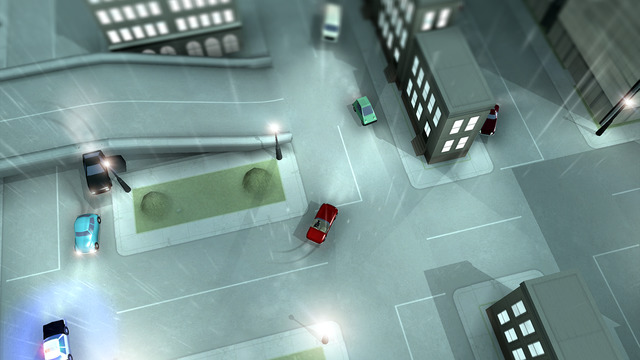
During GDC this year we saw a ton of awesome games, but after the event was over there was one game in particular that I couldn't stop thinking about: Mediocre's Does Not Commute [Free]. It was the one time during the conference that I tossed my critical analysis hat aside and simply enjoyed something as a gamer. I wasn't critiquing the visuals (though it looked incredible), or the controls (which were simple and worked flawlessly), or the concept (which was ingenious), I was simply kicking back and having fun. With Does Not Commute finally officially out in the wild, I'm finding it even better than I remember.
The concept is difficult to explain. Your job is to route a vehicle across a tiny section of a city, generally from one side of the screen to another. Once accomplished, you're given a different vehicle with a different destination to route out. HOWEVER, the previous vehicle's route and all previous routes going forward will replay on the map at the same time you're trying to direct the newest vehicle. Basically, all your previous runs play out like zombies and threaten to clog things up and cause a wreck. Needless to say, things get hectic pretty fast.
Does Not Commute is difficult, but it's a fun kind of challenge and one you can actually see yourself improving at. You start trying to "think in the future" when mapping out your routes, as most of the time the most obvious and easy choices are the ones that will come back to bite you later in the game. It's just a very neat idea for a game, like the crazy uncle of Flight Control. Besides being fun to play, the game is also quite humorous with its little backstory blurbs about each and every character that drives the vehicles in the game. The visuals are also surprisingly impressive, and the physics delightfully crazy.
It's just hard to find much not to like about Does Not Commute. It's stupid fun, but also a hearty challenge. It'll make you laugh many times over, both for its humor and for its tense close calls and lots of hilarious wrecks. It's easy enough for any walk of gamer to grab and be able to play, but it's definitely not a casual game. Everybody should at least download Does Not Commute and give it a shot, leave your own impressions in our forums.
Miguel, el batería, en 1983 atracó una joyería con una pistola de juguete en Barcelona, pero el joyero estaba armado de verdad y tiró a matar. Así se truncó la historia de nuestros Cramps.
Cuando la gente se entera de a qué me dedico, a menudo
asumen que escribo historias exclusivamente sobre hombres, pero las mujeres
desempeñan un rol importante, aunque complejo, en las organizaciones criminales
italianas, un rol que un
reality como
Mob Wives no puede ni mucho menos
describir. Las mujeres de la mafia se ven sometidas a unas reglas arcanas,
rituales rigurosos y compromisos inquebrantables. Atrapadas en una tierra de
nadie entre la modernidad y la tradición, pueden dictar sentencias de muerte
pero no pueden echarse amantes ni dejar a sus maridos. Pueden decidir invertir
en sectores enteros del mercado pero no pueden maquillarse cuando sus maridos
están en la cárcel; algo que equivaldría a confesar una infidelidad, como si
fueran por ahí buscando echar un polvo.
Salvo algunas excepciones, la mujer mafiosa existe
únicamente en relación a su marido. Sin él, la mujer es como un ser inanimado;
media persona. Es por eso que las esposas de la mafia van tan despeinadas y
desarregladas cuando acompañan a sus maridos en los juicios; es un look
cultivado destinado a enfatizar su fidelidad. Cuando se engalanan y van bien
acicaladas, es porque sus maridos están en libertad y, es más, andan por ahí
cerca. El hombre manda, y cuando manda, su poder se refleja en su mujer y se
comunica a través de la imagen de ella. Así ocurre en la Camorra napolitana, en
la 'Ndrangheta calabresa y en algunas familias de la Cosa Nostra.
Es el caso, también, de los cárteles mexicanos, donde la
mujer está considerada como una especie de trofeo de los traficantes de droga,
un reflejo de su virilidad y de su poder. Cuanto más despampanante sea la mujer
que lleve colgando del brazo, mayor es la autoridad que proyecta. No es de
extrañar que los concursos de belleza sean tan populares en México y en toda
Latinoamérica en general. Es la mejor manera que tienen las mujeres para
desplegar sus encantos y cazar un traficante de drogas; lo que, para algunas,
puede significar una vía de escape de una vida de miseria hacia un mundo de
lujo. En algunos estados, como Sinaloa, por ejemplo, las jóvenes disponen de
muy pocas opciones de catar la riqueza y el poder que no sean casándose con un
narco. Es cuestión de contraprestaciones: los traficantes les ofrecen a estas
chicas dinero y una vida de comodidades, mientras ellas, con su belleza, les
proporcionan a ellos placer y prestigio. Las mujeres son un activo tan valioso
en el currículo de los traficantes de drogas que algunos narcos amañan los
concursos de belleza en el que participan sus chicas. Con la ayuda del cartel,
se llevan el premio y el traficante gana en prestigio al tenerla a su lado. Por
este motivo muchas chicas de Sinaloa invierten en cirugía estética desde muy
jóvenes: se colocan implantes de pecho y reafirmantes de glúteos para resultar
más atractivas a los miembros de los carteles y poder cambiar así sus vidas.
A pesar de que la mentalidad no es muy diferente, las
mujeres de los carteles mexicanos tienden a ser más modernas y desinhibidas que
las de las mafias italianas. Aun así, el que se espere de la esposas de los
mafiosos que vayan desarregladas y que sean prácticamente invisibles no
significa que no gocen de libertad alguna; de hecho, a menudo son ellas las que
toman el mando mientras sus maridos están en prisión.
Independientemente de dónde vengan, las mujeres del crimen
organizado tienden a compartir unas historias similares. Marido y mujer suelen
conocerse de adolescentes y se casan con 20 o 25 años. Es muy habitual que los
hombres se casen "con la chica de al lado", a quien conocen desde la infancia y
pueden estar seguros de su virginidad. En cambio, se acepta que él tenga
amantes, tanto antes como después del matrimonio. Últimamente, sin embargo, las
mujeres de los
mafiosi están
comenzando a exigir que las amantes de sus maridos sean extranjeras –rusas,
polacas, rumanas, moldavas–, a quienes consideran socialmente inferiores e
incapaces de formar una familia y educar hijos como es debido. Tener una amante
italiana o, peor aún, de la propia comunidad, es perjudicial porque
desestabiliza el equilibrio familiar; y no solo en el sentido tradicional de
familia nuclear, sino también a las relaciones dentro del clan. Un hombre no
puede arriesgarse a robarle la amante a otro jefe mafioso, engañar a la hermana
de un miembro del propio clan, o avergonzar a su propia mujer delante de todo
su comunidad. Esta clase de actos crearía conflictos y enfrentamientos y
pondría en peligro la supervivencia del clan. Es un tipo de comportamiento que
viola el código de honor, el cimiento sobre el que se sustenta la mafia, por lo
que puede ser castigado con la muerte.
La sombra de la muerte persigue constantemente a los
matrimonios de la mafia y, en los territorios que controla, muchas mujeres
visten exclusivamente de negro. Es una señal de luto. De luto por la muerte
violenta del marido o de un hijo. Luto porque le asesinaron a un hermano, un
sobrino o un vecino. Luto porque el marido de una compañera de trabajo ha desparecido
o porque el hijo de un pariente lejano fue asesinado. Siempre hay un motivo
para ir de luto. Y bajo el color negro, visten de rojo. Antiguamente, la
mujeres se ponían enaguas rojas para recordar toda la sangre que debía ser
vengada; hoy a menudo llevan lencería roja, sobre todo las más jóvenes. Es un
recordatorio constante de toda la sangre que su propio dolor no les permitiré
olvidar, y el contraste con el negro hace aún más intenso el color
terriblemente íntimo de la venganza. Ser viuda en los territorios dominados por
el crimen significa perder casi por completo la propia identidad como mujer y
reducirla únicamente a la de madre. Una viuda solamente podrá volverse a casar
si cumple una serie de condiciones: los propios hijos deben aceptar el nuevo matrimonio,
el novio debe pertenecer al mismo rango que el marido muerto y, lo más
importante, deberá haber guardado luto durante el tiempo que dicte el clan,
periodo durante el cual debe permanecer en abstinencia.
Una jefa que recuerdo bien porque fui testigo de su ascenso
al poder en la región de la que provengo es Immacolata Capone. Era una mujer de
negocios, pero, según la Fiscalía Nacional Antimafia de Nápoles, era también la
madrina de la Camorra. Integrante del clan Moccia, Capone jugó un papel decisivo
en la gestión de obras públicas para el clan Zagaria de Casal di Principe, una
de las familias más poderosas de la región. Una de sus funciones más
importantes y delicadas consistía en obtener el "certificado anti-Mafia" (un
documento que garantiza que un negocio está limpio y exento de vínculos
criminales) para los negocios del clan. Sin este certificado, los
camorristi no podían participar en
licitaciones para contratos públicos.
Un día, a principios de la década pasada, Capone se topó con
el camorrista Michele Fontana, más conocido como el "Sheriff", que le dijo que
tenía una sorpresa para ella y la hizo subir al asiento del pasajero de su
coche, donde de inmediato comenzó a oír ruidos procedentes del maletero. Cuando
Capone le pidió explicaciones, el Sheriff le dijo que no se preocupara. La
llevó hasta una villa palaciega en la campiña, a las afueras de Caserta, a algo
más de 30 kilómetros al norte de Nápoles. Entonces, Michele Zagaria—uno de los
capos más poderosos del clan Casalese, condenado a cadena perpetua y que
finalmente sería detenido en diciembre de 2011 después de 16 años viviendo a la
fuga– salió del interior del maletero y entró en la finca. Atónita ante la
presencia del jefe, Capone se sentía incapaz de dirigirle la palabra a pesar de
que habían sido socios durante años en varios y muy provechosos negocios. Según
cuentan algunas fuentes, el jefe tomó su lugar en el centro del salón de la que
era tan solo una de las muchas fincas que poseía. En aquella estancia cubierta
del mármol más exclusivo comenzó a hablar de contratos, cemento, construcción y
tierras, mientras acariciaba un tigre atado con una correa. Fue una escena
sacada de una película, de connotaciones casi míticas, que remite al tipo de
imaginería que las familias del crimen organizado usan para afianzar su poder.
Criada en el entorno de la Camorra, Capone era una mujer
menuda de fuerte carácter, muy capaz de intimidar a cualquiera cuando se
trataba de hacer negocios. Creció bajo la tutela de Anna Mazza, esposa del jefe
del clan Moccia y la primera mujer en Italia en ser condenada por delitos
relacionados con la mafia por su papel como dirigente de una de las
asociaciones empresariales y criminales más poderosas del sur del país. Mazza
–aprovechándose al principio de la reputación de su marido, Gennaro Moccia,
asesinado en los años 70– pronto se hizo con el liderazgo dentro del clan.
Conocida como la viuda de la Camorra, ella fue el cerebro de la familia Moccia
durante más de veinte años. Mazza instauró una suerte de matriarcado dentro de
la Camorra. Pretendía que las posiciones de prestigio estuvieran ocupadas
exclusivamente por mujeres porque, según ella, están menos obsesionadas con el
poder militar y son mejores mediadoras. Tal era su manera de dirigir la
organización.
Capone aprendió de Mazza, de modo que supo construir una red
de negocios e influencia política de mucho peso. Muchos
camorristi la cortejaban con la esperanza de convertirse en
consortes de una jefa de alto rango, y compartir así tanto cama como negocios.
Pero fue el propio talento de Capone lo que provocó su caída. En noviembre de
2004, pocos meses después de que la mafia ejecutara a su marido, la asesinaron
en una carnicería en Sant'Antimo, en la provincia de Nápoles. Tenía solo 37
años. La policía nunca descubrió el móvil del asesinato, pero es probable que a
los clanes no les sentarán bien sus intentos por ascender en el escalafón.
Puede que tuvieran miedo de su feroz ambición, y teniendo en cuenta su
habilidad con los negocios, puede incluso que ella intentara realizar algún
acuerdo por su cuenta, sin el conocimiento de la familia Casalese. Lo único que
sabemos del cierto es que Capone había sabido abrirse camino entre las
presiones, limitaciones y expectativas que se les imponen a las mujeres,
dejando su marca en la historia de la mafia.
Leo's Fortune [$0.99] has been out for about a year now, and it's kind of crazy because it won an Apple Design Award almost immediately after release. It's felt like something of an iOS platformer institution ever since it came out. The good news is that now on the game's one-year anniversary, you can pick this fantastic game up for only $0.99. It's being called a flash sale for today, so hop on it while you can, it might be gone once the 24th turns to the 25th. Maybe the rad live-action Rube Goldberg machine trailer will convince you:
This is a marvelous-looking platformer, and plays really well, too: we gave it five stars in our review. It's got hints of Sonic games and physics puzzlers in its gameplay, too. The game's hit over a million sales since launch across both iOS and Android, and it's certainly been worthy of the huge number of sales. Plus, it has gamepad support! This is definitely a game to check out if you haven't yet, and especially at this $0.99 price.
Ida Tin is the founder of Clue, a period and ovulation tracker that helps users monitor their cycle and better understand their own bodies. In an email interview, Tin took time out of her busy schedule to talk to us about being a woman in tech, taking charge of one’s own health, and the benefits of using an app like Clue.
The Mary Sue: Could you talk a little about what led you to create Clue and what the process of growing the company has been like?
Ida Tin: When I was in my 20s, I went on the birth control pill, and had some side effects. I was surprised when my doctor’s reaction was just to prescribe a different kind of pill. I thought, there must be more options. But when I did some research into other options for contraception, I realized there really haven’t been any major developments in family planning since the pill. While technology has made huge advances in recent years, no one has tackled how to understand and manage fertility in an user-friendly and data-based way. I strongly believe that technology, connected to the phone, is the future for family planning. Since I started the company two years ago, we’ve grown to 17 people out of our office in Berlin, and now have had 2 million downloads of the app worldwide.
TMS: What was the inspiration behind Clue’s “Confident. Scientific. Not pink” slogan?
Tin: “Confident” comes from how you feel when you can trust Clue to help you understand your body’s patterns – it’s meant to be empowering. “Scientific” is because Clue uses complex algorithms: the more data you enter, the more accurate Clue will be about your next period, fertile window, and PMS. We worked with scientists and doctors to develop it. And “not pink” was to me, just obvious. I always say, your calendar app isn’t pink and flowery – why should your tracking app be?
TMS: How does Clue differ from other period tracker apps like iPeriod or Period Diary?
Tin: Clue is different in a number of ways. It’s inclusive to a wide range of users: those who want to track their period, who want to get pregnant, to avoid getting pregnant, to learn about potential birth control side effects. In addition, algorithm predicts your cycles based on your own data, not on a set number or global averages. So Clue is very accurate, and becomes even more accurate the more you use it. And of course our design – which is thoughtful, sleek, and most importantly not pink or flowery – clearly sets us apart from other similar apps.
TMS: Women’s bodies and our reproductive health are often treated as a taboo subject. Have you experienced any pushback while working with Clue as a result?
Tin: It has never really been an issue for us. We’ve been able to find and work with people who see the power of our vision and the opportunity of the market.
TMS: What is your ultimate vision for the company?
Tin: The ultimate vision is to bring family planning to everyone. We believe family planning is a human right. We will do that by bringing reproductive health into the data era: we’re leaving the ancient pen and paper tracking methods behind to fully embrace modern predictive analytics. We believe that technology is the future of family planning and we’re moving the world past the pill. It’s just the beginning and Clue is at the leading forefront of this revolution.
TMS: Apple’s decision to not include periods on their Healthkit app last year caused considerable controversy. Why do you think so many health apps forget about or ignore female reproductive health?
Tin: I think that many health tracking apps are looking at quantifiable data, whereas the data Clue tracks is more qualified (like headaches, light vs heavy period, PMS). We see many opportunities to integrate the data we track with other health apps, and we plan to do so in the future.
TMS: If you can, would you be able to talk a little about what you think most users turn to Clue for?
Tin: The most common reason people use Clue is to know when their next period is coming. Beyond that, they ask the questions: Am I healthy? Am I normal? Clue helps answer those questions by empowering women to track and find their own unique patterns, and learn how their menstrual cycle is related to or affecting other parts of their life and physical health. This is true for anyone who has a cycle, regardless of whether or not they are trying to get pregnant. Because Clue’s algorithm learns from your data, it helps you find out what is YOUR normal.
TMS: Would you say more women use Clue for help getting pregnant or to avoid pregnancy?
Tin: It is really a mix. We hear every day from teenagers getting their first period, women who have just used the app to get pregnant, and people who love our birth control pill tracking feature.
TMS: Tech can be a notoriously male-dominated field. Do you think the industry’s gender imbalance has impacted Clue at all?
Tin: I think if I totaled up the scoreboard that being a woman has helped me more than it has hindered me. But I have always worked in male-dominated industries and for some reason have been comfortable. I don’t think all women like that, and then their arena is smaller than men’s. I by no means think that the world is an equal place for men and women, but for strong women who have the privilege to break gender stereotypes: Go take up some space, make your voice heard and don’t hold back. The world needs you, and all the other women need you to pave the way.
[body_image width='1171' height='1063' path='images/content-images/2015/04/23/' crop='images/content-images-crops/2015/04/23/' filename='the-abcs-of-teens-424-body-image-1429820525.jpg' id='49166']Image via Flickr user Christopher Dombres.
Despite the fact that humans have been aged 13 to 19 for the entirety of recorded history, the concept of the "teenager"—someone who is not a child, yet still not an adult—is a relatively new one. The idea that there was a phase between childhood and entering the workforce
came into vogue in the 1940s, when the term was first used in a Popular Science article. Presumably, the spread of higher education, coupled with America's post-Depression/post-World War II economic boom, led to a need for fewer family members to enter the workforce, creating a new class of humans with advanced bodies but horrific judgment who were left to fuck around, fuck up, and just plain fuck, for multiple years of their lives. What's more, recent studies suggest that adolescence doesn't truly end until they're around 25, which means that more of us are teens than ever before.
Even though teens are all around us, we understand them less and less. Recently, the
New York Times got duped into reporting comments from an alleged teen from Mississippi named "Joe Stevonson" in an article about the rise of vaping among the youth. Stevonson, who claimed his favorite e-cigarette flavor was the Lil Ugly Mane-endorsed "Courtroom," turned out to be a
Twitter user named @drugleaf, who was in fact not a vape-obsessed teen named Joe from Mississippi. Which is to say, even the New York Times doesn't understand teens enough to know when someone's fucking with them.
In a way, trying to keep up with teens is like being a human trying to keep up with a herd of salmon desperately swimming upstream to mate. As slippery as the kids these days may be, if you break it down, teens are really only interested in 26 things, and they all happen to start with different letters of the alphabet. I took it upon myself to dive into the waters of the young and find out what teens are like right now and offer a Snapchat of youth culture just as fleeting as youth itself.
A Is for AFLAME
Greek legend says that the titan Prometheus stole fire from the gods to give to mankind. If that legend were actually true, Prometheus would have been a teen, because teens sure do love setting shit on fire. Namely, themselves. Hanson O'Haver, VICE's Social Editor and erstwhile author of the celebrated
This Week in Teens column, devoted not one but two swaths of internet real estate to the dubious trend of teen self-inflamation—one debunked the fake trend of teens
dousing themselves in lighter fluid and then turning on the shower or jumping into a body of water before they burned to death, while the other reported on a kid who crashed his car after his friend in the passenger seat lit his armpit hair on fire. It's not all bad when it comes to fire and teens, however. When the teen-beloved rapper Lil B's Concord, California apartment caught on fire, he was alerted to the blaze by his teenage neighbor. Thanks, teen.
B Is for BEER
At the tail end of 2014, the organization Monitoring the Future made the happy discovery that teens were
drinking at lower rates than they'd been the year before. Hooray! But before you throw a party for your teen and all their friends to celebrate, make sure their friends aren't sneaking any booze in under your nose—a new measure in Fort Collins, Colorado is being proposed that would fine parents who throw parties where alcohol is consumed underage, even if they didn't provide it.
C Is for CONCENTRATION DRUGS
The New York Times reported that
A.D.H.D. diagnoses are on the rise, and with them, adderall use, both prescribed and non-prescribed. While adderall abuse among high school seniors is already higher than that of cocaine, nearly one in five boys above the age of 11 have been daignosed with A.D.H.D. Certainly, all of those kids can't have textbook A.D.H.D., but that hasn't stopped doctors from prescribing two-thirds of them with medication. Which is to say, a lot of our teens are running around hopped up on adderall, either because of a lazy doctor or a friend with a lazy doctor.
D Is for DABS
If you google the phrase
"the crack of weed" in quotations, you're going to get a lot of search results for dabs (otherwise known as "wax"). This is incorrect. Unlike crack, which is made by heating up cocaine mixed with baking soda and is the crack of cocaine, dabs are what you get when you concentrate weed to the point where you only have THC by extracting all the other, non-THC stuff with butane. I can say from personal experience that they get you high as shit. Last Christmas, a New Jersey teen was caught manufacturing dabs in her parents' garage. According to the Press of Atlantic City, the teen was "charged with manufacturing and distribution of a controlled dangerous substance, possession of marijuana and possession of drug paraphernalia." But don't worry, teens have been dabbing for a while—anxious local news pieces about THC wax have been popping up since 2013.
E Is for ERECTIONS
At a certain point, your body starts going through changes. Unfortunately, this tends to happen when your biology is on the fritz, and if you're a boy, you're going to start popping boners left and right. And if you're a good (bad) teen, you're going to start putting those erections in weird places. Like
stuffed horses in toy stores, or the brave teen @VERSACEPOPTARTS who fucked a hot pocket, a box of Pop Tarts, and a box of Fruit Roll-Ups. This doesn't just apply to extreme cases. Anyone who's lived in a college dorm knows that normal people do weird stuff when they masturbate.
Related: Teens can be exorcists too!
F Is for FUNNY STUFF
When you're a teen, your sense of humor is generally horrible. You think offensive stuff is funny because you haven't experienced (or met people who have experienced) the horrors of life that you're casually joking about. That joke about burning someone's house down is pretty funny until you actually meet someone whose house has burned down. Similarly, inside the brain of a stupid teen it might seem like a good idea to ask a girl to prom by strapping a fake bomb on your chest in your high school cafeteria. That's exactly
what a La Center, Washington high school student did on Monday when he asked a girl to prom by donning a fake suicide bomb and holding up a sign saying, "I know it's a little late, but I'm kind of the bomb! Will you be my date to prom?" Despite his insistence that "it didn't even look like a bomb," the teen was suspended for five days and will reportedly miss prom.
G Is for GAMING
Have you ever played a video game? They're great. When I was a teen, I literally wore out my copy of Tony Hawk's Underground in an ultimately futile quest to complete 100 percent of the game. This is not just because I didn't have any friends in high school, though that certainly played a part of it. As VICE recently reported, gaming addiction (and internet addiction) is a very real problem in the nation of South Korea, where prospective professional gamers spend up to 88 hours a week in front of a computer, and an estimated 50 percent of teens are addicted to the internet.
H Is for HANDJOBS
I don't really have any statistics for this one (mainly because I'm afraid to google "teen handjobs"), but the
New York Post recently
reported that the number of New York teens having sex was at an all-time low, which means that the number of teens giving and receiving handjobs in NYC is probably at an all-time high.
I Is for IMPRESSIONABLE
If there's one thing teens love (besides everything else I'm writing about), it's fitting in through buying stuff. Not just "stuff" in the abstract, but the right stuff. Nobody wants to be the lame-ass with the Aeropostale hoodie when everybody else is sporting Abercrombie, and nobody wants to be the goofus with the Moto X when the rest of your classmates have iPhones, which as of a year ago
a staggering 61 percent of teens claimed to own.
J Is for JUST WONDERING WHERE YOU ARE
When I was a teen, my parents installed a device in my car that monitored how fast I was driving, as well as how hard I took turns. When I complained to them about it, they told me I was lucky they weren't installing a tracking device in my car, because they could have done that instead. It turns out I was just plain old lucky not to be a teen now, because there are new and terrifying ways of keeping track of your teen. There are
a bunch of apps that you can install on your kid's phone to keep tabs on them like a parole officer might with a flight-risk wearing a tracking bracelet. Mama Bear, for instance, lets you track how fast your kids are driving and their location, as well as their social media activities. If that's too much effort, the lazy parent can just turn on the "Find My iPhone" feature on their kid's iPhone, and find their location using proprietary Apple technology. Yeah, it's invasive, and yeah, your kid could just turn their phone off, but have you met a teen? They love phones.
K Is for KYLIE JENNER CHALLENGE
The Kylie Jenner Challenge is yet another in a long line of disturbing (probably overhyped) teen trends. This one involves teens trying to emulate the puffed-up lips of Kylie Jenner (the greatest teen currently teen-ing) by sucking on a shotglass and
letting the suction plump up your lips. The internet is focusing on only the worst outcomes of the KCJ, positioning the act as the latest potentially deadly teen craze. It probably isn't as harmful or as widespread as the internet would have you believe, but that doesn't mean teens should be wantonly suction-ing the shit out of their lips or anything.
L Is for LARRY
No, this doesn't refer to a weird teenage fascination with Larry King, though in an interview with Noisey king revealed that
one of his kids is 15. Instead, "Larry" is slang for an imaginary romantic relationship between Harry Styles and Louis Tomlinson from the popular boy band One Direction. This is called "shipping," as in, "I wish Harry Styles and Louis Tomlinson were in a relationship." There is even a social network devoted to the idea.
Teens like music, obviously, and who better to ask teens about music than another teen? That's exactly what our compatriots at Noisey thought, so they had their resident teen columnist
ask some teens what music they like. Turns out, as always, some teens like old music, some teens like new music, some teens like hip-hop, some like rock, and (this is a new development) some teens are really into incomprehensible dubstep.
N Is for NUDES
When I was a nubile young teen I had to send pics of my underage flesh to my peers using primitive webcams and stone-age picture messaging. Today's teens have all sorts of exciting ways to sext each other. The National Campaign to Prevent Teen Pregnancy conducted a
poll that suggested 20 percent of all teens have sent a nude and that 39 percent have sent a sexually suggestive text or IM. 69 percent (heh) of teens who sent nudes claimed to have sent them to their significant other. 21 percent of the teen girls who sent nudes shot them to a prospective suitor, while a staggering 39 percent of teen boys sent nudes to someone they wanted to get with. It just goes to show that no matter the generation, dudes will never stop trying to show people their dicks.
O Is for OH MY GOD WHAT THE FUCK ARE YOU DOING
Everyone messes up when they're young. Part of growing up is making egregious mistakes and then learning from them so as not to make similar, worse mistakes again. Still, sometimes our overzealous law enforcement punishes teens a bit too much. There's the teen who's
being charged with attempted murder after throwing firecrackers at cyclists, and then there's the tale of the teen who may be charged for being bitten in the face by the water moccasin that he illegally kept as a pet. Austin Hatfield, the snake-teen in question, is currently in the hospital with an extremely swollen face, so you'd think that would be punishment enough. And while it's true that gossip can be poisonous to teens of any era, recently a pair of teen girls in a group home
literally tried to poison their housemates by pouring bleach into their peers' drinking water. While it's unclear if the kids actually thought bleach would hurt anybody or it was just a poorly thought-out prank, unlike the snake-charmer and firecracker-hurler, maybe it's a good idea to charge these poison-wielding teens with, like, something.
P Is for PORNOGRAPHY
The discovery of pornography is an important landmark in any teenage boy's life. For some generations, that meant accessing dirty magazines and videotapes, either from their parents' stash or asking their friend with a beard to buy them some at a store. For others, it meant staying up really late and watching flabby Midwesterners flap their bodies together on HBO's Real Sex. For those in their 20s, it probably involved googling the word "boobs" with SafeSearch turned off and ogling static images of nude flesh. Not today, baby. It's 2015, and any teen with gumption and a high-speed internet connection can access a digital Library of Alexandria of streaming fuck flicks. It's sort of crazy to think about, honestly. As the New York Timespointed out last year, it's impossible to accurately measure the impact of streaming porn on teens, because it would involve a group of researchers dosing teens with a heavy amount of pornography. Which is, obviously, against the law. Still, it's not hard to imagine that if a teen were to only learn about sex from the front page of PornHub, they might have some pretty bizarre assumptions about the timeless art of seduction.
Ever since teens have been on social media, they've posted things that they assumed would remain private but ended up becoming very, very public. Case in point, the teen who was sacked from her job at the Texas restaurant Jet's Pizza before she even started because she tweeted, "Ew I start this fuck ass job tomorrow,"
only to be fired by the owner over the very same medium.
T Is for TANNING BEDS
When I was in high school in rural North Carolina, I knew several kids who were obsessed with going to tanning beds. The teens, mostly girls, would hold memberships to several tanning establishments in the county, alternating tanning bed joints each day in order to tan daily without going too many times at each location (many tanning parlors have limits on how many times you can tan during the week). Well, the days of teens using tanning beds to achieve that specific orange crispiness may very well be over—
in North Carolina, at least. Yesterday, the State House passed the Jim Fulghum Teen Skin Cancer Prevention Act, which, if passed in the State Senate, will set a hard age limit of 18 on tanning beds throughout the state. Previously, North Carolina state law required teens only show up to tanning parlors with a note from a parent. Apparently this practice wasn't strictly enforced, but considering kids have been forging their parents' signatures on things since always, it probably wouldn't have been all that effective anyway.
U Is for UNSAFE PARENTING
Everybody knew that one kid whose parents let them throw underage drinking parties at their house on the weekend. That kid was objectively extremely cool, but looking back, there wasn't really a way to know if that kid was actually popular, or if everyone was just nice to them because they could do ridiculously unsafe things at their house with little to no supervision. It was genuinely embarrassing when the kids' parents joined in on the fun, too—nothing screams "I am desperately seeking a connection with my child" than trying to party with them. Which is why it was especially embarrassing for everyone involved when
Rachel Lenhardt of Evans, Georgia helped her teenage daughter throw a party with alcohol and marijuana, and allegedly joined in a game of naked Twister, only to have sex with one of her daughter's friends in the bathroom.
If you really want to know what's popping with the kids these days, check out Vine, the six-second video service where legions of micro-memes are born and die every day. If you want to read an extremely in-depth story about the massive world of Vine and its stars you can
go over to the New Yorker, or if you'd like, you can just watch the above clip, which is in my opinion the funniest vine of all time.
W Is for WORDS
The beauty of language is that it evolves over time. Words that mean one thing to one generation can mean something totally different to the next, and by the time it reaches them they may have no idea why they're saying what they're saying, but they sure love saying it. This is why teens say things like "werk," "yass," "yeet," and "suss," effectively reblogging them from the cultures they originated in with zero understanding of how these words actually developed. You could get mad at it, or you could just get mad at yourself for how you probably did the same thing when you were a teen.
The "carpe diem" of teens, YOLO (short for "You Only Live Once," duh) pretty perfectly encapsulates the "fuck it, nothing bad will happen" attitude of youth. It can be both empowering ("I'm going to tell my crush I like them! YOLO!") or absolutely horrifying ("I'm going to jump off this bridge into a pit of snakes! YOLO!"). Either way, it is unquestionably teen.
Z Is for ZAYN MALIK
Ah, poor teens. One Direction is the hottest boy band among teens, and Zayn Malik was its hottest member. However, in the past few weeks he has become its most absent, having departed the group because being a teen idol sounds like it'd be the fucking worst. What's next for Zayn?
Acting? Marriage? Both? Only time will tell, but the teens will be waiting.
Here's a clip from last night's Tonight Show featuring Monty Python's Terry Jones, Eric Idle, John Cleese, Michael Palin, and Terry Gilliam, who are in town to celebrate Monty Python and the Holy Grail's special 40th anniversary screening in New York. The interview is not complete without a little drama over John Cleese not wanting to sit by Terry Gilliam (The cat fight continues!), but once Cleese finds a seat behind Fallon's desk, things gets a little more civil.
A candidatura que encabeza Noriega aposta por unha moratoria na apertura de prazas hoteleiras no centro da capital para frear a "especulación" e promover a "calidade" no turismo.
O bechamel é orixinario do norte de Italia, pero popularizouse polo mundo a través da cociña francesa. O seu nome ven dun señor chamado Louis de Bechamel, a quen un cociñeiro adicoulle este mollo para honralo, e así quedou o nome. Tamén é coñecido nanlgúns lugares coma mollo branco. A súa preparación é doada: quentar […]
Coup is one of those games that, when it was announced, we had no idea how it would work in a digital format. The entire game is based on lying and bluffing your way to victory, so not being able to see or talk with your opponents just seemed like a subpar way to play the game. Well, we don’t need to speculate on whether it will be a success or failure any more because it’s been released for iOS Universal and can be nabbed right now as a free download.
Coup is a game in which each player is dealt two characters, each of which has a special power. You know which characters you have, but nobody else does. On your turn, you then take an action based on which character the other players think you have. You don’t need to have that character to take the action, but if you’re lying and someone calls you on it, you lose one of your cards. If you lose both cards, you’re out of the round. It’s a very fun, fast bluffing game when sitting around a table and enjoying your beverage of choice.
Will it work on your iPhone? Give it a go and let us know in the comments. No trailer for this one, but you can see it being played by the crew of Game Night! from BGG after the break.
Otherwise known as The Cackle Sisters, this Depression-era barn-dance duo charmed the hearts of rural America with their sweet vintage country songs and incredible vocal acrobatics. Raised on a farm in Royalton, Minnesota, the sisters, Carolyn and Mary Jane DeZurik became excellent mimics of barnyard animals (as well as trains, harmonicas, slide guitar and other instruments and noises) and began incorporating these sound effects and yodelling into their performing repertoire.
Starting off first at local talent contests and state fairs, the sisters gained wide enough attention to tour the country. They recorded many sides for the Vocalion label in the ’30s and even made it to Hollywood to star in Barnyard Follies,…
…eventually picking up sponsorship from Purina Mills for a sponsored weekly radio show called Checkerboard Time, to advertise Purina chicken feed and other products, which they did off and on for nearly 30 years. There is an otherworldly almost Lynchian quality to the DeZurik Sisters sound, an effervescent wholesomeness and zany quirkiness that allowed them to elevate themselves from their poor rural roots and allowed others to forget the sadness and desperation of the era. Not your typical vintage country act, these sisters’ incredible vocalizations need to be heard to be believed. — The 405
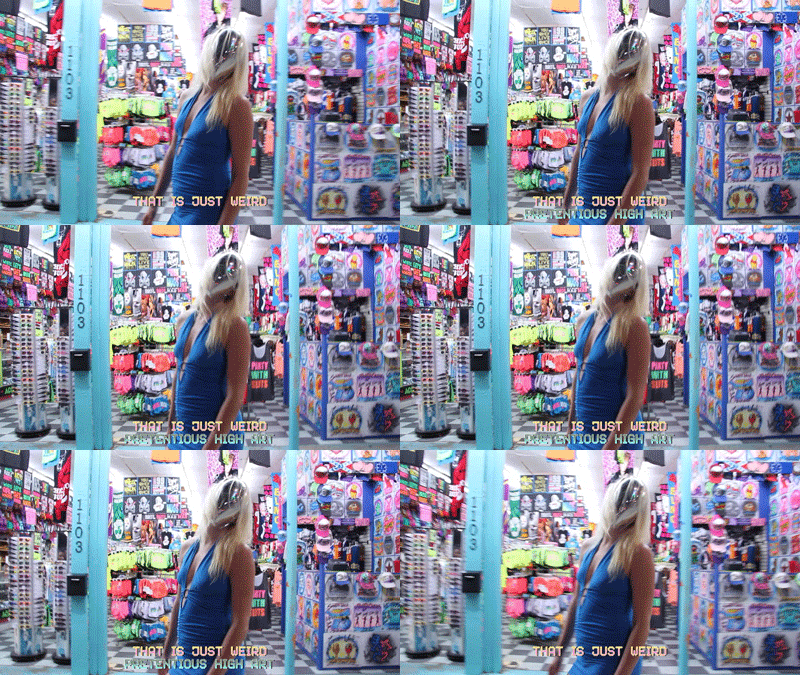
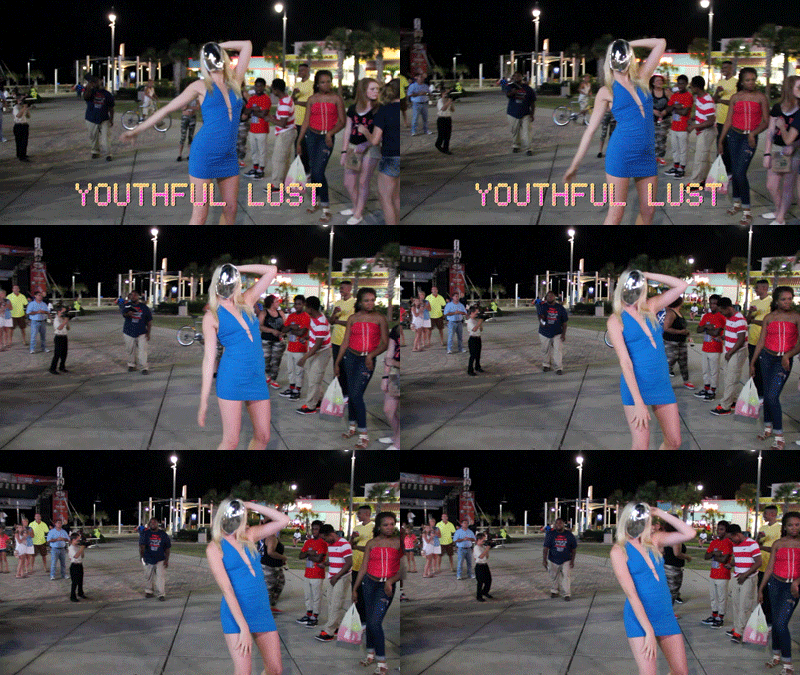
American Reflexxx is a powerful short film directed by Los Angeles–based artist Alli Coates that stars performance artist Signe Pierce as a mirror of society. Well, at least a certain part of society. In the video, Pierce saunters through a touristy boardwalk in Myrtle Beach, South Carolina, never speaking, only posing suggestively and pressing forward. Immediately, the members of the growing crowd proposition her sexually ("Will you do me in that later?") and hurl accusations about her gender ("It's a SHIM!"). They are enraged by her silence. "God will laugh at your calamity," a preacher wails.
This film is proof that sometimes reality is the strangest fantasy of all. Without revealing how it ends, I can say that it escalates to a shocking climax where the artist is actually attacked by a member of the crowd. It's amazing to see what fully grown adults will do on vacation. The first time I saw this film was two years ago at Art Basel in Miami Beach, and
wrote of it then, "the video was terrifying, surreal—and true." This week, the video was released on americanreflexxx.com and already has provoked hundreds of comments, most of them expressions of despair about the picture of society presented by Pierce and Coates. "I see humans but no humanity," says one commenter.
Watch the video above, and check out some GIFs the artists made exclusively for VICE below. Find out more about Alli Coates on her
website, and see more reality by Signe Pierce on hers.
Distintos indicadores, dende a asistencia á misa ata o número de vodas pola Igrexa, pasando pola escolla da materia de Relixión, amosan un rápido descenso da influencia do catolicismo na vida diaria, aínda que a gran maioría da poboación segue definíndose como crente.


/cdn0.vox-cdn.com/uploads/chorus_asset/file/3641198/correia.0.jpg)
/cdn0.vox-cdn.com/uploads/chorus_asset/file/3641206/Rabid_Puppies_1k.0.jpg)
/cdn0.vox-cdn.com/uploads/chorus_asset/file/3641212/scalzi.0.jpg)
/cdn0.vox-cdn.com/uploads/chorus_asset/file/3641204/jemisin.0.jpg)