An endless loop of lines, ornate motifs, emblems, and historical figures converge in a hypnotic animation by Los Angeles-based director Lachlan Turczan. Paired with Blake Mills’s subdued track “Money Is The One True God,” the music video is comprised of high-resolution scans spliced together in a mesmerizing rotation. The compilation reveals colorful snippets of currency from 23 countries dating from the 1800s to the present day—these include a portrait of rebellion leader Samuel Sharpe on the Jamaican 50 dollar bill, an engraving of Tenochtitlan on a 100 peso, and a kaleidoscopic sunset on China’s 5 yuan—that show how notions of value have evolved over time.
Turczan writes that he used replacement animation techniques to highlight the guilloché patterns embedded within the bills. While much of the animation focuses on the abstract, it’s also indicative of cultural trends and shifts. “The age of exploration leads to industrialization, wonders of the world are replaced by office buildings, and icons of freedom stand in stark contrast to images of slavery,” he says. “The project culminates with the collective eyes of all world leaders staring back at the audience.”
Having worked with talents like Phoebe Bridgers, Sam von Horn, and Flock of Dimes, Mills’s “Money Is The One True God” is just one of Turczan’s music videos, which you can watch on Vimeo and Instagram. You also might enjoy this stop-motion short at the intersection of culture and economics. (via Booooooom)
Normalynn Ablao swaps starch for fiber in her crocheted pantry staples. The California-based crafter shapes penne, coils of spaghetti, and stuffed tortellini, creating piles of yellow pasta from tightly looped yarn. Whether crocheting individual macaroni or ricotta-and-sauce-filled lasagna, the textured designs have a compelling resemblance to their edible counterparts.
Ablao shares an extensive archive of patterns for baked goods, snacks, and other fare on her site and Etsy. You also might enjoy similar fiber-based food by Lucy Sparrow, Kate Jenkins, and Trevor Smith.
A guardian angel in the form of a grey heron watches over an allegorical mural at Burgos Cathedral in Spain. Painted by Louis Boidron and Edouard Egea, who work as MonkeyBird (previously), “Mymesis, beings and places” is an homage to the artworks and design of the church, which UNESCO designated a World Heritage site back in 1984 in part because it captures the evolution of gothic architecture: construction on the building began in 1221 and wasn’t complete until 1567, meaning it showcases the entire history of the style.
Translating many of the religious symbols and motifs found inside, the duo combines the cathedral’s profound history with its signature stenciled aesthetic and recurring monkey and bird creatures. The resulting mural is a dense display of ornate structural elements, airborne birds called papamoscas cerrojillo that typically nest in the building, and a gilded clock from the 18th Century. “Our intention was to offer an effect of complex depth and monumentalism, combining some of the most spectacular references of the temple, such as the main altarpiece, with its many details, the Golden Staircase, or the circular oculus in the center of Santa María façade,” MonkeyBird says.
Head to Instagram to see more of “Mymesis, begins and places” and to follow the duo’s projects and occasional print releases.
Facebook ha presentado TextStyleBrush, un sofisticado modelo de inteligencia artificial (IA) capaz de imitar cualquier tipografía a partir del texto de una imagen. Además, esta tecnología, que aún se encuentra en desarrollo, permite editar y reemplazar texto de imágenes con asombrosa exactitud. Muchos sistemas de IA actuales pueden imitar texto, pero sus usos son limitados […]
Andrea Love (previously) cooks up some treats just in time for the summer heat, although their woolen ingredients might make them less thirst-quenching than usual. From her miniature kitchen, Love films short stop-motion animations that show her squirting spools of juice to make lemonade or coating heaps of ice cream with a thin line of chocolate yarn. The refreshing snacks are the latest in the animator and fiber artist’s archive of felted fare, which you can watch on YouTube and Instagram. (via The Kids Should See This)
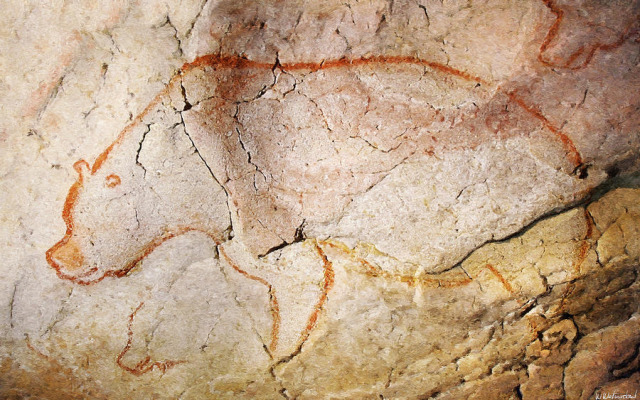
THIS is the bear cave painting i was talking about, the line weight, the proportions, the fine details around the face, and the fact that this all had to be drawn from memory, idk man, it’s incredible to me. if i could meet one person from history it’d be the person that painted this bear 30,000 years ago
Master the playful art of shadow puppetry with a little help from Utagawa Hiroshige (1797–1858). The prolific ukiyo-e artist, who is best known for his poetic woodblock prints of the Tōkaidō and views of Edo, also created an instructive series of omocha-e, or toy pictures intended for kids, that demonstrates how to twist your hands into a snail or rabbit or grasp a mat to mimic a bird perched on a branch. Appearing behind a translucent shoji screen, the clever figures range in difficulty from simple animals to sparring warriors and are complete with prop suggestions, written instructions for making the creatures move— “open your fingers within your sleeve to move the owl’s wings” or “draw up your knee for the fox’s back”—and guides for full-body contortions.
Artist Chrystl Rijkeboer contemporizes sentimental porcelain figurines with a present-day twist: spiky COVID-19 molecules obscure the characters’ facial features, rendering the largely wealthy and ornately dressed figures both anonymous and commonplace in modern contexts.
Whether posing for a portrait or mid-curtesy, Rijkeboer’s pieces satirize the long-crafted Meissen figurines, which have been in production since the 18th Century and often romanticize an antiquated world “where women do not represent any relevance but being nice and glamourous,” she tells Colossal. “For me, it is mostly about the position as a woman and an artist. The pandemic made it quite clear that artists are the first to be labeled as unnecessary.”
Living and working in Haarlem, The Netherlands, Rijkeboer has crafted an extensive COVID-themed collection, which includes ubiquities like Zoom calls and masks, all of which you can see on her site. (via Lustik)
“Alice” (2021)
“Will we ever play and dance again together?” (2020)
Very occasionally, a kind soul will come over toting a homemade dessert made from some combination of apples, brown sugar, brownie batter, Skor bits, marshmallows, cherries, and oatmeal. They set their heavy glass dish down on our kitchen counter, and peel back the plastic bag to reveal an earth-toned rainbow of deliciosity. We gaze at its sweet beauty for a moment, but then look at the pile of cold weenies and bulk-pack of yellow macaroni salad laying on the counter, and walk away, knowing that we’ll get to that dessert later, just as soon as we fill our stomachs with all the cheap stuff everyone else picked up from the clearance rack.
And eventually it does happen — the end of the meal arrives and the hero dessert is paraded to the table with pomp, fanfare, forks, and a stack of plates. By now everyone is stuffed, and so while people dip into this rectangle of tastiness, they just don’t have room to send it back empty. It inevitably gets Saran-wrapped up and put in the fridge for leftovers, hasty promises made to return the dish another time.
And that’s when it gets interesting. I’m a pretty big fan of dessert. I like its style. I think it’s cool. And so I eat it as soon as possible. I have a piece here, I have a piece there. It replaces bread the next morning at breakfast, starch the next evening at dinner. I really get on that dessert. I chip away at it until eventually there is only one piece left. And it is the consumption of that last piece, that final, beautiful square of leftover homemade dessert that is always the sweetest.
See, by this point it’s an old friend. I know it’s taste well, having succumbed to its vice-like grip over me for a few days since the party. I may actually be sick of it, but I would never admit it. All I know is that there’s a few mere minutes of enjoying its company left forever. It is a very happy yet very sad time.
There are some ways that eating the last remaining piece of dessert can be made sweeter, though:
First up, eating it cold. When that dessert is only a couple feet away from your mouth, there really is no time allowed for heating. (+1 point)
Next, eating it straight from the big serving dish. This is tricky, because if you’re watching TV you need to awkwardly lift a three-pound glass dish with one hand so you can shovel it into your mouth with the other. Be careful for wobbling. (+2 points)
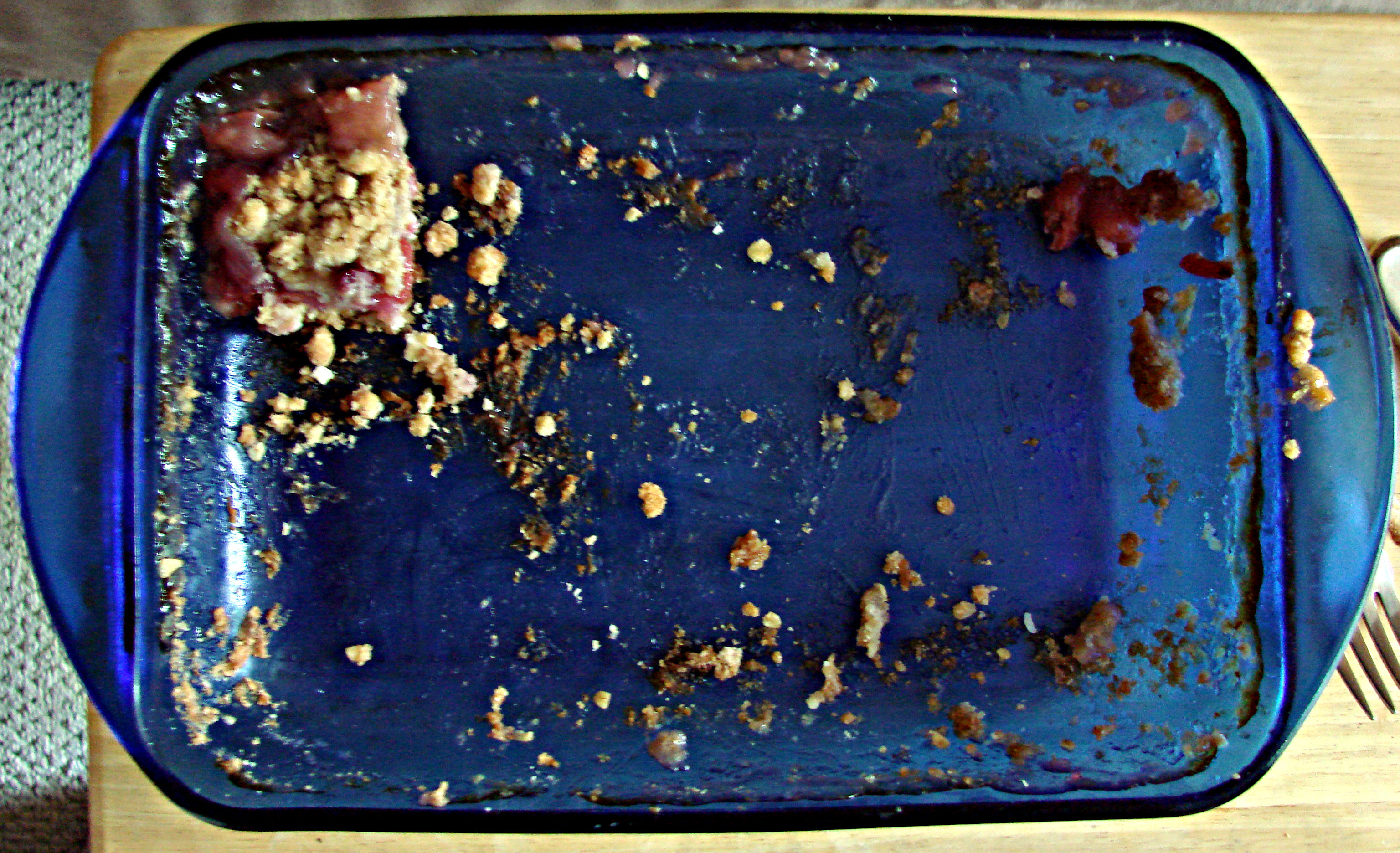
Methodically scraping every last crumb, ring of dried icing, and molecule of congealed syrup out of the dish, even getting up and getting a spatula if you have to. Licking is optional here, but may be necessary. (+3 points)
The big one: thinking about the dessert just before you’re about to fall asleep or when you wake up in the middle of the night to go to the bathroom. Thinking about it and not being able to get it out of your head until you walk to the kitchen, your feet freezing on the cold linoleum, touch-grabbing your way through the black maze of your apartment, until you pop open that refrigerator door, its bright light beaming out at you like the gates of heaven opening, and you just grab that saran-wrapped slice of greatness and eat it right on up. (+10 points)
URL largas – Tus citas quedarán impresionadas por el tamaño de tus URLs. Y podrás olvidarte de dedicar tiempo a deletreárselas a la gente del trabajo: simplemente puedes gritar las URLs a pleno pulmón.
Has leído bien: en vez de dejarlas en una URL corta con el –mínimo número de caracteres perfectamente legibles en voz alta– las deja en lo más grande y además llenas de tildes y otras marcas diacríticas que parecen venidas del más allá.
Así a ojo al alargar la URL de este humilde blog, que tiene 16 letras en su formato natural, nos ha salido un chorrazo de 275 caracteres:
The team over at WATG reenvisions some of the most iconic corridors in major cities in what the global design firm aptly describes as “guerilla greening.” Through a series of GIFs, streets in London, New York City, and Honolulu are transformed into lush, garden-like enclaves teeming with trees, new landscaping, and thick vegetation wrapping around the existing architecture. WATG poured years of research into the short animations, which visualize practical and viable adjustments that would improve air quality, promote bicycle and pedestrian traffic, and make the traditionally concrete-and-brick locales more ecologically diverse.
When the once burgeoning coal industry in Ruhrgebiet, Germany, began to decline, many of the workers’ apartments were sold off. Oftentimes, new owners only purchased half of the building—miners maintained a lifelong right of residence to their quarters—creating a stark split between the left and right sides of the structure. Photographer Wolfgang Fröhling captures this visually striking divide in a series of images framing the renovated and original designs juxtaposed in a single structure. See the full collection of half-painted facades and disparate landscaping on Pixel Project, and find more of the Bottrop-based photographer’s work on his site. (via This Isn’t Happiness)
Found in dusty kitchen cupboards and dishwasher top-shelves across this wide, great land, really, really old Tupperware is as handy today as it was twenty, thirty, forty years ago. That famous Tupperware “burping seal” still holds strong, and you can bet your boombox that banana bread will stay moist, those chopped celery sticks crisp, that leftover lasagna slice fresh. Yes, all is well in this tight vacuum-sealed Chamber of Taste-Preservation.
Really, really old Tupperware is mostly found in three colors: Stovetop Green, Pylon Orange, or The Core Of The Sun Yellow (pictured). Optional features include novelty 1950s floral patterns or deep tomato stains, from that time someone put leftover chili in there and shoved it in the back of the freezer for two years.
One thing I enjoy doing is thinking about all the different kinds of food a particular piece of Tupperware has tupperwared shut over the years. Apparently Tupperware has been around since 1946, so we’re talking about the full tastebud timeline — from lard burgers, creamed corn casseroles, and Jello salads to hemp brownies, parsley soup, and tofu cookies to pizza pockets, Hungry Man leftovers, and astronaut ice-cream pellets.
Really, really old Tupperware has been there, sealed that, and lived to tell the tale. It’s a throwback to the simpler life, when things like airtight seals meant something. Something real. Something honest.

















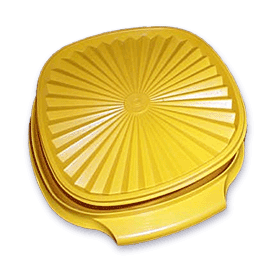 Found in dusty kitchen cupboards and dishwasher top-shelves across this wide, great land, really, really old Tupperware is as handy today as it was twenty, thirty, forty years ago. That famous Tupperware “burping seal” still holds strong, and you can bet your boombox that banana bread will stay moist, those chopped celery sticks crisp, that leftover lasagna slice fresh. Yes, all is well in this tight vacuum-sealed Chamber of Taste-Preservation.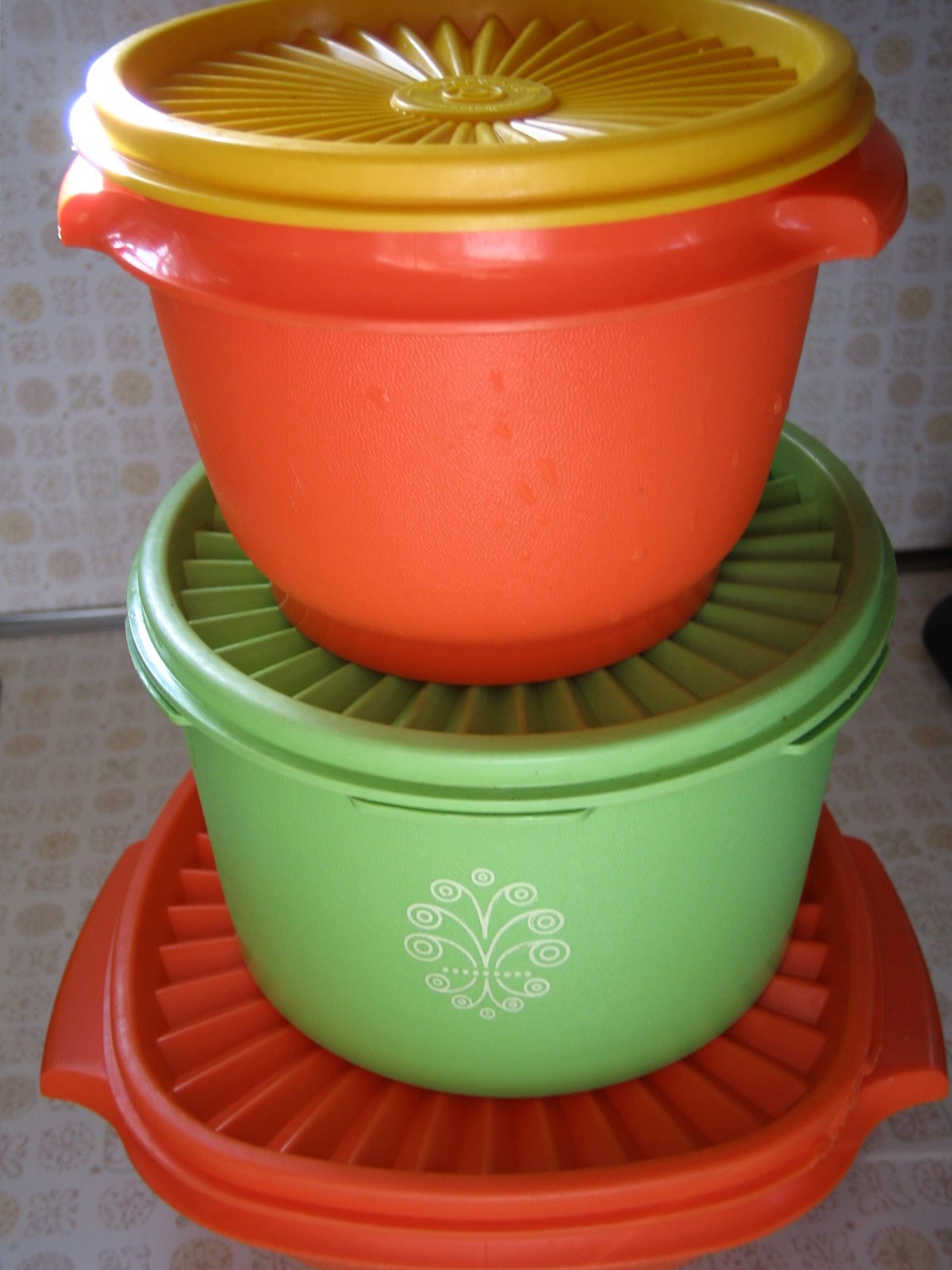

 jojojojoojojojojoojoojjjoojooojjo Lo mejor es que avisa: "voy a decir palabras como pene"