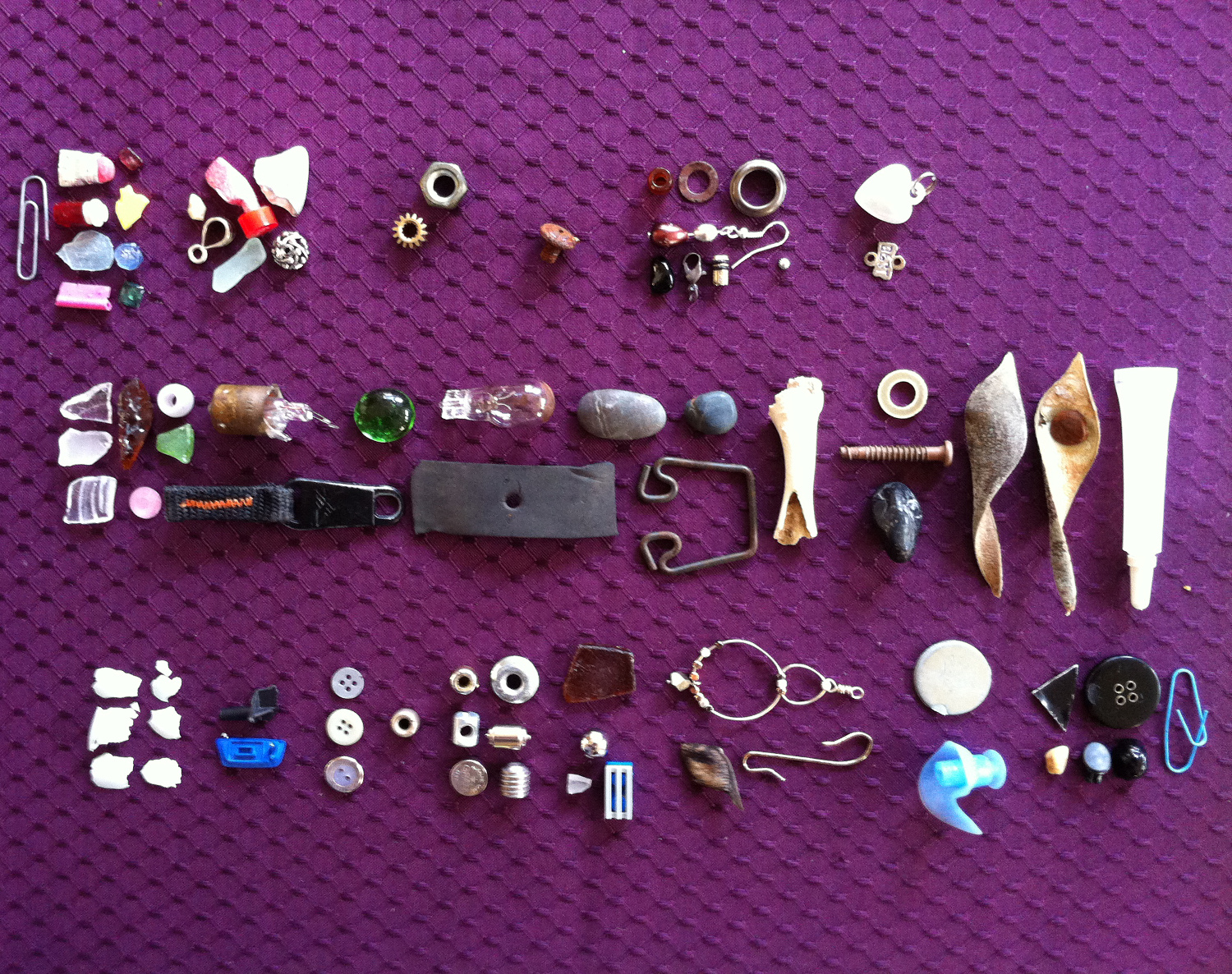
The HUMMbucker is an electric kazoo that you plug into a guitar amp for a new kind of buzz. Read the rest
The HUMMbucker is an electric kazoo that you plug into a guitar amp for a new kind of buzz. Read the rest
 Bourton-on-the-Water, a village in Gloucestershire, has a model village you can walk through. The model village has a model model village. The model model village has a model model model village. And the model model model village has a model model model model village. They stopped before hitting the Matroyshka Limit.
 I was sick of storing my comics in cardboard magazine bins: they're ugly, dusty and don't protect the comics--and worst of all you can't even see the cool comic book covers! Read the rest
Motor vehicle deaths continue to drop in the US this century. Firearm deaths continue to rise. If the CDC's WISQARS data holds its path since 2013, guns will soon be America's top killing machine. The 17 states (and one district) in order are: Read the rest

LEGO responds to the Golden Girls and LEGO fan who asked the internet to sign on to the concept of a LEGO set to honor the classically camp eighties sitcom. 10,000 people said yes, and so did the Danish toy maker.

We can be forgiven, especially this time of year, for questioning a decision our predecessors made just over a century ago. In the 1910s, Americans decided to make personal and corporate income taxes a permanent feature of the US economy.
Why did they start us down this road? And given that the taxes they endorsed started out small in scope and size but have multiplied by a factor of eight as a share of our economy, have we gone off course?
After all, when an income tax was introduced in 1862 to fund the Civil War, it lasted just six years before being replaced by other taxes. It took another 50 years before the 16th Amendment, which allows Congress to levy a national income tax, was adopted in 1913.
One of the clearest statements of why Americans in the early 20th Century were willing to tax their incomes came from President Franklin Delano Rooseveltin the 1930s:
With the enactment of the Income Tax Law of 1913, the Federal Government began to apply effectively the widely accepted principle that taxes should be levied in proportion to ability to pay and in proportion to the benefits received. Income was wisely chosen as the measure of benefits and of ability to pay.
Here, FDR sounds very much like an economics professor. He identifies a principle, a “guide,” for policy that relies on abstract concepts like “ability to pay” and “benefits received.”
But FDR is also saying something quite simple: if people do well, it is only right that they should help to pay for the setup that made their success possible. More to FDR’s point, people who do better should pay for more of that setup.
FDR’s reasoning is far from obsolete; our current President seems to agree with him. In 2011, Barack Obama explained why he supported higher taxes on higher incomes:
As a country that values fairness, wealthier individuals have traditionally borne a greater share of this [tax] burden than the middle class or those less fortunate… [This is] a basic reflection of our belief that those who’ve benefited most from our way of life can afford to give back a little bit more.
Like FDR, Obama wants us to see taxes not as a burden to be lamented but as a fair payment for benefits received. And as our society has grown more complex, the increasing size of taxes we are willing to pay reflects the greater benefits we gain from the activities of government required to support it.
President Obama disagreed on many policies with Mitt Romney, his opponent in the 2012 presidential election, but on this logic for taxation they are not so far apart. Lost in the press coverage of the president’s 2012 rebuttal to anti-government forces “You didn’t build that” was Romney’s reply:
[The President] describes people who we care very deeply about, who make a difference in our lives: our school teachers, …fire…fighters, people who build roads. We need those things…You really couldn’’t have a business if you didn’’t have those things. But, you know, we pay for those things…in fact, we pay for them and we benefi…t from them.
It turns out that Romney, like Obama and FDR, views taxes as our way of paying for what we want government to do for us. As US Supreme Court justice Oliver Wendell Holmes famously said: “I like to pay taxes. With them I buy civilization.”
Part of the appeal of this logic for taxes is that it seems fair. Each person paying for what they get reminds us of a group of friends who split the bill at dinner according to what they ordered.
But perhaps fairness demands something in addition, namely that we help those who are less fortunate. Some people appear to benefit very little from our economic system, earning little income and having even less to spend. Is it fair to ask them to contribute to the pool of taxes nevertheless, or should we focus on providing them with the opportunity to share the benefits most of us enjoy?
As President Obama said in 2013:
And the result is an economy that’s become profoundly unequal and families that are more insecure…The combined trends of increased inequality and decreasing mobility pose a fundamental threat to the American Dream, our way of life, and what we stand for around the globe.
Americans have long balanced competing notions of fairness when deciding on policy toward the poor. We want everyone to pitch in, to pay their “fair share,” so we have moved away from making cash transfers to low-income households and have avoided proposals for a minimum guaranteed income.

At the same time, we want to support those in need, to give them a “fair shot,” so we make use of policies such as the earned income tax credit, childcare subsidies, and Medicaid to help people work their way into the broad middle class.
The same balance is at play in how we design policy toward the rich. We ask the highest earners among us to pay a greater share of their income than the rest of us. But, despite the well-known fact that inequality in incomes is now at levels not seen since FDR’s time, President Obama faced stiff opposition in Congress when he sought to raise the marginal tax rate (the share of the next dollar earned that is paid in taxes) at the top of the income ladder.
Speaker of the House John Boehner, for example, argued that those high earners already paid their fair share: “The top one percent of wage earners in the United States pay 40 percent of the income tax. The people [the president is] talking about taxing are the very people that we expect to reinvest in our economy and to create jobs.”
With the Presidential election of 2016 around the corner and political polarization at peak levels, debates over the purpose and fairness of taxation are once again front-and-center in US politics. Sometimes it can seem that these debates go around in circles, with partisans from both extremes advocating reforms that even they don’t imagine becoming reality.
But we should celebrate these debates, for they are how we work our way toward an economic policy that reflects Americans’ nuanced, evolving sense of fairness. They are a part of what makes our economy, and our society, work. And that knowledge might even make writing that check on April 15th a bit less painful.

Matthew C Weinzierl does not work for, consult to, own shares in or receive funding from any company or organisation that would benefit from this article, and has no relevant affiliations.

Well, holy crap and yowza! My article on Forever Evil is in the new issue of Monster! I am VERY EXCITED with bouts of CELEBRATORY SCREECHING! You should check out Monster! magazine and especially issue #15 which features me and a couple of my pals, Jose Cruz and Troy Howarth.
Get Monster! #15!
And check out their evil sister mag, Weng's Chop!

If you are familiar with the phrase “hidden curriculum” (referring to rules, norms and behaviors that are taught intentionally or not in nearly all classes), then the idea that Wikipedia is not a place to find “legitimate” information on a subject falls well within the purview of the term.
Most professors mention the website as “that place that you are not allowed to cite in your research papers”. This mini-lesson is hammered into the head of every freshman, sophomore, junior and senior.
Yet, Wikipedia remains a popular resource for both students and professors when they need immediate access to specific bits of information that fall outside of their areas of knowledge. Wikipedia is the #6 most accessed website in the world, and the only nonprofit site in the bunch.
In essence, we have a love-hate relationship with Wikipedia in higher education.
In my classes, however, I’ve been experimenting for the past six years with how we might move beyond this narrow, schizophrenic approach to one of the most popular educational resources online. And what I’ve found is that my students are excited by the idea of engaging with this part of the internet that is otherwise deemed “off-limits” in their courses.
I teach our required course in sociological theory - something, admittedly, most students dread. Students are not just reluctant to take a course they haven’t chosen, but they also suspect, and rightly so, that they’ll be delving though texts that are often hundreds of years old, written in jargon-heavy terms for other academics, and often translated from a foreign language into English.
To address, in part, this interest gap that most students arrive with, for the past five years I have been requiring each of them to “adopt” the Wikipedia page of a particular sociological theorist (such as Max Horkheimer).
First the students individually draw a card from a “deck of social theorists” I’ve constructed to reveal the name and photograph of the sociologist they’ll be researching for the project. While they’re welcome to exchange their card with someone else, or even draw again, I find that most stick with the one they’ve drawn originally.
Students then review their adopted theorist’s page and begin the process of upgrading the information in a way that reflects research practices that meet the standards of what we might consider acceptable in academia.

In other words, they proofread the text, correct citations, visit the college library in search of relevant books, dig through online academic databases, and piece together a puzzle of why we value these particular theorists and how their work allows us to reveal parts of the world that might otherwise remain hidden to us.
Students document their research process in a paper they turn in along with a “before” and “after” version of the theorist’s Wikipedia page with their changes highlighted in yellow.
In the process of this exercise students register on Wikipedia and begin applying what they’ve discovered in their research to editing these theorists’ pages. Eventually, they often end up in a virtual dialogue with the scholars from across the globe, who function as self-appointed caretakers of these same pages.
Not every change is accepted by the “community of caretakers” and, indeed, some will be undone.
Corrections of minor errors are universally embraced, while the addition of major sections (such as a summary explanation of a particularly important concept or work) are occasionally rejected in part or in whole.
If my students think the change they are proposing is an important one, I often encourage them to engage others online in a dialogue in order to convince others to keep the change. Wikipedia allows contributors to comment on the reasoning behind each change they submit (under the “History” tab) as well as start an ongoing conversation about various aspects of the page (under the “Talk” tab).
More typically, these “caretakers” embrace the opportunity to further improve, clarify, and re-write what the students are proposing until the additional material is transformed into more definitive improvements, and as a consequence the page evolves.
For example, if a student notices that Georg Lukacs' page is missing a section on his theory of “reification”, they may add a paragraph explaining its significance and practical use. While the paragraph is usually well-researched, it may not be particularly well-written, or it may include some misconceptions about the term that more senior scholars can see very clearly.
In this case one of the gatekeeper scholars will rewrite the paragraph in order to increase clarity and accuracy. The page will now include a thoughtful explanation of an important theory that was otherwise being overlooked.
It is exciting for students to see how their research has an immediate impact on global Wikipedia readers. They receive quick feedback from others who share their interest in improving the quality of information available on a subject they care about, the field of sociology and how it is understood by the rest of the world.
And, along the way, they become better researchers, better writers, and maybe even better thinkers. Wikipedia adoption is easily one of the highlights of the course for most of them.
While the students are engaged in this work, we often have discussions in class about the strengths and weaknesses of Wikipedia.
We consider how to strategically utilize what it has to offer – a starting point for exploring a world of knowledge – while avoiding its many pitfalls.
We also take the opportunity to discuss what a radical model Wikipedia is proposing as it offers up the potential to democratize knowledge, expertise, and education.
But like all democracies, to achieve its full potential, it requires thoughtfully engaged citizens (or rather netizens) to contribute their own sense of what is important to a public sphere that will wither without them.
I find that this small but meaningful experiment allows students to combat their own occasional but not uncommon feelings of apathy, disengagement, and isolation. It also allows me to build another bridge between the walls of our own little ivory tower and people’s everyday, albeit online, lives.
This exercise is, in a sense, a way for students (and myself) to embrace a bit of idealism. They contribute time and energy to people they do not know in the hope that others will do the same, and with the greater goal of the whole world slowly but surely becoming better educated through a resource that is freely available to anyone with access to the Internet.
In this new age of information, we as academics need to redouble our efforts to reach out to communities, small and large, to reinvigorate public dialogue and to model to our students the behaviors we hope to see them adopt when they pursue their own careers.
Public sociologists, like myself, often feel a duty to both educate students about the variety of social problems that face us in the 21st century and to offer ways that students can participate in their resolution.
Wikipedia offers us more than just a straw man example of where the lazy student may turn when desperate for a quick source of information for a mediocre paper. Wikipedia gives us academics a way to engage the global public and to take responsibility for how our respective disciplines are seen in the eyes of the world.
It is also the case - at least from the experience of my class – that Wikipedia allows us to embrace new forms of teaching that will enhance the online skills students so desperately need to integrate with their own academic training.

Ellis Jones does not work for, consult to, own shares in or receive funding from any company or organisation that would benefit from this article, and has no relevant affiliations.

Baobabs, the iconic bottle trees of Africa and Madagascar, have a single relative, the boab, living in the Kimberley region of northwest Australia. No one knows when and how the boab came across from Africa to Australia, or why its natural range is limited to this region.
In a study published recently in PLOS ONE, we solve one part of this mystery by showing that ancient Aboriginal peoples were responsible for spreading the boab in the Kimberley.
An early hypothesis was that baobabs existed in parts of the supercontinent of Gondwana, which split up and became Africa, Madagascar and Australia more than 50 million years ago. This was not very convincing because, for one thing, peninsular India was part of that massive continental break-up, but does not have any of its own baobab species.

Second, as bio-geographer Patrick Armstrong has pointed out, Australia hasn’t always been where it is now. It was closer to the South Pole for a long time after the split, and drifted north to its present position some 30 million years ago. The extreme climate variations during this long period would have pretty much killed off the baobab.

The Gondwana hypothesis was effectively tossed out by botanist David Baum, when he did a genetic analysis of baobab species from Africa, Madagascar, and Australia. He found that the three major branches separated just over 6 million years ago, long after Gondwana had split up.
With this theory ruled out, the current one is that the boab’s ancestor floated across the Indian Ocean and landed in northwest Australia, before adapting to its new home and evolving into a new baobab species.
Another hypothesis recently put forward by scientist Jack Pettigrew is that human ancestors in Africa valued the baobab fruit as food and spread the seeds wherever they went. When they migrated out of Africa some 70,000 years ago, they carried the fruit pods with them and introduced the boab’s ancestor when they arrived in northwest Australia. The available evidence from the genetic analysis of baobabs, however, does not support this scenario.
Our study examined the genetics of Kimberley boabs to see whether there was any variation across their natural range. There are distinct biological barriers in the Kimberley that have influenced the evolution of mammals such as rock wallabies. We expected similar patterns of variation in the boabs assuming that they had spread by floods and animals.

The results showed the opposite: there was a lot of gene flow and thus very little variation between boabs in different parts of the Kimberley, despite the existence of barriers. This meant that boab seeds were being carried by some agent that was capable of moving across these barriers. Humans were the most likely ones, but there was no way of proving it just with the genetic data.
One way of tracking human agency is to look for linguistic clues. When people carry things from one place to another, they also bring their words for these things. If the things are new for the people who receive them, they will usually borrow the words for these and modify them in their own languages. Or if they are already familiar with these things, they may just add the new word into their vocabulary.

Studies in Africa showed that there was a lot of diversity and borrowing of terms for baobabs between languages. So we decided to combine the genetic and linguistic data for boabs in the Kimberley and map them together to see what they would reveal.
When we mapped the patterns of boab gene flow and the movement of boab words between Aboriginal languages of the Kimberley, we were amazed by how closely they corresponded with each other. The overlap between the two was strong enough to prove that humans were the main agents responsible for dispersing the boab in northwest Australia. Evidence of boab seed and pod remains from other studies of Aboriginal archaeological sites in the region confirmed it further.
But, then, another question came up: if humans were the main agents, why were boabs limited mainly to the Kimberley?
Two clues showed up from the genetic analysis: first, that the source for the present boab population was in extreme northwest Kimberley; and second, that there had been a genetic bottleneck or reduction in population between 6 and 17,000 years ago from which the present boabs had then expanded.
When we matched these clues with studies of climate change since the end of the last Ice Age some 20,000 years ago, a clearer picture of human movement and the spread of boabs emerged.

During the Ice Age, the Australian continental shelf extended much further out to the northwest, just under a few hundred kilometres from Timor. Boabs would have been distributed mainly on the exposed shelf, and Aboriginal groups living in these areas would have used them. When the Ice Age ended and sea levels rose, the boabs on these areas would have drowned by the flooding.
With sea waters pushing them further inland, the Aboriginal groups living in these areas would have carried boab fruit pods with them as they moved into areas of central and eastern Kimberley. They would have settled here and introduced the boab tree and words to other Aboriginal groups.
So, if you ever visit the Kimberley region of northwest Australia, take some time to look at the boabs in the landscape and see what new clues they provide. You might help us solve the rest of the mystery of how they got here from Africa.


Haripriya Rangan receives funding from the Australian Research Council.

It's more complicated than it seems: the functional elements of a 3D print can't be copyrighted, but they may be blended with decorative elements that can be; what's more, if we err on the side of caution by "open licensing" stuff that isn't even copyrighted, the effort to open up copyright ends up normalizing the application of copyright to new subjects.
Read the rest

The $10 Monkey Business Clippa Mini Tools Clip is a hair-clip with a sawblade, trolley coin, wrench, phillips screwdriver, ruler, and eyeglass screwdriver.
Read the rest

Liv Tyler in The Lord Of The Rings
About once a month I like to reread Sophie McDougall’s New Statesman article “I Hate Strong Female Characters” because it’s one of the best pieces of writing about female representation I’ve ever come across. Read the rest

How big is the overlap of people who love both LEGOs and 80s camp sitcom Golden Girls? LostSleep hopes at least 10,000, the number of votes needed to make this prototype Golden Girls LEGO set commercially available. Quoth LostSleep: Read the rest

Everybody knows that Nikola Tesla was a genius. But with all the attention being paid to Tesla here in the 21st century, many kids today must wonder what happened to his rival, Thomas Edison. Well, soon everybody will have a chance to tinker with technology history by putting their (fake) money behind inventors like Tesla or his less remembered counterpart, Thomas Edison.


As a rational academic, living in one of the most conservative states, where legislators are planning to allow firearms in virtually all public places, including the University of Wyoming, I have labored to understand my own deep antipathy to the idea of my students and colleagues being armed.
Gun advocates and opponents can each fire off statistics; however, the debate will not be resolved with data when the fundamental conflict is a matter of ideals. I could dredge up statistics about the frequency of gun accidents, while advocates could offer numbers showing that people with concealed gun permits rarely shoot innocent bystanders.
But dueling spreadsheets fail to get to the heart of the issue. Rather, my resistance to a well-regulated militia crossing the quad between classes is rooted in non-quantifiable principles.
The proliferation of virtual courses notwithstanding, the soul of a university remains its classrooms. These are the places of genuine human engagement, debate, thought, and passion. Students must come prepared -— ready to learn (by having done the reading), ready to argue (by thinking critically about ideas), and ready to change (by cultivating intellectual humility).
Here they are tested and challenged. This is where they flounder and flourish. Arming students seems inimical to learning. The presence, even the possibility, of a loaded weapon casts a pall over classroom discussion.

Fear undermines the openness and vulnerability necessary for learning. When getting ready for class means preparing to die (or to kill), an academic community has failed.
I remember going back home to Albuquerque – a city with a violent and property crime rate well above the national average– for Christmas when our kids were little to find that my parents had installed burglar bars in their windows. I was overwhelmed by a sense of sadness that the city of my youth had failed so miserably that the people barricaded their homes.
My parents were free to live behind bars to protect their property, and the legislature wants to free me to arm myself in the classroom to guard my life. Somehow, these don’t feel like liberties. I want to work at a university that is big enough to provide students with a hundred opportunities and small enough to notice one anguished student.
Maybe I’m safer if a student in my seminar is carrying a gun. For that matter, maybe I’d be safer if I wore a Kevlar vest while lecturing. But I don’t want to teach where we prepare to shoot and be shot. I don’t want to be a part of failure. In all likelihood, no armed student will take (or save) my life. But the same cannot be said of that student’s life.
Suicide rates on college campuses are appalling. I said that numbers wouldn’t resolve the issue, but the fact is that suicide rates among young adults has tripled since the 1950s, having become the second most common cause of death among college students. Given current statistics, the University of Wyoming with an enrollment of 14,000 can expect at least two thousand of these students to contemplate suicide, two hundred to make an attempt, and perhaps two to succeed.
I was the first person to arrive on the scene of two suicide attempts when I was in college. I mopped up a lot of blood, but razor blades are not all that effective. Guns work much better. Filled with shame, my friends asked me to hide the evidence and lie in the emergency room. I did.
They were both extremely intelligent young men. But laboring under enormous stress and failed relationships, on a dark, lonely night, collapsed into a moment of utter despair. Lonely but not alone -— nearly half of all university students report symptoms of depression.
Enough of the numbers. Consider this simple statement from a college athlete who was battling depression: “If I’d had a gun, I’d have probably put a bullet in my head.”
Perhaps my perspective is darkened by experience, but my deepest fear is not that a student with a gun comes to my classroom in the morning, but that the student leaves his dorm room in a body bag that evening.
Campuses are places fraught with doubt, conflict, angst, disorientation, and drama. A university education is not easy intellectually -— or existentially. College is where assumptions die, identities expire, and beliefs perish. But this should not become a place where students come to kill or be killed.
A university should be where the dying dream of being an engineer is resurrected as a graphic artist, where an identity as a straight Christian gives way to being a gay ethicist, and where the parental narrative of being a biology teacher is reborn as a student’s own aspiration of becoming a doctor.
But once the trigger is pulled, there will be no artist, philosopher, or doctor. Maybe I’m an idealist, but how else does one avoid cynicism and fatalism? If we aren’t willing to imagine and risk, then there’s no “good fight” left in the professoriate. An academic life worth living requires courage, hope, defiance and compassion. It does not require guns.
The issue of guns on American campuses is a subject of vigorous debate. By 2013, at least 19 states had introduced legislation to allow guns on campus. Seven states now allow concealed weapons on campus. We carry here both sides of the debate. Today, we are carrying this article opposing concealed weapons on campuses. Later this week, we will be carrying another article arguing in favour of guns on campus.

Jeffrey Alan Lockwood does not work for, consult to, own shares in or receive funding from any company or organisation that would benefit from this article, and has no relevant affiliations.

The Artiphon Instrument 1 can be played like a keyboard, drum, or stringed instrument. It was invented by Mike Butera, who has a doctorate in sound studies. The early bird Kickstarter price is $299. (more…)
 A few years ago, Mark Adams made a strange discovery: Everything we know about the lost city of Atlantis comes from the work of one man, the Greek philosopher Plato. Then he made a second, stranger discovery: Amateur explorers are still actively searching for this sunken city all around the world, based entirely on the clues Plato left behind. Read the rest
The December 28, 1959 issue of Life magazine featured this illustration of life in 1975. It's over the top and cartoonish, of course, but it perfectly sums up all of the techno-optimism that was so prevalent in the late 1950s — the Golden Age of Futurism .

Hacking is a state of mind. Traditionally, hackers like to discover, understand and share the secrets they expose. They like to laugh at the dumb things they find. They’re not necessarily in it for the money, more so for the glory of mastering the arcane technicalities of computing. Hackers form a community where the most “l33t” (pron. “leet”, short for “elite”) hackers gain the most respect.
But these days any “noob” (short for “newbie”) can download software tools from the internet that take the hard work out of hacking. These tools are often written by malicious hackers, professional security testers or enthusiasts to increase productivity. For example, it’s hard work typing in three million IP addresses. Much easier to write a program that does it for you.
Add some features, such as automatic port scanning, banner grabbing and footprinting, and share it with fellow hackers and your “cred” (credibility) goes up. If it’s a really good tool, then you can sell the rights to a commercial cyber security company and retire (or work as a consultant). It’s a career path.
Here are some of the easiest and most potent tools being used by hackers, l33t and noob for both good and ill.
Port scanning is a process of finding all of the computers on a network, and finding out all about them. It is a precursor to a malicious hacker (or a penetration tester) launching an attack. It’s like a lion finding the slowest gazelle in the herd. Find all of the gazelles, test their weaknesses, pick the slowest.
Fydor wrote the NMAP port scanner in 1997 and has been adding functionality ever since. NMAP finds responding computers (by scanning IP addresses), finds services running on them (by scanning ports) and identifies operating systems.
It runs from the command line. Something as simple as “nmap 192.168.1.0/24” will scan your local network and find your router, PC, game console and phone (if they are connected) and tell you all about them.
There is a GUI version called Zenmap if you don’t like typing. It also has visualisation tools which display the network.
NMAP is an essential tool for network maintenance, and I use it all the time when setting up computers, to diagnose networking problems and to find out just what my DHCP server has been doing.
Daniele Bellucci and Bernardo Damele A. G. wrote SQLMap in 2006, using the Python programming language. This tool takes all of the hard work out of SQL injection attacks.
SQL injection normally requires considerable knowledge of how web sites and programs like MySQL store and retrieve information from databases. SQLMap systematically scans for errors while injecting portions of SQL scripts into the target web site.
It collates the results and by brute force (trial and error) and finds the names of the databases, tables, fields in the tables and even the passwords stored in the database.
The user has to run the program from a command line (by running a Python script) and has to progressively enter longer, and more specific, commands to get the entire contents of the database, but there are handy YouTube videos which illustrate the process.
SQLMap really lowered the bar for random hacker groups, hacktivists, cyberpunks and LulzSec. It has arguably facilitated massive disclosures of private information, including names, addresses, credit card numbers and medical records. Everybody with a website should run this on their own web applications before they go live on the internet.
A small group of hackers started Hyperion Gray in 2013, demonstrating PunkSPIDER, a web application (a web site) vulnerability search tool and scanner, which allows the user to check for common vulnerabilities without having to conduct noisy and potentially illegal port-scans on a target.
PunkSPIDER does not attack or exploit web sites, but it does make it easy for web site owners to test their sites for many of the most obvious vulnerabilities. Unlike port-scanners, scans are launched from the punkSPIDER servers, so it’s less likely to get you into trouble.
This tool will get you into trouble. Wikto is an enhanced Windows version of Nikto –- a web application (a web site) vulnerability scanner which blasts HTTP requests at a target web site relentlessly.
It is a brute-force tool that tries to access admin pages, configuration scripts, misconfigured password files (281,000 of them) just in case they are present. After that it tests for 3,000 known web site vulnerabilities, followed by 1,500 GoogleHacks, which lists web site vulnerabilities identifiable by Google search strings.
This tool will produce so much traffic and log entries –- at the victim’s server, your ISP and the NSA -– that everybody will know what you are up to. Wikto is a great tool for automatically checking for vulnerabilities on a complex web site, particularly if you don’t know it’s history and you need to maintain it.
No discussion of entry-level script-kiddie tools would be complete without the Low Orbit Ion Cannon, a “stress testing” (denial of service, or DOS) tool.
Many versions exist, written in C#, Java, Javascript, and all should be identified by your anti-virus software as malware.
LOIC blasts a web site with traffic, overwhelming it and making it unavailable to legitimate users (hence the “denial of service”). Some versions allow thousands of users to simultaneously attack a single target, where the target is chosen by just one of them. Just type in the domain name or IP address, and click on “IMMA CHARGIN MA LAZER”).
LOIC and its variants (LOWC, HOIC) have been used by hacktivist members of Anonymous and 4Chan to attack (or as they might say, “exercise civil disobedience” against) businesses and governments in response to unpopular decisions, policies, laws or actions. Like any DOS tool, LOIC can have legitimate uses. Stress testing tools allow a web site developer to verify that their site can handle real-world traffic.
A word of warning: these tools (with the possible exception of PUNKSpider) should not be used on the internet.
There are criminal laws about using these improperly. They should not be used to scan/profile/attack (“test”) web sites or networks that you do not own or have no legal authority to “test”.
However, they are great fun to play with and great for testing your own locally-hosted or pretend web sites. Just turn off your internet connection (your router, cable modem or WiFi) before unleashing them -– to be sure.

James H. Hamlyn-Harris does not work for, consult to, own shares in or receive funding from any company or organisation that would benefit from this article, and has no relevant affiliations.

All week I’ve been intrigued and inspired by posters appearing in my department that depict truly great scientists, mathematicians and engineers. Few of them were known to me or my fellow students, yet their achievements include revolutionising algebra, developing the first treatment for leukaemia, and discovering fundamental processes in physics.
Their only common characteristic? They are women, and their appearance on the walls marks International Women’s Day. Try to recall a woman scientist and Marie Curie may be the first and perhaps only name that springs to mind. This is a shameful state of affairs, when for more than a century scientists who happen to be women have reached great scientific heights, despite the many barriers they faced on account of their gender.
So here are five women whose amazing discoveries and contribution to science should be as well-known and respected as those of Marie Curie.

Only now is Rosalind Franklin’s (1920-1958) reputation recognised: a chemist, she was responsible for much of the X-ray crystallography research that was critical to the discovery of the famous double helical DNA structure.
She worked in a climate that was far from inclusive to women; her fellow scientists' attitude towards her are typified by James Watson’s book The Double Helix in which he is condescending throughout and refers to her as “Rosy”, a nickname she was known to dislike. Tragically, Franklin died from ovarian cancer in 1958, aged just 37. Four years later Francis Crick, James Watson and Maurice Wilkins, were awarded the Nobel Prize in Physiology or Medicine and famously omitted Franklin from their acceptance speech.

Lise Meitner (1878-1968) was an Austrian physicist and the second woman to obtain a doctorate in physics at the University of Vienna in 1906, and the first woman in Germany to assume position of a full Professor of Physics in 1926. The annexation of Austria by Nazi Germany in 1938 forced Meitner to flee Germany due to her Jewish descent.
Meitner and Otto Hahn discovered nuclear fission in 1939, yet the 1944 Chemistry Nobel Prize was awarded only to Hahn who downplayed Meitner’s involvement. This was later described in Physics Today as “a rare instance in which personal negative opinions apparently led to the exclusion of a deserving scientist”.

Mary Anning (1799-1847) was a self-educated palaeontologist from a poor background in Lyme Regis in the southwest of England. Her discoveries of the first complete Ichthyosaur in 1811 and a complete Plesiosaurus in 1823 established her as an expert in fossils and geology, which she played a key role in establishing as a new scientific discipline.
Her expertise was much sought-after by educated male contemporaries even though, as a woman, she was ineligible to join the Geological Society of London. However, by the time of her death from breast cancer aged 47, Anning had gained the respect of scientists and the general public for her work.

Gertrude Elion (1918-1999) graduated from Hunter College in New York in 1937 with a degree in chemistry. Unable to complete a postgraduate degree due to the Great Depression, undeterred she spent time working as a lab assistant (for US$20 a week) and as a teacher until she obtained an assistant position at the Burroughs-Wellcome company.
Here she developed Purinethol, the first treatment for leukaemia, anti-malarial drug Pyrimethamine, and acyclovir, a treatment for viral herpes still sold today as Zovirax. Later Elion oversaw the adaptation of Azidothymidine, the first treatment for AIDS. In recognition of her achievements she was presented with the Nobel Prize in Physiology or Medicine in 1988, despite having never completed her PhD.

With a PhD in astrophysics from Cambridge University, Jocelyn Bell (1943-) built and worked on a radio telescope during her graduate studies. Here she discovered a repeating radio signal which, though it was initially dismissed by her colleagues, she traced to a rotating neutron star, later called a pulsar. For Jocelyn’s discovery of radio pulsars, described as “the greatest astronomical discovery of the 20th century”, her supervisor and his colleague were awarded the 1974 Nobel Prize in Physics.
Burnell was completely omitted as a co-recipient, to the outrage of many prominent astronomers at the time. However Burnell has gone on to receive many subsequent awards and honours, was President of the Royal Astronomical Society and the first women president of the Institute of Physics, and was appointed Dame Commander (DBE) of the Order of the British Empire in 2007.
My decision to study chemistry was inspired by my love for understanding the world around me and using science to help people. Learning about these incredibly tenacious women has kept me driven through tough weeks of thesis writing; the hardships they faced in their careers were immense in comparison to today.
Not only this, but it has reminded me of the amazing women colleagues around whom I am privileged to carry out my research. I spend time with scientists of many disciplines, all of whom inspire me daily. And while we women might happen to be fewer in number as scientists this has no bearing on our capacity to conduct intuitive, ground-breaking science now and for the future.

Sophie Darragh does not work for, consult to, own shares in or receive funding from any company or organisation that would benefit from this article, and has no relevant affiliations.
This is what’s known as the principle of “multiples,” which posits that genius breakthroughs in innovation, science, and the arts aren’t rare at all.
Read the rest
Isaac Asimov (1920-1992) was a writer, known for his contribution to science fiction (including The Three Laws of Robotics, I, Robot and the Foundation series) and his staggering work in other genres and non-fiction.
Asimov had a formal education in chemistry, earning his PhD and working as a chemist for the Navy during WWII. He taught biochemistry and later became a professor at the Boston Univeristy of Medicine, all while writing stories for fantasy magazines in his spare time. He finally left the University in 1958 to focus on writing. Asimov’s output was truly mind-blowing, writing over 500 (!!!) books and 90,000 letters. He said: “Writing is my only interest. Even speaking is an interruption.”
Asimov’s non-fiction books were mostly on astronomy, but his other titles covered general science, history, mathematics, physics, Shakespeare, the Bible and mythology. He was completely self-taught in these areas and was successful for being able to take difficult scientific concepts and make them entertaining for the general public. He said he could “read a dozen dull books and make one interesting book out of them.” To get some idea of how vast Asimov’s knowledge was, his books appear in nine of the ten Dewey Decimal Classes.
The quotes used in this comic are taken from a fantastic interview Asimov did in 1988 (which you can watch on YouTube). In it, Asimov predicts how in the near-future, personal computers will help anyone learn anything ‘that strikes their fancy’ in the privacy of their own home and at their own leisure. Of course, that prediction came true with the internet, and even though the technology from The Matrix isn’t available yet, where we could upload information directly into our brain and shout “I know kung-fu!”, it has never been easier to learn whatever you want, no matter how niche. Thanks to reader Jenny for sending me the quote and the Brain Pickings article that featured the interview.
RELATED COMICS: Carl Sagan Pale Blue Dot. Richard Dawkins The Lucky Ones. Albert Einstein A Human Being is Part of the Whole. Jack London I Would Rather be Ashes Than Dust.
– I admit not having read any of Asimov’s books. Where should I start? The Foundation series? His story Nightfall was voted the best short science fiction story of all-time, so maybe that?
– Asimov said that one of only two men he knew who was smarter than himself was his good friend Carl Sagan.

Known for years as the “career woman’s disease” based on the idea that women without children develop disease in their reproductive organs, endometriosis is a painful condition thought to affect one in ten women worldwide.
The condition occurs when tissue similar to the lining of the uterus (that is, the endometrium) grows outside the uterus. These tissues implant in and form lesions on organs such as the ovaries, bowel and bladder. The condition can only be definitively diagnosed through surgery and because people often don’t believe the symptoms being reported by women, diagnosis is often delayed.
There’s no cure and the cause of the condition is unknown. Treatments include hormonal therapy to inhibit growth of the disease and surgery to remove the lesions, but these often provide only short-term relief. And they have significant side effects, such as loss of bone density and the formation of scar tissue that can cause organs to fuse together.
In the absence of a cure and effective long-term treatment, we need to turn our attention to how doctors and loved ones can provide care and support to women with endometriosis.
In a systematic review of studies we published late last year, we found the condition affects all areas of women’s lives. All the studies we looked at used qualitative research methods to examine women’s experiences of endometriosis. This kind of research, which involves interviews and focus groups, is useful for capturing experiences that numbers and statistics cannot.
Women spoke about the benefits of “taking charge” of the condition. They educated themselves about it and tried to destigmatise discussion of gynaecological health with their family, friends and intimate partners.
Many took it upon themselves to manage symptoms with whatever resources they had. Some changed their diet, for instance, while others re-arranged their work and social commitments.
Women’s accounts of their condition showed that the way endometriosis was acknowledged by other people, such as their doctors, intimate partners and employers, could influence their experience of it. This could be positive if, for instance, partners educated themselves about the condition and helped manage it.
Or negative if, say, family members refused to acknowledge the illness was real and not “just” bad period pain. And when little support was given, that made managing symptoms a bigger burden.
Endometriosis is an expensive disease. One of the factors contributing to its cost is the delay in diagnosis, which takes an average of five and a half years. In the meantime, women are often subjected to unnecessary investigations and treatments, all of which cost money. Then there’s the cost of the surgery required for diagnosis, and further surgical treatment.
In our research, women highlighted the adverse impact of endometriosis on their ability to work. They spoke of the difficulty of performing certain tasks when under the effects of strong pain killers.
With symptoms such as intense pelvic pain during menstruation and at other times, heavy menstrual bleeding and bowel and bladder problems, including cyclic diarrhoea and constipation, it’s not surprising that some women with endometriosis find it difficult to stay in paid employment.
So although health-care costs are substantial, income loss from this chronic – and, for some, disabling – condition is estimated at almost twice as much. There’s little published Australian data about the cost of the average annual loss of productivity. Calculations would need to cover both absenteeism and reduced productivity when at work.
And many women feel uncomfortable about having to explain a gynaecological condition to employers, particularly male managers.
The accounts in our review show there are things that can be done to accommodate symptoms and support women’s economic participation. Women spoke of the need for increased flexibility in the workplace, such as the option of working from home and the ability to arrange hours to suit medical appointments.
Our review also identified techniques clinical practitioners could use to facilitate better support for women with endometriosis from those around them. They could offer letters for employers, for instance, suggesting flexible workplace practices would enable women to fulfil the demands of their jobs as well as manage the condition.
For some women, sex is painful some of the time and clinicians could also offer to discuss the effect of endometriosis on the women’s sex life. Our review found few women reported their doctor asking about the effect of endometriosis on their intimate relationships and some were embarrassed to bring it up themselves.
While the idea of modifying social practices to improve the health and well-being of women with endometriosis may not have the glamour of a new drug or imaging technique, these are affordable, timely measures that women with the condition have identified as valuable.
Research into finding a cure or effective long-term treatment for endometriosis is important, but it shouldn’t be our only goal. Rather, we should work together to create an environment that fosters women’s agency in the face of this chronic illness.

Kate Young receives postgraduate scholarships from the NHMRC and Australian Rotary Health.
Jane Fisher receives funding from the NHMRC, the ARC, government departments, and several philanthropic trusts.
Maggie Kirkman receives funding from the Australian Research Council, the National Health and Medical Research Council, and Melbourne IVF.
In a 3 to 2 party-line vote, the FCC decided today that broadband internet access will be classified as a "telecommunications service under Title II," a utility like telephone service.
Read the rest
The idea that we can achieve happiness by maximising pleasure and minimising pain is both intuitive and popular. The truth is, however, very different. Pleasure alone cannot not make us happy.
Take Christina Onassis, the daughter of shipping tycoon Aristotle Onassis. She inherited wealth beyond imagination and spent it on extravagant pleasures in an attempt to alleviate her unhappiness. She died at 37 and her biography, tellingly subtitled All the Pain Money Can Buy, recounts a life full of mind-boggling extravagance that contributed to her suffering.
Aldous Huxley recognised the possibility that endless pleasure may actually lead to dystopian societies in his 1932 novel Brave New World. Although the idea of endless pleasure seems idyllic, the reality is often very different.
We need pain to provide a contrast for pleasure; without pain life becomes dull, boring and downright undesirable. Like a chocoholic in a chocolate shop, we soon forget what it was that made our desires so desirable in the first place.
Emerging evidence suggests that pain may actually enhance the pleasure and happiness we derive from life. As my colleagues and I recently outlined in the journal Personality and Social Psychology Review, pain promotes pleasure and keeps us connected to the world around us.
An excellent example of how pain may enhance pleasure is the experience commonly referred to as “the runners high”. After intense physical exertion, runners experience a sense of euphoria that has been linked to the production of opioids, a neurochemical that is also released in response to pain.
Other work has shown that experiencing relief from pain not only increases our feelings of happiness but also reduces our feelings of sadness. Pain may not be a pleasurable experience itself, but it builds our pleasure in ways that pleasure alone simply cannot achieve.

Pain may also make us feel more justified in rewarding ourselves with pleasant experiences. Just think how many people indulge themselves a little after a trip to the gym.
My colleagues and I tested this possibility by asking people to hold their hand in a bucket of ice-water and then offered them the choice of either a Caramello Koala or a florescent highlighter to take with them as a gift.
Participants who did not experience any pain chose the highlighter 74% of the time. But those who had pain only chose it 40% of the time – they were more likely to take the chocolate. Pain, it seems, can make chocolate guilt-free!
People are constantly seeking new ways to clear their minds and connect with their immediate experiences. Just think of the popularity of mindfulness and mediation exercises, both of which aim to bring us in touch with our direct experience of the world.
There is good reason to believe pain may be effective in achieving this same goal. Why? Because pain captures our attention.
Imagine dropping a large book on your toe mid conversation. Would you finish the conversation or attend to your toe? Pain drags us into the moment and after pain we are more alert and attuned to our sensory environment – less caught up in our thoughts about yesterday or tomorrow.
My colleagues and I recently tested whether this effect of pain may also have some benefits. We asked people to eat a Tim Tam chocolate biscuit after holding their hand in a bucket of ice-cold water for as long as they could. We found that people who experienced pain before eating the Tim Tam enjoyed it more than those who did not have pain.
In two follow-up studies, we showed that pain increases the intensity of a range of different tastes and reduces people’s threshold for detecting different flavours. One reason people enjoyed the Tim Tam more after pain was because it actually tasted better – the flavour they experienced was more intense and they were more sensitive to it.

Our findings shed light on why a Gatorade tastes so much better after a long hard run, why a cold beer is more pleasant after a day of hard labour, and why a hot chocolate is more enjoyable after coming in from the cold.
Pain literally brings us in touch with our immediate sensory experience of the world, allowing for the possibility that pleasures can become more pleasant and more intense.
Anyone who has experienced a significant disaster will know that these events bring people together. Consider the 55,000 volunteers who helped clean up after the 2011 Brisbane floods or the sense of community spirit that developed in New York in response to 911.
Painful ceremonies have been used throughout history to create cooperation and cohesion within groups of people. A recent study examining one such ritual – the kavadi in Mauritius – found that participants who experienced pain were more likely to donate money to a community cause, as were those who had simply observed the ceremony. The experience of pain, or simply observing others in pain, made people more generous.
Building on this work, my colleagues and I had people experience pain in groups. Across three studies, again, participants either immersed their hand in ice-water and held a squat position for as long as they could, or ate very hot raw chilies.
We compared these experiences to a no-pain control condition and found pain increased cooperation within the group. After sharing pain, people felt more bonded together and were also more cooperative in an economic game: they were more likely to take personal risks to benefit the group as a whole.
Pain is commonly associated with illness, injury or harm. Often we don’t see pain until it is associated with a problem and in these cases pain may have few benefits at all. Yet, we also experience pain in a range of common and healthy activities.

Consider the recent ALS (amyotrophic lateral sclerosis) ice-bucket challenge. By dousing ourselves in ice water we were able to raise unprecedented support for a good cause.
Understanding that pain can have a range of positive consequences is not only important for better understanding pain, but may also help us manage pain when it does become a problem. Framing pain as a positive, rather than negative, increases neurochemical responses that help us better manage pain.

Brock Bastian receives funding from the Australian Research Council.

Philip Pickett, a very prominent conductor in the early music world, has been jailed for 11 years for sexually attacking two pupils and a young woman. He carried out the assaults in sound-proofed practise rooms in the 1970s and 1980s.
Abuse in music education is an issue that also currently features in a very different sphere – the Oscars race. Whiplash, nominated for Best Picture at this year’s awards, is is set in the fictional New York Schaffer Conservatory, the setting of which is undoubtedly based upon the Juilliard School (and where the classroom scene is shot). We follow a student jazz drummer, Andrew Neiman, as he is driven to the edge by tyrannical teacher Terence Fletcher.
Despite relying on two-dimensional characterisation and implausible scenarios, the film makes some very pertinent points about bullying and the pervasive power games that conservatoires promote.
Abuse of students by teachers is a real problem in music education. The Venezuelan massive music education project El Sistema, once hailed as a social program, has since been described as “a model of tyranny”. In March 2013 Michael Brewer, a former music teacher at Chetham’s school of music was jailed for 6 years after abusing a student who took her own life during the trial; a further teacher at the school (my own conducting teacher there) was jailed for 8 months in September 2014 after admitting to sexually assaulting a student when she was a child.
Various other cases involving teachers from the school await trial at the time of writing. A series of women have come forward to attest to their abuse at the hands of former Director of Music at the Yehudi Menuhin School, the late Marcel Gazelle, while many men came forward too with horrifying stories about the late Alan Doggett, the major conductor for Andrew Lloyd Webber and Tim Rice and former music director at Colet Court School, following investigations by myself and The Times.
I have been involved in as a campaigner and researcher on the subject of abuse in music education for several years. I have chronicled many cases coming to light both before and after the Michael Brewer trial. I am aware of many other allegations, sometimes against very prominent musicians, throughout UK music education but also in the US, France, Belgium, Germany, Austria, Russia and elsewhere.
What I have seen, overwhelmingly, from having gone through an elite musical training, working as a professional musician, and also from a large amount of information disclosed privately to me, is a systematic pattern of domination, cruelty, dehumanisation, bullying and emotional manipulation from unscrupulous musicians in positions of unchecked power, of which sexual abuse is one of several manifestations.
Compare Whiplash. Terence Fletcher is very much a cartoon villain. He physically assaults and publicly humiliates his students, and fires off homophobic and anti-semitic insults like an unintentional parody of Joe Pesci in a Martin Scorsese film, or anything scripted by David Mamet.
All of which he justifies (at least outwardly) by the old lie that he is pushing students to get the best results. Any individual acting in such a blatant manner in a US or UK conservatory today would almost certainly face severe disciplinary action very quickly (in Russia or China it might be a different matter).
Few could deny that Fletcher is a vicious bully. The fact that he is a jazz rather than classical teacher, and as such less bound by conventions of bourgeois respectability, may make him superficially more plausible, but I have found that bullying musicians are often more subtle and insidious.
A more devastatingly incisive rendition – the most realistic rendition of the culture of the conservatory I have yet seen on film – is Isabelle Huppert’s portrayal of the monstrous Erika in The Piano Teacher. Erika is a bitter and twisted woman utterly unfit for teaching. She uses the language and rhetoric of musical discernment and sophistication to undermine the confidence and sense of self of those she resents and envies.
Despite being somewhat caricature-like, the nature of Fletcher’s power is portrayed with insight. Although his methods might be exaggerated, such abuse of power does regularly occur and the film should not be dismissed as entirely fictional.
It is important to note that the conservatory environment portrayed here belongs historically to classical musicians. While jazz has occasionally been taught in such institutions ever since the first course in Frankfurt in 1928, it has remained marginal until quite recently. Juilliard, for example, first offered jazz courses in 2001 and few big names in jazz – such as Charlie Parker or Buddy Rich, both mentioned in the film – had this type of musical education.
Conservatories are still strongly weighted towards classical music, and a large amount of bullying is found in this field, though it is often less obvious than that of Fletcher. Fewer volleying barrages of insults. Instead, I have found that frequently students' inferiority is insinuated through assertions about their perceived emotional maturity or even level of sexual prowess, on the basis of their playing.
Some use personality stereotypes, based on just a few tawdry attributes, to demean and humiliate the student and flaunt their own power. In earlier times these might be overtly based upon the student’s ethnicity or social background; the difference now is simply that this is implicit rather than clearly stated.
Whiplash’s Fletcher knows just how vulnerable and desperate fledgling musicians are. He exploits this situation. Relationships, friendships or other trappings of a normal life disappear under the weight of naked ambition; other humans matter only to the extent they can further one’s career. The pressure to act in such a manner is very real in advanced musical education.

The rather hollow “victory” achieved at the end of the film by Neiman (in a tour de force of filming as well as playing) could be argued to have legitimised Fletcher’s treatment of him. But the lasting message is not optimistic.
We find out that a former student, Sean Casey, likely hanged himself in response to his treatment by Fletcher. This is far more striking than some of the other implausible and melodramatic plot devices. But Casey was successful, at least in the terms set out here, having found a place playing in Marsalis’s museum-piece concerts.
More important, and ignored in most portrayals of musical education, is the fate of those who do not find success. These people have sacrificed everything else in their lives. Institutions teach significantly more students than could ever find available work. And so alongside the rosters of starry names brandished in conservatories' publicity material, their legacy is equally to be found in the other alumni who are left bereft and disillusioned.
I know of many cases, some involving those I knew at school or college, in which the legacy of such study has been chronic depression, difficulties with relationships, drink and drug abuse. This is often prompted by the terror and paranoia engendered by repeated psychological, physical or sexual abuse, as well as the cripplingly low self-esteem that can result.
For those of us lucky few who have been able to devote our professional lives to music, many factors beyond supposed talent or natural selection are involved, often beyond one’s personal control.
This throws light on the real inadequacies of both the teachers and the institutional culture. Better results, both personal and musical, could be achieved by a teaching culture founded upon co-operation and mutual support rather than aggressive competition. The learning needs of students must be prioritised above the reputations of teachers. Educational breadth is needed to enable students to flourish as whole people, not just performing machines.
But this will only happen when the musical professions take real steps to reform a brutalising and dehumanising range of practices and attitudes, the justifications for which are no more convincing than those of Fletcher.
At the star-studded Academy Awards, remember that the essence of what is portrayed in Whiplash is very real and has profound effects upon many young musicians.

Ian Pace received an AHRC Creative and Performing Arts Fellowship from 2003 to 2006 in conjunction with the University of Southampton.
The new boss proved an able negotiator, winning himself an outsize compensation and benefits package. They even bought him a mansion. But at his first and only party for employees, he roped off most of the interior and installed backyard porta-potties. He located his office in a separate building. And before long, his penchant for arriving at meetings late, leaving early and staying just long enough to pronounce his edicts became all too apparent. During his tenure, organizational morale and performance plummeted. In just 28 months, he was gone.
Just as effective bosses can do considerable good for an organization, toxic ones can inflict a great deal of damage. By toxic, I don’t just mean incompetent – I mean malignant.
Over the past few years, I have visited a number of universities, academic health centers and medical departments, collecting stories about toxic bosses along the way. Many of these places are still struggling to claw their way out of the holes a toxic leader dug for them. The story that opens this article is just one of many I have encountered on my travels.
The first step to coping effectively with a toxic boss is recognizing that you have one. Here are 10 indicators that a new boss is probably toxic.

When a toxic boss comes on board, it feels as though all fellowship and joy are being sucked out of the organization. Like Dementors in Harry Potter, toxic bosses drain people of their passion, leaving nothing in their wake but a widespread sense of despair. Employees come to resemble mice who have been subjected to random electrical shocks, lapsing into a state that psychologists call learned helplessness. As another former employee of a toxic boss put it, “It wasn’t long before the whole organization took on a soulless feel.”
Within weeks of the toxic boss’s arrival, the mercury in the organization’s “distrustometer” begins rising precipitously. People begin eying one another with suspicion. Lively meetings become deadened, as though no one would dare voice a divergent opinion. According to one employee, “People stopped saying what they really thought. If they ever spoke their mind, they did so only after glancing over both shoulders to make sure no one was listening, and then they spoke in a whisper. It was like Invasion of the Body Snatchers.“

Power becomes consolidated in the hands of a few people who report directly to the toxic boss. People who question this process are moved aside or completely out of the organization. In many cases, the toxic boss achieves these ends not by direct confrontation, but like a subtle poisoner, delivering the lethal dose in tiny amounts that build up over time.
Toxic bosses quickly seize control of the pathways along which knowledge is shared. Organization charts and reporting hierarchies are rearranged so that everything flows through one central hub, with few if any alternatives. Without admitting to it, toxic bosses feel threatened by more open patterns of information flow. As the former colleague of a toxic boss put it, “He sensed that if others knew what was really going on, his position, power and prestige would be undermined.”
With a toxic boss, employees may have a hard time remembering why they came to work for the organization in the first place. The true mission of the organization is obscured. The toxic boss shifts everyone’s attention to crasser metrics, such as revenue and rankings, and the organization’s mission is treated as a mere tool for boosting results.

Toxic bosses leave others feeling manipulated and used. Some are simply so insensitive that they do not appreciate the toll that their modus operandi takes on their colleagues, but others seem positively to revel in it. Said an employee, “She seemed to believe that the only way to make herself seem bigger was to make the people around her feel progressively smaller.” 
Soon after the toxic boss arrives, people begin disappearing. Almost invariably, such departures go unannounced, completely devoid of fanfare or explanation. One day they are there, and the next day they are gone, and only later do people learn that former colleagues were abruptly told one day to pack up their offices and hit the pavement. The toxic boss will never express gratitude to their service, publicly or personally.
The toxic boss has no interest in what others have to say. Some savvy operators appear to listen to other perspectives, but when it comes to action, their in-boxes are black holes. They seem to believe that being an effective leader means being the center of attention. Before long, their behavior at meetings begins to reveal their true stripes. Said one former employee of a toxic boss, “She kept cutting other people off, belittling their contributions, and ended up listening to nothing but her own voice.”
The toxic boss starts to act like a playground bully. People are treated not as sources of insight but as tools of implementation. When they diverge from this path, the toxic boss reminds them how easily they could be replaced. In short, the tools of persuasion give way to the instruments of coercion. And such techniques are powerfully augmented by the enhanced sense of vulnerability that accompanies the swelling ranks of the disappeared.

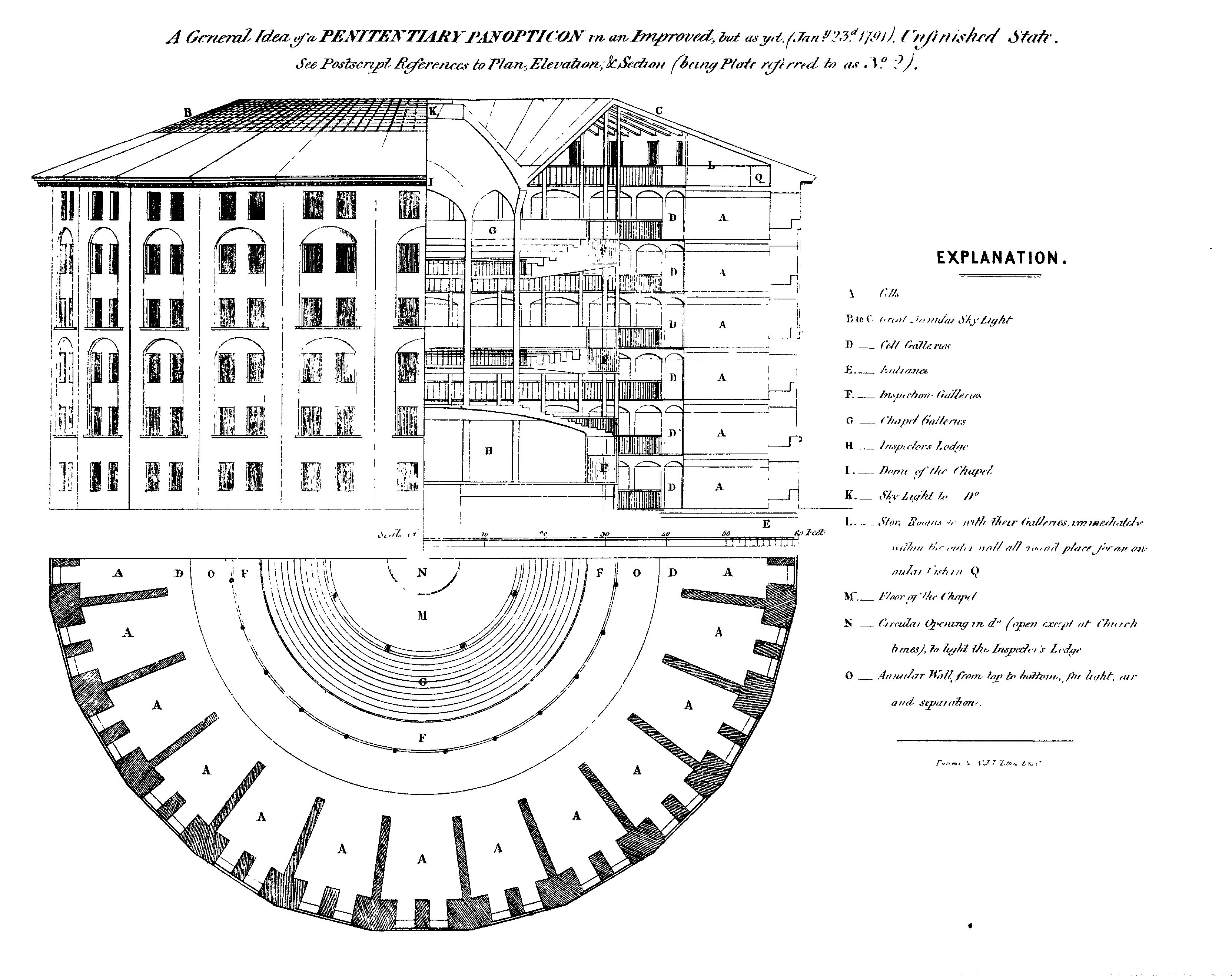
Do you feel like your every move is being watched by unseen eyes? Like you are in some kind of jail? Do you feel like your boss taking leadership lessons from Jeremy Bentham? His creation, the Panopticon is a building with a watchman sitting at the center, looking out on all the inmates, who are arrayed around the periphery, each in a separate cell. The inmates cannot see the jailer, generating a sense of constant surveillance.
One employee advised, “It is best to react with honesty and courage. Just point out the toxic boss’s impact and advocate as well as you possibly can for a decisive change of course.” One temptation to scrupulously avoid is fighting poison with poison. Don’t use toxic tactics to combat toxicity. This not only smacks of hypocrisy, it also compounds the problem by corroding the organization’s culture even further.
When this happens, toxic bosses win.

Richard Gunderman does not work for, consult to, own shares in or receive funding from any company or organisation that would benefit from this article, and has no relevant affiliations.
 Pat from American University's Center for Media and Social Impact writes, "Can an artist use images from Facebook in her collage? Can an art teacher show pictures he took at an exhibition in class? Can a museum put a collection online?"
Read the rest
Pat from American University's Center for Media and Social Impact writes, "Can an artist use images from Facebook in her collage? Can an art teacher show pictures he took at an exhibition in class? Can a museum put a collection online?"
Read the rest