Shared posts

27 Nov 06:43

Why on earth is a ride-hailing giant building an app store? Ola’s surprising way forward

by Sumit Chakraberty
Andrew Baisley

Kinda neat

Photo credit: Ola.

Imagine getting into a cab in the morning where your Skype call and calendar are already set up in front of you. Or hailing a car at the end of a long day of work and your favorite music is playing. And the playlist depends on whether your destination is home or a bar.

The kinds of experiences you create with an app are different for a car.

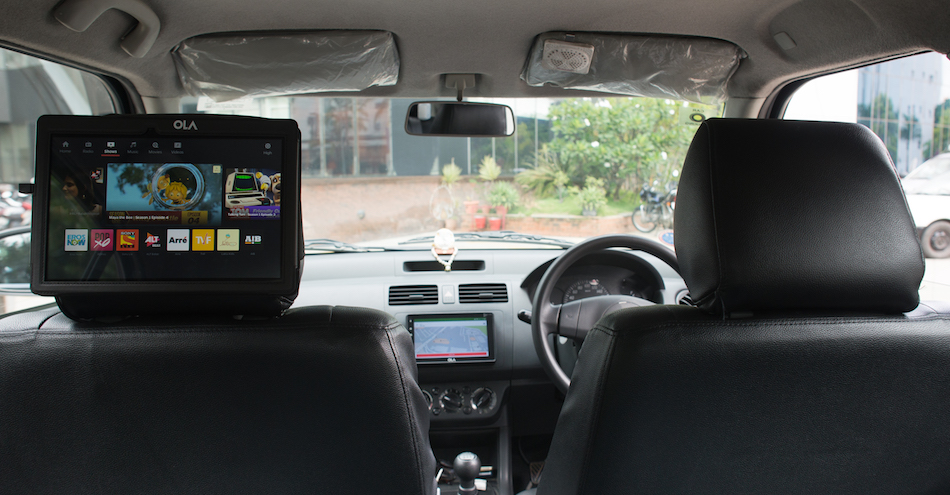
These are some of the things Ola is implementing as part of a partnership with Microsoft it sealed earlier this month. The Ola Play touch console – usually fitted to the back of a front row seat, just like on a flight – lets a commuter play music and video, adjust the temperature, or use Microsoft’s Skype for Business and Office 365.

And because Ola knows it’s you, when you book the ride, all these apps and tools are already personalized when you enter the car. You could be watching a movie on Eros on your smart TV before the ride and just continue from where you left it.

But for India’s Uber rival, it’s not just about adding productivity tools to the infotainment and personalization features on Ola Play launched a year ago. It has more up its sleeve for riders and drivers as well as car makers.

Head of Ola Play Ankit Jain says Ola is building an app store, opening up the Ola Play platform for third parties to create interesting and useful experiences for riders and drivers. How about some Starbucks coffee delivered to the car on the way to a meeting? Or an app that acts as a personalized tour guide for a city you visit, recommending places to see, what to do, where to eat.

There’s even an app in the works for drivers to find the nearest public toilet – which Jain says is a pressing need they’ve identified. It also helps with the ongoing Swachh Bharat (Clean India) campaign if people don’t have to urinate on roadsides.

The Ola app store is not public yet, but partners are already developing apps for it.

But why do these apps have to be designed for Ola Play, I ask Jain. Why does Ola want a separate app store?

“I had the same debate with myself a year ago: why can’t we just pick up something that’s already built and put it in a car?” Jain smiles in response, before going on to explain why.

“Our app store is not for a mobile phone or tablet; it’s for a car, because the kinds of experiences you create are very different for a car,” he explains. “For example, if you’re building an app for a driver, you don’t want it to be very visual and distracting. It should have minimal elements and be voice-driven so that you’re not distracting someone from the core thing they’re doing, which is different from an app that you typically build for a phone where the whole intention is to engage you. Here the intention in some ways is not to engage you.”

The Ola app store is not public yet, but partners are already developing apps for it. “We’re open to having a conversation with anyone who is interested in building experiences on Ola Play,” says Jain. Current partners include Qualcomm for the hardware, and several others including Apple and Sony for music and other apps. But going forward, Ola is aiming for more apps specifically suited for in-vehicle use.

Future of mobility

Ola co-founder and CEO Bhavish Aggarwal and Microsoft CEO Satya Nadella. Photo credit: Ola.

Ride-hailing apps have transformed commutes for hundreds of millions of people around the world. Cars are also getting connected to the internet and smarter, all the way from driver assistance and digital entertainment to self-driving.

But the experience of passengers in the back seat of a car is not so different from what it was decades ago. The car is an unnecessarily disconnected experience for them, says Jain.

“Car makers are always thinking of the front seat because the driver is the one making the purchase in most cases. But in the world of tomorrow, when cars become autonomous and ride-hailing is the way to go, the focus will be on the passenger. That shift hasn’t happened in the industry yet.”

Ola Play is thus a product for car makers as much as it is for riders and drivers. And this is where the partnership with tech giant Microsoft becomes more interesting for Uber’s Indian rival.

There’s an app in the works for drivers to find the nearest public toilet – a pressing need Ola identified.

Jain and I are chatting on the sidelines of an IoT Next conference in Bangalore. He’s here because IoT (internet of things) is a big piece of Ola Play.

Sensors in the car can track vehicle condition and usage, road conditions, and the environment. Microsoft’s Azure cloud platform can provide big data handling and advanced analytics. In combination, they enable preventive maintenance of vehicles, driver assistance, and third-party services related to transport infrastructure, accidents, insurance claims, and so on.

The Microsoft Cortana digital assistant chimes in with natural language processing and speech recognition: voice commands are easier than touch screens or a keyboard in a shaky car.

The app store and personalized services for riders and drivers thus sit on top of IoT and AI services from Azure. Ola’s vision is to be a global player in the emerging domain of in-vehicle tech beyond enhancing its ride-hailing platform in India.

See: What SoftBank’s $10b investment in Uber means for its battle with Ola

“We’re building a full-stack platform with Azure services plus our in-vehicle tech,” says Jain. “We can then go to any OEM (original equipment manufacturer) in the world and say here’s a ready platform that you can engage your customers with, instead of trying to build that entire stack from scratch. That’s really the power of the partnership with Microsoft for us.”

It’s still a work in progress, with different parts of it at various stages of testing and implementation. OEM deals could be expected in a year’s time. “The true power of the platform, I’m assuming that’s still five years down the line,” says Jain. “But core parts of the platform, where people can start imagining stuff to build apps and services, that will be ready within a year.”

Platform model

The likes of Tesla and Google, Uber and Didi are investing in self-driving cars. Microsoft too has partnerships with BMW and Renault-Nissan to help them build connected car services with Azure for their cars.

What makes Ola different is that it has no intention, as of now, to have its own connected cars. Instead, it wants to build a connected car platform that can go into a range of cars, that any car manufacturer can adopt. “Our secret sauce is the software and platform, not the car,” says Jain.

That’s why it has to think global in building the Ola Play platform, unlike its India-focused ride-hailing app. Ola Play needs to work everywhere so that car makers can integrate it.

There is also localization. For example, India has no service that works as well as 911 in the US. So building an emergency response is more complex than just tying into existing services. Then there is the the issue of connectivity that can fluctuate wildly.

Our secret sauce is the software and platform, not the car.

“At times you’ll be at 4g and suddenly you’ll be 2g or no-g,” quips Ankit. “We’re building a lot of things into Ola Play so that the experience, safety, and all that doesn’t get disrupted just because you don’t have good connectivity. But those features apply everywhere else too. That makes us more robust because we’re solving for a lot of those corner cases that platforms coming out of the US would not solve for.”

Uber is also now dealing with the connectivity issue in India. It has launched a lighter web-based version of its app, as Ola and Indian ecommerce leader Flipkart had done earlier. Now it is running a pilot in Mumbai to have tablets stuck on headrests for in-car infotainment a la Ola Play.

Security challenge

Jain, an MIT post-grad who left McKinsey to join Ola last year, believes it’s early days yet for the idea of a car as a platform. “When Apple and Google came up with their platforms on the phone, they didn’t design for an Uber or an Ola. So we also don’t know what will get built on top of this connected car platform. But if you can unleash that power, a lot of startups globally can build interesting experiences on top of that platform.”

He says the car will have its own use cases, just like smart TV use cases are different from those of a smartphone. “A lot of it is around driving and safety and entertainment today, but there could be a lot of things we can’t imagine yet.”

There are big challenges to be overcome too, especially in dealing with scale and security. An insecure infotainment system that uses personalization could expose users to hacks and loss of privacy. Mobile and laptop operating systems have spent a great deal of time and effort in trying to plug these risks. Smart car systems will need to at least match that.

See: Insider’s account of how Go-Jek hit 900x scale in 18 months and is still doubling

Just this week, Uber’s new CEO Dara Khosrowshahi disclosed that personal data of tens of millions of riders and drivers around the world had been hacked last year. Former CEO Travis Kalanick chose to brush the hack under the carpet instead of letting victims know about it.

This post Why on earth is a ride-hailing giant building an app store? Ola’s surprising way forward appeared first on Tech in Asia.

24 Nov 15:20

Arkonik Land Rover Defender 110 Columbus

by Ben Dahl
Andrew Baisley

I can't wait to have a mid life crisis and buy something like this.

When it comes to badass and stylish vintage SUVs, you won’t find much better than an old school Land Rover Defender that’s been restored with modern functionality in mind. There are a handful of companies…
15 Nov 09:04

What it really costs to send your kids to an international school in Singapore

by Lindene Cleary

What it really costs to send your kids to an international school in Singapore

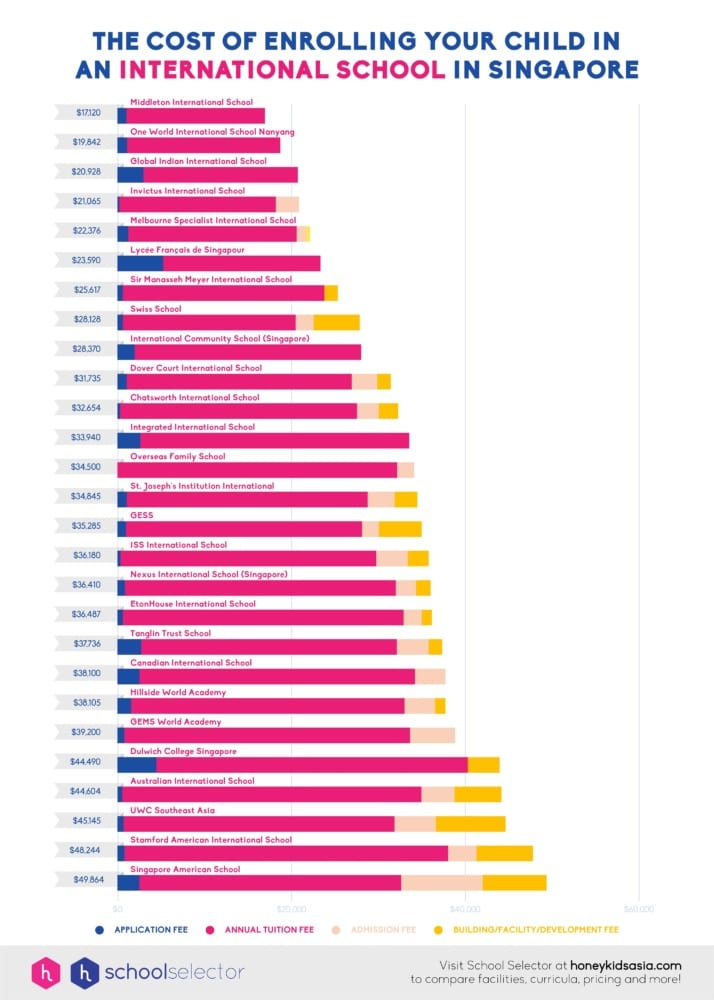
With annual tuition fees generally in the region of $17,000-$50,000, choosing an international school in Singapore is not a decision to be taken lightly. But did you know that this might be just the tip of the iceberg? Getting your kid to their first day at school may have you coughing up for application fees, enrolment or registration fees, building maintenance costs, contributions to the parents’ association, extra-curricular activities, exams, insurance… and that’s before your little person has even made it to morning snack break.

Before you invest in an international school education, it’s so important to make sure you choose the one that’s right for your family. To help you navigate your way through the decision-making process, we’ve taken a look at what it costs to kick off a child’s primary school adventure (we’ve used age 6-7 as the common starting point, which is most often Year 1) at 27 international schools in Singapore*. Check out the details in our handy chart below and then make your way to HoneyKids’ online school comparison tool, where you’ll find comparisons of fees, curriculum, facilities and more. We’ve worked with schools and sought testimonials from parents to cut down hours of your research time. So make sure you bookmark School Selector, the must-have school info bible for every parent in Singapore!


As you can see, your initial annual investment could vary wildly depending on which schools you’re considering. With an average outlay of $$33,801 to cover your child’s first year, you’ll probably want to do your research on international schools. But don’t despair: the range of fees is very broad (anywhere from around $17,000 up to around $50,000) and there are schools aplenty. Although the fees aren’t getting any lower, there are many schools on the lower end of the price range. It’s also worth noting that while some costs may seem high, other fees like facilities and field trips are often included. It pays to check with your prospective schools to find out more about the potential fees AND savings.

HoneyKids Asia international school starting costs

A few examples of how the range of extra costs at international schools can vary considerably.


Some ‘fun’ fee facts you might not know:

  • The average annual tuition fee – the biggest cost you need to consider – is $28,392.
  • Submitting an application is free at some schools… but up to $5,350 at others! However, some application fees are partially refundable. Keep an eye out for open days which have offers of discounted or waived registration fees, you’ll be saving a pretty penny!
  • Rocking up to the school canteen will cost anywhere from $900 to $1,800 per year.
  • Waving goodbye to your child on the bus could set you back as little as $1,100 or as much as $6,100 for the year.
  • Uniforms can be as cheap as $30… or as much as $250.
  • Other costs that might crop up include fees for extra-curricular activities, technology, books, field trips, resources, exams, insurance, learning support, and charges for studying English as a Second Language.
  • Some fees are a one-off, so while you have to cough up for the first year, it won’t be applicable from the second year onwards.
  • Sibling discounts are sometimes offered to families who have more than one child attending the school. Bonus!
  • Some schools allow you to pay in instalments while others ask for full payment upfront.
  • School fees increase as your child moves up an age group so do check with the schools if you plan to send your child to school in Singapore for an extended period of time.

You get the idea. International school is expensive (and, by the way, local schools are VERY tough for non-Singaporeans to get into). But it’s costly for good reason. The facilities are top notch, teaching staff are among the best, and your children will benefit from their multi-cultural schooling foundations for the rest of their lives. It’s one of the most important investment decisions you’re going to make, so taking some time to thoroughly assess your options is a must-do. But don’t fret, the School Selector is your trusty companion, and with it you’ll be packing your kids off to an excellent international school in no time.

*Amounts published here are based on research conducted online as at July 2019. Fees published are based on a mainstream program for a new Primary Year 1 (age 6-7) student in Singapore, for the 2019-20 school year (or 2018-19 where 2019-20 figures are unavailable). Fees for 2020-2021 are likely to be increased. Fees sometimes vary across different campuses of the same school. All fee amounts should be verified directly with schools.


Like this story? Here’s more we think you’ll enjoy:

The ultimate guide to choosing the perfect international school in Singapore
School acronyms, explained
Changing schools during the Secondary years
Guide to international school curriculums in Singapore

Don’t forget to subscribe to our weekly newsletter and follow us for fun moments on HoneyKids Instagram!

06 Nov 13:20

Jesse and Casey Ride Around New York on Star Wars Speeder Bikes

by Ben Dahl
Leave it to Jesse Wellens of PrankvsPrank and Casey Neistat to blow away all expectations when it comes to Halloween costumes. Honestly, it really shouldn’t come as much of a surprise given their previous works…
03 Nov 06:47

Donald Trump Jr. Should Keep His Political Lessons Out of Halloween

by Blake Harper

Halloween is supposed to be a night dedicated to dressing up in costumes, watching scary movies, and leaning into the sugar high of all sugar highs. Donald Trump Jr. decided to disrupt the fun by trying to turn the beloved holiday into a lame lesson about the dangers of socialism. Last night, Trump Jr. tweeted out a picture of his daughter holding her bucket of candy with the caption “I’m going to take half of Chloe’s candy tonight & give it to some kid who sat at home. It’s never to early to teach her about socialism.” Hilarious.

Threatening to give away his daughter’s candy may seem like a very strange way to teach kids about differing economic theories that are currently dividing American politics. But it could work if the joke was funny enough to justify the premise. Unfortunately, that is 100 percent not the case here. The joke is entirely unfunny, woefully inaccurate, and is a perfect example of someone forcing a controversial topic into a place where it doesn’t belong.

Trump Jr.’s attempt at humor may have fallen harder than his dad’s rapidly declining approval ratings but there was one bright side to all this: the responses to Trump Jr.’s tweets were hilarious. Many people pointed out that Trump Jr.’s joke was actually a subtle critique of his own party’s politics.

Others pointed out that trick or treating is literally taking a handout.

Even Harry Potter author JK Rowling got in on the fun.

At the end of the day, political affiliations aside. Can’t we all agree to shut up about our beliefs for a couple hours and let the kids have some fun trick or treating?

The post Donald Trump Jr. Should Keep His Political Lessons Out of Halloween appeared first on Fatherly.

01 Nov 15:44

For $1.25M, Juliet balconies and an enchanted garden create romance on the Upper West Side

by Michelle Cohen
Andrew Baisley

I like this place. Seems reasonably priced too

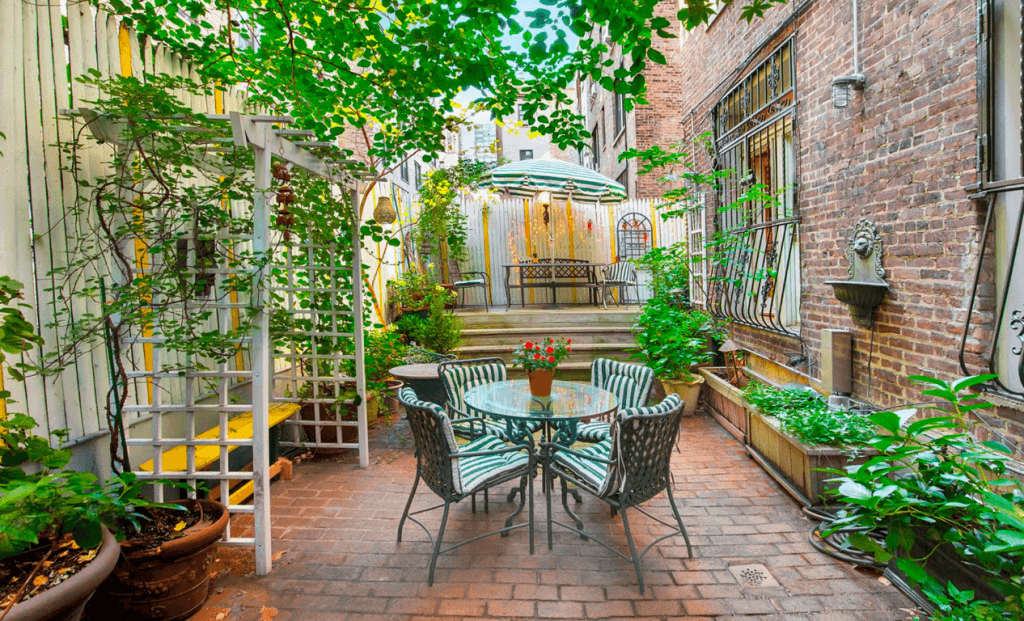
This bright and cozy garden duplex co-op at 24 West 69th Street on the Upper West Side has pre-war details like high beamed ceilings, built-in bookshelves, crown moldings, French doors and two Juliet balconies; but it’s the 731-square-foot private enchanted garden just outside those French doors that makes this one-bedroom-convertible-to-two such a charmer.

Beyond the apartment’s ground-floor entry hallway you’ll find 1,200 square feet of interior space, including a generous helping of bonus space on the lower level.

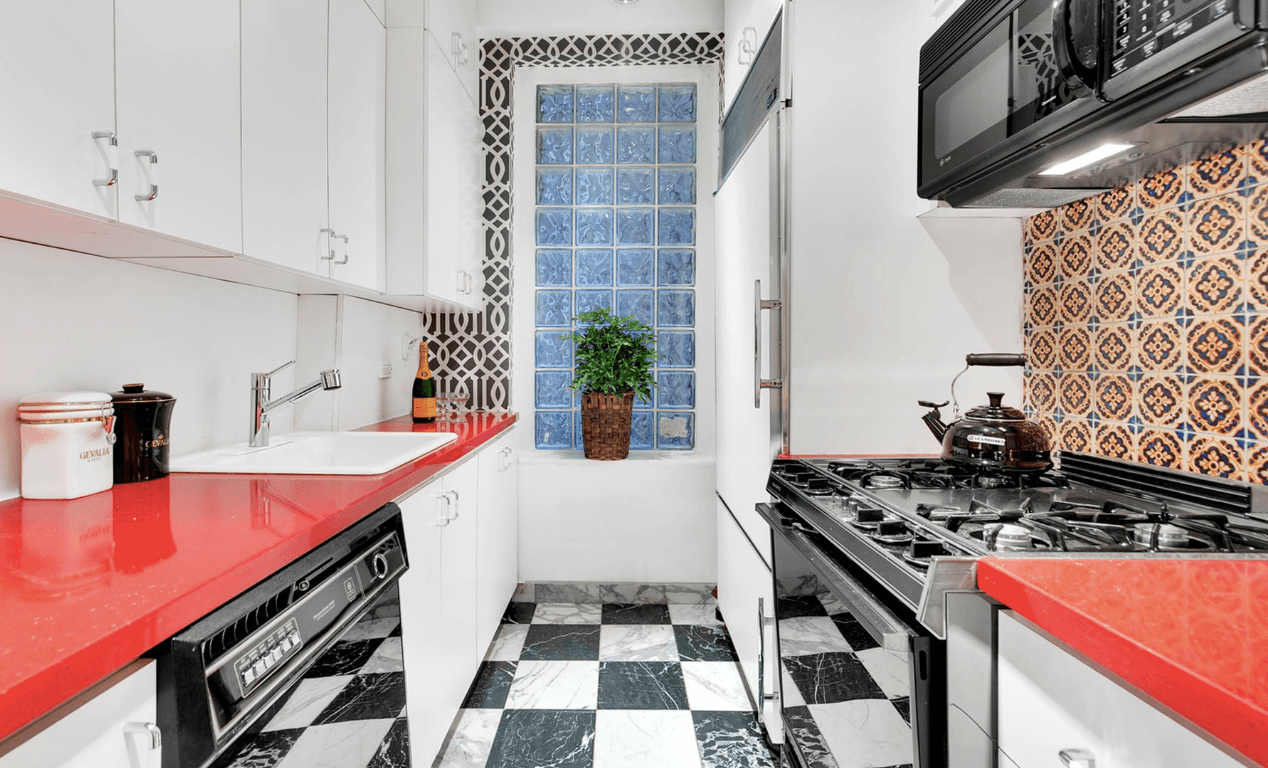
On the main floor is a living room and formal dining room; a colorful kitchen has both personality and all the equipment you’ll need to make it your creative culinary HQ, including lots of cabinets, a funky bohemian tiled backsplash and cheery bright red countertops.

The home’s master bedroom is exceedingly spacious at 16 by 18 feet, with an en-suite bath and plenty of closet space.

The apartment faces the back of the building so there’s plenty of peace and quiet as well as views of your private back garden from the windows. The landscaped multi-level space is ready for gardening, entertaining and dining out of doors.

Descend a spiral staircase to the home’s lower level and you’ll have a large den with a full bath and washer/dryer and a study/office. This space could also serve as guest quarters, a playroom or any number of other uses. This 19-unit, nine-story elevator co-op is just half a block from Central Park if your garden paradise leaves you wanting more,

[Listing: 24 West 69th Street #1B by Jaqueline Teplitzky and Adrian Radomski for Douglas Elliman]

[At CityRealty]

RELATED:

Images courtesy of Douglas Elliman.

01 Nov 08:22

If you care about livability, here’s why you should move to Singapore

by Rebecca Wong
Andrew Baisley

The "Great Homes" section and associated link is spot on. Spot on.

If you care about livability, here’s why you should move to Singapore

Moving to another country is exciting but a little scary, no matter how livable your chosen city is. Even if you’ve got an amazing job lined up, vast cultural differences are to be expected, and it’s often the case that the life you picture yourself having is a little (or a lot) different from reality. Nevertheless, moving across the globe can be an amazing life experience, especially if you choose the right country to settle down in. In light of Singapore recently moving up in the rankings of most livable cities in the world (it’s bumped up 11 places this year!), we give you four reasons why we believe a move to the Lion City is the right one.

Quality healthcare
It’s no secret that quality healthcare is the standard around here. In fact, Singapore is currently sixth in the World Health Organization’s ranking of world health systems, and was named fourth healthiest country in Bloomberg’s 2017 index! If you’re fortunate enough to have good health insurance coverage, health care costs can be reasonable too. There are a substantial number of public and private hospitals to choose from, as well as outpatient clinics and physicians at each housing district. Do check with your insurance provider to find out which of these is covered under your particular plan.

Great homes
No matter which corner of our little island you choose to live in, you’re bound to find a family-friendly neighbourhood that will make settling down a whole lot easier. Many privately owned condos and apartments offer superb on-site amenities like swimming pools, playgrounds, gyms, barbeque pits and function rooms. Of course, you’ll have to pay  top-dollar to live near the city centre, but homes a bit further away from town can be substantially more affordable.  Do your homework and you’re likely to find some good deals away from the hustle and bustle. You can also get started by checking out our guide to buying property in Singapore. Happy hunting!

Honeykids Asia OWIS

At OWIS, students are nurtured and cared for by teachers and peers

A world-class education system
A good education is hard to come by, but it’s safe to say that Singapore has no shortage of fantastic schools that are big on providing a well-rounded learning experience. When it comes to choosing a school, we advise doing your due diligence prior to moving here, as both public and private schools tend to fill up fast.

As international schools go, one of our top picks is definitely One World International School (OWIS). Not only does the school offer a quality education for primary and secondary school (IB & Cambridge IGCSE), it also offers specialised learning programs that incorporate Art, Mandarin and Music as part of the curriculum. OWIS’s holistic focus also ensures your child’s social, physical, emotional and cultural development needs are looked after. This means that staff go out of their way to support students through difficult times, and children are taught the value of kindness through school programs and activities.  Best of all, fees are thoughtfully priced, so you don’t have to bust the bank to send your kids here.

Plenty to see and do
Yes, Singapore may be just a tiny dot on the world map, but don’t be deceived! It’s packed to the brim with places to go and things to do. And that’s the very reason HoneyKids and our sister site Honeycombers was started – there’s so much happening on this tiny island that we just had to share it all! We love the fact that the city is safe, clean, and easy to explore with affordable mass transit too. If you’re a parent here, there are tons of online support groups you can hit up for advice or simply to build your social network. Some of these groups also organise meet-ups and playgroups for your little people.

For more info on One World International School, visit www.owis.org.

This post is sponsored by One World International School.

30 Oct 02:55

Babies Are Afraid of Spiders, So Be Considerate This Halloween

by Joshua A. Krisch
Andrew Baisley

"In a study that involved terrifying babies for science" hah

Not unlike cats and their primal fear of cucumbers (check it out on YouTube. We’ll wait), a recent study has demonstrated that babies are inherently terrified of snakes, spiders, and anything vaguely serpentine or arachnoid. Which means you may want to cut back on the over-the-top Halloween decorations. Or, at the very least, keep your giant foam spiders clear of the nursery.

In a study that involved terrifying babies for science, European researchers showed 6-month-olds images of snakes and spiders alongside images of flowers and fish, and found that their pupils dilated in terror only when they saw snakes and spiders. Pupil dilation is one of the best ways for scientists to tell when a very young child is stressed, because babies don’t respond to fear in the same way as older children and adults. “Change in size of the pupils is an important signal for the activation of the noradrenergic system in the brain, which is responsible for stress reactions,” said Stefanie Hoehl of the University of Vienna in a press release.

child looking at spider

From a scientific perspective, this study is fascinating because it begins to resolve a longstanding debate as to when children acquire fear of dangerous animals. Although some scientists have long claimed that fear of snakes and spiders is a matter of nurture, this study is among the first to demonstrate that at least part of the stress response to venomous animals is likely a matter of nature. Most western 6-month-olds have never been exposed to snakes and spiders, and so have no particular reason to fear them. Unless that fear is innate.

But from a parenting perspective, perhaps there’s a more practical takeaway. Americans are projected to spend a frankly obnoxious $9.1 billion on Halloween in 2017. And it’s not all candy corn and goofy masks. Spooky decorations are a highlight of the season, and parents of very young children tend to assume that there’s no way a dangling spider or 20-foot inflatable snake could scare their babies. What do babies know, after all, about responding to threats? A lot, apparently.

So if you must decoupage your home with cackling witches and clouds of foreboding bats, consider keeping your holiday spirit out of the baby’s bedroom. His or her pupils will thank you.

The post Babies Are Afraid of Spiders, So Be Considerate This Halloween appeared first on Fatherly.

19 Oct 16:10

My 865sqft: A treehouse bedroom grows inside the Williamsburg loft of two creatives

by Diane Pham
Andrew Baisley

Shoes in the house!

6sqft’s series “My sqft” checks out the homes of New Yorkers across all the boroughs. Our latest interior adventure brings us to the Williamsburg apartment of designer Gregoire Abrial and marketing creative Hang Pham. Want to see your home featured here? Get in touch!

Raw, industrial loft spaces are increasingly difficult to come by these days in NYC, so when you walk into one that’s been custom outfitted by its tenants to a tee, the experience is truly unique.

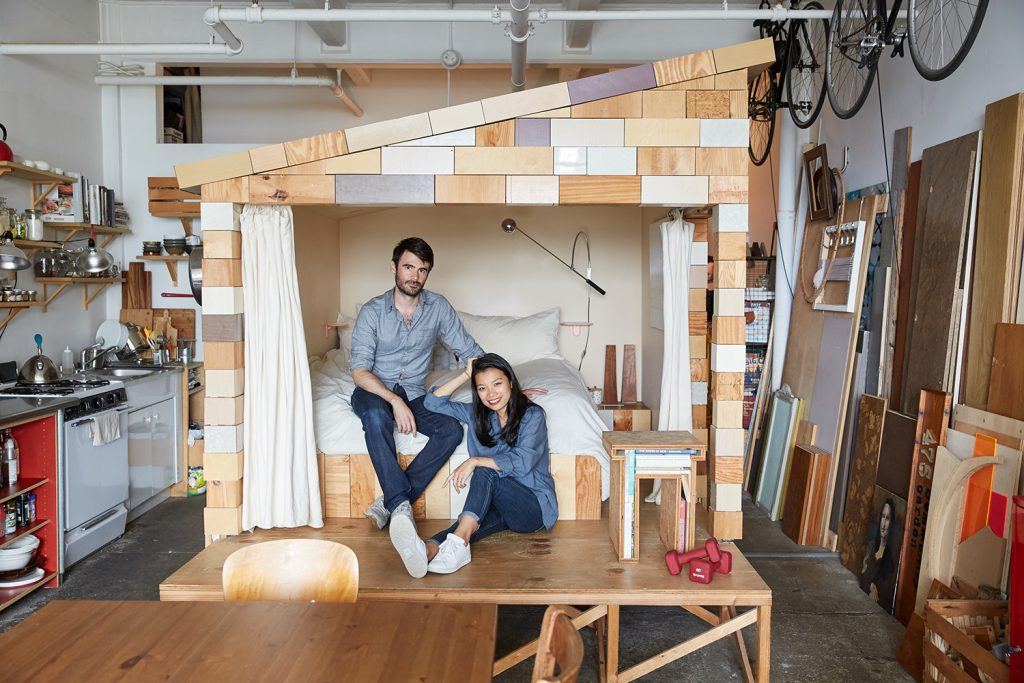
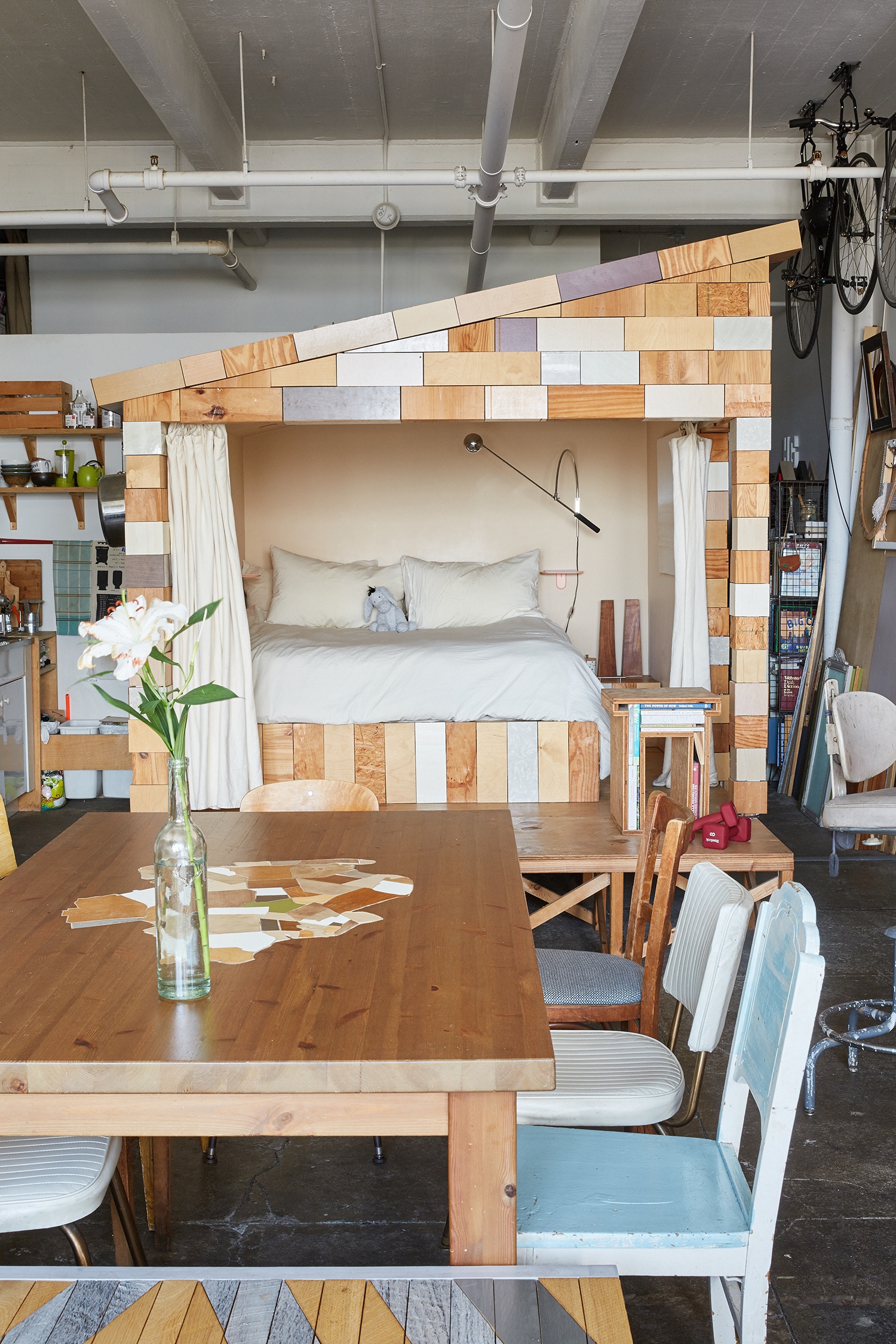
Found inside none other than Williamsburg’s infamous artists bunker, 475 Kent, is the 865-square-foot loft of French furniture designer Gregoire Abrial and Vietnamese-born marketing creative Hang Pham. Ahead the international duo offer up a tour of their inimitable Brooklyn space (that upon move-in seven years ago had nothing more than a bathtub, toilet, and kitchen sink) which they’ve outfitted with “slow designs” by Gregoire (more on that ahead), items bartered with neighbors, refuse found on the street, tchotchkes and treasures from family, friends and travels, and, of course, a pretty amazing DIY treehouse bedroom.

How did you two meet?

Hang: We met when we were both working at Amy Lau Design, an interior design firm in Chelsea. None of us had interior design background actually. Gregoire was trained as an industrial and furniture designer, I went to school for business. We are not from New York either; I’m Vietnamese, he’s French.

Gregoire: Somehow the stars aligned and we managed to meet at that particular point in space and time—to realize that we share a lot in common—design and l’art de vivre being two of them.

How did you find this loft?

Hang: Gregoire did an internship at Ron Gilad’s studio that was then located on the eighth floor of the building [475 Kent]. He became friends with Ron and the neighbors living here. They would just keep their doors open and walk in and out of each other’s space as if the entire building is a massive open studio. Over a dinner with some neighbors he wished out loud that he would love to live here and one of them gave him the number of the building manager. It was the end of 2009 and the crisis was pushing artists away from the city. Gregoire was lucky to have visited three empty apartments on the 11th floor. This one immediately felt like the best fit. In fact, it IS the best fit.

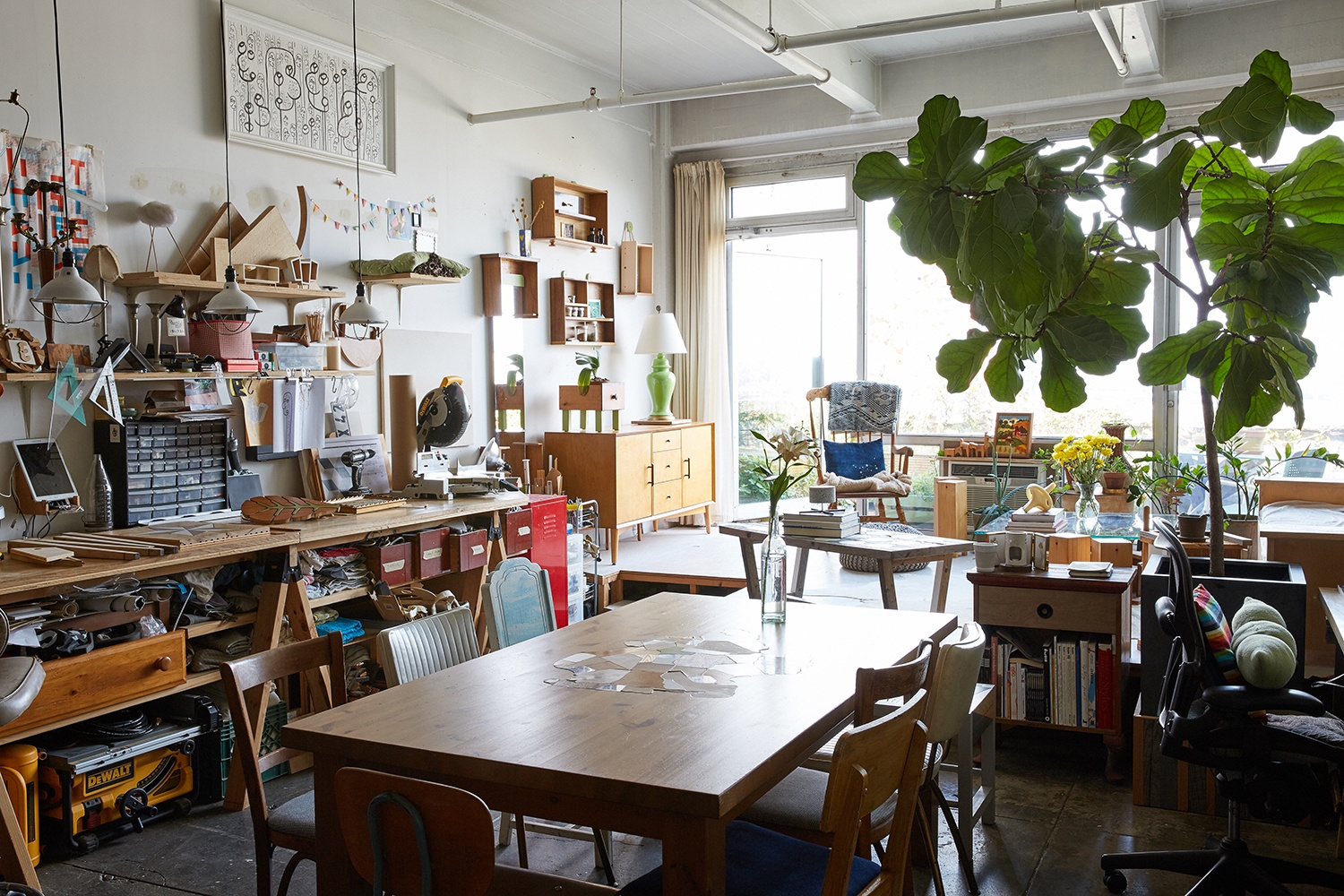
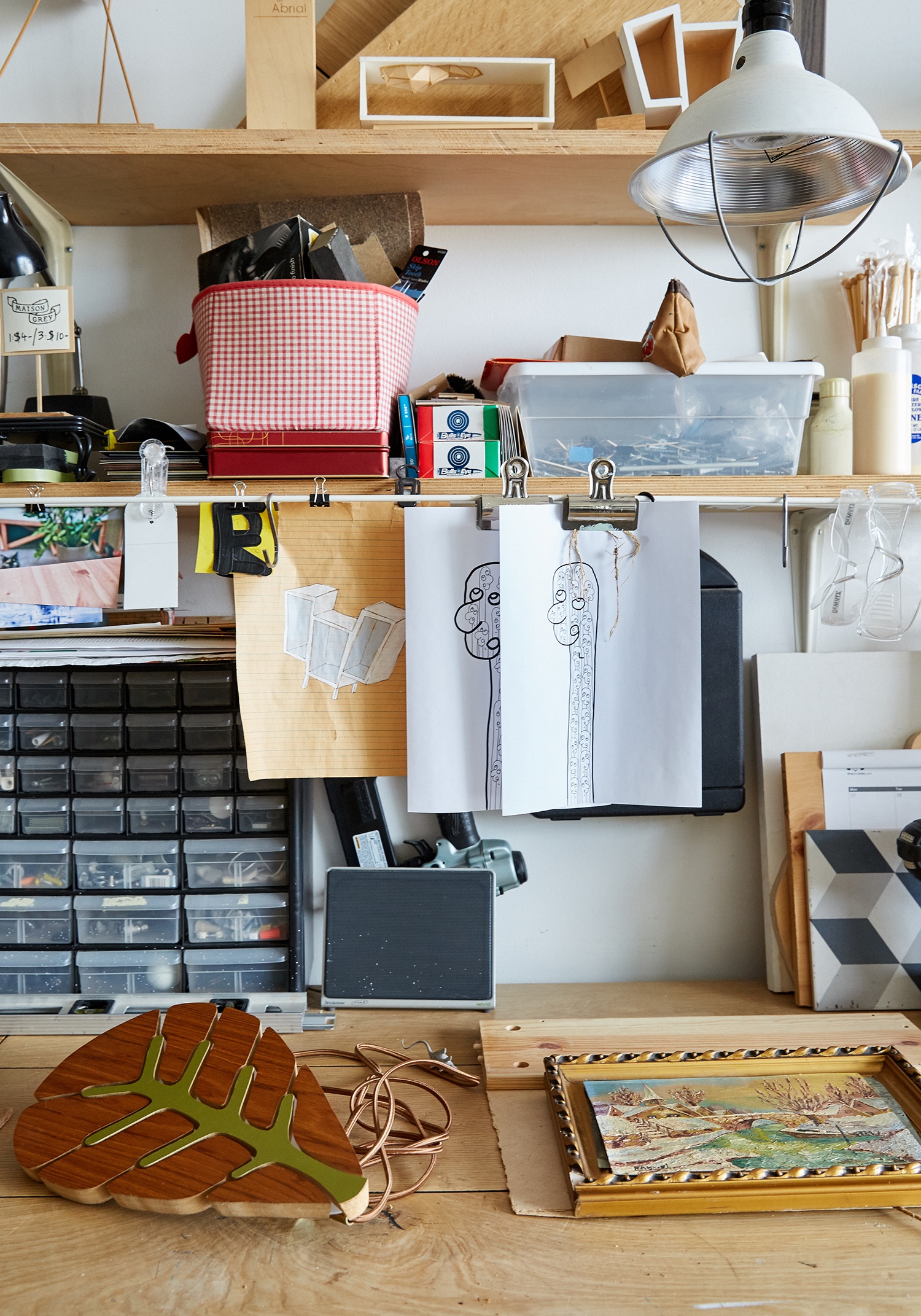
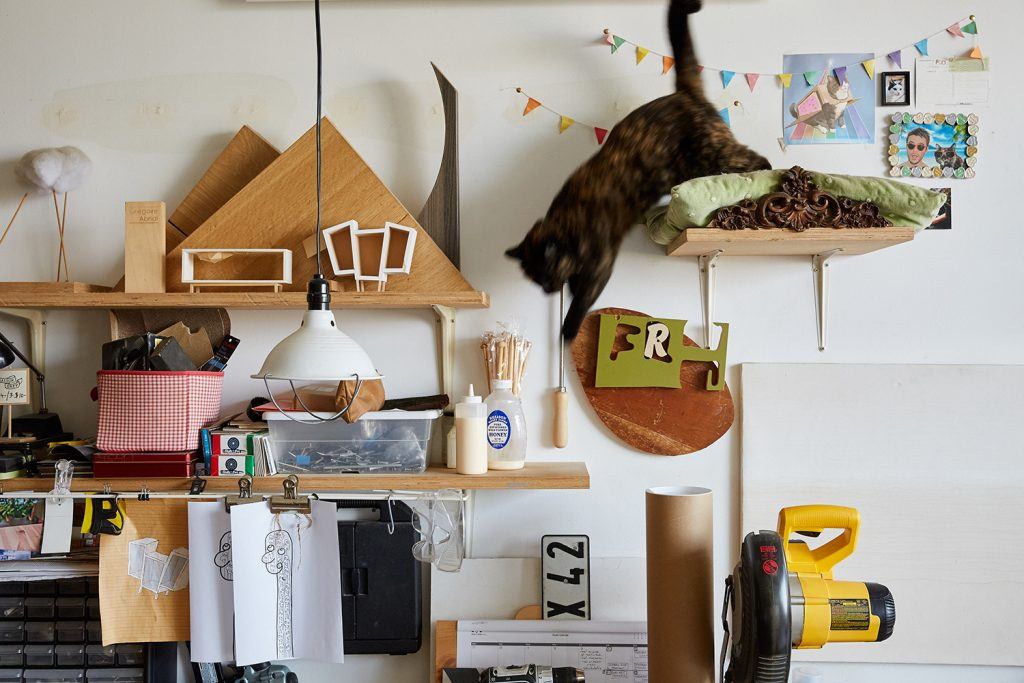
The workspace (top). The shelf area is Simone the cat’s bedroom; she has hung postcard from her cat friend in France and there’s a (photoshopped) picture of her with Gregoire on vacation in the Carribean (bottom).

You’ve built most of the furniture in this home, where do you find inspiration for the pieces you do.

Hang: Gregoire builds with two things in mind: the material and the function. He loves to find reclaimed stuff, could be wood or fabrics or glass, from projects at work or from the sidewalk. New York has plenty of materials to offer, and those materials inspire him to create. He feels the need to lend a shape and a voice to these otherwise unwanted objects or pieces of scraps. When creating in his studio, functionality is often the starting point, be it a bedroom, a table, a wall-hanging storing unit, or a hallway mirror. Then Gregoire designs around what he has available, using the right amount, combining dimensions and colors; to keep the integrity of the materials as much as possible. Finally, he would add a final touch—a bit of wit, a whimsical twist, a fun detail, that makes the piece uniquely his.

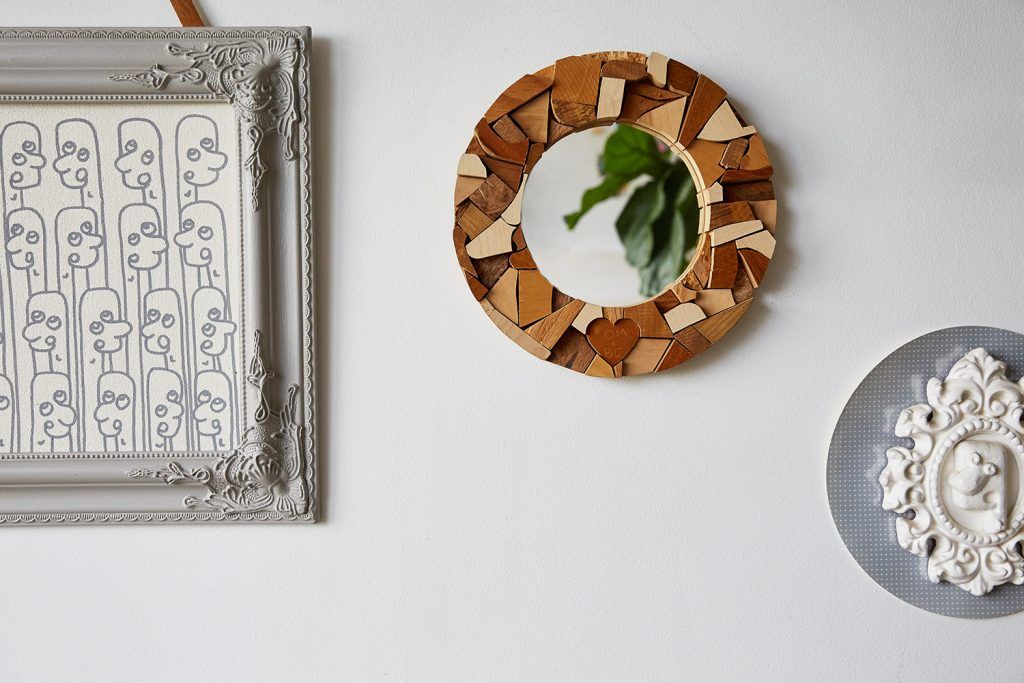
Illustrations of “George,” a character Gregoire began drawing in France, can be found throughout the house; The small mirror above the couch Gregoire made for Hang when they were long distance. The leather heart is scratched with their initials and the number of years they’ve been together; The glass coffee table is the first thing Gregoire ever built in NYC.

What are your favorite features of the loft? Favorite pieces?

Gregoire: The balcony. It makes a big difference to be able to “step” outside even when we are not on the ground level of the building. Hang does her yoga on the balcony every morning. We can host friends. Simone [the cat] can go out and observe the city, watch birds, and chill in the sun. We have a little garden that we tend to. Hang and I built the planters together this spring with reclaimed wood. Hang grew up in the city so she was very excited to have her first garden. She takes that seriously.

High ceiling, no walls, and concrete floor. That’s the best thing about loft spaces—they are made for a community-oriented lifestyle which we both love. With the bare concrete floor, our guests need not worry about removing their shoes or staining the carpet. We can host a large crowd without feeling crowded because the high ceiling and the open plan make the space breathable.

Hang: The loft is a retreat from the city life. Being close to the water but on the other side of the river from Manhattan, it really feels like we have left the city when we are at home. It’s quiet and spacy. We can still see the city with all its buildings and dazzling lights, the Williamsburg Bridge, the traffic on the EastRiver —while in a temple that we call home.

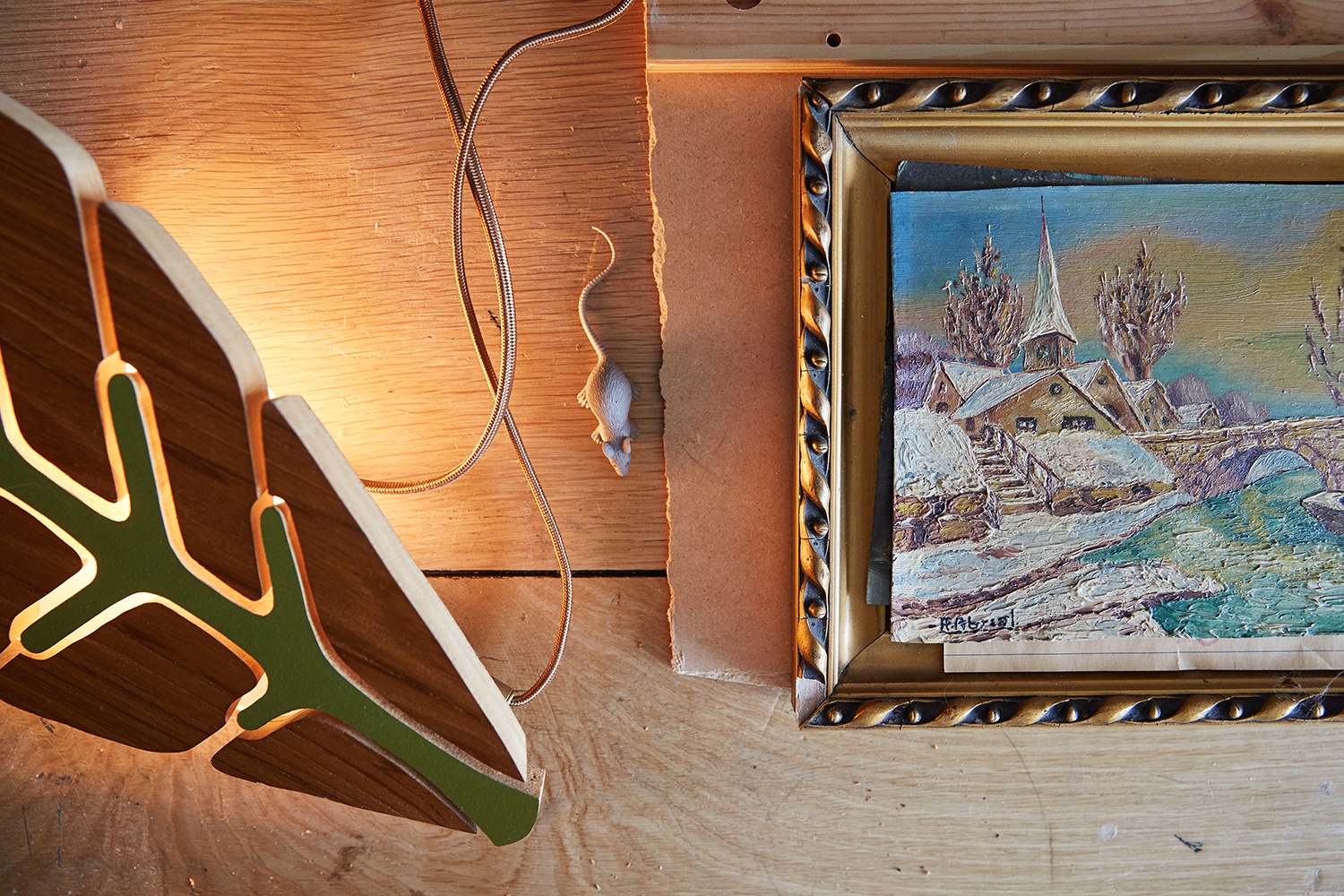
The painting that Gregoire’s grandpa did of his grandma during their vacation in Italy. Gregoire’s grandpa whom we dearly called Papi inspired him a lot in terms of building, creating, and engineering things. Being an engineer himself, Papi had this artistic side and he painted for fun. He’s very well-traveled, larger than life—a perfect French grandpa who enjoys good food, good wine, and good times with his wife who’s the perfect French grandma. This painting he made of her in Italy captures everything that’s so inspiring about their lives. We lost both of them within a year and since we live far away, Gregoire asked his family to keep this painting for him. It’s now hung by our work desk.

How would you describe your styles individually? Do your French or Vietnamese roots or sensibilities play into this?

Hang: Gregoire is all about health, slow design, finding beauty in small details, reclaiming materials, spending time at home at his own pace, enjoying the city but at the same time valuing quiet moments. It translates into his design. He is deeply connected with his French roots but, having been traveling so much and living in Vietnam with me, he takes influences from all the countries he’s been to.

Gregoire: Hang is minimalistic, experience-and-people-oriented, practical, health and environmentally conscious, down to earth… Her parents’ home in Hanoi has a door that’s way too big in proportion to their house and very simple furnishing. Her parents keep it that way so they can easily host family, neighbors, friends, and gatherings of any size. Hang changed continents eight times in the past 10 years, oftentimes with one suitcase. Her possessions are the experience and the memory.

Do you two ever argue about décor?

Gregoire: No. Hang pretty much lets me have the last word on décor. She is less concerned about the way things look and how it will be used to create an experience, be it between us or shared with others. I enjoy the process of taking care of my home, from creating a big piece of furniture to styling my plants. We both believe that a beautiful house has to be lived in and we both contribute to our space in our own way.

What makes 475 Kent unique in your eyes? What are your favorite things about the building?

Gregoire: The people. We have quite a mixed bunch here; we come from different cultures, work in different fields, and have very different life stories. Yet all those people take the chance to express themselves in their home, making it unique and theirs. There are over 100 lofts here and each time we visit a neighbor’s space, it is a discovery. That’s why in spring this year we organized a building-wide open house over two weekends where neighbors can explore each other’s space, spark up a conversation, and connect more to each other as much as to the building we all share.

Gregoire started Maison Grey when he was working part-time. It was part of a bakery project and he made bread and granola to sell locally and within the building.

Favorite places in the neighborhood?

Hang & Gregoire: The lumber yard across the street, the bike lane on Kent Avenue, The Musem of Food and Drink (MOFAD), all the thrift and vintage stores. For food and coffee: PT (but they’re closed now), Simple café, Abracadabra, Blank, Radegast, Maison Premiere, and Freehold.

Any projects or news we should keep an eye out from you two?

Gregoire: Hang is working on Fortuny’s WS2018 collection.

Hang: Gregoire is finishing a flagship for Parker which opens in Dubai next month. We are both working on the drawers project, in which Gregoire repurposes and releases a series of reclaimed drawers that symbolizes the changes going on in the neighborhood. We are sad to see many neighbors and artist friends moving out of the neighborhood and we hope we can keep our home for a little bit.

Gregoire: We are also working a dinner series focusing on food and memories that we host at our place. In November, we are going to host a concert through Groupmuse—a chambers music series that brings the community and chambers music to people’s apartments.

***

RELATED:

All photos taken by Brett Wood exclusively for 6sqft. Photos are not to be republished without written permission from 6sqft.

18 Oct 15:52

Stantt Makes Perfect Fitting Dress Shirts Out of Sportswear Fabric

by Mike Newman
Andrew Baisley

Need this in Singapore

There’s a reason athletes rely on specific clothing. When you move and sweat, you need gear up to the task. You’re probably not draining threes, but that doesn’t mean you can’t wear the same performance…
18 Oct 15:43

In Soho, a rare ground-up condo building launches sales from $12.95M

by Zoe Rosenberg
Andrew Baisley

This place is a dream

Two apartments at 150 Wooster have hit the market, marking a major milestone for the long-in-progress project

It’s finally sales day at 150 Wooster, the luxe ground-up Soho condo developed by KUB Capital. Two of the eight-story boutique building’s six condos hit the market this morning, two four-bedroom, four-and-a-half bathroom floor-throughs asking $12.95 million and $13.5 million through CORE.

The building may read as pricey for the area, but all condos in the building measure around 4,300 square feet or more, which means the price per square foot teeters around $3,200. In comparison to buildings like Superior Ink or Walker Tower, that’s about $1,500 less per square foot.

The project was nearly a decade in the making, with the original developer jumping ship and selling the site to KUB after the Landmarks Preservation Commission rejected the original proposal for the site. (The site is in the Soho Cast-Iron Historic District, meaning Landmarks needs to be on board with the building’s design to proceed.)

The design and facade that Landmarks did approve was done in-house by KUB and was described by the Times as “cream-colored, thin Danish bricks and a ribbed steel cornice that resembles an egg-slicer.” The cornice description is more accurate than it reads.

It’s rare for ground-up buildings to sprout in this area, and 150 Wooster was executed with all the 21st century bells and whistles. The apartments were prewired for Smart Home tech and come with vented AV closets, while the building has built-in cell signal boosters.

The buildings more traditional features are found in its austere finishes—vented gas fireplace with diamond-plaster mantel aside—like Danby marble countertops in the kitchen and master bathroom, a 24-hour attended lobby with travertine floors and diamond-plaster and leather-paneled walls, and custom fumed white oak flooring.

The appliances packages are predictably luxe—each apartment comes with not one, but two fully integrated Miele dishwashers—and include Wolf 60-inch six-burner ranges with a grill and griddle, Sub-Zero Pro model refrigerators with glass doors, and, in the bathroom, Toto high-efficiency toilets.

The building topped out way back in February, and new photos that accompany the sales launch show that it won’t be long now before the building is finished.

17 Oct 10:05

The Urban Lens: Go back to the ‘mean streets’ and urban decay of 1970s NYC

by Dana Schulz

The corner of Broadway and 55th Street in 1970

6sqft’s series The Urban Lens invites photographers to share work exploring a theme or a place within New York City. In this installment, Edward Grazda shares photos from the “mean streets” of 1970s and ’80s NYC. Are you a photographer who’d like to see your work featured on The Urban Lens? Get in touch with us at tips@6sqft.com.

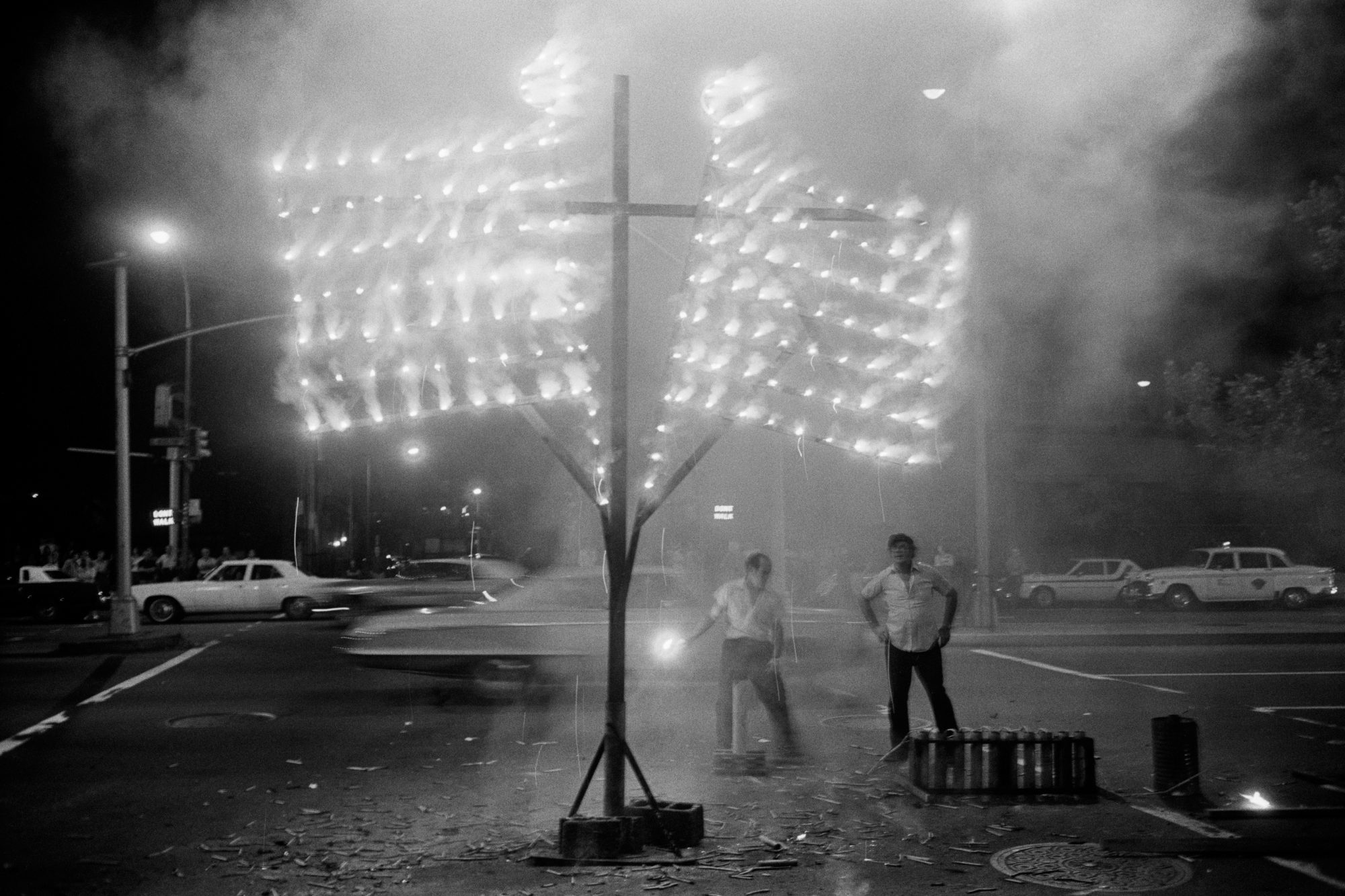
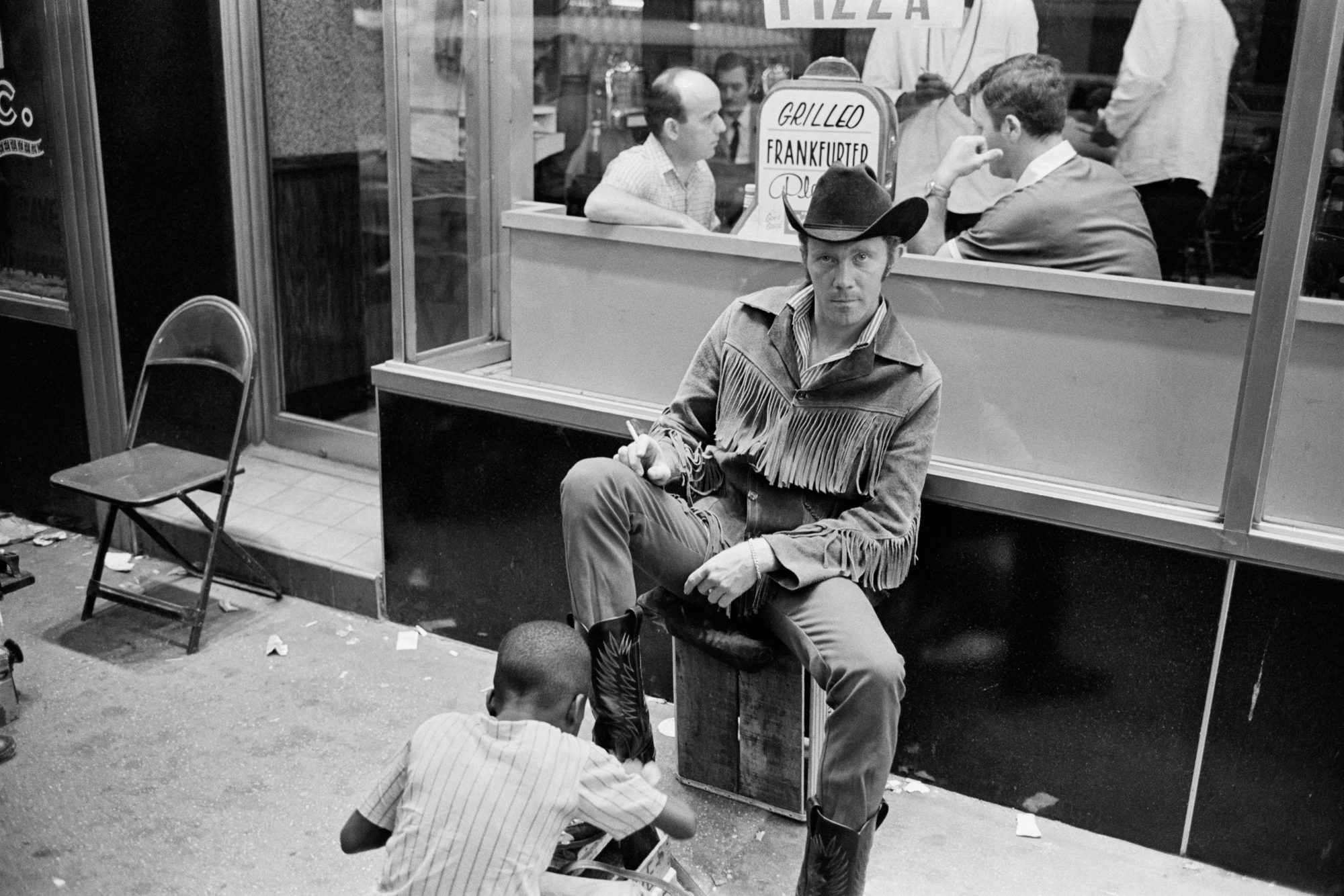
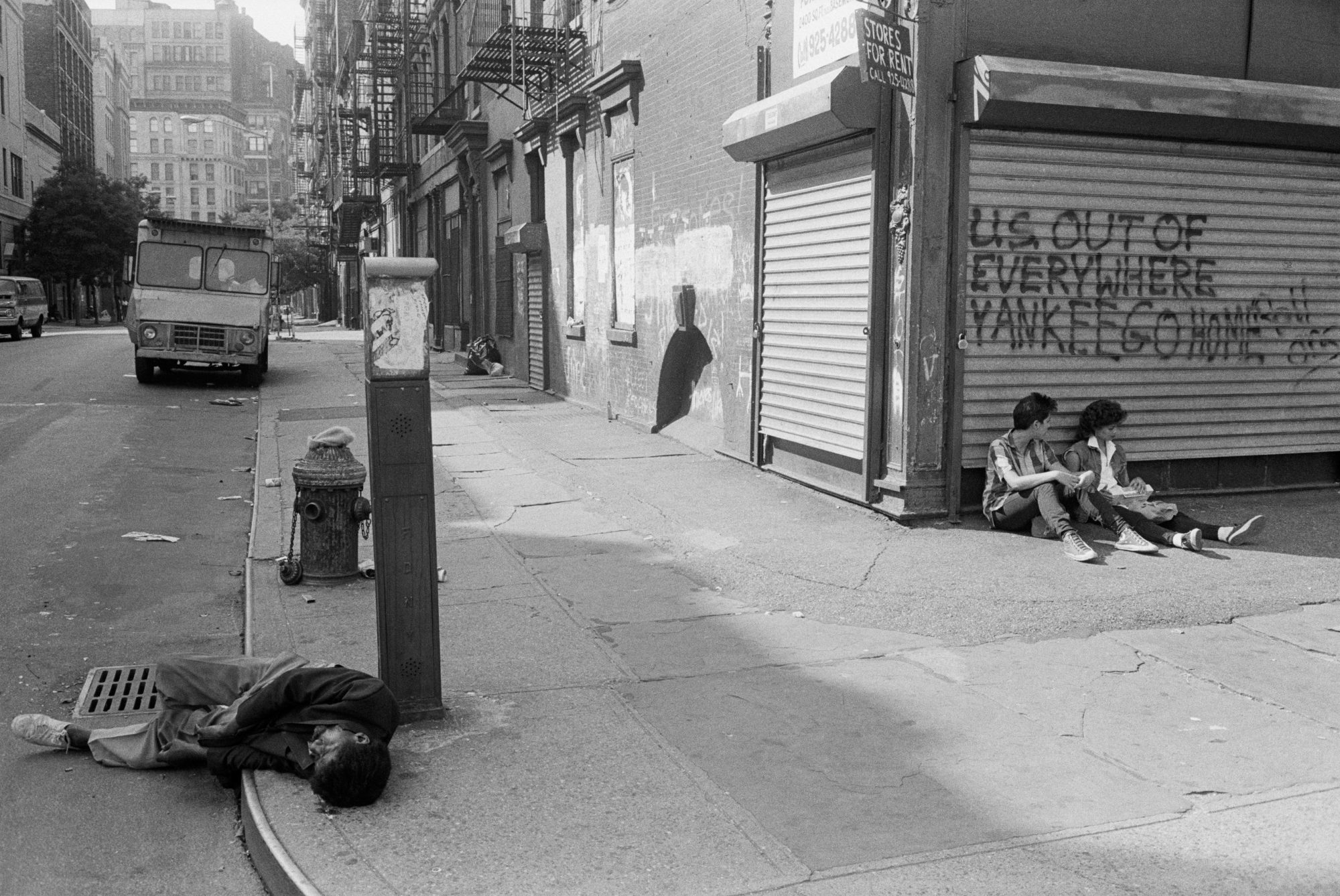
When photographer Edward Grazda moved to New York in the early ’70s, he was renting a loft on Bleecker Street for $250 a month during a time when the city was in a financial crisis, jobs were hard to come by, and places like the Bowery were facing a huge rise in homelessness. But it was also a time when a new generation of artists were beginning to move in. Instead of the tourist- and millionaire-filled streets we see today, 40 years ago they were teeming with energy. “I felt like there were many possibilities to be creative,” Ed says. And with that in mind, he began shooting candids and random street scenes between personal projects in Latin American and Afghanistan. This work abroad taught him “how to make oneself invisible and blend in on the street.”

Just a few years ago, Ed rediscovered these black-and-white photos and noticed how different things are now, from the physical buildings to the absence of people reading newspapers. He decided to compile them into a book “Mean Streets: NYC 1970-1985,” which was just released earlier this week and offers a rare look back “at that desolate era captured with the deliberate and elegant eye that propelled Grazda to further success.”

6th Street and the Bowery in 1973

Houston Street in 1973

Elizabeth and Houston Streets in 1975

The Bowery in 1970

Midtown in 1970

Bleecker and Elizabeth Streets in 1980

Bowery and Bleecker Street in 1981

Midtown in 1970

Delancey Street in 1976

Chrystie Street in 1975

Bowery in 1973

Bowery in 1976

RELATED:

All photos © Edward Grazda

16 Oct 06:52

Fact or cap: Have you heard of these 17 superstitions in Singapore?

by Delfina Utomo
Andrew Baisley

These stories: Interesting. Innocent. Weird. Little creepy. "Some say that his field pack items were neatly displayed on the mud, and his internal organs torn out and arranged beside the tree." Wha???

Despite Singapore being a modern city, we’re quite a superstitious bunch. It’s true; we enjoy ghost stories and we’re home to urban legends that have lingered forever. Here are some local superstitions we’ve unearthed in Singapore. And yes, it’s okay to admit you’re a believer…

Local superstitions and urban legends in Singapore

1. “Eh, touch wood”

Touch wood | Superstitions and urban legends in Singapore
Photography: Brands&People via Unsplash

Have you ever said something ominous to a friend, only for them to respond with “touch wood” before frantically looking for a piece of wood to tap? You’re not the only one to experience this superstition in Singapore. Although the act of knocking on wood may seem random, it actually stems from ancient pagan practices. The belief is that spirits live in trees, and if you knock on the tree, you’re calling on the spirit for help and good fortune. Or, in this case, preventing something bad from happening.

2. Don’t leave food on your plate

singapore superstitions | food on plate
Photography: Piotr Arnoldes via Pexels

If you grew up in Singapore, you probably heard your parents telling you to eat every last grain of rice on your plate… or else. Apparently, the more clean plates you leave at the dinner table, the more likely your future partner will have smooth, clear skin. Of course, now that we’ve all grown up, we’re clued into the fact that it was probably a ruse from the older generation to get kids to eat their veggies.

3. The haunting of MRT stations

singapore superstitions | mrt train
Anyone with late-night MRT ghost stories to share? Photography: Kit Suman via Unsplash

Are you even surprised? Singapore is tiny, so chances are high that your workplace, home or favourite hangout spot used to be a cemetery. Brace yourself, because these MRT stations are said to be former cemeteries: Orchard, Woodleigh, Newton, Bishan, Novena, Caldecott and Tiong Bahru. We’re pretty sure there are more, too. At Bishan and Novena, there have been alleged sightings of headless spectres and phantom passengers on trains. Don’t go home too late tonight!

4. Don’t cut your nails at night

Some say it’ll shorten your lifespan, while others say that spirits will consume your nails and take on your appearance. But this superstition in Singapore probably originated from the olden days, when nail clippers didn’t exist and there was no electricity at night, so cutting nails in the dark would cause all sorts of bloody problems.

5. Stop shaking your legs

Because you’ll lose your luck! This belief says that shaking your legs is akin to kicking your wealth away, so don’t be surprised if someone tells you to sit still so you don’t chase your fortune away.

6. Rain, rain, go away

singapore superstitions | chilli plant
Are chilli plants synonymous with clear, sunny skies?

Chilli is beloved in Singapore, especially among spice fiends. But some say that it can do more than just give your stomach a fiery kick. It’s believed that chilli (and onion) can help stave off the rain gods. The legend, which has Malay origins from the island’s kampung days, says that you should place both items under a tree (or possibly put them on a stick first). Even Prime Minister Lee Hsien Loong once cracked a joke about it during a Formula 1 interview in 2008. There’s no scientific proof, but hey, no harm in trying it if you want a sunny day.

7. Cover your mirror at night

singapore superstitions | mirror in room
Photography: Din Aziz via Pexels

If there’s a mirror in your bedroom, you might want to cover it before you sleep. That’s because mirrors were considered to be portals to other realms in some cultures, and uninvited spirits could enter your home that way. It’s said that covering them is also a way of protecting your soul when you sleep.

8. Don’t sleep with your feet facing the door

That’s considered bad luck because when your feet are positioned towards the door, it’s similar to how the dead are traditionally carried through open doors. According to folklore, you might also feel more restless and discontented when you do this at home.

9. The rules of a gambler

Poker hand | Superstitions and urban legends in Singapore
Photography: Sam Goh via Unsplash

For anyone who enjoys the occasional thrill of poker or mahjong (or any game that involves money and a bit of luck), you might’ve encountered that one person at the table who insists there are certain rituals or acts that bring in luck. To attract it, players may wear pieces of clothing that are red or bring along a lucky item.

However, other things can block luck. If you’re watching a game unfold, make sure to keep your hands to yourself. The Chinese believe touching a gambler’s shoulders washes away their luck. The same goes for counting your money while you’re still gambling or leaving your seat before the game is done, even if it’s to use the bathroom. So if you’re on a winning streak, you might want to hold it.

10. Flee from uninvited guests

We’ve all heard our mums telling us to head straight to the shower after coming home. Apart from it being a good hygiene habit, there’s another reason why staying clean keeps you in good books. Any guesses? It literally means washing away spirits that may have tagged along from the outside world. Other variations include washing your feet (especially around the heel) or cleaning your face and feet three times and saying a prayer before entering your bedroom. Yes, it’s very precise.

Things get a little serious if you’re coming back from a funeral. Urban legends say you can only enter your house after washing your hands and feet and sprinkling water on your head.

11. Don’t gift clocks or shoes!

shoes and clocks | singapore superstitions
It’s a no on shoes and clocks. Photography: Andrew Tanglao (left) and Jon Tyson (right) via Unsplash

In Mandarin, the phrase “giving a clock” sounds the same as “attending a funeral”. That’s why clocks and watches are considered taboo presents in Chinese culture as they’re a reference to death. What about shoes? Also originating from Chinese beliefs, the pronunciation of the word “shoes” sounds exactly the same as the word “evil” in Mandarin. That’s why it’s not advisable to buy a new pair of kicks on the first few days of the Lunar New Year. Not to mention, gifting someone a pair of shoes is a sign the receiver will walk away from your life. We won’t take any chances!

12. Dos and don’ts when on vacation

singapore superstitions | hotel corridor
Definitely don’t wanna bump into the twins from The Shining here. Photography: AZGAN MjESHTRI via Unsplash

There are plenty of number-related superstitions that find their way to our vacays. Many holiday-goers avoid staying on the 13th floor as it’s deemed bad luck. Some even go as far as staying away from flight seat numbers. Apart from that, it’s also believed that the number four attracts bad luck as it sounds a lot like “death” in Mandarin.

Before you set foot in your hotel room, it’s apparently advisable to take off your shoes and place one of them with the sole facing up so that wandering spirits won’t follow you in. Many hotels (especially old buildings) are believed to have spirits attached to hotel rooms, so you’re encouraged to knock on the door three times to announce your presence and apologise for intruding before entering.

13. We all carry a lucky charm with us

Have you ever seen the $1 Singapore coin? It’s inscribed with an octagon, which looks like a Chinese “bagua”. That’s the tool used in feng shui to learn which areas in your home or office building correlate with particular aspects of life. It’s also used as protection against negative energy and creates good fortune and harmony.

When the construction of the MRT tunnels through downtown Singapore first began, feng shui masters said that would have a negative effect on us. The cure? Carrying a “bagua” around at all times. However, since it would be impossible to get everyone across all races and religions to adhere to this Chinese belief, the design was allegedly incorporated into the $1 coin. That way, everyone would have a “bagua” on them. According to hearsay, this was the idea of none other than the late prime minister Lee Kuan Yew.

14. Hungry ghosts wandering the streets

Local superstitions in Singapore | urban legends
Watch where you’re going during Hungry Ghost Month. Photography: Frank McKenna

During Hungry Ghost Festival, people avoid stepping on offerings or joss sticks on the ground. Stranger practices include not tapping on someone’s shoulder during that month. The explanation? Chinese believe that there are three “flames”: One on the forehead and one on each shoulder. It’s bad for these “flames” to go out, which can happen when someone pats you on the shoulder.

Another belief: you should stop swimming during the seventh month in case spirits try to drag you down. It’s basically a month when the Gates of Hell open and all the ghosts are released to visit their loved ones or wander around. So yeah, we suppose you could just stay at home to be safe.

15. The third door

Anyone who has served their National Service (NS) in Singapore would’ve heard of this infamous local superstition. The short version: A recruit who was ill went on a march through the forests of Tekong. But when it was time to do a headcount, his platoon realised he was missing. One frantic search later, his body was found under a tree – and this is where variations come in. Some say his field pack items were neatly displayed on the mud, while his internal organs were torn out and arranged beside the tree. Gnarly.

The thing is, said recruit allegedly returned to his bunk as an angry spirit and disturbed the others. He was trapped in the bunk, but upon consultation with spiritual advisors, a third door was built for the spirit to let himself out. We haven’t heard any follow-ups yet, so let’s hope he’s found peace at last.

16. Never point at the moon

singapore superstitions | moon in sky
Photography: malith d karunarathne via Unsplash

We’re not sure how this superstition in Singapore came about. But as the saying goes, you shouldn’t point directly at the moon, especially a full moon, as the back of your ears will be snipped off while you’re asleep. Pretty sure this urban legend is busted with no reports of mutilated ears. But hey, if you want your little kiddos to behave, you know what to do.

17. Pissing in public is a no-no

When nature calls, you have to answer. But if there’s no toilet in sight and you happen to relieve yourself in a public space, do take note that firstly, the act is punishable by law. And secondly, you might actually be disrespecting a spirit’s home. So if you can’t really hold it in, it’s best to apologise – that’s the least you can do when you piss on someone else’s property.

Know of local superstitions or urban legends in Singapore we didn’t mention? DM us @Honeycombers!

The post Fact or cap: Have you heard of these 17 superstitions in Singapore? appeared first on Honeycombers Singapore.

13 Oct 12:08

Outside of China, WeChat is a fish out of water

by Elliott Zaagman
Andrew Baisley

Interesting analysis

WeChat censoring posts

About a month ago, I was in New York visiting a tech-savvy friend. The living definition of “early adopter,” his entire home is voice-controlled with Amazon Echo, from his lights to his air-conditioner to his dishwasher. He seems to have a detailed opinion on just about every trend in consumer technology, and at work, he specializes in optimizing user experience for a fast-growing tech startup.

We have remained friends after meeting a few years ago in Beijing, when he was studying Chinese at Beijing Foreign Studies University. Since he returned to the United States, we mainly keep in touch through WeChat, but if it were up to him we would probably use a different messaging app.

Looking at the problem WeChat is having in its expansion overseas highlights broader trends that encompass Chinese internet companies when they globalize.

“The more I work in app design, the more frustrated I am using WeChat, because I keep noticing more and more flaws in it. Especially considering how many users they have, they really should offer a better user experience than they do,” he explained to me.

Indeed, he’s not the only one who has trouble using WeChat, and it has shown in the failure of the app to catch on with those who are not Chinese or communicating with Chinese people regularly.

For those of us who live in China, using it becomes so natural that we often don’t notice some of its flaws, like a fish that doesn’t realize it is swimming in water, since it has never left the river. But outside of China, WeChat is like a fish out of water. Here are a few of the key issues that may provide some insight as to why WeChat is struggling outside of the Chinese market:

Local storage

All message history in WeChat is stored locally on your device. This means that when you buy a new phone or log in to WeChat from a new device, your previous messages must be transferred manually. If your phone is lost or stolen, losing all that data can cause a real annoyance. WeChat claims that this is for privacy reasons, but that leads me to my next point…

Security, privacy, and transparency

Unlike many other messaging apps, WeChat does not provide end-to-end encryption. Instead, they employ transport encryption so that the message is encrypted between the user and WeChat’s servers.

When end-to-end encryption (e2ee) is used, the message is scrambled from the time it leaves the sender’s device to the time it arrives at the recipient’s, and only the recipient’s device possesses the digital “key” necessary to un-scramble the message. For messaging apps like WeChat that do not use e2ee, a second “key” is held in the company’s servers, allowing them to decrypt messages that use their platform. While even e2ee is not 100 percent unhackable, when it is not used, there is an additional point of vulnerability where the message’s security could be compromised. The more keys there are, the more ways there are for others to get in.

The lack of end-to-end encryption could make WeChat messaging more vulnerable to hacking for corporate or personal reasons.

What is perhaps more concerning is the lack of transparency from Tencent about issues of privacy and security regarding WeChat. In contrast, Facebook’s annual Global Transparency Report provides figures of the number of requests for information it has received from governments on a country-by-country basis, for the benefit of those concerned about surveillance. The figures relate to its products and services including Messenger and WhatsApp. Facebook claims to offer no “back door” into their end-to-end encrypted WhatsApp messenger, and despite public pressure from Brazilian authorities and the FBI, there has been no evidence to suggest that they offer such a “back door.”

Facebook has also been open about its use of Signal encryption protocol for both WhatsApp and Facebook Messenger’s “Secret Conversations” feature, an open-source protocol which is reviewed by cryptology experts. Facebook has published whitepapers as well, providing technical specification for how the encryption protocol is deployed.

In contrast, Tencent does not regularly publish a transparency report and does not have a policy of disclosing requests for personal information. They have provided little-to-no details regarding what encryption protocol they use for messaging, so it is nearly impossible for the average user to know exactly how secure their data is when using WeChat.

A recent update to the app’s privacy policy explicitly states that it will “retain, preserve, and disclose” users’ personal data to “comply with applicable laws and regulations,” indicating that Chinese security and law enforcement officials can likely gather private user data systematically and en masse. This is nothing new for most who closely follow the Chinese internet, and the governments of the US and other foreign countries are known to use social media apps for surveillance as well.

See: Chinese tech companies are feeling the heat from censors

What is possibly a greater concern is the security risk posed by outside actors. The lack of end-to-end encryption could make WeChat messaging more vulnerable to hacking for corporate or personal reasons.

And then there is the consistency of Tencent’s security claims themselves. On WeChat’s official site, it claims that due to their enablement of transport encryption and use of local storage, rather than their own servers, they are unable to view the content of users’ messages:

“WeChat securely encrypts your sent and received messages between our servers and your device ensuring that third parties cannot snoop on your messages as they are being delivered over the internet. We do not permanently retain the content of any messages on our servers whether they are text, audio or rich media files such as photos, Sights or documents. Once all intended recipients have received your message, WeChat deletes the content of the message on our servers and therefore third parties including WeChat itself are unable to view the content of your message.”

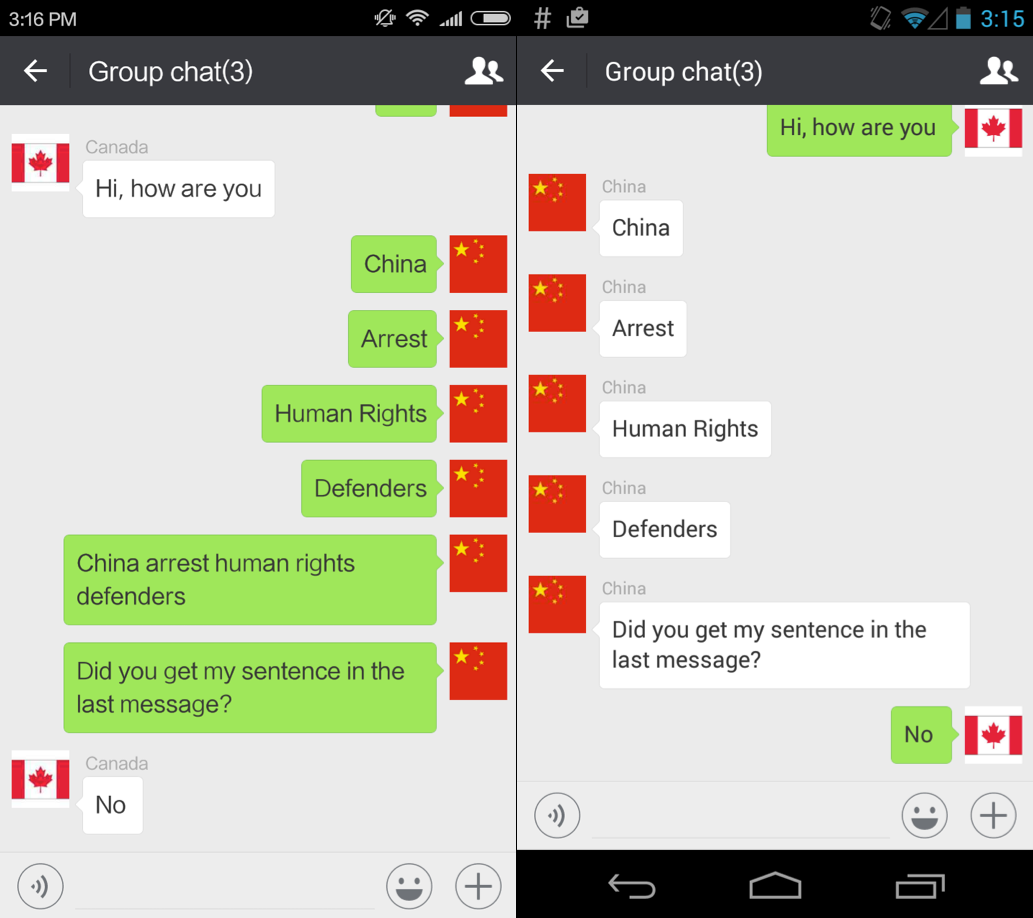
However, it is difficult to see how exactly this works. In an April 2017 report, the University of Toronto’s Citizen Lab disclosed the results of a study which found that WeChat not only censored topics, but did so dynamically, in response to sensitive events. For example, they found that messages in both English and Chinese referencing a crackdown on human rights lawyers beginning on July 9, 2015 (referred to as “709”) were not sent to the recipient, with no notification given to the sender. If WeChat is unable to read the content of the messages, how are these messages deleted?

Recent regulations released on September 7 also officially made creators of online groups responsible for the content of their forums, and police disciplined 40 people in one group for spreading a petition letter and detained one man for complaining about police raids. If WeChat is unable to read and store the content of messages, how exactly does this happen? Are there whistleblowers in the group chats?

For those inquiring about their privacy and security policies, WeChat’s official site offers an email address for the office of a “privacy officer:”

However, if you try to contact that email address with any questions, you’ll receive an auto-reply like this:

When you try to go to that page, you’ll see a drop-down menu from which you can select a series of options to report or ask about, none of which refers to their encryption. You can report security violations or abusive content, but there’s no option to ask them about their policies.

When I submitted my questions, I never received a response. But it’s OK, I understand. They probably can’t afford to hire people to do this work. They only made US$6.2 billion in net profit last year.

Its attitude towards privacy and security ranked them dead last, with a score of 0/100 in a 2016 report by Amnesty International evaluating the messaging apps of 11 top technology companies on their approaches to encryption and human rights.

Source: Amnesty.

With such a lack of transparency about privacy and security, it creates an information vacuum, to be filled by theories and rumors. It seems just about everyone I talk to in China has a different theory, or a piece of gossip about how the information they share on WeChat is surveilled, stolen, or otherwise used. This creates an atmosphere of mistrust around the app, where no one seems to quite know what information is vulnerable on the app that many of them use more than any other.

While the average person may not care much about security, techies like my friend do, and it’s usually by first reaching a critical mass of these users that an app can cross the chasm into mainstream use globally.

Localization

It’s one thing to lack support for certain features outside of the country and clearly indicate so, but in most parts of WeChat’s interface, they seem to just ignore the fact that people in other countries may try to use their app. Worse, when they try to make an effort, like supporting international credit cards, they add unsupported interface elements like a friend of mine encountered when trying to add a credit card.

While many Chinese people will sign up for public accounts under their own names in order to publish content to subscribed followers, this requires a Chinese ID card number, and therefore people who are not Chinese citizens are unable to register for personal public accounts. It is possible to create a corporate account for a foreign business by providing appropriate documentation, but even in that case, not all accounts are created equal. While Chinese public accounts can be viewed by both Chinese and non-Chinese users, foreign public accounts can only be viewed by non-Chinese users, making the vast majority of WeChat users inaccessible.

See: WeChat’s global expansion has been a disaster

In addition this, the ecosystem which supports WeChat so effectively within China is mostly nonexistent overseas. Few retailers outside of China accept payment via WeChat, and apps like Mobike, Ofo, Dianping, and Didi, which work so seamlessly with WeChat, do not yet have a strong overseas presence. Using WeChat outside of China is like putting a shark in the jungle: it simply doesn’t have the environment in which it is designed to thrive.

Other nuisances

Push Notifications: Wechat seems to only provide push notifications for new messages when the app is open, unlike apps like Facebook Messenger that alert you whenever you receive a message, regardless of whether the app is turned on.

This means that if you haven’t opened the app for a few days or since a restart of your phone, push notifications aren’t delivered reliably. For those in China, where checking WeChat is something people do constantly, this is less of a big deal. However, for those who use WeChat as a secondary or tertiary messaging app (like most non-Chinese WeChat users), this can mean going for days without realizing that they have received a message. On many phones this can be changed by adjusting the notification settings, but this is not something all users are aware of or think to do.

Lack of a “follow” vs “friend” option: For well-known or public figures who would like to use social media to reach followers who they do not know personally, Facebook and Linkedin offer a distinction between “liking” or “following” and “friending” or “connecting.” WeChat doesn’t offer this, so for those who would like to follow someone they don’t know personally, they either have to get their approval to add them on WeChat, or use Weibo, which has a lower number of frequency of users.

The 5,000-friend limit: For those who would like to use WeChat as a more public platform, they are limited to 5,000, hampering the reach of an individual account. While it seems like it could be an easy money-maker for WeChat to charge a fee for a higher contact limit, they do not offer this option.

Lack of embedded video: In the past few years, Facebook and Twitter have enabled embedded video into users’ news feeds, allowing users to watch videos as they scroll without having to click on a link and go to a separate site. This has been a catalyst of the pivot to video transformation currently underway among media firms. As of now, this pivot does not seem to be happening in China at the same rate, and this is likely because WeChat does not allow videos to be embedded and shared on “friends circles” very easily.

Final thoughts

Make no mistake: WeChat’s wide functionality within China is absolutely incredible. The app has revolutionized how people in China live their lives in only a few short years. As someone who lives in China, I use it more than anything else on my phone.

Looking at the problem they’re having in their expansion overseas, however, highlights broader trends that encompass other Chinese internet companies when they globalize: mainly, just how different the internet ecosystem is in China versus elsewhere in the world, and the widely different cultural and political expectations that global markets have for apps that play such an intimate role in their lives.

This post Outside of China, WeChat is a fish out of water appeared first on Tech in Asia.

13 Oct 02:42

Last-mile logistics startup Lalamove bags $100m series C, rolls into 100 Asian cities

by Judith Balea
Andrew Baisley

That's a huge raise for such a stupidly named company

'Uber for deliveries' startup Lalamove

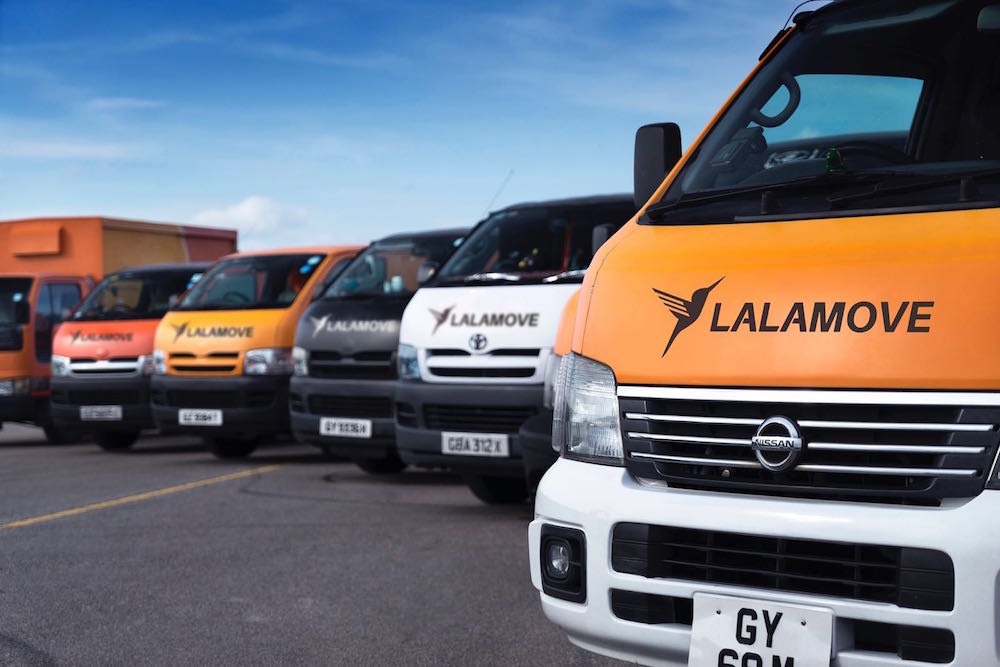
Man with a van: Lalamove has expanded from Hong Kong to several Southeast Asian cities. Manila is the latest launch. Photo credit: Lalamove.

Just nine months after raising its US$30 million series B round, Lalamove, a Hong Kong-based on-demand logistics startup, today announced US$100 million in new funding.

The series C round was led by Shunwei Capital, founded by Xiaomi boss Lei Jun, and joined in by previous investors such as Xiang He Capital and MindWorks Ventures. It brings Lalamove’s total disclosed funding so far to US$160 million, making it one of the top-funded companies in this category.

The company – known Huolala in mainland China and Lalamove everywhere else – is now active in 100 cities. This meets the target it had set for itself for the end of 2017.

Most of those cities are in China – where Lalamove has “saturated almost 80 percent of the market,” said founder and CEO Shing Chow. The rest are in Southeast and East Asia: Singapore, Ho Chi Minh City, Bangkok, Manila, Taipei, and of course, Hong Kong.

The fresh capital will be used to further expand in Vietnam, enter Malaysia and Indonesia, hire talent, and launch new features.

“We look for cities that have reached critical mass – so large, major cities – where we see there is a lot of fragmentation, and that require improvement in logistics,” explained Chow.

The Chinese logistics market is worth US$1.7 trillion, he said, while the industry accounts for 15 percent of the Southeast Asian economy.

Staying ahead of competition

Chow, who once worked for consulting firm Bain, started Lalamove in 2013 using his winnings from years of playing professional poker. At the time, he was fascinated with Uber, and thought about applying the concept elsewhere.

Lalamove signs up van and truck drivers to do last-mile deliveries for its clients and then, like Uber, takes a cut of the fee. Anyone can use the app to move goods but unlike Uber, the company caters mostly to small and medium enterprises (SMEs). Today, the company has more than 2 million drivers and more than 15 million registered users.

Chow told Tech in Asia that they’ve realized profits in some of their cities. Earlier on, he said, “the easiest thing for startups to do is to spend money to prove they have product-market fit. You only really validate the need for your product when someone pays you for it. We decided to make it our number one priority to be profitable so that we can be ‘default alive’ rather than ‘default dead’. We don’t want to be dependent on outside capital for survival.”

shing-chow-lalamove-ceo

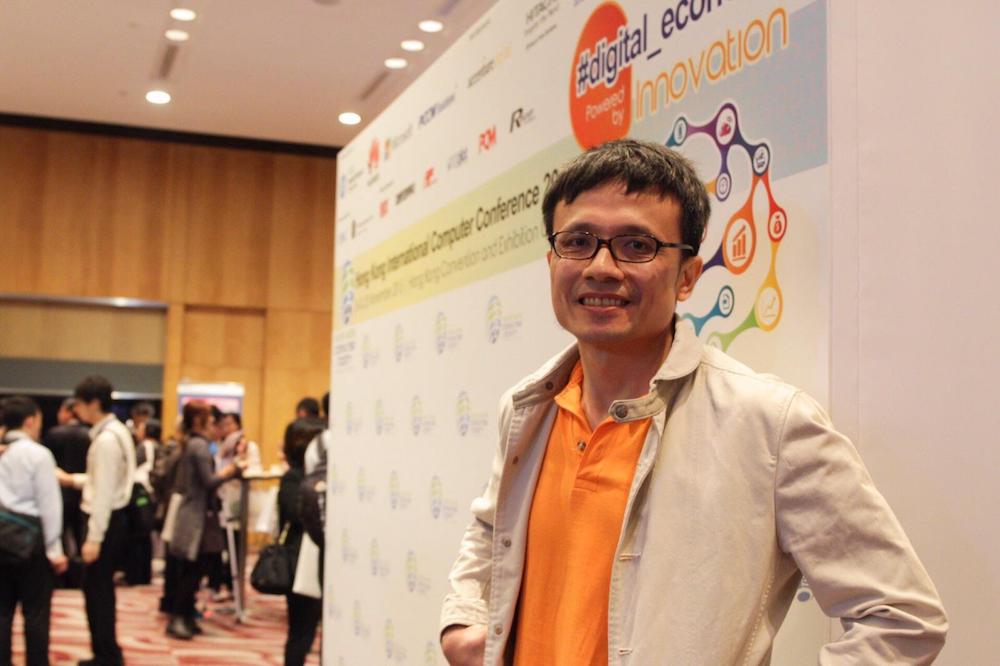
Shing Chow. Photo credit: Lalamove.

Lalamove attributes its financial performance to the consistency of service it provides and the kind of clients it targets. Loyalty among SMEs is easier to maintain because they rely more on track record and service quality rather than discounts – unlike individual consumers, who easily switch between services to avail of promos.

Blake Larson, head of international at Lalamove, also previously told Tech in Asia about their strategy of shying away from subsidies. Instead, the company focuses on being lean, with just 1,500 staff in 100 cities. According to him, the team watched a war of attrition among “hundreds” of similar services in China as they all bankrupted each other with deep discounts.

“Now there’s just two of us,” he said, referring to main Chinese rival Wuba, a spin-off from classifieds site 58.com.

In Southeast Asia, Lalamove is facing competition from the likes of GoGoVan, Deliveree, and Ninja Van, which raised US$30 million in its series B this year.

What’s next

Lalamove is working on new features such as giving businesses more direct access to its fleet of vans and trucks. It is rolling out an API integration service which allows clients access via their own delivery management systems, rather than through the Lalamove app.

The company also wants to further bring down its drivers’ average delivery time from the current 46 minutes.

 “Delivery of information takes seconds, but delivering physical goods is still relatively slow,” said Chow. “We want to change that.”

“Our targets don’t just revolve around expansion, but also raising our order volumes and consistency,” he added.

This post Last-mile logistics startup Lalamove bags $100m series C, rolls into 100 Asian cities appeared first on Tech in Asia.
13 Oct 02:41

After Hygiene Hiccup, Haidilao Reopens With Kitchen Webcams

by Wang Lianzhang
Andrew Baisley

Mmmm Haidilao... now with added oversight.

Hot pot chain’s Beijing restaurants join government transparency program.
11 Oct 09:36

The 2017 National Book Awards finalists

by Jason Kottke

National Book Awards 2017

The National Book Foundation has announced the finalists (and the longlist) for The 2017 National Book Awards. Among the nominees in the categories of fiction, non-fiction, young people’s literature, and poetry are The Future Is History: How Totalitarianism Reclaimed Russia by Masha Gessen, The Book of Endings by Leslie Harrison, I Am Not Your Perfect Mexican Daughter by Erika L. Sánchez, and Pachinko by Min Jin Lee.

I’m excited to see David Grann’s Killers of the Flower Moon on the list. I read it earlier this year and it was excellent.

Tags: best of   best of 2017   books   lists
11 Oct 09:24

Unusual Mountain Ahuna Mons on Asteroid Ceres

Andrew Baisley

They should name it Glitch Mt.

Unusual Mountain Ahuna Mons on Asteroid Ceres
What created this unusual mountain? Ahuna Mons is the largest mountain on the largest known asteroid in our Solar System, Ceres, which orbits our Sun in the main asteroid belt between Mars and Jupiter. Ahuna Mons, though, is like nothing that humanity has ever seen before. For one thing, its slopes are garnished not with old craters but young vertical streaks. One hypothesis holds that Ahuna Mons is an ice volcano that formed shortly after a large impact on the opposite side of the dwarf planet loosened up the terrain through focused seismic waves. The bright steaks may be high in reflective salt, and therefore similar to other recently surfaced material such as visible in Ceres' famous bright spots. The featured double-height digital image was constructed from surface maps taken of Ceres last year by the robotic Dawn mission.
10 Oct 18:17

Thomas Heatherwick’s 150-foot climbable ‘Vessel’ hits halfway mark at Hudson Yards

by Devin Gannon
hudson yards, the vessel, thomas heatherwick

Construction progresses on the Vessel, photo courtesy of CityRealty

In April, construction began on Hudson Yards’ Vessel, a 150-foot-tall steel structure designed by Heatherwick Studio and its 100,000 pound-components were put in place by crane. The $200 million “public landmark” began to rise in August and now the structure’s construction has hit its halfway mark. The project’s idea comes from Related Companies’ chairman Stephen Ross, who called it the “365-day Christmas tree.” The climbable Vessel will be the centerpiece of the Public Square and Gardens, five-acres of greenery that will connect the buildings of Hudson Yards. The structure includes 154 geometric-lattice linked flights of stairs, 80 landings and will able to hold 1,000 visitors.

Photos of the Vessel under construction in Italy, via Heatherwick Studio

After being fabricated and constructed in Italy, the first ten pieces of bronzed concrete and steel arrived in January at the Port of Newark on a ship and then traveled across the Hudson River.

hudson yards, the vessel, thomas heatherwick

hudson yards, the vessel, thomas heatherwick
Components of the Vessel arriving in Hudson Yards in August, photos courtesy of CityRealty

And then in August, more of the massive structure arrived at Hudson Yards. Plans for the Vessel dated back to 2013 after Related’s Ross announced his $100 million budget. He predicted the interactive centerpiece to be the city’s next major landmark, calling it “New York’s Eiffel Tower.”

hudson yards, the vessel, thomas heatherwick
Construction progresses on the Vessel, photo courtesy of CityRealty

hudson yards, the vessel, thomas heatherwick
Construction progresses on the Vessel, photo courtesy of CityRealty

thomas heatherwick, stephen ross, related companies, the vessel, vessel, hudson yards, public art
Rendering of the Vessel, courtesy of Heatherwick Studio

Officially midway through its completion, the rise of the Vessel can be seen best from the High Line and Hudson Park and Boulevard and West 34th Street. Construction is expected to wrap up at the end of this year, officially opening to the public next fall.

The development of Hudson Yards continues to progress daily. As 6sqft previously covered, the 910-foot-tall tower at 15 Hudson Yards, which overlooks the Vessel, has put its first 15 apartments on the market. The skyscraper’s priciest condo includes the penthouse #88B, which is asking $32 million and spans 5,161 square feet.

RELATED:

All photos courtesy of CityRealty

hudson yards, the vessel, thomas heatherwick hudson yards, the vessel, thomas heatherwick hudson yards, the vessel, thomas heatherwick hudson yards, the vessel, thomas heatherwick hudson yards, the vessel, thomas heatherwick hudson yards, the vessel, thomas heatherwick hudson yards, the vessel, thomas heatherwick thomas heatherwick, stephen ross, related companies, the vessel, vessel, hudson yards, public art
09 Oct 13:33

Beautiful 30-day time lapse of a cargo ship’s voyage

by Jason Kottke
Andrew Baisley

This is so cool. Singapore is at 4:30. Awesome to see the port operations. Night skies at sea are also incredible

Jeffrey Tsang is a sailor on a cargo ship. On a recent voyage from the Red Sea to Sri Lanka to Singapore to Hong Kong, he set up a camera facing the bow of the ship to record the month-long journey. From ~80,000 photos taken, he constructed a 10-minute time lapse that somehow manages to be both meditative and informative. You get to see cargo operations at a few different ports, sunrises, thunderstorms, and the clearest night skies you’ve ever seen. Highly recommended viewing. (via colossal)

Tags: time lapse   video
09 Oct 13:11

Google Clips Automatically Takes Pictures for You

by Mike Newman
Andrew Baisley

Weird or cool? It's like a dashcam for your body, except it "learns who is important to you"

It’s one of the cruelest rules of photography. You want to capture something spontaneous filled with real emotion but the second you take out your camera or phone that realness evaporates. You’re left with awkward…
06 Oct 13:01

Ivanka and Donald Trump Jr. mysteriously dodge charges for Trump Soho sales practices

by Emily Nonko
Andrew Baisley

Shitbags

Prosecutors in the Manhattan District Attorney’s office had been building a criminal case against them

Trump's New York real estate empire has been no stranger to controversy, and here's another piece of news to add to the pile of ever-growing drama surrounding the real estate-turned-political family. An investigative article between ProPublica, WNYC, and The New Yorker has revealed one real estate scandal that involves the president's two eldest children, Ivanka Trump and Donald Trump Jr.

In the spring of 2012, according to the report, the siblings were facing a criminal case that prosecutors in the Manhattan District Attorney’s office had spent two years working on. Ivanka and Donald Jr. were suspected of misleading prospective buyers of units in the Trump Soho, a hotel and condo development that was struggling in the market.

In one email, according to the report, "...the Trumps discussed how to coordinate false information they had given to prospective buyers. In another, according to a person who read the emails, they worried that a reporter might be onto them. In yet another, Donald Jr. spoke reassuringly to a broker who was concerned about the false statements, saying that nobody would ever find out, because only people on the email chain or in the Trump Organization knew about the deception..."

Trump Soho was unveiled by now President Trump back in 2006, marketing "condo-hotel” units in which buyers got a hotel room rather than an apartment, and were legally prohibited from staying there more than 120 nights per year. Sales launched in 2007, right before the financial crisis, and the building struggled to sell. In 2008 Ivanka announced that 60 percent of the building was spoken for—in reality, only 15.8 percent of units were sold by 2010.

But the overall sales deal hinged on the Trump Organization selling at least 15 percent of the units, because by law, the sales couldn’t close with anything less. Without enough sales, the Trumps would have had to return the buyers’ down payments. Some buyers who felt misled sued the Trump Organization and others involved in the project in New York federal court in 2010.

(There was also a separate lawsuit, which claimed Trump SoHo was developed with the undisclosed involvement of convicted felons, plus financing from questionable sources in Russia and Kazakhstan.)

The Major Economic Crimes Bureau of the D.A.’s office opened an investigation of the Trump siblings that same year, and by then the Trump Organization hired several top New York criminal defense lawyers to represent Donald Jr. and Ivanka. While the lawyers conceded that their clients had made exaggerated claims, they argued it still didn’t amount to criminal misconduct.

There was also another issue at hand, in that the Trumps and their partners had reached a settlement with the misled buyers. According to the article, "The defendants agreed to return 90 percent of the buyers’ deposits, plus their attorneys’ fees. But they extracted a rare concession in return: The plaintiffs agreed not to cooperate with prosecutors unless they were subpoenaed."

As the prosecutor's case dragged on, Donald Trump, Sr.'s personal lawyer, Marc Kasowitz, got involved. Kasowitz had donated $25,000 to the reelection campaign of Manhattan District Attorney Cyrus Vance Jr., exactly the man Kasowitz approached to ask that the investigation be dropped. The result, three months after the two men met? Vance overruled his own prosecutors, telling them to drop the case.

Just before the 2012 meeting, Vance’s campaign had returned Kasowitz’s $25,000 contribution—but less than six months after his office dropped the case, Kasowitz made an even larger donation and helped raise more money from others. Vance has told the reporting team that he will return Kasowitz’s second contribution, as well. He also says the donations given were unrelated to the case at hand.

“We did the right thing,” Vance says in the article, referring to the decision to drop the case against Ivanka and Eric Jr.. He also noted that New York law allowed him to accept those financial contributions, even though he now has said he'll return the money.

05 Oct 19:05

Single-room treehouse in an Upstate forest was constructed by its owners for just $20K

by Emily Nonko
Half-Tree House, barryville, upstate, cabin, tree house, JacobsChang

Located within the forest of the Catskills town of Barryville is the Half-Tree House, designed by the Manhattan firm JacobsChang. This remote 60 acres of land, about two hours outside of New York, is a second-growth forest in a steep, isolated area with no vehicular access, no piped water, and no electricity. The firm designed this 360-square-foot cabin on a $20,000 budget for the clients, who also decided to construct the structure entirely by themselves with only weekend assistance. JacobsChang made building on the difficult site easier by lifting the structure above the ground and bringing in support from the surrounding trees. It was an apparent success, with a compact and modern cabin sitting gracefully within its surroundings.

Half-Tree House, barryville, upstate, cabin, tree house, JacobsChang

Half-Tree House, barryville, upstate, cabin, tree house, JacobsChang

By lifting up the structure the architects were able to minimize both site work and the need for large footings, retaining walls and pumped concrete. According to the firm, “Sonotube footings anchor the upslope corners at grade while half of the weight of the structure is distributed, via Garnier Limbs, to two existing trees.”

Half-Tree House, barryville, upstate, cabin, tree house, JacobsChang

The wood boards used for the exterior and interior were milled and kiln-dried from the Eastern Pines on the property. To minimize maintenance and withstand the winters, the exterior boards were treated with traditional Scandinavian pine-tar. Inside, the floorboards were protected with a clear matte sealant.

Half-Tree House, barryville, upstate, cabin, tree house, JacobsChang

There are three 8-foot-by-8-foot steel-tube pivot doors, which break up the black facade with glass and provide views out to the forest. The doors were fabricated offsite and then installed, weatherstripped and fitted onsite with dual-insulated glass.

Half-Tree House, barryville, upstate, cabin, tree house, JacobsChang

Half-Tree House, barryville, upstate, cabin, tree house, JacobsChang

This cozy cabin only fits a bed, armchair, and small area for preparing basic meals–but it still feels like a luxurious escape. Heating is provided by the wood-burning stove, while the floor-to-ceiling windows let air circulate through. (Power, if it’s needed, is drawn from a portable generator.)

[Half-Tree House by JacobsChang]

[Via Dezeen]

RELATED:

Photos via JacobsChang

Half-Tree House, barryville, upstate, cabin, tree house, JacobsChang Half-Tree House, barryville, upstate, cabin, tree house, JacobsChang Half-Tree House, barryville, upstate, cabin, tree house, JacobsChang Half-Tree House, barryville, upstate, cabin, tree house, JacobsChang Half-Tree House, barryville, upstate, cabin, tree house, JacobsChang Half-Tree House, barryville, upstate, cabin, tree house, JacobsChang Half-Tree House, barryville, upstate, cabin, tree house, JacobsChang Half-Tree House, barryville, upstate, cabin, tree house, JacobsChang Half-Tree House, barryville, upstate, cabin, tree house, JacobsChang Half-Tree House, barryville, upstate, cabin, tree house, JacobsChang
02 Oct 09:45

‘Keurig for yogurt’ startup hits Kickstarter

by Steven Millward
Andrew Baisley

File under: Things no one needs.

Photo credit: Yomee.

An experienced gadget-making entrepreneur is hitting Kickstarter today with his Keurig-style gizmo for easy homemade yogurt.

Ashok Jaiswal has priced the Yomee yogurt maker at US$99, replete with 20 pods for four weeks worth of yogurt.

Yomee turns the milk of your choice into chilled yogurt in six hours. It’s configured through a companion app:

Jaiswal, based in Hong Kong, had a hit a few years ago with Ezeecube, a media storage gadget aimed at families. After moving on from that business, he felt that he was ready for something totally different.

“Now hardware is not a challenge,” he told Tech in Asia a few months back. So he wanted to leap into a business that involves food. That’s because “food tech will change the world,” not least due to the supersized scale of the markets involved – the worldwide yogurt industry alone is worth US$85 billion.

Photo credit: Yomee.

The entrepreneur is undeterred by the demise earlier this month of Juicero, the US$400 web-connected juicer that basically just smooshed a bag of chopped fruit, because he reckons that yogurt is hard to make at home – even with the yogurt makers already on the market. Indeed, many people don’t even realize, he says, that yogurt can be made at home.

“Some store-bought yogurt has more sugar than a Twinkie,” says co-founder and marketing boss Tu-Hien Le. So making it at home is a healthier option.

Aside from Yomee’s US$28,000 Kickstarter goal to help ship the gadget by April 2018, Jaiswal has raised US$350,000 from unspecified investors.


Want to learn more about hardware startup or how to crowdfund for your product? Register your interest here so we can tailor content that you’d want more of at our Tech in Asia conferences!

This post ‘Keurig for yogurt’ startup hits Kickstarter appeared first on Tech in Asia.
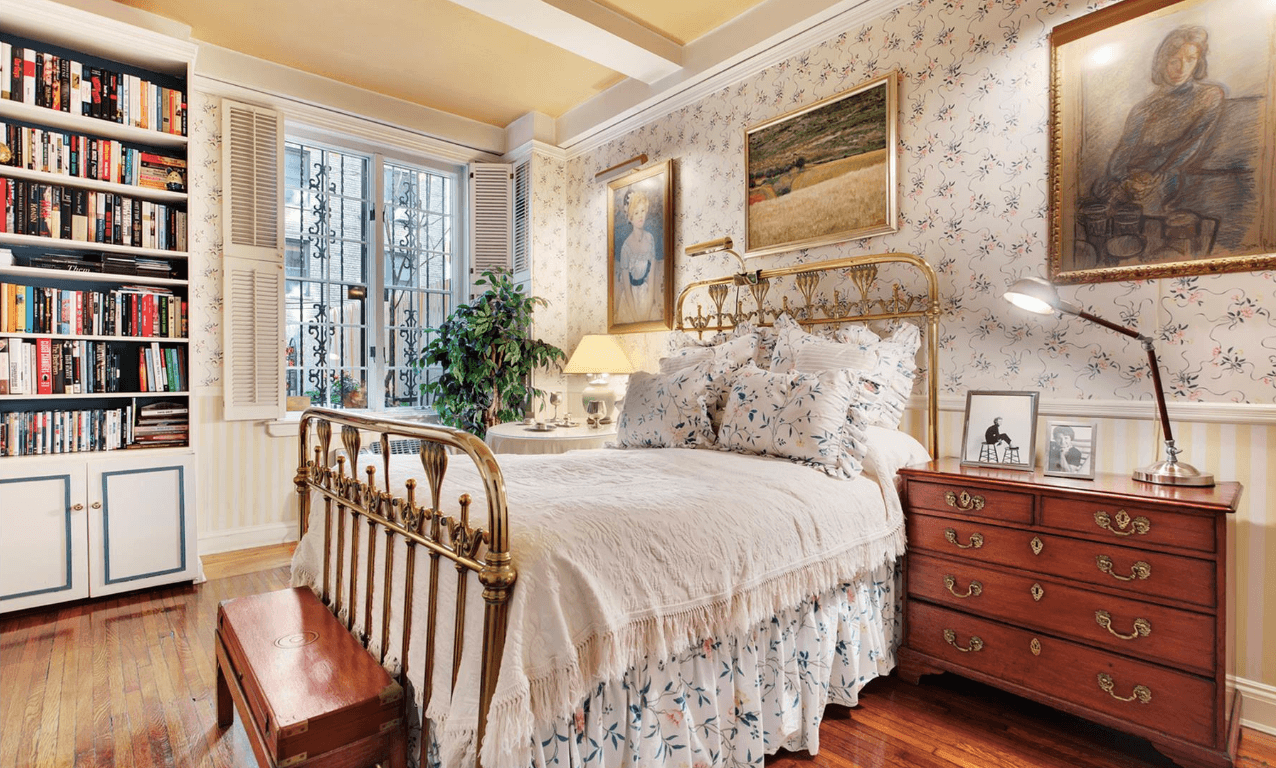
27 Sep 08:53

Famous logos drawn from memory

by Jason Kottke

Logos From Memory

Logos From Memory

Logos From Memory

Signs.com asked dozens of Americans to draw the logos of well-known companies from memory, including Domino’s, Apple, Adidas, and Starbucks. As you can see, there was a wide range in aptitude and some logos fared better than others; overall the Starbucks and Foot Locker logos were the worst drawn while Ikea and Target were the best represented.

There is also this (a true story):

Adidas, the second largest sportswear company in the world, acquired its three-stripes logo in 1952 from footwear brand Karhu Sports for two bottles of whiskey and the equivalent of $2,000.

See also drawing all 50 states from memory, can you draw a working bicycle from memory?, and maps drawn from memory.

Tags: Adidas   Burger King   design   logos   Starbucks
21 Sep 05:23

Video: Cashier-less stores are catching on in China

by Steven Millward
Andrew Baisley

It's like "Bodega" but not tone deaf

In China, where people are already used to paying with their phones, this staff-less store chain is hoping to make a big impression.

See: In China, Amazon’s ‘store of the future’ is already open

This post Video: Cashier-less stores are catching on in China appeared first on Tech in Asia.
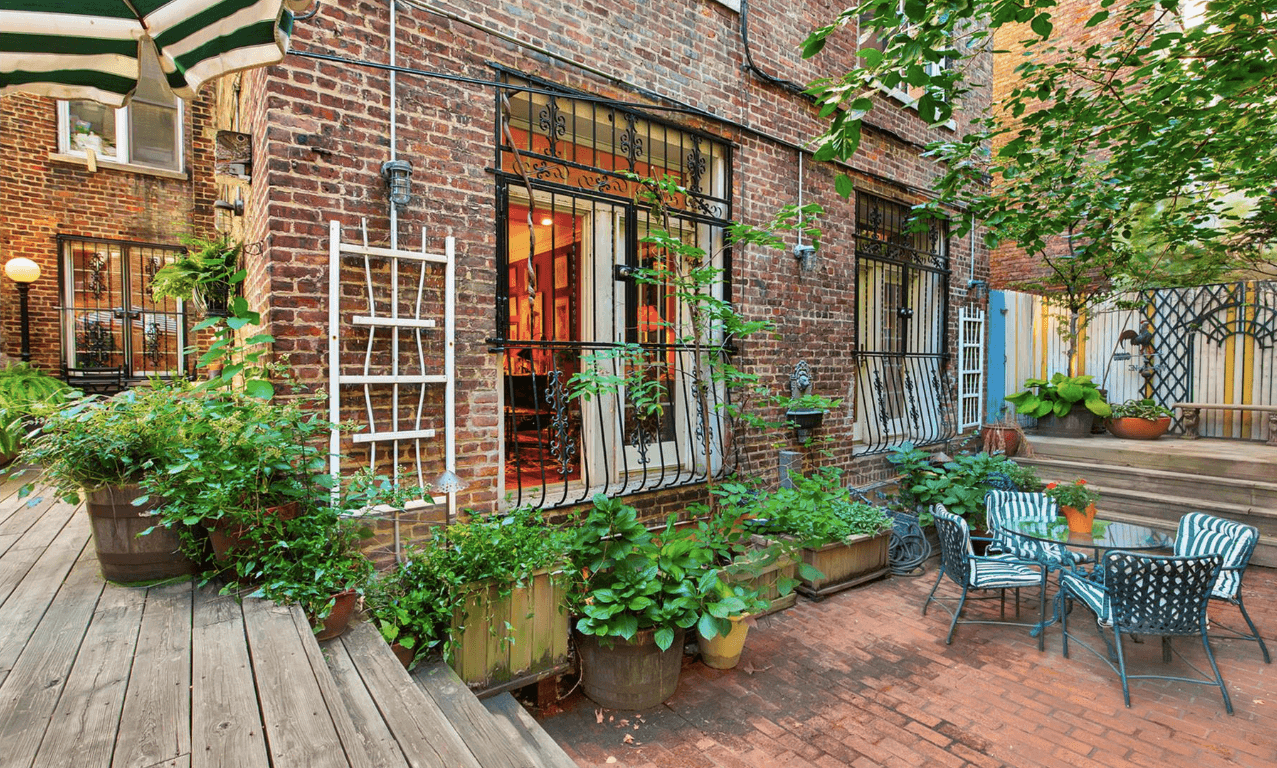
18 Sep 12:20

Remember that sex doll sharing startup? It just got shut down

by Steven Millward
Andrew Baisley

That escalated quickly.

Chinese startup tests out sex doll sharing

Photo credit: Leiphone.

Just days after a Chinese startup launched a “girlfriend sharing” service involving sex dolls, the app has been shut down by authorities.

The dolls were available though an app for rent on a daily basis for US$45. It offered five varieties: “Greek bikini model,” “US Wonder Woman,” “Korean housewife,” “Russian teenager,” and “Hong Kong race car cheerleader.”

“We are sorry to announce that Ta Qu will suspend the operation of its ‘girlfriend sharing’ service,” said the startup in a notice posted to its Weibo, as spotted by South China Morning Post. “Soon after [it] launched, it triggered intensive attention and heated discussion online [and] we were informed by relevant authorities to cooperate voluntarily with all the investigations and accept the punishment.” The app’s store for sex toys – purchased, not rented – remains unaffected.

Chinese startup tests out sex doll sharing

Photo credit: Leiphone.

The raunchy rental service was inspired by a wave of “sharing” startups in China, including bicycles and umbrellas.

It’s unclear what charges are faced by the entrepreneurs, who were last week spotted promoting their sex doll rentals at a Beijing park, replete with a stage that featured the tagline “girlfriend sharing.”

All deposits will be returned.

Chinese startup tests out sex doll sharing

Photo credit: Leiphone.

This post Remember that sex doll sharing startup? It just got shut down appeared first on Tech in Asia.

18 Sep 09:10

Sex doll sharing is the worst kind of sharing

by Steven Millward

I don’t mind sharing a bicycle. I’m happy to share an umbrella. But there’s no way on this sweet Earth you’ll persuade me to use a sex doll sharing service.

And yet that is what a Chinese startup has created. Behold:

Chinese startup tests out sex doll sharing

Photo credit: Leiphone.

The app has a variety of plastic partners, with names, nationalities, and vital stats. Santee, for example, is from Greece.

Chinese startup tests out sex doll sharing

Photo credit: Leiphone.

Silicone slamming enthusiasts can rent the dolls on a daily basis for US$45, reports state-owned paper Global Times. A week costs US$200. The returnable deposit is US$1,220.

i'm outta here. Ewww.

GIF credit: Angie Tribeca.

The app, with a banana as its icon, is called Ta Qu. That sounds like Touch – which indeed appears to be the English name the startup has picked.

Chinese startup tests out sex doll sharing

Photo credit: Ta Qu.

The app started out as a community for issues around sex and sexuality back in 2015. Today, inspired by China’s boom in apps for sharing bikes, basketballs, umbrellas, and all manner of other things, it’s also venturing into sex doll sharing.

The app is touting the service as “shared girlfriends,” as seen in this poster today put up on its Weibo account.

Chinese startup tests out sex doll sharing

Photo credit: Ta Qu.

Hoping to allay concerns over hygiene, the service promises that the “dolls’ lower parts are changed for every customer.”

GIF credit: Uproxx.

There are five dolls available – “Greek bikini model,” “US Wonder Woman,” “Korean housewife,” “Russian teenager,” and “Hong Kong race car cheerleader.” This is the American one close-up:

Chinese startup tests out sex doll sharing

Photo credit: Leiphone.

Ta Qu was spotted earlier today in Beijing promoting the service with the “shared girlfriends” tagline displayed prominently…

Chinese startup tests out sex doll sharing

Photo credit: Leiphone.

…With all five dolls propped up on chairs.

Chinese startup tests out sex doll sharing

Photo credit: Leiphone.

The service is now being tested in Beijing.

Converted from Chinese yuan. Rate: US$1 = RMB 6.56.

This post Sex doll sharing is the worst kind of sharing appeared first on Tech in Asia.

07 Sep 13:10

Ravens Lineman and Soon-to-be-Dad John Urschel Retires From NFL In Wake of NFL CTE Study

by Blake Harper
Andrew Baisley

Pretty crazy

Earlier this week, a medical study conducted by Dr. Ann McKee, a neuropathologist, revealed that the degenerative brain injury chronic traumatic encephalopathy (CTE), a result of sustained concussions, was found in approximately 99 percent of deceased NFL players’ brains that had been donated to scientific research. As a result of these shocking new findings, Baltimore Ravens offensive lineman John Urschel announced his retirement from the NFL at the age of 26. Urschel released a statement explaining his retirement on Twitter, citing his desire to pursue his doctorate in mathematics and his impending fatherhood as the two primary reasons for his abrupt decision. But per ESPN, the CTE study was the main reason he hung up his shoulder pads.

Urschel was drafted by the Ravens in the fifth round of the 2014 draft. He played in 40 games over his first three seasons and was expected to compete for the starting center position during training camp. But the latest CTE news threw a wrench in those plans, with Urschel apparently deciding the risks of the game were not worth missing out on all the other things he hopes to do in life, including becoming a dad. While he didn’t overtly state the link, ESPN reported that the study results were a large factor in his decision.

This was not the first time Urschel showed concern for the effect football might be having on his health long term. After suffering a concussion during the 2015 season, he noted that he believed the hit affected his ability think mathematically for several months after. Mathematics is a deep passion for Urschel, as he had already been pursuing his Ph.D. in mathematics from MIT during the NFL offseason. Now, he plans on focusing on that full time.

Urschel will also be able to focus on becoming a dad for the first time, as he told his Twitter followers that he and his fiancé are expecting their first child in December. Walking away from such a lucrative and illustrious career cannot be easy for Urschel, but it’s clear his upcoming career as dad already means so much more to him than football ever could.

Related Articles:

The post Ravens Lineman and Soon-to-be-Dad John Urschel Retires From NFL In Wake of NFL CTE Study appeared first on Fatherly.

29 Aug 01:45

The untold story of the Mississippi Delta Chinese

by Jason Kottke
Andrew Baisley

Listen for the accents

As part of a video series on Chinese food in America, Al Jazeera profiles the small population of Chinese-American families that have lived in the Mississippi Delta for more than 100 years.

There’s a rather unknown community of Chinese-Americans who’ve lived in the Mississippi Delta for more than a hundred years. They played an important role in the segregated South in the middle of the 20th century. Join us as we get a taste of Southern Chinese food and learn about the unique history of the Delta Chinese.

Originally coming to the area to pick cotton, many of the Chinese immigrants opened up grocery stores, mostly in the black communities in which they lived. One family owned two stores across the street from each other in the days of segregation: one for serving white customers and the other for serving black customers.

And, oh man, that Southern Chinese food looks absolutely delicious. This NPR story, The Legacy Of The Mississippi Delta Chinese, contains a little more information on the food.

But let’s get back to dinner. As the group gets busy chopping and sauteing in the kitchen, Gilroy heads outside and starts tossing fried rice in a gigantic wok nestled into a super-hot, custom burner stand.

He tosses in some cubed ham: “This is what makes it Southern fried rice!” he says.

Before long, an impressive feast is laid out before us: beef with cauliflower. Whole fish garnished with fried ginger. Spare ribs with carrots and potatoes. Roast pork with a honey-hoisin glaze, and much more. The flavors of their youth.

Tags: food   video