All patterns are good patterns appears to be the approach at this Upper East Side co-op. Under the guidance of designer Markham Roberts, this four-bedroom apartment at 164 East 72nd Street was transformed into a delightfully uppity home, with intricate wallpaper, playful carpeting, and no short supply of unsuspected splashes of color.
When the apartment sold in 2011—to an exec of Vera Bradley, no less—for $2.625 million, the apartment’s interiors were drab and more traditional. Roberts overhauled the space, adding playful flooring in the entry hall and formal living room, and updating the kitchen into an open concept with an attached living area, adding a laundry room in the process. The prewar co-op still maintains its staff bedroom, and a petite bathroom off of those quarters. There are two additional full bathrooms and one half bath.
The apartment is on the market for $4.35 million with Melissa Ryan Kaiser and Laurie Diamond at Stribling. Maintenance here runs a steep $4,350 per month.
Fucking bathtub chair. At least he's not in all white.
6sqft’s ongoing series “My sqft” checks out the homes of New Yorkers across all the boroughs. Want to see your home featured here? Get in touch!
When Ehren Shorday moved into this giant Bushwick loft a little more than six years ago, his main focus was making the industrial space feel like a home. Originally from antique-haven New Hope, he chose to go with a “southeastern Pennsylvania river town vibe,” but as an artist who didn’t have a ton of money, he achieved this aesthetic by furnishing the 900-square-foot space with “trash,” or perhaps more eloquently put, “found treasures.” Aside from the rug and his parents’ two club chairs, which he brought with him when he moved to New York 13 years ago, everything in the apartment was found, from the church pew and diner banquet table to the porcelain bathtub that’s been repurposed as a chaise lounge. Ahead, Ehren gives us the grand tour and fills us in on the story behind his prized possessions.
Why did you start collecting “trash” to furnish your home?
I just like to keep around things that mean something to me and things that make me feel comfortable. I wish I could get rid of more things, but there’s a story behind everything in here. There’s not a single thing in here that I couldn’t say, “Oh, this is from this point in my life, this is something that this person gave to me, this is something I found here, this is something I use a lot.”
We’ve got to know about the bath tub.
I actually took this bathtub out of my old loft because they were going to bulldoze the building and throw everything away, and I couldn’t let this big cast iron tub go to waste. I originally wanted it to be a planter, but my old roommate put this chair in it. I never really liked it, but everybody else does and I’ve grown to like it, too. Now I spend a lot of time here; it’s a great place to watch the sun set or drink coffee in the morning. And it’s really comfortable actually.
You mentioned that you could never part with your parents’ chairs; are there any other items that are sentimental to you?
The “e” is a pretty interesting thing. My family used to own supermarkets, and once they were opening one and had a sign made and the sign makers accidentally made an extra lowercase e. It’s actually a neon light that lights up behind itself. And because my name starts with an e, I always wanted to keep it.
The mosquito net “looks cool,” says Ehren, but also is functional since “this is still industrial Brooklyn” and with huge windows “you get stuff”
The bedroom seems a lot more subdued than the rest of the space. Was this intentional?
I like to keep this room simple. You don’t want to have too much in the room where you crash. But I get to wake up to this view every morning, which is really great.
Ehren says his art studio/storage space is the “messiest spot” in his home, but it’s where he gets all his work done
We’ve noticed your bee paintings around the apartment. Can you share a bit about them?
They’re a project that I worked on for a really long time; it’s thousands of bees. I called it “Colonial Collapse Disorder.” It’s a statement to the value of labor and value structures in general, and as an artist, I’m kind of obsessed with value structure.
Ohio Mike’s piece on the left and an oil painting by Ehren’s good friend Bryan Sears on the right
You also have a lot of work by other artists. Any you’d like to point out?
The big graffiti piece is by a gentleman named Ohio Mike. Interesting story with that–the last place I lived was kind of this party loft and on one of our last nights Ohio Mike was there and he asked if he could tag things. We said, “sure, tag whatever you want,” and he ended up literally tagging everything he wanted, including art that was on the walls. But it ended up being one of the coolest pieces that I have.
This tubular structure is maybe one of my prized art pieces. It’s called “The Miraculous Cocoon.” It’s by a French conceptual artist Edgar Sarin.
When Ehren found the tube-amp radio on the street it still worked. It now doubles as his personal bar.
Aside from your art, what do you do?
I bartend at a hotel bar, which I really love doing. This is a portion of my home bar. I keep some rum around, a little Amaro, a little whiskey; I’m always working on stuff, trying new bitters here and there.
Ehren has a lot of religious history books; that was his college major
Is there where your bottle collection comes from?
I keep bottles around that mean something to me; if it was a bottle of wine or a bottle of liquor that I really, really liked, or even if it’s just a bottle that I really liked.
You also have a good number of instruments. Do you play them all?
I was a percussionist first, so there’s a lot of drums around the house. I’ve got the piano, there’s an electric guitar… I’ve got a sitar hanging out above the fridge. My neighbors and I are all really good friends and we gather in everybody’s apartment and all of us have a piano and instruments, so we all just play music all the time. It makes it a really nice place to live; I feel really lucky to be in this building. It’s a small community and we’re all friends, and that’s what’s kept us here.
Speaking of community, do you feel Bushwick has changed since you first moved in?
Bushwick has changed a lot over the years and especially over the last four or five years. When I moved into this apartment it was almost dangerous; I got broken into one time. It was little local groceries and that was about it. And empty buildings and no people. Now there’s a new restaurant or bar on every corner. There’s three of them opening up every year and another three closing. I think it’s changed for the better, and I’m glad that I’ve been here for the whole thing. And if I’m lucky maybe I’ll stay longer and see it change more.
Sunnyside/Woodside prices up more than 12% from a year ago (Cambridge Coop)
July 27, By Nathaly Pesantez
The cost to buy a place to live in Sunnyside and Woodside has gone up significantly in the last year, according to a recent real estate report.
The medium price paid for a condo, coop or house jumped well over 12 percent in Sunnyside/Woodside in the second quarter of 2017, compared to the second quarter of 2016, according to a recent Real Estate Board of New York’s (REBNY) Residential Sales Report.
Coop prices went up significantly in the Sunnyside/Woodside area, according to the report.
The median price paid for a coop was $325,000 in the second quarter of 2017, up 24 percent from median price of $262,000 in 2Q17. The average price for paid for a coop during the most recent quarter was up 15 percent, to $322,000, from $280,000 for the same quarter last year.
Sunnyside/Woodside condo prices also jumped–although not to the same degree as coops.
The median price for paid for a condo during the second quarter 2017 was $481,000, up 12 percent from the 2Q16 median. The average price paid for a condo during 2Q2017 was $496,000, up 16 percent from last year.
House prices in Sunnyside/Woodside were also up by double digits in the past year.
The median price paid for a one-to-three family home in 2Q17 was $950,000, up 12 percent from $850,000 in 2Q16. The average price rose 14 percent, to $915,000, up from $801,000.
The recent increase in Sunnyside/Woodside real estate prices is just a continuation of decade-long trend, according to Linda Santini-Tripodis, the owner of Merit Group and Associates, in Sunnyside.
Santini-Tripodis, a fourth-generation Sunnysider, said that this neighborhood’s profile has been raised by the media in recent years, bringing greater demand and higher prices.
“Sunnyside has always been a secret,” said Santini-Tripodis. However, it’s been discovered and people realize that it’s close to Manhattan and their money goes much further than elsewhere, she added.
Although prices are up throughout Sunnyside and Woodside, there are sections of the neighborhood that are more in demand, according to Santini-Tripodis.
“People ask for the north side [of Queens Boulevard] more than the south,” Santini-Tripodis said. “The north happens to be quieter, more lush.”
While prices are booming the rental market is softening, Santini-Tripodis said.
“The rental market is not as busy,” Santini-Tripodis said. “People are buying—they’re trying to buy before interest rates go up. If I get 10 people walking into my store, nine are to buy.”
The booming Sunnyside/Woodside market is consistent with the REBNY’s findings across the borough, with the price of all homes in Queens (one-to-3 family houses, condos, coops) rising 9 percent from the previous year, with the average price being $561,000 in the second quarter of 2017, up from $514,000 for 2Q16.
The number of sales that took place in Queens during the quarter was also up. According to REBNY, there were the 3,984 homes sold (one-to-3 family houses, condos, coops) throughout Queens, a 17 percent rise from 3,395 in 2Q16.
Whether you’re new to Singapore or a seasoned expat, buying property in your adopted home is actually much easier than imagined, and, in some cases, a smart financial decision. (Rental shock, anyone?) We spoke to an expat couple from New York, Ivy Esquero and Andrew Baisley, both on EPs, who along with their Singapore-born toddler, Kai, recently bought their first home in the trendy neighbourhood of Tiong Bahru.
These New Yorkers were ready to buy a family home, and chose the Little Red Dot over The Big Apple due to how easy it would be to manage their property from abroad should they move again. “A New York apartment is far too difficult to manage from afar, unlike a Singapore pad,” says Andrew. “I know it’s so cliche to say Singapore makes things efficient, but from the bank loan approval process to the legal documents, everything was on time and efficient. We know people back in the US who are going through the same process, and we never experienced the frustrations they had with the banks or inspections. Here, it felt more transparent and pro-buyer. Everyone, from our banker to our broker, was on WhatsApp so it felt like information was constantly flowing. In some ways, there was probably some doubt in the back of our heads about the process being legit, because it felt almost too easy. I expected some sort of surprise reveal along the way of some problem or some snag with paperwork, but it never happened. The hardest part was probably making time to see the properties with a 10 month old (at the time) who was still on two naps and our working schedules. It required a lot of patience from our broker.”
Thinking of putting down roots in your adopted home too? Here’s what you need to know…
Where to start: how to find an agent and a property in Singapore Pound the pavement (or MRT platform) and narrow your property search to areas which fit your criteria. Online property sites such as Property Guru and 99.co have a large selection of properties, and agents to browse through. “We chose Tiong Bahru, as we’re currently renting there and love the area for its proximity to the city, to our work, its cafe and restaurant culture, history and awesome preservation of local culture,” say Andrew and Ivy. They recommend Asian Welcome, who helped them handle all aspects of their home buying search. The URA site will give you a good indication of recent property sale prices, as well as an indication of pending construction sites!
What can foreigners buy in Singapore? What’s off limits? Only permanent Residents (PRs) and Singaporeans can buy HDBs (government subsidised housing), and only Singaporeans can buy the new Build-to-Order (BTO) HDBs. Here’s where you’ll find more information on buying HDBs.
Buying privately owned landed properties and condos Foreigners are able to buy private properties – both condos and landed homes, however there are certain restrictions to buying landed properties, especially the historic Black and White houses. The Singapore Statutes Online site has comprehensive details of eligibility. In short, when you intend to buy, you may need to lodge an application via MOM – a simple online process.
Additional taxes for foreign buyers Property in Singapore attracts a ‘Buyers Stamp Duty’ (BSD), aka ‘tax’, and foreigners are slugged with an Additional BSD (ABSD) of 15% of the property’s sale price. You’ll find more details on the IRAS site. It’s worth noting that Swiss and US nationals, amongst others, are exempt from the foreigners’ ABSD.
Tip: Ivy and Andrew applied for their tax to be calculated as owner-occupiers rather than investors, which brought their taxes down. Their application was easily lodged electronically with their Singpass login.
Ivy, Andrew and Kai celebrating the purchase of their new home!
Freehold vs leasehold Freehold is property owned outright (in perpetuity, #4eva). You can hold the lease on a Leasehold property for up to 99 years in Singapore, but, like Ivy and Andrew, who bought a 70 year property lease, you can buy into a lease at any time. Leasehold properties can be less costly and are usually closer to the CBD and MRT stations – making them a favourable option. New ‘en bloc’ regulations make it easy for leaseholders to profit from any property upgrades they make.
Andrew and Ivy say they ended up buying a leasehold as they loved the Tiong Bahru neighbourhood in which there are predominantly leaseholds, and felt that the rental/redevelopment market was much stronger for this particular property. “You also, at some point, have to prioritise living today,” says Ivy, “in the right apartment for your family, over some future investment outcome that may or may not materialise. Singapore is only 52 years old – if your leasehold has 70 years left on it, that’s a lot of time for many scenarios to play out. Very worst case is that you lose your investment, but if you amortise that cost over decades, it’s much less than you would have paid in rent.”
For any property, freehold or leasehold, thoroughly check all the terms and conditions around resale before jumping in.
Show me the money Ivy and Andrew suggest you use a 23% rule of thumb to estimate the amount of cash you’ll need up front for condo purchases, excluding the 15% ABSD. That should cover the option to purchase (usually a three week upfront holding fee of 1%), option exercise (an additional 4%), downpayment (the remaining 15%), BSD, legal fees, valuation fees and fire insurance. Getting a home loan is relatively easy, you can either speak to your bank or shop around with or without a broker.
What else do we need to know?
Your bank or broker will usually recommend a legal consultant to sift through the paperwork – although the process is very easy here, the paper work is extensive. Ivy and Andrew recommend that you seek financial advice before buying to understand how buying in Singapore can or cannot work for you.
Recommended services Both St James Wealth Management Asia and Catherine Werrett at AAM come highly recommended for expat financial advice. Asian Welcome, a relocation expert, is great for personalised property agent services, especially if you need some guidance on search criteria and neighbourhoods.
The content contained in this article is not intended to, and does not constitute, legal or financial advice. Your use of the information on this page, or materials linked from this page should be under the guidance of your own financial and legal advisor.
Shocked that Labyrinth got a star. Food is interesting, but had some misses and the decor and service needs lots of help.
The Michelin Guide Singapore has just announced the list of restaurants who have been awarded the Michelin star(s). This is news that has gotten everyone on the edge of their seats the past week and we bet you are just as excited to know the results as we are.
When the Michelin Guide Singapore released its Bib Gourmand Awards 2017 last week, emotions were high. While some were glad that their favourite hawker heroes are finally getting the credit and recognition they deserve; others disputed the fact that those among the list were less deserving than others.
With today’s announcement, more Singapore names will join the coveted list of Michelin-star recipients. And whether you agree with this list or not, all eyes will be on them.
Here, we share the 2017 Michelin Guide Singapore.
THE 2017 SINGAPORE MICHELIN 1 STAR RESTAURANTS
ALMA
BÉNI
CANDLENUT
CORNER HOUSE
CRYSTAL JADE GOLDEN PALACE
CUT
JAAN
LEI GARDEN
OSIA RESTAURANT
PUTIEN (KITCHENER ROAD)
RHUBARB LE RESTAURANT
SHINJI BY KANESAKA (BRAS BASAH ROAD)
SHINJI BY KANESAKA (TANGLIN ROAD)
SUMMER PAVILION
SUSHI ICHI
THE KITCHEN AT BACCHANALIA
THE SONG OF INDIA
BRACI
CHEEK BY JOWL
CHEF KANG’S
GARIBALDI
IGGY’S
IMPERIAL TREASURE FINE TEOCHEW CUISINE
LABYRINTH
META
SAINT PIERRE
SUMMER PALACE
WHITEGRASS
THE 2017 SINGAPORE MICHELIN 1 STAR HAWKERS
HILL STREET TAI HWA PORK NOODLE
LIAO FAN HONG KONG SOYA SAUCE CHICKEN RICE & NOODLE (335 SMITH STREET)
As for the Bollinger B1’s dual all-wheel-drive system, it reportedly will be able to generate 360 horsepower (with 472 pound-feet of torque), go from 0-60 in 4.5 seconds, and hit a top speed of 127 mph. There will be two batteries offered (a standard 60kWh and an extended 100kWh) that can reach 120 and 200 miles, respectively.
The Bollinger B1’s interior is stark by design with mostly analog instruments, save for one small digital screen to tell you how many miles you have left on the battery, among other critical details. There are USB and 12v outlets in the dash and twin 110-volt power jacks in the back because you never know when you’ll need to plug in a table saw. The center console, by the way, is a metal toolbox.
An official price hasn’t been released but the Bollinger B1 is expected to run around $60,000 ⏤ or about $20,000 less than the Model X. Bollinger hopes to sell around 15,000 B1s a year and, while still only in the prototype stage, has already begun taking pre-orders on its website. You can sign up now for free, but by early next year, they’ll require a $1,000 deposit to hold your spot. That said, don’t expect the Bolinger B1 to roll off the line anytime soon. Bollinger is still trying to identify a manufacturer and doesn’t envision the first vehicle hittbackcountry country for another two years ⏤ or, enough time for Tesla’s stock to go to Mars and back.
In a tweet around 11:00am Thursday, Tesla CEO Elon Musk said he “just received verbal govt approval for The Boring Company to build an underground NY-Phil-Balt-DC Hyperloop.” The Hyperloop One plan will take passengers from NYC to D.C. in a mere 29 minutes via a high-speed tube moved by electric propulsion, with stations at each city center and “up to a dozen or more entry/exit elevators in each city,” according to Musk. In a response to a comment on his initial tweet, he said: “First set of tunnels are to alleviate greater LA urban congestion. Will start NY-DC in parallel. Then prob LA-SF and a TX loop.”
Musk started Hyperloop One in 2013 with many employees coming from SpaceX. When their plan was fully revealed in April, the company said it planned to hire a team of 500 engineers, fabricators, and scientists by the end of the year in order to start moving cargo by 2020 and people by 2021.
As 6sqft previously explained, “Passengers and cargo are loaded into a pod which gradually accelerates with electric propulsions through a low-pressure tube. Then, the pod lifts above the track using magnetic levitation and moves at airline speeds” of more than 700 miles per hour.
Just received verbal govt approval for The Boring Company to build an underground NY-Phil-Balt-DC Hyperloop. NY-DC in 29 mins.
Though Musk didn’t specify which agencies and/or states gave the approvals today, he has been talking to Chicago Mayor Rahm Emanuel about building a tunnel between O’Hare International Airport and downtown, and last month he spoke with L.A. Mayor Eric Garcetti about building a tube between Los Angeles International Airport and Union Station. In its entirety, the system would connect 80 percent of the country, making a cross-country trip just about five hours long.
The DevLoop test track
In May, the company completed their first successful test ride in the Nevada desert. Saying that it was, “the first new mode of transportation since the Wright Brothers flew over the dunes near Kitty Hawk, N.C.,” Hyperloop coasted for 5.3 seconds at 70mph along the 1,640-foot-long “DevLoop” test track. Additionally, Musk’s tunneling venture the Boring Company has started test digging near the SpaceX headquarters in California. Unconfirmed reports have speculated that the project will cost between $84 and $121 million per mile.
Do you have to wear white to do a super hipster home photo shoot?
6sqft’s ongoing series “My sqft” checks out the homes of New Yorkers across all the boroughs. Our latest interior adventure brings us to the Williamsburg apartment of Bang Bang tattoo artist Balazs Bercsenyi. Want to see your home featured here? Get in touch!
Despite being one of the most in-demand tattoo artists working today, if you were to have sought out Balazs Bercsenyiseveral years ago, you would have found him washing dishes in a London restaurant. The native Hungarian, who now boasts more than 250,000 Instagram followers and a client roster that includes numerous bold-faced names, was “discovered” when another tattoo artist encountered him drawing the intricate, fine line designs that he adorns to the bodies of a select few today. With a simple “You should become a tattoo artist!” uttered by his newfound friend, Balazs quickly found himself on a trajectory that would propel him to the top of his industry and into a coveted position at the renowned Bang Bang studio in Little Italy. Now, with a year-and-a-half of NYC living under his belt, Balazs is making a home in Williamsburg. Ahead, he gives 6sqft a tour of his 1,150-square-foot Brooklyn apartment where bohemian vibes and his penchant for organic forms echo throughout.
Balazs built the coat rack and mirror himself. He says he’s drawn to “organic” shapes, which can be seen in many of his designs despite being largely geometric
What brought you to NYC?
A job offer. I saw that Keith [“Bang Bang” McCurdy] posted on Instagram that the studio was hiring artists. I sent my portfolio in, and that was that! Eight months later I was moving to NYC.
Why did you choose Williamsburg?
It wasn’t my choice, really. My friend and roommate told me to have a look around Williamsburg. My original idea was to live in Manhattan, but I’m glad I ended up Brooklyn. It’s great to get out of “the city.”
How does NYC compare to your hometown and Budapest?
New York City is much bigger, more expensive, way faster, and far more diverse than Budapest. Budapest is a beautiful, historic city with older architecture and style. It’s a little more laid back I’d say. There’s no other city like NYC.
What are your favorite features of your apartment?
I love the arrangement and the light—light is very important for me. And, of course, the view.
Where did you shop for furniture when it came time to fill the apartment? Was IKEA a first stop?
Etsy and Wayfair are two places I’ve gotten a lot of furniture for this space. Actually, only one thing in this house is from IKEA!
Top three tips for making a new apartment feel like it’s yours?
1) Be patient, don’t buy everything upon first sight because you’ll end up selling half the stuff—it happened to me; 2) Get lots of plants because they’re good for the soul; and 3) Don’t put too much stuff in your living space. It’s important to let the apartment breathe.
How do you relax in the city?
I get a massage every week, and I try to take vacations every two months so I don’t get stuck in the city. I rarely go outside of the NYC, unfortunately. There’s a lot more I need to explore.
The corner installation is constructed from wood offcuts and eventually Balazs hopes to extend it across the ceiling (top and bottom); The long shelf is a repurposed sled (center left); A display of the three smallest bones in the human body (center right)
Where do you find inspiration for your designs?
Everywhere. Ideas just come to me, and I try not to forget them.
Any projects we should keep an eye out for?
I have a few projects coming soon. I am trying things out in other fields now, too.
All photos taken by Brett Wood exclusively for 6sqft.
Throughout the 20th Century, Disney created a seemingly endless parade of classic kid’s movies. They’re still as beloved as ever but they sometimes do feel a bit dated to some. What, artist Tom Ward wondered, would iconic characters look like if they existed into the world of 2017? His resulting illustrations place such characters as Dumbo and Peter Pan in iconic scenes but spin them to reflect our modern world. Some characters stare at screens; others swim near pollution; still others are free to be who they are. While playful, his #AltDisney series ends up becoming a semi-tragic reflection on our current society
Ward noted that using Disney characters helped him focus in on important problems, saying, the “characters are so iconic that I thought transporting them to our modern world could help us see it through new eyes, giving me an opportunity to communicate some issues I feel strongly about. e.g. circus animals, pollution and the ivory trade, using friendly and familiar visuals with a darker tone.”
The resulting images make some strong statements against animal cruelty, including this illustration where Simba, Tigger, and Shere Khan have all been forced into a life of captivity. There’s also a photo where Mowgli has to free Baloo from chains before they can celebrate “The Bare Necessities of life.”
In another, Peter Pan finds he can no longer whisk the Darling children away to Neverland thanks to a modern home security system.
Ward demonstrates the effects of ocean pollution by making Ariel’s tail mutated and placing Scutter on a barrel of toxic waste. Suddenly it does seem better down were it’s wetter.
The most effective of Ward’s illustrations may be this simple tweak to The Sword in the Stone. In it, young Arthur is too distracted by his screen to even attempt yanking Excalibur from its resting place.
Thankfully, not all of the photos were negative, as this Beauty & the Beast illustration showing LeFou and Gaston proudly celebrating at a Pride parade.
Ward also explores the positive effects of technology with a fun selfie of Pinocchio and Geppetto thanks to Pinocchio’s homemade selfie stick.
The small-town of Johnsonville in East Haddam, Connecticut has just sold for $1.85 million, after being abandoned for nearly 20 years. As Business Insider discovered, the international religious organization Iglesia Ni Cristo, known as Church of Christ, purchased the 62-acre property to turn it into a recreation center for its members. The current owner is hotel company Meyer Jabara Hotels, who paid $2.5 million for the town in 2001.
Founded in the 1800s, the entire town includes semi-neglected Victorian homes, a general store, post office, restaurant, mill and a covered bridge. Formerly home to the Neptune Twine and Cord Mill, which made fishing binding rope, Johnsonville once flourished.
Millionaire industrialist, Raymond Schmitt, purchased the land around the old mill in the 1960s, with a plan to create a popular tourist attraction (which was never actualized). After Schmitt died in 1988, the town decayed from neglect. Johnsonville was featured in a music video for Bill Joel’s 1993 hit “The River of Dreams,” as well as the 2014 horror movie “Deep in the Darkness” and Cuba Gooding Jr.’s film, “Freedom.”
The property was previously listed in an online auction in 2014 and sold for $1.9 million, but the bidder was unable to follow through with the deal. While there are rumors about the ghosts pervading Johnsonville, the Church of Christ members hope to create “permanent communities for people to reconnect with God.” The agent on the listing was Sherri Milkie for William Raveis Luxury Properties.
love this. don't know why. the sound/music is great too.
I love that the internet still has its pockets of weirdness. You might remember this video from a few years ago of a floppy guy going to the store…it’s one of my favorite YouTube videos ever.
Well, it looks like that video’s creator, David Lewandowski, got himself a faster computer because his latest video features several hundred floppy naked dudes and gals rendered into street scenes and other places (I won’t spoil the surprise).
Note: this is vaguely NSFW but not really…it’s mannequin nudity, essentially.
Vasco, the up-and-coming French watch brand based in Bordeaux and inspired by the minimalism of Bauhaus, is back with a second Kickstarter for another batch of 24-hour watches. Unlike other affordable business casual watches, Vasco focuses on a 24-hour watch setup worn by the likes of submariners, astronauts and polar explorers who had no daylight […]
I'm thinking about getting BAISLEY inked across my mid-torso
In what will most certainly be the biggest pay-per-view event of all time, UFC superstar Conor McGregor will step into the boxing ring against the undefeated legend Floyd “Money” Mayweather this summer. After months and months of hype, the two sides finally came to an agreement to square up in Vegas on August 26. To […]
The weekend’s greatest jailbreak doesn’t involve a poster of Raquel Welch and a rock hammer, but rather a chair, crib, and a toddler who really wants to hang with his younger brother. Bryan Lanning shared a video to Twitter that shows his toddler-aged son, Oliver, cleverly helping his brother Finn escape the confines of his crib. Because, hey, when you have a little brother and the urge to play strikes, you go above and beyond to make it happen.
Caught on Bryan’s Nest Camera, the clip shows Finn hanging out innocently in his crib when Oliver appears, full of mischief and ready to bust his brother out of the clink. Oliver drags a chair over to the crib and then climbs into it himself. He then demonstrates to Finn how to escape, by climbing the chair and hopping into the toy-filled room. Oliver encourages Finn every step of the way, telling him “You can do it” when he is preparing to make the big jump and stays with him the whole way. Once Finn makes it out successfully, he and Oliver share a big victory hug and light out for other territories, hand in hand, to presumably build pillow forts, race cars and, have as much fun as possible before they are caught by the wardens.
CAUGHT ON CAMERA! Toddler helps baby escape from crib! (If this isn't brotherly love I don't know what is!) pic.twitter.com/a63wSnunbl
Finn’s daring escape struck a chord with the online community, having already been liked more than 60,000 times and retweeted more than 34,000. Hopefully, Oliver and Finn were able to make it to the toy box and that the play things there are as soft and fun as they were in their dreams.
Ahoy there, party mateys – can you guess what’s sailing ’round at the end of the year once more? If reading that alone just triggered memories of morning hangovers and shaky sea-legs, then you know exactly what’s coming. Indeed, we’re having another round of festival fever on the open seas with It’s The Ship.
Update: The first wave of the It’s The Ship lineup has been revealed, and it’s already making ripples across the music scene. Twin sister duo, Krewella, is set to headline with their aggressive onslaught of pop-influenced EDM. Trap heavyweights, Yellow Claw, are expected to make the vessel rumble with plenty of low-end bass-boomers. But what’s most exciting for hip-hop fans is the invasion of Asian rap label, 88Rising, that has made stars out of viral sensations like Rich Chigga. 88Rising will be bringing China’s Higher Brothers, Japan’s Joji, and Korea’s Keith Ape to It’s The Ship; all of whom are household names amongst the Hypebeast community.
The ferocious, beat-drilling genre of hardstyle gets a pat on the back on It’s The Ship as well, with the additions of Brennan Heart from The Netherlands and Coone from Belgium. Other big names in the EDM circuit include Peking Duk and Tigerlily. But what’s It’s The Ship without its staggering roster of regional and local names, right? On board will be familiar names like Oliver Osborne, Shigga Shay, Adam Sky, Joe Flizzow, and Twinkies. More to be announced!
Unlike most festivals that sit on solid ground, It’s The Ship has stood out since 2014 as Southeast Asia’s premier EDM festival on a majestic cruise liner, taking place over several debaucherous days with parties and fringe events galore. It’s The Ship 2017 marks its fourth voyage, but things are shaking up with several changes recently announced.
For starters, the ship is different. No longer the Royal Caribbean Mariner Of The Seas, the booze cruise this year will take place on the Genting Dream Cruise Line, which will feature 35 dining options, and other side-line entertainment such as bowling alleys, casinos and golf courses. Another momentous change is the festival’s stopover. Previously, the party would shift from the ship’s decks to pop-up locations in Malaysia. But this time, It’s The Ship sails all the way to Phuket in Thailand, and we don’t need to tell you how perfect the spot is for private beach parties.
Were you on It’s The Ship last year? (Credit: Colossal Photos x All Is Amazing)
As usual, It’s The Ship will depart from Marina Bay Cruise Centre in Singapore, and cabins are already on sale from this booking website.
It’s The Ship 2017, 17-20 November, departs from Marina Bay Cruise Centre, 61 Marina Coastal Drive, Singapore 018947. For more information, visit this website.
Have a morbid fascination with destruction, especially between giga-sized monster trucks? Then you’ll definitely wanna roll out to this high-octane event.
Enter Monster Jam, a spectacle that sees 3.5 metre-tall monster trucks race against each other, crush cars and soar up to 12 metres in the air! Featuring 10 of their most recognisable trucks in the world – including Grave Digger®; 11-time world champion Max-DTM, El Toro Loco®; and Monster Mutt® Dalmatian – you’ll definitely be on the edge of your seat as you behold these star-powered beasts.
El Toro Loco – ‘The Crazy Bull’ (Credit: Monster Jam)
Weighing an impressive 4,500kg with 1,500 horsepower, these behemoths are known to do heart-stopping stunts at 100mph – spinning on dirt grounds and more. Family-friendly, Monster Jam is also known for attracting both motorheads and kids – each truck has its own cool design that’s sure to fascinate young ones. Make sure to purchase a pit pass to meet the amazing drivers and see their trucks up-close and personal.
This will be Monster Jam’s grand debut in Singapore, as it celebrates its 25th anniversary.
Monster Jam, 19 August, Singapore National Stadium, 1 Stadium Drive, Singapore 397629. Tickets can be bought here.
As the saying goes, “Things are not beautiful because they last.” This is the very unfortunate fact to take in as we bid farewell to our beloved Gong Cha.
With LiHO now proving to be a game changer in the bubble tea industry—having taken over all 84 Gong Cha outlets islandwide—an answer that we are all curious to find out is if LiHO is really better than Gong Cha.
Is their highly acclaimed Cheese Tea really that out of this world? Or would we still want Gong Cha back? Read on to find out our honest opinion.
The arrival of Gong Cha in 2009 revived the bubble tea craze in Singapore. Even till today, we still see daily queues at (the better) bubble tea kiosk.
To be fair, LiHO’s offerings are similar to Gong Cha’s, with the addition of new-to-market cheese teas that come in various flavours. But just what on Earth is cheese tea?
Cheese tea is basically tea that is topped with a layer of frothy whipped cheese and milk.
None of us is avid bubble tea aficionados but we can honestly say that the difference is pretty straightforward.
Taste
If we talk about the taste in an overview, we actually very much prefer LiHO’s innovative creations despite the menu being more streamlined.
The Cheese Ovaltine Smoothie (S$6.90) that we tried was simply amazing. Although it was super indulgent and filling, we must admit that it was delicious. The savoury foam goes surprisingly well with the sweetness of the Ovaltine.
Imagine having a baked cheese tart but in liquid form—rich, decadent and probably not that good for your waistline but who cares?
And there is the classic Cheese Guan Yin (S$4.10) that we are now addicted to. A smooth creamy foam tops aromatic Guan Yin tea, and you either sip the cheese form before enjoying the smooth tea or you mix them all up for a savoury-earthy drink.
Verdict: LiHO Wins
Customisation Options
We think both LiHO and Gong Cha faired pretty similarly in this area.
Both brands offer more than 10 varieties of toppings and add-ons to pimp up your tea—ranging from Oreo bits to coconut jelly, Pudding jelly to Aloe Vera cubes.
Verdict: Draw
Price
Where price is concerned, Gong Cha is most definitely the cheaper option.
A cup of standard Milk Tea at Gong Cha is priced at S$2.20, whereas at LiHO, the same beverage goes for S$2.80 for medium size and S$3.80 for large size.
Verdict: Gong Cha Wins
Calorie Count
The thing we miss most about Gong Cha is the fact that they displayed how many calories each item on the menu contained (Including their toppings). Having the calorie count clearly stated for each beverage gave us a better idea of what we should order because while indulging in bubble tea is badass and we know it, we also need to keep our waistlines in check!
Verdict: Gong Cha Wins
LiHO vs Gong Cha, Who’s The Winner?
With a 2 – 1 win over LiHO, there is no doubt that our beloved Gong Cha is still our favourite bubble tea option. It is sorely missed.
As attractive as the hype about LiHo is (for now), there is nothing we would rather have more than Gong Cha.
WeChat is important to study if you want to understand the China mobile lifestyle. But I also think […] that people ask about WeChat the most because there is no close US equivalent to it. When there is a close equivalent, Western interest in digging deeper into features decreases. For example, people don’t really ask about the Didi app even though Didi has a lot of interesting features in it beyond ordering a car to pick you up.
For instance, they have a feature where if you’re drunk and you can’t drive home, you can hail a driver to show up at your car and drive your car home for you. There are also features around buses and there is a version for seniors with bigger font. They have features that I haven’t seen in other ride-sharing apps worldwide, but no one ever asks about it because they just think, oh, it’s the Uber or Lyft of China.
Photo credit: Antonio Tajuelo.
China’s tech industry moves at breakneck speed. In the span of one year, it’s possible for a startup to go from zero to unicorn, and to see new tech trends – such as bike-sharing – take over a city. It’s hard to keep track even if you’re based in China. Connie Chan, partner and China-watcher at Andreessen Horowitz, manages to do so all the way from Silicon Valley.
“There are two different types of people who go to China,” Chan tells Tech in Asia. “One goes to China and can’t get enough of it. They want to explore, they want to understand all the social dynamics. […] And then there’s the other kind that’s like, what is this, and then they want to go back home.”
“I definitely fall in the first category,” she says.
Understanding China, a more mobile-first society than the US, can help or inspire portfolio companies.
Chan didn’t start visiting China until after she graduated from Stanford University, but her connections run deep and wide. She knows investors from top firms in the country, such as GGV Capital and Matrix Partners. She also has friends inside major Chinese tech companies like Tencent.
Now, she’s the resident China expert at Andreessen Horowitz, often writing and speaking about the latest developments in China’s tech industry, especially mobile trends.
“I worked in Beijing before I came to Andreessen Horowitz and that was when I realized, wow, Weibo is in many ways more advanced than Twitter – and there are many more examples like that,” she explains.
“When I came back to the States, WeChat was one of the products […] that really got me feeling that I needed to educate startups in Silicon Valley and other companies about what’s happening in China,” she says. “Every time I tried explaining WeChat, it was falling on deaf ears.”
Andreessen Horowitz hasn’t invested in any Chinese companies, but Chan often uses her expertise to help portfolio companies, such as Airbnb, that have business interests in China. More recently, the Silicon Valley-based VC firm led a US$12 million series A round in LimeBike, a bike-sharing startup in the US. Understanding China, a more mobile-first society than the US, can help or inspire portfolio companies when it comes to product development as well, says Chan.
Last week at the Wall Street Journal’s D.Live conference in Hong Kong, we had the chance to meet up with Chan and pick her brain about how she’s become a China expert, what trends she’s keeping an eye on, and bike-sharing. Below are edited excerpts of our conversation.
Connie Chan, partner at Andreessen Horowitz. Photo credit: Andreessen Horowitz.
You’ve developed a reputation as a broker for cross-border collaboration between Western and Chinese firms and investors, like Lyft and Didi Chuxing. How else do you help Western companies enter or understand China?
It runs the gamut. For example, I will read the job description [for new hires] and make sure I think it’s accessible to a Chinese audience for the kinds of characteristics they’re looking for. If they’re pitching to a Chinese investor, I may change and rewrite parts of their deck because I know what a Chinese business plan generally looks like and I don’t want it to deviate too far from that.
I think Weibo is really misunderstood in the US.
There was one company of ours [that had] a malicious fake version of their app in a Chinese Android appstore that had a bunch of malware on it. This US portfolio company had tried contacting this appstore for over a month and couldn’t get it down. I happened to know a VP at that company and was able to remove it in one afternoon.
I’m also making introductions to Chinese recruiters, advisors, celebrities, or media as well.
What are some examples of Chinese products or concepts that you often have to explain to people who aren’t China-savvy?
I think Weibo is really misunderstood in the US.
Because it’s called China’s Twitter equivalent?
Yeah, but also people don’t realize that it’s not just the features that they have in there, but also the way that people are using it to satisfy a lot of what Instagram would typically satisfy.
Some social media influencers are posting photos of themselves doing selfies of what they’re eating, drinking – they’re using Weibo for that, not just WeChat official accounts or WeChat Moments [the app’s personal newsfeed]. Because when you’re posting that kind of stuff, part of it is to also show the world what your lifestyle looks like, not just your immediate friends.
Any other apps besides Weibo?
WeChat is important to study if you want to understand the China mobile lifestyle. But I also think […] that people ask about WeChat the most because there is no close US equivalent to it. When there is a close equivalent, Western interest in digging deeper into features decreases. For example, people don’t really ask about the Didi app even though Didi has a lot of interesting features in it beyond ordering a car to pick you up.
For instance, they have a feature where if you’re drunk and you can’t drive home, you can hail a driver to show up at your car and drive your car home for you. There are also features around buses and there is a version for seniors with bigger font. They have features that I haven’t seen in other ride-sharing apps worldwide, but no one ever asks about it because they just think, oh, it’s the Uber or Lyft of China.
Users wait for drivers at a ‘Didi Station’ by Shenzhen’s Bao’an Airport. Photo credit: Didi Chuxing.
I’m impressed by how closely you’ve been able to follow tech trends in China from Silicon Valley – especially since some features, such as local services in WeChat, are not available in the US. How do you do it?
Prior to going to HP [Hewlett Packard] when I was at Palm, I was a product manager. When I look at products, it’s very much conceptually – what can this create, what does this allow for? So even if I’m not using WeChat’s local services and Wallet every day, I can imagine what’s possible. And then I validate those thoughts by speaking with my friends who grew up and live in China.
What about tech trends like live streaming and virtual gifting?
The best way to understand products is to use them. For example, I forced myself to live stream a few times and and then I deleted them right after. This helped me to understand the psychology of the user. It was like wow, I made some friends and some of them even watched my follow-on broadcasts. […] And these apps throw this beautification filter on your face and I was like, wow I look great, I want to do this again. Trying the product allowed me to understand the positive emotions that come with live streaming, and that helps me better understand why broadcasters continue to broadcast.
To really understand virtual gifting you have to spend money. So I buy the coins and then I send people [virtual] gifts and I see the reaction. I see how nice they are to me afterwards and then I can see very clearly why other viewers will send more gifts.
It’s very much a product-centric view that I take when I analyze Chinese trends.
A live streaming host on Inke wins virtual gifts for her singing.
You’ve mentioned in your blog that Western firms can draw inspiration from Chinese companies. What are some challenges in adapting China-first consumer businesses, such as bike-sharing, to places like the US where population density is lower and people aren’t as QR code-savvy?
For the bike-sharing example in particular, these companies have to adapt their go-to-market strategy when entering cities, universities and corporate campuses in the US versus China. In China, some of these [bike-sharing] companies just show up and throw tens of thousands of bikes on the street and they wait until the regulators slap them on the wrist. In the US, you can’t take this approach with regulators.
Every company can learn from their Chinese counterpart.
In China, most of the companies [also] require a big deposit to ride the bike. This approach won’t work for in the US for legal and other reasons, and the way in which you would accept payment would look very different than in China. For example, US customers would expect that once the bike is returned, their deposit would be returned. In China, customers are comfortable with a deposit being held for months at a time.
Two Mobike riders in Shanghai. Photo credit: Nebojša Marković.
Given the recent clash between WeChat and Apple over in-app payments, what are your thoughts on Apple adding QR code scanning support to iOS 11 for the Chinese market?
It’s interesting. When they launched that, at least from the people I’ve talked to, there was quite a mixed reaction. Many people were writing it off, saying it’s way too late and they’re just going to use WeChat for everything.
I wouldn’t write it off yet because Apple can still create the best shortcut or access to their own apps, right? Like the fact that I can get to the camera from a locked phone with just a swipe versus having to unlock my phone and then open the WeChat app and then open the payments [screen]. Apple can create different shortcuts because they own the operating system, so I think that’s powerful.
Secondly, it’s unclear what they’re planning to use that QR push for. It’s possible it’s aimed at Apple payments, which of course you can’t expect them to give up on yet. It’s possible to think of it as a hedge against mini programs, [lightweight apps embedded inside WeChat that don’t need to be downloaded or installed], because of course the App Store is very critical for Apple.
Apple hasn’t been vocal about what their strategy is around QR codes. But I wouldn’t write it off.
What tech trends in China are you watching closely this year?
Fintech, mobile payments, and understanding how mobile payments open up new business models. For example, Mobike, Ofo, and all the other bike-sharing companies, plus the umbrella sharing, the basketball sharing – all that stuff is only possible because of mobile payments. It allows you to do a transaction without a physical human being there to collect your debit or credit card.
So it opens up a lot of business models offline, and then online, digital payments with low fees allow for very low denomination payments and creative business models that no longer have to rely on advertising.
You mentioned offline business models – are you referring to WeChat mini programs?
I’m watching mini programs really closely because I’m very bullish on what it can become once the offline service providers and offline manufacturers start incorporating it. This will take some time but I think of mini programs as an entry way to do a bunch of other things. So it’s not just mini programs when I think of offline business models.
In terms of other promising areas in general, there are no big unicorns in China in the pet industry but yet Chewy just had a US$3 billion exit in the US. There are a lot of cats and dogs in China and because of the One Child Policy, people spend a lot of money on their pets, and the veterinary access and quality is not great. I do believe there’s a market for pet care. And senior care – with the growing elderly population, China will have to have new solutions for that too.
Left to right: 1) Video streaming site iQiyi’s mini program lets you watch TV shows. 2) Find nearby bus stops and when the next ride is.
What advice would you give to startups that don’t have any connections in China but are interested in the market?
I’ve told companies to study their Chinese counterparts. Look for someone in your organization that can read Chinese, and if you don’t find one, look for an intern that can do it for you. That’s a really great first step to learning about China.
It doesn’t have to be someone who is Chinese as long as they can read the language. Then, ask him or her to do a walk-through to teach you about the Chinese equivalent product. […] I think understanding the local competition is the best first place to start. Then from there, if you still think you want to enter China, then you can start thinking about partners and legal structures and everything else.
The thing that applies to every company is they can learn from their Chinese counterpart.
Pretty good list of all the things that matter in my life.
Singapore is a country that takes great pride in what it does and what it has to offer. From heritage buildings and architectural gems to fashionable local labels and amazing things to do, there’s plenty to love. But our finest offering is, of course, our food – in all its multicultural glory. We already have the lowdown on the best laksa, nasi lemak and prata – not to mention countless cuisines, including Mexican and Italian. Now, we’re turning our attention to local food in Singapore. Here’s your culinary road map to the world’s food capital (in our eyes, at least).
Best local food in Singapore: Iconic dishes
1. Kaya toast
Start the day right with a hearty breakfast.
The genius who first thought to combine toasted, melt-in-your-mouth bread with slabs of butter, lashings of kaya (coconut jam), and soft-boiled egg deserves an award in our eyes. Paired with a light sprinkling of white pepper and a splash of soy sauce on the eggs, kaya toast is best enjoyed with a sweet, milky coffee at breakfast. Our favourite fix is the renowned Ya Kun Kaya Toast – there’s no going past it.
2. Nasi lemak
Photography: Changi Nasi Lemak via Facebook
Good for breakfast, lunch, dinner or supper, nasi lemak is definitely a versatile guilty pleasure. The local dish stars fragrant coconut rice loaded with various sides of your choice. Choose crispy fried chicken, fried fish, fried egg, and otah (grilled fish cake) to go with ikan bilis (dried anchovies) and sambal for a hearty meal. From budget-friendly versions at hawker stalls to pricier plates at the swish Coconut Club, we’re spoilt for choice.
3. Roti prata
Photography: Lucian via Flickr
Carbs? We’ll take ’em all. It’s no surprise that roti prata is the go-to comfort food for any time of the day. Plenty of eateries in Singapore serve a decent rendition of this crispy Indian flatbread with curry, but Mr. Prata is the place to go if you’re looking for a mind-boggling variety of flavours: egg, cheese, mushroom, or even dessert-style with condensed milk, chocolate or strawberry jam.
4. Wanton mee
A perfect bowl of wanton noodles should be a medley of wildly contrasting textures. Firm, springy noodles drenched in sauce, soft dumplings stuffed with flavourful meat, and thick char siew (barbecued pork) slices with a good bit of charring. Some of our top picks include Ji Ji Wanton Noodle Specialist and Fei Fei Roasted Noodle.
5. Biryani
Photography: Islamic Restaurant
It’s said that this dish hails from North India, but our local version is often referred to as nasi biryani, which is similar to Malay nasi minyak. It’s saffron-coloured rice served with curry gravy. Biryani uses the fragrant basmati grain, which cooks to a wonderfully light and fluffy texture. A chicken or mutton gravy (usually a big heaping) is served along with it, plus achar, a sour and spicy vegetable pickle mix made with carrots, cucumbers and pineapples. Our favourite pick for authentic briyani is Mr. Briyani; for the nasi version, Al Azhar is a good choice.
6. Carrot cake
Singapore-style carrot cake isn’t actually a cake. Instead, it’s a savoury dish made of radish cubes that are steamed and then fried with garlic, eggs, preserved radish and (this one’s optional) sweet dark soya sauce. The result? Absolutely heavenly. We’d recommend Chomp Chomp (you lucky Serangoon dwellers) for the most calorie-worthy rendition.
7. Chicken rice
We’d say yes to chicken rice anytime!
Arguably one of Singapore’s most classic local foods, chicken rice can be found in its many forms (steamed, poached or roasted) at hawker centres and eateries across the island. If you’re wondering what’s so special about chicken and rice, we’ll have you know the grains are cooked in chicken broth, garlic, ginger and pandan leaves, giving the dish its fragrance and flavour. Try Maxwell Food Centre for the always-popular Tian Tian Hainanese Chicken Rice, or head to hotspots like Wee Nam Kee Chicken Rice and Boon Tong Kee for your fix.
8. Beef rendang
This rich, dry curry dish is truly a labour of love. It requires hours of slow cooking to achieve that thick consistency. Loaded with spices, coconut milk and fork-tender beef chunks, it’s best eaten with rice to soak up all that gravy. Hungry? Pop by Indonesian resto Rumah Makan Minang to sate your cravings.
9. Bak kut teh
Even our tropical weather has never stopped us from gulping down a hearty claypot bowl of pork rib broth. If you like your soup peppery – unlike the herbal rendition more commonly found in Malaysia – check out Ng Ah Sio Bak Kut Teh. The pork ribs are so tender, they literally slide off the bone. Dip ’em in chilli padi and black sauce for pure heaven.
10. Chilli crab
Photography: Red House Seafood
Be prepared to get your hands dirty when you’re feasting on this local delicacy. The sauce consists of sambal, vinegar, tomato paste and egg, and it’s best mopped up with steamed or deep-fried mantous (buns). The art of eating chilli crab lies in the ability to extract fresh, firm meat from within the shells, savour the crab roe, and dip those buns in that thick, sweet chilli gravy. Check out Jumbo Seafood and HolyCrab to try this mouthwatering dish.
11. Sambal stingray
It’s a simple dish, so the devil really is in the details. At every nook and corner of the Crazy Rich Asians-lovin’ Newton Food Centre, hawker stalls serve up a stellar example of this seafood plate that’s slathered in sambal, ensuring every strand of meat is soaked in spicy goodness.
12. Sup tulang merah
Photography: sri widyowati via Shutterstock
Legend has it this underrated local offering was created at a stall along Jalan Sultan in the 1950s. We’re uncertain if that’s the truth, but what we do know is that it’s a devilishly delicious dish. You’ll need to put in work to get to the meat, but dislodging the bone marrow is an achievement worth boasting. Keen to try sup tulang merah? Haji Kadir Food Chains is the go-to choice.
13. Cereal prawns
Who would’ve thought prawns, instant cereal, butter, curry leaves, and chillies would go swimmingly well together? We must thank zi char restaurants for inventing this uniquely Singaporean dish. The sweet-savoury taste and crunchy texture are *chef’s kiss*. Many places have this on their menu, including Keng Eng Kee Seafood at Bukit Merah.
14. Chwee kueh
Rice cakes topped with chilli and preserved radish, what’s not to love?
It may not be the prettiest belle at the ball, but we think chwee kueh is in a league of its own. It’s definitely one of our top picks for breakfast foods around the island. Nothing beats the simplicity of chewy rice cakes. And when you slather them in salty chye poh and tangy chilli, you’ve got the perfect bite.
15. Mee rebus
Popular in Malaysia, Indonesia and Singapore, this dish is made with yellow egg noodles dipped into a spicy, sweet and creamy gravy. Here, we get it topped with a hard-boiled egg, calamansi lime, green chillies and fried firm tofu, with a sprinkling of fried shallots. Head to the aptly-named Delicious at Tanjong Pagar Market for a taste.
16. Satay
Photography: MarPa87 via Flickr
It’d be silly to claim that skewered meat on a stick is a unique creation, but what makes local satay pure magic is the accompanying subtly sweet peanut sauce. What we look for in good satay? A generous amount of smoky char on the meat (which can range from chicken to pork to beef), chunky peanut sauce, and lots of onions, rice cakes and diced cucumber on the side. Chomp Chomp Satay ticks all the boxes for us, but if you’re looking to splurge, head to Violet Oon Satay Bar & Grill for a more upscale experience.
17. Bak chor mee
When it comes to this flavoursome dish of flat noodles, minced pork, meatballs, liver, fried lard and vinegar, there’s no place better than the iconic BK Eating House at Boat Quay. Just follow the crowd to the no-frills eatery for late-night nosh.
18. Hokkien mee
Photography: necopunch via Flickr
With a few variations out there (in Singapore, Penang and KL), we can see why this dish is a hot favourite amongst locals. It’s made of egg noodles and rice noodles stir-fried with fragrant prawn stock, and topped with prawns, fishcake, bean sprouts and nuggets of pork lard. Some of the best stalls serving this include Swee Guan Hokkien Mee, and Geylang Lor 29 Hokkien Mee.
19. White pepper crab
Crabs at No Signboard Seafood are cooked in different sauces: chilli, black pepper, butter and white pepper, just to name a few. The white pepper crab recipe was originally created by Madam Ong in the 70s, but because the family couldn’t afford a sign on their stall, the place famously got their name from that incident. That local hero story aside, it’s especially famous for crab.
20. Laksa
Photography: Kina via Unsplash
Thick rice noodles in a rich, spicy broth with a generous serving of prawns and cockles? Sign us right up! While the dish has many regional renditions, we’ve got to show love to our own local laksa variation. In this version, the noodles are cut into smaller pieces so you can eat the entire dish with a spoon. While many stalls claim to be the original, we think 328 Katong Laksa is a stellar example. Hey, these folks once defeated Gordon Ramsay in a laksa showdown, so they know what’s up. Psst: you can also try to make your own with our laksa recipe.
21. Murtabak
Think crispy prata and spicy curry can’t get any better? Murtabak takes that winning formula and supercharges it with a stuffing of spiced meat, onions and ketchup. Feeling adventurous? Hit up Springleaf Prata Place for more unique renditions of this meaty dish.
22. Thosai
Photography: Eiichi Yamaguchi va Flickr
Another Indian dish, thosai is a thin, crispy rice batter and black lentil crepe. Have it plain or potato-stuffed, with dhaal or curry. But whatever you do, make sure you eat it when it’s piping hot and fresh off the pan! We suggest you try the folks at Komala Vilas – they’ve been at it for years.
23. Char kway teow
This fried rice noodle dish may not score major points for presentation, but we guarantee you it’s darn tasty. What you’ll get is a plate of flat rice noodles, stir-fried in sweet dark soy sauce with fishcake, egg, bean sprouts, prawns and cockles. It’s no secret that this doesn’t register high on the health-o-meter, but we just can’t resist digging into a plate at the much-lauded Outram Park Fried Kway Teow Mee.
24. Fish head curry
A challenge to eat, but so satisfying. Photography: Douglas LeMoine via Flickr
Unlike regular ol’ curry, this iconic local dish boasts robust, savoury flavours thanks to the ingenious addition of countless spices and a tamarind sourness that melds perfectly with the freshness of the fish head. Muthu’s Curry serves an excellent rendition.
25. Economy rice
Depending on what you order, “economy rice” can be one of the most affordable ways to bag a value-for-money lunch. The concept is simple. Just choose from a massive variety of meat and vegetable dishes to go with your scoop of rice. It’s not fancy at all, but it’s good, honest cuisine that you can find at any food centre.
26. Mala
Okay, so this mouth-numbing spicy dish from Sichuan, China isn’t exactly Singaporean. But us locals are obsessed with it. It might just be the ultimate dish to test your spice tolerance! Select from a variety of meat and vegetables to pair with rice or noodles. You can choose your spice levels, from a little tingle on your tongue to an all-out fiery kick in the face. Ri Ri Hong Mala Xiang Guo at People’s Park Food Centre is one of the most beloved hawker stalls for this dish. Tip: bring a handy pack of tissues for all the snot and sweat that will inevitably ensue.
27. Lontong
Can’t resist a good bowl of lontong.
Commonly found in Indonesia, Malaysia and Singapore, lontong actually refers to compressed rice cakes usually eaten in place of steamed rice. While it can be eaten with anything – like gado gado and rendang – the local dish refers to these bite-sized rice cakes bathed in a spicy coconut vegetable stew, topped with sambal and toasted desiccated coconut. Slurp down a bowl at Warong Wak Nakem, a hawker stall at Marine Terrace Market.
28. Mee soto
Few things channel warm and cosy feels like this spicy noodle dish. Its original, soto ayam, is a spicy chicken broth bursting with flavour (thanks to powdered turmeric) and sliced lontong (rice cakes). Throw in yellow noodles, and you’ve got yourself a hearty bowl of mee soto. The best versions include slices of succulent chicken meat, a crispy begedil (deep fried potato patty) and spoonfuls of sambal cili kicap (sweet and spicy soy sauce). You can’t miss the one at Inspirasi at Bedok Interchange Hawker Centre.
29. Yong tau foo
Topping our list of rainy day local food in Singapore is yong tau foo. It’s a deviation from the traditional Hakka Chinese dish, served soup-style. All you have to do is grab a bowl from the stall and fill it up with items such as fried beancurd, lady’s fingers, fishballs and bitter gourd stuffed with meat. It’ll all be boiled in a clear broth and served with rice, noodles or on its own with a sweet chilli sauce. For a slightly more swish experience, swing by Fu Lin Bar & Kitchen at Telok Ayer for lunch.
30. Nasi padang
Photography: Hjh Maimunah via Facebook
In the mood for a carb-loaded feast? You’re looking at nasi padang. It’s a spread of rich meat, vegetables and spicy sauces with steamed rice as the base. Choose from dishes like ikan bakar (grilled fish in a spicy-sweet sauce), ayam lemak chilli padi (chicken cooked in chilli padi gravy) and fresh ulam (a type of Malaysian salad). Just remember to order a variety for maximum satisfaction and put on your baggy pants for this. Indulge in this dish from Warong Nasi Pariaman, the longest surviving nasi padang stall in Singapore!
31. Oyster omelette
We’re fond of oysters and their unforgivingly greasier, Singapore-style fried oyster omelette, aka orh luak. Quit the calorie counting and order a plate of this eggy, starchy dish dotted with plump, briny oysters. What makes it stand out is the freshness of the oysters, the firmness of the omelette, and the tangy chilli sauce. Our fave spots to wolf this down? Ah Chuan Fried Oyster Omelette and Huat Heng Fried Oyster.
32. Salted egg yolk chicken
Is salted egg yolk overrated? Yes, but if you stick to the classics, you’re fine. There aren’t many things that can beat the richness, creaminess and saltiness of the ingredient. Generously slathered over perfectly crisp deep-fried chicken pieces and topped with a sunny side up, every bite brings a tiny piece of heaven to your soul. Pop over to Taste Good at Sim Lim Square to experience it for yourself.
33. Char siew
Photography: Fook Kin via Facebook
Those who’ve tried this know what the hype is all about. With strong Cantonese roots, char siew is basically BBQ pork. And the flavours? Don’t get us started. Sweet with hints of smoky barbecue and charred bits at the edges? We’re sold. Chinese-style roast pork is simple yet flavourful, and the crunchy skin complements the tender meat. Have this local dish at Fook Kin with a plate of rice.
34. Maggi goreng
Why go for the typical mee goreng (fried noodles) when you can have Maggi goreng? A clever spin-off from the original, this uses instant Maggi noodles instead of the usual yellow noodles. Get the spicy, savoury Indian Maggi goreng, topped with a sunny side-up and accompanied with a plate of cucumbers drenched in tomato sauce. Try it at Srisun Express.
35. Beef hor fun
Though not the most recognisable local dish, this is a popular choice for the lunch crowd. The folks at Bee Kia Restaurant cook up one of the best versions with velvety rice noodles, thick and robust beef gravy, and tender beef slices.
36. Roti john
Photography: Su-lin via Flickr
Need a quick, filling meal on the go? Pick up this tasty, meaty, fusion dish that resembles a sandwich stuffed with eggs, cheese, mushrooms and sometimes mutton. Al-Azhar does a lip-smackingly good rendition with lots of meat and sauce.
37. Traditional charcoal porridge
Ah Chiang’s Porridge is comfort food for the soul, and it operates ’til late. Painstakingly cooked over a charcoal stove, each flavourful bowl of porridge has a smooth consistency unlike any other. Perfect for rainy days (and hangovers!).
38. Tahu telur
A beautiful, crispy brown tower assembled from deep-fried tofu with eggs, doused in a sweet peanut sauce, tahu telur is simply delish. If there’s one place that does it right, it’s Sinar Pagi, the mecca of kampung-style Malay cuisine. Home to a huge range of delectable dishes (including the so-good-it-hurts beef rendang), the restaurant’s version of tahu telur sits on a pool of heavenly spicy peanut sauce.
39. Steamboat
Photography: Coca Restaurant via Facebook
For the uninitiated, steamboat (or hotpot) is a popular meal-type where cooking is done at the table. It’s not 100% Singaporean, but we love it all the same. A boiling pot of soup stock is placed in the middle with a variety of raw meats, seafood items, vegetables, noodles and dumplings. Trust us: apart from it being super delish, it’s a fun communal experience! Coca and Haidilao are some of our favourites.
40. Sliced fish soup
The one dish Singaporeans never seem to tire of is sliced fish soup – with or without milk. Han Kee Fish Soup at Amoy Street Food Centre has one of the most satisfying versions with generous portions of fresh, thickly-sliced fish in a clear yet fragrant broth. If you have enough time to spare during lunch hour, braving this stall’s snaking queue is worth it.
41. Butter chicken
Photography: Raman via Unsplash
You can visualise how delicious this delicacy is just from its name. Hailing from the north of India and having quickly gained popularity in Singapore, the rich and creamy chicken dish is a total must-try. Little India‘s Khansama Tandoori Restaurant cooks it to perfection.
42. Appam
This dish, originally from Kerala, is one of Indian cuisine’s lesser-known gems. Often eaten for breakfast, it’s a fermented rice batter pancake with crispy edges and a soft, fluffy centre. While it’s good with curry (Kerala fish curry, especially), try dipping it in coconut milk and dabbing it into a pile of orange sugar for a truly decadent breakfast. Our pick? Ananda Bhavan.
Best local food in Singapore: Snacks and light bites
43. Tutu kueh/putu piring
Photography: Choo Yut Shing via Flickr
The Chinese and Malay communities know this local treat by different names, but the recipe is largely the same. The small, doughy kueh is made of rice flour and steamed before being served on pandan leaves. The difference lies in the filling: tutu kueh contains coconut or peanut, while putu piring is filled with gula melaka and eaten with grated coconut. Haig Road Putu Piring is one of the most famous food places offering this local delicacy.
44. Goreng pisang (banana fritters)
It doesn’t matter if you call it “pisang goreng” or “goreng pisang” – what’s more important is that this snack is well-loved among Singaporeans. It’s coated with a thin layer of batter before being deep-fried to a golden layer that’s crispy on the outside while soft (and gooey) inside. Changi Village Hawker Centre has a few stalls vying for your attention with their goreng pisang, though you can’t go wrong with the famous Million Star Fried Banana.
45. Nyonya kueh
Photography: Lek Lim Nonya Cake Confectionery via Facebook
Indulge your sweet tooth without breaking the bank by picking up a couple of colourful, bite-sized local sweets. From layered jellies and sweet, sticky rice balls, to coconut-covered pieces of steamed tapioca, they’re all scrumptious! Want to know more about these traditional sweets? We’ve got all the deets on local kueh in Singapore.
46. Apam balik
Essentially, it’s a folded pancake stuffed with fillings, typically peanut butter. But at the humble Uncle Pancake stall in Marsiling Lane Food Centre, you’ll find a variety of flavours such as coconut, cheese and chocolate. The best part? It’s only a dollar per slice!
47. Tau huay
Photography: Selegie Soya Bean via Facebook
If you’ve got the late-night munchies for something sweet, nothing hits the spot quite like a bowl of soya beancurd pudding. To go old school, opt for classics like Selegie Soya Bean. Here’s a pro tip: get a couple of you tiao (fried dough sticks) to dip into your beancurd. There’s nothing more satisfying than breaking the silky, smooth beancurd with a golden brown fritter.
48. Popiah
There are no rules when it comes to this simple spring roll wrap. The important ingredients are julienned vegetables like turnip, carrots and bean sprouts. In some cases, add-on ingredients include egg, prawn, Chinese sausage or even cheese. We’ll take them all (even the minced garlic)! Head to the Ann Chin Popiah stalls at places like Chinatown and Bukit Timah to try it.
49. Curry puff
Curry puffs? Love ’em all. Photography: Huanghao Yeo
Even before it won the Bib Gourmand, J2 Famous Crispy Curry Puff stall at Amoy Street Food Centre already won our hearts with some of the best kueh in Singapore we’ve tasted. Inside its delightfully crispy crust, you’ll find fragrant spiced potatoes or sardines. Truly a classic local snack.
50. Begedil
It’s got meat, it’s got potatoes, it’s got spice. What more could you ask for? The deep-fried potato patty at Hajah Maimunah is our favourite addition to a nasi padang lunch at Bugis. You’ll struggle to stop at one.
51. Rojak
It’s always a good time for rojak.
One of our hidden favourite spots for local treats is the little food court at the bottom of Roxy Square, where you’ll find one of the best rojaks in town. We’re addicted to this fruit salad of cucumber, guava, pineapple, fried tofu and dough fritters tossed in tamarind sauce, shrimp paste and chilli. It’s sweet, spicy, crispy and crunchy all at once – pow!
52. Vadai
This savoury donut is a perfect snack for tea time or if you just need something to nibble on. There are different variations of the vadai like prawn, ikan bills (fried anchovies) and onion but we like ours dipped in spicy chutney. MTR Singapore and Komala Vilas do a mean vadai.
Best local food in Singapore: Desserts and drinks
53. Sugar cane juice
A refreshing cup of sugar cane juice sounds good right now… Photography: tyasindayanti via Shutterstock
What’s good on a hot, balmy day? An ice-cold cup of sugar cane juice. A few sips and you’ll feel waves of cool relief coursing through your veins. You can drink it on its own or add a slice of lemon for a citrusy kick. Once you’ve tasted this, there’s no going back. You can typically get it at any drinks stall in hawker centres around Singapore.
54. Teh cino
Here’s a drink with a cool layered appearance. Not many people know about teh cino, which was apparently created to look like a cappuccino. It consists of condensed milk filling half a cup, followed by water and tea filling the top. There’s no need to stir the drink – just slurp it up as is.
55. Ice kacang
Photography: Hazirah Rahim
Ice kacang is the Asian equivalent of a snow cone, or perhaps even a Slurpee in a bowl. This mound of shaved ice, dripping in sweet, coloured syrup, hides within it treats such as red bean, sweet corn, grass jelly and atap chee (the immature fruit of the nipa palm). Due to its simplicity, you can’t go wrong getting it at any hawker centre dessert stall.
56. Teh tarik
Like kopi, teh tarik is practically a symbol of the working warrior. We’ve lost count of how many nights out we’ve spent with friends shooting the breeze over steaming mugs of pulled milk tea. If you’re looking to try the best, the legendary once-nameless Bussorah Street stall – now called Bhai Sarbat – serves a wicked rendition.
57. Pandan cake
Pandan cake
Nothing hits the spot like this teatime treat. Light and fluffy, with a heady dose of pandan sweetness, it pairs perfectly with a steaming mug of coffee or tea. Best of all, you can get great ones from pretty much any Bengawan Solo outlet.
58. Bandung
Condensed milk, rose syrup, and lots of ice come together in this sweet, neon pink beverage. It’s a hit with kids, but take note not to overwhelm yours with too much condensed milk. Modern interpretations include adding grass jelly or soda water to the concoction. If you’re near the Arab Street area, pop by Zam Zam for a taste.
59. Cendol
A bowl of cendol will cool you down on any hot day.
Calling all dessert fiends! Featuring the holy trinity – coconut cream, palm sugar and pandan leaves – cendol’s main component of shaved ice is perfect for cooling off on a sunny day (aka every day). We especially love those green jelly noodles (made of rice flour) and accompanying red beans. Warning: cendol can be cloyingly rich, so we suggest having it on its own or sharing it with a friend. The Coconut Club serves a delicious bowl…
60. Sugee cake
Perhaps the most iconic Eurasian dish, sugee cake is a simple cake made with butter, almonds and semolina flour to give it that grainy and slightly crunchy texture. Good on its own or topped with marzipan and fondant icing, it can be found at traditional bakeries in town.
61. Kopi
Check out the thick layer of condensed milk in this cuppa. Photography: Selina Altomonte
Kopi-o, kopi-c, kopi-siu dai… the list of permutations for local coffee goes on. What all of them have in common is their robust flavour and, of course, that caffeine kick you desperately need after a heavy lunch. So do yourself (and your wallet) a favour. Ditch the $10 chain store coffees for this local treasure. But before that, make sure you know how to order your kopi!
62. Teh halia
Love teh tarik but want a cuppa with a little zing? This ginger-infused drink will perk you right up. Again, we suggest hunting down the famous Bhai Sarbat for your fix.
63. Milo dinosaur
Photography: M dela Merced via Flickr
Probably the most fun on the list, this is a giant of a drink. A uniquely local concoction, it is a cup of iced Milo topped with a mountain of undissolved Milo powder. We’d say this beverage is the ultimate treat during a prata session. There’s even a supersized version of it called the Milo Godzilla, which can be found in any hawker centre.
Work your way through this mega list of local food and drinks in Singapore and thank us later!
You deserve a treat for reaching the halfway mark of 2017, and if concerts sound like just the reward you need, June has loads of them. Meet the Princess of Pop herself, Britney Spears; relive your nostalgic, pop-rock days with The Maine; get lost with electronic whiz, Spazzkid, in a museum; and even discover the legacy of Singaporean hip-hop icon, KoFlow. You ready for this month’s Big Gigs?
J-rock fans are in for a treat with Radwimps (Credit: Radwimps FB page)
Radwimps: 4 June at Megabox Event Hall @ Bigbox
Any Nipponophile who knows his or her music will assure you that Radwimps is one of the mightiest J-rock bands in the industry right now – particularly since soundtracking the anime masterpiece and global success, Your Name. They swing by Singapore with their staggering guitar hooks and turbo-paced vocals, at this brand new live music venue in Jurong.
If you spent your ’90s youth hooked on ‘college-rock’ mixtapes instead of the pop channels, then The Lemonheads should be a household name for you. While the alt-rock band has thrown in the towel, its spirit still lingers with frontman, Evan Dando, who heads to Singapore for his solo debut show. Ready for some nostalgia?
Live reggae music in a jazz club? You’ll never know what kinda concerts you’ll find in Singapore! This gem of a gig is hosted by Singapore’s Jamaica-loving collective, Dub Skank’in Hifi, that champions the Caribbean sounds of dancehall, dub, ska and rocksteady. Local reggae band, Reggae Remedy, will take the stage here, with supporting DJ sets from J-Styles and Rumshot.
Crucial Riddims, 10 June, Montreux Jazz Café, #01-02 Pan Pacific Orchard, 10 Claymore Road, Singapore 229540. $15 with one drink.
Born of Osiris: 15 June at The Substation
Undoubtedly the most ferocious gig on this list, these metalcore veterans plan to incite a mosh that you’ll want to leave your fancy shoes at home for. Born of Osiris from The States bashes out a malicious sound that violently fuses double-time kick drums, shredded guitars, growling basslines, and deathly screamo vocals that might terrify more docile listeners. Stay safe!
Born of Osiris, 15 June, The Substation, 45 Armenian Street, Singapore 179936. More information here.
Nathan Sykes: 17 June at myVillage
If you’re a British boyband fan who didn’t like One Direction, chances are you loved The Wanted instead. While the latter is currently on hiatus (did you cry?), Nathan Sykes – the youngest member of the group – is continuing to make his set of golden pipes heard with feel-good pop tunes, even teaming up with Ariana Grande on “Almost Is Never Enough”. His debut performance will be part of A Rooftop Affair 2017.
The Maine comes back to Singapore (Credit: The Maine FB page)
The Maine: 23 June at Millian Singapore
Pop-rock zealots, we know you’re bracing yourselves for this one. Fans are still reeling in the star power of John O’Callaghan and gang since they had crowds entranced and energised in their 2015 gig. Brought down once again by Upsurge Productions, these polished hotshots are set to stun with anthems like “Into Your Arms” and “Inside Of You”. And yes, we know you still have a crush on their charming frontman.
FFION is one of Singapore’s r&b starlets to watch out for (Credit: Shaykh Akbar)
FFION Bad Habits EP Launch: 23 June at The Substation
The nascent, homegrown songbird has been gradually erupting from the fringes of YouTube to attaining indie/r&b semi-stardom and street cred amongst discerning musos. Ballads with subtle electronic edges aside, Ffion stands out from the bunch of scene youngbloods with beguiling, nuance-peppered vocals reminiscent of prolific r&b sirens like Banks and Corinne Bailey Rae. Catch Ffion at the launch show of her debut EP titled Bad Habits, which we talked more about in our Singapore Sound feature.
Get mesmerised by the indie-folk of Benjamin Francis Leftwich (Credit: Symmetry Entertainment)
Benjamin Francis Leftwich: 23 June at Blu Jaz Café
Set aside the synthesisers for a bit and go back to basics; lose yourself in the intricate art of the acoustic singer-songwriter. With just a guitar, Benjamin Francis Leftwich is a folk-influenced songsmith whom fans of Sufjan Stevens and Bright Eyes will admire. With nimble fretwork and breathy vocals, this lad will have you hooked in this intimate showcase.
Mark Redito (FKA Spazzkid): 27 June at Papaya Paddling Club
Moonbeats Asia continues to be on a roll following their Crystal Castles show and sold-out HONNE gigs. June sees these consistent local promoters taking it down a notch with a more intimate showcase at Gallery & Co’s Papaya Paddling Club, roping in the synth-savvy, otaku-friendly sounds of Filipino ‘wonky’ musician, Mark Redito, who’s made a splash in L.A. with now-defunct alias, Spazzkid.
Mark Redito (FKA Spazzkid), 27 June, Papaya Paddling Club, 1 St. Andrew’s Road, Singapore 178957. Tickets available here.
Flow – The Story of KoFlow: 30 June at Esplanade Concert Hall
Want to know the story of Singapore’s most iconic hip-hop figure? Since the late 1990s, KoFlow has stuck out as a hustling icon in the local hip-hop scene which he helped grow, particularly as a world-class turntablist with skills unparalleled. This once-in-a-lifetime gig blends the concert experience with storytelling, with special guests like Shigga Shay and Vandetta performing original songs honouring the hip-hop legend.
Flow – The Story of KoFlow, 30 June, Esplanade Concert Hall, 1 Esplanade Drive, Singapore 038981. Tickets available here.
Britney finally arrives in Singapore to hit you baby, one more time (Credit: Britney Spears FB page)
Britney Spears: 30 June at Singapore Indoor Stadium
The Grammy-winner is set to hit the road on an international tour, stopping at the Philippines, Japan and Hong Kong, before making her way down to Singapore for a one-night-only event. Unleash your inner pop diva and sing along to hits like “… Baby One More Time”, “Oops… I Did It Again”, “Toxic”, and her current single, “Slumber Party”. You can also expect a setlist of tracks from her latest album Glory, which has received positive reviews.
When we went back to LIC a few weeks ago, I barely recognized it. So, so many new high rises.
As climate change reshapes NYC’s landscape, is it better to build up or scale back?
If you walk along New York City’s waterfront for long enough, different possible futures begin to wash over you like waves. Will the coastline become a hypergentrified playground for billionaires? A toxic stew left behind by the government? A flooded dystopia lashed together by bridges and docks? A haven for horseshoe crabs and other survivors of the sixth extinction?
Over the past five years, two waterfront neighborhoods have changed more dramatically than almost any others in New York City. Hundreds of their buildings have been torn down, their coast has been reshaped, and their built landscapes radically altered. These two communities—both constructed in marshlands, both severely flooded during Hurricane Sandy, both located in the first evacuation zone for the next major storm—represent widely conflicting visions for the city’s future.
They are Oakwood Beach, Staten Island, and Long Island City, Queens, where the opposing ideas of managed retreat versus increased population density are now playing out in the face of rising sea levels.
Long Island City, 2017.
A walk through both of these neighborhoods highlights the different trajectories they have taken over the past five years. In Long Island City, the amount of change has been disorienting, with dozens of neighborhood landmarks destroyed, from apartment buildings to factory complexes. For those familiar with its past, a stroll through these streets today is a dispiriting experience, with much of the community’s unique industrial architecture erased and replaced by a forest of soulless glass boxes.
In recent years, Long Island City’s “graffiti mecca” at 5 Pointz was completely bulldozed and is being replaced by two enormous residential towers developed by G&M Realty. The West Chemical complex, a neighborhood time capsule, is now an unrecognizable thicket of skyscrapers being developed by Tishman Speyer. And the unique wilderness of Hunter’s Point South has completely vanished as construction begins on a long-planned waterfront megaproject managed by the NYCEDC.
Tens of thousands of new residents are now moving into Long Island City, despite the fact that much of the neighborhood could be underwater during the next major storm. It is much the same all along the East River, in Brooklyn and Queens, where dozens of soaring residential towers are being constructed in flood zones: Domino Sugar, Greenpoint Landing, Halletts Point.
As temperatures increase and glaciers melt, the ocean will continue its inexorable rise. How many new waterfront residents will need to be evacuated in the coming storms? And how many decades will these towers survive, built out over landfill and marshland, at the water’s edge?
Oakwood Beach, 2017.
Down the East River and out on the Atlantic, a different kind of disorientation settles in while walking along the streets of Oakwood Beach. After being inundated by Hurricane Sandy and many earlier storms, almost all of the buildings in this Staten Island community have now been removed as part of a state-sponsored buyout program. Only a handful of reminders from the past remain: cracked sidewalks and isolated driveways surrounded by phragmites, a few scattered homes in newly opened fields, an old church sign hidden in the overgrowth.
Most of Oakwood Beach has been returned to nature in the past five years as part of a process of managed retreat, with fields of green where homes once stood. Swarms of dragonflies hover over thickets of wildflowers, and families of geese wander through flooded streets. The throbbing hum of insects, songbirds, and salt breezes is a far different environment from the masses of humanity now crowding the streets of Long Island City.
Wandering the back roads and dead ends of both neighborhoods, it is sometimes difficult to conjure up a vision of what was there before. In Oakwood Beach, the number of each demolished home has been spray-painted onto the street, facing an empty void where a home once stood. As part of the buyout program by the Governor’s Office of Storm Recovery, no one will be allowed to build in these marshlands again, leaving the landscape as a buffer for communities further inland. The permanent impact of this decision weighs heavy in the air.
Long Island City, 2017.
We live in a strange moment, when on the one hand, the state government is paying millions of dollars to help hundreds of residents move away from the water in an orderly fashion, but on the other hand, the city and private developers are encouraging thousands of new residents to move into rapidly constructed waterfront towers that cost billions of dollars. These diametrically opposed plans for the waterfront are creating very different versions of the future, even as the city has begun to initiate its own managed retreat programs in Edgemere and beyond.
As New York slowly prepares for the decades ahead, when sea levels are expected to rise up to 75 inches, the future of the coastline will increasingly be decided by climate change and Mother Nature. In the interim, the ever-changing landscape of the waterfront is, as always, a fascinating place to contemplate what could come next.
In Oakwood Beach, Staten Island, hundreds of residences have been removed from the landscape since Hurricane Sandy, leaving behind empty lots and encroaching marshlands, like this area along Kissam Avenue.
In Long Island City, Queens, an opposite landscape has been built, with many of the formerly low-rise streets now hemmed in by residential towers. These buildings along Purves Street are located Zone 3 of the city’s Hurricane Evacuation Zones.
Apartments, galleries, small businesses, and warehouses throughout Long Island City have been demolished to make way for taller residences, including this strip of buildings along Jackson Avenue, seen here in 2013.
The same stretch of Jackson Avenue (seen in 2017) is now being replaced by two residential towers, each over 40 stories high, which will cover an entire city block. Situated in Hurricane Evacuation Zone 2, this block was formerly home to 5 Pointz, a neighborhood landmark.
Oakwood Beach is almost completely situated in Evacuation Zones 1 and 2. Most of its low-rise buildings have also been removed, like these homes along Fox Beach Avenue, seen in 2014 before their demolition.
Most of Fox Beach Avenue is lined by empty lots today. Only a few holdouts remain in the buyout area, along with a final few homes slated for demolition.
Oakwood Beach has also lost many of its neighborhood landmarks, including the St. Johns Malankara Syrian Orthodox Church, seen here in 2013. The church was badly damaged during Hurricane Sandy, which inundated the entire community.
All that remains of the church site today is its overgrown sign, increasingly obscured by phragmites and other wild-growing plants.
The West Chemical complex, another Long Island City landmark, was largely surrounded by warehouses and open lots in 2014. Dating back to the early 1900s, this factory contained a treasure trove of history from Long Island City’s past.
The same view of the West Chemical site, in May 2017, is almost unrecognizable. A wall of glass towers has blocked out the sky. Tishman Speyer is building three residential buildings here in Evacuation Zone 3, with almost 1,800 new apartments.
The Tishman Speyer towers, located at 28-34 Jackson Avenue, 28-10 Jackson Avenue and 30-02 Queens Boulevard, will all rise higher than 40 floors, but already blend in with some of the new residential towers that are being built in the neighborhood.
Back on Fox Beach Avenue in Oakwood Beach, the tallest buildings once included this three-story home, seen in 2014. Built in marshland, at sea level, and only a few dozen yards away from the ocean, this neighborhood has often flooded.
The same section of Fox Beach Avenue, as seen in May 2017. After removing each home, the state planted a special wetlands seed mix to encourage the return of nature. Some lots are mowed, while others grow wild.
The surrounding marshland is slowly encroaching onto the streets of Oakwood Beach, including Fox Lane, which appears to now be permanently submerged. Increasingly, this community is being left to become a unmanaged, wild ecosystem.
Developers have taken the opposite approach in Long Island City, removing existing wild-growing ecosystems and replacing them with controlled landscapes. At Hunter’s Point South, which was once a salt marsh, demolition crews removed meadows and forest glens, which are now being replaced by more residential towers and a park.
The end result for Hunter’s Point South will resemble the development directly north, where generic towers surround a utilitarian section of Gantry Plaza State Park. This section of Long Island City is a flood hazard area located in Hurricane Evacuation Zone 1.
Gantry Plaza State Park is a popular destination for the thousands of new Long Island City residents who have already moved in, and a good place to contemplate the tidal strait of the East River, which is expected to rise dramatically as global warming continues.
Many fewer visitors travel to the isolated waterfront of Oakwood Beach. Although a temporary sand berm has been built along much of this waterfront since Hurricane Sandy, in some cases, all that stands between the Atlantic Ocean and Staten Island is a broken wooden wall.
Nathan Kensinger is a photographer, filmmaker, and curator who has been documenting New York City's abandoned edges, endangered neighborhoods, and post-industrial waterfront for more than a decade. His Camera Obscura photo essays have appeared on Curbed since 2012. "Industrial Twilight," an exhibit of Kensinger’s photographs of Brooklyn’s changing waterfront, is currently being exhibited at the Atlantic Avenue subway station in Brooklyn.
Best line: It’s not as if, as my babuschka fondled my schmeckle, I was thinking, “Gee, I wish my father had discussed this with me.”
She was Russian, older, breasted. I was a boy sitting on the picnic table near the coolers filled with ice water. It was important to stay hydrated. She was, like me, a camper — an older one — and her face, like the faces of many Russians, was already grandmotherly, but not in an unattractive way. She wore a sports bra and leggings and smelled of body odor. She could she kiss. She could do more than kiss.
Our camp, located in a small town in Western Maine, named its cabins after small liberal arts colleges. So, after receiving my first hand job, I ran down the hill from the dining hall towards Bowdoin. I caromed over pine roots and slipped on needles, ecstatic. That this could be done by the hand of another and that someone—in this case, this sweet Slavic lady in a sports bra from St. Petersburg—would do it to me (to me!) was a truly mind-blowing moment. Life as a young teenage weirdo, such as I was, wasn’t always easy. But, until that feeling faded a few hours later as I buried my Tommy Hilfiger boxer briefs in the laundry pile, the world was brilliant with possibility. I was in the woods. I was in heaven. I had been hand-jobbed. It was great. It was, in short, camp.
School is almost out and that means camp season is upon us. For some reason, we as a society have decided — at least since the early 20th century and the rise of the summer camp — that it would be a good idea to ship our horny, hormone-shook teens away for the summer to poorly supervised camps. There are many benefits to sending a child to sleep-away summer camp. The friendships formed there tend to be as strong and enduring as a gimp bracelet. But let us not fool ourselves: If you send your child to camp—and by child, I mean early teen—he or she will very likely either give or receive a hand job.
Who among us, those who went to summer camp or who were otherwise ever teenagers, does not remember the endless scholarly discussions of what exactly constituted “the bases”? Rounding them, that is performing acts of ever increasing sexual intimacy, has been the obsession of teens since the invention of baseball. (And before that, the invention of whatever metaphor predated it.) Perhaps it was just my camp, though I doubt it, but these discussions, held on porches and in bunks after lights out, took on an almost Talmudic quality. “Hooking up” was the entire point of summer camp. It was what we thought about in pottery, during waterskiing, and on hikes through the White Mountains. How, we wondered collectively and individually, do we get a woman to like us enough to do stuff to us?
Being a sex-obsessed camper is easy. But talking to your sex-obsessed camper about HJs is another thing entirely. If, in a decade or so, I find myself in a vastly better financial position and the world hasn’t ended, I will be in the unenviable position of sending my sons into HJ terrain. Should I plan to discuss such matters? Or should I silently look on and let it ride? Fathers of daughters, what are you meant to say? Should you sternly discourage, gently admonish, or let it ride?
The hand job, in and of itself, is perhaps the most benign of all erotic manual-genital interactions. Hands, after all, do so many jobs. It seems problematic mostly in the constellation of values, chatter, and judgment that might follow. It isn’t the hand job per se that bespoils the minds of youth, but the notion that sex is something to be listicled. It’s the pressure for ever-forward motion around the bases, the peer-pressure penalties for delay of game. As with all things, perhaps, the best advice when it comes to summer camp with its rampant hand jobs, is to treat the jobber and the jobbed with respect. Trust they’ll be sane.
It’s not as if, as my babuschka fondled my schmeckle, I was thinking, “Gee, I wish my father had discussed this with me.” I only thought exclamation points!!!! And if he had limned what might happen, handjob-wise, the enjoyment of the thing itself would be tainted by his words. It’s like the “Previously On” montage at the beginning of Homeland or The Americans which fills one with both apprehension of both what’s to come and that what’s coming is already spoiled. I have no idea what my father could have said that would have been helpful, salient, or germane but not creepy, patriarchal and gross. I suppose, there might have been some non-verbal hand job wisdom communicated when my father hugged me in the camp parking lot but I could not yet savvy its meaning. Anyway, some experiences are beyond words.
I ,for instance, haven’t told anyone about that time with the Russian near the cooler for 20 years. It was too magical even to mention to my bunkmates. I myself could hardly believe that it happened. How could I expect anyone else to? But I’ve kept it there, in my brain, hallowed, handsied and bathed in the golden light of summer.
It is no secret that Singaporeans enjoy weekend getaways or short trips abroad to unwind and recharge. One nearby city brimming with scrumptious street food and bustling nightlife is the capital city of Malaysia—Kuala Lumpur.
If you are flying from Singapore, you only need 45 minutes by plane and 4 or 5 hours by coach, depending on traffic and weather conditions. The city’s close proximity and affordability makes it a great travel destination for many of us who are planning to go for a getaway.
Planning a trip there soon and have no idea what to do there? Here’s our 4D3N Kuala Lumpur Itinerary on 19 tips on what to see, do and eat in the city.
3pm: Start your day right with a sweet treat! Located at The Troika in Kuala Lumpur City Centre, ACME Bar & Coffee has the best Sizzling Brownie & Oreo Ice Cream (RM19++/ S$6.30++).
Ground Floor, The Troika
19 Persiaran KLCC
50450 Kuala Lumpur
5pm: Since you will be around the city centre, one of the most prominent shopping malls you have to take a look is Suria KLCC. This is where you will find most of the well-known brands such as Zara, Topshop and H&M.
241 Suria KLCC
Kuala Lumpur City Centre
50088 Kuala Lumpur
#3 HAVE ROTI TISSUE & ROTI CANAI FOR DINNER
8pm: Oh yes, this is a local favourite and a must-try when you are in Kuala Lumpur! This crispy and paper-like Roti Tissue can be found at any roadside mamak stalls and they usually open till late at night.
#4 TAKE PHOTOS OF THE PETRONAS TWIN TOWERS
10pm: Can you really say you have been to Kuala Lumpur without a picture of the iconic buildings? Once the tallest structure in the world, the grand twin towers remain on many tourists’ must-visit list.
12 Midnight: Party your night away at the best nightclub in Malaysia—Zouk KL. It may be one of the most expensive clubs in Malaysia but there is also where all the fun is!
436, Jalan Tun Razak, 50400 Kuala Lumpur
Wilayah Persekutuan Kuala Lumpur, Malaysia
9am: If you want to have authentic kaya bread, go to Yut Kee Restaurant at Jalan Kamunting. You will be served with soft and fluffy white bread and traditional homemade kaya.
1, Jalan Kamunting
Chow Kit
50300 Kuala Lumpur
#7 VISIT THE UPSIDE DOWN HOUSE
11am: A new tourist attraction and although slightly gimmicky, parents who are bringing kids along can consider going to Malaysia’s tallest upside down house. Take plenty of pictures in front of this upside down double-storey cottage that comes complete with bedrooms, bathrooms and also a kitchen.
Off Jalan P Ramlee & Jalan Puncak
50250 Kuala Lumpur
Photo Credit: want.my
#8 GO UP KUALA LUMPUR TOWER
12pm: Kuala Lumpur Tower stands at 420 metres and is one of the most distinguished landmarks in Kuala Lumpur. It features a revolving restaurant where customers can dine whilst enjoying a panoramic view of the city.
Jalan P Ramlee, 50250 Kuala Lumpur
Wilayah Persekutuan Kuala Lumpur, Malaysia
3pm: One of Southeast Asia’s biggest and oldest Chinese temples, Thean Hou Temple was built by the Hainanese community and is a very popular shrine where many devotees come forth to pray to Goddess of Mercy.
65, Persiaran Endah, Taman Persiaran Desa
50460 Kuala Lumpur, Wilayah Persekutuan Kuala Lumpur, Malaysia
7pm: Jalan Alor is a lively food street that has plenty of options for you to choose from—be it light street snacks to local favourites and even chinese-style zi char dishes.
9am: Hidden under a pedestrian bridge along Jalan Pudu in Kuala Lumpur, A • Toast Breakfast & Juice Bar is a breakfast place that opens from early morning to mid-afternoon. This breakfast bar serves up the most photogenic toasts and freshly made fruit juices!
291 Jalan Pudu
Kuala Lumpur, Malaysia
#12 KASTURI WALK
12pm: This is a small lane beside Central Market where you can snack on Malaysian street food and get all the souvenirs you need to bring back home.
Jalan Hang Kasturi, City Centre
50050 Kuala Lumpur
#13 LEARN MORE ABOUT MALAYSIAN CULTURE AT CENTRAL MARKET
1pm: Up for anything culture? Head to Central Market where you can learn more about Malaysian culture and heritage. There are also plenty of stalls selling arts and handicraft there. Look out for talented artists who draw many life-like paintings!
Jalan Hang Kasturi, City Centre
50050 Kuala Lumpur
3pm: We bet you are feeling hungry from all the walking and we know it is time for lunch. Chocha Foodstore is a beautiful vintage cafe at Petaling Street with delicious local food that come with a creative twist.
156 Petaling Street
Kuala Lumpur, Malaysia
#15 APPRECIATE HISTORICAL BUILDINGS AT MERDEKA SQUARE
5pm: The Sultan Abdul Samad Building in front of Merdeka Square is a popular historical landmark in Kuala Lumpur. This is also where the annual National Day Parade is held at and you can expect to see many activities over the weekends.
Jalan Raja, City Centre
50050 Kuala Lumpur
#16 EAT TILL YOU DROP AT PETALING STREET
7pm: Another day, another food street! Jalan Petaling is one of the most popular streets in Kuala Lumpur with most of its business starting after 6pm. Besides shopping (mostly counterfeit goods), you can also indulge in some street food there.
Jalan Petaling, 50000 Kuala Lumpur
Wilayah Persekutuan Kuala Lumpur, Malaysia
10am: Who can resist cute latte art? Not us for sure! If you are feeling sad that this is your last day in Kuala Lumpur, get yourself a cuppa from Coffee Amo to brighten up your day.
54, Jalan Sultan
City Centre
50000 Kuala Lumpur
#18 LAST MINUTE SHOPPING AT PAVILION KUALA LUMPUR
1pm: With over 500 stores featuring popular retail brands, dining and entertainment, it is the perfect place to chill and finish up any last minute shopping before returning home. This is a shopohalic’s heaven.
168, Jalan Bukit Bintang, 55100 Kuala Lumpur
Wilayah Persekutuan Kuala Lumpur, Malaysia
#19 GRAB LUNCH AT A ROADSIDE STALL
3pm: Ask any local and they will tell you that the best Malaysian food is found in all the roadside stalls. We recommend having the Wanton Mee, dry Ban Mian and fried Hokkien Mee. This is the perfect way to end your KL trip with a bang!
Standing on Vanderbilt Street between Prospect Park and Green-Wood Cemetery, this circa 1860s clapboard house in Windsor Terrace is as lovely as the best in the borough. The standalone house has undeniable curb appeal, with its mahogany covered front porch, weathered cedar clapboard, and spandrels. The cute little front lawn has nothing on the property’s massive backyard, which is deeper than the house itself. The listing touts the property’s “space for an in-ground swimming pool,” but a glorious garden would be fitting for such a charming property.
The house at 211 Vanderbilt Street is currently split into two apartments, but can be rejoined to form a single-family home. The three-story house includes an English basement and comes with pumpkin pine floors with intricate inlay, wainscoting, bullseye moldings, and other historical details—the lighting is reproduction, which is probably a good thing—as well as updated fittings like granite countertops and stainless steel appliances. The lower apartment includes a washer and dryer hook-up.
The property is on the market for $1.825 million with Marie Parker at The Corcoran Group.
This would be awesome if it were mechanical, but it's a Japanese quartz movement :(
Since its inception, the field watch has been a simple and durable timepiece that can be relied upon for years. With the launch of the Anza Field Watch, MINUS-8 has put a fresh spin on an absolute classic. Eschewing bells and whistles for a clean aesthetic, the Anza is set to be your everyday watch, […]
Emmy nominated writer Tom Coleman just put out a new book titled I Actually Wore This: Clothes We Can’t Believe We Bought. Coleman invited various people to share some of the more ridiculous fashion purchases they’ve made over the years – real, down and dirty regretful ones (or, maybe, not too regretful, as these are pretty great). In an NY Journal of Books review, Jeffrey Felner writes:
Just as the titles suggests, the book focuses on those sartorial errors in judgment that each and every one of us has made since we began buying our own clothes. Part of the charm of the book is that Coleman doesn’t solely focus on members of the fashion community to relate their “what was I thinking” moment, but instead offers a huge cross section of men, women, and children who openly admit to their mistakes and mostly in a very humorous self-effacing way.
It is with this broad spectrum of interviewees that Coleman achieves what others have only aspired to and that is a fashion book that neither preaches, regurgitates, nor for that matter educates its reader. Coleman’s target audience is the reader who has a sense of humor about all things fashion including themselves; imagine an entertaining fashion book free of ego, hubris, or pretension.
The best entry? Possibly this … I don’t know … hairy, white Yeti suit? The proud owner is Tim Convery, the VP and Creative Director at a major cosmetic company. Apparently Convery bought this to go dancing in the ‘90s. He had to give it up when it developed a smell, which has been described as “an odor that was a cross between a wet stuffed animal and a dirty swimming pool.” Seems like the sensible solution is to find dance parties at dirty swimming pools, not give up wearing such as awesome suit.
So over/under on this registered sex offender hanging himself in prison?
Former Hillary Clinton aide Huma Abedin has reportedly filed for divorce from Anthony Weiner, following his guilty plea on a federal sex charge today. [ more › ]
Former FBI Director James Comey reportedly once tried to blend into the curtains in the White House Blue Room in order to avoid being approached by President Trump.
According to a New York Times report published Thursday, Comey tried to blend into the Blue Room's blue curtains during a White House visit for a ceremony honoring law enforcement officials who provided security at inauguration.
Comey recounted the incident to his friend, Brookings Institution fellow Benjamin Wittes, who told the story to The Times. Comey, who is 6 feet 8 inches tall, was wearing a dark blue suit and stood near the similarly colored curtains in the back of the room, hoping that Trump would not spot him.
“He thought he had gotten through and not been noticed or singled out and that he was going to get away without an individual interaction,” Wittes told the Times.
However, Comey was spotted by the president, who called out to him and joked he had become "more famous" than himself. Trump went in for a hug when Comey was reportedly trying to only give Trump a handshake.
“Comey said that as he was walking across the room he was determined that there wasn’t going to be a hug,” Wittes said. “It was bad enough there was going to be a handshake. And Comey has long arms so Comey said he pre-emptively reached out for a handshake and grabbed the president’s hand. But Trump pulled him into an embrace and Comey didn’t reciprocate. If you look at the video, it’s one person shaking hands and another hugging.”
The encounter was captured on video.
The Times report mostly went into Comey's experience with the president leading up to his abrupt firing last week. Comey reportedly tried to distance himself from Trump to ensure the FBI's independence from the White House.

/cdn.vox-cdn.com/uploads/chorus_asset/file/9049223/164E72_3A_gallery_MKaiser_77.jpg)
/cdn.vox-cdn.com/uploads/chorus_asset/file/9049221/164E72_3A_hall_MKaiser_90.jpg)
/cdn.vox-cdn.com/uploads/chorus_asset/file/9049229/164E72_3A_br_24.jpg)
/cdn.vox-cdn.com/uploads/chorus_asset/file/9049235/164E72_3A_mbr_MKaiser_07.jpg)
/cdn.vox-cdn.com/uploads/chorus_asset/file/9049231/164E72_3A_MKaiser_16.jpg)
/cdn.vox-cdn.com/uploads/chorus_asset/file/9049237/164E72_lr_74.jpg)
/cdn.vox-cdn.com/uploads/chorus_asset/file/9049233/164E72_3AS_powder_rm_MKaiser_87.jpg)
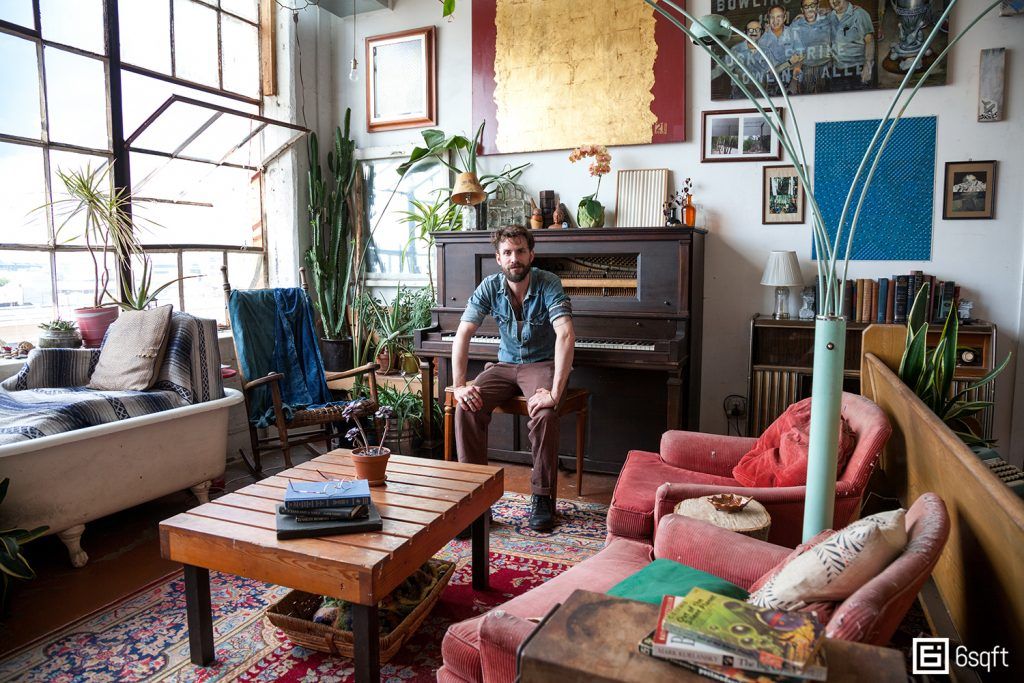
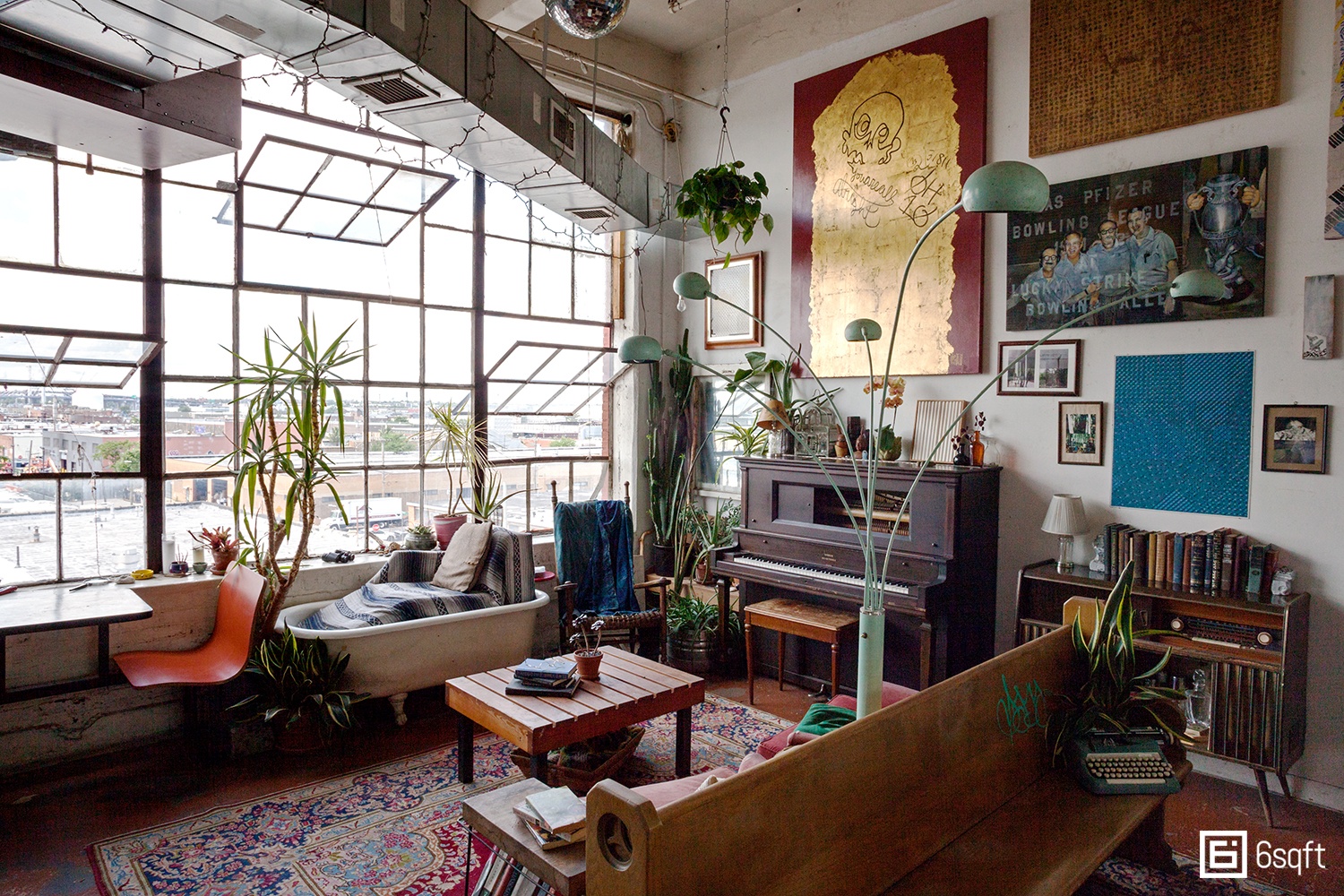


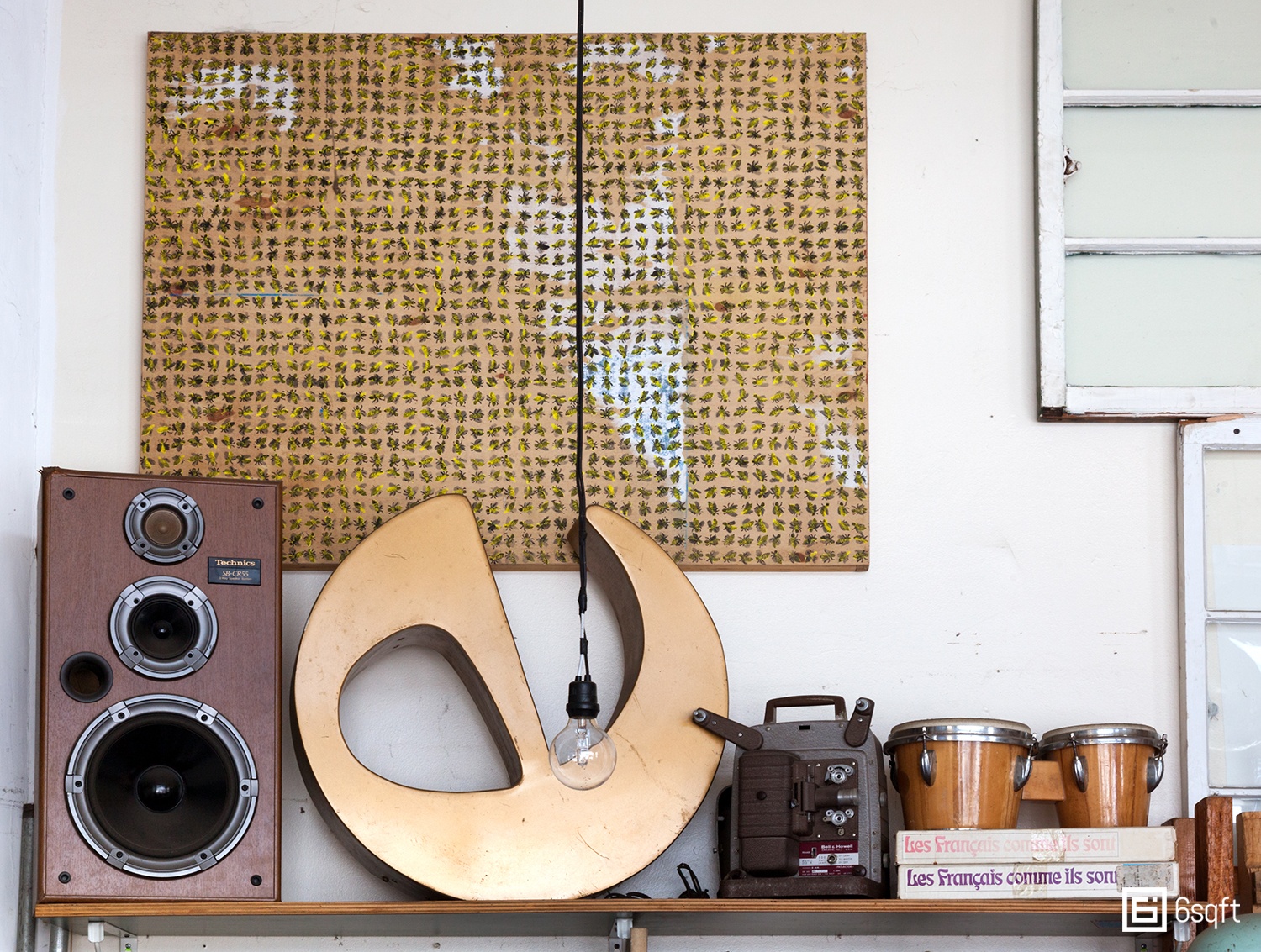
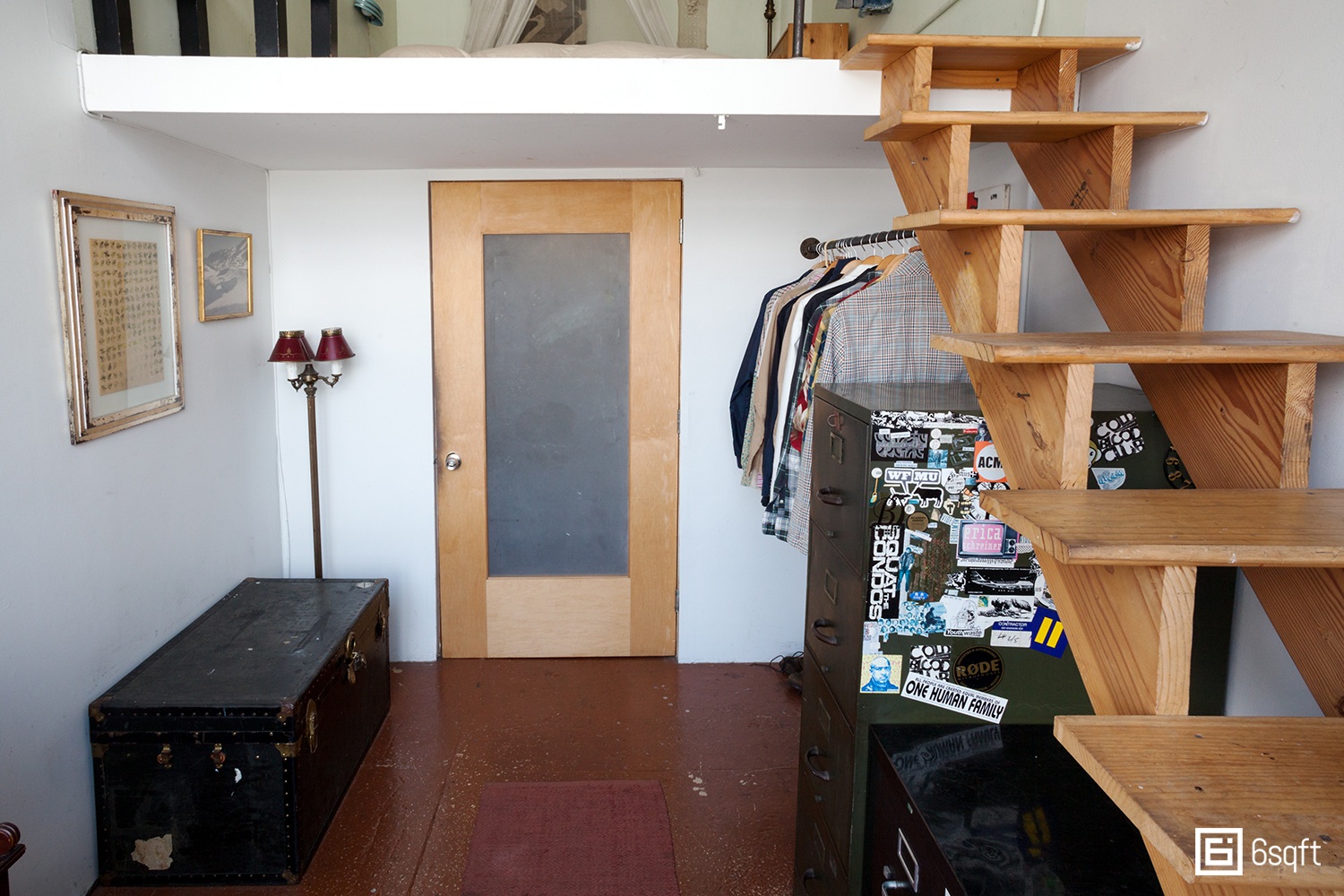
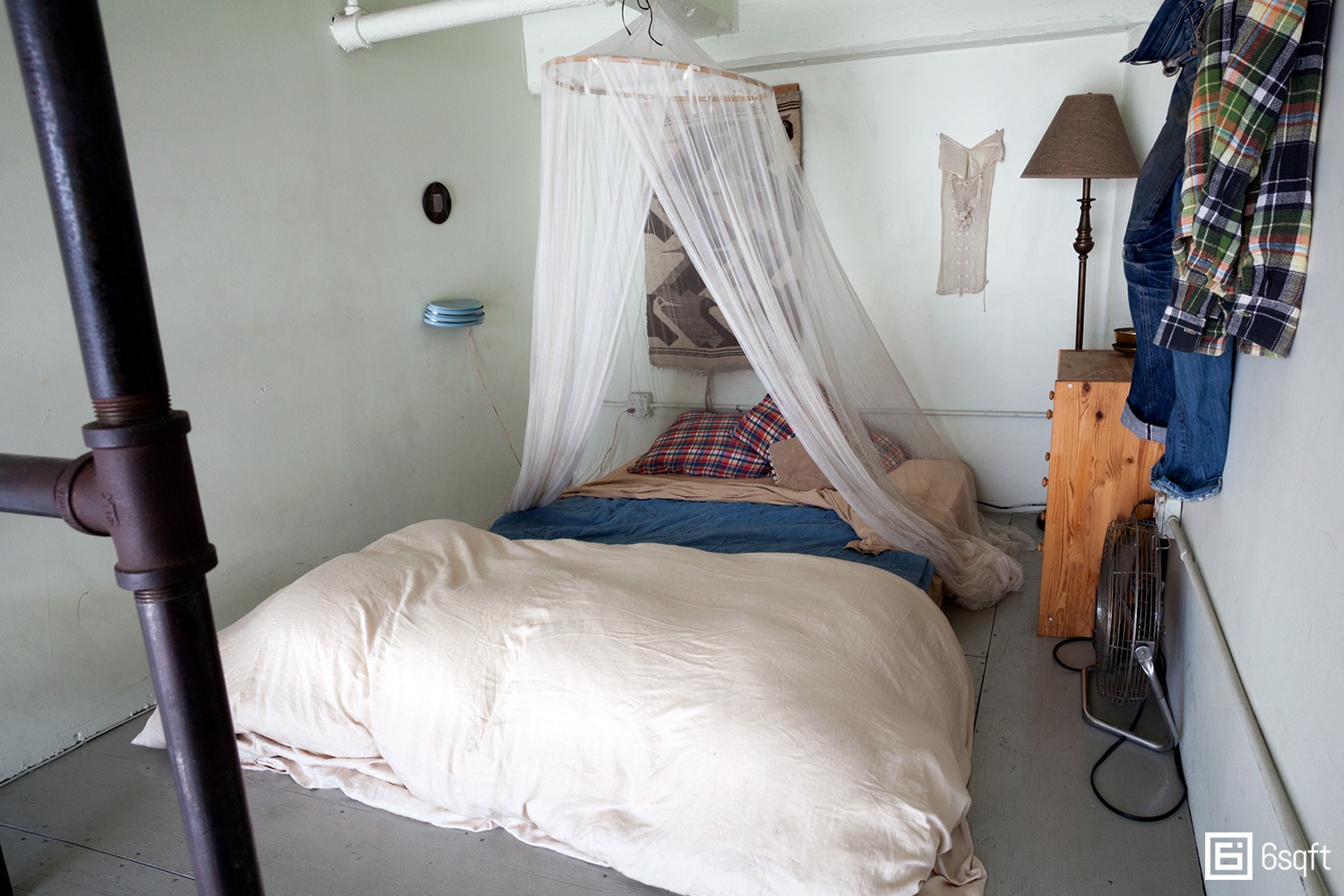

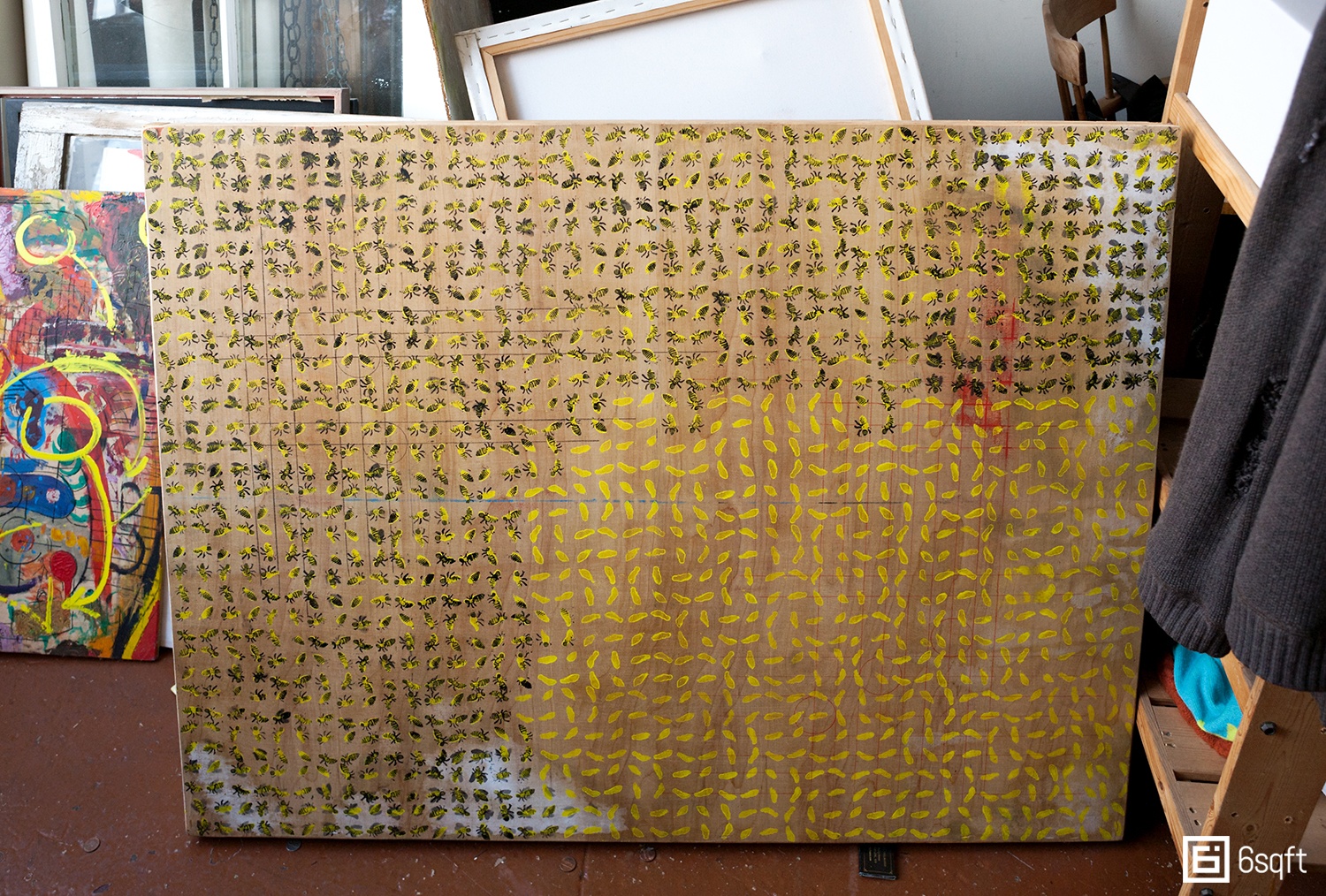
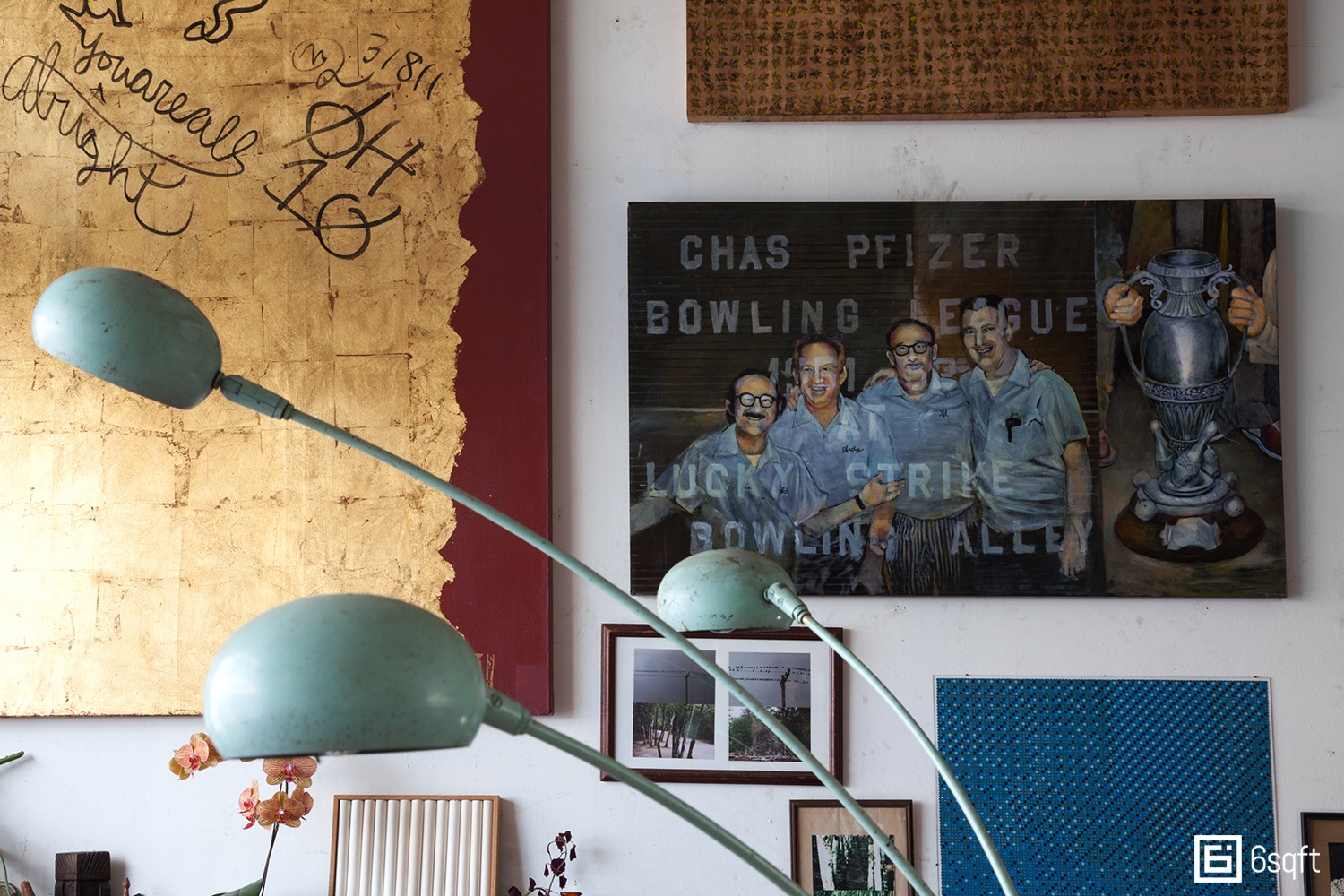


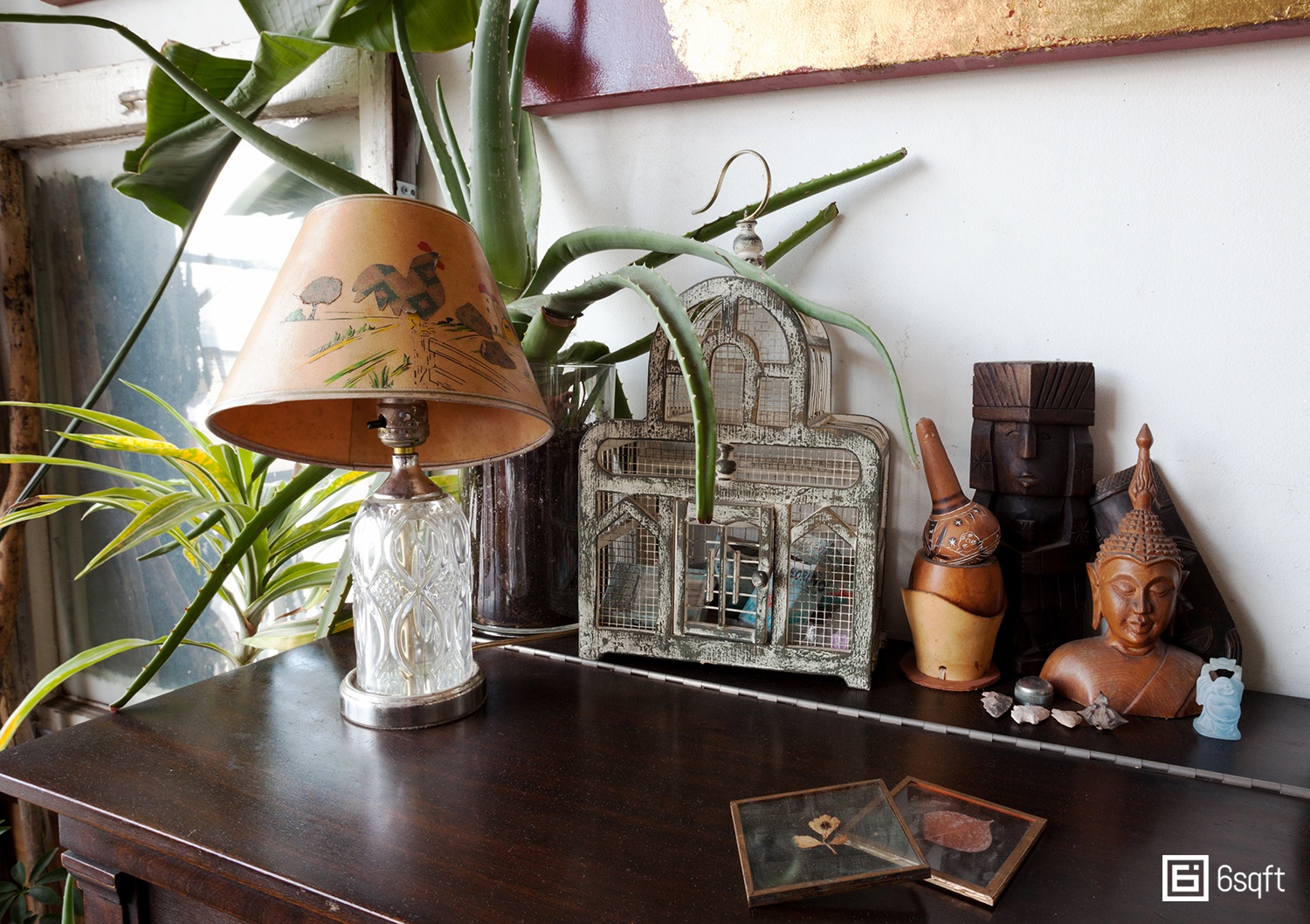
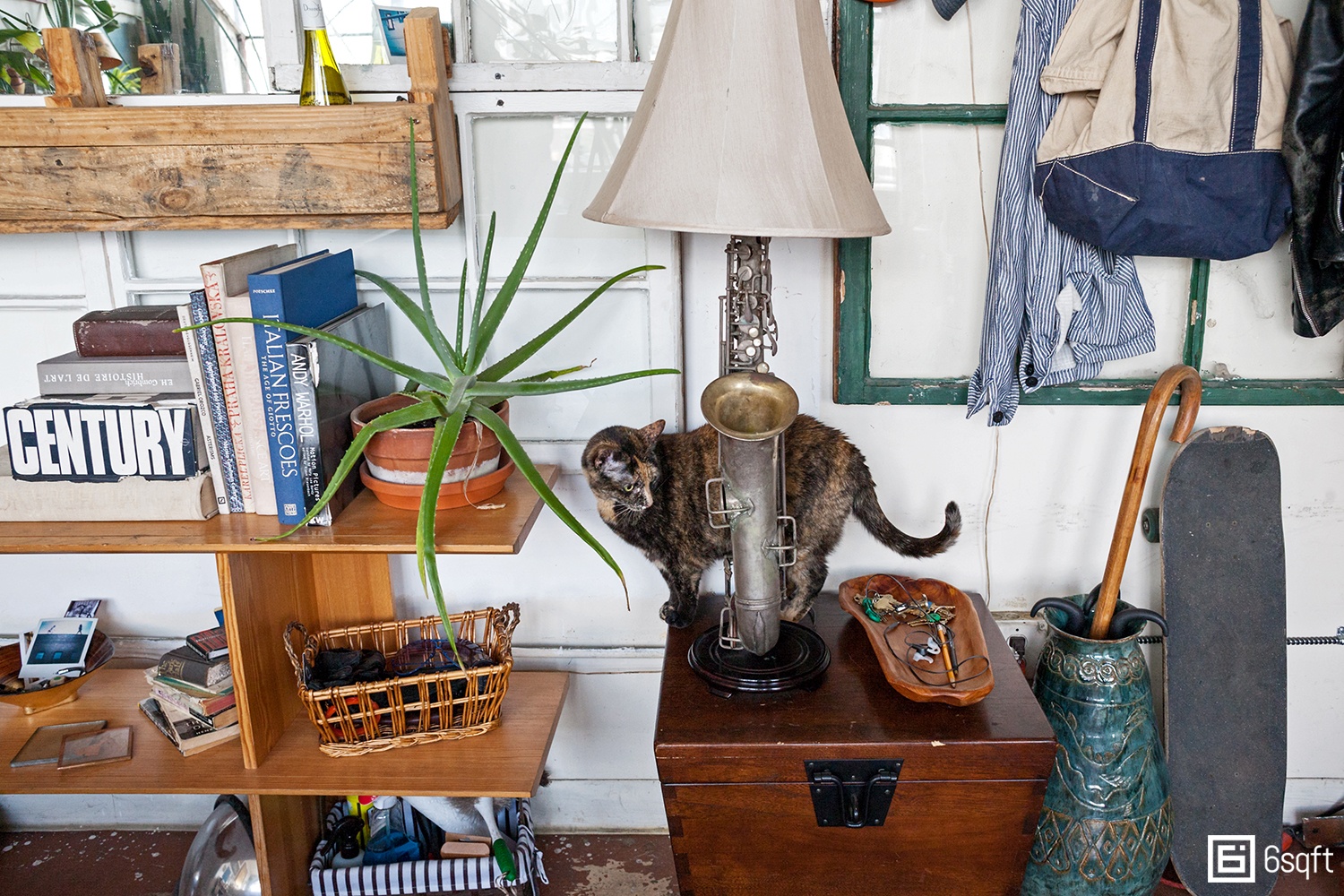

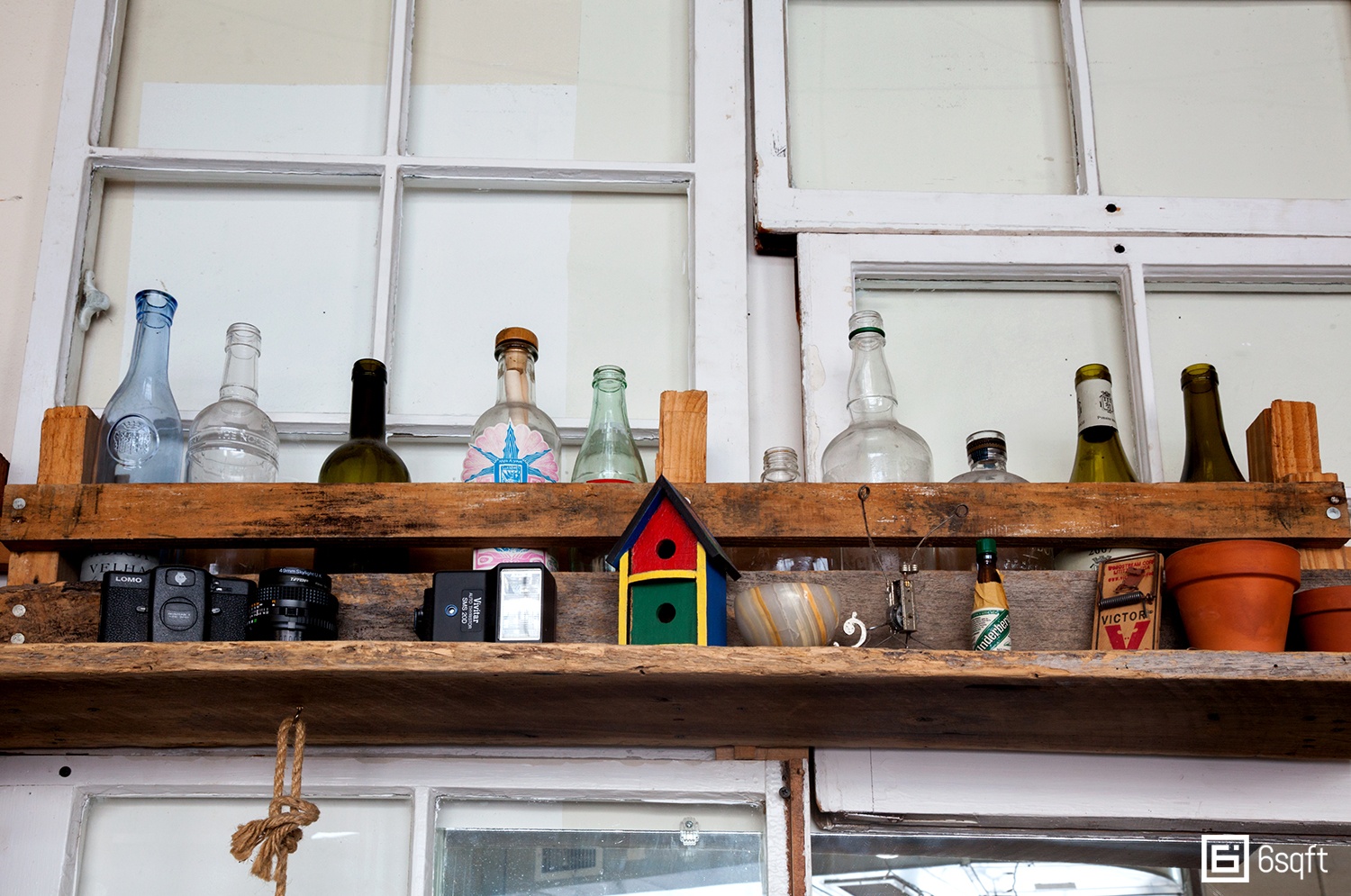
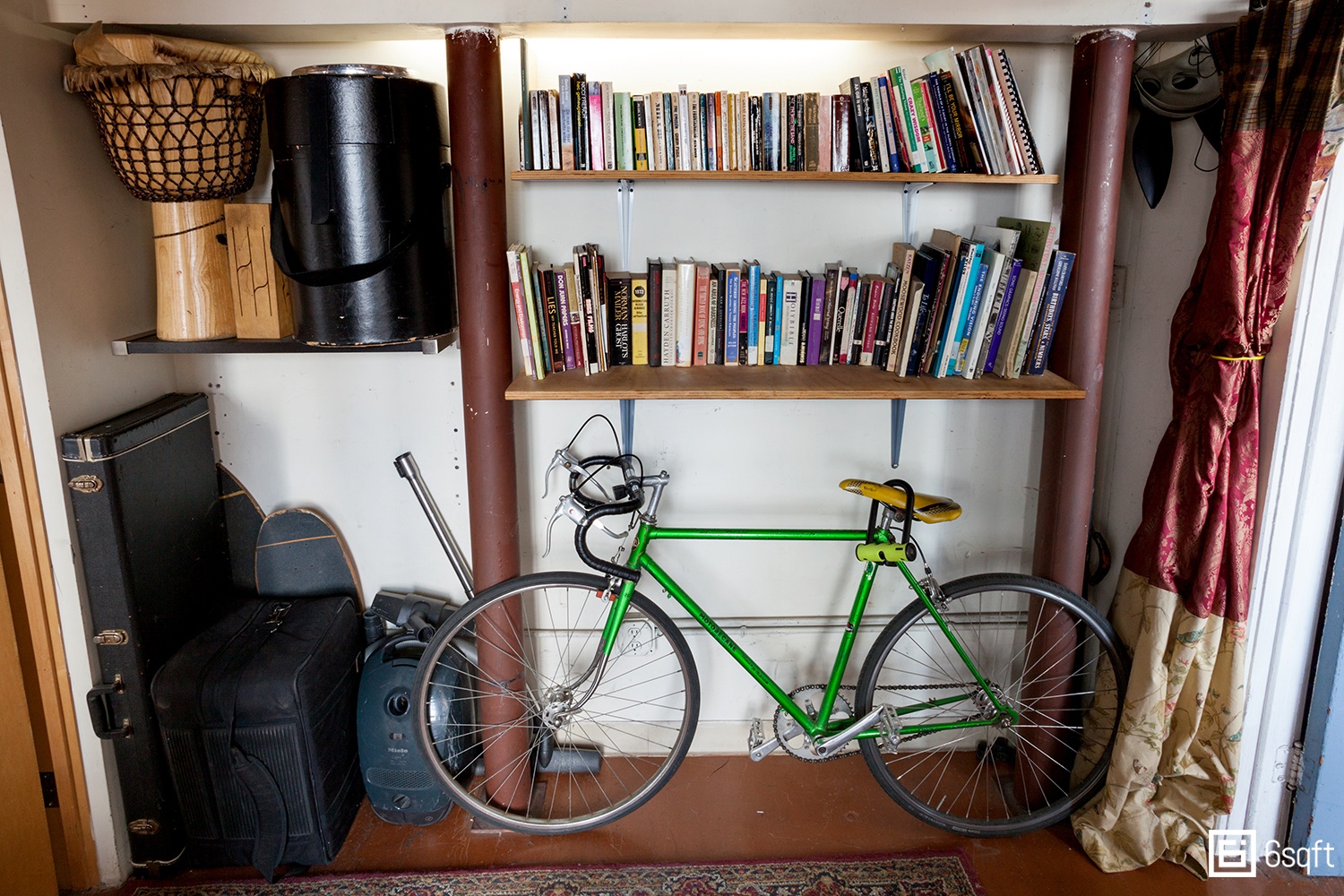
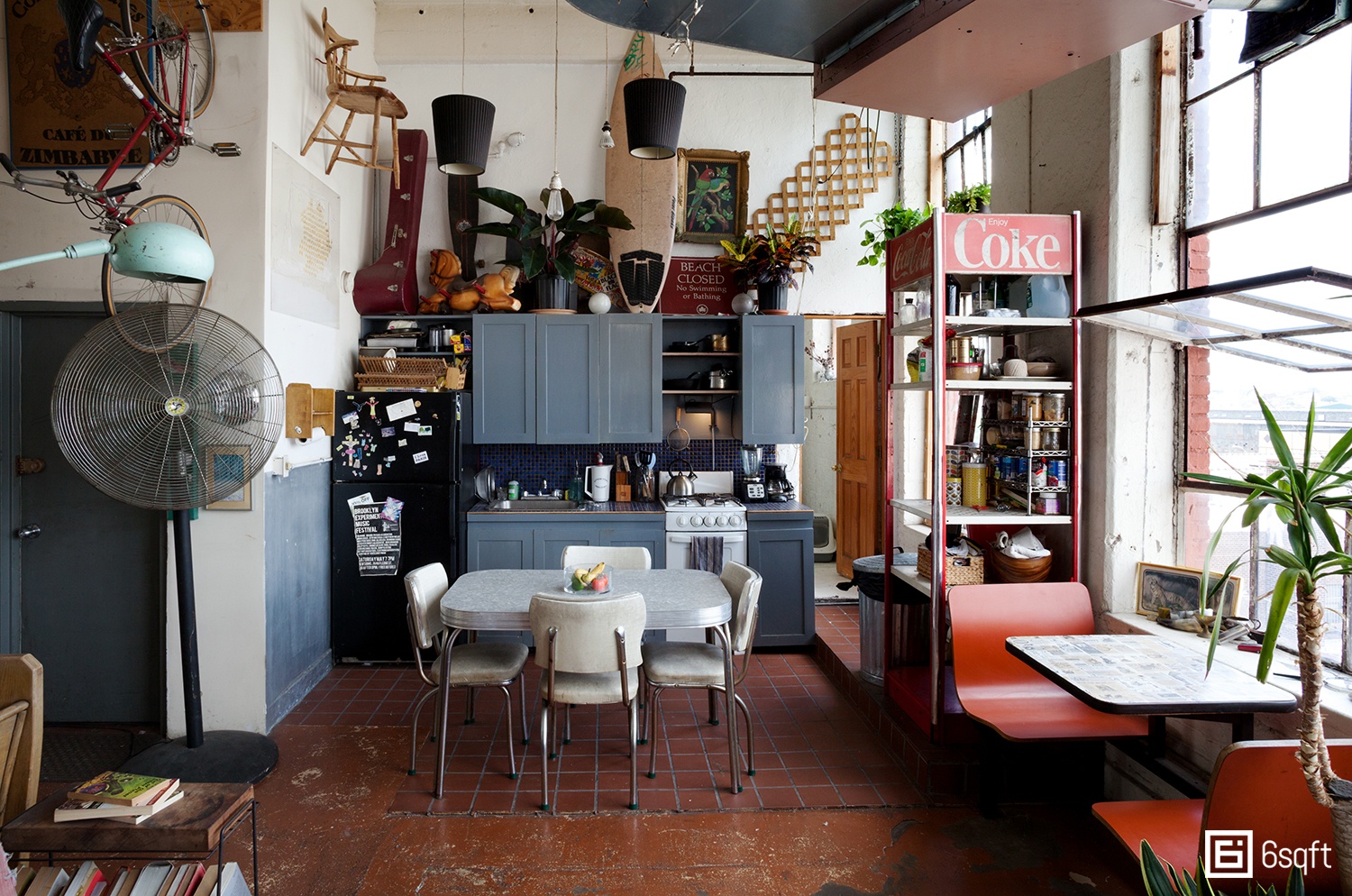

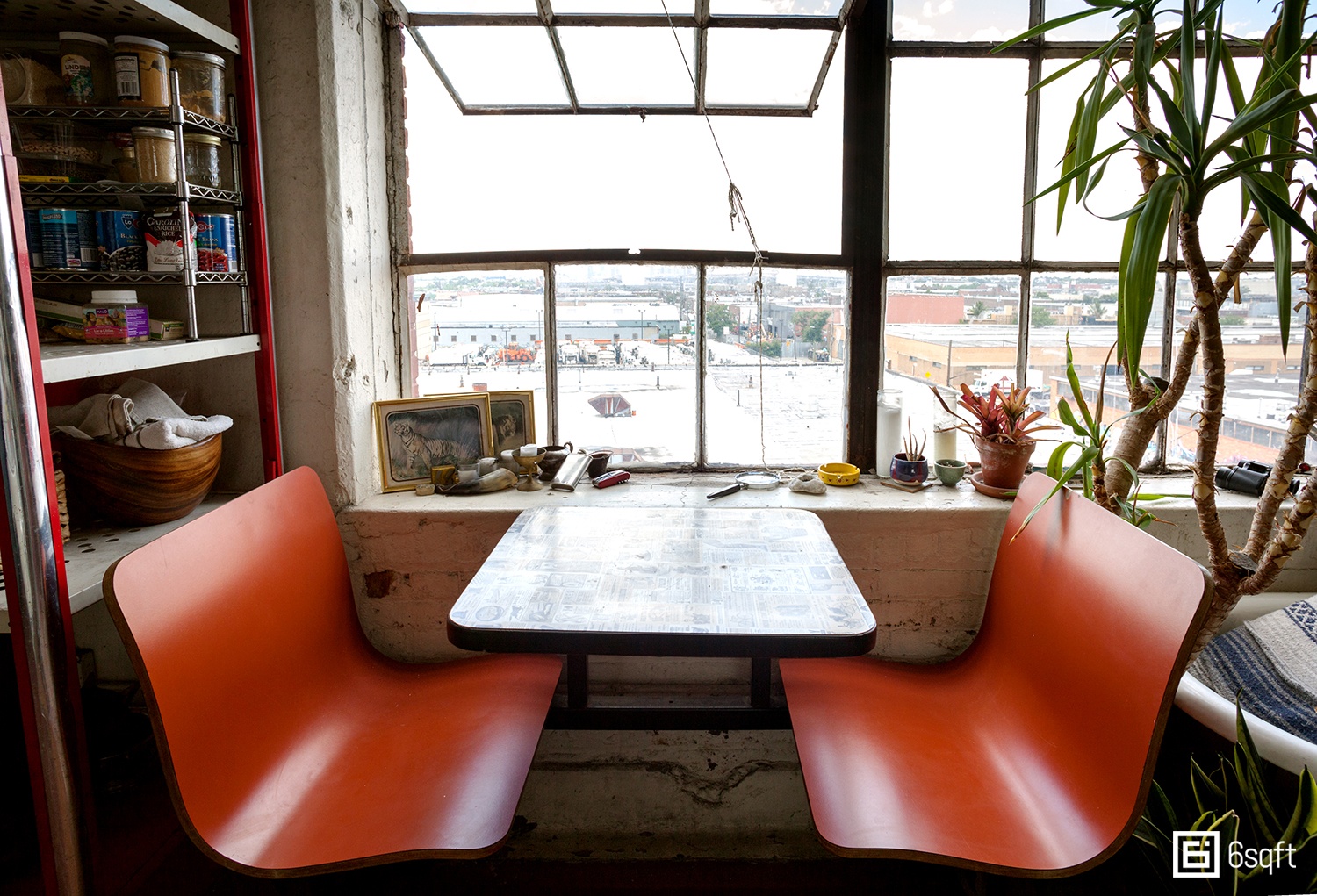
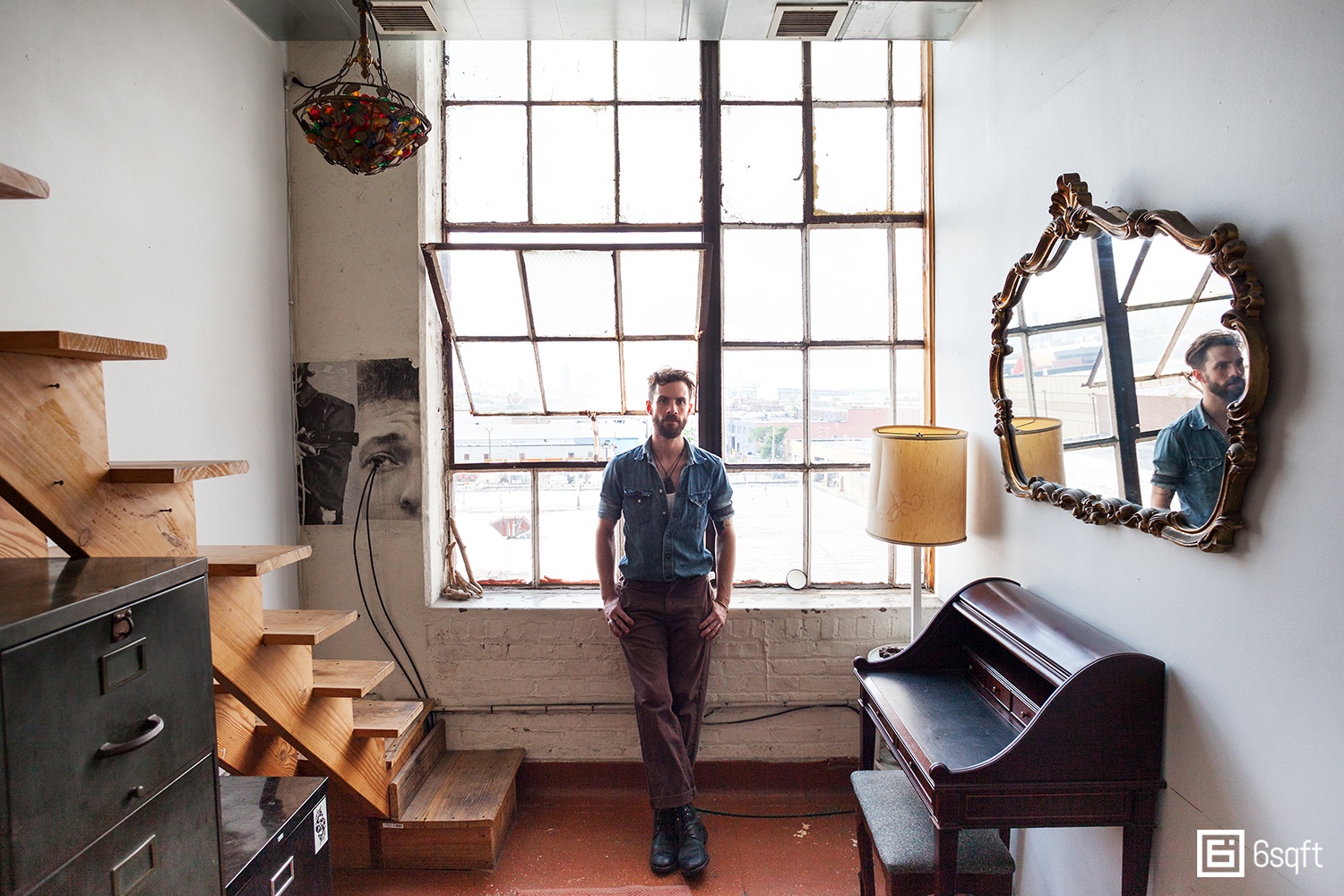

















































 “Sunnyside has always been a secret,” said Santini-Tripodis. However, it’s been discovered and people realize that it’s close to Manhattan and their money goes much further than elsewhere, she added.





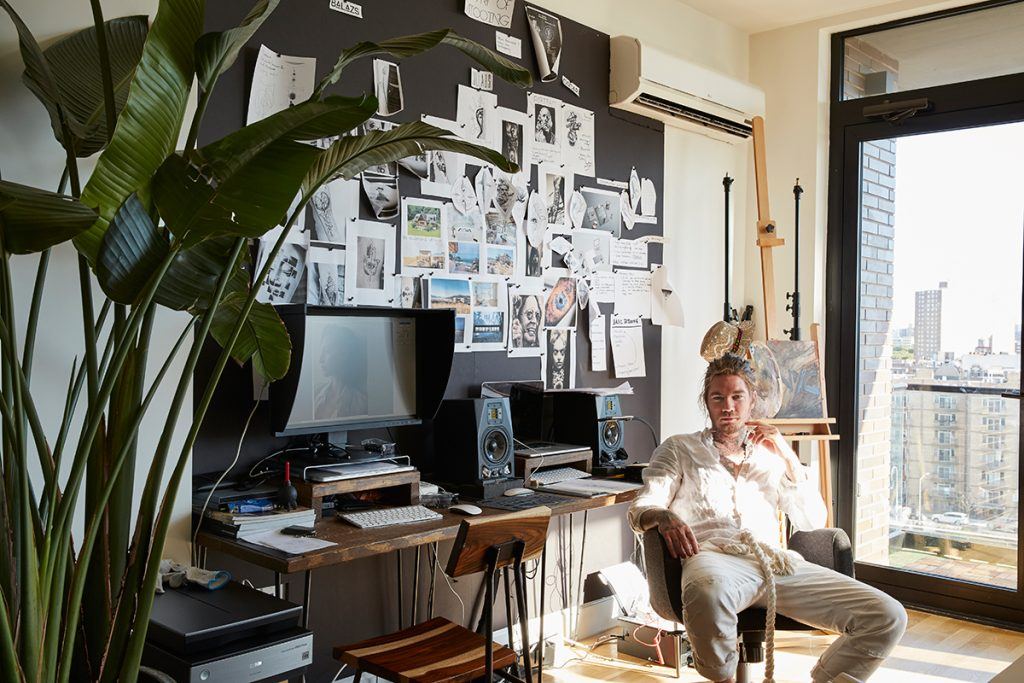
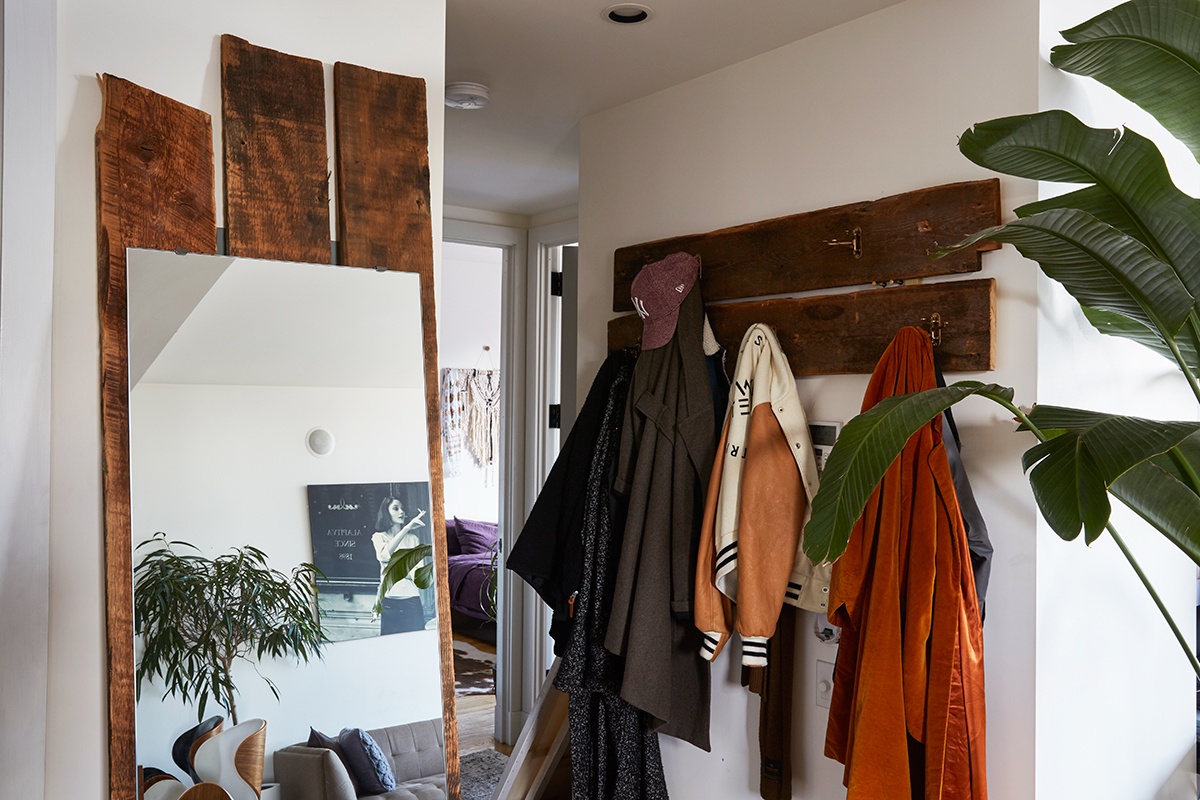
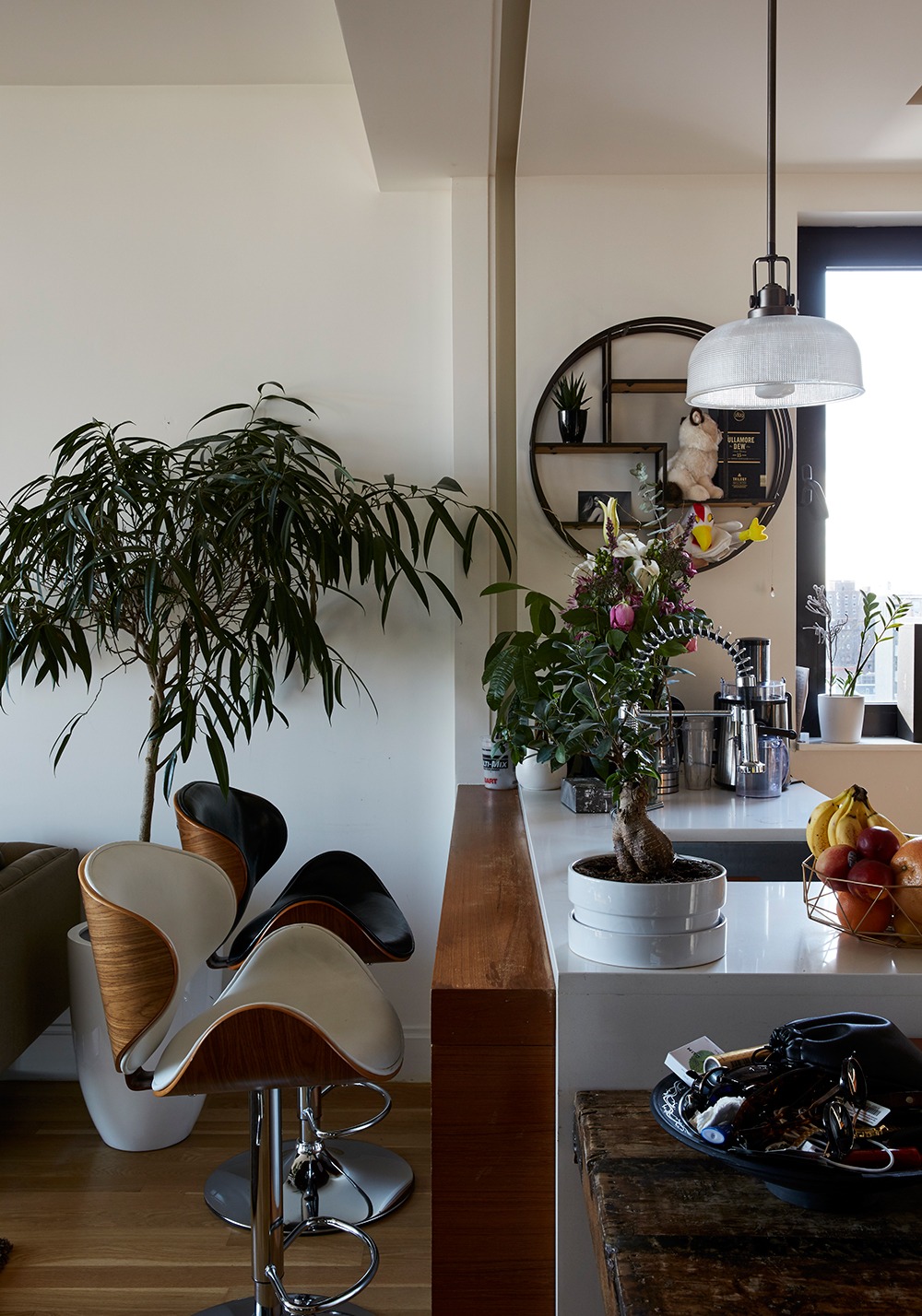
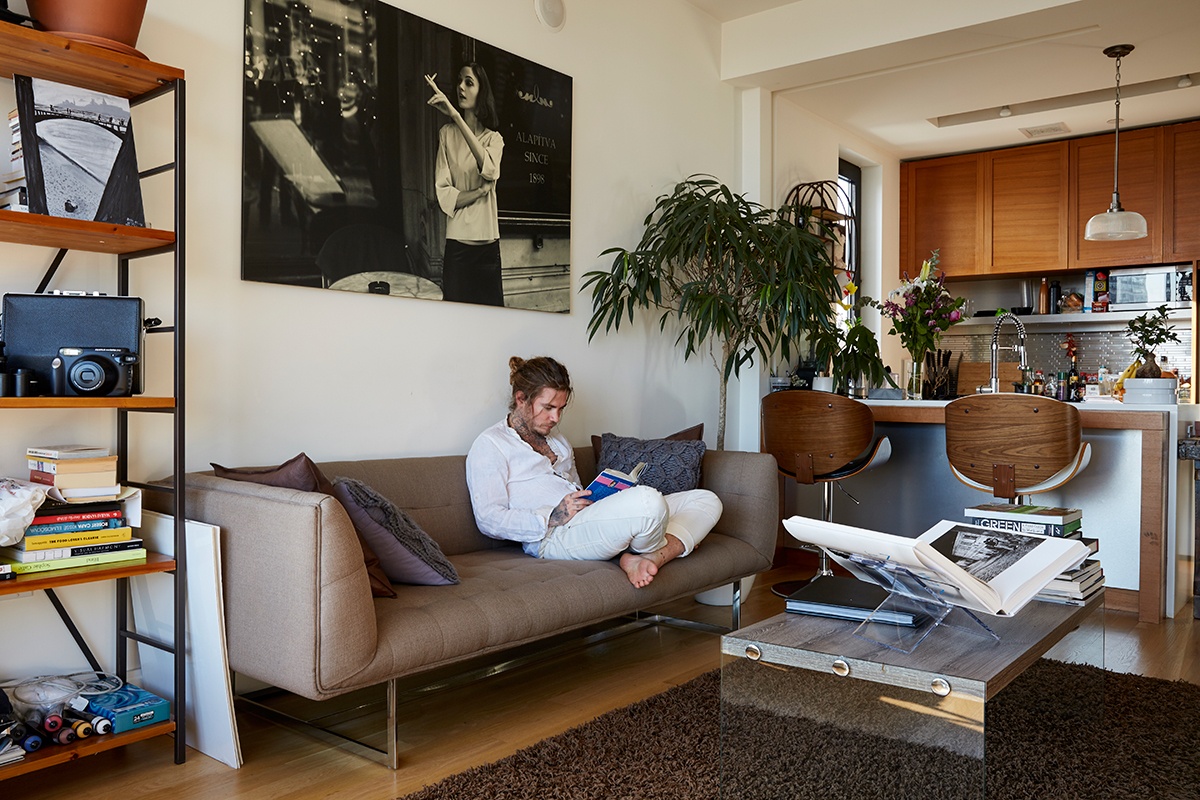
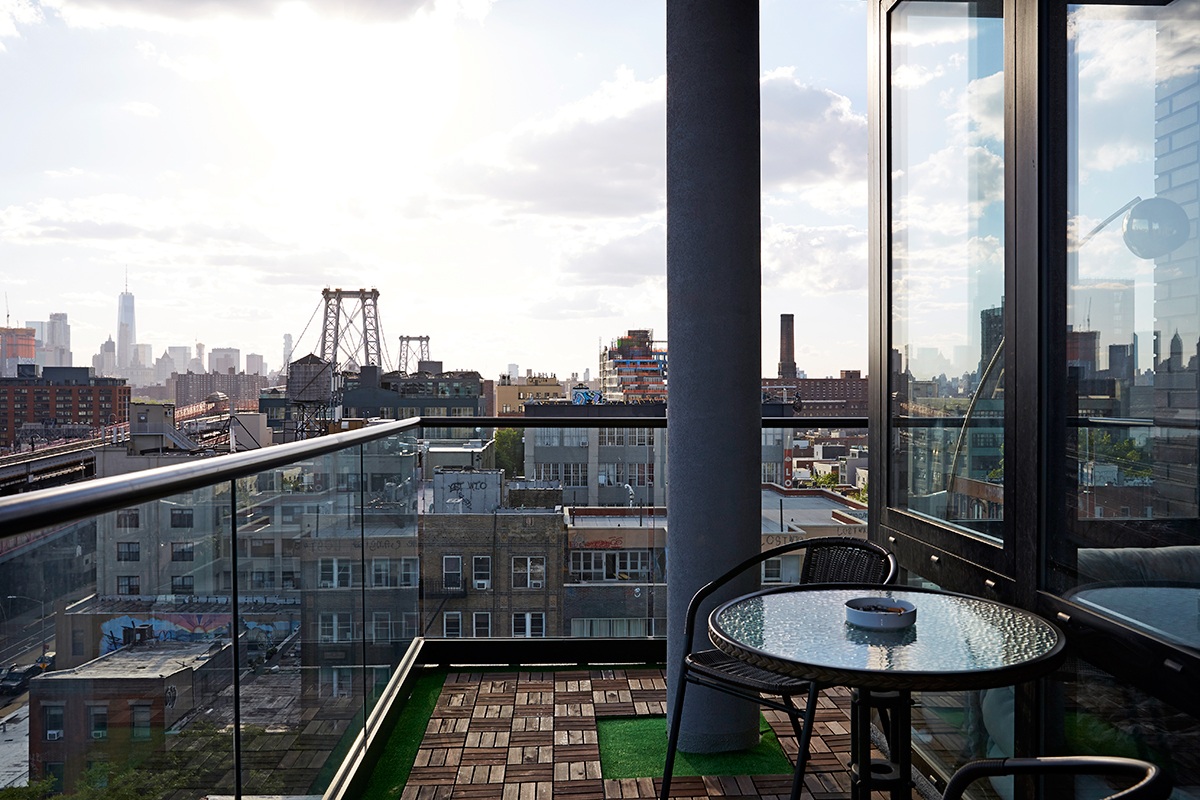
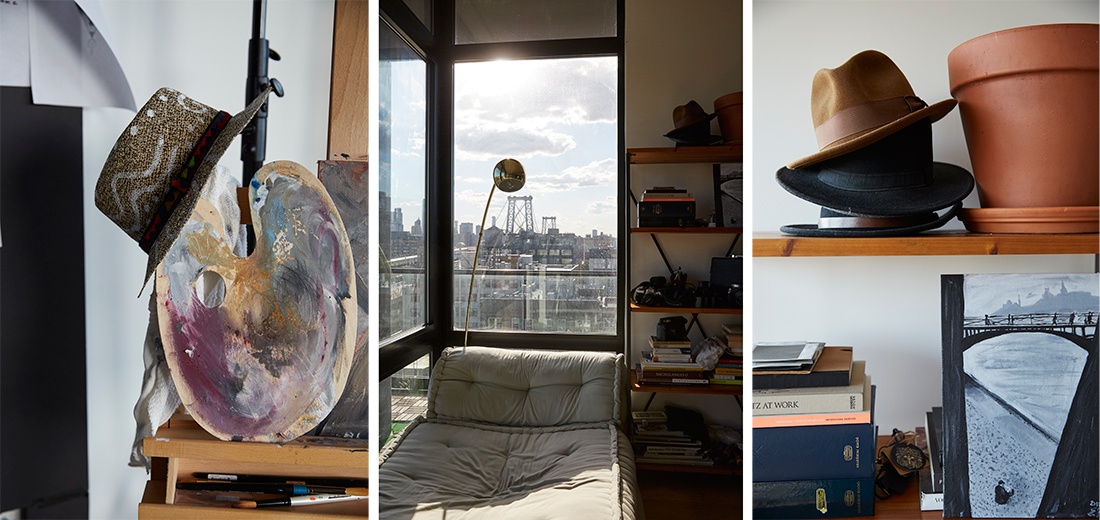


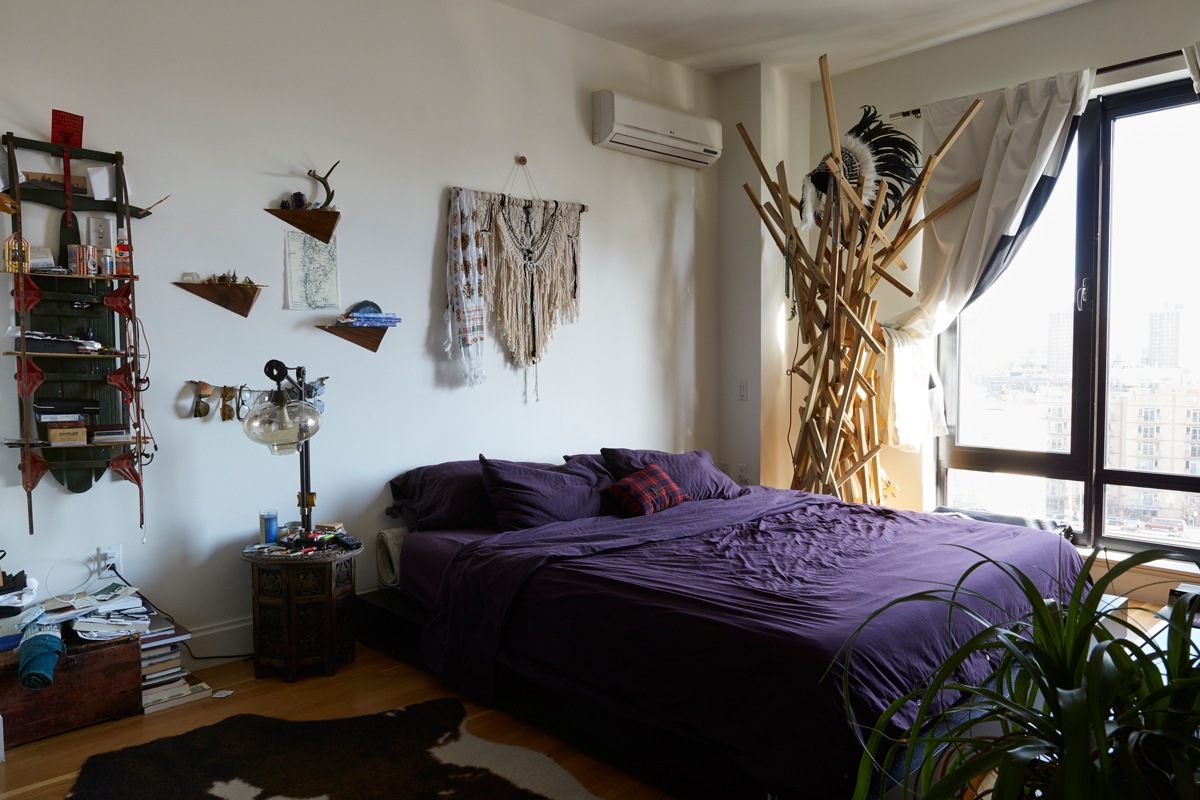
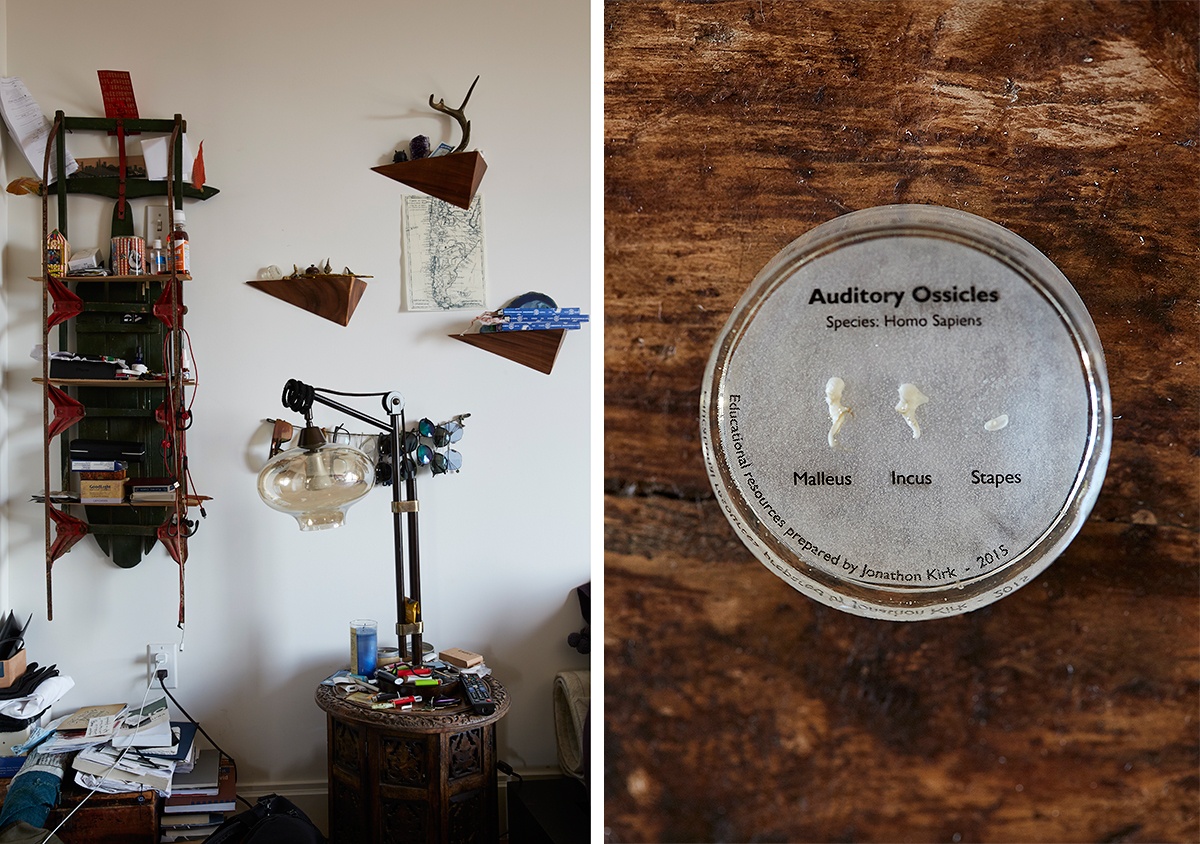


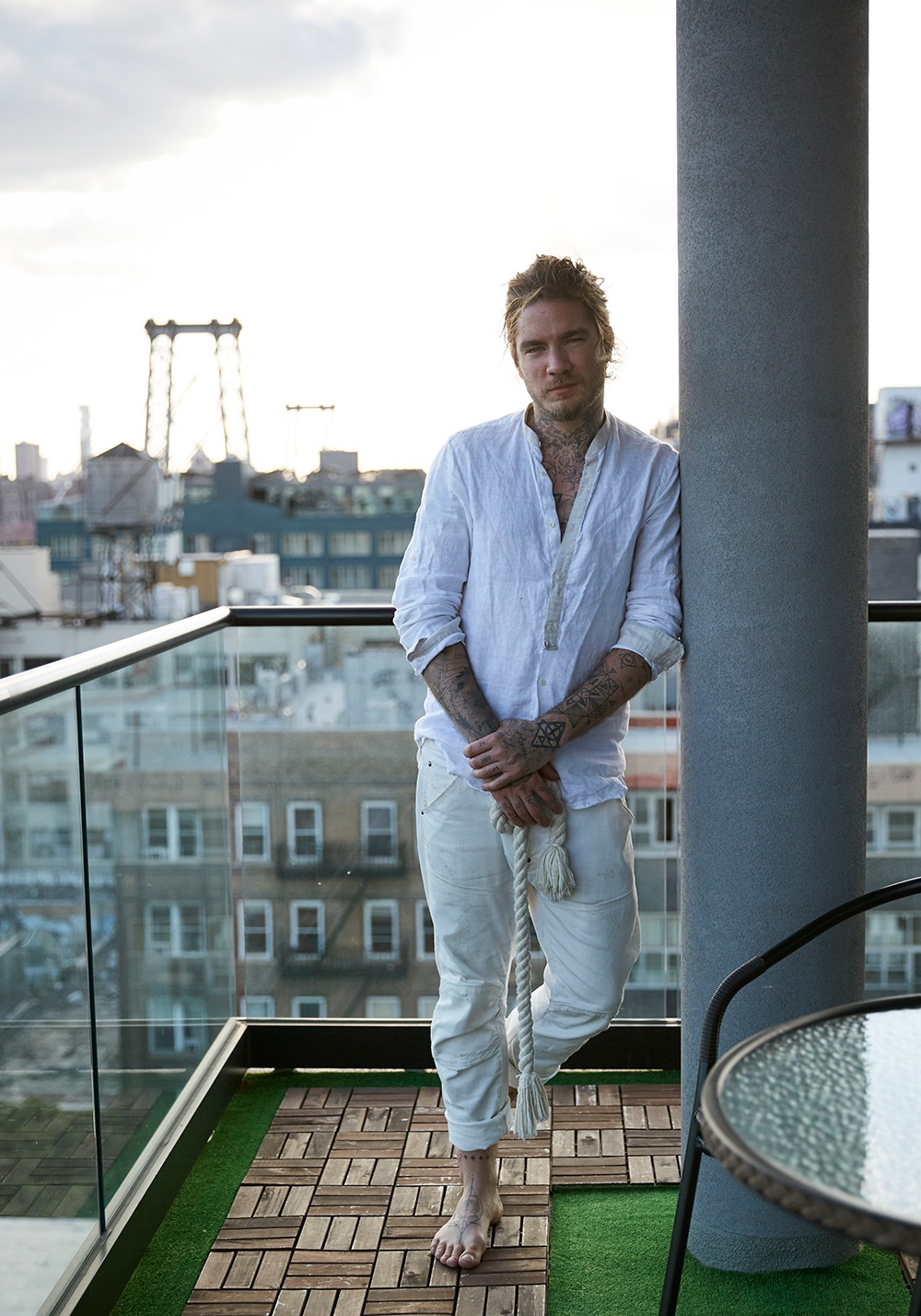
















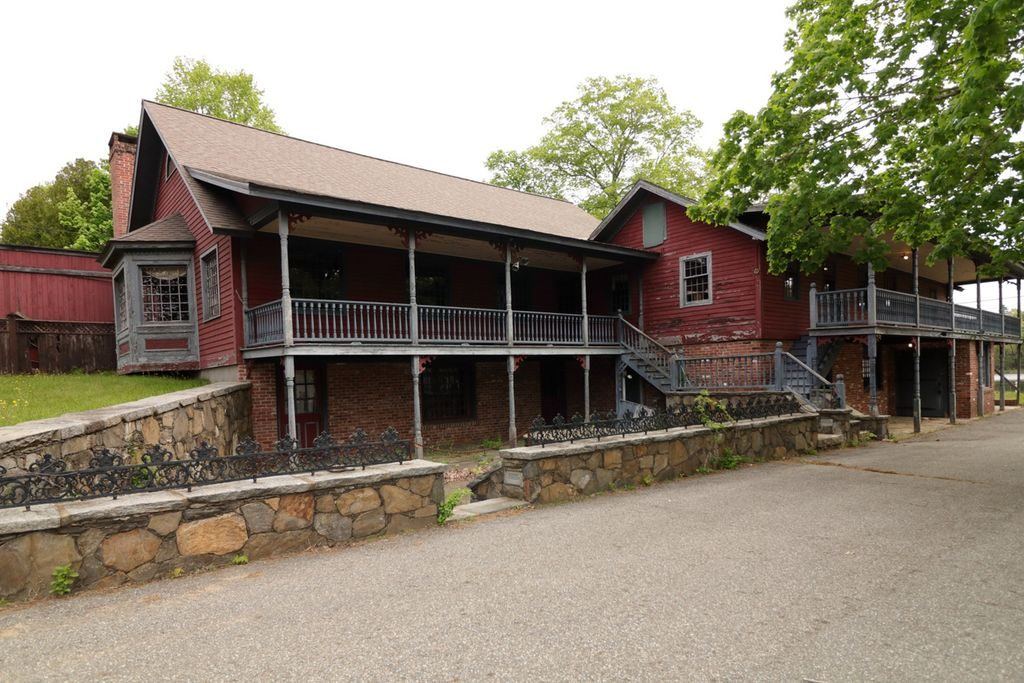































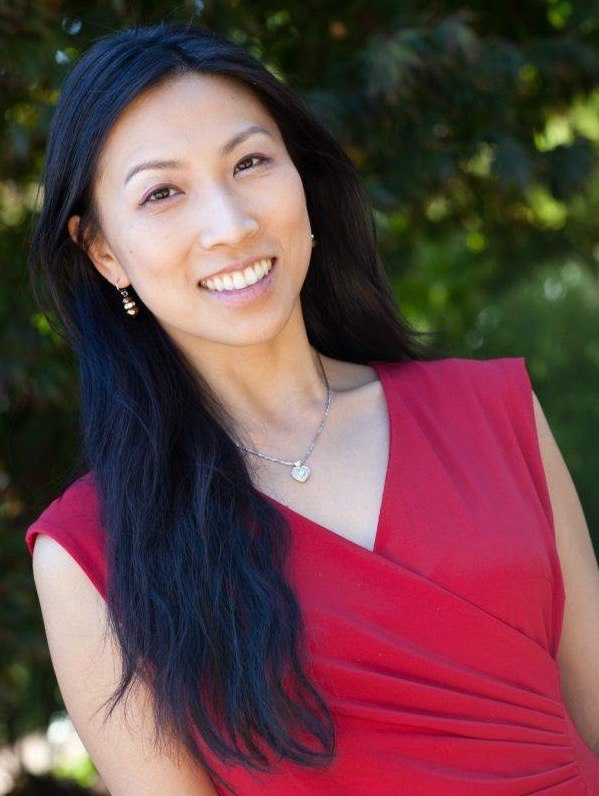
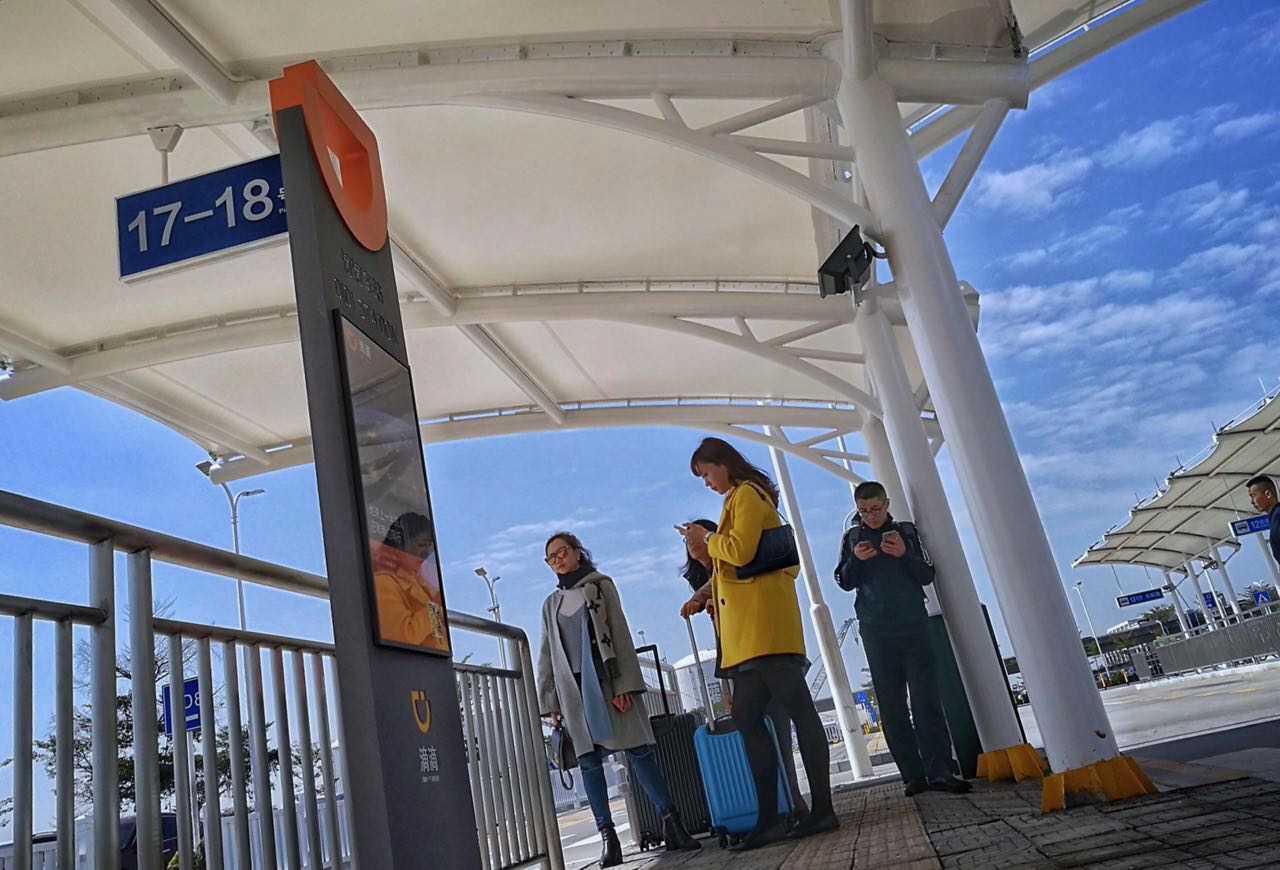

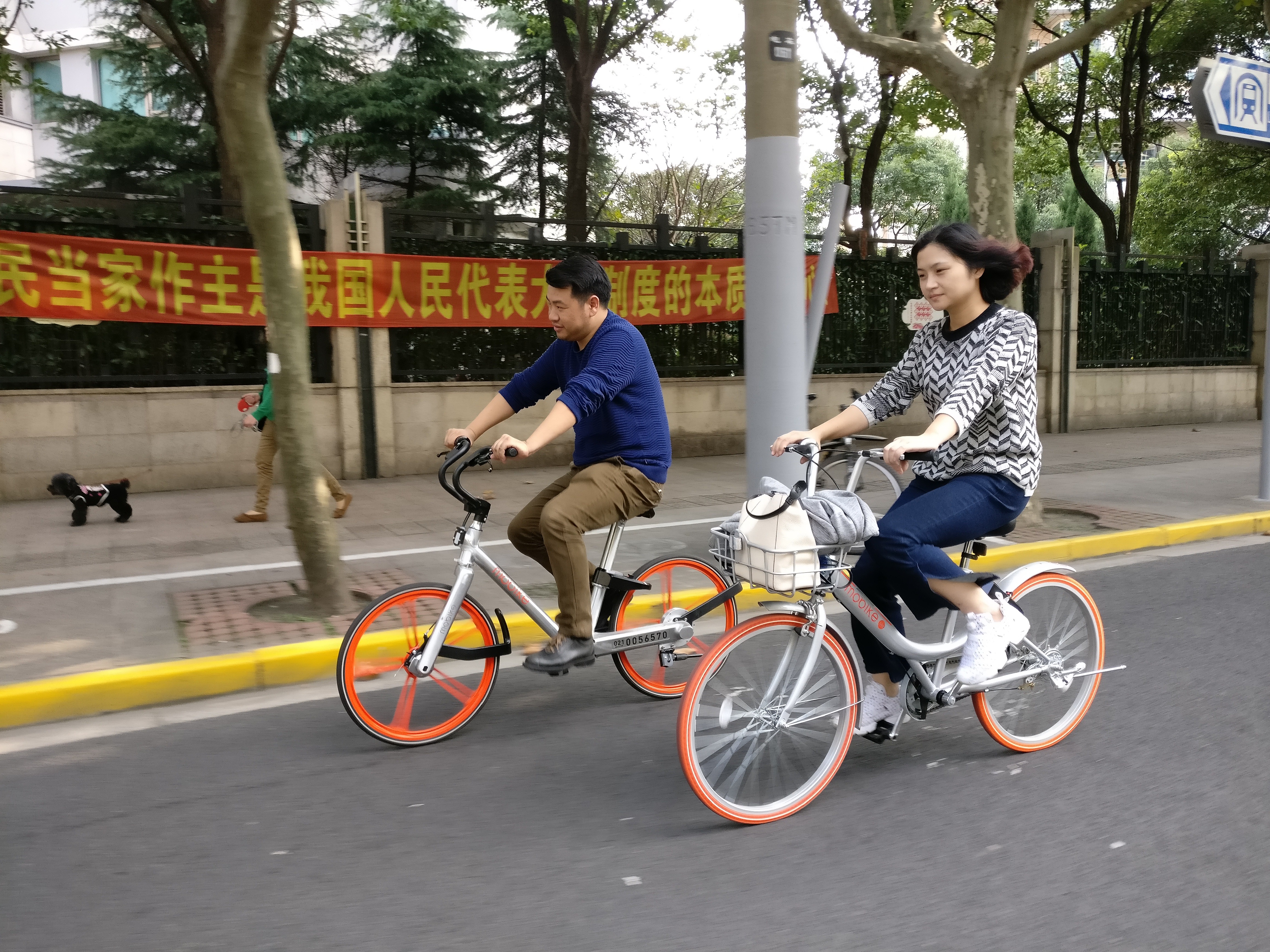

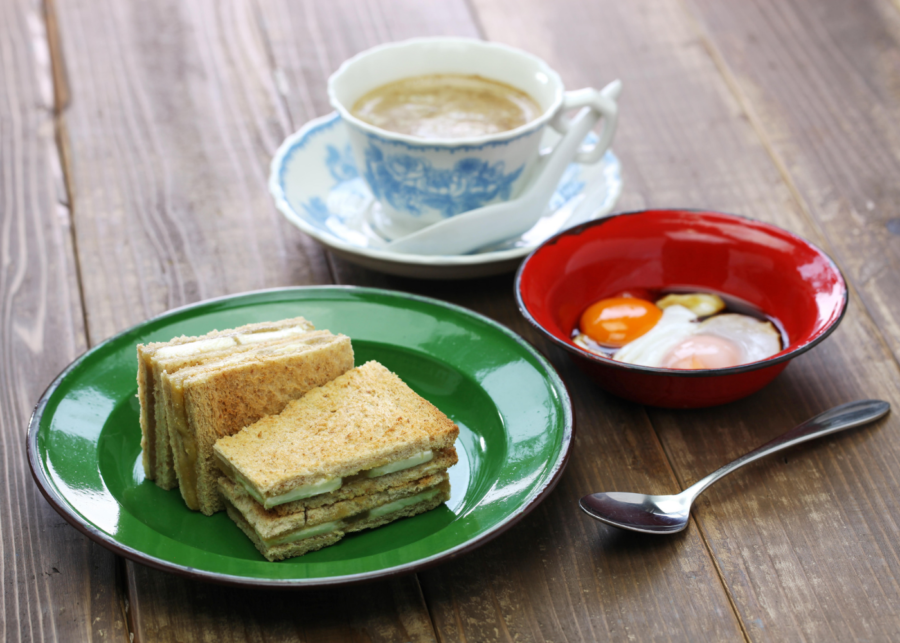
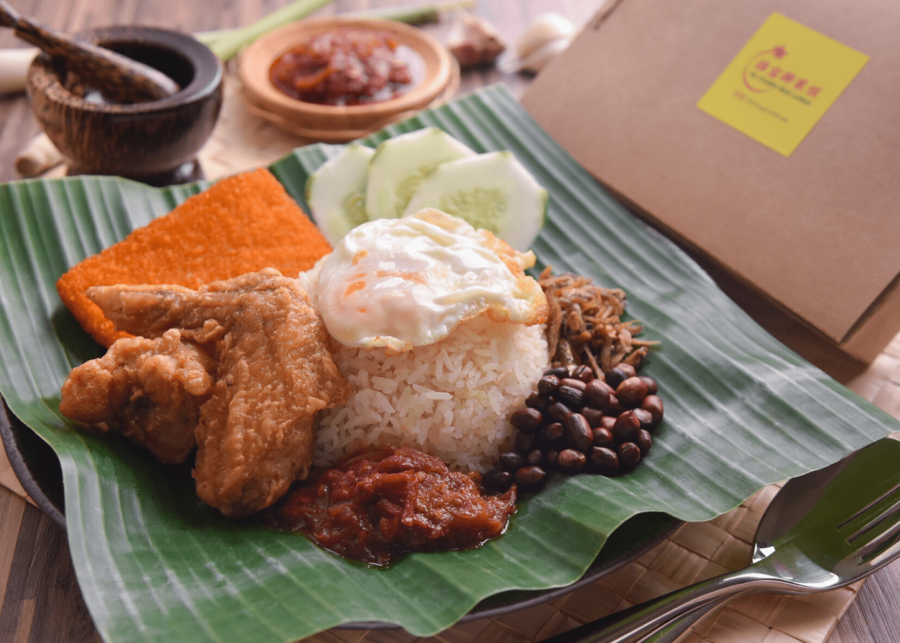


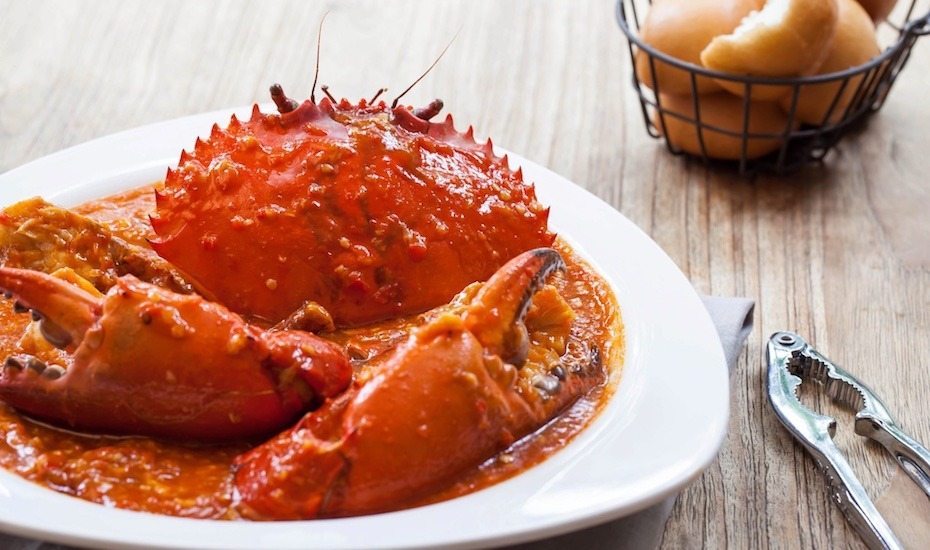


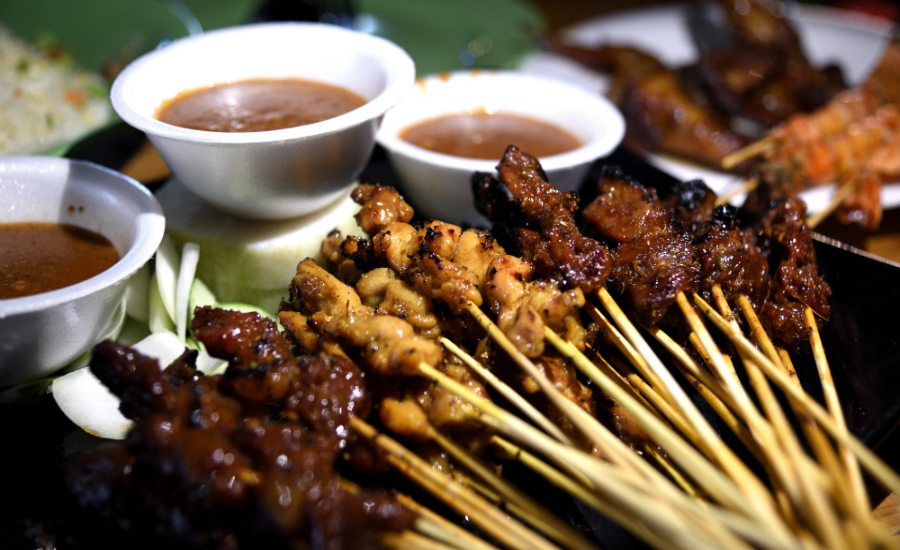


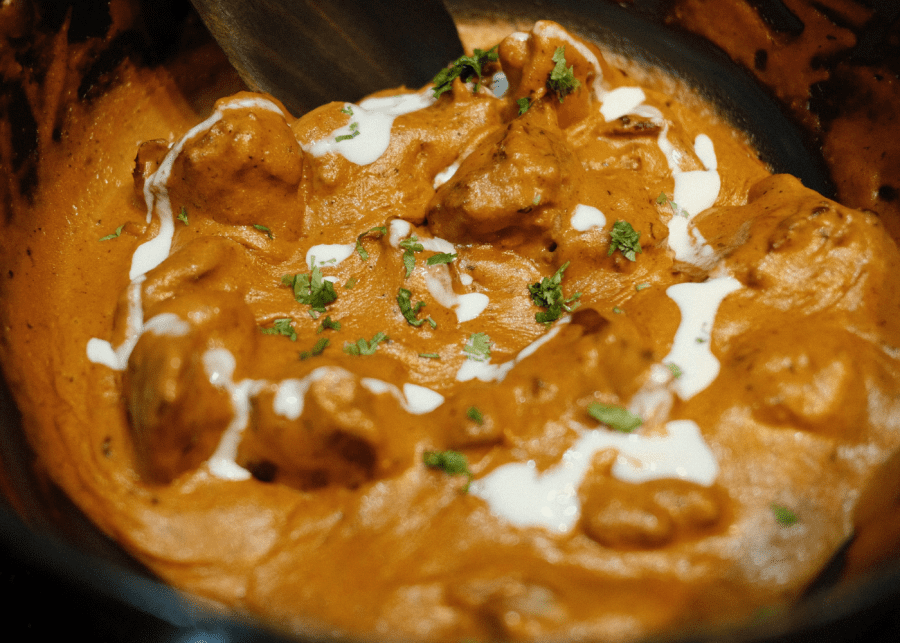

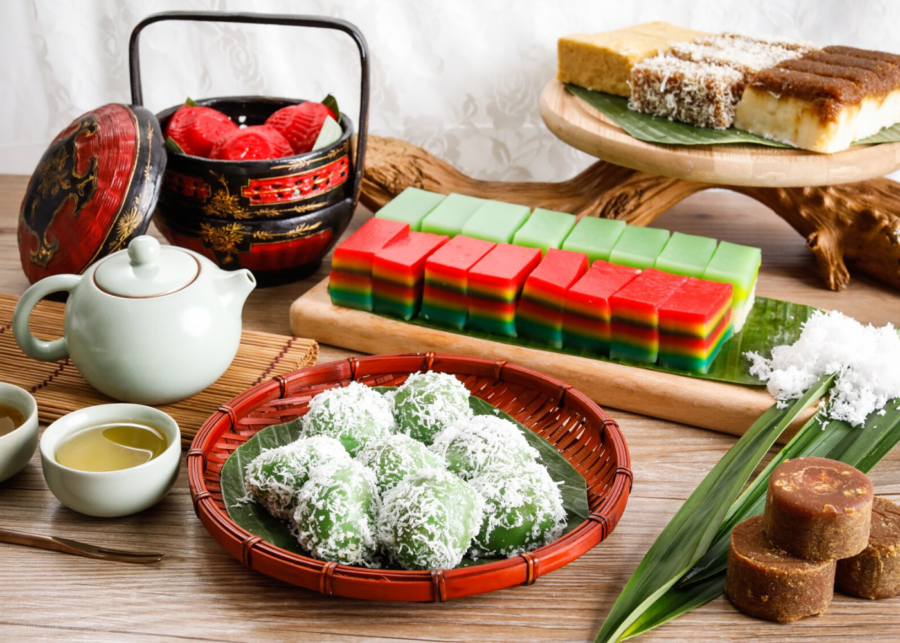

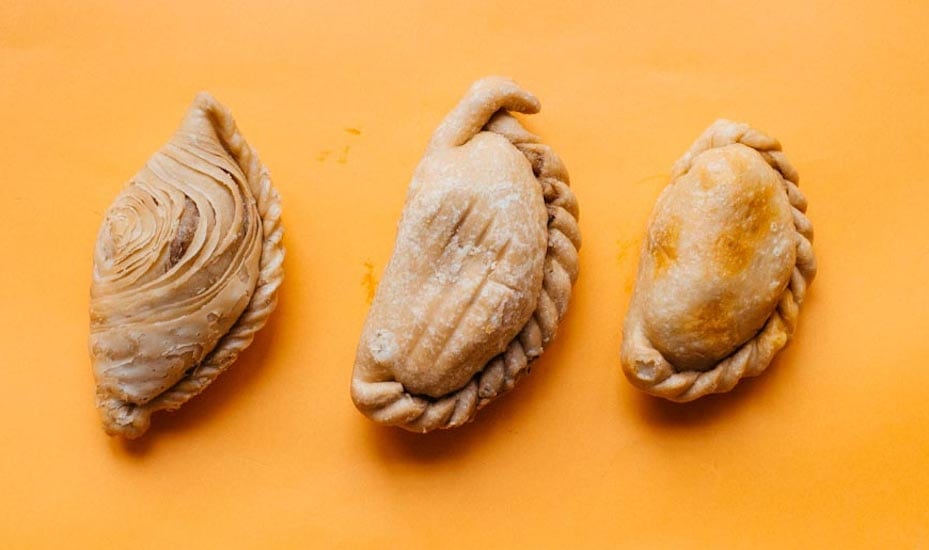


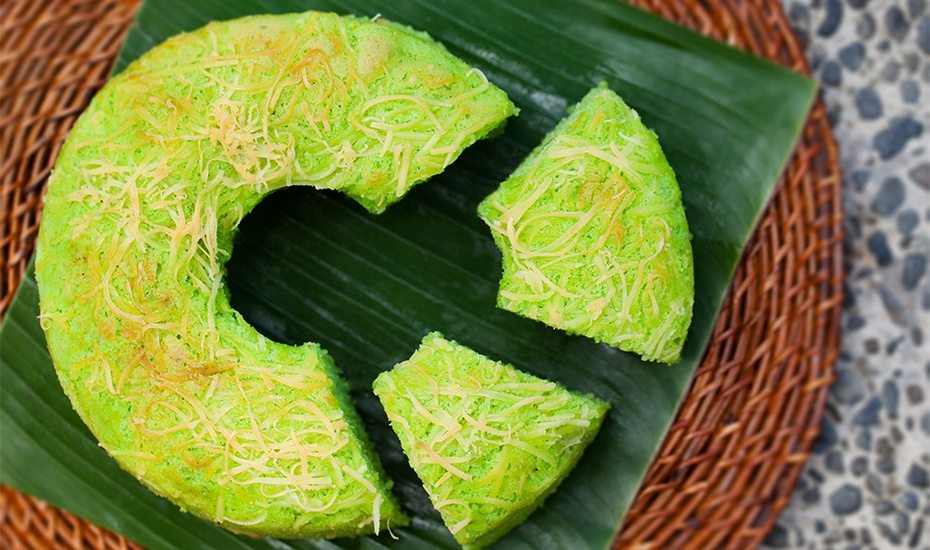


/cdn.vox-cdn.com/uploads/chorus_asset/file/8608935/02_Kensinger_LIC_DSC_6539.jpg)
/cdn.vox-cdn.com/uploads/chorus_asset/file/8608955/03_Kensinger_Oakwood_Beach_DSC_7171.jpg)
/cdn.vox-cdn.com/uploads/chorus_asset/file/8608973/04_Kensinger_LIC_DSC_6655.jpg)
/cdn.vox-cdn.com/uploads/chorus_asset/file/8608981/05_Kensinger_Oakwood_Beach_DSC_7098.jpg)
/cdn.vox-cdn.com/uploads/chorus_asset/file/8608983/06_Kensinger_LIC_DSC_6402.jpg)
/cdn.vox-cdn.com/uploads/chorus_asset/file/8608987/07_Kensinger_LIC_DSC_7529.jpg)
/cdn.vox-cdn.com/uploads/chorus_asset/file/8608989/08_Kensinger_LIC_DSC_6293.jpg)
/cdn.vox-cdn.com/uploads/chorus_asset/file/8608997/09_Kensinger_Oakwood_Beach_DSC_7326.jpg)
/cdn.vox-cdn.com/uploads/chorus_asset/file/8609001/10_Kensinger_Oakwood_Beach_DSC_7306.jpg)
/cdn.vox-cdn.com/uploads/chorus_asset/file/8609007/11_Kensinger_Oakwood_Beach_DSC_2791.jpg)
/cdn.vox-cdn.com/uploads/chorus_asset/file/8609009/12_Kensinger_Oakwaood_Beach_DSC_7240.jpg)
/cdn.vox-cdn.com/uploads/chorus_asset/file/8609011/13_Kensinger_LIC_DSC_0746.jpg)
/cdn.vox-cdn.com/uploads/chorus_asset/file/8609013/14_Kensinger_LIC_DSC_6503.jpg)
/cdn.vox-cdn.com/uploads/chorus_asset/file/8609017/15_Kensinger_LIC_DSC_6525.jpg)
/cdn.vox-cdn.com/uploads/chorus_asset/file/8609019/16_Kensinger_Oakwood_Beach_DSC_7286.jpg)
/cdn.vox-cdn.com/uploads/chorus_asset/file/8609023/17_Kensinger_Oakwood_Beach_DSC_7339.jpg)
/cdn.vox-cdn.com/uploads/chorus_asset/file/8609029/18_Kensinger_Oakwood_Beach_DSC_7263.jpg)
/cdn.vox-cdn.com/uploads/chorus_asset/file/8609031/19_Kensinger_LIC_DSC_7004.jpg)
/cdn.vox-cdn.com/uploads/chorus_asset/file/8609033/20_Kensinger_LIC_DSC_6801.jpg)
/cdn.vox-cdn.com/uploads/chorus_asset/file/8609037/21_Kensinger_LIC_DSC_6782.jpg)
/cdn.vox-cdn.com/uploads/chorus_asset/file/8609041/22_Kensinger_Oakwood_Beach_DSC_7434.jpg)


/cdn.vox-cdn.com/uploads/chorus_asset/file/8600699/01_211VanderbiltStreet_571_FrontView_HiRes.jpg)
/cdn.vox-cdn.com/uploads/chorus_asset/file/8600683/09_211VanderbiltStreet_68_StairHallandSkylight_HiRes.jpg)
/cdn.vox-cdn.com/uploads/chorus_asset/file/8600679/11_211VanderbiltStreet_900001_Backyard_HiRes.jpg)
/cdn.vox-cdn.com/uploads/chorus_asset/file/8600695/03_211VanderbiltStreet_92_KitchenDiningRoom_HiRes.jpg)
/cdn.vox-cdn.com/uploads/chorus_asset/file/8600691/05_211VanderbiltStreet_10001_UpperLivingRoom_HiRes.jpg)
/cdn.vox-cdn.com/uploads/chorus_asset/file/8600689/06_211VanderbiltStreet_900000_SittingRoom_HiRes.jpg)
/cdn.vox-cdn.com/uploads/chorus_asset/file/8600685/08_211VanderbiltStreet_18_Bedroom_HiRes.jpg)


 Former Hillary Clinton aide Huma Abedin has reportedly