
Russian Sledges
Shared posts
28 Feb 23:34
Winnie the Pooh and the Blustery Day (1968)Academy Award for...

Tertiarymatt, billtron and one other like this


31 Jan 21:17
Burrowing Owl.. Cape Coral, FL
by nobody@flickr.com (SamMaggio)
SamMaggio has added a photo to the pool:

Rosalind likes this
27 Jan 04:49


34 couples will be married on-air during the Grammys tonight while Macklemore performs his song "Sam
by jordan sargent
34 couples will be married on-air during the Grammys tonight while Macklemore performs his song "Same Love." It's like rain on your wedding day.
    
|
Tertiarymatt likes this
26 Jan 15:27
Kentucky: Programming Language = Foreign Language
by timothy
Russian Sledgesvia firehose
jackb_guppy writes with word that "Legislation that would let students use computer programming courses to satisfy foreign-language requirements in public schools moved forward in the Kentucky Senate on Thursday." From the article: "Kentucky students must earn 22 credits to graduate high school, but 15 of those credits represent requirements for math, science, social studies and English — and college prerequisites call on students to have two credits of foreign language, [state senator David] Givens said. Meanwhile, Givens pointed to national statistics showing that less than 2.4 percent of college students graduate with a degree in computer science despite a high demand in the market and jobs that start with $60,000 salaries." 


Read more of this story at Slashdot.
firehose, Ronald.phillips and -1 others like this
26 Jan 15:26
'Not Art' Creator Wants to Inspire Conversation By Tagging Objects
by gguillotte
Russian Sledgesvia firehose (otters: "it was interesting at first, but now that he's been doing it so long it's just annoying and precious"; still pretty 'ville)
“It creates this dialogue and gets people thinking. I feel like I have built something that works. I didn’t know if it was going to work at first, but it works,” said the Somerville resident behind the stenciling, who asked to remain anonymous.
firehose likes this

26 Jan 06:22
molly
by sushiesque
Russian Sledgesthis is clower's new puppy/monster
sushiesque posted a video:

Rosalind likes this
26 Jan 06:03


carsonfellis: still working on wallpaper for our book room;...
Russian Sledgesvia firehose
still working on wallpaper for our book room; trying to come up with a color scheme we can all live with
gorgeous, like everything she touches
theodorelaurence and -1 others like this
26 Jan 05:56
‘Railway Resort’ House for Sale in Oregon Has Its Own Mini Railroad
by EDW Lynch
Russian Sledgesvia firehose
I say we buy it and make it the ThOR clubhouse
This house for sale in Sherwood, Oregon features an incredibly elaborate ridable miniature railroad that encircles the property. The railway (which can carry passengers) includes a trestle bridge, tunnel, and train storage warehouse. There’s also a barn containing a model railway museum.


photos via The Gardner Team and video via NWVideoTours
Martin Schwendtner, Gabor and 2 others like this
26 Jan 05:55
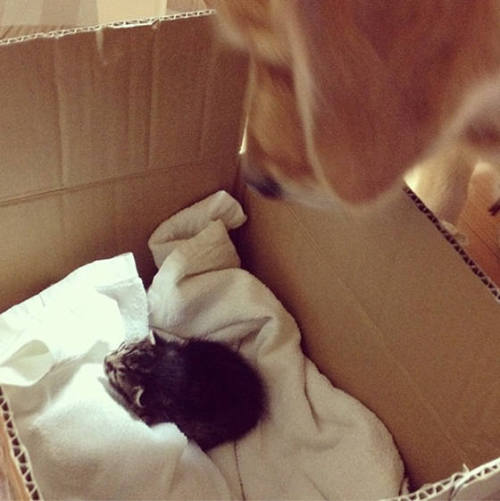
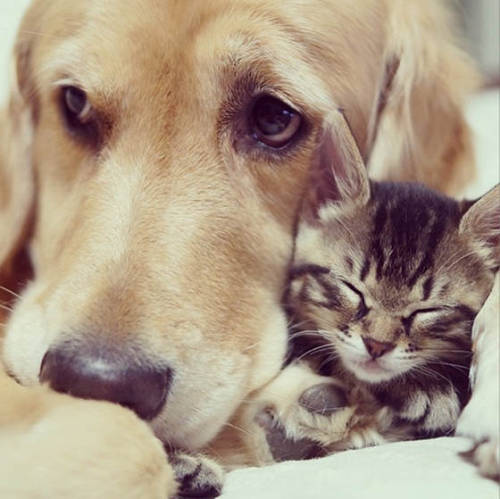
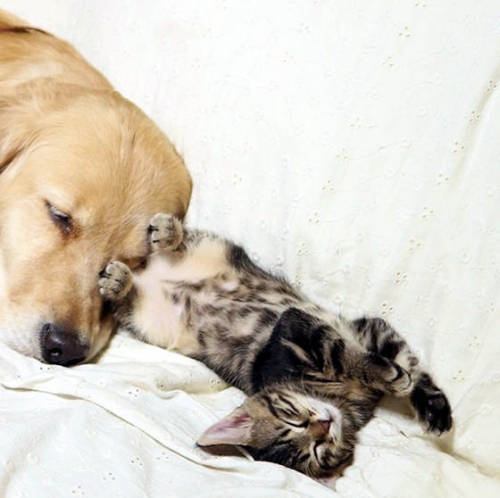
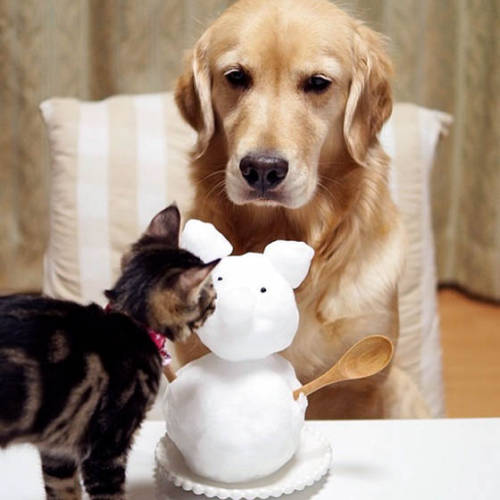
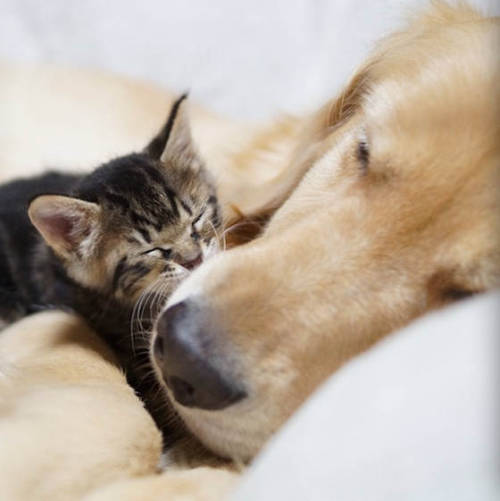
kiggor: Rejected by mother - cared by a golden retriever [via]
Russian Sledgesvia firehose



26 Jan 05:53
animals-riding-animals: pigeon riding turtles
by villeashell
Russian Sledgesvia otters (snorkmaiden: "Van Damming is the new Planking.")

Rosalind and -1 others like this
26 Jan 05:46
Iowa GOP Posts 'Is Someone A Racist?' Flowchart
Russian Sledgesvia firehose
chaser: http://photos1.blogger.com/blogger/4482/1083/1600/fag.gif
If anyone wanted to be the Iowa GOP's social media manager, our guess is that there will be a job opening approximately now.
26 Jan 05:29
PROJECT AMARO 2013 | brovospirits
by russiansledges
Russian Sledgesoverbey & I just picked up #8, with gentian and rose
We’re really excited for this year’s amaro project. Bartenders from Chicago, San Francisco and Seattle authored recipes for us. Ten new ones. It’s hard to believe that we could create ten new amaro that are different from the first seven we created, but they are all different.
firehose likes this
24 Jan 22:14

Photo
Russian Sledgesvia firehose via Osiasjota
Nylonthread, Rosalind and 2 others like this
24 Jan 20:35
Hilarious Bad Lip Reading Parodies of the NFL
by Justin Page
Russian Sledgesvia firehose
I am football-illiterate but these rule
Bad Lip Reading has created two hilarious bad lip reading parodies of the NFL (part one and part two). Quarterback Tom Brady tells a teammate that he “made some chicken rolls” and Peyton Manning mentions that “old folks and allergies” sure do gross him out.
Another Super Bowl, another Bad Lip Reading. No more kung fu!
Here is the original bad lip reading parody of the NFL from January 2013:
video via Bad Lip Reading
Tertiarymatt and -1 others like this
24 Jan 19:18

c. 1940s A Walnut Sideboard is used to display a collection of...
c. 1940s A Walnut Sideboard is used to display a collection of apothecary bottles | Purchased at Flair in New York City - Via
Rosalind, Tertiarymatt and -1 others like this
24 Jan 18:13
Leftover Pizza + Waffle Iron = Delicious
by rebeccahp
Russian Sledgesattn firehose
in case the skillet method has failed you
Lately on Serious Eats, they've been attempting to cook all sorts of things in a waffle iron. One that worked surprisingly well? Leftover pizza. Folded and reheated in a waffle iron, it becomes a pouch of greasy, cheesy, deliciousness. We're down, and totally ready to ditch the stovetop as our preferred reheat method for cold slices.
Today, I'm going to reveal to you a method that is superior to any of these. A method that converts stale, cold, lifeless pizza into a crisp-crusted, gooey-cheesed, brown-edged, stretchy, saucy, hand-held treat. A method so good that it'll make you want to order fresh pizza and let it go cold just so you can use it. And we're going to do it in the waffle iron.
Read More on Serious Eats
Photo by J. Kenji Lopez-Alt
Leftover Pizza + Waffle Iron = Delicious
24 Jan 17:34
thank god it's frida
by sushiesque
Russian Sledges#selfshare
sushiesque posted a photo:

Tertiarymatt, firehose and -1 others like this
24 Jan 17:34
thank god it's frida
by sushiesque
Russian Sledges#selfshare
sushiesque posted a photo:

firehose likes this
24 Jan 17:34
life sciences
by sushiesque
Russian Sledges#selfshare
sushiesque posted a photo:

firehose and -1 others like this
24 Jan 17:28
NEW: Sarasota manatee picks Super Bowl winner, will streak continue? | HeraldTribune.com
by russiansledges
Russian Sledgesattn overbey
adwoa sends her condolences
oh the huge manatee
For the last six years, Mote Marine Aquarium staffers have had their manatees predict the winner of the Super Bowl. Only here's the thing.
Buffett is 6-for-6.
The 1,800-pound manatee has correctly picked the Super Bowl champion each time — the Giants and Steelers, Saints and Packers, Giants and Ravens.
firehose likes this
24 Jan 17:25
One of the things we are taught in marketing class, is that everybody is a target. There is a product for every consumer. In other words, you and me are marketing targets, susceptible to certain products or messages in particular. Why is it important for us as consumer to realize, how does it help us make informed choices?
This reflection started during a conversation with a running partner of mine. He said he knew someone who "isn't a consumer". As a marketer, my instinctive answer was: everybody is a consumer. He explained himself by saying his friend was insensible to popular brands and hypes, and always bought the cheapest products. He may not be targeted by famous brands, but, by looking for the best bargain, he is a target: the "best deal consumer".
Being taught by my parents to shop smart and think before a purchase, I also made the mistake to think I was "immune to marketing" for some time. But people who think themselves as "smart shoppers" are a target, since some brands position their products as smart choices. Once I understood that, I asked myself: am I choosing this brand because it is *actually* a smart purchase, or because the company's marketing is telling me so?
Let's take the example of Nespresso. I love this case because their marketing positioning is very clear: it is fine espresso coffee for city upper class connoisseurs who select quality products and enjoy a refined beverage with class. Their ambassador is George Clooney, classy as frack in a tailored suit, asking you "what else?" with his dark eyes and cute smile. Incidentally, Nestlé managed to multiply the price of coffee by 10 with their little capsule merdouilles.
But does an actual coffee connoisseur drink Nespresso? No. He buys coffee beans, grinds them right before brewing, and uses simple tools like a French Press or an Italian Moka Pot espresso maker. I am not a coffee expert, but I remember the best coffee I tasted in Italy, and it was not a Nespresso capsule.
I remember being tempted to buy a Nespresso machine some years back. But we studied the brand's case at school, and it made me realize I am their target, they made me want a Nespresso machine even though this wasn't actually the best product for my needs and taste. After realizing what image, messages and brand universe I am weak to as a consumer, it helped me discern marketing promises from my own actual criteria, and I didn't buy the Nespresso machine. Clooney is welcome to have a cup of coffee in my Parisian mini-palace anytime though.
There is a marketing universe for any field today. Back to my running partner (running makes me think, it seems), we were talking about running gear, and he came up with all sorts of brands, fabrics and "expert" material. I realized he was spending quite some money on running gear. He is a target for all the high performance sports brands. No matter what our values, hobbies or preferences are, there is a marketing universe ready to answer all our "needs".
The first step, as a consumer, is to understand what you are a target for. That way, you can find out what criteria, messages and universe you respond the most to, and why you are drawn to certain brands. Which doesn't mean you shouldn't buy from these brands, it just means you can keep that weakness in mind when pondering a purchase, and remind yourself to apply more concrete and objective criteria for purchase (may it be your budget, the object's quality, your values, ethical considerations...)
For example, I know I'm a typical "young city upper class white collar" target, but in the "alternative, green, organic, authentic and conscious" branch. As I showed with the chocolate from this New Guest post, I am weak to natural-looking products, authentic-designed packagings, messages around ethics and fair trade, local products, transparency. As a "minimalist", I am naturally drawn to brands that position themselves as simple, whether it is in terms of design/aesthetics or in terms of brand values.
Unfortunately, knowing what you are a target of doesn't make you immune to marketing. Just like being aware of a brain bias doesn't remove it. You can be told about an optical illusion, your brain will still see it. It is the same for marketing strategies. They are very subtle and advanced today - through packagings, brand messaging, advertising, colour codes, ambassadors...
In other words, even if you manage to understand what you are drawn to and why, you will still be drawn to it. Then, what's the point? The point is, it still can make you think twice before purchasing something. Like me and the Nespresso machine. Fashion brands are a perfect example of brand universe and how we can be drawn to a brand because of its image despite the low price/quality ratio. (Yes, I'm looking at you, A.P.C., with your 80€ holed tops and 160€ pants which tear open at the hips). Maybe being aware of why you are drawn to certain brands can help avoid impulse purchases.
And sometimes, you will choose to buy the item anyway. But in that case, the purchase will be deliberate - you will make this decision while being aware of the biases you may have. For example, I am a sucker for Moleskine notebooks. Moleskine is another textbook example of good marketing. Despite the fact that the brand was created in 1997, their clever messaging managed to make us think it is the heir of the classic moleskine-covered notebooks that famous writers like Ernest Hemingway used, even though they have nothing to do with these notebooks whatsoever. The target is clear: upper class cultural elite. Their notebooks are darn expensive, by the way.
Despite the fact that their positioning is basically a communication screen of smoke, I have deliberately and knowingly decided to purchase Moleskine notebooks and planners anyway. I can afford it, and, to my experience, they still are the most practical and sturdy notebooks I have found so far. (I have a le Petit Prince notebook in my bag which I have been carrying around since summer 2012 and it is holding up like the first day of purchase, barring a couple of scratches).
In other words, knowing about how marketing works and your consumer profile helps you make more informed purchase decisions. Given the flood of choices we have in today's society, having a couple of extra tools to guide our decisions is more than welcome, don't you think? What about you, what field do you tend to spend more money on? What is your consumer profile?
Marketing Targets
by Kali Vine
Russian SledgesI am susceptible to clothing on models who look like less-smelly versions of 70s patti smith
but as for this: 'No matter what our values, hobbies or preferences are, there is a marketing universe ready to answer all our "needs"' ...I feel that whoever's supposed to be marketing shit to people who want to learn anachronistic lacemaking techniques should be fired
 |
| Personal photo |
One of the things we are taught in marketing class, is that everybody is a target. There is a product for every consumer. In other words, you and me are marketing targets, susceptible to certain products or messages in particular. Why is it important for us as consumer to realize, how does it help us make informed choices?
This reflection started during a conversation with a running partner of mine. He said he knew someone who "isn't a consumer". As a marketer, my instinctive answer was: everybody is a consumer. He explained himself by saying his friend was insensible to popular brands and hypes, and always bought the cheapest products. He may not be targeted by famous brands, but, by looking for the best bargain, he is a target: the "best deal consumer".
Being taught by my parents to shop smart and think before a purchase, I also made the mistake to think I was "immune to marketing" for some time. But people who think themselves as "smart shoppers" are a target, since some brands position their products as smart choices. Once I understood that, I asked myself: am I choosing this brand because it is *actually* a smart purchase, or because the company's marketing is telling me so?
- The Nespresso Example
Let's take the example of Nespresso. I love this case because their marketing positioning is very clear: it is fine espresso coffee for city upper class connoisseurs who select quality products and enjoy a refined beverage with class. Their ambassador is George Clooney, classy as frack in a tailored suit, asking you "what else?" with his dark eyes and cute smile. Incidentally, Nestlé managed to multiply the price of coffee by 10 with their little capsule merdouilles.
But does an actual coffee connoisseur drink Nespresso? No. He buys coffee beans, grinds them right before brewing, and uses simple tools like a French Press or an Italian Moka Pot espresso maker. I am not a coffee expert, but I remember the best coffee I tasted in Italy, and it was not a Nespresso capsule.
I remember being tempted to buy a Nespresso machine some years back. But we studied the brand's case at school, and it made me realize I am their target, they made me want a Nespresso machine even though this wasn't actually the best product for my needs and taste. After realizing what image, messages and brand universe I am weak to as a consumer, it helped me discern marketing promises from my own actual criteria, and I didn't buy the Nespresso machine. Clooney is welcome to have a cup of coffee in my Parisian mini-palace anytime though.
- What's Your Consumer Profile?
There is a marketing universe for any field today. Back to my running partner (running makes me think, it seems), we were talking about running gear, and he came up with all sorts of brands, fabrics and "expert" material. I realized he was spending quite some money on running gear. He is a target for all the high performance sports brands. No matter what our values, hobbies or preferences are, there is a marketing universe ready to answer all our "needs".
The first step, as a consumer, is to understand what you are a target for. That way, you can find out what criteria, messages and universe you respond the most to, and why you are drawn to certain brands. Which doesn't mean you shouldn't buy from these brands, it just means you can keep that weakness in mind when pondering a purchase, and remind yourself to apply more concrete and objective criteria for purchase (may it be your budget, the object's quality, your values, ethical considerations...)
For example, I know I'm a typical "young city upper class white collar" target, but in the "alternative, green, organic, authentic and conscious" branch. As I showed with the chocolate from this New Guest post, I am weak to natural-looking products, authentic-designed packagings, messages around ethics and fair trade, local products, transparency. As a "minimalist", I am naturally drawn to brands that position themselves as simple, whether it is in terms of design/aesthetics or in terms of brand values.
- How To Use this in Your Purchase Habits
Unfortunately, knowing what you are a target of doesn't make you immune to marketing. Just like being aware of a brain bias doesn't remove it. You can be told about an optical illusion, your brain will still see it. It is the same for marketing strategies. They are very subtle and advanced today - through packagings, brand messaging, advertising, colour codes, ambassadors...
In other words, even if you manage to understand what you are drawn to and why, you will still be drawn to it. Then, what's the point? The point is, it still can make you think twice before purchasing something. Like me and the Nespresso machine. Fashion brands are a perfect example of brand universe and how we can be drawn to a brand because of its image despite the low price/quality ratio. (Yes, I'm looking at you, A.P.C., with your 80€ holed tops and 160€ pants which tear open at the hips). Maybe being aware of why you are drawn to certain brands can help avoid impulse purchases.
And sometimes, you will choose to buy the item anyway. But in that case, the purchase will be deliberate - you will make this decision while being aware of the biases you may have. For example, I am a sucker for Moleskine notebooks. Moleskine is another textbook example of good marketing. Despite the fact that the brand was created in 1997, their clever messaging managed to make us think it is the heir of the classic moleskine-covered notebooks that famous writers like Ernest Hemingway used, even though they have nothing to do with these notebooks whatsoever. The target is clear: upper class cultural elite. Their notebooks are darn expensive, by the way.
Despite the fact that their positioning is basically a communication screen of smoke, I have deliberately and knowingly decided to purchase Moleskine notebooks and planners anyway. I can afford it, and, to my experience, they still are the most practical and sturdy notebooks I have found so far. (I have a le Petit Prince notebook in my bag which I have been carrying around since summer 2012 and it is holding up like the first day of purchase, barring a couple of scratches).
In other words, knowing about how marketing works and your consumer profile helps you make more informed purchase decisions. Given the flood of choices we have in today's society, having a couple of extra tools to guide our decisions is more than welcome, don't you think? What about you, what field do you tend to spend more money on? What is your consumer profile?
24 Jan 16:38
ConferenceCall.biz
by russiansledges
Russian Sledgesa former roommate shared this on facebook; I think it's supposed to be art
24 Jan 16:12
SUCCESS IS ALL ABOUT HOW YOU FRAME IT
I recently worked with a client who never wanted error messages like “an unexpected error occurred” or similar to be what his customers see when something goes wrong with the payment API. The client was short-tempered, and arguing seemed pointless and unappealing. The transaction failure message is now “Your transaction has failed successfully.”
24 Jan 15:20
How many apples does it take? The 'full juice vs low juice' debate (& some photos)
by Bill Bradshaw
Russian Sledgesvia saucie
tl;dr:
Cider minimum juice content:
Germany: 95%
Spain: 50%
France: 50%
USA: 50%
UK: 35%
Denmark: 15%
Sweden: 15%
At the risk of boring you, I should warn you that this is quite a long and dorky piece that may disinterest many of you -apologies if it does, turn it off and pour yourself a glass of your favourite tipple instead. Here is a nice photo of some bright, refreshing, big, juicy farmhouse cider in all its sunny glory to tempt you, mmmm.

For the remainder, its about time I commented on a topical and ongoing subject. I want to broach a debate only ever raised by the 'real cider' camp - the issue of juice content and labelling. In a nutshell its been suggested that in the interests of honesty, quality and education, an approximate juice content should be printed on the label to help consumers distinguish between high and low juice products. Currently, a producer doesn't need to tell consumers how much apple juice is actually in their cider and it varies dramatically, more so than most people realise -which is where the problems start. Legally the guidelines in the major cider producing nations of the world vary massively. Quite frankly the UK minimum juice content is embarrassing, but its not the lowest and it even has some economic and cultural advantages that I'll mention in due course.
If you were to ask an occasional cider drinker in the pub what cider is made of, they might look a bit puzzled and say something like 'apples (you oaf...)' If you ask a cidermaker however, the response will more likely be something along the lines of "well, that depends on whose cider it is." The amount of variability allowed here in UK is quite astounding when you first realise the situation. In fact, its pretty astounding when you already know the facts but allow yourself to consider it again.
In 2010, our esteemed government decided that we needed to increase the minimum juice content of our cider by increasing the total amount of apple (or pear for perry) juice by 10%. A ten percent increase - hurrah! and for the most part and it was celebrated by all but the most unscrupulous production line managers out there. However, when you realise that the minimum amount of juice required to legally call your product cider is still only 35%... the confusion starts to set in.
Yes, just to clarify, I can make an alcoholic drink that is ≮35% apple based and the remaining ≯65% can be water and sugar (with "no limit" to how much I can use) as well as other 'permitted ingredients' (at 'limits set by current food legislation') and sell it as cider. On one hand, its appallingly low, as any passionate cider consumer and producer will agree. Its like wine only being 35% grapes, cheese being 35% milk or only 35% of politicians being filing real expense claims (oh hang on...)
On the flip side, such a relaxed limit allows for a proliferation of cider 'styles', offers producers incredible flexibility and enriches market competition by bringing millions of pounds into the cider sector. I've no real problem with people making cider using a minimum amount of fruit because quite frankly, millions of people love it. The revenue created by large scale producers employ a lot of people and their business keeps much of our beloved landscape in orchards of fine English fruit. If I don't drink it, its because I find it much less satisfying in every aspect, but I refuse to berate it based on it not being my cup'o'tea. Eventually, many of those drinkers get bored of these products and move onto a higher quality product - such as an artisan farmhouse cider or a bottle conditioned perry.
If you compare the legal minimum level of juice required to make 'cider/cidre/sidra/apfelwein/most' etc in other cider producing nations, you get some idea of the value they put on juice as the main ingredient. Its actually a bit more complex than these simple percentages but without going into a whole lot more complex detail (and turning off even more readers!) I'll leave it at these for now.
With the help of some very patient and understanding colleagues stationed in the far corners of the cider world (thanks guys!) below is what I believe to be the minimum juice content required to legally call your produce cider in that country.
Germany: 95%
Putting legal requirements aside, where the boundaries of what makes a drink cider, or not, becomes one of personal preference. Some will argue that most 'fruit ciders' are not cider because they contain such little fruit, something I agree with. I was told during the course of my research for this that South Africa have such stringent 'production method requirements' that companies like Rekorderlig and Kopperburg are unable to launch there as 'cider' currently. I don't know if thats true or not, but its (pleasant) food for thought.
All this begs the question- what can the remaining percentage be? Its a complex and variable answer but in a nutshell, cider is made based on a combination of factors ranging from the personal tastes and preferences production methods of the cidermaker, cultural expectation and national legal requirements.
In Britain, Notice 162 is an HMRC document that 'explains the effects of the law and regulations covering the production, storage and accounting for duty on cider and perry.' It covers every aspect of commercial cider production and is so important to cidermakers, that they joke about keeping a copy by their bed to read because it directs nearly every aspect of their business. Section 25 lists the permitted ingredients and these are what can make up the remaining percentage to a greater or lesser amount. In the case of traditional cider which is, in the vast majority of cases worldwide, full juice (or high juice 95% apple juice) then the answer is a small addition of sugar, water, yeast and possibly some sulphites. In a low juice scenario (35% apple juice), we are looking at these plus raft of other ingredients such including sweeteners, acids, gases and over 45 E numbers.
For any of you that do not make cider, its a generally accepted rule of thumb that the more fruit you use, the better your cider will be (its not quite that simple, but its a good rule of thumb!) That having been said, there are some awful full juice ciders out there and some very acceptable low juice ciders, so its certainly not a clearcut argument. Sadly though, and this is my main point today, consumers are often completely in the dark on the issue. I'd love someone to poll a wide section of the public to find out how many people think cider is just apples.
Seasonal variation and consumer preference (on the whole) matters when you aim produce a high quality cider, so a degree of flexibility in production methods becomes beneficial (which ironically got us in this situation in the first place.) Sometimes you will need to add some sugar to allow for a crappy summer and resulting low sugar levels in the fruit. Alternatively, you may need to add some water to dilute the juice and reduce sugar levels in exceptional years, bringing the final abv down (Section 30: legally cider must be "less than 8.5%abv".) So whilst we must accept that we need to maintain a degree of flexibility and therefore need some room to manoeuvre in terms of production, I'd like to suggest we help increase awareness of actual juice content by giving punters an indication on the label. I've no idea how we could police it (although trading standards would probably do a thorough job) but surely it can only be a beneficial improvement.
Drinkers would soon learn which producers use higher, or lower juice contents to make cider and it would allow them to choose a drink more suitable to their preference. It would also give the producers that subscribe to a declaration an advantage on the shelf/at the bar. Yes you could argue it unnecessary because the vast majority of consumers don't actually give a shit, but in in a marketplace awash with low juice cider (the sales of which are staring to wane) companies are looking for new strategies and ideas to produce and sell their drinks. Surely a higher quality drink it has to be a good start?


For the remainder, its about time I commented on a topical and ongoing subject. I want to broach a debate only ever raised by the 'real cider' camp - the issue of juice content and labelling. In a nutshell its been suggested that in the interests of honesty, quality and education, an approximate juice content should be printed on the label to help consumers distinguish between high and low juice products. Currently, a producer doesn't need to tell consumers how much apple juice is actually in their cider and it varies dramatically, more so than most people realise -which is where the problems start. Legally the guidelines in the major cider producing nations of the world vary massively. Quite frankly the UK minimum juice content is embarrassing, but its not the lowest and it even has some economic and cultural advantages that I'll mention in due course.
If you were to ask an occasional cider drinker in the pub what cider is made of, they might look a bit puzzled and say something like 'apples (you oaf...)' If you ask a cidermaker however, the response will more likely be something along the lines of "well, that depends on whose cider it is." The amount of variability allowed here in UK is quite astounding when you first realise the situation. In fact, its pretty astounding when you already know the facts but allow yourself to consider it again.
In 2010, our esteemed government decided that we needed to increase the minimum juice content of our cider by increasing the total amount of apple (or pear for perry) juice by 10%. A ten percent increase - hurrah! and for the most part and it was celebrated by all but the most unscrupulous production line managers out there. However, when you realise that the minimum amount of juice required to legally call your product cider is still only 35%... the confusion starts to set in.
Yes, just to clarify, I can make an alcoholic drink that is ≮35% apple based and the remaining ≯65% can be water and sugar (with "no limit" to how much I can use) as well as other 'permitted ingredients' (at 'limits set by current food legislation') and sell it as cider. On one hand, its appallingly low, as any passionate cider consumer and producer will agree. Its like wine only being 35% grapes, cheese being 35% milk or only 35% of politicians being filing real expense claims (oh hang on...)
On the flip side, such a relaxed limit allows for a proliferation of cider 'styles', offers producers incredible flexibility and enriches market competition by bringing millions of pounds into the cider sector. I've no real problem with people making cider using a minimum amount of fruit because quite frankly, millions of people love it. The revenue created by large scale producers employ a lot of people and their business keeps much of our beloved landscape in orchards of fine English fruit. If I don't drink it, its because I find it much less satisfying in every aspect, but I refuse to berate it based on it not being my cup'o'tea. Eventually, many of those drinkers get bored of these products and move onto a higher quality product - such as an artisan farmhouse cider or a bottle conditioned perry.
If you compare the legal minimum level of juice required to make 'cider/cidre/sidra/apfelwein/most' etc in other cider producing nations, you get some idea of the value they put on juice as the main ingredient. Its actually a bit more complex than these simple percentages but without going into a whole lot more complex detail (and turning off even more readers!) I'll leave it at these for now.
With the help of some very patient and understanding colleagues stationed in the far corners of the cider world (thanks guys!) below is what I believe to be the minimum juice content required to legally call your produce cider in that country.
Cider minimum juice content:
Germany: 95%
Spain: 50%
France: 50%
USA: 50%
UK: 35%
Denmark: 15%
Sweden: 15%
NB: If anyone feels they can improve on these, please feel free to comment.
Putting legal requirements aside, where the boundaries of what makes a drink cider, or not, becomes one of personal preference. Some will argue that most 'fruit ciders' are not cider because they contain such little fruit, something I agree with. I was told during the course of my research for this that South Africa have such stringent 'production method requirements' that companies like Rekorderlig and Kopperburg are unable to launch there as 'cider' currently. I don't know if thats true or not, but its (pleasant) food for thought.
All this begs the question- what can the remaining percentage be? Its a complex and variable answer but in a nutshell, cider is made based on a combination of factors ranging from the personal tastes and preferences production methods of the cidermaker, cultural expectation and national legal requirements.
In Britain, Notice 162 is an HMRC document that 'explains the effects of the law and regulations covering the production, storage and accounting for duty on cider and perry.' It covers every aspect of commercial cider production and is so important to cidermakers, that they joke about keeping a copy by their bed to read because it directs nearly every aspect of their business. Section 25 lists the permitted ingredients and these are what can make up the remaining percentage to a greater or lesser amount. In the case of traditional cider which is, in the vast majority of cases worldwide, full juice (or high juice 95% apple juice) then the answer is a small addition of sugar, water, yeast and possibly some sulphites. In a low juice scenario (35% apple juice), we are looking at these plus raft of other ingredients such including sweeteners, acids, gases and over 45 E numbers.
For any of you that do not make cider, its a generally accepted rule of thumb that the more fruit you use, the better your cider will be (its not quite that simple, but its a good rule of thumb!) That having been said, there are some awful full juice ciders out there and some very acceptable low juice ciders, so its certainly not a clearcut argument. Sadly though, and this is my main point today, consumers are often completely in the dark on the issue. I'd love someone to poll a wide section of the public to find out how many people think cider is just apples.
Seasonal variation and consumer preference (on the whole) matters when you aim produce a high quality cider, so a degree of flexibility in production methods becomes beneficial (which ironically got us in this situation in the first place.) Sometimes you will need to add some sugar to allow for a crappy summer and resulting low sugar levels in the fruit. Alternatively, you may need to add some water to dilute the juice and reduce sugar levels in exceptional years, bringing the final abv down (Section 30: legally cider must be "less than 8.5%abv".) So whilst we must accept that we need to maintain a degree of flexibility and therefore need some room to manoeuvre in terms of production, I'd like to suggest we help increase awareness of actual juice content by giving punters an indication on the label. I've no idea how we could police it (although trading standards would probably do a thorough job) but surely it can only be a beneficial improvement.
Drinkers would soon learn which producers use higher, or lower juice contents to make cider and it would allow them to choose a drink more suitable to their preference. It would also give the producers that subscribe to a declaration an advantage on the shelf/at the bar. Yes you could argue it unnecessary because the vast majority of consumers don't actually give a shit, but in in a marketplace awash with low juice cider (the sales of which are staring to wane) companies are looking for new strategies and ideas to produce and sell their drinks. Surely a higher quality drink it has to be a good start?
High juice content cider contains less of these:
Low juice content cider contains less of these:
24 Jan 15:07
‘Steamed Buns Store’ Song in Ode to Chinese President Xi Jinping
by Abby
Russian Sledgesvia overbey
A song praising Chinese president Xi Jinping’s everyman behavior has been composed in ode to his appearance at a small Beijing eatery late last year. The song will be officially released after the Spring Festival. Offbeat China has translated the lyrics:
(accompaniment) Steamed buns store, steamed buns store
(solo) Here’s the story: A few days before the New Year
I walked into the steamed buns store for lunch
As I was lining up, somebody came in behind me
Look at him, with his robust figure, imposing bearing and ruddy appearance
Hey! Why does he look so familiar?
Surprised, the waiter headed forward
“Please take a seat, sir. I will bring anything you want to eat.”
The man smiled, and waved him off,
He stayed in line behind me, the last one in line
He ordered a set meal. It was only 21 yuan
Pork steamed buns, together with vegetables and pork liver stew
He stood in line with us. He paid for the meal himself
With both hands carrying the tray, he walked towards me
(accompaniment) Where did he sit?
(solo) Oh! Hey! Everybody! Everybody! What a coincidence! He sat right beside me!
He enjoyed his meal, even laughed and chatted with us
I hastily took out my phone to take pictures of people posing next to him
I hurried to Weibo to upload the pictures
The story went viral and netizens rushed to comment
Uncle Xi, warm-hearted man of the people, the “president combo” is now famous
Uncle Xi, warm-hearted man of the people, our incidental encounter at the steamed bun store
Has warmed the hearts of the people in this harsh winter!
Has warmed the hearts of the people in this harsh winter!
Written by Abby
· comments (0)
Donate
· Share: facebook · twitter · googleplus · reddit · StumbleUpon · delicious