Ahh, the tastes of summer. Nothing beats apple pie a la mode or a classic cheap, sugary rocket pop on a hot, sticky July day. Well… nothing except infusing the taste of those summertime treats into a can of baked beans, that is. — Read the rest
These 1955 advertisements show Campbell's Soup pushing an unexpected cocktail recipe. One ad gives the recipe for a "Frisky Sour": 2 chilled cans of Campbell's Beef Broth, 1 can of ice water, and 1/3 cup of fresh lemon juice. At first glance, I thought these recipes were meant to jazz up cold Campbell's soup with something fun. — Read the rest
Intertapes is a collection of found cassette tapes — some contain music and others voice memos. Each entry includes images of the tape, a description/track listing, and the actual audio (on Soundcloud).
This one was recorded off of a NYC radio station in 1994 and includes tracks from Mary J. Blige, Wu-Tang, Snoop Dogg, and Heavy D.
This tape found recently in Berlin was also recorded in 1994 by someone named Sven and includes tracks by Underworld & Laurent Garnier.
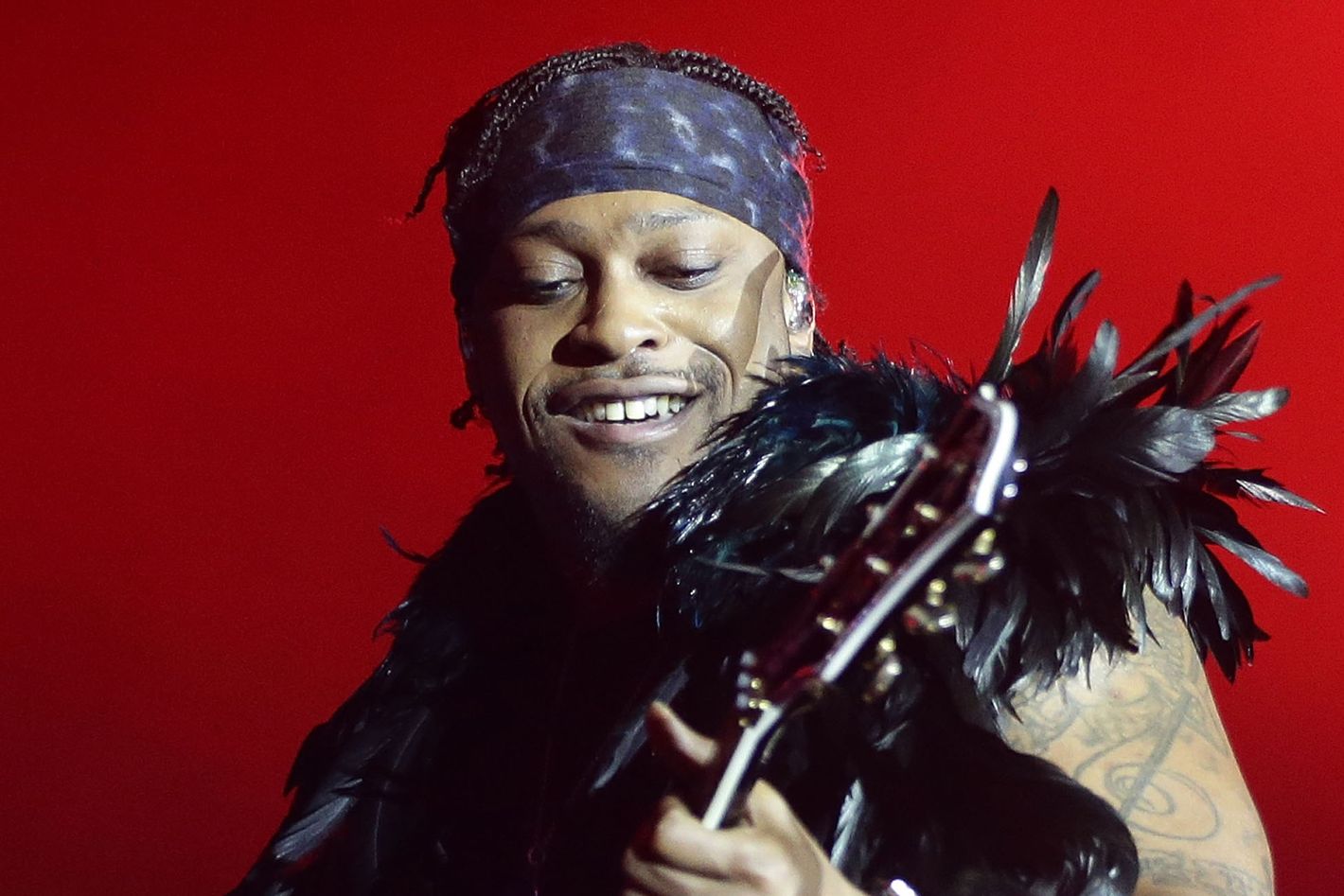
Musicians everywhere came to pay tributes to the late R&B icon D’Angelo, who died from pancreatic cancer on October 14. Beyoncé remembered the “inimitatable” musician in a message posted on her website, alongside a photo of him. She wrote, “We thank you for your beautiful music, your voice, your proficiency on the piano, your artistry. You were the pioneer of neo-soul and that changed and transformed rhythm & blues forever.”
Jamie Foxx remembered the first time he heard D’Angelo’s music, calling him “anointed” as he was captivated by his songs when he saw him in concert. “Your voice was silky and flawless… I was graciously envious of your style and your swag… I was also in pure awe of your talents…. roaming around on each instrument, displaying your expertise in every note and every song as I watch you command, the crowd, mostly women …me and all the guys that were with me understood the mission…It was time to let our girls enjoy this moment and not bother them…” Foxx wrote on Instagram.
Kelly Rowland shared a carousel of photos of D’Angelo on Instagram, writing, “This one hurts, DEEP! The way this man, poured himself in the music! The stories I’ve heard of his brilliant process…….im just speechless…… He TRULY IS 1 of 1. Simply gutted by this loss!”
Below, read the full tributes from Beyoncé, Foxx, and Rowland and more from Tyler the Creator, Doja Cat, and other stars.
Beyoncé
From her website: “Rest in peace, Michael Eugene Archer, known to the world of music as the inimitable D’Angelo. We thank you for your beautiful music, your voice, your proficiency on the piano, your artistry. You were the pioneer of neo-soul and that changed and transformed rhythm & blues forever. We will never forget you.”
Rest in peace D’angelo. My thoughts, love and prayers go out to his family and friends. A true voice of soul and inspiration to many brilliant artists of our generation and generations to come.
The marketing campaign for the recently-announced twelfth edition of the Merriam-Webster Collegiate Dictionary is a little… scary. While a dictionary technically can be considered a "large language model", albeit not a very interactive one, it's fair to say no one had thought of using that term to describe it before Merriam-Webster's recent fakeout ad. — Read the rest
Ron Miller has been painting signs since 1978. He loves adding color to the neighborhood with his work. He has no website, no email and works all by word of mouth in Detroit.
A ramification of the AI "revolution" that I hadn't even considered before now is what it must be doing to Wikipedia. As the broadest and most accessible repository of human knowledge on the planet, I can only imagine how much it must have been flooded with AI slop by well-meaning tech bros who genuinely think ChatGPT is an omniscient genius. — Read the rest
this store is *the best*. everyone buy gifts from it this year: https://sciplus.com/
An 88-year-old temple of scientific wonders and glorious oddities is fighting for survival, and they're asking the community of "Surpies" who love them to help keep the lights on.
This story was originally published on August 30, 2017, following the news that Alf Clausen had been fired from The Simpsons. We are recirculating it now in light of the Emmy-winning composer’s death at 84.
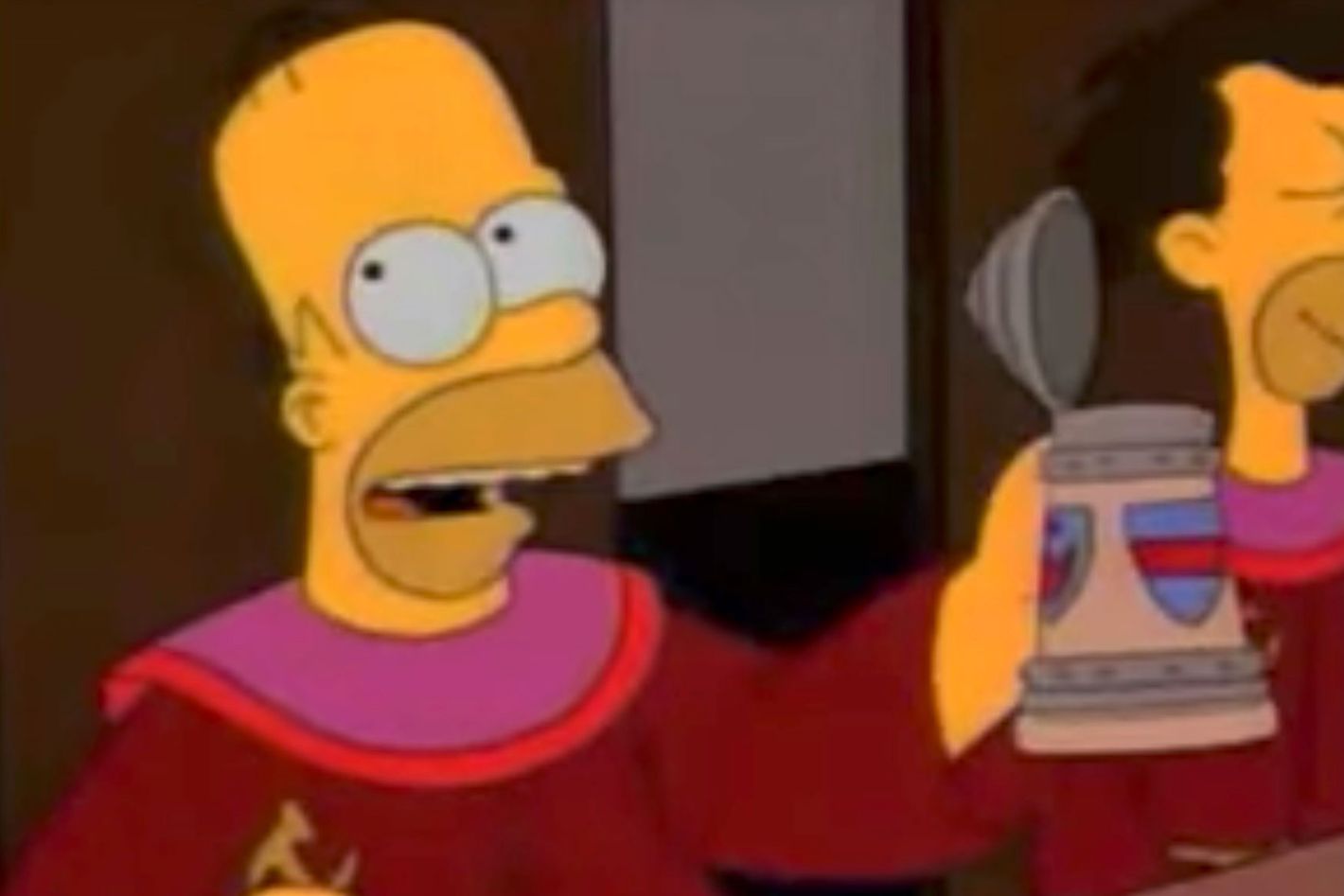
On Wednesday, the news came out that Alf Clausen was fired from The Simpsons after 27 years as the show’s longtime composer. The loss is tremendous. Clausen might not be the man behind the show’s legendary theme song (that is, of course, Danny Elfman), but his impact on the show’s music is second to none. Not only has he scored every scene since 1990, he has also provided the music for the show’s beloved songs since season five. Clausen, who worked for many years as a composer before The Simpsons, had a real gift for big, old-school show tunes and parodying music while still making it different enough that it would be fair use. It’s why Matt Groening has long called him the show’s “secret weapon.” In light of today’s news, let’s look back at some of Clausen’s greatest Simpsons hits.
“Kamp Krusty Theme Song” (Season 4, Episode 1)
“Springfield, Springfield” (Season 5, Episode 8)
“Who Needs the Kwik-E-Mart?” (Season 5, Episode 13)
“We Do (The Stonecutters’ Song)” (Season 6, Episode 12)
“See My Vest” (Season 6, Episode 20)
“Señor Burns” (Season 7, Episode 1)
“Dr. Zaius”/“Chimpan A to Chimpan Z” (Season 7, Episode 19)
“Mother Simpson” (Season 7, Episode 8)
“Cletus the Slack-Jawed Yokel” (Season 7, Episode 21)
“We Put the Spring in Springfield” (Season 8, Episode 5)
“You’re Checkin’ In” (Season 9, Episode 1)
“Canyonero” (Season 9, Episode 15)
“Ode to Branson” (Season 13, Episode 13)
“They’ll Never Stop the Simpsons” (Season 13, Episode 17)
i have a memory of them doing this in brazil (at least with billboards) and they put up art instead and that sounds pretty good to me right now
Advertising is "the machinery of mass delusion," says writer Kōdō Simone. He calls for abolishing all advertising — not regulating it, but making it completely illegal.
Banning advertising would eliminate the financial incentives behind addictive digital content and reality-distorting algorithms. He claims an advertising free world would force both commercial and political actors to engage more honestly with the public. — Read the rest
For the first minute or so, you’d be forgiven for thinking Conner O’Malley’s latest work is another sendup of Joe Rogan–style “whoa, dude!” podcasting, albeit a funny one. Its conceit is that inside many rocks and mountains around the world, there exist pipes that use “ancient Vedic technology” to steal energy and make you tired. (“I’m feeling, like, so tired by this rock!” O’Malley as the podcaster “Kevin Podcast” says next to a hollowed-out rock with pipes inside.) But like all of his projects, it takes progressively weirder turns over the course of five minutes, leading him into a To Catch a Predator–style shakedown in a Target followed by a Scientologist sex ritual with Tom Cruise and “Protestant singer” Bono (played by two quite impressive impersonators).
This culminates in an alt-right fever dream where a group of vigilantes led by Santa Claus shoots up the celebrity pipe-rock sex ring, all thanks to Kevin Podcast’s bravery, which is rewarded by the “inaugural Presidential Podcasting Medal of Informativeness.” Kevin Podcast replies with a “non-pedophilia” cover of R. Kelly’s “I Believe I Can Fly” while wearing a “Who Ate All the Pussy” shirt. For obvious reasons, every boy I know is obsessed with this video; Chapo Trap House’s Felix Biederman dubbed it the “greatest piece of art from the Trump 2 era.” And yes, there are people who think it’s real. Once again, Conner O’Malley shows us he understands these freaks better than anyone else on Earth.
i just tore through three of these volumes at the end of last year. they're incredible, unbelievable and weirdly therapeutic during these lousy times. they also prove how sexy it is to lug around a 1200 page brick for a few weeks
A good, long profile of author Robert Caro, in which he reveals that he’s written 951 pages of the fifth (and final) installment of his series of books on LBJ — but also that he’s “not nearly done”.
James Trimble's European word translator generates maps of Europe showing the word of your choice in the most common languages for each nation. It gets the job done nicely, though it only works for English words.
This page was inspired by the etymology maps by Bezbojnicul on reddit.
this was so fun to watch. the star power that has performed on that stage is staggering. check it out
Photo: Saturday Night Live via YouTube
The 50th anniversary of Saturday Night Live has recently been celebrated with a Peacock docuseries about its history, a Jason Reitman movie about its origin, and magazine cover shoots highlighting the endless parade of stars who got their start in Studio 8H. That is to say nothing about the previous anniversary specials and documentaries and books and oral histories that have rehashed and contextualized SNL’s place in American culture many times over. It’s tempting to feel like there couldn’t possibly be anything new to say about SNL. But then came Ladies & Gentlemen … 50 Years of SNL Music.
The two-hour-plus documentary serves as a thoroughly spectacular salute to the pop stars and songs that gave the NBC late-night show its reputation as a launching pad for musicians, as well as budding comedians. Co-directed by Questlove and Oz Rodriguez, a regular, longtime director of shorts at SNL, the documentary offers a comprehensive, dynamic, and genuinely exciting tour through five decades of rock, hip-hop, punk, and other genres as manifested within the walls of 30 Rock. It debuted earlier this week on NBC and is now streaming on Peacock. If for some reason you’ve been hesitant to check it out, here are five reasons why you should stop what you’re doing and immediately press play on this journalistic mixtape featuring performances from some of the greatest musical artists (and funny people pretending to be great musical artists) of all time.
The opening montage is amazing
Another director might have kicked off this documentary with a series of talking-head shots of influential people speaking about why music has played such a significant role in SNL’s success. There’s a tiny bit of that in the seven-minute montage at the top of Ladies & Gentlemen, but mostly, it’s an auditory and visual roller-coaster ride through major SNL musical moments, crafted with the kind of infectious, surprising flow that only a DJ as seasoned as Questlove could give.
When the aggressive drumbeat of “Take Me Out,” knocked out by Franz Ferdinand during a 2005 episode, gets looped in to Nelly’s performance of “Hot in Herre,” each positioned side by side in a split screen, the two songs sound like they were always intended to complement each other. And not only is the slide between Queen performing “Under Pressure,” Dave Matthews singing “Ants Marching,” and Vanilla Ice shuffle-dancing through “Ice Ice Baby” worthy of being blasted through a boom box, it also efficiently communicates the vast differences and common denominators among the show’s musical guests over the years. From the get-go, this banger of an intro demonstrates the approach of the whole documentary, with Questlove and Rodriguez gliding naturally from one subject to the next.
It features clips that you have probably never seen or completely forgot about
Generally speaking, it’s pretty easy to find clips of old SNL sketches online. Musical performances are more challenging to track down because of rights issues that often keep them out of circulation. Because of that, more of the old footage in Ladies & Gentlemen feels rare; either you’ve never seen it or you saw it once, so long ago that you completely forgot about it. Which is why it’s thrilling to see a barely lit Prince grooving his heart out to “Partyup” in 1981, David Bowie wearing a plastic tuxedo while singing “The Man Who Sold the World,” or the Funky 4 + 1, a Bronx-based rap group who only got on the show because host Debbie Harry insisted on it, launching into national television’s first rap performance, also in 1981. Even the stuff that doesn’t involve actual performances — like video of Charles Barkley and the members of Nirvana clowning around while shooting a promo — has the feel of a precious artifact that’s finally been unearthed.
It’s thorough — really thorough
Questlove has said that he watched every single episode of SNL while working on this project, and it shows. Ladies & Gentlemen covers every era of the show and doesn’t over-dwell on the early years the way some SNL histories have a tendency to do. While it spends the most time on rock and rap, it captures the diversity of genres — country, reggae, classical — that have infused the air in Studio 8H.
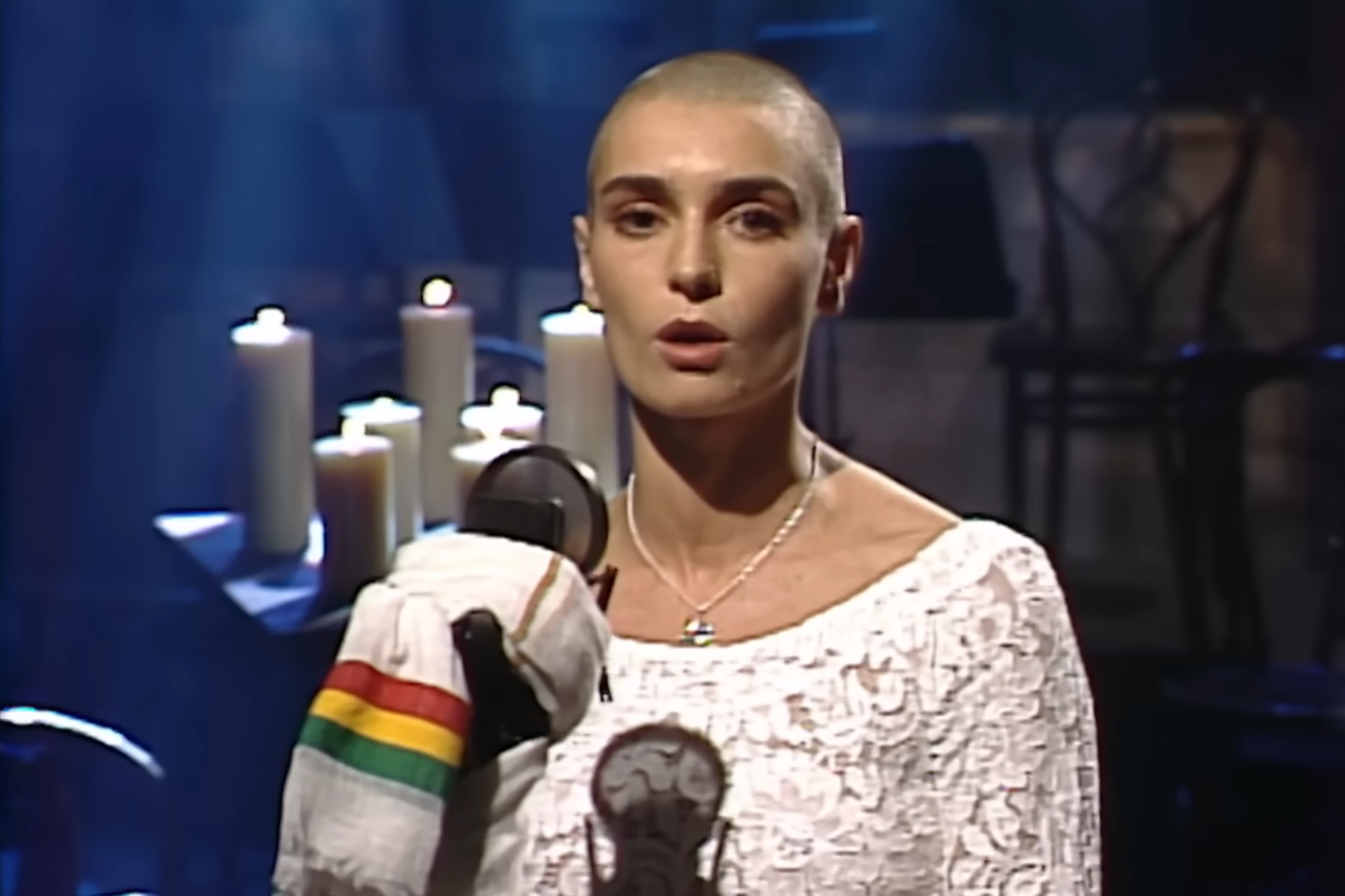
It also gets nitty-gritty, documenting an extremely busy week in the life of Bad Bunny and Billie Eilish, two stars who recently served as both host and musical guest. It pays tribute to the musical impressions and compositions of certain cast members. (Eddie Murphy, who rarely speaks for these sorts of SNL lookbacks, discusses his takes on James Brown and Stevie Wonder, while a whole section focuses on the influence of the Lonely Island.) And it explores how SNL can act as a megaphone both for the success of careers (Adele’s popularity bump after her first SNL appearance is covered) and for political causes. Sinead O’Connor’s famous 1992 appearance, where she ripped up a picture of the Pope during her cover of Bob Marley’s “War,” is shown in its entirety, as is a portion of the dress rehearsal, when she held up a picture of a young child so SNL’s crew wouldn’t know what she had planned. If Questlove and Rodriguez left out a significant, relevant angle on SNL music, I can’t figure out what it is.
The behind-the-scenes footage of controversial moments will make you as tense as someone who actually works at SNL
Remember when Ashlee Simpson came out onstage at SNL in 2004 to sing her second song and the track she had already performed played by accident, revealing that she was lip-syncing the whole time? This documentary does, and it replays the moment from the perspective of the control room, where a director keeps yelling “Wrong song, wrong song!” Even more compelling is the audio of Kanye West in 2016after he realizes lighting designers have removed some of the reflective material on his set. He immediately walks offstage and starts yelling “I am 50 percent more influential than any other human being! Don’t fuck with me!” to seemingly no one in particular. These moments keep the documentary from being too laudatory and also provide a visceral sense of what it’s like to actually be smack in the middle of the fray on a live-show night when things go off the rails.
It does not shy away from critiquing SNL itself.
This documentary doesn’t shy away from considering some negative moments in SNL music. It touches on some truly disastrous performances, including Miles Davis in 1981, off his game and constantly turning his back to camera, and a cacophonous Captain Beefheart in 1980. (There is no mention of Lana Del Rey’s famously off performance in 2012, but Questlove has said he asked to interview her and she declined.)
More importantly, the documentary slyly highlights the hypocrisy now embedded in the DNA of a onetime bastion of rebelliousness becoming more and more mainstream over the years. The discussion of the O’Connor controversy acknowledges how swiftly the public threw her under the bus for making a statement that was ultimately about abuse in the Catholic church, something O’Connor had endured herself. The willingness to speak on it now after the late O’Connor is gone — “There was a part of me that just admired the bravery of what she had done, and also the absolute sincerity of it,” says Lorne Michaels — also highlights how grotesque it is that no one was willing to say such things at the time when she really needed the support. Tom Morello of Rage Against the Machine recounts SNL’s hilariously paradoxical decision to book the band as musical guest in 1996 on the same week that Steve Forbes, the rich editor-in-chief of Forbes magazine, a former Republican presidential candidate and possibly the only person less equipped than Elon Musk to helm SNL, was the host. “How ironic,” Morello says drily. “Let’s see how that works out.” Let’s just say that Rage Against the Machine ended up getting escorted out of 8H before they got to perform their second song.
In some ways, the most rock-and-roll thing SNL could have ever done was end when Michaels first departed the show in 1980. It would have been remembered forever as the anti-Establishment late-night shit stirrer that went hard and flamed out, much like some of the artists who performed on it. But it became part of the mainstream, a fact that gives it power and influence while inevitably diluting the countercultural vibe that initially made it so great. Questlove and Rodriguez illustrate all that while also lovingly conveying a massive amount of history with concision and verve. Ladies & Gentlemen … 50 Years of SNL Music is a killer tribute album that you want to listen to again as soon as the last song fades.
A calque is a word that has been loaned *and translated* from another language. Some English calques: flea market, potsticker, beer garden, iceberg, refried beans, superman, scapegoat, stormtrooper, killer whale.
my brother got this for christmas and it's every bit as great as they say it is
Comedian Brendan Scannell recently announced a "New Diva Alert!"—in response to Cook County Treasurer Maria Pappas' new 2025 calendar, which, I have to agree, is simply marvelous. The calendar features 12 glamour-shot style images of Pappas dressed to the nines and striking some fabulous poses. — Read the rest
loved this book. hope the show matches or, if even possible, surpasses
Copyright 2024, FX. All rights reserved.
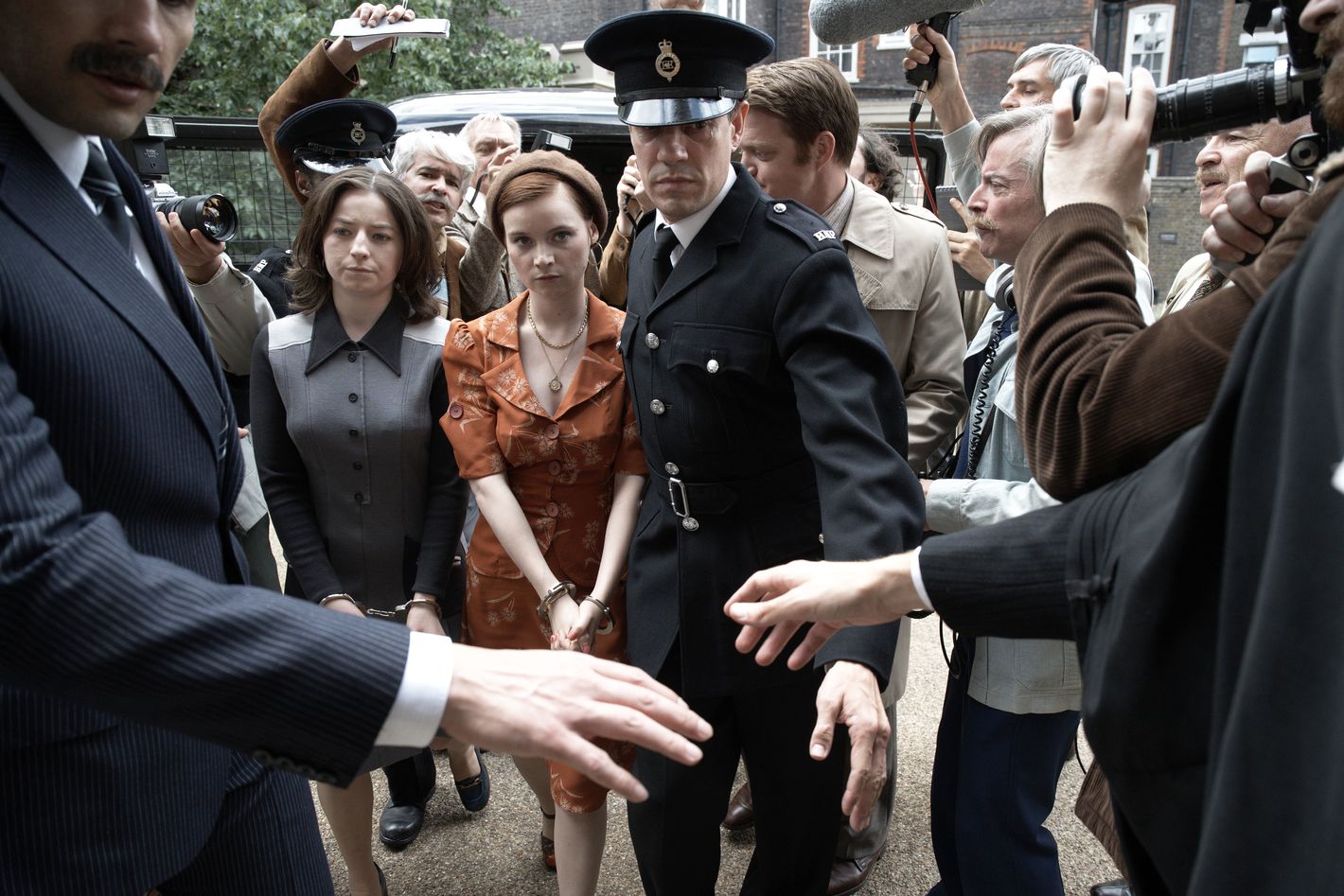
Midway through the first episode of Say Nothing, Dolours Price encounters a fiery scene in West Belfast: a mob of Northern Irish citizens chucking petrol bombs at a police barracks. A gawky, bespectacled young man directs the violence. “Wee Gerry has come a long way since debate club,” Dolours’s sister, Marian, notes. “Wee Gerry” is Gerry Adams, a childhood friend of the Prices who now plays a pivotal role in the Provisional Irish Republican Army. “Evening, child,” he says, striding up to the much smaller Dolours. “Don’t call me child, you jumped-up wee prick,” she retorts, not missing a beat. “You’re a year older than I am.” Arms crossed, Dolours locks her gaze and keeps her chin high in defiance of the towering Adams. The woman who would go on to lead the Provisional IRA’s first major attack on London is barely an adult, but she’s hungry to seize the world.
As a portrait of young revolutionaries, Say Nothing crackles with the thrill and romance of committing one’s life to an armed cause. Adapted from New Yorker writer Patrick Radden Keefe’s nonfiction best seller of the same name, the nine-episode FX miniseries runs the Troubles — the conflict between British occupiers and freedom fighters that consumed Northern Ireland for most of the second half of the 20th century — through the specific experiences of four PIRA members battling the British for a free and united Ireland. Dolours Price (an electric Lola Pettigrew) and her sister, Marian (Hazel Doupe, conveying a stormy interiority behind a still face and giant eyes), join the organization after enduring a brutal attack by counterprotesting British loyalists during a nonviolent march. Adams (Josh Finan) serves as a key strategist who would go on to play a pivotal and controversial role in ending the violence decades later, while his friend Brendan Hughes, played by a terrific Anthony Boyle, leads attacks on loyalists and armed forces across West Belfast. But the series also grapples with deep wells of complication around the costs of political violence, even when it’s carried out in the name of a just cause. That tension between righteousness and reckoning drives Say Nothing, which labors to maintain an empathetic view of how it feels to fight in a revolution, to live with its weight, and to be caught in the crossfire.
Led by showrunner Josh Zetumer, with a writers’ room composed of Joe Murtagh, Claire Baron, and Kirsten Sheridan, Say Nothing plows through set pieces with a lightness that mimics the fire of youthful conviction in its early stretch. The Price sisters stick up a bank while disguised as nuns, then giggle as they flee the scene; Dolours plays driver in a gun-running operation, where she flirts with a border guard to get past a security check; Brendan Hughes barrels through a quiet neighborhood to evade British soldiers, the camera capturing him from above as he weaves through alleyways with daredevil flair. You never forget these revolutionaries were kids during the heat of this action: Dolours spends the night before she plants bombs across London watching a West End play, wide-eyed and overwhelmed with the nightlife of the city she’s set out to attack. Afterward, when the Price sisters and their confederates attempt to flee the country, an unmistakably childlike terror consumes their faces.
But even within the excitement of its opening half, Say Nothing’s highs are conditional. The plight of the core group is threaded with scenes revolving around the McConville family, whose matriarch Jean is taken by the IRA one night in 1972. The truth behind her abduction steadily trickles out across the season, but the way her children are torn apart is made apparent from the beginning. The household is barely making ends meet in the series’ opening sequence, and after Jean’s disappearance, the siblings are cruelly separated by the British bureaucratic state. In its second half, Say Nothing dramatically slows down to transition into a meditation on the messy costs that comes with war. The McConvilles’ efforts to determine Jean’s fate and locate her remains, led by eldest sister Helen (Lauren Donnelly), shifts to the series’ fore, taking up equal space with scenes of the PIRA members growing older and diverging in fates. Some stay resolute to the cause, others are haunted by their actions in the past. Still others disavow their histories in a bid to seek political power.
Say Nothing is less interested in the structure of political violence than it is in the specific emotional experience of engaging in that violence. The series streamlines much of the larger historical context and can feel claustrophobic as a result — in excluding a full picture of what British occupation materially meant in the day-to-day of West Belfast, the series fails to communicate the scale of what this history means to the region. But the show ultimately weaponizes that claustrophobia to its benefit. The bravura sixth episode depicts the Price sisters, incarcerated for detonating a car bomb in central London, stage a hunger strike in order to be moved into a prison back in Northern Ireland. Their campaign ran for more than 200 days, and Say Nothing realizes the extreme nature of their effort by sticking agonizingly close to the sisters’ deterioration. The camera zeroes in on Dolours’s distress as she gags through force feedings day after day, pulls the teeth from her mouth, and sheds mass from her body, shrinking the perspective of the series down to the isolation of her prison’s walls.
The passing of time is central to the grand effect of Say Nothing. A magisterial Maxine Peake plays an older Dolours, whose interviews for an oral history of the Troubles function as a framing device in the opening episodes, and maintains Pettigrew’s effervescence. In an early scene, she discusses how she was recruited into the IRA, “Like one of those women who walks down the street and some fella from some modelin’ agency says, ‘Hey, I’m sending you to Milan!’” she laughs. But by this point in Say Nothing’s timeline, the weight of Dolours’s history has left its mark. The old revolutionary delights her chronicler with wit and charm, yet a wary distance never leaves her eyes.
There’s no way around it: Watching Say Nothing provides a surreal through-the-looking-glass experience as conflicts between occupiers and the occupied — especially Israel’s ongoing assault of Gaza — continue to rage around the world, not to mention as the United States drifts into another Trump presidency that promises some degree of authoritarianism. And yet, there’s nothing exceptionally timely about Say Nothing’s subject matter. Questions about the nature of political violence are as universal and timeless as those of truth and justice. For its part, the series maintains the book’s journalistic distance when it comes to making statements about the morality of armed struggle. Would the Good Friday Agreement ever have come to pass without the violence the IRA precipitated? Was the IRA’s fight a just one? A Hollywood-produced television show is not the right platform to engage with these questions. But what this adaptation fosters, much like the book it’s based on, is a consideration and understanding of the people who engage in such violence, while never losing sight of the ones who also suffered its casualties.
for wiki-work i sat through a presentation from one of the leading AI guys at microsoft and he all but confirmed this
The creator and lead maintaner of Linux says AI is 90% marketing, 10% reality. Linus speaks for a lot of us, I think! That it's marketed as "AI" in the first place is a good example of what he's talking about. — Read the rest
Three thought experiments that suggest “the space-time continuum we seem to inhabit is not fundamental but an approximation of something deeper, and that the concept will eventually be replaced…” What a wrench in the works black holes are!
This 1897 Strand Magazine article, written by Framley Steelcroft (that's gotta be a fake name), covers unusual competitions that brought joy and excitement to working-class East End Londoners at the turn of the century.
Do you fancy climbing a greasy pole to grab a leg of mutton? — Read the rest