Right after college, I moved to San Francisco, a city where I knew one person. I had a lonely time at first, and in particular I struggled to stay connected to the friends I no longer shared a campus with. I wasn’t very good at calling people on the phone and my email correspondences were sporadic at best. But what I did have was my Reader Crew, a group of friends who were all devoted to Google Reader.
Some of you have already lit up at the mention of Google Reader—it’s got a devoted following of mourners. Reader was a short-lived aggregator of RSS feeds (RSS stands for “Really Simple Syndication”). Sites can publish RSS feeds which allow you to access that sites content in another program, called a reader, where you can scroll, sort, and search. These readers pull together any feeds you curate, keeping them updated and tracked. RSS feeds tend to be the posts and articles from a site—scroll down to the bottom of this page and you can see ours—but most RSS readers can also handle newsletters, Tumblrs, and even specific Google searches can rendered in RSS.
Google’s Reader was special because it had some very light social aspects: you were able to follow other people, who could share things from their own feeds into your feed, with or without a small bit of commentary. You could comment on or “like” these shares, but that was about it. There was no big public feed of everyone’s stuff, there was no push to discover other users, and there was no way to make content for Reader. It was just curation and light commentary, if you wanted it.
Molly White wrote a great piece recently for her newsletter that describes RSS aggregation as “curating your own newspaper,” and this was my Reader Crew’s experience. My feed felt like a magazine I was editing, with a small group of friends popping in to guest edit every now and then. It was small, pleasant, and slow.
We were pretty bereft when Google killed Reader, as were many other devotees. It’s hard to replace. Reader was similar to social media, where you can also curate what you’re reading, but without the massive public news feeds and the jockeying for attention. Reader’s more intimate size also felt a bit like a group chat, maybe, but less chaotic and ever-present.
Thankfully, we discovered The Old Reader, which aims to recreate the Google-axed experience and does it admirably well. If you miss Reader, it’s worth a look. But if you’re just starting out with RSS, don’t stress too much about which program to use. There are a lot of free and cheap options that others have aggregated—like Molly White’s from above. Really the question comes down to interface: what is pleasant for you to use and look at? But it’s easy to import and export your list of feeds, so you can always bop around if you want.
I really recommend giving RSS a try, especially if you’re tired of endless feeds that feel like constant, multidirectional fire hoses. I love RSS primarily because you can curate who and what you want to hear from. The pacing is self directed too, and never overwhelming. It feels like riding a bike: fast enough to get somewhere, but slow that the ride is enjoyable. And like reading, you control the frame rate, and can stop, slow down, or go back in your feed if you need to. Which is unlike the stationary bike of social media, where some red-pilled millionaire engineer is cranking a dial to make you peddle faster. Plus, you can get to the end of your RSS feeds, unlike a social scroll which is endless by design.
This scale and pacing issue seems to be part of why RSS never caught on with Silicon Valley business types. It’s a tech that was never flashy or engaging enough. David Pierce wrote an interesting deep dive for The Verge called “Who killed Google Reader?” that reveals how executives never got what was so special about Reader, and had it out for the product from the start. They saw it as “a humble feed aggregator built on boring technology” and “in meeting after meeting, they’d ask why Reader wasn’t just a tab in the Gmail app.”
It’s another reason to love RSS: seems like the tech lords hate it.
When you’re a businessman making dollar-sign eyes at things like Twitter and Facebook, you’re certainly going to be less horny about a product that is slower and less addicting. RSS lacks a stickiness that keeps you compelled to go back. It’s much closer to a tool, allowing you to create something unique and private, that is only as useful or enjoyable as you make it.
We need a new word other than “feed” to describe RSS. A “feed” is for molten metals extruded along an assembly line, or for bullets pumped into a machine gun. Maybe we should start calling the aggregation of RSS feeds “fields” or “pastures”: contained spaces where you can plant and harvest as you like, with no one butting in unless they’re invited.
If you’ve talked to me in the last couple of weeks, you’ve no doubt heard me gush about Satyajit Ray’s exquisite Days and Nights in the Forest, a funny and touching Bengali language Indian film that I’ve now seen twice at Film Forum. The film’s been restored beautifully—see it in theaters if you can, though I’m sure a DVD is around the corner. It’s quickly become my favorite Ray, surpassing his also excellent Charulata and The Apu Trilogy.
Satyajit Ray is a legend, and wrote, directed, scored, and did the graphics for Days and Nights. Ray is one of those artists who seems to have more hours in the day than the rest of us. Not only did he make dozens of films, but he wrote novels (including the very fun detective Feluda books), revived and edited a children’s literature magazine (সন্দেশ, “Sandesh”), and was a graphic designer who won an award for two of his fonts (Ray Roman and Ray Bizarre). A colossal output.
Days and Nights in the Forest is a sort of lost weekend movie that follows four young urbanites from Calcutta who road trip to Palamu, in the forested country, for a few days away. Based on a Sunil Gangopadhya novel, Ray’s dialogue is natural and very funny, with a playwright’s attention to scene. The plot is small, but what makes this film memorable are its characters. The four leads are overconfident and loutish, spending their time drinking, rambling, and clumsily working through their worries about the future. They’re men of a certain class and standing, and consider themselves men of the world and are proud of it. They sprinkle their Bengali with plenty of English and reminisce fondly about working 16 hour days on a literary journal they founded.
But they can’t hide their insecurities and inabilities as well as they think. While they’re playful with each other, they are deeply cruel and indifferent to those they consider below them, a class dynamic Ray plays to great narrative and emotional effect. They hand out bribes, stagger about drunk, and behave horribly to the locals. They don’t seem to care to learn, throwing their guidebook out of a car window on their way into town. Even with their peers they’re unreflective—a flashback reveals the heartbroken cricket player Hari (Samit Bhanja) was dumped because he dashed off a callously short reply to a love note. “I can’t love someone who writes like that,” his ex says.
Ray has a sympathy for these floundering men, not as victims but as people relying on the wrong structures for support. Though their are limits to Ray’s concern for his boys, and by the end of the movie, their experiences don’t transform them as much as confirm their confidences and assumptions.
The writing and acting is superb. Rabi Ghosh is great as the buffoonish and haughty Shekhar, unemployed and obsessed with eggs and decorum, who scoffs at anything “too bourgeois” while also refusing to drink any liquor that isn’t imported scotch. Ghosh is a gifted comedic actor, with wonderful reactions and line deliveries, from the crisp “all hippies” when they decide to forgo shaving, to every moment when he delights in eating eggs.
The movie crystalizes when the four meet their class peers, the Tripathi family, at their summer cottage. The two young Tripathi women, the perceptive and wounded Aparna and her widowed sister-in-law Jaya, immediately see through the boys.
Sharmila Tagore’s Aparna is the best performance of the movie. Aparna is calculating and assessing, never giving anything away from behind her modish sunglasses—she rather literally bites her tongue throughout. Ashim (Soumitra Chatterjee) is infatuated, though he admits that he can’t figure Aparna out. “Is that necessary?” she replies. Her vigilance is intimidating and alluring.
Does Aparna get what she wants? Is she more of a self-possessed femme fatale cut from a noir, or a similarly lost urbanite like the boys? It’s hard to know, and the real depth of her desire and pain is inscrutable to us.
Her sister-in-law Jaya, played by Kaberi Bose, is much more eager to hang out but just as aware as Aparna. Jaya tries to seduce one of the men, only to have him respond timidly and with less excitement than when she offers him instant coffee. Her nervousness about this leap of vulnerability is sound-tracked by a clock loudly ticking as she tries to lead him along (“How do I look?”). The sound is a sort of “Tell-Tale Heart” indication of her emotional roiling, and the failed attempt at romance is heartbreaking.
Ray’s precision with all of his characters is rewarded in one of the movie’s best scenes, a memory game around a picnic blanket. Each famous name the characters pick are obvious and surprising.
Days and Nights in the Forest is about what people take with them on vacation, and what they bring home when they return. This dynamic is taken to extreme, surreal heights in Kobo Abe’s Woman in the Dunes, about a man whose idyll is derailed entirely.
Woman in the Dunes is about a Tokyo teacher named Jumpei who visits the country to catch bugs. When he misses his bus, a group of villagers offer Jumpei a place to stay for the night: a lone woman’s house in the sand dunes, hidden in a pit accessible by a rope ladder. The next morning the ladder is gone. He’s alone with this mysterious woman, in a house that is constantly filling with sand as the desert reasserts itself. Jumpei is expected to help keep the sand at bay, collect water and, eventually, have kids with the woman.
The book is a delirious experience, a surreal tale of survival as we follow Jumpei trying to puzzle through what’s going on while clinging to his sanity. There is so much sand all over the book, for both Jumpei and for the reader. The endless descriptions of the sand’s pervasiveness, its grit, and its dryness, instills a real fear.
It’s a heightened version of the tension Ray is playing with in Days and Nights: the curiosity of traveling and the wistful desire to leave civilization behind (Abe: “Sand and insects were all that concerned him”; and Ray: Shekhar burns their newspaper to disconnect completely). But in both cases there is something darker underneath the surface, revealing the prejudices and debts the characters couldn’t leave behind in the city. For both Abe and Ray, there’s a deep interest in the structures of class and social expectation—the Woman in the Dunes’s epigraph reads “Without the threat of punishment there is no joy in flight.” Abe’s exploration is more surreal, but asks similar questions as Ray: What do we want as individuals? And how do we navigate those desires butting up against our responsibilities and the judgements of others? None of us can let the sand pile up for too long.
Some of the strangest relationships of obligation are with our coworkers, something the darkly comedic novel The Bottle Factory Outing by Beryl Bainbridge explores in very high stakes. Like Days and Nights, The Bottle Factory Outing is funny and full of strange, criss-crossing romances and cultural divides. The action follows two coworkers, Freda and Brenda, who go off on a work trip/sightseeing excursion. But when someone ends up dead, the trip shifts to culprits and cover-ups.
Bainbridge’s writing is grotesquely funny, finding heightened tensions in grim situations. There’s also great moments of observant satire in the webs of attraction, class, and power that are carried over from the workplace. There’s also a cultural exchange at play here, like in Ray’s film. The Italian bottle factory is a constant source of humor, with the characters bumping up against assumptions and disconnects—Brenda, an aspiring actress, is late to work and notes confidently, “Foreigners…understand about the artistic temperament.”
So much of Bainbridge’s dialogue is this sharp. The characters are precisely strange, interestingly fumbling, and share with Days and Nights’s protagonists an anxious impatience and confusion. This is especially true of Bainbridge’s two female characters. Freda is younger and more ambitious, while Brenda has more experience to juggle, having moved and taken a job at the bottle factory after a divorce. Both remind me of Ray’s leads, who sense that they’re being thwarted or not meeting expectations, but seem unable or unwilling to resolve anything. It’s a reflectiveness that will be familiar to anyone who feels like they’re reaching the end of early adulthood with too little to show for it.
There’s an anxiety in all these works, and I feel myself drawn to their questions of obligation and desire. When we’re pulled in many directions, often simultaneously—money and love overlap in Ray when Aparna writes her number on a five rupee note—the weight of obligations can feel like a warping pressure. Each of these stories presents a different way past this tension, from avoidance, to acceptance, to criminal conspiracy. The indecision behind wondering “How should a person be?” is something we’ll all face, whether it’s about a romantic infatuation, or a sudden crisis, or a home filling endlessly with sand.
Some really inspiring interviews behind this one -- we should all participate!
Artists around the country are organizing events, making zines, and planning performances for next month’s Fall of Freedom, a “wave of creative resistance” in defiance of authoritarianism. And you’re invited to participate.
The “decentralized, open-source initiative” is envisioned as a collective movement of individual actions, planned independently but unified by a shared resistance to rising American fascism. Fall of Freedom events are set to start on November 21st and 22nd.
The project is the brainchild of a group of artists, but is not centrally planned like a traditional festival or conference. Instead, Fall of Freedom is “an open invitation to artists, creators, and communities to take part—and to celebrate the experiences, cultures, and identities that shape the fabric of our nation.”
I sent some questions via email to writer and curator Laura Raicovich and writer Hari Kunzru, both of whom have been involved in the collective brainstorming and planning that became Fall of Freedom. The open-source, anti-hierarchical structure came partially out of necessity.
“This is the only way it could be bootstrapped into existence in such a short time,” Kunzru said, “but also philosophically, this is about resisting an attempt to impose a single, top-down vision on the world, so of course it should be done like this.”
Raicovich said the structure aims to be inspiring, and that decentralizing “has the profound added benefit of giving people agency to do what they feel is necessary, which we hope will build the solidarity of working in concert with one another.”
This open invitation asks Americans to imagine their own creative ways to resist. Making culture expresses our values, which Kunzru described as a core function of art, which is able “to open up new possibilities, to expand the field of action.”
This imagination, expressed in a nationwide constellation of creative resistance, might point a way forward for a democratic society. Artists work in “spaces of the imagination,” Raicovich said, and create works that are “the canaries in the proverbial coal mine of freedom, provid[ing] tools and directions for us to realize the world we would like to live in.”
“Making art requires freedom,” Raicovich said, and is a form of anti-fascism in which “we fundamentally resist the forces that are attempting to shift access to individual and community rights and the rule of law.”
Both Kunzru and Raicovich have used their work as expressions of their values. Kunzru’s nonfiction and novels, particularly 2020’s Red Pill, have attempted “to address the slide towards Fascism,” he told me. Raicovich was formerly the director of the Queens Museum, but left in 2018, a difficult decision which she wrote about for Hyperallergic. Stepping away from this position reinforced her conviction that “we must form solidarities in spite of the risks they present to us personally,” values that are also reflected in Fall of Freedom.
“Collective mobilization has given me a great deal of hope, personally,” she told me, “and I hope that others will find some measure of fellow-feeling and inspiration by working side-by-side. This is a moment where we must be bold, standing together.”
The collectivity is the point, Kunzru said, with no individual event being more important than any other. Fall of Freedom is “an event that only has meaning as an aggregation of individual gestures.”
“We make culture, and values emerge from that,” Kunzru said. “We’re sick of being dictated to—figuratively and literally. We are asserting our power to shape reality, and our solidarity with each other.”
Fall of Freedom promises to be a mass demonstration of art, solidarity, and resistance. It’s also about choosing to use our creativity and talents for something worthwhile. The role of art in a just society, Kunzru told me, is “to refuse to decorate dictator’s ball rooms.”
My colleague put this together and I think it's very fun
This week, Wes Anderson’s latest concoction, The Phoenician Scheme, hits screens. And thanks to this latest work from a pointillist who loves his reference texts, I’m thinking about Anderson’s prop books.
Wes has romanticized the literary arts for almost his whole career. His Salinger obsession shows in The Royal Tenenbaums, which owes something to Franny and Zooey. The Grand Budapest Hotel was openly inspired by Austrian writer Stefan Zweig’s The Society of the Crossed Keys. And Jacques Cousteau’s Diving for Sunken Treasure fueled oceanic obsession in both Max Fischer (of Rushmore) and Steve Zissou (of, The Life Aquatic).
All of this can account for the growing syllabus of novels, non-fiction, and plays to be found in Anderson’s own canon. Of course, not all homages are created equal. So here’s a ranked list of the (best) books in the Wes-iverse.
I have methodology questions about this wander-y pop-psych project, examining a young boy’s mysterious medical condition. (Its vague entry-point resembles that of St. Clair’s previous work, The Peculiar Neurodegenerative Inhabitants of Kazawa Atoll.) We never get a sense of the why, the how, or the what-to-do about Dudley. Just a lot of othering description.
St. Clair’s lengthy digressions also convey a real scorn for his poor subject. I mean, mocking the hat? It strains medical ethics.
This Kafkaesque take on public education sort of talks to Louis Sachar’s (real) Sideways Stories from Wayside School. But this allegedly YA property is far headier. So heady, in fact, that this adult got lost in the metaphor. Neither Burris clarifies whether its the class or the construct that has, finally, “disappeared.”
On its release, most critics disparaged this bloated historical effort from the love (and dope-)sick Eli Cash. Consensus went out of its way to call this posturing Neo-Cowboy, who struggled to place himself somewhere in the McMurtry-McCarthy-Stegner idiom, “not a genius.”
But I’m a simple woman, and a sucker for a clear log-line. After all, everyone already knows Custer died at Little Bighorn. The revisionist presupposition that “maybe he didn’t” is drama, defined.
Though certainly an improvement on his freshman (year) effort—a watery, unofficial adaptation of Peter Maas’ Serpico—Heaven and Hell does suffer from cliche. The high-octane war thriller is fun to imagine staged, but dialogue tends to be overwrought. Especially in the predictable denouement.
Is this one a little derivative of a lesser Asimov? Sure! But the art work in this sci-fi spec about a stranded Jupiterian is truly gasp-worthy. Definitely would take in my runaway’s suitcase.
This boastful survey is, on the one hand, very readable. The prose describing this unusual but compelling family dynamic is clipped and clarion. And in the end, I do buy Tenenbaum’s argument. These kids are pretty talented.
That said, one gets the sense that the author is missing something key by failing to capture any of the children’s interiority.
A personal favorite, this out-of-print gem captures the unique poignance of an inter-species friendship with grace and gravitas. Would also take in my runaway’s suitcase.
Including world-class reporting from the likes of New Journalist superstars Lucinda Krementz, J.K.L. Berenson, and Roebuck Wright, this rangy anthology is a must-have for any serious magazine fan.
But some of the pieces here collected stand the test of time better than others. My favorite contributions in this dense but rewarding doorstop are from Wright. Krementz’s glib observations on a nascent counter-culture (“Revisions to a Manifesto”) may come off dismissive to a modern revolutionary.
Full of extraordinarily practical advice, this handy handbook may not be the most gripping read, but it will put your messy house in order. In Mr. Sherman’s capable hands, I got a warm fuzzy feeling of safety. Like every promise would be kept, every trouble washed away.
By turns visceral and acidic, these dramas explore tamped yearning and the cost of thwarted lust. I note a curious contrast here between creator and creation. The dialogue in Erotic Transference is as bloody as the author—a notoriously eccentric recluse—is dry.
Of the three dramatists on this list, Earp is obviously the most developed. This later work from an American hero is a confidently strange, surrealist puzzle-box, and stands in sharp contrast to the maestro’s early melodramas. Is it a bird, is it a plane? A book? Or a television special? These questions fuel a narrative that puts a “post” before modern.
This beautifully told, closely observed chronicle of an “elegant old ruin” captures a bygone old world. The prose is lush, the characters are compelling, and all the attention to detail is on point. May be the best banana in the bunch.
(P.S. More on the Moonrise titles can be found here.)
Spent a long time putting this together! You gotta vote!
Welcome to Literary Hub’s inaugural Ides of March Madness bracket:
The Best Villains in Literature.
Everyone loves a good villain—at least when they’re safely fictional—but which literary villains are the best? And which one deserves the title of the Greatest Literary Villain Of All Time? We need your help to decide. Voting is now open for your favorite villains in literature. Today, we begin with an initial, ignoble group of 64 (selected by our editors after much hand-wringing), and over the next week, we will be narrowing the field until we get to the dastardly winner. Who will it be? Iago or Annie Wilkes? Captain Ahab or Captain Hook? There’s only one way to find out.
Check out the bracket and start voting below:
[Click for a zoom-enabled version]
Rules
You may be wondering: What makes a villain “best”? That, friends, is really up to you. You can vote for the most iconic villains, the most memorable villains, or the most villainous villains. You can vote for the villain you enjoyed reading about the most, or the one that kept you up at night. You can vote for the cutest villain, if that’s your thing. The point is, there are no rules. Villains are rule-breakers, and so are we.
But that said, everyone likes a little bit of structure, so to start with, we’ve separated our villains into four “types”: Authority Figures, Manipulative Bastards, Monsters & Boogeymen, and Anti-Villains. Once we get a winner from each group, they’ll go head to monstrous head.
Voting Schedule
Ignoble Round of 64: Voting open now until Sunday, March 9th at 7:00 PM EST
Round of 32 Assholes: Voting open from 10:00 AM – 7:00 PM EST on Monday, March 10th
Not-So-Sweet 16: Voting open from 10:00 AM – 7:00 PM EST on Tuesday, March 11th
The Hateful 8: Voting open from 10:00 AM – 7:00 PM EST on Wednesday, March 12th
The Drawn and Quarter Finals: Voting open from 10:00 AM – 7:00 PM EST on Thursday, March 13th
The Final Showdown: Voting open until Sunday, March 16th at 7:00 PM EST on Friday, March 14th
And the Best Villain In Literature will be announced on Monday, March 17th!
How To Vote
We’ve got handy voting forms embedded below. They’re a little ugly, like the souls of these villains, but they should get the job done. Simply select the villain you think should advance, and we’ll tabulate the votes at the end of each day.
Our top seed for authoritarians is this extremely memorable villain from one of the most widely read books about villainy. Orwell’s O’Brien combines all the worst villains from the real world into one of the nastiest guys in literature: he’s a fascist, a boss, and a snitch all rolled into one, a sort-of fascist Megazord, if you will.
Weapon of Choice: Lying, Rodents, Party-Members-Only Wine Grim Prediction: “If you want a picture of the future, imagine a boot stamping on a human face—forever.” 2+2: 5
And speaking of police-state authoritarians, you’re not safe from them in the animal kingdom either, if Richard Adams is to be believed. Anyone hoping that a return to nature might mean a more peaceful existence should check out the giant General Woundwort. This iconic mad rabbit king rules systematically and despotically over his warren with an iron paw.
Weapon of Choice: Strict Code of Rabbit Conduct, Biting Scary Description: “He’s almost as big as a hare and there’s something about his mere presence that frightens you, as if blood and fighting and killing were all just part of the day’s work to him.” Species Personally Fought: At least 5 (cats, owls, dogs, stoats, rabbits)
The General of the Universe, as he refers to himself, rules an unnamed nation chaotically and manically. Márquez’s book, with its run-on, stream-of-consciousness sentences, probably brings us closest to what it might feel like to be in the mind of a depraved dictator and — spoiler alert — it’s a horrible place to be.
Weapon of Choice: Fatal Lottery Scams, Cannibalism Using His Power to Change Soap Operas: “…his eyes moist with tears over the anxiety to know whether that girl who was so young was going to die or not and Saenz de la Barra would ascertain yes, general, the girl is going to die, then she’s not to die, God damn it, he ordered, she’s going to keep on living to the end and get married and have children and get old like everybody else, and Saenz de la Barra had the script changed to please him…” Age, Claimed: 107-232
Another leader mad with power is Coriolanus Snow, the devious and cruel baddie of The Hunger Games. His only jobs as the dictator of Panem seem to be wearing fancy outfits, putting down rebellions, and overseeing the Hunger Games, which is powerful IP both in our world and in his. Not a guy you want to get on the wrong side of.
Weapon of Choice: Poison, Symbolic Roses Cold Calculation: “But that aside, what purpose could it have served? We both know I’m not above killing children, but I’m not wasteful.” Hunger Games Presided Over: 75
Is Nurse Ratched a villain because of the corrupting pressures of the institution she’s a part of? Or would she be a villainous tyrant wherever she ended up? It’s a real chicken-and-egg situation – though no matter which came first, they’ll both end up in the same psych ward cafeteria frittata.
Maintains Tyrannical Control With: Drugs, Shock Therapy, Wicker Basket of Horrors Technique: “… [she] taught him not to show his hate and to be calm and wait, wait for a little advantage, a little slack, then twist the rope and keep the pressure steady.” Electroshocks Administered: At least 5
Roald Dahl is very good at names, and Miss Trunchbull, headmaster of Crunchem Hall, is some of his best work. A name full of grinding consonants is perfect for this villain, who sadistically uses her power like a club, all while delusionally telling herself that she is the hero dispensing righteous justice.
Weapon of Choice: Shot Put, “The Chokey” Closet Typical Outburst: “You ignorant little slug!” the Trunchbull bellowed. “You witless weed! You empty-headed hamster! You stupid glob of glue!” Number of Children Hammer-Thrown by Their Pigtails: 1, that we know of
The White Witch is the worst version of that friend who loves winter in a way that verges on weird. She’s villainous for her treatment of kids and for freezing all of Narnia for 100 years, but she did teach a lot of corny suburban kids (me) what Turkish delight is, so she’s not all bad.
Weapon of Choice: Turning Anything Into Stone, Dosed Turkish Delight, Yelling At Mr. Tumnus Oh, The Humanity: “‘Why, it is she that has got all Narnia under her thumb. It’s she that makes it always winter. Always winter and never Christmas; think of that!’” Haunting Height: 7”
Out of every villain on this list, The Queen of Hearts is probably the villain most beloved by stoners. A playing card come to life, she might seem a bit doddering and toothless as a character, but she is obsessed with executions. I tell ya, this queen likes popping heads more than a teen with bad acne.
Weapon of Choice: Flamingo Croquet Mallet, Puns Favorite Thing to Scream: “The Queen turned crimson with fury, and, after glaring at her for a moment like a wild beast, screamed ‘Off with her head!’” The Queen’s Value in Blackjack: 10
(6) Richard III (William Shakespeare, Richard III)
The big baddie of Shakespeare’s dramatized War of the Roses, Richard will stop at nothing to gain and hold onto power. He kills, schemes, and has people drowned in wine on his way onto the throne, only to be surprised to be left abandoned and friendless.
Weapon of Choice: Blaming Murders on Women’s Beauty, Feigning Modesty Just Coming Out And Saying It: “And therefore, — since I cannot prove a lover,/To entertain these fair well-spoken days, —/I am determined to prove a villain,/And hate the idle pleasures of these days.” Children Locked in The Tower of London: 2
(11) Warden Fenton Haddock (Tananarive Due, The Reformatory)
There are other bad teachers and bad caretakers on this bracket, but few are as odious as Warden Haddock. Fortunately, and unlike some others on this list, Haddock gets his due at the end. Another win for ghost justice!
Beware Haddock’s: Corporal Punishment, Coverups Threat to Children: “…as an officer of the state, I will beat you bloody and sleep like a babe at night because it will make you a better man. God himself says so.” Ghosts Pissed Off: Dozens
The tyrant of the Pequod needs little introduction. A man with a quest that destroys and corrodes everything around him, he’s one of the great bad bosses of literature. Still, you gotta respect his hustle — the man knew how to focus up and grind.
Weapon of Choice: Harpoon, Obsession for Revenge Notable Insult: “Talk not to me of blasphemy, man; I’d strike the sun if it insulted me.” Legs: 1
There are some novels that you wish the world could emulate more — The Handmaid’s Tale is one I wish would stop being so relevant. The Commander is a true and complete bastard, who is addicted to his patriarchal power — he isn’t content with his authority as the unquestioned head of household, he also bends Gilead’s rules to create more ways to control and abuse the women in his life.
Patriarchy’s Tools: Scrabble Boards, Privilege Bad Justification: “You can’t make an omelette without breaking eggs, is what he says.” Number of Real-Life Villains He’s Similar To: Far Too Many
Everyone in this book manipulates women, but the Cardinal is arguably one of the worst offenders: rebuffed by the Queen, he dedicates his entire life and the power of a kingdom to taking her down. Becoming a dick of an ex on a geopolitical scale puts you high in the seeding. Plus the real-life Cardinal Richelieu established the Académie Française, which makes him one of the great grammar scolds in history — also very villainous.
Engineers Intrigue With: Seemingly Endless Minions and Underlings, Messing With Royal Jewelry Rude Tone: “‘Yes, my friend, yes,’ said the cardinal, with that paternal tone which he sometimes knew how to assume, but which deceived none who knew him.” Times He Rings A Bell To Summon Henchmen: Dozens
One of the main villains of the His Dark Materials series, Marisa Coulter is a suave and well-connected agent of the Magisterium. She’s cunning and cruel, but we have to dock her in the seeding for infrequently showing some sympathy for her daughter—sympathy isn’t very villainous at all.
Weapon of Choice: Violent Religious Authority, Her Golden Monkey Dæmon Unkind Description: “You have never from your earliest years shown a shred of compassion or sympathy or kindness without calculating how it would return to your advantage.” Witches Tortured: 2
The most famous animal authoritarian of all time (unless you have some harsh notes for how Big Bird is behaving). The great socialist writer George Orwell spent his entire career asking questions of power, none more important than, “What if a pig were like Stalin?” It doesn’t turn out well, as it turns out.
Levers of Animal Power: Repression, Canine Secret Police, Rewriting History Fawning Description: “Napoleon was now never spoken of simply as “Napoleon.” He was always referred to in formal style as “our Leader, Comrade Napoleon,” and this pigs liked to invent for him such titles as Father of All Animals, Terror of Mankind, Protector of the Sheep-fold, Ducklings’ Friend, and the like.” Legs Walked On: 4, then 2
(15) The Grand High Witch (Roald Dahl, The Witches)
One of Roald Dahl’s most frightening books centers around this straight-ahead villain who is plotting to get rid of all children. It’s an insanely sinister character for a children’s book, one that Dahl only slightly undercuts with wacky specifics and world-building. But it wasn’t enough to temper this villain for some: The Grand High Witch kept me up as a kid.
Witch Skills: Formula 86 Delayed Action Mouse-Maker, Ink Spit, Counterfeiting Machine Typical Vitriol: “Children are rrree-volting! Vee vill vipe them all avay! Vee vill scrrrub them off the face of the earth! Vee vill flush them down the drain!” Doses Per Bottle of Mouse-Maker: 500
Iago is high up on our list, and an all time manipulative bastard. The first guy to claim that he wore his heart on his sleeve was actually scheming up a storm for no discernible reason—a truly two-faced man. If you ever cringe thinking about the relationship drama you got into in your twenties, rest easy there wasn’t an Iago in your friend group.
Manipulates With: Fatal Workplace Gossip, Handkerchiefs Wicked Aside: “That thinks men honest that but seem to be so,/And will as tenderly be led by the nose/As asses are.” Manipulation Count: Contrives at least 3 fights and 1 demotion
Is there a villain more casually chilling than the perfectly named Arnold Friend, who pulls up to Connie’s house and seems to know all about her, not least that, despite what she imagines, she’s going to get into his car and let him do “just two things, maybe three” to her? As soon as he pulls up, red flags flapping in the breeze, it’s clear what’s going to happen, and still, Connie—and the reader—can only be slowly pulled underwater. There is no way to resist.
Tricks of the Trade: Brand New Paint Job, Commitment to Gaslighting, Stuffed Shoes The Most Casual Threat: “But why lock it? It’s just a screen door. It’s just nothing. I mean, anybody can break through a screen door and glass and wood and iron or anything else if he needs to, anybody at all, and specially Arnold Friend. If the place got lit up with a fire, honey, you’d come runnin’ out into my arms, right into my arms an’ safe at home—like you knew I was your lover and’d stopped fooling around. I don’t mind a nice shy girl but I don’t like no fooling around.” Sidekicks: 2 (Ellie, and Ellie’s radio)
Poor Mrs. Danvers. She was devoted to Mrs. de Winter: the beautiful, elegant, fashionable Rebecca. And then she dies, and who should replace her but this mousy little upstart, a nothing of a woman, or at least nothing as compared to Rebecca. How could any detail-oriented housekeeper be expected to tolerate such a thing? Wouldn’t it be better for everyone if she just jumped out a window?
Deniably Devious Skills: Sartorial Suggestion, Intimidation, and Other Psychological Warfare Sounds Nice, Really: “Look down there. It’s easy, isn’t it? Why don’t you jump? It wouldn’t hurt, not to break your neck. It’s a quick, kind way. It’s not like drowning. Why don’t you try it? Why don’t you go?” Mrs. de Winters served: 2
How handsome and charming does someone have to be for you to forgive them for imprisoning their spouse in an attic? Maybe Jane should have let his bed curtains keep burning.
Undermining His Charms With: Padlocks, A Way Too Credulous Maid, Attempted Polygamy Dapper Demonics Described: “He was proud, sardonic, harsh to inferiority of every description: in my secret soul I knew that his great kindness to me was balanced by unjust severity to many others.” Personal Prisoner Count: 1 (2 if you count marriage as a prison)
In a grouping full of eloquent operators, Lady Macbeth is one of the most well-spoken — even overwhelmed by guilt, she’s quotable and convincing. But in the end, it’s her own conscience that gets the best of her — she’s so good at manipulation, that she even manipulates herself.
Lady Macdeath’s Weapons: Drugs for Possets, A Silver Tongue, Quick Apologies for Your Husband’s Ghost Fears Queenly Quotes: “Hie thee hither,/That I may pour my spirits in thine ear;/And chastise with the valour of my tongue” Damned Spots Outed: 0, alas
Dickens could really write a bastard, and Uriah Heep is one of his bastard-est — a nasty little toady who is one of literature’s worst people to invite to an office happy hour. Wickfield should have known something was up when this sycophantic teen moved in: he’s a little too okay living in his boss’s house, which is a giant red flag.
In His Law Clerk’s Desk: Full Bottles of Wine, Bad Cheques First Impressions from Copperfield: “… it made me uncomfortable to observe that, every now and then, [Heep’s] sleepless eyes would come below the writing, like two red suns, and stealthily stare at me for I dare say a whole minute at a time…” Heep’s Prisoner Number: 27
The talent of Mr. Ripley is his ability to erase himself in order to advance himself—after all, why be Tom when you can be Dickie? Alternately tender and cold-blooded, confident and paranoid, slick and bumbling, desperate and devil-may-care, Tom lives on the edge, but he never looks back.
Skills in a Pinch: Forgery, Impersonation, Charm, Beaning People with Heavy Objects It’s Called Method: “If you wanted to be cheerful, or melancholic, or wistful, or thoughtful, or courteous, you simply had to act those things with every gesture.” Headshot Kills: 3
Becky Sharp is a bit of a tragic villain, as she was born too early to reap the benefits of our contemporary culture’s obsession with scammers. Her lower seed reflects that, on some level, we do have to give her props for trying to marry rich, though her cold and calculating quest takes it way too far.
Entices With: Stock Market Reports, The Latest Info on Frock Fashions Confession: “I think I could be a good woman if I had five thousand a year.” Sides Played in the Napoleonic Wars: 2
The famous yuppie killer of Wall Street was a tough one for us to place — should he be with the manipulative bastards or with the monsters? Bateman would be right at home in both categories, but ultimately we decided that what makes him more iconic is his manipulative obsession with consumption and appearance.
And credit where it’s due: there are a lot of dapper killers on this bracket, but no one has a better skincare routine or mixtapes than Bateman.
In The Bottega Veneta Murder Briefcase: Generational Wealth, Chainsaw Admission: “‘I’m into, oh, murders and executions mostly. It depends.’ I shrug.” Business Cards Analyzed: 4
(11) Mephistopheles (Johann Wolfgang von Goethe, Faust)
A demon from folklore that Goethe transformed into a play and, later, fodder for endless grad school papers. Mephistopheles is a classic schemer and gambling addict — he’d probably make a good spokesman for a sports betting app.
Demonic Tricks: Poodle Disguise, Dealmaking Evil (And Weird) Observation: “Blood is a juice with curious properties.” Deals Made & Lost: 2
When we were putting this list together, we knew immediately that Dr. Lecter would be a top seed. What other villain could turn Fava beans into a scary line? Though real Harris-heads know the famous meal in the book is served with Fava beans and Amarone—not Chianti.
Fillets With: His Memory Palace, Big Culinary Choices Boiling Him Down: “He’s a monster. I think of him as one of those pitiful things that are born in hospitals from time to time. They feed it, and keep it warm, but they don’t put it on the machines and it dies. Lecter is the same way in his head, but he looks normal and nobody could tell.” Menu of Victims: 28 killed, 7 eaten
A sort of 19th-century edgelord, Henry’s goal in life is to shock, arouse, and throw parties so good that they ruin guests’ lives. Henry goads Dorian Gray into becoming a creature of hedonism, using only his witty narcissism and tons of “wrong, fascinating, poisonous, delightful theories.” Yet another reason to tax the rich!
His Dandy Weapons: Eloquence, Generational Wealth, A Poisonous French Novel What He Tells Himself: “’To be good is to be in harmony with one’s self,’ he replied, touching the thin stem of his glass with his pale, fine-pointed fingers. ‘Discord is to be forced to be in harmony with others. One’s own life—that is the important thing.’” Dinner Guests Scandalized: ∞
“The Napoleon of crime” was introduced by Conan Doyle as both Sherlock’s worthy enemy, and as a way for Doyle to kill off Sherlock and wrench his writing career back from the famous detective. Moriarty is a planner: he rarely participates directly in his schemes — his villainous skill is his intellect. He is also, chillingly, good at math.
Connives With: An Airgun Cane, “A Treatise Upon The Binomial Theorem” Sinister-est Threat: “If you are clever enough to bring destruction upon me, rest assured that I shall do as much to you.” Sherlocks Killed: 1/2
Cathy is straightforwardly villainous, a stand-in for Satan and Eve, who Steinbeck describes as having cold, emotionless eyes and feet like hooves — just in case the murder wasn’t making her a clear enough villain.
Tears Up the Salinas Valley With: Sex, Arson, “A New Kind of Medicine” (Poison) Casual Admission: “I could make them do whatever I wanted…when I was half-grown I made a man kill himself.” Latin Professors Killed: 1
Surely the most eloquent pedophile ever to be immortalized on the page, a delusional, obsessive, disgusting, but ultimately tragic figure, who can swirl up a thousand pretty, if not remotely convincing, reasons why it’s definitely okay for him to have sex with his twelve-year-old step-daughter. He’s so awful that you hate yourself a little for marveling at him. And yet!
Call Him If You Enjoy: Long Road Trips, Rape Plots, Sedatives, Objectification Giving it Away on Page 1: “You can always count on a murderer for a fancy prose style.” Ludicrous Narrative Accidents Caused : 1
Reverend O’Malley is a scammer and conman, the nasty reverend at the center of Hime’s best-known Ed Coffin and Gravedigger Jones book. Reverend O’Malley gets a bump in our seeding for being an American classic of villainy: a religious grifter sleeping around and bilking their followers out of cash.
Scams With: Print-outs for a Fake Non-Profit, Hired Gunmen What They’re Saying Around Harlem: “O’Malley didn’t run and all the hiding he’s been doing is behind the Bible.” Number of Girlfriends Played Against Each Other: 2
Our top seed is a character with the flaws and excesses of a human, but the core devotion to evil and mystical aura that you only find in religious texts: the Glanton gang’s brutal Judge Holden. Huge and hairless, he’s like a violent Mr. Clean. Holden is a truly hateful and haunting character — eerily well-mannered and intelligent, but with a lust for carnage and a hatred of all birds because their freedom personally insults him.
In His Saddlebags: Homemade Gunpowder, Fiddling, A Violent Worldview Outlook: “War is god.” Number of Reddit Threads Trying to Articulate Exactly What Holden Is: ∞
Another character making the case for higher taxes on the rich is Cruella de Vil, a monstrous and wealthy woman who is only using her vast resources to cause pain, mostly to dogs. She’s sadistic, and a pyromaniac too — at some point in the novel she stops to watch a building burning down. And as if her desire to skin puppies isn’t enough, she also brags about having a car with the loudest horn in London.
Weapon of Choice: Bad Fashion Sense, Fire Sinister Aesthetics “Lovely lovely dogs. You’d go so well with my car, and my black-and-white hair.” Dalmatians stolen: 15 Dalmations bought: 84
It is an interdimensional alien malevolence with nearly limitless powers, but mostly known as Pennywise The Dancing Clown — I imagine It feels a lot like the band Oasis, bitter about the one hit song that made them famous. Because It isn’t just a clown, It has tons of other, equally frightening forms: flying leeches, a blood fountain, swirling lights that make you insane, and more. A reminder that even villains that live to eat kids can contain multitudes.
Weapon of Choice: Shapeshifting, Knowing Exactly What You Fear Most Looks Scary: “And George saw the clown’s face change. What he saw then was terrible enough to make his worst imaginings of the thing in the cellar look like sweet dreams; what he saw destroyed his sanity in one clawing stroke.” Next Year Pennywise Should Return: ~2040
Alex is an iconic villain, seared into literary culture with his sadism and his daffy language, Burgess’s invented Russo-English patois Nadsat. But for as fun as he is to quote, Alex is a teen monster, gleefully violent, out of control, and unrepentant. Not very horrorshow at all.
Tools for Dratsing: Laced Milk, Chain What He’s Skazating: “What we were after now was the old surprise visit. That was a real kick and good for laughs and lashings of the old ultraviolence.” Favorite Lovely Ludwig Van Symphony: 9th
A thoroughly evil man, Kurtz uses a mandate from a colonizing corporation to fashion himself as a mad demigod who rules over a cruel African outpost. Conrad’s novella was based on his own experiences on a Belgian steamer, and Kurtz is likely an amalgam of various violent Europeans who terrorized Africa—he’s one of literature’s most indelible sociopaths.
Weapon of Choice: Exploitative Colonial Capitalism, Monologues Famous Last Words: “The horror! The horror!” Kilometers He’s Hidden Himself Up River: >65
Victor Lavalle is a horror master, weaving modern fairy tales that shy away from happily-ever-afters or mawkish lessons. The Changeling is full of very human terrors, but it also features a great monster: a child-eating Norwegian troll squatting in the woods in Queens. Huge, smelly and a lot closer to your apartment than you’d like, it’s a very New York beast.
Skills: Stowing Away on Norwegian Boats, Dark Web Video Performances Nasty Body Art: “From here he saw its greenish skin with collected dead leaves and clots of dirt: tiny bones—from squirrels or birds—were embedded in its flesh like pins in a pincushion.” Distance Between Norway and Forest Hills: 3,600 miles
Perhaps predictably, the men-aren’t-reading discourse has made the jump into 2025. The perennial conversation has taken on new weight this year, though, as we begin to be governed by the worst of men, the putrid avatars of a hatefully reactionary masculinity. Increasingly, what’s wrong with men is what’s wrong with America. Would a reading list of novels enlighten them?
The problem with the “dudes don’t read” argument is that the numbers don’t really seem to back the point up. Vox dug into the data behind the chatter in a piece titled “Are men’s reading habits truly a national crisis?” which casts doubt on the statistics most often being cited, and poses some reasons why we might still be assuming men don’t read anyway.
The Pew Research Center compiled findings from 2011 to 2021 that Americans read an average of 14 books and a median of 5 books annually. Younger people read more than over-65s, and more women read than men, but only by a little:
Pew’s 2021 study says 73 percent of men say they’ve read a book in the past year, compared to 78 percent of women. Those numbers are up a tad from 2016, when 68 percent of men said they’d read a book compared to 77 percent of women. Overall, we’re looking at pretty consistent stats over the course of the last decade: Roughly 70-ish percent of men read at least one book a year, and roughly 80-ish percent of women do. Meanwhile, according to the Department of Labor Statistics’ American Time Use Survey of 2023, women spend on average 0.32 hours on leisure reading per day (about 19 minutes), while men’s daily reading time averages out to about 0.2 hours (12 minutes).
It’s not a huge gap. Constance Grady, the Vox writer, followed up on the stats with the researchers, and the new information she found brings us back to much the same place: the gender gap isn’t that stark, nor does it seem to be moving much.
So statistically speaking, no one is really reading. But it’s a problem for men because men seem to be doing more and more poorly, and reading is seen as a possible antidote. Vox again:
Reading fiction has assumed the same role as therapy in public discourse: something good for one’s mental and emotional health that we should all do in order to be better citizens, and something that men—particularly straight men—are simply choosing not to do, to the detriment of society.
This last phrase is the weight behind the panic—broadly speaking, men seem to have fallen through some very rotten floorboards and into a much worse place. Which is to say, women could stand to read more too, but women aren’t endangering as many people as men are—especially straight and white men, who I’m mostly talking about here.
Why fill your head with other people’s voices? It’s too close, and could be a slippery slope to empathy.
For all the wonderful men that we all might know personally, the ascendent American male archetype is horrible—the hog-men of the political right in this country are wrecking and upturning everything. We’ve all felt the hot breath of these unwell and wicked men on the back of our necks this week.
Part of the identity of this fratty and crass man involves turning your back on books and everything they represent. This man reaches for force and bluster to hide “a bright seam of fear,” as Rebecca Traister puts it. This man prizes business school efficiency and has no time for anything beyond grinding and maxing everything. This man is gleefully rude, unapologetically loud, aggressively in-motion, and perpetually in-the-way.
For him, power is a vehicle to admiration, and admiration is at variance with intimacy. To be admired by someone is to forever be at a distance from them, and this is where Tate prefers his women.
This aversion to closeness, which is an act of care which takes time and attention, would certainly cause a man to look at fiction with revulsion. Why fill your head with other people’s voices? It’s too close, and could be a slippery slope to empathy.
And there aren’t a lot of business tips in your average novel, either. Hu identifies Tate’s mission as a perverse extreme of a dynamic seen elsewhere in the hustle-verse: “The worst excesses of masculinity find common cause in the dollar—it’s all a business hustle.” Seeing the people around you as exploitable ready-to-hand objects is not just cruel, but also lonely: “What men and boys learn from Tate, in other words, is how to optimize a life bereft of love or friendship.” Reading a novel has no place in this matrix of domination.
But what is the case for reading, beyond that it differentiates you from the worst people around? Even considering the “value” of a novel seems to be ceding ground to a false way of thinking, putting novels in competition, to be ranked and rated and graded.
Reading is wonderful, but I’d have a hard time making the case that it’s an unsinkable, objectively good thing that each and every person must do. And even people who I agree with sometimes treat books as a symbol of values they want to communicate, or as objects with rich veins of knowledge to be extracted. This turns a book into something to be consumed or summarized, implying that they’re good, sure, but not always worth your time.
Novels can be hard too—how often have you been heartbroken that someone didn’t connect with a book you recommended? In the wake of David Lynch’s death, I’ve been wondering about how to make the case for strange and challenging art. I don’t think I could put it better than Michelle Dean did in her essay on Twin Peaks: The Return in Harper’s: “There is no point, there is no conventional reason to watch, other than for the sheer enjoyment of the lurid but beautiful mind of David Lynch.”
To me, this is the point: a novel may be difficult, but it’s also a chance to experience something that is unique and unclassifiable. Reading novels is a singular way of approaching and understanding the world. This uniqueness means that novels can’t be a one-size-fits-all solution, nor are books the only way to get closer to humanity, or imagine a better world, or to feel empathy for someone you may never meet. A book could fix a man, but it’s not the only way to, and it’s not a sure thing.
There is part of me that is inclined to quietly allow people to enjoy what they enjoy, as long as it’s not hurting anyone. You don’t have to read. But there is another, larger part of me that is a hater: if you’re a grown-up, you should be able to read a book. You should at least try! You shouldn’t turn your back to the world—go to a museum, see a live show, meet your neighbor, help a friend, and call your parents.
All of these things are a chance to step outside of yourself and consider others. We like to imagine men reading because it’s a vision of a man who is patient, sensitive, and restrained. A man reading is a man pausing and thinking, not a man acting or reacting. It’s seductive to extrapolate this image: a nation of men reading might be a place that is more considerate, a place that lifts up everyone, with bread for all, and roses too.
Above all else, a man reading is silent. In short, and even though it won’t solve everything, my advice to my fellow American men is to shut the fuck up and read a novel.
Today, The New York Times’ real estate section published a story about Nicholas Sparks’ house, which looks very big, features lots of local art, and also boasts “the opening paragraph of The Notebook … inscribed on a wall behind a bar in a hallway next to the foyer.”
But the most eye-popping detail was in a thorough description of Sparks preparing lunch:
Mr. Sparks spent the morning at his kitchen’s granite countertop chopping two skinless, boneless rotisserie chickens, a few stalks of celery and a Vidalia onion. He then whipped together a dressing consisting of mayonnaise, dill pickle relish, jalapeño relish, apple cider vinegar, salt, pepper, cayenne pepper and 16 packets of Splenda. “You can use real sugar, but why throw sugar in if you can use Splenda?” Mr. Sparks asked, adding that he tries to avoid carbs “most of the time.”
I know people like sweet chicken salad with apples, grapes, or dried fruit, but if social media is any indication, we all had the same reaction: damn that’s a lot of Splenda, man.
Sparks’ answer of “why throw sugar in if you can use Splenda” seems to assume that choosing Splenda over sugar is the surprising thing, but the real jump scare is adding that much sugar at all. And the fact that he’s specifying 16 packets means he’s dialed this in. We’re not talking a Robert-Pattinson-improvising-pasta-recipes situation here.
My cooking brain recoiled, but thankfully my blogging brain took over and I ran to the bodega to get a few things to make this Sweet Sparks Salad.
The consensus seems to be that two rotisserie chickens yield about 6 cups of meat, at least according to Betty Crocker and others, so I decided to halve the recipe, and chopped up 3 cups of leftover chicken breast along with 2 celery stalks and one half of a small Vidalia—I would use more onion for crunch and sharpness, but I’m already worried about how sweet this is going to get.
For the dressing, I needed to eyeball things a bit more. To about a cup and a half of mayo I added a few tablespoons of relish and chopped pickled jalapeño.
Then a few more tablespoons of apple cider vinegar—again, I used a light hand here, because the sweetness is already starting to pile up. Then, cayenne, pepper, and salt.
And finally, the reason we’re all here, 8 packets of Splenda, courtesy of my local cafe. Shout out to the barista for being cool with me ordering a double espresso and then pocketing ten packets—thank you for making blogging possible.
I mixed it all together—it looked a little dry, so I added a bit more mayo.
At this point my wife, who was getting ready for her job as a social worker for children, asked me what I, her husband who was mixing Splenda into mayo, was doing. She listened patiently to my explanation, even when it began with the red flag “so on Twitter.” She didn’t want a taste.
The final verdict? It’s sweet! What did we expect, folks? The Splenda, relish, and apple cider vinegar are all making this cloying sweet, hitting the tongue from a lot of sugary angles. I guess this might work if you have a major sweet tooth, or you’re looking for some kind of dessert chicken salad, or are making a sandwich and need to balance out some salty bread. But this isn’t for me, or to put it more Notebook-y: I won’t be smooching this recipe in the rain.
Now, I eyeballed a lot here so I could be mangling the recipe—Mr. Sparks, reach out if I messed up—but I don’t see a way to overcome so much sucralose. I tried mixing in more mayo, spices, and jalapeño, but it’s hard to overwhelm that factory sweetness of Splenda—it’s slicing right through everything.
I’m going to try to muscle through this on a sandwich for lunch and see if that helps things at all, but if you’re in South Brooklyn and want some chicken salad, I’m looking to share.
A weekly behind-the-scenes dive into everything interesting, dynamic, strange, and wonderful happening in literary culture—featuring Lit Hub staff, columnists, and special guests! Hosted by Drew Broussard.
The Lit Hub Podcast is a production of Lit Hub Radio and is available wherever you get your podcasts; music by Dani Lencioni of Evelyn Engineering and production by Stardust House
In his memoir Going Home (2020), the Palestinian human rights lawyer Raja Shehadeh recalls taking a walk around Ramallah and standing outside the house where his father, Aziz Shehadeh, was murdered. “In my sixty-sixth year I’ve come back to visit where you last lived to tell you how much I miss knowing and befriending you,” […]
Maybe you’ve experienced this before: you’re reading, and starting to realize that this book is not for you. Whether it’s the bad characters, the bad plotting, or the plain old bad writing, you’re getting ready to close this book for good and donate it to the library.
But at that moment someone asks you, “Hey, what do you think of that book?”
What to do? Is this really the time to get into your true feelings? Is this the right person to share your hot take with? Do you have time to get into a whole thing right now?
Don’t worry, dear reader, I’m here to help. I’ve put together a handy flowchart to help you navigate this exact situation, so you’ll know exactly what to share, when, and with whom.
The American Library Association has for nearly 40 years been putting out “Read” posters featuring celebrities and books. Lots of us remember these from school and libraries—my elementary school had the Shaq one guarding the reference books section.
When I set out to compile a list of these posters, my initial thought was to gather all of them, but I quickly found that to be impossible: There are so many of them. Just, so many. And until some enterprising library sciences student puts together the definitive archive, we’re stuck scouring the ALA website and eBay poster reseller pages.
Out of what I was able to uncover and find a high-ish quality images of online, I picked my 100 favorites that I’ll be ranking based on these criteria:
Aesthetics — Would I be happy to see this in my library? Is it interesting to look at? Does it tell a story?
Book Selection — Is the book the celeb is toting good? Is it a good recommendation for a library?
How Normally Are They Holding The Book — This might seem like a strange metric, but just wait: a lot of these celebrities are posing with books in baffling ways.
Does It Make Me Want To Read — Ultimately, these posters have one job to do.
*
100. Channing Tatum
Was this photo taken under duress? Or right before an elevator door closed? How did they manage to make Channing Tatum uncharismatic? Holding up Peter Pan like it’s the ID placard in a mug shot? A backdrop of stars and bubbles? Does anyone else smell toast?
99. Mel Gibson
Sinister! You know he has the absolute worst take on 1984 too.
98. John Cena
This poster’s not bad, but mostly it’s not anything. Cena looks like a CEO in the third act of a feel-good movie who just learned the power of love thanks to a gang of scrappy kids. This whole poster looks like it’s afraid of hot sauce.
97. Ben Roethlisberger
The one thing I can say in this one’s favor is that The Giving Tree is a classic, albeit safe pick. But boy, this is one of the more wooden ways to hold a book that I’ve seen: gripping it too forcefully on the bottom, and the thumb on top of the book is particularly bizarre.
The nonsensical football play doodles all around Roethlisberger are really trying to do something, but they can’t add any dynamism to this pose. Did he do the doodles himself? Is that his real handwriting? Is this, technically, a smile?
96. Eva Mendez
Hopefully the real light in the attic is ALA’s designers finally having a design idea that isn’t “cover the poster with curlicues.”
95. Orlando Bloom
You know how when you’re a certain kind of bookish kid, there’s about ten years between your tweens and twenties when for the holidays, you’ll get gifted almost exclusively fancy notebooks?
Well, this picture looks like me at 14, posing with my brand new, leather-bound journal with a button stud closure and uncut page edges, so that my mom can send my aunt an email on AOL with the subject line: “he loves it!”
94. Nathan Fillion
To me, Fillion always gives off the vibes of a weird neighbor kid who is two grades above you and you can’t quite figure out his deal, and this picture of him looking up from a book called Awakening on Orbis 4 isn’t helping dissuade me of that preconception.
93. Milo Ventimiglia
I know he wanted to promote the book he adapted into a movie, but you’ve got an actor here who played one of TV’s great book boyfriends: Gilmore Girls’ Jess. This is a wasted opportunity! Put him in one of Jess’ little jackets, or sitting on one of those Stars Hollow benches, maybe during the 6:00 AM rush when Rory’s going to school and everyone in town is not only awake but running an errand.
Are you really telling me no one at the American Library Association is a Gilmore Girls fan?
92. Karamo Brown
I’m not surprised that a TV self-help guru picked a self-help book—and it’s not the only self-help pick I came across on these posters by a longshot—but aren’t these geared towards kids? Should kids be reading self-help books? I guess what I’m saying is that I’m afraid to meet the 12-year-old who’s trying to “change their life” with a book based on a Navy Admiral’s viral graduation speech.
91. Keira Knightley
A fantastic book choice, but I have to dock this one because Knightley’s holding this book like it’s a rescue kitten.
Judging by this weird, three-fingers-per-side-of-the-book reading style and his wooden facial expression, Gates probably isn’t reading but rather fantasizing about ways to evade antitrust law to monopolize another industry.
88. Lily Collins
Why do so many of these celebrities need two hands to hold books? Do they need to drink some more milk or something so they can handle these hardcovers?
87. Common
I think they could have done better than this Old-Navy-ad aesthetic, but all in all, this one’s not bad. Gotta dock it a few spots though, for Common’s odd choice to fully extend all his fingers while holding the book, a style I’m calling “Invisible Finger Splints”
86. Taylor Swift
Look I know enough to not speak ill of Taylor Swift online, so I’ll just say that I’m very curious what’s behind picking The Giver — I’d love to read the book report.
“Holding a book open as if reading” tends to be the most natural pose for a celebrity on these posters, but somehow Swift has found a bizarre way to do it by not really holding the book as much as pinning it between her hands.
85. Rupert Grint
This one wants to be edgy so badly, but this picture makes Grint look like he says things like, “Do you know beer makes holes in your brain” at a bar.
84. Landon Donovan
Appreciate that they’ve got him outside for this one, ensconced in his soccer, but it won’t make up for Donovan’s cradling of this poor book like it’s a sack of groceries.
What really kills me about this one, though, is that he’s opened just the cover, to take a peek at the inside jacket flap. Donovan is threading an incredible needle here by posing like he’s reading, while never getting beyond the marketing synopsis.
83. America Ferrera
I think it’s the fault of some of the artificial shadows and the way she’s holding her lower hand so limply, but it really looks like Ferrera is holding a print-out of the cover and not a real book.
82. Oprah Winfrey (I)
As befitting her status as a kingmaker in the book world, I found three Oprah posters, the most featuring the same celebrity by far.
This is the worst of the bunch: very uninspiring and the most “cheap sweater catalogue.” Having her pose with so many fake books seems like it’s undermining the point of this whole series—unless there are sickos who are borrowing a stack of red library books just to use them as background for their photoshoots?
81. Michelle Pfeiffer and Friends
This one is dynamic, but far too unsettling. It’s pegged to 1995’s Dangerous Minds, in which Michelle Pfeiffer plays a white savior teacher in a high school for kids from East Palo Alto. The Times review features the line, “the movie, with the incongruous slickness of a typical Simpson-Bruckheimer production, turns [pfeiffer’s character] into a visiting beauty queen whose noblesse oblige knows no bounds”—you know the kind of movie. I’m sure this poster was meant to look inspiring, but it just looks a little sinister. It feels like the “friends” in the background are in trouble, and no one looks happy to be there.
And a pretty unnatural way to hold a book—I’d guess that she laced her fingers together and then a PA stuck the book in there right before they snapped the shot.
80. Tim Allen
Not much to write home about with this one. Makes sense that the ALA would include Allen at the height of his Home Improvement fame, before the cocaine-smuggler-turned-comedian made one more pivot to right-wing crank.
This is one of the weirder ways to pose with a book that I came across in my survey, a style that I’m titling “The Fragile Masculinity.”
79. Christina Ricci
Ayn Rand’s The Fountainhead?! Christina, no! And standing in front of this anxiety-inducing background that looks like the set from a middle school production of The Cabinet of Dr. Caligari, while holding the book like it’s something she has to protect while fleeing? This is a troubling image!
A fun book pick here, but a very uninspired pose. Plus the background looks like something you’d see on the wall of the worst barbecue restaurant you’ve ever been to.
77. Kirk Cameron
This one seems familiar, and I wonder if it was in my library growing up. Relatedly, I wonder if I got my childhood obsessions with C.S. Lewis and little turtlenecks from this poster.
76. Barack Obama
A very young Obama here, maybe early in his first term? The choice of Team of Rivals is interesting to me, and I’m not sure it’s communicating what he wants it to, especially in hindsight. I am sure, though, that the Pod Save guys spent hours agonizing over this book choice.
75. Margaret Cho
A pretty lackluster design, but what I like about this one is that Cho is holding a manuscript by Damien Echols, who was a member of the West Memphis Three and was on death row at the time. Cho was advocating for Echols and trying to help publish his writing. Cool of her to use her Read poster for advocacy!
74. Brandy Norwood
The illustrated chair is a nice touch, but I kind of hoped for more from Brandy.
73. Emeril Lagasse
I have to give the ALA credit for not using Lagasse’s “BAM!” catchphrase that was everywhere at the time, but holding up this book like it’s a box of rotini is an awkward look.
72. Salma Hayek
Some fun design choices here, but it can’t make up for a real pervasive somberness here. This whole poster is giving off too much of an assigned-reading vibe to really click for me.
71. Bernie Mac
This is a nice photo, but I don’t love that his book pick is a teen’s guide to the Bible called Armed & Dangerous.
70. Cesar Millan
I really don’t like the choice to use a Read poster recommendation slot on some New Thought, self-improvement book—it’s uninspiring and depressing. However, this one’s getting a big boost in the ratings because Millan and the dog are reading the book together. It’s very funny to imagine this pitbull reading the book and finding the power within herself to never poop on the rug again because she’s realized that intention is a field of energy that she can access to begin co-creating her life.
69. Derek Jeter and Jeter’s Leaders
As a New Yorker, I’m ashamed to say that seeing this poster in 2024 is how I found out about the existence of Jeter Publishing, an imprint of Simon & Schuster.
68. Alec Baldwin
Makes me nostalgic for the days when Alec Baldwin was fun. Standing in the water by a boat and reading Huck Finn—idyllic, no complaints here.
Have to dock this one for the way he’s cuffed his jeans though: rolling them up inside the leg is disturbing behavior.
67. The Cast of The Big Bang Theory
There are a few ensemble posters like this—the cast of Buffy has one with the tagline “Slay Ignorance at the Library,” but I had to nix it from the list because it confusingly features no books in the shot.
This one is pretty lame. Some weird book choices, but what I dislike most is that I can’t shake the feeling that these were all individual shots that they Photoshopped into one group image—unless this cast is truly made up of some people who are three feet tall and some people who are nine feet tall.
This poster looks like what it felt like to be in middle school in the early 2000s.
64. William Hurt
William Hurt is one of our finest actors whose name is also a sentence fragment. Here, Hurt has the expression of a beleaguered father who is struggling to make peace with the fact that he accidentally ordered gigantic blocks instead of normal-sized ones and his whole family has been roasting him for hours.
63. Matt Dillon
A very standard poster, but getting a major boost in the rankings for picking Orwell’s non-fiction, which I’ve always felt is much better than his fiction.
62. Ewan McGregor
I’ve never seen someone read Beatrix Potter and look this devious. Is Ewan thrilled that the rabbits are robbing all of Mr. McGregor’s veggies, and think it’s radically subversive to think that? “You’ll consider me quite mad for saying so, but I quite like these furry little Robin Hoods!”
61. Michael Bolton
Why are so many celebrities defaulting to coy/beguiling for these posters? I think we need to commission a psychological study to look into it.
(If you have a higher-res image of this poster please send it along!)
60. Jimmy Smits
Another one with an unsettling edge to it. Smits is staring down the viewer with a look that says, “Oh yes, I recognize you, and I’m trying to decide whether or not to bring up all the ways you’ve wronged me.”
59. Fabio
A surprisingly dull photo from literature’s most famous hunk. I wonder what the internal ALA conversations were like about whether or not they could show one or more of Fabio’s nipples. The choice of Jaws is a nice surprise, though.
Straight down the middle here—no big choices means no big errors. This one gets a bump because I found out that this is a very earnest recommendation: Radcliffe genuinely loves The Master & Margarita, and even visited Bulgakov’s apartment on his 21st birthday. It’s nice to see a celebrity who likes books but has not started a monetizable book club!
57. Sean Connery (I)
Unlike Connery’s performance as Bond, this poster is not top of the heap. I actually think the school-photo background is working here, but I have to dock it for a strange way of holding a book, though it’s not the most bizarre I’ve seen on these posters. “The Spirit of Scotland” is a bit on the nose, too, but that seems to be something of the Read poster house style.
But Sean-heads: don’t worry, Connery will have another chance to redeem himself.
56. George Burns
A fittingly classy poster from a great comedian. Feels like the ALA staff were probably behind this pick, because I don’t know how many kids were clamoring for more George Burns at their local library.
55. Antonio Banderas
What? Do I have something on my face? Antonio, tell me, do I? Or in my teeth? Come on don’t just look at me like that, give me one of your huge rings so I can see my reflection.
54. Denzel Washington
“Okay, let’s try one more Denzel, and this time, give me a look that says ‘I’ll be darned, they greened the ham, too!’”
“…Wow, that’s… perfect.”
53. John Leguizamo
I was ready to dunk on this one for the way he’s lounging on top of the book like he’s confused it for the railing, but I looked into the book he’s holding, and it seems like a really fascinating history. I’ve got it on hold at the library, and send my apologies to John Leguizamo.
There are as many ways to mark your place in a book as there are opinions about it. The memes and the Dungeons and Dragonsalignment charts are fun, but it’s time to get serious and once and for all rank the bookmarks. Let’s go:
22. As Part of a Brand’s Social Media Campaign
The lowest form of marking your place in a book is as part of a marketing maneuver to get in on the “Don’t have a bookmark?” meme. Pouring a bunch of dish soap on a book just so you can demonstrate to the internet that your dish soap brand can express a full range of human emotions is wicked behavior.
You may think of your chocolate chip cookies as having an irreverent, silly, and ironically horny voice, but I don’t have to stoop to indulging your bleak fantasies.
21. Tearing Part of A Page Off As You Go
Worse than tearing out entire pages, because it indicates to me that you know better. You are aware on some level that ripping up a book to mark your place is deranged behavior, and are holding yourself back from tearing out whole pages out of shame or propriety.
Listen to the weak appeal of the weeping angel on your shoulder, and stop.
20. Tearing Out Pages As You Go
I know some hikers do this to lighten their packs as they go, but still, I can’t give it a pass.
19. Laying a Book Facedown for an Extended Period of Time
Laying your book fully spread-eagled on your bedside table before you go to bed, or splayed ass-up on a counter when you’re done reading before work? This shows me that you’ve reached a level of living in the moment that is becoming irresponsible and a burden on those around you. Repent—there’s still time.
18. Folding the Entire Book
Let me explain here: I took a college class where we read a lot of those small, Dover Thrift Editions. There was a guy in the class who would bend all the pages he had read, cover included, in on itself in one big, vertical fold. As he read, his books slowly became dense rolls of paper—I imagine his bookshelf looked like a stacked library of scrolls. Depraved, confusing stuff.
17. Marking the Page with a Pen or Pencil
I’ve encountered a few people online claiming they make a small tic or star on a page to mark the end of their reading. Seems like a fine enough strategy if you’re making a lot of margin notes or highlights, but also seems a bit overly difficult, what with all the flipping you’d have to do to locate your place mark again.
16. Tracking Your Progress in a Spreadsheet
It’s weird to track your personal stats and data like you’re a scrappy minor league baseball team trying to maximize their potential in a tough division! Don’t be weird!
15. The Sentence Pointer
This one appears in that viral alignment chart, but I have never in my life seen one of these. Are they made of rubber or something?
I suppose if you have one, you ought to use it, but are people really picking up their reading from exactly the spot where they left off? Down to the sentence? The word? Is it not standard to rewind a little, or am I inefficiently reading?
14. The Flap of a Dust Jacket
A respectable technique for hardcovers, but if the book is long enough, you’re going to run into trouble in the middle third, when that dust jacket is really stretching out to its full length.
Also, this bookmarking style always makes it look like a book is covering itself up, like it’s ashamed of its pages. A book should never be made to feel that way about itself.
13. Laying the Book Facedown For a Minute
You’re busy, and there’s nothing at hand to pop in there. Splatting the book down on its face is a little brusque, but acceptable in an emergency or for a moment or two.
12. Finishing The Book
The decadent solution. The book supplicant’s choice. The layabout’s delight. You have nowhere to be and no obligations, why cut the fun short and stop reading? Simply ignore your life beyond the book—it’ll all be there when you’re done.
11. Memorizing Your Page Number
Impressive, but also scary in a boring way. It’s a flex that’s not all that awe-inspiring, and feels like a waste of Mind Palace space.
10. Dog-earing the Page
This one might traditionally go lower, since people have such strong opinions on treating books like they’re Fabergé eggs, but despite the widespread disdain, this is behavior that society has deemed fine. It’s the lowest possible way of defacing a book.
A note: I didn’t realize that this phrasing has been around since the 17th century and used to mean folding and dirtying a page: “to use a book so as to leave the corners of the leaves soiled and curled over.” In this modern age, I think we can all agree to stop at folding and not get any soil in the mix.
9. Using an Odd Object
I once saw a guy use a small dumbbell to hold his place in a Franzen novel at the Greenpoint YMCA. I think he was a grad student or something—this guy was always lugging huge books onto the elliptical. One of the weirder bookmarks I’ve seen, but also impressively creative.
Using whatever’s at hand shows a commitment to a life of reading. Books are a part of your life, and you will bend the rules of bookmarking to accommodate your love.
8. Using a Normal House Object (Pen, Cellphone, Notebook, Magazine, Other Book, etc.)
The busy professional and cozy reader’s utilitarian choice. You’ve got to quickly jot a quote down, or need to respond to a text, or refill your coffee—grab whatever’s at hand, you won’t be gone long. The “I’ll be but a moment, my love” of bookmarks.
7. Using a Post-it Note
I love seeing a colorful little sticky note popping out of a book. Looks like a little tongue and the book’s making a face at you. Fun!
6. The Book Ribbon
As a Library of America stan, I love using a little book ribbon. It feels extremely elegant and dignified. Using a book ribbon, I’m suddenly a distinguished European scholar at the top of his field on the way to the Met Gala. My worries are purely intellectual. I’ve never ordered “the cheapest draft” at a bar and don’t have any opinions, let alone strong ones, on different chip flavors. I would call them “crisps,” anyway.
Side note: What are we doing with our book ribbons while we’re reading? Leaving it in place? Tucking it behind? Ahead? Letting it hang loose from the spine? Let me know what the in style is, I don’t want to look like a cheugy millennial out here.
5. Using a Different Bookmark When A Book Has a Ribbon
A mysterious, rebellious move. Makes the squares and stuffed shirts gasp. This is how James Dean would bookmark his book.
4. A Leaf or Flower
Very whimsical, very sexy and not turkey-leg-grease-stained Renn Faire, very lovely day in the park. Chaotic, but like the twisting path of a vine, there’s an unknowable beauty to its chaos. Imagine what you would feel while browsing someone’s personal library and finding books filled with beautifully pressed and preserved flowers. Putting a leaf in your book is something that happens in a flashback sequence, a memory of a time before everything went wrong.
3. A Proper Bookmark
They’re the standard for a reason. The Proper Bookmark has one job and it does it damn well. Maybe a child made you one as a gift, maybe it’s a funny one, maybe it’s a bespoke tassels-and-leather item. This is an aesthetic or sentimental choice, but one that makes reading more pleasurable for the bookmarker—admirable.
2. A Bookmark from a Bookstore, Publisher, Library, Publication, etc.
The choice of a serious reader, who’s out there supporting bookstores, libraries, and authors. A bookseller tucked this bookmark in for you at checkout, and who are you to rock the boat? You’ve got books to read.
Show me someone who doesn’t have a dozen bookmarks from a handful of indie bookstores, and I’ll show you someone who only owns books they were gifted.
1. Scrap Paper, Receipt, Ticket Stub, Transport Ticket, etc.
The ultimate bookmark, unimposing and personal. It’s utilitarian, pedestrian even, but doesn’t distract from what you’re here to do: read.
But the reason why this is the ultimate bookmark is that it’s also a personal time stamp, a little note from the past. Open up a childhood paperback and a ticket stub from Men In Black II flutters out, and suddenly you’re whisked back to 2002. Open another and find a ragged piece of envelope and a partial address, and suddenly you’re in your first apartment, finding yourself on your own for the first time. Open a third and you see a receipt from a restaurant in another country, and suddenly you’re on vacation, sharing a meal and laughter with friends.
A scrap bookmark is a passport stamp—you’re leaving a trail for yourself and for future readers who might find this copy in a free pile or a used bookstore. Who else read this book—maybe this torn piece from a furniture catalog will offer a hint? When a book ends up on a secondhand shelf, a scrap bookmark is a little clue for a new reader, creating a small link through time and space between readers. Beautiful.
If you were the kind of young reader that I was, you devoured the Redwall books by Brian “allowed to smoke indoors” Jacques as fast as you could. The medieval-inspired fantasy books about mice, otters, hedgehogs and other forest heroes defending their Abbey against weasels, rats, and stoats were one of my earliest literary obsessions. I read every one of Jacques’ 20+ books I could find, and noticing the similarities in plotting and character arcs across the books were early lessons in craft and taste.
Before we go any further with Redwall, an important clarification: the characters are animal-sized and their world is scaled down. Some poor, misguided folks will tell you that these books are filled with human-sized animals, but the issue has been settled by scientific polling. We’re talking about a world of whimsy here, not a freak show where some rodents fell into the Toxic Avenger ooze. And yes, I know Jacques said in a Q&A that, “the creatures in my stories are as big or small as your imagination wants them to be.” We can all agree that this is a polite smokescreen for younger readers. But we’re all adults here—the characters are small.
What seems to be most enduring about Jacques’ books for me and other readers, though, are his descriptions of food and drink. If you’ve read the books, you know what I’m talking about—no one ever just eats food in Redwall. The descriptions of food unfurl in long lists, cataloged here in impressive detail. The mice food has inspired memes, a Twitter bot, a drinking game, and a cookbook.
Jacques is sumptuous, even gratuitous in his descriptions of food and drink. In the first book, Jacques writes of “tender freshwater shrimp garnished with cream and rose leaves, devilled barley pearls in acorn puree, apple and carrot chews, marinated cabbage stalks steeped in creamed white turnip with nutmeg.” The Bellmaker has dishes of “turnovers, trifles, breads, fondants, salads, pasties, and cheeses alternated with beakers of greensap milk, mint tea, rosehip cup and elderberry wine.” Even a simple breakfast at the cave of a mouse named Bobbo in Mariel of Redwall is lavished with description: “Now, you will find a small rockpool outside to wash in, and I will prepare wild oatcakes, small fish, and gorseflower honey to break your fast.”
A pet theory I have about fantasy is that to work, the fantastical, invented elements can’t feel goofy. Bad fantasy names are easy to parody because they feel like clunky stand-ins for something that’s meant to be evocative. There’s a very thin line between a description that conjures plausible textures and one that reads like “cool thing TK.”
Jacques’ foods are so memorable and convincing because they pass that test. He combines real foods—fresh cream, cakes, herbs, pies, mint tea, and juices—with more archaic and invented terms—pasties, trifles, meadow cream and barkbrew beer. Just enough real to feel close at hand, but just enough fantasy to feel transportive.
As a kid, I was always looking for berry cordials in the grocery store, imagining something refreshing and effervescent. Imagine my disappointment to discover that they’re actually syrupy boozes favored by Renaissance Faire enthusiasts and home-brewing dads.
The tiny feasts make Jacques’ world believable. They imply the labor and love of mouse bakers rolling out dough, fields of wheat to be ground in tiny mills, and squirrels making cheese from non-dairy milks. (Side note: with little exception, everything’s apparently vegan. According to Jaques on redwall.org: “The sap of many plants can be used to make vegetarian versions of milk, cream, butter and cheese… If you squeeze a green plant you can extract sap. Thus, greensap milk.”)
It all sounds so damn good, too. There’s never any sawdusty survival food or weightlifter-fuel hunks of meat. Each dish is delicious and lovingly crafted, a little Martha Stewart dollop of the finer things in life.
Putting this delight in the pleasures of food on the page was Jacques’ goal, as both a fantasy and corrective. Among a collection of quotes about his food writing, Jacques writes about his “frugal childhood” filled with shortages:
…apart from Red Cross parcels sent to families who lost a father abroad, I never tasted chocolate or candies until I was almost seven years old!! I also never tasted any fruit but an apple. I had heard of bananas and thought that they were something that someone made up for a story!
He would turn to cookbooks to sate himself, but found none of this in the other books he read:
It used to drive me completely bonkers when I would read in some story or book “and the King gave a great feast for all his people.” And I would think “Hang on now! What did the King serve? Was there enough for everybody? What did they eat? What did they drink? And just what is ‘mead’ anyway? Were there tons of pastries for everyone? Was there music and singing? Did they all have a great time?” So when I wrote my stories, I made sure that I described, in minute detail, the feasts at Redwall Abbey.
It’s Jacques’ update on the old adage of writing something that you would want to read: write what you want to eat, and make sure there’s enough for everyone.
It’s time to see how Season 3 stacks up to Seasons 1 and 2. How the Darmine Doggy Door stacks up to Calico Cut Pants. How 55 pastas stack up against total tuna cans.
With the third season of I Think You Should Leave now streaming on Netflix, we asked our staff to sit down, have a sloppy steak, and update our ranking of the show, evaluating every sketch with the same intensity with which they would play the Egg Game. It wasn’t easy to do—nearly every sketch in the series deserves praise and has an argument for being the best—but after much deliberation, here is our updated ranking of every sketch in I Think You Should Leave.
79. “Dad Video” (Season 3, Episode 1)
There’s something about a sketch that frontloads the “what-the-fuck”-ery of it all. A father (Fred Armisen) gathers his two sons to watch a video; we find out that they have been acting up and, in a last-ditch effort to straighten his sons out, their father throws on a VHS tape to teach them a lesson. But the tape is a crudely-produced video starring the father, in which he responds to a rude kid on the street by beating him to a pulp on an oddly quiet street. Soon we find out that this idiot father blew $15,000 to try and scare his kids into … not dancing in the kitchen when all of his stuff is on the marble island? Ironic, since it’s the father’s constant blowups about the production values of his trash video that might be why his sons are acting out. I also want to point out that the father and his sons really should’ve bonded over discussing his wack fight video; talk about missed opportunities. —khal
78. “Don Bondarley” (Season 3, Episode 6)
I’ve attended a bachelor party that included a private magic show (shout-out to Jimmy Fingers) and let me tell you, “Don Bondarley” captures the uneasy dynamic of an intimate show by a performer who, perhaps, time has passed by (not you, though, Jimmy Fingers). Alberto Isaac turns in a great performance as the king of dirty songs (incredible falsetto on the last syllables of “Oh, old Bart Dogfuck had a dong a mile long, a dong a mile long had heeeeee”), but this sketch doesn’t have time to descend fully into madness and doesn’t have the bizarre propulsive energy that makes some of ITYSL’s shorter skits resonate. “Don Bondarley” has its moments—and adds to the show’s rich musical canon—but in retrospect, they probably should have just gone to Corset. —Isaac Levy-Rubinett
77. “Ponytail” (Season 3, Episode 2)
Will Forte is only in two episodes of ITYSL. In Season 1, he was the man screaming from the back of the plane in a failed attempt to enact revenge on the baby (now an adult) that kept him from saying anything funny to the guards at Buckingham Palace; in Season 3, he’s the ponytailed man screaming from underneath a car at two women and their ponytailed neighbor. Forte screaming is simply great TV. His delivery of the “it’s not that gross” line in his Season 1 appearance is among the best in the show, as is his “put his hand in dog shit” jab at the neighbor in Season 3.
The rules are simple. Don’t park over the sidewalk. The latter isn’t the minor inconvenience you think it is, either. If you break the rules, men with ponytails that go down just past their butthole will get stuck under your car. You can’t cut them out with scissors (they’re not going to be worse off!), and you won’t be able to cover for them showing up late to their reservation with a Google image search for “disgusting diarrhea in bowl.” The maître d’ has already seen it. —Austin Gayle
76. “Fenton’s Stables and Horse Farm” (Season 1, Episode 6)
A trademark of most Tim Robinson sketches is that where they start and where they end up often have nothing to do with each other. Plotlines morph into unrecognizable tangents, the smallest details are latched onto and beaten into the ground until the dotted line from setup to punch line becomes a twisted thread of confusion and hilarity. But that’s, uh, not the case with this one. It’s just a 90-second sketch about horse dicks. —Cory McConnell
Credit card roulette is an objectively terrible game. It’s an automatic night ruiner. The credit card gods can always sense the most vulnerable bank account, and in this case, Leslie is smote with a 10-person tab at a fancy restaurant. Like Pavlov’s dog, upon hearing his name, Leslie immediately replies with an all-time hissy fit: “I’m not paying the bill. That’s fucking crazy. It’s too much money. Maybe if I got a bite of everyone’s meal, but I just don’t want to do it.” Hal, the friend who proposed the game, attempts to diffuse the situation by saying he’ll pay the check, but Leslie is just getting started. “FUCK! I SHOULD HAVE LIED! I should have said there was some reason I couldn’t pay and not just said right away I’m not gonna.” Yes, Leslie. You should have lied. —Matt Dollinger
74. “Dave Suit” (Season 2, Episode 6)
As far as ITYSL sketches revolving around bathroom humor go, “Dave Suit” is probably the weakest. It just doesn’t have the specificity and knotty plotting of “The Gift Receipt” or the surrealism of “Calico Cut Pants.” What it does have is Tim Robinson being scolded by his boss for hiring a guy who looks like his coworker to take huge dumps he could then blame on said coworker—a gag that, with all due respect, worked “150 times.” It also has Robinson arguing that Jerry from Tom & Jerry probably sniffed women’s panties (“You weren’t with him 24/7 in the cartoon!”) and interrupting his own scolding to complain about how a guy who lives too far away wants to buy his bike stand. It’s not a peak sketch; it’s still pretty great. —Andrew Gruttadaro
73. “Little Buff Boys” (Season 2, Episodes 1 and 5)
“Little Buff Boys” is Season 2’s spiritual sequel to Season 1’s “Baby of the Year.” For that reason, it lacks some of the original’s absurd shock, but it’s still ridiculous and quotable. Instead of Sam Richardson making three judges pick a perfect baby, he’s making one office manager select who he thinks is the buffest little boy (they’re not actually that ripped—Richardson has just put the boys in “goose suits”). Obviously, the boss has some qualms about evaluating minors in front of all his employees, and the thing falls apart in quick order. No matter, Richardson hosting failed competitions is a clearly rich vein for ITYSL. There must be a third one coming, though the winner will never be Troll Boy. —Richie Bozek
While I can’t argue with “Robert’s Christmas Birthday” landing near the very bottom of this list, I also think there are plenty of small details about it that underline what a deeply weird, deeply specific, deeply brilliant show I Think You Should Leave is. In this short tale about a disgruntled employee who keeps defacing a cardboard cutout of her boss at his birthday party, ITYSL standout Patti Harrison gets to dump countless shots on cardboard Robert’s face, and furiously spray Windex into a cup—that she then immediately dumps on cardboard Robert’s face, to the increasing concern of human Robert. Then the exposition drops: Harrison’s Candy is exacting revenge on Robert because last week he told her she couldn’t bring her rats to work, even though he let Steven bring his dog to work. This opens the door for Harrison to make a face that says “finally you’re starting to make sense” when Robert admits that it’s not up to him to decide which animals are worse—and to deliver lines like, “Dogs are to Steven what rats are to me” and “I take the food, put it on the desk. I knock it in, no one knows I have rats.” Isn’t I Think You Should Leave a treasure? And don’t you think Patti Harrison should’ve been in more sketches in Season 3? —Gruttadaro
71. “Mortal Enemies” (Season 3, Episode 1)
Once in a while on I Think You Should Leave, there are two people who should leave. The first offender of “Mortal Enemies” is Stan (played by Tim Robinson), who takes a hypothetical suggestion during a work seminar that his coworker Rick is his mortal enemy to the absolute extreme—by which I mean he resorts to fake-dumping water on him. But there’s an even worse offender here: Alex, who actually dumps water on Stan. “I got too hyper,” a dejected, reflective Alex correctly deduces, while a soaking wet Stan parachutes in with newfound self-righteousness (and loose hair plugs). Let’s be honest: This isn’t a very strong sketch, and there are maybe a dozen better office-based sketches on this show. But it is quite funny that it makes a singeing noise when Alex’s water touches Stan’s skin. —Gruttadaro
70. “Lifetime Achievement” (Season 1, Episode 4)
An awards ceremony honoring the great Herbie Hancock—the epitome of cool—goes horribly wrong when Tim Robinson’s character, an awkward bespectacled presenter, trips on the stairs, falls off the stage, and proceeds to be furiously mauled by a service dog. Or so he claimed. “I don’t think the dog that bit me should be put down,” he says as he opens his speech honoring Hancock’s body of work. But according to the owner of said dog, literally every audience member in attendance, and the Watermelon Man himself, the dog didn’t bite Robinson—it humped his head. Robinson is in full denial, but there’s video evidence that’s soon linked to the overhead monitor. “You don’t tape people,” Robinson begs. But with the ceremony completely off the rails and #HumpGate in full swing, Robinson’s character lobs one last attempt at getting things back on track with an all-time classic: “That’s why I love Herbie Hancock, he loves to lie.” —Dollinger
69. “New Joe” (Season 1, Episode 3)
New Joe (Fred Willard) is the replacement organist at a funeral service, and he brings his own American Footplayer–esque instrument to the proceedings. To honor the departed, he plays a little ditty that absolutely slaps but is a bit tonally off. Things get even more awkward (and hilarious) when he starts breaking dishes with glee. You’d think a funeral would be one of the easier rooms to read, but New Joe cannot read rooms. (“My condolences,” he keeps saying.) It’s that absurdity that makes “New Joe” a great addition to I Think You Should Leave. —Levy-Rubinett
68. “Christmas Carol” (Season 1, Episode 4)
In this two-minute mash-up of A Christmas Carol and The Terminator (sure, why not?), Baby of the Year/Little Buff Boys host Sam Richardson stars as the Ghost of Christmas Way Future, a power-armor-wearing warrior from the year 3050 who Kool-Aid Mans through Ebenezer Scrooge’s wall to warn him about the dangers of Skeletrex and his Bone Brigade. The time-traveling Ghost doesn’t divulge how the Bonies came to life—is this the origin story for “The Bones Are Their Money”?—but the brief skit is worth it to hear Richardson rant, “He’s 15 feet tall and he has bones the size of tree trunks!,” “Use your Christmas cheer and bash its frickin’ brains out, ya idiot!,” and “Crap dang it, this sucks!” This isn’t Richardson’s best role in the series, but it gives me an excuse to say that if you haven’t watched real-life besties Richardson and Robinson (and other familiar faces from ITYSL) in the dearly departed Detroiters, you should do so immediately. —Ben Lindbergh
67. “Joanie’s Birthday” (Season 2, Episode 5)
Nothing resonates with millennials like a Johnny Carson impersonator. Unfortunately for the attendees of this house party that Carson was hired for—“at a low, low price point”—he can hit. As in, he’s contractually allowed to assault the party’s patrons. “Oh my god, Johnny Carson just fucking hit me,” cries out one partygoer. Tim Robinson’s character, the impersonator’s wrangler, comes breathlessly barging in: “HE CAN! HE CAN! HE CAN!” Little do the people know, hitting is, of course, allowed at this price point, allowing Carson to tee off on unsuspecting attendees like he’s taking his famous monologue swing. “Wild, wild stuff.” —Dollinger
66. “Supermarket Swap” (Season 3, Episode 2)
A sketch that eerily came out the same week that Apple unveiled its new Vision Pro headset, “Supermarket Swap” is a Supermarket Sweep parody in which contestants have to grab items from a virtual grocery store. (The game is hosted by The Bear’s breakout star Ayo Edebiri.) Everything starts off harmlessly enough, but when Robinson’s character wins a round and gets to put on the VR headset, he has an existential crisis—and forgets how to breathe:
While it’s tempting to inject greater meaning into the sketch—an absurdist cautionary tale about how the immersive nature of AI can never fully replicate the human experience—“Supermarket Swap” is mostly a testament to Robinson’s gifts as a physical performer. To watch this man violently flail and convulse his body in a futuristic dental chair is like seeing Roger Federer at Wimbledon: art of the highest order. —MilesSurrey
65. “Mars Restaurant” (Season 2, Episode 5)
Comedy is specificity, and specificity is Tim Heidecker with shoulder-length hair in a deep V-neck giving an increasingly personal and detailed account of his date’s mother drinking vomit, repeatedly, on the Davy and Rascal Show just to buy school supplies for her children, all because a fake alien comic at a novelty space café zeroed in on the wrong table at the wrong time. That it’s shot as if Heidecker’s Gary is having an honest-to-god conversation with an animatronic alien head is a freaking gift. But what unfolds from there is a story of justice. This is the comeuppance that all roast comics deserve: to be dragged out into the light and made to answer for themselves, and then be conned out of another Mars Cocktail™ just because. —RobMahoney
64. “Banana Breath” (Season 3, Episode 6)
Just a few things worth noting here:
Not all heroes wear capes. Cam (Alison Martin) recognized her coworkers suffering in the doldrums of a run-of-the-mill HR training session and broke the torment with comedy gold: “Back away, banana breath. What the hell did you just eat? A banana?” Utter brilliance.
Then, in an all-time heat check, she quickly pulls up Tees Today™ on her phone, offers shirts to both Mary and Meredith, and ropes Rick into the design process because she sees him for the artist he truly is. What did we do to deserve her?
You think Barney deserves credit for the project while he was out chowing down bananas at lunch? Come on, banana breath. Get a grip.
Cam laughed to herself for 27 seconds (I timed it) before the presenter asked if she needed to leave the room.
Mary is a piece of shit. Everyone wears t-shirts. Just get it big and use it as a night shirt. Imagine lounging around in a big t-shirt and undies. Like it or not, Cam’s putting you down for one, bitch.
Rick fumbled the bag. He spends all day drawing at his desk and can’t doodle up a computer? It’s just a box with keys! —Gayle
63. “Friend’s Weekend” (Season 2, Episode 4)
There are tiny moments that save this sketch, in which Robinson’s character tries to lighten the mood of a party by doing a Blues Brothers routine, only to make things way worse by freaking out a family dog: Conner O’Malley playing the world’s most aggrieved husband; the banal discussion about why the dog is losing its shit, which ends with O’Malley yelling, “What?! We know what the problem is”; and a second dog coming out of nowhere and nearly running through a glass door. And finally, there’s Robinson’s performance after the routine has clearly bombed: tears smeared on his face, the whole house staring at him, he simply says, “This really is quite a beautiful house.” Annnnnd scene. —Gruttadaro
62. “Jenna’s Bad Day” (Season 3, Episode 4)
Everyone farts. He squoze when he threw his hands down, and he farted. It’s OK. You’re OK. What isn’t OK is fighting the 200 friends you paid for in the pool and splashing water in their mouths. You’re going to have to pay more for that.
Tim Robinson is farting and screaming in an oversized suit as the ringleader of a pay-to-play friend group. It’s perfect. He steals the scene away from former SNL cast member Beck Bennett, making his ITYSL debut as Stuart. But that doesn’t mean I want to be either of those guys. I want to be Mike ’cause he has the best friend group. His friend group has a smooth rhythm, all orchestrated by Mike. —Gayle
61. “Tasty Time Vids” (Season 3, Episode 6)
If only this sketch was a “So you wanna be a content creator?” PSA. It really speaks to many ills of that ecosystem, from the cesspool that comment sections have become, to the glut of bad videos out there, to the prison that is having to create content consistently. The why of Draven’s confusing (and awful) “Frankenstein’s Chick” video series aside, I kind of blame David (and not just because he handed someone his phone to place a lunch order). David was way too quick to big up Draven. Either figure out how to dole out constructive criticism or say you lost your phone in a tornado or something. Positive reinforcement of internet garbage is why this particular brand of short-form content is clogging up every app with the ability to host videos. The Davids of the world need to chill so the Dravens of the world can, I don’t know, throw their phones in a river or actually lose them in a tornado. Whatever keeps Draven off the timeline. —khal
60. “Metal Motto Search” (Season 3, Episode 6)
Danny Green’s Photo Wall of Metal: Metal Motto Search is, like its title, a simple game. Its rules just take a really long time to explain, and there’s so much lore surrounding it that contestants have to watch a cartoon about “what’s happening in Metaloid Maniac’s world.”
All images courtesy of Netflix
OK, you know what: I lied. Metal Motto Search is a horrible game, especially because the guy playing the Metaloid Maniac can’t zoom around the metal board—that he built—fast enough because the suit’s too heavy (and he had a difficult conversation with his daughter that morning). But it seems like Danny Green—played by Sam Richardson—really had a vision, and that he sunk a lot of money into that vision. And if there’s one thing I could watch on a loop, it’s Sam Richardson trying to sell a terrible game show. —Gruttadaro
59. “Bozo” (Season 1, Episode 6)
ITYSL excels at using everyday office settings as setups for absurd social interactions, and “Bozo” is one of the best sketches in that genre. This two-parter revolves around Reggie, who not only isn’t in on the joke but also doesn’t seem to understand jokes. Feeling peer pressure from his younger, YouTube-savvy coworkers who swap viral video recommendations and assure each other that their selections are so funny, Reggie first pretends to have a favorite video that he forgets how to find. Determined not to come up empty-handed in the conference room again, he then creates and uploads his own video, in which a foul-mouthed Bozo the Clown confusingly dubs over footage of himself saying what he was thinking in the scene. It’s a ridiculous solution to a slight problem, but it’s also somewhat relatable: Somewhere in the world, there’s a person in an office who hasn’t seen ITYSL but felt left out when everyone was talking about it and pretended to have a favorite sketch that they couldn’t remember how to type in. —Lindbergh
58. “Parking Lot” (Season 2, Episode 5)
There are few things in life more universal than getting annoyed at a driver who doesn’t know what they’re doing, something “Parking Lot” capitalizes on in an unexpected way. The sketch hinges on a frustrated driver getting blocked while leaving a parking lot, and in an attempt to insult the other person (played by Robinson) by telling him he can’t drive, the driver finds out that, well, he actually can’t. There’s a hilariously infantile quality to the way Robinson reacts to his unfamiliar surroundings, like screaming when he accidentally hits the horn because it scared him. And if nothing else, “Parking Lot” is responsible for one of the most meme-worthy moments of the show’s second season. This is exactly what I say every year trying to file taxes:
—Surrey
57. “Pacific Proposal Park” (Season 3, Episode 4)
What features would you include in a perfect park for marriage proposals? Gardens full of flowers? Romantically lit gazebos? A special, spongy, soft soil that’s perfect for the most perfect kneel of your life? Well, the last one has unintended consequences.
Nothing will ever top Sam Richardson in ITYSL’s “Baby of the Year,” but “Pacific Proposal Park” comes close. Richardson wages war on Toilet Truck, Jerry “The Jet” Jones, Baby Duff, and other professional wrestlers because they’re practicing their slams on his spongy, soft soil meant for proposing knees. He accidentally built the perfect place to practice wrestling, and now he wants Toilet Truck and Baby Duff dead because of it. He also outs King Larry as Scarecrow because he saw him (and his whole red penis) changing in his car. And if King Larry is in fact Scarecrow, you can’t convince me Baby Duff isn’t actually Bart Harley Jarvis. —Gayle
56. “First Date” (Season 3, Episode 3)
Look, the idea that a man would get a haircut for a date that looks like dog ears because of a little barber miscommunication is definitely funny. As is the way this sketch spoofs the overly cheesy male relationships that infect certain rom-coms. (Sample line from Random BFF 1: “Cut to: we’re chatting about this at your bachelor party.”) Or the fact that the actual inspiration for Robinson’s main character’s haircut is a blurry photo of Bryan Cranston throwing out a bucket of popcorn. But this is the moment that really takes this sketch about a guy who’s trying so hard to impress a first date that he accidentally gets dog ears for a haircut to another level:
And by the time you can even react to this twist, the sketch just ends. Cut to: me laughing hysterically as ITYSL’s interstitial music plays. —Gruttadaro
55. “Claire’s” (Season 2, Episode 6)
So many of I Think You Should Leave’s most outstanding bits are underpinned by some kind of profound sadness, but this is the only one that Trojan horses its darkness in a pair of unicorn earrings. You know what’s scarier than getting your ears pierced in the back of a tween accessory store? Seeing the people who cared for you as a baby become babies themselves. Luckily, Claire’s is a place where people young and old can go to find peace—a place where a cool college girl will calm your deepest fears, and even in moments of gastrointestinal distress, help you to live life like no one can hear the splashes. —Mahoney
54. “Gelutol” (Season 3, Episode 4)
Here’s something that’s great: having a full head of hair deep into middle age. Here’s something that’s even better: having a full head of hair while your nemesis stays as bald as a newborn. “Gelutol” is a power trip masquerading as an infomercial—an ad that’s not selling a hair-loss solution, but rather, spite. After spotting a friend at a St. Patrick’s Day party worrying about his thinning mane, Robinson offers him a solution: a pill that’s kept his thick. The catch? Don’t tell the nebbish Bret Shefter the name of the drug. (For added security, make sure you’re saying it wrong.) And Shefter has a full-on meltdown, screaming about fingering as his wife sweats in her green jacket. It’s a masterclass in pettiness on Robinson’s part—one that pays off so well you’ll be trying to figure out how you can enlist as one of his soldiers, whether you need Gelutol or not. —JustinSayles
53. “Biker Guy” (Season 1, Episode 2)
Biker Guy is one of the most important fictional characters in at least the last decade of television. He has forever changed the way I view everyday methods of transportation. I instinctively say, “That’s a nice motorcycle,” when I see a motorcycle, even though I know nothing about motorcycles. Bicycles now are motorcycles with no motor; standard four-door sedans are two motorcycles with a little house in the middle; I drop to my knees when I see a bus.
There’s such a thing as influence, and “Biker Guy” has it. —Bozek
52. “Children’s Choir” (Season 3, Episode 4)
Perhaps it’s fitting that “Children’s Choir” doesn’t play by I Think You Should Leave’s typical rules. For one, Robinson plays the straight man, ceding the most outrageous behavior to his “shirt brother” Shane, played by Biff Wiff. And secondly, while this sketch doesn’t achieve the series’ usual hilarity—to me, anyway—it does access a distinct emotional register. Most ITYSL sketches portray a character who doubles down in an awkward social situation to the point of extreme discomfort to everyone around them; “Children’s Choir,” by contrast, ends with both characters embracing their inner selves and finding a new sense of freedom and satisfaction. Maybe it was just the Turnstile soundtrack, but the ending of this sketch is surprisingly uplifting. Am I going nuts in here?! —Levy-Rubinett
51. “Party House” (Season 1, Episode 6)
Let’s take a moment to shout out some of the I Think You Should Leave behind-the-scenes staff. In a series defined by the over-the-top performances of its actors, the most over-the-top performance in this sketch comes from the set designers. They built a house that is—as its owner (Kate Berlant) boasts—“all Garfield.” The sketch remains funny as characters try to stage an intervention for their friend in an environment that hampers any serious conversations, but the show already won when the lights flip on to reveal a house that’s filled with Odie chairs. (They recline!) —Rodger Sherman
50. “Wilson’s Toupees” (Season 1, Episode 2)
The most memorable part of “Wilson’s Toupees” is when a gorilla emerges out of nowhere to snatch someone’s toupee. The funniest part is the concept of a direct-to-consumer subscription service that sends 500 “little wigs”—each slightly more bald than the last—to men who are ready to ditch the toupee and embrace their baldness but need a gradual progression so their coworkers don’t say, “Was that a toupee, you piece of shit?” That’s comedic gold; we didn’t really need the gorillas. —Levy-Rubinett
49. “Wife Joke” (Season 2, Episode 4)
A poker night with the boys hits all the clichés, as everyone takes turns making fun of their nagging wives over some beers. But after an offhand comment about how being married to his wife makes him want to drink more, Scott (a committed Paul Walter Hauser) immediately regrets what he said. The sketch then spirals into an unexpectedly earnest flashback about Scott’s wife supporting him when he gets cast as a mobster in a local theater production and all his lines keep getting stolen by an asshole named Jamie Taco (Jamie talks, like, super fast). With how many I Think You Should Leave sketches culminate in chaos and/or despair, there’s something genuinely sweet about Scott going full Wife Guy at poker night, which also happens to be a sleepover party for middle-aged men. Dudes rock—except for Jamie Taco, whose name I’ll never forget—but they should also say nicer things about their wives. —Surrey
48. “Tammy Craps” (Season 2, Episode 6)
When I watched Julia Butters in Once Upon a Time … in Hollywood I knew she’d be a star. What I didn’t know is that the next time I saw her she’d be pitching a mildly toxic doll who lies about pooping and huffing Macanudo cigars in a Season 2 sketch on I Think You Should Leave. You see, the problem with the Tammy Craps doll is that there was an upset factory worker who was farting in all the heads. That led to the company using a deodorizing low-grade poison, which solved one problem…
… but it turns out that that low-grade poison is an extremely high-grade poison for anyone under 60 pounds. In that case, “holding a Tammy Craps doll is like smoking five Macanudo cigars a day,” a wildly committed Julia Butters says to another girl. (That girl goes on to put rocks in her pockets to fake her weight and get a Tammy Craps doll, and then she … dies?)
Before I wrote this all out, I thought “Tammy Craps” was a pretty good, medium-funny sketch. Now I’m convinced it’s the weirdest thing this show has ever done. —Gruttadaro
47. “Babysitter” (Season 1, Episode 5)
“Let’s say the babysitter was late” has to be the best, most used excuse of all time. I can’t speak from experience because I don’t have children, but whether it’s true in the moment or not, it feels like a situation that has legitimately happened at one point to all parents. And who are you to question those using the excuse? If somebody says their babysitter was late, then the babysitter was late. Leave it at that, everybody move on.
This sketch expands upon what might happen if either party didn’t just leave it at that. If, say, the excuse-maker got a little too elaborate and explained that the babysitter was late because she was in a hit-and-run that killed some people who the cops say are “just kind of, like, nothing.” And then some guy named Barryasked too many goddamn questions. Lies and questions build and build before somebody needs to get embarrassed. From the outside it’s hilarious, but I would hate to be caught in the mess of it like Barry. —Bozek
46. “Bloody Eyeball” (Season 3, Episode 5)
Low-key, this is one of the more depressing sketches in the series. Everyone feels like they see the world differently, right? Every day, people are experiencing this one planet in many different ways, and in this sketch, Randall is no different. He really isn’t the problem here—he just sees the world differently. Way differently: a quick rumble in the office is a massive volcano; those highlighters are little pimps. The problem? No one seems to want to understand how Randall sees things—in fact there’s seemingly an edict not to encourage him. Who knows what’s going on with Randall? The fact that no one wants to find out is what bothers me the most. —khal
45. “Barley Tonight” (Season 3, Episode 1)
It’s certainly enough to appreciate the many ways Tim Robinson contorts his body in “Barley Tonight” as he plays a talk show host who stubbornly retreats to his phone anytime he’s close to losing a debate …
But what elevates the sketch is the kernel of truth buried within it. “If I ever feel weird at all, I’m just looking at it,” Barley says, explaining the deep connection he feels with his phone. And I know that line rings true to anyone (all of you, don’t lie) who’s ever gotten to a party before their friends or found themselves alone at a restaurant when their partner goes to the bathroom and immediately pulled out their phone to pass the time and ward off any feelings of awkwardness. Barley shouldn’t be ignoring his guests—unless, maybe, his mom really has been taken hostage—but at the same time, you can see where he’s coming from. —Gruttadaro
44. “Pink Bag” (Season 1, Episode 2)
Whoopie cushions are not funny—I feel like we can all agree on this. What’s the joke, even? That someone farted but it doesn’t even smell? That no one’s puking from the stench of the fart? And what comes after that: Cake batter down someone’s pants? Brown pudding in their shoes to make them think they’re mighty sick? They go to the ER and not only miss their family photo but use hospital resources that someone with more pressing needs could use? And then that person dies? Wow. You got her, Jane. You really got her. —Gruttadaro
43. “Choking” (Season 1, Episode 5)
I Think You Should Leave’s best sketches feature characters taking things way too far. “Choking” takes that approach to a hilarious end point when Robinson’s character refuses to acknowledge that he’s choking to death because his favorite musician-actor-designer, Caleb Went, is sitting at the table and he doesn’t want to seem weird—which, as he speaks in a pained honk and gives a toast with veins bulging from his forehead, he obviously doesn’t. Just look at this desperation…
… that ends in complete resignation:
—Levy-Rubinett
42. “Big Wave” (Season 2, Episode 6)
Working remotely for a year and a half, this sketch is my most recent point of reference to what a workplace environment should resemble. I can’t wait to get back.
After their boss leaves the conference room, members of this work team start surfing, dancing, spinning chairs to create whirlpools, and cracking open multiple cans of seltzer water to spray ocean mist. Tim Robinson’s character, Russell, isn’t in on the fun at first, until he literally flips the table to create a “big wave!” as only Tim Robinson can. This is followed by a variety of laughable exclamations in the midst of the chaos, like “Napkins, napkins!,” “I need a wet paper towel!,” and “Fucking psycho!” It is yet another ITYSL story about a man who does not fit in, trying disastrously hard to do so.
Also, if you know me and are reading this, take note: Please don’t ever gift me chode jeans. —Bozek
41. “Both Ways” (Season 1, Episode 1)
“Both Ways” is the very first sketch in the series, and as such, it’s responsible for establishing the template of a typical ITYSL scenario: Someone makes a minor faux pas in a mundane social situation and, rather than acknowledge the error, doubles (or quadruples) down on pretending that it wasn’t one. As he exits a cordial coffee-shop job interview, Robinson pulls on a door that only opens outward, then tries to play off the slightly embarrassing mistake by insisting that he was there yesterday and that the door “does both.” At that point, he has to commit to the cover story by yanking the door off its hinges until it’s so splintered that it does go both ways. While performing this feat of strength and stupidity, Robinson maintains eye contact and keeps up a plastered-on smile, even as his forehead vein throbs with the effort and drool slides down his chin. He’s probably not going to get the job, but you have to applaud his persistence. —Lindbergh
40. “Sitcom Taping” (Season 3, Episode 2)
One of my favorite recurring bits in I Think You Should Leave is when a character successfully rallies everyone else to their side regardless of how absurd the situation starts out. (For instance, the other members of the instant-classic “Focus Group” sketch following Ruben Rabasa’s lead in making fun of Paul.) In “Sitcom Taping,” Robinson plays a man who’s part of a live studio audience for a popular sitcom, during which a producer tells him and his viewing peers that, “Millions of people are going to hear your voice.”
Naturally, this inspires Robinson’s character to lace his personal grievances into the laugh track, complaining about a watch exploding on a date and a rented limo that had a separate group lurking behind a makeshift divider. “Sitcom Taping” becomes oddly poignant once the studio audience and the sitcom crew sympathize with Robinson’s ordeal, and by the time we get a flashback sequence of everything that happened to him, the sketch reaches a new level of delightful WTF-ery. Seeing Robinson’s watch explode in Zack Snyder-esque slow-motion—a bunch of springs landing in his date’s soup and hair—is one of the funniest things I’ve seen all year. —Surrey
Here are two immaculate parodies smashed into one: first, a perfect riff on a CW teen show that includes this splendid tidbit of dialogue:
But then the principal (Robinson) shows up wearing an interesting shirt, one with a little knob on the front so your shirt doesn’t get messed up when you pull on it, and that brings us to the second immaculate parody: of a commercial for said shirt, geared specifically toward middle-aged men.
The song used in the ad sounds exactly like the song Home Depot uses for its ads; it’s just wonderful. Also? TC Tuggers solves a problem that every man on earth has encountered at one time or another. That’s what takes this from bizarre banter and pitch-perfect recreations to absolute brilliance. —Gruttadaro
38. “The Capital Room” (Season 2, Episode 2)
I Think You Should Leave takes place in its own parallel universe, where the bones are their money and coffin flops abound. It’s therefore jarring to get a pop culture parody as precise as “Capital Room,” a transparent riff on Shark Tank. But while “Capital Room” may not fit seamlessly into I Think You Should Leave’s particular gestalt, it’s a remarkable showcase for Patti Harrison, the recurring guest star who seems to get the show’s whole stupid, grotesque, profane deal. Harrison’s fellow sharks—sorry, “moguls”—made their fortunes in fashion and sunglasses. She sued the city after getting sewn into the pants of the Charlie Brown float at the Thanksgiving Day parade. It’s a perfectly nonsensical choice that Harrison elevates with her deeply strange delivery. Just listen to the way she says “popcorn.” —Alison Herman
37. “Photo Booth” (Season 3, Episode 5)
“Three seconds to think of something silly? That’s fucking insane! That’s not enough time!”
Truer words have never been spoken.
“Do something silly” is the second or third call to action in every single group photo situation, yet it’s a shock to the system every single time. Prop or no prop? Three… Do I just stick my tongue out like I do every single fucking time? Two… Cross-eyed again? One…
Tim Meadows as the man fighting against this photo booth mandate—to the point of puking—doesn’t miss once in his ITYSL debut. His delivery of every line is astounding. He’s the centerpiece of the random-tangent Twister game Robinson plays so well, and he does it almost better. Right foot? Barney and his little, tiny cloth hairs. Left foot? The Pelling Ball and 15 business deals. Right hand? In the shape of an “L” on your forehead while doing a Fortnite dance. —Gayle
36. “Crashmore—Trailer” (Season 2, Episode 3)
Explaining why this sketch is funny doesn’t require nuanced analysis. It’s a trailer for a fake movie starring the titular aging, horrifically violent detective with a long white beard. Think: Dirty Harry if he were a hermit. He shoots up bad guys at close range and says things like “Eat fuckin’ bullets you fuckers!” Oh, and also: He’s played by Santa Claus, who during a press junket interview refers to the film as “a cosmic gumbo.” —Alan Siegel
35. “New Printer” (Season 1, Episode 5)
Repetitiveness is the death of good comedy, as approval-seeking office worker Tracy (Patti Harrison) discovers. After her boss gets mild chuckles with a Christmas joke, Tracy deploys “hundreds of on-par, if not better” jokes, only to find that the Christmas humor had already run dry. Luckily, there’s no repetition with Harrison, who treats every line as an opportunity to be a different sort of weirdo. She pinballs between personas, transforming from a naive kid awaiting presents to a bullying coworker (“DID I STUTTER, MEGAN?” she scowls, before emphatically retelling a tired Santa joke) to an elf with a vaguely Scottish accent. Every delivery is unexpected. With replacement-level line reads, this skit would have been forgettable; with Harrison on fire, it’a a keeper. Thank Santa and his reindeer for bringing Harrison’s performance to us early. —Sherman
34. “Ghost Tour” (Season 2, Episode 1)
Robinson specializes in playing maladjusted men. What’s impressive is that he somehow makes each one unique. Like this guy. When a late-night ghost-tour guide tells his guests that they can say whatever they want, Robinson’s character immediately blurts out “jizz.” Then, to the group’s chagrin, he proceeds to ask questions like “Any of these fuckers ever fall out of the ceiling and just have like a big messy shit? Or have a dingleberry?” The group eventually bands together to toss out the foul-mouthed dude (who argues, quite compellingly, that he isn’t actually breaking any rules). But the turn comes at the very end, when his elderly mother picks him up and asks if he’s made any new friends. For a brief moment, we sympathize with someone whose only way of connecting with people is by talking about ghost excrement. —Siegel
33. “Baby of the Year” (Season 1, Episode 1)
“Baby of the Year” is probably best remembered for Bart Harley Jarvis, the bad boy of the annual competition who is so unlikable that audience members shout expletives at an infant dressed like a little biker. (Side note: FUCK YOU, HARLEY JARVIS!) But this god-tier sketch soars for all the delirious details that get thrown into the mix: the fact that the competition takes three months and has been going on for 112 years; the infants’ health being assessed by a guy named Dr. Skull; an “In Memoriam” segment for previous winners that includes cause of death; and Sam Richardson as the host who, upon learning that one of the baby’s parents gave the mystery judge oral, deadpans, “Aw man, that’s a bummer, might fuck this whole thing up.” It’s only fitting that “Baby of the Year” is just the third sketch in the series’ run. What better litmus test to find out whether you can get on the show’s wavelength than with one of its most chaotic sketches right off the bat? —Surrey
32. “Chunky” (Season 1, Episode 6)
Honestly, Dan Vega? This one’s on you. You created Dan Vega’s Mega Money Quiz; you brought Chunky into this game-show world. You identified his role in the ecosystem as a character who “eats your points, and”—emphasis mine—gets “very mad.”
Chunky could’ve just eaten the points, Dan Vega! He did not need to get mad at the contestants. Maybe if you had provided him with a more positive and healthier framework for how to exist in the game, he wouldn’t be absolutely wrecking Andy Samberg’s shit every time he comes out from behind the curtain and seeking your approval in the process, only to be met with louder and louder scorn:
You know that scene in Mallrats where Stan Lee tells Brodie about creating Marvel characters that “reflected my own heartbreak and my own regrets”? This is that, but with Dan Vega creating Chunky as a vessel for his inability to process and defang his unfettered rage. I don’t think Chunky’s the one who really has to figure out what he does. You have all summer to think of it, Dan Vega. Good luck. —Dan Devine
31. “Traffic” (Season 1, Episode 4)
Even among the many weirdos in this show’s universe, Conner O’Malley’s character here stands out. After spotting a “Honk If You’re Horny” bumper sticker on Robinson’s car, he lays on his SUV’s horn—“That’s me!”—then follows Robinson around for days, honking nonstop. O’Malley spends the sketch doing what he does best: grunting, groaning, and yelling until Robinson finally asks him what his deal is. “I thought that you worked for like a service or a company that helped out guys that are so horny that their stomachs hurt!” O’Malley says. “’Cause that’s what I am!” What takes this sketch to another level is when, in a hysterically strange bonding moment, Robinson helps him alleviate his pain. With his stash of porn. Because it turns out he is like a service that helps out guys who are so horny that their stomachs hurt. —Siegel
30. “Baby Shower” (Season 1, Episode 6)
The protagonist of this sketch attempted and failed to make a mob movie, and now he’s stuck with 50 Stanzo-brand fedoras, 1,000 plastic meatballs that may or may not look like little pieces of shit, and 50 black slicked-back-hair wigs, all of which he’s trying to unload in a baby-shower planning meeting as part of the gift bags. He’s visibly upset that the rest of the group prefers items like candles or individual bottles of champagne, so one of the planners generously offers to buy a few fedoras. The highlight of the sketch comes when he tries to leverage that modicum of sympathy to get a bulk order. The way he says “It’s gotta be quality on my end, otherwise no fuckin’ deal” kind of makes me want to watch his mob movie. —Levy-Rubinett
29. “Calico Cut Pants” (Season 2, Episode 4)
Tim Robinson is unmatched in his ability to pinpoint everyday nuisances that most everyone experiences but is too embarrassed to talk about. Season 1 had TC Tuggers to solve the issue of bunched-up shirts getting ruined by men pulling on them; Season 2 has Calico Cut Pants (dot com), a website that provides an excuse to men who dribble urine on their pants by giving the appearance that such pee dots are actually intentional design choices. You can’t buy the pants, but it looks like you can, and that’s all one really needs, wouldn’t you agree?
But what elevates this sketch—the longest of any in the series, and my favorite one in Season 2—is the increasing weirdness of the man (Robinson) prodding his coworker (Mike O’Brien) to donate to Calico Cut Pants so that it can stay online. First we find out that his wife is eating batteries—“She says she’s not eating them, then we go to the doctor and the doctor says, ‘Yeah, we found a battery in there’”—and then it begins to seem like he might be the devil? Or at least a demon who has a legion of pee-dribbling minions? The scenes where Robinson violently yells “HOLD THAT DOOR!” to people who are so far away from him are just the cherry on top. —Gruttadaro
28. “H.D. Vac Part II” and “H.D. Vac Commercial” (Season 2, Episodes 1 & 3)
One day I hope to love something half as much as Tim Robinson loves hot-dog-related bits. In this two-parter, Robinson plays an office worker whose boss calls a meeting right before he’s about to eat his hot dog lunch. (“I don’t know if you’re allowed to do that.”) Naturally, the only reasonable solution is to try and stealthily inhale the hot dog in the meeting through a shirt sleeve, which goes horribly wrong when Robinson nearly chokes to death. While the ensuing chaos to Robinson’s near-death experience is the sketch’s selling point, the best sight gag might come before the fateful meeting—look how absurdly long the hot dog actually is:
The second half of the hot dog saga sees that same character peddling a hyperspecific hot dog vacuum—or HD Vac, which just looks like a regular vacuum—in a commercial where he’s railing against cancel culture. It’s emblematic of so many I Think You Should Leave characters taking the wrong lessons from their failures, but if we’re being honest, I gotta side with the hot dog fanatic on this one: You can’t just expect someone to skip lunch. —Surrey
27. “Driver’s Ed” (Season 2, Episode 6)
We’ve all been there. You’re sitting in traffic and there’s a lady in front of you with a minivan full of dirty, stinkin’ tables. Obviously, she’s distracted. Maybe Eddie Munster threw them in a mud puddle. Maybe Freddy Krueger was somehow involved. Or maybe they were soiled after being rented to local comic-cons and horror-cons. Either way, this woman’s job is clearly tables. (“These tables are how I buy my house. They are how I keep my house hot.”) Maybe you still don’t get it. (“DO YOU UNDERSTAND THE TABLES ARE MY CORN?”) At this point, you’ve lost all composure inside your car. Rage has boiled over. Composure has been lost. The tables are filthy and the driver in front of you is dragging ass. So what do you do? You take it out on the tables. You floor it, plowing into the minivan, as you scream into the heavens: “THIS IS THE MADDEST I’VE EVER BEEN!” Also, it’s Driver’s Ed 101. —Dollinger
26. “Silent Show” (Season 3, Episode 3)
In “Silent Show,” Robinson is Richard Brecky, an old-school pantomime performer who can tell 73 (!) wholesome stories entirely through gestures and expressions. If Brecky ever breaks during a performance, he will give money back to the audience, one dollar at a time. Alas, that fateful policy becomes the poor guy’s undoing: Instead of fellow Charlie Chaplin admirers attending the shows, Brecky is bombarded by drunken frat bros yelling at him until he loses his cool and has to repay tons of money. The fact that Brecky’s shows are selling out adds a tragic dimension to the sketch: The more successful he is, the more abuse he receives. (“WE’RE GONNA GO NUTS IN THERE!” a dude in a sleeveless flannel tells an exasperated Brecky before one of the performances.) Not gonna lie: While I’d be down to check out a Richard Brecky silent show, I can’t promise I wouldn’t also be tempted to shout “WHAT ARE YOU DOING?!” when he starts using an imaginary mop. —Surrey
25. “Diner Wink” (Season 2, Episode 2)
There’s a reason your parents told you not to talk to strangers: Sometimes they just don’t shut up. Tim Robinson’s character is sitting in a diner booth across from his daughter when he tells an innocent lie—“When it’s too cold outside, all the ice cream stores close”—before looking to a stranger (Bob Odenkirk) in the next booth in hopes he’ll back him up. Odenkirk’s character not only backs him up but proceeds to up the ante time after time with increasingly absurd, trivial lies. He starts by claiming the two men are old friends. Then the same age. Then he raves about his car collection (“If I don’t have triples, then the other stuff’s not true”). Then he brings up his (very imaginary) wife. “Tell her about my wife,” Odenkirk begs Robinson. By now, the jig is up and the daughter is fully aware that not only is the ice cream store likely open but both her dad and this man are complete lunatics. Not that that stops the descent: “[My wife] was a model around the world. She was on posters. Yeah, I used to have a poster of her in my garage. Then I met her, can you believe it? And she asked me to marry her, and I didn’t even want to, but she’s beautiful, but she’s dying. She’s sick. She’s hanging in there. It’s hard. She’s gonna get better. And I’m rich. And I don’t live in a hotel.” —Dollinger
24. “ABX Heart Monitor” (Season 3, Episode 3)
You know the feeling of when you really want something, and you finally get it, but it’s not all it’s cracked up to be? Tim Heidecker feels none of that in “ABX Heart Monitor.” He plays a doctor obsessed with getting into the clubs where his cardiac patient (Robinson) has earned favored-son status. He’s so obsessed that he tracks Robinson’s heart rate throughout the night with the ABX monitor. (It’s one of the only times you’d rather someone thought you were jackin’ off instead of at the club.) What Heidecker wants most of all is a visit to Club Haunted House so he can find the trapdoor he read about online. So you’d expect a little bit of a letdown when he finally gets in (without his wife). But instead, he’s wowed by the chains and the mystery of it all, tipping over candelabras and slamming chaise lounges to the ground. The trapdoor may not be real, but the vibes are immaculate. And so is this sketch, the best team-up of the two Tims in ITYSL canon. —Sayles
23. “Nachos” (Season 1, Episode 4)
There are three things that many of Robinson’s best characters struggle with: pent-up anger, venting said rage, and accepting responsibility for their misguided actions. When the man in this sketch gets annoyed that the date he’s sharing nachos with is eating all the “fully loaded” ones, he doesn’t politely ask her to leave him some. Instead, he clandestinely convinces their confused waiter to approach the table and tell her that such a practice is against the restaurant’s rules.
She naturally figures it all out. Yet even after getting called out, Robinson repeatedly feigns ignorance—ruining the date but causing the audience to laugh at his ridiculous petulance. —Siegel
22. “Talk About My Kids” (Season 3, Episode 5)
“Do me a favor: Next time I’m talking about my kids, please stop me.”
This is not a thing you should say in front of a Tim Robinson character. Because they will do you that favor. They will ride a beautiful dog in the middle of the party so that you stop. They will make it look like that same beautiful dog is blowing him so that you stop. They will make up a dance routine that a weird amount of middle-aged men take to immediately—so that you stop. They will become the most popular guy at the party, someone whom others follow around just waiting to see what wild thing he does next, so that you stop.
But when the night’s all over, you’ll realize that you’ve had a great time. You’ve gotten deeper with people than you ever have before. Just don’t spend too much time investigating why this person was so eager to make you stop talking about your kids, because then you’ll find out that his son shot Godzilla the gorilla because he was “such a big fan of him, he wanted to own his life or something.” —Gruttadaro
21. “Dan Flashes” (Season 2, Episode 2)
The I Think You Should Leave fashion collection is ever-expanding. If you’re looking for the perfect top to go in between your Calico Cut Pants and your Stanzo Fedora, head to Dan Flashes, a very aggressive store that sells expensive and hideous bowling shirts, priced based on how complicated the patterns are. (Unfortunately, Dan Flashes shirts don’t have little tugging knobs to keep you from wrecking your shirt by pulling on it.) If you think too hard about it, this skit is a biting critique of American consumerism—when Tim Robinson’s character Mike sees dozens of identical-looking men physically fighting over unnecessarily pricey shirts, he becomes obsessed with purchasing the most expensive ones and starts skipping meals to finance them. But you shouldn’t think too hard about it. That’s something Doug would do. —Sherman
20. “Designated Driver” (Season 3, Episode 1)
Ted Lasso famously originated from an ad spot in 2013, when Jason Sudeikis first played the titular character in an NBC short meant to drum up American interest in the English Premier League. Can we get a similar glow-up for the Driving Crooner, the cigar-smoking, fedora-wearing star of ITYSL’s “Designated Driver” sketch? I will immediately subscribe to whichever streaming service green-lights a heartwarming half-hour comedy about aspiring entrepreneur Andrew Topecchio that gradually morphs into a prestige dramedy in which Topecchio battles frat boys determined to kill him, underground dog-walking networks conspiring to steal his decals, and the crushing realities of late capitalism as he just tries his damndest to make money off the vision he was put on this earth to see through. —Levy-Rubinett
One of the joys of watching ITYSL isdeciphering how it will twist a seemingly normal situation into something totally absurd. Take, for example, this sketch, during which a business school professor has dinner with his former students. Their small talk is completely innocuous until Bob McDuff Wilson’s wise teacher starts fixating on a protégé’s burger. A minute in, he’s fully devolved into a devilish little kid who “jokingly” covets then steals the food, eats it, and then threatens to blackmail his frustrated pupils if they tell anyone about what he did.
A lesser show might’ve made the gentle old soul the butt of the joke, but that’d be too predictable for Robinson and Co. They’re happy to give unassuming characters like Professor Yurabay the last bite. —Siegel
18. “Has This Ever Happened to You?” (Season 1, Episode 1)
Here’s the lifetime leaderboard of Lawyers Whose Ads I’ve Seen the Most: Peter Francis Geraci’s in third. No. 2? Cellino and Barnes. But the new leader is Mitch Bryant, the Robinson character whose commercial comes on right after the opening credits of the premiere episode. Bryant is seeking clients who have been terrorized by the Turbo Team, two burly men who will come to your house to fix a termite problem, but instead yell at you for your lack of Turbo Team membership and replace your real toilet with a joke toilet that can only suck down farts. As Robinson describes the Turbo Team’s transgressions, he gets angrier and angrier until he can barely breathe. I couldn’t pick which is funnier—the Turbo Team’s escalation or Robinson’s. —Sherman
17. “Game Night” (Season 1, Episode 3)
One of the sketches where the person who should leave is not Tim Robinson, “Game Night” stars Tim Heidecker as Howie, the new boyfriend introduced to a friend group through what ought to be an innocent icebreaker: game night. But Howie, to use a technical term, sucks—insulting the host’s “meat and potatoes” record collection, demanding ice-cold gazpacho, and worst of all, submitting impossible-to-guess celebrities like Tiny “Boop Squig” Shorterly and Roy Donk. Tim Robinson characters tend to be fundamentally well-meaning, simply failing to understand why the rest of the world doesn’t get where they’re coming from. Howie is just an asshole, and a kind we all recognize: the insufferable music snob. Why can’t jazz guys just be chill for once?! —Herman
16. “The Man” (Season 1, Episode 2)
In a departure from his typical roles, Robinson plays the understated straight man here, ceding the part of “over-the-top, socially unacceptable outcast” to a fellow Saturday Night Live veteran, Will Forte. Like Robinson, Forte was a little too weird and a little too loud to reach his full potential within the constraints of SNL. He’s flourished outside of that system, and he shows off his whole range in this single sketch, flitting from friendly to menacing to pathetic as he tries to exact revenge on Robinson’s character for crying on a transatlantic flight when he was a baby, which so exhausted Forte’s character that he couldn’t fulfill his dream of making the guards at Buckingham Palace laugh. By Season 1 standards, this is a fairly long and elaborate sketch. But Forte, who fits the ITYSL ethos as well as any guest star in the series, lands the plane perfectly, even though he’s prevented from sitting where he wants. —Lindbergh
15. “Drive Thru” (Season 3, Episode 3)
I love when horror movies start with a prolonged sunny, playful opening—the tension between the film we are watching and the one we know we’re getting creates a building discomfort and anticipation that’s unique to the genre. Robinson manages something similar throughout I Think You Should Leave. By now, viewers are familiar with the show’s outlandish brand of comedy, and Robinson plays on audience expectations to great effect. Some of the series’ most fun moments come during the limbo before the sketch has veered off course—we know shenanigans will ensue, but we don’t know what, exactly, or how.
In “Drive Thru,” Robinson accesses genuine charm as his character pays for the customer behind him in a drive-through line. At this point, after two-plus seasons of ITYSL, Robinson has primed his audience to expect absurdity to the utmost degree. Even so, nothing could have prepared me for what happens next: His character slams on the gas pedal and whips his car back around to the mouth of the drive-through line to take advantage of the pay-it-forward chain he started, shouting at another patron who arrives at the same time to “let me go first! I’m doing something!” His order, breathlessly shouted, has unsurprisingly become one of the series’ most quotable and enduring memes. “Drive Thru” is an instant ITYSL classic—the kind of sketch I could watch 55 times and laugh during each one. —Levy-Rubinett
It seems like one of those medical ads you see on TV all the time, until Tim Robinson shows up and escalates in the most unexpected ways. First, Laser Spine Specialists have given his character the renewed strength to fight his wife’s new husband, Danny Crouse. Then he testifies to being able to lift his adult son over his head (“And there ain’t shit he can do about it”). Finally, in a truly sublime turn, the advertisement basically stops altogether and turns into a pastiche of a man confronting a sleazy record producer (Robbie Star from Superstar Tracks Records) who’s bilked him out of thousands of dollars.
The final turn of genius here comes when the Laser Spine Specialists logo creeps back into the bottom-right corner of the screen, a subtle reminder that oh yeah, that’s how this whole thing started. —Gruttadaro
13. “Prank Show” (Season 2, Episode 1)
Maybe I was just riding the high of starting the second season when I watched this for the first time. But here’s what happened: After the hot dog sketch segued into “Corncob TV,” I started laughing uncontrollably. When the latter stopped, I was gasping for air and crying with laughter; the muscles in my face hurt. Then this sketch started.By the time Robinson, laden with unrealistic-looking prosthetics, froze in a food court and yelled “I’m so hot!” and “We did way too much!” I was crying so hard my eyes were burning. To recap: “Karl Havoc” is so funny (and also so sad?) it made my eyes burn. What’s that do for the greater good? Actually, a lot. —Lindbergh
12. “Gift Receipt” (Season 1, Episode 1)
“The Gift Receipt” starts small, with a simple and relatable feeling of insecurity: Lev (Robinson) realizes that the decorative wreath he bought for his friend Jacob (played by the delightful Steven Yeun, conferring Oscar-nominee grace and leading-man gravitas on this batshit absurdity) might not be a very good birthday gift. That insecurity leads to the crossing of a societal line: A self-conscious Lev demands the gift receipt back, as proof that Jacob was telling the truth when he said he liked the gift. That doesn’t assuage the insecurity, though; Lev persists, and heightens, and there’s the bit.
That’s just the tree, though. What makes the sketch sing is all the garland and ornaments that Robinson hangs on it: Adding a little-boy poop joke, then mutating that by turning poop into “mud pies,” which later becomes “such a sloppy mud pie”; the notion that the unit of measure of toilet paper is the “slice”; a grown man screaming, “NO, I eat paper all the time!” followed by a seemingly sane character suggesting a resolution that, in the interest of scientific rigor, demands the ingestion of additional paper. The complete devastation of a friend group; the horrified shriek humans can only emit when they’ve seen a dead body. All this chaos, springing from that small kernel of self-doubt; all this laughter, coaxed out through an unyielding commitment to both throwing sliders with diction—fuckin’ “mud pies,” man—and exploring just how much Robinson can yell. (Answer: a lot.)
There’s a reason this one closes the first episode of the series, I think: In construction and emphasis, it feels something like I Think You Should Leave’s mission statement, delivered loudly and unapologetically ... at a time when any normal person in your life would be seriously apologetic. —Devine
11. “Eggman Game” (Season 3, Episode 2)
It’s hard to put into words why a sketch about a guy playing a nonsensical computer game in which you feed eggs to a larger egg is so damn funny. It’s just the way that Robinson’s main character, Marcus, is so focused on winning this game—which, again, has zero logic—to the point of ignoring his coworkers.
And how that obsession devolves into something much weirder when Marcus’s coworkers walk over to his desk and see an egglike character pulling its pants down to reveal pubic hair—all while Marcus, deeply interested, reiterates that he’s never made it this far in the game.
And then that development leads one coworker to tell Marcus, “This is very serious—you can’t look at porn in the office.” Which leads to one of the funniest kickers in ITYSL history: Robinson, somewhat flubbing the line, proclaiming, “We should be able to look at a little porn at work.”
Like I said, it’s not really funny on paper. But when you watch it, you know you’re looking at a top-tier I Think You Should Leave sketch. —Gruttadaro
10. “Instagram” (Season 1, Episode 1)
One incredibly difficult thing I Think You Should Leave manages to pull off is instituting its own vocabulary, which then infiltrates our larger lexicon. Mud pies; sloppy steaks; Turbo Time; 50 black, slicked-back-hair wigs. “Instagram” is the sketch that’s all vocabulary. As Vanessa Bayer’s character tries to grasp her friends’ concept of being a little self-deprecating on social media, she unleashes a litany of gross terms and phrases that you’d never hear anywhere else but on this TV show. You know what? I’m just gonna list out all the best ones:
“Slopping down some pig shit with these fat fucks, and I’m the fattest of them all.”
“Load my frickin’ lard carcass into the mud. No coffin, please!”
“Gulping down some pig dicks with these bags of meat.”
“Sunday funday with these pig dicks.”
“Hope nobody gulps us.”
“Slurping down fish piss with these wet chodes.”
“Total tuna cans.”
“They’re mad because I won Best Hog at the hog-shit-snarfing contest. But I’m not mad ’cause we’re all loads of beef, sitting on the side of a highway, getting our butts sucked by flies.”
I just … it’s so beautiful. It’s so strangely eloquent. It’s enough to make you cry. Bae. —Gruttadaro
9. “Qualstarr Trial” (Season 2, Episode 3)
What begins as a couple of coworkers on trial for insider trading soon pivots into a merciless roast of one guy’s questionable fashion sense. As the prosecutor reads through one of the workers’ text messages, the conversation lingers on Brian (Robinson), who shows up to their office with a stupid hat. The icing on the cake comes back in the courtroom, when Brian comes into focus, still wearing that fuckin’ hat:
It’s somehow as awful as advertised, a fedora with safari flaps in the back. As Brian gets more uncomfortable in the courtroom, the texting transcript piles on the fedora-related indignities. By the time Brian gets angry in a meeting because he was asked to take the hat off (which he then tried to roll down his arm like Fred Astaire), I was guilty of secondhand embarrassment. —Surrey
8. “Which Hand” (Season 1, Episode 3)
Credit the quality of this sketch—in which a wife lashes out at her husband because he allowed himself to be humiliated during a magician’s routine—to the line readings. Every choice is spot on, from Robinson going full normcore with “If I didn’t have to drive, I would’ve probably taken them up on that bourbon flight—that’s so cool” to literally everything Cecily Strong says (one highlight: “I’m glad you had fun, while everyone else had to watch an adult man jerk your little-boy dick off”). Watching Strong’s dissatisfied wife go up against Robinson’s beta husband will never not be funny. And it’s all underpinned by one undeniable axiom: Magicians do suck. —Gruttadaro
7. “Baby Cries” (Season 2, Episode 2)
Do babies cry spontaneously, or is it because they know that you used to be a piece of shit? That’s the question driving Robinson’s character in this sketch, after he attends a baby shower and the infant in question starts bawling when he tries to hold it. “I’m worried that the baby thinks people can’t change,” he tells the mother, a quote that’s permanently lodged into my broken brain. Robinson then goes into the details of his past life as a self-professed piece of shit: sporting slicked-back hair, rolling with his Dangerous Nights crew, and ordering sloppy steaks at Truffoni’s. It’s the deranged fixation on sloppy steaks—as in, pouring a glass of water on a sizzling slab of meat in defiance of the restaurant owner—that draws you in, especially when we’re whisked into a flashback of just what a night of sloppy steaks at Truffoni’s with the Dangerous Nights crew actually looks like. That the flashback is soundtracked by Ezra Koenig solidifies this sketch as an instant classic. All that’s left to do now is try a sloppy steak yourself. —Surrey
6. “Corncob TV” (Season 2, Episode 1)
Most reality-television parodies are as boringly manufactured as the shows that inspire them. But in typical ITYSL fashion, this one cranks up the shock knob to dangerously explosive levels and, well, smashes through the genre’s staleness. Coffin Flop is exactly what it sounds like: “Just hours and hours of footage of real people falling out of coffins at funerals,” says Robinson, a Corncob TV exec who looks and sounds like the kind of guy who’d watch a lot of Corncob TV. “There’s no explanation.”
And really, there doesn’t need to be. That’s the beauty of the bit: It skewers the vulgarity of bad reality TV while also kind of making the case for it. After all, who can look away from the sight of body after body busting out of shit wood and hitting pavement? —Siegel
5. “Summer Loving” (Season 3, Episode 1)
It was only a matter of time before I Think You Should Leave spoofed reality dating shows, and “Summer Loving” doesn’t disappoint. While the other contestants on the program are trying to win the affections of an attractive bachelorette, Robinson’s Ronnie has made it abundantly clear that he’s only interested in using the house’s awesome pool zip line. Ronnie’s enthusiasm is so intense that he keeps getting into fights with Mike from 360Zipline. (“He’s too rough with the rope,” Mike explains.) A montage of Robinson on the zip line is as glorious as it sounds:
I suspect that “Summer Loving” exists only because Robinson personally wanted to use that zip line countless times, and, well, who can blame him? —Surrey
4. “Darmine Doggy Door” (Season 3, Episode 2)
What’s the scariest thing you can think of? A pig in a Richard Nixon mask? Your wife getting flipped by a swing dancer eight times? Or another day of existential dread at your dead-end job? “Darmine Doggy Door” finds Tim Robinson’s pitchman confronting all three. After a property-line dispute causes his neighbor to unleash an unholy beast into his home, a sleep-deprived Robinson comes face-to-face with his fate. But staring down what he believes to be his certain death, his first instinct is neither fight nor flight. Rather, it’s acceptance: If he dies, he doesn’t have to show up at the office tomorrow. And getting eaten by this monster is better than getting eaten alive by the corporate machine. “That was the most consequential day of my life,” Robinson says, “because now I know I don’t like my work.” Sure, in the end, there aren’t monsters “on the world,” but the feelings this creature stirred in him were both terrifying and clarifying. And as for me, this much I know: For two minutes and 11 seconds, I thought this was the funniest thing I’d ever seen. —Sayles
3. “The Day That Robert Palins Murdered Me” (Season 1, Episode 5)
When a record company exec tells the auditioning band he’s looking for something new and original—a direct parody of Walk the Line—frontman Billy (Rhys Coiro) shoots his shot with “The Day That Robert Palins Murdered Me.” Billy’s country crooning piques the exec’s interest, but then his oblivious bassist (Robinson) jumps in with his own lyrics—which to his credit are original. He shrieks about skeletons coming up from the ground to pull people’s hair (up, not out), with lines such as “The worms are their money / the bones are their dollars,” as well as my personal favorite, “They’ve never seen so much food as this / Underground there’s half as much food as this.” It’s utter nonsense, and it’s utterly delightful. —Levy-Rubinett
2. “Focus Group” (Season 1, Episode 3)
Quiet, subtle moments aren’t I Think You Should Leave’s strong suit. When I think about “Focus Group” now, though, several million viewings later, what I keep coming back to is the way it primes the pump.
Robinson introduces the premise: Ford is soliciting ideas from the public for a new car model. And then, on the second cut introducing us to the members of the focus group, about 10 seconds in, there he is:
Bam. Center of the frame, crystal clear, a magnet drawing your eye: Ruben Rabasa, an actor with nearly a half century of credits, but one you feel positive you’ve never seen before, because just look at this dude. If you’d seen him before, you’d remember it.
The shot lingers on Rabasa for a beat, giving you a second to really drink in his presence as he looks across the table. At that moment, you don’t know that he’s looking at Paul, played by Kanin, who will soon become his nemesis in “wanting to do good at something that just doesn’t matter”—precisely the sort of making-molehills-into-mountains thematic bull’s-eye that this show so frequently aims for and hits. You don’t know yet that Rabasa’s mere seconds away from unleashing an avalanche of memeable moments like arguing for the necessity of sturdily constructed steering wheels in cars deliberately made too small, all delivered in an utterly infectious accent that’s equally powerful when raised to yell “STINKY!” and lowered to hiss “Who’s the most popular now, Paul?” You could not possibly anticipate the dab, or the bottle flip.
All you know, right then, is that you’ve never seen anything quite like this guy, and you’re already laughing, even if you don’t exactly get why. In other words: It’s the perfect standard-bearer for a sketch show blissfully and brilliantly unlike any other. “We’re looking at the monitor while you’re shooting, and it’s like having Brad Pitt,” ITYSL executive producer Akiva Schaffer told Vulture in 2019. “Every shot is already the funniest sketch I’ve ever seen.” —Devine
1. “Brooks Brothers” (Season 1, Episode 5)
There are many memeable bits in ITYSL—see directly above and below—but none so broadly applicable and so satisfying to reference as the one about the driver of a hot dog car who tries to gaslight the patrons of an upscale clothing store (and sort of succeeds). On paper, there’s no way this sketch should work so well. But Robinson sells it so hard, and the visual gags are so good, that it’s one of the most memorable moments in a season stuffed with them. The surprise reveals of Robinson in his costume—yelling “Yeah, whoever did this just confess, we promise we won’t be mad”—and innocent bystander/series co-creator Zach Kanin in his hot-dog-adjacent attire are topped only by the sketch’s signature line, “We’re all trying to find the guy who did this.” In real life, the grifters are less likely to drive Wienermobiles, but their schemes are sometimes just as transparent—and just as liable to work anyway. —Lindbergh
Happy Sci-Fi Dolphin Saturday! Hajime Sorayama is known for his hyperdetailed, airbrushed chrome biomechanoid robots, so it’s no surprise that he got around to metal dolphins with this 1983 illustration. Thanks to @afrocosmist for this one
Poster House is a very cool little museum that's been putting on some great exhibitions!
“No More Riots Two’s and Three’s” (1970) maquette by Emory Douglas (courtesy Merrill C. Berman/Poster House)
The branding and visual identity of the Black Panther Party for Self-Defense influenced the aesthetics of Black power in what is arguably one of the organization’s lasting legacies. Posters from the late 1960s into the 1970s show members crowned with an afro, armed with weapons, and posed with their fists raised, gestures and iconography that became in popular imagination stand-ins for the values they espoused. On view through September 10 at New York City’s Poster House, Black Power to Black People: Branding the Black Panther Party explores the bold graphics and printed materials that galvanized the public, disseminated radical ideas, and proposed a vision of revolutionary freedom.
A five-part exhibition, Black Power to Black People moves chronologically and thematically from the organization’s founding by Huey P. Newton and Bobby Seale in Oakland, California, on October 15, 1966, through its dissolution in the ’80s. Artists including Emory Douglas, Dorothy Hayes, Danny Lyon, and others are featured tackling topics such as police brutality, political campaigns, and gender roles. A maquette of “No More Riots Two’s and Three’s” (c. 1970) by the party’s minister of culture Emory Douglas shows the design process for creating one of many images wheat-pasted throughout Black communities.
The Black Panther front page (1971) (courtesy Merrill C Berman Collection/Poster House)
Curator Es-pranza Humphrey contextualizes that the Panther’s powerful pro-Black imagery emerged during a period when racist stereotypes portrayed in 19th and 20th-century minstrel shows influenced perceptions of Black identity. “All New This Season” (c. 1945) and a poster to the right featuring Newton from 1967 are foils for each other, portraying the roles of Black men in their communities. Unlike the Sambo-like character on the left, Newton sits with a straightened posture and solemn expression showing the seriousness of the BPP’s agenda.
Humphrey told Hyperallergic that the militant aesthetic was a conscientious decision by the organization’s leadership to inspire and mobilize Black people.
“This sets up why Black Power is important; black ownership over the Black identity is going to propel the movement forward,” Humphrey told Hyperallergic.
“All New This Season” (1945) displayed as a foil to 1967 Huey Newton poster. (photo Taylor Michael/Hyperallergic)
Understanding what the Panthers are up against, Humphrey transitions to the Panther image. The organization’s logo originated from the Student Nonviolent Coordinating Committee’s (SNCC) Atlanta branch, which organized the all-Black, independent political party Lowndes County Freedom Organization (LCFO), also known as the Black Panther Party, in 1965. SNCC members Ruth Howard and Dorothy Zellner created the LCFO logo, and Lisa Lyons later revised it and designed the version the Oakland-based Black Panther Party for Self-Defense used.
The SNCC Legacy Project recounts that Howard settled on the Panther as an image of Black power and self-determination. “I came up with a dove,” Howard said. “Nobody thought that worked, and someone said I should look at the Clark College emblem … That’s where the Panther came from.”
The logo’s story is one of many ways Humphrey highlights women’s impact on the organization. Other images Humphrey features include newspaper front pages portraying Kathleen Cleaver and Angela Davis; the poster “Revolutionary Mother and Child” (1968) by Emory Douglas; and clippings about Afeni Shakur, who famously represented herself in the Panther 21 trial and was the first to be acquitted of conspiring to bomb police stations and murder officers. A handout in the gallery shares the contributions of 11 influential women in the organization, including Shakur, former leader Elaine Brown, and Rosemari Mealy, whom Humphrey interviewed for the exhibition.
“Power to the People” (1969), designer unknown (courtesy Poster House)
“[Mealy] would put on these puppet shows for children to introduce them to the vocabulary of the Black Panther Party,” said Humphrey.
The exhibition concludes with the vision and sounds of freedom. Humphrey tackles the opposition the Panthers faced and how the organization succeeded, at times, despite seemingly insurmountable odds. The Haitian Revolution, represented by a poster for William DuBois’s 1938 play Haiti: A Drama of the Black Napoleon, frames the final two sections providing a historical model of a successful Black Revolution. Here, violent imagery of Seale in the electric chair and Seale again bound during the Chicago Eight trial show the Panthers communicating their unjust treatment by the United States justice system. Songs from Elaine Brown’s album Seize the Time play on a loop in the gallery, auditorily presenting the Panther’s revolutionary vision of Black power for all Black people.
“I want Black people to come in here and understand that this is a safe space to embrace Black Power and what it can look like today,” Humphrey said.
The colors are rich, the scenery unmistakable. William Eggleston's America is one that we have all seen but never noticed. The photos he took are magical in their normality, a view of the world in which we live in here in the States but often don't have the eye to take in. He has long been my favorite because he observes the banal and made it serene and deeply moving. In The Outlands, on view now at David Zwirner in NYC, a show that coincides with a new book, The Outlands, Selected Works, Eggleston shows a country of continuity and nuance in a time now that are experiencing that is of turmoil and disconnect.
I don't know if you all have been watching the last season, but this show's really been an all-timer for me
Getty Images/Ringer illustration
With ‘Atlanta’ ending its four-season run on the highest of notes, Brian Tyree Henry, Stephen Glover, and others from the team behind the series reflect on what ‘Atlanta’ was
Despite a geographical return to its namesake for its farewell, Atlanta had little interest in nostalgia. The official poster for its fourth and final season, which concluded last week, featured the cast with peaches covering their eyes and a teaser included references to defining moments from the show’s past: an invisible car, a piano and an ostrich egg, an alligator—even Zan, the irksome influencer. Characters such as Uncle Willie (Katt Williams) and Tracy (Khris Davis) returned for cameos during Season 4, as did Raleigh (Isiah Whitlock Jr.) and Gloria Marks (Myra Lucretia Taylor). Those gorgeous aerial shots of the city were back, as well. For viewers put off by Season 3’s divisive trip to Europe, the homecoming represented a comforting, surface-level return to form—assuming they stuck around to see whether Atlanta stuck the landing. But comfort was always an enemy to Atlanta, which reinvented itself each season.
In Season 2, subtitled Robbin’ Season, a darker tone was introduced as Atlanta reckoned with the myriad things life stole from people, be it time, love, dignity, or opportunity. New setting aside, Season 3 sidelined the main cast during four stand-alone episodes that explored how whiteness plagues both white and Black people. Season 4 brought Earnest “Earn” Marks (Donald Glover), Alfred “Paper Boi” Miles (Brian Tyree Henry), Vanessa “Van” Keefer (Zazie Beetz), and Darius Epps (Lakeith Stanfield) back to Atlanta following Alfred’s European tour, but showed that they could never go “home again” in lieu of success and all the perplexing baggage accompanying it. The season premiere, titled “The Most Atlanta,” found Darius being pursued by an allusion to Target Jennifer after trying to return an air fryer amid random looting. (The episode-long chase fuses horror with The Fugitive, “I don’t care” and all.) Earn and Van ventured to Atlantic Station, only to realize that it was a limbo where time stood still, past romantic partners were trapped, and Deborah Cox’s “Nobody’s Supposed to Be Here” played on loop. Meanwhile, Alfred’s existential dilemma grew more intense after learning that one of his favorite rappers, an MF DOOM analog named Blue Blood (who was voiced byDOOM fan Earl Sweatshirt), had died months prior despite the news just going public. Clues embedded in Blue Blood’s lyrics guided Alfred to a humble memorial service for the rapper, forcing him to finally confront his mortality, legacy, and unanswered questions about what he actually wants out of life. This set the tone for Atlanta’s conclusion: Nothing could ever be the same—nor was it supposed to be.
“Twin Peaks with rappers” was how creator Donald Glover jokingly characterized Atlanta ahead of its premiere, but that always felt like a sexy tagline to entice critics. By the time Season 1’s “B.A.N.” broke out into a news segment about “transracial” identity in between a series of strikingly realistic TV commercials, it was clear that Atlanta’s purview was far wider than two cousins navigating a nefarious industry. Atlanta’s eccentricities may have seemed inexplicable in a vacuum, but they made perfect sense within the context of the show’s fever-dream atmosphere. There was a method to the madness, even during “What the fuck?!” moments like Season 2’s cold open. Atlanta proved that it could be anything (a look at the vexing aspects of nightlife, Southern gothic horror, or a detailed mockumentary about the creation of A Goofy Movie) from week-to-week in its effort to deglamorize fame. For Season 3, the writers dared to alter its composition on the heels of 16 Emmy nominations and a four-year absence. “It was a reminder to people of how punk the show and our creative sensibilities are,” says writer and executive producer Stephen Glover.
For Atlanta’s writers and producers, the goal was less about making “the best show of all time” than making the show they wanted to make, even at the expense of the audience’s satisfaction. To that end, they succeeded. No matter the format, Atlanta was a creative ethos, an attitude, and a worldview about the disorienting nature of success.
In a 2018 interview with The New York Times, director and executive producer Hiro Murai explained that the seemingly impractical was Atlanta’s North Star. “We’re always looking for what we call ‘dream logic,’ something that feels right, but doesn’t necessarily have a logical throughline,” he said. AMARTA bus and a Nutella sandwich were the gateway to Atlanta’s dreamlike aura. As Earn reflected on his dire financial situation in the pilot, a stranger who would later be identified as spiritual adviser Ahmad White (Emmett Hunter) sat next to him and offered encouragement via a snack. “Resistance is a symptom of the way things are, not the way things necessarily should be,” he told Earn before commanding him to bite the sandwich—a metaphor for taking command of his life. After a sharp camera pan and blaring police siren, White exited the bus offscreen and disappeared into the woods, which would become a disconcerting but illuminating transitional setting in subsequent seasons. This was an early indicator that everything was on the table in Atlanta, which excelled at mixing humor and unease, often in the same scene.
In the opening moments of Season 2’s “Sportin’ Waves,” Alfred, who was still selling drugs for supplementary income, was robbed at gunpoint by his apologetic plug amid small talk. In Season 4’s “Crank Dat Killer,” paranoia about a serial killer hunting people who posted videos of themselves doing Soulja Boy’s “Crank That” danceerupted into open-carry chaos at the Greenbriar Mall. While Alfred was running for his life, Earn and Darius tried to purchase rare sneakers from a man who promised to give them away for free if they kissed while he played K-Ci & JoJo’s “All My Life” inside of his van. When Earn finally acquiesced, the man was killed by a stray bullet. Atlanta perfected an atmosphere where, at any given moment, it felt like something hilarious could happen or someone could die. “I think all of that is part of the story and ethos of what Atlanta is supposed to be,” says writer and producer Janine Nabers. “It’s supposed to make you uncomfortable because it’s an uncomfortable place.” Atlanta took that feeling abroad in Season 3 as its dream logic became nightmare logic. In “New Jazz,” Alfred’s deepest fears about the state of his career manifested as a hallucination brought on by a Nepalese space cake in Amsterdam.
Oddball flair wasn’t all Atlanta had to offer. “Can we get away with this?” was always the show’s guiding principle, but that rule-breaking spirit evolved through the years. The final season featured episodes Atlanta couldn’t have pulled off during its earlier days, either because of a lack of cachet or capability. “Snipe Hunt,” for example, was surprisingly touching. Now wealthy and assertive, Earn took Van and Lottie (Austin Elle Fisher) on a family camping trip for the latter’s sixth birthday. Van assumed the expensive ordeal was just a way to sway her into following him to Los Angeles. There’s some truth to that, but Earn was finally able to express his love for her and his desire for them to be a family. Lottie, who’d been hot and cold the entire trip, noticed the change in her parents’ interactions and smiled in the final shot. From Murai’s intuitive direction to the Sadesongs bookending the episode, it was quiet, subtle, and beautiful. And where it also felt like a spiritual successor to “Helen,” which slammed the door closed on Earn and Van’s undefined relationship for the time being, “The Goof Who Sat by the Door” felt like an evolution of “B.A.N.”
The episode, which was presented as a Black American Network (B.A.N.) documentary, told the fictional tale of Thomas Washington (Eric Berryman), a nerdy animator from East Atlanta who became Disney’s first Black CEO thanks to a mistake by the board of directors. Aware that his time in the C-suite was likely limited, Washington set out to make a wide-reaching film about Black pride and liberation: A Goofy Movie. Taking cues fromarguments that the 1995 film is a Black pop culture artifact, the episode (which takes its title from Sam Greenlee’s novel The Spook Who Sat by the Door and its film adaptation about the first Black CIA agent) was equally absurd and impressive. It incorporated illustrations, archival footage, original Disney footage, and appearances from the likes of The New York Times’ Jenna Wortham, comedian Sinbad, and singer Brian McKnight to confront Disney’s racist history and explore the plight of Black creatives before culminating in Washington’s tragic demise. Like “Teddy Perkins,” it was audacious by way of pure spectacle, but it relied on detail instead of shock value. It was a straight-faced presentation of something unserious. Still, both episodes wrestled with how the pressure many Black artists feel can become such a burden that it ultimately destroys them. Both were also examples of Atlanta’s cynical outlook on success. “I think you guys are just feeling our catharsis,” says writer and producer Taofik Kolade.
Atlanta positioned fame as something to be wary of once Alfred made a name for himself after shooting someone. His Paper Boi alter ego was an albatross, regularly placing him in taxing, awkward, or flat-out bizarre situations. Whether he was touring the world or back in Atlanta struggling to enjoy his wealth while draped in Louis Vuitton, success never brought Alfred joy or peace of mind. Atlanta was a collision of harsh realities and surrealism. It used the latter to emphasize the abject ridiculousness of fame. “I always think about the scene in Season 1 in the second episode when the guy shows up with the Batman mask on and asks, ‘Does Paper Boi live here?’ and then he just runs off,” Stephen Glover says. “That’s what being famous is like.”
Alfred, thanks to Henry’s A1 verbal and nonverbal communication of exasperation, was the perfect mirror. “It took me a long time to realize that this is the only show that is putting that perspective on blast,” Henry told me earlier this year. “Taking these absurd stories that we deal with and the absurdity of living in this country and elsewhere, and putting it under this microscope for us to really go, ‘Oh man, did you see that? Did that shit really happen?’” As Alfred is reminded when he sees a crowd of fans in blackface ahead of a show in Amsterdam, fame is uniquely bewildering for Black people no matter the location. Despite the privileges, it can feel like the world is taunting you. Living in a fishbowl, particularly when you’re in public, is the tradeoff for success. It can make your life easier; it can also feel like the world is playing in your face. “There’s never a moment that I’m in it that I don’t go, ‘This is the weirdest thing that I have ever been a part of,’” Henry, whose career took off as Atlanta did, said.
It’s also dangerous. Atlanta made sure to show that Alfred was no safer as a millionaire than he was as a low-level drug dealer. Random encounters with so-called fans put his life in jeopardy. In “Crank Dat Killer,” the person shooting at him was just someone he had beef with in high school. Even after taking Soulja Boy’s advice and buying a “safe farm,” he was nearly killed by a tractor and a feral hog in the penultimate episode. The title, “Andrew Wyeth. Alfred’s World.,” was inspired by Wyeth’s renowned 1948 painting Christina’s World. Murai re-created the image as Alfred tried to crawl to safety after the tractor crushed his foot. Safety was in view, but still out of reach. For Black people, money isn’t guaranteed insulation from danger. The overarching idea was that nowhere is safe, be it the lush Georgia countryside or the city of Atlanta. But Alfred survived the ordeal and came out the other side bleeding from the mouth and forever changed, similar to how he emerged from the forest at the end of Season 2’s “Woods.” “I think the moment of calm that Alfred reaches at the end of the episode is just him understanding that the bullshit is always going to come, but he can deal with it,” says Kolade, who wrote “Andrew Wyeth. Alfred’s World.”
Naturally, Atlanta’s slant on fame was the product of its writers’ perspectives and experiences. As the show’s creator and biggest star, Donald Glover’s were foundational. Even as Atlantabecame his crowning achievement and gave him new validation within Black culture (while his position within it remained fraught), he grew increasingly jaded and skeptical of the spotlight. “You walk into the party and realize you are the party,” he told The New Yorker in 2018. It’s a weight the infamouslysensitive elder Glover didn’t want to shoulder, but understood that he had to due to his growing profile. “He told me that after he booked Star Wars, he probably wouldn’t be able to go to the grocery store anymore,” Kolade explains. “Seeing how people treat celebrity is a strange, strange thing to be a part of,” Stephen Glover says of being around his brother. “I think it is a very surreal experience.” This all informedthe self-referential Atlanta’s approach.
Still, Atlanta was not without flaws. The show never quite figured out what to do with Van and critics drew a straight line between that shortcoming and Donald Glover’s complicated history with Black women. “Sometimes it happens that you write this TV show and a character that is not necessarily the main focus is so brilliant and wonderful, and you just want more of that character,” Nabers said. In addition, Atlanta was wobbly when it got on its high horse, as it often did during Season 3. The overall success of that season hinged on whether viewers found its commentary on “the curse of whiteness” to be incisive. The bigger issue with Season 3 wasn’t that the main cast mostly didn’t appear in four of the 10 episodes, but that the bar was higher when they were absent and those episodes didn’t always clear it. And the writers did care about the critiques, it just never impacted the creative process. “Something we would always express amongst ourselves is that there’s an Atlanta episode for everybody, but also that same person should have one episode that they hate,” says writer and producer Jamal Olori. Love Atlanta or hate it, there was never a dull moment.
The series finale, “It Was All a Dream,” closed the show in the most Atlanta way imaginable. Convinced he’s in the middle of a lucid dream, Darius rescued Earn, Alfred, and Van from the menacing master chef at Atlanta’s first Black-owned sushi fusion restaurant. They peeled off in a pink Maserati that Darius said he stole and, miraculously, there was Popeyes for everyone. The final scene offered a last supper of sorts and one more couch moment for the road before Darius stared into a TV screen, waiting for the image of thick Judge Judy to let him know whether he was still asleep in a sensory deprivation tank. It doesn’t matter whether it was a dream or not, but in true Atlanta fashion, the reality would be unbelievable. True to form, Atlanta went out as it began, thrived, and erred—completely on its own terms.
Julian Kimble has written for The New York Times, The Washington Post, The Undefeated, GQ, Billboard, Pitchfork, The Fader, SB Nation, and many more.
“She had so many great novels ahead of her,” Mantel’s agent Bill Hamilton told the Times. “It’s just an enormous loss to literature.” That is certainly true—it’s hard to think of many other writers so widely celebrated, read, and beloved, whose works have become genre-defining classics in a little more than a decade. Now is a very good time to revisit the great books she has left behind her, and if you’re so inclined:
By some accounts, the history of animation stretches back to the turn of the twentieth century. Since that time, animators have brought an astounding variety of visions to artistic life. But looked at another way, this enterprise — which has so far culminated in feature-film spectacles by studios like Pixar and Ghibli — actually has it roots deep in antiquity. In order to find the first work of animation, broadly conceived, one must go to Shahr-e Sukhteh, Iran’s famous “Burnt City.” Now a UNESCO World Heritage site, it dates back more than five millennia, about four of which it spent under a layer of ash and dust, which preserved a great many artifacts of interest within.
Shahr-e Sukhteh was first excavated in 1967. About a decade later, an Italian archaeological team unearthed the pottery vessel bearing designs now considered the earliest example of animation. “The artifact bears five images depicting a wild goat jumping up to eat the leaves of a tree,” says the web site of the Circle of Ancient Iranian Studies. “Several years later, Iranian archaeologist Dr. Mansur Sadjadi, who became later appointed as the new director of the archaeological team working at the Burnt City discovered that the pictures formed a related series.” The animal depicted is a member of Capra aegagrus, “also known as ‘Persian desert Ibex’, and since it is an indigenous animal to the region, it would naturally appear in the iconography of the Burnt City.”
This amusingly decorated goblet, now on display at the National Museum of Iran, is hardly the only find that reflects the surprising development of the early civilization that produced it. “The world’s first known artificial eyeball, with two holes in both sides and a golden thread to hold it in place, has been unearthed from the skeleton of a woman’s body in Shahr-e Sukhteh,” says Mehr News. Excavations have also turned up “the oldest signs of brain surgery,” as well as evidence that “the people of Shahr-e Sukhteh played backgammon,” or at least some kind of table game involving dice. But only the Burnt City’s pioneering work of flip-book-style art “means that the world’s oldest cartoon character is a goat.” Historians of animation, update your files accordingly.
Based in Seoul, Colin Marshall writes and broadcasts on cities, language, and culture. His projects include the Substack newsletterBooks on Cities, the book The Stateless City: a Walk through 21st-Century Los Angeles and the video series The City in Cinema. Follow him on Twitter at @colinmarshall or on Facebook.
The first subway train, as we know such things today, entered service in 1890. Its path is now part of the Northern line of the London Underground, itself the first urban metro system. The success of the Tube, as it’s commonly known, didn’t come right away; the whole thing was on the brink of failure, in fact, before creations like 1914’s Wonderground Map of London Town aided its public understanding and bolstered its public image.
At the time, Britain still commanded a great empire with London as its capital; the Wonderground Map placed the London Underground in the context of the city, making legible the still fairly novel concept of an underground train system with copious whimsical detail.
Nor was the Roman Empire anything to sneeze at, even during the fourth and fifth centuries after its decline had set in. Though it came up with some still-impressive inventions, including long-lasting concrete and monumental aqueducts, the technology to build and operate a subway system still lay some way off.
But that didn’t stop Marcus Vipsanius Agrippa, a general, architect, and friend of emperor Augustus, from commissioning a map of the empire that read more or less like Massimo Vignelli’s 1972 map of the New York subway. That ambitious work of cartography, historians now believe, inspired the Tabula Peutingeriana, which survives today as the only large world map from antiquity. The video above from Youtuber Jeremy Shuback approaches the Tabula Peutingeriana as “the first transit map,” despite its dating from the thirteenth century, and even then probably being a copy of a fourth- or fifth-century original.
While the Roman Empire didn’t have electric trains and payment cards, they did, of course, have transit: the word descends from the Latin transire, “go across.” Many a Roman had to go across, if not the whole empire, then at least large stretches of it. In theory, they would have found a map like Tabula useful, with its simplification of geography in order to emphasize city-to-city connections. But that wasn’t its primary purpose: as Shuback puts it, this oversized map of all lands dominated by the Romans was “made to brag.” Whoever owned it surely wanted to imply that they possessed not just a map, but the world itself.
Based in Seoul, Colin Marshall writes and broadcasts on cities, language, and culture. His projects include the Substack newsletterBooks on Cities, the book The Stateless City: a Walk through 21st-Century Los Angeles and the video series The City in Cinema. Follow him on Twitter at @colinmarshall, on Facebook, or on Instagram.
Snyder is one of my favorite historians! I'm sure this is a great course
This fall, historian Timothy Snyder is teaching a course at Yale University called The Making of Modern Ukraine. And he’s generously making the lectures available on YouTube–so that you can follow along too. The first lecture appears above. Subsequent lectures will be available on Yale’s YouTube Channel. And you can find the syllabus here. Key questions covered by the course include:
What brought about the Ukrainian nation? Ukraine must have existed as a society and polity on 23 February 2022, else Ukrainians would not have collectively resisted Russian invasion the next day. Why has the existence of Ukraine occasioned such controversy? In what ways are Polish, Russian, and Jewish self-understanding dependent upon experiences in Ukraine? Just how and when did a modern Ukrainian nation emerge? Just how for that matter does any modern nation emerge? And why some nations and not others? What is the balance between structure and agency in history? Can nations be chosen, and does it matter? Can the choices of individuals influence the rise of much larger social organizations? If so, how? Ukraine was the country most touched by Soviet and Nazi terror: what can we learn about those systems, then, from Ukraine? Is the post-colonial, multilingual Ukrainian nation a holdover from the past, or does it hold some promise for the future?
And if you would like to support the mission of Open Culture, consider making a donation to our site. It’s hard to rely 100% on ads, and your contributions will help us continue providing the best cultural and educational materials to learners everywhere. You can contribute through PayPal, Patreon, Venmo (@openculture) and Crypto. Thanks for your support!
Everyone guess in the comments how many moons the Earth could handle and still "maintain present conditions"
In a recent study published in Earth and Planetary Astrophysics, a team of researchers from the University of Texas at Arlington, Valdosta State University, Georgia Institute of Technology, and the National Radio Astronomy Observatory estimated how many moons could theoretically orbit the Earth while maintaining present conditions such as orbital stability. This study opens the potential for better understanding planetary formation processes which could also be applied to identifying exomoons possibly orbiting Earth-like exoplanets, as well.
The crew also discusses Jordan Peele’s latest movie ‘Nope,’ and debate whether they would survive a horror movie
Dave, Joanna, and Neil argue their respective picks for the worst character decision in a horror movie on the latest episode of Trial by Content. This week’s debate is inspired by the release of Jordan Peele’s Nope.
The list of pretrial dismissals this week doubles as a handy survival guide to stay alive in horror movies.
Some highlights include: always keep running (Helen Shivers, played by Sarah Michelle Gellar in I Know What You Did Last Summer), only use human doors (Tatum, played by Rose McGowan in Scream), and, of course, NEVER go back inside (Kristen McKay, played by Liv Tyler in The Strangers). Seems easy enough, right?
Also, the Category Crown goes to Randy (Jamie Kennedy) from Scream, who at least knows some of the rules. The Category Clown goes to anyone and everyone who chooses to trust a clown—this one’s for you, Georgie.
The listeners once again came out victorious in last week’s debate for Best Summer Movie Year Ever, setting a new Trial by Content record by becoming the first competitor to win the total poll three weeks in a row.
The listeners right now, after pulling off the elusive three-peat (probably):
Joanna took home second place, which means that she goes first.
Joanna: Millburn, the biologist, touching the Hammerpede in Prometheus
Before revealing her pick, she decides to set the scene a little bit.
“I’m here to talk to you about the controversial installment in the Alien franchise: Prometheus,” she says. “Most of us here on the podcast actually kind of like it. A lot of people hated it, but we like a lot of it.”
After briefly giving Prometheus its flowers, she quickly begins to ridicule one of its characters for touching what she hilariously refers to as the “penis monster.”
“The previous Alien movies involved space truckers or space mercenaries—this crew has five scientists on it. One of them, the biologist, played by Rafe Spall—Millburn is the name of the character—sees a penis-looking creature come up from the ground and says, ‘Oh, I should touch that,’” Joanna says, mockingly. “Even as the guy smoking weed next to him says, ‘Don’t do that, man,’ he continues to go forward. Then, it hisses and it opens—now it looks like a vagina—and it is hissing and darting at him and he still decides to touch it.”
Neil: Mayor Larry Vaughn not closing the beach in Jaws
Neil, the self-proclaimed “Listener Assist King,” takes a far more political approach.
“It’s time for me to tell you about my pick, which is Mayor Larry Vaughn’s decision to not close the beach. It’s not just a single decision. It is a concerted effort with multiple steps,” Neil says. “In his quest to choose the town’s economy over public safety: he threatens his own police chief, he gets the local press to bury the story, he reopens the beach after 24 hours, he rejects the knowledge of the expert, and then he directly encourages people to go into the water where a giant shark awaits.”
He reminds both the hosts and the listeners that Vaughn actually returns in Jaws 2and continues to put the townspeople in danger.
“And friends,” he says, “to make matters worse, this same character comes back in the sequel and does the exact same thing.”
Neil concludes by blaming the entire Jaws fiasco on the mayor’s short-sighted decision to keep the beach open.
“Beaches will be open for the weekend and all those shark deaths will be on Larry Vaughn,” he says. “All but one death in the movie is directly credited to this one mayor who just can’t keep his city safe.”
Dave: Addison putting both hands in the Razor Box in Saw II
Dave not only takes aim at the terrible character decision, but also at the shaky decisions made by the people behind the camera.
“My pick is a movie filled with bad decisions from both characters and the filmmakers: It’s Saw II,” he says.
He then describes the life-or-death situation Addison (Emmanuelle Vaugier) finds herself in.
“Strangers are trapped in what appears to be a booby-trapped house that is leaking poisonous gas that will kill them in three hours. Their only hope is to free antidotes from death traps hidden throughout the house,” he explains. “Which brings me to Addison, who enters a room with a glass box hanging from the ceiling and a very obvious key lock that unlocks the top of the box.”
Dave then makes it very clear how foolish her thought process was.
“Before she fully notices, though, she pulls on the syringe for the antidote and pulls the syringe apart, spilling the antidote in the box, making it useless,” he says. “Then, instead of using her spare hand to free her trapped hand, she makes the dumbest decision in horror movie history: She puts her other hand in the second razor hole, trapping her to bleed to death.”
Be sure to check out the podcast below for more from Dave, Joanna, and Neil, including their full opening statements, cross examinations, listener submissions, and closing arguments!
Don’t forget to vote for what you think is the worst character decision in a horror movie after you’ve listened to the episode! You can vote below, on The Ringer’s Twitter feed, and in the Spotify app, where you’ll find Trial by Content. The winner will be announced next week!
This excerpt was lightly edited for clarity.
Hosts: Dave Gonzales, Joanna Robinson, and Neil Miller Associate Producer: Carlos Chiriboga Additional Production Supervision: Arjuna Ramgopal Theme song and other music credits: Devon Renaldo Blog post: Kai Grady
The remains of a one-month-old infant woolly mammoth, named Nun cho ga, found largely intact in a Klondike gold field amid Tr’ondëk Hwëch’in First Nations lands (photo courtesy of Dan Shugar)
As fans of the Ice Age franchise can tell you, there are few things more endearing than a woolly mammoth. Champions of the prehistoric proto-elephants have a new mascot this month, as a miner in the Klondike gold fields unearthed the remarkably preserved remains of a baby woolly mammoth from the permafrost. Located in the ancestral land of the Trʼondëk Hwëchʼin in Canada’s Yukon territory, the mammoth calf has been named Nun cho ga, meaning “big baby animal” in the Hän language, and represents a rallying point for many who are thrilled by the discovery.
“The Yukon has a world-renowned fossil record of ice age animals, but mummified remains with skin and hair are rarely unearthed,” said a press release. “Nun cho ga is the most complete mummified mammoth found in North America.”
Tr’ondëk Hwëch’in Chief Roberta Joseph was likewise affirmative about the event. “This is as a remarkable recovery for our First Nation, and we look forward to collaborating with the Yukon government on the next steps in the process for moving forward with these remains in a way that honours our traditions, culture, and laws,” she said.
“We are thankful for the Elders who have been guiding us so far and the name they provided,” Joseph continued. “We are committed to respectfully handling Nun cho ga as she has chosen now to reveal herself to all of us.”
Initial examination of the mammoth suggests she is female and similar in size to a 42,000-year-old infant mummy woolly mammoth, “Lyuba,” discovered in Siberia in 2007. Based on markers from the recovery site, geologists from the Yukon Geological Survey and University of Calgary believe that the calf died and was frozen in permafrost during the Ice Age, and is thus more than 30,000 years old. The outstanding preservation of the specimen includes much of her skin and hair intact, as well as pieces of grass in her stomach. This last finding could mean that the infant was grazing, and perhaps became trapped in mud, accounting for the completeness of her preservation.
“She has a trunk. She has a tail. She has tiny little ears. She has the little prehensile end of the trunk where she could use it to grab grass,” researcher Grant Zazula, a paleontologist for the Yukon territory, told the Canadian Broadcasting Corporation.
“As an ice age paleontologist, it has been one of my life long dreams to come face to face with a real woolly mammoth,” Zazula remarked in a press statement. “That dream came true today. Nun cho ga is beautiful and one of the most incredible mummified ice age animals ever discovered in the world. I am excited to get to know her more.”
Nun cho ga is the best-preserved mummified woolly mammoth found in North America — and it seems as though everyone who has encountered her has been awestruck by the creature.
“It’s amazing,” said Tr’ondëk Hwëch’in Elder Peggy Kormendy. “It took my breath away when they removed the tarp. We must all treat it with respect. When that happens, it is going to be powerful and we will heal.”
It's nice to have a feel-good story every once in a while, so here's one to hold off the existential dread: the Earth isn't likely to get flung off into deep space for at least 100,000 years. In fact, all of the solar system's planets are safe for that time frame, so there is good news all around, for you and your favorite planetary body.
Here’s the shaggy dog, like a resort comedian of yore who must begin with a “funny thing happened on the way…” story: before I interview Jenny Holzer we are writing to one another. It’s a typical combination of the practical and mundane, arranging the how and when we get together, somewhat complicated by the fact that Holzer has been spending less time than usual in New York City during Covid, and more at her home upstate. She suggests that it would be best if I can find time to come visit her Brooklyn studio in Dumbo before we talk, adding, “I’m sorry not to be there but you will be spared the anxious gestures and wild word bursts.” Wild word…
With the upcoming release of ‘Jurassic World: Dominion,’ The Ringer’s foremost paleontologists sat down to rank the raptors, rexes, and more that reign over our collective pop culture
Ahead of the release of Jurassic World: Dominion, join us as we pay homage to the franchise and the beasts who dominate it. Welcome to Dinosaur Day!
When the latest installment of the Jurassic Park franchise arrives on Friday, audiences will finally see what happens when dinosaurs roam freely across the globe. (While a Tyrannosaurus rex went on a rampage through San Diego in The Lost World: Jurassic Parkso that Steven Spielberg could scratch his Godzilla itch, its reign of terror was cut short.) I’ll go out on a limb and say this is not going to go well for the humans of Jurassic World Dominion, but as a lifelong dino lover, this movie might as well be the Super Bowl.
Of course, Dominion is hardly the first time dinosaurs have taken center stage in pop culture. People have obsessed over dinosaurs for decades, imagining them as everything from ravenous monsters and sports team mascots to prehistoric pals and video game characters. But which pop culture dinosaur is the apex predator of our hearts? That’s what The Ringer’s resident dino lovers—myself and Megan Schuster—set to find out. For anyone familiar with this website’s arbitrary pop culture rankings, this isn’t uncharted territory for the two of us: We’ve ranked bugs, popes, babies, sharks, and so on. During this most recent ranking process, we made blogging history with the first-ever tie for the top spot, resulting in a spirited debate over which dino figure deserves the crown.
Which pop culture dinosaur comes out on top? Read on to find out. —Miles Surrey
25. Dinobots, Transformers: Age of Extinction
Surrey: We don’t need to spend too much time dunking on a Michael Bay Transformers movie. Age of Extinction is the fourth entry in the franchise, so you know exactly what you’re going to get at this point: explosions, shameless product placement, robots fighting each other in an orgy of CGI scrap metal, and even more explosions. The biggest selling point of Age of Extinction was supposed to be the Dinobots: transformers that are, well, robot dinosaurs. Dinobots sound awesome, but guess what? They show up only at the end of the film and barely get to do anything. I’m sorry, but if you’re going to make the dumbest blockbuster on the planet, I demand at least an hour of Optimus Prime riding a robot T. rex into battle.
24. Rex, Woog, Elsa, and Dweeb, We’re Back! A Dinosaur’s Story
Megan Schuster: This film should be a cuddly, adorable tale about four dino buds who romp around New York City. And there is potential here. The voice cast is loaded: John Goodman, Walter Cronkite, Jay Leno, Julia Child, Martin Short, and more. Plus the animation is cute. But it has just a 38 percent score on Rotten Tomatoes (and got a one-star review from Roger Ebert) for a reason: The story line is weirdly complicated. Seriously, just look at the first paragraph from the plot section of the movie’s Wikipedia page:
A scientist, Captain Neweyes, wants children of the present day to see real dinosaurs from the Mesozoic era. He invents ‘Brain Grain’ cereal to anthropomorphize them and increase their intelligence, and hires the alien Vorb to go back in time to capture dinosaurs, give them the cereal and send them to the present day. The dinosaurs Neweyes has collected include Rex, a blue Triceratops named Woog, a purple Pteranodon named Elsa, and a green Parasaurolophus named Dweeb. Neweyes welcomes them aboard his ship, explains his plan to take them to Dr. Julia Bleeb, who will guide them to the Museum of Natural History, and warns them to avoid Professor Screweyes, his nefarious twin brother who causes mischief after having lost his left eye several years ago.
Normal stuff, right?
23. Rex Raptor, Yu-Gi-Oh!
Surrey: As his name suggests, Rex Raptor is a duelist whose deck is composed of dinosaur monsters to stomp and chomp opponents. But while Rex is meant to be one of the top duelists in the world, my guy doesn’t win a single on-screen showdown in Yu-Gi-Oh! Hell, Rex is the first person who loses to Joey Wheeler when the character doesn’t even have a firm grasp of the game yet. And for someone who supposedly loves dinosaurs, it’s telling that his best card—the Red-Eyes Black Dragon, which ultimately comes into Joey’s possession—is a fucking dragon. (Work on your branding, Rex!) At the end of the day, Rex is more comic relief than worthy adversary, and with all those notable L’s, his reputation as a talented duelist is long extinct.
(Side note: I could’ve written an entire novella about Yu-Gi-Oh! dueling dynamics, but I’ll spare everyone the trouble until we launch Shadow Realm Week at The Ringer.)
22. Dino-mutants, Dinoshark and Dinocroc
Schuster: If I’m honest, I’m a bit disappointed we don’t have Dinoshark and Dinocroc higher on this list. First off, those are A-plus names for these genetic monstrosities: Why get inventive when the perfect titles are staring you right in the face? Second, perhaps the only shark combination cooler than Dinoshark is Sharknado, and we had that ranked way higher on our 2019 list of movie sharks.
That said, what are sharks and crocodiles if not dinosaurs? And if that’s true, then aren’t the words “dinoshark” and “dinocroc” just repetitive? I appreciate what the creators of these films were going for, but when the fear factors of these creatures all come from the same place, combining two just feels unnecessary.
Surrey: We have to deduct points because you could just slap “dino” in front of any animal and make it sound way gnarlier, which feels like cheating. That said: I would pay good money to watch a Dinocroc go up against a Dinohippo™.
21. Grumpy, Land of the Lost
Surrey: How was the 2009 remake of Land of the Lost? Here’s what the former Universal Pictures studio head, Ron Meyer, said about the movie at the Savannah Film Festival in 2012: “Land of the Lost was just crap. I mean, there was no excuse for it. The best intentions all went wrong.” The original creators of the Land of the Lost television series from the ’70s, Sid & Marty Krofft, went even further by calling it one of the worst films ever made. Now, not a lot of the blame falls on Grumpy, the movie’s ferocious T. rex who eventually befriends Will Ferrell’s paleontologist Rick Marshall after [deep breath] swallowing him and pooping him out. (Grumpy was happy that Rick cleared up an intestinal blockage—OK, yeah, this is a really terrible movie.) But it also doesn’t help that poor Grumpy’s CGI is quite awful.
And to think Land of the Lost came out more than 16 years after the original Jurassic Park, which boasts special effects that still hold up to this day. Land of the Lost already feels fossilized, and everyone—especially the people responsible for making it—wants to make sure the film stays buried in the minds of moviegoers.
20. Aladar, Dinosaur
Surrey: On the subject of crappy CGI, look at the main character from Disney’s animated feature Dinosaur, an iguanodon named Aladar. But before you do, it’s worth stressing that this movie was released this century and cost more than $100 million to make.
No offense to Aladar, but I’m kind of rooting for the asteroid.
Schuster: Why … why does he have a human face? Dinosaurs shouldn’t have human faces?
19. Dinosaurs, Fantasia
Schuster: Dinosaurs appear in the 1940 Disney film during the fourth segment, titled “The Rite of Spring,” and are shown being created after the Big Bang, interacting with one another, and then getting wiped out when food and water becomes too scarce for their survival. It’s beautifully depicted, and of course, the music is lovely—an Igor Stravinsky ballet tells the story just as much as the animation. Walt Disney also put in an effort to make this telling as realistic as possible, to the extent that “Rite of Spring” was screened for science classes in the decades after its release.
All in all, though, dinosaur depictions have evolved quite a bit in the 82 years since Fantasia’s release, and that’s why this entry isn’t higher.
18. Tyrannosaurus and Vastatosaurus Rex, King Kong
Surrey: From the original 1933 film to Peter Jackson’s 2005 remake featuring the Vastatosaurus rex—basically a bigger, nastier version of the OG that evolved on Skull Island—the T. rex has been a recurring adversary for King Kong. Their face-offs are always epic, but the problem for the T. rex (or V. rex) is that Kong is always going to be on the winning end; these are his movies, after all. In a showdown between a prehistoric creature and a fictional giant ape, the outcome also feels somewhat plausible: Kong can just repeatedly punch a T. rex in the face because it has only shrimpy arms to defend itself.
Conversely, in any scenario of pure dino-on-dino action, you can’t help but root for the T. rex. (I couldn’t have been the only person who lost their mind when Rexy emerged at the end of Jurassic World to take on the Indominus Rex?) But on Skull Island, there’s a reason that Kong is King.
17. Reptar, Rugrats
Schuster: Reptar is a fun obsession of the Rugrats babies, a Godzilla-like creature who features prominently on cereal boxes, as a mascot at public events, and even in on-ice productions. If you recall, a malfunctioning robot version of the creature is the reason Tommy Pickles and Co. go to EuroReptarland in Rugrats in Paris: The Movie and Chuckie Finster gets a new stepmother (and stepsister). Reptar isn’t technically a “character,” but all shows and movies need touchstones to build their own cultures and ecosystems, and Reptar is a major part of that for Rugrats.
16. Dino Nuggets
Schuster: All right, I’ll say it: Dino nuggets aren’t any better than regular chicken nuggets, and all chicken nuggets are inferior to chicken tenders. Dino nuggets are fun for kids—a good way to learn about the Mesozoic Era and get some protein—but outside of that, they don’t offer much functional, or nutritional, value.
Surrey: This is such a disheartening take, Megan: Everyone knows that food tastes better when you put them into cool shapes. I’ll take dino nuggets over boring, regular-ass nuggets any day of the week.
15. Dilophosaurus, Jurassic Park
Schuster: The dilophosaurus plays a few big roles in Jurassic Park. Its initial absence from its enclosure is one of the early bummer points for Dr. Grant (Sam Neill), Dr. Sattler (Laura Dern), and Ian Malcolm (Jeff Goldblum) on their initial tour of the park, and it single-handedly stops Wayne Knight’s Dennis Nedry from getting to the boat during the tropical storm and delivering stolen dino-DNA to an outside corporation.
But when your main power and effectiveness comes from acid-vomiting onto your prey, there’s only so high you can climb on a list like this.
14. Gwangi, The Valley of Gwangi
Schuster: The Valley of Gwangi wasn’t especially well-received at the time of its release. Interest in these types of monster-fronted movies was dropping off in 1969, and Warner Bros., the film’s production company, released it without much publicity. But while it wasn’t a huge commercial success, Gwangi was one of the later films put out by famed animator-special effects creator Ray Harryhausen and it has been an important touchstone in other media since. Steven Spielberg replicated the shot of Gwangi popping out from behind a hill and capturing a fleeing bipedal dino in Jurassic Park. And the film has been referenced or partially shown in Friends, Whose Line Is It Anyway?, and other productions.
13. Arlo, The Good Dinosaur
Schuster: Poor Arlo is probably most often thought of as the face of one of Pixar’s biggest flops. He’s not even the most famous apatosaurus ever depicted on-screen—that honor belongs to Littlefoot of The Land Before Time (more on him later). There’s nothing wrong with the story—it’s a sweet tale of a timid dinosaur who’s outshone by his two siblings and struggles to find his place in the world after his father’s death. But even the best reviews of the movie largely deem it to be average, which isn’t enough when compared to some of Pixar’s greatest successes.
12. The Great Valley Gang, The Land Before Time
Surrey: While Littlefoot has his own spot in our dino rankings, we love The Land Before Time so much that we also wanted to highlight his best friends in the Great Valley: Cera the triceratops, Ducky the saurolophus, Petrie the pteranodon, and Spike the stegosaurus. All the characters have their charming quirks—Petrie is extremely neurotic, which is a great survival instinct—but there’s nobody more relatable than Spike. Spike almost never talks, always goes with the flow, and is completely obsessed with eating. Not everything about being a child dinosaur is smooth sailing—the characters constantly find themselves in the crosshairs of dangerous carnivores—but Spike has his priorities figured out and I respect the hell out of him for it. (They are my priorities too.)
Schuster: Ducky, despite her annoying quirks (and there are many), will always have a special place in my heart. I mean, she just wants to make friends!
11. Dino, The Flintstones
Schuster: What can I say about Dino other than: good dog. Dino is the lovable pet dinosaur of the Flintstone family, best known for knocking Fred down and licking his face, and playing happily with Pebbles and Bamm-Bamm. He’s a bit of an idiot, but he tries his best, cosplaying as a bodyguard, a rooster when he barks, and even a lumberjack. Overall, Dino is a very good boy who, like many of the best dogs out there, will never understand that he is not lap-sized.
10. The Toronto Raptors
Surrey: As a Washington Wizards fan, I look at the Toronto Raptors with envy. They’ve got an über-talented head coach responsible for their first championship in 2019, a front office that knows what it’s doing, and an intriguing roster that includes an undrafted All-Star and another All-Star who almost became a Catholic priest. The Raptors are also the only Canadian franchise in the NBA, which is a fun way of discovering who’s unvaccinated on opposing teams. And if that’s not enough, the Raptors had one of the coolest NBA stars of our lifetime, Vince Carter, whose performance in the 2000 dunk contest is an all-timer.
Am I somewhat overhyping the Raptors because I’m annoyed at the Wizards and don’t expect them to have any modicum of success in the years that I’m alive on this Earth? Possibly, but as far as cheering on other teams when your own is routinely knocked out of the playoffs early or absent from them altogether—trust me, I have plenty of experience in this department—the Raptors are easy to admire and root for. And to address the elephant (dinosaur?) in the room: Yes, they have an awesome mascot.
9. The Sinclairs, Dinosaurs
Schuster: I’m not going to lie, watching the Sinclairs at this point in my life is slightly nightmare-inducing. Sure, they’re harmless, a simple blue-collar dinosaur family who has your typical dinosaur family adventures. But they’re also anthropomorphic, and they aired at a time (the early 1990s) when that kind of thing took on a … frightening look. Just watch these clips of Baby Sinclair, voiced by Kevin Clash:
This family made the top 10 based on nostalgia and the pleasant feelings Miles and I had toward Dinosaurs from when we were young. But I gotta say now, the only anthropomorphic baby I find scarier than Baby Sinclair is the Pelicans’ King Cake Baby mascot.
Surrey: I just took off the nostalgia goggles, and now I can’t stop screaming.
8. Indominus Rex, Jurassic World
Schuster: As Claire (Bryce Dallas Howard) explains to Mr. Masrani, Jurassic World’s primary investor, dinosaur theme parks can’t rest on their laurels. They need more—teeth, size, fear. And so do dinosaur movies. So Jurassic World invented the Indominus Rex, a 50-foot-long beast that can camouflage itself, become invisible to body-heat sensors, and outsmart even the most veteran animal caretakers. And oh yeah, did I mention it can communicate with raptors?
The Indominus is basically the culmination of Ian Malcolm’s Jurassic Park quote about genetic modification and recreation: “Your scientists were so preoccupied with whether or not they could, they didn’t stop to think if they should.” And while these scientists absolutely should not have, what they did create is one of the most fearsome movie dinosaurs ever.
7. Rex, Toy Story
Surrey: Like his flesh-and-blood counterparts, you’d expect a toy T. rex to be intimidating, striking fear into the (plastic?) hearts of his peers. But the beauty of Rex (voiced by beloved character actor Wallace Shawn) in Toy Story is that his dino-looks couldn’t be more deceiving. Rex is the franchise’s embodiment of anxiety: He worries over everything and is more frightened of change than my cat on moving day. As a child, Rex wasn’t my favorite character in the Toy Story ensemble; now, his neuroses are both hilarious and frighteningly familiar.
I don’t know about you, Megan, but when Rex says “I don’t like confrontations!” in the first Toy Story, I feel that.
Schuster: Rex is absolutely one of those Pixar characters who was actually created for adults. Relating to him feels like a final frontier in the crossover from being a child to being old. (Sorry, did I get too deep just there?)
6. Yoshi
Surrey: The Pippen to Mario’s MJ, Yoshi is the ultimate video game sidekick, and I can’t get enough of him. I’m convinced that having Yoshi behind the wheel in Mario Kart allows me to go faster; I wholeheartedly believe he’s got the meanest serve in Mario Tennis and could easily defeat that human pile of garbage masquerading as a professional athlete named John Isner; the fact that I struggle playing with him in Super Smash Bros. makes me only more determined to figure it out. (For whatever reason, I’m terrifyingly good as Mr. Game & Watch and nobody else?) Even the unintelligible noises Yoshi makes when he’s happy is pure serotonin.
It’s Yoshi’s world, we’re all just living in it.
5. T. Rex, Jurassic Park
Surrey: Celebrating the T. rex in Jurassic Park is really a testament to Steven Spielberg and his penchant for staging iconic sequences: the cup of water rippling as the dinosaur approaches the fence, the slimy lawyer getting yanked off the toilet, Jeff Goldblum watching the creature chase after a Jeep through the passenger’s side mirror. Combined with an impressive blend of practical and special effects, the T. rex in Jurassic Park transcends the screen: It feels like it’s really there, stomping through the theater or your living room. By the time the T. rex snatches a velociraptor in its jaws at the end of the movie as the Jurassic Park banner floats in front of it, a lifelong obsession was born.
4. Velociraptors, Jurassic Park (and Jurassic World)
Surrey: As terrifying as the T. rex was in Jurassic Park, the characters could theoretically escape its humongous jaws on account of the dinosaur’s poor eyesight. (While experts believe the T. rex probably had great vision, let’s just go by the franchise’s rules, even if they aren’t scientifically accurate.) Because of this deficiency, there is objectively no dinosaur more dangerous to encounter than the velociraptor, which the Jurassic Park franchise has spent decades underlining as one of Mother Nature’s greatest predators.
For one, raptors hunt in packs—you’re never dealing with one of them. They are also extremely intelligent, whether they’re sneaking up on the park’s game warden (“Clever girl”) or opening kitchen doors. In short, raptors were the ultimate dino-villains of the Jurassic Park trilogy, which has made their image rehabilitation in the Jurassic World movies all the more fascinating. Thanks to the bond between Chris Pratt’s Owen and the raptor named Blue, viewers have been shown a more nuanced side to the dinosaur—now they seem akin to a much-less-cuddly wolf pack. But whether you’re terrified of them or secretly want to ride alongside them on a motorcycle, there’s no denying raptors are the MVPs of the franchise.
3. Barney, Barney & Friends
Schuster: As someone who could hum the Barney theme song before she could talk, let me assure you that no personal bias went into his position on this list. (OK, maybe just a little.)
Barney was, and still is, an institution. The show Barney & Friends was on the air for 18 years, and while it was canceled in 2010, episodes are still being shown on YouTube. Its retail sales at some points were more than $100 million a year. Daniel Kaluuya, of Get Out and Judas and the Black Messiah fame, is even producing a live-action Barney movie for Mattel. “Barney taught us, ‘I love you, you love me. Won’t you say you love me too?’” Kaluuya told EW in 2020. “That’s one of the first songs I remember, and what happens when that isn’t true? I thought that was really heartbreaking.”
Yes, the reputation of Barney the dinosaur and the show has had its ups and downs through the years: The show’s parent corporation was sued multiple times in the 1990s for reneging on a concert series, infringing on the copyright of the “I Love You” song, and more. Plus, one of the actors who played Barney went on to run a tantric sex business after his role on the show (not exactly wholesome family entertainment).
But if we just take Barney for Barney, and what he meant and continues to mean for countless children, there’s no question he should be near the top of this list.
1A. Godzilla, Godzilla
Schuster: Miles and I went different directions for our no. 1 choices, and we decided to present them both as 1A and 1B because of the different dinosaur tropes they represent. Throughout television and film history, dinosaurs have typically been presented in one of two ways: as cute, cuddly creatures you’d want as a pet or friend, or vicious man-eaters who live to hunt humans above all else.
In Littlefoot, we have perhaps the platonic ideal of the former, a darling apatosaurus who has a great group of friends, a lovely temperament, and a sob-inducing backstory. And in Godzilla, we have the exact opposite.
You probably don’t need me to explain much about who Godzilla is, or his legacy: The fearsome monster, who first appeared in 1954, has been portrayed in more than 30 movies, countless comic books and video games, and undoubtedly in many children’s nightmares. The radioactive sea beast even went so far as to fight King Kong in 2021’s Godzilla vs. Kong. Godzilla has set the standard for virtually every movie monster that has come since—in terms of fear factor and the recognition you can generate from uttering those three little syllables. And nearly 70 years later, he’s still inspiring filmmakers to try their hand at adding to his legacy.
1B. Littlefoot, The Land Before Time
Surrey: Megan, everything you’ve said about Godzilla is spot-on. It’s practically tradition for King Kong to beat the crap out of a T. rex in his own movie, but when he got completely washed by Godzilla last year in Godzilla vs. Kong, nobody batted an eye—that’s how formidable this mutant nuclear lizard has been for decades. But we’re not just here to crown the most badass pop culture dinosaur: we’re here to pick the best one, period.
I could make a longer case for Littlefoot, and how his perilous journey to the Great Valley channeled all the fear and courage of having to find your way home in an unforgiving world. Or I could just share the scene where Littlefoot’s mom died and dare you to make this dinosaur settle for second place. The choice is yours.
Schuster: A truly devastating parental cartoon death, second maybe only to Mufasa in The Lion King. I’m too sad to argue now, let’s just hug and say we’re all winners here.
This is fun, but I'm very skeptical that it works -- I'm not sure that it appreciably increases my reading speed, personally? I'm also not sure how something that encourages you to speed read is going to help focus and absorption.
Focusing on a screen, whether it’s your work screen or your post-work FUN SCREEN(!), can feel like it’s draining the life force right out of you and making it impossible to focus on anything longer than 280 characters (and to be honest, some of those long Tweets are a stretch, too).
But a new tool, a font called “Bionic Reading,” claims to help readers—particular those with attention issues—focus on an absorb text. The font renders “the most concise parts of words” in bold, which the font’s creators claim will “guide the eye over the text” and help the brain remember “previously learned words more quickly.”
Does it work? Who knows! I felt like I could read the Bionic text slightly more quickly, but as for retention, I honestly have no idea. Here, try it for yourself:
You can convert text to the Bionic font for free, but the font (or… method?) itself is under copyright, so don’t expect it to sweep the internet any time soon (unless, you know, some website decides to just bold the first few letters of words). Still, anything that increases accessibility and gets people reading more deeply seems pretty cool.
One of the drawings depicts an anthropomorphic figure wearing regalia. (all images courtesy Antiquity)
The largest cave drawings in North America werediscovered in Alabama — five mud glyphs depicting three anthropomorphic figures and two rattlesnakes, the largest of which is nearly 11 feet tall. Because the cave is too shallow and dark for the drawings to be seen in their entirety, University of Tennessee professor and archaeologist Jan Simek and photographers Stephen Alvarez and Alan Cressler used a process known as 3D photogrammetry to discover and then digitally render the drawings. Their findings were published on May 4 in the journal Antiquity.
“They are so large that the makers had to create the images without being able to see them in their entirety,” the paper’s authors write. “Thus, the makers worked from their imaginations, rather than from an unimpeded visual perspective.”
A drawing of a rattlesnake is almost 11 feet tall.
The so-called 19th Unnamed Cave in Alabama, its location kept vague to ensure the drawings’ safety, contains more than three miles of underground passageways. Simek and Cressler, among other researchers, first discovered drawings there back in 1998. Radiocarbon dating showed that they were from the same period as those recently identified.
An anthropomorphic figure is dressed in regalia.
The discoveries date to around 133-433 CE (the Early and Middle Woodland prehistoric periods), when the region’s inhabitants were transitioning from a nomadic foraging society to a sedentary agricultural one. In the recent discovery, the team also found eight ceramic sherds in the cave that correlated to the same time period. They did not find bones or stone fragments, however, leading the team to conclude thatthe cave was infrequently used.
The first drawing was discovered deep inside of the cave, beyond the reach of sunlight. The cave is also so shallow that even when lying on the floor, the drawings cannot be seen in their entirety. To recreate the complete drawings, Simek, Alvarez, and Cressler used photogrammetry, which involves taking thousands of overlapping images of the drawings and then compiling them into a 3D rendering. These drawings are similar in scale to the expansive Horseshoe Canyon drawings in Utah, but unlike the artists who created those open-air works, the authors of the drawings in the Unnamed 19th Cave would not have been able to see the full drawing they were working on while they were creating it.
The dark cave is so shallow that the drawings could not be seen in their entirety, even when lying on the floor.The entire ceiling of Unnamed 19th Cave
The figures do not relate to any known oral histories of the Southeast Native American people of the region, and without other archaeological evidence, the team does not know what exactly they represent, or what religion they came from.
They do, however, know that the diamondback rattlesnake (a drawing of which is over seven feet tall) was sacred to the Indigenous people of present-day Alabama.
A drawing of a rattlesnake is over seven feet tall.The team also found smaller cave drawings representing insects and birds.
They also know that caves were seen as passageways to the underworld, and that the figures “probably represent spirits of the underworld, their power and importance expressed in their shape, size and context,” according to the study.
Archaeologists have also discovered large mounds from the same period throughout the Southeastern United States. Some are burial mounds thought to have been used by ancient Native American in religious ceremonies, although the specifics of these rituals are unknown. Expansive ancient Native American cities have been found throughout the Southeastern and Midwestern United States; their size, complexity, and significance to Native American cultures were downplayed by White settlers and they are often left out of the American historical narrative.
Using digital scans at other sites may open up our knowledge about these ancient Native American civilizations.
“These images are different than most of the ancient art so far observed in the American Southeast and suggest that our understanding of that art may be based on incomplete data,” said Simek in a press release about the 19th Unnamed Cave findings.

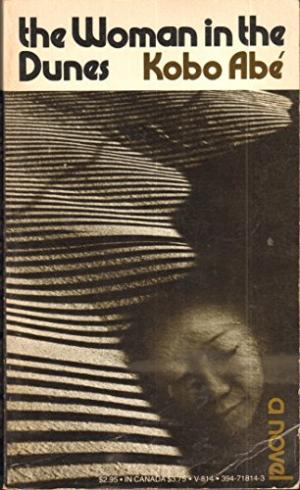
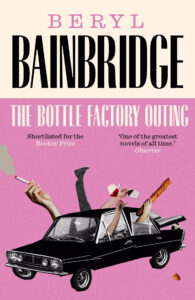
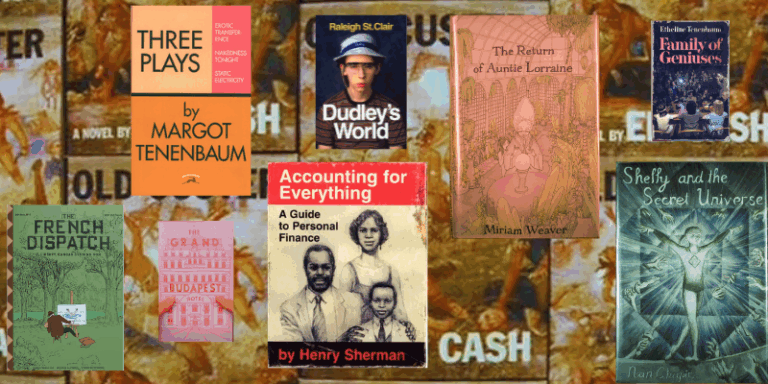
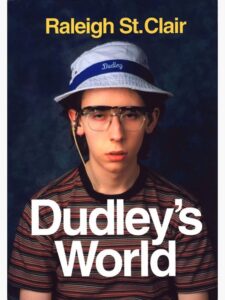
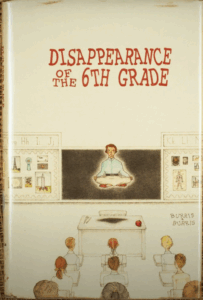
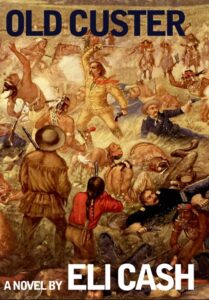
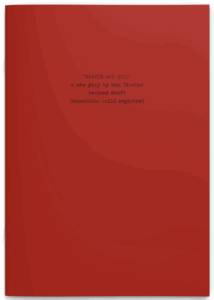
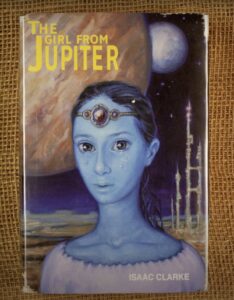
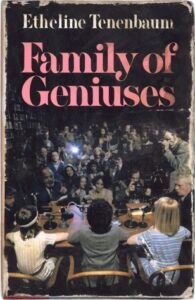
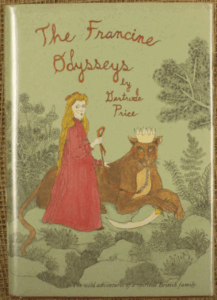
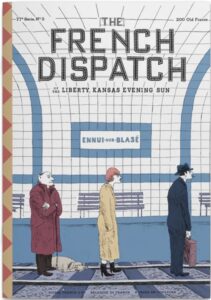
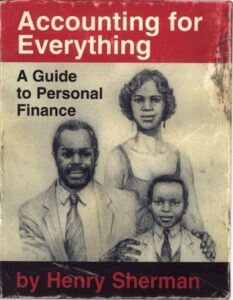
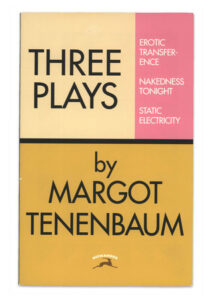

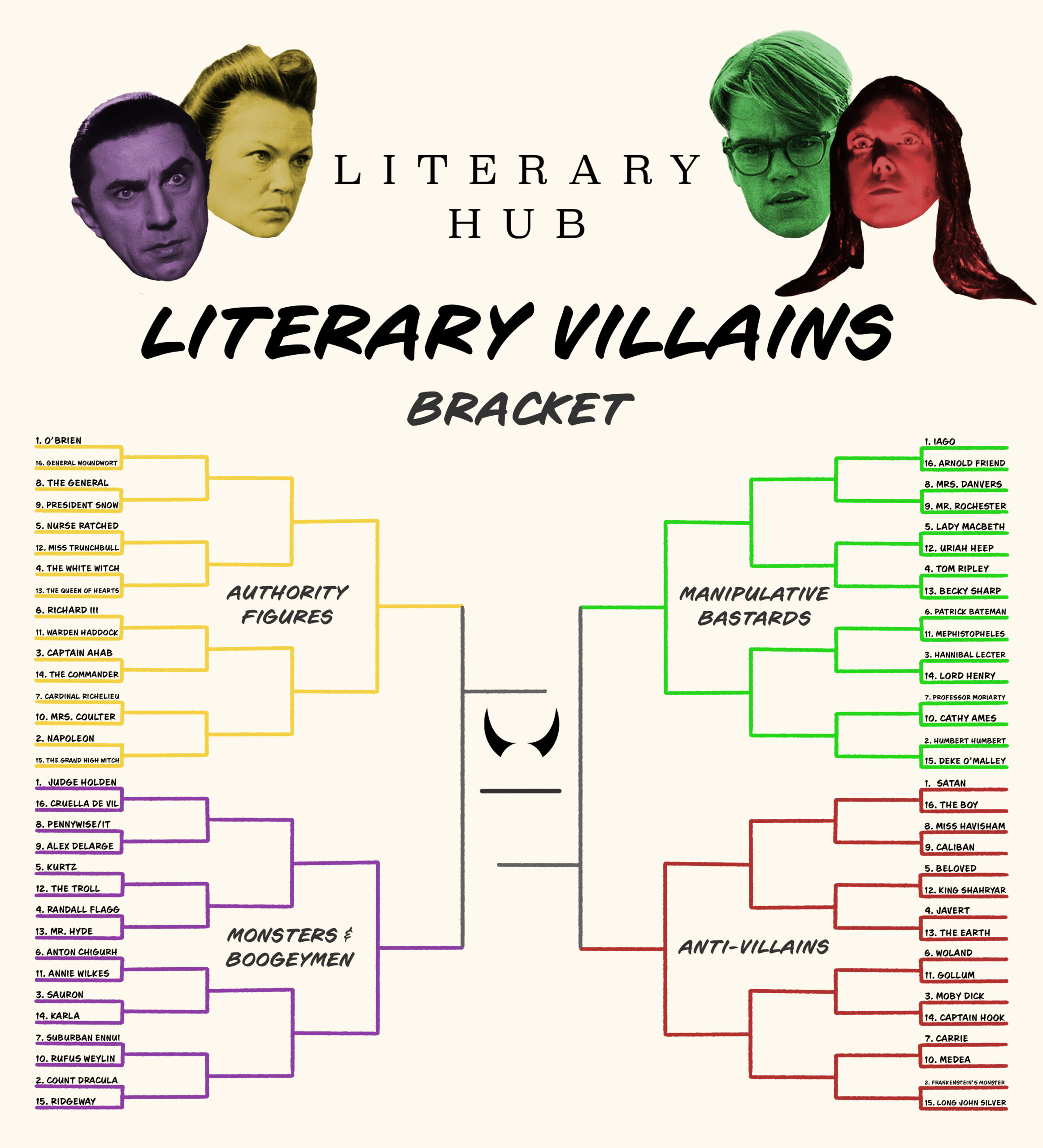
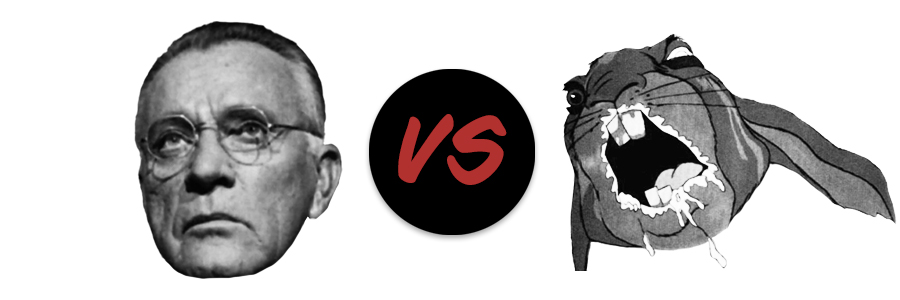
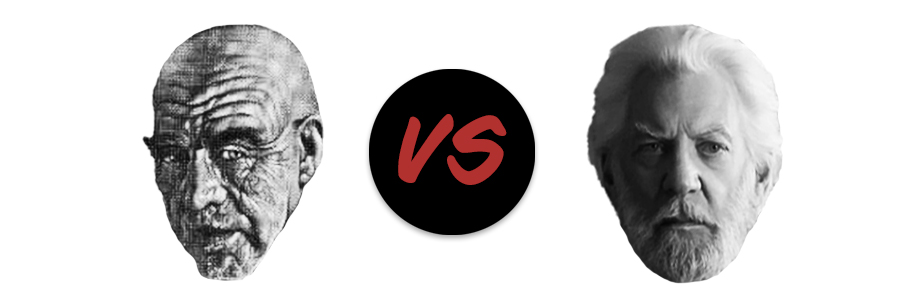

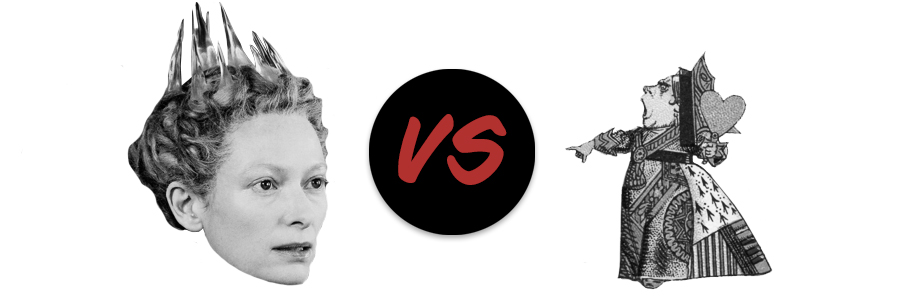
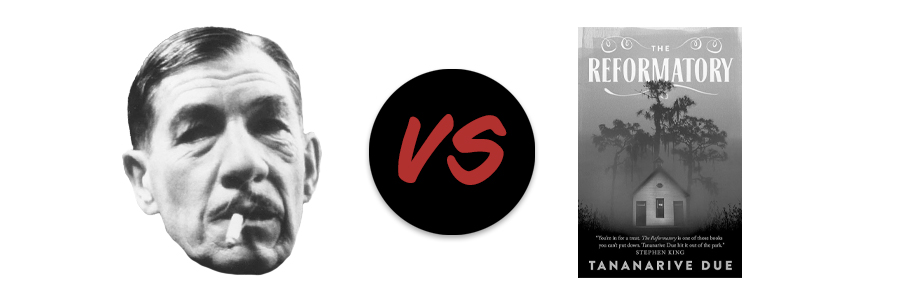
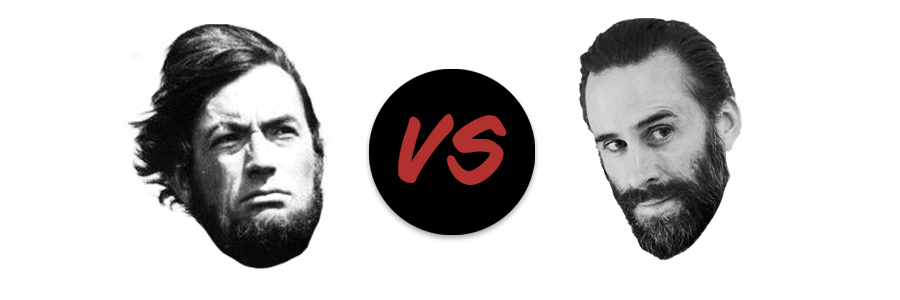
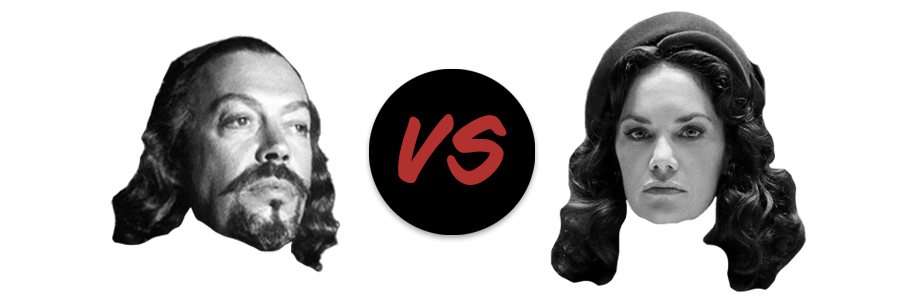
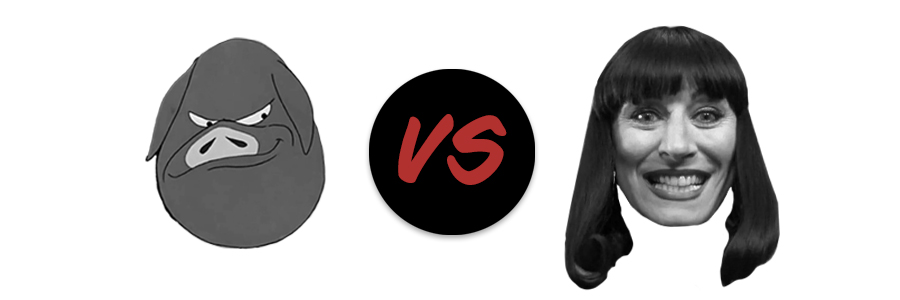



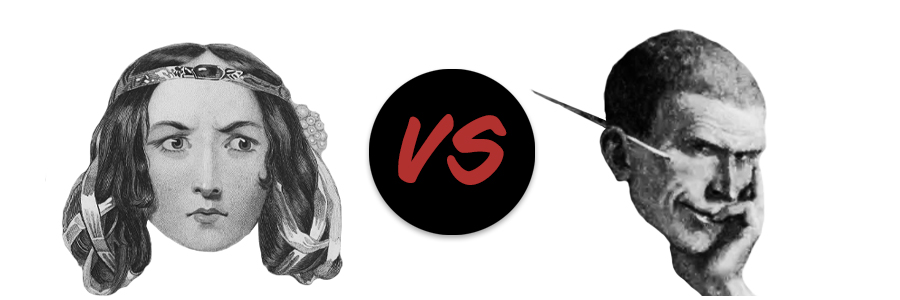

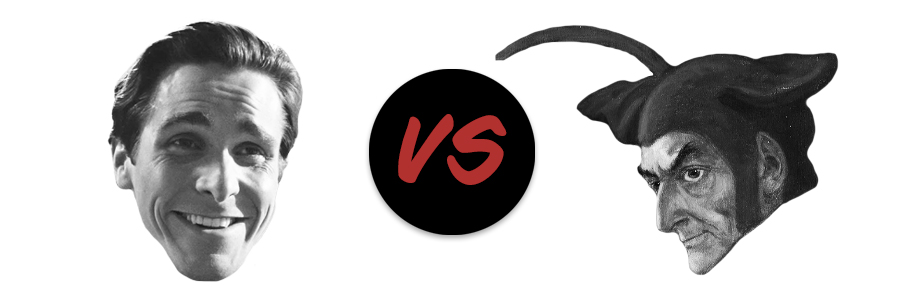
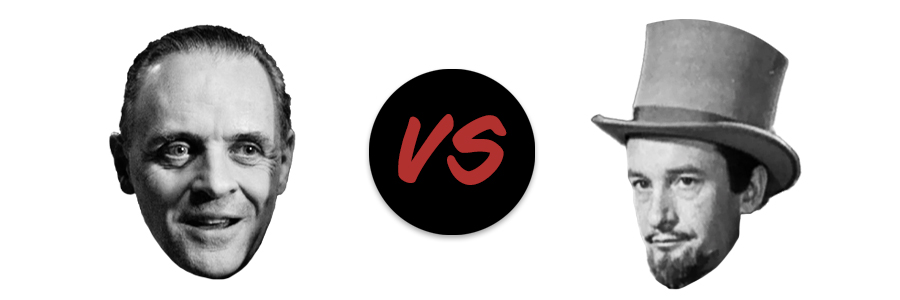





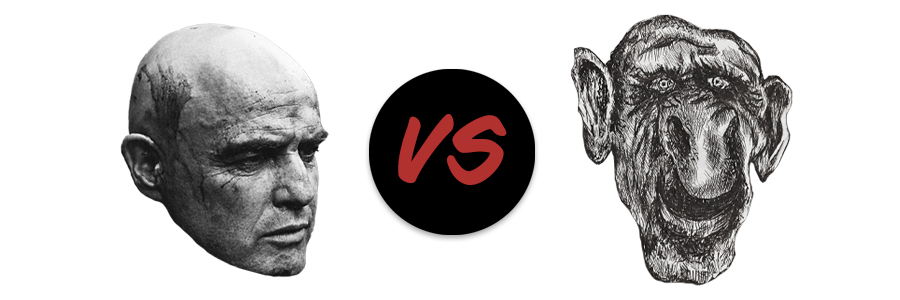

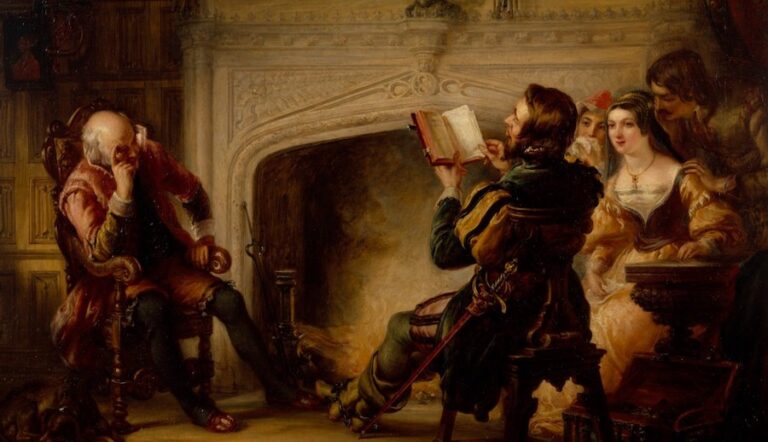
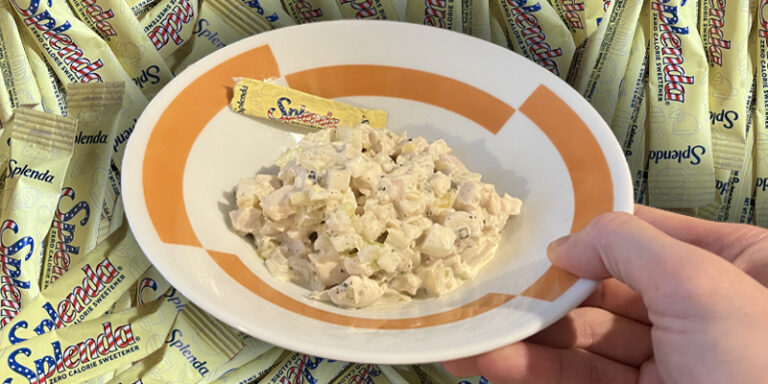


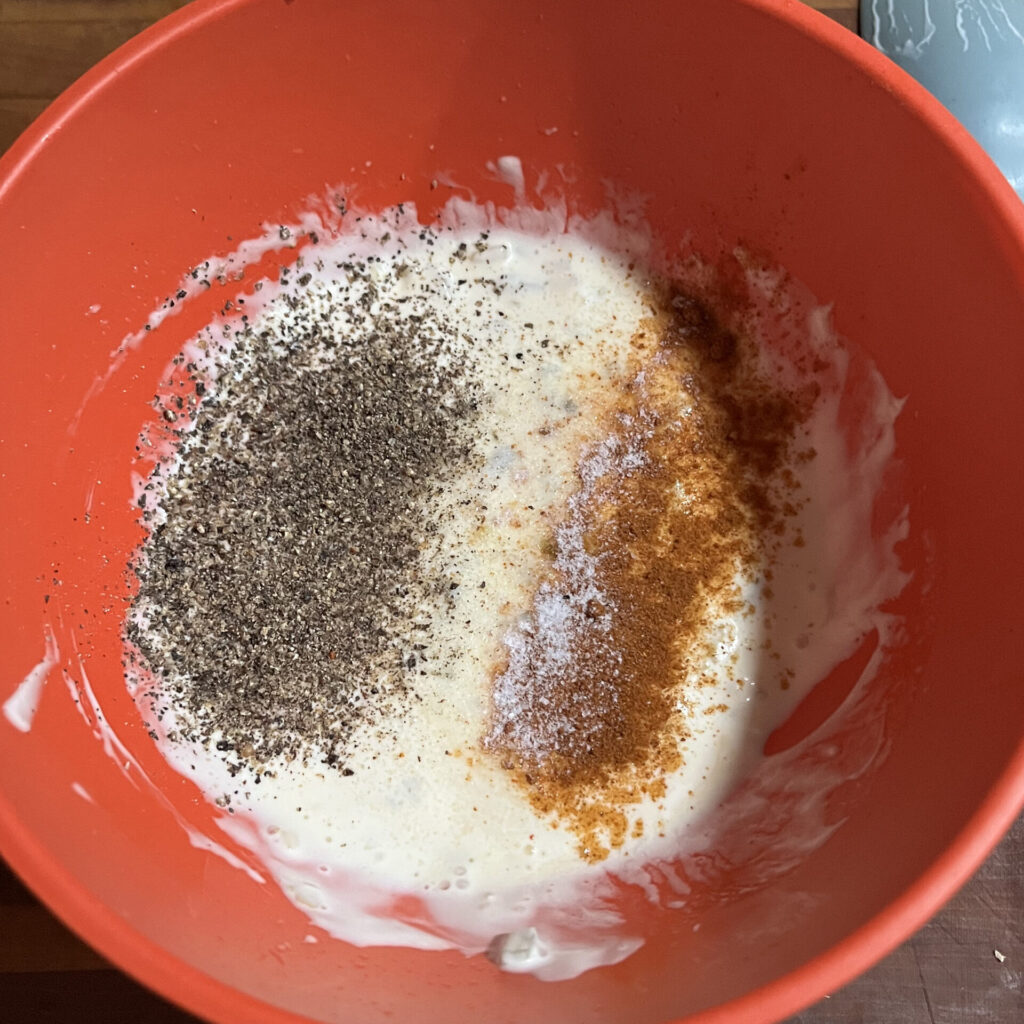




 In his memoir Going Home (2020), the Palestinian human rights lawyer Raja Shehadeh recalls taking a walk around Ramallah and standing outside the house where his father, Aziz Shehadeh, was murdered. “In my sixty-sixth year I’ve come back to visit where you last lived to tell you how much I miss knowing and befriending you,” […]
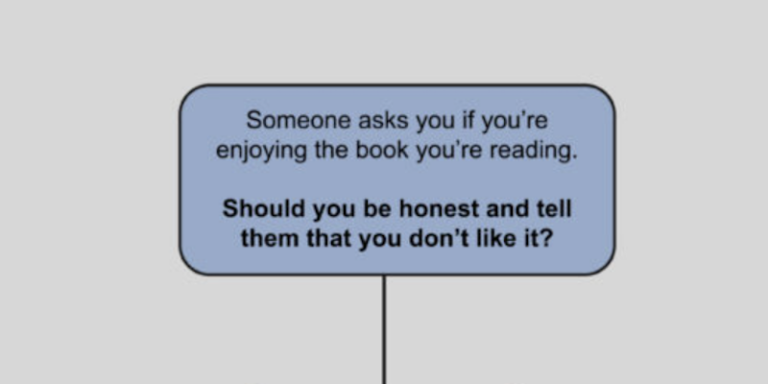

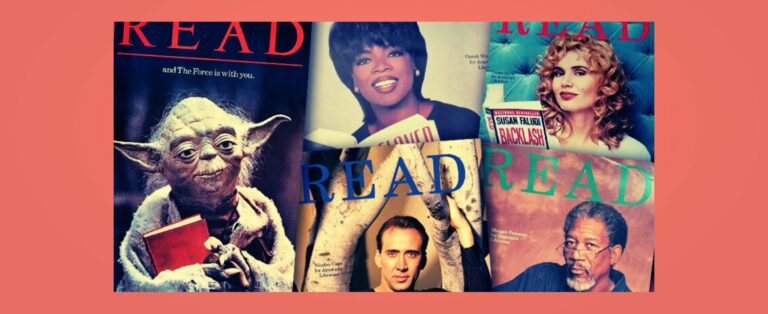
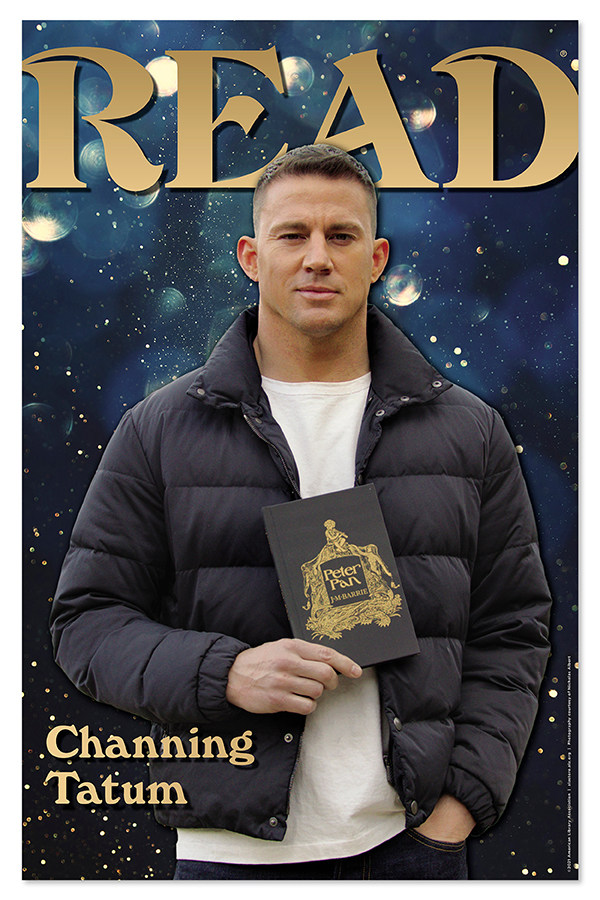
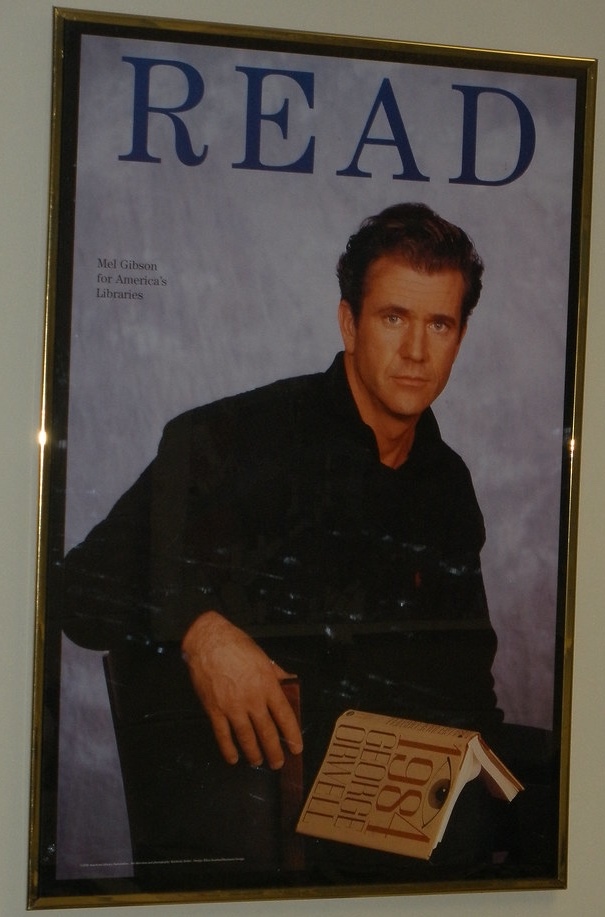
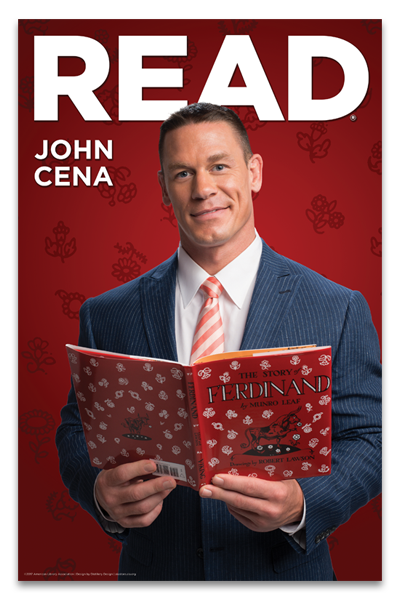
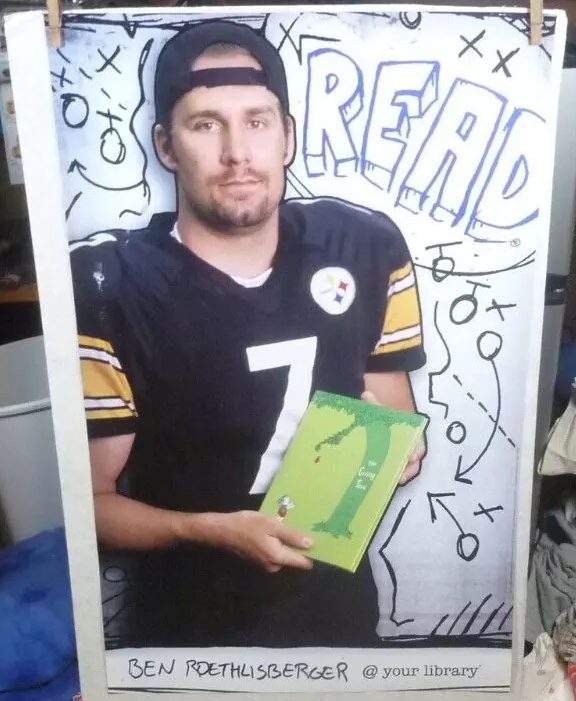
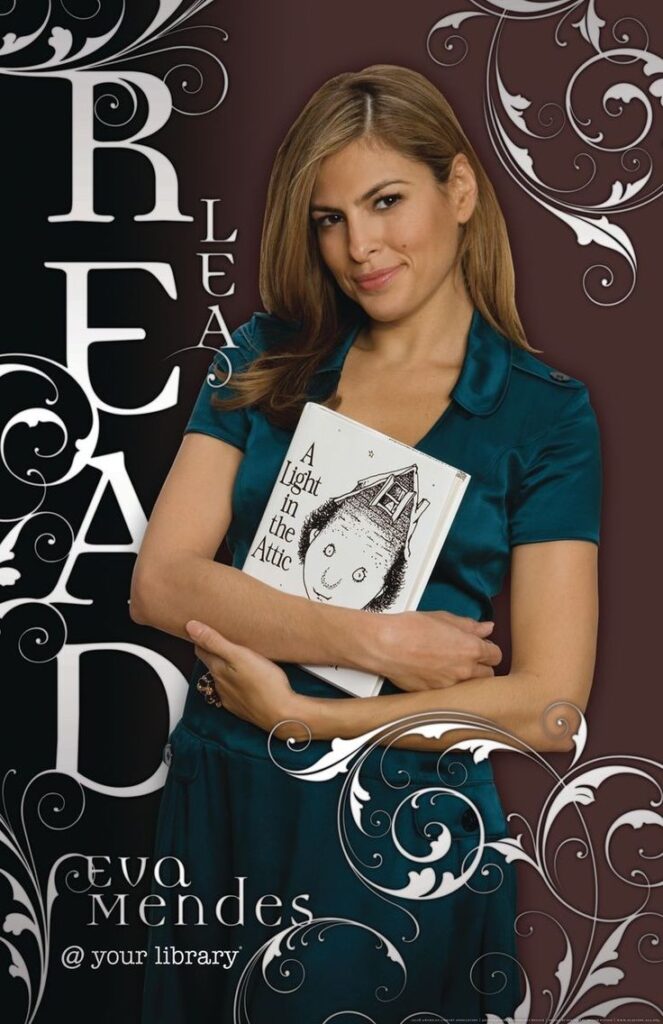
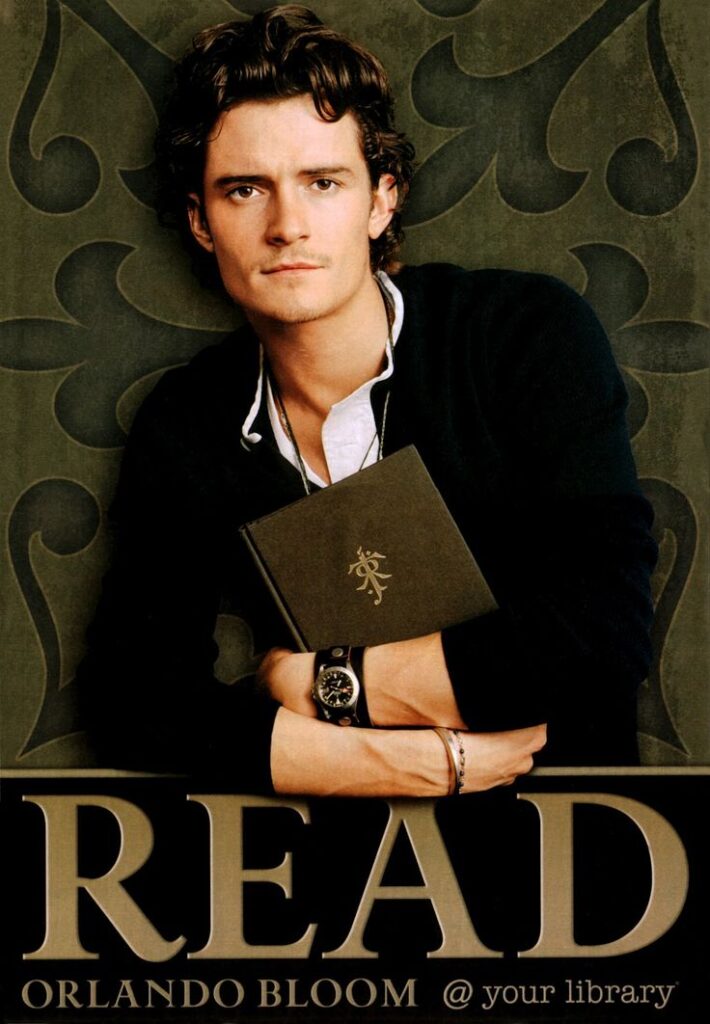
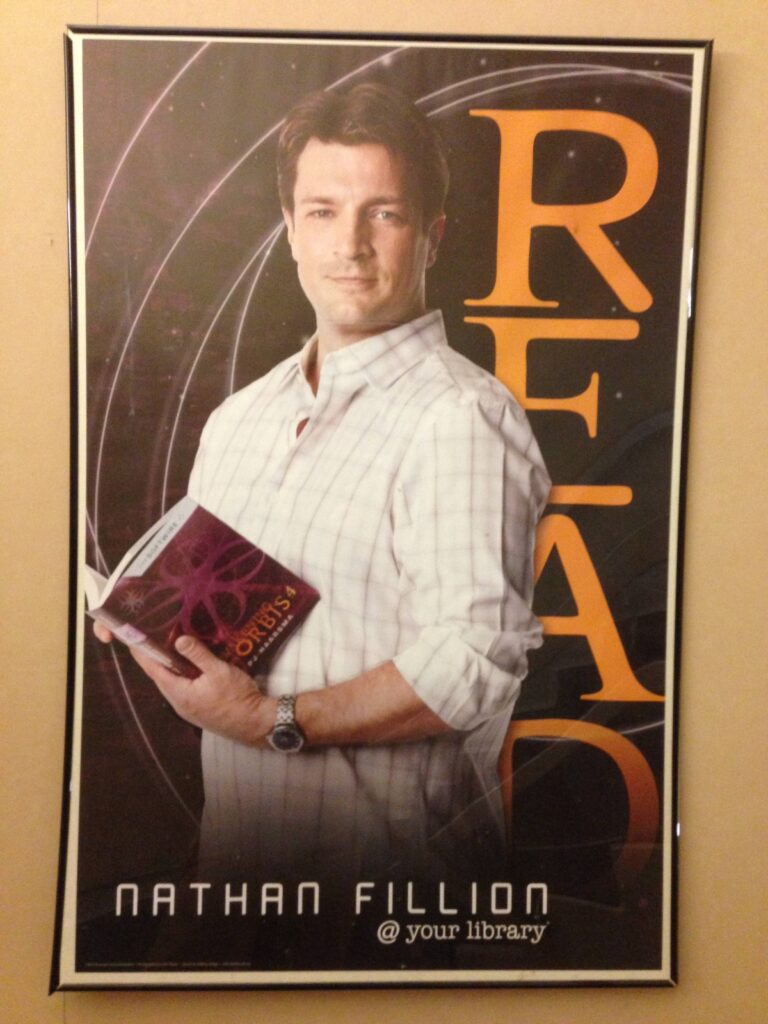
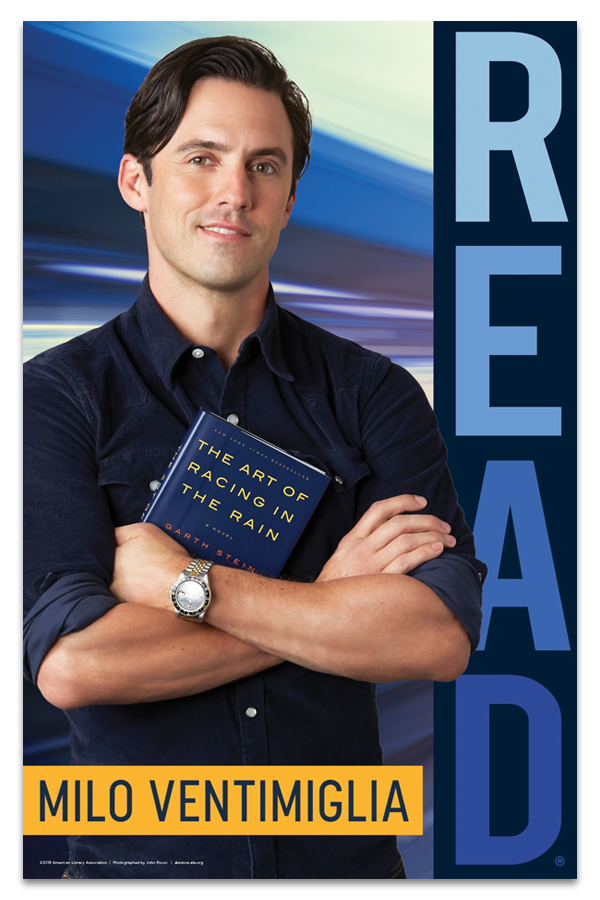
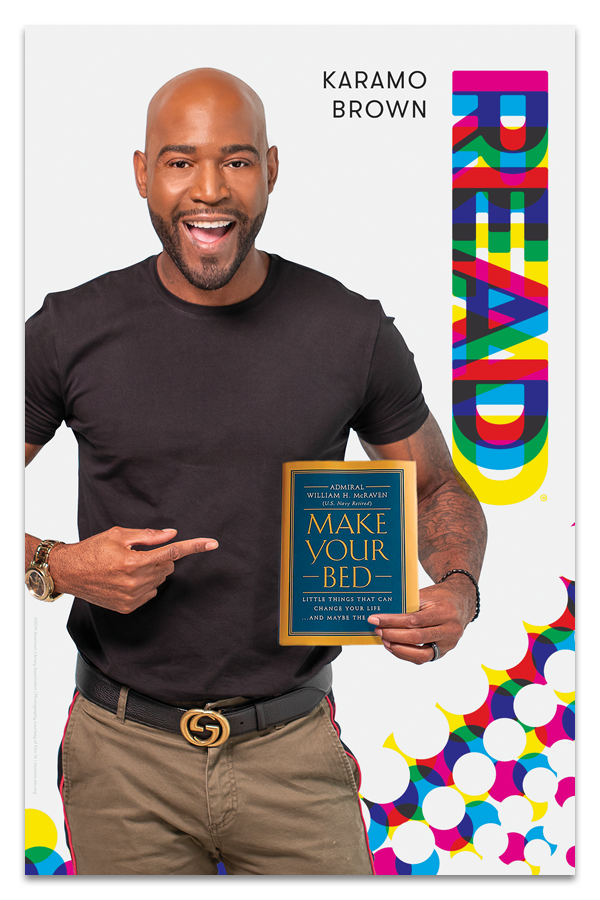
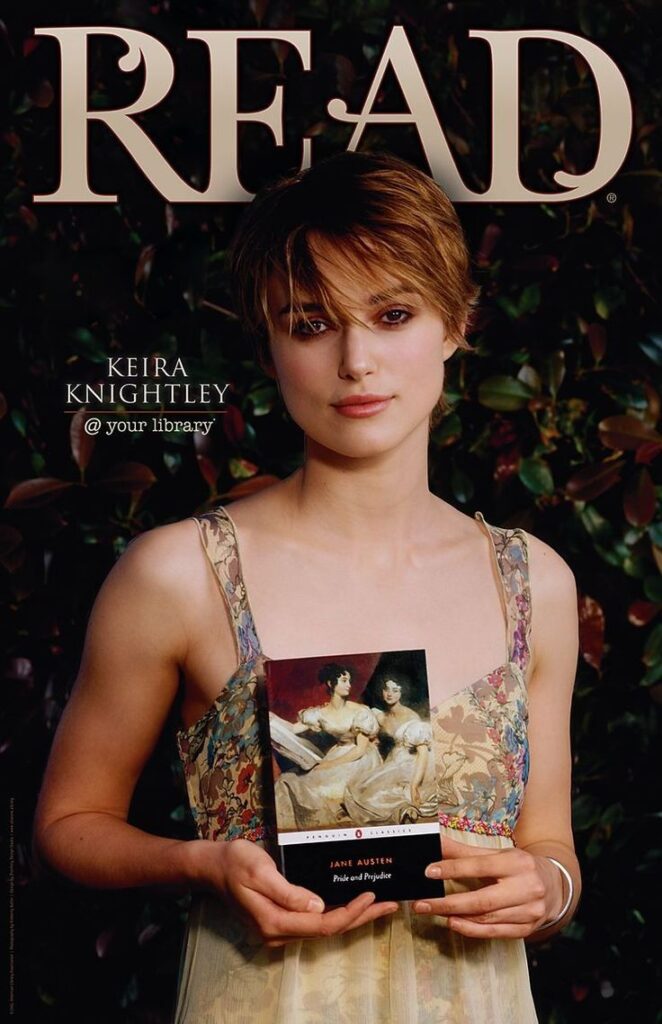

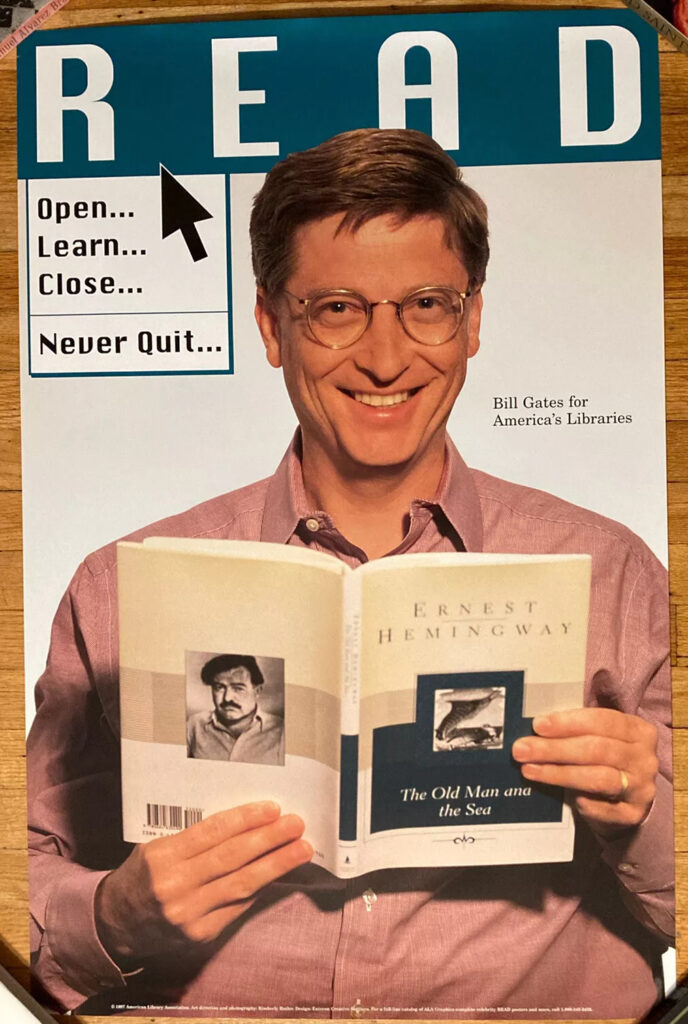
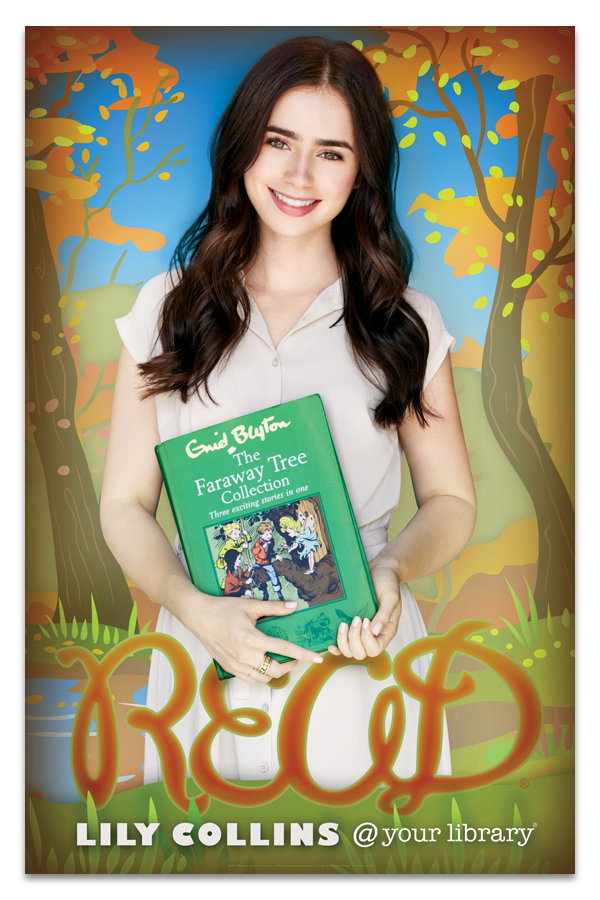
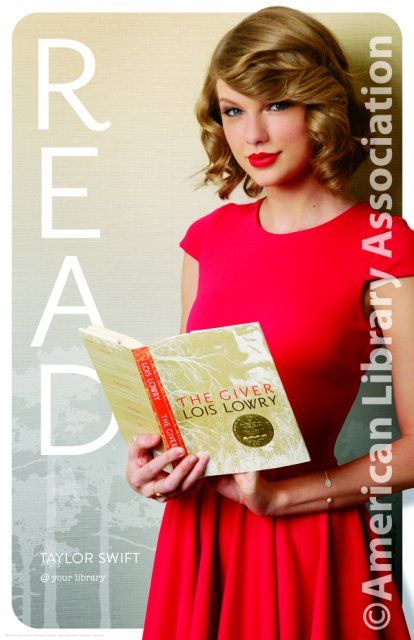
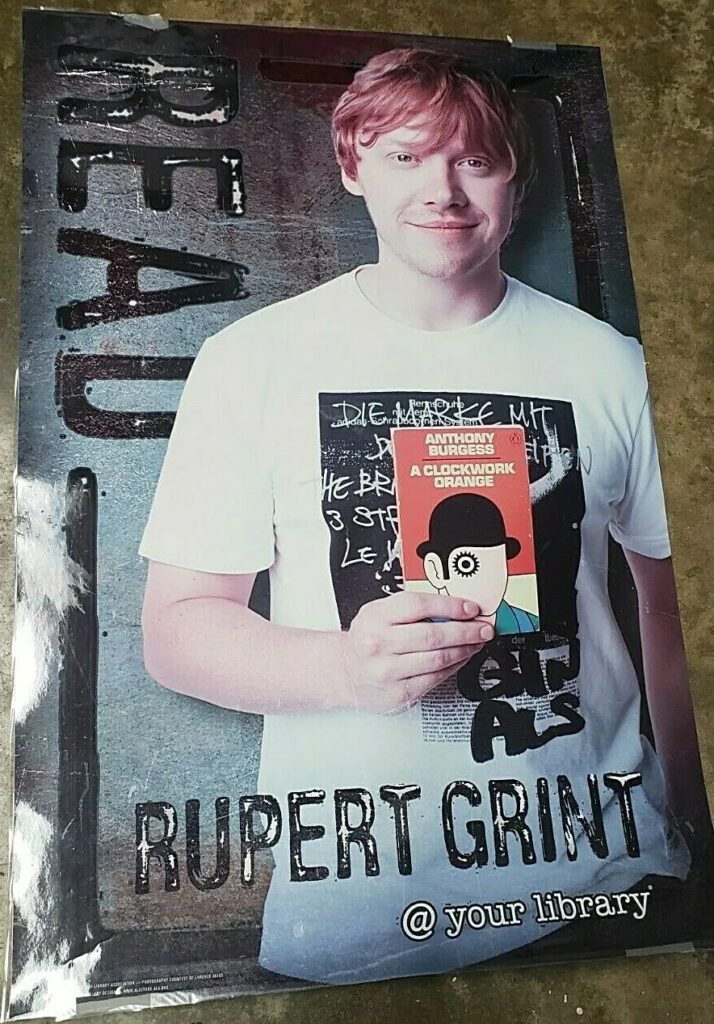
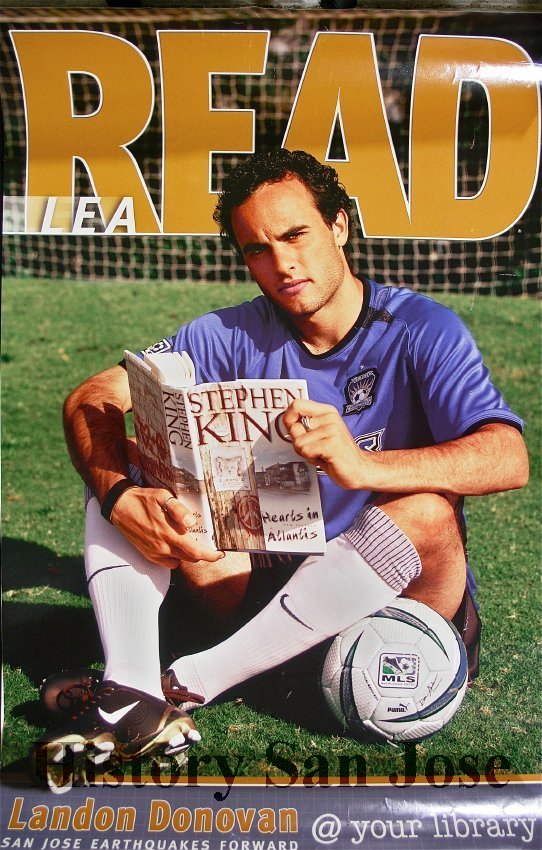
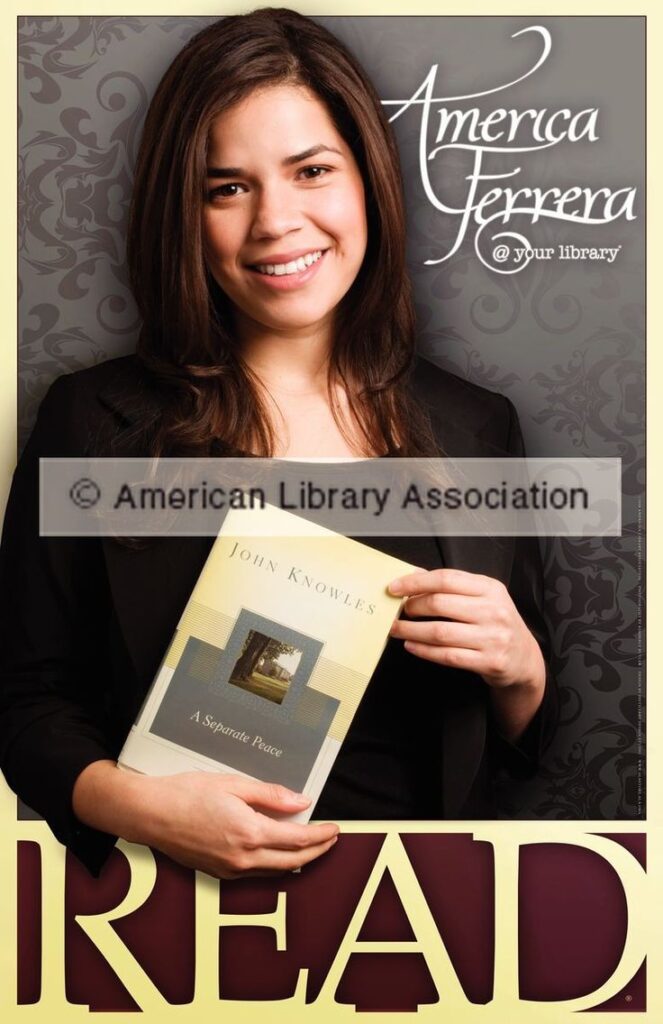
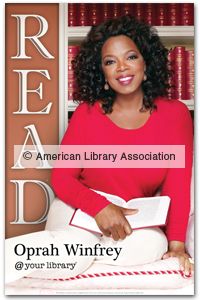
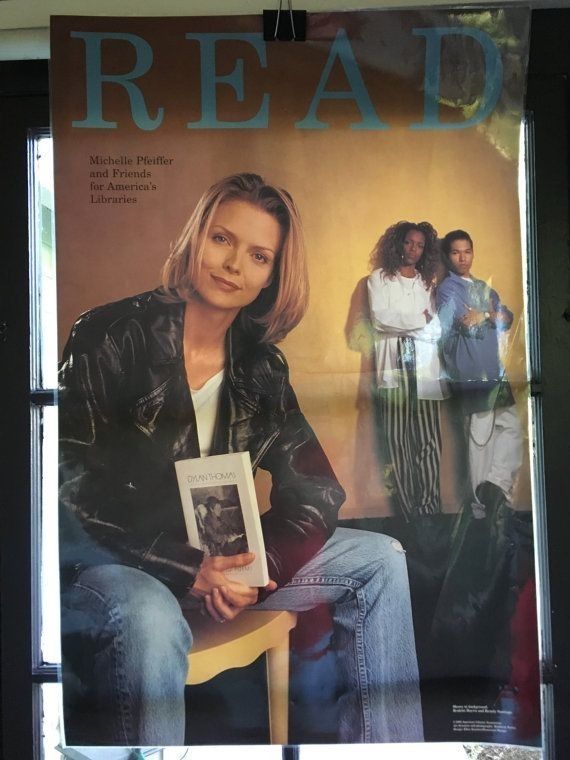
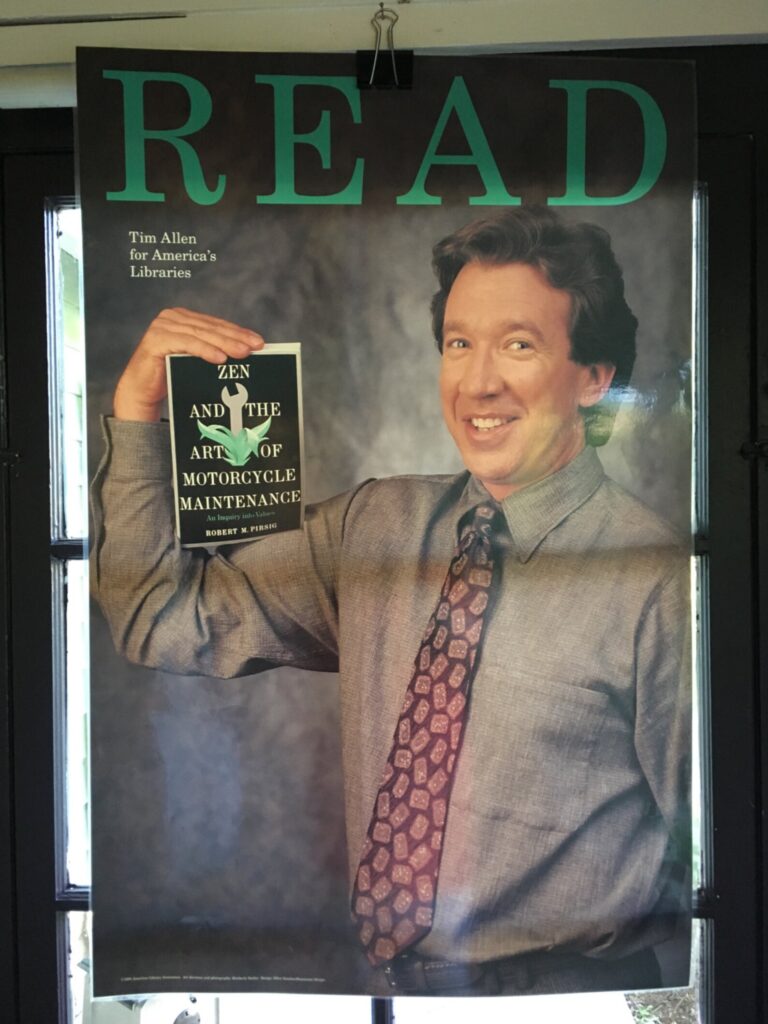
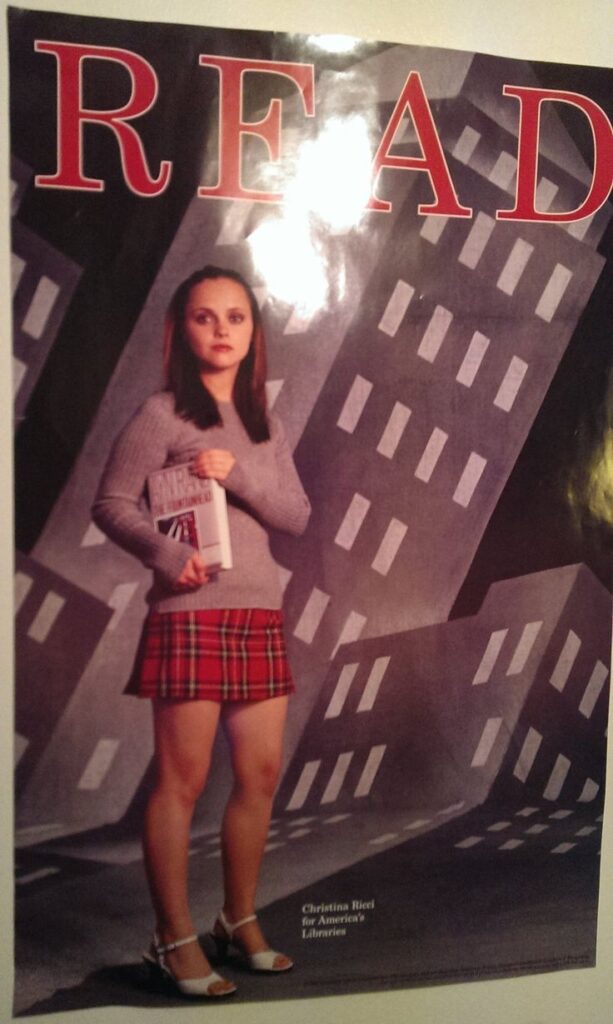
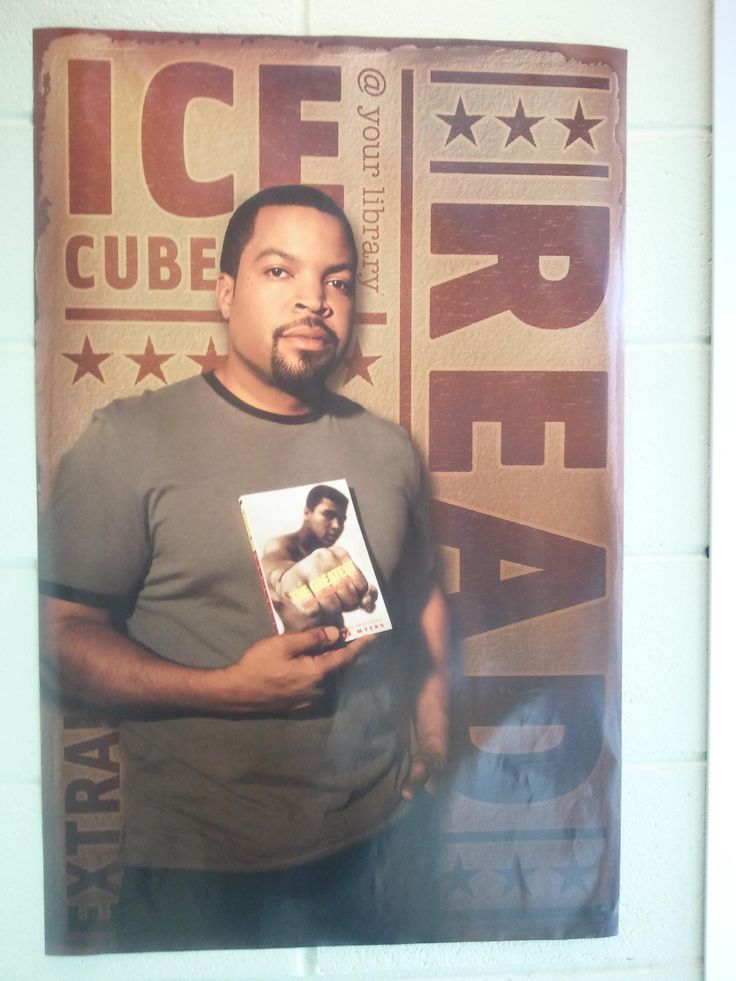
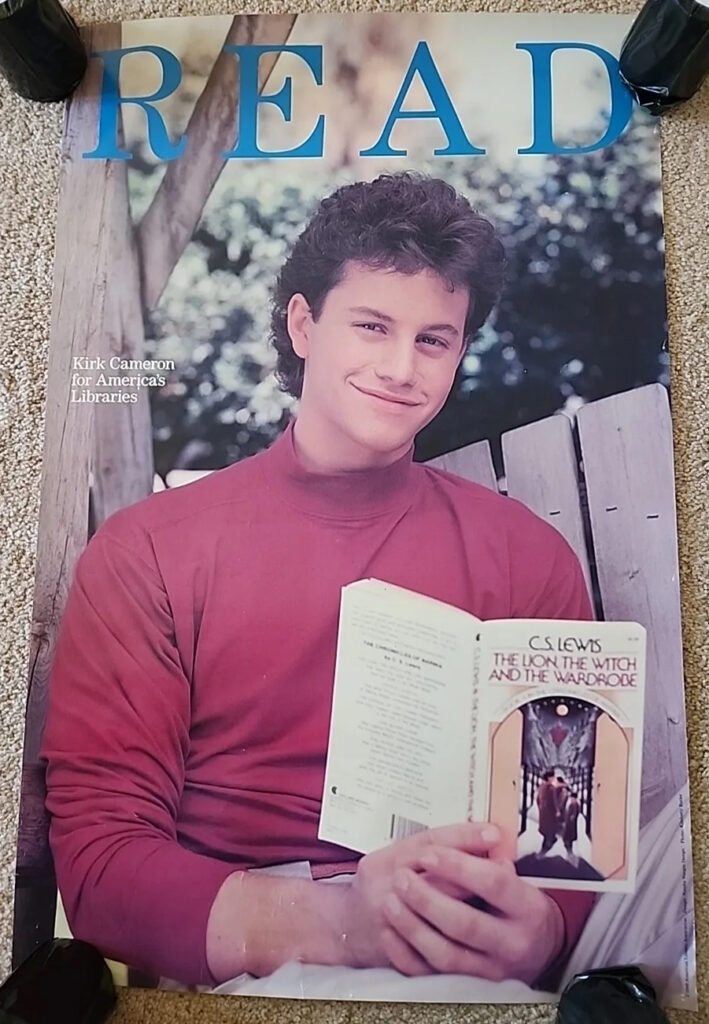
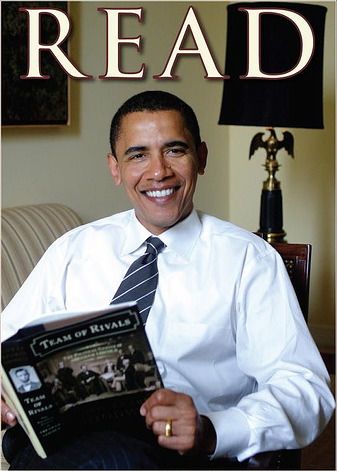

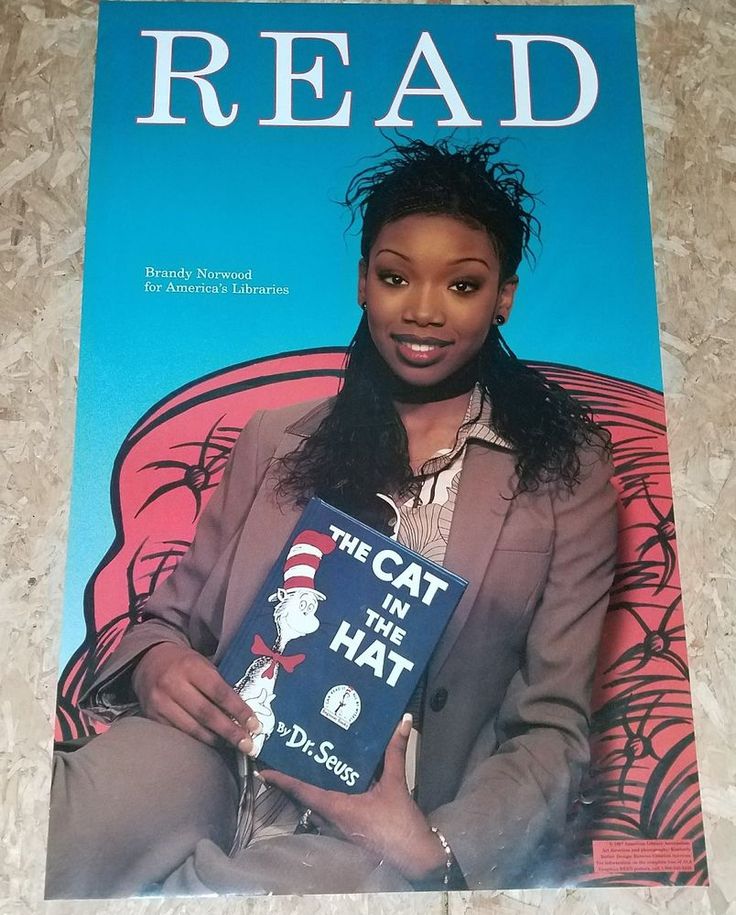
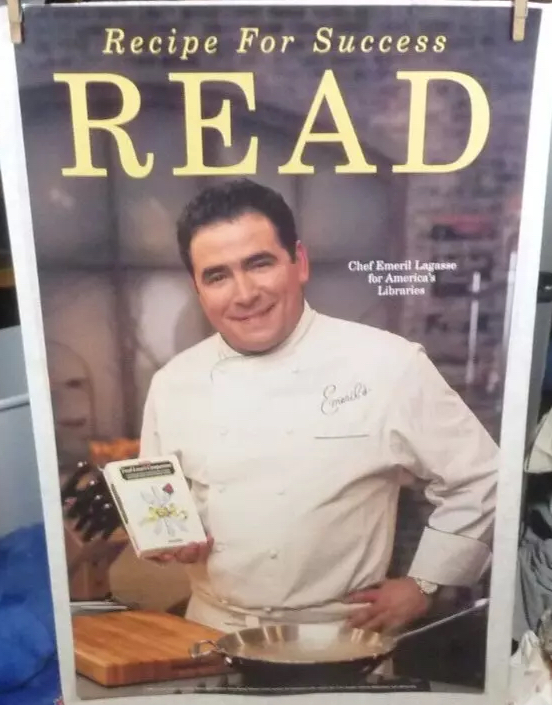
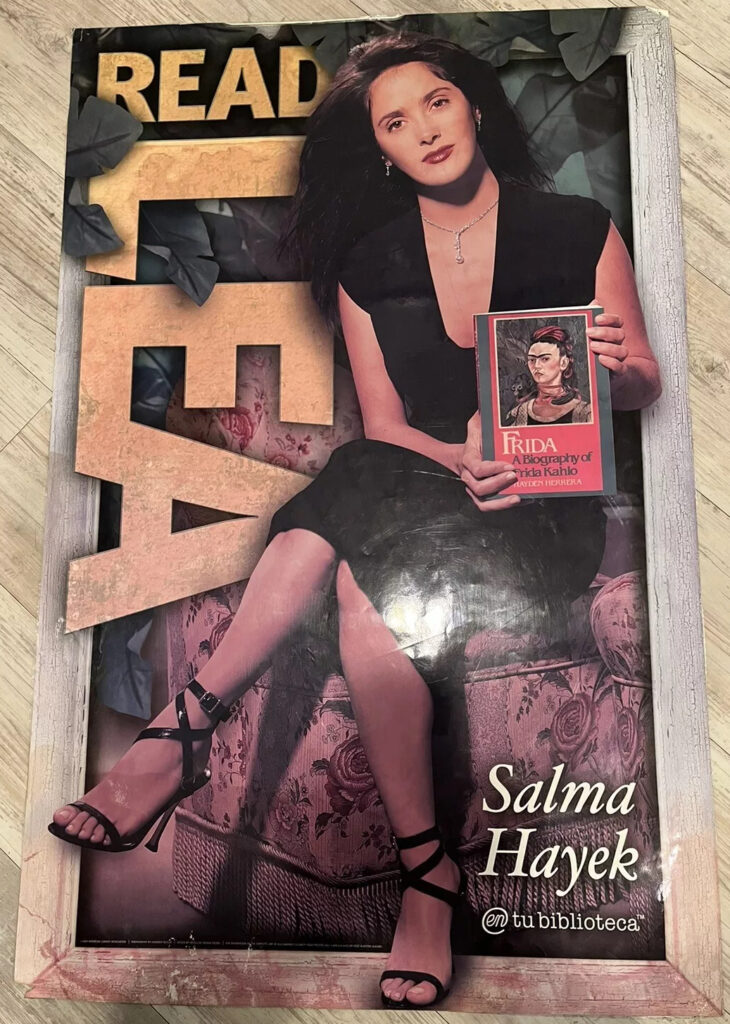
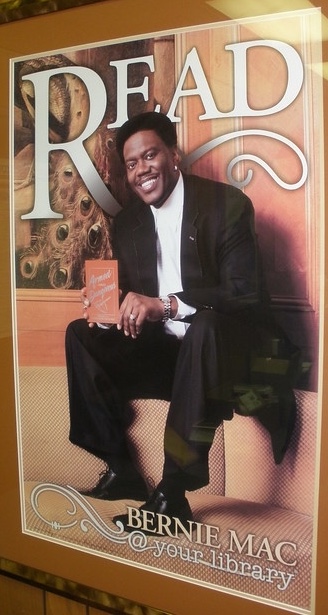
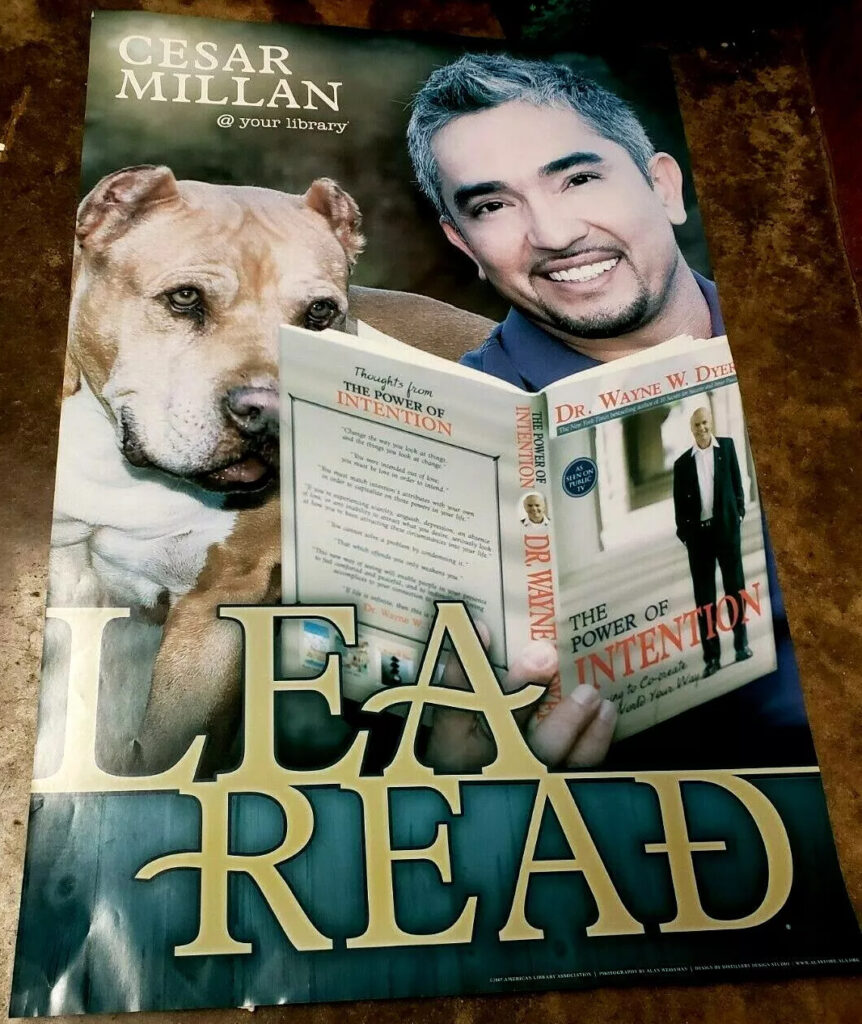
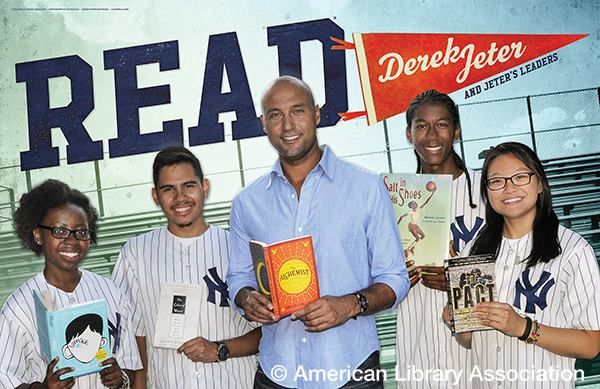
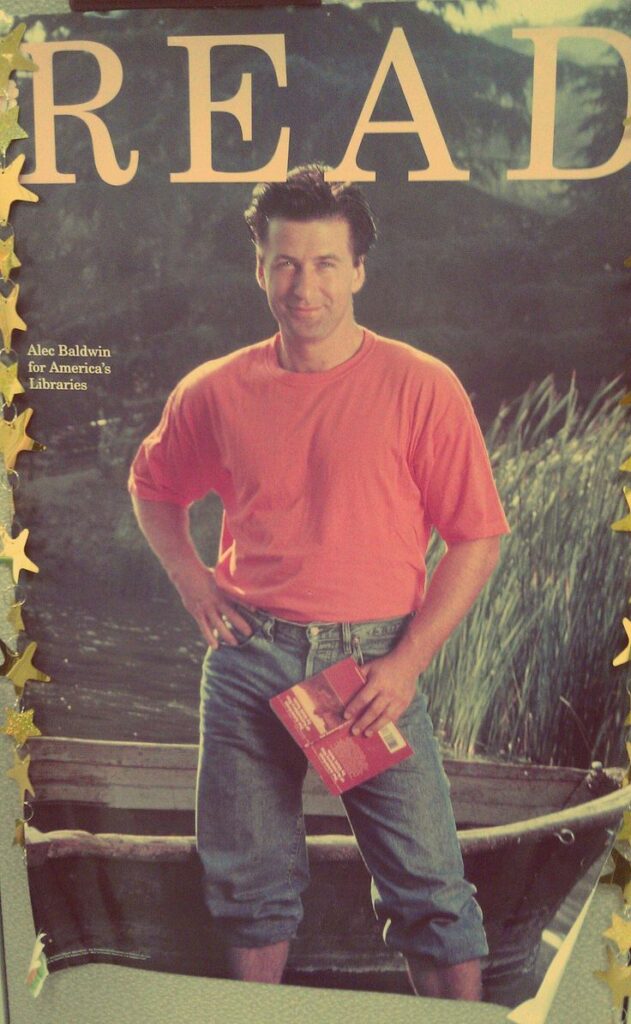
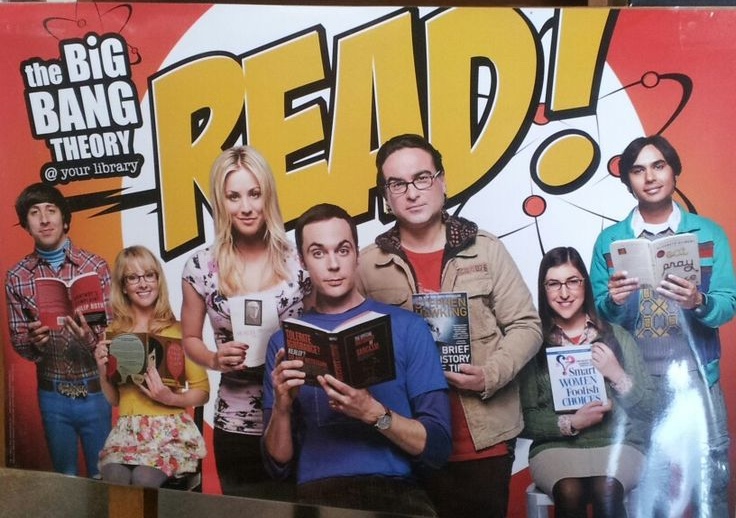
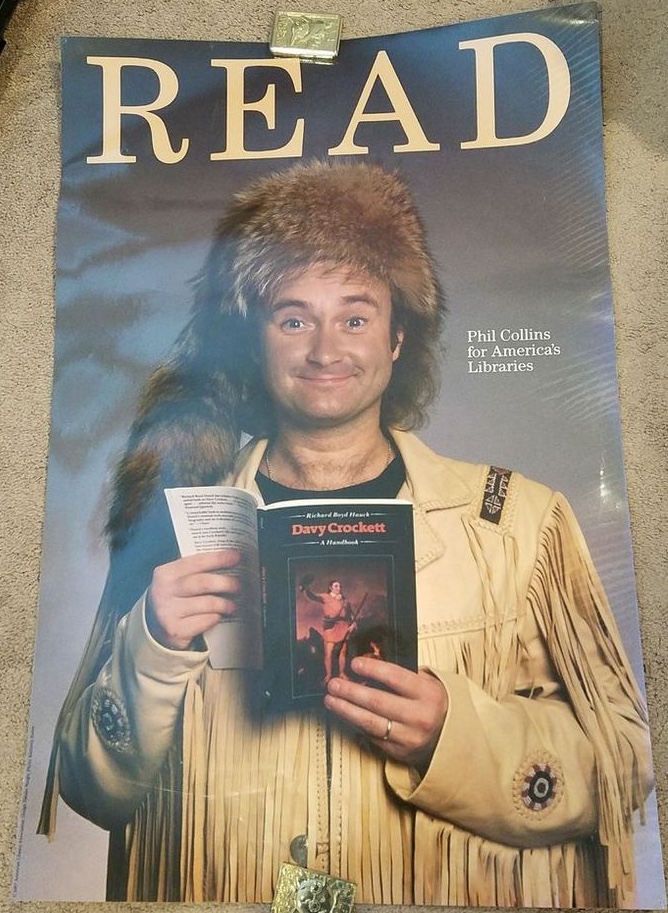
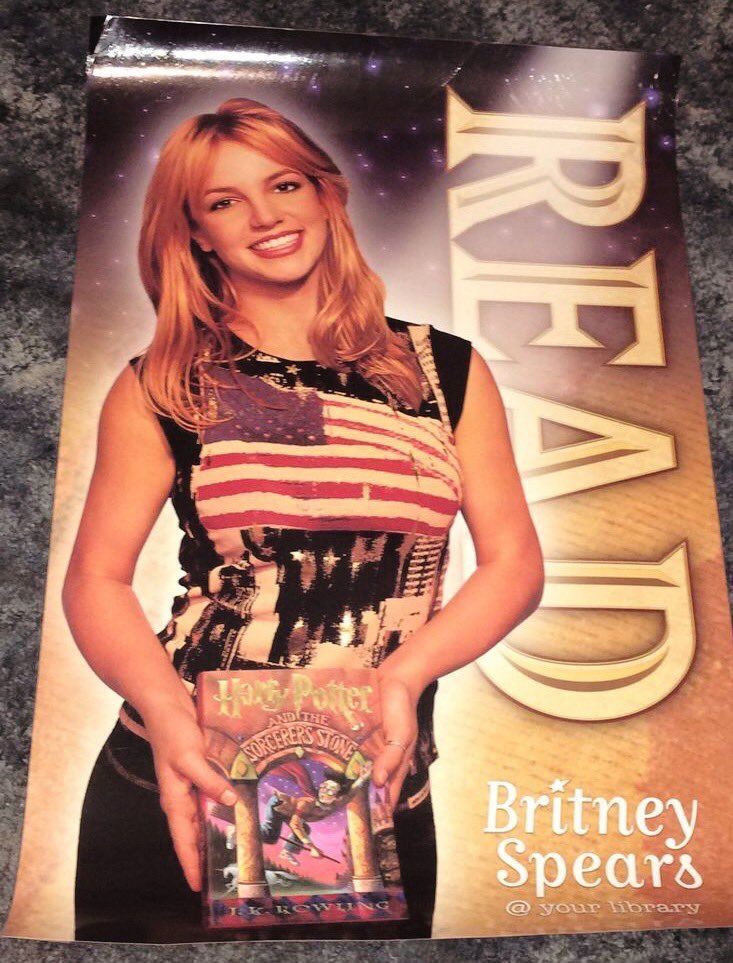
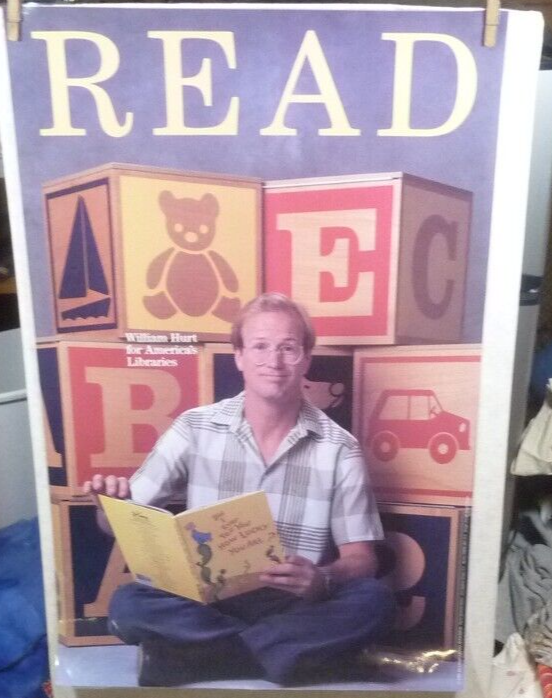
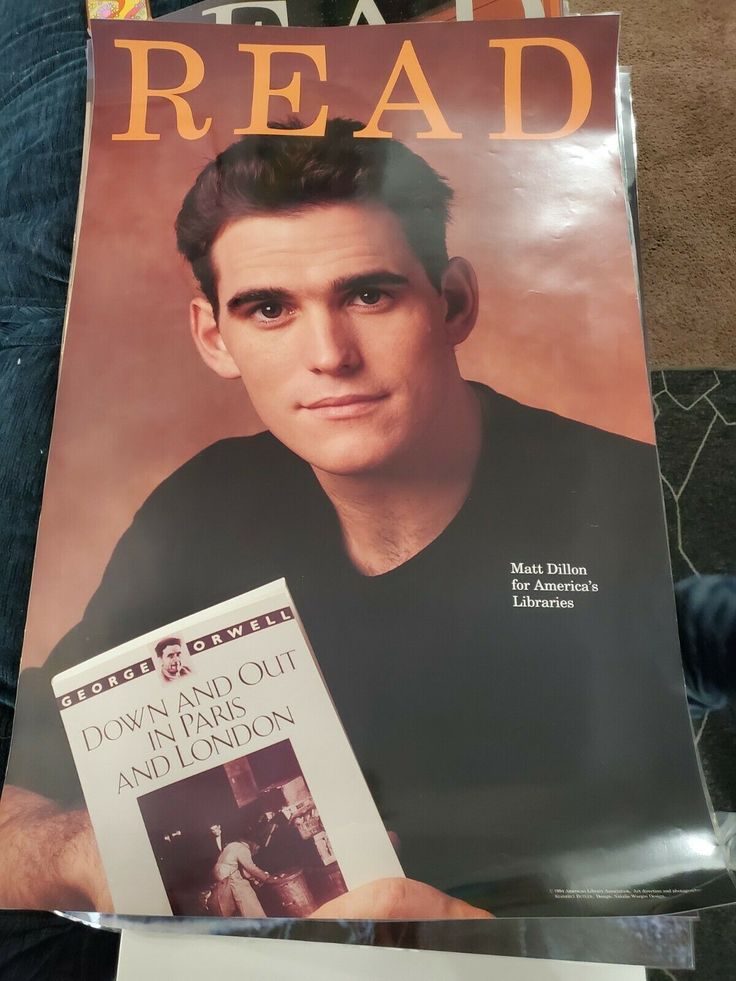
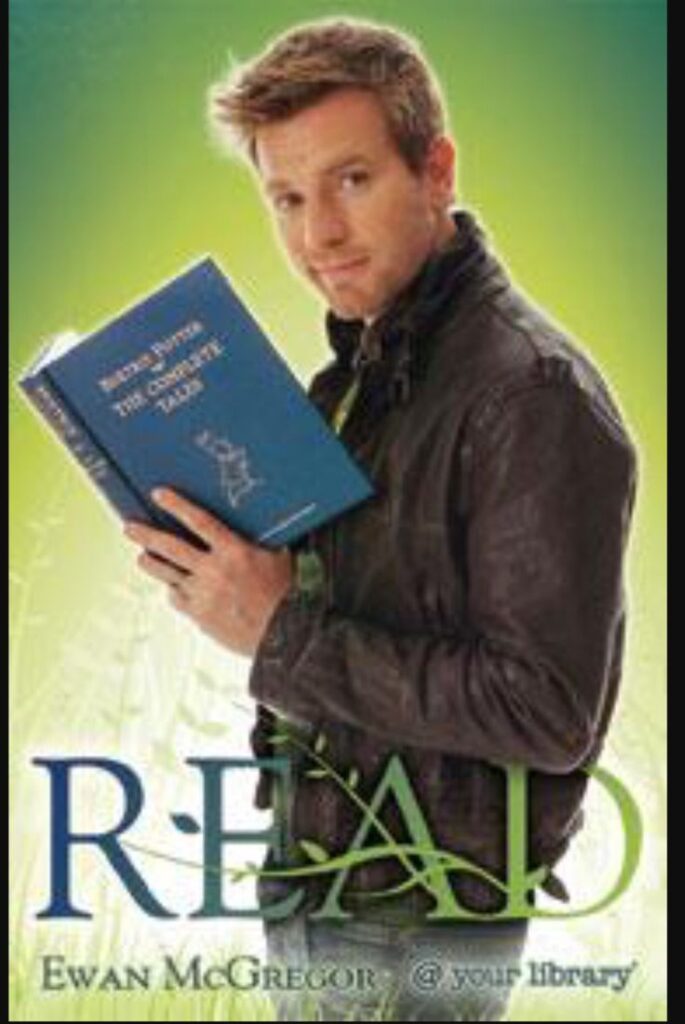
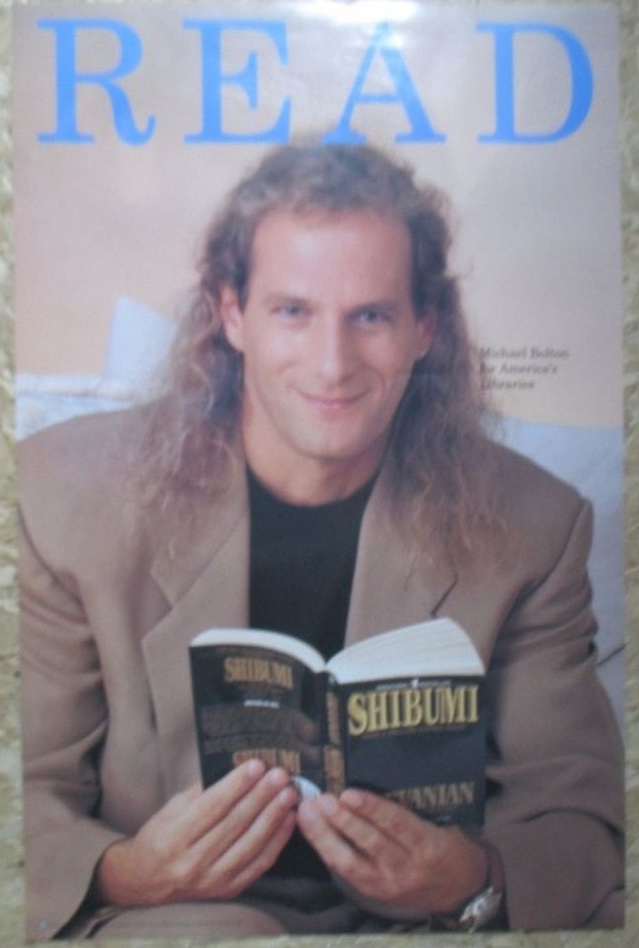
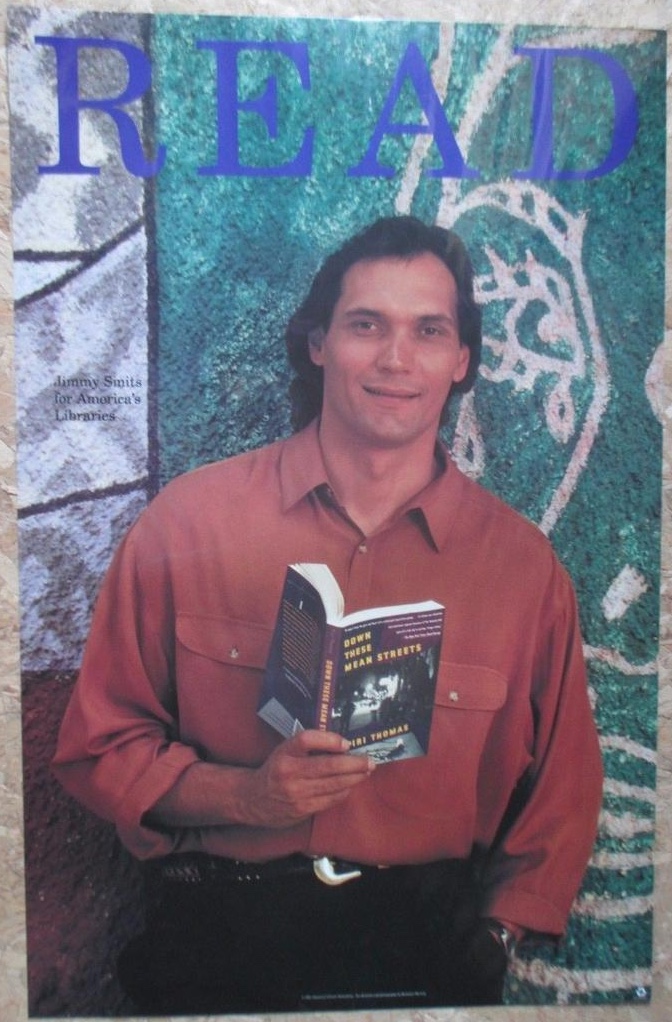
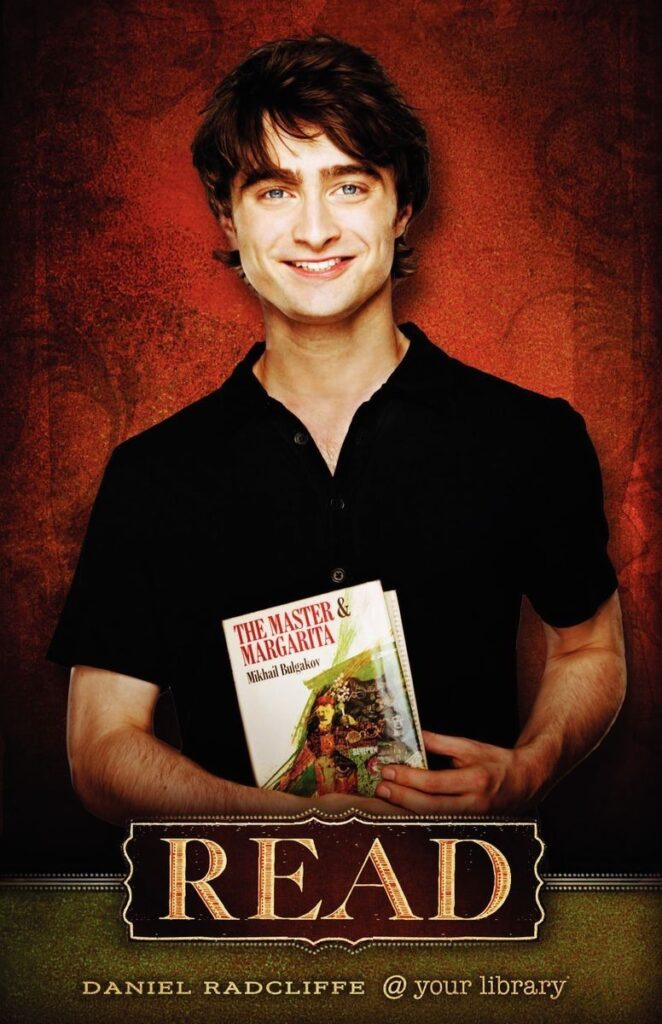
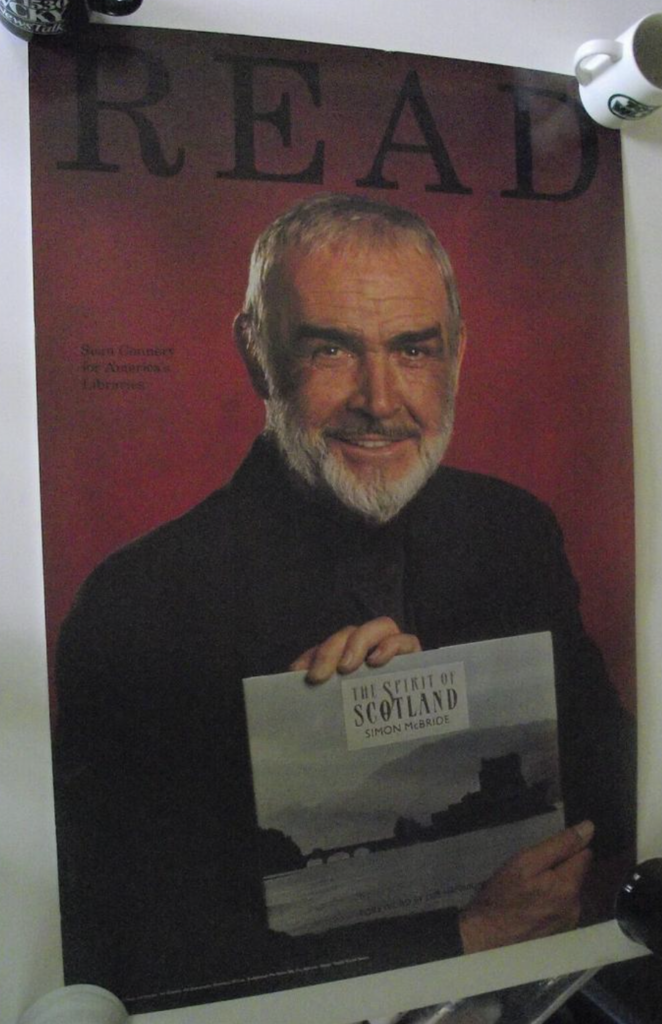
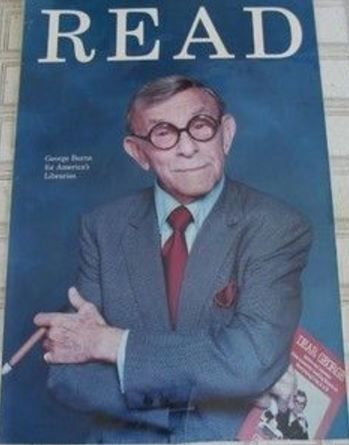
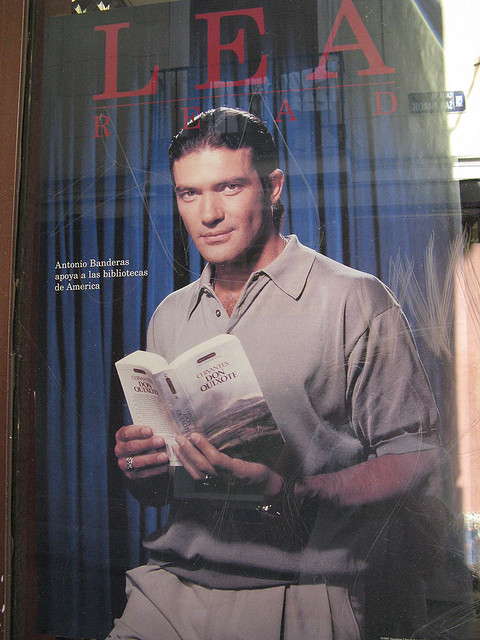
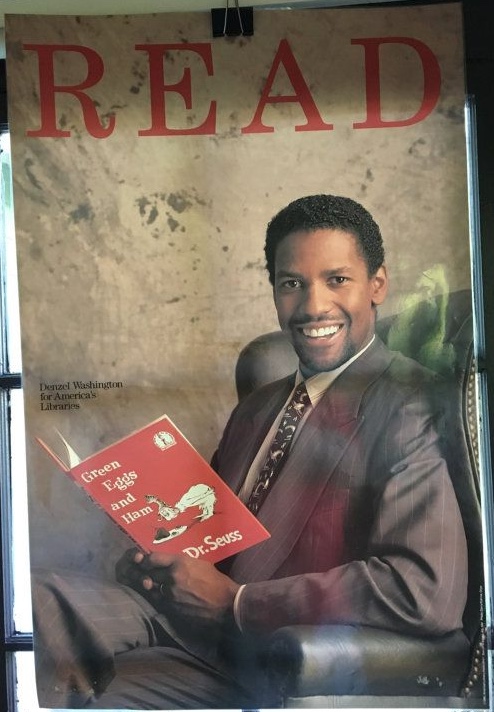
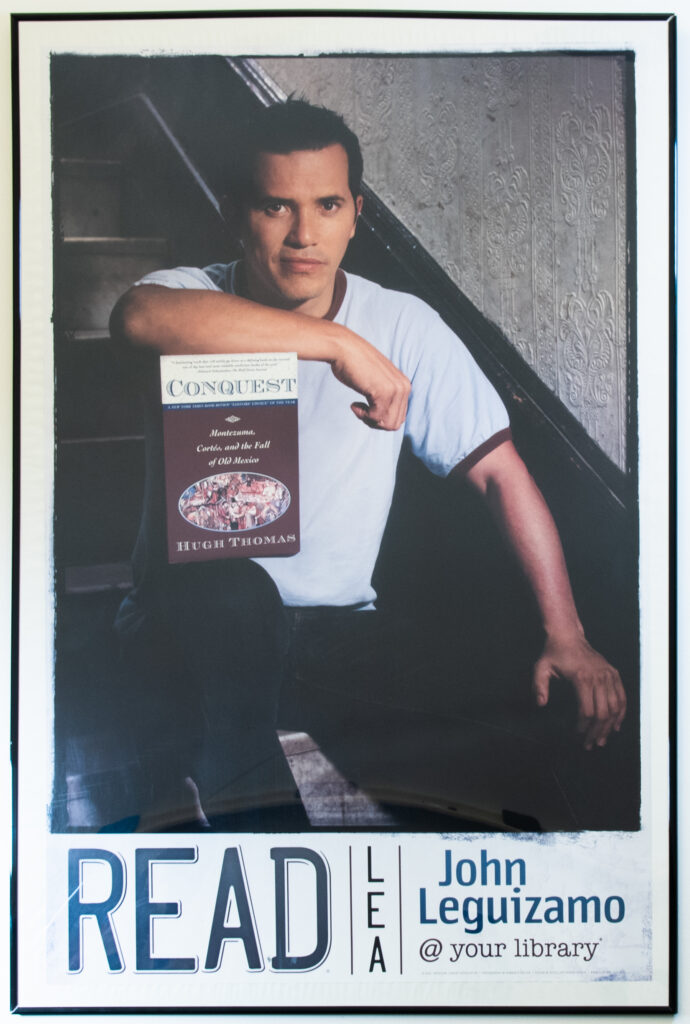



/cdn.vox-cdn.com/uploads/chorus_asset/file/24744371/unnamed__26_.png)
/cdn.vox-cdn.com/uploads/chorus_asset/file/24744819/Screenshot_2023_06_21_at_3.19.22_PM__1_.png) All images courtesy of Netflix
All images courtesy of Netflix
/cdn.vox-cdn.com/uploads/chorus_asset/file/22727365/Screen_Shot_2021_07_15_at_8.26.56_AM.png)
/cdn.vox-cdn.com/uploads/chorus_asset/file/24744941/Screenshot_2023_06_21_at_4.02.53_PM.png)
/cdn.vox-cdn.com/uploads/chorus_asset/file/24744956/Screenshot_2023_06_21_at_4.04.41_PM.png)
/cdn.vox-cdn.com/uploads/chorus_asset/file/22727370/Screen_Shot_2021_07_19_at_11.33.43_AM.png)
/cdn.vox-cdn.com/uploads/chorus_asset/file/22727372/Screen_Shot_2021_07_19_at_11.37.26_AM.png)
/cdn.vox-cdn.com/uploads/chorus_asset/file/24745039/Screenshot_2023_06_22_at_9.05.51_AM.png)
/cdn.vox-cdn.com/uploads/chorus_asset/file/24745040/Screenshot_2023_06_22_at_9.04.33_AM.png)
/cdn.vox-cdn.com/uploads/chorus_asset/file/22727396/Image_from_iOS__1_.png)
/cdn.vox-cdn.com/uploads/chorus_asset/file/22727398/Image_from_iOS.png)
/cdn.vox-cdn.com/uploads/chorus_asset/file/22727378/Screen_Shot_2021_07_19_at_12.03.07_PM.png)
/cdn.vox-cdn.com/uploads/chorus_asset/file/22727380/Screen_Shot_2021_07_19_at_12.03.47_PM.png)
/cdn.vox-cdn.com/uploads/chorus_asset/file/22727383/Screen_Shot_2021_07_19_at_12.04.21_PM.png)
/cdn.vox-cdn.com/uploads/chorus_asset/file/22727386/Screen_Shot_2021_07_19_at_12.08.29_PM.png)
/cdn.vox-cdn.com/uploads/chorus_asset/file/22727402/danvega.png)
/cdn.vox-cdn.com/uploads/chorus_asset/file/22727390/Screen_Shot_2021_07_15_at_10.27.35_AM.png)
/cdn.vox-cdn.com/uploads/chorus_asset/file/24745080/Screenshot_2023_06_21_at_4.19.24_PM.png)
/cdn.vox-cdn.com/uploads/chorus_asset/file/22727407/Screen_Shot_2021_07_19_at_12.33.11_PM.png)
/cdn.vox-cdn.com/uploads/chorus_asset/file/22727408/Screen_Shot_2021_07_19_at_12.35.40_PM.png)
/cdn.vox-cdn.com/uploads/chorus_asset/file/24745093/Screenshot_2023_06_21_at_4.50.40_PM.png)
/cdn.vox-cdn.com/uploads/chorus_asset/file/24745095/Screenshot_2023_06_21_at_4.53.14_PM.png)
/cdn.vox-cdn.com/uploads/chorus_asset/file/22727409/Insider_Trading_Trial.gif)
/cdn.vox-cdn.com/uploads/chorus_asset/file/24745111/unnamed__2_.gif)
/cdn.vox-cdn.com/uploads/chorus_asset/file/22727412/rabasa_dead_center.png)










/cdn.vox-cdn.com/uploads/chorus_asset/file/23615934/Screen_Shot_2022_06_02_at_10.19.56_AM.png)
/cdn.vox-cdn.com/uploads/chorus_asset/file/23615936/Screen_Shot_2022_06_02_at_10.27.18_AM.png)
/cdn.vox-cdn.com/uploads/chorus_asset/file/23615938/Screen_Shot_2022_06_03_at_1.03.17_PM.png)