by Alexandr E. Krasnok, Pavel A. Belov, Andrey E. Miroshnichenko, Arseniy I. Kuznetsov, Boris S. Luk'yanchuk, Yuri S. Kivshar
We propose a new type of highly efficient Yagi-Uda nanoantenna and introduced
a novel concept of superdirective nanoantennas based on silicon nanoparticles.
In addition to the electric response, this silicon nanoantennas exhibit very
strong magnetic resonances at the nanoscale. Both types of nanoantennas are
studied analytically, numerically and experimentally. For superdirective
nanoantennas we also predict the effect of the beam steering at the nanoscale
characterized by a subwavelength sensitivity of the beam radiation direction to
the source position.
Plasmons offer the tantalizing prospect of accelerated light–matter interactions. Accelerated dynamics has now been observed in a hybrid plasmonic laser or spaser, capable of producing pulses on ultrafast timescales.
by Yichen Shen, Veronika Rinnerbauer, Imbert Wang, Veronika Stelmakh, John D. Joannopoulos, Marin Soljacic
Structural coloration is an interference phenomenon where colors emerge when
visible light interacts with nanoscopically structured material, and has
recently become a most interesting scientific and engineering topic. However,
current structural color generation mechanisms either require thick (compared
to the wavelength) structures or lack dynamic tunability. This report proposes
a new structural color generation mechanism, that produces colors by the Fano
resonance effect on thin photonic crystal slab. We experimentally realize the
proposed idea by fabricating the samples that show resonance-induced colors
with weak dependence on the viewing angle. Finally, we show that the
resonance-induced colors can be dynamically tuned by stretching the photonic
crystal slab fabricated on an elastic substrate.
In 1961, researchers showed that laser light could be converted from one color to another, the first nonlinear optical effect, which led to uses ranging from quantum optics to eye surgery. Published Fri Oct 31, 2014
by Joseph Lydon, Marc Serra-Garcia, and Chiara Daraio
Author(s): Joseph Lydon, Marc Serra-Garcia, and Chiara Daraio
A linear chain of beads exhibits localized vibrational states when a defect is introduced into the chain. If the defect is resonant, the length of chain involved in this localized excitation can be tuned.
[Phys. Rev. Lett. 113, 185503] Published Wed Oct 29, 2014
Author(s): A. Hinke Schokker and A. Femius Koenderink
This paper reports a comprehensive experimental study of silver and gold plasmonic crystal lasers. Such periodic plasmon particle systems have recently triggered large attention due to the fact that localized plasmons and collective lattice resonances conspire to give large light-matter interaction strength in narrow resonances. The authors provide a detailed report on the conditions required for lasing, and a complete analysis of the underlying plasmonic lattice band structure.
[Phys. Rev. B 90, 155452] Published Tue Oct 28, 2014
Hari Shroff and Abhishek Kumar have a fun post and video up describing building a diSPIM system at the Bangalore Microscopy Course. The video in particular is entertaining – it’s a time lapse showing the system assembly from start to finish. The 2015 course is now being organized – the web page isn’t up yet, but I encourage you to keep an eye out for it if you’re looking for a microscopy course to attend – the faculty are very good and the course is terrific (and a lot of fun!)
The mechanical action on matter of the electromagnetic field emitted by a
fluctuating source is governed by its statistics. In particular, thermal
sources and vacuum fluctuations exert on bodies those well-known Casimir (C)
and Van der Waals (VdW) forces. However, we have recently demonstrated that
partially coherent random electromagnetic fields emitted by tailored optical
sources, induce a photonic force on particles which, in particular, may be
equivalent to those of Van der Waals and Casimir.
Is Slack.com the right collaborative tool for science?
I have just start to test its capabilities. My hope is that it will combine many platforms and separated tools into one organic, searchable and multi-platform service.
For scientific research I now use Dropbox for file sharing, Googledocs and Sharelatex for article writing, Papers for article management, Evernote for notes and Wonderlist for tasks, plus the usual various chats, Twitter and Skype for remote discussions. Still I keep wasting time searching for files and bits of discussion lost here and there.
Slack holds great potential as it merges all communication tools in a single clean workspace, hosted on the clouds, linked to all the other services (e.g. dropbox, Github or Googledoc) with excellent notification (which could still be improved). I especially like the ease of use mobile, browser and standalone app, and the file management with good searching tools. Code can also be inserted with syntax highlighting by simply hitting ⌘ + ⏎.
All these features are very promising but will it survive the everyday use of our research team?
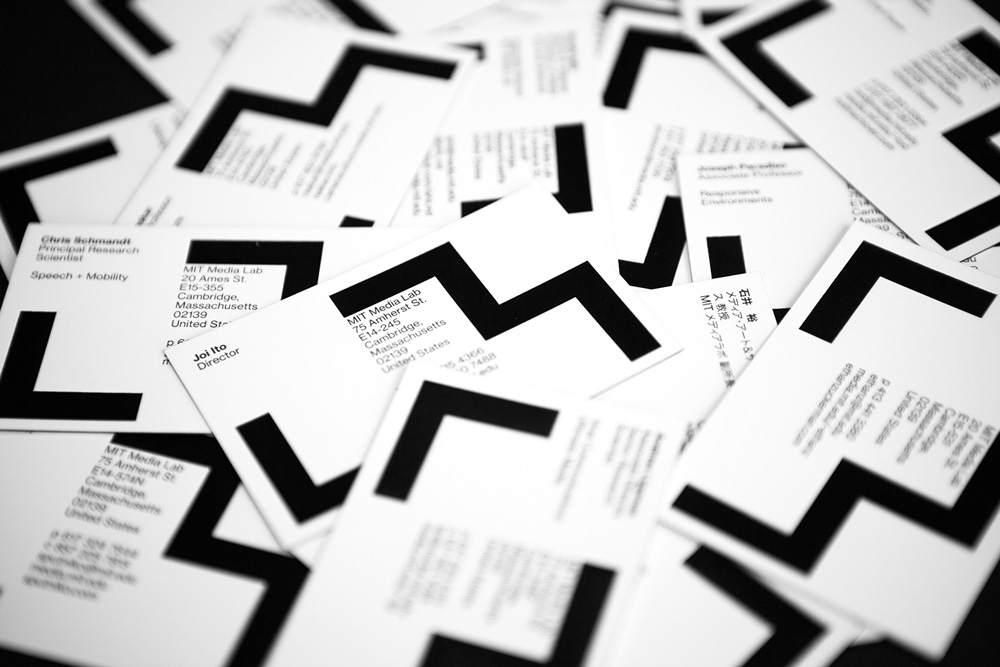
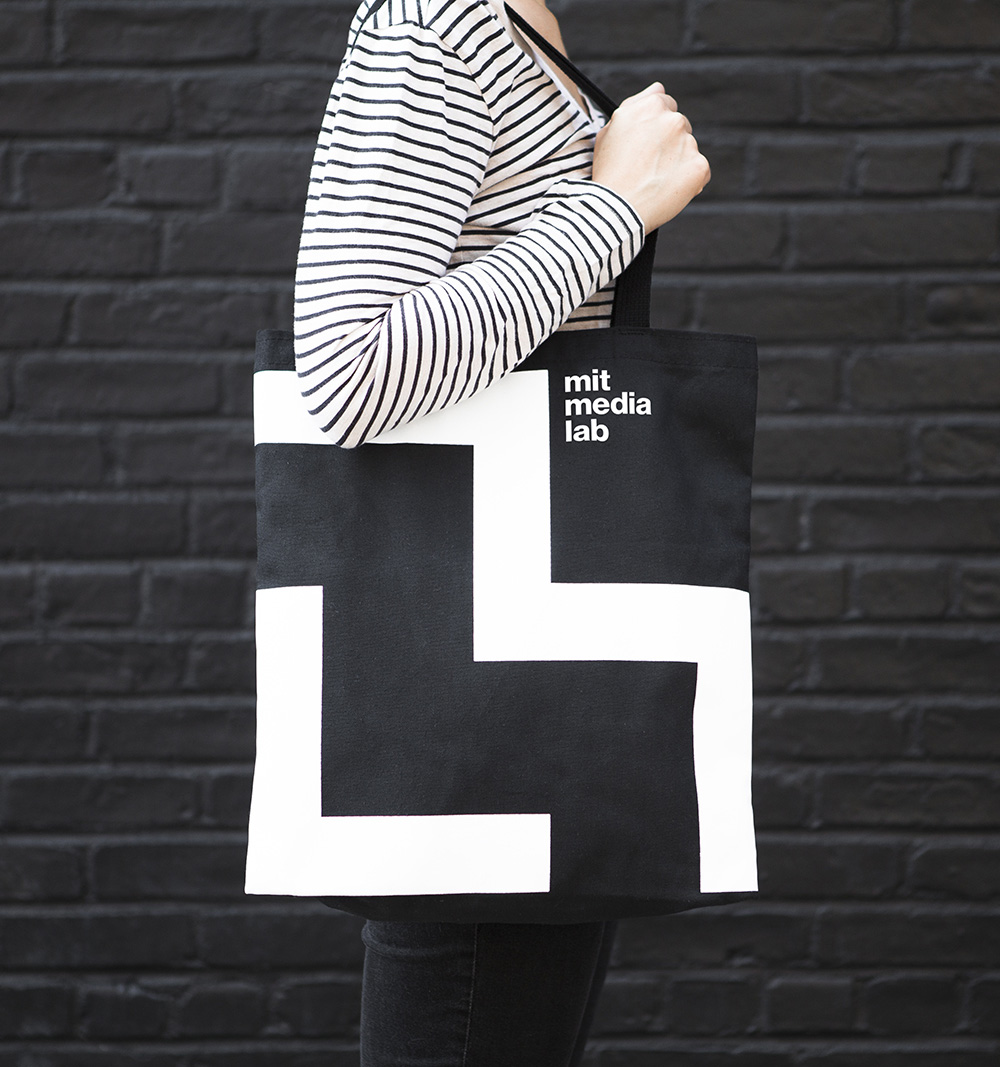
The following introduction is an update from our 2011 review of the MIT Media Lab identity change on the heels of its 25th anniversary: Founded in 1985 by MIT (Massachusetts Institute of Technology) Professor Nicholas Negroponte and former MIT President Jerome Wiesner in an I.M. Pei-designed building, the MIT Media Lab is one of the world’s most renown research and development centers. Funded by corporate sponsorship, the Media Lab counts with an annual operating budget of approximately $45 million and served 146 graduate students and 28 faculty and principal investigators in 2013 – 14, who work in more than 25 research groups on more than 350 projects that range from "digital approaches for treating neurological disorders, to a stackable, electric car for sustainable cities, to advanced imaging technologies that can 'see around a corner.'" Earlier this month, the Media Lab introduced a new identity by Pentagram, headed by New York, NY-based partner Michael Bierut.
[The] team in Cambridge […] had a question. Could a new MIT Media Lab identity combine the two traditions of timelessness and flexibility?
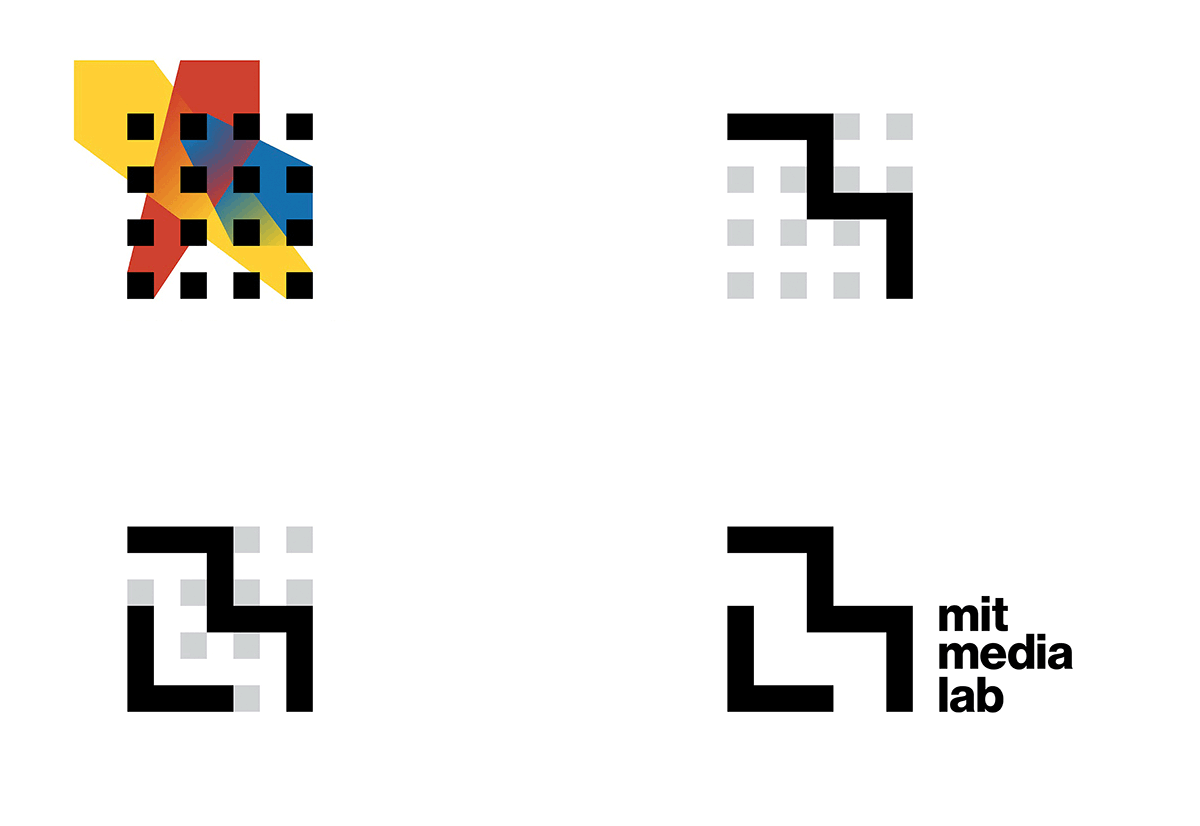
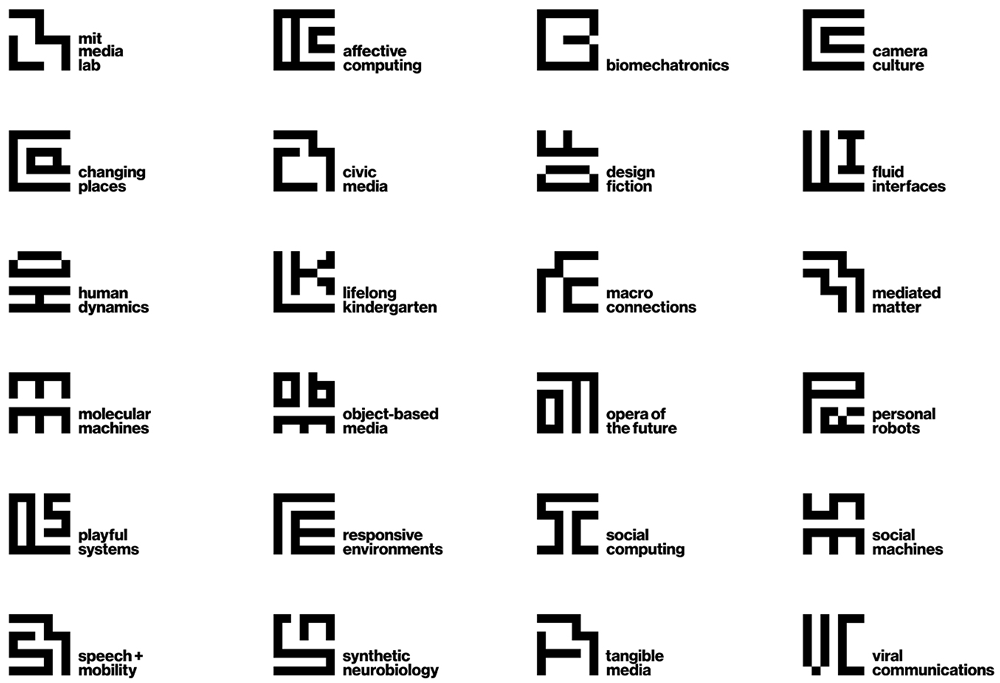
The answer proposed by Michael Bierut and Aron Fay started with Richard The's anniversary logo, which was based on a seven-by-seven grid. Using that same grid, the Pentagram team generated a simple ML monogram to serve as the logo for the Media Lab. Then Bierut and Fay, using the same underlying grid, extended that identity to each of the 23 research groups that lie at the heart of the Lab's activity. The result is an interrelated system of glyphs that at once establishes a fixed identity for the Media Lab, but celebrates the diversity of activity that makes the Lab great. Helvetica, so central to MIT's communications when the Media Lab was new, has been reinstated to support the overall system.
Animation showing how the new logo uses the same grid as the previous logo.
The previous logo, designed in collaboration by E Roon Kang and TheGreenEyl was fairly well received back in 2011 mostly because of its unexpected and irreverent approach that allowed for thousands of permutations. As a logo-logo, however, it wasn't the most functional. Yearning for an MIT Press-like logo without losing the flexibility of its existing identity, the Media Lab's new identity successfully marries both.
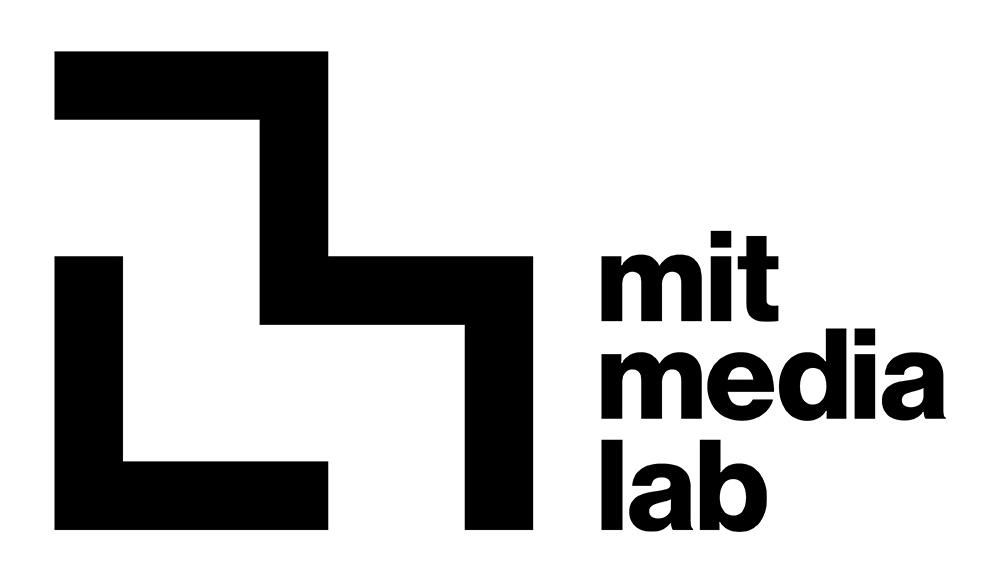
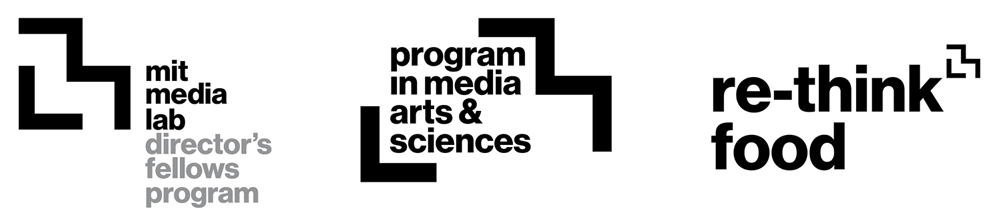
Logo detail.A few different ways of using the logo for different initiatives or programs.
Not as elegant — and I doubt that was the intention or goal — as the MIT Press logo, the new Media Lab logo is very similar to it as an acronym that demands interpretation, hiding an "ML" in the strangest of ways, with a 45-degree "M" and a small "L" tucked under it. (Arguably, it reads "LM" more than "ML".) It's not a beautiful logo, it's almost off-putting in its jarring letterforms but as the visual foundation for the Media Lab's multiple research group at the core of its academic structure, it's perfect: a gateway into a world of twisted, nerd-encoded acronyms that future generations will puzzle over as artifacts of past civilizations. Or something.
A wide range of acronym logos for each of the Media Lab's research groups.Animation showing the new logo and research group acronyms.
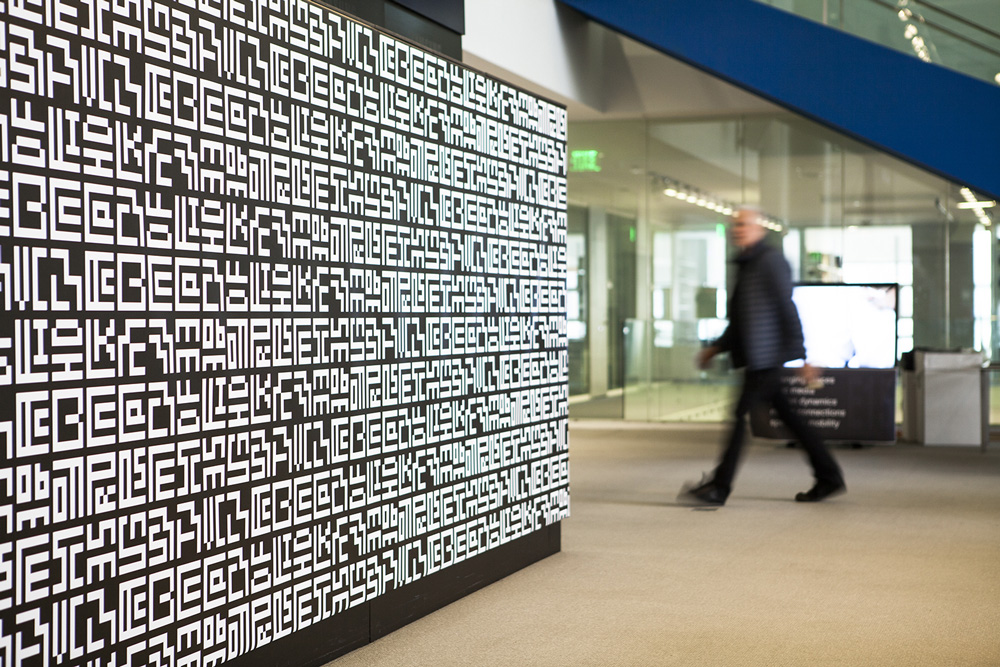
The playful yet strict letter pairings on a 7 × 7 grid deliver some remarkably interesting and entertaining combinations, that would be impossible to figure out were it not for the small descriptor to their side. (In Helvetica, natch). This visual language also sets the tone for a highly flexible range of applications and future permutations of the identity that will look and feel the same without having to be the same.
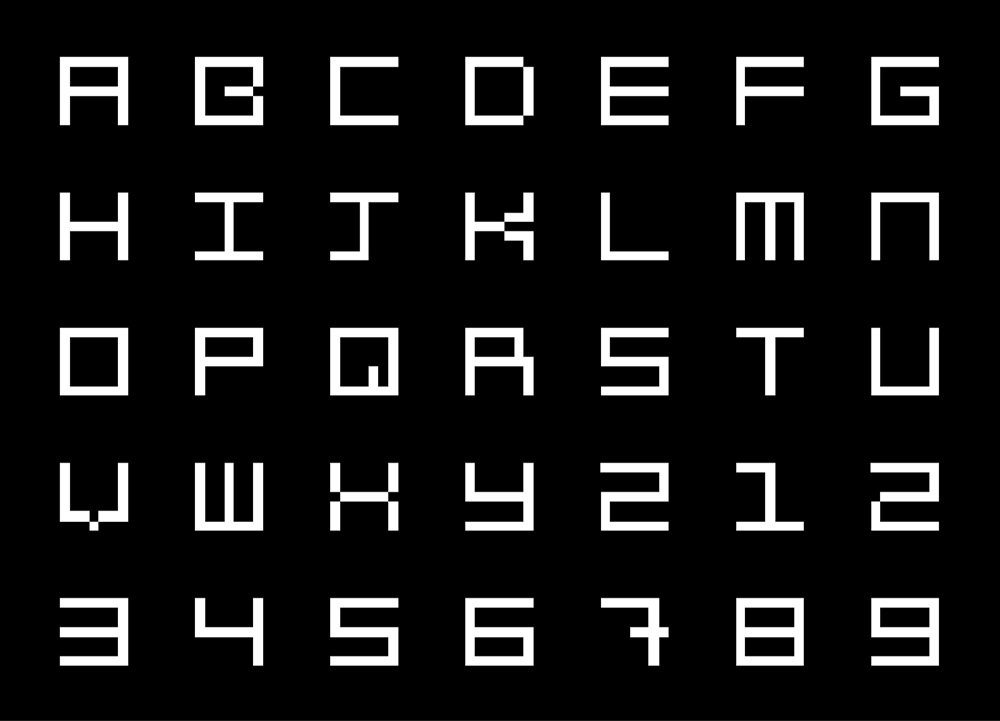
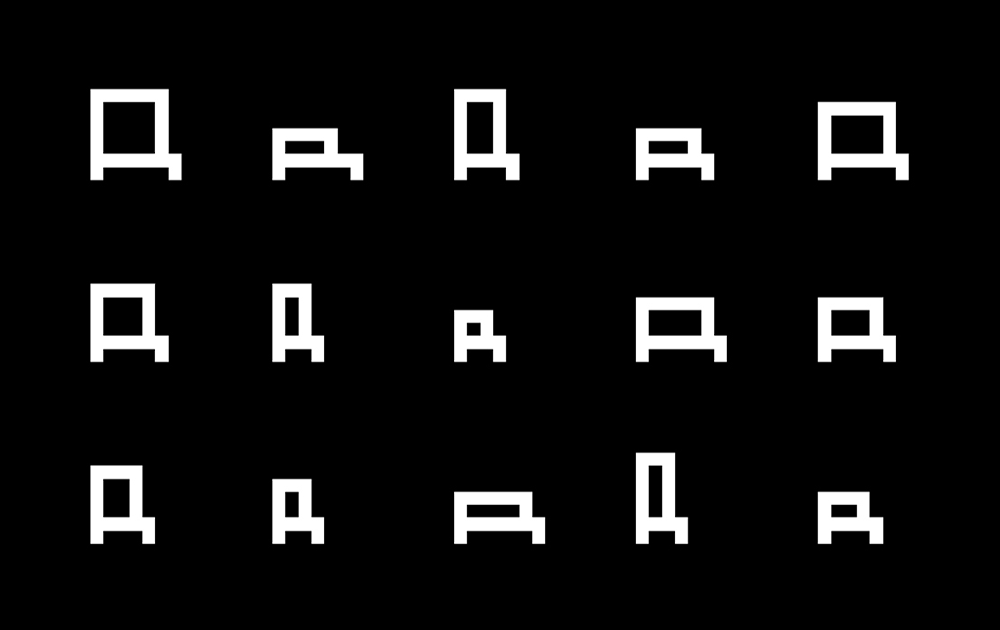
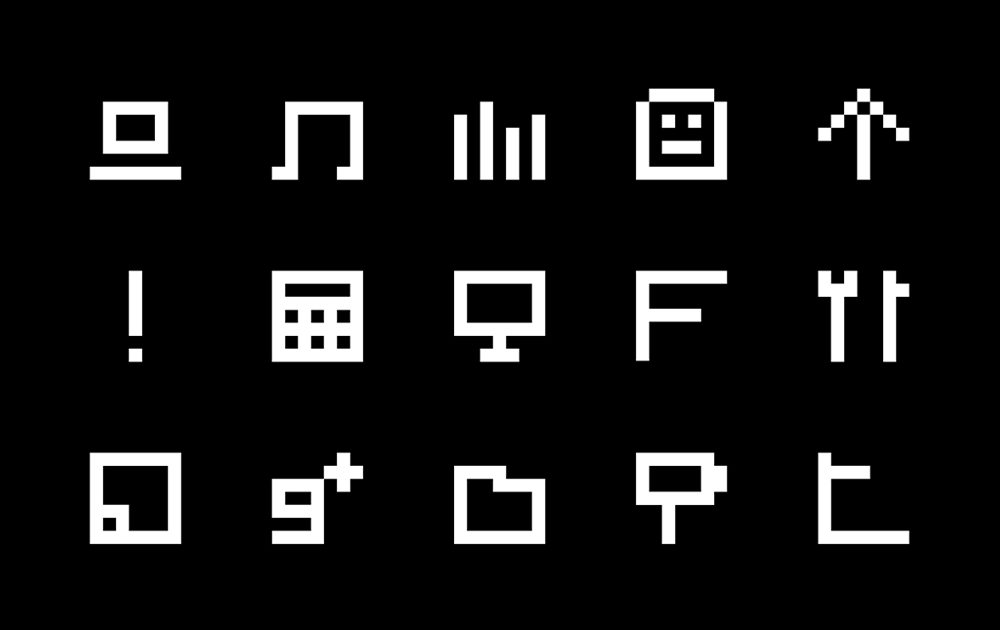
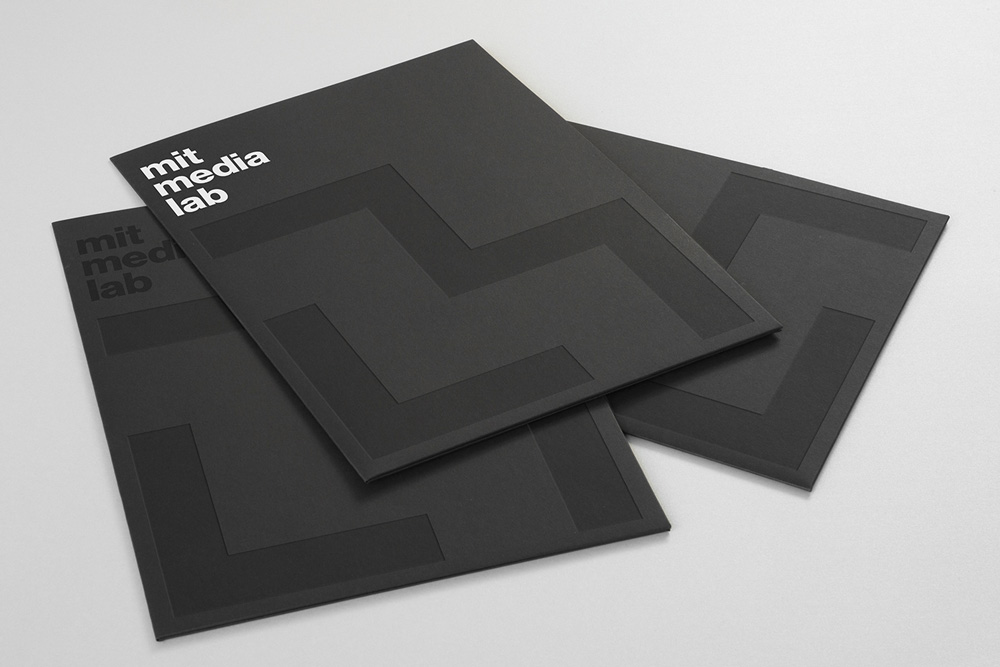
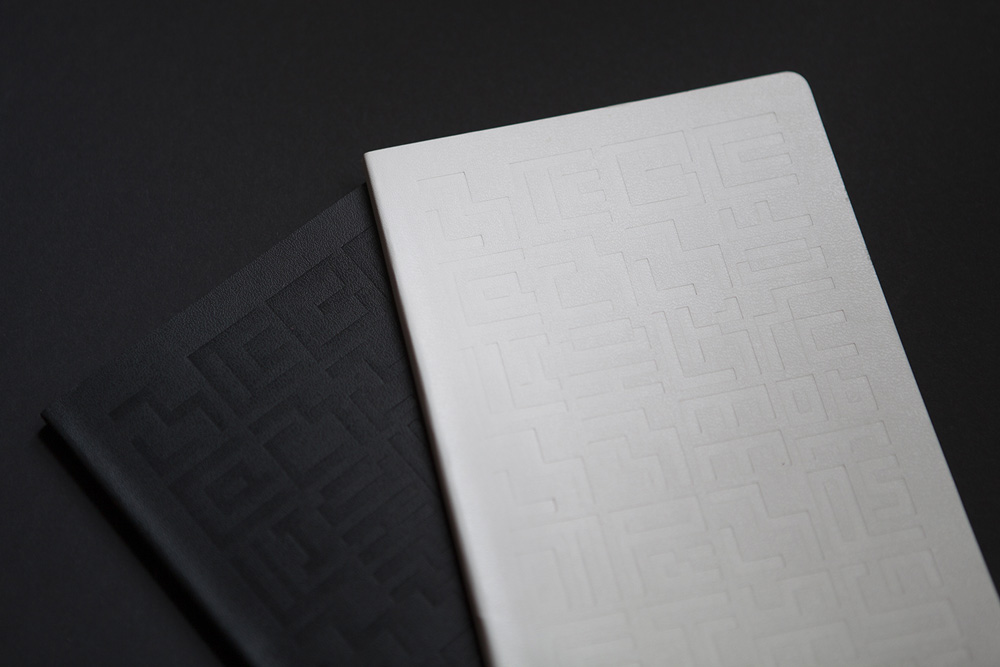
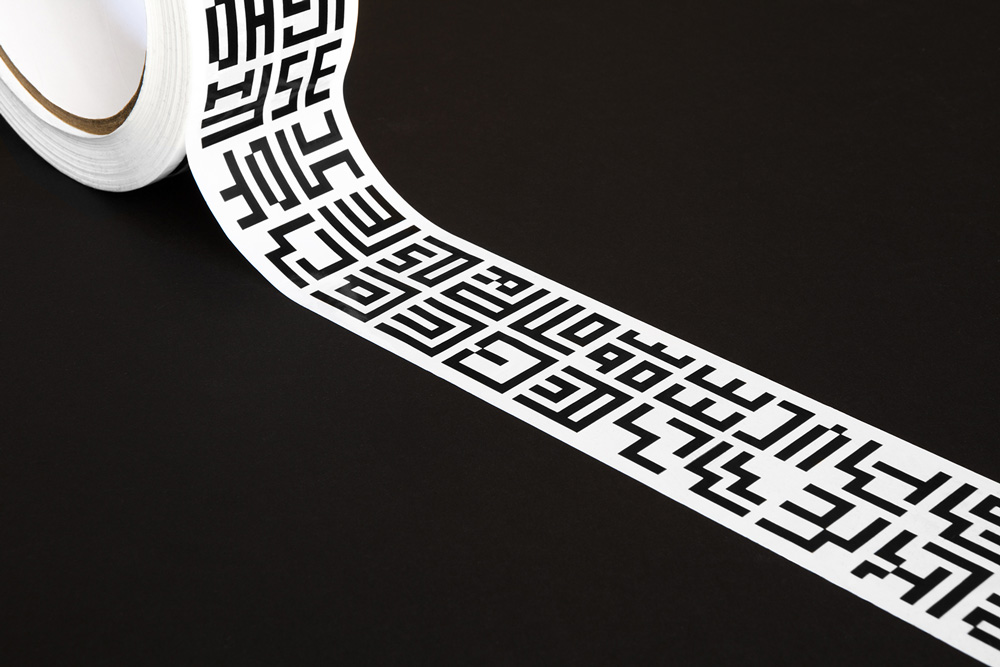
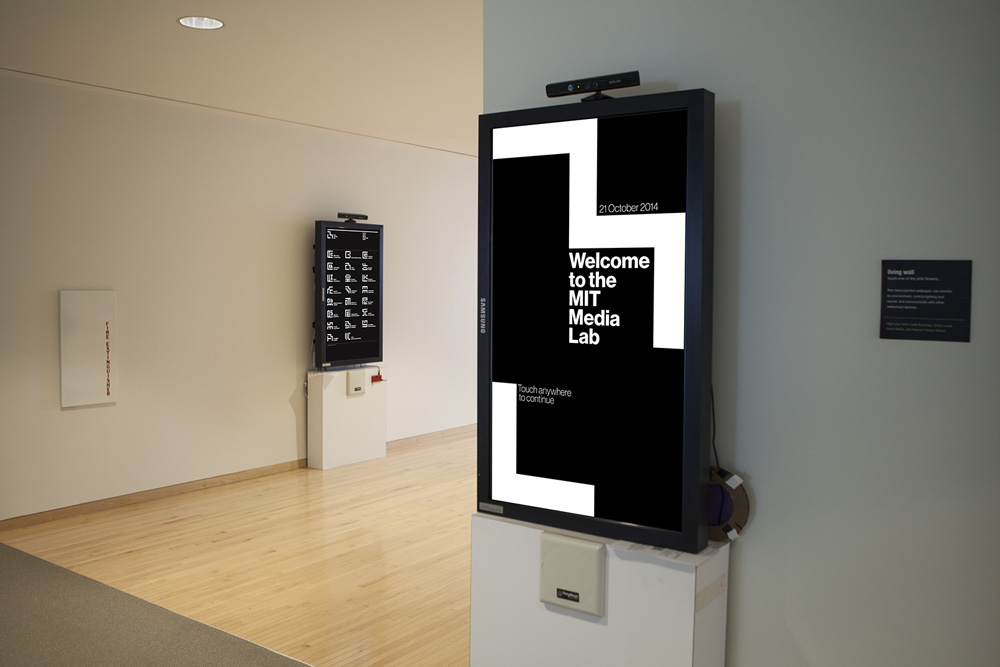
The main typeface built on the same grid as the logo.Variations of a single character, that will allow for almost every possible letter combination — "an algorithm" explains Pentagram, "will generate all the possible solutions for any given group acronyms in the future."Icons.Business cards.Folders.Notebooks.Tape.Tote bag.Lobby signage.
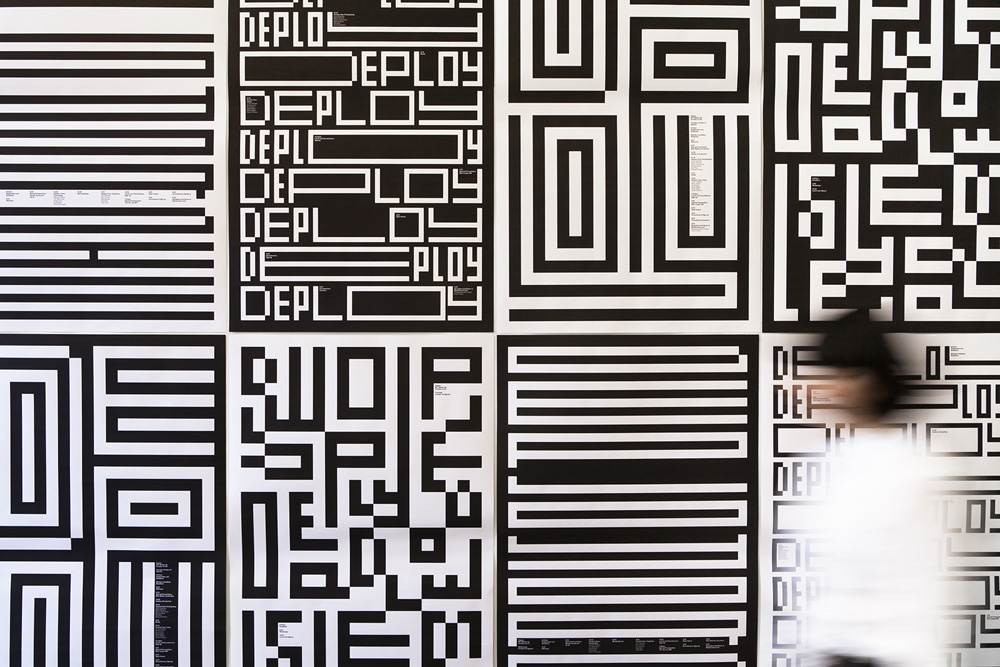
The new identity was unveiled at the Media Lab's Fall Members Meeting, which was organized, appropriately, around the theme of "Deploy." To celebrate that theme, [Pentagram designer] Aron Fay extended the identity's visual language with multiple expressions of the word. The result was a not only a debut of a new identity, but a real-time demonstration of that new identity's endless potential.
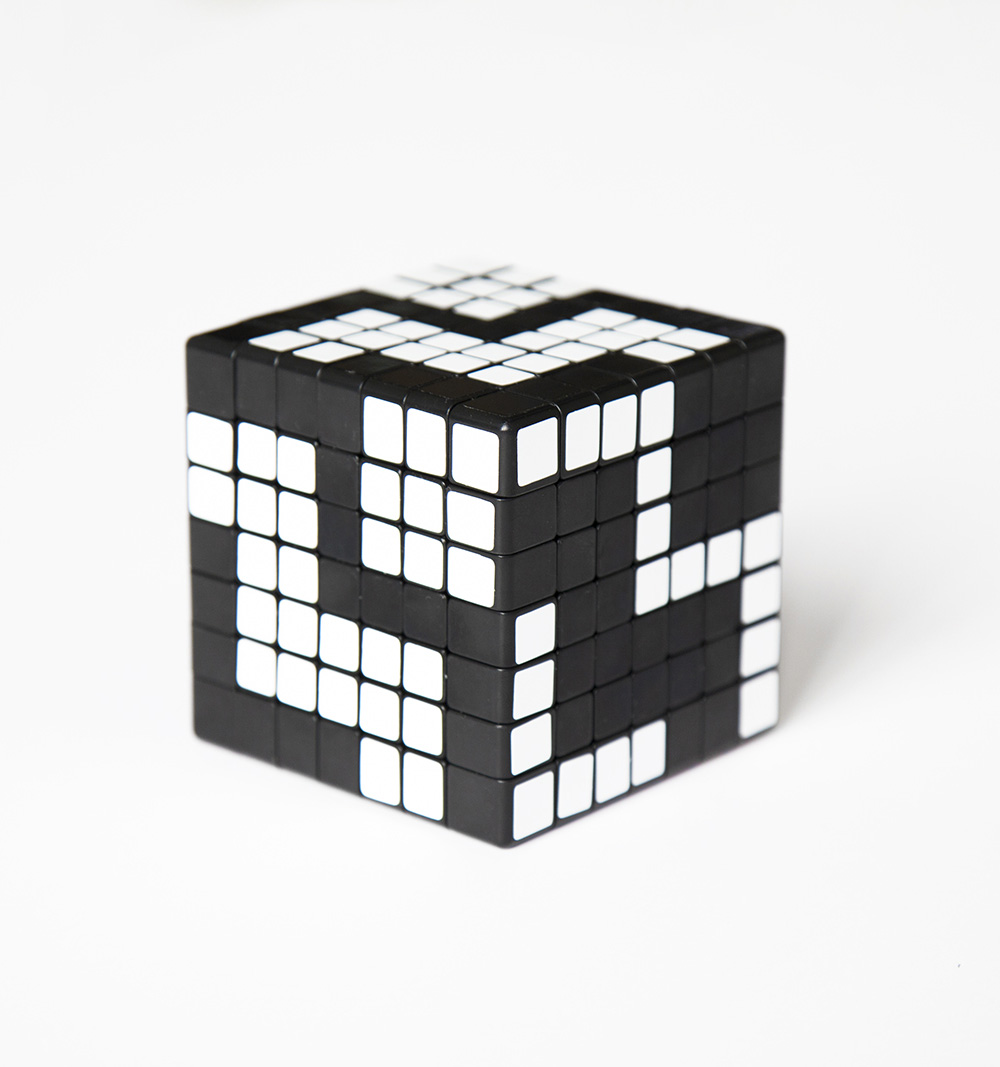
Posters for Media Lab's Fall Members Meeting, themed and titled "Deploy".Media Lab Rubik's cube because nerds.
Applications like the "Deploy" posters show the unlimited directions in which this identity can go while certain recurring moves — like the edge-to-edge logo use on the welcome screen display and tote bag — establish consistency. Overall, this is an unconventional logo and identity for an unconventional institution that has yielded an eccentric yet rule-based system for the Media Lab.
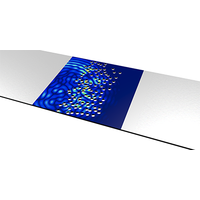
A design for a photonic crystal made with so-called hyperbolic metamaterials could provide unprecedented control of light waves confined to the surface.
[Phys. Rev. X 4, 041014] Published Mon Oct 27, 2014
A new microscope allows three-dimensional imaging of living systems at very high resolution in real time.
Authors: Bi-Chang Chen, Wesley R. Legant, Kai Wang, Lin Shao, Daniel E. Milkie, Michael W. Davidson, Chris Janetopoulos, Xufeng S. Wu, John A. Hammer, Zhe Liu, Brian P. English, Yuko Mimori-Kiyosue, Daniel P. Romero, Alex T. Ritter, Jennifer Lippincott-Schwartz, Lillian Fritz-Laylin, R. Dyche Mullins, Diana M. Mitchell, Joshua N. Bembenek, Anne-Cecile Reymann, Ralph Böhme, Stephan W. Grill, Jennifer T. Wang, Geraldine Seydoux, U. Serdar Tulu, Daniel P. Kiehart, Eric Betzig
Dissipation is a ubiquitous phenomenon in dynamical systems encountered in
nature because no finite system is fully isolated from its environment. In
optical systems, a key challenge facing any technological application has
traditionally been the mitigation of optical losses. Recent work has shown that
a new class of optical materials that consist of a precisely balanced
distribution of loss and gain can be exploited to engineer novel
functionalities for propagating and filtering electromagnetic radiation. Here
we show a generic property of optical systems that feature an unbalanced
distribution of loss and gain, described by non-normal operators, namely that
an overall lossy optical system can transiently amplify certain input signals
by several orders of magnitude. We present a mathematical framework to analyze
the dynamics of wave propagation in media with an arbitrary distribution of
loss and gain and construct the initial conditions to engineer such non-normal
power amplifiers. Our results point to a new design space for engineered
optical systems employed in photonics and quantum optics.
Photonic nanostructures provide means of tailoring the interaction between
light and matter and the past decade has witnessed a tremendous experimental
and theoretical progress in this subject. In particular, the combination with
semiconductor quantum dots has proven successful. This manuscript reviews
quantum optics with excitons in single quantum dots embedded in photonic
nanostructures. The ability to engineer the light-matter interaction strength
in integrated photonic nanostructures enables a range of fundamental
quantum-electrodynamics experiments on, e.g., spontaneous-emission control,
modified Lamb shifts, and enhanced dipole-dipole interaction. Furthermore,
highly efficient single-photon sources and giant photon nonlinearities may be
implemented with immediate applications for photonic quantum-information
processing. The review summarizes the general theoretical framework of photon
emission including the role of dephasing processes, and applies it to photonic
nanostructures of current interest, such as photonic-crystal cavities and
waveguides, dielectric nanowires, and plasmonic waveguides. The introduced
concepts are generally applicable in quantum nanophotonics and apply to a large
extent also to other quantum emitters, such as molecules, nitrogen vacancy
ceters, or atoms. Finally, the progress and future prospects of applications in
quantum-information processing are considered.







 I have just start to test its capabilities. My hope is that it will combine many platforms and separated tools into one organic, searchable and multi-platform service.



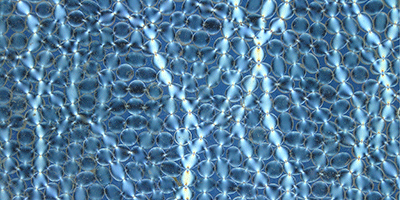
 Squeezing a holey rubber slab changes its stiffness over a wide range in the direction perpendicular to the squeeze.