


Idyllic landscapes, Marie-Laure Cruschi
We’re treated to the witty, wonderfully wild world of the streets through Todd Gross in the latest edition of Jesse’s Visual Interviews
Q1: Who are you?

Q2: What is your favorite way to waste money?
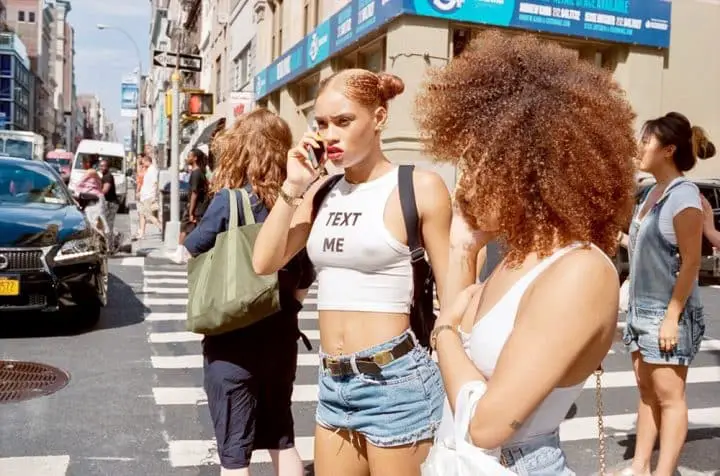
Q3: What do you consider the most underrated virtue?
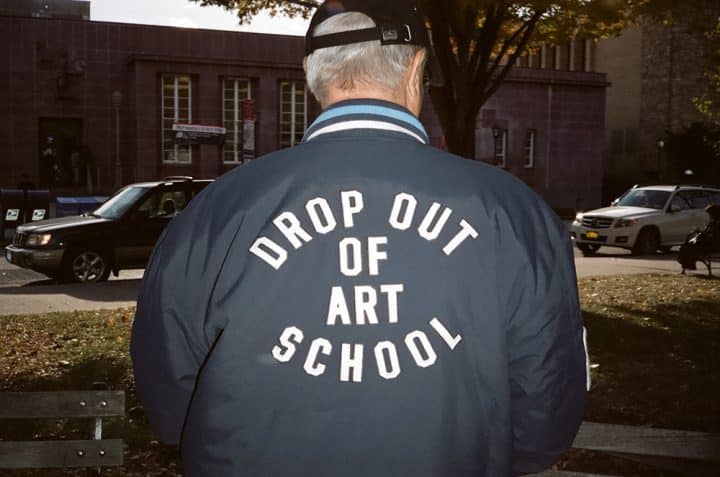
Q4: When are you happiest?

Q5: What did your first kiss feel like?
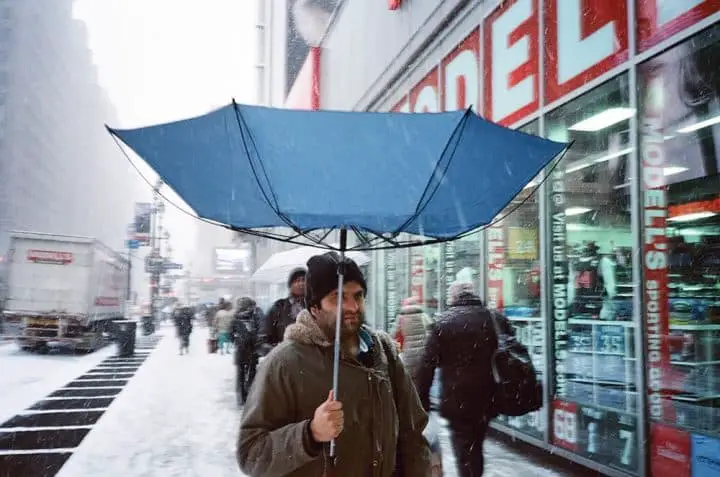
Q6: Where is home?

Q7: Which body parts (yours or otherwise) do you feel the most affection for?
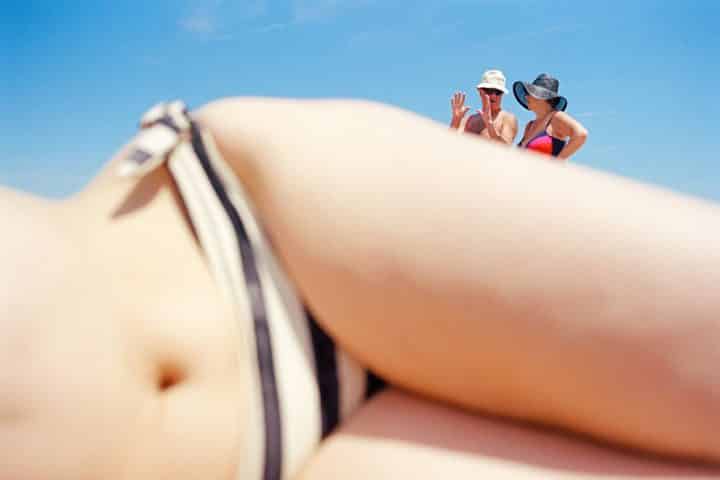
Q8: What’s a recurring theme in your life?

Q9: How do you define childhood?
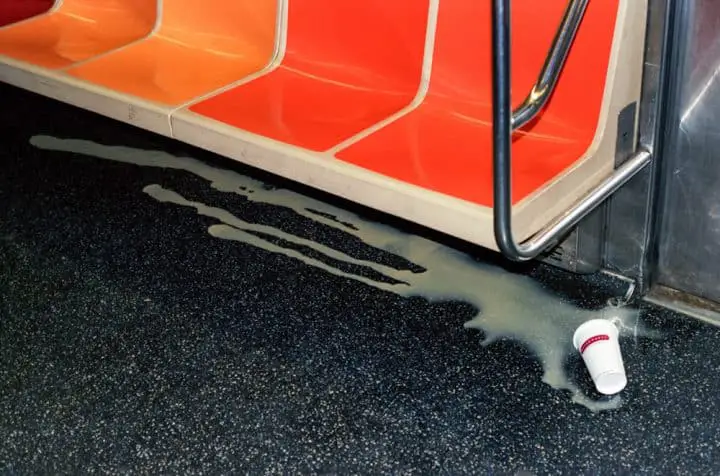
Q10: What is your favorite time of day?
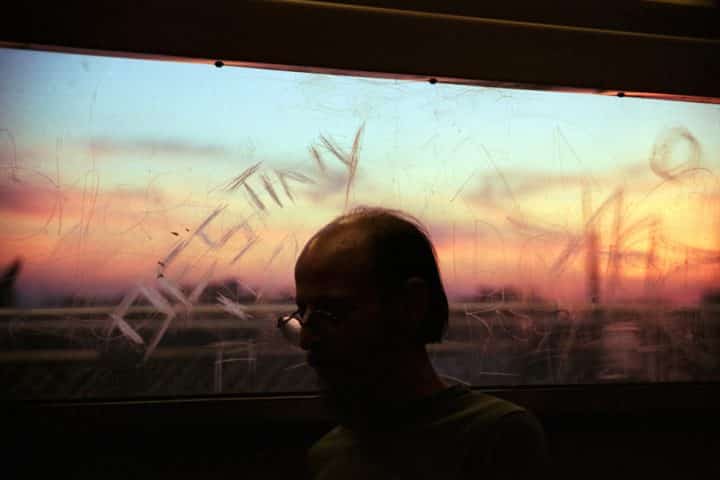
Q11: Who is your favorite person?

Q12: Which person or place do you miss that only exists in a photo?
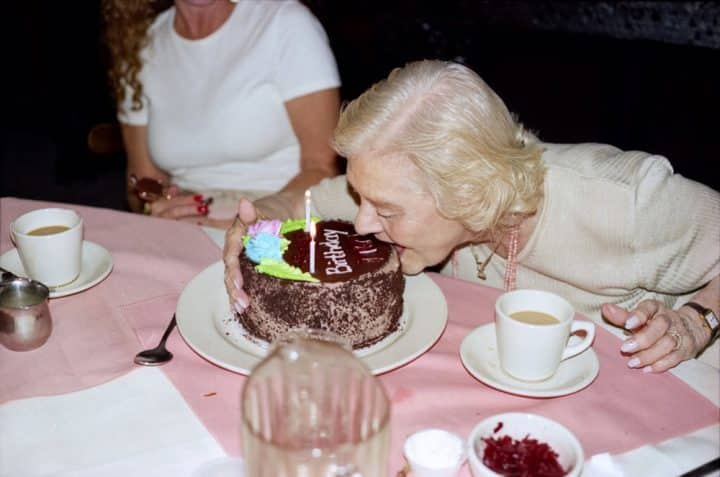
Thank you for the responses, Todd!
Todd’s work I found shared on several mutual friend’s accounts. If you check out any of his links you will quickly find that he is the street photographer…just thoroughly engaged with everything around him down to the pair of flies in the response to question 8. Through the other responses: the color, the wit, the humor…the overall skill makes this interview. Do yourself a favor and check out his links below (listed in order of importance by the photographer):
Jesse Freeman is a writer for JapanCameraHunter.com and an accomplished ikebana artist as well. You can see more of his work through his sites:
https://www.instagram.com/jesselfreeman/
http://www.flickr.com/photos/imnothinginparticular/
Want to read Jesse’s other great reviews? Then click here to go to the archives.
JCH
The post Jesse’s Visual Interviews: Todd Gross appeared first on Japan Camera Hunter.
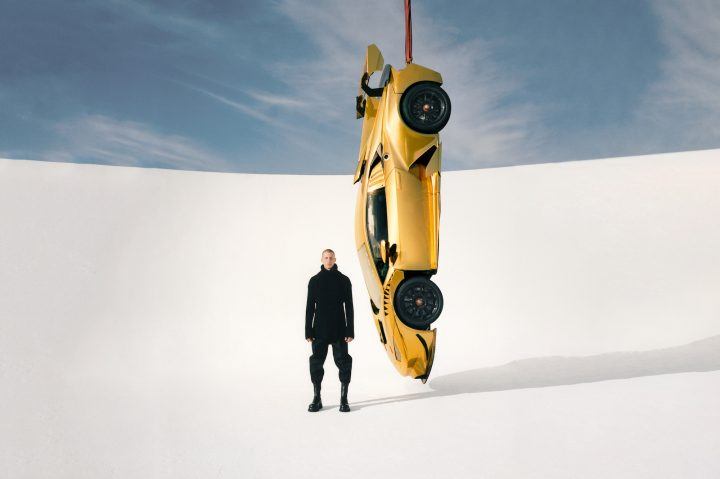
Luxury Italian fashion house Bottega Veneta has released their latest collection for Fall 2019, with an advertising campaign photographed by London-based photographer Tyrone Lebon.
The post Bottega Veneta’s New Collection Shot By Tyrone Lebon Under The Blue Californian Sky appeared first on IGNANT.


Illuminated columns protrude from the ground of bath house ruins in a new installation by teamLab (previously). The structures, which the Japanese collective refers to as “megaliths,” feature moving images of waterfalls and flowers in a constant state of change. Over the course of an hour, visitors will experience one year of seasonal flowers bud, grow, blossom, and wither away. Incorporated into the megaliths is also imagery of flowing water that adapts to the movement of nearby viewers. Each element of the artwork is computer generated, unique, and will never appear in the same state again.
Megaliths in the Bath House Ruins was created for a new exhibition titled A Forest Where Gods Live, in Mifuneyama Rakuen Park on the Japanese island of Kyushu, which runs through November 4, 2019. The soundtrack for the piece was created by Hideaki Takahashi, and sponsored by Grand Seiko. You can view more computer-animated sculptures and installations on teamLab’s website and Vimeo. (via designboom)


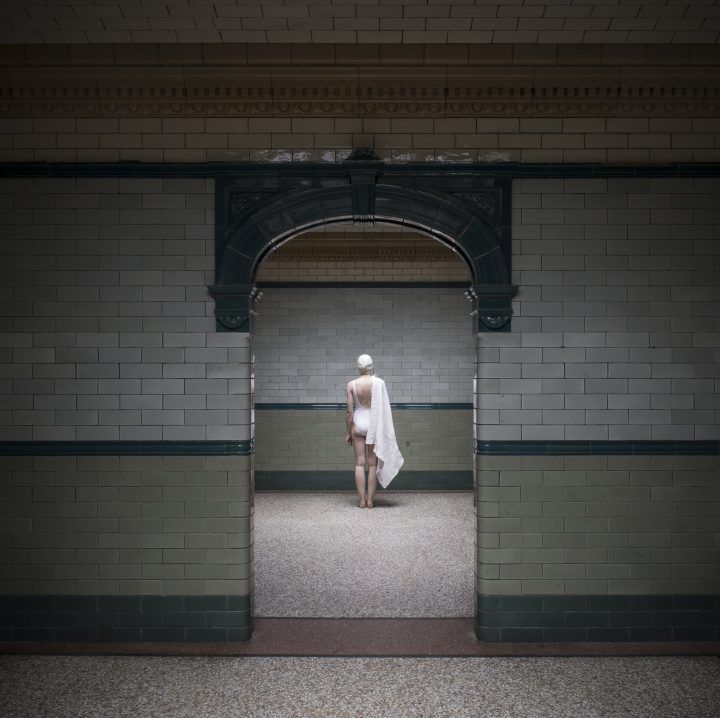
Scottish photographer Soo Burnell’s series ‘Poolside’ features a set of serene images that reflect her love of the public pools’ architecture and the visual charm of each space’s design.
The post Soo Burnell’s Serene Series Of Swimming Pools Is Inspired By Wes Anderson’s Aesthetic appeared first on IGNANT.
Revered for her portraits of young women, the photographer speaks about the poetics of intimacy and the rewards of taking on a challenge.
By Heval Okcuoglu

Hellen van Meene, No. 470, 2015
Courtesy the artist and James Freeman Gallery
For more than twenty years, Hellen van Meene has been making photographs of teenagers, capturing the mystical nature of their transitional stages of physical and psychological development in all its introverted glory. Each van Meene photograph inhabits that famous distinctiveness of a classical Dutch painting, as if a secret is being revealed in a small whisper only to the gazing eye under an exquisite light. Working in analog and principally in small format, the sense of intimacy in each of her portraits is palpable. In the later phase of her career, the Dutch photographer explored the subject of intimacy through portraying dogs, as she considers that they share the same kind of intrigue and kinship as her beloved teenagers.
I recently spoke with Van Meene following the opening of her latest exhibition, The Bird in Borrowed Feathers, her first solo show in London since 2008. Comprising new works presented together with a number of pieces from the past decade, the exhibition finds glimpses into these intimate inner worlds and brings their fragility to light in ways that are sometimes surreal and unsettling, often uncomfortable and challenging, but always deeply sensitive and sincere.

Hellen van Meene, No. 357, 2010
Courtesy the artist and James Freeman Gallery
Heval Okcuoglu: I have always wondered why you photograph young people in the way you do.
Hellen van Meene: As an artist, I have spent over twenty years making the work that I do. In all these years that I have been making photographs, I have never made decisions based on commercial angles. I always followed my heart to make photographs. I have always focused on teenagers because that was my first instinct. Teenagers are still that for me. A teenager for me can be eight years old to twenty-five; sometimes you don’t really see someone’s age on their face. I always felt I related more to young people, not because they are young and people say young is beautiful, but because of the transparency and openness they have. I love to capture these younger faces.
Okcuoglu: What have you learned from decades of experience photographing young people?
Van Meene: The biggest surprise was that even though they are from different countries, have different upbringings, or are subjected to different rules, in the end, happiness, sadness, or shyness is the same for everyone. It is only the way one approaches them that is completely different. In some countries, I couldn’t communicate in their language, but they still understood what I wanted from them. That was an eye-opener that convinced me that I could do this anywhere. I can still make the photos I want, even though I don’t have the right words for it. That’s very liberating. It comes back to intuition and connection.

Hellen van Meene, No. 458, 2014
Courtesy the artist and James Freeman Gallery
Okcuoglu: Your fascination with dogs is also very well documented in your work. In what way is it different from your work with young people?
Van Meene: It’s actually the same. I never realized how easy it was to photograph them because I was afraid of dogs. Dogs can read people so well. Their ability to sense things is the same as that of children. It is because they haven’t learned to distrust their instincts by behaving themselves in the way that adults do. Children are very close to their senses. We still have them too, but we have learned to make them flat, because in day-to-day life people don’t appreciate it so much. Dogs and children do have a lot in common, because they are true to what they are and what they feel.
Okcuoglu: Materials and textiles are an echo from traditional painting that finds expression in your work. Many of your subjects are dressed in exquisite fabrics. In that sense, how does fashion manifest in your work?
Van Meene: It’s just an extra detail in the photos that is necessary. I don’t use clothes like jeans or T-shirts because they are very modern in a way, and that’s something I don’t want in the pictures. I don’t want the clothes to draw attention, that’s about it. Jeans are not so poetic. I try to find vintage clothes or new clothes that looks vintage, and clothes help me to draw the photos more into my story. I want the clothes to be there, but they should also disappear at the same time.

Hellen van Meene, No. 501, 2017
Courtesy the artist and James Freeman Gallery
Okcuoglu: You always exhibit your work in small format. Why is that?
Van Meene: The format is based on intimacy. I have always believed that this intimacy works with the photos that I make. It is not about revealing so much. If I print them really large, it doesn’t make so much sense. I like the fact that they are not big.
Okcuoglu: Do you have rituals you repeat before or after every shoot?
Van Meene: I have this crazy thing. After the photos are done, I never make a contact sheet. I should be the first one to see the photos myself and if I do a contact sheet, then I may not get to be the first one. It’s just a feeling. Once the photos appear and I see the negatives, it really makes me happy.

Hellen van Meene, No. 503, 2018
Courtesy the artist and James Freeman Gallery
Okcuoglu: Do you think photography can help confront our fears and overcome them?
Van Meene: In 2016, my mother got ill and the next year, she passed away. I couldn’t make any new photos, and I needed to find a new way of making them. I was taking care of her before she died, so I felt very lost and sad, and then I was depressed once she was gone. I love costume drama, so I was watching Lady Macbeth one day. It’s a dramatic film about death and murder. In one scene, she murdered her father-in-law with poison. The coffin was upright with the dead body in it, and she was standing next to it in a beautiful dress. I saw this image and I thought, Oh, my god, I need to do that. I need to make photos of people in stand-up coffins.
I researched where this phenomenon came from and then found out that around 1839, when photography was just being invented, in America, people made photos of the deceased, not when lying in coffins as we do now, but by raising it upright with the dead body in it, positioning the family members around it, as they felt it was the last time to make a photo of the deceased. Photography was new and no one had the money to make photos like we do now, so that was the last moment to have a picture taken with the deceased. They only did this for a short while in that period. It was very caring. Nowadays we are very much afraid of working with the dead, but back then it was normal, maybe because people died more often then. It was the combination of my mother’s death and these coffins that made me think that I have to do this.
So I called the undertaker who organized my mother’s funeral, and I said I wanted to borrow a coffin. He said, “Yes, it’s fine come over,” and I remember I felt very awkward going there because six months ago, we carried my mother’s coffin. And here I was now, asking for a coffin to make photos with it. I put the coffin in my car, and the next day I had to get some groceries because the photo shoot was a day later. After I had placed the groceries next to the coffin, I thought, “What the hell am I doing? This is insane. Driving around with an empty coffin.” It is a very good thing to take care of your fears. I made the photos, not with deceased people of course, because that’s too much of a struggle. It was like remembering someone for the last time. It was such a poetic feeling. I loved it. When I started making the photos of the dogs, I was afraid of dogs because I had been bitten. I always think you have to challenge and fight your fears. You can’t run away from them; instead, you confront them.

Hellen van Meene, No. 497, 2017
Courtesy the artist and James Freeman Gallery
Okcuoglu: What does it mean to be free in photography?
Van Meene: Looking back at my career, I never made decisions based on making photos I knew would sell a lot. I always followed my instincts. Two weeks ago, I was in Berlin and it has been nine years since I asked girls in the streets myself if they wanted to be photographed. Around 2010 I started to work with magazines for editorials, and you work with a model agency in order to find new faces. I pick the ones that give me a certain chemistry, but I don’t go into the streets myself anymore. You only have two days and you don’t have the time to find great faces, and so that spoilt me. It was easier. When I was working on my latest project, Seven Sins, there, I felt how tough and great it was at the same time, because I still get to find great faces. When you follow your instincts and what makes you happy, it doesn’t feel like a job. Sometimes it’s a bit silly, but I go and push myself into these difficult situations, because I know in the end, I will be rewarded.

Hellen van Meene, No. 423, 2013
Courtesy the artist and James Freeman Gallery
Okcuoglu: Finally, I would like to ask you about your experience as a woman in the industry.
Van Meene: Sometimes it’s a bit distressing that men the same age as me get more chances than women, especially in photography, as there are a lot of very famous, good women photographers. Men do get more exhibition opportunities than women. If the curator is a man, he always looks for a person who resembles him, that’s the way it works. It is kind of disappointing when you Google museums and see how many solo shows of women there are compared to the male solo shows. I think it should be about the quality of the work.
Heval Okcuoglu is a writer and translator based in London.
Hellen van Meene: The Bird in Borrowed Feathers is on view at James Freeman Gallery through August 3, 2019.
KurshakaRinse and repeat!


The Phoblographer Fails To Heed Its Own Advice
By Michael Ernest Sweet
Dan Ginn recently wrote a blog post for The Phoblographer all about the haters in street photography. The essence of the post was the following: There is a lot wrong with street photography but there is also a lot right with it too. Fair enough. I largely agree. However, I do feel that this is nothing unique to the street photography genre. As a professional writer and an amateur painter, I’ve been exposed to other creative communities and I find them quite comparable. The fact of the matter is that there are nasty people involved in everything. That’s a fact of life. The unregulated anonymity and exposure that the internet and social media platforms give to these people have simply brought them out of the shadows. For example, in past eras one would write a letter to an editor to express their thoughts, opinions, gripes, and complaints. If that person was too aggressive, rude, nasty, hateful, or just plain stupid, their letter was trashed. End of story. Today we live in an era where those gatekeepers of civility are out-of-work. So, while I largely agreed with the post, I also had a couple of points to make about what I felt was an overly-simplistic view of the street photography community at large. With this in mind, I wrote a comment at the end of the post. No need to write a response article I thought, just a simple comment – civil, reasoned, and largely positive and supportive.
The Phoblographer decided to “moderate out” my comment. That’s right, they declined to publish my submission to the thread, which is highly ironic given the subject of the original post. You can read a transcript of my proposed comment at the end of this article. It seems The Phoblographer decided to post short, highly positive, and trite comments. More elaborate criticisms, such as my own comment, seem to be suspiciously missing. I say suspiciously not only because I know, for a fact, that my own comment was not published, but also because I find it hard to believe that such a post as this one would go without some harsh reader feedback. Indeed, if haters are so prevalent in the genre, as the author suggests, why are they absent from this article’s comment section? Did this post somehow quell the hateful inhibitions of all the world’s street photography trolls? Indeed that would be miraculous. No, rather, I’m quite sure the moderators decided to publish some comments and not others. While there is no law against this (yet, Trump seems to be working on it) I do find it antithetical to the post’s argument and entirely in opposition to the desired outcome of their publishing such a “rant” (their word) in the first place. Was the purpose not to inspire us all to get along and treat each other with respect? Again, my comment, as you can see below, was not even contrary to their post much less hateful or trolling in nature. There is no reason to refuse its publication.
I’ve been a controversial figure in street photography. I admit this and I own it. Some love it, others not so much. That’s fine. What I have always done is to speak plainly and stand by my own opinions and ethics. I too think there is a lot wrong and a lot right in street photography. As a result, I have often written about what is wrong. I also have my opinions as to how to fix some of the wrong. Articles such as my now infamous Street Photography Has No Clothes, (which was originally published in the HuffPost in 2015 and later reprinted here on StreetPhotography.com) have deeply offended some street photographers. I’m not blind to this fact. Others have kept their distance (or trolled me) because they are jealous of my accomplishments and my recognition in the field. Indeed, they are the people this post in The Phoblographer is talking about. With all of this in mind, one would think that The Phoblographer and I would be on the same page – best buddies. Let’s all get along and promote open and genuine dialogue, despite our personal feelings of jealousy, envy, etc. I guess that is not the case. My three emails (to two separate email addresses) to the editor The Phoblographer, Chris Gampat, all went unanswered (as of the time of this publication). This, combined with the omission of my comment, leaves me with no other option but to conclude that there are some at The Phoblographer who fall into this category of street photographers that Ginn feels should “leave the room” and find another hobby.
Dan Ginn writes, “I always try a have a balanced opinion and see both sides.” If this is true, then I guess he was not responsible for the “highly selective” editing of the post’s comment thread – a practice that decidedly does not display a penchant for balance. Ginn also begins the article with this line, “The street photography community can be a funny little place. Lots of street photographers divided into their own groups…” Indeed, and The Phoblographer’s editorial practices appear to be a prime example. I wanted to like this article. It had a lot of promise in my mind. Finally, someone else writing about the widespread negativity in street photography. I also wanted to like The Phoblographer – a small, independent, local, upstart photo blog. Yet, all this has done is leave me with that “bad smell” that Ginn himself writes about in his post. It seems that The Phoblographer has failed to heed to the very advice they were attempting to dish out.
The Transcript of my proposed comment to their post:
“You make many interesting points here, Dan. I’ve written about this very thing various times over the years. However, I’m not too sure there is anything here that is unique to street photography – miserable folks are involved in everything! I’ve worked as a street photographer, writer, and an (amateur) painter for many years. There are nasty people in all those endeavors. For example, if you think street photography is bad, give creative writing a try! I think the issue emerges out of the social media phenomenon more than anything. The anonymity and access to a “soapbox” that social media provides have engendered a lot of critics and worse. Think about Instagram alone, for example, everyone wants to be followed and no one wants to follow. On the face of it, this is absurd. Everyone wants to be the “famous photographer” and no one wants to be the “loyal fan”. Street photography is intensely produced but poorly consumed. I’m not sure my mother would even know what “street photography” is, let alone spend any time looking at it. The issues that have caused this toxic environment are varied, complex, and not at all unique to street photography. What you put into the world comes back to you.”
The post The Phoblographer Fails To Heed Its Own Advice appeared first on Street Photography.
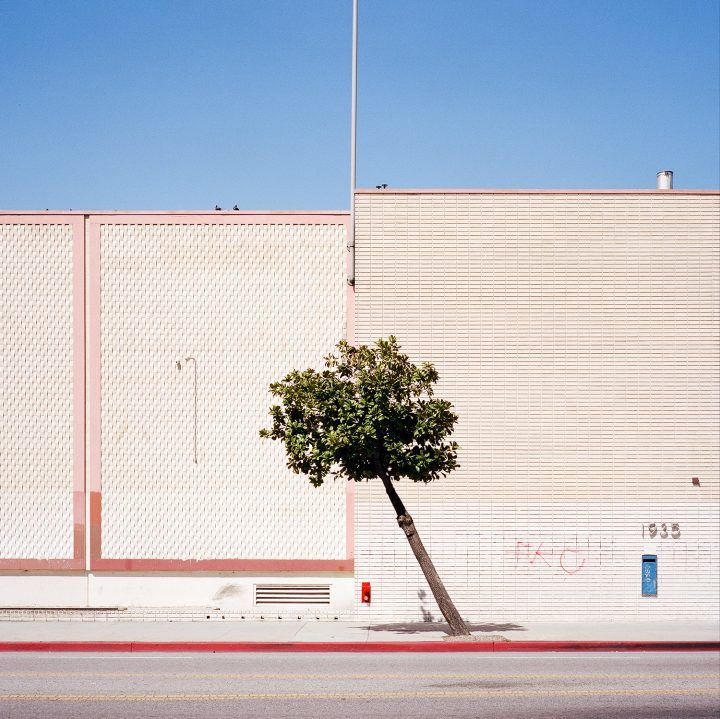
In her series ‘A tree grows in’, Los Angeles-based analog photographer Sinziana Velicescu captures trees in urban landscapes with an element of peculiarity.
The post Sinziana Velicescu Observes Trees Growing In Unusual Places appeared first on IGNANT.
Get to know Kramer O’Neill through cool plays in shadows and lines in this week’s edition of Jesse’s Visual Interview.
Q1: Who are you?

Q2: What is your favorite way to waste money?

Q3: What do you consider the most overrated virtue?

Q4: When are you happiest?

Q5: What did your first kiss feel like?

Q6: Where is home?
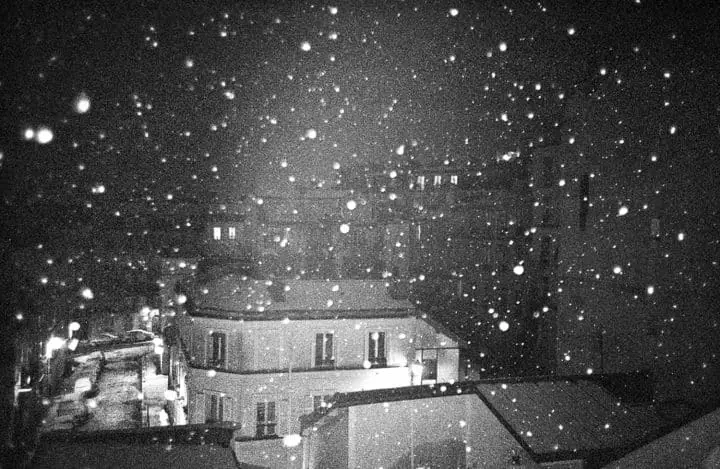
Q7: Which body parts (yours or otherwise) do you feel the most affection for?

Q8: What is your favorite vice?
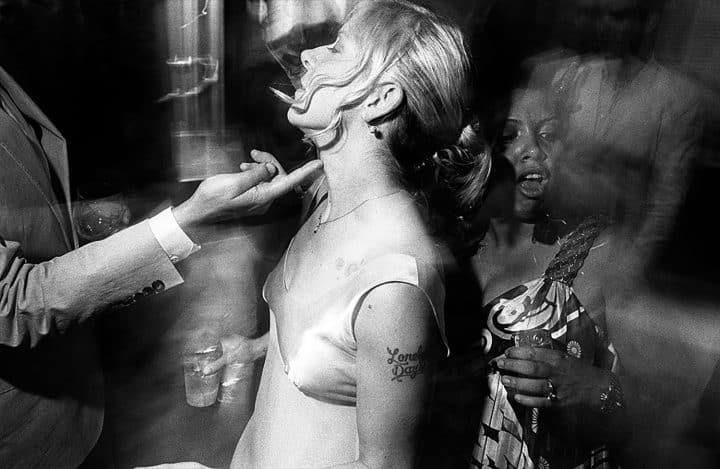
Q9: How do you define adulthood?
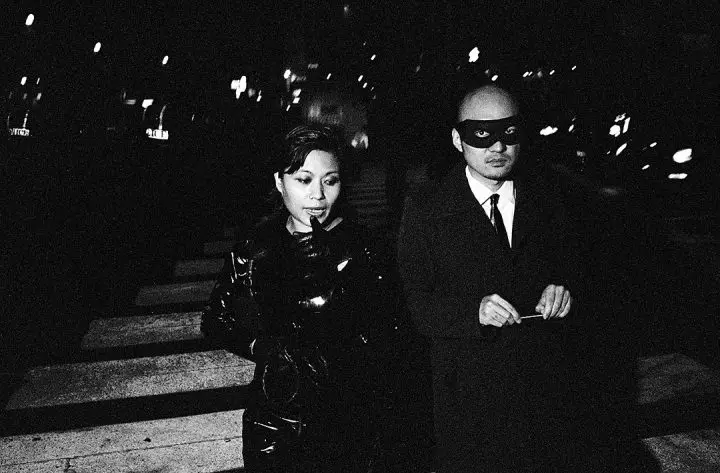
Q10: What is your favorite time of day?

Q11: Who is your favorite person?

Q12: What is the most important thing in any relationship

Thank you for your responses, Kramer!
Immediately loved the lone color shot putting a subtle punctuation on this interview. Timelessly observed. The costume of adulthood we put on made a lot of sense as well in response to question 9. If you have a moment check out his website in particular that starts with a selection of beautiful color photos that shows the range of his photography.
krameroneill.com
instagram.com/krameroneill/
Jesse Freeman is a writer for JapanCameraHunter.com and an accomplished ikebana artist as well. You can see more of his work through his sites:
https://www.instagram.com/jesselfreeman/
http://www.flickr.com/photos/imnothinginparticular/
Want to read Jesse’s other great reviews? Then click here to go to the archives.
JCH
The post Jesse’s Visual Interviews: Kramer O’Neill appeared first on Japan Camera Hunter.
Switzerland/Italy based analog photography equipment extraordinaire Ars-Imago caused quite the stir nearly 2 years ago when they announced a kickstarter campaign to produce the Lab-box. The long awaited release of the home developing kit has finally started making its ways to the eager little fingers of its backers.
With film use on the rise yet costs still high and rising, home developing manifested itself for many of us non-1%-ers as the only viable resolution to perpetuate our silver halide and color dye fixes. Now that it’s actually here, does it live up to all the hype and ballyhoo?
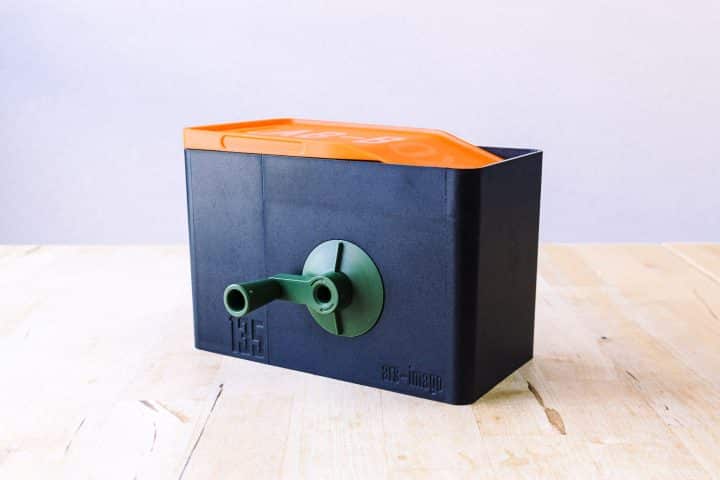
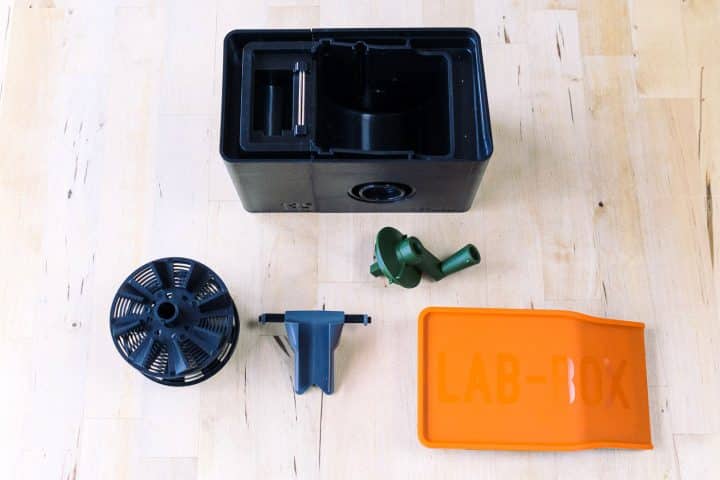
If you don’t even know what the Ars-Imago Lab-box is, it is a plastic box that essentially combines everything you need for a home developing kit: a film tank, agitator, film reel, and other tools, minus the need for a changing bag to load your film. You don’t even need scissors or a can opener!
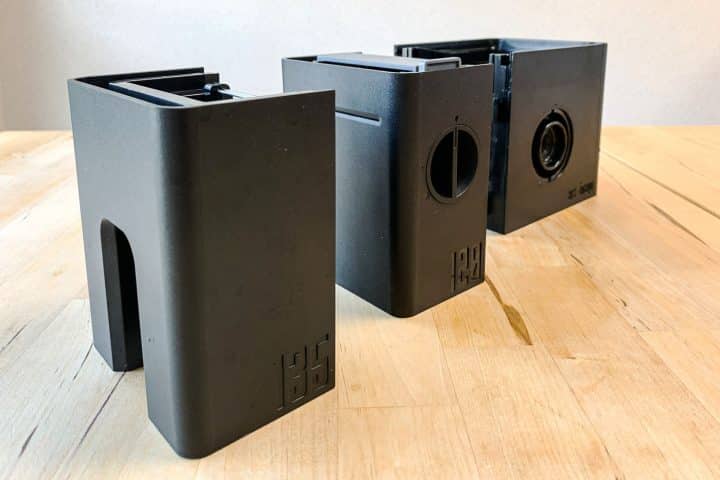
The Lab-box is a multi-format tank that allows to develop film from start to end, in full day light, bypassing the need to load the rolls in the dark. This daylight loading tank promises to simplify DIY film developing for newbs and pros alike. Since it has a detachable 135 and 120 module, it’s easy to switch between developing 35mm and medium format film when you need to.
I think it’s a cool idea that it has interchangeable modules to swap between 35mm and 120 format. It will certainly save on space for those of us living in tiny boxes they call apartments in the big cities. It’s small enough that if you really wanted to, you could just throw it in a backpack and take it out with you.
Check out the official video below to see it in action.
LAB-BOX, HOW IT WORKS from ars-imago on Vimeo.
Haters will quickly point out “That ain’t nothing new! It’s just a total rip off of the Agfa Rondinax!” Indeed, they are quite similar in design and mechanics and no doubt the Rondinax was the inspiration for the Lab-box. The OG Rondinax was made from the 1930s until the 1970s and designed for 120 and 35 mm film. Clones operating similarly or identically were also made in England in the 1950s (Essex, Kent) and the Soviet Union (Sputnik).
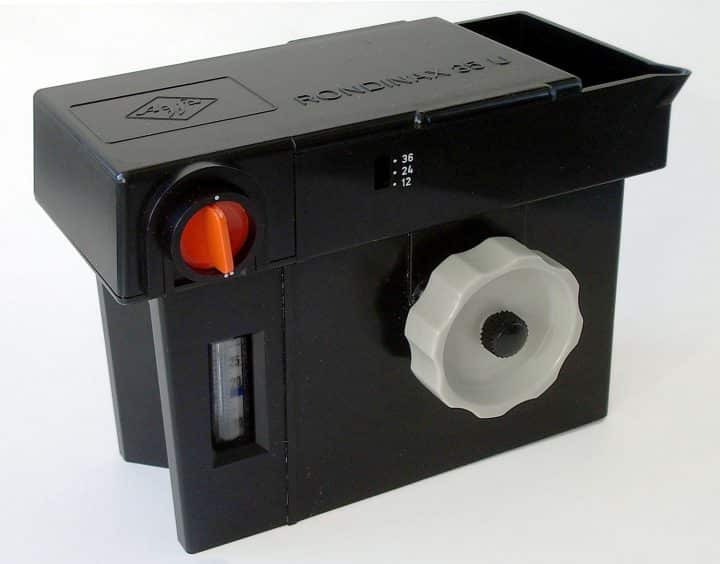
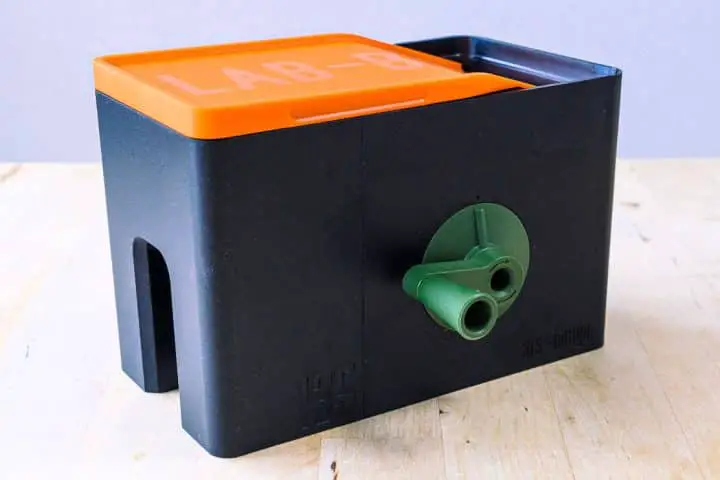
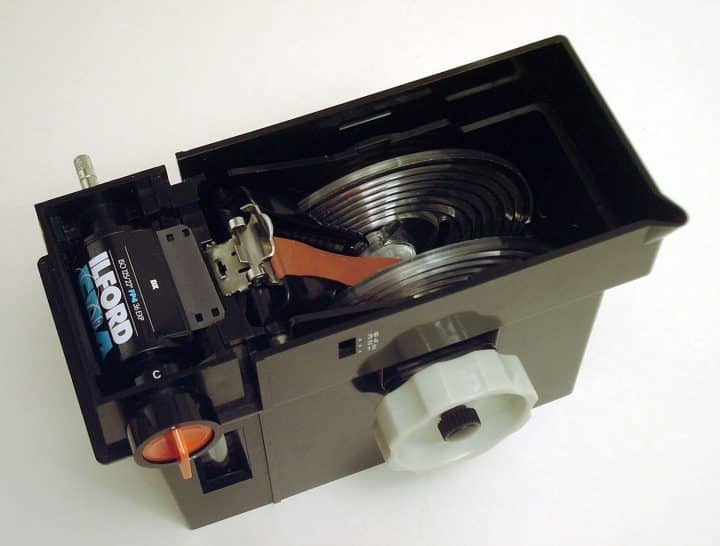
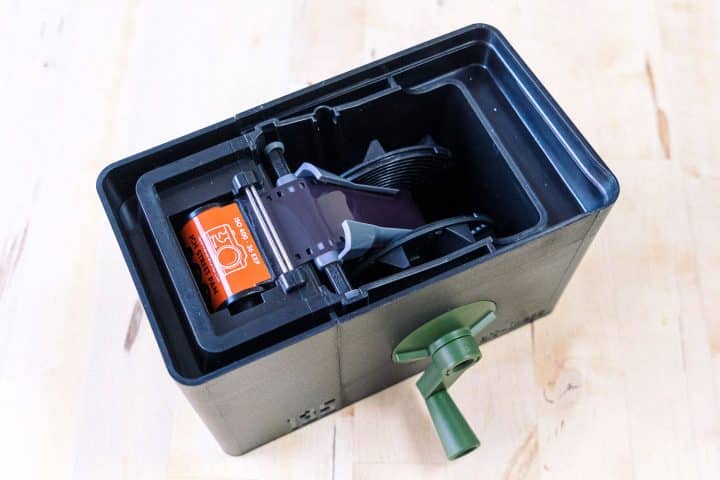
Rondinax tanks and their clones are now only available from such sources as eBay. A quick peek will reveal that 35 mm film tanks (Rondinax 35, Essex 35) can be had for roughly $100 USD and the 120 version(Rondinax 60, Kent 20) fetch higher prices at almost $200 USD. That’s for used plastic that’s anywhere from 40-80 years old. For about $150 USD, a brand new Ars Imago Lab-box that can do both 35mm and 120 film can be had. Though not revolutionary, the Lab-box combining two formats into one unit is a nice revolutionary touch and hits a reasonable price point.
The Lab-Box is designed with multiple options for balancing agitation frequency and chemical waste. As little as 250 ml can fill half of the tank, but will require constant agitation by turning the green crank that rotates the film reel. Alternatively, 500 ml of developer will fill the entire tank and submerge the entire roll, which requires less agitation but obviously requires using more chemicals.
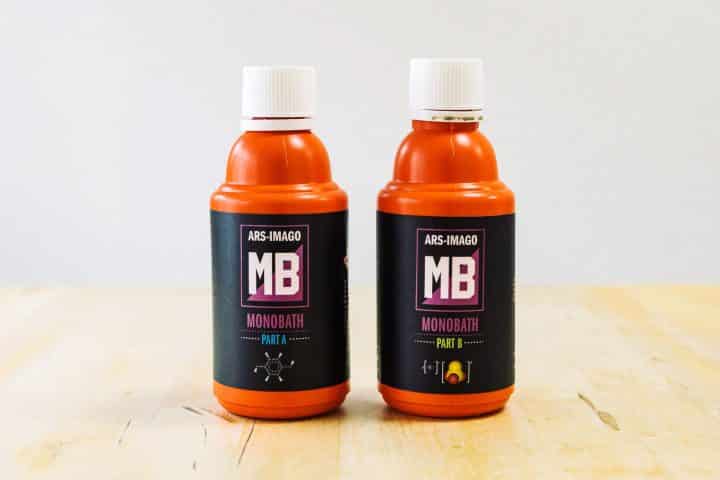
The Ars-Imago Lab-Box is also designed to be used with simple all-in-one develop-and-fix chemicals such as Ars-Imago’s own Monobath. Our first go at this will be with this simple solution.
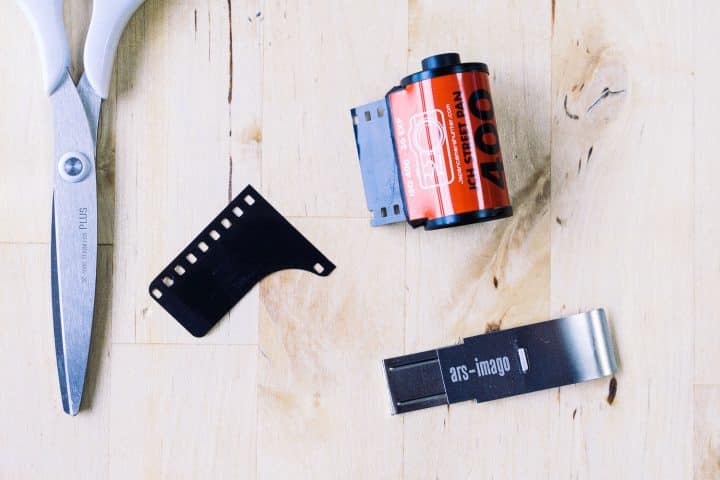
Ars-imago offers this film retriever tool to pull out the lead from film canisters but I found it to be completely useless. After about 15 minutes of trying and many expletives, I had to resort to the tried and true spit trick to get started. Old school rules! If anyone else out there knows a better solution, I’m all ears.
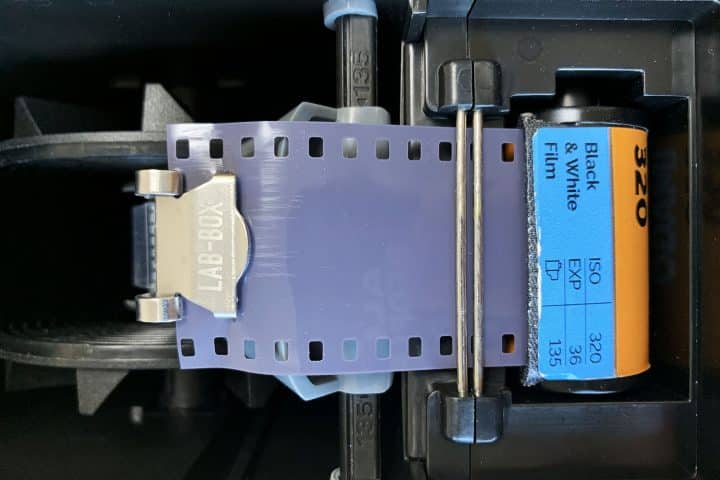
Other than getting the leader pulled out, everything was pretty straightforward and hassle free. There are just a couple things to be careful with. Don’t forget to slip the film under those metal bars, otherwise you won’t be able to cut the film at the end. Also make sure that the clip snaps on to the film well. Otherwise you risk it slipping mid spool onto the developing reel.
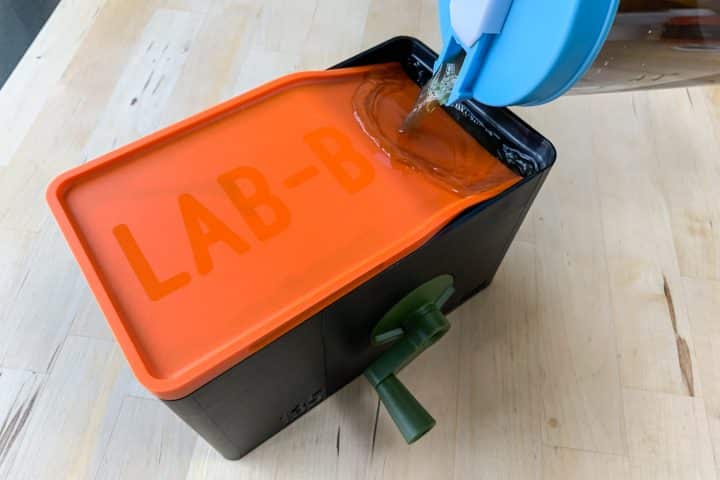
Mixing Parts A and B of the Monobath together will yield you 600ml of solution but the Lab-box itself only fits 500ml. I learned that the hard way. So be careful to pour in no more than 500ml if you want to fully submerge the reel to agitate less. I pretty much followed the online demo, agitating for the first minute then 30 secs every minute after.
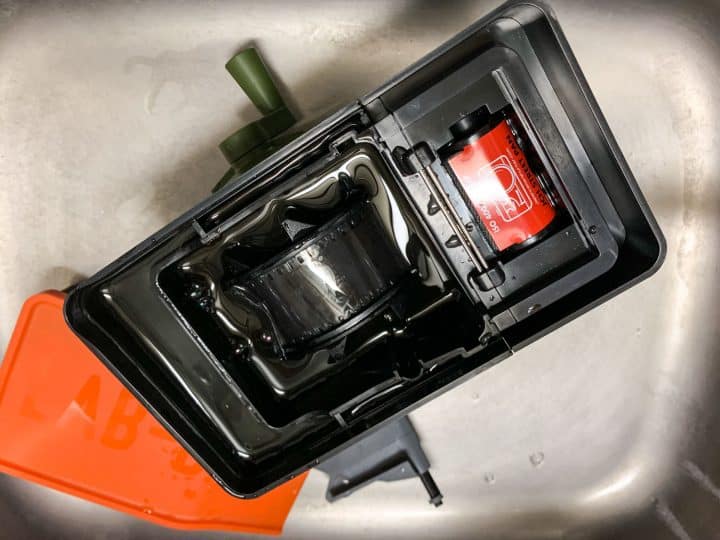
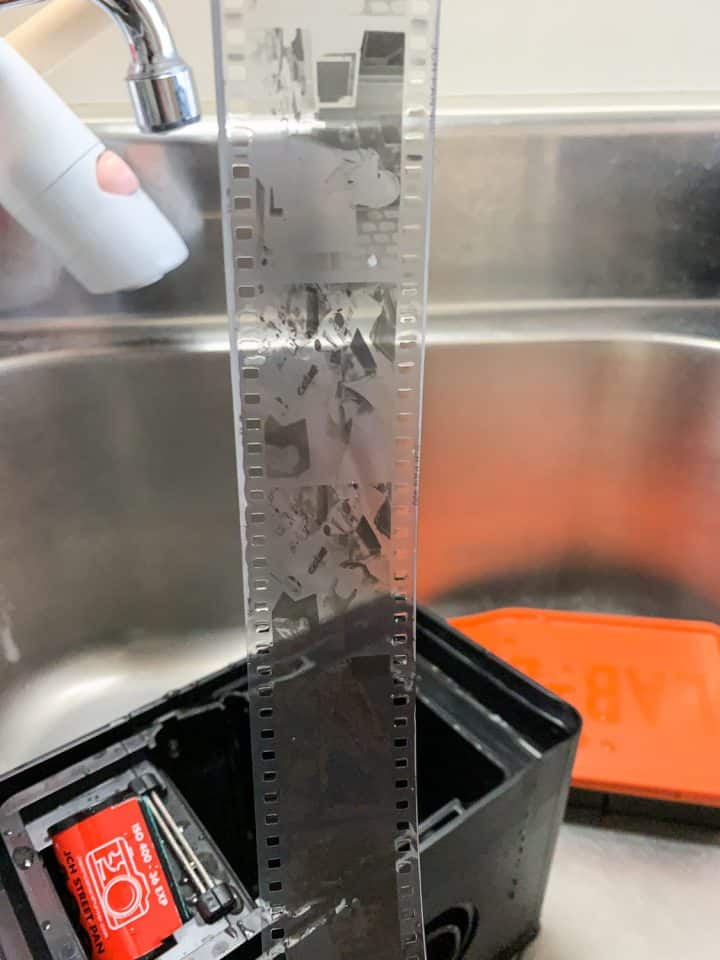
After the 8 minutes are up, pour out the solution back into a container for reuse and rinse the box thoroughly with water. Take a deep breath and hope something shows up as you pull your film out. Ars-Imago claims the solution can be used up to 15 times.
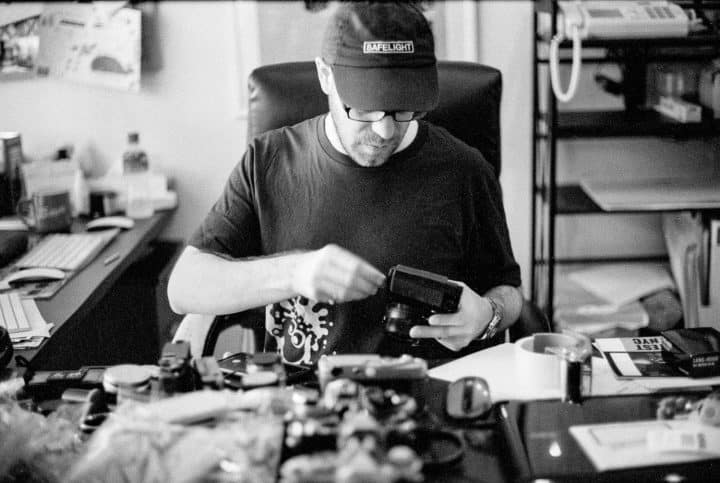
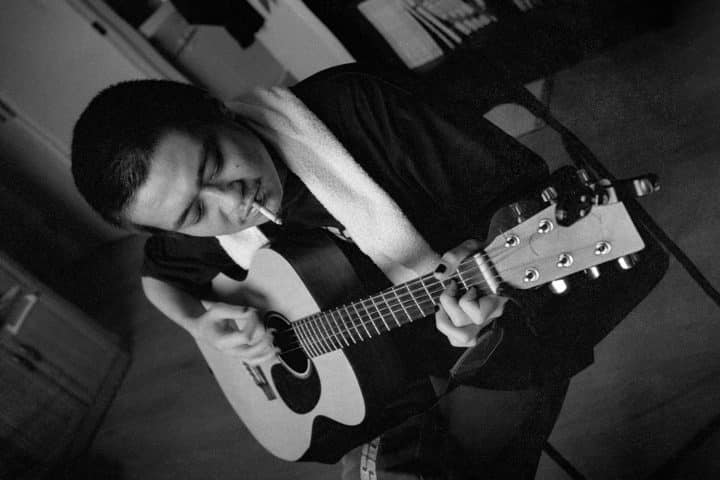
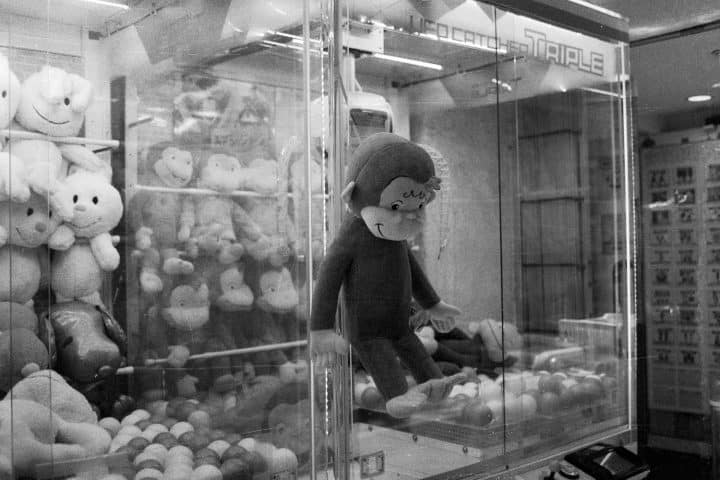
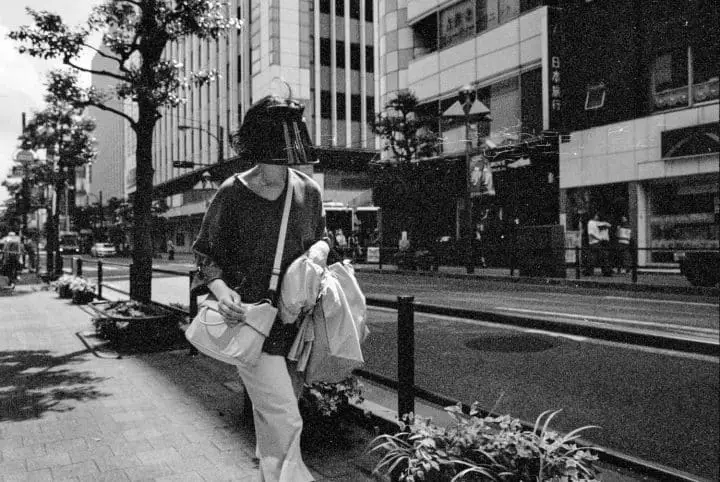
The below images were taken on JCH Streetpan 400, shot normally on a Leica M6 + Summicron 50mm and developed for 8 minutes with the Ars-Imago Monobath in the Lab-box. Scans are from a Plustek Opticfilm 8200i.
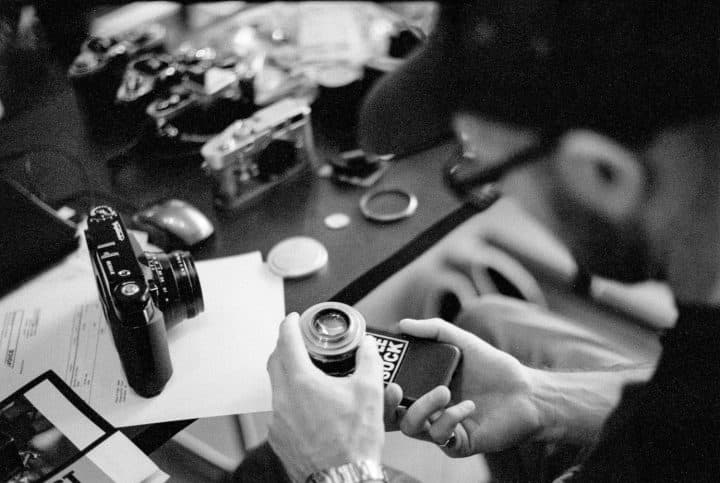
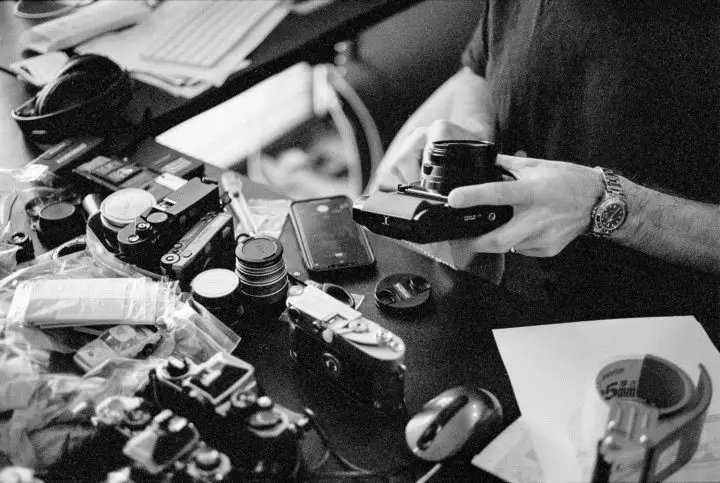
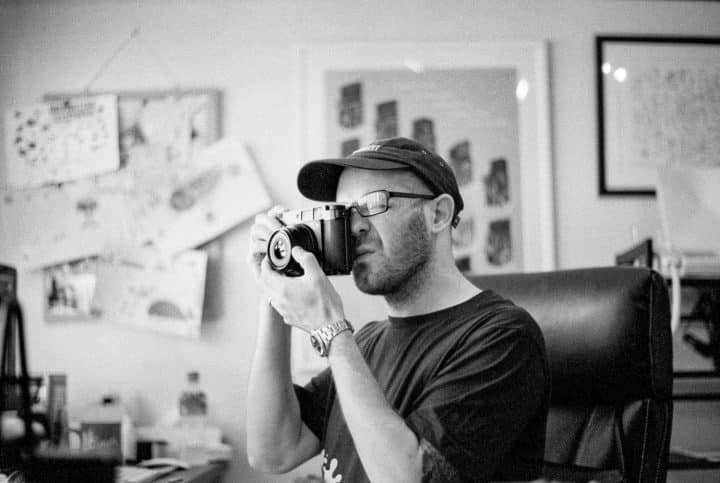
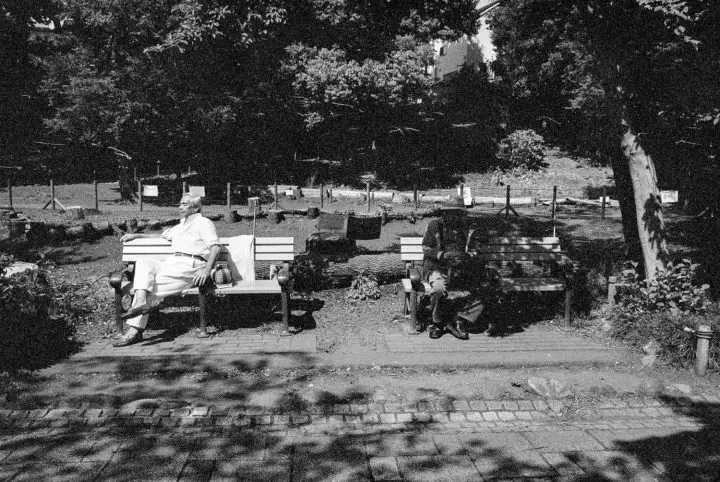
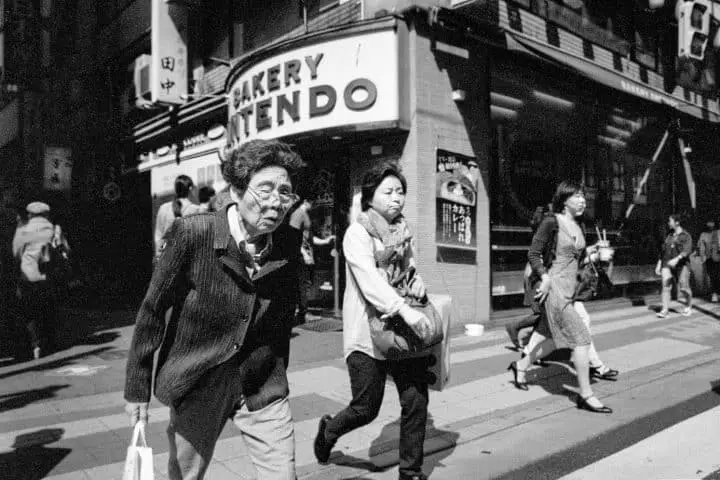
I did find some weird streaks and scratches on random frames such as in the shots below. The midtones are mild and balanced but shadows appear grainier and has a weird dusty looking layer over it which leads me to think the film was not spooled evenly onto the developing reel.
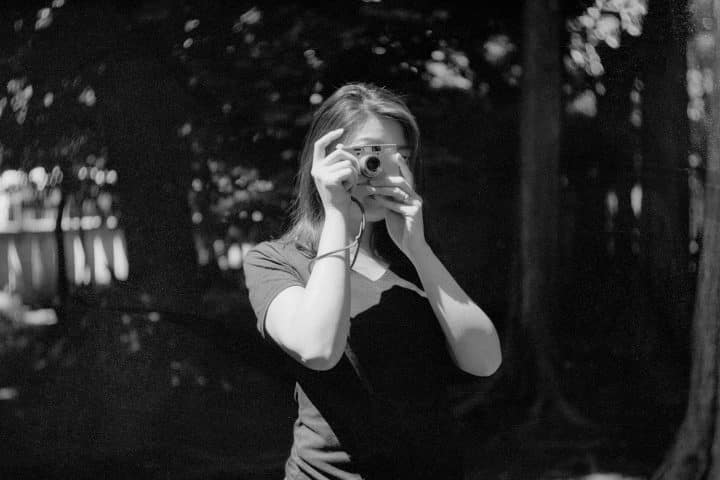
The below images were taken on JCH Streetpan 400, shot normally on a Pentax67 + Takumar SMC 105mm and developed for 8 minutes with the Ars-Imago Monobath in the Lab-box.
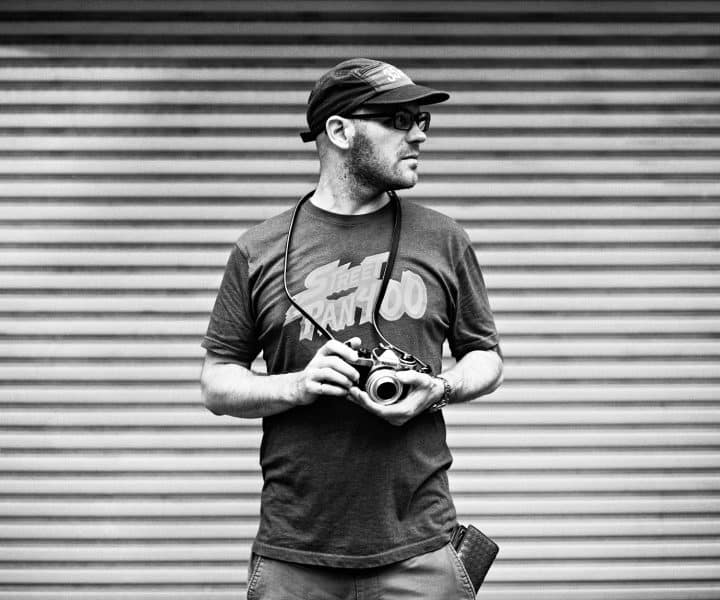
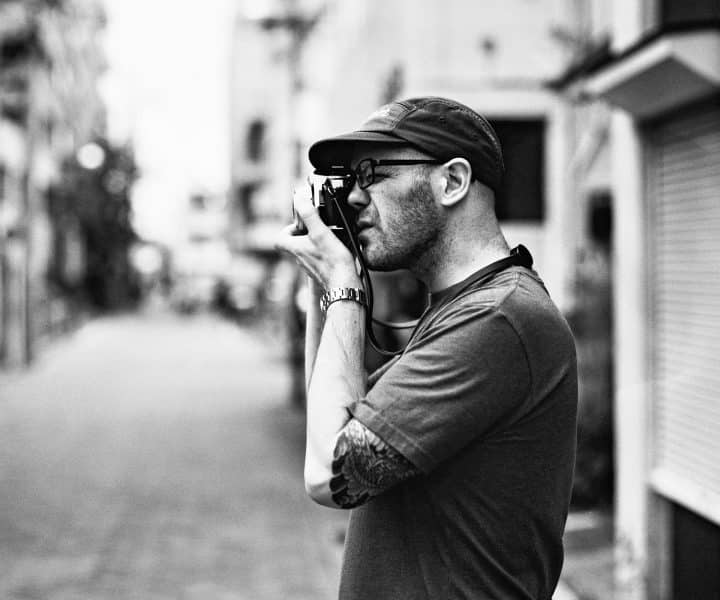
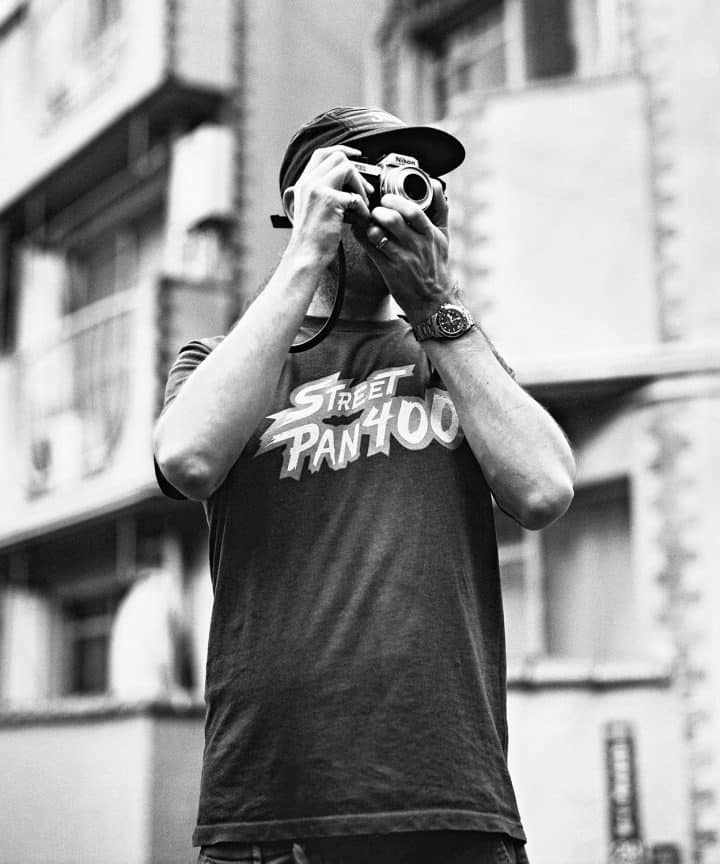
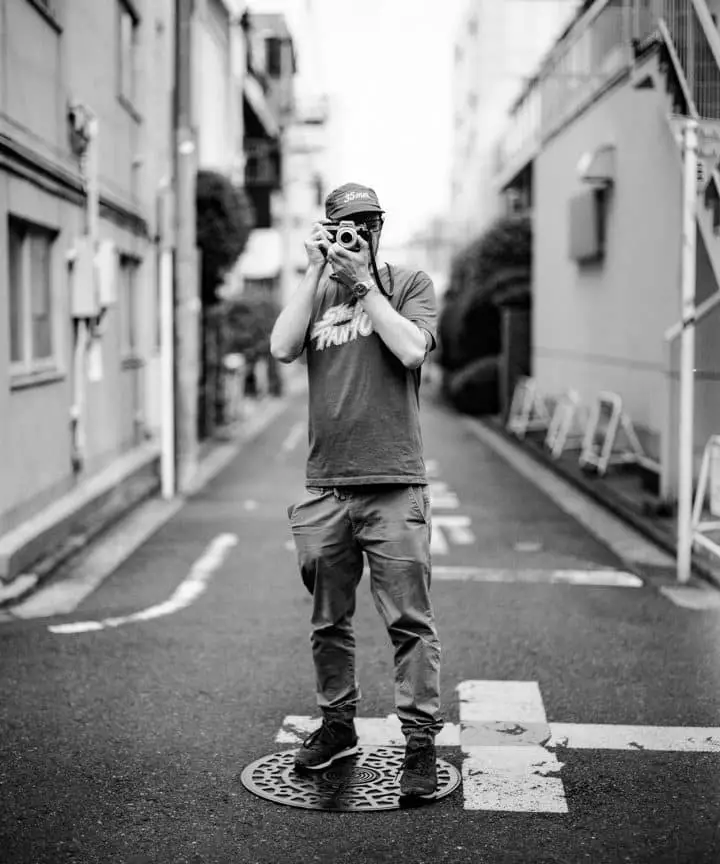
Streetpan is traditionally quite a contrasty film but the midtones are well balanced and there is more detail in the shadows and highlights.
We hope to do more testing with other solutions in the near future so stay tuned. We’re also eager to try some home color development with this bad boy in the near future. We will also report back on the longevity of the monobath. So far after 5 rolls with the same solution we’ve only encountered the weird scratches as stated above.
Purists probably won’t be ditching their Jobos and Patersons but if you’re new to self developing or looking for a simple developing tank that can easily switch between 135 and 120, the Ars-Imago Lab-box warrants a better investment over older variants such as Agfa’s antiquated offerings. Would love to hear about others’ experiences with this or something similar and as always, comments are encouraged and welcome.
MN
The post Photography: Ars-Imago Lab-Box + Monobath Review appeared first on Japan Camera Hunter.
KurshakaBeen a while since I saw some street work that I felt an edge to it!

The New York Photos These photographs, of New York City, aim to capture the idiosyncrasies of New York life. Many street photographers aim for the face – to capture the eyes – not me. I look for those “other things” that make us individuals. Eyes are too easy, they seduce, but to make a photograph that equally seduces without the human face, without the eyes, that’s is a real feat. As an added bonus, these images make the average viewer uncomfortable. My photographs are not easy to like and that’s how I like it.
COUNTRY | United States
BIO | Michael Ernest Sweet is a Canadian photographer and writer. He is the author of two books of street photography, The Human Fragment, and Michael Sweet’s Coney Island, both from Brooklyn Arts Press. Michael’s work has appeared in many publications including Popular Photography, Black and White Magazine, HuffPost, Photo Life, Digital Camera World, British Journal of Photography, and the legendary Evergreen Review, among others. Michael lives in New York City.


The post Michael Ernest Sweet appeared first on Eyeshot - Street Photography Magazine.
Amsterdam is changing its Housing Regulations in an effort to tackle the problems in the local housing market. Some of the main changes proposed for 2020 include a quota on Bed & Breakfasts, banning holiday rentals in certain areas, giving young locals and healthcare and education staff priority for rental housing, and limiting room-based rentals to create more space for families, the city said in a press release.
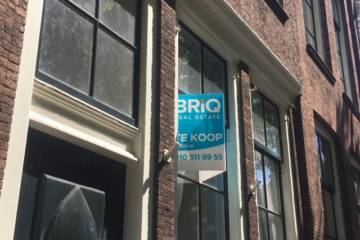 Amsterdam homes are the least affordable in Europe, with buyers needing to pay 22 times the city’s residents’ average disposable...
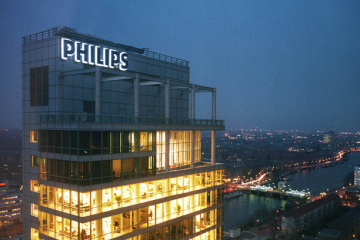 Dutch healthcare technology group Philips does not currently pay any tax on its profits booked in the Netherlands, the company...
Kurshaka"...I THINK THE REAL PARADOX IS HOW SOCIETY STILL MORE OR LESS FUNCTIONS DESPITE HOW DUMB EVERYONE IS." <3
![[description]: Zeno of Elea giving a presentation.
Zeno: \](http://static.existentialcomics.com/comics/ZenosPyramid.png "[description]: Zeno of Elea giving a presentation.
Zeno: \")

Over the past month, the art world’s attention has been focused on the Venice Biennale, one of the most notable international shows on the planet. Many artists who are not in the invitation-only exhibition come to Venice to share their work in unaffiliated gallery shows and take advantage of the Biennale-boosted foot traffic. One such artist chose a more unorthodox setup for his Venice sideshow. Banksy (previously) joined the hordes of street vendors selling paintings to pedestrian tourists with a salon-style setup that merged several paintings together. Titled “Venice in Oil,” the multi-panel work depicts a gas-guzzling cruise ship towering over the ancient city as gondoliers in traditional dress row by.
Last week, many media outlets speculated that a stenciled artwork on a canal wall, depicting a migrant child holding up an S.O.S. flare was created by Banksy. But the British artist verifies his own work by sharing it on Instagram and his website, where the piece has yet to appear. The video below offers an on-the-ground view of the artist’s guerrilla street stall.
Update: The morning of May 24, 2019, Banksy claimed the rumored migrant child stencil in addition to his streetside setup.
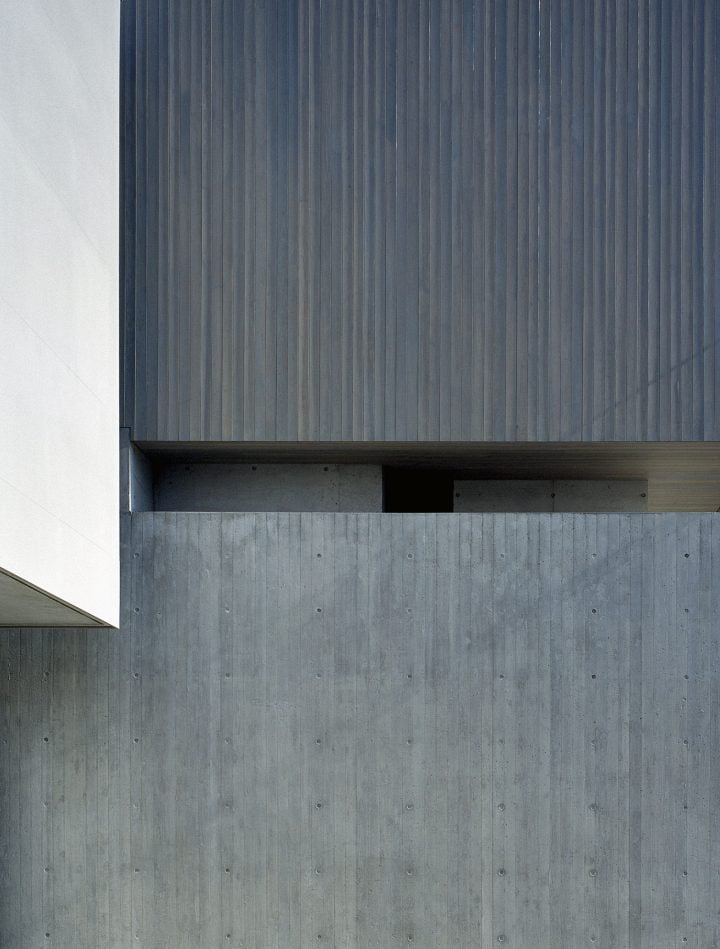
In a city in northern Osaka, Japanese architecture studio FujiwaraMuro has designed ‘House in Toyonaka’, a building whose unique concrete form was created to counter the extremely urban position of the site that it occupies.
The post This Concrete House In Osaka Forgoes Traditional Windows For The Sake Of Privacy appeared first on IGNANT.

Photograph: David M. Benett
In 2017, one of the most talked-about works seen during the Venice Biennale was Lorenzo Quinn’s Support, which was not an official part of the iconic art fair. The sculptural installation of hands emerged from Venice’s waterways and appeared to hold up an old building. His follow-up piece to Support, which has been installed with backing from London-based Halcyon Gallery, is again not officially associated with the Biennale. Constructed with white resin, Building Bridges features six sets of reaching arms with hands clasped over a waterway, meant to represent people and cultures coming together over differences.
In an interview with the Associated Press, Quinn explained, “Humanity has never grown by creating barriers. It always grows when it opens up its borders and it welcomes new cultures. Venice is a testament to that… It has been a driving force of European growth always.” The location of the towering white appendages at a former shipyard provided viewers with multiple vantage points, and at night Building Bridges was illuminated from below. A photo gallery on Quinn’s website shows the artist at work on his large-scale sculptures, and you can follow along with his new projects on Instagram.


Rendering by Halcyon Art International
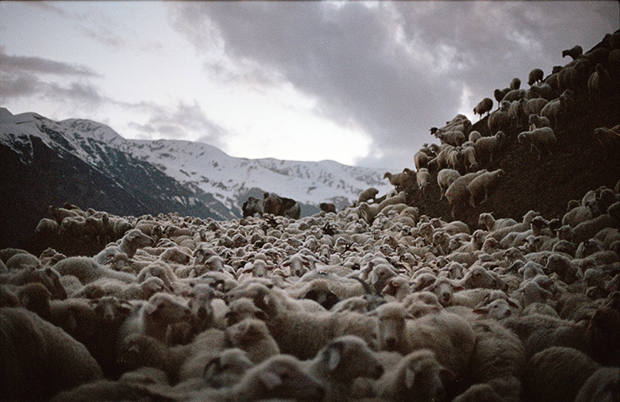
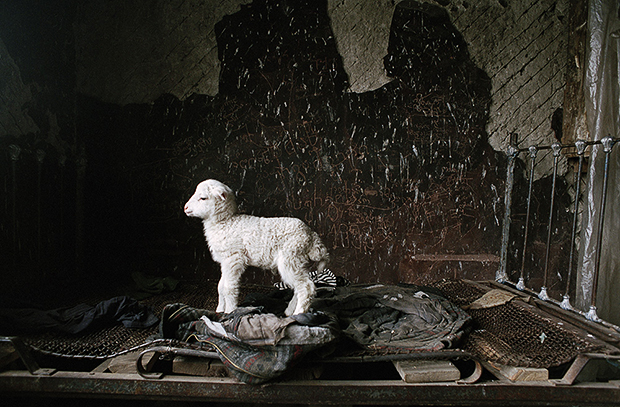
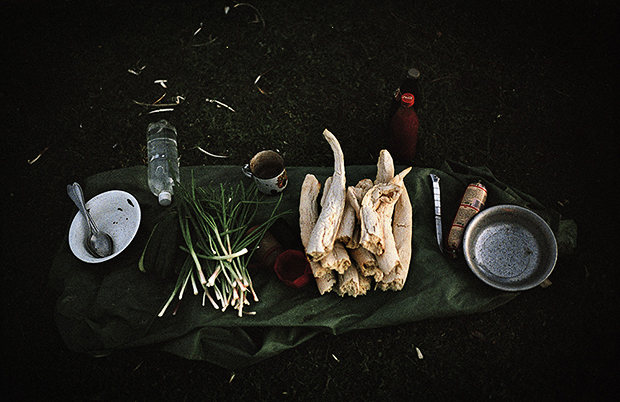
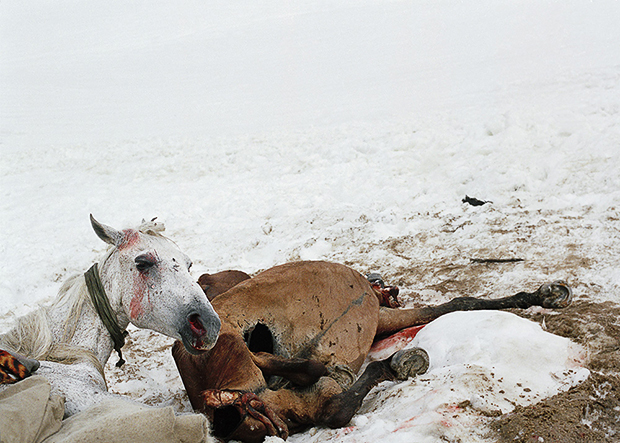
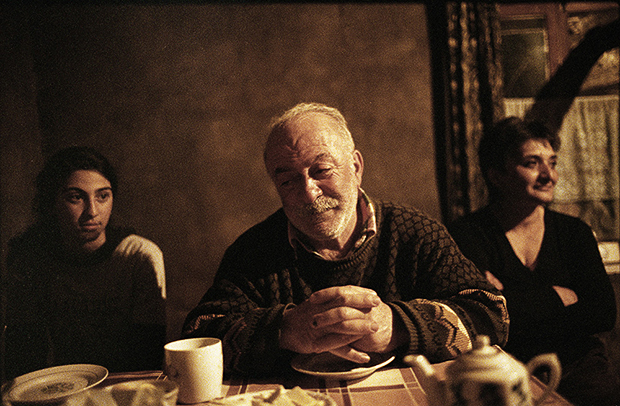
Photographer Dmitry Gomberg lived for five years amongst a community of shepherds in the historic region of Tusheti in northeast Georgia. Beautiful, yet unforgiving, the region is located on the northern slopes of the Greater Caucasus Mountains, a world frozen in time, trapped between the ways of the Soviet Union and the new socio-economic conditions that came with its dissolution.
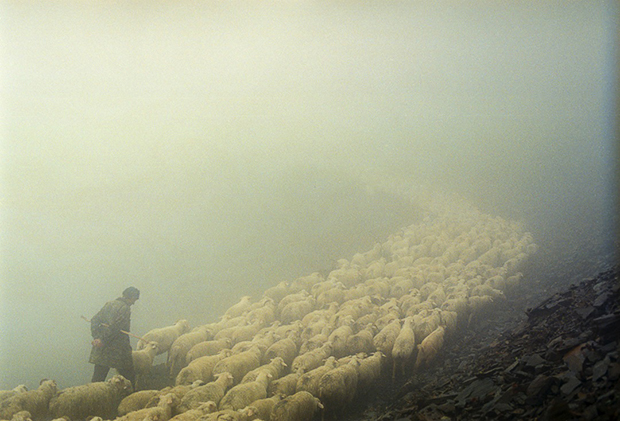
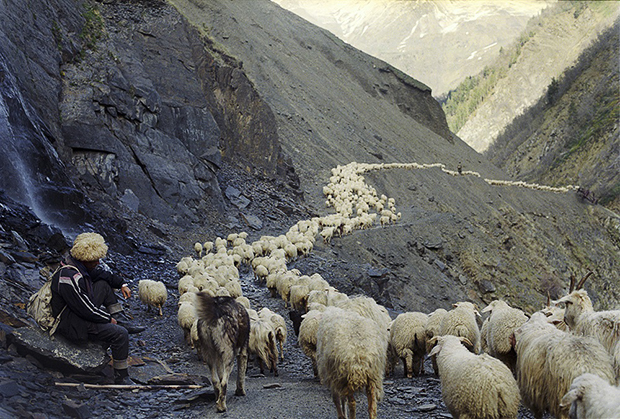
Each year, the shepherds go through an exceptional journey leading their massive flock from the winter fields to the mountains in order to ensure the animals’ survival.
The odyssey is one of many dangers, ridden with predators, treacherous rocky slopes and extreme temperatures. It’s an arduous excursion that claims the lives of many sheep and men alike.
Throughout pictures of dreamlike landscapes and candid stills of mundane life, Gomberg has managed to paint the relentless and inevitable cycle of life and death. His portraits offer us an intimate, almost voyeuristic view into a unique community that exists in century-old tradition amidst a modern world.
“The Shepherd’s Way” is a lush work that invites us to draw the parallels between this rustic lifestyle and our own way of living.
I understand you picked up photography when you were already an adult in your mid-20s. What were you doing before that point in your life, and what made you pursue an artistic career?
“Yes, I was 24 when I picked up the camera for the first time. I was studying Hydrogeology at Moscow State University. Then I moved to New York, where I tried different jobs. My first camera was given to me by my boss in the Czech Republic where I went to work as a hydrogeologist for a few months. He told me he felt I was bored, and gave me his old camera. I loved it from the beginning.”
Are there any photographers in particular that have influenced your style?
“In the beginning, I was fascinated by Josef Saudek, afterward by Josef Koudelka. Not only for their style in photography but their way of living. Both of them are Czech. I am also a big fan of American photographer Ken Schles, Brazilian Sebastião Salgado – I think he is a great person – and Roger Ballen.”
What gear did you use to make “The Shepherd’s Way”? What were the technical challenges you faced working in rural Georgia?
“In the beginning, I had an old Nikon FM2 camera with two lenses: 50mm and 24mm. With that camera, I had no challenges. It worked in the snow and under the rain, a really strong camera. The only challenge was to carry all that film around, and where to buy it when I ran out. In the end, my relatives bought me a Leica M6 with a 35mm lens as a birthday gift. The camera is not as strong, but I love it for many reasons.”
View this post on InstagramA post shared by Dmitry Gomberg (@dmitrygomberg) on
Do you think the lives of these communities have changed for the better after the collapse of the Soviet Union and the increasing process of Westernization of Georgia?
“This is a tough question. What I will tell you is my personal opinion. They lived a better life, and the community was in better shape during the Soviet Union than now. But at the same time the Soviet Union killed the progress, many farmers lost their love for the land. Love for cheesemaking.
“They were eating meat every day during Soviet time, just because sheep “accidentally” died from diseases and so on. Now when they owe it, that can’t behave the same way.
“Also, Tusheti is very close to Chechnya. Now the border closed their relationship. The 90s were also very tough times with bandits and so on. Shepherds used to hire a truck full of soldiers to accompany them. Anyway, the point is that the Soviet Union destroyed farming in general and now it’s very tough to get back on track. The tourism increasing rapidly in the last years and it brings new challenges for the region and its people.”
View this post on InstagramA post shared by Dmitry Gomberg (@dmitrygomberg) on
How was a typical day making “The Shepherd’s Way”? How did you sustain yourself financially while working on the project?
“It depends on the situation; whether we were on the road or not. But typically I woke up at 4am, the same as other shepherds. On the road, I was helping guys to look for sheep or horses and I was taking pictures whenever I could. When we were not moving, I was taking pictures in the morning and in the evening.
“During the day, I was walking around, writing or talking to someone. On the road, we woke up at 4am, there were two guys with horses, they would take care of the camp. In between the seasons, I would fly to Russia to take some portraits for money. That was my source of income.”
View this post on InstagramA post shared by Dmitry Gomberg (@dmitrygomberg) on
What is the target audience for “The Shepherd’s Way”?
“Well, I never thought about it. I am, and was, doing it for myself.”
You initially planned to self-publish your book via Blurb, but now you’ve decided to go with a publisher. Can you tell us about this process and why you chose to go with a publishing house?
“Yes, I made a couple of Blurb copies just for myself and my family. I was going to do more for those of my close friends and relatives, who will have an interest in it. But now, as I get some attention from the public through Instagram and Facebook, I’ve decided to do the book properly.”
Now that you’re back in New York, is there anything you miss from life in Georgia?
“Actually, right now, I’m back in Georgia. I’ve been here for two months. I still remember the feeling when I was standing on the fire escape in the printing place in New York. It was in midtown and around me were skyscrapers, and I thought: if one of my shepherds would be here with me, he would think that he traveled in time, or to another planet.
“In New York, I missed my friends, and the feeling I get in Georgia. In Georgia, I miss my New York friends, my relatives and the feeling I have in New York.
“I don’t think I will ever settle.”
View this post on InstagramA post shared by Dmitry Gomberg (@dmitrygomberg) on
To you, what makes a ‘good’ photograph?
“Another hard question. For me, a good photograph is when feeling, geometry, and color (when it’s a color photograph) all come together. When is just a composition, when I don’t feel any emotions from the photograph, then I don’t like it.”
What is the easiest way for the public to acquire your book?
“Through my Facebook (@Dima Gomberg) and Instagram (@dmitrygomberg). I am also planning to start a Kickstarter soon.”
The post Russian photographer Dmitry Gomberg gives us a bucolic view of life in rural Georgia with his work The Shepherd’s Way appeared first on Feature Shoot.
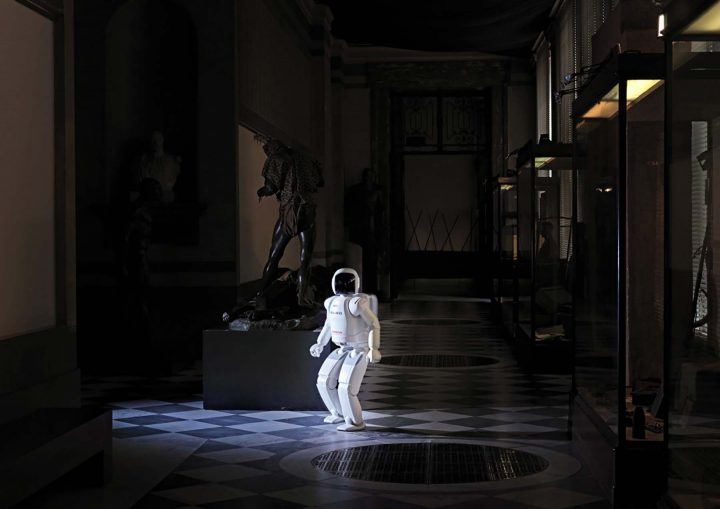
The work of French artist Vincent Fournier plays on ideas of utopian futures, blurring the lines between fiction and reality to present the series ‘The Man Machine’.
The post Vincent Fournier Humanizes Technology In A Series That Documents Robots appeared first on IGNANT.

Kirche am Hohenzollernplatz, Berlin, Germany – Johann Freidrich Höger, 1933, all images via Thibaud Poirier
Thibaud Poirier (previously) travels the world photographing the architectural spaces that surround us as we live, sleep, study, and pray. In his most recent series, the French photographer captured the interiors of 29 modern churches across Germany, The Netherlands, France, Denmark, and Japan to see how each city has designed structures of worship within the last century. In Sacred Spaces, Poirier uses the same focal point in each image. The stylistic choice makes it easier to compare the similarities of basic structures such as seating and pulpit placement, while contrasting the differences in interior design choices such as lighting and color palettes. You can see more modern churches from the series on his website, Instagram, and Behance.

Saint Moritz, Augsburg, Germany – John Pawson, 2013

Resurrection of Christ, Köln, Germany – Gottfried Böhm, 1957

Grundtvigs Kirke, Copenhagen, Denmark – Peder Vilhelm Jensen-Klint, 1927

Opstandingskerk, Amsterdam – Marius Duintjer, 1956

Kapelle, Berlin, Germany – Axel Schultes and Charlotte Frank, 1999

Saint Joseph, Le Havre, France – Auguste Perret, 1956

Saint Anselm’s Meguro, Tokyo, Japan – Antonin Raymond, 1954

Notre dame du Chêne, Viroflay, France – Louis, Luc and Thierry Sainsaulieu, 1966

Saint Mary’s Cathedral, Tokyo, Japan – Kenzo Tange, 1964


