Mamma Chicken vs Hawk
Shared posts
05 Feb 04:12
bewareofchickens:Mamma Chicken vs Hawk
CaryModern dinosaurs
Cary likes this
05 Feb 00:12
gothkatya:bob woke up and chose violence on this day
CaryCool science trick!
bob woke up and chose violence on this day
Cary likes this
03 Feb 04:47
How rare names go extinct in China's modern digital age
CaryAs far as I know, I am the only one with my name... According to forebears.io there are only 22 people with my surname.
How rare names go extinct in China's modern digital age:
If you stop a random person on the street in China, there’s a pretty good chance their surname would be either Wang, Li, Zhang, Liu or Chen.
That’s because those are the five most common surnames in China – shared by more than 433 million people, or 30% of the population, according to government figures.
With 1.37 billion citizens, China has the world’s largest population, but has one of the smallest surname pools. Only about 6,000 surnames are in use, according to the Ministry of Public Security. And the vast majority of the population – almost 86% – share just 100 of those surnames.
To put that in perspective, the United States – with less than a quarter of China’s population – reported 6.3 million surnames in its 2010 census. The majority of those names were only reported once.
There are a few reasons for this: China is less racially diverse than countries such as the US, where a wealth of minority groups increase surname diversity. It also has to do with language; you can’t just add a random stroke to a Chinese character and create a new surname, the way you can add a letter to an English name.
But there’s also another factor at play: technology.
China’s digital revolution has transformed daily life, and many of these systems rely on a limited list of standardized Chinese characters.
That means people with rare characters in their names, which aren’t compatible with existing computer systems, can get left behind – pushing many to change their names for the sake of convenience, even if it means abandoning centuries of heritage and language.
It wasn’t always this way. Throughout its long history, China has recorded more than 20,000 surnames, according to Chen Jiawei, an associate professor at Beijing Normal University, who has researched Chinese surname distribution. Some researchers place that estimate at up to 23,000 surnames.“
Cary likes this
01 Feb 06:27
anotherdumbblog12467: babyanimalgifs: A massive grouper (toilet...
CaryI recall rounding a giant rock while snorkeling and coming face to face with one that was about the same mass as me and freaking out -- I'm sure I would have released all my "ink" if it had been this one.

01 Feb 05:59
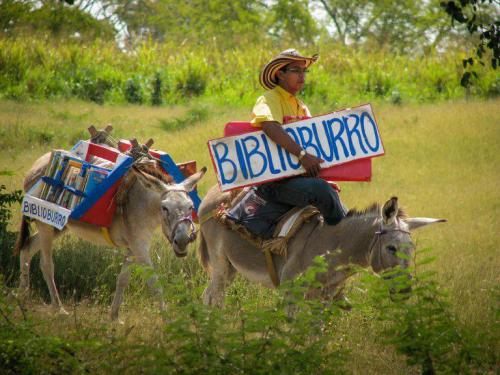
rockpapertheodore: libraryadvocates: Yesterday I said that...
CaryThink that I just found my dream job
Yesterday I said that bookmobiles are an instant reblog. Today, I learned that rule also applies to book donkeys.
BIBLIOBURRO
31 Jan 00:17
trenchcoatmimic:anomalous-heretic:legally-a-bastard:tiktoksthataregood-ish:possessed by a...
possessed by a racecar(tragic)
“ARNGHERRANHGERGNAHGHGERNAGH”
Baby
Cary likes this
28 Jan 16:24
somecutething:Of my chin fits, my chin sits. (via ???)
CaryThe paw grab
Of my chin fits, my chin sits.
(via ???)
Cary likes this








26 Jan 00:32
yes-i-know-how-to-spell-soop:worsethanmanyfairies:bear-disguised-...
CaryThe transcript
Penguins getting weighed.
THE LITTLE HOPS
Caretaker: God booooy! :)
Penguin: M̶̡̬̖͔̖͋̆o̶̫̝̩̖̟̰͚̞͋t̸̨̯̘͖̎͆͊͊̈́̽̐ͅͅh̷͚͂͠ẻ̷͇̝̳̄̐́̐̍̍̀͝r̶̢̻͔̦̹͎͖͈̀͜ ̸̻̳̦̩͎̉͂ͅg̸̛̗͓͖̠͇̩ǐ̶̧͈̣̇́̈̀̑̉̆͘v̸̢̛͍̻̜̭̇͊̌̐̏̅̂ͅe̵͙͐̕ ̸̳̭͓̱̍m̶͉͚͍̺̳̊͐̾̂̚ę̶̢̠̲̫͇̠̮̙̅̐͝ͅ ̵̲̙͚͐̒̚ͅt̵̜̣̙̜͍̀̓̿͆̈́͂̅̀͝ĥ̷̢̖̞̼̝̞͍̠̐̈́̒̊́e̸̥͒ ̶͓͓̂̎̀̑́t̵̛̯͓͚̜̪̩̺͖́̄͐̋́r̶̢̹̞͔̲̘̭̠̖̉̄͋̓͌͘͝ȩ̸̨̼̺̻̭͚̾̉͐̂̄͆̇a̵̭̼͙̼̜̋͝t̴͔̱̯̥̙͇̬̮̓͘ͅs̸̮̖̟̝͔͇̣͑̈́̃
i didn’t know the transcript would be that accurate-
26 Jan 00:23
elle989:Image created by Manitou mounds
by nonbinary-hawke
Image created by Manitou mounds


23 Jan 00:40
It's a ketchup rather than a mustard but seemed possibly up your alley https://youtu.be/CZur_VwdGWQ
CaryI think that I might be ok with lemon catsup
LEMON ketchup! That’s exciting and new. Or rather, exciting and old. I’ve had banana ketchup, but never lemon…
Cary likes this
14 Jan 21:59
jaubaius:Apples can make red panda happy to be weighed. Until I...
Apples can make red panda happy to be weighed.
Until I saw the human hand enter the frame I genuinely thought this was a person in a Red Panda mascot suit.
[Description: A short video; a red panda is standing on its hind legs on a scale, accepting slices of apple from a human standing out of frame.]
Cary likes this
14 Jan 03:10
30-minute-memes:tilthat: TIL, Calvin Klein’s cologne ‘Obsession’ can draw big cats like Tigers,...
CaryRE: favorite scents
via reddit.com
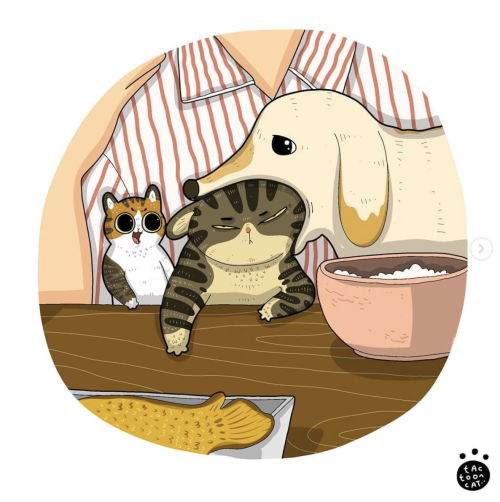
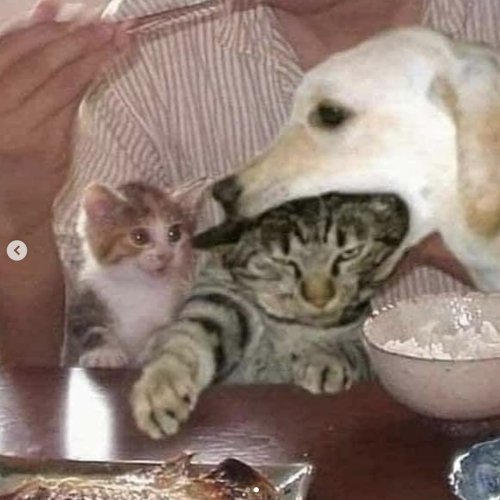
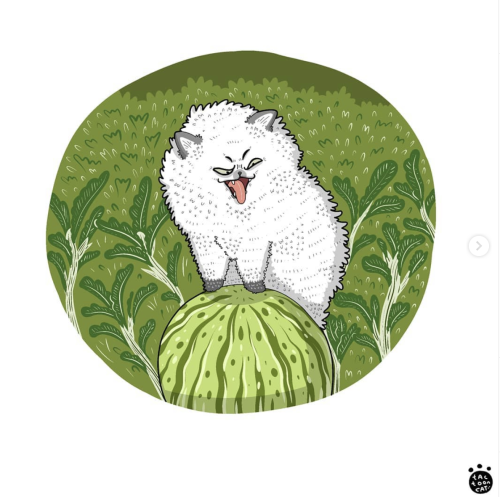
not the cougar i thought I’d attract but I’ll take it

















23 Dec 03:10

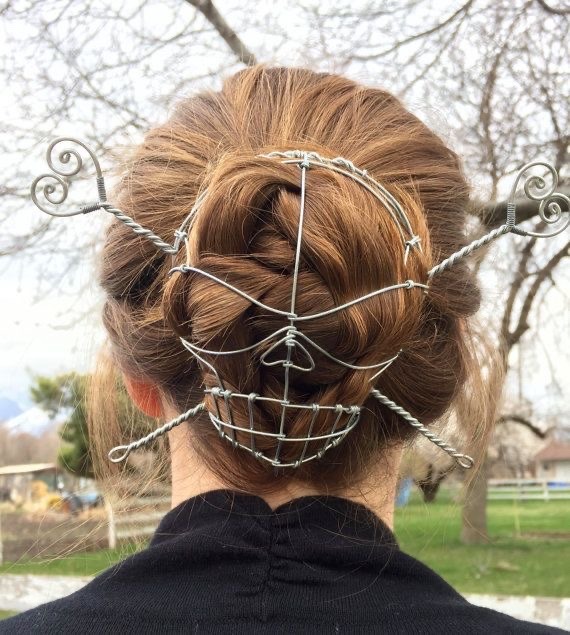
admin: im SURE this appeared in a newspaper in like 1950 in some variety or other when outhouses...
CaryAdmin's note was confirmed by my friend:
"This has been a time-honored classic on the German side of the family, as it's Schmidts as far as the eye can see from great grandparents onward. I remember a copy mimeographed to the nth degree on the fridges of so many relatives."
admin: im SURE this appeared in a newspaper in like 1950 in some variety or other when outhouses were still a thing and has just been reformatted and remade since then


22 Dec 01:00
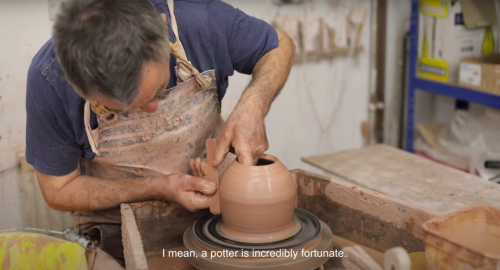
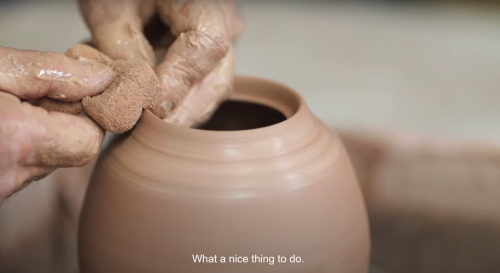
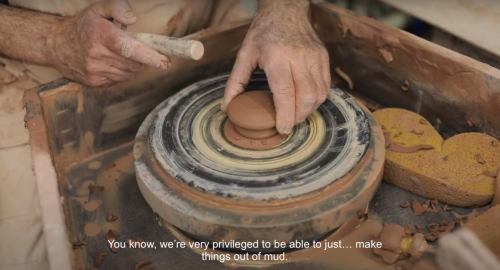
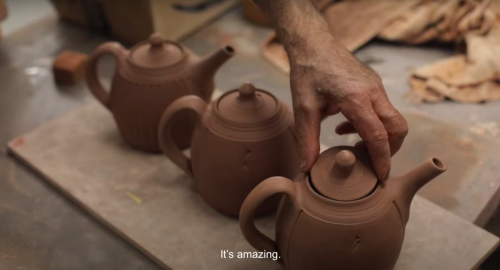
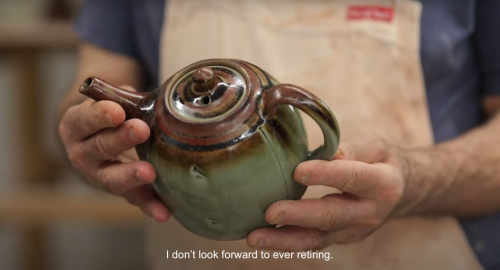
propertiesofjoy:ceramic review: masterclass with john jelfs
CaryI loved that video. I really need to take a pottery class again.
Cary likes this
18 Dec 17:00
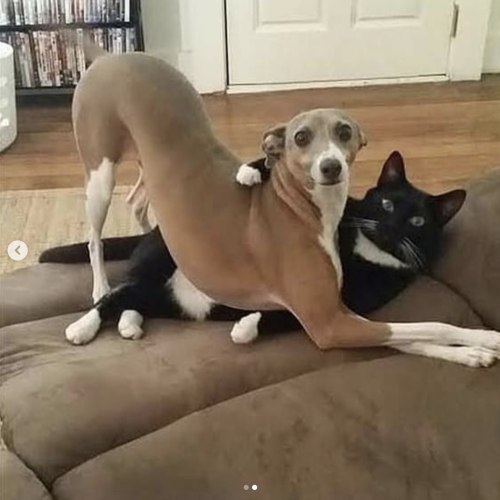
thenatsdorf:“Boss’s really riding me today.” (via)
CaryQuality kitteh content
Osias Jota, Cary likes this