Shared posts

22 Feb 15:58

What The Trump Era Taught Me About Covering Politics

by Perry Bacon Jr.

In the fall of 2015, I was having drinks in Washington with a colleague at the time, now-MSNBC host Joy Reid. (I was working at NBC News.) Donald Trump was leading in the polls of the 2016 Republican presidential primary. But I was confident he would not win the nomination.

Very confident.

I told Joy, who is a friend, that Trump was experiencing a sugar high in the polls, not unlike Herman Cain did four years earlier. I predicted the Republican establishment would organize against Trump and embrace the obvious candidate for the party’s future, a kind of a Barack Obama for the right: Sen. Marco Rubio of Florida.
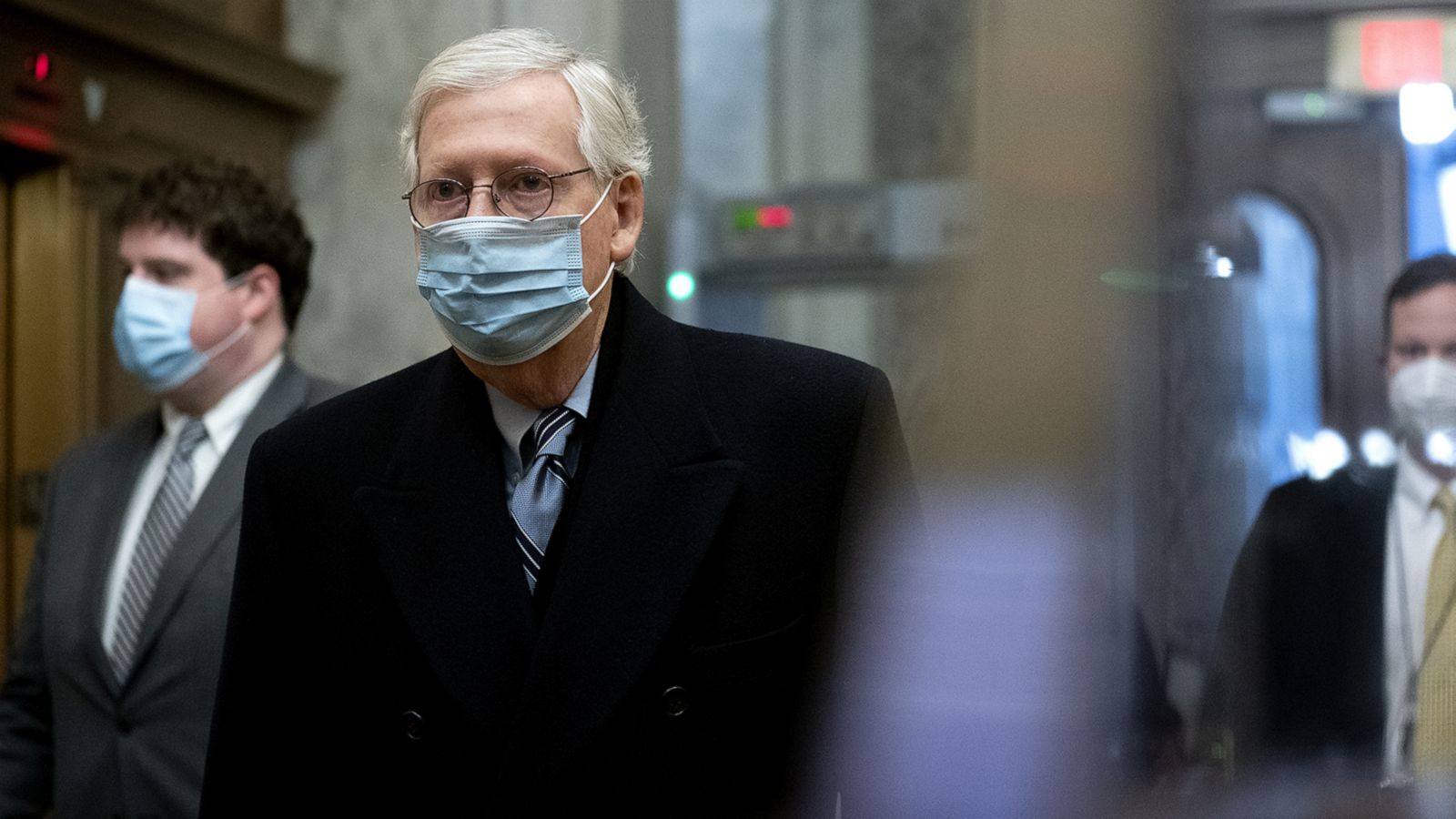
Why some Republicans voted to convict Trump and others didn't | FiveThirtyEight

Joy was equally confident. Trump was speaking about racial issues in a way that would resonate with the GOP base, she said. She hinted that neither I nor the GOP party establishment really understood that base. And she laughed as I hyped Rubio. Joy had lived in Florida before moving to New York City to work at MSNBC. She had covered Rubio closely and was extremely confident that he did not have the skills to defeat Trump, particularly if Trump made race a central issue in the campaign.

[How Trump Changed America]

I remember this conversation from more than five years ago so clearly because it encapsulates much of my experience as a political journalist in the Trump era. In June 2015, when Trump announced his candidacy, I had been covering national politics for 13 years, including three presidential campaigns. I had been savvy at times — describing Obama as the likely winner of the 2008 Democratic nomination in January 2007, before he even formally announced his candidacy. I assumed I knew a lot about how politics in America worked.

Then Trump came along.

Over the next five-plus years, I learned a lot about covering national politics. Some lessons came the hard way: By being really wrong. So now that we’re about a month into a new presidential administration, I’m trying to keep those lessons front and center. What are they? Here are nine:

1. Listen more to Black people.

Appearing on ABC News’s “This Week” in July 2015, then-Rep. Keith Ellison (a Democrat who is now Minnesota’s attorney general), said he thought Trump had a decent chance of winning the GOP nomination. The other panelists on the segment with him laughed at Ellison’s remark. I’m not singling them out — at the time, I was mocking the idea of Trump winning the nomination myself, after all.

Ellison, like Joy, is Black, and that’s worth thinking about more. It wasn’t only Black political observers who proved prescient about Trump.36 But Black political observers were often the ones most bullish about Trump’s chances from the start and the most willing during his campaign and presidency to speak bluntly about his racial and at times racist language and why some of his supporters liked that language. By the end of Trump’s presidency, covering Trump this way was mainstream, but Black journalists were often the ones taking this first approach while white colleagues often cast Trump’s actions in racial terms only when it was no longer controversial to do so. And Black experts were often those who most forcefully rejected the argument that Trump’s appeal to voters was primarily based on feelings of “economic anxiety” or that Trump’s ideas should be taken “seriously but not literally.

Two Black political experts stand out in particular. The Atlantic’s Adam Serwer argued that many of Trump’s supporters backed him because of his harshness toward conservatives’ perceived enemies (“The Cruelty Is the Point,” a Serwer piece was headlined.). And Ta-Nehisi Coates, then at The Atlantic, dubbed Trump “The First White President,” arguing that his rise was best understood as a backlash to Obama. Those pieces were written early in Trump’s presidency but are still memorable because they ended up accurately capturing some of the main themes of his tenure in office.

[Our Radicalized Republic]

After the Trump presidency, it should be crystal clear that newsroom diversity is essential to tell the stories defining our generations accurately,” CNN anchor Don Lemon, who is Black, wrote in a recent essay published in Politico. “Much like we regard the expertise of medical doctors, pilots and educators, we must also embrace, lean on and, most importantly, trust journalists who have both experience covering race, and experience living in Black bodies and bodies of color.”

Another Black journalist, the Washington Post’s Karen Attiah, wrote last month: “For many of us, the empowerment of non-White voices in a very White and male industry was never just about numbers, promotions or individual opportunities. It was because we knew that blind spots and denialism about the dark forces in this country would cause suffering.”

Black voters were also prescient about Trump. When I was on the campaign trail in 2015 and 2016, Black voters, most of whom strongly disliked Trump, were generally the most confident outside of Trump’s base that he could win the GOP nomination and presidency. In 2019 and 2020, Black voters I spoke to were often the most confident that Trump could win a second term and therefore felt Democrats should nominate the candidate who would be least offensive to white people (Joe Biden). The lesson here, in my view, is that Black people may understand the sensibilities of white people, particularly on racial issues, better than white people do themselves.

Not all Black people, of course. Then-President Obama seemed surprised by Trump’s ascent and victory. I also am Black and was slow to the story. Why? First, I (and I assume some other Black people) am not immune to the signaling of our broader society, which implies that the smartest people are usually white and male.

Secondly, most of the prominent Black political observers who were suggesting that Trump could be formidable, like Ellison and Joy, were openly left-leaning in their professional roles. I tended back then to think such people’s opinions were clouding their views of the facts, while a person like me, not in an opinion role, could see politics more clearly. Which leads me to a second lesson …

2. Mix up my media diet.

Going into 2015, I looked for insight about politics mostly from other political reporters or political scientists who focused on the U.S. (as opposed to journalists who are opinion writers and columnists and scholars who don’t specialize in American politics). That’s who I followed on Twitter and that group shaped my view of what was happening. Those aren’t bad sources of information. But Trump himself and how he reshaped American politics often befuddled traditional experts on American politics, who were looking to compare and contrast things that he did with Presidents Clinton, George W. Bush, Obama and other more establishment politicians.

My thinking about Trump sharpened after I started reading a broader range of work. I learned a lot from scholars who specialized in sociology (the University of North Carolina’s Tressie McMillan Cottom, for example) and history (there’s New York University’s Ruth Ben-Ghait and the University of Pittsburgh’s Lara Putnam), and from writers who had studied governments and leaders abroad (author Sarah Kendzior, for example). I also gain new insights from opinion writers on the left (The New York Times’s Jamelle Bouie) and the right (The Atlantic’s David Frum and Peter Wehner, who also writes for The New York Times). None of these people were overly reliant on traditional models for covering politics and trapped by those norms.

[How Rush Limbaugh Shaped The GOP]

Similarly, before the Trump era, I mostly relied on outlets like The Times, the Washington Post, Politico and CNN to get a sense of political news and a read on what people across the ideological spectrum were thinking. After all, all those publications try to feature both Republicans and Democrats. But the rise of not only Trump but also Sen. Bernie Sanders in 2015 caught me by surprise. And I think that surprise was in part due to my media diet being dominated by establishment-oriented media outlets in which the ideological views expressed generally ranged from Hillary Clinton on the left to Jeb Bush on the right. Now, I’m a big reader of the American Prospect, which covers the news from the perspective of the Democratic Party’s more liberal wing. I don’t watch a ton of TV news, but following the Fox News Twitter feed is usually a much better gauge of opinion among conservatives than the right-leaning columnists at The Post or The Times.

Another way to find more diverse sources of information is Twitter. I don’t have to guess what activists in both parties are doing or thinking — they are often publicly announcing their views and sharing articles they read to come to those views.

Put another way …
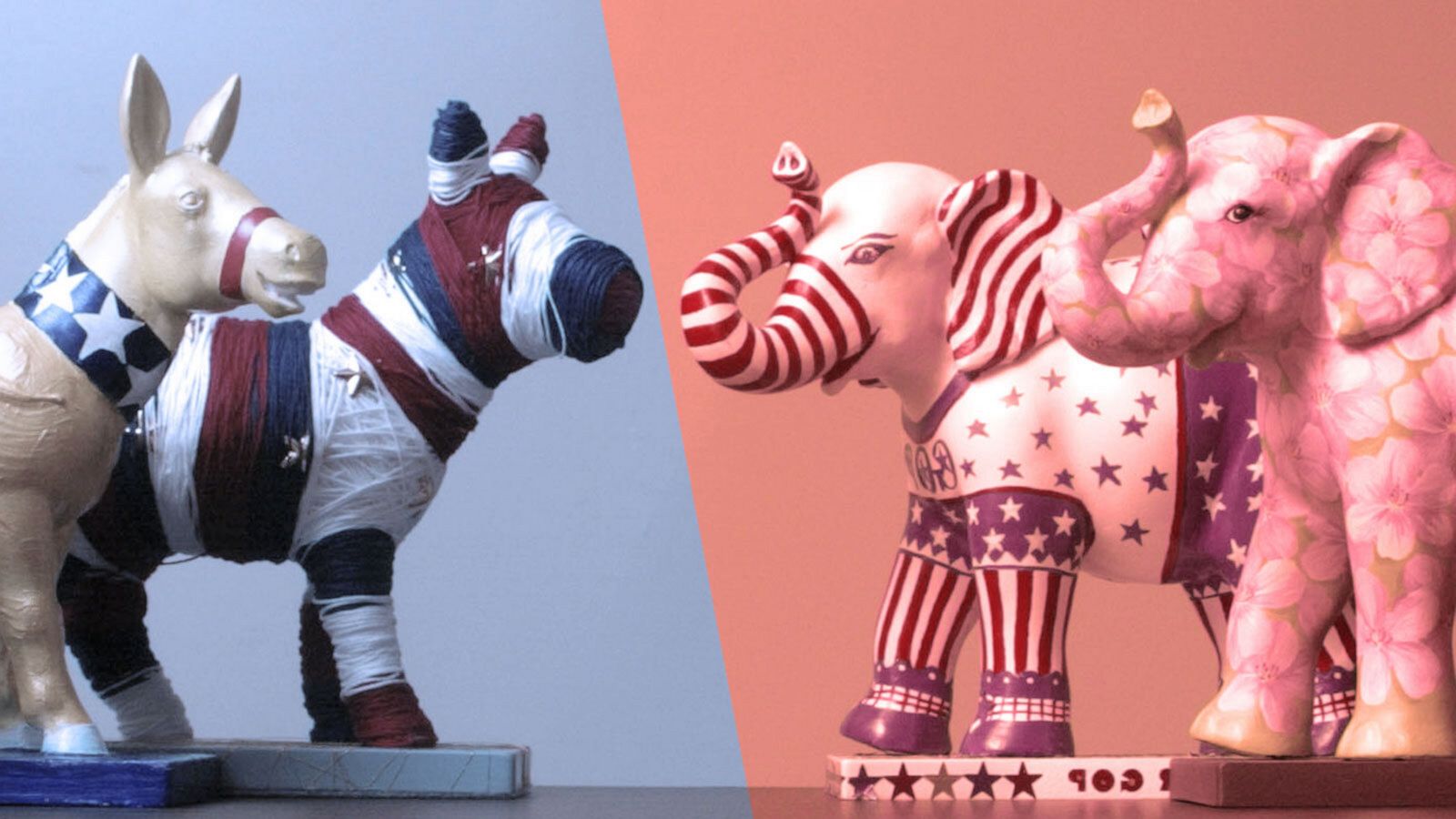
Confidence Interval: Republicans Will Win Back Congress In 2022 | FiveThirtyEight

3. Don’t be too reliant on political insiders.

One of the reasons that I was so confident back in 2015 that Trump would not win the nomination was that the high-level Republican contacts I had accumulated from more than a decade in D.C. journalism kept telling me he would not win. Looking back, there was likely some amount of motivated reasoning at play there — many of these Republicans didn’t personally like Trump and were surely hoping he would lose.

This dynamic continued for the next five years. Senior Republican officials told me and other reporters the GOP might take the nomination from Trump at the 2016 convention; Trump had almost no chance of winning the general election; his top aides would push him toward governing like a traditional president, and some Republicans would back impeachment over Trump’s effort to get Ukraine to announce an investigation into his political rival Biden.

The wrongheaded reliance on GOP insiders culminated in what in hindsight was a huge media mistake: initially downplaying Trump’s efforts to overturn the election results. .

“The president has no clear endgame to actually win the election — and, in an indication he may be starting to come to terms with his loss, he is talking privately about running again in 2024. Trump aides, advisers and allies said there is no grand strategy to reverse the election results,” the Washington Post wrote in a Nov. 11 story.

Another line in the article was this: “Asked about Trump’s ultimate plan, one senior administration official chuckled and said, ‘You’re giving everybody way too much credit right now.’”

[Related: What Do 1,200 Books About Trump Really Tell Us?]

The headline of the Post piece was, “Trump insists he’ll win, but aides say he has no real plan to overturn results and talks of 2024 run.” Not a single Trump aide was quoted by name saying Trump would not contest the results.

The same day, Politico downplayed Trump’s attempts to contest the election, in a story with the headline, “They know he’s lost — let’s talk about the real world.” The effort to contest the election was “mostly performance art,” Politico said, again not quoting a single Trump aide by name making this point.

Perhaps Trump never had a “clear endgame” or “ultimate plan.” But his extended efforts to contest the results suggest that he had not “come to terms with his loss” and that his moves were not “mostly performance art” worth chuckling about. Major news outlets should not have relied almost wholly on unnamed sources in these stories. It’s likely that this kind of coverage — insiders quoted in major news outlets downplaying the seriousness of what Trump was doing — contributed to an environment in which the news media was slow to capture the gravity of what was happening: The president of the United States making a sustained effort to stay in office after he lost an election.. .

And it wasn’t just high-level Republicans and the media downplaying Trump’s actions. House Speaker Nancy Pelosi spent much of the first half of 2019 predicting Democrats would not move to impeach Trump and implying Trump would not do anything that forced their hands. You know how that turned out.

4. Move on from both sides-ism.

Some of the worst coverage from political journalists in the Trump era, in my view, stemmed from worries about being perceived as not neutral and objective and therefore biased against Republicans. It is true that individual journalists often lean left personally, although many of them work inside large corporations or for owners who tend to be more liberal on identity issues like immigration but not as liberal on economic policy. (In other words, it is not at all clear the liberal leanings of journalists personally result in disproportionately anti-Republican content.)

That said, the Republican Party has spent years attacking journalists as being biased against the GOP, a contention some journalists have tried to rebut by making sure their coverage is equally critical of both parties.

There are also some business incentives that push media outlets toward trying to appear equally balanced between the two parties. Publications like Axios and Politico are valuable to their audiences in part because they deliver information about what is happening inside in both parties. Regularly suggesting that Trump was saying racist things might have reduced those publications’ abilities to get access to GOP sources and thereby tell those insider accounts.

Even outlets that aren’t as focused on insider reporting, like ABC News and FiveThirtyEight, have rank-and-file conservatives and Trump supporters among their consumers and want to keep them. Those consumers might flee if they view coverage of Trump and the Republican Party from these outlets as being too negative.

So in the Trump era, journalists were often faced with a choice: straightforwardly describe Trump’s behavior, which would sound negative and lead to more criticism from conservatives of liberal bias; or soft-pedal Trump’s behavior and make strained analogies to Democratic politicians to reduce accusations they were being partisan.

[Related: In America’s ‘Uncivil War,’ Republicans Are The Aggressors]

Eventually (and perhaps inevitably), many journalists eventually took the first course. Coverage of Trump became very negative. I moved in this general direction myself — from a wariness about covering Trump bluntly and being cast as partisan to covering Trump directly and without hesitation.

As Washington Post executive editor Martin Baron told the German news outlet Der Spiegel in an interview this month, “We had to be much more forthright about Trump’s mendacity, his lies over the course of the administration. We needed to call them that from the very beginning. We were very much operating on good principle; and let’s be fair, he was president, he was duly elected. But he was exploiting that. He was exploiting our principles.”

What I learned and will carry forward is that journalism can’t really come from “the view from nowhere,” a term New York University professor Jay Rosen uses for the posture of neutrality that had become a norm in political journalism. As Rosen has said, that view, among other things, “places the journalist between polarized extremes, and calls that neither-nor position ‘impartial.’”

But journalism is a reality-based, evidence-based profession — it comes from somewhere! — so of course a person like Trump, who lies constantly, will be covered more negatively than Obama or Biden, who don’t lie as often. Journalism would be severely constrained without the First Amendment being protected by the government, so American journalists inevitably will be pro-democracy and wary of people who exhibit antidemocratic tendencies like Trump. What I am suggesting for myself and other journalists is not to be left wing (or right wing) but to prioritize accuracy, evidence and truth over appearing neutral and centrist.

“Strategy coverage, both sides do it, who’s up and who’s down, winners and losers, controversy of the day, access journalism …. all these forms were spectacularly ill-matched to Donald Trump when he emerged as a threat to American democracy,” Rosen wrote on his personal blog in mid-November.
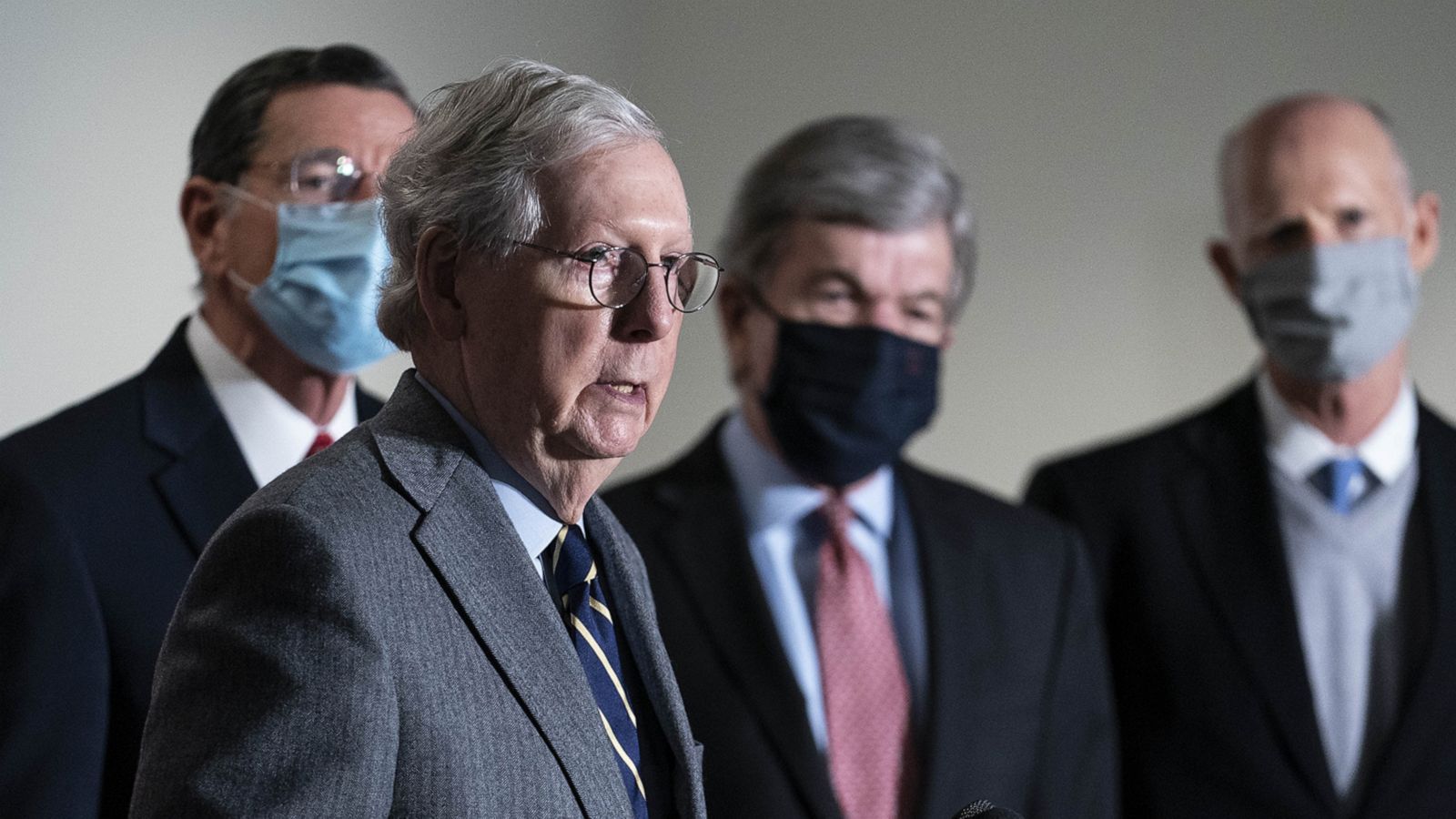
What will the Republican Party do about the extremists in its ranks?

5. Read less access and insider journalism.

You probably know who Kellyanne Conway is and don’t know who Russell Vought is, but as far as I can tell, Vought had far more influence on the actual policies of the Trump administration. (He served as the director of the Office of Budget and Management.) At times, in the Trump era, White House coverage read like gossip news and Conway was a featured character.

This insider, access-based coverage was a hallmark of the Trump era. But as a reader of news and a journalist trying to tell stories about policy and identity, these stories were often a distraction. They were full of unnamed sources, so it was often hard to know exactly how to interpret the information or if it could be relied upon. (Remember the flawed postelection reporting I referred to earlier.) These stories rarely told deep narratives about policy. They rarely captured the identity politics of Trump, in part because it was unlikely reporters who described Trump’s words as racist would get access to insiders in his administration.

Access journalism in fact cuts against two of the solutions I described above: reporters of color playing more prominent roles (Trump was often mean to Black female reporters in particular, so assessing their job performance based on their ability to get inside information from Trump and his aides wouldn’t make much sense) and less both sides-ism.

“You use your access in order to move your story forward and that means certain things you’re going to give a pass,” journalist Soledad O’Brien said on the podcast “Hear To Slay” hosted by author Roxane Gay and Cottom, in describing the weaknesses of journalism in the Trump era.

[The Final Two Months of Trump’s Presidency Were The Most Important Ones]

We’re not going to get major news outlets to stop doing this kind of coverage. These insider stories can be fun to read, particularly in a fractious administration. And Trump’s administration was quite fractious. Occasionally, they unearth major news. And for individual reporters, showing you have access to top administration sources can build your career, since editors want to hire people who break news.

But I will not be reading many more stories (or writing any), for example, about Meena Harris until it’s clear to me she is playing some major role in the government’s policies, as opposed to being an interesting person the media writes about often. (Harris is Vice President Kamala Harris’s niece, and is very active on social media.) I hope news outlets do fewer of these stories. More importantly, even if news outlets continue to do insider journalism, they should make great effort to also feature journalists who offer deep insights about American politics, but not from an insider perspective, like Ronald Brownstein, who works at the Atlantic and CNN, and the New York Times’ Astead Herndon.

6. Embrace uncertainty.

I was so certain Trump would not win the GOP nomination in 2015 in part because I had become taken with a political science book called “The Party Decides.” That book suggested leaders in each party often steer voters toward some candidates in presidential nominating contests and away from others. GOP party leaders were almost universally opposed to Trump’s candidacy at first, and I kept assuming this lack of elite support would keep him from winning.

This was an important lesson for the next five years. The lesson, in my view, is not that we should ignore historical trends like those cited in “The Party Decides” (or, as another example, election forecasts, like those at FiveThirtyEight, that aggregate polls based on how predictive they’ve been historically). After all, “The Party Decides” theory was basically right in 2020 — Democratic elites embraced Biden over Sanders and the party’s voters followed.

Where I think I went wrong in 2015 was treating such data and trends as a source of certainty — “this happened before, therefore it will happen again.” They aren’t completely predictive. Now, if someone asks me who is going to win a race, I say, “Candidate X is leading, but anything could happen.” I try not to write off candidates like I did with Trump. I still make predictions about races, but not so I can show how prescient I am, but to test my assumptions.

So in the run-up to the Georgia Senate runoffs, I told everyone who asked me that I thought the Republicans would win those races. My assumptions were Georgia leaned a bit red and some Georgia swing voters would be wary of giving Democrats control of the White House, House and Senate. I was wrong. That’s fine. I think it is useful for FiveThirtyEight listeners and readers to hear my assumptions, since they colored how I covered the race. The key, though, is to treat your assumptions with care and a little fear even. I didn’t ignore the Democratic candidates in Georgia because I thought they were underdogs — I covered them extensively.

[How The 2020 Election Changed The Electoral Map]

That said, even if my coverage of elections and other upcoming events has improved, there is another problem: I am still doing too much coverage of the future. We are in the midst of an extraordinary time in American politics. There is no need to project how Trump-like the 2024 Republican presidential nominee will be. We can’t predict that far into the future and we don’t need to — there are so many important stories about the Republican Party happening right now.

Or, to go back to the example of how media outlets covered Trump’s efforts to overturn the 2020 election results: There was a lot of focus on whether Trump would eventually accept the results and that coverage inevitably led to predictions and speculation. But what might happen was much less important than what was happening in the moment — the American president making constant and false claims of election fraud and having closed-door meetings with officials in swing states as their election results were being resolved.

7. Learn more about identity issues.

I was pretty conscious of issues around race and identity before the rise of Trump — I had worked as an editor at a Black news publication, theGrio.com. But like a lot of political reporters pre-Trump, I largely covered racial issues through the prism of people of color — writing stories about “the Black vote in state X,” or “the Latino vote in state Y.” I didn’t really think as much about white people as having a racial identity and how that might shape their political views.

But over the past few years it’s become clear that, on some level, all politics is identity politics, which means I need to read a lot of history about how various identities have formed and read a lot of news about identities that are forming now (like QAnon followers).
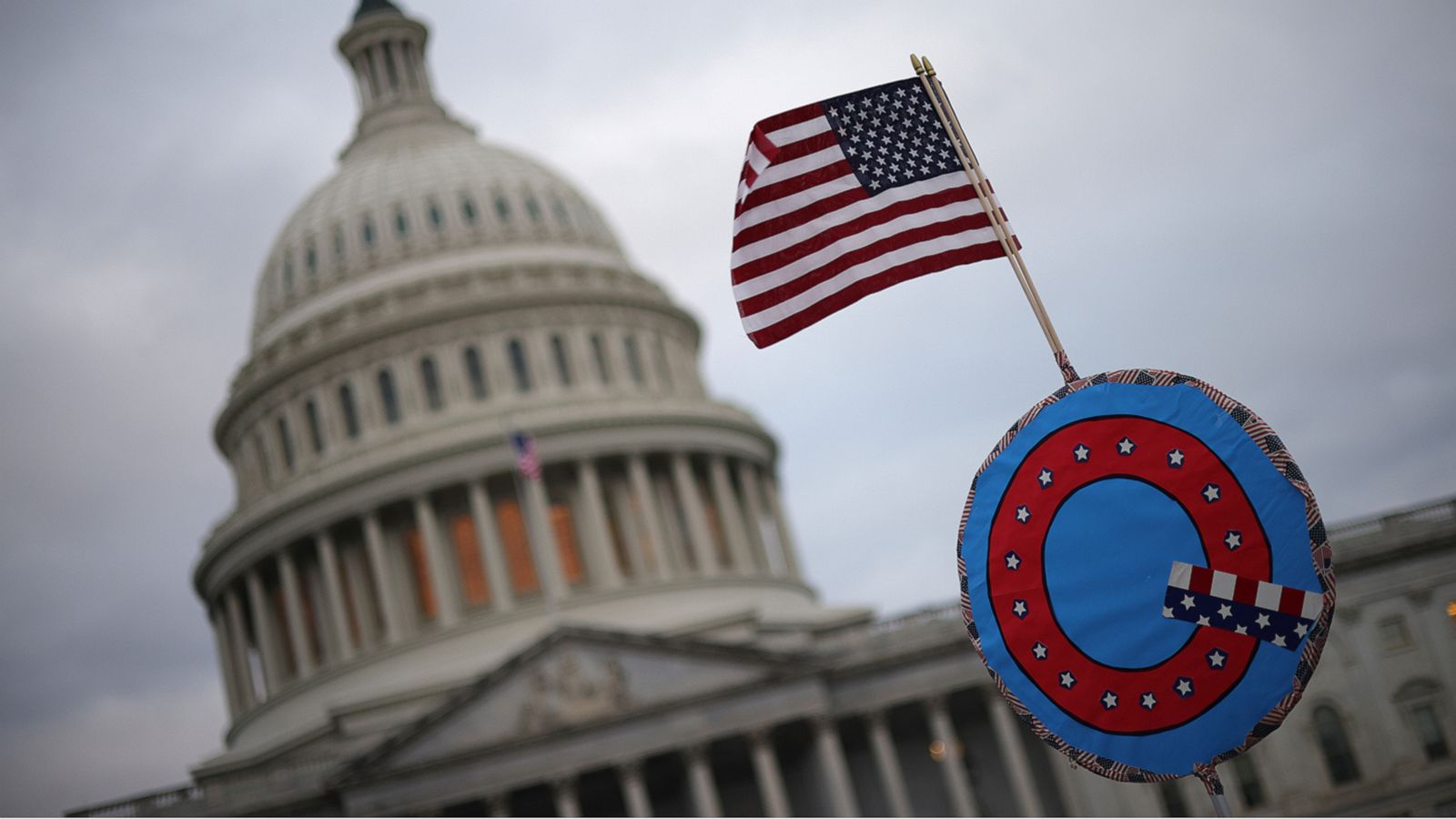
Confidence Interval: QAnon is not going anywhere | FiveThirtyEight

8. Cover “government.”

The media critic Dan Froomkin says reporters on beats like the White House and Congress should think of themselves as covering “government,” not politics. That seems right to me. Covering government means we should be scrutinizing and evaluating, for example, how Biden’s immigration policies work.

But you can’t cover government without knowing something about the underlying issues the government is trying to address. So I and other reporters on these “political” beats have to become more versed in policy issues. If all you really know how to do is cover electoral politics, you end up treating every story like an election — who’s up, who’s down, how will this affect swing voters in the next election.

“If you have a hammer, everything’s a nail,” said O’Brien. “What White House and political reporters like to do is the horse race, who’s winning, who is coming across as strong.”


Whew. So I learned a lot, but still have a lot to learn. And that’s OK. If nothing else, I am hoping this article itself is an illustration of the ninth, meta-lesson that I learned in covering Trump: Journalists covering elections and governments should be humble. Our sample size is tiny: There have been 117 Congresses, 59 presidential elections and 46 presidents in all of U.S. history. We live in a rapidly changing world. We as journalists have to adapt to these changes and still always assume that we aren’t getting the story completely right.

In my case, I’m already pretty nervous about bungling things. I just wrote a long essay about the lessons I learned covering Trump. But Joe Biden is president now. Some of those lessons might not apply — and surely there will be new lessons from the Biden years. But no matter what, you heard it here first, in 2024, Biden will … I have no idea. I will stay humble and you should stay tuned.
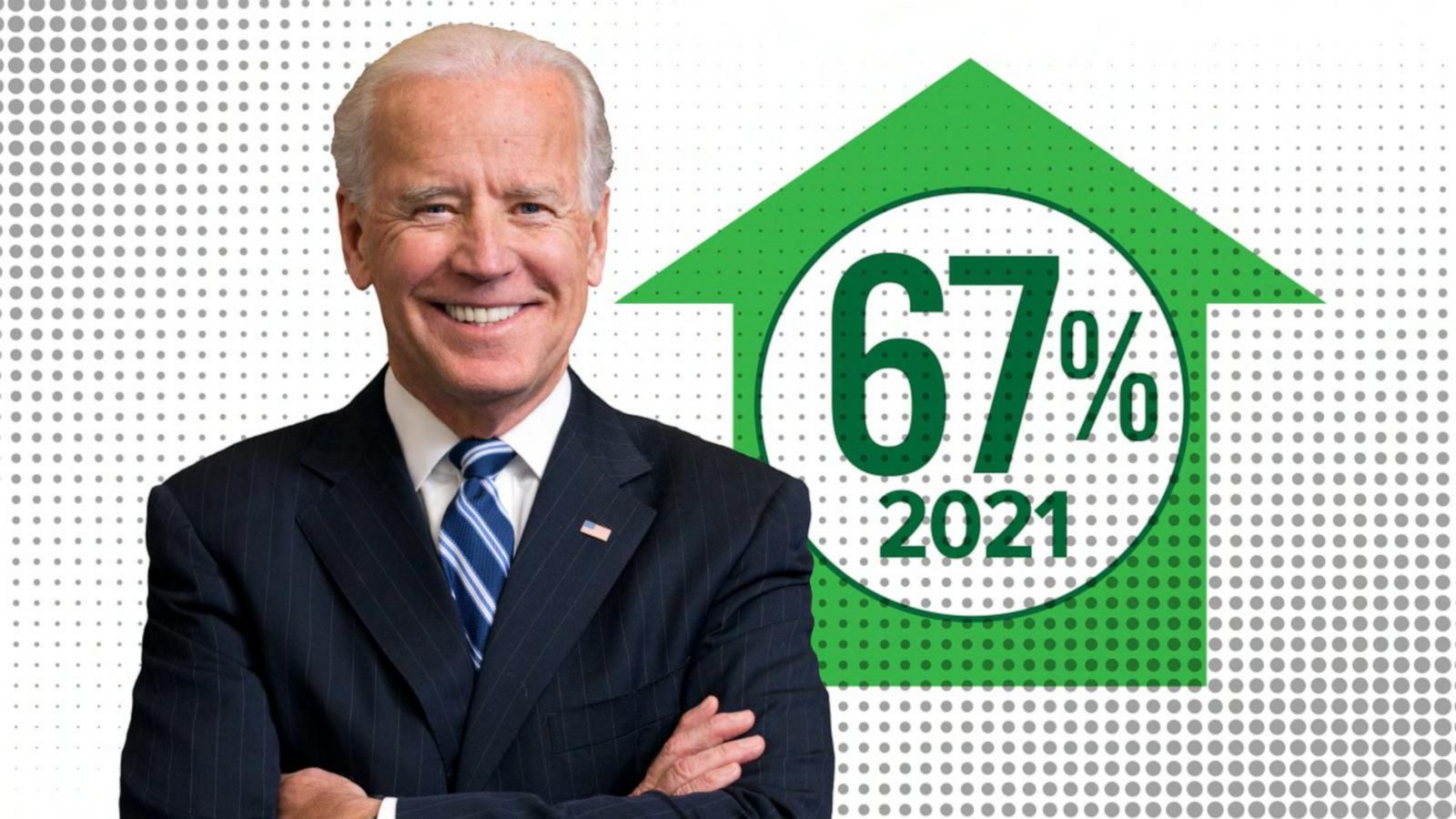
'Biden could have more of a wind at his back than you might think': Silver
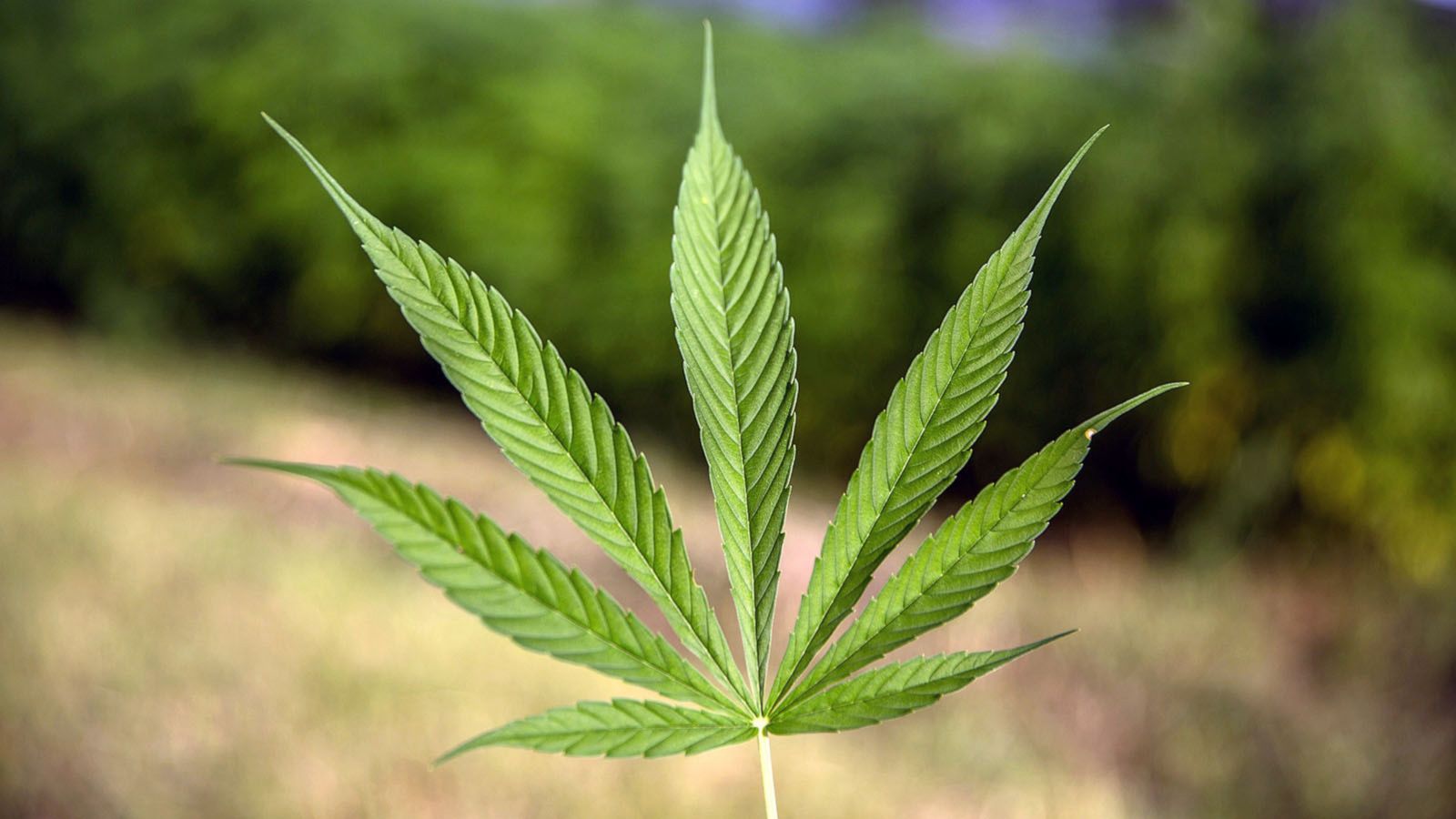
Confidence Interval: Will marijuana be legal across US by 2024? | FiveThirtyEight

22 Feb 15:48

Dragon Hoarding Enormous Pile of Treasure Seeks Unpaid Intern

by Maeve Dunigan

Dragon seeks smart, motivated intern to help manage a sprawling cavern of various golden treasures. This is the perfect opportunity for a go-getter who is thrilled by the idea of spending hours crouching atop a glistening mountain of precious metals. You’ll work closely with Dragon to guard an impressive collection of lustrous items, including really shiny forks, trophies, and big coins. The work is not just coffee-fetching and gold-polishing — you will gain plenty of on-site experience. Past interns have been lucky enough to watch a knight be brutally murdered. Successful interns are detail-oriented, unafraid of random bursts of fire, and able to jump at least three vertical feet to avoid a swinging, razor-sharp reptilian tail.

This is an unpaid position. Interns will gain unique experience around piles of riches and can also potentially receive college credit. There is NOT a remote option for this position. A small travel stipend of two gold doubloons will be provided. However, interns must organize their own transportation to and from the subterranean lair.

Duties and Responsibilities

  • Treasure inventory, cleaning, and organization
  • Weekly team meetings with Dragon to provide updates on safety and beauty of hoard
  • Maintenance and replacement of BEWARE DRAGON signage surrounding cave
  • Traveling to nearby town to educate residents on dangers of stealing from Dragon
  • Managing Dragon’s Instagram, Facebook, Twitter, Pinterest, and TikTok
  • Slaying knights when Dragon is unavailable
  • Disposing of knight carcasses
  • Occasional coffee runs

Qualifications

  • Must display extreme reverence for shiny things
  • Must have previous social media experience
  • Must be able to ascend 30-foot pile of pure gold
  • Must possess robust communication skills (yelling loud enough to reach Dragon’s ears)
  • Must not be related to, friends of, or in any way affiliated with the Knights of The Round Table

Benefits

  • First-hand experience around treasure
  • Exposure to network of other dragons
  • Unrestricted access to cave
  • Dragon will slay one enemy of your choosing
  • Free pizza lunch on Tuesdays

Interested applicants should send a résumé, cover letter, and a 500-word essay on their favorite shiny object to dragon@kingarthursux.net. Dragon is an equal-opportunity exploiter.

22 Feb 12:40

Wind turbines can handle the cold just fine. Just look at Iowa.

by Lili Pike
Wind turbines thriving in the Iowa winter in 2020. | Spencer Platt/Getty Images

Some Republicans want you to think wind turbines caused the Texas blackout. Here’s why they’re wrong.

As the energy crisis in Texas deepened this week, leaving millions without power, heat, and even running water, conservative commentators and politicians persistently peddled a myth that wind turbines are to blame.

“It seems pretty clear that a reckless reliance on windmills is the cause of this disaster,” Tucker Carlson said Monday on Fox News. Texas Gov. Greg Abbott also used wind power as a scapegoat for the crisis when he appeared on Fox Tuesday night, but he later walked back his comments.

Let’s get the facts straight. Every type of power plant — whether powered by coal, natural gas, nuclear, solar, or wind sources — in Texas was impacted by the ice and freezing temperatures that arrived with Winter Storm Uri over the weekend. But it was natural gas — the state’s top source of electricity — that failed most significantly as wellheads and power plants froze over. Wind turbines, meanwhile, were responsible for 13 percent of the total lost electricity output, according to the Electric Reliability Council of Texas (ERCOT), the state’s nonprofit grid operator.

But there is nothing innate about wind power — or natural gas — that caused these power plants to fail. It’s merely a matter of preparation, Hui Hu, a professor of aerospace engineering at Iowa State University who studies wind turbines, told Vox.

Places reliant on wind energy that are no strangers to cold and ice — from Sweden to Iowa — are proof that the freezing of turbines in Texas was not inevitable. The difference: Unlike in Texas, those turbines were weatherized to operate in the cold.

Does this mean that, as wind power contributes a greater and greater share of electricity in states like Texas, all wind turbines have to be storm-proofed to avoid a future mass blackout like this week’s? This is ultimately a risk calculation that lawmakers and scientists will have to make going forward, but the scale of the damage from this blackout suggests the upfront investment would be worthwhile.

So, how exactly do cold veterans like Iowa keep their turbines turning, and what can we learn from them?

Why only some ice is problematic for wind turbines

To understand how to winterize wind turbines, we first need to take a slightly deeper dive into why ice caused some turbines to fail in Texas.

The answer has to do with the specific intersection of temperature and humidity. At Iowa State, Hu and his research team pinpointed these factors through a decade of research to figure out why some ice impacts wind turbines and what can be done to stop it.

Hu oversees experiments at what he proudly tells Vox is the largest wind tunnel at any US university. Originally set up to test de-icing methods for airplanes, Hu’s lab converted the tunnel to blow icy wind at wind turbine blades when Iowa started to go big on wind power a decade ago. These experiments have given us a lot of information about how to keep wind turbines moving in the winter.

The researchers identified one kind of ice — wet “glaze” ice — that is particularly of concern. This ice creates a cottage cheese-like texture on turbine blades, which slows down airflow. In a field experiment, researchers found that during a 30-hour period when blades iced over, power production dropped by up to 80 percent.

Even worse, this ice can cause turbines to become severely unbalanced and vibrate, potentially even breaking under the stress. So if turbines aren’t winterized, operators will shut them down before they reach that point, Hu explained.

It was exactly this wet ice that formed on turbine blades in Texas when Arctic air met Gulf humidity, Hu said. Meanwhile, in Iowa, the temperatures are usually so low and the air so dry that smooth “rime” ice forms over turbine blades, which doesn’t affect the turbines as much. You can see the difference in the photo from one of Hu’s team’s experiments below.

 Iowa State University
The difference between dry “rime” ice and wet “glaze” ice — the latter is what impacted Texas’s turbines.

Low temperatures alone can also cause some turbine components to malfunction without proper protective technologies. But Hu pointed out that the higher density of cold air actually boosts wind power generation in the winter.

How some of the coldest regions keep their turbines turning

So, how do wind farms respond to these different types of ice, to keep their turbines from shutting down as they did in Texas?

In wetter places like Scandinavia and Scotland, some turbines are filled with hot air while others have a special coating to prevent ice from forming. These winter-ready turbines cost about 5 percent more than regular turbines, and the heating process uses up some of their energy output, Stefan Skarp, who oversees wind power for Swedish utility Skellefteå Kraft, told Bloomberg News. Hu’s team is working on more energy-efficient technologies that could be cheaper.

Because Iowa is blessed with drier ice, wind farms there haven’t had to invest in such elaborate measures while reaching the highest share of wind electricity generation in the country: 42 percent in 2019.

Midwestern utility company MidAmerican Energy Company has shown that wind energy is highly reliable, even in harsh Iowa conditions. In 2020, 80 percent of the utility’s electricity was generated by renewable energy — the majority of which comes from its 3,300 wind turbines, said Geoff Greenwood, a spokesperson for MidAmerican Energy.

“This year it’s been cold, but our wind fleet continues to generate clean energy for our customers,” he said. All that’s needed is a few extra measures in the turbine design to make sure certain components don’t freeze up.

Some Iowa wind operators use flashier action movie techniques to keep their turbines going. Helicopters and drones swoop over turbines dropping hot water or de-icing chemicals. But this is typically just a one-off measure if bad ice hits, Hu said.

Should Texas winterize all of its turbines?

Given that winterizing turbines costs more, should Texas wind developers take a cue from Sweden and pay that price upfront to help avoid future disasters?

Jesse Jenkins, an assistant professor of energy systems engineering at Princeton University, argued in a New York Times op-ed on Wednesday that electricity systems need to be ready for future risks. “Preparing for extreme events is like buying [a] home or health insurance: it costs you every year and you hope you’ll never use it. But when a crisis strikes, paying the premiums can look like the perfect decision in hindsight.”

After this crisis comes to an end, “Texans will have to determine just how much insurance is worth taking out,” he added.

This doesn’t just apply to one type of power generation. “Because wind is the new kid on the block, it’s getting a lot of attention,” said Kerri Johannsen, energy program director at the Iowa Environmental Council. But all grids have to consider whether their systems can weather the extremes brought by climate change.

Oversight is increasing to ensure grids are up to the challenge. The Texas Tribune reported that the North American Electric Reliability Corporation is working on establishing mandatory requirements for power plants to prepare for winter extremes. Even though Texas operates its own grid, it would also be subject to these rules.

Texas has ignored previous guidance. In 2011, after a storm caused a severe blackout, ERCOT developed winterization guidelines, but they weren’t enforced. Now, facing the consequences, Gov. Abbott has called for these winterization measures to be required and for the state legislature to fund the necessary upgrades.

As the old saying goes, “You should never let a crisis go to waste.” After all the havoc that the grid failures have wreaked this week, it's critical that these calls for action don’t just fade away as they did after 2011. Texans should know wind itself isn’t the problem; it’s a question of how much insurance state leaders are willing to purchase to prevent another disaster of this magnitude.

22 Feb 12:34

Analysis: Texas failed in a storm, again. Will we be ready next time?

by Ross Ramsey
Gov. Greg Abbott speaks at a press conference regarding Texas’ emergency response to an unprecedented winter storm gripping Texas on Feb. 13, 2021.
Gov. Greg Abbott speaks at a press conference regarding Texas’ emergency response to an unprecedented winter storm gripping Texas on Feb. 13, 2021. Abbott himself might not have been paying close attention to electricity and water and gas a couple of weeks ago, but the people who are paid to pay attention report to him. Credit: Jordan Vonderhaar for The Texas Tribune

Editor's note: If you'd like an email notice whenever we publish Ross Ramsey's column, click here.

If you would like to listen to the column, just click on the play button below.

(Audio unavailable. Click here to listen on texastribune.org.)

ERCOT, the state-controlled electric grid operator taking most of the initial blame for widespread blackouts and for all of the attendant misery over the last week, answers to the Public Utility Commission of Texas.

The governor appoints the members of the PUC, and names which of the three of them will be chair. The state’s utility regulators are operating according to laws written and approved by the Texas Legislature.

If Gov. Greg Abbott really wants to find out what’s going on with the state’s electric regulators, he could start in his own office, in his own executive branch of state government, by shouting down the hall: “Hey, y’all, come in here and tell me what the hell is going on.”

Abbott himself might not have been paying close attention to electricity and water and gas a couple of weeks ago, but the people who are paid to pay attention report to him.

It might be that some of the people in his chain of command — staff, regulators or both — made mistakes and errors in judgment that contributed to the state’s weather, electricity, water and gas fiasco last week.

But that’s all detail. All roads here lead to the governor’s office and to the Legislature. We elect them to appoint and hire everybody who was responsible for trying to keep us safe when things go wrong and to keep things from going wrong whenever that’s possible.

And as the inquiries into those failures of preparation and response begin this week, remember that the investigators themselves — the governor and the Legislature — are also among those responsible for what happened. You know, the subjects of the investigation.

They’ll be grilling regulators and electric generators and utilities, as well they should, but the buck stops in the big, domed Pink Building where most of the elected officials work.

Heads will surely roll, and smaller heads farther down the organization charts always roll before the big heads do. People you’ve never heard of, or who you hadn’t heard of two weeks ago, will lose their jobs. They should.

It’ll be interesting to see whether lawmakers in the House and Senate who have promised to look into this will actually get to the reasons there wasn’t enough electricity to power Texas through a big storm, why the generation they expected wasn’t there, why the decisions to blackout this part of town and not that part of town were made — and who made them, how and why water utilities got pulled into this and why this kind of widespread breakdown doesn’t happen in other states where the storms are harsher, colder and longer.

It will be interesting to see whether proposals that legislators ignored after winter blackouts in 2011 would have prevented what happened in the second month of 2021. And whether legislators are willing to do now what they were unwilling to do then, either ordering the industry to pay for it or subsidizing the industry to make the necessary changes and preparations.

Earlier this week, former Gov. Rick Perry, a conservative Republican who encouraged, oversaw and promoted the state’s nation-leading expansion of wind-generated electricity, said during the freeze that Texans were willing to go through something like that to keep federal regulators out of the state.

“Texans would be without electricity for longer than three days to keep the federal government out of their business,” Perry said. “Try not to let whatever the crisis of the day is take your eye off of having a resilient grid that keeps America safe personally, economically, and strategically.”

Some of the Texans who went days without power, and especially those who lost loved ones, will want to have a say about that proposition, to let the rest of us know whether they really hate federal regulation so much they’d rather flush their toilets with snow.

After the 2011 storm, some recommendations were adopted and some were ignored. Buttoning up the system to keep it operating in freezing winter weather obviously didn’t get done, among other things. The state didn’t have the reserve capacity, and from the right kinds of generation, to meet the needs.

Texans are steaming mad about the results, and they’re mad at the people they elected. The state’s high officials had a chance to prevent a lot of this trouble after the 2011 freeze.

And now they have another one.

Disclosure: Public Utility Commission Of Texas has been a financial supporter of The Texas Tribune, a nonprofit, nonpartisan news organization that is funded in part by donations from members, foundations and corporate sponsors. Financial supporters play no role in the Tribune's journalism. Find a complete list of them here.

22 Feb 12:32

Comic for 2021.02.21

New Cyanide and Happiness Comic
22 Feb 12:31

Comic for 2021.02.22

New Cyanide and Happiness Comic
22 Feb 12:30

Omniscience Isn't Evenly Distributed

this is a diesel sweeties comic strip

I can't believe you're not mad about the same thing I'm mad about!

22 Feb 12:29

'To Me He's Not A Number': Families Reflect As U.S. Nears 500,000 COVID-19 Deaths

by Melissa Block
A few of the nearly 500,000 people who have died from COVID-19 in the U.S.

Family members of those who've died from COVID-19 reflect on the milestone of 500,000 U.S. deaths, and how their individual loss fits within the magnitude of that number.

(Image credit: NPR)

22 Feb 12:27

The US is about to surpass half a million Covid-19 deaths

by Cameron Peters
Dr. Christine Choi, a resident at Harbor-UCLA Medical Center, one of four public hospitals in Los Angeles County, tends to Covid-19 patients in a specially constructed isolation area. | Al Seib/Los Angeles Times/Getty Images

Dr. Anthony Fauci said the massive loss of life is “almost unbelievable.”

Sometime this week, just over a year after the first known Covid-19 death in the United States, the US will surpass 500,000 deaths from the coronavirus.

Dr. Anthony Fauci, the country’s leading infectious disease expert, said Sunday that the death toll is “almost unbelievable.”

“But it’s true,” Fauci told NBC’s Chuck Todd on Meet the Press Sunday. “This is a devastating pandemic. And it’s historic. People will be talking about this decades and decades and decades from now.”

The grim milestone comes after a bleak winter. For much of January, the US reported well over 3,000 Covid-19 deaths each day. Overall case numbers also exploded: Since early December, 14 million more people have tested positive for the virus, doubling the total number of US cases.

As of Saturday, the US is still reporting a seven-day rolling average of more than 1,900 deaths per day, though cases have fallen sharply to levels last seen in October 2020.

More than in any other country, the virus has been allowed to rage out of control in the US. According to the Johns Hopkins Covid-19 dashboard, the US has almost twice as many Covid-19 deaths as Brazil, which is second in deaths, and over 17 million more total confirmed cases than India, which is second in cases. Of the more than 2.46 million deaths from Covid-19 worldwide, the US has recorded slightly more than one-fifth.

In late March last year, Fauci and Dr. Deborah Birx, the former White House coronavirus task force coordinator, predicted that 240,000 deaths would be on the high end of the possible US death toll; the country hit that mark in mid-November, according to CNN’s Ryan Struyk, and the death toll has more than doubled since then.

As the New York Times pointed out on Sunday, half a million US deaths also exceeds the US death toll “on the battlefields of World War I, World War II and the Vietnam War combined.”

There are reasons to be hopeful as the US picks up the pace with vaccinations

As March approaches, however, an accelerating vaccination campaign and falling cases offer hope that things could improve soon — and maybe even return to something resembling normal by the summer.

Currently, according to CNN, the US is administering about 1.5 million doses of vaccine per day, but public health officials believe that number could pick up soon. On Sunday, Fauci told CNN’s Dana Bash that “of course you’d like to see” over 2 million doses per day being administered by the end of April.

Vaccine availability should also begin to open up in the late spring or summer, Fauci said earlier this week, and by July, the country would “likely have all 600 million doses that we contracted for to vaccinate 300 million people.”

As of Sunday, according to a Centers for Disease Control and Prevention tracker, the US had administered more than 63 million vaccine doses. Because both of the vaccines authorized by the Food and Drug Administration for emergency use thus far require two shots to be fully effective, that’s not the same as the number of people actually vaccinated. But 17 million people have still received both doses of the vaccine, and many more have had their first of two shots.

Research suggests that even one dose of the Pfizer-BioNTech vaccine, which was the first vaccine candidate to be approved in the US, can provide “robust immunity” from symptomatic cases of the disease. Additionally, Pfizer data first reported on Sunday indicates that the vaccine is almost 90 percent effective at preventing virus transmission outside a clinical setting, a hopeful finding for vaccines’ ability to keep infection levels low.

The data about virus transmission — which comes from an Israeli study — has yet to be peer-reviewed, but it’s still a promising early sign. According to Bloomberg, Pfizer and BioNTech “are working on a real-world analysis of data from Israel, which will be shared as soon as it’s complete.”

As vaccinations pick up, case numbers in the US are also falling dramatically. As the Atlantic’s James Hamblin points out, that could bode well for the summer.

If vaccination rates continue to rise and case numbers continue to fall, “it would mean that many aspects of pre-pandemic life will return even before summer is upon us,” Hamblin wrote Friday. “Because case numbers guide local policies, much of the country could soon have reason to lift many or even most restrictions on distancing, gathering, and masking. Pre-pandemic norms could return to schools, churches, and restaurants. Sports, theater, and cultural events could resume. People could travel and dance indoors and hug grandparents, their own or others’.”

Still, top public health officials are preaching caution as things begin to look up in the US, particularly as Covid-19 variants continue to spread in the country.

Last Sunday, CDC director Dr. Rochelle Walensky warned that a more infectious — and possibly more deadly — coronavirus variant first seen in the UK could become “the dominant strain by the end of March.”

“Now more than ever, with continued spread of variants that stand to threaten the progress we are making, we must recommit to doing our part to protect one another,” Walensky said at a press conference Friday. “Wear a well-fitting mask, social distance, avoid travel and crowds, practice good hand hygiene, and get vaccinated when the vaccine is available to you.”

And mask wearing will likely be necessary for some time yet. Fauci told CNN on Sunday that Americans may still need to wear masks in 2022, and noted on Fox News Sunday that it could take until next year for children, particularly young children, to be vaccinated.

21 Feb 23:06

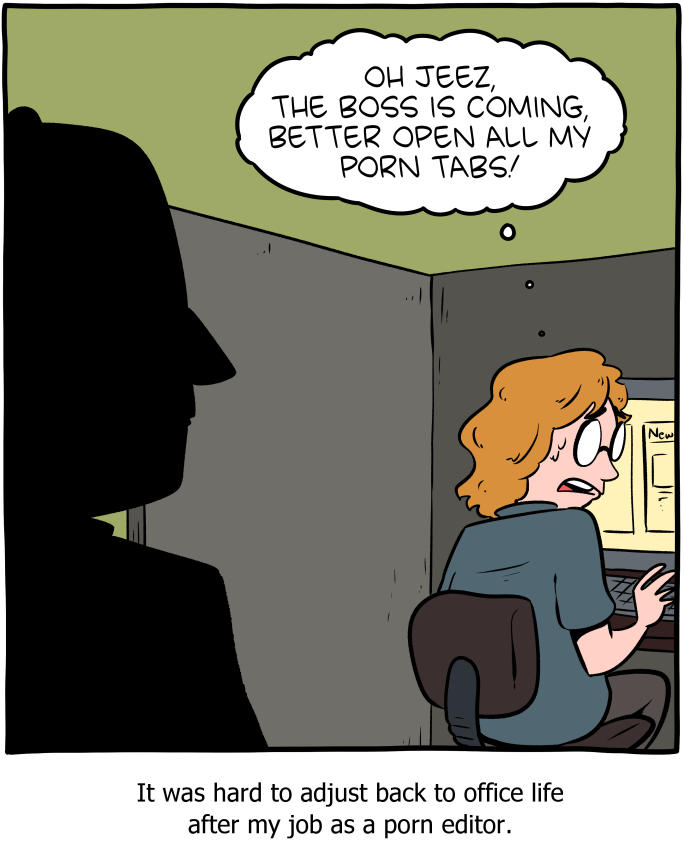
Saturday Morning Breakfast Cereal - Tabs

by tech@thehiveworks.com


Click here to go see the bonus panel!

Hovertext:
LOOK! LOOK AT MY BROWSER HISTORY! ALL PORN!


Today's News:
21 Feb 23:05

Sophisticated New Malware Found on 30,000 Macs Stumps Security Pros

by EditorDavid
Long-time Slashdot reader b0s0z0ku quotes Ars Technica: A previously undetected piece of malware found on almost 30,000 Macs worldwide is generating intrigue in security circles, which are still trying to understand precisely what it does and what purpose its self-destruct capability serves. Once an hour, infected Macs check a control server to see if there are any new commands the malware should run or binaries to execute. So far, however, researchers have yet to observe delivery of any payload on any of the infected 30,000 machines, leaving the malware's ultimate goal unknown. The lack of a final payload suggests that the malware may spring into action once an unknown condition is met. Also curious, the malware comes with a mechanism to completely remove itself, a capability that's typically reserved for high-stealth operations. So far, though, there are no signs the self-destruct feature has been used, raising the question why the mechanism exists. Besides those questions, the malware is notable for a version that runs natively on the M1 chip that Apple introduced in November, making it only the second known piece of macOS malware to do so... The malware has been found in 153 countries with detections concentrated in the US, UK, Canada, France, and Germany. Red Canary, the security firm that discovered the malware, has named it "Silver Sparrow." Long-time Slashdot reader Nihilist_CE writes: First detected in August of 2020, the Silver Sparrow malware is interesting in several unsettling ways. It uses the macOS Installer Javascript API to launch a bash process to gain a foothold into the user's system, a hitherto-unobserved method for bypassing malware detection. This bash shell is then used to invoke macOS's built-in PlistBuddy tool to create a LaunchAgent which executes a bash script every hour. This is the command and control process, which downloads a JSON file containing (potentially) new instructions. Besides the novel installation method, Silver Sparrow is also mysterious in its payload: a single, tiny binary that does nothing but open a window reading "Hello, World!" (in v1, which targets Intel Macs) or "You did it!" (in v2, which is an M1-compatible fat binary). These "bystander binaries" are never executed and appear to be proofs-of-concept or placeholders for future functionality.

Read more of this story at Slashdot.

21 Feb 14:15

How Oregon's Top Wildlife Official Got Sued Over His State's Hunting App

by Joe Mullin

What if you could get a patent on a new government program? Then, you could ask for the government to pay you royalties just for running that program. Nice work, if you can get it.

Oregon resident Iiley Thompson is the named inventor on U.S. Patent No. 10,257,651, “Mobile electronic device for identifying and recording an animal harvest.” Shortly after his patent issued in 2019, Thompson’s lawyers sent a letter to the Oregon Department of Justice, suggesting that the Oregon government take a license to his patent.1

Thompson claims that the Oregon Department of Fish and Wildlife’s MyODFW app, which allows hunters and anglers to complete their licensing paperwork on a mobile device, infringes his patent.

Claim 1 describes:

  • Entering animal harvest data (i.e. how many fish of a certain type you caught) into a computer

  • Uploading the harvest data, together with location data, to a second computer (operated by someone else)

  • Checking the data against the maximum allowed by the user’s license

In other words, Thompson patented following state laws, and filing the appropriate paperwork, but you know, connected to a powerful computer network. Claim 2 describes the same system, but specifies a mobile device as the first computer and a server as the second.

On January 22, Thompson filed a lawsuit claiming that MyODFW infringes his patent. But he didn’t sue the state or any of its departments—he sued Curt Melcher, the Director of the Oregon Department of Fish and Wildlife, personally.

Making it Personal

Because of a legal concept called sovereign immunity, you generally can’t sue a state government, or any of its departments, for patent infringement. When I saw the Thompson v. Melcher case as I was going through this year’s first patent lawsuits, it struck me as a possible attempt to do an end-run on sovereign immunity.

I ran this hypothesis by Joshua Landau, patent counsel at Computer Communications & Industry Association, who agreed that it did look like a way to put legal pressure on a state when you can’t sue the state. He pointed me to a 1908 Supreme Court case called Ex parte Young, which suggests just this method to get around sovereign immunity. Plaintiffs can sue a state official who they believe is in violation of a federal law. In this case, because Thompson is barred from arguing that the State of Oregon is violating his patent, he’s saying Melcher personally has contributed to the infringement of his patent.

The Ex parte Young route doesn’t provide a way to get damages, only an injunction, and indeed Thompson doesn’t ask for damages in his lawsuit. If Thompson’s extremely broad claims are valid, in my view, that would basically mean shutting down the MyODFW app.

"It certainly looks like an attempt to put pressure on the state, both through legal expenditures, and by threatening to enjoin a service they provide," Landau said. "Suing an individual official is a plausible strategy to try to get around state sovereign immunity in some cases, but there are significant open questions."

Among those questions would be whether or not Melcher has a significant enough connection to the allegedly infringing app. Melcher is a longtime public servant who has served as ODFW’s director since 2015.

Patenting A Government Service Is Pretty Bad

Regardless of who is being sued, Thompson’s patent on e-tagging wildlife is very problematic in and of itself. Most government services aren’t really “inventions.” So there really shouldn’t be patents on collecting benefits, or getting a certain type of state-granted license, or reporting your taxes. And because of the Alice v. CLS Bank Supreme Court case, similar “do it on a computer”-style patents should be banned, as well. We shouldn’t be seeing patents that cover “requesting benefits plus a powerful computer network” or “sending your paperwork to the government oh but on a smartphone.”

But we do see them all the time, because it’s a broken system. Patent examiners have, on average, 19 hours to prove applicants like Iiley Thompson should not get a patent.2 Applicants get an unlimited number of do-overs, as long as they can keep paying for them.

Thompson’s patent application was filed in 2015. At that date, it was utterly predictable that government services like hunting licenses would continue to move online, as they already had been for many years.

And it wasn’t just predictable in a general sense—it was specifically predictable that Oregon regulators would move their hunting licenses to smartphones. They were already moving other ODFW services to smartphones, and were being as public about it as possible. By late 2014, about a year before Thompson filed his patent application, the Department linked smartphones to its hunting map. This was reported in The Oregonian, the state’s largest newspaper. By mid-2015, ODFW had come out with a fishing-specific app, which was reported in the Klamath Falls Herald and News.

So it’s hardly shocking that in March 2016, ODFW got started thinking about how they could improve their licensing process. The timeline for Oregon’s creation of electronic licensing is laid out in this ODFW PowerPoint.

Notably, Thompson never actually created his own app, at least not one that’s ever been made publicly available. As his complaint states, “Thompson has never offered nor sold, and has never authorized nor licensed any other to offer or sell, a system or method covered by the claims of the ‘651 patent.”

Thompson runs a footwear business in a town just south of Portland, and has an extensive resume of work in that industry, including stints at Adidas and Nike. I asked Thompson to talk about his case to get his side of it, but he declined an interview. I also emailed the public information office at the Oregon Department of Fish and Wildlife, but didn’t hear back.

1 Patent demand letters frequently do not make explicit “demands,” but rather couch the language in terms of making an “offer” to license or buy a patent. But, it’s generally understood to be a demand for payment. It puts the recipient officially on notice, which can have other effects, like increasing damages. More examples of demand letters are at trollingeffects.org.

2 Frakes, Michael and Wasserman, Melissa F., The Failed Promise of User Fees: Empirical Evidence from the U.S. Patent and Trademark Office (December 2014). Journal of Empirical Legal Studies, Vol. 11, Issue 4, pp. 602-636, 2014. For something free and more readable, see this 2014 piece in The Washington Post, “Inside the stressed-out, time-crunched patent examiner workforce.”

Originally posted to the Letters Patent blog.

21 Feb 04:35

Ocasio-Cortez Fundraising Drive For Texas Relief Raises $4 Million

by Matthew S. Schwartz
Reps. Sheila Jackson Lee, Alexandria Ocasio-Cortez and Sylvia Garcia help distribute food at the Houston Food Bank on Saturday.

What began as a call for donations to help Texas residents hurt by the storm grew into millions of dollars that will go to several local charities. Ocasio-Cortez visited a Houston food bank Saturday.

(Image credit: Elizabeth Conley/Pool/AFP via Getty Images)

20 Feb 21:05

Rep. Alexandria Ocasio-Cortez Raises $5 Million For Texas Winter Storm Relief

by Paul DeBenedetto, Sara Willa Ernst
In just over one day the New York congresswoman raised $3.2 million, all of which she said would go to relief groups across the state.
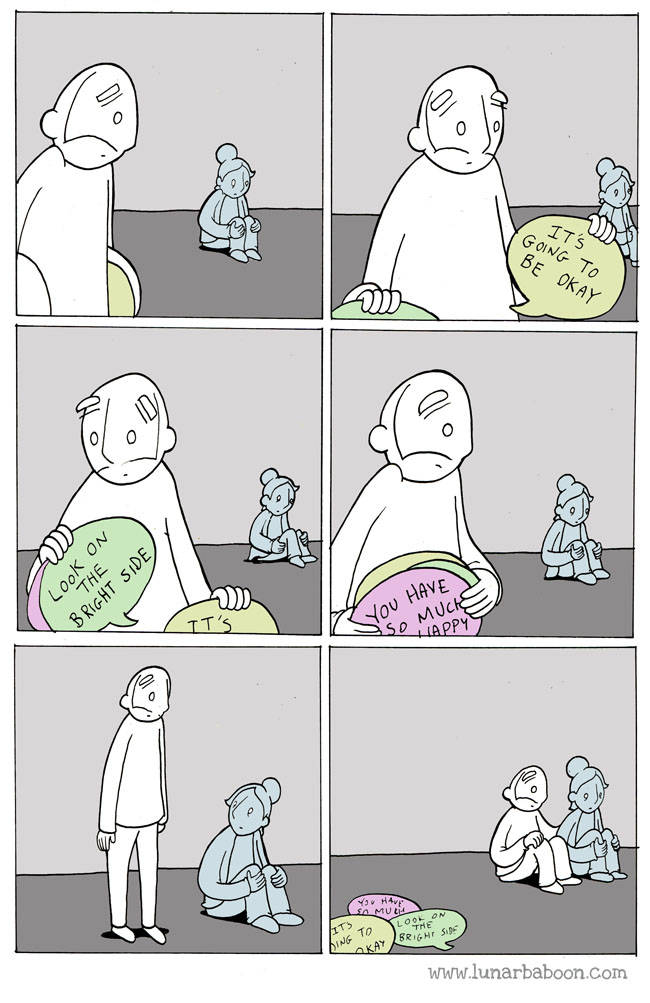
20 Feb 17:54

...

by Lunarbaboon
20 Feb 17:53

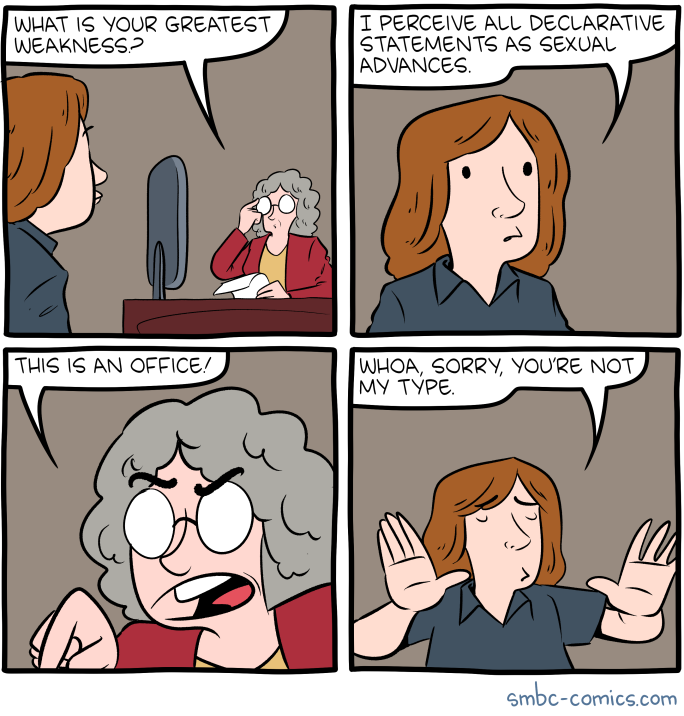
Saturday Morning Breakfast Cereal - Weakness

by tech@thehiveworks.com


Click here to go see the bonus panel!

Hovertext:
Now the interesting question is whether the interviewee is making a move as of panel 2.


Today's News:
20 Feb 16:15

Texans confront outages, food and water needs as feds issue disaster declaration

by Texas Tribune Staff
Volunteers distribute boxes of food at a distribution site in Austin on Feb. 19, 2021.
Volunteers distribute boxes of food at a distribution site in Austin on Friday. Credit: Evan L'Roy/The Texas Tribune

What you need to know:

Houston lifts boil water notice

Houston officials said Sunday afternoon that the city's tap water is now safe to use for drinking, cooking and making ice. Residents no longer need to boil their water before using it. The water safety advisory had been in place in the nation's fourth largest city since Wednesday.

Test results from the Texas Commission on Environment Quality confirmed the city's water is now meeting regulatory standards.

"The historic freezing temperatures in Houston last week caused water pressure to drop throughout the city. I appreciate everyone's patience as Houston Water crews worked nonstop to restore the pressure and gain the TCEQ's approval to lift the boil water notice," Mayor Sylvester Turner said in a statement. "In the meantime, my office and partners distributed almost three million bottles of water citywide."

As power has been restored to the majority of Texans who were without electricity during the deadly winter storm, the state has turned its attention to getting clean water to millions of people who are still under boil notices or have no running water. The water issues stem from reduced pressure due to pump failures and depleted reserves of water after millions of people dripped their faucets for multiple days. Reduced water pressure can lead to harmful bacteria growing in the water. Power outages have also prevented treatment centers from properly treating water. — Rebekah Allen

As the state thaws out, Texas responders turn focus to food and water

As temperatures rise and road conditions improve across Texas, state officials are shifting their focus to ensuring people have enough food and water.

The state has ordered nearly 10 million bottles of water and more than five million ready-to-eat meals they will continue to deliver, with the aid of the Texas National Guard and other partners, state officials said Saturday during a news conference. There are still 331 warming centers open, which will remain available “until people can safety get back in their home,” said Nim Kidd, chief of the Texas Division of Emergency Management.

Gov. Greg Abbott's office announced Sunday that Abbott, at 2:30 p.m. Central time, would give an update on the state's efforts to get water and other supplies across Texas.

While water continues to be an issue, with 14.4 million people impacted in 190 counties — including more than 150,000 with no water or with nonoperational systems — the situation is improving, said Toby Baker, executive director for the Texas Commission in Environmental Quality. Already, 64 boil-water notices have been rescinded. These notices remain in place.

“I understand the public is extremely frustrated right now, and I understand your frustration. My family, my dog, my eight chickens are on day four without water at my house,” Baker said. “We are Texans, too, and suffering through the same things that you are.”

Local public water system officials can call the TCEQ in need of assistance. The TDEM is also asking residents to help assess the damage by filling out this survey. The information will be shared with the federal government to try to get more counties included in the Major Disaster Declaration approved by President Biden early Saturday. — Perla Trevizo

State leaders hold emergency meeting to discuss spike in energy bills

Gov. Greg Abbott on Saturday held a meeting with other state leaders to discuss the spikes some Texans are seeing in their energy bills following a massive winter storm that prompted days-long power outages across the state.

The meeting came after numerous reports of Texans receiving exorbitant electric bills despite not having power during the storm . One Texan, according to The New York Times, received a $16,752 electric bill.

In a statement, Abbott called the meeting, which happened via a phone call, "productive" and said leaders "are moving quickly to alleviate this problem and will continue to work collaboratively throughout this week on solutions."

Along with Abbott, the heads of the Senate and House — Lt. Gov. Dan Patrick and House Speaker Dade Phelan, respectively — were also on the call.

Members of the two chambers also participated in the meeting, including chairs of the budget-writing Senate Finance and House Appropriations committees, as well as chairs of the Senate Business and Commerce and House Energy Resources committees.

The discussion with lawmakers, according to the governor’s office, centered on calculating the cost of those skyrocketing energy bills and “how the state can help reduce this burden.” — Cassi Pollock

Federal disaster aid approved for 77 Texas counties 

The White House partially approved Texas’ request for a Major Disaster Declaration, Gov. Greg Abbott said Saturday. The federal government will provide individual assistance in 77 counties, including Bexar, Dallas, Harris, Tarrant and Travis — and public assistance, for emergency protective measures only, in all 254 counties. Assistance can include grants for temporary housing and home repairs, low-cost loans to cover uninsured property losses and other programs to help individuals and business owners recover from the effects of the disaster, FEMA said in a news release.

“I thank President Biden for his assistance as we respond to impacts of winter weather across our state,” Abbott said. “While this partial approval is an important first step, Texas will continue to work with our federal partners to ensure all eligible Texans have access to the relief they need. The funds provided under the Major Disaster Declaration may provide crucial assistance to Texans as they begin to repair their homes and address property damage.”

Impacted individuals and business owners in counties included in President Joe Biden’s declaration can apply for assistance by registering online at www.DisasterAssistance.gov or by calling 1-800-621-3362 or 1-800-462-7585. — Perla Trevizo

Dozens died in storm, but full toll may not be known for weeks

Across Texas, deaths related to the winter storm continued to mount amid freezing temperatures, widespread power outages and a scarcity of clean water. While there have been reports that dozens of deaths are tied to the storm in Texas, experts say the death toll is likely far larger. And it could be weeks or months before the true magnitude is known.

“It’s a slow process. We may have preliminary information in weeks, not days,” said Chris Van Deusen, a Texas Department of State Health Services spokesperson. A statewide survey of deaths caused by the storm is underway, he said. But the state won’t have a good indication until death certificates are filed. — Shawn Mulcahy

AOC raises $3 million for Texas winter aid

U.S. Rep. Alexandria Ocasio-Cortez is in Houston after raising more than $3 million for Texas relief organizations helping those impacted by the historic winter storm.

The Democrat from New York posted a short Twitter video today which showed her volunteering at the Houston Food Bank, alongside U.S. Reps. Sheila Jackson Lee and Sylvia Garcia of Houston. The city’s food bank is one of the organizations benefiting from Ocasio-Cortez’s fundraising efforts.

While Ocasio-Cortez represents the Bronx, she has ties to Texas, having participated in an education program called the National Hispanic Institute. During a July conference call with former San Antonio Mayor Julián Castro, she called the Lone Star state “home away from home.”

Texas failed to deliver state vital emergency information during storm 

As millions of Texans fought to survive brutal winter weather without power and water, Gov. Greg Abbott told residents Wednesday to search for emergency warming shelters on Google and to call 311 for additional assistance.

The only problem: Many people lacked internet access, cellphone service and the ability to watch the governor’s press conferences. When the power went out, the state suddenly lost the ability to provide essential information to people desperately in need of help.

“Telling people to Google it is not OK. It’s the result of non-imaginative or non-planning in general, and it’s very, very unfortunate,” said Dr. Irwin Redlener, a senior research scholar for Columbia University’s National Center for Disaster Preparedness. “And I think there needs to be some accountability for why they hadn’t made the infrastructure more resilient, and also why they hadn’t planned for a situation where the power’s out.” — Duncan Agnew

Texas’ track record won’t make it easy to winterize energy infrastructure

Gov. Greg Abbott called for a law and funding to "winterize" Texas’ essential power infrastructure for the kind of extreme cold weather that created multiple crises this week.

Energy experts said that in some cases, retrofitting plants to withstand cold could be extremely difficult and expensive in Texas. Many of those plants already skimped on such upgrades due to the infrequency of prolonged and widespread subfreezing temperatures in the state. That’s despite a 2011 winter storm that also caused power outages.

Building new winterized infrastructure, though, often adds little to the overall cost of a new project, experts say.

“Our planning is based on outdated weather patterns, and if you use outdated weather, you never expect to freeze,” said Michael Webber, an energy resources professor at the University of Texas at Austin. — Erin Douglas

Disclosure: Google and University of Texas at Austin have been financial supporters of The Texas Tribune, a nonprofit, nonpartisan news organization that is funded in part by donations from members, foundations and corporate sponsors. Financial supporters play no role in the Tribune's journalism. Find a complete list of them here.

20 Feb 16:14

Gov. Greg Abbott wants power companies to “winterize.” Texas’ track record won’t make that easy.

by Erin Douglas
A variety of power lines in Dallas near Greenville Avenue during a winter storm on Feb. 16, 2021. Thousands of Dallas residents have been without power for multiple days.
Power lines near Greenville Avenue in Dallas during this week's winter storm that left millions of Texans without power. Credit: Ben Torres for The Texas Tribune

Sign up for The Brief, our daily newsletter that keeps readers up to speed on the most essential Texas news.

Winterize. That’s the directive Gov. Greg Abbott gave to power companies and lawmakers Thursday when he called for a law and funding to better prepare Texas’ essential power infrastructure for the kind of extreme winter weather that created multiple crises this week.

Energy experts said that in some cases, retrofitting plants to withstand cold could be extremely difficult and expensive in Texas. Many of those plants already skimped on such upgrades due to the infrequency of prolonged and widespread subfreezing temperatures in the state. That’s despite a 2011 winter storm that also caused power outages.

Building new “winterized” infrastructure, though, often adds little to the overall cost of a new project, experts say.

“Our planning is based on outdated weather patterns, and if you use outdated weather, you never expect to freeze,” said Michael Webber, an energy resources professor at the University of Texas at Austin.

Millions of people across Texas lost power during this week’s storm, and some died in the extreme cold without heat. On Friday, power was restored to most of the state, although about 140,000 customers are still facing localized outages, according to data compiled by PowerOutage.us.

Power outages began early Monday, when the amount of power available to the grid that covers most of Texas began to rapidly drop offline. Natural gas plants, utility scale wind turbines, coal and nuclear plants alike began to trip — many lacked the investments necessary to keep them online during low temperatures.

That forced the Electric Reliability Council of Texas, the state’s grid operator, to order transmission utilities to start what was supposed to be “rolling” outages for customers. The goal was to prevent the entire grid from being knocked offline, which, officials said could have left Texans without power for weeks if not months. The rolling outages, though, lasted for days for millions of people.

There’s no regulatory requirement to prepare power infrastructure for such extremely low temperatures — something Abbott called for on Thursday. The North American Electric Reliability Corporation, which has some authority to regulate power generators in the U.S., is also developing mandatory standards for “winterizing” energy infrastructure, a spokesperson said.

During a Friday press conference, Bill Magness, president and CEO of ERCOT, called Abbott’s emergency legislative item to winterize power plants “a good idea,” and said ERCOT would implement any changes the Legislature directed them to make.

“Texas can't afford for this to happen again,” Magness said. “There are a lot of ideas about how to make that different, and we want to participate in the process.”

Winterizing costly to play catch-up 

Jim Krane, an energy fellow at Rice University’s Baker Institute, has an idea on where to begin:

“The natural gas transmission system would be my first choice as a place to look,” he said, noting that the majority of the state’s grid in the winter relies on the resource.

It’s also the resource that, during this crisis, failed in the “most spectacular fashion” as Webber put it. From the wells where companies produce natural gas, to the systems to deliver it and run it in gas-fired power plants, the system was not built for the low temperatures — but it doesn’t have to be this way.

“You can absolutely winterize [the energy sector in Texas],” Webber said.

Webber said upgrades to natural gas plants should be flexible — temporarily enclosed in a structure to keep heat in during the winter and removed to keep the plant cool during the summer. He acknowledges it will come at a cost, but, he said, “it means you can operate when times are tough.”

Still, it’s going to be difficult to retrofit gas-fired plants in Texas, said Morris Greenberg, senior manager of North America Power Analytics for S&P Global Platts. That’s because the plants are built to maximize profit.

“Retrofitting would be a questionable, challenging solution,” Greenberg said. “Most gas plants are built as lean as possible.”

Abbott, in his call to upgrade the power sector, did not specifically point to natural gas production as an area that needed to winterize. But preventing frozen wellheads is one area experts say is ripe for reform, since the cost to build a new well with equipement to withstand the cold is relatively low, and the payoff high. The shortage of natural gas supply was a major constraint during the crisis because gas-fired plants didn’t have enough fuel to generate power.

Retrofitting existing natural gas wells would be extremely difficult and probably cost prohibitive, according to Parker Fawcett, a natural gas analyst for S&P Global Platts. But Fawcett said starting to build new wells in Texas with winterization technology is reasonable. It would cost around $20,000 to $50,000 more per well, compared to the current cost of $5 to 9 million in Texas, depending on where it’s drilled, Fawcett estimated.

Renewable sources

The state’s grid also saw wind turbines go offline this week. While ERCOT did not expect to have very much wind energy available during the peak of winter energy demand, experts said that wind turbines, too, could be winterized.

Retrofitting the blades of wind turbines with special coatings and heating elements is not a burdensome cost to generators, energy experts said — likely under 10% of the total cost of the turbine.

Nevertheless, few operators do it, not just in Texas but generally, said Krane, of Rice’s Baker Institute. That’s because most states and countries rely on wind power as a cheap additional source of energy rather than a primary source. The way most markets are functioning right now, Krane said, “it’s just nice to have when it’s there.”

For any upgrade or retrofitting — whether natural gas, wind, coal, or nuclear — winterization is going to be expensive due to the lack of investment the state’s generators and producers of energy have made into preparing for a storm like this in the past, experts said.

“It’s like insurance that you’re almost never going to use,” Krane said.

Though, that attitude in avoiding cost, he said, is what did end up costing Texans.

“After going through this, I think people would be OK with that," he said.

20 Feb 15:48

Comic for 2021.02.20

New Cyanide and Happiness Comic
20 Feb 15:47

California Will Begin Setting Aside 10% Of COVID-19 Vaccine Doses For Teachers

by Rob Stein
California Governor Gavin Newsom speaks at a press conference following the opening of a new large scale COVID-19 vaccination site in Los Angeles on Tuesday. Newsom says the state will start setting aside 10% of its vaccine allotment for teachers, day care workers and other school employees.

Gov. Gavin Newsom announced the plan on Friday as part of an effort to accelerate in-person learning across the state.

(Image credit: Mario Tama/Getty Images)

20 Feb 04:58

Texas in Crisis - My house is ruined!

by The 8-Bit Guy
20 Feb 04:25

Ed Hirs Has Been Predicting This Mess for Years

by Mimi Swartz
ed hirs houston energy crisisDisasters that you predict don’t come along every day,” Ed Hirs told me late this week. “I guess I have to count my blessings. Let’s go further and say it’s cold comfort.” After years of toiling in semi-obscurity as an energy economics professor at the University of Houston—Hirs is also the inaugural University of Houston Energy Fellow—he has, over the last few days, become one of the major media stars of the Texas Blackout of 2021. “It’s been a zoo of a day,” he said. The university communications department had triple-booked him with reporters from the likes of CNN, CBS, Hearst newspapers, and other national outlets. He created a command center in a cranny in the dining room of his Galleria-area apartment. His Zoom-enhancing ring…View Original Post

The post Ed Hirs Has Been Predicting This Mess for Years appeared first on Texas Monthly.

20 Feb 04:20

Perseverance Microphones

If the first audio they downlink is from the descent, we probably won't be able to hear anything over the sound of the rover screaming.
20 Feb 00:40

You Know What’s BS!? Bed Sheets

by Cinemassacre

You Know What’s BS!? Bed Sheets (YKWBS Episode 45)

Follow us:
James - https://twitter.com/cinemassacre
Justin - http://justysilverman.com
Kieran - https://twitter.com/Kieeeeern
Tony - https://twitter.com/HacktheMovies

Edited by Sean O’Rourke
https://twitter.com/orourkejsean

Cinemassacre Shirts, DVDs, and Blu-rays: https://store.screenwavemedia.com/collections/cinemassacre

Merch on Amazon.com: https://amzn.to/2ORk1s8

Teespring exclusive shirts: https://teespring.com/stores/cinemassacre

Click to Subscribe: http://www.youtube.com/subscription_center?add_user=JamesNintendoNerd

#YKWBS #Cinemassacre #JamesRolfe
19 Feb 22:01

‘Dust Off My Bill’: Turner Tells Lawmakers To Reconsider ERCOT Legislation He Filed In 2011

by Jen Rice, Paul DeBenedetto
In 2011, Turner filed a bill requiring the Electric Reliability Council of Texas to have adequate reserve power in order to prevent blackout conditions. That bill did not get a hearing.
19 Feb 21:59

The Texas Blackout Is the Story of a Disaster Foretold

by Jeffrey Ball
texas-region-power-outageMore than 4.5 million customers in Texas were without power during the peak of outages in the state this week, as freezing temperatures hit parts of the country. This map shows activity at 10 a.m. on February 16, 2021. Source: poweroutage.us In November, when the officials who run Texas’s main electric grid took stock of whether the system could handle the coming winter, they felt confident. There would, even under “extreme conditions,” be plenty of power. But last week, an arctic blast mocked their assessment, freezing in about 40 percent of the grid’s power-generation capacity and throwing much of the state into the cold and dark. How could the state’s energy managers have gotten things so wrong? The fiasco has intensified a long-running fight between…View Original Post

The post The Texas Blackout Is the Story of a Disaster Foretold appeared first on Texas Monthly.

19 Feb 19:06

A Fun Activity

by Reza
19 Feb 17:41

Widely shared vitamin D-COVID-19 preprint removed from Lancet server

by Ivan Oransky
A preprint promoted by a member of the UK Parliament for claiming to show that vitamin D led to an “80% reduction in need for ICU and a 60% reduction in deaths” has been removed from a server used by The Lancet family of journals. The preprint, “Calcifediol Treatment and COVID-19-Related Outcomes,” was posted to … Continue reading Widely shared vitamin D-COVID-19 preprint removed from Lancet server
19 Feb 17:41

Looking For Food, Water In Greater Houston And Galveston? Here’s A List (Friday, Feb. 19)

by Sara Willa Ernst
Here's how you or someone you know can get food and water as local infrastructure continues to recover from the winter storm.
19 Feb 16:58

by dorrismccomics