This year has been such a great year for rain that the waterfalls were flowing and now the wildflowers are blooming. I had heard on the SoCal Hikers Forum that they were pretty impressive in Chino Hills State Park, so I set out to check it out for myself. It was even better than I anticipated, only a short quarter mile from the start of the Bane Ridge Trail. Here is all the information so you can check it out as well.
Details
Cost: $5
About a mile of walking
100 feet of elevation
Location: 4721 Sapphire Rd, Chino Hills, CA 91709
Getting There
After making it to the East entrance of Chino Hills State Park, which is off Highway 71. You will proceed through the payment booth and then go about 2 miles to a small dirt road on your right for a horse camp. This is where you will turn, and I parked up here in the dirt lot to start the trail.
The Trail
The trail heads out from the north part of the dirt parking area and immediately starts to climb.
This is a beautiful area even without the wildflowers as the trails are green and lush. You will be walking along the trail with knee high plants on each side.
The trail keeps climbing as you go over a few small hills. I saw people of all ages on the trail, so most people can do it.
When you make it to the top of the third hill, you will start to see the wildflowers.
There is a small patch off to the right, and then when you look down into the canyon to the left, you will see a bunch of orange and purple.
This is an excellent viewpoint as it looks down on the historic windmill and ranch as well.
From here you will want to continue onward as the best part is just over the next hill.
When you come over this hill, you will see the flowers on many of the hillsides in front of you.
It is beautiful to see so much of the orange in the sea of green.
There is a small spur off to the right here, and this is where the best bloom was when I went.
The entire hillside here is covered in orange and purple, and it is amazing.
You can walk down the rough dirt path, and you are almost immediately in the middle of them. Of course, do not go off trail here so that you do not trample the wildflowers. I spent a good 15 minutes just taking it all in and enjoying the colors.
Video
Here is a Vlog I made visiting the wildflowers.
It is one of the better wildflower blooms I have seen in Southern California, and I highly recommend you go check it out before it is gone. Also, Anza Borrego is supposed to be a great spot for it this year as well. I wrote about my visit a few years ago here if you want to check out that place as well.
Created by the artist Simon Birch, the 14th Factory on the outskirts of downtown Los Angeles is an innovative art show that has taken over a large, empty industrial warehouse. Inside of that warehouse, artists from all over the world have come together to create a unique and immersive experience. I got a chance to check it out on opening night and here all the information this exhibit.
Location: 440 North Avenue 19, Los Angeles, CA 90031
Getting There
From Downtown LA, you will head out on Alameda St for about 2 miles, then turn left on Ave 19. The building for the show is down on the right, and you can see the large Japanese character painted on the wall. There is street parking and a paid lot down the street but taking an Uber is best if you live in Los Angeles.
The Exhibit
The 14th Factory exhibit is unlike any you have seen before. The massive industrial space can hold some truly impressive installations.
The 14 different rooms are set up to represent a hero’s journey by the artist, but that is also up to your personal interpretation.
A quote from the program says that the idea for 14th Factory is to “revitalize urban spaces and gift them back to the community as a collective and transformative experience,” and I would say it accomplishes that goal well.
Engaging with the art takes the user on a journey through the different rooms that combine sculptures, painting, and video to create an immersive experience.
My favorite spots were these:
First, the large sculpture that was designed to look like a crashed meteorite held inside of it a white room that resembled the room from 2001: A Space Odessy.
It was cool to see these two incredibly different things in one place.
Next, there is a large main room which has mounds of grass growing in the middle and which you can walk around and interact with. There are also swings that you can swing on in the middle of the grass, which makes it relaxing.
There is a room next to this called “The Crusher” which has a hundred or so pitchforks hanging from the ceiling and it is impressive to see / photograph.
Towards the end, there is an installation called “Tannhauser” which combines four “floor to ceiling” video screens that play a slow moving shot of a camera panning up an industrial building. It is absorbing as it feels like you are floating as you are immersed in the videos.
There is also a store at the end of the show that you can purchase prints and other pieces at.
As you can no doubt see, this is not your traditional art show. This is the kind of art that I enjoy, where you can immerse yourself in it, and you never know what will be waiting for you at the next bend.
Be sure to check it out while it is here and let me know what you think in the comments.
Have you noticed? Everyone and their mother seems to be running multiple Etsy shops lately. But is this really a good idea? Or will you stretch yourself too thin?
Realistically, if you have a product that doesn’t fit with your existing collection, what can you do with it? List it and hope no one notices?
I realized that I’d get exposed to more people and different types of customers on different platforms.
My logic was: if I can sell these products on Etsy, could I double my money by selling them on Amazon Handmade?
Ok let me just stop you there.
YES it is a good idea to be in multiple places.
NO it’s not a good idea to just find every alternative to Etsy, import your products, and wait for money to roll in.
Because it won’t happen. In fact, it might destroy your shop.
What you need to know before jumping ship
Google has this rule about “duplicate content”. If an item is listed in two places with an identical description, google will assume both websites are copy cats. Google HATES copy cats something serious. So it won’t show results for either item.
That means if you have an item on Etsy and on Amazon, and you’ve copied and pasted the listing description and title, your items WILL NEVER SHOW UP IN A GOOGLE SEARCH. Ever. Don’t even try.
Your items will show up on Etsy and Amazon, but nowhere else.
Sounds like a big risk to take. So what can you do?
Have different descriptions for each platform. Swap sentences around. Write new portions. Modify your item’s title slightly between platforms.
If you have a lot of items, this is a serious task. But I’m going to tell you a secret:
Having lots of items is going to be a pain in the ass for you as long as you’re running your business. If you want to do this for real, it’s time to regroup and look at yourself as a boutique. Only keep the top-quality, best items in your shop. My wedding shop has 44 items. My big shop has 120. That’s too many. I need to pair down. Don’t forget: You only need one popular item to drive traffic to your shop.
The Best Etsy Alternatives
Now that we’ve got google out of the way, let’s talk about which Etsy alternatives are worth the effort.
This is a curated handmade marketplace in the UK. I do believe they have plans to move into the US eventually. You have to apply to sell with NOTHS. They only take the best applicants (you’ll need amazing pictures, and well written descriptions). It does cost money to apply, which turns a lot of people off.
Let me tell you why it shouldn’t: NOTHS uses the money you pay to do marketing, drive traffic, and find customers for you. For those of you on Etsy you’ll understand exactly how amazing that is. You can literally just sit back and watch sales roll in on NOTHS. No further investment needed.
NOTHS has changed my business. I can’t say enough about them. When they accepted me, within a month my shop had gone viral and grown exponentially more than I ever could on Etsy.
NOTHS helps its sellers. They curate each product, so if it’s not good enough, they’ll kick it back and tell you how to improve it. When my pictures started getting rejected on NOTHS, I realized I was long overdue for professional photos. While some sellers get annoyed with this, NOTHS is trying to push you to be the best you can be. You’re either willing to meet their standards or you’re not. I was ready to step up, and the push they gave me changed everything.
The reason I like Amazon is because it’s low effort. But before you jump into bed with them, don’t forget they attract the sort of customers that like their products fast and cheap. If you’re selling a boutique product, Amazon probably isn’t for you.
Amazon handmade is an invitation-only platform for handmade items that sell on Amazon.com. As of writing this article, they are about 9 months old. Amazon gives you unprecedented exposure to more buyers than any other platform. They do not market your shop for you, but the sheer traffic that comes to the site means you’re likely to make a handful of organic sales every week.
I’m going to be honest: the Amazon handmade interface is ugly. I don’t like it and it feels dated to me. But if your images are good, they will stick out among normal boring amazon images.
Do I do as well on Amazon as I do on Etsy? No. Does it make enough money to be worth it? Yes. Amazon is pretty low effort, and I need that in a multi-faceted business.
They also let you use fulfilment by Amazon which is literally a beacon of awesome in a world of awful. Of course, fulfilment doesn’t work for custom products. But if you want to go on vacation and have a ton of standard products, just deactivate the custom ones, send all your stock to Amazon, and let the shop run itself while you’re away. Can’t complain about that.
I have to admit, I’ve tried a lot of other shops and I’m only moderately satisfied with them. Here’s a list of other storefronts that work well for Etsy sellers:
Before you start another storefront be warned: the only way it’s going to succeed is if you put the effort in. Each new storefront will take a great deal of time and energy. You’ll need to do marketing, keep listings updated, drive traffic, nurture customers, etc.
So I suggest opening ONE new storefront at a time. Put the effort in, see if it’s maintainable for you. Then you can move forward knowing what’s best for your business.
TAKE THE ETSY MAKEOVER CHALLENGE
Whip out your virtual makeup bag and get ready for the Etsy Makeover challenge!
You’ll get 7 days of emails, each with tasks you can complete in 15 minutes a day. By this time next week, your shop could be kicking ass and taking names!
Woo hoo! Time to primp! Check your email for goodies!
There was an error submitting your subscription. Please try again.
Email Address
I'd like to receive the free email course. Hell Yeah!
Your Email is Safe. I find people who SPAM and hit them with sticks.
Hi there, my name is Jenni. You’re reading about the Etsy shop that freed me from the worst job I’ve ever had (and a lifetime of working for somebody else). Find out how I did it here.
YOU GUYS. I can’t believe I’m about to write this article right now.
The only way to describe it is an out-of-body experience. I’m constantly reading articles about how other people make a small fortune. But I never thought in a million years that I’d get to write one.
I sat down to think about how I managed to kick ass at all things this month (so I can tell you how to do it yourself!), and a few things stuck out.
The most important thing that allowed me to pull off $10,000 in one month on Etsy is this…
Oh crap I forgot to tell you: I made five figures in a month where I only worked three weeks out of the month.
I took a week off in the middle of this month because I realized that I had no idea where I was or what was going on. I honestly haven’t been more than 5 feet away from my computer since last June. I decided I was long overdue for a week of nothing.
So I needed three weeks to pull off this feat, which makes it feel stupid with two o’s.
Ok, back to reality.
The first thing that made all the difference for me (and the thing that I can’t say enough about) is this:
Last month I decided I was long overdue to take my shop to the next level. And I knew a pro photographer would make a difference.
But I never, IN MY WILDEST DREAMS thought that it would Matter. This. Much.
I’m not sure what I thought would happen, but it wasn’t this.
Not only have I seen a huge influx of sales and traffic, but I’ve also seen major growth on social media. Specifically Instagram. In fact, if you’re not on Instagram stop reading this article right now and go create an account.
I’ll wait.
It’s that important.
Alright I have to tell you a secret: I’m not completely telling the truth because I didn’t make all five figures on Etsy. My other storefronts did their fair share of hustling too.
The five figures that I made this month were divided up between two Etsy shops and two shops on different marketplaces. (Which you can read about here).
So it was a total of four different shops that brought in 5 figures in about 21 days.
Multiple storefronts is an absolute must for online sellers of any kind. What you’ll find is that one shop will fill in the gaps for another.
It usually happens because the storefronts attract different types of buyers. So for example, my Amazon buyers go nuts over the weekend, but Etsy tends to be a bit quieter on Sunday. You’ll start to find patterns in your shops depending on what items you sell and who your target audience is.
Ok. Random side note complete. Let’s get back to the important bits.
Recently, I created what I call my ‘Kickass Mini Strategy’ for rounding up more traffic and exposure each month. It consists of FOUR parts.
I usually do one of these things each month. BUT this month, I randomly decided I didn’t have time to agonize over which one to do, so I just did them all.
I believe my exact words were “screw this.”
Ok: First order of business –
(1) I paid $1 a day for Etsy promoted listings. That’s not something I normally do, but I was doing an experiment this month. I didn’t want to spend very much money which is why I chose to do $1/day. The whole point of my experiment was to see if I could use Etsy ads to expand my reach. I didn’t really care if anyone bought anything. I wanted to make more people fans of the shop in general.
I get about four or five clicks a day off that $1/day. For cost per click, that’s not fabulous, but…a lot of people see those listings. That’s all I really cared about.
Here’s why:
People have to see your item over and over (and over again) before they buy.
How often do you just walk into a shop and purchase something immediately?
I think I’ve done it maybe once or twice. And the thing about it was: both times I’d seen the item before. I just saw it so many times, I suddenly decided I had to have it.
Impulse buying is rare, and you can’t rely on it.
So that’s why I went with the ads. While it only contributed a minuscule amount of money to the pot this month, it was a part of a larger strategy. And that strategy is: show my items to people until they start to thinkabout them.
The other thing I did this month was (2) pay for promoted pins. I noticed an influx of traffic from pinterest last month. So I decided to take advantage. Why not find my customers where they’re already at? It was pretty simple and awesome (and I’ll record a video about how I did it later this week so you can do it too!).
(3) Use Marmalead and Etsy on Sale to turn your shop into an SEO monster. Marmalead actually has a worksheet showing you exactly how to do this here. But here’s the gist: find your most popular Etsy search terms. Add them to a handful of your items. The way Etsy works is this: it LOVES new items. So if you create an item, after about 1-3 days it will start to get pushed further and further back in search results. So you need to use Etsy on Sale to renew it every 1-3 days. There’s a short video about it here.
(4) The other thing that I did was blog like crazy.
So for those of you who don’t have a blog, the reason I started one is because my friends and family are sick of listening to me talk about my shop. They haven’t told me this explicitly, but it’s obvious.
If your husband might suffocate you in your sleep if you say “Etsy” one more time…it may be time to try a blog…
I figured my time would be better spent talking to (well, you, hopefully!).
The second reason I started the blog was to get the shop more exposure. But after I started writing, I quickly realized that I didn’t care so much about traffic.
I really enjoyed writing to other sellers and talking about how I found success. It’s really mindful to reflect on what’s causing you to flourish. It’s also useful as hell, because once you figure it out, you can repeat it again and again.
So the blog is not driving a ton of traffic to my shop, but it has brought a level of exposure to me and my brand that I’ve never had before. Now that I’ve added a blog, I get found through guest posts, podcasts, and social media.
If you haven’t tried blogging, just do it. I regret that I waited so long to start. If you don’t know what to write, here’s what other Etsy sellers are blogging about:
Blogging gives me purpose because it feels like I’m talking to myself a year ago. I needed so much guidance then, and I couldn’t find it. But then, you’re smarter than me because you found this blog
ENROLL IN SEO BOOTCAMP
I started my Etsy shop and within 5 months I was meeting or beating my corporate salary….What if that was YOU?
What if you could leave those work appropriate close-toed shoes behind you forever, and INSTEAD make money just by being your awesomely creative self? Learn how I used SEO to grow my shop FASTER, SMARTER, and with LESS EFFORT. Enroll in SEO Bootcamp Today!
Woo hoo, You've got 4-days of bootcamp goodness headed your way! Check your inbox!
There was an error submitting your subscription. Please try again.
Email Address
I'd like to receive the free email course. Bootcamp Me!
Your Email is Safe. I find people who SPAM and hit them with sticks.
Hi there, my name is Jenni. You’re reading about the Etsy shop that freed me from the worst job I’ve ever had (and a lifetime of working for somebody else). Find out how I did it here.
How do you pack everything into a day when you have orders to fill, social media to catch up on, and customer questions coming out the ears?
My morning routine is constantly changing, and I don’t think it’ll ever be perfect. That’s partially because my expectations are a bit absurd, but it’s also because my business is always evolving.
BUT…I’ve managed to get to a place where I wake up and fill orders until lunchtime, then switch gears and do some business hustling in the afternoon. I really love this method because I get the *must-finish-today* items out of the way first. Then I can move on to the super fun bits…or I can sit on the couch all day and watch YouTube (insert guilt here).
Here’s how my morning routine looks:
7:30am
Wake up, get ready. Make Tea.
8:00am
Do a quick 5-minute workout in my home office (courtesy of Sworkit)
8:10am
Tend to all customer messages & emails from the night before.
8:30am
Complete mockups for custom orders as needed.
8:45am
FULFILL ALL ORDERS*
11:30am
Apply postage to orders, get them ready for pickup at 3pm.
11:45am
Check Instagram. Answer messages, comment as needed, see what other sellers are up to.
12:00pm
Add new and currently popular items to social media schedule.
12:15pm
Re-order supplies that are running low
12:30pm
Light office cleaning and prepare lunch.
*When it comes to filling orders, I’ve learned to have tunnel vision. If you’re filling orders AND checking emails AND your phone is beeping AND you’re generally off in la la land, you’ll never finish.
So I’ve adopted a system where I only fill orders and NOTHING ELSE. In the beginning, I had to turn off my phone and mute my computer notifications. But you learn to stay focused – even if there’s a hurricane in the background.
I basically set myself up for a fun experience: I close all my browser windows, put on some dancing music, and get down to business.
This method takes SO MUCH less time and it means I get better and better at fulfilling orders.
Before I figured out that I was distracting the hell out I myself, I’d fulfil orders until 2pm. That was pretty ridiculous. I wouldn’t be able to stop for lunch, and by the time I was done, I was exhausted. I had no energy left to do all the oh-crap-I’m-running-a-business bits.
Just because I finish all my order packing in the morning, doesn’t mean I’m done for the day. I still get customer messages, orders and requests throughout the day. I do my best to answer them within a couple hours.
But other than that, now my afternoon belongs to me. This is one of my favorite things about working for myself. Most days I’ll use my afternoons for blogging or business development. But I’m not going to sit here and tell you I don’t occasionally run errands, go shopping, or meet a friend for a drink
Get Your Brand-Building Etsy Workbook
Create your shop’s personality in an afternoon! Get down to business and create yourself a shop that sells.
Your guide is on it's way! Check your email for awesomeness!
There was an error submitting your subscription. Please try again.
Email Address
I'd like to receive the free email course. Get the Workbook
Hi there, my name is Jenni. You’re reading about the Etsy shop that freed me from the worst job I’ve ever had (and a lifetime of working for somebody else). Find out how I did it here.
WITHOUT THE HICCUPS.
Get the complete list of tools you can use NOW to take your shop to the next level…
Stop waiting until your shop is ‘established’ and get it done faster!
Woo hoo! You've got a cheat sheet headed straight for your inbox!
There was an error submitting your subscription. Please try again.
Email Address
I'd like to receive the free email course. Gimme!
Your Email is Safe. I find people who SPAM and hit them with sticks.
For the past 4 years I’ve run a “passive income” business in a totally unrelated, unique niche.
You may or may not be familiar with this other industry I have a business in, it’s pretty obscure.
I teach people how to prepare to live in a vintage trailer, something I myself did for years (then I moved into my van - story for another day!).
I actually originally started blogging about my adventures in online business on that other blog, since I figured that the freedom of living on the road in a camper was related to the freedom of self-employment. But it became really clear really fast that my audience over there was not interested in that topic. So I made my business blog posts it’s own thing, which is the blog you're reading now.
I wanted to show you my other business as a case study for a few reasons:
To show you that everything I teach applies to B2C niches and even the little “weird” niches and especially that YES, this stuff I teach works even if you don’t sell “make money online” advice.
To show you my own “case study” business, so that you know everything I tell you is tested, based on MY experience, and replicable (I literally use all the same tools/strategies/scripts in both businesses...surprise! It just works no matter what).
To show you a VERY simple online course business model that’s extremely profitable and effective...and super passive (by design!).
To show you that you don’t need a big list, lots of traffic, or huge numbers to make a living online just talking about what you love. Seriously.
And also to point out that….
Your online business, your launches, your promotions and marketing can be as simple or as complex as you want it to be.
For me, I am always striving for simpler, streamlined, and more efficient. It’s those values that I get from being trained as an architect and a minimalist in my life.
I’m always applying those values to my business and asking - how can we make this simpler? How can we do this in it’s purest, most essential form?
And I think the idea of this super simplified business model is attractive to people. Business is hard enough as it is, we don’t need to make it more confusing for us or our customers. I know for me, I want to be able to easily wrap my head around how everything fits together and works in the “organism” of the business.
Business is hard enough as it is, we don’t need to make it more confusing for us or our customers. I know for me, I want to be able to easily wrap my head around how everything fits together and works in the “organism” of the business.
Every online business just needs a basic set of assets and strategies to start, but once you get that content created or those systems in place you can repurpose and automate to your heart’s content, as little or as much as you want (obviously I like to automate as much as humanly possible).
In this particular case study, we’re going to look at three main things:
Stats and numbers (so you can see what we’re working with)
The Assets (things that I’ve created for the business)
The Marketing (how we get eyes on the website and the products)
Firstly, The Stats (We All Love Numbers!)
Monthly Page Views:
13k - 20k / month (about 400 - 600 per day)
Here you can see our average daily traffic. Pretty consistently 500+ pageviews per day. We don't have crazy high traffic numbers by any measurement. Most people would say this is pretty low pageviews! Just goes to show pageviews has NOTHING to do with profit.
And below you can see the monthly traffic trends. Remember, this is with no new blog posts and basically a static site. At this point, the blog posts we already have posted have gained so much momentum they continue to drive traffic every day. Over the last few months it's even increased without any input from me.
Email Subscribers:
5k
Again, we don't have a crazy amount of our own subscribers. Part of this is the model we've been using of having affiliates promote our product instead of building our own big list. I expect this to grow more quickly now with a few of our upcoming systems, but it's worked out so far!
Revenue:
$20k every 2 months, or $10k/month average.
This has gone up and down depending on how much work I was putting in, sometimes seeing $30k months, but now that it’s passive and I don’t do big launches, it’s pretty consistent.
Important to Note Before We Dig In:
One thing I wanted to mention for total transparency is that we are currently in a transition period with this particular business.
Our business model for the last few years was to do an open/close launch every 6-8 weeks. It worked amazingly well. I’m going to tell you a lot about that model in this article.
However, I made the decision this year to restructure the business model to an evergreen model after much deliberation (oh my gosh, so many pros and cons lists were made!). It can be scary to knowingly “fix what isn’t broken”. We’re intentionally stopping doing what works in order to see if we can do it even better in a totally different way. I have no idea if it will be as successful. And even though I’m sure most people would think I’m crazy for experimenting like this, I’m doing it anyway.
March 2016 was our last “open/close” launch for this particular product in this particular business. As Femtrepreneur is consuming my entire life and all my time (I mean that in the best way possible) I had to make some changes, the biggest one being moving to an evergreen model.
At the time of writing this, we are building out these new evergreen systems. It’s exciting to see all of the stuff you normally think of as “online marketing” stuff, working in my little obscure B2C niche.
I’m sure I’ll write a follow up post about this transition we are in and how it’s worked out a few months from now when I have more data.
Okay let’s get into our case study.
Let's Look At The Assets:
1. Website & Domain:
The website and the domain, having been running this blog for 5-6 years at this point, have great domain authority and tons of backlinks.
Google loves us for certain keywords. We put a lot of love into the website (it’s on Squarespace) and so that’s the first thing we really “created” for the business.
2. The $97 Course:
The product is obviously the heart of this entire operation. It’s what dictates the blog content, the funnels, the lead magnets and everything else.
Everything is a spoke on the hub of the product.
The product is obviously the heart of this entire operation. It’s what dictates the blog content, the funnels, the lead magnets and everything else. Everything is a spoke on the hub of the product.
Our product is a simple 8-week email course. Totally text-based. Nothing fancy at all. Honestly I just wanted it be accessible to everyone and text was the best way to do that. My audience didn’t want video lessons, so we made it super simple to consume the content.
This is exactly what I teach you how to do in Your First 1K. The idea is that you will create your first product - a $97 email course or small digital product - and make your first $1,000 in sales (potentially a whole lot more, if you look at our student case studies). It really works no matter what you do or what niche you’re in!
Notice how we just have one, single $97 product.
We’ve been selling the same product for 4 years. It has earned more than 6 figures. Thousands of people have signed up for the course.
We went DEEP instead of wide - and it worked. We just kept offering the same thing, making it better, reaching more and more of our audience with every promotion.
Eventually, we added a second product that I created with a partner that was a logical "next step" to the first course. But for years, I had just this single product to promote, and made a more than full-time income from it.
(This is SO different from what I’ve done with Femtrepreneur, obviously. Here, we have like 5 courses and we launched 4 of them in a year and we have a lot of offerings. My other business is a lot simpler - one $97 product. That’s it. One is not better than the other, just very different. One product going deeper into your audience is easier, but obviously I’ve experienced success with both models).
3. Three to Five Launch Emails (of which 2-3 are for Affiliates):
We have “sets” of launch emails that we use for each launch every 8 weeks. I’ll explain more about our unique automated launch system later in this post in the Marketing section.
We have 5 core launch emails that we use every time. We also have a rotating set of other launch emails that we might sprinkle in once in awhile (especially around certain times of year like Christmas, New Year, and Summer Vacation). This helps us keep it fresh without writing new emails every time.
Curious about the dead simple 3-part email sequence? Download it right here.
HINT: These emails are all based on the exact framework I lay out in Fuck Yeah Funnels. Yes they work in all industries/niches. I literally use my own workbook to write all my launch emails for every business/course/eBook/workshop I promote.
4. Testimonials and detailed case studies/ “guest posts” from students:
One of the biggest assets we have is hundreds of testimonials and case studies from successful students. We have long form testimonials, quick little blurbs, and entire case studies with before and after photos written by our students.
Right from the beginning we started posting these as blog posts and asking for our students for guest posts about their experience. This is a huge asset to us, as our course is only as good as our student’s results.
(HINT: If you’re not super focused on your student’s results and case studies, you’re messing up!).
5. Blog Posts:
Over the years I’ve created a lot of blog posts related to the course content. I either share a case study from a student, talk about my own personal experience, or teach a lesson that prepares someone to join the paid course.
Our blog posts are super valuable because they attract people to our blog, and then direct them to our freebies or the course itself.
They get shared on Facebook to our ideal audience, and attract new subscribers and people who are curious to learn more about our course.
The blog posts or blog post topics often get re-purposed as guest posts on our affiliates’ blogs. So a few months after publishing something on my blog, I’ll re-use the content in a slightly different format for another blog. Like I said, I have to be really efficient about everything and leverage all the work I’ve already done.
6. Lead Magnet: E-Zine PDF
For a long time I was really behind on growing my list for my little camper business. I finally introduced a lead magnet (a few years ago now) and started seeing the results almost overnight.
I created a digital “zine” (yes, like punks of the 90s) that I illustrated myself. It was really unique and I think that’s why people signed up for it, it’s not your typical lead magnet. It was more of an illustrated manifesto.
For you, I recommend starting with a very simple 1-2 page lead magnet to start getting subscribers. Simply create a “Tools and Resources” guide with 5-10 tools or things that you use, like, or recommend and offer that as an incentive.
We cover all of this in Your First 1K, and creating your first lead magnet is literally step 1. After that, you’ll go through other effective Foundation and Blitz strategies for growing your list to your first 1,000 subscribers and beyond!
So, those are all the assets we have right now.
Not super complicated right? Just a website, a product ($97 email course), 5 launch emails that we rotate and repurpose, testimonials, blog posts, and a simple lead magnet.
However, we’re going to be (finally) creating a few new assets soon as part of our restructuring process. For example:
We're adding a Signature Webinar:
I have done webinars for this business and our little course before (they’ve converted great! You’ll do your first webinar for list-building and pre-selling in Your First 1K).
However I was doing one-off webinars of a different topic with partners and I haven’t created the one, single signature webinar for the course yet. So that’s one of my next projects, creating the “signature” webinar for the class and then testing it, recording it, and setting it up on an evergreen system.
Free 7-Day Email Course:
When I decided that March 2016 was going to be our last open/close live launch for a while because we’d be testing out the evergreen model, I created a free 7-day email course as the “funnel” for the paid course.
When I mentioned earlier in this post that we are currently “setting up the systems”, we’re putting the finishing touches on this funnel to support the new evergreen model. Right now, we plan to have the free course on Teachable and have complementary emails go out through ConvertKit, so people can get the info in their preferred way.
Free eBook: Compiled from blog posts
We’ve also created a new lead magnet to replace or at least supplement the original “e-zine” freebie. This new freebie is more current and relevant and makes good use of all of the amazing pillar content I’ve written over the past 5+ years on that blog.
This is ready to be unveiled soon, and we’re also going to put it on Amazon as an experiment to see if we can reach new audiences and new people there.
Let's Look At The Marketing:
Affiliates:
Hands down, our biggest marketing effort has been affiliates for this particular product and business model. It has it’s pros and cons. We don’t really “own” our audience, but we also have been able to reach hundreds of thousands of people very quickly by partnering with affiliates with bigger audiences, which would have taken us YEARS to do without them.
Having affiliates when you first start out can be a huge asset. I recommend you start thinking about affiliates now, because they can really make your first launch a huge success!
In Your First 1K, I teach you how to get the right affiliates on board to help you with your first launch or ongoing promotion. I know from personal experience how powerful it can be to have even just one or two affiliates on your side. After managing and running huge affiliate campaigns for myself and other businesses, I have a lot to share about all the little details of working with affiliates.
Email List:
We have a small but mighty email list. 80% of the time, we’re just sending valuable content like blog posts and helpful information to our email list. Once a week, I would email out an update, a link to a new blog post, or a story or resource I had to share.
Then, every 8 weeks we have our “launch week” which is about 7 days. During that time, we’re sending 3 launch emails and a last call email. Our affiliates are also sending their own emails.
Curious about the dead simple 3-part email sequence? Download it right here.
Our blog posts are our “content marketing” - meaning people find our helpful articles on Google or Pinterest or Facebook, and then click through to read more. At some point in the blog post I mention the product or an opportunity to join the email list.
Many of our customers find us through our most popular blog posts that get shared and shared all over. I made an intentional decision to create pillar, evergreen content that doesn’t get outdated. This drives a lot of traffic to our site.
Our blog posts are our “content marketing” - meaning people find our helpful articles on Google or Pinterest or Facebook, and then click through to read more. At some point in the blog post I mention the product or an opportunity to join the email list.
Guest Posts:
Guest posting was a big part of our launches. We would guest post on our affiliates’ blogs during each launch to provide major value and then link back to the course or our site. This helped me get to know the hosts audience on a more personal level, show them my knowledge, and then build a connection.
Pinterest:
At one point, I started adding Pinterest images to the blog posts. These were not pretty or well designed, they’re actually pretty awful haha! But they worked. And when people started pinning my blog images, things started to “go viral” (well, viral to my standards!).
Now we have this one blog post that gets almost 50% of our daily traffic, after “going viral” on Pinterest. It has so much momentum it just keeps bringing more and more traffic.
In the last few months, I haven’t added any new blog posts to the site. Instead, I removed the date metadata from the blog posts (so it all looks more evergreen) and just keep promoting the 5 years of content that’s already there.
As you can see, our traffic continues to organically increase without any new blog posts. As we transition into an evergreen model, part of that is redesigning the site to be a static site full of helpful resources rather than a "blog" model.
Backlinks from articles/interviews:
Over the years, I’ve gained lots of strong, valuable backlinks from features on top websites. At the time, I was never thinking “I’m looking to get a backlink, and that’s strategic!”, I didn’t even know what Backlink meant.
But I knew that being featured on other really popular sites was a good thing (Treehugger, the Oregonian, etc). Some of these interviews and backlinks still drive lots of traffic years later. It’s always a good idea to say yes to opportunities to be featured on other sites, it helps YOUR site get found!
Now, take a minute and notice all the things we DID NOT do to market the blog and course.
I wasn’t on twitter. I didn’t Periscope. I didn’t do Instagram or host giveaways.
I really absolutely had to 80/20 my business and only do things that would be really worthwhile. If it wasn’t going to bring in significant revenue or move the needle in a big way, I just wouldn’t worry about it.
One thing I would be doing more often if I had more time, would be more webinars. They are still hands-down the best way to make sales and build your list quickly. I'm going to be adding an automated webinar to this business now that the course is evergreen. Unfortunately I just don't have time to do live ones every week like for Femtrepreneur.
The Automated Launches:
One thing I got really good at was streamlining and essentially “automating” my launches. Because we had a kinda unique model of launching every 8 weeks, I was able to really hone in on the process and content for a launch.
Now, these launches weren’t like the Femtrepreneur launches we have now, which can take months of planning and are 1000x more complex. These “launches” every 8 weeks were 7 days, 3 emails, and a blog post or two.
I had organized folders of all of the launch content - blog posts, emails, images, etc. I also had a schedule and plan for how content was to be rotated. We had 4 affiliates at this point, plus my own email list and audience, and I always make sure that each promoter has a unique set of content to share during a launch, otherwise it would annoy people and just looks lazy.
So I have these “sets” of launch content that get re-ordered, rotated, and re-purposed for different people for different launches. It’s like an elaborate mix and match.
Basically, I had all the assets already, I just needed to provide the affiliates with the proper content they would need for that launch. This was all in google Drive, we had shared folders where I would add clearly labeled documents for emails, blog posts, and other information (like graphic assets and important dates). I would basically give my affiliates the heads up, schedule my own 3 emails and a blog post, and 99% of the time it went off without a hitch.
Running the recurring launches this way, I was able to be traveling 90% of the time while launches were happening. It was pretty incredible. I would usually work about 2 hours per week, maybe 5 hours total on the week before the next launch would happen. It was passive because it really had to be, I was traveling the country in my van so I had to make the most of when I had internet/wi-fi/access to a coffee shop!
Curious about the dead simple 3-part email sequence? Download it right here.
Absolutely. When I did all of this, I had ZERO knowledge of marketing, courses, how to run affiliates - I literally did all of this with pure gut instinct and just sheer willpower to make it happen and figure it out. I wasn’t reading any blogs about this stuff - I just knew I had to figure out a system that allowed me to make money while I traveled.
As of this moment, you are 100x better off and more qualified than I was just by reading this article. Honestly, I did it with no help and no clue what “industry standards” were.
And in terms of replicating the success of this product and business, I used it as a model to start Femtrepreneur. Obviously things have evolved since then, but the principles are the same. And I’ll continue to replicate this system in other niches with other sites and products.
What mistakes did I make?
Probably the biggest mistake was not taking my email list seriously for way too long.
If you are “waiting” for ANY REASON to start your email list, stop what you’re doing, and go set up a landing page and collecting emails.
I’m not kidding, every minute you don’t have an email list you are wasting the most valuable resource you have.
That’s why what I teach in Your First 1K is so important. You’re #1 regret will be not starting sooner. I was very much dependent on my affiliates, and 99% of the time it worked out great. But overall, my biggest mistake was not understanding the true value of having your own email list right away.
What can you take away from all of this?
When you notice something gaining traction, double down on that.
I think when you first start blogging, you’re afraid of re-using anything you’ve written or published or sent as an email, but it really is the difference between smart bloggers and the amateurs. Smart bloggers repurpose EVERYTHING.
Squeeze every ounce of usefulness out of EVERYTHING you create:
Squeeze every ounce of usefulness out of EVERYTHING you create. Make the most out of every single thing you write, make, design, or publish. Nobody has seen all of your content even if you use it in 100 ways.
What I mean is, make the most out of every single thing you write, make, design, or publish. Nobody has seen all of your content even if you use it in 100 ways. Some examples:
Write a blog post and create images for twitter, Facebook, and Pinterest so that it can gain traction on those channels.
Write a 5 or 7-part email sequence for your first launch, and then re-use that same sequence (tweaked in a few important ways) for your evergreen funnel, and then re-use it again for your other open/close launches or “public” launches. Yes, just keep re-using it. You do NOT need to write a new sequence every single time.
Once you have a few blog posts, compile them into an eBook or some sort of guide/PDF and make that another lead magnet for you. No, nobody will notice or care if some of the content they’ve seen on the blog at some point. Blog posts are both pillar/evergreen but also ephemeral to people - they forget what they read.
And just f*cking start.
Even if you don’t know how it’s all going to work out. Even if you have no idea how you’re going to do step 10.
You’re on step 1. Start there. Then figure out the rest. Stop worrying and waiting and planning and take some scary action. Big scary action.
You bet I could have given you 100 reasons why I had no business creating and selling my first $97 email course. I didn’t have any technical knowledge. No email list. No idea how I was going to deliver the information. No idea how to take payments.
But even if you don’t enroll, I still dare you to have the guts to try. This $97 product with a 3-part email launch sequence changed my life and everything I have done since then. You have to try, otherwise you’ll always wonder what could have happening for you too.
You will never forget the first time you see the Golden Gate Bridge, the way the modern marvel rises across the ocean is a sight to behold. That is just the beginning of the amazing adventure that San Francisco has in store for you though. Whether its exploring the Palace of Fine Arts, eating at the exclusive Swan Oyster Depot or just exploring Pier 39 there is a wealth of experiences to be had in this famous California city. You can see some of my favorite spots below and be sure to click on the image to learn more about each one. Let me know what your favorite spot is in the comments so I can keep adding new adventures to this guide.
Free Attractions
San Francisco, like any big city, can be an expensive place to visit. There are a bunch of great activities that you can see without spending any money though such as walking the mosaic steps, exploring the wave organ and visiting the Palace of Fine Arts. You can see my favorite free activities below.
Mosaic Steps
Grace Cathedral
Palace of Fine Arts
Wave Organ
Golden Gate Bridge
Muir Beach Overlook
Food
San Francisco is home to two of my favorite restaurants in all of California, Mama's and Brenda's. Of course this doesn't even scratch the surface of all the amazing different options they have available, but I keep coming back to both of them every time I visit.
Swan Oyster Depot
Mama’s
Brenda’s French Soul Food
The Little Chihuahua
Hiking
There are a lot of places you can get to that are right outside San Francisco and house tons of amazing options for hiking and outdoor exploration. Some of my favorites are places like Mt Diablo State Park and Point Reyes but there are places in the city as well like Lands End.
Mt Diablo State Park
Angel Island
Lands End
Stores & Entertainment
This section will continue to grow, but both Amoeba Music and Anchor Brewing Company are fantastic spots to visit in San Francisco. Make sure to request a tour of Anchor Brewing way in advance though as it is a popular spot to visit and fills up quickly.
Grauman’s Chinese Theater
Anchor Brewing Company
Hotels
I haven't stayed at all of these hotels but they have come recommended to me. Be sure to let me know if you have other recommendations. Click the name under the hotel to head over to HotelsCombined and read about each spot.
Now it is your turn, what did I leave off this list that you love exploring in San Francisco? Be sure to leave in in the comments to others can find it as well.
If your friend were visiting Europe for the first time ever, where would you tell him or her to go? Join in and help this reader out!
Hey Kate!
I’m planning a several months trip for next year and would like to start in Europe. I have never been so I was wondering where you recommend starting for someone’s first trip to Europe?? I guess I’d want to start somewhere with a lot of energy, comfortable for a solo female and fairly inexpensive. But there are so many amazing countries to choose from!
I almost think my best strategy would be to see where I can fly in from the U.S for the cheapest!!
No matter who you are, my advice is always the same: go to the place that calls to you. If you’ve always dreamed of visiting Paris, go there. If you’ve been dreaming of sailing Greece, do that. Travel is about fulfilling your personal dreams, but it’s easy to get caught up in what you think you should do or what other people want to do.
This is about you and you alone.
Try not to get caught up in going wherever the flight is cheapest — it might be cheapest to fly to London, Paris, or Reykjavik, but it will be a lot more expensive than your time in Granada, Berlin or Prague.
You’ll have a great time wherever you go. That said, there are a few places that I think are especially good destinations for first-timers.
For adventure: Iceland. I wrote about Iceland being an ideal destination for first-time solo female travelers, and it’s true — it’s a phenomenally easy place to travel, English is widely spoken, the environment is unlike anywhere else in the world, and there are so many adventure activities, from mild to extreme. There’s also the bonus that Icelandair makes it easy to do a stopover on your way to or from Europe.
You can have a great time in Iceland if you base yourself in Reykjavik the whole time and do day trips; for a bigger adventure, you can road trip the ring road around the island.
For food: Italy. But not just for food: for art, culture, architecture, natural beauty. Italy is probably the top destination I’d recommend in Europe because it’s even better than you think it will be. The cities are gorgeous, the art is the best in the world, it’s easy to travel here, and the food is outstanding. Oh, and the men hit on you nonstop.
Most visitors do the standard Rome-Florence-Tuscan countryside-Venice loop; I’m also a big fan of Bologna and the Emilia-Romagna region, as well as the island of Capri.
For culture: England and Scotland. If you love history, museums, theater, and cold nights spent in warm pubs, you can’t beat the UK. Lots of people find it hard to believe, but I think the UK is one of the most culturally fascinating places I’ve ever been, in part because the shared language makes it easier to go deeper and notice more things than you would with a language barrier. Plus, Scots are some of the most fun and friendly individuals you will ever meet.
You could stick to London and Edinburgh and have a fun, fulfilling trip, but I also recommend York and Bath in England and Glasgow and the Highlands in Scotland.
For beauty: Andalusia. Come here for the romantic side of Spain: jaw-dropping Moorish architecture, flamenco, sunshine, orange trees, horse-drawn carriages, delicious tapas (free with drinks in Granada!), whitewashed villages. Of all the regions in Spain, Andalusia is where most of the stereotypical ideas of Spain come from. It’s one of the warmest places in Europe in winter, but know that summer can be miserably hot.
Definitely visit Sevilla and Granada at the very least. Other nice cities include Cordoba, Malaga, and Cadiz.
For fun on the cheap: Berlin, Prague, and Budapest. These three cities strike a great balance between lots of attractions, ease of travel, wild nightlife, and much lower prices than western Europe. They’re also close enough to each other to do in succession, and each makes a good base for visiting nearby attractions as well.
Visit in the order of Berlin-Prague-Budapest or in reverse, and if you have more time, you could add in Vienna, Bratislava, even Krakow.
This list is by no means a complete list — just the faintest beginning of all there is to see and do in Europe.
Where do you think this reader should go? Leave your opinion in the comments!
As soon as you announce your upcoming travels, no matter to whom, you’ll probably be hit with at least one person saying, “It’s not safe.”
Whether the person is protesting the act of solo female travel — which is ridiculous — or travel to a particular destination, it’s important to evaluate whether or not this concern is warranted.
In short, when people voice concerns about your travels, it’s important to consider the source. Here are some examples of the most common sources that provide inaccurate or incomplete information.
The Concerned Loved One
“I don’t want you going to the Balkans. That’s not safe.”
You love your family and friends. You don’t want to upset them, but you want to be clear that the decision is yours. That’s why it’s critical that you walk the line between giving them the benefit of the doubt and taking their advice with a large grain of salt.
It’s possible that when your parents hear about Bosnia or Kosovo, they’ve only thought of those countries in the context of war, violence, or ethnic cleansing, when in reality, the Balkans have been safe for travelers for more than a decade. Likewise, they may lump Jordan in with more troubled countries in the Middle East like Syria, when in reality Jordan is an extremely safe place to travel.
You and I both know that these views are not accurate. And while you should do your loved ones the courtesy of listening to their concerns and discussing how you’ll stay safe, it’s important not to let their opinions overpower you to the point of changing your trip.
When listening to a concerned loved one, here are things to keep in mind:
Does this person travel?
Does this person travel in my style of traveling (i.e. backpacking as opposed to resort travel)?
Has this person been to this destination?
Has this person been to this destination recently (in the past 3-5 years)?
If the answer to all of these questions is yes, then you’ve most likely got a good source on your hands and should listen closely if he or she voices concerns for your safety.
Consider the source: while your loved ones obviously care about you, they are likely not the most knowledgeable source when it comes to your travel destination.
The Scary Government Warning
“U.S. citizens should continue to defer non-essential travel to ________, due to the high threat of kidnapping of international travelers and violence linked to insurgency and terrorism there.”
Scary, right? It sounds like something out of Venezuela or Yemen.
But this warning is actually for the Philippines.
The Philippines? How is this incredibly safe country on the State Department’s travel warning list?!
In the United States, a country will appear on the State Department’s travel warning list even if the nation’s troubles are limited to one small region. That’s the case in the Philippines, where the terrorist organizations MILF and MNLF have been known to carry out terrorist activity in the Sulu Archipelago and the south of Mindanao.
That region within the Philippines is small — tiny, in fact. The main island of Luzon is completely normal, as are the Visayas (Boracay included) and Palawan, which are the regions visited by the majority of foreign tourists. Most casual tourists wouldn’t visit the Sulu Archipelago. Mindanao itself is quite large — the second largest island in the Philippines — and some parts, including the region surrounding Cagayan de Oro, are popular with tourists, but the terrorism-affected areas of the south are only a small portion of the island itself.
In other words, read through your government’s travel warnings carefully. While your country could be on the list, your particular destination might not be affected whatsoever.
The problem is that many people take government warnings as gospel — that if a country is on the list, it shouldn’t be visited under any conditions. But that’s not true.
Consider the source: government warnings are meant to be read in depth and problems in one region do not indicate problems in the entire country.
The Sensationalist Media Report
“Another day of violence grips the Thai capital as political protests continue to escalate…”
If a country is engulfed in violence to the point of dominating news coverage in your home country, chances are the troubled country will be covered in a manner that paints a grim image — especially on the 24-hour news channels that are constantly competing to outdo each other.
That’s not the image painted by the media. From what you see on the news, you’d think the whole city is burning and that people are fleeing in droves, which couldn’t be further of the truth.
Consider the source: the news is not in the business of showing you what it’s like to travel there.
The Faux-It-All
“What if the Khmer Rouge rise again?”
Believe it or not, somebody said those words to me when I planned my first trip to Southeast Asia.
You will always meet people who think they know all there is to know about the world and make wild assumptions without any knowledge or evidence to back them up.
Don’t waste your time and energy arguing with people like this. Smile, nod, thank them for their concern, and save the eye-rolling for when you get home.
Consider the source: this is not a source.
How to Find a Reputable Source
If you’re concerned about upcoming travels, it’s a good idea to find a source — or, ideally, a few sources — that you can trust. That means someone who is familiar with your destination and has traveled there within the past few years.
Talk to a travel blogger. A travel blogger who has recently been to your destination would be happy to give you answers to any specific questions you have. If you don’t know a blogger who has been to that region, ask a travel blogger you know for a recommendation. I’m always happy to refer readers to bloggers who are more experienced in traveling Mexico and India, for example.
Join the local Couchsurfing community. It seems like every major city or country in the world has its own community on Couchsurfing.org, complete with a forum and a calendar of local events, and you can join any of them. In each regional group you’ll find lots of locals and expats happy to answer any questions you might have.
Ask on public forums. While Lonely Planet’s Thorn Tree is an enormous travel forum with lots of readers, some newbies are shocked by how harsh some of the members can be. My suggestion? Read the FAQs for each country/region’s forum and search your question before asking it, else you might be met with comments of “You could have found this by doing a search” (so helpful). Alternatively, you can seek out local and expat forums for your destination.
How do you find trustworthy advice for your travels?
Our favorite castles in Germany near Frankfurt and Munich:
Neuschwanstein Castle is there somewhere amongst all the fog!
We were crazy enough to visit Neuschwanstein Castle on a public holiday. This meant that along with all the Asian tourists, there were an awful lot of Germans. Plus, even though we arrived by 11 am, the soonest tickets we could buy were for the German tour at 2.30 pm, as the terms in English were sold out until 4 pm. So, if you don’t have German friends at hand to translate the tour for you, we recommend booking in advance online. The castle was impressive, and the time was undoubtedly fascinating! Don’t worry, I won’t spill the beans, but the manmade Grotto room made my jaw drop!
Mespelbrunn Castle
Mespelbrunn Castle is located on a pond between Frankfurt and Wurzburg. Unfortunately, we arrived 30 minutes after its closing time of 5 pm, but it looked cool from behind the fence!
Lichtenstein Castle
Lichtenstein Castle is located on a clifftop near Stuttgart and costs 6 euros per person for a tour in German; however, they did give us a very informative written guide in English. This castle is small compared to Hohenzollern castle, but its story is fascinating. Tanks shelled it in World War II, and today you can still see the cracked mirror from where a small fragment of a tank grenade ricocheted!
Hohenzollern Castle
Hohenzollern Castle is not too far from Lichtenstein Castle. It is located on a hilltop near Hechingen, and we enjoyed the guided tour. Along with getting to wear GIANT slippers, make sure you explore the casemates and secret passages. One sign made me want to learn more. It read, “Exactly where these steps lead to is unknown. More casemates and secret passageways are likely waiting to be discovered in the heart of the mountain”!
Heidelberg Castle
Heidelberg Castle was a lot larger than we expected! Unfortunately, we had spent far too much time at the Auto & Technik Museum in Sinsheim, so we did not have time to explore this castle. But if we get the chance, we will explore the town and its castle next time in Germany.
On our drive from Munich to Frankfurt, we also loved:
Andechs Monastery
The beer garden at Andechs Monastery was just like Oktoberfest but amongst trees and more family-friendly. The beer was cheaper, and the food was great, including the giant pork knuckle, which Moss could not finish. It was also fun walking up multiple flights of stairs to the tower’s very top.
River surfing in Munich
Rothenburg
Three hours in Rothenburg was not enough to explore this wonderful medieval town! We recommend getting your hands on a city map from the tourist information office. We enjoyed Roder Gate, walking along the wall and exploring the 17th-century spital bastion, plus Moss lost me in the Kathe Wohlfahrt Christmas shop for over half an hour, and I didn’t even buy anything!
Bamberg was a neat town with old buildings in the center of the river and had a famous smoked beer which Moss just had to try!
I’m not the hugest car or plane fanatic, but even I enjoyed the Auto & Technik Museum in Sinsheim. A highlight for me was sliding out of an airplane (from the museum’s roof)!
Don’t go out of your way to see it, but the world’s narrowest street in Reutlingen is worth a photo if you are passing through.
In Frankfurt, go to the old part of town for an apfelwein and see the Frau Rauscher statue – watch out, she spits about every 12 seconds!
The average person would Google Munich to Frankfurt and see that it only takes about 3 ½ hours depending on how fast you wish to drive on the autobahn! However, we are NOT typical. We took one look at train prices and decided that hiring a car wouldn’t cost too much more.
Suppose you’re interested in traveling to Germany for a damn good deal. In that case, plenty of tour companies have some pretty unique and affordable vacation packages to Berlin, Munich, and Bavaria.
It may be small, but this building on Trappensee Lake is classed as a water castle!
We aren’t going to tell you our exact route. Still, after surviving Oktoberfest in Munich, we did a giant zigzag to see as many castles and medieval towns as possible. So to save you doing so much driving, we have picked our favorite cities and castles. First of all, ‘Ausfahrt’ is not a destination accessible from every off-ramp! It means ‘Exit’! Another word of wisdom to keep in mind is that the autobahns with speed limits do have speed cameras… and the flash is blinding!
If you are looking for some sun, waterfalls and surfing in Panama and don’t mind roughing it in buses or hostels then you will have a blast! After escaping Panama cities hustle and bustle, we instantly fell in love with the beautiful beaches, tonnes of surf and very chilled out culture!
Bocas del Toro
Panama’s Main Destinations
Playa Venao (Surf and snorkelling)
Our favourite destination was a surf beach on the Pacific coast called Playa Venao. It has a lovely beach, surf, waterfalls and tonnes of wildlife! Being one of our first destinations in Panama, this was where we saw plenty of new animals we had never seen before – including fireflies, toads, howling monkeys and a 9ft snake!
Howling Monkey
We also loved our hostel which was right on the beach with awesome owners and a great chilled out atmosphere. We highly recommend staying at Venao Cove Beach Hostel if you are on a budget, or you can investigate the private rooms they have available.
At a waterfall with our Venezuelan friends that is walking distance from Venao Cove Hostel
Santa Catalina (Surf Beach)
Not too much further around the coast is Santa Catalina which is also known for its surf! Most of the accommodation is a 15 minute walk over the hill via the road to the main surf spot. Unfortunately, Moss found it extremely difficult to find anywhere that rented a 6 foot surf board as most companies only hire long and learner boards. Therefore, if you are a serious surfer, make sure you either take your own board, or befriend a local that’s willing to lend you one like we did.
Point break at Santa Catalina
Bocas del Toro (Surf and diving/snorkelling)
It is a long drive to Bocas del Toro! Add on a detour to find a beach and a very foggy drive over the hills, and it took us a total of 12 hours to drive from El Valle to the car ferry at Almirante. We decided to sleep in the boot of our tiny car that night, and as uncomfortable as it was, we heard that we made the right decision because the hostel was pretty gruesome. After an uncomfortable night’s sleep we found the car ferry which costs US$25 to transport a car, or US$1 per person (one way). So, deciding to leave the car behind we jumped on the ferry, which after getting a closer look had far too many coats of paint and was a rust bucket that we half expected to sink at any moment! Note: there are also water taxis available which are much faster than the 2 hour car ferry. However, as you can expect, they cost a lot more than US$1!
Car ferry arriving at Bocas del Toro
Without even realising it, we arrived in Bocas del Toro right as the biggest swell in years was hitting the coastline and this attracted pro surfers including Kelly Slater and Sunny Garcier. It also meant that there was rain, rain and more RAIN! So, putting on our togs (bathers) and hiring bikes costing $2 per hour, we headed off along the road. What we didn’t realise was that the beach was also classed as road in some areas, therefore we were swamped by waves as we attempted to push our bikes through the surf and coral rocks.
The large swell was creating mini islands on the beach/road at Bocas del Toro
It was a neat adventure, with talented/daring surfers to watch, cows with massive ears, moss breaking his jandals that had survived 8 months of travel and having to fix a broken bike chain in the middle of no where. Moss even snapped this awesome shot as a wave hit a log on the beach!!
Sand went everywhere!!
Stormy swells during January 2015 in Bocas del Toro
Biggest ears on a cow we’ve ever seen!
Due to the stormy surf stirring everything up, diving was restricted to the sheltered areas and visibility wasn’t amazing, so we befriended one of the scuba diving companies and jumped on board their day trip with our snorkelling gear. We also caught a water taxi to Red Frog Beach. It cost US$3 per person to enter the beach and even though we saw no frogs, it is a lovely beach!
Large starfish at Bocas del Toro
El Valle
About 2 hour’s drive from Panama City, is a small town called El Valle which is built within an old volcanoes crater. We went on a Sunday to make the most of their market and even got sucked into purchasing two hammocks! Aside from the market, we didn’t really like El Valle. Yes you can walk or drive to the top of the hill for a great view of the crater but to be honest everything else was a bit of a disappointment. There are a few waterfalls in the area, including Puente Mama Chea which was far too overpriced costing about US$7 pp. We saw better waterfalls on the side of the road while driving to Bocas del Toro and its natural pool was nice for a cool down, but certainly was not ‘natural’.
El Valle – Punte Mama Chea natural pool
San Blas
Unfortnately due to me getting sick over new year’s, we couldn’t explore both Bocas del Toro and San Blas, so we will have to explore San Blas another day. From our research the tours look pricey but everyone says that it is beautiful!
The Panama Canal
It is just over 100 years since the Panama Canal was officially opened on August 15th 1914. We couldn’t leave Panama City without learning more about the Panama Canal. The Miraflores visitor center contains a museum which is pricey (US$15pp) but very well set up and we found it very interesting. Moss enjoyed driving a ship in the virtual simulation, and I enjoyed looking up my surname in the database of workers.
View of Panama Canal from the Miraflores Visitor Center
Panama’s currency and accommodation costs
We were surprised to discover Panama used US currency. In general, we were able to find accommodation for US$15 per person per night. We found cheap hotels for this price in Panama City, and stayed in hostels (with kitchens) for the same price while exploring the rest of Panama. You don’t need to book far in advance either. We generally booked 2 nights in advance (during the new year’s period). However, it may pay to book in advance if you have a specific hostel in mind. But for Bocas del Toro, there is so much accommodation available, we just wandered the streets and found accommodation upon arrival.
Hiring a car versus public transport in Panama
We didn’t realise how good public transport would be in Panama. We were one of few people travelling who hired our own car, costing US$25 day with insurance (as third party insurance is mandatory in Panama). To be honest, if we went to Panama again, I would just use public transport. For the amount of little side of the road stops and drama that we experienced with an immobiliser stalling our car for over 24 hours, it wasn’t really worth it!
Sunset while watching the surfers at Santa Catalina
Food in Panama
The side of the road stalls/small outdoor restaurants with food in cabinets are worth stopping at. Most places are likely to serve chicken with rice and beans, but take a look in the cabinet and be daring. I discovered what seemed to be a deep fried sweet corn fritter and they were AMAZING!! Not to mention the road side stalls are super cheap – one dinner we had with a drink of coke cost $7 for the two of us.
Butterfly in Santa Catlina
Extra advice for Panama
You do not need a yellow fever vaccination to visit Panama
We recommend carrying insect repellent with you
While in Panama City, do not walk the streets with jewellery or expensive items. We did not have any trouble, but we were warned
Christmas Eve is much more of a big deal than Christmas day itself! We flew in to Panama at 2am on Christmas morning and the view from the plane was incredible with fireworks in every direction
Keep an eye out for the butterflies!
If you do hire a car, petrol is extremely cheap! It cost us about US$30 to fill the tank of our car
It’s a beautiful October morning, and you are taking a stroll along the sidewalk in your neighborhood. Mixed in with the red and orange autumn leaves at your feet, you notice a hundred dollar bill. Do you stop to pick it up?
Most of us would say “Yeah!”, and that makes sense. Autumn mornings are fun and pleasant, as are the factors of bending down, colorful leaves, and the rewarding feeling of increasing your wealth by a hundred dollars. Then you get the reward of telling the story to others, and maybe even a second reward of doing something unusually generous with the found money.
But what if the bill was buried in some mud with just a corner poking out? What if you had to climb a tree to get it? How much would you reduce your effort if it were only a $50, $20, or $1.00 bill? How would all these factors change if you were desperate for money, or financially independent with more money than you could possibly spend?
These are the silly questions I spring upon myself when making decisions about money these days, and they come up in the context of credit card hacking (also known as travel hacking or credit card churning) as well.
What do Credit Cards have to do with Hundred Dollar Bills in Autumn Leaves?
Until a few years ago, I thought credit cards were just a slightly irrational but necessary byproduct of our modern financial system. Retailers accept them universally without extra charge. Online shopping is safe and convenient. We all get nicely summarized tracking of our spending and a small percentage of cash back each month. In exchange, we all pay about 3% more for everything, and those foolish enough to leave their monthly bills unpaid lose a much larger amount to high interest rates and other charges.
But then an arms race developed, and certain credit cards started offering incentives of $500 or more just for signing up. I diligently tried one of them out and found it worked just as advertised, and since then I have repeated the trick on an annual basis. But meanwhile others have gone much further, making me look quite lazy in the process. With moderate effort, some of these people collect over $10,000 in annual profits from the activity, for what seems like about a week of total work distributed throughout the year.
For those interested in going further, I figured we could meet a few of them and learn their tricks. With that knowledge in mind we can decide how many hundreds are appropriate to scoop up ourselves.
Meet the Wealthy, Frugal Woman with a Dozen Credit Cards
At an event called Camp Mustache, MMM readers and other friends gathered for a weekend to share knowledge on topics of interest to our type of people: Real estate investing, home brewing, advanced bike maintenance, and travel hacking with credit cards were just some of them.
I stopped in on the hacking one and overheard the phrase, “So when I’m setting things up for my next round of card applications”, and I knew I had to sit down and listen in.
The speaker was Marla, a woman who I knew to be financially independent and retired in her 40s, creative, entrepreneurial, and a hell of a lot of fun to hang out with. But she also enjoyed pulling the various levers of the credit card system to extract well over $10,000 per year of cash and mostly-free travel. From her I learned the key to making it fun is to make it efficient:
Set aside one morning per quarter to apply to 4-8 strategic cards
Keep track of everything in a spreadsheet to ensure that all necessary hoops are jumped through to collect each reward.
The net pay rate for the simple bookkeeping involved is about $250 per hour.
The Young Entrepreneur Who Deals a Mean Deck of Rewards
Earlier this year I met Greg, a 24-year-old who runs his own successful Silicon Valley technology camp for kids, teaches snowboarding in Colorado in the winters, and will quite enthusiastically sleep in the back of his 2007 Honda Fit at temperatures far, far below freezing in a high mountain valley if it gives him more convenient access to the slopes. He whipped out a well-organized flipbook of glistening rewards cards.
“Is it really worth your time to keep track of so many credit cards? Isn’t that like a binder full of ticking time bombs?”, I asked.
“Not really”, he said, and he wrote a whole article for me on the subject. I have summarized it in the box below:
“Last November, I flew from Rome, Italy to Jakarta, Indonesia for $66.70. My friends and family were shocked at how little I spent, and were even more shocked to find out that my flight from Jakarta to San Francisco was only $42.50, and my night in an executive suite at the 5-star Marriott Grand Flora Hotel in Rome was only $8. But how else was a Mustachian to travel? Certainly NOT by spending thousands of dollars to fly through the air in an aluminum tube towards a landing strip in the shape of Mr. Money Mustache’s fist.”
Here are some examples of how far you can go with just a couple of churns:
Chase Sapphire Preferred – 40,000 bonus points after $3,000 spending in 3 months
Option 1: A one-way flight to Amsterdam on United (30,000 points), plus $100 cash (10,000 points)
Option 2: A round-trip flight to Mexico on United (35,000 points), plus $50 cash (5,000 points)
Option 3: $400 cash (40,000 points)
American Express Business Gold – 50,000 bonus points after $5,000 spending in 3 months
Option 1: A round-trip flight to Trinidad and Tobago on Delta (35,000 points), plus a night at Hyatt Regency Trinidad (15,000 points)
Option 2: A 3-day lift ticket at Breckenridge (27,000 points), plus 3 days of snowboard rental (15,000 points), plus $48 in statement credits (7968 points)
Option 3: $301 in statement credits (49,966 points)
Churning exists because credit card companies make more money off of non-Mustachians racking up huge bills than they lose from more financially savvy folk who simply move their normal spending to a new, high-bonus credit card every so often.
The Process:
Be sure to keep track of your spending and accounts using an online tool like mint.com or Personal Capital.
Don’t even get mixed up in advanced use of credit cards if you still have a credit card Debt Emergency to clear up.
It’s best to wait 3 months or more between card application rounds to lower the impact of the hard credit inquiries on your score.
Before even activating a card, I call customer service to verify the bonus and the annual fee, since it’s very easy to apply for the right card with the wrong URL and get no bonus at all.
Hardcore churners perform “manufactured spending” to meet spending requirements of multiple cards well over their normal monthly spending (beyond the scope of this short article and not recommended by MMM, but you can look it up. It involves things like gift cards and Amazon Payments).
Keep everything in a spreadsheet including dates, actions, and requirements. Use Google Calendar to serve up reminders for yourself.
If you aren’t planning on any travel, you’re probably best off sticking to cards with points that can be redeemed for cash. In many cases, 10,000 points equals $100 cash
But if you are planning on travelling, your points are usually most valuable when used for international travel, where they are often worth over $200 per 10,000 points.
Don’t let yourself get caught up in thinking about the number of dollars “saved” on travel. Instead, ask a friend to give you a nice slap in the face when your eyes start glazing over, so that you can come back to reality and consider the true value and the true cost of your rewards travel, rather than what’s marketed to you. Think about this as you’re deciding how to redeem your rewards. Some airlines, like British Airways and Delta, like to tack on huge surcharges in the name of fuel and taxes. Exercise your own Mustachian Due Diligence when making your travel plans to find similar flights without the insane surcharges. If your international rewards flight costs more than $200, you’re doing it wrong.
A Cardiologist, Father … and Travel Hacker?
In Portland Oregon I met Alexi, a physician by day and a father of three, and free travel enthusiast when it’s time for a break. He also writes a blog called “Miles Dividend, MD“.
Alexi became a card hacker by necessity, since he married a woman with roots in Japan and they wanted to keep their kids connected with the rich heritage of her family who still lives there. Although I find it hard to imagine free time being a part of such a life, Mr. Dividend does it well with his analytical and efficient methods, and he had the following wisdom to offer.
Why is rewards card hacking a Mustachian pursuit?
Because travel is expensive: In my case we previously spent over $16,000 in travel a year. Now we spend less than $1000.
Because figuring out a new system is good for your mind, and it opens up more new ideas. As an example, I wrote here about a strategy to use nothing but the miles game as “springy debt” in order to replace (A.k.a. allow you to invest) your emergency fund.
The point is not that this is a wise strategy. (I don’t think it is.) The point is that playing the miles game gives you skills that allow you to access capital in clever ways. Which is a very useful skill set to have when pursuing early retirement.
Other notes:
Not for Debtors: The only way the miles game is even remotely worth it is if you pay off all of your Credit card bills in full every month and never pay a dime of Credit card interest.
Good Credit Score Required: In order to score the big bonus credit cards, you generally need a score of at least 700.
Not Detrimental to your Score: Surprisingly, in the long run, using multiple cards properly can actually help your score. Despite this, you will often see a temporary 2 to 7 point drop in your credit score for each hard credit check that accompanies each card application.
Watch it if you have an upcoming big purchase If you are in the market for a home, securing a low interest rate loan should be your first priority. The miles game is simply not worth having to pay an extra point or two of interest on a 30 year home loan.
Use travel hacking as a way to spend less on travel, not a way to travel more on the cheap. Investing the difference (instead of just spending it on first class seats) can cut years or even a decade off of your journey to financial independence.
Piecing together your strategy is not unlike a giant puzzle. It is a lot of fun, and really opens up your world to new and interesting possibilities.
Brandon was actually the founder and instructor of the credit cards workshop at Camp ‘Stash. Watching him present and share his deal finding prowess, I saw his enthusiasm spreading to the audience despite our best attempts to be appropriately scornful of the credit card industry in general.
Brandon and I have kept in touch since then, and I decided that the best way to benefit from his skill would be to share it with you. Although I can plainly see the benefits of credit card mastery, my own attempt at a credit cards page was unsatisfactory. The card companies would change their offers regularly, representatives would ask me to update my page, I would generally ignore their requests and continue building parts of my house, and they would kick me out of the program. With Brandon’s help, we have re-qualified this blog to link to American Express and other top-tier cards, and he has signed up to be our in-house expert on the topic on an ongoing basis.
Bringing it back to the leafy sidewalks of my own town, I do still stop to pick up a hundred every now and then. Sometimes they are within easy reach, and sometimes they take a bit more work. But whenever there is effort, there is also the opportunity for learning, so as long as it doesn’t involve compromising my own values, I’ll happily continue to harvest and may see you out there.
You can keep tabs on Brandon and his strategies at the new MMM Credit Cards page. I’ve even enabled the comments section for that page so anyone can ask specific questions and share knowledge. He also writes occasionally at his blog called Life Reengineered.
Many thanks to the enthusiasts above for sharing their expertise on the subject, since it greatly exceeds my own, and people keep asking me about travel hacking. If you’ve had success in this area, please share your own best cards, tips, and experiences in the comments.
Over the weekend I was fortunate enough to run into this giant model of the Grand Budapest Hotel, made completely out of LEGO. This masterpiece is constructed from over 50,000 LEGO bricks and took more than 575 hours to complete. You have to admire this team for having the skill and patience to create something of this scale. Check out the video below for a behind-the-scenes look at how they did it.
This is an iPhone case that looks like a marine isopod. Most people will just assume it's a giant lobster tail though. You can get a silver version for $80, gold for $120, or neither for free. I'm going to go with the free option. Mostly because one of these will never fit in my jean pocket. I wear lady's jeans (long and skinny with a little flair at the bottom), and the pockets are notoriously small. They are like men's jeans change pockets. One time I tried to put my hands in my pockets and broke six fingers. Now my hands look like lobster claws. See how I brought this all back around? That's the kind of shit they don't teach you in schools. Also, how to tell good drugs from bad drugs.
Keep going for the gold version.
After going on about the zen and glory of padded envelopes for some time now, I have realized that a refresher on how to retire extremely early (for those who are younger than 35) and how to retire in short order (for everybody who is older) might be in order. After all, this is this blog’s name, so here is a step by step guide on how to retire in 5 years in just 6 incredibly tough quantum leaps (sorry, no babysteps, kids).
First build up the required dose of motivation. In my experience, at least 800 milliJacobs(*) are required, but more is always better. The reason for your motivation is not so important. Maybe you are tired of paying for your friendly banker’s kids’ college education. Maybe you think the focus on consumption has gone haywire with the introduction of the electric can opener. Maybe you just want to do things that are more interesting that padding resumes and worm^Hking for the man. These are all good motivations.
Get your priorities straight. You are not going to get there through small changes and the eternity of babysteps. Nobody becomes an Olympian by taking the easy path. Early retirement must take precedence over creature comforts and other spurious needs that advertising and marketing tells you to have. No pain, no gain.
Stop spending money. Ideally you should spend money on a place to sleep and a place to eat. Early retirement and financial independence is largely incompatible with having a personal game room or taking out a second mortgage to install a bowling alley in the basement. Allow $50 for food a month. If you run out, stop eating (refer to points 1 and 2). It builds character! I’m just joking, but watch what you eat, you can only benefit. You should allow about $5 a month for transportation. This will easily be enough to resole shoes or get new tires for your bicycle. I’m not joking.
Achieving financial independence is like taking on a second job. People have been so accustomed to buying products that they can not make anything themselves anymore. Well, it is possible, but it requires some effort. To assist with this effort, throw out your TV. This gives most people an average of 4 hours a day: First to learn how to live without buying everything at Walmart. Second, to apply those skills. Learn how to cook very nice meals for $50/month. You should also get back in shape to actually be able to ride a bicycle without suffering from heart attacks or sweat for that matter. Learn about money and learn to network for things: my ironing board for your bicycle. Learn how to do simple repair jobs, mending socks, fixing a broken radio, toilets that won’t flush. Make that one toilet. After all, how many do you really need?
Watch your bank account grow by staggering amounts as you spend less than $500 out of your paycheck a month, mostly on rent, while pocketing the difference.
Multiply your monthly expense by 300 and compare it to your bank statement. Once the latter is higher than the former, you are free! Come join us other early retires as we wonder what makes someone want to work for 40 years of their life while only having a pile of stuff to show for it at the end.
(*) Meaning I probably used about 25% more tenacity than was absolutely required.
I would say in summary that for me the path to early retirement was more of a journey to an unknown destination. I did not have a plan of what to do, when I decided to become financially independent. In fact that was not even my original plan (I just wanted to avoid mortgaging myself to a job). Practically everything out there, books, retirement plans, tax laws, is tailored towards having people work and work and work with, as I see it, consumption of stuff being the only justification for their existence. Has anyone else noticed how politicians refer to people as consumers rather than citizens? Wow! I mean, just wow! I guess it’s true that respect has to be earned then.
People’s situation are complex, but one thing, I think, that many people don’t realize is that they have a lot more control over their own life than they think they do. If they knew this would they really choose the option of working from dawn until sunset merely to fill their homes with more and more things?
I wouldn’t and I haven’t. All it took was a decision.
Once my father was diagnosed we started having a lot more family dinners together.
We all knew quality time was a priority, but it never felt like we were trying too hard to make it happen. We didn’t have to talk about it, stressing how important it was to “make this time count” or anything like that. Over those few years, we just all had dinner together on a regular basis, and let other commitments get in the way much less often.
I remember how easy it was to be happy at these dinners. There was nothing particularly different about them than the thousands of other family dinners we’d had up till then, except that we were probably all less preoccupied, and when we were done eating nobody was in a rush to leave. Most of the time afterwards we would stay at the table for a while, telling stories and laughing about stuff.
It wasn’t sentimental or heavy at all, it was just nice. I really wasn’t thinking about the larger context of life and death or carpe diem or anything like that. My attention was just on the food and the people in the room.
These are the simplest and greatest luxuries. That table in that old suburban house often felt like the best place in the world to be. You’d think that it would be more common to experience this unfettered “niceness”, at least when you live a first-world life in which it’s never hard to find good food or good people to eat with.
We’ve each had the experience many times, of a moment that’s truly, perfectly fine, but this state is the exception, not the rule, in most people’s lives. Much of the rest of the time it seems like something needs to be fixed or addressed before the moment can be enjoyed for what it is.
When I was reading about personal finance a couple of years ago, I remember being confounded by another blogger’s brilliant question: “If you feel like your income is too low, how much more do you think you’d need before you don’t feel like that any more?” Often it seems like just a bit more (another 10k a year?) really would let you finally be happy with your finances. But then you remember that you probably thought that when you made half as much as you do now.
Something in us, some self-defeating thinking pattern, is constantly putting contentedness just out of reach, just behind a particular to-do being done or a particular problem being resolved. Yet all of the times you’ve felt contentedness, your life certainly contained unresolved problems and unfulfilled desires.
So if you’re not happy right now, what specifically is it that’s missing? What’s the thing (or things) that, if added to your current lot in life, would allow you to feel that “This really is nice and I’m very lucky to be here” feeling?
Usually the question, “What more could you need?” usually only comes up when you’re sitting by a pool with a friend and a margarita. And it’s meant to be a rhetorical question you’re not supposed to try to answer. But it’s a telling question to ask of yourself when you aren’t happy with the present. If this particular moment isn’t enough, then what is actually missing? Could you write it down?
Most of the time it seems like there really is some identifiable condition that stands between you and your being happy right now, as if your unhappiness has been well-examined and is truly justified. But what is this alleged difference-maker? Would your financial situation have to change in a certain way? Would a particular health issue have to go away? Would a certain person have to apologize to you?
This is an revealing exercise if you actually try it. You may notice how silly it is to insist on some particular change to the moment before you’re prepared to appreciate it. Maybe if you had that thing it wouldn’t change anything. Or maybe you can’t think of what it is at all.
Maybe something really is making it impossible to be grateful right now (perhaps a nail sticking through your foot) but often it’s just our habitual human pettiness making a dealbreaker out of a small preference.
There’s a famous quote, attributed to Rabbi Hyman Schachtel (and sometimes Wayne Dyer or Sheryl Crow): “Happiness is not having what you want, but wanting what you have.” This isn’t perfect, but it’s helpful, because it keeps us focused on what’s real and not on what we imagine ought to be real.
It is entirely possible that there is some unmet want that really is essential for your happiness right now, but it’s more likely that it’s only Mother Nature’s ceaseless “want factory” at work inside you — a feature designed to keep you striving and competing, not to make you happy.
That is the normal landscape of our lives: we experience way more “wants” than “haves,” and it will always be that way. So if the not-having of something you currently want is enough to make you dissatisfied, then you can expect dissatisfaction to be your normal experience. It often seems like there is a missing ingredient, and we’re real close to it, but that’s just a misinterpretation. We don’t need any more than a tiny fraction of our wants to be met, and recognizing that in real-time would make a big difference to your quality of life.
“There is always a leak in the canoe,” one teacher said.
Many of us learn that happiness is nothing aside from getting what you want. But our wants so out-number and out-pace our “gets” that often when we feel content it’s not because we finally have all we want, but because we’ve momentarily forgotten about all of our unmet wants. That’s why we’re so interested in distractions like television and alcohol. They temporarily protect us from being visited by other cravings. Watch what happens when the show ends and the TV goes off. An apparent need, for something, appears immediately.
What if, instead, you could let a want simply be there while it’s there, and also be fully aware — like the parent of a fretting toddler — that the thing in question is almost certainly not essential to your happiness, and couldn’t deliver it even if you did have it?
This makes an argument for two particular life skills:
1) Learning to notice the feeling of wanting something, without buying the mind’s story that it is necessary for happiness, and
2) Learning to pay attention to the present moment without habitually evaluating it – analyzing how it could be better, more secure, cleaner or fairer or otherwise more gratifying.
You could make a lifetime out of practicing these things, but the first step is simple. Make a habit of asking yourself, whenever you notice you don’t feel grateful:
What else does this moment actually need, in order for me to appreciate it?
Is there really something fundamentally wrong with it, or am I just foolishly asking for something a little easier, a little more perfect, before I say thanks?
Everyday mindfulness has transformed my life, and has for countless others. You can use it to reduce stress, deal calmly with trouble, and experience joy and peace throughout each day.
Making it a habit is easier than you probably think. Learn how.
When you’re just too busy with college or working full-time, it’s hard to get motivated to start another part-time job or to freelance in the evenings. But in some cases, you just need those couple of bucks extra to buy a new video game or to go out without feeling guilty.
The following sites and techniques might not make you rich (not even close), but they will provide some spending money without much effort and most importantly, they are checked and vouched for from online earners’ community. I tried to dig up the ones that pay in cash (PayPal), don’t require any special skills, and are not bid- or contest-based – so you do the work, and get the money.
1. Doing online tasks
There are sites that offer busy people and companies to get help from workers like yourself. You could be doing article research, site reviews, list creation, or other tasks in your spare time and earn a little bit of pocket-money doing it. The downside is that the tasks payments are very low. If you’re still interested, check out ShortTask, MTurk, and Clixsense.
2. Doing offline tasks
When we were kids, we used to remove snow from people’s driveways and cut their lawns to earn some pocket-money. It’s time to get modernized and use internet to find people who need stuff done in your neighbourhood – with sites like TaskRabbit, TaskHub, or the smartphone app GigWalk.
3. Sell your stuff online
Face it. Every single one of us owns too much stuff. Whether it be clothes or gadgets, there are some tees you’ll never wear again and that mp3 player you replaced with your smartphone a long time ago. Get rid of them at Craigslist, eBay, or Usell or just sell them to friends.
4. Surveys
Most people that heard about earning money online know that money can be earned online from surveys. A whole other thing is to find a site that doesn’t suck and actually makes payments. Start your search with CashCrate, SurveySpot, and PollBuzzer, but keep in mind that this method takes a lot of effort to make a significant amount of money.
5. View ads, offers, websites
If you want to earn money just kicking back, browsing through websites and checking out ads while staying at home drinking a hot cocoa (and who doesn’t, amirite?), there are options for you too. Be sure to check out NeoBux, JobEgo, and AppTrailers, and also the cool app called Locket that advertises on your lock screen.
6. Teach people
Are you great at a certain subject and have good grades at school? Good for you! Now go help others that are not so knowledgeable – and start tutoring. I can hear you crying: “Boo hoo, where do I find people to tutor? This is so hard!”, but actually, it can be pretty easy. Try these: InstaEdu, TutorVista, and BuddySchool.
7. Do ‘teenage’ jobs
In addition to the lemonade stand and snow removal services we offered when we were kids, there are other real-life money-making opportunities that can make you some spending money. Here are a few more ‘offline’ ideas – you could try to babysit at UrbanSitter, walk dogs at JogsForDogs, or become a local tour guide at GetYourGuide.
8. Do usability tests for websites
Being a regular web user as well as being fluid in spoken English (note: a reader pointed out that the correct term is actually ‘fluent’. awkward! :) can get you approved on the usability testing websites. The whole concept is fairly simple – you take a look at the site and tell their creators what you think about it in real-time. They ask you questions like “Where would you click to find x”, you answer them, and receive money (they pay on average $10 for 15 minutes of work). See Userfeel, UserLytics, TryMyUI, UTest, and there are a few others, for example Loop11.
9. Type for money
If you happen to like typing and are good at it, there’s a ton of companies that hire transcribers. Put headphones on, get focused for a few hours and write your way to cash in the bank. After seeing this monster list of places where you can get transcription jobs I can only point you there to find your fit.
10. Other stuff you can do online
As well as all these, I dug up other legit sites for making money – for example PostLoop that will pay you to post to forums, SliceThePie pays for song reviews, and WebAnswers where you can post answers to people’s questions. If you have a special skill like graphic design, social media, or video editing, Fiverr can help you get customers – you should definitely check out the site to get some ideas on what people do to make a quick buck.
Get the FREE ebook!
Receive the guide “How to save money when going out without making your friends hate you” instantly by entering your e-mail below:
New York City exists in a dimension all by itself. Like a Black Hole that has formed upon the Eastern Seaboard, it is a place where conventional financial rules don’t apply. In Manhattan, you can feel poor after receiving your $3.6 million quarterly bonus because somebody down the hall just made $360 million, and while that larger sum will get you a good apartment, it’s still not enough to retire on.
The near-infinite mass of this concentration of funny money creates a great dent in the fabric of the cash-time continuum, and the gravity can be felt over a thousand mile radius as prices and attitudes are distorted. This has given rise to the urban legend that Mustachianism won’t work in NYC. “You need to make $350k here just to stay afloat – and at that level, you’ll still be far from rich.”
I like to collect stories from people who ignore this legend, and today’s is from a couple who started with a $65,000 income and $100,000 of student loans, and wound up debt-free and rapidly accumulating wealth just 9 months later. It’s a mathematical impossibility, right? Not if you exploit the alternative physics that are always present in financial black holes. Let’s check out the story.
Dear Mr. Money Mustache,
A little background – my husband (then fiance) had been lurking on your site for months and began slipping your words of wisdom into casual conversations and feeling me out. He finally sent me your blog and I was hooked and fully on board for Financial Independence.
As we began to get our finances in order, he asked for my student loan details (the student loan I vaguely mentioned and had been assuring him I was “taking care of”), and he was shocked to see our net worth plummet after adding the $100k (@ 6.8% interest) worth of debt to our Mint account for tracking.
I was definitely in denial over the last few years since graduating, making the minimum payments or simply deferring when I could. I also was banking on Public Service Loan Forgiveness (PLSF) – thinking if I just make my minimum payment every month (which wasn’t even covering the full interest accrued), it would all be forgiven in 10 years! Score! This was my “taking care of the loan”.
My husband quickly poked holes in my strategy: I would be limited to the public sector, wouldn’t be able work abroad, wouldn’t be able to work part-time, or wouldn’t be able to just not work at all. On top of all this, my denial in dealing with the loan resulted in me accruing over $10k (!) in interest alone in the four years after graduating.
What followed was him presenting me with projections of how much interest we would pay if we instead paid this over the course of 5 or 10 years, which I was arguing for, and him then proposing we pay this off over the course of 15 months.
My argument was that we weren’t earning enough, I wanted to save, and we lived in one of the most expensive cities in the world – Manhattan. However, it quickly became clear that our hair was on fire and we committed to kill off this debt ASAP.
This was our financial landscape in June 2013, when we made the decision to go full Mustache:
Starting loan balance: $99,689.49 (our one and only debt @ 6.8%) Savings: $32,062.17 Starting net monthly combined income: $5663 Rent: $1,695 for a 2br/2ba apartment in Manhattan. (Partially subsidized housing through my husband’s postdoc). Spending: we weren’t using any way to track this, so I can’t say, but my guess it was on average $1,500-$2,000 on top of our rent.
Fast fowarding to the end result: By increasing our earnings a bit and tremendously cutting back on our spending, we were able to make payments towards the loan that ranged from $4k up to $10k each month. This graph (showing the loan balance at the end of each month) illustrates the annihilation of the loan from June 2013 to April 2014:
Here’s How They Did it:
In July 2013, the very first thing we did was dump most of our $32k savings account into the loan, bringing the balance to $67,627.32. We left only a small buffer for monthly expenses. Then, we set out to hustle.
Around that time, my first 5% raise kicked in, which didn’t hurt.
We set to work renting our extra room on Airbnb, adding an additional $2-4k/month to our net income.
I picked up additional work, earning an additional $10k over 6 months.
In December, I negotiated another 5% raise.
My husband received a modest raise (2.5%) during this time as well.
We also reduced our buffer to $1k since we had lines of credit and were growing impatient – some might say we were living on the edge.
In January 2014, my mom, who thought what we’re doing was awesome, gifted us her old gold with permission to sell it. Through Midwest Refineries (thanks for the pro-tip on how to sell gold), we receive about $4.5k for it which was dumped directly it into the loan.
Throughout this time, we sold pretty much anything we didn’t have a use for – extra furniture, an extra iphone, a guitar, my wedding dress – and it added up!
In terms of spending, we cut back a lot and, in retrospect, this had a much bigger effect than the additional income we were able to bring in. We live in Manhattan because my husband has a 2 year post doctoral work contract, so couldn’t change that situation just yet.
We cut down eating out/going to bars, which has been the biggest challenge since that’s just what people do in NYC (drinks, brunch and drinks+brunch).
My husband switched his cell carrier to a pay as you go (luckily, my employer pays mine).
Our transportation costs are super low since we don’t have a car, my husband lives walking distance to work, and I have employee discounted transportation (~$80/month for unlimited subway/bus use), and taxis just did not exist for us (exception: Costco runs).
Absolutely no unnecessary purchases (clothing or otherwise).
All our expenses were placed on cash reward cards (Chase Sapphire Preferred, AmEx Blue Preferred for groceries).
Usually our monthly spending (apart from rent) fell between $800-$1k/month. We could have probably done better, but we still managed to pay the loan off 6 months ahead of schedule and never once felt deprived of anything, so we’re happy with that. During this time we also had a small, simple wedding (my dad generously paid for this), took a honeymoon (using wedding gift income), and went back home to California for the holidays.
After all of this, I can’t stop looking at the “loans” section of my Mint account, it’s unreal:
We couldn’t be happier to be free from that 6.8%! From here on out, we plan to maintain our lifestyle and spending and looking forward to seeing those loan payments go into savings and investments instead!
The Happy Ending
I get stories like this all the time. Efficient living works anywhere in the world. In expensive areas, the higher base costs are offset by the increased presence of weird anomalies that you can harness to your advantage. This couple used AirBnB to leverage the value of their partially-subsidized housing. They had a large unproductive savings account that they put to work by dumping it into the high-interest loan. And they took the incredibly rare step of combining Costco runs and home cooking with Manhattan, the place where most people don’t even remember if their apartment has a fridge in the kitchen.
There is always a way to live better and prosper in your own system, as long as you acknowledge this truth and set to work finding it, rather than wasting any energy explaining why these tricks could never work for you.
Efficient Living notes from within this article:
For great (and cheap) phone service, I’m still a big fan of Republic Wireless (and Ting)*.
Our NYC friends leveraged several reward credit cards because of signing bonuses of up to $400 and reasonably high cash back percentages. The cards they used are among my own favorites, I maintain a list of them here.*
The place I discovered to ship unwanted gold and silver artifacts for recycling (with a high payout) is called Midwest Refineries, I described the experience in this post.
Does Costco really save money? For me, it’s almost a 50% discount on my most expensive grocery staples – see article here.
*Those first two things are also the main source of this blog’s income, so I make a point of including a link occasionally to keep the lights on here, to allow the rest of the site to have minimal advertising. Thanks again for your support!
The circus cats of The Rock Cats band (Photo courtesy of The Astro-Cats)
Anyone who's ever said cats can't be trained is wrong. Samantha Martin's traveling cat circus, The Acro-Cats, proves that her feline friends can perform tricks (even better than your average dog) as her tour makes a stop in Santa Monica and Hollywood this month.
And the kitties even play in a rock band called "The Rock Cats," which Martin says is the only cat band in the world. We don't doubt the validity of this tagline since we've never seen anything like this before.
LAist attended the quirky show's opening night at the Santa Monica Playhouse on Thursday. (The purrformances will run through April 20.) The theater, which is fashioned to look like the inside of an old Victorian home with picture frames adorning the walls, is a cozy and intimate setting for Martin's dozen cats or so that walked on tightropes, bowled, balanced over rolling balls, skateboarded, and pushed mini shopping carts. The homey theater is perfect for the show since Martin said the props on stage, which had plenty of purple velvet and sparkly disco balls, sit inside her house on a regular basis. (And yes, she admitted she lives with all of those cats.)
While the show was going on, the felines freely roamed and ran under the audience's seats (unplanned, we're sure), but that added to the craziness of the whole atmosphere. Although these furry animals were well-trained for the most part (in which a blow of a whistle would bring them back to their carriers), they still had the "I'll do whatever the hell I want" attitude cats are known to have. Sometimes they'd perform, sometimes they wouldn't, and sometimes it would take some coaxing with bits of cooked salmon and chicken. But the audience didn't seemed to mind and cheered the animals on, which surprisingly was sometimes enough to get the cats to do their tricks.
Martin made sure to use a variety of cat puns, including "cattitude," and had self-deprecating cat-lady humor. She discussed her dating life and told the audience, "I'm single...and I'll probably stay that way."
But what made the show enjoyable was that Martin was eccentric, but still personable. The animal trainer has worked with a variety of animals in films and music videos (like Megadeth!), according to her website. She talked about how all the cats in the show were either rescues or strays, and she had personally found homes for 134 cats since 2009. Part of the reason she tours with The Acro-Cats is to show cat-owners that they too can train their pets with positive reinforcement.
But what folks were waiting for was to see the Rock-Cats band to play. Seriously, cats on drums, guitar and keyboard? (We've only see the popular Keyboard Cat on YouTube, but never in real life.) There was even a chicken named "Cluck Norris" that rang bells and played the cymbals. The star of the show, a white kitty named Tuna, played the cowbell. Martin and her stage assistants would get the audience to shout out, "More cowbell, Tuna!" to get the celebrity cat amped.
Even though you're not going to get a full-out concert (seriously, the animals can only do so much), but they did try to strum the strings and play some notes on the mini-keyboard. That was good enough for us.
The Acro-Cats will be performing at the Santa Monica Playhouse located at 1211 4th St. in Santa Monica through to April 20. Then the show will move to The Underground Theater Co. at 1312 N. Wilton Pl. in Hollywood from April 24 to May 4. All general admission tickets are $25 to $26 each. Find more information on the schedule and how to buy tickets here.
On Monday morning, the EPA announced the adoption of new rules that will require oil refiners to reduce the amount of sulfur in gasoline.
As The New York Timesexplains, “When burned in gasoline, sulfur blocks pollution-control equipment in vehicle engines, which increases tailpipe emissions linked to lung disease, asthma, emphysema, chronic bronchitis, aggravated heart disease and premature births and deaths. Proponents of the rule say it will be President Obama’s most significant public health achievement in his second term, but opponents, chiefly oil refiners, say it is unnecessarily costly and an unfair burden on them.”
If oil refiners say it’s costly and unfair, that’s a good sign. If they were not complaining, it would probably mean the rules were too weak. Transferring the public health cost of pollution to the companies that produce it is exactly what EPA rules should do.
It’s also an important demonstration of how the EPA can address issues, even climate change, via the Clean Air Act. In theory, a cap-and-trade regime would be the most efficient way of dealing with any number of pollutants, but Congress is not interested in passing such legislation. So for now, the old command-and-control model, set forth by the Clean Air Act, can still do a lot. From the Times: “The agency estimates that, annually, the new rule will prevent between 770 and 2,000 premature deaths; 2,200 hospital admissions and asthma-related emergency room visits; 19,000 asthma attacks, 30,000 cases of symptoms of respiratory symptoms in children, and 1.4 million lost school and work days.”
By requiring advanced pollution controls, the cost of burning gasoline gets partially transferred from society to the corporations that profit from it, or, insofar as they can pass the costs on to consumers, at least to those who buy the most gas. As the Times reports, “The rule will require oil refiners to install expensive new equipment to clean sulfur out of gasoline and force automakers to install new, cleaner-burning engine technology.” That’s a good thing, unless you like asthma.
The cost is not actually that high. USA Todayreports, “The EPA said the rules, which will slash gasoline sulfur levels by more than 60%, will cost less than a penny per gallon of gasoline and add $72 to the average cost of a vehicle once fully implemented in 2025. The EPA said lower-sulfur gasoline will reduce pollution as much as taking 33 million cars off the road.”
A penny per gallon isn’t enough to convince Americans to drive less — good news for the oil industry and bad news for the rest of us. The American Petroleum Institute claims the new rules will raise the price of gas by 9 cents per gallon, which is unlikely, but would actually be a good thing. If the oil industry were forced to pay the true social cost of carbon emissions, prices would be a lot higher. In the meantime, the EPA should make more rules imposing the costs of pollution on the fossil fuel industry, starting with rules to prevent methane leakage from natural gas systems.
Steve Kornacki was kind enough to have me on Up With Steve this weekend to talk about House Of Cards, along with Corey Stoll, who played Peter Russo in the first season, TPM’s Sahil Kapur, and Victoria M. DeFrancesco Soto:
We discussed any number of subjects, including how novel the Netflix model of releasing all of the episodes of a season at once actually is. But I wanted to linger a little bit longer on one part of our conversation.
One thing that frustrates me about House of Cards, and about Beau Willimon’s work more generally, is how dismissive he is of ideology and interests. Frank Underwood (Kevin Spacey) has no discernible reasons for being a Democrat, no particular view about how the world best functions, or what is fair and just. We have no sense of what the national mood and national needs are, which makes it even more puzzling how President Walker ascended to the highest office of the land, given his utter lack of savvy and Frank-like skills of manipulation. There are no constituencies who need to be appeased, or pandered to, or courted come election year in House Of Cards. Congresswoman Jackie Sharp (Molly Parker) may trot out lists of people who would be affected by a government shutdown, but they’re never more substantial than those boxed-up reams of paper. Once the teacher’s union plot dissipated in the first season, there aren’t even really interest groups: we’ve been left mostly with the lingering, Koch-esque shade of Raymond Tusk.
This total disinterest in ideology and the dynamic ecology of politics has, for me, always undermined House Of Cards‘ claims to be an authentic or realistic. There are people in Washington who behave with ruthless attention to their own careers, but it doesn’t always keep them on a steady ascent to the Oval Office–witness, for example, the way Senate Republicans recently shook off Sen. Ted Cruz’s efforts to turn the latest fight over the debt ceiling into a chance to burnish his own image. Even our fair city’s real-life Machiavellians recognize the value of ideology as a tool to help them gain power, even if they’re personally unmoved by the worldview they’re espousing. Cruz’s stunt was, after all, entirely about burnishing his conservative bona fides.
And the truth is that not everyone in Washington wants to be President of the United States, and their commitment to ideology over their own advancement can be the key to their victory in policy fights. My own recently-departed boss Tom Perriello, who’s left the Center for American Progress for the State Department, may have lost his Virginia Congressional seat over his vote for the Affordable Care Act, but that doesn’t make him a loser. The point, after all, was to pass health care reform, not to stay in Congress forever. But that’s an order of priorities House Of Cards can’t really seem to comprehend. And I think it makes the show weaker.
As I said on Up, House Of Cards‘ total disinterest in ideology means that there’s an inevitable, gaping hole in the show’s portrayal of Frank Underwood. We have no idea why he wants to be President, other than that the job is there for the taking, and we have no real sense of what he’ll do with the position when he’s there. That emptiness makes it much more difficult to either root for Frank or to view his ascension with any sort of dread. He’s just another little man who’s convinced that he’s somehow different from his peers, an idea that House Of Cards is invested in, at cost to its actual sophistication. To a certain extent, Frank’s emptiness is interesting. The idea that he’s had to kill off the parts of himself that were specific and human in service of his rise has elements of tragedy, and the episode of the show set at his college reunion, which explored those ideas, remains the show’s best. But the second season of House Of Cards largely abandons the sense that Frank has made some sort of ascetic commitment to his own rise. Instead, he can get away with everything because, as we’re constantly told, he’s just so darn smart.
And therein lies the show’s second problem: there’s no worldview that’s a credible alternative to Frank’s, and no genuinely exciting antagonist for him. In Raymond Tusk, Frank’s essentially faced another version of himself, a powerful man invested in no particular interests except his own, attempting to manipulate politics from outside the system, rather than with deep familiarity of its cogs and levers. In this battle, House Of Cards suggests that it’s better to be inside than out, but not for any particular reason. The one actually ideological Congressman we see is presented as a bit of a loser and a dupe, a man who’s rolled over for Frank before, and when he gets his blood up to impeach President Walker, doesn’t realize that he’s playing right into Frank’s hands. It would have been fascinating to see Frank square off against a capable opponent employing a genuinely different set of tools than he did, capable of marshaling public opinion, keenly attuned to an actual election cycle, hot-blooded where Frank is not just frozen, but desiccated. Such a juxtaposition might have forced Willimon and House Of Cards to make an actual argument for Frank Underwood’s worldview, rather than just insisting on his genius. The inevitability of Frank’s victories, as much as the show’s constant musical and visual monotony, makes House of Cards fantastically dull.
If House Of Cards was willing to put Frank at actual risk, the show might have had something real and true to say about politics. Instead, the show is peddling a smug contempt for Washington as if it’s something new, rather than a ancient canard. Frank Underwood may abhor ideology. But his recent success is rather more dependent on it than he might like to admit.
In his memoir, Aerosmith frontman Steven Tyler estimated that he spent about 20 million dollars on cocaine during the 70s and 80s, but now he’s revised his estimate down to only 5 or 6 millon.
Either way, I don’t doubt he had a good time, but I bet that with a different purchasing strategy, those dollars could have bought a lot more good times than he ended up with.
Near the other end of the happiness-per-dollar spectrum you might find the habits of my super-thrifty girlfriend, for whom a month of particularly extravagant and careless living might cost her $1200. The other day I appalled her with my anecdotes about how in 2012 I had let my personal living expenses rise to over $3000 a month. I live on a lot less than that now and I’m a lot happier, and I could still live on substantially less than I do.
I learned to be good with money overnight, just over a year ago, when I stayed up late after discovering Mr Money Mustache and Jacob Lund Fisker. Over twenty years of daily money worries ended abruptly with a simple shift in how I looked at money. In the year between then and now I’ve changed careers, become about ten times more confident in my ability to provide for myself, and I wake up happy every day.
Essentially, the realization I had is that money is permanent. You have it until you trade it for something, and then that trade is permanent — you are thereafter permanently without that money. It’s gone and belongs to someone else now. Therefore it’s important to consider the permanence of whatever benefit you traded it for.
Think about it: when you die, you will have earned and spent a specific, finite number of dollars. For you the number might be 2,193,003, or maybe it’s 8,806,550, or even 217,101,992. Whatever it is, at the moment you die, it is a real and actual number. Even if you never wrote any of your purchases down, there’s an actual list of things these dollars were traded for, and each of these trades contributed to (or maybe detracted from) the overall amount of pleasure and fulfillment you experienced in your life.
There’s an enormous range of possible things to trade these finite dollars for, but ultimately there’s only one thing you’re trying to get for your money, which is quality of life. Universally, we want the feelings in our lives to be good, and there’s really nothing else we value. If you could see your “final balance sheet” and look back on how things went, you’d intuitively know which of those transactions contributed significantly to your overall happiness and which didn’t.
This trading can be done extremely well or extremely badly. The joy-per-dollar efficiency between different trades can vary by factors of thousands or millions. Even a free six-million dollar pile of cocaine would probably remove more joy from your life than it would add, so that’s not a good thing to trade for at any price. A five-dollar coffee might add a bit of joy, but even four of them will only add up to about an hour of low-level pleasure, and then it’s completely gone for your remaining decades on earth. You could have spent those dollars on, say, a copy of Qwirkle Cubes instead, which in my life has already created dozens or hours of free, highly social fun and is virtually indestructible.
I used to think of money as something like a running fuel supply. A life simply burns dollars, and if I want a big, fast, high-horsepower life (and who doesn’t?) then I need to be pumping significant quantities of dollars into it on a regular basis. In this context money seemed volatile, short-term and scarce. In other words, my money situation was a matter of how much I had coming in right now compared to what I wanted to spend right now. My strategy was to find a source of fuel that supplied me faster than I would be burning it once I was living like I wanted to. It always seemed a few years away.
I had grown up thinking like that so it didn’t strike me as odd. Under that mentality, the money situation always seemed to be a temporary condition, like weather. There were nice days and crummy days, heat waves and cold snaps — and the fact that it rained two weeks ago seemed like it ought to have nothing to do with whether it was warm today.
One example of this mentality is the common habit of going out to eat on payday, as if the timing of the incoming money should have anything to do with whether the purchase is sensible or not. It implies an overly zoomed-in view of the relationship between money and happiness.
Now I think of money as bricks and planks, not fuel. Every expenditure comes out of a large but finite pile of all the dollars that will ever be available to me, not a running pipeline that comes from somewhere out of sight. My mentality now is to build something with my dollars, rather than fuel something with them. The thing I’m trying to build is a life that’s set up to generate happiness on its own, as an inevitable byproduct. Every dollar I burn — rather than place somewhere where it will contribute to my happiness for a long time — is a lost opportunity that will affect what I am working with for rest of my life, to some degree.
When you ask yourself if a given prospective purchase will really improve your life in any lasting way, most of the time the answer will be an obvious no. Being bad with money means you use discretionary dollars to buy good feelings. Being good with money means you use them to build a life situation that generates them every day.
For example, last year I reduced my booze-buying and restaurant-going by 80 or 90 percent, and I can’t imagine there’s anything I’m now missing because of it. The thousands of dollars I didn’t spend would all have been burned for momentary pleasure that leaves absolutely nothing lasting, other than excess bodyfat. The months of dirty, stressful work it took to earn those thousands of dollars would have been traded for nothing but a collection of pleasant but extremely perishable instants in which I could taste yam fries or feel the buzz of beer.
I did this same kind of judicious non-purchasing in a lot of areas, and instead of fleeting feelings I bought many truckloads of bricks; my savings paid for ten months’ worth of living expenses, which I’m using to build a sustainable business doing what I love doing. It was a major purchase, but it’s also making a reality out of the most important item on my bucket list, and it still probably costs less than what 1970s Steven Tyler would pay for a long weekend’s worth of party favors. My purchase will be raising my daily levels of ease and fulfillment (and lowering my stress levels) every day for the rest of my life.
There are certain hard expenses, such as housing, food and internet access, that will always burn away on a monthly basis, although of course you can make choices that reduce these too, leaving more bricks available to build something with. I bake my own bread now, which costs less than a dollar a loaf, is fun to do, and spares me the paragraph of chemical ingredients found in store-bought bread. It’s not a time trade-off either; it can also be done in less time than it takes to go to the grocery store. I also make great use of dried beans and chick peas instead of buying tins, by using a slow cooker. More bricks for the castle every day.
Of course, I still burn some discretionary money, such as going to a 60-dollar concert once or twice a year, but I do it a lot less because I’m unable to ignore the astoundingly high opportunity cost of trading money permanently for a few hours of quickly-dissolving good feelings. I can get good feelings for free.
Travel is something l still find worthwhile, because I’ve learned to do it frugally, and it always leaves me with better social skills, better photography skills, more friends and contacts, and more insight about what’s important to me. But I’m not interested in sitting by a pool at a resort any more.
I’m playing more cards and board games, and going to fewer movies. I’m drinking less beer and I enjoy it more when I do. I’m eating in restaurants less and cooking with quality ingredients more. I rarely buy books, because I already own so many unread ones, and because the greatest bargain in the history of the world is the library card. I do more walking and very little driving.
None of these changes feel like a sacrifice. I’m actually moving away from a life of sacrifice. I was giving up the important things for the forgettable ones.
We’ve been feeding sub-therapeutic doses of antibiotics to farm animals for a long time now. So what? Eventually germs will gain a resistance, but those are animal germs — not people germs, right?
If only. There’s more and more evidence coming in each year that links drug-resistant human pathogens to agriculture. Now a study has found that people are nearly three times more likely to have MRSA (drug-resistant staph bacteria) living in their nostrils if they lived within a mile of a large pig confinement farm. Terrifying and gross.
Farms aren’t the only — or even the primary — source of antibiotic failure. But it doesn’t seem prudent to trade cheaper meat for even a modest erosion of antibiotic effectiveness. The FDA agrees, and in December it told farmers to phase out the use of antibiotics for growth promotion in animals. That’s good, but I think we should go one step further and ban all non-therapeutic uses of antibiotics, like they do in Denmark. That would still allow farmers to treat sick animals, but not to use antibiotics preventively. Here’s McKenna on this:
The important point here, somewhat lost in the focus on growth promoters, is that antibiotics are not used only to fatten animals; they also are administered to protect animals from the conditions in which they are raised, which are marked by crowding, lack of cleanliness, lack of ventilation. Antibiotics keep the diseases caused by those conditions in check.
Eliminating the preventive use of antibiotics would place an incentive on addressing those root causes of disease, like crowding, which is what happened in Denmark. Since banning non-therapeutic uses of antibiotics, the Danes have started growing healthier pigs and losing fewer to disease — and the pork industry is thriving. So take a deep breath, and with a little more work we could sort this out yet.
You know those times that there’s just nothing left in your fridge and cupboard? When it’s late at night and there are no stores open? When you’ve already spent all your weekly budget for food? You could eat some dried up bread with ramen, but you ate that for the last 10 days. Why not try one of these?
Note: I didn’t bother with exact measures of how much of what do you need as you can easily look it up. I hope that’s allright.
Eggs, spinach, and puree
Where I am from his is a relatively common meal, and it’s easy to make (and that’s probably why my mom made it so often). The preparation involves a fair amount of mashing and mixing, so it’s perfect stressed out people. Cook spinach, mix it up, cook potato, mash it, and cook or fry eggs and put them on top of spinach and potato puree. If you don’t feel like doing all of this, use frozen spinach and instant mashed potatoes.
Omelette
Would be great for breakfast if anybody gave a shit about it. Take 2-3 eggs, break them, and mix them up with a fork. Add some salt and pepper to the mixture, and throw in anything you have at home; herbs, toothpaste, grated cheese, bacon, mushrooms. Spill this eggy soup onto a heated and oiled frying pan, and 2 minutes later fail at the attempt to flip it around in one piece.
Chili
Great to make in a crockpot. Basicaly what you do is take a couple of cans of beans (kidney, black, garbanzo) and some raw chopped tomatoes and throw it all in a bigass cooking bucket. Add some water, chili powder, ground cumin, garlic. Add onion, corn, peas, zucchini, or whatever else you might have at home.
Gordon Ramsey’s brocooli soup
Cook broccoli, jam it into a mixer. Done. I used to add rolled oats to any soup, it’s almost like a salty breakfast muesli except it’s not.
Heidi’s mac and cheese
I made this recipe up when I had almost no food at home, and it must have been 3am so I couldn’t go to a store to buy some. Despite the fact I live very near the center of one of Europe’s capitals, we are lucky to be able to get a pizza of the size and taste of a A5 office paper.
So you cook some pasta, for example macaroni. While it boils chop up half an onion (with kitchen gloves on), and fry it in hot oil. Add whatever spices you have available, fry a little more, and put in some tomato puree or concentrate (I suppose tomato juice could work as well). Stir and add cooked pasta and eat it out of the vok (not a requirement). You can add tuna or grated cheese to the recipe and it’ll be awesome.
My mom’s idea of macaroni
My mom isn’t exactly famous for preparing complex and sophisticated meals, and she is SUCH an inspiration for me in this regard. Oftentimes, my and my brother’s lunch consisted of the following: cooked pasta, butter, breadcrumbs. Parenting is easy.
Tofu something
In my notes for this post it says that you should sauté some tofu. I don’t know what that means, but the ‘e’ has that line above it, so it must be legit. So after you do that, add some vegetables (frozen, says the note), and add soy sauce, which I believe is the only thing you’ll be tasting in this meal.
Cauliflower puree
I learned this recipe in those three weeks when I was eagerly visiting the gym. In order to cut down on carbohydrates, you need to eat more veggies to fill you up, and cauliflower puree is just perfect for that. Recipe is really, really complicated; cook cauliflower and mash it.
Filled potatoes
This is where salad dressing (or a regular mayo) finally comes into play. Mix it with some canned tuna and stuff it into baked potatoes. Prior to stuffing, create a large hole in each of the potatoes using a spoon. Afterwards, put it back into the oven for a couple of minutes so it gets crispy. Spice up with pepper or chili.
Pasta salad
Great as a lunch-in-the-box: hard boiled eggs, mayo, cooked pasta, seasonings and any vegetable, mix it and eat. Another plus is that it doesn’t need to be heated up if stored in the fridge. Instead of pasta, you could use rice.
‘Under the bridge’ dinner
Another cold meal that can be awesome when you don’t have time to cook anything; open a can of beans or lentils, rinse them up well (Really. Well.). Season with vinegar, olive oil, pepper, salt, and add some fresh onions.
$0.29 bechamel pasta sauce
In all honest, I made up that $0.29, and it’s very likely that actual cost of this meal is even lower. I suppose it depends on the prices, but just check out the ingredients in this instructions: heat up milk, melt some butter in it, add some flour, salt, and pepper, and mix it into a smooth paste. See that? You could virtually borrow all of these from your neighbours – just saying. Combine this with any vegetable and/or pasta.
Get the FREE ebook!
Receive the guide “How to save money when going out without making your friends hate you” instantly by subscribing to my free newsletter:
Yesterday, the U.S. Senate reached a compromise package regarding the shutdown which the House voted to accept, and Obama signed. So, the government is going back to work, until January 15 at least, and the government will be able to borrow, until February 7, at least. (As Liss noted yesterday, while this leaves the ACA basically intact, there were still some “compromises” that went along with the deal.) So, um, yay for the world’s economy not collapsing, even if the U.S. Republicans are still the Terrible Asshole Party?
A few items that caught my eye:
[CN: gender essentialism] It turns out that women Senators played a key role in getting this compromise worked out. John McCain even had nice things to say about them. Golly gee willikers, maybe we should get some more of those ladeeeez in government! (HAHAHAHAHA who am I kidding?)
Speaking of supervillainy, have the GOP’s biggest shutdown fans learned a lesson from all of this? They certainly have! Only it is not the lesson that I would like them to have learned!
[CN: ableism] A House stenographer took to the microphone to shout about God and Freemasons during yesterday’s vote, and was taken away for psychiatric evaluation. This is being bandied about the news about with the usually hefty dose of ableism. If she is suffering from the effects of mental illness, I extend her my sympathy and wishes for improved health. I note, however, that the content of her reported remarks sounds pretty similar to things we might hear from conservative “commentators” on Fox News and right-wing radio, not to mention at Tea Party rallies, GOP "town meetings," from right-wing ministers and community leaders, etc. As if we needed any other reminder that “crazy” is a not a synonym for “right wing ideas” or “conservative assholery.”
Feel free to share your own links and thoughts in the comments below.
Don't let anyone ever tell you that Fox News doesn't break important stories. In an Oct. 2 exclusive headlined "Beaver butts emit goo used in vanilla flavored foods," Fox peels back the lid on the beaver vanilla-scented butt goo scandal. (Actually they "borrowed" the story from National Geographic.)
Castoreum, used in vanilla-flavored foods and scents, comes from a beaver's castor sacs, located between the pelvis and the base of the tail of one of the world's largest rodents. We'll give you a moment to think about that.
According to Fox, because of its "proximity," the slimy brown substance is often mixed with anal gland secretions and urine.
"It smells really good," said Joanne Crawford, a wildlife ecologist at Southern Illinois University who told National Geographic she enjoys sniffing beavers' butts.
Beavers use the brown slime, often compared to thin molasses, to mark their territory with a delicious scent reminiscent of baking cookies.
The U.S. Food and Drug Administration lists castoreum as a "generally regarded as safe" additive, and manufacturers have been using it extensively in perfumes and foods for at least 80 years, according to a 2007 study in the International Journal of Toxicology. They call it "natural flavoring."
It is used in baked goods, "frozen dairy," soft candy, pudding, beverages (alcoholic and non) and chewing gum, among other food products.
How is castoreum harvested? The poor beavers must be "milked."
"You can milk the anal glands so you can extract the fluid," Crawford told Nat Geo. "You can squirt [castoreum] out. It's pretty gross."
Less than 300 pounds is collected a year because the process is no fun for anyone, least of all the beavers, who are known for their sharp teefs (they are anesthetized first).
Seriously, stop molesting the beavers!
So yes, odds are you have unknowingly enjoyed beaver bum goo. Many times.
Government food people, just because something is "safe" doesn't mean that it isn't "incredibly gross." The public has a right to know if its food products contain slimy brown secretions from beavers' butts, even if weird lonely scientists think it smells delicious. When you stop goofing off and get back to your offices, please start labeling it accordingly.
Contrary to popular belief, the best hangover remedy is not Mickey D's. According to Chinese researchers, it is ... Sprite. Yes, that soda no one ever drinks.
The scientists studied 57 beverages, ranging from herbal teas to soda, before concluding that the lemon-lime concoction performed the best at helping the body break down alcohol.
"The aim of this study was to supply new information on effects of these beverages on alcohol metabolism for nutritionists and the general public to reduce harm of excessive alcohol consumption," the scientists wrote in the journal Food & Function.
Thanks, guys.
But first, the researchers looked into what causes hangover symptoms. It's not the alcohol itself, but the process of the body breaking down the alcohol that causes symptoms such as nausea and headache, they said.
When we drink, our livers release an enzyme called alcohol dehydrogenase (ADH), which breaks down the ethanol in alcohol into a chemical called acetaldehyde so that less alcohol enters the bloodstream, according to Chemistry World.
This is then broken down into another chemical called acetate by an enzyme called aldehyde dehydrogenase (ALDH).
Acetate is usually considered harmless -- in fact, it has been linked to some of the health benefits of alcohol. But being exposed to the more potent acetaldehyde is what causes hangover symptoms, the scientists found.
With those findings in mind, the researchers at Sun Yat-Sen University in Guangzhou tested a range of drinks, from teas, hot herbal drinks popular in China and various sodas to see how they affected levels of ADH and ALDH.
Bursting an urban myth, they discovered that a herbal drink made with hemp seeds actually increased the length of the ADH process and inhibited the ALDH process, making hangovers last longer.
Sprite was found to be one of the most effect beverages in speeding up the ALDH process, causing the alcohol to be broken down more quickly and shortening hangover symptoms. Soda water worked well, too. (No word on whether they tested coffee or Bloody Marys.) The scientists did not explain what might give Sprite (owned by Coca-Cola) its magical qualities, but its ingredients are carbonated water, high fructose corn syrup, citric acid, natural flavors, sodium citrate and sodium benzoate.
"The results suggested that some beverages should not be drunk after excessive alcohol consumption, and several beverages may be potential dietary supplement for the prevention and treatment of harm from excessive alcohol consumption," the researchers wrote.
But that's no reason you can't get a Big Mac, too.
This is a series of long-exposure photographs (six hours -- from midnight to 6AM) of different couples sleeping in bed at night. Photographer Paul Schneggenburger (OMG I love chili cheese shneggenburgers!) came up with the idea, and presumably set up the camera and left because nobody wants to sleep with a man standing over them for six hours (unless that man is Batman and he's singing lullabies).
The resulting shots are tangled messes of ghostly bodies that, with the help of our imaginations, seem to speak subtle volumes about the relationships shared between the sleeping lovers. Some of the couples melt into each other while others stay within their own boundaries. Are they less caring to each other, or simply more respectful of each others' space?
There are a bunch more after the jump, the first of which looks like somebody bare-assed it on top of the covers for a little while. I do that sometimes, just not when somebody's taking a picture. I'm kidding -- ONLY when somebody is taking a picture. Now get one of me clawing at you like a tiger. Okay now I'm going to take my boxers off and throw them at the camera -- try to get a shot of them midair. Derek? DEREK WHERE ARE YOU GOING?! This is totally normal roomie stuff.
Keep going for more.
The highs in the last season of Parks and Recreation were as high as they’ve ever been. But I’ll confess that the fifth year of my favorite show felt like a fifth year, a step slower than it had been in the past, and seemingly concerned with wrapping up its characters arcs in case it didn’t return for a sixth season. Parks and Recreation‘s kicked up the jams in a truly impressive way so far this season, but it’s left me thinking about the previous year. As has the shutdown of the federal government.
Last year, one of the things that had me turned off Parks and Recreation was, to be perfectly honest, the character of Councilman Jeremy Jamm. Jamm was a lot of things that have a tendency to turn me off: I don’t particularly love scatological humor, and I dislike characters who are grating or behave in immature ways to no discernible point.
And to a certain extent, Jamm felt out of keeping with the character of Pawnee. The residents of this fictional town, which is almost as richly detailed and as eccentrically populated as the Springfield of The Simpsons, might be fat, lazy, and profoundly strange, but they’re not necessarily motivated by bad things. They want to put Twilight into town time capsules to connect with their daughters after divorces, and they play flutes while waiting for the apocalypse, and they do porn with incredible verve and cheer. They might be wrong about giant sodas, and they might prefer PaunchBurger to parks, and they might hate Leslie Knope for believing that they can be better than they are. But they aren’t necessarily malicious.
Councilman Jamm’s different. He’s entirely and solely selfish. He’s childish, disrupting Leslie’s wedding with stink bombs because he can’t accept that she might be happy. And there always, always, always has to be something in it for him, whether it’s a private bathroom or an endless supply of Sno-Cones and the sight of people who are normally friends fighting it out for his entertainment. Jamm was so sour that I flinched when he showed up on screen.
But thanks to the shutdown, and the work of Kyle Wrather and Charlotte Howell, the creators of the America, You Just Got Jammed Tumblr, I get it. Before the shutdown, Jamm felt repulsive to me in a way that felt divorced from any real behavior by lawmakers. But as the shutdown has persisted, some of the lawmakers keeping it going, in their sense that they need to get something out of the shutdown.
Jamm is a more mendacious human being than, say, Sen. Ted Cruz is, even if his ability to do damage is limited to a smaller scale. He has no relationship with his constituents whatsoever, and while I believe that many of the legislators who are facilitating the shutdown are representing people who will benefit from Obamacare, I’m sure there are people who voted for them who feel differently. His plan to build a PaunchBurger on Leslie’s lot would directly financially enrich him, while Cruz and others mainly have political standing to gain from the shutdown they forced (though, if the federal government hits the debt ceiling, I imagine their portfolios could take a hit, so they’ve got something to lose). And where federal lawmakers are grand, Jamm is unrelentingly petty.
But both in Washington right now and in Parks and Recreation last season, we’re seeing people participate in a mindset that appears to prioritize their pride over policy, and that treats politics as a system meant to be ramified, where an interaction is a failure if it doesn’t end in a transaction. Or as Kyle and Charlotte put it:
There’s genuinely something scary about the idea that members of Congress would negotiate for the real the way April tends to negotiate with Leslie in jest. But it’s even more frightening to think about the prospect of someone like Leslie Knope going into elected office and turning, inevitably, into Jeremy Jamm. This season’s merger with Eagleton is an important test of the lesson Leslie learned last season, that fighting every battle with horsetrading was a quick way to become a person she hates. The question for the show, and for the rest of us, is whether or not there’s away around the Councilman Jamms of the world, and whether we can avoid being held hostage or transformed by them.
Republicans still terrible. Government still shut down.
Yesterday, President Obama gave a speech in Rockville, Maryland, at the M. Luis Construction company. And it was epic. Video of the entire address is below, and the full transcript is here, but, if you only watch one part of it, start the video at 12:56 listen to President Obama take on that dipshit Stutzman, because it is beautiful. I never love Obama more than when he's being snarky and contemptuous. Iain and I just watched this section over and over last night and laughed our asses off.
But, truly, watch the whole thing or read the whole transcript if you can. He calls out Republicans; he calls out the media; he addresses the harm to people that this shutdown is doing. It's not just politics. It matters. It's a very good speech.
Anyway, the transcript for the section on Stutzman is below.
THE PRESIDENT (at 12:56): Just yesterday, one House Republican said — I'm quoting here, all right, 'cause I want to make sure people understand I didn't make this up. One House Republican said, "We're not gonna be disrespected. We have to get something out of this. And I don't know what that even is." (Laughter; Obama looks mystified and chuckles.) That was a quote! "We're not going to be disrespected. We have got to get something out of this. And I don't know what that even is." Think about that!
You have already gotten the opportunity to serve the American people. There is no higher honor than that. (Applause.) You've already gotten the opportunity to help businesses like this one, workers like these. So the American people aren't in the mood to give ya a goodie bag to go with it. What you get is our intelligence professionals being back on the job. What you get is our medical researchers back on the job. (Applause.) What you get are little kids back into Head Start. (Applause.) What you get are our national parks and monuments open again. (Applause.) What you get is the economy not stalling, but continuing to grow. (Applause and cheers.) What you get are workers continuing to be hired. (Applause and cheers.) That's what you get! That's what you should be asking for! Take a vote, stop this farce, and end this shutdown right now! (Applause and cheers; audience member shouts "Right now!" Obama shakes his head contemptuously.)
If you're being disrespected, it's because of that attitude you got — that you deserve to get something for doing your job! Everybody here just does their job, right? If you're working here and in the middle of the day you just stopped and said, you know what, I want to get something, but I don't know — (Laughter.) I don't know exactly what I'm goin' get, but — (Laughter.) I'm just gonna stop working until I get something. I'm going to shut down the whole plant until I get something. (Audience member shouts, "You'd get fired!" Obama looks is hir direction.) You'd get fired! (Applause and cheers.) Right?!


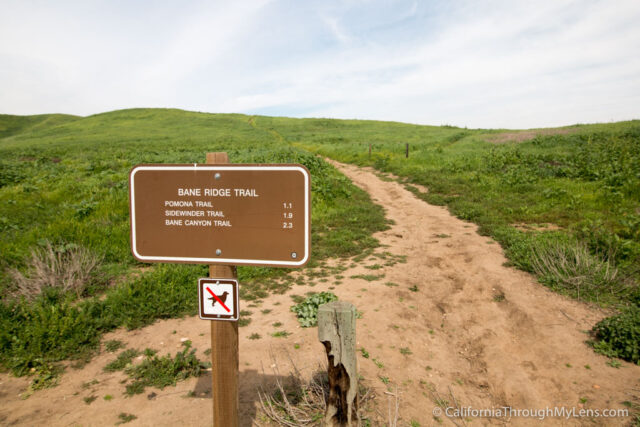




















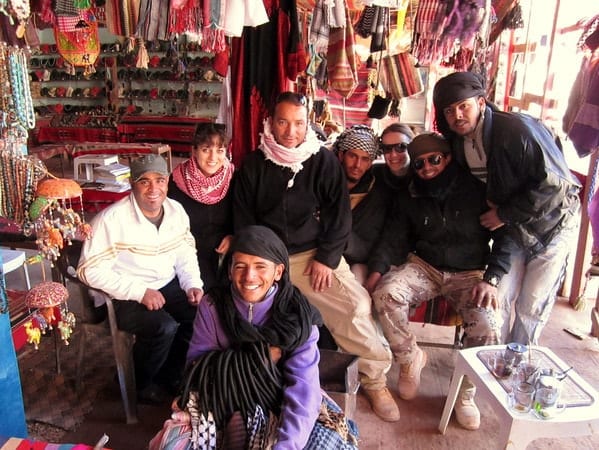
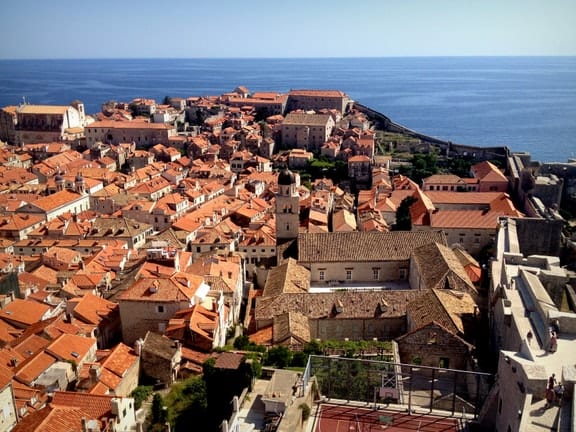














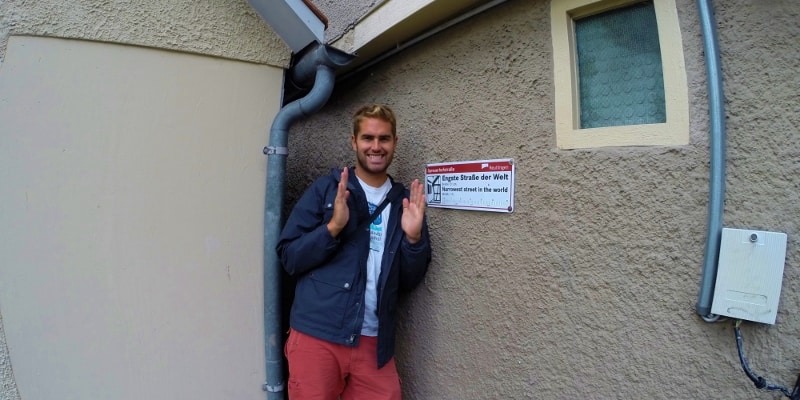





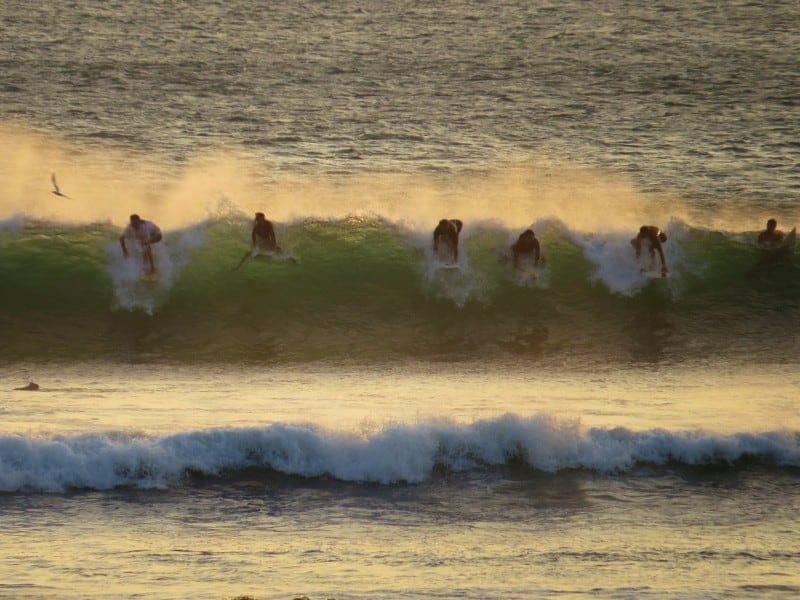

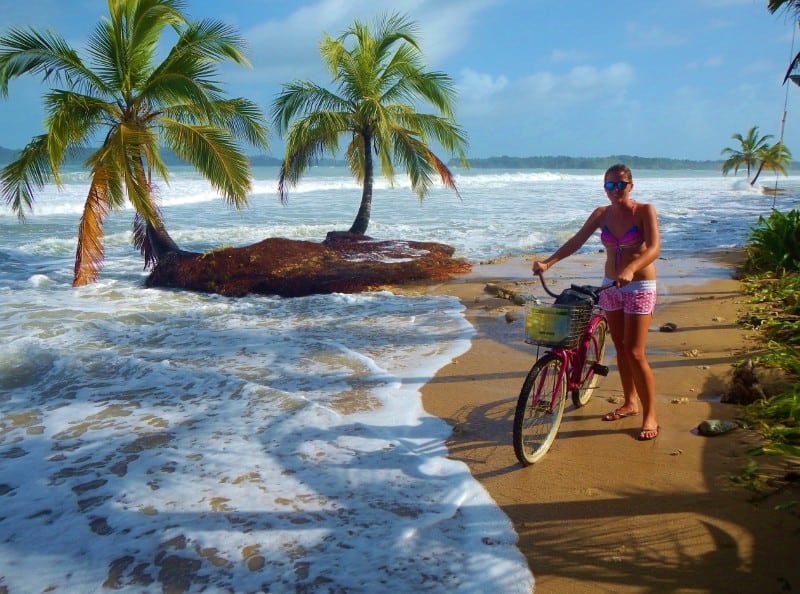









 At an event called
 In Portland Oregon I met Alexi, a physician by day and a father of three, and free travel enthusiast when it’s time for a break. He also writes a blog called “


 This is an iPhone case


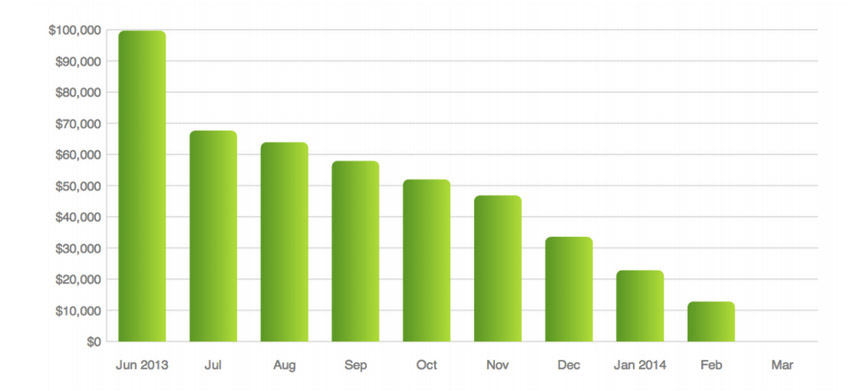






 .
.

 This is a series

