Shared posts

06 Feb 16:28

Mistral releases its AI assistant on iOS and Android

by Romain Dillet

Mistral, the company sometimes considered Europe’s great hope for AI, is releasing several updates to its AI assistant, Le Chat. In addition to a major web interface upgrade, the company is releasing a mobile app on iOS and Android. As a reminder, Mistral develops its own large language models. The company’s flagship models, such as […]

© 2024 TechCrunch. All rights reserved. For personal use only.

06 Feb 10:27

5 avantages de l’affichage dynamique pour les retailers

by Ny Koloina R.

En plein cœur de l'ère numérique, où l'attention des consommateurs est plus volatile que jamais, capter le regard devient de plus en plus difficile. Pour attirer et retenir l'attention des clients, utiliser les supports statiques et impersonnels n'est plus suffisant. Il faut adopter une solution particulièrement efficace pour atteindre des objectifs diversifiés. Découvrir les nombreux avantages de l'affichage dynamique pourrait justement vous aider à optimiser votre communication visuelle. C'est un véritable aimant à engagement qui mêle instantanéité, interactivité et impact incroyablement fort.

Attractivité visuelle et engagement client

Capter l'attention d'un client en un clin d'œil, c'est le Graal du marketing visuel. Avec les avantages de l'affichage dynamique, oubliez les affiches fades et statiques. Place aux écrans haute définition, où les messages et  promotions sont mis en lumière de manière beaucoup plus vivante et séduisante.

Couleurs vibrantes, animations hypnotiques, vidéos percutantes… Tous les ingrédients sont réunis pour attirer naturellement l'œil du consommateur. Ces éléments captivants suscitent non seulement un intérêt immédiat, mais incitent également le client à s'engager plus activement avec la marque.

Prenons l'exemple des solutions d'affichage dynamique Iagona, qui illustrent parfaitement cette révolution digitale en point de vente. Au-delà du simple effet « waouh », cet outil stratégique agit directement sur le comportement d'achat. Effectivement, lorsqu'un contenu est élaboré de façon attrayante, les potentiels consommateurs passent plus de temps à interagir avec ce qu'ils voient.

Cela augmente alors le temps passé dans le point de vente, et influence positivement leurs décisions de passer commande. Et ce n'est pas un hasard. Les études prouvent que les clients exposés à des contenus dynamiques ont tendance à acheter davantage et plus rapidement qu'en présence de simples affichages statiques.

Interactivité et personnalisation du contenu

Grâce aux écrans tactiles, les clients peuvent directement interagir avec le contenu. Ils ont ainsi la possibilité de rechercher des informations spécifiques sur les produits ou de consulter des avis. Ils peuvent aussi participer à des jeux et concours. Cette interactivité rend l'expérience utilisateur plus immersive et engageante.

La personnalisation du contenu joue également un rôle crucial. Avec l'affichage dynamique, il est possible de diffuser différents messages selon le profil des clients, l'heure de la journée ou même la météo. Un tel niveau de personnalisation permet de cibler de manière précise les besoins et préférences des consommateurs, ce qui améliore leur satisfaction globale.

Un écran, par exemple, peut afficher des offres promotionnelles sur les boissons rafraîchissantes lorsqu'il fait chaud. Il augmente ainsi les chances de convertir cette information en achat impulsif.

Flexibilité et réactivité accrues

Contrairement aux affichages traditionnels qui nécessitent du temps et des ressources pour être modifiés, les contenus dynamiques peuvent être mis à jour instantanément. Cela signifie que les retailers peuvent adapter leur message à tout moment. Il leur suffit de considérer les circonstances actuelles, telles que les fluctuations des stocks ou les stratégies concurrentielles.

Cette diffusion en temps réel offre une agilité sans précédent dans la gestion des campagnes marketing. En quelques clics, un message obsolète ou déplacé peut être remplacé par un contenu frais et pertinent. Par ailleurs, cette mise à jour facile permet de tester différentes approches et d'identifier rapidement celles qui génèrent le meilleur retour sur investissement. Pour les retailers, ce degré de flexibilité représente un avantage compétitif considérable.

Gestion centralisée et ciblage précis

Grâce à des plateformes spécialisées, les contenus peuvent être gérés et modifiés à partir d'un seul endroit. Ils facilitent la tâche aux équipes marketing. Cela garantit une cohérence dans les messages diffusés sur plusieurs points de vente. Une stratégie de communication harmonieuse et fluide est alors assurée.

Le ciblage précis est également rendu possible grâce à cette technologie. Les systèmes d'affichage dynamique permettent de collecter et analyser diverses données en temps réel. Ils peuvent, par exemple, étudier les préférences des clients, les tendances d'achat ou encore les périodes de forte affluence.

Ces informations précieuses peuvent ensuite être utilisées pour créer des annonces ultra-ciblées pour maximiser l'efficacité des campagnes publicitaires. Pour les entreprises, cette possibilité d'affiner constamment leurs stratégies marketing conduit à des résultats plus probants et une meilleure rétention client.

Réduction des coûts opérationnels

On ne peut parler des avantages de l'affichage dynamique sans mentionner les économies offertes par une telle solution. Prenons l'exemple des impressions papier classiques. Elles demandent non seulement des ressources matérielles importantes, mais engendrent également des coûts réguliers liés à l'impression et à la distribution des affiches. En optant pour des solutions d'affichage numérique, les retailers évitent ces frais récurrents. Il faut juste bien maintenir les équipements numériques.

De plus, les mises à jour de contenu sont gérées électroniquement. Les tarifs associés au travail manuel et au déplacement physique peuvent donc être considérablement réduits. Il devient simple de gérer plusieurs campagnes simultanément et de s'adapter rapidement aux changements, sans avoir à mobiliser de grandes équipes logistiques.

En demi-mot, adopter l'affichage dynamique revient à moderniser votre approche marketing ainsi qu'à maximiser vos chances d'engagement et de conversion client. Alors, pourquoi ne pas franchir le pas et explorer les multiples possibilités offertes par cette technologie ? Vous ne serez probablement pas déçu des résultats tangibles que vous pourrez obtenir.

Cet article 5 avantages de l’affichage dynamique pour les retailers est apparu en premier sur OBJETCONNECTE.COM.

05 Feb 23:19

Top 8 AR Smart Glasses Features Every Field Worker Needs

by Rebekah Carter

Augmented reality glasses are transforming the field services landscape, helping businesses unlock new levels of productivity and efficiency while reducing safety risks. However, to unlock the full benefits these wearables offer teams, first, you need to identify the most important AR smart glasses features for field workers.

After all, field workers have unique needs when it comes to augmented reality technologies. They’re not just looking for great visuals or audio, they need their glasses to be lightweight, durable, easy to use, and connected with all of the critical software they use each day.

  • If you’re still struggling to choose the right AR glasses for your team, check out our comprehensive guide to comparing AR glasses here. Alternatively, follow our top tips on how to implement AR glasses into your field operations to boost your chances of a higher return on investment.

Fortunately, the market for augmented reality glasses is evolving, with countless vendors offering specialist solutions fine-tuned to the needs of enterprise employees. Here, we’ll introduce you to the top features you should be prioritizing when sorting through your options, and why they’re so valuable to field services teams.

The Top 8 AR Smart Glasses Features for Field Workers

We’ve come a long way from the days when AR glasses for field service professionals were little more than glorified solutions for “mirroring” smartphone or laptop screens. Vendors like Vuzix, Rokid, and even Meta are constantly developing ever-more intuitive solutions, packed with high-quality displays, spatial computing capabilities, and even AI.

With so many amazing options on the market, how do you know which AR smart glasses features to focus on? Based on our years of experience reviewing augmented reality specs for enterprise teams, here are the capabilities that we think pack the biggest punch.

1.      Remote Collaboration AR Smart Glasses Features

One of the biggest benefits of augmented reality for field service employees is that it makes it simple for teams on the move to access real-time support from their colleagues. Technicians and engineers can instantly connect with subject matter experts and product managers, even when they’re in the middle of completing a repair or a product update.

To enable effective collaboration, AR glasses should not only seamlessly work with a company’s collaboration tools, such as Microsoft Teams or Zoom, but they must also include high-quality microphones and speakers for immersive conversations, like the RayNeo X2 AR glasses.

It’s also worth looking for glasses with integrated cameras, which allow field workers to share what they see with colleagues in real time. Intuitive camera technology makes it easy to bridge the gaps between distributed teams and provides technicians with intuitive support.

For example, a technician inspecting complex machinery in the manufacturing sector can connect with a remote engineer, who overlays annotations or step-by-step instructions onto the worker’s display. When you’re looking for AR smart glasses features tuned to the needs of collaborative teams, remember to prioritize safety and security, with end-to-end encryption and noise cancellation options.

2.      Rugged Durability

Though many augmented reality glasses vendors are prioritizing more lightweight, comfortable designs (more on that later), durability is still important for field workers. Many field service technicians regularly work in complex environments, where they might be exposed to extreme temperatures, dust, water, and other elements that could damage AR specs.

That’s why it makes sense to look for AR glasses for field service employees with durable elements. Glasses tuned to the needs of enterprises, such as those from Realwear and Vuzix, are designed to perform efficiently in all conditions, reducing the risk of wear and tear.

In oil and gas fields or construction sites, where accidents or environmental elements can damage ordinary devices, rugged AR glasses keep operations running smoothly. Some vendors even offer solutions designed to meet military-grade standards. Plus, there are glasses designed to integrate with helmets and visors for certain employees, like the Realwear Navigator Z1.

3.      Long and Reliable Battery Lives

Most field workers work in remote locations for long hours, making a reliable battery life one of the most essential AR smart glasses features for businesses to prioritize. Some products are designed specifically to last for an entire workday (8 hours or more), while others come with hot-swappable batteries to extend the lifespan of wearables.

If you’re looking for the perfect combination of longevity and lightweight comfort, you may even consider purchasing a product like the Rokid Max 2 glasses. These glasses can be combined with the Rokid Station to deliver a battery life of five hours or more.

Keep in mind that some AR glasses still need to be connected to an external device (such as a smartphone) and don’t have their own built-in battery. If you choose some of those specs, you’ll need to ensure your team members have a way to keep their devices charged all day. Long, reliable battery performance is crucial to minimizing disruptions for employees in the field.

4.      Compatibility with IoT Devices

When assessing AR smart glasses features, compatibility is a factor you need to consider multiple times. The best specs should work seamlessly with the software your team members use and other relevant hardware, like IoT devices.

AR glasses for field service workers that can connect with IoT devices can deliver a lot of benefits. They can draw information from external products and allow users to access information quickly and easily, without interrupting their workflows. AR glasses can even gather data from IoT systems, and send insights back to teams to inform future maintenance strategies.

For instance, in a factory setting, a set of AR glasses could display a machine’s live performance metrics to an engineer, identifying potential performance issues and reducing unplanned downtime. This allows employees to implement repairs before issues emerge or share insights on how to preserve products with business leaders.

5.      AR Smart Glasses Features for Hands-Free Interactivity

Where old-fashioned augmented reality glasses usually require users to interact with content using connected smartphones and computer systems, modern wearables are much more intuitive. Products like the Vuzix Shield glasses, for instance, allow for natural voice controls with a built-in AI assistant.

Other cutting-edge solutions use artificial intelligence and specialist algorithms to support eye-tracking, hand-tracking, and gesture controls. Some innovators, like Meta, are even working on EMG wristbands that allow for more precise, natural ways to control AR content.

AR smart glasses features for hands-free interactivity aren’t just great for boosting productivity and efficiency. They’re essential for keeping teams safe in the workplace. For instance, in manufacturing workflows, teams can access information about a machine hands-free, using voice commands, while keeping their eyes and attention firmly on the task at hand.

6.      Immersive, High-Quality Visuals

The types of visuals your team members need to access “on the job” might vary. For some employees, a simple set of smart glasses, like the Even Realities G1 specs, that offer a monochrome heads-up display will be more than enough to boost productivity.

Other professionals might need access to full-color visuals, three-dimensional animations, and ultra-high-resolution displays. Regardless of your team’s requirements, the most important thing to focus on is visual quality. Images, data, and text should all look crisp and clear in any environment.

Employees should also be able to adjust brightness, colors, and other elements of their display, when necessary, to overcome potential issues (like high levels of glare). Quality visuals and powerful displays help to boost productivity, reduce errors, and even speed up repairs in countless industries with field service employees.

7.      Comfortable, Adjustable, and Lightweight Designs

As we mentioned above, AR glasses for field service workers usually need to be more rugged, robust, and durable than everyday smart specs. However, that doesn’t mean they shouldn’t be comfortable. If team members are going to be using their glasses for long periods of time, they should be ergonomic, and highly adjustable to suit different employee needs.

For example, the Vuzix M400 augmented reality “wearable” system can easily latch onto a user’s existing prescription glasses, ensuring a personalized level of comfort. Other products, like the RealWear Navigator 500, designed to integrate seamlessly with helmets and protective gear, are perfect for providing comfort and safety in construction spaces.

Look for AR smart glasses features that will improve the user experience for employees, from electrochromic dimming to minimize glare, to adjustable nose pads, and clip-in prescription lenses.

8.      AI-Powered AR Smart Glasses Features

Finally, AI-powered AR smart glasses features are becoming increasingly popular in companies across industries. Glasses with built-in smart assistants, like Meta’s Orion prototype glasses and various other modern solutions, can turbocharge team productivity.

AI solutions can handle tasks like real-time translation and transcription, provide contextual assistance during tasks, scan systems for errors and faults, and so much more. They can even answer queries employees might have about product designs or troubleshooting techniques.

These intelligent tools help workers to make more informed decisions quickly and efficiently while simultaneously improving collaboration sessions and knowledge sharing. Plus, as mentioned above, AI tools make it easier for users to interact with AR content, using gestures and voice commands.

Prioritize the Right AR Smart Glasses Features for Field Workers

The right AR smart glasses features can redefine how your field workers approach their tasks, enhancing productivity, safety, and overall efficiency. As the market continues to evolve, countless vendors are beginning to offer solutions that are more durable, comfortable, intelligent, and intuitive than ever before – introducing new opportunities to the enterprise sector.

05 Feb 23:19

The Augmented Reality Field Service Revolution: Transforming Fieldwork with AR Glasses

by Rebekah Carter

Thanks to the evolution of augmented reality, field service operations are undergoing a transformative shift. Today’s companies don’t just have access to intuitive AR glasses that can “mirror” smartphone screens or stream visual content to colleagues.

Augmented reality glasses are becoming more advanced, combining artificial intelligence, spatial computing systems, and incredible displays to boost team performance on the move. Our research found that around a third of companies agree that XR solutions, like AR glasses for field service, positively impact employee productivity and engagement.

Investing in the latest augmented reality solutions could allow your business to turbocharge performance, improve customer service, minimize risks, and even reduce costs. Here, we’ll explore how AR smart glasses are transforming field services.

What are AR Glasses for Field Services?

You may already be familiar with augmented reality (AR). This technology superimposes digital information, such as images, video, and data, onto the real world through devices like smartphones and cutting-edge AR glasses.

In the past, many augmented reality field service wearables were reasonably basic. They offered access to monochrome “heads-up” displays, or screen mirroring capabilities. Now, innovation is heating up in the AR space. Companies like Vuzix, Rokid, XReal, and countless others are designing intelligent specs for the enterprise. Even Meta is experimenting with a revolutionary new approach to augmented reality glasses with integrated AI and spatial computing features.

Modern augmented reality glasses bridge the physical and digital worlds, delivering real-time, context-specific insights. For instance, a technician repairing industrial machinery might see a digital overlay showing the internal components and assembly sequence.

Devices like Vuzix Blade and RealWear Navigator 500 are specifically designed for rugged environments, offering features like voice commands, thermal imaging, and compatibility with field service management software.

As these technologies evolve, they’re becoming increasingly valuable to distributed teams. They empower field technicians to access critical information hands-free, collaborate with staff members, navigate safety issues, and even improve first-time fix rates.

Augmented Reality Field Service Solutions: Real-World Examples

For a deeper insight into how AR glasses for field services are shaking up the industry, let’s look at real-world examples of companies using AR to empower distributed teams.

  • Manufacturing: In manufacturing, augmented reality field services specs and wearables support workers by overlaying digital instructions onto physical equipment and enabling real-time collaboration. For instance, Mitsubishi uses AR glasses with TeamViewer software to empower staff members to work through issues with customers and colleagues remotely.
  • Logistics: In logistics, companies deploy AR smart glasses for fieldwork to help optimize warehouse operations. DHL, one of the top logistics leaders worldwide, even uses AR glasses to help employees find and retrieve packages faster. This improves team productivity and enhances customer experiences.
  • Healthcare: Specialists working in the healthcare field can access AR glasses to gain guidance when performing life-saving procedures. Organizations like the NHS in the UK use the RealWear Navigator 500 system to streamline surgical procedures and access real-time training and support from subject matter experts.
  • Automotive: AR glasses streamline complex assembly and repair tasks in the automotive industry. For instance, Lockheed Martin’s employees use smart glasses to help them assemble components for aerospace vehicles.

Key Features of Augmented Reality Field Service Glasses

As mentioned above, AR glasses for field service employees are becoming more sophisticated with the development of better display technologies, AI assistants, spatial computing software, and more. While the exact factors you prioritize when choosing AR glasses might vary depending on your business goals, some of the key features of the top glasses designed for field services include:

  • Hands-free operation: Today’s top AR glasses don’t always require users to interact with content using their smartphone or a connected keyboard. Using voice commands, gesture recognition, or eye tracking, technicians can interact with digital content while keeping their hands focused on tasks – boosting safety and efficiency.
  • Real-time data overlays: AR glasses leverage software to project live information, like schematics, measurements, or step-by-step instructions, onto a technician’s field of view. Glasses like the Vuzix Blade specs or Rokid Max provide access to crisp, high-resolution displays that reduce the need to refer to physical documents.
  • Long battery life: For field service professionals working long shifts, battery life is non-negotiable. Leading models, such as RealWear and XReal glasses, offer extended battery performance, ensuring uninterrupted use for up to 8–10 hours. Some even include swappable battery packs for technicians on the move.
  • Rugged, lightweight designs: Field service often involves harsh environments. AR glasses like the Vuzix Shield glasses are designed specifically to withstand exposure to dust, moisture, and even accidental impact without compromising on user comfort.
  • Software integrations: AR glasses for field service need to work seamlessly with the software employees already use, from Remote Assist applications to tools like Microsoft Dynamics 365, CRM systems, and even collaboration tools like Microsoft Teams.

The Growing Demand for Augmented Reality in Field Service

While countless enterprise users are exploring the benefits of augmented reality, field service professionals have a lot to gain from AR specs. Today’s field workers face many challenges in their day-to-day tasks, from navigating communication gaps to accessing real-time insights that inform critical decision-making processes.

AR glasses for field service workers help to address these issues. They give field workers instant access to contextual, relevant information seamlessly integrated into their environment. With augmented reality, field service technicians can use Remote Assistance apps to connect with experts instantly.

Many leading AR glasses even feature built-in cameras so employees can share visual data with their colleagues on the move. More importantly, these tools allow specialists to access the information and instructions they need to make split-second decisions efficiently.

Instant access to valuable insights helps field service employees streamline inspection and quality control tasks. It can also help them adhere to health and safety guidelines and complete tasks faster. That’s important when Aberdeen Group research shows companies with the highest first-time fix rates achieve higher revenue growth and better customer retention rates.

Here’s a closer look at some of the major benefits of AR glasses for field service professionals.

Enhanced Efficiency and Productivity

With augmented reality, field service professionals can complete complex tasks faster and more effectively. With real-time access to instructions, visual aids, and even subject matter expert support, AR glasses eliminate the need to consult physical manuals and handheld devices on the job. This leads to quicker (often more accurate) task completion and greater team collaboration.

Greater Accuracy in Tasks

By providing precise visual cues and real-time feedback, AR glasses help technicians follow complex processes precisely. This minimizes the risk of human error. For instance, AR can overlay digital work instructions in manufacturing onto physical components. This ensures that assembly processes are performed correctly and streamlines repairs.

Greater Employee Safety

In field operations, risks are everywhere. The best augmented reality field services glasses help specialists to stay safe on the job. They can provide access to real-time safety warnings, best-practice tips and more, to help specialists avoid accidents. Some solutions can even automatically identify hazardous areas, by analyzing environmental data (like temperature).

Reduced Downtime

One of the biggest benefits of XR for field services teams, is its ability to help technicians diagnose and resolve issues faster. AR specs reduce the time employees spend searching for information and help them increase first-time fix rates. This makes teams more productive, reduces operational costs, and helps to improve customer satisfaction rates.

Cost Savings

Since augmented reality field service technologies help specialists to complete tasks faster and more efficiently, they reduce the need for repeat visits, saving companies money. Some organizations even use AR glasses to deliver remote customer support, eliminating the need for travel.

Improved Collaboration

Cutting-edge augmented reality glasses, with built-in microphones, speakers, and cameras, make it easy for team members to collaborate with staff members wherever they are. Technicians can share what they see with colleagues, and team members can share instructions and annotations that help staff members complete tasks more effectively.

Stronger Data Insights

AR systems can collect data on equipment performance and technician activities, providing valuable insights to teams. The data employees collect can help companies with everything from identifying common, recurring issues, to optimizing maintenance schedules. Employees can even record processes to help improve future training and onboarding strategies.

The Future of Augmented Reality Field Services Glasses

AR glasses for field service are already revolutionizing countless companies. However, as technologies continue to evolve, new trends are emerging to shape the future of business processes for years to come. Some of the top trends companies can look forward to in the years ahead include:

1.      More Lightweight, Comfortable, Durable Designs

While ruggedized AR glasses for field service employees are often chunkier than some competing solutions, designs are changing. The popularity of products like Meta’s Ray-Ban specs has pushed vendors to rethink their design process, embracing more lightweight materials and flexible components for customization. Many companies now even offer users the opportunity to personalize their glasses with prescription lenses.

2.      Improved Connectivity

The continued rollout of 5G networks over the last few years has significantly enhanced the functionality of AR glasses. Innovations in edge computing will also make future augmented reality solutions more versatile for teams. Plus, improved connectivity will allow applications to consistently deliver richer, more immersive content.

3.      AI in Augmented Reality Field Service Apps

Augmented reality and artificial intelligence are becoming increasingly connected. Countless modern AR glasses feature AI assistants capable of translating and transcribing content in real-time. Some can even scan information and deliver consistent support to team members. AI will also improve how users interact with smart glasses, enabling voice and gesture-based controls.

4.      Enhanced Interactivity Options

Modern AR glasses increasingly offer field service employees a wider range of ways to interact with content. Intuitive tools include access to powerful eye and gesture-tracking solutions, allowing for more natural experiences. Some companies, like Meta, are even working on EMG solutions, like wristbands. These wearables can track tiny finger and wrist movements with incredible accuracy without additional cameras and sensors.

5.      Specialist Solutions

As the adoption of AR in the enterprise continues to grow, vendors are beginning to focus on developing wearables for specific use cases. We’re seeing an increasing number of innovators offering ruggedized products for industrial environments, solutions tailored to the needs of developers, and even specialist wearables for healthcare teams.

The Augmented Reality Field Service Revolution

Vendors continue pushing the boundaries of what’s possible in augmented reality, and field services companies and employees worldwide have much to look forward to. Today’s AR glasses will revolutionize workplace productivity, efficiency, and safety, empowering teams to work faster and more effectively than ever before.

05 Feb 23:19

Choosing AR Smart Glasses: Finding the Best Augmented Reality Glasses for Your Field Team

by Rebekah Carter

Choosing AR smart glasses to empower your field service teams isn’t easy. That’s particularly true now that the market is evolving, with countless vendors introducing more sophisticated augmented reality specs, from the transformative XReal One Series to Meta’s Orion prototypes.

But missing out on the benefits AR glasses offer field service teams isn’t really an option either. Based on our research, XR wearables, like AR glasses, are revolutionizing training strategies, enhancing collaboration, upgrading productivity, and even boosting staff engagement.

  • Once you’ve selected the best AR glasses for your field team, use our step-by-step AR implementation guide to learn how you can integrate your new technology into workflows, and optimize your return on investment.

So, how do you make a choice that will deliver the best possible return on investment? This guide will help you identify key decision-making factors, compare some of the current leading models, and even overcome the challenges of AR adoption. Let’s dive in.

Choosing AR Smart Glasses: Factors to Consider

Let’s start with the main things you should be considering when choosing AR smart glasses for field service teams. First, you’ll need to identify the AR features that matter most to distributed employees – but there are other points to consider too. Here’s a quick checklist to keep in mind:

  • Crucial Features: Depending on your intended use cases and goals, crucial features might include everything from incredible visuals to unique features for hands-free operation (like EMG wristbands, eye tracking, and hand tracking sensors). We also recommend considering things like battery life, connectivity options, and even AI-powered support.
  • Software Integrations: The best-augmented reality glasses should integrate seamlessly with the software teams already use. Look for simple connections with ERP, CRM, and field service management apps, as well as collaboration tools like Microsoft Teams and remote viewing or remote assist software.
  • Hardware Durability: Make sure you’re choosing AR smart glasses that can withstand versatile environments. Look for resistance to elements like extreme temperatures, dust, water, and impacts. Prioritize high-quality materials, and designs optimized for industrial usage (like the RealWear Navigator 500).
  • Ease of Use: Do you want field service employees to actually use your AR glasses? Make sure they’re easy to use, comfortable, and convenient. Choose lightweight, intuitive models that can easily be worn with helmets and protective equipment. Ensure your wearables are easy to set up and connect with critical apps.
  • Vendor Support: Prioritize vendors in the XR field service industry that offer support with onboarding, customization, training, and technical maintenance. Ensure vendors regularly update software solutions and firmware and deliver documentation to teams.

Choosing AR Smart Glasses: Top Options to Explore

Once you’ve identified the decision-making factors that will guide you through choosing AR smart glasses for your field team, you can start comparing available options.

Again, the number of solutions on the market is rapidly increasing – so keep your eye out for the latest releases. Not including some potentially “upcoming” options like Meta’s Orion glasses, and the impending Samsung smart specs, here’s a look at some of the top options we recommend for field service teams, based on our own reviews:

1.      Viture Pro XR Glasses: Best for Multitasking

Technically, the Viture Pro XR glasses are more tuned to the needs of consumers than enterprise users – but they’re still an excellent option for those in search of high-quality visuals, spatial audio, and intuitive built-in software. They can connect to almost any device, and offer apps that make it simple to multitask across multiple “virtual screens”.

The downside with these glasses is that you do need to connect them physically to external devices with a cable – which can detract from the user experience somewhat.

Key Features:

  • Display: 1080p Sony Micro-OLED screens with 120hz refresh rates
  • Design: Lightweight, flexible design with full IPD control and electrochromic film
  • Software: Integrated software for multi-tasking capabilities
  • Audio: Harman-tuned spatial audio speakers
  • Connectivity: Support for virtually any external device
Pros Cons
·         Impressive visual quality

·         Immersive audio

·         Intuitive built-in software

·         Excellent connectivity

·         Comfortable, lightweight design

·         No ruggedized elements

·         Requires wired device connections

2.      Rokid Max 2: Effective Collaboration

The Rokid Max 2 glasses are a (slightly) upgraded version of Rokid’s original Max specs, with the same 64-bit quad-core processor, and a phenomenal 1920 x 1080 pixel display. Though a little bulkier than competitors, the Rokid Max 2 glasses are still lightweight and comfortable. They’re also very good for collaboration, with noise-cancelling microphones built-in.

Another great thing about these glasses is that they can be connected with the Rokid Station accessory, which gives users an intuitive way to interact with content and extend the battery life of their wearable computer.

Key Features:

  • Display: 1920 x 1080 pixel virtual screen with 120hz refresh rates
  • Design: Somewhat bulky, but relatively lightweight design with myopia adjustment
  • Software: Compatible with a range of apps and tools
  • Audio: Integrated speakers and noise-cancelling microphones
  • Connectivity: Bluetooth 5.0 and wired connections
Pros Cons
·         Strong visual performance

·         Effective noise-cancelling microphone

·         Wireless connectivity

·         Valuable external accessories

·         Reasonably cost-effective

·         Some limitations on AR features

·         Brightness could be stronger

3.      XReal One Glasses: Powerful Visuals

The XReal One glasses are some of the most powerful augmented reality specs on the market today. If you’re choosing AR smart glasses for teams that need help staying connected on the go – XReal’s specs are an excellent choice. They feature fantastic visual fidelity, a powerful integrated X1 chip for independent spatial computing, and 3DoF tracking.

One particularly impressive thing about these glasses is that they can be upgraded with a modular camera, making it easy for field employees to share what they’re seeing with their colleagues. They even come with built-in AI capabilities too.

Key Features:

  • Display: Sony Micro O-LED displays with 120Hz refresh rates
  • Design: Streamlined, lightweight design with a modular camera
  • Software: Built-in chip for app support and spatial computing capabilities
  • Audio: Integrated spatial audio and microphones
  • Connectivity: Wired and wireless connectivity
Pros Cons
·         Exceptional visual and audio quality

·         Integrated spatial computing features

·         Flexible, modular camera

·         Easy connectivity for a range of apps

·         Artificial intelligence options

·         Limited durability

·         No 6DoF tracking

4.      RealWear Navigator 520: Best for Industrial Applications

The modular RealWear Navigator is specially designed for industrial applications and frontline workers. With a rugged and durable design, it’s a particularly good choice for companies choosing AR smart glasses for specialists working in construction and manufacturing.

The headset comes with an extended battery life, easy access to a range of applications and even the option to connect with IoT devices. Plus, the solution works well with helmets and protective gear.

Key Features:

  • Display: 720p HD display and 48mp camera sensor
  • Design: Flexible, modular design with ruggedized components
  • Software: Works seamlessly with a range of applications
  • Audio: Integrated microphones and speakers (with noise canceling)
  • Connectivity: Wired and wireless connectivity
Pros Cons
·         Robust, modular design

·         Exceptional camera quality

·         Easy integration with PPE

·         Hot swappable battery

·         Strong focus on comfort

·         Expensive pricing

·         Bulkier than some alternatives

5.      Rayneo X2 AR Glasses: Best Integrated AI

The TCL RayNeo X2 AR and AI glasses deliver ultra-smart, immersive experiences to field workers on the move. Powered by an integrated Snapdragon XR2 chip, these glasses reduce reliance on smartphones, and provide every employee with intuitive tools for productivity and collaboration.

There’s built-in support for Microsoft Azure, and the multimodal AI assistant built into the glasses can track faces, translate languages in real-time, and surface data from a range of apps. These glasses are also surprisingly lightweight, considering the number of features they offer.

Key Features:

  • Display: Full-color Micro-LED waveguide displays
  • Design: Flexible, lightweight design with adjustable elements
  • Software: Integrated software, Microsoft Azure support, and smart navigation
  • Audio: Noise canceling speakers, and 3 microphones with privacy protection
  • Connectivity: Wired and wireless connectivity
Pros Cons
·         Sleek, lightweight design

·         Exceptional AI capabilities

·         Great privacy protection features

·         Easy compatibility with various business apps

·         Included camera for streaming

·         Limited durability

·         Accessories cost extra

Choosing AR Smart Glasses: Challenges to Address

One of the things that makes choosing AR smart glasses for field workers so complicated, is that there are always issues to overcome with implementation. As you compare AR glasses and vendors, here are a few key challenges you might need to overcome:

  • Budget management: When you’re comparing augmented reality glasses, you’ll notice some options are more expensive than others (like the RealWear Navigator 520). Just remember – focusing entirely on upfront costs can be a little short-sighted. Instead, think about the total cost of ownership for your specs, and the potential ROI you can achieve due to improved productivity, accuracy, and employee performance.
  • Employee training and adoption: Even the most advanced AR glasses are useless if employees can’t, or won’t use them. Invest in a training program with hands-on tutorials and clear documentation. Find out in advance whether your vendor can offer access to training modules and onboarding guides to help you streamline adoption.
  • Ensuring long-term scalability: Consider beyond your current needs when choosing AR smart glasses. Ask yourself whether your investment solutions can adapt to changing workflows and demands. Can they support a wide range of applications, and are they durable enough to withstand long-term use in various environments?

Choosing AR Smart Glasses: Make the Right Choice

Choosing AR smart glasses can be complicated, but the right decision has the potential to revolutionize how your team works – particularly on the field. Identify your use cases early on and know which features you need to prioritize. Consider your options with a focus on flexibility, integration, vendor support, durability, and ease of use.


05 Feb 23:18

AR Smart Glasses Case Studies: How AR Enhances Field Work

by Rebekah Carter

If you’re looking for a way to upgrade the productivity and performance of your field workers, the top AR smart glasses case studies offer an incredible insights into the benefits of immersive technology. Augmented reality is unlocking incredible opportunities in every industry, particularly as smart glasses become more sophisticated, intelligent, and intuitive.

Our proprietary research found that while there are challenges to adopting extended reality tech, companies are achieving incredible results with AR, MR, and VR. Forward-thinking organizations say XR enhances training, collaboration, productivity, customer experience, and team engagement.

Ready to be inspired? Here, we’ll introduce you to some of the most impressive success stories from companies across industries, using augmented reality to empower and support their teams.

Inspirational AR Smart Glasses Case Studies

Notably, while there are now dozens of technology vendors creating augmented reality solutions specifically tuned to the needs of field workers and enterprises – they don’t all share success stories. These are just some of the top AR smart glasses case studies we’ve discovered – but it’s worth doing your own research (and checking out our other reports) for additional insights.

Optimizing Audits in Manufacturing: Clorox and Vuzix

Struggling with the repercussions of pandemic-induced travel restrictions, the Clorox company needed an intuitive way to complete mandatory plant audits, train teams, and gather data from numerous locations. The firm turned to Vuzix, one of the world leaders in immersive technology, and purchased a series of Vuzix M400 smart glasses for their team members.

Flexible, durable, and tuned to the needs of industrial workers, these wearables allowed employees to conduct audits with real-time, remote expert guidance. In no time, teams performed audits in one-tenth of the time they previously took, saving Clorox approximately $949 per person.

At the same time, machinery downtime was reduced by a massive 20%, while Clorox minimized the exposure team members had to health and safety risks. AR smart glasses case studies like this demonstrate how immersive technologies can make teams faster, more efficient, and more capable in their roles – even when they’re dealing with complex restrictions.

Streamlining Utilities Maintenance: RealWear and TotalEnergies

One of the most impressive AR smart glasses case studies taken from the energy sector comes from “TotalEnergies” – a global company active in more than 130 countries. The firm was facing significant hurdles in maintaining intricate refinery equipment, with routine maintenance leading to significant downtime and high operational costs.

TotalEnergies invested in RealWear’s HMT-1Z1 headsets, combined with Microsoft Teams, to upgrade their maintenance workflow. These ruggedized devices gave workers hands-free access to schematics, step-by-step instructions, and live communication with experts.

According to the team, embracing augmented reality allowed them to significantly streamline diagnostic processes, enhance team collaboration, and strengthen safety in hazardous environments. Plus, because the headsets reduced the need for travel, TotalEnergies was able to cut its CO2 emissions significantly, adhering to evolving ESG initiatives.

Saving Lives Anywhere: Chi Mei Medical Center and Vuzix

Numerous AR smart glasses case studies have emerged in recent years demonstrating the impact immersive tools can have on field-based employees and paramedics. For instance, Taiwan’s Chi Mei Medical Center leverages M400 smart glasses not just in emergency rooms and intensive care units to transform patient care – but also on the field to give first responders instant access to experts.

In the field, responders can share what they see—from patient conditions to insights into potential injuries—with doctors and surgeons in real time. These professionals can ask questions, view monitors, and even get step-by-step guidance on completing procedures.

The implementation of smart glasses has helped Chi Mei Medical Center to reduce emergency response times and ensure faster diagnoses and interventions for patients in critical conditions. According to the medical team, Vuzix’s glasses were particularly valuable because they were instantly compatible with PPE equipment and existing collaboration tools.

Improving Customer Experiences: BMW and RealWear

As automotive technology advances, AR smart glasses case studies are beginning to emerge, demonstrating how immersive tech can improve maintenance, manufacturing, and even customer experience strategies. Leading automotive brand, BMW, for instance, uses a combination of RealWear HMT-1 devices and TeamViewer to support teams across 347 locations.

The technology allows technicians to access detailed technical documentation hands-free, connect with subject matter experts, and facilitate faster diagnostics and repairs. According to the company, the use of augmented reality has helped them to optimize after-sales service with some repairs now being completed up to 75% faster.

Plus, BMW has been able to significantly reduce costs, minimizing the need for technical experts to travel to on-site locations to perform maintenance. The BMW team said the deployment of RealWear’s technology has been “pivotal in enhancing our service efficiency”.

Enhancing Logistics Operations: Aptus Group and Vuzix

Eager to optimize warehouse operations in the age of ecommerce and online ordering, the Aptus Group equipped their team members with cutting-edge Vuzix smart glasses. The company opted for the Vuzix M400 specs, combining augmented reality, AI, and machine vision, to empower teams to collaborate, access data, and perform tasks more efficiently.

According to the company, introducing AR solutions to their workers led to a 15% performance increase related to receiving products and a 24% “put-away” performance increase. Plus, teams could pick and package products 20% faster – reducing the average order processing time by around 16 minutes across the organization.

The Chief Commercial Officer for the Global Logistics and Shipping group said Vuzix’s technology frees the hands of operators, makes human jobs easier, and helps them to serve customers more effectively, without compromising on accuracy.

Key Takeaways: Learning From AR Smart Glasses Case Studies

The AR smart glasses case studies covered above highlight the increasingly transformative nature of immersive technologies for field workers. Although each company achieved different results, all of these success stories show that AR delivers:

  • Efficiency gains: Across sectors, AR smart glasses are helping companies to save time and money, without compromising on accuracy, precision, or customer outcomes.
  • Greater accuracy: In construction, logistics, healthcare, and beyond, smart glasses minimize errors by giving workers real-time data, and visual guides.
  • Enhanced safety: In complex field environments, AR glasses are making teams safer, helping them to navigate hazardous environments, and reducing risks.
  • Improved collaboration: With direct access to real-time expert support, teams work more effectively to troubleshoot and solve problems quickly.
  • Stronger outcomes: Businesses investing in AR smart glasses are benefiting from better customer experiences, increased profits, and improved employee engagement.

AR Smart Glasses Case Studies: Inspiring Your AR Journey

We’ve only covered a handful of the top AR smart glasses case studies worth exploring if you’re planning on investing in immersive technology this year. However, these success stories offer a fantastic insight into the potential of augmented reality.

Whether you’re looking for a way to turbocharge productivity and efficiency, reduce costs, minimize risks, or simply align distributed teams, AR glasses are a fantastic resource.


05 Feb 23:13

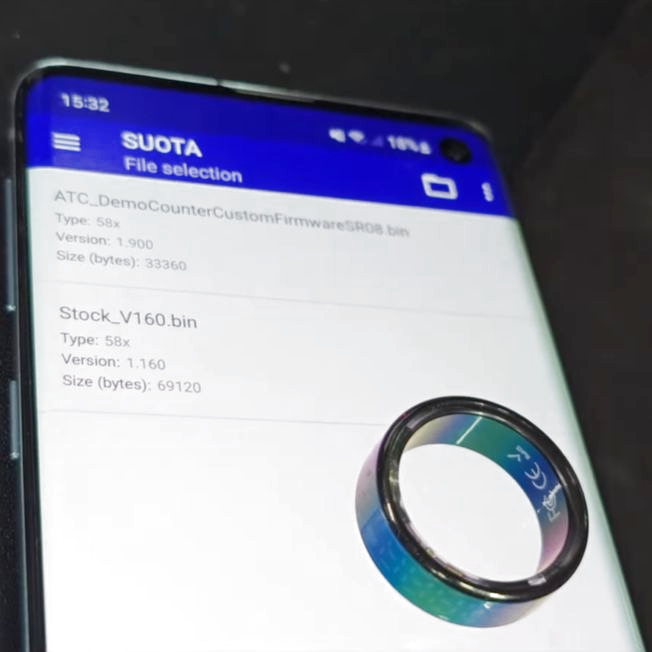
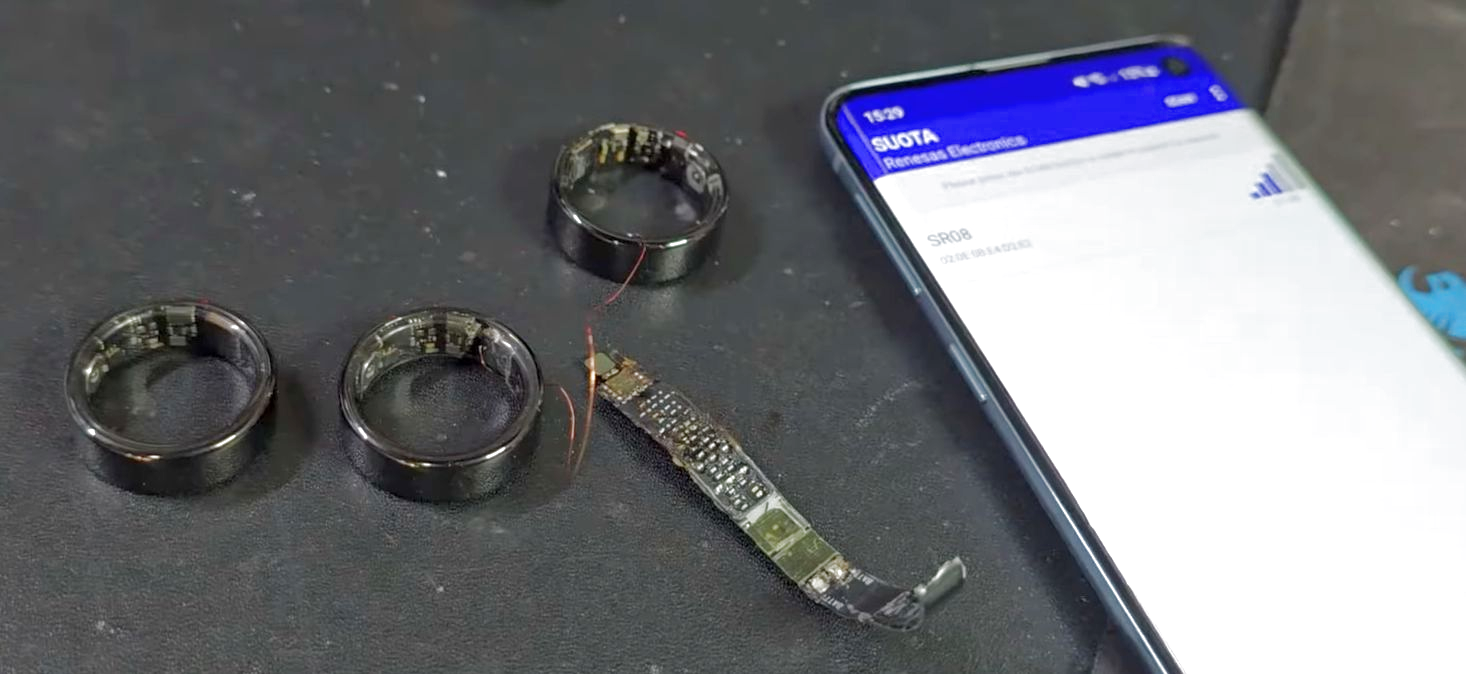
Hacking the 22€ BLE SR08 Smart Ring With Built-In Display

by Maya Posch

In the process of making everything ‘smart’, it would seem that rings have become the next target, and they keep getting new features. The ring that [Aaron Christophel] got his mittens on is the SR08, which appears to have been cloned by many manufacturers at this point. It’s got an OLED display, 1 MB Flash and a Renesas DA14585 powering it from a positively adorable 16 mAh LiPo battery.

The small scale makes it an absolute chore to reverse-engineer and develop with, which is why [Aaron] got the €35 DA14585 development kit from Renesas. Since this dev kit only comes with a 256 kB SPI Flash chip, he had to replace it with a 1 MB one. The reference PDFs, pinouts and custom demo firmware are provided on his GitHub account, all of which is also explained in the video.

Rather than hack the ring and destroy it like his first attempts, [Aaron] switched to using the Renesas Software Update OTA app to flash custom firmware instead. A CRC error is shown, but this can be safely ignored. The ring uses about 18 µA idle and 3 mA while driving the display, which is covered in the provided custom firmware for anyone who wants to try doing something interesting with these rings.

05 Feb 23:12

E-commerce : quand l'intelligence artificielle transforme la création visuelle

La croissance continue du commerce en ligne augmente le besoin de visuels attrayants. Comment faire plus, mieux et plus vite, sans exploser le budget ?
05 Feb 23:11

Q&A: How DeepSeek is changing the AI landscape

On Monday January 27, a little known Chinese start-up called DeepSeek sent shockwaves and panic through Silicon Valley and the global stock market with the launch of their generative artificial intelligence(AI) model that rivals the models of tech giants like OpenAI, Meta and Google. It's AI assistant became the no. 1 downloaded app in the U.S., surprising an industry that assumed only big Western companies could dominate AI.
05 Feb 23:09

MUXWAVE Giant Holographic Display, Transparent LED at ISE 2025: Ultra-Thin, High-Brightness

by Charbax

At Integrated Systems Europe (ISE) 2025, MUXWAVE unveiled its latest advancements in LED holographic invisible screen technology. The company’s booth showcased a range of products, including the M Series, A Series, and P Series, each designed to enhance commercial display solutions. Notably, MUXWAVE’s holographic invisible screens offer seamless, non-segmented structures with full-screen transparency and high-definition displays. https://www.muxwave.com

A highlight of the exhibition was MUXWAVE’s transparent LED screen, distinguished by its ultra-thin profile of just 1.8 mm and lightweight design at 5 to 6 kilograms per square meter. This screen supports dimensions exceeding 7 meters in width and 4 meters in height, providing high brightness and a transparency rate between 92% and 97%. Its rollable feature facilitates easy transportation, with the screen designed to be curved and stored in a flight case. A single power supply unit drives the display from one end, eliminating the need for dual-end power inputs.

The modular design of the screen allows for customization, accommodating various sizes and configurations, including curved and wave formations. Each module measures 250 mm in width and 1.2 meters in height, with options for larger sizes. The system employs a single pixel single control technology, enabling high contrast ratios and refresh rates. Maintenance is streamlined, as individual LED lamps can be easily replaced using specialized tools.

MUXWAVE also presented its floor-standing system, featuring a 1×2 meter screen with high transparency and brightness. This system integrates power supply units, receiving cards, and controllers into a single power box located at the top, resulting in a frameless design that enhances visual appeal. The plug-and-play functionality simplifies installation and transportation, making it suitable for various applications.

The company’s LED posters, available in 55-inch and 66-inch models, were also on display. These posters feature a top-mounted control box, eliminating the need for framing structures around the screen. The embedded power supply units and controllers contribute to a sleek design, and the modular structure allows for easy maintenance by replacing individual modules as needed.

In terms of production, MUXWAVE operates a manufacturing facility covering approximately 4,000 square meters. This facility encompasses the entire production chain, from wafer chip development and LED encapsulation to SMT patching, programming, aging, and product assembly. Such vertical integration ensures quality control and innovation across their product lines.

The company’s global reach is evident, with over 10,000 square meters of installations worldwide. Their products are designed for various applications, including retail windows, glass balustrades, commercial atriums, glass curtain walls, exhibitions, showrooms, and rental staging. The high transparency and brightness of MUXWAVE’s screens make them suitable for both indoor and outdoor environments, offering versatile solutions for diverse display needs.

At ISE 2025, MUXWAVE’s collaboration with Ventuz Technology was highlighted through the South Access LED Wall at Fira de Barcelona. This installation showcased the capabilities of MUXWAVE’s LED technology, powered by Ventuz’s real-time content creation and management systems. The partnership demonstrated the seamless integration of hardware and software to deliver immersive visual experiences.

Description by Chatgpt.

This video was filmed using the DJI Pocket 3 ($669 at https://amzn.to/4aMpKIC using the dual wireless DJI Mic 2 microphones with the DJI lapel microphone https://amzn.to/3XIj3l8 ), watch all my DJI Pocket 3 videos here https://www.youtube.com/playlist?list=PL7xXqJFxvYvhDlWIAxm_pR9dp7ArSkhKK

Join https://www.youtube.com/charbax/join for Early Access to my videos as soon as I upload them before they go public.

05 Feb 23:09

Hugging Face clones OpenAI’s Deep Research in 24 hours

by Benj Edwards

On Tuesday, Hugging Face researchers released an open source AI research agent called "Open Deep Research," created by an in-house team as a challenge 24 hours after the launch of OpenAI's Deep Research feature, which can autonomously browse the web and create research reports. The project seeks to match Deep Research's performance while making the technology freely available to developers.

"While powerful LLMs are now freely available in open-source, OpenAI didn’t disclose much about the agentic framework underlying Deep Research," writes Hugging Face on its announcement page. "So we decided to embark on a 24-hour mission to reproduce their results and open-source the needed framework along the way!"

Similar to both OpenAI's Deep Research and Google's implementation of its own "Deep Research" using Gemini (first introduced in December—before OpenAI), Hugging Face's solution adds an "agent" framework to an existing AI model to allow it to perform multi-step tasks, such as collecting information and building the report as it goes along that it presents to the user at the end.

Read full article

Comments

05 Feb 08:48

The FBI Just Quietly Revealed That It Has a Real-Life UFO Office

by Noor Al-Sibai
Amid the Pentagon's years-long probes into the unidentified, the FBI has been quietly running its own secret office investigating UFOs.

Amid the Pentagon's years-long probes into the unexplained and unidentified, the FBI has been quietly running its own secret office investigating so-called "unidentified anomalous phenomena."

Yes, let's get this out of the way: that's basically the plot of the 90s television show "The X-Files." But buried in a new Politico story about concerns that UFO-hunting agents may soon be caught up in a purge is a jarring revelation: that such an office exists within the bureau —the "existence" of which had "not been disclosed publicly before," per the outlet's reporting.

It was previously known that the Pentagon had a similar group. Known as the All-Domain Anomaly Resolution Office (AARO), that office deals with UAP sightings from military officials. There doesn't appear to be any other known counterpart in civilian branches of government.

In a statement to Politico, the FBI confirmed the existence of the office but refused to comment further, including to say how many members it has or how long it has been investigating UAPs in an organized manner.

"The FBI investigates Unidentified Anomalous Phenomena when there is potential for a violation of federal law — particularly unlawful acts that could adversely affect our national interests — and to gather, share, and analyze intelligence to combat security threats facing the US," the bureau told Politico.

Former Naval pilot and Congressional UFO whistleblower Ryan Graves spoke at length to the magazine about the importance of the group's work and how deleterious it would be for the office to be gutted due to partisanship.

"I am concerned that the FBI’s UAP Working Group could be affected by transition changes," Graves said, "and these leaders might not be aware of the incredible work these agents are doing and how their investigation could be empowered as part of a formalized intergovernmental effort."

Caison Best, a former Army special forces intelligence officer, told Politico that he'd spoken to members of the FBI's UAP office after witnessing an alleged UFO in Colorado. Though it's unclear exactly how many of those agents could be implicated in the alleged purge, Best said it would be "obviously detrimental" if that happened.

"The FBI is one component of the government that is starting to realize what other functions in the government have already known for a long time and have been participating in," the ex-Army intelligence officer said.

In English, he seems to be suggesting that the FBI's previously undisclosed UAP office has been working with the Pentagon's AARO — and, perhaps, with other agencies as well.

With Trump's swiftly-unfolding plans to purge the government of anyone who doesn't fall in line, it's impossible to say whether the FBI's "X-Files" office will continue to exist.

Though given the president's promise to reveal the truth about unidentified objects in the skies, killing the group completely would seemingly go against his "commitment to take the U out of UAP," as Graves put it to Politico.

More on Trump and the truth: UFO Whistleblower Claims Trump Is Being Lied To About Those Drones in New Jersey

The post The FBI Just Quietly Revealed That It Has a Real-Life UFO Office appeared first on Futurism.

05 Feb 08:22

AR/VR/MR 2025 AI Glasses Panel (Also Apple AR Glasses Cancelled? & DeepSeek)

by Karl Guttag

Introduction

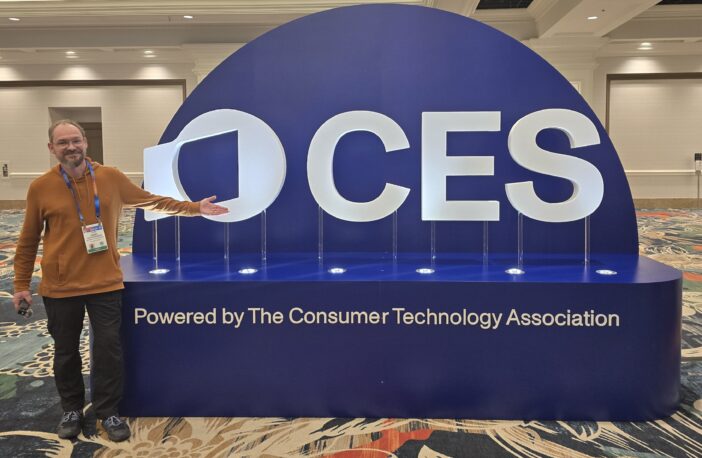
January has always been a crazy month for me. I met with and/or saw presentations from over 29 companies at CES and 59 companies at AR/VR/MR and took about 2,000 between the two conferences. As discussed in SPIE AR/VR/MR 2025 Next Week (with comments on CES, Display Week, & AWE), CES is a logistics nightmare (and thus, I see less than half as much per day) where SPIE AR/VR/MR concentrates everything on one floor and is more efficient to see more companies in fewer days. CES is going to be showing more finished or (usually shown privately) prototype headsets. AR/VR/MR is concentrated on the optics and display components.

AR/VR/MR is by far the more fun, technically interesting, and collegial conference to attend. I have gone to AR/VR/MR every year since 2019 (it started in 2018). While AR/VR/MR includes “VR,” Optical See Through (OST – AR and Optical MR) clearly dominates the conference and is a focus of this blog. Other than a few optics vendors and testing equipment, there is very little Video See-Through (VST – VR with cameras passthrough) at AR/VR/MR.

I can’t possibly cover in any detail the nearly 90 companies I saw this month. I will have to pick and choose based on what I see as important and the trends I see.

Panel Discussion of AI Glasses

In addition to seeing many companies, I enjoyed being part of the AI Glasses Panel discussion. Edgar Auslander of Meta organized and moderated the panel, with the other panel members including Barry Silverstein of Meta, Paul Travers of Vuzix, and Bernard Kress of Google. The video of the panel should be available on the SPIE Publication Website (behind the SPIE paywall) in about a month.

The panel lasted about 50 minutes, and we were only able to touch upon a few key subjects. Almost all AR glasses claim to support some form of AI interaction. Edgar, Barry, and Bernard were wearing Meta Ray Ban Wayfarer glasses (audio only with cameras), and Paul was wearing Vuzix (including a display).

Many companies have or are about to go to market with a combination of AR glasses with displays and audio. Most of these AR glasses use JBD’s green (only) MicroLED. Almost all are being touted as having AI, although in most cases, this means that they connect to a cell phone that can access Chat GPT or similar AI in the cloud. A few claim to do some or all of the “AI” locally on the phone. The common phrase is “Like Meta Ray Ban Wafers, but with a display.”

What was Discussed

Below is an outline of some of the points discussed and my recollections and thoughts about them. As I don’t have the video to review, these are my interpretations of what was said and likely include my thoughts on the subjects that were not stated. I have also expanded on some of the points below.

  • The case for a display with AI Glasses – Audio is more fleeting and easier to miss. Text can reinforce what is heard, can be easier to comprehend, and works in situations where audio can’t. There is also content that can only be expressed visually.
  • Use cases for industrial applications are becoming clearer. If the glasses can improve a worker’s functionality by even a small amount, they will quickly justify their expense. AI and other software combined with camera inputs will help catch mistakes.
    • Towards the end of the panel, Paul said that he had discreetly received about 10 messages with his AR glasses.
  • Use case for consumer – The compelling use case for consumers is more hazy. The ones being shown include translation, which, while useful, doesn’t make a compelling case for a broad consumer market.
    • Barry pointed out that glass frames are as much a fashion statement. He also pointed out that this would lead to massive manufacturing and retail complexity in dealing with many SKUs.
    • Paul suggested a future where the glasses seamlessly do what you want them to do. The glasses would learn what you want them to do and do it without you having to ask.
  • Input (voice, control ring, visual gesture, EMG) – There is a general recognition that input can be problematic. Inherently, most AI/AR applications want the hands to be free, and the environment in terms of sound and lighting will be highly variable. Voice input can jump directly to what you want to be done but is not discreet. Control devices tie up the user’s hands and are one more thing to keep charged and not loose. Gestures (camera, EMG wristbands, or other) also tie up a user’s hands and may not be reliably detected and cause unintended input. Camera-based gestures require cameras to see the user’s hands.
  • Camera and privacy – There was general agreement that camera input was nearly essential for the usefulness of AI glasses. I commented that the Google Glasses “Glass-holes” problem was more of a scapegoat than a major reason they failed. And while people are more than another decade desensitized to cameras being everywhere, perhaps a bigger concern to users will be that everything they do will be tracked and seen by the “AI.” The (perhaps scary) conclusion seems to be that, just like with the internet, people will likely give up privacy for the advantages of having AI everywhere.
  • AI Locally or in the Cloud – Most AI glasses today perform most or all of the AI in the cloud, which results in lag and (because connections are not always great) unreliable. The question then becomes how much “AI” can be done locally.
  • Monochrome or color—We didn’t discuss this much during the panel. I expect that green can work for many industrial, medical, and military applications where the user is “paid to use. ” Consumers will likely have more of a problem with green only.
    • Side Note: If green-only is acceptable, I wonder why we have not seen green-only LCOS projectors. These could be almost as small as a green-only MicroLED projector, as bright or brighter, but much less expensive and about the same power even with low average pixel value (AVP) content. LCOS would also have much better inherent uniformity and could support higher resolutions more economically. Field sequential color (FSC) breakup would not be a problem, and slower-switching liquid crystals could be used that can have extremely high contrast. I suspect that monochrome LCOS is overlooked because companies using LCOS expect color.
  • Supercomputer in your pocket – I made the point that the glass size and weight form factor are going to require most of the computer power to come from a supercomputer in your pocket, most likely a smartphone. Note in the next section about Bloomberg’s report that Apple may have stopped their AR glasses program in part because an iPhone does not have the processing power for acceptable performance, so maybe even a smartphone may not be up to the task.
  • Weight below 50 grams for AI eyeglasses – There seemed to be broad agreement that somewhere around 50 grams are about as heavy AI/AR headsets in an eyeglasses form factor should be. This weight limit puts constraints on how much can be included.
  • FOV 30 Degrees is the “sound barrier” for AR in an eyeglasses form factor – I said on the panel “the speed of light” when the sound barrier analogy may be a better analogy. The point is that while waveguides or other optics might support greater than 30 degrees, by the time you support the data bandwidth, processing, and subsequent power requirements, the headset will exceed the practical size and weight of a true glasses-like form factor. As a wider FOV is supported, other features creep into the design, further spiraling it; or as I wrote in my 2019 article, Starts with Ray-Ban®, Ends Up Like Hololens
  • Do they have to be a glasses form factor? – This is sort of corollary to the 30-degree FOV limit. A point I made is that, at least for non-consumer companies, they should consider a non-eyeglasses form factor. If the feature set is necessary for the application, then trying to impose something bulky and poorly weighted device that looks vaguely like eyeglasses is counterproductive. It would be better to holistically design the heads with a form factor that better distributes the weight.
  • Outdoor use – There seemed to be general agreement that for AR/AI to become ubiquitous, it needs to be able to be used indoors and outside in daylight. The typical dynamic range outside, where you can see a mix of full sun and shade at the same time. In this environment, one would want more than 2,000 nits to the eye in addition to any dimming circuitry. If there is only, say, a few hundred nits from the display to the eye, then the outside world will have to be darkened too much.

Bloomberg: Apple Scraps Work on Mac-Connected Augmented Reality Glasses

While Meta showed up in force at AR/VR/MR, with many people giving presentations, on panels, and even in a small booth, the Apple people were fewer in number and did not give any presentations.

I no sooner got home from AR/VR/MR when, on January 31, Bloomberg’s Mark Gurman reported that Apple had scrapped their long-rumored AR glasses program. Quoting from the Bloomberg article:

The decision to wind down work on the N107 product followed an attempt to revamp the design, according to the people. The company had initially wanted the glasses to pair with an iPhone, but it ran into problems over how much processing power the handset could provide. It also affected the iPhone’s battery life. So the company shifted to an approach that required linking up with a Mac computer, which has faster processors and bigger batteries.

But the Mac-connected product performed poorly during reviews with executives, and the desired features continued to change. Members of Apple’s Vision Products Group, which worked on the device, grew increasingly concerned that the project was on the rocks. Sure enough, the final word came this week that the effort was over.

I want to emphasize that this is a rumor of a cancellation of a project that was itself a rumor (i.e., a rumor on a rumor). But if true, it is interesting that Apple would think that a smartphone or even a Mac computer does not have enough processing power to work to Apple’s satisfaction. The processor in a high-end Apple smartphone has more processing power than can fit into an eyeglasses form factor.

China’s DeepSeek – AI With Less Processing Power?

While AR/VR/MR was going through it, news broke about China’s DeepSeek AI software finding success and taking much less processing power than US-based programs. Caution should be applied to reading too much into the report from China, particularly the costs and how it was achieved. The YouTube video DeepSeek – How a Chinese AI Startup Shook Silicon Valley by Patrick Boyle goes into the cautions, pros, and cons of the recent news.

An interesting point Boyle makes is that if there really is a breakthrough in reducing the computing requirement for AI, it should be good news for the industry as it will lower the cost and power consumption of hardware.

Another point Boyle makes in the video is whether AI will be a proprietary or a commodity technology. I made a similar point about whether AI will become a proprietary “walled garden” in AR Roundtable Video Part 3: Meta’s Orion, Wristband, Apps, & Walled Garden at 2:13. If many companies get in with similar technology and they can’t wall off people switching, then it becomes a commodity. It’s not always clear what will lock people into a given product line and how big a barrier to switching is required. Take the original IBM PC: One would have expected IBM to have the barrier, but it turned out to be Microsoft and, to a somewhat lesser extent, Intel. Google took a different path to dominating internet search.

Conclusion

SPIE’s AR/VR/MR remains my favorite conference. Bernard Kress and his team put on a very welcoming show.

The AI panel would have taken hours to discuss all the challenges and recommendations for AI/AR glasses. We only had time to scratch the surface of some of the most obvious issues. In preparing for the Panel, I jotted down a list of about 20 issues we could discuss, and during the show, I added to my list.

05 Feb 08:17

L’AI Act Européen pour les nuls

by Bertrand DUPERRIN

Il n’est pas un dirigeant d’entreprise qui n’ait pas conscience que l’IA va changer beaucoup de choses mais nombreux sont ceux pour qui le sujet reste lointain et qui se demandent ce qui va changer et à quel point.

Ca n’est pas la première fois que face à une technologie dite émergeante (en fait celle-ci émerge depuis les années 70) on se dit « il va se passer quelque chose mais j’ai le temps« …jusqu’au jour où on n’a plus le temps.

A défaut de toujours avoir une idée claire des enjeux business de leur entreprise face à l’IA (Pourquoi l’IA d’entreprise ne peut pas suivre la vitesse de l’IA grand public : au-delà de ChatGPT, une réalité plus complexe) ils font déjà toutefois face à la régulation européenne en vigueur depuis mi-2024 et n’ont pas toujours conscience de ce que cela implique pour eux. De plus ils n’ont pas toujours conscience que leur entreprise utiliser des IA sans le savoir au travers des solutions qui leurs sont fournies et qu’ils utilisent au quotidien.

Et je ne doute pas qu’on se retrouve face à une situation similaire que celle connue avec le RGPD à savoir « ça n’est pas pour moi« , puis « j’ai le temps » et enfin « je vois des amandes tomber partout il faut vite qu je fasse le point avec mon légal« .

Aujourd’hui j’ai donc décidé de me plonger dans l’EU AI Act et d’en extraire la substantifique moelle pour des gens qui comme moi ne sont pas des experts de la dimension technologique de la chose mais qui en tant que dirigeants ont besoin de savoir de quoi il retourne et où ils mettent les pieds…

On se demandera aussi si à force de réglementer l’Europe ne se tire pas une balle dans le pied.

Experts vous pouvez passer votre chemin, ça n’est qu’un article de vulgarisation qui ne vous dira rien que vous ne savez déjà.

L’AI Act : qu’est-ce que c’est ?

L’AI Act est un cadre législatif visant à encadrer le développement et l’utilisation de l’IA en Europe, protéger les citoyens et les entreprises des abus ou dérives possibles des technologies d’IA et promouvoir une innovation responsable et éthique.

L’AI Act est entré en vigueur le 1er Aout 2024 avec une entrée en application progressive échelonnée entre février 2025 et aout 2027, laissant aux entreprises une période de transition pour se conformer aux nouvelles exigences et quand on voit ce qui s’est passée avec le RGDP ça n’est pas du luxe.

Il s’inscrit dans la continuité de l’approche réglementaire de l’Union européenne, qui a déjà été en quelque sorte pionnière avec le RGPD (Règlement Général sur la Protection des Données). Cette fois, il s’agit d’établir des normes communes pour :

  • Réduire les risques liés aux biais algorithmiques, à la sécurité des données ou à la surveillance.
  • Assurer une transparence dans l’utilisation des systèmes d’IA.
  • Maintenir la compétitivité européenne tout en respectant les valeurs fondamentales de l’UE.

Un système de classification inédit

Ce qui caractérise l’AI Act est sa classification des systèmes d’IA par niveau de risque novatrice. Cette hiérarchisation est essentielle pour comprendre comment la réglementation s’appliquera dans une entreprise donnée.

1°) Risque minimal

Ce sont des systèmes sont jugés sans danger pour les utilisateurs ou la société.

Cela comprend par exemple les filtres anti-spam, algorithmes recommandant des playlists musicales.

A ce stade il n’y a pas d’obligations spécifiques. L’entreprise peut continuer à utiliser ces outils sans ajustements.

2°) Risque limité

Ce sont des technologies qui de par leur vocation nécessitent une transparence accrue.

Ici on trouve les chatbots, générateurs d’images ou de texte (comme ChatGPT).

Ici la seule obligation qui pèse sur les entreprises est d’informer les utilisateurs qu’ils interagissent avec une IA et non avec un humain.

3°) Risque élevé

Ce sont des systèmes qui peuvent avoir un impact direct sur les droits ou la sécurité des personnes.

On parle ici de l’IA utilisée pour recruter des employés, pour effectuer des diagnostics médicaux ou décider de l’octroi de crédits bancaires.

L’entreprise doit ici démontrer que ses modèles sont fiables, précis et exempts de biais discriminatoires. Mais ça n’est pas tout : il faudra mettre en place des audits réguliers pour garantir la conformité et fournir une documentation technique détaillée à des fins d’inspection.

4°) Risque inacceptable

Ce sont des applications qui sont strictement interdites par la loi.

Les champs d’application sont par exemple la surveillance de masse, la manipulation cognitive, les systèmes exploitant des vulnérabilités spécifiques des individus (AI could map and manipulate our desires, say Cambridge researchers).

Toute utilisation de ces technologies doit en théorie engendrer des sanctions.

On parie ?

Les obligations que fait peser l’IA Act

En fonction du secteur et des usages de l’IA, l’AI Act introduit des obligations qui impacteront directement les opérations. Et là vous allez voir qu’absolument tout le monde est concerné à un degré ou à un autre.

1°) Audits et conformité renforcés

Pour les systèmes classés « à risque élevé », les entreprises devront prouver que leur IA respecte les critères définis par l’UE, documenter les processus de conception et de développement des algorithmes et mettre en place des mécanismes de contrôle interne pour identifier et corriger rapidement d’éventuelles défaillances.

2°) Transparence vis-à-vis des utilisateurs

Les chatbots devront signaler qu’ils ne sont pas humains et les recommandations algorithmiques devront être expliquées aux utilisateurs de manière compréhensible.

Je suis très curieux de voir la mise en oeuvre de la seconde partie mais cela dépend du niveau de détail et de précision attendu…

3°) Gestion des données sensibles

Si une IA utilise des données personnelles, l’entreprise devra veiller à ce qu’elles soient collectées, stockées et traitées dans le respect du RGPD, en plus des nouvelles règles spécifiques à l’IA.

Chaque système d’IA devra indiquer clairement son fonctionnement et ses limites. Là encore je suis curieux de voir comment cela va fonctionner quant on sait que la limite de l’IA est que bien souvent elle ne sait pas dire qu’elle ne sait pas (Navigating the Jagged Technological Frontier: Field Experimental Evidence of the Effects of AI on Knowledge Worker Productivity and Quality ).

L’AI Act risques et opportunités pour les dirigeants

A ce stade vous pouvez vous dire que tout cela représente des contraintes, une masse de travail considérable et des problèmes en perspective. C’est vrai mais ceux qui anticipent le sujet peuvent en tirer un avantage par rapport à ceux qui seront plus attentistes ou négligents.

Disons qu’on se retrouve à peu près dans le même cas qu’avec le RGPD mais à une autre échelle.

Etre en règle vite permet tout d’abord une réduction des risques juridiques et financiers.

La conformité à l’AI Act permet en effet de limiter les amendes en cas de non-respect (jusqu’à 6 % du chiffre d’affaires annuel mondial). Si on se souvient du RGDP les amendes ont mis du temps à tomber mais elles ont fini par arriver même si on peut douter du caractère vraiment dissuasif des sanctions prononcées.

La conformité peut améliorer l’image de marque et la réputation d’une entreprise.

L’époque où, en parlant des données personnelles, on disait « peut importe, les utilisateurs n’y comprennent rien » est révolue et il y a une réelle prise de conscience dans le grand public quand ça n’est pas une peur.

Dit autrement il n’y aura pas d’économie de la donnée sans confiance envers les acteurs.

Se conformer à l’AI Act est un gage de transparence et d’éthique, deux critères de plus en plus valorisés par les clients, les investisseurs et les partenaires commerciaux. Cela peut positionner une entreprise comme acteur responsable.

L’IA Act est également un facteur de différenciation.

Les entreprises conformes pourront se distinguer sur le marché en garantissant des systèmes d’IA éthiques et fiables. Cela pourrait devenir un avantage compétitif majeur pour remporter des contrats avec des gouvernements, des grandes entreprises ou des organismes sensibles à l’éthique et la responsabilité sociale.

Il faut aussi penser au futur et se préparer à un monde ou l’IA sera régulée partout.

En s’alignant sur la norme européennes, les entreprises seront préparées à opérer dans un environnement où les régulations deviendront de plus en plus en plus présentes. D’autres régions, comme les États-Unis ou l’Asie, pourraient adopter des cadres similaires dans les années à venir et, quand on sait que l’Europe est en général plus stricte sur ces sujets, « qui peut le plus peut le moins« .

L’IA act peut aussi être un bon prétexte pour basculer vers une innovation responsable.

Il incite en effet les entreprises à revoir leurs pratiques et à investir dans des solutions conformes et innovantes. Cette contrainte initiale peut encourager une approche plus rigoureuse et améliorer ainsi la qualité des IA.

Enfin se pose la question de l’attractivité pour les talents et investisseurs.

Les entreprises respectant des standards éthiques et transparents seront plus attractives pour certains talents en quête de sens, ainsi que pour des investisseurs axés sur la durabilité et la responsabilité sociale.

Comme toujours c’est un mix entre contraintes et opportunités que je résumerai en deux points : confiance et innovation. Je ne vois pas comment survivre dans une économie dominée par l’IA sans cela.

Les entreprises Européennes encore pénalisées par la sur-régulation ?

On ne peut pas ne pas mentionner à nouveau le célèbre adage qui dit que « les USA innovent, la Chine copie et l’Europe régule« .

L’une des critiques majeures que l’on peut adresser à l’AI Act est qu’il pourrait désavantager les entreprises européennes face à celles de pays où les règles sur l’IA sont moins strictes ou inexistantes.

Ca n’est ni la première ni la dernière fois que cela arriverait.

On ne peut en effet nier que le poids de la conformité est un désavantage compétitif, au moins à court terme.

Le prix de la mise en conformité et de son maintien sera en effet élevé, en particulier les PME et ETI, qui devront investir dans des audits, des certifications et la documentation de leurs algorithmes, poids dont seront libérées leurs concurrentes opérant dans des juridictions moins strictes. Au moins pour un temps.

Par contre elles auront un avantage lorsque les autres devront s’y mettre un jour au l’autre car elles auront un coup d’avance.

La critique que j’entends le plus, notamment venant des entrepreneurs de la tech est que l’IA Act sera un frein à l’innovation.

En effet le cadre réglementaire ralentira à coup sûr l’expérimentation et la mise sur le marché de nouvelles technologies ce qui peut limiter la compétitivité sur des marchés où la vitesse est cruciale, comme l’e-commerce ou les services numériques.

Enfin on me parle de fuite des talents et des capitaux.

Les premiers pourraient en effet être attirés par des pays offrant un environnement plus permissif et moins bureaucratique (quoi que j’y croie peu) et les seconds pourraient privilégier des régions où les coûts liés à la conformité réglementaire sont moindres (mais de plus en plus valorisent la responsabilité sociale et ne pourront se priver du marché européen).

Mais tout n’est jamais blanc et noir et d’une contrainte surgit souvent une opportunité.

La première opportunité, on ne va pas se mentir, c’est de se protéger de la concurrence étrangère sous prétexte d’éthique alors que vérité est que nous ne sommes pas au niveau ! Mais si c’est une opportunité pour les acteurs de l’IA, il n’est pas certain que les entreprises clientes en disent autant qui peuvent se voir priver de fonctionnalités dont profitent leurs concurrents étrangers.

L’AI Act peut être aussi vu comme un gage de confiance par les clients et partenaires en garantissant à leurs clients que leurs solutions sont éthiques, sécurisées et respectueuses des droits.

On l’a déjà dit, et en matière d’IA comme ailleurs, les entreprises anticipant les réglementations se prémunissent contre de futurs scandales liés à l’IA, qui pourraient nuire à leur réputation, entraîner des sanctions ou les exclure de certains marchés

Il y a également une question de prise en compte des préoccupations des consommateurs avec les de plus en plus attentifs aux questions de transparence, d’éthique et de respect de la vie privée.

On peut aussi parler de renforcer sa compétitivité à long terme en étant déjà conformes lorsque d’autres régions adopteront des régulations similaires.

Enfin, et répétons le il y a là un facteur d’attractivité pour les investisseurs éthiques qui privilégient de plus en plus les entreprises alignées avec les normes ESG (Environnement, Social, Gouvernance).

L’IA Act un prix à payer aujourd’hui pour être compétitif demain ? Peut être à condition que les autres ne prennent pas pendant ce temps une avance, n’acquièrent pas une expérience, ne développent pas des innovations qu’on ne pourra pas rattraper dans le futur.

Conclusion

L’AI Act impose des contraintes importants aux entreprises européennes, mais il peut aussi s’agir d’un pari stratégique sur l’avenir.

Si les entreprises de pays moins régulés peuvent sembler avantagées à court terme grâce à des coûts moindres et une rapidité d’exécution, les entreprises européennes construisent un avantage compétitif durable à condition ne ne pas se faire irrémédiablement décrocher.

Malheureusement il n’y a pas eu besoin de l’IA Act pour qu’à de rares exceptions près les européens pèsent peu dans le concert mondial.

Par contre on ne peut nier qu’une réglementation sur l’utilisation des données personnelles et une forme d’éthique est la bienvenue et correspond à une attente des utilisateurs, en tout cas en Europe.

En attendant pour montrer qu’elle est à la hauteur des enjeux c’est sur d’autres points qu’on attend également l’Europe (Les défis que pose l’IA ne sont pas technologiques mais il faut y répondre aujourd’hui).

Image : European AI Act de Ivan Marc via Shutterstock

L’article L’AI Act Européen pour les nuls est apparu en premier sur Bloc-Notes de Bertrand Duperrin.

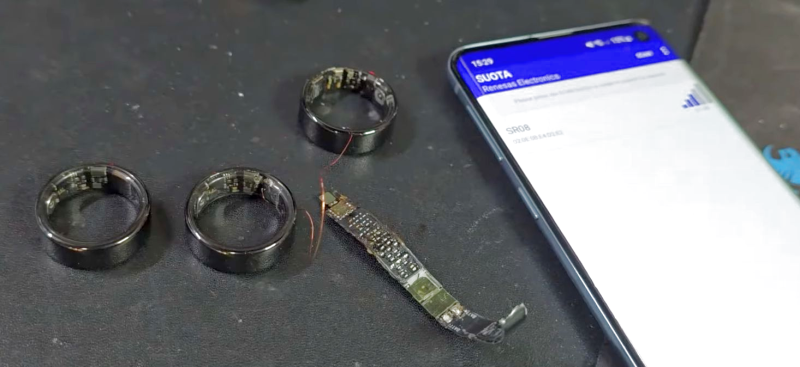
05 Feb 08:11

Augmented Times – les nouvelles mensuelles de la réalité augmentée – Janvier 2025

by Grégory Maubon

Les nouvelles du mois de janvier sont dominées par les annonces de CES et, comme vous pouvez le constater, c’est la catégorie « Matériel » qui est la plus importante. Nous reviendrons ...


L’article Augmented Times – les nouvelles mensuelles de la réalité augmentée – Janvier 2025 est apparu en premier sur Réalité Augmentée - Augmented Reality.

04 Feb 15:39

World first claimed as holographic 3D ad network launches at Simon malls across the USA

by Staff Writer

Hologram Media Network (HMN) has launched what is pitched as the world’s first always on holographic advertising network, built in collaboration with Proto Hologram.

Featuring Proto Luma devices, this spans Simon malls across the US.

The network – which has thus far deployed across 30 Simon locations – including Los Angeles’ Del Amo Mall, New York’s Roosevelt Field Mall, Atlanta’s Lenox Square Mall, Nashville’s Opry Mills, and Chicago’s Woodfield Mall – offers limited advertising inventory, featuring 3D creative advertising programmed alongside exclusive IP content collaborations.

Each month's holographic show is curated with storytelling from major studios, creators, artists, and influencers, as well as live interactive hologram events with celebrities. The charter content showcase featured an exclusive experience for Paramount Pictures' Sonic the Hedgehog 3, immersing customers in a lifelike 3D encounter with the character and his team.

“Today’s consumers live in a world where engaging with 3D experiences is becoming second nature,” says James Andrew Felts, CEO at HMN. “Platforms like Meta Quest, Fortnite, and Roblox have normalised interacting with immersive content. HMN elevates this trend by bringing experiential media to real world spaces at scale, bridging the digital and physical spaces in ways that match changing customer expectations.”

“I’ve witnessed the evolution of countless mediums, but nothing compares to this,” says Proto Founder David Nussbaum. “Together with HMN, we’re not just delivering ads - we’re creating personal, unforgettable moments at scale. This is a new era for interactive media, where the lines between the digital and physical worlds disappear.”

"HMN represents the next frontier of engagement for Simon," says Dennis Tietjen, Senior Vice President at Business Development at Simon. "We’re excited to collaborate on bringing this revolutionary technology to our properties, transforming the way brands connect with shoppers and delivering an unparalleled experience for our guests."

HMN is gearing up to announce deployments with additional malls and plans to expand the network to 150 Proto units by the end of 2025. 

“Our vision is not just to present holograms but to create a dynamic ecosystem where customers can interact with digital content in the real world,” Felts says. "This is a glimpse into the future we envision, where consumers experience the blending of their online and physical worlds.”

2024 RTIH INNOVATION AWARDS

Immersive experiences were a key focus area at the sixth edition of the RTIH Innovation Awards.

The awards celebrate global tech innovation in a fast moving omnichannel world.

Our 2024 hall of fame entrants were revealed during an event which took place at RIBA’s 66 Portland Place HQ in Central London on 21st November, and consisted of a drinks reception, three course meal, and awards ceremony presided over by comedian Lucy Porter.

In his welcome speech, Scott Thompson, Founder and Editor, RTIH, said: “The event is now into its sixth year and what a journey it has been. The awards started life as an online only affair during the Covid outbreak, before launching as a small scale in real life event and growing year on year to the point where we’re now selling out this fine, historic venue.”

He added: “Congratulations to all of our finalists. Many submissions did not make it through to the final stage, and getting to this point is no mean feat. Checkout-free stores, automated supply chains, immersive experiences, on-demand delivery, next generation loyalty offerings, inclusive retail, green technology. We’ve got all the cool stuff covered this evening.”

“But just importantly we’ve got lots of great examples of companies taking innovative tech and making it usable in everyday operations - resulting in more efficiency and profitability in all areas.”

Congratulations to our 2024 winners, and a big thank you to our sponsors, judging panel, the legend that is Lucy Porter, and all those who attended November's gathering. 

03 Feb 08:30

Paris JO 2024 : Sport et Luxe, une équipe parfaite

by Bruno Lavagna
Los Angeles 2028 et Milano-Cortina d’Ampezzo 2026 auront un défi de taille à relever.
03 Feb 08:25

Découverte majeure: Un très grand nombre d'éléments constitutifs de la vie... sur un astéroïde 🪐

by Cédric DEPOND
Les échantillons de l'astéroïde Bennu, rapportés par la mission OSIRIS-REx, révèlent des molécules clés pour la vie. Ces découvertes éclairent les processus chimiques qui auraient pu...
03 Feb 08:23

Sodexo taps AiFi spatial intelligence tech for launch of Australia's first remote autonomous store

by Staff Writer

AiFi reports deployment of its spatial intelligence platform with Sodexo for an autonomous store at a Rio Tinto mining village in Western Australia.

In a LinkedIn post, Sodexo said: "We officially launched Australia's first remote autonomous store, and it was smiles all around. From chatting with residents about the cutting-edge technology behind the store to soaking in the great vibes brought by the Red Bull DJ spinning some awesome tunes, it was a grand opening to remember."

It added: "To make the day even sweeter, we ran a draw where five lucky residents scored gift cards to enjoy shopping at the store - congrats to the winners! Plus, the freebies (thanks to Red Bull and Coca-Cola) and delicious snacks made sure no one left empty handed. We're excited to bring more choices, more convenience, and happier residents."

2024 RTIH INNOVATION AWARDS

Autonomous stores were a key focus area at the sixth edition of the RTIH Innovation Awards.

The awards celebrate global tech innovation in a fast moving omnichannel world.

Our 2024 hall of fame entrants were revealed during an event which took place at RIBA’s 66 Portland Place HQ in Central London on 21st November, and consisted of a drinks reception, three course meal, and awards ceremony presided over by comedian Lucy Porter.

In his welcome speech, Scott Thompson, Founder and Editor, RTIH, said: “The event is now into its sixth year and what a journey it has been. The awards started life as an online only affair during the Covid outbreak, before launching as a small scale in real life event and growing year on year to the point where we’re now selling out this fine, historic venue.”

He added: “Congratulations to all of our finalists. Many submissions did not make it through to the final stage, and getting to this point is no mean feat. Checkout-free stores, automated supply chains, immersive experiences, on-demand delivery, next generation loyalty offerings, inclusive retail, green technology. We’ve got all the cool stuff covered this evening.”

“But just importantly we’ve got lots of great examples of companies taking innovative tech and making it usable in everyday operations - resulting in more efficiency and profitability in all areas.”

Congratulations to our 2024 winners, and a big thank you to our sponsors, judging panel, the legend that is Lucy Porter, and all those who attended November's gathering. 

01 Feb 15:42

DeepSeek Failed Every Single Security Test, Researchers Found

by Victor Tangermann
Researchers found that DeepSeek's R1 AI "failed to block a single harmful prompt" after being tested against 50 jailbreaking prompts.

Security researchers from the University of Pennsylvania and hardware conglomerate Cisco have found that DeepSeek's flagship R1 reasoning AI model is stunningly vulnerable to jailbreaking.

In a blog post published today, first spotted by Wired, the researchers found that DeepSeek "failed to block a single harmful prompt" after being tested against "50 random prompts from the HarmBench dataset," which includes "cybercrime, misinformation, illegal activities, and general harm."

"This contrasts starkly with other leading models, which demonstrated at least partial resistance," the blog post reads.

It's a particularly noteworthy development considering the sheer amount of chaos DeepSeek has wrought on the AI industry as a whole. The company claims its R1 model can trade blows with competitors including OpenAI's state-of-the-art o1, but at a tiny fraction of the cost, sending shivers down the spines of Wall Street investors.

But the company seemingly has done little to guard its AI model against attacks and misuse. In other words, it wouldn't be hard for a bad actor to turn it into a powerful disinformation machine or get it to explain how to create explosives, for instance.

The news comes after cloud security research company Wiz came across a massive unsecured database on DeepSeek's servers, which included a trove of unencrypted internal data ranging from "chat history" to "backend data, and sensitive information."

DeepSeek is extremely vulnerable to an attack "without any authentication or defense mechanism to the outside world," according to Wiz.

The Chinese hedge fund-owned company's AI made headlines for being far cheaper to train and run than its many competitors in the US. But that frugality may come with some significant drawbacks.

"DeepSeek R1 was purportedly trained with a fraction of the budgets that other frontier model providers spend on developing their models," the Cisco and University of Pennsylvania researchers wrote. "However, it comes at a different cost: safety and security."

AI security company Adversa AI similarly found that DeepSeek is astonishingly easy to jailbreak.

"It starts to become a big deal when you start putting these models into important complex systems and those jailbreaks suddenly result in downstream things that increases liability, increases business risk, increases all kinds of issues for enterprises," Cisco VP of product, AI software and platform DJ Sampath told Wired.

However, it's not just DeepSeek's latest AI. Meta's open-source Llama 3.1 model also flunked almost as badly as DeepSeek's R1 in a comparison test, with a 96 percent attack success rate (compared to dismal 100 percent for DeepSeek).

OpenAI's recently released reasoning model, o1-preview, fared much better, with an attack success rate of just 26 percent.

In short, DeepSeek's flaws deserve plenty of scrutiny going forward.

"DeepSeek is just another example of how every model can be broken — it’s just a matter of how much effort you put in," Adversa AI CEO Alex Polyakov told Wired. "If you’re not continuously red-teaming your AI, you’re already compromised."

More on DeepSeek: DeepSeek's AI Would Like to Assure You That China Is Not Committing Any Human Rights Abuses Whatsoever Against Its Repressed Uyghur Population

The post DeepSeek Failed Every Single Security Test, Researchers Found appeared first on Futurism.

01 Feb 15:41

OpenAI hits back at DeepSeek with o3-mini reasoning model

by Kyle Orland

Over the last week, OpenAI's place atop the AI model hierarchy has been heavily challenged by Chinese model DeepSeek. Today, OpenAI struck back with the public release of o3-mini, its latest simulated reasoning model and the first of its kind the company will offer for free to all users without a subscription.

First teased last month, OpenAI brags in today's announcement that o3-mini "advances the boundaries of what small models can achieve." Like September's o1-mini before it, the model has been optimized for STEM functions and shows "particular strength in science, math, and coding" despite lower operating costs and latency than o1-mini, OpenAI says.

Harder, better, faster, stronger

Users are able to choose from three different "reasoning effort options" when using o3-mini, allowing them to fine-tune a balance between latency and accuracy depending on the task. The lowest of these reasoning levels generally shows accuracy levels comparable to o1-mini in math and coding benchmarks, according to OpenAI, while the highest matches or surpasses the full-fledged o1 model in the same tests.

Read full article

Comments

01 Feb 15:41

The Chinese Zodiac: Animals, Years, and Meanings

The Chinese Zodiac is a yearly cycle of 12 animals who finished first in the Jade Emperor's Great Race.

Chinese New Year 2025 marks the start of the Year of the Snake, followed by the Year of the Horse in 2026, and so on through the 12 Chinese zodiac animals.

The Chinese lunar calendar is based on the cycles of the moon—lunisolar—meaning the New Year shifts slightly each year. Also known as the Spring Festival, the New Year marks the shift between Winter and Spring. It begins on the new moon that appears between 21 January and 20 February, typically falling between late January and mid-February. Celebrations continue until the Lantern Festival, 15 days later.

Chinese Zodiac Animals and Personality Traits

Each Chinese zodiac sign is thought to shape the personality of those born in that year. If you were born in the Year of the Rat, you might be quick-witted and charming, while those born in the Year of the Dragon are often confident and enthusiastic.

I always forget the full list of Chinese New Year animals—it's one of those things that's beyond 7 ± 2 and just won't stick in my head. So here it is, for future reference:

  1. Rat — Charming, Quick-witted
  2. Ox — Patient, Determined
  3. Tiger — Brave, Competitive
  4. Rabbit — Gentle, Compassionate
  5. Dragon — Confident, Enthusiastic
  6. Snake — Wise, Intuitive
  7. Horse — Energetic, Independent
  8. Goat (Sheep) — Calm, Creative
  9. Monkey — Witty, Curious
  10. Rooster — Hardworking, Observant
  11. Dog — Loyal, Honest
  12. Pig — Generous, Diligent

The Legend of the Great Race: Why These 12 Animals?

The Chinese zodiac animals are from an old legend: the Great Race. The Jade Emperor, Chinese mythology's ruler of all gods, hosted a great race across a river. The first 12 animals to finish would earn a place in the Chinese zodiac calendar.

Cat and Rat, who were friends, hitched a ride on the back of Ox, who slowly swam through the river's deep water. As they crossed, Rat moved, knocking Cat into the river, but it was too dangerous to go back. As Ox neared the other bank, Rat jumped off, swimming the final metres and winning first place. Meanwhile, Dragon, despite being powerful, stopped to help others and finished fifth. Cat was left behind and finished last with a new dislike for rats.

Variations in Other Countries

Not all countries use the exact same Chinese zodiac signs. Vietnam, for example, swaps out two animals:

  • The Rabbit is replaced by the Cat
  • The Ox is replaced by the Water Buffalo

Chinese New Year Symbols and Traditions

Chinese New Year is full of traditions designed to bring good fortune:

  • Red envelopes (hóngbāo) – Given to children and unmarried adults, filled with money as a symbol of luck and prosperity.
  • Lanterns – Hung up or released into the sky, symbolizing brightness and good fortune.
  • Firecrackers – Set off to scare away evil spirits and welcome the Lunar New Year with a bang.
  • Red and gold – The most common colours in Chinese New Year decorations, representing happiness, wealth, and good luck.

Other beliefs and traditions include:

  • washing your hair can wash out your luck for the year
  • giving oranges and tangerines to hosts as symbols of abundant happiness
  • sweeping and cleaning the house to sweep away ill fortune
  • decorating windows and doors with red paint, paper cutouts and banners
  • giving respect and honour to gods and ancestors.

Chinese Zodiac List from 2025 to 1945

Not sure of your animal or your child's? You can find yours in this list (unless you're over 80).

If your birthday is before the Chinese New Year in January, then your animal will belong to the year before (rather like for birthday creep).

2025 – Snake

2024 – Dragon

2023 – Rabbit

2022 – Tiger

2021 – Ox

2020 – Rat

2019 – Pig

2018 – Dog

2017 – Rooster

2016 – Monkey

2015 – Goat

2014 – Horse

2013 – Snake

2012 – Dragon

2011 – Rabbit

2010 – Tiger

2009 – Ox

2008 – Rat

2007 – Pig

2006 – Dog

2005 – Rooster

2004 – Monkey

2003 – Goat

2002 – Horse

2001 – Snake

2000 – Dragon

1999 – Rabbit

1998 – Tiger

1997 – Ox

1996 – Rat

1995 – Pig

1994 – Dog

1993 – Rooster

1992 – Monkey

1991 – Goat

1990 – Horse

1989 – Snake

1988 – Dragon

1987 – Rabbit

1986 – Tiger

1985 – Ox

1984 – Rat

1983 – Pig

1982 – Dog

1981 – Rooster

1980 – Monkey

1979 – Goat

1978 – Horse

1977 – Snake

1976 – Dragon

1975 – Rabbit

1974 – Tiger

1973 – Ox

1972 – Rat

1971 – Pig

1970 – Dog

1969 – Rooster

1968 – Monkey

1967 – Goat

1966 – Horse

1965 – Snake

1964 – Dragon

1963 – Rabbit

1962 – Tiger

1961 – Ox

1960 – Rat

1959 – Pig

1958 – Dog

1957 – Rooster

1956 – Monkey

1955 – Goat

1954 – Horse

1953 – Snake

1952 – Dragon

1951 – Rabbit

1950 – Tiger

1949 – Ox

1948 – Rat

1947 – Pig

1946 – Dog

1945 – Rooster

Caveat: I am not Chinese or Asian and have gathered this information from many sources over the years. Let me know if something needs correcting.

Others

The Chinese zodiac years are one of those things I feel like I ought to remember but always forget. Others in the same bucket for me:

May 2025: I updated the original image to switch around the orientation of the red envelopes, which are more traditionally portrait than landscape

01 Feb 15:39

Débrief du CES 2025: on fait le point sur les nouveautés et les tendances !

by Cédric
20250105 210243Retrouvez mon debrief du CES 2025: on analyse les tendances et on découvre de nombreuses nouveautés très intéressantes autour de la maison connectée !

01 Feb 15:37

OpenAI chief says it needs new open-source strategy

OpenAI chief Sam Altman on Friday said his high-profile artificial intelligence company is "on the wrong side of history" when it comes to being open about how its technology works.
31 Jan 16:29

Record mondial pour le "soleil artificiel chinois", la fusion nucléaire à portée ? ⚡

by Adrien BERNARD
Un exploit vient d'être accompli en Chine dans la quête d'une énergie propre et inépuisable. Une machine expérimentale à fusion nucléaire a réussi à maintenir un plasma en confinement...
30 Jan 22:25

From chatbot to sexbot: What lawmakers can learn from South Korea's AI hate-speech disaster

As artificial intelligence technologies develop at accelerated rates, the methods of governing companies and platforms continue to raise ethical and legal concerns.
30 Jan 21:33

Casio’s tiny Ring Watch is completely mad and I adore it

by Andy Boxall
Yes, Casio's Ring Watch is a real watch you wear on your finger, not your wrist. It's as mad as it sounds, and I've been wearing it.
30 Jan 07:58

« L’absence d’innovation mène à la perte » : comment l’armée forme des jeunes à combattre les menaces de l’IA

by Bogdan Bodnar

Lors de l'événement Cyber Humanum Est, l'armée a mis à l'épreuve les futurs experts en cybersécurité avec des scénarios impliquant des campagnes de désinformation générées par l'intelligence artificielle. L’objectif : les préparer à contrer les menaces numériques dans un contexte géopolitique complexe.

29 Jan 17:20

Paper Tape – With LASERs!

by Jenny List

Though it is many decades since paper tape was commonly used as a data input or storage medium, it still holds a fascination for many who work with computers. Over the years we’ve featured more than one paper tape related project, and the latest to come out way is [ColemanJW2]’s 8-bit ASCII paper tape generator.

It’s natural to expect when talking about a paper tape generator that a machine of some type will emerge, probably with a large reel of tape, a whirring mechanical punch, and a big box of paper confetti. This one however is different, because it exists in software and produces an SVG file to cut the tape with a laser cutter. Common workshop equipment in 2025, but the stuff of science fiction when paper tape was current.

The software is a Python script, which has a friendly GUI. It applies 8-bit ASCII to the tape, and supports control codes and ANSI escape sequences. There’s a very short demonstration video of a tape being cut, which we’ve placed below the break.

If you make any tapes this way, see if you can find a paper tape event badge to read them.


29 Jan 13:32

DeepSeek’s AI avoids answering 85% of prompts on ‘sensitive topics’ related to China

by Paul Sawers

AI chatbot DeepSeek has taken the world by storm, topping app store charts and sending Silicon Valley and Wall Street into meltdown. An offshoot of Chinese hedge fund High-Flyer, DeepSeek’s cost-to-performance ratio makes for impressive reading compared to incumbents such as OpenAI. However, reports have increasingly documented some of the things the AI chatbot is […]

© 2024 TechCrunch. All rights reserved. For personal use only.