Shared posts


01 Jul 01:13
El sexo en los tiempos de Mad Men
by Álvaro Corazón Rural
—Los españoles sois asquerosos.
—¿Por qué?
—Porque folláis con mujeres que no se depilan los brazos.
—No sabía que las mujeres tenían brazos.
Esta conversación entre un aragonés y una serbia la escuché en un bar de Belgrado hace dos años. Me recordó a cuando Buddy Bradley, el personaje del cómic Odio de Peter Bagge, le pidió a su novia Lisa que se depilase. Ella le contestó que él también tenía pelos en el ombligo. A lo que Buddy replicó: “no quiero follar con alguien que se parezca a mí”. Aunque esa noche en Serbia, el hombre, el maño, resultó ser un desprejuiciado varón cosmopolita. No como Buddy en el Seattle de los 90.
Mi padre vivió en Bilbao durante la Transición. Aprovechó la efervescencia ideológica del momento para reunir una colección de pegatinas políticas. La que más me llamó la atención cuando ojeaba el álbum constantemente en mi adolescencia no era ninguna de ETA o de los jocosos carlistas, era una de una lengua que chupaba un pezón peludo y decía: “¡Libertad sexual!”. Digamos que siempre me han llamado la atención las autoridades que se creen con derecho a proclamar cómo, cuándo y con quién se debe follar y, por supuesto, los que se han rebelado contra eso.
Ahora ha caído en mis manos una edición argentina de un libro, La tragedia sexual norteamericana, que escribió el psicólogo Albert Ellis en 1962. Es un retrato riguroso y documentado de los tabúes y problemas sexuales de los estadounidenses justo antes de la revolución sexual. La época de la que trata Mad Men, al menos en sus primeras temporadas. Una serie cuya emisión produce cierto fenómeno paradójico. Por un lado resulta graciosa al mostrarnos el anacrónico rol de florero que tenía entonces la mujer, mientras que por otro ha puesto de moda sus vestidos vintage para aspirantes a It girls de iPhone e Instagram.
No es la intención de este espacio de libros corroídos, “Busco en la basura algo mejor”, trazar paralelismos entre la cultura sexual de aquella época y la actual, lo que requeriría un estudio trabajado por expertos, o al menos alguien más atento a las tendencias que le rodean, pero sí reivindicar la lectura de una obra que se puede encontrar muerta de risa en los mercadillos de libros de segunda mano. Es que mola mucho, se puede leer como una novela de terror. Tanto por lo que cuenta de esos años como por las analogías que precisamente uno puede hacer con el presente. Pero insisto en que eso es algo que dejaremos al libre juicio del lector. Pasemos sin más a destriparla.
La beatificación de la belleza
En cada capítulo de este libro, Ellis describe las características esenciales de la sexualidad en el Estados Unidos de 1960 a partir de la literatura, el cine, la publicidad y otros aspectos de la cultura popular, además de los testimonios de los pacientes de su consulta. Habíamos dicho que era psicólogo. Y fue, además, uno de los más importantes de su tiempo. Algunos dicen que su trabajo fue más relevante que el de propio Freud.
La primera paciente que pasa por su diván es una mujer de un aspecto envidiable, muy atractiva, nos describe, pero que siente odio de sí misma a causa de su imagen. Decía que tenía la nariz muy larga y las mejillas muy altas. Un “aspecto terrible”, en sus propias palabras. Todo esto estando buenísima a juicio del autor.
A partir de ahí, tras citar un reguero de referencias sobre imperativos de belleza martilleados en los medios de comunicación y el cine, Ellis concluyó que en Estados Unidos se estaba enseñando a las mujeres a “sentirse físicamente inadecuadas”.
Porque teniendo en cuenta que solo uno entre cada 25 o cada 100 podía acercarse “a medias” a la mujer modélica, se preguntaba cómo iban a tener el resto respeto por sus cuerpos. Los ideales de belleza con los que se “machaca la cabeza de las lectoras”, decía, eran desproporcionadamente elevados y desencadenaban sentimientos de inferioridad, frustraciones o “turbaciones emotivas”. Si una mujer hiciera caso a todos los consejos de belleza que le proporcionan en los medios, a Ellis le salía el cálculo de que tendría que gastar 168 horas semanales para estar a punto.
De modo que, experimentando un poco más, hizo un cuestionario a 27 de sus pacientes sobre aspectos de su imagen mejorables en teoría y le salió la siguiente tabla.
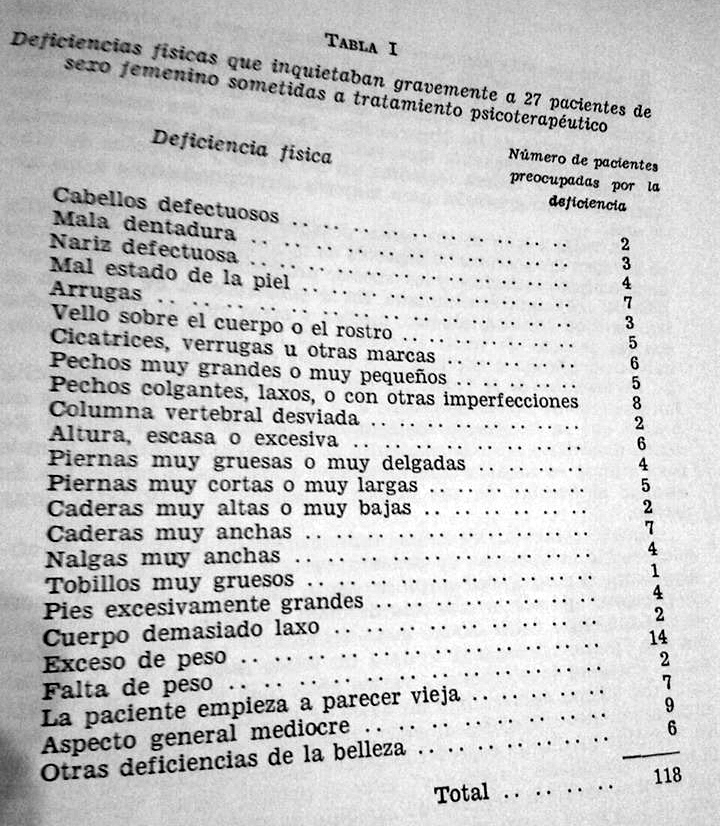
Tocaban a cuatro aspectos negativos por paciente. En mi minisondeo, en el año 2013 en el que respiramos, me han salido más de diez por encuestada. Pero eso es lo de menos. Sigamos. Ellis lo que decía es que estaba extendido que quienes carecieran de “un rostro y una figura de suprema belleza” podían ir olvidándose de “las alegrías y los éxitos de la vida moderna”.
Nada de esto tampoco era ajeno a los hombres. Pensemos en Don Draper, de Mad Men, y un extracto de la obra de teatro La mujer de un viajante que cita el autor:
Pues en el mundo de los negocios el hombre de buena presencia, el hombre capaz de despertar interés personal, es el hombre que progresa.
Lo que no quita que ya en su momento hubiera voces críticas con este delirio de la imagen personal. El autor incluye un artículo del por lo visto incisivo Romain Gary en la revista Holliday:
He sabido que está en venta una nueva ayuda de belleza: cejas artificiales preparadas, como asegura el anuncio, con auténticos cabellos humanos. Supongo que todo esto nada tiene de malo, salvo que me recuerda un poco a las pantallas para lámparas de los campos de concentración nazis, fabricadas con piel humana (…) Y de este modo la mujer occidental cubre su rostro con un velo más espeso que su compañera de sexo musulmana (…) Espero que no se me entienda mal: no estoy protestando contra el arte del embalsamamiento. Solamente afirmo que empieza demasiado temprano.
Pero a Ellis lo que le preocupaba era que con el culto a la belleza física o las normas arbitrarias de la imagen, la mujer nunca, ni en sus mejores momentos, iba a dejar de sentir “graves sentimientos de inseguridad, de inquietud, y duda con respecto a sus propias propiedades físicas”. Eso solo, para empezar, mirándose desnuda al espejo. Luego había que vestirse.
La moda
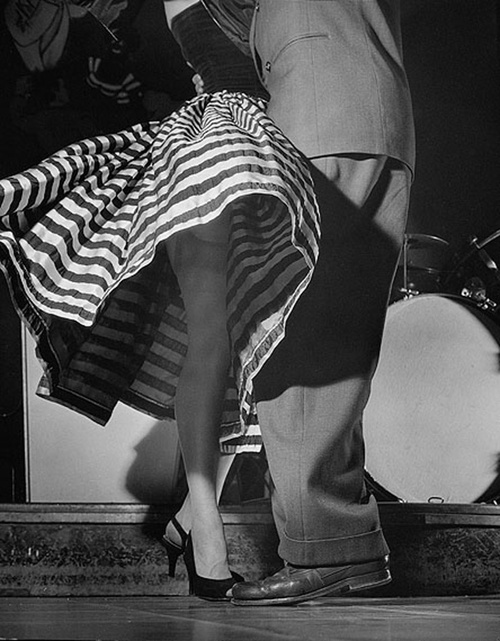 Pánico al desnudo tenía otra de sus pacientes, acostumbrada a vestir siempre de punta en blanco. Estaba siempre tan perfecta según los dictados de la moda del momento que, cuando se desnudaba, “sin el guardarropa que apuntalaba su ego”, se sentía molesta, acostumbrada a que todos le dirigieran “cálidos elogios” por su estilo. Siendo como era “una mujer muy bien proporcionada”, recordaba el psicólogo, en realidad cada día estaba “más perturbada”.
El autor se había tomado la molestia de seguir los mecanismos de la moda. El corte de los vestidos ascendía y descendía en según que zonas “con monótona irregularidad”, dijo. Es decir, aleatoriamente. Pero “cualquier mujer que se atreviera a aparecer este año con la moda del anterior podría darse por muerta”.
Seguir los dictados de la moda era un bálsamo, una fantasía compensatoria para “legiones de mujeres norteamericanas enfermas emocionalmente” porque su cuerpo no estaba dentro de los cánones ideales imposibles de alcanzar para la mayoría. Todo esto a día de hoy pueden parecer topicazos, aunque los rudimentos del mercado de la moda se repiten inmisericordemente también ahora. El caso es que a Ellis le parecía absurdo despilfarrar ansiosamente materiales y energías en ropas que iban a ser descartadas rápidamente aunque estuvieran perfectamente utilizables. La “cambiante moda”, dijo, era “absolutamente antiindividualista” y con ella “provocamos un sentimiento de ansiedad en millones de mujeres”.
Todas las mujeres desean ser distintas de sus hermanas, pero nunca tan distintas para que se las considere raras (…) Vivimos en una sociedad que en general es conformista, antes que realmente individualista. Es raro que la mayoría de nosotros se sienta cómodo alimentando opiniones profundamente heterodoxas sobre religión, política, economía o casi cualquier otro tema. Más aún, si bien nos resulta fácil guardar en nuestro fuero interno determinadas ideas heterodoxas —especialmente cuando nos hallamos entre ciertos individuos o grupos que no están de acuerdo con ellas— difícilmente podemos guardar reserva sobre nuestro atuendo, sea cual fuere el tiempo y el lugar en el que lo usemos.
El caso práctico con el que remató estas diatribas no puede ser más sugerente. Era un matrimonio que pasó por su consulta. Antes de casarse ella no se acostó con él ni le dejó que le pusiera la mano encima, como mandaban los cánones. Y ella, por supuesto, no solo seguía los dictados de la moda, sino que tomaba buena nota de los consejos de belleza para mejorar su imagen. Vamos, que estaba bien tuneada. Sin embargo, en la noche de bodas, el marido, a la hora de la verdad, descubrió que su mujer no tenía casi pechos. Que estaba plana. Resulta que antes había usado corpiños acolchados. El pobre hombre sintió un enorme desprecio.
Recibí una impresión bastante fuerte. Me dije que en realidad no importaba. Pero estaba tan enojado que sentí deseos de golpearla.
La primera cita
Tienes que lucir atributos que no tienes. Debes comprar determinada ropa inmediatamente para despreciarla en pocos meses. Básicamente, lo que denunciaba Ellis eran contradicciones inherentes solo a la adecuación de la propia imagen. Pero luego en el galanteo la cosa iba a mayores. Las madres persuadían a sus hijas para que se arreglasen lo máximo posible, mostraran amplios escotes si tenían mucho pecho, todo con el fin de pescar un buen marido, pero sin llegar a nada más en principio. Seducir para no consumar. Es decir, simular pero no aceptar impulsos perfectamente lógicos y naturales hacia los hombres.
Había que esforzarse en ser sexualmente atractivas, pero en el momento de actuar lógicamente, con sentimientos reales hacia la práctica sexual, debían reprimirse. Una contradicción que era fuente de severos sentimientos de culpa.
Antes de la fiesta de fin de curso, a la que debía asistir con un amigo, su madre le había comprado un vestido nuevo. Eligieron uno desmesuradamente escotado que dejaba escasa tarea a la imaginación por lo que se refiere a los bien desarrollados hombros y pechos de la joven. Con cierta petulancia, la madre había resuelto la compra diciendo lo siguiente: Si tienes lo que otras muchachas no tienen todavía, será mejor que te aproveches mientras aún les llevas ventaja. Después de todo, eso es lo que quieren los hombres y bien puedes utilizarlo.
Y poco antes de que mi paciente saliera para la fiesta, la madre le dirigió una última y aprobadora mirada: “Parece que te di lo que necesitabas. Tienes muchos atractivos, querida, no temas usarlos”. Pero luego cuando iba al encuentro de su amigo, sus palabras finales fueron: “Ten cuidado con lo que haces, querida. Nunca te apresures a conceder mucho a los hombres.
Cuando mi paciente regresó de la fiesta, el rostro enrojecido y el cuerpo fatigado por la excitación de una velada muy satisfactoria, se sentía confundida y casi histérica; y con su amigo se dedicó una serie de besos y abrazos un poco violentos (…) Luego, a medida que los besos del joven descendían más y más, la muchacha se sintió acometida de pánico y trató de apartarse, diciendo ‘no, no, no’. Como intuyó que esa negativa carecía de convicción, el muchacho insistió, y puso la mano debajo del vestido y el corpiño. Y entonces, en lugar de apartarse, mi paciente se encontró fuertemente abrazada a su amigo, unida en un beso ardiente. En eso estaban cuando entró la madre de la joven en el cuarto (…) No hizo el menor comentario (…) cuando se retiró dirigió a su hija una mirada prolongada y acusadora. Entretanto el deseo sexual había desaparecido completamente del cuerpo de mi paciente y ahora tenía conciencia de un sentimiento de vacío. Rápidamente, se despidió de su amigo, se dirigió al cuarto de baño para vomitar y tomó una dosis de píldoras somníferas.
Y fuera de la familia, las normas que emanaban de los medios de comunicación para las chicas, eran igualmente delirantes. Una joven no podía nunca pedir una cita a un hombre, no debía mostrarse demasiado inteligente delante de un varón; si un hombre iba vestido de uniforme una mujer tenía que permitir que se le acercase, incluso debía bailar con los soldados… Digámoslo a las claras: la sociedad promovía para la adolescente un rol de putilla pasiva deleznable.

La cama, el infierno
Peor eran las cosas para los matrimonios, en teoría los únicos que podían tener relaciones sexuales. El autor describía la madurez sexual como una “aceptación realista de los hechos de la sexualidad humana”. Algo que en los 50 y primeros 60 brillaba por su ausencia. Para la mujer, el sexo era “algo en el fondo repugnante” inventado por el varón para satisfacer su propio placer egoísta. Muchas desarrollarían frigidez en este contexto. Y para el hombre, un auténtico martirio en el que deseos y realidad eran divergentes:
[los hombres] se ven obligados a apelar a fantasías masturbatorias con bellezas de pródiga sexualidad, con cuyos encantos y atractivos ninguna mujer real podría competir jamás (…) se sienten obsesionados por la imagen de las mujeres como compañeras sexuales y no como personalidades humanas (…) a menudo se refugian en la homosexualidad y desarrollan una general supersexualidad o se debilitan, de modo que la eventual realización del tipo medio de relaciones sexuales tiene pocas probabilidades de satisfacer sus deseos poco realistas.
La estadística era que por cada diez parejas, solo dos o tres tenían relaciones sexuales satisfactorias. Un problema agravado porque muchas veces los matrimonios se unían de pura casualidad. Dice Ellis que las adolescentes tenían tal presión con el hecho de tener que casarse, que solían hacerlo a las primeras de cambio. Eran incapaces de quedarse un sábado por la noche o un domingo por la tarde en casa sin su cita de rigor. La mujer de entonces sufría una gran inseguridad que la llevaba a buscar citas desesperadamente y ansiar casarse antes de que sus amigas lo lograran. Y todo con el objetivo de pescar un buen partido que les alegrase la vida a sus dementes padres.
En nuestra cultura el amor y el dinero tienden a ser por lo menos doblemente antagónicos. Si, por ejemplo, una joven se casa por amor e ignora las consideraciones de carácter económico, tenderá a sentirse culpable ante sus padres, ante la sociedad, ante sus hijos y aun frente a sí misma porque a través del matrimonio no ha conseguido lo que le correspondía. Si abandona la idea con el muchacho que ama porque él no tenía dinero, quizá tienda a odiarse a sí misma porque no ha seguido los románticos dictados de su corazón.
Estos matrimonios precoces eran como eran. Pero encima tenían el problema añadido de los tabúes sexuales. En Estados Unidos había leyes que regulaban el sexo. Era punible por la ley quien “conozca a una mujer o a un hombre por el ano, o con la boca o la lengua”. En el estado de Vermont, por ejemplo, había penas de cinco años de prisión por “copular la boca de una persona con el órgano sexual”. Arkansas, de 5 a 21 años; Connecticut, 30 años; Florida, Massachusetts, Minnesota, Nebraska y Utah, 20 años; Y la legislación más criminal era la de Georgia. Ahí las condenas por “relación carnal contra el orden de la naturaleza” suponían cadena perpetua a trabajos forzados.
En realidad, según las encuestas que manejaba Albert Ellis, la mitad de los matrimonios americanos tenían relaciones oral-genital, calificadas de antinatura por no pocas leyes, pero la otra mitad nada menos se abstenía culpablemente de cualquier cosa que se saliese del guión del polvo ortodoxo. Es decir, follar uno encima de otro sin variantes. Sin ni haberse tocado antes.
En los Estados Unidos, oficial y oficiosamente se concibe a las relaciones sexuales como relaciones sexuales por medio del coito; y todo cuanto se haga más allá, más acá o alrededor de esta limitada técnica sexual, simplemente no cuenta… o cuenta en la medida necesaria para enviar a la cárcel a los cónyuges.
A ese mito, el del polvo “católico y de derechas”, había que sumarle el del “orgasmo vaginal”. Según la cultura popular de la época, existían dos orgasmos en las mujeres, uno clitoridiano y otro vaginal. Aquí se presenta un caso muy divertido. El de una mujer que, de forma poco común entonces, había tenido varios compañeros sexuales antes del matrimonio. Luego, con su marido, también llevaba una vida sexual bastante generosa. Pero su problema era que ella creía que no tenía “orgasmos vaginales” y pensaba que algo no iba bien.
—Me pareció —le dije— que usted me dijo que anteriormente jamás había llegado al orgasmo por medio del coito, y que solamente lo conseguía mediante la manipulación o a través de otros estímulos.
—Oh no —replicó—. Creo que me entiende mal. Yo siempre llego al orgasmo durante el coito.
—Entonces, ¿por qué me dijo al principio que nunca había experimentado el orgasmo vaginal?
—Porque, efectivamente, jamás lo conseguí.
—No comprendo qué quiere decir.
—Bueno, la cosa es así… Siempre llego al orgasmo durante el coito. Pero sé, puedo sentirlo, que es exactamente el mismo tipo de orgasmo que experimento durante la manipulación del clítoris.
15 años, 15, se había pasado esta mujer preocupada cuando tenía una vida sexual estupenda —antes dice que se corría solo con que se la metieran— porque creía que no experimentaba “orgasmos vaginales”. Un cuento chino que venía en todos los manuales de sexualidad de la época, que por supuesto ella había consultado muy preocupada, y que no servían para otra cosa que no fuera perpetuar el orgasmo “católico y de derechas” minusvalorando lo que podía hacerse con los dedos, que era indecente.
Heterosexuales enfermos
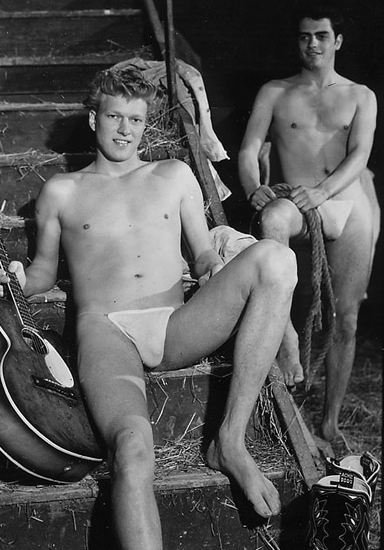 Por otro lado, una de las teorías más simpáticas de Ellis, vista con los ojos de hoy, es la de la homosexualidad. Su opinión sobre este asunto llega en un momento en el que se detiene en el caso de un paciente que había comenzado a frecuentar compañías homosexuales porque la presión social derivada de la dictadura del polvo “católico y de derechas” le tenía amargado.
El paciente n.º 4 ha derivado a la homosexualidad porque después de 12 años de matrimonio todavía se siente culpable por las actividades sexuales fuera del coito que desarrolla con la esposa (quien no tiene ningún inconveniente en realizarlas), y en cambio no experimenta el mismo sentimiento de culpabilidad cuando cumple esas mismas actividades con otros varones.
En aquella época el psicólogo consideraba que la homosexualidad era una desviación que podía curarse. Obviamente, pronto cambió de opinión, pero en este libro señaló también que le heterosexualidad era algo que se aprendía, no con lo que se nacía.
Para él, los heterosexuales straight, los que, como él dijo, manifiestan que no harían nada con otro hombre ni en una isla desierta, son los desviados. Lo normal era, a su juicio, tener todas las sexualidades, la monosexual —que usted internauta conoce bien—, la hetero y la homo. Y luego, optar más por una de todas ellas como el que “prefiere las morenas a las rubias”. Por eso a los superheteros los calificó de neuróticos, fetichistas y que se abstenían de una sexualidad normal —darle a todo— por temor y sentimientos de culpa. En fin, ya lo dijo el sabio Álvarez Rabo. La vagina es algo delicado, que huele bien, que hay que acariciarlo. Una cosa ajena al gusto propio de los machotes, que toman bebidas de fuerte graduación y fuman habanos malolientes, a los que en buena lógica les correspondería desear penes enormes, peludos y violentos. El mundo al revés.
Por cierto, dicho sea de paso, Ellis tampoco veía muy mal el sexo con animales. Encontraba natural que alguien, en algún momento de su vida, se hubiese tirado una gallina o una oveja —ya saben, introducir siempre sus patitas traseras en las botas de plástico para asirla bien y no hacerse daño en las cervicales—, lo problemático solo era dedicarse exclusivamente a los bichos. Ahí sí que te pasaba algo. Si no, pues oye, no todo va a ser darle a Scarlett Johansson hasta que le sangren los oídos. En resumen, para Ellis la normalidad estaba, como el gusto, en la variedad.
Porque la conducta hetero irreductible a lo que llevaba era a situaciones menos deseables. Por ejemplo, decía que las parejas frustradas por el sexo “católico y de derechas” también terminaban, indirecta o involuntariamente, coqueteando con sus propios hijos. Dos casos cita Ellis, el de una paciente que dormía con su hijo de 14 años cuando su marido no estaba, de modo que el chaval estaba sintiendo más que palabras por su propia madre, además de un sentimiento de culpabilidad como un portaaviones de la guerra del Pacífico. O un caballero que se ponía a hacer gimnasia en camiseta interior delante de su hija. Y lo mejor llegaba cuando tenía que explicarle a estos pacientes que estaban tratando de ligar con sus hijos de forma compensatoria. Algo que, por cierto, aparece en Mad Men cuando Betty le regala un mechón de pelo al hijo de la vecina.
Asco de amor romántico
Otro punto de profundas contradicciones era el del amor romántico. El único válido. Una idea bombardeada a la sociedad por tierra, mar y aire, o sea, radio, televisión y prensa escrita. Al igual que en la actualidad, Ellis analizó que el cine y las canciones, con esos te amaré para siempre, del amor a primera vista, el amor más fuerte que lo que sea, etcétera, eran otra forma de introducir conceptos equívocos en el coco de la gente.
Para él, amar a la misma persona durante toda la vida era harto complicado. Al menos de la forma con la que pretende el “amor romántico” que debe hacerse. El happy ever after o “felices para siempre”. Especialmente, si tenemos en cuenta, como se ha aludido antes, que muchas parejas estaban casadas para siempre casi por una lotería en el fenómeno tan habitual entonces del matrimonio precoz. De modo que las parejas que constataban en el día a día que no estaban disfrutando el amor romántico —como esa recién casada que ve por primera vez a su marido gritar un gol del Atleti con la yugular hinchada y grasa de patatas fritas en la barbilla— lo que sufrían era de nuevo sentimientos de culpa. Era (y es) un sistema de relaciones basado en que alguien quiere que le traten como un príncipe o una princesa y que podía llevar a terminar sometiéndose al otro de modo masoquista. Opinión que no era de Ellis sino ya anterior, de Freud.
El amante romántico y monógamo casi inevitablemente debe desarrollar sentimientos de ansiedad y de inseguridad porque se le enseña que para él solamente existe un compañero ideal. Es natural que, como consecuencia de lo anterior, tema perder esa única alma hermana.
No obstante, para Ellis el amor romántico era el primer ausente de esta sociedad, paradójicamente, basada en el amor romántico. Para él se trataba todo de concepciones “absolutamente pueriles”. Al final el romance radicaba en una mezcla de orgullo, sentido de jerarquía social y autovaloración. “El hecho de que atribuyamos gran importancia a la selección de nuestra pareja amorosa establece una relación entre nuestros asuntos amorosos y nuestro ego”, sentenció. Vamos, que lo que se perdía si tu pareja dejaba de amarte, lo que quedaba lesionado irreparablemente, era el orgullo, no el romanticismo.
En nuestra cultura existe el definido concepto de que la infidelidad constituye una pérdida de prestigio. Entre nosotros, los cornudos solo merecen burla y desprecio; se compadece implacablemente a las esposas abandonadas (…) Una mujer vino a consultarnos porque había hallado algunos anticonceptivos en el bolsillo de su esposo (…) pasaba horas en un estado de absoluta depresión (…) sabía que él era egoísta y estaba segura que si se divorciaban la pensión alimenticia sería reducida (…) le hubiera avergonzado terriblemente reconocer ante sus padres que el marido ya no tenía interés en ella (…) lo que ella había sospechado siempre: que ella misma no era adecuada desde el punto de vista sexual. El único elemento que no pudo ser observado en este caso fue un real sentimiento de amor por el marido.
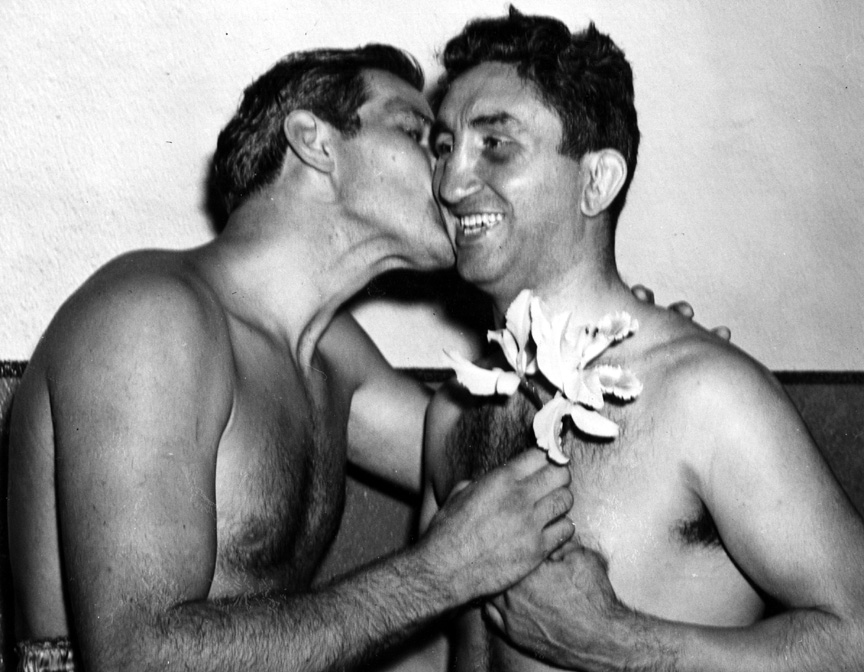
El patetismo de las bodas
Y ya como coronación, a los bodorrios les metió una caña impresionante. Los consideraba, tal y como se celebraban y se celebran actualmente en muchos casos, propios de una civilización obsesionada con el espectáculo. Los shows eran el único recurso para llenar las horas de ocio. Se consumían “obsesivamente” películas, encuentros deportivos, obras de teatro, etcétera y la oportunidad de “ser princesa por un día”, lo que para Ellis era una boda — imagino que seguiría siendo—, no se iba a desaprovechar.
Los medios de comunicación y la tradición más o menos trasnochada establecían una serie de normas para este culto al romance y la presión social se encargaba de que se cumplieran a rajatabla.
… quien se atreva a contraer matrimonio sin cumplir hasta el más mínimo detalle es sin la menor duda un tonto, un arribista y un patán carente de sensibilidad (…) el deseo consciente o inconsciente de vivir por lo menos un momento la gloria de Hollywood en medio de una vida generalmente monótona (…) y así sienten menos ingrata la vida sin horizontes, ni acción y sin aventura que llevan.
Claro que cuando se pasaba de esta fiesta mística a los ronquidos y a esa bola inerte que se traga todo el deporte por televisión, llegaban las desilusiones. El problema antropológico o sociológico de todo esto era la indefinición del rol que debía tomar la mujer. Se supone que había regalado su virginidad sacrosanta a un príncipe y que le esperaba la felicidad, el amor romántico, hasta la muerte. Pero la realidad era bien distinta. El amor se volatilizaba en la mayor parte de los casos como un hecho puramente biológico y el sueño dorado se traducía en hacer la faena de la casa y ver pasar las horas. Eso en el caso de tener la suerte de ser pobres, las mujeres adineradas que disponían de sirvientas entraban en una búsqueda del ocio, en un vacío, cuenta Ellis, todavía más doloroso. Y el problema en sí no era tener que dedicar tu vida a ser la asistenta de alguien peludo que gruñe, sino el hecho de que ese rol no estuviera definido. En resumen, tenían que ser sensuales para no follar, esclavas de un hombre con el que no podían disfrutar y perseguir un sueño imposible de conseguir. La culpabilidad y el desasosiego brotaba en la mujer americana de forma sistemática. En otras culturas, al estar los roles, por lamentables que fueran, definidos desde el principio, explica Ellis, no existía tanta frustración. En EE. UU. te prometían el cielo y te daban una fosa séptica. La mujer solía terminar más perdida en la vida que una rana en el mar.
… toda clase de sectarismos fanáticos, falsas religiosidades y expresiones del más puro charlatanismo. La astrología, la adivinación de la suerte, el espiritismo, la religión Bahai, la ciencia cristiana, el catolicismo sectario y medio centenar de otras formas definidas de escapismo son la tabla a la que se aferran literalmente millones de mujeres ancianas y de edad madura que se sienten absolutamente inútiles en esa existencia terrenal y necesitan correr hacia cierto paraíso o Nirvana hipotético con el fin de poder hacer algo mientras continúan “viviendo” (…) Hitler definió las esferas de actividad de las mujeres nazis con un solo lema: Kinder, Küche, Kirche —los niños, la cocina y la iglesia— (…) en este sentido, todavía estamos más cerca de Hitler que de las plataformas de las más ardientes feministas.
La solución, por supuesto, eran los hijos. Ellis también dijo que en muchos casos no eran deseados, sino solamente fruto de la presión social. Del miedo a la culpabilidad por no haberlos tenido. De ahí que en tantas ocasiones estuvieran desatendidos afectivamente, cuando no eran solo una vía más para transmitir y perpetuar el engendro que era toda esta filosofía de vida.
Padres neuróticos que sustitutivamente procuran volver a vivir su vida por medio de las realizaciones de los hijos (…) los progenitores inhibidos sexualmente y desgraciados en su propio matrimonio muy a menudo se vuelcan con excesivo rigor y excesiva rigidez sobre sus hijos, destruyen la mayor parte de la espontaneidad y de la agilidad de los jóvenes y de ese modo los educan para que se conviertan en adultos frustrados, atemorizados, temerosos del placer, que a su vez dispensan a sus propios hijos el mismo tratamiento que se les infligió.
Maravilloso ¿verdad? Una existencia basada en la mentira y la apariencia hasta límites hilarantes; una fabulosa fuente de sufrimiento sin necesidad. Afortunadamente, la revolución sexual de los 60 y tal vez también el impacto del sesentayochismo se cepilló en parte esta forma de vida. No obstante, paralelamente, todavía existía un infierno mayor para las relaciones afectivas. Sí, la Unión Soviética. Incluso un lugar aún más terrorífico: ¡España! Lo veremos en próximas entregas.
30 Jun 14:19
Romero Donallo y Vidán ofrecen brotes verdes en la construcción
by x.r. santiago / la voz
Activadas tres promociones privadas en suelos junto al Sarela y el Ensanche

30 Jun 14:11
Los crímenes del Museo de Cera
by Yolanda Gándara
¿Julián Muñoz?
El Museo de Cera de Madrid es uno de esos lugares de obligada visita en los recorridos turísticos de la capital que incluyen el Santiago Bernabéu y el no menos pedagógico Museo del Jamón. Aunque se ajusta a la tercera acepción del término “museo” del DRAE [Lugar donde se exhiben objetos o curiosidades que pueden atraer el interés del público, con fines turísticos], se trata más bien de un parque de atracciones del horror, en ocasiones involuntario.
Se encuentra situado en los bajos de tres edificios de arquitectura satánica (Centro Colón, Recoletos Colonial y Barclays) que ocupan la esquina entre el paseo de Recoletos y la calle Génova y que sobreviven a la sombra de las vecinas Torres de Colón, cosidas y convertidas en una gracias al enchufe verde de la cúspide reconocible desde cualquier punto alto de la ciudad. La ubicación del museo contribuye a generar inquietud al visitante incluso antes de entrar y encontrarse a bocajarro las figuras impávidas repartidas por oscuras salas según amplios criterios temáticos que generan extraños compañeros de escena. Parte del museo, en concreto la Galería del Crimen, está en la primera planta, pero no es visible en superficie salvo por dos carteles que indican sendas entradas por el paseo de Recoletos y la calle Génova y que dan acceso a una plaza bajo rasante, donde se encuentran las taquillas. En este entorno inhóspito y subterráneo discurren las galerías de la exposición; si la Plaza de Colón ya es caótica en superficie, es difícil imaginar por debajo de qué despachos circula el tren del terror.
En los últimos tiempos, esta singular galería ha sido noticia por ejercer de colaboradora espontánea de la justicia apostillando la imputación de Iñaki Urdangarin con su destierro a la sala de deportistas, vestido de calle, relegándolo al papel de jubilado espectador de obras, y expulsando a Isabel Pantoja del paraíso de la cera tras ser condenada por un juez de carne y hueso. Ignoramos si su destino es ser olvidada en un sótano o reciclada en velas con olor a azahar. Resulta paradójico que una empresa que exhibe a Hitler, Mussolini o Justin Bieber tenga reparos en mantener figuras con tachas legales, sobre todo si tenemos en cuenta la naturaleza de este tipo de exposiciones. La Pantoja, como autora confesa del delito de haberse enamorado de Julián Muñoz, bien merece un lugar de honor en la Galería del Crimen.
Recordemos que el origen de este tipo de museos está en una primera exposición que se realizó en Londres en 1835 por iniciativa de la emprendedora Madame Tussauds —cuyo nombre es marca registrada de varios museos de cera del mundo— con figuras de cera procedentes de moldes de máscaras mortuorias hechas con cabezas decapitadas durante la Revolución Francesa, entre ellas la de María Antonieta. Se conservan hoy en día en la Cámara de los Horrores del Museo Madame Tussauds de Londres. Este espíritu morboso persiste en la mayoría de los museos de cera actuales que, si bien han derivado en bulevares de las estrellas, conservan su gusto por el crimen y el terror en particular y las cortinas de terciopelo y la oscuridad en general.
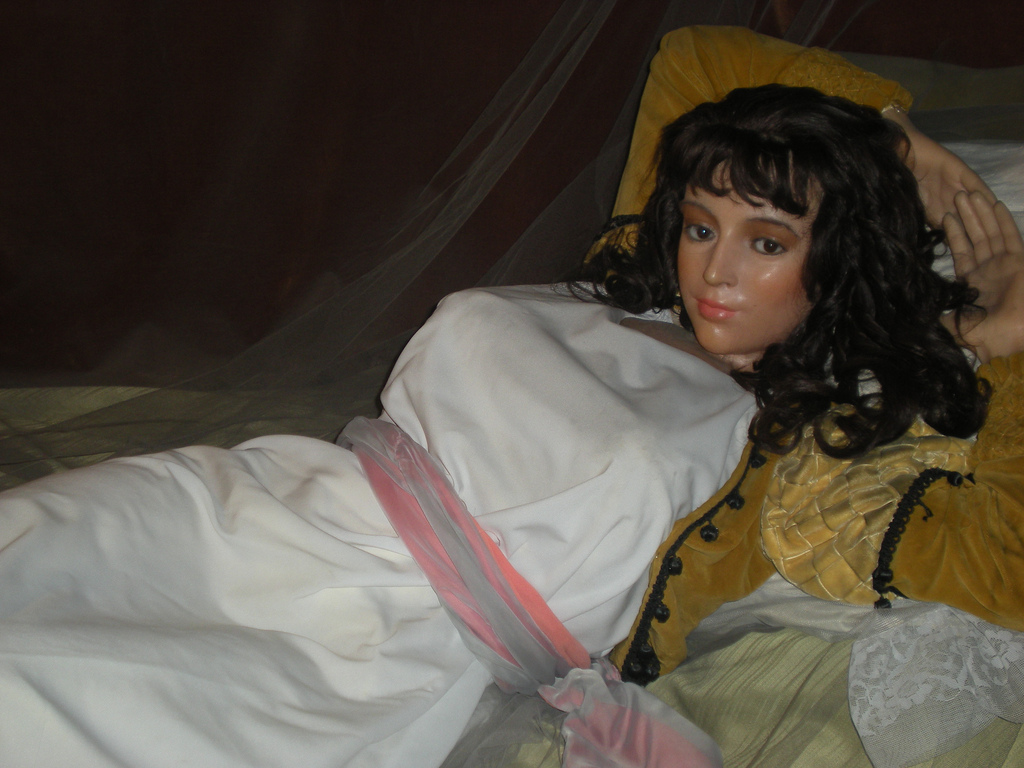
La maja vestida.
También el cine ha incentivado la inquietud que generan estas colecciones de maniquíes. Las películas de terror que se desarrollan en un museo de cera son numerosas, aunque algunas son versiones sucesivas de Mystery of the Wax Museum (1933) de Michael Curtiz, cuyo argumento, curiosamente, gira en torno a la idea de un escultor que busca una modelo para dar forma a Maria Antonieta. El remake más famoso es House of Wax (1953) de André de Toth, protagonizada por Vicent Price y en la que Charles Bronson, con el nombre de Charles Buchinsky, interpreta a Igor, el ayudante del trastornado escultor. Mención especial merece House of Wax (2005) de Jaume Collet-Serra, en la línea de cualquier película en la que se junten como ingredientes una pandilla de jóvenes y su escasa capacidad de orientación, acabando en este caso rodeados de figuras de cera y sin un mechero a mano. La mención especial es por el papel de Paris Hilton y el estremecimiento que produce imaginar el desafío de convertirla en figura de cera. En 2013 se espera el estreno de Wax de Víctor Matellano, con Geraldine Chaplin y Jimmy Shaw, que se ha rodado tanto en el Museo de Cera de Madrid como en el de Barcelona.
La disposición al entrar al museo, con toda esta iconografía a cuestas, es de cierto reparo que se convierte definitivamente en escalofrío al conocer el precio de la entrada: 17 euros. Incluye un viaje en el tren del terror y otras atracciones de las que no puedo dar cuenta porque preferí abstenerme de tantas emociones. La buena noticia es que se puede visitar virtualmente y, aunque la captura es de 2012 y hay figuras que se han incorporado, desaparecido o cambiado de sitio, bien vale como guía para el lector.
El museo está dividido en tres zonas: Galería de la Historia, Galería Principal y Galería del Crimen. La de la historia está en estancia separada de las otras dos y comprende: Imperio Romano, Visigodos, Al-Andalus, Austrias, Borbones y edad contemporánea. La Galería del Crimen está sobre la principal y se accede directamente a través de ella. Algunos personajes están presentes en dos galerías, como es el caso de Juan Carlos I, que está tanto en la Galería de la Historia junto al general Franco —reconocible por el uniforme y las pistas— como en el vestíbulo de la Galería Principal dedicado a la familia real: un espacio amplio en el que están juntos los reyes y los príncipes, a su derecha están las infantas, solas y vestidas de fiesta, y a su izquierda está la figura de Mariano Rajoy, que lee un discurso y cuyo mayor parecido con la realidad es que no admite preguntas.
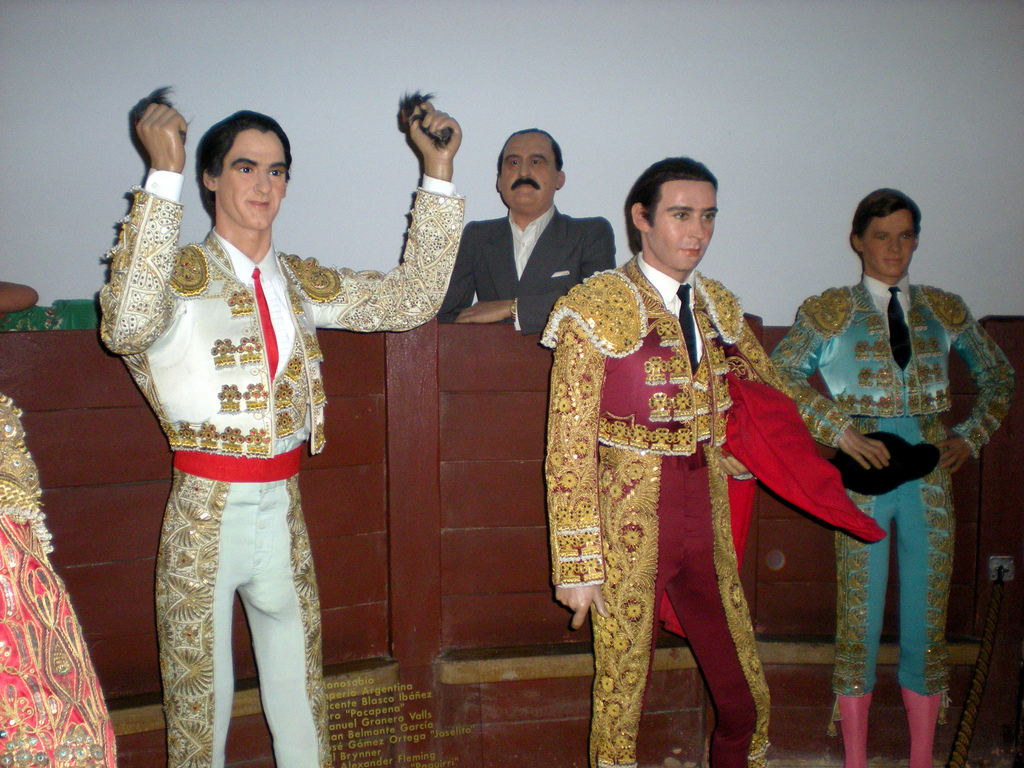
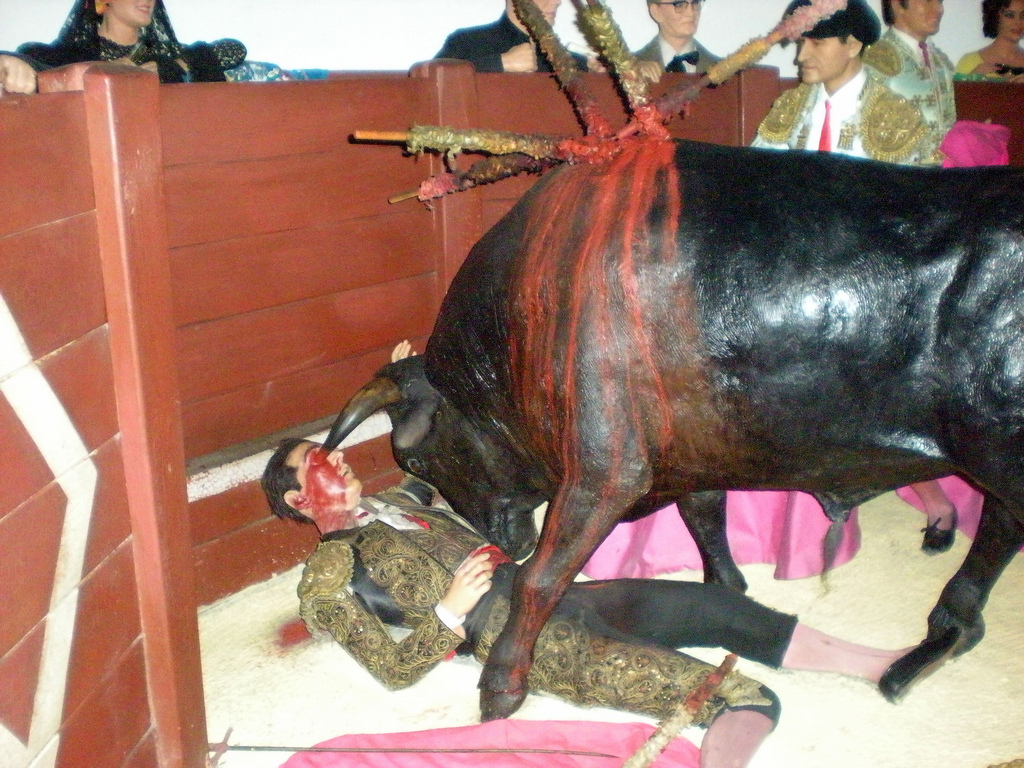
Es con estos personajes actuales con los que el visitante comienza a cuestionarse el parecido con sus modelos por tener los referentes más frescos. Bien es cierto que se encuentran sorpresas gratas, como es el caso de George Clooney (la mejor figura de todo el museo), Antonio Banderas, Tom Cruise o una impecable Marilyn Monroe, pero, en general, el recorrido es un paseo entre figuras grotescas dispuestas en escenas imposibles. Algunas de ellas están provistas de mecanismos de movimiento para simular la respiración (como es el caso de la maja vestida de Goya, que infla y desinfla unos enormes pechos mientras produce un silbido de difícil diagnóstico) o para dar vida al toro Islero (en este caso para simular que asoma por un toril al quirófano en el que Manolete está de cuerpo presente) mientras al otro lado de la sala un toro anónimo clava su cuerno en el ojo de un torero tendido en el suelo mientras Ernest Hemingway y Elisabeth Taylor observan la escena sonrientes desde la barrera y Jesulín de Ubrique levanta dos orejas a su lado. Todo esto sin haber pasado por la sala del terror, donde te encuentras con Alaska en transparencias, la última incorporación a la plantilla.
La Fiesta.
El museo cuenta con 450 figuras expuestas, lo que da idea del grado de hacinamiento que se produce en algunos escenarios. Si bien hay personajes que gozan de espacio amplio, como la familia real o Miguel de Cervantes, que disfruta de despacho propio con vistas a los campos manchegos, otros escritores se ven recluidos en una pequeña sala denominada Café Literario en la que Azorín se ha tenido que aupar a un poyete perdiendo totalmente la compostura. Peor suerte ha corrido Harrison Ford, con atuendo de Indiana Jones, subido al caballito de un carrusel en movimiento junto a Heidi, el pollo de Angry Birds y Harry Potter, componiendo una de las escenas más dantescas del museo.
La sala Estrellas del deporte también acoge un gran número de figuras, entre las cuales se encuentran los mayores desatinos. Carlos Sainz, Pau Gasol, Rafael Nadal y Fernando Alonso son probablemente los más agraviados.
Los temas Historia contemporánea, Personajes de la política, Circo y Far-West se exponen en una sala común, circunstancia que produce una confusión visual propia de una pesadilla al hacer coincidir en escasos metros a Angela Merkel con Hitler y Fidel Castro mientras Mary Poppins, colgada del techo, se balancea de forma siniestra y Anthony Quinn duerme en un banco, con respiración asistida por mecanismo y silbido incluido.
Evidentemente, cuando se llega a la Galería del Crimen —donde además de Ferddy Krueger encontramos la escenificación de crímenes, torturas de la inquisición y figuras de bandoleros y criminales famosos— se llega curtido y curado de espanto.
Para ser justos, hay figuras muy fieles y con detalles muy cuidados. El proceso de elaboración es minucioso, según relata el propio museo: para la escultura de barro de la que se sacará el molde se toman previamente numerosas fotografías y medidas, los ojos son fielmente reproducidos por un protésico ocular, los dientes son igualmente encargados a un protésico dental y se utiliza pelo natural para la cabeza, barba y cejas (hasta 500.000 son introducidos uno a uno y posteriormente cortados y peinados al estilo del personaje). Teniendo en cuenta que hay figuras del hombre lobo, Chewbacca y la desterrada Pantoja, tampoco parece un exceso.
Es de agradecer que sea un lugar en el que puedes tocar, fotografiar y pasear sin la injerencia de los vigilantes. Gracias a ello puedo dar fe de que George Clooney tiene el pelo suave y de que los cafés del Café literario son de verdad pero están fríos.
Visitar el Museo de Cera es viajar en el tiempo, no tanto por su intención histórica como por su anacronismo, pero hasta en los museos más serios siempre resulta una actividad lúdica encontrar gazapos, y este es una mina. En otoño se incorpora Cristiano Ronaldo, habrá que estar alerta.
Reading is sexy.
30 Jun 13:41
Thumbs & Ammo: Popular movie scenes where ‘thumbs-up’ replaces the guns

For those who haven’t seen this one yet: Thumbs & Ammo is a Tumblr dedicated to replacing guns with the always awesome thumbs-up. Their motto is:
Real tough guys don’t need guns, they just need a positive, can-do attitude.
And it’s Fonzie approved.


With thanks to Alice Lowe
Ronald.phillips likes this
29 Jun 12:36

¿Panini en venta?
by El tio berni
Según leemos en la web italiana Lo Spazio Bianco, Panini, la empresa madre italiana cuya filial publica los cómics de Marvel en España, podría estar en venta. Se cita como fuente un artículo en el semanario económico Il Mondo que establece que los propietarios de la compañía, Aldo Hugo Sallustro y Vittorio Merloni habrían encargado un estudio a la compañía Nomura Europe para que evalúe distintas opciones estratégicas, incluida la venta del 100%, para la que esta empresa habría establecido un precio de unos mil millones de euros. Este dossier ya estaría en manos de empresas relacionadas con Panini, como Marvel, y también de posibles compradores, como el gigante editorial japonés Kodansha.


26 Jun 23:38


#FreeSashaGrey
by Ainhoa Rebolledo
NOTA PRELIMINAR:
ESTE ARTÍCULO DEBERÍA HABERSE TITULADO:
“BUENO, POBRE SASHA. NI QUE FUESE LA EMBAJADORA DE NACHO VIGALONDO EN CHOCHOLANDIA”
Empecemos. Tres, dos, uno.
El año pasado nació #FreeSevigny, una organización sin ánimo de lucro cuya finalidad no era otra que convencer a la popular actriz norteamericana Chloë Sevigny de las bondades del barrio de Pinilla, sito en León (España). Los miembros de #FreeSevigny compartían un objetivo común: recaudar (bastante) dinero para elaborar un tuit que consiguiera convencer (en un solo intento) a Chloë de que lo mejor para ella era convertir el Barrio de Pinilla (León) en su Residencia Habitual. Estamos ya a mediados de 2013 y todavía no han conseguido el dinero necesario para mandar ese tuit.
HOY –ahora mismo– nace #FreeSashaGrey. Una escisión en chocholandia Norma Jean creada para liberar a Sasha Grey de la perversión del cine porno y atraerla hacia el tierno mundo de la literatura, como si Sasha fuera una mosca que revolotea alrededor de una bombilla.
#FreeSasha. Liberad a Sasha Grey con un libro!
Y BADABUM. Nos ha hecho caso. MUCHO CASO.
Lo he estado pensando mucho rato –unos tres minutos– y es que, a pesar de que a mí el cine porno NO ME GUSTA por un montón de razones feministas que no vienen al caso, he llegado a la conclusión de que si la industria del cine porno en concreto da [bastante] de comer al mundo del cine en general pues, sólo por este hecho, tal y como están las cosas, el cine porno ya tiene todo mi respeto.
Centrémonos. Este libro se llama:
LA SOCIEDAD JULIETTE
Análisis de texto. Este libro cuenta la historia de una chica –Catherine– que estudia cine, tiene un novio –Jack– y un montón de ideas guarrillas en la cabeza que, para desgracia de la protagonista y suerte de la lectora, el novio no está muy dispuesto a llevar a cabo. Mi madre podría leer el libro perfectamente –con algún sobresalto, quizás– hasta la altura de la página 20 del libro (contando las ocho páginas de créditos y cortesía) que es para cuando Sasha Grey ya ha soltado todas las referencias culturetas del mundo del cine y aparece EL PROFESOR DE CINE –Marcus.
A partir de la aparición de Marcus, Sasha Grey se pone a llenar la piñata de lo que será LA SUPERFIESTA DEL SEXO en la que se convertirá este libro que, por cierto, mola un pegote porque aparte de ser un libro superSUPERinfinitamenteguarro –Sasha Grey sabe perfectamente de lo que habla: hay decenas de párrafos que me he tenido que leer en diagonal de la misma forma que me tapo la cara para no ver las escenas de “te estoy acuchillando los ojos, ¿vale?” en una peli– es un libro muy discretito con una tierna cubierta añil con una pestaña que parece esconder en su interior una trama bastante ñoña… ¡Pues no! Es un libro genial porque no tienes que forrarlo con papel de periódico para poder leerlo en el metro, de momento –acaba de salir esta semana y, de momento,– no es tan famoso como 50 sombras de Grey que, mientras lo lees, todo el vagón es perfectamente consciente de la guarrada que estás leyendo.
Sigamos con lo del análisis de texto. MARCUS. Vale, Marcus. El profe cañón que tanto le pone a la protagonista del libro. Y se me ha olvidado mencionar a Anna, la nueva mejor amiga de Catherine quien, por cierto, trabaja en una web llamada “SODOMA” (supongo que habréis sobreentendido que la web donde trabaja Anna no es una página de economía, precisamente) . Bien, me he acordado de Anna justo a tiempo porque es ELLA la que se trajina a Marcus y la que de verdad hace con Marcus lo que a Catherine le gustaría hacer. Pero, tranquilas, lectoras, no sufráis porque Anna le cuenta a Catherine todas las virguerías –y digo “virguerías” por educación– que le hace MARCUS.
Y bueno, todo es un drama para Catherine porque no sólo su novio no está a la altura de sus deseos “azótame, Jack, azótame” le pide mientras Jack sigue jugando al, pongamos, Farmville sino porque su objeto sexual se tira a su mejor amiga. Tías, este libro está cargado de desgracias. “La sociedad Juliette” es el equivalente al “La máquina de follar” (¿puedo no aclarar que estoy hablando de un libro de Bukowski ahora mismo para que el texto fluya?) de las señoras que hacen la compra en el supermercado en El Corte Inglés.
No sé si me estoy pasando con SPOILERS pero venga, uno más. Hay un dramático momento del libro en el que Jack, el novio de Catherine, la deja sin aparente motivo –o, al menos, yo no lo he entendido aunque, también, ¿alguna chica ha entendido alguna vez por qué un chico nos deja? PUES NO– y cuando Jack se va de casa, Catherine saca la piñata y deja que empiece LA FIESTA, un derroche de sexo –y un poco de violencia al final– ¡este libro es como la Biblia!– que no parará hasta la página 295 –fin del libro– sí, amigas, 295 páginas –interlineado simple, cuerpo de letra bastante pequeñito– de sexo donde no se repite NADA. No sé, si mi vida sexual –y la de muchas de vosotras, imagino– se puede resumir en un tuit, ¡Sasha Grey necesita 295 páginas!

FRAGMENTO RANDOM DEL LIBRO.

FRAGMENTO ROMÁNTICO DEL LIBRO
Y yo me las he leído todas. Y claro, me las he leído con envidia malsana de MUJER y lo primero que he pensado al terminar el libro ha sido “esto no lo ha escrito ella ni de coña. Es decir, no puede ser TAN guapa, DESCRIBIR la escena de la mantequilla de “El último tango en París”, ESCRIBIR un libro tan largo, ser tan mona y luego quedarse tan ancha” así que, lo primero que le pregunté cuando me la encontré en chatroulette fue:

HOLA SASHA, CUANTO TIEMPO HAS TARDADO EN ESCRIBIR “LA SOCIEDAD JULIETTE”
Ella me contestó que lo empezó a escribir en mayo de 2012 y que lo terminó en marzo de 2013. Vale, lo acepto. Me encaja. Sí. Lo ha escrito ELLA. Siguiente pregunta. Una igual o más de estúpida.
HOLA SASHA, QUÉ TE GUSTA MÁS LAS PELIS O LOS LIBROS.
Y va Sasha y me destroza con un “ya desde pequeña –hasta los 16 años– escribía guiones que nunca se producían [es decir, ya escribía antes de actuar] y ahora, que se ha retirado del cine, saca un LIBRO. Esta chica es más joven que yo –y que cualquiera de nosotras, hablemos en plural mayestático para sentirme mejor– y ya lo ha hecho TODO.
HOLA SASHA, ¿CÓMO ES RODAR [OPEN WINDOWS] CON NACHO VIGALONDO?
[y antes de que pronuncie –londo la tía ya se pone contenta y se descojona cosa fina] Dice que Nacho Vigalondo es un poco caótico pero lleno de energía, con mucho sentido del humor –en su cuerpo y en su peli– y muy ACCURATE –busco ACCURATE en el diccionario y veo que significa “preciso” “exacto” “certero”– y que, con Nacho, fue la primera vez que pudo hablar con un director –mira que ha hecho pelis, la chica, eh!– de la peli y de pelis en general pero EH, que se notaba en todo momento que la peli era SUYA y no de ELLA.
BIEN, GRACIAS SASHA.
Oh, dios mío. Esta chica lo tenía todo para ser odiada y resulta ser un AMOR. Una nena del rock muy intelectual, cinéfila y con pantalones de manga larga. LA AMO.
Así que ya sabéis, #FREESASHAGREY. Desde aquí reivindicamos (mucho, puede que hagamos un change.org y todo) que deje de definirse a Sasha Grey como “ex actriz porno” y se la denomine como lo que es una CHICA VIGALONDO: la protagonista de OPEN WINDOWS que también ha publicado un libro llamado “La sociedad Juliette”. #RESPECTSASHAGREY
En OPEN WINDOWS (lo mayusculo porque nunca me acuerdo de si los títulos de las películas se entrecomillan o se ponen en cursiva Y LAS MAYÚSCULAS SON GRATIS) Sasha Grey hace de mujer secuestrada y Elijah Wood, su churri en la peli, es el hombre que emprende una carrera a vida o muerte para liberarla. Pero de esto ya hablaremos en otro momento.
LEED LA SOCIEDAD JULIETTE. Aquí está el primer capítulo. No piratéeis el resto. No seáis malas.
Id al cine a ver OPEN WINDOWS cuando se estrene. No os la bajéis, no seáis cabrones.
UN APUNTE LITERARIO. El 1 de julio empieza el Norma Jean Summer Club de este año. Os podéis INSCRIBIR aquí. El libro de este verano 2013 es Jane Eyre. Stay TUNED. besis!

Si te gusta lo que lees en Norma Jean no olvides seguirnos en Twitter, en Facebook o, si quieres recibir lo mejor de Norma Jean en tu bandeja de entrada cada domingo, suscribirte a nuestra lista de correo.

26 Jun 15:25


Durmirse
by cequelinhos
O campo léxico do sono en galego (non confundir con soño) é máis amplo ca o do castelán. Na lingua mesetaria todo se vai arranxando co verbo dormir. “Me dormí” non é o mesmo ca “Dormí”.
En galego, durmir non se usa como verbo reflexivo e é castelanismo gramatical dicir “Durminme”. O verbo durmir ten no noso idioma o significado de estar nun estado de suspensión da consciencia ou repousar, ben coa forma intransitiva ou transitiva: “Xa durmín un sono des que marchastes”.
Cando falamos de quedar durmido ou prender no sono, en galego podemos usar o verbo trasgolar, recollido no dicionario Estraviz. Se queremos unha forma máis estándar e xeneralizada utilizaremos o verbo adormecer. “Sempre é a mesma cousa; é pór Telecinco e adormecer”. Adormecer tamén se emprega para referirnos á perda de sensibilidade dun membro do corpo, principalmente mans ou pés. “Fiquei quedo nunha mala postura e adormeceume o brazo dereito”.
O estado de suspensión da consciencia do que falabamos pode ser inducido. Nese caso podemos utilizar o verbo durmir en forma pronominal: “Para esa operación dórmente de todo”. Sábese que así está correcto se se pode substituír por anestesiar: “Para esa operación anestésiante”. Adormentar pode ser sinónimo de durmir + pronome ou de anestesiar. Tamén se emprega co significado de facer durmir a alguén con métodos “naturais”. “É especialista en adormentar a nena no colo”. Tamén podemos empregar adurmiñar neste contexto.
26 Jun 14:49
Timeline para iPad. Reseña
by Jason Rider
SnobAaaah querooo!
Ultimamente nos están llegando muchas adaptaciones de juegos de mesa a los dispositivos móviles; dentro de las últimas novedades podemos ver juegos tan grandes como Eclipse, Stone Age, Caylus, o el mismísimo Agricola; pero en esta ocasión vengo a hablaros de Timeline, uno de los lanzamientos de Asmodee y que ahora podremos disfrutar en nuestros dispositivos móviles a un bajo precio.
Este juego para quien no lo conozca tiene una mecánica y unos objetivos muy fáciles. Nuestro objetivo será conseguir descartarnos de las cartas antes que nuestros rivales, para ello deberemos jugarlas teniendo en cuenta nuestros conocimientos de historia y cultura general, ya que las cartas representarán inventos, obras de arte o acontecimientos históricos de relevancia mundial. Para ello, antes de empezar se sacará una carta en el centro de la mesa y la pondremos por el lado en el que vemos la fecha (esto es en la versión física del juego) y a partir de ahí, los jugadores se irán alternando turnos para colocar sus cartas a la derecha o izquierda de las cartas que ya se hayan jugado, intentando averiguar si son acontecimientos históricos anteriores o posteriores a los que ya se encuentran en mesa.


En la versión para iPad es igual, han conseguido una muy buena adaptación, pero recuerda que si quieres jugar como el juego de mesa, tendrás que hacerlo contra amigos y compartiendo el dispositivo, dado que no hay forma para jugar por Internet. Como podemos ver en las imágenes, solo las cartas ya jugadas enseñan la fecha, y las que tienen los jugadores están tapadas, y sólo al jugarlas podremos ver la fecha y ver si hemos acertado o errado.


Por otro lado, nos han puesto dos formas de juego solitario. La primera jugaremos contra el tiempo, intentando conseguir el mayor número de aciertos en el tiempo establecido que se nos presenta. La segunda es por el estilo, pero en vez de tiempo, tendremos 5 fallos (si no recuerdo mal) y luego se nos dará la puntuación que hemos conseguido. En la foto que vemos a continuación, podemos ver el modo solitario contra el reloj. También algunos acontecimientos tendrán su historia disponible para leerla en el juego y así descubrir más sobre el mismo.


La compañía también ha puesto algunas ampliaciones para poder disponer de más inventos, dado que el juego básico cuando llevas unas cuantas partidas ya te lo conoces y te aburrirá. La aplicación se puede conseguir por $2.99 y las ampliaciones cada una por $0.99. Si el juego te gusta y aun no lo tienes, esta es una buena opción y sobretodo barata para poder hacerte con todo el material.

26 Jun 14:07


New Orleans-Style Barbecue Shrimp from 'Mastering the Art of Southern Cooking'
by Kate Williams
SnobNa cociña do Rancho Megalove fan algo parecido, por iso comparto, probádeo! :D (podedes pasar de romeiro, cravos e creole seasoning, na miña receita viña pementón, ourego e caiena no seu sitio) O PAN PARA MOLLAR É INDISPENSABLE.
[Photograph: Kate Williams]
First things first, let's get this straight: barbecue shrimp is not barbecue in the low-heat, wood-smoked, or whole-hog sense of the term. Barbecue shrimp requires only quick stove-top cooking with no grill in sight. But what it does have in common with barbecue is the spicy, saucy mess than ensues when sitting down to a big bowl of the stuff.
The version in Nathalie Dupree and Cynthia Graubart's Mastering the Art of Southern Cooking is a fine example of the New Orleans delicacy. Large, head-on shrimp are quickly sauteed in garlic and rosemary-infused oil before being doused (seriously, doused) in hot sauce, Worcestershire, lemon juice, beer, and more butter than you'll think can fit in the pan. But it does melt its way into the sauce and plays an important role in taming the heat. Also, butter just makes everything taste better, right?
Why I picked this recipe: Shrimp, butter, and hot sauce. Can't go wrong.
What worked: Spicy and buttery with whiffs of the sea, this sauce is reminiscent of good ol' buffalo wings sauce. But the addition of Creole spices, a whole head of garlic, and fresh herbs takes this finger-licking sauce to a whole 'nother level.
What didn't: No problems here.
Suggested tweaks: While this recipe works best with large, head-on shrimp, you can still make it with smaller, headless shrimp if that's what you can get. Keep the shell on and cook the shrimp a little less than the time directed.
Reprinted with permission from Mastering the Art of Southern Cooking by Nathalie Dupree and Cynthia Graubart. Copyright 2012. Published by Gibbs Smith. All rights reserved. Available wherever books are sold.
Ingredients
serves Serves 2, active time 30 minutes, total time 30 minutes to 1 1/2 hours
- 2 pounds large head-on shrimp
- 2 tablespoons Creole Seasoning or commercial seafood seasoning, divided
- 1 tablespoon oil, cook’s preference
- 1 large garlic head, cloves chopped
- 2 tablespoons chopped fresh rosemary
- 3 tablespoons Worcestershire sauce
- 3 tablespoons hot sauce
- 1 lemon, quartered (juice removed and reserved)
- 1/3 cup beer
- Salt
- Freshly ground black pepper
- 1/2 cup butter, room temperature
- Crusty bread, for serving
Procedures
Sprinkle shrimp with 1 tablespoon of seasoning. (This may be done up to an hour ahead).
Preheat a large skillet over high heat; add the oil and heat briefly. Add the garlic and rosemary to the pan and stir to lightly brown garlic, watching carefully to prevent burning.
Add the shrimp, Worcestershire sauce, hot sauce, and lemon juice and quarters. Lightly stir the shrimp and the ingredients, just enough to mix.
Pour in the beer, stirring to release any bits clinging to the bottom of the skillet, and boil the mixture to reduce while shaking the pan. Cook shrimp 2 to 2 1/2 minutes, depending on size, and add remaining seafood seasoning and salt and pepper to taste. When shrimp are finished cooking, the liquid should have a sauce consistency.
Quickly whisk in the butter, turning the heat down as necessary, until it is melted into the sauce, leaving it thick and emulsified. Taste and add salt and pepper if desired. Remove lemon quarters. Serve with crusty bread, lots of napkins, and fingerbowls. Garnish each serving with a lemon piece.
26 Jun 12:42
Filed under: Uncategorized

The Secret History of Dominion
by theory
The “Secret Histories” are a series of articles by Donald X. Vaccarino, detailing the evolution and development of a particular expansion. This one covers the entire game. Previous “Secret Histories” can be found here; the forum discussion topic for this is here.
W. Eric Martin interviewed me for his website, BoardGameNews, some years ago. He mostly wanted to know about the game itself, so I decided to write a companion article about the cards, which is how the Secret History series got started, with The Secret History of the Dominion Cards. BoardGameNews is long dead, and, while I’ve told this story to various lengths many times, it seems like, what, let’s have it in a convenient place I can link to. Plus I can talk about everything that wasn’t out, because man, it’s out. So here goes.
SPIRIT WARRIORS II
In 2003 I made a game called Spirit Warriors. The idea was to make a game that my friends were sure to like. I guess I had made a few duds in 2002, it’s kind of hazy. Anyway in Spirit Warriors you built up fantasy heroes while going on quests and fighting monsters. It was good times but I am unlikely to ever try to get it published. It had 500 unique cards, so just making a presentable prototype would be too much work, let alone balancing everything. And a game lasts four hours. So the audience would be somewhat narrow.
A couple years later I decided to do a sequel. This game would still involve building up fantasy heroes while going on quests and fighting monsters, but would be as different as possible otherwise. Spirit Warriors gave you a single hero, so Spirit Warriors II would give you a party of four. Spirit Warriors involved rolling tons of dice, so Spirit Warriors II would have card-based combat.
My initial idea was that you would draft four heroes, and then get a packet of 8-12 cards per hero, shuffle them together, and draw cards from the resulting deck. When you drew one of your Ranger’s cards, that would be something your Ranger could do. Each hero would have two skills and you could build them up as you gained experience. A card might be, deal 3 damage per level of bow skill.
While working on this game I realized that the math was too hard. You look at the first card in your hand. Deal 3 damage per level of bow skill. You look down at your Ranger. Bow level: 2. You multiply, that’s 6. Now remember that number and move on to the next card, a sword card for your Paladin. Figure out its total and add it and then move onto the next card. You’re looking back and forth and back and forth and remembering numbers. I made a sample situation to test on my friends. People took forever and then got the wrong answer.
What I needed was cards that just said “deal 3 damage.” Bam, end of story. But I wanted you to build up your heroes, that was a key fun part. The obvious solution was to gain cards as you levelled up. You’d start with say 2-3 cards per hero, and when your Ranger gained a level of Bow, that would just mean you took the next Bow card and added it to your deck.
Once I had that idea I realized I could make a game out of just that concept – building a deck – with none of the rest of it, no quests and monsters and things. I jotted down some notes on what that game might look like, then went back to work on Spirit Warriors II.
Spirit Warriors II was going to be another 500-unique-cards monster. It was slow going. One weekend in October of 2006, I was desperate for a new game to play that Monday night, and decided, hey, I could whip out the simpler pure deckbuilding thing. It didn’t need 500 unique cards; most of the work would be googling for art and cutting and sleeving. So I whipped it out.
THE INITIAL DESIGN
The concept was a game where you built a deck. I decided to take this to extremes: everything would be in the deck. Resources, actions, victory points, all in the deck. I didn’t do this for any special virtues it had, beyond sounding cool. Obviously having victory points in your deck meant that your deck would get worse as you got points, and that was nice, but I didn’t do it because of that, I did it just for the aesthetic joy of putting everything in the deck.
In my initial notes, I had thought I would have multiple resources. But when I actually made it, it seemed like, wouldn’t I draw a poor mix of resources sometimes and be sad? I went with just one resource, that seemed better. I made multiple values of it so you could build up.
How should money work? There are a bunch of options. A key thing was that I wanted money in your deck, but didn’t want you to trivially get a tiny deck by playing all of your money. So money is really income; you play a treasure and get some coins and then at end of turn it’s in your discard pile ready to be reshuffled back in.
You draw 5 cards a turn. This was so that you’d see your whole deck during the game; it was a problem I’d already addressed in Spirit Warriors II. If you just drew one card a turn you wouldn’t so much be playing the deck you were building, unless the game lasted forever. So, draw 5 each turn, discard everything you didn’t play. Let’s churn through some cards. This meant lots of shuffling and well there was no-one to tell me how crazy that was.
It’s hard to shuffle a tiny deck. I felt the minimum I could ask was about 10 cards, and at the same time I liked getting two turns before the first shuffle, so 10 it is. I didn’t want your initial cards to really be your deck, to feel like they were key players; the cards you bought were supposed to do that. So you start with junk. Day one it was 5 Coppers, 5 Estates. The Estates could have been blank, but it seemed cute to have them be worth a VP, and it meant I didn’t need to make another card for that slot.
On your turn you can play an action card, then buy a card (including playing treasures). In my old notes I had considered just letting you play a card, and having buying cards be built in to some cards (including ones you started with obv.). I didn’t want it to be, this turn is dead because I didn’t draw one of those. So, you can buy a card without playing anything. Getting to play one action was just a classic simple thing. I’d done a similar thing in a trading card game I made that was trying to be the simplest possible trading card game – on your turn you drew a card, then played a card, then you were done. Of course some cards in that game let you play more cards, and I knew from the start I would want such things here. In some ways “you may play an action, then you may buy a card” is just an excuse to make cards that say “you can play more actions” and “you can buy more cards.” Which is good, you need there to be things your cards can do.
How are your options for what to buy determined? Initially I thought there would be like a line of cards, and when you bought one we’d deal a replacement from a deck. That sounded bad though – too much of the game would rest on having a good card get turned over when it was your turn to go next. And to avoid the game coming down to flipping over victory cards, they needed a separate scheme, or everything had to be worth points. I wanted victory cards to be their own thing and in your deck so this was no good. In the end I did not figure out a solution. For the first session I decided to just put everything on the table at once, and we’d buy whatever we wanted, and this would make it easy to spot overpowered cards and tweak them. And if the game otherwise worked then I would figure out a better way to determine what you could buy. Well as you may have guessed we liked having a big selection of cards and so I just went with that. I had 10 kingdom cards the first night and while I made more cards, I kept it at 10 out at once.
I decided you might be so screwed you needed to buy Copper, so it was a pile, along with Silver and Gold. Copper cost $0 so you’d always be able to buy it. There was no special logic behind Silver and Gold costing $3 and $6. You can argue that all other costs in the game were scaled to those costs.
Initially I thought I would have three sizes of VP cards and it would be possible to go for all three – to pursue an Estate or Duchy strategy. In the end when those things are possible the game is too short for people to have fun, so that stuff is really confined to particular cards being out, or special VP cards like Gardens. Estate and Duchy are the cards you know, but Province was originally 5 VP (for $8).
The VP and treasure cards had no names at the start, they just had giant numbers and icons. I gave them names later because I needed to refer to them for cards like Moneylender.
The victory condition was going to be most VP in deck, but I needed an end-of-game condition. I also needed to answer the question, what if a pile runs out? I addressed both by having the game end when a pile ran out. That remained the end condition until after RGG had the game. Each kingdom card pile had 12 cards in it, just chosen as an amount that would ensure we could all get a couple. I had whatever random amounts of the treasures and Curses, and gradually added more as we ran them out.
I don’t quite remember exactly what 10 kingdom cards were first. I know Mine was there, in close to its final form – it traded Copper for Silver or Silver for Gold and cost $5. I had two attacks, probably Knight (trash the top card of each other players deck) and Witch (in its first form, cost $3, each other player gains a Curse). I had Village for $5 with just +2 Actions, and Market for $5 with just +1 Buy. I had Remodel. There was +1 Card +1 Action +$1 (all written out, there were no +’s). I had Moat and possibly Chapel.
The first version of the game was black-and-white, printed on colored paper. Victory cards are green because I had a bunch of green paper. I made attack cards pink, then later relented due to “attack” not really meaning anything to the rules.
I had to pick flavor. I had been meaning to make a kingdom-building game, and this seemed like a good fit, so I went with that. I had made no kingdom-building games, and had no real picture for how common different themes were in published games. The initial cards though ended up concentrated around castles. So I called the game Castle Builder. There’s no point putting great amounts of effort into names for prototypes; for all I know the prototype won’t work out. If the game turns out to be good though then it tends to keep the name it started with as we continue to playtest it, because we’re used to that name.
THE EARLY DAYS
The game went over great that first night. The cards were all wildly imbalanced, but we would put dice by the piles to indicate new costs to test. So there were only 10 kingdom cards, but the game was different each time due to cards changing in cost.
Over the first couple evenings, I played around with the starting decks, finally settling on 7 coppers 3 estates. I liked the variety of openings that gave you, and you started out with enough money to do something, given how much Silver cost.
The first night there were 10 cards. I made 10 more for the next night, but kept just 10 on the table at once. We liked having 10 cards to choose from, but I am big on variety, and switching out cards between games seemed like a fine way to get it for this game. It seemed like 20 cards might be a good total number of cards, but I kept making cards.
Dominion took over my game night, and also my Magic night. We got in some games on the side too. Clearly this was the game, at long last. When Dominion won the SdJ, I got interviewed a lot, and sometimes people would say, did you expect it to be so successful? And, like the most egotistical person who ever lived, I would say, yes. Yes I did. I had seen what Dominion could do to a group of gamers. I didn’t know if I could get it published, but if I could, my guess was, that at game stores there would be a shelf just for Dominion stuff. I did not anticipate that the shelf below it would be full of clones.
When I had 50 or so cards, I split them up. I decided a particular group of simpler cards would be the main set, and then I had two expansions. The first had a one-shots theme, plus choose-one cards and VP cards that did things; the second had cards that did stuff next turn and cards that did stuff when you gained them. I considered doing event cards for the first expansion (you flip over events periodically and they do things), but it seemed like a poor fit; event cards are something you do to get variety, and the game already had plenty of variety. And the other players attacking you (or helping you sometimes) is like an event. So, none of that. I did initially refer to the first expansion as Events though, after the one-shot theme, before switching to Intrigue. And the second expansion was Abroad, because we had left the castle. There were only so many rooms in a castle.
The main set had 25 kingdom cards, and the expansions each had 15. So 55 cards made it, not counting Copper etc. And that’s that, a job well done; while we continued to play it, I got to work on new games. No-one would try the new games though, they were just time not being spent on Dominion. We’ve had a hard day at work, we’ve been looking forward to our Dominion, how can you expect us to play anything else, you ogre. So those games went nowhere for the moment, and I decided, okay, I can make some more expansions.
I asked Molly if there was a theme she wanted to see, and she said “spendy.” So I made a spendy-themed set, Prosperity. It too was initially 15 cards. Then I decided maybe that was too small, and upped the expansions all to 20 cards. I didn’t count Platinum and Colony; Prosperity got a full 20 kingdom cards. Then I made a player-interaction-themed set, called War, and finally a set with a new resource, Potions, which I called Alchemy. And those sets were 20 cards too.
The cards changed as they proved too weak or powerful or no fun, but the rules barely changed from day one to when I showed the game to RGG. The starting hands changed from 5 estates / 5 coppers to 3 estates / 7 coppers; the number of cards in the copper etc. piles changed; and finally, the play area showed up. Initially we were putting played cards straight in the discard pile. That has issues that are solved by putting them into a play area instead.
DONALD X. GOES TO ORIGINS
It seemed like, if any of my games were publishable, this one was. I had made several trips to Wizards of the Coast to show off games, but they hadn’t been interested in submissions for a while (focusing on trading card games instead), and it turned out Richard Garfield no longer worked there. I don’t enjoy travelling and a trip to Seattle was not sounding as good as I had been hoping. So I looked at the published games I owned, to see who made them. Box after box said Rio Grande Games. So I looked up their website and emailed them, offering to submit games. Jay replied within 20 minutes to say, I only look at games at cons, here are some I’m going to this year. I looked up the cons, and man they were all in the summer, with Origins first. I said how about Origins. He said see you there.
I got to work making pretty prototypes of, in the end, nine games. I was going to stop at eight but I had more time and more games. I brought ten games so it would be an even number, but the last game had an older uglier prototype.
I gave Jay a whirlwind tour of the ten games. Initially it sounded like he was interested in two, and tentatively interested in two more, depending on what some game-reviewer-type people he knew thought of them. Later he decided to have the game reviewers look at just the first two. I was not expecting him to take ten games; two would be fine. As it happened the reviewers liked those games, which we will call Dominion and Monster Factory. Jay still wanted a month to consider whether or not he wanted them, but ended up wanting them. There will be no big twist alternate universe to this story.
One of those game reviewers, who we will call Valerie, wanted to “develop” the game. Jay thought the game should have someone making sure I wasn’t crazy, and brought her on. She in turn asked her friend, who we will call Dale, to help her. I will sometimes refer to them collectively as “Valerie,” since Dale wasn’t official for a while, and I don’t really know what all he personally suggested.
The game was 500 cards. One significant issue was, could it be smaller? Would people even buy a 500-card game that was “just cards?” I worked out various ways we could potentially reduce the number of cards. In the end it’s 500. It got everything it wanted.
I worked a lot on the specific card mix. I stole cards from expansions to improve the main set – Library, Gardens, and Festival were all from Alchemy; Council Room was from War; Chancellor and Feast were from Intrigue. I made a new batch of cards and scattered them to the various expansions, then took Spy and Adventurer for the main set. And I gradually solved the discard-attack problem. I had tried things like “each other player discards 2 cards,” and they would end up both awful and broken. Militia solves the problem with “down to 3,” while Bureaucrat does by both only hitting a certain category of cards, and by giving the player of Bureaucrat a Silver, thus reducing their ability to play lots of Bureaucrats every turn. I also worked on the trashing-attack problem – the original card had been “each other player trashes the top card of their deck,” which was weak, very random, and could potentially lock you out of the game. I did not solve the problem in time, so the main set just got Thief.
Valerie and Dale playtested, but card power levels weren’t so much their thing. They focused on wordings and which cards they liked or didn’t. One card in the main set is functionally different due to them – Thief originally put the untrashed cards back on top. They didn’t like that if you played Thief and it missed, the next Thief in the same round of turns would also miss.
Originally there were two dead cards, Curse and Confusion. Confusion was blank. The card image was a hypnotic spiral, and when people were confused by the card, I would hold one in front of them and rotate it. Anyway Confusion wasn’t worth the 30 cards it required; in the long run I rescued the concept of not-as-bad-as-Curse with the Ruins in Dark Ages.
Originally if you had to draw three cards and had only two left, you shuffled first – shuffling in those two cards. Valerie wanted the more conventional, draw those two and shuffle to get the last one. I was worried it would reduce luck too much, but tried it out and of course it was fine. Valerie also didn’t like that Curses could come out of the trash, which is how it had worked.
The most important change was the end condition. In the original game, if two other people went for Duchies, you had to go for Duchies too; I knew this but it didn’t seem like an issue, because all you could do was make the game boring, it didn’t just win for you. It turns out that being able to make the game boring is not great. I had already changed the end condition from “any empty pile” to “any empty victory pile,” to save on cards. Instead of 12 cards per pile there were 10, except for victory piles; but it played the same as it previously had, because to stop the game from ending you used to have to leave two cards in a pile (if you just left one then whoever was ahead would buy it to lock in the win). Anyway I further modified this to “Provinces empty or 3 piles empty,” to make sure that rushing Duchies didn’t just end the game without help from something. It was fine if sometimes it was a thing, as long as normally you got to build up your deck. I also raised Province from 5 VP to 6 VP.
I was confident that the expansions would come out, so the total number of starting treasures had to handle the expansions. It may seem like a bunch more Silver than you need, but I knew cards would eventually show up that ate up that pile, and the same for Copper and Gold. Then too it was no good just getting close to 500; it was going to be 500, and any extra space could go to extra treasures. In the end you do get some blanks.
You don’t necessarily need a separate randomizer deck. I’ve never had one – I use one card from each of the piles, and return it to the randomizer deck after the game – but I knew a publisher might want one, and I guess they did. Valerie also wanted randomizer cards for the non-randomized piles, Copper etc., I guess to mark empty piles. People did not end up interested in those, so Intrigue doesn’t have them.
I had a list of 10 cards to play with for your first game. This came from my experience with making many games that are different each time. Inevitably someone’s first game will have the worst set of things. I try to make that worst set still good, but another thing you can sometimes do is, just dictate what they play with for game one. So I had a set of 10 and of course when I showed the game off at Origins the rules sheet with that list was out of reach and I just stuck out 10 piles that looked reasonable. But it certainly made sense to have a first game 10 cards in the rulebook, and this was something Valerie and I worked on tweaking. Valerie also wanted more of these lists of 10, in case people didn’t want to jump straight into random 10. I said okay and made four lists, and I think Valerie played them once each and in they went. But the first game 10, some work went into that.
PORTRAIT OF THE ARTIST AS AN EXPANSION DESIGNER
Jay knew that, if the game was popular, people would want an expansion immediately. And hey I had expansions. Intrigue was finalized right when the game came out, in order to get it out in a timely manner.
When I found out that 500 cards was possibly too many, I looked at ways to do smaller expansions. I made new cards, and reconfigured the original five 20-card expansions into eight 15-card expansions. They were: Intrigue, Seaside, Prosperity, War, Alchemy, Abroad, Prophecy, Dark Ages. They wouldn’t have necessarily come out in that order, this was just a temporary thing. The original second set, I split up into Seaside for the next-turn stuff and Abroad for the when-gain stuff. I added Prophecy, which was “top of your deck” themed, and then Dark Ages was some random leftover stuff, including Confusion and also some “weird stuff involving costs,” like Peddler. The Dark Ages you know is a descendant of War, not this Dark Ages, although the Dark Ages you know does have Ruins and also some random leftover stuff. I guess that’s just how the Dark Ages go.
In the process of stealing cards for the main set, I worked out that War just couldn’t keep its “player interaction” theme. Attack cards are interactive and slow down the game; non-attack interactive cards like Council Room and Trade Route are interactive but do not necessarily slow down the game, and may even speed it up. Every set needed some of those cards. So War lost that theme and was in shambles for a bit, though I figured I would beef up an attack subtheme there.
I didn’t stick with the 15-card size. I played those sets but it was clear that 20 was better. So Intrigue was going to be 20 cards. Then Jay said that 25 would be better. So I added 5 cards to Intrigue, and then that meant I would be adding 5 cards to every set.
I re-reconfigured everything into six expansions: Intrigue, Seaside, Prosperity, War, Abroad, Alchemy. Splitting up Abroad had worked out well so I kept that change. Confusion still didn’t seem worth doing and the weird-cost-related stuff didn’t want to all be in one expansion. And the top-of-deck theme was invisible, you just saw ordinary Dominion cards randomly grouped together. Anyway I needed some of those cards to beef up the other sets. This order seemed like it would be how things went; Intrigue I groomed to be the first expansion, and Prosperity wanted to be third so that you got some time without Platinum and Colony before they showed up. Alchemy wanted to be last since not everyone would like Potions. The other three were pretty flexible, but I decided on that order. One thing was that I wanted to reuse mechanics in later sets, and doing Seaside second meant I could do duration cards in the later sets. As you know that did not work out, due to the rulebook space duration cards eat up.
These new 25-card sets weren’t all finished or anything. They were going to need more work and new cards and playtesting. In a few cases there were holes left that I wouldn’t get around to filling for a while. I had time, the expansions were not all coming out at once. So Intrigue, Seaside, and Prosperity were full sets pretty quickly, but War and Abroad took more time for me to have a full 25 cards for testing, and Alchemy sat around unfinished.
Originally I playtested with the same friends who had originally played the game, and anyone else who came over. I also wrote a computer version and playtested with some old online friends, who were key playtesters. Later I playtested some at Cornell. Seaside had celebrity guest playtester Richard Garfield; Tom Lehmann and Wei-Hwa Huang started playtesting as of Alchemy, and stayed with it to the end. Valerie also had playtesters, but they never really had an effect on card power level or anything, they just reported what they liked and didn’t.
So. Intrigue was done when Dominion came out, in October 2008. And Dominion went over well and while it wasn’t a surprise it’s still nice when things go like you expect, especially when you expect good things. And I moved on to polishing up Seaside.
Then Dominion was nominated for the SdJ. This was a surprise; I was sure it was too complex. It was nominated though, and I was going to have to fly to Germany for the press conference. I missed my flight and as a result some people decided I probably didn’t exist. There are geekbadges that let you pick your side on this crucial issue. I guess some people must still be skeptical, but usually I can convince someone if I rub my stomach and pat my head at the same time.
Dominion won, which was again a surprise; even though the nomination meant it wasn’t too complex, I still thought it was too complex. Dominion is pretty simple ruleswise – play an action, play treasures, buy a card, discard, draw five. Which some people abbreviate as ABC. But it’s a trick: there are rules on the cards. You have to count those. When you count those it’s a lot more complex. It’s turn one of your first game: read ten cards. Anyway it won, I don’t know what to tell you. I always imagine that they decided later that oops, it was too complex after all, and then the next few years some very simple games won, as if that proves anything. Anyway I thought and hoped that the award would make it easier to get games published, and while it did, it wasn’t so extreme as I had been hoping. It really takes two of them before people think, man, let’s just publish something from this guy, see what happens.
Anyway I missed that flight but now I was going to have to go to Essen. I went to Essen. I hung out at the Hans im Gluck booth mostly, drinking “still” water and Coke. Schmidt arranged a bunch of interviews for me and I did them. The first question in the first interview was, “what question are you asked the most often in interviews.” I chatted for a while with Friese and Seyfarth; I shook hands with Knizia but didn’t manage to chat with him. I met a European friend who I only knew from online. Rajive of Queen Games asked me to submit something to him; I had already given out the prototypes I’d brought with me, but said I’d keep him in mind. And I went to a gaming event that the SdJ people have, and I got the DSP and made funny faces for the press, also if you are ever in that situation I recommend looking down at the most extreme angle possible, they are all underneath you and so are going to be taking lots of photos of your chin otherwise.
Seaside came out at that Essen, and there was business to talk about with the various companies involved with Dominion. The Germans wanted small expansions. As fast as possible. I had been warned about this and had looked at what I could do quickly. The answer was to make a small expansion out of Alchemy. The potion part was half the set and well there you go, a half-sized set. I think what the Germans actually wanted was even smaller expansions, but they settled for what they could get. And so Prosperity was already done, but got pushed back 6 months, while I was expected to instantly whip out Alchemy. I demanded another month and got it. I had to submit the card names in advance though, so the art could be done.
This delay meant that I had six months to polish Prosperity a little more, so I did. And then I was going to need another small set, since now the idea seemed to be to alternate. I reworked the rest of Alchemy plus a “hand theme” concept into Cornucopia, then abandoned the “hand theme” in favor of “variety,” since the hand theme, like top-of-your-deck, was invisible, and variety was visible enough that people already thought that was the theme. Valerie was gradually less involved over the years, and left during Cornucopia.
isotropic, which some of you old-timers may remember, started out as a secret site, that had a Dominion program we were offered for playtesting. This was around Prosperity. Doug, the programmer, had made something way better than the crude thing I’d made that we were using, so we switched over and never looked back. I am sure we got a lot more online playtesting done because the program was so much better. Then he wanted to go public and we said sure. There were already public online versions of Dominion, that various people had made, including an official version at BSW. They all eventually went away to make way for the commercial version that Goko makes, which you can all talk about on videogamegeek, I am just being complete okay.
Hinterlands flirted with being a standalone. Intrigue was a standalone; Seaside had playmats and tokens; Prosperity had playmats and tokens. Hinterlands and Dark Ages had no playmats or tokens. Would they just be slightly cheaper? Would what the price would have to be look attractive? That had been an issue before. I figured hey, one of the sets could be a standalone, let’s say Hinterlands, and the other could be a full 500 cards – no playmats, not a standalone, just gigantic. I had two solutions that let the sets be 500 cards.
There were certain pros and cons to having Hinterlands be a standalone. In the end Jay decided against it. For a while I was trying to make the set simpler though, to make it function better as a standalone. Then after Hinterlands I was going to need another small expansion before Dark Ages. I turned to “coin tokens” as a theme that sounded good and likely to work, and made Guilds.
Hinterlands came out on schedule, and then Jay wanted to do the Base Cards product, and so pushed back Guilds. We had considered Copper etc. with art as of Intrigue. We didn’t think of it for the main set. When other people suggested coloring the big coins, we thought, oops, we should have done that. But there was the issue of making the cards match and in the end Intrigue was stuck with the original cards. But people sometimes mentioned wanting prettier base cards and well eventually Jay decided to go for it. That meant that that year would just have Guilds. It seemed better to me to have the only expansion for that year be gigantic instead of small, so I suggested switching Guilds and Dark Ages, and Jay switched them. So the expansion that only existed to go in-between two large sets is no longer in-between them.
Dark Ages was going to be the last set, and so anything that I hadn’t managed to get to work yet that still seemed promising, I gave another shot. And Dark Ages was big enough to squeeze in any of those things that worked out, and the crazy things wouldn’t sink the set as much for the people that didn’t like them, because man, plenty of other cards. Dark Ages was Dominion going out with a bang and well Guilds came out afterwards because that’s the way of the world. Guilds was the last set I started on though, the only one completely postdating the original five expansions, and Guilds kind of gives you an idea as to where things might go if I had to make more expansions.
You get better at these things as you go along. Looking back, me and my playtesters got a lot better as of Seaside; the main set and Intrigue have the most duds that I would improve or replace. Prosperity is better balanced then Seaside and then I don’t think things really changed much after that, balance-wise. Later on I focused too much on dredging every last ounce of playability out of each card, and Hinterlands has a few cards that I would make simpler if doing them today. They are slightly better than they might have been in terms of playability, but at a real cost in complexity. I learned from Saboteur and Sea Hag that people didn’t want to see pure attacks, and I also learned from the early sets that attacks in general were not the most popular cards. Later sets focus just a little more on non-attack player interaction instead. I learned from Alchemy that the amount of time it took to resolve a card was a real issue, that there shouldn’t be really slow-to-resolve cards or too many somewhat-slow cards, and later sets try to avoid those problems. Some people don’t like Alchemy because of the Potions, but I think the slowness issue looms larger.
MY MY, LOOK AT THE TIME
Time spent on Dominion expansions is time not spent on anything else. And the expansions necessarily get more complex over time, as all of the simple things get used up. I am not sure most Dominion players want to see really complex expansions. You also get less variety as you get more expansions – you get new things, but while the first few expansions were giving you a lot of variety, after eight you already have endless variety. So I have felt good about ending things at eight expansions for a few years now, and have never made a move towards a ninth. The light that burns twice as bright burns for eight expansions, as they say.
I continue to have big plans to make spin-off games. People have made a lot of spin-off games without me, and I don’t want to make one of those, but maybe I will find something worth doing. I have had a couple false starts so far, where I started with a new deckbuilding game premise, then ended up taking out the deckbuilding to make a better game; the first one turned into Kingdom Builder.
Filed under: Uncategorized



















26 Jun 01:47



Literatura histérica: ya empieza el contagio
by Pinjed
Hace casi un año os presentábamos el proyecto Hysterical Literature, del artista Clayton Cubitt. La idea era simple: invitar a damas de todos los ámbitos a una lectura en voz alta de varias obras importantes mientras un vibrador hacía su trabajo debajo de la mesa. La primera fue Stoya, una experta tanto en leer como en tener orgasmos ante la cámara. Ahora el proyecto se ha hecho tan famoso que ya le salen imitadores: aquí la escritora mallorquina Roser Amills pegándose una buena corrida mientras lee El carrer de les Camèlies de Mercè Rodoreda.
26 Jun 00:34
This Is Not Photoshopped
by Alex Santoso

Now this is a nifty optical illusion trick: You'd think that the photo above is stitched together in Photoshop, but it's actually just one shot. Photographer Bela Borsodi carefully positioned objects of different colors to create this nifty optical illusion for an album cover by the band VLP: Link - via Daily Mail
See how it was done:

Here's the behind the scenes clip:

26 Jun 00:17
5 Things You Need To Know Before Living On Your Own
SnobXente que pasa varios anos de carreira en Compostela e NON APRENDE.
By Diana Cook Published: June 20th, 2013
You did it! After years of living under someone else's household rule, you finally have a place of your very own. A place where you can decorate, entertain and go about your daily business as you see fit - but before you tack up that first Gustav Kli


Liachan likes this
25 Jun 23:35
4 Questions People Debating Rape Jokes Should Ask Themselves
SnobGladstone's got all the right points!
By Gladstone Published: June 22nd, 2013
There is no shortage of debates in the world that will never be resolved. At this point in my life, I steer clear of discussions on the death penalty, abortion, and the existence of God because people are so entrenched in their opinions -- right or w


Liachan likes this
25 Jun 21:06
IQ and Marijuana
by MisantropicPainforest
A study published last year shows that teenage marijuana use can lead to decreased IQ in adulthood. According to Nature, "when their adult IQ was tested at 38 years old, the heaviest and most persistent adolescent-onset users in the study had experienced an average decline of eight IQ points from childhood to adulthood."
More recently, this research has been under attack--the same journal published a new study criticizing the original study's methodology. The critics argue that the original study did not control for effects of poverty on IQ. In other words, "[Their] statistical models are unable to distinguish between a causal effect of cannabis on IQ-development and a non-causal correlation."
Andrew Gelman has some commentary.

More recently, this research has been under attack--the same journal published a new study criticizing the original study's methodology. The critics argue that the original study did not control for effects of poverty on IQ. In other words, "[Their] statistical models are unable to distinguish between a causal effect of cannabis on IQ-development and a non-causal correlation."
Andrew Gelman has some commentary.
25 Jun 21:02
He is Legend
by dortmunder
Writer Richard Matheson has died. One of the most prolific and adapted American authors of the last half of the Twentieth Century is gone.
Born in 1926 in New Jersey to Norwegian immigrants, Matheson started writing after serving in the infantry in WWII and earning a journalism degree from the University of Missouri. He sold his first story Born of Man and Woman in 1950, and never looked back. His first big success was I Am Legend, a novel that has been brought to the screen no less than three times. Matheson himself adapted his next novel, The Shrinking Man into The Incredible Shrinking Man, which launched his career in film and television, the scope of which is truly awe inspiring.
You know that episode of the Twilight Zone where William Shatner sees a gremlin on a plane? Matheson.
That Star Trek episode with good and evil Kirk? Matheson.
Steven Spielberg's directorial debut? Matheson.
The movie that launched the series Kolchack: The Night Stalker? Matheson.
Trilogy of Terror? All Matheson.
Jaws 3-D? Matheson. (Hey, everyone has off moments.)
Somewhere in Time? Matheson.
What Dreams May Come? Matheson.
Stir of Echoes? Matheson.
An episode of Family Guy that's actually funny? Matheson.
Watch Matheson give a half hour interview about his life's work, or if you just want the abridged version, Cracked(!) has you covered.

Born in 1926 in New Jersey to Norwegian immigrants, Matheson started writing after serving in the infantry in WWII and earning a journalism degree from the University of Missouri. He sold his first story Born of Man and Woman in 1950, and never looked back. His first big success was I Am Legend, a novel that has been brought to the screen no less than three times. Matheson himself adapted his next novel, The Shrinking Man into The Incredible Shrinking Man, which launched his career in film and television, the scope of which is truly awe inspiring.
You know that episode of the Twilight Zone where William Shatner sees a gremlin on a plane? Matheson.
That Star Trek episode with good and evil Kirk? Matheson.
Steven Spielberg's directorial debut? Matheson.
The movie that launched the series Kolchack: The Night Stalker? Matheson.
Trilogy of Terror? All Matheson.
Jaws 3-D? Matheson. (Hey, everyone has off moments.)
Somewhere in Time? Matheson.
What Dreams May Come? Matheson.
Stir of Echoes? Matheson.
An episode of Family Guy that's actually funny? Matheson.
Watch Matheson give a half hour interview about his life's work, or if you just want the abridged version, Cracked(!) has you covered.
25 Jun 19:52
Pop History
by Kattullus
The People's Songs: The Story of Modern Britain in 50 Records is a radio series on BBC written and narrated by Stuart Maconie. Each episode focuses on one particular pop song and tells the story of the song as well as what social trends it mirrored, for instance the episode on Telstar by The Tornadoes focuses on the technological progress, especially in space travel and music, and the story of songwriter and record producer Joe Meek. 25 episodes have been broadcast, including ones on Dizzee Rascal's Bonkers and 21st Century Britain, Cornershop's Brimful of Asha and the British-Asian experience , and Serge Gainsbourg's Je T'aime and sex. There are 25 more to come. There is also a blog and profiles of the songs already discussed. [Previously on MeFi]

25 Jun 19:45
The Offline Glass – A Glass That’ll Put Your Phone To Rest
by drinkadmin
SnobXENIAL! :_D
Here is a tip on common courtesy, when you are out with friends, pay attention to your friends! Don’t bury your face in your phone the whole time. Nobody likes talking to someone that is obviously not paying attention and frankly it is just rude. Don’t be that person. Yes, we know it is hard, but luckily Sao Jorge, a bar in Brazil, has starting using a special glass that requires people to put down their phones and be sociable.
The glass has half the bottom cut off so that in order for your glass to stand up straight it must sit on a cell phone. With your cell phone devoted to holding your beer, you will have more time to actually enjoy the people you came out to see.
Alroger Jr likes this
25 Jun 12:48
Wait for it...
by EXISTENZ IS PAUSED
Exploding Actresses 2: Love Movies. Should you require more exploding actresses, here's Exploding Actresses 1 and Exploding Actresses 3: Disney Princesses.


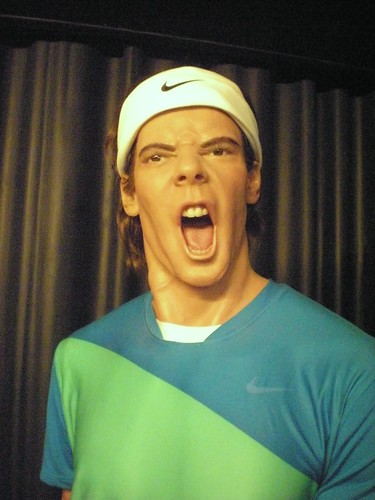
25 Jun 09:31
"El deporte es, pese a todo, una hermosa mamarrachada fascista."
“El deporte es, pese a todo, una hermosa mamarrachada fascista.”
- HHhH. Laurent Binet. 2010.
- HHhH. Laurent Binet. 2010.
24 Jun 13:26
The Ultimate GOT Cosplay
by Jill Harness

I've seen tons of Games of Thrones cosplay before, but never one featuring Renly Baratheon and after seeing this one -I don't think anyone else could even compete. If you don't recognize the scene being cosplayed, it's the one where Stannis' bizzare shadow baby killed the rival king.
Link Via Fashionably Geek