Shared posts

17 Jul 14:07

Hillbilly Mouse Trap

by Jonco

Here is a simple invention that I want to share with you. It may help you in retirement.

Also, I think that this would work (in principal) to catch squirrels and small opossums. The pot may have to be deeper though.

The bait shown here is peanut butter. Spreadable cheese will work too.

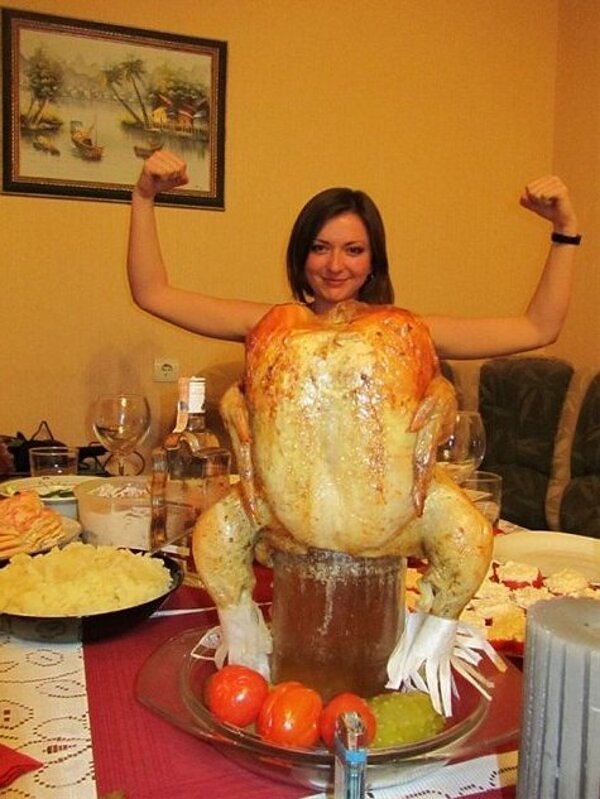
Coke bottle mouse trap

Give it a try in your garage, shop, shed…….Or Stew!

Thanks Darrell


17 Jul 11:21

Muere el bluesman T-Model Ford

by Magic Pop
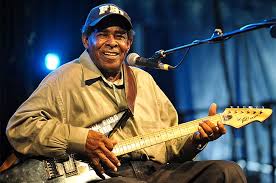
James Lewis Carter Ford, más conocido como T-Model Ford nació entre 1920 y 1925, en Forest, Mississippi, sin que se que quedara registrada en ninguna parte la fecha exacta, y murió el 16 de julio de 2013 en Greenville. 

T-Model Ford tuvo una infancia muy difícil, maltratado por su padre, y una juventud muy violenta en la que se metió en algún que otro lío grave con la justicia. En su juventud no sabía ni escribir ni leer  y estuvo trabajando en el campo, en una empresa maderera y como conductor de camión.  También fue condenado  por intento de homicidio. Ford cogió la guitarra cuando su quinta esposa lo dejó. Fue ella quien le regaló una guitarra antes de irse.  Empezó a tocar con 58 años y se inventó su propia técnica imitando a Muddy Waters y Howlin Wolf.   Por entonces ya residía en Greenville (Mississippi).

Cuando estaba preparado para tocar se recorrió los Juke Joints de la zona y en 1995 fue descubierto por Matthew Johnson de  Fat Possum Records. Con esta discográfica grabó cinco discos de 1997 a 2008: “Pee-Wee Get My Gun” ( 1997); “You Better Keep Still” ( 1999); “She Ain't None of Your'n” (2000); “Bad Man” (2002) y “Don't Get Out Talkin' It” (2008). En un principio solía actuar acompañado por su amigo Spam a la batería.  Joe Sacco le inmortalizó también en uno de sus comics con el título de The Rude Blues en el año 2000. A partir de 2008 colaboró con la banda de Seatle, Graveroad,  con los que estuvo tocando hasta 2010, marcapasos incluido. Para Mudpuppy sacó el disco “Jack Daniel Time” (2008).


A principios de 2010 tuvo un derrame cerebral que le mermó la movilidad pero pudo acabar la gira.  Siguió tocando y grabando un par de álbumes  para Alive Naturalsound:  “The Ladies Man” (2010) y “Taledragger” (2011). 

En 2012 padeció un segundo derrame cerebral. Pese a ello, siguió actuando aunque ya en contadas ocasiones. Finalmente ha muerto en su casa de Greenville (Mississippi)  por insuficiencia respiratoria tras una prolongada enfermedad. 

Documento sonoro:

El tema "Where You Been" incluido en el álbum “Pee-Wee Get My Gun” ( 1997).

16 Jul 14:30

Pequeño consejo para todos aquellos que adoran utilizar la palabra "shooting":

No lo hagáis. :)

A menos de que os refiráis a la Masacre de Puerto Hurraco, “shooting" en el idioma de Shakespeare sólo se utiliza para referirse a un tiroteo, con balas y eso.

Si queréis utilizar el término en inglés por eso de ser internacionales… podéis usar el correcto, si os parece, que es: photo-shoot.

O….. Podéis, si ya lo que queréis es fardar delante de los followers, hacer ver la maestría de vuestro propio idioma y utilizar el término en castellano: sesión de fotos.

image

Capisce? ;)

image

16 Jul 13:11

for this low day

by inka


16 Jul 11:27

sploosh

by gerryjarciuh


reCAPTCHA challenge image
16 Jul 11:22

El libro de los insectos humanos (Osamu Tezuka)

by Gerardo Vilches

el-libro-de-los-insectos-tezuka-astiberri

El libro de los insectos humanos (Osamu Tezuka). Astiberri, 2013. Rústica con solapas. 17 x 24 cm. 368 págs. B/N. 23 €

El japonés Osamu Tezuka es… no, esperad. Me niego a empezar así esta reseña. Si alguien no sabe quién es Tezuka no voy a tener espacio aquí para explicárselo. Pero sí voy a decir que de este autor siempre he admirado sobre todo su capacidad de reinventarse a partir de los 70, a la luz del gekiga y otras corrientes de manga adulto que algunos de sus discípulos —porque de alguna forma todo autor de cómic japonés lo es— habían comenzado a desarrollar años antes. Tezuka, maestro del manga infantil, supo dar en el tramo final de su carrera el do de pecho con un puñado de obras entre las que posiblemente la más destacada sea Adolf, aunque El libro de los insectos humanos, inédito hasta el momento en castellano, no se le quede demasiado atrás.

Por definirlo de alguna forma, es una especie de thriller coral, complejo por su extenso reparto. Como suele ser habitual en el Tezuka más libre y reflexivo, El libro de los insectos humanos penetra en nuestra naturaleza y expone el egoísmo del ser humano como pocos autores son capaces. No hay un solo personaje en este libro al que podamos llamar no ya héroe, sino simplemente buena persona. Cada uno busca su propio triunfo, sin importarle nada tener que pisar a los demás. Todo lo más, hay alguno lo suficientemente pardillo como para ser una víctima inocente. No es casual que Tezuka introduzca en sus tramas el mundo de los negocios y del comercio a gran escala: en el fondo la historia puede leerse como una gran crítica al capitalismo, un sistema en el que todos devoran a todos en una lucha constante por llegar a una cima que no existe.

El elemento central de El libro de los insectos humanos es Toshiko Tomura, una joven con una habilidad especial para imitar a los demás, pero sin ninguna empatía. Toshiko puede imitar a una bailarina, a una escritora o incluso ir más allá y copiar la ideología de un radical anarquista, pero no podrá nunca entenderlos o preocuparse por ellos. A ratos frívola y a ratos cruel, se apropia de las vidas ajenas y va dejando un reguero de cadáveres a su paso sin que le afecte en absoluto. Es un personaje estremecedor, cuyo halo de maldad —si es que a eso se le puede llamar maldad— se refuerza por el estilo de dibujo de Tezuka.

La historia de Toshiko y las de los hombres y mujeres que entran en contacto con ella avanzan vertiginosamente, con el ritmo propio de cualquier cómic de Tezuka. Los clímax y anticlímax están perfectamente equilibrados, y la lectura absorbe por completo. Cada giro nos engancha aún más, y sin necesidad de conejos sacados de la chistera o trucos raros. Sorprende lo bien planificado que está todo si tenemos en cuenta que, como es habitual en el mercado japonés, fue una obra previamente serializada, pese a lo cual tiene una unidad redonda, sin fisuras.

El-libro-de-los-insectos-humanos-Osamu-Tezuka-02

Que no haya altibajos y el ritmo sea vertiginoso también se debe a la increíble capacidad de Tezuka para componer sus páginas. No hay una sola en la que no eche el resto o que no sorprenda por la audacia, sin que deje nunca de estar todo ajustado a lo que se cuenta. Hay secuencias en las que Tezuka depura los recursos narrativos que desde el inicio de su carrera tomó prestados del cine, como la que sucede en carretera de las páginas 160 a 164, pero en otras va todavía más allá en la experimentación, como, por ejemplo, en una viñeta en la que de repente todo está en negro y sólo vemos los bocadillos de texto (pág. 187), o en las muchas secuencias de sexo, tratadas con una sensibilidad extraña, que tiende al simbolismo pero que no renuncia a mostrar, aunque la que más me ha gustado a mí sí lo haga, utilizando los contrastes de luces y sombras de un modo perfecto (pág. 175) en un polvo que presagia el conflicto final de El libro de los insectos humanos. Podría estar durante diez páginas más destacando escenas de este cómic, pero voy a terminar señalando únicamente la que me parece más brutal de todas ellas: la que sucede entre las páginas 72 y 85, una obra de ingenería en la que todo es perfecto: la elección de los planos, la situación de las onomatopeyas, la forma de las viñetas, y sobre todo la creciente tensión que rompe en un clímax rotundo.

Escribió Santiago García a propósito de esta obra que no creía «que se publicara [en su día] nada parecido en occidente, nada tan adulto, tan dramático, tan personal y a la vez comercial». Y creo que tiene mucha razón. El tratamiento del sexo y la violencia, por ejemplo, no tiene nada que ver con el que era habitual en el underground americano contemporáneo a El libro de los insectos humanos, que se beneficia de las casi dos décadas previas de gekiga y de obras dirigidas al público adulto, sin necesidad de ser rebelde o socialmente rompedor. Hay cómics que se suelen catalogar como adultos que, al leerlos, uno tiene que poner mucha buena voluntad para considerarlos como tales —no pongo ejemplos porque no es lugar éste para levantar ampollas; tal vez en otro momento—. Pero El libro de los insectos humanos lo es, sin matices, sin elementos extraños que se expliquen por la época en la que fue dibujado. Como sucede con las buenas obras adultas de cualquier otro medio, cuarenta años no son nada: si me dicen que este manga es de 2013, me lo creo por completo. No porque sea moderno, sino porque es completamente universal.

16 Jul 10:29

Graphics Interchange Format

by Just_private


16 Jul 10:28

Batman's Tragic Hoarding Addiction Comes To Light

This…actually explains a lot. Artist Kerry Callen tries to explain the Bat Cave.

Source: kerrycallen.blogspot.co.uk

Source: kerrycallen.blogspot.co.uk  /  via: nerdapproved.com

15 Jul 21:58

#500: 500!

by Chicago Public Media
To celebrate our 500th episode, Ira asked the producers of This American Life to talk about their very favorite moments on the show. Some chose stories that've been more or less forgotten for years; others chose just one line of script, or a segment that secretly made them cry. So for our 500th, we bring you the best of This American Life — the way we've been hearing it, behind the scenes, all these years.
15 Jul 17:55

How America Interrupted Wilhelm Reich's Orgasmic Utopia

by Jason Louv


Reich being escorted to Lewisburg Federal Penitentiary, March 1957.

It was the greatest incidence of scientific persecution in American history.

In July of 1947, Dr. Wilhelm Reich—a brilliant but controversial psychoanalyst who had once been Freud’s most promising student, who had enraged the Nazis and the Stalinists as well as the psychoanalytic, medical, and scientific communities, who had survived two World Wars and fled to New York—was dying in a prison cell in Lewisberg, Pennsylvania, accused by the government of being a medical fraud engaged in a “sex racket.”

That “racket” would one day be called the “sexual revolution.” But it was still 1947 in America—an America not even ready for psychoanalysis, still a nascent science that Harper’s and the New Republic had categorized, right alongside Reich’s theories, as being no better than astrology. (Reich, Harper’s had decided, was the leader of a “new cult of sex and anarchy.”)

If the American public wasn’t ready for Dr. Freud, then how much less prepared would they be for Dr. Reich—a man who, at his Orgonon institute near Rangely, Maine, was researching the energetic force of the orgasm itself?

Reich had taken Freud’s theories far. Too far, according to the FDA. Starting with Freud’s connection of sexual repression to neurosis, Reich had theorized that it was the physical inability to surrender to orgasm that underlay neurosis, and eventually turned people to fascism and authoritarianism. Reich migrated from Freud’s simple talking cure to what he called character analysis, a therapy designed to help his patients overcome the physical and respiratory blocks that prevented them from experiencing pleasure. Finally—and most dangerously—he claimed that the orgasm was an expression of orgone, the joy-filled force of life itself. With phone-booth-size devices called "orgone accumulators" he could harness this force to cure neurosis, disease, and even affect the weather and help crops grow.

For these lines of inquiry, the FDA demanded Reich appear in court to defend himself in 1954. He refused, stating that claims of scientific truth should be settled by experiment, not in court. The court responded by issuing an injunction against the sale or transportation of his devices across state lines, and proceeded to systematically burn his books and journals. Not only Reich’s writing, but any written material that contained the word “orgone” was fair game for destruction. (Paranoid and embattled, Reich would refuse offers of help from the ACLU, believing it to be filled with communist subversives.) FDA agents also began destroying his devices and laboratory with axes—but that wasn’t all. The FDA would carry their persecution of the Austrian psychoanalyst much, much further.

What was it about this man and his theories that invoked the wrath of nearly every political and scientific faction of his time? What was it about the “sexual revolution” that earned Wilhelm Reich a 789-page FBI file? What provoked a systematic campaign of attacks hardly suggestive of a sane and rational America that had just won the war against the book-burning Nazis—and more reminiscent of the Inquisition, the incineration of Giordiano Bruno, or the ending of Frankenstein, in which angry villagers with torches and pitchforks burn down the mad scientist’s castle?

Read the rest at Motherboard.

15 Jul 14:08

“É unha mágoa que un cómic no que puxemos tantas ganas estea nun limbo editorial"

by Eduardo Maroño

'Uxío Novoneyra: A voz herdada', obra de David Rubín e Kike Benlloch, foi publicada pola Xunta en 2010, pero non contou cunha distribución comercial e a súa difusión foi limitada, converténdose nun título pouco coñecido. Os autores reflexionan agora sobre este libro "fantasma".

15 Jul 13:45

Video


15 Jul 13:39

Photo


15 Jul 10:06

Facebook activism

by noreply@blogger.com (biotv)

By Iranian cartoonist Mana Neyestani

via
15 Jul 03:13

Photo


14 Jul 22:32

Hey guys! So, I’m having a baby, and in an effort not to...


Hey guys!

So, I’m having a baby, and in an effort not to neglect her, I may end up neglecting my Tumblr just a bit- at least for the next couple months or so. I will still post whenever I can, but if you don’t see me for a while, that’s why. I promise I won’t be gone forever.

xo Liz Climo

14 Jul 22:31

Photo


14 Jul 22:26

La verdad sobre el caso Harry Quebert

by Ernesto Filardi

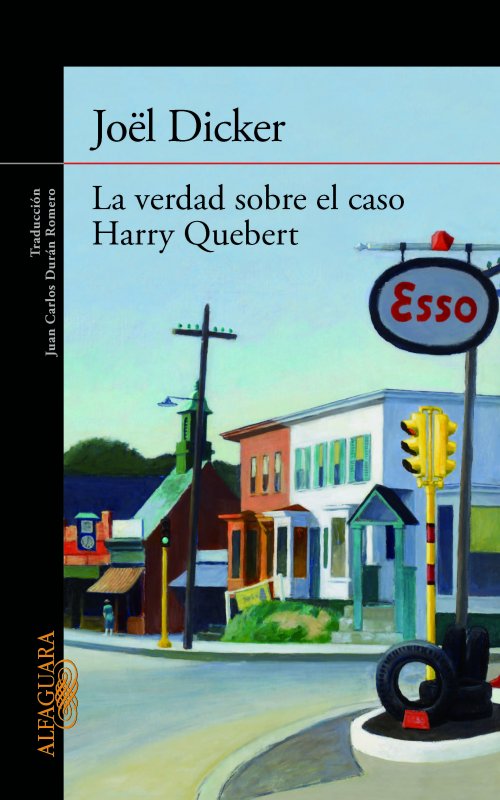
portada-verdad-sobre-caso-harry-quebert_grandeLa verdad sobre el caso Harry Quebert
Joël Dicker
Alfaguara

1975. Estamos en el pequeño pueblo costero de Aurora, en la costa este de Estados Unidos. Todo es paz, tranquilidad y dulce hastío hasta que la noche del sábado 30 de agosto la anciana Deborah Cooper llama a la policía tras haber visto a un hombre perseguir a una joven ensangrentada. Unas horas después, la anciana es asesinada en su propia casa. La joven, Nola Kellergan, una risueña quinceañera, desaparece sin dejar rastro. El caso se archiva pronto dada la escasez de pruebas.

1998. El joven Marcus Goldman entra en la Universidad de Burrows, Massachussets. Allí conocerá al famoso novelista Harry Quebert, que pronto se convertirá en su maestro y amigo.

2006. Gracias a las lecciones magistrales de Harry en su casa de Aurora, Marcus publica su primera novela. Muy pronto es saludada por la crítica como una de las más influyentes del panorama norteamericano.

2008. Marcus, víctima del síndrome de la primera novela, se siente incapaz de abordar la escritura de un segundo libro a pesar de que por contrato debe entregarlo en unos meses. Desesperado, se pone en contacto con su mentor, que le invita a pasar unos días en Aurora. Una vez allí, Marcus descubrirá que Harry tuvo un romance con Nola, a pesar de que ella era menor. Unos días después, el cadáver de la joven es descubierto en el jardín del profesor. Harry es detenido inmediatamente. Ansioso por ayudar a su mentor, Marcus comienza a investigar por su cuenta, convencido de que no es culpable. Ante una historia semejante, el editor de Marcus pretende que su nueva novela sea una morbosa reconstrucción de los hechos.

Con estos cuatro planos temporales y simultáneos comienza La verdad sobre el caso Harry Quebert, la nueva novela del escritor suizo Joël Dicker que, como sucede con todo best seller que se precie de serlo, trae consigo una tremenda algarabía de halagos y críticas negativas.

Es cierto que la sinopsis planteada en los primeros cuatro párrafos no parece muy novedosa: a primera vista, podría pasar como el típico argumento de otra novela-negra-con-detective-aficionado-primerizo-pero-con-buena-intención-y-mejor-suerte. Otro tanto sucede con la caracterización de los principales personajes: nos encontramos, entre otros muchos, con el maduro novelista de éxito atormentado por un pasado del que no consigue escapar, la jovencita enamorada y dispuesta a cualquier cosa por amor, el hosco y respetado reverendo de pueblecito americano, la severa y rencorosa dueña del diner donde trabaja la dulce camarera de la que está enamorado en secreto el brusco pero sensible policía de la ciudad… Por no faltar, no falta ni el filantrópico millonario misterioso que, por supuesto, también esconde un secreto. Hay muy poco en este libro que no hayamos visto o leído en otros sitios, desde Ciudadano Kane a Twin Peaks.

Pero no se dejen engañar: nada es lo que parece en esta novela. Ni los personajes son planos ni la historia sencilla. Nos encontramos ante una novela policíaca en la que cada personaje, como no podía ser de otra forma, tendrá un punto de vista distinto sobre los hechos y conocerá detalles que nadie más puede conocer. Para contar lo que le sucedió a Nola, Dicker nos raciona la información milimétricamente. Sus continuos puntos de giro podrían parecer tramposos, pero en realidad son un sugerente juego con el lector, al que solo le queda rendirse ante el placer de encontrarse cara a cara con el arte de la carpintería literaria. No es necesario conocer los fundamentos de la teoría de la novela para darse cuenta de que aquí el contenido es tan adictivo como la forma.

Este es, sin duda, el gran punto fuerte del libro: el fascinante juego de espejos que se despliega ante nuestros ojos. Desconozco si el escritor suizo ha leído La verdad sobre el caso Savolta, novela con la que no solo comparte el paralelismo del título: en ambos libros la trama avanza a través de materiales de procedencia tan diversa como diversos narradores, notas y pruebas policiales, artículos periodísticos, hipótesis, narraciones indirectas de otros personajes, crónicas de sucesos…
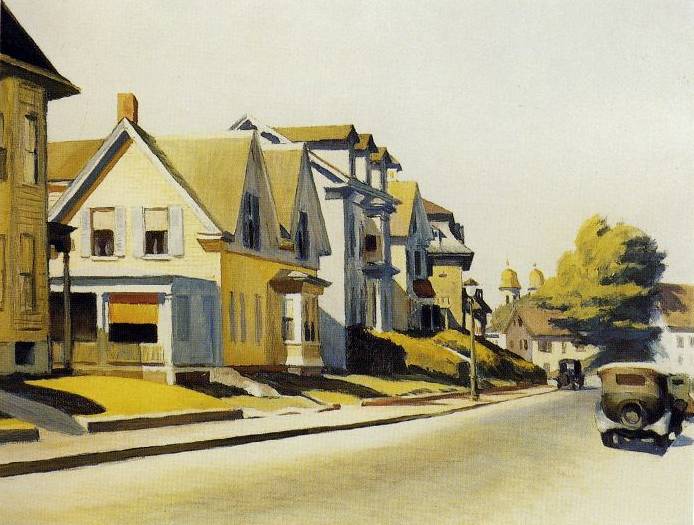
Street-Scene-Gloucester-Edward-Hopper

En todo caso, el otro gran hallazgo de Dicker es, precisamente, la principal diferencia con la obra de Mendoza. Mientras que Savolta es una novela esencialmente política, el eje sobre el que gira Quebert es la literatura en todos sus aspectos: el miedo a la página en blanco, el proceso de escritura, el mundo editorial, la crítica textual y la recepción por parte del público. Como ya sucedía con la caracterización de los personajes, este componente metaliterario tampoco es una novedad: ya Cervantes se encargó de que don Quijote supiera que sus aventuras habían quedado plasmadas en negro sobre blanco. Pero el escritor suizo de nuevo da una sutil e ingeniosa vuelta de tuerca: La verdad sobre el caso Harry Quebert (es decir, la novela que el lector real tiene en sus manos) comienza con el éxito de público y crítica que ha logrado La verdad sobre el caso Harry Quebert (el libro que escribe el protagonista de la novela) una vez que Marcus Goldman, tras meses de investigación, ha conseguido desvelar la verdad sobre el caso Harry Quebert (o sea, las circunstancias que rodearon los trágicos hechos de aquella noche de 1975). Pero el doble viaje emprendido para conocer esos hechos (el del lector y el de Marcus) estará tan lleno de dobles y triples lecturas que ambos (lector y escritor) dudarán en todo momento de si existe una única verdad sobre el caso Harry Quebert; y, por tanto, si en algún momento podrá llegar a escribirse La verdad sobre el caso Harry Quebert, a pesar de que el lector real tiene en sus manos un libro llamado La verdad sobre el caso Harry Quebert que comienza diciendo que La verdad sobre el caso Harry Quebert ha sido un tremendo éxito.

A esto hay que sumar el profundo respeto que Goldman (autor del libro en la ficción, pero trasunto del propio Dicker) siente hacia el oficio del escritor, así como le repugna el mundo editorial concebido como un simple medio de ganar dinero. La figura del chulesco y pragmático editor Roy Barnaski aparece así como un contrapunto necesario al, digamos, misticismo que subyace en algunos momentos en los que se reflexiona sobre la concepción de la escritura. Sirvan como ejemplo estos dos fragmentos en los que no parece necesario aclarar a qué concepción sobre la literatura pertenece cada uno.

Si los escritores son seres tan frágiles, Marcus, es porque pueden conocer dos clases de dolor afectivo, es decir, el doble que los seres humanos normales: las penas de amor y las penas de libro. Escribir un libro es como amar a alguien: puede ser muy doloroso.

[Barnaski] Me miró con expresión de complicidad; un camarero trajo champán e insistió en abrir él mismo la botella. Firmé el contrato, hizo saltar el tapón, puso todo perdido de champán, llenó dos copas y entregó una a Douglas y otra a mí. Le pregunté
—¿No bebe usted?
Hizo una mueca de disgusto y se secó las manos en un cojín.
—No me gusta nada. El champán es solo por el espectáculo. El espectáculo, Goldman, es el noventa por ciento del interés que muestra la gente hacia el producto final.
Y se largó a llamar a la Warner Bros para hablar de los derechos cinematográficos.

Esta caracterización casi caricaturesca de Barnaski nos acerca a otro aspecto fundamental en la novela: la multiplicidad de códigos literarios. Si la estructura y la trama son poliédricas, otro tanto sucede con el género de la novela. No cabe duda de que nos encontramos ante un thriller policíaco con un crimen que debe ser resuelto, pero paralelamente nos encontramos con escenas completas escritas en un registro de comedia (las discusiones entre Tamara y su marido Bobbo o cada aparición de la madre de Marcus son realmente hilarantes), de folletín romántico (la relación tormentosa e imposible entre Nola y Harry) e incluso de drama sentimental (como es el caso del pasado de Luther Caleb). Como si de otra vuelta de tuerca se tratase, Dicker juega en todo momento a emplear ciertos códigos imprescindibles para el funcionamiento de la novela pero riéndose a la vez de ellos.

Esto es lo que sucede especialmente con la novela autobiográfica que convirtió a Harry en un autor célebre: Los orígenes del mal, cuyo manuscrito aparece junto al cadáver de Nola y de la cual se insertan algunos fragmentos en la trama de La verdad sobre el caso Harry Quebert (en este caso, tanto en la novela real como en la novela ficticia). A lo largo de toda la novela se nos cuenta cómo Los orígenes del mal es una de las obras más importantes de la literatura norteamericana de la segunda mitad del siglo XX, pero cada vez que leemos un fragmento solo nos encontramos con párrafos vacíos de contenido y llenos de lugares comunes.

Querido mío:
Sé que no me quiere. Pero yo le querré siempre.
Aquí tiene una foto de los pájaros que tan bien dibuja, y una foto nuestra para que no me olvide nunca.
Sé que no quiere verme más. Pero, al menos, escríbame. Solo una vez. Solo unas pocas palabras para tener un recuerdo suyo.
No le olvidaré nunca. Es la persona más extraordinaria que he conocido.
Le querré siempre.

Él respondió días más tarde, cuando encontró el valor para escribirle. Escribir no era nada. Escribirle era una epopeya.

Esta es una buena muestra del humor y el constante doble juego de la novela: da la sensación de que, como buen escritor europeo, Dicker admira y se ríe al mismo tiempo de los estadounidenses.
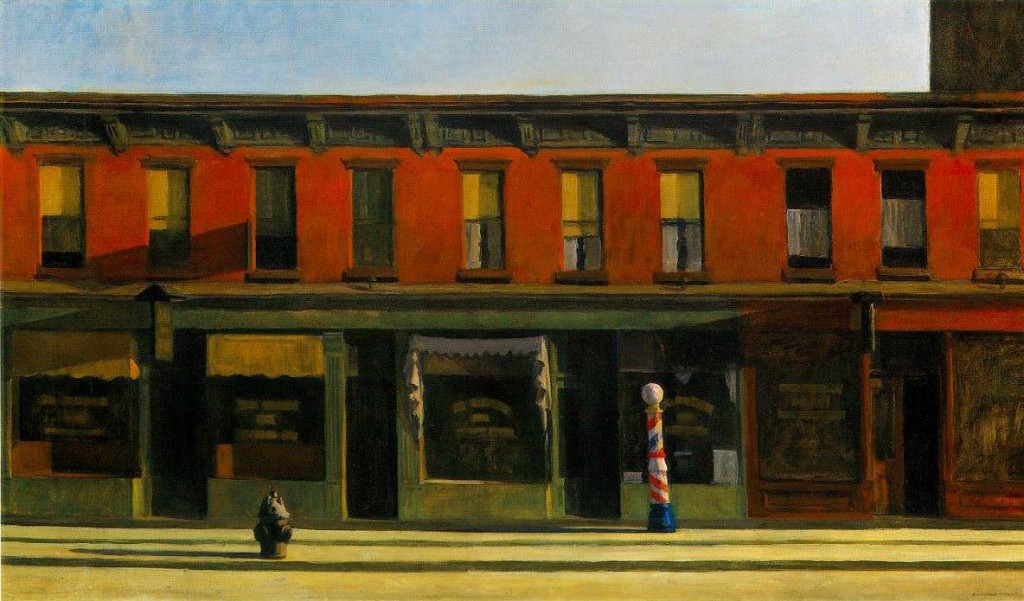
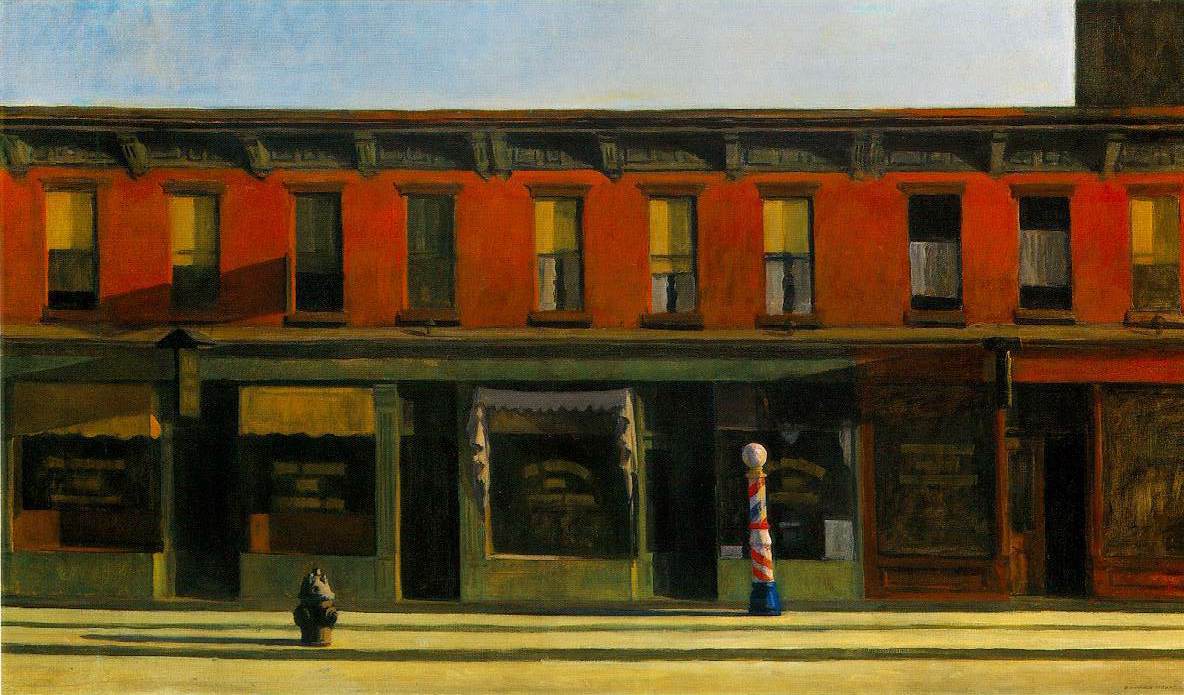
early-sunday-morning, de Edward Hopper

No parece que esto sea óbice para que algún día La verdad sobre el caso Harry Quebert pueda convertirse en una exitosa serie de HBO, Showtime o AMC: muchas de las acciones de los personajes traspasan el límite de lo moralmente aceptable, aunque el lector comprende que es lo mejor (o incluso lo único) que podía haber hecho un personaje así en una situación como esa. Esto sucede especialmente en el caso de Nola Kellergan, que entra de golpe en el ranking de los grandes personajes femeninos literarios del siglo XXI a pesar del sentimentalismo casi bobalicón que le guía en todo momento. Nola es dibujada como una antítesis de Lisbeth Salander (a quien ya encumbró en su momento Vargas Llosa): mientras que la protagonista de la saga Millenium es una joven fuerte y cruel que esconde un lado sensible y atormentado, Nola es una chica dulce y algo pacata que oculta una determinación oscura y obsesiva. Dos arquetipos que, otra vez más, no son nada originales; y, sin embargo, no podríamos comprender el inmenso éxito de ambas novelas sin la fuerza omnipresente de sus respectivas protagonistas.

Es pronto, por supuesto, para decir alegremente que nos encontramos ante una obra maestra. Pero, a diferencia de la gran mayoría de best sellers, se trata de una novela que el lector disfrutará más y más con cada relectura gracias a su compleja, fascinante e hipnótica estructura de planos y perspectivas. Esto es así porque, en el fondo, no nos encontramos ante un simple best seller. Lo es, por supuesto, porque 750.000 ejemplares vendidos en Francia no es algo que consiga cualquier aficionado por casualidad. Pero no cabe duda de que hay mucho trabajo, mucha sinceridad, mucha lectura y mucho estudio detrás de esta novela. Y es que, al igual que la historia está llena de múltiples perspectivas, el libro admite varias aproximaciones: aquel que busque una sencilla y entretenida lectura de verano quedará muy satisfecho, como también le sucederá al teórico que quiera documentarse para escribir una tesis doctoral acerca de, por ejemplo, la superposición de los planos temporales y narrativos como marco idóneo para la construcción de una novela.

Todo gran escritor (y Joël Dicker nos ha demostrado sobradamente que lo es) sabe que la buena literatura es una mezcla de verdad y mentira. De ficción y realidad. Es por eso que La verdad sobre el caso de Harry Quebert es un libro en el que todos los personajes mienten cuando dicen la verdad y viceversa. Esto es lo que hace que una vez que comenzamos La verdad sobre el caso Harry Quebert no queramos dejarlo hasta conocer la verdadera verdad sobre el caso Harry Quebert. Aunque todo sea ficción y manipulación de cada uno de los personajes y del propio Dicker, y nosotros tengamos claro que, como lectores, somos más felices cuando no exista una única verdad sobre el caso Harry Quebert.
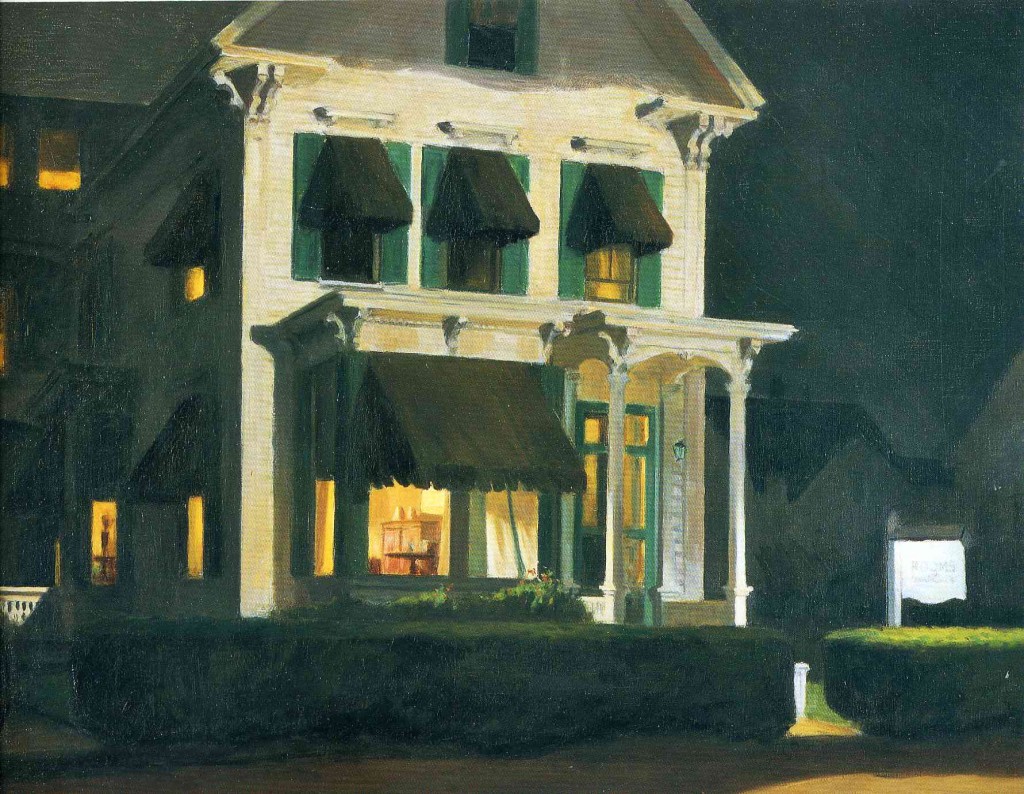
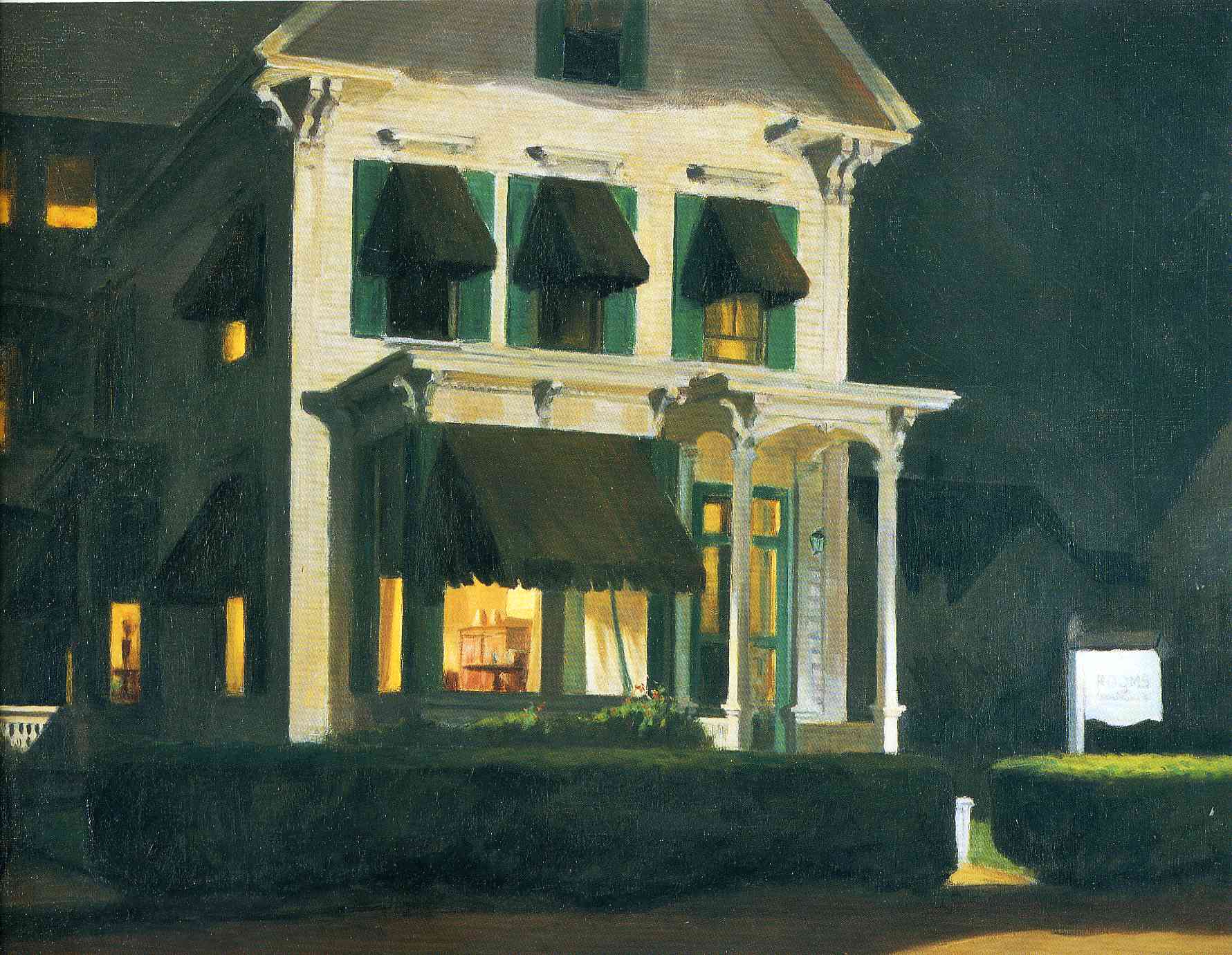
rooms-for-tourists Edward Hopper

14 Jul 19:15

Rope shooting

by Anonymous

shoot_rope.gif (956 KB)

Rope shooting originally appeared on My[confined]Space NSFW on July 14, 2013.

13 Jul 17:21

The Most Interesting Man On Wikipedia

by Gerard
image credit

Lieutenant-General Sir Adrian Paul Ghislain Carton de Wiart (1880-1963) was a British Army officer of Belgian and Irish descent. He is the most interesting man on Wikipedia.

He fought in the Boer War, World War I, and World War II, was shot in the face, head, stomach, ankle, leg, hip and ear, survived a plane crash, tunneled out of a POW camp, and bit off his own fingers when a doctor wouldn't amputate them.

(via Miss Cellania)
13 Jul 16:47

Why Syria Matters: Sunni oil versus Shia oil and the battle for regional hegemony in the Middle East.

by War Tard
Snob

Este nacho escrebe e explica case tan ben coma o Ward Nerd. Eu sei que non ledes cando comparto artigos longos, pero aquí os intereses da guerra civil siria fican aclaradísimos. No mesmo blog hai un par de posts máis sobre o tema que tamén son unha marabilla.


   The Syrian Regional War rages on and nobody knows how to put out the fire.

   Up to now, the Obama administration tech nerds have proved pretty savvy when it comes to dealing with foreign war-fighting policy. After all, they got Bin Laden. They buried Gaddafi via tech support so the French and British could get the job done. And every guy sporting an AK in a strategic desert these days knows he's just a drone strike away from oblivion. Even the plebs back home immersed in media driven bread and circuses know they're under 24 hour NSA surveillance every time they hit up Porn Hub. Few care. US defense policy these days is war via computer geek and it's working in this interim decade before the real resource wars get green lit.

   Meanwhile, we've got Syria like a festering splinter in the geopolitical game.

   Syria is proving to be a real head scratcher for Obama's nerds. On the one hand, you've got the "Free Syrian Army", the designated 'good guy freedom fighters', an idea the world media bandied about to describe the farmers in Dera'a that got the whole ball rolling in this 'civil war' when they tagged some graffiti on the wall of the wrong mud hut. Assad's heavy handed response meant Syria got lumped in to the whole Arab Spring narrative and there was all that talking head talk on US airwaves about democracy and freedom and ME dictators being assholes. But as with most stuff on US news networks, it's all a stinking pile of bullshit. All Arab countries are run by assholes because if they weren't they'd  be run my warring tribal militias and that's really bad for the oil business. The Arabs just don't do democracy. Voting booths are for pussies, infidels and ancient Greeks. Arabs respect strongmen going all the way back to Saladin. That's why the Syrian Civil War has got nothing to do with freedom fighting and democracy and everything to do with regional and global geopolitics at the heart of the desert energy chess game. Which is kind of funny when you consider Syria doesn't even have that much oil. But we're not talking geography here, we're talking regional hegemony and control of the human capital living inconveniently in the vicinity of major energy reserves.

   The Syrian Civil War is now a Middle Eastern regional proxy war.

  This war really has two aspects. First and foremost, it's a regional Middle East conflict between the Shia and Sunni. Yep, a good old religious war but religion really isn't a useful term here. Sure, they hate each other's guts but regional energy hegemony is the fuel that makes this war burn. On the one hand, you've got the Shia, that is, Iran, Hezbollah (firmly entrenched in next-door Lebanon) and the newly conquered Shia controlled region of southern Iraq (thanks Dick Cheney), aligned against Saudi Arabia, Qatar and everywhere else in the Middle East Saudi oil money stretches to Sunni client states.

    Basically, we're talking Saudi Arabia's oil versus Iran's oil.

   The Saudis took it really personally when Hezbollah retook the Syrian town of Qusair in pretty impressive fashion last week, fighting that ugly street by street Stalingrad type warfare Hezbollah have been proving adept at lately. This has kicked the Saudi royals back in Riyadh into raging camel mode. Although a long time coming, the Shia v Sunni grand regional war is beginning to take shape. The grand alignment of Riyadh and Cairo (who broke diplomatic relations with Damascus last week and called for a no fly zone over Syria) is kickstarting. Next up to the party, King Abdullah of Jordan (fearful of conflict creep and more refugee spillage across his border), mentioned recently at a cadet graduation ceremony  "Hezbollah must leave Syria... there is no place for Hezbollah in Syria". These are fighting words especially for the Jordanians who've kept their head down during this whole Arab Spring so as to maintain their benevolent dictatorship in the desert.

   What's all this saber rattling about?

   Basically, the Sunni oil Sheikhs fear the Iranian Oil Ministry will dust off the old maps from Ottoman times and build an oil pipeline from Abadan across Shia controlled Southern Iraq to Tartus in Syria and begin making billions exporting oil to Europe via the Mediterranean. Next up, why not build a nice railway line from Tehran to Damascus and on maybe to Beirut. That right there would be the type of Shia strategic encircling axis that makes every oil rich prince in Saudi Arabia want to rage drive his Ferrari Enzo off a cliff with his whole family in the passenger seat.

   Even more so, let's talk methane. The above mentioned pipeline could theoretically supply the Euros with natural gas, the "cleaner" energy the planet loving Euros crave. With the EU mandated carbon reductions set to go into effect by 2020 and Germany axing its nuke plants, suddenly, Shia Iran's South Pars gas field in the Persian Gulf becomes a goldmine beyond the dreams of Xerxes. Guess who lays claim to the northern part of that gas field? Sunni Qatar. Yes my friends, dig deep enough into any war and you can ditch religion and always find money and taking other people's shit as primary motivations for any shooting war.

   All this makes Syria ground zero for proxy war central.

   Right now the Saudis have been pumping some serious weaponry into the FSA. MANPADS (quite apart from being the worst acronym for a weapons system ever) are shoulder mounted AA useful for taking down choppers and low flying jets and also supplied, somewhat ironically, are at least 50 Russian made 9M113 "konkors"; wire guided anti tank missiles that can waste Syrian T-72s. The CIA have been supplying weaponry too but through the usual plethora of back channels; shady deals via Euro allies via dodgy corporate warehouses that make the stuff impossible to trace and every government ends up with plausible deniability while the Syrian rebel at the end of the supply chain literally jizzes his pants while unboxing his new laser guided death ray; and then begins crying as he can't read the instruction booklet because it's printed in a language.


The 9M113 Konkurs AT missile. FSA instruction booklet included?


     This war is so interesting it has me glued to Live Leak and I'm getting fat on popcorn.

   One thing that makes me splurge is the second aspect of the Syrian war, namely the geopolitical aspect, and how that's leading to all kinds of complications that drag in Russia, China, the US and Japan, and surely has the policy nerds at the Pentagon tearing their hair out wondering what the best play is in this increasingly complex and risky game.

   If the US goal is to prevent the FSA from losing this war then that's going to require more than covert arms sales via shady transactions through the usual back channels. Let's face it, it's going to require a Gaddafi style no fly zone. As of this writing, Assad's forces are attempting to retake Aleppo, the home of the Sunni business elites, largely abandoned by them now as the squatting, multi denominational FSA fighters holed up there have helped, along with Syrian Army artillery and airstrikes, to turn that once thriving city into Beirut circa 1978. If Syrian forces manage to retake it, like they did Qusair a few weeks back, it'll be a major coup and decision time for NATO and the Sunni alliance of Saudi Arabia, Qatar, Jordan and even Turkey to make a move. If Aleppo falls to Assad's forces and the Iranian sponsored militias then the FSA initiative will have been lost. And as any general knows, losing the initiative means everything in war.

   That's when it will be decision time for the major powers.

   If NATO decide on a no fly zone, the first thing they are going to have to contend with is Russia's newly delivered S-300 SAM system (if deliveries have been timely and made as Putin promised). These will have to be manned by Russian personnel because of the steep learning curve on operating this complex anti aircraft system. Assad's troops just won't be up to speed if NATO decides on a Gaddafi maneuver. The S-300 is potent but as yet untested in combat but there's no doubt it's a serious contender and at least equal to anything NATO has counter measure wise. The Russians claim it is even effective against stealth aircraft but they would say that wouldn't they? Maybe time will tell. The best bet for any initial strike will be X band radar cruise missile attacks on the launchers and radar installations all of which will be manned, at least for now, by Russian technicians. That will mean the US will have to go all in and I don't think the Obama tech geeks have the stomach for it. If they do, does that mean we get to sit back and jump straight to a fun game of global thermonuclear war when Putin's personnel get vaporized? Nah. Just another shit storm at the UN and more head scratching at the Pentagon.

   From a purely realpolitik view, if the US does nothing, and Assad wins, that's a tremendous victory for Iran and Russia. On the other hand, if the US tackles this via half measures, floods the FSA with the latest shoulder mounted anti air and anti tank weaponry, you might hand the FSA a victory that will leave them hating the US anyway (even if they provide them with all those new fancy toys). The FSA itself is so fractious and made up of so many conflicting groups of martyr worshipping 72 virgin afterlife fucking crazies, including radical Al-Qaeda franchise elements, Sharia law nuts and radicals that, even an FSA win will mean the US will have basically armed another extremist state in the Middle East and created a hotbed for anti Western terrorist training camps that'll make the Taliban goat herders in Afghanistan about as threatening to world peace as Mahatma Gandhi on Xanax.

   Obviously, Obama's computer geeks are stumped.

   Another fun thing about this whole Middle East energy chess game is the stake Russia has in all this. If Assad manages to hold on, then Assad owes Putin big time. Russia loves that warm water but somewhat obsolete Mediterranean military base at Tartus on the Syrian coast. Arms sales to Assad have been booming and the whole Arab Spring thing has left Russia with a serious lack of allies and weapon clients in the Middle East. After the US appropriated Iraq's oil reserves and has that symbiotic relationship with Saudi Arabia's crazy Wahhabi sheiks who exchange petrodollar monopoly funny money for F-16s and Floridian beachfront property, the Russians are loathe to lose that last foothold in the Middle East that still buys their Migs and heavy weaponry. Also, the Russians would like to hold on to the regional influence Damascus provides as the historical and metaphorical heart of the Arab world. Holding on to Syria against NATO encroachment would be a major victory for the Russians who are feeling decidedly small since the heady days of the Soviet Union.

   Also, for the Iranians, Syria is the main supply route for weaponry to Hezbollah, their proxy army on Israel's northern border. Hezbollah proved themselves a serious contender for world's best irregular army when they bloodied the IDF's nose back in 2006 when the Israeli's tried an incursion into Southern Lebanon. For Iran, holding Syria will achieve multiple aims; piss off the Saudis, assert Shia aspirations for hegemony in the region and remind Israel that they've got some allies on speed dial if Netanyahu goes ahead with his dream strike on the Natanz centrifuge facility. A possible pipeline to Europe for oil and gas across friendly territory would be icing on the global energy cake. Hezbollah also proved themselves useful allies for Assad when they went into Qusair and kicked ass and showed the FSA what real idealogical fighters can do when you threaten to fuck with their shit. This furthers my pet theory that heavy infantry armed with state of the art shoulder mounted AA and AT weaponry is the most significant development in warfare since Guderian's tanks and Stukas Blitzkrieged around the Maginot Line.


    That's why the Pentagon are shitting themselves with the trillions they just blew on the F-22 Raptor... it's a pricey ~$140 million per plane option when your enemy fights from second hand Toyota Hilux trucks that cost about as much as a beer and pizza at Yankee Stadium. We're decades away from major power v major power conflict and this makes 5th generation fighter aircraft so 20th century. The future of warfare for the foreseeable future is in the hands of the tech nerds, total information monitoring, computer espionage and satellite controlled drones versus desert guys in sandals with AKs and used Toyota trucks.

   One final fun aspect of the Syrian War is the whole chemical weapons debate.

   Obama called their use a 'redline' moment for US involvement. Trouble is, the FSA are using them too. Also, if you're a fan of YouTube or Live Leak (and who isn't these days),  then you can go ahead and watch an FSA guy eat a Syrian Army soldier's raw heart. That right there is Liberia level warfare and makes death by Sarin gas about as troublesome as a skiing holiday in the Netherlands. Still, for some reason, the general population abhors death by chemical. Sure it's ugly, sometimes prolonged, but death in war is never pretty is it? The average web surfer sipping lattes in Starbucks hates death by gas but somehow maiming and vaporizing via kinetic blast energy is seen as fair game. Chemical weapons are the least of the problems the Syrian War presents except of course if some dissident FSA or angry Syrian Army dissident manages to export some Sarin gas to Times Square. And that's not even a crazy idea anymore.

   The Syrian Regional War can have many outcomes. None of them predictable.

   Only one thing is for sure for whoever "wins" this thing, and I can't resist a little history here courtesy of my old friend Tacitus, the Roman historian who quoted the Scottish chieftain Calgacus after his loss  in 83AD at the Battle of Mons Graupius and said of the Roman legions who defeated him...

   "They created a desert and called it victory".


12 Jul 23:35

This Theory On Pixar Movies Will Blow Your Mind

Jon Negroni recently developed The Pixar Theory , and it will make your jaw drop.

Jon Negroni claims that the last 14 Pixar movies all exist in the same universe.

Jon Negroni claims that the last 14 Pixar movies all exist in the same universe.

His theory was inspired by this video.

Via: wallpaper4me.com

The timeline begins with Brave, set in the Dark Ages. It explains why animals can have human characteristics.

The timeline begins with Brave , set in the Dark Ages. It explains why animals can have human characteristics.

In the movie, Merida discovers magic and accidentally turns her mother into a bear. Other inanimate objects come to life, too.

Source: clothesonfilm.com  /  via: Walt Disney Studios

Magic is provided by a witch, who mysteriously vanishes every time she goes through a door.

Magic is provided by a witch, who mysteriously vanishes every time she goes through a door.

Source: disney.wikia.com  /  via: Walt Disney Studios

The animals affected by the witch interbred, which explains why they can talk in other Pixar movies.

The animals affected by the witch interbred, which explains why they can talk in other Pixar movies.

As a result, animals become smarter and gain more humanistic qualities.

Via: fuckyesanimatedgifs.tumblr.com


View Entire List ›

12 Jul 23:23

THE REVILLOS - Attack! [1982] + Bonus Trax

by noreply@blogger.com (Mr.Eliminator)
                                THE REVILLOS!                                 

Second slab of trashy New Wave/Sci-Fi revival kitsch collision of the B-52's and the Cramps. Here's the definitive Revillos Attack! album digitally remastered, including 10 mixes/versions never previously released, plus four original singles. You got to get your space outfit and dance. Dig!


12 Jul 23:15

Post lunch modernism

by mongosansl


12 Jul 23:13

Poopy Puppy

by Jonco

Light my fire!

Poopy puppy

via


12 Jul 23:12

A Kitten Playing The Ukele Is The Cutest Thing You'll See Today

You read that right: a ukelele playing kitten. And he’s playing a super nerdy love song!

This is DeAnne, and she's about to sing a super nerdy love song for you!

This is DeAnne, and she's about to sing a super nerdy love song for you!

She recorded it for the show Up Late Live, and made sure to put some epic nerd pickup lines in it.

Source: youtube.com

She just didn't know that her foster kitten, Clark, was planning on making a cameo mid-song.

She just didn't know that her foster kitten, Clark, was planning on making a cameo mid-song.

As you can see, he totally helped amp up the ukelele solo.

As you can see, he totally helped amp up the ukelele solo.

Source: youtube.com

But sometimes Clark was so cute and awesome, that it distracted poor DeAnne from singing.

But sometimes Clark was so cute and awesome, that it distracted poor DeAnne from singing.

Source: youtube.com


View Entire List ›

12 Jul 23:08

‘Frames From The Edge’: Fascinating documentary about Helmut Newton


Helmut Newton’s photographs of statuesque beauties in and out of bondage is like Irving Klaw in Imax. Instead of Bettie Page in a maid’s uniform, you have Sigourney Weaver in black vinyl straddling a mountain of celluloid or a naked Charlotte Rampling lounging on a decadent bed of animal skins. What Klaw had started in threadbare studios in New York, Newton took to another level in Hollywood and Europe, creating images of power, domination and submission in a landscape of futuristic cool. The essential dynamics of old school bondage mags had been given a heavy shot of vitamin B12 and slathered in radioactive lacquer. The subjects became the rich and the famous of the art and entertainment worlds.

Newton’s women were often Amazons towering over their surroundings with statuesque grace, glacial ferocity and impenetrable mystery. These were the goddesses of myth and beneath the steely surfaces, there was a sense of menace and the uneasy feeling, for men, that these women did not need the male sex at all.

In his portraits of men, Newton often parodied machismo and subverted concepts of masculine power. Often in recline, men were beautiful blunt objects radiating glimmerings of delicateness.

1989’s Frames From The Edge was directed by Pink Floyd documentarian Adrian Maben and he does an admirable job of capturing Newton’s creative process as well as shedding light on him as a person through insightful interviews with Weaver, Rampling, Bob Evans, Catherine Deneuve, Karl Lagerfield and more.

Newton’s influence on the visuals of advertising, rock ‘n’ roll and fashion are undeniable. And while his art is associated with cool facades, with noirish undertones of murder and mayhem, and the dark seductive tug of sexual power, there is a tremendous amount of tenderness in much of his work.
It is this tenderness that is bursting through the restraints that his subjects are often bound by, both literally and figuratively. The gloves are always about to come off in his photographs.
 

12 Jul 14:46

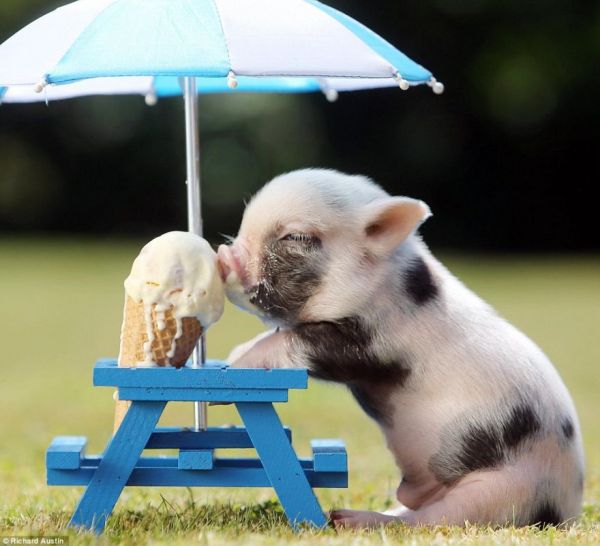
I've Never Related So Much to a Little Piglet

by Jill Harness

Some little piggie might have gone to the market, but this little piggie is who I want to hang out with on a hot summer day. He knows how to relax on a hot summer day, complete with a nice ice cream cone.

Link

12 Jul 09:23

Jerk Dog

by Reza

jerk-dog

12 Jul 09:11

Mario Conde, el hombre que comentó la tvmovie sobre su propia vida a través de Twitter

by Borja Terán

¿Te imaginas a Isabel Pantoja o a la Baronesa Thyssen comentando en la red social la tvmovie de su propia vida? Sería apasionante. Pues Mario Conde sí que se ha dedicado a tuitear cada instante de su biopic.

Su perfil en la famosa red del pajarito se ha convertido en el ricón perfecto para el voyeaur más necesitado de titulares. Y es que el ex banquero ha analizando la tvmovie sobre su existencia casi al milímetro gracias a Twitter. De hecho, incluso ha ido poniendo nota numérica a determinadas recreaciones de la ficción.

“Esta conversación con el Rey es literal. Esta escena no es del todo cierta. Esta conversacion de Rubio fue asi. Esas amenazas existieron. Esa frase no se me olvidará mientras viva…” De esta forma, Conde ha tecleado sus pensamientos sobre el resultado final de la emisión de Los días de gloria, historia basada en el libro homónimo del famoso banquero.

Además, como buen usuario de la red social, Conde terminó ‘calentándose’ en la efervescencia que produce la instantaneidad tuitera. Es más, anoche incluso se atrevió a denunciar una supuesta censura por parte de Telecinco de un diálogo que dice que sí pudo ver en un pase privado. El empresario ha asegurado que se eliminó el instante en el que recibe una llamada del Rey para informarle de que van a intervenir Banesto.

También Mario Conde intentó desvelar que el debate posterior, al que dio plantón, era grabado y no en directo. Y, claro, logró su objetivo: hacer un debate del debate de Telecinco vía Twitter, donde no faltaron sus salidas de tono cibernéticas, enfados con los tertulianos oficiales y algún que otro retuiteo de opiniones contra la moderadora, Ana Rosa Quintana.

La fama siempre gustó a Conde. Y no podía ser de otra manera: ha intentado exprimir su regreso a la palestra televisiva con ayuda del incontrolable púlpito tuitero. Todo sea por el espectáculo. Todo sea por los días de gloria.

> ‘Mario Conde, los días de gloria’ fue anoche segunda opción en espectadores con 1.395.000 fieles y tercera en share con un 9.7 por ciento de cuota. Lideró ‘El hombre de las pistolas de oro’ de La 1, una película de 1959.

Y ADEMÁS…

¿La audiencia de TV se puede medir a través de Twitter?

Ni Telecinco, ni Antena 3: ‘Martes y Trece’ fueron los primeros en hacer una tvmovie sobre Isabel Pantoja