To say that Robert Finley had accumulated more experience than most artists before releasing his debut album in 2016 is a massive understatement. The Louisiana native began playing guitar at age 11, and by age 63, when Age Don’t Mean a Thing found listeners, he had been performing off and on as a blues and soul musician for dozens of years in between serving in the army and a lengthy career as a carpenter, a craft his failing eyesight forced him to give up in 2015. Busking on street corners and outside venues helped him nab gigs as an opening act and ultimately led him to the recording studio—and broader audiences.
:
“I’m born to tell my story and where I come from,” says Finley, whose new album, Sharecropper’s Son, is out in May. “Even though the cotton fields weren’t a pleasant place to be, it was real and a part of my life. I came from the cotton fields to Beverly Hills, and I think it’s a story worth telling.” The album’s title track does just that, offering a reflection on Finley’s childhood experiences in the Jim Crow South. “Ain’t no time for education / Too much corn in the field,” he sings. “Ain’t no time to go to school, y’all / We got too much work around here.”
“My dad was proud,” Finley says of his family history and inspiration for the song, which G&G is proud to premiere below, along with an accompanying video. “He didn’t want to be seen in the welfare line, so he worked hard in the field and did things his way.”
“Sharecropper’s Son” is one of several standout numbers from the album, which was produced by Dan Auerbach of the Black Keys and will be released via his Easy Eye Sound label. Finley’s gripping vocals and lilting piano on “Souled Out On You” feel both familiar and forward-thinking, while the funky guitar licks and forlorn poetry of “Country Boy” show off the now 67-year-old’s lifelong devotion to soul and blues music.
How many historic chess games can Magnus Carlsen recognize just by looking at the placement of chess pieces on the board? It turns out a lot. And that’s partly what makes him the reigning World Chess Champion.
Would you like to support the mission of Open Culture? Please consider making a donation to our site. It’s hard to rely 100% on ads, and your contributions will help us continue providing the best free cultural and educational materials to learners everywhere.
Also consider following Open Culture on Facebook andTwitter and sharing intelligent media with your friends. Or sign up for our daily email and get a daily dose of Open Culture in your inbox.
The anti-distraction device is the modern mousetrap: build a better one, and the world will beat a path to your door. Or so, at least, will the part of the world engaged in the pursuits we’ve broadly labeled “knowledge work.” Even among the knowledge workers who’ve spent most of the past year in pandemic-prompted isolation, many still feel besieged by unending claims on their attention. Laments at having been rendered unproductive by constant distraction go back at least to medieval times, but the proposed solutions to this long-standing problem change with — and reflect — the times. Take the “Isolator,” the formidable-looking wearable machine above that debuted on the cover of July 1925’s Science and Invention magazine.
“Perhaps the most difficult thing that a human being is called upon to face is long, concentrated thinking,” writes inventor Hugo Gernsback in the accompanying article. “Most people who desire thus to concentrate find it necessary to shut themselves up in an almost soundproof room in order to go ahead with their work, but even here there are many things that distract their attention.”
Even absent such nuisances as “street noises” and the “telephone bell,” the mind seeks out its own distractions as if naturally compelled: “You will lean back in your chair and begin to study the pattern of the wallpaper, or you will see a fly crawl along the wall, or a window curtain will be moving back and forth, all of which is often sufficient to turn your mind away from the immediate task to be performed.”
Gernsback’s solution involves a large helmet, lined with cork and covered in felt, with a baffle for breathing and glass eyeholes to see through. Painted black but for two thin bands, the eyeholes make it “almost impossible to see anything except a sheet of paper in front of the wearer. There is, therefore, no optical distraction here.” To prevent drowsiness, “the writer introduced a small oxygen tank, attached to the helmet. This increases the respiration and livens the subject considerably.” And so we arrive at the setup pictured below, originally captioned, “The author at work in his private study aided by the Isolator. Outside noises being eliminated, the worker can concentrate with ease upon the subject at hand.” The Isolator’s patent appears just above, one of 80 for various inventions that Gernsback held in his lifetime.
Whatever the device contributed to Gernsback’s productivity, there can be no question that the man got a lot done. Not just a contributor to Science and Invention but also its publisher, he oversaw a small media empire whose other periodicals included Everyday Science and Mechanics, Scientific Detective Monthly, the sinister-sounding Technocracy Review, and AmazingStories, which launched in 1926 as the first magazine devoted entirely to science fiction (or “scientifiction,” as Gernsback called it). For his advancement of the genre he was honored by the World Science Fiction Society’s Annual Achievement Awards, better known as the “Hugos.” Pulp-fictional though the Isolator may have looked in 1925 (as indeed it looks now), it represents a genuine effort to alleviate with technology a bothersome aspect of the human condition — and a precedent for the new-and-improved isolation helmets engineered for the even more distracting world in which we live a century on.
Based in Seoul, Colin Marshall writes and broadcasts on cities, language, and culture. His projects include the Substack newsletterBooks on Cities, the book The Stateless City: a Walk through 21st-Century Los Angeles and the video series The City in Cinema. Follow him on Twitter at @colinmarshall or on Facebook.
“Oh, would some Power give us the gift / To see ourselves as others see us!” wrote poet Robert Burns. “It would from many a blunder free us, And foolish notion.” I cannot vouch for a being blunder-free, but reading historical accounts of our nation from foreign visitors does help to increase our worldly perspective, and hopefully question what often we take for granted. The 19th century was a particularly ripe time for the narratives, as oceanic commerce (and on its tail tourism) was making the world smaller than ever before.
The YouTube channel Voices of the Past has been bringing a lot of these stories to life over the last few years, with new translations of foreign texts, dramatic readings, and thoughtful image presentations to reveal the world to us as new and wondrous as it was to the original writers. The video above and the one below take us on trips to the United States and Great Britain by some of the first ever Japanese travelers to step onto Western soil.
For over 200 years, 1600 – 1868, Japan had remained isolated from much of the world, a time known as the Edo Period (named after the capitol) or the Tokugawa Period (named after the shogunate). Within this hothouse, it developed much of the traditional culture that we know today—the tea ceremony, haiku, woodblock prints—and the capital Edo (now Tokyo) grew from a fishing village to a major city. When Commodore Matthew C. Perry landed in 1853 to get Japan to open up to trading, the country knew its time in isolation was at an end. The technology they saw on the American ships was advanced enough they knew they’d have to catch up or be dominated.
Both videos concern Fukuzawa Yukichi, one of the founders of modern Japan. An author, journalist, founder of Keio University, and creator of the first English-Japanese dictionary, he was also a main proponent of modern reform. (He’s also the face on Japan’s 10,000 yen note).
In Fukuzawa’s retelling, you can hear how his encounters with Dutch and English tradesmen made him insatiably curious to learn the language he could not understand. After the Japanese government bought a ship from the Dutch, naming it the Kanrin Maru, Fukuzawa and a crew of 96 men (a minority being American), landed in San Francisco in 1860, the first Japanese diplomatic mission to America. Technically they did not stay in San Francisco, but in a naval hotel on Mare Island, 23 miles north east of the city. Fukuzawa takes note of the abundance of carpet and rugs in many of the official buildings—such fabric was so expensive in Japan that he had only seen it used as handbags and such—and the American desire to walk on it with their street shoes. Even more amazing: ice cubes. He also notes something that hasn’t changed since his time: the amount of waste in the streets, and the high cost of goods in California.
Fukuzawa likens his experience—warm hospitality mixed with his own embarrassment of an unfamiliarity with foreign mores—with the “shy, self-conscious blushing bride.”
The most important purchase Fukuzawa made on his trip was a Webster’s Dictionary, which would help him write his own English-Japanese version when he returned. Two years after his American trip, he once again set out on a diplomatic mission, this time to Europe. He and his co-patriots would be away from Japan for a whole year, taking in France, the United Kingdom, the Netherlands, Prussia, Russia, and Portugal. This trip is different in its awareness of politics. Mention is made of Napoleon III (well admired) and the rise of Prussia. He is suitably baffled by Britain’s Parliament (as are most Americans these days watching it on CSPAN), but comes away with a strong conviction in independent thought and democracy that would begin to change Japan through his influence.
We have mentioned Voices of the Past previously, and you can find all sort of accounts of early international travelers. Fukuzawa’s accounts are some of the best, as his down-to-earth voice feels less foreign than the English speakers he meets.
Ted Mills is a freelance writer on the arts who currently hosts the Notes from the Shed podcast and is the producer of KCRW’s Curious Coast. You can also follow him on Twitter at @tedmills, and/or watch his films here.
At the Internet Archive, this is how we digitize #78 rpm records. Our partner @georgeblood_lp has perfected this technique, digitizing with 4 different styli at once.
The process involves much more than playing them all into a computer, due not least to the toll the past century or so has taken on the discs’ surfaces. “Each record is cleaned on a machine that sprays distilled water onto its surface,” writes The Verge’s Kait Sanchez. “A little vacuum arm then sucks up the water, along with whatever dirt and nastiness has built up in the record’s grooves.”
“The discs are then photographed, and the photos are referenced to pull info from the discs’ labels and add it to the archive’s database by hand.” There follows the actual digitization, which records each disc with four styli at once: since 78s never had standardized groove sizes, “recordings taken with various stylus tips will each sound slightly different,” but for any record in the George Blood Collection the listener can choose which of the four they’d prefer to listen through. You can see each step of the process in the video at the top of the post, part of a Twitter thread recently posted by the Internet Archive. There the Archive notes that, “after scanning 250,000 sides, we’ve found 80% of these 78s were produced by the ‘Big Five’ labels” — Columbia, RCA Victor, Decca, Capitol and Mercury — “but along the way, we’ve uncovered 1700 other music labels and some pretty beautiful picture discs.”
Based in Seoul, Colin Marshall writes and broadcasts on cities, language, and culture. His projects include the Substack newsletterBooks on Cities, the book The Stateless City: a Walk through 21st-Century Los Angeles and the video series The City in Cinema. Follow him on Twitter at @colinmarshall or on Facebook.
In addition to being the largest tire manufacturer in the world, Michelin is also one of, if not the oldest tire maker, with a brand that’s known worldwide for much more than tires, and a mascot, Bib, who’s also instantly recognizable (even though he quit smoking cigars some years ago). Michelin’s road maps, travel itineraries, and hotel and restaurant guides have told people where to go ever since the miracle of internal combustion made it possible for them to go there. The fine dining industry lives and dies by the Michelin stars its Red Guide awards to restaurants for their haute cuisine. In fact it may have been Michelin that coined the phrase so many motorcycle riders have taken to heart: “Eat to ride, ride to eat.”
Unknown author – Andrew Helme, Public Domain, https://commons.wikimedia.org
There haven’t been all that many major breakthroughs in tires over the years, really, but Michelin’s been responsible for the big ones: It made the first removable pneumatic bicycle tire (which didn’t need to be glued to the rim) in 1891, the first run-flat tire in 1934, and the first radial tire in 1946. The radial automobile tire didn’t really get to the US until the late 1960s, when Michelin partnered with Sears to sell them as Allstates. In the U.S. today, Wikipedia tells us, the radial market share is 100%. More germane for us, Michelin’s first radial motorcycle tire burst into the limelight on the back of Freddie Spencer’s 500cc Grand Prix Honda in 1983.
And by 1986…
On the 25th anniversary of its first street-going motorcycle radial (1987) Michelin sent out this press release in 2012:
Three years after first using it in racing, in 1984, Michelin decided to bring to market its radial motorcycle tire. In 1987, the MICHELIN A59X and M59X signaled the beginning of a revolutionary new era for high-performance tires that enabled riders to get the most out of the new motorcycles of the period. Today, all road, sport and supersport bikes are equipped with radial tires. Without the radial tire, racing bike engines would never have become so big since traditional cross-ply tires would not have been able to support today’s 1,000 cc engines. The radial tire has been the key driver of the faster pace technical improvements for racing and series produced motorcycles in terms of the torsional stiffness of the cycle parts as well as the power output of the engine. In 1983, thanks to the genius of Freddie Spencer, Michelin won the first Grand Prix event on a 500 cc bike fitted with a radial tire (on the rear wheel only). The following year, Randy Mamola became the first rider to win a Grand Prix race (San Marino) on a motorcycle equipped with radial tires on both the front and rear wheels. A radial tire undergoes less heat build-up than a conventional tire. As a result, the rubber remains softer and delivers better grip when cornering.
“The introduction of the radial was the most important tire innovation of my career,” says three-time world champion Freddie Spencer. “A driver needs grip, feedback and longevity, and the radial tire represented a real improvement in all three areas. It also influences other aspects of motorcycle design. The first thing I noticed about the radial tire was that it gave me much better grip and stability when cornering rapidly. I could reaccelerate sooner, which I always tried to do in races.”
Now, with few exceptions, the radial tire is standard equipment on all sportbikes, especially powerful high-performance ones: Which is definitely a thing Michelin knows about, since it’s been the official tire supplier for MotoGP since 2016. But of course, Michelin produces a wide range of tires for all two-wheeled applications – from trials to motocross, from scooters to 220-mph MotoGP missiles. Here’s a quick rundown of a few of its latest and greatest.
This one’s a street-going knobby for big, heavy adventure bikes, which are all the rage lately in case you hadn’t noticed. The BMW R1200GS is the poster child, and for years, serious GS off-road adventurers have opted for the Continental TKC80. That’s the tire Michelin was gunning for with the new Anakee Wild when it was introduced in 2018.
Speaking of radials, the Anakee Wild is the first in this class to use radial construction, instead of the more typical bias-ply used in most of these tires, including the TKC80. Many original equipment tires on ADV bikes like the Suzuki V-Strom 1000 pictured are street-biased. In contrast, the Anakee Wild is claimed to be a 50/50 street/dirt tire, and that makes it a big upgrade for riders who really are planning an off-road adventure.
A big problem with the more off-road-worthy tires in this class is their short lifespan – especially the rear – which you could sort of deduce from knobby tires ridden a lot on pavement under heavy, powerful motorcycles. The Anakee Wild, according to Michelin, in addition to providing much better high-speed stability, wet grip, and offroad performance – is also going to last way longer than its competition.
Bottom Line/Great off-road grip and long-lasting too
Michelin Road 5 is the company’s newest implementation of technologies unveiled in the pure sport tire Power RS, but in a decidedly different category of motorcycle tire, ie, sport touring. The underlying technologies, like ACT+ (Adaptive Casing Technology) and 2CT+ (Two-Compound Technology), are brought forward from the Power RS, but the Road 5 is engineered to perform a very different task. Instead of performance street riding with occasional track day use, the Road 5 is intended for everyday riding.
From commuting to canyon carving, the Road 5 is designed to excel in terms of longevity, and as you might have gleaned from our photo – the Road 5 is especially advanced in terms of wet weather performance thanks to Michelin’s advanced siping technology. Michelin says its X Sipe Technology will allow Road 5 tires with 3,000 miles of use to perform just as well as brand new Pilot Road 4 tires in wet conditions.
Bottom Line/Great traction and performance in all conditions
The Commander III is Michelin’s latest tire for cruisers (alongside its line of Scorchers, which are original equipment on most new Harleys – including the new Scorcher Adventure, designed specifically for the new Pan America.)
There are two Commander IIIs for 2020; Commander III “Touring” for heavy cruisers and Commander III “Cruiser” for lightweight cruisers, each a specific set of sizes, distinct sidewall designs and slightly different tread patterns. Both use Amplified Density Technology to produce a dense, rigid tire casing for great feedback and handling, while aramid tread plies resist centrifugal growth to provide excellent stability. Silica Rain Technology and numerous longitudinal tread grooves work together for outstanding wet weather grip. A unique tread pattern, along with Michelin’s proprietary “velvet” sidewall detailing give every cruiser what it wants – high style. Best of all, Michelin said it got 25,000 miles out of a pair of Commando IIs on an Electra Glide Classic, and the new Commander III is said to even outdistance that.
Bottom Line/A great cruise for many, many miles...
In June, 2020, Michelin introduced a line of four new street/track tires intended to meet the needs of all sport riders ranging from 100% track to 100% street. From streetiest to trackiest, they are: Michelin Power 5, Michelin Power GP, Michelin Power Cup 2, and Michelin Power Slick 2. Each one features its own specific performance characteristics through the use of high technology materials and casing designs, and each was designed to ensure consistency and predictable performance from one tire to another.
Right in the middle, the Power GP incorporates plenty of things Michelin’s learned in racing, and combines them with all it knows about street tires: Adaptive Casing Technology uses a single ply carcass at an angle close to 90° for optimized rigidity that leads to improved grip and tire feel. 2CT tech in the front tire puts a grippier compound on the tire’s edges for max grip; 2CT+ dual compound tech at the rear maximizes stability and max grip, especially under hard acceleration at corner exits.
The surface area of slick zones is increased, water voids are reduced for more dry grip and maximum feedback. Warm-up times are short, no tire warmers are required, and the Power GPs are ready to go right out of the pits. And since they’re DOT-approved, they’re ready to go on the street too.
Hmmmm, in any category of goods there is a premium brand, and Michelin seems to be it. Plenty of people swear by other brands of (less expensive) tires, but just as many if not more are convinced that Michelins are worth every penny. And that seems to be a sentiment that crosses over into the automobile world, or maybe that’s where it originates? Bugatti’s first Veyron supercar specced Michelin Pilot Sport PAX rubber, which sold for $42,000 per set. (Ironically, these had to be glued to the rims, just as that first famed Michelin bicycle tire did not.) No doubt you’re also paying a surcharge for that French heritage, heavy motorsports involvement, a huge advertising budget – but it also seems like Michelin motorcycle tire tech is second to none. If you’re on a budget, never fear. There are tons of tires with performance that exceeds the needs and abilities of most riders, for less money. Read the reviews as you shop around to form your personal cost/benefit analysis.
How long do Michelin motorcycle tires last?
That’s an impossible question to answer. MotoGP bikes on a racecourse need new tires every couple of practice sessions. Lighter touring cruisers on the new Michelin Commander III might see more than 25,000 miles out of a pair of tires. Michelin says average life and mileage expectancy are heavily dependent on the vehicle, usage, and conditions of use, and that seven major factors affect the durability of a tire. Some of those are in the rider’s hands: inflation pressure, the weight of the load, the speed you ride, and your riding habits – how hard do you brake and accelerate? The other three are out of your and Michelin’s control: the curviness of the road, the type of surface, and the air temperature all affect tire life.
Where are Michelin motorcycle tires made?
While the company is headquartered in France, Michelin has factories around the world where it manufactures tires for all sorts of industries. Michelin’s motorcycle tires are primarily manufactured in Spain (radial construction) and Thailand (bias construction).
We are committed to finding, researching, and recommending the best products. We earn commissions from purchases you make using the retail links in our product reviews. Learn more about how this works.
Become a Motorcycle.com insider. Get the latest motorcycle news first by subscribing to our newsletter here.
Sign up here to get What’s in my bag? a week early in your inbox.
I have been a full time pipemaker for almost 12 years. My pipes are fully handmade using mostly traditional methods and materials in my home workshop and are sold around the world. — Chris Askwith
About the workshop
I use a lot of power tools in my pipemaking but all of the fine detail is done with hand tools, knives, files and sandpaper for the most part. I have tried having all my tools within hands reach as is commonly done by jewellers but found this crowded and encouraged me to get stuck in one position. I now keep most tools just out of reach so I regularly get up from my chair and take the opportunity to stretch and move around a bit, it seems to work well for me even if it is less efficient.
What’s in the workshop
Gluing some sandpaper to a bit of wood is an age old trick for making sanding easier, especially for small, flat surfaces. These sandpaper handles or sticks however are so much better. A simple clamp holds the paper in place and it pulls the paper quite taught, it takes just seconds to change the grits (though I prefer to have one for each grit if possible) and the handles make sanding both easier and more comfortable thanks to the file style handle. Quite inexpensive too. Best used with cloth back abrasives I find.
The Shinto saw rasp is a fast and efficient way to remove material without clogging and leaving a smoother surface than a traditional rasp. It has a coarse side and a smoother side and I have found it effective on softwoods, hardwoods and many kinds of plastic and resin.
I have found the Click 2000 Puggy gloves to be the perfect compromise between dexterity and protection in a light duty work glove. They keep my hands warm, allow me to perform reasonably fine tasks, increase my grip and give me a reasonable level of protection against abrasion, scratches and dirt. I wear these pretty much all day in my shop and each pair lasts for several weeks and will handle a couple of cycles through the washing machine as well.
I’ve tried every style of safety glasses/googles over the years and they all have their pro’s and con’s but these from UCI are the best I have found. They are comfortable, fit my face well, give good visibility and seem to be pretty scratch resistant. The foam padding is easily removed if you need more ventilation. Most importantly for me I have found I like the included strap that can be used to hold them just snug to my face, safety glasses slipping forward is big annoyance and danger when using a power tool so this feature is essential for me but way more comfortable than elasticated goggled which are often too tight for long periods of working. Very reasonable price for the quality as well.
[We want to hear about unusual and unusually useful items that you have in your desk, bag, closet, fridge or where ever you keep things. It can be anything really: work bag, pantry shelf, beauty drawer, toolbox, etc. Start by sending an email to claudia@cool-tools.org with a photo of the things in your chosen space (you can use your phone). If you get a reply from us, fill out the form. We’ll pay you $50 if we run your submission in our What’s in my …? newsletter and blog.]
New Districts – Day to night panorama of Dubai Marina with the sun setting in between.
Part of the beauty of photography lies in capturing a single special moment that will never appear the same way again. While this is what makes each photograph unique, a normal photo alone can typically only freeze a fleeting split second.
In trying to expand what I can record with my camera, in 2011 I shot my first timelapse video where I looked to capture the transition between different hours of the day and night, from dusk to dawn, and reversed. It’s often only when you see several hours compressed into a few seconds that humans can really grasp the change in light and colors that occur during a 24-hour period — timelapse is the perfect medium to make this possible.
But what if you could combine and capture the same in a single image? This is the question I asked myself in early 2020 when I began working on what became the Timeblend Dubai series. After some research, I found that others have gone through similar endeavors over the past years, and I thank those pioneers for the inspiration they’ve provided to me as I started to embark on this project. I’m not claiming I invented this concept, but I did intend to apply my own style to it.
The ultimate aim was to let the viewer’s eye wander through the changes in scenery as day and night flow into each other in a single continuous transition that is not normally obvious to the observer, yet somehow looks natural and makes you think twice about what you’re seeing.
The Giant – Downtown Dubai with Burj Khalifa, the world’s tallest building.
The UAE and its most famous city Dubai — a city I’ve fallen in love with for over 15 years and call home today — is one of the most photogenic places on earth and it was important for me to cover a wide range of what it has to offer. As a result, the images cover the modern cityscape, such as Downtown Dubai and The Palm, but also the historic parts around Dubai Creek. At the same time, I wanted to incorporate some of the natural beauty of the country, and showcase scenes from the Hajar Mountains and the dunes of the desert. In total, I had about 40 compositions in mind, out of those I shot about 25, and in the end, 14 made the final cut.
Desert Transitions – The dunes of Ras Al Khaimah on a clear sunny day, and after the Milky Way rose at night.
When I started working on the project, I learned a lot about how light affects a scene and how different our environment really looks during a 24-hour cycle. This meant I had to figure out which compositions make sense for a Timeblend: which parts of a scene work better at night, and which ones better during the day, what time of the day was the best for a certain atmosphere I needed to capture, and how many different images I needed to create a smooth blend — a single daylight and night-time image each was generally not enough. On top of that, I had to work around moving objects such as lights, cars, people, clouds, and other changes that happened in between the time the photos were taken.
Sometimes that meant going back and re-shooting the same location to capture a missing piece or replace a part of the final work that wasn’t quite what I had in mind. As a result, all of the end results include at least half a dozen individual photos, taken at different times of the day and often on different days and sometimes more than 20 images were blended to arrive at what you see now. None of the images include pieces from another scene or elements that were not actually in their specific spot in at least one of the original photos, though.
Wadi Scenery – The Hajar mounts with their tones of brown and beige changing as the sun falls over the horizon and the stars start appearing.
While I don’t normally spend a lot of time on post-processing, in this project that was inevitable. Since it is basically impossible to keep your camera in exactly the same position when shooting a panorama, or the same composition on different days, the images had to be manually and painstakingly aligned, literally pixel by pixel, to achieve a smooth blending effect. Photoshop’s alignment feature was not able to manage this, and its warp tool became my best friend for many, many hours.
I then used digital blending with masks, gaussian blur, and brushes to achieve the transition effect by gradually hiding parts of the different layers and letting the next phase of light come through. In some of the photos, light trails and cars with motion blur as well as people were either blended in, or removed by adding a layer of the same photo taken just a few seconds earlier or later, or at different shutter speeds, to remove the distracting subjects I didn’t want.
Palm Scenes – The fireworks and sunset were shot 6 months earlier than the daytime part.
Since I wanted to exhibit the series, I also made sure to capture them at high resolution, either using my Olympus OMD EM-1’s 80 MP mode or I hose to shoot panoramas with multiple vertical photos, resulting in a final output of 200 MP and more. This made the editing process even more painful, as some of the files easily reached 20 GB in size.
For my exhibition, I printed the cityscape shots using Titanium Lustre paper, whereas the nature shots use white matt and etching paper. The larger panoramas are almost 2 meters in size.
Beating Heart – The Dubai Creek, typically bustling with activity, in a very unusual calm state, as this was shot during lockdown over two days in April 2020.
Below are the other photos from the series:
The SkylineWhite BlanketThe CanyonSign of TimesHistoric ViewsFrom the RoofFrom the BridgeCoastline
About the author: Florian Kriechbaumer is a photographer and business executive based in Dubai, UAE. He enjoys working in a wide variety of photographic domains, combining artistic and technical aspects. To see more of his work, ranging from aerial captures, cityscape, nature, timelapse and timeblend as well as deep sky and astrophotography, follow him on Instagram, Twitter, or check out his website.
Our guest this week is Lawrence Lazare. After a 25-year career as an ecommerce product leader, Lawrence recently retired due to the loss of his central vision from a genetic eye disease. In his retirement, Lawrence is concentrating on his infrared landscape photography practice, as well as launching a podcast about maintaining a life-long creative practice.
Magnetic Spice Tins ($25, 12pc)
These are spice tins that I got before I lost my vision. But since I’ve lost my vision, they become even more valuable. They are round metallic spice tins that you stick to a sheet of thin steel that goes inside a cabinet. The idea is you open your cabinet door and there are all these spice tins facing out. So with these spice tins, what I did was hack them where they come with a label that goes over the center of the tin. I started using the old DYMO labels, with a white background with a high contrast black text on them. And then I keep them all alphabetical, so that in general, I kind of know if I’m looking for a specific spice, I’ll know where it is. And the other thing that’s been helpful is by removing the labels that come with them and using the DYMO labels is I can see a lot more of the color of what’s inside there. I can still see many colors, so if I’m looking for paprika, I’ll go look for the red tin. Like I said, I had these long before I lost my vision and they’ve been a lifesaver since I’ve lost my vision.
OrCam Read ($2,500)
Of all the tools that I’ve used since losing my vision, this is the most gee whiz one. This company OrCam has this little reader, that’s the size of a Sharpie. And it has an internal computer, it has a laser pointer, a light and a camera. And what you do is you point it at something and it shines a laser pointer at it so that it tells you what it is you’re looking at. And then it takes a photograph of what you’re looking at, and within maybe under two seconds, it reads to you out loud whatever it just saw. So for instance, if I’m trying to read a recipe, which I really struggle with, I just point this at it and it will read me the whole page. But what makes it even more amazing is it’s not internet connected at all, it’s all self-contained. So for instance, if I was out in the woods, hiking and I come across a sign to tell you to go this direction and it gives you the name of the trail, and there’s no internet connectivity, this thing would work. It awes me how accurate it is. I have another tool for people who just want to check out this technology, given that the OrCam Read is $2,500. There’s an awesome tool from Microsoft called Seeing AI and that’s free and it has a number of tools. The first one is text recognition, so when you turn it on, it immediately goes into camera mode and whatever it’s pointed at, it will read the text, similar to the OrCam Read. It’s not as accurate, and the challenge with it is you have to hold it totally still. But like I said, it’s a free tool and it has other very cool things like a barcode scanner. So for instance, going to the grocery store for me is a nightmare. So what I can do is I would point this thing at the barcode and it would tell me what the product is. They also have a very cool tool in there that it will read the scene. For instance, if I pointed it at my wife and it said, “35 year old woman smiling with a pair of glasses.” And my wife is not 35, and she was delighted by the fact that it said 35 year old woman. And you can point it at the room and it will say, “You’re in a room with a table and a couple of chairs.” So this technology is really evolving in front of us.
Logickeyboard Large Print High Contrast Keyboard ($115)
This is a tool called the Logickeyboard. When I was still working, one of the things I really struggled with is I’m a Mac user and Mac products are notoriously beautifully designed, but can be a little low contrast. There’s no way I can really read my keyboard on my computer anymore. Logickeyboard has a number of keyboards. I got the one that is high contrast, and all the keys are basically yellow. You can get black and white combinations, you can get different color combinations, I have a yellow keys with very large high contrast letters on them, and this has been a life saver for me. They make a lot of multimedia keyboards, like Adobe Premiere. And with those keyboards, they lay out all the macros on the keyboard. They probably put out 20 or more different keyboards for specialized purposes.
The National Library Service for the Blind and Print Disabled – Library of Congress
This is a service from the Library of Congress, it’s an audio book service for the blind. To get this service you have to get a doctor to fill out the form to qualify for it. It’s basically Audible for free for blind people. And they have a physical player that looks like an old cassette deck, that you plug a USB book into it. But I use the smartphone app and I have a library of hundreds of thousands of books that I can get for free. But the thing that makes it even cooler is the fact that they have audio magazines. The two magazines that I subscribe to are The New Yorker and Wired. And I guess Conde Nast has, has worked out a deal with them, so they have all their magazines there. So I can listen to an audio version of Wired, The New Yorker, and many different magazines will be read to me, which is just amazing. Because that was one of the hardest things about losing my vision, it’s not only access to books, you can get books from Audible and lots of audio books services, but magazines was a real loss for me. So this was a real Godsend.
Lighthouse Extension for Chrome (Developer tool that provides accessibility score and recommendations to improve site accessibility)
Websites don’t pay much attention to accessibility. For me, the challenge in looking at a website is contrast and font colors. Most websites are not necessarily conscious of the needs of people with disabilities. So there lots of plugins or Chrome Extensions for developers for websites. This one that I picked, the Lighthouse extension, the thing that’s great about that is, in addition to SEO and mobile and basically the traditional thing of giving you a score card of how well your website does, this one has an accessibility score that will tell you, “You get a 93 out of a hundred and here’s the things that you can correct.” And it’ll drill down into the DOM to tell you, “Here’s the things you need to fix on your website to get a high accessibility score.”
Last May, New York Gov. Andrew Cuomo said he was shocked to learn that 66 percent of New Yorkers hospitalized for COVID had been staying at home.
"This is a surprise," Cuomo said. "We were thinking that maybe we were going to find a higher percent of essential employees who were getting sick because they were going to work — that these may be nurses, doctors, transit workers. That's not the case."
A year later, a new study sheds light on the mystery.
If you think lumber price inflation is bad, check this out: The cheapest rental car in Maui in the month of March was $722… a day!
The big idea
Etsy is doing really well. It’s also selling some truly weird stuff
In Q4 2020, masks made up 4% of all purchases on Etsy.
Any other year, that might’ve been a bit odd. But right now, masks are far from the weirdest thing sold on the platform.
When we say ‘weird stuff,’ we mean weird stuff
A new Insider investigation found ~800 products that fell into nearly all of the company’s banned product categories, including:
Miracle cures: “Remedies” for COVID-19, erectile dysfunction, and weight loss, and magical “spells” for wealth, love, and health
Ivory and animal parts: A $4.9k tusk, a $14k taxidermic elephant head, cat skulls, and mummified goldendoodle puppies
Weaponry: Longswords, necklace-knives, brass knuckles, resin daggers, cane swords, a steel-spiked trench club, and a 4-bladed “apocalyptic ripsaw mace”
Despite bans, there were also listings for fake designer products, Confederate flags, cars, drug paraphernalia, porn, and uranium ore.
Etsy’s workin’ on it
In 2020, Etsy saw a 400% jump in noncompliant listings as the platform’s listed-product count hit 92m.
Now, Etsy’s putting in the work to improve:
It doubled its trust and safety team head count
It tasked an engineering team with building new AI detection tools
It will invest at least $40m in 2021 to continue enhancing product enforcement
In general, Etsy’s doing really well
In 2020, $10.3B worth of product was sold on Etsy (a 107% year-over-year jump), and revenue rocket-launched 111% to $1.7B.
Etsy now has 4.4m sellers and 82m active buyers. In 2020, the company scored 60m+ new buyers, 17% of which made 4+ purchases.
As long as those weren’t purchases of steel-spiked trench clubs, all is good.
SNIPPETS
{if !profile.vars.hustle_snippet_interests}
NEW! Introducing our new and improved Snippets. You can now get extra snippets on your favorite topics. Follow the button below to get started.
{/if}
Bill and Melinda Gates announced that they will end their marriage of 27 years. Outside of the couple’s personal lives, the biggest question for many will be what’s next for the Bill & Melinda Gates Foundation, which funds billions in clean tech and health research.
Epic Games revealed numbers for its business in court documents for its Apple lawsuit. The most eye-popping number: Epic’s game Fortnite made $9B+ in its first 2 years (2018, 2019) of business.
Top tax: The Biden administration is proposing a max tax rate of 61% on inherited wealth.
{if profile.vars.hustle_snippet_interests} {foreach slice(content, 0, 7) as c}
Amazon’s newest distribution center? (Ezra Shaw / Getty Images)
In huge demand right now: Warehouses
The pandemic turbocharged sales for ecommerce companies.
That’s the 1st-order effect.
So — like the high-minded business publication we are — we have to ask: “What are the 2nd-order effects?”
To facilitate all of these juicy onlines sales…
… warehouse space is being snapped up at a blistering pace. According to The Economist, leases for new logistic spaces are up big in Europe (+16% YoY), America (+21%), and Asia (+32%).
Ecomm players of all types — from supermarkets to medical suppliers to D2C shopping — are getting in on the action.
Interestingly, online retail requires 3x the space of brick and mortar, because shoppers expect more options.
This is leading to a 3rd-order effect
The value of warehouses is booming, with logistics making up 20% of real estate investments in 2020 (vs. 10% in 2015).
The boom is running into a land supply problem, per The Economist:
Industrial land has been turned into residential land in major cities
Restrictive zoning laws prevent the conversion of large existing lots like shopping malls
The public is averse to large warehouses, which are perceived as noisy and dirty
To cope, companies are getting creative: Amazon is turning golf courses in America into distribution centers and an empty car lot in the UK into a delivery hub.
We think it’s safe to call that one a 4th-order effect.
Media Madness
A short-lived experiment (Source: Nicholas Kamm / Getty Images)
AOL and Yahoo are still around. And they just got sold for $5B+.
At the height of Web 1.0, AOL and Yahoo ruled the world with market values reaching $200B+ and $125B+, respectively.
Yesterday, Verizon — which acquired AOL in 2015 ($4.4B) and Yahoo in 2017 ($4.5B) — sold the old internet guard to PE firm Apollo Management for a combined $5B.
That’s 40% less than it bought the companies for, reportsCNBC.
WTF was Verizon doing?
The $240B telecom giant made the acquisitions in an attempt to compete with — cue laughter — Google and Facebook in digital ads.
The combined effort was unfortunately rebranded as Oath and put under the leadership of Tim Armstrong, AOL’s former head (and a Google veteran).
With tens of millions of subscribers, Verizon believed it could combine customer data with Oath digital properties to hyper-target users.
The gambit never worked…
… and Armstrong left in 2018. The entire venture was renamed Verizon Media Group, and we collectively all forgot about it.
Verizon has been ditching its media efforts in recent years by shuttering or selling HuffPost, Yahoo Answers, and Tumblr.
This is in contrast to its main competitors: AT&T plunked big bucks to acquire WarnerMedia, and Comcast still runs NBCUniversal.
Either way, we can all consider it a minor miracle that AOL and Yahoo are still chugging along.
TRENDS
It’s earnings season, baby
Last week, we saw FAAMG report monstrous earnings, bringing in somewhere between $202k-$837k per… minute. But we had our eye on another company: 1-800-Flowers (FLWS), that popped 30% since earnings.
We wrote about the company in February, after noticing that unlike other seasonal businesses (think, Party City or Canada Goose), 1-800-Flowers doesn’t peak during Valentine’s or Mother’s Day… because flowers no longer make up their revenue.
1-800-Flowers’ diversification is a masterclass:
Loyalty: 50-60% of 1800 Flowers’ customers are repeat, due to their Passport program and subscription platforms (think Prime for… flowers)
New products: With a family of 15 brands, a majority of their revenue actually comes from “food and gift baskets”. One of their fastest growing segments? Succulents.
Getting that holy B2B revenue: Last year, 1-800-Flowers built out a corporate gifting program and its service platform for Florists, BloomNet, brought in $111m (of subscription software revenue!) last year.
Celebrities in the metaverse (Source: Genies / TechCrunch)
Leading avatar startup Genies just raised $65m. The news comes shortly after another big announcement: Genies will launch an non-fungible token (NFT) platform on Dapper Labs’ Flow blockchain.
Dapper is the team behind the NFT-powered NBA Top Shot craze.
For its part, Genies will create an avatar accessories storefront for celebrity partners, such as Justin Bieber and Cardi B.
The business secrets, tips, and tricks that have helped founders go from zero to millions — and even billions — of dollars.
Want to see ‘em? Just refer {3-referral_count} more friends to The Hustle and we’ll send you our curated set of interviews with founders from brands like Zola, AWAY, Vungle, Bonobos, and more.
Here’s a message you can use to share with your friends:
Hey! Do you read The Hustle? It’s the best daily business newsletter out there — only takes 5 minutes to read and you’ll sound like the smartest person in the room. Sign up here, it’s free: {referral_url}
P.S. You can always check your referral count here.
Laptop lookin’ sparse? Water bottle lookin’… clear?
You’re only {5-referral_count} referrals away from your first Hustle swag, Sam’s Stickers. Slap a few of these bad boys on the ol’ laptop and let everyone in the coffee shop know that you know. You know?
Here’s a message you can use to share with your friends:
Hey! Do you read The Hustle? It’s the best daily business newsletter out there — only takes 5 minutes to read and you’ll sound like the smartest person in the room. Sign up here, it’s free: {referral_url}
P.S. You can always check your referral count here.
Look at you, smarty pants. You’ve already shared The Hustle with {referral_count} friends and enemies.
But hey, just because you’re a business nerd doesn’t mean you can’t enjoy a cool bevvy. Get {10-referral_count} more referrals and we’ll send you a pint glass etched with The Hustle logo.
Anyway, here’s a message you can use to share with your friends:
Hey! Do you read The Hustle? It’s the best daily business newsletter out there — only takes 5 minutes to read and you’ll sound like the smartest person in the room. Sign up here, it’s free: {referral_url}
P.S. You can always check your referral count here.
You’re only {15-referral_count} referrals away from earning our signature dad hat meant for ladies, gents, and dads alike to show folks they’re in the club.
Here’s a message you can use to share with your friends:
Hey! Do you read The Hustle? It’s the best daily business newsletter out there — only takes 5 minutes to read and you’ll sound like the smartest person in the room. Sign up here, it’s free: {referral_url}
P.S. You can always check your referral count here.
Damn, you’re on a roll. You’ve got the pint glass. You’ve got the hat. It’s time to complete your collection, don’t you think?
Get {50 – referral_count} more referrals and we’ll send you our favorite piece of Hustle swag: The Startup Sweatshirt. Slipping into this piece of fleece might just transport you to Silicon Valley (or maybe somewhere better, your pick).
Hey, we see you. You’re out there spreading the gospel of The Hustle like it’s nobody’s business. Seems like you might be ready for a little more…
Get {100 – referral_count} more referrals and we’ll slide you a free subscription to Trends.
And no, this ain’t an ad. We just think you’re the kinda person who would thrive in our top-tier community (it’s usually $299) full of founders, investors, and builders (AKA ambitious, no B.S. business folks like you — and enjoy our premium research and content.
Share this link with {100 – referral_count} more of your friends to get the goods:
If you love us so much why don’t you just marry us?
Get {1000 – referral_count} more referrals and we’ll fly you to The Hustle HQ in beautiful, downtown eastern Austin, Texas. Round-trip flight, 2 nights in a hotel downtown, and some wining and dining with The Hustle fam.
Heck, you practically work here anyway. Copy & paste this link to share:
And, specifically, Angostura bitters. That's a particular type and brand of bitter liquor from Trinidad and Tobago. Bitters are liquors that are traditionally served as aids to digestion. Do they work? I don't know, but folk medicine traditions say that they do. That's the crux of our story today.
Nelsen's Hall, a bar on Washington Island in Lake Michigan, faced a serious problem during the Prohibition Era. Its primary means of doing business--serving alcohol--was now illegal. But it was legally permissible to offer liquor for medical purposes. Atlas Obscura describes how bar owner Tom Nelsen took advantage of this loophole:
“During Prohibition, Tom got a pharmaceutical license so he could legally sell bitters,” says Sarah Jaworski, whose parents have owned Nelsen’s since 1999. This loophole wasn’t quite the same as that used by doctors who prescribed alcohol during Prohibition. Rather, the bitters were classified as a “stomach tonic for medicinal purposes” instead of alcohol, meaning that a doctor’s prescription wasn’t required. “Medicinal tinctures are usually taken in smaller doses, but since Angostura bitters are 90 proof, he was able to legally sell it as a tincture,” she says. “He just sold it as shots.”
Tom’s tonic proved to be extremely popular among locals, many of whom apparently suffered from previously undiagnosed stomach ailments. In fact, customers who kept Nelsen’s open for the entirety of Prohibition are directly responsible for the pub being the oldest continuously-operating tavern in Wisconsin.
When Prohibition ended in 1933, Nelsen reopened all bar services. But a taste for bitters stuck with the locals. It continues to this day. Customers at Nelsen's Hall remain the largest consumers of Angostura bitters. Drinking a shot gains you entry into the Bitters Club. Custom dictates that you're not a true islander until you've had yours.
Now, underfoot, billions of cicada nymphs are once again preparing to emerge from the earth and take to the treetops of 15 states across the East Coast and Midwest. The world has changed a lot since the ...
[Tom] likes to build little helicopters and decided to build one that runs on compressed air. (Video, embedded below.) Turns out it was a little harder than he thought. Originally, he was trying for a compressed air quadcopter. He’d already worked with an air turbine, but putting on a vehicle that can lift itself into the air turns out to have a lot of hidden gotchas.
[Tom] went through a lot of design considerations to arrive at the helicopter design. He considered counter-rotating props, but there were a host of problems involved. He finally settled on a single prob with a tail rotor that resides on the far end of a long boom to allow the resulting lever arm to reduce the work required of the tail rotor.
Some of the best parts of this build are the test setups. We liked the test rig he has for testing the thrust of a propeller. It allowed him to understand that his quadcopter design wasn’t feasible with the props he had on hand. His schlieren photography setup was interesting, too, and provided some cool photos of the airflow.
In the end, the results were somewhat disappointing. However, you sometimes learn more from your failures than your successes. Also, an astute Hackaday reader might have some advice on how to make the flying machine better. We feel like it is very close.
At some point in the swamp of time that has been this past winter, my husband convinced me that we should watch Ted Lasso and, despite my skepticism about a dad-joking American football coach who gets a job coaching professional soccer in England’s ability to hold my interest, I begrudgingly agreed. It turned out to be… kind of delightful? Objectively enjoyable, really. Don’t worry, I will not be discussing sports today and there won’t be any spoilers, but do know that homemade shortbread cookies have a recurring role and that is where our story begins.
In the old days we called it “pulling the trigger.” Then along came Jeff Cooper who started calling it the “trigger press.” What Cooper meant was that the trigger should be pressed smoothly and softly so that the gun muzzle was not pulled off target.
Patagonia's announcement that it will stop adding additional logos to its clothing to extend the life of its garments is just another example of a history of doing the right thing even when it's hard. If you want your company to be as admired as they are, here's the blueprint for living purpose.
One might believe this is a long-overdue change within the Podcasts platform, which have seen little intervention or innovation in their 15-year history.
This article was updated in November 2023 with contributions from Simon Ringsmuth and Jaymes Dempsey.
Choosing the best camera for street photography doesn’t have to be difficult, but the huge number of cameras on the market – combined with the number of flashy features – can make the task overwhelming, especially if you’re only just getting started as a street snapper.
Fortunately, most of the latest camera models are highly capable, so it’s tough to make a truly bad choice. On the other hand, there are a handful of street photography cameras that rise above the rest thanks to a unique combination of features. While street photography can be done with almost any camera, from mobile phones to medium format models, there are a few key characteristics to look for when making your purchase, including a compact body, easy-to-use manual controls, a quiet shutter, and a fast response time.
Other features like a tilting screen, a built-in ND filter, a bright viewfinder, and weather sealing are nice to have, but they’re not deal-breakers for most photographers. Ultimately, you’ll need to decide what’s important to you and choose accordingly; if you’re not sure where to start, this list should be of use.
So without further ado, let’s take a look at the 11 best street photography cameras in 2023!
(Regarding our rankings: The top three picks are listed in order; after that, every camera is about equally good, followed by four honorable mentions that don’t quite make the cut.)
1. Fujifilm X100V (The best street photography camera)
Back in 2010, Fujifilm released the original X100, a point-and-shoot model featuring a groundbreaking set of features including a hybrid optical/electronic viewfinder and an APS-C sensor. It quickly became a runaway hit.
The X100V is the fifth iteration of this camera, and over the years Fujifilm has steadily refined its street photography capabilities. Aperture, shutter speed, ISO, and exposure compensation settings each have their own control dials, so they’re dead simple to adjust on the fly. The hybrid viewfinder lets you shoot with an OVF, an EVF, or even an old-school rangefinder display, while the flip-out touchscreen makes it easy to compose from low angles.
Other benefits for street photographers include a 23mm fixed lens mated to an APS-C sensor, which results in a 35mm equivalent field of view that’s perfect for street photography. The lens is sharp and bright with a maximum aperture of f/2, so you need not worry about missing shots due to poor light. The built-in leaf shutter makes photography virtually silent, which is great if you value discretion.
The X100V is small but not quite pocketable, and it has a full suite of customizable buttons and dials to suit your style. If you want a virtually no-compromises camera designed from the ground up for street shooters, the Fuji X100V is a fantastic option; it is, in my opinion, the best camera for street photography today.
Pros:
Stellar image quality
Easy-to-use controls
Hybrid optical/electronic rangefinder-style viewfinder (the only one of its kind among all the cameras on this list)
Beautiful JPEG files with a wide variety of available film simulations
Cons:
Weather sealing requires the purchase of an adapter ring for the front of the lens
Autofocus isn’t as fast as some of its peers
Expensive, especially for casual photographers
No image stabilization
2. Ricoh GR III (The best budget street photography camera)
The Ricoh GR line of cameras has been a favorite of street photographers for years and with good reason. The third iteration of this venerable camera series continues the tradition; it’s small in size but packs quite a punch, and it offers nearly everything a beginner or intermediate street photographer could want.
An 18mm lens mated to the APS-C sensor results in a 28mm field of view; this is a bit wider than the Fujifilm X100V (above) and more like what you might get on a mobile phone. Some people like the wider approach, and if that’s you, then the GR III will be a good fit (though I must admit that I find the 35mm field of view much more pleasing and versatile). Image quality is outstanding, and high-ISO shots look great. Lots of photographers swear by the Ricoh black-and-white JPEGs, so if you like to take monochrome street shots, this may be a good option.
The Ricoh GR III has plenty of buttons but not as many dedicated controls as the Fujifilm X100V (and other cameras on this list). It’s not quite as easy to rapidly change settings, but many custom functions can be mapped to specific buttons to make things simpler. The maximum f/2.8 aperture isn’t top of the line, but the camera compensates with built-in image stabilization; this makes low-light street photography a bit more practical as long as you are shooting still subjects. A non-tilting touchscreen makes composing shots a cinch, but the lack of a dedicated viewfinder is certainly something to consider if you prefer composing your shots by bringing the camera up to your eye.
Pros:
The small size makes it easy to carry in a pocket or handbag
Much more affordable than the Fuji X100V and some other options on this list
Excellent image quality
Built-in image stabilization
Cons:
The f/2.8 lens is not as bright as the competition
The lack of a built-in viewfinder means photos must be composed using the rear LCD screen
Battery life isn’t great, so you might consider carrying a spare
3. Sony RX100 VII (The best Sony camera for street photography)
The Sony RX100 line has been around for many years and has gone through myriad iterations to adapt to the demands of photographers. The most dramatic change in recent years is the lens, which used to have a much narrower focal range but now goes all the way from 24mm to 200mm (in equivalent 35mm measurements). This makes the RX100 VII an outstanding camera for many genres, including street photography.
While the lens isn’t nearly as bright as the glass on the Fuji X100V or the Ricoh GR III, its maximum f/2.8 aperture (on the wide end) is great for daytime street photography. This quickly shrinks to a maximum f/4.5 aperture as you zoom in, but most street photographers typically shoot wide as opposed to telephoto, so this shouldn’t be too much of an issue.
The 1″ sensor in the Sony RX100 VII is what enables this camera to have such a versatile lens. And while it’s no match for its APS-C and full-frame siblings’ image quality and high-ISO performance, Sony makes up for it in terms of sheer technological prowess.
The RX100 VII camera is packed to the gills with features normally found on expensive mirrorless cameras. Autofocus is snappy and reliable and includes subject tracking and eye AF, video recording is outstanding, and the pop-up viewfinder will certainly be appreciated by street photographers. A rear touchscreen, a relatively robust set of manual controls, and several customizable buttons mean you can set the camera to suit your preferences. At the end of the day, the reason this camera earns a spot on my list is due to its unique combination of features and size; no other camera offers so much in so small a body.
Pros:
The small size makes the camera extremely portable and pocketable
Incredible technology, including 4K video and fast, reliable autofocus
Versatile lens with a 200mm focal length at the long end
Optical stabilization helps you get sharp shots of still subjects in low light
Cons:
f/2.8 aperture is only available at the widest end of the focal range
The small image sensor results in less depth of field and inferior high-ISO performance
The pop-up viewfinder isn’t instantly accessible
4. Panasonic Lumix LX100 II (The best Panasonic camera for street photography
While the Panasonic Lumix LX100 II isn’t as feature-packed as other cameras on the list, it’s still an excellent street photography model thanks to its intuitive ergonomics, solid image quality, and compact size.
The LX100 II is easy to use and packs fast autofocus and responsive controls, including dedicated dials for shutter speed and exposure compensation. The built-in 24-75mm lens is great for wide-angle shots as well as tighter crops, and the bright f/1.7 aperture is perfect for low-light photography, though it does shrink to f/2.8 when zoomed to 75mm. Street photographers will love the small size of this LX100 II, though the lens does stick out from the body, so I don’t recommend letting the camera rattle around in a pocket or handbag.
Panasonic packs a lot of technology into its cameras, and the Lumix LX100 II has a range of high-tech features that’ll please street photographers. The AF points cover nearly the entire frame so you can focus almost anywhere, and various built-in crop modes let you frame your shots in a handful of different aspect ratios.
The touchscreen makes focusing a breeze, and the electronic viewfinder is great for composing your photos on the fly. Street photographers will also appreciate the aperture ring, which gives you full control over the aperture without requiring a trip to the camera menus.
Pros
Manual control dials for shutter speed and aperture
Built-in zoom lens covers a useful focal range for street photography
Small size
Cons
Image quality isn’t as good at higher ISO values
f/1.7 aperture is only available at the widest end of the focal-length range
The viewfinder isn’t as sharp and crisp as others on this list, which makes composing some shots a little frustrating
5. Canon PowerShot G1 X Mark III (The best Canon street photography camera)
The Canon PowerShot G1 X Mark III combines the best of compact cameras and their larger-sensor DSLR/mirrorless brethren; as a result, it’s an imaging tool that is well-suited to many types of street photography, including fast-action street snapping, thoughtfully composed street scenes, street portraits, and more.
The G1 X Mark III’s overall appeal is a bit hampered by its size as well as some limitations of the built-in lens, but anyone looking into a first street photography camera would be wise to consider it. The large APS-C image sensor on the G1 X III makes for superb shots in a variety of lighting conditions, and a long list of impressive technical specifications makes this camera great for nailing split-second moments on the streets.
Composing is simple with the rear LCD, and Canon goes one step further than most by offering a fully articulating touchscreen. Autofocus isn’t particularly noteworthy, especially when tracking moving subjects, but that’s usually not a primary concern for street photographers (depending on your style of shooting, of course).
The 24-72mm (35mm equivalent) focal range of the zoom lens means you can capture a mix of wide shots and tighter street portraits, though the aperture range on the lens is definitely less than ideal. The f/2.8 maximum aperture (when zoomed out) is respectable, but the f/5.6 aperture when zoomed in severely limits this camera’s functionality at telephoto focal lengths in low light.
However, high-ISO shots look great, and street photographers will love using the abundance of control dials and function buttons to access commonly used settings. The electronic viewfinder is crisp and sharp, and while it may not be as nice as the EVFs built into Canon’s high-end cameras, it’s certainly good enough for street photography.
Pros:
Excellent image quality, especially compared to some cameras on this list with much smaller sensors
Leaf shutter lets you use very fast internal flash sync speeds
Built-in neutral density filter lets you explore more creative possibilities
Cons:
Small maximum aperture limits the usefulness of the built-in lens, especially when zoomed in
Battery life is not great
The lens isn’t as sharp as others on this list
6. Nikon Z5 (The best full-frame street photography camera)
The inclusion of the Nikon Z5 on this list might seem a bit strange – after all, it’s not a dedicated street photography camera – but hear me out. While the Nikon Z5 isn’t specifically designed for street photography like the Ricoh GR III or Fuji X100V, and while it’s larger and heavier than most of the other cameras on this list, it has one standout quality for street photography: it is currently the cheapest Nikon full-frame mirrorless camera on the market. So if you’re a street photographer who values image quality above all else, the Nikon Z5 is definitely worth considering.
Plus, the Nikon Z5 has plenty of other features that’ll make street photographers sit up and take notice. The flip-out touchscreen lets you work from all sorts of unique angles, and it has plenty of manual controls and customizable settings for improved efficiency when shooting. It features a bright viewfinder, fast autofocus, built-in image stabilization, and an (optional) fully electronic shutter for discreet street snapping.
The Nikon Z5 can be paired with Nikon’s Z lenses, many of which are outstanding for street photography. Bear in mind that the Z5 is expensive, heavy, and downright cumbersome compared to the nimbler models featured elsewhere on this list – but for photographers desiring a full-frame camera, it’s one of the best options available.
Pros:
Exquisite image quality and autofocus performance
Dual memory card slots
Built-in image stabilization helps you get great shots with slower shutter speeds
Cons:
Larger than almost every camera on this list
Very few small Z-mount lenses
7. Olympus PEN E-PL10 (The best Olympus street photography camera)
The Olympus PEN series has long been beloved by street photographers, and while it’s not quite up to the standards of some of its peers, the PEN E-PL10 definitely holds its own in key areas. It sports a powerful Micro Four Thirds (MFT) sensor, which sits comfortably between the 1″ sensor of the RX100 series and the APS-C sensors offered by cameras such as the G1 X Mark III and Fuji X100V, and it strikes a nice balance between size and capability.
Like the Nikon Z5, the PEN E-PL10 does require a separate lens, but MFT glass is much smaller than its Nikon/Canon/Sony counterparts. For example, the 14-42mm lens (28-84mm equivalent) shown in the photo above makes the E-PL10 about the same size as the Fuji X100V when the lens is at its widest. And there’s a huge variety of MFT lenses, many of which are great for casual street shooting.
The PEN E-PL10 isn’t as feature-rich as some of its more pro-oriented siblings, but it has a full complement of manual controls so you can confidently capture the shot you’re after. Some street photographers might lament the lack of a dedicated viewfinder, but the articulating rear touchscreen makes composing photos easy and enjoyable.
The E-PL10 also stands out thanks to built-in image stabilization and fast, reliable autofocus. And the PEN E-PL10 is much less expensive than other cameras on this list, which makes it a great option for people looking for a starter street photography model.
Pros:
One of the smallest interchangeable lens cameras on the market
Excellent manual controls and built-in image stabilization
Inexpensive, even when factoring in the cost of a lens
Cons:
An MFT sensor means high-ISO shots aren’t top-notch
No dedicated viewfinder
Serious street shooters might quickly outgrow the feature set
Honorable mentions
The cameras listed below are all well-suited to street photography, but while they are all worth considering, each is limited by some important factors. Therefore, I would generally recommend one of the initial seven cameras on this list over one of my honorable mentions.
However, if affordability, size, and access to the latest technology are not your primary concerns, then do take a look at the models listed below; maybe you’ll fall in love!
8. Leica Q2
The Leica Q2 is a no-compromise street photographer’s dream. Everything about this camera is ideally suited to street photography, from its full-frame sensor to its exquisitely sharp 28mm f/1.8 lens to the excellent optical viewfinder, durable construction, and weather sealing. Unfortunately, the Q2 is also insanely expensive, so it’s out of reach for most beginner (and even professional) photographers.
But while you could buy several Fujifilm X100Vs and a Ricoh GR III for the same price as a Leica Q2, you would be making some compromises and tradeoffs in the process that you simply don’t have to think about with the Leica. So if money is no object and you don’t mind a massive lens protruding from the camera body, the Leica Q2 is my top recommendation.
9. Sony RX1R II
If you’re searching for an ideal street photography camera but can’t afford the Leica Q2, then the Sony RX1R II should be at the top of your list. It’s similar to the Leica in many ways, with specs that surpass almost every camera at the top of this list, even if it doesn’t quite reach the same soaring heights as its German-made counterpart.
If the Q2 sits at the top of the podium, the RX1R is a very close second place. It’s expensive but not quite as much as the Q2, and its 35mm f/2 lens isn’t as wide or bright as the Q2’s lens, either. While it has a viewfinder, this pops out like a periscope instead of being elegantly embedded in the camera body. And while the rear screen flips out for greater versatility, the camera sacrifices weather sealing as a result.
In short, the Sony RX1R II is an outstanding camera, but it’s generally not one I would recommend for casual street shooters.
10. Sony a6100
The Sony a6100 isn’t designed for street photography, but it shouldn’t be overlooked. It’s a small, well-rounded, full-featured APS-C camera that also serves the needs of street photographers surprisingly well.
Everything you would expect in a proper camera is here: manual controls, a bright viewfinder, great autofocus, and a flip-out rear screen. It’s small enough to tote around but not as pocketable as the Ricoh GR III or Sony RX100 VII. I would recommend pairing a6100 with the 20mm (30mm equivalent) f/2.8 pancake lens, which essentially transforms it into a Fujifilm X100V.
Strictly from a street photography perspective, I prefer the X100V – but some might appreciate the technology and the ability to change lenses offered by the a6100.
11. Fujifilm X-E4
It almost doesn’t seem fair to relegate the Fujifilm X-E4 to the bottom of my “Honorable Mentions” category. In many ways, it’s a great street photography camera – but while this model has an extensive list of features that appeal to street snappers, I can’t recommend it over the Fuji X100V.
The X-E4 and the Fujifilm X100V share many common elements, from the sensor size to the flip-out screen to manual controls and even a built-in viewfinder. But while the X-E4 is newer and less expensive, it doesn’t come with a lens, and by the time you add one that is suited to street photography, the price is almost the same as an X100V.
And the X100V boasts a wide-aperture lens, better manual controls, and a hybrid optical/electronic viewfinder that will appeal to a lot of street photographers. As a small, capable, interchangeable lens camera, the X-E4 is great. But for street photography, the X100V is the better choice.
How to pick the perfect street photography camera: 5 key characteristics
There are five basic features you’re going to want with any street photography body. While finding them all in a single camera can be tough, depending on your current lens lineup and preferred system, I’d recommend getting a camera that offers as many as possible.
And if you can find a camera that includes all of these features, you know it’s going to be a great street shooting option.
1. A compact body
When you look for a street photography camera, the very first aspect you’ll want to consider is size.
Because here’s the thing about street photography: The less that people notice your camera, the better.
50mm | f/2.8 | 1/320s | ISO 200 (Image by Jaymes Dempsey)
As soon as people start to see your camera, they get nervous, you get nervous, and photography becomes uncomfortable.
And while it’s inevitable that your camera will be seen, the smaller it is, the less this will happen.
That’s why I recommend you get the most compact camera you can find. Or, at least, a camera that offers a small form factor.
(Another advantage of a compact body is that they’re easy to carry around. You can take a Fujifilm X100V with you wherever you go so that you never miss a shot!)
So start your search by looking for a small body, and only then should you consider the rest of the features on this list.
If you want to capture close-up candid shots of people, I recommend a compact street photography camera. 50mm | f/3.5 | 1/200s | ISO 200 (Image by Jaymes Dempsey)
By the way:
It’s not just the camera that should be small; you’ll want small lenses, as well. One of the best ways to ensure you have plenty of small lenses to choose from is by working with a Micro Four Thirds camera (which is offered by both Panasonic and Olympus).
These systems have unusually compact lenses, thanks to their smaller sensor size.
2. A high continuous shooting speed
If you’re planning on doing lots of street photography, then you’re going to need a camera that shoots fast.
Why? The best street photos tend to involve a convergence of elements. Three people are perfectly aligned with a building, a person makes a sudden strange expression, or a biker passes in front of an interesting facade.
The ability to shoot frame after frame is key when shooting images like this. 50mm | f/2.8 | 1/200s | ISO 250 (Image by Jaymes Dempsey)
And you’re going to miss out on these moments, unless your camera can fire off a burst of shots in quick succession.
I’d recommend a continuous shooting speed of at least five frames per second, and more is better. For me, the 8-10 range is ideal, which you can find on quite a few cameras these days.
And honestly, anything more than 10 FPS is overkill for most street photography purposes. You’ll run through your memory cards ridiculously fast, and end up with a huge amount of unnecessary shots.
You’ll also want to get a camera with a decent buffer. There’s no use in being able to shoot at 10 fps if you can only capture 15 frames. So I recommend you look for a camera with a buffer of at least 25 RAW files (and more is better!).
50mm | f/3.5 | 1/160s | ISO 320 (Image by Jaymes Dempsey)
3. Excellent autofocus with strong eye detection
As I said above, street photography happens fast, and you’re often reacting to moments that come and go instantly.
24mm | f/8 | 1/200s | ISO 320 (Image by Jaymes Dempsey)
That’s why the best street photography cameras have lightning-fast autofocus and, ideally, face/eye detection.
I’m talking about systems that can nail focus instantly, as well as track a subject through a complex array of objects without losing focus.
A camera with fast autofocus will allow you to seize the moment and grab shots like this! f/3.5 | 1/640s| ISO 320 (Image by Jaymes Dempsey)
Now, it is possible to do street photography with a less AF-adept camera. But you’ll frequently struggle, especially when trying to lock focus for spur-of-the-moment shots.
You’ll also want good AF for situations when you’re shooting from your LCD or from the hip. If your camera can grab focus with ease, you’ll end up with quite a few keepers, even if you’re firing the shutter without looking!
4. A silent shooting mode
Getting a camera that can shoot in silence was a real game-changer for my street photography. Finally, I could shoot without people realizing it, and it made me feel so much less anxious.
f/2.8 | 1/640s | ISO 200 (Image by Jaymes Dempsey)
And the truth is that most street photographers feel anxious at one time or another, and a loud shutter sound just makes that anxiety worse.
(If you’re a street photographer who never feels uncomfortable, please share your secret in the comments!)
In fact, I almost quit street photography. It was only once I had a camera that could do true silent shooting that I was able to resume and feel better about what I was doing.
That’s why I recommend you get a street photography camera that has some sort of silent shooting mode. Ideally, it has an electronic shutter, one that allows you to shoot in total silence (though any silent shooting mode is better than nothing at all).
You’ll want to be careful, though:
Some cameras can be restricted when using a silent shutter. For instance, my Sony a6300 can only shoot bursts at about 3 frames per second when silent, and this can be extremely frustrating. So I’d suggest looking for a camera that can maintain both silence and fast continuous shooting speeds.
That way, you can capture bursts of action without dealing with the chatter of a camera shutter!
5. A tilting screen
This feature is a bit more optional, but it’s still useful in quite a few situations.
You see, there will be times when you want to shoot from the hip (i.e., keep your camera held down low and fire off some shots).
50mm | f/4 | 1/800s | ISO 200 (Image by Jaymes Dempsey)
I do this while walking past people on busy streets because I don’t want to bother them with the sight of my camera. And I also like the low-angle look that it creates!
Of course, you can do this blindly, and you’ll end up with some keepers.
But if you have a tilting screen, you can look down at the camera while you walk to ensure perfect focus and composition!
Note that you don’t need a fully articulating screen, as you won’t need to shoot from ultra-strange angles. A screen that tilts up 90 degrees will do just fine.
And since we’re talking about screens, I’ll mention that a touchscreen can be pretty useful in these situations, too. If you can tap to set focus, you can quickly choose a subject while looking down at your LCD, then fire off shots as they come closer.
Make sense?
The best camera for street photography: final words
Street photography is all about capturing the candid everyday moments that make up the world around us. And almost every camera can capture those shots, including mobile phones, pocket cameras, and DSLRs with big lenses.
There’s no rule that says the camera you already have won’t work for street photography. And your only limitations are the ones you set for yourself. But if you’re looking for the best camera for street photography, I hope this list gives you plenty to think about!
Street photography camera FAQs
Can I use my mobile phone for street photography?
Mobile phones are great for street photography – as long as you have plenty of light. When the lights go down, photo quality decreases dramatically, especially if you’re shooting moving subjects. (Night Mode on mobile phones almost always requires your subjects to be very still.)
What focal length is best for street photography?
This one is largely a matter of personal taste, but anything between 25mm and 35mm is generally ideal for street photography. Much wider than 25mm and people start to look a bit distorted. Much narrower than 35mm, and you’ll have trouble fitting everything into the frame.
Can I use a DSLR for street photography?
While traditional DSLRs can certainly be used for street photography, I don’t recommend them when there are so many excellent mirrorless options available. DSLRs are large and conspicuous, and Live View shooting often uses contrast-detection autofocus (which is highly unreliable for dynamic street photography scenarios).
Do I need weather sealing on my camera?
Unless you are shooting in extreme weather conditions, you probably don’t need weather sealing. It’s nice to have for peace of mind and I wouldn’t recommend against it, but as long as you’re careful not to let your camera get soaked with rain or covered in dust, you’ll probably be fine.
Do I need to focus manually when shooting street photos?
Many street photographers enjoy shooting manually, which is very simple thanks to focus peaking on modern mirrorless cameras. However, autofocus works perfectly fine, and there is nothing wrong with using it for street photography.
David Butler would rather not appear in his fiancée's Zoom meetings. Or, perhaps, his fiancée would prefer that he not show up. Either way, he donned a morph suit that Zoom will use to digitally remove him from the background as he passes by.
Tracklist: 1. The First Moon Walk; The Great Gildersleeve; Milton Berle & Hugh Downs; Howdy Doody Time ; President Truman; Your Hit Parade; Giants Vs Dodgers; Kukla, Fran And Ollie; Arlene Francis And Hugh Downs; Strike It Rich; People Are Funny; Fred Allen; Hugh Downs & Pat Weaver; Roy Rogers; Gene....
This item belongs to: audio/album_recordings.
This item has files of the following types: 24bit Flac, Archive BitTorrent, Columbia Peaks, DjVuTXT, Djvu XML, Generic Raw Book Zip, Item Image, Item Tile, JSON, MP3 Sample, Metadata, OCR Page Index, OCR Search Text, PNG, Page Numbers JSON, Scandata, Scandata JSON, Segment Data, Single Page Processed JP2 ZIP, Spectrogram, Text PDF, Unknown, VBR MP3, chOCR, hOCR
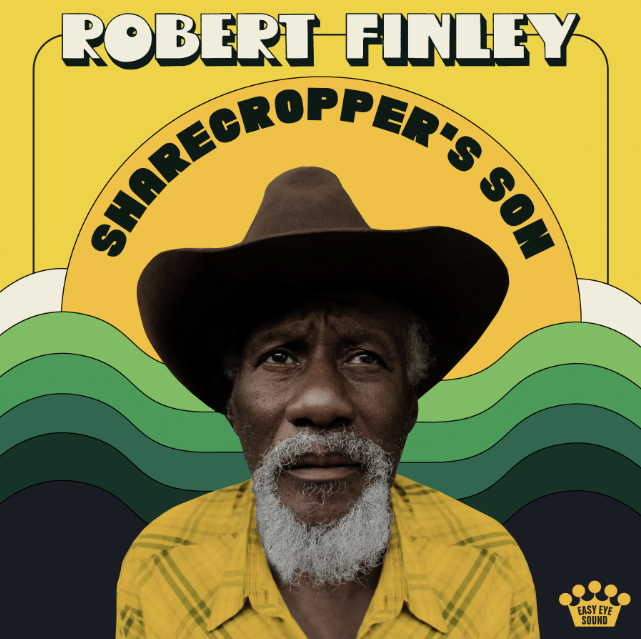


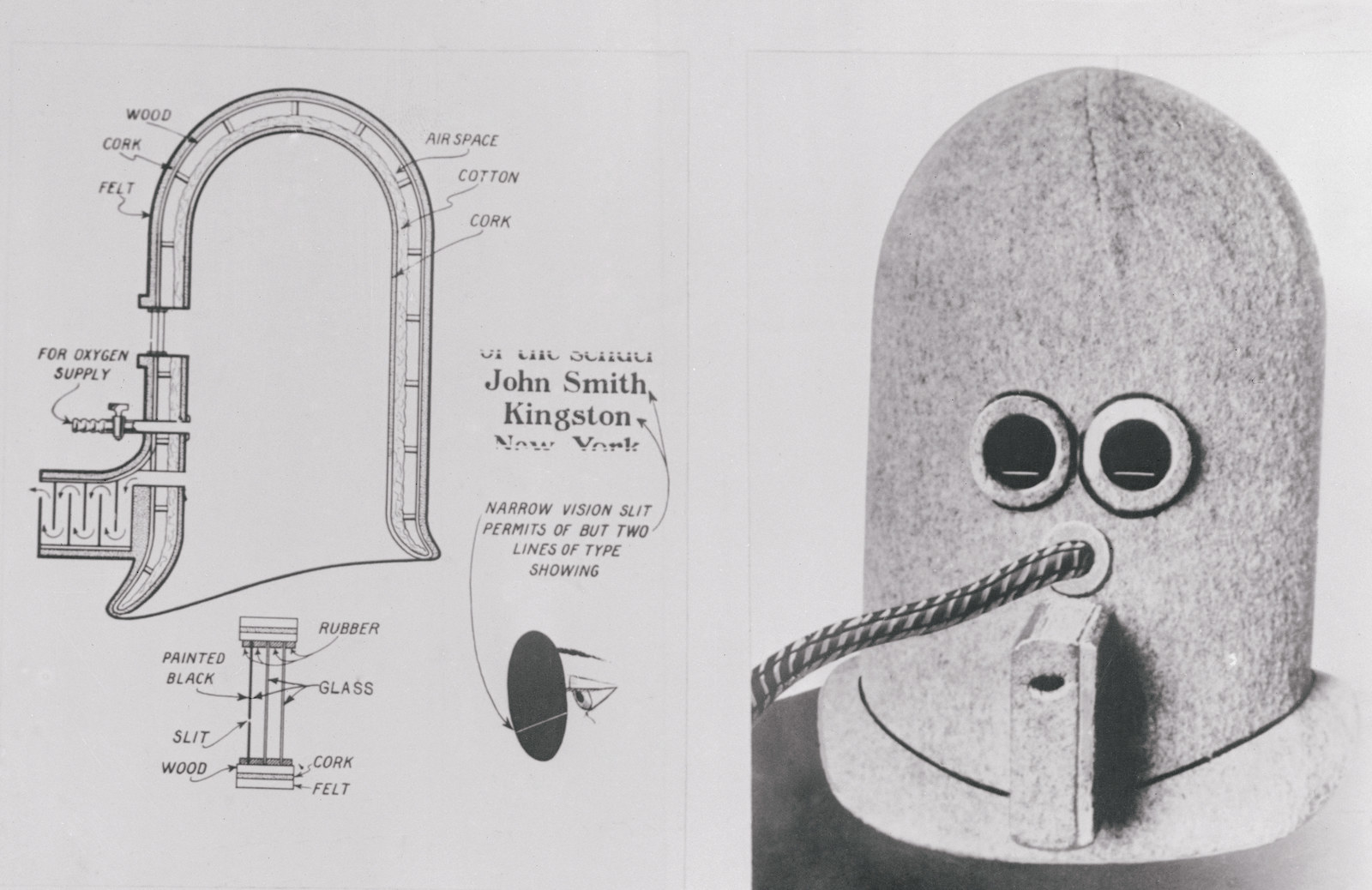



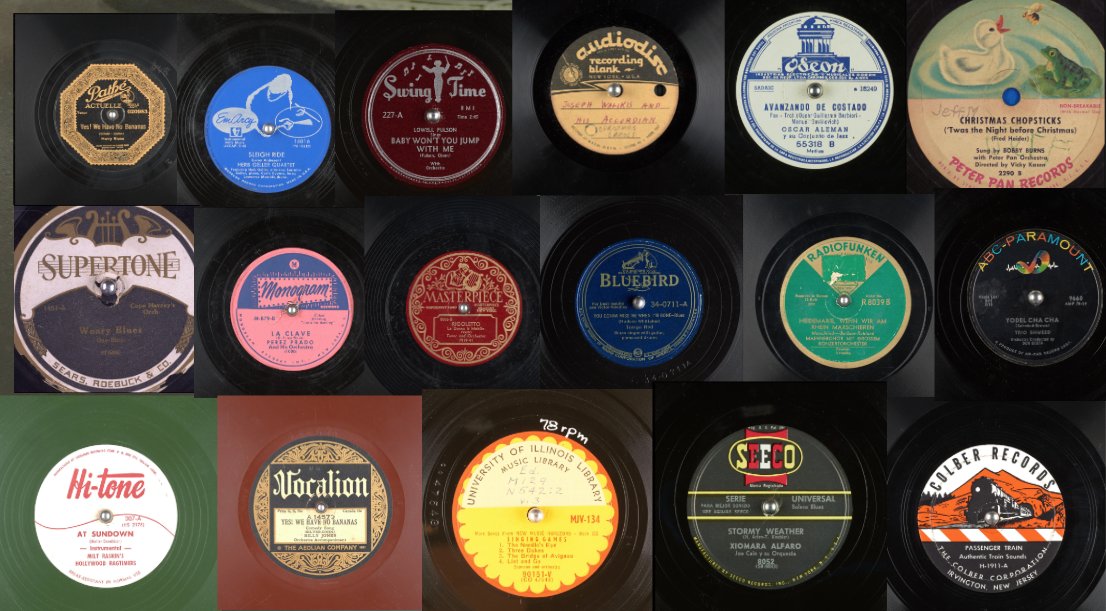
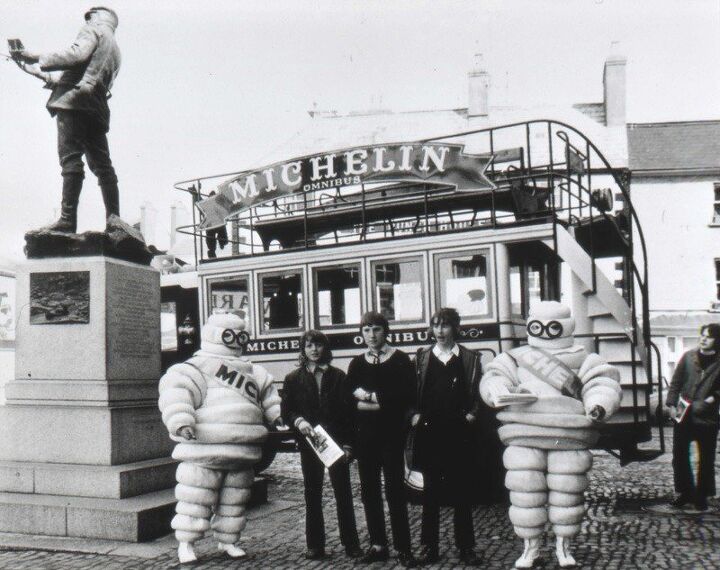
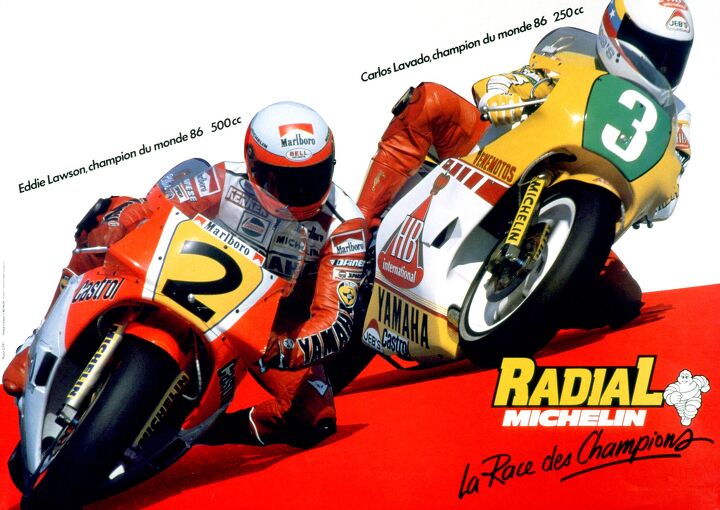
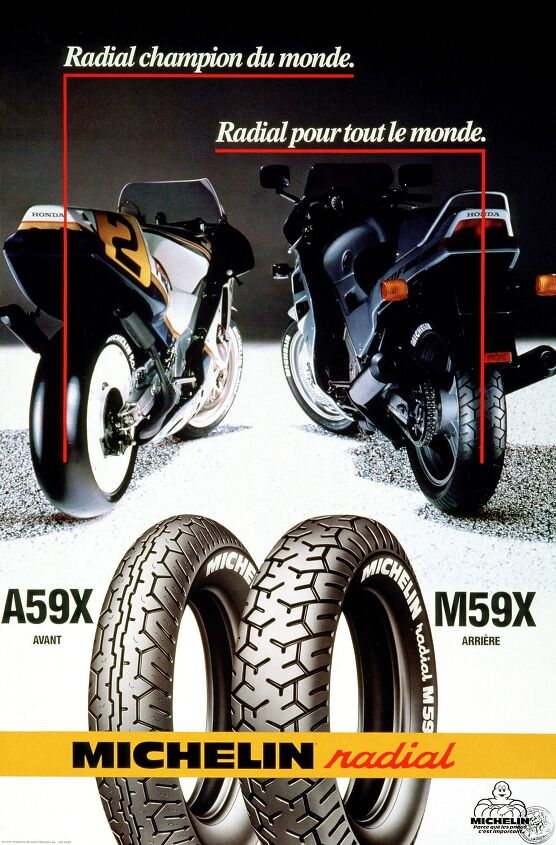


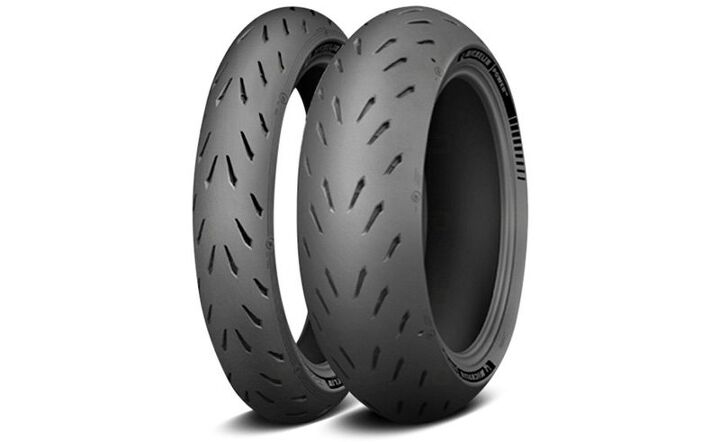
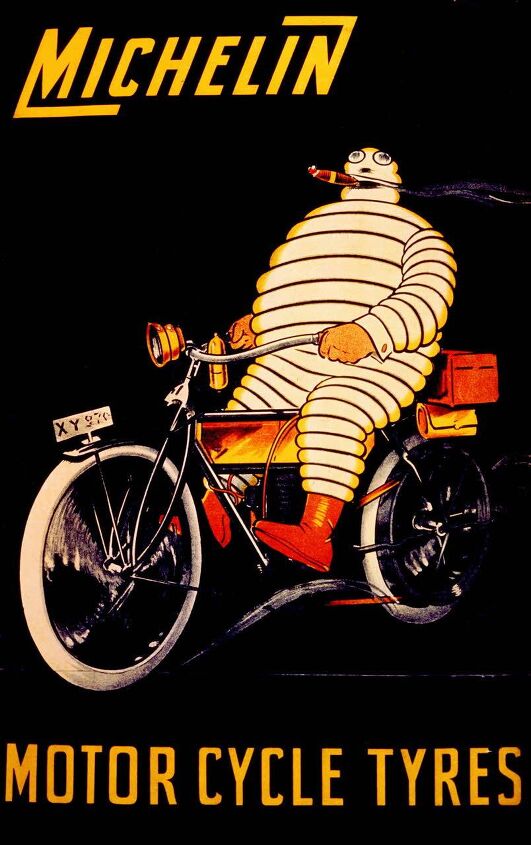
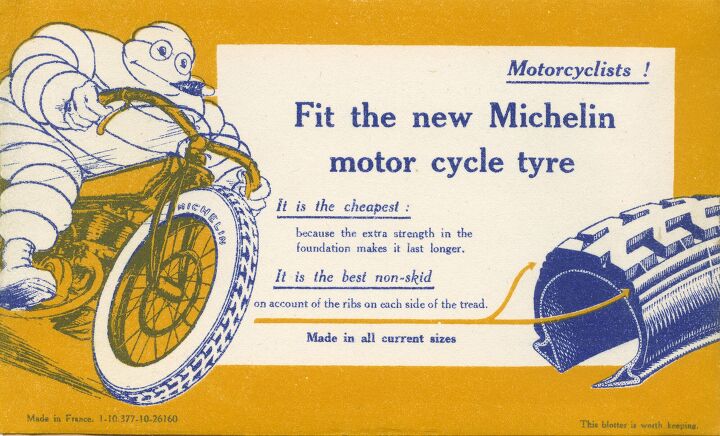

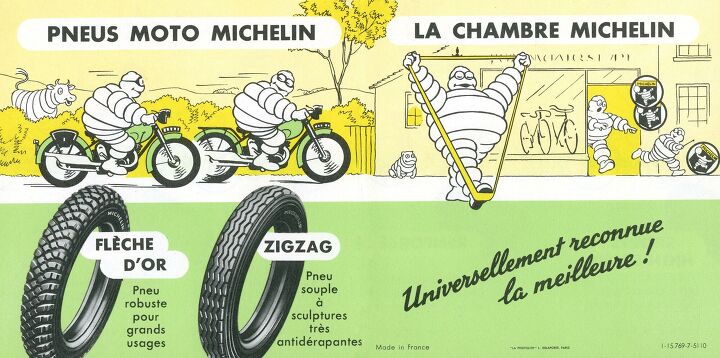
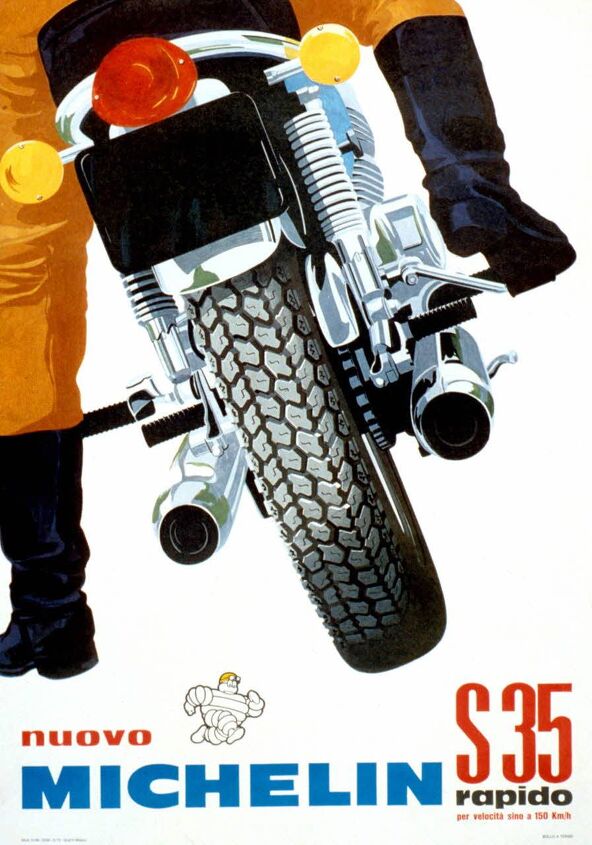
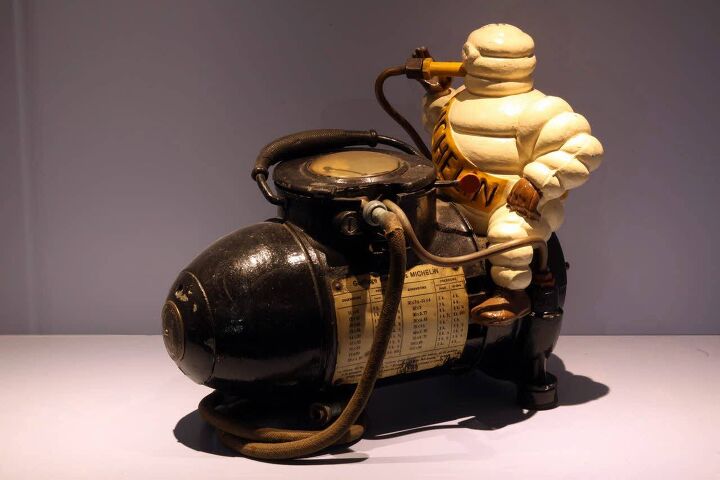

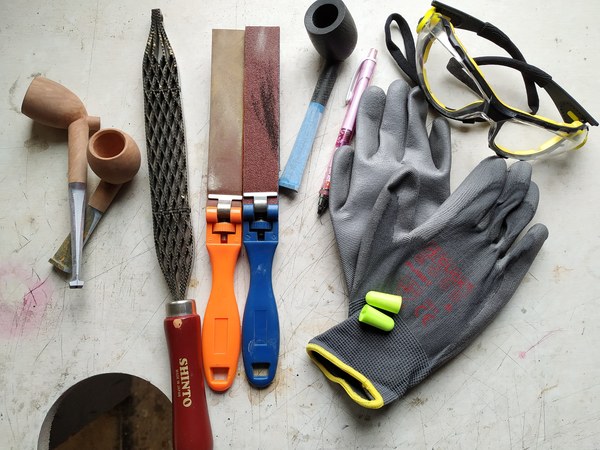
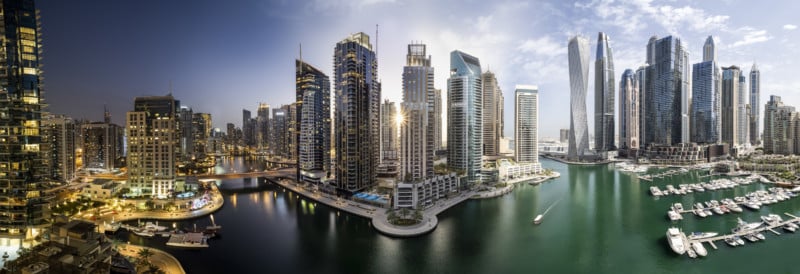
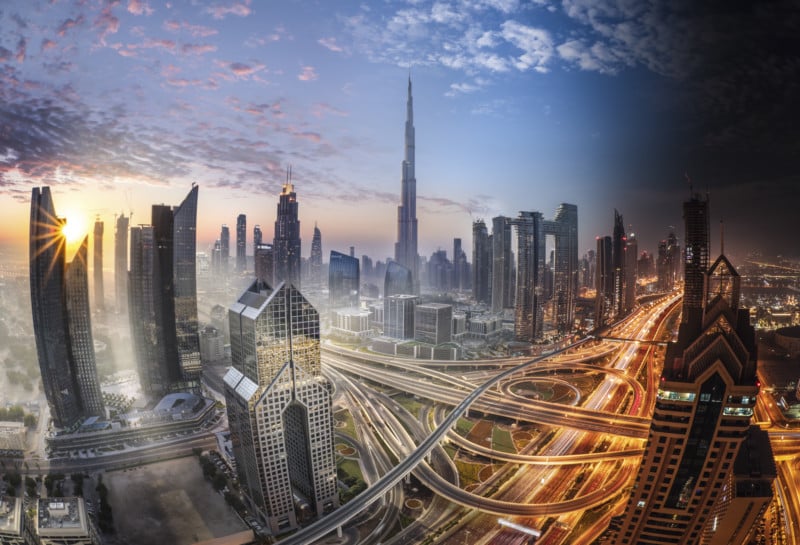
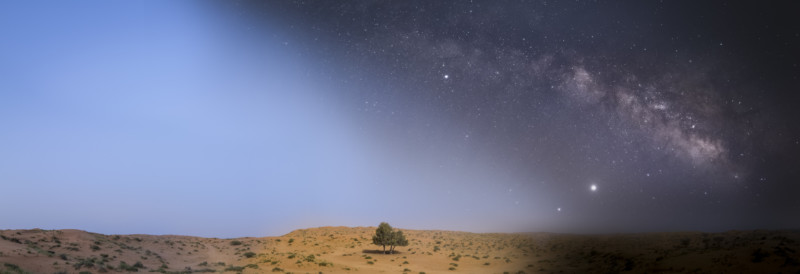
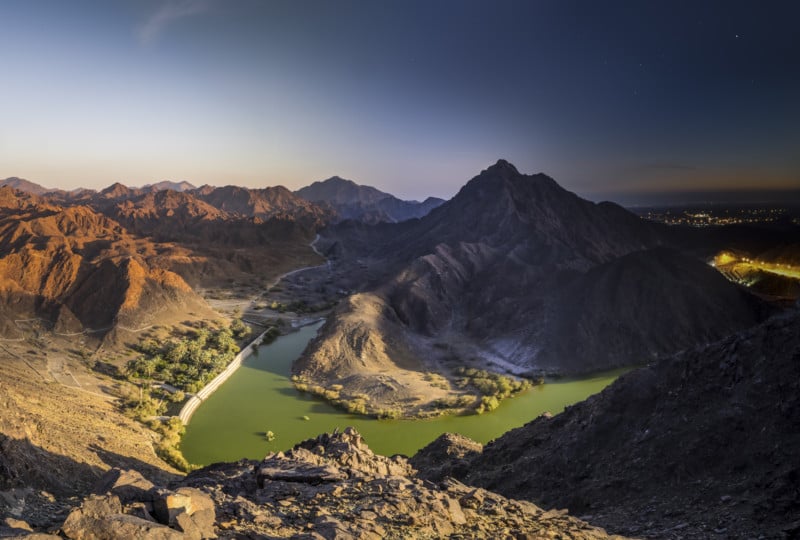
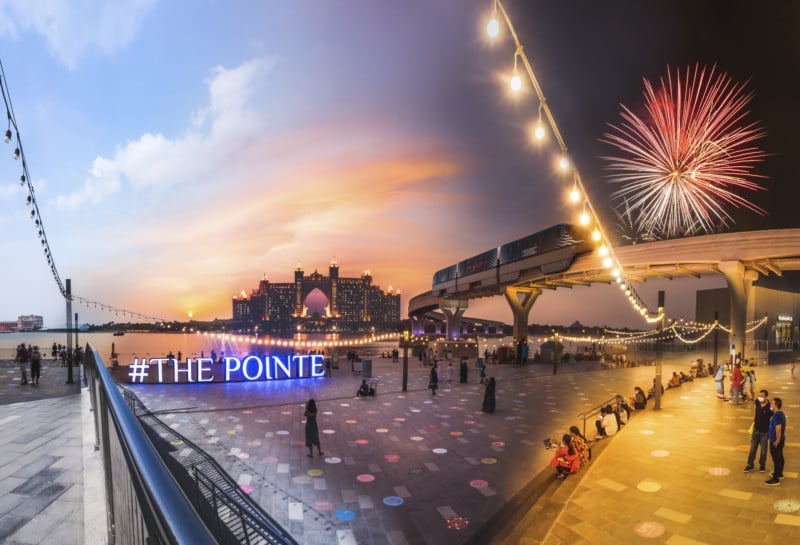

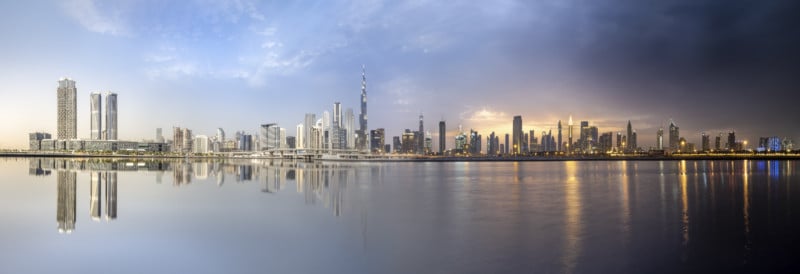
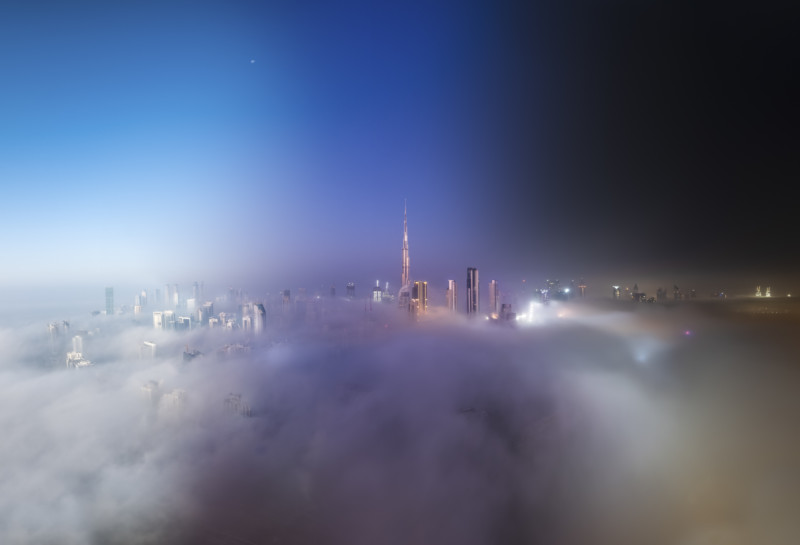

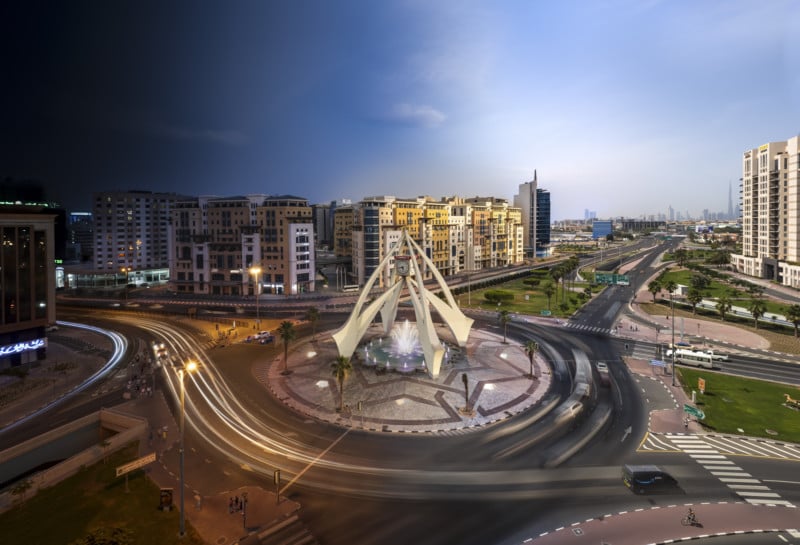
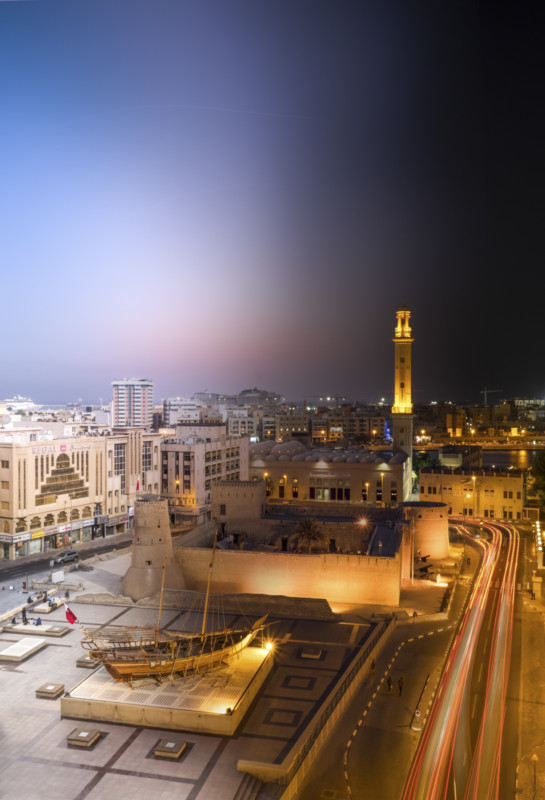
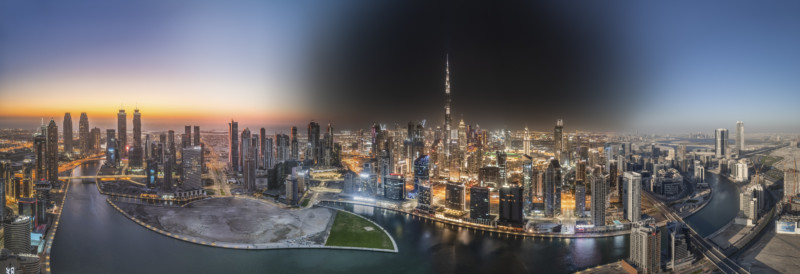
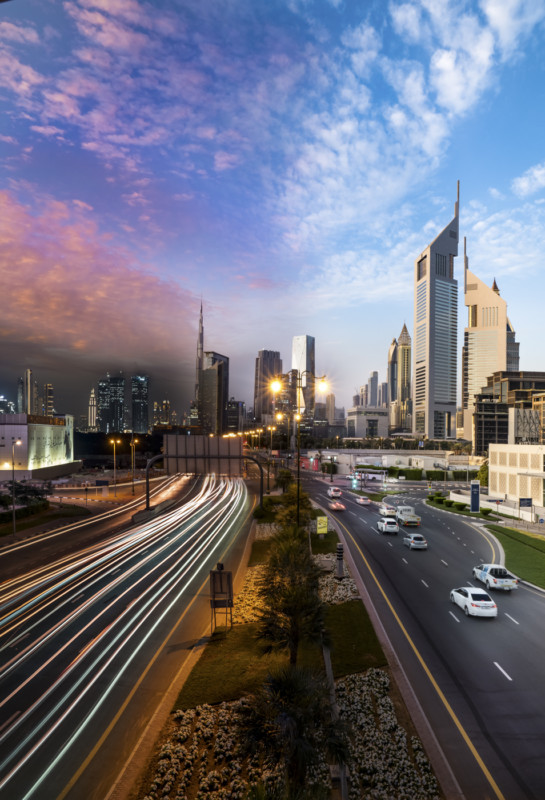
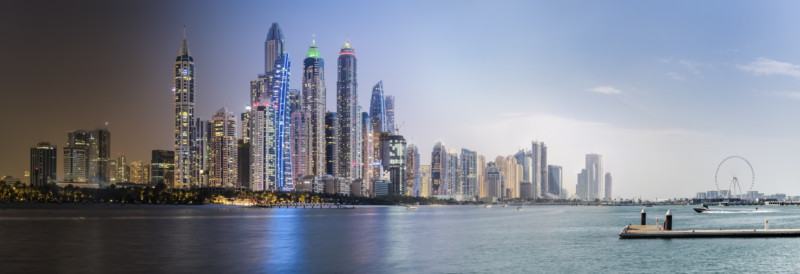
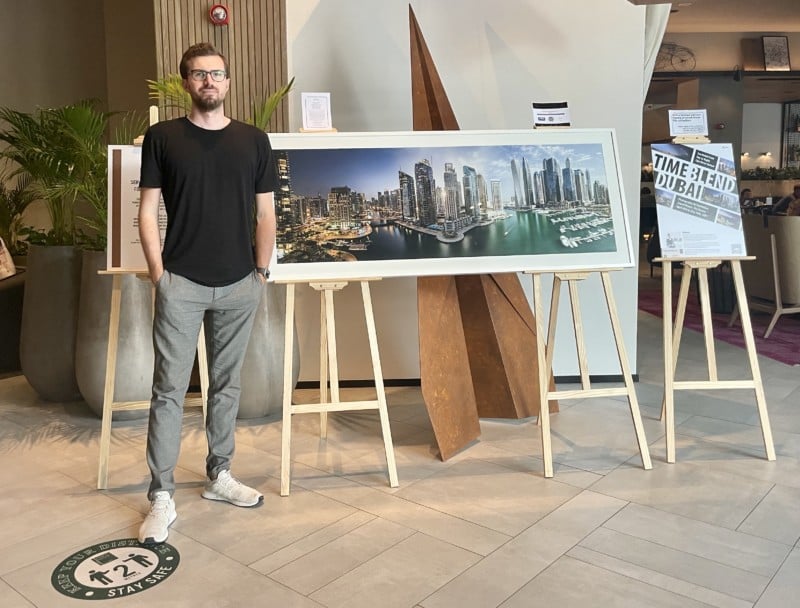
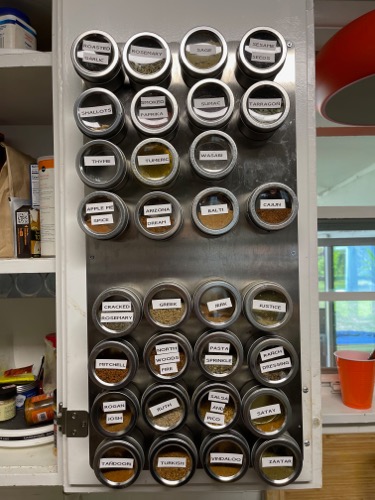
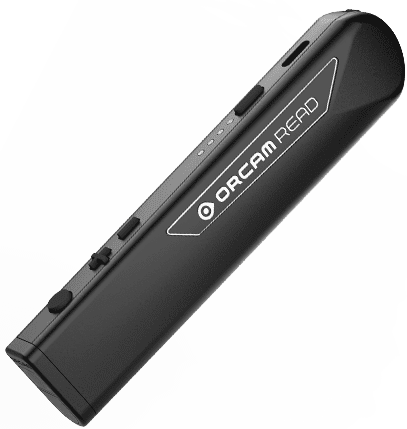






 to choose your favorite topics and see your list grow in tomorrow’s email.



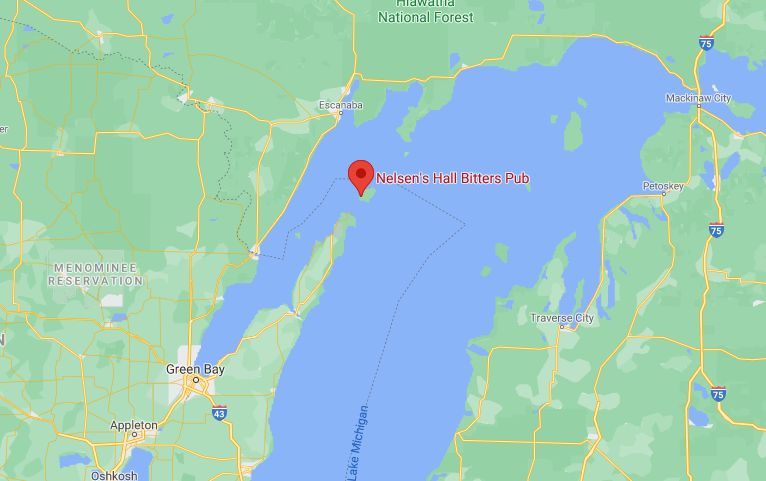
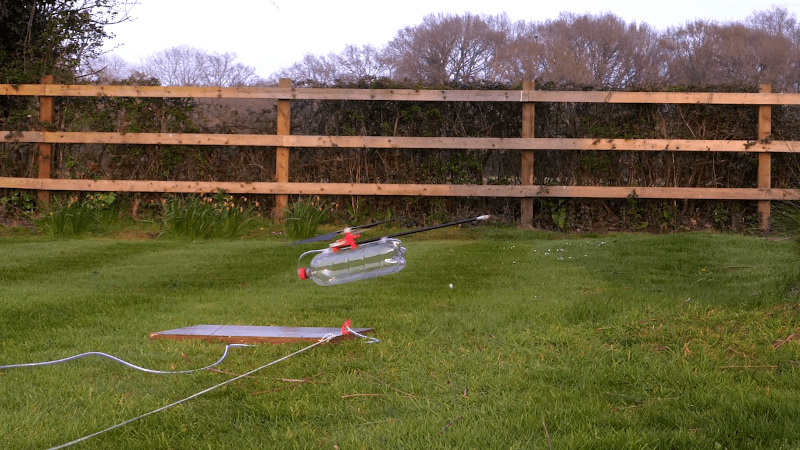








![[link]](https://i.redd.it/m1e8gy2hgqt61.jpg)
![[link]](https://i.redd.it/g280qs5b0rt61.jpg)