Shared posts


27 Jun 08:51
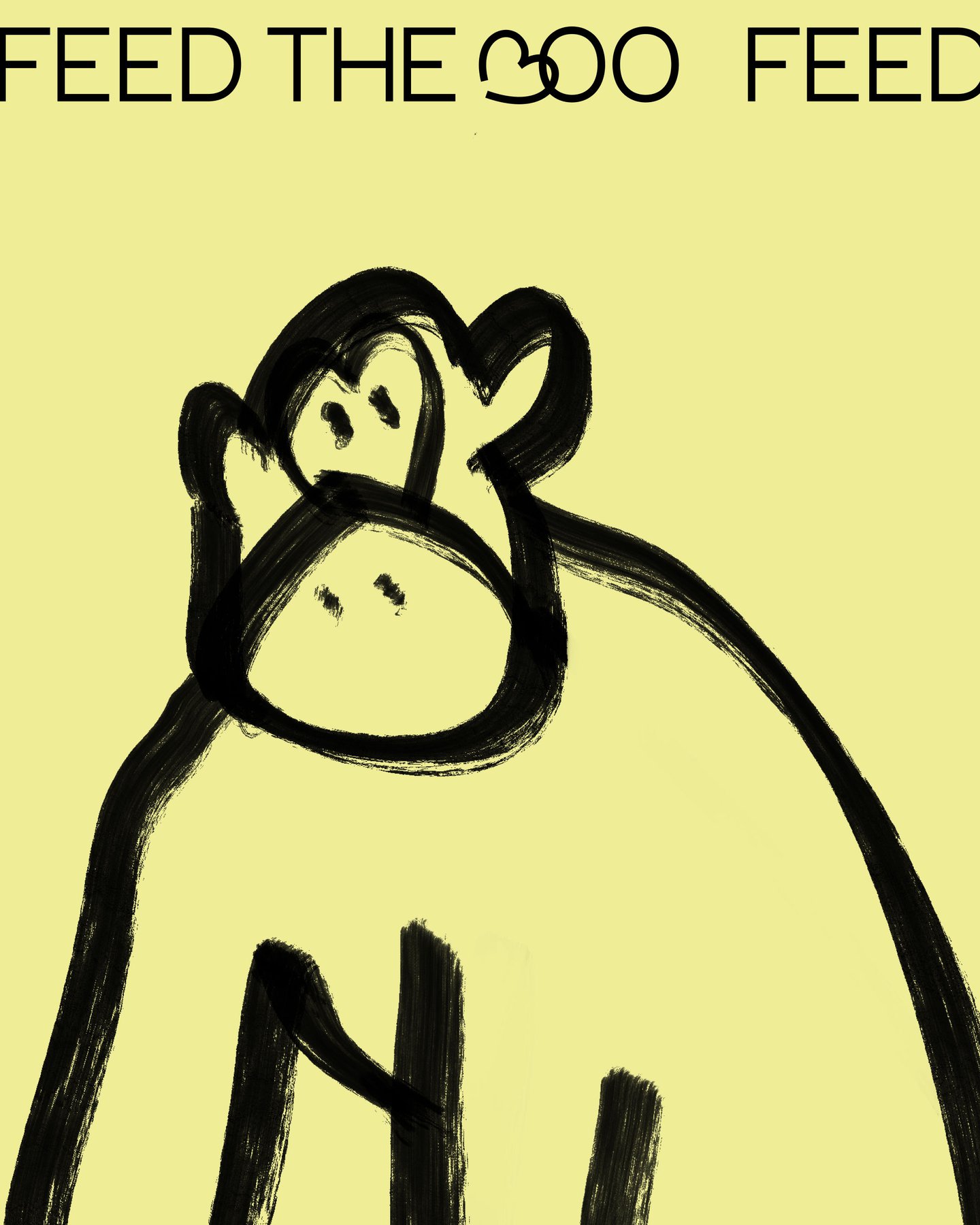
3oo is an illustrated site that lets you feed animals in Ukrainian zoos
by Liz Gorny
Made as a speedy call to arms, the fuzzy illustrations in 3oo are emotive, urgent and beautifully naive – urging everyone to get involved and help Ukraine’s zoos.
27 Jun 08:46


Minimal Portraits by Luke Stephenson Frame the Elegant Plumage of Show Birds
by Grace Ebert
Spereo Starling (2019). All images © Luke Stephenson, shared with permission
For the better part of a decade, U.K.-born, Stockholm-based photographer Luke Stephenson has been fascinated by show birds, their impeccably groomed feathers, and undeniably unique personalities. Whether centering on a white-eyed Zosterop or confrontational Spereo Starling, his portraits are minimal with monochromatic backdrops that accentuate the distinct colors and patterns of each plume.
The ongoing series, titled An Incomplete Dictionary of Show Birds, originated with Stephenson wanting to photograph budgies but was intrigued by other species when he met some of his future subjects and their owners. He then designed a portable, avian-sized studio with lighting and a slot for swapping backdrops. Most of his subjects gravitate toward the wooden perch, he says, where they land and show off their distinct personalities.
Stephen’s portraits are included in a book published by Hoxton Mini Press that’s devoted to the feathered creatures, and he also recently released a volume about Britain’s largest fish. You can follow his latest photos and projects on Instagram.
Zosterop (2012)
Black Earred Wheateater (2018)
Left: Senegal Zosterop (2015). Right: European pied Flycatcher (2016)
Forbes Parrot Finch (2012)
Left: Redpoll x Bullfinch (2017). Right: Stonechat (2016)
Lazuli Bunting (2016)
Red Legged Honeycreeper (2016)

Jeff likes this
16 Jun 08:02
habkeinb0ck: hazastarsi-keksz: viejospellej...
They are PELLEJERS!!!
life goals
Nem leszek PC, de ez az úgynevezett fekete vonat
Jeff likes this
13 Jun 08:23
Approaches To Problems
by swissmiss
Pessimism: We have a problem, but we can’t solve it
Optimism: We have a problem, and we can solve it
Responsibility: We have a problem. Can I help solve it?
Initiative: We have a problem. Here’s how I’m solving it
Jeff likes this
01 Jun 09:56
Inflatable Latex Floating Suit
by swissmiss
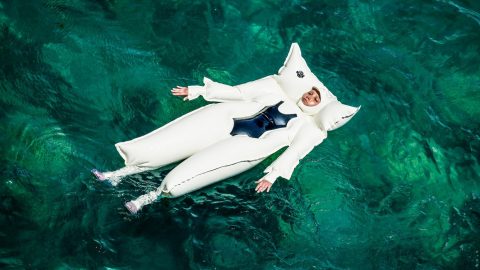
This Inflatable Latex Floating Suit, by Spanish artist SiiGii, made me look and smile.



26 Apr 08:09
David Ellingsen is a Canadian artist making pho...
by swissmiss
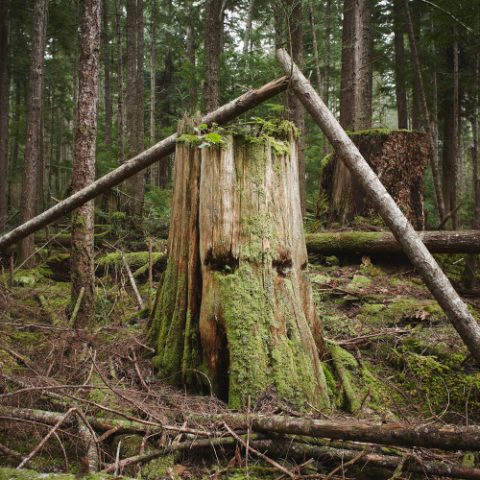
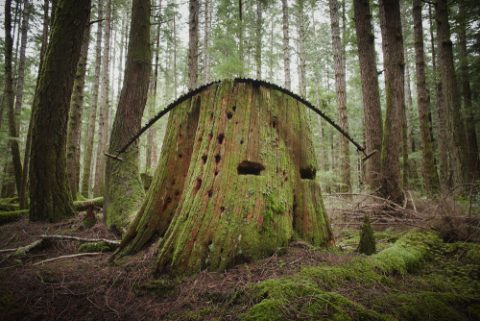

David Ellingsen is a Canadian artist making photographs that speak to the relationship between humans and the natural world.
(via)
Jeff likes this
06 Apr 11:30
Kindness
by swissmiss
Kindness in words creates confidence.
Kindness in thinking creates profoundness.
Kindness in giving creates love.– Lao Tzu
Jeff likes this


02 Feb 15:27


Photographic Composites Document the Mesmerizing Flight Trails of Vultures, Crows, and Bats
by Grace Ebert
“Lockdown Vultures (Moab Mesa).” All images © Doris Mitsch, shared with permission
In Locked Down Looking Up, Bay Area photographer Doris Mitsch captures the swirling, shapeshifting flight patterns of birds and other winged creatures: a flock of vultures creates coils and whirls between rugged mesas, crows descend toward a forest in single-file trails, and gulls congregate above the sea in lengthy lines.
The ongoing project began early in 2020 when Mitsch set up a camera outside her front door and shot consecutive images of birds flying around her home. “While everything in my life has come to a standstill, up in the air, there is still a lot going on,” she writes. She’s since traveled along the California coast and to Moab’s desert landscapes capturing similar swarming phenomena featuring vultures, gulls, and crows.
Mitsch’s composites vary in length of time, number of birds, and total images combined, which ranges from 500 to 5,000. “One of my favorites, ‘Lockdown Vulture (Signature)’ shows just one vulture making slow circles over the course of about a minute,” Mitsch tells Colossal. “My other favorite, ‘Lockdown Vultures (Moab Mesa)’ shows about five minutes’ worth of 25 or so birds circling together.”
In addition to this series, Mitsch also shot a collection devoted to starlings’ murmurations, which you can see on her site. You might enjoy this bird-shaped swarm, too. (via swissmiss)
“Lockdown Vulture (Signature)”
“Lockdown Vultures (Moab Slope)”
“Lockdown Swallows (Hunting)”
“Lockdown Crows (Evening Commute)”
“Lockdown Crows (One Tree)”
“Lockdown Bats (Pas de Deux)”
“Lockdown Gulls (Sea Ranch)”

Sofía Henao, Roslyn likes this

26 Jan 10:32

Tiny Holes Drilled into Bricks Provide Miniature Homes for Solitary Bees
by Grace Ebert
All images © Green&Blue, shared with permission
An innovative creation of Cornwall-based Green&Blue, Bee Bricks are designed to establish homes within homes. The architectural building blocks can be layered with more typical materials and feature holes of various sizes that allow the fuzzy, winged insects a space for nesting. These multi-purpose bricks are especially crucial as bee populations dwindle due to habitat loss and a changing climate.
Burrowing inches into the blocks made of reclaimed concrete, the narrow openings are targeted at red masons, leafcutters, and other cavity-nesters that live outside of colonies. It’s estimated that the U.K. alone boasts 250 solitary species, which tend to be better pollinators than their social counterparts because they gather the sticky substance from multiple sources, which improves biodiversity.
Bee Bricks have made headlines in recent days after the city of Brighton and Hove announced that all new buildings more than five-meters-tall have to include some form of housing for the solitary creatures. The council’s move follows similar policies in Dorset and Cornwall, in addition to guidelines that establish homes for swifts in new buildings, as well.
Watch the video below to see the bricks, which are available in multiple colors, in use. You also might enjoy these portraits captured inside a home for solitary bees.


03 Jan 09:16
Heritage Apples
by swissmiss
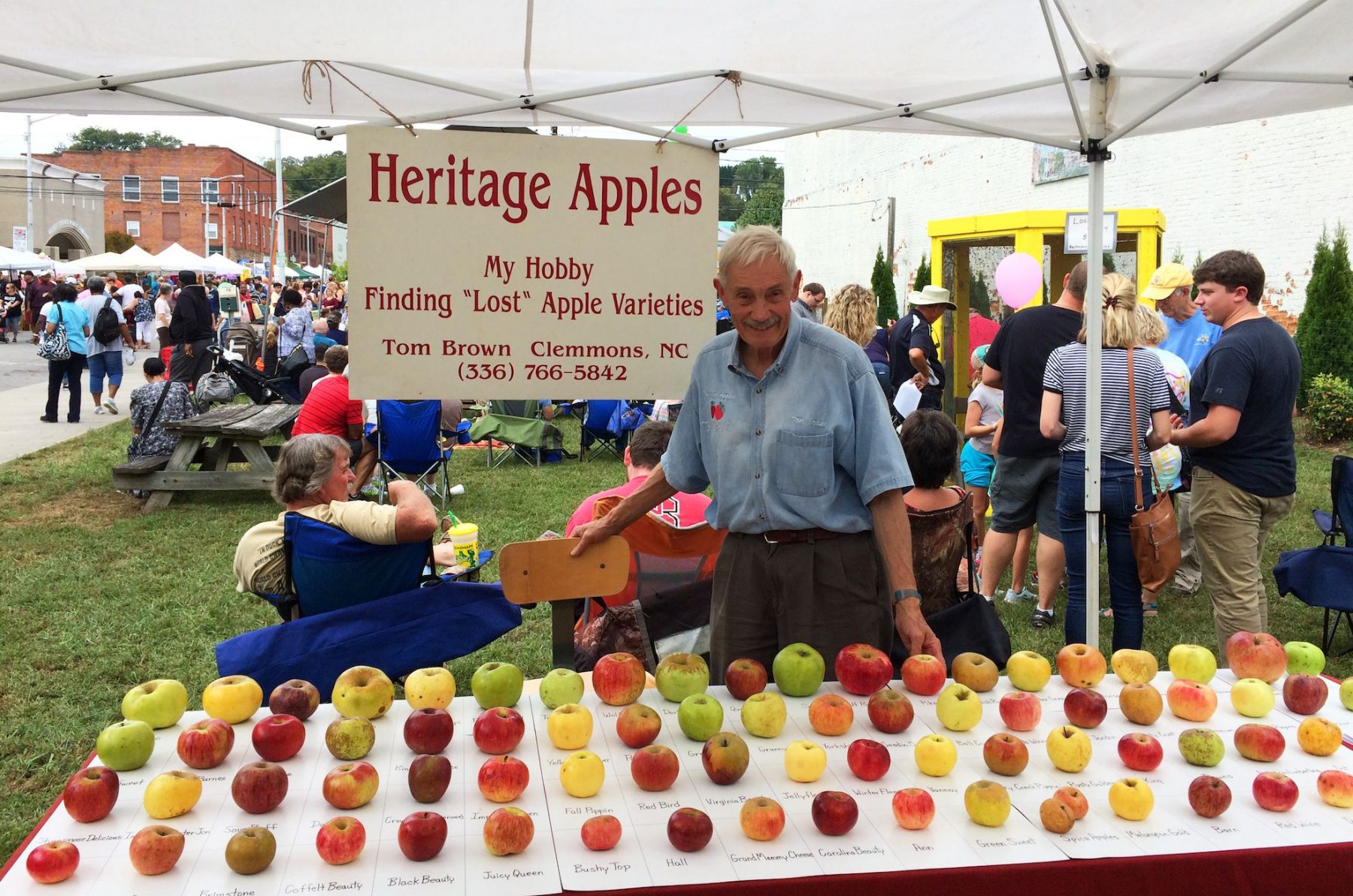
Tom Brown has spent most of his retirement tracking down all-but-extinct apple varieties that once thrived throughout Appalachia, US. I want to be like Tom when I grow up.
Jeff likes this
30 Nov 09:01


‘Beneath the Bird Feeder’ Documents the Spectacular Wildlife Visiting a Wintertime Food Source
by Grace Ebert
A northern cardinal. All images licensed from Carla Rhodes
During the winter months of late 2020 into early 2021, photographer Carla Rhodes cared for a birdfeeder that hung outside of her home in the Catskills of New York. The suspended food source garnered attention from myriad cold-weather adventurers, including a brilliant northern cardinal, numerous pairs of mourning doves, and furry little field mice, who visited the area amongst the snow and frigid temperatures.
Thanks to a camera stationed nearby, Rhodes documented the curious cast of wildlife who wandered into her yard, an endeavor that culminated in the striking photographic project Beneath the Bird Feeder. Comprised of dozens of images primarily shot in low light, the series frames the unique features of the unaware animals, capturing the pearlescent wings of a tufted titmouse or the beady eye of North America’s only venomous mammal, the short-tailed shrew.
Explore more from the collection and find an array of conservation-focused images on Rhodes’s site and Instagram.
A tufted titmouse
Mourning doves
A black-capped chickadee
An eastern gray squirrel
An American red squirrel
A deer mouse
A northern short-tailed shrew
A northern cardinal
A dark-eyed junco

13 Nov 08:47
Connaissance du 09/10/2018
Napflix un site parodiant Netflix qui a pour but d'encourager la sieste et de proposer du contenu afin de s'endormir rapidement. ("nap" voulant dire "sieste" en anglais).
Jeff likes this