TV tech is on the move again. From the relative simplicity of 1080p versus 4K resolution, we humble buyers now have to contend with HDR (High Dynamic Range) in all its multiple flavours.
HDR has pushed screen makers to new levels of innovation. The idea of higher peak brightness and wider colour range (the two key attributes of HDR) may sound relatively straightforward, but executing them has caused a fundamental rethink with display technologies – and there's no clear consensus between brands (or I suspect even within brands) as to which solution is best.
So how do the approaches of the three biggest innovators, Samsung, LG and Sony, compare? They all have a very different idea about how best to bring home the incredible dynamics and wide colour of HDR…
Samsung SUHD Quantum Dot TVs
Quantum Dot technology is the future of TV… at least according to Samsung. We know this because it shills the point at every opportunity, but what makes QD so interesting?
In short, it's allowed Samsung to reconceptualise TV construction.

Quantum Dot nano-particles are pretty useful. They're incredibly efficient when it comes to brightness, and are capable of astonishing colour purity. 10,000 times smaller than a human hair, they can deliver perfect primary colours, depending on their particle size. But Samsung doesn't use Quantum Dots for the display itself, instead they're used as a backlight enhancement.
In a common or garden LED backlit LCD TVs, those white LED backlights are actually blue, coated with yellow phosphor. This coating leads to diminished intensity, one reason why many LCD TVs produce an orangey red. Using a Quantum Dot Enhanced Film (or QDEF) layer between the TV backlight and the Liquid Crystal panel can fix this.
The phosphor can be removed and the native blue backlight, mixed with Red and Green produced by the QDEF filter, produces a brilliant white light, which allows the attached LCD panel module to function more efficiently. The result is more accurate colour – and lots of it. The range-topping UE55KS9000, for example, claims to cover 96 per cent of the DCI P3 colour spectrum. This, and the ability to deliver a better peak luminance, make QD screens seem a natural for HDR content.
Spend five minutes spent with any Samsung TV boffin and they'll also tell you quite emphatically that inorganic Quantum Dots are not prone to aged related degradation. A Quantum Dot screen bought today, should be just as bright a decade hence. That's not something OLED vendors are prepared to claim.

But adopting Quantum Dots alone does resolve fundamental LCD issues of limited contrast and haloing around bright objects on a dark background. This remains a problem that both edge-lit screens and local dimming full array models struggle with.
Samsung hopes to solve this with QLED, a next generation screen technology which looks likely to jettison that LED backlight in favour of an organic light source, or involve some sort of shift to directly energised electroluminescent Quantum Dots. QLED TVs (however they end up being made) could theoretically be 30 per cent brighter than OLED, but have comparable black levels. But we'll probably have to wait till 2018 or so before we get a proper first look.
LG OLED TVs
LED LCD TVs may be unable to deliver a really good black, but that's an area where OLED shines (or rather, doesn't). This is because organic LED panels are self emissive. Like plasma TVs of yore, they don't require a constantly beaming backlight. When you need total black, the pixels literally turn off.
The catch is OLED panels can't deliver the kind of peak brightness that high-end LCD screens muster either.

This discrepancy has led to two different certification grades for Ultra HD premium HDR capable TVs. Ultra HD Premium badge certification can be applied to LED displays which offer more than 1000 nits peak brightness and less than 0.05 nits black level, or OLED TVs which only offer 540 nits peak brightness yet drop to 0.0005 nits black level. A disparity that makes sense when you consider certification is a guarantee of range, not brightness.
Of course, when you're watching HDR on an OLED TV, the perceived dynamic contrast, often seems just as great as that on an LED LCD display. And some might argue it's less fatiguing to watch too.
Significantly, OLED also doesn't suffer from unwanted haloing around areas of brightness on dark backgrounds, either, as there's no backlight chicanery to disguise.
If only there was a display technology which combined the black level performance of OLED with the brightness of top end LED LCDs…
Sony Backlight Master Drive TVs (a.k.a. the Z-Series)
Making its debut on Sony's Z-Series flagship 4K screens this autumn, the Backlight Master Drive is a new backlighting technique which seeks to combine the black level performance of OLED with the extreme peak luminance associated with HDR.
First seen in prototype form at CES 2016, this ingenious direct array technology sets out to address many of the problems associated with conventional backlighting.
While Sony is keeping specifics under wraps, we do know the system uses an undisclosed number of precision controllable white LEDs driven by a highly accurate lighting algorithm.

These LEDs use a calibrated beam design which focuses the LED light into a defined spot. The effect is less diffusion. The splashy, often indiscriminate halo often seen around bright objects is largely eradicated.
Peak highlights are crisply delineated against dark backgrounds. The visual effect is far more OLED like than you might image. Yet peak luminosity, a benefit of LCD backlighting, remains high. Allied to Sony's own X-Tended Dynamic Range Pro image processing, HDR highlights really zing. Backlight Master Drive technology really does appear to offer the best of both worlds.
So who has the better TV tech?
Inevitably, all these competing TV designs have strength and weakness but in all cases the pros significantly outweigh the cons.
Samsung's SUHD implementation of Quantum Dot combines extreme HDR brightness with a rich, wide colour gamut; LG OLED delivers unbeatable black level performance with dynamic colour performance; and Sony's Backlight Master Drive combines OLED-like contrast with huge luminosity.
When it comes to image performance, it seems TV buyers have never had so many great (or difficult) choices to make.
- Still can't decide? Check out our guide to the best 4K TVs in 2016


 Turns out graphene, the wonder material with so many potential applications, is also the secret sauce to making tougher silk. A team of scientists from Tsinghua University in Beijing successfully created silk that's twice as tough simply by feeding t...
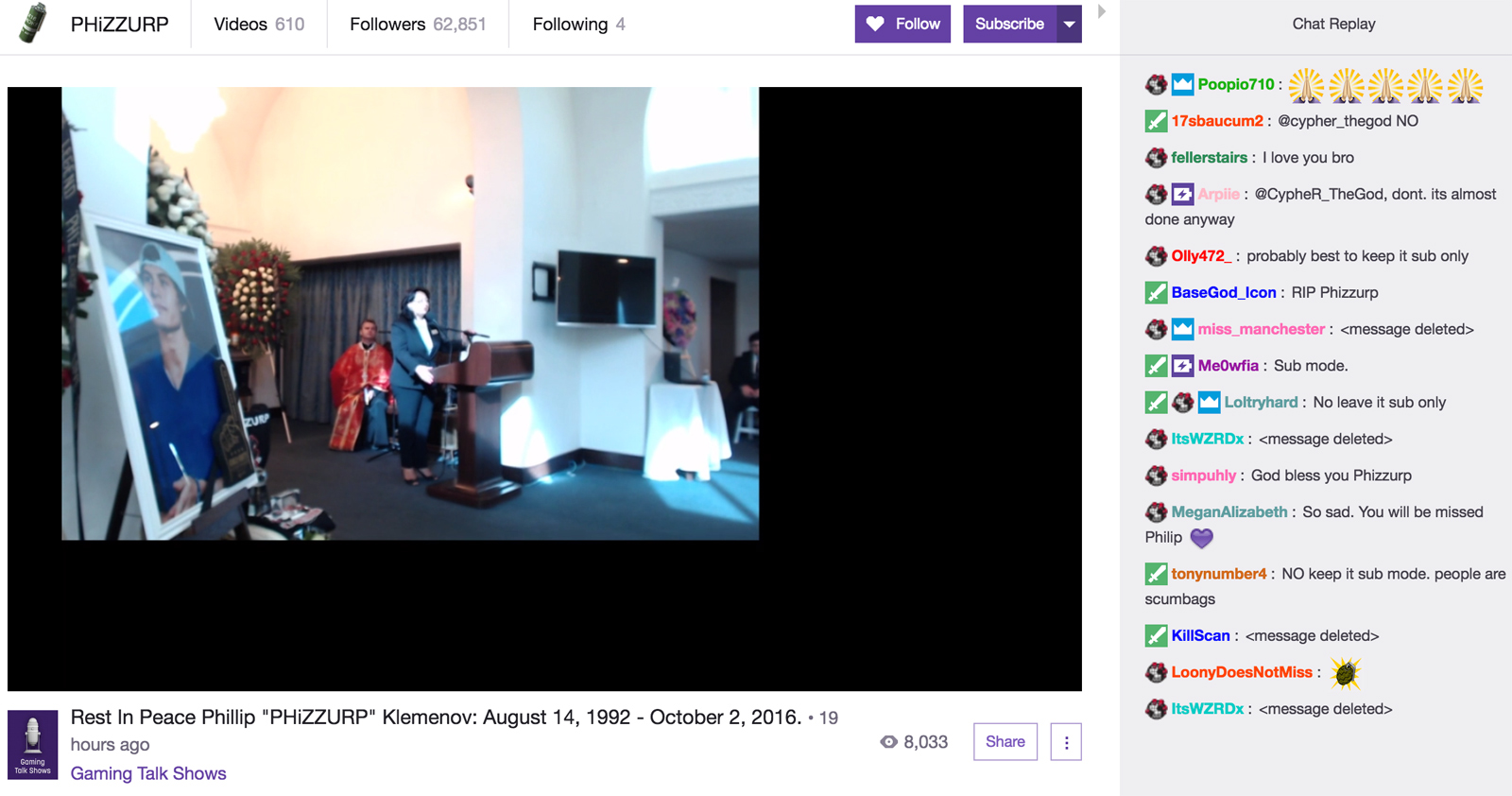 Philip Klemenov, a well-known pro gamer and livestreamer who went by "Phizzurp," had his life tragically cut short when he died in a car accident on October 2nd. However, his passing is also showing how the streaming community can unite in moments...
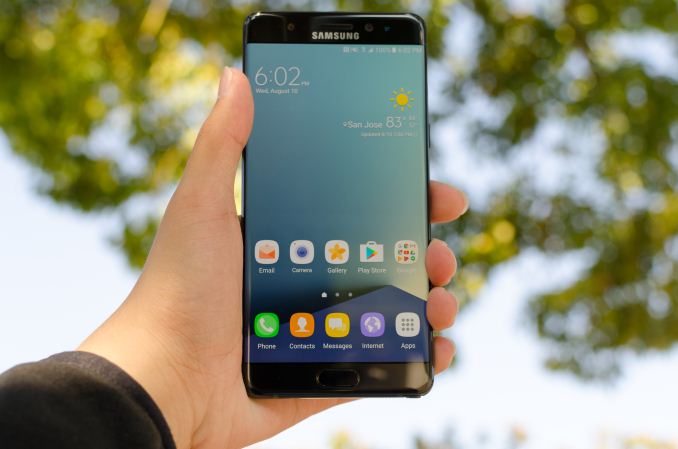

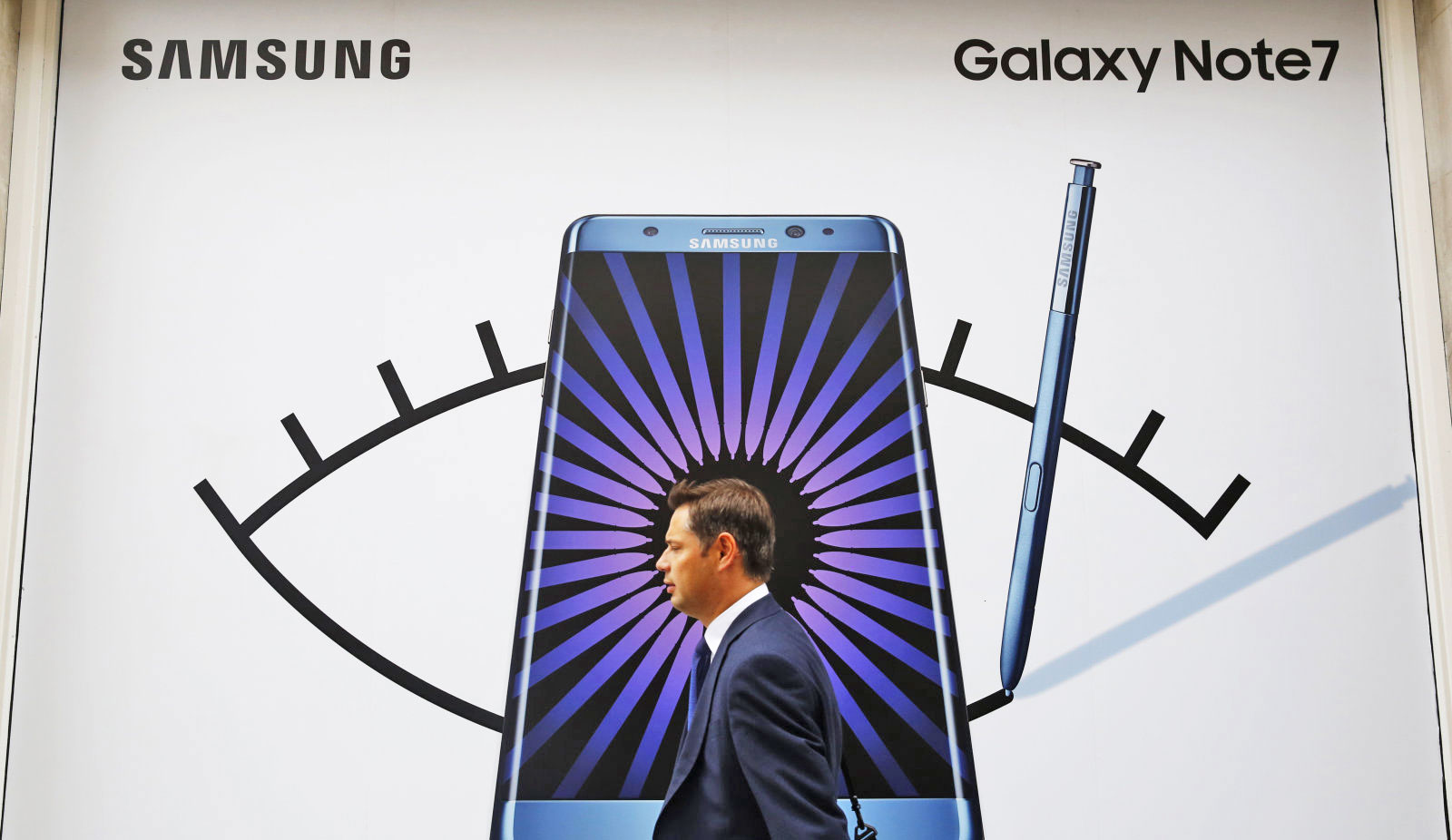 After more reports of replacement Galaxy Note 7 phones catching fire, Yonhap News reports that Samsung has temporarily suspended production. The Korean paper cited an anonymous source working at one of Samsung's suppliers, and the company has not yet...
 Google has spent a while reducing Chrome's sometimes notorious demands on your system, but it knows that its web browser still needs some work. Accordingly, the upcoming Chrome 55 will include an upgraded JavaScript engine that significantly reduces...
 The third season of Charlie Brooker's dark, technology-infused drama Black Mirror is almost upon us. The show is known for its bleak but surprisingly believable depictions of the future, where society has pursued revelatory technologies -- only to di...
 The polarizing poster child for the wonders and woes of free speech on the Internet, 4chan, is enduring tough times. With ad revenue drying up, it faces an existential dilemma to change or die. Last Sunday, the site's owner Hiroyuki Nishimura broke t...


 Reports have been circulating about Ridley Scott and Denis Villeneuve's Blade Runner sequel for a long time now and today the official title of the follow-up was announced. Blade Runner 2049 is the sequel to the 1982 sci-fi film that will star Harris...

 The final piece of the Defenders puzzle will be slotting into place on March 17th, 2017. We've known about the Iron Fist TV show for some time, and was finally greeted with a teaser trailer at San Diego Comic-Con. The Marvel superhero is an expert in...
 Panasonic showed off an early transparent TV before, but the company has now improved the image quality to the extent that the idea of a TV built into your furniture's glass panes is not only possible -- it's right here. The OLED screen is made of a...