For many viewers, Netflix remains the standard bearer for streaming content. With over 200 million subscribers worldwide, the service retains its reputation as the big mother of online streaming. Once the queen that slew Blockbuster with a hassle-free combination of content on DVD and on demand, the stately Netflix has entered a more competitive era, but is primed to weather the storm.
Netflix has seen its once-enormous stable of cross-studio content dwindle as almost all of those studios seek to grab their own slice of the streaming pie, but it still has a daunting wealth of movies and TV to binge. In addition to renewed interest in imports after the success of Hwang Dong-hyuk's blockbuster series "Squid Game," Netflix has plenty of original content, too. That adds up to a ton of stuff to poke through for a night in with the movies, so to help viewers who are tired of scrolling endlessly through the service's genre panels, here's a curated list of the best movies Netflix currently has on offer.
Addams Family Values
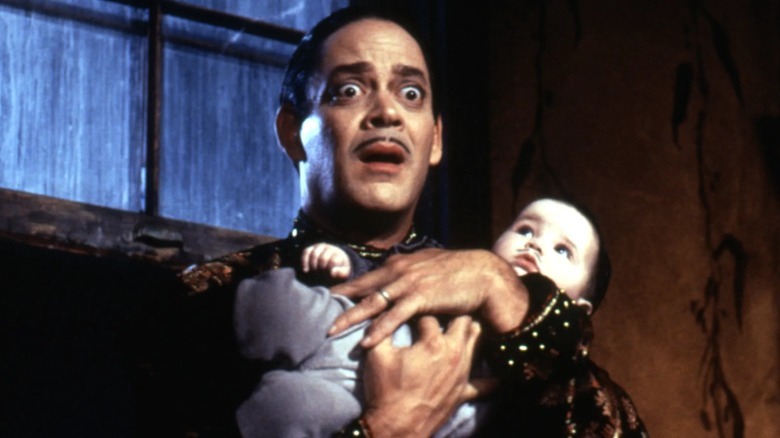
The '90s brought back many pop culture classics, including "The Flintstones" and "Scooby-Doo," with live-action movies that took a sardonic look at what we loved about the originals. "The Addams Family," the comedy about a loving, healthy family of Gothic strangers, received this treatment at the hands of director Barry Sonnenfeld, who accomplished something amazing: He updated the humor and added a new bite, but kept the Addams' loyalty and love intact.
"Addams Family Values" is the rare sequel that's as fun as the original. With Joan Cusack as a peppy pastel princess attempting to scam her way into the Addams fortune, Morticia finally has a foe she can respect. Cusack is practically an alien in the black-drenched home, and the stresses of the situation turn the newest baby Addams into a normal-looking child. But self-acceptance is a constant theme, and the Addams can't be defeated by divisive tactics. The family credo is "We gladly feast on those that would subdue us," and by the end of this movie, they're all still standing strong.
Apocalypse Now
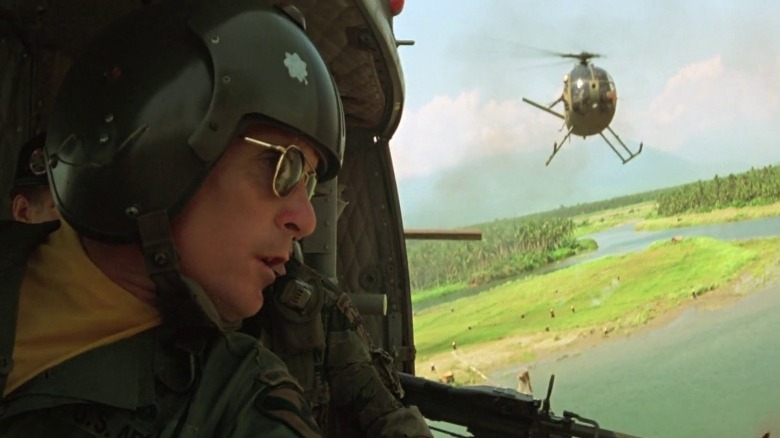
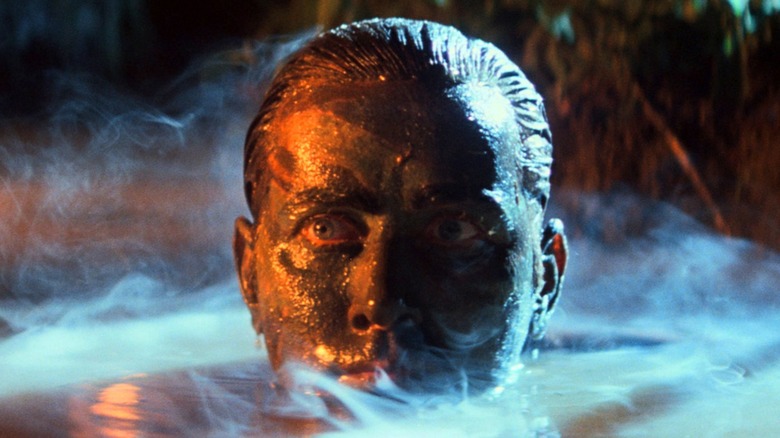
Francis Ford Coppola fought his own war to complete "Apocalypse Now," and my only complaint is that it's a shame that the "Hearts of Darkness" documentary detailing the production isn't always made available alongside the film. But one doesn't need all the backstory to appreciate Martin Sheen's descent into primal madness during the turbulent years of the Vietnam War. It just adds a little spice, which poor Chef (Frederick Forrest) would probably appreciate.
An update of the Joseph Conrad novel that gives the making-of doc its name, "Apocalypse Now" follows a hunter on the trail of a man gone AWOL. Colonel Kurtz (Marlon Brando) is turning himself into a god-king of death just inside the borders of Laos, and the U.S. Army, which has been napalming villages and leaving gutted soldiers to die, thinks that Kurtz's unauthorized kill squads are a bridge too far. It's a movie about the hypocrisy and chaos of war, and every rewatch sparks a new conversation.
Awakenings
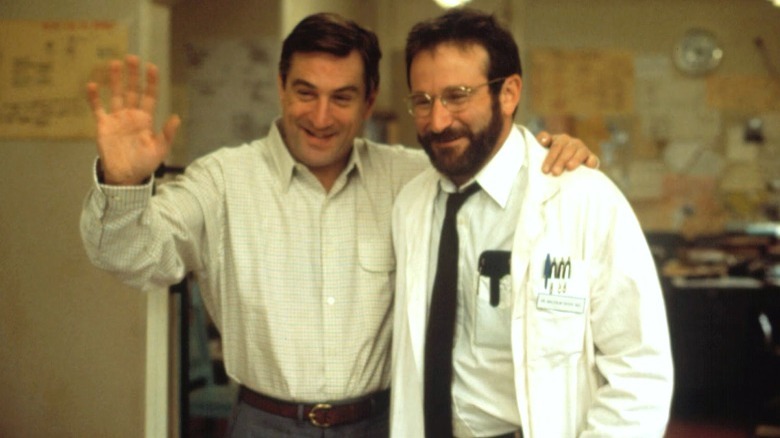
Dr. Oliver Sacks died in 2015, and he left behind a trove of terrific, empathetic stories about the toughest struggles a human can face. A neurologist on the rise in the 1960s, he was assigned to a care ward for victims of the 1920s encephalitis lethargica pandemic, which killed half a million people and left many survivors locked in a mysterious catatonia. Robin Williams plays a fictionalized version of Sacks named Dr. Sayer in "Awakenings," while Robert De Niro appears as Leonard, who stands in for the many patients who had a brief but poignant recovery thanks to a new pharmaceutical treatment.
The film shares Sacks' empathy. It's less about the medicine than the lives that Sayer's experimental treatment gave back and what the experience says about Sayer's own introverted behavior. It's poignant and melancholy, and you'll feel some frustration that, a century later, the riddle of the epidemic still hasn't been solved. Still, the film delivers on its most important lesson: With whatever time you have, love and be loved, and enjoy what you can to the fullest degree.
Big Fish
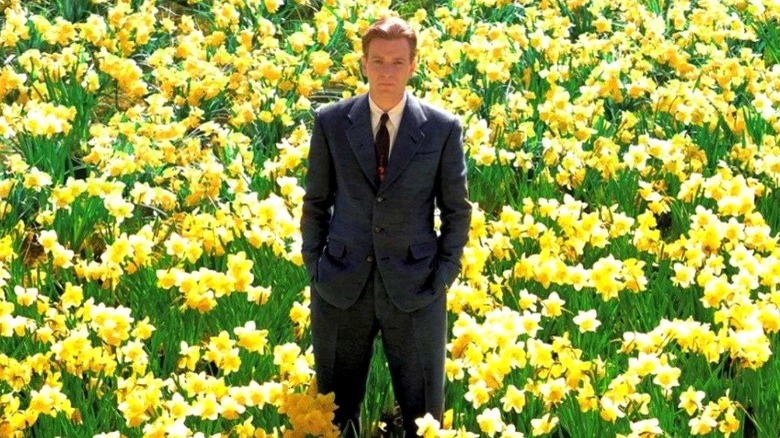
"Big Fish" marks arguably the last time that Tim Burton weaponized his pastel-gothic aesthetic to create something imaginative, heart-wrenching, and immortal. It's also a film I saw in the theater less than three days after my grandfather died. Take my advice: Wait a week or two after losing someone to watch this if you don't want to be a soppy kitchen towel for a couple of hours.
Although grief and loss are the biggest emotions, "Big Fish" is really about the immortal power of stories. It's also about reconciliation, of course, but the stories are the key. Billy Crudup's frustration over finding the truth behind the fantastical whoppers his dad told is understandable, but he's also an example of a man who's fixated on the wrong question. The revelations that come at the end of the film do nothing to dispel the illusions that the Bloom patriarch left behind; in fact, they make them more real than ever. This is one of Burton's best and most poignant films.
Blade Runner
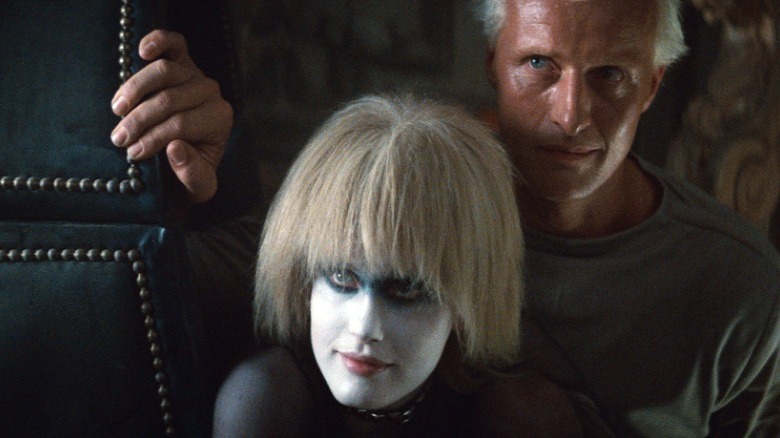
"Blade Runner" is endlessly rewatchable, and not just because of its multiple recuts. Those are fun, but the meat of this futuristic, hard-boiled noir pastiche is in the question it poses: What actually makes us human? Former cop Rick Deckard isn't a poster boy for humanity, though he is played by Harrison Ford in his prime. He's flawed, grabby to an uncomfortable extent, and not above shooting a fleeing woman in the back just because she might have circuitry instead of a heart. Rutger Hauer's Roy Batty has the passion that moves us, but as a Replicant, he also has the lifespan of a large Yankee Candle. He's more human than human — and yes, that's where Rob Zombie got the lyric.
Half a dozen philosophical slapfights are likely to emerge after every viewing of "Blade Runner," and there's even more to fight about after watching the sequel. But the original is still a glory to behold, with sets and backgrounds layered with so much depth that this ruined Los Angeles hellscape really feels alive. For more about how this film came to be, check out "Future Noir" by Paul M. Sammon, one of the best books a "Blade Runner" fan can read.
Bram Stoker's Dracula
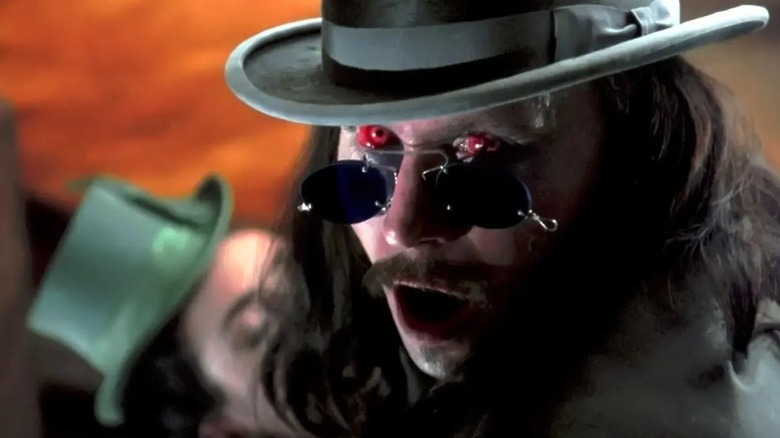
It insults the soul to refer to "Dracula" with the chunkiness of the author's name attached, but let's get over that. "Bram Stoker's Dracula" is the pulp fiction adaptation the story deserves. A Victorian-era lump of controversy, it's easy to miss the sultry, oversexed undertones that exist between the original novel's asterisks. Coppola gets it, though, and with Eiko Ishioka's grandiose costume design offering sumptuous clothes and anime-style armor, it evokes the whispery titters readers shared with each other back in the day.
Gary Oldman can't match Christopher Lee's looming take on the Count. Instead, he becomes an entirely different beast, sometimes literally. The lusts that drive this Dracula aren't the usual unholy thirsts. It's all mixed with a love he can't have, introducing an unusual diatribe about the Church to the material. That part's the biggest change from the novel, and it's the make it or break it moment for many viewers. Still, Sir Anthony Hopkins is having so much fun as Van Helsing that, either way, this movie remains a "Dracula" to remember.
Braveheart
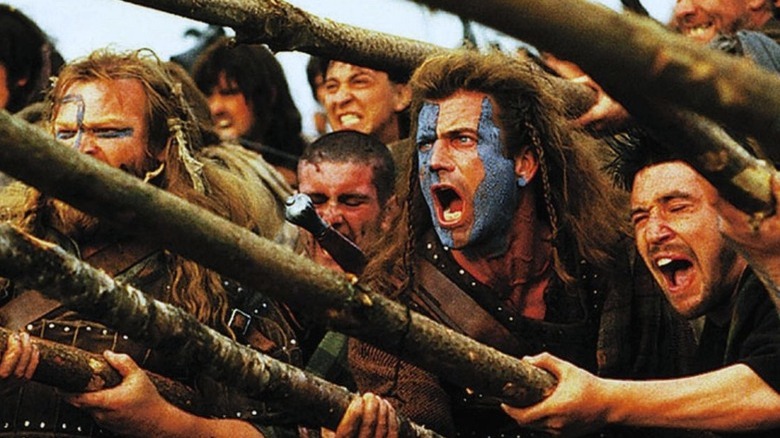
Everyone should know not to expect accuracy from a historical drama. The Academy Award-winning "Braveheart" is a great film, an honest-to-God Mel Gibson classic. The costumes, the characters, the setting, hell, the music. All of it slaps. The history is a godawful, purely fantastical mess, although it's pretty rich for English critics to call its pro-Scottish viewpoint xenophobic.
William Wallace (Gibson) is a young Scot who finds love after years of journeying alongside his uncle Argyle, played by an underused Brian Cox. Educated and proud, Wallace's beautiful wife is quickly fridged by Patrick McGoohan, who plays a mustache-twirling, scenery-chompin' King Edward, in a ploy to break Scottish spirits. One gets the sense that McGoohan loved Alan Rickman in "Prince of Thieves" and was shooting for a moderately subtle homage. Anyway, rebellion breaks out, there's betrayal and tragedy, and Gibson gets to have his Christ-as-sacrifice story way back before we really knew that was a thing for him. But the whole package is glorious, and still as good a watch as it ever was.
Casino Royale
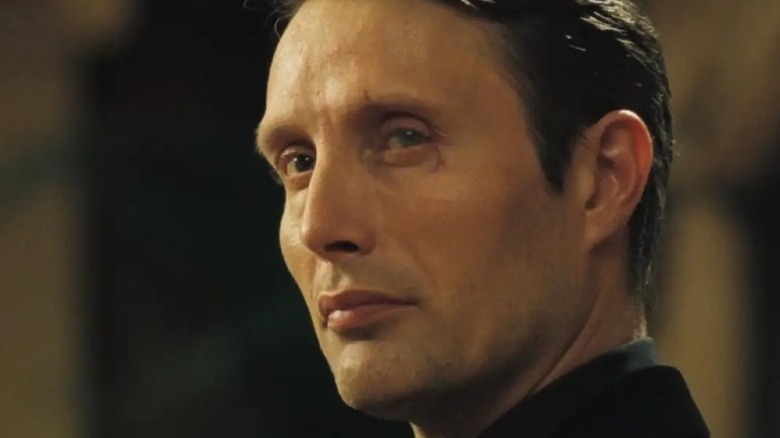
Even if you're not a fan of James Bond, there are usually one or two movies in the decades-long franchise worth giving a spin. Opinions vary, but Daniel Craig's premier outing, "Casino Royale," is a solid contender for a stand-alone pick. With Mads Mikkelsen as the eccentric Le Chiffre, our introductory villain, and Eva Green, Judi Dench, and Jeffrey Wright along to fill out the world, it's a plain ol' good movie that happens to be a Bond joint.
"Casino Royale" boasts a relatively sleek plot — again, a rarity for a Bond movie. All roads lead to the titular casino, and the tense character dynamics around the high-stakes poker table erase any annoyance with the earlier Madagascar whirlwind. The movie is at its best when Mikkelsen and Craig riff off of each other, and while it's weird to call a torture scene a funny highlight ... well, it's pretty clear that Bond is still in control during Le Chiffre's unique interrogation.
Crimson Peak
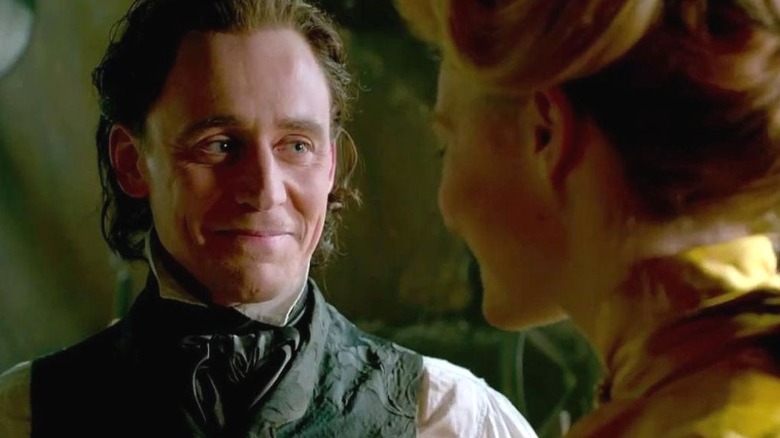
Guillermo del Toro makes the movies he always wanted to see, and in so doing recognizes our secret adoration of monsters and their sublime, Gothic beauty. The monsters of "Crimson Peak" are human ones, and the real ghosts are the broken pieces of their minds that drive them into committing acts of horror. The ghosts the audience sees are harmless echoes, trapped by their actions in life, unable to move on until they've found some measure of grace.
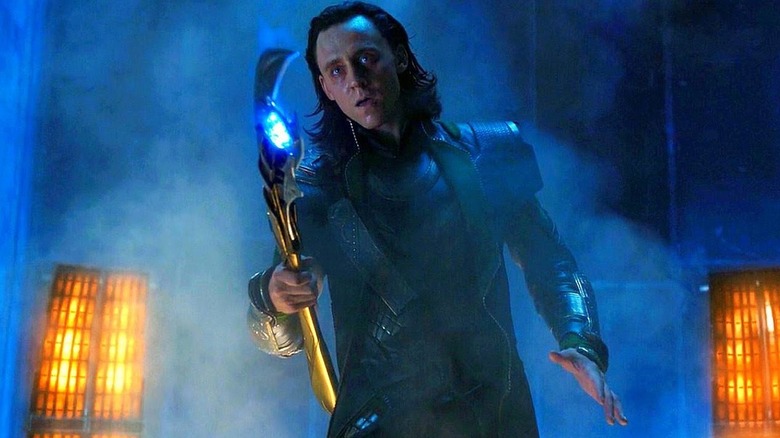
As Sir Thomas Sharpe, Tom Hiddleston isn't our protagonist. That's Mia Wasikowska's Edith Cushing. But it's hard to take our eyes off his haunted, gallows-sharp face, especially when we realize that he's the first victim in this classical gothic romance. It's also hard to take our eyes off a couple other things that work in Sharpe's favor, too. Jessica Chastain is appropriately shivery in her role as the elder Sharpe sister, but the real stars are the settings, including a beautiful ruined manse that efficiently symbolizes the Sharpes' internal decay.
Da 5 Bloods
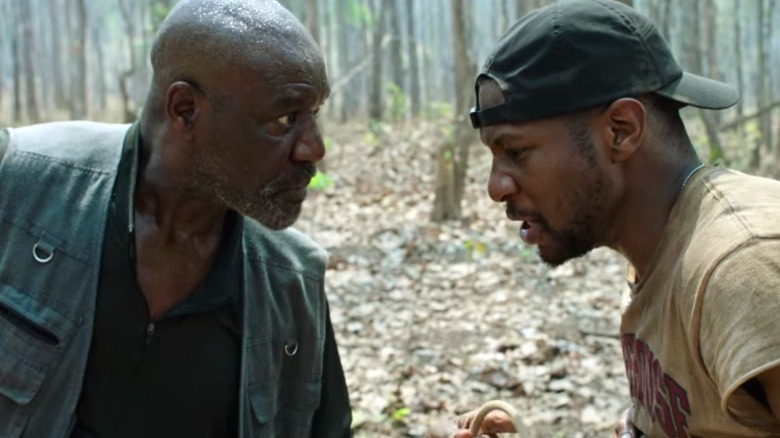
Don't be fooled by the hype claiming that "Da 5 Bloods" is Chadwick Boseman's show. His spirit moves the film — literally, even — but his on-screen presence is slim. The real focus here is on Delroy Lindo and Jonathan Majors, who play a father and son duo who are haunted by the legacy of Lindo's time in the Vietnam War. It's a fresher perspective on the conflict than the ones we've seen before; "Good Morning Vietnam," "Apocalypse Now," and the rest miss the devastation that the conflict wreaked on America's Black troops.
What briefly seems to be a nostalgic trip to lay old memories to rest turns into a gory treasure hunt and a return to violent struggles between the invading West and Vietnam's residents (as well as some pointed anti-Trump commentary). There's a lot to critique about the way this film, otherwise as keen to racial divisions as the rest of Spike Lee's work, misses a bunch of opportunities to explore the other divide present in the Vietnam War. It's too easy to ignore the Vietnamese and their culture in these kinds of films. Even here they're reduced to one or two decent representations, and a whole lot of generic enemies. Still, it's a great Spike Lee film, full of all the heart and rage he can muster.
Desperado
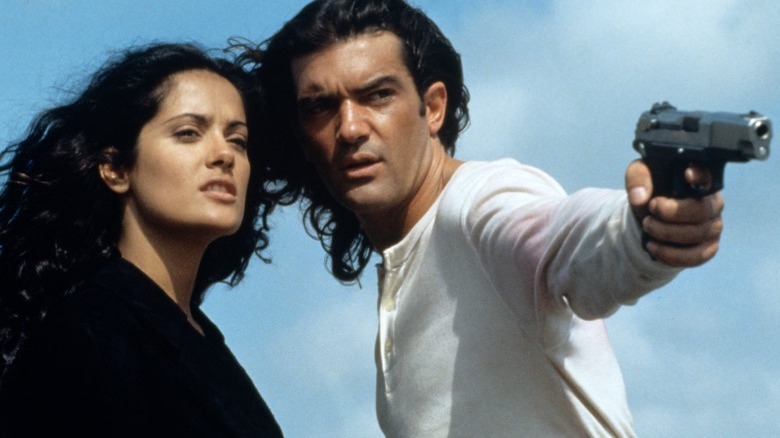
Robert Rodriguez is the action genre's answer to John Carpenter. He makes his best films with as few resources as possible; giving him a too-decent budget has a chance to hamstring the results. "Desperado," a sequel to the real-thin "El Mariachi," is proof positive of this, its slim seven-million-dollar budget blown on a fine cast and a bunch of pyrotechnics and blood squibs.
Antonio Banderas may brood for the bulk of this lovingly-shot flick, but he broods beautifully. Moments that bring shocked laughs also help keep the movie from falling into melodrama. Yes, Banderas is still avenging a lost love, but look, here's Danny Trejo in one of the funniest sequences in the whole show. Steve Buscemi has a small but note-perfect role as El Mariachi's informant, introducing the movie in a storyteller's prologue that prepares the audience to accept the unreal amount of survivable bloodshed about to happen. This El Mariachi is a legend, and legends just don't die.
Don't Look Up
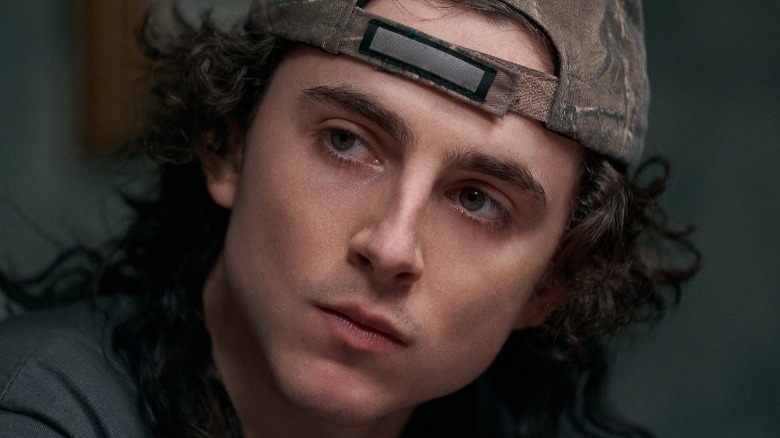
God, it must suck to be a scientist when everyone around you is dead set on being a useful idiot. That's the premise of "Don't Look Up," the most obvious metaphor for the current pandemic we could have asked for. Two astronomers, Jennifer Lawrence and Leonardo DiCaprio, have to convince the world to do something, anything, effin' anything at all about the species-annihilating comet they know is about to strike. But y'know, the polls aren't looking great and hey, maybe the comet's worth something to our lagging rare mineral industry! Surely that won't end poorly.
It's depressing stuff, like Richard Dreyfuss's meltdown to the mayor in "Jaws" writ large and with much higher stakes. It's supposed to be funny, and it often is, but "Don't Look Up" is too on point right now to offer more than a bitter, knowing chuckle. At least the mid-credits scene offers us peons some catharsis. In reality, the billionaires trying to settle other planets for their weird libertarian rich boy parties are on track for roughly the same fate.
Gremlins
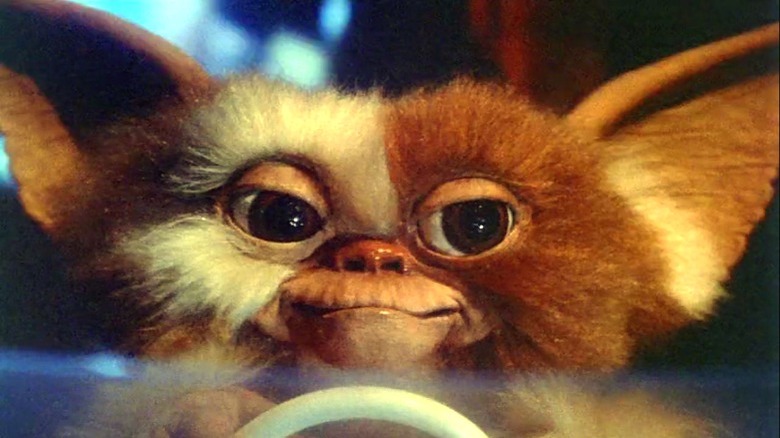
It's not a good '80s kid's movie if it doesn't leave you with a new set of nightmares. Joe Dante's "Gremlins" is the most screwed up flick to ever have a fast-food tie-in promotion, with almost all the attention given to the adorable Gizmo. But fuzzy Gizmo leads a sucker's life, always on the cusp of happiness, and always having it taken away by a kid who didn't absorb a single scrap of his new pet's care instructions.
The titular gremlins emerge after our nominal hero does pretty much everything wrong. Zach Galligan's Billy is charming and loyal but nearly witless, a nice guy who will absolutely continue to feed his dog chicken after the vet tells him not to. Fortunately, his mother is a stone-cold killer, and she stars in the wildest, most murderous sequence of events to take place in a kitchen since "Fatal Attraction." It's a terrific black comedy that's still on today's edge of eyebrow-raising, and it's no wonder that it, along with "Indiana Jones," led to the creation of the PG-13 rating.
The Guns Of Navarone
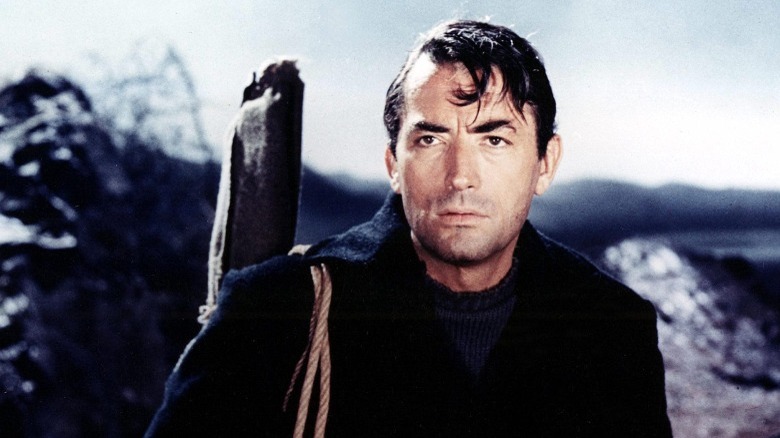
Classic war epic "The Guns of Navarone" isn't part of any kind of franchise, but it's a lesser-known member of a wave of equally great war films, which includes movies like "The Bridge on the River Kwai." Unlike its contemporaries, the movie's siege against a German fortress on an island deep within the Aegean Sea is purely fictional, set during the brief Dodacanese campaign of September 1943. It also appends a relatively happy ending to a dark period of World War II; in truth, the Germans held the Aegean, and bolstered Francoist alliances with Spain.
The fictionality of "The Guns of Navarone" becomes a comfort with that knowledge in mind. These tough-as-nails troopers include Gregory Peck and David Niven, and they're going to blow up the Nazis no matter what it takes. It's a spectacular yarn that celebrates tenacity in the face of overwhelming odds, and the lingering shots of Greece are beautiful. It all smoothes over some janky pacing that has a little more in common with Michael Bay than David Lean, but it's a great ride through the cinema classics of the last World War.
Hilda: The Mountain King

"Hilda: The Mountain King" is difficult to recommend as a standalone title, as it wraps up the Netflix show's two season storyline ahead of an upcoming third season. But if you enjoy classic animation and stories that deserve an audience beyond its designated audience, you can't go wrong with the Scandinavian charms of "Hilda." It's a fast-paced quick treat, with Hilda learning the secrets of the nearby troll folk in defiance of her hometown's bigotry and fear.
"Hilda: The Mountain King" starts right after Hilda has been transformed into a troll child. As the old stories dictate, the sun isn't her friend, and she's trapped as a stone statue. It's all a little darker and more intense than the series, but the exploration of life among the trolls is Ghibli-tier sweetness and secrecy. The resolution leaves Trollberg and the residents of the Stone Forest in a truce for the first time since the eponymous Mountain King raged against both his people and the human settlement. Where that puts season three is a mystery, but one that will no doubt be just as delightful to explore.
Hook
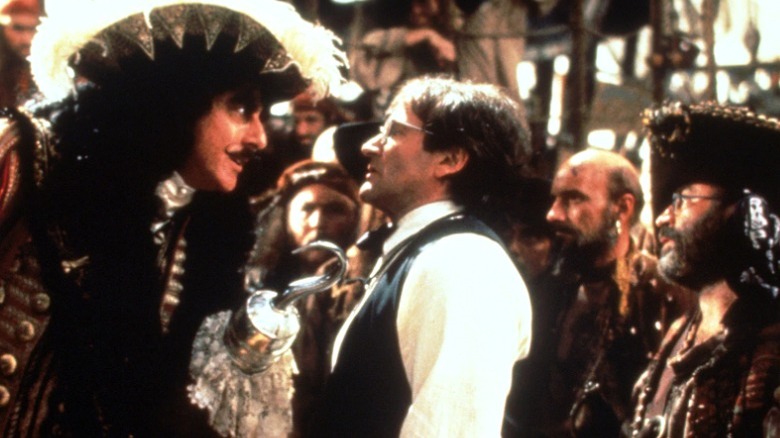
"Hook" is an odd duck. It's a Spielberg movie that feels almost, but not quiet, entirely unlike a Spielberg movie. Though the score is a John Williams classic and the story moves from funny to melancholy, the cinematography by Dean Cundey, who also masterfully shot "Jurassic Park," makes it feel like a lush Muppets movie. In a way, that's exactly what "Hook" is, with Robin Williams gradually unleashing his inner child amidst the Lost Boys until he's as unfettered as ever.
It's Dustin Hoffman as Captain Hook who makes the movie, though. He's anchored in his role as the villainous grown-up, that reminder that adulthood will come for us all whether we like it or not. It's a rare treat to see someone hold their own against Robin Williams, but Hoffman is so utterly secure in himself that he feels like a proper foil. "Hook" took a long time to find its audience, and probably remains the most cult of Spielberg's films, aside from "1941." And yet, it's a colorful, spirited delight to watch. We still miss you, Robin.
Identity
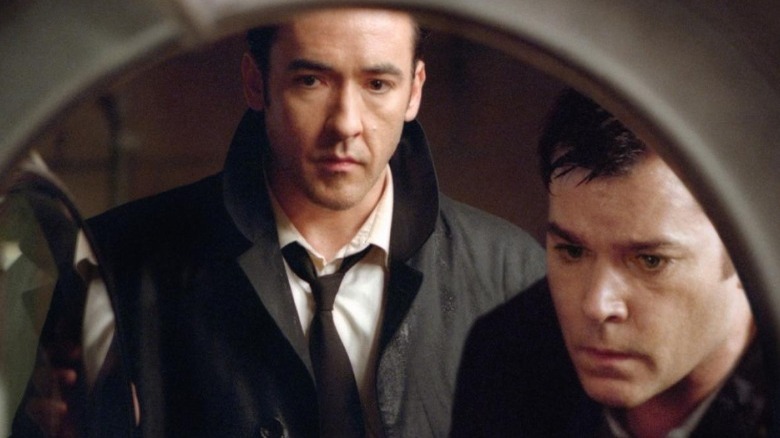
Today, director James Mangold is better known for "Logan" and "Ford v Ferrari," but in 2003 he directed an Agatha Christie-style potboiler called "Identity." The story unfolds along two tracks. On one, convicted murder Malcolm Rivers is making a last-ditch attempt to avoid the death penalty for his crimes. On the other, 10 strangers meet in a hotel where grisly fates wait for many of them. What's the connection? Well, there are a few big twists that salvage what initially feels like a fairly decent thriller. To hook a viewer, one needs to be shared.
Malcolm's delicate, dangerous psyche is being untangled by his doc, Malick. Played by Alfred Molina, Malick has his work cut out for him. If he can sort out Malcolm's dissociative identity disorder and solve the riddle of what actually happened on the night Malcolm started killing, he can save his patient's life. So, the hotel and its guests are a construct, but everything that happens is real enough for Malcolm, and has deadly stakes.
Interview With The Vampire
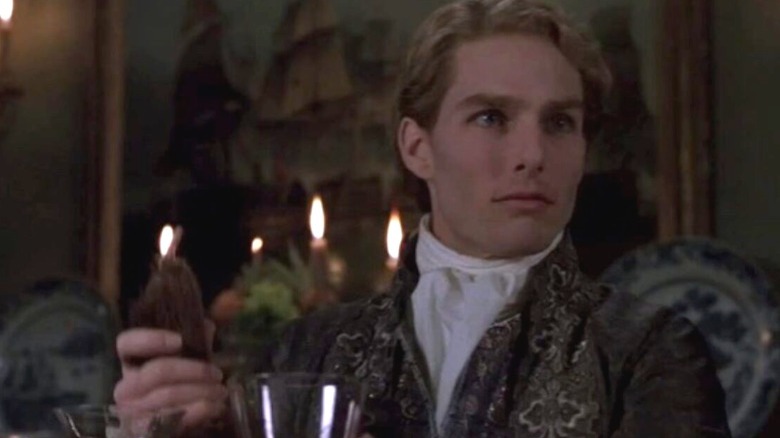
Tom Cruise and Brad Pitt being hot together is a good recipe for a movie, and the wise director Neil Jordan banks on this fact. While "Interview with the Vampire" isn't perhaps the most faithful adaptation of Anne Rice's bestselling novel, it's beautiful to behold. Beyond its star-strewn cast, faded to unearthly, deathless beauty, there are the sets, the costumes, and the music. In addition, Tom Cruise throws himself into the himbo-tacular Lestat with an abandon that reminds me why I can't stop watching him.
Antonio Banderas as the vampire Armand is miscasting of the highest order, but since the result is a full adult with luscious, long black hair and that red waistcoat, it's survivable. The plot is reduced to an anthological trip through history, from the melodramas of Louisiana to the beauty of Paris, but it's all such a pleasure to look at that it remains a fine evocation of the spirit of Lestat. If Lestat, with all his narcissistic beauty, had been allowed to micromanage the filming of his own biography, it might look something like this.
Ip Man
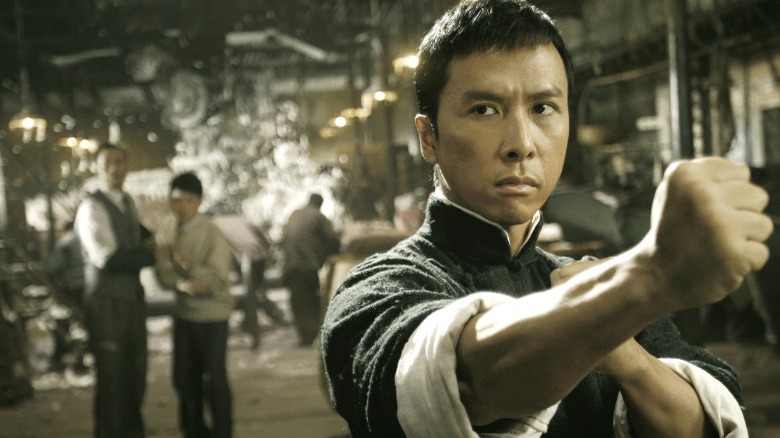
Donnie Yen is a hell of a martial artist. "Star Wars: Rogue One" put him in a blindfold, and that barely slowed him down. "Ip Man" is a terrific introduction to Yen's abilities, and no wonder, given that he's playing one of the most influential martial arts teachers in modern history. Ip Man was a grandmaster of the Wing Chung kung fu style. He's the man who taught Bruce Lee, bringing the elegant, quick-handed martial art to the West.
"Ip Man" is the first of four films that explore the history of Lee's master, and honestly, the first one is still the best. It's fundamentally a war story, focusing on Ip Man during the Second Sino-Japanese War. The once well-off Ip Man is reduced to poverty by the invading Japanese, and eventually faces off with opportunistic bandits. It's not always realistic stuff, making the Wing Chung master a larger-than-life figure, but it's a great romp through the fringes of martial arts history.
The Irishman
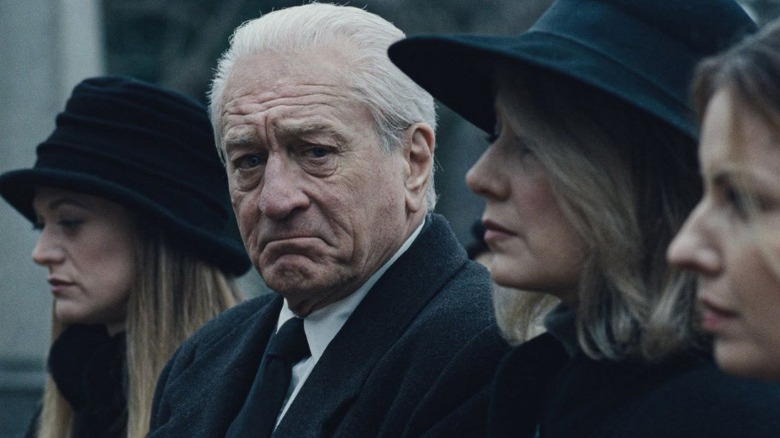
Netflix collects a variety of original projects, and while some are of the fascinating low-budget variety, it also earned itself a big win with Martin Scorsese. A juggernaut of a movie at well over three hours in length, "The Irishman" is a large-scale return to the world of Italian crime families. This time, we see the ins and outs of mob life from the viewpoint of Jimmy Sheeran, the so-called Irishman who allegedly performed hits for the Bufalino crime family.
Sheeran, played by Robert De Niro, comes under the wing of the Bufalino boss, Russell, a role that brought Joe Pesci out of retirement. His life as a Bufalino heavy wends from post-World War II to the mid '70s, culminating in another tale of how the famous Teamster honcho Jimmy Hoffa (Al Pacino — I'm telling ya, Scorsese brought the whole family in) disappeared. Sheeran's tale is framed by his last years in a nursing home, which may or may not add veracity to his tale. Hey, it worked for Deep Throat. But regardless, "The Irishman" is Scorsese at his best, with the self-indulgent length actually providing an intimate look at the hidden world of the Mafia.
Kung Fu Panda

There are two kinds of people in this world: people who love Jack Black, and people who need to stay away from me. Jack Black is the gentle giant of comedy, a man who loves what he loves so passionately that you can't help but feel that same enthusiasm. Able to go from profane to childlike in the snap of a hat, his blockbuster animated feature, "Kung Fu Panda," is purely kid-safe, but it's never spoon-fed silliness.
"Kung Fu Panda" is a genuine wuxia film, with beautiful locales and intricate character designs and special attention paid to the fight choreography. Wuxia made it big in the West with "Crouching Tiger, Hidden Dragon," showing off the genre's potential for fantastical grace. Po, the panda at the heart of this animated treat, isn't all that graceful at the start, but he's got the soul of a dragon hidden somewhere in all of that adorable pudge. The rest of the film is the very best Western homage to an Eastern genre that could possibly exist.
Labyrinth
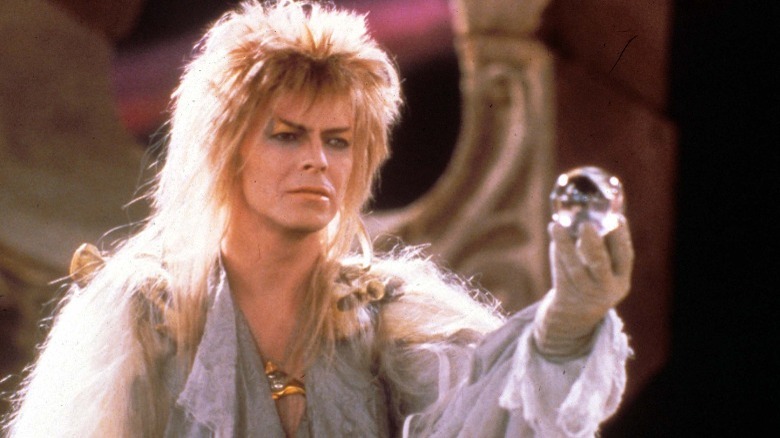
The world was a better place every time that Jim Henson woke up and decided he wanted to give kids beautiful, fantastical nightmares. Though less overtly grim than "The Dark Crystal," 1986's "Labyrinth" is a kid's movie milestone because it taught countless young people that David Bowie was smoking hot, and also that his music ruled. But more than that, this movie's puppetry and set design are wonderful stuff, a kid's cuckoo bird fantasy come to life. Yes, says "Labyrinth," you really could be special enough to be whisked away to a prince's lair.
But "Labyrinth" is a little more subversive than that when watched as an adult. All of what's to come are Sarah's dreamlike creations. Yes, even the dark bits. Yes, even Jareth's whimsical lasciviousness. It's something that she has to come to grips with by the end. So, too, do we. But a first watch entangles us in the lives of Sir Didymus and Hoggle, and we end up loving that little wall worm. A classic for good reason.
The Last Action Hero
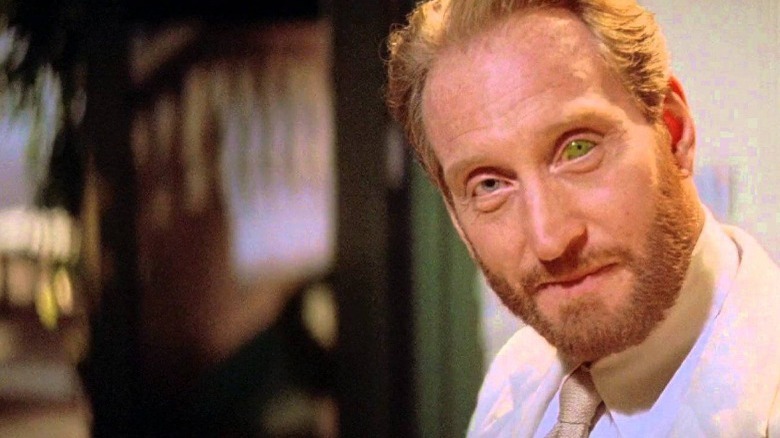
It's weird that Arnold Schwarzenegger can have a cult classic on his ledger that's not from before 1985, but "The Last Action Hero" is a poorly understood yet razor sharp satire. It's a good movie! It only gets better the more movies you've seen, because there are jokes about tropes and classic cinema that the initial summer movie audience likely missed. There's a bit with Sir Ian McKellan as Death, walking straight out of "The Seventh Seal." It's visually funny, sure. Everyone knows ol' Chessmaster Death. But actually seeing that movie reveals how dead-on the whole gag is, and how well the filmmakers understood Ingmar Bergman's earthy humor. It's great.
"The Last Action Hero" is anime portal fantasy at its finest, shoving the action-movie-obsessed Danny into the hyper-violent world of his favorite franchise. His knowledge of film tropes is an unlabeled bag of tools; not every detail he can summon is helpful. However, he eventually realizes that he's the plucky sidekick just in time for Arnold's Jack Slater to get hit by some poignant realizations about the nature of his existence. There's also Charles Dance as a villain, rocking out at 100% full ham. It's a perfect ride that fools you with how silly it all is.
The Last Boy Scout
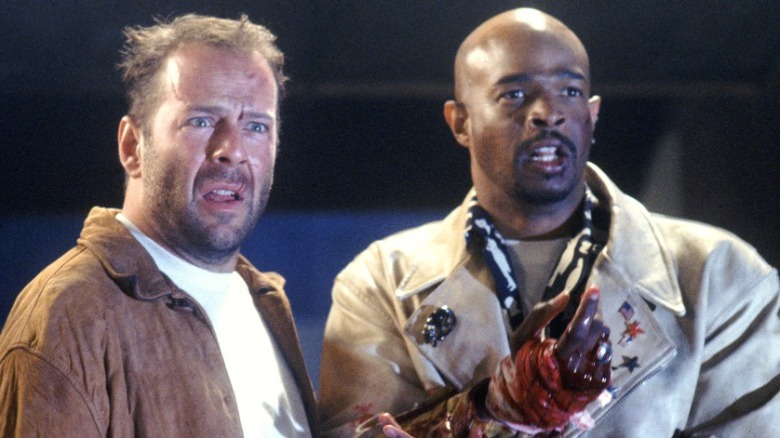
"The Last Boy Scout" is a Tony Scott buddy cop joint with a script by the shotgun-mouthed Shane Black. It's not the best production from either of them — the first act of the movie is overstuffed and a little confusing — but once Bruce Willis and Damon Wayons team up, it's a theme park attraction full of ridiculous situations and snappy one-liners. It's a great Friday night brain drain movie, one in which the stars' charisma is far more important than what's actually happening on screen.
It's also a movie that shows the transition from sleek '80s summer shoot-outs to the sharply cinematographic '90s thrillers, and a film that neatly predicts the rise of Michael Bay in just a couple more years with bombastic set pieces and dudebrah dialogue that, I will warn you, comes off as pretty gross in a bunch of places. Despite the title, nobody in this movie is a role model, and it remains an excellent artifact from an enjoyable genre. The meathead massacre movie will never die.
Leon: The Professional
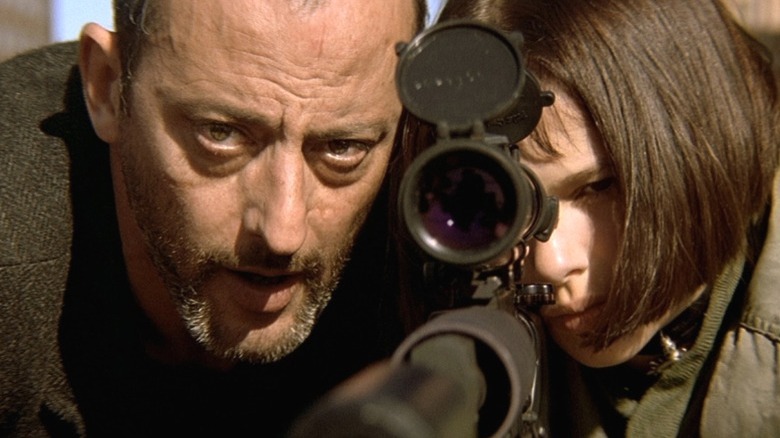
Luc Besson may be hit or miss as a director these days, but even his misses are spectacular to look at. "Leon: The Professional" is one of his early masterpieces, however, and the film that finally earned him a chance in American theaters after the cult success of "La Femme Nikita." It's also the film debut of Natalie Portman, and a showcase for the underused Jean Reno. As the titular Leon, Reno is cold but never inhuman.
"Leon: The Professional" is a twist on stories like "Lone Wolf and Cub." As Mathilda, Portman is already a pre-teen when she loses her family. Leon has no true relationship with her; he's just a guy who lives down the hall. He'd like to stay that way, but unfortunately for his long-term health, he has a shred of empathy buried inside his hitman soul, and that's how he gets his unusual protege. Yes, it's also the movie with a memetic Gary Oldman at his most unhinged, and if that gets you watching, that's good, too. It's a solidly built thriller with an unusual dynamic, and it's worth anyone's time.
Life Of Brian
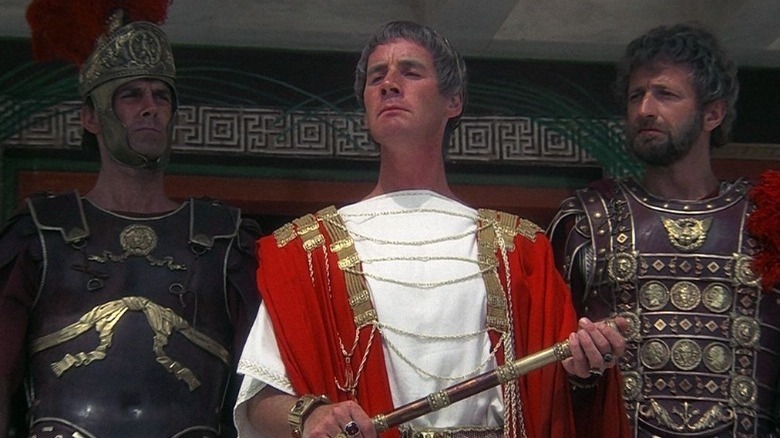
To some people, you're either a "Monty Python and the Holy Grail" fan or a "Life of Brian" fan. Both need to be watched at least once, however, and "Life of Brian" only gets funnier the more theology you know. However, no religious background is necessary to enjoy the torments of hapless Brian, a generic Jewish guy who has the bad luck to be born next door to Jesus Christ, and who gets mistaken for him at multiple unfortunate turns.
"Life of Brian" is a deliciously sacrilegious satire, the sort of movie that still makes the right people mad as hell. In between the jabs and the pointed commentary on irrelevant internecine strife are some intensely funny, utterly iconic sequences. One does not make it out of the infamous Pontius Pilate scene with a straight face — God knows the guys playing Pilate's guards couldn't. The nigh-tasteless finale's upbeat classic, "Always Look on the Bright Side of Life," remains a bitter anthem for today. Whether you're at the DMV or waiting for test results, you'll be humming it for the rest of your life.
The Lost Boys
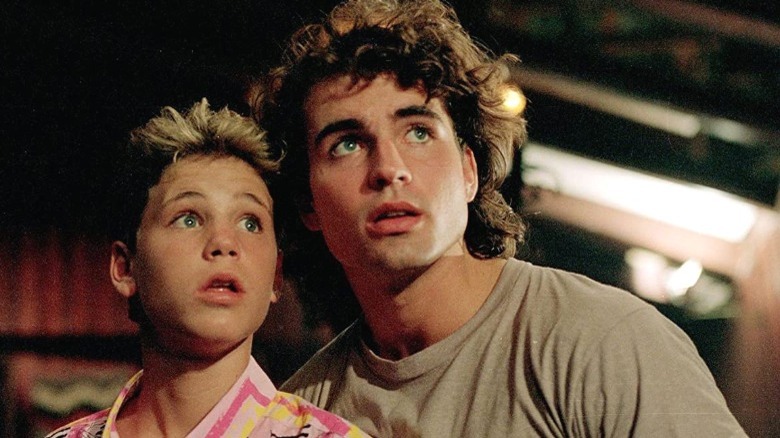
1987's "The Lost Boys" is aggressively emblematic of its time. It weaponizes the very real adult fears that came with the decade's crime wave by way of a band of hair metal vampires. They're beautiful, ageless, and campily frightening, showing a crucial understanding of how and why vampires work. It all comes down to their taboo sexiness, and "The Lost Boys" doesn't miss a chance to make that appeal universal. This is not a purely heterosexual movie. That oil-slathered dude on the saxophone isn't the first clue, though he's a big one.
The plot is hammy Hammer Horror fare, delivered with punchy dialogue and Corey Feldman as one half of a dubious Van Helsing pair. Nobody is particularly good at what they're trying to do, but they're all passionate about it. Dianne Wiest is underrated as the flick's adult anchor, too. She's a mom who's doing her best during hard times, and it's her warm heart that both puts everyone in danger and also helps save the day.
Loving
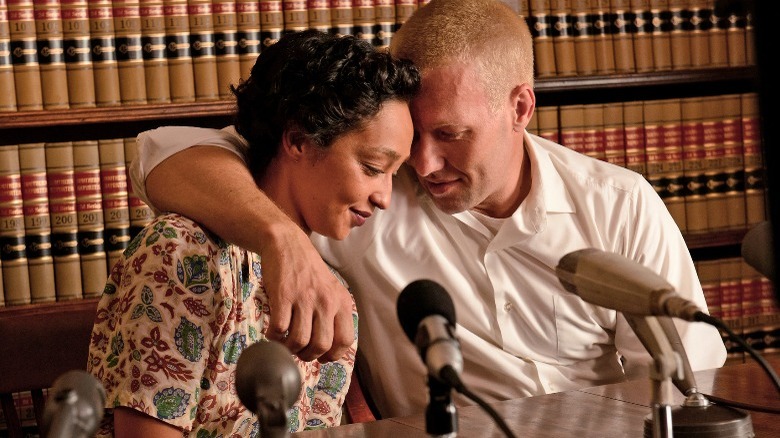
Both name and title, "Loving" is a beautiful film about the cruelty inherent in a system that dares to outlaw love itself. Richard and Mildred Loving were a very real couple, high school lovebirds who married on a trip to DC and returned to Virginia to build a life together. On its face, it should be horrific and ridiculous that this simple act of romance was illegal in 1958, and that Virginia had gone out of its way to ensure its illegality with a 1924 law banning racial integration.
"Loving" frames these cruelties around the couple's attempts to live a normal life. With Ruth Negga as Mildred, the film is graceful, beautiful, and proud to showcase an ordinary relationship that's turned extraordinary by bigotry and hate. Joel Edgerton is humble and perfect as Richard. He's a blue-collar mark-one mod-zero Guy, a man who lives in quiet dignity and who wants nothing more than to love and care for his family for the rest of his life. It's a powerful, simple film, and while the Lovings earned their happy ending, the fact that we are still fighting for basic racial dignity and respect is shameful.
Mars Attacks!
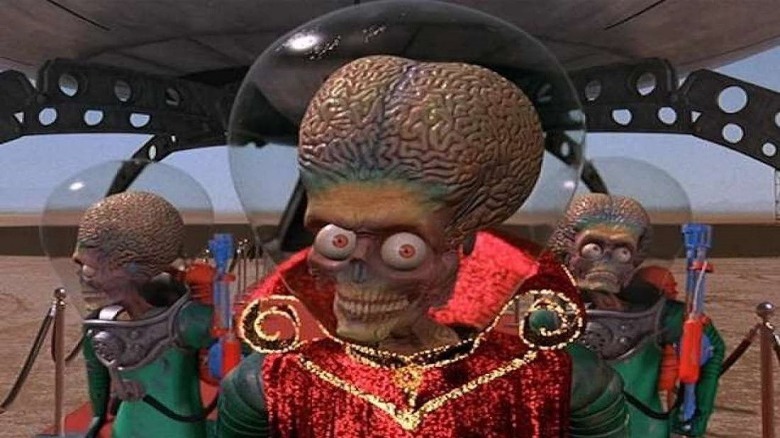
"Mars Attacks!" is the most gleefully, purposefully terrible movie on Tim Burton's resume. It's absurd how good the cast is for this barrel-sized vat of cheese doodles, and how much fun they're all clearly having. "Mars Attacks!" is the sort of film where, if you can't get past the first 10 minutes without a grimace of discomfort, you should feel no shame in turning it off and trying something else. But, if you hang in there, it's a bizarre treat that can never be replicated. It's a hot mess. It's the "Napoleon Dynamite" of pulp science fiction. The key to saving the world is a Slim Pickens tune. I can't explain the allure of this movie, nor why I've rewatched it several times.
The plot is a comfortably familiar space invaders joint built around the storyline of the original Topps trading cards. The cards themselves were often too gruesome or sexy for their time, and the movie pushes its PG-13 rating in similar, even campier ways. It's honestly off-putting to see Sarah Jessica Parker's head attached to a dog, and the sheer amount of slimy green gibbets strewn everywhere is "RoboCop"-tier. But it's okay, because they're CGI aliens. Like the cards, the film is calling out the weird moral guidelines we still live with.
The Men Who Stare At Goats
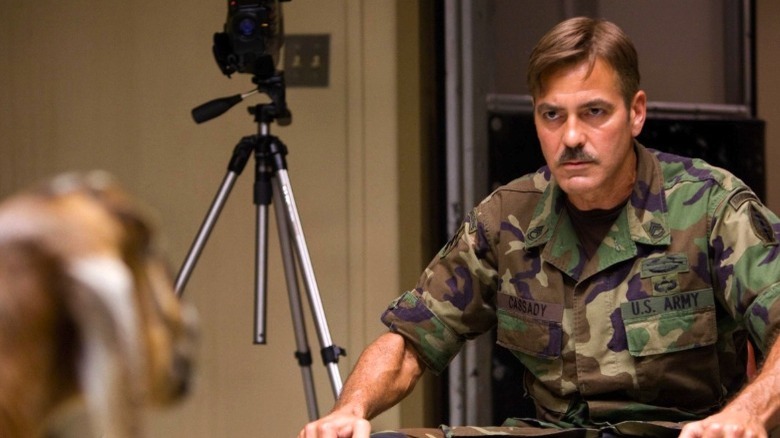
Vaguely based on Jon Ronson's non-fiction exploration of some of the most bizarre things to come out of the Cold War, "The Men Who Stare at Goats" is a well-cast, fascinating mess whose biggest flaw is its fictionality. Like the semi-obscure '80s cult-bomb "Air America," this movie would be improved by having the nerve to go all in on the story's weirdest truths. Instead, the fiction mutes the impact. It's still a bizarre good time.
Ewan McGregor plays a fictional version of Ronson, which has to make the unassuming but sharp-witted reporter laugh with delight every single day. McGregor is on the hunt for the truth behind Project Jedi, which seems like an obvious in-joke; it is, but it's also partially correct. During his search, he stumbles across a group of would-be secret super soldiers trying to psychically create world peace. Obviously, they don't quite succeed, but the world is a weirder place for them having tried. Do read the book, though, if the movie intrigues you. It's wild.
Minority Report
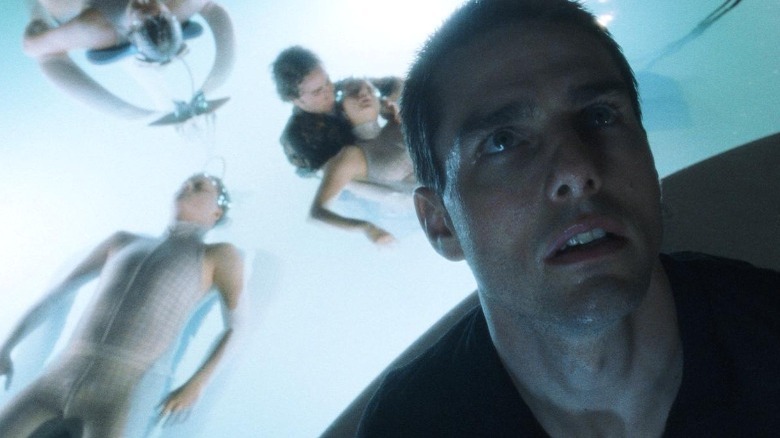
It's hard to forget how much Steven Spielberg loves science fiction. 2002's "Minority Report," based on a Philip K. Dick short story, is one part of his answer to the neo-noir aesthetics of "Blade Runner." It's a sleek, blue-chrome whirlwind of a cop drama, a riff on "The Fugitive" with precognitive abilities.
Tom Cruise, bringing his usual level of passionate charisma, plays a good cop caught up in a bad situation. Precognitive reports suggest that he's about to commit murder, and that's enough to get arrested in this IKEA dystopia. Not about to take the fall for something that he believes he wouldn't do, he runs down a rabbit hole full of secrets and small but perfect character parts. While Max von Sydow is an ever-reliable acting showcase, it's Peter Stormare who steals the show as a back-alley doctor. The whole package is a finely-tuned machine, and, like its spiritual cousin and fellow Dick adaptation "Total Recall," its possibly too-happy ending leaves plenty of room for interpretation.
The Mitchells Vs. The Machines
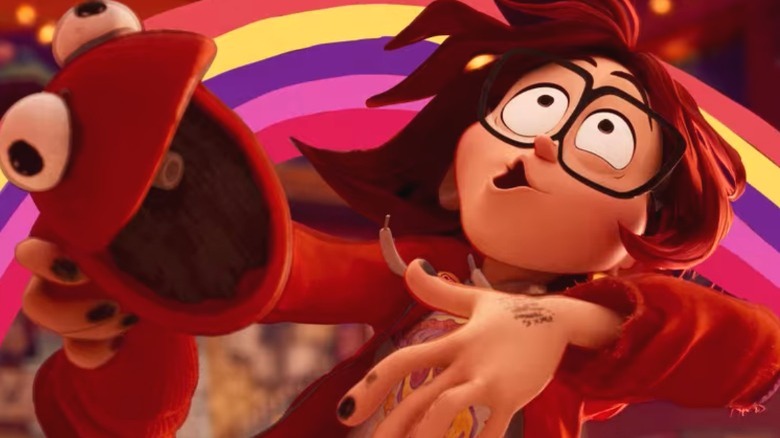
"The Mitchells vs. the Machines" deserved to be released in a different time, one when we weren't all locked inside with the Tiger King and our existential depression. It should have had marquee billing, with enough merchandising to kill a bear. On the bright side, viewing it is as easy as plopping on the couch with the remote.
"The Mitchells vs the Machines" is another nonstop charmer from the "Spider-Man: Into the Spider-Verse" crew, and it's refreshing in that it's about an animated family so far from perfect that they're both genuine and relatable. It's hard to not feel frustrated with dad Rick when he keeps missing his chance to communicate with his eldest daughter, Katie, but his behavior is easy to understand, too. The theme of the film doesn't mindlessly come down to "smartphone bad." Rather, the movie explores the variety of ways we can communicate with each other. And then there's the scene with the Hell Furbies, which sells the movie all on its own. If you haven't watched this one yet, schedule a viewing pronto.
Mobile Suit Gundam: Hathaway
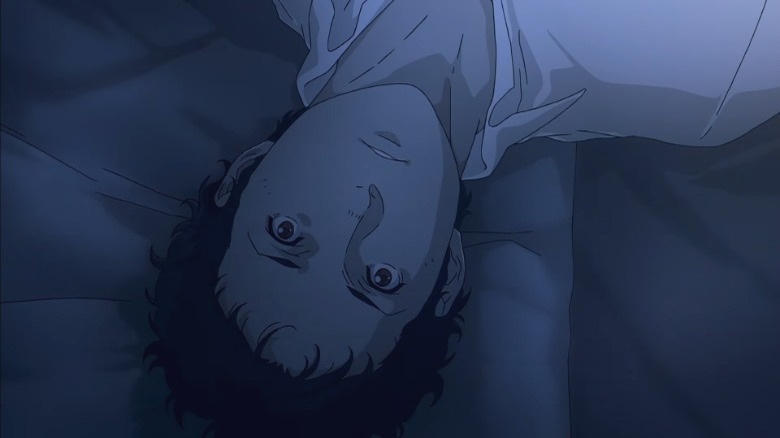
The "Gundam" franchise can seem impenetrable. There's a lot of it, and peeking under the hood reveals multiple timelines. Finding an entry point can be daunting, especially when some of the best picks aren't part of the primary timeline. One of the easiest ways to get acquainted with the series is to pick a movie in the Universal Century subseries, which is the main timeline, and dive in. "Mobile Suit Gundam: Hathaway" is an especially good way to take a first bite. It takes place after some huge "Gundam" events, but its still-unfolding story is relatively self-contained.
The Universal Century puts Earth and the Principality of Zeon at war, with Gundam pilot Amuro Ray and Char Aznable locked in a nigh-eternal rivalry. "Hathaway" puts those years of conflict in the background. The film's protagonist isn't exactly a hero; Xi Gundam pilot Hathaway is a terrorist who's haunted by the memories of his war criminal father and his own dire deeds. But this bad guy has a point. Earth may have won the war, but the Federation is now drowning in its elitist excess. "Hathaway" is the first installment in a planned trilogy, but it's already a fun trip into the fringes of "Gundam." If you dig the flavor, Netflix also has the "Mobile Suit Gundam" compilation films, which are a zippier way of watching the original series.
Monty Python And The Holy Grail
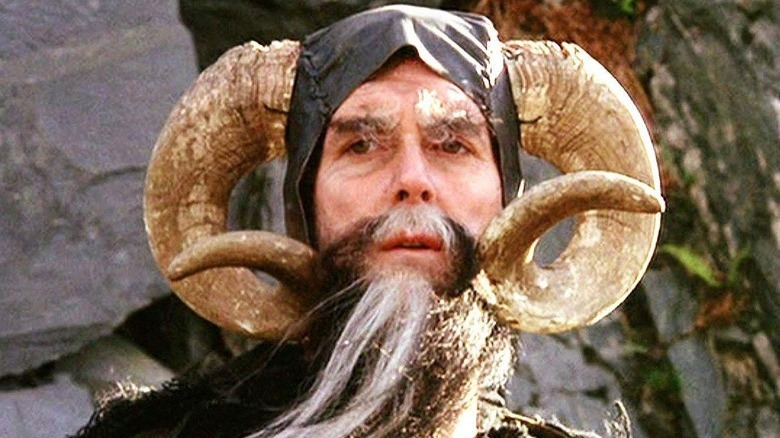
"Monty Python and the Holy Grail" is a rite of passage for classic comedy fans. The dry-as-a-bone British comedy troupe has worldwide appeal, though its acerbic flatness isn't to everyone's taste. But the troupe's biggest films are approachable and fun, often mixing Terry Jones' love of history into a playfully offensive mishmash of legends and laughter. "Monty Python and the Holy Grail" skewers Arthurian legend with a budget thinner than Donald Trump's hairline — any one of its many iconic scenes has the potential to be your favorite. I'm partial to the flagellating monks, personally.
The plot is an anthological afterthought. Arthur, King of the Britons, doth verily seek the Holy Grail, and his knights are sent out to find the artifact. But each knight, from Lancelot to Galahad to Arthur himself, are led astray by increasingly screwball distractions. In addition, the French pop up as recurring antagonists, because it's not a British film without a few good digs at their neighbors across the water.
The Neverending Story
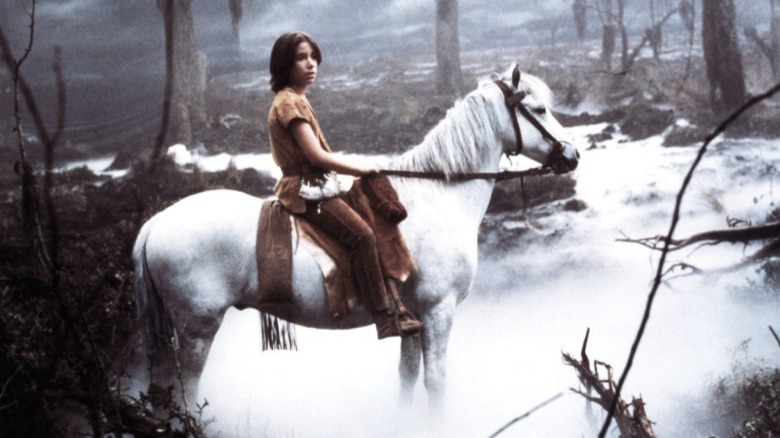
The 1980s were a gold mine for kids' movies that left scars on our psyches. "The Neverending Story" didn't please the original novel's author, Michael Ende, but the imaginative sets and understated casting led to a film that still lingers in our hearts. It's the movie with That Scene about the dying horse, which probably traumatized the entire Gen X horse girl demographic. It certainly got me good.
"The Neverending Story" is also the flick with the scariest animatronic wolf the technology of the decade could create. Gmork, lurking in the shadows late in the film, is childhood terror incarnate. Atreyu, our deliberately crafted hero, is on the cusp of failing his hero's journey, and Gmork is a final reminder of the kid's fragile mortality. The whole movie is a memento mori for kids who haven't had to go to therapy yet, but it remains a beloved watch for more than one generation, and it's more than worth a look today. Just pack the tissues.
Okja
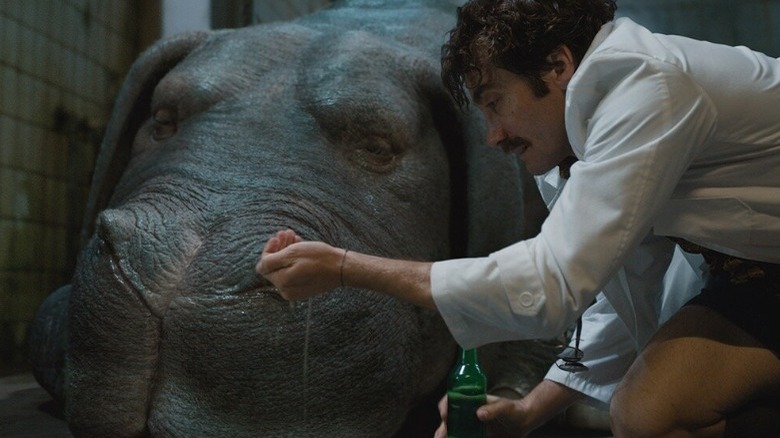
Director Bong Joon-ho was screwing with our minds well before "Parasite" swept the world, and his Netflix original, "Okja," is an under-discussed slice of sharply-pointed satire. It's about a lot of things: capitalism, environmentalism, over-consumption, and more. It's also the Ghibli-like story of a girl and her beloved pig. Okja is a massive, genetically engineered sweetie who looks like the result of an elephant making love to Eeyore. Like "Charlotte's Web" and its hapless Wilbur, Okja was destined to be nothing more than a delicious rack of Flintstone-size ribs, but Mija is too sweet to let that happen, and the rest of the movie is a tangled web of action and environmentalist politics.
Similar to "Snowpiercer," the middle of "Okja" gets a bit too twisty for the premise. The film tries to do a lot in a limited amount of time, but the attempt is earnest and well thought out, soothing the viewer's frustration. Also, it's a cute animal movie, and you deserve to know if the titular beast dies in service to its point. Ultimately, Okja doesn't, but the movie doesn't shy away from animal cruelty in order to make its point. Go in with that in mind.
The Old Guard
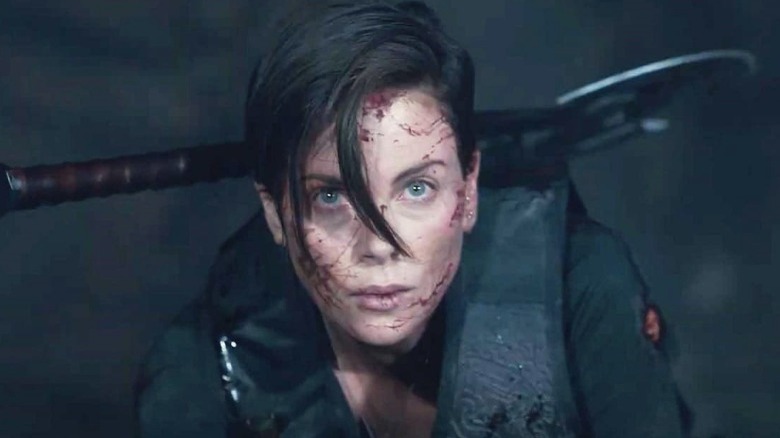
Once upon a time, "Highlander" was the king of fanservice-packed historical action thrillers, featuring Christopher Lambert at his finest and Clancy Brown shredding the scenery. Unfortunately, that franchise hasn't really lived up to its potential since the initial installment. Thankfully, as of 2020, that very specific genre has a new queen: "The Old Guard." In it, Charlize Theron arrives to seduce everyone across the gender spectrum with her hard-as-titanium ways and her sleek "get wrecked" haircut.
It's fun to watch Andy (Theron) and her band of immortal mercenaries deal with modern times. They're upgraded from their comic book origins, and some of today's technology isn't nearly as difficult for them to master; ultimately, it's their interplay with each other after hundreds of years of going on missions together and getting wrapped up in various romantic entanglements that keeps the audience on its toes. "The Old Guard" is an action-packed charmer, one that understands what we're asking for when we say we want inclusivity and strong female characters. We want emotions along with brutal action sequences. Good news for fans of this band of badasses: There's more to come.
Paranormal Activity

That "Paranormal Activity" became another generic horror franchise is exhausting and undercuts the original flick's impact. Later films give the mysterious entity haunting a San Diego couple the identity of the demonic prince Asmodeus. It was unnecessary. The unknown is scarier when the glimpses of it are fleeting, and the torment that Micah and Katie endure in the original film is terrifying in its vagueness. Similar to the beginning of "The Exorcist," there's no clear reason why Katie was chosen as the target for these demonic attacks.
A great example of the found footage genre, "Paranormal Activity" relies on ad-libbed dialogue and naturalistic casting to give the whole thing a sense of realism. Micah sucks as a partner, undercutting Katie's trust when she needs him the most. The best sequence is when Katie's psychic doctor buddy shows up and Grandpa Simpsons his way right back out the door, bluntly stating that he's making whatever's lurking even angrier.
ParaNorman
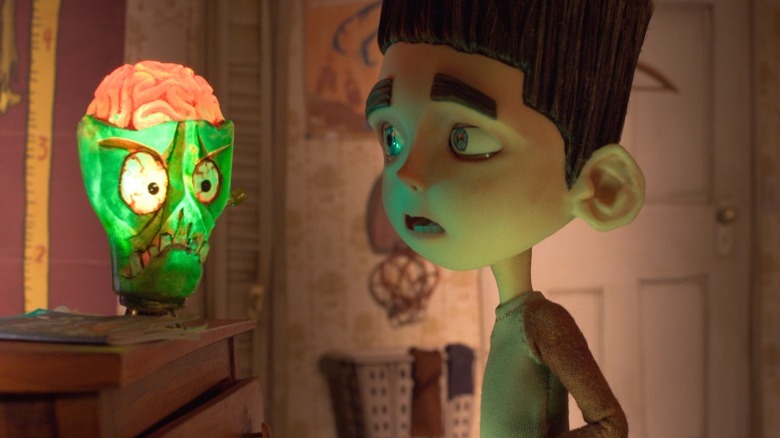
Laika is the best animation studio you've barely heard of. With hits like "Coraline" under its belt, these ever-struggling but excellent artists decided they were going to take Tim Burton's whole shtick and make it even better. The result is 2012's "ParaNorman," a cheery creep-fest about an outcast kid who can talk to the deceased, and who finally gets his time to shine when some idiot opens the way for the dead to walk the Earth.
"ParaNorman" is a love letter to all the horror movies we watched when we were too young, deliciously soaking up their gruesome terrors and coming out the happier for it. It's also about social pressure, and the sheer suckery of being unwanted because you don't fit in. As Guillermo del Toro likes to point out, these two themes are largely the same, and "ParaNorman" understands that. It has everything: zombies, dead witches, and a town whose name slyly references Noël Coward's classic play, "Blithe Spirit." It's one of the best kids' movies you've probably never seen.
Passing

Rebecca Hall's directorial debut, the 1920s-set "Passing," is a melodrama in the most meaningful sense of the term. The excessive force of long-repressed emotions drives this movie like a steam engine, and is encapsulated in a psychological match of tug of war between its two leads, Clare (Ruth Negga) and Irene (Tessa Thompson). Clare can pass for white so well that her racist husband has never guessed the truth. By contrast, Irene is light-skinned, but has chosen Black life with a loving husband in Harlem.
From envy to subtle but real hints of lust, every possible emotion strains the tension between these two women. The way their relationship ultimately resolves is both understated and shocking, and while it's more blatant than it is in the novel, it's still open to interpretation if you squint. It's all beautiful to watch, even as your stomach squirms from the weight of what's going on behind everyone's eyes. Ruth Negga is establishing herself as one of the most important yet subtle actresses of this era, and "Passing" reminds us why.
Rain Man
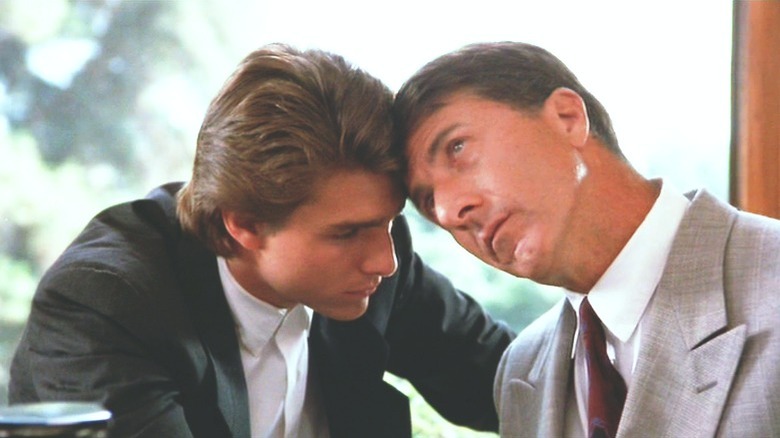
Our understanding of mental health has expanded since "Rain Man" took home an Academy Award for best picture, but this film holds up as long as you keep a few things in mind. No, being on the autism spectrum doesn't raise your chances of being a savant, but it may leave you with some specific stimulatory needs. That said, Dustin Hoffman's Raymond remains a fairly accurate depiction of the harshest end of the spectrum, and the film's underlying plea to grant basic human empathy to those of us with different minds is a lasting blessing.
Tom Cruise's relentless, sometimes infuriating charm deliberately works against him here, which is an artful choice. When the movie starts, Charlie is an entitled bag of dog barf, a jumped-up frat bro who wonders where the hell his inheritance is going. His screwball plot to get it back by abducting his previously unknown brother and taking the matter up with the lawyers runs into logical hurdles very fast. "Rain Man" is a film that starts off infuriating and ends with melancholy grace, and it remains a showcase for both of its award-winning leads.
Rise Of The Guardians
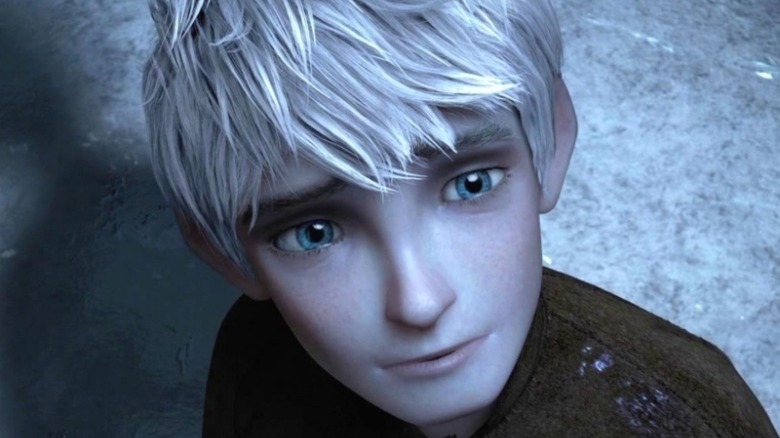
"Rise of the Guardians" has no right being this good. It's a charming tale that casts folklore fixtures like Santa Claus and the Tooth Fairy as superheroes. The animation is beautifully detailed, with characters that straddle the line between being cartoonish and vibrantly alive. It's no wonder that esteemed cinematographer Sir Roger Deakins was happy to help its animators set the tone. And yet, the film was considered a theatrical flop, a cautionary tale about the perils of telling new stories in franchise-happy Hollywood. Well, that's everyone else's loss. "Rise of the Guardians" is on Netflix, and that makes it easy to give this underrated kids' flick a chance.
As in the lesser-known book series by William Joyce on which the film is based, the titular Guardians defend the sacred concept of childhood; that's why they're made up of some pretty iconic figures. While it's on the nose for the big bad to be the literal Boogeyman, it makes sense here. Overall, this film deserved its own franchise, and it's destined to be part of many childhoods yet to come.
Rush
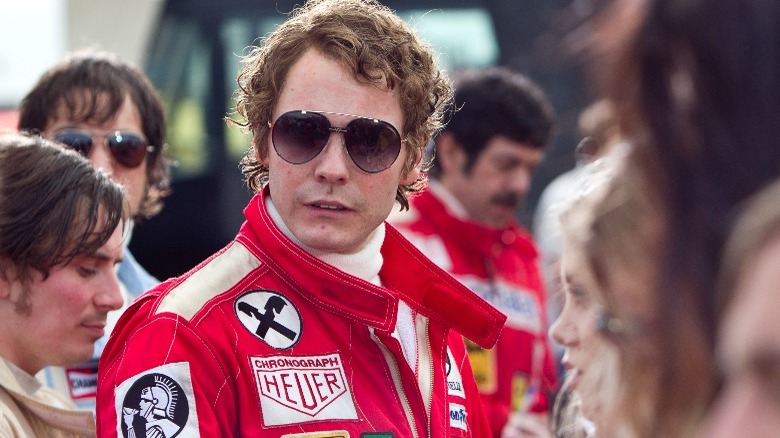
There's a specific niche for docudramas about car racing. "Rush," the 2013 flick about the rivalry between Niki Lauda and James Hunt, is a pretty good spin around the track, even if your Car Dad gene is recessive. Of course, it helps that Hunt is played by Thor and Lauda by Baron Zemo, if you like your dudes hot and recognizable. Chris Hemsworth and Daniel Bruhl bring their A-game to the garage, and it's hard not to get caught up in their tangled history of being each other's best enemy.
As docudramas go, "Rush" stays relatively on point. Some things, like the infamous rivalry, are overplayed, and the central event of the film is amped up for thematic effect. That would be Lauda's horrific 1976 crash on the Nurburgring track, of course, a life-changing attack of irony for a man who attempted to boycott the track because of dangerous conditions. The nuts and bolts of F1 racing may be lost on some members of the audience, but Hunt and Lauda's charisma makes "Rush" a fine flick for nearly anyone.
Silverado
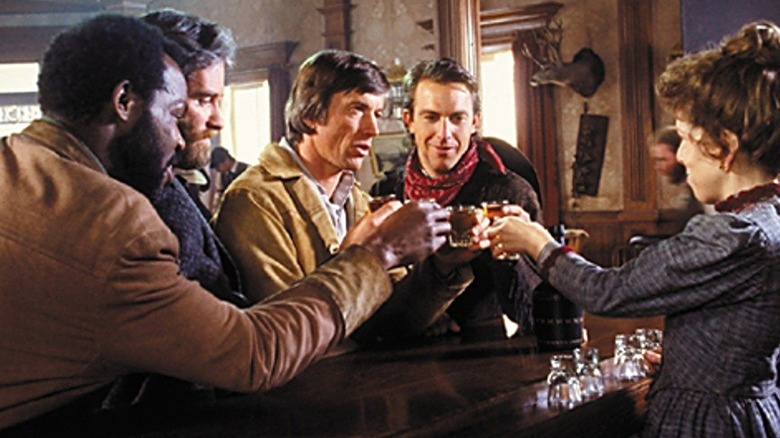
With saturated cinematography and peppy direction from Lawrence Kasdan, "Silverado" feels like it was supposed to be a comedy. It doesn't help that both Jeff Goldblum and John Cleese are listed in the credits. But this 1985 reconstructionist western is a straight shooter, if an eccentric one. I might go so far as to call it a western for people who don't much like westerns, with modern sensibilities soothing over some of the uglier bits of history.
As far as the plot goes, "Silverado" is not out to break the mold. Four good ol' boys meet on the road amidst some scraps and shenanigans, and together decide to hit the trail for Silverado. However, instead of going their own ways once they arrive, they find a reason to pull the band back together, aimin' to root out the corruption that's hidden behind the town's pleasant veneer. While I can't prove it, I'm fairly sure that "Silverado" inspired "Star Wars" decades later: Brian Dennehy's crusty town sheriff, Cobb, seems like the template for Timothy Olyphant's beloved Tatooine marshal.
Snakes On A Plane
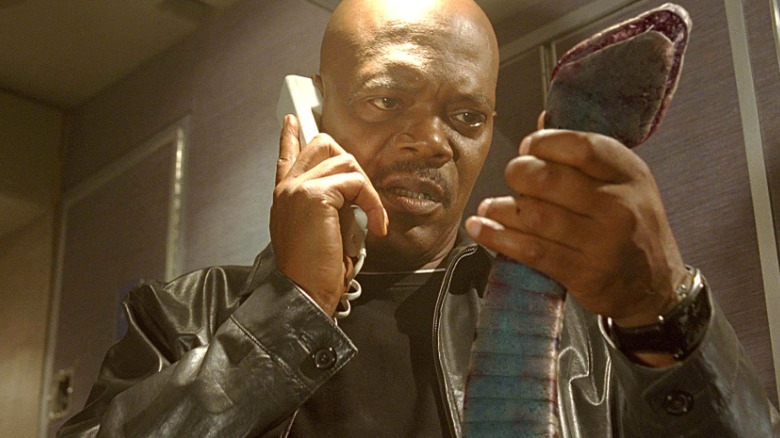
Is it necessary for a movie to be spectacular, struggling against its own architecture to become the best thing you've seen all year? Or is it enough for it to simply be "good," an acceptable waste of time held together by moments of superior garbage and actors we like? "Snakes on a Plane" addresses this never-ending debate on film Twitter with philosophical simplicity. There are snakes, they are on a plane, and Samuel L. Jackson is going to swear at them. Sometimes, that's all we want.
"Snakes on a Plane" does what it says, and goes about its work with laudable yet mindless efficiency. These snakes are venomous, and they strike as if they know all our most horrible nightmares. It is the right kind of ridiculous, the sort of movie that anticipated that, one day, marijuana would be legal in multiple states. Get silly and settle in. Sam Jackson's got the film's iconic F-bomb locked and ready to fire.
The Social Network
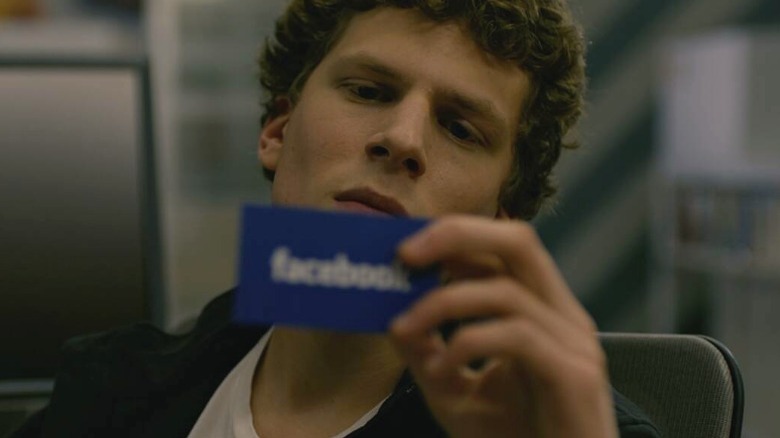
Always remember that "The Social Network" is a drama first and a biography second. While based on a non-fiction book, "The Accidental Billionaires," and telling the story of Facebook founder Mark Zuckerberg's early rise to prominence, it is not entirely factual. For one, Jesse Eisenberg is still considered likable after this movie, although he spends his time as Zuckerberg expressing about as much compassion as a soup can.
This fictionalized Mark is introduced in the best way possible: A female college student calls him out for being a crappy person. He does not improve over the course of this film, and his hapless, stony-faced march to become one of the most influential men on the planet is not endearing. Fortunately, Andrew Garfield acts as our storyteller and our actual protagonist. The real Mark Zuckerberg found the film "hurtful," which may or may not be a plus for viewers. In any case, "The Social Network" is another taut David Fincher classic that relies on its characters and their flaws, and it does it all extremely well.
Stand By Me
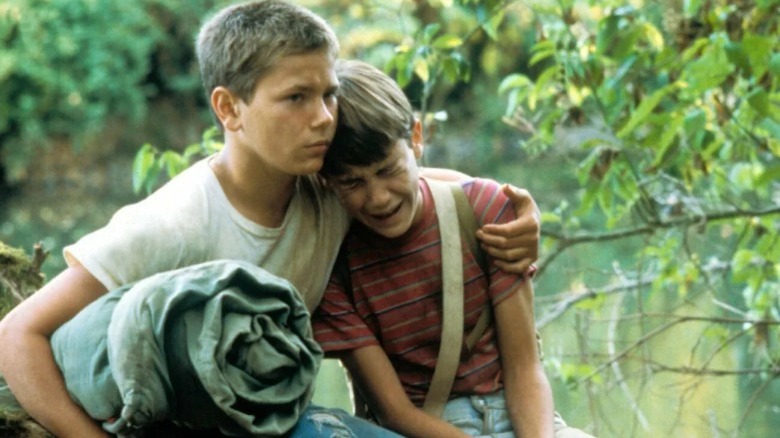
Heartwarming director Rob Reiner and horror master Stephen King — name a more puzzling combination. And yet, somehow, it makes sense in the context of 1986's "Stand by Me," an exploration of the grimmest corners of childhood. Four friends on the cusp of being separated by junior high enjoy one more summer as kids, not the jaded teens they will soon become. King's story understands the morbid fascinations that children share, and the plot is set in motion by a simple yet awful question: "Do you wanna go see a dead body?" For kids, human mortality is a mystery, not an existential horror.
The cast is composed of the best child actors the '80s could offer. Watching Wil Wheaton, Corey Feldman, River Phoenix, and Jerry O'Connell in today's context adds some extra poignancy; in many cases, these kids didn't deserve their futures. Kiefer Sutherland serves as the specter of bitter grown-ups, but the film's real villain is the melancholy driving each of these kids on their gruesome hiking trip, and particularly Wheaton's Geordie. He's the kid who lived, and his desperate need to be seen makes him the centerpiece of the movie. "Stand by Me" remains one of the best adaptations of Stephen King's work ever filmed.
Stardust
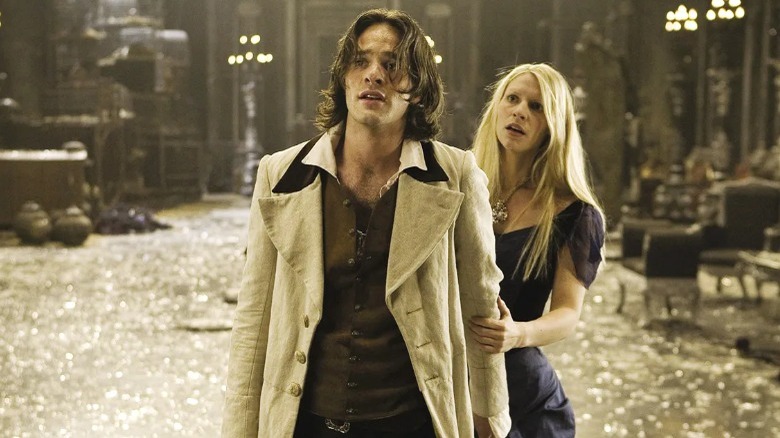
There are plenty of reasons to be bitter about the mild failure of director Matthew Vaughn and writer Neil Gaiman's fantasy film, "Stardust." It's thriving as a cult film now, but it should have been a blockbuster. It features Henry Cavill in a small role as a huffy porcelain teacup of a man. It has Robert De Niro being shamelessly perfect. Charlie Cox is the romantic leading man who Jane Austen dreamed of, both flawed and capable of significant growth. On the other hand, if "Stardust" had rocketed Cox to worldwide fame, would we still have gotten our perfect Matt Murdock?
Either way, "Stardust" exists, and it demands to be watched. It's a love letter to fairy tales, and earthy in subversive ways. As the old tales once taught, love isn't something that can be bought or bargained for, but is instead won by trust and honesty. It's a lesson that our hero learns gradually as he realizes that what he's looking for is actually right beside him. Along the way is frosted, glittery beauty, with intricate sets and camera work that make this film as timeless as a Jim Henson production.
Stargate
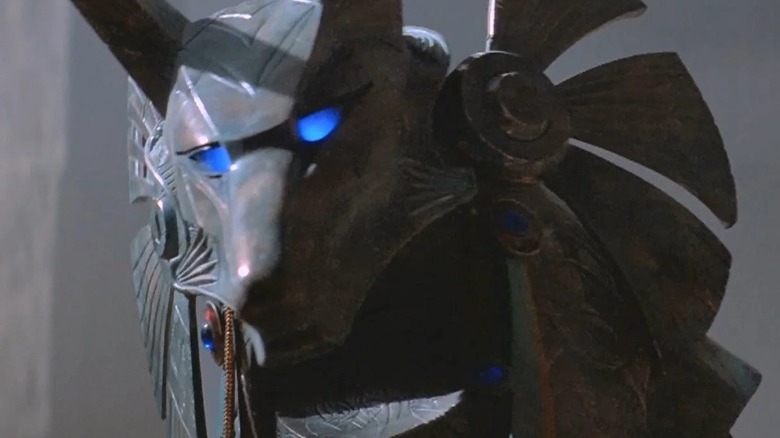
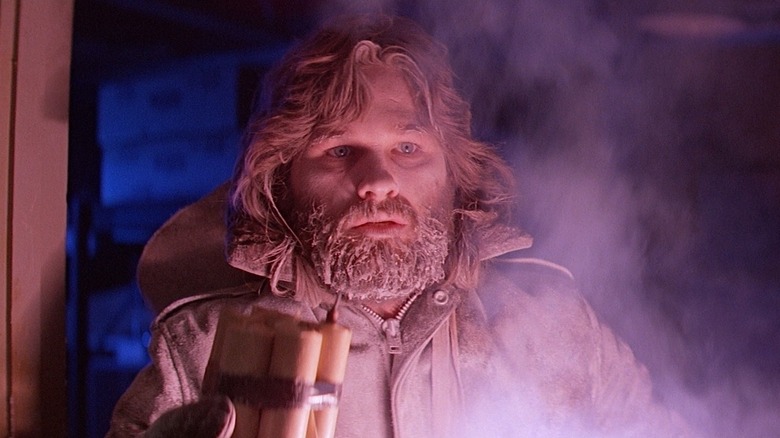
True story: I skipped school to see "Stargate" opening weekend, and I've never regretted it. It's not high art, but it is the film that pushed disaster movie auteurs Roland Emmerich and Dean Devlin into the mainstream. It's a crispy chicken sandwich that somehow spawned a wildly successful TV franchise, and it has some of the greatest costume and creature designs in film. Veteran effects designer Patrick Tatopoulos blended mechas with Egyptian myth, and the results are designed to kill academics while looking frickin' sweet. The Anubis guard design has lived rent free in my head since 1994.
"Stargate" features Kurt Russell being tortured and manly, ready to sacrifice it all for America if anyone in the world on the other side of a mysterious portal looks at him funny. It also has James Spader as a bookish Egyptologist, which is some weird casting, but sure. It works. There's no getting around the fact that the movie relies on the racist conspiracy theory that aliens had to provoke Africans into making a number of technological advances, but at absolutely no point are we tempted to treat this thing as a documentary. It's light fare, but it's still fun.
Stripes
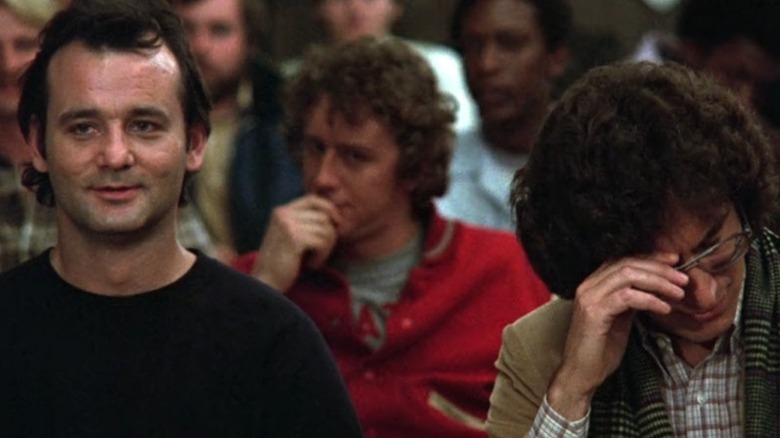
The late Ivan Reitman may be best known as the man who gave the world "Ghostbusters," but he put in the work to get there. 1981's "Stripes" is unusually formative to the director's future success, providing Harold Ramis with his first big screen role and giving Bill Murray a platform to be his Bill Murray-ist. A screwball military comedy with fewer hidden horrors than "Catch-22," "Stripes" is a dumb ride through basic training that only gets more absurd after everyone graduates.
John Candy feels almost understated next to Murray at his most unfettered, while John Larroquette gets to be the annoying straight man. But nearly everyone earns a moment to shine on the way towards the big showdown on the Czechoslovakian border, which applies a weird Cold War twist to some otherwise harmless shenanigans. Overall, "Stripes" is a comedy classic for good reason, and a reminder of how Bill Murray became such a memetic star today. This film is still one of his best.
Taxi Driver
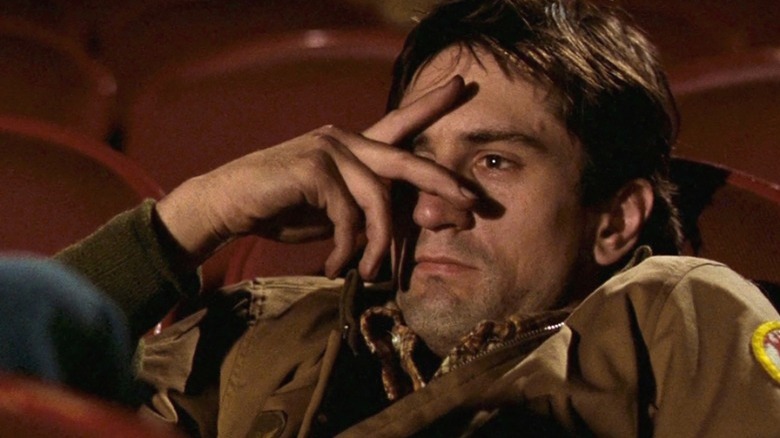
One of Martin Scorsese's most famous films feels more like a David Lynch project. "Taxi Driver" is as sleek as the chrome bumper of Travis Bickle's taxi cab, an introspective character drama about one man's slow-burning dissociation and resulting descent into madness. It's a famous film, another one that you'll hear about a million times before you actually watch it. You probably know at least one scene: the one in which Robert De Niro talks to himself in the mirror with eerie intensity. The context makes it even scarier.
Yes, it's the movie that inspired a man to take a shot at President Reagan, all to impress a barely-teenaged Jodie Foster. That's an unavoidable piece of context, given that a big piece of the plot revolves around Bickle's embrace of vigilantism and his vague but passionate political intent. But Bickle's story is ultimately as intimate as it is upsetting. Copious amounts of blood are spilled throughout this film, all of it serving as a type of Rorschach test. "Taxi Driver" isn't really about the violence inherent to Bickle and the city he lives in — or is it?
Terminator 2: Judgment Day
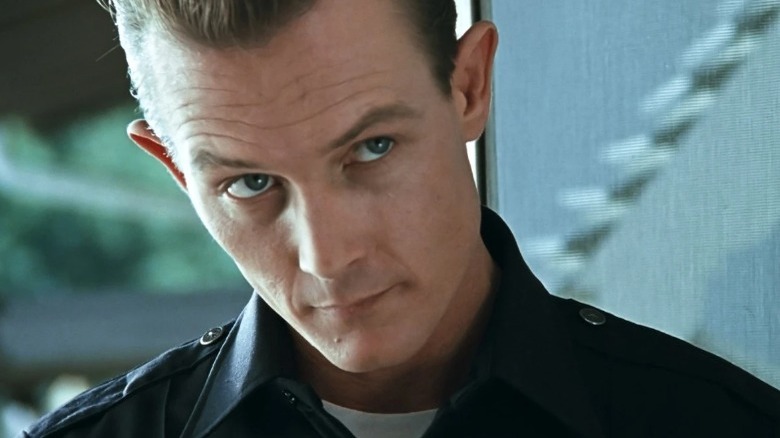
There's a surprising amount of stuff to unpack in a James Cameron movie, much more than you'd expect from the director's long string of heavy-duty blockbusters. His "Terminator" films are no different. While both of these time-traveling shoot-'em ups explicitly challenge the concept of predetermined destiny, Cameron makes a second point in "Terminator 2: Judgment Day": Cops are capable of barbaric evil, and are trained to dehumanize those they claim to serve and protect.
To get his point across, Cameron shows Arnold Schwarzenegger's Terminator growing more human over the course of the film, learning to see John Connor's small family as his own. His counterpart, played by Robert Patrick, is a chrome machine whose only emotion seems to be resentment over the fact that he's forced to pretend to be human. He takes the guise of an LAPD officer for the majority of the film, killing indiscriminately in service of his larger goal. "Terminator 2" is already a great slice of violent '90s action, but the discussion that Cameron's film is trying to have gives it a painful, ever-modern relevance, too.
There Will Be Blood
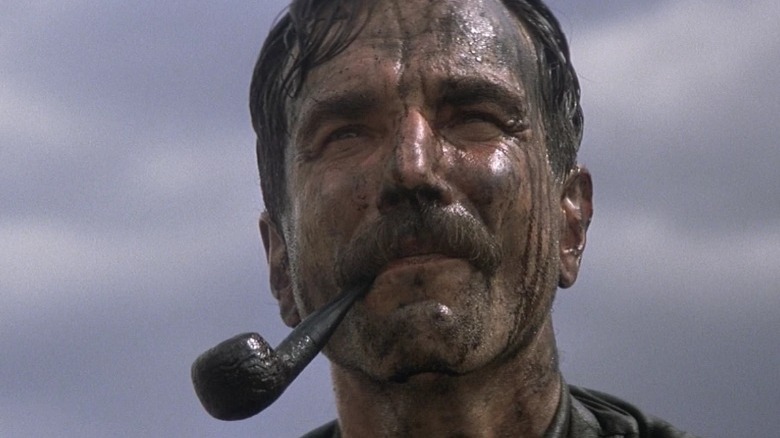
Who knew that a movie about the early 20th century oil boom in California would be so riveting? Well, if you were aware that Paul Thomas Anderson was going to let Daniel Day-Lewis chew the celluloid for two and a half hours, you might've guessed. Day-Lewis may have rifled through cowboy auteur Sam Elliot's wardrobe and stolen his mustache for the film, but the results are uniquely his own.
On the surface, "There Will Be Blood" is an unfettered diatribe against capitalism. Daniel Plainview as an immoral, slavering parasite who's bent on destroying all who stand in his way. But the film is too fascinated with Plainview to leave him as a caricature, making this one of the greatest explorations of a human devil in cinematic history. There is nothing redeemable or lovable about Daniel Plainview. There's also nothing that can stop him, or make him pause for even a second to express care or empathy. At every turn, he's committed to slaking his own desires. Faith, either real or pretend, is meaningless to him. "There Will Be Blood" is a haunting, sometimes exhausting film, but it's not one to miss.
300
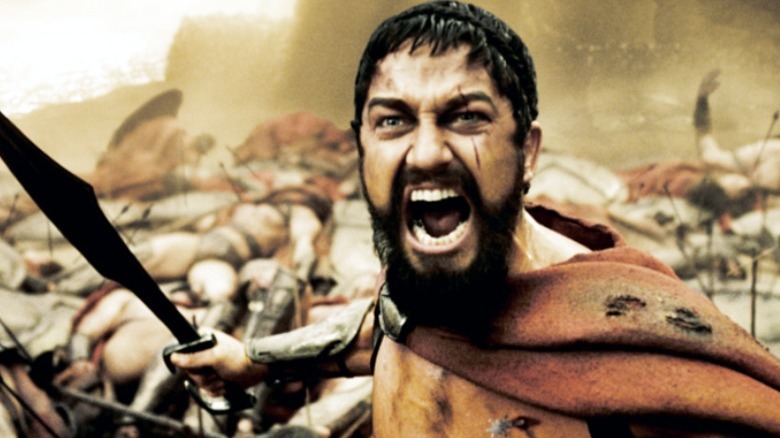
Zack Snyder's "300" is a uniquely offensive movie in a lot of respects, but it survives on the basis of its own in-world fictionality. The whole movie is propaganda spouted by an injured survivor to urge a new wave of Spartans into war. The heightened, often illogical special effects, the gigantic god-king with his frightening sexual appetite, and the absolute mess the movie makes of the real-life Battle of Thermopylae — it's all fiction within fiction, and that's useful for getting enjoyment out of this well-made spectacle.
Because, hoo boy, is "300" a spectacle. Like Snyder's next film, "Watchmen," this manly-man epic is lovingly adapted from a graphic novel. This time, it's Frank Miller's Eisner Award-winning "300," one of the most macho comics ever printed. It's a glory to look at, and Gerard Butler's screaming Spartan king Leonidas is a great motivator on a tough Monday morning. As a movie, it's unmissable. As a critical examination of history and masculinity, though, yoinks. If you're interested in learning some of the truth about the Battle of Thermopylae, go with either Herodotus' histories, or Steven Pressfield's excellent fictional retelling, "Gates of Fire."
True Grit
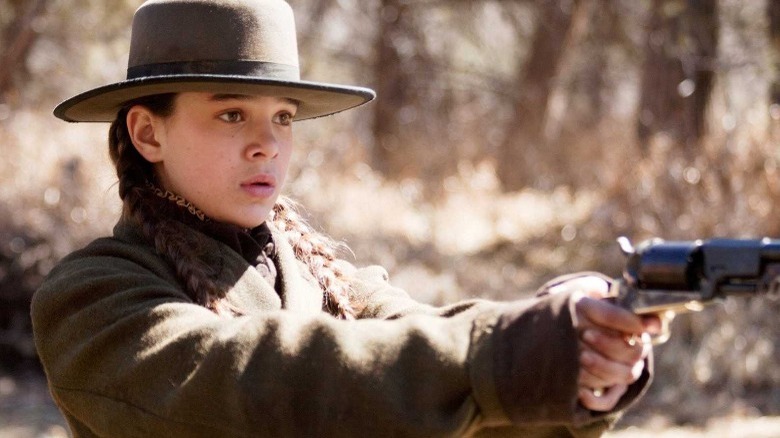
Remakes are usually iffy affairs, but when they work, it's often because the filmmakers behind them go back to the original source material to find a fresh perspective. That's the method the Coen brothers used while making "True Grit," which, like the original novel, focuses on young Mattie instead of trying to mimic the success of John Wayne's Rooster Cogburn. The adults in the film — Jeff Bridges, Matt Damon, and Josh Brolin — must all contend with the then-13-year-old Hailee Steinfeld in her debut role, and it's a mark of this adaptation's success that Steinfeld leaves them all in the dust.
Young Mattie Ross is old-time tough. When her father is slain, she sets her sights on revenge. Nothing less than the best will do, and so she grinds down old Cogburn until he agrees to take on her cause. The ensuing rampage is by turns bitter and tender. As modern westerns go, this one is soulful and approachable, and another reminder that the Coens love the genre enough to always make it work.
21 Jump Street
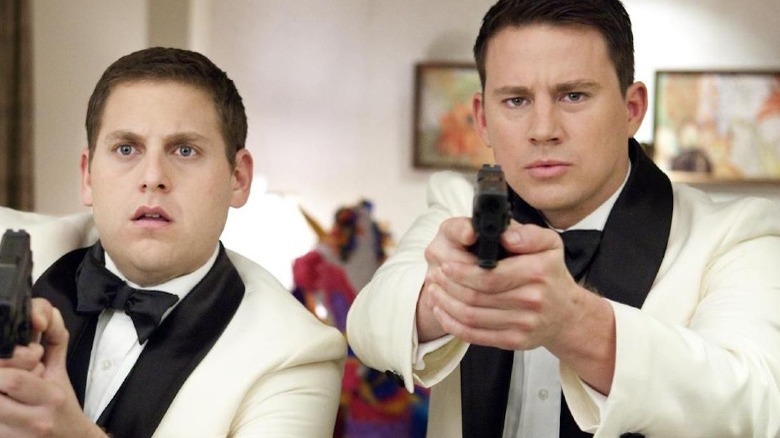
The original "21 Jump Street" is a sturdy pop culture workhorse, an '80s cop drama about conventionally attractive officers who go undercover at a high school when they can maybe pass for college kids. It's a premise that you just roll with, mostly because of the draw of a young Johnny Depp. The 2012 film adaptation — and we are stretching the hell out of the definition of "adaptation" — understands what we loved about that show and how ridiculous it was. Channing Tatum clearly looks 30-something, but he's brick outhouse hot, and Jonah Hill weaponizes his awkward charm to full effect. It's a movie that should never have worked, but it does, often spectacularly.
Must a comedy be wise and insightful to have its humor endure? No. Sometimes, all you need are two meatheads on a mission to make you laugh. And yet, there is a little bit of worthy satire in here, an acknowledgment that movies about teens often fall prey to the same tropes — cliques are terrible and bad, okay? — without actually addressing broader solutions. But "21 Jump Street" isn't here to change the world. It's here to provide us with a couple of hours when we don't have the weight of the world on our shoulders, and it does so with great joy.
The Two Popes
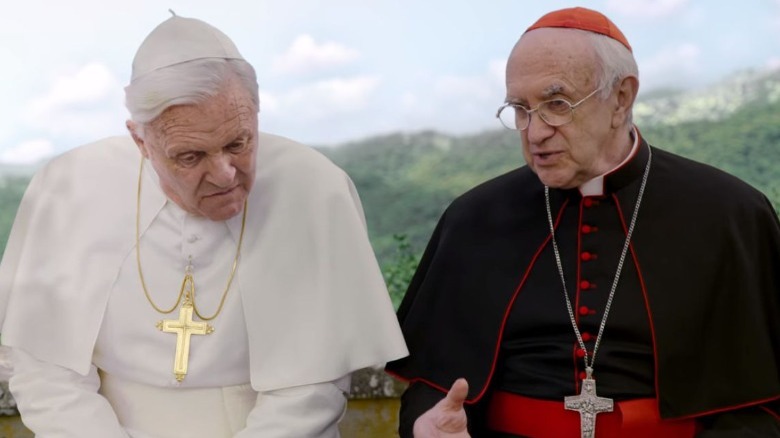
Two Men Talking is a relatively rare subgenre of film, the sort of thing that's usually spared for comedies like "Grumpy Old Men" or the centerpiece of Michael Mann's "Heat." And yet, "The Two Popes" exists. The film is a Netflix original by acclaimed director Fernando Meirelles, and for the bulk of its two-hour run time, Sir Jonathan Pryce and Sir Anthony Hopkins muse at each other about the unavoidable controversies that surround the Catholic Church. It's a flick that could be an absolute snore, but it isn't, because it's Hopkins and Pryce talking elegantly about complicated things.
It must be remembered that "The Two Popes" is fiction, and that's a big part of why Hopkins, playing Pope Benedict XVI, comes off as likable. The swath of abuse and cover-ups that marred decades of ministry are discussed, if badly understated. The film makes it clear that those controversies are why a papal changeover happens. But this isn't a film about scandal. It's about the humanity withering inside those lovely white robes and the pressures that come with being an institution, not a man. It's sobering stuff, as thoughtful and imperfect as the two men who spend so much time talking.
Uncut Gems
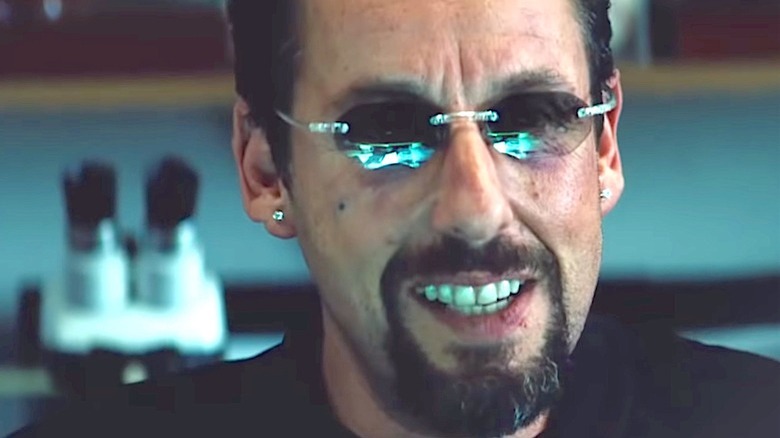
"Uncut Gems" was reviewed as a panic attack simulator, a long-form exploration of what it's like to keep checking your heart rate because you can't figure if that tightness in your chest is just a bean and cheese burrito not settling right, or if it means that your time has come. That's about the best summary you can give of the Safdie Brothers' tale of men who make terrible life decisions. With every minute that ticks by, you become more convinced this is not going to end well.
That "Uncut Gems" stars Adam Sandler is a small miracle, but an overstated one. The dude can act, but he's blessed with a lifestyle that leaves it up to him whether or not he bothers. That said, he brings it all as jeweler Howard Ratner. Ratner's a gambling addict who keeps throwing the dice despite knowing that they're going to come up snake eyes eventually. Ratner's journey is one of those nightmares in which you're stuck moving at slow speed while the monster chasing you is on a meth-Krokodil smoothie. Some of the tension comes from the fragile hope that Ratner will somehow make it out of the mess he's in, and the rest comes from knowing that there's no exit for men like him. The twists that follow aren't surprises, but they're shocking nonetheless.
Willy Wonka And The Chocolate Factory
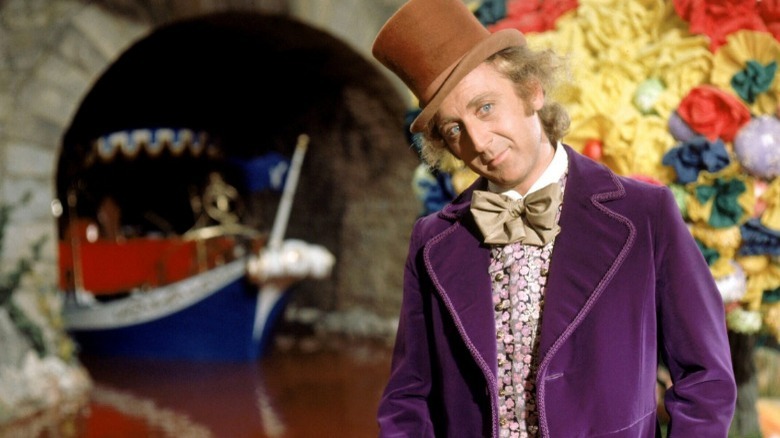
"Willy Wonka and the Chocolate Factory" is another nightmarish kid's memory, a movie full of "how the hell did they get away with this?" setpieces and Gene Wilder at his most unhinged. There are plenty of sweeter moments — pun not intended — to be found during Charlie Bucket's special day at the candy factory, but it's harder to watch today without turning a jaded eye towards Grandpa Joe. Perhaps that's part of a theme that we've been missing all along. Away from his family and his troubles, Joe isn't a great moral guide. He's not a bad man, but he's not acting wisely, either.
Of course, Charlie's good nature wins out. Left alone with his imagination and a genuine desire to help his impoverished family, Charlie is inclined to do good, even after making some big mistakes. In between these soft moments, you'll find the psychedelic horror of Wonka's pre-OSHA factory. Gene Wilder is a huge part of why this film lives on, but even his performance would fall flat if it wasn't balanced by one great kid.
The Power Of The Dog
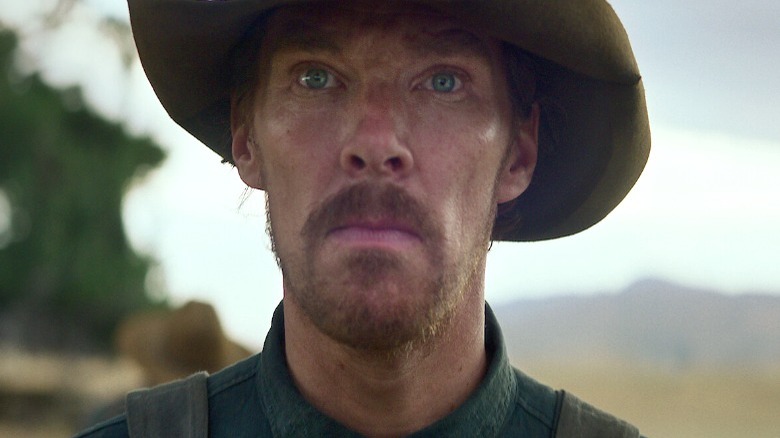
Netflix's collection of power performers is growing, but aside from "The Irishman" and "Roma," the service has so far lacked a real Oscar-capable knockout. Jane Campion and Benedict Cumberbatch provide one in "The Power of the Dog." In this adaptation of a once-obscure western novel by Thomas Savage, Cumberbatch plays a better, more intricate antagonist than ever before. Phil Burbank is vicious, a relic of the misplaced machismo of the West.
It's ironic, then, that this story is a spiritual predecessor to "Brokeback Mountain," and it's the things that go unsaid that push much of the action. Less romantic than its "Wuthering Heights"-style premise suggests, there's not so much an undercurrent of bitterness and irony to this tale as there is a white rapids river. Phil's anger is misplaced, but he'll never admit it enough to heal. George's kindness ultimately causes death. Rose's alcoholism comes from a need to protect herself. Nominated for nearly every award you can think of, "The Power of the Dog" is the 2021 film we need to see to avoid those awkward, "Oh, yeah, I totally watched it" conversations with our friends.
Read this next: The Best Movies Of 2021
The post The 60 best movies on Netflix right now (February 2022) appeared first on /Film.