Shared posts

20 May 17:53

Ted Cruz on economic aid to Ukraine: "I think that's crap"

by Carla Sinclair

Ted Cruz said that $8 billion in economic aid to Ukraine is "crap."

"There's also in the bill about $8 billion dollars that goes to the government of Ukraine for economic assistance — I think that's crap," the Texas Senator spouted on his podcast. — Read the rest

20 May 17:52

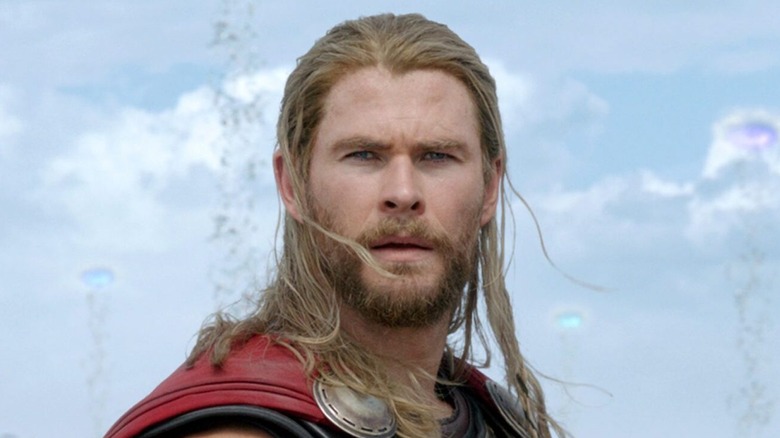
The 15 Best Chris Hemsworth Movies, Ranked

by Scott Thomas

Chris Hemsworth has a workout app called "Centr." People love it. It encourages its subscribers to follow the holistic approach to nutrition, fitness, and mind-body practice that Chris Hemsworth does. It makes being Chris Hemsworth aspirational and cements the actor as a muscular goal post for better living. This isn't an offshoot of the Hemsworth experience, but rather a core facet of his public-facing persona. Hemsworth is so singularly handsome, chiseled, and appealing that he was cast as Marvel Comics' God of Thunder in 2009 before anyone truly knew his name. That initial impression has both made and haunted his career. 

Hemsworth's time in Hollywood is a diptych: On the one hand, you have his Marvel Studios efforts and that company's journey to omnipresent monolith; on the other, there's a series of films by iconoclastic directors that aim to stretch contemporary cinema's limits. The former has been successful, the latter often misunderstood, much like Hemsworth himself. The Australian actor has distinguished himself as a performer who relishes testing his physical and emotional boundaries, surprising himself and audiences along the way. He is forever capable of growth and always improving. He is an artistic force of nature ... no wonder he's got an app. Here are the 14 best Chris Hemsworth movies, ranked.

In The Heart Of The Sea (2015)
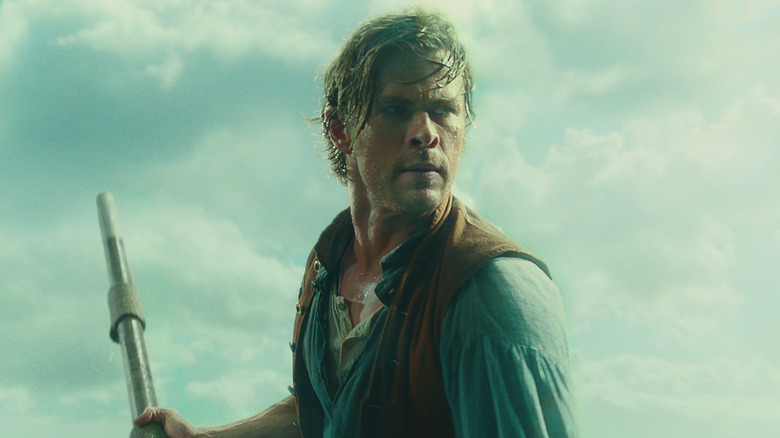
It's easy to forget "In The Heart of The Sea" is a Ron Howard film. To be fair, it's hard to pinpoint what makes a Ron Howard movie singular. The "Happy Days" actor has carved out a resume as dense as it is diverse, one that includes trite romantic comedies ("The Dilemma"), underrated thrillers ("Ransom"), and stone-cold classics ("Apollo 13," "Willow"). He's also collaborated twice with Chris Hemsworth, and it pains me to report that "In The Heart of The Sea" is the lesser of their efforts.

"In The Heart of The Sea" adapts Nathanial Philbrick's 2000 book of the same name to plumb the depths of the real-life event that inspired Herman Melville's "Moby Dick." Accordingly, the movie is a minor marvel of old-school craft, visually splendid and rife with mounting dread. It's also terribly paced and riddled with cliches. There's little that Hemsworth, Cillian Murphy, Benjamin Walker, and a pre-Spider-Man Tom Holland can do with the thin material. This is a film that would play well in a bar on mute, its images impressive every time they were glimpsed at, its story best left at sea. It's easy to forget it's a movie at all. 

12 Strong (2018)
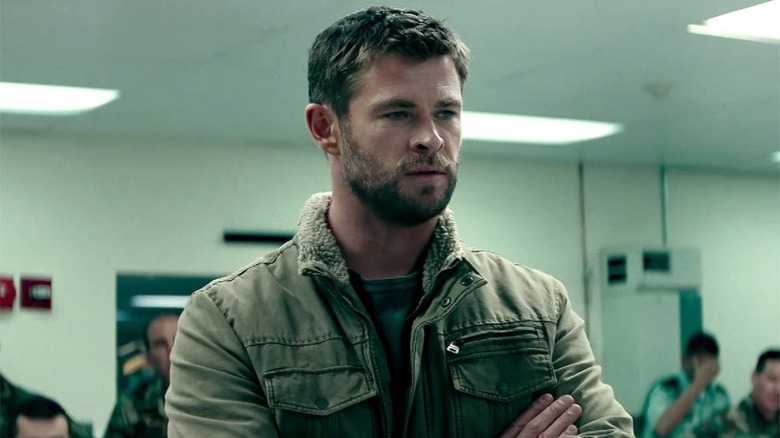
Chris Hemsworth, Michael Shannon, Michael Pena, and horse soldiers aren't the ingredients for a great movie. They should be, and that's the downfall of "12 Strong." On paper, director Nicolai Fuglsig's tale of a Special Forces team that rode steeds and took out the Taliban plays like dad-movie gangbusters. In practice, it's cliche-riddled. The script is overly jingoistic, and it's every line of dialogue is either over or undercooked. Those expecting greatness will be disappointed. 

That said, enter "12 Strong" with zero expectations and its pleasures are bountiful. The battle scenes are brisk and muscular, equally rooted in war film and Neo-Western flourishes. Hemsworth is good and sturdy as the Special Forces commander, but Shannon, Pena, and — the somehow still underrated — Trevante Rhodes ("Moonlight," "The Predator") are better. At the end of the day, "12 Strong" is solid, and given that Chris Hemsworth's filmography is a study in cinematic ups and downs, a simple but solid entry deserves some commendation.

Thor (2011)
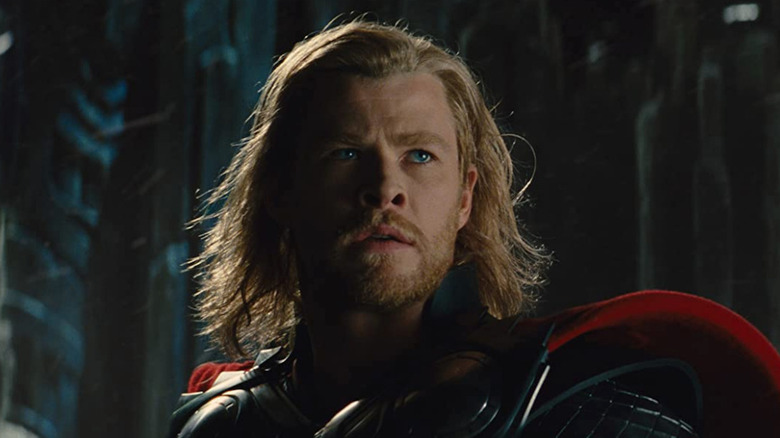
"Thor" isn't the best Marvel movie, but it is the most important one. Consider: Tony Stark (Robert Downey Jr.), upon seeing Thor (Chris Hemsworth) for the first time, quips "Shakespeare in The Park? Doth mother know you weareth her drapes?" That only makes sense because of "Thor" as directed by Kenneth Branagh, a guy who loves Shakespeare so much he's brought six of his plays to the big screen. Branagh turns "Thor" into Groundlings-worthy theater. Its spectacle is mediocre, but its family drama is appropriately grandiose and exquisite. The sibling rivalry between Thor and Loki is far more Edgar and Edmund from "King Lear" than "Game Of Thrones." Their dynamic, one informed by admiration and jealousy alike, becomes a bedrock of the MCU's Infinity Saga, as do the themes of paternal legacy which play out between Odin and his sons. "Iron Man" makes the MCU fun, but " Thor" gives it weight.

It also gives the MCU Chris Hemsworth. A decade-plus on from "Thor," it's hard to overstate what Hemsworth accomplishes as the God of Thunder. He doesn't just give a star turn, he sets the template for 11-plus years of MCU star turns. Hemsworth was a global unknown when he got cast as Thor and the speed with which it made him a household name formed the blueprint for going A-list. Hemsworth would be better as Thor down the road, but he would never be more indelible.

Avengers: Infinity War (2018)
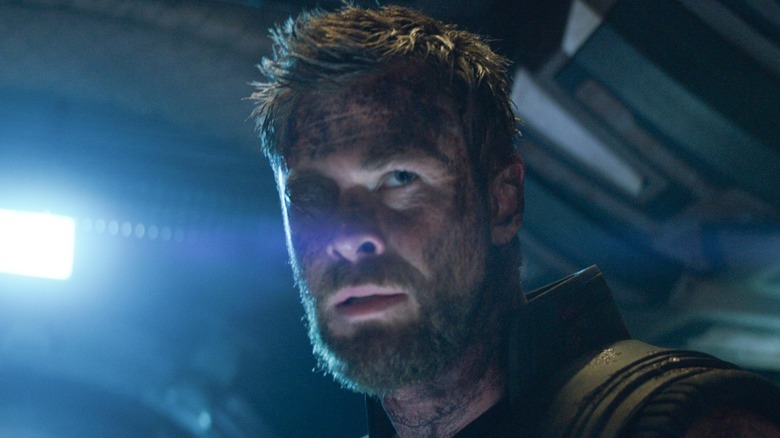
"Avengers: Infinity War" is improved by "Avengers: Endgame." It's almost impossible to separate the two. The epic swan song of Marvel's Infinity Saga is so packed with spectacle, payoffs, and bombastic popcorn cinema that it makes you believe Kevin Fiege planned every second of it. As a Chris Hemsworth showcase, "Infinity War" has few equals. From the opening moment when Thanos (Josh Brolin) chokes Loki (Tom Hiddleston) out before Thor's very eyes, the Russo Brothers' film asks Hemsworth to be an audience surrogate and bear the weight of devastating stakes. He does so and then some. Thor's arrival on the battlefield of Wakanda is an all-time Marvel moment, as is his attempted destruction of the stone-craving warlord from Titan.

That said, as a standalone effort "Infinity War" is subpar. It moves all its pieces onto the "Endgame" board with aplomb but rarely tells a compelling story. What works about the movie is everything that led up to it. The death of Gamora isn't ostensibly well-shot, but her loss is devastating because the "Guardians" films are classics. Even the most lasting moment of "Infinity War" ⁠— Thanos's snap blipping half the world's population and heroes into dust before the audience's eyes ⁠— hinges on audience familiarity. "Endgame" somehow doesn't fall into this trap so often. It's painful to admit that it and "Infinity War" aren't in balance (as all things should be), but there's no world in which they are, in this or any multiverse.

A Perfect Getaway (2009)
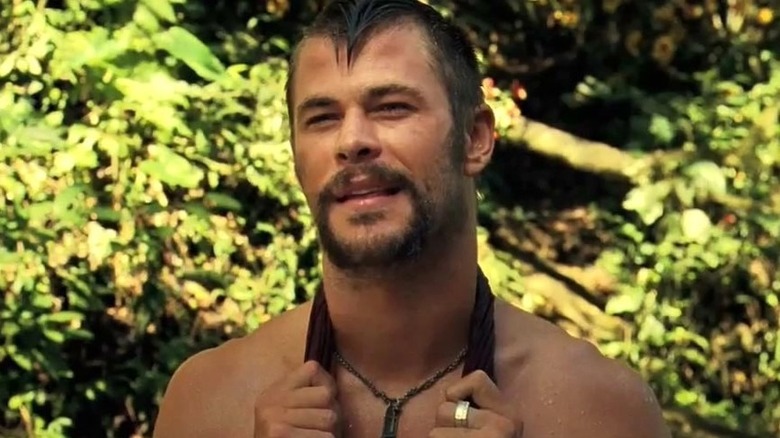
"A Perfect Getaway" is written and directed by David Twohy, the author of 1993's "The Fugitive" and Vin Diesel's "Riddick" trilogy. Those films are varying degrees of stone-faced, but they're not meta in the slightest. "A Perfect Getaway" is. The characters of "A Perfect Getaway" — from a self-proclaimed American Jedi played by Timothy Olyphant to Steve Zahn's upstart screenwriter — talk about what makes a good film tick, from red herrings to second act plot twists. They also discuss Nicolas Cage a lot.

If this sounds confusing, it's far smoother in execution than on paper. "A Perfect Getaway" takes three couples vacationing in Hawaii (Zahn and Milla Jovovich, Olyphant and Kiele Sanchez, Marly Shelton and Chris Hemsworth) and sticks them in the thick of a classic potboiler. A pair of newlyweds have been killed on the island. Every couple suspects every other couple and each has dark, ludicrous secrets. The film becomes increasingly convoluted but is charming front-to-back. This is largely thanks to Olyphant and Jovovich, who both tap into their characters' specific ids and spill them onto the screen through bold, Nick Cage-worthy choices. Hemsworth, for his part, workshops the icy cool aggression he would deploy with scientific precision later in his career. "A Perfect Getaway" isn't perfect, but it's a diverting trip worth booking at least once.

Extraction (2020)
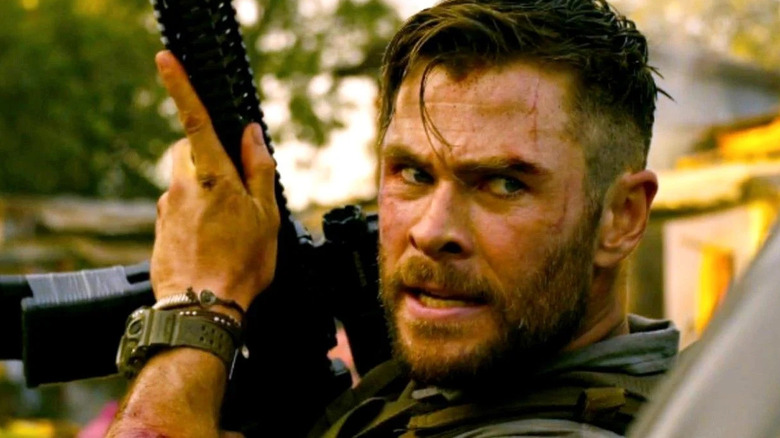
There's a fight scene during the back half of "Extraction" where gun-for-hire Tyler Rake (Chris Hemsworth) fights a gang of mercenary street kids. The kids don't pull their punches, and neither does "Extraction." These youths get stabbed, slammed through car doors, and crushed by motorcycles. It's an awesome and deeply upsetting sequence. It's also a litmus test for your enjoyment of Sam Hargrave's gritty action film, which premiered to instant adulation on Netflix in 2020. In many ways, "Extraction" is the most successful Chris Hemsworth movie not produced by Marvel and the strongest expansion of his brand that isn't a workout app. 

Tyler Rake is cold-blooded and nihilistic to a fault. Rake doesn't kill his aggressors so much as man-handle them cruelly: one nameless bad guy is disposed of via, yes, a rake right through the eyes. "Extraction" is a lot! Hargrave gets on his wavelength, directing-wise, as the film was instantly notable for its one-take action sequences and cruel violence. It isn't much more than that. The script by Hemsworth's "Avengers: Infinity War" and "Endgame" directors The Russo Brothers is paper-thin at best. Any scene not involving combat of any sort falls flat, but combat is the movie's big-ticket item and "Extraction" makes no bones about it. Sometimes a filet mignon is too delicate ... sometimes you need a porterhouse. "Extraction" is rare-meat cinema, blood dripping from the bone. Take it or leave it. 

Ghostbusters (2016)
The internet loves to talk about "Ghostbusters." It discusses how the film's box office failure propped up a legion of toxic, close-minded fanboys. Those fanboys claim "Ghostbusters" is an affront to art-making decency. Paul Feig's funny movie gets lost in this chatter and it shouldn't. While 2016's "Ghostbusters" isn't 1984's "Ghostbusters," no film could be. Instead, it's a very funny movie starring four very funny women (Melissa McCarthy, Kate McKinnon, Kristin Wigg, and Leslie Jones) who cut their path through the archetypal territory. The set-pieces are good, the characters are better. For a film that's been so hotly debated, "Ghostbusters" feels like a hard movie to argue over or with. It's that charming.

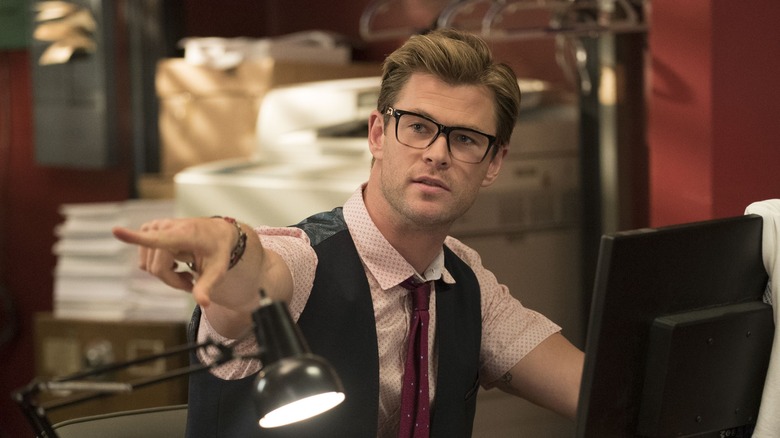
Feig's film is immensely appealing in no small part thanks to Chris Hemsworth, who exudes maximum himbo energy as Kevin, the Ghostbusters' receptionist. Whether he's naming his dog "My cat" (Mike Hat) or auditioning his shirtless, saxophone-playing headshots for the crew, Kevin is as dull a bulb as he is adorable. He also becomes the film's bad guy for a stretch due to possession, allowing Hemsworth to flex both his acting and actual muscles. For a guy who's been touted as a movie star, Hemsworth is wonderfully relaxed and at home in a supporting role. He, unlike a large swathe of social media, knows this Ghostbuster team is worth backing.

Blackhat (2015)
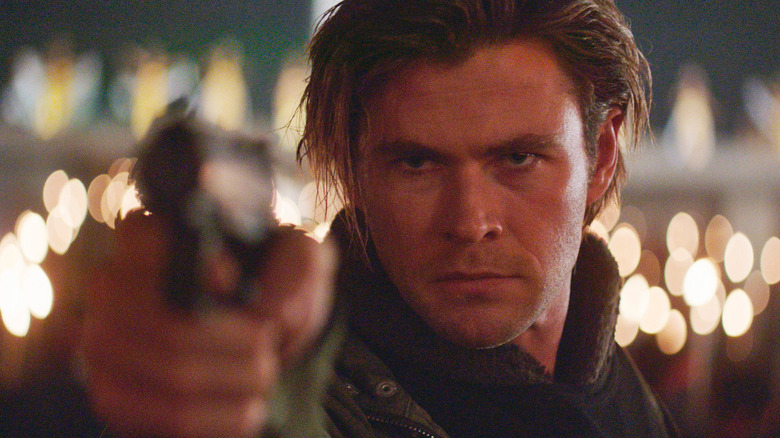
Chris Hemsworth is, for all intents and purposes, a massive movie star, but outside of Marvel his movies have rarely been hits. These truths live in concert with one another, not giving a quarter. The Australian actor's success hasn't translated to the sort of films Marvel's success is making increasingly rare. That even applied to Michael Mann's "Blackhat," a film that should hold some appeal to audiences. Mann is a neo-noir master, his films and TV shows include pop culture staples ("Miami Vice," "Heat," "Ali") and films that blend blockbuster and art house ("Collateral"). Mann is exactly the sort of filmmaker Chris Hemsworth should work with, as his innate style is a bridge between the spheres the actor wishes to operate in. What's surprising about "Blackhat" is that it's a blockbuster built from inaccessible elements. 

"Blackhat" takes a steely-eyed look at technological collapse and the meltdown of financial systems. There are no heroes to swoop in and save the day here. There's a disinterested hacker named Hathaway (Hemsworth) and two government institutions already reeling from rampant cybercrime. This is just part of what makes "Blackhat" brilliant and misunderstood: it's a blockbuster that deliberately tests the building blocks of popcorn movies only to knock them down like the terrorists it antagonizes. There's no world in which it believes things are turning out well for humanity. Chaos is inevitable. The systems don't work. 

Bad Times At The El Royale (2018)
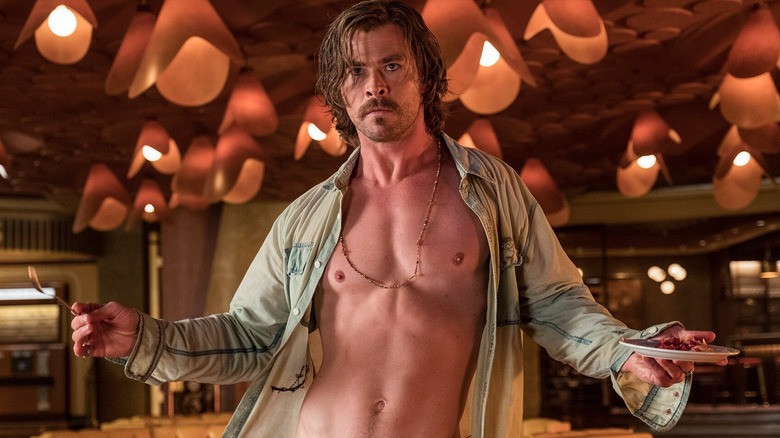
"Bad Times at the El Royale" failed as a "Cabin in the Woods" follow-up, but Drew Goddard's meta-horror blockbuster is nothing less than a game-changer. Asking the same filmmaker to comment on and transform another genre — let alone noir — is an impossible task. So if you haven't seen "Bad Times," some advice: forget who made it. If you don't know, never look it up. Focus, instead, on the star turn from Cynthia Ervio, who manages to give a naturalistic, tough-as-nails ingenue turn that's also worthy of a musical. Relish the intricate and occasionally shocking plotting. Most of all, enjoy Chris Hemsworth. Hemsworth's range has always been underrated, but he stretches every acting muscle as Billy Lee, the film's proverbial devil. Watching Hemsworth weaponizing his hotter-than-thou charms into a genuinely chilling cult leader is mesmerizing. He makes being charismatic and chiseled feel downright wrong. His performance is arguably the film's secret weapon.

Yet that's the "Bad Times at the El Royale" conundrum, in that it's a movie only built from secret weapons. Every one of its pleasures lingers more than lands, but they do linger. You need only look up the "Can't Hurry Love" sequence on YouTube to see it's been streamed more than 600,000 times for proof of this. Like the best noir, "Bad Times at The El Royale" lingers in the shadows of its audience's minds, of showier films, and of the movie which made its director famous. It's anything but a failure.

Thor: Ragnarok (2017)
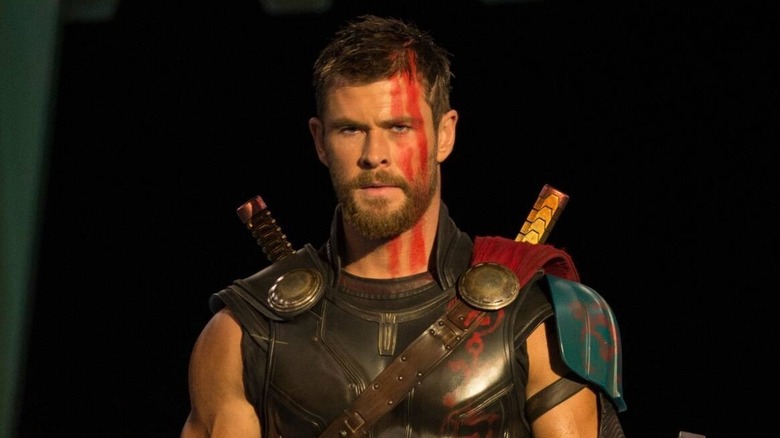
"Thor: Ragnarok" is admired and remembered for its gonzo sense of humor, but let's get something clear: it's also the most radical Marvel movie. Taika Waititi is a self-proclaimed Polynesian Jewish filmmaker of Te Whānau-ā-Apanui Māori descent who, through "Ragnorok," tells a story about one culture burying another and how the solution isn't reintegration but burning it all up and starting over. You can't save the land when there's blood in the soil. That's a fiery idea at the core of a film that, memorably, features a character screaming "Piss off, space ghost!" and improvised monologues about Loki becoming a snake when he was eight. It's also what makes "Ragnarok" special. 

Waititi understands that comedy can be angry and joyous all at once. The line between yelling from joy and howling with rage is a thin one, and Waititi never tries to walk it. Instead, he hops from side to side, synching Hulk punching wolves to Led Zeppelin's "Immigrant Song" shortly after a stark act of mass slaughter. Thor loses an eye. Jeff Goldblum has an orgy spaceship. Every one of these elements belongs and is wonderful. If comic book films threaten to become more homogenous with every passing release, "Ragnarok" is a field guide to keeping them fresh. Sometimes you have to burn the rule book up and start again.

Avengers: Endgame (2019)
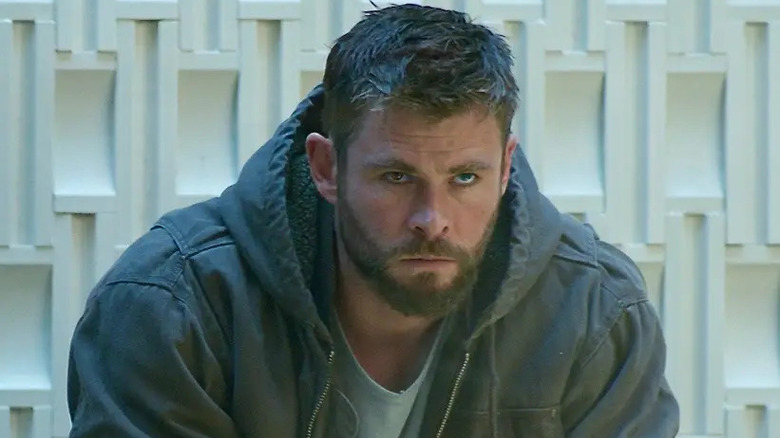
It's hard to critique "Avengers: Endgame," and even harder to think of it as a film. "Avengers: Endgame" is the end of Tchaikovsky's "1812 Overture" extended to a three-hour length. The Russo Brothers' final salvo of The Infinity Saga is all payoffs, so even its quiet is bombastic. If the movie isn't rewarding viewers who showed up for this *and* ABC's "Agent Carter," it's shaking the cynicism loose from IP-driven blockbusters. Many films try to recreate the childhood feeling of playing with toys in a sandbox, but "Avengers: Endgame" actually does it. It's a dizzying accomplishment and you're either onboard from the first frame or not.

It's also impossible to overstate how crucial Chris Hemsworth is to making "Endgame" work. There's been a lot of intelligent writing about the highs and problematic lows of Thor's arc here, but the latter isn't on Hemsworth in any way. He delivers a funny, focused, and quietly primal portrait of PTSD. If he didn't, those lows would be easier to ignore. His work (and every performance in "Avengers: Endgame," really) is a reminder that the MCU's not-so-secret weapon has been their performers. There's a reason it ends with their signatures. "Avengers: Endgame" is a cinematic curtain call. Here's hoping the encore's half as good.

Rush (2013)
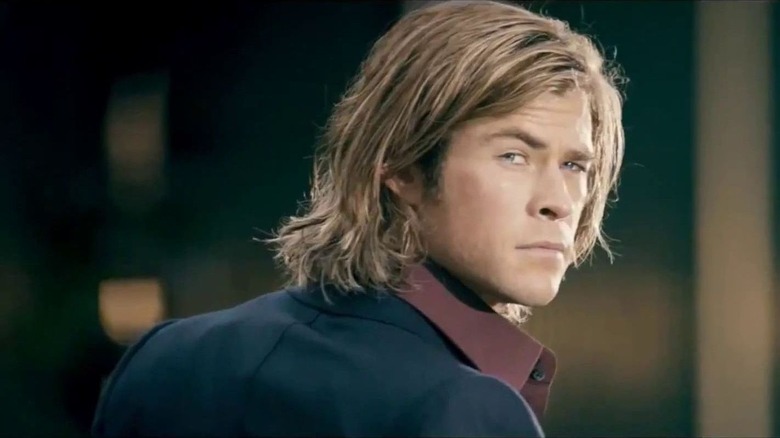
For a film set in the 1970s, "Rush" is remarkably ahead of its time. Ron Howard's whip-smart and exhilarating sports film about the rivalry which fueled Formula 1 Racing's glory days is made from winning parts. It stars Chris Hemsworth and Daniel Brühl as rival drivers, the latter on the verge of his own Marvel-spurred stardom. In 2013 Formula 1 was a forgotten brand, but is now a global phenomenon thanks to an upstart class of incredible drivers and Netflix's "Drive To Survive" docudrama. The script comes courtesy of Oscar-nominee Peter Morgan, who previously made the great "Frost/Nixon" with Howard, so everything about "Rush" is geared to cross the finish line in style.

What's remarkable is that "Rush" cuts to the heart of why racing is compelling and why we watch sports. During the film's midsection, Niki Lauda (Brühl) is on his honeymoon and staring at the ocean after a deeply relaxing day. His wife Marlene (Alexandra Maria Lara) asks him what's wrong. Niki's response is wonderful and chilling: "Happiness is the enemy. It weakens you. Suddenly you have something to lose." Most sports movies steamroll their way to a moment of triumph. "Rush," asks why triumphs are necessary in the first place, and why seeing a car cross the finish line is cathartic and not calming. Humans need to see other humans striving and be reminded of their discontent, their dreams, and their desires. "Rush" is a sterling reminder.

Star Trek (2009)
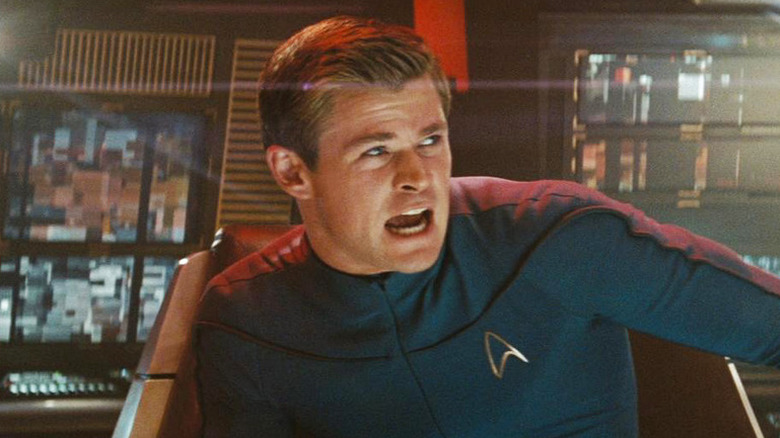
Plenty of actors have foreshadowed their impending stardom through small roles. Alfred Molina infamously rubbed his fingers together before betraying Indiana Jones in "Raiders of The Lost Ark." Kevin Bacon screamed "Thank you, sir, may I have another?" during a legendary scene from "Animal House." Chris Hemsworth, in under five minutes, takes command of a Starfleet ship and hears his son born right before he passes. It's an incredible set of circumstances and Hemsworth is up to them.

In many ways, Hemsworth's work is emblematic of what makes J.J. Abrams' "Star Trek" so wonderful: its humanity. His first effort is anything but a gritty reboot or a glorified attempt to make an "old" franchise "cool." Instead, "Star Trek" hones in on what makes the original characters so endearing by highlighting grace notes which never got their due. Chekov's exuberance is expertly realized by the late Anton Yelchin. Chris Pine gets to the heart of the cocky but wounded and well-meaning daring that makes James T. Kirk the Captain he is. Eric Bana's Nero, crucially, is a villain with purpose, one whose arc provides the social commentary that's always been an artery of the Star Trek franchise's heart. "Star Trek" would've found new life with or without J.J. Abrams, but "with" yielded one of the century's more effortless popcorn blockbusters.

Cabin In The Woods (2011)
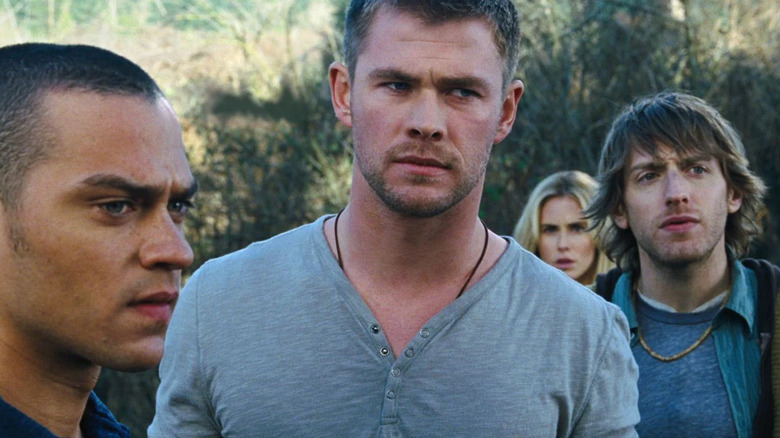
The "twist" movie was reborn in the wake of "The Sixth Sense." Bruce Willis being dead the whole time gave us "They called me Mr. Glass," the first reveal of Jigsaw, and the prestige of "The Prestige." For out money, though, the single greatest twist is the conceit that transforms Drew Goddard's "Cabin in the Woods" from a very good, pretty familiar horror film to a bonafide classic. "Woods" is a horror movie for people who love the reasons horror movies tick. It's a gateway picture for audiences that don't get it. If you were to beam it into space, there is a chance alien cultures would better understand humanity and then head Earth-ward to rent "The Shining," "Hellraiser," and so many more.

If it seems like I'm talking around the plot details of "Cabin in the Woods, " it's because they're best experienced blind with no context. Know that it's about five college students spending a weekend at someone's cabin when things go full horror movie. Then the twist occurs, and then the most surprising twist of all: the convention which transforms Goddard's movie reinforces the humanity of its core characters even as it becomes a love letter to the genre that doubles as an excellent examination of free will. Book a trip to this cabin as soon as possible.

The Avengers (2012)
The longer Marvel's monolithic cinematic experiment progresses, the more miraculous its best movies seem. For better and worse, Kevin Feige's brand is established now. Even a film like "Doctor Strange in The Multiverse of Madness," which is unmistakably the work of Sam Raimi, feels like Raimi Trojan Horsing an "Evil Dead" sequel smack dab into Phase Four. The MCU is trying to top and reinvent itself with every new entry to remain on top of Hollywood.

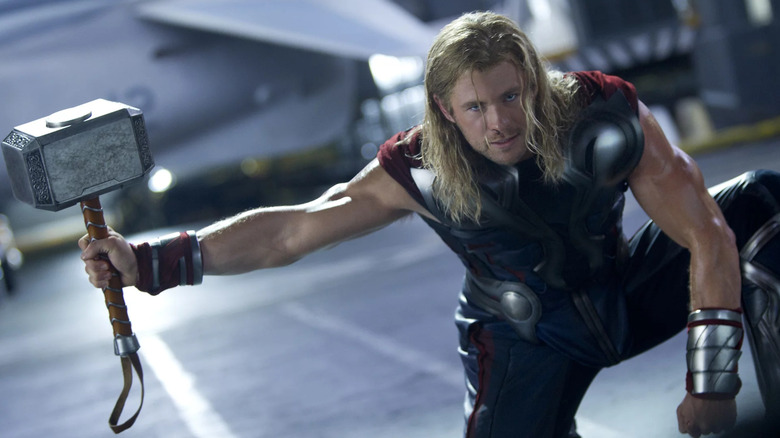
Not "The Avengers," though. "The Avengers" is hungry. Joss Whedon's movie wants to take classic conventions from comics, TV, and blockbuster cinema to make their sum a brand new number. No one was ready for what "The Avengers" added up to. Multiple studios and IP conglomerates have tried to replicate its arithmetic (RIP Dark Universe), but no one has. Its collisions of character and tone still feel fresh, a decade after the fact. It's an all-timer. "The Avengers" is also, not surprisingly, the film which truly makes Chris Hemsworth Thor. It sharpens the character's sense of humor, while the familial drama — less of the main attraction than it was in Braghnah's "Thor" — plays better in brief but meaningful snippets. If Hemsworth's first appearance made you believe the Norse God existed, "The Avengers" convinces you he's a superhero. It's truly miraculous.

Read this next: Every Sam Raimi Film Ranked

The post The 15 Best Chris Hemsworth Movies, Ranked appeared first on /Film.

20 May 17:52

Retro programming, what is it?

by Scali

As you may have seen, in the comment section of my previous two articles, a somewhat confused individual has left a number of rather lengthy comments. I had already encountered this individual in the comments section of some YouTube videos (also with an Amiga/oldskool/retro theme), and had already more or less given up on having a serious conversation with this person. It is apparent that this person views things from an entirely different perspective, and is not capable of being open to other perspectives, making any kind of conversation impossible, because you simply hit the brick wall of their preconceptions at every turn.

Having said that, it did trigger me to reflect on my own perspective, and as such it may be interesting to formalize what retro/oldskool programming is.

The hardware

Perhaps it’s good to first discuss the wider concept of ‘retro computing’. A dictionary definition of the term ‘retro’ is:

imitative of a style or fashion from the recent past.

This can be interpreted in multiple ways. If we are talking about the computers themselves, the hardware, then there is a class of ‘retro computing’ that imitates machines from the 70s and 80s, that ‘8-bit’ feeling. Examples are the PICO-8 Fantasy Console or the Colour Maximite. These machines did not actually exist back then, but try to capture the style and fashion of machines from that era.

A related class is that of for example the THEC64 Mini and THEA500 Mini. While these are also not exact copies of hardware from the era, they are actually made to be fully compatible with the software from the actual machines. They are basically emulators, in hardware form. Speaking of emulators, of course most machines from the 70s and 80s have been emulated in software, and I already shared my thoughts on this earlier.

Also related to that are peripherals made for older machines, such as the DreamBlaster S2P. These are not necessarily built with components that were available in the 70s and 80s, but they can be used with computers from that era.

In terms of hardware, my interests are focused on actual machines from the 70s and 80s. So actual ‘classic’ hardware, not ‘retro’ hardware; the PICO-8 and Colour Maximite fall outside the scope. I mostly focus on IBM PCs and compatibles, Commodore 64 and Amiga, as I grew up with these machines, and have years of hands-on experience with them.

My interests in emulation are in function of this: I may sometimes use emulation for convenience when developing, reverse-engineering and such. And I may sometimes modify emulators to fix bugs or add new features. I may also sometimes use some ‘retro’ peripherals that make the job easier, or are more readily available than actual ‘classic’ peripherals. Such as the DreamBlaster S2P, or an LCD monitor for example.

The software

My blog is mainly about developing software, and the only software you can develop is new software, so in that sense it is always ‘retro programming’: new software, but targeting machines from a specific bygone era.

There are also people who discuss actual software from the past, more from a user perspective. That can be interesting in and of itself, but that is not for me. I do occasionally discuss software from the past, and sometimes reverse-engineer it a bit, to study its internals and explain what it is doing. But usually the goal of this is to obtain knowledge that can be used for writing new software for that class of hardware.

Anyway, I believe I already said it before, when I started my ‘keeping it real‘ series: I went back to programming old computers because they pose very different programming challenges to modern machines. It’s interesting to think about programming differently from your daily work. Also, it’s interesting that these machines are ‘fixed targets’. A Commodore 64 is always a Commodore 64. It will never be faster, have more capabilities, or anything. It is what it is, and everyone knows what it can and cannot do. So it is interesting to take these fixed limitations and work within them, trying to push the machine as far as it can go.

Why the comments are barking up the wrong tree

Getting back to the comments on the previous articles, this person kept arguing about the capabilities of certain hardware, or lack thereof, and made all sorts of comparisons with other hardware. Within the perspective explained above, it should be obvious why this is irrelevant.

Since I consider the machine I develop for a ‘fixed target’, it is not relevant how good or bad it is. It’s the playground I chose, so these are the rules of the game that I have to work with. And the game is to try and push the machine as far as possible within these rules.

The machines I pick also tend to be fairly common off-the-shelf configurations. Machines exactly as how most people remember them. Machines as people bought and used them, and how software from the era targeted them.

Yes, there may have been esoteric hardware upgrades and such available, which may have made the machines better. But that is irrelevant, as I don’t have these, and do not intend to use them. I prefer the ‘stock’ machines as much as possible.

So I am not all that interested in endless arguments about what hardware was better. I am much more interested in what you can make certain hardware do, no matter how good or bad it may be.

Related to that, as I said, I like to use machines in configurations as how most people remember them. This person kept referencing very high-end and expensive hardware, and then made comparisons to the Amiga, which was in an entirely different price class. I mean, sure, you could assume a limitless budget, and create some kind of theoretical machine on paper, which at a given point in history combined the most advanced and powerful hardware available on the market. But that wouldn’t be a realistic target for what I do: retro programming.

I like to write code that actually works on real machines that most people either still have from when they were young, or which they can buy second-hand easily, because there’s a large supply of these machines at reasonable prices. And in many cases, the code will also work in emulators. If not, then the emulators need to be patched. I will not write my code around shortcomings of compilers. Real hardware will always be the litmus test.

20 May 17:50

The Math Prodigy Whose Hack Upended DeFi Won't Give Back His Millions

by msmash
An 18-year-old graduate student exploited a weakness in Indexed Finance's code and opened a legal conundrum that's still rocking the blockchain community. Then he disappeared. An excerpt from a report: On Oct. 14, in a house near Leeds, England, Laurence Day was sitting down to a dinner of fish and chips on his couch when his phone buzzed. The text was from a colleague who worked with him on Indexed Finance, a cryptocurrency platform that creates tokens representing baskets of other tokens -- like an index fund, but on the blockchain. The colleague had sent over a screenshot showing a recent trade, followed by a question mark. "If you didn't know what you were looking at, you might say, 'Nice-looking trade,'" Day says. But he knew enough to be alarmed: A user had bought up certain tokens at drastically deflated values, which shouldn't have been possible. Something was very wrong. Day jumped up, spilling his food on the floor, and ran into his bedroom to call Dillon Kellar, a co-founder of Indexed. Kellar was sitting in his mom's living room six time zones away near Austin, disassembling a DVD player so he could salvage one of its lasers. He picked up the phone to hear a breathless Day explaining that the platform had been attacked. "All I said was, 'What?'" Kellar recalls. They pulled out their laptops and dug into the platform's code, with the help of a handful of acquaintances and Day's cat, Finney (named after Bitcoin pioneer Hal Finney), who perched on his shoulder in support. Indexed was built on the Ethereum blockchain, a public ledger where transaction details are stored, which meant there was a record of the attack. It would take weeks to figure out precisely what had happened, but it appeared that the platform had been fooled into severely undervaluing tokens that belonged to its users and selling them to the attacker at an extreme discount. Altogether, the person or people responsible had made off with $16 million worth of assets. Kellar and Day stanched the bleeding and repaired the code enough to prevent further attacks, then turned to face the public-relations nightmare. On the platform's Discord and Telegram channels, token-holders traded theories and recriminations, in some cases blaming the team and demanding compensation. Kellar apologized on Twitter to Indexed's hundreds of users and took responsibility for the vulnerability he'd failed to detect. "I f---ed up," he wrote. The question now was who'd launched the attack and whether they'd return the funds. Most crypto exploits are assumed to be inside jobs until proven otherwise. "The default is going to be, 'Who did this, and why is it the devs?'" Day says. As he tried to sleep the morning after the attack, Day realized he hadn't heard from one particular collaborator. Weeks earlier, a coder going by the username "UmbralUpsilon" -- anonymity is standard in crypto communities -- had reached out to Day and Kellar on Discord, offering to create a bot that would make their platform more efficient. They agreed and sent over an initial fee. "We were hoping he might be a regular contributor," Kellar says. Given the extent of their chats, Day would have expected UmbralUpsilon to offer help or sympathy in the wake of the attack. Instead, nothing. Day pulled up their chat log and found that only his half of the conversation remained; UmbralUpsilon had deleted his messages and changed his username. "That got me out of bed like a shot," Day says.

Read more of this story at Slashdot.

20 May 17:50

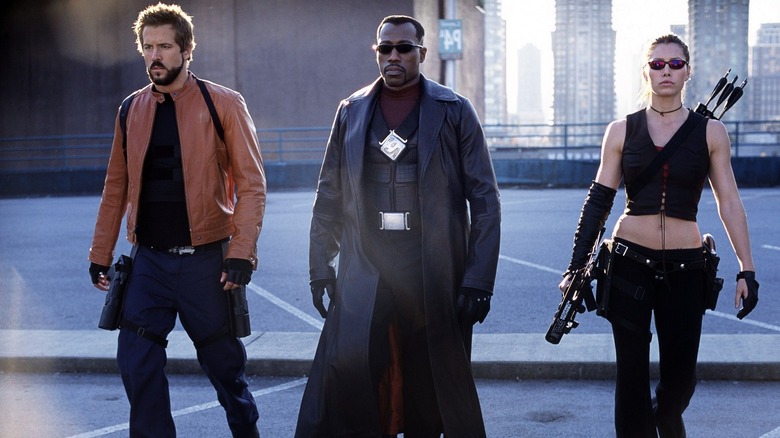
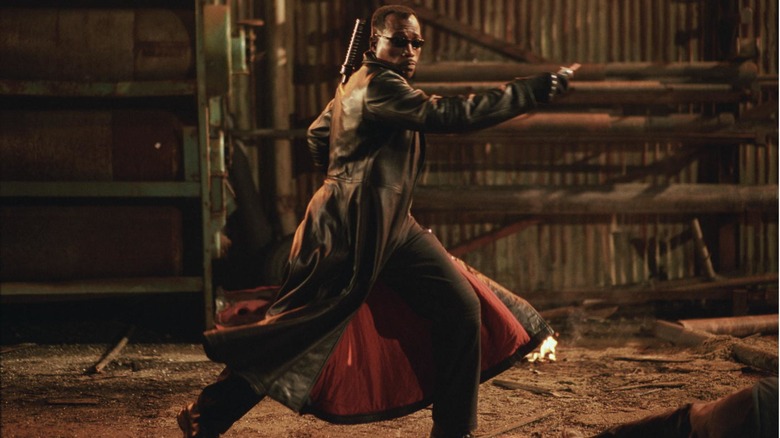
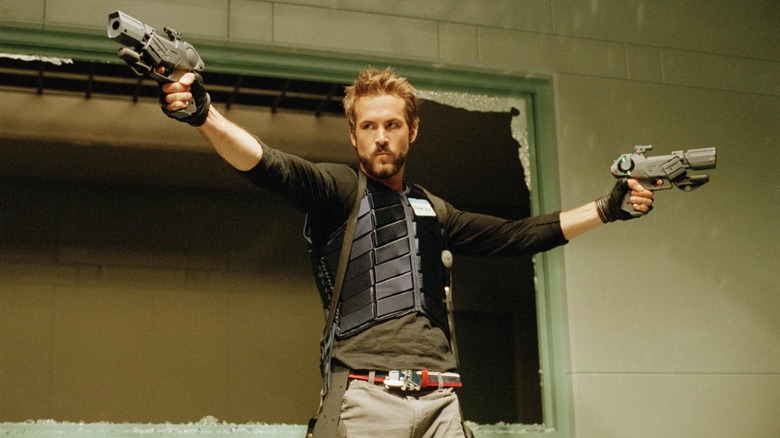
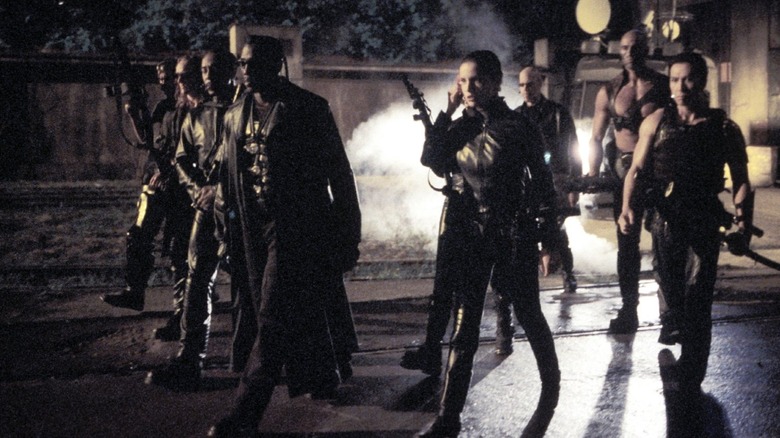
Why Wesley Snipes Didn't Like Working With Ryan Reynolds In Blade 3

by Witney Seibold

David S. Goyer's 2004 film "Blade: Trinity" had all the makings of a hit. The character of Blade, as played by Wesley Snipes, was still popular after the first two movies in 1998 and 2002, and the cast expanded to include rising comedian Ryan Reynolds, Jessica Biel, indie darling Parker Posey, and the WWE wrestler Triple H. The film would pit the titular vampire hunter against Count Dracula (Dominic Purcell). In small roles, "Trinity" featured Patton Oswalt, Eric Bogosian, and Natasha Lyonne. With a hot property, an amazing stable of talent, and a fun supervillain, what could go wrong? 

As it turns out, quite a lot. Snipes clashed a great deal with many different people on "Blade: Trinity," leading to arguments, disagreements, and even a lawsuit (Snipes sued the production for withholding pay). It's been reported in /Film that Snipes refused to film many of his "Trinity" scenes, largely because of a wardrobe incident. According to Patton Oswalt, a young Black actor -- only an extra -- was dressed in a t-shirt that had the word "garbage" printed on it, throwing Snipes into a rage, accusing Goyer of racism. Oswalt also alleges that Snipes refused to communicate with Goyer directly, using notes and assistants. This was after Snipes had insisted that Goyer be brought on as director after being displeased with the project's first director.

Things only went downhill from there. It certainly didn't help that the new kid on the block, Reynolds, actively attempted to get Snipes to break character.

Method Blade

According to a report in Showbiz Cheatsheet, Snipes also affected a method approach to playing Blade for "Trinity." Blade is a stoic badass, intense and cool, not speaking a lot, and capably taking up a sword should creatures of the night attack. "Trinity" paired Blade with two additional vampire hunters played by Reynolds and Biel, forming a superhero team called The Nightstalkers (named after a Marvel comic that starred Blade, a former Ghost Rider, and Dracula's son). 

In the AV Club, Oswalt recalled Snipes introduced himself as Blade and tried to stay physically far away from his co-stars as the character might. This caused some tension with Lyonne who, playing a blind character, grabbed Snipes unexpectedly by the face. Snipes didn't like that. Oswalt said that after that Biel and especially Reynolds turned to improv to make the shoot more fun and to gently mock Snipes. 

Reynolds certainly had a lot of leeway to improvise, as Snipes wasn't on set a lot of the time, and the supporting cast were permitted to go a little hogwild. Says Oswalt: 

"A lot of the lines that Ryan Reynolds has were just a result of Wesley not being there. We would all just think of things for him to say and then cut to Wesley's face not doing anything because that's all we could get from him. It was kind of funny. We were like, 'What are the worst jokes and puns that we can say to this guy?'"

900 Variations Of Torture

That freedom was something Reynolds appreciated, and, in a 2012 interview with IGN, Reynolds talked about how "Trinity" allowed him to hone his skills as an actor, and how cracking wise with the amazing Parker Posey was blissful. 

"It was free flowing. Man, you sit down with Parker Posey and I'm in heaven. I feel like I could have shot that for ten years. We just lit the script on fire at that point and we were like, 'All right, let's roll it and let's do it.' The DVD is going to be so f***ing unbelievable for that scene, because there are 900 variations of what went down in that torture scene ... We don't ever stop. David has to stop us or they run out of film, and that's the only reason that "cut" was ever called in those scenes."

Reynolds feels that the stories of tension on the set of "Trinity" were, in his word, "overblown," saying that he may not be a Method actor himself, but respects it: 

"It's always overblown. My personality is the polar opposite of Wesley. I never met Wesley, I only met Blade, and he is a method actor. Say what you want about that style of acting, I have the utmost respect for whatever it takes to get through this process. We all say that these actors make so much money and they live such a life of leisure and privilege, but that is a vulnerable process, stepping onto the set everyday and performing in front of 110 judgmental souls. So whatever it takes for him or anyone else to get through that in a way that is artistically fulfilling to them, I have the utmost respect for."

I Will Break You

When IGN asked Reynolds if he had made it his personal goal to "crack" Snipes, he admits that he kind of did. 

"That being said, yes I did. You know what, what I found was, I just use every moment. There's a moment in the movie where I look up at Jessica and I swear to God, I didn't even know the cameras were rolling anymore and I say, 'He hates me, doesn't he?' And she's like, 'Yeah.' I'm just saying this about my relationship as Ryan Reynolds to this guy, and it works. The ad libs are just born of that. There's another one where I do a dime store psychoanalysis of him where I say, 'You ever thought about sitting down and talking with someone, getting in touch with your inner child, and also you might want to try blinking once in a while.' He just looks at me like he's gonna turn me into ass pulp."

According to Reynolds, though, Snipes wouldn't ever take the bait. Being a professional, Blade never once cracked a smile. 

"I don't know if I ever got him to laugh. The guy's Blade. Hopefully on the inside, he's laughing kind of on the inside, I don't know? It was a challenging process. I've never experienced anything like that."

Back at the AV Club, Oswalt admitted that he was into making movies for two reasons: money and anecdotes. He either wants great experiences or horrid ones, as the latter provides the best stories. While "Trinity" was not well-liked by fans or critics (it has a 25% approval rating on Rotten Tomatoes), it did provide for a lot of great stories. Audiences can be grateful for that much. 

Read this next: Every Pre-MCU Marvel Movie Ranked

The post Why Wesley Snipes Didn't Like Working With Ryan Reynolds In Blade 3 appeared first on /Film.

20 May 17:48

Gorilla caught on video very gently petting a wild groundhog

by Carla Sinclair

Although a silverback gorilla could take out a rodent with just its thumb, an affectionate gorilla was caught on video (below) gently petting a groundhog at the zoo. And even more incredible, the groundhog didn't run off in fear, but seemed to enjoy the giant creature's attention. — Read the rest

20 May 17:48

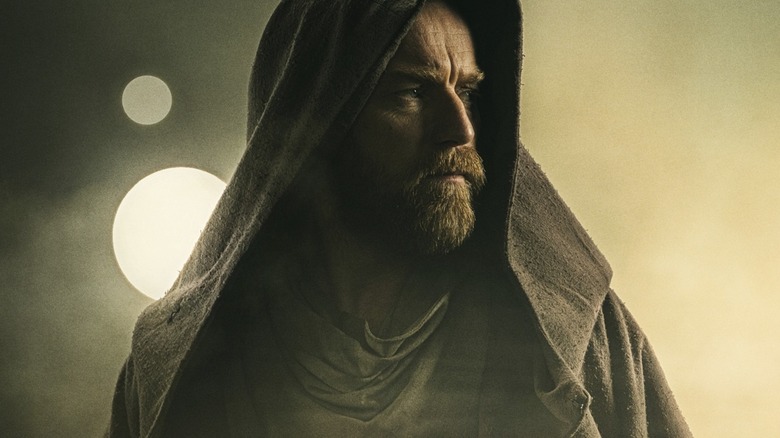
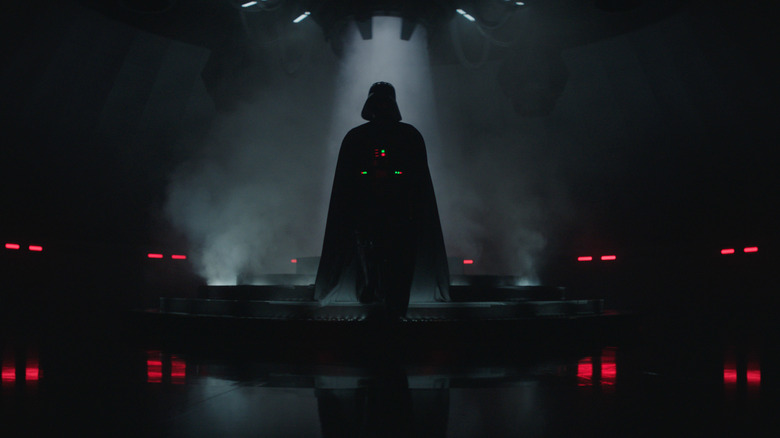
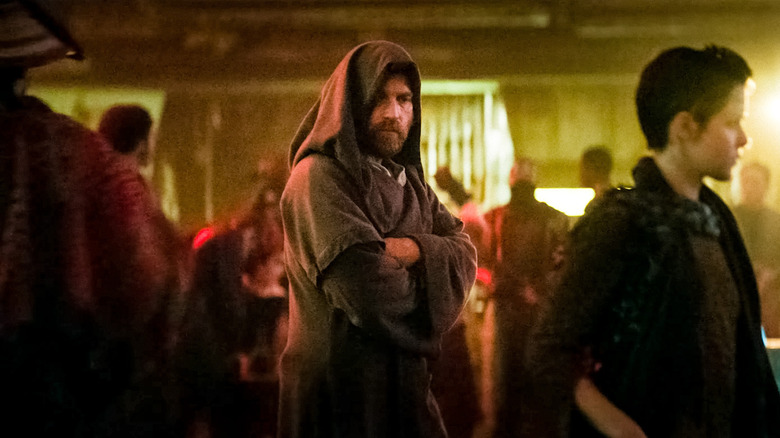
Obi-Wan Kenobi Director Deborah Chow Is Giving Us The Star Wars Story We've Been Waiting For [Interview]

by Ryan Scott

Disney purchased Lucasfilm in 2012, and along with that purchase came the promise of more "Star Wars" -- something many of us never thought we were going to get after the release of "Revenge of the Sith" in 2005. Not only did we get an entire sequel trilogy of movies beginning with "The Force Awakens" in 2015, we also got standalone films such as "Rogue One" and "Solo."

Perhaps most importantly, that galaxy far, far away finally came to TV in live-action for the first time with "The Mandalorian." That, in turn, paved the way for a new era of the franchise and, more to the point, the arrival of a long-awaited project in the form of "Obi-Wan Kenobi."

For years, fans had wondered whether or not Ewan McGregor would return as the famed Jedi following the events of "Revenge of the Sith." It may not be a movie (it may be better than a movie, depending on what you're looking for), but McGregor is indeed back in the role for a six-episode limited series that takes place ten years after the events of "Revenge of the Sith," with Hayden Christensen also returning as Darth Vader. A rematch for the ages! And the person behind the camera for that rematch is Deborah Chow, whom "Star Wars" fans likely know from her work on "The Mandalorian." This time around, she's directing every single episode of the show.

I recently had the good fortune to chat with Chow in honor of the release of "Obi-Wan Kenobi" on May 27. We discussed what it's like seeing Darth Vader on set, the challenge of telling a story between trilogies, whether or not she'd direct a movie in the franchise, and more.

'It's Darth Vader Standing In Front Of You'

I've been a "Star Wars" fan my whole life, and this is something I've been waiting for a long time. So it really is like a genuine pleasure to speak with you. I've got to ask, how cool is it being the person [who] gets to yell, "action" and "cut" when Darth Vader is on set?

It's pretty cool. I think the first time he came on the set, it was very special. He's immense and it's Darth Vader standing in front of you. So I feel very fortunate to have had the opportunity to direct Darth Vader.

You said you've been with the project for about three years now. I know it went through a bunch of different iterations. How much did it change from the time you signed on the dotted line to do this thing to the version we actually got?

It had already had development before I came on board, but I think from the starting point with me, we're obviously all starting with the same pieces. So everybody, I think, that's been involved with the project, we're starting with the legacy from the prequels and everything that George [Lucas] has sort of set out. So a lot of the elements were the same. I think the biggest thing for us is, it's a challenging story to tell. It's between two trilogies, it's these huge characters. We really wanted to make it a character-driven journey. So I think that was the biggest thing we were trying to do over the course of the development. And in my time on the project is just really get deeper into the character.

Obviously, "Obi-Wan Kenobi" is the name of the show. We know the guy we're going to get the most time with, but there are a lot of other characters in the show outside of Obi-Wan. What was the character you were most excited to flesh out?

There are so many interesting characters, but I mean, obviously, the Obi-Wan/Vader of it all is the highlight of it. I think one of the most interesting things, for all of us, was revisiting these characters, but revisiting them at a different point in their lives. So they're not the exact same character that they were when we left them in "Revenge of the Sith" or in "A New Hope." I think that was the most exciting thing. Then I was also very excited to bring in some new characters, like Reva, and to introduce the Inquisitors, especially because we have such a strong legacy element that it felt to me that we really needed something new alongside it.

'I've Been In A Galaxy Far, Far Away For Quite A While'

I think a lot of us, when we watched "A New Hope" growing up, we sort of assumed that was the first time Vader and Obi-Wan had met in ages. There's very much an opportunity for this to sort of [add to] what we know about "A New Hope," but there's also, depending on how it goes, the concern of how do you not tarnish what came before. So how did you guys go about that?

I think for us, obviously, it was something that we looked at very carefully and you don't want to do lightly, and we really didn't want to do it just for the sake of doing it. So we really looked at it and for us, it was always just coming back to a place of character. And coming out of "Revenge of the Sith," obviously the end of "Revenge of the Sith" with Anakin and with Obi-Wan, it's so intense and there's such a weight that's being carried forward from that, that for us, it just felt natural. It felt that it made sense that he would be part of this story. So I think in terms of lining up with both sides of the trilogies, for us, we were really trying to respect everything that had been done. Respect the canon, but also obviously tell a new story. I think for us, the strongest point we could take in terms of having a point of view on it, was to have it feel that it was organic to the characters on both sides of the trilogies.

I think a lot more attention was brought to your career because of "Star Wars." But I would say the second biggest franchise you've been involved with is "The Walking Dead." They have a ton of new shows and movies in the works. Have you talked at all about dipping your toes back in that sandbox?

I've been so deep in this galaxy that honestly there hasn't been room for much else, right. So, I've been on this for three years and then I did "Mandalorian" before that. So I've been in a galaxy far, far away for quite a while. So at this point, the only thing I'm looking forward to is honestly, to have a vacation.

Yeah, fair enough. I think you've earned it. Maybe once you get done with that vacation, we recently got a bit of a roadmap of what the future of "Star Wars" on the big screen might look like. Have you put any thought into, if they approach you, [would you direct a "Star Wars" movie? Or are you more interested in sticking with the TV side of things?

I think it's really interesting now, because the line between TV and film is getting blurrier and blurrier and it's a really interesting thing. So for me, honestly, at this point, it's not really about the format. I would certainly do either. It's more about the story. So if I find a stronger story and it's TV, I'm fine with that. But if it's a feature that would be really exciting too.

"Obi-Wan Kenobi" arrives on Disney+ on May 27.

Read this next: The Best Star Wars Books Ever Written

The post Obi-Wan Kenobi Director Deborah Chow Is Giving Us The Star Wars Story We've Been Waiting For [Interview] appeared first on /Film.
20 May 12:56

Grubhub Spent $6 Million Feeding New Yorkers: What Can We Learn From Its Massive Failure?

by Jowi Morales

On May 12, Grubhub announced a city-wide free lunch for NYC on May 17, from 11am to 2pm. If a customer orders any amount above $15, they'll automatically get $15 off. While this is an enticing offer, it's not unique—Grubhub, and its rivals, UberEats and Doordash, have previously carried out such promotions with varying success.

20 May 12:55

Researchers Uncover Rust Supply Chain Attack Targeting Cloud CI Pipelines

by noreply@blogger.com (Ravie Lakshmanan)
A case of software supply chain attack has been observed in the Rust programming language's crate registry that leveraged typosquatting techniques to publish a rogue library containing malware. Cybersecurity firm SentinelOne dubbed the attack "CrateDepression." Typosquatting attacks take place when an adversary mimics the name of a popular package on a public registry in hopes that developers
20 May 12:55

Men Is an Excellent Movie and I Have No Idea Who It’s For

by Eric Ravenscraft
Alex Garland’s latest cerebral genre piece is a timely bit of storytelling. But the people who need to see it may never seek it out.
20 May 12:55

Microsoft Warns Rise in XorDdos Malware Targeting Linux Devices

by noreply@blogger.com (Ravie Lakshmanan)
A Linux botnet malware known as XorDdos has witnessed a 254% surge in activity over the last six months, according to latest research from Microsoft. The trojan, so named for carrying out denial-of-service attacks on Linux systems and its use of XOR-based encryption for communications with its command-and-control (C2) server, is known to have been active since at least 2014. "XorDdos' modular
20 May 12:54

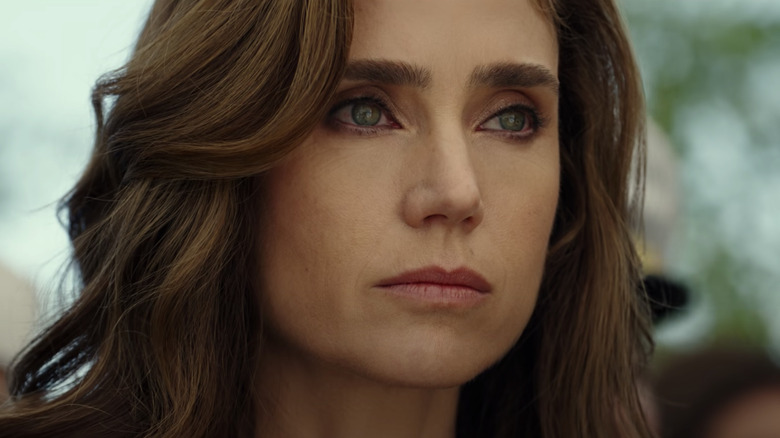
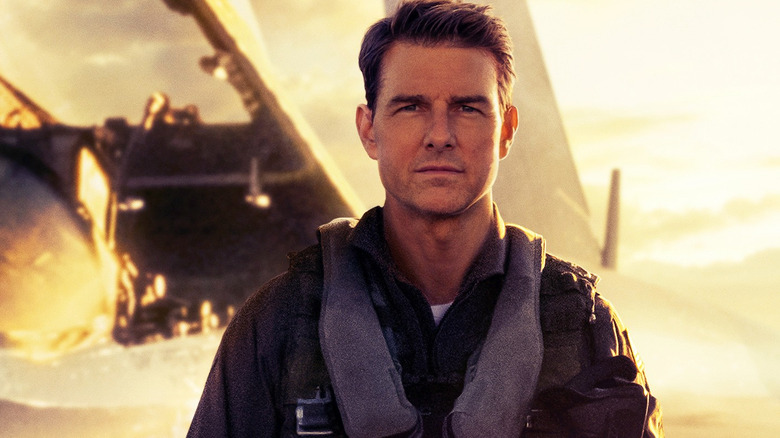
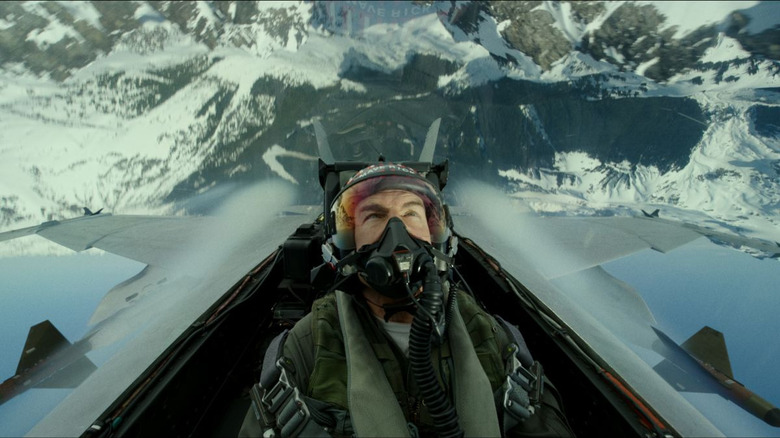
Jennifer Connelly's Top Gun: Maverick Character Isn't New To The Franchise

by Joshua Meyer

In "Top Gun: Maverick," Tom Cruise's high-flying character, Pete "Maverick" Mitchell, has got a new love interest riding with him on the back of his motorcycle. As it turns, though, that character, played by Jennifer Connelly, is an old flame who has been part of Maverick's backstory since 1986 when the original "Top Gun" movie flew into theaters.

A few things have changed for Maverick since audiences first got to know him in '86, which is understandable, given how much time has passed. The long-delayed "Top Gun" sequel was originally set to bow in the summer of 2020; its first trailer came all the way back in December 2019, before the pandemic obstructed its flight path. Now, it's finally incoming and we have confirmation that Connelly is playing Penny Benjamin, a character referenced in the first "Top Gun" movie. 

Here's how /Film's Ben Pearson described the character in his "Top Gun: Maverick" review:

"Jennifer Connelly plays Penny Benjamin, the admiral's daughter at whom Maverick made a pass in his younger days. Penny is now the owner of a San Diego bar called The Hard Deck, which serves as the local haunt for all of the pilots attending the Top Gun school. She's a single mom who has a good relationship with her teenage daughter, and despite Penny having had several romantic entanglements with Maverick over the years ending in heartbreak, the two of them can't seem to stay away from each other. Connelly brings a welcome warmth and a grounded sense of humanity to a cast full of larger-than-life characters; a nice date scene on a sailboat proves she has interests and hobbies all her own, and there's plenty Maverick can learn from her."

On-Again, Off-Again

In the original "Top Gun," Penny Benjamin is first mentioned by Maverick's friend, Goose (Anthony Edwards), the father of Miles Teller's character, Rooster, in the sequel. Their commander, Stinger (James Tolkan), reprimands Maverick for his "history of high-speed passes over five air control towers and one admiral's daughter." Later, Goose's wife, Carole, played by Meg Ryan, says to Maverick, "He told me all about the time you went ballistic with Penny Benjamin."

In the video above, you can see an on-set interview with Jennifer Connelly (courtesy of FilmIsNow), in which she explains a little more about her character's history with Maverick and her hobby of sailboating. Right off the top, she says:

"Penny Benjamin is actually mentioned in the first film. She's someone that has had a kind of on-again, off-again relationship with Maverick over the years. It started the first time when they were quite young. And you get the sense that they sort of come together, they have this sort of fiery romance, and then it falls apart. But then they keep coming back to each other. They have some things in common in that she's a racer herself. She races sailboats. But when we meet them in this film, they're at different points in their lives."

In "Top Gun: Maverick," Tom Cruise's character seems to have lost that lovin' feeling for his other old flame, Charlie Blackwood, played by Kelly McGillis. Ryan isn't back, either, which may betray a certain double standard when it comes to women's age in Hollywood versus that of men like Cruise and the returning Val Kilmer. However, it's nice to know Connelly's character, Penny Benjamin, has her own off-screen history in the "Top Gun" franchise, at least.

"Top Gun: Maverick" is in theaters on May 27, 2022.

Read this next: The 16 Best '80s Action Movies Ranked

The post Jennifer Connelly's Top Gun: Maverick Character Isn't New to the Franchise appeared first on /Film.
20 May 12:54

New Brute Force Attacks Against SQL Servers Use PowerShell Wrapper

by Ionut Arghire

Microsoft has warned organizations of a new wave of brute force cyberattacks that target SQL servers and use a rather uncommon living-off-the-land binary (LOLBin).

Specifically, the attackers rely on a legitimate utility called sqlps.exe to achieve fileless persistence on SQL servers that use weak or default passwords.

read more

20 May 01:23

Free Game: ROG CITADEL XV - SCAR Runner

by Blue
ASUS announces the release of ROG CITADEL XV - SCAR Runner on Steam, offering a free first-person parkour game for Windows. This is presented as free DLC for ROG CITADEL XV, the free first-person...
20 May 01:23

Tiny Tina's Wonderlands - Glutton's Gamble Released

by Blue
The Tiny Tina's Wonderlands Website now offers the release of Glutton's Gamble, the latest DLC for the first-person dungeon crawler. This requires the base game, and is available individually, as...
20 May 01:23

Stellaris Free Weekend

by Blue
Paradox Interactive announces that a free weekend is underway for Stellaris to celebrate the sixth anniversary of the launch of the space game. You can sample the game between now and Monday, and if...
19 May 22:42

Best Streaming Device for 2024: Top Picks Reviewed

by Eli Blumenthal
Discover the best streaming device for 2024. Compare Roku, Chromecast and more to find the perfect fit for your entertainment needs.
19 May 22:40

The 6 Best OBD2 Apps for Mobile Vehicle Diagnostics

by Alex Ramos

The difference between a good and a bad OBD2 diagnostic app can be drastic. There are quite a lot of these apps out there and getting stuck with an ineffective one can be very frustrating. The best OBD2 app will integrate seamlessly with an OBD2 diagnostic tool, allowing the user to read common trouble codes and even monitor live data.

19 May 22:39

Hayao Miyazaki Had Conflicted Feelings About Anime's Growing Audience

by Witney Seibold

Japanese anime was first seen in the United States in the 1960s with shows like "Gigantor" and "Astro Boy" and "Speed Racer," grew in cult appeal throughout the 1970s, and hit it big cinematically in 1985 with the release of "Akira." Throughout the 1980s, more and more anime crept its way into the fringes of popular culture, with an increasing number of imports making their way into the collections of enterprising nerds. When "Pokémon" hit in 1997, the floodgates opened, and anime was officially mainstream. In 2022, one cannot browse through any streaming service without encountering hundreds of Japanese shows -- with dubbing or subtitles as options -- ready for mass consumption. Indeed there is at least one notable streaming service, Crunchyroll, devoted to the medium. 

However, as with anything that once possessed mere cult or outsider appeal and then becomes mainstream, a pang was felt by old-world nerds who preferred remaining in the shadows. This is an attitude that, of all people, Hayao Miyazaki -- the director of "My Neighbor Totoro," "Spirited Away," "The Wind Rises," and many other excellent animated feature films -- once expressed. In a 1994 interview with Yom magazine, Miyazaki admitted that anime's popularity was a threat to his creative freedom.

Necessity Is The Mother Of Invention

In the Yom interview, Miyazaki was concerned that live-action films for grown-up audiences were more financially successful. He seemed to long for a media landscape where adult entertainment garnered the lion's share of attention, allowing him to hide in anime obscurity, working for the purity of it, rather than just for the money. Having worked in the industry for years, and seeing what kind of artistic output he could create both with and without money, Miyazaki had the wisdom to know which made for better movies. In short, Miyazaki, in 1994, believed in the purity of not "selling out":

"I wish movies for adults were doing better. I wish such things as ticket sales or movie awards would go on without involving anime. It would be better if anime lives in a corner of the movie world, and people say 'oh, there is also anime.' If so, I don't have to do interviews or lectures. If so, directors and animators, all can work pure and poor, remaining anonymous, just because we want to do the job we can satisfy ourselves. It used to center around what we made, and we could work only by our internal values such as what we learned in this work, if we made progress, or if we could foster [animators]."

This sentiment was common all over the world in the 1990s, which can be reflected in the music of the era. This was the decade wherein Kurt Cobain wore a "corporate rock still sucks" T-shirt, and characters in Gen-X films like "Reality Bites" and shows like "Rent" were concerned about making art outside of a media-saturated, ultra-commercial environ. While Miyazaki is not an American Gen-Xer -- he was born in 1941 in Bunkyo -- his concerns about art were very much the same. Miyazaki was even nostalgic for his time as a struggling artist, longing intensely for a time when artistic freedom was more common:

"I experienced that era. Seeing from that experience, I feel although anime is in the limelight, or because of it, things are more difficult now."

Movies For Children

His 1984 film "Nausicaä of the Valley of the Wind" and his 1997 film "Princess Mononoke" notwithstanding, Miyazaki has typically made gentle films that exist in quiet, domestic idylls. His movies are mostly appropriate for young audiences, and seek to depict an honest version of a young child's experience. It's notable that the center of his film "My Neighbor Totoro" is actually the background stress two young girls feel in regards to an ailing mother in a hospital; the giant furry fantasy creatures are secondary. According to the Yom interview, Miyazaki said that anime has to be for children, likely. Even in the 1994 Yom interview, 20 years prior to the above meme, he was concerned that Japanese animators were losing connection with real-world children:

"I still think anime has to be made for children. But, our situation changes, and I myself change. While saying 'we should make it for children,' I find myself making a film which is not for children."

That was in 1994. It's notable that he was working on "Princess Mononoke" at the time. Years later, in 2002, after the release of "Spirited Away," Miyazaki was asked again if he still felt the same way in an interview with Midnight Eye. He was stalwart:

"I never said that 'Porco Rosso' is a film for children, I don't think it is. But apart from 'Porco Rosso,' all my films have been made primarily for children. There are many other people who are capable of making films for adults, so I'll leave that up to them and concentrate on the children."

When asked how he feels about the adults who take a great deal of edification from his movies, Miyazaki was flattered, but remained steadfast. Movies for kids -- honest ones about actual children -- have more possibilities. It's clear that Miyazaki values emotional honesty, and he feels that children, having not yet developed a carapace of cynicism, have more opportunities to restart their lives, rework their viewpoint, and continue to grow. Accurately capturing the real world of kids -- as opposed the unchanging adult world informed by media -- was vital to this.

That Meme

Those paying attention to internet memes in 2014 might recall a circulated image of Miyazaki emblazoned with the subtitle "Anime was a mistake. It's nothing but trash." The subtitle was revealed to have been faked, but the image did come from a 2014 interview with The Golden Times wherein Miyazaki felt that a lot of anime was become far too fan-oriented. While sketching a young girl, Miyazaki pointed out that he was attempting to capture how a child actually moves while flapping her arms. He argued that one can only animate well if an animator spends time watching actual people. A "fake" version of people was too large a part of modern anime. In short, Miyazaki feels that trends in anime were tipping far too deeply into the world of stylized art.

"You see, whether you can draw like this or not, being able to think up this kind of design, it depends on whether or not you can say to yourself, 'Oh, yeah, girls like this exist in real life.' If you don't spend time watching real people, you can't do this, because you've never seen it."

Pressing back against the passions of fandom can be a dangerous proposition, and Miyazaki raised some hackles in lambasting otaku (a neighboring words to "geek" or "fanboy," but with a hint of "detrimentally socially awkward" hidden inside), whom he implied weren't interested in the real world. Miyazaki wasn't so much lashing out against fan communities, though, as he was pointing out that modern Japanese animators were too often influenced by their own consumption of media, and too infrequently influenced by the actual world:

"Some people spend their lives interested only in themselves. Almost all Japanese animation is produced with hardly any basis taken from observing real people, you know. It's produced by humans who can't stand looking at other humans. And that's why the industry is full of otaku!"

The Balance Between The Imaginary And The Virtual

Miyazaki also wanted to stress the importance of telling stories for children that employ fantasy elements properly; he is not interested in creating an escape into a tech-based world, but to enhance the world with imagination. From Midnight Eye: 

"I believe that fantasy in the meaning of imagination is very important. We shouldn't stick too close to everyday reality but give room to the reality of the heart, of the mind, and of the imagination. Those things can help us in life. But we have to be cautious in using this word fantasy. In Japan, the word fantasy these days is applied to everything from TV shows to video games, like virtual reality. But virtual reality is a denial of reality. We need to be open to the powers of imagination, which brings something useful to reality. Virtual reality can imprison people. It's a dilemma I struggle with in my work, that balance between imaginary worlds and virtual worlds."

Miyazaki, now 81, is still directing. His next film, due in 2023, will be called "How Do You Live?" What a fitting question for Miyazaki to ask modern animators as well as modern audiences. Are you living for fantasy, losing yourself in media, or are you living in the real world?

Read this next: 10 Anime Movies That Deserved To Win The Oscar For Best Animated Feature

The post Hayao Miyazaki Had Conflicted Feelings About Anime's Growing Audience appeared first on /Film.
19 May 22:24

2 Vulnerabilities With 9.8 Severity Ratings Are Under Exploit. A 3rd Looms

by msmash
Malicious hackers, some believed to be state-backed, are actively exploiting two unrelated vulnerabilities -- both with severity ratings of 9.8 out of a possible 10 -- in hopes of infecting sensitive enterprise networks with backdoors, botnet software, and other forms of malware. ArsTechnica: The ongoing attacks target unpatched versions of multiple product lines from VMware and of BIG-IP software from F5, security researchers said. Both vulnerabilities give attackers the ability to remotely execute malicious code or commands that run with unfettered root system privileges. The largely uncoordinated exploits appear to be malicious, as opposed to benign scans that attempt to identify vulnerable servers and quantify their number.

Read more of this story at Slashdot.

19 May 22:19

[News] Fiona Dourif Returns for CHUCKY Season 2

by Sarah Musnicky

[News] Fiona Dourif Returns for CHUCKY Season 2
Fiona Dourif l Courtesy USA Network & SYFY
Guess what, CHUCKY fans?! Fiona Dourif is back!

That’s right. EP Don Mancini confirmed the news today via Twitter that Fiona Dourif is back on set for the second season of the hit series, and we should all prepare ourselves for the fun sauce that is to come.

Brad Dourif, Zackary ArthurBjörgvin Arnarson, Alyvia Alyn LindAlex Vincent, Christine Elise and Barbara Alyn Woods return alongside Jennifer Tilly for the second season of CHUCKY on both USA Network and SYFY.

The season one finale aired on November 30, 2021. CHUCKY reached 11.6 million viewers in its first season across all platforms. For more on the series, check out our season one review here.

The series is produced by UCP, a division of Universal Studio Group, and executive produced by Don Mancini, Nick Antosca, Alex Hedlund, David Kirschner and Jeff Renfroe.

The post [News] Fiona Dourif Returns for CHUCKY Season 2 appeared first on Nightmarish Conjurings.

19 May 19:06

Skyrim Anniversary Edition Has Been Rated for Nintendo Switch

by Alessio Palumbo

Skyrim Anniversary Edition

The Elder Scrolls V: Skyrim Anniversary Edition could be coming soon to the Nintendo Switch. The Taiwanese rating board appears to have rated the game; the rating was then removed, but not before the website Switch Brasil grabbed the below screenshot.

The Elder Scrolls V: Skyrim Anniversary Edition launched on November 11th, 2021 (ten years after the original release date) for PC, PlayStation 5, and Xbox Series S|X with a bunch of new content.

Saints & Seducers

Originally released in 2019, this creation introduces an additional storyline across two quests (complete with side quests) for players to delve into. With additional armor sets, weapons, enemies and much more to discover, Saints & Seducers features some of the largest amounts of content we’ve ever packed into a single creation!

Rare Curios

Included as part of Saints & Seducers, the Rare Curios creation brings additional goods imported from all over Tamriel to Skyrim’s Khajiit Caravans. So long as you have coin, these merchants can supply you with all sorts of useful wares, including ingredients to concoct special potions, arrows and poisons!

Survival Mode

Looking to immerse yourself in Skyrim’s untamed wilderness like never before? Previously released in 2017, the Survival Mode creation has your Dragonborn contend with the very elements of Skyrim itself to survive! Players must wear warm gear and seek shelter in cold climates to keep from freezing to death, as well as mind their hunger and exhaustion on top of the usual threats like pesky bandits and ambushing dragons. Thankfully, Skyrim is rich in food to harvest (or scavenge), weather-appropriate armor and even taverns to rest your weary head. If you’re looking for a different way to experience Skyrim, we highly recommend you check Survival Mode out!

Fishing

On the topic of obtaining your own food, Skyrim’s all-new Fishing mode creation lets you angle over 20 unique aquatic species across the area’s many bodies of water. Cook your catch for a meal, display it as trophy in your den or even keep it inside your own home aquarium – the choice is yours! With many of Skyrim’s fishing spots located in the region’s most breathtaking and tranquil spots, there’s nothing like unwinding on the shores as you tackle (pun intended) the questlines in this upcoming free creation.

“I have been eagerly awaiting the release of this round of creations,” says Daniel Lee, Senior Artist and Creation Club development lead at Bethesda Games Studios. “I've wanted fishing in Skyrim ever since the beginning and now it is finally here. We've worked hard on this program and it has been a true labor of love; there are more than a few surprises tucked away and I can't wait for everyone to find them."

The post Skyrim Anniversary Edition Has Been Rated for Nintendo Switch by Alessio Palumbo appeared first on Wccftech.

19 May 19:02

Framework delivers on its modular laptop promise with Intel 12th-gen upgrade

by João Carrasqueira

Framework has announced that its modular laptop – aptly called Framework Laptop – is now available with 12th-gen Intel processors. Specifically, the laptop now comes with Intel’s P-series CPUs, which have a higher 28W TDP compared to the previous model, which used 11th-generation 15W processors. Along with being able to buy the laptop with the new processors outright, Framework is also selling an upgrade kit for owners of the existing model, allowing you to get the performance upgrade without buying a whole new laptop.

To be clear, it was already possible to replace the mainboard on the Framework Laptop, so if you got a Core i5 model and wanted to upgrade to a Core i7, you could do just that. Still, seeing that continue with the 12th-generation upgrade kit is a big step for laptops, which have traditionally been stuck with the same specs they were bought with. It’s especially impressive considering the increased TDP requires different thermals. The upgrade kit also includes a new top cover to address just that.

Framework Laptop 12th gen upgrade kit

The laptop itself is available as a pre-built configuration or as a DIY kit if you want to put all the parts together and potentially bring over some components you already have. It comes with your choice of an Intel Core i5-1240P, Core i7-1260P, or Core i7-1280P, with up to 14 cores and 20 threads. You can also get up to 32GB of RAM (64GB if you go the DIY route), 1TB of SSD storage (2TB for DIY), along with Wi-Fi 6E and Bluetooth 5.2 support. You can also add a variety of expansion cards for ports, just like with the previous model. The display is a 13.5-inch panel with a 3:2 aspect ratio and it comes in a 2256 x 1504 resolution, which is plenty sharp for that size.

On that note, Framework also announced today that it’s working on a new expansion card, giving the option for a 2.5Gb Ethernet port. Framework’s expansion cards use a USB Type-C port to add capabilities to your laptop. They can add ports – such as DisplayPort, HDMI, USB Type-A, or a microSD card reader – or they can be storage modules, with up to 1TB SSDs available this way. The new 2.5Gb Ethernet expansion card is coming soon, and it’ll cost $39, making it one of the most expensive ports to buy.

2.5Gb Ethernet expansion card forFramework Laptop

The Framework Laptop with 12th-gen Intel processors is available to pre-order today, with shipments beginning in July. It starts at $1,049 for a pre-built configuration, or you can grab a DIY kit starting at $819. The DIY kit pricing doesn’t include memory, storage, or an operating system, so you can bring your own. If you want to upgrade your existing Framework Laptop, you can sign up for the waitlist to know when the 12th-generation upgrade kit will be available. That will start at $538, including the mainboard and the new top cover.

The post Framework delivers on its modular laptop promise with Intel 12th-gen upgrade appeared first on XDA.

19 May 19:00

12 Reasons Why Cruises Are Terrible Vacations

by Stephen Johnson

If you’re planning a vacation, and considering taking a cruise, I urge you to do literally anything else with your time off. Cruises are the worst. You might have visions of enjoying tropical breezes while the sun sets into the ocean, but in reality, you’re going to be packed into a floating nightmare with thousands…

Read more...

19 May 18:56

[GOG](DLC) Old World - Heroes of the Aegean

by /u/DipInRice
19 May 18:56

Old World on Steam and GOG.com

by Blue
The Epic Games Store exclusivity period for Old World has ended, and this 4X turn-based strategy game from publisher Hooded Horse and developer Mohawk Games is now also available on GOG.com* and...
19 May 18:53

All It Took To Get Brad Pitt In Deadpool 2 Was A Call From Ryan Reynolds

by Bill Bria

Nowadays, a celebrity cameo in a movie typically acts as a setup (or payoff) for a cinematic universe. However, there was a time when a celebrity cameo was nearly exclusively used as a punchline, where the appearance of a highly famous public figure would be a joke unto itself. Witness Kareem Abdul-Jabbar in "Airplane!," David Bowie in "Zoolander," or ... a bunch of famous folks in "Casper."

Arguably one of the best, most delightful cameos in movie history came courtesy of 2009's "Zombieland," in a scene that writers Paul Wernick and Rhett Reese intended for a surprising appearance by a celebrity, which ended up being Bill Murray. Upon Wernick and Reese's return to write the sequel to 2016's "Deadpool," they had no explicit intentions of topping themselves in the celebrity cameo department. Yet when the perfect opportunity presented itself, they couldn't resist.

However, even with a great opportunity, the impressive and hilarious inclusion of Brad Pitt in "Deadpool 2" may not have happened were it not for an assist from star Ryan Reynolds, who secured Pitt's involvement the old fashioned way: with a telephone call.

X-Force Becomes The Source For Jokes A-Plenty

While the first "Deadpool" movie established the character of Wade Wilson (Reynolds) as someone who, like his comic book counterpart, was able to break the fourth wall at will and enjoyed poking fun at superhero movie tropes (while indulging in them, of course), "Deadpool 2" used the clout granted by the first film's success to make good on Wade's pop-culture obsession. The movie is chock-full of cameos, up to and including Reynolds appearing as himself.

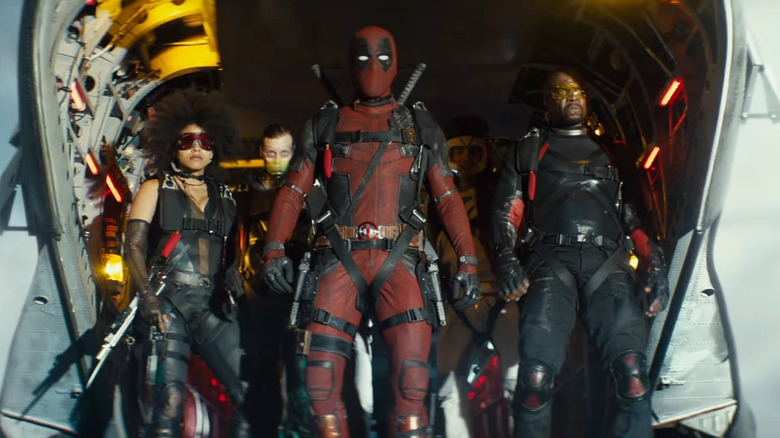
One section of the film Wernick and Reese pinpointed as rich with comedic potential is where Deadpool attempts to form his own superhero team made up of mercenaries with dubious powers and abilities. With the joke of the sequence being that all but one of the team (Domino, played by Zazie Beetz) will be brutally killed off, the writers and director David Leitch decided to cast the members of X-Force with actors big enough to make their deaths more of a surprise: Terry Crews, Lewis Tan, Bill Skarsgård, and Rob Delaney.

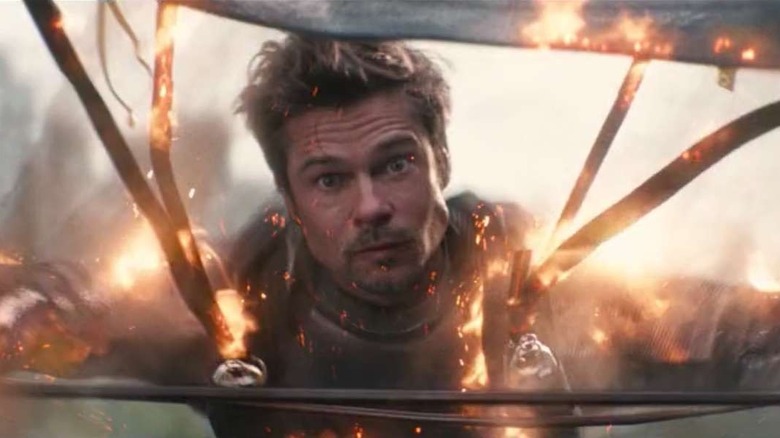
Because of that, it struck the writers that a member of X-Force who was intended to never be seen at all should not only be seen, but would be "a perfect idea for a celebrity cameo," as Wernick recalled in 2018. The screenwriter explained how "we never saw Vanisher in the original script. He was always a mystery," but when the inspiration to cast the role with a big name hit, he and the "Deadpool 2" team decided to go after Pitt, "the hardest get in Hollywood."

The Vanisher ... Un-Vanishes

Pitt had some pre-existing connections with the "Deadpool 2" cast and crew, helping influence his eventual decision to make a cameo. He'd worked with Leitch back when the director was a professional stuntman who doubled for Pitt on movies such as "Ocean's Eleven" and "Mr. & Mrs. Smith." He'd also been in the running to play the role of Cable in the film, a role which eventually went to Josh Brolin.

Ultimately, all it took for Pitt to commit to appearing in the movie was a phone call from Reynolds, to which "he immediately said yes," as Wernick remembered, the star's signing on being "a pinch-me moment" for the production. (Of course, it also helped that Pitt's children were apparently fans of the first "Deadpool.")

Once Pitt said yes, the production team could breathe a sigh of relief, as the hardest part was over with. The actual filming of Pitt's cameo only took about two hours, with Leitch recalling that "there was never a pressure — we had a whole window of post to get it done." Wernick explains how the shoot was indicative of the smoother production of "Deadpool 2" when compared to the first "Deadpool," stating that "it was a real treat to have more toys to play with in the sandbox. The premium toy being the Brad Pitt doll."

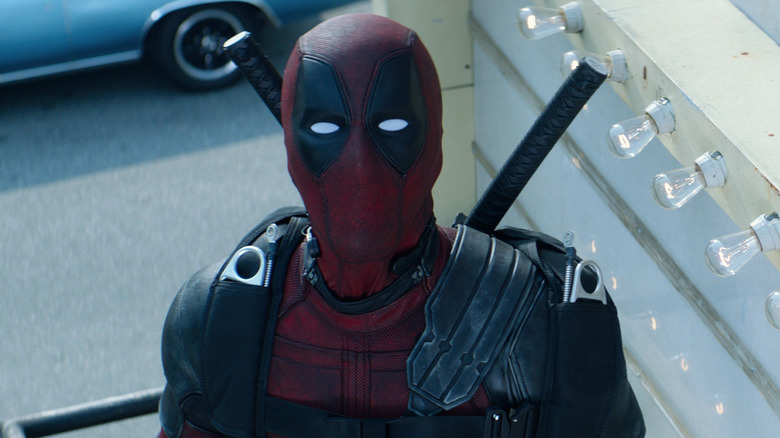
Pitt's appearance gives the X-Force sequence the hilarious celebrity cameo icing the scene needs, and helps push "Deadpool 2" to gonzo, meta-comedy heights. Even though Pitt worked with Leitch as a director for just a couple of hours, the experience and final product must've made an impression on him: he's the star of Leitch's next feature, "Bullet Train," which releases this summer. One expects his appearance in that film will be a bit longer and a bit more visible than in "Deadpool 2," but will hopefully be just as delightful.

Read this next: Every Pre-MCU Marvel Movie Ranked

The post All It Took To Get Brad Pitt In Deadpool 2 Was A Call From Ryan Reynolds appeared first on /Film.
19 May 18:53

New Bluetooth Hack Could Let Attackers Remotely Unlock Smart Locks and Cars

by noreply@blogger.com (Ravie Lakshmanan)
A novel Bluetooth relay attack can let cybercriminals more easily than ever remotely unlock and operate cars, break open residential smart locks, and breach secure areas. The vulnerability has to do with weaknesses in the current implementation of Bluetooth Low Energy (BLE), a wireless technology used for authenticating Bluetooth devices that are physically located within a close range. <!-
19 May 16:49

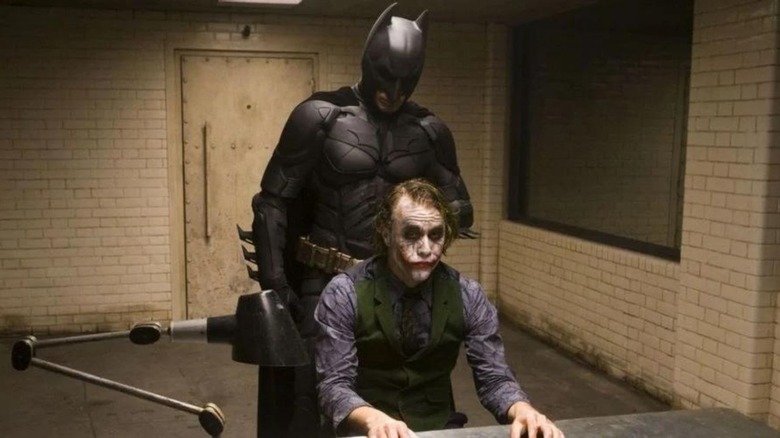
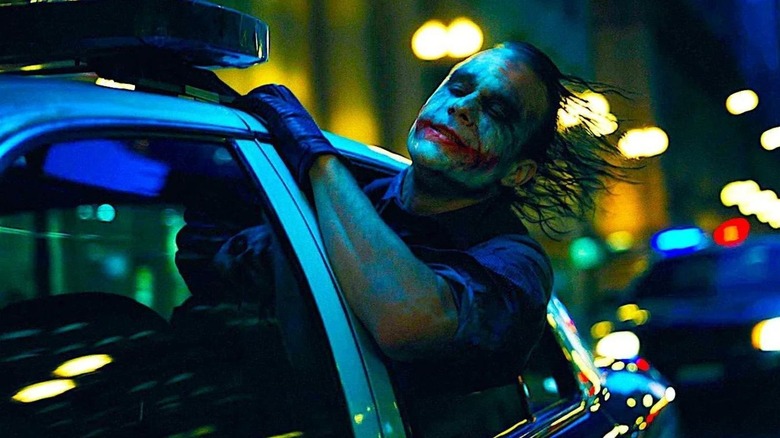
Heath Ledger's First Scene With Christian Bale Set The Standard For The Dark Knight's Joker

by Fatemeh Mirjalili

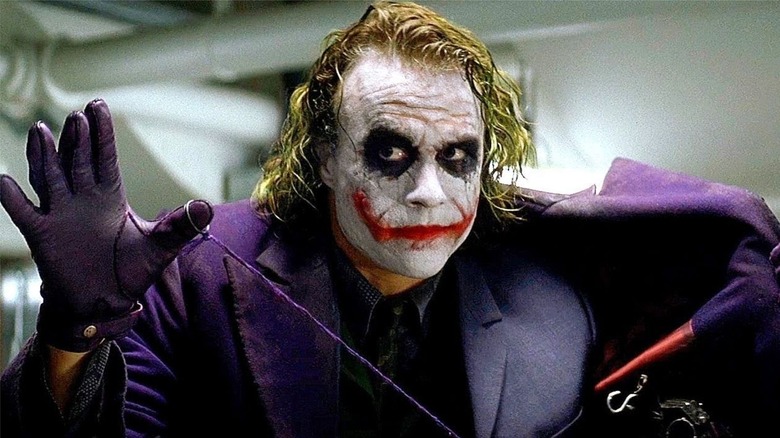
From his comic book roots as a supervillain to his many incarnations on the big screen, the Joker is, to put it simply, the best villain in comic book history. And then there's Heath Ledger's outstanding performance in Christopher Nolan's "The Dark Knight." Ledger's Oscar-winning Joker is beyond terrifying — he's a man who will do anything to achieve what he wants and goes to great lengths to watch the world burn. His interpretation of the supervillain is brutal and cunning, and no actor had nailed the Joker's maniacal countenance in this manner before.

Ledger's performance was very physically demanding, and the actor went to dizzying lengths to perfect the character's many peculiarities. Unfortunately, the performer tragically died of an ​accidental drug overdose months before the film was released. He could never see the fans' overwhelming love for his role, but his colleagues have continued to share his endless commitment to the film. Following the film's release in 2008, Christian Bale (who plays Bruce Wayne/Batman) recounted his memory of acting in his first scene alongside Ledger and how it set the standard for the rest of the film.

Heath Ledger Kept Slamming Himself Around

For his book "100 Things Batman Fans Should Know & Do Before They Die," author Joseph McCabe conducted interviews with Christian Bale and director Christopher Nolan at the time of the film's release. The interviews were later published (via The Hollywood Reporter) and illustrated Bale's understanding of Ledger's authentic performance, one he wasn't afraid to get hurt for.

When the actor was asked about his experience working with the late legend, Bale disclosed that the scene where Batman interrogates the Joker was the first they filmed together. In "The Dark Knight," after Joker is captured by James Gordon and brought to Gotham Police Department, he is unsuccessfully interrogated by him. When Gordon lets the Batman question Joker, the villain reveals his murderous plans, leading the caped crusader to throw a few punches at him. Bale talked to The Hollywood Reporter about how Ledger often stayed in character, and he was great company for him to be around:

"... I saw that he's a helluva actor who's completely committed to it and totally gets the tone that Chris [Nolan] is trying to create with this. We're not going for actors revealing their enjoyment of playing a wacky caricature. We're treating this as serious drama. You go into character and you stay in the character. I love that. I find that so ridiculous that I love it, and I take that very seriously. Heath was definitely embracing that. When he was in the makeup and the garb he was in character the whole time, and when he took it off he was absolutely fantastic company to be around."

'He Was Kinda Egging Me On...'

Heath Ledger was wholly dedicated to his craft — he took the role seriously and also hurt himself in the process. The performer kept persuading Christian Bale to throw a few punches at him to make the scene more authentic. Ledger was also "slamming" himself around, which caused a few tiled walls at the set to get cracked. The actor's commitment was unreal — and Bale let his fans know about it. He continued to The Hollywood Reporter:

"As you see in the movie, Batman starts beating the Joker and realizes that this is not your ordinary foe. Because the more I beat him the more he enjoys it. The more I'm giving him satisfaction. Heath was behaving in a very similar fashion. He was kinda egging me on. I was saying, "You know what, I really don't need to actually hit you. It's going to look just as good if I don't." And he's going, "Go on. Go on. Go on ... He was slamming himself around, and there were tiled walls inside of that set which were cracked and dented from him hurling himself into them. His commitment was total."

After seeing how formative Ledger's villainous performance was for those who came after him, it's wild to think that the studio wasn't big on casting him for the role. Ledger's compelling performance surprised not just fans, but the team behind "The Dark Knight," too.

Read this next: Joker's Wild: Ranking The Cinematic Versions Of The Clown Prince Of Crime

The post Heath Ledger's First Scene With Christian Bale Set The Standard For The Dark Knight's Joker appeared first on /Film.
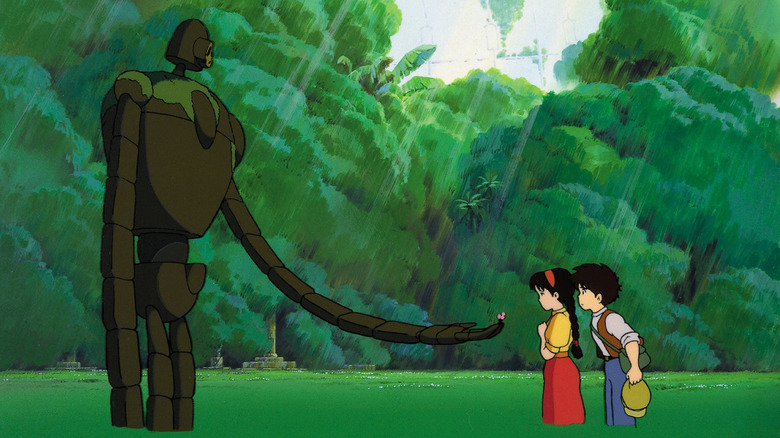
19 May 16:49

All It Took Was One Call From Tom Cruise To Get Top Gun: Maverick Off The Ground

by Shania Russell

Over three decades after Pete "Maverick" Mitchell first flew into the danger zone, "Top Gun" fans finally get to see Tom Cruise gear up for a sequel to the high-flying action classic. Even before the internet was brimming with rave reviews for "Top Gun: Maverick," it felt pretty clear that Paramount had all the ingredients for a potential blockbuster hit: Tom Cruise, nostalgia, incredibly dangerous action. 

So why did it take so long for Maverick to finally hit the ground running? Jerry Bruckheimer, the prolific producer behind the original "Top Gun," planned to get the sequel off the ground much sooner. The first film was a hit in 1986, raking in $357 million, so a follow-up only seemed natural but got lost in the shuffle of other projects. Two decades later, Bruckheimer and "Top Gun" director Tony Scott revisited the idea once more, until Scott's death in 2012. While Bruckheimer remained committed, progress slowed until Joseph Kosinski ("Tron: Legacy," "Oblivion") stepped up with a pitch for what would eventually become "Top Gun: Maverick." While chatting with The Hollywood Reporter, Bruckheimer explained:

"We always kept the flame alive to get this movie made, but once Joe Kosinski talked to us about his vision of what the movie is and the story he wanted to tell, we were enthralled with it."

Kosinkski's idea jumps into the story thirty years after the events of the original film. Maverick is working as a test pilot for the Navy — continuing to push the envelope and the buttons of everyone in command. His wily high-flying ways nearly get him grounded until an old friend swoops in and helps him secure a new gig, training an elite squad of Top Gun graduates. This job ends up pushing him to his limits in new ways, with Maverick forced to confront the ghosts of his past and consider his very uncertain future. With Kosinski's pitch wowing everyone involved, there was just one more crucial factor to consider: Tom Cruise.

How Tom Cruise Worked His Movie Star Magic

In an anecdote that makes Tom Cruise sounds like the kind of movie star that only exists in, well, movies, Bruckheimer said,

"We took [Koisinski] to Paris where Tom was shooting 'Mission: Impossible – Fallout.' That was five years ago. Joe had a look book, a poster, and the title, 'Top Gun: Maverick,' and then he told Tom the journey of the character and the story he wanted to tell. Tom then looked at him, pulled out his phone, and called the head of Paramount [Jim Gianopulos] at that time and said, "I want to make another Top Gun." And that was it. That's when the wheels really started moving forward."

It took decades, lots of planning, and a killer idea to bring "Top Gun: Maverick" to life — and the final missing piece was something only Tom Cruise could bring to the table: movie star magic. As we learned from the whole "Mission: Impossible 8" debacle, there is no saying 'no' to Tom Cruise. One exec even went as far as to say, "Tom says what he wants and the studio says what it wants. And then Tom gets what he asked for."

It's certainly not hard to see why Cruise wields such power, as one of Hollywood's biggest stars for the past four decades. But even just zeroing in on the case of "Top Gun: Maverick," we've just started seeing the fruits of everyone's labor. While the movie doesn't officially fly into theaters until May 27, 2022, the lead-up has been nonstop. Because of pandemic delays, the first footage hit CinemaCon over a year ago and got one hell of a reaction from the critics in attendance. Even more praise came once the movie was finally screened and now it touts a near-perfect score on Rotten Tomatoes. No wonder Gianopulos was so quick to hit the greenlight.

"Top Gun: Maverick" soars into theaters on May 27, 2022. Select locations are also offering early screenings on May 24, 2022.

Read this next: The Best Movies Streaming Right Now: Malignant, A Hero, And More

The post All It Took Was One Call From Tom Cruise To Get Top Gun: Maverick Off The Ground appeared first on /Film.