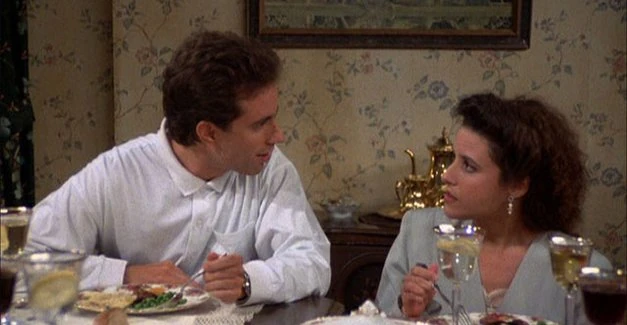
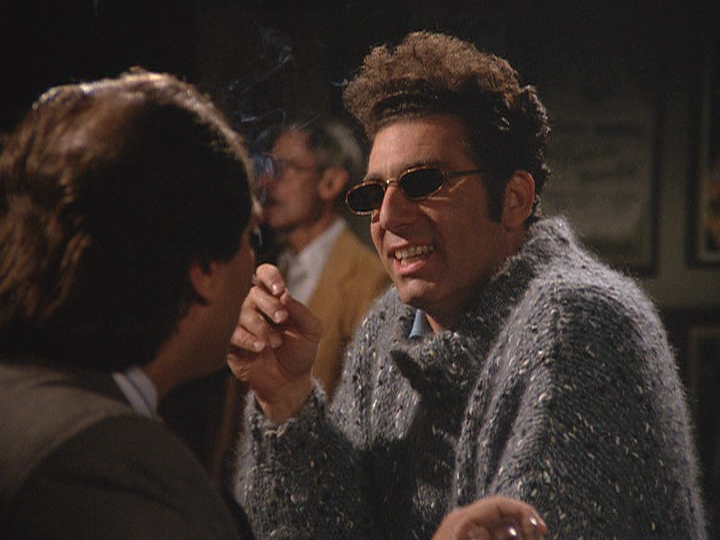
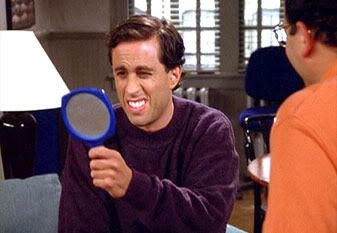
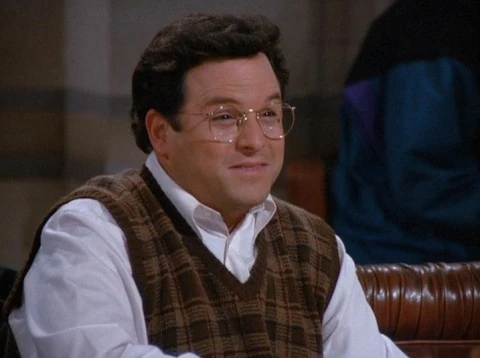
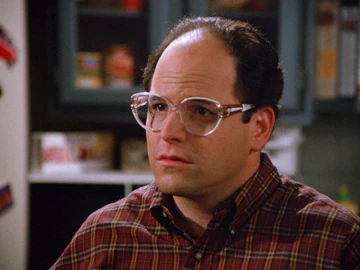
At long last, you can clear all those syndicated Seinfeld episodes off your DVR. Following years of speculation about when and where the historic sitcom would arrive online, today it finally became available to stream on Hulu. But with 168* episodes in the Seinfeld archive, it's understandable if you're intimidated by the the idea of entering the vault without a guide.
In the interest of both helping novices prioritize and reminding veterans about forgotten jewels, we've ranked every episode in the series from worst to best. The ratings are based less on cultural significance — you'll find many recognizable episodes fairly low on the list — and more on the density and quality of jokes, the inclusion of multiple strong narrative arcs, and, to a lesser extent, how well the comedy and stories have aged.
That said, even the worst (well, maybe the fourth-worst) episode of Seinfeld is better than most of what you'll currently find on network TV — and now it's just a Hulu account away. The bingeing is going to be real, and it's going to be spectacular.
*We arrived at a count of 168 by considering all two-part and hour-long episodes as single entries. We also omitted the retrospective. With every episode now available on-demand, why waste time watching highlights?
168. "The Puerto Rican Day Parade" (Season 9). An episode so racially offensive that NBC had to apologize upon its airing, the second-greatest crime that "The Puerto Rican Day Parade" commits is simply not being funny enough. It's the loosest version of a bottle episode to come out of the writers' room — and of all the bottle episodes in Seinfeld's run, it's the dullest, full stop.
167. "The Outing" (Season 4). After four seasons spent using George's homophobia as a character flaw, the show wholeheartedly embraces gay panic as a plot device to a nonsensical, largely unfunny degree. The phrase "Not that there's anything wrong with that" ascends to pop-culture permanency after a practical joke played by Elaine causes a college newspaper reporter to mistake George and Jerry as lovers.
166. "The Finale" (Season 9). Is the final episode of Seinfeld really that bad? They get what they deserve! It's a long time coming! Symbolically, it's perfect! But upon rewatching, you realize that, yeah, it is that bad. Not even the minor revelation that George cheated during "The Contest" can save what is an incredibly droll parade of guest stars and forgotten characters. The final scene's callback to Seinfeld's first episode is a cute touch, but it's not enough to save "The Finale"'s reputation as one of Seinfeld's lowest points.
165. "The Jacket" (Season 2). An episode about sitting around waiting for someone in a hotel lobby, “The Jacket” offers all the thrills of … sitting around waiting for someone in a hotel lobby. Notable only for the following bit of trivia: Lawrence Tierney, who plays Elaine's cranky father, Alton Benes, attempted to steal a butcher knife from the set and mock-threatened Seinfeld with the very real prop when caught in the act.
164. "The Tape" (Season 3). Elaine's sexy-voice answering-machine prank in this episode is mildly humorous, but the collective horndog mentality displayed by Jerry, George, and Kramer runs contrary to the show’s established platonic-frenemy dynamic. This episode also features the first appearance of Ping, the recurring Chinese-food-delivery-guy character who suffers a bike accident after an encounter with Elaine in "The Virgin."
163. "The Deal" (Season 2). Larry David specifically wrote this episode to satisfy NBC brass's continued demands to get Jerry and Elaine back together, and it's easy to see why the writers’ room was eager to split them up shortly thereafter. "The Deal" packs at least one comedic punch — Jerry's birthday gift of $182 cash to Elaine — but this brief rom-com digression (which includes a seemingly out-of-character coffee-shop convo between Jerry and George about Elaine's sexual prowess) disrupts the considerable creative gains made at this point in the series.
162. "The Chinese Woman" (Season 6). Jerry dates a woman who has the surname "Chang" but isn't actually Chinese, which turns into a (possibly accidental) examination of racial stereotypes. "Isn't that a little racist?" Elaine says when Jerry says he "loves Chinese women." Jerry disagrees, but jokes about Confucius and conflating Ls for Rs now come off as especially dated. The introduction of the story arc where George's parents consider getting a divorce — complete with a cameo from a cape-wearing Larry David, as Frank Costanza's lawyer — provides more laughs than the titular woman.
161. "The Mango" (Season 5). Talk of cunnilingus and faking orgasms on a single episode of network TV that aired in 1993 is groundbreaking stuff — but Jerry's incessant needling of Elaine after she admits she "faked it" during their relationship grows tiresome. Meanwhile, Kramer's fruit-obsessed subplot feels like a stale reprise of previous episode "The Ex-Girlfriend," with the aphrodisiac qualities of mangoes standing in for the Mackinaw peaches.
160. "The Muffin Tops" (Season 8). All you need to know about this late-period episode is that most of the characters end up in the dump, and they deserve to be there. Elaine and Mr. Lippman selling muffin tops and donating the bottoms to food banks, Jerry shaving his chest, Kramer's ultra-meta "J. Peterman Reality Tour": a bunch of half-formed ideas crammed into an episode where the only notable element is George finally — finally — getting fired from the Yankees.
159. "The Ex-Girlfriend" (Season 2). An episode that builds to one specific punch line: A woman Jerry's seeing doesn't want to sleep with him because she doesn't think he's a funny comedian — and not much else. It’s also notable as the first episode where George explicitly acknowledges his homophobia: "You're a little homophobic, aren't you?" Elaine asks, to which he replies, "Is it that obvious?"
158. "The Gum" (Season 7). The dynamic between George and perpetual nemesis Lloyd Braun is always a treat, but other episodes explore it better than "The Gum," which largely and improbably focuses on Elaine accidentally exposing herself multiple times due to a faulty button.
157. "Male Unbonding" (Season 1). The only episode in the series without the in the title and, arguably of more importance, the introduction of Elaine — even though the episode doesn't give her much to do. Kramer's first get-rich-quick scheme — a make-your-own-pizza restaurant — is the highlight of this otherwise-inconsequential early episode.
156. "The Strong Box" (Season 9). Seinfeld mined some dark material over its run, but the central plot of "The Strong Box" — Kramer and Jerry dig up a neighbor's dead parrot to retrieve a key that had been fed to the bird — is impossibly, joylessly grim. Proof that, even in Seinfeld's universe, there's such a thing as too dark.
155. "The Dog" (Season 3). Following several episodes where George and Elaine successfully scheme together, it made no sense to build a story around their inability to hang out when Jerry isn’t present. That flawed premise led to 22 minutes with little more than frictionless dialogue. There was some decent physical comedy between Jerry and the offscreen canine Farfel, though.
154. "The Stock Tip" (Season 1). Jerry's weekend away with new flame Vanessa ends up being a droll affair for him, Vanessa, and the viewers at home. Meanwhile, George’s success in the stock market serves as a reminder that it's more enjoyable to see him lose than win.
153. "The Seinfeld Chronicles" (Pilot). It was tempting to call Seinfeld's first episode its worst: The pacing is molasses-slow, the dialogue is stiff, and the singular focus on Jerry's romantic life doesn't prove very interesting. But the first-ever scene between Jerry and Kramer in the former's apartment is compelling enough to see why NBC brass decided to take a chance on the show.
152. "The Robbery" (Season 1). Kramer's negligence — which leads to Jerry's apartment getting robbed — has implications for later seasons, but the gang's real-estate squabbling drags down the episode’s momentum and doesn't make for much of a plot.
151. "The Parking Space" (Season 3). A fairly inconsequential episode about parallel parking and a weird noise in Jerry's car, “The Parking Space” is memorable for its staging: two cars, owned by George and Jerry's friend Mike, respectively, in a diagonal standoff over a spot. If only the rest of the episode delivered on this visual punch.
150. "The Nose Job" (Season 3). George's horrified reaction to his girlfriend Audrey's plastic surgery — which he talked her into — speaks to his despicable core, but there's something ultimately dissatisfying about seeing Kramer end up with her.
149. "The Suicide" (Season 3). How much is a Drake's Coffee Cake, anyway? The many battles involving the pastry — who has it, who wants it, and, in a fasting Elaine's case, whom she has to attack to get a bite of it herself — overshadow the episode's lackluster main plot, which involves Jerry, a neighbor's suicide attempt, and the neighbor's amorous girlfriend.
148. "The Postponement" (Season 7). This is mostly a comedown episode following George's rushed engagement to Susan. Elaine's entanglement with a blabby rabbi provides some laughs but is beset by a plot that’s a little too convoluted even for Seinfeld's notoriously all-over-the-place later seasons.
147. "The Checks" (Season 8). Elaine singing "Witchy Woman" to her unamused boyfriend Brett is an inspired moment. Less so is Kramer's treatment of the Japanese tourists staying with him, even if the plot is more a commentary on Kramer's ignorance than it is on Japanese culture.
146. "The Shoes" (Season 4). What begins with George bungling a pilot deal with NBC after staring at the cleavage of the network honcho’s daughter ends with Elaine using her cleavage to manipulate that same boss into resurrecting the deal. So, yeah, an episode of Girls this is not — but Bob Balaban sneering in George's ear, "Get a good look, Costanza?" is a delicious moment.
145. "The Susie" (Season 8). Who is Susie? "I'm Susie, she's me," Elaine tells J. Peterman at the end of this episode — but Peterman doesn't get it, and neither does the audience. The plot of "The Susie," a mistaken-identity tale taken four or five steps too far, seems impressive at first, but in the end there are no failures or successes — just confusion.
144. "The Keys" (Season 3). One of a few episodes in Seinfeld's early seasons that temporarily upsets the show's dynamic, the season-three finale sees Kramer flee to L.A. after Jerry demands his spare keys back. The story works best as an extended setup for the supersize L.A.-centric episode "The Trip," though Kramer's Murphy Brown cameo at the end provides perfect punctuation.
143. "The Apartment" (Season 2). "GET OUT!" Elaine's first shove is captured in this early episode, but "The Apartment" is most notable for George engaging in hilariously despicable behavior for the first time, when he pretends to be married to pick up women at a party. The rest of the episode focuses on Jerry not wanting Elaine to move into his building.
142. "The Soup Nazi" (Season 7). One of many episodes where the cultural resonance ("No soup for you!") overshadows the episode's just-okay comedic material — George's annoyance at Jerry and his girlfriend Sheila calling each other "schmoopie" is funny, but Elaine and Kramer's subplot just sits there like the armoire they try (and fail) to move into the former's apartment.
141. "The Smelly Car" (Season 4). On one hand: George fretting that he "turned" Susan gay is hilarious in that it further mines his own neurotic bigotry. On the other hand: Suggesting that Kramer can "turn" Susan's girlfriend straight toes the line of ignorance, especially in hindsight. But Jerry's car really stinks, and seeing everyone make a gas face when they enter it is funny.
140. "The Visa" (Season 4). Ping returns, as does Babu Bhatt (who lost his restaurant after Jerry's meddling in "The Café"). The former is suing Elaine for the accident detailed in "The Virgin," and the latter gets deported after a mail mix-up between Jerry, Elaine, and George. What saves "The Visa" from a place in the bottom ten of this list is George forcing Jerry not to be funny so he can impress a girlfriend, only for the girlfriend to fall for fake-sad Jerry.
139. "The Package" (Season 8). There's some painfully funny pathos found in Elaine's (and, eventually, Uncle Leo's) attempts to get proper medical coverage while being labeled as a "difficult" patient. George's pre-sexting-era attempt to exchange racy photos with a one-hour-photo employee, however, falls comparatively flat.
138. "The Watch" (Season 4). George botching his and Jerry's NBC deal is nails-on-a-chalkboard uncomfortable — and quite funny as a result — but this episode exists as little more than a way to push forward the Jerry and George pilot arc that runs through the fourth season (and to further establish Uncle Leo's, uh, unique character traits).
137. "The Wig Master" (Season 7). The Kramer-as-pimp payoff isn't worth what precedes it, but it's funny to see George double-teamed in a domestic situation by both Susan and the wig master staying with them. Is Craig's ponytail approaching a man-bun? Discuss!
136. "The Stakeout" (Season 1). What distinguishes this early episode is the creation of George's architect-cum-importer/exporter alter ego, Art Vandelay (initially "Art Vandercore" and "Art Corvolet"). Jerry's attempt to date an acquaintance of Elaine’s behind her back, meanwhile, makes for a forgettable thread.
135. "The Big Salad" (Season 6). Say any set of words enough times and it sounds funny, which is why most of this episode’s comedic gas comes from hearing both Elaine and George's girlfriend Julie repeat the phrase big salad. There’s some legitimate pathos in Jerry struggling with his girlfriend Margaret having previously dated — and been dumped by — Newman, but Kramer's O.J.-referencing plotline doesn't leave a mark.
134. "The Shower Head" (Season 7). If nothing else, this episode serves as a public service announcement: Don't eat a lot of poppy-seed muffins if you need to pass a drug test. (Really.) Otherwise, it’s more or less a comedown narrative after Jerry's parents are dramatically evicted from Del Boca Vista.
133. "The Truth" (Season 3). George using "the truth" to break up with a girlfriend makes for a good premise, but in terms of a solid, engaging plot, this episode falls flat. Elaine telling George that he's cheap is priceless, though, as is the exaggerated physical comedy as Kramer attempts to undress himself in front of Elaine and Jerry after he accidentally sees the former naked.
132. "The Wait Out" (Season 7). If you like gags about tight pants, this one's for you: The slacks Kramer dons are so tight that Michael Richards actually injured himself in the scene where Jerry tries to take them off for him. Elsewhere, Jerry and Elaine scheming to break up a married couple falls somewhere between diabolical and boring, and George is just around.
131. "The Ticket" (Season 4). Newman and Kramer's exploits while trying to get Newman out of a parking ticket — heightened as they were by the head trauma Kramer sustained during a violent encounter with "Crazy" Joe Davola — carry this otherwise-exposition-heavy episode.
130. "The Wink" (Season 7). As George's descent out of the Yankees' good graces continues, Kramer reaches a new low by promising a sick child that Paul O'Neill will hit two home-runs in one game. Kramer does a lot of despicable things throughout Seinfeld, but trying to rip a signed greeting card from a sick kid's hands is one for the ages.
129. "The Statue" (Season 2). George's anecdote about a disastrous "MacArthur Park" lip-syncing session leading to a broken family heirloom provides valuable insight into his hilariously tortured family life. This episode also marks the introduction of Jerry as an obsessive neat freak.
128. "The Junior Mint" (Season 4). Jerry failing to remember his girlfriend's name is legendary ("MULVA?!?"), but when it comes to this otherwise-minor episode, you might be better off playing the video game.
127. "The Bottle Deposit" (Season 7). This two-parter is a spiritual predecessor to "The Muffin Tops" in that its zany concept — driving across state lines to cash in recycled bottles for more money — goes so off the rails that by the end of the episode, you barely know what you're watching. Saving this from a lower ranking is George attempting to please his boss, Mr. Wilhem, by accomplishing a task without ever actually understanding what the task is. (He pulls it off, too.)
126. "The Strike" (Season 9). Ah, the Festivus episode, an amazing concept in an episode that, quite frankly, needed more Festivus. Kramer and Elaine's arcs are full of dull scheming, and Jerry's romantic travails come across as a tad too petty. George's establishment of the fake "Human Fund" charity, however, is a perfect manifestation of both his avarice and selfishness.
125. "The Opera" (Season 4). The "Crazy" Joe Davola plotline that runs through the fourth season is mostly and mercifully resolved, but the real gold here is watching George try to scalp opera tickets in an alleyway and Kramer facing his fear of clowns.
124. "The Soup" (Season 6). Our introduction to Jerry's stand-up nemesis Bania makes this otherwise-minor episode proof that even in its later seasons, Seinfeld's writers continued to create what would become classic characters in the series. (Also: manure, George? Really?)
123. "The Alternate Side" (Season 3). We get a taste of how cruel Elaine can be as a romantic partner when she breaks up with an older boyfriend after he has a stroke. George trying his hand as an amateur parking attendant offers some laughs, but let's face it — you're here to hear Kramer utter, "These pretzels are making me thirsty."
122. "The Secretary" (Season 6). Between Kramer's blessing-and-a-curse status as a kavorka and George's apparent weakness for having sex in his office, “The Secretary” functions best as a reminder of the show's labyrinthine mythology. That said, we do get introduced to George's faceless Yankees boss, George Steinbrenner, voiced brilliantly by Larry David.
121. "The Letter" (Season 3). The grand unveiling of The Kramer, the painting that has lived on as a dorm-room-poster staple. The drama between Jerry and his girlfriend Nina (played by Catherine Keener) is meh, but it's always fun to watch Elaine get in trouble at work.
120. "The Pie" (Season 5). The introduction of the hygiene-challenged cook Poppie, who does more damage later in the series. We'll never know why Jerry's girlfriend Audrey refuses to take a bite of pie, and we don't want to know why George is attracted to a mannequin that looks like Elaine.
119. "The Comeback" (Season 8). The title says it all: George's attempts to stick up for himself in the workplace fail, hilariously showcasing his pettiness and inability to let anything go. Too bad the side plots — Kramer's living will, Jerry and the bad tennis instructor — aren't as inspired.
118. "The Jimmy" (Season 6). Is Jimmy, the gym rat who can't stop saying his own name, mentally disabled? Will Kramer's novocaine from dental surgery ever wear off? Is Tim Whatley running a sex club in his dentist's office? The last plotline is perhaps season six's most terrifying because it could conceivably happen. You don't know what dentists do after they put you under.
117. "The Switch" (Season 6). Cosmo! We finally learn Kramer's first name and meet his mother. Meanwhile, George's insensitivity toward his girlfriend’s possible bulimia is funny in its off-color tone, though it's hard to imagine the gag sitting well with today's audiences.
116. "The Phone Message" (Season 2). This episode marks the first time Jerry rejects a romantic interest for a questionable reason. (In this case, she likes Dockers commercials.) George scheming to switch a tape in the answering machine of a girl he's dating is funny enough, but not as much as the revelation that his father wears shoes in the pool.
115. "The Good Samaritan" (Season 3). George sheds light on his ceaseless self-deprecation with two sentences: "I don't think I'm special. My mother always said I'm not special." You know what is special? Kramer's massive seizure while hearing Mary Hart's voice on Entertainment Tonight, a bit of physical comedy that turns him into a contorting rubber-band of a human being.
114. "The Race" (Season 6). Elaine's battle with a Chinese-food deliveryman who's blacklisted her from ordering from his restaurant is more of the unfortunate racial humor that occasionally crops up in Seinfeld. What redeems the episode is Elaine’s quest to get her Communist boyfriend to dress snappier. ("Can't you at least look like a successful Communist?") Jerry's attempt to play Superman to a black-haired girlfriend named Lois (get it?) is medium-funny at best.
113. "The Boyfriend" (Season 3). The show’s first hour-long arc drags quite a bit. Keith Hernandez's guest spot feels forced and painful, but the episode has its good moments: specifically, George going to ridiculous lengths to extend his unemployment benefits, and a conspiracy-heavy JFK spoof that digs deeper into Kramer and Newman's incessant scheming.
112. "The Stand-In" (Season 5). Jerry literally kills someone by making him laugh too hard — dark stuff. Clearly, he's come a long way from women rejecting him for not being funny enough. George being corrected after using the term midget is a rare moment of political correctness for the show.
111. "The Pothole" (Season 8). Yet another episode where Elaine has trouble with Chinese-food-delivery guys? It's a strange well to revisit twice, but the bit works better here, when she attempts to order "Supreme Flounder" to a janitor's closet in a building across the street only to be mistaken for the janitor. Meanwhile, Kramer repainting highway lanes makes for a spectacular disaster.
110. "The Parking Garage" (Season 3). This feels like a urine-laden attempt to replicate the structural successes of the groundbreaking "Chinese Restaurant" episode, but it doesn’t deliver as fully. Bonus points for a surprising Scientology joke that somehow feels both relevant and slightly dated — and RIP, Elaine's fish, you never stood a chance.
109. "The Doll" (Season 7). There’s great physical comedy in Frank Costanza and Kramer trying to play billiards in George's old bedroom, but the achievement of this episode is setting up Kathy Griffin's recurring guest-role as Sally Weaver, Susan's former roommate, who returns with aplomb in "The Cartoon."
108. "The Scofflaw" (Season 6). Who is the "white whale" of a traffic scofflaw that the one-eyed police officer is pursuing in this episode? (The answer may surprise you — or it won't.) Jason Alexander fidgets brilliantly while depicting George's inability to keep a secret — and yet for once, George isn't the biggest liar in an episode.
107. "The Diplomat's Club" (Season 6). Seinfeld's history with racial humor is turned on its head as George tries desperately to find a black friend after offending his boss by telling him he looks like Sugar Ray Leonard. There’s a secondary arc that features Kramer and a wealthy Texas businessman betting on plane arrival times at the airport, but your level of interest in that story likely depends on how much you know or care about gambling.
106. "The Virgin" (Season 4). Really just a setup for the all-time classic "The Contest," this episode—featuring a story credit from the Farrelly Brothers—is one of many in which George both intentionally and unintentionally enacts incredible cruelty towards Susan.
105. "The Pitch" (Season 4). A significant episode simply because it introduces Seinfeld's greatest tragic figure: Susan, whose debut involves being the target of Kramer's explosive disagreement with some spoiled milk.
104. "The Friar's Club" (Season 7). One of a few times where Kramer's half-baked schemes comes close to costing him his life — like, really close. As a secondary thread, Elaine's attempts to find out whether a co-worker is faking a disability produce a good deal of laughs.
103. "The Stranded" (Season 3). George's cheapness rears its ugly head in a meaningful way for the first time, and it even lands him in jail. (Jerry gets arrested, too, for paying a prostitute — but officer, it's not what it seems.) Above all, “The Stranded” is notable for Elaine bringing an obscure film quote from the 1980s into the cultural lexicon.
102. "The Revenge" (Season 2). The job talk between George and Jerry, one of the show's classic conversations, is at the center of this episode. Not far behind is George "slipping a mickey" into his boss's drink to get "revenge," a diabolical plan that reinforces here in the early seasons just how broken of a moral compass he possesses. (Elaine helps him out, so there’s a lesson about her, too.)
101. "The Heart Attack" (Season 2). Home to one of Larry David's only on-camera appearances, as well as a blink-and-you'll-miss-it cameo from career character actor Stephen Tobolowsky. Not the strongest overall episode, but the scene where two paramedics argue about who ate the last of the Chuckles is a subtle suggestion that, in the Seinfeld universe, it isn't just the main characters who act like assholes.
100. "The Reverse Peephole" (Season 9). The only thing funnier than Jerry comparing George's overstuffed wallet to a fat hamburger is George losing the entirety of its contents to a gust of wind. The rest of the episode's arcs — including Kramer and Newman installing reverse peepholes, seemingly just to give these characters something to do — aren't as memorable.
99. "The Andrea Doria" (Season 8). Jerry forming a rare alliance with Newman is notable, but not as much as the magical realism of Kramer taking dog medication and showing some, uh, doglike symptoms. Pour one out for Jerry, who vainly tries to get rid of Newman once and for all.
98. "The Hot Tub" (Season 7). One of the more bizarre and convoluted episodes of late-period Seinfeld, “The Hot Tub” sees Jerry, Elaine, and Kramer destroy marathon runner Jean-Paul's chances of winning the New York City Marathon, albeit entirely by accident. At this point in the series, the plot-dovetailing becomes so complicated that it's hard to tell whether the intersections are brilliant or totally accidental.
97. "The Cheever Letters" (Season 4). The aftermath of Susan's father's cabin burning down is, unfortunately, not as funny as when the actual cabin burns down. The surprise twist involving John Cheever is a nice absurdist touch, though, and any episode with Grace Zabriskie, who is a riot as Susan's mother, is worth watching.
96. "The Calzone" (Season 7). A showcase of Richards's incomparable gift for physical comedy — first when he tries to toast his clothes in the oven where George gets Steinbrenner calzones for lunch every day, and then when he throws a sack of pennies at Elaine's non-boyfriend Todd Gack. The show's mythological relationship with Cuban cigars returns here, too, with Peruvian cigars masquerading as Cubans but not quite cutting the mustard.
95. "The Junk Mail" (Season 9). "SEINFELD'S VAN! SEINFELD'S VAN!" Everyone knows that illicit behavior often happens in the back of vans, and man, what occurs in Seinfeld's van at the end of this episode is so depraved it shocks even George, the most depraved individual of all.
94. "The Wife" (Season 5). Come for the cameo by a pre-Friends Courteney Cox as a girlfriend of Jerry's pretending to be his wife for free dry cleaning; stay for George and Elaine arguing about the former getting caught pissing in the gym shower: "Since when is a drain a toilet?"
93. "The Sponge" (Season 7). When it comes to vanity on Seinfeld, does any infraction come close to Jerry adjusting the size number on his jeans from a 32 to a 31? The episode also features the classic Elaine contraceptive plotline that gives the episode its name and coins the pop-cultural catchphrase spongeworthy.
92. "The English Patient" (Season 8). The Kramer subplot involving unemployed Dominicans and Cuban cigars is unfortunate, but Elaine's refusal to enjoy the stuffy, overblown melodrama of The English Patient is the type of highbrow/lowbrow battleground that Seinfeld was made to tackle. (Sack Lunch looks like a better movie, anyway.)
91. "The Yada Yada" (Season 8). Seinfeld didn't invent yada yada, but it did propel it to stratospheric pop-cultural prominence — unlike spongeworthy, people still say it today. As for whether or not Tim Whatley converted to Judaism for the jokes, does it matter? He tries to use mistletoe on Elaine during Hanukkah in "The Strike," so either way, his commitment to the religion is dubious.
90. "The Busboy" (Season 2). The first time in the series when several plot points perfectly intersect — plus a frantic powerhouse performance by Louis-Dreyfus (her first in the series, arguably) when Elaine tries to get a disheveled, unwanted houseguest out of her apartment and to the airport.
89. "The Pony Remark" (Season 2). Right before Jerry's relative Manya passes away, she utters what might be the series' first eminently quotable line: "I had a pony!" Elaine being forced to sit in a small chair during Manya's commemorative dinner is a great visual gag, too.
88. "The Pick" (Season 4). Between Jerry's not-really-a-nose-pick and Elaine's very-much-a-nip-slip, this is an episode all about public embarrassment — a key component of Seinfeld's thematic essence. Plus: Susan and George are back together! For now, anyway.
87. "The Wallet" (Season 4). Jerry's father screaming, "My wallet's gone!" in an impossibly shrill, panicked voice is like "Master of the House" in the otherwise-terrible episode "The Jacket": Hear it once and it's stuck in your head forever. This episode also deserves a place in the Tumblr Hall of Fame simply for spawning one of the internet's most oft-used GIFs:
86. "The Implant" (Season 4). Despite this episode’s potent quotable ("They're real, and they're spectacular"), the plot concerning whether "they're" real or not isn't actually all that funny. You know what is funny? George trying to get discounted airfare while traveling to a girlfriend's family member's funeral — and getting into a fight with one of her relatives over double-dipping a chip.
85. "The Puffy Shirt" (Season 5). Larry David has described this episode, centered around a "low talker" who accidentally convinces Jerry to model the titular shirt on the Today show, as one of his favorites of the series. As the endless complications of Curb Your Enthusiasm's plotlines prove, “The Puffy Shirt” indeed seems ripped right from David’s brain.
84. "The Chinese Restaurant" (Season 2). Seems low on the list, huh? It's true that this episode is as groundbreaking as Seinfeld gets — it drives home the "show about nothing" conceit and makes it work structurally, laying the groundwork for many future TV shows (as well as many future episodes of Seinfeld). But if we can be real here: The plot of "The Chinese Restaurant" takes way too long to get going, a common problem with many early era Seinfeld episodes. Once it does, though, it’s best moments — Elaine attempting to eat off a patron's plate as part of a bet, the restaurant's host yelling "Cartwright!" when George's girlfriend calls looking for him — make it an above-average episode with a narrative device that delivers the rest of the way.
83. "The Note" (Season 3). Possibly the most flagrant display of homophobia from George, who Can't. Even. after he receives a massage from a man. The mixture of shame and terror in his eyes when he tells Jerry "it moved" is pathetic and hilarious — as is the vocal-heavy scatting that happens in this episode's interstitial music (a flourish thankfully discarded soon thereafter).
82. "The Pilot" (Season 4). Like many two-parters, this one starts to sag when it reaches its second half. Still, there are gems to be mined in the first half — especially Jeremy Piven's audition to play "George" in George and Jerry's pilot; Larry Hankin's performance as an actor playing "Kramer," who steals a box of raisins from the audition room; and the parade of actors who take a shot at replicating Kramer's famous entrances.
81. "The Fatigues" (Season 8). Elaine continues to amusingly run Peterman's company into the ground in the absence of its namesake, and her interactions with the shell-shocked employee Sherman are great. Then Frank Costanza's PTSD as a cook in the Korean War closes the episode out with fantastic, disastrous bravado.
80. "The Understudy" (Season 6). What is it with Seinfeld using Asian culture as a setup for punch lines? They do it a lot! What saves this episode from a lower rank is Bette Midler's pitch-perfect guest spot, a performance so wonderful that you wish she had dropped everything and joined the cast as a full-time regular.
79. "The Sniffing Accountant" (Season 5). At the least now we know what an allergy to mohair looks like. Another great physical performance from Richards, whose reaction after sticking the lit end of a cigarette in his mouth is priceless. (What a hipster doofus.)
78. "The Millennium" (Season 8). George is so bad at everything related to employment that he can't even get fired properly. (Destroying the Yankees' World Series trophy should do the trick, even if someone else tries to take the fall.) The dovetail between Kramer and Elaine's Putumayo scheme and Jerry's speed-dial woes should discourage anyone addicted to free samples in clothing stores.
77. The Dealership" (Season 9). Of all of the show’s "KHAN!!" exclamations from George, the one at the climax of this episode might be the best. The conflict between Jerry, Elaine, and Puddy feels like a less-sex-obsessed version of their subplot in "The Fusilli Jerry," but Kramer taking the concept of a "test drive" to the absolute limit is weirdly exhilarating.
76. "The Serenity Now" (Season 9). Lloyd Braun finally loses to George — but let's face it, George is forever a loser. Elaine is swarmed by marriage proposals and other propositions from men who can't resist her "shiksa appeal" — including Jerry and George — but the plot’s fantastical nature makes it less creepy than similar arcs from previous seasons. George is right, too: "Hoochie mama" is more fun to yell than "Serenity now!"
75. "The Pez Dispenser" (Season 3). Sometimes all you need is one unforgettable moment to make a Seinfeld episode — and here, Jerry clapping his fingers together for the Tweety bird Pez dispenser is that moment. We also get our first whiff of Kramer's beach-scented cologne, as well as calamitous dovetail between an intervention for Jerry's friend and a Polar Bear Club meeting.
74. "The Frogger" (Season 9). What a stupid episode, right? Sure, but TV is stupid, and even with the heaps of praise that Seinfeld receives, it can be plenty stupid in ways both good and bad. "The Frogger" is a prime example of good stupid, mostly because watching Jerry run like a chicken in fear of "the Lopper" is twice as funny as George trying to preserve a high score on a video game he played in high school.
73. "The Little Jerry" (Season 8). Yeah, yeah, Kramer and Jerry's adventures in cockfighting with the episode’s namesake rooster are funny in their surreality — but George attempting to date a woman in jail and keep her imprisoned to avoid commitment is some truly evil-genius stuff.
72. "The Handicap Spot" (Season 4). George continually outdoes his own terribleness in this episode: He parks in a handicapped space, buys a cheap wheelchair for the handicapped woman he inconvenienced, and then, after she suffers an accident and is gifted a TV by the charity George's father represents, he and the gang return the TV at the same mall where they got caught taking the handicapped spot. Tightly scripted, thoroughly reprehensible.
71. "The Red Dot" (Season 3). The episode's conclusion, in which Jerry makes a joke about falling off the wagon and Elaine's reformed alcoholic boyfriend toasts him with a cup of coffee, feels false — Seinfeld, at its best, is explicitly not a "feel-good" show. That said, George's sexual indiscretion during his tenure at Pendant Publishing ("Was that wrong?") is one for the ages.
70. "The Apology" (Season 9). Elaine's explanation of the difference between male and female nudity is priceless, but the real whiz-bang comes when she, Puddy, and germophobe co-worker Peggy spit out their dinner after finding out that Kramer has prepared it in his bathtub. Germs! Germs! Germs!
69. "The Caddy" (Season 7). One simple rule: If the bra doesn't fit, you must acquit. Sue Ellen aside, George fakes his attendance in the Yankees’ office for so long that the team eventually think he's dead, thereby torpedoing the promotion that he was lined up to get by faking his own attendance. Classic George.
68. "The Cartoon" (Season 9). Essentially a full-length version of Jerry's heckling incident from the superior episode "The Fire," here the funnyman is made the butt of every joke by Sally Weaver (remember her?), who goes as far to stage a successful one-man show tearing Jerry to shreds. Newman, as you can imagine, is a fan.
67. "The Blood" (Season 9). Possibly the only episode of Seinfeld that could be referred to as Cronenbergian, the twist at the end is so shocking, so potentially revolting that it'll have you gasping before you can even yell, "MANDELBAUM!"
66. "The Limo" (Season 3). A better bottle episode than "The Chinese Restaurant" and "The Parking Garage" combined, this one sees Jerry and George make an ethically questionable decision and thereafter suffer every imaginable consequence. Nazi leader George Costanza — what will his parents think?
65. "The Pool Guy" (Season 7). An impossibly dated episode (calling Moviefone, ha), though Kramer's "Why don't you just tell me the name of the movie you're trying to see?" bit works — partially because it's so hilariously implausible, and partially because he has George on the other end of the line.
64. "The Cadillac" (Season 7). Any episode set in Del Boca Vista is bound to be enjoyable, and this two-parter featuring the elder Seinfelds’ exile from their Florida retirement community has plenty of laughs — including a moment of comeuppance for Jerry's atrocious behavior in "The Rye." Kramer's cable-company war is comparatively negligible, while George's attempted dalliance with Marisa Tomei behind Susan's back toes the line between hilariously terrible and just terrible.
63. "The Foundation" (Season 8). What's worse than George's lack of guilt following Susan's death? How about the genuine expressions of remorse that cross his face when he finds out about the access to Susan's family's riches he would've had if he hadn't, y'know, accidentally killed her?
62. "The Betrayal" (Season 9). Ah, the infamous "backwards episode,” which was hated at the time of release. Granted, it's a cheap gimmick, and it gets more than a little confusing, and Kramer's personal war with Franklin Delano Romanowski isn't too compelling. But you know what? It’s better than you remember, and George's black-spray-painted Timberlands remain something to behold, in forward or backward motion.
61. "The Money" (Season 8). Klompus! Jerry's elderly nemesis engages in a series of transactions with him that eventually leave Jerry seemingly homeless. As the title suggests, the episode's all about money — George tries to nab an inheritance by banking on his parents' imminent deaths and Elaine loses her stock options when Peterman returns — but only the brief time that Morty Seinfeld spends working for Elaine feels creatively bankrupt as a concept.
60. "The Marine Biologist" (Season 5). George has told a lot of lies — a lot of lies — throughout Seinfeld, but his pretending to be a marine biologist to impress a former classmate-cum-love-interest is one of his greatest and most flimsy. And yet, he almost pulls it off. More physical-comedy genius from Richards, too, as he shakes sand out of his pockets following a disastrous golfing day at the beach.
59. "The Barber" (Season 5). An epic struggle between two barbers over Jerry's precious (well, once-precious) head of hair only reinforces the emotional power of Edward Scissorhands. It’s always funny to watch George pretend to work, too, as he pushes around "the Penske File" at a job without being sure if he’s even actually employed.
58. "The Beard" (Season 6). Elaine's attempt to "convert" a gay man into falling in love with her is another plotline that hasn't aged well — but Jerry taking a lie-detector test to prove to his police-officer paramour that he doesn't watch Melrose Place is inspired. (Also: George in a toupee. GEORGE IN A TOUPEE.)
57. "The Chicken Roaster" (Season 8). The people who run the Roasters restaurant chain liked this episode so much that they actually held a Seinfeld-themed party for their employees. And they were right to like it — it’s a funny episode. Watching Kramer go from annoyed to obsessed by the encroaching capitalist fast-food glow of Kenny Rogers Roasters is as scary as it is funny because it doesn’t actually seem all that far-fetched.
56. "The Fix-Up" (Season 3). A lot of exposition around a broken condom and a possible pregnancy builds to one of the best endings of the entire series, as George repulses his girlfriend Cynthia with his slovenly eating habits. Also, the woman playing Cynthia? A pre-Janice-from-Friends Maggie Wheeler, using her real voice.
55. "The Airport" (Season 4). Elaine sneaking into first class — or attempting to — is at once a relatable bit of comedy and a hilariously uncomfortable situation you wish she'd just abandon. Watch this one even once and try to keep "I like to shop at the duty-free shop" from getting stuck in your head for days.
54. "The Van Buren Boys" (Season 8). Is Jerry's new girlfriend a "loser"? Is he a bad person for wondering if she’s a "loser"? (Answers: Probably not; definitely.) George attempting to mug Jerry's parents to impress the Van Buren Boys is the very definition of a "last-ditch effort," and it goes over as expected with the VBBs (and Jerry's parents).
53. "The Kiss Hello" (Season 6). Who doesn't like a kiss hello? Jerry, that's who. This is one of the few episodes where Jerry's antisocial neuroses are weirdly, even universally, relatable. It’s also the first time George utters the catchphrase delicate genius, reflecting the breadth of his intellectual insecurity.
52. "The Soul Mate" (Season 8). The mystery George is trying to solve in this episode is twofold: Does the lawyer for the foundation set up after Susan's passing think George killed Susan? And what happened to the briefcase with the secret recording device that George left in the room to find out? The answer to the second question is complicated. The answer to the first is obvious.
51. "The Bookstore" (Season 9). "Sir, it's been flagged." There are plenty of Seinfeld episodes that perhaps unfairly prey on the ridiculous tendencies and policies of retail and service-industry employees, but you really can't blame the Brentano's employees for "flagging" the book that George brings into the bathroom. Truly a "Swarm!"-worthy offense.
50. "The Maid" (Season 9). It's Elaine's turn to sink to a new, horrifying low — in this case, by pretending to die over the phone when a persistent child keeps dialing her number thinking that he's calling his deceased nana. (Blame the change of New York City area codes, or don't.) Possibly the best Kruger-era episode for George (er, "T-Bone"), too.
49. "The Face-Painter" (Season 6). In which Puddy reveals himself to be the most fervent Devils fan possible, as captured by TV cameras. We also learn that the only time George has ever said "I love you" is to a dog ("He licked himself and left the room"), which is hilarious, sad, and illuminating all at once.
48. "The Seven" (Season 7). George always wanted to name a child Seven. Erykah Badu and André 3000 named their child Seven. Coincidence? Doubtful. They probably both love Seinfeld. You know who doesn't get to name his child Seven? George. (He can't even settle for "Soda," though, boy, would he love to.) Kramer and Elaine's Solomonic battle over a girl's bicycle is a funny twist on a biblical tale, but it's a shame that Jerry never finds out whether his girlfriend really wears the same dress all the time.
47. "The Butter Shave" (Season 9). Another patently ridiculous episode, à la "The Frogger." Kramer’s lotion becomes appealingly aromatic after he bakes in the sun too long, causing Newman to have cannibalistic thoughts. The montage of George pretending to be handicapped at Play Now! set to Sheena Easton's "Morning Train" is its own highlight reel.
46. "The Library" (Season 3). One of the greatest guest-spots in the show's history is Philip Baker Hall as a menacing "library investigations officer" whose enunciation of the phrase pee-pees and wee-wees is mercilessly on-point. Plus: an early glimpse of Kramer-as-kavorka, as he romances a young librarian and nearly destroys her career.
45. "The Cigar Store Indian" (Season 5). Like "The Diplomat's Club," it explores racial issues — this time by having Jerry accidentally yet repeatedly offend a potential Native American love interest. Also, George's father's TV Guide collection is a sight to behold, and don't forget to stick around until the end for the incredible Al Roker cameo.
44. "The Abstinence" (Season 8). It’s surprising that it took the writers eight seasons to come up with a plotline where George, a Neanderthal to rival all Neanderthals, becomes smarter after abstaining from sex. Consider this Seinfeld's take on Flowers for Algernon, if Algernon were a deranged, sex-crazed half-wit.
43. "The Nap" (Season 8). With a prime napping spot underneath his desk, George has it made — and even when the other George (Steinbrenner, that is) catches Costanza, he's too dumb to realize what his employee is doing. Eat it up, Georgie boy! It won't last for long.
42. "The Glasses" (Season 5). Elaine getting rabies and foaming at the mouth is one of "those moments" that makes this episode stand above many others despite its relatively weak plot. (Another is George showing off the glasses that gave the episode its name.)
41. "The Lip-Reader" (Season 5). As this episode and "The Glasses" prove, there are many episodes of Seinfeld where single big moments — quotes, images, actions — compensate for an underwhelming plot. So while Marlee Matlin's turn as a lip-reader who helps George learn why an ex-girlfriend dumped him is a decent arc, it’s the image of George sloppily eating an ice-cream sundae at the U.S. Open that’s almost as unforgettable as Kramer's ball-boy mishaps.
40. "The Wizard" (Season 9). There's a lot of gold in this episode — see: Kramer running for condo president of Del Boca Vista (and possibly killing an old woman in the process) and George driving Susan's parents to an imaginary house in the Hamptons simply to prove a point. But "The Wizard" is also Seinfeld's Big Episode About Race, with Elaine and her new boyfriend unable to figure out each other’s ethnicity and too uncomfortable to ask. When they finally discuss their backgrounds, it ends like most conversations about race did in the 1990s: "Wanna go to the Gap?"
39. "The Trip" (Season 4). The second half of this extended arc isn't great, but the first part is absolute dynamite. There's a joke about a grim Three Stooges episode, a faux-gritty noir subplot, pre-9/11 airport security jokes, and Kramer's audition montage. Plus, George being humiliated by Corbin Bernsen and George Wendt on late-night TV is a rare success in network-TV cross-promotion.
38. "The Voice" (Season 9). There's a moment in this episode when Jerry goes to a pier and contemplates whether he wants to stay with his girlfriend or keep talking in the voice that he's created to represent her stomach. He chooses the voice, naturally, but thanks to the end of this scene, when he runs away and scatters the pigeons on the pier (an homage to similar scenes in "The Engagement" and "The Invitations"), it would have been memorable even if he had made the right choice.
37. "The Movie" (Season 4). A narrative pretzel that ends in hilarious calamity, “The Movie” is like "The Chinese Restaurant" with an open floor plan. If anyone else behaved the way these four do in an actual movie theater, they'd be chased out; in "The Movie" their actions are somehow kind of lovable.
36. "The Labelmaker" (Season 6). Jerry, Elaine, and Tim Watley engage in pro-level regifting, while George's attempt to oust a girlfriend's roommate who resembles him backfires multiple times. We'll never know who was going to win Kramer and Newman's game of Risk — shouldn't have insulted Ukraine!
35. "The Bris" (Season 5). Possibly the first time in the series where magical realism is used, in this case with Kramer's "pig man." Of course, the "pig man" doesn't actually exist, but the guy who leaps to his death from a hospital window and destroys George's car certainly does. Moral of the story: Never hire a drunk rabbi to perform a bris.
34. "The Stall" (Season 5). Kramer's phone-sex plotline feels ripped from Seinfeld's more sex-obsessed early seasons, but what redeems the episode is George's failed bromance with Tony — including quite possibly the only worthwhile acting performance from Dan Cortese.
33. "The Doodle" (Season 6). Watching Jerry's parents (and Uncle Leo!) behave badly in a hotel room paid for by Elaine's potential employer is a rare treat. So, too, is Elaine's face when she's forced to spit out her gum in a life-drawing class.
32. "The Couch" (Season 6). This episode's abortion debate is somewhat less political than, say, when Roseanne tackled the issue — but Roseanne didn't have a cook pissing himself on someone's couch. George trying to watch Breakfast at Tiffany's with a family of strangers instead of reading the book is a sneaky memorable moment from the show’s run.
31. "The Non-Fat Yogurt" (Season 5). Children cursing: always funny! Although I'd disagree with the kid in question's assertion that Jerry's "a funny fucker" — kid, have you heard his act?
30. "The Maestro" (Season 7). The maestro is one of the most bizarre secondary characters in Seinfeld's bizarre universe, but he always works. The jewel in this episode's crown is George's attempt to make work easier for a high-end clothing store’s security guard. Well-intended, but ultimately, another ill-advised attempt to be a good person. Also: the first appearance of Jackie Chiles!
29. "The Pledge Drive" (Season 6). Uncle Leo may be unsuccessful at stopping the pledge drive after Kramer convinces Jerry's nana to donate too much money, but the fact that he even tries is classic Uncle Leo. The gag of eating candy with a knife and fork — how it spreads, where it starts, how far it goes — is the kind of absurdism that makes the show so distinct.
28. "The Burning" (Season 9). This was a great example of Seinfeld's writers skirting the boundaries of '90s network TV to break taboos — specifically talk of sexually transmitted diseases (gonorrhea from a tractor?). But "The Burning" isn't just successful because of its provocative nature. Any episode with Puddy is a relative gem, and his and Elaine's ongoing argument over whether she is going to Hell ends in a revelation that fits Seinfeld to a T: They both are — and so are the rest of the cast, too.
27. "The Bizarro Jerry" (Season 8). Elaine's discovery of a "bizarro" version of all her friends is so ridiculously over-the-top that the fact the writers made it work is a miracle in itself. On top of Elaine's stumble into an alternate-universe Seinfeld, you get George foisted upon models at a fancy party that might not even exist.
26. "The Raincoats" (Season 5). The best of Seinfeld's two-part episodes? Maybe. Jack Klompus’s return (along with both sets of parents), Judge Reinhold’s cameo, Jerry’s make-out with his girlfriend during Schindler's List — "The Raincoats" has it all, along with George selling his father's clothes and attempting to con the Big Brother program.
25. "The Dinner Party" (Season 5). The chocolate babka gets all the attention in this one, but George's suggestion that they bring Pepsi and Ring Dings to a dinner party is so goddamn funny and perfectly on-character.
24. "The Baby Shower" (Season 2). One of George's pettiest moments in the series, plus the introduction of Elaine's on-again, off-again Kennedy obsession. Kramer has the best line in this one during a bizarro dream sequence that shouldn't work but does anyway: "Cable boy … what have you done to my cable boy?"
23. "The Engagement" (Season 7). "What kind of lives are these? We're like children — we're not men!" That's Jerry in this season-seven opener, which opens with George dumping a woman after he loses to her in a game of chess. Took them long enough to come to that conclusion — and the realization prompts George’s engagement to Susan, kicking off the most morbid (and possibly the funniest) plot arc in the show's run.
22. "The Little Kicks" (Season 8). Any time you feel uneasy about attending an office party, remember Elaine.
21. "The Café" (Season 3). Yes, the first episode with Babu Bhatt is as racially problematic as the character's other appearances — but despite itself, "The Café" earns a high ranking because George's I.Q. test scam is one of the funniest grifts he’s ever run. "People think I'm smart, but I'm not smart."
20. "The Bubble Boy" (Season 4). "It’s the Moops." Even before Kramer burns down Susan's father's cabin, George's physical struggle with the bubble boy is proof positive that the show is willing to get weird, and how.
19. "The Gymnast" (Season 6). Jerry's onte-note fixation on the potential sexual prowess of the Russian gymnast he's dating can be overlooked in what is another powerhouse episode for George. The scene where he walks out of the bathroom with his shirt off is unforgettable, but it's the moment when he's caught eating an éclair out of the garbage that really speaks to the true essence of George.
18. "The Chaperone" (Season 6). Jerry accidentally kills his girlfriend's doves before she competes in the Miss America pageant — but he doesn't seem to care. George switches the Yankee uniforms from polyester to cotton, and it goes horribly — yet Jerry has no sympathy. George may be the more obvious jerk, but "The Chaperone" is an important episode because it serves as a reminder that Jerry is a pretty big dick, too.
17. "The Slicer" (Season 9). George's tenure at Yankee Stadium is his most memorable workplace arc, but the bumbling, constantly underachieving Mr. Kruger is his most hilarious onscreen boss. (The faceless Steinbrenner doesn’t count.) This episode gives us our first taste of Kruger — and boy, is it delicious, a classic George-focused story of self-sabotage where, in Kruger, he finally meets his dimwitted match.
16. "The Invitations" (Season 9). Even if George didn't directly kill Susan, the way he deals with what should be a tragic moment is so brutally, uncomfortably funny that it hurts almost as much as actual grief.
15. "The Mom & Pop Store" (Season 6). Was it any surprise that George would pay for a shitty car just because he thinks it was once owned by Jon (excuse me, John) Voight? The real-life Jon Voight's cameo is pretty much perfect —but don't tell that to Kramer's arm.
14. "The Fusilli Jerry" (Season 6). One word: "ASSMAN." It was a million-to-one shot, doc! The impending divorce of George's parents comes to a head here, and it's defused in a brilliant way when Kramer accidentally uses the same "stopping short" move on Estelle that Frank once employed to jump-start their romance many years ago. Also, the introduction of Elaine's recurring boyfriend Puddy, played with aplomb by Patrick Warburton.
13. "The Masseuse" (Season 5). Some essential tenets of Seinfeld: Jerry is never romantically satisfied, and neither is Elaine — and even when George is in a place of romantic bliss, his need to be liked by everyone sabotages his own happiness. These are elements that keep the show's engine running, and that engine is humming perfectly in this episode.
12. "The Conversion" (Season 5). "KAVORKA! KAVORKA!" George's attempt to convert to the Latvian Orthodox religion just to win over a woman is almost as funny as Kramer's "lure of the animal" nearly destroying an aspiring nun’s ascension into the church. Jerry and Elaine's subplot, meanwhile, inspired a nation of snoopers to look through the medicine cabinets of everyone they know. Fungus?!
11. "The Merv Griffin Show" (Season 9). An episode where everything goes completely off the rails for each of the characters: George's "social contract" with pigeons disintegrates and he ends up caring for a wounded squirrel, Kramer turns his apartment into the set of a TV talk-show, Elaine almost loses her job because of a box of Tic Tacs, and Jerry drugs his girlfriend so he can play with her collection of vintage toys. Still, nothing tops Jerry, Elaine, and George watching home movies from George's childhood and finding out that George was having his diaper changed until he was 8 years old.
10. "The Secret Code" (Season 7). If you don't pour out an entire container of Bosco after this episode, you clearly have no respect for the dead.
9. "The Summer of George" (Season 8). There’s an argument among Seinfeld crowds that the show should have ended after season eight. While that would have been a shame — there are more than a few solid episodes in season nine — the last episode of season eight would have made a much better series finale than "The Finale." Think about the cosmic perfection of Seinfeld ending with George almost relaxing himself to death.
8. "The Old Man" (Season 4). For one episode, Jerry, Elaine, and George have the exact same job: volunteer work caring for the elderly. But Elaine is the only one who takes it seriously — and she acquires some game-changing wisdom in the process — while Jerry exploits his elderly charge and George, outstandingly, gets fired. From a volunteer job. It's a brilliant narrative conceit that brings out the worst in everyone, with an ending that speaks to a universal truism: When you get older, it doesn't mean you become less of an asshole — you just get older.
7. "The Rye" (Season 7). Actually, maybe this is the worst thing Jerry does during the course of Seinfeld. George pulling the marble rye through the window on a fishing hook cements the episode's canon-level status, but Elaine's oral-sex-focused subplot is curiously undersung — especially since a poorly played saxophone is always funny.
6. "The Pen" (Season 3). The only episode that doesn't feature George, which made Alexander so incensed that he threatened to leave the show if the writers ever turned in another script that excluded his character. That makes sense, but this episode is marvelous — a headfirst dive into the world of Del Boca Vista, where we're introduced to Jack Klompus and see the infamous astronaut pen that gives the episode its name. A muscle-relaxant-fueled Elaine hollering "STELLA!!!!" at the end earns Louis-Dreyfus a million trillion Emmys.
5. "The Hamptons" (Season 5). A brilliantly constructed episode in which George is the victim of a series of misfortunes, then seems to get the satisfying revenge he seeks — before getting a tomato slammed in his face. At least it's a Hampton tomato! You can eat them like an apple!
4. "The Fire" (Season 5). Annnnnnd, this might be the worst thing George does in the entire nine seasons of the show. The police officer asking him how, exactly, he lives with himself is a proxy for all of us. Props to the writers for plotting a complicated but totally sound "No bad deed goes unpunished" story involving Jerry and Elaine, where the former's fulfillment of every comedian's revenge fantasy results in the latter losing a promotion.
3. "The Opposite" (Season 5). What if doing the exact opposite of what you would typically do in a given situation could improve your life? The season-five finale mines this question in what is possibly Seinfeld's most effective attempt at magical realism. "The Opposite" takes a hard look at the show's power dynamic and treats George and Elaine like elevators: One goes up and the other goes down, while Jerry remains neutral (or, as Kramer refers to him, "Even Steven"). Elaine's realization at the end of the episode that she's "become George" is one of the show's funniest moments. (Also, the Kramer-meets–Regis and Kathie Lee scene is truly inspired.)
2. "The Subway" (Season 3). What keeps this from being No. 1? We’re down to the end, so it’s a matter of pedanticism: When the cop busts the mugger who’s trying to steal Kramer’s OTB winnings, there’s an applause track that doesn’t match the show's established antipathy toward sentimentality. That’s enough to drop it a spot. Everything else about "The Subway" is as pitch-perfect and refreshing as an empty, air-conditioned 4 train in the summertime.
1. "The Contest" (Season 4). Even today it's easy to marvel at how much comedy is packed into these 22 minutes without feeling like overkill: George's odd choices for masturbation material ["Glamour?!"], Estelle Costanza yelling at him in the hospital room, the sponge bath, "I'm out!" Elaine's JFK Jr. obsession, and the episode ending with the gang ostensibly watching Kramer have sex with the naked woman in the apartment across the street.
At this point in the show’s run, Seinfeld had already incorporated several clever masturbation jokes into episodes. But here, the show's architects created an entire episode about it without once saying the word, instead creating their own language that doesn’t resort to cheap euphemisms. (The closest they come is Estelle's "I find my son treating his body like it was an amusement park" remark, which still kills.) Peerless TV, no question.
Read more posts by Larry Fitzmaurice
Filed Under:
seinfeld
,tv


 The company will no longer allow sellers to offer magical incantations, sorcery or other metaphysical boons.







 facebook
 reddit