From BATTLESTAR GALACTICA to Netflix! Katee Sackhoff will be joining ANOTHER LIFE, a new space drama from the streaming service where Sackhoff stars as Niko Breckinridge, an astronaut who is focused on searching for alien intelligence. When an unknown object enters Earth’s atmosphere, she and her crew set off to the stars on a mission […]
This two-part episode sure had some twists and turns, huh? The season isn’t over yet, but “Collision Course” still feels like an explosive conclusion to a lot of the plot threads we’ve been dealing with so far, to the point that I’m not sure exactly what comes next.
It began last week with S.H.I.E.L.D. and Sarge’s team trying to figure out how to work together to save Earth from the Shrike. It was explained to Mack that the Shrike are never what you expect, which dovetailed nicely with the revelation that Izel, the redheaded woman currently towing Fitz and Simmons back to Earth on board her spaceship, is the leader of the Shrike, the great “Beast” that Sarge has warned about.
Sarge tells everyone that a number of Shrike hosts will converge on a specific site, where they will build a tower to summon the Beast. The times we’ve seen him killing Shrike hosts so far were all meant to prevent them from gathering sufficient numbers to build the tower, but he didn’t kill enough of them so now he wants to take his truck to the site and try to save the world. Mack allows him to pick one team member to take with him; he picks Snowflake. Mack then assigns May, Daisy, and Deke to accompany them. Though Sarge also warns him to keep away so they can maintain the element of surprise, Mack ignores that and has Davis fly the Zephyr close behind, with Sarge’s other two team members Pax and Jaco aboard as prisoners.
Speaking of whom, Pax loves to talk and eventually lets slip Sarge’s plan: He has a bomb on board the truck, and is going to drive it straight into the tower. May and Daisy soon find out about the bomb plan and try to keep Sarge under control, but he defies them by teleporting back onto the Zephyr, leaving them stuck on the truck with the bomb — which happens to be an atom bomb! It will devastate the surrounding area and kill many people, but Sarge sees that as a small price to play for saving the planet and killing the Beast. He apologizes to Snow for leaving her behind, but she doesn’t like that one bit.
So that’s how last week’s episode ended: With Sarge’s bomb-laced truck, the Zephyr, and Izel’s ship all converging on the Shrike Tower.
This week, we got to find out what happened when they collided. Having teleported himself to where Pax and Jaco were being held aboard the Zephyr, Sarge teamed up with them to take command of the ship and leave Mack handcuffed and helpless. His goal was to make sure the bomb on board his truck went off without any interference; he even produced a high-tech energy shield to stop Yo-Yo from interfering.
It didn’t take long for this master plan to fall apart. Deke’s futuristic hacking skills weren’t enough to disable the bomb, but Daisy’s quake powers sure were. She didn’t disarm the bomb or turn it off, but she was able to defuse a possible explosion. Sarge is enraged that the bomb didn’t go off, and Yo-Yo uses that as an opening. She manages to grab Pax and tie him up, hoping that Sarge and Jaco will take down the shield long enough to help him. Jaco does, but then Sarge shoots Pax dead and re-arms the shield, telling Jaco that “nobody slows us down.” But the shield was down long enough for Yo-Yo to slip Mack the key to his handcuffs.
After days of fiddling with their ships comms, Fitz and Simmons finally manage to reach the Zephyr over radio. But when they transmit the S.H.I.E.L.D. distress code (226), they’re surprised to hear Davis give it right back to them — which makes sense since Sarge is holding a gun to his head. Sarge realizes what’s going on and commandeers the radio to deliver a message to Izel, who he knows is listening. She tells him that he “finally” remembers his name; if he comes face to face with her, she’ll tell him his name. She accuses him of destroying Chronicom, but he replies that she had already infected the planet by the time they got there. He’s enraged and tells her he looks forward to killing her in exchange for her taking away both his family and his memories of them. She taunts him by wondering if he even had memories at all in the first place.
She certainly seems to win that exchange, and Mack recognizes it. Now it’s his turn to taunt Sarge from captivity, saying he’ll have his ship back by the end of the day. It actually doesn’t take too long; using the handcuff key Yo-Yo gave him, he frees himself from the handcuffs and attacks Sarge. It’s a brutal fist fight, but there’s really only one way this can end. Mack may not be as big as Jaco, but he’s still a big dude and manages to beat the increasingly unstable Sarge into submission. When he wakes up, Sarge finds himself locked in the containment pod while Mack, Yo-Yo, and Davis prepare to board Izel’s ship. He begs them to take him along, saying only he understands Izel, but they deny his request. Instead, they bring along Jaco, who seems happy to help. Sarge was a bit too over-eager to kill his subordinates the minute they weren’t useful, and now he’s completely out of allies.
Mack and Yo-Yo successfully rescue Fitz and Simmons from Izel’s ship, and it’s a delight to see them all reunited. However, several big problems remain. The ship is still full of Shrike-possessed crew members, and there’s still the matter of Sarge’s bomb. Jaco solves both problems in one elegant swoop. He takes the bomb, teleports back onto the ship, and detonates the bomb after they’ve left Earth’s atmosphere, asking the others to tell Sarge he completed the mission. Doesn’t seem good for Izel, but without footage of her dying, I wouldn’t count out the Beast just yet.
After the explosive conclusion comes…a party! For the first time in months, the S.H.I.E.L.D. members finally get to chill out together. Fitz meets Deke again for the first time, Davis finally gets to sleep, and Mack makes up with Yo-Yo.
May isn’t in much of a partying mood, however. She sneaks back to Sarge’s containment cell and proceeds to shoot him multiple times — presumably fatally. Which really makes me wonder where the season goes from here! Our only hint is an indication of Chronicom drama. Enoch (who thankfully is still on the show!) contacts a fellow anthropologist asking for help rebuilding their civilization, while Malachi declares his intention to kill Enoch for betraying them — using the device that absorbed Fitz and Simmons’ memories.
Facebook and Carnegie Mellon University have built another artificial intelligence bot that beat some top poker pros. While AI bots have been to best professional players in one-on-one competition, Facebook claims it's the first time a bot has been a...
For the first time ever, physicists have captured an image of quantum entanglement. In a paper published in the journal of Scientific Advances, scientists from the University of Glasglow shared the first known image of a Bell entanglement. The photo...
Computer security just lost one of its founders. Fernando "Corby" Corbato, credited with inventing the computer password, has died at the age of 93. The MIT researcher devised the concept of password-protected user accounts when establishing his Co...
Another company wants to get in on the animal-free meat trend. The Swiss company Planted hopes to do for chicken what Impossible Foods did for beef. It claims its planted.chicken -- made from pea protein, pea fiber, water and sunflower oil -- is indi...
Full spoilers for Spider-Man: Far From Home continue below. Read on at your own risk!
Spider-Man: Far From Home ended by doing the unthinkable in two ways: 1. Spider-Man's real identity was revealed to the entire world, and 2. the big Peter Parker reveal was done by none other than The Daily Bugle's J. Jonah Jameson -- who was played by none other than the Sam Raimi trilogy's J. Jonah Jameson, J.K. Simmons.
The scene was kept so top secret that it was filmed what director Jon Watts describes as "very, very late" in the production, shot in a Disney Studios conference room with Simmons sitting at JJJ's desk against a green screen backdrop. And despite Simmons walking the Far From Home premiere red carpet in Los Angeles, the cameo was kept a secret until the movie's release, and is a big part of setting the MCU Spider-Man movies into uncharted territory (which is good, because Tom Holland has only one Spider-Man movie left in his current contract).
Hopefully when you saw Spider-Man: Far From Home you stayed all the way until the very end of the credits, well past J.K. Simmons' J. Jonah Jameson outing Peter Parker as Spider-Man. If you did, you saw an after credits scene that completely changes the entire way you understand the movie, in a way similar to how Mysterio's big con undoes much of your understanding of the early battles with the Elementals.
Avengers: Endgame changed the face of the MCU in more than one way--but thankfully, its lack of a credits scene doesn't seem to be a trend. With Spider-Man: Far From Home the MCU has returned to its mid and post-credits stinger formula with a vengeance, providing us with some of the meatiest teases yet for things to come in the mysterious phase 4.
If you couldn't already tell--there are a lot of spoilers to follow, so please tread carefully.
Threat or Menace?
Tom Holland's Peter Parker is surrounded by a relatively new supporting cast--he doesn't have a Gwen Stacy, and his Mary Jane isn't actually Mary Jane at all--but some side characters are just too big to change to omit entirely. Take J. Jonah Jameson, for instance--the head honcho of the Daily Bugle, who has been a featured part of Spider-Man films of days gone by, finally gets his MCU debut here in the mid-credits scene of Far From Home.
Oh, and he's played by J.K. Simmons. Again. Some things really do never change.
The major reveal happens after Peter and his classmates return from Europe safe and sound, only to learn that Mysterio had one final trick up his sleeve. He recorded the footage of his confrontation with Peter and edited it to make Peter look like the mastermind behind the attack who murdered Beck in cold blood. And then, just to really nail that coffin lid shut, he revealed Peter's secret identity and sent the whole package to the Daily Bugle for broadcast.
That's right: Not only did Jameson and the Bugle air a story to make Spider-Man look like a psychotic killer, the tape also outed Peter Parker to the world. And all Peter could do was watch helplessly as the footage played on a jumbotron in the middle of New York City.
The real question is what happens next. Historically, identity reveals haven't gone very smoothly for Peter. Back in Civil War (the comics event, not the movie), Peter was encouraged by Tony to go public as the face of superhero registration. He wound up regretting it so hard that he ultimately went to Mephisto, an incarnation of the devil, to have it undone in a story called One More Day which effectively magically reset Peter's status quo entirely, including erasing some of his long term relationships (and marriage to Mary Jane.)
Now, the MCU doesn't have a Mephisto (at least, that we know of) so that particular storyline probably won't make a one-to-one jump from page to screen. However, Peter Parker is one of Marvel's few superheroes who heavily rely on having a secret identity--which makes the next logical step for Peter's MCU a focus on that particular problem. He doesn't have to make a deal with the literal devil (though that would definitely be cool to see) but priority number one for our dear old Spider-Man come phase 4 is going to be putting that genie back into the bottle.
Perhaps even more interesting is the potential fallout around Jameson and Peter. Though the two have no working relationship in the MCU--Peter's way too young to become a crack photographer for a newspaper--one of Jameson's biggest "redeeming" qualities (if you could call them that) was the fact that, as far as he's ever been concerned, his hatred for Spider-Man has been aimed at a full grown adult. In this particular turn of events, however, Jameson publicly announces that Spider-Man is a teenager with all the gusto and bravado you'd expect from J.J.J.--something that adds a whole extra layer of cruelty and danger to the mix. Which begs the question: Is Jameson really just evil and deluded enough to want to ruin some kid's life? Or does he actually believe Mysterio's lies?
That will inevitably be the major challenge for Peter going into Phase 4. Not only does he somehow have to regain his secret identity, but he also has to convince the world that Spider-Man isn't a murderous villain. No pressure.
The Man On The Wall
The major revelations didn't stop there. The second post-credits scene features Maria Hill and Nick Fury as they leave the scene of Mysterio's major disaster--or, well, sort of at least. It turns out that the Maria and Fury we've been with for this movie aren't actually Maria and Fury at all--they're Skrulls (Talos and his wife Soren from Captain Marvel, to be exact).
It turns out that Fury has actually been off-world this whole time with a full-on Skrull army based out of a space station, and he sent Talos to fill in for him while he caught up on a bit of a vacation.
Of course, this asks way more questions than it answers: Just how long has Fury been working with the Skrulls? Since the '90s? Pre-Avengers? Has Talos really been dipping in and out of Earth since Captain Marvel? What are the Skrulls doing working with Fury? What's the goal? There's a throwaway line from Talos-Fury in the movie about "Kree sleeper cells" which might be some indication of their mission, but there's no way to know if that's the whole story or not.
The situation vaguely echoes one of Nick's many comic book storylines, when he worked as "The Man On The Wall," a sort of intergalactic protector of Earth from outer space. The duties weren't always the clearest or the most moral--as part of his job Nick often found himself making the tough choices and involving both himself and his operatives in less-than-ideal situations. But ultimately, as far as he was concerned, it was for the betterment of mankind.
Fury's stint as The Man On The Wall was formally introduced and ended after an event called Original Sin, which involved Fury's conditional immortality (don't worry too much about that) finally giving up. Bucky Barnes briefly took over in his stead--though it's pretty doubtful we'll see anything like that happen in the MCU, at least in the foreseeable future. Bucky will be busy running around with Sam Wilson on their Disney+ mini-series.
Meanwhile, Fury and his Skrull colleagues are likely to crop back up in the MCU relatively soon. It seems like we're heading for a full-on Kree/Skrull war (though, one that will be significantly different from the comics event of the same name) in Phase 4. So, even if he's not a featured part of the plot, we can probably expect to see Fury, Talos, and company skulking around somewhere very soon.
If you stuck through the Spider-Man: Far From Home ending credits (and we hope you did--Endgame may have broken the tradition of post-credits scenes in the MCU, but Far From Home has brought it back with a vengeance) you will have seen one very familiar and very surprising face--and, if you didn't? Turn back now. Because we're about to talk about one of the most surprising returns in superhero movie history.
Major Spider-Man: Far From Home spoilers from here on out!
During the mid-credits scene, we see Peter Parker back home in New York City, happily Spider-Manning around with MJ, until a special broadcast cuts into the Times Square jumbotron. A news outlet called The Daily Bugle has received a special report--a video taken by Mysterio--and the one and only J. Jonah Jameson is here to report.
Oh, yeah. And J. Jonah Jameson is played by none other than J.K. Simmons.
It's a one-two punch of Spider-Man significance that involves some pre-MCU movie knowledge and some seriously weighty comics history. So, with that in mind, let's break it down.
The Bugle, JJJ, And Peter Parker
The Daily Bugle was first introduced all the way back in Fantastic Four #2 by Stan Lee and Jack Kirby in 1962--a little over a year before Peter Parker would be given his own solo ongoing series. The early '60s were a hugely experimental time for superhero stories, and the idea of a proper shared-universe continuity was just beginning to really solidify--something that the existence of the Bugle really helped cement. The Bugle appeared in most early Marvel publications as a bit of background flavor--something to really sell the idea that Marvel's characters all existed in the same version of New York City at the same time.
After its year of relatively background-level existence, the Bugle's offices and the characters within were introduced in Stan Lee and Steve Ditko's The Amazing Spider-Man #1 in 1963. This is where things really started to heat up, giving us our first glimpse of the paper's over-the-top editor, J. Jonah Jameson, and some idea of his zany, antagonistic relationship to put-upon freelance photographer Peter Parker.
Jameson and The Bugle's connection to Peter were instrumental in sparking Spider-Man's initial popularity as a breakout solo hero. In its infancy, Marvel made a name for itself in the superhero genre by publishing stories that bucked the square-jawed conventions put forth by competitors like DC (or National, as it was known at the time). Marvel's heroes were angst-ridden and outcast, products of the post-war era where nuclear anxiety and brewing complications with Vietnam were more relatable than the hard-boiled crime fighting and goofy, ray-gun slinging sci-fi of the '40s and '50s. In those early years, Marvel's characters' ennui usually manifested in a physical way--the X-Men and their mutations that immediately marked them as different, the Fantastic Four's superpowers that looked strange, impossible, or disturbing. But Spider-Man took a different approach--there was nothing physical that denoted Peter as an outsider or a freak, and everything that sparked his angst and confusion was almost entirely mundane.
Sure, he had his Spider-powers, but the things he struggled with were making it through high school as a bullied nerd, hitting deadlines at his thankless job, and trying to survive an endless barrage of complaints by his impossible-to-please boss. You know, the same stuff virtually every human in the world can relate to at one point or another.
JJJ and The Bugle really sold the concept on multiple levels. Not only was Jameson (and by extension, the paper itself) the perfect caricature of a furious editor, the anti-comics panic that pervaded the 1950s, and of Marvel's editorial bullpen itself, he was also given a cartoonish hatred of Spider-Man, making things for Peter even worse as he tried to thread the needle between work, life, and superheroics. It was the perfect blend of high flying escapism and completely relatable existential dread to really hook readers and keep them coming back for more.
In the decades since their introduction, the dynamic between Peter, Jonah, and The Bugle has shifted around countless times--Jonah doesn't always hate Spider-Man (though he usually does), Peter doesn't always work as a photographer, and so on. There have even been a few fleeting moments where Jonah's learned the truth about Peter's identity--though those don't tend to last very long. But, even with a status quo that continues to evolve and change over time, the connection between Spider-Man and The Bugle has crystallized into one of the most universally understood and recognized parts of the character--which, of course, makes it a little odd that it took the MCU this long to cross that particular bridge.
JK Simmons, Spider-Movies, and The MCU
If there's one thing we, as comic movie fans, have absolutely no shortage of, it's live-action Spider-Man movies--and, love them or hate them, Sam Raimi's original trilogy starring Tobey Maguire has cemented itself pretty firmly in the zeitgeist as a watershed moment for superhero movies. But that honor (or disgrace, depending on who you ask) doesn't just sit on Peter's shoulders--the world Raimi and his teams created for these movies informed a whole generation of new Spider-Man fans.
And that absolutely includes JK Simmons and his portrayal of J. Jonah Jameson. Pre-dating the MCU by almost a decade, Simmons was one of the most immediately and fondly recognized elements of the first Spider-Man movie. He looked the part, down to the letter, and sold it with the fist-clenching, cigar-chomping scowl that had defined the character for the last forty-some years of comics. Say what you will about the rest of the cast, from Kirsten Dunst's Mary Jane to James Franco's Harry Osborn, but Simmons was perfect in the role.
In fact, you could argue that he was too perfect. After Raimi's trilogy concluded, the reboot duology starring Andrew Garfield didn't even attempt to bring him in. He was referenced in The Amazing Spider-Man 2, but never actually brought on screen.
For the most part, the MCU has avoided the problem entirely--Tom Holland's Peter Parker is dramatically different from his other live action and comic book incarnations in some key ways. He's not a photographer, he has no interest in reporting or writing, his supporting cast has all been aged down and shifted to mesh with his new status quo rather than his traditional one, and so on. Sure, The Bugle may be one of the things just about everyone, no matter how well they know the comics or the movies, associates with Spider-Man--but the MCU has never really needed it.
At least, until now--and how do you solve the problem of recasting a beloved, well-remembered pop culture icon for a new franchise? Easy: You don't.
JJJ is back in live action, played by JK Simmons, here to ruin Peter's life as per usual--except this time the stakes are dramatically different. For one, Tom Holland's Peter has no relationship with The Bugle or with Jameson at all, making the attack on him both more and less brutal. Make no mistake, having his identity outed is going to royally screw things up, but at least he doesn't have to worry about handling the complete implosion of his day job simultaneously.
On the other hand, this is the first time we've had any experience with The Bugle in the MCU, so we have no idea whether or not this sort of anti-Spider-Man/anti-Superhero rhetoric is part and parcel with Jameson's "brand" or if this is a new thing. Either way, it's perfectly clear that he is more than OK with ruining the life of a high school kid, superhero or otherwise, which is rough, to say the least.
But despite the new context and slight changes to his character, one thing is certain: Now that JJJ is in the mix, nothing in the MCU will ever be the same.
Spider-Man: Far From Home has swung into theaters, bringing us plenty of answers as to how Peter Parker continues his life after the little blip that is Avengers Endgame. But it also brings several questions with it, too. Some of them might have answers in the comics, while others have us asking ‘WTF, Marvel?’
7-Eleven Japan's mobile payment app had such poor security measures, the company had to shut it down just a couple of days after its release. In an announcement explaining the issue, the company admitted that hackers were able to break into 900 users...
Many airliners can land automatically, but they don't really land autonomously -- the airport is guiding them in with a radio signal (the Instrument Landing System). And when many smaller airports don't have this feature, it's not even an option. R...
Oh honey, Miley Cyrus‘ll do anything for you… even transform into her Black Mirror alter ego on stage.
The She Is Coming singer had a few surprises during her concert at the Glastonbury Festival in the U.K. this weekend, one of which was strutting out on stage as Ashley O, her character from the Black Mirror season 5 episode “Rachel, Jack and Ashley, Too.”
With a bedazzled cap, sparkling thigh-highs, and a pinkish-purple wig, Cyrus performed “On a Roll,” the song that’s a little too catchy for comfort considering the inspiration behind the Ashley O story.
“We were discussing the rise of holographic versions of artists — Prince and Whitney Houston and Amy Winehouse,” Black Mirror producer Charlie Booker told EW of the episode. “It’s notable these people often pass away in extremely tragic circumstances. They’ve been chewed up by the fame industry and now they’re being resurrected. It’s extremely ghoulish. And we were thinking of A.I. too — what if you could program something that could write like John Lennon?”
But Cyrus’ performance wasn’t anywhere near as bleak as Black Mirror. The 26-year-old seemed to have a blast ruling the stage.
Also during her Glastonbury set, Cyrus performed a cover of Amy Winehouse’s “Back to Black,” and brought out Billy Ray Cyrus and Lil Nas X to sing “Old Town Road.”
Netflix is ready to show you fear in a handful of dust. On Monday the streaming platform announced that it has officially given a series order to The Sandman, an adaptation of the iconic 1990s comic series by Neil Gaiman and a host of the genre’s best artists.
This is not the first time a Sandman adaptation has been floated, of course. Long-time fans surely remember back in 2013 when Joseph Gordon-Levitt was attached to star in a film version from New Line. That project fizzled out a few years later, and it felt like The Sandman might never make it to the screen. But this Netflix version already boasts a few key differences from past attempts. First of all, it’s a TV series (10 episodes total) rather than a movie, which might be a better fit for the comic’s characteristically disparate storytelling. Although Morpheus, the king of dreams, is the protagonists of The Sandman, there are dozens of other colorful characters who share the spotlight; some of the best issues of the comic series barely feature Morpheus at all.
Then there’s the direct involvement of Gaiman himself. Fresh off his experience as showrunner of Amazon Prime’s Good Omens (an adaptation of his novel with Terry Pratchett), Gaiman will be both a writer and executive producer on Netflix’s The Sandman. He will share those titles with The Dark Knight screenwriter David S. Goyer, who was also attached to the Gordon-Levitt film. Wonder Woman screenwriter Allan Heinberg will be the official showrunner. Luckily for fans, Heinberg is intimately familiar both with comics (he co-created Marvel’s Young Avengers with artist Jim Cheung in 2005) and with TV (he was a writer on Grey’s Anatomy, The O.C., Gilmore Girls, and more).
Gaiman, Goyer, and Heinberg will co-write the first episode of the series.
“We’re thrilled to partner with the brilliant team that is Neil Gaiman, David S. Goyer and Allan Heinberg to finally bring Neil’s iconic comic book series, The Sandman, to life onscreen,” said Channing Dungey, VP of original programming at Netflix, said in a statement. “From its rich characters and storylines to its intricately built-out worlds, we’re excited to create an epic original series that dives deep into this multi-layered universe beloved by fans around the world.”
The first trailer for Jumanji: The Next Level is here. The sequel to 2017's hugely successful Jumanji: Welcome to the Jungle reunites Dwayne Johnson, Kevin Hart, Karen Gillan, and Jack Black in another video game-themed adventure, and it hits theaters in December.
The new movie has a similar plot to the last one, with Johnson, Hart, Gillan, and Black playing the avatars of people pulled into insane adventure game Jumanji. But this time, Johnson and Hart aren't being controlled by kids--they're the avatars of two wise-cracking old folks, played by Danny DeVito and Danny Glover. It looks every bit as wild and funny as the last movie, with lots of humor derived from the fact that De Vito and Johnson are physically about as far from each other as you can get. Check the trailer out above.
Jumanji: The Next Level is directed by Jake Kasdan once more, and also stars Awkwafina, Madison Iseman, Colin Hanks, and Nick Jonas. It releases on December 13.
The original 1995 movie Jumanji starred Robin Williams, Kirsten Dunst, and Bonnie Hunt. In that movie, Williams' character became stuck in a board game as a young boy before being set free (along with other creatures and characters) in the modern day.
Pop TV has stepped in to save ONE DAY AT A TIME. The beloved sitcom was cancelled by Netflix after three seasons, but has since been saved by POP (owned by CBS Corporation). The network announced today that the critically-acclaimed series will continue with a new 13-episode fourth season premiering in 2020. “How amazing it […]
Apple's health push now includes more tools for diabetics. Apple retail stores have started carrying a diabetes tracking product -- in this case, One Drop's blood glucose monitor. It's not a continuous monitor (you have to lance yourself), but its Bl...
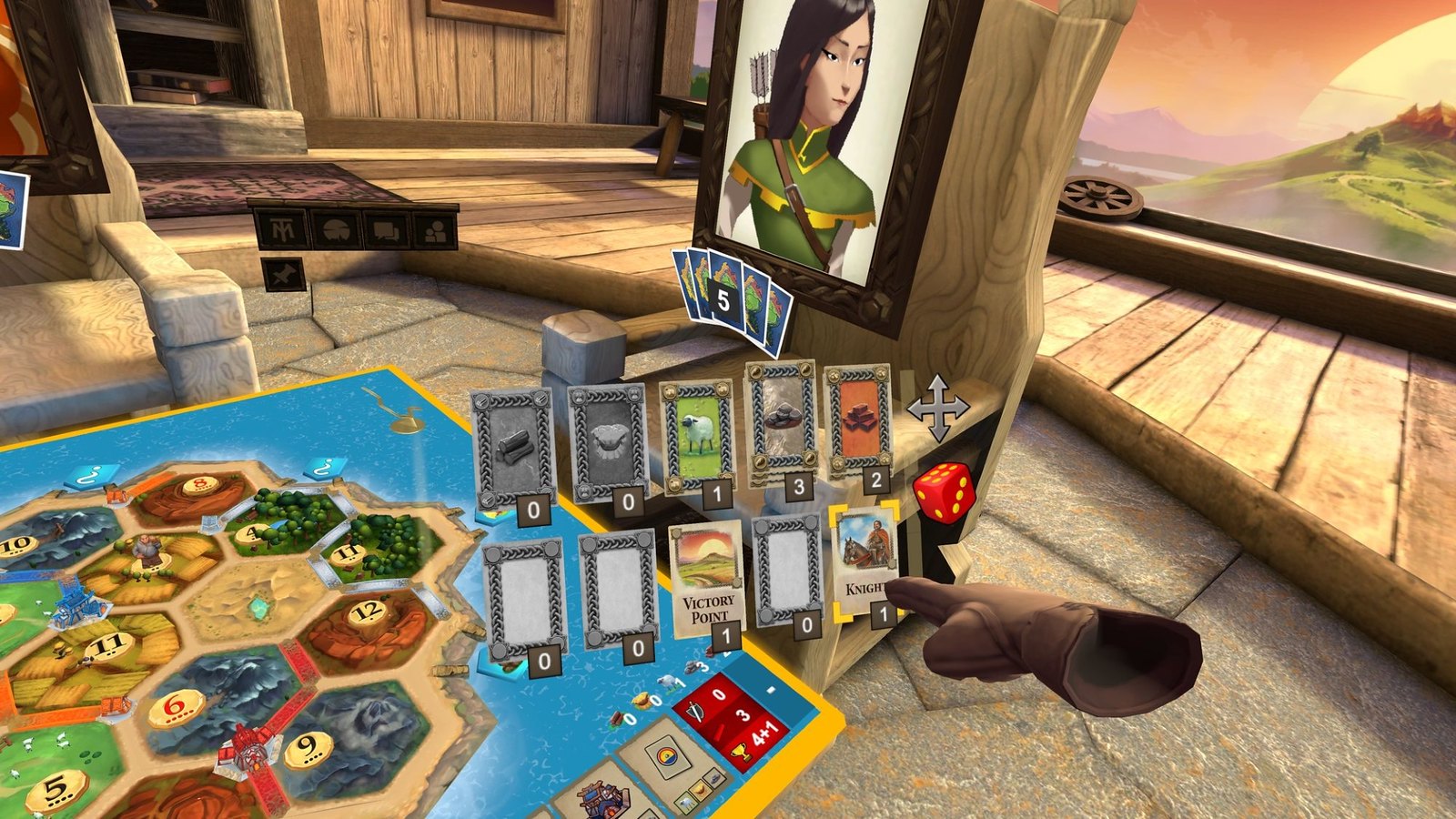
We’ve all had that moment. You stare across the room and see that familiar red box. It’s time to roll some bones, build some roads, hoard some sheep, and trade your way to victory on the island of Catan.
Unfortunately, this often happens when getting an impromptu gaming session together with your crew would be impractical if not impossible. You could fire up the mobile game, but you’re craving something a little bit more present; a bit more immersive.
Finally, you can scratch that itch any time, day or night, with the PlayStation VR version of Catan, starting tomorrow!
Social settling
The absolute best part about Catan on PS VR is the sense of social presence you get when you jump into a game with friends or online opponents. Catan VR has a broad vocabulary of game experiences and the excitement of a great roll, the frustration of getting robbed, or the satisfaction of landing a big trade is really evident in the myriad micro-movements that you see other players exhibiting throughout the game.
Our Discord-based Catan VR tournament group has evolved from a few players coordinating games to a full-blown community of friends and gamers. A big part of that cohesion is the feeling that once you jump into a game, you’re really there with the other players and PS VR really shines in this regard.
Whether you’re talking about the game itself or just catching up with friends before a game, Catan VR on PS VR serves as a great virtual tabletop to bridge the gap.
Catan characters come to life
While the social presence of Catan VR is amazing, sometimes you just want to game by yourself or practice different strategies. This is where our AI shines.
We worked directly with Klaus Teuber and his team of incredible game designers to develop AI players that both provide challenging tactical opponents at every difficulty level, but also express the canonical personalities that have made other versions of Catan so compelling.
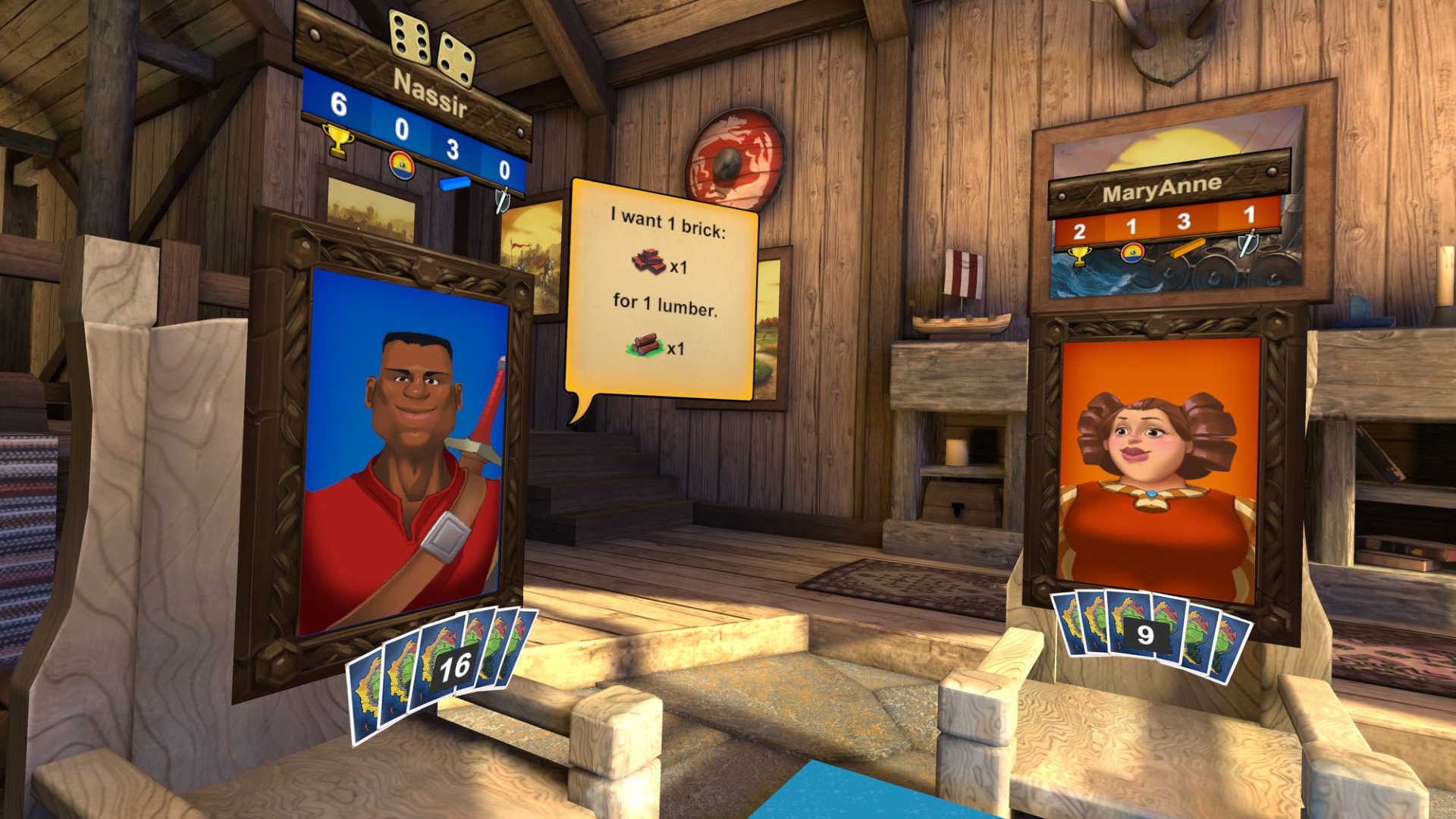
For example, if you want to fine tune your strategy with a more relaxed opponent, Mary Anne is a friendly player who just wants to build roads and have a good time. On the other hand, Jin will provide an aggressive challenge that will help you hone your skills for higher end play.
I for one have enjoyed way better play in meat-space with my usual Catan gaming group (aka my sister and her husband) which I totally credit to playing against the Catan VR AI in a controlled environment that really replicates what the live game feels like.
We also think we’ve come up with a really fun way to represent these classic characters in VR. While the card face presentation might seem very stylized at first, once you’re halfway through your first game, you’ll be reading their “tells” as if they were in the same room as you and looking for similar behaviors in online opponents too.
The iconic island like you’ve never experienced it before
One of my favourite parts of playing Catan on PS VR is that moment where you put the headset on and the game fires up from black. The VR display is so clean and the audio is tuned so perfectly that you can’t help but get goosebumps when you see the island fade into view, with some really soothing ambient audio making it feel like you’re really sitting on a hilltop just a few miles from the coast. I’ve probably seen this startup sequence a thousand or more times and it still gets me excited every time.
While the visuals of the island really are stunning, we’ve all spent a ton of hours in the headset on that island and quite a few of those hours were spent not playing, but just relaxing in the game lobby, either chatting with friends, poking around the room, or simply daydreaming. There’s something magical about the visuals of the island, the nostalgia of your favourite game setting coming to life, and the soundscape of the five elements of the game coming together.
I’d be lying if I said I didn’t catch a nap or two in the headset in the name of “quality assurance” throughout production.
With over 30 million copies sold, and a legacy that includes spawning the modern tactical board gaming movement, Catan is one of the most important games of all time. Combining that fantastic experience with the power of PS VR has led to some incredible results and we’re thrilled to share that experience with you tomorrow, 25th June.
Bill Gates has spoken candidly about his regrets as the leader of Microsoft, most particularly the company's attempts to build a dominant mobile OS. As reported by The Verge, during an interview at venture capital firm Village Global, Gates said "the...
7-Eleven has a way for its 7Now deliveries to stand out from the herd: let you order in all kinds of public spaces. An update to its 7Now app for iOS lets you ask for delivery to "pins," or commonly accessible locations like parks, beaches, concert...
On Monday night, a group of Hollywood stars will take part in a live reading of The Investigation: A Search for the Truth in Ten Acts, a play based on the Mueller report. The likes of Annette Bening, Kevin Kline, John Lithgow and Alyssa Milano are am...
You can officially experience 5G in the UK, with EE rolling out the country’s first 5G network on May 30th. But is 5G really any faster than 4G?
The simple answer to that is ‘yes’, and by a considerable margin. But the actual difference is still a little murky.
For one thing, 5G is only just starting to roll out around the developed world. For another, it’s not going to reach its full speed potential for a good while yet.
Add in the fact that there are already advanced forms of 4G that bolster traditional network speeds beyond what most of us are accustomed to, and you’ll hopefully understand why the lines appear so blurry right now.
So how much faster is 5G than 4G? The commonly accepted line here is that 5G is capable of providing speeds that exceed 4G by anything from a factor of 10 to a factor of 100.
This is made under the presumption that standard 4G can hit download speeds of around 100Mbps, while 5G in its current form could potentially hit 1000Mbps (1Gbps). Ultimately, that speed is expected to grow to 10Gbps and beyond.
The reason for this vagueness is the fluid definition of 5G itself, and the fact that it will utilise a number of different frequencies over its lifespan.
At present, 4G in the UK utilises a range of congested frequencies between 800MHz and 2600GHz. Initial 5G network rollouts will utilise some of this and the slightly higher 3.4 to 3.8GHz bands. But this doesn’t represent 5G’s full speed potential.
Download speeds of 10Gbps will only occur when so-called millimetre wave (also known as mmWave) comes into play. These much higher frequencies operate between 30GHz and 300GHz, which is the space between microwave and infrared waves.
The extra bandwidth available at these frequencies will enable those predicted speeds of 10Gbps and above. However, the narrow wavelength of mmWaves will necessitate additional infrastructure in the form of lots of small emitters dotted all over street furniture and buildings, which is why we’re not likely to see such elevated 5G performance for a few years yet.
All of which begs the question: how fast is 5G compared to 4G right now?
5G vs 4G in the real world
It’s early days for 5G, of course, and we’ll have to wait for the full adoption of mmWave frequencies in this country for it to reach its full potential.
However, we have had some hands-on experience with EE’s initial 5G offering. We recently spent 48 hours with the UK’s first 5G smartphone, the OnePlus 7 Pro, on the UK’s first 5G network.
While we found that the speed varied significantly across central London, the new 5G network maintained a healthy gap to 4G at almost all times.
During our tests, we managed to record 5G speeds of 120Mbps inside the shopping centre surrounding Canary Wharf station, compared to 30Mbps for 4G in the same area. That’s four times faster for the new network, though neither ‘G’ is exactly breaking down walls here.
When taken to Covent Garden, we were able to double those 5G speeds to 240Mbps, compared to 37Mbps for 4G. That’s more than six times faster from 5G.
The fastest 5G speeds we managed to get occurred on Golden Square, Soho, where we got around 410Mbps. However, it’s worth noting that 4G is also very strong in this location, with recorded speeds of up to 250Mbps. This means that the new network provided around a 60% speed improvement.
Even in these early days of 5G, then, it’s providing a healthy boost in speed over 4G. If we’re taking regular 4G speeds to be around the 100Mbps mark, then we’re already seeing the potential for a four times increase with initial 5G technology.
That gap is only going to grow as the fifth generation network stretches its legs over the coming years.
Her previous television credits include HBO’s Animals., Fox’s Empire, NBC’s Will & Grace, and, going even further back in her career, Ellen, Tales from the Crypt, and General Hospital. One of her Golden Globe nominations came from her performance in the HBO film If These Walls Could Talk.
Brave New World, based on Aldous Huxley’s dystopian literary classic, takes place in the world of New London, a “utopian” society that achieved stability through the prohibition of monogamy, privacy, money, family, and history itself. Lloyd and his co-star from The Riot Club, Jessica Brown Findlay, star as Bernard Marx and Lenina Crowe, two New Worlders who break free from their civilization by journeying to the Savage Lands, where they become swept up in a rebellion. With the arrival of John in the New World, all three must deal with the realities of their conditioning as this illusion of harmony becomes threatened.
David Wiener, a writer on Amazon’s Homecoming, serves as showrunner and executive producer on Brave New World, which includes EPs Grant Morrison (Happy!), Brian Taylor (on the first episode only), and Amblin Television co-presidents Darryl Frank and Justin Falvey.
Owen Harris, who helmed Black Mirror season 3 episode “San Junipero” and season 5’s “Striking Vipers,” will direct the first two episodes and also executive produce the series.
The US may have withheld a physical military response to Iran shooting down a drone, but it might not have shown similar restraint with a digital campaign. Washington Post sources say the President greenlit a long-in-the-making cyberattack that took...
The Huawei ban in the US has many American companies afraid to have anything to do with the Huawei. The company was explicitly banned from doing business with American tech companies last month by the Trump Administration due to "security concerns".
A frustrated member of PC Magazine tweeted about a situation where a UK-based member of the team intended to send a Huawei P30 Pro for testing to Indianapolis via FedEx, only to find the package was returned to the UK sender. A large note was slapped onto the package, which contained the Huawei phone that read "parcel returned by FedEx, Due...
For as long as there have been computers, people have made stories about them destroying all of mankind. This usually happens either because the machines see humans as a threat to their existence, or because they see us as obsolete and want to take over by killing us (and honestly, who can blame them?). Netflix's newest sci-fi movie, I Am Mother, tries to go a different route.
I Am Mother follow a girl referred to as Daughter (Clara Rugaard) who is being raised in an abandoned post-apocalyptic bunker by an artificial intelligence named Mother (voiced by Rose Byrne). Mother isn't programmed to kill humans, or even to raise them, but we see her learning how to take care of Daughter through trial and error, trying new things every day. The movie dares to ask: What if the machines really did want to help future generations of humans?
GameSpot had the chance to meet with director Grant Sputore and star Hilary Swank, who plays the mysterious Woman, after the film's world premiere at the Sundance Film Festival earlier this year. Now that I Am Mother is out on Netflix, this feels like the perfect time to discuss it.
As it turns out, Sputore based his take on the post-apocalyptic on something that is very real. "One of the huge turning points in artificial intelligence development these days is that it is not programmed," Sputore told us. "From what I found in my research, the new kind of software creation system called Machine Learning allows the machine to program itself via trial and error and almost natural selection. It tries stuff and sees if it works, and then adapts, essentially. The biggest dilemma is how you get the machine to appreciate a human life, so you don't end up like most dystopian sci-fi movies."
"It sounds like what a mother does," Swank chimed in. "Mother is faster and smarter, but she's grappling with the same sorts of questions mothers do, like defining right and wrong and teaching their children to value life."
Indeed, without going into spoilers, the character of Mother is like few other AI characters in movies. She seemingly cares for the human she's raising, and even doubts her own actions when it comes to raising Daughter, the only living human in a bunker with a large supply of human embryos. Though initially a happy relationship, things start going south when Daughter starts getting curious about the outside world, and Mother tries to steer her away from the subject. That all changes once Woman (Hilary Swank) somehow enters the bunker and starts giving Daughter a different version of history than she was taught. I Am Mother feels like a big-budget movie with a giant scope, despite there being only three characters the entire movie, which was very much intentional.
"That's the way to make this as a first film," Sputore said. "Sci-fi isn't really the type of film you normally do as a debut feature, but I've always loved sci-fi films, so I had to do it. The film had to be as contained as possible while still sneaking in as much scale and big ideas as possible. We just happened to make the space feel really slick and stylish, and the cool robot helped a lot."
That robot is the titular Mother, which is voiced by Rose Byrne but played physically by Luke Hawker inside a practical suit, which was made by Weta Workshop (Lord of the Rings).
"From the outset, I wanted to do Mother practically," Sputore told us. "The robot is one of the leads in the movie; I didn't want to risk going CG when it can take the audience out of the film. We were lucky enough that we just sent an email to the people at Weta Workshop and they were interested in the script. Having them on board was a huge relief."
Though we are meant to sympathize with Mother, at least from the outset, Hilary Swank's character, Woman, constantly clashes with Mother in how to raise Daughter and what to tell her about the world. And Swank is in full Terminator 2 Linda Hamilton mode for most of the film. "It is a story of survival," she explained. "Where Daughter and Mother are in a confined sci-fi thriller, my character is in full post-apocalyptical mode. We don't know what she's gone through, but you know she's seen some awful things, and doesn't really trust Mother--or anyone, really."
When we think of great sci-fi movies featuring artificial intelligence, they're usually trying to kill all humans. But what we see in I Am Mother is different. Grant Sputore thinks that's because the relationship between humans and machines has changed from what we imagined in the '80s.
"The machines usually have animosity towards their creators and see them as a threat," Sputore told us. "Today we have a much more symbiotic relationship with technology, where we are interwoven with and rely on technology. When artificial intelligence emerges, we hope that it'll be a collaborative and beneficial experience for both parties. That's what I think is fresh about this movie--that we have an AI that does respect and love humanity, even if it's a complicated relationship that we explore onscreen."
After months of rumors and speculation, Facebook is finally making its cryptocurrency efforts official. This is Calibra, a digital wallet that will use a new cryptocurrency called Libra. Calibra, which is now a subsidiary of Facebook, is designed to...
Why wait on Elon Musk to deliver your perfect vehicle when you can just make one yourself? YouTuber and inventor Simone Giertz needed a truck to carry materials for her creations, but didn't want a gas-guzzling pickup. So the 28-year-old robotics ent...


 Facebook and Carnegie Mellon University have built another artificial intelligence bot that beat some top poker pros. While AI bots have been to best professional players in one-on-one competition, Facebook claims it's the first time a bot has been a...
 For the first time ever, physicists have captured an image of quantum entanglement. In a paper published in the journal of Scientific Advances, scientists from the University of Glasglow shared the first known image of a Bell entanglement. The photo...
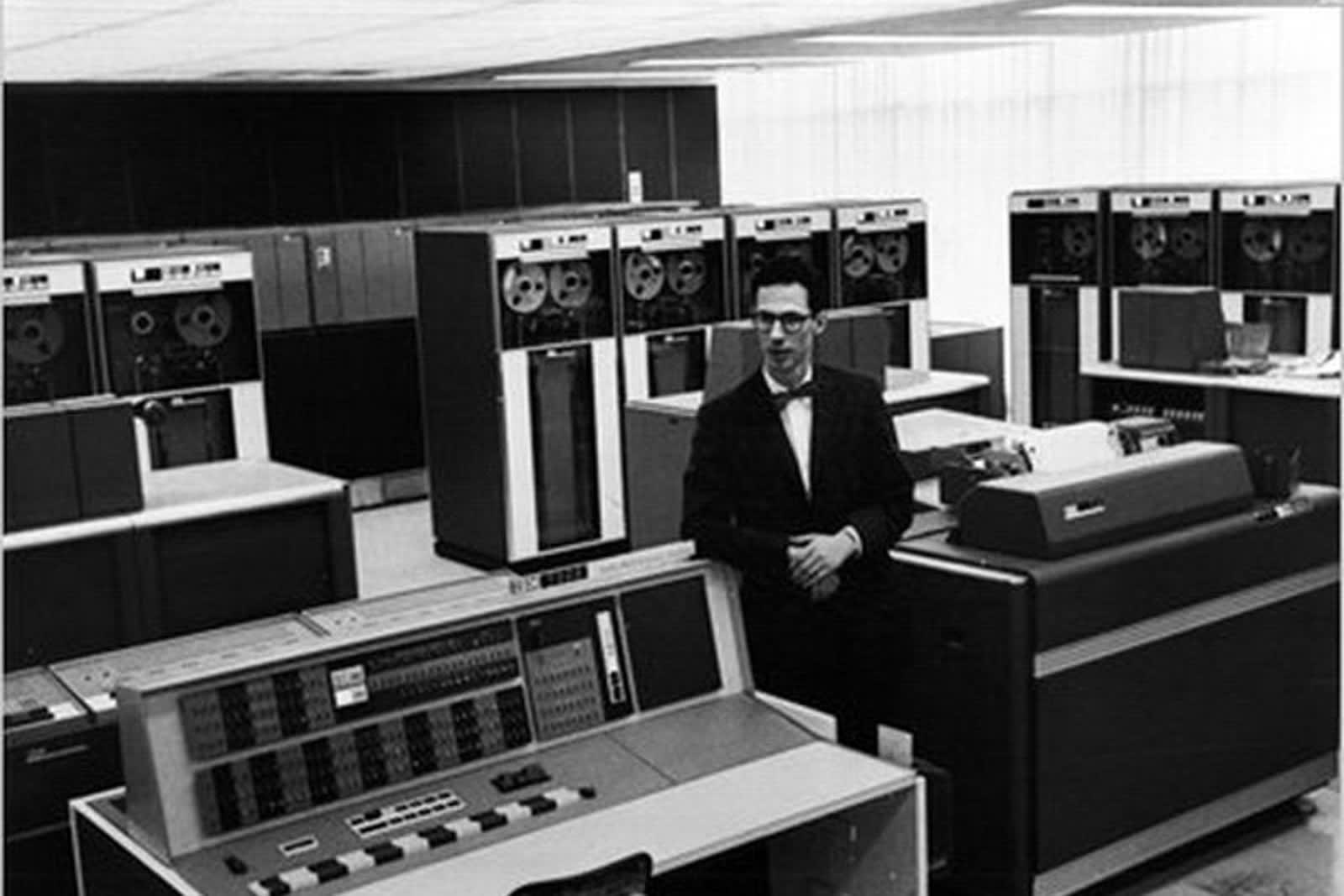 Computer security just lost one of its founders. Fernando "Corby" Corbato, credited with inventing the computer password, has died at the age of 93. The MIT researcher devised the concept of password-protected user accounts when establishing his Co...
 Another company wants to get in on the animal-free meat trend. The Swiss company Planted hopes to do for chicken what Impossible Foods did for beef. It claims its planted.chicken -- made from pea protein, pea fiber, water and sunflower oil -- is indi...


 7-Eleven Japan's mobile payment app had such poor security measures, the company had to shut it down just a couple of days after its release. In an announcement explaining the issue, the company admitted that hackers were able to break into 900 users...
 Many airliners can land automatically, but they don't really land autonomously -- the airport is guiding them in with a radio signal (the Instrument Landing System). And when many smaller airports don't have this feature, it's not even an option. R...
pic.twitter.com/zmmC2kEHcW


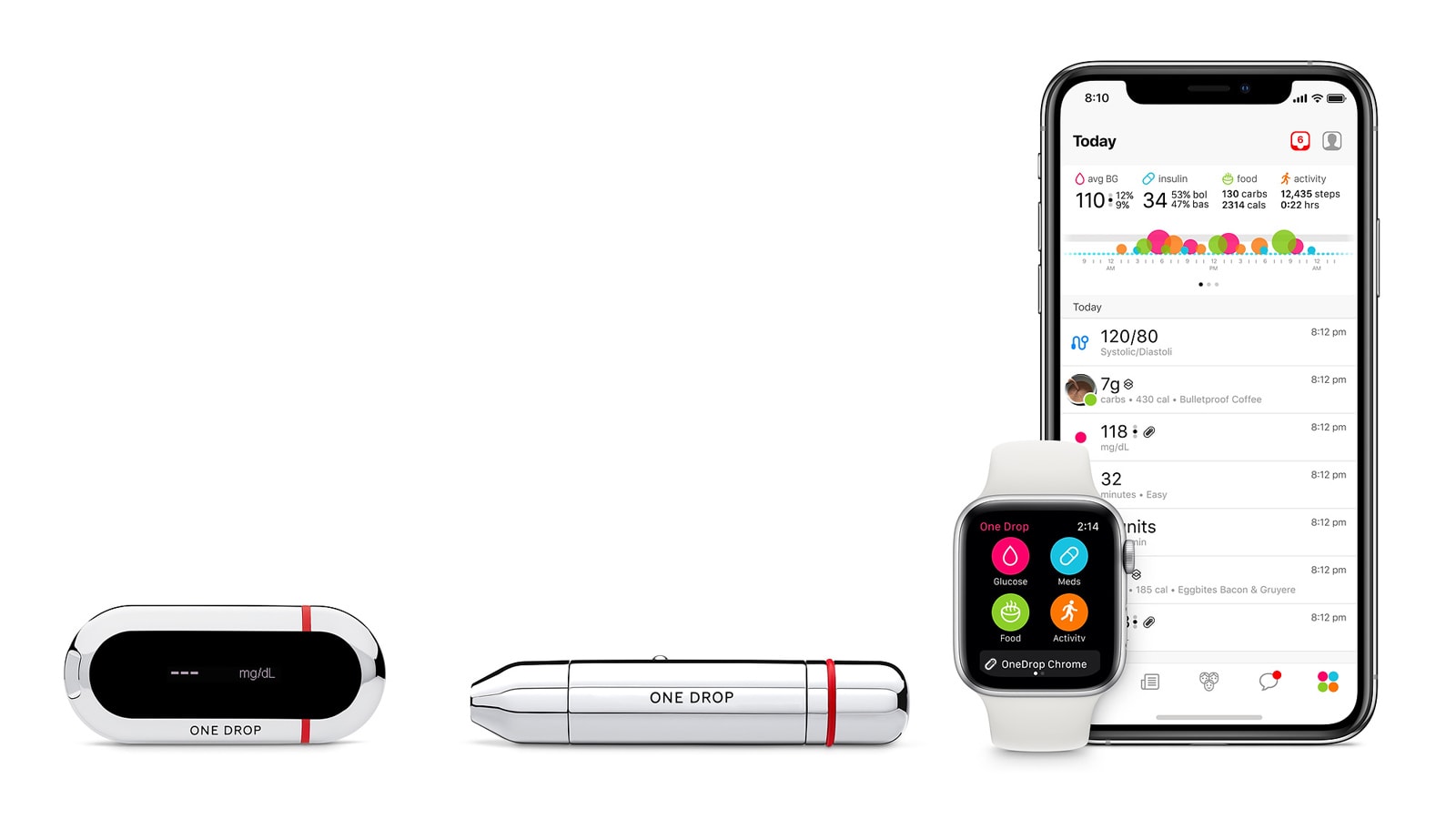 Apple's health push now includes more tools for diabetics. Apple retail stores have started carrying a diabetes tracking product -- in this case, One Drop's blood glucose monitor. It's not a continuous monitor (you have to lance yourself), but its Bl...


 Bill Gates has spoken candidly about his regrets as the leader of Microsoft, most particularly the company's attempts to build a dominant mobile OS. As reported by The Verge, during an interview at venture capital firm Village Global, Gates said "the...
 7-Eleven has a way for its 7Now deliveries to stand out from the herd: let you order in all kinds of public spaces. An update to its 7Now app for iOS lets you ask for delivery to "pins," or commonly accessible locations like parks, beaches, concert...
 On Monday night, a group of Hollywood stars will take part in a live reading of The Investigation: A Search for the Truth in Ten Acts, a play based on the Mueller report. The likes of Annette Bening, Kevin Kline, John Lithgow and Alyssa Milano are am...


 The US may have withheld a physical military response to Iran shooting down a drone, but it might not have shown similar restraint with a digital campaign. Washington Post sources say the President greenlit a long-in-the-making cyberattack that took...



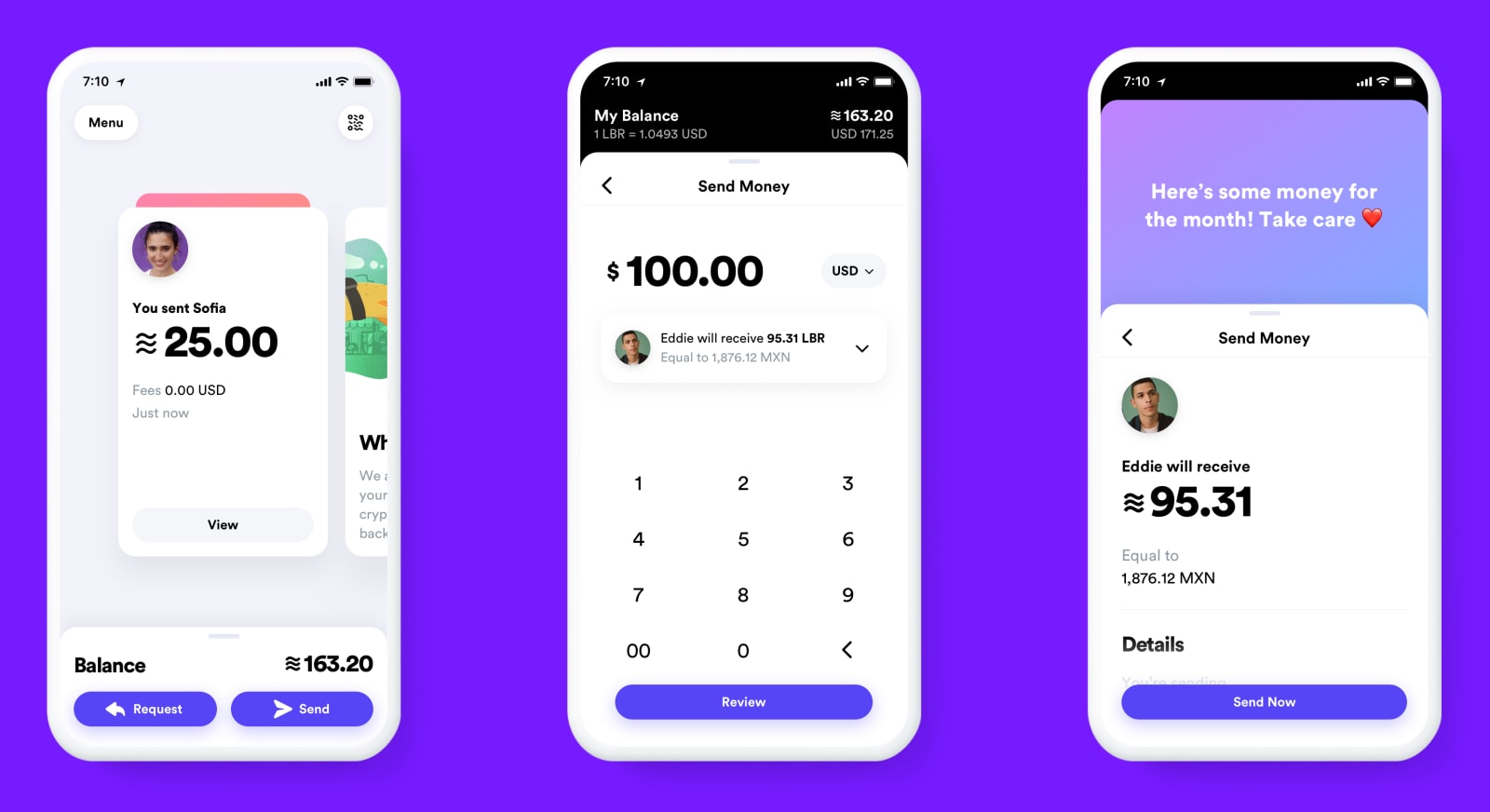 After months of rumors and speculation, Facebook is finally making its cryptocurrency efforts official. This is Calibra, a digital wallet that will use a new cryptocurrency called Libra. Calibra, which is now a subsidiary of Facebook, is designed to...
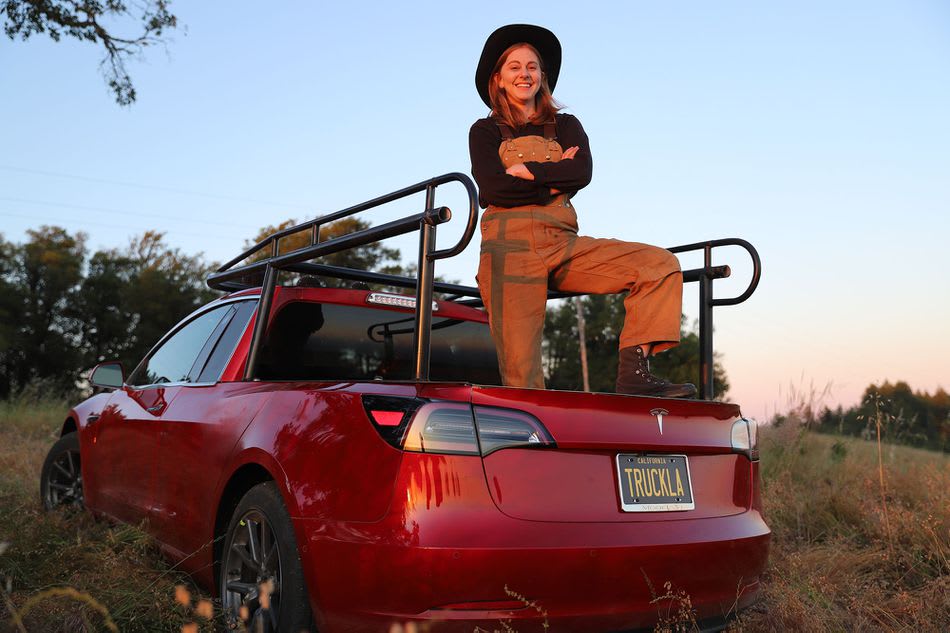 Why wait on Elon Musk to deliver your perfect vehicle when you can just make one yourself? YouTuber and inventor Simone Giertz needed a truck to carry materials for her creations, but didn't want a gas-guzzling pickup. So the 28-year-old robotics ent...