Shared posts

03 Dec 02:37

Prize-Winning Animation Lets You Fly Through 17th Century London

by Dan Colman

Six students from De Montfort University have created a stellar 3D representation of 17th century London, as it existed before The Great Fire of 1666. The three-minute video provides a realistic animation of Tudor London, and particularly a section called Pudding Lane where the fire started. As Londonist notes, “Although most of the buildings are conjectural, the students used a realistic street pattern [taken from historical maps] and even included the hanging signs of genuine inns and businesses” mentioned in diaries from the period. For their efforts, the De Montfort team was awarded first prize in the Off the Map contest, a competition run by The British Library and video game developers GameCity and Crytek. You can find more information about how the animation came together over at the animators’ blog, plus at The British Library’s Digital Scholarship blog.

H/T @Sheerly

Related Content:

History: Free Online Courses

Rome Reborn – An Amazing Digital Model of Ancient Rome

How the Egyptian Pyramids Were Built: A New Theory in 3D Animation

A Digital Reconstruction of Washington D.C. in 1814

What Ancient Greek Music Sounded Like: Hear a Reconstruction That is ‘100% Accurate’

Prize-Winning Animation Lets You Fly Through 17th Century London is a post from: Open Culture. You can follow Open Culture on Facebook, Twitter, Google Plus and by Email.

02 Dec 01:20

Thug Notes, Gangsta Speak Summaries of Classical Literature

by mikl-em

Turns out there’s a difference between being illiterate and ill literate. Sparky Sweets, PhD hosts Thug Notes a weekly series of gangsta speak dissertations on classic literary works via YouTube. Sweets delivers genuinely insightful, erudite reviews of books by the likes of Orwell, Huxley, Hawthorne, Dostoevsky, and even Tolkien. Along the way we get a kind of thesaurus of streetwise synonyms for “kill”. Murk, cap, ice… it turns out there’s a lot of murder in classic literature.

Join me as I drop some of da illest classical literature summary and analysis that yo ass ever heard. Educate yo self, son.

Dr. Sweets’ critiques touch on foils, motifs, themes, symbolism and all that. While he has major literary knowledge, he clearly brings a minor in philosophy–dropping Nietzsche quotes like they were über hot and explaining Ray Bradbury’s Fahrenheit 451 with a pertinent dose of Heidegger. Here are a few choice off-the-shelf examples:

“Thug Notes” debuted on YouTube earlier this year. The name is a play on “Cliffs Notes” the original literary summary series for lazy high school students.

Sweets, who is from LA, claims to be a legit PhD and have an agenda to deflate the exclusivity of academia. In an interview he says he wants to inspire teachers:

Sometimes you have to seize it, and I hope Thug Notes inspires teachers to explore alternative methods to really engage their students. On a larger scale, I also hope that people realise that comedy is a powerful tool for education!

It seems to be working:

We forreal just watched Thug Notes in my English class #ThugNotes

— Chase C. Coleman ? (@TrippCHunnit) October 14, 2013

Thanks Tony Campanale!

08 Nov 23:07

German Band Rakede Performs a Table Concert With Beer Bottles and Helium

by Kimber Streams

Six members of the German band Rakede perform a concert at a table with beer bottles, a crushed can, and some helium in this fun video.

via b3ta, The Awesomer

08 Nov 23:04

The Bottle Boys Perform a Cover of ‘The Little Mermaid’ Song ‘Under the Sea’ Using Only Bottles

by Justin Page

While standing in a pool, all 5 members of The Bottle Boys performed a beautiful cover of The Little Mermaid song “Under the Sea” using only bottles.

via reddit

08 Nov 22:33

Sex on synaesthesia

by David Pescovitz
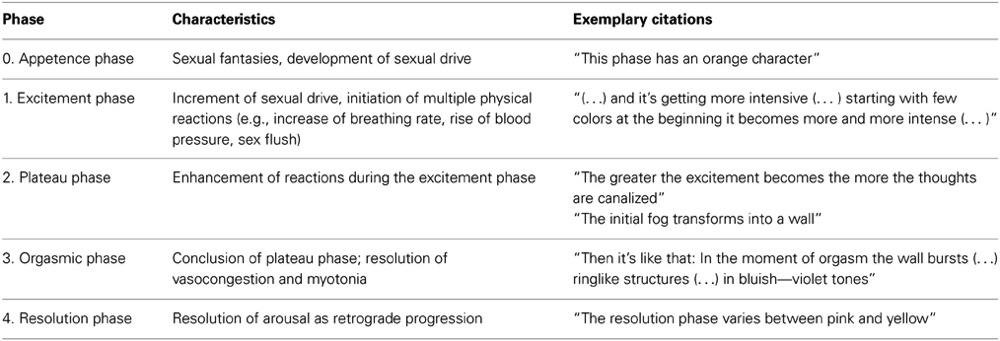
What is sex like for synaesthetes? Synaesthesia is a fascinatingly strange neurological condition in which two ore more senses are linked so that someone, for example, might "taste" sounds or "hear" colors. Emotional synaestesia is when pleasurable feelings may trigger the individual to see certain colors or have other sensations. Researchers from Harvard Medical School, Hannover Medical School, and University Bremen studied a group of emotional synaesthetes to gain insight into their sexual experiences. Below is a table from the scientific report revealing the subjects' experiences during different phases of the human sexual response cycle, such as: "In the moment of orgasm the wall bursts… ringlike structures… in bluish-violet tones." Far fucking out!

(click to see larger)

Fpsyg 04 00751 t003

"Synaesthesia and sexuality: the influence of synaesthetic perceptions on sexual experience" (via Mind Hacks)


08 Nov 22:31

America's whitest jobs

by Rob Beschizza
Approximately 96% of America's farmers and veterinarians are white. [The Atlantic]


08 Nov 22:31

Understanding spurious correlation in data-mining

by Cory Doctorow


Last May, Dave at Euri.ca took at crack at expanding Gabriel Rossman's excellent post on spurious correlation in data. It's an important read for anyone wondering whether the core hypothesis of the Big Data movement is that every sufficiently large pile of horseshit must have a pony in it somewhere. As O'Reilly's Nat Torkington says, "Anyone who thinks it’s possible to draw truthful conclusions from data analysis without really learning statistics needs to read this."

* If good looks and smarts are distributed normally, and

* If good looks and smarts have nothing to do with each other, and

* If movie producers want both smarts and looks

* Then, by observing employed actors we’ll assume that looks and smarts have a negative correlation

* Even though we constructed this experiment with no correlation

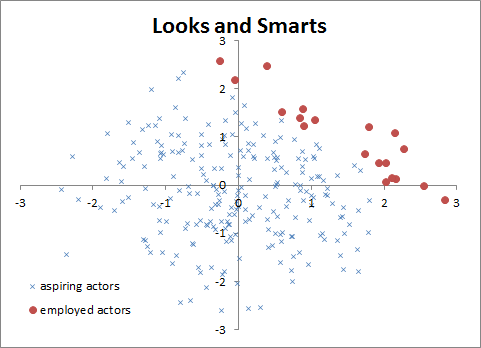
Here’s a graph of 250 randomly generated points (with no correlation). With the red circles representing “actors who are smart and good looking enough to get a job (looks+smarts>2), and lighter blue x’s representing “people who wanted to be actors”

Clearly if we only look at actors with jobs, we’ll see a clearly negative correlation between smarts and good looks. In fact, some brilliant actors are less attractive than an average person, and some gorgeous actors are dumber than an average person. Even more interesting though, is that if we try to rule out bias by looking at aspiring but unsuccessful actors as well, we’ll find that they exhibit a similar correlation...

You’re probably polluting your statistics more than you think (via O'Reilly Radar)


07 Nov 08:33

The Nazi Anatomists

by editors

How the corpses of Hitler’s victims still haunt modern science—and American abortion politics.

Emily Bazelon | Slate | Nov 2013
[Full Story]
07 Nov 08:33

'Racist abuse of Yaya Touré is a smokescreen, real problem is at home'

A millionaire getting booed in Moscow is nothing compared with people at home never getting the chance to better their lives

I'm not interested in what happened to Yaya Touré at CSKA Moscow – as far as I'm concerned their supporters can abuse who they want because, for me, what happened in Russia is the tip of a wider issue and, quite frankly, something of a smokescreen. For instance, how many black coaches are there in this country? Very few, yet all we're focusing on is CSKA Moscow, and the more we push for clubs like them to get banned or have their stadiums shut down the more we don't need to look at what is going on here.

The truth is that those at the top of British football do not care about getting rid of racism, they just don't want to hear it or see it. As soon as someone like Touré or Danny Rose gets abused in Eastern Europe there is shock and outrage from players, clubs and the authorities, yet no one is speaking about the people living in inner cities like Brixton who, because of their appearance and their background, have become completely disenfranchised from society. Why don't they care? Because the powers-that-be have enough wealth to not worry about these people.

Black players, in particular, should be tackling these issues because ultimately it will affect them when they retire. There are so many intelligent former black players, guys like Luther Blissett and Cyrille Regis, who never got a chance to become a top manager or a top coach because of the perception that surrounds people who look like them. They are black – which, for many, means they are good athletes but incapable of being anything above and beyond that.

To a large extent this is down to unconscious racism and probably 99% of us are guilty of that – I know I am. We all have preconceptions of people based on what we have been told about them and their race and ethnicity.

I still come across managers of a certain generation, those in their fifties and older, who say to me: "I don't see you as black", and think that is a compliment. So what, I don't walk around with my jeans down by my arse, smoking a spliff, so that means I'm not black? These are the attitudes we need to change if black people as a whole are going to progress, and the only way we can achieve that is through education.

This is what footballers have to do – they cannot directly affect society but what they can do is use their standing in this country to make a wider audience aware of the wider issues surrounding race and stress the importance of understanding that what they have been told about a certain group of people is, in the main, wrong.

That, for instance, the best occupations black people can aspire to is being a footballer, or a runner, or a singer. People look at Barack Obama and say: "See, black people can be President" – no they can't. Any black person who has been successful, particularly Obama, has been lifted out of blackness and stands as the exception.

We need to talk openly about perceptions and not be afraid of the fact that we all have different views about different people based on how they look. There is nothing racist about an open, honest dialogue and it is certainly more productive then pointing the finger at the CSKA Moscow fans, or at Luis Suárez or John Terry, and demanding they are punished.

Personally, I don't blame Suárez or Terry for what they did – they are simply products of a society and environment that allows them to think it is OK to speak about certain people in a certain way. It would be far better if instead of banning them and demonising them, the Football Association aimed to educate them and make them see that black people are undeserving of racial abuse.

The truth is that Anton Ferdinand has more in common with Terry than he does with someone from Africa. They're wealthy guys from western culture who both drive Bentleys, both drink champagne and both listen to Tinie Tempah, yet Ferdinand is told he is different, that he is part of a race open to insults? That is ridiculous and, again, is the product of historically incorrect preconceptions.

Racism is never personal – it's about someone saying the group I am part of is superior to the group you are part of. How, for instance, can a handsome, talented, beautiful black footballer be personally affected by a fat, ugly, unemployed fan calling them a black this or a black that? I used to get that when I was playing and I used to just look at the people doing it and think: 'You're abusing me? Look at you, how can you even dare abuse me?!'

That is why it is pointless, and pretty ridiculous, to be worrying about a footballer getting racially abused – in no way are they the biggest sufferers, and, quite frankly, if I was someone like Touré or Rose I'd feel embarrassed if I had to look at someone who was suffering genuine racism and take their sympathy. A millionaire getting booed in Russia is nothing compared with generations of people never getting the chance to better their lives and those of their children.

Physically we are different – east Africans, for instance, are genetically inclined to run long distances in shorter spaces of time – but intellectually and morally we all have the potential to be the same. That is the type of equality I am interested in and is the message I give when speaking at universities and other public forums. And that is what more people involved in football, black players in particular should be doing. Because unless you get rid of racism in society, you can never get rid of it in football and as things stand there will always be these one-off moments when a player is abused or booed purely because of the colour of their skin.

Everyone goes into shock because they thought racism had disappeared from the game but how can it have done when it continues to exist in every other part of society at a more deep-seated, depressing level? Just because someone keeps their mouth shut for 90 minutes doesn't mean that for the rest of the week he isn't a racist, or hold unconsciously racist views, and until that is addressed, there will always be a problem.

Tackling racism is a long and complicated process but one thing's for sure; it cannot be solved by banning a player or closing part of a stadium. The problem is wider than that and if football really cared those involved in the game, players in particular, would worry less about one-off incidents like what happened to Touré when he played for Manchester City in Moscow and more about what is going on around them. Perceptions need to change and for that to happen, education needs to be pushed as the only way forward.

John Barnes has donated his fee for this column to charity


theguardian.com © 2013 Guardian News and Media Limited or its affiliated companies. All rights reserved. | Use of this content is subject to our Terms & Conditions | More Feeds

07 Nov 07:41

Running a stop sign results in multiple police-ordered anal probes

by Mark Frauenfelder
Good times in New Mexico, courtesy a police department high on the war on drugs:

Eckert's attorney, Shannon Kennedy, said in an interview with KOB that after law enforcement asked him to step out of the vehicle, he appeared to be clenching his buttocks. Law enforcement thought that was probable cause to suspect that Eckert was hiding narcotics in his anal cavity. While officers detained Eckert, they secured a search warrant from a judge that allowed for an anal cavity search.

The lawsuit claims that Deming Police tried taking Eckert to an emergency room in Deming, but a doctor there refused to perform the anal cavity search citing it was "unethical."

But physicians at the Gila Regional Medical Center in Silver City agreed to perform the procedure and a few hours later, Eckert was admitted.

While there...

1. Eckert's abdominal area was x-rayed; no narcotics were found.

2. Doctors then performed an exam of Eckert's anus with their fingers; no narcotics were found.

3. Doctors performed a second exam of Eckert's anus with their fingers; no narcotics were found.

4. Doctors penetrated Eckert's anus to insert an enema. Eckert was forced to defecate in front of doctors and police officers. Eckert watched as doctors searched his stool. No narcotics were found.

5. Doctors penetrated Eckert's anus to insert an enema a second time. Eckert was forced to defecate in front of doctors and police officers. Eckert watched as doctors searched his stool. No narcotics were found.

6. Doctors penetrated Eckert's anus to insert an enema a third time. Eckert was forced to defecate in front of doctors and police officers. Eckert watched as doctors searched his stool. No narcotics were found.

7. Doctors then x-rayed Eckert again; no narcotics were found.

8. Doctors prepared Eckert for surgery, sedated him, and then performed a colonoscopy where a scope with a camera was inserted into Eckert's anus, rectum, colon, and large intestines. No narcotics were found.

Don't Appear to Be Clenching Your Buttocks When Pulled Over For Not Coming to a Complete Stop or Be Tortured by Doctors: America, This is Your War on Drugs


05 Nov 22:48

Reading positions

by swissmiss

Reading positions

Reading positions. Made me laugh.

05 Nov 13:25

QUIZ: Which Of These Identical Twins Smokes or Has Been Smoking Longer?

by Tomas

A team of doctors and researchers from Case Western Reserve University in Cleveland have gathered an interesting new take on tobacco and cigarettes by comparing pairs of twins in which one of them smokes. They attended the Twins Days festival in Twinsburg, Ohio and met 79 pairs of twins in which either only one twin smoked or where one of the twins had started smoking at least 5 years before the other did. Professional photographers then took their portraits and a panel of judges were asked to evaluate the twins’ faces and rate their signs of aging.

The judges gave the twins scores, but you can see the results for yourself. The smoking twins, in comparison to their siblings that did not smoke or had smoked for a shorter period of time, received worse scores for wrinkled and baggy eyes, baggy cheeks, nose wrinkles, jowls and lip discoloration.

Smoking can be a controversial issue. On the one hand you’ve got the tobacco lobby and enthusiastic fans of smoking who defend their habit, and on the other you’ve got plenty of public and private institutions amassing a growing pile of evidence that smoking tobacco is bad for your health.

Smoking is a personal decision. Some people enjoy it enough that they don’t mind the numerous health risks, while others are simply too addicted to quit. But if you haven’t started smoking, think twice before you do!

Source: journals.lww.com (Facial Changes Caused by Smoking: A Comparison between Smoking and Nonsmoking Identical Twins – Okada, Haruko C. M.D.; Alleyne, Brendan B.S.; Varghai, Kaveh; Kinder, Kimberly M.D.; Guyuron, Bahman M.D.)


See the rest of QUIZ: Which Of These Identical Twins Smokes or Has Been Smoking Longer?

04 Nov 20:23

30 Of The Most Powerful Images Ever

by Lina

A picture is worth a thousand words, but not all pictures are created equal. The pictures we usually feature on Bored Panda can be cute, beautiful, funny, or enchanting, but these pictures are powerful. They are gripping and unforgettable because of the volumes they speak about the human condition – about some of the best and worst moments of contemporary human existence.

We should warn our readers that some of these pictures may upset them, while others may fill them with joy. But that’s precisely because these images reflect some of the best and worst parts of the human experience and world events. Our post of must-see photos from the past described our history while these photos, for the most part, describe our present – our suffering and our triumphs, our perseverance and our failures, our compassion and our hatred, our intelligence and our stupidity.

Some of these photographs may mean more to some of our readers than to others. But hopefully, they will remind us all that the world can always use a little bit more love, tolerance, compassion and understanding.

P.S: we always try our best to credit each and every photographer, but sometimes it’s impossible to track some of them. Please leave a comment if you know the missing authors.

1. Starving boy and missionary

Image credits: Mike Wells

2. Inside an Auschwitz gas chamber

Image credits: kligon5

3. Heart surgeon after 23-hour-long (successful) heart transplant. His assistant is sleeping in the corner.

Image credits: James Stanfield

4. Father and son (1949 vs 2009)

Image credits: Vojage-Vojage

5. Diego Frazão Torquato, 12 year old Brazilian playing the violin at his teacher’s funeral. The teacher had helped him escape poverty and violence through music

Image credits: salvemasnossascriancas.blogspot.com

6. A Russian soldier playing an abandoned piano in Chechnya in 1994

Image credits: drugoi.livejournal.com

7. Young man just found out his brother was killed

Image credits: Nhat V. Meyer

8. Christians protect Muslims during prayer in the midst of the 2011 uprisings in Cairo, Egypt

Image credits: Nevine Zaki

9. A firefighter gives water to a koala during the devastating Black Saturday bushfires in Victoria, Australia, in 2009

Image credits: abc.net.au

10. Terri Gurrola is reunited with her daughter after serving in Iraq for 7 months

Image credits: Louie Favorite

11. Indian homeless men wait to receive free food distributed outside a mosque ahead of Eid al-Fitr in New Delhi, India

Image credits: Tsering Topgyal / AP

12. Zanjeer the dog saved thousands of lives during Mumbai serial blasts in March 1993 by detecting more than 3,329 kgs of the explosive RDX, 600 detonators, 249 hand grenades and 6406 rounds of live ammunition. He was buried with full honors in 2000

Image credits: STR News / Reuters

13. Man Falling from the World Trade Center on 9/11. “The Falling Man.”

Image credits:  Richard Drew /AP

14. Alcoholic father with his son

Image credits: imgur.com

15. Embracing couple in the rubble of a collapsed factory

Image credits: Taslima Akhter

16. Sunset on Mars

Image credits: nasa.gov

17. Five-year-old gypsy boy on New Year’s Eve 2006 in the gypsy community of St. Jacques, Perpignan, Southern France. It is quite common in St. Jacques for little boys to smoke

Image credits: Jesco Denzel

18. Hhaing The Yu, 29, holds his face in his hand as rain falls on the decimated remains of his home near Myanmar’s capital of Yangon (Rangoon). In May 2008, cyclone Nargis struck southern Myanmar, leaving millions homeless and claiming more than 100,000 lives

Image credits: Brian Sokol

19. A dog named “Leao” sits for a second consecutive day at the grave of her owner, who died in the disastrous landslides near Rio de Janiero in 2011.

Image credits: Vanderlei Almeida / Getty Images

20. “Wait For Me Daddy,” by Claude P. Dettloff in New Westminster, Canada, October 1, 1940

Image credits: Claud Detloff

21. An old WW2 Russian tank veteran finally found the old tank in which he passed through the entire war – standing in a small Russian town as a monument

Image credits: englishrussia.com

22. Flower power

Image credits: Bernie Boston

23. A woman sits amidst the wreckage caused by a massive earthquake and ensuing tsunam, in Natori, northern Japan, in March 2011

Image credits: Asahi Shimbun, Toshiyuki Tsunenari /AP

24. The Graves of a Catholic woman and her Protestant husband, Holland, 1888

Image credits: retronaut.com

25. Greg Cook hugs his dog Coco after finding her inside his destroyed home in Alabama following the Tornado in March, 2012

Image credits: Gary Cosby Jr. / AP

26. Demonstration of condom usage at a public market in Jayapura, capital of Papua, 2009

Image credits: Adri Tambunan

27. Russian soldiers preparing for the Battle of Kursk, July 1943

Image credits: Shirak Karapetyan-Milshtein

Update: Our reader Leif-Erik pointed out that this photograph was actually created in 2006-2007 for a photo competition. It is based on archive photos from the war in Russia in 1941-1945.

28. During massive floods in Cuttack City, India, in 2011, a heroic villager saved numerous stray cats by carrying them with a basket balanced on his head

Image credits: Biswaranjan Rout / AP

29. An Afghan man offers tea to soldiers

Image credits: Rafiq Maqbool / AP

30. Some parents, likely now in their 70′s, still looking for their missing child.

Image credits: reddit.com

P.S: we always try our best to credit each and every photographer, but sometimes it’s impossible to track some of them. Please leave a comment if you know the missing authors.

30 Of The Most Powerful Images Ever originally appeared on Bored Panda on November 4, 2013.

04 Nov 20:12

Explaining the banned phrases in a Chinese microblogging client

by Cory Doctorow

LINE is a Twitter-like service popular in Asia. @hirakujira discovered that its Chinese-language client, Lianwo, had a file listing 24 forbidden phrases that set to trigger an error reading "Your message contains sensitive words, please adjust and send again" (though this was not yet enabled). The Blocked on Weibo Tumblr has begun a series of posts listing every one of these banned phrases and explaining their context -- for example, Zhejiang’s receipt-signing Brother (浙江签单哥) refers to an embezzlement scandal involving Zhejiang's Vice Minister of Propaganda.

    *浙江签单哥 / Zhejiang’s receipt-signing Brother

    *警察杜平 / Police Dupin; 宣恩杀人现场 / Xuanen murder scene

    *叶迎春内衣 / Ye Yingchun underwear; 叶迎春 / Ye Yingchun

    *孙国相拆迁 / Sun Guoxiang demolition

    *中央领导内幕 / Central leadership insider

    *盘锦开枪 / Panjin shot; 四学者建言 / Four scholars suggestions; 

    *盘锦二表哥姜伟华 / Panjin, Second Watch Brother: Jiang Weihua; 姜伟华名表 / Jiang Weihua namebrand watches; 江诗丹顿 表叔 / Vacheron Constantin uncle

    *只身挡坦克 / Tanks block alone

    *爆料不孝女 / Expose: unfilial daughter; 爆料朱熹后人 竟是政协委员 / Expose: Zhu Xi’s descendants, suddenly CPPCC committee members

    *人大附中择校费杨东平 / Renmin High School, school choice fees; Yang Dongping

    *奥数叫而不停 / Complaints about Math Olympiad have not ceased

    *帝都 实行宵禁 / Imperial Capital implements night curfew

    *11月5日至15日 出租车禁行 / Nov 5 to 15 rental cars banned; 表叔 陈应春 / Uncle Chen Yingchun

    *江泽民被控制 / Jiang Zemin has been controlled; 江系军委被撤 / Jiang withdraws from Military Commission

    *张蓓莉200万耳环 / Zhang Peili 2 million RMB salary; 温家 戴梦得 / Wen [Jiabao] Diamond; 温家宝 27亿 / Wen Jiabao 2.7 billion [USD]; 影帝温家 / Actor Wen Jiabao; 温家 资产700亿 / Wen Jiabao assets 70 billion

    *网络封锁 / Internet blockade

    *维族 砍人 / Uyghurs stab people

    *和田 暴乱 / Hotan rebellion

    *万鄂湘亚视 / Wan Exiang, Asia Television Limited

    *李正源李刚 / Li Zhengyuan, Li Gang; 交警夏坤 / Traffic cop Xia Kun

    *64屠城 / June 4 massacre

    *中南海保密风暴内幕 / Zhongnanhai secret behind the scenes tempest

    *胡江权斗 / Hu-Jiang power struggle

    *中国联邦革命党 / China Federation Revolutionary Party

The Chinese keywords on messaging app LINE’s “bad words” list and why they are “bad” (via Beyond the Beyond)


04 Nov 19:56

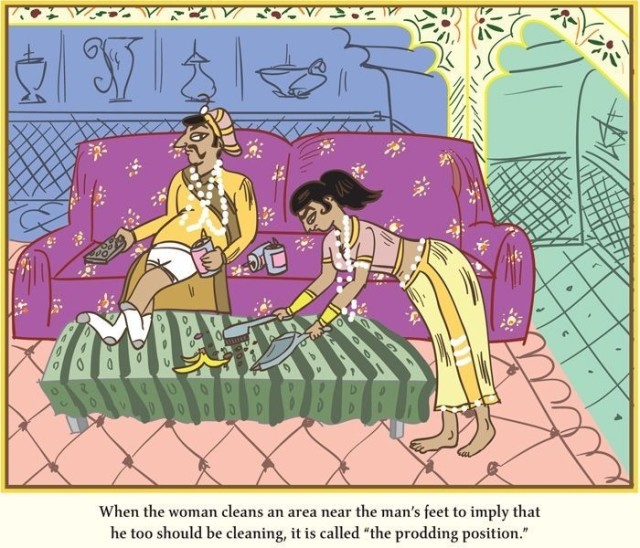
The Married Kama Sutra: The World’s Least Erotic Sex Manual

by EDW Lynch

Married Kama Sutra

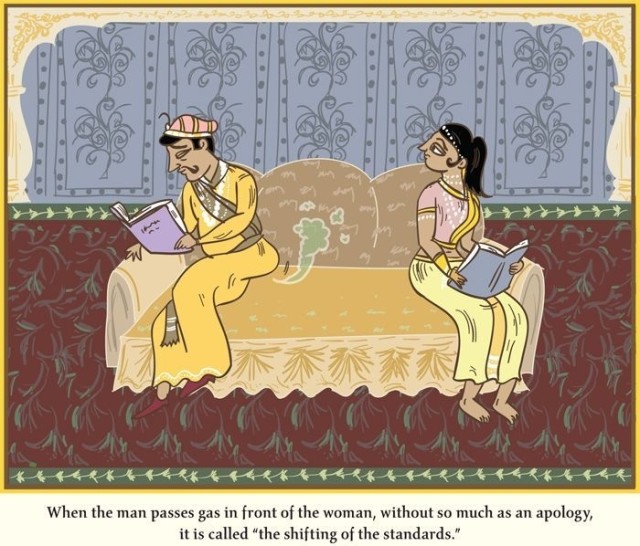
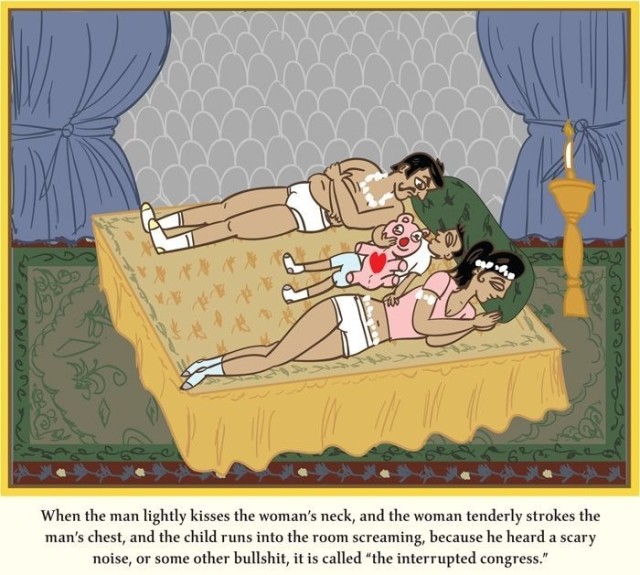
Billed as a sequel to the ancient Kama Sutra, The Married Kama Sutra: The World’s Least Erotic Sex Manual is a hilarious and/or depressing illustrated guide to the (nonsexual) positions of married life. The positions have unhappy names like “The Dishwasher Position” and “Interrupted Congress” and are accompanied by humorous captions on the travails of marriage. The Married Kama Sutra is by comedy writer Simon Rich and cartoonist Farley Katz and will be released on October 29, 2013. It is available for pre-order on Amazon.

Married Kama Sutra

Married Kama Sutra

via BuzzFeed

04 Nov 18:59

13 Horrifying Ways to Die (If You're an Arthropod)

Scared of insects, spiders, and other leggy arthropods?

It could be worse. You could be one of them. At that size you face an array of dangers unlike anything you know from your comfortably large human existence. Here are just a few of the many perils you worry about as an arthropod.

[More]
01 Nov 17:44

Germany to allow "indeterminate" gender on birth certificates

by Rob Beschizza
The BBC: "Germany has become Europe's first country to allow babies with characteristics of both sexes to be registered as neither male nor female."


01 Nov 17:43

The New York Subway Signs Experiment

by swissmiss

(Thanks Jen, who saw it on Reddit)

01 Nov 10:38

Face scrub micro-beads are choking the Great Lakes

by Cory Doctorow

Microplastic pollution in the surface waters of the Laurentian Great Lakes, a new paper in the Marine Pollution Bulletin, looks at the prevalence of micro-plastic beads, thought to originate with face-scrub, in the great lakes. These beads pass through water-treatment processing, and have long been suspected in freshwater pollution. The paper has occasioned a pledge from several big cosmetics companies to phase out the use of beads in their products. Five Gyres, an NGO that worked on the paper with SUNY Fredonia, has proposed model legislation banning the use of microplastics in consumer products. In the meantime, they've got an app that helps you find products that are free from microplastics.

The highest abundance measured was 466,000 particles/km2 with an average of 43,000 particles/km2 throughout all the samples. The highest concentrations of micro-plastics were observed in Lake Erie, and accounted for about 90% of the total plastics found. In addition to polyethylene and polypropylene beads found in the samples, there were also particles of aluminum silicate, or coal ash, a byproduct of coal fired power plants. With these findings, The 5 Gyres Institute launched a Corporate Social Responsibility campaign last year asking the manufacturers of personal care products to pledge to remove these plastic microbeads from their products. Faced with this preliminary evidence, now solidified by the scientific paper’s publication in a peer-reviewed journal, many of the companies targeted have agreed to phase out the use of these beads, namely, L’Oreal, The Body Shop, Colgate-Palmolive, Unilever, Johnson & Johnson, and Procter & Gamble. Though a tremendous victory for The Great Lakes, 5 Gyres recognizes the need for further engagement. Several states and municipalities have expressed a desire to consider legislation banning micro-plastics as ingredients in consumer products because of their tendency to escape sewage treatment. 5 Gyres is working with a team of advisors to produce model legislation for states to consider.

5 Gyres Publishes First Scientific Paper On Plastic Pollution In The Great Lakes [Stiv Wilson/Five Gyres]

(via Naked Capitalism)


01 Nov 03:14

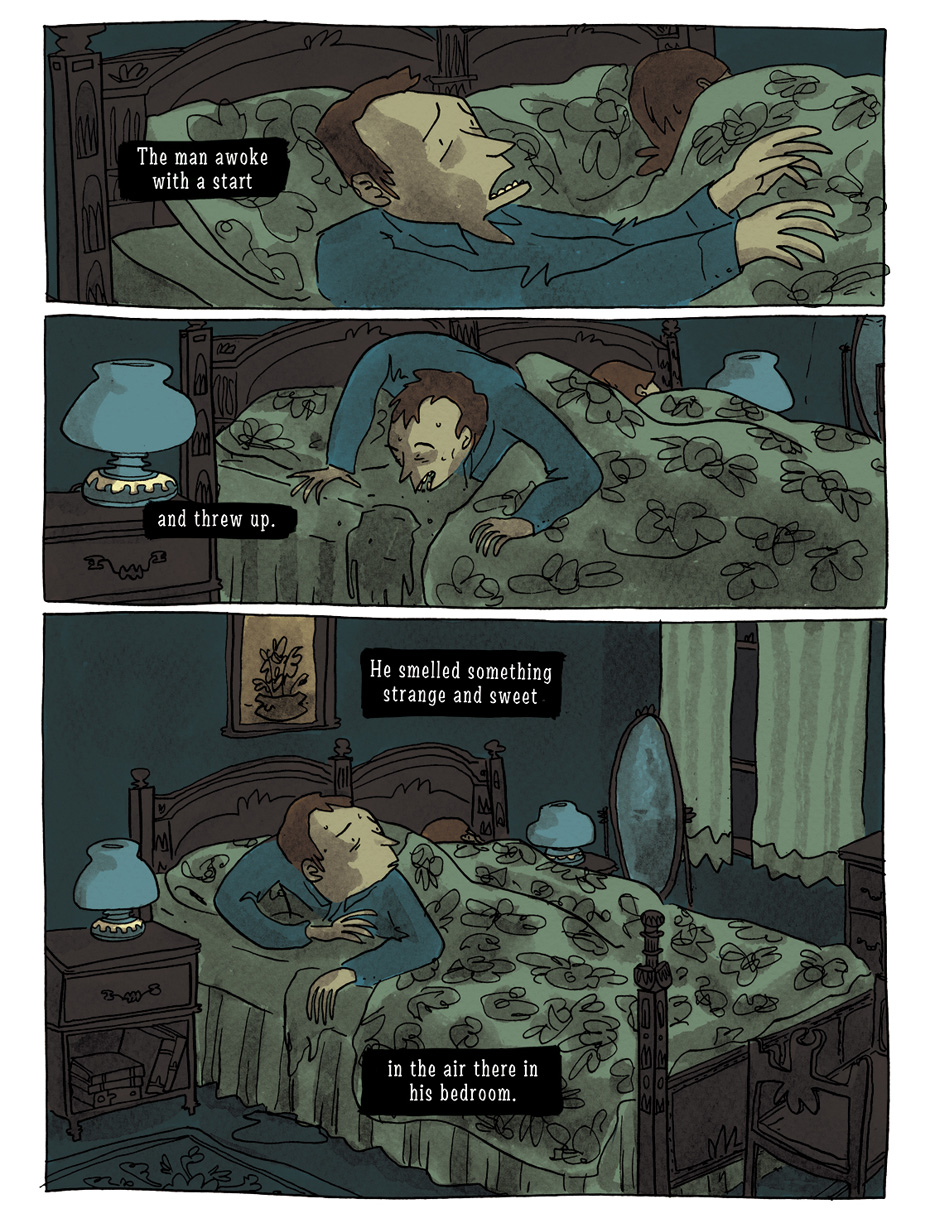
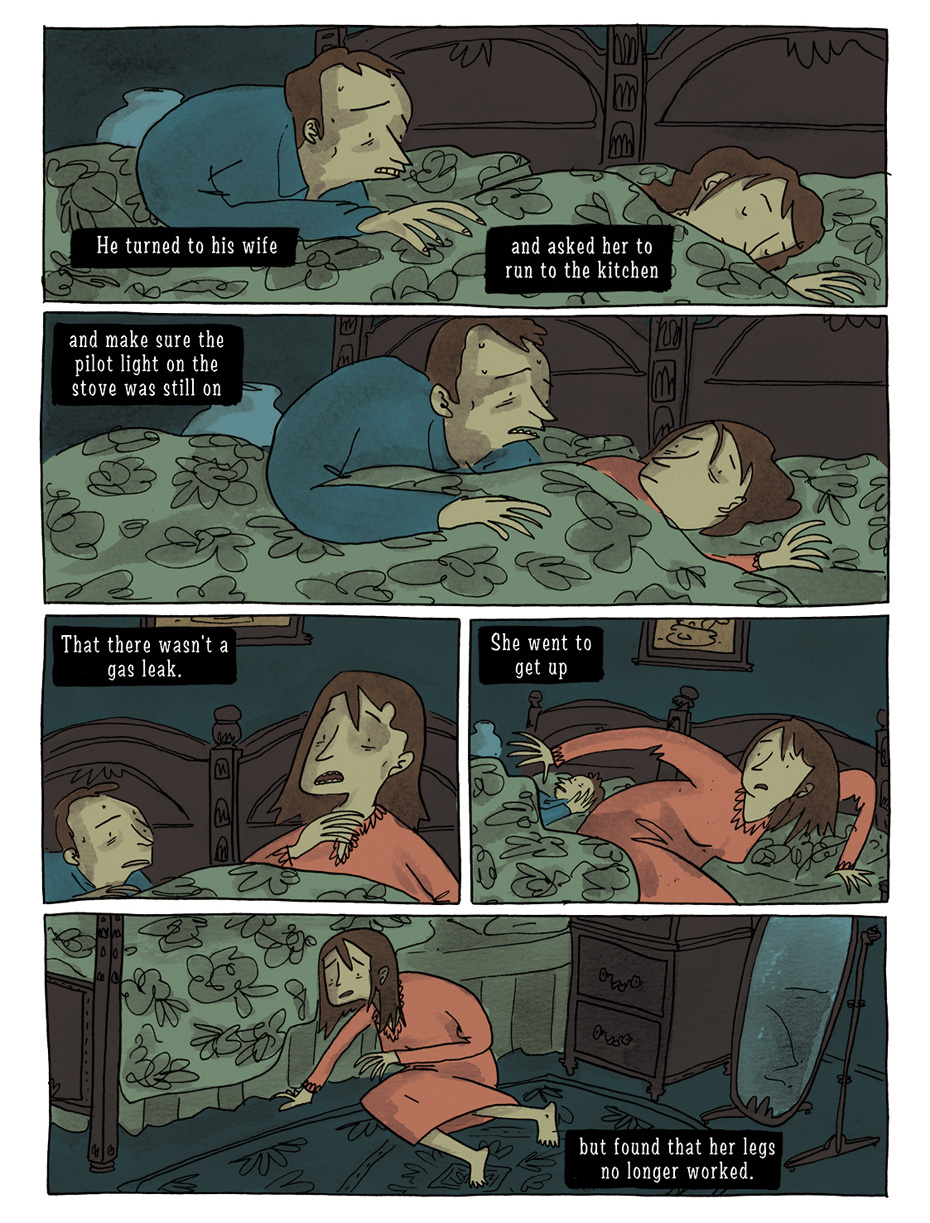
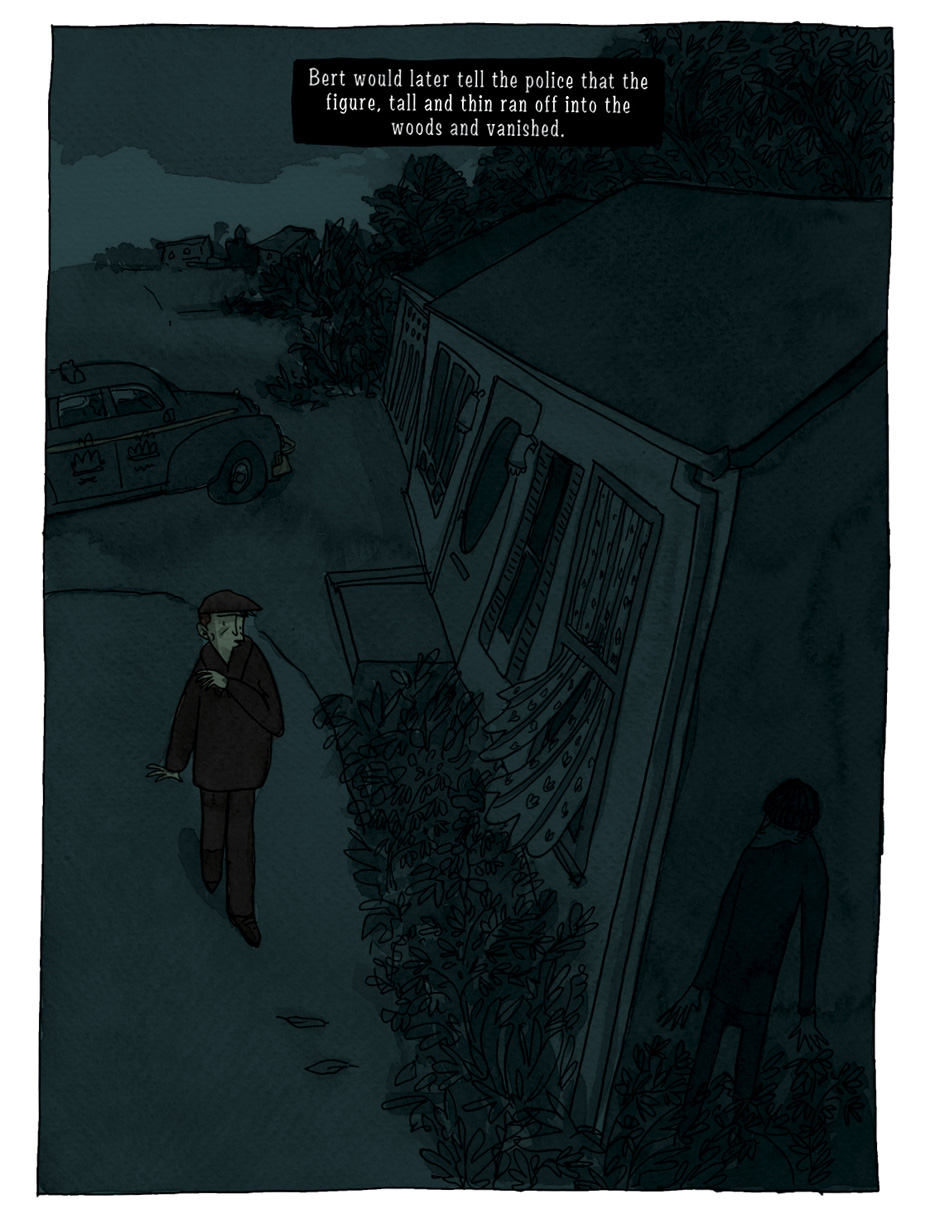
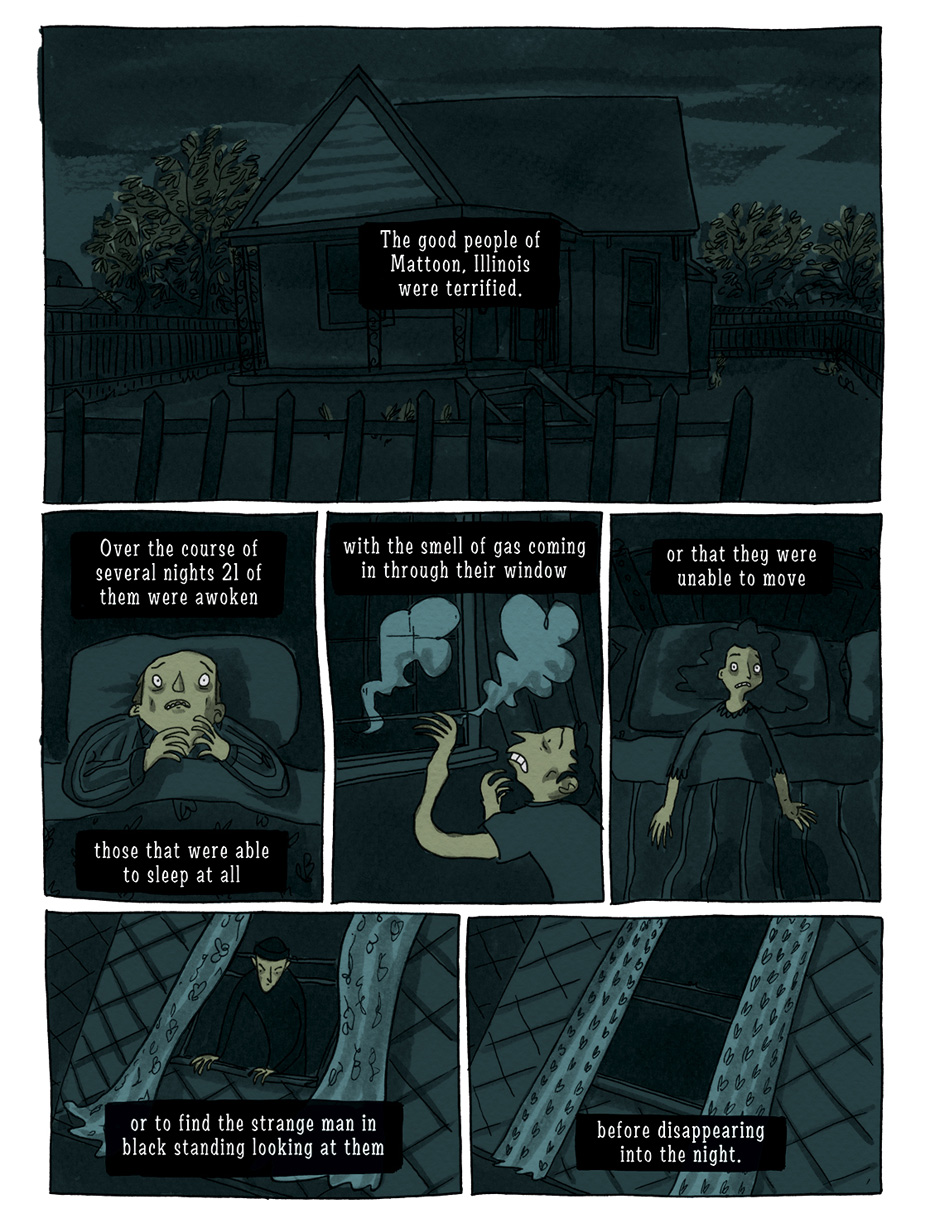
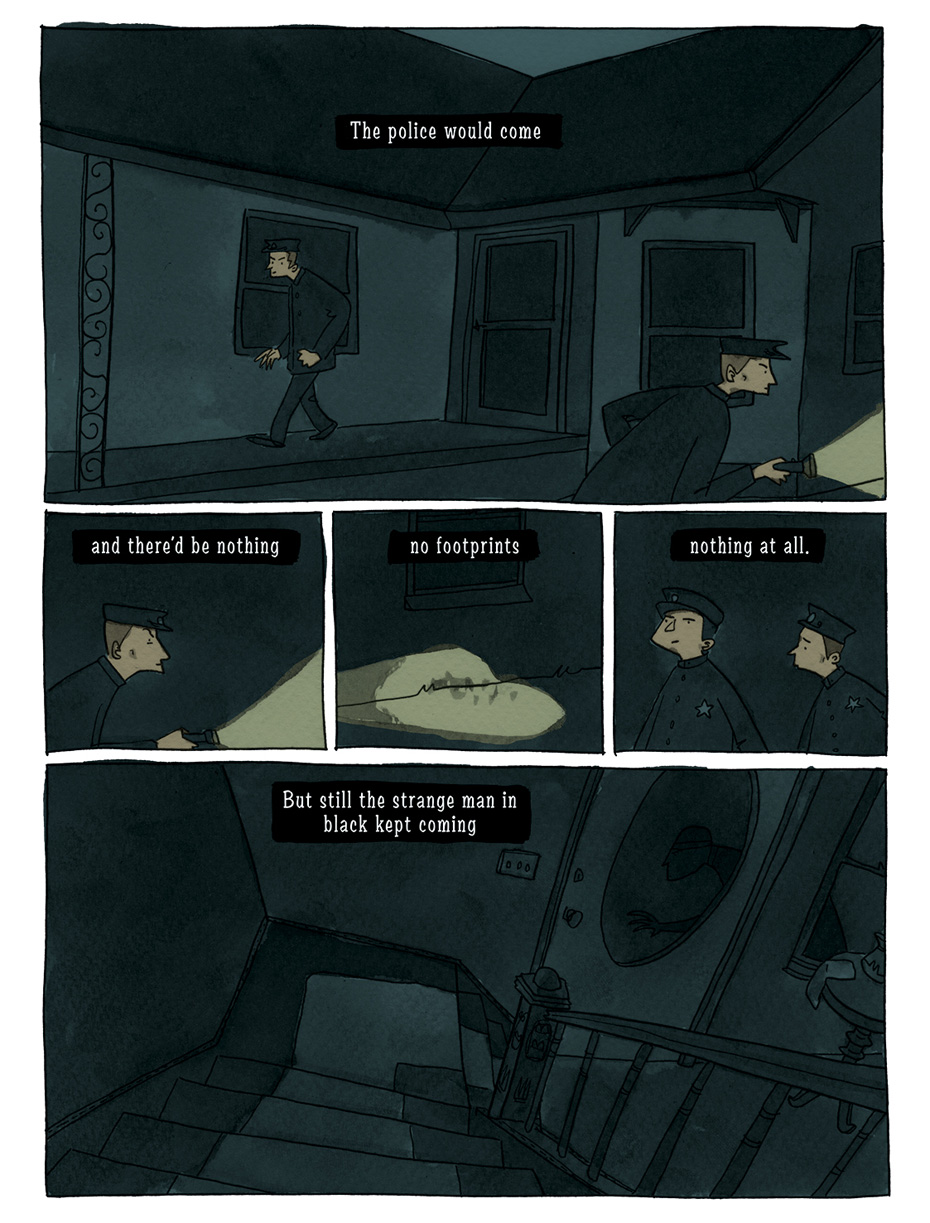
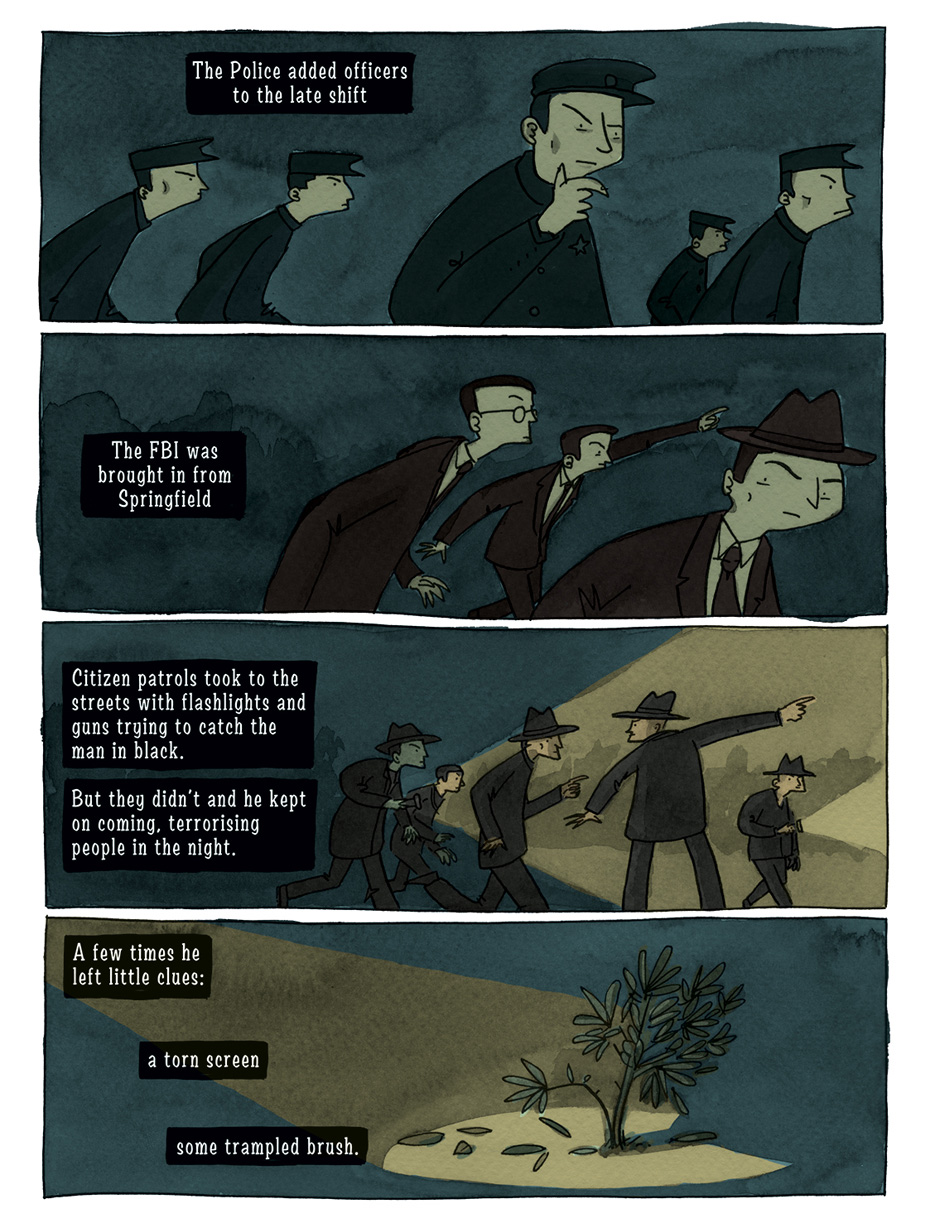
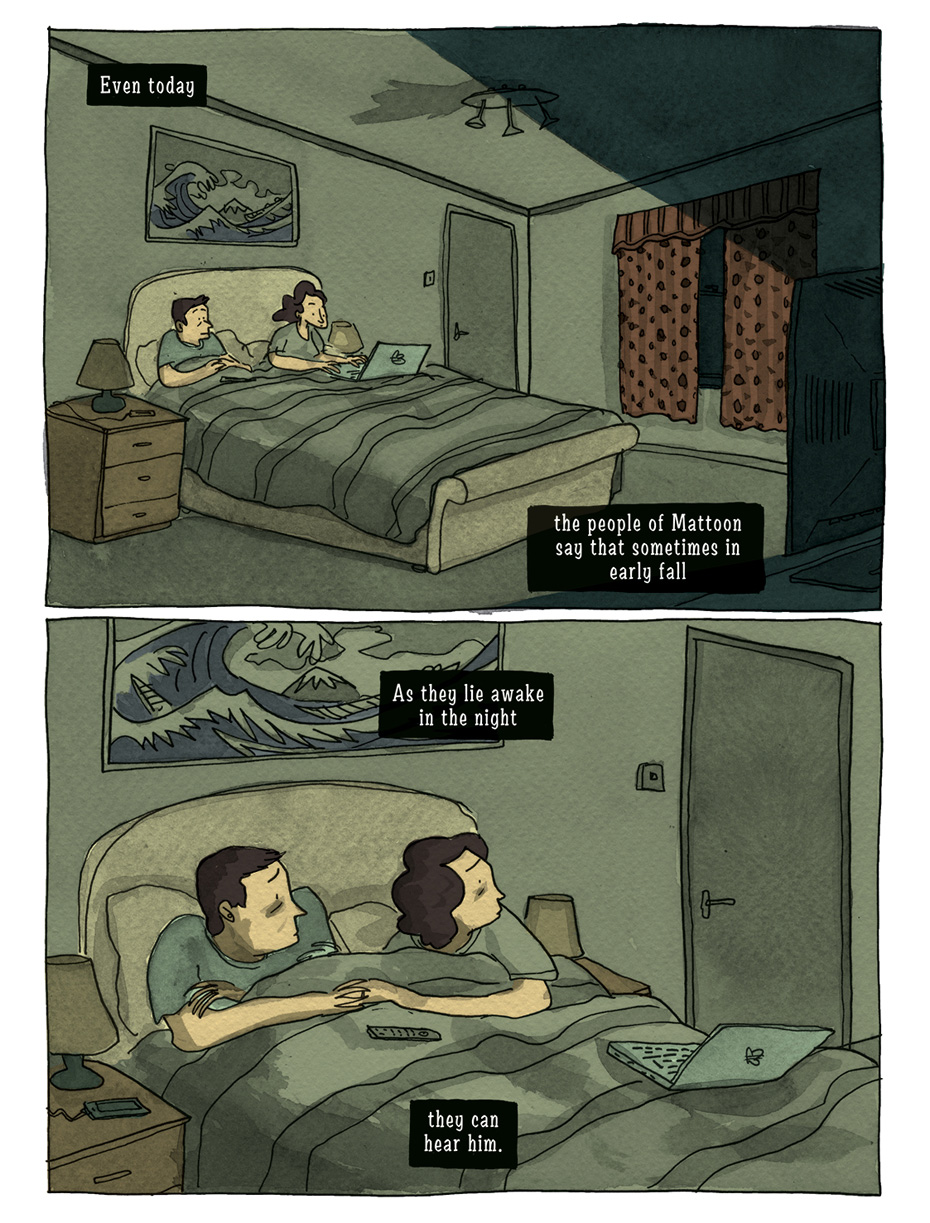
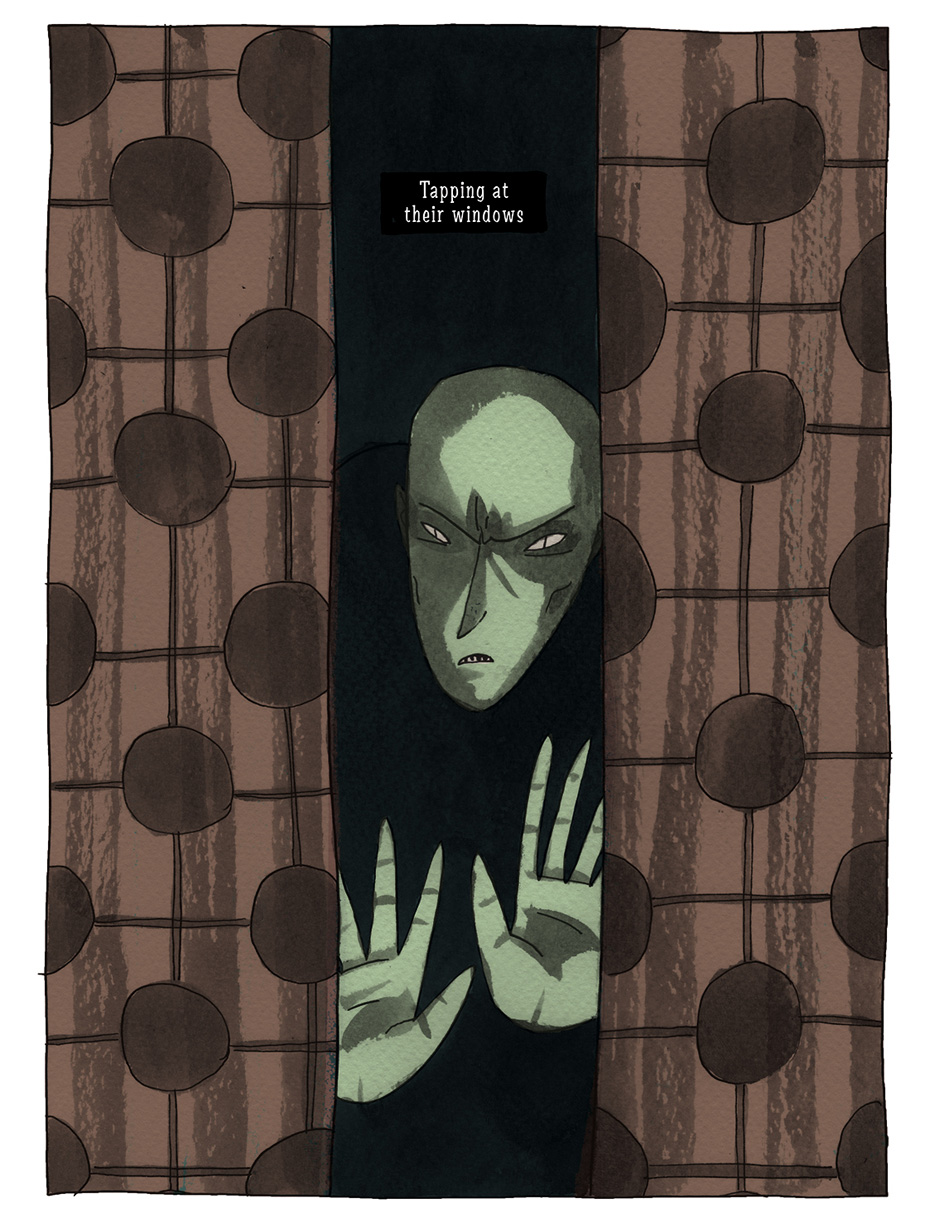
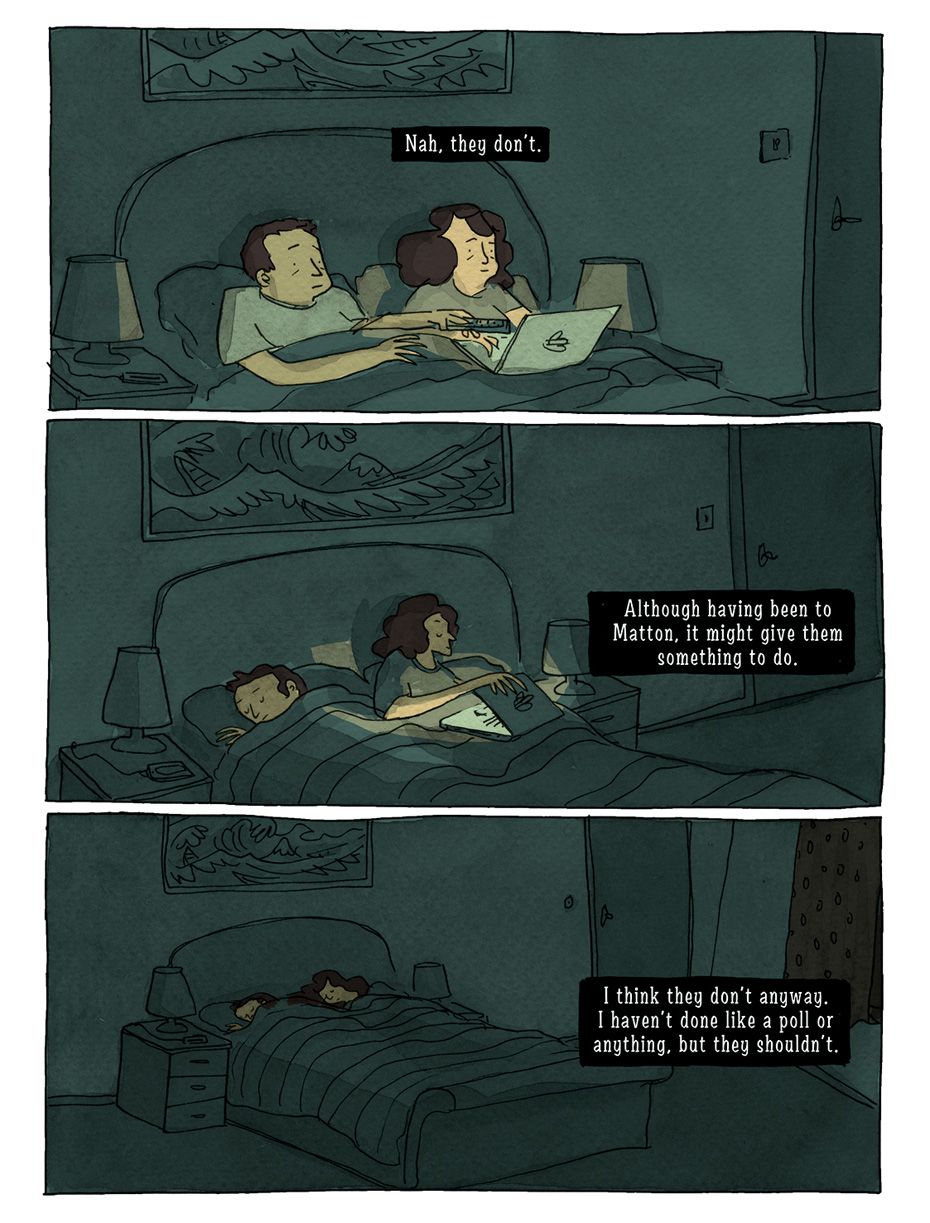
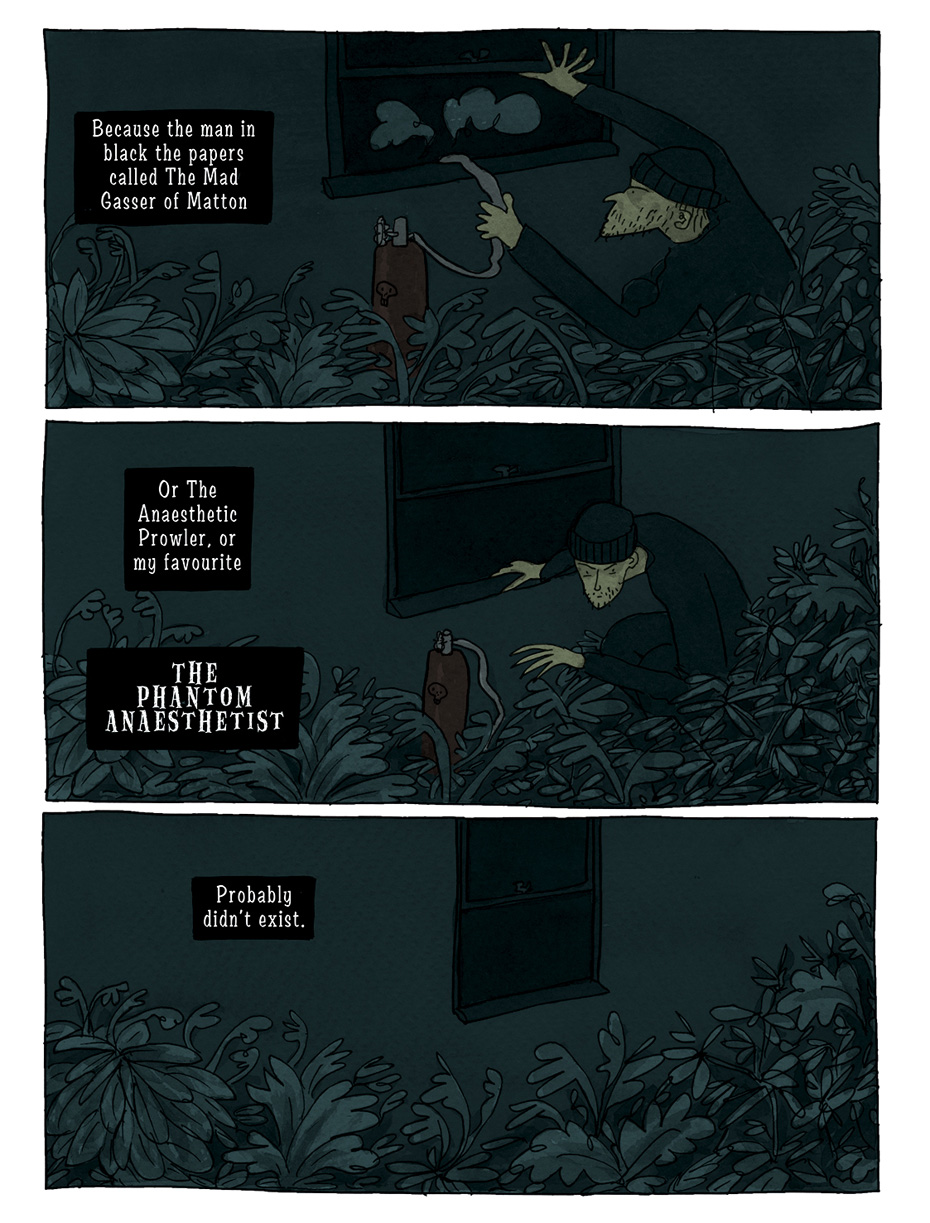
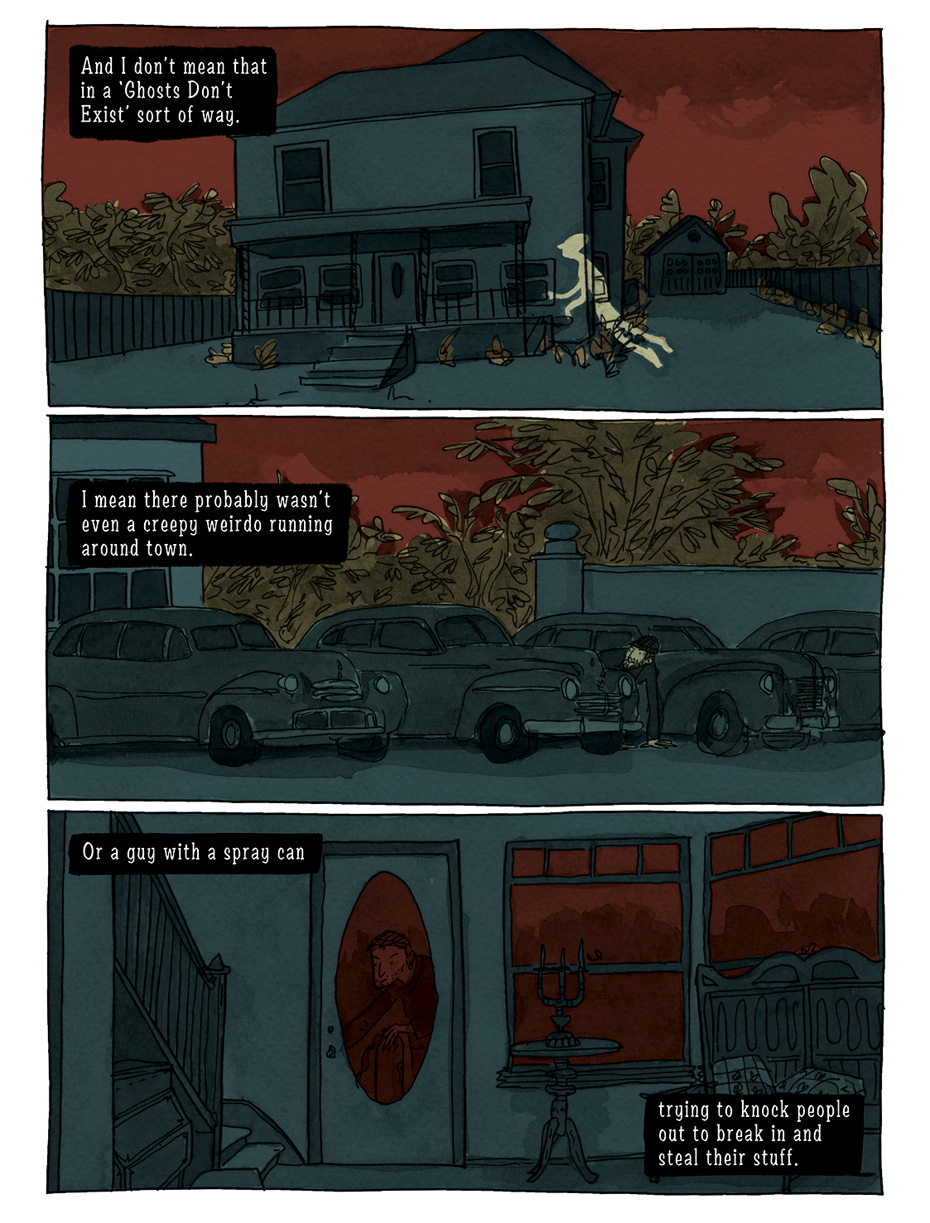
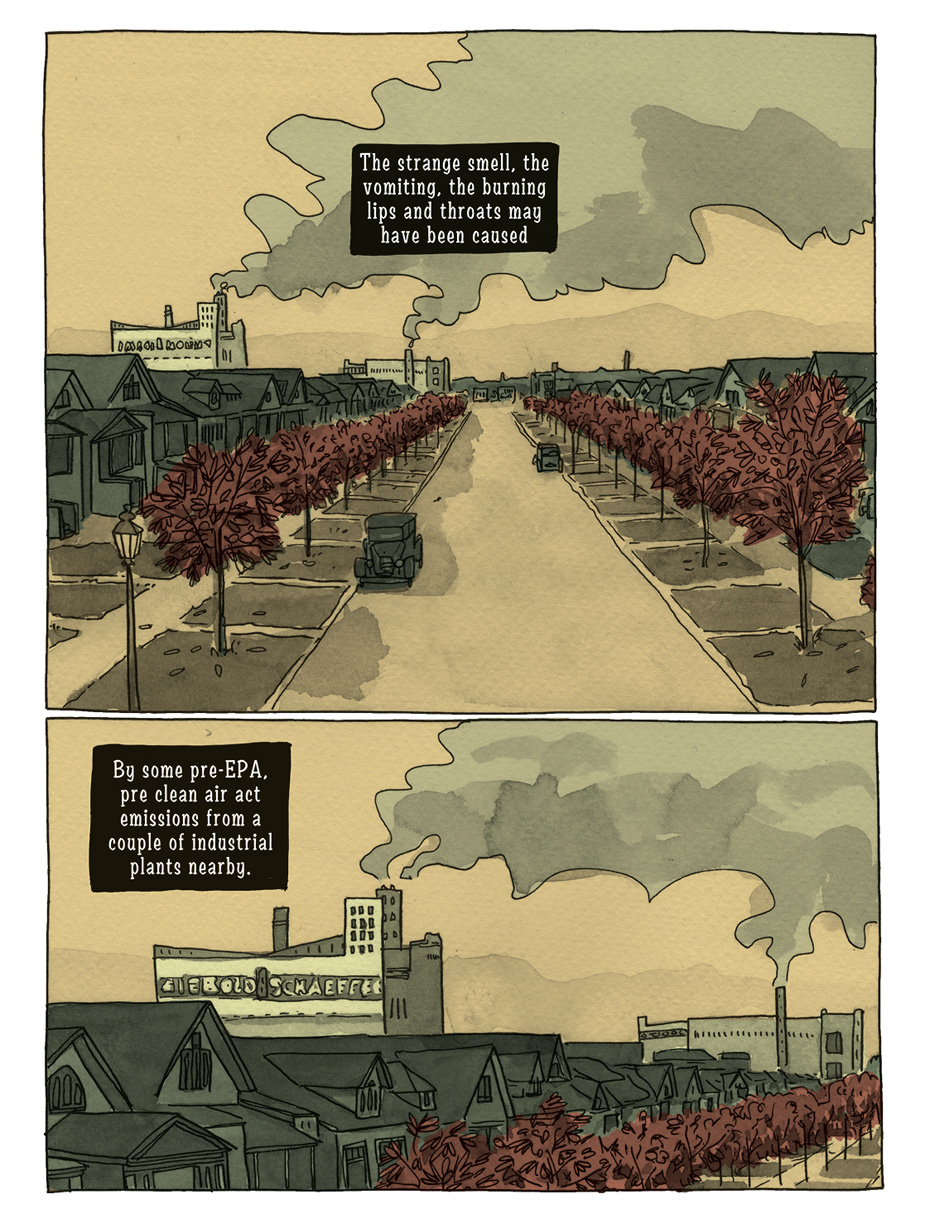
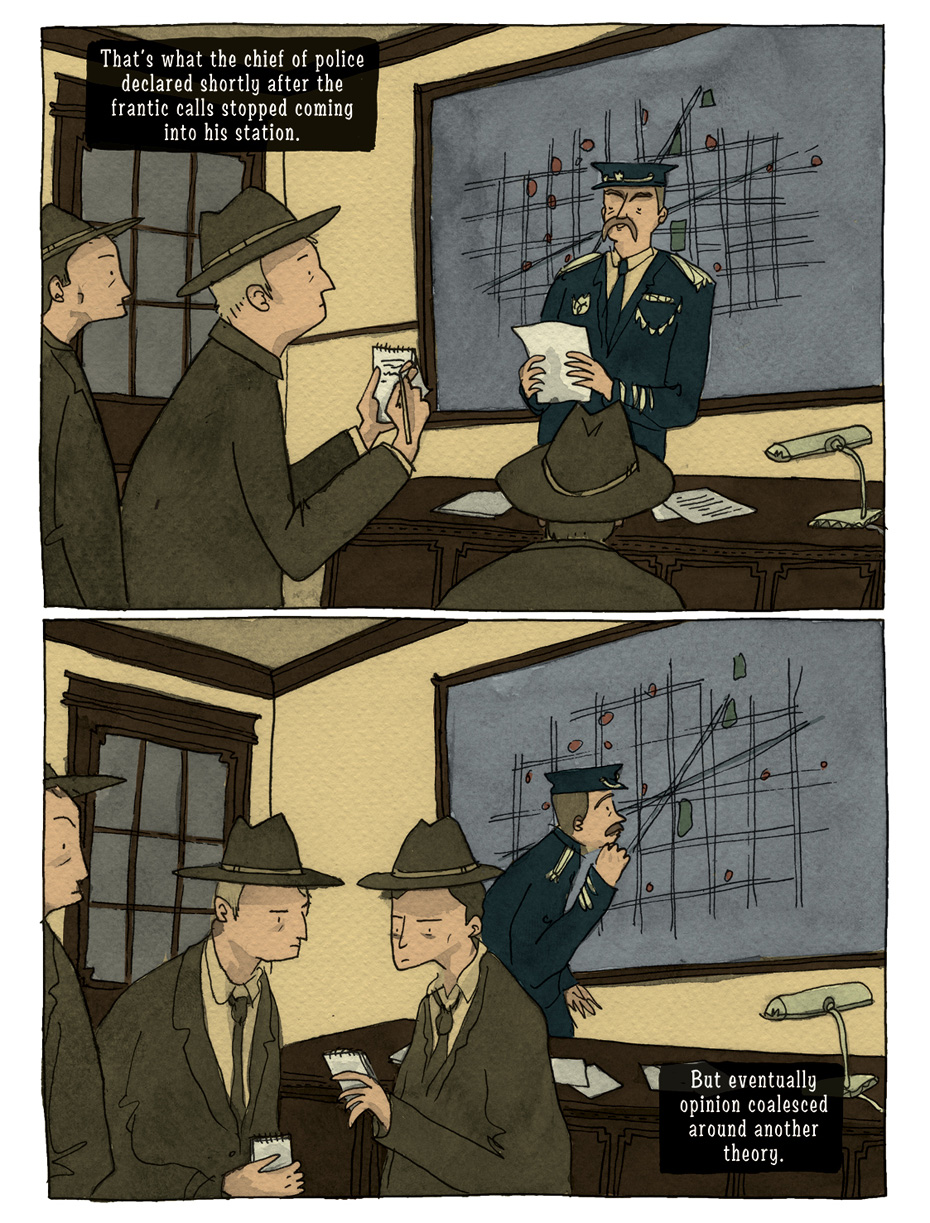
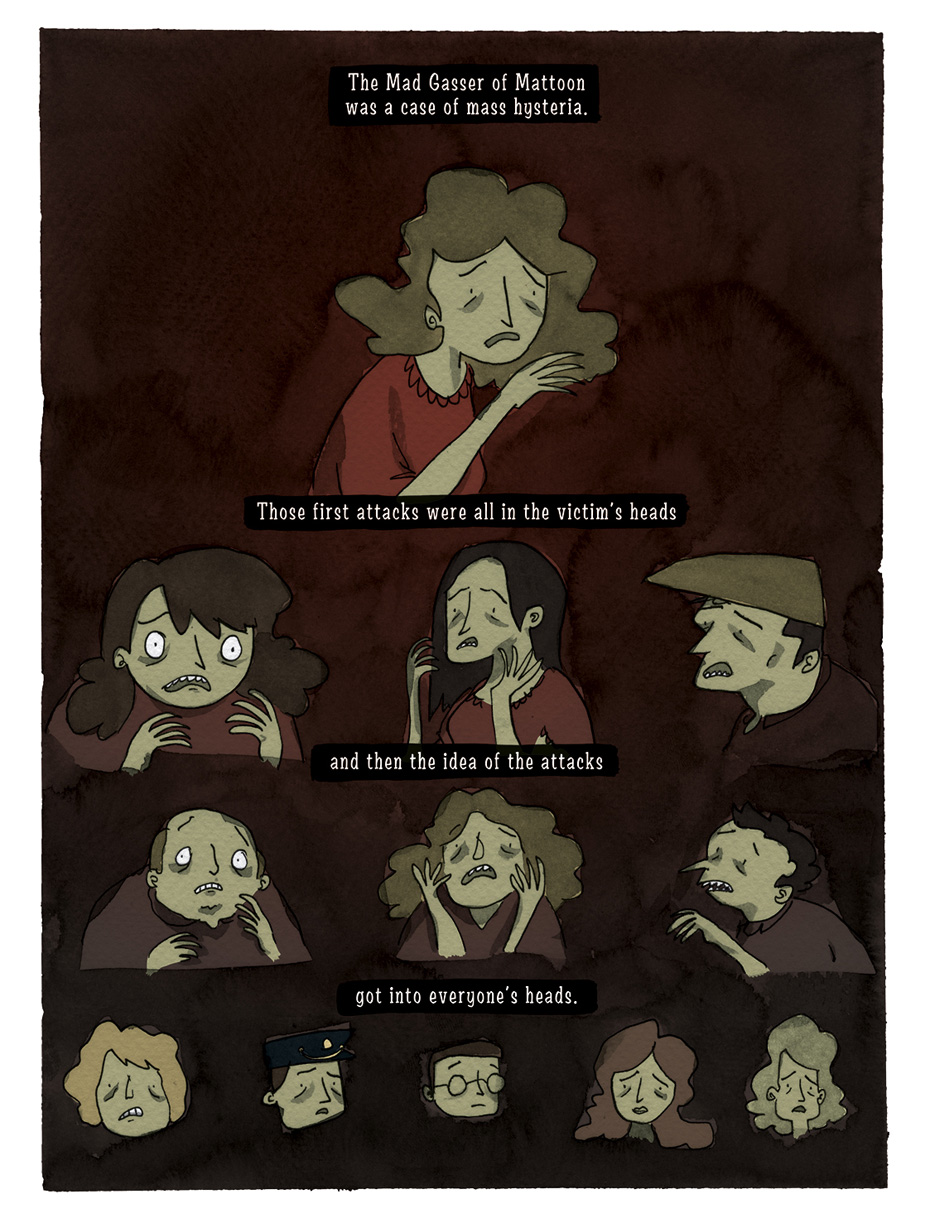
Memory Palace Comic! "A Gas Gas Gas"

by Nate DiMeo

This is the first in what we hope to be an on-going collaboration between UK-based comic artist, Dan Berry and myself bringing stories from my historical podcast, The Memory Palace to a new media. Basically, we just want to make some cool comics that folks'll enjoy. We'd love to get them on paper and in your local shop someday but we're psyched to share it with you now.

This story is episode from Episode 21 of the Memory Palace. You can listen to it in its original form here.


30 Oct 20:22

Statistics Done Wrong: a guide to spotting and avoiding stats errors

by Cory Doctorow


Alex Reinhart's Statistics Done Wrong: The woefully complete guide is an important reference guide, right up there with classics like How to Lie With Statistics. The author has kindly published the whole text free online under a CC-BY license, with an index. It's intended for people with no stats background and is extremely readable and well-presented. The author says he's working on a new edition with new material on statistical modelling.

Surveys of statistically significant results reported in medical and psychological trials suggest that many p values are wrong, and some statistically insignificant results are actually significant when computed correctly.25, 2 Other reviews find examples of misclassified data, erroneous duplication of data, inclusion of the wrong dataset entirely, and other mixups, all concealed by papers which did not describe their analysis in enough detail for the errors to be easily noticed.1, 26

Sunshine is the best disinfectant, and many scientists have called for experimental data to be made available through the Internet. In some fields, this is now commonplace: there exist gene sequencing databases, protein structure databanks, astronomical observation databases, and earth observation collections containing the contributions of thousands of scientists. Many other fields, however, can’t share their data due to impracticality (particle physics data can include many terabytes of information), privacy issues (in medical trials), a lack of funding or technological support, or just a desire to keep proprietary control of the data and all the discoveries which result from it. And even if the data were all available, would anyone analyze it all to spot errors?

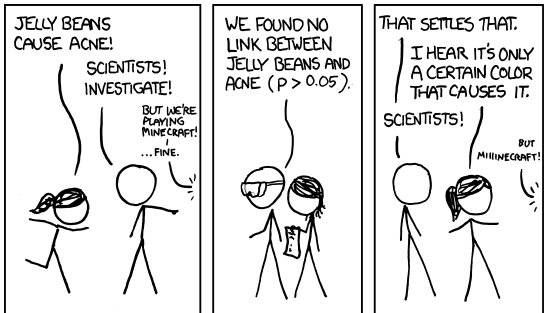
Similarly, scientists in some fields have pushed towards making their statistical analyses available through clever technological tools. A tool called Sweave, for instance, makes it easy to embed statistical analyses performed using the popular R programming language inside papers written in LaTeX, the standard for scientific and mathematical publications. The result looks just like any scientific paper, but another scientist reading the paper and curious about its methods can download the source code, which shows exactly how all the numbers were calculated. But would scientists avail themselves of the opportunity? Nobody gets scientific glory by checking code for typos.

Statistics Done Wrong: The woefully complete guide

(Image: XKCD)


30 Oct 20:18

New Dell laptops "smell of cat piss"

by Rob Beschizza

Buyers of Dell's Latitude 6430u, an $850 Ultrabook, report an unusual feature: the overwhelming odor of cat piss.

"The machine is great, but it smells as if it was assembled near a tomcats litter box," reported a Dell customer using the handle Three West. "It is truly awful! It seems to be coming from the keyboard."

A Dell technical support provider suggested cleaning the keyboard area with a soft cloth, but it was to no avail.

"Same experience," wrote forum user Hotecha. "I thought for sure one of my cats sprayed it, but there was something faulty with it so I had it replaced. The next one had the same exact issue. It's embarrassing taking it to clients because it smells so bad."

Added Gambit29: "I thought I smelt something odd. Well.. here I am Sunday doing some work on the couch and my wife says 'what stinks like cat pee'. I said.. I think its this laptop.. puts her nose up to the keyboard and BAM! It really stinks."

A Senior Dell Technical Consultant, SteveB, reassured customers that Dell would get to the root of the problem, which was definitely not cat piss: "Dell Engineering and our suppliers have been analyzing a captured unit and are close to a root cause. A biological contaminate/health hazard is not suspected at this time."

In the meantime, I'll provide a few details of what we do know.

The smell was related to a manufacturing process that has now been changed
The smell is not in any way related to biological contamination
The smell is not at all health hazard
If you order an E6430u now, it will not have the issue
As soon as we have final engineering failure analysis, more information will be posted on how to immediately resolve the issue. We hope to have the information this week so please keep watching this thread.


29 Oct 00:53

London house prices jump by £50,000 in a month

by Simon Goodley

Rise of more than 10% is a sign of unsustainable boom, says property website critical of Osborne's Help to Buy scheme

London's booming housing market is rising at an unsustainable rate, the UK's largest property website warned on Monday, with the average asking price of a home in the capital surging by more than £50,000 last month.

Such is the acceleration in the capital's property market, according to Rightmove, that many buyers will need help from deep-pocketed parents despite the expansion of George Osborne's Help to Buy scheme.

Rightmove said the average asking price in London rose to £544,232 in October from £493,748 the previous month – an increase of more than 10%. Across England and Wales, the rise over the month was a more modest 2.8% to £252,418.

Describing the London increases as unsustainable, Rightmove said Help to Buy would mainly benefit buyers in the rest of England and Wales because many Londoners would not be able to afford mortgage repayments on a house costing double the national average.

Miles Shipside, a housing market analyst at Rightmove, said: "In London, the buying power required to get on to, or move up, the housing ladder means you have to tap into the Bank of Mum and Dad rather than buy courtesy of a helping hand from Uncle George. Indeed, nearly two in five would-be first-time buyers in the capital state that they expect to receive parental assistance."

The second phase of Help to Buy, which allows buyers to acquire a house with a 5% deposit, is capped at properties costing under £600,000 – out of range for prime inner-London properties that have an average price of £937,110, according to Rightmove.

The website's analysis chimes with other recent surveys that have stoked fears that London prices are out of control, as wealthy overseas investors desperate for properties send values soaring.

High-end estate agents have said that even those with more than £30m to spend – including Google's billionaire chairman Eric Schmidt – have been struggling to find suitable accommodation in the capital, while figures released last month by Nationwide building society showed the average UK home is increasing in value by more than £50 a day.

Prices in some London boroughs, including Hackney and Islington, have doubled over the past decade.

Nationwide added that rises in house prices have been "surprisingly quick", with the annual rate running at 5% nationally and 10% in London – in both cases the strongest figures since 2010. As recently as May this year, the UK annual rate was 1%.

As concerns over a possible housing boom have grown, the Treasury has given the Bank of England an extended role in monitoring the impact of its Help to Buy scheme.

A cross-party committee of MPs has warned that such schemes risk raising demand and therefore prices, rather than broadening supply by encouraging a house-building boom.

There are also concerns about how those using Help to Buy will cope with repayments once interest rates, currently at a record low, rise. Rightmove hinted at the problem of mortgage affordability in the capital, saying the government scheme is "of no benefit to many Londoners for whom the income to service a mortgage is a greater challenge than the deposit required".

On Sunday, Ben Broadbent, a member of the Bank of England's monetary policy committee which sets interest rates, said there was some leeway to raise rates without hitting borrowers buying homes with the help of government lending schemes.

Asked on Sky News whether he worried about how borrowers would cope with higher rates, Broadbent said: "The numbers entering the scheme are relatively low. And although interest rates will at some point start to rise, you've got to remember quite how low a level we are starting from. I think there is a fair amount they could go up before borrowers got into great difficulties."

The rise in asking prices follows the traditional summer slowdown in the housing market, with the Rightmove analysis showing two consecutive monthly falls in August and September. The website calculates that October saw an increase of 2.8% – or £6,923 – in asking prices in England and Wales. Prices rose in all regions except for Wales and the West Midlands.

The 10.2% rise in London – equating to £50,484 – was partly a reaction to the capital experiencing a more pronounced slowdown over the summer, when asking prices dropped by 2.8% and 1.5% in August and September, respectively, the website said.

October's recovery in London means asking prices are now 5.6% – or £28,852 – greater than the previous high in July of £515,379, pushing the year-on-year increase for London to 13.8%, or £66,161.

The situation is exacerbated in the capital by overseas investors who are buying many of the new-build homes, Rightmove said.

Shipside added: "London is a world city where overseas investors see real estate as a safe asset, at a time when safe assets are increasingly scarce, and developers are building and marketing a lot of one- and two-bedroom flats to meet that demand.

"While they can achieve volume sales at premium prices, this eats up a much-needed source of fresh supply and drags up existing property prices at an even faster rate."


theguardian.com © 2013 Guardian News and Media Limited or its affiliated companies. All rights reserved. | Use of this content is subject to our Terms & Conditions | More Feeds

28 Oct 23:03

Black Pete exposes the Netherlands' problem with race

White people dressing up as fools with black faces is not the harmless Christmas fun that the Dutch make it out to be

I once heard a joke that went something like this: when the world is coming to an end, move to the Netherlands because everything happens there 50 years later. A bit harsh, I thought, after all, the Dutch are a relatively progressive people with much to recommend them: from the high level of volunteering to absence of hysteria around subjects such as cannabis, prostitution, same-sex marriage and euthanasia. On the matter of race, though, you do wonder. Particularly around this time of year, by way of a character called "Zwarte Piet" (Black Pete).

In America you have Santa Claus, in the UK he's Father Christmas, and in the Netherlands he's called Sinterklaas. Unlike the other Santas, though, the Dutch Sinterklaas arrives with his slave/servant called Zwarte Piet. The slave-servant comes dressed like a renaissance minstrel: black face, painted red lips, afro wig. The arrival is a huge event: Sinterklaas and the Zwarte Pieten make a grand entrance, and the whole parade is broadcast on public television. Sinterklaas sits tall on a white horse while his black servants share out candy to the kids on the sidelines, and families from all over the country turn up to watch. Or course, there are always several Black Petes, typically played by white people, all in blackface, with red painted lips and afro wigs.

The transformation, however, is not complete with the outfit and greasepaint. The character must speak poor Dutch with a stupid accent, and must act childlike and mischievous when performing. And from mid-November, when Sintaklass and his servants arrive, you can see Zwarte Pieten all over, on television programmes and commercials and on the streets, acting the fool.

At schools across the country, children sing songs referring to the skin tone and character of the black servant "...even if I'm black as coal I mean well…", "Saint Nicolas, enter with your black servant", etc, and there are other old songs about Zwarte Piet in which he's made out to be a little bit stupid, a little bit clumsy, more akin to a child than an adult, the same generalisations previously applied to black people, but which can no longer be made explicitly.

This clip, which mocks the Zwarte Piet tradition, appeared on public television in 2007:

What on is going on with the Dutch? How can such an abhorrent anachronism exist in a seemingly modern and progressive country? As one writer put it, "millions of black people were killed or enslaved by white people over four centuries, and millions more continue to suffer discrimination all over Europe and in the States, so this Zwarte Piet character is about as funny as wearing a swastika."

As I hinted in the first paragraph, Zwarte Piet is not the only sign that the Dutch have a problem with race. Dutch society also has more subtle ways of reminding black people of their place and keeping them there. If you spend any time in the Netherlands, you will soon hear the words "allochtoon" used in polite conversation.

People of "non-western" descent are labeled "allochtoon", not only by the white society, but also by law. "Allochtoon" is based on a Greek word, "allokhthon", and means "found in a place other than where they were formed". But no non-Dutch white person living in the Netherlands is referred to as allochtoon, only non-white people, Dutch and otherwise. These allochtonen, the "outsiders" (many of whom were born and raised in the Netherlands) are the ones typically accused by the right-wing politician Geert Wilders and others of exploiting the country's resources and social services while not integrating properly into Dutch society. The word allochtoon is thus used as a continuous reminder to people of colour in the Netherlands that white-Dutch people simply do not see them as an equal member of the society, let alone as Dutch, no matter multi-cultural said society might appear on the surface.

Yet a fifth of the Dutch population consists of people of colour. This includes people from former colonies such as Indonesia and Surinam, but also people whose roots lay in Morocco and Turkey. Since the 1980s, there has also been a steady stream of migrants from sub-Saharan Africa to the Netherlands. Some of them are now grandparents, with kids and grandkids who consider the Netherlands home (or try to, at any rate). All of these people are "allochtoon".

In this context, one can start to understand why the unemployment rate of non-white Dutch people (at 15% in the first quarter of 2012) is two-and-a-half times higher than the Dutch average. One also starts to understand why black and white Dutch people see nothing wrong with a film like Alleen Maar Nette Mensen ("Only Decent People") or why, in December last year, the editor of Dutch fashion magazine Jackie thought it was okay to give its readers fashion advice that they could dress like a "Nigga Bitch", associating the style with Rihanna. Rihanna, of course, didn't hold back in her response (she's not black Dutch, so one imagines she didn't know her place), and the editor was forced to resign. But here's the thing, many white and black people felt the editor would have kept her job, if the controversy hadn't been picked up outside the Netherlands. Those who objected were labelled "too sensitive". When the editor was first confronted about the racist slur, her response was that it was just a "bad joke".

Why do people keep defending Zwarte Piet? Is it that they really can't see that it is racist or that they don't want to see? One blogger (Toby Sterling) writes that actually, the people who defend Zwarte Piet know all to well that he is a racist caricature, but that they are experiencing the psychological phenomenon known as "cognitive dissonance": the brain filters out new information (Zwarte Piet is a racist caricature) that conflicts with what one already believes (I love Zwarte Piet and I am not a racist).

You don't have to have a degree in psychology or sociology to work out that the figure of Zwarte Piet, and the use of words like "neger" and "allochtoon" ensure the continued internalisation of ideas of superiority of white Dutch people, and of inferiority and marginalisation of black Dutch people. Nor do you need it to understand the associate power of symbols like Zwarte Piet. You can keep a symbolic boot on someone's neck, and it can be just as effective as doing so physically, more so, even.

The debate is also, as Lulu Wang writes, a discussion about citizenship and identity. "And because this discussion does not take place behind closed doors between politicians and intellectuals only, but in schools, between colleagues, family-members and friends, it offers us a chance to challenge old conceptions of self and other at many different levels. However, this annual debate is not sufficient to change things, but it can lead to more activism, a critical outlook and recognition of those situations where the same strategies of marginalisation are being used. The Black servant and his White master can not be isolated from the social context, Dutch society, in which they exist."

In researching this piece, and from discussing it with Dutch people, black and white, I discovered that this debate has been going on for years, every year. Initially, I thought that was cause for concern. Perhaps the defenders of the "tradition" believe so long as they don't listen to anything the black Dutch people say, the debate will never get beyond talk, and the anti-Piet campaigners will give up from exhaustion. But I was reassured that the numbers (black and white) of those against this "tradition" are indeed growing.

Playwright Mark Walraven, for instance, says he used to be one of the many white men who would paint their faces black each year to the delight of children. "I stopped after I began working with black people," he said. "Many people are offended by this symbol."

Four years ago, Walraven put on a play In the Shadow of the Saint about the debate over Black Pete at Amsterdam's Krater Theater. One of messages of his play is that you can still have Sinterklaas without Black Pete. "Many countries have abolished these kinds of things but in Holland they still exist," Walraven said. "Nevertheless, most Dutch don't consider themselves to be racist and feel they are being personally attacked when you criticise Black Pete," he said.

"The majority here in Holland refuse to talk about Black Pete. They are afraid that the people who discuss it want to take away Sinterklaas as a phenomenon."

• This article was amended on 6 December to clarify that the embedded video is a satirical one mocking the Black Pete tradition.


Read a longer version of this article on This is Africa


theguardian.com © 2013 Guardian News and Media Limited or its affiliated companies. All rights reserved. | Use of this content is subject to our Terms & Conditions | More Feeds

26 Oct 09:25

"late for meeting", by David Lewandowski

by Rob Beschizza

@badmocap's latest, via Max Read at Gawker, who writes, "No Headline Will Do This Video Justice".

I could swear we posted about the earlier entry in the series, but the search query site:boingboing.net mannequin nightmare "via jwz" is failing me today.


25 Oct 12:23

How Do Animals Sound In Different Languages?

by Lina

After Norwegian comedy singer duo Ylvis ignited the world’s interest in sounds that animals make with “What Does The Fox Say?,” other artists have begun exploring these questions more in-depth. English artist James Chapman has created a series of comics comparing how different languages around the world write down the sounds that some of our favorite animals make.

The panels are a delight to see, with bright colors and cute animals. The comparisons between languages are also interesting, no matter what your native language is. Depending on what language you speak, some of these can seem pretty wacky. As an English speaker, the Dutch horse sounds pretty funny to me (Vrinsk?), but I also admit that, with a lame showing like “oink,” we can use some work on our pig impressions. Mice, cats and bees, however, seem to have inspired international consensus on the sounds they make.

Chapman is a PhD physics student and illustrator from Manchester who runs a great Tumblr featuring more of his illustrations, as well as one just for animal sounds. Check them out to see some more great work!

What other languages do you know that have cool- or weird-sounding animal sounds?

Source: chapmangamo.tumblr.com

How Do Animals Sound In Different Languages? originally appeared on Bored Panda on October 25, 2013.

  1. miniature-crocheted-animals-suami-thumb45 Cute Miniature Crocheted Animals by Su Ami
  2. abandoned-house-animals-kai-fagerstrom-thumb45 Abandoned House in the Woods Taken Over by Wild Animals
  3. cute-baby-animals-thumb45 30 Baby Animals That Will Make You Go ‘Aww’
  4. animal-photography-affinity-Brad-Wilson-thumb45 Incredible Studio Portraits of Wild Animals by Brad Wilson
25 Oct 12:22

Why Is Yawning Contagious? [Video]

Contagious yawning can be annoying, but it might also be a sign of good social skills. It’s a type of emotional contagion, a phenomenon in which we tend to share the feelings of people around us. Scientific American MIND editor Sandra Upson explains in our latest Instant Egghead video.

[More]
25 Oct 12:14

Why Does the PlayStation 4 Cost $1,850 in Brazil?

by Andrew Bouve
21 Oct 20:17

Evolution, People Look Like Fish by Ted Sabarese via @ongezondnl

by berryten frink

Ted Sabarese fish portraits 2 Evolution, People Look Like Fish by Ted Sabarese via @ongezondnl

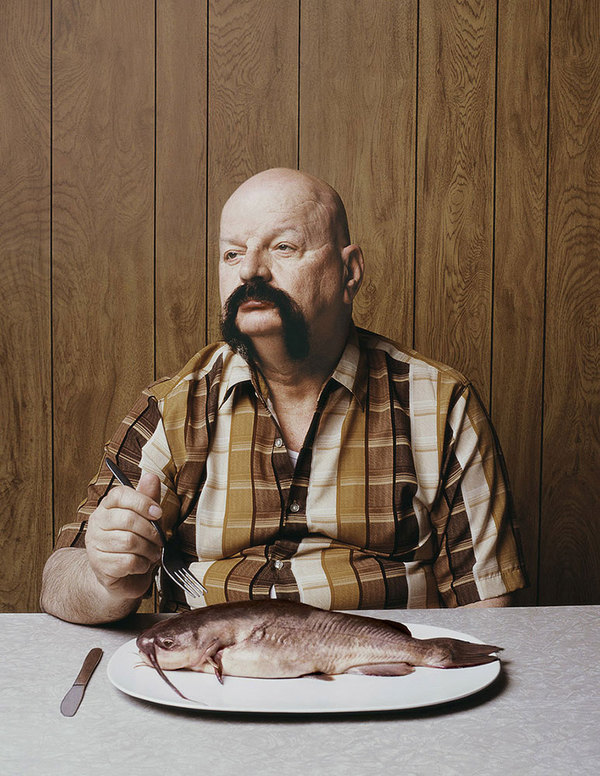
“Evolution” is a clever photo series by New York based photographer Ted Sabarese that features different people who look like the fish on their plate

More photo’s and info here


21 Oct 16:48

Why Q was illegal in Turkey until last month

by Cory Doctorow

Last month, Turkey repealed its 1928 Alphabet Law, and legalized the letter Q. In a short, illuminating piece in the London Review of Books, Yasmine Searle describes the history of Romanicization of Turkish writing, which was part of a larger project to assimilate Turkish minorities by standardizing the language and its spelling, and, in the process, banning many of the keys from the left side of the typewriter.

Banks, post offices and police stations were fitted with blackboards; on bridges and ferries, syllabaries sold fast; prisoners were photographed bent over their primers. ‘Turkey is one vast schoolroom,’ National Geographic reported. ‘There is no “q”, no “w”, no “x” in the new alphabet… The left-hand edge of the typewriter is the hardest hit. One does not go to the “Maxim” Restaurant, but to the “Maksim”.’

Romanisation, it was argued, would help standardise Turkish spelling, improve literacy, and allow for cheaper and more convenient printing (the Arabic script required more than 400 pieces of type). But the reform had other, political aims: imposing cultural homogeneity and assimilating Turkey’s minorities. New characters were added to the alphabet to accommodate Turkish phonology – ğ, ı, ü, ş – while others were left out. By adhering so closely to the specifics of Turkish and outlawing all other Latin characters (and all other scripts), it effectively proscribed written expression in any language other than Turkish – not least Kurdish, which was spoken by around 20 per cent of the population. - See more at: http://www.lrb.co.uk/blog/2013/10/16/yasmine-seale/q-v-k/#sthash.kUTJKp3S.dpuf

Q v. K [Yasmine Seale/London Review of Books] (via Reddit)