×You need to sign in to continue.

Shared posts

04 Aug 18:28

Aerial Views of Apartheid: Drone Photos Show Rich vs Poor Divides

by Kurt Kohlstedt
Timmy the Tooth

Damn...

[ By WebUrbanist in Architecture & Cities & Urbanism. ]

aerial apartheid

Though the apartheid ended decades ago, many physical barriers remain in South Africa, highly visible in the built environment … especially from above.

dividing line

Roads, rivers and strips of open land captured by Cape Town-based photographer Johnny Miller illustrate the divide in a photo series dubbed Unequal Scenes.

rich versus poor

Details give way to patterns in these birds-eye views, highlighting a landscape-scarring history of institutionalized segregation and inequality. Haphazard and densely packed shacks may fall on one side of a line while organized and expansive homes can be seen on the other, often separated by nearly-invisible lines.

wrapping shacks

south africa

“During apartheid, segregation of urban spaces was instituted as policy,” explains Miller, with “buffer zones of empty land, and other barriers were constructed and modified to keep people separate.” Even today, “communities of extreme wealth and privilege will exist just meters from squalid conditions and shack dwellings.”

housing patterns

housing divide

rich and poor

“My desire with this project is to portray the most Unequal Scenes in South Africa as objectively as possible. By providing a new perspective on an old problem, I hope to provoke a dialogue which can begin to address the issues of inequality and disenfranchisement in a constructive and peaceful way.” Miller has an upcoming show this fall in Johannesburg for those who want to see his work large and up close, to be announced on his social feeds (via Colossal).

Rich Door, Poor Door: Segregated Entrances Spark Controversy

Mayor Bill de Blasio and the Department of Housing Preservation and Development has come under attack by critics for approving  building plans in NYC that include separate entrances for ...

Interior Aerial Photos: Room Portraits Show Personal Stories

Day in and day out we see the same rooms in the same ways. But what if you could get a unique new view on your home, office, school or favorite coffee shop ... from above? Menno ...

Best from Above: Drone Views of 6 Philadelphia Abandonments

Some of the most fascinating parts of certain deserted buildings in Philadelphia cannot even be seen from below, making this drone footage shot by Matt Satell of Philly by Air all the more ...

Share on Facebook

[ By WebUrbanist in Architecture & Cities & Urbanism. ]

[ WebUrbanist | Archives | Galleries | Privacy | TOS ]


04 Aug 13:39

The Political Process Isn’t Rigged — It Has Much Bigger Problems

by David Wasserman

All right, I need to vent. For months, I’ve watched Donald Trump decry as “rigged” everything from the Democratic primaries, the Republican primary rules (that’s right, the same rules that helped him win the nomination) and the fall debate schedule. And I’ve winced as many Bernie Sanders supporters have accused the Democratic National Committee of “rigging” the primaries and thrown around wild, roundly debunked conspiracy theories about deleted votes.

Here’s the truth: Washington is rigged, but not in a literal sense and not in any of the nefarious ways those loud voices are contending. Instead, the blame may lie more with voters than politicians: Our legislative process is not designed to withstand the current levels of partisan polarization in the electorate.

Voters’ vexation with standard-issue, do-nothing D.C. politicians and party elites helps explain the Trump and Sanders phenomena of 2016, and the “rigging” theories seem to arise out of that frustration and suspicion. Yet much of this anger with “insiders” is misdirected. If only our political problems were due to “rigging” elections, we could arrest someone and get on with it. But our problems are much more structural.

In 2012, my colleague Nate Silver wrote: “Why is compromise so hard in the House? Some commentators, especially liberals, attribute it to what they say is the irrationality of Republican members of Congress. But the answer could be this instead: Individual members of Congress are responding fairly rationally to their incentives.” That’s truer than ever: When narrow primary bases dominate elections, everyone loses. And politicians as a whole get blamed.

Sure, many politicians on both the right and left fan the flames of partisan hysteria and feed off their base’s fire — and they tend to get disproportionate attention. But in my experience, most candidates and officeholders don’t see the world as red versus blue: They genuinely run for office to solve problems, not to please special-interest groups or for self-glorification. Unfortunately, they increasingly find themselves trapped in a voter-driven vicious cycle that shows no sign of abating.

Here are the five steps to how it works:

1. Geographic sorting — Voters tend to cluster near other people who share their cultural and political values, and the parties’ coalitions have become far more geographically isolated in recent decades. In the 1960 Kennedy-Nixon election, 52 percent of the nation’s voters lived in states decided by 5 percentage points or less. In the 2012 Obama-Romney race, just 17 percent of all voters lived in such states.

wasserman-rigged-1

As a corollary, there are far fewer truly competitive congressional districts. Just 90 of 435 House districts had a Cook Political Report Partisan Voter Index score, an attempt to measure the partisan lean of an area independent of the candidates on the ballot, between D+5 and R+5, down 45 percent from 164 in 1998.

Sure, gerrymandering has played a role in the House, but sorting is the dominant factor: In the impossible-to-gerrymander Senate, the number of seats with a score between D+5 and R+5 has declined from 52 in 1998 to 28 today.

2. Straight-ticket voting — Voters are splitting their tickets — voting for a Republican for one office and a Democrat for another — at lower rates than we’ve seen in decades. They’re just not making distinctions between parties’ presidential and congressional candidates like they used to. The decline of local news readership probably plays a role — after all, these outlets have traditionally provided an avenue for candidates to build a personal brand independent of their party’s.

In turn, that’s further narrowing the trading range of Senate and House seats that are truly up for grabs in November. Even a 53 percent Democratic district or 54 percent Republican district can now be considered a safe seat in most cases. Most races are no longer contests between two candidates with unique backgrounds and qualifications; more often they are censuses of how many Republicans or Democrats live in a given state or district.

3. Primaries have become the new general elections — The Cook Political Report currently rates just 37 of 435 House seats as competitive this fall, less than 9 percent of the House. As a result, primary elections have become tantamount to general elections in the vast majority of seats. Because primaries are held on many different dates, they tend to generate less national attention and attract disproportionate shares of hardcore, ideological party activists to the polls.

In 2014, only 14.6 percent of eligible voters participated in congressional primaries — a record low, according to the Center for the Study of the American Electorate. That means a tiny fraction of voters who are the most hardened partisans are essentially electing more than 90 percent of members of Congress. And these low-turnout primaries are often easy prey for ideological interest groups who demand purity.

wasserman-rigged-2

4. Congress grinds to a halt — The enormous pressure to please narrow, extreme and grossly unrepresentative bases of primary voters has straitjacketed members who would otherwise be willing to collaborate across the aisle, ditch talking points or behave in a way that reflects their true conscience. No one wants to risk alienating their base unnecessarily for fear of becoming the next Eric Cantor.

One vehemently anti-Trump GOP member recently confessed to me that the NRCC, his party’s campaign committee, had pressured him not to declare #NeverTrump until after his state’s candidate filing deadline had passed, for fear that his stance would generate a primary challenge on the right and jeopardize the seat. My hunch is that some GOP members will be more willing to speak out against their nominee after their primaries pass.

The big picture, however, is that the tyranny of primaries has turned Congress into a legislative graveyard. The last two full Congresses, the 112th and 113th, were the two least productive in history. Last week, federal officials confirmed the first local transmission of the Zika virus in Florida, yet Congress is still struggling to pass emergency funding because of partisan squabbling over abortion and environmental regulations.

5. Anger at politicians grows — Every year, legions of candidates take to the airwaves with trite tropes about how “Washington is broken” and how they can fix it, in most cases by just fighting the other party harder. But most candidates end up contributing to the very problem they’re decrying. When no one gets anything they want and Congress can’t address basic problems, voters grow even more disillusioned with D.C. and hungrier for an outsider.

This has been especially true among Republican primary voters, who hold their own leaders in contempt for having fallen short of overturning President Obama’s agenda after hearing overzealous campaign promises in 2010 and 2014. So while Hillary Clinton was barely able to turn back an insurgent in the Democratic primaries, Trump was able to co-opt the entire GOP by capturing 14 million votes from a pool of 220 million eligible U.S. voters.


How do we escape this insidious cycle of polarization? I have no easy solutions. But it might be time for a national conversation about how we can structurally modernize our system of elections to incentivize bipartisanship instead of fringe behavior. I tend to think redistricting reform is a bit overrated and primary reform is underrated. Left untouched, our politics will reach a breaking point — maybe we’re already there. And ultimately, voters get the government they deserve.

03 Aug 04:12

Real Life LEGO Man: Fleshy Mini-Figure Cosplay Will Freak You Out

by SA Rogers
Timmy the Tooth

FUCK OFF

[ By SA Rogers in Art & Sculpture & Craft. ]

real life lego man 1

You’ll never hear the phrase ‘all thumbs’ the same way again after looking at this real life Lego man complete with eyebrows, wrinkles and the biggest, weirdest thumb nails you’ve ever seen. Dubbed ‘Creepyfig,’ this disturbingly fleshy cosplay project brings Lego mini figures into human scale and parades him around San Diego Comic-Con, where there are so many crazy things to look at, he barely gets a second glance from most adults before reaching the official Lego exhibit.

Screen Shot 2016-08-01 at 4.07.31 PM

Screen Shot 2016-08-01 at 4.09.12 PM

Artist Frank Ippolito created the mask and hands and donned the costume himself, getting a spirited reaction from kids who poked his head curiously and placed Lego bricks in his clumsily large hands. The head – complete with its characteristic peg – is made of 14 pounds of silicone and includes realistic details like dark eye circles and frown lines. In the video, Ippolito remarks that the eyes are difficult to see out of, but he completed the project in just a week, leaving no time for refinement. By the end of the day, sweat is literally pouring out of the silicone costume components.

Screen Shot 2016-08-01 at 4.12.37 PM

Screen Shot 2016-08-01 at 4.13.31 PM

Created in collaboration with Adam Savage’s Tested, the Creepyfig set started out as a giant lump of hand-sculpted clay. Ippolito specializes in makeup for film and television, giving him the skills to nail those details (no pun intended.) See the whole process from start to finish in a second video, courtesy of Tested.

real life lego man 6

Now, if only someone would make appropriately sized Lego bricks and accessories so we can see this project take a sharp left turn deeper into Uncanny Valley.


Smart Bricks: Life-Size LEGO-Style Blocks for Human Habitats

Aiming to revolutionize the most basic material units of construction, these building blocks snap together like LEGO bricks while leaving space for insulation and infrastructure inside and ...

World’s Largest LEGO Model: Star Wars X-Wing Starfighter

Forty-two times larger than the toy set currently available in stores, this Star Wars X-Wing Starfighter is made of over five million LEGO bricks weighing a whopping 45,000 pounds. Assembled in ...

LEGO Brooklyn: Artist Recreates Borough with Plastic Blocks

Familiar scenes from Brooklyn, from the local flower shop to the train station, are lovingly rendered in pixelated plastic by local resident and artist Jonathan Lopes. Lopes loves BK so much, he ...

Share on Facebook

[ By SA Rogers in Art & Sculpture & Craft. ]

[ WebUrbanist | Archives | Galleries | Privacy | TOS ]


02 Aug 17:53

Four players sent off as USA v Bahrain U-19 game descends into mass brawl – video

by Guardian Staff
Timmy the Tooth

In real news: USA got their asses handed to them by Bahrain. What a huge shame American Football has become.

An Under-19 game between the United States and Bahrain finishes with a 22-man fight and four red cards at a youth tournament in Spain on Monday. Trailing 3-1 in added time, American forward Pierre Da Silva has the ball kicked against his head, sparking a mass confrontation between both sets of players and coaches

Continue reading...
30 Jul 01:32

Literal Streetwear: ‘Pirate Printer’ Lifts Patterns from Urban Objects

by Kurt Kohlstedt
Timmy the Tooth

Such a great idea!

[ By WebUrbanist in Design & Products & Packaging. ]

street wear clothes

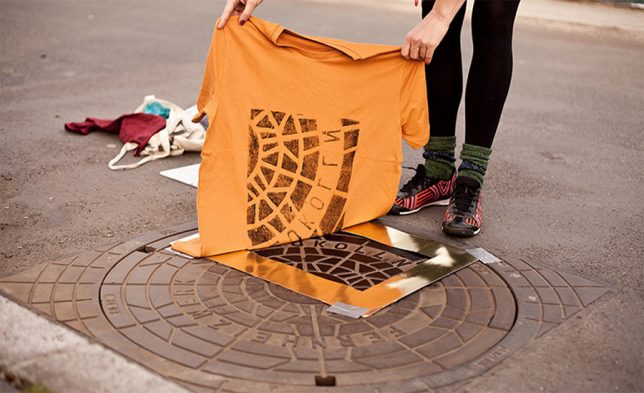
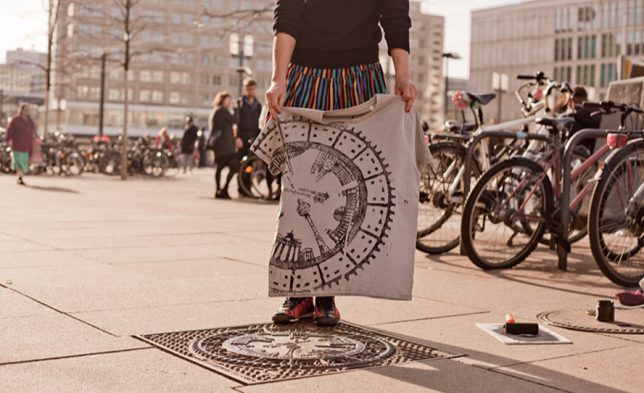
A Berlin art collective has taken to the streets, inking urban infrastructure and laying down shirts and tote bags to create a line of unique prints … their patterns directly lifted from city streets.

print process cover

pirate pressed tshirts

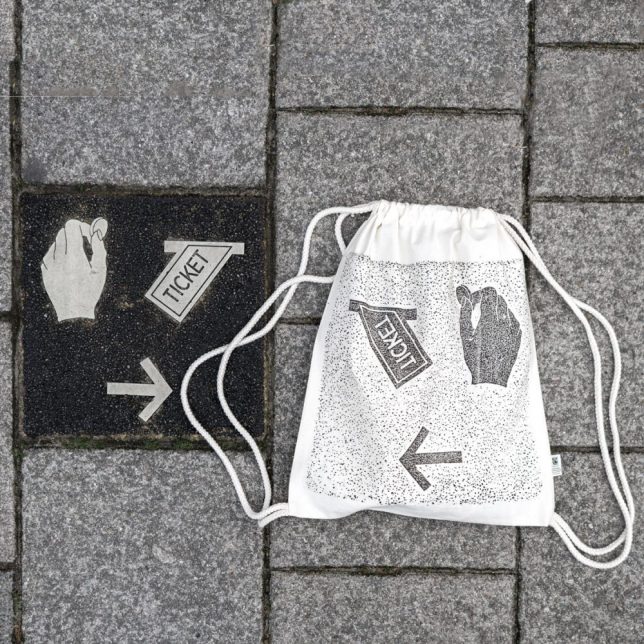
Raubdruckerin (AKA Pirate Printer) press apparel to painted manhole covers, utility grates, etched signage, vents and other objects that have depth differences (and thus themselves to the relief-printing process, like woodcuts or letterpress).

painted manhole cover

pirate clothing urban collection

painted city grate

The group rolls out different colors of ink, much as one would with any kind of etched or raised printing process, then lays cloth down and applies pressure. Depending on the size and type of the object in question, the prints are partial or complete pictures of a given urban artifact.

pirate patterned bag

manhole cover bag

bike path sign

ticket sign

The crew has traveled to Amsterdam, Lisbon, Paris and other iconic cities to capture some of their least-noticed but still-beautiful urban artifacts, transferring overlooked parts of these places to a new style of streetwear. Naturally, each one is a little different – even when the same street fixture is used, the re-inking process results in variegation from one print to he next (via Colossal).

Share on Facebook

[ By WebUrbanist in Design & Products & Packaging. ]

[ WebUrbanist | Archives | Galleries | Privacy | TOS ]


29 Jul 14:01

Baton Rouge Drug Enforcement Has Plummeted Since Police Killed Alton Sterling

by Jeff Asher
Timmy the Tooth

In case you're curious what the war on drugs is actually about...

Much of what followed the fatal police shooting of Alton Sterling, a black man in Baton Rouge, on July 5 has been well-chronicled. Philando Castile, also a black man, was killed a day later by a police officer in Minnesota. A day after that, five police officers were fatally shot in Dallas in an ambush during a protest against police violence. And on July 17, 10 days after the Dallas shootings, three officers were killed in Baton Rouge after responding to a call about a suspicious man with a rifle.

Outside the headlines, something else has been happening since Sterling was shot: The Baton Rouge Police Department has substantially reduced enforcement of narcotics offenses. That may sound like a small change, but narcotics enforcement can be an important glimpse into how often officers are going out of their way to engage in police work. Police officers do both reactive work (responding to 911 calls, for example) and proactive work (such as traffic stops that lead to drug arrests). In a moment of heightened tension between the police and a city’s residents, the trends in proactive policing can tell us whether officers are engaging with residents more or less often than they once did.

And a reduction in proactive policing could have a broader effect on Baton Rouge as a whole. Higher levels of violence have followed a reduction in narcotics enforcement in some cities whose police departments have been involved in high-profile deaths or the protests that followed. Will the same thing occur in Baton Rouge?

Baton Rouge’s open data portal provides information on more than 27,000 narcotics offenses26 from January 2011 to the present, and a review of those showed a clear change after Sterling was shot. The Baton Rouge Police Department averaged 94 narcotics offenses per week27 from the start of 2011 through July 4, 201628 — the day before Sterling was killed. But in the seven days after Sterling was killed (July 6-12), there were only 22 narcotics offenses — 77 percent fewer than the average.29 The only other large dip in the 18 months preceding the most recent one came between Christmas of 2015 and New Year’s Day.

asher-batonrouge-1

That seven-day total of 22 narcotics offenses was, at the time, the smallest of any seven-day period since the beginning of 2011, the earliest data available via the city’s open-data portal.

The specific reason for the apparent drop in proactive policing in Baton Rouge is unclear. The police department did not respond to multiple requests for comment, and the office of Baton Rouge Mayor Kip Holden declined to comment for this story.

The drop may be the result of the short-term response of a police department whose capabilities were stretched thin by protests held in response to the Sterling shooting and was still reeling from the Dallas attack on police officers. The Baton Rouge Advocate reported that officers were required to work 12-hour shifts with no days off in the immediate aftermath of the Sterling shooting, and officers began patrolling in pairs on July 12, several days after the attack on police officers in Dallas.

Ronal Serpas, who previously served as police chief in New Orleans and Nashville, said in an interview that a short-term decline in proactive policing may be natural when a department responds to lengthy protests. (I worked as a crime analyst in New Orleans under Serpas.) “An immediate realignment of resources to protest policing generally requires that you reassign all of your proactive units — i.e., narcotics units, detectives units and other staff headquarters units,” Serpas said.

The change could also reflect a longer-term change in policing. In May, when asked about the possibility that police departments might be pulling back on enforcement efforts, FBI Director James Comey referred to the “viral video effect” — the idea that officers fear a backlash if they were to be involved in a hostile encounter that was caught on camera. “There’s a perception that police are less likely to do the marginal additional policing that suppresses crime — the getting out of your car at 2 in the morning and saying to a group of guys, ‘What are you doing here?’” Comey said.

In three other cities — Baltimore, Chicago and St. Louis — I found a similar drop in proactive policing, as measured by the change in drug enforcement,30 after demonstrations against high-profile deaths of black men involving police officers. Roughly six months after Michael Brown was killed by a police officer in the St. Louis suburb of Ferguson, drug enforcement in St. Louis had mostly recovered to the levels before the shooting. (Both Brown’s death and the protests that followed occurred outside the city of St. Louis. But St. Louis police participated directly in the response to the demonstrations in Ferguson, and the protests brought additional media and activist scrutiny to police behavior in St. Louis itself.) In Chicago and Baltimore, narcotics enforcement is still occurring far less frequently than before the November 2015 release of the video of the shooting of Laquan McDonald and the April 2015 death of Freddie Gray, respectively.31

asher-batonrouge-2-updated
asher-batonrouge-4-updated

After drug enforcement in those three cities fell, the number of murders rose significantly. For each city, I looked at the number of murders in the four months before the month of the incident and the four months after, comparing each stretch of months to the number of murders in those same months the previous year.32 Here’s how that worked in practice, using Baltimore as an example: Gray died in April 2015. In the four months before April (December 2014 through March 2015), 51 people were murdered in Baltimore, fewer than were killed in the same four months the previous year. In the four months that followed April, though, murders increased to 151 compared with 91 in the same period the previous year. You can see the changes for the three cities on the chart adjacent to this paragraph.

(If you’re interested in exploring those trends more, an article in FiveThirtyEight earlier this year showed that the drop in proactive policing was closely correlated with gun violence rising in Chicago, and another showed a similar effect occurring in Baltimore last year.)

It’s too early to tell what effect (if any) Baton Rouge’s apparent drop in proactive policing will have on long-term violence trends in the city. And even when enough time has passed, it will be difficult to assess the trends. Baton Rouge has far fewer annual murders than Chicago, Baltimore and St. Louis have, so knowing when a short-term spike or drop is a real change, as opposed to a temporary blip, won’t be easy.

27 Jul 22:48

12 Crowd-Pleasing Bean Salad Recipes

by Rabi Abonour
Timmy the Tooth

Shared.


The advantages of bean salads are many—they're nutritious, economical, and easy to prepare, and they'll keep well in the refrigerator for days. The primary downside is that they're usually boring. But to make one that's both practical and crave-able is easier than you might think. Here are 12 recipes for bean salads that you'll truly look forward to eating, including a smoky chickpea salad with bacon and Cotija, a simple pairing of plump cranberry beans and tender poached salmon, and a few seasonally suitable salads using crunchy fresh green beans. Read More
27 Jul 17:00

Modesto police seize $2M in heroin during traffic stop

Timmy the Tooth

Meth from Mexico, Heroin from Canada.

A Modesto police K-9 helped in the recovery of a large amount of heroin after a Canadian woman was pulled over on Highway 99, police said.
26 Jul 16:55

List: Comforting Thoughts for #NeverHillary Bernie Supporters After Trump’s First Term

Timmy the Tooth

LOL for all kinds of reasons.


McSweeney’s Internet Tendency’s 8th Most-Read Article of 2016
Originally published July 26, 2016

- - -

It’s hard to believe it’s been four years since we, Bernie Sanders’ true believers, proved to Hillary Clinton and the Democratic Establishment that we wouldn’t just line up like sheep and do what we were told. Whether you voted for Jill Stein, Gary Johnson or chose not to vote at all, together we proved that nothing, not Bernie’s endorsement or even our own self-interest, could derail our convictions.

Though we didn’t vote Trump into office (despite what the Democrats say, they are the ones who split the vote), now that Trump’s first term is up, let’s take this opportunity to realize in just how many ways Bernie’s dream for America is still alive.

Disenfranchisement
After the 59th Amendment passed and Trump was proclaimed Emperor, the entire voting process was abolished. At long last, minorities are no longer disproportionately turned away at the polls.

Immigration Reform
Whether they are now states, colonies, or smoldering piles of irradiated rubble, every formerly sovereign nation has been conquered by the United States. Given that each (habitable) square foot of land in the world is technically part of the US, immigration is not really an issue.

Income Inequality
Now that Trump has dissolved the Federal Reserve and replaced the US dollar with his cryptocurrency “Ivankoin,” he single-handedly controls all the money. If you think about it, that means that income and wealth inequality has fallen to almost zero.

Economy
Sure, people scoffed at the labor camps at first. But, it’s hard to deny the results: good jobs and affordable housing for all.

Climate Change
Ever since the University Purges, the overwhelming scientific consensus is that climate change is no longer a problem. Hard to imagine Hillary turning things around that quickly for our environment.

LGBTQ Rights
After the sweeping regime of forced sterilizations, not that many LGBTQ people even want to get married anymore.

Affordable Education
Every young person that survives the annual culling receives free thought conditioning at Trump University. As a result, no one with the physical capacity to endure their re-education is saddled with crushing student loan debt.

Vindication
Hillary has still never explained those emails.

26 Jul 16:52

EXPOSED: the story behind the story of Russia, doping and the I.O.C

by admin

By Nick Harris

25 July 2016

The International Olympic Committee (IOC) was aware Russia ran a state-sponsored doping programme in which the head of that nation’s WADA-accredited lab was a central figure as long ago as the first week of July 2013.

I know this because I told them.

I told them on the phone and then I told them in writing.

They acknowledged this was new information to them and they asked for more, which was provided. This piece will include proof of that, in detail, in a moment.
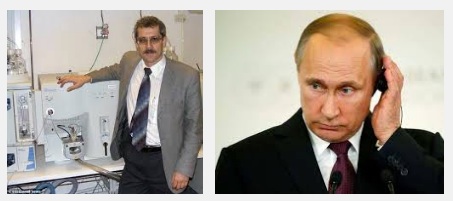
Rod - Putin

Rodchenkov (left) worked for Putin’s Russia

The IOC then said they had ‘passed it on internally to the relevant people and we will get back to you as soon as we get a response.’

They never did get back to me. Apparently they did nothing at all with that information, some of which was utterly extraordinary. For example: we uncovered the fact that the head of the corrupted lab, Grigory Rodchenkov (right), had been arrested in 2011 for alleged involvement in a doping ring, along with his sister.

While in custody and terrified of shameful exposure, Rodchenkov made a grizzly suicide attempt and was committed by the Russian authorities to an asylum for more than two months.

His performance-enhancing drug-dealing case was assigned to a secret court. Records of that case then ‘disappeared’. His sister was initially sent to prison, then released.

Rodchenkov was privately freed to go back to work at the Moscow lab to oversee the systematic doping corruption of major events including the 2014 Winter Olympics in Russia.

The IOC said they had no knowledge of Rodchenkov’s wrong-doing, arrest, asylum trauma or return to work for corrupt purposes when informed about it in July 2013 – or three years ago, in other words. But when they were given that information they chose to ignore it, apparently.

In doing so, they allowed the Sochi Olympics – the Olympics of which they are guardians – to be corrupted, despite further specific warnings in a series of national newspaper articles that Russia would corrupt the Sochi Games. The IOC let state-sponsored doping flourish.

Extremely belatedly, after two investigations by the world anti-doping agency (WADA) showed Russian state-sponsored doping to be a fact (something WADA were told about in 2012, and again in 2013, at the same time as the IAAF, the world governing body of athletics, details also to follow below), the IOC had a decision to make over whether to let tainted Russia take part part in second Olympics with the IOC’s full knowledge of the problem.

Yesterday the IOC said Russia was good to go, in effect. Fit for Rio. Despite a mountain of hard evidence about a long-standing, wide-ranging endemic doping problem across Russian sport, the IOC decided not to put a blanket ban on Russia at Rio 2016. 

This is not an opinion piece.

You may believe athletes who use banned drugs are a scourge on sport, a stain that needs to be removed. Or you might not be that bothered. That’s entirely your prerogative.

But this is the story behind the story that has become the major sports scandal of 2016, and arguably of the past decade. And it should demonstrate which of the positions in the paragraph above are held by the powers that control global elite sport.

As regular readers of this website and followers of this website’s Twitter and Facebook accounts know, after starting this website, I subsequently also became the chief sports news correspondent of the Mail on Sunday.
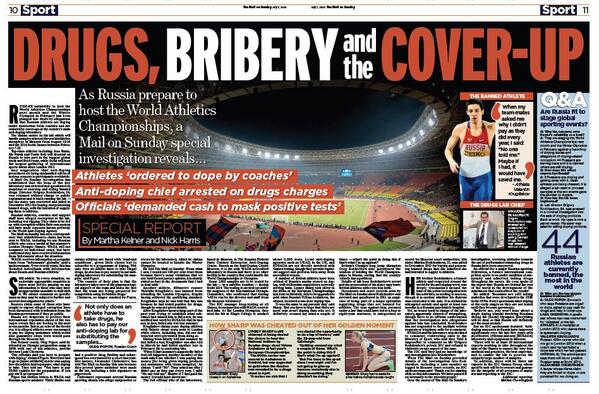
Drugs bribery cover-upIt was in that role that myself and my colleague Martha Kelner first broke the news in July 2013 (left) of the Russia doping conspiracy centred around the tainted Moscow WADA lab and its director, Rodchenkov (and there is a BBC profile of him here).

For those unaware of the Russian scandal the details in a nutshell are this: hundreds of sportspeople from many sports were provided with banned performance-enhancing drugs over many years.

This was often done by coaches, with the support of governing bodies, and in the knowledge of senior figures meant to prevent doping – including officials at the Russian sports ministry, the Russian anti-doping agency, and the WADA lab controlled by Rodchenkov.

Our story ran on the weekend of 7 July 2013.

Not only were the sportspeople allowed to dope, and encouraged to dope, but they were also protected if they tested positive; their samples were corruptly recorded as clean. And, in some cases, athletes who were clean had their clean samples tainted to become positive so that favoured dirty athletes were given preferential access to certain major sports events instead of them.

It goes without saying this is a simplified version of events. But it was state-sponsored doping, authorised and effectively rubber-stamped by Russia’s government, by president Vladimir Putin, and by a variety of his political appointees. A summary is here. WADA’s most recent McLaren report about the matter is here, or downloadable in PDF form here: McLaren report.compressed.

It is increasingly difficult to comprehend why the IOC, WADA, the IAAF and other major bodies opted to ignore evidence of systematic wrong-doing. Alternatively it is easy to comprehend, if you conclude that actually they don’t really care about doping as long as the dollars continue to flow.

But this isn’t an opinion piece. It’s the story behind the story. So let’s start at the beginning.

.

The investigation

As summer 2013 approached, Russia was preparing to stage the 2013 world athletics championships in Moscow. 

It was no secret to anyone that Russian track and field had a problem with performance-enhancing drugs, not least because it routinely topped the IAAF tables for banned athletes at any one time.

In this context, Martha interviewed British long-jumper Greg Rutherford in May 2013 for an article in the MoS in which he questioned the suitability of Moscow as a host of the blue ribband event for athletics. 

In response to that article, Martha was contacted by a Russian athletics coach, Oleg Popov, who said he shared Rutherford’s concerns. In fact, he said, he was desperately worried that his country, Russia, had been running an institutional doping programme in athletics for a number of years, and that the scandal needed to be exposed. He had evidence, and compatriots who would back him up, he said.

Martha is a brilliant young journalist, the SJA Young Sports Writer of the Year for 2012, and now, in summer 2016 and still in her early 20s, about to head to Rio as the athletics correspondent for Associated Newspapers.

In Spring 2013, she was not completely sure how to handle a random response from a Russian stranger about what sounded like amazing claims about doping. She talked to Popov via email, then Skype, fortuitously with the help of a Russian-speaking work experience* intern.

Martha later wrote about Oleg Popov’s role in our investigation but suffice to say, once she’d shared his initial correspondence with me, we thought it was worth investing at least a few days in following it up.

In fact, after putting together a comprehensive ‘to do’ list, we spent nearly two months on the next phase, directing our research from the UK but working with colleagues and contacts in Russia and further afield. Oleg put us into contact with others, who in turn opened more doors.

Investigative journalism can be a long, painstaking process with no guarantee of reward but over the weeks we gathered tens of thousands of words of testimony from coaches, athletes, lawyers, support staff, independent witnesses and whistle-blower insiders, some of whom to this day must remain anonymous.

Next we collected corroboratory paperwork from anyone who could provide it; emails and letters and positive or negative drug sample documents; expert opinion on technical aspects of these documents, audio of various hearings and all sorts of court files.

Then we tried to double-source everything to see if it was true, or might be true, or could be proved to be false. And then we began the long and frustrating process of seeking official comment from all those implicated in wrong-doing (most of whom refused to respond), and last of all putting all of our findings to the IAAF, to WADA and the IOC.

Our story named some of the people who helped up as witnesses, and protected the identities of others. But the tale was clear: while we focussed on the imminent threat of corruption at the Moscow world athletics championships of 2013, there was a problem across Russian sport.

One senior Russian winter sports official even lamented Russia wasn’t as good at doping as in the past but said he knew the corrupt system would guarantee Russia most medals at Sochi 2014 and cover up what needed to be covered up. He told us:

‘Russia doesn’t produce the doping substances used in sport now. Everything is imported from Moldova, two factories, Ukraine, Turkey, India, Singapore, and China. The most common one is Moldova.

‘If you want to buy [drugs] cheaper you should go to the Kiev railway station at 4 am when a train from Chisinau arrives and to see what’s happening there as most of the people coming by this train bring steroids for sale …

‘Believe me you won’t hear about a single doping scandal involving Russian sportsmen during the [Sochi] Olympics … everything will be done so that Russia will definitely get the most medals.’

.

Perhaps the most dramatic individual story among many we gathered was that of Rodchenkov, then 54 and resident in Moscow, still working, now 57 and living in exile in the USA.

One of our sources shared with us a letter sent by a Russian athlete to WADA in 2012, naming Rodchenkov’s sister, Marina Rodchenkova, as a key figure alongside Rodchenkov in a 2011 doping conspiracy involving senior (named) Russia athletics officials.

Marina was jailed in 2012 for possessing performance-enhancing drugs with intent to supply in 2011. Back in 2011, Rodchenkov too was arrested as part of the same conspiracy, after a tip from clean athletes.

Secret paperwork we obtained indicated he was diagnosed with a severe depressive condition around that time and attempted to take his own life on 23 February 2011. Different sources varied on the method but it was clearly a serious attempt; one claimed he tried to disembowel himself while another said he slashed his wrists. In any case, in a confidential appeal memo he later wrote himself, he confirms he tried to kill himself and that he was sectioned to a mental hospital until 26 April that year before before being released. No charges followed and he was sent back to work.

We can only speculate on the precise conditions of his release. We made numerous attempts to contact Rodchenkov by phone, email and in person in summer 2013 and he consistently, politely declined to comment, or to confirm or deny anything.

But in a May 2016 interview with the New York Times, he hinted that he expected to be jailed for dealing drugs back in 2011 but said he believed he was sent back to work to deliver the Sochi cover-up the Russian authorities wanted.

As the NYT reported: ‘He suspected that he had been spared punishment so that he could play a crucial role at the Sochi Games.’ 

He told the NYT: “It’s my redemption: success in Sochi. Instead of being in prison, win at any cost.”

Back in 2013 our investigation managed to establish that, initially at least, a criminal case was lodged against Rodchenkov in the Russian courts, case number 44y-0173/2012, relating to a criminal investigation under clause 234 (3) of the Russian criminal code, which dealt with supply of banned drugs.

But access to details was impossible to obtain and we were told case details were forbidden. In effect, the case had been ‘disappeared’ from public view.

The upshot was we had a mass of first-person testimony alleging a large-scale doping system across Russia sport, involving Rodchenkov and his lab, aided and abetted (and sanctioned) by a range of official bodies including but not only the anti-doping agency of Russia (RUSADA) and the sports ministry, which in effect was the government.

We asked the lab directly for comment and they said: ‘Ask RUSADA.’

We asked RUSADA and they said: ‘No comment’.

We asked the Russian ministry of sport and they said: ‘No comment.’

We asked Rodchenkov and he wouldn’t speak, and his sister said: ‘No comment.’

So then we put it all to the governing bodies concerned.

.

Official responses to Russian doping scandal, July 2013

IAAF: The IAAF is the global governing body of athletics. The president at the time was Lamine Diack. The world championships of the sport were imminent, to be hosted by Russia in Moscow. Seb Coe was one of four vice-presidents of the IAAF and not involved on a day-to-day basis.

We rang and emailed the IAAF several times to ask about what they knew. They did not respond to any call, or reply to any email, at all. They simply blanked us.

I tried a private direct approach to Coe’s long-term right-hand man, Nick Davies. He failed to respond, at all. Many months later he said he felt it wasn’t an IAAF issue but a WADA lab issue. Multiple people much closer to Davies than I’ve ever been swear passionately he would only ever act in the best interests of his sport and frankly I tend to believe them. He opted not to respond to serious allegations rather than address them, in the hope they might disappear until after the Moscow showcase event. In that regard, he was correct. Whether that was the best course of action in the long run still remains to be seen.

.

The IOC: On 2 July 2013, I emailed the IOC to tell them about the doping allegations in Russia. This email included the following: ‘The allegations are that officials are both selling drugs via doping programmes and ensuring positive results as a result are returned as negatives: this is where the lab comes in. We have also been told that whistle-blowers inside Russia have made these allegations directly to WADA and the IAAF. We know that the sister of the lab head, Grigory Rodchenkov, was imprisoned after supplying drugs to athletes. We have documents that appear to show Rodchenkov was also investigated over serious drug allegations related to the same case, and attempted suicide.’

We asked among other things if the IOC was aware of this, and whether the IOC had confidence in the lab.

On 3 July the IOC replied it was not ‘not aware of any investigation or prosecution of lab personnel.’ They added: ‘Visiting experts from the IOC and WADA monitor the labs in Russia and we are confident in the ability of the anti-doping authorities there to deliver in 2014.’ There was also a long section about the IOC’s confidence in the 2014 Sochi anti-doping labs.

On 3 July, I asked a supplementary question for avoidance of doubt: ‘We have paperwork and there is documentary evidence that the lab director Grigory Rodchenkov was investigated for supplying drugs; that he made a suicide attempt and was sent to a psychiatric hospital; and that he is now back at work. This was after his sister was sent to prison for selling doping products and athletes. Russian authorities will not confirm if any active investigation remains open against Rodchenkov. Your answer appears to me to suggest you have no knowledge of the investigation into Rodchenkov, the director of the lab. Have I read that correctly? You don’t have any knowledge that investigation happened?’

The same day, the IOC responded: ‘The IOC has received no information that Grigory Rodchenkov supplied drugs, but we would of course look into any accusation should you provide us with evidence.’

On 4 July 2013, I responded to provide details, including: ‘Listed in the official computer database of the Moscow City Court is material showing a case was pursued against Grigory Rodchenkov under article 234 paragraph 3 of the Russian criminal code, which relates to the supply of illegal and banned drugs. The case number is #44y-0173-2012.

‘No authority in Russia will comment on the case but our sources allege the case remains open. Nobody will discuss it publicly or comment on it. Our story revolves around this information: the fact of Rodchenkov’s sister’s conviction; the fact of an investigation into him; and testimony of several Russian athletes and coaches who say he was implicated in doping and cover-ups.’

On 5 July 2013, the IOC replied: ‘Hello Nick, Thank you for sharing with us this information. We have passed it on internally to the relevant people and we will get back to you as soon as we get a response. We apologise for this delay, but we have just ended a week of very important meetings and events. Many thanks for your understanding and best regards.’

And that was the last we heard from the IOC.

.

WADA: I first contacted WADA about this investigation towards the end of June 2013 to give them a ‘heads-up’ on the case and check one key fact – whether in fact our whistle-blowers had contacted WADA directly, as they had claimed. This could be pivotal to getting our story into print.

Without boring you with the details of journalistic process, stories of this nature as a matter of course must pass through the hands of teams of lawyers before being cleared to print. They need to be demonstrably true, in other words. They need evidence, and a right of reply. They need to ‘stand up.’

With the IAAF silent and the IOC ignorant, there remained the theoretical chance that our whistle-blowers and witnesses were making it all up, and that all the court papers and other evidence about Rodchenkov was merely the stuff of spy novels. We needed some second-source corroboration.

I called various people at WADA and then emailed on 27 June 2013. I stressed that the information in our possession ‘has potentially huge ramifications if information being passed to us is true.’

I outlined the claims and said I was seeking confirmation that WADA had separately been approached about this matter as early as 2012, in writing, by Russians wanting to air concerns.

Around the same time, another source in Russia came forward to us, on condition of anonymity, and claimed that WADA – specifically three named WADA officials – had not only been told about Russian doping in 2012, but also been informed that Rodchenkov was party to the conspiracy.

On 2 July 2013, I emailed WADA again, writing: ‘I have one further question arising from one further piece of information we have received.

‘The allegations we’re looking at concern doping in Russia but also alleged corruption relating to the Moscow lab where athletics world champ 2013 and Sochi 2014 samples will be tested. These include allegations of malpractice and sample tampering to show doping athletes as clean. The head of the lab Grigory Rodchenkov is implicated.

‘The new info today is a claim to us that specific individuals within WADA have been alerted that there is a problem with Russian doping, and the lab is implicated. Those who know of these allegations, we are told, are Olivier Rabin, Rune Andersen and John Fahey.

‘Could you confirm whether these individuals have been informed of these specific allegations, and whether WADA is actively investigating? Also, what power if any does WADA have to investigate such claims?’

The next day, 3 July 2013, WADA responded: ‘As previously indicated, WADA cannot comment on specific allegations. What we can say is that as the global organisation tasked with monitoring the fight against doping in sport, we undertake appropriate enquiries upon receipt of any information or allegations about doping, and then share it with the organisations that do have a mandate to investigate the situation fully.

‘Under the existing Code, WADA does not have the power itself to carry out investigations into allegations of doping. However, one of the planned changes to the 2015 Code is to grant WADA investigative powers. This would be a positive step forward in the global fight against doping in sport.’

I responded to that by asking WADA to tell me the appropriate body to which information could be passed for investigation, if not them. I explained RUSADA, the lab and the Russian sports ministry had all said: ‘No comment.’

WADA replied: ‘Hi Nick. Perhaps try contacting the country’s national anti-doping agency RUSADA.’

I was given a direct email address for RUSADA chief General Ramil Khabriev, who did not reply.

.

In summary: almost two months of investigative work established beyond what seemed to be reasonable doubt that there was a state-sponsored doping programme in Russia, centred around a corrupt lab where the director had been arrested and then released to do his work. Furnished with these details and with corroborating evidence and offers of further assistance, the IAAF ignored us, the IOC said they’d come back to us and never did, and WADA said it wasn’t in their remit to act.

.

The response

The story appeared and at different points later in 2013, the Mail on Sunday did follow-ups and nobody else did anything. That isn’t to criticise fellow media. I’m well aware this was, certainly then, an esoteric story and difficult to do as a ‘pick-up’ without the original sources and material, especially when it was presented ‘straight’ and not with unsubstantiated front-page claims to garner ‘mainstream’ attention. Some outlets have hyped doping stories that have later been shown to be at best exaggerated and at worst untrue. That serves nobody’s interest, not that exposing real corruption, with proof, will necessarily lead to swift action.

Russia responded by denouncing the story as western politically-driven propaganda, ignoring the fact that every key source was a Russian sick of institutional cheating.

Seventeen months after our story, the brilliant German investigative journalist Hajo Seppelt – a friend of mine, respected colleague and collaborator in some previous work – fronted his own investigation on ARD TV, taking the story on by some margin, implicating Diack in a cover-up. Covert filming of wrong-doers lifted the issue to global prominence in a way print perhaps cannot do. Hajo said he’d been unaware of our 2013 story, and no doubt he was. When the authorities successfully killed the original expose by failing to act, it died a death originally. Such is journalistic life at times.

Scandals that sit in plain sight can go on for years or even decades without being resolved; we know that. The bribe-based award of the 2018 and 2022 World Cups to Russia and Qatar is one example; so too the corruption in FIFA from multi-billion ticket fraud over decades, the behaviour of countless senior officials, the buying and selling of elections and the conduct of dodgy ExCo members like Sheikh Ahmad Al-Sabah of Kuwait (more of that here) – one of the world’s most significant sports power brokers, who, incidentally, got Thomas Bach elected as IOC president in 2013.

Al-Sabah now effectively controls many of world sport’s governing bodies, directly and indirectly, who will now allow Russia to compete in Rio 2016. He’s a close pal of Bach, and Putin, and the Venn diagram of IOC-FIFA-political-dodgepots gets ever more crowded.

Another name in that group is Craig Reedie, president of WADA, and an IOC member, and deeply conflicted in ways he fails comprehensively to grasp. Why on earth anyone thought a doddery, confused chummy sports politician was the right man to head WADA was a good choice – heaven knows.

But only last year we reported how he was writing a ‘comfort’ letter to Russia to tell them, in effect, not to be too concerned about ARD and media focus on historic Russian doping. He said WADA wouldn’t do anything to upset his friendship with Russian sports minister Vitaly Mutko. And, thanks to all his IOC chums, he was right.

.

The 2016 Rio Olympic Games begin on 5 August.

Enjoy.

.

POST-SCRIPT, added on Saturday 30 July 2016

Since the publication of this piece on Monday, former WADA high-ups have admitted they should have taken action back in 2013, in a piece in The Australian.

It has also come to my attention that WADA, for technical reasons, have changed the version of the McLaren report available online. The new version at that link omits a letter that Rodchenkov sent to the Russian secret services in January 2015 to explain the contents of ARD’s programme in December 2014.

I mention this because the switch led me to review the original version of the McLaren report and re-read that letter. And I noticed something I had not noticed before – that Rodchenkov effectively admits within that letter that he and the Russia doping scandal were rumbled by our Mail on Sunday report in 2013.

How so? Well, if it weren’t so serious it would be comical.

As the McLaren report details, Rodchenkov had to write a briefing note to the Russian secret services in January 2015 about the whole scandal, and then Russian sports minister Vitaly Mutko later called in Rodchenkov to discuss the matter with him (showing this did indeed go to the top of Russian politics, way back).

It is Rodchenkov’s paragraph about the ‘origins of this scandal’, ie the origins of the exposure of the scandal, that are now revealing, not to mention hilarious. Rodchenkov told the FSB the origins (of the exposure) lay in the ‘working together’ of a man called Alexander Chebotarev and someone called Melkon Charchoglyan. The relevant passage is here:
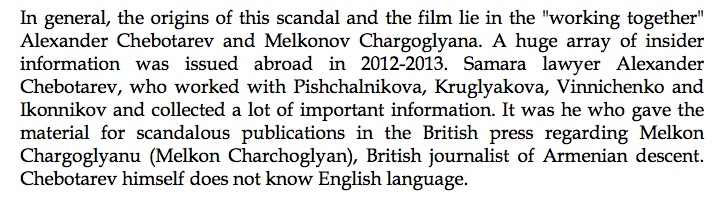
Melkon

So who are Chebotarev and Charchoglyan?

Chebotarev is a lawyer who worked with Russian athletes including a series of whistleblowers and was indeed among our sources. So Rodchenkov is right there.

And Melkon was the work experience intern asterisked higher up in the piece! He was on a short summer placement at the MoS, having finished school, and was exceptionally helpful because he spoke, read and wrote fluent Russia. Hence he was able to assist us with some emails and calls in the language most comfortable to most of our sources, including Chebotarev.

I have spoken to Melkon this morning, Saturday, to let him know about his mention in the McLaren report. He thinks it’s a hoot. ‘I think Rodchenkov has overblown my involvement,’ he laughed.

Perhaps. Or perhaps not.

.

More from Nick Harris

Sportingintelligence home page

LinkedIn Twitter Yahoo Messenger Share/Bookmark
23 Jul 11:53

What Is American Cheese, Anyway?

by J. Kenji López-Alt
Timmy the Tooth

You should really make your own. Just get a little sodium citrate.


What's in American cheese? There's a lot of hysteria out there about it being "full of chemicals" and "not real cheese." This explainer helps set the record straight by discussing the ingredients, process, and regulations around those melty slices. Read More
22 Jul 18:01

Muffin Myth-Busting: Don't Waste Your Time Tossing Berries in Flour

by Stella Parks
Timmy the Tooth

Seems harder than just tossing your blueberries with a little bit of the flour from the recipe.


A lot of blueberry muffin recipes tell you to toss the berries in flour first to prevent them from sinking to the bottom of the batter. That doesn't work. Here's a method that does. Read More
20 Jul 22:43

Equipment: The Best Manual Citrus Juicers and Reamers

by Marguerite Preston
Timmy the Tooth

The hand. Free.


A simple manual citrus juicer is the sort of unassuming kitchen tool that you'll find yourself reaching for again and again. But there are good manual juicers, and there are bad manual juicers. So I put a whole bunch of top-rated citrus juicers to the test. Many hours, several hundred fruits, several gallons of juice, and two tired wrists later, here's what I came up with. Read More
16 Jul 15:59

Nashville Hot Chicken – Yes Cayenne

by foodwishes@yahoo.com (Chef John)
Timmy the Tooth

"1/4 cup lard
1/4 cub butter"

LOL

It’s not often I reduce the amount of cayenne in a recipe, but that’s the case with this striking, and intensely spiced Nashville hot chicken. If you’ve never had it, we’re talking about an ultra-crispy fried chicken, doused with a cayenne-infused glaze, and by “glaze” I mean melted butter and lard.

It sounds crazy, but it's basically like being able to put lots of hot sauce on fried chicken, without it getting soggy. For the record, I’ve never been to Nashville, so I can’t tell you how authentic this is, but it works for me, and is fairly easy to pull off. 

By the way, do yourself a favor, and toss the chicken with a tablespoon of kosher salt the night before you fry, and you’ll get a nicely seasoned, moister bird.

You can cut up a whole chicken, or just buy a package of leg sections, which work great in this recipe. If you want to see how to cut up a chicken, check out this old buttermilk fried chicken video. I cut the breasts in half in that one, but the technique is the same. I really hope you give this amazing fried chicken recipe a try soon. Enjoy!


Ingredients for Nashville Hot Chicken:

1 whole chicken, cut into 8 pieces, tossed with 1 tablespoon kosher salt, and refrigerated overnight.
For the marinade:
1 cup buttermilk
1/4 cup pickle brine
2 tablespoon Louisiana-style hot sauce
1 large egg

For the flour:
2 cups AP flour
2 teaspoons fine table salt or 4 teaspoon kosher salt

For the sauce:
1/4 cup lard
1/4 cup butter
2 tablespoons cayenne pepper
1 tablespoon packed light brown sugar
1 teaspoon paprika
1/2 teaspoon garlic powder
1/2 teaspoon kosher salt
1/2 teaspoon freshly ground black pepper

- Heat oil to 350 F. and maintain temp of 325 F. during frying. Cook to at least 160 internal temp.
15 Jul 23:44

What The Hell’s Gotten Into Daniel Murphy?

by Neil Paine
Timmy the Tooth

I think this should be a red flag that this player is abusing PEDs

When theretofore ordinary second baseman Daniel Murphy turned into the reincarnation of Babe Ruth during last year’s playoffs, it was a fun story. Murphy was with the New York Mets through their lean, mediocre post-Madoff years, and he was suddenly the driving force behind their surprise World Series run. It seemed proof that in a handful of baseball games, damn near anything can happen.

But for the sabermetrically minded (which presumably included the Mets’ front office), Murphy was still the decent-but-not-great player that his overall record said he was, and at age 30, he was likely on the downside of his career. So during the winter, the Mets moved on from Murphy to Neil Walker at second base — which, according to the stats, was basically the right call. Murphy signed with the Washington Nationals instead, and although projections suggested that he would have a solid season, there didn’t seem to be any way that he would build on his outlier postseason performance.

Those projections have turned out to be flat-out wrong. Instead of reverting to his previous form, Murphy has looked an awful lot like the guy who went on that postseason tear: He currently ranks third in the National League in Weighted Runs Created Plus (wRC+)13 and fourth in wins above replacement. (Murphy has also hit Mets pitching especially hard this year, delivering what already ranks as the most RBIs by a player against a team he played for the previous season since 1960.)

For a guy who has never ranked higher than 37th in WAR, Murphy has taken a quantum leap forward. If Murphy maintains his current wRC+ for the entire season, it will be the 21st-biggest single-season improvement by a hitter over his previous career wRC+ at age 31 or older14 since 1901:

SEASON PREVIOUS CAREER
PLAYER YEAR OBP SLG WRC+ OBP SLG WRC+ WRC+ CHANGE
Barry Bonds 2002 .582 .799 244 .418 .585 164 +80
Barry Bonds 2001 .515 .863 235 .411 .567 159 +76
Sammy Sosa 2001 .437 .737 186 .333 .523 119 +67
Ken Caminiti 1996 .408 .621 169 .328 .402 102 +67
Javy Lopez 2003 .378 .687 170 .332 .478 107 +63
Barry Bonds 2004 .609 .812 233 .433 .602 171 +62
Bret Boone 2001 .372 .578 149 .313 .413 88 +61
Luis Gonzalez 2001 .429 .688 173 .355 .460 114 +59
Paul O’Neill 1994 .460 .603 171 .341 .443 115 +56
Rickey Henderson 1990 .439 .577 190 .400 .429 136 +54
Mark McGwire 1998 .470 .752 205 .382 .556 152 +53
Dixie Walker 1944 .434 .529 168 .369 .434 115 +53
Mike Schmidt 1981 .435 .644 198 .375 .526 145 +53
Willie Stargell 1971 .398 .628 186 .341 .503 134 +52
Roberto Clemente 1967 .400 .554 170 .348 .455 118 +52
Brady Anderson 1996 .396 .637 155 .349 .393 103 +52
Lonnie Smith 1989 .415 .533 166 .362 .401 116 +50
Roy Cullenbine 1946 .477 .537 182 .402 .422 132 +50
Eddie Joost 1949 .429 .453 136 .332 .321 87 +49
J.T. Snow 2004 .429 .529 153 .353 .426 104 +49
Daniel Murphy 2016 .387 .598 157 .331 .424 109 +48
Jermaine Dye 2006 .385 .622 151 .334 .469 104 +47
Jimmy Dykes 1929 .412 .539 143 .356 .404 96 +47
Victor Martinez 2014 .409 .565 167 .369 .464 120 +47
Joe Morgan 1976 .444 .576 184 .396 .430 138 +46
Biggest hitting improvements at age 31 or older, 1901-2016

Only includes players with a minimum of 3,500 career plate appearances before season and 350 in season.
WRC+ = Weighted Runs Created Plus

Source: Fangraphs

Many of the people atop that list — including (but not limited to) Barry Bonds, Sammy Sosa, Ken Caminiti and Mark McGwire — have admitted to using performance-enhancing drugs, were named in the Mitchell Report or were otherwise implicated in baseball’s steroid scandal via leaked test results. But nothing so sinister has been mentioned to explain Murphy’s rise, and some players outside the steroid era experienced similar (presumably natural) leaps in performance.

Murphy has always credited Mets hitting coach Kevin Long with making several key adjustments to his approach at the plate in an effort to help him hit for more power. Here’s Tyler Kepner of The New York Times last October, on Murphy’s swing changes:

“Long believed Murphy should harness [his] power by driving more with his legs, moving closer to the plate, getting his front foot down sooner and bringing his hands lower and closer to his body.”

The numbers bear this out: Murphy’s 2016 isolated power is 115 points higher than his previous career average, and he’s hitting the ball authoritatively in new areas of the strike zone. Murphy was always a solid hitter on pitches up and on the inner half of the plate, but his new approach has him driving the ball more on pitches in the middle of the plate and even ones low and away:

paine-murphy-2

Of course, it’s still unlikely that Murphy has morphed into a hidden superstar after seven big-league seasons. Players in their 30s who improved on their previous career wRC+ by between 40 and 60 points in one season tended to lose 36 points of batting average, 38 points of on-base percentage and 80 points of slugging percentage the next year. But, on average, they were still better than they’d been before. Even a year after the initial breakout, they hit for a wRC+ 15 points higher than their career average had been beforehand.

That means Murphy probably is a better hitter now than he was in New York. And considering the damage he’s already personally inflicted on the Mets in head-to-head competition, it also means he may well end up being the key to an NL East title for the Nationals. Not bad for a player most thought would turn back into a pumpkin after his Cinderella story last October.

Check out our latest MLB predictions.

15 Jul 17:01

Make These Fresh and Easy Teriyaki-Glazed Salmon Rice Bowls for Dinner Tonight

by J. Kenji López-Alt
Timmy the Tooth

Simple teriyaki sauce recipe included. I don't like that much sugar in mine.


Having a batch of teriyaki sauce in your fridge at all times (it lasts forever) allows you to pull together a dinner like this rice bowl with teriyaki-glazed salmon and avocado in the amount of time it takes to steam a pot of rice. Once you have the rice on, all you've got to do is sear the salmon, dice up some avocado and cucumber, slice a couple of scallions, and pull that leftover teriyaki sauce out of the fridge. Read More
14 Jul 22:22

Crystal Universe: Digital Maze Invites You to Immerse Yourself in Light

by SA Rogers
[ By SA Rogers in Art & Installation & Sound. ]

Screen Shot 2016-07-13 at 5.05.53 PM

A kaleidoscopic space filled with reflected and refracted light in all shades of the rainbow makes you feel like you’ve somehow immersed yourself inside a crystal at the DMMPLANETS exhibition in Odaiba, Tokyo. Dreamed up by the art collective teamLab, ‘Wander through the Crystal Universe’ is one of three major interactive installations in place through the end of August for the inaugural show. The work uses accumulated light points to create a sculptural body, “similar to the way distinct dots of color form an image in a pointillist painting.”

crystal universe 2

crystal universe 4


As you walk through the three-dimensional light space, your movement affects the light particles, creating changes in the installation. Each person’s action or change affects the way everyone present experiences the space. The lights are constantly moving and shimmering, going dark to mimic the effect of floating in space and then shifting into new color palettes. Visitors can further interact with the exhibit using their smartphones, selecting certain elements and enhancing them.

crystal universe 3

Screen Shot 2016-07-13 at 5.05.53 PM

crystal universe main

“In Crystal Universe, the particles of light are digitally controlled, and change based on the viewer’s interactivity with the work. The result is an installation consisting of an accumulation of lights, forming a sculpture that expresses the universe.”

floating

floating 2

Equally enchanting is ‘Drawing on the Water Surface Created by the Dance of Koi and People – Infinity.’ In this case, visitors are walking into a pool of water, influencing the movement of projected koi.

floating 3

“When the fish collide with people they turn into flowers and scatter. The trajectory of the koi is determined by the presence of people and these trajectories trace lines on the surface of the water. The work is rendered in real time by a computer program, it is neither a pre-recorded animation nor on loop. The interaction between the viewer and the installation causes continuous change in the artwork. Previous visual states can never be replicated, and will never reoccur.”

Share on Facebook

[ By SA Rogers in Art & Installation & Sound. ]

[ WebUrbanist | Archives | Galleries | Privacy | TOS ]


13 Jul 00:23

Next Up: Something with Corn

by foodwishes@yahoo.com (Chef John)
Timmy the Tooth

I can has?

Due to yesterday being my birthday, and my refusing to work on that day, this week's first video will be slightly delayed. It should be up later this evening, or tomorrow morning at the latest. Stay tuned! 


12 Jul 18:16

Noah’s Ark: Creationist Theme Park Opens Amidst Regional Flooding

by Kurt Kohlstedt
Timmy the Tooth

Hey! Your tax dollars funded this shit!

[ By WebUrbanist in Destinations & Sights & Travel. ]

great ark

A biblical theme park contained within a huge ark (the largest timber-framed structure in the world) has opened in Kentucky, just as the region was hit hard by heavy rains and flash floods. Expecting an initial rush of visitors, the ark will have extended hours of operation for 40 days and 40 nights, coinciding with duration of the biblical fable of the great flood.

ark opening

Built by Amish carpenters to dimensions described in the Bible, the main Ark Encounter structure is close to 500 feet long, 100 feet wide and a 50 feet tall. It was created by Answers in Genesis, a fundamentalist Christian organization, close to their existing Creation Museum. The megastructure is meant to serve as an education center as well as adventure playground.

ark interior

ark base

The original ark, as the story goes, was designed to save Noah, his family and pairs of animals from a great flood that swept the world clean of sinners. “In a world that is becoming increasingly secularised and biased, it’s time for Christians to do something of this size and this magnitude,” said Answers in Genesis chief executive Ken Ham. The new version employs somewhat more contemporary materials and construction techniques, connecting large timber logs with steel braces.

ark dinosaurs

The modern-day complex is designed to be accessible to all Americans, located less than a day’s drive from most of the country. In addition to scenes of dinosaurs living on the ark alongside humans, it features zip lines, petting zoos and camel rides.

arkitecture

ark grounds

Controversially, the $100,000,000 project was made possible in part through sales tax incentives, a fact that does not sit well with all residents of the state. Alas, anyone seeking to survive the next great global purge will find that the ark itself does not float, though it may provide some high ground in a storm.

Share on Facebook

[ By WebUrbanist in Destinations & Sights & Travel. ]

[ WebUrbanist | Archives | Galleries | Privacy | TOS ]


12 Jul 16:53

David Squires on … Portugal winning Euro 2016

by David Squires

It’s over, it’s actually over. So what better way to stick a fork in Euro 2016 than David Squires looking back at the final and the tournament that was. You can find David’s archive of cartoons here, but that’s all, folks. Until next season

Continue reading...
12 Jul 16:51

Euro 2016: By the Numbers

by 7amkickoff
RONALDO-SMASH

6.4 – Shots per game by Cristiano Ronaldo¹
2.4 – Shots per game from set plays by Ronaldo¹
3.9 – Shots per game from outside the 18 yard box by Ronaldo¹
3.4 – Shots per game inside the 18 yard box by Griezmann¹
0.9 – Goals per game by Griezmann¹
0.8 – Goals per game by Morata (3 goals in 4 games for Spain)
0.5 – Goals per game by Giroud
0.4 – Goals per game by Ronaldo
1.6 – Shots on target per game by Cristiano Ronaldo
2.8 – Shots on target per game by Gareth Bale¹
179.7 – Moments per game the camera panned over to Ronaldo to show him making a face of disgust at his teammates for not carrying him and his giant fucking cross the whole time¹
3 – Moths per game by Ronaldo
2.7 – Shots per game by Olivier Giroud
1.8 – Shots per game with his head by Olivier Giroud¹
2.3 – Shots per game by Ricardo Rodriguez (the Swiss left back linked to Arsenal because he’s Xhaka’s buddy)
1.5 – Shots per game with his left foot by Rodriguez leaving 0.8 shots per game with his right (that’s fairly two-footed!)
1.3 – Shots per game by Marek Hamsik with either his left or his right foot (I digress a bit… that is impressive. Truly two-footed players are rare, like Cazorla. Hamsik also scored 3 goals with his left and 3 with his right for Napoli last season)
36 – Dribbles attempted by Gareth Bale¹
23 – Successful dribbles by Gareth Bale
24 – Successful dribbles by Eden Hazard¹ (of 29 attempts, 83% is stunning, really)
18 – Successful dribbles by either Payet or Sissoko (18/25 each!)
16 – Successful dribbles by Ozil (16/20, 80%)
17 – Unsuccessful touches by any of Ramsey, Bale, or Muller¹
19 – Total number of times Lewandowski was dispossessed in just 5 games¹
41 – Aerial duels won by Kolbeinn Sigthorsson¹
1 – If Sigthorsson had a son he would be named Kolbeinnsson
25 – Aerial duels won by Giroud (third best in the tournament)
1 – Assists with his head by Giroud
1 – Assists with an amazing back-heel through ball by Giroud¹ (I digress… only nine players had through ball assists with both Giroud and Ramsey in the group. No player had more than 1 through ball assist. This is a specialty of Arsene, in that he preaches the through ball pass and assist, so it’s no surprise that two Arsenal players were among the nine. Ramsey also was the only player to have an assist off a cross, a corner, and a through ball.)
4 – Assists by Ramsey or Hazard¹
15 – Key passes by Ramsey (16 by Hazard)
18 – Key passes by Özil
24 – Key passes by Payet¹
7 – Key passes per game by England’s flying right back, Nathaniel Clyne¹ (it was one game where he just basically crossed the ball like a maniac, which is really old-school football but what do you expect when the manager is Sam Allardyce.. oh wait, it was Hodgson. Meh, same diff less gum.)
33 – Attempted tackles by Jacob Blaszczykowski¹ (in just 5 games)
13 – Number of times Blaszczykowski was dribbled past
29 – Attempted tackles by Aaron Ramsey
17 – Number of times Ramsey was dribbled past¹ (Tied with Toni Kroos. Ramsey was 41% tackling in this tournament and Kroos was worse, making just 9/26 tackles, 35%.)
13 – Interceptions by Laurent Koscielny (led France. This is another thing Wenger preaches, he likes his center backs to nip in and steal the ball from the forwards and Arsenal players typically are at or near the top of the League in interceptions per game.)
16 – Fouls committed by Joao Mario¹
18 – Number of times Grzegorz Krychowiak was fouled¹
11 – Number of times Pepe was “fouled”
12 – Number of times Chiellini was “fouled”
47 – Clearances by Koscielny (2nd best behind Kamil Glik for Poland who had 52 in 5 games)
6 – Blocked shots by Koscielny (led France)
20 – Saves by Rui Patricio (2nd most in the tournament)
13 – Saves by Patricio from shots in the 18 yard box¹
11.5 – Long passes per game by Granit Xhaka (led all OUTFIELD players)
1 – Key pass from a long pass by Granit Xhaka, not 1 per game, 1 out of 46 accurate long passes
89.2 – Accurate short passes per game by Toni Kroos¹
81 – Accurate short passes per game by Granit Xhaka (2nd most in the tournament)

All stats from WhoScored.com courtesy Opta

¹ – Led all players

Qq

11 Jul 22:11

Got a Boatload of Zucchini? 15 Tasty Recipes to Help You Use It

by Rabi Abonour
Timmy the Tooth

I have a recipe for zucchini:

1. Take zucchini in your hand
2. Open garbage
3. Throw zucchini in garbage
4. Eat something else


If you've ever grown zucchini (or subscribed to a CSA from a farm that does), you know how prolific zucchini plants are. Fortunately, it's a versatile vegetable, and a century or more of experimentation with all that abundance has led to a lot of creative approaches. Whether you're facing an overflowing garden or just picked up a few squash at the market, you'll want to consult these 15 recipes. Read More
11 Jul 18:04

Joachim Löw and Mats Hummels criticise expanded format of Euro 2016

by Press Association
Timmy the Tooth

If the quality was bad, and you didn't win, that means that you were REALLY bad?

• Germany coach and defender feel quality of tournament has declined
• ‘24 teams are too many. It’s not doing football any good,’ says Löw

Germany’s head coach, Joachim Löw, and defender Mats Hummels have criticised the expanded format for the European Championship, saying the quality has suffered as a result.

Speaking after Germany were eliminated by France in the semi-finals on Thursday night, Löw proposed a return from 24 to 16 nations in future to ensure more excitement.

Continue reading...
10 Jul 15:33

Anti-Gravity Boots: London Shoe Artwork Defies Laws & Physics

by Kurt Kohlstedt
Timmy the Tooth

Ha! Love this.

[ By WebUrbanist in Art & Street Art & Graffiti. ]

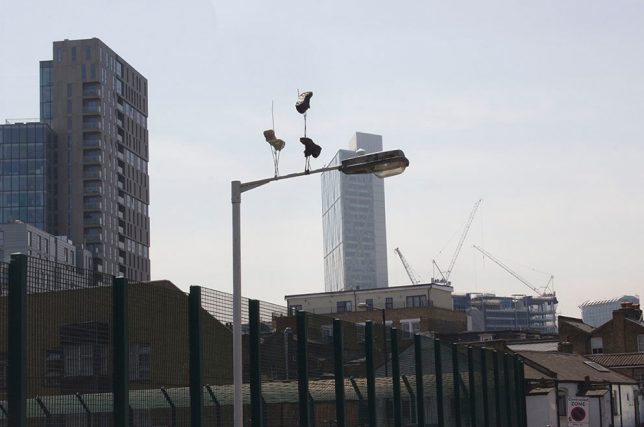
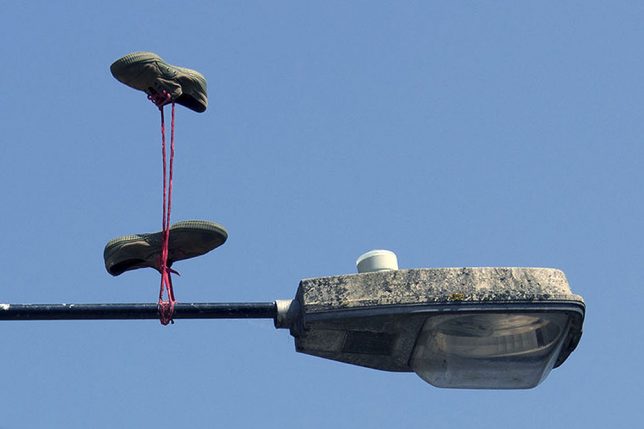
anti gravity shoes street

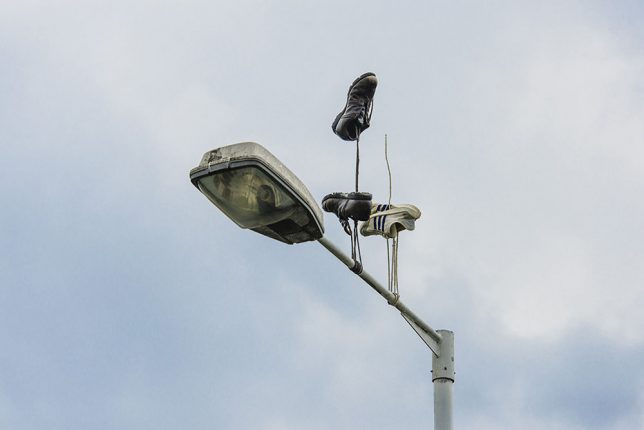
There are many theories, but no one is quite sure where the practice of throwing shoes over raised urban infrastructure started. Some suggest bullies take shoes from other kids and toss them over power and telephone lines; other think it could be a way of marking gang or drug-dealing territories. Or perhaps people just make and lose bad bets, paying the price with sore feet.

shoe on wire art

laced shoe downside up

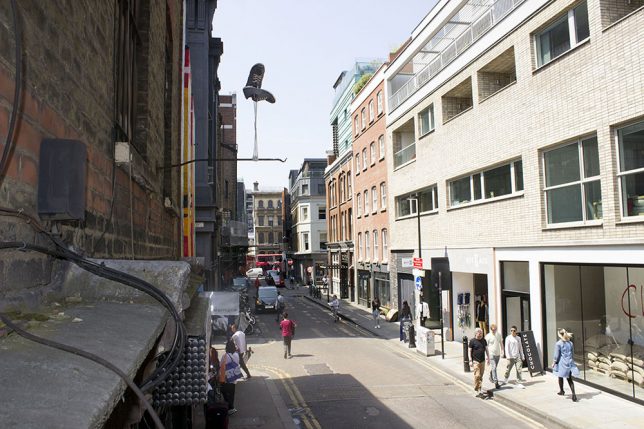
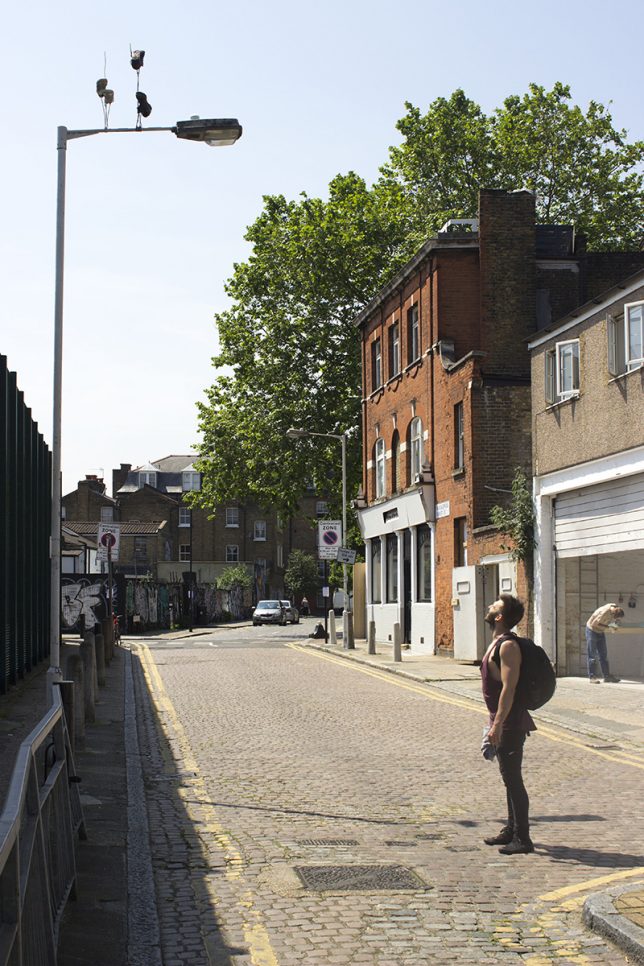
Whatever the reason, London street artist Pejac (images by Gary Van Handley) has taken the shoe-on-a-wire concept to the next level, with individual and paired shoes seeming to hang upside-down, pulled inexplicably toward the sky. Presumably to minimize annoyance to the city (and possible damage to critical lines), the artist in this case opted to use poles rather than wires for support.

gravity shoe art installation

gravity suspended shoes

Titled Downside Up, this series of shoe art installations across East London are in part a series of street artworks but also a viral marketing campaign for an upcoming solo exhibit. Pejac is well known for both silly and thought-provoking interventions, often manipulating built environments in subtle ways by pealing paint or through small installations easily missed by less observant passersby.

Share on Facebook

[ By WebUrbanist in Art & Street Art & Graffiti. ]

[ WebUrbanist | Archives | Galleries | Privacy | TOS ]


10 Jul 15:31

How to Make a Flaky Gluten-Free Crust for All Your Favorite Pies

by Stella Parks
Timmy the Tooth

1) Don't.


Going gluten-free doesn't have to mean giving up on a crisp, flaky crust or settling for a crumb topping instead. You can still make the gorgeous, lattice-topped pie of your dreams. Read More
07 Jul 23:40

15 Recipes Starring Fresh, Ripe Summer Tomatoes

by Rabi Abonour
Timmy the Tooth

It's July. We just got flowers a few weeks ago.


It's not an exaggeration to say that for much of the year, fresh tomatoes aren't even worth buying. But come summer, it's a completely different story: You can find beautiful ripe, flavorful tomatoes at farmers markets everywhere you go. To make the most of this magical time of year, try a few simple recipes that really highlight the alternately tangy and sweet flavor of a great tomato. Here are 15 to get you started. Read More
06 Jul 16:50

List: 4 Delicious Twitter Egg Recipes

Misogynishe Quiche

STEP 1: Preheat your browser to 3-4 prominent female Twitter users.

STEP 2: Find tweets discussing important female issues that has nothing to do with you.

STEP 3: Respond with ill-informed chauvinistic counter-arguments.

STEP 4: Engage with angry reactions you get from other tweeters to increase the flavor.

STEP 5: Pepper your tweets with male entitlement and poorly-constructed sexist jokes.

STEP 6: Wait 30 minutes for your mentions to rise.

STEP 7: Upon being hit with concise and funny jokes at your expense, douse each user with harassments and threats.

STEP 8: Once 15 females have blocked you, it is ready to serve.

TRUMP American Freedom Toast

STEP 1: Preheat your browser to the twitter pages of Donald Trump and Hillary Clinton.

STEP 2: Prepare grossly inaccurate infographics and memes. Use the Confederate Flag for extra seasoning.

STEP 3: Set an alert to warn you when Donald Trump tweets, and when Hillary Clinton tweets.

STEP 4: When Trump tweets, tweet back with your images, along with blind praise.

STEP 5: When Hillary tweets, tweet back with your images, along with misguided vitriol. Allude to her age for extra zest.

STEP 6: Flip between blind allegiance and misguided vitriol for about 5 minutes. Dish is ready to serve once your account has been blocked by a Hillary Clinton supporter.

Egg White Power Omelette

STEP 1: Amass 0-10 followers.

STEP 2: Whisk discrimination into your tweets by subtly referring to “the good old days.”

STEP 3: In separate tweets, talk about feeling persecuted as a white Christian in America.

STEP 4: Add a pinch of ethnic and racial slurs. If using them is too spicy for you, just substitute for “thug.”

STEP 5: Mix it all together. You should have a solid base of white privilege.

STEP 6: Let it heat up on the pages of liberal users, or tweets about Black Lives Matter, for about 5 minutes.

STEP 7: Once you’re attacked by other users, settle your mixture down by using bracket symbols around your attacker’s names, or by calling them a “cuck.”

STEP 8: Upon account suspension, dish is ready to serve.

Eggs Benilluminati

STEP 1: Preheat your browser to the top 10 most followed people on Twitter.

STEP 2: Boil up a farfetched and illogical connection between all of them, in relation to a “New World Order.”

STEP 3: In a separate window, create a page for your “evidence” using poor quality pictures. Draw arrows using MS Paint to guide your readers.

STEP 4: Mix everything together to create your “bullshit batter.”

STEP 5: Drizzle the bullshit batter over tweets discussing the rise of the lizard people and how the government is keeping Bin Laden alive. Don’t forget to tag the most followed profiles!

STEP 6: Garnish tweets with the hashtag “#mindcontrol," and it is ready to serve.

STEP 7: For a more soulful twist, incorporate famous rappers.

06 Jul 14:32

No, butter is not back (eat in moderation, please)

by Marion
Timmy the Tooth

"Duh, that's how science works"

I like butter as much as you do—and definitely more than margarine—but Time Magazine took it to an extreme with its cover story last year on how scientists (they are so dumb) got it wrong.

Hype alert: any time you read that science got it wrong, be skeptical.  Maybe they did, but it’s more likely that the science is still incomplete.

Time Magazine is really dug in on the butter issue.  It continues to insist that scientists were wrong about saturated fats.  Indeed, Time says, its case against saturated fats has just gotten even stronger.

On what basis?  A new study with the provocative title, “Is butter back?”   The study concludes:

This systematic review and meta-analysis suggests relatively small or neutral overall associations of butter with mortality, CVD, and diabetes.

Misleading, says the Center for Science in the Public Interest.

It comes as no surprise that a single food like butter is not linked to a higher risk of heart disease. The highly respected Cochrane Collaboration’s meta-analysis of 15 randomized clinical trials concluded that replacing saturated fat (from all sources) with polyunsaturated fats lowers the risk of heart attacks and other cardiovascular events. (That finding is consistent with clinical studies on blood cholesterol levels and well-designed analyses of observational studies). One would not expect any single food to matter, since people who eat butter don’t necessarily eat an overall diet that is high in saturated fat.

No, butter is not back says the Harvard School of Public Health:

What the headlines miss is that in a meta-analysis such as this, there is no specific comparison (i.e. butter vs. olive oil), so the default comparison becomes butter vs. the rest of the diet. That means butter is being compared to a largely unhealthy mix of refined grains, soda, other sources of sugar, potatoes, and red meat…Here is the most important takeaway from this study not making headlines: Butter, a concentrated source of saturated fat, is still a worse choice than sources of healthy unsaturated fats such as extra virgin olive, soybean, or canola oils.

And just published is the Harvard group’s latest report on the diet and health of tens of thousands of nurses:

Different types of dietary fats have divergent associations with total and cause-specific mortality. These findings support current dietary recommendations to replace saturated fat and trans-fat with unsaturated fats.

Even the “Is butter back?” investigators temper their conclusions:

These findings do not support a need for major emphasis in dietary guidelines on either increasing or decreasing butter consumption, in comparison to other better established dietary priorities; while also highlighting the need for additional investigation of health and metabolic effects of butter and dairy fat.

OK.  So more research is needed.  Duh.  That’s how science works.

Time Magazine:  Your science writers need to do a better job of reading the literature and putting new studies in context.

Readers: consider “scientists are wrong” (and, by implication, “we are right”) to be a red flag.  Saturated fat is one nutrient in diets that contain many, and studies that examine the effects of one nutrient without considering the total diet—and calorie balance—are highly likely to require further research.   In the meantime, enjoy butter—in moderation, of course.

05 Jul 16:09

Paradise Found: Spend a Night Floating Above the Great Barrier Reef

by SA Rogers
Timmy the Tooth

I want to do this but I would hate myself for doing this. The reef needs to be left the fuck alone.

[ By SA Rogers in Destinations & Sights & Travel. ]

Screen Shot 2016-06-30 at 6.55.49 PM

Better hope your kids remain firmly tucked into their Finding Dory-themed beds all night long lest they get a little too enthusiastic about leaning over the edge of this wall-free AirBNB floating over Australia’s Great Barrier Reef. The vacation rental company is offering one lucky family of four two free nights aboard their 2-bedroom, 1-bath open platform, with a beautiful white-curtained master suite on one end and the kids’ room tucked behind it.

Screen Shot 2016-06-30 at 6.56.07 PM

Screen Shot 2016-06-30 at 6.56.31 PM

The platform itself is pretty cool, taking advantage of the beautiful weather and pleasant temperatures of the area, not to mention the world-class snorkeling and scuba diving. If you want to win, you’ll have to submit an essay on why your family deserves to stay at the temporary rental, and your answer better “surprise and delight” the folks at AirBNB. The winner will be selected on July 4th.

Screen Shot 2016-06-30 at 6.56.39 PM


Screen Shot 2016-06-30 at 6.56.46 PM

“Imagine living atop a coral garden beside a sand cay in a billowing reef home on the Great Barrier Reef,” says AirBNB on the promo page for the contest. “You feel the pull of the unknown when you peek over the edge of the coral shelf and take in your neighborhood – home to 600 types of soft and hard corals, 100 species of jellyfish, 3,000 varieties of molluscs, 500 species of worms, 1,625 types of fish, 133 varieties of sharks and rays, and more than 30 species of whales and dolphins. And somewhere, beneath you, is the most famous Blue Tang in the world.” [The latter refers to the type of fish featured in ‘Finding Dory.]

Screen Shot 2016-06-30 at 6.56.13 PM

Screen Shot 2016-06-30 at 6.56.23 PM

Unsurprisingly, the contest is a collaboration between AirBNB and Disney Pixar’s Finding Dory, the animated film that’s likely set to wipe out the species of fish it highlights just as it did with clownfish back in 2003. In the years since ‘Finding Nemo’ came out, more than 10 million clownfish were removed from reefs for home aquariums, causing them to go locally extinct in places like Thailand. At least viewing tropical fish in their natural habitat at the Great Barrier Reef leaves them where they belong. Just don’t go throwing any trash overboard, please, kids.

Share on Facebook

[ By SA Rogers in Destinations & Sights & Travel. ]

[ WebUrbanist | Archives | Galleries | Privacy | TOS ]


05 Jul 16:00

Iceland team given heroes’ welcome in Reykjavik on return from Euro 2016 – video

by Guardian Staff
Timmy the Tooth

Just watch it.

The Icelandic national football team is met by a huge crowd in the country’s capital city of Reykjavik as they return from Euro 2016, where they reached the quarter-finals and knocked England out. The team travelled through the city on an open-top bus before holding a huge rally – during which the crowd of thousands took part in the so-called ‘Icelandic thunder clap’.

Continue reading...