Shared posts

08 May 09:20

Drip campaigns — How we do them differently at Highrise

by Nathan Kontny

I’m not a fan of most email I get. So I read very little of it :)

The worse offender is often drip campaigns from companies trying to keep me engaged with their product or service. You know the kind. You signup and then get a series of 6 emails someone wrote years ago that just keep coming to you.

They have some importance, right? There are things where you need some time to digest about the experience of working with a new tool or service that you don’t want to to be overloaded with immediately. You need to signup, get your bearings, learn the mobile app, learn how to do X. It just doesn’t make sense to clobber you over the head with all this at once. So some dripped education over the course of weeks or months is actually helpful.

The biggest problem with drip campaigns is they just feel robotic. There’s no human behind them even though they are often signed by the name of a founder or customer service person trying to “interact” with you. But you can tell. It’s robots all the way down.

So we’ve tried doing these a bit differently here at Highrise.

Change the Templates Every Day

This is the most important part of what we do. You can do this with most bulk email/drip campaign tools, but we use Highrise’s bulk email service to send out the majority of our mail to customers.

Just change the templates. Every. Day.

For example, I have a template that kicks off a series of email. It brings up a few different important aspects of getting started.

There’s a block early on:

That’s all about my day or weekend or family. This block was originally written a year ago, but this is what I delete and rewrite every single day. It takes minutes, often less than one, to mention something current and fresh.

Send replies to the highest priority queue

One of the worst mistakes people make with drip campaigns and other bulk mail efforts is that the replies go nowhere. The sender is “no-reply@wedontcare.com” or if it is a legitimate sender email, no one writes back.

It shouldn’t be this way.

All the drip/bulk mail I send is from my Highrise email address. Replies go directly to me. Often they are “thank you’s” and observations around the personalization of the email in the first place — see above if you skipped it :).

If I need help answering, I just forward them to the Support team at Highrise.

Now you might ask, “But Nate, your email inbox is a mess. 67k unread messages!? How can you reply to Highrise customers?”

Again, this is tool specific, but since I use Highrise, I use our auto-forwarding system and group inbox. I auto-forward my email to Highrise and have it whitelist just Highrise customers. That, combined with our group inbox, gives me a clean, prioritized inbox in Highrise that I keep empty.

But the big takeaway from this is you should use whatever tool gives you the workflow of making it a priority to handle replies to your drip campaigns or other bulk email.

Ask People to Chat

Most drip campaign email feels an awful lot like a lecture. “Here, you should try this.” “Hey again, you should do this.” “It’s been a few weeks, do this other thing.”

So I make sure to open up my email with a question:

Is there anything I can do?

I want to start a conversation here, not a lecture.

Give Them an Out

Emails are of course helpful, but sometimes it achieves the opposite effect.

You write your email trying to guide people through a ton of things they could possibly explore, but email is so direct. It’s not like the manual that comes with your car that you never bothered to read. A new email from you is probably at the top of their inbox. And then another comes.

Give people an out to realize this isn’t mandatory if it’s not helping.

I tell folks:

Also, Highrise is one of those products you can just use even if you lost the manual. But if you need any guidance there’s some resources below.

In other words, “Stop reading and throw this out, if this isn’t for you.”

Just Do It For Them

A lot of products have some kind of setup step. Maybe it’s an import of data. Maybe it’s setting up departments and filling out information for their users.

I’m always surprised more companies don’t just offer to do this for their customers. Your company’s employees, especially the support team, is faster at doing these steps than anyone, and once you get people past these things they are way more likely to stick with you than if they get stuck in setup.

So in our Welcome email we let new folks know:

Here’s some online help for doing an import with Highrise. Or if you’d like some help from us, reply to this email. If you have a spreadsheet of contacts, please attach the spreadsheet in your reply, and we’d be happy to help take care of that for you.

Of course you have to balance this with the size of the support team you have available. But in our case this saves more time than draining it because we don’t have to spend the extra time helping revert a bad import and redoing it if it didn’t work right the first time.

Those are just a few things we try and do differently. Some new things we’re fooling with are actually a customized email for each and every single person.

Alison here at Highrise created this effort and has shown us how awesome it is to send individual video emails to each customer (we use Bonjorno).

It requires the extra time, so it’s a balance to fit it in. But you can get an amazing amount of these out to customers with less effort than most people probably anticipate. It’s worth trying and adjusting if it isn’t scalable for your leads.

P.S. Please help spread this article by clicking the ❤ below.

You should follow my YouTube channel, where I share more about how history, psychology, and science can help us come up with better ideas and start businesses. And if you need a simple system to track leads, manage follow-ups, and send bulk email you should try Highrise.


Drip campaigns — How we do them differently at Highrise was originally published in Signal v. Noise on Medium, where people are continuing the conversation by highlighting and responding to this story.

03 May 13:26

Longtime 'Star Citizen' Backers Want Its New Referral Contest to Die in a Black Hole

by Leif Johnson

Developers of multiplayer video games often host referral programs encouraging existing players to recruit their friends for a boost in cash flow, and in that regard, the new referral contest from Star Citizen developer Cloud Imperium Games isn't much out of the ordinary. The same can't be said of the reactions from the players themselves. Venture into the Star Citizen subreddit, and you'll find it peppered with highly upvoted threads decrying the competition. Their concerns aren't without merit. Not only do many doubt Star Citizen is in an attractive enough position to lure in newcomers, but they're also pissed that Cloud Imperium seemingly aimed the promotion at prominent streamers rather than the rank-and-file players who've played all along. Considering Star Citizen's crowdfunding origins, the approach comes off as an insult.

Today Star Citizen holds the record for the most money raised for a game through crowdfunding, and only one project—the DAO blockchain—beats it in crowdfunding overall. That's a staggering amount of cash, but Star Citizen is also a project of staggering ambition. It's so ambitious, in fact, that even years ago we wondered if Cloud Imperium could ever pull it off.

And now here we are in 2017. Star Citizen can still wow audiences with new footage, but a hard-and-fast release date remains as elusive as Planet X. And in the midst of that uncertainty, Cloud Imperium is pushing out a referral contest that grants in-game rewards and the chance of a free trip to GamesCom to people who've brought anywhere from one to more than 2,942 people to the game. As many loyal current players see it, it's a strange marketing strategy considering how difficult it is to entice people to Star Citizen in its current state.

Image: Cloud Imperium Games

"As someone who helps run a modest organization, I talk to and interact with people new to Star Citizen all the time," a Redditor named PoisonTaco says in a thread on the Star Citizen subreddit accusing Cloud Imperium's marketing of getting ahead of itself. "They keep coming in, just getting into the game, all excited. … Then somebody has to explain to them why the [persistent universe] is laggy. Someone has to explain why it's difficult to get into the game with a large group. Someone has to explain that all these things will be fixed in wonder patch 3.0 The problem is lots of people are being brought into this game, [but] they're uninformed and sold something that looks like it could be complete when it really isn't. "

Mr. Taco also points out that Star Citizen does very little to welcome new players as it is, as there's currently no tutorial, no single-player mode, and no multiplayer mode that works exactly as it should.

"What's worse is that players are now encouraged with rewards and a new contest to try and upsell the game as much as possible," he adds. "Usually in these cases, players will omit all the flaws and incomplete features."

But it's not just that. Not only is the game still in a rough state, but many players believe Cloud Imperium's contest is aimed at amassing referral numbers that simply can't be reached by many of the normal players who've stuck with the game since the beginning. In one thread, for instance, FailureToReport argues that it's almost impossible to reach the reward goals unless you're a influential streamer or YouTuber.

"I feel like rather than rewarding … average joe backers who have been putting out the word and doing their best to bring new blood to this game, CIG went the lazy route and just made a fast track reward program for streamers while handing a pink dragonfly [ship] (which I'm all for) and a shirt to us plebs," he says.

It turns out there's some truth to that. In another post entitled "Where are the referral rewards for NORMAL backers?" Redditor tferroato points out that the players who were featured in Cloud Imperium's video for the promotion above are, in fact, the ones who are winning.


Image: tferroato

Yet through almost thread, there's one dominant idea aimed at Cloud Imperium—finish a bit of what you have with that mountain-size pile of cash before trying to reel in more players. These are protests from players who've stuck through Star Citizen missing most of its deadlines, its surprising shift from the aging CryEngine to Amazon's Lumberyard, and the continued absence of a good new player experience. They now feel as though they're getting the shaft both in terms of rewards and appreciation of their loyalty, and it's not hard to see why. And, of course, with referrals having been a thing long before the contest, there's a big chance that Star Citizen is already in danger of draining its pool of interested players anyway.

YouTuber General Makaba probably said it best in the comments for the referral contest's official video announcement, which currently has 991 downvotes versus 305 upvotes.

"I swear to god, there will be no one left to buy the game when it comes out. LOL "

03 May 11:11

Aleida Assman om historieskrivning och temporalitet

by rasmus

Min arbetsdag på universitetet inleddes igår på främmande fakultet, borta i Humanistvillan där det hölls en heldag om historieskrivning och temporalitet. Gick dit med en kollega för att lyssna på det inledande föredraget av den tyska litteraturvetaren Aleida Assman. Hon började med att prata om den gräns som skiljer nutid från förflutenhet. Historiker ägnar sig åt det förflutna, men det finns olika uppfattningar om hur lång tid som ska gå innan en händelse kan historiceras. Själv har jag dagligen tillfälle att fundera på saken nu när jag skriver en historik över företaget Spotify. Vad är det då som gör att jag är historiker och inte faller in i kretsen av sociologer, de som Assmann kallar “nuets profeter”, vars tidsliga ramverk utgår från synkronicitet?

Gränsen mellan förflutenhet och nutid är inte vad den varit, menar Assman. I så måtto kan faktiskt sägas att tiden är ur led. Jag har bläddrat lite i en av hennes senare böcker, Ist die Zeit aus den Fugen? Aufstieg und Fall des Zeitregimes der Moderne. Där skriver hon om “det modernas tidsregim”, som i stort sett är synonymt med Framsteget. Denna tidsregim bekräftade ständigt att dåtiden var någonting annat än nutiden. Vare sig vi vill det eller ej, lever vi nu i ett postmodernt tillstånd där det tycks omöjligt att upprätthålla täta skott. Nuet är impregnerat av förflutenhet, vilket signaleras av hur prefixet post- breder ut sig i alla sammanhang (nu senast post-truth). Hon citerar också den amerikanske sociologen John Torpey, som varnat för ett överflöd av förflutenhet:

When the future collapses, the past rushes in.

Vid sidan av Torpey finns två teoretiker som Assman ofta återkommer till François Hartog och Hans Ulrich Gumbrecht. Alla intresserar de sig på olika sätt för “konstruktionen av tidslighet”. Assman betonar att detta inte handlar om att dekonstruera tiden. Att man kan konstatera att något är konstruerat betyder inte att det måste förkastas. Däremot måste det kanske förbli en öppen fråga vilken tidslighet – vilket sätt att foga samman dåtid, nutid och framtid – som vi kan röra oss mot efter att den moderna tidsligheten kollapsat.

Assman slängde sig under föredraget med en mängd närliggande begrepp: tidshorisont, tidsregim, tidsligt ramverk, temporal struktur. Det förstnämnda används särskilt av den tyske historikern Jürgen Osterhammel, som Assman ständigt återkom till. Lite kul för mig, som just börjat läsa Osterhammels monumentalverk om 1800-talet. Jag hade faktiskt missat att Osterhammel tydligen har blivit Angela Merkels favorithistoriker, som på kanslerns 60-årsdag bjöds in att hålla ett historieteoretiskt tal inför de tusen festgästerna.
Mitt syfte med att läsa Osterhammel var från början inte historieteoretiskt. Tvärtom: jag ville bara dunka in lite mer händelsehistoria i skallen för att bli bättre på 1800-talet. Så här långt är jag dock inte så imponerad av det globalhistoriska löftet. Det blir väldigt många utläggningar om europeiska fenomen, som sedan följs av utläggningar om i vilken mån som motsvarande fenomen stod att finna i Kina och Japan.
Däremot uppskattar jag hur grundligt Osterhammel pläderar för vad man kan kalla för kronologisk relativism. De flesta människor som levde på 1800-talet hade ju ingen som helst uppfattning om “1800-talet”, så den historiker som i efterhand vill applicera en sådan ram gör bäst i att tänka igenom konsekvenserna.

Historiker jobbar alltid med periodisering (som skrev här för några dagar sedan). Assman talade om “historikers libidinösa förhållande till brytpunkter”. Hon parafraserade Carl Schmitt: “suverän är historikern som kan besluta över när det gamla slutar och det nya börjar”. Och hon hänvisade till den nederländske historikern Chris Lorenz som skrivit om “the act of breaking” som ju finns inneboende i all periodisering och därmed i all historieskrivning.

Denna handling går i sig att historicera. Betänk flertydigheten i ordet “period” som både kan syfta på en epok och på ett skiljetecken. Bibeln är som bekant “böckernas bok”, men inom varje bok var texten från början av typen scripta continua, helt utan skiljetecken. Uppdelningen i enskilda verser kom senare. På den kristna sidan härrör den från 1200-talet och Stephen Langton, ärkebiskop av Canterbury.

Möjligen relaterat: det latinska ordet sæculum ligger till grund för både “sekulär” och “sekel“. Här finner vi en fascinerande flerfald av betydelser. Det kan syfta på långa tidsrymder, på långsamt verkande förlopp som utspelar sig över mer än en generation. Det kan syfta på hur generationerna hakar in i varandra. Det kan också syfta på den jordiska världen, på det världsliga i motsats till det andliga eller kyrkliga. Om inte annat är detta en intressant bakgrund till det nu så populära ekonombegreppet “sekulär stagnation“.

På tal om ekonomi – där har vi en stor vit fläck hos Assman (men så befann vi ju oss, två ekonomihistoriker, på främmande fakultet). Jag hade verkligen uppskattat om hon hade tagit steget till att skärskåda konstruktionen av tidslighet bland ekonomer. Tänker på en annan tysk litteraturvetare som fått stor uppmärksamhet för sin smarta ekonomikritik, nämligen Joseph Vogl (som dock är mer av en poststrukturalist, medan jag uppfattar att Assman står stabilt i en hermeneutisk tradition). En annan tysk forskare som borde vara relevant i sammanhanget är sociologen Jens Beckert, aktuell med en bok om föreställda framtider där han bland annat tar hjälp av litteraturvetenskapliga teorier för att förstå kapitalismens tidsstruktur. Visserligen instämmer jag med de kritiker som finner att Beckert både upprepar sig och gravt överskattar hur omvälvande hans egna tankesätt skulle vara. Men om man vill förstå varför den “temporala strukturen” i vår framtid har förändrats, tror jag ändå det blir nödvändigt att vända sig till ekonomin och det faktum att postmoderniteten sammanfaller med en historiskt unik kreditexpansion, möjlig att tänka som en kapitalismens “framåtflykt“, kanske också som en kolonisering av utrymmen som tidigare kunde rymma utopier. När ekonomin flyr in i framtiden, sipprar förflutenheten in i nuet.

03 May 08:45

Olyckor och hästskit

by fthunholm

Den mest lästa texten på Resumé just nu, är en debattartikel (sic!) skriven av en copywriter och varumärkesstrateg som heter Marcus Hanser. Den handlar om att det dåliga nu är bra. Du kan bakgrunden: En porrklubb gjorde ett knäppt klipp, av typen som visades i American funniest home videos för tjugo år sedan. Den delades och sågs av många.

Frågan som ställs i ingressen är denna: ”Vad säger det om reklambranschens framtid när den omtalade filmsnutten har fått närmaren en halv miljon visningar?” Det kanske är förmätet av mig, men jag tror mig veta svaret: Det säger noll komma noll komma kokosboll.

Ibland kommer dåliga saker utan kärlek att lyckas få folk att flabba. Är det ett barn som cyklar in i ett tält är det kul för en porrklubb. Det kan finnas tillfällen då någon som faller ur sin rullstol och drattar på arslet i hästskit, skulle ”vinna 100-wattaren på knockout” åt en importör av paintball-ammunition. Men ett paradigmskifte är det inte tal om. Eftersom reklam ganska ofta görs av tänkande och kännande människor, för varumärken som vill förknippas med andra saker än cykelolyckor och hästskit.

Mot slutet skriver Hanser att ”än så länge kan vi bekvämt distansera oss med etiska principer, kutym och branschstandard. Men i det långa loppet finns vi till för att maximera det ekonomiska resultatet för våra uppdragsgivare”.

Well, i det långa loppet är vi alla döda. Men det frånskriver oss inget ansvar här och nu. Att ”maximera det ekonomiska resultatet för våra uppdragsgivare” vore tvärtom det bekväma – om man tänker sig att det låter sig göras med olyckor och bajs istället för budget.

Men det går inte att dra några som helst generella slutsatser av porrklubbsklippet. Hur många delningar och visningar det än får. Så vi kan väl sluta upp att försöka med det. Och istället placera in både klippet och reaktionerna på det i ett sammanhang som är större än reklam.

Ska vi ha dåliga saker som referenser? Och justera kursen efter dem? Är det där vi är? Ultima Thule är bra för att dom sålde många skivor? Flintastek på en radhusgrill är bättre än Fäviken? Vad säger det om framtiden för fine dining att folk älskar flintastekar? Va? Paradigmskifte, schmaradigmskifte.

En kille cyklade in i ett tält! Vänligen ge upp alla ambitioner, allt som värt något, allt som är vackert!

03 May 06:41

This Is How the Free Press Dies

by Jason Koebler

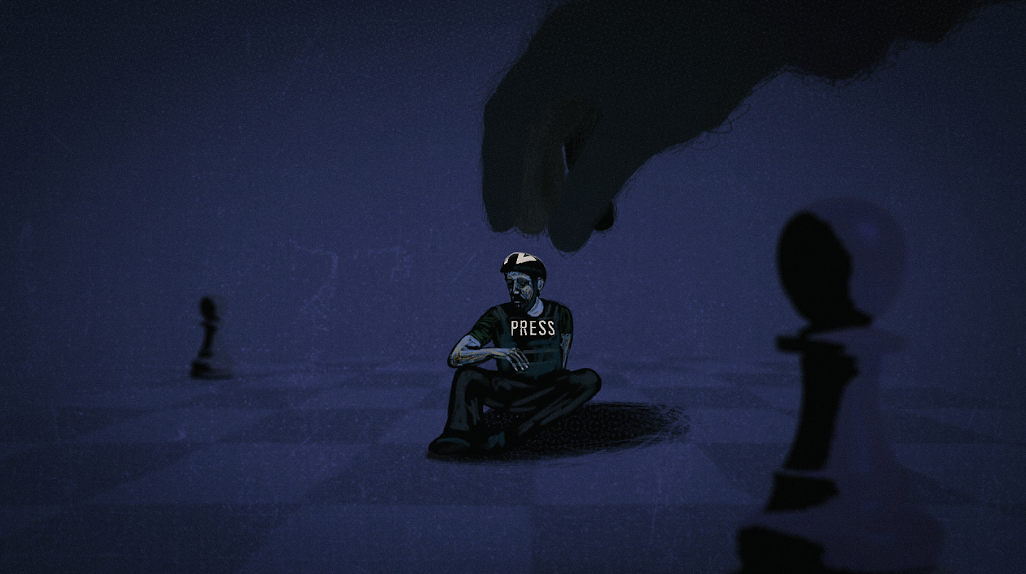
For nearly three years, our colleague and friend Ben Makuch has had the full weight of Canada's intelligence agencies, federal government, and court systems bearing down on him for the crime of committing journalism.

While the Canadian editor of Motherboard, Ben interviewed Farah Mohamed Shirdon, who joined ISIS and burnt his Canadian passport on YouTube in 2014. The interview provided an early look at the motivations of one of a still-growing number of Western-born people who left Canada, the United States, or the United Kingdom to join the Islamic State. It was, by any standard, an insightful piece of reporting that helped our audience understand a mysterious and frightening enemy.

Soon after the articles ran, agents for the Royal Canadian Mounted Police showed up at VICE's Toronto office and demanded that Ben turn over all communications he had with Shirdon (which the Kik messaging service deletes as soon as they are delivered), as well as notes and emails exchanged between Ben, who now is a reporter with VICE News, and Motherboard editorial staff. The request was made under a top-secret gag order; for nine months, Ben couldn't tell his colleagues, family, or friends that the Canadian government intended to turn him into an investigative arm for its top federal police agency.

At every turn of Ben's saga, the RCMP under the Stephen Harper and Justin Trudeau administrations have undermined the role of a free press in a democratic society. Ben's case is unique, even compared to other instances where governments have interfered with the journalistic process in an attempt to reveal the identity of an anonymous source. In his reporting, Ben both identified his source and quoted him extensively; the RCMP has already gotten a wealth of information about Shirdon simply because Ben published his work on Motherboard.

Ben reporting in Ukraine.

Ben and VICE Media have refused to turn over full transcripts of his communications. To do so would undermine our journalists' credibility with the sources we regularly use to do our jobs, as well as put the safety of our sources and journalists at risk. It is appalling to see the Canadian government engage in a misguided fishing expedition masquerading as an essential fight in the War on Terror. The Canadian government is attempting to make Ben—a journalist who often reports on the ground from war-torn nations—serve as a de-facto spy against ISIS, which has a long history of brutally murdering journalists.

To be clear, the Canadian government continues to pursue Ben for doing his job. Last month, an appeals court ruled that he must turn over his chats to the RCMP. VICE Media and Ben have vowed to appeal the decision to Canada's Supreme Court.

The investigation has already had a demonstrable effect on Ben's ability to do his job. His sources are more skittish because of the perception that journalists could be used as government agents: "Shirdon would have never spoken to me if he thought I was a cop or a spy," he said.

This attempt to use journalists as an investigative arm of the government and an at-will extension of its intelligence agencies is diametrically opposed to the principles of an open and free society. The fervor with which the government has pursued Ben's communications is unconscionable.

While Ben's case has been widely covered in Canada, it has flown under the radar of the Trump-obsessed American press. But what happened with Ben is part of a global trend to prevent the free spread of information by governments that espouse democratic values and supposedly champion an open society.

Strategies for mass surveillance and thwarting encryption have already expanded bit by bit across the so-called Five Eyes nations. Now, considering each of those governments has shown increasing antagonism toward free and open journalism, Ben's case stands as a warning for what's to come.

Trudeau has won praise in the US for his rhetoric that positions Canada as a global model of progressive democracy as the rest of the world heads toward conservative nationalism. It's ironic, then, that despite Donald Trump's saber rattling, the First Amendment and an imperfect patchwork of state shield laws have conferred greater protection to journalists in the US than a so-called progressive leader in Canada has.

Americans should not take these protections to be absolute, however. When both sides of the aisle agree that press freedom is not a guaranteed right, journalists and the public they inform will suffer. The broad subpoena powers given to the federal government in cases involving national security means that governments are rarely punished for testing the limits of their power.

Barack Obama's administration charged more whistleblowers with violating the Espionage Act than any other administration in history. Meanwhile, Obama's Department of Justice secretly spied on Associated Press reporters while simultaneously whining about encryption and internet privacy as major barriers to national security.

New York Times journalist Judith Miller was jailed for 85 days by the George W. Bush administration for refusing to cooperate with a Department of Justice investigation into CIA leakers, and her colleague, James Risen, fought a seven year legal battle with the Bush and Obama administrations to avoid having to disclose a source. Their cases show that American reporters can and will be silenced, threatened, and prosecuted if the federal government takes offense to their reporting. Now we have Donald Trump, a president who has declared the media the "enemy of the people" and has no qualms about eroding civil liberties in the name of security should frighten anyone who believes that journalists should report in the public interest.

As corporations become increasingly tight-lipped, government scientists are muzzled, and official government statements contain outright lies, reporters have been forced to rely on brave people willing to leak, give context to, and speak about corporate and government malfeasance. Protecting these sources means using encrypted and secure lines of communication, scrubbing metadata from documents, and, most of all, not identifying them to law enforcement or the federal government. Burning a source can result in them being fired, arrested, or put in harm's way. Without that trust, there is no journalism. Case by case, this is how the free press dies.

24 Apr 10:39

Det finns inga häxor. En bok om kunskap, Arne Jarrick, Weyler

by Bernur

I några år nu har vi kunnat följa en debatt. Universitetslärare skriver ett argt inlägg efter att ha konstaterat att kurserna måste inledas med grundläggande introduktioner: lär sig eleverna inget i gymnasieskolan? Gymnasielärare skyller på grundskolelärare. Som gymnasielärare kan jag bara konstatera att det är skillnad på att lära ut och att lära sig. Det är troligt att samma förhållanden gäller i grundskolan, att det förekommer oerhört mycket undervisning – det är bara det att eleverna skiter i det, för att göra en grov generalisering. För att kunskap och bildning ses som oviktigt, och att denna inställning stöttas av samhället i stort, av etablissemanget och av makthavarna.

Så jag trodde att Arne Jarrick därmed har skrivit en bok om denna problematik, när jag tog mig an Det finns inga häxor. Men det är en helt annan bok jag har läst. Länge går han som katten runt het gröt, skriver om sin egen väg till kunskap (hade kunnat undvaras).


Det är en bok som bara delvis tar upp samtidens ointresse för kunskap. Jarrick tar upp begreppet ”kognitiv dissonans”, som en förklaring till vad som sker när vi ställs inför ny kunskap – en kunskap som utmanar vår världsbild. Helt enkelt: fakta som motbevisar vad vi trott vara sant. Vi flyr oron. Ett annat begrepp är ju faktaresistensen.

En utlösande faktor för Jarrics bok är ändå den oro han känner inför Donald Trumps framfart, det paradoxala i att hans framgång bara ökar i takt med att hans påstådda sanningar blir motbevisade. Det är väl också naivt att tro att beprövad erfarenhet hjälper mot folks önskesanningar. Han skriver boken som en varning.

Men har vi inte alltid sagt att vi blir dummare? Det paradoxala är att vi allt mer talar om att vi lever i ett ”kunskapssamhälle”. (OBS att dessa citattecken inte är ”ironiska” citattecken – jag är inte Trump.) Efter 1995 har internet ökat tillgängligheten, och det går också att, som Jarrick gör, visa med grafer hur spridningen av kunskap har ökat från 1600-talet och framåt. Men när vi talar om upplysningen som historisk epok var kunskap något för eliten – skillnaden är att internet är sant demokratiskt, och borde ge oss förutsättningar att helt utjämna klasskillnaderna. Inte för att det blivit så, men det borde gå.   

Det är fortfarande så att kunskap är en sak för eliten, med förmåga att sålla bort avarter. Andra hänger på ljusskygga skvallersajter, där fördomar bara bekräftas i en rundgång av hat, rykten, smutskastning. ”Evidens har blivit vår tids lösen”, skriver Jarrick, men låter denna utsaga bara hänga i luften. Desto mer ingående skriver han om hur makthavare alltid har motarbetat ny kunskap, allt ifrån Sokrates, fram till Galileo på 1600-talet och Darwin på 1800-talet. Kyrkan och politikerna har sällan varit kunskapens vänner.   

Problemet med vår tid är att ideologier delvis har blivit obsoleta, men samtidigt förstärkta hos individen. Eller snarare att de har tappat sin enande kraft och blivit något för var och en att förhålla sig till – en hel massa djävla privata ideologier. Farligt många läser in sig i en egen version av ideologin, söker sig till en lära, en doktrin, och sedan formar den utifrån sina egna önskemål. Nog är det så att det saknas mänskliga beröringspunkter, som historiskt sett har hållit trollen stången. Eller är jag bara naiv som tror att det går att argumentera om vi återgår till att prata med varandra? 

Ur mitt lärarperspektiv är det lätt att se att något har hänt på en eller två generationsbyten. En ökad misstro mot auktoriteter legitimerar kunskapsföraktet. Det finns ingen anledning att lyssna på den vuxne/läraren/journalisten/politikern, etc. Det är det ena. Det andra är att det är lätt att se hur synen på kunskap har blivit mindre kvalitativ och mer kvantitativ. Men kunskap hör till det där som inte kan kvantifieras. Det går inte att likställa mängd med reell kunskap. Betyg är inte synonymt med kunskap – inte heller akademiska poäng, eller andra meriter. Det som räknas är den mänskliga insatsen. Att bli herre över situationen. 

Ett krux är att världen blivit så komplex att ingen längre kan skapa en egen överblick som spänner över många fält. Specialisterna har blivit mer specialiserade (men mindre speciella, vill jag invända). Experterna har också blivit allt snävare, och – menar Jarrick – mer beroende av andra experter som vakar över sitt snäva område. Bredd har ersatts av djup.    

Ett viktigt förhållningssätt finns då i den metod Jarrick skissar upp, med filosofen Karl Popper som förebild. Som det presenteras här är det frågan om att motstå impulsen att få rätt, och i stället tvinga dig att försöka få fel. Så beskrivs god forskningsetik, och först då kan saklig och neutral forskning bedrivas. I korthet: att söka bevis för att din opponent har fel är vanligast och sämst, medan att söka bevis för att man själv har rätt är näst vanligast och näst sämst. Att nollställa sig och söka sanningen förutsättningslöst är ovanlig och näst bäst, medan att söka bevis för att ens egen hypotes är felaktig är mest ovanlig och bäst.

Varför läser jag Jarricks bok? Nyfikenhet, så klart. Det är också Jarricks rättesnöre, som har lett in honom på vetenskap och forskning. En nyfikenhet som tillhör barnet, och som för många klingar av – men förvånande nog fortsätter många bedriva studier i mer eller mindre organiserad form upp i hög ålder.     
21 Apr 08:22

Att skriva en historik över Spotify

by rasmus

Vi skriver just nu på en bok om Spotify som ska ges ut av MIT Press. Där är jag bland annat huvudansvarig för ett historicerande kapitel. Min avsikt är i korthet att skriva en kombinerad mediehistoria och näringslivshistoria, som ställer sig kritisk till den välbekanta framgångssagan. För den internationella läsekretsen vill jag lyfta fram de specifikt svenska aspekterna, som inte minst handlar om hur Spotifys framväxt samspelade med fildelningsdebattens kulmen och rättegången mot The Pirate Bay.

Nu i eftermiddags, på ekonomisk-historiska institutionens forskarseminarium, presenterade jag just ett ofärdigt utkast under rubriken “Towards a business history of Spotify”. Där fick jag en hel del värdefull respons på de frågor som jag ställt mig.

Historieskrivningen medför ju en del utmaningar. Dels eftersom det rör sig om en i högsta grad pågående historia om ett blott 11-årigt företag. Dels eftersom företaget inte har något intresse av att dela med sig av internt material. Alla avtal är affärshemligheter. Det offentliga material som finns till hands har överlag karaktären av buzz – det kryllar av rykten, spekulationer och löften. Hundratals och åter hundratals artiklar i publikationer som Techcrunch, Advertising Age och Breakit, för att inte tala om vad Spotify under tio år har spottat ur sig på företagets egna blogg.

Hur ska historikern förhålla sig till detta? Det blir en fråga om vad man lägger i begreppet källkritik. Den traditionellt weibullska källkritiken har ofta beskrivits i termer av felsökeri. Då blir buzz att betrakta som ett brus att filtrera bort, för att kunna skriva en historia om “vad Spotify verkligen har gjort”. Men god källkritik handlar inte om att avvisa så mycket som möjligt, utan om att värdera källorna rätt, att förstå vilka frågor som de kan besvara. Allt kan vara en källa till historisk kunskap – men inte till vilken kunskap som helst. Vad kan vi då lära oss ur tio års buzz kring en startup?

En företagshistorik om “vad Spotify verkligen har gjort” skulle förutsätta att Spotify är en aktör som existerar oberoende av alla rykten, spekulationer och löften. Så är inte fallet. Likt andra startups är Spotify beroende av buzz för sin fortsatta överlevnad.
Hela kalaset bygger ju än så länge på att riskkapitalister fortsätter att skjuta till mer pengar för varje år. Det gör de utifrån en förhoppning om att företaget ska öka i värde. Detta värde är inget mått på vad Spotify är i dag, utan på vad Spotify kan bli i en föreställd framtid. Det är kort sagt en berättelse som ständigt måste fortsätta att berättas i ett flöde av buzz.

Med andra ord: Spotify lever på spekulation. Berättelsen om Spotify är en integrerad del av Spotify.

Som historiker blir då min uppgift att follow the buzz. Efter att ha sammanställt ett ganska enormt material blir det tydligt att den föreställda framtiden är högst föränderlig. Vägkartan till framgång har ritats om gång på gång. När företaget inledde sitt arbete stod det inte ens klart att det var musik som skulle distribueras. Funktioner som infördes under pompa och ståt har avvecklats i tysthet efter några år. Bland det intressantaste i detta är att följa hur idealkonsumenten byter karaktär under årens lopp (särskilt efter att Spotify lanserats i USA).

Historiker jobbar alltid med periodisering. I det här fallet har jag valt att strukturera berättelsen ur riskkapitalets perspektiv. När jag sammanställer materialet märker jag hur varje ny finansieringsrunda har inneburit att Spotifys utveckling har tagit en lite annan riktning. Vissa år har man satsat allt på internationell expansion, andra år har det handlat om att uppfinna nya rekommendationssystem.

Så även om Daniel Ek utnämns till musikvärldens mäktigaste person så står det klart att han inte har makten över Spotify. Men inte heller investerarna som äger aktiemajoriteten har oinskränkt makt. Förutom att vara beroende av riskkapital, är Spotify även beroende av musiklicenser. Dessa går endast att köpa från de tre stora skivbolagen – ett oligopol som ofta agerar som en kartell. Därtill kommer frågan om det icke-neutrala nätet som gör Spotify beroende av samarbeten med teleoperatörer. Sammantaget växer bilden fram av ett företag som inte bara är framgångsrikt, utan också i hög grad prekärt.

Efter att ha ägnat en del tid åt att vada i Spotifys historia, märker jag att jag missat den allra senaste tidens utvecklingar. Därför tänkte jag uppdatera mig själv genom att skriva några rader på bloggen. Det var tanken med detta inlägg, men får komma i nästa. Som så ofta tänkte jag bara skriva några inledningsrader, men de svällde till värsta programförklaringen. Jag är hemskt nyfiken på respons och är övertygad om att det bland Copyriots läsare finns andra perspektiv än de som mina forskarkollegor kunnat erbjuda.

21 Apr 06:36

Lite om Spotifys prekära finanser

by rasmus

Efter att ha vadat runt ett tag i Spotifys historia behöver jag uppdatera mig lite kring de senaste utvecklingarna. Därav denna bloggpost.

Nyligen slöt Spotify ett nytt avtal med Universal Music som är ett av de tre stora skivbolagen. Av detta följer en ny typ av inskränkning i gratisversionen. Hittills har inskränkningarna bland annat gällt mobil tillgång eller antal lyssningstimmar per månad. Nu införs för första gången en inskränkning i musikutbudet enligt en princip som kallas “fönstring” (windowing). Vissa superstjärnors album kommer under viss tid att vara tillgängliga för betalande användare, men inte för gratisanvändare. Detta måste beskrivas som att Spotify backar ett steg. Skivbolagen har från första början varit skeptiska till gratisversionen, som med påfallande envishet har försvarats av Daniel Ek.

“There is a risk that windowing may give piracy a little boost”, skriver Mark Mulligan, men de som hellre laddar ner mp3:or än att vänta två veckor, de skulle ändå inte betala för Spotify.

Själva avtalet är givetvis hemligt. Vi vet inte vilka förändringar som sker i flödena av pengar och användardata. Något bör Spotify ha fått i utbyte för att inskränka tillgången på vissa album. Från svenskt branschhåll uppges: “Spotify har fått ner den procentandel de betalar till Universal. Målet ska ha varit 52%, i det gamla avtalet var det enligt många källor 55%.” Men villkoret för detta uppges vara att Spotify lyckas öka antalet betalande användare i en viss omfattning – om inte så sker, så får de fortsätta att betala den högre tariffen.

Branschanalytikerna verkar överens om att detta är ett steg mot Spotifys börsintroduktion. Det har de alltid varit. Genom nästan hela företagets historia har börsintroduktionen ansetts vara nära förestående. Men den här gången är det lite annorlunda.

Nu snackas det om att Spotify kanska ska göra en “direktlistning” på börsen, utan att genomföra en ordinarie börsintroduktion (IPO). Vid en direktlistning sker ingen nyemittering av aktier, så man får inte in lika mycket pengar. Men man slipper en massa regler om vilken information som företaget får eller måste offentliggöra. Det går snabbare. Och tid är inget som Spotify har i överflöd.

Senaste omgången riskkapital togs in förra året i form av konvertibler, alltså skuldebrev som under vissa förutsättningar kan konverteras till aktier. Om man i stället hade tagit in riskkapitalet genom att sälja aktier hade det inneburit att en ny värdering av företaget hade blivit känd och vissa menar att Spotify till varje pris ville undvika att få en längre värdering än den 8,5 miljarder dollar som man fick sommaren 2015. I vilket fall verkar Spotify ha varit desperata att få in ordentligt med pengar för att kunna köpa upp andra företag, i syfte att stå sig i konkurrensen med Apple Music. Därför accepterade de villkor som beskrivs som “aggressiva”. De som lånat ut pengar till Spotify (genom att köpa konvertibler) uppges få 20 % rabatt på aktier i Spotify om det sker en börsintroduktion under 2017 och om den dröjer längre så ökar rabatten över tid. De befintliga ägarna kommer alltså att få sälja sina aktier till underpris om inte Spotify hamnar på börsen i år.
Tidspressen ökar tydligare av att den ränta som Spotify betalar på lånet först ligger på 5 %, för att sedan öka med 1 % varje halvår, upp till 10 %. En fördröjd börsintroduktion skulle kunna bli en bra affär för långivarna Dragoneer, TPG och Goldman Sachs. Sistnämnda är redan en stor ägare i Spotify. Men man undrar lite om inte de två övriga lånegivarna nu har fått intresse av att Spotify inte ska lyckas sluta gynnsamma avtal med skivbolagen. Om det går ett år från nu utan börsintroduktion, kommer Spotify få betala omkring en miljard kronor i ränta bara på detta lån! Någon bloggar:

What seems to be happening here is that Dragoneer and TPG have a radically different set of financial incentives than the current stockholders. /…/ If the IPO is late and the price is low, it’s entirely possible that the convertible debt allows Dragoneer and TPG to swallow most or even all the company. This is especially likely if the IPO is spread over multiple offerings. And why might the post-IPO Spotify stock price collapse? Well, a lack of buyers will hurt a stock price. And why might there be a lack of buyers? Perhaps the market is wary of the dilution implied by the convertible debt held by Dragoneer and TPG? See how that works? This is a negative reinforcing loop.

So to all those labels, managers, Spotify employees and other sundry insiders who thought they got in on a “can’t lose” deal with that pre-IPO Spotify stock? Check out what happened to Goolybib.

Tillspetsat kan man säga att Spotify i huvudsak har finansierats av gratispengar: kvantitativa lättnader och minusräntor. Men kring årsskiftet 2015–16 inleddes räntehöjningen i USA och några månader senare tvingas Spotify acceptera rena ockervillkoren.
Det går att hitta en del diskussionstrådar där folk kalkylerar den verkliga räntan till 30 % och där det förs spelteoretiska diskussioner om hur lånevillkoren skulle kunna bidra till att accelerera på en eventuell börsnedgång för Spotify så att det slutar i en krasch. Andra menar att den stora säcken med lånade pengar skulle kunna investeras på så vis att Spotify börjar gå med vinst. Jag kan inte bedöma trovärdigheten i någotdera, än mindre förutspå marknadens framtid, men Spotify befinner sig onekligen i en finansiellt prekär situation.

Inte konstigt att skivbolagen kan flytta fram sina positioner och få igenom nya inskränkningar av gratislyssnandet. De vet att Spotify är desperata att snabbast möjligt sluta avtal som medger en börsintroduktion. Nu kan bollen tänkas ligga hos Sony och Warner.

Musikindustrins analytiker tenderar att beskriva avtalet mellan Spotifys och Universal som en öppning mot en ljus framtid. Mark Mulligan talar om att “streamingmarknaden mognar” och resonerar kring Spotifys behov av att göra ett bra intryck på potentiella aktieköpare. Att merparten av intäkterna genast går till skivbolagen ser inte så bra ut, men det viktiga är inte procentsatsen utan att kunna uppvisa en tendens i rätt riktning:

In pure commercial terms Spotify actually pays out round about the same amount (c70%) of revenues to rights holders as Netflix does, but because Netflix owns so much of its own rights it can amortize the costs of them to help generate a net profit while Spotify cannot.

The 2 ways of fixing that are 1) owning copyrights, 2) reducing rates to rights holders (which really means labels as publishers are pushing for higher rates). It is probably too early to flick the switch on the ‘Spotify as a label’ strategy as that would antagonize labels at exactly the wrong time. So reducing rates is the main lever left to pull.

However, the labels feel the rates are fair value, in fact many think the rates undervalue their content assets. So Spotify was never going to achieve a dramatic change in rates at this stage. Also, labels are wary of granting better terms to Spotify because Apple and co will immediately demand the same. Hence UMG has tied Spotify’s lower rates to growth targets, which you can rest assured will be ambitious.

Det är både spännande och lite stressade att skriva en bok om Spotify medan allt detta händer.

19 Apr 13:02

Princeton’s Ad-Blocking Superweapon May Put an End to the Ad-Blocking Arms Race

by Jason Koebler

A team of Princeton and Stanford University researchers has fundamentally reinvented how ad-blocking works, in an attempt to put an end to the advertising versus ad-blocking arms race. The ad blocker they've created is lightweight, evaded anti ad-blocking scripts on 50 out of the 50 websites it was tested on, and can block Facebook ads that were previously unblockable.

The software, devised by Arvind Narayanan, Dillon Reisman, Jonathan Mayer, and Grant Storey, is novel in two major ways: First, it looks at the struggle between advertising and ad blockers as fundamentally a security problem that can be fought in much the same way antivirus programs attempt to block malware, using techniques borrowed from rootkits and built-in web browser customizability to stealthily block ads without being detected. Second, the team notes that there are regulations and laws on the books that give a fundamental advantage to consumers that cannot be easily changed, opening the door to a long-term ad-blocking solution.

The Federal Trade Commission regulations require advertisements to be clearly labeled so that a human can recognize them, which has created a built-in advantage for consumers and, now, ad blockers. The team used several computer vision techniques to detect ads the same way that a human would, which they call "perceptual ad blocking." Because advertisers must comply with these regulations, the authors imagine an "end game" in which consumers—and ad blockers—ultimately win.

"Unlike the behavior of malware, the behavior of both publishers/advertisers and ad-blocking tools already is, and will continue to be, shaped by regulations," they write in a paper explaining the ad blocker. "A favorable legal climate and the existence of browsers friendly toward ad-blocking extensions are two key factors that may tip the scales toward users."

Ad-blocking is obviously a fraught ethical topic—especially for a journalist whose salary is paid for in large part by advertising. The rise of malvertising, invasive tracking and surveillance, and heavyweight scripts that can bog down browser performance mean that there is a strong case to be made for blocking ads (a recent study found that advertising and scripts slow down web pages by an average of 44 percent). On the other hand, ads allow companies like VICE to keep the lights on, and widespread ad-blocking has already made significant dents in the revenue streams of online publishers.

While the researchers don't take an ethical stance about whether you should use an ad blocker or not, they do believe that the advertiser/publisher/reader relationships must fundamentally change.

"The fundamental problem with online ads today is a misalignment of incentives—not just between users and advertisers, but between publishers and advertisers," Narayanan told me in an email. "We've consistently found that publishers are upset about rampant online tracking and the security problems with ads, but they don't have much control over ad tech. Changing this power imbalance is important if we want a long-term solution."

A proof of concept is now available for Chrome, but is not fully functional (as in, it only detects ads, it doesn't block them): "To avoid taking sides on the ethics of ad-blocking, we have deliberately stopped short of making our proof-of-concept tool fully functional—it is configured to detect ads but not actually block them," Narayanan said.

With two highly motivated parties involved—a largely open source ad-blocking developer community and publishers who have their bottom lines at stake—the ad-blocking arms race has gotten significantly more complex over the past several years. Popular ad blockers like Adblock Plus and uBlock Origin work by detecting code that is used by standard ads; urls and markup code popularly used in ads are shared on huge open source lists that are often maintained by humans.

This means advertisers and publishers can simply change the code they use to deliver their ads to defeat them. This type of ad-blocking is often easily detected by anti ad blockers, which are deployed on the sites of more than 50 popular publishers. Finally, traditional ad blockers fail to block native ads that look like normal content, which is why your ad blockers won't detect and block sponsored posts on Facebook.

Perceptual ad-blocking, on the other hand, ignores those codes and those lists. Instead, it uses optical character recognition, design techniques, and container searches (the boxes that ads are commonly put in on a page) to detect words like "sponsored" or "close ad" that are required to appear on every ad, which is what allows it to detect and block Facebook ads.

"As long as the disclosure standards are unambiguous and adhered to, a perceptual ad blocker will have a 100 percent recall at identifying ads governed by that standard," the researchers wrote. Because new disclosure standards generally have to go through legal vetting and are required, they are less likely to change than the code used to deliver the ads.

To defeat anti ad blockers, the researchers say they've borrowed techniques from rootkits, which are often used for malware but can be adapted to "hide their existence and activities" from ad-blocking detectors. This is done because browser extensions are given a higher "privilege" than advertisements and ad blocker detectors. Another technique that was not used but was proposed to hide the ad blockers' activities is even more impressive. They are able to "create two copies of the page, one which the user sees (and to which ad-blocking will be applied) and one which the publisher code interacts with, and to ensure that information propagates between these copies in one direction but not the other."

What we have, then, is research that points toward a potential end of the ad-blocking arms race. Your move, publishers.

Update: This article has been updated to clarify that a technique that would create two copies of a webpage was only proposed, not tested. 

19 Apr 10:32

Google asked a website for its data, then just took it anyway

by Rob Beschizza

CelebrityNetWorth.com was a popular, data-driven website whose 12 staffers led serious efforts to research public figures and give a credible estimate of their fortunes. Google liked the look of this, so it made site founder Brian Warner a proposition: let Google include the Big Number as a featured "snippet" atop relevant search results, in return for the snippet linking to the website.

Warner, though, knew that the link offer was worthless and said no. Mysteriously, Google started "answering" questions about celebrities' net worth anyway, only occasionally disclosing the source; he seeded his database with a few fake celebrities to prove Google was using CelebrityNetWorth.com's data. The result was just as he predicted when he said no: his site's lost most of its traffic, even as Google depends on it to provide accurate answers.

Google’s push into direct answers has wide-reaching consequences for more than just small business owners who depend on search traffic. The email Google sent Warner in 2014 gives some insight into how Google selects reputable sources. Google wouldn’t answer questions about this, but based on the emails, the vetting was pretty thin; Google seemed more interested in whether the data was machine-readable than whether it was accurate. And the bar for featured snippets — the answers culled algorithmically from the web — is even lower, since it appears that any site good enough to rank in search results is good enough to serve as the source for Google’s canonical answers. That’s how you get erroneous answers that claim Barack Obama is organizing a coup, or that the Earth is flat, or that women are evil, or that this scam artist invented email.

Seems like there's a linear relationship between Google rehosting your content and website traffic going down.

18 Apr 12:19

Förlåt mig för min roll i tyckonomin

by Markus Odevall

Jag vill uppriktigt be om ursäkt. Under flera år har jag aktivt bidragit till utvecklingen mot ett samhälle där åsikter är viktigare än fakta. Jag var en av de som lade om mediernas fokus mot åsikter, både som konsult och under min tid på Göteborgs-Posten. Då befann jag mig på rätt plats med rätt kompetens […]

Inlägget Förlåt mig för min roll i tyckonomin dök först upp på Avskalad.

13 Apr 07:08

Since we all hate United already, let's show how awful their mobile app is

by Mark Frauenfelder

If you think flying United will leave you battered and bruised, just try booking a flight on United's mobile app. Useronboard presents the horrorshow in 149 slides. This is the best takedown of corporate idiocy since 2007's Yours is a Very Bad Hotel.

10 Apr 10:44

Happy Inception Day to Blade Runner Replicant Leon Kowalski

by Matt Novak on Paleofuture, shared by Matt Novak to io9

It’s April 10, 2017, and you know what that means. Yes, it’s the 276th anniversary of the Battle of Mollwitz (everybody knows that), but it also happens to be Leon Kowalski’s birthday. Well, Leon’s inception day to be precise. Who’s Leon Kowalski? He’s a replicant from the classic 1982 sci-fi film Blade Runner.

Replicant Leon Kowalski in the 1982 sci-fi utopia film Blade Runner, set in the futuristic world of 2019 (Screenshot from YouTube)

For those of you who haven’t seen the film, Blade Runner stars Harrison Ford and takes place in the utopian world of 2019. Ford plays a blade runner—someone tasked with hunting down and “retiring” rogue replicants (humanoid robots) like Leon.

Leon is the first replicant we see in the film. He’s being given a Voight-Kampff test, which allows humans to be able to tell the difference between replicants and other humans.

Here in the year 2017 we have similar tests, but they don’t have cool names like Voight-Kampff and they’re given to humans much more regularly than they are in the 1982 film.

The 2017 version of the Voight-Kampff test, which is taken regularly by humans and robots alike here in the 21st century (Screenshot from Google)

Leon eventually liberates himself from his human captors (spoiler alert) but sadly he meets a grisly end. (Despite being a more utopian and optimistic vision of Los Angeles in the future than it is today, Blade Runner does have its moments of violence.)

The film is set in 2019, so Leon is just two years old, having been created on April 10, 2017. Happy inception date Leon! Stay safe out there and watch out for blade runners!

10 Apr 10:43

Handbok vid stora nyheter

by Hexmaster
"Checklista när det smäller" hade den också kunnat heta. Eller "8 saker du ska tänka på när de största rubrikerna dyker upp".

Breaking News Consumer's Handbook är ett tema som podden On the Media kört flera gånger. Bilden ovan bygger på BNCH Active Shooter Edition; därav originalets punkt 4, "There's almost never a second shooter". Den var mycket specifik, till skillnad från de andra punkterna, som kan användas vid praktiskt taget varje nyhet som är tillräckligt stor för att journalisterna ska få stora skälvan ... Ja, för att media kan ha klenare nerver än folk i allmänhet har vi just fått belägg för.

Mediebruset översatte BNCH. Bilden delades flitigt på Facebook den 7 april. Därför tyckte jag att det var värt att göra en lite bättre översättning.

10 Apr 08:14

Beat the competition by sticking to the basics

by Nathan Kontny

At first glance the stories of Bubba Gump and Planet Hollywood restaurants seem similar: exploit famous brands to get people to eat your food.

Bubba Gump was the shrimping company Forrest Gump created in the Hollywood movie starring Tom Hanks. The film grossed over $677 million dollars worldwide. Bubba Gump was just a fictional company, but of course once there was a restaurant named after it, people went in droves.

And in 1990, a guy who used to run a London pub had a genius idea. He could open up a chain of restaurants, and give shares of the company to famous celebrities who would endorse those restaurants. Planet Hollywood was born. And it grew fast. At its peak Planet Hollywood had 87 restaurants in 36 countries. Stallone, Schwarzenegger, Whoopi Goldberg, Bruce Willis, all had their names attached.

But the stories rapidly diverge.

Today, Planet Hollywood is a shell of itself. The celebrities ran away. Bankruptcy protection was needed multiple times. And now there’s just a few restaurants left.

Bubba Gump stood strong, now in 44 locations. And the place is packed. Be prepared for a long wait to get a table at ours in Chicago’s Navy Pier.

So what went wrong for Planet Hollywood? How did famous people fail at growing a restaurant? Or what did Bubba Gump do so right?

Scott Barnett was the CEO of Bubba Gump during its start and rise. Scott wrote a book called Gumption, and did rounds of podcasts and interviews when his book was published. His story is packed with interesting anecdotes about what made them successful.

One that stuck out the most was how Scott hired waitstaff. He purposefully chose to hire inexperienced folks — as long as they were nice and happy people.

His philosophy was they could train someone to wait tables, but not to be nice.

But obviously, training wait staff who haven’t ever worked in a restaurant still isn’t an easy task. This is where they made an interesting innovation. First, they’d only give waitstaff sections of 3 tables. Keep their responsibility small.

Next, he realized that a table didn’t need a dedicated waitperson. That’s not the “job to be done” of a restaurant. You go because often you don’t want to cook and serve this meal yourself. Who cares if you have 1 waitperson or 10? As long as folks are nice and the food is hot and tasty.

So Scott implemented a system at Bubba Gump where you could flip a sign on the table. Red meant you needed service. Blue meant you were all good.

Pic from TripAdvisor

By implementing a system like this, you weren’t obligated to “waive down your waiter”. A common gesture most waiters abhor.

You could just move the sign to red, and any available Bubba Gump staff member would show up to help. That way inexperienced people who were falling behind could rely on others to help out in a pinch.

Simple idea. Genius results.

Bubba Gump’s service was excellent and in Scott’s words they were able to deliver: “Hot food hot. Cold food cold”.

Scott nailed the basics.

At one point while Planet Hollywood was rising, Scott met a Planet Hollywood executive who told Scott, “Planet Hollywood isn’t in the restaurant business, we’re in the trademark business.”

It’s clear where Planet Hollywood put their priorities.

Planet Hollywood is an example of a company that got too clever with their attempt at growing a business. They forgot the basics. And their customers felt fooled.

Sure you might be able to get people in the door because of a famous person’s endorsement. But if your service sucks and your food takes forever to get to the table, they won’t come back.

There’s a lot of businesses like that. They think the key to success is a clever innovation they dreamt up, or marketing plan that’s so smart they should win an award.

But they forget people often just want the basics.

Get the basics right and you might just get enough repeat business to keep you open for the long term.

P.S. If you enjoyed this article, please help spread it by clicking that below. And if you are interested in more, you should follow my YouTube channel, where I share more about how history, psychology, and science can help us come up with better ideas and start businesses. And if you need a simple system to track leads and follow-ups you should give Highrise a look.


Beat the competition by sticking to the basics was originally published in Signal v. Noise on Medium, where people are continuing the conversation by highlighting and responding to this story.

10 Apr 06:40

Låt oss slippa mer samhällstoxikologi

by rasmus

Har inte adjektivet “toxic” blivit omåttligt populärt i samhällsdebatten på sistone? Feminister talar om “toxisk maskulinitet“. Rasister hävdar att islam är en “toxisk religion”. Och varenda präktig slappskalle står redo att förklara olika samhällsproblem som resultatet av “toxisk kombination” av faktorerna X, Y och Z. Ofta är X, Y och Z så luddiga att de inte går att skilja från varandra och inte sällan är de rentav synonymer, så att det verklkigen inte kan vara fråga om någon kombination, mest är ett talesätt som används för att låta smart.

Vanligast är uttrycket på engelska, men det verkar nu förekomma allt oftare även på svenska, där det ju blir ännu slappare när man direktöversätter “toxic” till “toxisk” i stället för “giftig”.

Om man känner att man verkligen behöver stärka sig med ett adjektiv, varför då inte bara säga “skadlig” eller “destruktiv”? Kanske för att de två senare orden riskerar att väcka frågan om vem som skadas eller vad som förstörs.

Varför inte bara säga “dålig”? För att det både låter banalt och subjektivt. Banalitet och subjektivitet är uppenbarligen en toxisk kombination. Ingen vill låta som en hobbytyckare. Genom att i stället välja adjektivet “toxisk” låter man i stället som någon i en vit rock.

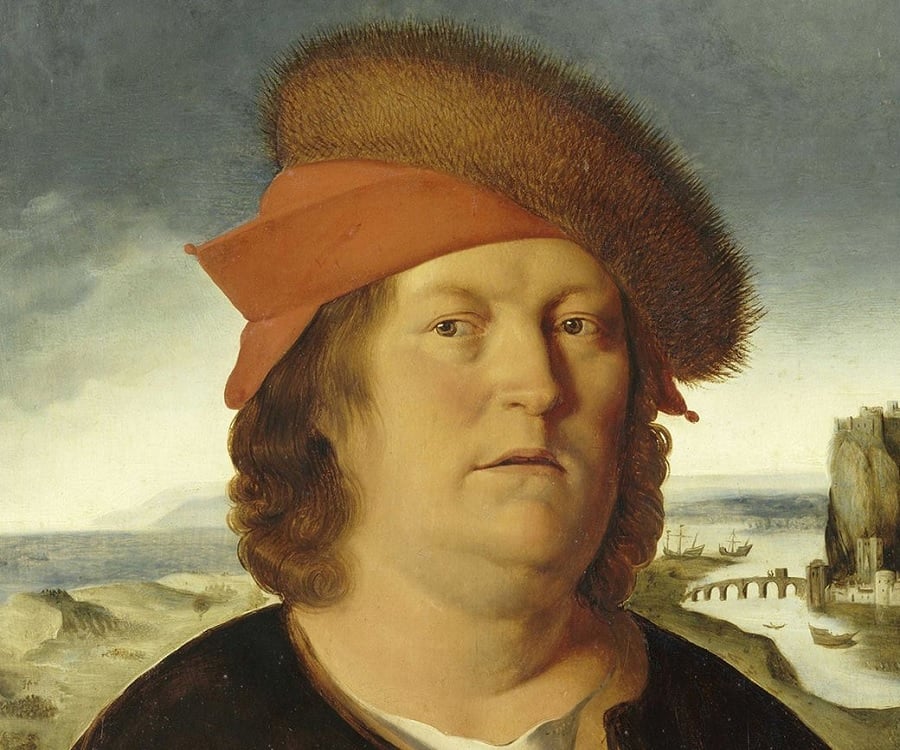
På tal om vita rockar, borde det vara hög tid för toxikologerna att säga ifrån. Om vi inte rentav måste kalla in toxikologins fader, Paracelsus (1493–1541):

Allting är gift och inget är utan gift. Dosen allena gör att något icke är giftigt.

Ända sedan Paracelsus vet vi att toxicitet är en fråga om dos. En människa kan dö av en toxisk dos vatten eller salt, men också av brist på vatten eller salt. Det samtida bruket av toxinmetaforer är alltså närmast pre-paracelsiskt – det bygger på att en viss företeelse, eller kombination av företeelser, är antingen gynnsam eller skadlig oavsett dos.

Toxikologi kan sägas handla om kvantitativa förhållanden mellan en viss slags substans och en viss slags organism. En dos som skadar en fisk behöver inte skada en fågel. Många ämnen som är skadliga för barn är ganska harmlösa för vuxna. Om vi i metaforisk mening vill utnämna olika samhällsfenomen som toxiska, blir den självklara följdfrågan: för vilken samhällsorganism?

I strikt toxikologisk mening finns det inte, om jag fattat saken rätt, någonting sådant som “en toxisk kombination”. Visst kan det ske en kemisk reaktion mellan två substanser (t.ex. två läkemedel) som resulterar i en ny substans med toxisk verkan, men själva reaktionen skall då förklaras av kemister, inte av toxikologer. Förhållandet mellan en substans och en organism är, såvitt jag förstår, vad toxikologin handlar om.

Någonstans har jag på känn att detta handlar om mer än bara en dålig metafor som tyder på slappt tänkande och kryptonormativitet. Genom att skärskåda dåliga samhällsmetaforer kanske vi även kan få upp ögonen för vad som är dålig samhällsvetenskap. Därtill är det idéhistoriskt intressant att fråga sig varför toxinmetaforer tycks ha blivit så populära just nu.

07 Apr 11:50

How blind people use iPhones with VoiceOver

by Jason Kottke

In a short video and accompanying article, David Pogue profiles a little known but highly useful iOS feature called VoiceOver, which helps visually impaired people do anything and everything on their iPhones.

A few years ago, backstage at a conference, I spotted a blind woman using her phone. The phone was speaking everything her finger touched on the screen, allowing her to tear through her apps. My jaw hit the floor. After years of practice, she had cranked the voice’s speed so high, I couldn’t understand a word it was saying.

And here’s the kicker: She could do all of this with the screen turned off. Her phone’s battery lasted forever.

It’s possible that people using VoiceOver to control their phones are more efficient at many tasks than those who use the default interface.

This was very cool: “If I’m in my office and put my headphones on, I’m hearing the phone call and I’m hearing what VoiceOver is saying, all through the headphones. But the person on the other end cannot hear any of the VoiceOver stuff. You don’t know what I’m reading, what I’m doing. I can do all these complicated things without you hearing it. That’s what’s really incredible. If you and I were working together on a three-way call, and you were to text me, ‘Let’s wrap this up’ or ‘Don’t bring that up on this call’-I would know, but the other guy wouldn’t hear it.

Joe showed me how he takes photos. As he holds up the iPhone, VoiceOver tells him what he’s seeing: “One face. Centered. Focus lock,” and so on. Later, as he’s reviewing his photos in the Camera Roll, VoiceOver once again tells him what he’s looking at: “One face; slightly blurry.”

See also how blind people use Instagram and iPhone: a revolutionary device for the blind.

Tags: Apple   blind   David Pogue   iPhone
07 Apr 09:00

Futaracha Pro, a font that "evolves" as you type

by Rob Beschizza

https://vimeo.com/199131896

Futaracha Pro is a typeface designed to take excessive advantage of alternatives, ligatures and other features of modern fonts, so much so that as you type, the words evolve into striking, but consistent new forms.[via Bored Panda]

Futuracha Pro is an Open Type Font, which magically adjusts and readjusts as you write. Its quirkiness and eccentricity are the two main features that made it one of the most beloved fonts in the whole world. Until today, nobody was able to just sit down and type with it. Featuring various combinations of letters and plenty of playful ligatures, Futuracha Pro gives creative people the opportunity to actually type and create, making their ideas extraordinary and unique!

Currently available as an elaborate nest of EPS files, a proper font's been in the works for years. You can preorder it for $50, but it's still cooking and will not be available until May.

06 Apr 09:08

Deep neural networks can now transfer the style of one photo onto another

by James Vincent

You’ve probably heard of an AI technique known as “style transfer” — or, if you haven’t heard of it, you’ve seen it. The process uses neural networks to apply the look and feel of one image to another, and appears in apps like Prisma and Facebook. These style transfers, however, are stylistic, not photorealistic. They look good because they look like they’ve been painted. Now a group of researchers from Cornell University and Adobe have augmented style transfer so that it can transfer the look of one photo onto another — while still looking like a photo. The results are impressive.

The researchers’ work is outlined in a paper called “Deep Photo Style Transfer.” Essentially, they’ve taken the methods of the original style transfer, and...

Continue reading…

06 Apr 08:14

Mastodon Is Like Twitter Without Nazis, So Why Are We Not Using It?

by Sarah Jeong

I have been on Twitter since 2008, accumulating nearly 100 thousand tweets and an inexplicable following of 42 thousand people.

I tweet a lot, and I tweet often. My engagement is high. I drive decent traffic.

I have been called "good at Twitter." I am not sure this is a correct assessment. Jack in the Box sells 554 million tacos a year. This does not make the tacos "good" by any reasonable measure.

I mention these things to establish the fact that I am completely addicted to Twitter. And the new changes to how replies work have made me want to quit entirely.

So I quit cold turkey (okay, fine, cold turkeyish) for a week and replaced it with Mastodon, a decentralized, free and open source software version of Twitter.

Let's be clear: I'm not expecting myself to quit Twitter forever. In fact, I figured that my report back would be something like, "Mastodon: it's weird. Pretty okay though? Anyways, none of my friends are here, so I'm back to the garbage bird site again. Social media services are natural monopolies, shrug!"

But in the middle of writing my first dispatch from my place of exile, Mastodon began to change. It jumped from 23 thousand to 25 thousand to over 30 thousand users. The developer finally met his modest Patreon goal of $800 a month. Graham Linehan (creator of The IT Crowd) and Dan Harmon (creator of Community and Rick and Morty) joined. And the servers finally buckled under all the pressure and I saw my first fail-elephant.

*

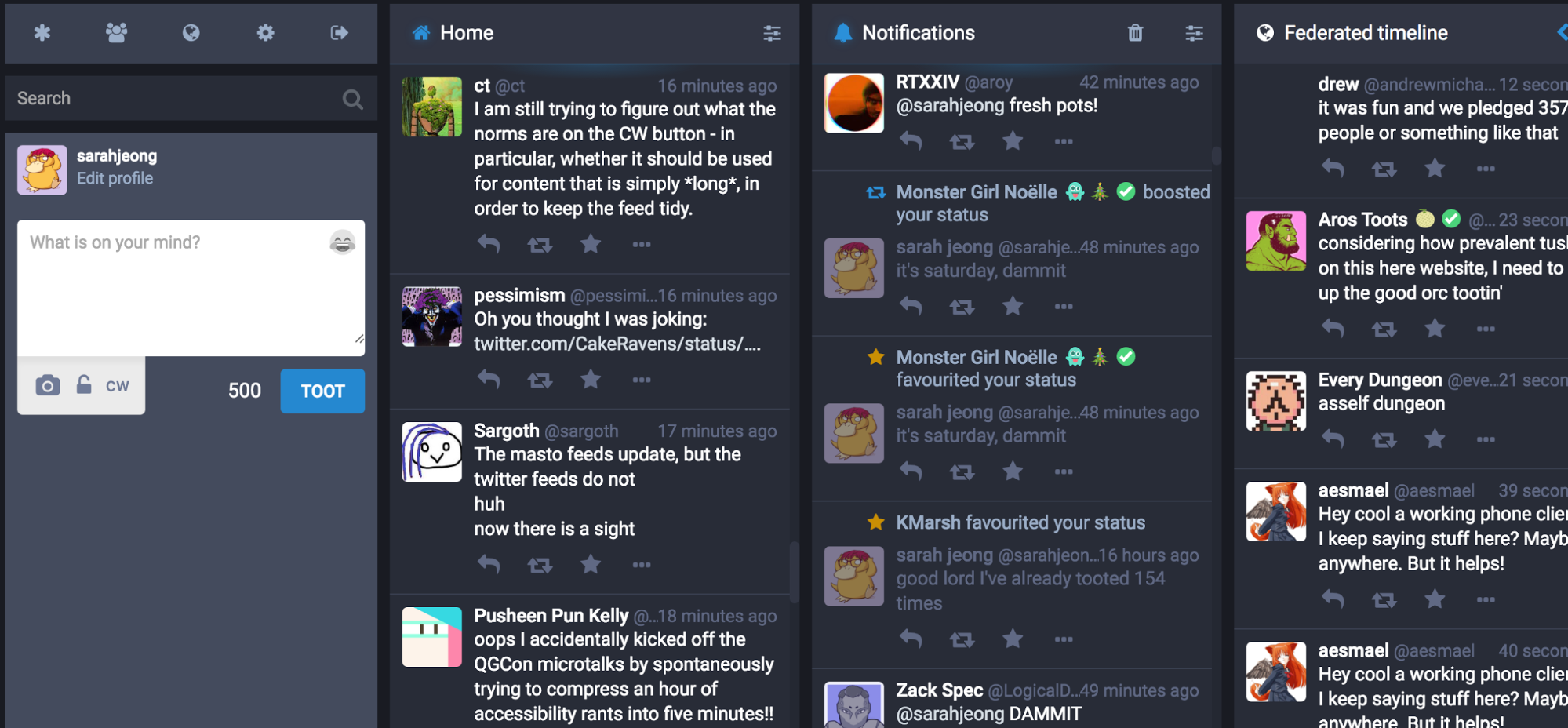
This is what mastodon.social looks like: it looks like Tweetdeck before Tweetdeck got too clunky to use.

There's a few key differences. Instead of Twitter's signature 140 character limit—a holdover from SMS—mastodon.social posts have a much more generous cap of 500 characters. This means fewer chained tweetstorms, very little screencapped text, and generally longer and more introspective posts.

The star—the "favourite"—is still here, no cute animated hearts or "likes." A tweet isn't a tweet, it's a toot. (An early financial backer requested that posts be called toots). But a retweet isn't a retoot, it's a boost. None of this lingo really matters, because the icons and buttons are pretty much all the same.

The most interesting deviations from Twitter are privacy settings and the content warning feature.

The content warning (the "cw" button at the bottom) is basically a jump that hides the body of the post. The rules require that you hide pornography and gore with a CW. Some people use the CW to provide trigger warnings for posts about depression, suicide, eating disorders, or sexual assault. Many people even hide political discussion behind a CW, citing that a lot of users are exhausted about hearing about Trump. Other people use the CW simply to reduce clutter: it functions similarly to a "Read more" jump on a blog.

Others use the inherent functionality of the CW to make jokes.

Privacy settings are more flexible than they are on Twitter—privacy is set on a per-post basis, a little similar to how it is on Facebook.

I could make it so all of my posts are private by default, but I don't have to choose between having a public or a private account.

The really interesting nuance here is between "Public" and "Unlisted." An unlisted post is viewable to the public, but it doesn't post to the local or federated timelines.

When I joined, mastodon.social had under 25 thousand users. Now it has 35 thousand. That means there just aren't that many toots being made at any given time. When you open up "local timeline" or "federated timeline" in the third column of the interface, you can see all the public posts being made by all users at any given time.

When I joined, the timeline was clipping away at a steady, but still readable speed. It was entertaining, but not so much of a firehose that it became overwhelming. At some times of the day it slowed down to a downright halt.

At this point you might be wondering what the difference between a "local" and a "federated" timeline is. It's… complicated.

*

If you—like me—are unfamiliar with the landscape of free and open source software (FOSS) social media, Mastodon is weird. It's really really weird. I'm used to apps and services like Facebook, Instagram, Snapchat, and Twitter—companies that took venture capital, are publicly traded on the stock market, and intend to make a return on investment through advertising, and possibly the sale of user information as well.

As the saying goes, if you don't pay for the product, you are the product. When looking solely at these corporate products, social media feels like the hellish extreme of late capitalism, Faustian bargains where consumers consume themselves.

But of course it doesn't have to be that way. And for many years, there's been a small, devoted, and extremely unsuccessful niche of developers and activists trying to get people to adopt various forms of FOSS social media. One example is "GNU social," a software that, in some respects, emulates the functions of Twitter. Mastodon is the most usable version of GNU social so far.

Mastodon has no money, no advertisements, no venture capital—and doesn't plan on getting any. It has no board of directors, no VP of product, no Chief Financial Officer. Peter Thiel will never partly own Mastodon.

Mastodon is pretty much just some dude in Germany with a Patreon goal of $800 a month, to cover "hosting of mastodon.social + my living expenses." When I first made my Mastodon account, his pledges were at about $680. As of writing, he's finally reached his goal, but is still only taking in $967 a month.

It's a small ask, but meeting that threshold is a sign of how far the developer, Eugen Rochko, has come compared to a lot of similar projects. Remember Diaspora? No? Well, that kind of tells you all you need to know about the inevitable fate of most decentralized FOSS alternatives to social media.

The thing is, GNU social isn't just the pipedream of hackerspace denizens. It fills a need and a desire articulated even by people who don't have mohawks or recurring yearly donations to the Free Software Foundation. New York magazine's Max Read wrote in early 2016:

"There should be a 'public option' social network. The open web exists as a public and largely protected space, but it lacks the convenience or centralization of Twitter or other social networks. Let's build one! A public, open, convenient, centralized social network, dedicated to freedom of expression protected by the First Amendment."

Mastodon isn't quite that. But it could be.

*

The thing is, Mastodon isn't just a social network. It's a protocol that can be reimplemented into an infinite number of "instances" maintained by anyone and everyone. But instances aren't segregated and isolated the way chatrooms or Slacks or your group text messages are.

Many of the existing instances are "federated," meaning that members of awoo.space can find me, follow me, and boost and favourite my posts despite the fact that I only have an account on the flagship instance, mastodon.social.

It's a little like how Reddit has subreddits. A redditor can move fluidly between subreddits, and top posts of nearly all the subreddits aggregate to the front page. But where Reddit is actually centralized, with top-down control by administrators across the site, the Mastodon federations are not.

Mastodon.social is run by Eugen "Gargron" Rochko, the developer of the Mastodon protocol, but he doesn't have any say in how awoo.space or icosahedron.website are run. A bannable offense in one instance might be completely acceptable in another.

For now the instances are on friendly terms with each other, coexisting peacefully in federation with each other. Federation isn't as simple as mastodon.social having a treaty with awoo.space. Rather, because one person from awoo.space follows my account, the entirety of awoo.space is now "subscribed" to my posts and can see them in the federated timeline. In order to become visible to awoo.space's federated timeline, someone from awoo.space has to follow you in the first place.

But if mastodon.social and awoo.space had a serious falling-out—which is highly unlikely—the administrators could choose to break ties and blacklist each other. Users from each instance would no longer be able to communicate with each other, unless they made accounts on the other instance.

Max Read calls for a public option social network that protects users based on the First Amendment. Mastodon.social is very much not that. Rochko—who lives in Germany, and is German by nationality—has no allegiance to American constitutional norms.

In fact, mastodon.social bans Nazis. Not even implicitly, but explicitly. The rules of the instance prohibit "content illegal in Germany and/or France, such as holocaust denial or Nazi symbolism" and "conduct promoting the ideology of National Socialism." The instance also bans "racism or advocation of racism," "sexism or advocation of sexism," "discrimination against gender and sexual minorities, or advocation thereof" and "xenophobic and/or violent nationalism." Mastodon.social is definitely not the free speech wing of the free speech party.

But in an increasingly polarized political climate where white nationalists are key advisors in to the US president, banning Nazis is deeply appealing to a lot of people. When asked, users repeatedly cite "Nazis" as a problem they would like Twitter to address. After leaving Twitter, writer Lindy West retorted, "Get back to me when your website isn't a roiling rat-king of Nazis."

Mastodon.social has a better user interface, a non-exploitative financial model, an extremely nice community, and no Nazis. So why isn't mastodon.social winning?

You probably already know the answer. You aren't on Mastodon because your friends aren't on Mastodon. Your friends aren't on Mastodon because you're not on Mastodon. And I wouldn't be on Mastodon, either, if I hadn't promised my editor to write an article about it.

*

My week off Twitter begins with me discovering that I am going to have to set up an elaborate series of hacks to get around the inconveniences of my hiatus. The problem is that Twitter is currently the most reliable way to receive updates on key litigation. But if I stay logged into my account, I'm definitely going to fall into temptation and start tweeting. So instead, I create a dummy account that follows two lawsuit bots and Chris Geidner, the legal editor of Buzzfeed, who tweets a lot of breaking news about Trump-related lawsuits.

Is this cheating? Yes. But I need this to do my work. I'm trying. By God, I'm trying.

I create a Mastodon account on Thursday. By 4PM on Friday I'm completely logged out of Twitter (except for @projectexile420 on my phone). In its place I have Mastodon open in a browser window, and Amaroq—an iOS app for Mastodon—installed on my phone. I have a little initial difficulty setting up Amaroq, because I still don't totally understand the concept of federation. The Amaroq login screen asks me to log into any Mastodon social instance. I try typing in @sarahjeong and get an error.

Eventually I figure out that it wants me to type in the name of the social instance—in my case, mastodon.social—and then log in with my username and password.

Day 1 of Mastodon is very lonely. My home timeline is starting from scratch. I look for funny accounts on the federated timeline, and follow aggressively. I follow back anyone who follows me. I text my friends and try to convince them to join. In a group chat, one friend says, "I thought about it but everyone I know who is an early adopter besides like, you two, totally fucking sucks and posts on Facebook about their latest apple store experience or whatever so i was like basically i'd rather be dead than hang around those perfectly nice people."

It's true that the Mastodon public timelines feature a lot of people tweeting about the latest project they're coding. But the predominant culture of mastodon.social isn't San Francisco techies, it's really more of an LGBTQ-oriented space, one with a lot of anime avatars and a lot of furries. A veritable multitude of anime avatars, but sans Nazis.

On Day 1 of my Twitter exile, mastodon.social strikes me as quiet, gentle, and introspective. There are a lot of CW-hidden posts about depression. Trans users are passing around fundraising links for community members in crisis. One user writes a post about what it was like to be homeless.

Of course, there's shitposting as well. But it's soft in tone. The jokes are funny, but they lack the hard mean edge of Twitter.

When I note that there doesn't seem to be a news reading culture on Mastodon, a user gently suggests that if I post political content, that I should put it behind a CW. This strikes me as overkill, but when in Rome, do as the Romans do.

On the public timelines, one new user comments on how relieved they are to be on a social network where "Buzzfeed" won't be "stealing" their content for clicks. At this point, it seems polite to introduce myself to the Mastodon community, and let them know that a journalist is now hanging out with them. I realize, somewhat to my chagrin, that I will likely have to notify every single user who winds up in my screencaps, and possibly even change screencaps if they object. If I try to defend myself with "But your post was set to public," I will probably be tarred and feathered. But very gently, and possibly with all the tar and feathers behind CWs.

I miss Twitter. I miss it with the intensity of a thousand suns. At 7:25 PM I am hit with the burning desire to search for my latest article on Twitter, and see what people are saying about it. The inherent narcissism of this feeling is embarrassing, and I wish it would go away. It doesn't.

I open and close Twitter on my phone multiple times. Each time, the empty profile of @projectexile420 taunts me for my weakness. When I check the timeline, it's pretty much just Chris Geidner tweeting. I try to calmly gather in whatever news he's breaking at the moment, but I am nearly overcome with the impulse to interact with his tweets.

By 8:49 PM I send Chris a sad Snapchat complaining about my Twitterless existence. He responds with a side-eye emoji. I accept it. I deserve it.

At 9:40 PM I watch as a new user makes a serious faux pas by complaining about mastodon.social's code of conduct.

"I hope nobody is getting too attached to this place. No 'advocation of sexism', I guess that was the world's biggest problem right there, the 'sexism advocates' everywhere with their weird advocacy. For me, there's no way I'm repeating the mistake of allowing 'code of conduct warriors' to control my ability to access a platform I rely upon."

The public timelines immediately explode with subtooting.

"Are people seriously joining here and whinging about the code of conduct," one user writes. "Do you realise why some of us wanted to fuck off from birdsite in the first place?"

"Free Speech™ isn't free folks every awoo $350," toots @eurasierboy. "Every. Awoo."

@Wilkie attempts a serious response. "I'm already seeing people complaining about the *presence* of a code of conduct on this site. Say they might leave, etc. Code of conduct doing its job, I'd say! That's the power of social federation: to create manageable moderated social spaces for everybody without disconnecting a part from the whole. Just go somewhere else."

Mike Masnick of Techdirt—who has only joined Mastodon the other day—remarks, "'Go start your own instance' seems like a pretty useful way to respond to complaints."

The Code of Conduct complainer attempts to fight back by screenshotting one of his subtooting critics and trying to shame them with the retort, "I guess there can never be enough platforms dedicated to social justice."

The public timelines just end up subtooting him some more, until he posts, "Hello, my passive aggressive friends. There have been maybe a couple dozen mean messages directed at me over the last thirty minutes, but nobody ever mentions me by name. Even so, rest assured your point is made, thank you."

For the next hour or so, "Hello, my passive aggressive friends" becomes a meme. I myself sign off for the night with "Good night, my passive aggressive friends." The next day, I sign on again with "Good morning, my passive aggressive friends."

*

I wake up on Saturday to find that I have already tooted over 150 times and I now have 300 followers. Mastodon has also seen a giant spike in sign-ups—or at least, giant by Mastodon standards. Nearly 900 joined mastodon.social on March 31. But the next day, there are another thousand. As of Monday, there have been 10 thousand new user accounts created just in the last week.

Long-time users of Mastodon comment dryly in the public timelines that Twitter must have done something terrible again.

I'm still not used to quitting Twitter, and I keep opening the app on my phone, only to be confronted with an endless backscroll of tweets by Chris Geidner. As much as I love Chris Geidner, this is no replacement for the fast-paced adrenaline rush of content I've curated on my actual account.

I can see on the public timelines that new users are happy that there are no brands, no celebrities, no news junkies on mastodon.social. I am extremely not happy. There is nothing more I'd like to see right at this moment than twenty text-heavy screencaps of the New York Times and a cascade of outraged tweets about the latest Russia scandal.

Is the Merriam-Webster dictionary subtweeting the president today? I wish I knew, so I could pretend to not care.

I am scum and don't deserve mastodon.social. But here I am.

I post an article about Mike Flynn's financial disclosures behind a content warning. I explain in a separate post that I am going to post news links from now on, but out of respect for existing community norms, I will keep Trump-related content behind a CW. Several accounts thank me for it.

My interests and sensibilities aren't well-represented in this community. One of the things I crave the most is the commentary that builds on top of commentary on Twitter. I miss the tweets where people screenshot a pundit's tweet and then place it next to a @dril tweet. Upon further reflection, this is an incredibly stupid thing to miss, and I should be ashamed of myself for letting Twitter take over my life to this extent.

And there's one thing that has to be said about mastodon.social. There are a lot of people complaining about transphobia, homophobia, cissexism, sexism, and Nazis. There are not a lot of people complaining about white supremacy, and there isn't a lot of chatter about the surge of Islamophobia in the world. I understand the need to insulate oneself from upsetting topics, but insulation necessarily breeds insularity.

Not a lot of people on Mastodon use their actual face as an avatar, so I can't make the assumption that Mastodon is extremely, extremely white. But my uncertainty alone feels isolating. On Twitter, many users of color use their avatars or display names to signal that they are an ethnic or religious minority. That social signalling creates clumps of users bound together by preexisting cultural norms and shared concerns. I miss my Twitter feed, and I can't wait to get back.

I still have the greater part of a week left to go. I've garnered over 500 followers (which is a lot in the world of Mastodon) but I still feel isolated and lonely. Part of it, of course, is that only a handful of my friends from Twitter have joined.

Honestly, I am probably a little too mean for mastodon.social. Everyone is nice, but I nonetheless feel like a stranger in a strange land, a complete Twitter jerk stranded in a country of kind-hearted anime avatars. My relief at being on a social network that Julian Assange does not post on is almost perfectly counterbalanced by my regret that I cannot troll him.

But Mastodon's norms aren't set in stone. And mastodon.social is only one instance in a larger federation. There could be an instance with the fast-paced and hard-edged humor I've come to value from Twitter. There could be an instance propagated with news junkies and commentariat. There could be an instance premised on First Amendment principles—the social network that Max Read wants to see exist.

Did you know that for $40 a month, Eugen Rochko will configure and install a Mastodon instance for you?

*

On Sunday, I wake up to find that Graham Linehan and Dan Harmon have joined Mastodon, bringing with them thousands of users. The federated timeline used to flow at a readable pace, now it streams along far too quickly to follow.

Linehan apparently loses interest after finding that the existing community discourages posting publicly about Trump. But the new userbase keeps swelling anyways, and the public timeline is full of people arguing about the future of Mastodon.

"In case anyone is wondering why you can only search hashtags, this was, to a lot of us, a beneficial design decision to counter-act harassment, so that nobody can just do a search for 'otherkin' or 'intersectionality' and then find all the ppl they want to harass, etc. etc," writes one long-time user. They also explain that quote-boost doesn't exist for similar reasons. These features weren't exactly dismissed, but both ended up becoming deprioritized as features to implement because of the disagreement around them.


"So do we ban memes on this website just to be safe or what?" snarks a newer user in a subtoot.

On Monday, the servers are struggling to keep up. Almost 6 thousand users have joined in the last day. I direct message Rochko to ask a few questions for the article—he answers as best he can while working to scale up the servers. It takes several minutes for some of my direct messages to get through, because the servers keep crashing.

In between the crashes, every other toot is a link to someone's long blogpost about Mastodon, or a call for others to donate to Eugen Rochko's Patreon.

35 thousand users is nothing compared to Twitter, and $900 a month is nothing compared to even Twitter's yet-insufficient revenues. But Mastodon doesn't need to kill Twitter, it just needs to survive. And judging by the chatter on the federated timeline, a lot of people have found a home here. Mastodon, I think, is here to stay.

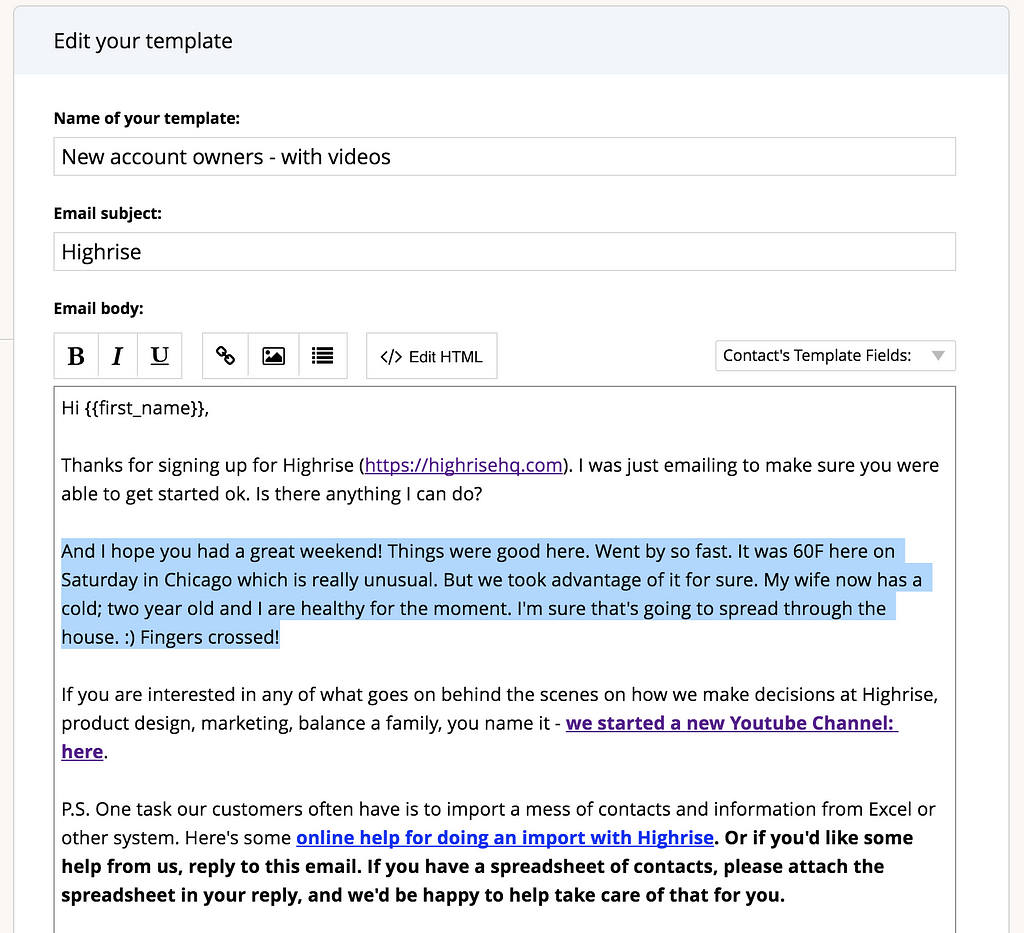
05 Apr 09:30

New principal resigns after high school student newspaper challenges credentials

by Rob Beschizza

Amy Robertson was set to be the $93,000-a-year principal of Pittsburg High School in Kansas. But she quit before her first day after the student newspaper found that her Masters' degree and Ph. D. were from a diploma mill.

“She was going to be the head of our school, and we wanted be assured that she was qualified and had the proper credentials,” said Trina Paul, a senior and an editor of the Booster Redux, the school newspaper. “We stumbled on some things that most might not consider legitimate credentials.” ...

Pittsburg journalism adviser Emily Smith said she is “very proud” of her students. “They were not out to get anyone to resign or to get anyone fired. They worked very hard to uncover the truth.”

Students journalists published a story Friday questioning the legitimacy of the private college — Corllins University — where Robertson got her master’s and doctorate degrees years ago. U.S. Department of Education officials, contacted by The Star, confirmed student reports; the federal agency could not find evidence of Corllins in operation. The school wasn’t included among the agency’s list of schools closed since 1986. Robertson earned her bachelor’s degree from the University of Tulsa.

Robertson insisted "all three of my degrees have been authenticated by the US government," whatever that means, and that she would not respond to students' questions about he credentials "because their concerns are not based on facts.”

You'd think "look them up on Google" would be part of the hiring process, but no!

04 Apr 14:13

@TumpsTies

by swissmiss

So many laughs. Thank you internet.

(via Kyle)

28 Mar 11:25

Nazistens profetia

by Hexmaster
The famous angle of the Great Pyramid is 38° plus a fraction from vertical and 51° plus a fraction from horizontal. Because 38 and 51 are the center factors (divisibles) of 1938 and 38 times 51 equals 1938. [...] Inside the outline of the Great Pyramid angles is the number pyramid of the name Jesus Christ. As we explain Hermetic number pyramids the reader will quickly realize why the pyramids at Giza and on the Great Seal have truncated flat tops.
Det där ser ut som vanliga pyramidala tokigheter: Folk som mäter den stora pyramiden (ingen annan är intressant) på höjden, längden och tvären, vinklar och vrår, allt som går att mäta, för att sedan addera, subtrahera, multiplicera och dividera tills man hittar det man är ute efter. Som i detta fallet är Jesus Christ, in English minsann, och 1938, som tydligen var ett intressant år.

Men det hela får en ny dimension när man plockar fram ett annat citat från samme skribent, som är långt, långt mer känt:
We must secure the existence of our race, and a future for white children
Det där är inte vilka 14 ord som helst utan de 14 Words som myntades av David Lane. Några stickprov ur hans CV: Medlem av Ku Klux Klan, grundare av den nynazistiska terroristorganisationen The Order, inblandad i mordet på en judisk radiopratare, dömd 1985 till 190 års fängelse, död 2007. Jo, och så var han född den 2 november 1938.

De 14 orden är ett mantra i vit makt-rörelsen, och talet 14 ett tecken man använder för att markera sin tillhörighet, i likhet med 88 (alfabetets åttonde bokstav är H, varför 8 8 ger H H = Heil Hitler). Ett svenskt exempel är tidskriften/hemsidan Info-14.

Det är mindre känt att David Lane var skogstokig, av en grad och sort som rimligtvis – fast det är illa svårt att bedöma sådant i sammanhanget – borde ha gjort även hans politiska likar och beundrare lite obekväma. Som när han i den stora pyramiden och Uppenbarelseboken utläser en profetia om honom själv:
"Let him that hath understanding count the number of the beast, for it is the number of a man, and his number is six hundred threescore and six." [...] The verse says "count the number." Since we are told 666, what shall we count? There are 125 letters in Revelation 13:18. 125 represents 1/25 or January 25th, the conception date of the Man. On January 25th, 1938, the entire Northern hemisphere experienced the most spectacular display of the Aurora Borealis (Northern Lights) in recorded human history. This can be confirmed in the newspaper archives from that period. Precisely 280 days later, the human gestation period, the Man of the prophecy was born. November 2nd, 1938, in a town called Woden, in the State of Iowa, U.S.A.
- David Lane

WP: David Lane (white supremacist)

28 Mar 09:12

Miniature Displays of Contemporary Urban Buildings by Joshua Smith

by Kate Sierzputowski

Working at 1:20 scale, artist Joshua Smith builds in-depth works that capture the layered existences of urban environments in cities such as Hong Kong, Sydney, and Los Angeles. His miniature buildings showcase the details and detritus left by the diverse population of each city, bringing in elements of the city’s workers, inhabitants, and street artists. These marks can be seen through heavily graffitied exteriors, and thoughtful additions like a small table on the roof of one building with takeout food from the tiny Chinese restaurant below.

Smith has been working on this series for the last two years, after stints as both a stencil artist and gallerist. Using several reference photos from a building’s actual site, he utilizes MDF, cardboard, and plastic to create the base of the work, and chooses paint and chalk pastels for the exterior’s details. Smith’s newest four-story work took him three months to complete, often working 8-16 hours a day.

The Australian artist recently exhibited his miniature buildings with Muriel Guepin Gallery at VOLTA Art Fair in New York City from March 1-5. You can see more of his work on his Instagram and Facebook. (via My Modern Met)

28 Mar 09:09

“THE PERSON IN THE DRIVER’S SEAT IS ONLY THERE FOR LEGAL...


“THE PERSON IN THE DRIVER’S SEAT IS ONLY THERE FOR LEGAL REASONS. HE IS NOT DOING ANYTHING. THE CAR IS DRIVING ITSELF.”

(via Autopilot Full Self-Driving Hardware (Neighborhood Long) on Vimeo)

22 Mar 12:42

Skrattgympa: Skratta eller gråta?

by Hexmaster
Ett gott skratt förlänger livet, heter det. För Lena Thornander i Borås har det blivit en konkret metod. Skrattgymnastik kallar hon den och det handlar helt enkelt om att skratta för att må bättre. [...] Enligt henne fungerar skrattet som rena mirakelkuren, allt från fobier, snarkning och träningsvärk till svullna leder och ont i huvudet kan botas med hjälp av skrattgympan.
 - Susanna Mattsson: Skratta dig frisk igen, Metro 28 maj 2006
Skrattgympa
- Skatteverket: Skattefria förmåner A-Ö inom motion och friskvård

Det finns många underliga exempel i Skatteverkets listor på sysselsättningar (i brist på bättre ord) som arbetsgivare kan eller inte kan erbjuda sina anställda skattefritt. Skrattgympan hör till de mer deprimerande. Det låter oväntat; som den presenteras ytligt så går den ut på att folk skrattar loss, gärna i grupp. Oavsett om man tycker att det låter trevligt eller hejdlöst fånigt så kan det väl ändå inte vara skadligt..?

Nej, i sig är skrattgympan säkert helt ofarlig. Men hos Lena Thornander, landets mesta och mest uppmärksammade skrattomolog®, är terapin väldigt, väldigt likt bra många andra kvacksalverier som också är helt ofarliga i sig (som homeopatins sockerpiller), men där det blir problematiskt om folk skulle luras att använda dem istället för effektiva metoder.
Mina skrattpass utomhus som jag utförde flera gånger varje vecka gjorde att jag syresatte mig effektivt. Detta visar ju att syre är det mest effektivaste botemedlet, inte bara mot bakterier utan även för virus. Cancer är en virusform. Heller ingen oro om att cancern skulle komma tillbaka. Och det var det mest underbara att slippa oron.
- Lena Thornander, Skrattgympa.se: Friskvård

Kvackare med minsta koll på läget vet att just cancer hör till de sjukor som (den tyvärr alldeles för tama) lagstiftningen förbjuder dem att behandla eller utlova bättring av. Därför brukar de vara väldigt försiktiga när de närmar sig just det området. Lena Thornander verkar inte ha någon särskild koll på läget.

Å andra sidan har hon åtminstone lärt sig att använda frasen "påskynda självläkning" istället för att utlova bot. Smart! Krämpor och relaterat som skrattomolog® Thornander utlovar möjlig påskyndning av självläkning av:
  • minnessmärtor (vad det än är)
  • sura uppstötningar
  • öroninfektioner och vatten i örat ("skratta på en frekvens som berör öronen försvinner trycket och en ev. inflammation kan hävas")
  • huvudvärk
  • bihåleinflammation
  • snarkningar
  • ledbesvär
  • åderbråck ("kryper tillbaka under musklerna")
  • herpesmunsår ("med rätt teknik och du kan avstanna prosessen samma dag")
  • lunginflammation
  • astma och kol
  • benbrott ("läker fortare, mindre värk")
Dessutom förbättras funktionen hos
  • smaklökarna eftersom bihålorna rensas
  • luktsinnet eftersom bihålorna rensas
  • huden ("mjukare slätare tåligare gentemot blåsor och skavsår där har syresättningen av huden ett finger med i spelet")
  • håret blir starkare.
  • musklerna blir starkare ("mjölksyran uteblir vid träning eller kraftansträngning").
  • underliv och bukmuskulatur blir starkare ("Ger en stoltare hållning. Håller höftkulorna på plats.")
  • tandköttet
  • balansen
  • fotställningen ("du sliter skorna jämnare")
Dessutom får du en starkare och mer melodisk stämma ("lättare att ta till sig information för texten vid högläsning blir roligare att lyssna till"), bättre självförtroende, "sammanhållning", mimik och kroppsspråk, med mera, med mera. Och det finns ännu mer att läsa i boken (kursiv fetstil på sajten). Jag vill inte undanhålla presentationen av Skratta med anledning:
Varför? Metoden är användbar.
Därför? Att så många inte kan ha fel. Vetenskap borde det vara eftersom effekterna är självupplevda av mig och mina deltagare.
Inte genom forskning utan mer utvärdering av metoden. Men mycket av det jag upplevt har redovisats som forskningsresultat i media och vetenskaps magasin- efter bokens utgivande- som bevisar att det stämmer överens med mina och deltagarnas upplevelser.
Hur? Man går tillväga.
Vad? Som kan hända.
- Skrattgympa.se: Boken

För övrigt är Skrattomolog® hennes egen konstruktion, komplett med R-märke och en varning: "Text och bild på webbplatsen skyddas av lagen om upphovsrätt och får ej användas i något annat sammanhang utan medgivande." – Så fick man åtminstone något att skratta åt.

22 Mar 12:12

Screenshot? Ugh, you’re doing it wrong!

by Jason Zimdars

A proper sharing feature has been part of iOS for years. It has a consistent, system-level UI that’s available from most any app with anything worth sharing and yet no one seems to use it. Well, no one but us geeks, right? Everyone else just takes screenshots—which require mastering an unintuitive multi-button press and a fair amount of dexterity.

I moaned when people started posting screenshots of highlighted selections from articles to beat the 140 character limit on Twitter because they just shared a picture of text that I can’t copy, reformat, enlarge, etc. I’ve been that guy when friends send a screenshot of a product rather than a link. Sharing properly is a very type-A process that I dutifully complete out of ease for my friends and respect for the content!

That’s why my inner pedant was delighted when Instagram noticed I had taken a screenshot and gently nudged me to use the proper share features.

Use the hardware buttons to make a screenshot and Instagram is all, “Oh silly luddite, please send people a functional link.” Tapping the Share banner in the second screenshot corrects your bad form and helps you share a URL.

It’s a really nice solution that gently guides the user to the correct way to share. I’ll admit this is probably the solution I’d have designed, too. The built-in Share feature should be easier and yet friends and relatives who can barely download an app find screenshotting to be second nature.

That’s why I was delighted to see Amazon’s take on the same problem. Where Instagram’s design is a gentle scolding, Ahem! I see you have no idea what you’re doing, Amazon’s much scrappier version says, Oh you made a screenshot? Cool, lemme help you with that.

“I got you, bro.”

Amazon shows a similar, though more obvious, banner after you make a screenshot but it does things a little differently after that. For one, it uses the system’s Share Sheet which is familiar and provides a lot more options than Instagram’s custom one.

More important than that, however, is the payload. Amazon shares my screenshot and then adds a URL to it. It’s a subtle difference but Amazon’s version makes me feel better. Where Instagram gets my intent and tries to help me do the right thing, it replaced my content. Amazon’s design let’s me do what I intended but helps me do it better. In the screenshots above a major difference is posting to Twitter. Instagram’s post wouldn’t include an image, Amazon’s would.

As a designer I love being surprised by solutions I wouldn’t have come up with. I can absolutely see how Instagram arrived at their solution. Part of UI design is guiding users back when they go off track. Designers want to change the world by making things easier, more understandable, more enjoyable—more ideal. That completely resonates but I can’t help but admire the audacity of Amazon’s designers who have accepted the world as it is and humbly offered a helping hand. Kudos!


Screenshot? Ugh, you’re doing it wrong! was originally published in Signal v. Noise on Medium, where people are continuing the conversation by highlighting and responding to this story.

22 Mar 12:11

80 kronor? Det är ju som att be om inavel!

by fthunholm

Det enda stället där den traditionella höger-vänster-skalan lever kvar, är i de löjliga men mustiga reaktionerna på höjningar av skatter och avgifter som inte påverkar dem som klagar. Inte alls, inte på något vis. Och vad värre är, de har inga principiella värden heller.

Så när skatten höjs med 200 kronor i månaden för alla som tjänar mer än 55 100 kr/månad, så finns det inga gränser för indignationen. Folk himlar med ögonen och ramlar av Poul Kjæerholm-stolen dom sitter på, drattar på arslet och tappar kontrollen helt. Dom skär sig i armarna med hummerknivar och ärvda sablar, i ren desperation.

Och när en flygskatt på 80 kronor lanseras, är det dödsstöten för flyget. Nu har dom dödat flyget! Typiskt! Nu har dom raderat alla människors mobilitet och upptäckarglädje. Dom 80 kronorna är bojorna som håller människor kvar i den landsända de föddes i. Nu kommer inaveln som ett brev på posten. ÅHHH VAD DÅLIGT! SATAN TA DIG 80 KRONOR!

Naturligtvis märker ingen som tjänar över 55 100 krono ens om det är 200 kronor mindre på kontot när den nya lönen kommer. Ingen. Ingen märker det. Alls. Detta är pengar som inte har någon betydelse. Extra roligt blir det såklart när det är samma moderata kommunpolitiker som rasar över detta, som tycker att det är rimligt att höja SL-kortet med sådär 100 kr om året. Något som drabbar folk för vilka 100 eller 200 kronor är riktiga pengar, och inte låtsaspengar.

Civilisationen är bara fernissa. Det krävs bara 200 kronor i månaden och 80 kronor per flygbiljett för att slipa bort den.

Det hade varit intressant om det förts en principiell skattediskussion istället för det här superlöjliga gnället. Och då helst på det sätt jag själv resonerar: Nämligen att det ska vara jättelåg skatt på saker som genererar sysselsättning, vi kan kalla det aktivt kapital. Dvs platt skatt på lön, säg 25% eller nåt. Och låg skatt på vinster i företag som omsätter under, säg, tio miljoner och/eller växer med över 20% per år. (Go Centern!) Och hög skatt på bundet kapital, som inte har värden för andra än den som sitter på det: Fastigheter, förmögenhet och arv. (Go Vänstern!)

Men, nä. Vi pratar om hundralappar hit och dit och låtsas som att det gör skillnad.


06 Mar 09:59

That Viral Story About a Japanese Man Crushed to Death by His Porn Collection is Totally Fake

by Matt Novak on Gizmodo, shared by Beth Elderkin to io9

Did a man in Japan really get crushed to death by his porn collection? No. But you’d be forgiven for thinking otherwise, thanks to this dumb game of Telephone we call The Internet.

“Porn really is bad for you!” the Daily Mail headline blares. “Lonely Japanese man who amassed a SIX-TON pile of dirty magazines died when it collapsed on top of him... and his body wasn’t found for six months.”

But almost nothing about that headline is correct. The Daily Mail seems to have taken a sad story of a man’s death in Japan and added a few lies to make it more sensational. And from there it went viral, getting picked up by the likes of The Mirror, The Toronto Sun, CBS Philly, and Sky News Australia, among a host of others.

So what really happened? Recently a Japanese man was found dead in his apartment. The man lived alone and had been dead for a month before he was discovered. The coroner ruled that he’d died of a heart attack. How do we know the real story? It was reported in Nikkan Spa in Japan on February 28, 2017. The Daily Mail story was published on March 3, 2017.

The Daily Mail story doesn’t link out to Nikkan Spa, or acknowledge at all where its information came from. The average reader would assume that all the information presented in the Daily Mail story was collected by the Daily Mail alone. It appears that nothing in the Daily Mail’s version contains original reporting, aside from the sensationalist errors that it introduced.

“Man killed by six-ton pornography collection,” the Toronto Sun said.

“Man crushed to death by porn collection,” Sky News Australia claimed.

“Man dies after 6-ton porn collection falls on top of him,” CBS Philly declared.

But none of that is true.

Yes, the man had a huge porn collection. But there’s absolutely no evidence that he died from it falling on top of him, nor that he’d been dead for six months. In fact, the most gruesome bit of evidence from the original story in Japan points to the fact that he fell on top of his porn collection during his heart attack.

Photo of a hoarder’s porn collection in Japan, taken by a clean up crew (Nikkan Spa! Japan)

The original story notes that many times people who live and die alone (known as “kodokushi” in Japan) aren’t found until bodily fluids leak through the floor onto tenants below. In this case, the magazines reportedly absorbed the bodily fluids of the man’s decomposing body because he fell on top of them.

“In order not to become a shame of the deceased, we try to dispose of adult toys in the room so that the bereaved family will not be aware of it,” a man from a cleaning crew who specializes in lonely deaths told Nikkan Spa.

The man was clearly a hoarder of porn magazines. And he died of a heart attack amongst his hoard of porn. But he wasn’t crushed by it. I guess “Hoarder dies surrounded by porn” is a less clicky headline than “OMG MAN LITERALLY DIES CRUSHED BY 6 TONS OF PORN.”

And you wonder why Wikipedia recently banned the Daily Mail
as a source for information on the community encyclopedia? This is why.

02 Mar 11:06

3D-Printed Solar Systems, Moons and Planets for Your Desktop

by Christopher Jobson

The folks over at London-based Little Planet Factory make tiny 3d-printed planets and moons you can sit on your desktop or hold in your hands. Designs include everything from entire solar systems to collections of moons, individual planets, and even science fiction creations like a theoretical terraformed Mars globe. See more in their shop! (via So Super Awesome)