Shared posts

09 Sep 04:37

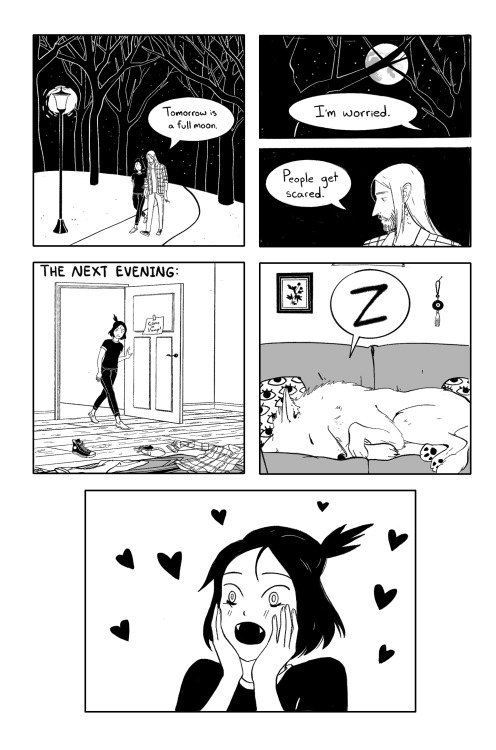
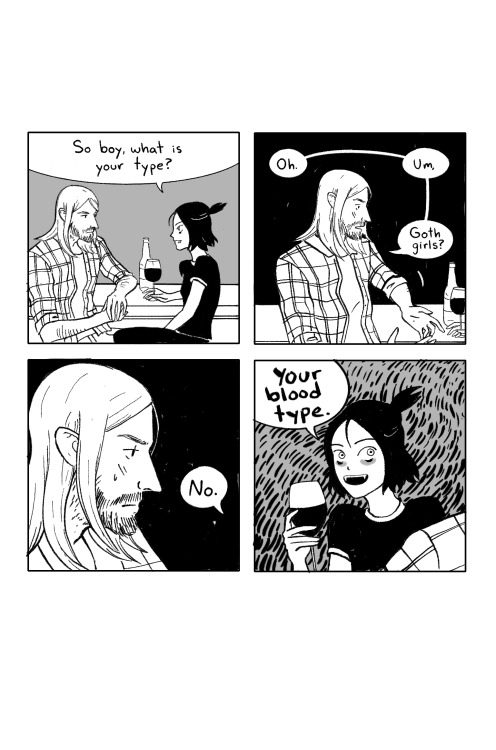
sarahseeandersen: Hi everyone! My series “FANGS,” a love story...


sarahseeandersen:

Hi everyone!

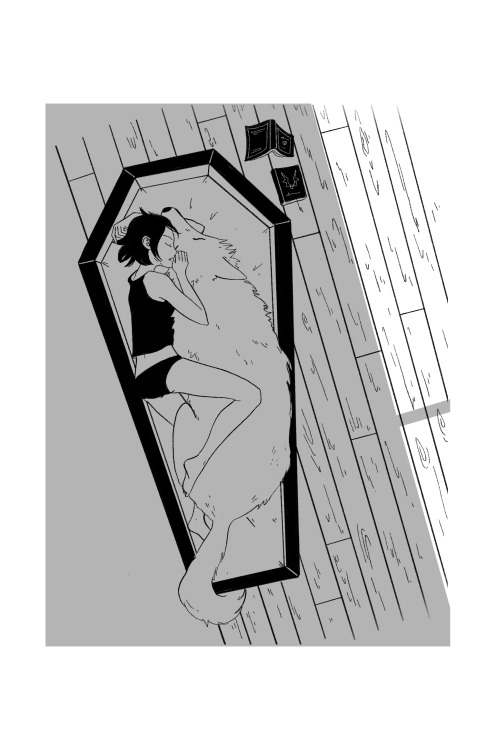
My series “FANGS,” a love story between a werewolf and vampire, has reached its halfway point. The story is free to read and will update twice a week until July, but the entire story is available if you opt to unlock it!

Check it out here

Reblog cause my baby is out in book form todayyyyyy!! Pick up a copy here 

07 Sep 19:43

Lee Highway Renaming Process Moving Forward with 25-Member Working Group

by ARLnow.com

(Updated at 12:55 p.m.) The renaming of Lee Highway is continuing apace.

The Lee Highway Alliance (LHA), which is spearheading a renaming process for the east-west commuter artery also known as Route 29, today announced the 25 members of a Working Group charged with coming up with new names.

Among the members are Arlington NAACP President Julius Spain, Sr.; Lebanese Taverna co-owner Grace Abi-Najm Shea; and Matt Weinstein, a land use attorney and former legal counsel for Arlington Democrats, who will chair the group.

In a press release, below, the Alliance says the Working Group will start holding virtual meetings, which will be open to public viewing, in mid-September.

“Our vision for the future is a welcoming and equitable Main Street, and neither ‘Lee’ nor ‘Highway’ is representative of that vision,” said Ginger Brown, Executive Director of the LHA, which was working on envisioning ways to modernize the car-oriented corridor when it was also tasked with the renaming.

A new video released by the LHA yesterday makes the case for why Confederate Gen. Robert E. Lee’s name should be removed from Route 29 in Arlington.

“I think that there comes a time in history when you need to change in order to move ahead,” the video says.

“It wasn’t named Lee Highway in 1865 or 1866 when the Civil War ended, it was named Lee Highway in the 1920s and 30s,” says Wilma Jones Killgo, who has served as president of the John M. Langston Citizens Association, which represents the historically Black neighborhood of Halls Hill, along Route 29.

“When Black people started getting educated and creating businesses and creating their own wealth,” she continues, “it was all a series of intimidations.”

The new name chosen for Route 29 should be “welcoming to all people and businesses,” should “work for all four Northern Virginia jurisdictions that include Lee Highway, and should promote “economic vitality” via effective branding, the Alliance’s website says.

The Working Group has four meetings scheduled, starting on Sept. 16 and running through Jan. 13. The full LHA press release about the group’s formation is below.

Ginger Brown, Executive Director of the Lee Highway Alliance, today announced a Working Group that will lead the effort to recommend new names for Lee Highway to the Arlington County Board. The 25 members of the Working Group reflect a variety of backgrounds and skills, from business ownership to civic involvement.

LHA has been in conversation with the County Board for nearly three years about renaming the 4.6 miles of Lee Highway to better reflect a welcoming, vibrant, and future forward identity. “We are beginning the conversation on replacing both of the words present on Lee Highway” says Brown. “Our vision for the future is a welcoming and equitable Main Street, and neither ‘Lee’ nor ‘Highway’ is representative of that vision.”

In mid-September, the group will begin its community engagement work to solicit ideas for new words for Lee Highway. The group’s virtual meetings, which are also slated to begin mid-September, will be open to the public for viewing.

Matt Weinstein (Chair), Grace Abi-Najm Shea, Bill Braswell, Ginger Brown, Mike Cantwell, Sandi Chesrown, Lynn Coates, Elaine Furlow, Saundra Green, Lauren Harris, Mike Hogan, Paul Holland, Wilma Jones, Jeff Joseph, Minneh Kane, Anika Kwinana, Ben Keeney, Diane Kelly, Annie Moyer, Maia Potok-Holmes, Richard Price, Andy Rude, Julius D. Spain, Sr., Jim Todd, and Tom Wolfe.

Several members of the Working Group were drawn from LHA’s Community Advisory Committee, an existing body that helps LHA communicate with stakeholders, garnering feedback, channeling ideas, and encouraging new ways to reach the residents and business/property owners.

The Working Group will also receive input from Advisory Groups made up of subject-matter experts.

The groups include a Branding Advisory Group, Business and Property Owners Advisory Group, Institutional Advisory Group, Transportation Advisory Group, and LHA’s own Communications Committee.

Photo (top) via Google Maps

28 Aug 15:24

Arlington Pet of the Week: Sugar

by ARLnow.com

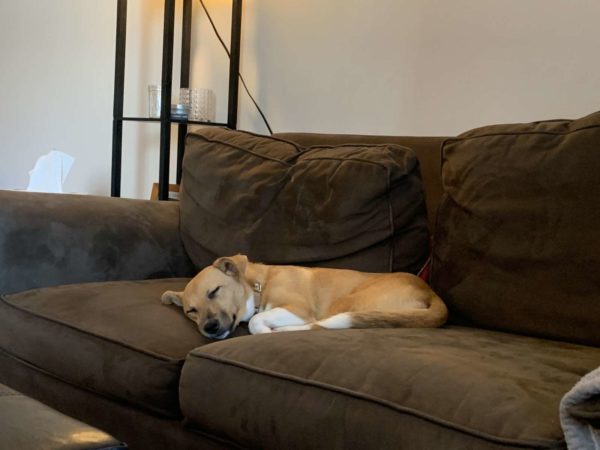
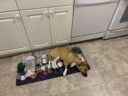
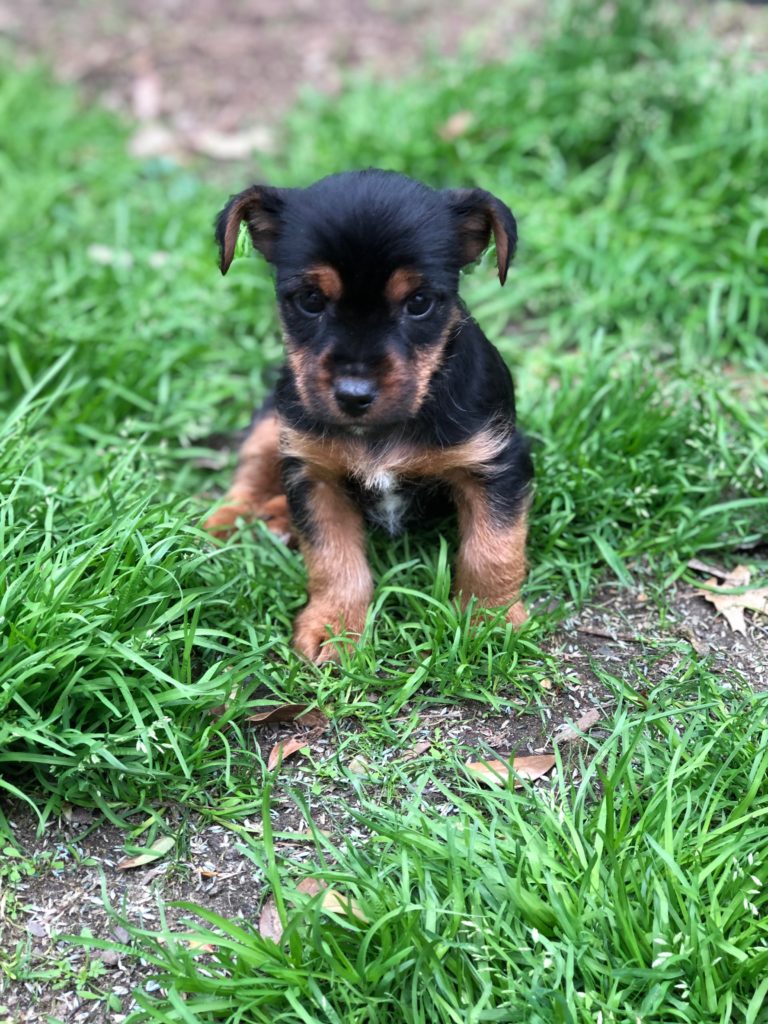
Meet the new Arlington Pet of the Week, Sugar, an 8 month old Jack Russell Terrier mix who loves belly rubs.

Here is what Sugar had to say about her life here in Arlington:

Hi there! I’m Sugar, an 8-month-old jack russell terrier mix living in Crystal City. I live with my two humans in an apartment building with some of my best puppo friends. The concierge staff gives me treats and I get to see my friends everyday and play as much as I want.

My favorite things are treats, belly rubs, and running circles around other dogs. I’m small, but fast! I came from NOVA Pets Alive and my humans have been obsessed with me ever since I arrived. I honestly don’t know what they did before they got me. I like to help cook by laying in the kitchen and catching crumbs. I’m a bit of a drama queen when I’m hot, but you would be too with fur in this humidity!

Arlington is the only home I’ve ever known and I wouldn’t have it any other way. There are so many people and pups, and I say hi to them all! So if you see me on the sidewalk, I will take all forms of praise and love.

Want your pet to be considered for the Arlington Pet of the Week? Email arlingtonnews@gmail.com with a 2-3 paragraph bio and at least 3-4 horizontally-oriented photos of your pet. Please don’t send vertical photos, they don’t fit in our photo galleries!

24 Aug 16:30

Arlington Pet of the Week: Chai

by ARLnow.com

Meet the Arlington Pet of the Week, Chai, a 9 week old Goldendoodle who loves running around his new yard here in Arlington.

Here is what Chia’s owner had to say about his young life so far here in Arlington:

Meet Chai (Yes, like the tea!), the 9 weeks old Goldendoodle  sauntering the streets of Bluemont who decided to drive all the way from Ohio and brighten the lives of his new family and neighborhood . Obviously, he is very picky about where he goes- He says he needs all his shots before he can venture out further!

Christened after his Indian parents’ favorite beverage, Chai comes with extra sugar. He’s a lover of his humans and a napping aficionado- always loves to cuddle first then retire under his favorite pieces of furniture. When not cuddling or waiting for his next meal, he loves to explore his territory around the house, become suspicious of random trinkets, and sleuth for treats.

He also loves zipping around the yard and pulling at grass as a form of daily exercise. He highly recommends it to all his furry friends!

Want your pet to be considered for the Arlington Pet of the Week? Email arlingtonnews@gmail.com with a 2-3 paragraph bio and at least 3-4 horizontally-oriented photos of your pet. Please don’t send vertical photos, they don’t fit in our photo galleries!
17 Aug 17:29

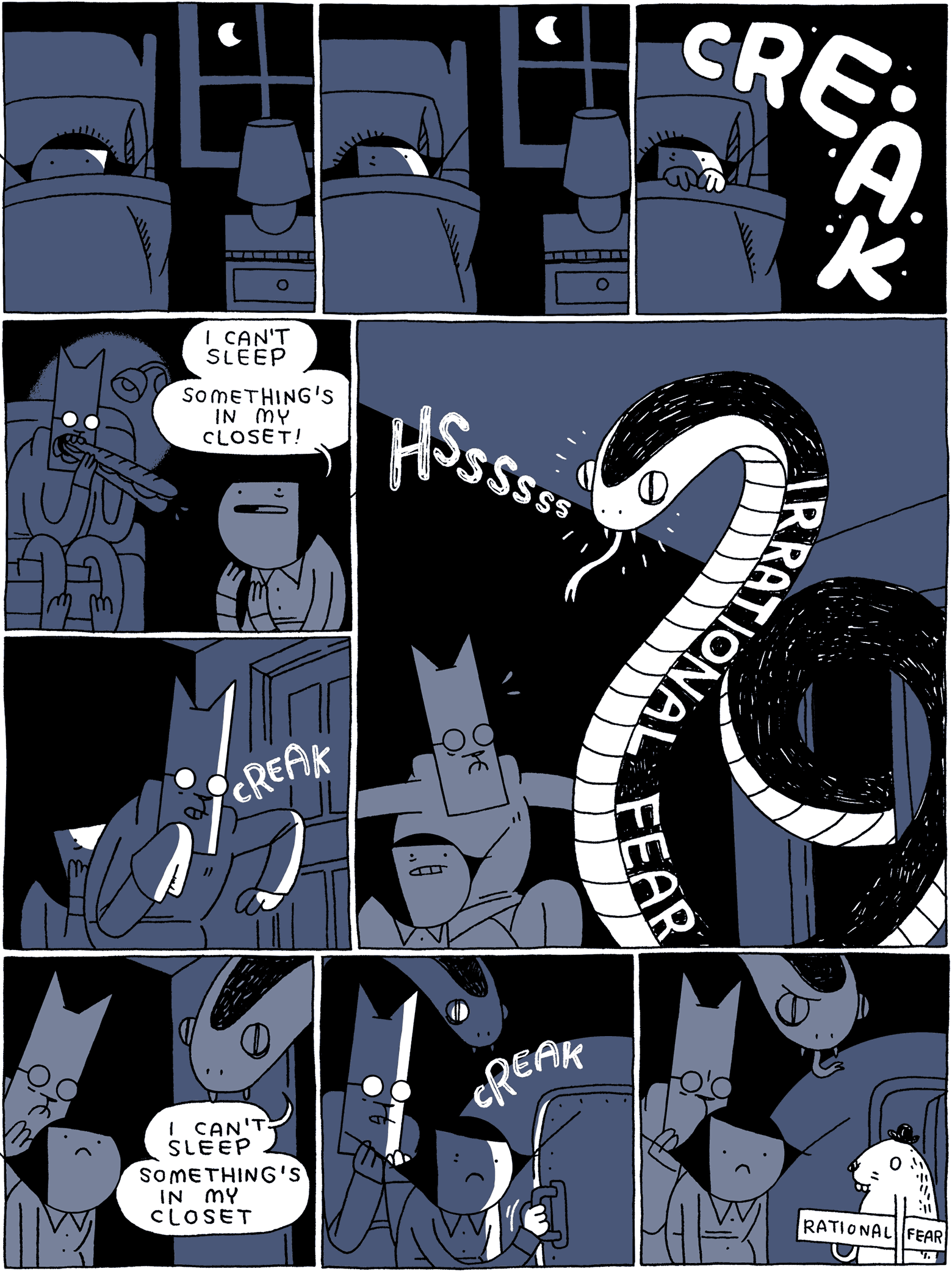
What Are We Hiding From

by Dorothy

17 Aug 13:09

#1215; One in Hole

by David Malki

They just call you 'Senior' so they don't have to promote you to Supervisor. It's a made-up title.

13 Aug 01:02

Formerly known as Colony Club, “your favorite Park View café & bar is back as Doubles”

by Prince Of Petworth
V.w.verweij

Because we still needed a name that reminds us of White People?

10 Aug 13:04

Only Gumball Machines

by Dorothy

05 Aug 19:18

Sun Gazette Publishes Letter Comparing COVID Contact Tracers to Nazis

by ARLnow.com

As health officials work to tamp down rising COVID-19 cases in Arlington, the Arlington Sun Gazette published a letter to the editor today comparing local public health efforts to Nazi Germany.

The letter, headlined “Arlington now pitting neighbor against neighbor,” seemingly conflates contact tracing efforts — long used to try to prevent the spread of infectious disease — with “tattling.”

“Months ago, a member of the county’s COVID task force approached me to ‘track and trace’ my friends and neighbors without their knowledge,” says the letter, which was published online this morning. “In grade school this would be called tattling (or snitching), and is a common practice in Communist countries. It also was prevalent in the National Socialist German Worker’s Party in Germany, commonly known as Nazis. This undermines and destroys communities, friendships and families.”

The letter goes on to suggest, without evidence, that such efforts may be part of a plot to divide neighbors.

“Why would elected officials deliberately want to turn us against ourselves? That may have been the plan since the beginning. It’s contemptible,” the letter says. “The county government should remember they work for the residents of this county; we are not subjects or slaves.”

A letter to the editor from the same Arlington resident, published in 2018, was titled “Quit complaining, deal with occasional hiccups of life.”

Photo by Fusion Medical Animation on Unsplash

28 Jul 15:12

Every Person in the USA

by Dorothy
24 Jul 16:48

What's the deal with nodding flowers?

by Matt
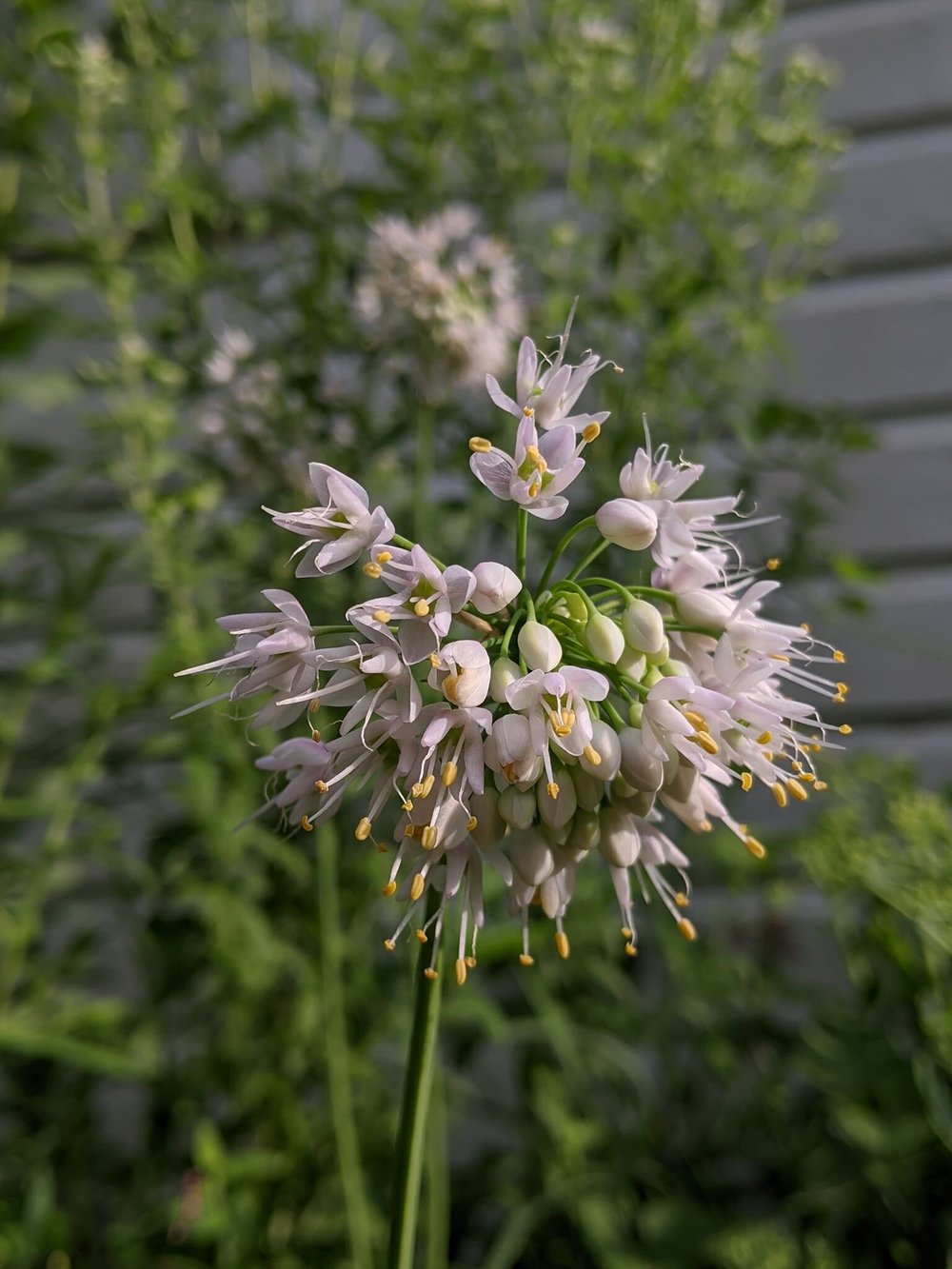
115930032_326250475062328_7530179025872545026_n.jpg

While working in the garden the other day, I noticed that some of the nodding onion (Allium cernuum) we planted last year had finally come into bloom. I must have spent the good part of an hour watching bees pay a visit to their downward pointing flowers. I have seen a lot of onion species in bloom before, but this particular native is the only one that I know of personally that orients its flowers facing the ground. This got me to thinking about floral orientation. A lot of plants produce flowers that face the ground but many more do not. Why is there such variety among the orientation of flowers?

As always, I hit the literature. It turns out, many scientists have set out to investigate the function of floral orientation. What immediately stuck out to me is just how many different flowering plant lineages boast species whose flowers face down rather than out or up. I knew instantly that with so much variety in lineage, habitat, and pollination strategies, the answer wasn’t going to be simple or straight forward. Indeed, each investigation I read about seemed to end in a slightly different conclusion. Still, there were enough patterns among the results and conclusions to make some general statements about the subject.

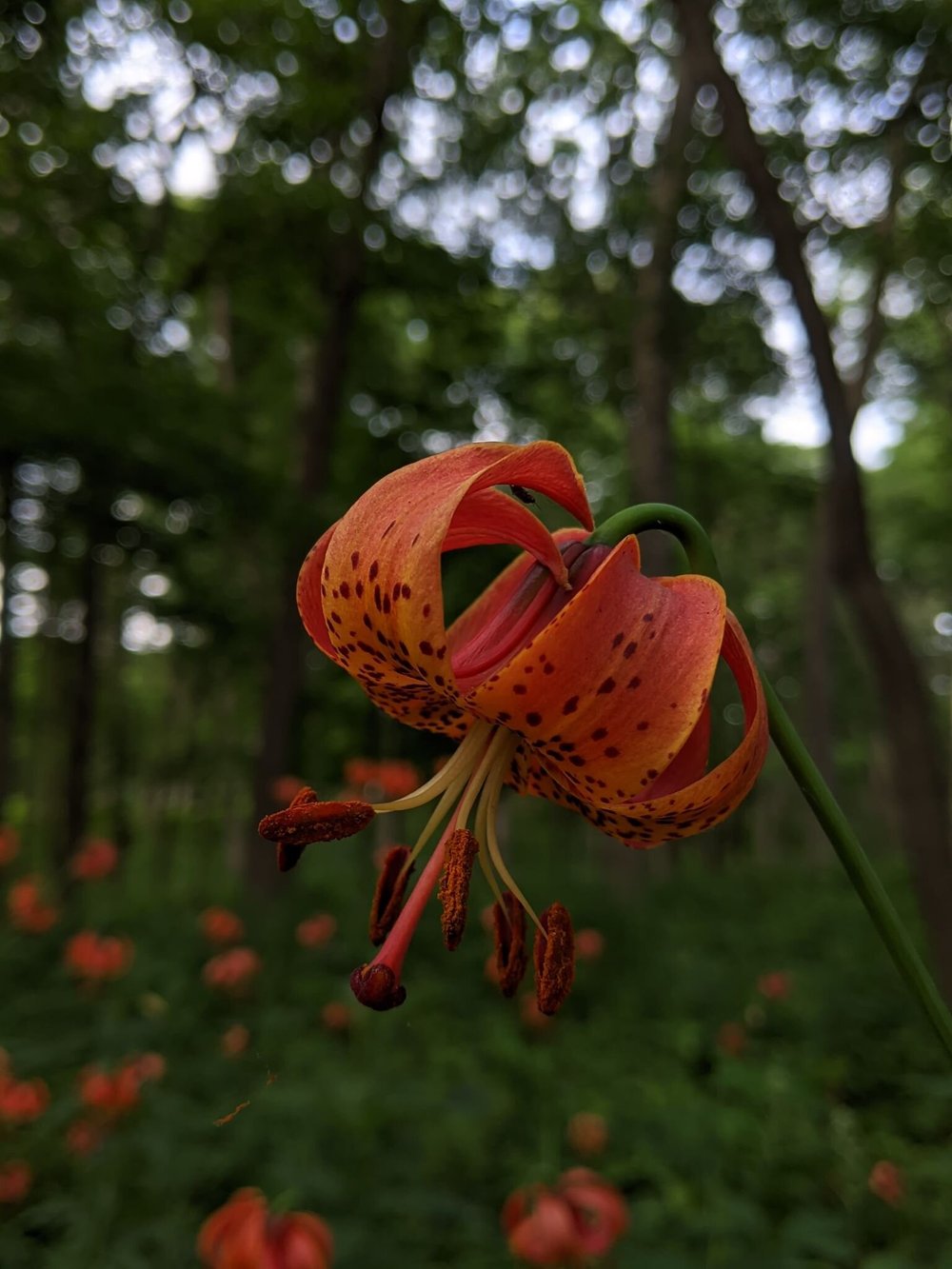
The nodding flowers of the Michigan lily ( Lilium michiganense )

The nodding flowers of the Michigan lily (Lilium michiganense)

We often find plants with downward facing flowers in harsh climates. Harsh can mean a lot of different things depending on the plant and region in question but take, for instance, the case of the genus Cremanthodium. This interesting group of asters resemble sunflowers in the basic appearance of their flowers but the plants themselves are vastly different in overall growth habit. Many hail from alpine environments in Asia and possess a short stature and flowers that face the ground instead of the sun. Research on the reproductive habits of these plants has revealed that the downward orientation of their flowers helps protect the sensitive reproductive parts from solar radiation and rain.

Growing at high elevations exposes these plants to lots of UV radiation and plenty of storms. If flowers were to orient towards the sky, rain could wash away pollen and UV radiation could really hinder successful reproduction. By facing the ground, the flowers are able to avoid these potentially harmful effects altogether. Similar results have been found for other members of the aster family in the genus Culcitium growing in alpine habitats in the Andes. Here again we see that downward pointing flowers help protect the sensitive reproductive parts from rain, snow, and too much sun.

The recently described  Cremanthodium wumengshanicum  growing at elevation in Yunnan, China.  [SOURCE]

The recently described Cremanthodium wumengshanicum growing at elevation in Yunnan, China. [SOURCE]

The nodding inflorescence of Culcitium canescens growing at high elevation in the Andes.  [SOURCE]

The nodding inflorescence of Culcitium canescens growing at high elevation in the Andes. [SOURCE]

However, its not just the elements that have selected for downward pointing flowers. As you can probably imagine, pollinators also play a role in floral orientation. While watching bee visit our nodding onions, I noticed that they seem to be much better able to land on and collect pollen and nectar from downward pointing flowers than any of the flies I see attempting visits. Indeed, floral orientation can have a massive impact on what kinds of pollinators are able to effectively visit a flower.

A great example of this can be seen in members of the genus Zaluzianskya. Some species present their flowers horizontally or vertically while others present their flowers facing the ground. By comparing the visitors that frequent each species, researchers found that orientation matters. Upright or horizontally facing flowers were mostly visited by hawkmoths. Hawkmoths hover while they feed, which means they have a much harder time visiting downward facing flowers. By presenting their flowers in different orientations, the various species of Zaluzianskya ensure that only specific pollinators are able to access their rewards and thus achieve pollination. As such, upright, horizontal, and downward flowering species remain reproductively isolated from one another. Similar results have also been found in genera such as the afore mentioned Culcitium as well as some Commelina and Nicotiana.

Investigating pollinator visitation among different species of  Zaluzianskya.   [SOURCE]

Investigating pollinator visitation among different species of Zaluzianskya. [SOURCE]

I am sure many more examples exist out there but alas, I only have so much time to pursue my random curiosities these days. Nonetheless, what started as a fun observation in the garden turned into an entertaining dive into ideas that I had not given too much thought to before. What seems like a funny quirk of anatomy turns out to have massive implications for where plants are able to grow and how they are able to reproduce and all of these factors and more have shaped flowering plant evolution over time. Not bad for a few hours in the garden.

Photo Credits: [1] [2] [3]

Further Reading: [1] [2] [3] [4] [5] [6]

21 Jul 16:56

Your Afternoon Animal Fix

by Prince Of Petworth
V.w.verweij

Duchess Alicia Beyonce.

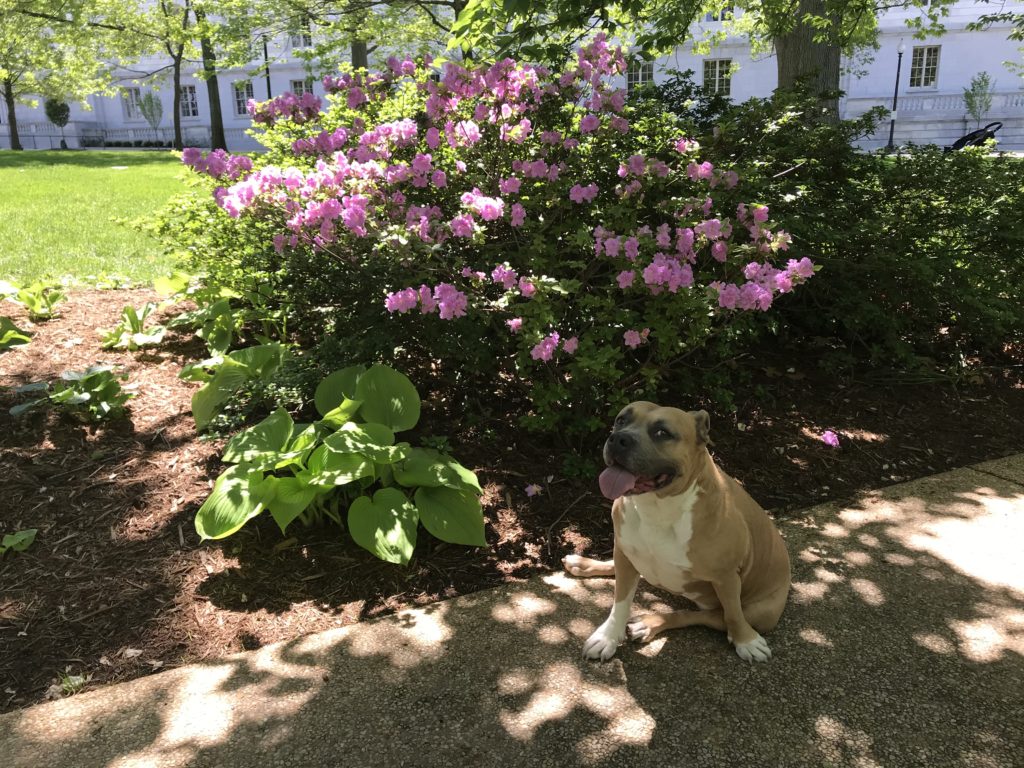
If you have any animal/pet photos you’d like to share please send an email to princeofpetworth(at)gmail(dot)com with ‘Animal Fix’ in the title and say the name of your pet and your neighborhood.  If you love the animal fix and want to ensure PoPville’s long term viability please consider donating to our Patreon here.

“This is “Kitsune” (meaning “Fox” in Japanese). She lives above a bakery in Mt Pleasant.”

“Duchess Alicia Beyoncé of H St NE enjoying the park near Union Station.”

21 Jul 15:13

Corgis* around Coronaville

by Prince Of Petworth

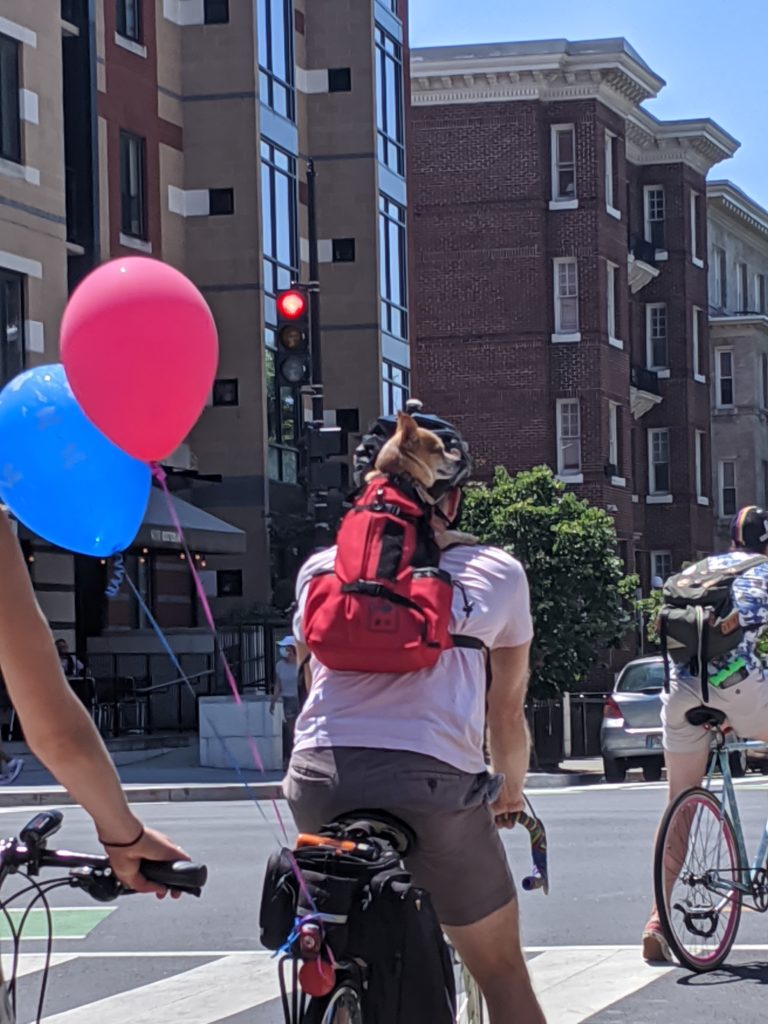
Thanks to N. for sending: “This pup braved the heat as part of a birthday bike ride, along with a caravan of bicycles with balloons. 14th & R St NW, July 18.”

*This series will feature any pets in a backpack/bag. On metro, or not. Corgi, or not.

21 Jul 14:49

Working from Home

by Dorothy
20 Jul 13:06

Earlier Today, “The Poser” at Freedom Plaza

by Prince Of Petworth


“these are real actors” Freedom Plaza, 14th Street and Pennsylvania Avenue NW. Courtesy Bryan Buckley

From an email:

“Today marks the official launch of the Trump Statue Initiative (TSI), a way for artists to share their point of view on our 45th President’s legacy in a way he can truly relate to: through realistic “heroic” statues highlighting the self-serving, narcissistic and racist moments that have notoriously defined his presidency.

Organized by two time Academy nominated writer and director Bryan Buckley, this installation interprets how future generations might remember Donald Trump’s legacy in response to the defining moments of his presidency, and encourages others to get involved.”

18 Jul 20:41

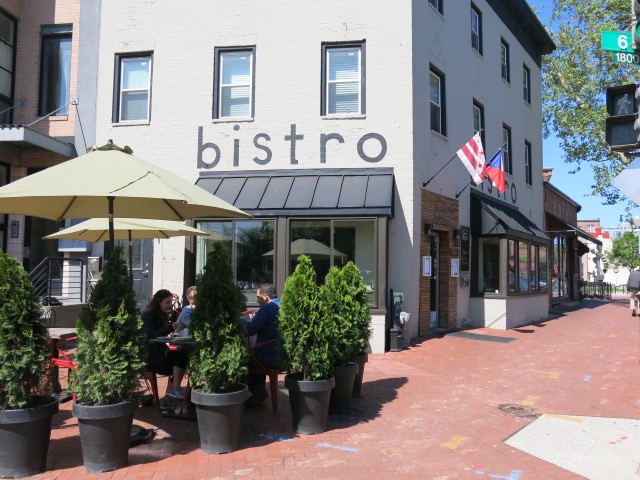
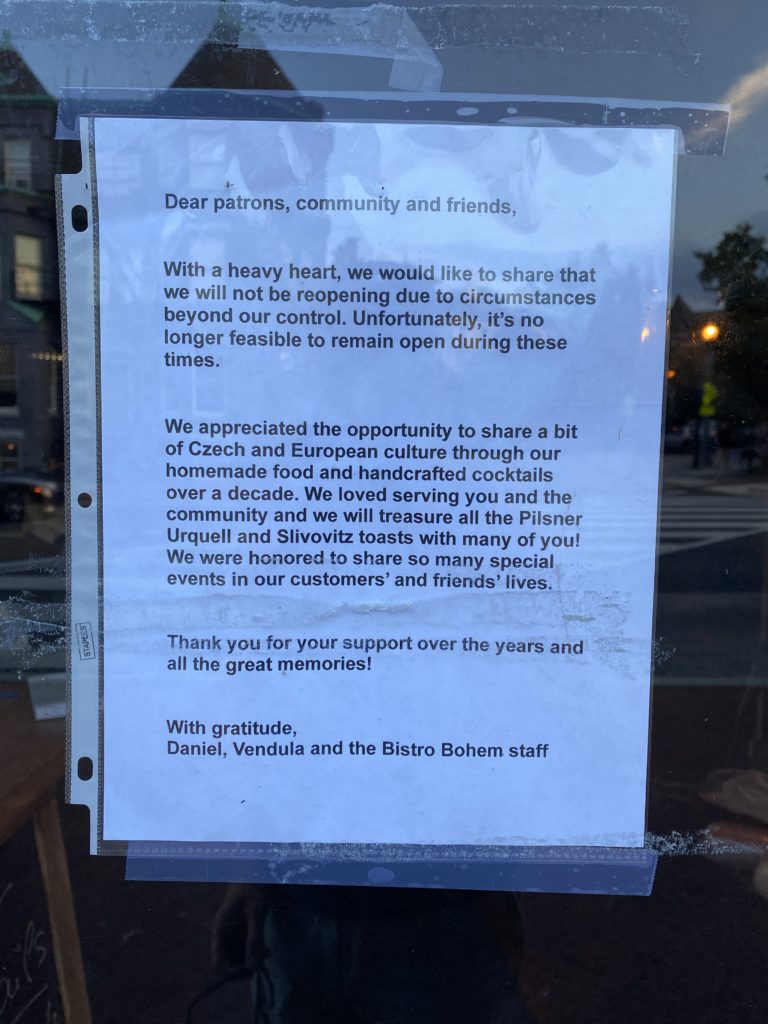
Bistro Bohem Closes in Shaw: “we will not be reopening due to circumstances beyond our control.”

by Prince Of Petworth


600 Florida Ave, NW

After huge anticipation, Bistro Bohem first opened back in 2012. They expanded and changed ownership in 2016. They were awesome. This is truly sad. Thanks to Paul for passing on their closing note:

07 Jul 13:24

How Trees Are Shaping Treehoppers

by Matt
366_-_Treehopper_-_Enchenopa_porrecta ,_Leesylvania_State_Park,_Woodbridge,_Virginia.jpg

The sessile nature of plants means that they are strongly shaped by their environment. Natural selection is constantly at work on plants but that doesn’t mean that plants don’t shape their environment as well. When I think about the impact of plants on resident animal communities, I am always reminded of a quote by American ethnobotanist Terence McKenna, “Animals are something invented by plants to move seeds around.” Now, I realize that the animal kingdom got its start long before plants came onto the scene but there are many threads of truth to this quote.

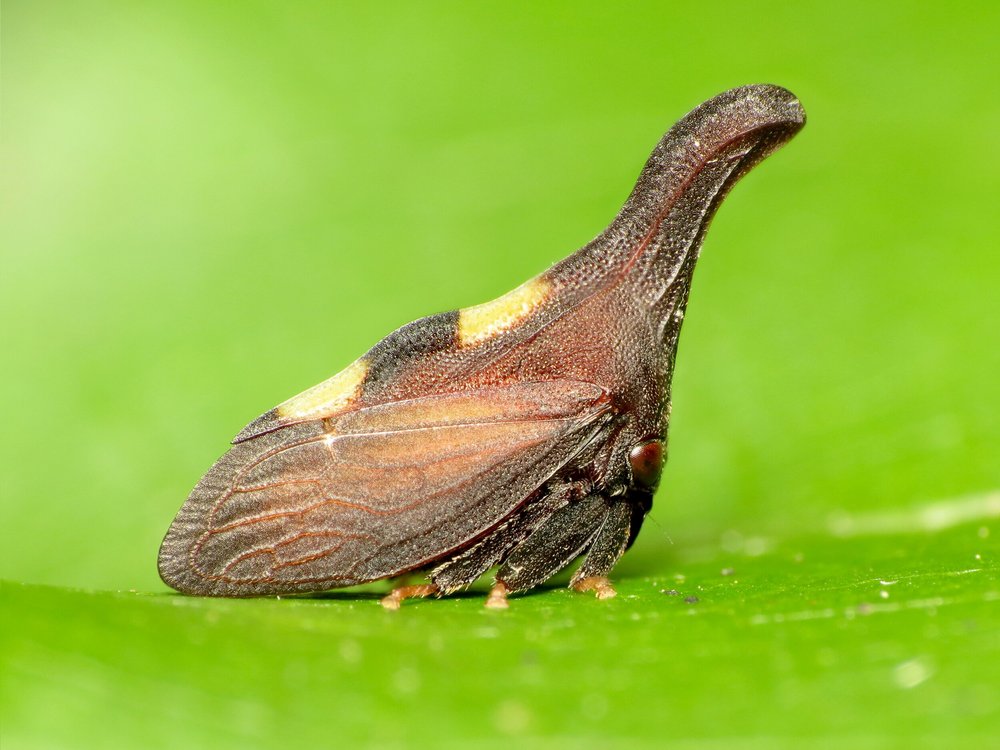
Take, for instance, the case of the two-marked treehopper (Enchenopa binotata). This wonderful little insect enjoys a distribution that encompasses much of North and Central America, ranging from Canada down into Panama. Not only do these treehoppers look cool with their intriguing color pattern and that thorny pronatum, but their ecology and evolutionary history is absolutely fascinating as well. The existence of these treehoppes is entirely tied to the trees on which they live and breed. More over, while the two-marked treehopper may look like a single species, it is actually a complex of multiple cryptic “species” whose entire identity is owed to their preferred host tree.

The two-marked treehopper is not a species that moves around the landscape very much. While males will venture out into the environment in search of mates, females tend to live out their whole lives feeding and breeding on their tree upon which they were born. After mating, a female will lay her eggs within the stem of the host tree. The eggs overwinter in a sticky secretion called “egg froth.” This egg froth not only protects the eggs, it is also full of pheromones that signal to other females in the area to lay their eggs near by. The nymphs of the two-marked treehopper are gregarious. There is safety in numbers and the more nymphs hanging out on a branch, the less likely any single individual will be attacked by a predator.

Come spring, as trees begin to break dormancy, eggs laid the previous summer get the cue to hatch as sap begins to flow. Since treehoppers are sap feeders, this signal is essentially a ringing dinner bell. Apparently the specificity of this sap feeding habit is one of the reasons these treehoppers are so specific about their host.

As I mentioned earlier, the two-marked treehopper is not a single species but rather a complex of distinct taxonomic units. All of this cryptic diversity has to do with their preferred trees as each species within the complex feeds and breeds on a specific genus of tree/shrub: Carya, Celastrus, Cercis, Juglans, Liriodendron, Ptelea, Robinia, and Viburnum. Because no two tree species are alike, each has its own phenology. Different trees leaf out and begin growth at different times. Different tree species have different chemicals and nutrients in their sap. Also, different tree species have different wood densities. All of these factors and more have left their mark on the evolution of two-marked treehoppers.

Because females generally don’t leave the trees on which they were born, their offspring will inevitably be born on the same species of tree. This means they will be raised on a diet of the same sap as their mother. As mentioned, different trees produce different kinds of sap, which means that the digestive systems of these insects become highly tuned to their specific host tree. By experimentally moving two-marked treehopper nymphs to different host trees and tracking their development, scientists have also been able to demonstrate that host switching does not work well for the treehoppers. Nymphs raised on species different than the tree on which their eggs were laid do not develop as well or at all. It appears that their specific feeding habits are entirely tuned to the chemical composition of their host sap.

Additionally, the phenology of their host tree life cycle means that species raised on different trees rarely sync up in nature. Some trees force their resident treehoppers to emerge and mate earlier than others and vice versa. Evidence for this was made even stronger by studying these dynamics in the human environment.

The preferred hosts of two-marked treehoppers rarely grow in the same habitats in nature. However, thanks to our gardening and landscaping efforts, it isn’t hard to find these species in close proximity in the human environment. In cases where different host trees are found only a few meters from one another, the specific feeding requirements of each species means that species barriers among different treehopper populations are maintained. However, even before offspring enter into the picture, host trees also seem to have an effect on two-marked treehopper mating habits.

Waveforms of male signals for nine species in the  Enchenopa binotata  complex based on host tree identity  [SOURCE] .

Waveforms of male signals for nine species in the Enchenopa binotata complex based on host tree identity [SOURCE].

Treehoppers are surprisingly musical creatures. Though we can’t hear them without the help of microphones, treehoppers utilize different types of vibrational calls to communicate with one another. This is especially true during mating. Males make repeated vibrations on the stems that the females will then respond to. By studying variations in these calls, scientists have found that two-marked treehoppers living on different trees produce vastly different calls. They key to this appears to lie in the ability of vibrations to travel through wood. Just as different types of wood work well for different types of instruments, the differences in wood density of their host trees affect how their mating calls travel and are eventually perceived. In other words, with a bit of training and some good recordings, you could identify the tree on which a two-marked treehopper lives just by its calls.

The ecological barriers between these insects are maintained no matter how close they are to one another and it is all thanks to the biology of the trees on which they live. Keep an eye out for these wonderful little insects. They are a joy to watch and offer us plenty of examples of evolution in action.

Photo Credits: [1] [2] [3]

Further Reading: [1] [2] [3] [4] [5]

06 Jul 16:28

Nothing Beside Remains

by Dorothy
06 Jul 16:26

30 Jun 15:42

Arlington Pet of the Week: Reggie

by ARLnow.com

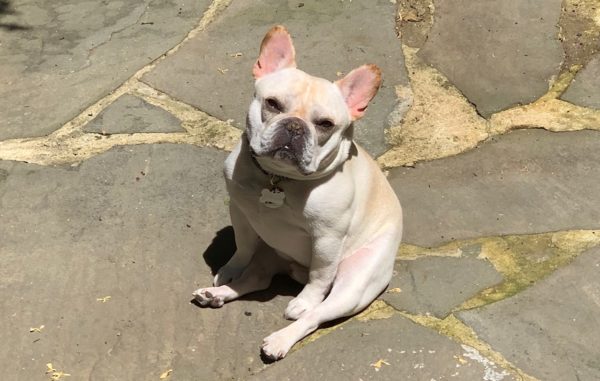
Meet Arlington’s Pet of the Week, Reggie, a 3 year old French Bulldog who loves to chase squirrels.

Here is what Reggie had to say about his life here in Arlington:

Hello humans, my name is Reggie and I am a French Bulldog. Some people call me a Frenchie but I’m not sure why because I was born in Florida not France. Oh well. Three years ago, my daddies flew down to Tampa to pick me up when I was only 12 weeks old and I got to fly back first class to my new home on Arlington Ridge. The flight attendants were so cool, they even let me stretch my little legs in the galley but don’t tell the pilots.

At home, I guard the house and bark at every little thing. When those rectangular papers fly through the slot in the front door I make sure my daddies know and when I get there first I make sure to tear them into little pieces. My daddy is always happy I do that. When I am not at puppy camp with my buddies, I love to take walks, chase squirrels and nap in my favorite sun beam. Actually I will nap anywhere as much as I can. I love my naps and my daddies very very much.

30 Jun 14:54

Your Afternoon Animal Fix

by Prince Of Petworth

If you have any animal/pet photos you’d like to share please send an email to princeofpetworth(at)gmail(dot)com with ‘Animal Fix’ in the title and say the name of your pet and your neighborhood.  If you love the animal fix and want to ensure PoPville’s long term viability please consider donating to our Patreon here.

“Alfie, a Jack Russell mix, is ten weeks old and about five pounds. Don’t be fooled by Alfie’s small size, because he brings a ton of energy, activity and love day in and day out. Alfie is the single reason that is making this difficult time enjoyable!”

“Veronica, who goes by “Ronnie.” She and her owners live in NE Capitol Hill.”

29 Jun 15:27

Arlingtonians Seem To Be Encountering Snakes More Often, But Locals Shouldn’t Be Rattled

by Vernon Miles

If it seems like you’ve been seeing more reports of snakes around Arlington on local listservs, you’re not alone. Arlington County officials said there’s been a noticeable uptick in reported copperhead snake sightings.

Alonso Abugattas, the county’s natural resources manager, said there has been an increase in copperhead snake sightings but that the exact numbers are hard to track down because he, Arlington’s nature centers, and animal control all get and respond to calls about snakes.

“This past year I have gotten more,” Abugattas said, “but I expect there’s been more because more people are outside.”

Abugattas said with coronavirus keeping people at home rather than in their offices, the increase in calls may have something to do with people exploring their local parks during the day, when copperhead snakes are more active.

“Parks have had a 200% increased use because people are at home and bored,” Abugattas said. “I think more than anything else, people are more aware of them.”

The local emergency room is also seeing evidence of rising encounters between snakes and humans.

“We’ve had a few patients with copperhead bites recently,” Mike Silverman, head of the emergency department at Virginia Hospital Center, wrote last Friday. “As someone who trained and worked for a long time in Baltimore City, it’s seems so weird to see snake bites in what’s otherwise an urban area but they are definitely in Arlington.”

He encouraged anyone suffering from a snakebite to get a photo of the snake.

“Pictures of dead snakes are great,” Silverman wrote. “Please don’t feel the need to bring the snake into the ER, even if it’s dead, though it does add a little excitement to the shift.”

The copperhead is one of only three venomous snakes found in Virginia and the only one found in Arlington County. Ken Rosenthal, park naturalist at Gulf Branch Nature Center (3608 N. Military Road), said in a presentation last Thursday that they are most likely to be found in Gulf Branch and along the rocky, forested hillsides along the Potomac River.

Despite being venomous, Abugattas said there have only been one or two cases nationwide of copperheads killing humans, and even those had other factors. Neither of them, Abugattas said, were in Virginia.

“It is, for the most part, a very timid snake,” Abugattas said. “Even when they do bite, about one-third of the bites are dry bites — a warning.”

Abugattas said most snakes do their best not to bite, which could also put the snake in a dangerous situation. Copperheads will release a musk or make noise to try to keep larger animals — like humans — away.

Copperheads emerge from brumation in the spring, which accounts for some seasonal increase in sightings. In both hunting and nesting, Rosenthal said they don’t shy away from human habitation and are very good at camouflage, which can lead to frightening encounters between humans and copperheads.

“On a night like tonight when it’s humid and warm, I will walk out with my cell phone flashlight on when I walk out to my car,” Rosenthal said, “just to make sure the sticks are sticks and the shadows are shadows.”

Despite the increase in calls, it’s unclear whether the local copperhead population is actually increasing. Rosenthal said there isn’t enough data to say one way or the other.

“Last year, I heard that a lot of people were seeing them,” Rosenthal said. “The population is healthy, but I can’t say if it’s more or less… I don’t know about the numbers, but they’re out there. It’s a good ecosystem.”

Abugattas is a member of the Virginia Herpetological Society and said there hasn’t been a noticeably large increase in statewide counts, but that the sightings are going up when people aren’t at work.

If anyone encounters a copperhead in the wild, Abugattas said the best thing to do is just to leave them be and go your separate ways. Relocating the animal may seem humane, but Abugattas said taking the snake to a new location often means the animal dies anyway.

“If it’s in your house, call animal control,” Abugattas said. “If there’s one in a stairwell or something, you can call Virginia Herpetological Society and they may move it. For any kind of animal though, when you move them, chances of survival are minimalized.”

Abugattas said copperheads are naturally timid, but oftentimes by the time animal control of Abugattas arrives at the scene the animal has been too riled up by humans to be calmed.

“Unfortunately, if it’s an outside scenario, they’ve been threatened so much and it’s hard to tell if they’re that way or if they’re just so scared,” Abugattas said. “By the time we get there, they’ve usually been harassed. But when we take care of them they’re remarkably timid and calm.”

Rosenthal said if you spot a snake, the alternating dark and light sequence of bands are the easiest way to identify the snake as a copperhead, with the bands narrowing towards the spine and widening towards the belly like saddlebags.

If any local resident is having snake problems, Rosenthal said one of the best things to do is examine the environment for small gaps and holes that make for inviting homes.

“There’s a lot of talk in the neighborhoods about copperheads and I know there’s a couple of sightings in the park,” Rosenthal said. “I think people get anxious about having a venomous snake in the area. I want to make sure snakes that aren’t venomous don’t get whacked because people think they’re copperheads, but also to protect and preserve copperheads. They’re a part of the ecosystem and it would be a shame to not have them here.”

Photo via Gulf Branch Nature Center/Facebook
29 Jun 15:23

Arlington Is Among Top Places ‘Where Women Are Most Successful’

by ARLnow.com

Arlington County has ranked No. 3 nationally on a list of localities “where women are most successful.”

The new rankings, from the website SmartAsset, analyzed the “percentage of women with a bachelor’s degree, median earnings for women working full-time, percentage of business owners who are women, housing costs as a percentage of women’s earnings and the percentage of full-time working women earning $75,000 or more.”

Arlington ranked behind D.C. at No. 2 and Cary, North Carolina at No. 1. Nearby Alexandria ranked No. 13.

Here’s what SmartAsset said about Arlington’s third-place ranking:

Like last year, Arlington, Virginia ranks as the third city in the U.S. where women are most successful. It leads the metric measuring bachelor’s degrees, as 76.19% of women in Arlington have at least a bachelor’s degree. Arlington also comes in second place in the median earnings metric. The median income for a woman working a full-time job in Arlington is $80,892. The city falls behind on one metric: housing costs as a percentage of women’s earnings. In 2018, median annual housing costs, across both renters and owners, made up more than 30% of average women’s earnings.

23 Jun 13:55

A Rare Case of Ant Pollination in Australia

by Matt
Photo by Nicola Delnevo [ SOURCE ]

Photo by Nicola Delnevo [SOURCE]

Ants have struck up a lot of interesting and important relationships with plants. They disperse seeds, protect plants from herbivores and disease, and can even help acquire nutrients. For all of the beneficial ways in which ants and plants interact, pollination rarely enters into the equation. More often than not, ants are actually detrimental to the sex lives of flowering plants. Such is not the case for a rare species of protea endemic to Western Australia called the smokebush (Conospermum undulatum).

The reason ants usually suck at pollination is thanks to a tiny organ called the metapleural gland. For many ant species, this gland secretes special antimicrobial fluids that the ants use to groom themselves. Because ants tend to live in high densities in close quarters, this antimicrobial fluid helps keep their little bodies clean of any pathogens that might threaten their existence. For as good as these fluids are for ants, they destroy pollen grains, rendering them useless for pollination.

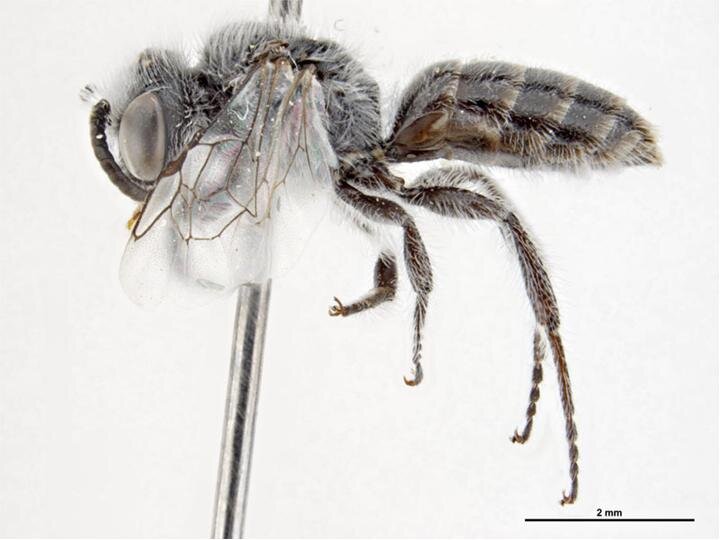
Leioproctus conospermi

Leioproctus conospermi

As is so often the case in nature, there are always exceptions to the rule and it seems that one such exception is playing out in Western Australia. While investigating the reproductive ecology of the smokebush, researchers noted that ants were regular visitors to their small flowers. They knew that in drier climates, some ant species have evolved to produce considerably less antimicrobial fluids. The thought is that drier climates tend to harbor fewer microbial pathogens and thus ants don’t need to waste as much energy protecting themselves from such threats. If this was the case in Western Australia then it was entirely possible that ants could potentially serve as pollinators for this plant. Armed with this hypothesis, they decided to take a closer look.

It turns out that the floral morphology of the smokebush lends well to visiting ant anatomy. The tiny flowers produce a small amount of nectar at the base. As ants shove their heads down into the flower to get a drink, it triggers an explosive mechanism that causes the style the smack down onto the back of the ant. In doing so, it also mops up any pollen the ant may be carrying. At the same time, the anthers explosively dehisce, coating the visitor with a fresh dusting of pollen. During their observations, researchers noted that ants weren’t the only insects visiting smokebush blooms. They also noted lots of visitation from invasive honeybees (Apis mellifera) and a tiny native bee called Leioproctus conospermi.

(A) White flowers of  Conospermum undulatum . (B) Floral details. (C–H) Insects visiting flowers of  C. undulatum : (C)  Leioproctus conospermi ; (D)  Camponotus molossus ; (E)  Camponotus terebrans ; (F)  Iridomyrmex purpureus ; (G)  Myrmecia infima ; (H)  Apis mellifera . [ SOURCE ]

(A) White flowers of Conospermum undulatum. (B) Floral details. (C–H) Insects visiting flowers of C. undulatum: (C) Leioproctus conospermi; (D) Camponotus molossus; (E) Camponotus terebrans; (F) Iridomyrmex purpureus; (G) Myrmecia infima; (H) Apis mellifera. [SOURCE]

After recording visits, researchers needed to know whether any of these floral visitors resulted in successful pollination. After all, just because something visits a flower doesn’t mean it has what it takes to get the job done for the plant. By looking at differences in seed set between ant and bee visitors, they were able to paint a fascinating picture of the pollination ecology of the rare smokebush.

It turns out that ants are indeed excellent pollinators of this shrub, contributing just as much to overall seed set as the tiny native Leioproctus conospermi. Alternatively, invasive honeybees barely functioned as pollinators at all. Their heads were too big to effectively trigger the pollination mechanism of the flowers but nonetheless were able to access the nectar within. As such, honeybees are considered nectar thieves for the smokebush, harming its overall reproductive effort rather than helping.

Amazingly, the effectiveness of ants as smokebush pollinators is not because they produce less antimicrobial fluids. In fact, these ants were fully capable of producing ample amounts of these pollen-killing substances. Instead, it appears that the plant itself has evolved to tolerate ant visitors. Smokebush pollen is resistant to the toxic effects of the metaplural gland fluids. With plenty of hungry ants always on the lookout for food, the smokebush has managed to tap in to an abundant and reliable vector for pollination. No doubt other examples exist, we simply have to go looking.

Photo Credits: [1] [2] [3]

Further Reading: [1]

16 Jun 13:35

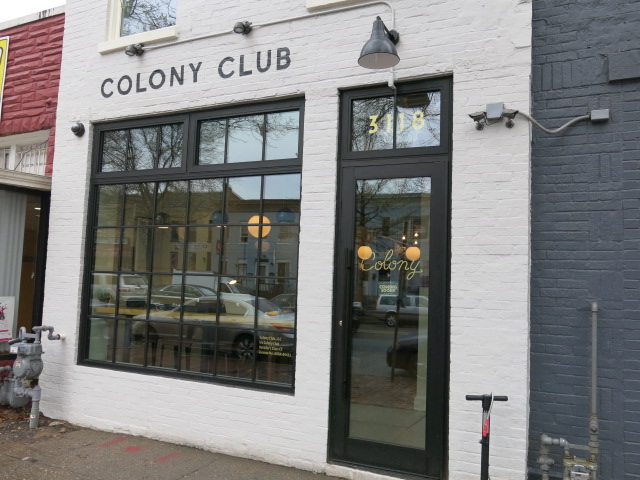
Colony Club Announces Name Change on Instagram

by Prince Of Petworth


3118 Georgia Ave, NW

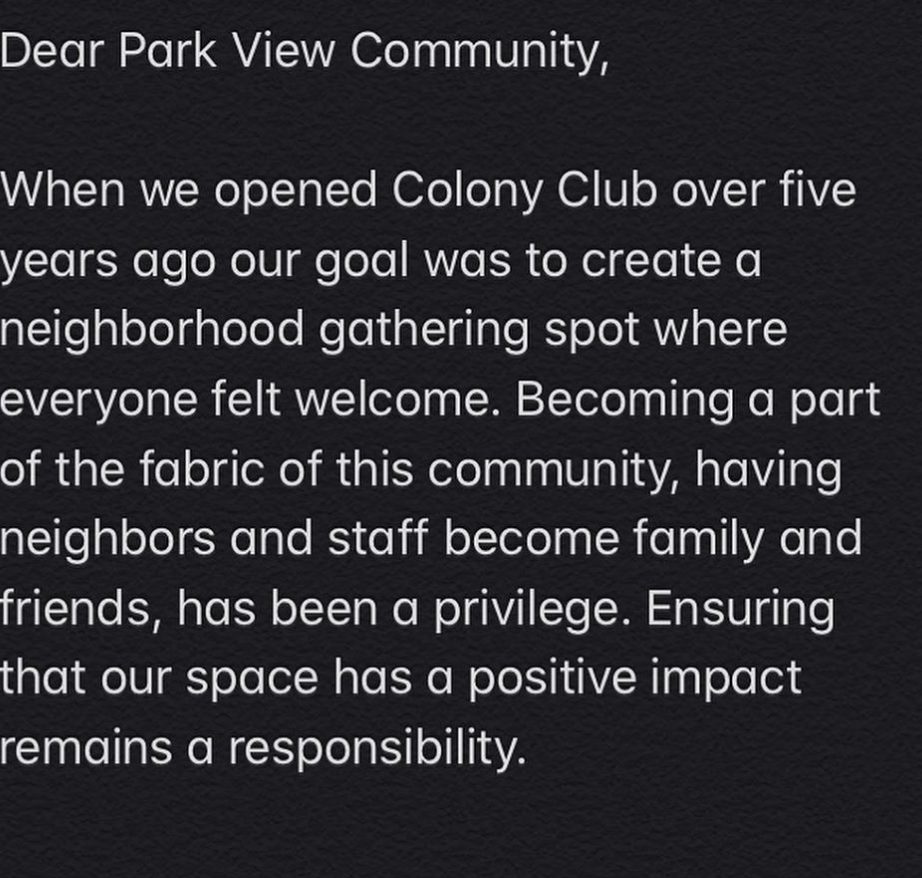
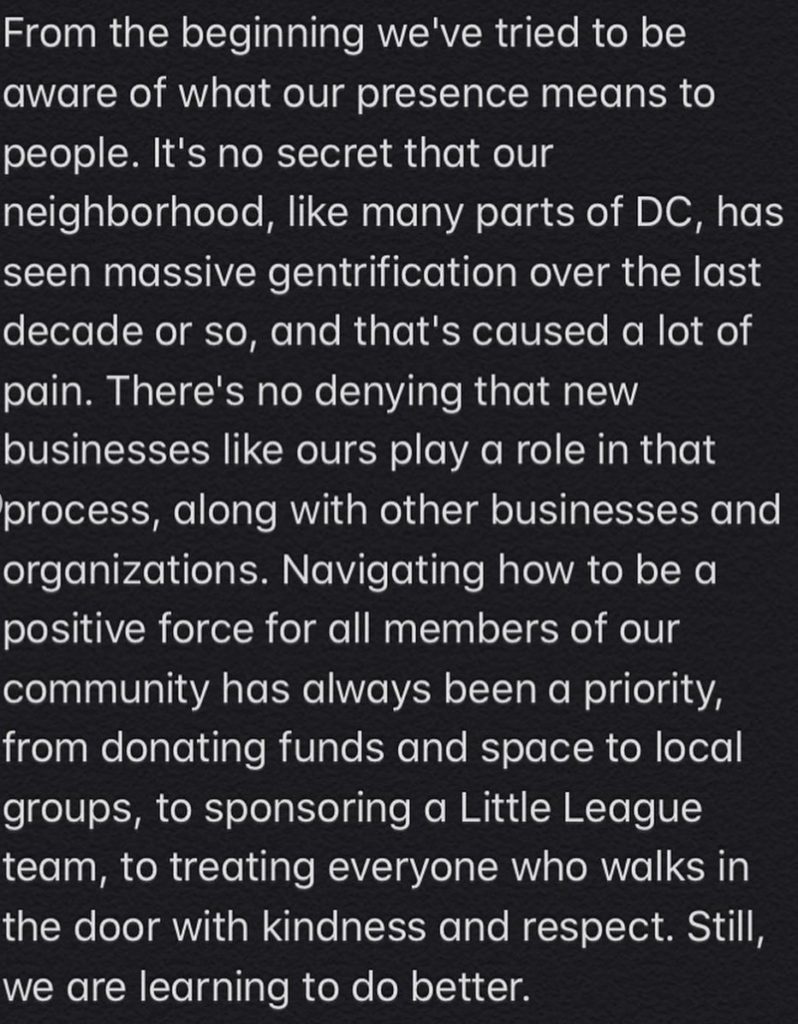
Colony Club opened up here in Park View back in April 2015. 3118 Georgia Ave, NW was the former home to Ma Ma’s Southern Cuisine and Hadiyah Cafe before that. You can read their full announcement on their Instagram:


View this post on Instagram


A message for our Park View community, friends, and family.

A post shared by Colony Club (@colonyclubdc) on

15 Jun 19:37

The Humble Yet Hardy World of Pineappleweed

by Matt
V.w.verweij

I want you to find the funniest typo in this. It's in the last paragraph.

101652700_184660589531683_7430780497141170176_n.jpg

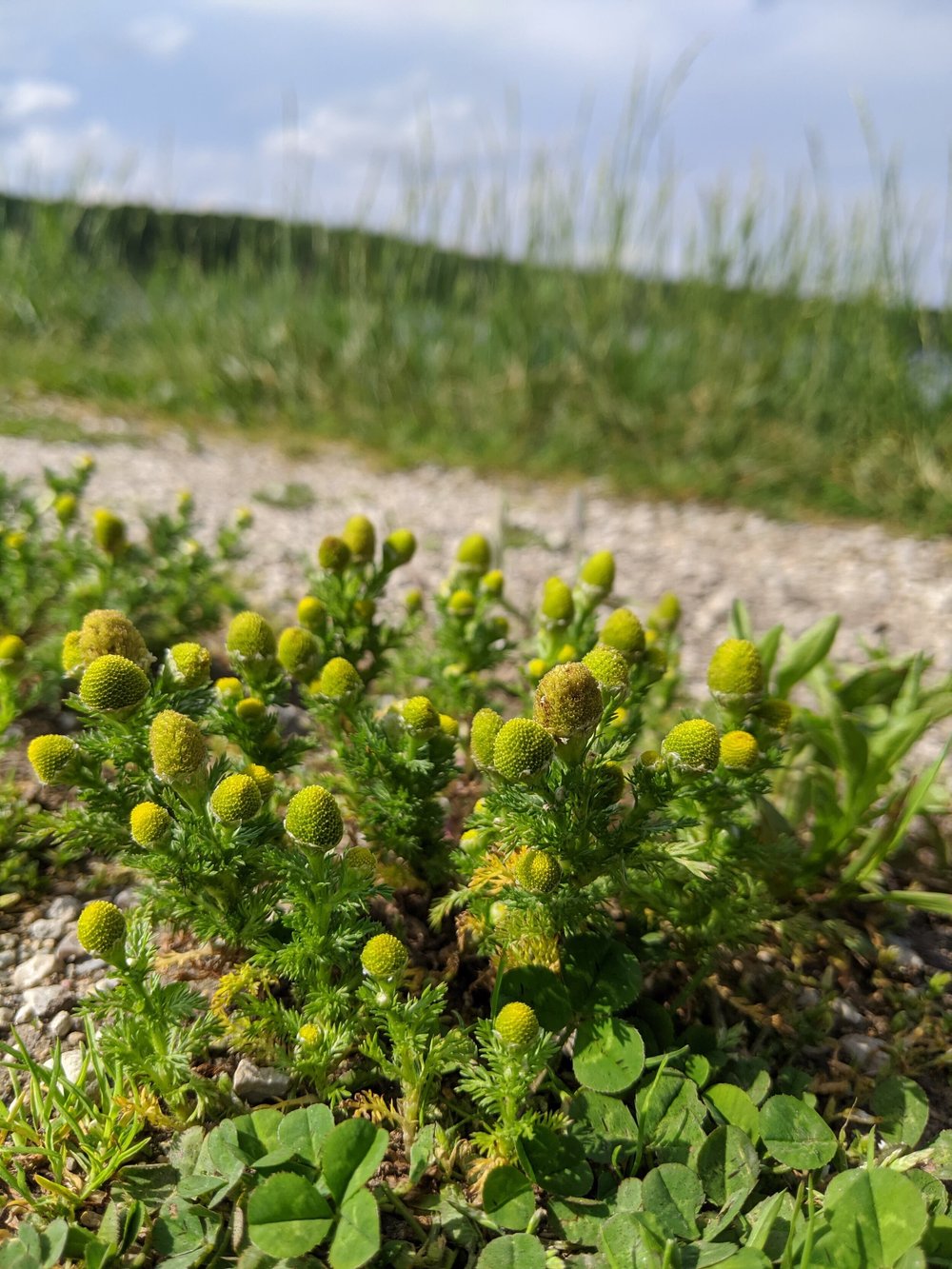
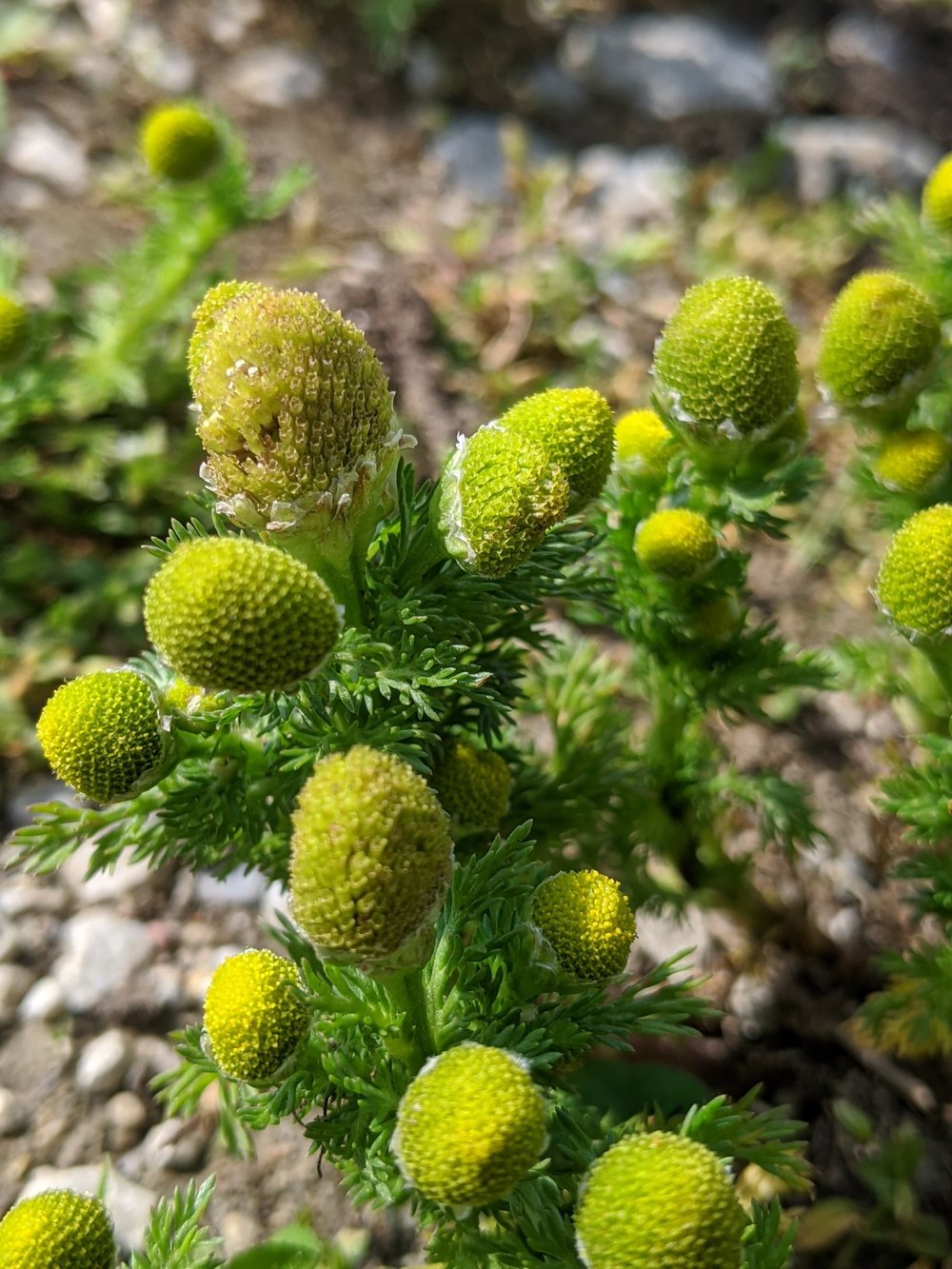
For me, an obsession with everything botanical came later on in my academic career. I never paid too much attention to plants as a kid. To be brutally honest, I used to find plants boring. I was too busy preoccupying myself with reptiles, amphibians, and fish. However, if there was ever a plant that was an icon of my care-free childhood existence, it would have to be the humble yet hardy pineappleweed, Matricaria discoidea.

79292199_1772000172924139_8836033903073427456_n.jpg

Tearing around on playgrounds for most of the summer months, this little member of the aster family was one of the few species that could handle the endless energy of hundreds of rampaging children and thus was one of the only plants I ever paid much attention to. Still, is wasn’t until much later that I took the time to figure out its identity and natural history.

Pineappleweed is native to parts of northeast Asia and northwestern North America. There are some out there who believe this species may have been brought to North America by paleolithic peoples as a food plant. While this remains to be substantiated, there is no doubt that this is one adaptable species. Now nearly global in its distribution, pineappleweed thrives in some of the harshest habitats imaginable for such a small plant. Its tough stem can handle a lot of foot traffic, making it a common sight along roadsides, city walkways, and of course, playgrounds.

101576054_929315657519194_970368322031845376_n.jpg

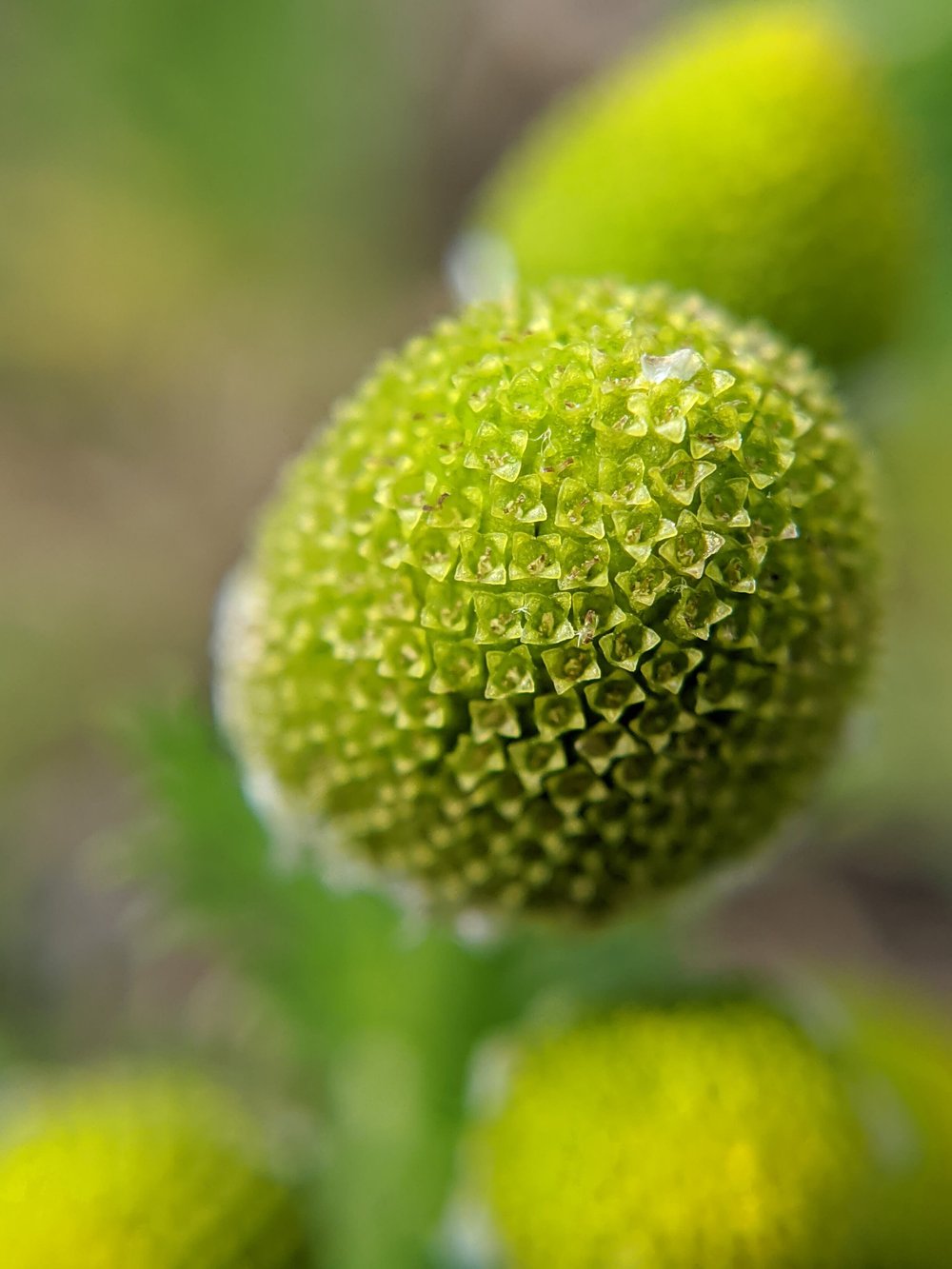
Though at first glance it doesn’t look like it, pineappleweed is a member of the daisy family (Asteraceae). It simply lacks the showy ray florets produced by those of its close cousins. Speaking of cousins, pineappleweed is actually a close relative of chamomile (Matricaria chamomilla). What looks like a single yellow flower is actually a disk made up of many individual flowers densely packed into a dome. The blooms are attractive to tiny syphrid flies but it is not quite known if they are effective pollinators or not. Pineappleweed is also an annual and each disk of flowers can produce thousands of sticky little seeds. This is how this species gets around. Its seeds stick to everything from animal fur to shoes and even car tires. Pineappleweed is yet another species that has benefited from the wonton globalization that humans have enacted upon the world. Keep your eye out for it. It isn’t hard to find and it is certainly a plant worthy of closer inspection.

Further Reading: [1] [2]


10 Jun 18:27

Your Afternoon Animal Fix

by Prince Of Petworth
V.w.verweij

These animals are too beautiful.

If you have any animal/pet photos you’d like to share please send an email to princeofpetworth(at)gmail(dot)com with ‘Animal Fix’ in the title and say the name of your pet and your neighborhood.  If you love the animal fix and want to ensure PoPville’s long term viability please consider donating to our Patreon here.

“This is Tina – reporting in from U Street, she is loving her increased time outdoors in the yard.”

“Django of Petworth. One small bright spot of social distancing is that telework all day everyday is perfect for potty training baby.”

03 Jun 15:30

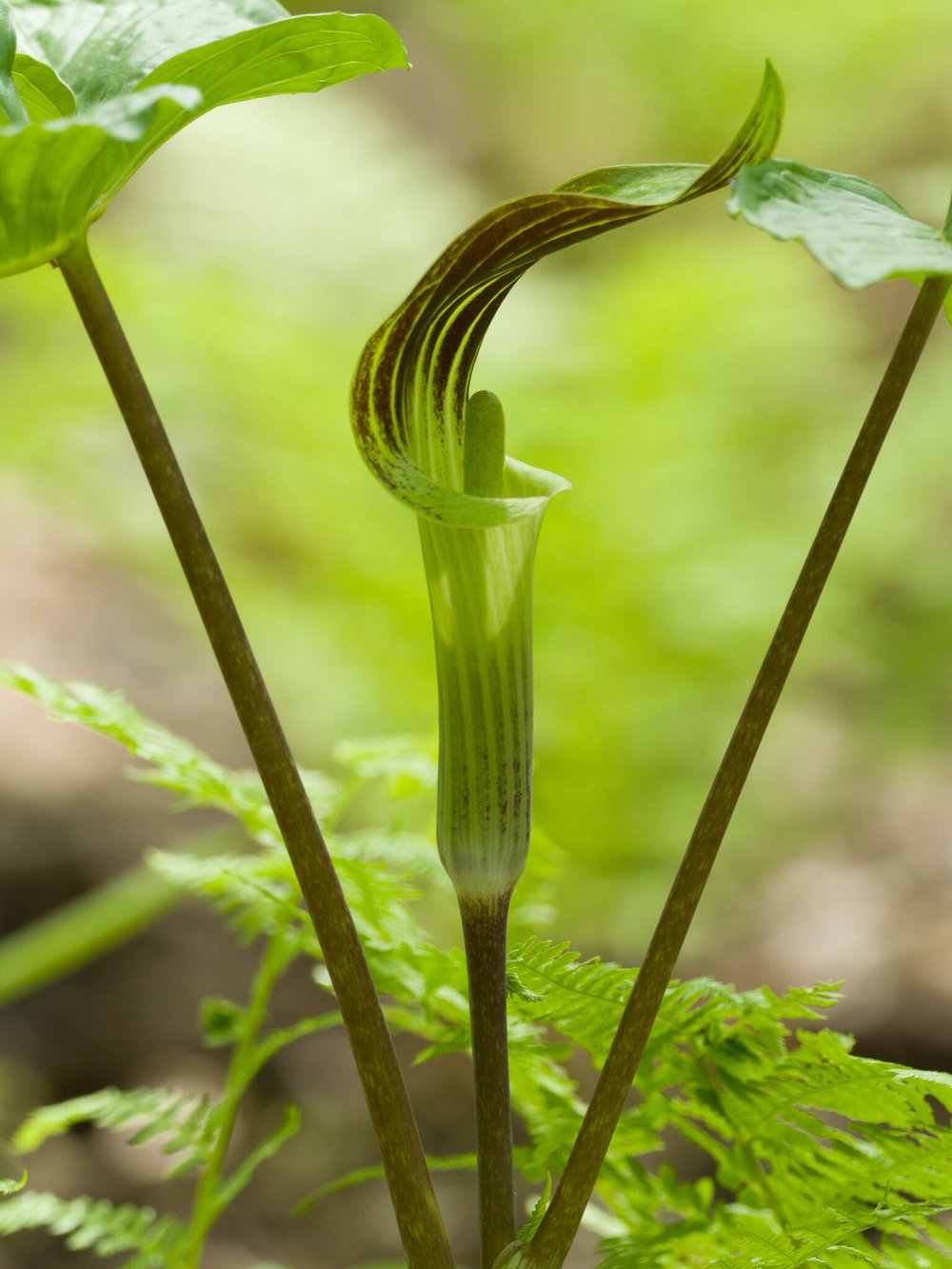
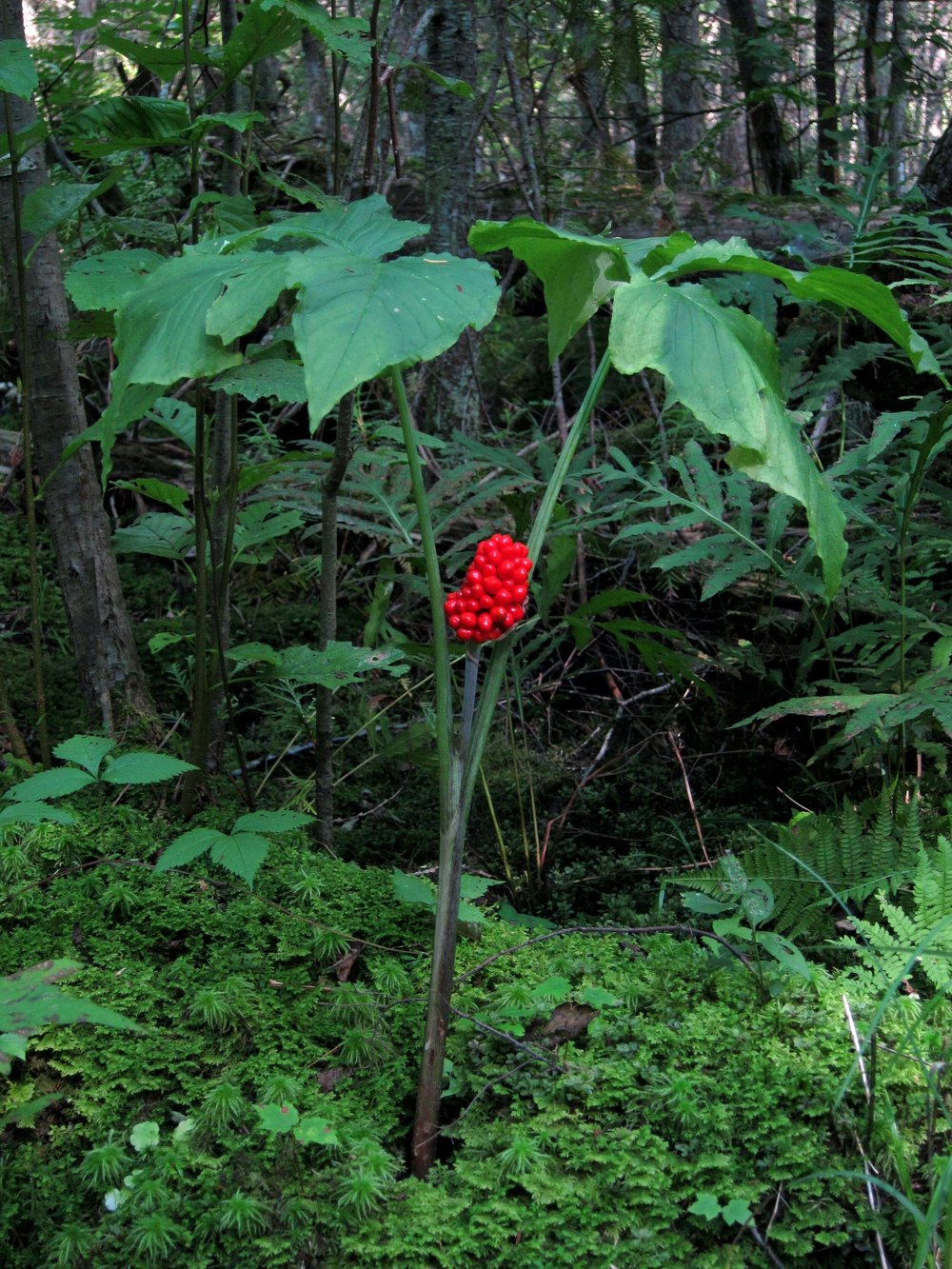
Deer Skew Jack-in-the-Pulpit Sex Ratios

by Matt
27203861825_e60ab02664_o.jpg

Deer populations in North America are higher than they have been at any point in history. Their explosion in numbers not only leads to series health issues like starvation and chronic wasting disease, it has also had serious impacts on regional plant diversity. Wherever hungry herds of deer go, plants disappear from the landscape. However, the impacts of deer on plants aren’t limited to species they can eat. Research on Jack-in-the-Pulpit (Arisaema triphyllum) has shown that deer can have plenty of surprising indirect impacts on plants as well.

Though I wouldn’t put anything past a hungry deer, plants like Jack-in-the-Pulpit aren’t usually on the menu for these ungulates. Their leaves, stems, and flowers are chock full of raphide crystals that will burn the mouths and esophagus of most herbivores. Still, this doesn’t mean deer aren’t impacting these plants in other ways. Because deer are congregating in high abundance in our ever-shrinking natural spaces, they are having serious impacts on local growing conditions. Wherever deer herds are at high numbers, forests are experiencing soil compaction, soil erosion, and a disappearance of soil leaf litter (also due in part to invasive earthworms). Thanks to issues like these, plants like Jack-in-the-Pulpit are undergoing some serious changes.

wildlife-young-mammal-animal.jpg

Like many aroids, sex expression in the genus Arisaema is fluid and relies on energy stores. Smaller plants store less energy and tend to only produce male flowers when they bloom. Pollen, after all, is cheap compared to eggs and fruit. Only when a plant has stored enough energy over the years will it begin to produce female flowers in addition to males and only the largest, most robust plants will switch over entirely to female flowers. As you can imagine, the ability of a plant to acquire and store enough energy is dependent on the quality of the habitat in which it grows. This is where deer enter into the equation.

High densities of deer inevitably cause serious declines in habitat quality of plants like Jack-in-the-Pulpit. As leaf litter disappears and soil compaction grows more severe, individual plants have a much harder time storing enough energy each growing season. In places where deer impacts are heaviest, the sex ratios of Jack-in-the-Pulpit populations begin to skew heavily towards males because individual plants must grow much longer before they can store enough energy to produce female flowers. It doesn’t end their either. Not only does it take longer for a plant to begin producing female flowers, individual plants must also reach a much larger size in order to produce female flowers than in areas with fewer deer.

6112116376_8793a7d059_o.jpg

As mentioned, seed production takes a lot of energy and any plant that is able to produce viable fruits will have less energy stores going into the next season. This means that even if a plant is able to produce female flowers and successfully set seed, they will have burned through so much energy that they will likely revert right back to producing only male flowers the following year, further skewing the sex ratios of any given population towards males. Interestingly, this often results in more individuals being produced via clonal offshoots. The more clones there are in a population, the less diverse the gene pool of that population becomes.

Without actually eating the plants, deer are having serious impacts on Jack-in-the-Pulpit population dynamics. I am certain that this species isn’t alone either. At least Jack-in-the-Pulpit is somewhat flexible in its reproductive behaviors. Other plants aren’t so lucky. I realize deer are a hot button issue but there is no getting around the fact that our mismanagement of their natural predators, habitat, and numbers are having serious and detrimental impacts on wild spaces and all the species they support.

Photo Credits: [1] [2] [3]

Further Reading: [1]

22 May 13:32

Super Best Christ Jesus Force

Super Best Christ Jesus Force

20 May 21:36

Arlington Pet of the Week: Mango

by ARLnow.com
V.w.verweij

Belly rubs

Arlington’s newest Pet of the Week is Mango.

Here is what Mango has to say about how the house is being run now that the owners are around full-time:

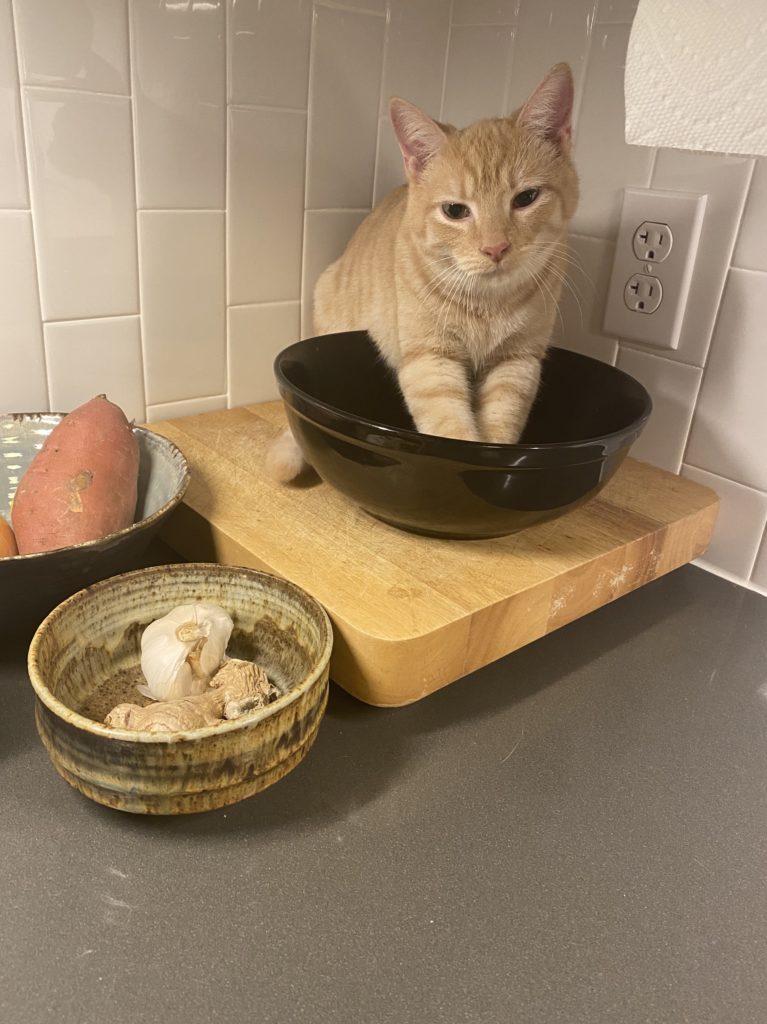
It has been a few months and my two direct reports are finally working full-time hours, as I requested. My care is a full time job, and I will not tolerate slacking. They sit at the table together, staring into their machines for 8 hours a day – but at least they are able to take direct commands when I am hungry. They call me “Mango.” I am not sure why. I am not an orange colored fruit – I am not even orange! Perhaps this means “boss” or “leader” in their language

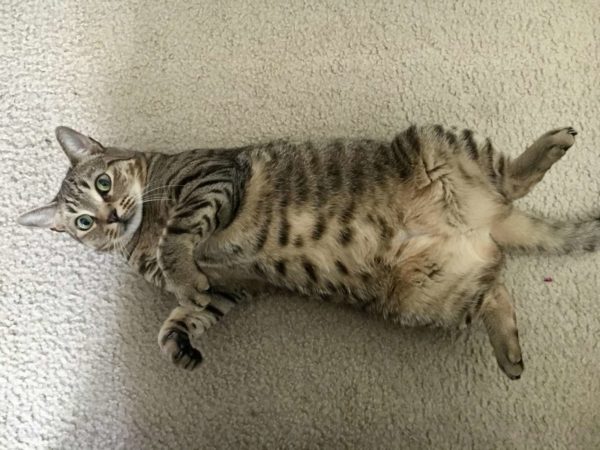
Our days are structured as follows: when the early morning light arrives I know it is time to eat. My direct reports need some extra motivation. I climb the clothing tower of doom, jumping off directly onto their backs. If this does not rouse them, I start on the dresser. One by one, things “fall” off, creating satisfying thumping noises when they hit the ground. Finally, one of them is up and we have breakfast together. Naps take up much of the day, and playtime arrives sooner than expected. Evenings are for zooming around the apartment and laying belly-up, ready to snap shut on unsuspecting hands.

Lately, the direct reports have been violating our office’s strict open door policy. They sometimes leave their desks to enter the room with the litter box and porcelain throne, shutting the door behind them. I find myself forced to awaken from my nap, and throw my small body against the door with all of my force until it opens. Once inside I do nothing but sit on the table where water comes out, asserting my dominance. They seem to be starting to understand that this is a non-negotiable part of their contract.