Cowboy Who?
Shared posts
St Louis couple charged for pointing guns at protesters
St. Louis Prosecutor Charges White Couple With Threatening Protesters With Guns

"It is illegal to wave weapons in a threatening manner at those participating in nonviolent protest ... this type of conduct is unacceptable in St. Louis," Circuit Attorney Kimberly Gardner said.
(Image credit: Laurie Skrivan/St. Louis Post-Dispatch/TNS via Getty Images)

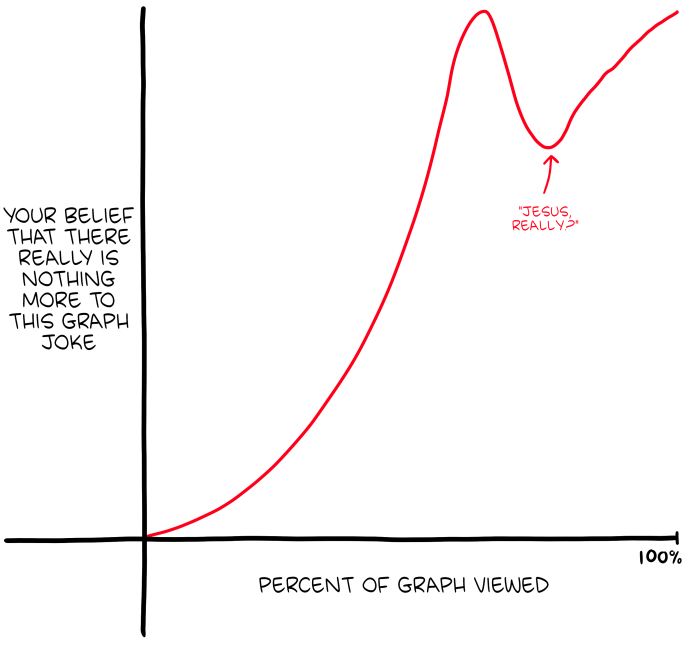
Saturday Morning Breakfast Cereal - Graph
Click here to go see the bonus panel!
Hovertext:
If I add any additional information to the hovertext, it will make the joke incorrect.
Today's News:


Awkward Zombie - Deerly Beloved

New comic!
Today's News:
I don't know about you, but my ideal vacation is going to a new land where people constantly barge into my living space and demand that I uproot my life and move in. It's fun for the whole family! The family I'm not allowed to see anymore!

Tropical disturbance may develop in the Gulf this week
As expected this weekend, the Houston region has transitioned from a hot and sunny pattern that dominated the first half of July into one with more clouds, higher rain chances, and slightly cooler temperatures. That trend will continue this week. So why are we posting on a Sunday? Because a tropical system may approach Texas late this week.
This morning the National Hurricane Center called attention to the possibility that this system will develop into a tropical depression or storm, giving it a 20 percent chance of doing so by Friday.
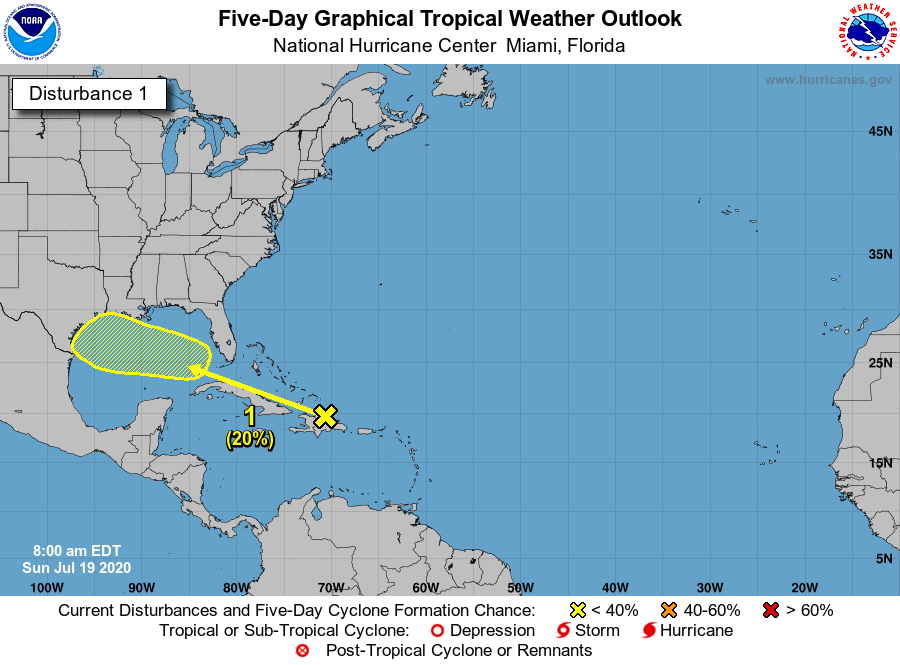
A tropical disturbance may move into the Gulf this week. (National Hurricane Center)
This may sound scary, but right now this is not a feature we’re overly concerned about. While it is possible that this disturbance develops into a weak tropical storm, there appears to be only a little support for this scenario in the global models, and no indication whatsoever of anything stronger than that. So as is often the case with tropical systems in June and July, the biggest worry is heavy rainfall. That’s possible on Friday and Saturday, but again there is no particularly strong signal for extensive heavy rainfall in the global models.
The bottom line: We’re tracking the movement of a tropical system that will push into the Gulf of Mexico this week, and should head toward Texas. There is, for now, no evidence of any particularly extreme weather—perhaps we will see a few inches of rainfall and some elevated winds. We will of course continue to watch it closely.

Saturday Morning Breakfast Cereal - Mobilize
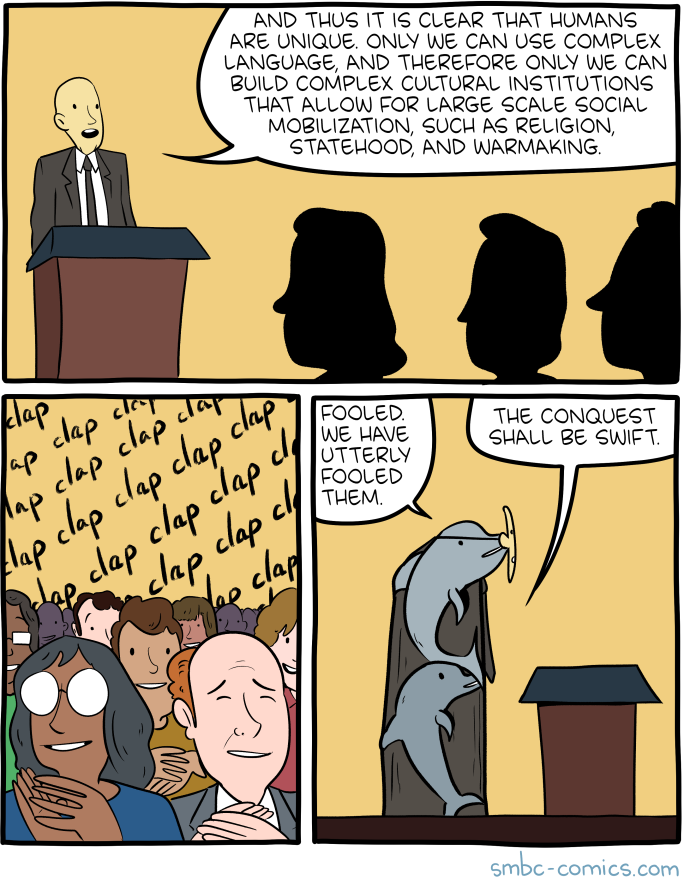
Click here to go see the bonus panel!
Hovertext:
SMBC is actually written by a team of small eusocial mammals bent on enfeebling the human race.
Today's News:
GitHub is done depositing its open source codes in the Arctic
Last year, GitHub revealed its plan to store all of its open source software in an Arctic vault as part of its Archive Program. Now the code-hosting platform is done making sure future generations can access them even if civilization collapses within the next 1,000 years. In a blog post celebrating the undertaking’s success, GitHub’s Director for Strategic Programs Julia Metcalf has revealed that the service’s code collection was deposited into the vault on July 8th, 2020 after delays caused by the coronavirus pandemic.
GitHub’s archive partner Piql wrote 21TB of repository data onto 186 reels of piqlFilm — a digital photosensitive archival film that can be read by a computer, or a human with a magnifying glass. You know, in case humanity suffers from global power outage. The service originally hoped to be done with the task by February, but it had to wait until it was possible for the Piql team to travel to the Norwegian archipelago of Svalbard, which only recently re-opened its borders. It also had to drop its plans to send its own team to the Arctic.
The collection now sits inside a chamber within a decommissioned coal mine, under hundreds of meters of permafrost. To recognize everyone who contributed to the software stored in the vault, GitHub is also rolling out a special badge that’s displayed in the highlights section of a developer’s profile. Hovering over the badge shows the projects they contributed to, which ultimately became part of the Arctic Vault.
Austin’s Big Medium Offers Free Video-Editing Webinar With Host Ariel René Jackson

Artist Ariel René Jackson to offer Introduction to Video Editing.
Big Medium, the Austin nonprofit organization and space behind the Texas Biennial and the East and West Austin Studio Tours, has announced an Introduction to Video Editing webinar in collaboration with Austin-based artist Ariel René Jackson. On July 29 beginning at 6:30 PM, Jackson will walk viewers through the process of video editing. Adobe Premiere and Audition software will be introduced via screen sharing on Zoom, as well as how to approach the use of found footage, 2D imagery, and motion effects.
Topics include audio and video equipment and file management. No video editing experience or knowledge is required. To register for the free webinar, please go here.
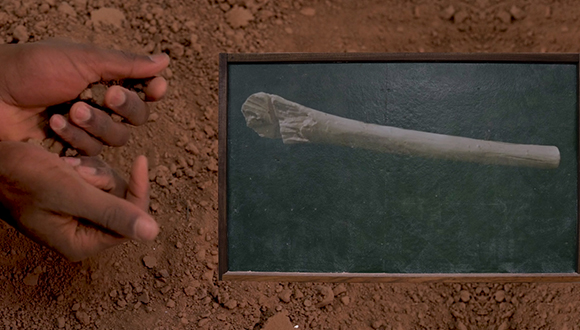
The Future is A Constant Wake. Artists: Ariel Rene Jackson, Micheal J. Love.
Jackson is currently scheduled on the 2020-2021 solo exhibition program at Austin’s Women & Their Work, and was part of the South By Southwest Art Program last spring. The program was moved to online-only due to the COVID-19 pandemic.
For more on Big Medium, please visit its website here.
****
Ariel René Jackson (raised in New Orleans, LA; based in Austin, TX) is a multidisciplinary video artist, curator of Austin’s Cage Match Project, and host of the Cage Match Project podcast available on Spotify and iTunes. Jackson earned her MFA at The University of Texas at Austin in 2019 and is an alum of the Skowhegan School of Painting and Sculpture. Her work has been shown nationally at institutions such as the SculptureCenter (2019); CUE Art Foundation (2018); Contemporary Art Center, New Orleans (2018); Depaul Art Museum (2018); Studio Museum in Harlem (2016), and RISD Museum (2017).
The post Austin’s Big Medium Offers Free Video-Editing Webinar With Host Ariel René Jackson appeared first on Glasstire.
Party Politics: Republican In-fighting; Texas Primary Runoff Recap
Saturday Morning Breakfast Cereal - Computer

Click here to go see the bonus panel!
Hovertext:
A 'workstation' is where you check instagram when the boss isn't looking.
Today's News:
Greg Abbott’s Penchant for the Path of Least Resistance Has Led Texas to the Brink of Disaster
 In the thirty years between 1984, when Greg Abbott graduated from law school, and 2014, when he became governor of Texas, he held three jobs: attorney, judge, and attorney general. He speaks with a lawyer’s tongue and thinks with a lawyer’s mind. His 2016 book, Broken but Unbowed, demonstrates just how important the law is to his personal and political identity. The book is framed, at the start, around the tragic 1984 accident that left Abbott partially paralyzed. But he then briskly moves on to the real subject: his legal career and his theories about the U.S. Constitution. By the time he became governor, he had little experience in the kind of transactional and relational politics inherent to his office. So in 2015, at the…View Original Post
The post Greg Abbott’s Penchant for the Path of Least Resistance Has Led Texas to the Brink of Disaster appeared first on Texas Monthly.
Target, CVS Shoppers Will Be Required To Wear Masks

The new policies follow similar moves by a growing number of retailers acting to fill a void left by local, state and federal authorities who have refused to set mandatory policies.
(Image credit: David J. Phillip/AP)

Australian State Orders 'No Dancing, No Singing, No Mingling' To Halt COVID-19

New South Wales will restrict "high-risk activities" as neighboring Victoria state reports a record single-day increase of 428 new cases.
(Image credit: Brook Mitchell/Getty Images)

NASA Pushes Back Launch Date On Webb Space Telescope, Citing COVID-19

The launch of the $10 billion spacecraft, which scientists hope will see back to the time when the first galaxies were formed, has been rescheduled for Oct. 31, 2021.
(Image credit: NASA/AP)

Federal Officers Use Unmarked Vehicles To Grab People In Portland, DHS Confirms

Agents are deployed in the Oregon city amid anti-police protests. Homeland Security official Ken Cuccinelli tells NPR the tactic is being used to move detainees to a "safe location for questioning."
(Image credit: Gillian Flaccus/AP)

With CDC Sidelined, Some States Lose Access To Timely COVID-19 Hospital Data

Health and hospital officials in two states report that a Trump administration change to how pandemic data is collected has left them unable to access vital information.
(Image credit: John Hanna/AP)

Texas GOP Will Stick With Virtual Convention, Even Though Federal Judge Ruled In-Person Houston Event Is An Option
Polls Policy And FAQs
At FiveThirtyEight, we strive to accumulate and analyze polling data in a way that is honest, informed, comprehensive and accurate. While we do occasionally commission polls, most of our understanding of American public opinion comes from aggregating polling data conducted by other firms and organizations. This data forms the foundation of our polling averages, election forecasts and much of our political coverage.
In building our polling database, we aim to be as inclusive as possible. This means we will collect any poll that has been made publicly available and that meets a few basic standards:
- The poll must include the name of the pollster, survey dates, sample sizes and details about the population sampled. If these are not included in the poll’s release, we must be able to obtain them in order to include the poll.
- Pollsters must also be able to answer basic questions about their methodology, including but not limited to the medium through which their polling was conducted (e.g., landline calls, text, etc.), the source of their voter files and their weighting criteria.
However, there are some types of polls we don’t include, such as:
- “Nonscientific” polls that don’t attempt to survey a representative sample of the population or electorate.
- Polls like Civiqs or Microsoft News tracking polls that are produced using MRP (short for “multilevel regression with poststratification”), a modeling technique that produces estimates based on survey interviews that are then used to calculate probabilities; these probabilities are then projected onto the composition of the population in question. While this is a valid technique for understanding public opinion data, we exclude them because we consider them more like models than individual polls. (As an analogy, we think of this as using someone else’s barbecue sauce as an ingredient in your own barbecue sauce.)
An additional list of edge cases in which we may exclude polls can be found in this article. For instance, we exclude polls that ask voters who they support only after revealing leading information about the candidates.
We do include internal polls that are publicly available, except in one unusual circumstance (a general election poll sponsored by a candidate’s rival in the primary17). Internal and partisan polls have an asterisk next to the pollster’s name. The asterisk does not indicate whether the pollster itself is partisan, but whether the money that paid for the poll came from a partisan source. Polls are considered partisan if they’re conducted on behalf of a political party, campaign committee, PAC, super PAC, 501(c)(4), 501(c)(5) or 501(c)(6) that conducts a large majority of its political activity on behalf of one political party.
Additionally, if we find that a sponsor organization is selectively releasing polls favorable to a certain candidate or party, we may also categorize that organization as partisan. We generally go out of our way to not characterize news organizations as partisan, even if they have a liberal or conservative view. But selectively releasing data that favors one party is a partisan action, and such polls will be treated as partisan. These classifications may be revisited if a sponsor ceases engaging in this behavior.
Polls we suspect are fake will also not be included until we conduct a thorough investigation and can confirm their veracity. We will permanently ban any pollster found to be falsifying data. Additionally, we reserve the right to ban polls sponsored by a particular organization that consistently engages in dishonest or nontransparent behavior that goes beyond editorializing and political spin.
Our guidelines for inclusion are intentionally permissive. We aim to capture all publicly available polls that are being conducted in good faith. While some polls have a more established track record of accuracy than others — and we do take that into account in our models and political analysis — we exclude polls from our dataset only in exceptional circumstances.
Below are some questions we’ve been asked often over the years about the types of polls we collect. Take a look and if you still have questions or find a poll we don’t have, please email us at polls@fivethirtyeight.com.
Frequently Asked Questions
Q: Which races do you collect polls for?
A: We collect polls for presidential, Senate, House and gubernatorial races in addition to presidential approval polls and congressional generic ballot polls at the national level. At this time, we do not collect primary polls other than for the presidency — except in cases of a “jungle primary,” as it’s possible for a candidate to win the seat outright. The latest polls page includes all polls publicly released within two years of an election. If we don’t have any polls for a race in a specific state, that means we weren’t aware of any polls there.
Q: Can I download this data?
A: Yes! There are links at the bottom of the latest polls page, but you can also download this data and more from our data repository for all our polls, forecasts and other data projects. Unfortunately, however, we are not able to share historical data for presidents’ approval ratings. You can find additional information on historical presidential approval ratings, and guidelines for acquiring that dataset, on the Roper Center’s website.
Q: Why do you sometimes add old polls to the latest polls page?
A: Polls are added to our latest polls page as soon as they are added to our database. If older polls show up on the polls page, it is because they have recently been added to our database — either because we were only just made aware of them or because they had previously been unreleased.
Q: What do the pollster grades mean?
A: We calculate a grade for each pollster by analyzing its historical accuracy and methodology. You can read our full ratings and methodology to better understand how we calculate the grades.
Q: What does it mean when a pollster has a rating like “A/B” or a dotted circle around the rating?
A: For pollsters with a relatively small sample of polling within three weeks of an election, we show a provisional rating (“A/B,” “B/C,” or “C/D”) rather than a precise letter grade and use a dotted circle to emphasize that the rating is provisional.
Q: Why do some pollsters not have a grade?
A: For some pollsters, we do not have any polls from the last three weeks of an election cycle, which means we can’t evaluate their historical performance. We do include polls from these pollsters in our polling averages and models, but we are unable to assign them a rating based on their historical performance; therefore, they receive less weight in our averages and models.
Q: Do you weight or adjust polls?
A: Yes. When we calculate our polling averages, some polls get more weight than others. For example, polls that survey more people or have a historical track record of accuracy get more consideration in calculating the average than polls with small sample sizes or polls that have been historically less accurate. Additionally, our polling averages apply adjustments for things like a pollster’s house effect (a measure for how consistently a pollster leans toward one party or candidate) or trends in polls from similar states. For more information on how we weight and adjust polls for polling averages, read this detailed explanation of our 2020 methodology.
Q: When do you show third-party candidates on the latest polls page or in your polling averages?
A: We include third-party candidates in polls that ask about them. To find those polls, enter the candidate’s last name in the search box on our latest polls page. As for our averages, if enough pollsters ask questions that include a specific third-party candidate, we will include that candidate.
Q: Why are the sample sizes sometimes missing for polls?
A: If a poll does not have a sample size listed, the pollster or sponsor did not report it and we are actively working to obtain it. These polls are still included in our averages and models with an imputed sample size until we obtain the actual sample size.
Q: Why do the values in some polls add up to more than 100 percent?
A: Values in some polls may add up to more than 100 percent due to rounding. For example, if a pollster published a poll with an approval rating of 46.5 percent and a disapproval rating of 53.5 percent, then both options would automatically round up to 47 percent and 54 percent, respectively.
Q: Why do the margins in some polls not match what the pollster reports?
A: This also boils down to rounding. For example, if a pollster puts one candidate at 45.2 percent and another at 45.6 percent, we’ll display these two candidates at 45 percent and 46 percent, respectively. That means we’ll display their margin as a difference of 0 even though the actual margin is 0.4.
Q: Why are there sometimes multiple versions of a specific poll question?
A: There are several reasons for this, but here are three of the most common explanations. First, a pollster may release a question with multiple populations, such as all adults, registered voters or likely voters, and we include all these populations in our database and on our polls page. Second, a pollster may publish multiple results by estimating likely voter turnout in a few different ways; in such cases, we may include all of them if the pollster does not specify one result as its preferred estimate. Third, a pollster may ask a horse race question in different ways; for example, there may be one head-to-head question between two candidates, and a second question asking about every candidate running. We include all versions of this question in our database, averaging poll questions with identical populations for our averages and models.
Still have questions? Send us an email and we’ll do our best to sort it out.
Artist Robert Hodge and GreenStreet Present “Stick Together Houston”

Conceptual drawing of “Stick Together, Houston” project from Robert L Hodge and Greenstreet.
GreenStreet, an entertainment, dining, retail and office hub in downtown Houston, along with Houston-based artist Robert L. Hodge, has launched the Stick Together Houston initiative which seeks to create a “Wall of Resilience” honoring Houston heroes. The project is located at GreenStreet’s hub, four city blocks around 1201 Fannin Street in downtown Houston. The partnership also includes The Heist Agency, the PostIt company, and Downtown Houston.
A post on GreenStreet’s Instagram account reads:”Our focus is to bring the Houston community together with each ‘sticky note,’ amplifying the work of local heroes, as well as loved ones lost during this pandemic, and in the continued fight for social equity.”

Artist Robert Hodge and volunteers at work on the Stick Together Houston initiative.
On an IG post, Hodge writes: “The installation is made up of post-it notes that make a wall of inspiring notes from the community honoring unsung heroes and people fighting on the front lines of Covid -19. The word RESILIENT will span across the inside of the display window along Main Street at GreenStreet and also extends to the people who continue to fight for injustices in our country and know that systemic racism has to be heard in the streets and in the courts.”

Artist Robert Hodge at work on Stick Together Houston
Hodge also revealed in his post that he contracted the novel Coronavirus and has recovered, and now tests negative for COVID-19. He writes “Anyone thinking Covid -19 isn’t real and is some type of conspiracy theory, I pray you never have to go through it. Please continue to be vigilant on social distancing, washing your hands and wearing mask.”
Hodge is dedicating a personal note to his sister who is a health worker.
To contribute names to the ongoing project, and to keep up with Stick Together Houston‘s progress, please go here.
The post Artist Robert Hodge and GreenStreet Present “Stick Together Houston” appeared first on Glasstire.
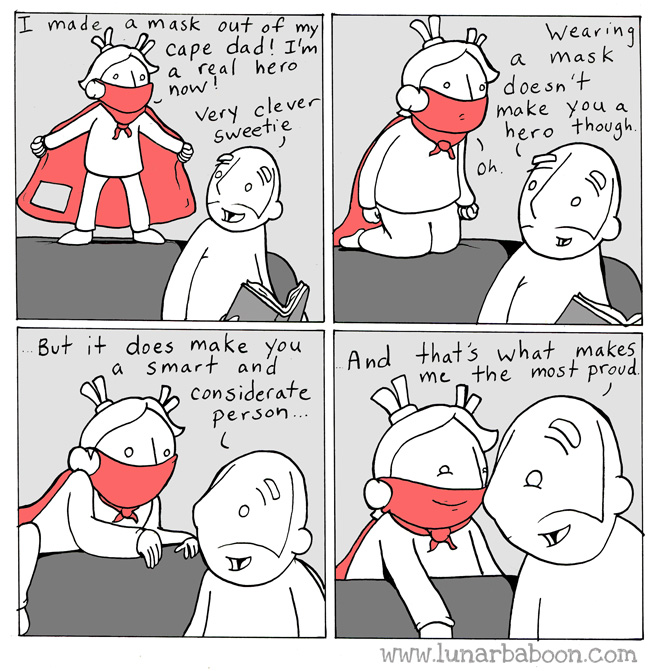
Open Letter Me a River
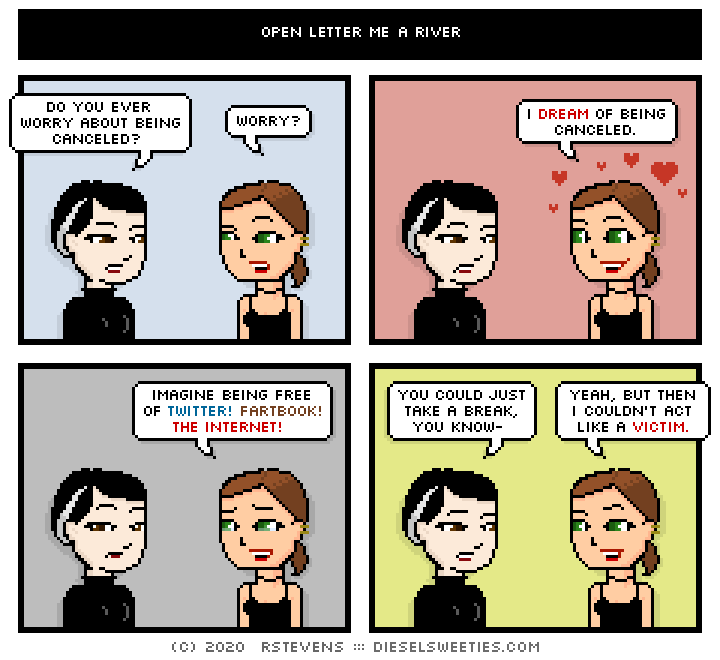
Do you ever worry about being canceled?