By Diana Cook Published: October 01st, 2014
Hollywood is notoriously resistant to change. You can blame at least some of that on the fact that every movie written for the last 20 years or so has followed the guidelines set forth in a single book. Amazon.com The official Bible of every waiter i
Hubo un tiempo en que el éxito de un artículo se medía por los comentarios que generaba. A más comentarios, más lecturas. El índice era casi siempre sinónimo de éxito. Hoy, artículos con miles de lecturas tienen el contador de comentarios a cero. La forma de medir el éxito de un artículo ha cambiado, y la forma del lector de expresarse, también. La explicación de por qué eso es así es sencilla, pero la lección es terrible: tu opinión nunca fue importante.
Año 2005. Las webs todavía se diseñaban a menos de 1024 píxeles, salvo las más audaces. Las redes sociales eran proyectos incipientes que empezaban a enseñar la patita por España. Los medios digitales se debatían entre regalar su producto o cerrarlo todo para que el lector pagara. YouTube y Blogger eran lo más. La industria del contenido en internet empezaba a moverse confiando en que «el año que viene sí» la inversión publicitaria desembarcaría de lleno, en detrimento del papel.
Como ves, algunas cosas no han cambiado tanto en esta última década. Sin embargo una (y mil más) sí: la forma de valorar la interacción del usuario.
Por aquel entonces una de las fórmulas de éxito de los artículos era la de los comentarios. Si un artículo tenía muchos, entonces es que era bueno. Lo que no importaba tanto es qué se entendía por ‘bueno’. Las webs se concebían como lugares donde la gente descubría que podía verter sus opiniones, en muchos casos sin revelar su identidad, lo que dio lugar a un problema común que pervive hoy en día: el troll anónimo, que destripa lo que lee, en muchas ocasiones escribiendo cosas que jamás diría dando la cara.
Pero ese ‘problema’ no era tal para los medios: el hecho de que algún polemista entrara en la sala y alterara el gallinero solía tener efectos ‘positivos’ en cascada. Casi siempre había algún lector que, soliviantado, respondía. Y otro, y otra respuesta, y una respuesta a la respuesta. Al final, el contenido del artículo no era importante: la actividad pasaba a la zona de comentarios donde se intercambiaban pocos argumentos y muchísimas descalificaciones. Cada comentarista entraba cada cierto tiempo a ver si alguien le había respondido y, quizá, volver a comentar. Así comentario tras comentario, visita tras visita.
Audiencia, al fin y al cabo
Existían por ello en las redacciones debates que ahora no existen. Se debatía, por ejemplo, acerca de cómo actuar ante los insultos, si permitirlos, ocultarlos o eliminarlos. Cualquier posibilidad era mala: la primera posibilitaba que los administradores de la página incurrieran en un delito, mientras las otras dos opciones podían volverse en su contra si se interpretaban en el foro como un ejercicio de censura.
No era raro por aquel entonces que las redacciones dedicaran parte de su equipo a gestionar los comentarios: vigilarlos, si era necesario eliminarlos, a veces contestar… y en muchas ocasiones, crearlos. Sí, muchos medios deslizaban comentarios ficticios, a veces incendiarios aunque controlados, con la esperanza de que prendiera la mecha. Regularmente se creaban equipos de ‘participación’ o similares, a veces numerosos, con labores terroríficas según los casos. Hubo medios que incluso editaban los comentarios para dotarlos de una correcta ortografía, y turnos rotativos de 24 horas diarias para mantener el gallinero lo más controlado posible.
A fin de cuentas, el negocio estaba ahí.
Por aquel entonces el medidor oficial de audiencia en España era OJD Interactiva y llegaba a otorgar audiencias de hasta 40 millones de usuarios porque se hacían con unos criterios muy diferentes a los actuales. Luego vino Nielsen, y ahora ComScore. La cosa ha cambiado tanto que, pese a tener internet mayor penetración que entonces, el medio más importante de España no supera los seis millones de usuarios únicos. Aquellos días valía todo: desde ‘comprar’ audiencia de otros sites de forma poco transparente hasta computar páginas vistas como usuarios. Ahora cada día hay más control aunque, como todo, según el medidor utilizado la audiencia será una u otra (si usas Google Analytics y otro medidor seguramente asentirás con la cabeza).
De aquellos polvos vinieron muchos lodos. Aún es común enseñar el número de comentarios de un artículo tanto en la parte alta del mismo como en la portada, pero ahora las cifras son mucho menores. Hay artículos con miles de visitas que tienen pocos o ningún comentario. Los trolls no son tan indiscriminados como eran en la mayoría de medios y el éxito se mide de otras formas.
De hecho, la preocupación por vigilar y moderar comentarios dio paso a la automoderación de la comunidad: sistemas que generan que sean los propios comentaristas los que promocionen o castiguen los comentarios de otro, suponiéndose así que los propios interesados mantendrían limpia la casa de insultos y barbaridades. El efecto, sin embargo, no solo es ese (que un poco también), sino que se imponga una ideología al resto, haciendo que comentarios no ofensivos aunque discrepantes sean rápidamente enterrados.
El cambio en todo el esquema vino claro con las redes sociales. Ellas ‘robaron’ el negocio de la participación de los medios cuando lograron tener masa crítica: la gente ya no comenta en la web donde lee, sino directamente en su red social de cabecera al compartir dicho artículo. Los medios estuvieron rápidos al reaccionar y cambiaron la ponderación: si no puedo competir por traerme los comentarios de vuelta, enseñaré junto con el número de comentarios las veces que mi contenido se comparte en dichos entornos, porque cuando alguien vea que un artículo tiene centenares de retuits indicará que efectivamente es importante.
Y, a la vez, los medios fueron a buscar temas a esas redes sociales con la esperanza de traer de vuelta a los lectores. Era la lógica de «arde Twitter», el vídeo «más viral del momento» o que algo sea «trending topic mundial».
Ese salto trajo cosas malas para los medios en cuanto a calidad de contenido o foco temático, pero también trajo cosas buenas.
Por una parte, les liberó de responsabilidad, porque ahora las barbaridades se decían en otro entorno, desde perfiles personales de cada cual, con lo que el esfuerzo que se hacía por moderar la comunidad ahora era distinto. Ya no se necesitaba a gente de ‘participación’, sino a un ‘gestor de redes’ (el tan cacareado community manager, que debería ser más comunicador que moderador) para controlar nuestros gallineros deslocalizados y conseguir maximizar las cifras.
Por otra parte, externalizar la participación traía otra cosa buena: visibilizaba los contenidos de la web. Cuando alguien comparte un post o un artículo o en su perfil de forma pública, otros que quizá no son lectores nuestros pueden leerlo y, quizá, convertirse en lectores, aunque sea de forma coyuntural. El ejemplo vale igual, aunque de distinta forma, a través de portales sociales del estilo de Menéame, que suponen importantes empujones de audiencia para las webs, aunque sean en su mayoría ‘turistas’ que visitan hoy tu página y seguramente no volverán jamás (por no hablar del ya mencionado sesgo ideológico, tan presente en portales de ese estilo).
También hubo contrapartidas. Los medios tuvieron que hacer un hueco en su chiringuito a las redes sociales para que estas les permitieran pescar en sus cotos: las cajas de Facebook o Twitter, sus iconos y el flujo de usuarios de un portal a su red social para poder montar comunidad son norma de obligado cumplimiento. Al final también los medios tuvieron que crearse canales en las redes sociales para hacer que su contenido estuviera disponible allí donde estaban los usuarios… que ya no era en sus páginas, o no de la misma forma.
Pero los trolls no desaparecieron, sino que se reconvirtieron. Muchas veces ya no hay anonimato, o no tanto, pero el hecho de que uno pueda comentar sin estar delante físicamente de la persona a la que alude desinhibe a más de uno. Ahora, eso sí, existe software capaz de limpiar eficientemente el spam, dejando como único ruido a esos comentaristas agresivos (o tuiteros y otras masas enfurecidas) al descubierto. Suelen argumentar más que golpear, pero siempre bajo su propia cosmovisión, a veces sin juzgar lo que cuenta el artículo y en cualquier caso descalificando al discrepante.
Decía Enric González que una de las peores cosas del periodismo son los lectores, y coincidía José A. Pérez que «tener la posiblidad de decir no implica tener algo que decir». Duele cuando uno lee críticas sangrantes a algo que ha escrito, duele cuando tienen razón (aunque las formas sean las propias de un troll) y duelen cuando no se tiene por la impotencia que genera. Desde ese lejano 2005 el esquema de participación ha cambiado, pero ha dejado al autor (periodista o no) más expuesto ante todos: un error -o ni siquiera, una discrepancia- basta para que arrecien los golpes. La misma exposición que hace que un artículo pueda alcanzar a miles de lectores es la que hace que puedas ser insultado miles de veces. Y en el insulto, en cualquier caso, nunca hay justicia aunque la exposición implique éxito.
Las redes sociales, al final, son una expresión más de por qué los medios ya no son imprescindibles: en lugar de para escuchar al lector e interactuar con él, se usan como una ametralladora de contenido con la esperanza de que alguna de las balas impacte en el objetivo. Y en el contenido, lo mismo: no importa contar algo interesante, útil y necesario, sino convertir las cosas en virales, hacer listas y vender contenido que pueda ser consumido y compartido. Hay productos enteros concebidos así en un momento en el que el modelo BuzzFeed se enseña como paradigma de éxito. El mal gana al bien, y al final quien pierde es el objetivo mismo de crear contenido: el contenido en sí.
En todo el esquema solo hay una clave: monetización. Cuando un artículo funciona bien, las cosas marchan… al menos para el medio. Antes era que tuviera muchos comentarios; ahora, que se comparta miles de veces en las redes sociales. En ambos momentos, que tuviera audiencia, aunque ni los comentarios ni la exposición en redes sociales implique audiencia.
Porque no, que tu artículo sea ‘viral’ no implica que sea leído. ¿Acaso nunca has hecho retuit en algo sin pinchar el enlace? ¿O nunca has dado a ‘me gusta’ sin haber visto el vídeo que compartían? Un día me atreveré a hacer un experimento a ver qué tal: un tuit suficientemente atractivo para ser retuiteable con un enlace acortado de algo totalmente diferente, a ver cuánta gente pica el anzuelo. Bueno, no, no lo haré nunca, no sea cosa que pierda seguidores.
Sarah Maria Verano de la ciudad australiana de Sydney quiere romper el récord de las tetas más grandes del mundo. Ella tan solo tiene 23 años y la primera operación de aumento se la hizo a los 17 años y al parecer el pecho no es lo único que se va retocando.
Otra prueba mas de que las rubias no son tan tontas como parecen.
En ingles vendría a ser Faceplants que vienen a ser comidas de suelo en hostias que facilmente habrán podido dejar las marcas de los dientes, si no los dientes enteros.
No apto para sensibles puesto que a mi se me han puesto los pelos de punta en mas de una ocasión y he terminado de ver el video con dolor de cabeza :D
La Rielera La Cucaracha La Joaquinita La Adelita El adios del soldado La Pajarera Corrido a Pancho Villa Marieta El Abandonado Corrido de Cananea La Valentina Valentin de la Sierra
“¡Que vuelva la Pepsi Crystal!" es un grito que difícilmente desatará una revolución. Como tantos productos fallidos que las marcas han lanzado a través de los tiempos, la Pepsi con pinta de gaseosa pasó sin pena ni gloria por un mercado español no demasiado receptivo a esta clase de marranadas dulzonas que ni siquiera parecían lo que eran. Por el contrario, unos pocos productos borrados de la faz de nuestros supermercados siguen causando suspiros de nostalgia entre sus fanses, y quizá haya llegado la hora de exigir su retorno.
Algunas de estas maravillas perdidas las fabricaban empresas que se hundieron. Otras no terminaron de ser rentables por no gustar a un público masivo, y otras superaban en calidad a sus competidores pero no aguantaron el combate comercial. Todas tienen su culto, sobre todo entre los que eran niños o adolescentes cuando existían y ahora, de adultos, sienten un doloroso mono por su ausencia.
Para seleccionar las desapariciones más injustas, el equipo de investigaciones profundas de El Comidista, formado por Mònica Escudero et moi, ha reclutado a cuatro expertos en la búsqueda y el análisis de joyas de la cultura popular: Iñaki Berazaluce, de mi favoritísimo blog Strambotic; Javier Ikaz y Jorge Díaz, autores del blog y el libro-exitazo Yo también fui a EGB, y Ángel Sanchidrián, héroe de las inconmensurables Sinopsis de Cine en Facebook y también en libro. Ellos son los que le dan la calidad a la película, y nosotros completamos con nuestras particulares obsesiones en forma de magdalena perdida o refresco extinto.
TULICREM
Hija marrón y dulzona del Tulipán y prima tercermundista de la Nocilla y la Nutella, Tulicrem arrasó entre los niños del pasado por su alto contenido en grasa y por usar reclamos como los personajes de Mortadelo y Filemón. "Leche, cacao, avellanas y azúcar… Nocilla. Semejante combinación no era del agrado de las madres conscientes, esa generación educada con los Consejos Nutrexpa, que necesitaban de una coartada para que sus retoños se hincharan de pan con chocolate", explica Iñaki Berazaluce. "Tulipán vino a satisfacer esta demanda latente con Tulicrem, una suerte de margarina impregnada en Cola Cao y con textura de sobrasada. Cuando mi madre se enteró de que Tulipán, la nave nodriza, discontinuaba la fabricación de la pócima, compró un palé en el Pryca para garantizarnos a los cinco hermanos el suministro hasta la mayoría de edad".
"Cuando todos nos habíamos enganchado al sabor de esta crema de chocolate aceitosa que nuestras madres compraban por ser la más barata, va y desaparece del supermercado de un día para otro y sin avisar" recuerda Jorge Díaz. "Hay quien todavía lo sigue buscando desesperadamente: a mí me trajeron uno de Portugal (dónde se sigue vendiendo) pero no sabe igual. ¡Que vuelva el Tulicrem original ya!".
DUPIS
El Dupis era "el hermano grasiento y deforme del donut", como bien lo define Ángel Sanchidrián. Sin embargo, este invento de Bimbo no tuvo fortuna a la hora de competir con el superbollo frito de Panrico, a pesar de su bajo precio. "No tenía azúcar por encima y era tan blandito que no tenía ni forma redonda, te venían en la caja aplastados. Pero aun así no había placer mayor que coger un dupis y mojarlo en el nesquik (o colacao, según el bando al que pertenecieras) metiendo todos los dedos hasta los nudillos. Y qué bien absorbía la leche el dupis, qué festival del chorreo".
Cuando desaparecieron las magdalenas Ortiz -mis favoritas en la infancia- y se mantuvieron las de La Bella Easo -las que más odiaba- aprendí que el mundo era un lugar intrínsecamente injusto, y puede que incluso dejara de creer en Dios en ese momento. Todavía hoy me pregunto el por qué de semejante cataclismo, que nos privó de la mejor magdalena industrial de todos los tiempos: jugosa, con un índice de consistencia al mojarla en leche perfecto y el retrogusto químico más delicioso que este zampabollos haya conocido jamás. Como es lógico, también me fascinaban los Gitanitos Ortiz, pastelito a medio camino entre el Phoskito y el Bony cuyo nombre pelín racista sería inviable en la actualidad que al parecer se sigue vendiendo en algunos rincones del planeta.
El gitanito y su simpática hermana paya. / FOTOLOG
FRIGURÓN
¿Por qué el Frigurón era azul y sabía a piña? Iñaki Berazaluce descifra el misterio: "El amarillo está pillado por el limón y el naranja por la naranja, así que al sabor a piña le tocó el color azul en la ruleta cromática de los sabores. Los sugus de piña tenían envoltura azul, de modo que el Frigurón estaba condenado a saber a piña (el color precede al sabor en el diseño del polo)". Este producto nacido en los ochenta no tuvo la suerte que merecía, quizá eclipsado por otras superstars de la misma marca. "¿Qué hacía semejante paquete en la alineación de Frigo del 82, el dream team de la marca? Flanqueado por los legendarios Drácula y Frigopié, el Frigurón era el Prosinecki del equipo, un loser, un wannabe".
"Cuando nos daban la paga corríamos a la tienda a que no se agotara nuestro helado favorito", añade Javier Ikaz. "Yo siempre cogía el Frigurón. Era como un flash enorme de piña. ¿Hay algo más refrescante? Siempre he sido más de hielo que de crema". Cual plato de El Bulli, el Frigurón había que comerlo siguiendo un ritual específico. "Su gracia", asegura Berazaluce, "consistía en absorber de una chupada todo el colorante azul del helado y comerte luego el hielo transparente, que era lo mejor del combo".
PETIT SUISSE NATURAL
El Petit Suisse es en realidad un tipo de queso fresco de Normandía, pero Danone se apropió de la denominación y, para deleite de todos los niños de los ochenta, comenzó a fabricarlo de manera industrial. Este memorable producto fue la merienda favorita de la infancia de Mònica Escudero: "Me gustaban con trocitos de plátanos y fresa por encima, untados en una galleta María o poniendo dos en un vaso con dos cucharadas de azúcar moreno –en los ochenta, sí, mi abuelo era vegetariano y en casa tomábamos cosas que mis amigos de la época consideraban 'muy raras'–, removiendo lo mínimo para seguir notando la textura crunchi-crunchi del azúcar".
"El tío que inventó el Petit Suisse era un puto genio", confirma Iñaki Berazaluce. "Vender minitarrinas a precio de yogur mediano supone multiplicar por cuatro el precio del producto, una estrategia de packaging que más tarde emularon Mini Babibel y Actimel. Los Petit Suisse de sabores eran contingentes, con la apurada excepción del de fresa, pero el natural SIN AZÚCAR era necesario". Esta maravilla desapareció al transformarse el Petit Suisse en Danonino, una de esas bombas de azúcar con las que madres y padres contemporáneos engordan a sus crías. "Supongo que le cambiaron el nombre porque de queso le queda más bien poco. Ahora mismo lo usaría como base para salsas, como cobertura para pasteles y me lo seguiría comiendo con fruta, que estaba buenísimo".
"Hubo una época, muy añorada por Iban Yarza, en la que en las fiestas infantiles se tomaban ganchitos, medias noches con Nocilla, bocatas de pan Bimbo con paté la Piara y aceitunas rellenas de anchoa", cuenta Mònica. "No existía Pinterest, los cupcakes, Zombies VS Plants ni la Fanta light, y si mal no recuerdo las vida tampoco nos iba tan mal (a pesar de la colonia Chispas, que apestaba rollo radiactivo). En una de estas celebraciones descubrí la Fanta manzana sin gas, y las dos o tres veces que la probé en mi vida se han quedado grabadas a fuego en mi memoria. Como el anuncio de la misma, que no he sido capaz de encontrar en YouTube pero que aún puedo cantar de memoria (procedo): 'Sin gaaaas, sin gaaaas, ¡ya puedes beber, Fanta sin gaaaas! Fanta naranjaaaaa, Fanta limoooón, y ahora ademaaaás, Fanta Manzaaaana, ¡también sin gas!¡Sin, sin, siiiin! Los tres sabooores, en dos tamaaaños, y en teeetra brick, sin gaaaas, sin gaaaas, ¡ya puedes beber, Fanta sin gaaaas!'.
"Poco después", prosigue embalada, "Trina sacó una versión gasificada de sus bebidas, que si mal no recuerdo tampoco se comió un torrado, mientras que las versiones originales de ambas gozan de buena salud comercial en la actualidad. Moraleja: Si no está estropeado, no lo arregles". De forma muy poco usual en ella, Mònica combinaría este extinguido refresco con un poquitín de alcohol. "Si ahora cayera una en mis manos me la tomaría con un chorrito de vodka, mucho hielo y el zumo de media lima".
PAPADELTA NARANJA
Los Papadelta son un aperitivo de patata nacido allá por 1988 y elaborado por la marca española Grefusa, también responsable de las pipas El Piponazo o los maíces MisterCorn. Siguen existiendo, pero la versión que más le gustaba a Ángel Sanchidrián, la naranja, se han dejado de fabricar. "Hace ya más de 20 años que en el recreo del instituto compraba a media mañana un bocata y por 15 pesetas una bolsa de Papadelta naranja. Eran como el primer morreo de COU, una delicia de ponerte los ojos blancos. Si alguien me pedía un trozo de bocadillo le daba un bocao, pero los papadelta eran solo míos, to pa mí".
De los naranja no hay foto. / GREFUSA
DRAKIS DENTADURA
Un caso claro de producto que deriva en otro por oscuros motivos comerciales y acaba perdiendo su identidad. Los Drakis fascinaron a los niños por su condición de comida-juguete y su inconfundible sabor a chuchería industrial bien parida, pero cuando se transformaron primero en Pandilla Drakis y, luego, en Cheetos Pandilla, la magia se esfumó. "Con su sabor a queso y beicon (solo te faltaban un par de huevos para ir cenado), los primeros Drakis tenían forma de dentadura y era inevitable ponértelos de dientes antes de comértelos", dice Jorge Díaz. "¡Qué ganas de volver a pegarles un bocado!".
Dientes, dientes. / YOUTUBE
YOP
Yoplait fue la marca que apostó con más decisión por el yogur líquido en los ochenta, cuando esta clase de extravagancias no era muy común y la mayoría de los consumidores no se salían del natural, el de fresa y el de limón. Sin embargo, no contó con el favor del público, si exceptuamos a un reducido sector de heroinómanos que lo abrazaron con entusiasmo por ser barato y digerible incluso bajo el efecto de los opiáceos. Yop desapareció, y sin estar en la droga ni nada de eso, algunos lo echamos de menos por haber sido el producto perfecto para pegarle un lingotazo cuando llegabas a casa un tanto borrashio, no te daba la cabeza para cocinar nada y necesitábas algo que estabilizara tu estómago maltratado por el alcohol.
Sólo personas que han vivido muy al límite se atreven a reivindicar una bebida como el Tab, e Iñaki Berazaluce es una de ellas. "En las fresqueras de los bares ochenteros, junto a la tónica Kas y las mirindas de naranja y de limón, habitaba el único refresco del mundo que no sólo no engordaba… ¡sino que adelgazaba! Estamos hablando de Tab, por supuesto, una coca-cola un tanto flojeras creada por y para las mujeres, como insistían sus anuncios". El producto fue lanzado por la propia Coca-Cola en los sesenta en Estados Unidos, llegó a España dos décadas más tarde, y desapareció en la noche de los tiempos [salvo en algunos lugares del sur del país, donde se sigue vendiendo]. "El día que apareció la Coca-Cola Light", explica Berazaluce, "Tab duró lo que dura un ultramarinos cuando abren un Día en el barrio".
"Palulú" es una de las muchas denominaciones que recibe el regaliz de palo, un ¿alimento? que, naturalmente, sigue existiendo, pero que ya no encontramos en las tiendas de chucherías como en el pasado. La explicación de su éxito -y quizá también de caída en desgracia- nos la da Ángel Sanchidrián: "El palulú era un asco, un cacho de árbol, una rama amarga que chupábamos como monos en la sobremesa. Pero algo tenía que enganchaba. No sé si sería la pose de vaquero del oeste cuando lo sostenías entre tus labios, o que nos comíamos cualquier porquería que nos vendiera la señora de la tienda de chuches, pero aquella ramita tenía un sabor único que no se parecía a ningún otro".
"Era impensable el bolsillo de un niño sin chicles y, quitando los de las series televisivas de moda, estaban los Boomer con sabores a cada cual más delirante. ¡Hasta de natillas! Las posibilidades se multiplicaban por mil en la tienda", recuerda Javier Ikaz. En efecto, empeñada en causar caries a todos los niños de España, esta marca no sólo facturaba chicles gigantescos, sino que los impregnaba de sabores loquísimos como la clementina, la sandía, el coco o el melocotón. A pesar de su éxito se esfumaron del mercado hace unos años, sin que a día de hoy se conozca el paradero del superhombre elástico que los anunciaba.
¿Qué producto del pasado te gustaría que volviera? ¡Exige su retorno en los comentarios!
Now that Ebola is ravaging parts of West Africa, a nasty meme is once again rearing its ugly head — the suggestion that epidemics are "nature's way" of dealing with overpopulation. But it's an assertion that's as false as it is dangerous. Here's why.
1. You’ll lose a lot of “markers” and “waypoints” that made your life relatively simple and straightforward. Things won’t be as obviously, simply and universally compartmentalized into areas, neighborhoods, brands, types, grids and area codes. Things are less black and white, less contrasted, but more diverse and subtly intermingled. This goes for pretty much everything from food, to nightlife, to entertainment, to careers, to professional attitudes and everything in between.
2. You may find it troublesome to travel throughout Europe armed only with a knowledge of English. People are somewhat likely to have a negative bias towards you because of your nationality. Furthermore, it’s really more difficult for an American to truly deeply integrate themselves into a European country than it is for a European to integrate themselves into the US. Also, if you’re openly religious, you may find that many people will politely ignore your religious statements, but will consider even mild expressions such “God has blessed me with..” or “I pray that..” as unacceptably religious in a secular society.
3. Not only does a dollar usually get you further in the States, but you would find plenty of instances where there simply isn’t an opportunity for you to pay more for better/extra service/product. You may not find aspects of convenience even in places where it would seem that they should be present. Customer service isn’t all about you, it’s about the attitude of the person providing it, and whether they happen to feel that they should be doing a good job.
I’ve been living in Europe for the last 7 years now, and by now I have travelled and have friends all over Europe. Honestly, I never regretted the move, best thing I ever did, but if I knew what I know now, I’m not sure I would have moved. I learned a lot of things. Here’s the list:
Every country sucks one way or another. Every single one. It’s one thing to travel there for two weeks, it’s another to wait 3 months for the Internet to get connected (Germany).
France is absolutely beautiful and the food is amazing and I love the culture, but to live there you will need to speak not just good French but near-native French (which I do speak). And when you love Paris, great, but you won’t afford to actually live in Paris, which is actually quite small and notorious for its picky landlords and tiny flats. Failing that, you join the massive cohorts of unhappy banlieusards. Oh, and the French economy has been going nowhere for several years, crisis or no crisis. A friend of mine is a professional who lived in Paris her whole life who recently moved to London and feels refreshed that London is more dynamic than France in general. Outside of Paris there are many interesting places to visit but knowledge of English dwindles quickly, even in Lyon or Toulouse.
Germany is a fantastic place to live, and it is easy to get work as long as your profession’s name starts with an E- and ends with -NGINEER. Otherwise, you’ll still need fluent (but not near-native) German. Here you get your pick of Berlin, Munich, Hamburg, Frankfurt, Cologne, each of which have their distinct personalities and IMO world-standard public transport. And here, if you find a nice flat you want to move in to, you need to apply for it because of rent control, and if it’s a nice area you’ll be one amongst a hundred prospective tenants, and for whatever reason they rarely pick the foreigners. Oh, and politically, there is a generous dose of idiotic anti-americanism and extremist Left neo stalinists in Germany.
But wait, there’s more! You know the expression “everything but the kitchen sink” ? Meaning, that someone took everything from a house, except for the kitchen sink? Well, this expression makes no sense in Germany; when you rent an apartment, you have a completely empty apartment, there are no appliance, no stove, no sink, nothing. You have two pipes sticking out of the wall awaiting your kitchen sink and the rest of your kitchen, you’ll pay 3 months deposit and you even have to pay the real estate agent’s commission of 2.4 months’ rent. Your taxes will be astronomical (just as high as in France) but instead you actually earn more money and you actually get plenty for your taxes (unlike France). The food is… an acquired taste. I love Bavarian food, the Northern food and Swabian cuisines are all unknown outside of Germany, but I like it (though it’s not French cuisine). Christmas markets are fantastic and is possibly the best thing I love about living in Germany. On the other side, you won’t find any nature in Germany. Oh, there are trees, forests, lakes and the like, but for all their environmentalism there isn’t a single spot in Germany that is truly wild where you won’t get cell phone coverage. Something which I also find lacking in Germany is a measure of American-style optimism. Customer service is possibly the best in Europe.
Switzerland is possibly the most expensive place I’ve ever seen. Much of the culture revolves around money and wealth. The positives is that you actually can live in Switzerland with only English; well, at least in Geneva and Bern. Good luck in Zürich, even Germans have a hard time understanding Swiss German. Also the Alps are never far from you, and the infrastructure is also world-class. The biggest negative is, well, I love the Swiss countryside, but I don’t really like Swiss culture, it’s not a very open place. Great place to move to when you’re a banker or diplomat aged 40+.
Point is, go first and see how you feel there. There are many negatives that you will be acquainted with once you consider actually moving there rather than when you’re just travelling. The biggest mistake I made in my first country was to generalise about Europe. France is France. Netherlands is something else. There is no such thing as “Europe” or things common to all of Europe apart from physical geography. France has great food: Dutch food is an abhorrence.
If you want to move to Europe because you think Europe is better, don’t move to Europe. It might be better in some areas, it might not be in others. What brought me to Europe was (a) love, (b) I wanted an adventure (and got it) and (c) I loved being in Germany (and it’s where I live). If you move thinking of a better life, you’re not gonna like it because every place has its flaws. It will just be different, whether you will like it will depend on whether it’s a “different” that you like.
From the perspective of an American student doing a full Master’s degree in Germany:
- The University system here is much different than in the US. No one will hold your hand. There are definitely not as many organizations, sports clubs or large events to get students to known one another. The career services offices and alumni offices tend to be small, if existent at all. I know of friends who picked a grad school in the US purely based on the alumni connections they could make by going there. That would never happen here. Whereas when you first arrive to a university in the US, there is a huge orientation week where they help you step-by-step with everything about the university, that doesn’t really happen here. There were a few small orientation sessions, but no where near as extensive or helpful as one in the US might be.
- In addition to the previous, no one will hold your hand when it comes to school work either. Whereas in the US I can remember professors constantly reminding students about the readings, assigning small writings each class to know they are keeping up, and allowing for “extra credit” work, German professors generally don’t give a shit. If you don’t do the work and you fail, that’s your fault. They gave you the syllabus the first day of class, showed you where to find the readings and might remind you the week before your final paper is due, but don’t expect much beyond that. I have found that professors, at least mine, sort of take their teaching duties as a last prioriety. They are leaders in theirs fields and very knowledgable, but as such are overworked almost constantly. They don’t have the time or patience to sit with you to spell out every single thing you need to do to make sure you’re doing well in class. Read the syllabus, do the readings on time, take notes in class (most lectures aren’t mandatory) and put your all into your work and you’ll do fine.
- There are strict regulations for non-EU citizens doing full-time study in Germany (not sure about other countries). Though tuition is basically non-existent (I pay just over 200 euro a semester), you still must prove to the German government that you have enough money to sustain yourself for the entire duration of your studies. That means having a bank account with at least 14,000 euro in it for a two year study program (though these special foreign student accounts can be set up, filled with the necessary money and then you are given an “allowance” from it every month, other than that you’re not allowed to touch it except in an emergency). Additionally, if the program is in German there are generally very strict rules about language requirements. Even though I have lived in Germany for four years and have become fluent by using the language every day, I was still required to take an official exam, which set me back 200 euro. Along with all that, if you’re hoping to earn some pocket money while you work, there are regulations about exactly how much you can earn in a certain period. I believe the limit is 400 euro a month… if you factor in apartment rent and food, and the fact that the money from your foreigner account isn’t getting you very far, it might be very difficult to live in a more expensive city like Munich or Hamburg.
It does indeed have many positive aspects, but there is a definite downside, and you are wiser than I was to inquire about it in advance.
Bearing in mind that this is just my personal take, and someone else’s would differ, here’s what I would caution anyone contemplating such a move to consider:
The novelty wears off. All the art and architecture doesn’t mean as much after the hundredth or thousandth time, and it becomes part of the background before long. The people who grew up here can be just as blasé about it as Americans are about wide streets, spacious houses, open spaces, and big cars, and will often pepper you with questions about all the seemingly wonderful American things they’ve seen on TV and envy us for.
You might find it hard to keep up with your friends for long. It’s really a very long way away, and physical proximity is more important than you think. Social media, though, have recently helped in this regard. Maybe new expats or immigrants won’t face the same problems with this that I had in the 90’s.
You will not be the same person in a social sense. This can be good and bad. Your class, background, accent, taste, upbringing, schooling, family, etc., as they were in America, become irrelevant. Nobody cares here, or, 9 times out of 10, will even be able to tell, once you start shopping in local stores as your American clothes wear out. Instead, your identity will collapse to your nationality and only the broadest characteristics, such as age, occupation, and gender. If you have encountered discrimination on account of your background, such as having a regional or ethnic accent or having grown up in an unfashionable neighborhood, this may be a relief. If you are used to enjoying any status on account of these, you might feel put out by the sudden loss of such privilege.
Speaking of ethnicity, all of the European countries I have been to seem far more homogeneous, ethnically and culturally. Immigration is much less common or accepted, and where present on any scale, leads to poorly integrated and under-privileged enclaves. When I show class pictures to German friends and in-laws from my school days in southern California in the 1960’s and 70’s, in which my classmates were of all colors and origins, they seem truly nonplussed by just how diverse American society really is.
The language barrier is much more formidable than you anticipate. Your communication may remain frustratingly superficial for a long time, if not permanently. Even in larger cities with lots of people who have learned some English, the level is only rarely beyond intermediate at best, and you’ll mostly just be making banal small talk. This gets old fast.
It’s simply silly to say that most aspects of life are unqualifiedly better in these countries. Many are worse. Do you like the state making most decisions for you? Do you like crowds and traffic jams everywhere you go? Do you not mind working for modest pay and little chance of real material advancement? Do you not mind very long, dark, cold winters? Can you do without a car for most of your business? Will you tire of living in a small apartment, not unlikely for the rest of your days, and paying as much for it as you would for a house in most parts of America, apart from places like New York and San Francisco? Are you willing to send your kids to overcrowded, middling quality state universities, or do you want them to have a chance at the better offerings in America?
All this is not to say that it is a clear mistake to move here, but only to make you aware of the downside. On balance, I really do mostly enjoy being here, but it comes at a higher cost than I expected.
- Europe is staggeringly varied and while it’s great you’ve narrowed it down to around 5 potential nations, you are still looking at very very different places. To make this answer valid for all, I’ve had to talk only really about commonalities across most of those nations which make this a bit vague. I’d find Austria an unbearable place to live with narrow minds, cold people, terrible food, conservative values, whereas the Netherlands is the total opposite.
- Most aspects in life in Europe are not better or worse, they are different. It’s useless to make direct comparisons, trains are way faster, cheaper and more frequent in Europe but cars are way more expensive – what does this mean? Transport is better in Europe, is it worse? It means that it’s way better for some people that it is for others, and all depending on what you value.
It’s much more useful to think of aspects to life that are important to you and find ways to maximize this, rather than to look for things that are “better” or “worse”.
Anyway, to the answer.
1. Re-adjustments.
Language. People in these nations speak English and you can likely in some roles and cities do you your job in English, but speaking passable local languages and being able to communicate with people does not mean you are fine. The reality is that you will for 10-30 years never feel at home, you won’t get to feel part of a country in the same ways that locals will. They may be warm and tolerate you but you won’t ever be one of them.
Attitudes to Americans. Quite frankly even in the Obama world, a lot of Europeans are not that warm to Americans. Sure, they won’t be hostile, they won’t be rude to your face, but a lot of Europeans are scornful of a lot of American values and this may make your time a little uncomfortable.
Attitude to work. If you are a fairly typical American, who wants to better themselves, progress, takes their job quite seriously and is competitive, you may find it hard to find a lot of people with the same level of ambition and thirst. Do they exist? Yes, but that doesn’t mean you won’t often feel a bit like you have to be mindful of expressing yourself and of acting true to your beliefs.
2. Quality of life.
Salaries. Are a LOT lower for most roles, for many, they are going to be way way less than you expect. Earning the equivalent of $100k in Europe is really rather remarkable.
Taxation. Contrary to other answers, I don’t find taxation living in the US to be that different, what tends to happen in most of these nations is that taxation above a certain threshold gets very very high, quickly. But given most roles earn less than these levels, taxation may not be as killer as you expect, especially if moving from California or New York. In the UK, I broadly paid the same tax as I do here. What I note is that I earn about 50% more, so if I was to earn what I do now in the UK, I would be taxed a lot higher.
Expense of Goods. Most things in Europe are way more expensive. The big ticket items like Cars and Electronics are especially cheap in the US relative to here. This really changes the perceived quality of life. In the US it’s expected to own large LCD TV’s in most rooms, drive a nice new car, own nice clothes, tumble dry clothes, own posh sporting equipment, have air conditioning, buy scented candles, all that sort of material fluff. When it comes to PURCHASED based quality of life, Europe is WAY behind. If MTV cribs looked at a European based Athlete/Singer/Celebrity, it would simply not be the same show. Europeans don’t strive for excess or ownership, we have much smaller homes, we don’t really do things like guest rooms or worry that we don’t have nice sheets or walk in wardrobes, everything is more simple and paired down.
Lifestyle Quality. Again, this is really where things are different and not better, but the US tends to promote a lifestyle which is by some measures is more “fancy” feeling.
I play golf in the USA and every time I visit a golf course my car is parked for me, my bags are taken, I am treated like a celebrity.
Every time I want to escape NYC for a weekend I rent a large SUV for the weekend and it’s all posh inside and gas is cheap, I can then explore the countryside, never too far from a 24 hour store selling ciabatta.
In Europe things just are not like this, you are likely to get more genuine food, but from places that open half the time, you get interesting vignettes from a life based around locally owned places and not large brands, stay in a hotel and it may be an amazing treat of a place, far more interesting than a Sheraton, but you also get nasty bedsheets and odd shaped rooms and weird owners.
The US makes life more comfy, more predictable, more selfish, more luxurious, but WAY more dull and individualistic.
Any answer to this will obviously be a generalisation.
If money is your principal motivator and how much stuff you own but do not use is the principal unit by which you judge your and others’ achievements, then Europe in general, with some exceptions such as the City of London, will not be for you.
That’s not to say that everyone here is running around with flowers in their hair, but you are more likely to find people who work to eat (well) rather than people who eat fast because they want to work.
Not all aspects. I can tell you this — as a well traveled American who loves Europe (esp. Spain — where I could live the rest of my life in happiness and peace). There are many reasons to stay in the US and those reasons are in no way slanderous or negative about Europe. Europe is amazing and I could see myself living there. (I think Amsterdam and I would love each other dearly). But, pointing out the differences isn’t a value-judgement on either nation/location — we’re just a bit different.
1. Generally, if you are in a good trade (but not always), especially engineering, medicine, IT, chemicals, petrol, etc., you can make a LOT more living in the USA & Canada (I include Canada because — well — the markets are very similar, if not better up north).
2. If you are like me, and define a good deal of your life by your career (and truly LOVE your career in a way that is positive and personally fulfilling), then Europe may drive you mad. Europeans (with their own good reason) do not usually define their lives by their careers. In fact, in many (most?) European circles, it’s very taboo to overly focus on your job in conversations and such. With me — in general conversations — it almost always dominates what I talk about from what I make to what I do. I love EVERYTHING about my job and I truly look forward to Mondays. I only pepper vacation days here and there, and even then, Rick pushes me out the door when it’s time to return to work (generally with me sprinting in front of him). I work day and night and on weekends too. Europeans would punch me in the face after a while.
3. Languages. Man, those pesky Europeans haven’t given up their native languages and adopted Americanese has their lingua franca yet. Buncha’ jerks, I know! It’s so fucking annoying. There are some countries where English is incredibly well known (Netherlands and Luxembourg) and other places where people will expect you to speak the local tongue (ahem . . . I’m looking at you France!). If you’re a monoglot, then you’re gonna’ have some troubles.
4. Odd conveniences. The hours of places like shops, restaurants and such are generally better in the USA. I’m a convenience driven fellow and dammit! I want my 24-hour Circle K! In Europe entire industries shut down for holidays and Sundays. Drove me nuts.
5. Prices. On. EVERYTHING! Shit’s expensive in Euroland due to complex factors like regulation and taxes. I mean, sure, stuff like local produce is pretty well priced, but everything else is just so much more pricey. While housing prices vary in the USA, on average, a home here is larger and less expensive than in most places in Europe.
5. Europe is a lot more crowded (though, personally I found this to be its biggest selling point, I’m a man about town and seeing people actually walking about town was always a huge plus for me).
6. The pace of everything is much too relaxed for me. I’m a hyperspaz and I get in and out of my activities as if the world were about to end. Eating. Shopping. Talking. Burying dead hookers in the desert. Everything in my life is a surgical strike mission with a plan of attack and escape, generally choreographed down to the milisecond. People in Euroland don’t go in for that. Eating in Spain (with mis amigos) is arduous and painful because I’m finished with my food in under 10 minutes, they casually chomp on tiny bites and take what appears to be long enough for the fucking pasta to fossilize. . . . COME ON PEOPLE! I’ve got things to do!
7. The food is TERRIBLE! (kidding, it’s pretty fucking good)
As a person living in Paris, I am not going to make judgment or value comments such as “Americans love money” or “Europeans prefer their friends” which in the end are not really measurable and are freighted with bias, if we are being honest.
To avoid coming off as a whinge, I would say that my family and I love living in France, and are happy to have made the choice to come here. The experiences are indeed different from what we had in the US (I lived most of my life in the San Francisco Bay Area, with about five years living just outside New York City). The pace of life is different; the type of housing is different. Attitudes of the people are different. Some of the differences are positive for us (I really like not having to drive, as we do not own a car, and take advantage of things like “Auto’lib” – something I guess similar to ZipCar in the US), some are negative (having your child get sick on a Saturday night and not being able to easily get access to acetaminophen because Monoprix is not Safewy, and thus not open after 8, and OTC meds are only available in pharmacies anyway).
But if you are seriously considering a move and not just looking to generate “the US is full of fat, religious troglodydes” ‘answers’, let me offer the following:
1. If you do not have a reasonable command of the local language, you are going to have a very, very difficult time living. Being a tourist in a city for a month is very, very different from living there. When our hot water tank failed, for example, getting a plumber to come and fix it would have been, at the least, difficult in English. Remember: shopkeepers along the Champs-Elysees can speak sufficient English. The guy who comes to repair a leak will not.
2. As others have said, be prepared to face difficulties “connecting” with the local people (here, I have to reserve my personal experience to France, where I live). One key difference between Americans and French – in my experience – is that casual friendships are not nearly so common. You almost surely will live in a flat with many neighbours, and they will already have a full set of existing friends and very likely, family. You will not be invited to parties or to dinner until you become real friends with them, which takes a lot of time. One odd thing – if someone has a party in your building, you likely will get a note – it’s not an invitation, but merely a pre-emptory warning that there may be noise.
This is not to say the French are unfriendly – they just have different standards and rules around how you become friends. You may find this shocking.
3. Etiquette is very different, and you surely will run into at least one uncomfortable situation. There are certain behaviours in the country you move that the locals will just ‘understand’ intrinsically. At some point, you will violate one of these and get ‘corrected.’
4. Rules – some of which that will make zero sense to you – will be enforced as if they were articles of faith. In the US, someone at the post office or in a local park may be willing to ‘look the other way’ if you are 30 seconds late or an application is not perfect. In France (again, my locus of understanding), civil servants observe the letter of the law, irrespective of the spirit. An intro to you will be procuring a “Titre de Sejour” (essentially, permission to live in France), for which you will need to submit forms and photos. Do not make a typo on the form, and make sure the photograph is *exactly* what the regulations call for. My wife’s application at first was rejected – a delay of weeks and weeks – because she was smiling in the picture. The Prefecture de Police in Paris rejected because of that.
Imagine how you feel in the US when travelling at an airport, and having to submit to the exercise of shoe removal, belt removal, being asked if you packed your own luggage, and (my personal favourite – an incident that actually happened to me) having to put two tiny plastic bottles of shampoo (carried on) into ziploc bags because the rules said that they liquids needed to be in ziplic containers according to the TSA, as if plastic bags somehow act as a shield should the liquids ignite.
5. Culture shock. There are, as others have aptly said, many things to be said for life in Europe compared to the US. I won’t go in to the pros and cons of food or art or lifestyle. But it’s simply true that things are different here, and if you are not ready to deal frankly with the fact that you will HAVE to adapt, and not the other way around, then that is the best argument IMHO not to come.
For a sizable majority of Americans, Europe is a HORRIBLE place to live. We want lots of space to live, cheap gas, big cars, lots of flashy things, gigantic servings of coke in disposable cups and an overworked lifestyle.
Most Europeans are the opposite. I know financially successful people in Germany who live with their spouse and 2 children in a 1200 sq ft townhouse and don’t think it is a sacrifice. Most people commute to work using public transit. They work 40 hours or so a week and spend the rest of their time doing something interesting. 4 hour long lunches with friends and family on Saturday or Sunday is pretty common.
Work-life balance is good in most of Europe. But it comes with constraints. There are few shops open in late evenings. There are restrictions on how much noise you can make in your own house and when. Codes for building are quite strict which means that you cannot willy-nilly add to your house. Many things are FAR more formal than US. For example, if you change your home in Germany, you have to notify the local authorities.
A religious American will find Europe quite secular. Atheists can hold any office anywhere in Europe; one does not need to be (or pretend to be) religious in order to get elected for anything; teaching creationism is out of the question, I’m sorry, and everyone accepts evolution. Religion is nowhere to be found in everyday life and demanding policies based on religion is frowned upon. An interesting side effect is that opponents of gay marriage need to find contorted non-religious rationalizations for their position.
Also, the majority of Europe actually speaks foreign languages – in some regions you’d be hard pressed to find an English speaker. Don’t go anywhere near border areas if you don’t speak the language of at least one side as people usually don’t bother with a third language once they master their neighbours’. A notable exception is the Netherlands where everyone speaks English – but it’s still hard to find a job if you don’t speak Dutch.
I’m currently on the road and I thought I’d ask the foreigners I’m meeting along the way about the one thing about Americans they just don’t understand about us. What do you think about their perspective?
1. “Why do Americans laugh so loudly? Talk so loudly? We can hear you, you know.” – Abe, Israel.
2. “Easiest way to spot an American tourist? They’re wearing shorts! Shorts are ugly. Don’t wear shorts. You do not look professional that way.” – Jorge, Panama.
3. “Americans are way too sensitive. I feel like anytime I talk to an American I have to bite my tongue when I’m talking about politics. I understand Americans are all very PC and trying to tone down hate speech but it’s amazing how they react when you want to speak your mind on their shitty government system.” - Alex, Belgium.
4. “Why do Americans and Brits have different accents? You look exactly the same.” – Micca, Guatemala.
5. “Why do Americans always say something is ‘awesome’ or ‘cool’? Americans always use over the top adjectives riddled with cheese. I understand that they’re a friendly bunch but they’re too positive about everything. You can’t possibly be THAT happy all the time or think everything is that awe-inspiring to call it awesome.” – Gerard, England.
6. “Americans always call themselves Irish or Italian even though they’re not. They’re fucking American! They will argue so badly about how Irish they are even though all it means is their great-great-great grandmother was Irish. You are not your ancestors. You were born and raised in America. Therefore, you are American.” – Ralph, Ireland.
7. “Don’t think that just because Americans are smiling that they’re happy. They smile for no reason. It’s cute but confusing. Why smile so much?” – Christina, Germany.
8. “They really restrict other cultures to certain stereotypes. If you say you’re from Italy they go ‘Oh, I love pasta!’ What does that have to do with anything? Just because I’m from Italy doesn’t actually mean I’m sitting around eating pasta all day.” – Natalia, Italy.
9. “Americans are generally nice, outgoing people but…tipping doesn’t work…not really sure why Americans are so crazy for tipping. I hate when I go to America and the servers are in my face asking me if I’m okay or how my food is. Bugger off!!” – John, England.
10. “Oh, I love Americans. They’re so sweet and delicate. Like little flowers, you must be careful with what you say to them. Can be so sensitive. I think the one thing I don’t get about them is why they think they have to be polite all the time. They’ll usually be nice even if they’re uncomfortable. Makes me feel bad for them.” – Ailsa, Spain.
11. “Why do Americans refrigerate their eggs? They don’t need to be in there. You guys drink too much milk. That stuff is weird.” – Pablo, Guatemala.
12. “Hahaha Americans! They’re hilarious! They write the month before the day. They always have to be so special and doing everything against what the rest of the world is doing! It’s great!” – Anwen, Germany.
13. “There’s no set guidelines on tipping. It makes it frustrating for having a class meal. Also, the prices are not set in the stores. If something says it’s a certain price that’s the price it should be!” – Arabella, Ireland.
14. “The food portions for one person could feed an entire family! Why must you have so much food every meal? No wonder your waists are getting so large. When me mum and me go to America we just order one of something and split it. Easier that way and don’t have food to waste.” – Kelia, England.
15. “I feel bad you work too much. When I meet Americans they say, ‘Oh, I’m only traveling for 2 weeks. I have to go back to work.’ You live to work. I do not understand that. Most travelers I meet are on the road for at least three months. Me, I am on the road 6 months. Don’t understand a life dedicated to a paycheck.” – Bronwen, Wales.
16. “You all must be so politically correct! It is as if you are afraid to speak out of line. What is Obama doing to your country? Also, you guys don’t know anything about other countries. I know the capital of the States but not one American I meet knows the capital of Australia. How embarrassing. You guys are great though. Can’t party as hard as Australians but you’re fun.” – Oliver, Australia.
17. “Why is the bread so sweet in America? Why is there artificial sweetners in everything? How come you have not taken a stand against all of the poisonous chemicals in your food? Why do you get so excited about football? Why is your music always so good?” – Ethan, Germany.
18. “You’re so proud of the American flag. Why? Do you think America is just that great? Portion sizes grosses me out. Shopping is too stressful. You are too pushy. Being able to ask your doctor for a prescription. How can you just ask for this? It is very odd. None of you know any languages and you’re bad at math. I’m just giving them a hard time. They’re always the friendliest people I meet. Good people.” – Blake, Australia.
19. “You Americans are always shooting each other up like you don’t have anything else better to do. I turn on the evening news while I’m in New York and there’s shootings happening all night it seems. Very frightening.” – David, Ireland.
Ah, Sam Pepper. First, you were just a guy who harassed women for YouTube views. Then, you were a guy who allegedly harassed women just because. Now, you’re being accused of raping a girl the last time you were in Toronto. Next time, some advice you may want to consider: don’t sexually assault people for any reason. Just a thought.
Now, because things weren’t already horrible enough, a Toronto woman is stepping forward and accusing Pepper of raping her. The entire account, which you can read over at BuzzFeed News, is from a 20-year-old woman, who asked to have her name withheld. She says she met Pepper through Twitter, and they began communicating before his Toronto concert back in April on Facebook.
BuzzFeed has logs of the (alleged, I guess) Facebook chats, and they’re pretty brutally self-explanatory; Pepper essentially pressures her into meeting him at his hotel room before the concert, at which point he forces her to perform oral sex on him. After the concert (behind spoiler tags for those who might be triggered by sexual assault):
In light of this accusation, BuzzFeed says Pepper deleted his Instagram, Facebook, and Tumblr accounts. Pepper’s Twitter account is active, but he hasn’t tweeted since the day before these new allegations surfaced. [Updated: We originally erroneously reported that Pepper had deleted his Twitter, instead of Facebook. Apologies!].
I feel like I’ve said everything I have to say about Pepper, so I can only leave you with these persistent messages: don’t watch his videos. Don’t support his work. Don’t watch or support the videos of anyone who posts similar types of sexual harassment masquerading as “pranks.” Report anything you find. Speak out against it when you feel it is safe for you to do so.
And equally as importantly: never victim blame. Listen to and support survivors, and we can all make the world a slightly better place, in spite of guys like Sam Pepper.
In the village of Salas de los Barrios, Spain, a 25-year-old fell to her death in a vat of wine.
The cause of death of Nerea Pérez, police believe, was because, upon visiting a wine cellar in the area, the woman was so overpowered by the fumes of the varietal that she briefly lost consciousness and then plummeted into the fermented drink.
Winemaker Raul Perez helped EMT workers retrieve the victim’s body from the vat, in which she had already suffocated by the time rescue authorities arrived to the scene.
According to the Spanish website InfoBierzo, district secretary Alvaro Gerardo Courel grieved the loss of Perez with his family members. “Queremos mostrar el más profundo pesar,” he said, “y mandar un fuerte abrazo a su familia amigos y a las Juventudes Socialistas del Bierzo.”
Pérez was a socialist political figure in her hometown of Ponferrada, El Bierzo, which is making plans to honor her life and activist career.
On rare occasions, Britain's People's Dispensary for Sick Animals (PDSA) awards a military decoration to an animal serving with that nation's armed forces. The Dickin Medal, as it is known, was established in 1943. At the beginning, it was mostly commonly given to pigeons that carried messages under fire. Many bomb-detecting dogs, such as this Labrador retriever, have also received this honor.
But only one cat.
That cat was Able Seacat Simon of the Royal Navy. He was the ship's cat on board HMS Amethyst, a frigate that was trapped on the Yangtse River in China for three months of 1949 during the Chinese Civil War. Simon was responsible for killing rats on the ship and maintaining morale.
At one point, the ship had been badly damaged and taken heavy casualties from Red Chinese artillery. Despite being sorely wounded, Simon kept working:
Simon was immediately taken to the medic, stitched up, and began a long healing process -- but the cat could hardly wait to get back to his military duties. The ship’s boilers and fans had shut down as a result of the onslaught, and the rats ran freely through the ventilation system; during Simon’s absence, they had infested food supplies, invaded living quarters, and made life a greater hell for surviving crew members.
Despite his injuries, Simon quickly got to business. His first night back, he had two confirmed kills, and within a few days’ time, he’d succeeded in clearing the deck of critters. But one foe remained: A gargantuan rat the crew had nicknamed “Mao Tse-tung.” For weeks, the scoundrel had avoided traps and gnawed his way through sealed food. Simon would have none of it. When the cat finally met his nemesis in the storeroom, he pounced, killed it, and proudly dropped it by the mens' boots. From then on, the crew hailed him as “Able Seacat Simon” -- the first (and so far, only) military title ever given to a feline.
When the Amethyst finally escaped to the sea, the Royal Navy awarded Simon a campaign ribbon. The PDSA bestowed a Dickin Medal on Simon. Sadly, he died before he could receive it. He was buried with full military honors at a cemetery in East London.
Of course long before my boyfriend cheated on me or I made awful carrot/goldfish cum pasta sauce, cooking shame and sexual shame have gone together. For each, you put the very core of yourself out there in a very pointed attempt to give someone a one-of-a-kind sensual experience, and to differentiate yourself, to declare, "Please notice and appreciate my singular talent" and when at your urging they sample and reject, well, it is not good.
FX's comedies Married and You're the Worst quietly turned into some of the biggest treats of a sluggish summer TV season, despite low ratings that could have easily led to cancellation. But today brings good news: the network has renewed both for second seasons of 13 episodes a piece. Considering the first seasons were only 10 episodes, that suggests a vote of confidence from the network.
Married, created by Andrew Gurland, stars Nat Faxon and Judy Greer as a long-time married couple working their way through mid-life malaise together. It also stars Brett Gelman and Jenny Slate as the couple's friends. It will be back on FX sometime next year.
You're the Worst, created by Stephen Falk, stars Chris Geere and Aya Cash as two gleeful misanthropes who strike up a casual fling and find it developing into more. The series has proved particularly popular with the 18-to-34-year-old demographic, so FX is moving it to its younger-skewing network, FXX (which you might also remember from the recent Simpsons marathon). It, too, will return sometime in 2015.
"These shows are honest, 360-degree looks at relationships and we're excited to see how they evolve," said Nick Grad, one of the network's co-presidents of original programming, in a press release.
Se trata de una bruma bacteriológica, un spray con bacterias vivas que promete luchar contra el sudor corporal, mitigar el olor y mejorar el aspecto de la piel.
Hay gente que se escandaliza por nada. En las redes sociales comentan ruborizados que, en el estreno del nuevo programa de cocina de Telecinco, el presentador David de Jorge dice llegar “con los calzoncillos limpios y una ilusión del copón”, además de “ponerse cachondo” cuando se le agarra la comida en la cazuela: “Que alguien le explique que existe una cosa llamada horario protegido”, gruñe un telespectador. “Como sea tan soez en otros programas como el de hoy… le auguro poco tiempo en televisión. Hoy ha sido soez, grosero y faltón”, refunfuña otro.
David de Jorge es un crack. Y me pone cachondo. ¿Soy por ello un tipo soez, grosero y faltón? No creo. Soez, grosero y faltón es Juan Morillo, alcalde del PP de La Guardia (Jaén), cuando responde a un socialista diciendo que “las faldas están para quitarlas, que es lo que hacen los hombres”. Soez, grosero y faltón sería en todo caso Joaquín Leguina, el socialista sabihondo, cuando en su blog dice que “El culo femenino representa la más bella y profunda llamada de la Naturaleza”. Soeces, groseros y faltones son, sin salir de Telecinco, los concursantes de Gran Hermano, cuando juegan a doblar películas porno, fingen orgasmos y gastan bromas con condones.
David de Jorge es un crack, así de sencillo. Y si alguien piensa que este cocinero es soez, grosero y faltón es que no ha escuchado los chistes de Arguiñano. No perdamos ni un minuto más con esta memez y hablemos de “Robin Food: atracón a mano armada”, el nuevo programa de cocina de Telecinco (14:30 horas)…
Robin Food es un espacio redondo: como una rodaja de merluza o una tortilla de patatas. Como los programas que hemos disfrutados durante años en ETB, pero con más presupuesto. Robin Food hace salivar, afila el colmillo y pone en marcha los jugos gástricos. Despierta el hambre. Y proporciona felicidad. Es un homenaje diario al buen zampar, a los pequeños placeres de la mesa, a la cocina sencilla, sin gilipolleces, sin concesiones. Robin Food es un espectáculo televisivo y gastronómico, es televisión jugosa y sabrosa, es servicio público. ¿No me cree? Eso es que no ha visto cómo preparan un arroz con bogavante, con truco para el socarrat, una receta eterna puesta al día por un tipo con dos grandes virtudes: transmite entusiasmo por los fogones y… tiene los calzoncillos limpios. Algo que no todos los cocineros pueden decir.
Robin Food es un escándalo. De programa. Porque, como dice Jorge, el que sabe cocinar es el puto amo del universo.
David de Jorge no solo es un gran comunicador televisivo. También ha escrito, en ocasiones en solitario y a veces acompañado, algunos de los libros de cocina más útiles, y divertidos, que cualquier amante de las sartenes pueda imaginar. Los más recientes los firma junto a Martín Berasategui: “Más de 999 recetas sin bobadas” y “Más de 100 recetas adelgazantes pero sabrosas” (Debate).
El primero de ellos es un recetario magnífico, digna continuación del imprescindible “A cocinar (Las mil y una recetas para la cocina de casa)” (Lur), seguramente el libro más utilizado de la biblioteca gastronómica de mi casa. “Con la cocina no se juega” (Debate) es un homenaje al sentido común gastronómico, y una “pura exaltación de la gula y el jovial disparate”. Es el David de Jorge anecdótico, que se pasea por “el valle de los reyes” (perfiles de los grandes chefs) justo antes de analizar las entrañas de la tortilla o de fusionar a Joselito con Dom Pèrignon. Simplemente delicioso.
“Porca memoria” (RBA) es uno de mis favoritos. Por la gorrina portada y por el contenido, “la recreación literaria de los recuerdos gastronómicos vividos” por dos zampones. “Ironía, autobiografía, sarcasmo, prosa humorística…” y amor, mucho amor por la comida.
Hay fragmentos de texto que, ya sea por su lírica, por su esclarecimiento, por su puesta en evidencia o cualquier otro rasgo asociado, anidan en nuestro cerebro, nos hacen experimentar en sentido de la maravilla, y, de repente, nos proporcionan una pequeña pero súbita comprensión del universo y de lo que somos. A continuación, rescatamos cinco fragmentos de libros de ciencia que considero que consiguen, en mayor o menor medida, ese efecto.
La idea me recuerda a un cuento que escribí hace años sobre un estratega alemán que inventa una forma más eficaz y original de invadir una población durante la Segunda Guerra Mundial. El plan es el siguiente: un pequeño contingente alemán aparece masacrado en los Urales, cerca del pueblo que se pretende invadir. Los soldados transportaban gran cantidad de objetos personales, libros, diarios, periódicos, etcétera. Los habitantes del pueblo cercano desvalijan a los soldados y entierran a los cadáveres.
En poco tiempo, una parte de cada una de esas vidas extinguidas se reparte entre toda la población. Los familiares intercambiaban objetos, los mercaderes los venden o especulan con ellos, los amigos disertan acerca de ellos, haciendo hincapié en los libros y diarios personales, que les descubren una nueva dimensión de aquellos soldados anónimos. Y, subrepticiamente, los lugareños son contaminados por la cultura de los soldados alemanes. Son invadidos pacíficamente, ya que los habitantes de aquel pueblo se relacionaron con el enemigo sin ningún tipo de precaución o renuencia. Al poco, aquel pequeño pueblo termina por adscribirse a la nueva ideología.
Sean los siguientes fragmentos, pues, los que el científico llegado a la aldea deja en prenda para diseminar sus ideas.
1. Sobre el método científico
Según Robert L. Park en su libro Ciencia o vudú, la única forma de adquirir modelos fiables sobre cómo funciona el mundo es a través del método científico:
Los nuevos hallazgos generalmente se comparten inicialmente con algunos colegas cercanos, y a veces se someten a prueba en un grupo reducido. También es posible que se presente oficialmente el trabajo en un congreso científico, aunque seguramente no se vería con buenos ojos que el lugar de reunión fuera el Superdome. Si no surgen problemas, el trabajo se somete a una revista científica adecuada para que lo publique. El editor de la revista elegirá a una serie de expertos anónimos para que revisen el trabajo en busca de errores obvios en sus métodos o en su razonamiento, y para que se aseguren que se tiene en la debida consideración todo el trabajo anterior en ese ámbito. Revisar los manuscritos de otros científicos cuidadosa y objetivamente se considera una obligación sagrada. De todas formas, ésa es sólo la teoría. En la práctica, el procedimiento resulta en ocasiones escandaloso y desagradable. En los congresos científicos pueden darse acalorados debates. A veces se acusa a los revisores de obstruir la publicación de resultados que contradicen a sus propios trabajos, y a los editores, de falta de objetividad. Surgen rivalidades que llegan a ser tan fuertes como las que se producen en el terreno deportivo. Trabajos estúpidos logran llegar a la imprenta, mientras que una idea sensacional puede quedar enfangada en un debate mezquino. Y sin embargo, en su conjunto el sistema funciona sorprendentemente bien: los buenos trabajos acaban por aflorar, mientras que el revoltijo de la ciencia de pacotilla sigue siendo manejable. El método científico trasciende los fallos humanos de los científicos individuales.
2. ¿Reduccionismo?
La crítica principal a los argumentos científicos es que resultan reduccionistas. Daniel Dennett carga sobre esa crítica en La peligrosa idea de Darwin:
En este tipo de conflicto, el término "reduccionismo" es el que más a menudo se encuentra en boca de todos, como una expresión típicamente injuriosa. Los que sueñan con la existencia de ganchos celestes llamadan "reduccionistas" a los que se decantan con vehemencia por las grúas y hacen que el reduccionismo aparezca con frecuencia como un filisteo y empedernido, o dicho llanamente, como el mismísimo demonio. Pero como la mayoría de los términos injuriosos, la palabra "reduccionismo" no tiene un significado preciso. La imagen central es la de alguien que sostiene que una ciencia se "reduce" a otra: que la química se reduce a la física, que la biología se reduce a la química, que las ciencias sociales se reducen a la biología, por ejemplo. El problema es que existen, al mismo tiempo, lecturas prudentes y lecturas disparatadas del reduccionismo. Según las lecturas prudentes, es posible (y deseable) unificar la química y la física, la biología y la química e, incluso, las ciencias sociales y la biología. Desúes de todo, las sociedades están formadas por seres humanos, que, como mamíferos que son, entran en los principios de la biología que se extienden a todos los mamíferos. Los mamíferos, a su vez, están formados por moléculas que obeceden a las leyes de la química y ésta, a su vez, a las reglas de la física subyacente.
3. Gracias a la ciencia
Palabras finales de Cosmos: a space odyssey:
¿Cómo es posible que siendo unas criaturas tan pequeñas, y viviendo en una mota de polvo, hayamos conseguido averiguar cómo enviar naves que recorran las estrellas de la Vía Láctea?
Hace sólo un par de siglos (o unos pocos segundos en nuestro tiempo cósmico), no sabíamos nada sobre dónde y en qué momento estábamos. Ignorantes sobre el resto del Cosmos, vivíamos en una especie de prisión, en un diminuto universo limitado por una cáscara de nuez.
¿Cómo conseguimos escapar de aquella cárcel? Fue gracias al trabajo de generaciones de investigadores que siguieron 5 sencillas normas:
1.- Cuestionar la autoridad. Ninguna idea es cierta sólo porque alguien lo diga, incluyéndome a mí. Pensar por uno mismo. Cuestionarse a uno mismo.
2- No creer algo sólo porque queramos hacerlo. Creer en algo no lo convierte en realidad.
3.-Demostrar las ideas con pruebas obtenidas a través de la observación y la experimentación. Si una idea no pasa un experimento bien diseñado, es errónea, aceptémoslo.
4.- Seguir las pruebas, allá donde nos lleven. En caso de no tener pruebas, reservarnos los juicios.
Y quizás, la norma más importante de todas.
5.- Recordar que uno puede estar equivocado. Incluso los mejores científicos se han equivocado en algunas cosas. Newton, Einstein, y otros grandes científicos de la historia, todos han cometido errores. Claro que sí, eran humanos.
La ciencia es una forma de evitar engañarnos a nosotros mismos, y a los demás.
Pero, ¿algún científico ha actuado mal? Por supuesto, hemos utilizado la ciencia de forma incorrecta. Igual que cualquier otra herramienta a nuestra disposición, y por eso, no podemos permitirnos dejarla en manos de una minoría poderosa. Cuanto más nos pertenezca la ciencia a todos, menos probabilidades habrá de que se le dé un uso incorrecto.
Estos valores debilitan el atractivo del fanatismo y la ignorancia, y en resumidas cuentas, el universo es, sobre todo, oscuro salpicado por pequeñas islas de luz.
Averiguar la edad de la Tierra, la distancia a las estrellas o cómo evoluciona la vida, ¿qué diferencia hay? Bueno, parte de ello depende de los grande que sea el universo en el que estamos dispuestos a vivir. A algunos les gusta pequeño, y no pasa nada, es comprensible, pero a mí me gusta grande. Y cuando asumo todo esto en mi corazón y en mi cabeza, me siento reconfortado. Y cuando me siento así, quiero saber que es real, que no es sólo algo que esté pasando en mi mente. Porque importa lo que sea cierto, y nuestra imaginación no es nada comparada con la increíble realidad de la naturaleza.
Quiero saber qué hay en esos lugares oscuros y qué ocurrió antes del Big Bang. Quiero saber qué hay más allá del horizonte cósmico y cómo surgió la vida. ¿Hay otros lugares del Cosmos donde la materia y la energía hayan cobrado vida y sean conscientes? Quiero conocer a mis antepasados, a todos ellos. Quiero ser un eslabón bueno y fuerte en la cadena de las generaciones, quiero proteger a mis hijos y a los niños del futuro.
Nosotros que representamos la vista, el oído, los pensamientos y los sentimientos locales del Cosmos, hemos comenzado a conocer la historia de nuestros orígenes, polvo de estrellas contemplando la evolución de la materia, trazando ese largo camino, gracias al cual hemos tomado consciencia. Nosotros y el resto de seres vivos de este planeta, llevamos un legado de evolución cósmica que abarca miles de millones de años. Si nos tomamos ese conocimiento en serio, si conocemos y amamos la naturaleza tal y como es en realidad, seremos recordados como eslabones buenos y fuertes en la cadena de la vida, y nuestros hijos continuarán esta sagrada búsqueda viendo por nosotros, igual que nosotros hemos visto por aquellos que llegaron antes que nosotros, y descubriendo maravillas con las que aún ni hemos soñado en el Cosmos.
4. Ciencia sin presupuesto
En el divertido libro de divulgación científica de Natalie Angier, El canon, se expresa este problema con gran ironía:
Con todo, el futuro de nuestro prestigio científico depende no tanto del ingenio en los temas de ciencia aplicada sino más bien de la buena disposición para la financiación de la investigación de base, los estudios sobre el sexo de los ángeles que tardarán décadas en proporcionar resultados publicables, bienes de interés comercial, estudiantes universitarios para colocar en el mercado. Los científicos y su corte proponen que si el bien público general estuviera más versado en los entresijos de la ciencia, aceptaría de buen grado apoyar un generoso incremento del presupuesto federal para esta disciplina, así como la existencia de becas de investigación a largo plazo, indefinidas, y la inversión suficiente en infraestructura (en particular para lograr mejores máquinas de café en los laboratorios). El público general admitiría el hecho de que los investigadores de base de hoy contribuyen a generar la prosperidad de mañana, sin mencionar la explicación de los misterios de la vida y del Universo, y que no se puede poner una etiqueta de precio al genio y a la serendipia, excepto para decir que es mucho más alto que la asignación para ciencia otorgada por el Congreso en el año fiscal actual.
5. El meteorito que exterminó los dinosaurios
Richard Dawkins en El cuento del antepasado narra de forma magistral cómo debió ser el instante en que sucedió el impacto:
Debido a su alta velocidad en relación a la de la Tierra, estos enormes objetos liberan, en el momento del impacto, una inmensa cantidad de energía. Una herida por arma de fuego está caliente debido a la velocidad de la bala; cuando un meteorito o cometa colisionan, lo más probable es que vayan aún más rápido que la bala que sale de un rifle de alta velocidad, con la particularidad de que, mientras que la bala pesa apenas unos gramos, la masa el proyectil celeste que puso fin al Cretácico y aniquiló a los dinosaurios se podría medir en gigatones. El ruido del impacto, un estallido que debió de dar la vuelta al planeta a mil kilómetros por hora y de dejar sordas a todas las criaturas que no hubiesen muerto achicharradas tras la explosión, asfixiadas por el golpe de viento o del tsunami de 150 metros que surcó como una exhalación los mares hirvientes, o pulverizadas por un terremoto mil veces más violento que el más virulento de los terremotos provocados por la falla de San Andrés. Y ésas sólo fueron las consecuencias inmediatas, después llegaron los efectos colaterales: los incendios que devoraron todos los bosques y selvas del planeta, y el humo, el polvo y la ceniza que velaron el sol durante un invierno nuclear de dos años de duración que acabó con la casi totalidad de las plantas y cortó de cuajo las cadenas alimenticias del mundo.
Bonus track: humor cuántico
Mucha gente que jamás había leído ni una sola línea sobre el CERN o sobre mecánica cuántica empezó a tener conversaciones sobre agujeros negros o universos paralelos que de buen seguro se parecían un poco al divertido diálogo de dos personajes de Terry Pratchett en la novela de la saga Mundodisco Lores y Damas:
–Universos paralelos, he dicho. Universos en los que cosas que no ocurrieron, como por ejemplo... –Titubeó–. Bueno, como esa chica.
–¿Qué chica?
–La chica con la que usted quería casarse.
–¿Cómo se ha enterado de eso?
–Estuvo hablándonos de ella después de almorzar.
–¿De veras? No hubiese tenido que hacerlo. Bien, ¿y qué pasa con ella?
–Bueno... En cierta manera sí se casó con ella –dijo Ponder.
Ridcully meneó la cabeza.
–Nanay. Estoy seguro de que no lo hice. Uno se acuerda de esa clase de cosas.
–Ah, pero no en este universo...
El Bibliotecario abrió un ojo.
–¿Está sugiriendo que me fugué a otro universo para casarme? –preguntó Ridcully.
–¡No! Lo que quiero decir es que en ese universo usted se casó y que en este no se casó –dijo Ponder.
–¿Me casé? ¿En serio? ¿Con una ceremonia como es debido y todo lo demás?
Ponder estaba ciento por ciento equivocado respecto a esto.
–¡Sí!
–Hmmm. —Ridcully se acarició la barba–. ¿Está seguro?
–Segurísimo, archicanciller.
–¡Caramba! Pues no me había enterado.
Ponder tenía la sensación de que por fin estaba llegando a alguna parte.
–Así que...
–¿Sí?
–¿Por qué no me acuerdo?
Ponder ya estaba preparado.
–Porque el usted del otro universo es distinto al usted de aquí –dijo–. El que se casó era un usted distinto, y probablemente ahora ya ha echado raíces en algún sitio. A estas alturas seguramente ya es bisabuelo.
–Nunca escribe, eso sí lo sé –dijo Ridcully–. Y el muy bastardo nunca me invitó a la boda.
–¿Quién?
–Él.
–¡Pero si él es usted!
–¿De veras? ¡Ja! Pues siendo yo tendría que acordarse de mí, ¿no le parece? ¡Menudo bastardo está hecho!
No, no es que haya cambiado su estado, sigue igual, lo que pasa es que...oh, bueno, clicad, ampliad, disfrutad y añorad. (Del Pendones del Humor 62 Curas, guardias, chorizos,...y otras gentes de mal vivir, págs. 14-17, lo que cundían entonces 350 ptas)
¿Para cuando una reedición definitiva, con su coloreado informático y su rotulación mecánica toda igualita? algo hicieron con Krazy Kat y decían que no era para tanto...
The Food Lab: Make Your Own Just-Add-Hot-Water Instant Noodles. "Wouldn't it be great if you could get all of the convenience and pleasure of instant noodles—the portability, the just-add-water cooking, the lunch-sized portions—but pack it full of fresh vegetables and real, honest-to-goodness flavor? Here's a secret: you can, and it's easier than you think."
Over the past two weeks, Tusk, the disturbing thriller about a mildly attractive human's forced descent into the world of pinnipeds, has netted a measly $1.4 million at the box office. Tusk wasn't a critical success either. It's hovering at 42 percent from critics on Rotten Tomatoes, and it hasn't performed much better with the site's users (58 percent), who are generally kinder.
Seeing that no one was paying to see his "bad" movie, Kevin Smith, Tusk's director, took to Twitter to plead for more people to see his movie at the theaters:
The question of why no one went to see a bad movie isn't exactly a mystery. But Smith is very much capable of making good movies (Clerks, Mallrats), and he has a pretty big following. In short: How could Tusk perform this poorly? Have people not forgiven Justin Long? Are people not entertained by the prospect of someone being turned into a walrus?
Smith actually has a pretty good idea of why Tusk has bombed, and he gave a thoughtful autopsy of Tusk's box office woes on Reddit on Monday. One of the reasons, he explained, was the distribution.
"The 600 screen release was way too ambitious," he wrote. "If you're going to open on that many screens, you have to spend far more than we did to let people know there's a movie in theaters at all. We could have likely done close to the same opening number on half the amount of screens."
According to Box Office Mojo, Tusk averaged around $1,407 per screen on its opening weekend (September 19-21) and dropped to $651 in its second weekend. Smith's post is a fascinating look at the strategy of how wide a film is released.
The other part of the equation, is, well, Tusk is just weird ("weeeeeird" according to Smith). "It was always a midnight movie, not a mainstream movie," he wrote.
And perhaps there was just too much confidence that people would go and see a walrus-themed horror movie. The bright side, as Smith explains, is that the movie only cost $3 million to make and could make up the earnings-production gap in On Demand viewings.
What Smith doesn't want is for people to see Tusk's box office problems and have it be a signal to never be weird. Instead, he explains, Tusk's failure should be seen as a triumph.
"Don't be afraid to do weird stuff, so long as you do it cheaply and cover everyone's bets. Be bold. Be stupid," Smith wrote. "People have been telling me I'm a failure and that I'm doing it all wrong for 20 years now. Never trust anybody when they tell you how your story goes. You know your story. You write your own story."
Smith has the upcoming moviesClerks III and Yoga Hosers slated for production and release in the next couple of years. He plans to close out the trilogy of Canadian-set films begun in Tusk and continuing in Yoga Hosers with Moose Jaws, which is literally Jaws with a moose. The spirit of the cinema lives on.
"Montgomery Clift had the most earnest of faces: big, pleading eyes, a set jaw, and the sort of immaculate side part we haven't seen since. He played the desperate, the drunken, and the deceived, and the trajectory of his life was as tragic as that in any of his films. A car crash in the prime of his career left him in constant pain, and he drank himself to an early death, creating an aesthetic of suffering that has guided the way we think about him today. But for 12 years, he set Hollywood aflame.
"From the start, Clift was framed as a rebel and an individual. When he first arrived in Hollywood, he didn't sign a contract, waiting until after the success of his first two films to negotiate a three-picture deal with Paramount that allowed him total discretion over projects. It was unheard of, especially for a young star, but it was a seller's market. If Paramount wanted him, they'd have to give him what he wanted—a power differential that would go on to structure the star-studio relationship for the next 40 years."
FX just handed out season renewals to two of its new comedy series. The network announced today that both Stephen Falk's You're the Worst and the Judy Greer/Nat Faxon-starring Married have both been renewed for second 13-episode seasons. Married will remain at FX, while You're the Worst will move over to FXX next season.
For more on the breakout debut season of You're the Worst, check out our review here.
Narón tiene desde este martes 40.000 habitantes. El padrón municipal alcanza la ansiada cifra tras remitir el Instituto Nacional de Estadística el fichero trimestral de altas, que recoge 26 nacimientos en la localidad. El vecino número 40.000 es una niña nacida el 25 de julio, Día de Galicia; se llama Alejandra C. S. y reside en A Gándara.
El alcalde de Narón, José Manuel Blanco, entregará a sus padres la correspondiente credencial en un acto a celebrar el próximo sábado en el café teatro del Pazo da Cultura. La cita servirá para conmemorar este hito con otras actividades. La pirámide poblacional ya recoge más mujeres que hombres, 20.544 ante 19.456; la media, de 30 a 49 años. Narón sigue siendo la octava ciudad de Galicia.








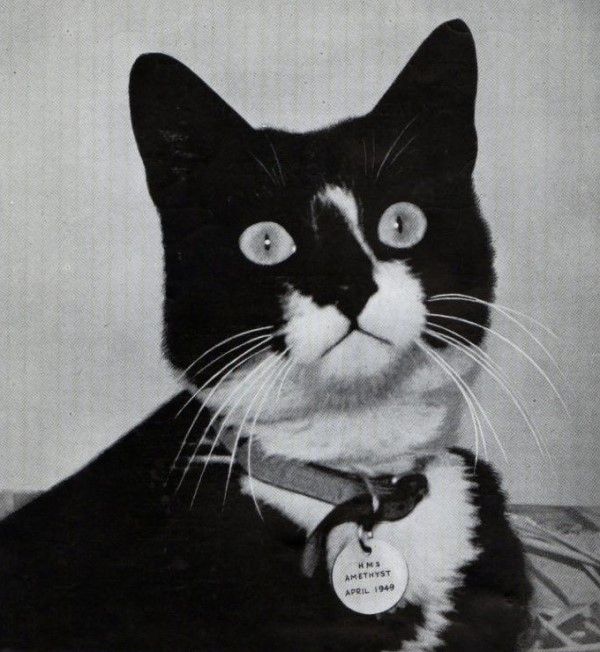
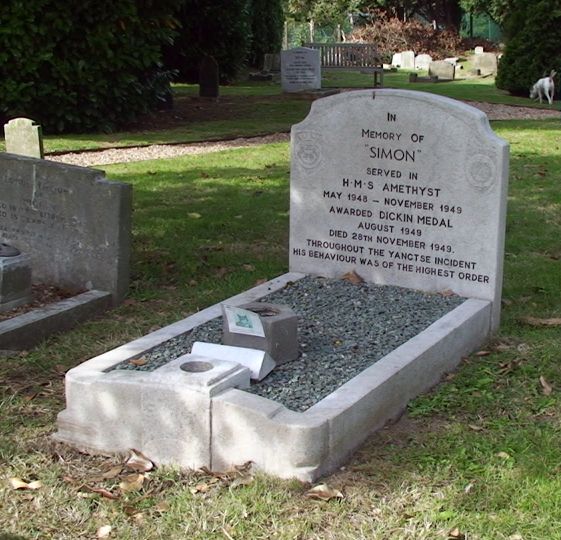


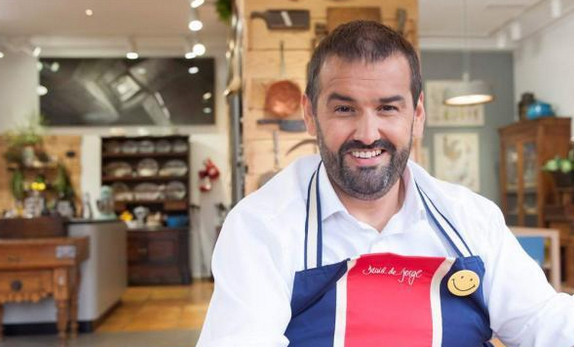



 FX just handed out season renewals to two of its new comedy series. The network announced today that both Stephen Falk's You're the Worst and the Judy Greer/Nat Faxon-starring Married have both been renewed for second 13-episode seasons. Married will remain at FX, while You're the Worst will move over to FXX next season.


