
Shared posts


10 Oct 22:17


Clouded Leopard Cub Makes Herself at Home
by Andrew Bleiman
Recently, a keeper from Cotswold Wildlife Park, in the UK, became foster parent to an abandoned Clouded Leopard Cub.
Photo Credits: Cotswold Wildlife Park
The young female cub was found, at one-day-old, shivering and close to death. Jamie Craig, a zookeeper at Cotswold Wildlife Park, decided to care for the orphan at his home. With the help of his young children, Mr. Craig diligently tended to the cub, named Nimbus.
In order to avoid any interruption from his family dogs, he decided the safest place for Nimbus was in an upstairs bathroom. "We wanted to keep her warm and somewhere secure, and the bathroom was as good a place as any," he said. "She could be messy with the milk and what comes out the other end, so we thought something with a wipe-clean floor was definitely needed."
After six weeks of care and nurturing at Mr. Craig’s house, Nimbus is now back at the park, in her own area. She is currently too young and small to be placed with older leopards, but, when the time is right, keepers anticipate she will be living with other Clouded Leopards in the park.
According to the Clouded Leopard Project, a conservation and research organization, females are often poor mothers in zoo settings and may abandon their cubs shortly after giving birth. Unfortunately, in some cases, the mother may show aggression toward the cubs and harm them. Some zoos make the decision to hand-rear Clouded Leopard cubs, in an effort to protect the newborns from any potential harm.
The Clouded Leopard is native to the Himalayan foothills through mainland Southeast Asia into China. They are currently classified as “Vulnerable” on the IUCN Red List. One of the main threats they face, in the wild, is being hunted for illegal wildlife trade. Currently, there is an indigenous market for their skins, bones, meat, and live animal pet trade. The Clouded Leopard is also threatened by habitat loss. They prefer forested areas, and many parts of Southeast Asia are undergoing rapid deforestation.
10 Oct 15:32
Garfi the Angry Cat Dares You to Create a New Cat Meme
by Lisa Marcus

After the sad passing of Colonel Meow, an internet void was created in the way of cats who look possessed. But if there's anything in which one must never lose faith, it's the Internet's ability to generate new cat celebrities.
So if Grumpy Cat seems not to be edgy enough for you, not to mention passé, say hello to Garfi. This Garfield-inspired cat resides in Turkey. His human is Hulya Ozkok, and I can only imagine he's plotting her demise if she doesn't stop making him wear little outfits.
See a collection of Garfi glamour shots here. Images: Flickr


09 Oct 00:47
The Gangster
How to Intimidate People
by Ryan Fletcher

Photo by Bruno Bayley
It started in the playground, where that sweaty bully dished out bad insults and made you feel like a putz. Years later, you're still being intimidated: on the street at night, in job interviews, at pickup basketball games, when someone says something nasty to you in the bar—in all these situations you're stuck being the victim rather than the aggressor, the one who has to back down while your tormentor makes that shit-eating grin at you. Don't you wish there was a way to shut him or her up, to force that clown into a humiliating retreat? Not by throwing a punch, of course, since that could end with you in a jail cell or badly beaten or both. You're going to win this fight without it ever becoming a fight.
The problem is, not everybody has a natural knack for intimidation. Practice makes perfect, but since firsthand research in this field can be slightly hazardous, I thought I'd get some pointers from a group of individuals who are skilled in getting the bullies of life to back the fuck off.
VICE does not advocate the use of violence or illegal activity, nor do we advise you to put yourself into a position of danger.
Click through below to read intimidation tips from:
The Gangster
The Homicide Detective and Hostage Negotiator
The Bouncer and Former Soccer Hooligan
The Supermarket Security Guard
The Drug Dealer
The Drag Queen

Jimmy Tippett Junior (right) with Dave Courtney (left) and Jimmy Tippett Senior (center)
THE GANGSTER
Crime family member Jimmy Tippet Junior counts some of Britain's most notorious villains among his drinking buddies. His dad, Jimmy Tippett Senior, presided over his turf as the "Governor of Lewisham" from the 60s to the 80s. Jimmy Junior got out of jail last year after serving time for his part in a £250,000 ($400,000) jewelry heist and is currently staying clear of the guns, money, drugs, and crime that have characterized his life so far.
Do you know what it is [that intimidates people]? It's being really nice. Now, I would be as nice as pie if I was trying to intimidate someone, 'cause the more horrible you are the more it doesn't work. People who scream and shout threats—"I'll shoot you! I'll break your legs!"—I laugh at people like that. I would be the most charming, nicest guy possible. That person will go home, google me and the people around me, and see all this bad shit.
When I was in my late teens I was a nasty, vicious little bastard. I wouldn't think twice about sticking a knife in somebody or cutting them. If I wanted to intimidate someone I'd find out who was the biggest, hardest man in that area and then use extreme violence on them so everyone knows who I am. I wouldn't do that now, but that's what I used to do.
"Forget brawn—confidence is number one."
All the bad things I've done have made me the person I am now. I'm very confident; I don't worry about anybody or anything, anytime or anywhere. Forget brawn—confidence is number one. That's why I'm nice when I do things. The history you've built up makes the person. I'd turn up and be like, "Listen, this is how it is. You know who I am." I'd do it that way rather than threaten somebody.
If I was going to see someone and they had a large sum of money and I had to recover that money, I would turn up on my own, buy them a coffee, and be really nice. But in the background there would be two big lumps—scary motherfuckers—just standing in the vicinity. So the person would see all this going on, go away, and do his homework on me. It breaks his brain down.
It's like Tetris—whacking away the bricks. I've always turned up with a result, and it's never failed me. Life is a game. Every day you wake up and get dressed and you're going onto a stage—a platform—to do what you gotta do to better yourself.
I'm very headstrong. I refuse to lose. I'll go all the way. No one will ever beat me. If you beat me with your hands, I'll come back with a bat. If you beat me with a bat, I'll come back... well, now I don't get involved in things like that.

THE HOMICIDE DETECTIVE AND HOSTAGE NEGOTIATOR
Bob Bridgestock was a heroic cop who talked people down from the tops of buildings and persuaded maniacs not to shoot their captives. During his 30 years on the force he took charge of 26 murder investigations, as well as investigating drive-by shootings, kidnappings, and extortion schemes.
The golden rule is treat people how you want to be treated. But sometimes you have to take control. You are a person in authority. Some people will not listen to a single word you say. Whether they're in the right or in the wrong, they just won't listen. They try it on to start with, to test what reaction you have. Will you take a step backward? Will you stand your ground? If you stand your ground they've got a problem. It's talking to people, but you've got to be firm.
Hostage negotiation is a totally different level. In some respects, if they're threatening to kill somebody, it's like the person is threatening to jump off the bridge or stick the knife in their own neck. I've been to people where they're bare-chested, have a bandana around their head, and are leaning against a samurai sword, and they say, "If you come through the door I'm gonna push myself straight into this sword." You say, "Well, look, I've got an ambulance outside. If you do that you're going to be in a lot of pain. You might not die, and if you do that I'll have to come in. I'm not going anywhere."
"He's got a firearm, and he's shouting and screaming that he's gonna turn the gas taps on and kill himself and everybody else."
I've been in armored trucks where we've driven right up to somebody's window. He's got a firearm, and he's shouting and screaming that he's gonna turn the gas taps on and kill himself and everybody else. You could easily give up, but you don't. It's a case of, "Look, we're not going anywhere; you're not going to do that; the gas has been turned off in the street so that isn't going to work. The truck is armored; you're not going to injure anyone in here." Eventually, you wear them down.
Fortunately, I've never been in a situation where I've lost somebody—whether to suicide or kidnapping or anything like that. I don't know how I'd have coped.
Interviews are different again. Part of the interview technique is silence. It makes people uncomfortable. I've known [lawyers] to kick people under the table when they start to talk to remind them [to shut up].

Illustration by Cei Willis
THE BOUNCER AND FORMER FOOTBALL HOOLIGAN
Part-time bouncer and ex-football hooligan Phil "just likes scrapping." He says that age, injuries, and the need to keep a steady job have taught him how to navigate conflict without resorting to fisticuffs—sort of.
Make it look like you're fearless and up for anything. A few years ago I saw a guy while I was on a night out who had a reputation for being quite hard. I was coked up, so I started giving him shit.
I tried it on with his [girl] in front of him, and when he got pissy, I asked him what he was going to do about it. He left it, so a little later, when I saw him at the bar, I pushed him out the way, picked up his drink, and poured it all over his shoes. Then I just stood there, smiling.
He walked off again, and I was feeling pretty pleased with myself, until he smashed a bar stool over the back of my head while I was sitting down. He got dragged out before I could get hold of him, but I was shouting at the cunt that I was going to find out where he lived.
[At this point in Phil's story I remarked that his tactics seemed to have failed miserably. But he insisted that they proved the guy was scared to fight him face to face, and that I should shut up and just let him carry on with what he was saying.]
I saw him a few weeks later around town when I wasn't on drugs. I didn't feel like starting on him again, so I walked over and told him to buy me a pint, which he did. When he handed me my pint I said that I was so happy we were friends I felt like burning my own house down. That seemed to do the trick.
If you're working the doors, you should get to the gym and make sure you're stacked. It's better to look big and have some power behind you. Learn some takedowns as well, and get in a few fights beforehand so you've got some confidence. Take up MMA or something. Don't be afraid to invade people's personal space, push them around, and stand in their way.
Freaking people out and saying weird shit can also help. Like if someone's arguing and getting in your face, ask them what their star sign is—but shout it at them. Then ask quietly how big their cock is.
Whoever was doing a security job in Woolwich Lidl circa 2007 was evidently doing it pretty well.
THE SUPERMARKET SECURITY GUARD
Danny came to England from Nigeria on a student visa to better himself and now works in a supermarket in an overcrowded and impoverished part of London, where arresting shoplifters is low on the list of police priorities. The supermarket was a long way from the run-ins he had in Lagos, but after a short time on the job he realized his own brand of Nigerian justice would come in handy.
This fella, he come in every now and then, nicked a few things, and run off. One day he got me into trouble, which I didn't find funny. He put a few things in his basket as normal—tomatoes, rice, and whatnot—as well as a bottle of whiskey down his pants. I was watching on the camera, and just as he went up to the till I came out of the office. By the time I arrived, he'd run away. All the items were on the till except the drink. The manager was fuming, but I was like, "He'll be back again."
A few weeks went past, and he showed up. Same old thing—he grabbed some whiskey. I didn't even wait for him to go by the till. As soon as he put it in his pants I walked up and was like, "Yo, can I get those things?" He was like, "I'm gonna put it back on the shelf." I was like, "Uh, uh, uh. Do you have the money to pay for the ones you took before?"
Me and the other guard took him to the manager's office. We searched him, and he only had a couple of pennies. I said, "How you gonna pay for a bottle of whiskey with pennies? I'm gonna have to take something. If we get the money back, you get your stuff back." So I said, "I like your shoes." He was being a dickhead, so I said, "I like your trousers, too—with the belt on—and if I have to take them off you I'm gonna knock you out first 'cause I can't be struggling." I wanted to take his socks as well, but they weren't my type. He took them off and I was like, "Are you gonna come back with the money?" He said he'd be back in a minute. This was January, and it was freezing cold. I was like, "Off you go."
Another guy came around a different day doing the usual—stealing items and threatening people. I got him back. In the office I said, "Have you got payment on you?" Obviously not. When I searched him all he had was his passport, so I took it. I think it still might be in the manager's office. I never saw him again in my life.

Photo by Giorgi Nieberidze
THE DRUG DEALER
Marlon is in his 30s and a career drug dealer. Intimidation has been part of his day-to-day existence since he started selling weed on the banks of London's Grand Union Canal in the 1990s.
If you’re dealing with a street punter [buyer], there is a balance of power. Intimidating someone who has already made himself vulnerable by buying illegal drugs is easy.
Most of the time, putting the shits up someone is more about the threat of violence than violence itself. It depends on who the target is. I used to have some right curtain-twitching neighbors, but they were sorted out easily—I just told them to fuck off, keep their curtains closed, stay inside.
My business depends on controlling the lines of credit I give out to my customers, and I use different stages of intimidation. The first stage of getting to people is friendly. I’m just like a bank or a debt collector. It’s constant phone calls and text messages. This will normally nudge the average middle-class kid to pay up. Then, if that doesn’t work, I’ll threaten the fuckers with violence. That usually reels in the rest.
"If a dealer owes me money and he can't pay, he will expect a slap."
Most people freeze in the face of cold-blooded violence. Just a slap around the chops is well outside their comfort zone. It’s the speed and ferocity with which you turn from a friend to a foe that catches people off balance. I’ve seen grown men well up with fear.
If a dealer owes me money and he can’t pay, he will expect a slap. If someone steals from me, he can expect to get battered. It’s not as random as it might appear. But this doesn’t even come close to dealing with my rivals over turf. It’s not purely about numbers or firepower, but about reputation, acting with confidence—you need an element of surprise; that is what intimidates people.
Power is people knowing I won’t back down. The last time someone tried to muscle in on my game we went to war. Within hours we had kidnapped two rivals and blown out the windows of a house of a close relative of a third with a sawn-off shotgun. We just continued to hit them until they surrendered.
But intimidation is not just about violence. If you are holding personal information about someone you can dangle them from a thread. In this game it’s about threatening to tip off police or immigration services, or threatening families overseas. It’s dirty; we all know it.
This section by Max Daly

THE DRAG QUEEN
By day, Mercedes Bends supervises construction workers; at night she's part of the Brighton drag scene and has dealt with her fair share of leering drunks and horny men. She likes to deploy a non-gender-specific array of weapons to combat haters, whether she's at her job or in the bar.
Drag queens can be really scary. I can do it. Obviously I don't do it for the sake of it, but I can turn it on if I have to. There's something unhinging about someone who looks so girly but has the physical aggression of a man. Women are good at mental torture, whereas a man will punch. The combination of the two creates a powerful effect.
I used to work in a bar in Brighton that catered to [bachelor and bachelorette parties]. Straight guys who would normally mock gays would come in. Without my drag, they would have the ability to intimidate me. The drag was like an armor that gave me the upper hand.
"I'll flatten you with one line, sugar-tits."
Building sites can be really aggressive places, too. But it's just about baring your teeth bigger than they can. A lot of people who work in manual-labor jobs and want to cause trouble are quite simple. All I have to do is use a word with a couple more syllables, and they're mentally intimidated.
Mostly it's the delivery. I've got the sort of attitude where I'll go straight in for the kill. I'll flatten you with one line, sugar-tits. When I first started on sites I'd get a lot of comments, but I'd be so quick with the comeback that I'd kill them with humor.
When someone pretends to try it on with me, which has happened so many times, I just turn it around on them. I've never been retiring about it. "Come on then, darling. Let's go do it. Get it out." They turn into nervous little boys. For example, there was a black guy on site; he came up behind me and started touching me up. I turned around to him and said, "I've never been with a black guy before. Do you fancy it?"
I've caused whole pub brawls because people have been intimidated by the sexual element. Once, at the Brighton bar, a guy came in with a group of his mates. He ended up taking a real shine to me. Next thing I know, there's a brawl. His brother kicked off 'cause he was paying me too much attention. He was shouting: "My brother's not going home with a cock in a bra." The barman got involved and started lamping people, and I waded in there in full drag.
09 Oct 00:27

Woman can sing multiple notes at the same time
by Alex Moore
Singer Anna-Maria Hefele as honed the art of what’s called polyphonic overtone signing—a skill that allows her to sing two notes at the same time. And these aren’t just two notes that move in parallel, like when you try to whistle and hum at the same time—Hefele can move the notes completely independent of each other.
It’s easiest heard listening on headphones as computer speakers can drop the high-range of some of her overtones, but if you’re listening on a laptop jump to 3:25 for a jaw-droppingly impressive run that comes through loud and clear.
h/t: iO9
08 Oct 18:28

The world’s most expensive burger sounds completely nauseating
by Robyn Pennacchia
The Honky Tonk restaurant in Chelsea is offering its customers the chance to eat the most expensive hamburger in all the land–”The Glamburger.” Most will have to pay a whopping $1,100 for the experience, but one “lucky” Groupon contest winner will get to try it for free. Why they would want to, I don’t know, because it actually sounds terrifying.
Via Groupon:
The burger patty is made from 220 grams of Kobe Wagyu beef minced with 60 grams of New Zealand venison to perfectly balance the fat content, and a rich center of black truffle brie to create a liquid pocket once the meat has cooked. The burger patty is then seasoned with smoked Himalayan salt and served with a Canadian lobster poached in Iranian saffron. Atop the lobster, creator of the burger, chef Chris Large, has added maple syrup-coated streaky bacon, Beluga caviar and a hickory-smoked duck egg intricately covered in edible gold leaf. The bun is seasoned with a Japanese matcha and cream mayonnaise and coated in gold leaf. Finishing touches come in the form of a mango and champagne jus and grated white truffle.
THAT IS TOO MANY THINGS. All of which I am sure are fine on their own, and probably don’t need to be eaten together in one giant sandwich made of all the expensive things. I don’t see how one could possibly combine all of these flavors and not have it be super gross. Obviously, the creators of said burger ignored the Coco Chanel rule of removing one accessory before leaving the house.
The thing is, the price is obviously driven up by the fact that it is covered in “edible gold leaf.” Since when is gold leaf delicious? Who wants to eat gold? Not once in my life have I looked down at a ring and thought “Gee, you know, that’s pretty–but what would be better would be if I could eat it! Mmmm!” Not once. What even is the point of covering food in actual gold leaf? I can think of no practical purpose for this. Unless it’s like, for people who have pica, but they should probably go to see their doctors rather than buy a $1,100 burger to satisfy their cravings.
Or not. I just Googled and edible gold leaf is not even that expensive! It’s like $5.99 for 10 sheets. In order for the cost of this burger to make sense, every ingredient would have to cost close to $100, which I am pretty sure they do not, except for the caviar. The caviar costs about $5,000 per kilogram (2.2 lbs) so I guess if you had like, a quarter pound of caviar on the burger it would start to make sense, but also that would be gross.
More importantly, however, this was literally a joke on Black Books! Except it was called Luxury Pie and it was not supposed to be a good idea.
I admit that my assessment of this could perhaps be colored by the fact that I am both a recovering picky-eater as well as an incredibly cheap human. I admit that even if it were delicious, I could not enjoy it simply because of the fact that I do not believe that anything can be $1,100 worth of delicious. I am actually still mad about a tiny $12 bowl of mixed nuts from eight years ago that I didn’t even pay for. It’s the principal of the thing!
Still, I remain a Glamburger skeptic, because I still can’t figure out why it would cost that much or how it could possibly taste good. Which is fine, because I am pretty sure that I will never be eating one, even if I actually wanted to.
08 Oct 18:22

Jerry Seinfeld destroys advertising while accepting advertising award
by Alex Moore
Jerry Seinfeld showed up to accept a Clio award late last week. Don’t know what that is? Don’t worry—neither does Jerry Seinfeld. To the extent he seemed to know what it is—an award for peddling ads—he seemed filled with doubt and self-loathing about his place in the industry, and he didn’t hold back in his acceptance speech. At all.
Not only did he not hold back, but he used the speech as a platform to sarcastically bash traditional advertising as the brainwashing that keeps us lulled into attempting to spend our way out of our existential crises.
“I love advertising because I love lying,” he said. As if that weren’t damning enough, he continued: “I think spending your life trying to dupe innocent people out of hard-won earnings to buy useless, low-quality, misrepresented items and services is an excellent use of your energy.”
Seinfeld, who himself has made untold millions in various endorsement deals like appearing in American Express ads, thanked the advertising industry and said he’d be grateful until he reached the edge of the stage at his exit, when it would hit him that all of this was vapid and utterly devoid of meaning.
It’s a pretty great speech—the kind that can only be delivered by a guy who truly doesn’t give a shit.
h/t: Uproxx
08 Oct 18:21

Murder suspect named Butts inspires amazing headline
by Joe Veix
Daniel A. Butts is currently on trial in Oregon, accused of murdering Rainier Police Chief Ralph Painter in 2011. Butts will be forcibly given anti-psychotic medication, so that he is fit for trial.
It’s a bleak story, but thankfully, the South County Spotlight found some levity in the situation by running this wonderful headline on its front page on Friday. “Butts Will Be Forcibly Medicated.” Sounds uncomfortable, yet intriguing.

The headline is different in the online version of the story, without “Butts,” with a note at the end of the article that vaguely explains, “This story has been updated.” It’s rivaled only, perhaps, by this one from the Times of India a few months ago.
Who knows, maybe having such a funny last name is what first drove him over the edge?
h/t Jim Romenesko
08 Oct 13:26
Cosas que no valen para nada
by Grace Morales
Mi madre me ve pasar con el ordenador. Me pregunta qué hago. Yo le digo que voy a escribir, y ella me hace el comentario de siempre: “Pero hija, todavía sigues con eso del tebeo… si no vale para nada”. Yo le contesto, señalando el libro que tiene en las manos: “Pues igual que tú. Para nada”. Entonces nos miramos las dos por encima de nuestras gafas, y cada una vuelve a lo suyo.
Esa imagen de mi madre, sentada en el sofá y leyendo un libro por la tarde, y hasta la hora de dormir si no hay nada interesante en la tele, es una foto fija desde que tengo memoria. Cuando mi padre vivía, él también estaba con sus libros, aunque no variaba mucho de ejemplar: o era una Biblia o un tomo de pintura. Puntualizo que aunque me encantaría poder contar una historia de familia decadente, con figuras curiosas que hasta se codearon con personajes ilustres, mis padres lo más cerca que han estado de un famoso es cuando compraban el pan en la misma tahona que Marcelino Camacho. Ninguno de ellos ha pertenecido siquiera a aquella legendaria clase media que parece se ha extinguido a fuerza de congelador, sino a la obrera, y a la más pobre, esa que tenía parados de larga duración en los años ochenta y se pasaba el día maldiciendo, sobre todo, cuando echaban el parte. Sabrán entonces disculpar esta manía por soltar inconveniencias en las redes sociales sobre temas en los que una mujer con estilo no debería meterse nunca. Ninguna persona, en realidad. Es que es de familia.
Hago señalar también que el hecho de que mis padres emplearan la mayor parte de su tiempo en leer, en lugar de hacer turismo o alternar, porque eso no se lo podían permitir, no les convirtió en mejores personas, aunque les hizo menos tontos. De ambas cosas doy fe, primero porque yo soy resultado en parte de aquel experimento a la fuerza (no por lista, precisamente, sino por persona regulera), y segundo, porque para la mayoría de mis compañeros de clase, amigos y resto de la familia, aquella afición era más extravagante que si se hubieran dedicado al cultivo de emús.
Cuando éramos pequeños, mi madre nos ayudaba con los deberes, supervisaba los ejercicios y nos compraba, con lo exiguo del presupuesto, que lo era y mucho, tebeos, libros infantiles y juveniles. Por entonces los planes de estudios de la LOGSE eran un ladrillo de materias espesas y comprimidas, comparados con los que tiene la ESO, más propio para una enseñanza de integración, y aun así se quejan los expertos de que los chavales se aburren y no aprovechan el tiempo porque dan unas cosas que es lógico que no comprendan, como, por ejemplo, el Poema de Mío Cid, que es algo anacrónico en nuestros días, y hasta un poquito facha. Que, o sea, a ver, de qué les va a servir leer a Quevedo o a otro autor antiguo de esos con doce años.
En realidad, ni con doce ni con setenta años sirve de mucho leer a Quevedo. La literatura, el arte o la trigonometría son inútiles en sí mismas. Al colegio vas para no aprender nada. ¿De qué demonios sirve solucionar algoritmos, aplicar las leyes de la termodinámica y saberse los afluentes de los ríos? Bueno, si quieres ser un concursante de la tele, pues quizá, o un científico raro decidido a hacer carrera en otro continente… En el mejor de los casos, si no eres un niño de provecho, que con seis años ya trabaja ayudando en casa picando piedra o droga, el colegio es un paréntesis en el que no haces nada, un limbo en el que tendrás la enorme suerte de estar al abrigo de una entidad que supuestamente dice que te forma, o más bien te tiene aparcado para que no molestes en la calle o incluso en tu casa, para que después, cuando seas mayorcito según la convención internacional, te lance a la realidad, pero ya sin remordimientos socio-políticos. Unos años donde estás con el runrún de hechos y personajes raros, como el guerrero medieval ése, las pirámides o las cadenas de química orgánica. Puede que tengas la fortuna de dar con un maestro o maestros buenos, de los que se lo creen y te cuentan las cosas de manera que incluso termines tu educación sintiendo apego por la ciencia o el arte. O que, como en mi caso, esa coincidencia se combine con la carambola de una madre muy pesada que nos acostumbró a leer libros por falta de presupuesto para otros hobbies. Pero al colegio se va a hacer el bestia, a jugar y a no aprender, salvo las mañas para desenvolverse sin libros. Y quien diga lo contrario es un hipócrita.
Antes, mi madre me hubiera dado un capón solo de pensarlo, pero ante la posibilidad del corte de luz por impago, esta temporada otoño-invierno hemos hablado de quemar nuestros libros para hacer chascas. Ella vota por empezar con el Cantar de Mío Cid, El Buscón y un surtido de la colección Joyas Juveniles de Bruguera. Yo, por las novelas de Muñoz Molina, Grandes y Pérez Reverte. Como dicen los ricos, es que es como que tenemos demasiadas cosas y así le damos un toque zen a nuestro hogar.
Total, ni a ella ni a mí nos han servido de nada.
08 Oct 13:22
Cuando Galicia viajó del tabaco a la fariña
by Carlos Carabaña
Dios, exhausto tras los seis días de intenso trabajo creando el universo, decidió que la séptima jornada bien merecía un descanso. Como tantos otros después, escogió España como destino de vacaciones. Extasiado por la belleza gallega, apoyó sin querer una de sus manos en lo que hoy son las Rías Baixas. Su huella configuró la especial orografía del terreno, un juego de tierra y agua, lenguas de terreno que se adentran en el mar y viceversa.
No sabía el Creador que, con su despiste, iba a convertir la costa oeste de la nación de Breogán en paraíso para o choio do fume, nombre coloquial para el contrabando de tabaco. Esta actividad ilícita, socialmente aceptada en Galicia, contaba con el beneplácito tanto de la clase política gallega vinculada a la derecha como de las fuerzas del orden. Poco a poco, fardo a fardo, se transformó en una red por donde entraba la inmensa mayoría de la cocaína en Europa.
El contrabando en Galicia viene de antiguo. Ya durante los primeros años de la dictadura franquista era común el estraperlo o comercio ilegal de artículos intervenidos por el Estado o sujetos a tasa; pero es en los años 60 cuando la cosa comienza a profesionalizarse. Bienes escasos en la nación de Breogán, como las cajetillas de tabaco, venían cada vez en mayor cantidad a las Rías Baixas desde el vecino Portugal en conveniencia con los hosteleros, las empresas de transporte y los pescadores.
El padrino era Vicente Otero, apodado Terito o don Vicente, un hombre de impecable vestir y amigo personal de Manuel Fraga que poseía una empresa de transportes. Su mano derecha era José Manuel ‘Nené’ Barra, alcalde por los populares en Ribadumia desde 1983 hasta 2001, cuando fue detenido en relación a un alijo de medio millón de cajetillas de tabaco rubio.
 Junto con Terito y Nené se foguearon en el negocio contrabandistas más jóvenes, como Luis Falcón Falconetti; José Ramón Prado Bugallo, ‘Sito Miñanco'; Laureano Oubiña; Manuel Charlín Gama, El Viejo; o el famoso amigo del presidente de la Xunta Nuñez Feijoo, Marcial Dorado, cuya madre era sirvienta en la casa de don Vicente.
El propio Oubiña declaró a Vanity Fair que «primero 50 cajas, luego 500 cajetillas y fuerte, fuerte, en 1970», cuando compra su primer barco. Su empresa llegó a emplear entonces a un centenar de personas. El Winston de batea, como se llamaba al tabaco de contrabando que salía principalmente desde el puerto belga de Amberes, inundó durante esta década bares, ultramarinos y calles de Galicia. Con la democracia llegó un cambio de leyes. Lo que antes era un multa se convierte con Suárez en cárcel y el ministro socialista de Justicia, Barrionuevo, equipara, con la reforma del Ley de Contrabando, la pena por contrabando con la de tráfico de hachís en 1983. Justo el 3 de diciembre de ese año es la primera gran redada contra los contrabandistas de tabaco.
Muchos de ellos huyen a Portugal y unos pocos acabarían pasando una pequeña temporada en prisión. Algunos, como Sito Miñanco, debido a esta redada. Otros, como Charlín el Viejo, por casi matar a un empresario que le debía dinero al encerrarlo en un camión frigorífico. Se cree que es allí donde traban contacto con cárteles colombianos como el de Medellín o Bogotá. El hasta entonces relativamente unido grupo de los contrabandistas gallegos se divide cuando los más jóvenes dan el salto a la droga. Se dice que Terito encañonó a Oubiña en una reunión para decidir el futuro del negocio. Primero hachís de Marruecos, luego cocaína colombiana.
 Según sube la apuesta, comienzan las venganzas. Siete años después, un procesado en el sumario del 1983 fue asesinado en un bar de Vilanova de Arousa por un vecino debido a desavenencias tras el robo de una lancha. En abril de 1991, dos grupos se citaron en un monte de Caldas de Reis para discutir sobre un alijo incautado y acabaron a tiros, muriendo uno de los jefes. Para cuando en enero de 1993, Antonio Chantada, Tucho Ferreiro, de 28 años y ya de la nueva generación de narcotraficantes gallegos cogió su escopeta, el recuento oficial de víctimas era de 18. Tucho sumó tres más al irrumpir en dos locales de Vilagarcía y disparar contra tres personas y posteriormente suicidarse en su coche.
Sus muertos fueron el exlugarteniente de Sito Miñanco Daniel Carballo Conde, Danielito, y José Juan Agra Carro. Se le escapó Rafael Bugallo Piñeiro, El Mulo, al que hacía unos meses había intentado enterrar vivo. Este fue detenido de nuevo en 2008 tras montar su propio clan. La última muerte sonada fue la del arrepentido Manuel Baúlo, del clan de Os Caneos, al que un 12 de septiembre de 1994 tres sicarios colombianos acribillaron a tiros por orden de sus antiguos socios, el clan de los Charlines.
‘Sito Miñanco’ era el ejemplo perfecto de ese bandido generoso, en palabras de Hobsbawm, que llevó al contrabandista a ser aceptado en Galicia. Siempre rodeado de mucha gente, nunca dejaba tirada a la familia de un colaborador detenido y llegó a pagar el tratamiento médico de amigos enfermos. Compró el equipo de fútbol de su pueblo, el Juventud de Cambados, y a golpe de talonario lo llevó desde la preferente gallega hasta las puertas de la segunda división. Antonio Pillado, entonces alcalde popular de Cambados, publicó en la prensa un bando laudatorio.
Cuando las grandes cantidades de mano de obra que requería el transporte del tabaco y su poco impacto social se cambiaron por más beneficio, pero menos beneficiarios y los problemas sociales que trae la droga dura para la salud pública, los vecinos que antes los admiraban comienzan a señalarles por la calle y se organizarse en asociaciones contra la drogadicción. La prensa empieza a emplear la palabra ‘narcotraficantes’.
Sus amigos en la política y las fuerzas de seguridad tardarían un poco más en hacerlo.
The post Cuando Galicia viajó del tabaco a la fariña appeared first on Yorokobu.
08 Oct 13:04
La OCU detecta carne de caballo, pollo y pavo en los kebabs de ternera
by Europa Press
La organización de consumidores analizó en el laboratorio 25 productos comprados en establecimientos de comida rápida de Madrid
08 Oct 13:03
Llega el chorizo de pulpo
by A.Martínez
La empresa Cabomar, de Marín, elabora uno de los productos más innovadores de la feria Conxemar de este año
07 Oct 18:40
EL MILAGRO DE FERROL
by Carlos Rodríguez
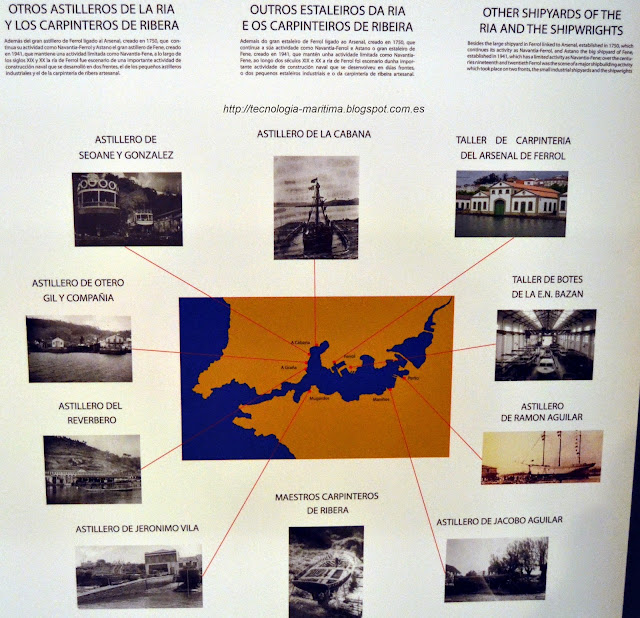
EL MILAGRO DE FERROL, todo empezó hace 300 años, en el año 1715.
.jpg)
Los otros astilleros de la Ría de Ferrol:
VIDEOS:
ENLACES:
1-HISTORIA DE ASTANO EN EL SECTOR OFFSHORE
2-LOS BUQUES DE LA OPERACION ELCANO: CASTILLO DE LA LUZ Y CASTILLO DE LOPERA
3-La última singladura del Crucero Canarias C-21 (1975)
4-EL CASTILLO DE SAN FELIPE
5-Defensa a ultranza de Ferrol (25 y 26 de agosto de 1800)
6- Exponav. Museo de la Contrucción Naval de Ferrol (2014)
7- Museo Naval de Ferrol
8- VISITA AL MUSEO NAVAL DE FERROL DESPUÉS DE SU REAPERTURA
9- Dique de la Campana
10- Dique de La Cabana
.jpg)
Los otros astilleros de la Ría de Ferrol:

VIDEOS:
ENLACES:
1-HISTORIA DE ASTANO EN EL SECTOR OFFSHORE
2-LOS BUQUES DE LA OPERACION ELCANO: CASTILLO DE LA LUZ Y CASTILLO DE LOPERA
3-La última singladura del Crucero Canarias C-21 (1975)
4-EL CASTILLO DE SAN FELIPE
5-Defensa a ultranza de Ferrol (25 y 26 de agosto de 1800)
6- Exponav. Museo de la Contrucción Naval de Ferrol (2014)
7- Museo Naval de Ferrol
8- VISITA AL MUSEO NAVAL DE FERROL DESPUÉS DE SU REAPERTURA
9- Dique de la Campana
10- Dique de La Cabana
07 Oct 18:39
Rosón pide que se anule la concesión de la terraza del antiguo Alameda
by r. m. santiago / la voz
07 Oct 18:28
Swing, soul y rock'n roll de altos vuelos cerrarán este sábado el «Outono Códax 2014» en Santiago
by Efe
El tercer y último concierto del ciclo trae a la capital gallega a Ray Gelato y Hannah Williams, la última voz prodigio del Reino Unido
07 Oct 18:23




 RAPHAEL - LOS EP´S ORIGINALES DE HISPAVOX - VOL: 1, 2 y 3.
NOTA: GRACIAS A NINO.
contraseña; mijas
Maravillosa recopilacion de Hispavox, gracias amigos!!!... Cariños para uds... GB
RAPHAEL - LOS EP´S ORIGINALES DE HISPAVOX - VOL: 1, 2 y 3.
by Gb Bonita


NOTA: GRACIAS A NINO.
contraseña; mijas
Maravillosa recopilacion de Hispavox, gracias amigos!!!... Cariños para uds... GB
07 Oct 18:15
"BLUE FLAMINGO" Congo Jazz
by noreply@blogger.com (RYP)
22 tracks with 23 page booklet. Superb 78rpm compilation from the 78 rpm record collector & DJ Ziya Ertekin alias Blue Flamingo. Includes: Hot Jazz, Jungle Exotica, Congolese Rumba, Gospel. (Excelsior Label) trax:
trax:
 trax:
trax:1. Bacunayagua - Orchestra Suprema 3. El Divertido - Orquestra Sublime 4. Silver Star - Pepe Delgado Orquestra 5. Vamonos Pa' Oriente - Juovenes Del Hierro 6. Sensacion Hay Solo Una - Orquestra Sensation 7. No Bailo Con Lola - Willy Chirino 8. El Invento De Nelo - Conjunto Impacto 10. He Perido Una Perla - Los Caminates 11. Guaracha Y Can - Conjunto Century 12. Bamba Samba Bossa Nova - Charlie Byrd 13. Palladium - The Execs 14. Tortilla - Joey Glam & The Noblemen 15. Mambo Herd - Tito Puente & Woody Herman
...served by Gyro1966...


06 Oct 20:07
 New Orleans was not just the home of the blues – it was the factory of funk. The subtitle to this delicious little 16 tracker is “deep and dirty New Orleans funk”, and that’s exactly what it is.
Of all America’s major cities, the music of New Orleans is arguably the most distinctive – sparse, stripped, and sometimes purposefully off key, when the loping groove hits you know you’re talking Crescent City. Dip in anywhere here and you’ll be surrounded by a unique sound.
For me, pride of place goes to the late, very great Lee Dorsey. He weighs in with the truism “Everything I Do Gonn Be Funky” and “Occapella”, while his biggest tune “Ride Your Pony” is here represented by the marvellous Betty Harris. When she exhorts her man to stay in the saddle and shoot, you know she sure ain’t talking equestrianism!
Other great New Orleans names here are Robert Parker, Eddie Bo, and Allen Toussaint, while the lesser known include Clemon Smith, Roger and the Gypsies, Inez Cheatham, Skip Easterling, Willie West and the Backyard Heavies.
The backing on most of the cuts is provided by the ever-dependable Meters, who also get a trio of tunes to themselves.
Voodoo Soul - Deep & Dirty New Orleans Funk
(192 kbps, front cover included)
VA - Voodoo Soul - Deep & Dirty New Orleans Funk
by zero
New Orleans was not just the home of the blues – it was the factory of funk. The subtitle to this delicious little 16 tracker is “deep and dirty New Orleans funk”, and that’s exactly what it is.Of all America’s major cities, the music of New Orleans is arguably the most distinctive – sparse, stripped, and sometimes purposefully off key, when the loping groove hits you know you’re talking Crescent City. Dip in anywhere here and you’ll be surrounded by a unique sound.
For me, pride of place goes to the late, very great Lee Dorsey. He weighs in with the truism “Everything I Do Gonn Be Funky” and “Occapella”, while his biggest tune “Ride Your Pony” is here represented by the marvellous Betty Harris. When she exhorts her man to stay in the saddle and shoot, you know she sure ain’t talking equestrianism!
Other great New Orleans names here are Robert Parker, Eddie Bo, and Allen Toussaint, while the lesser known include Clemon Smith, Roger and the Gypsies, Inez Cheatham, Skip Easterling, Willie West and the Backyard Heavies.
The backing on most of the cuts is provided by the ever-dependable Meters, who also get a trio of tunes to themselves.
Voodoo Soul - Deep & Dirty New Orleans Funk
(192 kbps, front cover included)
06 Oct 20:06
 The box-set "Forbidden, Not Forgotten - Suppressed Music From 1938-1945" encompasses three discs of music, written by composers who, to quote the liner notes, "were persecuted, banned, isolated, imprisoned, or killed in Germany and other European countries in the years between 1933-1945, on the grounds of their race, religion, or political attitude."
The first two CDs are dedicated to composers from the Theresienstadt (Terezin) ghetto, all of whom were later killed in the German extermination camps. The liner notes explain:
"Some 60 kilometers outside Prague...A small 'camp town´ was created here out of a former imperial and royal castle and garrison town and functioned as a collecting point and transit camp for the major extermination camps. It was also a 'token camp' which was abused for propaganda purposes to impress international Red Cross delegations and was also the location of a documentary film, 'Der Führer schenkt den Juden eine Stadt'.
Through the concentration of so many well-known musicians, singers, conductors, and composers in one place, as of 1942-1943 Theresienstadt was able to develop into a unique, officially accepted music culture and production center...
There was no way out of Theresienstadt other than into death and destruction. As the first transports set off in 1942 in the direction of the extermination camps the camp´s leaders recognised the psychological importance of a lively cultural life, which the prisoners could organize themselves.
...Instruments started turning up one after the other and choirs, orchestras and chamber music ensembles were formed. Works from Bach, Handel, Mozart, Beethoven, Chopin, Brahms, Smetana and Janacek were rehearsed without sheet music, learned off by heart and performed for an audience dressed in prisoner's clothing. Admission was paid for in pieces of bread - in that moment it was of less importance than the cultural experience. There soon followed premieres of the works of detained composers."
Disc one is dedicated to Gideon Klein (1919-1945) and Viktor Ullman (1898-1944). It contains Klein's 'Partita for Strings (1944)' and Ullmann's 'Piano Sonata No. 7,(1944)' 'Three Hebrew Boy's Choruses, (1943-44)' for unaccompanied chorus, and 'Three Songs After Poems of Freiedrich Hölderlin (1943-44),' for soprano and piano. Unfortunately, librettos are not provided, but the pieces on this disc are quite remarkable regardless, particularly Klein's lyrical Partita, with its intricate rhythms, and Ullmann's short choral pieces, simple and touching.
Disc two is dedicated to Pavel Haas (1899-1944) and Hans Krasa (1889-1944). It contains Pavel Haas' 'Study for String Orchestra,' and Krasa's 'Passacaglia and Fugue for String Orchestra,' 'Overture for Small Chamber Orchestra,' and a complete recording of his opera, 'Brundibar,' a children's opera in two acts.
What's so striking - and heroic - about Krasa's works is their playfulness and essential optimism, certainly the last thing one could expect given the composer's circumstances at the time of their writing. I can't help but think of Shostakovich's statement on Jewish folk music: "It's almost all laughter through tears."
Brundibar, a children's opera in two acts, was Krasa's main work while at Theresienstadt. To quote the liner notes:
"Brundibar is the story of the brother and sister Sepperl and Annerl they are supposed to fetch milk for their sick brother but they have no money. They try to earn street corners like the organ grinder Brundibar but fail. They are only able to collect some money when they are helped by a cat, a dog, and a sparrow to sing a lullaby. Brundibar steals it from them but with the help of the animals they are over to find and overpower him. The piece was extremely popular with children due to its simplicity, the clear message, and the hidden allusions to the circumstances of the day...all the voices and the figures have their own characteristics and especially the animals are of a loud and childish appeal, without ever appearing too cute.
Brundibar also quickly became a plaything of the propagandists on account of its sensationally positive effect and had to serve as fabricated proof of the 'good and normal' treatment of the Jews in Theresienstadt at all imaginable official occasions and visits. Rehearsals and performances were interrupted time and time again by the transportations until finally the last of the children left Theresienstadt for good at the end of September 1944. Hans Krasa followed them just a few days later and was murdered in Auschwitz in October 1944.
Brundibar is an important document of unbroken human hope and is eternally valid in its message - we can only exist if we are united when confronted with evil."
It's hard to imagine a more powerful contrast in style than between Krasa's music on disc two and the music of Karl Amadeus Hartmann, a German and conscientious objector, on disc three. The only composer included in "Forbidden, Not Forgotten" to have survived the war, Hartmann is probably also the most well-known. His Symphonies are works of great genius, and more than one complete recorded set is available. These works aren't included on disc three of "Forbidden, Not Forgotten," but perhaps his most popular piece is: the Concerto Funebre for violin and orchestra, in four movements.
Hartmann's music is more 'modernist' than the music on the previous two discs; indeed, it seems shot through with inescapable sorrow and anger. It's no accident that the overall mood that in addition that in addition to the 'Funeral Concerto,' the longest piece on this disc is a 'Funeral March' in a piano sonata. That sonata is entitled, "Sonata, April 27 1945." It is in three movements, and the Funeral March dominates - eleven minutes to the first and thirds' three-and-a-half and five, respectively. Its use of sustained tone clusters and jagged figurations evokes an inescapable atmosphere of pain.
The "Concert Funebre" follows, and I think this work is familiar enough that additional comment is pretty unnecessary; it is what it purports to be. The moments that most remain in my mind are the extremely dramatic uses of the solo violin's extreme upper registers, contrasted with immobile, grinding accompaniments in the low strings, conjuring "a voice crying out in a wilderness of privation."
Last on the disc is the "Second String Quartet". Using similar instrumentation as the Krasa Passacaglia and Fugue, it's a totally different world, one transfigured by the sorrow of the Nazi regime's totalitarianism and murderousness. Hartmann's works seem to attempt to plumb the 'madding depths,' those sorrows only alluded to in the pieces of the other two discs. This is ironic, in a way, as Hartmann was the only composer herein to actually live through the war. It is almost as if he saw his role as to express the terror which those millions murdered by the Germans and their allies were unable to express. And it is appropriate that those with voice would speak for those so cruelly rendered mute.
Note: There are existing two major organizations dedicated to promoting knowledge of the works of the Theriesnstadt composers: one, the Terezin Chamber Music Foundation, has a website at http://www.terezinmusic.org/. The other, the Viktor Ullman Foundation, was founded in 2002 by the pianist Jaqueline Cole and regularly features concerts of once-suppressed music in and about London. It's website is at http://www.viktorullmannfoundation.org.uk/.
Thanks a lot to "dsch" at http://everything2.com/ for all the information.
Forbidden, Not Forgotten - CD 1, 2, 3
(192 kbps, front cover included)
Forbidden, Not Forgotten - Suppressed Music From 1938 - 1945
by zero
 The box-set "Forbidden, Not Forgotten - Suppressed Music From 1938-1945" encompasses three discs of music, written by composers who, to quote the liner notes, "were persecuted, banned, isolated, imprisoned, or killed in Germany and other European countries in the years between 1933-1945, on the grounds of their race, religion, or political attitude."
The first two CDs are dedicated to composers from the Theresienstadt (Terezin) ghetto, all of whom were later killed in the German extermination camps. The liner notes explain:
"Some 60 kilometers outside Prague...A small 'camp town´ was created here out of a former imperial and royal castle and garrison town and functioned as a collecting point and transit camp for the major extermination camps. It was also a 'token camp' which was abused for propaganda purposes to impress international Red Cross delegations and was also the location of a documentary film, 'Der Führer schenkt den Juden eine Stadt'.
Through the concentration of so many well-known musicians, singers, conductors, and composers in one place, as of 1942-1943 Theresienstadt was able to develop into a unique, officially accepted music culture and production center...
There was no way out of Theresienstadt other than into death and destruction. As the first transports set off in 1942 in the direction of the extermination camps the camp´s leaders recognised the psychological importance of a lively cultural life, which the prisoners could organize themselves.
...Instruments started turning up one after the other and choirs, orchestras and chamber music ensembles were formed. Works from Bach, Handel, Mozart, Beethoven, Chopin, Brahms, Smetana and Janacek were rehearsed without sheet music, learned off by heart and performed for an audience dressed in prisoner's clothing. Admission was paid for in pieces of bread - in that moment it was of less importance than the cultural experience. There soon followed premieres of the works of detained composers."
Disc one is dedicated to Gideon Klein (1919-1945) and Viktor Ullman (1898-1944). It contains Klein's 'Partita for Strings (1944)' and Ullmann's 'Piano Sonata No. 7,(1944)' 'Three Hebrew Boy's Choruses, (1943-44)' for unaccompanied chorus, and 'Three Songs After Poems of Freiedrich Hölderlin (1943-44),' for soprano and piano. Unfortunately, librettos are not provided, but the pieces on this disc are quite remarkable regardless, particularly Klein's lyrical Partita, with its intricate rhythms, and Ullmann's short choral pieces, simple and touching.
Disc two is dedicated to Pavel Haas (1899-1944) and Hans Krasa (1889-1944). It contains Pavel Haas' 'Study for String Orchestra,' and Krasa's 'Passacaglia and Fugue for String Orchestra,' 'Overture for Small Chamber Orchestra,' and a complete recording of his opera, 'Brundibar,' a children's opera in two acts.
What's so striking - and heroic - about Krasa's works is their playfulness and essential optimism, certainly the last thing one could expect given the composer's circumstances at the time of their writing. I can't help but think of Shostakovich's statement on Jewish folk music: "It's almost all laughter through tears."
Brundibar, a children's opera in two acts, was Krasa's main work while at Theresienstadt. To quote the liner notes:
"Brundibar is the story of the brother and sister Sepperl and Annerl they are supposed to fetch milk for their sick brother but they have no money. They try to earn street corners like the organ grinder Brundibar but fail. They are only able to collect some money when they are helped by a cat, a dog, and a sparrow to sing a lullaby. Brundibar steals it from them but with the help of the animals they are over to find and overpower him. The piece was extremely popular with children due to its simplicity, the clear message, and the hidden allusions to the circumstances of the day...all the voices and the figures have their own characteristics and especially the animals are of a loud and childish appeal, without ever appearing too cute.
Brundibar also quickly became a plaything of the propagandists on account of its sensationally positive effect and had to serve as fabricated proof of the 'good and normal' treatment of the Jews in Theresienstadt at all imaginable official occasions and visits. Rehearsals and performances were interrupted time and time again by the transportations until finally the last of the children left Theresienstadt for good at the end of September 1944. Hans Krasa followed them just a few days later and was murdered in Auschwitz in October 1944.
Brundibar is an important document of unbroken human hope and is eternally valid in its message - we can only exist if we are united when confronted with evil."
It's hard to imagine a more powerful contrast in style than between Krasa's music on disc two and the music of Karl Amadeus Hartmann, a German and conscientious objector, on disc three. The only composer included in "Forbidden, Not Forgotten" to have survived the war, Hartmann is probably also the most well-known. His Symphonies are works of great genius, and more than one complete recorded set is available. These works aren't included on disc three of "Forbidden, Not Forgotten," but perhaps his most popular piece is: the Concerto Funebre for violin and orchestra, in four movements.
Hartmann's music is more 'modernist' than the music on the previous two discs; indeed, it seems shot through with inescapable sorrow and anger. It's no accident that the overall mood that in addition that in addition to the 'Funeral Concerto,' the longest piece on this disc is a 'Funeral March' in a piano sonata. That sonata is entitled, "Sonata, April 27 1945." It is in three movements, and the Funeral March dominates - eleven minutes to the first and thirds' three-and-a-half and five, respectively. Its use of sustained tone clusters and jagged figurations evokes an inescapable atmosphere of pain.
The "Concert Funebre" follows, and I think this work is familiar enough that additional comment is pretty unnecessary; it is what it purports to be. The moments that most remain in my mind are the extremely dramatic uses of the solo violin's extreme upper registers, contrasted with immobile, grinding accompaniments in the low strings, conjuring "a voice crying out in a wilderness of privation."
Last on the disc is the "Second String Quartet". Using similar instrumentation as the Krasa Passacaglia and Fugue, it's a totally different world, one transfigured by the sorrow of the Nazi regime's totalitarianism and murderousness. Hartmann's works seem to attempt to plumb the 'madding depths,' those sorrows only alluded to in the pieces of the other two discs. This is ironic, in a way, as Hartmann was the only composer herein to actually live through the war. It is almost as if he saw his role as to express the terror which those millions murdered by the Germans and their allies were unable to express. And it is appropriate that those with voice would speak for those so cruelly rendered mute.
Note: There are existing two major organizations dedicated to promoting knowledge of the works of the Theriesnstadt composers: one, the Terezin Chamber Music Foundation, has a website at http://www.terezinmusic.org/. The other, the Viktor Ullman Foundation, was founded in 2002 by the pianist Jaqueline Cole and regularly features concerts of once-suppressed music in and about London. It's website is at http://www.viktorullmannfoundation.org.uk/.
Thanks a lot to "dsch" at http://everything2.com/ for all the information.
Forbidden, Not Forgotten - CD 1, 2, 3
(192 kbps, front cover included)
06 Oct 19:58


Molar
by cequelinhos
Calquera persoa en contacto con máis dun idioma acabará por mesturar formas de ambas. O proceso faise normalmente de xeito desequilibrado. No caso galego, un galegofalante usará palabras, frases feitas e formas gramaticais do castelán en maior medida do que un castelanfalante usará formas propias do galego. Por que? Porque os idiomas non son construcións estáticas senón códigos abertos, en constante evolución, con entradas e saídas continuas. Lemos e escoitamos palabras a diario. Absorbemos as máis habituais e descartamos outras. Todo depende do noso contexto pero non só o familiar ou o círculo de amigos. Cada vez máis, din os expertos, son os medios de comunicación (con grande influencia da televisión) os que marcan as tendencias a longo prazo.
Todo este preámbulo escribino para entendermos mellor por que o verbo molar se instalou entre os galegofalantes. Resumindo: por culpa da televisión.
Molar é un verbo caló, utilizado até hai tres décadas unicamente por xitanos. A primeira expansión conseguiuna a través das prisións. Cando a finais da década do 1970 se estendeu o uso da heroína, os cárceres enchéronse de mozos, paios que convivían a diario con falantes de caló.
A linguaxe “marxinal” fíxose atractiva en diferentes ámbitos culturais, en especial o cinema e a televisión, que consideraron un xeito de modernizar os produtos audiovisuais darlles entrada a unha serie de expresións de barrio. A rúa chegaba ás pantallas. O proceso foi recíproco. Xa non só falaban así os veciños de Vallecas (poño este barrio como exemplo paradigmático polas súas características socioeconómicas) senón que o vocabulario “moderno” foi conquistando grandes faixas de poboación. Grazas ao descontexto, o que fora xiria xitana era agora retrouso de cancións na boca de persoas que de seguro pensarían que as estaban a enganar de lles diciren que os xitanos teñen unha fala propia.
O galego vivo non é inmune a estes procesos de ampliación do castelán. De feito, os galegofalantes admiten de mellor grado os neoloxismos en castelán porque se dilúe a súa orixe. Para entendérmonos: todos sabemos que chorizo é un castelanismo pero quizais non tantos que cando lle chamamos chourizo a un ladrón en realidade estamos facendo un calco do castelán chorizo (do caló chori) que nada ten a ver coa salchicha de carne de porco. Verbos como flipar ou zapear (adaptacións castelás de formas inglesas) deben ser considerados en galego como castelanismos, non como anglicismos. Outra cousa é que os convertamos en castelanismos necesarios ou superfluos.
Na miña opinión, no caso concreto de molar, o noso idioma ten recursos abondos. Incluso cun altísimo nivel popular, como prestar, verbo que con este significado de gustar ou resultar agradable está xa perdido en moitos lugares. “Me mola tu manera de pensar”. “Préstame a túa maneira de pensar”. “Vendimiar bajo lluvia no mola”. “Vendimar baixo chuvia non presta”.
06 Oct 19:57
Más que Franco
by Salgado
Snob:_
JOSÉ LUIS ALLEGUE | @JLAllegue92 | Madrid | Lunes 6 octubre 2014 | 20:25
Estimado lector ferrolano, seguro que usted, como yo, se ha visto más de una vez en esta situación. Le explico. Cada vez que un gallego sale de Galicia su acento le delata, así que tras un efímero “buenas tardes”, el interlocutor en cuestión te contesta: “Hombre… eres gallego, ¿no?”. Tú, que conocías la pregunta incluso antes del buenas tardes, sonríes y asientes con la cabeza mientras esperas la segunda parte de la cuestión: “¿De qué parte de Galicia eres?”
Como ya te lo sabes, no lo dejas terminar y respondes rotundo y orgulloso: “De Ferrol”. Y ahí ya la hemos cagado. El 99,9% de los sujetos te mirarán con cara de susto mientras te revelan que compartes localidad con el dictador más famoso de la historia de España. Sí, eres de Ferrol, como Franco.
En ese momento, dependiendo del humor que tengas, existen diversas reacciones. Yo, que llevo cuatro años fuera de Galicia, estoy cansado del comentario, así que acostumbro a responder cualquier barbaridad porque hay bromas que no hacen gracia. Hoy, con el fin de intentar acabar con esta relación inmediata, os voy a presentar otros “ferrolanos ilustres” que ha visto crecer la ciudad que ya no es “del caudillo”.
POLÍTICA
Además del ya mencionado Francisco Franco Bahamonde, Ferrol ha sido testigo del nacimiento de otros personajes vinculados al mundo de la política. En 1850 llegaba al mundo el fundador de dos de los organismos más reconocidos en la actualidad. PSOE y UGT vieron la luz de la mano del ferrolano Pablo Iglesias, que sigue siendo considerado el padre del socialismo en España.
Pero no solo él, el progresista José Canalejas, que llegó a ser presidente del Consejo de Ministros en 1910, o el actual secretario general de CCOO, Ignacio Fernández Toxo, también nacieron en una comarca de donde salieron personajes como Juan Antonio Suances o Camilo Alonso Vega.
EDUCACIÓN Y LITERATURA
Un mundo del que podemos sacar pecho y donde hay dos personas a las que destacaría por encima del resto. La primera se llama Concepción Arenal y fue la primera mujer de España que acudió a la Universidad. Lo hizo en 1841, cuando tenía solo 21 años y haciéndose pasar por un hombre. Además de periodista o escritora, esta licenciada en Derecho fue pionera en la lucha por los derechos de la mujer.
Pero no es nuestro único motivo de orgullo. Un ganador del premio Premio Cervantes, el Premio Príncipe de Asturias de las Letras o el Premio Nacional de Literatura como Gonzalo Torrente Ballester también es hijo de nuestra querida ciudad y capitanea un elenco de autores o profesores entre los que está su hijo Gonzalo Torrente Malvido, Carballo Calero o Juan Farias.
PERIODISMO, CINE Y TELEVISIÓN
El abanico de ferrolanos por el mundo se abre al iniciar el capítulo de la vida pública. Aunque nació en Luanco, Javier Gutiérrez se considera ferrolano de pura cepa y es conocido, entre otras cosas, por su papel en Los Serrano, Águila Roja y, ahora, La Isla Mínima, una película que le ha llevado a ganar la Concha de Plata del Festival de San Sebastián.
Él, Teté Delgado o la polifacética Paula Vázquez también vieron la luz en una ciudad departamental que también vio crecer al famoso presentador Jesús Vázquez o a la modelo Paloma Lago.

Además, otros, como el cámara José Couso, saltaron –desgraciadamente- a la fama por perder la vida al tratar de ser los ojos del espectador en conflictos bélicos como la invasión de Irak en 2003.
MÚSICA
Existen artistas y grupos más allá de Los Limones. A nivel nacional puede que los más conocidos actualmente sean dos hombres con estilos bien diferenciados. Uno de ellos es uno de los DJ`s más famosos del panorama nacional y este verano pinchó por primera vez en nuestra ciudad: Carlos Jean. Aunque abandonó Ferrol con poco más de tres años nunca ha olvidado sus orígenes y siempre ha querido actuar ante sus paisanos. En el otro lado de la balanza está Andrés Suárez, un cantautor de 31 años que poco a poco ha ido haciéndose un hueco en el panorama musical español.
DEPORTE
Aquí tenemos a nuestro mejor embajador. Se llama Javier Gómez Noya y es el mejor triatleta de todos los tiempos. Cuatro oros mundiales, tres europeos o una plata olímpica avalan la trayectoria de un hombre récord que pasea el nombre de nuestra ciudad por el mundo entero.
Pero hay más, en Ares nació el hombre que marcó el gol definitivo en la primera Eurocopa que ganó la selección española de fútbol. Marcelino Martínez fue el hombre del partido en aquella final de 1964 en la que la selección venció 2-1 a la Unión Soviética. En la actualidad, jugadores de primera como Alex López o el naronés Juan Domínguez buscan seguir agrandando nuestra particular leyenda.
CONCLUSIÓN
Ferrol es mucho más que la ciudad en la que nació el caudillo. Su historia, sus gentes y –si luchamos por lo nuestro- su futuro son argumentos de los que podemos presumir y de los que debemos sentirnos orgullosos sin que siempre se nos relacione con lo mismo. Ferrol es todo lo que os he contado, es Semana Santa, son playas paradisiacas, es gastronomía y es el lugar en el que se hacen los mejores barcos del mundo. Siendo más que Franco, Ferrol mola.
José Luis Allegue Villares
@JLAllegue92

06 Oct 19:43

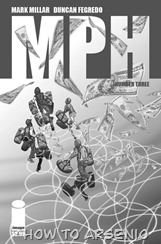
Otra tradumaquetación de Rasengan con otro cómic de Mark Millar.
Cuando un grupo de adolescentes por mala suerte en la ciudad del motor se tropiezan con un fármaco calle MPH, adquieren el poder de súper velocidad. ¿Van a usarlo para salvar al mundo? ¡Por supuesto que no!. Un alto octanaje de aventura urbana, MPH te trae súper velocidad como nunca lo has visto antes!
Idioma: Español.
Editorial: Image
Guion: Mark Millar
Dibujo: Duncan Fegredo
Tradumaquetador: Rasengan
Archivos: 1
Formato: CBR.
Tamaño: 14.8 MB



Descargar:


MPH
by Arsenio Lupin

Otra tradumaquetación de Rasengan con otro cómic de Mark Millar.
Cuando un grupo de adolescentes por mala suerte en la ciudad del motor se tropiezan con un fármaco calle MPH, adquieren el poder de súper velocidad. ¿Van a usarlo para salvar al mundo? ¡Por supuesto que no!. Un alto octanaje de aventura urbana, MPH te trae súper velocidad como nunca lo has visto antes!
Idioma: Español.
Editorial: Image
Guion: Mark Millar
Dibujo: Duncan Fegredo
Tradumaquetador: Rasengan
Archivos: 1
Formato: CBR.
Tamaño: 14.8 MB


Descargar:
06 Oct 19:40
A Quick Opinion Piece on the Porn Industry
by Matthew Nolan
I love porn. It’s a fantastic medium ripe with creativity and talent.
Today I read this article on digital medium theft and how it’s killing the porn industry.
It both upset me and got me thinking. I think the porn industry is trapped in the 90s, holding firm to the DVD mentality and hasn’t caught up to the 2000s.
Let me explain a little bit. Porn is almost wholly sold under DVD and internet subscription models, ranging anywhere from $20-$50 per month/dvd. Both are hidden behind aggressive pay walls or adult book stores. Both come laden with copyright warnings and lawsuits. It used to work well for the industry, but as of late it hasn’t been, as it’s experiencing a huge drop in sales. Consumers are watching porn on the free sites, downloading torrents and actively playing the system to receive their content for free. It’s seen as an act of aggression on the porn industry, something that has to be stopped!
But I think think there is another way to look at it. It’s the consumer’s way of saying that they want their content delivered to them in a different way. They’re used to their $1-per-phone-app prices for immediacy and variability. They, as consumers, have changed the way they want to consume pornography and the industry’s done nothing to try and meet this change.
Now I’m not trying to say that porn should be priced at $1 or free or anything like that. But I do know there are alternatives to credit card walls, DVDs and legal lawsuits, and all it takes is for a gutsy company to try something new.
Here’s an example.
Long ago, amid huge music rights violations and dwindling CD sales, Radio Head allowed free DMR-free downloads of their new album, under a pay-what-you-want scheme, users could opt to pay nothing and get the album for free. It was a huge success, both in PR and in sales: people WANTED to pay for the content.
But what I think is especially suitable for the porn industry is the Humble Bundle. A varied collection of games or books or anything digital is made. Users then pay what they want, if they pay above the average they also get access to more things, they can even opt for a percentage of the payment to go to charity. It pays well and users get what they want: to be able to pay for their content, to help a cause, and variability in media all in one go.
It might not be perfect, but I could easily see a DRM-free Humble Bundle of porn doing incredibly well. Keep it loosely based on one subject or theme, throw in a sex worker charity fund as an option to pay and it’s even better. Consumers could pay what they think is appropriate, but at least they will be paying. Consumers love their porn and I believe they are not ALL evil pirates, given the option I think they would want to be able to support their fav porn studios’ works.
These examples might not be wholly right for the porn industry. But they are developments in the entertainment realm to combat the same piracy problem that the porn industry is facing now. Their efforts to meet the changing way consumers want their media delivered, they’re efforts we’ve not seen the porn industry attempt yet.
It’s incredibly easy to see why the industry is failing and hard to understand why it’s not evolving. Pornography used to be at the forefront of media progression, but at some point in the last 15 years failed to develop. The music, games and even comics industries have all sought to develop ways to meet the new way consumers want their entertainment, why can’t pornography do the same?
bernot likes this
06 Oct 14:56
La gente es bastante hijaputa
by Víctor Navarro
Los videojuegos son un viaje a una vida imaginaria. Cuando controlamos a nuestro avatar en un juego, nos atrevemos a experimentar, a comportarnos de formas diferentes y a asumir riesgos. Con Gods Will Be Watching, el estudio español Deconstructeam ha querido que los jugadores tomaran decisiones complejas en situaciones extremas: ¿serías de gatillo fácil si tuvieras que vigilar a unos rehenes? ¿Te quitarías de encima a un compañero herido para sobrevivir en el desierto? ¿Te comerías a tu perro? ¿Probarías medicinas experimentales con tu mejor amigo? El juego recoge datos del comportamiento de la gente y muestra estadísticas al final de cada nivel para que compares tus decisiones con las del resto de la comunidad. Algunos resultados han sorprendido incluso a Jordi de Paco, uno de los responsables del juego.
Gods Will Be Watching es algo así como un ‘puzle moral’ que se maneja como una aventura gráfica de las de toda la vida. El juego está dividido en siete escenas en las que tenemos que resolver situaciones como supervisar a unos rehenes, soportar una tortura, encontrar el antídoto a un potente virus, sobrevivir varios días en un planeta hostil o interrogar a un grupo de gente para conseguir unas contraseñas.
Las situaciones están medidas al detalle, las misiones pueden completarse de varias formas distintas y cada decisión que tomamos tiene impacto sobre el resto de personajes. Es un juego muy difícil. «La dificultad es la esencia del juego», me cuenta Jordi de Paco; «muchas veces, cuando jugamos con decisiones morales, acabas haciendo las cosas porque te apetecen, eres bueno o malo porque quieres serlo». En Gods Will Be Watching, sin embargo, la complejidad de las misiones puede arrastrarte a hacer algo que en realidad no quieres hacer, a perder los nervios, a confiarte en exceso, a olvidarte de algo importante.
En la primera pantalla del juego, tenemos que vigilar a unos científicos que hemos tomado como rehenes mientras robamos material informático de un laboratorio. Si los rehenes se ponen nerviosos y sienten que no tienen nada que perder, nos atacan; si se relajan demasiado, intentan huir. Hay que mantener la tensión justa mientras hackeamos los ordenadores y a la vez que contenemos a los soldados que intentan frustrar nuestra misión. Cuando mira las estadísticas de esta misión, a Jordi le sorprende que la gente prefiera matar rehenes antes que liberarlos. «En más de 30.000 partidas no se ha liberado a ningún rehén», dice, «a la gente no le gusta liberar rehenes, parece que lo ven como un signo de debilidad». Jordi explica que, además, resulta mucho más útil para pasarse el juego liberar a los rehenes y pedir cosas a cambio a los guardias, pero los jugadores suelen matar al menos a uno de los rehenes.
Jordi sospecha que cuando jugamos a videojuegos intentamos buscar la solución más épica. La situación de los rehenes puede resolverse prácticamente sin hacer daño a nadie, pero no se percibe como Lo Que MolaTM y muy poca gente tomó ese camino. Tal vez los videojuegos y el cine nos han enseñado que en estas historias la solución pasa siempre por apretar el gatillo. «Cuando llevábamos Gods Will Be Watching a eventos y venían niños a jugarlo, lo primero que hacían era matar a todos los rehenes», dice, «no miraban ningún texto, no miraban las instrucciones. Y cuando mataban a todos nos miraban como diciendo: ‘Ya he ganado’». Y no, en este juego no se gana así.

Otro ejemplo de esto lo encontramos en el nivel de la tortura. La mayoría de los jugadores, apunta Jordi, no confiesan ni una sola vez para evitar que les sacudan. «No sé si lo ven como en las películas y por eso no quieren decir ni una palabra al enemigo», comenta. «Yo me lo pasé sin confesar», le contesto. «¿Y por qué?», me pregunta él. Es una buena pregunta. No tengo muy claro por qué lo hice. Tal vez había algo de eso, quizá estaba buscando la solución más épica. Yo entendía que darle al torturador la información que buscaba solo me iba a librar de recibir una hostia y que si él conseguía todo lo que quería saber, me terminaría matando. «La estrategia perfecta es ir combinando», me explica Jordi; «las confesiones son útiles para no tener que jugártela cuando te amenazan con la ruleta rusa». Se ve que tuve bastante suerte.
Volviendo a las muertes, a Jordi le sorprende que los jugadores prescindieran con tanta facilidad de los rehenes y que luego se lo piensen mucho a la hora de matar a otros personajes en el resto de los niveles. Uno de los casos más llamativos es el de Marvin, el perro que acompaña al grupo durante dos misiones. En el primero de esos niveles, los dos doctores del equipo tienen que desarrollar a contrarreloj un antídoto contra un virus mortal y testarlo para comprobar que funciona. La mayoría de los jugadores (unas 3.000 partidas) opta por inyectar el medicamento al perro, aunque eso signifique su muerte.

En la siguiente misión, tenemos que sobrevivir durante varios días con recursos muy limitados en un campamento improvisado de un planeta perdido de la mano de Dios. El juego nos da la opción de matar a algún compañero para comérnoslo y aquí el perro Mavin es uno de los menos sacrificados. «A mí todavía me sorprende», explica Jordi. «Si hay que probar inyecciones letales, las probamos en el perro, pero si hay que matar a alguien para sobrevivir, matamos a una persona y le damos de comer al perro».
Uno de los mayores retos en este puzle es mantener la moral del grupo bien alta para que todos aguanten los días de espera. Cuando uno de los personajes pierde la esperanza, puede llegar huir del campamento o suicidarse. Si esto sucede, la moral del resto de personajes se tambalea y las cosas se complican. Jordi explica que el impacto sobre el ánimo de los personajes de una huida o de un suicidio es el mismo que si los sacrificas para obtener comida, pero los jugadores prefieren dejar huir a un compañero antes que matarlo: se han producido fugas en 14.000 partidas y sacrificios solo en 1.300.
En siguiente nivel, la travesía por el desierto, sucede lo mismo: la mayoría de los jugadores no ha querido matar al soldado sin pierna que retrasa al grupo. La verdad es que la diferencia entre los rehenes asesinados y los compañeros sacrificados es enorme. «Cuando los jugadores perciben a alguien como aliado, lo sacrifican menos», sentencia Jordi.

La vuelta de tuerca definitiva llega con el penúltimo nivel del juego: tenemos que interrogar a un grupo de científicos y conseguir cuatro contraseñas para detener la expansión de un virus que está arrasando un planeta entero. Como en todos los puzles del juego, podemos intentar negociar o podemos ponernos agresivos para conseguir lo que queremos. A Jordi le sorprende que la gente no se ponga agresiva y que se pasen el puzle sin prisas:
«Hay un contador en una pantalla que muestra que hay millones de personas muriendo por culpa del virus en cada turno». Ahí está el dilema: si vas por la vía diplomática, mueren millones de personas; si te pones agresivo y matas a alguien con tus propias manos, te pasas el puzle más rápido y evitas que el genocidio vaya a más. «Es brutal que ponerle nombre y cara a alguien hace que matarlo sea una tragedia y que convertir esas muertes en un número te dé igual», concluye Jordi.
Fijándonos en los datos que nos muestra Jordi, la gente actúa como en el cine, protege a sus amigos, evita mancharse las manos de sangre y hace lo posible para no parecer «el malo» de la película, aunque eso tenga consecuencias terribles. Volviendo a lo que explicábamos al comienzo, los videojuegos son un entorno magnífico para experimentar, para adoptar nuevos roles y para ponernos en la piel de otros. Por esa razón, no tiene mucho sentido intentar sacar conclusiones profundas sobre la psicología del jugador o sus instintos asesinos ocultos. O a lo mejor sí. A lo mejor la gente es bastante hijaputa.
—
P.D.: Ya hablamos sobre este título aquí hace algo más de un año, cuando solo era un juego hecho en un fin de semana para una ‘game jam’. Desde entonces han logrado financiar la versión extendida del juego con una campaña de crowdfunding; han conseguido el apoyo de uno de los sellos de juegos indie más importantes a nivel internacional, Devolver Digital; y han sacado a la venta la versión definitiva de Gods Will Be Watching, su primer juego comercial. Vamos, que les ha ido muy bien.
P.P.D.: Puedes jugar gratis al Gods Will Be Watching original aquí. Recomendadísimo.
P.P.P.D.?.: Gods Will Be Watching no es el primer juego que propone dilemas morales a los jugadores y luego recoge estadísticas con las decisiones que toman. La aventura gráfica de The Walking Dead, por ejemplo, también mostraba gráficos con el camino que había tomado la gente para que comprobaras si habías hecho lo mismo que la mayoría.
06 Oct 14:55
La mejor escena de un wéstern se rodó en Burgos
by Alex Kafiristán
Con perdón de John Ford y Sam Peckinpah, la mejor escena de un wéstern se rodó en Burgos y quien diga lo contrario puede cargar su revólver de comentarios, le espero fuera de este antro. Será por la mano de Sergio Leone, será por la música de Ennio Morricone, será por la localización o el decorado o por la interpretación de los actores. La mejor escena de un wéstern es el duelo final a tres bandas entre Rubio (Clint Eastwood), Tuco (Eli Wallach) y Sentencia (Lee Van Cleef) en El bueno, el feo y el malo. Y ¿a que no sabes dónde se rodó? Bueno sí, ya lo he dicho en el título. Ahora varias asociaciones y colectivos locales tratan de reivindicar este otrora perdido patrimonio cultural. Una de ellas, la Asociación Cultural Sad Hill, quiere reconstruir el cementerio homónimo donde tiene lugar el duelo para el 50 aniversario de la película en 2016.
«La idea principal es reivindicar esta zona de Burgos como elemento primordial en la película», afirma un miembro de AC Sad Hill. Y no le falta razón. Allí, en esa zona en concreto, se rodaron probablemente las escenas más conocidas del filme: la misión de San Antonio en el Monasterio de San Pedro de Arlanza, el campo de prisioneros de Betterville en Carazo, el puente de Langston sobre el río Arlanza y obviamente el cementerio de Sad Hill. Este escenario mítico del cine se encuentra entre los municipios de Contreras y Santo Domingo de Silos, al pie del murallón calizo que dibuja la peña del Carazo, en un valle que bien podría rebautizarse, con el permiso de vacas y ganaderos, como el Valle de los buscavidas.

 (GIF extraidos del vídeo de Hervé Attia. Vía AC Sad Hill)

(El aspecto del cementerio de Sad Hill en 2008, antes de que empezasen a poner las tumbas)

(Una foto de una pausa durante el rodaje en la que el guardia civil sostiene el Winchester de repetición de Clint Eastwood, mientras que este sostiene el Mauser de aquel. Vía Meridianos)
La producción de dichas escenas en el Burgos de 1966 tuvo que ser memorable. La escena de la voladura del puente de Langston se tuvo que repetir porque el capitán español que controlaba los explosivos confundió un signo de un cámara con el signo de detonación. Menos mal que nadie resultó herido.
Y ¿cómo repites justo la escena que supuestamente no se puede repetir? Imagino la cara de Sergio Leone. Los zapadores españoles contratados se encargaron de reconstruirlo y santas pascuas. De hecho, en esa escena participaron como extras algunos soldados del ejército de Burgos, así como locales. Muchos de los primeros fueron los que construyeron el célebre cementerio de Sad Hill que simula 6.000 tumbas. Imagino a un Clint Eastwood ya famoso tomándose un güisqui con el equipo en la taberna de Santo Domingo de Silos la última noche posrodaje.
«El hecho de que se rodase parte de la peli en Burgos es muy poco conocido, incluso allí mismo», afirma ….«Yo me enteré hace dos años y aluciné. La culpa es de las autoridades, que no han sabido potenciar el lugar. Un día, medio en broma, dijimos que para el 50 aniversario estaría bien tener el cementerio reconstruido o al menos unas cuantas tumbas. Dicho y hecho, hicimos unas réplicas de las lápidas de Arch Stanton y Unknown y fuimos allá a plantarlas. La cosa empezó a extenderse entre gente de los pueblos de alrededor y ahí estamos, estableciendo lazos con ellos para hacer frente común».
Para colaborar con el proyecto puedes apadrinar una tumba por 15 euros en su página web. «Nuestro siguiente paso será excavar el círculo de piedra en el que tiene lugar el duelo a tres bandas del final de la película y permanecer a la espera a ver si Clint Eastwood nos responde a la carta que le enviamos. También estamos detrás de las hijas de Sergio Leone, así como de Morricone, Metallica y Tarantino».
La Asociación Cultural Sad Hill no es la única que rema para poner en liza este patrimonio. Ya en 2003, miembros del Colectivo Arqueológico y Paleontológico de Salas de los Infantes (C.A.S.) junto con los de C.I.T. Sierra de la Demanda crearon una ruta, con su tríptico explicativo correspondiente, que señala los sets de rodaje y ayuda a reconocer lo que queda de ellos. Además, el pasado 27 de julio, estos colectivos organizaron una tarde de homenaje al actor Eli Wallach (Tuco), fallecido a finales de junio a los 98 años. Todos ellos conforman ahora ese frente común que sin ninguna duda convertirá una vez más estos parajes burgaleses en los míticos escenarios de El bueno, el feo y el malo.
Con la info de AC Sad Hill, Meridianos, ruta bfm, Alerta digital y Wikipedia.
Imagen de portada vía cinetropolis.
06 Oct 14:54
¿Pueden ligar un independentista y una pepera?
by Gema Lozano
Afiliado al PP, aunque nunca lo hubieras imaginado, detrás de esa Estelada puede encontrarse tu media naranja. Y sí, votante de la CUP, quizá esa chica de mechas rubias que cada noche electoral salta y jalea bajo el balcón de Génova sea la mujer de tu vida. Debatinder es una app para ligar cuyo algoritmo conecta usuarios políticamente incompatibles para que ‘el roce’ los haga compatibles.
«No, de momento no está desarrollada, pero no descartamos hacerlo». Lo asegura Ignasi Giró, que junto con el resto del equipo de Honest&Smile están detrás de esta iniciativa «sonriente, ‘cataleña’ y algo bipolar».
«En la agencia tenemos gente tanto en Madrid como en Barcelona, con visiones del tema muy distintos, pero siempre sobre una base de cariño que es lo que creemos que se está perdiendo».
Por eso, y aprovechando el tirón de Tinder, decidieron tratar de quitar dramatismo al asunto con Debatinder. «No tenemos ninguna pretensión en concreto y no queremos enfadar a nadie. Todo lo contrario, nuestro tono y nuestro propósito es conciliador». E insiste, «de momento solo vamos a compartirla con amigos, algún medio de comunicación… No tenemos intención de enviársela a Rajoy ni a Mas, ni nada por el estilo. Queremos que llegue hasta donde tenga que llegar de forma natural. Y, quién sabe, si tiene una buena acogida lo mismo nos planteamos desarrollarla…».


