Shared posts

10 Nov 23:57

Illustrated Movie Title Typos

by A B

Illustrator Austin Light has created a funny series of sketches that re-imagines movie titles with one letter removed.


Finding Emo” – An insufferable teenage fish runs away from home. His father contemplates searching for him.


Obocop” – The story of how a police officer works through his PTSD and adjusts to his new robotic implants with the help of the sexy soothing sound of his oboe.


Rave” – One red-haired Scottish girl. One dance floor. One unforgettable night.


Aging Bull” – A bovine pugilist comes out of retirement for one last fight. He loses.


Pup Fiction” – Two mob hit dogs go after a poodle who wrote a slanderous op-ed about their boss.


Men” – A retired professor helps a rugged Canadian work through his aggression as he struggles to uncover his past. Patrick Stewart and Hugh Jackman star.


T.” – A boy finds a jewelry clad alien who speaks exclusively in aggressive yet well-meaning catchphrases.


Jurassic Par” – Two dinosaurs set out to prove they’re more than just killing machines. Thanks to a loophole in the rules they find a spot on the PGA tour and golf their way to the top of the food chain.


Mr. and Mrs. Sith” – Two Jedi abandon the order for love. Also to shoot lightning from their hands. Because that’s cool.


Lord of the Rigs” – The story of one man’s unhealthy obsession with his truck.


Beauty and the Beat” – After a witch turns her best friend into a dope boom box, Belle decides to enter France’s Got Talent. She crushes it.


Ron Man” – A disgruntled government employee builds a robo suit in his garage to help him stop the government he works for from getting any more work done.


Dive” – Ryan Gosling plays a mysteriously appealing scuba diving guide who gets mixed up in some shady business. He has like 12 lines the whole movie. He also stomps a shark to death.


The Fat and the Furious” – After a bunch of thugs steal his sweet car, Jerry spirals into a vicious rage eating depression. He gets super ripped for the sequel though.


Alen” – The story of a lonely cashier named Alen who yearns for something more. Something like eating astronauts.


Fight Cub” – When deforestation threatens his home, one feisty bear fights back.


Harry Otter” – A young boy finds out who, and what, he is. Magic ensues.

10 Nov 23:53

El sótano - Sylvain Sylvain; historias de una muñeca de Nueva York - 10/11/14

 Una leyenda viva del rocknroll. Guitarrista fundador de los New York Dolls, la banda que asentó el caldo del cultivo para el punk en Nueva York e Inglaterra. Sylvain Sylvain baja a visitarnos y a contar con lujo de detalles grandes batallas de los viejos tiempos. Playlist; New York Dolls (Trash, Bad detective, Chatterbox), Sylvain Sylvain (Teenage news), Batusis (What you lack in brains), Sylvain Sylvain (Leaving New York, Forgotten panties). 

10 Nov 23:42

So We’re Getting an Evil Dead TV Series Starring BRUCE CAMPBELL - Raised from the dead by the Necremakeicon.

by Dan Van Winkle

evil-dead-groovy

Evil Dead will rise from the grave again—this time, thanks to Starz. The premium network will bring Sam Raimi and producing partner Rob Tapert back together with none other than Bruce Campbell as the series’ main character, Ash. Groovy.

The press release from Starz says that the show will continue the story of the Evil Dead films in ten half-hour episodes:

The STARZ Original series officially titled “Ash Vs. Evil Dead” will be 10 half-hour episodes. Bruce Campbell will be reprising his role as Ash, the stock boy, aging lothario, and chainsaw-handed monster hunter who has spent the last 30 years avoiding responsibility, maturity and the terrors of the Evil Dead. When a Deadite plague threatens to destroy all of mankind, Ash is finally forced to face his demons –personal and literal. Destiny, it turns out, has no plans to release the unlikely hero from its “Evil” grip.

Campbell added, “I’m really excited to bring this series to the Evil Dead fans worldwide – it’s going to be everything they have been clamoring for: serious deadite ass-kicking and plenty of outrageous humor.”

Or, in summary: “We are Starz, and this… is our boom stick.”

Ash Vs. Evil Dead has a TBD start date at some point in 2015 with the first episode directed by Raimi himself, and the entire series was written by Sam Raimi, Ivan Raimi, and Tom Spezialy. With the original team back together, fans are going to be expecting a lot out of this series, so it had better deliver—especially because as with any reboot, there are likely to be hordes calling for its doom.

EDkWCdT

Previously in Evil Dead

Are you following The Mary Sue on Twitter, Facebook, Tumblr, Pinterest, & Google +?

10 Nov 21:29

falar com duas pedras na mão (Pt. e Br.)

by josé cunha-oliveira
a expressão "falar com duas pedras na mão" significa falar de modo agressivo, falar de maneira hostil.
por vezes usa-se "falar com quatro pedras na mão" ou "falar com sete pedras na mão". 


10 Nov 21:25

Paul F. Tompkins and Sarah Silverman Talk 'Mr. Show,' 'M*A*S*H,' and More

by Megh Wright
by Megh Wright

Paul F. Tompkins sat down with Sarah Silverman for the newest episode of his web series Speakeasy, and the interview is full of great stories about when Silverman won an Emmy, why kids turn her into a "desperate creature," how she and Tompkins first met before Mr. Show, and how Bob Odenkirk ruined M*A*S*H for her. This episode also serves as a shocking reminder that Mr. Show's 20-year anniversary is only a year away.

0 Comments
10 Nov 20:49

the cult of the uniform

by flex
You don't protect my freedom: Our childish insistence on calling soldiers heroes deadens real democracy
Wars that are not heroic have no real heroes, except for the people who oppose those wars. Far from being the heroes of recent wars, American troops are among their victims. No rational person can blame the soldier, the Marine, the airman, or the Navy man for the stupid and destructive foreign policy of the U.S. government, but calling them "heroes," and settling for nothing less, makes honest and critical conversations about American foreign policy less likely to happen. If all troops are heroes, it doesn't make much sense to call their mission unnecessary and unjust...

Calling all cops and troops heroes insults those who actually are heroic – the soldier who runs into the line of fire to protect his division, the police officer who works tirelessly to find a missing child – by placing them alongside the cops who shoot unarmed teenagers who have their hands in the air, or the soldier who rapes his subordinate.

It also degrades the collective understanding of heroism to the fantasies of high-budget, cheap-story action movies. The American conception of heroism seems inextricably linked to violence; not yet graduated from third-grade games of cops and robbers. Explosions and smoking guns might make for entertaining television, but they are not necessary, and more and more in modern society, not even helpful in determining what makes a hero...

The assignment of heroism, exactly like the literary construct, might have more to do with the assignment of villainy than the actual honoring of "heroes." Every hero needs a villain. If the only heroes are armed men fighting the country's wars on drugs and wars in the Middle East, America's only villains are criminals and terrorists. If servants of the poor, sick and oppressed are the heroes, then the villains are those who oppress, profit from inequality and poverty, and neglect the sick. If that is the real battle of heroism versus villainy, everyone is implicated, and everyone has a far greater role than repeating slogans, tying ribbons and placing stickers on bumpers.
*William Astore - "Our American Heroes": Why It's Wrong to Equate Military Service with Heroism
*Michael Moore - Those Who Say 'I Support the Troops' Really Don't
*William Deresiewicz - An Empty Regard: America's Sentimental Regard for the Military

Canadian Dimension - The NHL and the New Canadian Militarism: National Game, International Shame
Ours is not to talk about actual details of Canada's military engagements, it is simply to "support the troops." Those who question this mantra are told that while one may or may not agree with the particular deployments of the Canadian Armed Forces, we all have a responsibility to support the men and women who put their bodies on the line for us.

But the logic does not hold. Uncritically supporting the troops is a tacit support of their deployments especially since, in the first place, that support is premised on the notion that they are protecting us. That is, it requires that we believe that the troops' particular deployments in Afghanistan, Iraq, Libya, Haiti, Mali and elsewhere are making us safer — a claim that is not at all self-evident. Moreover, the military celebrations at NHL games themselves make no effort to separate the troops from their missions, and it needs to be added that there are plenty of other Canadians — aid workers, doctors, nurses, activists — who also put their bodies on the line doing work that doesn't involve killing, injuring or torturing anyone. They receive no similar tributes at hockey games.
*No, thanks: Stop saying "support the troops" -
"Compulsory patriotism does nothing for soldiers who risk their lives, but props up those who profit from war"

*Inside America's militarized mind: How propaganda and perpetual war have poisoned our imaginations -
"I'm not saying we should treat our troops with disdain, but as our history has shown us, genuflecting before them is not a healthy sign of respect. Consider it a sign as well that we really are all government issue now."

*Noam Chomsky on propaganda
10 Nov 20:48

How 'Inside Amy Schumer' Fought — and Won — to Get "Pussy" on TV

by Megh Wright
by Megh Wright

schumer_pussyOver the weekend, Amy Schumer and the writers/producers of Inside Amy Schumer sat down for a Paley Center panel all about the show, and it turns out we have them to thank for finally reaching true gender equality on Comedy Central. Prior to the second season of Schumer's show, the network bleeped the word "pussy" but often allowed the word "dick" to air uncensored — a policy that struck the writers and executive producer Dan Powell as unfair. From Vulture's recap:

"Dan decided that it wasn't fair that they bleep the word 'pussy,'" said Amy Schumer. "Because you are allowed to say the word 'dick' on Comedy Central," added Klein. At the time, Comedy Central's standards arm would okay certain anatomical references like "dick" if they weren't used in reference to sex, but Powell cried gender inequality.

"Halfway through the first season, we started to realize that a lot of the show was addressing women's issues and gender politics," said Powell. "I'd written a letter sort of like write I'd write to my congressman, and I guess it struck a chord." A conference call with network higher-ups soon followed, and the network assented. "That was Dan's Mr. Smith Goes to Washington," said Schumer.

Check out the season 2 sketch "Acting Off-Camera" below, in which Schumer gets the honor of saying "pussy" freely on Comedy Central for the first time in history. It's official: Inside Amy Schumer is changing the world.

0 Comments
10 Nov 20:46

El arte del cortejo sexual animal

by Alex Kafiristán

Este es un bonobo que charla tranquilamente en la jungla con otro bonobo. «Mira que son extraños los humanos», le dice a su compi. La conversación llega hasta ahí –muy breve– porque en menos que canta un pergolero satinado se ponen a fornicar para aliviar tensiones. Tras 10 segundos de intensa interiorización, camaradería y romance, continúan la conversación. «Qué, venías calentito hoy». «Es que cuando te veo me pongo malísimo… pero con amor, eh, siempre con amor». «Tranqui, compadre, me debes un plátano». Y continúan la charla sobre sus primos lejanos. «Estos humanos se han olvidado de lo que es vivir». «Creo que tienen una enfermedad llamada estrés, no entiendo cómo compartiendo tatatatarabuelo se han vuelto tan estrechos». «Vete tú a saber».

Si hablasen nuestro idioma, esta sería la más que probable conversación entre dos bonobos. Conversación que tendría lugar por otra parte entre polvo y polvo porque estos simios son los más promiscuos del planeta. Los bonobos viven en apacibles comunas de bonobos donde caló hondo el lema jipi de hacer el amor y no la guerra.

Si dos bonobos quieren un plátano, en vez de pegarse, el que apoquina el trasero se lo lleva. Es algo así como una moneda de cambio. Pero no solo utilizan el sexo para resolver conflictos o por puro placer, también con propósitos reproductivos. No se vaya usted a pensar que son unos irresponsables. Allí no hay un macho alfa que acapare toda la juerga. Todos y todas son individuos sexuales activos y activas que participan en relaciones tanto heterosexuales como homosexuales. Los machos también juegan al doble platanito y las hembras no dudan en arrimar el mejillón. De hecho son muy creativos y practican felaciones y todo tipo de guarrerías de esas. Incluso los individuos más jóvenes participan del copuleo evitando así la imperante necesidad de desahogarse con vídeos porno cuando alcanzan la adolescencia.

Aunque nosotros seamos animales sexuales muy activos, la promiscuidad no es nuestra característica más afín con ellos -ya le gustaría a usted fornicar como un bonobo-, es el ADN. Estos simios comparten con nosotros el 98,7 % de nuestro genoma, al igual que los chimpancés, un tanto más agresivos y posesivos, todo hay que decirlo. De hecho los gorilas difieren genéticamente de las tres especies en un 1,75 %. Es decir, un bonobo es más calcado a un ser humano que a un gorila. Si es que son clavaditos a nosotros. Qué monos.

Si usted es de esos lectores que se ha escandalizado con el video no pasa nada. Ni bueno ni malo. Paz, hermano. Existen otras especies de animales con las que usted puede que se identifique más, que no van tan a saco Paco, o en otras palabras, que no tienen tan naturalizado el arte de fornicar. Estos currantes deben realizar un trabajoso cortejo para convencer a la hembra de que son el espécimen apuesto y adecuado que andan buscando. Las aves son de las más curiosas en este deporte. Son así como el del ramo de rosas y los bombones; el de la tercera cita sin beso; el de los regalitos. Y aunque esta última frase desprenda algo de cachondeo, ni mucho menos es mi intención desprestigiar la perseverancia y fe de estos individuos. Así lo constata el refrán que me voy a inventar: Lo que cuesta un horror, sabe mejor… y además dura.

Una de las aves más seductoras del panorama selvático es el pergolero satinado, mencionado fugazmente con anterioridad. Este bendito, que se merece un monumento, es capaz de comprarle un chalet de colores a su hembra para mojar el churro. Está caro el sexo, señores, sí, está caro. Para tener éxito hay que perseverar y agasajar, perseverar y agasajar. De hecho, tiene tanto arte este pájaro que los chicos del festival Blanc Fest de diseño gráfico se han inspirado en su ritual de cortejo para seducirnos. Sí, sí, mira como engaña el pájaro ese a la tía pajarraca con cuatro cosillas.

El pergolero es un currante pero los hay que tiran de pelazo y ya está. Este sería el caso de las aves del paraíso, unas especies de Nueva Guinea cuyos machos, de exuberantes plumajes, seducen a las hembras a base de postureo. Algunos como el Parotia de Lawesi van más allá y se marcan unos bailes de campeonato. I’m a bird, I’m a bird, I’m a bird. Yeah.

Otros que tal bailan son los avestruces, aunque estos ejecutan coreografías más majestuosas o ebrias.

Los camellos australianos también bailan ebrios pero sin lo de majestuoso, como un sujeto de discoteca tras 6 Jägers. Además mandibulean y babean de lo lindo. Aquí hay trampa.

Para los cangrejos violinistas el tamaño sí importa. Y quien dice violín dice…

Los calamares opalescentes, en cambio, se lo montan en grupo en algún lugar profundo del Pacífico. El macho cuenta con un brazo especializado llamado Hectocotylus (no disponible en sex shops todavía) que atraviesa el manto de la fémina y esparce el esperma.

En fin, para gustos los colores aunque yo creo que me voy a ir una temporada a la comuna de los bonobos.

giphy

The post El arte del cortejo sexual animal appeared first on Yorokobu.

10 Nov 20:44

Anarrosa Bizarro: Swipe que me estás matando (LXXVII)

by Sark
 A lo largo de los años hemos podido ver todo tipo de Homenajes, Taquiones y -reconozcámoslo también- insólitas e inesperadas casualidades que han hecho más entretenida la existencia del blog. 

PERO aún  eran pocos los casos de parecidos textuales que nos llevaban a sospechar que podría darse el caso de que -quizá- existiera la posibilidad de que algún tipo de conexión se pudiera establecer entre dos obras debido a, sin duda, muy explicables motivos cuánticos de cuerdas y materia oscura. 

Así que cuando una persona aparece en nuestro campo de visión ofreciendo ténues sospechas de que quizá haya habido algún tipo de doble juego no podemos más que aprovechar para preguntar por aquí:

Fausto Fernández. Enciclopedia Cine Fantástico (1993) 


Jose de Diego
. Cine Bizarro (2014)


Swipe que me estás matando (setenta y siete). Para mi que va a ser:
Copia (o taquiones)
 
Homenaje
 
Coincidencia
 
Editores de España
 
 
pollcode.com free polls
Así que si veis el libro, que tiene esta portada,

978-84-941417-13_main.jpg

o a alguien de la editorial responsable, que puede disfrazarse con Bookland pero está bastante claro que es T&B, ya sabéis que les podéis decir AVIV! con total confianza.

10 Nov 20:42

ANDRES DO BARRO :FELICITACIÓN NAVIDEÑA 1972

by NONITO PEREIRA

10 Nov 20:37

Here's What Your Brain Is Doing When You Really, Really Hate Someone

by Esther Inglis-Arkell

Here's What Your Brain Is Doing When You Really, Really Hate Someone

Scientists have spotted the parts of the brain that light up when we actively hate someone. There's probably a reason why hate evolved in the first place — and it's similar to love.

Read more...


10 Nov 20:34

10 Science Fiction Tropes We Will Never Get Tired Of

by Meredith Woerner

10 Science Fiction Tropes We Will Never Get Tired Of

We've called out various movie and TV tropes that we never want to see again in the past. But today we're calling attention to the silly, stupid, brilliant and hilarious scifi tropes that we absolutely, positively love—and hope we never live in a world without them.

Read more...


10 Nov 16:41

7 Ways My Modern Country Turned Into a Dystopia Overnight

By Robert Evans,Dimitra Nikolaidou  Published: November 10th, 2014  Total economic collapse: we all know it happens, but we're much more used to dealing with the concept via Robocop. There are, however, real people out in the world who have watched the bottom fall out of their national economy. Greece started the 2000s with record wages and falling unemployment. Then the global economy drunkenly jumped off the high dive into an empty pool, and this happened to Greece's unemployment rate: Quartz Plus, unemployment among unemployed workers is nearly 100 percent. It was a disaster of robot cop-ian proportions. We sat down with Dimitra Nikolaou, a Greek journalist, who told us what to expect if our economy ever goes tits up: #7. Transportation Is the First Thing to Go Vladimir Rys/Getty Images News/Getty Images For a while, I took a taxi cab to work every day. Not because I'm some sort of cab-riding Rockefeller, too rich to use public transit and too lazy to do my own driving, but because the bus drivers are frequently on strike to get what they're owed from the state. You'd think the poor might have the least to lose from an economic downturn, but that's foolish optimism talking. People rich enough to have cars can still get around for about the same price. But if you can't afford a car, and public transit suddenly goes away, you aren't getting to work without a cab, hours of walking, or some sort of expert donkey-wrangling. Jacob Peter Gowy Or wings, but that's always a risky choice for Greeks. This is a problem we have today in Greece, but it's a problem that also crops up in any major city when the economy Biff Tannen's face-first into a manure pile. During the 1980 New York City transit workers' strike, between 15-20 percent of the city's workers couldn't do their jobs at all. People too poor for cars get screwed, but so do the drivers. Earlier this year, when London's subway workers threw down their wrenches, or urine pails or whatever, the city suffered an eleven-mile traffic jam on one of its main roads. Matthew Lloyd/Getty Images News/Getty Images "Even for Piccadilly, this is a circus." But hey, at least your car and my taxis are air conditioned! My office, on the other hand, doesn't have AC anymore -- despite housing a fancy new media magazine. We had to cut back expenses, and it was either the AC or the Creative Director's kidneys, and we need him because, like everyone still working in Greece, he also doubles as the cleaning staff. #6. Streetlights Go Out, Traffic Signals and Cops Stop Working Matt Cardy/Getty Images News/Getty Images It's easy to hate on the government these days, what with all the wars and taxes and unsolicited dick pics. But when the tax money dries up and the government stops working, you start to realize how many useful everyday things it used to do. For example: traffic signals and street lights. Lights need regular bulb-changings, because they don't supply illumination through magic or the power of positive thought. Since the downturn, there's maybe one person running around my city to replace all of the burnt-out bulbs for everything. And it seems like he might be overwhelmed, under-budgeted, or possibly drunk most of the time. ginton/iStock/Getty Images Stoplights are just pigeon toilets now. The police force doesn't do too well without paychecks, either. It was awesome at first -- those lucky car-having folks could park wherever they wanted, because no one was out there to hand out parking tickets. Then the meter vigilantes, the least intimidating of all vigilantes, started putting stickers all over the offending drivers' windshields. It seems like a noble gesture in theory, but filling the roads with half-blinded motorists didn't exactly help make things safer. And before you start mocking my country for our burnt-out traffic lights and sticker-crusted windshields, you should take a sobering look at Detroit, AKA "the Greece of North America," as absolutely nobody calls it. They're living with 50-minute response times, police stations that close down at 4:00 p.m. and a drop in police salaries big enough that some criminals admit to feeling bad for their badge-wearing nemeses. Joshua Lott/Getty Images News/Getty Images We were only joking about Robocop before. Detroit can't even afford Humancop. On the upside, violent crime dropped in both Detroit and Greece last year, so maybe all those cops weren't doing us much good anyway. It would be nice to have streetlights again, though. At least to keep the bats away. That's a joke ... probably (who can tell? It's awful dark out there). #5. Healthcare Tanks Oli Scarff/Getty Images News/Getty Images Schools, hospitals, and civil services are little more than a fond memory. For example, I recently needed to visit an ophthalmologist. As with any tax-paying citizen in Greece, I am entitled to take myself to a hospital and check my commie eyes for free, so I called to make an appointment. I was informed that there was currently no ophthalmologist at the hospital -- which serves around 250,000 people -- because the previous one had retired, and until he checks out of the planet and stops cashing his pension, they do not have the funds to hire another. Tilemachos Efthimiadis "Thanks, Papoulias!" doesn't have the same ring to it. Almost every basic service is understaffed and in dire need of supplies. When you're getting a head wound treated and the nurse tells you to shut your eyes real tight because the disinfectant might blind you and they've run out of protective masks, you start to truly appreciate how bad things have gotten. But things like MRI machines being repaired with rubber bands are to be expected when your country is going through a crisis, right? So you suck it up, make an appointment with a private ophthalmologist, and are informed that your eyes are fine. Hooray! The dizziness is probably just due to malaria. B-boo? See, the government used to spray pesticide every summer to counter mosquitoes. They can't afford to do that anymore, so hello there, supposedly extinct diseases. Photos.com/Photos.com/Getty Images "You tested positive for dodopox. I'm sorry." We've also seen a surge in HIV infection rates and drug overdoses, but looming economic collapse isn't all doom and gloom. If the Great Depression is anything to go by, financial meltdowns can save lives too. Mortality rates in the U.S. dropped by 10 percent in the 1930s, in part because no one could afford to drive their deadly, deadly cars. Death rates from heart disease jumped up by 20 percent, though. Hey, like the old philosopher Phil Collins said, it's a game of give and take. He was talking about love, but it easily applies to mortality rates. #4. The People Will Find (Sometimes Strange) Ways to Cope David Ramos/Getty Images News/Getty Images Since the real economy shit the bed and then rolled around in it all night, some citizens in Volos have invented their own shadow economy. It's based around a pseudo-currency called TEM units. Rather than being backed up by the power of a government (like most money) or the lies of angry robots (Bitcoin), TEM units are based around the idea of a "local exchange trading system." The ridiculously simplified version is that this means turning favors into a sort of currency. Do a favor for someone in the community, and they add a TEM unit to your account. Like regular currency and fairies, it works pretty well among people who decide to believe in it. iStock/iStock/Getty Images You can't snort coke through TEMs. But that's fine; you're too poor for drugs anyway. Others find stranger ways to adapt. People all around me started getting invited to orgies, threesomes, all manner of "adult playdates." It was like living through the last days of Rome, but with antibiotics and better booze. It wasn't just the standard surge in sexiness that comes with any economic collapse. Some people were trading participation in these bacchanals for luxuries they couldn't afford. I asked around, and was told that those who couldn't live without dinners at fancy restaurants and Prada bags had simply found other ways to pay for them. Orifice ways. Smit/iStock/Getty Images Deep pockets can get you deep ... other things. Another silver lining: people have finally found an excuse to pursue their dream careers. When the safe bets aren't safe anymore, why not try your dream out? You're starving either way! A friend of mine left her accounting career to become a yoga instructor. I'm finally venturing into game design. It's already paying off. Soon we won't be a bankrupt nation; we'll be a starving artist nation. It's basically the same thing, but it sounds way sexier at parties. #3. Crime and Suicide Rates Skyrocket Milos Bicanski/Getty Images News/Getty Images Unemployment creates a domino effect. If I lose my job, I am forced to reduce my army of Ferraris down to seven, and can only eat caviar-sprinkled truffles straight off the thighs of a male model twice a week. This means less work for professional Ferrari polishers and truffle-sprinklers, which in turn means they cannot afford somebody else's services ... soon, nobody is working anymore, because nobody can afford anything. Vladimir Rys/Getty Images News/Getty Images So please, come visit Greece! Your dollars are our sole income! Unsurprisingly, suicides and crime have spiked. My best friend, a PhD in geology who works as a glorified garbage collector in the morning and teaches university classes in the evenings, walked up to his car to find that someone had crashed through its roof while attempting suicide. Was the (miraculously alive) guy going to pay for damages? Well no. See, he was attempting suicide because of his debts. Really takes the fun out of "It's Raining Men."ju Svetlanka777/iStock/Getty Images "It's Raining Men, Hallelujah." -- Leonard Cohen Roughly 10,000 suicides in the United States, the European Union, and Canada from 2007 to 2010 can be blamed on the Great Recession. And the death toll is much greater in the countries that respond to "hard times" by cutting public benefits. My government did, and now we're going Eyes Wide Shut for handbags and the hot new dance craze is malaria. Suicide may not be excusable, but it's sort of understandable. #2. Protests and Riots Become Part of the Daily Grind Milos Bicanski/Getty Images News/Getty Images Nobody riots like the Greeks. Every Wednesday, unless it's summer, there's a march downtown. Sometimes we even throw in a Saturday disturbance, because you gotta get your exercise somehow. You need to keep track of all these riots and protests, because they fuck traffic up in some pretty outlandish ways. Don't worry; there are whole websites dedicated to helping you navigate them. Matc13/iStock/Getty Images Guess the Internet does keep you from real activism. A riot itself is mostly kind of sad to behold. You've got nurses, doctors, teachers, workers, and students marching all hungry and malarial on one side of the street. And on the other side, you've got a stressed and overworked police force that's supposed to beat them if things go wrong. It's old hat for all parties by now. Even my mom, a tiny woman over 50, has gotten to the point where being shoved by a riot cop doesn't faze her. Not even a blink. She didn't even get angry at the guy when it happened -- she figured that if the only way the man could get a salary was to push retired teachers around, he was probably having a rough life already. Unless he was one of those cops not getting a paycheck mentioned earlier, in which case he's doing all this shoving pro bono. That would be a pretty dick move. Milos Bicanski/Getty Images News/Getty Images Or maybe he was paid sweet TEMs by one of her former students. #1. Everyone Blames the Citizens for the Nation's Problems Oli Scarff/Getty Images News/Getty Images When I first contacted Cracked, I tried to warn them about this comment section. You see, I have read enough articles on Greece on foreign sites to notice that when your country is in a financial crisis, suddenly everybody hates you. Survey after survey shows that no one in the EU has a very positive attitude towards Greece. A friend studying in the Netherlands had a drink poured over her head at a party out of the blue, because she is Greek and we are apparently to blame for "the ruin of the EU." She spent the night at a police station for fighting back, got released when she threatened to call a lawyer, and was told to be a bit more humble in the future. A barista in London heard two customers speaking Greek and asked if they could afford to pay before handing them their coffee. bhofack2/iStock/Getty Images Order a gyro elsewhere in the Eurozone, and they'll say, "We don't serve that kind here." Every Internet article on Greece is followed by angry comments about how lazy (we actually work more hours than most European countries), deceitful, and deserving of our plight we are. Also, our "free" healthcare is obviously the reason we went bankrupt, somehow -- even though our welfare state is not as thorough as Germany's or Sweden's, and they are doing fine. A bit pale, but fine. Are the Greeks blameless? Of course not. Many of us haven't been paying our taxes, which you may recognize as a less-than-brilliant idea. But we're also working our asses off to try to fix things. The average Greek puts in 600 more work hours per year than the average German. The true reasons for a financial crisis are massively complicated, and in no way lay on the shoulders of the average citizen. Do you feel at fault when the S&P 500 takes a nosedive? Of course not; you just Googled it to make sure that wasn't some sort of NASCAR race. Jerry Markland/Getty Images Sport/Getty Images NASCAR crashes are way less dangerous. It's like seeing a homeless person in the streets and trying to convince yourself that their situation isn't something that can happen to you. People who can hardly find our country on the map suddenly become experts in our economy. It's easier than admitting that there can be something bigger at work, that the well-being of your entire country might be out of your hands, and that if things go badly and you want to maintain your same quality of life, you may have to volunteer as the meat in a malaria-ridden hump-sandwich. Dimitra Nikolaou is a Greek journalist and writer, currently doing her PhD on Role-Playing games. If you speak Greek you can find her work here. Have a story to share with Cracked? Email us here. Anonymity is just fine! For more insider perspectives, check out 5 Survival Lessons From Inside a Real World Dystopia and 5 Insane Things That Will Destroy Our Power Grid. Spread some warning. Click the Facebook 'share' button below.
10 Nov 16:35

John Oliver's hilarious, horrifying look at state-backed lotteries

by Danielle Kurtzleben

Did you buy tickets for the $1.35 billion Powerball lottery? You are clearly not alone. Nearly all states have lotteries that millions of people take part in. And over the past several years, similar events — such as the $326 million Mega Millions drawing — have also gotten people to purchase lottery tickets.

But in a segment from 2014, Last Week Tonight host John Oliver made a strong case against state-backed lotteries like the Powerball.

Among Oliver's more startling findings is that Americans spend more on lotteries than the NFL, video games, music, movie tickets, Major League Baseball, and pornography combined. "Which basically means Americans spent more on the lottery than they spent on America," he quipped.

States sell their lotteries as harmless games that promote the social good by providing money to schools.

But Oliver emphasizes what can be so easy to forget amid all those ads: Lotteries are gambling, and they can create the same kind of painful addiction that any casino can. Lotteries are also in the business of selling hope to people — particularly low-income people — despite having astoundingly low odds of winning. Indeed, studies have found that lottery sales are correlated with both unemployment and poverty rates.

The result is a state program that essentially runs on false hope: Despite the extremely low chances of winning, state-run lotteries make people feel like they have a chance to strike rich and help schools in the process.

"Gambling is a little like alcohol: Most people like it, some are addicted to it, and it's not like the state can or should outlaw it altogether," Oliver said. "But it would be a little strange if the state was in the liquor business, advertising it by claiming that every shot of vodka you drink helps schoolchildren learn."

10 Nov 16:34

Amy Schumer Lures David Letterman Out of Sobriety

by Megh Wright
by Megh Wright

Amy Schumer is always a delight when she visits David Letterman, and Friday's Late Show was no different. In fact, Letterman has become such a big Schumer fan that he undid nearly 40 years of sobriety just to knock back some J&B with her. Watch more from Schumer's interview below:

0 Comments
10 Nov 16:34

Obama endorses net neutrality

by Joakim Ziegler
Obama just came out endorsing net neutrality, and going even further, saying the FCC should reclassify the Internet as a utility. Here's the full plan.
10 Nov 16:33

Beloved ‘Star Wars guide to the races’ video will make you so dumb

by Brian Abrams
Beloved ‘Star Wars guide to the races’ video will make you so dumb

Neil Cicierega, aka “GeorgeLucasFan1,” took time out from his hectic day of playing with Kenner action figures to post this video to his YouTube channel: A “guide to the races of ‘Star Wars,’” which, according to anything on Wookiepedia (seriously, just click any page), is perhaps the most inaccurate guide imaginable to anything related to the SW universe whatsoever.

Then again, maybe George Kennedy did have a cameo as one of the Jedis in “Episode III: Remember Seth.” How should I know? It’s all a giant pile of make-believe horse dung anyway. Nothing matters. Shout out to Capuchen Hacker Fucker and may Christ be with you.


h/t @RoundHoward

10 Nov 16:32

Shlomo Sand Is Not Jewish Any More

by Philip Kleinfeld

[body_image width='1200' height='800' path='images/content-images/2014/11/10/' crop='images/content-images-crops/2014/11/10/' filename='shlomo-sand-is-not-jewish-anymore-812-body-image-1415615057.jpg' id='2393']

Shlomo Sand. Photo courtesy of Verso

​In his new book Why I Stopped Being a Jew, the controversial historian Shlomo Sand tells an anecdote many that have visited Ben Gurion Airport, outside Tel Aviv, will be familiar with hearing.

Sand is waiting in line at a check-in-desk when his eyes catch the gaze of an Israeli Arab woman sitting on a bench nearby. She's been taken from the queue by two security guards for no reason except the headscarf that marks her out as "other." Shlomo looks on anxiously but nobody seems to care. A few minutes later he reaches the front desk and swans through to the departure lounge without the slightest trouble.

"It was a routine embarkation scene," he says. "In the national state of Jewish immigrants, indigenous Palestinians remain suspect."

In the past, these systems of privilege and power never stopped the Israeli academic from defining as a secular, non-religious Jew, however much they bothered him. And why should they? For all the difficulties people have in separating them, Judaism and Zionism are not the same thing.

But now, in his late 60s, Shlomo Sand isn't so sure. His latest book—published in English by Verso last month and part of a trilogy on Israel, Zionism and Jewish identity—is a bitter, provocative resignation from an identity he no longer wishes to have.

"It's unsupportable for me to define myself as a Jew," he tells me as we sit down at a restaurant in Central London. "In a place that declares itself a Jewish state and not a state for all its citizens I can no longer do this".

For such a controversial figure, Sand is a likeable man. He's passionate, he's angry, and despite the challenges of being on the left in Israel, he's unsparingly honest. But he's also tired. Tired in the obvious sense: At 68 his schedule is astonishingly busy. And tired in a much wider, political sense. Israeli society, he says, is one of the most "racist" and "oppressive states in the Western world"—a place where being a Jew means "fundamentally and before all else, not being an Arab."

Over the years Sand has fought against this through his writing. Six years ago he published a book called The Invention of the Jewish People, a profoundly controversial work which explored and challenged the way Zionist historiography uses and abuses Jewish history. Four years later he wrote The Invention of the State of Israel, an equally polemical attack on the set of "myths" that he believes underpin Jewish claims to the land of Israel.

Both were well read in his home country. His first was a bestseller for 19 weeks; his second topped the charts for ten. But neither has had any real impact on the direction he feels Israeli society is going in. And looking at him across the table—dressed in dark colors, with dyed black hair—that impotence seems to have left its mark.

"I've lost hope," he says, leaning forward, his face drawn. "Everywhere you have racists. But racists in London and France excuse themselves. In Israel nobody excuses themselves. When I was younger it wasn't so open. Today, Israeli society is from one side racist and ethnocentric and from the other so bound up in the mythos of the Jewish land that no political figure can liberate it from the occupied territories."

At the centre of Sand's political critique is a conception of nationality and citizenship that has, he says, consigned at least a quarter of those living within Israel's gree​n line—anyone who is not the son or daughter of a Jewish mother—to institutional discrimination. And it's this analysis of Israeli society and his own privilege within it that forms the starting point of his resignation.

"The victims of yesterday have become the hangmen of today," he tells me with the kind of provocation that makes most of the Jewish world hate him. "My parents and grandparents lived in a society where they were oppressed by privileged people. What we are doing in Israel is the same thing. I decided to declare myself not a Jew because I don't want to be a privileged person."

[body_image width='666' height='438' path='images/content-images/2014/11/07/' crop='images/content-images-crops/2014/11/07/' filename='shlomo-sand-is-not-jewish-anymore-812-body-image-1415383067.jpg' id='2213']

Young British Jews protesting against Israel. Photo by Philip Kleinfeld

It's an understandable position. Sand was born in 1946 in a displaced people's camp in Austria. His Polish Jewish mother was a survivor of the holocaust and he knows, more than most, what racism looks like. But there seems to be something missing in his argument. Would ceasing to be a Jew have any real affect on the institutional structures that enforce your privilege, I ask? Is the problem in Israel Jewish identity or a set of ethnocentric institutions that reward that identity over others? Why should Zionism and Israel structure Jewish identity anyway?

"I am not a Jew in any sense of the term," he says, getting more and more animated as I press him. "I am not Orthodox, I am not Chasidic, and I think insisting to be a Jew at the beginning of the 21st century is a negative identity."

It's hard to find room to speak when Sand is in full flow. We've sat in the restaurant for around 40 minutes and neither of us has ordered anything to eat. Only five minutes before we met Sand was speaking to the BBC. An hour or so after we part, he's talking to a crowded and largely hostile lecture hall at SOAS.

And yet his sense of urgency and anger doesn't seem to dwindle. Perhaps that's because he has so much to say. How I Stopped Being a Jew is at its best when looking at Israel, but Sand's reasons for standing down, I learn, go far beyond the country he lives in.

For him, as for many others, contemporary Jewish life, both inside and outside Israel is deeply attached to two fundamentally negative forms of identity: the memory of the Shoah (holocaust) and modern anti-semitism. Even among Jews that are not direct descendants of holocaust survivors, the trauma of that event serves as the basis on which Jewish identity is grounded and Israeli state violence is legitimised. And it's that Judaism that Sand is most familiar with seeing and hearing, and wishes so strongly to leave behind.

"Because secular Jews cannot define themselves culturally, they are defining themselves as descendants of the Shoah," he says. "As the victim of the Nazis. It makes me crazy. To define yourself after a tragedy of the past always has negative results."

At the beginning of the 21st century most of my generation have become shitty, reactionary conservatives.

But why give up I ask? Sure, secular Jews are obsessed with Israel. Yes, you're right to question the meaning of a secular identity grounded in past suffering. But why use that as a reason to throw in the towel? Why not use it to build something positive? Why not do what so many other Jews have done and construct a new form of identity? One based on the reb​els and mave​ricks that so many left-leaning Jews draw upon.

"Because they died," he snaps back, interrupting me during my question. "At the beginning of the 21st century most of my generation have become shitty, reactionary conservatives. And the people that I identified with are now on the margins of the Jewish community and establishment, too weak to fight it."

By this stage Sand and I are arguing. His tone shifts between angry and solemn, loud and quiet. At times he's seems exasperated with me. Since an extract of his book was published in the Guardian a few weeks ago, he's been inundated with emails, many of them from Jews unable to accept his resignation.

It's the same later that evening, at a lecture he gives at SOAS. One member of the audience accuses him of hypocrisy, another slams him—rightly in my opinion—for an incredibly slanted section on Jewish ethics that gives comfort to th​ose who root Israel's crimes in Jewish identity.

Even Jewish culture is a problem for Sand—he finds nothing on which his identity can be based. The rich modern Yiddish culture of Eastern and Central Europe, which thrived during the inter-war years in the shape of schools, literature, music and art has, he says, disappeared. "It's composed only with memory. You cannot express a real, dynamic daily culture that is Jewish like that."

What about modern Jewish culture? What about Woody Allen? What about Seinfeld? "Not Jewish humour," he says. "It's Yiddish Russian humor." We carry on arguing but Shlomo has made up his mind.

In a way he just wants to be left alone. And perhaps that's fair. Growing up in Jaffa as a Jew with Arab friends he was acutely aware even as a child what privilege meant. Why shouldn't he be able to opt out of an identity that has caused so much inner turmoil?

But reading the book and hearing him speak, you can't help but feel he wants more than the freedom to define himself as he wishes. This isn't just a book about his identity. This is a book about Jewish identity and about identity politics in general.

Which is a shame because in the end his reasons for ceasing to be a Jew boil down to a mixture of cynicism, and personal disaffection. His resignation is bold, in parts touching, in parts baffling. But it reads much more like a riposte to the reactionary mainstream he's familiar with, than any profound analysis of Jewish identity.

And you can't help but feel like he's picking the wrong fight. One reason Zionism is strong in the diaspora is that cultural life for secular Jews is weak. "With the erosion of belief, God has been replaced by Israel as the credo of the Jewish people," the British Rabbi David Goldberg has said in his book This Is Not the Way.

If Sand wants Jews to think outside of a framework he sees as illiberal and nationalist then he needs to participate, or at least support a project which can rebuild and redefine what Jewish identity means. Because all too often, uncritical defense of Israel fills a vacuum in the life of diasporic Jews.

Does he accept that? Not one bit.

"I'm thinking about a social reality," he reminds me. "I don't speak about a few nice young Jewish people."

For Sand the battle over Jewish identity has already been fought and lost. The "shitty conservatives" have won and the solution for him is simple. From this point onwards Shlomo Sand will cease to be a Jew.

Follow Philip Kleinfeld on ​Twitter

10 Nov 16:19

Monday, November 10 @ 9:52:11 am

by dw
10 Nov 16:14

Great Esquerita and Mighty Hannibal comic strips by Avi Spivak! Dig Kicksville Confidential #1, NOW!!!!

by noreply@blogger.com (Mihaleez)
Heeeeeyyyyyyy, found these strips (quite late, I know shame on me - missed also BLOG TO COMM's review, strange things...) on the net and with no second thoughts took the credit card outta ma wallet and placed the order! I'm sure you'll have to do the same, cause trust me YOU NEED this one! And if the rest of this comic book is as cool as the following Esquerita and Hannibal strips, then can't wait for the second rumored issue... Avi Spivak of HUMAN BEING LAWNMOWER fame does the pencil and Billy Miller the storytelling! This is rock & roll history lads...
Pic taken from http://avispivak.blogspot.gr


10 Nov 16:08

John Oliver Somehow Improves the Already Awesome Salmon Cannon

by Katharine Trendacosta

Remember the salmon cannon ? That supremely overenthusiastic answer to the problem of fish migration being blocked by dams? Well, John Oliver found that single use to be lacking something more... Pythonesque.

Read more...


10 Nov 16:00

Santo Estevo do Ermo: un territorio sagrado no corazón da Mariña

by magago
No corazón da Mariña lucense, hai un pequeno mundo de devocións de antigas orixes, ermitañas e curacións miragreiras

Fotos: Sole Felloza

O concello mariñao de Barreiros garda un auténtico tesouro que, coma os mellores espazos en Galicia, é tan relevante desde o punto de vista cultural coma o natural. Trátase da fraga de Santo Estevo do Ermo, un angosto e boscoso espazo natural que convida a soltar a imaxinación conforme un se introduce nas profundidades do bosque e vai descubrindo os secretos que, centos de anos despois, continúan a coidar con atención os veciños do lugar. Eles son os responsables de que Santo Estevo do Ermo siga a manter, máis alá da súa capela, a súa marabillosa esencia.

O lugar é antiquísimo. A capela aparece mencionada en documentos xa de mediados do século X do Tombo do Mosteiro de Lourenzá, como vinculada a un mítico mosteiro da Mariña de ubicación descoñecida, o mosteiro de Esperautano, se cadra un dos espazos orixinais do monacato medieval nese territorio. En 1124 os documentos xa fan referencia, emocionante, a algo que segue a ser moi importante aquí: chámasalle Santo Estevo de Augas Santas. Serán os mananciais os que fagan famoso este lugar, que a partir dese momento vai alternar o nome moderno e o ancestral: Santo Estevo do Ermo. Este lugar, distante das poboacións, será sen embargo parroquia e lugar de enterramento. Os seus últimos propietarios dos terreos da fraga serán os propietarios dun pazo próximo, que protagonizaban, tamén, unha lenda que tamén podería suceder na campiña inglesa. Naquel pazo pechábanse as fiestras antes da posta do sol. Aos donos morréralles un fillo na Guerra Civil, pero todos os días, ao solpor, víano vir para a casa montado nun cabalo. Do medo, preferían pecharse no seu interior.

Os veciños coñecían pola tradición que a capela actual non estaba na ubicación da antiga ermida. A actual é do XVIII, pero a localización da ancestral está monte arriba, nunha paraxe espectacular, baixo unhas penas. Os veciños obtiveron permiso de Patrimonio este verán, limparon a zona, e velaí apareceu a base da capela, pero tamén, distribuídas en socalcos, a lexendaria necrópole onde están soterrados os seus ancestros, xeracións e xeracións de labregos mariñaos. E aínda máis: Santo Estevo do Ermo era coñecido polas súas ermitañas, mulleres que atendían a capela, vivían en chouzas nas proximidades e posiblemente atendían aos rituais de sanación. A última ermitaña morreu en 1699 e chamábase Dominga Salgueira; anteriormente, en 1619, coñecemos a morte doutra chamada Francisca que, dato interesante, vivía no lugar coa súa sobriña pequena. A existencia de ermitañas sóanos raro, por suposto: estamos máis habituados ao tópico do eremita masculino, flacucho e barbudo, pero eran habituais no catolicismo, e hai moita constancia delas, na Península, nos séculos XVI e XVII. É certo, sen embargo, que en Galicia o asunto non está moi investigado.

Cando se segue a liña de fractura que tapa o lugar da capela, pódese baixar por un angosto risco tapado pola fractura en zigzag ata a fervenza. Alí pódense observar numerosos restos de estruturas baixo o risco que fan pensar que, nalgún momento, houbo varios ermitaños convivindo neste estraño e fermosísimo lugar. A vexetación devora todo, pero ao fondo, a fervenza cae como unha oración, constante e monocorde; os ermitaños debían crer tamén que o río oraba coas santas.

Seguindo por outro camiño, está a fonte de Augas Santas, un fío pequenísimo que sempre foi así, a penas unhas gotas caendo. Hai que armarse de paciencia e, sobre todo, non discutir. Unhas mulleres, conta a tradición, discutiron e mentres o fixeron a fonte parou. Hai que beber para sandar, e se un quere, pode seguir ata a fonte de Santa Rosa. Ubicada no final do camiño, por riba da cascada, é unha pequena fonte que nace da terra, a penas encaixada nunhas laxes. Ao redor veremos os míticos panos atados e unha advertencia veciñal a que non sexan cutres e deixen plásticos atados. A teoría di que, en todas estas fontes santas, hai que atar novelos de tea. Cando a tea apodrece e desaparece, o mal está curado. Un veciño comentoulles aos amigos de Mariña Patrimonio -que son os nosos guías neste roteiro- que había quen facía trampa e para curar antes, no canto de por unha tea, puña un kleenex. “E iso non vale, iso non vale”, aseguraba o vello.

A fraga é pequena pero chea de sentidos, dotados e investidos. Velaí estaba a marca da ferradura do cabalo de Santiago -o noso amigo Ecoine-, quen aterrou no camiño despois de saltar a enorme fenda na que se refuxia a fraga de Santo Estevo. Saltou desde a Pena do Vedral ata a Pena do Revertedoiro, fuxindo dos seus inmigos, que se despeñaron todos á fraga. Outra tradición algo máis cachonda di que Santo Estevo non se atreveu a chimpar os miserables douscentos metros de distancia entre as dúas penas e quedou alí mellor, salvo e sen vertixes.

Santo Estevo do Ermo ben merece unha visita. Facela con calma, en outono ou en inverno, cando este río vén cargado pero o camiño entre as fontes sagradas é perigoso e esvaradizo, observando un mundo de vapor, de verde, de liques e froumas; un mundo que se conservou así desde a Antigüidade, cando o cristianismo se atreveu a entrar nestes vellos bosques que xa de aquela eran vellos, cargados de sentidos e miragres.

Facebook
Twitter
Google+
Pinterest
10 Nov 15:59

Ángel Currás dimite como edil de Santiago

by La Voz
10 Nov 15:55

El vinilo no da abasto

by Prado Campos

Lleva muriendo décadas como un animal en peligro de extinción al que sólo miraban los más sibaritas. Lo del vinilo es un caso de supervivencia digno de alabanza. Parecía que primero iba a enterrarlo el casete. Con el CD le dieron por muerto otra vez. Y lo mismo con la música digital, aunque parece que precisamente esta ha sido el revulsivo que necesitaba…

A pesar de que las ventas de CDs y la música en streaming siguen copando el mercado en términos generales, el vinilo no puede estar pasando por mejor momento. Las principales fábricas mundiales están aumentando a marchas forzadas su capacidad para prensar más copias y han tenido que alargar los plazos de entrega ante una demanda cada vez más elevada que, además, ya no llega sólo de los sellos independientes. Las multinacionales también quieren participar de esta segunda (o tercera) etapa dorada del vinilo.

Sumario

“El CD se comió al vinilo pero el vinilo ha conseguido sobrevivirle. Y mientras que ahora el CD está muriendo, el vinilo crece. Esto es algo que en los últimos años va en aumento, solo hay que ver que la demora que hay en las entregas en las pocas fábricas que hay en Europa y que el mínimo de copias para un pedido ha pasado de 100 a 300 o 500. Además, las multinacionales han visto el filón y cada vez están pidiendo más copias”, explica Alfons Serra, responsable de distribución digital de La Cupula Music.

Consecuencia: “Las fábricas no dan abasto”, cuenta Roberto Salas, del Festival Autoplacer, una fiesta en torno a la música autoeditada que acaba de celebrarse en Madrid. “Los pedidos han pasado de entregarse en cuatro o seis semanas a hacerlo a en 10 o 12”, añade Manuel Moreno, de Discos Walden. Pero aquí no acaban las pruebas porque las cifras de ventas lo dejan más claro todavía.

Imagen de la productora de vinilos checa GZ Media (EFE)

Mercado al alza pero pocos datos reales

En Estados Unidos, según datos de Nielsen SoundScan, en los seis primeros meses de 2014 la venta de discos cayó un 14,9% pero la de vinilos creció un 40,4% (muy cerca del incremento que registró la música bajo demanda en streaming, del 42%). Si miramos a 2013, los registros revelan que sólo el año pasado se vendieron más discos en vinilo que los últimos 20 años: 6,1 millones, un incremento del 32% respecto a 2012 cuando fueron 4,5 millones.

Sumario

Más muestras. En abril una de las fábricas de vinilos más grande del mundo y la mayor de EE UU, United Record Pressing, creada en 1949 y ubicada en Nashville, anunciaba que se veía obligada a duplicar el número de máquinas ante la incapacidad para satisfacer la demanda de las discográficas. Pasaron de 16 a 30 prensas, que trabajan 24 horas al día seis días a la semana. La fábrica produce, según las últimas declaraciones de su director Jay Millar a Billboard, entre 30.000 y 40.000 unidades diarias.

El porqué de este renovado amor por los discos de vinilo, aseguraba, se debe a que "la gente que quiere algo tangible, con la mejor calidad de sonido y la mejor experiencia, están comprando vinilos y no CDs”. “Simplemente ha sido un cambio en la percepción del público. La gente quiere una conexión más profunda con la música de la que estaban recibiendo de un archivo digital”.

Jack White fue su embajador en el pasado Record Store Day (se celebra en abril y, además, el próximo 28 de noviembre se suma al Black Friday) y posiblemente uno de los grandes responsables de este auge. De hecho, su disco Lazaretto es el vinilo más vendido en Estados Unidos de los primeros nueve meses de este año (seguido por Arctic Monkeys con AM y Beck con Morning Phase) y, además, se ha convertido con sus 60.000 copias en el vinilo más vendido en un mismo año de los últimos 20, según Billboard, por encima del Vitalogy de Pearl Jam, de 1994.

Video embebido

En Reino Unido los tiros van por el mismo camino. Las ventas de vinilo están alcanzando sus máximos desde la década de los 90. Según la British Phonographic Industry (BPI), las ventas anuales van este año camino de superar el millón de copias por primera vez desde la era britpop (la última vez que pasaron ese umbral fue en 1996). En 2013 alcanzaron los 780.000 vinilos vendidos, nada menos que un 101% más que en 2012. Pero es que de este formato “casi extinto” se han vendido casi 800.000 copias hasta septiembre de 2014. Por cierto, Arctic Monkeys le roba el oro a Jack White y les sigue Oasis con Definitely Maybe.

Lynne McDowell, portavoz de BPI, explica este cambio al asegurar que el vinilo estaba considerado como “un subproducto de una época pasada y obsoleta” cuando “en realidad es un formato que está en auge y reapareciendo en la era digital. En un mundo cada vez más digitalizado, parece que los fans de la música todavía anhelan un producto tangible con un trabajo de arte original, alta calidad de audio y un sonido puro”

Sumario

En España las ventas aumentan pero mucho menos. Según Promusicae, en 2013 se vendieron 140.000 LPs en vinilo, un 3,7% más que en 2012 y 83.000 packs, un 10,7% más. Sorprende que a pesar de que el mercado esté creciendo año tras año a nivel mundial, en nuestro país lo haga en cantidades más ínfimas y mucho más despacio. Yann Zervos, responsable en España y Portugal de Record Industry BV, la fábrica holandesa con más de medio siglo de historia que perteneció en los setenta a CBS y desde 1998 ha renacido gracias a su dueño Tom Vermeulen, explica que las estadísticas no son reales en todo el mundo y menos en España. “No son cifras reales. Aquí el sector se mueve, más que en las grandes tiendas, en la escena indie. La gente vende sus discos en los conciertos, es un tipo más de merchandising, en sus webs… y eso no lo reflejan las estadísticas”, explica.

Las cifras oficiales declaran el 15 o 20% de la realidad de lo que mueve el vinilo en España”, coincide José Enrique Alcalá, fundador de Kankana Records, que edita, entre otros, los vinilos de Nacho Vegas y es agente desde hace 15 años de la fábrica de vinilos checa GZ Media

La productora de vinilos checa preparando el pasado Record Store Day (EFE)

Multinacionales e inversión, las claves del futuro

GZ Media es una de las mayores fábricas de vinilos de Europa. En 2013 prensó más de 10,5 millones de discos, su producción ha crecido un 40% y cuenta con 1.900 empleados. La previsión, explica Alcalá, es que este 2014 alcancen los 12 millones de copias editadas y en 2015 las estimaciones son mucho más optimistas.

“Están ampliando su capacidad e invirtiendo en desarrollar nuevas máquinas que optimicen el proceso, porque ahora trabajan con las máquinas de los años setenta y ochenta. Están testándolas y si funcionan, su idea es doblar su producción en 2015”, asegura. “Estas inversiones en innovación tecnológica indican que esto no es algo pasajero. Al igual que el interés de las multinacionales, que están pidiendo a las fábricas que aumenten su capacidad para poder absorber toda su demanda. La previsión del vinyl business es tener un crecimiento muy importante en los próximos años”.

“El vinilo siempre se ha movido mucho entre los grupos independientes y los amantes de la música. Era su clientela pero ahora ha crecido con esta nueva moda. La demanda también ha crecido porque las multinacionales han decidido apostar por el vinilo. Han visto un nicho de mercado interesante que ya está funcionando”, asegura Alcalá.

Video embebido

En Record Industry BV, explica Yann, la situación es muy similar. Este año llegarán a los seis millones de copias producidas y para el próximo calculan que será 10 millones. Han tenido que aumentar un turno y están formando personal para que sepa utilizar las 32 máquinas con las que producen 1.200 copias por día. “Esto no es una moda. El resurgir del vinilo comenzó hace cinco años”, dice categórico.

Record Industry BV, la fábrica holandesa de vinilos

Tanto que si antes entregaban a seis semanas, ahora lo hacen a ocho, reciben pedidos de 10.000 o 20.000 copias de las majors y eso de las épocas de menor demanda ya no existe. “Ahora mismo no hay bajada de la producción. Navidad, Record Store Day, verano… No se para”. Y España, añade, tiene un peso grande en esta demanda: “Es un mercado muy importante. Cada vez hay más grupos haciendo editando vinilos tanto para el mercado nacional e internacional”.

“Detrás de todo esto está que el CD se ha devaluado muchísimo con lo digital y el vinilo ha vuelto a emerger como algo que no puedes hacer tu mismo y con ese rollo del coleccionismo. Es un objeto que no compras a ciegas”, resume Manuel Moreno. Y un objeto que va a copar en lo que queda de año las estanterías físicas y online. Como ejemplo, media docena de discos en vinilo que llegarán este año: Vida Inteligente, el nuevo disco de Los Enemigos; el recopilatorio en resumen y la versión de Revolver de los Beatles con los que Señor Mostaza celebra sus 12 años en la música; la reedición de la discografía de Nick Cave and The Bad Seeds; Official Release Series Discs 5-8 Vinyl Box Set de Neil Young; My favorite Faded Fantasy, el nuevo álbum de Damien Rice, y en diciembre 7IN-83-88, una caja de 11 vinilos con los singles de R.E.M.

10 Nov 15:48

Dame odio, Internet

by Raúl Minchinela

Si han frecuentado blogs, foros, ristras de comentarios en Youtube, espacios de participación en los agregadores o cualquier otro lugar de interacción digital, se habrán dado cuenta de que esta es la era de los insultos. La época de los trolls y de los haters, de la participación con el desdén por bandera y el improperio como arma.

(Un post original de ElDiario.es)

La vocación del troll y la intensidad del hater pueden invitar a confundirlos con casos clínicos, desvíos puntuales, patologías de la verborrea injuriosa. Pero en realidad, son testimonio de que en estos espacios la normalidad está establecida en el ultraje, el agravio, la caja destemplada, el comentario inverecundo, la crítica destructiva, la imprecación y el ataque gratuito. En términos numéricos, quienes participan de forma razonada son los raros.

Esta situación se va asumiendo progresivamente. El humorista Ricky Gervais protagonizó este 2014 un anuncio de coches donde no aparecía ninguna cualidad del vehículo. En su lugar, una niña le recitaba comentarios proferidos por trolls, personalmente contra él. Esta escena tiene sección propia en el programa nocturno del canal norteamericano ABC que presenta Jimmy Kimmel: allí, famosos leen de viva voz mensajes de Twitter donde les insultan, les quebrantan y les menudean.

La cosa está filtrando hasta las identidades corporativas. Esta misma semana The Wall Street Journal ha publicado que la hamburguesería McDonald’s cambiará en 2015 su eslogan comercial, que de “I’m Lovin’ it” pasará a ser “Lovin’ beats Hatin’ ”. Cambia el “me gusta” de muro de red social por un “más vale gustar que odiar”. Precisamente, los juicios negativos que está recibiendo en internet tienen pinta de tirar al garete ese lema de superioridad moral que pretende enderezar las malas artes de los ciudadanos electrónicos, a quienes se suele rebajar de categoría llamándolos “usuarios de internet”. Los anuncios, los famosos y las empresas asumen ya el juicio negativo como normalidad en la era digital.

La cosa ha cambiado considerablemente. De aquel desplante que escenificaban los madrileños Kaka De Luxe cuando cantaban “ pero qué público más tonto tengo” hemos pasado a los salmantinos Mano de Santo, que recitan “ Nos van a insultar, no es ninguna novedad / en la escalera y también fuera de la ciudad”. Un giro que los barceloneses Astrud cuajaron hace diez años en un estribillo inolvidable: “Todo nos parece una mierda / menos lo vuestro”.

Para plantear por qué esta es la era del troll es necesario deshacerse de un par de mitos que nos han amartillado hasta convencernos. El primero proyectaba el ecosistema Internet como una expansión de la conciencia humana y una revolución intelectual a la altura de la Ilustración. Un retrato tan ilusorio como pensar que instalar una biblioteca en el barrio convertirá a los vecinos en expertos en Galdós, cuando lo más probable es que se peleen por las fantasías íntimas deLas sombras de Grey.

El segundo es que el trolleo y el insulto están asociados al analfabetismo y al garruleo, cuando lo cierto es que son personas con educación formal y raciocinio normado. El reciente Gamergate de sexismo en videojuegos ha mostrado cómo lostrolls han sido muy conscientes de las herramientas con las que decidían hacer daño, todo lo contrario del hacer tosco. El tercer mito se enuncia con particular insistencia en los medios españoles: el troll es una persona “con mucho tiempo libre”. Pero el troll no es una cuestión de tiempos, sino de espacios.

El arte de decir lo que se tiene que decir

La primera parada para entender por qué el juicio negativo y el insulto son el estándar de la interacción moderna es necesariamente la televisión. En la emisión catódica, como en los comentarios de Internet, el volumen se ha premiado por encima del contenido. El programa Telemonegal denunció durante años que Informativos Telecinco comenzaban día tras día con una explosión que no explicaban, para la que nunca daban contexto y cuya única función era lograr que el espectador se girara alarmado hacia la pantalla. Ganar la atención, no entendida como interés sino solo como orientación espacial.

Igualmente, el cómico Berto Romero confesó en la presentación en Barcelona del libro Morir de Pie que en sus primeras apariciones se devanaba la cabeza para decidir qué decir en pantalla, pero que fue descubriendo progresivamente que nadie le escuchaba, que el material no se almacenaba, que el espectador se quedaba con una sensación genérica, una media estadística de la empatía. Ni siquiera sus familiares más cercanos; cuando Romero les preguntaba por sus intervenciones, recibía un juicio homogéneo: “Se te veía muy bien, muy tranquilo”. Una valoración donde no hay discurso.

Luis Carandell, entonces presentador del Telediario, recordaba que en ocasiones le reconocía algún camarero y le agasajaba diciendo “ayer le vi a usted en la tele”. En una ocasión, el periodista devolvió la pregunta: “¿Ah sí? ¿Y qué dije?”. El camarero, condensando la línea que lleva desde el familiar directo del humorista hasta el telespectador despreocupado, le respondió un frase de antología: “Dijo usted lo que tenía que decir”.

Los concienzados digitales esperaban que en los monitores hubiera discusiones razonadas después de que las pantallas sembraran por los hogares contextos donde lo que se ha premiado es no atender, donde la gente intervenía para decir “lo que tenía que decir” y con los que se empatizaba porque se les veía muy tranquilos. Por cada persona que entiende lo que es una falacia lógica, hay mil que aprenden tarde tras tarde en su aparato del salón que las verdades se sostienen gritando. Que tomar la palabra es más importante que tener la razón. Que el discurso es una categoría supeditada a los decibelios.

Pero las formas son menos interesantes que el porqué. La paradoja central de los juicios negativos es el sacrificio que suponen. Cuando Javier Marías buscó en 2008 su nombre en internet por primera vez, se asombró de la gente que ponía a caldo sus libros, en lugar de haberlos abandonado. En esta época donde se postula el egoísmo desde todos los estrados, esa cuestión es verdaderamente central. Pudiendo pasar la tarde viendo otras películas o jugando a la consola o escuchando mejores chistes, ¿por qué sacrificar la tarde con una obra para desguazarla? ¿Por qué incordiar, insultar, sacar los dientes? Pudiendo autosatisfacerse en la intimidad, ¿por qué hacer una labor hacia el exterior?

Alimentarse el odio

Una clave la da el humorista Jaume Perich, que confesaba su militancia contestataria con esta cita de hace dos siglos, sacada de la pluma de Christoph Lichtenberg: “Hay algo que no creo desde el año 1764 y es que se pueda convencer a los adversarios con argumentos escritos. Si no he abandonado la pluma es solamente para irritarlos, para dar fuerza y coraje a los que nos aprueban y hacer saber a los otros que no nos han convencido.” Desde esa frase, doscientos años nos contemplan hasta el florecimiento del troll, que es el hombre que sacrifica su tiempo comentando obras que odia para pelear por el terreno compartido. Que usa los insultos “para irritar”, que rebate los libros de gran tirada y los programas banales para “hacer saber a los otros que no nos han convencido”.

La pelea del troll es la del espacio común. El telespectador se entiende como receptor anodino al que igual le da ocho que ochenta, así que el troll impugna la monserga a gritos, como los tertulianos de canal que se interrumpen. El mal humor se confunde con tener criterio, igual que hay gente que confunde interpretar un texto con recitarlo enfadado, un detalle particularmente visible en los cursos primerizos de teatro y en los grupos de rap. Para ellos, todo lo que no es odio es adocenamiento.

Precisamente la televisión ofrece un argumento de peso: lo que decide las siguientes emisiones son los índices de audiencia, donde sólo cuentan los que siguen viendo la televisión. Así que si quieres modificar sus contenidos no puedes guardar un respetuoso silencio a un lado sino que debes atacar a conciencia lo existente.

Por eso ahora las series de ficción aterrizan en dos grupos opuestos y complementarios: o bien “merecen atención” y entonces se comparten y se ven con cautela y se comentan con los amigos, o bien “no son de prestar atención” y entonces son papilla para comentarios, audiovisual desguazado en tiempo real en Twitter, una tortura que dura tanto como la obra y que es el monstruo del sueño de quienes decían que una mala crítica es tambien publicidad y que lo importante es que hablen de ti aunque sea bien.

Se debe tener una opinión porque abstenerse es una opción vedada, el equivalente de apagar el televisor, ceder el espacio común a quienes siguen sintonizados. En los perfiles de red social los consumos son seña de identidad, y por eso los gustos no se pueden discutir. Si mi interacción con el mundo es “me gusta”, he de pelear violentamente contra “lo que no me gusta”. Esa afirmación identitaria es el motor de la normalidad articulada como crítica negativa. Recuerden cuando TVE cedió la sección de cultura de su programa de tarde a manos de Carmen Lomana, e intenten limitar toda respuesta a llevarse las manos silenciosamente a la cabeza. Los trolls y los haters, que sacrifican las horas con obras que detestan, son los militantes actuales de una vieja pelea de siglos por el espacio común, donde seguirán gritando que no les han convencido.


The post Dame odio, Internet appeared first on Yorokobu.

10 Nov 00:07

How to Create a Cult Atmosphere in Which No One Questions You

by Esther Inglis-Arkell

How to Create a Cult Atmosphere in Which No One Questions You

Are you sick of the people around you doing their own thinking? Here's a psychological concept you can exploit. It's called pluralistic ignorance, and it ensures that everyone goes along with an idea that no one wanted in the first place.

Read more...


09 Nov 16:50

La Casa de EL entrevista a Albert Monteys

by Juan Carlos Saloz
Snob

"Daniel Claus, Peter Bach"?

Juan Carlos Saloz

Albert Monteys, exdirector y dibujante de ‘El Jueves‘ y actualmente trabajador de ‘Orgullo y Satisfacción‘, nos abrió sus puertas para hablarnos de su trayectoria como uno de los artistas más relevantes de España en la actualidad. Formando parte durante años de un equipo que ha sido envuelto en más de una polémica (la última les llevó a dimitir de la famosa revista “que sale los miércoles”) tampoco se ha cortado en un diálogo que ha dado para mucho. Sin más preámbulo, os dejamos con la entrevista realizada junto al periodista Oscar Loro.
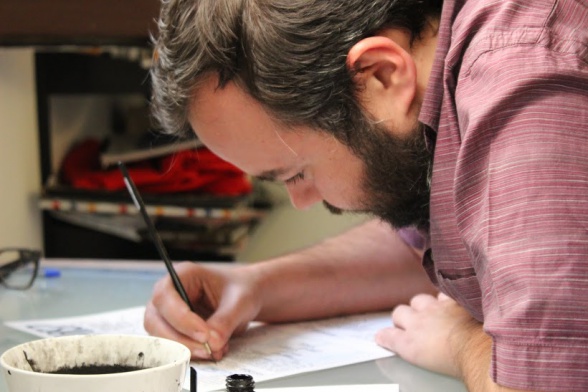
Albert Monteys

Fotografía realizada por Oscar Loro

¿Cuál fue el motivo que te llevó a estudiar Bellas Artes?

Básicamente, cuando estudiaba, en mi casa no se planteaba otra cosa que estudiar una carrera universitaria. Cualquier otra cosa era un fracaso y, al final, la única carrera que a me apetecía era Bellas Artes, ya que desde los siete años quería dibujar tebeos. Pese a todo, fue un error. Había escuelas que eran más eficaces, enfocadas a técnica, y Bellas Artes es una carrera que creo que no tiene mucho sentido, porque es sobre algo que no es ni exacto ni creativo. Claro, estuve cinco años masticando teoría y, básicamente, aprendiendo a vender motos.

¿Te sentiste presionado para estudiar una carrera?

Sí, para mis padres que sus hijos estudiaran era muy importante. Cualquier otra cosa era ir a menos.

Te diste a conocer gracias al tebeo ‘Mondo Lirondo’, ¿qué fue lo que te impulsó a adentrarte en el mundo de la comedia ilustrada?

No es una cosa que haya elegido conscientemente. De pequeño siempre me ha gustado ‘Mortadelo’; casi todo en lo que orbitaba eran cosas de humor. Nunca me he planteado hacer otra cosa que no fuesen cómics de risa. No es una elección concreta, es una manera de ver el mundo.

Lo hiciste con compañeros de la facultad, ¿pero fuiste el impulsor?

Éramos cuatro con una manera de ver las cosas muy parecida. Hacíamos los guiones a cuatro manos, dibujábamos a cuatro manos, etc. Yo quizás he sido el que ha tenido más visibilidad, pero Álex Fito también es un dibujante muy reconocido, aunque  los otros dos no se dedican al dibujo exclusivamente. Pero, en todo caso, todos estábamos a la misma altura.

Cuáles han sido tus referentes?

Mi primer referente es Jan, el autor de ‘Superlópez’, sobre todo en sus primeros libros cuando tendría diez u once años. Aunque eran cómics de humor se notaba que había un autor detrás y enviaba mensajes sobre la democracia, la personalidad, el consumismo, etc. veías que te servían algo más. Más adelante, pasé al cómic underground, Robert Crumb para mí es “superimportante”.

También tuve una etapa (y de hecho sigo picoteando) de leer superhéroes: las historias de Alan Moore y toda esta época de los 90, aunque esto no se refleje tanto en mi obra. Después, todo el indie de los 90: Daniel Claus, Peter Bach y todo lo que ha venido más tarde. También leo manga, pues otra influencia muy grande en mi obra es ‘Dr. Slump’ de Akira Toriyama; es un tebeo que me vuelve loco. Imagino que me dejo muchos, pero voy picoteando de lo que puedo. Hay gente que es muy exclusiva, pero yo leo un poco de todo.

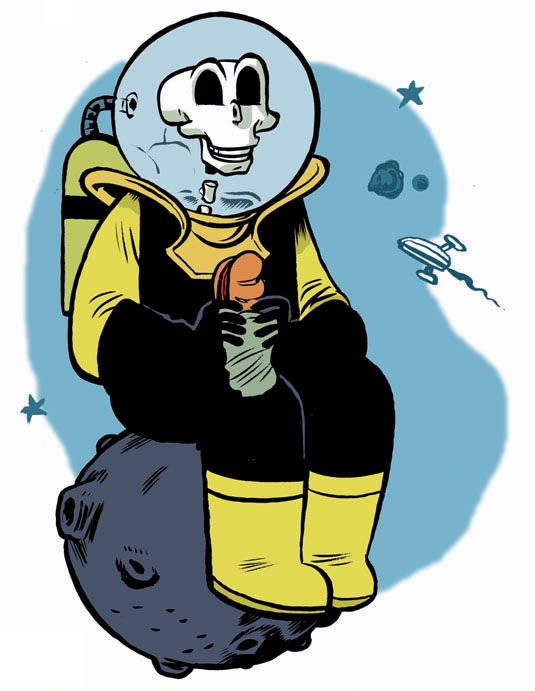
calaveralunarSi tuvieras que elegir una de las historietas que has realizado a lo largo de tu vida, ¿cuál sería?

Elegiría ‘Calavera Lunar’. Es un tebeo que hice en el 96 y ganó el premio al autor relevación en el Salón del Cómic de Barcelona. Era un cómic de marcianos que mezcla ciencia ficción y un humor muy loco. Lo hice muy rápido, además, porque hasta entonces solo había hecho cómics con la peña, y fue para probarme a mí solo. Es lo primero que hice de autor y un tebeo del que todavía estoy contento.

¿Cómo entraste a ‘El Jueves’?

Yo fui a ellos. En el momento en que decido que tengo que vivir de esto, la opción más clara es ‘El Jueves’. Además, como lo que hago son tebeos de risa pienso “igual tengo un hueco”. Yo no entré directamente en ‘El Jueves’ sino a otra revista que hacían llamada ‘Puta Mili’, creada para la gente que estaba haciendo la mili en la que, curiosamente, ninguno de los dibujantes la había hecho. Al final lo que hacíamos era preguntar a gente y era todo un desastre. Pero bueno, al cabo de un par de años pasé a ‘El Jueves’.

¿Qué procedimiento se seguía en ‘El Jueves’ a la hora de crear cada publicación?

‘El Jueves’ tenía dos partes muy diferenciadas. Por un lado tenía la parte de personajes, donde varios autores cada semana ya sabían que tenían que entregar una página de sus personajes, y ahí cada uno manejaba las entregas como quería, normalmente con mucha antelación.

Y después había otra parte, poco menos de la otra mitad, que era actualidad. Esa parte había que hacerla a gran velocidad. Normalmente hacíamos la reunión el miércoles para decidir los temas, portada, etc. De una semana para otra se veía qué temas se tocarían, se llamaba a la gente (que entregaba en dos días) y el lunes se maquetaba y se mandaba a imprenta para que el miércoles estuviera en el quiosco.

¿No os ha pillado nunca el toro?

Sí, por ejemplo la historia de la portada famosa. Cuando el rey anuncia que abdica, lo hace un domingo o sábado, cuando el número ya estaba cerrado porque lo habíamos encargado el miércoles. Así que hicimos una reunión especial el lunes donde todavía teníamos margen para cambiar las primeras páginas (quizás cinco o seis). También lo hacíamos cuando había elecciones… había momentos en los que había que hacerlo.

¿Y qué procedimiento seguís en ‘Orgullo y Satisfacción?

‘Orgullo’ lo estamos definiendo, todavía, mediante avanzamos. Empezamos con una revista monográfica sobre la coronación, y para el número dos quisimos hacer un tema genérico. Nos hemos dado cuenta de que la actualidad es muy importante, por lo que hemos decidido que cerraremos los números los últimos días.

¿No existe un estilo definido?

Vamos aprendiendo poco a poco, vemos los errores e intentamos arreglarlos. Supongo que en algún momento daremos con alguna fórmula.

Volvamos a ‘El Jueves’… ¿Qué motivo te impulsó a aceptar la dirección?

Básicamente me lo pidieron. Hacía años que era miembro del consejo de redacción, pero el director lo dejó, después fue Manel Fontdevila, después JL y me lo propusieron a mí. Tras dudarlo bastante, acepté.
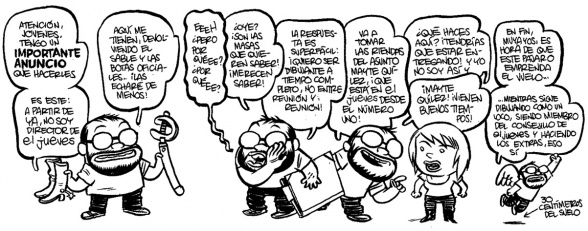
monteys8

¿Por qué dejaste la dirección?

Porque a mí lo que me gusta es dibujar. Comenzaron las responsabilidades, opinar sobre lo que hacen los compañeros… y al final acabé siendo el jefe de mis amigos, y eso es complicado. Al final preferí ganar menos dinero porque aquello no me estaba molando nada. Me sentía responsable de toda la revista, no sólo de mis páginas, y tenía menos tiempo para hacer mis cosas. No me gustaba y lo dejé.

¿Cuál ha sido el momento más duro en tu carrera profesional?

El día que decidimos si aceptábamos o no las condiciones que nos quería poner la editorial para ‘El Jueves’. Yo y otros 17 dibujantes nos fuimos.

¿Y el mejor?

Pues quizás cuando hacíamos ‘Mondo Lirondo’ con “La Peña”. Teníamos responsabilidad cero, vivíamos con nuestros padres, no pisábamos la facultad y pasábamos el día dibujando tebeos.

Albert Monteys

Fotografía realizada por Oscar Loro

¿Cómo te comunicaron el secuestro de la portada del 2007?

La secuestraron un viernes, salió el miércoles. El jueves estaba en Catalunya Ràdio y me dijeron: “esta portada es muy bestia, ¿no?”. Yo decía “hombre no, es imposible que nos digan nada porque hemos hecho cosas más bestias”. Y al día siguiente me llama Sandra, de redacción, y me dice que nos habían secuestrado la revista. Yo tenía asumido que esto era algo que solo pasaba en los años 70.

¿Qué reacciones hubo por parte de la redacción y de los lectores?

Sólo denunciaron a los creadores de la portada, nosotros decíamos que nos denunciaran a todos, pero no quisieron. No sabíamos cómo iba a acabar la cosa. Por otro lado, hubo entusiasmo, nos dio una visibilidad tremenda. Los lectores nos apoyaron un montón, hubo aluviones de cartas. El número se agotó en los quioscos porque cuando la gente se enteró de que la policía los estaba retirando, se adelantó. El apoyo que recibimos, el poso que quedó… Estuvo bien.

¿Imaginabas que hoy día podría llegarse a este nivel de censura?

No, claro. Cuando entré en la revista, los mayores de la casa (que estaban en el 78) sí te contaban que José Luís Martín iba al juzgado cada cierto tiempo por dibujar a Dios, que les habían secuestrado algunos ejemplares antes de llegar a quiosco… pero era algo que veía como de otra época. Claro, cuando pasó esto, lo vi como una anomalía muy rara que no te explicas.

Esto, cuando pasaba en Marruecos, se veía como si fuera un país atrasado. Y de repente pasó aquí y lo más sorprendente es que, siendo algo absolutamente anormal y fuera de lugar, tampoco hubo una reacción de los medios ni de la intelectualidad que dijera nada en contra. Al contrario, hubo mucha gente, desde el roto hasta figuritas como Vargas Llosa, que dijeron que la portada era muy zafia y que era totalmente lógico que se hubiera reaccionado así. Claro, nuestra respuesta era que no hay ninguna ley contra el mal gusto, que podemos tener todo el que queramos. Pero claro, la reacción de los medios, que están todos pillados por la monarquía, fue cero. Eso sí, la reacción de la gente nos encantó.
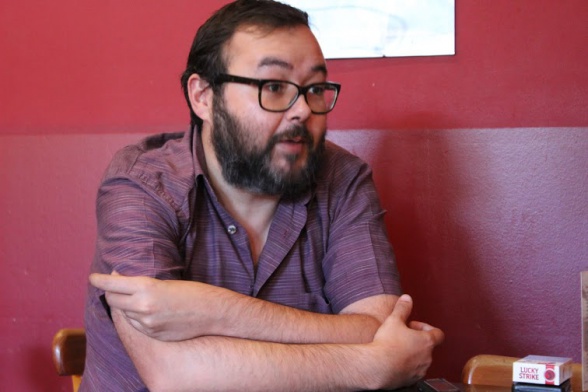
monteys3

Fotografía realizada por Oscar Loro

¿Qué diferencia ha habido entre el secuestro de esta portada y el retiro de la portada de la abdicación del rey?

Aunque no sabemos los motivos de este retiro, entiendo que una cosa es hija de la otra. El primer secuestro de la revista, que viene de Casa Real, se hizo de una manera muy chapucera y sin calcular el hecho de que, al secuestrarla, la vería todo el mundo al producirse el efecto Streisand. De forma que, con esta segunda, que intuyo también que viene de Casa Real, que pretendía que la prensa solo tocara el tema de forma positiva, se decidió hacer de forma más sutil. La idea era cambiar la portada y las instrucciones para ‘El Jueves’ eran que, si llamaba algún periodista, se le debía decir que había un error de imprenta. Se pretendía que eso no trascendiera ni fuera algo noticioso, pero, por supuesto, no contaban con que dimitiríamos.

¿Por qué dejaste ‘El Jueves’?

Porque nos dimos cuenta de que al editor la revista le importa un bledo. La editorial que hay, de hecho, no tiene nada en su catálogo de opinión ni de “mojarse”; solo tiene ’El Jueves’. Creo que en un momento dado el editor se da cuenta de que somos más molestos que otra cosa, y ahí decide cortarnos las alas. El único activo que tenemos con el lector es la credibilidad; que el lector sepa que lo que decimos lo creemos aunque sea una estupidez.

Lo único que un humorista puede vender al mundo es que no tiene a nadie que le diga qué tiene que decir, y de repente sale un editor que piensa que esto no es importante comparado con su reputación con la Casa Real. Para entendernos, lo que sucedió es como si en el diario ‘Sport’, una semana que gana el Barça la liga, el editor decidiera que no pueden ponerlo en portada. Es como decir “te hundimos la revista porque nuestros intereses están en otro lado”. De hecho, lo que nos dijo el editor es que dentro de la revista podemos poner lo que nos dé la gana, pero en portada no, ya que es lo que ve “la gente normal”. Pero claro, una vez el editor empieza ahí, nunca sabes dónde va a acabar.

¿Qué es ‘Orgullo y Satisfacción’?

‘Orgullo y Satisfacción’ es una revista online que nos inventamos cuando salimos de ‘El Jueves’ y nos vimos en la calle. De entrada, se hizo sin pensar en una revista periódica, pues decidimos que por lo menos el día de la coronación debíamos estar presentes. En ese momento faltaban nueve días, así que nos reunimos varios dibujantes y decidimos hacer una revista con lo que sabemos hacer, con la ventaja de que estamos acostumbrados a entregar las cosas rápidamente.

Cuando nos planteamos cómo hacerla, vimos que no teníamos ni dinero ni tiempo para que fuera en papel, con lo cual acabamos publicándola por internet, con todas las dudas que eso genera. Salimos el día de la coronación y el número fue un éxito, vendiendo la primera semana 24.000 y hasta ahora llevamos más de 35.000. De esta manera, decidimos que igual una vía que muchos consideran maldita, hacer cómics digitales y vender por internet, era loable. En septiembre hicimos la revista mensual y empezamos a salir cada mes y, de momento, nos va relativamente bien.
Orgullo y Satisfacción

¿Crees que este medio es el futuro para este tipo de publicaciones?

En todo caso, el papel es el pasado. El papel se va apagando poco a poco. Cualquier persona que esté relacionada con una publicación en papel sabe que las cifras van bajando poco a poco. Los periódicos, que son los que aguantan el quiosco, cada vez venden menos, y las revistas en general (‘El Jueves’ entre ellas) se van diluyendo. La duda es si en internet hay una posibilidad de que puedas seguir siendo profesional de la prensa. Mucha gente anda haciendo experimentos. El nuestro, de momento, está saliendo bien, pero habrá que ver cómo avanza. En todo caso, lo que está claro es que si hay algún futuro es por ahí.

¿Cómo se conforma la jerarquización de ‘Orgullo y Satisfacción’?

En la revista, ahora mismo, hay un Consejo de Redacción. Este lo conformamos los padres fundadores que el “Día D” nos reunimos para hacer una revista y convocar a nuestros compañeros para que colaboren. Lo conformamos Guillermo Torres, Miquel Fontdevila, Marco Vergara, Manuel Bartual y yo mismo. Nosotros nos reunimos, decidimos contenidos y vamos enfocando hacia dónde irá la revista.

Al mismo tiempo, hemos hecho una empresa, una S.L. De hecho, nos planteamos el rollo asambleario, pero es poco práctico a la hora de funcionar. Es una revista, de esta forma, que paga su IVA y todos sus impuestos, así no nos pilla Hacienda. El resto que no está en el Consejo son colaboradores; la creamos con la premisa de que todo el mundo que abandonó la revista siguiera aquí y vamos incorporando nuevos dibujantes que nos gusten cuando es necesario.

¿Qué ofrecéis que no tenga ‘El Jueves’?

La verdad es que aún estamos definiendo la revista. Lo que ofrecemos es que en la revista no hay un dueño más allá de los dibujantes, con lo que, en principio, publicamos lo que nos da la gana. No debemos dinero a nadie ni dependemos de la publicidad, por lo que vendemos el humor sin dueño. Sabemos que los medios de este país (y creo que en todo el mundo) están “prisioneros de la publicidad”, y es algo que con nosotros no pasa. Nosotros dependemos 100% de la gente y por eso incluso damos la posibilidad al público de pagar un poco más por la revista. ‘Orgullo’ vale 1,50€ pero si quieres pagar más puedes hacerlo. Estás garantizando que las tonterías que pongamos son las nuestras.
monteys5¿Es loable que salga algún día en papel?

Nosotros estamos apostando muy fuerte por lo digital, nos parece que es un medio que nos garantiza la independencia. Salir en papel supondría tener que pedir créditos. Para papel tenemos ideas, pero serían hacer especiales una vez al año o algo así. A todos nos gusta mucho, pero salir regularmente en papel es algo que no nos planteamos.

¿Es difícil iniciar un proyecto como el vuestro en los tiempos que corren?

Pues sí, de hecho nosotros con la desgracia que hemos sufrido, hemos tenido una gran campaña de lanzamiento. En el fondo hemos aprovechado la ola. Empezar de cero hubiera sido muy difícil. ‘Mongolia’, aun así, empezó hace un par de años y les va razonablemente bien, así que poder se puede.

Entre hoy día y cuando empezaste, ¿qué diferencias hay en el mundo de la ilustración?

Yo creo que la gran diferencia es el dinero, había más dinero. Había colaboraciones muy bien pagadas, mucha gente podía vivir de esto.  Ahora con la idea del becariado, el trabajo gratis, etc. se ha cogido la idea de que todo lo creativo es algo que compartir, gratis. Aquí entra la falacia de “si yo te publico, vas a tener visibilidad”. Por esta regla de tres, yo puedo ir a la panadería y decirle que me dé una barra, que yo se la enseño a todo el mundo.

¿Como ves el futuro tanto de ‘Orgullo y Satisfacción’ como de la industria en general?

Pues yo creo que nadie sabe nada, que en esto hay que ir viendo. Creo que existe un futuro que no sabemos ni cómo será. Desde la primera vez que alguien me dijo que teníamos que mirar si en Internet había futuro, han pasado 18 años. Hay un cierto despiste en la fórmula perfecta. Creo que el mundo latino está menos avanzado en este sentido que el anglosajón, e tiene muy aceptado que también hay que pagar por lo que se consume online.

A parte de la financiación que conseguís con los beneficios, ¿queréis publicidad?

No tenemos nada porque es otra manera de tener compromiso con alguien, que de entrada puede ser que no te diga nada, hasta que te digan. Si el pacto es sólo con el lector, es puro. Sabes que puedes autocensurarte a veces, pero si hay un sponsor el pacto no es sólo con el lector. Preferimos ser totalmente independientes.
Ilustración de Monteys

La entrada La Casa de EL entrevista a Albert Monteys pertenece a La Casa de EL - Artículos y noticias sobre cómics, cine, series y videojuegos.

09 Nov 16:48

El Proyecto Sakai: ¡ComprADLO!

by EmeA
De vez en cuándo saltan noticias de que algún autor de tebeos estadounidense tiene problemas económicos y acumula un montón de deudas en tratamientos sanitarios (insertar comentario de Sanidad pública vs Sanidad privada al gusto de su opción política). Uno de los últimos casos ha sido el de Stan Sakai, debido al tumor cerebral de su esposa (sí, tumor cerebral es una expresión que no se usa mucho en los blogs de humor)

El caso es que la industra del cómic se unió y publicó un álbum de ilustraciones (con la excusa del 30º aniversario de Usagi Yojimbo) cuyos beneficios irian destinados a costear el tratamiento médico de Sharon Sakai. Y ahora Planeta Cómic publica la versión española

proyectosakai.jpg

¿Y qué encontramos dentro del álbum? Basicamente muchos pin-ups de Usagi Yojimbo. Por ejemplo, estos dos de Cameron Stewart y Paolo Rivera

proyectosakai-cameronstewart.jpg

proyectosakai-paolorivera.jpg

Pero no a todos los dibujantes les sale dibujar conejos al estilo Sakai, así que para disimular añaden un segundo personaje que les quede mejor. Por ejemplo, Paul Smith y Jordi Bernet

proyectosakai-paulsmith.jpg

proyectosakai-jordibernet.jpg

Otros ni siquiera intentan acercarse al estilo Sakai, y optan por un trazo más realista. Entre ellos, Rafael Albuquerque y Darwyn Cooke

proyectosakai-rafaelalbuquerque.jpg

proyectosakai-darwyncooke.jpg

Y luego están los que no les sale un conejo ni a la de tres y ni lo intentan y en vez de eso te meten una chavala, como Adam Hughes y Alex Maleev

proyectosakai-adamhughes.jpg

proyectosakai-alexmaleev.jpg

En resumen: por solo 25€ podéis comprar una conciencia tranquila y además un álbum de 160 páginas que lucirá de miedo en vuestra estantería. ¡ComprADLO!

P.S.- El abuelo Adams hizo lo que le dio la gana, claro

proyectosakai-nealadams.jpg
09 Nov 16:25

Podcast Sees Listeners Turn into Sleuths

by Miss Cellania

If you live in a small town (as I do), you may have turned to the Topix forum for your area at one time or another. You may see posts about something for sale, or you may find yourself in a ruthless gossip-fest about people you know. It can make you very uncomfortable. Imagine that scenario played out nationwide, or even globally. The podcast Serial, from the creators of This American Life, follows a true murder case that happened in 1999, in which Adnan Syed was convicted of murdering Hae Min Lee. Syed insists he is innocent, and many questions still surround the case. The podcast has become a hit, with an average of 850,000 downloads per episode, and fans are gathering on the net to discuss the show -and the case. Fifteen years is not a long time ago, and the witnesses, family members, and investigators are still around. Many of them have an online presence. One forum discussing Serial is the subreddit serialpodcast, where Jacob White is a moderator. It started out as a fan site, with people discussing the show, but devotees also want to investigate the crime themselves. As posters began identifying people involved with the case, moderators found themselves stomping out fires to protect their privacy. And then there were posters who identified themselves as knowing the principles of the story.  

The subreddit was among the first things I found when I started googling, and I immediately ended up getting drawn into a post by someone claiming to have known Syed within the Baltimore Muslim community. His post diagnosed Syed as a liar with a mental disorder.

But his personal view of Syed was less arresting than the comments below it. There friends and relatives of Syed’s came out of the woodwork to insist first that they knew who the poster was, and that that his account was hyperbolic and untrue. They all, I saw, had verified Reddit accounts. White explained to me that early on, when the moderators saw people claiming personal knowledge of the story, they set up a process by which they would verify users as being who they said they were. The range of proof goes from sending the moderators a scan of a photograph in a yearbook to a marriage certificate.

And in fact when the moderators tried to verify the identity of the person who put up this post about Syed, it didn’t work out. Whoever he was, he said he “feared retribution”.

An article at The Guardian says that the producers of Serial seemed unprepared for amateur sleuths on the internet getting involved in the case. Although this kind of thing has always happened for notorious crimes, we now have an opportunity to watch it play out in real time on our computer screens, whether that’s a good thing or not. Where does global freedom of speech cross over into a witch hunt? How can someone protect themselves against anonymous libel or charges of libel? Will anything constructive come out of the story in the end? Read the account of the podcast that is spilling over into real life at The Guardian.

09 Nov 15:18

4 Signs You Need to Spend Less Time Online

By Mark Hill  Published: November 09th, 2014  As someone who works from home selling novelty heroin syringes on Silk Road, I spend a lot of time on the Internet. On the whole, it's pretty great -- I'm exposed to a wide variety of people and information every day, and I help junkies get the Inspector Gadget-themed high they've craved for years. But all good things must be enjoyed in moderation, and I've noticed a few weird attitudes that develop when you spend too much time online. If you find yourself experiencing any of the following, it's time to get some fresh air. #4. You Begin to Wonder If People You Meet Are Trolls yuriyzhuravov/iStock/Getty Images I have an unhealthy fascination with comment sections. There are some intelligent ones out there, and most Cracked commenters are pretty alright (except BonerLorde420 ... you know what you've done). But as a general rule, they're cesspools of hatred and anger, and browsing them is the closest we can legally come to opening human zoos. But, as Nietzsche wrote in his junior high years, when you gaze too long into an asshole, the asshole also gazes into you. I don't mean that you start acting like a racist, sexist douchebag, because while I do troll the other Cracked columnists under the name Sore N Bone Me, that's an unrelated hobby. I mean that you stop viewing Internet commenters as a writhing mass of personified rage and start viewing them as presumably functional members of society with jobs and hobbies and loved ones they probably don't want to see butt-raped by a dozen fat dudes with swords (like they keep saying they hope happens to other people). MatthewJean-Louis/iStock/Getty Images "And that's why you deserve to get cancerAIDS and drown in a urine flood." You start making up little stories for them to convince yourself that they're just good people having bad days, because the alternative -- that they have a toxic, sociopathic attitude towards humanity 24/7 and keep it hidden beneath a thin veneer of respectability -- is too depressing. Maybe the guy ranting about how all women are soul-sucking harpies just went through an ugly breakup. Maybe the guy screaming "nuke ISIS ragheads!" lost his entire family and several puppies to terrorist attacks, and also isn't very smart. Maybe the guy calling me a "cocksucking super fag" is optimistically hitting on me the only way he knows how. But, eventually, you start wondering if the people you come across in real life Meatworld troll the Internet in their spare time. Does the friend of a friend I had a cool conversation about video games with go home and scream rape threats into a beer-spittled microphone? Did the co-worker who said something a little homophobic just have an ignorant slip of the tongue, or does she spend her nights on news sites ranting about how gays are the modern black plague? Alexandru Kacso/iStock/Getty Images "Thou shall not judge! Except in this case, where it's perfectly fine!" This is not a thought exercise I'd recommend, because there's no way to get an answer. Between sheer statistical probability and the assumption that you know your friends well, you'd like to think the obvious answer is they aren't a troll. But there's always a little nagging doubt, and you can't exactly ask someone, "Hey, are you an uninformed, ignorant, attention whore on the Internet?" without damaging your relationship. The only solution is to spend less time reading comment sections and more time watching cat videos until your brain stops asking such weird questions in the first place. Via YouTube Goddammit. #3. You Start Making Sweeping Assumptions Digital Vision./Digital Vision/Getty Images One of the most powerful features of the Internet is anonymity. If it wasn't for the Internet, a young white guy like me would never have been able to adopt the personality of a stereotypical, sassy black woman for my writing career. But listen up, girlfriend, because there's a downside. Now I ain't talking about men that are always sending us pictures of their Johnson like they think they're God's gift to women, because girl, if that's the best God's got for us, I'm becoming a Buddhist. Nuh-uh, I'm referring to the fact that you start making assumptions about other anonymous people, like you think you're better than them just cause you don't work down at the hairdressers no more. And you know what they say about assumptions. Yes, you do. Michael Blann/Photodisc/Getty Images Ah, my newest batch of cease and desist orders from the NAACP arrived! When I'm chatting with Dikachu69 about the latest Smash Bros. game I automatically assume he's another young, straight, white dude, because in my mind I'm the quintessential Internet junkie. But for all I know, he might be a black woman in her late-30s who didn't appreciate my little Vaudeville routine, although that's awfully judgmental coming from someone with such a crude name, lady. My point is that when you're having conversations with people you can't look at, you assume they're like you until they prove otherwise. It's easy to forget that there are in fact multiple races and genders and age groups out there, because if you don't see any middle-aged black women in your day-to-day life, you assume they all have real jobs and mature hobbies that don't involve spending a lot of time on gamer forums. They probably all knit or something. This messes with your head in little ways. You forget that the knitting, profanity-spewing video game fan is probably going to have a different way of looking at say, events in Ferguson or Tyler Perry's career. You both might completely agree that Perry's movies are terrible, but there's a good chance you arrived at your opinions in different ways because of your differing backgrounds and perspectives on life. Michael Blann/Digital Vision/Getty Images Mine being that I'm so terribly, terribly lonely. It's also easy to start seeing the Internet as a hive mind that spits out definitive decrees like "Gone Girl was a solid movie despite its flaws" or "The parents of this suicide victim deserve to have gay porn posted on their Facebook page," because you start to confuse the loudest vocal opinion for the opinion of everyone. You have to stop and remind yourself that you aren't the only person who hates trolls, or that it's okay to have no opinion or interest in a movie about marriage because you're planning to die alone and unloved. Constant anonymity can make you forget just how much variety there is in people, and that's a little sad. Speaking of which ... #2. You Forget That Moderates Exist Thomas Northcut/Digital Vision/Getty Images Let's say you have friends, and you and your friends are deciding where to go for supper. You're debating between pizza and Chinese because you're all culinary unadventurous, and the majority of you have a preference but would be cool either way. However, one friend loudly declares that he would rather eat shit than pizza because he was molested by a man dressed as a Ninja Turtle as a child, while another refuses to eat Chinese food because his grandmother starved to death during the Cultural Revolution. In this totally exciting and realistic scenario you'll obviously take note of the two most vocal opinions, but you'll also be aware that your other friends have moderate stances because they'll try to express them before they're shut down by someone yelling about cultural insensitivity or how Uncle Jack always seemed so nice. You're aware that moderates dominate the discussion statistically, if not in terms of sheer volume. But the Internet can completely strip that awareness away. Take ISIS, since we're already discussing ethnic food. I went to a Fox News article about ISIS, and it took five seconds to find commenters calling for the destruction of Islam. Via Foxnews.com I know, it's Fox. It's like shooting fish in a barrel, if all the fish were old and terrified of the younger, darker fish that sometimes show up in their barrel playing modern music from the big urban aquarium. You don't expect people who refer to the President as "Obutthole" to offer stirring political discourse. But there's also a small but vocal legion of commenters who hate Fox. Here's someone on caps lock cruise control dropping what I guarantee they called "a truth bomb on the Foxscists." Via Foxnews.com I'm not really sure what their goal is, aside from hoping that Rupert Murdoch sees their brilliant pieces of rhetoric, realizes that he's been wrong all these years, and turns Fox into a site for environmental news and vegan recipes. Their motives are unimportant -- it's the simple fact that they think it's productive that sticks in your head. You've all seen an Internet screaming match. The topic could be anything -- gun control, illegal immigration, what size Han Solo's breasts would be if he was a woman -- its timeliness or seriousness doesn't matter, only that the people involved have strong opinions and an emotional connection. People who don't like what ISIS is doing but don't consider them to be representative of Islam, or who know that 34C is about as big as you want to go on Han before they start hindering his upper body reflexes, aren't as passionate about their opinions, and so they're not going to go out of their way to write angry screeds. That's why Free Republic, a site that routinely features casual calls for genocide, is immensely popular, whereas my WhyCantWeBeFriends.com went under within three months because all of its members were so laid-back they forget to pay their Internet bill. Lerche&Johnson/iStock/Getty Images Plus, the majority of them are just crazy high. In real life you get exposed to moderate opinions, because conversations are friendlier when other people can look you in the eye. But even though moderates make up a majority of the spectrum on any issue, most don't feel the need to wade into the abyss that is online discourse. When you begin to consider horror the norm you have to constantly remind yourself that countless non-crazies are lurking in the background. Otherwise you start to think that most of the country shares the beliefs of the guy screaming, "Kill Obummer and his monkey friends," and you end up with a view of the world that's as depressing and unrealistic as theirs. #1. You Start Viewing Local Information as Unimportant Claudia Gabriela Tapuleasa/iStock/Getty Hey, would you like to know how the latest Nicolas Cage thriller, Left Behind, is doing critically and commercially? The Internet has an ironic love for it, which means I could summarize half a dozen reviews and the opening weekend results. In fact, because the Internet generally loves pop culture, I could probably tell you the reception of every major movie and video game released recently. I can also tell you all about the latest American political scandal, or draw the latest battle lines in Syria, or where to find the newest "Han Solo with breasts" porn site that was created within the last six minutes. pierredesvarre/iStock/Getty Images Another marriage saved. Thank you, Internet! When you get your news from the Internet you tend to only learn about what the Internet thinks is important -- big global affairs, American politics, news of the weird, sports, and pop culture. Local news? Forget it -- unless something in your city exploded, it's probably not interesting enough for the Internet to care about. For that kind of stuff, you have to turn on your TV like a caveman. So I can confidently brief my friends and family on the current geopolitical situation in the Middle East, yet stare at them blankly when they ask me what I think about the dude who got murdered down the block last week. More often than not, I learn about something the mayor said or some crime that happened downtown by listening to my friends talking about it and then feigning knowledge. Arne Trautmann/Hemera/Getty Images "I as well cannot believe that the mayor robbed a liquor store. Current events, am I right?" When the Internet (and see how I'm already referring to it as a hive mind again?) talks about a subject, you go and read up on it extensively, because it must be important and you want to look like a not-dumbass. But you don't go out of your way to read about anything the Internet doesn't discuss at length, because how big of a deal could it be if the rest of the world doesn't care? On some level, you know that's silly, because while someone who lives in North Africa won't care about the new restaurant opening a few blocks away, it doesn't mean that you shouldn't go check it out. But you have to consciously remind yourself to follow local news, even though the delayed opening of a local nursing home isn't trending on social media. Otherwise you could be more well-informed on world events than anyone you know and still come across like an ignoramus. For most people, local news is more important, since they have a tendency to actually go out and interact with the places and people that get reported on. Ricardo Reitmeyer/iStock/Getty Images "You didn't hear that Jim-Bob replaced the diner stools? It was on the news, man." I'm not saying you should ignore world news, mind you. I'm just saying that it's important to remember your own backyard, or else the municipal government might announce a purge, and you won't have a clue until someone's chain-sawing through your front door. You can read more from Mark, or spend way too much time with his writing on his website. For more from Mark, check out The 5 Most Aggressively Crazy Websites on the Internet and The 5 Best Places to Make (Creepy) Friends.