Shared posts

28 Jun 17:46

El pico de gallo, la salsa favorita

by Chilam Balam

De las cuatro salsas que ponemos en nuestro restaurante mexicano Chilam Balam, hay una que se ha convertido en la favorita de nuestros clientes. Por eso, en este post te enseñamos cómo hacer una salsa de pico de gallo.

El pico de gallo es una salsa con un menor grado de picante que el resto de salsas de las ponemos en nuestro restaurante. Y, desde el primer momento, se ha convertido en un buen acompañante para la comida mexicana, especialmente para aquellos que no les gusta que “pique mucho”.

En muchos lugares de la República Mexicana, a la salsa pico de gallo, se le conoce como salsa bandera o salsa tricolor, por la combinación de colores que tienen sus ingredientes principales. Además, en algunas regiones también se le puede llamar salsa mexicana, pero cada vez en menor medida.

¿Cómo se hace la salsa de pico de gallo?

El modo de preparación de la salsa pico de gallo es muy sencillo: simplemente hay que mezclar muy bien los ingredientes y… listo. Por eso, nuestra principal recomendación es que la prepares al momento que se va a consumir, porque sus ingredientes mantendrán la frescura y sabor ideales.

El pico de gallo lo preparamos con:

  • Tomate rojo cortado en cuadritos. Tiene que ser rojo para respetar el color de la bandera 😉
  • Cebolla blanca también en cuadros pequeños. En algunos lugares se corta en juliana.
  • Cilantro finamente cortado. Tiene que ser cilantro, no le pongas perejil ¡Por favor!
  • Trocitos de chile jalapeño. Si es fresco, mucho mejor. Pero si no, lo venden en lata en grandes superficies o tiendas “latinas” y nos vale perfectamente.
  • Unas gotas de lima. No queda muy bien con limón (aquí explicamos la diferencia entre lima y limón en España-México).
  • Sal.

Aunque en México puede tener alguna mínima variante, la fórmula más clásica es así,  como la hacemos en Chilam Balam.

Es muy fácil de hacer y muy práctica para acompañar cualquier plato: tacos, quesadillas, enchiladas, etc.

Consejo: Además de usarla como acompañamiento para comida mexicana, la puedes preparar en casa con un par de latas de atún y unos dados de queso, quedándote una ensalada fresca, nutritiva y muy mexicana.

¿Conoces el resto de nuestras salsas mexicanas?

La entrada El pico de gallo, la salsa favorita aparece primero en Chilam Balam.

01 Jun 03:42

ghace spetto

by inka
01 Jun 03:38

El sótano - La Universidad del Vicio - 29/05/15

“Guitar Safari”, “Poco Loco in the Coco Vol. 3” y “Tumba Rumba” son los tres últimos lanzamientos de esta logia secreta llamada la Universidad del Vicio. Una facultad musical integrada por coleccionista cazatesoros que recorren el planeta en busca de jugosos artefactos añejos de efecto lúdico y sabor exótico. Un viaje del lejano Oriente a Cuba pasando por el Congo. Playlist; Bantous Mujos (Les Kramen), Les Safari (Ma famillet toi), King Kennytone (Summer birthday twist), Catchito y Chacha Po (Fine fine woman), Ambiance Jazz (erengue Willy), Ry-Co Jazz (Twistez!), David Melanio (Teahouse 90), Joe Quijano (Zoom gully gully), Doc y Les 6 Jets (Making love), Sonny Scott (Judo twist), Comparsa La Laguna (Zoológico negro), Eddie Kochak (Shish-ka-bob rock), The Journeymen (Cup-e-co), Tojo y su Orquesta (Maracaibo oriental), Orquesta Riverside (Las gallegas bailan mambo) y Miguelito Valdés (Nagüe).


01 Jun 00:49

Hot Topic Is Buying ThinkGeek For $122-Million

hot-topic-buying-thinkgeek.jpg All body jewelry buy one, get one $1?! Moooooom -- will you drive me to the mall? In sad news for everyone everywhere, Hot Topic has announced it's plan to purchase online retailer ThinkGeek in a deal worth $122-million. Apparently the two companies have been competitors for awhile, because everyone has to buy their Green Lantern and Spider Man shirts somewhere.
Hot Topic CEO Lisa Harper believes that it's a good fit, since both companies share a strategy of "delivering great products for avid fans of various licensed properties."
Solid business strategy. I remember one time when I was in business school I developed a business strategy that was "Kill competitors, display their skulls, make $$$." I failed that project, plus was forced to attend an extra business ethics class that was 3 hours a week. I could barely sit still the two hours of the new Mad Max movie, could you imagine me in a classroom listening about business ethics for 3 hours straight? I pulled the fire alarm so many times that semester. SO MANY TIMES. Thanks to Stephen, who only buys bootleg superhero shirts out of the back of people's car trunks.
01 Jun 00:45

Mommy, Where Do Babies Come From?: Pregnant Lady Gets Anatomical Bodypainting Of Developing Fetus

baby-body-painting-1.jpg These are a few pictures taken by Dutch photographer Leonie Versantvoort of a pregnant woman with an anatomical painting of a developing fetus on her belly (previously: Krang). The painting is not 100% anatomically accurate, but I feel like neither where the diagrams in my 8th grade biology book. Also, what's up with the telephone cord in there? I didn't know babies got in utero telephones. *ring ring* 'Hi mom! Just a heads up I'm about to shift real quick and make you pee and fart at the grocery store!' Corded phones though, seriously? This just goes to show what a slow process evolution is because babies don't already have cell phones in there. Keep going for several more shots AND ACT MATURE. I did, and you know how hard that is for me. baby-body-painting-2.jpg baby-body-painting-3.jpg baby-body-painting-4.jpg Thanks to Charlotte, who wants to get the same thing done except with a developing alien baby.
01 Jun 00:41

Here's the one story to read to learn about Silk Road

by Mark Frauenfelder

Joshuah Bearman wrote an epic story about the rise and fall of the black market commerce site Silk Road. He dug deep to produce a fantastic, enthralling story.

Read the rest
01 Jun 00:37

TV’s Funniest Women, Including Ellie Kemper and Gina Rodriguez, Gather For Roundtable on Women and Comedy

by Teresa Jusino

THR roundtable cover

This week, The Hollywood Reporter contains an amazing roundtable discussion gathering some of television’s funniest women talking about what it’s like being a woman in comedy, and what lines they will or won’t cross for a laugh.

Jane the Virgin‘s Gina Rodriguez talks about laughing over controversial issues, and the fact that she doesn’t actually know every other Latin@:

Meanwhile, Unbreakable Kimmy Schmidt‘s Ellie Kemper discusses Kimmy Schmidt’s girlish power, and how she feels about on-screen kissing:

One look at the roundtable in full proves that not only can women be funny (I mean, duh), but they can also be intelligent, passionate, and insightful. These ladies, if they’re not already, will be your new heroes.

—Please make note of The Mary Sue’s general comment policy.—

Do you follow The Mary Sue on Twitter, Facebook, Tumblr, Pinterest, & Google +?

01 Jun 00:19

Watch Kung Fury, 2015’s Fever-Dream of an ’80s Action Movie, Online Right Now - Allow us to hack you into the past.

by Dan Van Winkle

David Hasselhoff music. Time travel. Kung Fuhrer. Dinosaurs. These are the only things you need to know. Please enjoy Kung Fury.

woman-crush-wednesday-emma-stone

(via Our Friend Rebecca Pahle Who We Miss Greatly)

—Please make note of The Mary Sue’s general comment policy.—

Do you follow The Mary Sue on Twitter, Facebook, Tumblr, Pinterest, & Google +?

01 Jun 00:15

Demystifying the opening chord of "A Hard Day's Night"

by Mark Frauenfelder

Guitarist Randy Bachman (Guess Who and Bachman-Turner Overdrive) explains how he figured out the famously mysterious opening chord to the Beatle's 1964 song "A Hard Days's Night."

Previously: HOWTO play the opening chord from 'A Hard Day's Night'

[via]

31 May 09:19

Photo


30 May 10:37

"More indigenous territory has been claimed by maps than by guns"

by Miko
30 May 10:02

7 Tricks For Appearing Smarter Than You Are

by Zeon Santos

Are you looking for a way to alter people’s perception of your intellectual capacity? Tired of people thinking you’re “not the brightest bulb in the box” simply because you don’t wear glasses and you always have a beer in your hands?

Then you need 7 Tricks For Appearing Smarter Than You Are, a guide to brainy bluffing that doesn’t require the use of more brainpower.

This handy dandy illustrated guide created by Samantha Lee for Business Insider will walk you through amazing perception altering tricks like- wearing glasses, not holding a beer in your hands, wearing a tailored suit, and many (exactly four) more!

Remember folks- infographics like this shouldn't be taken too seriously, because you're only as smart as you think you are!

See the full version of 7 Tricks For Appearing Smarter Than You Are here

29 May 10:34

Maria Bamford, Wyatt Cenac, Mike Birbiglia, and More Share Their Favorite Jokes

by Megh Wright
Esquire has a fun new feature out today in which they ask 22 comedians — including Kumail Nanjiani, Maria Bamford, Joe Mande, Wyatt Cenac, Mike Birbiglia, Hari Kondabolu, and Janeane Garofalo — to share their favorite joke ever, and it’s well worth checking out for all fans of standup and timeless comedy. Watch Birbiglia share […]
29 May 00:27

‘Nido de pesadillas’ de Lisa Tuttle

by Marc J. Miarnau

Reseñamos esta fascinante antología de relatos de Lisa Tuttle que edita Nevsky: 'Nido de Pesadillas'

Lee la entrada completa en: ‘Nido de pesadillas’ de Lisa Tuttle

29 May 00:20

"So, what's your policy on 'pussy'?"

by The Gooch
In their annual gathering of Emmy-contending comedy actresses, The Hollywood Reporter hosts a roundtable conversation featuring Amy Schumer ("Inside Amy Schumer"), Lena Dunham ("Girls"), Gina Rodriguez ("Jane the Virgin"), Tracee Ellis Ross ("Black-ish"), Kate McKinnon ("Saturday Night Live"), and Ellie Kemper ("Unbreakable Kimmy Schmidt")
29 May 00:06

Cando os grupos beat se atreveron a cantar en galego

by @cequelinhos
O conxunto vigués El Clan anuncia que gravará cancións en galego.

O conxunto vigués El Clan anuncia que gravará cancións en galego.

Xosé Enrique Acuña.

Foi a radio, quen ía ser se non, a que un día puxo en contacto a mocidade galega cunhas cancións, ben distintas ás que escoitaran, e que desde as ondas se lles aparecían  cunha sonoridade que os seus sentidos ao momento recepcionan como toda unha revolución sonora. Aconteceu, en Galicia e á vez por todo o mundo, cando as emisoras decidiron radiar os primeiros e máis sorprendentes discos de The Beatles. Un estudante de bacharelato de Pontevedra foi un deses que pensou —como tantos outros polo mundo adiante– que era todo un elixido aquel día que escoitou por vez primeira She Loves You, o tema composto en 1963 por John Lennon e Paul McCartney. Xulio Xosé Pardellas de Blas, alumno do instituto que tiña como director eterno a Filgueira Valverde, e o que co tempo sería un reputado investigador universitario e mais tamén deputado socialista, lembrará sempre como partillou de inmediato o impacto recibido coas súas amizades xuvenís. As mesmas que, en paralelo, gozaban de tan xeracional descubrimento musical.

Esta historia, a dos comezos da música beat, repetida ao, longo do mundo informado e occidental, marcou un grupo de amigos que conformaban a típica “pandilla” vilega; das armadas na contorna dun instituto e que até ese momento só pensaba, a maiores do estudo e das pasantías, en xiras polos montes que arrodeaban a cidade, o aluguer de barcas para ir ás praias ou escoitar discos na jukebox do bar Coral e xuntarse nos parques e xardíns en torno ao amigo que na guitarra, como máis atrevido, tocaba e cantaba pezas do Dúo Dinámico. O de The Beatles xa era outra cousa e o non ter nin idea de inglés tampouco lles tiña. O encontrón con aquela música, con aquel xeito de cantar (e berrar), con aquela estética de perreras e cabelos longos, significaba unha ruptura radical con todo o que previamente tiñan escoitado. E eles querían se sumar, vivilo.

Pardellas e os seus amigos, espelidos e atentos ás novidades, souberon tamén que na súa cidade funcionaba un Ateneo que se mostrou disposto a admitilos como socios xuvenís. En nada, estes estudantes daquel bacharelato chamado superior sentaban nos sillóns da sede ateneísta para neles escoitar a revolucionaria música, privilexiados que se sentían, no tocadiscos hi-fi da entidade cultural. Conseguiran, para súa sorpresa, que o seu presidente Afonso Zulueta de Haz, un notario que chegaría a ser presidente do Consello da Cultura Galega en 2002, atendera a primeira petición que sen disimulo lle estendera a creada sección xuvenil: a de comprar para a discoteca do Ateneo nada máis e nada menos que a totalidade da discografía publicada até ese momento polo cuarteto de Liverpool. Os froitos cultos desta aposta chegarán o 17 de marzo de 1966 cando os bachareis ateneístas xa se atreven a impartir, moi no estilo doutras actividades do Ateneo (un mes antes alí conferenciaban Torrente Ballester, Leopoldo Nóvoa ou Gonzalo Anaya Santos), unha charla a xeito de “audición musical seguida de coloquio”. Atendeu ao título de “Los Beatles, jóvenes artistas” e dela se responsabilizaron, como relatores, Marián Diéguez Dapena e o propio Xulio Pardellas. Con eles, a colaboración de Armando Guerra, un mozo que por eses mesmos días se estaba a converter no primeiro músico beat pontevedrés: dos que se atrevía a lucir —entre insultos de maricón! ou a soportar frases do estilo de Se foses  traballar…— unhas longas e pioneiras guedellas polas rúas gobernadas por un Filgueira Valverde, tamén alcalde franquista.

Unha caricatura de Lalo representando un beat cantando en galego, 1968.

Unha caricatura de Lalo representando un beat cantando en galego, 1968.

Esta historia, até o momento pontevedresa, podería ser narrada de xeito clónico, no que toca ao descubrimento de The Beatles e o resto dos grupos beat, por todas as cidades galegas, con outros nomes e apelidos e á vez a sumar as denominacións que adoptaron un significativo número de conxuntos electrificados creados con intención de imitar uns ritmos que a radio, o cine, a democratización do tocadiscos e a aparición de clubs e boîtes estenderon. Malia o que se pode pensar, estes conxuntos non foron nin moito menos os primeiros en utilizar guitarras eléctricas (grupos galegos pre-beat, todos excelentes, como Los Blues, Los Tamara, Los Chicos, Los Capris, Los Gales, Los Españoles, Los Chicos, Los Players ou Los Tumberos xa as utilizaban desde finais da década dos 50 e nos primeiros 60) mais si foron os que popularizaron definitivamente entre os máis novos a música electrificada con orixes americanos e británicos.

Nacen os conxuntos beat

O dinamismo mostrado polos socios xuvenís do Ateneo de Pontevedra ante a nova música levounos a intentar subir un chanzo no seu activismo. Un ano despois xa se empeñan en organizar un festival que reunise na súa cidade os mellores conxuntos de Galicia. A actividade festivaleira xa era coñecida noutras poboacións por medio de concursos musicais organizados, as mais das veces, polas emisoras de radio locais. Famoso fora aquel “Micrófono de Oro” polo que pulou Radio Lugo durante anos e que tivo na edición de 1963 a primeira presenza activa de conxuntos de estética e práctica beat. Neste evento, xa en 1966, actuarían grupos como Los Santos e Los S.N., os dous de Vigo, Los Flavia de Sarria, Los Camons de Monforte ou Los Magos de Lugo. La Voz Sindical de Lugo organizará, neste caso en Monforte en 1966 e 1967, o “Festival de la canción ligera”, mentres que en Ourense, por parte nesta ocasión de La Voz del Miño, celebrábanse festivais nos xardíns do Posío con presenza de grupos como Los Dráculas, Los Wagner ou Los D-Z de Vigo. Conxuntos aos que, xunto outros que actuaron no “Micrófono” de Lugo en 1968 (Los Cirios, Generación 49, Los Bayars ou Los Truenos) habería que sumar a todos aqueles, moitos, que foron nacendo en Vigo ou actuando nos festivais que nesta cidade, como aquel que en abril de 1966 se celebrou, con enorme éxito e xa a utilizar a denominación “ye-yé”, no teatro García Barbón. E aínda poden aportarse nesta verdadeira avalancha fundacional de conxuntos beat a grupos como Los Mink’s, Los Diávolos, Los Greeps, Los Murciélagos, Los German’s ou aqueles Los Stags, no que era guitarra Fernando Ferreira Priegue, e quen, décadas despois, será historiador privilexiado de toda esta época precursora. Tamén Los Panter’s, Los Robins, Los Nibelungos, Los Doblones, Los Temples, Los Condor’s, Los Rebeldes, Los Munster, Los Tiráns, Los Olímpicos ou Los Watios, que, a sumar exemplos semellantes xurdidos por outras vilas e cidades, é preciso citar como exemplo da rápida extensión por Galicia do movemento musical xuvenil que alumeou e se desenvolveu, sobre todo, desde a recepción dos primeiros discos de The Beatles.

1968: Un festival beat co galego como lingua

A ausencia de cancións en galego no repertorio de todos estes grupos era totalmente maioritaria. Mesmo nin se sopesaba. En tempos no que xa se escoitaban as cancións daqueles cantautores que impulsaron Voces Ceibes, os conxuntos nacidos desde o beat e o rock, por causa de serios condicionamentos políticos e sociais propios da sociedade franquista, non se lles pasaba pola cabeza montar ou harmonizar pezas no idioma do país. Cantaban en inglés, moito en español, non poucas veces en italiano e mesmo se atreveron co francés. Mais o galego (todos recibiran a educación exclusivamente en castelán) estaba distante de ocupar un lugar nas súas actuacións en directo ou nas súas composicións. Unha situación, a de minusvaloración do galego como lingua apropiada para os novos ritmos xuvenís,  foi o que quixo ser solventada desde o entusiasmo dun grupo de mozos pontevedreses que non sobrepasaban os 18 anos. O inicial intento tomaría o nome de “1º Festival Gallego de conjuntos músico-vocales” que terá lugar o 4 e 5 de agosto de 1967, días de vacacións e festas, no Silos Club, un parque que antes acollera os elitistas bailes de verán do Liceo Casino pontevedrés.

O grupo organizador estaba integrado por aquel fato de socios xuvenís do Ateneo no que figuraba Pardellas e no que, con diversas funcións, tamén formaban parte outros mozos que igualmente compartían actividades culturais relacionadas co cine e, sobre todo, co teatro. Manuel Yáñez (co tempo fotógrafo da revista Teima e cámara de TVE), Enrique Torres Mato (despois químico), Martín Marticorena (bancario cos anos), Amando Guerra (o que sería desde os Royal Juvent Group un dos grandes músicos pontevedreses dos 60 e 70), Raimundo Martínez Criado (que desenvolverá labores de crítico musical en Barcelona) e un Rafael López Torre (que se converterá nun destacado xornalista tanto en medios madrileños como galegos). Eles todos, coa colaboración tamén de Marián Diéguez (que estudaría arquitectura en Madrid), converteríanse, con escasos medios e grande apaixonamento, nos que poñan a andar un festival desde o que, chegaron a afirmalo, tentaban “crear una auténtica canción rexional levada ao ritmo moderno”. Á primeira cita de 1967 acudiron, ou se anunciaron, grupos como os pontevedreses Los Phoniks e Los Prontos, Los Cirios, Los Zuecos, Los Potes e Los Santos (Vigo), Los Ibéricos (Vilagarcía), Los Sombras, Los Rodejanos e Los Magos (A Coruña), Los Mayos (Ferrol) e mais tamén Los Dráculas e Los Wagner (os dous de Ourense). A poucos días de que, por iniciativa do alcalde Filgueira se celebrase un moi distinto “Festival de la canción gallega” (centrado na música tradicional e culta), no Silos Club actuaban os conxuntos participantes logo dunha humilde e improvisada campaña publicitaria na que o auto-stop serviu ás veces de método para entrar en contacto cuns grupos que lograron reunir centos de persoas e que cos seus aplausos e entrega apoiaron o triunfo neste certame do grupo beat coruñés Los Sombras.

A prensa recolleu a presenza do galego no evento beat de1968.

A prensa recolleu a presenza do galego no evento beat de1968.

A aposta definitiva polo galego afiánzase, co mesmo grupo organizador, nunha seguinte edición que deciden denominar “Festival Gallego de Música Moderna”. Nas bases de participación que adiantan para o certame xa recolleron a obrigatoriedade, para os grupos que se decidiran participar, de ofrecer dúas pezas e que unha delas xa fose inédita e cantada en galego. Inédita no campo musical xa que desde a organización se aceptaba a posibilidade de que se puidesen musicar poemas de “autores clásicos ou modernos” en lingua galega. A opción destes mozos, así o reflectiron na prensa, pasaba porque “saísen cancións en galego que poidan revalorizar o noso idioma”. Á  vez —ben avisados que estaban— tamén advertían que as letras deberían ser enviadas polos grupos por anticipado xa que, cousas da censura franquista, terían que ser previamente presentadas ante as autoridades do réxime. Cunha mobilización propagandística na que utilizaron un Seat 600 alugado —aos poucos días accidentado— para espallar a cartelaxe do evento, o festival, tamén a celebrar no Silos Club (o seu empresario non lles cobrou nunca pola cesión das instalacións) contaría cunha axuda entre extravagante e singular. O contacto preciso do pai dun dos mozos organizadores consegue que desde a Escuela Naval de Marín chegasen, prestadas, centos de cadeiras que, por riba, foron transportadas nun camión militar doado polos propios mandos da escola. Axuda que tamén se solicitou, con menos sorte, ás institución locais para con ela poder asumir a contía dos premios que se lle prometían aos participantes nun festival que se programou para os días 20, 24 e 27 de agosto de 1968. Nas datas previas, dentro dunha política puramente publicitaria, anunciouse a inscrición de numerosos grupos de toda Galicia, a confirmación como xurados de Xosé Luis Méndez Ferrín e Xerardo Rodríguez e unha previsible chegada de varios autobuses, con fans, desde as cidades que mandaban conxuntos. Los Ponters, Los Quavendous e Los Drakars (Pontevedra), Marco Barolento, El Clan e Los Watios (Vigo), Los Wagners (Ourense) e Los Buhos (Arcade) serían os grupos que chegado o día con maior solvencia ofreceron as súas composicións. No canto das actuacións ofrecidas en galego destacarían, así o ponderaron na prensa improvisados críticos, as ofrecidas por Marco Barolento, formación na que cantaba Suso Vaamonde, a de Los Ponters, cunha peza “moi ao estilo de Los Tamara” e a de Los Watios, de título “Amor de xentes”, interpretada polo seu vocalista Kamali. A decisión final do xurado centrouse nas pezas cantadas en galego e aportadas por El Clan e Los Drakars (Emilio Durán, 15 anos; Miguel Marras, 16; Keko Otero, 16 e Luis Nodar, 18) que —no escenario con material prestado e reforzados polo guitarrista José Prieto O Lupas, despois integrante de Los Micróns— interpretaron “Non chores máis”. Balada, moi ao Lennon-McCartney, que lles reportou un triunfo final e do que circulou, foi o rumor, na realidade lle correspondera aos vigueses de El Clan. Os dixomedíxome transmitiron que, baixo segredo, se pactou, ante a ausencia de cartos para pagarlles o premio, un troco a conta de actuacións no Silos Club. Mentres, Los Drakars, vencedores e amigos á vez dos organizadores, nunca cobrarían o importe do premio.

A celebración deste festival e a utilización obrigatoria do galego mereceu unha repercusión nada desprezable na prensa da época. Fotografías das actuacións, entrevistas (algunha delas realizadas por un pre-xornalista Rafael López Torre) e a publicación da caricatura dun guitarrista que lembraba moito a Luís Nodar, líder de Los Drakars. Lalo, o autor do debuxo, quixo representalo tocando nunha guitarra eléctrica —adornada cun floco propio da gaita patrimonial— e a cantar unha versión en galego da eurovisiva (1968) “Congratulations” de Cliff Richard. Todo un documento visual que testemuña (como as fotografías que se conservan da actuación de Los Watios) o que quizais foi o intento máis natural e á vez máis serio (aínda que o fose por parte duns inexpertos estudantes preuniversitarios) de introducir, fóra de complexos, a lingua galega como elemento transmisor da música beat.

A utilización do galego por parte de El Clan non era unha novidade. O grupo, que comezara a actuar á altura de xaneiro de 1966 cunha formación liderada por José Gabino López, xa anunciara en novembro do seguinte ano a gravación dun disco con catro cancións en galego: “El primer disco moderno en gallego”, serían os titulares da prensa. O seus cinco integrantes (Lara, Pedro, Jorge, Gabino e Paco) fartos de que, segundo declaraban nunha entrevista, “até agora só cantaron en galego os cataláns e italianos” (referíanse de seguro aos cantantes cataláns Luis Olivares e Jacinta. No caso dos italianos escápasenos a quen se podían referir) atrevéronse a preparar unha gravación que mandaron a “unha casa de discos de Barcelona”. O seu contido pasaba por dúas pezas orixinais —as tituladas “Foite” e “Eu non sei que vai ser de min”— que se complementaban con outro par de cancións —“Nimbada dunha branca palidez” (entendemos que se corresponde co máis famoso dos temas de Procul Harum) e “O rapaz da rúa Gluck” (unha rara e “proletaria” peza de Adriano Calentano)— as dúas traducidas para eles polo escritor galeguista Xosé Luis Franco Grande. El Clan, que tamén cantaron cancións con letras en galego do compositor Manuel Cambeiro, remataron disolvéndose sen que se concretase a viabilidade da súa atrevida aposta por un beat expresado na lingua propia.

Mentres Los Drakars —aos que lles valeu o seu triunfo no festival do Silos Club para ser contratados e compartir escenario con Los Pekenikes naquel “Carrousel Ye-Yé 68” que Pío Cabanillas, propagandisticamente, programou en Pontevedra— non esquecerán o seu premiado tema “Non chores máis” cando publicaron en 1972 un LP —xa baixo a novo nome de Queimada e con influencias recoñecidas de The Lovin’ Spoonful, The Beach Boys, Four Seasons e dos valencianos Los Huracanes— no que tamén, malia o pésimo arranxo que lle impuxeron, incluirían unha das mellores pezas compostas polo beat en galego, como foi a composición de Luis Nodar, sempre tan influenciado por Paul McCartney, de título “E tropezou”. A ausencia dunha estrutura de industria discográfica propia do país e as rémoras que perseguiron o idioma na sociedade impediron que se consolidase a aposta de Nodar polo galego, e os diferentes grupos que el funda, malia ser autor de dúas pezas de gran valía e intuición.

Detención, comisaría, multa e fin dun festival

Os mozos da sección xuvenil do Ateneo de Pontevedra non deixaran, nese 1968, de facer labores publicistas sobre a nova música. Conferencias en Cangas de Pardellas e Raimundo Martínez sobre The Beatles e a nova música pop española e outra, a un mes do festival do Silos Club, que moi no estilo dos mozos máis comprometidos do 68, quixeron titular “Una nueva canción: problemas, características, metas, consecuencias”. Activismo cultural que no Ateneo, de man de Xosé Luís Fontenla, igualmente se centra na “Nova canción galega” con charlas a cargo “dos universitarios Xavier del Valle e Benedicto García”. Unha confluencia que igualmente se concreta no “Festival Gallego de Música Moderna” coa presenza, como invitado, dun acreditado membro de Voces Ceibes como era o cantante Benedicto. Foi a súa presenza no evento e o rumbo da súa actuación o motivo dunha vixilancia policial —por parte omnipresente Brigada Político-Social franquista—  no parque do Silos Club durante toda a celebración do festival.

Los Drakars actuando no festival pontevedrés.

Los Drakars actuando no festival pontevedrés.

Benedicto rememora nas súas memorias —Sonata de amigos, Xerais, 2008— como policías interromperon a súa actuación no palco, como foi detido e trasladado á comisaría de Pontevedra e como tamén, aos poucos días, lle impuxeron un multa gobernativa por parte do gobernador civil Ramón Encinas Diéguez, un franquista do que aínda persiste, nun concello desde hai décadas gobernado por nacionalistas de esquerda, unha rúa adicada á súa franquista figura. A acusación que lle fai o falanxista Encinas a Benedicto foi a de “interpretar canciones prohibidas” e a multa imposta —de 1.000 pesetas— e aos supostos motivos da detención policial fíxolles fronte o cantante mediante unha carta aberta que envía a unha prensa que só publicara a visión policial e oficial: “fue detenido y conducido a comisaría el joven cantante universitario, perteneciente a la “Nova Canción Galega”, Benedicto García. Al parecer por alguna de las canciones en gallego que ofreció explicando su sentido al público pontevedrés. Posteriormente, después de haber prestado declaración, fue puesto en libertad”. En Sonata de amigos o cantante de Voces Ceibes rememora o episodio represivo nun festival do que lembrará tamén o papel que asumiu de xurado na compaña de Xosé Luís Méndez Ferrín.

A seria advertencia perpetrada polas autoridades da ditadura non foi só para Benedicto. O que constaba na Delegación de Información y Turismo como responsable do festival tamén sería reclamado para declarar en comisaría. Xulio Pardellas, un bacharel aínda, e logo de amezas de cárcere que cos seus compañeiros organizadores recibiron por parte da gris Policía Armada no Silos Club, tivo que se enfrontar aos “hábiles” axentes da Brigada Político-Social pontevedresa e explicar polo miúdo a presenza do cantante de Voces Ceibes no festival. No corpo de garda da xefatura policial viríase na obriga de xustificar os motivos de por que presentara letras falsas á censura e distintas das que ao final se interpretaran polos grupos participantes. Malia o canguelo, a cousa ao final, desde un calculado e autoritario paternalismo, quedou en nada, mais o certo foi que no grupo organizador asentou o medo, e a posibilidade de se embarcar nunha nova edición do seu atrevido festival pasou a ser descartada. O galego nos conxuntos beat, rock e pop recibira coa súa presenza activa neste festival pontevedrés de 1968 un contundente aviso —agora xa sabían como as gastaban— e as ameazas franquistas lograrían (con éxito, malia as experiencias das discográficas madrileñas con Andrés do Barro) asentar desnormalización e ausencia do idioma, por anos, en composicións, cantos e repertorios.


29 May 00:02

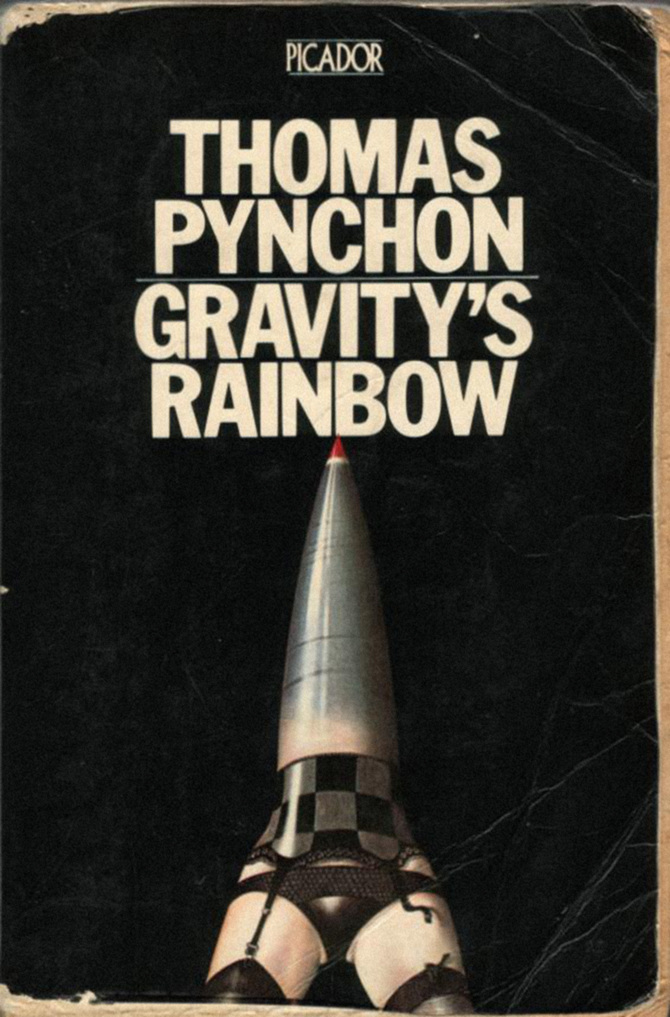
John Holmes - Book Covers

by M̲elt
John Holmes was a artist and painter best known for his surreal and minimal book jackets. he worked on numerous titles including; HP Lovecraft, Thomas Pynchon and many 'Horror Story' jackets.

Guardian article on his life and work.


Leif
28 May 23:32

Remembering the Brave Souls Who Died Trying to Set World Records

by Blake Butler

[body_image width='1384' height='936' path='images/content-images/2015/05/28/' crop='images/content-images-crops/2015/05/28/' filename='recent-attempts-to-set-world-records-that-ended-in-death-309-body-image-1432828238.jpg' id='61028']

A Shell ad featuring J. G. Parry-Thomas, who died while attempting to set the land speed record in 1927.

There are infinite ways to feel you've been remembered, that your mark will outlast all others. It could be for almost anything—like, for instance, if you're the one who in all the history of humanity ate the most chicken nuggets in a 24-hour period, you will withstand the test of time. In a culture where attention holds as much private value as any currency, sought by all, the route to significance could be as arbitrary as your imagination might allow.

For some, the price of this ambition is death. In the last handful of years alone, numerous reports of people passing away in the attempt to break a world record turn up, setting themselves apart at least from thousands of others who remain unremarked upon for how they failed.

Of course, you don't have to be Samuel Beckett to imagine that the failures, one after another, year by year, are in their own ways at least as striking as the fulfilled feats themselves. If nothing else, in that way that most days time passes by in bloated calm, or mortal terror, most of us can identify more with the person who died in pursuit of becoming the titleholder than any titleholder at the top.

In the spirit of that, here are some of the insane, beautiful people who died so far this decade trying to be the lord of their own realm.

[youtube src='//www.youtube.com/embed/DoVESB_Wn74' width='100%' height='360']

Trying to Fly Around the World in 30 Days (2014)

Babar and Haris Suleman, a son and father team of pilots, had prepared for months on their way to breaking the world record for flying around the world in a single-engine airplane. They would land for fuel 25 times in 15 different countries over the course of their 26,500-mile journey, completing the circuit in record time, while also raising money for charity to send children in Pakistan to school.

Not long after taking off from Pago Pago International Airport in American Samoa, by causes unclear, the 17-year-old pilot crashed into the Pacific Ocean, ending his life. His father's body was never found.

At night, in darkness or with moon, the ocean often seems so wide it's like it might go on forever scrolling out into itself, its body wide and deep enough to cover over every body ever living and still seem as placid from above—the same breadth where every summer millions flock to burn away their off hours basking at the edge of immeasurable death.

[youtube src='//www.youtube.com/embed/VTNtmLgiT14' width='100%' height='360']

Trying to Participate in Largest Group Skydive (2014)

Among a group of 222 skydivers who'd gathered together in Eloy, Arizona to jump out of a plane at the same time, one wouldn't make it: Diana Paris, 46, who had recorded more than 1,500 jumps throughout her life. This time, though, surrounded by hundreds of other bodies in mid-air, her parachute malfunctioned and did not open enough in time to slow her fall from being fatal.

The 221 remaining divers in the group would resolve to attempt the record again without her, holding a slot of air in the formation open for where her body would have been.

All our air is the only way by which we touch, breathing out and in in cycles beyond landmass. At a certain distance held above, anything at all could appear so small it might just be another lurking planet, until it moves. The same gravity that wants the mass out of the sky being that which holds you down against the ground to walk wherever, or against the bed to sleep.

Trying to Be Buried Alive (2012)

Despite their not being an active world record in which one is buried alive, 24-year-old Janaka Basnayake of Sri Lanka aspired to set one. Family and friends assisted him with digging the ten-foot hole, and covered his body back over with soil after he'd secured himself in a wood chamber on a Saturday morning at 9:30 AM.

Six and a half hours later, upon excavation, he was found unconscious, and at a local hospital not long after, pronounced dead. The family would explain the young man's ambition by telling the media how he had performed shorter versions of the act before, as well as countless other strange fate-defying feats.

What do you step on when you walk? What laces the dirt that holds you up, that holds the mall up, held beyond all eyes until forced out? If it wasn't depth or pressure or lack of oxygen that ended Basnayake, perhaps it was some sound or vision pressed into his head as the earth mistook him for part of it, and all the other bodies brought to rest for miles in the gray mud alongside.

[youtube src='//www.youtube.com/embed/QaA42RzQBr4' width='100%' height='360']

Trying to Ride Your Bike for Five Years Straight (2015)

Juan Francisco Guillermo's plan for record-setting spanned five years, during which time he would cycle 155,350 miles around the world. Having begun in November 2010, he was in the home stretch of the fifth year of his goal when a truck on a highway in Nakhon Ratchasima province hit him, despite having been carefully in his lane on a long straight piece of road. He was killed instantly on impact. His wife and two-year-old child, who had been accompanying him on that leg of the trip, were injured but not killed.

Every move you make is a product not only of your action but of the actions of countless others, orchestrated unseen in time to constraint the present instant to becoming open to what is done. A flick of the wrist from any arm on every road you pass choosing to spare you by not relinquishing control, splitting across the given lines for just a second. Every trace of where you've been covered over as quickly as any other marking.

[youtube src='//www.youtube.com/embed/ITXAN63xn4Q' width='100%' height='360']

Trying to Dive the Deepest (2013)

Other divers could see as he descended that Nicholas Mevoli, 32, was pressing further than he should. He had reached a depth of 68 meters in an attempt to break the record of 71 meters for deepest dive without fins among American men, a far shot still from the world record of 101 meters. Nearly to his mark, he faltered, as if to ascend just short, and then forced himself to press on, continuing to complete the dive to 72.

Relief hit the observers when Mevoli surfaced, though immediately they realized he was not OK, despite his physical hand signal to the contrary. He could speak, and there was a dazed look to his eyes, a disconnection between brain and operation. Shortly after, he fainted into unconsciousness, and blood began pouring from his mouth. Following 90 minutes of CPR, he was declared dead.

There is always a further layer. Whatever length or distance set only suspends the edge of where initiative shifts from one effort in a million to the one that stands up against time, until again someone comes to claim the next breadth. The present gap between completion and resignation in the end may prove only just enough to end the wish that pressed you forward in the first place.

[youtube src='//www.youtube.com/embed/Wa8SDoaA-cI' width='100%' height='360']

Trying to Live (2015)

Misao Okawa of Japan had been named both the oldest living woman and the oldest living person for almost three years when the duration of her claim came to an end. One month following her 117th birthday, having spanned the 20th century in full, she outlived her husband by more than 70 years, but spent her last hours in the company of her many children, grandchildren, and great grandchildren. Her advice for long life was "to eat sushi and get at least eight hours of sleep a night."

Upon death, Okawa relinquished both her titles, as despite being the oldest living of her kind, she was not the oldest person to have lived ever, short by nearly five years. The successor of her titles had to be researched at her passing, the list not kept complete. She remains the oldest Japanese person ever, and the oldest person ever born in Asia. On her last birthday, she is said to have claimed her life seemed short.

In the end, it is life that gets in the way of life. All you have done compiles in what you were and does you in. What you do or do not remember is as much of how you ended up as what you accomplished, what words could be written in your name, with the next body behind you waiting to fill in the place you called your own as long as you could call it anything.

Follow Blake on Twitter.

28 May 23:29

A Girl's Guide to Being a Great Friend

by Lucy Hancock, Roisin Kiberd, and Javaria Akbar

[body_image width='1024' height='734' path='images/content-images/2015/05/28/' crop='images/content-images-crops/2015/05/28/' filename='girls-guide-to-being-a-gr8-m8-394-body-image-1432816173.jpg' id='60898']

Photo by Jamie Clifton

This article originally appeared on VICE UK.

Female friendships are so weird and brilliant and perversely intense. A close ~female bond~ feels a bit like you're emotionally skinny-dipping all the time, like you never have to worry about that flake of skin dancing in your nostril or anyone spotting the faint outline of your vulva because there's always someone there—your own personal sentient confessional booth—to quietly let you know.

When your heart has been ripped from your chest, a good friend is around to pick it up for you and help you get the tiny bits of gravel out of it. A good friend is someone who will get the right vibe at the right time and arrive unprompted at your door with the entire M&S mini-bites range. A good friend is someone to whom you can say unthinkably lame things, like, "Be honest, do you think people think I'm trendy?" into the 2 AM darkness without fear of recrimination.

Here's how to be one of those kind of mates.

[body_image width='1024' height='679' path='images/content-images/2015/05/28/' crop='images/content-images-crops/2015/05/28/' filename='girls-guide-to-being-a-gr8-m8-394-body-image-1432819201.jpg' id='60929']

Photo by Bruno Bayley

BE A WING WOMAN TO THE BITTER END

You're standing outside a club. You're freaking out about everyone noticing that sweat under your boobs now the sun's coming up. The sound of sparrows waking up and screaming at each other is making you feel really disappointed in yourself. You look at your friend and she's doing her big eyes.

"Tom's got loads of booze back at his," she says, pleadingly, whimperingly. Your flat is so close, but for some reason she really fancies this guy with weird friends and very obviously wants to have sex with him. Problem is, she doesn't want to go to his on her own, because stranger danger and also all those weird friends.

That's how you end up in a new-build flat at 5 AM watching a guy in pointy shoes do lines off a Hangover 2 DVD case. KISS TV is on in the background and Weird Friend Craig is taking that new Trey Songz tune as a cue to start touching your back. So you peel yourself off the brown leather sofa and head to the loo, where you find yourself unfolding the instructions on a packet of Night Nurse and absent-mindedly cleaning the taps with a flannel for anywhere up to 45 minutes. You hear a giggle from the hall, followed by a sharp intake of breath as bangles and butt cheeks hit the partition wall.

Tomorrow, as repayment for this, you will make her tell you why the sex will forever haunt her right after she's gone and bought you a Rubicon mango from the shop.

[body_image width='640' height='640' path='images/content-images/2015/05/28/' crop='images/content-images-crops/2015/05/28/' filename='girls-guide-to-being-a-gr8-m8-394-body-image-1432816448.jpg' id='60902']

Photo by Olivia Percy

BE CHILL ABOUT HER RIDICULOUS BIRTHDAY PARTY

If it was just you and your proper best friends—the friends who've seen all your moles and remember the time you did a shit on a towel in Zante—all you'd need is five bottles of Casillero Diablo, a packet of Party Rings, and a really offensive homemade birthday card. The ones who know you best have the lowest expectations, meaning you can dance sincerely to Paris Hilton songs and hold hands while they tell you that you're the best and that you have the nicest collarbone out of all your friends.

However, involve those from outside your core crew and birthdays can hit rash-inducing levels of stress. Ellen, your birthday girl's friend from work, has read about a five-stage marathon of rip-offs in Stylist, and now you have to spend your lunch breaks participating in a WhatsApp group to make sure it all comes together. Because of the stream of aggressively passive-aggressive messages in this group, you agree to kicking in $60 for a polka dot teapot from Oliver Bonas.

The next stage—the actual party—will be so elaborate and multifaceted that you may wonder if she's actually just terminally ill and this is her bucket list and nobody's told you yet. It will inevitably involve knocking on a "secret door," or learning how to make Cosmos, or—the absolute fucking worst—having to wear a Kigu. And then comes the meal, at which you're dropped next to school friend Vicky and talked at about netball and how her giant house rabbit's been quite ill lately. You've just paid $180 to have the worst night since your mom told you she was divorcing your dad.

But buckle up, because you're in for a lifetime of attending this kind of stuff. No doubt you've already heard the foreboding tales from your elder stateswomen: rumors of $450 hen-dos in Bath, wedding lists where all the gifts are from White Company. In a few years even your closest friends will be asking you to fork out $300 on purple satin bridesmaid shoes, so suck it up and be grateful for the dry run. On that note:

DON'T BE A DICK ABOUT MONEY

As much as splitting the bill at these kind of things makes you want to jump up, hurl a plate at a stranger, and scream, "I DIDN'T ORDER THE NUTS AND OLIVES," you must keep your decorum and take the hit. Pay your way, because not doing so is technically stealing from your friends. Do not be the "Hey guys, why don't we get some extra dough balls?" person who's all Beyonce when you're ordering and suddenly all Annie when the bill comes.

[body_image width='1024' height='1544' path='images/content-images/2015/05/28/' crop='images/content-images-crops/2015/05/28/' filename='girls-guide-to-being-a-gr8-m8-394-body-image-1432815958.jpg' id='60893']

Photo by Jamie Clifton

ALWAYS SLAG OFF THEIR ENEMIES WITHOUT JUDGMENT OR INQUIRY

You'll need to abandon all forms of rational thought when your friend needs an ally. "Kelly's such a bitch," she's saying. "She told me my hair looks 'pouffy.' Like, who the fuck says that?" she's going, properly enraged. "Oh my God," you're saying, mock-outraged, freezing all cerebral activity. "What a dick."

Phrases like, "My boss is such an idiot," "My flatmate never feeds the fish," and, "I think my brother's girlfriend's been stealing my hair ties," can all be answered successfully with that same stock response. The other option is to simply rephrase their original statement and repeat it back to them in an ascending pitch so the final word is only audible to bats. "What? Katie never feeds the fish and whatshername has been stealing your hair ties??"

With the pitch technique, you don't even really need to take any sides, you're just validating your friend's feelings by talking like an idiot.


Related: Do you have a vagina? Then you may enjoy our film 'Alexyss Tylor Vagina Power'


AVOID DILUTING YOUR FRIENDSHIP WITH OTHER SHIT ONES

By now you already know not to make friends with girls who post lots of inspirational quotes on Instagram and sing Mariah Carey harmonies softly under their breath. Or someone who identifies as either a chocaholic or a shopaholic, or says they "really hate drama" when it's clear as all hell that they really bloody love drama.

Since you left school you've probably worked out that these girls are all the ones you used to think were cool. Your grown woman friends are better than this. They have quick wits and loud laughs and understand the news and you've never once had a conversation about nail varnish. That said, every girl has at least one bitchy friend who she technically kind of hates. A girl overflowing with terrible opinions who smells of Coco Mademoiselle and buttery leather and who doesn't feel embarrassed talking sincerely about pilates on public transport. She is someone hot and scary who you would simultaneously like to be and punch. But also someone who speaks so fluently to your year 10 insecurities that you can't bring yourself to resist her brunch invitations.

READ ON NOISEY: Why Don't Women Sing About Their Friends More Often?

It will have been a big night out where she first snared you with her unique brand of forceful overfamiliarity. This wide-eyed, come-to-the-toilet-with-me friend took your wrist with her icy grip and conspiratorially led you away from your male friends into the toilet corridor. "OMG love your dress—it's ah-mazing," she's shouting at your face. "I can't believe we haven't always been friends! Okay, I'll be totally honest; I think it's because I was intimidated by you. Hey, this is so random, but does Jerome ever talk about me?" she says, snaking her arm through yours. Just because you showed each other your tits in the bogs and she told you that really harrowing story about that thing that happened at her first school disco, it doesn't mean you are BFFs. It means you took a lot of drugs.

At this late stage in life, this is not the kind of friend you really need to be making, especially when you've already got a sturdy set of best friends to keep up with. Yes, I know she's asked you to pose for her fashion blog "Milly Loves," and that is exhilarating. But remember: Milly doesn't love you like your real friends do because Milly is not capable of love.

[body_image width='1024' height='679' path='images/content-images/2015/05/28/' crop='images/content-images-crops/2015/05/28/' filename='girls-guide-to-being-a-gr8-m8-394-body-image-1432819999.jpg' id='60932']

Photo by Bruno Bayley

ACCEPT THEIR BIZARRE CRUSH ON KEVIN MCCLOUD

You are duty-bound to keeping your friend's weird crush a semi-secret (by semi, I mean it's fine to blabber once you're halfway up Blossom Hill and into, "Remember that time you did that super embarrassing thing?" territory). I'm not talking the kind of crushes that become acceptable when they start trending on Twitter, like #Milibae. I'm talking about crushes on Kevin McCloud, Nick Nolte, or the new accounts manager who furiously sniffs his fingers every time he comes out of the staff toilets.

You will never be able to understand—nor rationalize—the allure of this type of inexplicable crush, no matter how much you mull it over. But you must accept them, because you too will one day be attracted to someone who simultaneously makes your heart sigh and your stomach acid rise rapidly into your throat.

ALWAYS HAVE SNACKS

A snack shared between friends is a beautiful thing. A Milky Way Crispy Roll or, at a push, a lone Smint covered in furry handbag lint will grease the wheels of any friendship, like a squirt of WD40 on a child's slide. Even an old clementine that's been hanging around in your bag for a fortnight will suffice if you've got a friend who's on the verge of getting critically hangry. Or one of those friends who's never not hungry, like my friend Bryony from Leeds who responds to any food-related query with, "I'll 'ave it."

Bryony once ate a bowlful of green bullet chillies and a spoonful of lime pickle as a bet, then spent the whole afternoon throwing up. Before dinner, I said, "Do you want this Curly Wurly?" She said, "I'll 'ave it." She was never not hungry.

[body_image width='850' height='565' path='images/content-images/2015/05/28/' crop='images/content-images-crops/2015/05/28/' filename='girls-guide-to-being-a-gr8-m8-394-body-image-1432815983.jpeg' id='60894']

Photo by Sam Hiscox.

MUCK IN WHEN SHE GETS ALL PUKEY

Girls might be all about coordinated periods and pissing in front of each other, but for its night-ruining properties, vomit is by far the greatest acid test in a friendship. When the going gets tough, the tough feels rough and then pukes into your handbag.

Ask any group of girls and they can tell you about at least one night they've ended early because they were cleaning up sick, or looking at sick, or getting it out of their mate's hair. If you're the puker, get ready to feel unwanted and unloved. "My phone ran out of battery," your friends say. "I couldn't find you," they lie, even after you've seen them step over you in the entrance to the portapotty. On the other end, spot a puker staggering across the horizon and your impulse to run in the opposite direction is overwhelming.

But it's up to you to climb out of the trenches, because what's the use in having mates if they can't be there to put you in the recovery position? Of course nobody wanted to spend Dave's legendary New Year's Eve party crouched over a toilet bowl clutching a fistful of their prosecco-drenched hair, but this is it. This is true life friendship shit.

Follow Lucy Hancock, Roisin Kiberd, and Javaria Akbar on Twitter.

28 May 13:16

The Reason You Can’t Get The Mario Theme Out Of Your Head, According to Science!

by Sam Maggs

PBS’ Game/Show knows that the original Mario music is the most memorable thing ever, but why exactly has Nintendo burrowed its way into your brain for all eternity? Let science explain!

I mean, I feel this; but can we all agree that the best music was in Mario 64?

(via Laughing Squid)

—Please make note of The Mary Sue’s general comment policy.—

Do you follow The Mary Sue on Twitter, Facebook, Tumblr, Pinterest, & Google +?

28 May 12:02

From 2 Tone to grime, youth cults showcase a vibrant history of Britain

by ellieBOA
Something about this country – the divisions, the class system, the general sense of distrust and dissatisfaction – seems to breed youth subcultures like no other place on Earth. The strange, stylish clans that this island incubates have been exported across the world, influencing everything from high street fashion to high art. From teddy boys to 2 Tone rudeboys, soulboys to Slipknot fans, grunge bands to grime crews, mods to mod revivalists, the history of these groups shows us a version of modern Britain that goes way beyond Diana and Blair.


Further reading:
Teddy Boy
2 Tone Rude Boys
Soulboys
Grime
Mods
Mod revivalists
Scooter Boys
Breakdance
Rave
UK Garage
Wavey Garms
Yung Lean (Sad Boys Entertainment)
Street, Style and Sound [tv series]

Previously:
Grime Int'l: a few of the current grime musicians from around the world
You don't need a drop in every track
28 May 10:39

VA – Saved and Sanctified: Songs of the Jade Label (2015)

by exy

Jade Label
The rawest DIY gospel ever resurrected. The West Side of Chicago was just an annex of the deep rural South for Gene Autry Cash and his flock of recent Old Dominion transplants looking to cut their fiery, unadorned sounds indelibly to plastic.

His Jade label absorbed those God-fearing artists: family bands with wailing kids and barely amateur groups sourced from local parishes, infused with reverberations of country and western and deep soul. Glinting authenticity shines from every track on Numero Group’s Saved and Sanctified: Songs of the Jade Label like a diamond in the unpolished rough – each group completely convinced that salvation comes through song.

320 kbps | 92 MB  UL | HF | MC ** FLAC

1. Didn’t It Rain – Rev. Solomon King and the Glory Bound Singers
2. Got To Make A Hundred – Harmony Four
3. I Want To Be More Like Him – The Gospel Song Birds
4. Soul Couldn’t Be Contented – The Inspirational Souls
5. Saved And Sanctified – Brother Hayes And The Farmer Singers
6. My Shoes – Flying Eagle Gospel Singers
7. Why Is The Blood Running Warm?- The Mighty Messiahs
8. Never Alone – The Gospel Clouds
9. I Love The Lord – The Mountavie Gospel Singers
10. Satisfied Mind- Reverend Jennings
11. God Won’t Let You Down – Southern Faith Singers
12. Family Prayer – Flying Eagle Gospel Singers
13. Wake Up Country – Sons of Christ

28 May 10:37

"It Came From Memphis" 2005

by noreply@blogger.com (RYP)
Memphis music is so much more than Elvis, who nevertheless is its prime and most successful example.I have always thought that Memphis is the secret music capital of the U.S.A.. In comparasion with the products of Nashville, there has always been in Memphis music a certain "hairy vitality", as the late Jean Shepherd would say. I would say that Memphis music is more inclusive than Nashville music. Memphis music is the blending or collision of different elements, much like American society itself. Memphis music is so much more than Elvis, who nevertheless is its prime and most successful example.
This is the third complilation that Robert Gordon has produced with the title It Came From Memphis. What he lacks in imagination in titling is more than made up by the breath and depth of its contents. The major labels of Memphis musical history (Sun, Stax & Hi) are well represented here. Many of its leading lights are also represented. For example, Jim Dickinson appears on three songs, as part of Mud Boy & the Neutrons covering the "5" Royales "Slummer D Slum" (very good, but not as great as the original), as a solo doing "Down in Mississippi and finally as lead singer of the Jesters' "Cadillac Man", the last great Sun record, a '66 record with the spirit of '56. Although Otis isn't around for this particular date (& neither is Rufus Thomas), the Stax contingent is well represented with Booker T. & the M.G.'s, The Mar-Keys, Eddie Floyd, William Bell's "You Don't Miss Your Water" and Issac Hayes' epic version of "By The Time I Get to Phoenix". Hi Records is present & accounted for with songs from Ann Peebles, Syl Johnson and Al Green with one of my favorite songs of his, "Simply Beautiful". Alex "LX" Chilton pops up here with Big Star's "September Gurls" and solo with "Hook or Crook" (I would have added the Box Tops' "Soul Deep" to complete that particular trifecta). There's Sun rockabilly madness with Billy Riley, Sonny Burgess, Jerry Lee Lewis & even Elvis as part of the Million Dollar Quartet and blues in the personages of Howlin' Wolf, Bobby Rush and the Jon Spencer Blues Explosion.
In the midst of all these riches, there are three tracks that really struck me. The first one was "Spanish Delight" by The Bo-Keys, made up of Memphis musical vets, which sounded like vintage Booker T. & the M.G.'s. Another song was "Whitewash Station Blues" by the Memphis Jug Band, which made me realize where the Lovin' Spoonful got most of their style from (& john Sebastian his voice). Finally, the Reigning Sound's "If You Can't Give Me Everything" sounds and feels like Blond on Blond Dylan.
To finally finish up, this is a great compilation that is well worth picking up. This is a fine representation of the music of the Secret Music Capital of the U.S.A.. - By diskojoe (Salem, MA USA)

trax disc 1:
1. Same Thing On My Mind - Mose Vinson 2. T Model Boogie - Rosco Gordon 3. Red Hot - Billy Riley & The Little Green Men 4. Last Night - The Mar-Keys 5. Hook Or Crook - Alex Chilton 6. Chicken Dog - The Jon Spencer Blues Explosion 7. Poor Boy, Long Ways From Home - Gus Cannon (Banjo Joe) 8. Snake Drive - North Mississippi Allstars 9. Slummer D Slum - Mud Boy And The Neutrons 10. Rock 'n' Roll Sermon Part 1 - Elder Charles Beck 11. Rock 'n' Roll Sermon Part 2 - Elder Charles Beck 12. Cadillac Man - The Jesters 13. I Shall Not Be Moved - The Million Dollar Quartet 14. Go Back To Your Used To Be - Jessie Mae Hemphill 15. Things Get Better - Eddie Floyd 16. Anyway The Wind Blows - Syl Johnson 17. (I Feel Like) Breaking Up Somebody's Home - Ann Peebles 18. Tina, The Go-Go Queen - Tav Falco's Panther Burns 19. The Outlaw - Sid Selvidge 20. By The Time I Get To Phoenix - Isaac Hayes
trax disc 2:
1. My Sweet Potato - Booker T. & The MG's 2. Down In Mississippi - Jim Dickinson 3. Jes' Like A Monkey - Johnny Woods 4. Spanish Delight - The Bo-Keys 5. Howlin' Wolf Boogie - Howlin' Wolf 6. Hand Me Down My Walking Cane - Jerry Lee Lewis 7. The Image Of Me - The Country Rockers 8. Please, Please Little Girl - The Merits 9. September Gurls - Big Star 10. Whitewash Station - BluesMemphis Jug Band 11. Scratchy - Travis Wammack 12. Red Headed Woman - Sonny Burgess 13. White Lie, Black Eye - The Tearjerkers 14. If You Can't Give Me Everything - Reigning Sound 15. You Don't Miss Your Water - William Bell 16. Breakfast In Bed - Donnie Fritts With Lucinda Williams 17. I'm Only Human - The Country Soul Review, Feat. George Soule 18. Simply Beautiful - Al Green 19. Sue - Bobby Rush
28 May 10:11

Soy un fetichista de la menstruación

by Mélanie Mendelewitsch

Ilustraciones por Pierre Thyss

La señora Alleau era la enfermera de mi escuela. Tenía cabello corto, gafas gruesas y hablaba en voz muy alta. Cada vez que teníamos cólicos menstruales fuertes, nos íbamos con ella a la enfermería para que los chicos no se dieran cuenta. Cuando nos abría la puerta, gritaba: "¡No hay de qué avergonzarse, es normal! Estás menstruando, dilo en voz alta". Nos daba mucha vergüenza, pero tenía razón. La señora Alleau era feminista, pero no lo sabíamos porque apenas teníamos 15 años.

Han pasado quince años y las cosas no han cambiado mucho, que digamos. Todas mis amigas se sienten sucias, poco deseables y se quieren morir durante esa maldita semana. Le decimos a nuestros colegas que estamos "indispuestas" para justificar nuestros cólicos y la sensación de que tenemos los senos a punto de explotar. El cuerpo de las mujeres sigue siendo un misterio para los hombres.

Pero no es su culpa. Están muy mal informados. De hecho, un amigo me confesó que cuando era adolescente, creía que la sangre menstrual era azul. ¡Azul!

Por eso a algunos hombres les interesa muchísimo la regla, tanto que para algunos se ha convertido en un fetiche. No me refiero a los que van de liberales por decir que no les importa practicar sexo cuando su pareja tiene la regla. Me refiero a los que les excita la menstruación y que compran compresas y tampones usados por internet.

En la página culottesale.buzzodrome.org, las bragas manchadas de sangre y los tampones usados se venden por kilos. De hecho, los fanáticos exigen detalles de los productos para asegurarse de la "intensidad del olor" y el "nivel de imbibición" antes de sacar su tarjeta de crédito.

Después de publicar un anuncio en el foro Doctissimo, recibí un mensaje privado de Éric [no es su verdadero nombre], un hombre de 32 años de edad que dirige un gran equipo de ventas al detalle. Aceptó hablar conmigo por correo y luego por teléfono para contarme más sobre su pasión.

VICE : ¿Cuándo te empezó a gustar la sangre menstrual?
Éric : Cuando era niño veía anuncios de compresas por la tele, aunque la primera vez que me interesó el tema fue en la pubertad. En esa época hurgaba en las papeleras de casa para ver si encontraba compresas de mis hermanas o de mi madre. La atracción fue inmediata. Lo que más me gustaba era saber que se trataba de una cosa exclusivamente femenina e íntima salida de lo más profundo del cuerpo de una mujer.

Pero no se lo podía contar a nadie. No porque fuera algo "sucio", sino porque sabía que la gente no lo iba a entender.

¿Se lo dijiste a tu primera novia?
Con mi primera novia estuve desde los 17 hasta los 24 años y siempre supo sobre mi fetiche. Nunca he tenido una relación tan intensa como esa, ni siquiera con mi esposa. Cuando nos conocimos éramos muy jóvenes y aún éramos vírgenes. Aprendimos sobre el sexo juntos y nunca poníamos límites. La sangre menstrual era un afrodisiaco para nosotros. Por suerte, mi exnovia era muy abierta en ese tema y no le incomodaba tener relaciones durante su periodo. Después de que terminamos, tuve una amiga con derecho a roce pero solo le dije que no me molestaba tener relaciones cuando tenía la regla.

¿Tu mujer conoce tu fetiche?
Se lo dije poco a poco. De hecho, empecé diciéndole de broma cosas como: "¡Soy un vampiro sediento de sangre!", para ver cómo reaccionaba. [ Risas]. Mi esposa tenía infecciones vaginales con frecuencia y estaba todo el tiempo en el ginecólogo. Un día me senté a hablar con ella. Le aconsejé que dejara de utilizar tampones porque provocan infecciones. Al principio le sorprendió que supiera tanto sobre ese tema. En ese momento le confesé que la menstruación me excitaba. Estaba impactada pero no molesta. Supongo que fue un alivio saber que podía compartir conmigo algo tan íntimo.

¿Has hablado de esto con tus amigos?
No, nunca se lo he dicho a ningún hombre, ni siquiera a mi mejor amigo. Aunque no lo creas, los hombres son más discretos que las mujeres en lo que respecta a su vida sexual. Además, no me gusta presumir de mis logros. Por suerte, hay muchas personas como yo en internet con las que puedo hablar sobre sexo sin temor a que me juzguen. Incluso en los foros de Doctissimo hay personas que se horrorizan cuando se enteran de que me excita la menstruación y dicen que "eso no se hace" o que es una "perversión".

¿Por qué crees que este tema es un tabú?
Es un tema que no se toca en sociedad. Si hablas de ello en público, te ven como un bicho raro. Qué lástima que no entiendan por qué me fascina tanto la menstruación y la complejidad del cuerpo femenino. La regla es una señal de buena salud (y la ausencia de esta indica enfermedad). Además, sin la menstruación no sería posible dar vida a otro ser humano. La regla es la esencia de la feminidad. Es algo que los hombres, ya sean homosexuales o heterosexuales, no van a entender jamás.

¿Y cómo satisfaces tu fetiche? ¿Alguna vez has comprado un tampón usado?
Me encanta oler las compresas usadas, me encanta el olor, es mi droga. Sé dónde comprarlas en internet. Lo que más se vende en estas páginas es ropa interior usada. Aún no he comprado nada, pero tengo muchas ganas. Seguro que a muchos les perturba este negocio, pero yo no tengo ningún problema. Todos salen ganando.

¿Qué va a pasar cuando tu esposa llegue a la menopausia? ¿Te preocupa?
Sí lo he pensado, pero desde otro punto de vista. Lo que me preocupa es el embarazo. Cuando queramos tener un hijo, voy a estar nueve meses sin disfrutar de la menstruación de mi esposa, pero no me molesta porque vale la pena. También sé que cuando deje de menstruar para siempre se va a perder un elemento muy fuerte de nuestra sexualidad. Sé que con el tiempo vamos a evolucionar juntos y espero que podamos encontrar otras opciones.

¿Y cómo es el sexo? ¿No es un poco gore tener relaciones en un mar de sangre?
Cubrimos la cama con toallas. A veces la sangre se cala hasta las sábanas pero no me molesta porque la limpieza también es parte del ritual. Me encanta hacerle sexo oral en esos días del mes. Todavía le incomoda un poco esa parte, pero para mí es como estar en el cielo. Cuando tiene el periodo, se excita mucho más y es más desinhibida.

El olor de su sexo me embriaga, igual que el de las compresas usadas. A mi esposa le gusta terminar nuestros encuentros sexuales masturbándome con la compresa que acaba de usar o con su ropa interior. Yo también tengo mis gustos en ese ámbito. Hay compresas que son mucho mejores que otras.

28 May 10:11

Suena a mierda pero y qué

by Yahvé M. de la Cavada

Así podríamos resumir un mantra que es extensible a casi toda nuestra escena musical. Desde la radiofórmula más vomitiva hasta el fantoche de turno protagonizando los minutos más molones de la programación de Radio 3 esta temporada. Ninguna escena se libra de una buena ración de “suena a mierda, pero mola, ¿no?”, en uno de los contratos sociales indirectos que más lastran la evolución musical de nuestro país: si el público aplaude y ensalza con la misma intensidad a las bandas que suenan bien como a las que suenan a rayos, es imposible que la escena se desarrolle apoyada sobre cimientos creativos o artísticos. Así que lo hace sobre los que le ponen.

¿Somos idiotas? En general, sí. Pero sobre todo somos incultos. Y superficiales. Muchas veces incluso alardeamos de ello, porque uno debe ser cool y cultureta hasta cierto punto; si te pasas es peor que si no llegas. Nos encanta la gente interesante, pero nos cabrean los listillos. De la misma manera, nos sentimos cómodos aupando y alabando a músicos mediocres, sea en los 40 Principales o en los pozos más profundos del indie.

Si el público aplaude y ensalza con la misma intensidad a las bandas que suenan bien como a las que suenan a rayos, es imposible que la escena se desarrolle apoyada sobre cimientos creativos o artísticos

Hace unas semanas, intentando conciliar el sueño en una habitación de hotel poco confortable, decidí poner la televisión, a ver qué pasaba. Pulsando la P ascendente en el viejo mando a distancia, llegué a Telecinco y me encontré ante el famoso reality La Voz. Doy por sentado que ninguno de vosotros, queridos lectores, vive en una caverna sin luz ni agua caliente, así que sospecho que, si yo he oído hablar de la mierda esta, vosotros también. Sigo. En un par de minutos veo cómo va la mecánica básica del programa: sale un tipo o una tipa, cantan una canción de su elección en una especie de karaoke deluxe y cuatro (lo siento, pero necesito entrecomillar esto) “jueces” muy populares, de espaldas al concursante, escuchan al mismo hasta que alguno de ellos presiona un botón que indica que le quiere para su equipo (de esto no me enteré muy bien, pero es irrelevante; literalmente). La cuestión es que escuché a cinco aspirantes, todos ellos horrendos, todos ellos desafinando como gorrinos y todos ellos cantando de la misma forma afectada y falsa. Pero también todos ellos, en el momento clave en el que sostenían una nota de forma grandilocuente (esta podía estar afinada o no, eso es otro tema), levantaban una gran ovación del público y grandes sonrisas y gestos por parte del “jurado”, que aderezaba la actuación con comentarios genéricos como “tiene buena voz” o “qué bien canta”. Después le daban unas pocas palmaditas en la espalda y le decían sandeces del tipo de “me has emocionado” y frases igual de sonrojantes. Supongo que toda esta mecánica lleva a algún sitio pero, honestamente, no quiero saberlo. Y entiendo que está diseñada por y para el entorno televisivo y que cada centímetro de pantalla está medido. No soy idiota. Pero es que esta gente, esos tipejos avariciosos para los que la música sólo es una fuente de ingresos, y los ignorantes que, en esa catarsis de debilidad mental aplauden como chimpancés a gente que no canta bien en absoluto, se están cagando en la gente que canta bien ante millones de espectadores que, y aquí está la clave, no tienen por qué saber nada de música. Así que, si la tele les dice que eso es cantar bien, ¿cómo no les va a parecer que Bisbal es el súmmum? Uno no nace sabiendo qué comida está buena o cuál le gusta. Si el menú es a base de mierda, sólo es cuestión de paladearla año tras año hasta encontrar los matices y desarrollar el gusto. Lo cual no quita que siga siendo mierda, aunque en el paquete diga que es comida.

Esto es así en la música popular desde hace muchas décadas; es fácil decir que lo mainstream es basura. Qué digo fácil, es lo que hay que decir. Pero lo triste —y lo grave— es que en las escenas independientes ocurre muy parecido. Lo veo constantemente. Grupos que lo petan a base de comentarios coordinados entre la crítica más babosa e indolente y los aficionados dispuestos a seguir cualquier tendencia que les pongan por delante: que si son muy auténticos, que si tienen actitud, que si el disco es muy bonito o que si en directo son muy divertidos. Generalidades típicas de crítica y aficionados que no dicen nada concreto aparte de que molan, porque sí. Porque tampoco hay mucho más que decir. Tan sólo otra ovación como las que estallan en las gradas de La Voz. Aplausos contagiados, mimetismo social, ignorancia flácida y pactada tácitamente. Es mejor ser un poco tontos, pero todos igual.

27 May 23:21

Kids Love When Mom Sad Enough To Just Order Pizza “I get excited...


Kids Love When Mom Sad Enough To Just Order Pizza 

“I get excited whenever Mom is really quiet and her eyes get all red and puffy, because that usually means we’ll be getting pizza with whatever toppings we want.” 

More

27 May 21:16

Cuando “practicar” con animales era el remedio contra la gonorrea

by Javier Sanz

La gonorrea (del latín gonorrhoea, y este del griego γονόρροια, flujo seminal) es una enfermedad de transmisión sexual que ha acompañado a la humanidad desde ...

La entrada Cuando “practicar” con animales era el remedio contra la gonorrea aparece primero en Historias de la Historia.

27 May 21:09

Esos prehistóricos vegetarianos

by Carlos Carabaña

En la Cova do Santo, en el municipio ourensano de Rubiá, los arqueólogos pudieron entrar solo dos veces. El peligro de derrumbe de esta cueva/necrópolis es considerable. Pese a todo, en este par de incursiones, lograron recuperar 64 huesos pertenecientes al menos a 14 individuos que vivieron en la Edad del Bronce Medio hace entre 3.600 y 3.800 años. La antropóloga física Olalla López-Costas ha liderado un equipo que, utilizando una técnica llamada análisis de isótopos estables en colágeno óseo, ha averiguado la dieta que llevaban los protopobladores de Galicia.

«Una novedad importante es que por primera vez nos podemos aproximar más directamente a lo que comían estos individuos gracias a los huesos, ya que antes lo que se hacía era analizar los restos de comida de los yacimientos», cuenta al teléfono, desde Estocolmo, López-Costas, «y aunque no sabemos las cantidades, sí las proporciones de la dieta». Según sus análisis, estos humanos, comían principalmente vegetales con algo de carne animal y poco o nada de pescado, hecho que resulta sorprendente ya que la cueva está muy cercana del río Sil. «La carne», explica, «siempre fue un elemento muy lujoso para nuestros antepasados».

El equipo que lidera López-Costas, formado por Antonio Martínez Cortizas, de la Universidad de Santiago de Compostela, y Gundula Müldner, de la Universidad de Reading, en Reino Unido, no ha encontrado evidencias de los nuevos cultivos que entran en esta época. Son los cultivos de verano, como el mijo o el panizo, que se pueden sembrar en esa estación o en primavera y dan cosecha pronto. «Esto permitía a nuestros antepasados tener la tierra disponible para otras actividades como el pastoreo», razona López-Costas, «y si plantaban, por ejemplo, trigo y por lo que fuera tenían malas cosechas, podían sobrevivir con eso».

La técnica novedosa que ha permitido esta aproximación exacta a la dieta se basa, en palabras de López-Costas, «en un principio muy sencillo» pese a su complicado nombre. «Básicamente, la comida está hecha de átomos y no son todos iguales, habiendo unos más pesados que otros», argumenta; «el ser humano que se alimente va a adquirir la marca característica de los productos que ingiera». Una especie de señal química que pasa a formar parte del hueso.

Los vegetarianos resultados de este estudio, publicado en Journal of Archaeological Science, contrastan con la llamada paleodieta y otros inventos modernos que pretenden reproducir la alimentación prehistórica. Este tipo de ingesta, en la que hay que huir de los alimentos procesados, consiste básicamente en carnes rojas y blancas, combinadas con frutas y verduras frescas. Creada en los años 70 por Walter L. Voegtlin, un gastroenterólogo que sostenía que los humanos son seres carnívoros y que la dieta de nuestros antepasados debía componerse por grasas y proteínas, con poca aportación de hidratos de carbono. Sus defensores sostienen que contradecir esta herencia es lo que lleva a las enfermedades.

La cueva estudiada por López-Costas es especial por varios motivos. «En Galicia los suelos son muy ácidos y entonces no permiten la conservación de restos óseos, por lo que hay pocos yacimientos y la mayoría están en mal estado». Pero este, ubicado en el interior de Galicia, está en una zona básica, que permite una buena conservación. «Ojalá se pudiera excavar más», sentencia López, «la cueva tiene muchísimos más huesos, pero hay peligro de derrumbe y solo pudimos recuperar los que que estaban en la superficie».

Al acabar la conversación reconoce que espera que toda la atención mediática se transforme finalmente en más financiación.

Este post Esos prehistóricos vegetarianos, escrito por Carlos Carabaña, se publicó originalmente en Yorokobu.

27 May 18:05

"It's embarrassing to be such a cliché"

by the man of twists and turns
27 May 11:19

The Cocktail Hour

by Nicola Twilley

Whether you sip it with friends, chug it before hitting the dance floor, or take it as a post-work pick-me-up, there’s clearly nothing like a cocktail for bracing the spirit. In addition to its peculiar history as a medicinal tonic, plenty of hard science lies behind the perfect cocktail, from the relationship between taste perception and temperature to the all-important decision of whether to shake or stir.

What’s more, according to historian David Wondrich, mixology is “the first legitimate American culinary art”—and one that has since caught on around the world. Raise a glass, and listen in as we discover the cocktail’s historical origins, its etymological connection to a horse’s butt, and its rocky history, post-Prohibition. We also check out an original copy of the world’s first cocktail recipe book at New York City’s bartending mecca, Cocktail Kingdom; take a private cocktail science class with Jared Sadoian of The Hawthorne in Boston; and talk red-hot pokers with culinary scientist Dave Arnold. Cheers!

The Secret Ingredient No Cocktail Should be Without

It might seem counterintuitive, but, in a world overflowing with fancy bitters and spherical ice makers, the thing your cocktail is missing is actually much simpler: salt. Dave Arnold, the mixologist behind high-tech cocktail bar Booker and Dax, shared this secret with Gastropod. It’s just one of several scientific tricks contained in his new book, Liquid Intelligence: The Art and Science of the Perfect Cocktail.

Of course, the most important ingredient in a cocktail is the liquor. The sugar, acids, and ice choices also have flavor implications, making every cocktail recipe into a kind of calculus that factors in the physics of energy transfer as well as variations in the molecular structures of different sweeteners.

Cocktail Construction chart
Cocktail construction chart, created by the U.S. Forest Service in 1974, now housed in the National Archives.

But salt can play a crucial role. Arnold is quick to point out that you should only add a very tiny amount—”we are not talking about salting the rim of your glass here!” he told Gastropod.

Arnold’s insight draws on the same logic that calls for adding a pinch of salt to most baked goods, from ice cream to pastry. “These very, very small quantities of salt really just cause all the flavors to kind of pop,” Arnold explains, because of the way our taste buds work. Recent research has begun to tease out how the receptor cells on our tongues responds to sour, bitter, sweet, and salty tastes differently depending on their concentration and how they are combined. For example, if you add a tiny sour note to a bitter-flavored drink, it will actually boost the bitter sensation, but at a more moderate concentration, sour tastes suppress bitterness. (Try this at home, by adding a drop of lime to a margarita, versus the full ounce.)
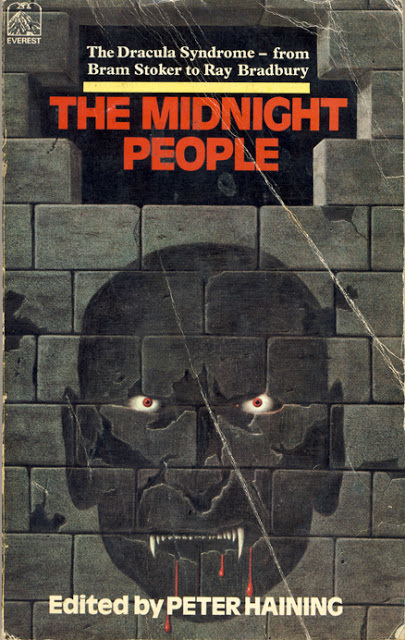
Similarly, at very low concentrations, salt doesn’t register as a taste at all, but instead reduces bitterness and boosts sweet and sour notes in the food or drink you add it to. Basically, says Arnold, “next time you make a cocktail, add a tiny little pinch of salt to it and stir—and then tell me you don’t like it better.”

The 007 Question: Shaken or Stirred?

MartiniJames Bond is famous—some might say notorious—for preferring his martini shaken, not stirred. But science-minded bartenders would urge you not to follow his lead—though Dave Arnold is quick to point out that the right way to make a drink is the way it tastes good to you. Still, there’s some solid science behind why a martini should be stirred and a daiquiri shaken, rather than the other way around. Both methods chill, dilute, and blend your drink—but they have different effects on flavor and texture that work better with some cocktail recipes than others.

Typically, Arnold explains, when you shake a drink, it will get colder—and thus more diluted—than it would be after stirring. “Banging ice rapidly around inside a shaking tin is the most turbulent, efficient, and effective manual chilling/dilution technique we drink makers use,” he explains. Because flavor perception, and sweetness, in particular, is blunted at cooler temperatures, a shaken drink needs to start out significantly sweeter than its stirred equivalent.

Shaking also adds texture to a drink, in the form of lots of tiny air bubbles. That’s a good thing when you’re making a cocktail with ingredients that taste nice when they’re foamy, like egg whites, dairy, and even fruit juice, and not as good when you’re mixing straight liquor with bitters. Sorry, Mr. Bond.

The other thing to bear in mind is that you really shouldn’t linger over a shaken drink. “The minute that someone hands you a shaken drink, it is dying,” says Arnold. “I hate it when people don’t drink their shaken drink right away.” We can’t responsibly advise you to chug them, so we recommend making your shaken drinks small, so that you can polish them off before the bubbles burst.

Boozewashing: the Ultimate At-Home Mixologist Nerd Trick

Ever since the first ice-cube was added to the original cocktail recipe of liquor, bitters, and sugar, mixologists have loved their bar gear. Ice-picks, mallets, swizzle sticks, shakers, strainers, and even red-hot pokers were all standard features of the nineteenth-century celebrity bartender’s toolkit. Today, Dave Arnold has added rotary evaporators, iSi whippers, and liquid nitrogen to the mix, placing the most cutting-edge cocktails out of reach of the home mixologist.

But there is one super trendy, high-tech trick that you can try at home. It’s called “booze-washing,” and it makes use of protein to remove the astringency from a drink. It actually has a historic basis—even Ben Franklin wrote down his own a recipe for milk punch that uses the casein protein in milk to strip out the phenolic compounds and turn a rough-around-the-edges brandy into a soft, round, soothing drink. But Dave Arnold came up with the idea when he was trying to make an alcoholic version of an Arnold Palmer, the delicious iced tea/lemonade mix.

“I knew that adding milk to tea makes it less astringent, which is why the Brits do it,” Arnold explained. “And then I wanted to get rid of the milk, because I didn’t want a milk tea, I wanted a tea tea.” So he added citric acid, which caused the milk to curdle, so he could separate it out in a centrifuge. “And only afterwards was I like, oh yeah, milk punch!”

Booze washing sequence
Arnold demonstrates booze-washing in a sequence of photos from his new book, Liquid Intelligence. Photos by Travis Huggert, who is also responsible for the image used in the embedded Soundcloud player, above.

Arnold washes drinks to remove flavors, rather than add them. He’s taking advantage of the chemical properties of protein-rich ingredients—milk, eggs, or even blood—that preferentially bind to the plant defense chemicals that can give over-oaked whiskey, certain red wines, tea, coffee, and some apple varieties a mouth-puckering dryness. He’s found that as well as smoothing out a drink, booze-washing has the side benefit of creating a lovely, velvety texture.

The good news is that you don’t need a centrifuge to make the perfect milk punch or alcoholic Arnold Palmer at home. You can follow Arnold’s recipe (see below), let it sit overnight, and then strain out the curds through a cloth and then through a coffee filter. According to Arnold, your yield will be a little lower than with a centrifuge, but the result will be just as tasty. His only word of warning is that you have to drink the resulting cocktail within a week, or else the proteins will clump together and the drink will lose its foaming power. But that shouldn’t be too difficult…

Listen to Gastropod’s Cocktail Hour for much more cocktail science and history, including an introduction to the world’s first celebrity bartender, an unexpected use for Korean bibimbap bowls, and a cocktail personality test based on Jungian analytics.

Arnold cocktails
Cocktails photographed by Travis Huggert for Arnold’s Liquid Intelligence.

Episode Notes

Imbibe!

Jerry-Thomas Blue Blazer

David Wondrich‘s history of the American cocktail and its first celebrity, pioneering bartender Jerry Thomas, won a James Beard Award when it was first published in 2007. It was updated and reissued this year to include new research, including Wondrich’s discovery of the curious etymology behind the term “cocktail.” Wondrich is also the author of several other books of alcoholic history, including Punch, on the mixed drink that preceded the cocktail.

Jerry Thomas pours his signature Blue Blazer.

Liquid Intelligence

Dave Arnold runs Booker and Dax, a high-tech cocktail bar in New York City’s East Village. His recent book, Liquid Intelligence: The Art and Science of the Perfect Cocktail, is a gorgeous full-color mixological bible that covers every aspect of cocktail science you’ve ever wondered about, and several that you undoubtedly haven’t. He’s lectured on cocktail science at Harvard, he is Founder and President of the Museum of Food and Drink, and he also hosts the radio show Cooking Issues on Heritage Radio, where Jack Inslee was kind enough to record our interview.

Jared Sadoian at The Hawthorne

Jared Sadoian is a MIT-trained technologist turned mixologist: he manages the bar at The Hawthorne in Boston and lectures on the science of distilling and mixing drinks.

Cocktail Kingdom

Cocktail Kingdom, a mecca of all things cocktail, not only has a small supply store that features such delights as custom-designed strainers, swizzle sticks, and ice cube molds, but owner/founder Greg Boehm has also amassed one of the world’s most impressive collections of vintage cocktail books. Manager Ethan Kahn showed us a first edition Jerry Thomas’ Bartender’s Guide: How to Mix Drinks, a Bon Vivant’s Companion from 1862; the company also sells reprints of that and other vintage cocktail books, including The Flowing Bowl, by The Only William in 1891, which includes a cocktail poetry section.

Julep strainers
Julep strainers at Cocktail Kingdom. Photograph by Nicola Twilley.

Bompas & Parr’s Cocktail Monolith

Sam Bompas and Harry Parr specialize in culinary spectacle, flooding a terraced house with punch, cooking steaks with lightning, and publishing the memoirs of a stomach. In April 2015, they unveiled their “Cocktail Monolith” at a festival at London’s Ministry of Sound. The Monolith presented festival-goers with a series of questions, analyzed the results using a framework inspired by psychotherapist Carl Jung, and then mixed a drink using ingredients that would both suit and enhance each individual’s personality traits.

The Logistician -The Mediator
Cynthia the Logistician’s Hallucino-tini (left) and Nicky the Mediator’s Wise Sour (right), as prescribed by Bompas & Parr’s Cocktail Monolith. Photograph by Ann Charlott Ommedal.

Recipe: Dave Arnold’s Tea Time

(republished with permission from Arnold’s Liquid Intelligence: The Art and Science of the Perfect Cocktail)

Boozewashing to Make Tea Vodka

32 grams tea (Arnold specifies Selimbong second-flush Darjeeling)
1 liter vodka (40 percent a.b.v.)
250 ml whole milk
A fat 1 oz (33 ml) freshly strained lemon juice (Arnold uses 15 grams of 15 percent citric acid solution)

Add the tea to the vodka in a closed container and shake it up. Let the tea infuse for 20 to 40 minutes, shaking occasionally. The time will change based on the size of the leaves you use and the type of tea you use if you don’t use the Selimbong; what’s important is the color, which provides a decent indicator of brew strength in tea. Go dark. When the tea is dark enough, strain it from the vodka.

Put the milk into a container and stir the tea vodka into the milk (note that if you add the milk to the tea vodka instead, the milk will instantly curdle and reduce the effectiveness of the wash). Let the mix rest for a couple of minutes, then stir in the citric acid solution. If you don’t want to buy citric acid, use lemon juice, but don’t add all the lemon juice at once; do it by thirds. When the milk breaks, stop adding. Don’t stir too violently after you add the acid. Once the milk breaks, you don’t want to reemulsify or break up the curds at all, or you’ll make straining more difficult.

After the milk breaks, you will see small clouds of tan curds floating in a sea of almost clear tea-colored vodka. If you look closely, you’ll see that the vodka is still faintly cloudy. It still has some casein in it that hasn’t agglomerated onto the curds. Take a spoon and gently move the curds around to mop up the extra casein. You should see the vodka get noticeably clearer, and the curds will get noticeably more distinct. Do the gentle curd-mopping several times, then let the vodka sit undisturbed for several hours to settle out before you strain the curds with a fine filter and a coffee filter (or just spin the stuff in a centrifuge right away, as I do).

Ingredients for Tea Time
(makes 137 ml drink at 14.9 percent a.b.v.)

60 ml (2 ounces) milk-washed tea-infused vodka
15 ml (0.5 ounce) honey syrup (to make honey syrup, add 200 g of water to 300 g of honey)
15 ml (0.5 ounce) freshly strained lemon juice
2 drops saline solution or a pinch of salt

Combine all the ingredients, shake with ice, and serve in a chilled coupe glass. Garnish with pride in a job well done.

Fat-washing

While Arnold uses booze-washing to remove unwanted flavors, other bartenders have developed a related technique, called fat-washing, which works in reverse. It uses the power of alcohol to capture volatile aromatic molecules to create deeply savory cocktails infused with bacon, brown butter, or even sesame flavors.

Thank you!

We owe a huge thanks to listeners for all the cocktail stories you shared with us. It was such a treat to hear your inspired discoveries and drinking disasters while we made this episode. Thank you!

Finally, if you like what you hear, then please donate to support future episodes.

The post The Cocktail Hour appeared first on Gastropod.