"Rock n Roll is so great that everyone in the world should think it's the greatest thing that's happening. If they don't, they're t.urds" Lux InteriorDemented rockers, sleazy crooners and soulful knee scrapers - they all co-exist in an altern universe invented by Lux and Ivy plus fiends. Drums, bass, guitar sax and a hefty dose of a loose imagination - all stamped and stumped in America. The beauty of the music is in conjuring up images of the long beaches, small towns, late night clubs, the flickering neon lights and the smell of 3am sweat dripping from the pores.
These are the tunes that followed the blast; rising up in the wake of the Elvis phenomena blowing its cultural fallout across the prairie lands of USA. Here are the collected signs, brought together as precious relics of an age that finally slid from view. (Record Runner)
Some artists like to keep their inspirations under wraps but not The Cramps who've always been eager to spread the word. From listening to Poison Ivy & the late Lux Interior on various radio shows, I got the feeling that given the opportunity they'd far rather talk about obscure 45s than promoting the band. They were true collectors as this comp ably demonstrates. Stand outs include the slow burn of Kip Tyler's 'She's My Witch' that sounds like the template for much of The Cramps. The Chimes' 'Zindy Lou' is a shuffling doo-wop that sounds plain creepy. Felix & His Fabulous Cats' 'Savage Girl' is an instro that brings to mind Betty Page in her jungle outfit. The Versatones' 'Tight Skirt Tight Sweater' is doo-wop at it's most base. The meaning of 'Poontang' as given by The Treniers is 'huggin' and kissin' but the screeching sax break at the end of the track sounds like 'Poontang' means much more. Tic & Tog's 'Jibba Jab' is a monstrous slice of R&B - one of the scariest voices I've ever heard coming through my headphones. Overall this is a top notch collection that fans of both The Cramps and 50s music will love. (Crawdaddy)
trax:
1. Savage Girl - Felix And His Fabulous Cats 2. Shombolar - Sheriff And The Revels 3. Tight Skirt Tight Sweater - The Versatones 4. A Simple Prayer - The Ravens 5. The Mummy - Bob Mcfadden & Dor 6. Transfusion - Nervous Norvous 7. Poontang - The Treniers 8. Record Hop Blues - The Quarter Notes 9. Jibba Jab - Tic & Toc 10. Jennie Lee - Billy Ward & The Dominoes 11. She's The One That's Got It - Allen Page 12. Crazy Baby - Gene Maltais 13. She's My Witch - Kip Tyler 14. Shufflin Shoes - Wes Holly 15. Beetle Bug Bop - The Collins Kids 16. From The Top Of Your Guggle (To The Bottom Of Your Zooch) - The Five Blobs 17. Zindy Lou - The Chimes 18. Trickle Trickle - The Videos 19. Casting My Spell - The Johnson Brothers 20. Bluebirds Over The Mountain - Ersal Hickey 21. Aaaahhh! - Jimmy Witter & The Shadows 22. Bam-Boo - Johnny & The Hurricanes 23. Mashed Potatoes - Noble Watts 24. Rockin Bones - Ronnie Dawson 25. Rockin In The Congo - Hank Thompson 26. Neow, Not Neow - Kookie Kat
…Many thanks to Doobs for this share! served by Gyro1966...
The history of booze is, perhaps unsurprisingly, frequently hazy, confused, and debated. While the origins of certain iconic drinks can be attributed to a specific clever bartender at a single glorious place and time, many others are nearly impossible to trace.
Even the origin of the word cocktail has several explanatory stories from which a person could choose. I would, however, advise you to lean toward the well-researched explanation of cocktail historian David Wondrich: He argues that cock-tail was a (somewhat vulgar) slang term for something that would course through, give you a surge of energy, lift your spirits, and basically cock your tail up (in the sense of lifting it or making it jaunty) like a prancing horse’s. In England this was typically a spicy ginger libation, but in America it evolved into something considerably stronger.
We don’t know precisely how or when Americans began taking their medicinal shot of bitters (which originated as medicine) tempered with alcohol, sugar, and a bit of water, or when they began terming it a cocktail. But we do know that one of the earliest written references we can find comes from an 1806 edition of The Balance, and Columbian Repository, a conservative newspaper in upstate New York. In response to a reader questioning the off-handed mention of “cock tail” in a column from the week before, the editor explains, "Cock tail, then is a stimulating liquor, composed of spirits of any kind, sugar, water and bitters. It is vulgarly called a bittered sling…”
A cocktail, then, was just four key ingredients—the combination of which work together in wondrous alchemy—that should sound like a pretty familiar list: booze, bitters, sugar, water. This is exactly the cocktail a purist would now call an Old Fashioned, unsullied by muddled oranges or cherries or splashes of Sprite.
And we likely owe the name "Old Fashioned" to purists (or at least the change-averse). Four ingredients is a great jumping off point for creative additions, and the 1870s and 1880s saw bartenders adding dashes of this and splashes of that to the cocktail, delighting some but absolutely appalling others. Those who were put-off by the modern flourishes took to ordering an “old-fashioned whiskey (or other spirit) cocktail” to be sure they received a cocktail made to the original four-ingredient specifications.
But, purists aren’t really that fun are they? And, while I might not dare to call any of my Old Fashioned-inspired creations an "Old Fashioned,” lest I incite rage, I do see the Old Fashioned as a perfect starting place for trying an infinite variety of customizations.
Want to get creative from the Old Fashioned template? Here are some ideas:
1. Try changing your base spirit. An old fashioned cocktail originally could use any spirit, so you most certainly can, too! Don’t like whiskey? Try gin, rum, brandy, apple brandy, tequila, you name it. You might discover something interesting.
Death & Co. in New York brought this old idea back with their, now oft-copied, Oaxacan Old Fashioned, which not only uses an unexpected base spirit, but actually combines two different base spirits; it’s mostly tequila with a little extra boost from smoky mezcal (their recipe calls for 1 1/2 ounces tequila, 1/2 ounce mezcal, 1 teaspoon agave nectar, and 2 dashes Angostura bitters, stirred with ice and garnished with a twist of orange peel. Yum.) And at Bar Agricole in San Francisco, you can sometimes find a velvety gin Old Fashioned made with St. George’s Rye Gin and a twist of citrus.
You can be even bolder and create your own new base spirit by infusing it with something else. No need to infuse a whole bottle of booze: Just take a cup of your base spirit, combine it with what you want to infuse it with (use 1/2 cup of chopped fruit or nuts or around 1 tablespoon of fresh herbs, spices, or tea) and let it infuse for 2 to 24 hours, giving it a little shake and tasting a tiny nip every couple hours to check its progress. Then strain it. This can add a nice flavor to your end drink without requiring as much extra sweetener as you might need to use if you were using an infused syrup.
I like to infuse bourbon with figs, peaches, cherries, pecans, coffee beans, or cacao nibs.
Rye is nice with apples, pears, chamomile tea, or hazelnuts.
I’ve enjoyed gin infused with cucumber, strawberries, rhubarb, or grapefruit peel.
And rum, as you might expect, can be delightful infused with tropical fruit like pineapple.
2. Or change up your sweetener. A lump of sugar is the original (an old Old Fashioned usually came with a little spoon to allow the drinker to keep stirring the drink until the sugar was fully dissolved), but a teaspoon or two of simple syrup dissolves more easily.
And once you’ve veered into syrup territory, it’s an easy step to try maple syrup (excellent with bourbon), honey (nice with blended Scotch or rye), or agave syrup (a good choice for agave spirits like tequila).
Or you could make a flavored syrup, which can be a less risky and more subtle than directly infusing your base spirit.
I like herbal, floral, and citrus peel syrups with gin: lavender-lemon, grapefruit-rosemary, or rhubarb-rose, for example.
Try brandy with chai tea-pear syrup or tequila with jalapeño-mango syrup.
Get really exotic and try aquavit with cherry syrup, orange peel-black pepper syrup, or celery syrup for a sweet-savory spin.
The purists will be crying for you to stop the insanity, but I suspect you’ll be having fun.
3. Then you can also change up your bitters. One of the remarkable things with cocktails is that subtle changes in ingredients can make a big difference in the final drink, and so it is with changing your bitters. Angostura bitters have a way of harmonizing and augmenting the flavor in nearly anything, but there are so many exciting flavors of bitters, from orange to grapefruit-hops, to cherry-vanilla, to chocolate-mole, on the market, I think it’s totally worth exploring.
Or do all three! The more changes you make, the more you have to think about how the flavors will harmonize together in the final cocktail, but use your culinary common sense and don’t be afraid to tweak something until you like it.
At the cocktail room at our distillery, we’ve had a number of drinks that were inspired by the Old Fashioned, including one we called the “Old Cedar”—cedar wood aged gin with grapefruit-rosemary syrup and grapefruit bitters—as well as the "Cold Fashioned," a cocktail of cognac barrel aged aquavit with maple syrup and cherry-hazelnut bitters.
And here, while it’s still summer, is a very tropical rum-based variation on an Old Fashioned!
Why are young men on London's council estates performing deviant acts on a person they call "Spitman"? This is a journey through the depths of West London. A story of what some of the young men on these estates will do for money.
For the last ten years, numerous generations have been meeting a person known as Spitman. Gathering in stairwells they'll meet him and take their turn. All in exchange for cash. Is Spitman taking advantage of the boys? Are they taking advantage of him? This is a strange story that gets stranger the deeper you get.
Here is a note from the director, Marlon Rouse Tavares:
Last year, I was sitting in Pizza Express when a friend called saying, "Bruv, I've just heard about the maddest thing." I'd never heard the name Spitman before, but I was about to find out that a lot of other people had.
Spitman has been around for at least 13 years. He will pay groups of young guys to do weird things to him on the council estates on West London. This was a story that had to be told.
Most people's reaction to my plans was "Why make a film about that?" We're constantly being presented with narratives that are easily digestible, where it's clear what we're meant to feel and what side we're meant to take. The Spitman story is complex and difficult. It makes people uncomfortable, most people don't want to hear about these things.
The film was shot between midnight and 3 AM. I wanted to visit these locations and interview the boys with no disturbances, no distractions. There was a lot of late-night lurking. The boys who feature in the film were brilliant. Despite it being a part of their lives they hadn't really shared before, they were so open and honest with me. Some of what they say is much more profound than my voice over.
I'd like to say that this is not a journalistic film, it's not an episode of Panorama. I'm not popping up at the end with a conclusion or telling you what to think. I'm not going to say these ones are the villains or those are the victims. People will watch this and have a range of different feelings and opinions at the end. And that is the point.
I won't tell people to enjoy the film, because "enjoy" is the wrong word. But I hope they allow themselves to be fully consumed by it.
Today, to mark his 125th birthday,
I'm giving him one more: America's Unlikeliest Sex Symbol.
The so-called "Dark Prince of Providence" probably
isn't the first writer you associate with doin' it.
Tropic of Cancer author Henry Miller, who was born 16 months after Lovecraft, and
whom the
New York Times credits with
"ma[king] it possible for Americans to write about sex," is a more obvious
choice. But the vast kingdom of Lovecraftiana is a lot kinkier than you might
think. And this
animated video of Lovecraft pole-dancing is only the beginning.
Then there's the 300-page treatise, Sex and the Cthulhu Mythos, which covers
everything from Lovecraft's views on pornography, to his father's
hallucination-inducing syphilis, to the magazine
Cthulhu Sex (1998–2007),
to the appearance of sexual/Lovecraftian imagery in Japanese manga and anime.
And we can't ignore the
movies. There seems to be an unwritten rule that Lovecraftian adaptations must have
a gratuitously topless woman or some other sexual scenario missing from the original
stories, which contain "virtually no women" (Joyce Carol Oates) and "virtually no sex" (Lovecraft
biographer, S. T. Joshi). The
psychedelic B-movie adaptation
of Lovecraft's "The Dunwich Horror" gave us perhaps cinema history's first
tentacle-rape scene.
Re-Animator (an adaptation of "Herbert West—Re-Animator")
delivered the brain-scorching image of a
disembodied head attempting cunnilingus. And Dagon(an
adaptation of Lovecraft's "The Shadow Over Innsmouth"), includes a scene in which the protagonist—an
unlucky guy named Paul who eventually
lights himself on fire—makes
out with a woman he encounters while being chased through a mansion by
murderous fish-people. As the encounter heats up, Paul reaches under the
woman's shirt and finds gills along her torso. A moment later, he
sees she has two wriggling tentacles instead of legs.
All of this posthumous sexualizing is more
than a little ironic, considering how non-sexual Lovecraft actually was. In
1945, the
New York Times noted that his "loathing for fish was even
stronger than his aversion to sex." His biographer, S. T. Joshi, classifies him "among the most asexual individuals in human history."
His disinterest apparently began as a young child, when, after reading anatomy books, he saw "the whole matter... reduced to prosaic mechanism—a mechanism which I rather despised," as he later wrote. Thanks to a number of additional hang-ups—persistent nightmares; a smothering love/hate relationship with his mother, who called him "grotesque"; a years-long mental breakdown as a teenager—this attitude never significantly changed. Lovecraft remained a virgin until his marriage to Sonia Greene, in 1924, at age 33.
The interest in Lovecraft and sex may also be stoked by the ever-intensifying conversation about his racism.
We know the intimate, depressing details of this
ill-fated union thanks, in part, to a short essay by a Lovecraft scholar titled
"Howard Phillips Lovecraft and Sex: or The Sex Life of a Gentleman."
Before the wedding, Lovecraft reportedly "purchased
and read thoroughly all subject matter he could obtain regarding the marriage,
sex, and the duties of a husband in the connubial bed." Nevertheless, Sonia later reported
that, though the marriage wasn't entirely sexless, her husband was "squeamish and prudish about perfectly natural
functions," and "the very mention of the word
sex seemed
to upset him." He also "never mention[ed] the word love," she later said, in a
memoir. "He would say instead, 'My dear, you don't know how much I appreciate
you.'" The marriage lasted less than three years.
'Booty Call of Cthulhu' (2015) by Wren Winter
So, how did this guy end up
inspiring porn flicks called
The Cunt of
Cthulhu
(google it) and a small shelf's worth of erotica?
Well, the short answer is capitalism. Lovecraft's
stories—which earned him pitiful sums from pulp magazines like
Weird Tales during his lifetime—have
since spawned a multimillion-dollar merchandising empire. Lingerie
and sex toys are just a tiny sliver of a market that includes
key chains,
coloring books,
board games,
mugs,
T-shirts,
action figures,
and
commemorative coins.
Furthermore,
plenty of Lovecraft readers have found sex in his stories, even when—superficially,
at least—it doesn't exist. Despite Joshi's claim that it's "mere armchair
psychoanalysis to say that he somehow sublimated his sex urges into writing or
other activities," Stephen King has called Lovecraft's work "a Freudian
three-ring circus" in which, "when
Cthulhu makes one of its appearances... We are witnessing a gigantic,
tentacle-equipped, killer vagina from beyond space and time."
His biographer, S. T. Joshi, classifies him 'among the most asexual individuals in human history.'
The interest in Lovecraft and sex may also have been
stoked by the ever-intensifying conversation about his racism. Lovecraft, in case you haven't heard, was a
devout white supremacist who sprinkled his
letters with impassioned diatribes about Jews, Asians, African Americans,
French-Canadians, various European immigrants, and basically anyone else who
didn't look like him. And
Sex and the Cthulhu Mythos author Bobby Derie
tells us, "It's difficult to really separate out Lovecraft's views on race from
sex... because of how tightly they were intertwined with his understanding of
evolution, biology, civilization, and sense of self." In one letter from 1930,
Lovecraft called interracial sex a "melancholy and disgusting phenomenon" and
encourages "placing the heaviest possible penalties on miscegenation."
But more than anything, the porn-ification
of the "Father of Weird Fiction" seem less of an outgrowth of any aspect of his
life, and more of a sign of his legacy's remarkable elasticity. His fame may
not have surpassed contemporaries like F. Scott Fitzgerald and Ernest Hemingway,
but it's a hell of a lot more interactive.
The Lovecraft-inspired magazine 'Cthuthu Sex,' which was published from 1998–2007
Lovecraft left no children or
grandchildren who might guard his name from being freely stamped on
comic books and
bumper stickers.
And he probably
would have told them not to bother, anyway, since he encouraged other writers to
make use of his monsters in their own stories. (Who doesn't see untapped
possibilities in "a sentient blob of self-shaping gelatinous flesh"?) Add this to the fact that Lovecraft's fiction is freely
accessible online and translated into countless languages, and you start to
understand how we have
Lovecraft beer and hand-knitted Cthulhu balaclavas, and, yes, X-rated sequels to Lovecraft stories.
These days, some writers are actually using sex,
gender, and sexuality to stretch and re-sculpt Lovecraft's legacy. Alan Moore
says he gave his comic Providencea gay, Jewish protagonist specifically because that "resonated interestingly with some
of Lovecraft's prejudices." And in the intro to
Cthulhurotica, editor Carrie Cuinn describes the book as a missing
piece to the Lovecraft puzzle. "When I read HPL's works, even when I was
swallowed up by everything that he put in, I couldn't help noticing what he
left out," she writes. "Where was the romance... Where was the secretary with the
tight sweater and the heart-shaped ass?... What we needed was a book that
showed off the potential in what he left out."
Related: VICE Talks Film with Rashida Jones, director of the porn documentary 'Hot Girls Wanted'
At NecronomiCon Providence—the "International Conference and Festival of Weird Fiction, Art, and Academia," in Lovecraft's honor, which starts today—there will be a panel celebrating female-written Lovecraftian fiction that will include Silvia Moreno-Garcia, a Canada-based writer who has co-edited a new all-female anthology called She Walks in Shadows.
Moreno-Garcia (who contributed a story to Cthulhurotica about a porn theater in
Mexico City) has recently become a kind of spokeswoman for a more expansive
concept of "Lovecraftian." When
news of her all-female anthology broke, one Redditor said she was "tarnishing the legacy" of Lovecraft;
another fan wrote an email calling her a "little bitch." She responded to the comment in a
brilliant blog post (quote: "Cthulhu says no to sexism and harassment").
"Some fans want to erect firm walls to encircle the genre," Moreno-Garcia told VICE in an interview last week. "They want to
define what counts and what doesn't count... However, whether you like or don't
like a certain take on a sub-genre—whether it be Lovecraft's Mythos or steampunk—doesn't mean you get to determine whether it can exist or
not."
NecronomiCon Providence director Niels Hobbs added that Lovecraft has
been "completely open-source" from the beginning. The man who wrote nearly
100,000 letters was "generating his ideas with crowdsourcing, with
conversing with myriad correspondents and bouncing ideas off them... and
collectively generating this mythology," he says.
"So, from the start, it
was already de-centralized," he said. "It wasn't just Lovecraft writing these
stories."
Guy Masterleigh, the leader of the Wales-based fetish group the Tawsingham Society, sent us these photos. Looks like fun.
This article originally appeared on VICE UK
A British heritage-themed fetish
meeting group known as the Tawsingham Society was in the news this week for upsetting the neighbors. "We
are in the school holidays and we like to get our kids out from computer games
to enjoy our fabulous environment," said
one
local
from Bancyffordd in Wales. "Please do not permit outsiders to bring their disgusting habits
here and tempt our young folk."
Away from Bancyffordd, reactions were less negative. Many online commenters asked for the postcode and the incident netted the Tawsingham Society 50 new Facebook followers.
The leader of the society, Guy Masterleigh, has been running the fun and games at the site in Wales for six years. The group's tagline is "bringing fantasy into reality" and the kink play is open to anyone 18 or over. For just
£10 [$15] per day, guests can join Guy and his band of "ponies, puppies and piggies"
on their private site in rural Wales.
Although remote, these events attract dozens of kinksters, and
Tawsingham's profiles on Facebook and Fet Life are relatively popular in the
scene.
I talked to Guy about the intersectional play Tawsingham offers,
how the group is themed around British heritage, and the recent outrage they've attracted.
VICE: Hi, Guy. Why did you start organizing kink events? Guy Masterleigh: Because it's more fun to do it with friends than it is
alone!
Fair enough. What about the rural setting? What does that offer? Space, privacy, a chance to
see the stars and enjoy grass beneath your feet. Also it means we can camp,
which is much cheaper than a hotel.
Tawsingham combines British Heritage with extreme kink—is this a common fetish? It doesn't sound like it is. It's unique,
I think—though there are a couple of parallels elsewhere. The
closest parallel is probably the Other World Kingdom that existed in the Czech Republic for a few
years; but that was binary, femdom, and very expensive. The appeal with us is to slip into a new role;
whether it is to step up or down in social class, to adopt another gender, or some other role for a while.
A uniquely British, class-guilt heavy form
of escapism, then?
Absolutely.
A chance to shuck off the responsibilities, duties, and inhibitions of your
mundane life.
Understood. Can you
explain the animal role-play aspects?
"A
holiday from humanity." People's reasons vary; they're rarely the same. But there are clues in the types of animal people choose to be: "ponies" generally love to be of service, to be
under control, cared-for, to show off. "Puppies" want the freedom of just being
there to please their master or mistress, naked, and unashamed. "Piggies" just
want to "be."
Where do you find your guests? Through kinky social media;
Yahoo lists, Fet Life, and my own websites; many I've been in touch with for years,
decades. The groups are small, ten to 20 or so normally, and most are regulars.
Do you think the group will
expand? What's a good number for an event?
It
fluctuates according to the location, format of the event, price, weather, etc—there are afternoon-only pony-play events with 50 or more
people, but I like to keep things cozy and go for a week, long weekend or
weekend. That way we can get to know each other well. You can choose your social station, your level of freedom, your gender, even your
species. Then live that life for a while.
Fetishists on a horse walker
I've heard that you think Larissa Lewis, who was quoted as a disgruntled villager on Wales Online, was actually a "saboteur." Why? Because
there has been a long history of antipathy from a malcontent connected with the
site, against both me and the landowner. Placing this story is entirely
consistent with their modus operandi. They
will use any means to get at us. A hater's gonna hate. We are doing
nothing immoral at all. I don't want to go into detail,
as that would be libelous.
You've had some vandals down at the site recently, right? They set fire to shit? Yes. Had the
vandalism not occurred the event that was in the Wales Online would have looked very different. We'd have had a static caravan there as my base; tool-sheds; a garage for our kit; a Dutch barn for
our digger and materials; a barn fitted out with stables, kennels, and a pig-sty for human critters; proper showers and toilets—quite a neat facility.
What do you think was the vandal's motivation? You've said it was "a drug-fueled gang-bang"?
Yes,
there was a gang-bang party. I imagine the motive of the organizer was profit
and/or malice. There were beer, wine, and cider bottles strewn everywhere,
needles on the floor, crack-smoking works on the table... I can't know if the arson and criminal
damage was premeditated or spontaneous, so I won't speculate.
WATCH: Our documentary about a Chinese sex doll factory:
Do you think Tawsingham's brand attracts special interest? Most in the fetish scene don't see the appeal, their concept of it is something that takes part in clubs of an
evening; they see what we do as being too needlessly complicated. I
entered the scene nearly 30 years ago, pre-internet. It was organized through magazines,
mostly. The only club was in London, called Der Putsch. Through the 1990s, it was a
slowly growing movement, and most of us knew each other, directly or through a
friend of a friend.
Then
the internet came along and flooded the scene with new people. Whereas in the
early years we'd share a club with goths, gays, lesbians, cross-dressers,
swingers, etc just to get enough bodies to make it viable, the scene
fragmented into different cliques, because the newbies often don't "get" the
need for acceptance and tolerance.
Not sure what this is. Some kind of trap.
What do
your children think of kink? Are they aware of what you do?
They were made aware at a very early
age, thanks to us having to tell a blackmailer where to go. Then our exploits
appeared in a tabloid newspaper, much as with this recent story. They are now
adults and never had a problem with it, because they checked for themselves and
know it is all with fully informed, freely-given, and revocable consent among adults.
As a kid I tuned in to the Peanuts animated specials to see Snoopy doing some ridiculously undoglike things, like flying a plane or preparing a Thanksgiving meal, and he definitely stole the show away from Charlie Brown and the rest of the Peanuts gang.
However, Peanuts purists saw Snoopy as the dog who singlehandedly sank the strip.
Peanuts was a much more serious strip to begin with, dealing with the trials and tribulations faced by children and then Charles Schulz started using the Peanuts kids as a mouthpiece for bigger, more adult (and more American) issues.
Then along came Snoopy to silly the whole thing up, which is ironic considering he's had some of the saddest moments in the animated specials (remember Snoopy, Come Home?)
Kevin Wong of Kotaku isn't afraid to share what might be an unpopular opinion about Snoopy in his article How Snoopy Killed Peanuts, give it a read and see if you agree.
In 1990, the Fox network was looking for a sitcom to become the next Cosby Show. So initially, David Mirkin, Adam Resnick and Chris Elliott pitched Get A Life as "What would Dennis the Menace be like, at age 30?": a show starring Elliott as a likeable, wisecracking 30 year old bachelor who lives with his parents, has a job as a paperboy and is beating the system by refusing to grow up. But once they had a green light....
"Rather than relying on traditional sitcom plots, each episode found Elliott involved in a different adventure, such as building a working submarine in his home, taking care of a haunted house, or fighting a newspaper-delivering super-robot."
His father "Fred" on the show was played by his real-life Dad, Bob Elliott. Elliott's mom was played by Elinor Donahue, best known as Betty "Princess" Anderson on Father Knows Best.
Co-creator David Mirkin: "...when [Fox executives] saw it, they went into shock, basically. And when they called me, for the first time ever they said, 'We can't air this episode. This is the first episode we can't actually put on the air. It's too disturbing.' And I was like, 'Wow.' This was a big deal. We've already spent $650,000, $700,000 or so. That's a big eat. It's going to be a big problem; it's going to be a big fight. Very, very luckily, I had the episode sent up to the top of the network to Peter Chernin, and he came back and said, 'That's the funniest episode you've ever done.'"
Further Reading
* A/V Club: "Co-creator David Mirkin walks us through cult classic Get A Life": Part One, Part Two, Part Three, Part Four, Part Five.
Mirkin: "This is a matter of easing someone into the vat of boiling acid over a longer period. So the pilot is the happiest, sunniest version of Chris. There are indications of his mental illness in it, but it's the most lucid he is, it's the quickest his mind works. You can absolutely track his deterioration through the series, so it makes sense that the pilot is sort of the pinnacle of what you're going to see him operate at, his level of intelligence and lucidity. Yeah, it was consciously created to ease people into this instead of splash it all over them."
La
edad del pavo es una época trágica porque el cuerpo apesta y cambia
cada día, las hormonas se vuelven locas y haces cosas estúpidas
como empezar a fumar o leer La
Sombra del Viento.
Mi adolescencia, por ejemplo, se puede resumir en escuchar demasiado
a Nirvana, llevar gafas de alambre, tener el pelo muy largo y llevar
ropa tres tallas más grandes, así que es algo que no echo en
absoluto de menos.
Cuando yo era adolescente, mi
hermano empezaba a tener esa edad en la que los niños empiezan a ser
interesantes: puedes hablar y hacer cosas con ellos sin que la única
respuesta que sale de su boca sea un montón de baba. A pesar de
ello, como todos los adolescentes, yo era un completo capullo y
trataba a mi hermano bastante mal. No le hacía caso, no jugaba con
él, no me interesaba lo que me contaba y le hacía cosas como
meterlo en una papelera en medio de la calle o pegarle con un
paraguas si no me hacía caso. Ya os he dicho que era un capullo.
Pero eso no quiere decir que no
le quisiera. De hecho, le libré de llamarse Borja -como querían mis
padres– para ponerle un bonito nombre germánico a juego con el
mío. Una muestra de amor fraternal.
Ahora
que él ha entrado de pleno en la edad del pavo – con todo lo que ello implica, y yo me he convertido en un semiadulto semiresponsable, estoy
intentando relacionarme con él de una forma que no implique acabar
partiéndonos la cara.Si
estáis en una situación similar o si queréis entablar algún tipo
de relación con alguien nacido alrededor del año 2000, aquí tenéis
unos consejos para intentarlo.
Lo primero es ser consciente de
que le van a interesar las mismas cosas que te interesaban a ti y a
todo adolescente occidental con su edad: la música, los videojuegos
y el sexo. Una triada básica que muchos seguimos estirando más allá
de lo que deberíamos.
MÚSICA
Mi hermano es un adolescente
NORMAL. Lo escribo en mayúsculas para diferenciarlo del normal que
hace referencia a estar sano, ir a clase, aprobar decentemente y ese
tipo de cosas que se presuponen a cualquier chaval. Cuando digo
NORMAL quiero decir que es parte de las hordas de chavales con
camisetas coloridas en las que pone #SWAG o #SELFIE y unas Nike Air
Max/Force/Jordan y que se pasean por el centro de cualquier ciudad
escuchando música discotequera.
Las discotecas y toda la música
que se le pueda asociar –desde el reguetón a Juan Magán pasando
por el electro minimal o alguna mierda de esas– son un terreno
prácticamente desconocido para un tío como yo que pasó la mitad de
su adolescencia obsesionado con todo lo que salió de Seattle en los
90 y la otra mitad con el hardcore punk. Si no eres como yo y te
sabes mover en este tipo de situaciones siempre puedes irte con tu
hermano o tu hermana de fiesta. Salir con adolescentes de fiesta
puede ser algo de puta madre. Primero porque te convierte
instantáneamente en el tío más guay de su grupo de amigos: tienes
pasta, un DNI que te permite comprar(les) alcohol legalmente y, en
ocasiones, un coche en el que llevarlos borrachos y librarlos de
esperar al bus.
Pero si el
adolescente al que por alguna razón extraña quieres convertir en tu
amigo es un inadaptado, es probable que lleve el pelo de algún color
estúpido, lleve guantes mitones (sin dedos) en julio, escuche esta basura y viva en Twitter. Con
este tipo de adolescente lo único que te queda es hacerte el
amigo/hermano rockero.
Cuando
lo primero que hace alguien cuando se despierta es abrir YouTube y
ver un vídeo en el que un capullo con voz chillona narra a gritos lo
que esta haciendo en un videojuego e intercala fragmentos de su
propia vida, sabes que lo que hacen –jugar a videojuegos– es
importante para esa persona.
Pero
el mundo de los videojuegos ha cambiado mucho en los últimos años y
es cada vez más grande y más complejo: ya no está todo en manos de
unos pocos estudios y empresas sino que ahora hay multitud de
desarrolladores independientes y nuevas plataformas que hacen
imposible estar al día sin dedicarle mucho tiempo. Adaptarse a este
ritmo es imposible sin acabar pareciendo uno de esos tipos que
siempre huelen a ganchitos.
Lo mejor es
intentar coincidir en algo que tú domines. Al fin y al cabo, lo
retro vuelve a estar de moda y hay gente que se vuelve loca y paga
bastante pasta por una Super Nintendo 64 con sus mandos y su caja
original, por una SEGA Mega Drive o una NES y
hay gente que incluso desarrolla sus propios juegos de Game Boy.
No hace falta caer en esa especie
de síndrome de Diógenes disimulado, con desempolvar un cartucho de
Pokémon puede valer. Al fin y al cabo ¿quien no se enganchó un
tiempo a las peleas de esos malditos bichos?
SEXO
De
esto último se me hace un poco extraño hablar: nunca se me dio bien
relacionarme con mujeres y seguramente cualquier cosa que pueda decir
a partir de ahora rozará la ilegalidad y el mal gusto, pero seguro
que os gusta Kids,
así que no me jodáis.
Cualquier acercamiento directo a
hablar de temas relacionados con este tema va a resultar en hostión
monumental contra un muro de rubor y respuestas monosilábicas.
Ningún jodido adolescente te va a decir si tiene o no tiene novia y
no va a querer escucharte diciendo "eh, si follas, usa condón",
porque aparte de hacer el ridículo y convertirte en un sucedáneo de
tu padre, no vas a conseguir nada más.
La
única forma de acercarse es a través de cosas que les gusten; al
final los adolescentes son niños y los niños son como una mascota:
si quieres que se tome la medicina tienes que dársela envuelta en
algo que quieran comerse de verdad -joder que mal suena esto-.
Chicos y chicas, los popus, los fame y todo ese rollo me ha servido bastante. Mi
hermano forma parte de ese grueso de adolescentes que está al loro
de todo lo que hace esta gente: con quién se lían, con quién se
pelean, por dónde salen... Aparte de para enterarse de lo
degenerados que pueden llegar a estar los chavales hoy en día,
utilizar a estos proyectos de tronista y a su programa para que me
explique cosas me sirvió para que se abriese y hablásemos sobre
relaciones, sexualidad, las chicas, ligar y todo eso sin ni
siquiera plantear ninguno de esos temas, simplemente opinando
alrededor de las cosas que les pasaban a esos personajes, los rumores
y cosas por el estilo.
Si
no te interesa llegar a tanto, siempre puedes ponerte al día los nuevos
ritos de apareamiento de la juventud.El
único contra que tiene este método es que te puedes enganchar a su programa de mierda en YouTube, como me pasó a mí. Aunque bueno, lo prefiero a haber tenido un hermano dentro de la movida waifu.
"Se
suelen componer de un elemento fijo que adquiere un significado
diferente cuando pasa delante de él un elemento móvil. Se juntan
por un segundo y salta una magia, a veces pura poesía, que un
instante después desaparece. Suelen tener mucha ironía, mucha
crítica social, mucha ternura hacia el desfavorecido". Así
describe Mario Moros las imágenes de su Instagram Historias Mínimas.
En él conviven un oso de peluche tirado en el suelo frente a una
clínica veterinaria, un técnico municipal con chaleco de "Limpieza
de Zonas Verdes" haciendo desaparecer un graffiti (verde) o un
ejemplar de la revista 'Micasa' en primer plano y al fondo un
indigente durmiendo en la calle. Hemos preguntado a este periodista
aficionado a la fotografía cómo consigue cazar estas piezas.
VICE:
¿Cuándo empezaste a hacer estas fotos con historia?
Mario:
Después en un viaje a París con mi mujer, la pintora Rebeca
Khamlichi, empecé a "ver" la calle, además de mirarla. Allí
empezó todo. La primera historia mínima la tomé con mi móvil
cuando todavía ni sabía lo que era Instagram: un grupo de niños
juega al balón en una plaza justo delante de un cartel (quien quiera
ver lo que dice el cartel, que la busque en Instagram). Ya hace seis
mil setecientos seguidores de aquello.
¿Ya
eras aficionado a la fotografía
antes de abrirte un Instagram?
No,
no... No hacía fotos antes. El "proyecto" (por llamarlo de
una forma cursi) nació para Instagram. Esa primera foto que te he
dicho me sirvió algo así como de "acta fundacional". Esa
foto recoge lo que son mis historias mínimas. Yo siempre he
llegado tarde a las redes sociales. Cuando aterricé en Twitter hasta
el más inocente había traspasado ya las fronteras del humor. Cuando
me topé con Instagram ya se habían fotografiado todas las comidas,
todos los pies, todos los gatitos y todos los cielos de Madrid. Había
que hacer algo diferente.
Calle
de la Bolsa, Madrid.
Fumar
mata, en la calle de San Andrés, Madrid.
Únete
a la alegría, en la calle de Alcalá, Madrid.
Calle
de Embajadores, Madrid.
¿Cómo
describirías el tipo de imagen de tus historias mínimas?
Se
suelen componer de un elemento fijo que adquiere un significado
diferente cuando pasa delante de él un elemento móvil. Se juntan
por un segundo y salta una magia, a veces pura poesía, que un
instante después desaparece. Suelen tener mucha ironía, mucha
crítica social, mucha ternura hacia el desfavorecido, mucho tópico
desmontado. A veces son sólo una especie de chiste sin palabras,
como los que había en los tebeos cuando era pequeño. Me gustaría
pensar que tienen algo de greguería visual, algo de El Roto, algo de
Norman Rockwell, algo de Chema Madoz, algo de Quino (el otro, no del
de Mafalda), quizá algo de Brossa...
¿El
propio medio influye en tu forma de trabajar y en tus obras?
No
me ha influido tanto Instagram como el uso exclusivo del iPhone. Para
cazar una historia hay que ser el más rápido al oeste del
Manzanares. Y eso te lo da un móvil mejor que una cámara. No
importa tanto el encuadre o las luces como el conseguir "la
chispa". Hay fotos que, la verdad, ni yo mismo me las creo.
Las veo y pienso: "¿Será
posible?"
Siempre que me preguntan cómo consigo cazar las fotos, digo que se
trata simplemente de caminar con los ojos abiertos y el móvil
encendido. Así de sencillo. Ya hay gente que me etiqueta en fotos
que hace y que son fantásticas historias mínimas. Yo les contesto
"elhistoriaminimalismovaallegaaaaar" (voz de Fernando Arrabal).
Juventud
rebelde en la calle Lavapiés, Madrid.
Cien
mil lámparas, en la calle Augusto Figueroa de Madrid.
No
dejes de soñar, en la calle Huertas, Madrid.
Aparcamiento
oficial, en la calle de la Aduana, Madrid.
¿Y
cómo consigues cazar tus piezas?
A
veces sólo consigo un disparo. Otras tres o cuatro. En muchas
ocasiones la emoción de haber cazado la pieza y la prisa por subirla
me lleva a no elegir la mejor de ellas. Otras veces no soy lo
suficientemente rápido: las veo, pero cuando disparo el móvil ya se
han escapado. Algunas llegan cuando ya no tengo batería. Otras
cuando ya he agotado la capacidad de almacenaje de mi móvil. Todas
esas las guardo en la nube de mi memoria. En los dos años que llevo
historiaminimalizando la vida he agudizado el ojo. Las veo más
rápido que antes.
¿Manipulas
en ocasiones a los protagonistas de tus bodegones?
La
casualidad es una bella dama que te espera tras una esquina dispuesta
a tropezarse contigo. Pero muchas veces vamos con la cabeza baja, le
hacemos un regate y conseguimos evitarla. ¡Y no sabemos lo que nos
perdemos! Modificar un escenario sería como si le pagases a la bella
Casualidad por tener una cita contigo! ¡Lo bonito es que surja! ¡No
hay técnica! Sólo "ver", ser rápido y confiar en la
casualidad. Suelo decir que el Dios de la Casualidad y el Demonio de
la Ironía caminan diez metros delante de mí preparándome las
fotos. Por eso a veces digo que yo no tengo ningún mérito: me
limito a apretar el botón de la cámara de mi iPhone. Si miras bien
no hace falta modificar la realidad. Tal y como es, ya es bastante
interesante.
Bronceado
ultrarrápido en la calle de Embajadores, Madrid.
Prohibido
en la calle de la Libertad, Madrid.
Plaza
de Tirso de Molina, Madrid.
Frágil,
en Cuesta Capuchinos, Madrid
Muchas
de tus instantáneas combinan crudeza y humor.
La
vida nos parece muchas veces un lugar triste y duro. Pero la vida es
una comedia. El problema es que la vemos con el volumen apagado. Algo
así como ir al cine a una película de Woody Allen sin sonido: no
tiene ninguna gracia. Pero si subimos la voz, lo entendemos todo y
entonces nos parece divertida. Mis historias mínimas son eso: algo
así como subir el volumen a la vida. Porque la Vida es una señora
con mucho sentido del humor: llena el mundo de chistes, de ironía y
de crítica social pero nosotros no cogemos sus mensajes y sus bromas
porque no estamos atentos, porque para nosotros la calle es
sólo una obligación que tenemos que cumplir para ir de un sitio a
otro. Y eso a la señora Vida le sabe mal y, claro, monta las que
monta. Mis historias mínimas quieren rendir homenaje a todo eso que
nos brinda y dejamos pasar: son "fotos que se leen". Son "cosas
que ves en la calle si miras bien".
Eres
un poco paparazzi. ¿Cómo reaccionan los transeúntes a los que
retratas?
Aunque
lo intento, no siempre consigo ser una sombra y los protagonistas me
ven hacer la foto. Eso no me importa. Tampoco nadie se ha
enfadado. Como mucho se sorprenden de que un desconocido les haga una
foto. A veces finjo que estoy haciendo un selfie,
aunque la cámara esté enfocando hacia afuera. La mayor parte de los
protagonistas ni se enteran.
Hotel
Madrid en la calle Carretas.
Plaza
de Lavapiés, Madrid.
Alfred
Hitchcock en la Plaza del Carmen, Madrid.
La
búsqueda del Tesoro en la plaza de Tirso de Molina, Madrid.
Antes
hacías referencia al número de seguidores de tu cuenta. ¿Le das
importancia a eso?
No
tengo ni idea de redes sociales. Yo subo mis fotos cuando las cazo.
No sé qué horario sería el mejor para subirlas ni qué hashtag
me daría más audiencia. Tengo seguidores que son muy fieles y que
disfrutan con las fotos. Y yo me lo paso muy bien cada vez que cazo
una. Con eso me vale. Los seguidores, en cualquier caso, ¡son
muy exigentes! Ayer subí una foto y alguien consideró que no era
demasiado buena y escribió un comentario que decía: "Te
estás relajando, majo".
¿Y
tenía razón?
Digamos
que no era de las más increíbles. De hecho, a la vez que ésa, en
el mismo escenario, hice otra. Con la emoción de la caza
colgué la primera. Hoy pienso que era mejor la segunda. Nunca
borro una foto después de publicarla. Fui jugador de ajedrez: la
ficha movida se queda en el tablero.
Además
de exajedrecista, ¿cuál
es tu formación y profesión?
Soy
reportero de cultura de Noticias Cuatro. Antes trabajé en CNNplus,
Canal Plus e informativos Telecinco. Soy economista y he sido
dibujante de periódicos, camarero, bailarín de tango... Y tengo dos
galgos y una gata callejera.
¿Has
descubierto a alguien que haga lo mismo que tú o algo parecido en
Internet?
Como
te decía, hay gente que me nombra o me etiqueta. Y yo lo agradezco
mucho. Pero sólo puntualmente. Yo no conozco ninguna cuenta que haga
algo parecido. Pero sigo a mucha gente en Instagram, por motivos
diferentes, y hay gente extraordinaria que demuestra que la
creatividad está en la cabeza y no en lo grande y cara que sea tu
cámara.
Danos
algún ejemplo.
Sandro Giordano tiene unos retratos magníficos en los que la caída es la parte más
bella del vuelo. Fotografía con mucha teatralidad gente que finge
que se ha estampado, literalmente, contra el suelo... También
Cagador Vengador es extraordinario enseñando una España profunda y neorrealista, en
blanco y negro, que camina por la vida en zapatillas de andar por
casa. Si te gusta la pintura (y perdón por el nepotismo) la pintora
Rebeca Khamlichi cuelga los procesos de realización de sus trabajos y la siguen
27.000 personas.
El padre Alejandro Díaz, exorcista de la Arquidiócesis de La Plata, advierte que ‘un católico que ponga su confianza en el reiki está cayendo en el pecado de superstición’. El sacerdote exorcista de la Arquidiócesis de La Plata (Argentina), P. Alejandro Díaz, advierte a los católicos de los peligros de la práctica del reiki y explica abre las puertas “a […]
Actors: Charles Pitts, Shari Eubank, Charles Napier, Uschi Digard, Henry Rowland, Christy Hartburg, Colleen Brennan
Language: English
Country: USA
Also known as: Russ Meyer's Supervixens, SuperVixens Eruption, Vixens, Koritsia dynamites, Super tsoules, Super Vixens
Description: Clint Ramsey has to leave his job working at Martin Bormann's gas station and flee after his wife is murdered by psycho cop Harry Sledge, who tries to pin the murder on Clint. Crossing America, Clint gets sexually harassed on all sides by various voluptuous nymphomaniacs, and it all ends in a literally explosive climax.
Terry Blas is a writer/cartoonist and creator of the web series Briar Hollow. He is a member of Portland, Oregon's Periscope Studio, a powerhouse collective of more than two dozen award-winning creatives. Follow him on Twitter @terryblas and on Tumblr at terryblas.tumblr.com.
Desde o século XVIII os tipógrafos usaron o prelo para mudar o mundo. O corpo dun deses tipógrafos, neste caso galego, aparececeu nunha cuneta de Cacheiras, en Teo, nunha noite de agosto do 36. Pero esta non é a historia dun fracaso.
A don Aquilino le gustan las castañas cocidas con una rama de laurel recién cortado y una pizca de sal. Cuenta Dorita, su mujer, que agradece acompañarlas con un trozo de pan de maíz, algo de unto cocido y un poco de vino tinto de la cosecha familiar, nada excesivo, servido en aquella taza tan vieja que le regaló un militar valenciano del que nadie recuerda ya el nombre, bien agradecido el hombre por haberlo rescatado nuestro vecino de una muerte segura durante un naufragio frente a la isla de Sálvora, a principios de los setenta. Para aposentar el estómago y templar el ánimo, don Aquilino remata la ingesta con media copa de aguardiente tostado que su mujer compra cada otoño a un vecino con fama de maestro alquimista del bagazo y el alambique. Que el antiguo patrón del Anduriña muriese allá por el año 83 no tiene la mayor importancia y, cada víspera del día de Todos los Santos, sin darse la menor importancia, la familia al completo se esfuerza para que cada cosa esté en el lugar correcto y a su completo gusto: «Siempre fue un cabrón de mucho carallo; mejor no enfadarlo», asegura uno de los hijos.
Galicia sigue siendo un país de profundas creencias pagano-cristianas pese a la evidente mejora de las carreteras, el tendido eléctrico, los tres aeropuertos, las nuevas tecnologías y la segunda temporada de True Detective, razones más que suficientes para socavar cualquier tipo de fe antigua en otros lugares del planeta. La presencia de lo sagrado se descubre todavía hoy en centenares de piedras, ríos, fuentes, puentes, plazas, caminos e incluso modernos jardines de casas particulares, que es donde han terminado un buen número de los cruceiros levantados por la iglesia, en esta tierra, desde los tiempos del Concilio de Trento. Resulta incontable el número de gallegos que siguen creyendo en la capacidad de vírgenes y santiños para intervenir en los asuntos más cotidianos del día a día, como una legión de especialistas terapéuticos a los que acudir, sin cita previa, según el tipo de mal que aqueje al interesado, también aquellos de índole más espiritual que física. ¡Y qué mejores aliados para luchar contra las malas artes y la legión de criaturas diabólicas que pueblan nuestra tierra! Aquí, aun por encima de Dios, se sigue creyendo en el demonio, una cultura popular asentada sobre una educación centenaria de «púlpitos y lareiras», que decía Vicente Risco, y que ha sobrevivido al paso del tiempo y las imposiciones de la modernidad gracias a la tradición oral, la escasa concentración urbana y una imaginación desbordante que ha impedido el suicidio en masa de sus gentes frente a la estúpida y concreta realidad que nos rodea.
Santa Compaña
Fotografía: Javier Pais (CC)
«La Santa Compaña era una fila de muertos que andaban por los caminos, siempre de noche, y quién la veía moría a los quince días, sin remisión», recuerda don Manuel, que es el vecino más viejo de Campelo. A sus casi cien años suele ir cada tarde a tomarse una cerveza al bar y dormir una pequeña siesta mientras en la pantalla de televisión resuenan los disparos de algún wéstern en blanco y negro o tecnicolor. «Yo me acuerdo de que la Compaña salía en procesión entre las nueve y las diez de la noche, por eso los mayores nos advertían de que “Das nove as dez deixa a noite para quen é”».
«A Compaña era “a Cita”. Citaban a los difuntos cuando iba a morir una persona. En nuestra casa, contaban los mayores antes de marchar yo a la mili, que una vez miraron a la Compaña y uno de los difuntos era mi abuelo», asegura don Enrique, al que todos apodan el Cantamañanas. Tiene una barriga enorme, el pelo blanco, muy repeinado, y en el brazo luce tatuada una sirena con la cara grotesca, casi deforme, pero unas tetas perfectas y apetitosas. «Ahí arriba, en la aldea de O Sartal, una mujer salió una noche a buscar al cura pues su hermano estaba enfermo. Al pasar junto a la carballeira se encontró con una procesión de sábanas blancas con faroles y echó a correr, asustada. Al llegar a casa, su hermano ya había muerto. Eso sí fue verdad».
«Mi abuela contaba que al poco tiempo de casarse, en Combarro, allá por los años veinte, una noche escuchó una música roma en la calle de A Chousa, y un viento frío que la empujaba y terminó por tirarla al suelo, donde perdió el conocimiento». Lo cuenta Estela, la camarera. Todavía no ha cumplido los treinta años y mientras habla aprovecha para pasar una bayeta a la mesa que ocupan los viejos. «Al despertarse, ya por la mañana, regresó a casa y se encontró con su hijo pequeño muerto».
«La Compaña existió en su día pero ahora ya no se ve nunca, sobre todo porque se instaló luz en los caminos y, además, ahora se dicen muchas misas», zanja el asunto don Manuel antes de repasarse los labios con la lengua y pedir otra cerveza. Recordar todas estas historias de muertos y vivos le ha dado sed.
Bruxas eMeigas
Fotografía: Dani Vázquez (CC)
La mayoría de los etnógrafos e historiadores coinciden en distinguir meigas y bruxas de un modo muy sencillo: mientras que las meigas son consideradas seres maléficos dispuestas a causar todo tipo de daños, las bruxas resultan ser bondadosas y beneficiosas para quien las requiere, capaces de contrarrestar las malas artes de las primeras o simplemente ayudar a quien necesite de su magia para cualquier cuita de salud, fortuna o amor.
«Aquí no había meigas e bruxas, fillo: son la misma cosa», recuerda Fina mientras friega un Levi’s 501 de etiqueta sospechosa sobre la piedra del lavadero comunal. Está construido sobre una antigua fuente a cuyas aguas se otorgaban, en otro tiempo, increíbles propiedades curativas y en especial se recomendaban para tratar infecciones de los ojos y otros males relacionados con la visión. Hoy cuelga sobre ella un cartel que advierte de que su agua no es potable. «Antes la llamaban A Fonte do Limoeiro, pero ahora todo el mundo la llama A Fontiña, no sé por qué». Cuando le pregunto si es cierto que el lugar se conocía antes como el Outeiro das Bruxas, Fina tuerce el gesto y comenta que a los vecinos no les gusta recordar esas cosas pero, mientras remoja el pantalón y vuelve a enjabonarlo con una pastilla de jabón Lagarto, reconoce que sí, que antiguamente se reunían allí las bruxas del pueblo, las cuales acumularon fama de ser las mejores y más poderosas de toda la Ría. «En la noche de San Juan se reunían todas aquí y decidían a qué casas iban a mandar plagas de piojos y a cuales darían protección y buena suerte».
A la conversación se une la tía Mercedes, que pasa por allí con su oveja Amalia amarrada por una cuerda medio roída, y tras plantarme dos besos húmedos y desagradables, apartarme los pelos de la cara con una mueca de desaprobación y preguntar por la familia, enseguida comienza a relatar lo que ella recuerda de aquellos tiempos y reuniones nocturnas. «Siempre venían acompañadas por un hombre muy alto, con cara de cabestro, todo vestido de negro. No dejaban que se acercara nadie y recitaban conxuros y oraciones extrañas para desearle el mal a la gente». A la tía Mercedes le huele el aliento a coñac pero su memoria resulta envidiable, sin duda. «Ahí había unos tres o cuatro salgueiros, muy altos, y ellas se subían a sus ramas y gritaban como lobas y se reían con escándalo, así hasta que amanecía el día».
«La difunta de mamá contaba que no eran tan malas», la interpela Fina. «Siempre hablaba de una rapaza de Lourido que estaba enamorada de un chaval de As Laxes. Él se iba a casar con otra mujer, que era una bicha, y las bruxas la ayudaron a conquistarlo. Le dieron una harina para que cociera un pan y se lo regalara a su enemiga, y esta empezó a adelgazar tanto que en pocas semanas ya no valía nada, de tan flaca que estaba, así que el chaval se enamoró enseguida de la de Lourido y se casaron al poco tiempo».
«Puede ser, no digo que no, pero las había muy envidiosas, unas verdaderas puercas, hijas de mala madre… Y echaban el mal de ojo al primero que pasaba por delante», contesta la tía Mercedes sin mirar a la otra. «A la difunta de la tía Rosa la miraron tan mal, un día que estaba dando de comer a la Marela que, al llegar a casa y querer ordeñarla, del teto de la vaca comenzó a salir sangre», dice abriendo tanto los ojos que consigue provocarme cierto miedo, así que decido cerrar la libreta y despedirme de ambas, no sin antes darles las gracias. «Ya me dijo tu abuela que ahora eras periodista, ya… ¡Ay, qué pena!».
Mouros
Fotografía: Alexander Boden (CC)
Saladina y Lola son dos hermanas solteronas que no se soportan pero a las que les encanta contar historias de mouros y mouras, se saben un ciento. «Los mouros eran hombres de piel negra que vinieron de África y vivían bajo tierra. Eran muy buenos trabajadores, sobre todo para las labores de la pesca», me dice Saladina. «Las mouras, en cambio, eran rubias y de piel blanca, no parecían de la misma raza, y solo se dejaban ver al abrir el día. Aparecían en las fuentes o en los ríos, peinándose con horquillas y peinetas de oro: eran muy presumidas. Yo nunca las vi pero el difunto de papá, sí».
Lola, que viste de luto cerrado y es un poco bizca, asegura que en la mámoa del Monte de O Castro estaba la entrada a sus guaridas. «Allí guardaban todo el oro, eran gente muy rica, no le hagas caso a esta lianta… ¿Qué sabrá, si es parva de todo?». Las dos se miran con cierto desprecio, pero luego continúan desgranando espigas y Lola se lanza a contar una leyenda que escuchó de pequeña: «Tres hermanas mouras fueron desterradas de su país tras la muerte de su padre, el rey. Vinieron a parar a un lugar llamado Outeiro do Peixe, aquí al lado, en Samieira. Cada una de ellas traía un tesoro grandísimo: calderos llenos de monedas de oro, brazaletes y collares decorados con diamantes, perlas… Además de un caballito de mazapán cada una. Un día apareció un mago, amigo del rey, y mediante un conjuro convirtió los mazapanes en caballos voladores para llevarlas de vuelta a su tierra. Birbiana, la pequeña, comiera parte del suyo una noche de hambre, a escondidas de las hermanas, así que su caballo no pudo volar y la pobre se quedó allí sola hasta que murió de pena. Entre las piedras del Outeiro do Peixe sigue escondido su tesoro».
«Eso es un cuento, no hagas caso», contesta Saldina. «Os mouros eran pobres de solemnidad y trabajaron como esclavos para construir el convento de Poio antes de que llegaran los mercedarios, que los mataron a cientos; eso lo sabe todo el mundo. Los enterraron a todos en camino que pasa por detrás del mismo convento, junto a la Ponte do Demo, por eso nadie quiere pasar por allí de noche: aún se puede escuchar a las ánimas de tanto mouro que enterraron vivos. Eran más salvajes los curas que ellos».
Lola se persigna y reza un avemaría casi murmurado. Luego empieza a cantar una vieja cantiga que dice algo así como: «Entre Torre Liberia e o Monte Cabalo, hay una mouriña con sete reinados». Después continúa con sus historias de tesoros. «En el camino de A Renda, por donde discurría la procesión de los devotos de la Virgen, había un boi de ouro (buey de oro), que los mouros enterraran allí. Había otro en el Pereiro, en un lugar que se llama A Sividá… Y en Ríomouro, cerca de A Escusa, estaba el tercero; todos enterrados por los mouros para que no se los robaran los vecinos».
«Tu cabeza sí que es un boi de ouro… ¡Arre Demo!».
Trasnos
Fotografía: Simon Bleasdale (CC)
Mi padre recuerda que en la casa de su abuela materna vivía un trasno que se llamaba Fachendoso. «No era malo pero era un poco cabrón», me dice. «Por las noches le gustaba sentarse sobre el pecho de la gente, mientras dormían, y a la mañana siguiente se levantaban con náuseas y dolor de barriga; a mí me paso varias veces. La abuela dejaba migas de pan esparcidas delante de la puerta de las habitaciones, para mantenerlo entretenido, ¿sabes por qué?». Sin darme tiempo para contestar me da la explicación. «El trasno es muy ordenado, no le gusta ver las cosas tiradas por el suelo, y además tiene el vicio de llevar cuenta de todo. Pero como solo sabe contar hasta tres, al llegar a la cuarta miga se confunde y tiene que volver a empezar».
Yo creo que se lo inventa pero papá dice que Fachendoso tenía un agujero en la mano, cara de viejo y un pantalón de tirantes muy sucio, ello vio. «Nunca se lavaba pero olía muy bien, a flores y hierba fresca, y cuando se ponía muy rebelde había que amenazar con mearle encima, que era la única manera de asustarlo».
Mientras desfonda un barril, en la bodega del bar, recuerda alguna de las historias que escuchó tantas veces, como aquella de doña María, una mujer de O Muíño. «Un día encontró un cerdo pequeño en un camino del monte, así que se lo llevó a casa y comenzó a cebarlo con maíz y pan mojado en leche. A la mañana, cuando fue a llevarle agua, el animal desapareciera. Extrañada, le contó lo sucedido a un vecino y este le dijo que, seguramente, era un trasno de monte que tenía hambre y la había engañado».
Al preguntar a doña María por aquel incidente del cerdo me mira extrañada, como si no se creyese que un rapaz tan joven se interese por sus cuentos de vieja. «Pero fue el día que estaba acostada en la cama y sentía un animal respirándome en la espalda», me cuenta cambiando el paso a mi pregunta. «Severino no estaba en casa, andaba de marea por Bueu, y al girarme vi la cabeza de un animal que se parecía a un porco bravo. Salí corriendo de la cama, fui a la cocina a coger un cuchillo pero al volver al cuarto ya no estaba: era o trasno». Según me cuenta María, a otros vecinos se le aparecía en forma de caballo blanco, de cabrito, de cuervo, de rata… «Pero nunca hacía nada, solo asustaba, sobre todo de noche».
A Pastoriña
Ya no queda nadie en Campelo que haya visto a la Pastoriña, pero la viuda de Pepe O Candela se acuerda perfectamente de lo que le contaba su marido y de aquella noche en que tuvo que cubrirlo con rodajas de tomate para refrescarle las quemaduras que traía en cuello y espalda. «A Pastoriña era una mujer con patas de castrón y escupía fuego por la boca. Pepe la encontró en el camino del muelle, por donde bajaban los furtivos a la playa sin que los vieran los guardias, ¿no sabes?». Me mira fijamente, como si tratase de averiguar la intención de mis preguntas, pero como a ciertas edades poco importa más que encontrar a alguien que te escuche, sigue. «Se le apareció en medio del camino, cortándole el paso, y para salvarse le dijo que tenía que cantar una canción. Con el miedo, Pepe dio la vuelta y echó a correr, cosa rara porque era muy valiente y muy buen cantarín», presume. «Entonces a Pastoriña le escupió fuego y le prendió en el gabán de mariscar, uno de aquellos buenos, de los de antes». Luego me presenta a todas sus gallinas, una por una, y para que no me vaya con las manos vacías me llena de huevos, todavía calientes y manchados de mierda humeante. «Huevos como estos no hay, filliño… No me comas de esas porquerías de pollería, ¿oíste? ¡Sabe dios cómo los fabrican!».
O Urco
¿Campelo o True Detective? Fotografía: Nacho Pintos (CC)
Otro ser que rondaba los caminos de los montes cercanos era o Urco, un perro enorme con cabeza de lobo que se transformaba en un engendro mitad caballo mitad buey. Solía surgir del mar, en las playas, y aunque no hay constancia de que atacase a nadie todo el mundo lo temía. Emilio, al que todo el mundo llama Patrón, me confirma esta leyenda y sostiene que o Urco anunciaba la muerte. «Algunas noches salía del mar, corriendo como un demonio. Se transformaba en un caballo con cabeza de vaca y se paraba a bufar delante de la puerta de alguna casa. A la mañana siguiente aparecía alguien muerto en esa misma casa pero no los mataba él, ¿eh? ¡Qué va!», me tranquiliza.
Adolfo, que está junto al Patrón comprobando el aparejo de pesca, me suelta de repente uno de esos dichos populares que yo había escuchado alguna vez de pequeño pero que apenas sí recordaba: «O Urco, o Urco… de cada berro un difunto». Luego se quita el pitillo de la boca, lo tira al mar y sigue con su faena, sin dar mayor importancia al asunto.
En Campelo, como ven, el pueblo que me vio nacer y me verá morir si el todopoderoso Cebrián no lo impide, todavía se conserva una importante tradición de costumbres, creencias y leyendas que parecen sacadas de algún manuscrito perdido de H.P. Lovecraft, uno de esos gallegos que asombraron al mundo, a pesar de haber nacido él en Providence, la capital del estado norteamericano de Rhode Island. Son historias escritas en la memoria de los más viejos del lugar, rescatadas de bocas silbantes y sin apenas dientes de padres, abuelos y otros vecinos con alma de libros andantes, deformadas por el paso del tiempo y adornadas con las experiencias personales de cada uno de sus nuevos dueños. Son cuentos con protagonistas reconocibles, a menudo el propio narrador, y en los que la vida y la muerte, el bien y el mal, comparten el mismo plano de la realidad cotidiana que confiere a Galicia ese carácter tan especial, reservado y a veces confuso… Quizás porque en algunos lugares de esta tierra la única verdad reside en la propia duda y los temores no son más que la consecuencia de las grandes certezas que nos envuelven y, todavía hoy, nos acunan.
ENFP: Starts writing every essay at 5pm the day before it’s due and has still written nothing at 3am after cleaning their room, calling their mother, having a dance party, booking a spontaneous trip for spring break and composing several inspired blog articles.
ESTP: Attends class for the sole purpose of maintaining their sports scholarship and/or fraternity presidency.
INFJ: Is consistently torn between their desire to earn straight As and their desire to lament over their latest existential crisis.
ISTP: Manages to completely flip their sleep schedule by the end of freshman year and is not seen in broad daylight again until graduation day.
INFP: Is enthralled to finally leave their small, conservative town and befriend other social justice enthusiasts whom they probably already know from tumblr.
ESTJ: Is that student at the front of the lecture hall who puts up their hand and answers a question that nobody asked, just to show that they did all the readings.
ISTJ: Borders on a heart attack every time an assignment is handed back without adequate explanation as to exactly why they didn’t achieve a higher mark.
ENFJ: Somehow gets straight 90s while also running several campus clubs and maintaining a serious relationship.
INTJ: Does all the required reading for the upcoming year over summer break and spends the remainder of the school year feeling vaguely annoyed with his or her classmates who just cannot seem to keep up.
ENTJ: Is only in school as a formality – they’ve already lined up several competitive post-graduation job offers.
INTP: Lands a job as a lab assistant in their first year and is not seen outside of said lab until fifteen years later when they graduate with a PhD or three.
ENTP: Goes to lectures for classes they’re not even in and plays devil’s advocate to everything the professor says, just for fun.
ISFJ: Spends four years taking care of their drunken roommates. Starts dating the person they’ll eventually marry by the end of freshman year.
ESFJ: Sits in the front of every lecture hall, color-coding their notes using various highlighters and reminding you how much you don’t have your life together.
ISFP: Does a lot of drugs but nonetheless ends up landing a job in a creative field, earning more money than many of their high-achieving classmates.
ESFP: Probably coined the phrase, “Work hard, play hard” during their college years. Emphasis on the play hard.
Books, comics, movies, action figures—they all accumulate. And though we wanted them more than anything when we got them, getting rid of them is almost better than buying them in the first place. Here are the unexpected pleasures to be found while you thin out your collection.
Born in Paris in 1947, Evelyne Courtois had formed France’s first all-female rock band by the time she was 17 in 1964. Signed to RCA, Les Petites Souris (The Little Mice) recorded a single EP of original material in 1965. However, the band soon broke up and by 1966, Courtois was a solo act under the name of Pussy Cat, taken from the Tom Jones song “What’s New Pussycat?” (She would later tour in support of Jones!). Between 1966 and 1969, she released four EPs and three singles, a reflection of the EP’s status as the preferred model of release in France at the time. Amidst the sound of mod-beat, Pussy Cat’s recordings mixed originals with French language versions of songs by The Small Faces, The Hollies, The Zombies, The Raiders and Herman’s Hermits, among others. After 1969, Courtois…
…gave up the stage name and moved into songwriting and behind-the-scenes work. RPM’s new release collects her complete recordings from 1966-1969, including the Les Petites Souris EP and two unreleased tracks.
Ce N’Est Pas Une Vie
Stop!
Mais Pourquoi…
Les Temps On Change
La La Lu
Moi Je Prefere Ma Poupee
Ba Ba Ba…Boof
Ne N’Ai Pas Pleure
Vive La Mariee
Mais La Vie Continiuait
Si Vous Avez Deja Aime
Je Te Dirai
Arret D’Autobus
J’Avais Jure
Dans Ce Monde Fou
Aucune Fille Au Monde
Chance
On Me Dit
Cette Nuit
Te Voila
On Joue
Hymme Au Soleil
Adieu My Baby
Le Plus For
Ce N’Est Past Triste
Cette Melodie Que L’Orchestre Jour
Joue
On Te Le Dit, Il T’Aime
Tracks 1-4 from RCA Victor EP 86148, 1966 Tracks 5-8 from RCA Victor EP 86161, 1966 Tracks 9-10 from RCA Victor Single 48.000, 1966 Tracks 11-14 from RCA Victor EP 86169, 1967 Tracks 15-16 from RCA Victor Single 49019, 1968 Tracks 17-18 from RCA Victor Single 49041, 1968 Tracks 19-22 from RCA Victor EP 87084, 1969 Tracks 23-24 Unreleased at the time Tracks 25-28 by Les Petites Souris from RCA Victor EP 86089, 1965
Fue producida en un principio por Spümcø, compañía de animación dirigida por John Kricfalusi, de 1990 hasta 1996, y después de unas diferencias respecto a los aspectos creativos de la serie entre su creador y los ejecutivos de Nickelodeon que originaron el despido del propio Kricfalusi, la producción quedó a cargo de Games Animation, subsidiaria de Nickelodeon. Nickelodeon eventualmente canceló la serie en 1996, tras 5 temporadas y un total de 52 episodios, el total que los Nicktoons producían en ese tiempo. [Mas info en Wikipedia]
Marvel Comics consiguio los derechos para producir cómics basados en propiedades de Nickelodeon en 1992. El plan inicial era tener un cómic antológico con varias propiedades Nicktoons. Marvel produjo 44 números de esta serie, junto con varios especiales bajo el sello Marvel Absurd. La mayoría de ellos fueron escritos por Dan Slott (ahora Arkham Asylum Living Hell tiene mucho mas sentido para mi). Por ejemplo el especial numero #3 de USA, “Maestros del Tiempo y del Espacio”, se creó como un "Elige tu propia aventura”, a Slott le tomo seis meses terminarlo en su tiempo libre. Fue diseñado de modo que era posible elegir un camino que con el que se leía unas 20 páginas del propio cómic. En la edición #6 de USA tiene a Spider-Man como invitado especial luchando contra el Hombre tostadas en polvo. Tenia espacios como "Cartas al Director" y la sección "Pregunta a Dr. Stupid" que respondía preguntas de los lectores.
En España esta serie la público planeta, ya que tenía comprado Marvel, y esta serie (como todas las de Nickelodeon) por aquel entonces era un sello de Marvel. Planeta lo publicó bajo el sello World Comic, y con esto sacó unos recopilatorios.
Aqui el orden de los números y detalles según las 2 colecciones:
Numero #1 – #2 Urraca = Historia Original
Numero #3 – #4 Urraca = Parte del Numero #11 USA
Numero #5 – #6 Urraca = Numero #27 USA + parte del Numero #12 USA (Incompleto)
Numero #7 Planeta = Numero #7 USA (Incompleto)
Numero #8 Planeta = Numero #8 USA (Completo)
Numero #9 Planeta = Numero #9 USA (Completo)
Numero #10 Planeta = Numero #10 (Completo)
Numero #11 Planeta = Numero #11 (Incompleto)
Numero #12 Planeta = Numero #12 USA (Ultima pagina cambiada por la del Numero #4 USA)
Ojala algunos tradumaquetadores súperfanáticos del dúo sicótico se animen a traducirlo y completar la serie (tengo los 44 números + especiales en ingles por si los necesitan).
Idioma: Español Editorial: Marvel/Nickelodeon/Planeta/Ediciones La Urraca Año: 1992 Guion:Dan Slott Dibujo:Mike Kazaleh Escaneadores: mr-ska y frikybilbao (CRG) Archivos: 12 Formato: CBR
Deck Builders have really been on the rise in recent years. From the humble beginnings of games like Dominion, now we’ve even got Marvel and Alien deck builders. I’m really partial to this genre myself. Ascension: Chronicle of the Godslayer [Free] is a game I still log into from time to time and it has never left my phone or iPad. I think the appeal of deck builders comes from having every card you’ll need right in the box. You don’t collect or trade cards and meticulously build your own deck before even playing. You and your friends can play right out of the box with a much smaller financial investment. They’re massively approachable. Anyway, the point is, Deck Builders are my jam, and Splendor [$6.99] is a super tasty mixed berry jam that’s won several awards for being so darn tasty.
Originally designed by Space Cowboys, Splendor was ported to mobile by Days of Wonder, who also ported Small World 2 [$6.99 (HD)], Ticket to Ride [$6.99 (HD)], and Ticket to Ride: Europe [$1.99]. In every case, present game included, the ports were excellent with only a few drawbacks. The theme of this game is shiny things. Mainly jewels. You play as a renaissance jewel merchant, trying to become the most successful and wealthy jewel merchant in the world. As far as themes go, this is far less pronounced than most of the deck builders I’ve mentioned. It’s much closer to Dominion in its simplicity and elegance. But maybe you haven’t played Dominion or any of these games, so how exactly does it play?
Depending on how many players are involved in a game, between 2 and 4, the various cards will be laid out on the board. 3 rows of cards are drawn from 3 development decks of increasing difficulty/rarity. You’ll also see a limited number of tokens in the five jewel types, and a few gold tokens. The jewel types are Onyx, Ruby, Emerald, Sapphire, and Diamond. The development cards in the middle must be purchased by having the correct number of specified jewels. Each development card itself counts as a jewel, and once you’ve bought it, you get a bonus. These bonuses act as permanent jewels, unlike the jewel tokens, which, once spent, go back into the drawing pool.
Various development cards offer prestige points, as do the noble cards, which require a specific number of bonuses to eventually win. Your turns boil down to a few options. You can draw up to 3 jewel tokens of different colors, or 2 of the same color, but only if there are 4 or more of that token remaining in the pile, preventing someone from hogging them all. You can also reserve a card, so that only you may buy it. And you may only get rid of it by buying it. You can do this with any card, and when you do, you’ll get a golden token, which acts as a wild card or joker. It can count as any color jewel token for purchasing. If you’re feeling lucky, you can blindly reserve a card from the top of any of the three decks.
It’s all very simple, but also very elegant. Because people are fighting over a limited pile of jewels, especially in the early game, every turn matters. It’s not like Ascension, where a turn can be extended and several goals can be accomplished. Turns are very abrupt, and carry a lot of weight. Matches typically last between 8 and 25 minutes, depending on the number of players. On that note, you’ll only be facing the AI or real life opponents in the room with you through Pass and Play. Async multiplayer does not yet exist here, though I’m sure it’s likely to be added if the game does well enough, as the infrastructure already exists in Days of Wonder’s other apps, and Game Center is already integrated.
That being said, the single player options are surprisingly diverse, especially with the robust AI options on offer. You can set each opponent to Balanced, Opportunistic, Specialized, and random/special behavior. There are many single player achievements to go after as well, with multiple numbers of opponents. This is nothing to write home about, but for someone who hasn’t played the game much and wants to really learn the ins and outs of it, this is great. The game has even more shelf life thanks to the single player challenge missions. There are 18, divided by 3 settings on the world map. These involve unique scenarios and rule sets, including game types with no opponents at all, and each tells a little story that is allegedly historically accurate for the 15th and 16th centuries. More missions like this could easily be added in the future as well, so there’s more longevity here than is immediately obvious.
Days of Wonder has been superb about updating and supporting their games, and that’s true here. This review is about a month past release, and in that time, most of the bugs have already been quashed. They haven’t been eradicated, though. There are occasionally some visual bugs, and bugs regarding buying/reserving cards. They don’t come up frequently though. I should note that the music sets a magnificent ambience and tone, and the visuals are pretty decent too. Sometimes the visuals just kind of clash a little, in my opinion, but that’s no big. You can also turn off the cursive writing and opt for a more standard font using the ‘text for small screens’ option in the menu, which shows a great thoughtfulness.
Mainly, I just wish the async multiplayer was here, though with the very blunt and quick turns, I’m not even sure how well that would play out. But that only makes me more curious to see. You might say that 7 dollars is a lot for an app lacking multiplayer, but it is cheaper than the actual board game, so if you already have an iPhone or iPad (Why are you even on this site if you don’t? You silly Billy) it’s definitely worth it. If you are new to deck builders entirely, I’d try some of the free ones or cheaper ones roaming around the app store first, like my main squeeze Ascension, just to get a taste of the general mechanics. It might not even be a flavor thing. You might just prefer jelly over jam.
Santiago de Compostela tiene un problema con el turismo. Ya está, ya lo he dicho. Así, de entrada, sin paños calientes, sin medias tintas y para que quede clara desde el arranque mi postura. Santiago de Compostela, mi ciudad, el sitio en el que crecí, estudié, aprendí a ir de vinos y a aprovechar las madrugadas hasta el último sorbo es una sombra de lo que fue. Es más, es una triste sombra de lo que pudo haber sido.
Santiago, la que fue Capital Cultural Europea, la que es Patrimonio de la Humanidad ha renunciado a ese pasado y parece empeñarse en renunciar a cualquier futuro que se le parezca. La que fue conocida como "la docta aldea" es hoy un rastrillo inmenso de souvenirs de baratillo, de paellas congeladas y de intentos de sacarle al turista un euro más. Un euro más de lo que él creía que iba a pagar, un euro más de lo que sería justo. Un euro más.
Las oleadas de turistas y artistas callejeros apenas dejan andar en el centro de Santiago en agosto
Lo digo hoy, con todo el cariño de alguien que pertenece a una familia que lleva cinco generaciones en la ciudad, de alguien que ha vivido en ella tres décadas. De alguien que está convencido de su potencial y ve como, poco a poco, el ansia por hacer más dinero aquí y ahora va estrangulando a esa gallina de los huevos de oro. Porque, en esto estaremos de acuerdo, no hay muchas ciudades pequeñas de la periferia continental a las que la historia haya colocado al final del principal Itinerario Cultural Europeo. Ese flujo de peregrinos y de turistas podría ser su salvación incluso en épocas de crisis.
Pero callejeas por la ciudad, ves los carteles de "Se Alquila" en los escaparates, escuchas las historias para no dormir de amigos que trabajan en el sector de la hostelería local y te das cuenta de que algo falla. Viene mucha gente, puede incluso que más que nunca, y sin embargo los locales siguen cerrando. Vienen más turistas, pero la oferta decrece ¿Os acordáis de Casa Marcelo -la histórica- de Acio, de El Mercadito, de Toñi Vicente, del Vilas, del Anexo Vilas...? Yo sí. Unos cerraron por una cosa, otros por otras, pero lo cierto es que hace 6 años Santiago tenía dos estrellas Michelin y algún candidato más o menos realista más y hoy de eso no queda nada. Tal vez por eso haya que darle un valor adicional a los pocos sitios que se esfuerzan en sacar adelante propuestas realistas y honestas en las que la cocina de verdad manda, que los hay.
Oreja de cerdo en A Horta do Obradoiro, un oasis en el casco histórico
Sobreviven, sin embargo, la fritanga y las mariscadas recién sacadas del congelador. El turismo sube, es cierto ¿Pero suben proporcionalmente los ingresos por turismo? ¿Sube el gasto por visitante? ¿Sube el número de noches que pasan en la ciudad? No. Los visitantes llegan a Santiago y hacen una media de 1,8 días allí. Es decir, llegan en el avión, duermen esa noche y al día siguiente alquilan un coche y se van. A Coruña, las Rías Baixas, a Oporto... a destinos que, al contrario que esta ciudad a la que la casualidad colocó al final del Camino de Santiago, crecen.
Tal vez la nefasta política turística y cultural de los últimos años tenga algo que ver. Los que crecimos en la ciudad recordamos los conciertos de los Rolling Stones, de Santana, Bob Dylan, Ray Charles tocando en el Obradoiro, el Festiclown, el festival de marionetas en la calle, recordamos la programación del Auditorio de Galicia, la del CGAC. También nos acordamos de cuando en la ciudad se tachaba a la directora de ese museo, Gloria Moure, de sesgada y excesivamente atrevida. Ya nos gustaría hoy tener un 25% de lo que vino en aquella época. Tenemos, a cambio, una Cidade da Cultura que se cae literalmente a trozos antes, incluso, de tener contenidos para todos los edificios. En su defensa -por decir algo- diré que es que, efectivamente, son muchos los que hay que llenar. Sólo mantenerlos abiertos cuesta unos 2.000€ al día. Y el año está lleno de días. De días en los que allí apenas hay nada y que cuestan, cada uno, uno detrás del otro, 2.000 euros. Tenemos una ciudad llena de fundaciones culturales cerradas, de salas de exposiciones sin programación. Lo que viene siendo un reclamo turístico, vaya.
La mítica tortilla de La Tita, una de las mejores de la ciudad, sigue igual que siempre
He vuelto en los últimos meses a muchos de los que habían sido mis locales de cabecera durante mis años en la ciudad. He comido mucha fritanga, muchísima. De esa que te deja sin ganas de comer al día siguiente. He comido, hace apenas dos semanas, la peor empanada que había probado en años, dicho así, con todas las letras. Y la comí en un sitio conocido antes por sus tostas y sus empanadas y en el que la alternativa en versión tosta era una "tosta de queso de barra y jamón". Así. Lleno de turistas, claro. De esos que luego vuelven a casa y con toda su candidez dicen las cosas, a veces las escriben en alguna plataforma online. Esos de los que luego decimos que no tienen criterio, que se olvidan de que detrás de cada negocio hay familias viviendo de lo que estos generan...
Dejemos de marear la perdiz ¿Piensan esos mismos negocios que exigen toda la comprensión del mundo en que detrás de cada cliente hay un prescriptor en potencia pero, sobre todo, hay también una familia que es probable que se haya pasado semanas o meses ahorrando para venir y gastarse el dinero en eso que le estás ofreciendo? ¿De verdad creemos que lo que le apetece es comer mal para luego volver a casa y quejarse en Tripadvisor? ¿Alguien en su sano juicio cree que han venido desde cientos de kilómetros para comer surimi y patatas como las del Burger King del centro comercial de su pueblo? ¿No sería posible, tal vez, que lo que de verdad le apeteciese fuera comer bien, pagar lo justo y luego contar lo que lo había disfrutado y recomendárselo a sus amigos?
A Tafona es uno de los restaurantes más interesantes de la ciudad ahora mismo
Pondré un ejemplo: hace unos días fui a un local, uno de los de cierta fama en la ciudad, de gama media tirando más a alta que a baja, bien ubicado. Fui por motivos laborales. Tenía que tomar nota de qué tal eran el servicio, la oferta y los precios. Pedí una ración de croquetas que no llegaba a los seis euros. Intentaron ponerme un agua grande, de las de litro, para mí solo. Intentaron cobrarme un par de euros de pan. Al final las croquetas costaron más de lo que había esperado y habrían costado casi el doble si no hubiera devuelto el agua. Intentaron ganar 4 o 5 euros más. Perdieron, quién sabe, diez, veinta, cincuenta ventas más. No voy a decir el nombre. Por supuesto no voy a comentarlo en Tripadvisor ni en ningún otro lado. Simplemente no me parece justo valorarlo positivamente y mandar a gente allí que, seguramente menos orientada en el tapeo local que yo, sería carne de cañón. Gran visión de la jugada. Las croquetas eran congeladas, por cierto.
Y habrá quien me diga "hombre, haber dicho a qué ibas". Pues no, me niego. No quiero un trato especial, no quiero que me traten bien porque voy a llevar a gente. Quiero que me traten de manera honesta. O, si no lo hacen, que nadie se queje cuando recomiendo otro sitio. Quiero pedir unas patatas y tener la certeza de que no saldrán de una bolsa de congelados, quiero poder escribir diciéndole a la gente "vete a este sitio sin dudarlo: saldrás encantado".
Los croissants de La Bulanxerí son realmente buenos
Hay sitios de los que puedo escribir eso, por suerte: Abastos 2.0. A Tafona, Pazo de Altamira, A Horta do Obradoiro, Garum Bistró son sitios que nunca me han fallado, cada uno en su estilo. A Curtidoría, Manso, Artesana Gastrobar, La Tita, La Gamela, Casa Pepe, El Gato Negro, Ventosela, O Dezaseis, O Curro da Parra, La Bulanxerí, La Atlántica, Catrineta, Valladares, Gastroteca SCQ, Pan da Moa son sitios que, cada uno en su gama, no falla de los que nunca he recibido una mala opinión. Pero intenta meterte por según qué calle -no hace falta dar nombres- y entrar en algún sitio, al azar, si información previa. Las posibilidades de que, como poco, comas bastante mal son muchas. Claro que hay sitios buenos y otros normalitos pero honestos, pero entre las dependientes que te ofrecen tarta de Santiago, los camareros que te ofrecen cartas en inglés, los congelados y lo que sale de freidoras que trabajan a toda máquina día tras día no es nada sencillo dar con ellos.
Y eso se va sumando. Todo se va sumando. No será hoy ni seguramente tampoco mañana cuando lo paguemos, pero lo pagaremos. Destinos que lo fueron todo en el turismo español y que hoy no son nada, que tienen que conformarse con el turismo de borrachera y las escapadas low-cost de los grupos subvencionados de la tercera edad hay muchos. Suficientes como para recordarnos que estar gallinas de los huevos de oro también se mueren. Y tras ella llegan el balconing, los animadores de bailes del Imserso, el acordeón de María Jesús y la gira de invierno de King Africa con sus grandes éxitos.
Choquitos en Abastos 2.0, otro de los que nunca fallan
La cosa es sencilla: he visto dónde estaba Santiago hace 20 años, dónde estaba hace 10 y dónde está ahora. Me da miedo pensar dónde puede estar cuando pase otra década. He hecho el Camino Primitivo hace apenas dos meses acompañado por turistas llegados del otro lado del mundo y he visto su cara (de espanto) al asomarse al Monte do Gozo o a los últimos tramos del Camino Francés. No la vi en Oviedo, no la vi en Bilbao. La vi en mi ciudad al ver una masificación de la que nadie les había hablado. Por trabajo no hago más que oir, al menos cada semana, lo que les han ofrecido para comer aquí o allá, a veces me cuentan de algún alojamiento. No me lo invento, me lo cuenta gente que estaría encantada de contarme la deliciosa comida que tuvieron aquí y el encantador alojamiento en el que pararon allí.
Santiago ya no tiene Forum Gastronómico, sigue siendo víctima de las luchas entre hosteleros o las asociaciones que los representan: convocatorias paralelas, falta de ganas de participar por parte de algunos locales, cambios de fechas que no ayudan a la visibilidad. Aun así el Santiago(é)Tapas es una de las pocas convocatorias que todavía mueven a mucha gente en la ciudad. Una de las poquísimas que quedan de todo lo que había no hace tanto en el terreno gastronómico en una ciudad llena hoy de espacios infrautilizados.
La familia Moscoso Moure lleva haciendo pan compostelano tradicional toda la vida
Hoy mismo leía algo en The Guardian sobre Vigo. No hace tanto era A Coruña y, después de eso, fue Rías Baixas. Me alegra. Me alegra ver cómo A Coruña, por ejemplo, crece, diversifica su oferta, ver como cada vez que algún turista llegado de fuera va a esa ciudad y viene contándome la grata sorpresa que supuso. Lo mismo pasa con Lugo o con Pontevedra. Hoy mismo me lo decían de Cangas y de Vigo. Y en Santiago, lamentablemente, cada vez más es un "sí, pero..."
Santiago tiene lo que tiene, eso no se lo va a quitar nadie. La Catedral y el Camino seguirán siempre ahí, como el casco histórico o esa impresionante colección de arquitectura contemporánea que, recordémoslo, fue una decisión política y hoy, dos décadas después, es un patrimonio de todos los ciudadanos. Y no, no hablo de la Cidade da Cultura. Hablo de colegios públicos o de centros sociales de barrio que aparte de dar servicio día a día están en un montón de catálogos arquitectónicos a nivel internacional.
Las cocas de carne del cocinero Alén Tarrío son ya un clásico en la carta del Café de Altamira
Pero, si bien eso va a seguir en su sitio, la competencia crece. Crece en calidad y diversificación. Y las malas experiencias son contadas y se van sumando, lentamente, una encima de otra. En el boca a boca, en Tripadvisor, en las libretas de notas de críticos e inspectores. Quiero que mi ciudad sea lo que puede ser, no lo que algunos han querido que sea. Quiero que sea un destino turístico impecable.
Hoy tuve que hacer cola para pasar andando por la calle desde Fonseca al Obradoiro. En mitad de la plaza, entre la multitud, un peregrino de unos cincuentaypico años dormía tirado en el suelo con la cabeza en la mochila. Dormía, no descansaba un momento. Intentad hacer eso en la puerta de Brandenburgo, ante el palacio de Saint James o en medio de Times Square, veréis qué risa. Pero aquí sí que puedes. Puedes, además, a 100 metros del sitio que me quiso inflar la cuenta, a 300 del local de la empanada maléfica, a 350 del de las patatas congeladas y el Paellador. A sólo cinco minutos a pie del apartamento turístico en uno de cuyos dormitorios no te puedes poner de pié.
Yo no quiero que Santiago sea otra Rambla, no quiero que la plaza de Abastos sea otra Boquería. No quiero que el Obradoiro sea otro centro de Venecia. Son sitios que tienen un problema y empiezan a saberlo. Sí, eso deja dinero, pero algunos de ellos ya ven cómo ese chorro inagotable tiene toda la pinta de acabarse más pronto que tarde. Y yo no quiero eso para mi ciudad. Santiago tiene, desde hace unos meses, nuevo gobierno municipal. Por favor: haced algo. Intentadlo. No dejéis que esto se muera. Porque no nos lo merecemos, porque podemos vivir de esto muchos años y hacerlo con la cabeza bien alta, orgullos de nuestra ciudad, de su oferta y de su cultura, de su hospitalidad y de sus hechos diferenciales. O podemos seguir cruzando los dedos cada vez que entramos en un sitio (especialmente en según qué zonas y en según qué épocas) para no salir escaldados. Hacedlo. Tenéis la obligación moral. Dejad el turismo de caspa (no hablo de dinero, la caspa es una actitud mental) para quien lo quiera.
Contenido publicado originalmente en http://gourmetymerlin.blogspot.com. Si lo encuentras publicado sin acreditar autoría estás ante un sitio pirata
Seaga tramita dende comezos de agosto o contrato da iluminación do 'bosque', no que a Xunta gastará algo máis de 270.000 euros que se suman aos 300.000 da plantación. Feijóo presentou o proxecto como "o bosque máis importante da Autoestrada do Atlántico"
When I first began looking into the research on decriminalizing prostitution, I didn't know where the evidence would take me. I was familiar with the arguments on both sides of the debate, but I had little idea what the empirical literature said.
But after reviewing dozens of studies, papers, and articles and talking to researchers, the issue is much clearer to me: Sex work should be fully decriminalized and regulated, similar to other businesses. Decriminalization isn't the perfect policy — but to me, the evidence suggests it's the best option, while prohibition doesn't appear to have any good empirical evidence behind it.
I say that acknowledging that this is a contentious issue for a lot of people. Many people on both sides of the debate look at prostitution with preconceived notions. Critics of sex work, for example, may have already made up their minds that it is inherently exploitative, so it should be banned and eradicated at all costs. On the other side, advocates may see their opponents as misogynistic, because critics characterize sex workers as women who are incapable of deciding what to do with their own bodies. It's hard for these sides to find much common ground.
I didn't have these biases. I didn't know what to think when I began looking into this topic. So as someone who approached this issue without any strong preconceptions, here's why I ended up in favor of decriminalization after reviewing the research.
Sex work is work
Justin Tallis/AFP via Getty Images
Regardless of anyone's views on prostitution, for some sex workers prostitution is just a job — not the result of exploitation. I find it really difficult toreject these workers' lived experiences. And in the case of sex workers who are exploited or trafficked — as some are — I don't see how stigmatizing them under the law could possibly help them.
Charlotte Shane, a sex worker, explained the fundamentally flawed reasoning behind the idea that sex work isn't a profession, and the stigma around prostitution.
"People refuse to see it as work, because they see it as, 'What woman is going to sign up to have herself ruined that way?'" Shane told me. "When you have women saying, 'This is my job and work,' people say, 'You're a freak anomaly, you're deluding yourself, and you're in the 1 percent of women who can have regular sexual experiences for money and still be coherent or still feel like this is something you're able to sustain. But others who do this hates themselves, are repulsed by their bodies, and are a shell of a human being.' It's so fundamentally disrespectful. I don't even know how anyone can keep claiming that and not see what they're saying — that they have to speak for these people who are too destroyed by sex to argue for their own self-interests."
While there are clearly sex workers by choice, the majority globally are there because of poverty, homelessness etc. Aka lack of choice.
One of the prominent anti-prostitution arguments is that even people who choose to be sex workers aren't really making a choice, because it's really economic pressures forcing them to sell sex just to survive. "It's the idea that somebody who's poor loses all agency," Shane said. "That's a really bad position to come from when you're claiming to advocate for people who struggle to survive. To say, 'They have no agency,' is different than saying, 'Their choices are severely compromised.' You still make a choice if you're poor."
She added, "I don't want to live in a world where somebody has to choose to do any type of labor that feels violating to them. I would include a variety of other forms of labor in that. It sounds flippant to say sex work is just a job — it has a lot more complications than other jobs because it's not recognized as work, it's so highly criminalized, and it does involve intimate access to your body. But there are a lot of other dangerous jobs — like coal mining is extremely dangerous, drilling for oil is extremely dangerous. We don't outlaw them. We don't say, 'Oh, you pathetic poor people who have to work in a mine.' Nobody wants to speak up for them. It's accepted they got it covered, they're supporting their families, they figured it out, and this was a risk that made sense for them to take."
The stigma this creates is dangerous, even deadly. There's proof that different laws criminalizing prostitution — whether it's laws that criminalize the act of buying sex, selling it, or both — can follow sex workers to other aspects of their lives, often in very harmful ways.
When I asked Laura Agustín, who goes by "the Naked Anthropologist" and is one of the leading researchers and writers on sex work, about the stigma, she pointed me to her writings on the topic. One paragraph, from a piece in Jacobin, really stuck out to me:
Murders of sex workers are appallingly frequent, including serial killings. In Vancouver, Robert Pickton killed as many as 26 between 1996 and 2001 before police cared enough to do anything about it. Gary Ridgeway, convicted of killing 49 women in the 1980s and 1990s in the state of Washington, said, "I picked prostitutes because I thought I could kill as many of them as I wanted without getting caught." Infamous statements from police and prosecutors include the Attorney General's at Peter Sutcliffe's 1981 trial for the murder of at least 13 women in the north of England: "Some were prostitutes, but perhaps the saddest part of this case is that some were not." He could say this because of a ubiquitous belief that the stigma attached to women who sell sex is real — that prostitutes really are different from other women.
These are cases dealing with the murder of innocent people. Yet the murderers and the people supposed to stop these killings both acknowledged that society devalues sex workers' lives.And the law reinforces this stigma, because it perpetuates the idea that sex workers are doing something fundamentally wrong.
In Jacobin, Agustín recalled the story of Eva-Marree Kullander Smith, a woman in Sweden — where it's illegal to buy but not sell sex — who fought to regain custody of her child. Along the way, judges and social workers suggested Kullander Smith was incapable as a parent because she sold sex. "She recounted that social workers told her she did not understand she was harming herself by selling sex," Agustín wrote. "There are no written guidelines decreeing that prostitutes may not have custody of their children, but all parents undergo evaluations, and the whore stigma could not fail to affect their judgements."
The courts ultimately gave custody to Kullander Smith's murderer — an ex-boyfriend who would later stab her to death when she went to see her children, according to the Swedish news outlet the Local.
Kullander Smith's case shows that some policies may have good intentions — to stop the exploitation of women by prohibiting buying sex — but can end up hurting the women they seek to protect by inflicting a horrible stigma upon them that follows them until their deaths. And sometimes it may contribute to their deaths, since society devalues their lives so much.
What's worse, some places go further than Sweden, criminalizing not just buying sex, but selling it as well. In these places, sex workers themselves become the criminals. This can result in, for example, trafficked workers being prosecuted for the work they were forced into. It's hard to see how that type of criminalization could possibly help an exploited population.
But criminalization doesn't just cause harm through the stigma and legal injuries it perpetuates. Studies suggest that it has a broader negative impact on public safety and health, too.
Decriminalization can improve public safety and health
Dibyangshu Sarkar/AFP via Getty Images
An Indian sex worker marches during a rally in Kolkata, India.
The main argument in favor of decriminalization — that it can improve public safety and health, particularly that of sex workers — has been backed by some of the best research into prostitution.
A 2014 paper, published by the National Bureau of Economic Research, found that rates of rape and gonorrhea dropped dramatically after Rhode Island decriminalized indoor prostitution in 2003. The study was as close to a randomized experiment as policy research can get: A state court in 2003 ruled that an old law had decriminalized prostitution in Rhode Island, and it took until 2009 for state lawmakers to reinstate the ban. In the meantime, there was a 31 percent decrease in rape offenses and 39 percent fewer cases of female gonorrhea — and no extraordinary drop in other kinds of crime, suggesting the reduction in rape offenses was not representative of a broader crime drop or better policing across the board.
The study said there was a likely explanation for the drop in gonorrhea cases: With the decriminalization of indoor prostitution, more of the industry moved indoors, which is generally safer than street prostitution since it tends to involve more condom use and less risky sex acts.
But researchers couldn't draw a definitive conclusion for the drop in rape, instead proposing a variety of theories. For one, decriminalization may give sex workers a better bargaining position relative to their clients — allowing them to seek help from employers and police should something go wrong. And decriminalizing sex work allows businesses to invest more money in security (locks, security cameras, security guards), and decreases the potential for police corruption (so cops are less likely to demand sex from a sex worker when a worker turns to them for help) — both of which could lower the incidence of rape.
There's also a more troubling explanation for the drop in rape offenses: Some violent men perhaps substituted rape with prostitution. The study found that the market for prostitution expanded following decriminalization. With more accessibility and no criminal penalty, would-be rapists may have shifted away from sexual violence and instead purchased sex. (Other research shows something similar happening with porn — in which some violent men substitute rape with porn.)
A 2015 study of decriminalization in the Netherlands, published by the Institute for the Study of Labor, produced strikingly similar results. In 1994, the Netherlands allowed cities to designate street prostitution legal in certain zones. In Dutch cities that did this, researchers found a 30 to 40 percent drop in sexual abuse and rape during the first two years. They also found evidence of long-term decreases in drug crimes, but no evidence of effects on other crimes, such as violent assaults and possession of illegal weapons.
"We conducted our study completely independently of knowledge of the [Rhode Island study]," Stephen Kastoryano, an empirical econometrics professor at the University of Mannheim and one of the Netherlands study's co-authors, said. "It's too much of a coincidence to not think about looking into more."
These types of studies show a clear benefit of decriminalization — not just to sex workers, but to public safety and health as a whole. And the evidence is very strong, showing direct consequences in the aftermath of a policy change. In contrast, the research showing the potential downsides of decriminalization is extremely weak.
The anti-decriminalization research is hugely flawed
Joel Saget/AFP via Getty Images
Demonstrators in Paris protest against a bill that would punish people who purchase sex.
One of the prominent arguments against decriminalization is that it will lead to more sex trafficking as the market and demand for prostitution grows. Unlike other arguments against decriminalization, this point poses an empirical question — and proponents of this view often cite studies that suggest decriminalization leads to more trafficking.
But — and there's really no other way to put it — the research on the connection between legal sex work and human trafficking is terrible. Both issues are inherently difficult to study, since they're mostly illegal activities. But anti-decriminalization advocates often cite research that makes incredibly basic mistakes.
The research, for instance, often conflates human trafficking with sex trafficking. But sex trafficking is a subset of all human trafficking: Human trafficking is the coerced movement or exploitation of people for any labor — from beauty salons to fishing boats — while sex trafficking is a much narrower criminal act focused only on the sex industry.
For example, one widely cited study, from the London School of Economics and Political Science (LSE), suggested that the decriminalization of sex work in several countries led to increased human trafficking. Anti-decriminalization advocates often cite this study as evidence of decriminalization's downsides — it was, for example, the main study cited in a letter signed by celebrities and activists around the world asking Amnesty International, a human rights group, to not support decriminalization because it would lead to an increase in sex trafficking.
But the study reported an increase in all human trafficking, which includes forms of labor far beyond sex. It's entirely possible that the higher rates of human trafficking were in industries that had nothing to do with sex — the researchers, by their own admission, had no way to find out if that was the case.
In fact, it's entirely possible most of the reported increase in human trafficking had nothing to do with sex trafficking — since the illegal sex trade appears to make a small fraction of human trafficking. In 2010, the US State Department concluded, "Recent studies show the majority of human trafficking in the world takes the form of forced labor. The [International Labor Organization] estimates that for every trafficking victim subjected to forced prostitution, nine people are forced to work."
Ron Weitzer, a sociologist at George Washington University who studies human and sex trafficking, is generally skeptical of human trafficking statistics, since they're dealing with a practice that's underground. But he said "there's a logic" in the State Department's conclusion: "Think of all the different kinds of labor that one could be trafficked into — there's domestic work, agricultural work, factory work, mining, shipping. … The total has got to be much larger than the commercial sex sector. It makes sense that there might be nine times as much labor trafficking as sex trafficking."
Weitzer has been a vocal critic of studies that make sweeping conclusions about human trafficking. In 2014, he analyzed the data and research on trafficking in a paper, and found that studies' findings are commonly thinly sourced, rarely scientifically scrutinized, and often dramatized. He concluded, "The claim that human trafficking victimizes a massive number of people is unsubstantiated; it simply cannot be substantiated at the macrointernational level. The glaring evidentiary problems are so severe that even rough estimates of the worldwide magnitude of this hidden enterprise are destined to be fatally flawed. The same argument applies to national-level estimates."
It's not surprising that the data is bad, considering it's trying to analyze a practice that is by its very definition underground. But that exposes another flaw in the research: Any finding that decriminalization increases trafficking may only show that trafficking is easier to track when the sex industry is pushed into the open by decriminalization.
Take, for instance, the idea that there's more prostitution once it's legal. "Once you decriminalize, you make an invisible crime visible," Kastoryano of the University of Mannheim said. "You can suddenly count the number of prostitutes a lot more easily. So you have this huge bias that comes out that suggests there's more prostitution — but that's because they're not doing it undercover, they're not hiding it from you."
The LSE study acknowledges some of these issues, noting that the UN data it uses is bad before using it anyway. In their introduction, researchers state that the data "does not reflect actual trafficking flows" and that it's "difficult, perhaps impossible, to find hard evidence establishing" a relationship between legal prostitution and human trafficking — disclaimers that suggest the study's findings are essentially meaningless. And, again, this is one of the most respected, widely cited studies — the other research tends to be even worse.
When I asked Eric Neumayer, one of the LSE study's co-authors, about the limitations of the research, he acknowledged the data couldn't be broken down to distinguish between human trafficking and sex trafficking, and that the data was incomplete. "The data doesn't allow making such a distinction," he wrote in an email. "In fact, it doesn't even record the number of trafficked individuals."
The researchers argued they're using "the most reliable existing data." Maybe that's true. But if the most reliable existing data is so bad that it can't differentiate between sex and human trafficking, and it doesn't represent actual flows of human trafficking, it probably shouldn't be used for sweeping conclusions like, "Countries where prostitution is legal experience a larger reported incidence of human trafficking inflows." And anti-decriminalization activists certainly shouldn't cite it in a letter asking Amnesty International to oppose decriminalization.
Other data and research suggests decriminalization doesn't lead to an increase in trafficking
More reliable data suggests decriminalization doesn't lead to more human trafficking. After Germany fully legalized prostitution in 2002, prosecutions and convictions for sex trafficking — which remained illegal — began to steadily drop, according to a 2012 report from the Professional Association of Erotic and Sexual Services in Germany.
It's possible that the reduced number of prosecutions and convictions show laxer law enforcement against sex trafficking. But Weitzer said that's doubtful, since every country is very serious about going after human trafficking in general. Instead, the drop in prosecutions could indicate that there really wasn't an increase in trafficking after legalization. "What you'd expect is that if trafficking was increasing in Germany since 2002, then the authorities should have been prosecuting and convicting more over time," Weitzer said. "You see the opposite."
This also matches theoretical empirical work that suggests decriminalizing prostitution can reduce sex trafficking: If prostitution is legal and more accessible, the legal avenue will fill demand that would otherwise go to trafficked sex workers.
In a 2013 study, researchers at New York University and Stanford University developed an economic model that found criminalization results in more trafficking than decriminalization as long as law enforcement takes sex trafficking equally seriously under both policy regimes.
If criminalization is the only option, the study found governments should only criminalize the people who buy sex, not the sex workers who sell it. Not only can criminalizing sex workers inadvertently punish trafficked workers who sell sex involuntarily, but the study found it's also less effective for curtailing abuses and trafficking than criminalizing the buyers, whose demand for prostitution can be stymied through the threat of criminal penalties.
But the study concluded that the best policy to limit trafficking is to decriminalize and regulate prostitution — much like other businesses are regulated — and maintain strict penalties for people who buy sex from unlicensed (and trafficked) workers. That way, legal sex work can take up demand that would otherwise go to trafficked workers, while police can continue using the full force of the law to crack down on illegal operations that may continue to use trafficked sex workers.
I'm not sure if that's the best way to decriminalize prostitution.Much like marijuana legalization, I expect different places will try different approaches if decriminalization spreads. Over time, these various policy experiments should give us a clearer idea what the best approach will be.
But the weight of the evidence suggests that starting with decriminalization is a good idea — it's not the perfect policy, but it seems to be the best option. At the very least, it could benefit sex workers like Eva-Marree Kullander Smith, who was marginalizedby the law until her death. And at best, it will benefit so many more people by making the public safer and healthier.
Una
imagen promocional sacada de la web de Golfxs con Principios. Foto:
Danae Guerra, vía.
"La
promiscuidad ética puede ser un camino que cuestione muchas ideas
preestablecidas: no tenemos un código de etiqueta poliamorosa que
nos diga cómo hacer las cosas educada y respetuosamente, así que
tenemos que inventárnoslo por el camino". -Ética
Promiscua, Dossie Easton y Janet Hardy-
Ese
"inventárselo por el camino" de la última línea es,
precisamente, el sinuoso sendero por el que se adentran Golfxs con Principios. No hay veredita marcada,
no queda otra que apartar la maleza con un machete. Dios ha muerto,
y la institución de la pareja como ente apoltronado en el sofá que
sólo follan entre ellos, los viernes noche y las fiestas de guardar,
también. "Queremos
liberarte para que inventes la sociedad en la que quieres vivir",
dicen los Golfxs. Es a eso, a ayudarte a crear tus propias normas y
códigos, a lo que han venido Golfxs con Principios.
Miguel
Vagalume es el fundador de Golfxs con Principios. Es traductor,
diseñador, y dedica un trozo importante de su vida a organizar las
actividades, fiestas y charlas del grupo. En sus propias palabras,
Golfxs con Principios son "personas a las que nos gusta el sexo
no convencional entendido como ocio, como manera de socializar, de
conocer gente. Hay bisexuales, fetichistas, parejas abiertas, BDSM,
lesbianas, gays, heterosexuales, trans, queers, poliamor, swingers,
etc". El propio Miguel tiene dos parejas: la que llama su pareja
principal, con la que lleva 29 años, algunos de ellos conviviendo, y
su pareja secundaria, con la que está desde hace 4 años y con la
que no convive. Dentro de sus relaciones no hay una polifidelidad, es
decir, que la relación está abierta por todas las partes. "Lo
único que pone barreras es que los tres somos muy conscientes y
estamos muy atentos con el tema del ETS", puntualiza Miguel.
Miguel
Vagalume, fundador de Golfxs con Principios. Foto: César Viteri.
Chupar
tacones de dómina como remedio contra el estrés
Cualquiera
que entre a curiosear en su página, verá que Golfxs con Principios
tiene una actividad desatada: charlas, conferencias, talleres... A
través de entrevistas en diversos medios, traducciones de libros
sobre maneras éticas de gestionar diversas relaciones, formas de
vivir la sexualidad y la creación de una red de profesionales
(Centros de análisis de ETS, psicólogos, terapeutas o coaches) que
conocen y se mueven en el terreno de la diversidad, luchan por
visibilizar y ayudar a habitar lo diverso. Miguel explica: "Lo
que ofrecemos son, por ponerte un ejemplo, los servicios de un
terapeuta profesional que, al comentarle, hablando de tu estrés en
el trabajo, lo mucho que te relaja llegar a casa y que tu pareja
secundaria te chupe los pies con los tacones favoritos de tu
vestuario de dómina, no se quede en "pareja secundaria",
"chupar los pies" y "tacones de dómina", sino
que comprenda con total naturalidad que todo eso es simplemente parte
de tu vida, y que el problema que estáis tratando es el estrés en
el trabajo. O que, si vas a un centro médico para hacerte pruebas de
ETS, puedas comentarle a la persona que te atiende que tienes varias
parejas sexuales de forma simultánea, sin que eso derive en miradas
de reproche o situaciones en las que parece que tienes que sentir
vergüenza. También contamos con los servicios de una abogada y un
abogado, que son requeridos, por poner un ejemplo, en casos de
personas que quieren llevar a cabo la crianza de un hijo de manera
conjunta. Imagina que hay tres personas que viven en trío, que se
aman, y deciden tener un hijo. Estos abogados son especialistas en
estos temas y saben cómo gestionarlos legalmente. En suma, lo que
buscamos es darte las herramientas que necesitas para crear y habitar
el mundo en el que quieres vivir".
Contamos
con abogados para las personas que viven en trío, se aman y deciden
tener un hijo.
A
pesar de toda esta actividad febril, siempre tira más hincar los
dientes en la carnaza que olerla a lo lejos, así que por lo que más
conocidos son en Madrid es por sus fiestas. Casi todo el mundo conoce
a alguien que a su vez conoce a alguien que una vez fue a una de
ellas. "Empezamos en 2008. Las hacíamos en casa, y terminaban
con todo tipo de situaciones. En una habitación había una chica
liándose con dos tíos, en el pasillo uno que quería mearle encima
a su sumisa... Enseguida vimos que la casa se nos quedaba hecha un
cristo, y ahí fue cuando empezamos a alquilar locales. En general
preferimos locales gays, porque tienen una "arquitectura"
más adecuada para el sexo. Hay más recovecos, reservados...",
nos explica Miguel. En general, las fiestas funcionan por invitación
privada. Alguien que ha sido invitado tiene derecho a llevar a una
persona, de cuyo comportamiento durante la fiesta se hace
responsable. Las que son estrictamente de Golfxs con Principios son
más abiertas y propensas a lo inesperado, mientras que las que se
hacen en colaboración con algún otro grupo (véase fetish
o crossdressing)
tienen un código de vestimenta más estricto y están sujetas a una
mayor privacidad.
Fiestas
con gente "inflamable" sexualmente en un mismo espacio
Pero
las fiestas de Golfxs con Principios no son la clásica orgía que
todos tenemos en mente. Según Miguel, "Saraos a los que la
gente pueda ir y estar follando ya hay muchísimos. Para mí lo que
me interesa es crear eventos en los que haya algo especial, ciertas
temáticas, una filosofía detrás del proyecto. Por eso nos
relacionamos con muchos grupos diferentes (BDSM, Shibari, Fetish...).
Aunque, en resumen, podría decirse que las fiestas se basan en un
grupo de gente potencialmente "inflamable" sexualmente toda
junta en un determinado espacio. Y, por supuesto, en la libertad de
no tener que ir en una determinada dirección, sino la de tomar
muchas y nuevas direcciones, o incluso la de no ir en ninguna y
quedarte en la barra charlando y tomándote una copa".
Lo
interesante de Golfxs es que no buscan la creación de un modelo
concreto a seguir, sino que luchan por la diversidad, por la creación
personalizada de cada modelo individual según las necesidades y los
deseos de cada individuo. Miguel aclara: "No es tanto libertad
de hacer lo que quieras, porque no puedes forzar a alguien a tener
sexo contigo, o a practicar sadomasoquismo o bondage, o a tener una
relación abierta, sino que haya una absoluta libertad de elección".
Los
libros 'Desenredando amores' y 'Ética Promiscua', traducidos
al español por Miguel Vagalume.
Le
pregunto a Miguel si cree que esta visión positiva del sexo no
convencional hace que se establezcan nuevas estructuras, o
simplemente ofrece cobijo a personas ya instaladas en modelos
distintos. "No creo que haya nuevas estructuras, simplemente se
aceptan situaciones y relaciones que antes no se aceptaban. Y eso
hace que las relaciones también cambien. Gente que tenía una pareja
y un amante han existido siempre, lo que pasa es que era un tema tabú
y se ocultaba, provocando la consiguiente relación de este tipo de
situaciones con el drama y las mentiras. Lo bueno de nuestra
propuesta es que no hay un modelo a seguir. Tú no le puedes decir a
alguien: "Mira, tú métete en este tipo de relación y vívela
de esta manera", porque eso es precisamente lo que estropeaba y
estropea muchas relaciones monógamas clásicas, el hecho de tener
que adaptarse a un modelo rígido e indiscutible".
Pero
no es lo mismo vivir adaptado a un modelo monógamo que se perpetúa
desde hace siglos que tener que inventarte el modelo que más se
adapta a ti y además tener que consensuarlo con tu pareja o parejas.
Además, así como en otros países hay más ecos de estos nuevos
modos de vivir la sexualidad y los afectos, en España aún hay
bastante desconocimiento y cosas que aprender. "Tenemos casos de
primera mano muy significativos que muestran que aún hay un largo
camino que recorrer", cuenta Miguel. "Una conocida fue una vez a
una psicóloga y le contó que tenía una pareja, pero que se estaba
enamorando también de otra persona. La psicóloga le indicó que
estaba en un proceso natural de desenamoramiento de su pareja actual,
y que tenía que ser valiente y terminar con esta relación para
empezar la otra. Esta chica intuía que las cosas no iban por ahí, y
tuvo la suerte de conocer a una persona de Golfxs con Principios, que
le contó cómo era su vida con dos parejas, mostrándole que eso era
perfectamente posible. Ahí la chica se dio cuenta de que el camino
que le había indicado la psicóloga no era el que debía seguir, y
que, de haber tenido en aquel momento la cabeza peor amueblada,
podría haber metido la pata de manera garrafal y haberse obligado a
desenamorarse de su pareja antes de enamorarse de la otra persona,
anclada en la idea clásica de que no se puede estar enamorado de dos
personas a la vez".
Orgías
bondage
y un hombre que te pasa un plumero por los huevos
La
idea que arropa el proyecto de Golfxs es, básicamente, que haya
libertad, no sólo hacia arriba, sino también hacia abajo y, en
general, en todas direcciones. Con lo de "arriba" o
"abajo", me refiero a que no es sólo la libertad de hacer,
sino también la de dejar de hacer y la de hacer de determinadas
maneras. Porque lo libre es poder hacer cuatro tríos y una orgía
bondage, y que después venga un hombre vestido de criada y te pase
un plumero por los huevos, pero también hacer el amor una vez a la
semana con tu marido en la postura del misionero. Lo convencional, o
lo considerado muchas veces de manera negativa clásico, también
ocupa un lugar fundamental dentro de la libertad. En ese sentido, lo
que importa es que cada uno encuentre su modelo, sea sincero consigo
mismo y con los demás, y confiese lo que quiere, lo que le gusta,
con lo que fantasea sin atreverse a decirlo. Y, si no hace daño a
nadie y es consensuado, llevarlo a cabo.
El cómic puede ser un modo de explicar determinados temas. «En las manos correctas pueden ser un método muy poderoso de comunicación», afirma Ethan Persoff, responsable de Comics with problems, página web donde se recopilan decenas de antiguas publicaciones pedagógicas y educativas sobre todo tipo de temas.
¿Embarazos no deseados? ¿Cáncer de útero? ¿Olor corporal? ¿Abuso de heroína en Vietnam? ¿Escapes de gas? ¿Educación víal? ¿Depresión? ¿Violencia en las aulas? ¿Homosexualidad dentro del ejército? ¿Educación sexual?… Sigan leyendo porque, como bien dice Persoff, «casi todos los problemas del mundo pueden resolverse a través de Comics with problems».
A finales de 1999 Ethan Persoff, buscador empedernido de rarezas afincado en Austin (Texas), comenzó a escanear aquellas cosas que llamaban su atención para posteriormente subirlas a su página web.
Las emparejaba según los temas. «Dos libros contra la heroína que se titulaban Hooked y Trapped o dos cómics sobre bombas nucleares como If an A-Bomb falls y The H-Bomb and you, cosas así».
El proyecto fue creciendo y en 2005 se escindió, dando lugar a una nueva página web, Comics with problems, que aglutina «los más raros “tebeos de sensibilización” de décadas pasadas, algunos de los cuales tienen graves fallas entre el modo en que están escritos y el mensaje que realmente quieren transmitir».
Comics with problems funciona como una revista mensual que, cada cuatro o cinco semanas, saca a la luz uno de esos trabajos. El primero de ellos fue Rex Morgan MD Talks to You About Your Unborn Child, un tebeo sobre embarazadas que fuman, beben y se drogan que, según explica Persoff, «tiene un título tan ofensivo y extraño que justo por eso describe muy bien el conjunto del proyecto».
Lo raro, lo ridículo y en ocasiones lo ofensivo son algunas de las cosas que hacen de este material algo tan atractivo como adictivo. Lo más curioso es que su objetivo es justamente el opuesto: concienciar a la población sobre determinados temas, no abocarla a ellos.
«Eso es lo más divertido de los antiguos cómics educativos. Muchos de ellos los he elegido porque el resultado no coincide en absoluto con el mensaje que se quería transmitir. La gran mayoría procede de agencias del gobierno, lo que provoca que no haya ninguna emoción o interés por parte de los autores en su producción. Si un departamento necesita un tebeo sobre condones, paga a un equipo anónimo que produce un tebeo sobre usar preservativos. Por otra parte, muchos de estos productos resultan sonrojantes por su moralismo. Por ejemplo, en The marijuana mystery aparece un robot que hace afirmaciones falsas sobre que el TCH contiene altas cantidades de veneno y otras mentiras. Por eso, para Cómics with problems, los tebeos más deshonestos y los que han sido encargados por un comité son los mejores».
Persoff se toma muy en serio la búsqueda de este tipo de piezas. Nunca se sabe dónde puede aparecer una de estas joyas. Por eso los métodos de búsqueda son muy variados y heterodoxos, aunque sí es cierto que hay algunos elementos que ayudan a ello.
«Todo comienza con un buen título. Algo chulo e infantil relacionado con algún tema problemático es una buena pista que indica que el cómic puede ser bueno. Por ejemplo Pip the elephant on poison prevention o Wanda lust in VD claptrap sobre enfermedades venéreas. Los que más me gustan son los cómics que no han aparecido en ningún otro sitio antes de que yo los suba a la web, así que todos los días busco nuevos tebeos raros. El mes pasado encontré un título anticomunista completamente desconocido titulado Comrad Marxie and his plans for América que solo fue posible encontrar gracias a esa búsqueda incansable. Además, ¡menudo título! ¡Comrade Marxie!».
La mayoría de estas obras son piezas anónimas, realizadas por autores desconocidos o que prefieren no firmar semejantes trabajos. Sin embargo, en ciertas ocasiones grandes figuras del cómic han puesto su talento al servicio de estos productos educativos.
«No es extraño que reconocidos dibujantes donen su trabajo para una buena causa. El problema es que las “buenas causas” del pasado en ocasiones no envejecen muy bien. De esta forma, encontramos un espantoso cómic en la web titulado How to spot a jap que fue escrito y dibujado por ¡Milton Caniff! Para mí, es estupendo encontrar un cómic realizado por un artista importante y poder subirlo a la web. Por ejemplo, la serie de Frank Thorne sobre los Servicios Sociales titulada The far out green super cool, que subí como número especial de vacaciones, es fantástica».
Como sucede con los padres y sus hijos, Persoff no es capaz de decidirse cuando se le pregunta cuál es su «problema favorito».
«Es realmente complicado. Tal vez podría decir tres que actualmente me gustan mucho: Sam the disaster horse on terrorism, Tough to be free (que trata sobre esnifar pegamento), y siempre he sido fan de un alien superhéroe del espacio, El Capitan Al Cohol. Pero no tengo un favorito. Me gustan todos».
Tras su paso por el universo digital, el futuro de estos tebeos podría volver a estar en el mundo del papel. Muchos fans con problemas acogerían con los brazos abiertos uno o varios volúmenes de este extraño material.
«Estaría genial editar un libro de Comics with problems. Tengo muchas ideas sobre cómo hacerlo para que todo el mundo se divirtiera. Dudo que haya un libro semejante a este, pero me centraré en ello cuando haya concluido lo de la web. Me gustaría subir por lo menos un centenar o más de esos tebeos. Por ahora todo el tiempo se concentra en encontrar esos cómics, escanearlos, subirlos y encontrar un cómic que cure cualquier problema conocido del planeta».
 Demented rockers, sleazy crooners and soulful knee scrapers - they all co-exist in an altern universe invented by Lux and Ivy plus fiends. Drums, bass, guitar sax and a hefty dose of a loose imagination - all stamped and stumped in America. The beauty of the music is in conjuring up images of the long beaches, small towns, late night clubs, the flickering neon lights and the smell of 3am sweat dripping from the pores.



































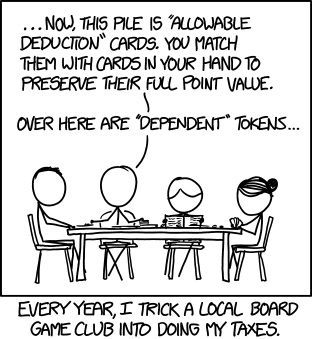

/cdn0.vox-cdn.com/uploads/chorus_asset/file/3979416/1.0.jpg)
/cdn0.vox-cdn.com/uploads/chorus_asset/file/3979418/2.0.jpg)
/cdn0.vox-cdn.com/uploads/chorus_asset/file/3979414/3.0.jpg)
/cdn0.vox-cdn.com/uploads/chorus_asset/file/3979412/4.0.jpg)
/cdn0.vox-cdn.com/uploads/chorus_asset/file/3979408/5.0.jpg)
/cdn0.vox-cdn.com/uploads/chorus_asset/file/3979404/6.0.jpg)
/cdn0.vox-cdn.com/uploads/chorus_asset/file/3979410/7.0.jpg)
/cdn0.vox-cdn.com/uploads/chorus_asset/file/3979406/8.0.jpg)



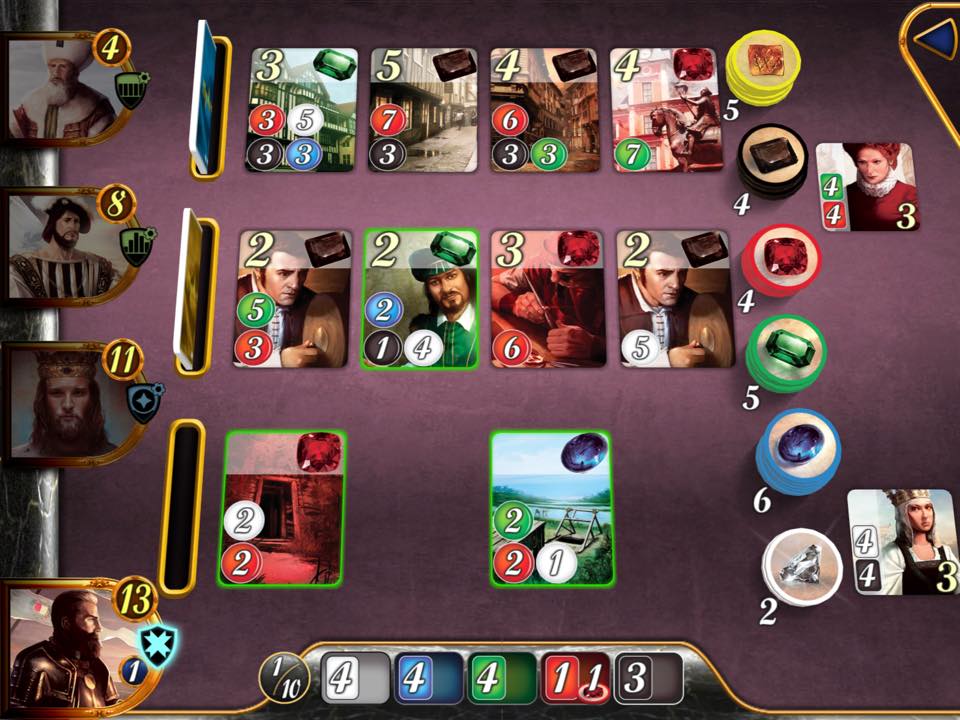


/cdn0.vox-cdn.com/uploads/chorus_asset/file/3976268/GettyImages-460601008.jpg)
/cdn0.vox-cdn.com/uploads/chorus_asset/file/3976272/GettyImages-173554477.jpg)
/cdn0.vox-cdn.com/uploads/chorus_asset/file/3976278/GettyImages-452473789.jpg)


