swimming hole embodies everything that's great about summer: the fresh air, close friends, exploration, and the discovery of that perfect secret cool-off spot that hasn't just yet blown up.
When we decided to round up a list of some of the best swimming holes across the country, we reached out to everyone we knew — including some of our favorite brands, ambassadors, and correspondents to assemble what we believe is your new definitive swimming hole bible, stretching from New York to California, Texas to Canada (yeah, we let one of those sneak in). There's certain to be one between the two points on your next road trip, so start planning. And for the love of everything that is good, please #dontblowupthespot.
As you dive in to the guide, take special note of the iconography we're assigning to each location. See the hiking boot and the sandal? These indicate what kind of footwear you'll need on your approach, delineating hike-in/stay-overnight locations, verses the breezy stroll from the car. The bottle lets you know whether or not alcohol is welcome. Just remember if you pack it in, pack it out. Oh, and the the bum? Don't say we didn't warn you that skinny dipping here is almost certainly expected. Relax those inhibitions a little — don't worry, we won't tell. And as for the leafand the sun, these are indicators of the season this location is best visited in: either summer or fall.
That's enough from us; let's get to the good stuff. We'll see you out there. [H]
y dad has taken me to this spot since I was a kid. It’s a hidden gem where the water is emerald, cool, and so clean that I often drink right from it. Here, you’re surrounded by old-growth trees and there generally aren’t very many people around. And if there are, there’s an even secreter spot down the river a bit called "the Grotto,” where you can sit in a pool with a waterfall and watch the water rush by.
I remember the first time I jumped off the biggest cliff, Goat’s Bluff, which is about 80 feet tall. It’s known as one of the bigger jumps on the river, and I always watched people do it when I was a kid. I finally had the guts to do it myself just after high school. I was pretty hyped.
How to get there: The Gunbarrel is off Nanaimo River Road. Park off to the side near McDonalds Road and walk down the well-beaten trail to the dead end where you’ll hit a property with a big utility shed. Head along the trees until you see signs for the river.
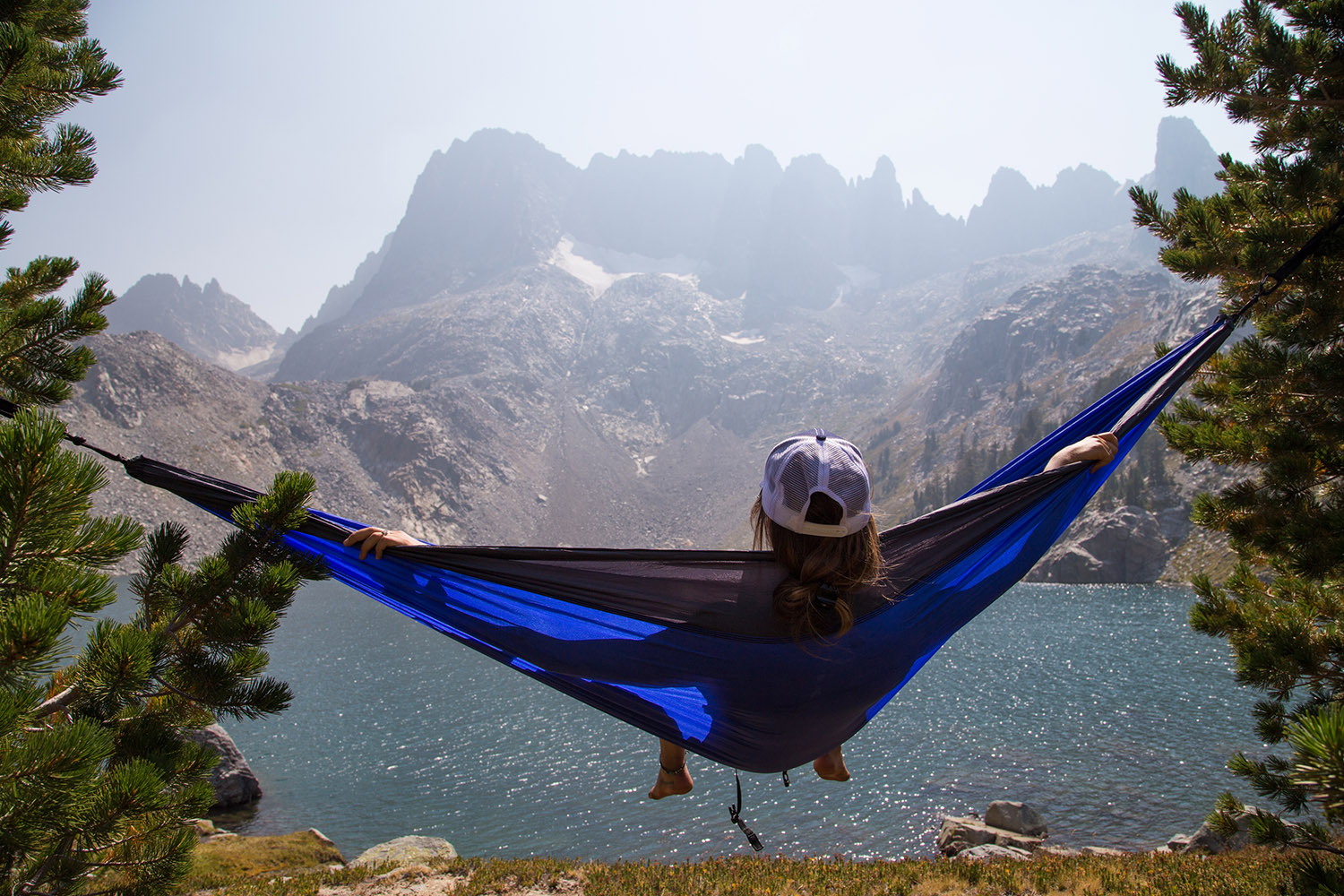
ake Ann shares a trailhead with our favorite Colorado fourteener, Mount Huron, so we camp here religiously every summer. The hike to the lake is moderate, gaining 1,400 feet elevation over the course of four miles. Lake Ann sits pretty above timberline with great views of Mt. Huron and the Three Apostles — think lush grasslands, wild flowers, and turquoise waters set against million-dollar views of the Rocky Mountain west, sans crowds.
How to get there: To get to the South Winfield Trailhead, take Chaffee County 390 West from Hwy 24 (15 miles north of Buena Vista, 19 miles south of Leadville) and stay on the dirt road to mile 11.8. Here you will see the old restored ghost town of Winfield. Go south in Winfield and drive for three miles to the South Winfield Trailhead.
part of Hipcamp’s Private Land Sharing program, you’ll have Cannonball Camp entirely to yourself — camping right next to the water, stand-up paddleboarding, s’more ready-campfire, and stargazing included. After you park, you carry your overnight bags a half mile into the property and set up camp next to the privately-owned lake. Did someone say skinny dipping?
How to get there: Follow these directions at Hipcamp.
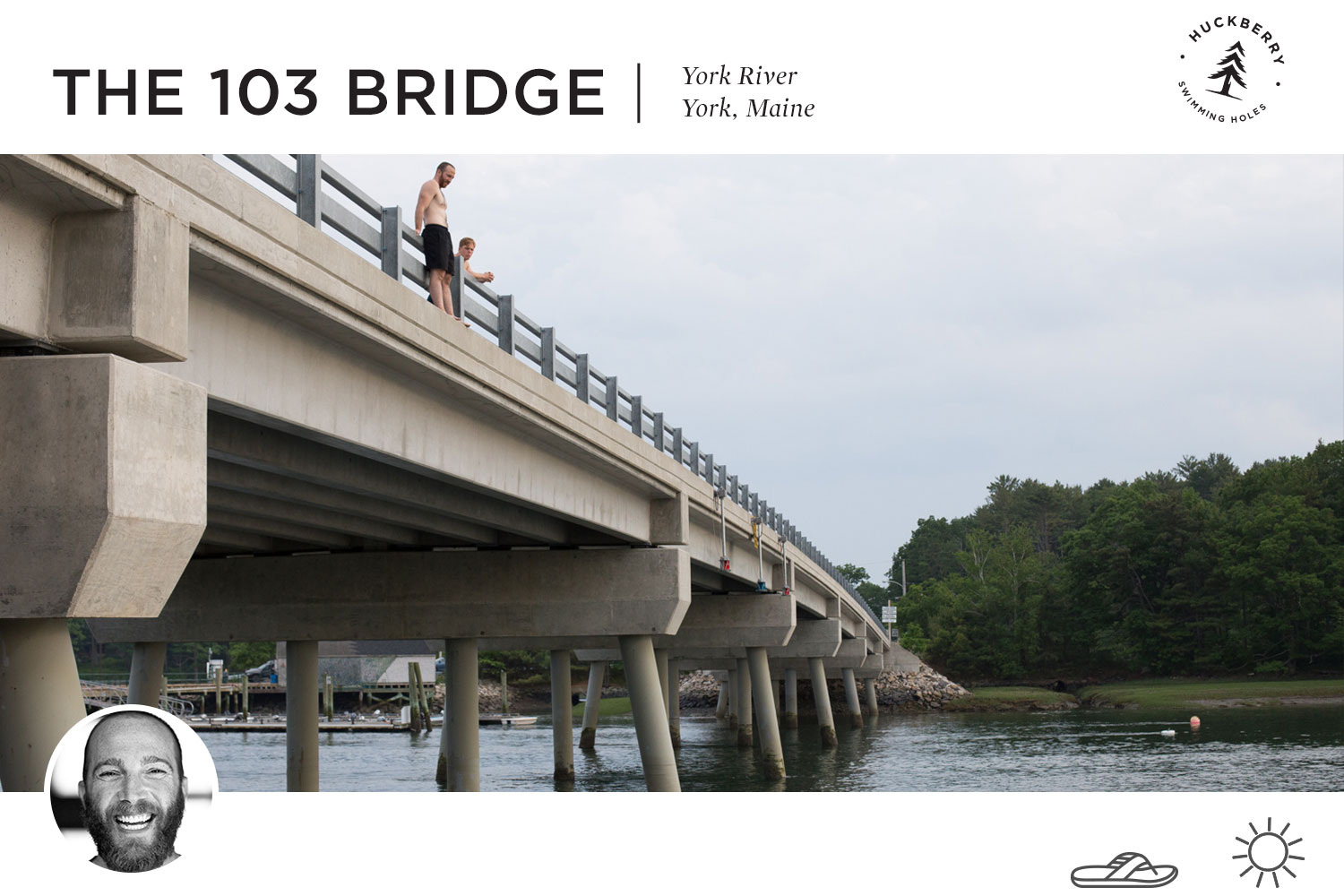
y hometown of York is known for its beaches; come summer, it's swarming with tourists, which means the local kids tend to head for the bridge jumping spots. The Route 103 Bridge is the biggest of the them all, spanning the mouth of the York River 35 feet above the water. The sun sets directly up-river from the bridge, and working lobster boats are moored on both sides of it, so it’s about as “summer in Maine” as you’ll find.
My memories from that bridge are fond and plentiful — riding my bike there for my first jump; taking night jumps in high school off the roof of my friend’s Explorer; watching my 100-pound, 13-year-old sister show up my jock friends who were scared of heights; hearing the hilarious screech my dad made the time he landed in a shockingly cold incoming tide. I still jump off the bridge every summer, on principle.
How to get there: Follow York Street through town heading towards the beaches. When you see Foster’s Clambake on your left, take your next right onto Route 103. You’ll see a parking area on the left within a few hundred yards. Park there and walk up onto the bridge.
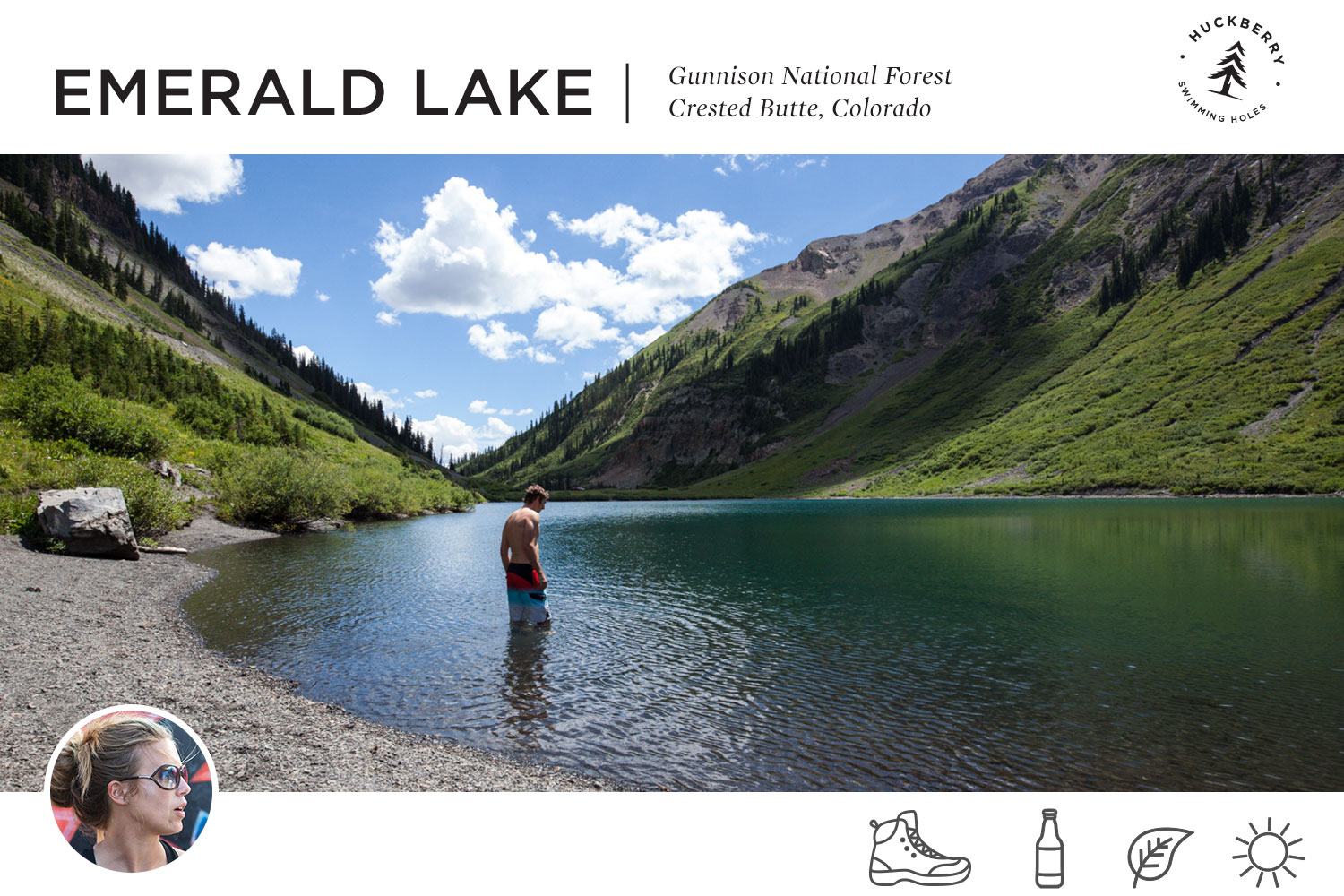
few summers ago, I was riding the 401, one of the best mountain bike trails in the country, when I came around a corner and saw this turquoise beauty. Emerald Lake is a high alpine gem, filled to the brim with baby trout and surrounded by perfectly symmetrical slopes near the top of the Elk Mountains. The whole thing is wildly remote, but made accessible by a dirt road — and that’s sort of the best part. You have to work to get up here, so once you do you’re having the time of your life. Plus the water’s absolutely freezing, so it’s even more worth it to take the plunge.
How to get there: From Crested Butte, drive up Gothic Road. Emerald Lake is right before Schofield Pass.
first became aware of Glen Aulin through an old book on California’s many swimming holes. Sitting at the entrance to the Grand Canyon of the Tuolumne River, this spot has a spectacular valley of soaring granite cliffs, stunning waterfalls, and endless miles of meandering river. Backpacking in and making a weekend of it is the best way to experience Glen Aulin — you can camp by yourself or stay at the High Sierra Camp, a hike-in tent cabin-style hotel. What's better than a beautiful hike, crystal-clear alpine pools, and a few cold ones around the campfire that night? Bonus tip: scramble up the dome above camp and the falls for one of the best sunset views in the park.
How to get there: the Glen Aulin Trail is very well marked. Drive to Tuolumne Meadows and park at the Lembert Dome parking area. Follow signs from here to Glen Aulin on foot — a 12-mile round trip.
ust off of Barton Springs Road south of downtown Austin you’ll find one of the city’s staples — Barton Springs. This huge, spring-fed pool has such clear water that you can see the plants and fish below you, and even though it’s cold as hell, that’s exactly what you want on a 100 degree-plus Texas day. The lawn is green with lots of trees for shade, so there’s something for everyone, whether you want to be in the water or out. The vibe is very Austin — very calm and relaxed, and people respect each others’ space, privacy, and the pool rules.
One of the best things about Barton Springs it the night swimming! Swimming during the day costs three dollars, but night swimming is free from 9 to 10 pm. It’s especially awesome when there’s a full moon — you’ll have the serious weirdos of Austin out there howling at the moon every 15 minutes.
How to get there: There’s ample parking out front, but I typically park in the back of the springs off of Robert E. Lee Road. It’s free and most visitors don’t know about it.
s a Massachusetts native living in Colorado, I've become increasingly nostalgic for that deep New England green, and Blue Hole embodies that image of wild, lush territory. Every summer, my childhood friends meet in the Catskills for a reunion, which is where we found Blue Hole through a tip from a local in Woodstock. As we got deeper in the Sundown Forest, a designated area of conservation, we knew we were headed towards treasure. It's the kind of water you have to get in — a luminous, otherworldly blue, with dappled light filtering through a canopy of leaves from the surrounding oaks and elms.
How to get there: From Sundown, head up County Road 42. A few miles up, you'll start seeing signs for Peekamoose Road and then Peekamoose Trail. Park and hike four miles in to reach the swimming hole.
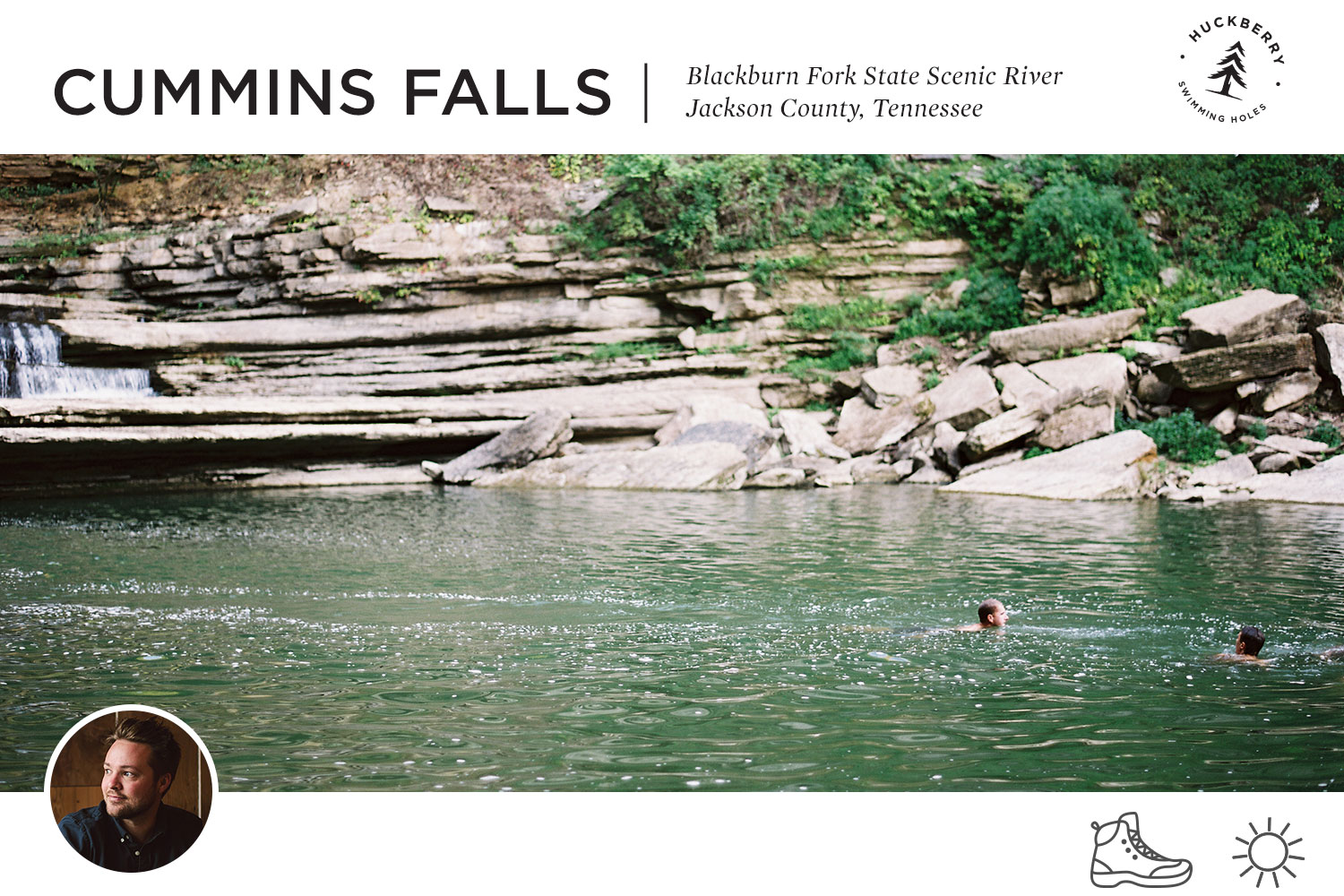
found Cummins Falls while in college, before Google Maps and Instagram made it easy to give away these kind of secrets. (We had to ask a guy at the Waffle House in Cookeville, TN.) The Falls (and trail down) feel untouched, even by state park standards. It's an ideal place to spend a lazy afternoon swimming with friends while watching the sky for eagles.
How to get there: From Nashville or Knoxville, follow directions to get to Cummins Falls State Park. Inside the park, take either the Downstream Trail or the Downstream Shortcut to make your way a little over a mile to the Blackburn Fork State Scenic River.
Ittai Geiger Director of Customer Experience at Huckberry
he Gold Rush is a spot right off the road where there’s plenty of space to post up with your friends, lay out like a lizard, and dive into and swim in the cold, clear water. You can also boulder if you want. There are lots of small underwater caverns and passageways that run under and through the boulders in the water, and once a random 11-year-old boy challenged me to get through one in 15 seconds. When I declined to participate, his response was, “Yeah, you’d probably drown in there anyway.” It’s a great spot for a weekend trip — go up there for a day, camp for a night, and head on home to San Francisco the following afternoon.
olorado lakes and river are fairly cold year-round, but the great thing about this stretch of the Colorado River is that it’s right next to the Radium Hot Springs. Even after you jump off the cliffs into the cold river, you’ll have the hot springs right next to you, separated from the river by rocks, to warm you up. Usually this spot is calm and serene, but it’s not uncommon to be floating down this section of the Upper Colorado and turn the corner to see a rowdy group of locals having a good time — sometimes naked, sometimes not.
How to get there: Ideally, you get to the Hippy Dip by floating down the Colorado River, but you can also reach it by land. From Kremmling, take Highway 9 towards State Bridge. Turn right onto Trough Road and travel about 10 miles until you hit Grand County Road 11; look for a BLM sign pointing you toward Radium. Follow this road for about a mile and you will see the Mirage Campground on your left. Park here, and follow the trail on the right across from the campground about a mile to the river.
Julian Bialowas Huckberry Ambassador & Lead Designer at Hipcamp
found this spot on Hipcamp and was one of the first people to go up to the property and experience it. Upper Falls is completely private, which is almost impossible to come by. Even with some other amazing swimming holes in the Bay Area, you have to hike in to get there only to find a party already happening. But at Upper Falls, you drive up and park right next to the water and stay in a redwood-walled canvas tent. The swimming hole and waterfall are 30 seconds from you, and you can watch the stars and swim in the moonlight. It’s pretty magical — and you have it all to yourself.
How to get there: Follow these directions at Hipcamp.
avasu Falls is one of the most beautiful places I’ve ever been. The milky turquoise water, the red rocks of the canyon, the vibe — it’s all amazing. It’s a mecca for the more avid hikers out there, especially if you backpack in and out instead of taking a donkey or riding a helicopter. When you're here, everyone feels like family, taking care of each other, helping out with directions, and pointing each other to the best spots to hang out in for the day. To top it off, the village people of Supai are incredible — they put us up in their gym when we got flooded out during flash floods. I’ll never forget the camaraderie I felt out there.
How to get there: Follow the extensive National Park Service directions here.
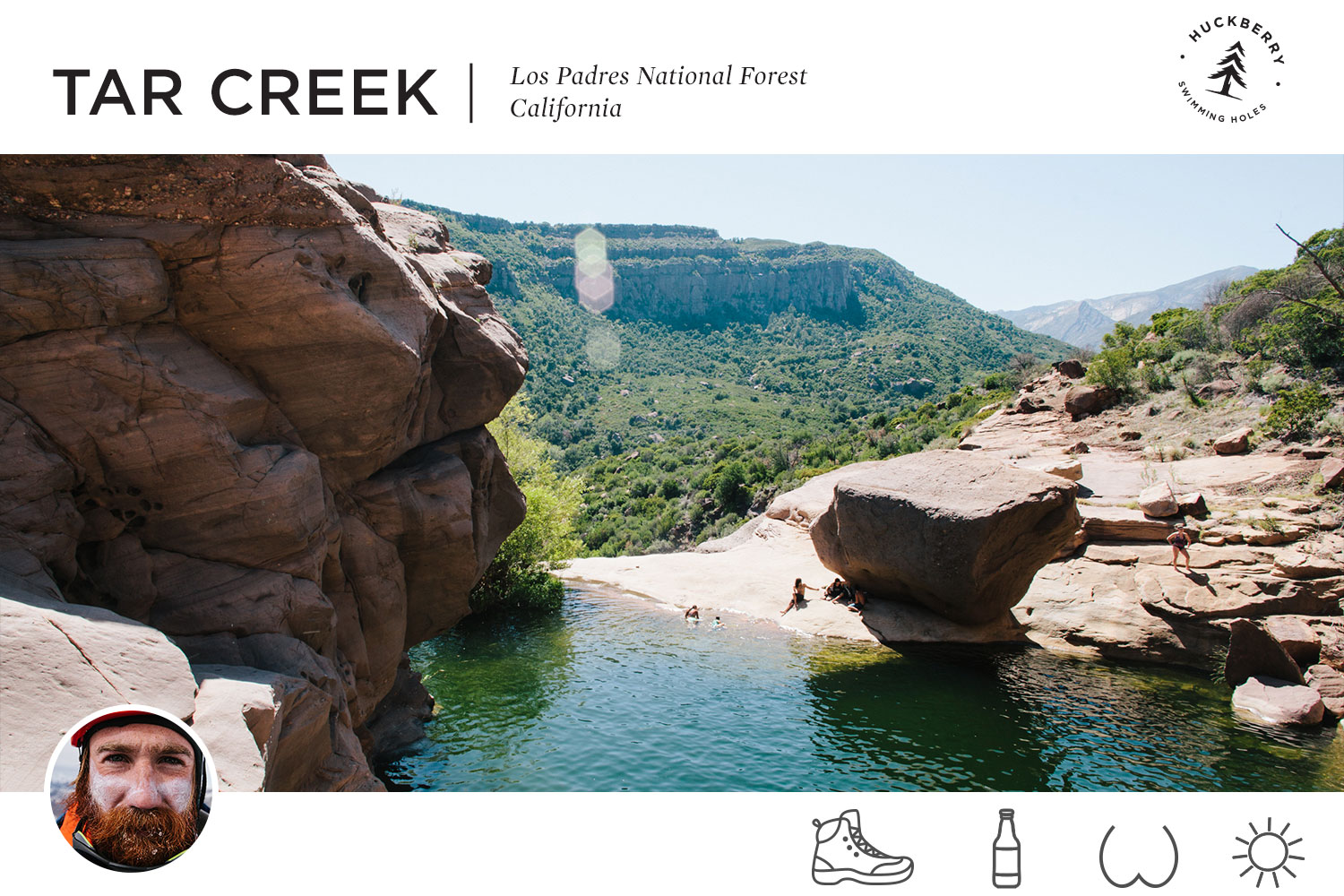
got into cliff jumping a few summers back, so I started researching other places to go around Southern California. With nearly a dozen tiered pools, granite waterslides, and jumps ranging from 20 to 80 feet, Tar Creek is a paradise. The water is a glimmering emerald green, a stark contrast to the grey rock that forms the pools, and mountains line the horizon. The spot feels remote and incredibly wild. And if you’re lucky, you can even see a majestic California Condor from the nearby sanctuary. The last time I was there, I got into a staring contest with one for about ten minutes before the bird dropped his wings and soared into the valley below.
How to get there: [Editor’s note] Word on the street is that this spot has recently been closed because so much trash left behind by hikers was endangering the California Condors — a species that is being rehabilitated in the area. It's a bummer for sure, but like everywhere else, if you're packing it in, you should always be packing it out. Let's leave these spots better than we found 'em.
Liv Combe's favorite swimming hole is in California. Go figure.
She's the Associate Editor at Huckberry in San Francisco.
Follow her on Twitter and Instagram.
I actually don’t believe that “socialists hate freedom” as the poster on Youtube of this video asserts. I tend to think socialists are instead confused about what “freedom” actually is. This is not a dig. I find it to be the case quite often.
One is free, or one is not. There is no “personal freedom” and “economic freedom.” No “personal liberty” and “economic liberty.” There is but freedom. There is but liberty.
Susan Hable Smith, the Texas-born artist and designer behind textile company Hable Construction, and her husband, Pete, and their two children swapped a Big Apple apartment for a Victorian cottage in an historic Athens, Georgia, neighborhood in 2009, and they haven’t looked back since. “We have no real reason for being in Athens,” Hable says. “We were just trying to find a great place to raise our children.” The couple considered various cities in Texas, but Athens’ college-town brand of Southern hospitality proved too appealing.
(Photo by Porter McLeod)
“People whose families have lived here for generations are so open-minded about new people moving to town. They just opened their arms to us,” she says. When she’s not in her studio inking the bright, cheerful designs that will end up as bags, pillows, rugs, and by-the-yard fabrics, here’s where you’ll find her:
Donwntown Athens; city hall. (Photos by Terry Manier)
8:30 a.m. Breakfast Basics: “Often times my husband Pete and I will make our own Dominican coffee—we’re obsessed. But there’s a place in our neighborhood called Ike and Jane that makes the best doughnuts. On weekends we’ll take the kids and bike up there for a treat.”
“When friends come to town, there’s a beautiful bakery in Five Points called Independent Baking Co. that I’ll take them to. It’s my go-to spot for guests. They make the most fabulous croissants and crispy baguettes.”
Doughnuts at Ike & Jane; the cheerful exterior of Independent Baking co. (Photos courtesy of Ike and Jane; Independent Baking Co.)
9:30 a.m. Outdoor Adventures: “In the morning, before it gets too warm, we’ll go to the Botanical Gardens for a family hike. There are tons of trails and they often host weekend events. The gardens are a little bit out there—just beyond the perimeter of the university. It’s a pretty magical place.”
Trails at the State Botanical Garden of Georgia. (Photo by Ryan Holt)
11:30 a.m. Perfect Produce: “Then we’ll head to the West Broad Farmers’ Market. The market is run by the Athens Land Trust on the site of an old elementary school. And there’s an all-organic garden there too. It’s headed up by my friend Rebecca Ennis. Her produce is incredible, and she has a CSA program that locals can sign up for.”
1:00 p.m. Out to Lunch: “My favorite place in town is the counter at ADD Drugs. It’s an old-school lunch counter in a still-operating pharmacy. I always tell people that it’s my favorite restaurant in town. I usually order a grilled cheese sandwich and a chocolate shake. You’ll see college kids ordering four cheeseburgers after a long night.”
Lunch counter at ADD Drugs. (Photo courtesy of ADD Drugs)
2:30 p.m. Sweet Treats: “After lunch, if we have any room left, we’ll get a treat at Condor Chocolates. It’s run by brothers Peter and Nick Dale. (Peter is the chef at the National.) And Hable Construction designed the wrappers. It’s the hippest shop.”
3:30 p.m. Shop Local: “Within walking distance of our house, we have some incredible shopping. There’s an amazing bookstore called Avid Bookshop, and they have readings all the time. Everyone in the family loves to go.”
The exterior of Avid Bookshop. (Photo courtesy of Avid Bookshop)
“Because I have two kids, my other favorite spot to shop is called Treehouse. It’s a kids’ shop and craft center.”
“Then there's Agora Vintage on Broad. Airee Edwards, the owner, will go all the way to Italy to hunt up finds. She has tons of designer stuff.”
7:30 p.m. Supper Time: “Dinner can go two ways. I might go to another of Peter’s restaurants called Seabear Oyster Bar. I love the fried clams even though they’re probably not the most gourmet item on the menu. The sautéed okra is also pretty incredible. Usually we get a bunch of plates and just share.”
“Or another friend opened Automatic Pizza, and they have root beer on tap. We can walk from our house and grab a seat at one of the picnic tables outside. It’s inside the shell of an old gas station.”
A seat at the Seabear Oyster Bar. (Photo courtesy of Seabear)
9:00 p.m.- until Night on the Town: “At night, of course, there’s the Georgia Theatre. We’ll go up to the roof and have a drink pre-show. Or, my husband is a huge movie buff, so we’ll head to the art house movie theater called Ciné, which is located nextdoor to the National. This summer they have been running a classic film series.”
There’s always more to know about every Garden & Gun story. In our August/September issue, we visited a conservation-minded Chesapeake estate garden. Here, the owners take us behind the scenes.
(Photo by Paul C. Haden)
The stumpery. It sounds like Monty Python and looks straight out of the Hobbit, but is in fact simply a garden of tree stumps. Perhaps the most famous example grows on the grounds of Highgrove House in Gloucestershire, United Kingdom, the home of Prince Charles (pictured below).
That garden was the inspiration for a Southern version at Harleigh, a private estate near Oxford, Maryland. After a 2010 visit to Highgrove, owners Chip Akridge and his wife, Sally, learned about the origins of these wild European gardens. First created from scraps of wood that were piled to manage livestock, the ragged fences became unplanned gardens when they sprouted ferns and wildflowers sown by bird droppings. Prince Charles’s fantastical garden of uprooted chestnut trees motivated the couple to create a stumpery on their own property.
For the past five years, Chip has collected roots from his estate and nearby landscaping projects. “We had to piece together our source of stumps. If a tree died on my property, I could pull out the roots,” he says. “Then I started looking around the county and finding construction projects. People couldn’t believe we would come and haul away the stumps for nothing.”
(Photo by Patricia Lyons)
Once he had assembled a small gathering of stumps, Chip seeded native vegetation, all with the aim of creating an untamed-looking garden. “It takes a few years for the plants to establish themselves and look like the stumpery has been there forever,” he says.
(Photo by Paul C. Haden)
The evolving landscape sits between the house and the Chesapeake Bay. “Hidden around two bends in the path,” Chip describes, “Tucked underneath large shade trees, you come around the curve and find something you didn’t expect.”
(Photo by Patricia Lyons)
Pine, oak, and maple stumps are upturned with roots mingling. A potpourri of ferns and flowers are sprinkled throughout—lily of the valley, columbine, hellebore, primrose, and trout lily. In addition to stumps, Chip collects tree knots for what he calls the “knoterie,” an extension of the stump garden.
As for comparisons to the Shire of Middle-Earth? Chip is not surprised. In fact, he built what he calls a “troll cave” through the middle of a clump of roots.
“It was a hobbit-like place. But it collapsed,” he says, adding that the stumpery is constantly changing shape. “The whole garden is a living being.”
If you’ve ever shopped around for a pocket knife for everyday carry, you’d know there’s a staggering amount of options to choose from. Trying to make sense of the many types of knives and their subtle differences can get overwhelming. Of the many factors to consider when choosing something as personal as a knife, its locking mechanism is one of the most important. You should know what type of lock, if any, you should have depending on your needs and preferences before investing in a quality knife.
In this guide, we’ll show you some of the most common types of locking mechanisms you’d find in a desirable EDC knife. You’ll discover the advantages of having a knife that locks, which type is best suited for your EDC, how they work, and knives to consider if the locking type isn’t an option where you live.
Why EDC a locking blade?
Portability should be a major focus when looking for a tool to keep on your person in your pockets or bag. In the case of pocket knives for EDC, folding knives offer an ideal balance of pocketability and functionality.
When folded closed, they become more compact and easier to carry as there’s no exposed sharp edge to worry about. When fully opened, you get the balance, ergonomics, and utility of a non-folding (fixed) blade. Fixed blades are inherently stronger as there’s no moving parts to fail under stress in extreme cases or after repeated hard use.
What about folding knives lets you enjoy the best of both worlds?
It’s all in the lock.
The locking mechanism adds extra safety to using your EDC blade. It lets you blow through tougher tasks over a longer lifetime on a knife you can actually carry everyday. It’s something you’d be using often, so it’s best to get acquainted with what your options are.
Let’s take a look at some of the top types of locking mechanisms for EDC, and a few options for those in areas where locking blades are restricted.
Lockback
A lock back mechanism is what you see on many classic American folding knives. It’s essentially made of a “spine” on a spring. When the knife is opened, the spine locks into a notch on the back of the blade. To close the knife, push down on the exposed part of the spine (usually found in the middle or rear of the handle) to pop up the part of the spine in contact with the blade. This frees the blade from making contact with the spine to disengage the lock, allowing you to swing the blade to a closed position.
The benefits of a lockback include reliable strength and safety. The unlock “button” is out of the way of your grip when using the knife, meaning you’re unlikely to accidentally disengage the lock and have it close on you. It also keeps your hands clear of the blade’s path when closing, minimizing the risk of cutting yourself.
One disadvantage is that while using both hands to close a lockback is safer, it can be inconvenient when you need to keep one hand on whatever you’re cutting. While it’s possible to close a lockback with one hand, it isn’t easy. You’d likely need to switch grips and take extra care when closing the blade.
Liner locks are one of the more common mechanisms seen on folding knives. This mechanism’s characteristic component is a side spring bar located on the same side as sharp edge of the blade, “lining” the inside of the handle. When the knife is closed, the spring bar is held under tension. When fully opened, that tension slips the bar inward to make contact with the butt of the blade, keeping it firmly in place and preventing it from closing.
Liner locks are beneficial in that they allow a knife to have two true handle sides, unlike a framelock (you’ll see what we mean later in the guide). You can close the knife with one hand without switching grip, ideal for when you need both hands on the job. You’ll find liner locks in both entry-level and high-end knives. It’s a lock type that appeals to both knife newbies and enthusiasts alike.
If you’ll be using your knife for heavy-duty tasks, you should know liner locks typically aren’t as robust as other locking systems. They’re still plenty strong, but because they’re typically made from a thinner piece of metal, they’re more prone to wearing out compared to a beefy frame lock, for example.
Think of the frame lock as a beefed up version of the liner lock. They’re very similar to liner lock mechanisms, except instead of an internal spring bar moving into place, it’s part of the handle itself. Frame lock knives tend to be stronger than liner locks, as the piece of metal that slips into place is more substantial than that in a liner.
This type of locking system puts a large portion of metal against the blade, ensuring a strong lockup for piercing, cutting, slicing, and other heavy-duty tasks. Frame locks are seen in lots of mid to upper range knives, typically crafted from titanium. Not only do they add a unique look to the knife, but they’re also easily operated with one hand.
The AXIS lock is a proprietary mechanism you’d only find on Benchmade knives, but due to its ingenuity and popularity among EDCers, it’s definitely worth knowing about. It’s easy to use with one hand, but also important, it’s completely ambidextrous.
Here’s how it works: The lock is made up of a spring-tensioned bar that slides back and forth on a track cut into the handles of the knife. The butt of each blade featuring an AXIS lock (hidden by the handle) has a flat spot that allows a spring-tensioned bar to lock into place when the knife is opened. To close the knife, you pull the bar towards the back of the knife, using the thumb studs, and fold the blade shut.
Right handers and southpaws alike can appreciate how easy it is to use this lock, because the bar is accessible from both sides of the knife handle. Because this mechanism has plenty of moving parts involved it can be difficult to disassemble for cleaning and maintenance. On smaller models especially, the downsized studs can be difficult to operate as well. But as far as ambidextrous knives go, Benchmade knives featuring AXIS locks are among the best.
Just to be clear, these types of blades don’t have a true “lock” as far as laws are concerned, but they’re still viable options for EDC.
Slipjoints are most commonly seen in Swiss Army Knives. Typically these knives require two hands to open and close safely. They’re made up of a spring bar and a specially shaped blade. To open the knife, you pull on the blade to overcome the pressure from the spring, snapping the blade into place. To close it, make sure your fingers are out of the way of the sharp edge, and push back down.
Friction folders are similar, except they don’t have a spring bar. Instead, the knife’s blade is held in place simply by friction between the blade steel and the knife scales.
One of the main advantages of these types of knives is their legality. They’re also nice to carry because they’re simple and easy to use. But its worth repeating that these knives don’t have a true lockup, so they’re not the best for heavier duty tasks.
By now, you should be more familiar with your options to better choose the a knife worthy of your pocket.
Do you have a favorite type of lock to recommend? Leave a comment with your EDC knife of choice and tell us why you like its lockup to help your fellow EDCers and prospective knife buyers carry smarter.
Words and images by Ed Jelley and Bernard Capulong
It was a lot more festive! Before the federal government started printing paper money in 1861, individual banks produced their own currency. Bank notes varied widely, but one figure in particular was popular: Santa Claus. The White Mountain Bank of New Hampshire, the Howard Banking Company of Massachusetts, and, naturally, the Saint Nicholas Bank of New York City all dispersed bills bearing the likeness of Father Christmas. The 19th-century Santa was slimmer and less hirsute, and he kept up with 1850s fashion. Even though these bills are defunct, they remain valuable. In 2012, a Santa originally worth $5 from the Howard Banking Company fetched $8,625 at auction, which must have made its previous owner pretty jolly.


 swimming hole embodies everything that's great about summer: the fresh air, close friends, exploration, and the discovery of that perfect secret cool-off spot that hasn't just yet blown up.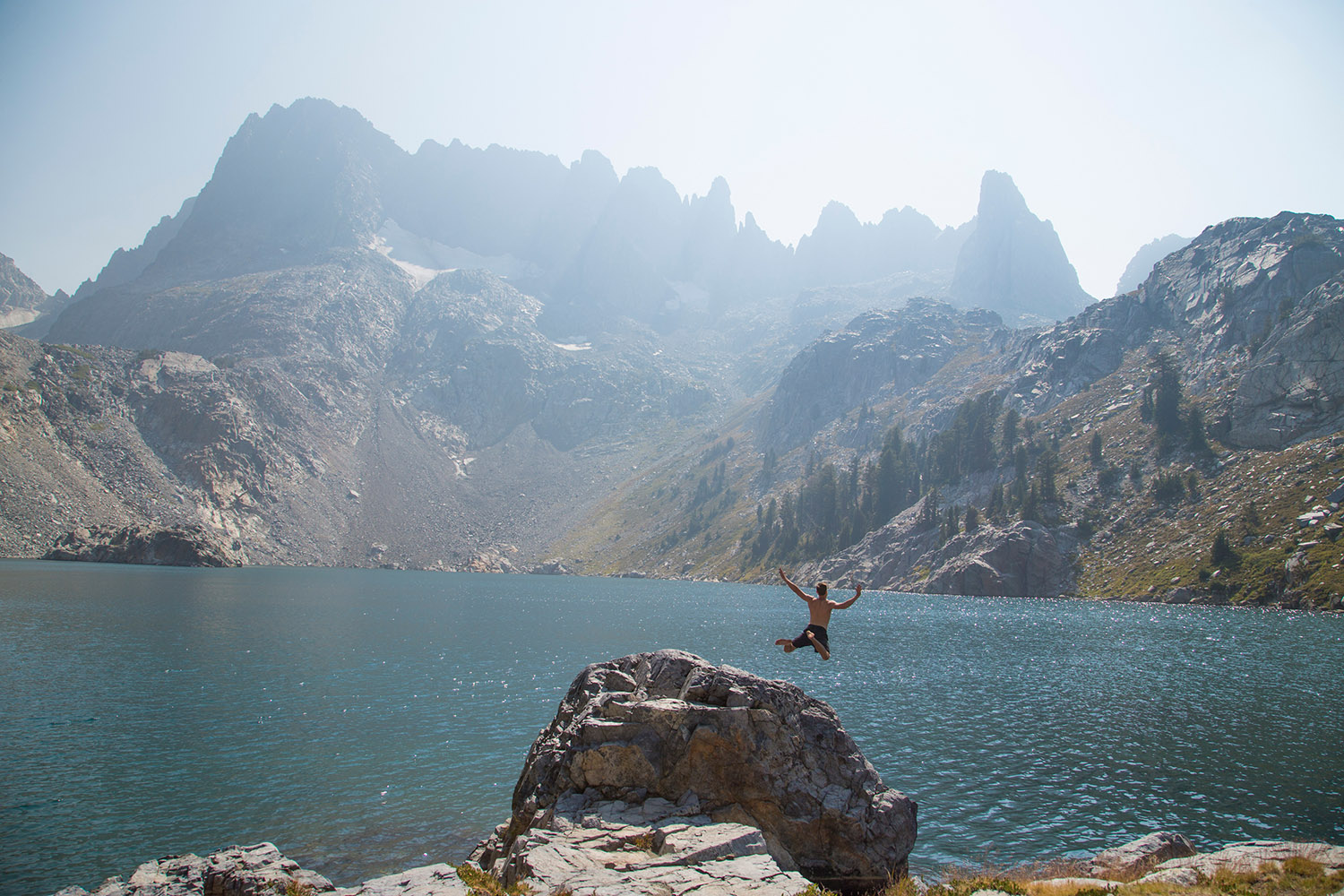


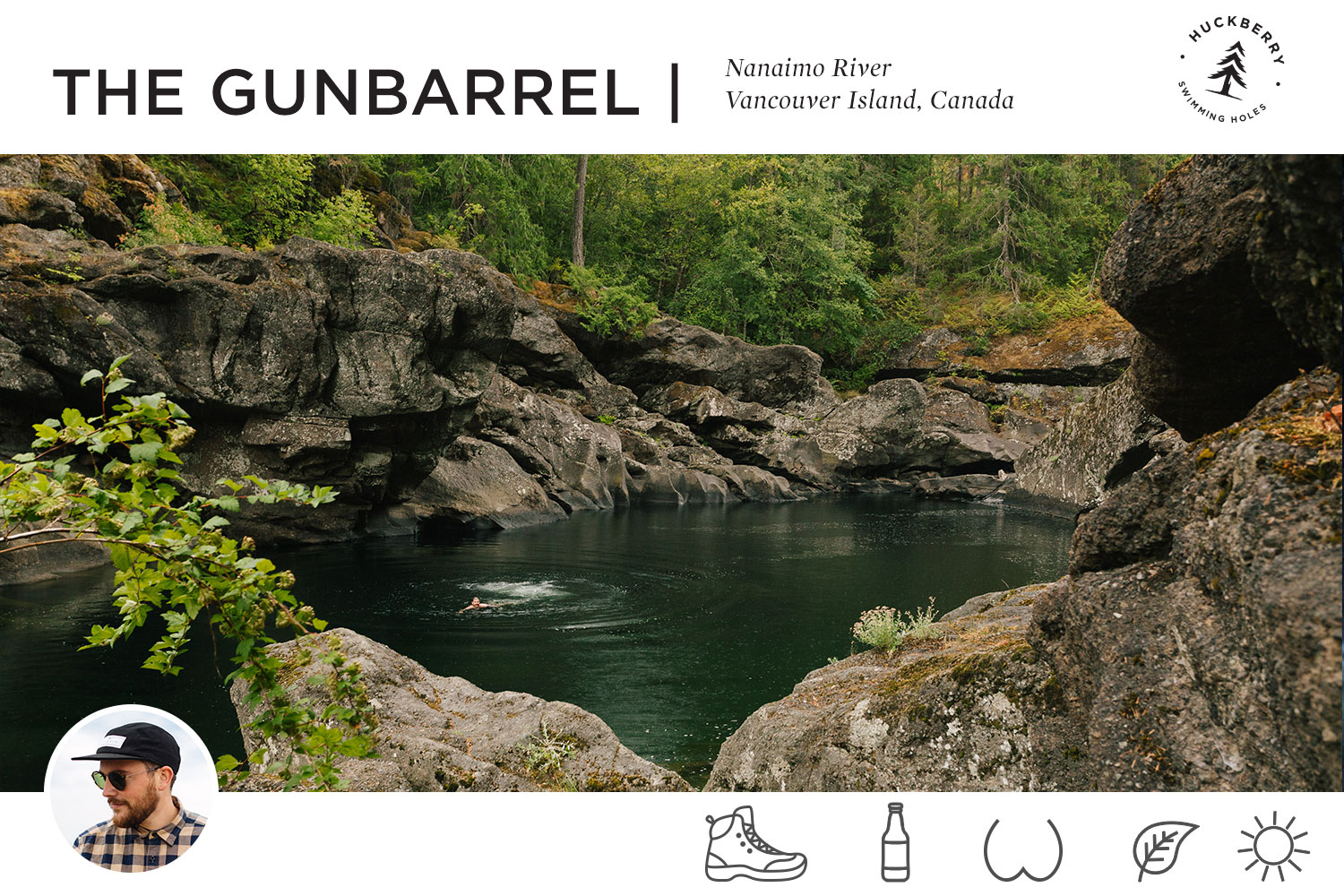
 y dad has taken me to this spot since I was a kid. It’s a hidden gem where the water is emerald, cool, and so clean that I often drink right from it. Here, you’re surrounded by old-growth trees and there generally aren’t very many people around. And if there are, there’s an even secreter spot down the river a bit called "the Grotto,” where you can sit in a pool with a waterfall and watch the water rush by.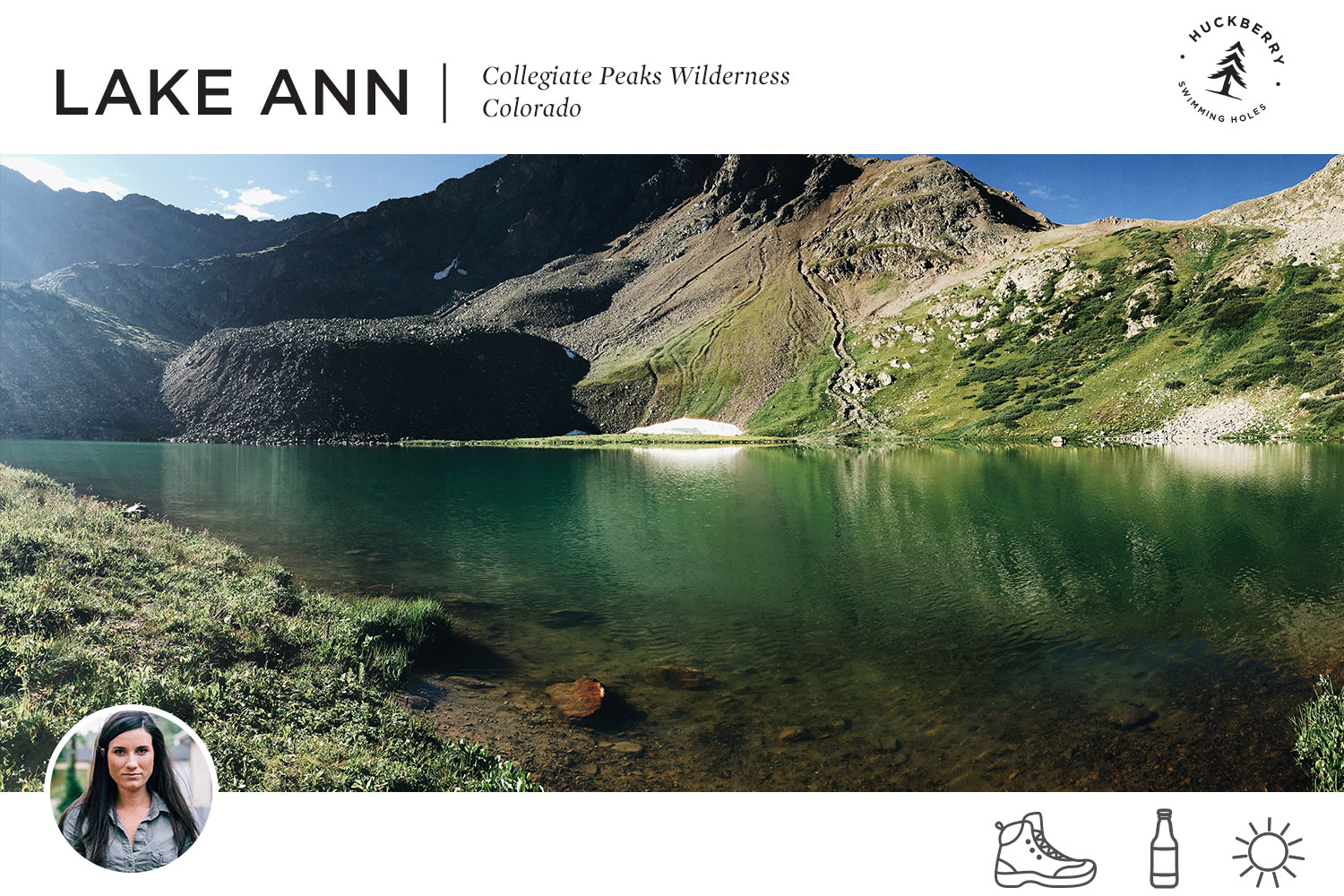
 ake Ann shares a trailhead with our favorite Colorado fourteener, Mount Huron, so we camp here religiously every summer. The hike to the lake is moderate, gaining 1,400 feet elevation over the course of four miles. Lake Ann sits pretty above timberline with great views of Mt. Huron and the Three Apostles — think lush grasslands, wild flowers, and turquoise waters set against million-dollar views of the Rocky Mountain west, sans crowds.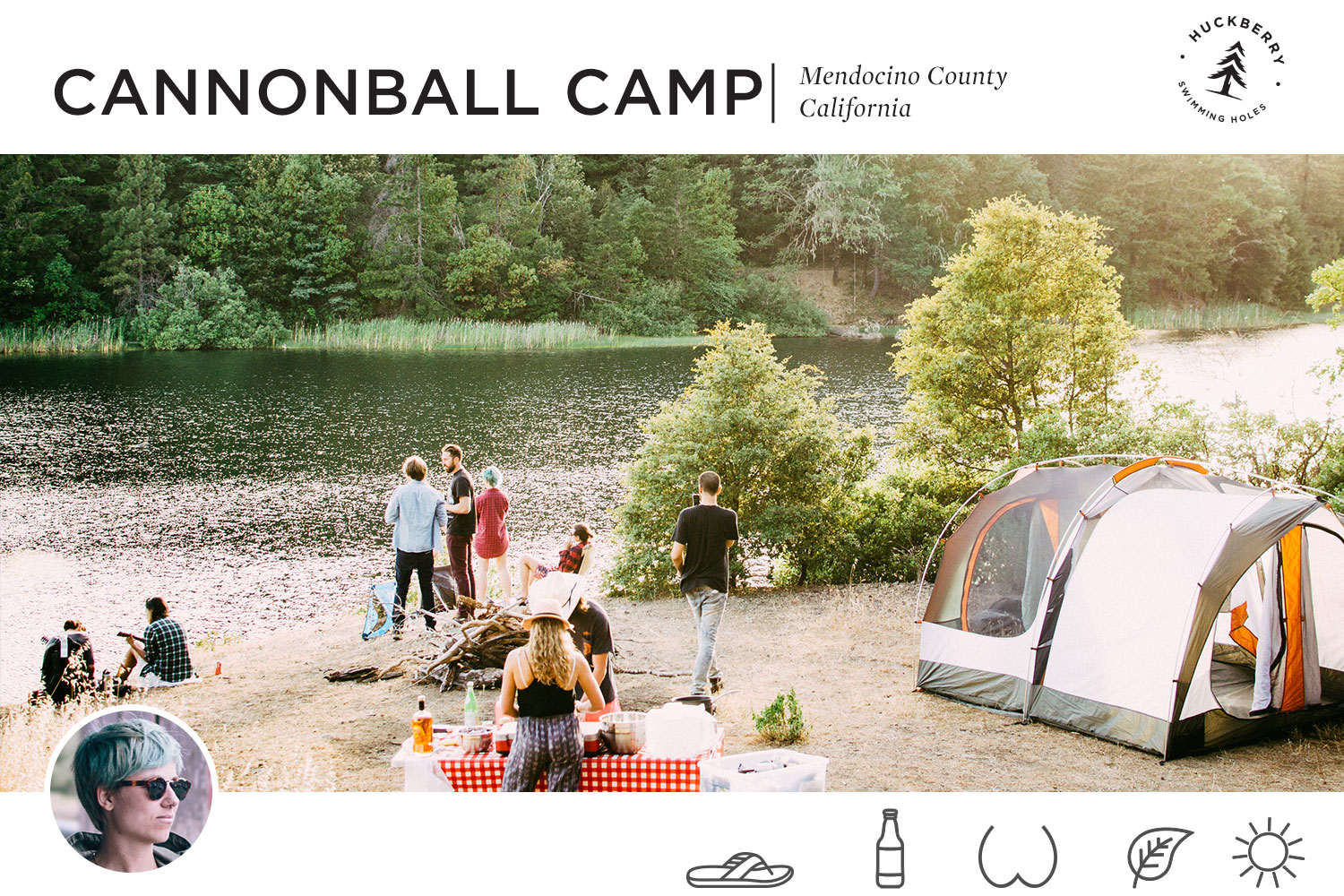
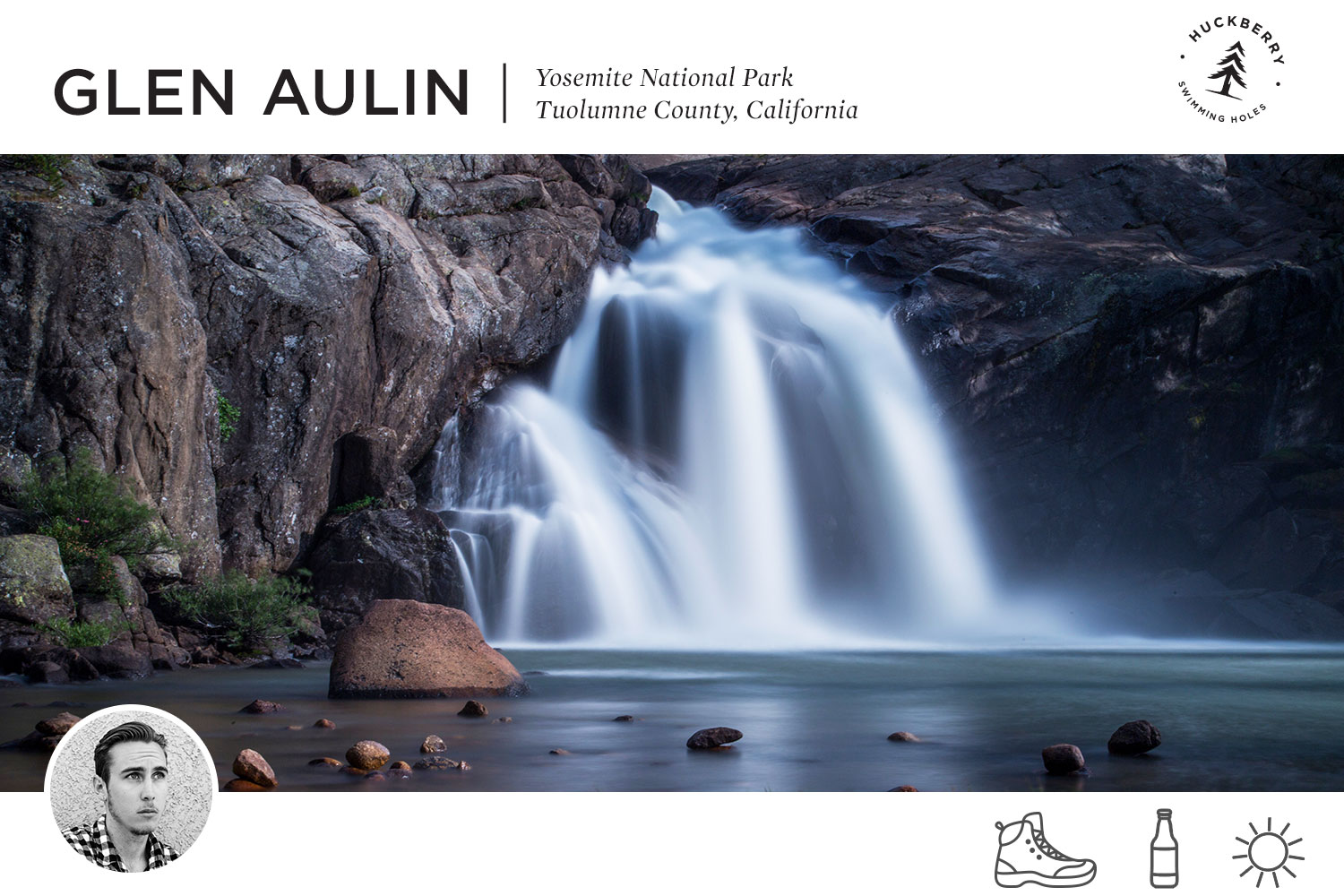
 first became aware of Glen Aulin through an old book on California’s many swimming holes. Sitting at the entrance to the Grand Canyon of the Tuolumne River, this spot has a spectacular valley of soaring granite cliffs, stunning waterfalls, and endless miles of meandering river. Backpacking in and making a weekend of it is the best way to experience Glen Aulin — you can camp by yourself or stay at the High Sierra Camp, a hike-in tent cabin-style hotel. What's better than a beautiful hike, crystal-clear alpine pools, and a few cold ones around the campfire that night? Bonus tip: scramble up the dome above camp and the falls for one of the best sunset views in the park.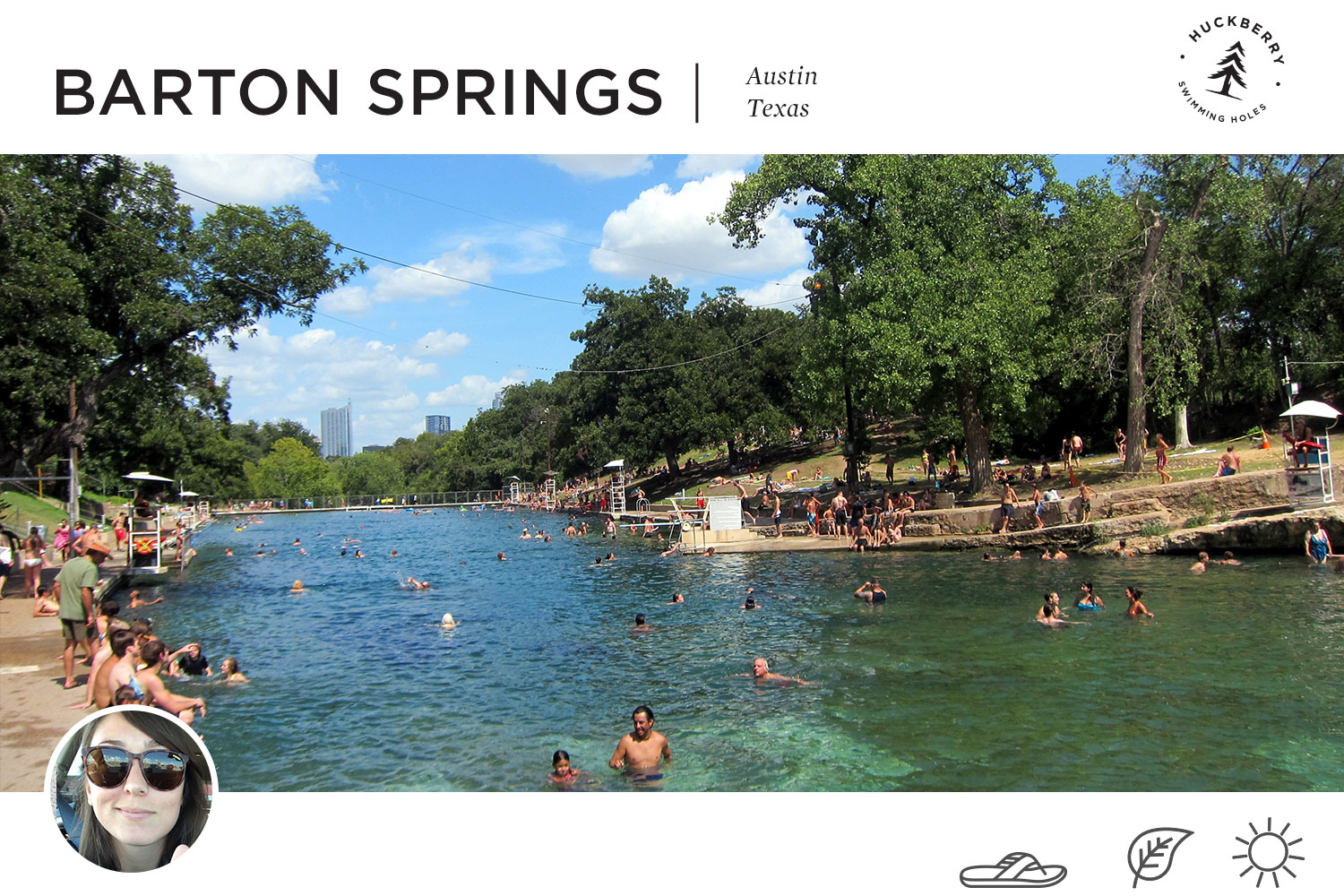
 ust off of Barton Springs Road south of downtown Austin you’ll find one of the city’s staples — Barton Springs. This huge, spring-fed pool has such clear water that you can see the plants and fish below you, and even though it’s cold as hell, that’s exactly what you want on a 100 degree-plus Texas day. The lawn is green with lots of trees for shade, so there’s something for everyone, whether you want to be in the water or out. The vibe is very Austin — very calm and relaxed, and people respect each others’ space, privacy, and the pool rules.
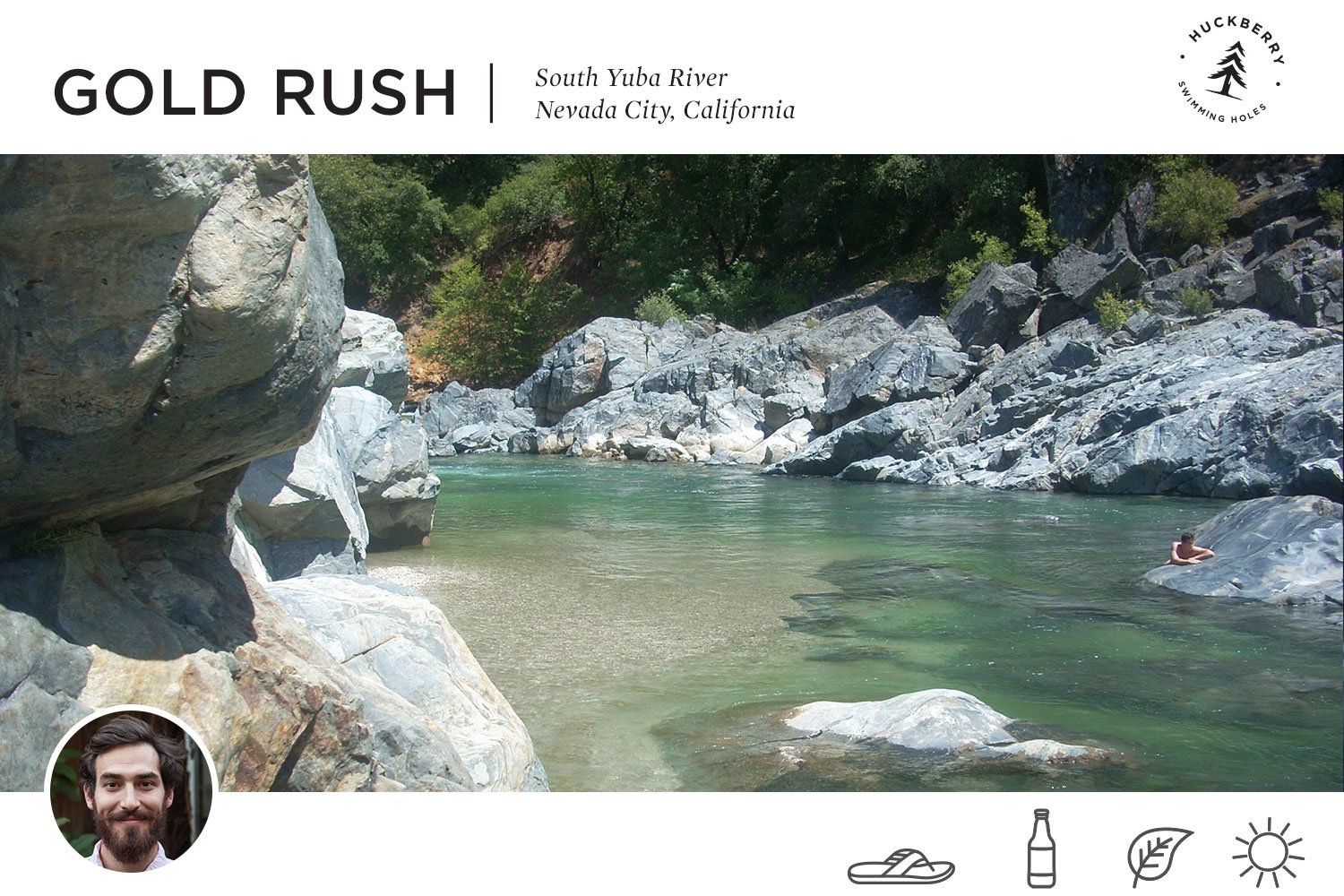
 he Gold Rush is a spot right off the road where there’s plenty of space to post up with your friends, lay out like a lizard, and dive into and swim in the cold, clear water. You can also boulder if you want. There are lots of small underwater caverns and passageways that run under and through the boulders in the water, and once a random 11-year-old boy challenged me to get through one in 15 seconds. When I declined to participate, his response was, “Yeah, you’d probably drown in there anyway.” It’s a great spot for a weekend trip — go up there for a day, camp for a night, and head on home to San Francisco the following afternoon.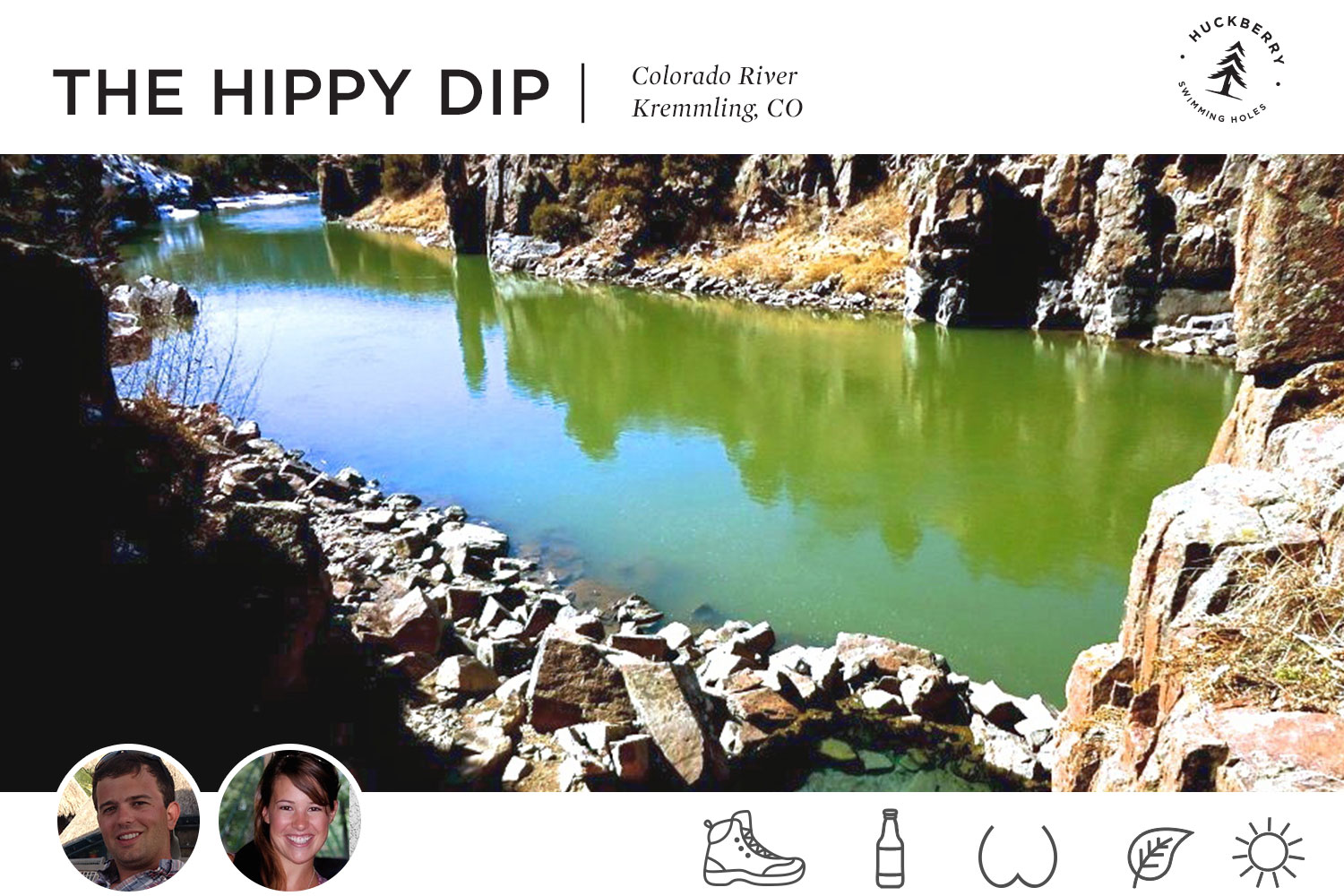
 olorado lakes and river are fairly cold year-round, but the great thing about this stretch of the Colorado River is that it’s right next to the Radium Hot Springs. Even after you jump off the cliffs into the cold river, you’ll have the hot springs right next to you, separated from the river by rocks, to warm you up. Usually this spot is calm and serene, but it’s not uncommon to be floating down this section of the Upper Colorado and turn the corner to see a rowdy group of locals having a good time — sometimes naked, sometimes not.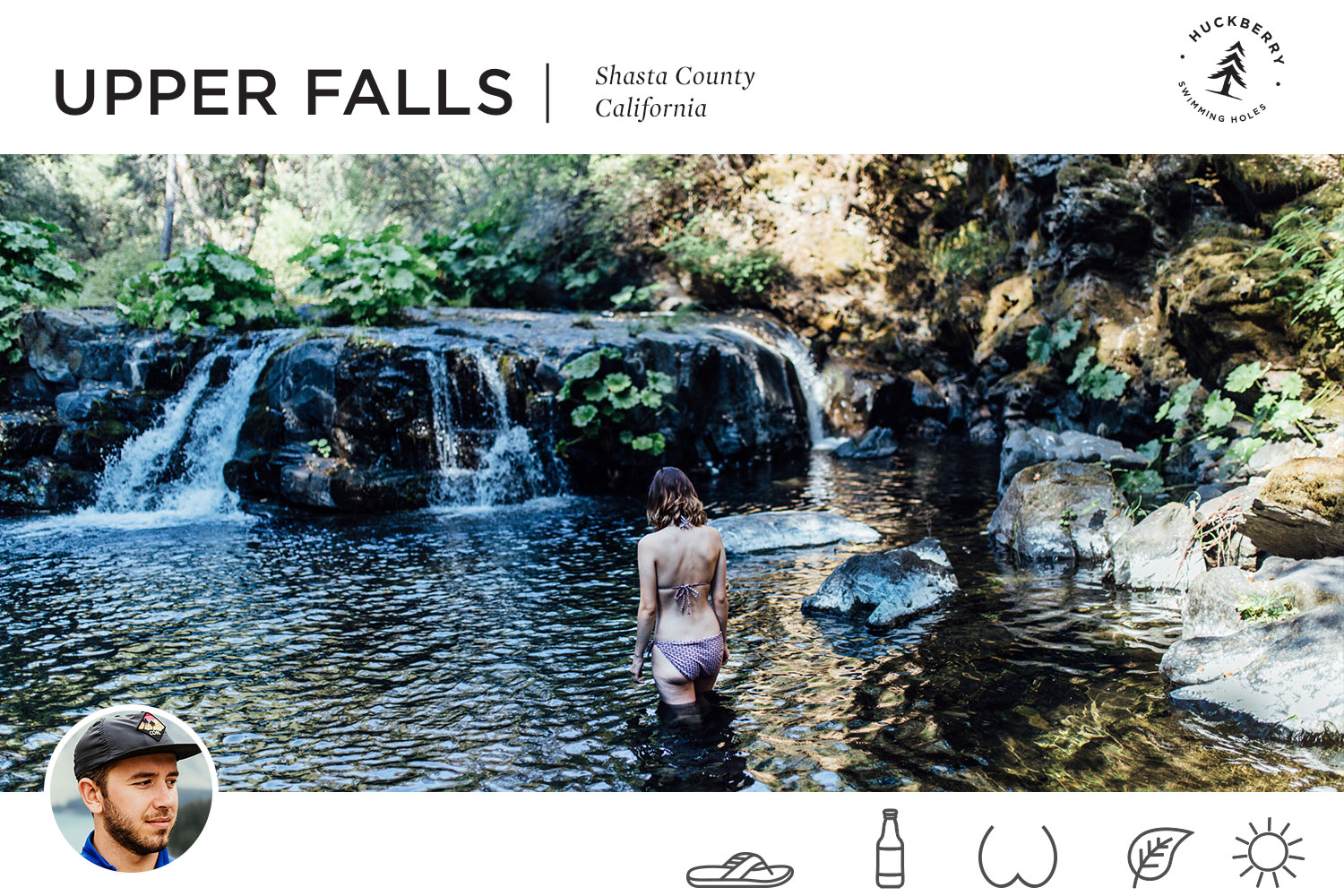
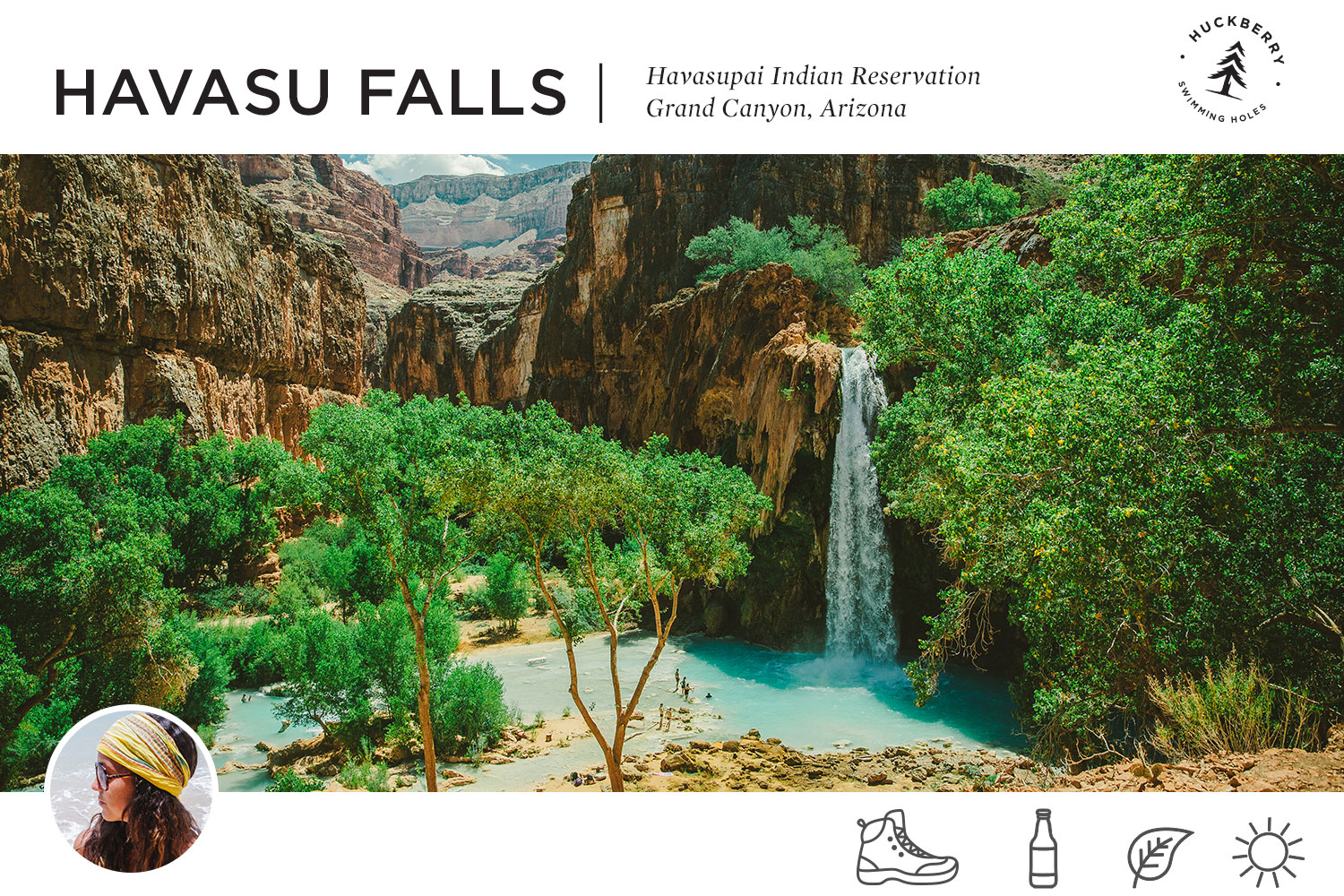
 avasu Falls is one of the most beautiful places I’ve ever been. The milky turquoise water, the red rocks of the canyon, the vibe — it’s all amazing. It’s a mecca for the more avid hikers out there, especially if you backpack in and out instead of taking a donkey or riding a helicopter. When you're here, everyone feels like family, taking care of each other, helping out with directions, and pointing each other to the best spots to hang out in for the day. To top it off, the village people of Supai are incredible — they put us up in their gym when we got flooded out during flash floods. I’ll never forget the camaraderie I felt out there.