Though it didn’t make much of a dent in the box office when it hit theaters 20 years ago, Christopher Guest’s mockumentary has become a cult hit in the years since.
This project has all the makings of a great skate film — cool tricks, good location — but this one is just a little more unique than others. Filmmaker Philip...
There are those albums that can change someone’s perception of an entire genre of music. Willie Nelson’s Red Headed Stranger was such an album for me. But Nelson’s approach on his 1975 concept record not only challenged my preconceptions, it challenged the sureties of the country scene of the time. By perfecting the music’s capacity for aching beauty and sadness in spare, austere folk songs, Nelson paradoxically expanded its possibilities. His fellow artists thought it was “practically blasphemous and insubordinate,” notes Kelsey Butterworth, “to record country in so sparing a manner.”
Record buyers disagreed. Nelson fans loved Red-Headed Stranger’s dusty, wide open spaces, its ballads full of loneliness and regret. Without the overwrought production so many country singers received at the time, the songs became showcases for the plaintive cragginess of Nelson’s voice, and for the unmistakable sound of Trigger, his famous Martin N-20 classical, “a gorgeous instrument,” writes Texas Monthly, “with a warm, sweet tone,” bought in 1969 by “a struggling country singer, a guy who had a pig farm, a failing marriage, and a crappy record deal.”
Trigger has been with Willie Nelson ever since, a companion as faithful as the horse it’s named after. The instrument is famous, mostly, for its beat-up condition, including a large hole near the bridge. But in the video above from Rolling Stone (narrated by Woody Harrelson) we learn much more about the relationship between man and guitar. The love was first kindled by Nelson finding in Trigger the tone he had been searching for—the tone of his guitar hero Django Reinhardt, “the best guitar player ever.”
But in Nelson’s hands, and playing his songs, Trigger became the distinctive sound of so much Outlaw Country, the “blasphemous and insubordinate” subgenre pioneered by Nelson, Waylon Jennings, Johnny Cash and others. “You hear that guitar,” says luthier Mark Erlewine, “even without him singing, and you go, ‘That’s Trigger.’” I think even casual fans of Nelson who only know his greatest hits can instantly pick up on the distinctiveness of his guitar’s mellow voice. “There’s a Hoodoo about Trigger,” says Erlewine, “that you just can’t mess with it.”
The biography of Trigger is inseparable from the story of Willie Nelson’s rise to fame, and we get a brief tour of his career above. Nelson began as a traditional buttoned-up Nashville crooner, but he decided to retire his act and move back to Texas to farm. Then he found Trigger. That meeting of player and guitar possibly reinvigorated Nelson’s entire career, inspiring his move to Austin and his complete reinvention of country music.
PDFs are one of the most common file types you’ll come across when using a computer. If you need to produce a high-quality print job, make a document available online, archive old data, or combine multiple formats (text, images, tables, etc.), there’s a good chance you’ll find yourself turning to the PDF format. Despite their hundreds of benefits, they fall short when it comes to editing. It’s just not as easy to edit PDF documents as it is to edit Microsoft Office documents. But don’t worry, all is not lost. If you desperately need to edit a PDF, there are...
Author Bill Bryson put it best when he said, “To my mind, the greatest reward and luxury of travel is to be able to experience everyday things as if for the first time, to be in a position in which almost nothing is so familiar it is taken for granted.” A lot of us are stuck in the inertia of everyday life and refuse to see the simple travel opportunities around us. And even if we know these opportunities, the inertia dissuades us. “Hold on,” our brain says, “it’s a lot of work, you can’t afford it.” That can’t be...
Many people have ideas, but few put them into practice. Not you: just grab the Swift 3 Master Coder Bundle to learn how to take apps from the drawing board to the App Store. Right now, you can get the bundle for $44 at MakeUseOf Deals, saving hundreds on 85 hours of premium instruction. The Training The bundle includes four courses, each covering different skills. Here’s a quick rundown: Hacking With Swift 3 – Beginner to Pro instructs you on completing 17 projects. You’ll build real apps and hone your skills in the process: learn how to create games, design...
I’ve used this tool 8 months, and more extensively the past 2 months (as I’ve been commuting to work 3-4x a week) by bike. This tool has made it so that I actually bring a multitool with me on my rides. Previously, I had a crank brothers 17 function multitool–which I kept at home, since it was an awkward/heavy chunk of steel. It was awkward to use, as the huge bundle of tools would create an awkward grip. I’ve dreaded using pretty much every other bike multitool, since it’d involve pinching my finger between metal rods to unwedge a stubborn tool. This tool is light, but well thought out ergonomics. While it doesn’t pack 17-21 functions, each function is perfectly implemented. Each bit is precision made by PB Swiss (the world’s best screwdriver maker) in Switzerland. The bit holder is magnetic and doubles as a nifty little wrench. The tire levers are very easy to use, and only slightly worse than the pedro’s tire levers (they’re a little narrower). Furthermore, the corners are all rounded. There only two caveats: the bit holder comes loose, and it costs more than most bike tools with “more features.” In actuality, these are both non-issues for me. 1. I use a rubber band around the multitool, and things stay locked into place. 2. This tool is a rebranded PB Swiss, sold at a steep discount. PB Swiss makes tools that are at least as good as Snap On, Wera, Wiha, and better than Festool.
As rugged as it is handsome, the Kahn Land Rover Defender Double Cab Truck is a useful, luxurious take on the classic SUV. In addition to its wider track, changes...
2016 was another great year for Americana and roots music, and 2017 shows signs that the great music will continue to come our way. As our Cream of the Crop favorites from last year makes plain we might be experiencing a new golden age of roots music/ Both as a growing influence on our contemporary culture and also as a viable, business for young and old artists to sustain themselves and thrive.
That last part is crucial as it provides seed corn for the future Cream of the Crops.
The list below is a collection of known 2017 notable Americana / roots releases. Some anticipated releases from artists like Ray Wylie Hubbard & Chris Stapleton, Jason Isbell and The Secret Sisters have no release dates yet, but when I become aware of them and others I will be updating the list throughout the year and will send word through my twitter account when I do.
If you know of a release not listed yet please leave it in the comments.
One thing is for sure, it’s going to be a great year folks.
January 13th –
The Band of Heathens – ‘Duende’
Blackie and the Rodeo Kings – ‘Kings and Kings’
Otis Gibbs – ‘Mount Renraw’
January 20th –
Kasey Chambers – ‘Dragonfly’
The Show Ponies – How It All Goes Down’
Rayna Gellert – ‘Workin’s Too Hard’
January 27th –
Delbert McClinton – ‘Prick Of The Litter’
Tift Merritt – ‘Stitch of the World’
Valerie June – ‘The Order of Time’
Bankesters – ‘Nightbird’
Dead Man Winter – ‘Furnace’
February 3rd –
Ags Connolly – ‘Nothin’ Unexpected’
Gurf Morlix – ‘The Soul & The Heal’
Mitch Dean –‘Suburban Speakeasy’
Rose Cousins – ‘Natural Conclusion’
Caroline Spence – ‘Spades & Roses’
February 10th –
Kris Kristofferson – The Austin Sessions (Expanded Edition)
February 17th –
Alison Krauss – ‘Windy City’
Nikki Lane – ‘Highway Queen’
Pegi Young & The Survivors – ‘Raw’
Son Volt – ‘Notes Of Blue’
Velvet Rat – ‘Dorado’
Blair Crimmins – ‘You Gotta Sell Something’
The Gibson Brothers – “In The Ground”
February 24th –
Curtis McMurtry – ‘The Hornet’s Nest’
Rhiannon Giddens – ‘Freedom Highway’
Old 97s – ‘Graveyard Whistling’
Scott H. Biram – “The Bad Testament”
Shinyribs – “I Got Your Medicine”
Aaron Watson – “Vaquero”
March 3rd –
Grandaddy – ‘Last Place’
Beth Bombara – ‘Map With No Direction ‘
March 10th –
Sunny Sweeney – “Trophy’
Pieta Brown – “Postcards”
Ha Ha Tonka – ‘Heart-Shaped Mountain’
America is a beautiful country and our National Park system is an amazing way to explore the best wilderness and historical destiations in all of the US. Whether you like beaches, snow, rivers, forests, colonial towns or majestic mountains, the National Park service is sure to please.
That's why we love this amazing Travel and Leisure article that picks out the best National Park in each and every state.
It's a great guide whether you want to see the best National Parks in states near you or to plan a huge road trip where you can see each of the best parks.
So don't miss the full list over on Travel and Leisure (and feel free to argue your case if you feel their selections are wrong).
For a few weeks toward the end of 2016, I bought a flip phone. I wanted to disconnect and have the option to walk away from the internet without being inaccessible to family and friends. And I wanted to recall what it was like to not know something; that meant no Google or Wikipedia.
Did I get what I wanted? Not quite. The dumbphones I used weren’t particularly good. So I’ve gone back to using a smartphone. But while I added back a few features that were the most challenging to do without, I’ve disabled or removed most of what people associate with smartphones.
Here’s how you can turn your Android phone into a (mostly) dumbphone.
1. Disable the Browser
A smartphone really isn’t a smartphone without a web browser. This app comes pinned to your dock, and is one of the biggest time sucks on your device. Click one site and, before you know it, you’ve been straining your neck staring down at the screen for forty minutes.
Do you really need to read articles on your phone? Save that to do on your laptop at designated times. If you strongly prefer the experience of reading on the go, you can enable the browser during those times, then disable it again when you’re done.
This extra step forces you to stop and think every time you’re about to fall down the rabbit hole.
2. No Email
Email has a way of changing the trajectory of our day. A response from a colleague or a simple request can have you in front of your computer working for two hours. These seem urgent, but often, they can wait. Our email addiction thrives on us thinking that they can’t.
I’ve removed the email app from my phone. If I absolutely must access email in a pinch, I can re-enable the browser and visit the mobile site. That amount of effort is enough to keep me from checking mail on my phone often.
Not everyone has this option. If your coworkers have grown accustomed to your constant availability, it may be too late to adjust expectations without changing jobs. You have even less flexibility in an environment where all employees are expected to be on standby. But if you’re a student or work for yourself, a lot more of the control is in your hands.
3. Only Keep Essential Apps
What tasks do you want your phone to do? For me, it’s a short list: make calls, send texts, take photos, and navigate. All but one of these functions has long come standard on flip phones.
If you have a need for a compass or a timer, these apps complement what you’re doing in the world, rather than pull you away. Such utilitarian tools, like a calculator, don’t lead to phone addiction. It’s the games, social networks, news apps, and video streaming services that you have to watch out for.
As a general rule, take Cal Newport’s advice in Digital Minimalism and uninstall any app that makes someone money every time you tap on it.
4. Turn Off All Notifications
Did you decide that you can’t part with a social networking app or certain gamess? Fine. You can still cut back by disabling notifications.
Don’t let a morning direct message on Twitter drag you into a two-hour conversation when you intended to go for a jog. That game doesn’t need to tell you that more fuel is available or that your barn is complete. You’ll find out when you sit down to consciously open those apps on your own.
This is important. Notifications are a big part of what make us feel out of control. Each incoming chime is the phone’s way of telling us when to pick it up. We obey more often than we’d like. By turning those alerts off, we approach the device on our terms.
Make an exception for calls and texts. This is a phone, after all. If you want to include other messaging apps (such as WhatsApp and Facebook Messenger) as texts, that’s your call. Our social circles all communicate in different ways.
5. Turn Off Data and Wi-Fi
Our phones don’t need a data connection in order to manage calls and texts. But they do need internet access to retrieve tweets, show us Facebook arguments, download work attachments, and supply an endless stream of blogs. Toggling Wi-Fi and cellular data off is the single easiest way to remove those distractions.
Most Android phones come with a toggle in the notification shade for these connections. If you don’t want to adjust it manually, you can also disable data on a per-app basis. Making this change helps you stay focused on other tasks, and it can greatly extend your phone’s battery life.
Note: If, like me, you use a messaging app other than basic SMS, you won’t be able to disable data usage entirely. But you can disable data for other apps, or only enable data during times when you actually want to talk.
6. Download Music, Maps, Etc. for Offline Use
Local files don’t need access to the web, so you don’t have to re-enable Wi-Fi or LTE whenever you want to play a podcast or your favorite songs. This reduces how often you connect to the internet, saving you from temptation each time.
You can do the same with navigation. Google Maps lets you save sections of an area for offline use, but it’s rather limited. I recommend downloading an alternative that lets you store entire countries offline, like OsmAnd.
7. Install a Simpler App Launcher
Your phone’s interface encourages you to install more software. You may be able to swipe across home screens or open an app drawer that’s meant to display 20 apps at a time. With such a layout, removing all but eight apps can leave your phone feeling broken.
An alternate layout can rearrange apps in a way where you still feel like you’re using a fully featured device. This way it no longer seems like you’re restraining yourself. Perception matters. If you’re looking for options, launchers aimed at older smartphone users may be a good place to start.
8. Get Rid of Google Play
Smartphones come with more built-in software than flip phones. Take a look at the default apps. Chances are you already have a browser, a music player, and a way to take notes. The screenshots above show what comes preinstalled on the Essential Phone, which provides only a handful of few apps compared to most Android devices.
If you want to simplify your phone environment, don’t install a single additional app from the Play Store. You can even remove Google Play entirely! There’s no easy way to do so without rooting or installing a custom ROM, but making the effort will extend how long your Android phone lasts thanks to the removal of Google’s background services.
Are You Going Back to the Basics?
The original point of carrying phones in our pockets was to be accessible. We’ve since warped that to mean ever-connected and always-on. This has direct effects on our health, our social interactions, and the way we go about our lives.
A phone is a tool. Like a hammer or a ruler, there are certain tasks that make me glad I have one around. But my life doesn’t revolve around other tools, and it shouldn’t circle around this one either. The reasons I wanted to ditch my smartphone are still valid, even if I’m currently not doing so in the way I expected.
We’re a little weary about drone Kickstarter campaigns these days, but that hasn’t stopped people from flocking to a new campaign to fund the Selfly: a “Smart Autonomous Flying Phone-Case” that’s already raised over $150,000 by promising to put an autonomous drone in your pocket.
Selfly has taken the tech world by storm. The affordable, lightweight pocket selfie drone was created by Hagay Klein, an Israeli orthodontist who found his true calling creating gadgets instead of installing braces. Working in the office one day a week and building things the other six, Klein eventually came up with the idea for the Selfly: a pocket-sized camera drone that snaps flush into a smartphone case when it’s not in use.
Any time you want to snap an aerial photo or capture some video from above, the foldable rotors make it possible to simply pop the drone off your smartphone and launch it from the palm of your hand. The Selfly can then be operated from a smartphone app, capturing 8MP photos and 1080/30p video from the air while you and your friends pose.
Unlike the doomed Lily Drone, Klein already has a working prototype he’s been showing off to interested reporters, so proof of concept is there. The little folding rotor drone can fly, it can capture video/photos, and it can snap right onto a universal case that fits any 4 to 6-inch smartphone.
There are also dedicated cases already planned for the iPhone 6/+, iPhone 7/+, Galaxy S6/7 Edge, Galaxy 7, and the Nexus 6. The drone-case isn’t what we would call “thin” per se, but at 9mm thick it can still slide comfortably into your pocket.
Here’s a demo of the drone given at The Verge offices in NYC:
In order to take the Selfly from concept to reality, Klein put the idea on Kickstarter where he’s already raised $154,000, nearly $30K more than his original goal. Barring any unforseen production challenges, this should mean the Selfly will indeed become a reality.
To find out more about the pocket-sized camera case drone or pledge your money towards a Selfly of your own, head over to Kickstarter by clicking here. The Early Bird deal will let you snag one for just $90, but even when those run out, a Selfly “camera kit” will only cost you $100.
Few people ever saw the images of China girls, although for decades they were ubiquitous in movie theaters. At the beginning of a reel of film, there would be a few frames of a woman’s head. She might be dressed up; she might be scowling at the camera. She might blink or move her head.
But if audiences saw her, it was only because there had been a mistake. These frames weren’t for public consumption. The China girl was there to assist the lab technicians processing the film. Even though the same person’s face might show up in reel after reel of film, her image would remain unknown to everyone except the technicians and projectionists.
For many years photo labs would produce unique China girl images; around a couple hundred women, perhaps more, had their images hidden at the beginning of films. As movies have transitioned from analog to digital, though, the China girls are disappearing.
China girls went by many names—leader ladies, girl head, lady wedge—but they were almost always images of women, and those women were almost always white. They were meant to show the person developing a film that everything had gone right technically; if it hadn’t, the China girl’s skin tone would look unnatural.
Film labs started creating these images back in the black-and-white era. The term “China girl” is thought to date back to that time, although no one has pinned down exactly what it’s supposed to mean. (One popular explanation links it to the porcelain-like quality of the women's skin; another cites the flower-print shirts early China girls wore.) There’s little information, too, about who these women were. Probably some were models or would-be actress; others were women who were dating people who worked in film labs or worked in film labs themselves.
“A lot of them are made up and done up, but some of them look they just pulled some ladies out of the hallway,” says Rebecca Hall, a film projectionist who runs the Leader Lady Project at the Chicago Film Society. “There are certain women who look grumpy or vaguely unhappy to be there, and I enjoy those. It reminds you that they’re not meant for public consumption.”
Back in 2011, the Chicago Film Society started collecting pictures of China girls and posting them online. Most of them were found by film archivists or working film projectionists. Once, projectionists might have snipped the images off the end of the film—they’d already served their purpose—and post them around the booth or keep them for a private collection. These days, it’s possible to capture them with a phone camera.
Most of the photos follow unspoken rules. They show the woman from the shoulders up; sometimes her shoulders are naked. They almost always included blocks of grey or different colors, another tool for calibrating the color of the film. Usually they’re looking off to the side. The Leader Lady Project has collected and posted around 200 China girl images, including some unusual specimens showing men, mannequins, and people of color.
There’s little formal documentation of this practice, though. When Genevieve Yue, an assistant professor of culture and media at The New School, started researching China girls, she found that she had to search for terms adjacent to these images—“densitometry,” a part of the quality control process, for instance—to find any information at all. Few film scholars had heard of the China girl; she went to interview lab technicians to better understand these images.
“It is strange, going into labs, where there are China girls everywhere,” she says. Labs need many, many copies of these images, as they continually calibrate their equipment, so their spaces fills up with the same woman’s face. Sometimes they used the same images for years; in one lab Yue visited around 2010, the image they were using had been shot in the ‘90s. (The woman featured in the image still worked at the lab.) “They’re such a naturalized part of the lab culture,” says Yue. “It’s totally vernacular—one person will teach another.”
Starting in the 1980s, though, it became less common for labs to create their own China girl footage. In 1982, Kodak’s John P. Pytlak developed a standardized image, known as the “LAD girl” or “LAD lady.” (LAD stands for Laboratory Aim Density.) He later won an Oscar for his work. By the 1990s, it was finally dawning on film creators and processors, too, that using a white-skinned person as the universal standard was short-changing people of every other skin tone.
Today, there are still images that might be unfamiliar to the public but are famous among technicians who work on creating images for mass consumptions. Kodak has a digital LAD images, and image software also often includes calibration images. But few labs create their own.
One exception is Colorlab, in Rockville, Maryland, which has been in business since 1972 and is one of the last full-service film labs operating in the country. For years, they relied primarily on Kodak’s standardized LAD girl. But there’s no standardized LAD girl for the newest version of Kodak film, and the lab has revived the practice of making in-house China girl images. The most important part, technically, is the grey patch, where the film’s density can be measured; the person’s face is a more subjective measure of quality. Does it look right? Are the shadow details right?
“In the lab, you’re sitting there staring at the image so critically,” says the lab’s Thomas Aschenbach. “To know that your face is going to be up there and everyone’s going to be looking at it ... It’s hard to get people in front of the camera.”
In labs where the China girl was used for years, Yue, the New School professor, found that there’s a nostalgia for the practice that surprised her. “One very old lab person got kind of misty-eyed,” she says. He said she was glad she was researching the topic. “Because it’s a face, it’s more than an instrument. If you’re a lab technician, you’re looking at the same face for every day.”
“When I went into the research, I was ready to be kind of dismissive of the lab culture that produced this image,” she says. “But talking to people—it’s much more complex than a bunch of men leering at women. It was woven into the life of a film laboratory. Because I have been researching this right before and during the closing of many film labs, there’s this sadness and feeling of imminent loss in all of my encounters.”
For Lyon, collecting images for the Leader Lady Project means documenting that world, in one particular way. “So much work goes into this process that people don’t really think about,” she says. “The women were representative of this unseen world, and the collecting of these images has been a way to push back against the tide, the black hole where all this analog stuff is going into.” By collecting the China girl images, she's both revealing these long-hidden practices and keeping them from disappearing entirely.
Taking great photos doesn’t necessarily require tons of training and nice equipment. You can improve all of your photos with just a few tweaks to the way you shoot.
I’ve been hearing a lot of buzz about Fujifilm’s new medium-format camera - the GFX 50S - for quite some time.
It was a big hit at Photokina 2016, but only recently has Fujifilm offered more than teaser specs for what appears to be a truly epic new camera.
And I’m not just throwing around superlatives when I say “epic.” See the specs for yourself:
Medium format (sensor size 43.8mm x 32.9mm)
51.4 megapixels
Electronic viewfinder
ISO range from 100 to 102400 (extended)
Shutter speed range from 1/16000-3600 seconds
5.8 x 3.7 x 3.6 inch dimensions
32.5 ounces in weight (including batteries)
If that’s not enough to get you interested, let’s explore some of these and other features in a bit more detail.
It’s Small and Lightweight
Plenty of other cameras are small.
But no medium-format camera is this small.
As noted in the specs above, the GFX 50S is less than six inches wide, under four inches tall, and less than four inches deep.
That’s a medium-format camera in a mirrorless camera’s body!
The reason why Fujifilm was able to squeeze so much into such a little housing is because they opted for a high-resolution electronic optical viewfinder. As a result, the big DSLR mirror box could be omitted, and the svelte GFX was born.
The camera is also incredibly light - the mirrorless design led to a 33 percent weight loss compared to comparable DSLR bodies.
In fact, the GFX only weighs 32.5 ounces fully loaded. Compare that to its direct rival, the Pentax 645Z, which comes in at a hefty 54.7 ounces.
The Viewfinder and LCD are on Point
Sony has built a reputation for amazing electronic viewfinders (EVF), but Fujifilm might just give them a run for their money with the GFX.
With a 3.69 million dot organic LED viewfinder, you won’t have any difficulty taking a peek at how you’ve framed up your shots. It sports 100 percent coverage and 0.85x magnification as well.
Did I mention that the viewfinder is detachable too? That’s a nice feature in case you want to travel lean and mean and just use the rear LCD to compose your shots. There’s also an optional tilt adapter for the viewfinder, which enables vertical tilt up to 90 degrees and 45-degree rotation as well.
On the back, the GFX 50S has a 3.2-inch LCD with a display resolution of 2.36 million dots. It’s not just a gorgeous display but also a highly functional one that tilts in three different directions for easier shooting - up and down when shooting in landscape format and upwards in portrait orientation.
As if that’s not enough, the LCD is touchscreen-enabled, giving you the ability to select AF points, navigate menus, and even swipe to view the photos on your memory card, much like you’d do with a smartphone or tablet.
The Sensor is Outstanding
Not only is the sensor 1.7 times larger than a full frame sensor, allowing it to gather an incredible amount of light, but it’s also got an effective resolution of an enormous 51.4-megapixels. The possibilities for shooting in low-light situations and creating impeccably detailed images are virtually endless.
As noted earlier, the CMOS sensor is medium format, coming in at 43.8mm x 32.9mm with a 4:3 aspect ratio (though you can shoot in 3:2, 1:1, 5:4, 7:6, 16:9, or 65: 24 if you choose). Image output maxes out at a whopping 8,256 x 6,192 pixels.
The sensor is paired with Fuji’s excellent X Processor Pro, which has won wide acclaim in the X-T2 and X-Pro2 cameras. This sensor and processor combination results in a great dynamic range with natural-looking colors. Movies in full HD at 30p are a further benefit of the X Processor Pro.
It’s Well-Designed
When I say it’s well-designed, I don’t just mean the GFX 50S looks good…
I mean it’s dials, buttons, and controls are laid out well so that making adjustments to settings is easy and intuitive.
Exposure settings like shutter speed and ISO are easy to reach and are in the form of actual dials.
Speaking of dials, Fuji did a nice job not incorporating too many - meaning it lacks the clunkiness of other cameras while keeping the essential controls within easy reach as you grip the camera. The grip is nicely designed as well - it’s large, even for people with larger hands, and feels comfortable and secure as you hold it.
Photographers that spend their time outdoors will appreciate the fact that the GFX’s body is weatherproofed and dust-resistant to protect from the elements. It can withstand temperatures down to 14-degrees Fahrenheit if you fancy some wintertime shots.
It’s Got Its Own Line of Lenses
A camera is as only good as the lenses used with it, and Fujifilm has made sure that the GFX will shine with an all-new line of lenses built specifically for the camera.
While that might be a negative for people that don’t want to invest in new glass, the sheer quality of the lenses, paired with the sheer quality of the GFX, might convince many of you to give it another thought.
Dubbed the Fujifilm G line, there are three lenses for the GFX at the time of writing. This includes:
Each lens can more than handle the detail captured by the GFX’s 51.4-megapixel sensor because they were designed to handle a 100-megapixel sensor. And, like the GFX itself, the G lenses are weatherproofed, dust-resistant, and freezeproof, and include hydrophobic fluorine coatings on the front glass to prevent condensation.
Another nice feature is that the lenses have dedicated aperture control rings with locking functions to prevent unwanted changes. The control feature has a Command function as well, which allows you to move control of aperture to the camera body should you wish.
Fujifilm is already thinking ahead with its G line of lenses - three more will launch later this year, including a 110mm f/2, a 23mm f/4, and a 45mm f/2.8.
Get a First Look at the GFX
If you want more details about the GFX and see it in action, have a look at the video above. In it, David Flores and Justin Stailey sit down for B&H Photo Video to discuss the GFX’s incredible features.
For those of you interested in purchasing a GFX 50S, it will be released in late February 2017, with expected availability shortly thereafter. The body by itself is priced at $6,499.00.
The lenses discussed above, as well as various other accessories, are already available as well, and judging from the fact that the GFX is a number one seller on B&H even before it’s released, I’d say time is of the essence to get yours!
A photo posted by Lisa Michele Burns | Australia (@the_wanderinglens) on
Travel and photography go hand in hand, right?
I mean what better combination of activities than seeing the world and capturing its beauty with your camera?
For that reason, many photographers - both amateurs and professionals alike - view travel photography as a kind of holy grail. It’s the ultimate activity, that, if given the chance, would be at the top of plenty of people’s dream job list.
Unfortunately, not all of us are lucky enough to be in the position to travel a lot, let alone use it as an opportunity for photographic exploits.
That’s where this list comes in…
We’ve put together a collection of some of the most inspiring travel photographers in the world to give you a little glimpse into the lifestyle of a photographer on the road.
These photographers come from all walks of life, from all parts of the earth. But they share one thing in common: they are out there right now, today, documenting their experiences with their camera.
Let’s have a look and see how these inspiring photographers go about the business of combining travel and photography.
Hailing from Australia, award-winning photographer Lisa got Wanderlust fever after winning a competition by Lonely Planet and getting sent to Marrakech, Morocco. Lonely Planet ended up using her photos for their guidebook, sparking her interest in travel media.
Lisa has roamed the world, spending much of her adventure time crafting beautiful, travel-inspiring photographs in Europe, Asia, and the South Pacific. That’s not a bad way to spend a workday!
Her photography passions are in underwater and aerial photography, which give her a unique take on how to document the world around her.
The images she creates are stunning, of course, but the up-high and below-the-water points of view give her photos a bit of mystery and a ton of excitement because she’s able to show us the world in a way that many of us never get to see it.
In the end, showing people new perspectives is one of the best things about photography, right?
A photo posted by Chase Guttman (@chaseguttman) on
Whether he’s shark cage diving, heli-hiking or riding ostriches, Chase Guttman embodies the vagabond spirit of a travel photographer.
Clearly he’s no slouch, that’s for sure.
He’s won many awards throughout his career, including the Young Travel Photographers of the Year three times, the first American to get the honor. In addition, he offers photography lectures and workshops and teaches travel photography courses all over the world. Not only that, but he’s also a pioneer in the field of drone photography.
But, it’s not necessarily Chase’s accolades that stand out; rather, it’s the images he creates.
The aerial views he gets from his drone give his photos an otherworldly appearance, with shapes, lines, and textures taking center stage. It just goes to show that no matter what your camera or camera angle, the same simple compositional rules still apply if you want to get the most impactful image.
And impactful images is precisely what Chase creates!
A photo posted by Nicola Easterby 🇦🇺✈️ (@polkadotpassport) on
Adventure awaits…
That’s the mantra that Nicola, curator of Polkadot Passport lives by.
At just 22 years of age, Nicola is already a veteran of travel and photography, having taken her first solo trip at just 19. A whopping 37 countries later (in just two years!), Nicola now has an even longer list of places to visit and photograph than when she started this whole adventure.
Her goal, aside from traveling the world, is to inform and inspire others about having wonderful life adventures. That spirit is captured in every photo she takes.
Whether she’s exploring a snow-covered mountaintop, hanging her feet off a cliff, or riding a gondola in Venice, Nicola’s images are a great example of how mood and emotion are an integral component of a compelling photograph.
A photo posted by David Hoffmann 🎥 (@davidsbeenhere) on
For David Hoffman, travel and photography go hand in hand as he endeavors to leave his mark on the world.
The way he leaves his mark is to travel around, document those travels, and share his experiences with others in the hopes that they are inspired to pack up and seek out some adventure themselves.
It’s easy for David to do as well. Born in Miami, he was raised in a culturally diverse home that led him to develop a curiosity about people and places apart from those with which he is familiar.
It is that worldly fascination that is on full display in the photos David creates. By using interesting perspectives, he creates images that seem to extend beyond the scope of the frame - capturing people, places, and events that are larger than life.
His occasional selfie adds a bit of lighthearted humor to his portfolio of images too, which is a great reminder to us all that photography and travel is all about having fun!
Ironwulf En Route is the brainchild of Ferdz Decena, a travel photographer that has won plenty of awards during his time wandering the globe.
That success hasn’t soured Ferdz’ desire to continue exploring the world. In fact, he uses his talents to help businesses improve their marketing, but more importantly, also lends his words and his images to organizations that seek to make life better for people around the world.
But for all his travels, Ferdz still finds that the greatest comfort is coming home to his family.
That love for others is evident in the imagery that Ferdz creates. There’s a sense of purpose in each photo; you just somehow know that it has meaning and is a loving representation of that moment in time. It’s a beautiful way to document one’s travels, and a lesson to all photographers to put their heart and soul into the photos they create.
Australian-based Emilie Ristevski spends her time wandering around the world, focused on finding the wonders that natural light reveals to her eyes and her camera’s lens.
Her work is inspired by the pursuit of capturing gorgeous moments, many of which are simple daily activities that often go overlooked as we lead our busy lives.
Emilie has a way of turning her travels into captivating stories that’s hard to match. But her images are often just as strong as her words, with scenes that capture unbelievable light, no matter if she’s in a snow-covered forest or a sun-bathed beach.
Her photos also have a strong sense of nostalgia for days gone by, yet which remain inspiriting for future endeavors. It’s a hard balance to pull off, but it’s one she achieves masterfully.
A photo posted by Jessie | Solo Female Travel (@jessieonajourney) on
Like many travel photographers, Jessica Festa - Jessie on a Journey - finds inspiration in the beauty of the world in which we live.
And her goal is to help the rest of us realize that the same types of adventures await us, and so too does a better life.
For Jessie, travel and photography are all about immersing oneself in the cultural experiences you encounter along the way. That philosophy is on full display in her photos.
You’ll find the token “postcard shot” in Jessie’s feed of a beautiful landscape, but you’ll also find more intimate photos - portraits of people she’s met along the way, food and other cultural elements that speak to her, and architectural wonders that tell a story about the places she visits.
In doing so, Jessie shows us that beauty is all around, and that if we are willing, we can learn a lot from people that are nothing at all like us.
A photo posted by Erick Prince (@minoritynomad) on
Erick, the Minority Nomad, is a world traveler who’s philanthropy and love of photography has taken him from one corner of the globe to the next.
In fact, Erick has had plenty of adventures during his time as a nomad - 90 countries have been marked off his list in his effort to become the first African American to visit every country on the planet.
But that lofty personal goal aside, Erick loves his travels in large part because of the incredible people he’s met along the way and the amazing landscapes he’s seen. There is a distinct feeling of happiness that’s common to Erick’s photos that make it impossible not to smile and take joy out of the tiny glimpse you get of his life on the road.
Connecting with viewers is what photography is all about...and Erick is a master of that!
A photo posted by A Lady in London (@aladyinlondon) on
Originally from San Francisco, Julie has traveled the world (102 countries thus far) in an effort to lead a life that couldn’t be more different from the one she left behind working in finance.
Her love of travel started early on when she spent summers in Paris working at the US Embassy and in Brussels working at the US Mission there.
In 2007, Julie started A Lady in London, which has become a full-time job in the intervening years. Using that as her platform, Julie writes about travel experiences around the globe and delights her followers with images of everyday life from her exploits.
In fact, Julie’s images are a perfect example of how taking a stroll down a neighborhood street can present you with opportunities to create highly compelling photos. That just goes to show that mastery of framing, composition, lighting, and other photography essentials can make just about any subject worthy of being featured in a photograph.
A photo posted by Laurence: Finding the Universe (@lozula) on
Back in 2010, Laurence started Finding the Universe after leaving his IT career for something a little more exciting. In the intervening years, he dedicated himself to traveling, finding ways to inspire through his experiences, his words, and, of course, his images.
In 2014, Jess came into the picture, and since then, the two have been offering practical advice for people that want to be independent travelers who seek out experiences that focus on luxury, culture, and history.
That desire to explore is evident in the photos that Laurence and Jess share with their followers.
From museums to nature preserves, portraits of people to portraits of animals, they have a knack for capturing the beauty of what’s around them in a way that generates excitement and an adoration for a life on the road. In that regard, their images aren’t just something nice to look at; they connect people to their innate desire to explore.
A photo posted by GlobetrotterGirls (@globetrottergirls) on
As you can surmise from the title of her website, Dani is a globetrotting girl.
What started as a yearlong adventure in 2010 has turned into a lifestyle of traveling the world and sharing stories from the destinations she visits around the world.
One thing that Dani focuses on as she travels is creating memories that will stand the test of time. With that in mind, Globetrotting Girls was born and serves as a place where Dani seeks to inspire curiosity and help people figure out how they, too, can set about a global adventure.
To describe Dani’s photos, it might be most prudent to use words like weird, wacky, and wonderful. Everywhere she goes, she seems to find opportunities to put the uniqueness of the location or its people on full display. It’s a great way to create memories and to explore what each place means beyond just a pretty picture.
As the curator of Budget Traveller, Kash is focused on living a life on the road without breaking the bank and helping people realize that kind of lifestyle as well.
But as Kash says, budget travel doesn’t mean you have to stay in holes in the wall. In fact, he specializes in highlighting how you can travel in style - it’s just a matter of finding good deals.
Kash uses the same nose for good deals to find great subjects for his photos. Unlike other travel photographers that never venture beyond the hot spots or the big cities, Kash gets into the nitty gritty of the locations he visits, demonstrating through his images that beauty lies beyond the glitz and glam that most of us see when we travel.
His photos range from landscapes to portraits to simple glimpses of everyday life from around the world, and as a result, we get a more complete picture of what this little world of ours is really like.
A photo posted by Matthias Derhake (@matthias_traveltelling) on
Matthias, who hails from an area near the German-Dutch border, prefers a slow, measured pace of traveling so he can wrest all the experiences he can out of a destination before moving on to the next.
But that doesn’t mean his travels are boring. To the contrary, Matthias purposefully avoids the tourist hot spots in favor of destinations that are off the beaten path. There, he creates fantastic memories of the world he experiences and documents those memories in gorgeous details with his camera.
His slow-paced travel style is often shown in prime detail in his photos. Whether it’s relaxing at the beach with his feet up or using a wide-angle lens to give a distorted perspective of his subject, Matthias is able to capture the essence of taking the time to enjoy the fruits of his photography labors.
Color plays an important role in his photos as well. Check out his work, and you’ll see a liveliness that’s hard to match!
A photo posted by Tracey Coleman (@bktraveladdict) on
A creative marketing consultant by trade, Tracey is a travel junkie that seeks to share witty stories from whatever location she’s visiting.
In that regard, she immerses herself in the local culture, tapping into the creative and vibrant spirit of local peoples.
Food is a passion of Tracey’s as well, which helps her tell a more complete story of her travels and the manner in which she enjoys exploring new places.
Since she lives in the cool climate of New York, Tracey’s adventures often take her to sun-splashed locations where she can enjoy the outdoors and a little time away from the internet. There, she focuses her camera on subjects that help convey the warmth of the sun - portraits of locals smiling ear to ear, vibrantly colored buildings, and plenty of selfies along the way as well.
Traveling as a couple can be a daunting task, yet Stefan and Sebastien have managed to make it work, and work so well that they have turned it into a business on a mission.
That mission is to help others undertake travels that combine outdoor adventures with other pursuits that make for a more complete travel experience.
To accomplish that, the boys make it a point to find opportunities to sample incredible local food as well as take the time to share romantic moments together wherever they go.
It’s all about finding love and spreading love, and that theme is evident in the photographs Stefan and Sebastien share. Their images don’t just show the love they have for each other, but they also show the possibilities for living a full life with the one you love outside the bounds of settling down in one place.
After all, that’s what travel is about - seeing the world and spreading love wherever you go.
Sabrina, or Sab as most people call her, hails from Berlin but travels the world, blogging her way as she goes. She got her start in travel photography in 2008 when she quit her job and spent 433 consecutive days traveling the world.
She was hooked.
After a brief stint back in the “real world” at a full-time job, Sab quit again. She’s since sold almost everything she owns and proudly proclaims that “my home is wherever I am.”
That mantra shows in the images she creates. One look at her Instagram feed and you see a collection of photos that focus on life, love, relationships, and experiences. There’s a vibrancy about them that’s hard to describe as well - maybe it’s her zest for life!
Whether she’s hunting for her shoe in an Indian rice field or swimming with turtles in the Philippines, Sab loves traveling and documenting her experiences with her camera and her blog.
If transitioning from a career in corporate finance to full-time traveling, writing, and photography sounds like a stretch, don’t tell that to Kiersten, The Blonde Abroad.
Kiersten gave the traditional lifestyle a try but quickly realized that the non-traditional route was the one for her. Since quitting her job at a prestigious Los Angeles financial firm, she left to travel the world. In the intervening years, she’s visited 50 countries and documented her extraordinary travels along the way.
The photos of her travels leap off the screen at you for their gorgeous simplicity. Sure, there’s the token selfies in beautiful locations, but Kiersten isn’t afraid to show the everyday subjects she encounters along the way. In that regard, she reminds us all that you don’t have to go to the ends of the earth to find a photo-worthy subject.
Much of Kiersten’s expense on the road (which is nine months of the year) is covered by various revenue streams, including money she makes from social media marketing, videos, and, of course, photography. That’s not a bad way to make a living and spend your time, right?
Julie Small resides in Australia but spends much of her time traveling. Whether traveling abroad or taking short day trips, Julie inspires people to get out and see the big, bold world with her gorgeous photos that show us all what we’re missing by staying at home.
The important part of Julie’s message is that travel photography doesn’t require you to go halfway around the world. Instead, she insists (correctly!) that the rigors of “real life” require that many people stay close to home.
That doesn’t mean that travel photography is off the table, though…
Instead, she recommends that you hop in the car for a quick day trip to the mountains, the beach, or some other location you don’t frequent. Take an overnight trip to a neighboring city, state, province, or country. Even if it’s just for a few hours, get out there, find adventure, and take your camera to snap photos along the way.
It’s in those kinds of travel that Julie finds her photography subjects. Whether it’s a starfish on the beach, a wide vista of rolling hills, or a simple campsite in the woods, Julie isn’t afraid to show the normal, everyday findings of a nomadic adventurer.
Though she’s from the U.S., she loves to wander and has lived in Spain and most recently New Zealand.
She got her taste for travel and photography as a high schooler. Now, after visiting over 40 countries, she still has the itch for adventure - and it just seems to get stronger with every passing day.
Her love of travel is evident in her photos, which show an unabashed joy for the adventures (or as she says, misadventures) that she undertakes. Her ability to frame the shot is uncanny; it draws you right into the image as though you’re right alongside her for one of her forays into the wild.
If you’re looking for an inspiring photographer with an inspiring story, look no further than Liz, the Young Adventuress!
If Alyssa Ramos were to describe herself, she’d use adventurous and sarcastic as two of the first adjectives.
That kind of free-spirited and fun personality is ideal for someone that travels the world by herself, GoPro in tow, inspiring people that see her photos to be more adventurous - and take photos of themselves doing it.
In just over a year, Alyssa has traveled to 51 countries on six continents, though she counts India, the Amazonian rainforest, and Iceland among her favorite destinations.
Alyssa’s zest for life and love of travel is evident in her photography. Many of her photos are self-portraits that place her in some of the most beautiful locations on earth. But it’s not just the landscapes that are beautiful - the way Alyssa captures the excitement of travel is evident in every shot she takes.
If you want to travel and photograph the world, take a page out of Alyssa’s solo travel playbook!
Jackie is the perfect example of how an everyday person can travel the world and do so without breaking the bank.
But how? Using airline miles and points! That’s how Jackie has been able to visit 20 countries on four different continents.
Her passion for travel and photography is infectious. To hear her describe the joy of visiting far-flung locations makes you want to hop online and book a flight right this second.
It’s that kind of excitement that Jackie is able to capture with her camera. Sure, in the self-portraits she takes, that excitement is evident in the expression on her face. But the way she uses colors, textures, and lighting in her images also exudes excitement - even if the subject matter is something as mundane as her hotel room. Her images show us that beauty can be found anywhere, by anyone.
Matt Gibson is a travel writer and photographer whose goal is to use his own experiences as resources for others who love the outdoors, love to travel to new places, and love to take photos.
Matt’s work is unabashedly joyful, with his love of life and adventure coming through in the blogs and images that he posts. He’s also got an educational streak in him - he posts tutorials that get people prepared for travels of their own and do so in a way that maximizes safety and the ability to develop new skills.
And while many of Matt’s photos are of crazy adventures like river surfing or parasailing, he also shows his photography chops in more everyday scenes - portraits, architecture, and landscapes.
No matter the subject, Matt has a knack for using natural lighting and impeccable framing to create images with tons of depth and visual interest that captivate viewers. Use his work as inspiration for your own travel photos!
No matter if they are on a party bus in New Zealand, hiking in Nepal, or exploring the streets of New York, Nienke and Nick follow their hearts and seek out ways to learn more about life, the world, and one another.
The beauty of their travels is that they do it in between their work life. He’s an architect and she’s a blogger, so long-term traveling isn’t in the cards.
But what time they do have to travel is packed full of experiences that have helped them create a truly happy life. In the end, that’s what it’s all about, right?
Their desire to inspire others to take up the mantel of travel photography comes shining through in the images they take. Their have-no-fear approach to traveling gives their images tons of personality, no matter what the subject might be. In short, their photos aren’t all technically perfect, but they connect on a very real level with viewers just the same.
If you’re looking for a travel photographer to follow that highlights luxury destinations, David Duran is your guy.
Where other travel photographers focus on getting off the beaten path, David’s passion is in the experience of travel, from the airline to the hotel to the culinary experiences one has abroad. Those travels have taken him to 54 countries across seven continents over the years.
When you look at David’s photos, they exude the qualities of richness and depth that he often writes about as a luxury travel writer. His use of perspective to give height, framing to direct attention, and lighting to accentuate detail can make just about any subject stand out and grab the eye of the viewer.
Take inspiration from his work - it is a lesson in finding a subject and using composition to make it stronger.
Gloria Atanmo isn’t your typical travel photographer.
She’s a self-proclaimed failure at things like adulting and has a distinct awkward streak. Yet, that hasn’t stopped her from satisfying her wild imagination with the adventure of a lifetime traveling the world.
It is through those travels that Gloria hopes to inspire others - particularly women who want to set out on an adventure on their own. Pushing the envelope of what’s possible is what Gloria is all about, and she strives to demonstrate that normal, everyday people have the capacity to do pretty amazing things.
In the last four years, Gloria has visited 45 countries and is no more sure of what her long-term goals are than when she started.
But those travels have helped Gloria create a stunning photography portfolio. Looking at her photos, you can see how some people just have a knack for creating an eye-catching photo. Whatever post-processing techniques she uses, they work! There is a softness to the images, with muted tones that give them a luxurious vibe, yet ones that ooze personality too.
For her, it has a therapeutic quality that allows her to overcome obstacles in her life. Better yet, she uses her life experiences to encourage others and offer advice on getting through tough times, no matter what they might be.
In fact, Sjana says that “I want to be so insanely happy, that anyone who comes within 20ft of me can't help but feel happy too.”
This inspirational theme exists across Sjana’s blogs, videos, and, of course, her photography.
There is a tangible sense of joy and wonderment in her photos that’s hard to describe in words. It’s just a feeling you get looking at her images that makes you feel like the world is a beautiful place, and before you know it, you find that you’re smiling.
Like any great works of art, her photos connect with people on an emotional level, and inspire you to do more with your life in the pursuit of happiness.
Where other travel photographers focus on experiences or landscapes, Leonie, a German-based travel blogger, adds the dimension of style and fashion to her adventures.
It makes sense, then, that her blog is title Ohh Couture.
Combining her passions for fashion, travel, and photography, Leonie has transformed from a strategy consultant into an independent fashion and lifestyle blogger. It’s a switch that suits her just fine.
Her images show the marriage of travel photography with fashion in a way that few have yet to master. Stunning landscapes are paired with equally stunning clothing to create images that have a sense of style, luxury, and grace.
In that regard, the fashion Leonie highlights in her images serves to elevate the incredible scenery she encounters on her travels. It’s a match made in heaven!
Juno Kim was born and raised in Seoul, but has since made the world her home after leaving her job as a mechanical engineer in 2011.
At the time, it was the most difficult decision she could have made, but one that has paid dividends over and over again. Now, as a full-time travel blogger, Juno seeks to use her discoveries as a message to others that the world isn’t as big, bad, and scary as we’re led to believe.
She’s skied in Namibia, seen the Northern Lights, traveled to Machu Picchu, and had countless other experiences that inspire others to stop wishing they could travel and actually do something about it.
Juno is a woman of action, and that shows in the photos she takes. Standing atop mountains, gazing upon world heritage sites, posing with locals - you name it, and Juno’s photos elicit the same feeling that she’s gotten as she travels the world. It’s simply a much more inviting, hospitable place than one could ever imagine.
Having grown up in a small town in Ohio, Rachel might not have ever dreamt that she would one day spend so much time seeing the world beyond rural life in the USA.
Yet, from the start, she had a desire to explore. She would work a job for six months if that meant she could then quit and travel for the other six months of the year. Even when she was in college, she would scrimp and save during the school year so she could afford to spend the summers bumming around Europe or take a winter break on a solo trip to Africa.
But as she explains, she knew something was missing in her life, something that could only be found by living out of a backpack.
It seems she’s found what she’s looking for.
Her photos of her journeys show a woman that is content - content to not have to worry about paying rent or parking fees in favor of having incredible experiences with all sorts of people around the world. You can see the joy she has for life in her photos, and that’s something that should inspire us all to take a little time on the road with our cameras in tow.
For over six years not, Matt Karsten has been traveling the word, and he has no designs on stopping at any point in the near future.
He’s parlayed his fun adventures into a full-time gig, offering up travel tips for the casual explorer, posting fun videos of his travels, writing stories about the places he sees, and sharing his incredible photos to show the beauty that surrounds us.
At the heart of Matt’s work is the desire to motivate others to lead a fuller life. For him, that means traveling to points unknown and finding inspiring stories along the way.
His photographs embody that spirit. There’s a carefree quality to his photos that make one forget the emphasis on time and possessions in “real life” and wonder about what it must be like to spend a lazy day on a beach somewhere. If inspiration for a new and different kind of life is what you’re looking for, look no further than Matt’s photos!
Who wouldn’t envy someone that quit their job to travel the globe all on their own?
That’s exactly what Kate did, and she’s since turned her passion for travel and photography into a full-time gig, bouncing from one incredible place to the next.
What sets Kate apart in the world of travel photographers is that she’s focused on the experience. That’s not to say that others aren’t, but Kate takes it to another level…
She’s been an extra in a movie in Germany, flirted with Jon Stewart in New York, and even been shipwrecked in Indonesia. Adventurous Kate is a fitting name!
Something else that sets Kate apart is that she demonstrates that women can travel solo without fear. That’s uncommon in her native country of the United States, but her photos and stories show the confidence she has to go anywhere at anytime, and feel safe and secure when doing so.
Like plenty of travel photographers before her, Samantha Murphy feels that “call of the wild,” compelled to see what adventures await around the next corner.
It’s not that the Chicago resident doesn’t find plenty of excitement at home, it’s just that she has an ever-growing bucket list of places to see that keep calling her to the road.
For Samantha, the best education isn’t found in a classroom being told what you should or shouldn’t think by someone else. Instead, finding things out on your own, wherever the world wants to take you, is the way to learn about oneself and this crazy planet we all inhabit together.
Samantha’s photos are what she calls her “visual diary.” Instead of words to document the day, she expresses herself in images that highlight form and texture that give the photos a three-dimensional look. She’s a master at framing the subject too, using leading lines, colors, light, and shadow to bring more attention to the subject and showing us why each subject is meaningful in its own way.
Between learning how to use your camera (let alone knowing which one is right for you), mastering exposure, becoming skilled at composition, and so forth, there’s a lot to soak up about creating beautiful photos.
But the beauty of photography is that it’s a process - not something that you have to learn in the span of a few days, weeks, months, or even years.
In that regard, becoming a better photographer is all about a commitment to maintaining your learning over the long haul.
And the best way to learn in the long-term?
Tackle it on a daily basis.
With that in mind, here are six things you can do today (and every day) to become a better photographer.
Learn Different Types of Photography
Tell me if this sounds familiar:
You buy a new camera because you like taking photos of landscapes, then pretty much all you do is photograph landscapes. There’s few - if any - portraits. No street scenes. No variety in your shots.
That, my friend, is called getting into a rut.
Now, I’m not saying that over time you can’t or shouldn’t focus on your favorite type of photography.
Instead, what I’m saying is that by exploring photographic pursuits outside your primary area of interest, you are able to develop a better skillset.
For example, if you enjoy portrait photography, the chances are that you’ll learn how to frame a nice portrait and use lighting to your advantage to make that portrait more dramatic. But, by taking those skills into the realm of landscape photography, you’re able to see how framing and lighting can be used in a totally new context.
As a result, your ability to compose a dramatic shot and use lighting to your advantage will be increased.
So, stretch your boundaries. Use the skills you have in different situations so you can challenge yourself to hone those skills, and learn new ones!
Learn a New Way to Spice Up Your Photos
In addition to branching out into different types of photography, if you can take some time each day to learn a new photography technique, you’ll certainly become a better photographer.
This can happen in a couple of different ways.
First, you might explore techniques to add visual interest to your photos. For example, you might experiment with different angles of view by getting down really low to the ground for a worm’s eye perspective or finding a high vantage point to take a photo from a bird’s eye view.
You might also consider compositional elements like the rule of thirds or using leading lines to add greater balance or depth to your shots.
Secondly, there is a wealth of things you can do in post-processing to make your photos more interesting. YouTube is a fantastic resource for photographers, with thousands and thousands of how-to videos on just about any type of post-processing technique you can think of.
In the video above, Marcin Mikus offers up a Photoshop tutorial for sharpening your images in the quickest and easiest way possible. It’s just four minutes long, but by the end, you’ll have a better understanding of how to get sharper photos.
And, sharpening your photos is a great way to create more visual impact and spice things up!
Ask Questions and Get Feedback
When I started in photography, there weren’t photography forums and chatrooms online where I could easily ask for clarification or advice.
Today, there is no such excuse!
Having someone that you can bounce ideas off of won’t just help you from a creative standpoint (i.e. “What do you think of the composition of this shot?”) but it can also help you master technical skills that you struggle with.
Exposure settings come immediately to mind in this situation.
For beginning photographers, mastering exposure is probably one of the more difficult tasks. But, if you’re part of a photography forum or a local photography club, you can seek the help you need from more experienced photographers to get clarification on the topics you don’t quite understand.
Feedback is a crucial component of this as well.
If you have a mentor or a photography buddy, you have someone that can offer critical feedback to help you improve your photos. There’s no point in striving to take photos every day if you don’t share them with others and solicit their opinions!
Part of your growth as a photographer is to learn what works and what doesn’t work, and having a fresh set of eyes inspect your photos will help you clarify what you should and shouldn’t be doing.
Keep Your “Fails”
I don’t know about you, but when I’m out shooting and I don’t like a photo, I’m pretty quick on the delete button.
But that’s not the way to become a better photographer.
In fact, many would argue that hanging onto those “fails” and reviewing them later can have a huge difference in the way you create photos.
As you learn and grow as a photographer, you will acquire the ability to see things in images that you weren’t able to see when you were just starting out.
That means that all those photos that you branded as epic fails might, later on, end up having some redeeming qualities that you can work with later on when you have more photography skills at your disposal.
That’s not to say that every photo will be something you can save. But at the very least, taking a few minutes to look through your old images is a great way to see how your skills have changed and how you’ve developed your creative eye over time.
Intentionally Restrict Yourself
Ok, ok, I know this sounds contradictory to the whole point of this article, but trust me on this, it’ll work!
By restricting yourself in some way - say, only shooting with your smartphone for a week - you can work on specific skills without the worry of other stuff causing you stress.
So, using the smartphone idea as an example, you can work on things like noticing light and shadow, framing shots, using the rule of thirds, and other compositional tricks that don’t require a full-blown camera.
What’s more, you can restrict yourself in terms of the subject matter. Try taking nothing but portraits for a few days, then nothing but shots of nature, then nothing but cityscapes.
Doing so forces you focus on how you apply central rules and techniques of photography in that one particular space, while at the same time forcing yourself to look for the most compelling and unique shots.
The result? Better photos across the spectrum of your work!
Try Something Completely New
Photographed by Steven Lippman for 2016 ESPN Body Issue of Courtney Conlogue, pro surfer
Why not combine the above tips on trying new types of photography and spicing up your images into one?
Hear me out on this…
What if you could turn a single, static image into a Plotagraph?
Yeah, the first time I heard that word I was like “what the heck is a Plotagraph??”
I had to investigate, and found that Plotagraph is a kick-you-in-the-butt software that, with a little guidance from you, turns your photos into a motion-based graphic that is just absolutely eye-popping.
By converting your photograph into a Plotagraph, you create something that has an incredible level of detail, depth, and dimension, and brings your images to life in a way that is unparalleled.
Better still, it’s is dead easy to use - just upload your photo and use the software’s algorithms to add motion to the shot. There’s no need to upload a ton of photos or video - Plotagraph can work its magic with a single still image.
See Plotagraph in action in the video below. In it, Troy Christopher Plota gives us a rundown of his software’s awesome features.
Beyond being something easy you can do to create better photos on a daily basis, Plotagraph is a community of artists where you can learn new skills and get feedback - just like I was mentioning earlier.
In that regard, Plotagraph is a great way to combine a number of these daily photography improvement exercises into one. Now that’s how to become a better photographer!
Inspired by the classic workbenches from the early 19th century, the Tempel Workbench combines vintage touches with modern components. Hidden within its ash, walnut, and brass facade lies a high-end...
I am a residential contractor who does remodeling and repair work, so I carry tools that that are useful to a variety of trades work. Over the years I’ve put together what I believe to be a perfect compromise between weight and function.
It all starts with the bag:
Finisher Tool Belt Set by Occidental Leather ($190)
These are made in the USA and the quality is amazing. They are light weight and have some unique features, but the best part is that they come in left handed and right handed versions. Having a hand specific system greatly improves your work rhythm and efficiency — trust me!
What’s inside the bag:
Tajima CR301JF Chalk-Rite Jam Free Chalk Snap Line Box ($16)
You can buy cheaper chalk lines, but you get what you pay for. This one has lasted me years and leaves really sharp crisp lines. Just make sure to use their chalk with it. Not all chalk is the same and their’s is a finer grade.
My First Ticonderoga Primary Size #2 Beginner Pencils ($4)
I carry a variety of marking tools. This includes a Sharpie, lumber crayon, and mechanical pencil. But the one unique one is the Ticonderoga pencil. My First Ticonderoga is a pencil marketed to kids but is the ultimate carpenter pencil. As you can see it is a larger pencil and includes a big eraser. While suppliers are always giving me free pencils, I find a lot of them to be junk (leads that break easily). These ones are really well made and the eraser is great for finish work.
DEWALT DW2099CS Drive Guide & Holder Set ($8)
I inevitably always need a driver bit for various screws. This one is really compact and holds ten bits. As with many of these types of cases it doesn’t come with the bits I necessarily want so I have customized it with a variety of torque, philips, square drive and slotted bits so I always have the bit I need close at hand.
IRWIN 1947768 Pro Tape Measure, 25 ($28)
While every tradesman has their favorite tape measure I want to throw my vote to this one. I’ve tried them all, but the features I look for are a standout printing on both sides, and a hook that can catch things in all directions. This one has it all and as a bonus is pretty inexpensive.
AngLevel ($40)
Probably the most versatile tool I carry. This is the one I get asked about the most. It is a combination torpedo level, t-bevel, compass, pitch finder and more! Honestly, I can’t say enough about this tool. I have enough stuff in my bags already and this combines so many tools in one it is awesome!
Engineer PZ-58 Screw Pliers ($21)
These are specially designed for removing stripped screws. They do everything a normal set of pliers would, but the tip is designed to be able to grab damaged screws and twist them out — a task they do with ease!
Kreg KMA2900 Multi-Mark ($15)
This little blue tool replaces a combination square. Anyone who uses a combination square knows they are awkward to carry in your bags. This one is really compact and light weight and basically more versatile.
SpringTools Combination Nail Set ($13)
If you haven’t tried the SpringTools Combination Nail Set one you should. It allows you to get into places that a normal nail set just can’t.
Dalluge 7180 16 Ounce Titanium Hammer ($99)
Depending on the work, I use a variety of hammers. This is my framing one. The price tag of titanium hammers scared me off for a while, but after using one for a while now I would never go back. Of course it saves weight, but the real benefit is the reduced fatigue on my arm.
The small nail puller, flat pry bar, and speed square aren’t all that unique, but pretty much staples in any carpenters pouch.
In the first season of the hit TV show Westworld, a key character chooses to wear a white hat when he enters the western-themed park. Compared to his black-hatted companion, he starts out a gentleman: he doesn't want to drink or sleep with a prostitute or randomly shoot the park's robotic "hosts." But (spoiler alert) over the course of his journey, his white hat becomes dirtied and dark, until, at a transformative moment, he switches it for a black hat.
This is some heavy-handed symbolism, but it's supposed to harken back to a classic, familiar trope. This is a western, and in westerns, everyone knows, good guys wear white hats and bad guys wear black.
But even in the fictional American West, good and evil are not so clearcut, it turns out. Go digging into the history of black hats vs. white hats, and you'll find that good guys wore black, bad guys wore white. "There is no trope or consistency in who wears white or black," says Peter Stanfield, who's studied the B-westerns of the 1930s. The black vs. white dichotomy was never quite so clean as it's now remembered.
If there is a starting point of the idea that bad guys wear black hats, it's at the very beginning of Western films. In 1903, Edwin S. Porter shot The Great Train Robbery in Milltown, New Jersey, far from the actual West. In the film's twelve minutes, a group of gangsters hold up a bank, rob a train, and eventually receive their comeuppance. There's no clear hat symbolism in the film; the gangsters all wear hats, some lighter than others.
But there's one moment in The Great Train Robbery that's more memorable than the rest—the moment at the end, where all of a sudden the camera clearly shows the face of one the gangsters, in close-up, pointing his gun at the audience. He shoots. One, two, six times. He's wearing a black hat.
That moment became famous. The moment in the James Bond prologue, where he shoots directly at camera, takes inspiration from that shot; Goodfellas, Tombstone, and Breaking Bad all contain homages. But it's harder to trace the influence of the black hat and harder still to find the first good guy to wear a white hat. "Out of all of the Westerns I have seen, there are very, very few of those movies where white hats are worn, either by good guys or bad guys," says Kevin Stoehr, co-author of Ride, Boldly Ride: The Evolution of the American Western—perhaps because white cowboy hats weren't particularly realistic. "You can imagine how dirty a white hat would have become in the dusty landscape."
Of the film scholars I contacted, no one was able to say exactly where the idea that good guys wear white and bad guys wear black came from—there's no influential movie that kicked off the convention. If it does have a starting point, it's somewhere in the 1930s, when low-budget B-Westerns became part of Hollywood's bread and butter. Tom Mix, one of the early Western stars, often (but not always) wore a white hat, and singing cowboys, including, most notably, Gene Autry, may have been more likely to wear them than other cowboys. Perhaps the most famous white-hat-wearing cowboy, the Lone Ranger, debuted on the radio during this decade and first rode onto the screen in 1938.
There are plenty of examples from Westerns film that do fit the white hat/black hat convention. Here, in Gangsters of the Frontier, for instance, a group of four bad guys comes in wielding guns; hero Tex Ritter, wearing a white hat, intervenes.
But there are also plenty of examples that don't fit the convention. In that same scene, there's a guy caught between the bad guys and Ritter who's also wearing a dark hat, as a default. In John Ford's 3 Bad Men, the villainous sheriff wears white, and the good-hearted outlaws wear black. In scenes of battles, there's often a mix of lighter hats and darker hats, all fighting the same enemy. In a song from around the same time, Mississippi John Hurt sings of a character of ambiguous morality who kills a man for snatching the milk-white Stetson hat from his head. Roy Rogers often wore a white hat, but Eddie Dean, "the greatest cowboy singer of all time," switched it up. Good guy Hopalong Cassidy wore dark clothes. In this golden age of Westerns, good and evil weren't color coded: there was plenty of room for moral ambiguity.
Somewhere along the line, though, it became an accepted fact that good guys once wore white and bad guys once wore black. It's always easy to imagine that the past was simpler, and modern films sometimes use white hat/black hat symbolism in a heavy-handed way, as an homage to this imagined past. In 3:10 to Yuma, for instance, Christian Bale's good guy wears a white hat, while Russell Crowe's bad guy wears a black one.
In this century, the black hat/white hat terminology is also used to delineate between people who break into computer networks with malicious or good intentions. That story is a little bit less clear cut than it seems, too. In early hacking circles, there was a whole separate term to refer to malicious hacking: those people were called crackers. Across the internet, Richard Stallman, who founded the GNU Project and Free Software Foundation, is often credited with coining the term "black hat" hacker, but he says that's not correct.
"I have never used terms "X-hat hacker" because I reject the use of 'hacking' to refer to breaking security," he says. Where did the term come from then? "I don't know where," he says.
On all fronts, it turns out, it's not so simple to divide people into black and white.
There are a some lessons that we all learn the hard way. Trial and error, though equally arduous, are still the two most ingraining teachers any of us will ever have. We often learn more from our failures than our successes. But like Newton tells us, at times we move forward only by hefting ourselves onto the shoulders of giants.
More than anything, I wish I would have learned a few things sooner. There are so many lessons that would have benefitted me if I had only understood them on the front end of my trip into the photographic unknown.
So, in the spirit of solidarity I will share three things I wish someone would have told me when I started photography. Perhaps there were those who tried but for whatever reason I either couldn’t or wouldn’t understand. Hopefully these hard fought teachings will help you move forward and give you the mentality you need to start creating better images. Here they are in no particular order.
The type of camera I would need
This is a dodgy subject that plagues many who are just starting out, or those who want to get more serious about their photography. I began my journey shooting a 35mm Nikon N65 with a 18-55mm kit lens that I bought when I was 18 years old. It was my first real camera. The late teenager version of me saved his money and paid $265 for it but I still felt as though I needed a better camera in order to make better images. That was 15 years ago.
Even then I was under the impression that I would need a “professional camera” in order to be a professional photographer. If you had asked me then, I wouldn’t have been able to even tell you what a “professional camera” actually was.
What I wish someone had told me was that the best camera doesn’t exist. The only thing that truly matters is the knowledge to use whatever camera is in your hands to the utmost of its (and your) ability. True, times have changed and imaging technology has advanced alarmingly fast. Some people now earn a living with only the cameras in their smartphones.
The thing to always remember is that most cameras are capable of producing images of astonishing quality when coupled with a proficient user. Whatever camera you might currently have is likely more than enough. Allow your skills to mature and you will know when it’s time to upgrade.
What post-processing is – and what it is not
Before you begin scrolling in horror at the very mention of post-processing let me assure you that this in not a dreaded commentary on what may or may not be considered “Photoshopping.” Instead, we’re going to talk about some misconceptions I had when first beginning to process my images.
I was under the impression that “getting it right in the camera” was an all encompassing mentality that meant nothing needed to be done after the moment of capture other than showing the image to the world. That is not necessarily true.
What I wish someone had told me was that all photographs, even analog (film), virtually always benefit from some extent of work after the image has been made. The quote which changed my thinking towards post-processing came from none other than Ansel Adams himself:
“The negative is the equivalent of the composer’s score, and the print the performance.”
The point Ansel was making is that yes you always want to strive to achieve the best exposure you possibly can in-camera so that you have a more complete representation of the scene in order to manifest a final photograph intermingled with your own creativity. Post-processing is not something to be avoided but rather embraced as a logical second step towards achieving your visualization regardless of what that visualization may be.
Perfection is unattainable
That’s right. No photograph is perfect and very few photographs are ever elevated to the level of fine art, whatever that means. This was an illusion that burdened me during my early days while learning to create photographs. I had an enormous misunderstanding about what actually went into the production of an image both creatively and technically.
One thing that I did know, was that my photographs looked nothing like some of the wonderful images I saw online or in photo magazines. I became discouraged, all the while feeling as if I was doing something completely wrong.
What I wish someone had told me was that even if you labor in photography for the rest of your life, you will never snap a perfect frame. Your photographs will certainly become stronger as you hone your technique and acquire more capable gear, yes. But don’t think that you will ever reach a day when you can say, “Ah, now I’m perfect. All my photographs will be flawless from here on out.” That day will never come.
The craft of photography is a practice in personal evolution. It is a journey of constant learning. So take a breath, relax, and enjoy the process for the beautifully weird trip that it is.
Conclusion
These are just a few of things that I wish someone had told me when I first began making photographs. Do you have any lessons you have learned that could help others? List them in the comments below!
 This project has all the makings of a great skate film — cool tricks, good location — but this one is just a little more unique than others. Filmmaker Philip...


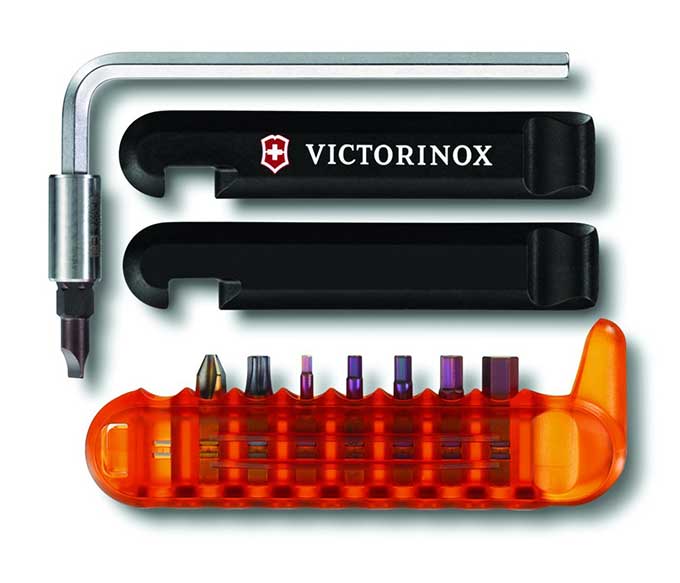
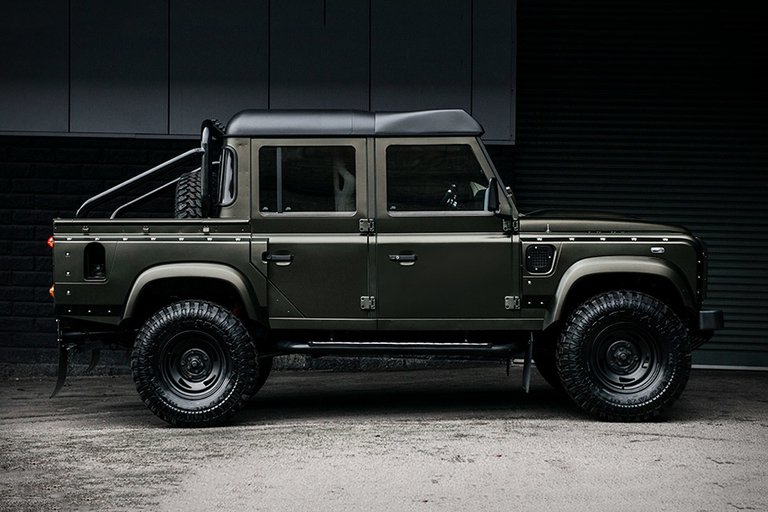 As rugged as it is handsome, the Kahn Land Rover Defender Double Cab Truck is a useful, luxurious take on the classic SUV. In addition to its wider track, changes...
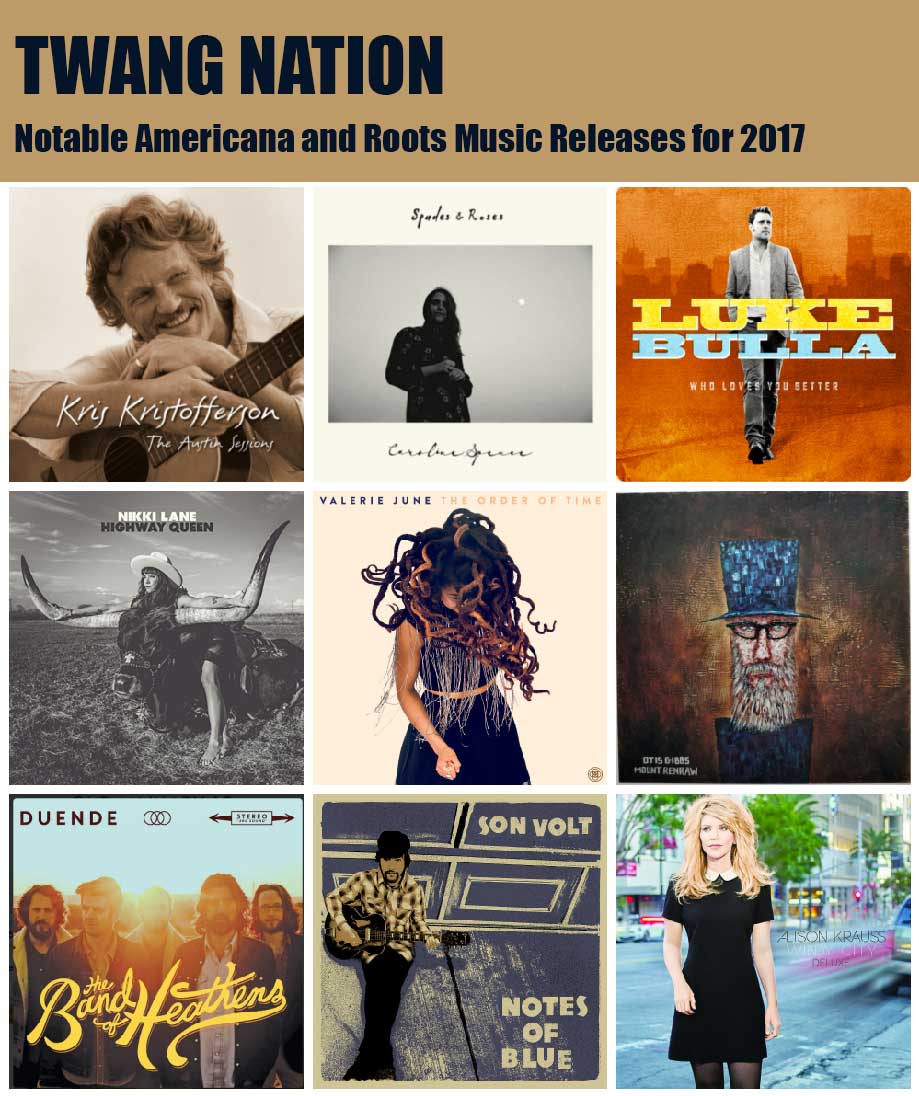

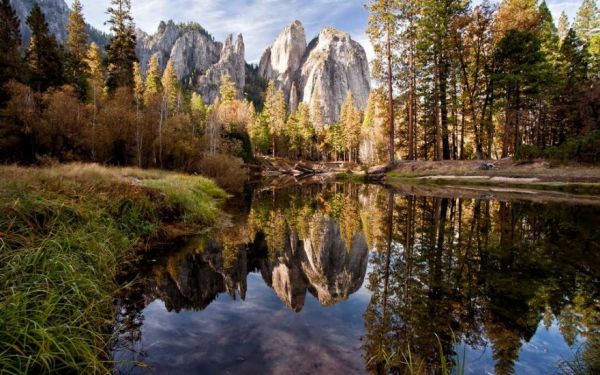
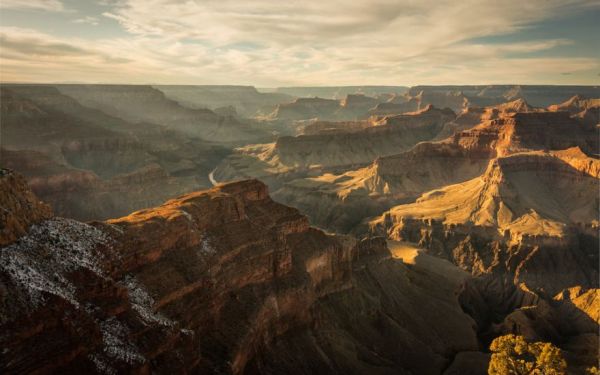





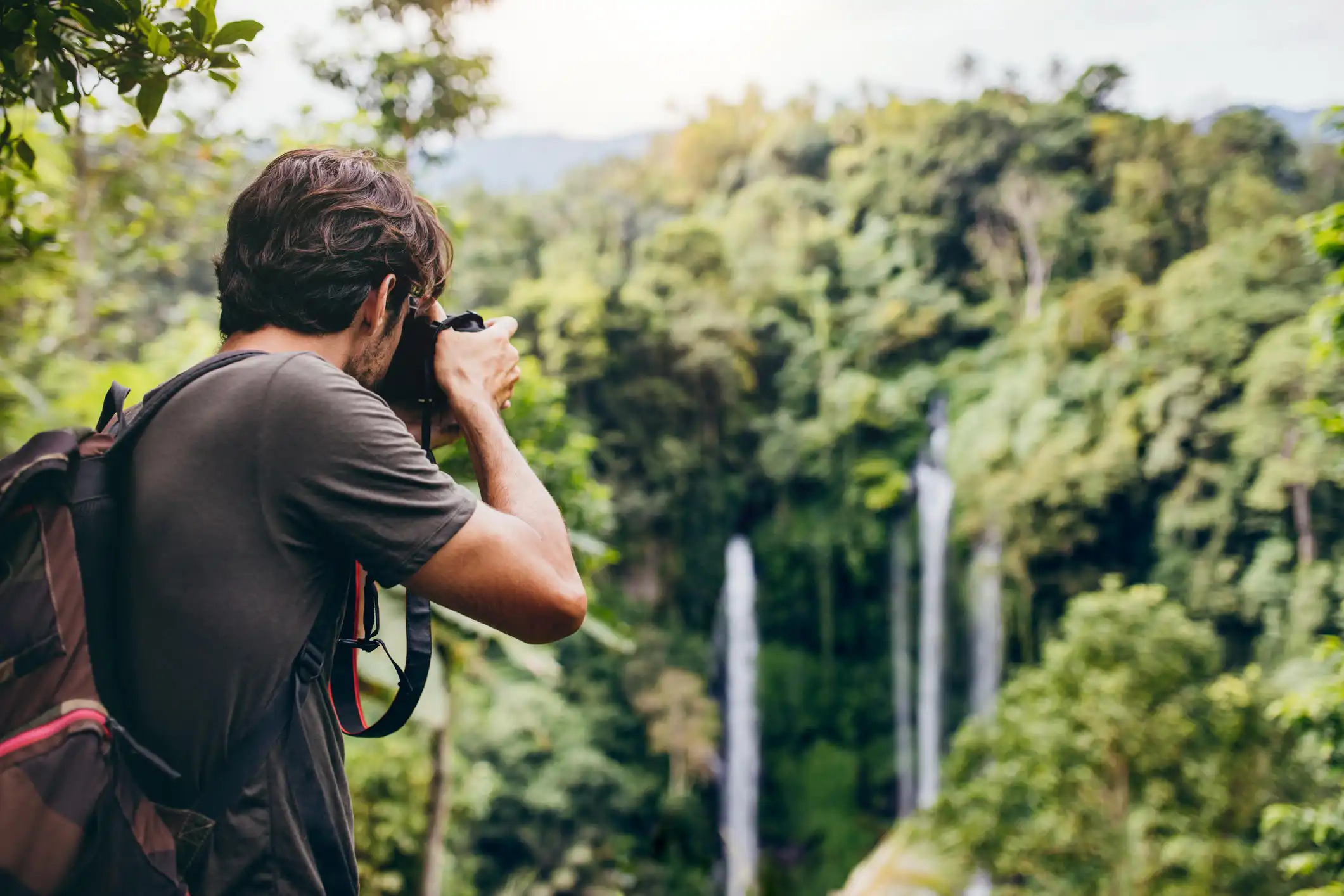
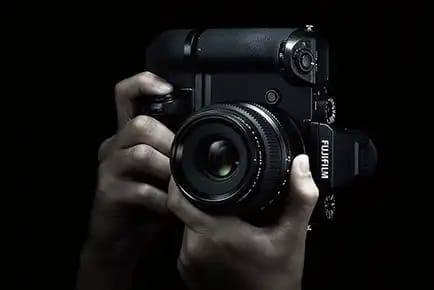
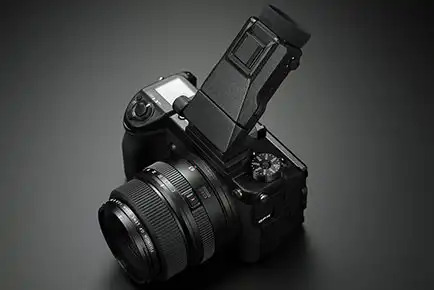
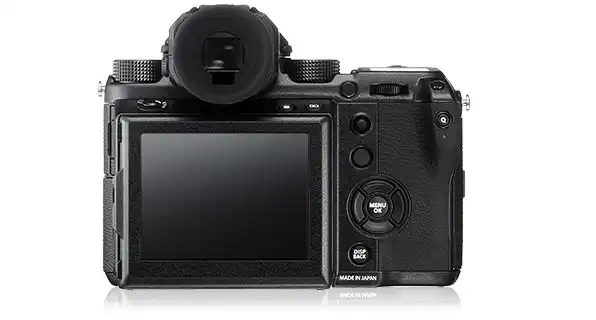
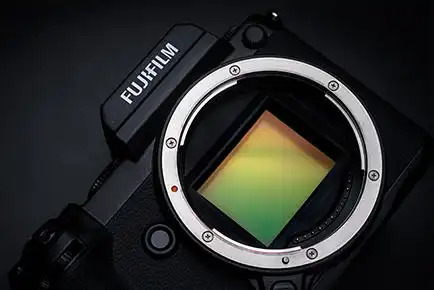
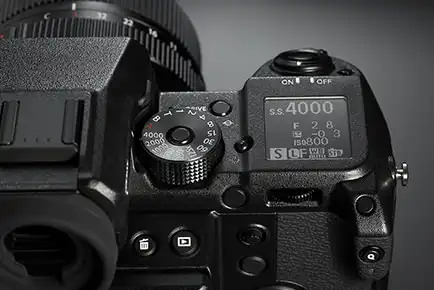
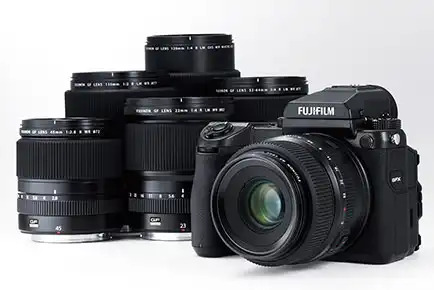


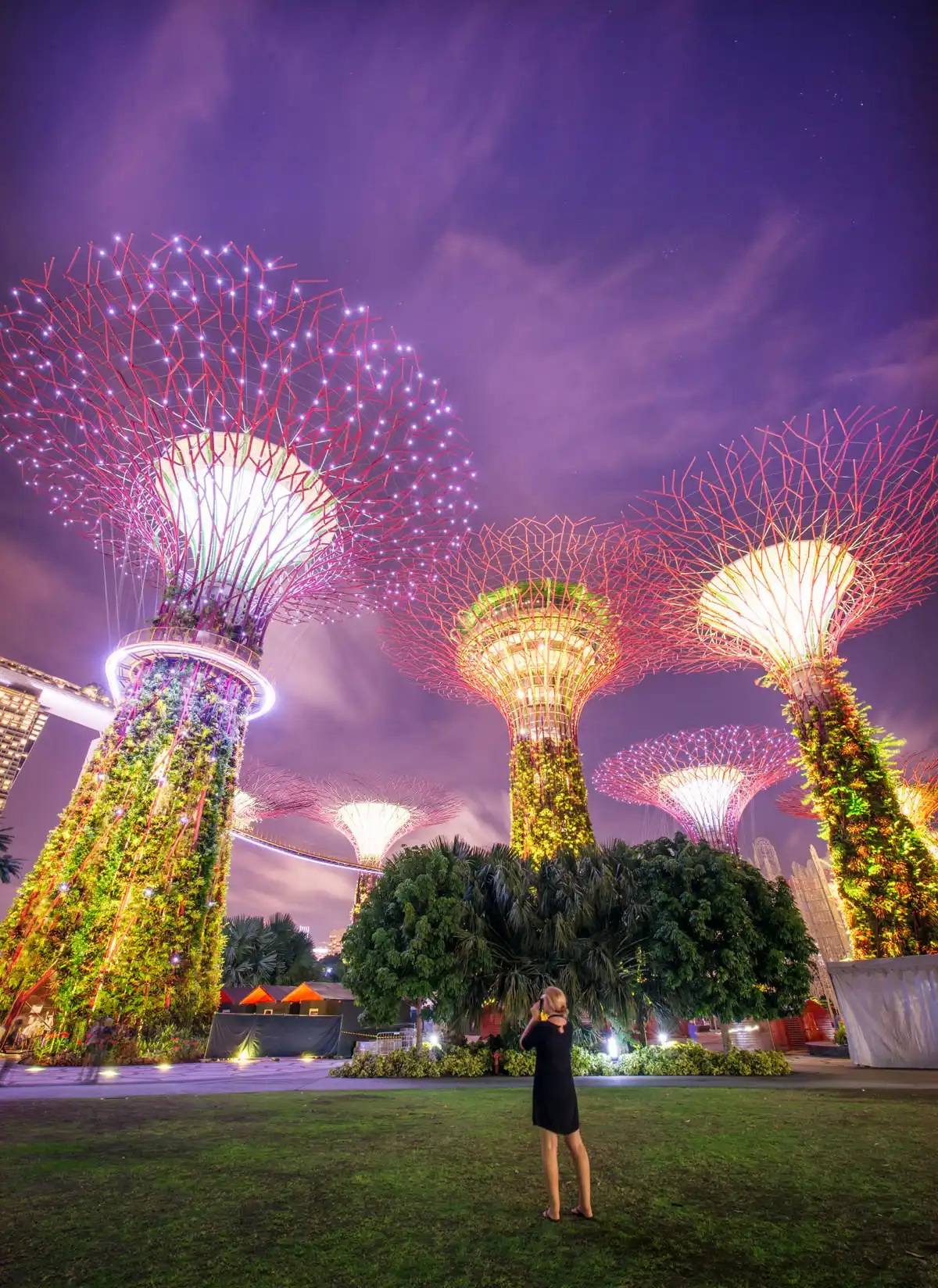
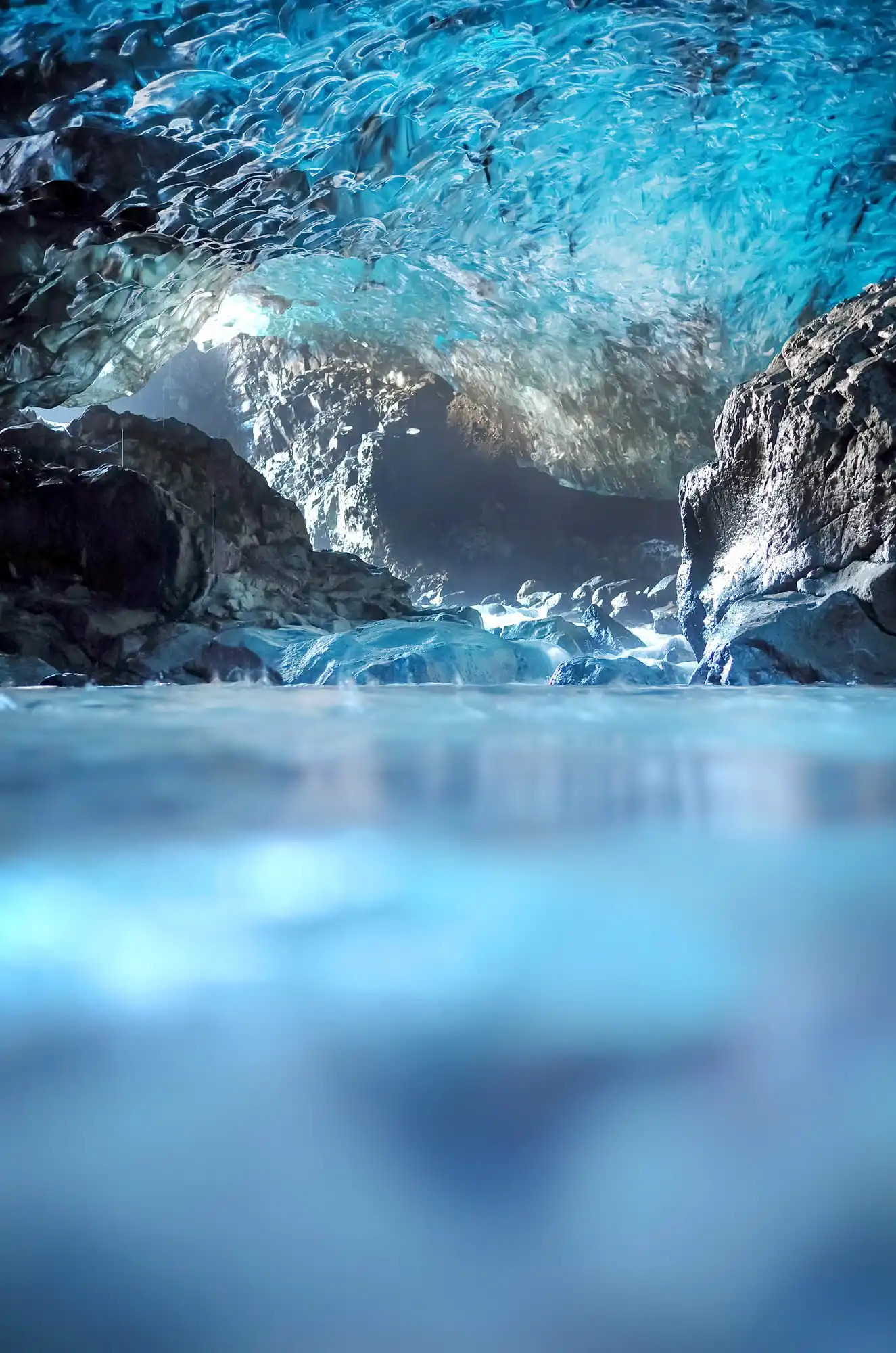 © Lisa Michele Burns - Vatnajokull National Park


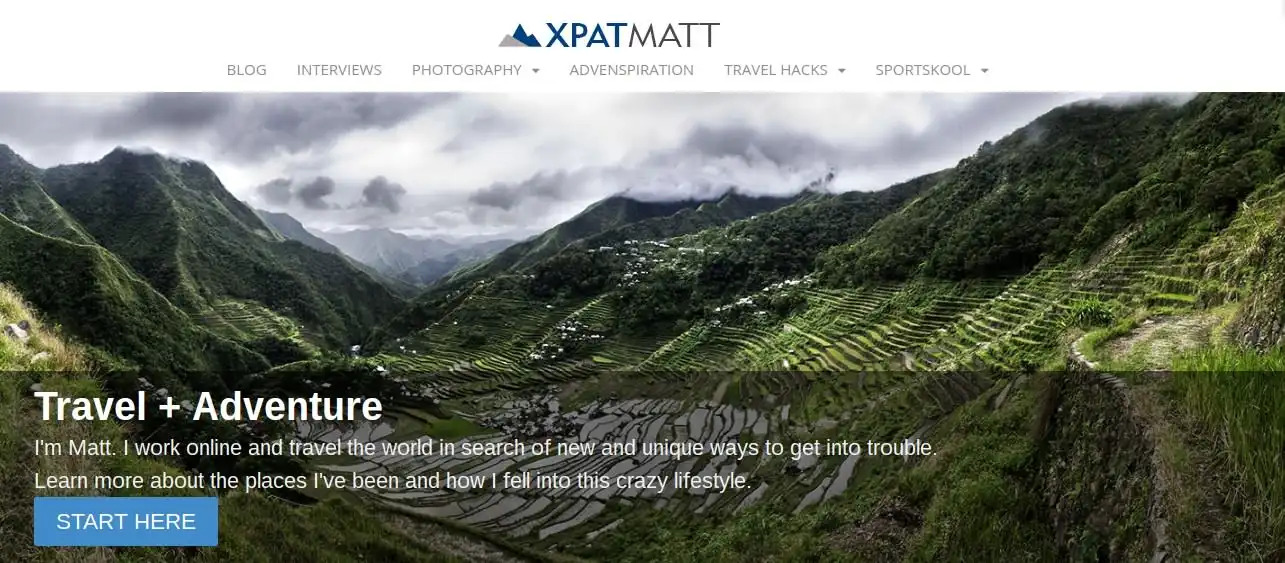
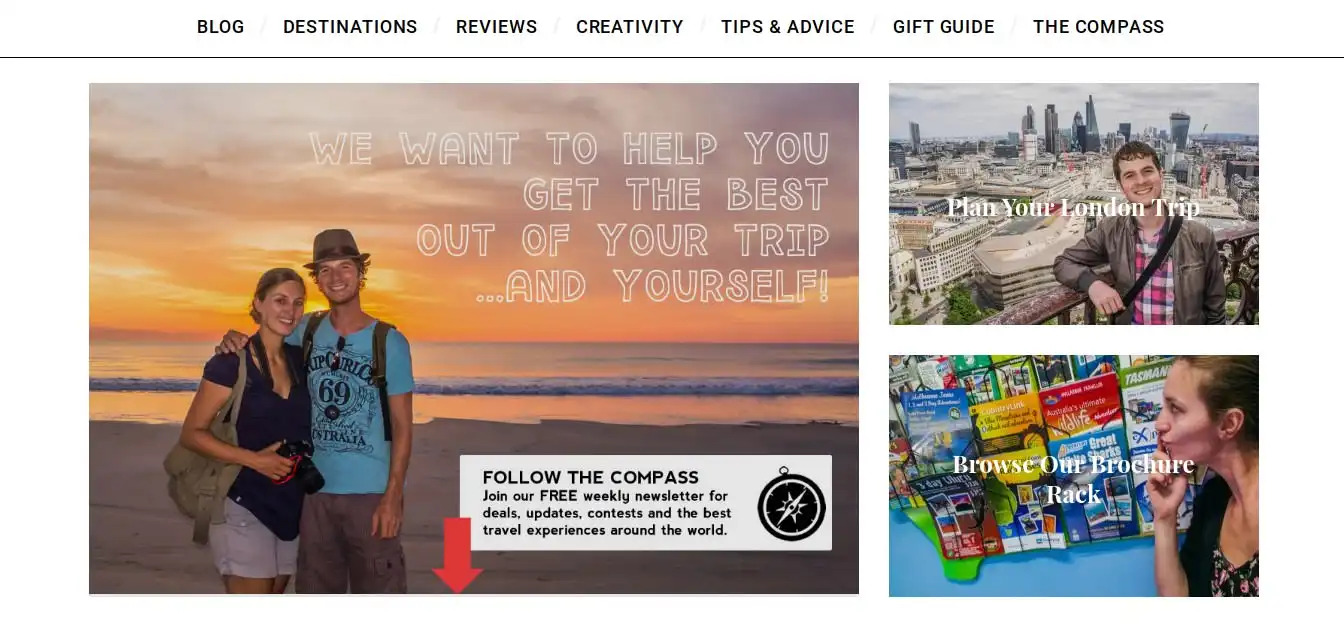
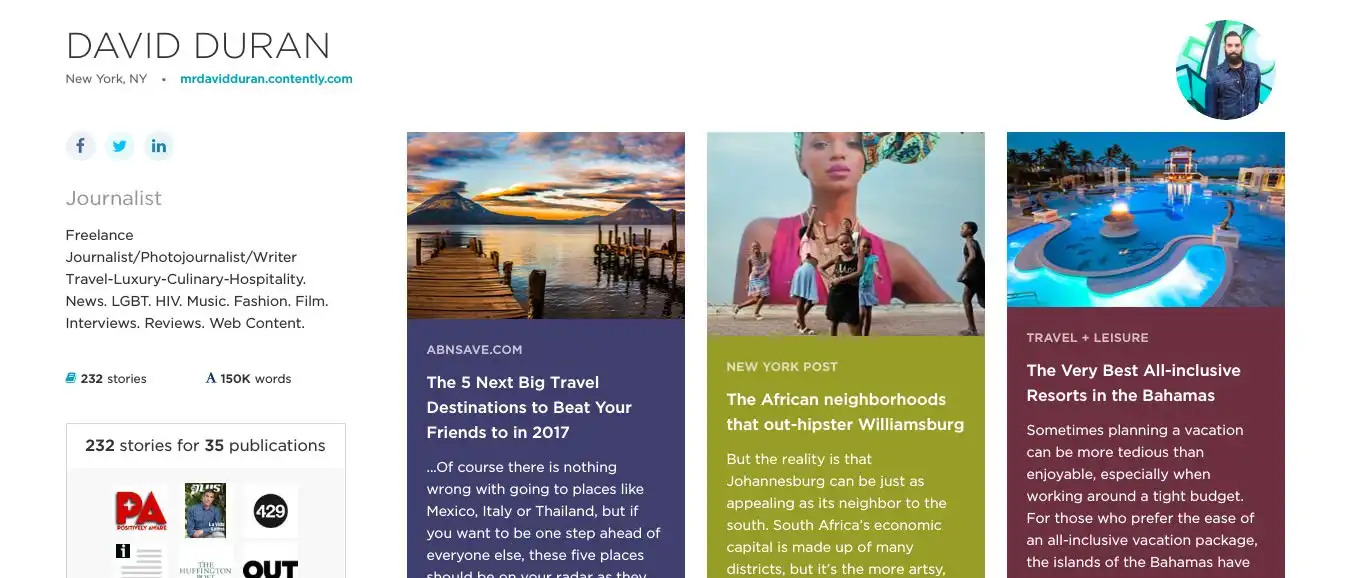

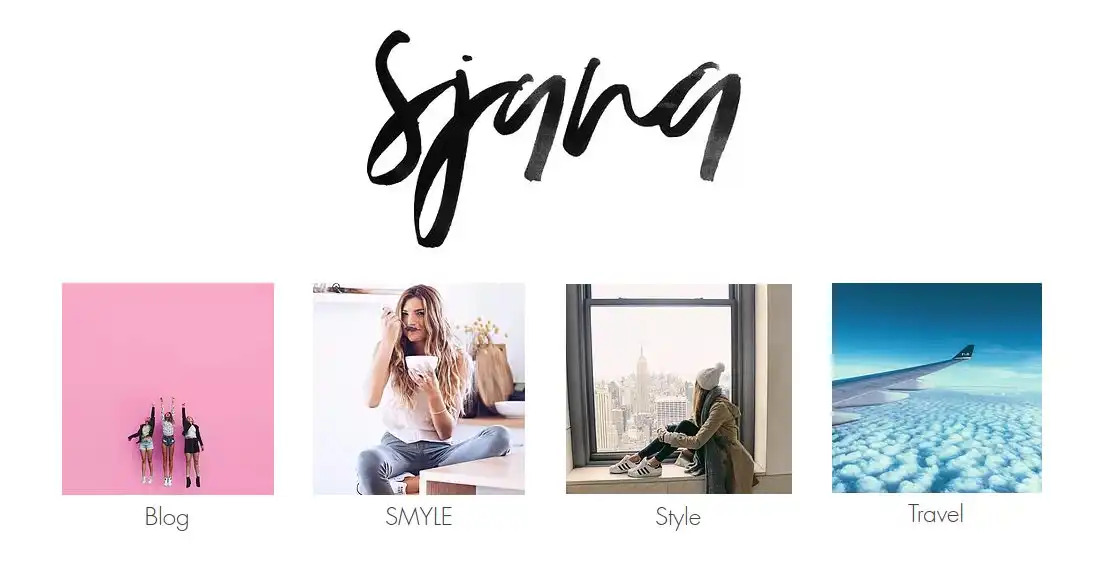




 Photographed by Steven Lippman for 2016 ESPN Body Issue of Courtney Conlogue, pro surfer
 Inspired by the classic workbenches from the early 19th century, the Tempel Workbench combines vintage touches with modern components. Hidden within its ash, walnut, and brass facade lies a high-end...
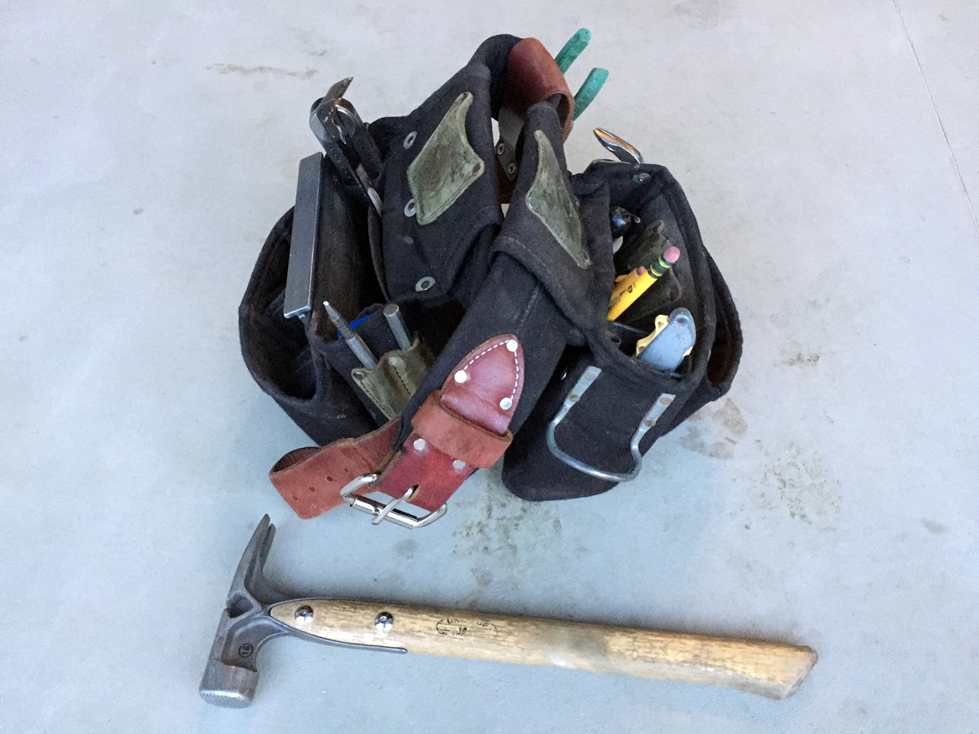
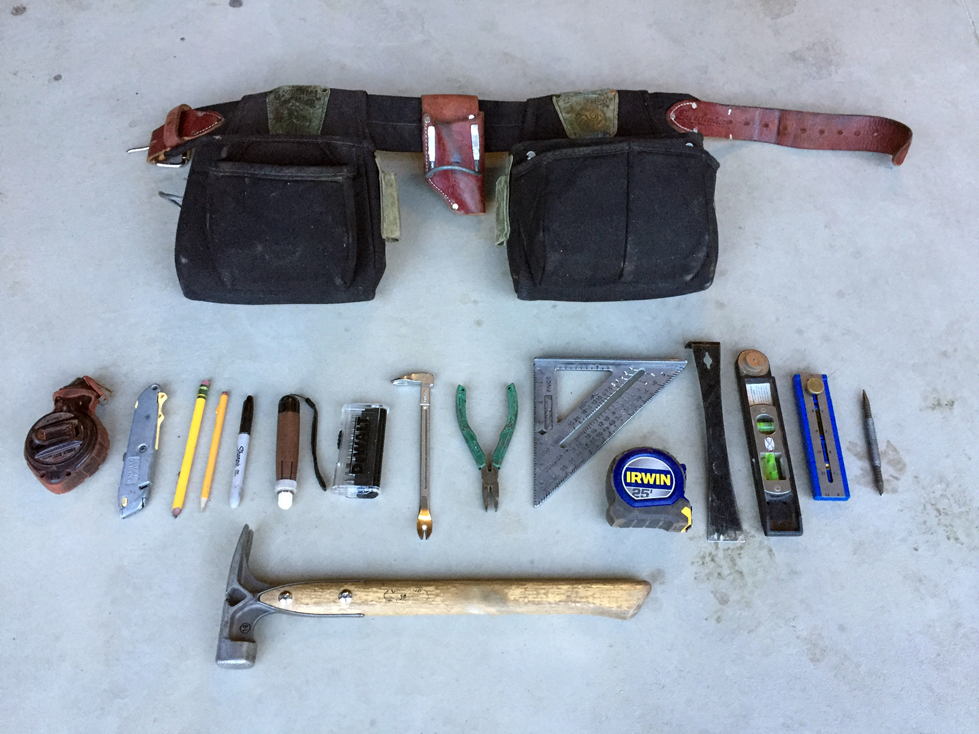






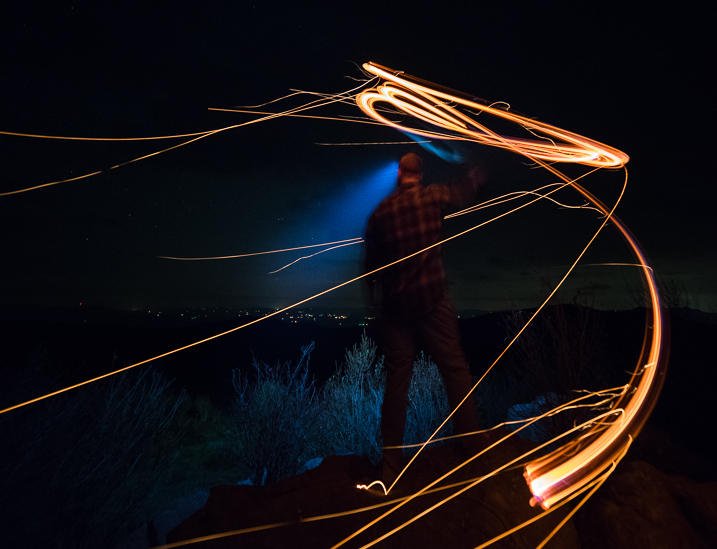
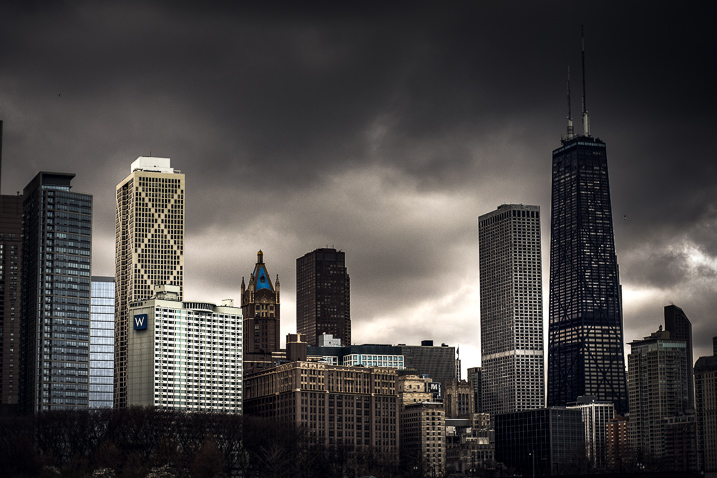
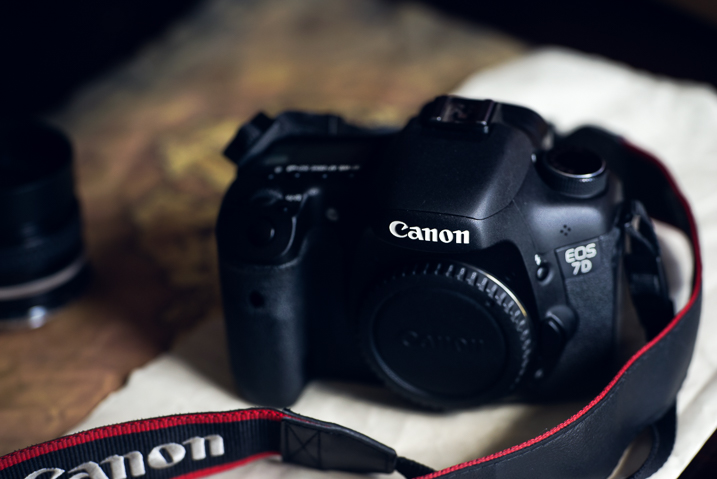
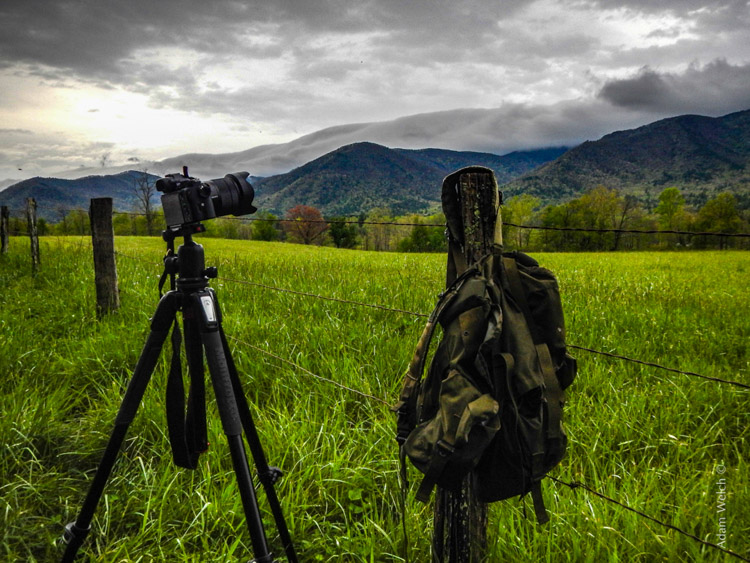
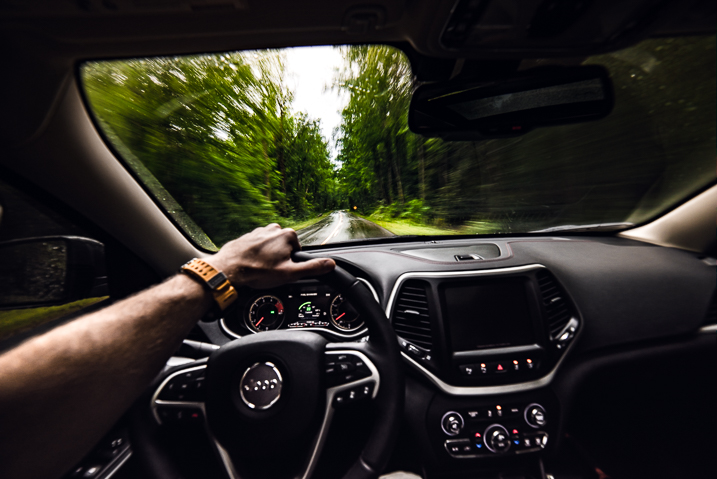
 For a first time car buyer, the process can be both exciting and a bit overwhelming.