KWBaker
Shared posts
The Best Board Games For Exploring The World

15 Useful Tips For Beginner Remote Managers

Eight Tips For Teams Shifting To A Work-From-Home Model

New Film ‘Life On Wheels” Provides Timely And Telling Look At The Mobility Revolution Afoot

Jamie Hyneman Gives Us a Tour of His “Don’t Touch!” Toolkit
The next subject I’d like to talk with you about is the clothes, tool belts, shoulder bags, and other things that you like to wear while making. Years ago, on Make:, I ran a series called “Maker Sartorial.” I asked people to tell me about the work boots and pants they loved, the tool belts they used, the shoulder and technical bags they carried. It’d love to hear some of this from you, dear readers.
Jamie Hyneman Gives Us a Tour of His “Don’t Touch!” Toolkit
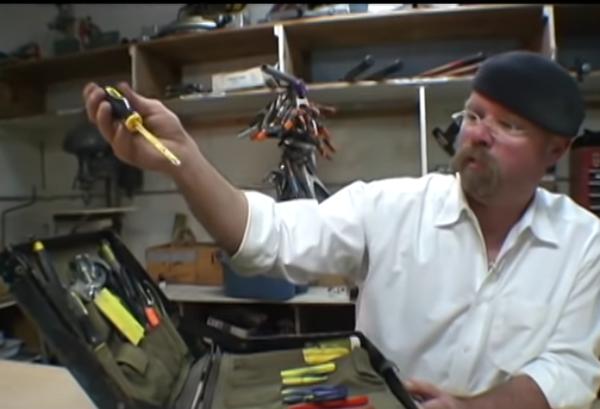
Jamie show off his “Touch? Die!” toolbox.
Shop Organizing Technologies
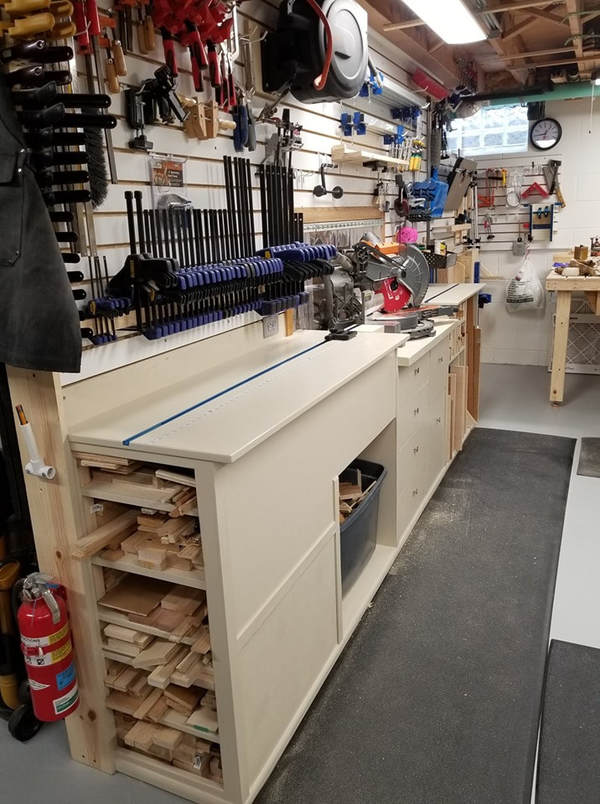
The right place for the right tool for the job.
In this article on Shop Hacks, they look at various shop tool organizations schemes: French cleats, pegboards, slot walls, etc. The short of it? They and their readers really love French cleats.
Reducing the Print Times of PPE Face Shield
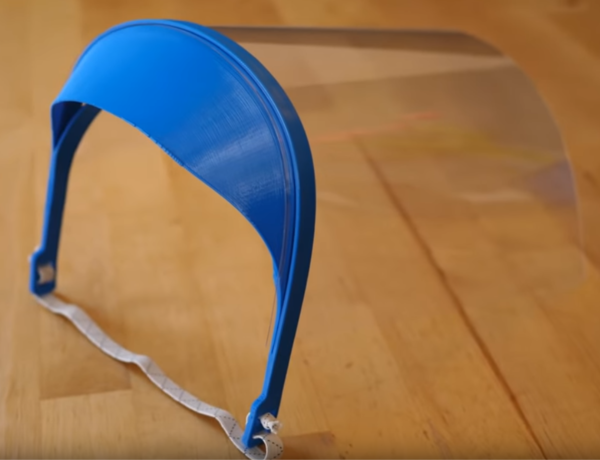
From 5 hours to 1 hour.
Lots of makers have been pressing their 3D printers into service for the COVID-19 war effort by volunteering to produce personal protection equipment (PPE) for frontline workers. What they are finding out is that it’s extremely labor-intensive to use a home 3D printer for mass production. In this CNC Kitchen video, Stefan shows some tricks that he applied to reduce the print time of a face shield from 5 to 1 hour. This involved things like increased layer height, no skirt, increasing extrusion width, and decreasing the infill ratio to zero. There is some degredation in quality, but for this application, that’s fine.
Mark Your Drivers
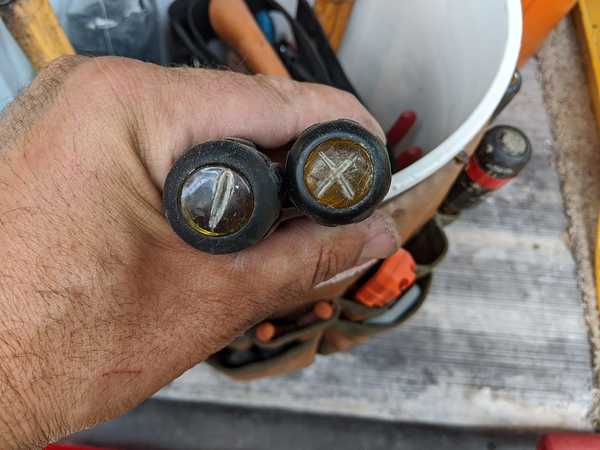
X marks the Phillips.
Joshua Cross posted this quick hack on the Shop Talk Facebook group: “Soldering iron and you can tell real quick which is which!” An interesting way to designate slotted and Phillips drivers. I’ve also seen people just designate colors for slotted, Phillips, and hex and paint those on the tops of the handles. BTW: In a future Shop Talk segment, I want to talk about ways that you mark your tools to ID them as yours. Send me your scheme (and ideally pics).
Toys!
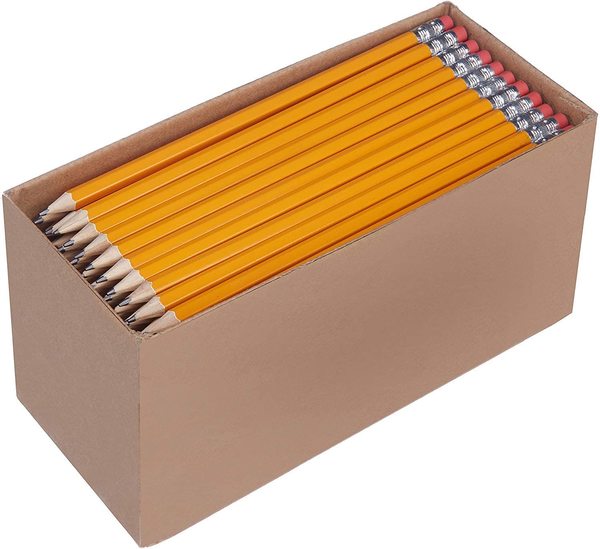
I get the point.
A discussion of Facebook about pencils in the shop got me thinking about this homeliest of tools. I’ve always been a fan of mechanical pencils (the ones I’ve used for decades), but then, I mainly use pencils for drawing and project planning and long-nosed markers for marking. One person recommended buying a box of these already-sharpened #2 HB pencils and keeping them all over the shop.
Life Hack
Here’s a great tip I learned from my long-time friend and collaborator, Mark Frauenfelder. If you want to get the attention of a company that has wronged you in some way, publicly complain on social media and tag them in the post. It works amazingly well as they know that such an open and vocal complaint is really bad for their reputation. Mark recently had a run-in with United after they cancelled his flight due to COVID-19 and then said they couldn’t refund his money. He complained on Twitter. They responded on Twitter. Eventually, they refunded his money.
Shop Talk
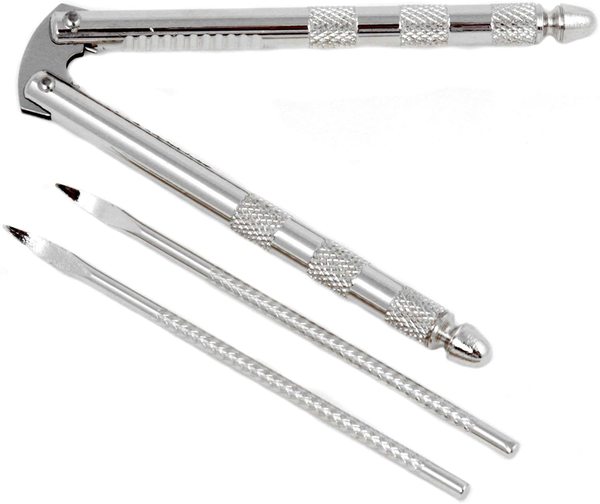
Every kitchen drawer probably has a set of these.
Reader Melissa writes in to remind us of this homeliest of homely tools:
“The nut pick. The kind that comes with a crappy grocery store nut cracker set. The set usually comes with a couple picks. I started using them to fix standard Christmas tree lights – those bulbs can be so hard to get out, but the pick makes it easy to lever out the bulb. Also fuses in fuse boxes. I also use them to clean out crevices with a bit of paper toweling wrapped around the end. Now I just call it my universal tool.”
And, of course, you can use the crappy nutcracker itself in the shop and around the house for any gripping and twisting on small, stubborn lids and other objects.
Photographer Light-Paints Parked Cars to Stay Creative During Lockdown
Dave Cox is an automotive photographer based in Los Angeles who wanted to get his creative juices flowing while locked down at home due to the COVID-19 pandemic. What he came up with is a new project titled “#CARonaVirus.”
“I have been feeling super cooped up and a little uninspired during quarantine,” Cox says. “However while I was going out for walks, I noticed a bunch of cool old cars in my area. That is when a wave of creativity came over me.”
Under normal circumstances, Cox would connect with the cars’ owners and set up location shoots, but that’s not an option with California’s lockdown orders.
So, Cox decided to just shoot the cars where he found them parked.
“I’d go back out at night and light paint then where they sat, no staging, no agreeing, just shooting,” Cox says. “One exposure for the background and one for the car. Super quick and dirty but mega fun at the same time.”
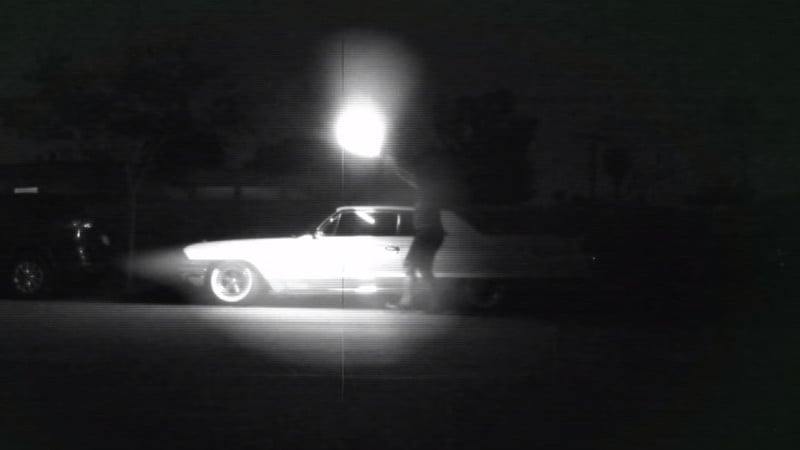
Here are some of the resulting photos along with some of Cox’s words about the photos:


“It’s crazy fun and freeing going out with limited gear and just shooting what you find,” Cox says.
You can find more of the photographer’s work and follow along with the project on his Instagram.
Let It Be, Complicated
About this feature
In our efforts to bring you more fascinatingly Tedious content, we’ll now be publishing a weekly piece from The Conversation US, an excellent site focused on bringing academic thought to the broader world.
Fifty years ago, when Paul McCartney announced he had left the Beatles, the news dashed the hopes of millions of fans, while fueling false reunion rumors that persisted well into the new decade.
In a press release on April 10, 1970 for his first solo album, “McCartney,” he leaked his intention to leave. In doing so, he shocked his three bandmates.
The Beatles had symbolized the great communal spirit of the era. How could they possibly come apart?
Few at the time were aware of the underlying fissures. The power struggles in the group had been mounting at least since their manager, Brian Epstein, died in August of 1967.
‘Paul Quits the Beatles’
Was McCartney’s “announcement” official? His album appeared on April 17, and its press packet included a mock interview. In it, McCartney is asked, “Are you planning a new album or single with the Beatles?”
His response? “No.”
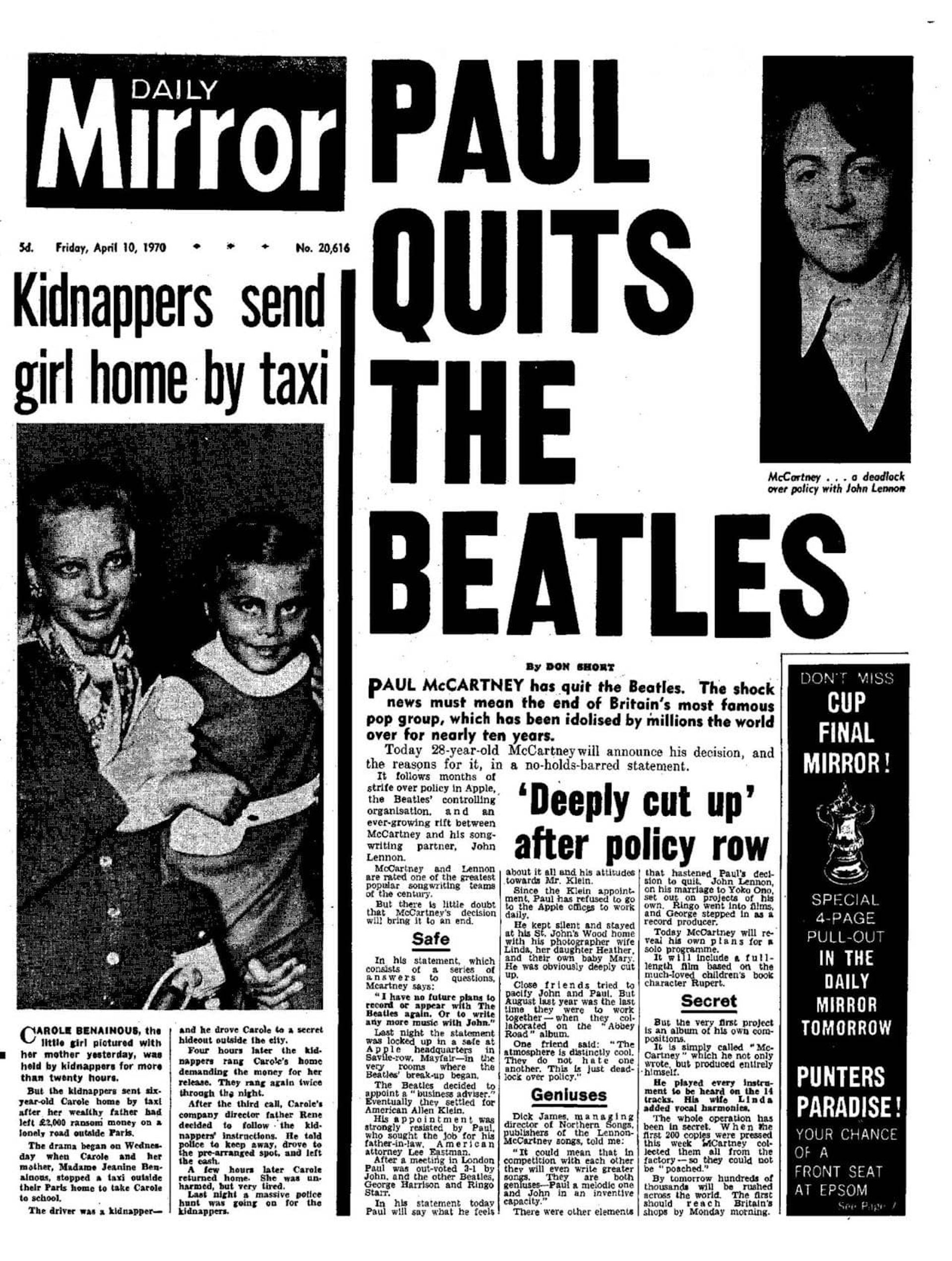
The Daily Mirror took McCartney at his word. (The Daily Mirror)
But he didn’t say whether the separation might prove permanent. The Daily Mirror nonetheless framed its headline conclusively: “Paul Quits the Beatles.”
The others worried this could hurt sales and sent Ringo as a peacemaker to McCartney’s London home to talk him down from releasing his solo album ahead of the band’s “Let It Be” album and film, which were slated to come out in May. Without any press present, McCartney shouted Ringo off his front stoop.
Lennon had kept quiet
Lennon, who had been active outside the band for months, felt particularly betrayed.
The previous September, soon after the band released “Abbey Road,” he had asked his bandmates for a “divorce.” But the others convinced him not to go public to prevent disrupting some delicate contract negotiations.
Still, Lennon’s departure seemed imminent: He had played the Toronto Rock ‘n’ Roll Festival with his Plastic Ono Band in September 1969, and on Feb. 11, 1970, he performed a new solo track, “Instant Karma,” on the popular British TV show “Top of the Pops.” Yoko Ono sat behind him, knitting while blindfolded by a sanitary napkin.
In fact, Lennon behaved more and more like a solo artist, until McCartney countered with his own eponymous album. He wanted Apple to release this solo debut alongside the group’s new album, “Let It Be,” to dramatize the split.
By beating Lennon to the announcement, McCartney controlled the story and its timing, and undercut the other three’s interest in keeping it under wraps as new product hit stores.
Ray Connolly, a reporter at the Daily Mail, knew Lennon well enough to ring him up for comment. When I interviewed Connolly in 2008, he told me about their conversation.
Lennon was dumbfounded and enraged by the news. He had let Connolly in on his secret about leaving the band at his Montreal Bed-In in December 1969, but asked him to keep it quiet. Now he lambasted Connolly for not leaking it sooner.
“Why didn’t you write it when I told you in Canada at Christmas!” he exclaimed to Connolly, who reminded him that the conversation had been off the record. “You’re the f–king journalist, Connolly, not me,” snorted Lennon.
“We were all hurt [McCartney] didn’t tell us what he was going to do,” Lennon later told Rolling Stone. “Jesus Christ! He gets all the credit for it! I was a fool not to do what Paul did, which was use it to sell a record…”
It all falls apart
This public fracas had been bubbling under the band’s cheery surface for years. Timing and sales concealed deeper arguments about creative control and the return to live touring.
In January 1969, the group had started a roots project tentatively titled “Get Back.” It was supposed to be a back-to-the-basics recording without the artifice of studio trickery. But the whole venture was shelved as a new recording, “Abbey Road,” took shape.
When “Get Back” was eventually revived, Lennon—behind McCartney’s back—brought in American producer Phil Spector, best known for girl group hits like “Be My Baby,” to salvage the project. But this album was supposed to be band only—not embroidered with added strings and voices—and McCartney fumed when Spector added a female choir to his song “The Long and Winding Road.”
“Get Back”—which was renamed “Let it Be”—nonetheless moved forward. Spector mixed the album, and a cut of the feature film was readied for summer.
McCartney’s announcement and release of his solo album effectively short-circuited the plan. By announcing the breakup, he launched his solo career in advance of “Let It Be,” and nobody knew how it might disrupt the official Beatles’ project.
Throughout the remainder of 1970, fans watched in disbelief as the “Let It Be” movie portrayed the hallowed Beatles circling musical doldrums, bickering about arrangements and killing time running through oldies. The film finished with an ironic triumph—the famous live set on the roof of their Apple headquarters during which the band played “Get Back,” “Don’t Let Me Down” and a joyous “One After 909.”
The Beatles played their last live show in a January 1969 concert staged for the documentary ‘Let It Be.’
The album, released on May 8, performed well and spawned two hit singles—the title track and “The Long and Winding Road”—but the group never recorded together again.
Their fans hoped against hope that four solo Beatles might someday find their way back to the thrills that had enchanted audiences for seven years. These rumors seemed most promising when McCartney joined Lennon for a Los Angeles recording session in 1974 with Stevie Wonder. But while they all played on one another’s solo efforts, the four never played a session together again.
At the beginning of 1970, autumn’s “Come Together”/“Something” single from “Abbey Road” still floated in the Billboard top 20; the “Let It Be” album and film helped extend fervor beyond what the papers reported. For a long time, the myth of the band endured on radio playlists and across several greatest hits compilations, but when John Lennon sang “The dream is over…” at the end of his own 1970 solo debut, “John Lennon/Plastic Ono Band,” few grasped the lyrics’ implacable truth.
Fans and critics chased every sliver of hope for the “next” Beatles, but few came close to recreating the band’s magic. There were prospects—first bands like Three Dog Night, the Flaming Groovies, Big Star and the Raspberries; later, Cheap Trick, the Romantics and the Knack—but these groups only aimed at the same heights the Beatles had conquered, and none sported the range, songwriting ability or ineffable chemistry of the Liverpool quartet.
We’ve been living in the world without Beatles ever since.
About the author
Tim Riley is an associate professor and the Graduate Program Director for Journalism, at Emerson College
This article is republished from The Conversation under a Creative Commons license. Read the original article.
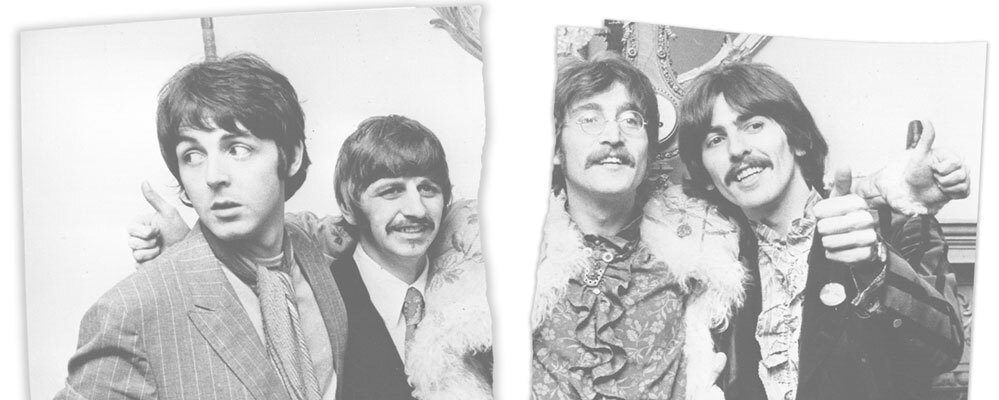
Above: Who broke up with whom? (Anurag Papolu/The Conversation via Getty Images)

How These #VanLife YouTubers Spent Under $20k Converting Their Sprinters, Vans And Skoolies

Oil Wells Done Rube-Goldberg Style: Flatrods And Jerk Lines
The news is full of the record low oil price due to the COVID-19-related drop in demand. The benchmark Brent crude dipped below $20 a barrel, while West Texas intermediate entered negative pricing. We’ve all become oil market watchers overnight, and for some of us that’s led down a rabbit hole of browsing to learn a bit about how oil is extracted.
Many of us will have seen offshore oil platforms or nodding pumpjacks, but how many of us outside the industry have much more than a very superficial knowledge of it? Of all the various technologies to provide enlightenment of the curious technologist there’s one curious survivor from the earliest days of the industry that is definitely worth investigation, the jerk line oil well pump. This is a means of powering a reciprocating pump in an oil well not through an individual engine or motor as in the pump jacks, but in a system of rods transmitting power over long distances from a central location by means of reciprocating motion. It’s gloriously simple, which has probably contributed to its survival in a few small-scale oil fields over a century and a half after its invention.
The Birth of Jerk Lines

The industrialised oil industry as we know it has its roots in North America, and in particular Canada, in the second half of the 19th century. The first commercial oil wells were sunk in the 1850s, and in the early 1860s the first jerk line was installed by John Henry Fairbank, to supply multiple wells from a single central steam engine. A large horizontal eccentric wheel could supply push-pull jerk lines radiating out from it over distances of up to several miles suspended on swinging arms from wooden frames. This bite-sized history of the early petroleum business conceals a much earlier origin though, of flatrod power systems used for centuries in the mines of Europe to transfer power from water wheels to pumps and other machinery in shafts some distance away. Like the oilfield systems of the 1860s they could efficiently send this power over significant distances without costly maintenance, and they could do so against steep gradients such that mines did not have to be situated next to watercourses in valley bottoms to use them.
The few surviving oil fields that use jerk lines are dotted around the North American continent, and one surprise as an interested virtual tourist is how little online record they have attracted compared to some other industrial technologies. It seems that they were in active installation into the 1930s, but for example there are far more pictures on Wikimedia Commons of German and Swedish mining flatrod systems than there are of North American jerk line oil fields.
Another go-to source for older technology is the patent system, but unexpectedly compared to other oil extraction techniques there seems to be very little in the way of patent applications relating to them. It’s as though aside from a handful of YouTube videos to satisfy curious viewers they have passed almost unnoticed into their third century, supplying our space-age petrochemical and automotive dreams with an almost artisan feedstock. Their best description online comes courtesy of John Henry Fairbank’s great-grandson Charlie, still operating the family oil field in Oil Springs, Ontario, and in the two videos below explaining both their operation and his unique relationship with oil. If you live close to a jerk line oil field, make sure you see it and document it before it fades away.
Header image: Jerk line eccentric drive, Pennsylvania, USA. Nicely, John / Public domain.
Hummingbird ‘Spy’ Drone Captures Stunning Video from Inside a Monarch Butterfly Swarm
The PBS show Nature recently released a clip from its ‘Spy in the Wild’ series that will take your breath away. Using a drone disguised as a hummingbird, they captured incredible footage of 0.5 billion monarch butterflies swarming as the weather warms.
The footage was captured in the heart of a grove, buried deep in the mountains of Mexico.
As it begins, millions of Monarch butterflies can be seen sleeping, huddling together to keep warm. But as the weather warms up and hits a critical tipping point, they begin to leave their perches—first as a trickle, and then as an all-out billion-winged swarm.
The resulting footage is both spectacular to behold and apparently quite rare: “[This is] a spectacle that has rarely been filmed,” says the narrator, “and our spy is harmlessly in the very heart of it.”
Check out the full PBS clip up top to experience this incredible bit of nature documentary for yourself. And if you want to see more from the PBS show Nature, you can find full episodes at this link. The second episode of Spy in the Wild—which features this clip and many others—is set to go live on May 6th.
(via Kottke.org)
A Physics Paper Argues That Nothing Is Real

With all that’s happening right now around the world, one could only wish that this is all just a nightmare — a bad dream that we will all wake up from. But what if all of this is really not real? And not just this one, but everything that’s happened in our lives? This theory of us being in a computer simulation has been around for quite some time. And now, a new theory emerges and takes this theory to a whole new level.
Philosopher Nick Bostrom famously considered this in his seminal paper Are you living in a computer simulation?, where he proposed that all of our existence may be just a product of very sophisticated computer simulations ran by advanced beings, whose real nature we may never be able to know. Now a new theory comes along that takes it a step further – what if there are no advanced beings like that either and everything in "reality" is a self-simulation that generates itself from pure thought?
More about this hypothesis over at Big Think.
What are your thoughts about this one?
(Image Credit: geralt/ Pixabay)
Renowned Wildlife Photog Peter Beard Found Dead After 3-Week Search

Celebrated wildlife photographer Peter Beard was found dead in the woods on Sunday after a 3-week search sparked by his sudden disappearance. Beard, who was suffering from dementia and poor health, was 82.
Beard first wandered away from his Montauk, Long Island home on March 31st, and authorities weren’t able to locate him despite extensive searches. The photographer’s body was found by a hunter yesterday in a densely wooded area in Camp Hero State Park.
“The remains of an elderly male consistent with the physical and clothing description of Mr. Beard was located in a densely wooded area,” the East Hampton Town Police said in a statement yesterday.
“We are all heartbroken by the confirmation of our beloved Peter’s death,” Beard’s family writes in a statement. “He died where he lived: in nature.”
The cause of death has yet to be determined.

Beard was born in New York on January 22nd, 1938, into a family of significant means — his father’s and mother’s sides of the family had tobacco and railroad fortunes, respectively. After documenting his early life with photographs in diaries and graduating from Yale in 1961 with an art history degree (having switched from pre-med), Beard traveled to Kenya in Africa and photographed the sad plight of elephants and other wildlife at Tsavo National Park.
Photos created during this trip went into the 1965 book The End of the Game, the first of several books by Beard.

““The End of the Game” […] made Mr. Beard’s reputation,” the New York Times writes. “While a few reviewers took him to task for his seemingly uncritical embrace of the romance of the great white hunter, most praised his dynamic photographs and arresting thesis: that the game preserves meant to safeguard elephants were unintentionally contributing to their destruction.”
Beard spent decades photographing Africa and its creatures, and his works have been wildly exhibited and published around the world. His works, which sell for hundreds of thousands of dollars each, are found in countless private collections.
Through his career, one of Beard’s continual areas of focus was mankind’s negative impact on the natural world.
“Tertullian, Leonardo da Vinci, people that know better than us, they all say the same thing… and we do the opposite,” Beard says in a 5-minute profile by NOWNESS from 2013. “They knew that the only creature that could appreciate all this beauty comes on the scene and, sure enough, destroys what only he can appreciate.”
In addition to documenting somber subjects through his lens, Beard personally journeyed through very dark times himself.
In 1977, Beard’s house burned to the ground, and along with it thousands of photos, a $10,000 processing lab, a 20-year scrapbook diary, and more. The loss was estimated at up to $1 million, or nearly $4.3 million in today’s money.
“According to a spokesman, Mr. Beard was particularly distressed by the loss of his scrapbook diaries, a 20‐year chronicle begun in 1952 and containing snapshots, ticket stubs, magazine and newspaper photographs and a running commentary,” the New York Times reported. “In addition, the fire reportedly destroyed the only photographic record of the diaries, Mr. Beard’s extensive African collection and a collection of early Montauk photographs dating to 1883 […]”
In 1996, Beard was gored in the right leg by a charging elephant while picnicking in Africa. He was rushed to the hospital and arrived without a pulse, but doctors managed to revive him. The elephant left Beard with shattered ribs, a fractured pelvis, and a damaged optic nerve.
Through his career, Beard also befriended and photographed a wide range of celebrities and icons. And in addition to his art, Beard was also just as well known for his hedonistic and flamboyant playboy lifestyle.
The Observer once wrote that “Peter Beard — gentleman, socialite, artist, photographer, Lothario, prophet, playboy and fan of recreational drugs — is the last of the adventurers.”
Beard is survived by his wife Nejma and daughter Zara.
Image credits: Header photo by Peter Beard and licensed under CC BY-SA 4.0
LEGO Centering Jig
I’ve been getting a great response to last issue’s query about favorite print DIY magazines and mail order catalogs (see some below). The search continues!
LEGO Centering Jig
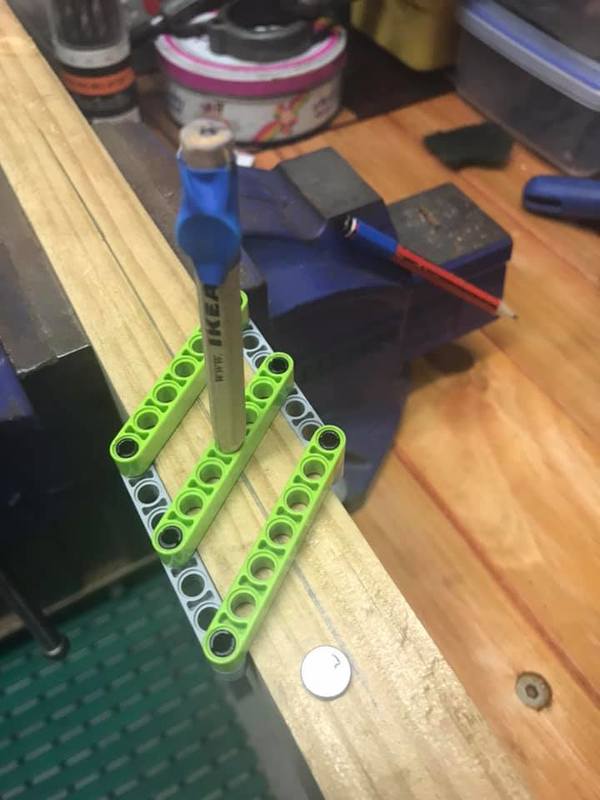
It’s two. Two. Two tips in one.
Arthur Tait writes on the FB Shop Hacks group: “Two tricks for the price of one photo. Center finder made of LEGO. Works well. Rare earth magnets taped to pencils. Stick the pencils everywhere around the shop. I have no hair left, so my pencil doesn’t stay behind my big ears anymore. I stuck a little bit of metal to my cap above my ear and now it’s like the good old hairy days of yore.”
Getting a Handle on Your Files
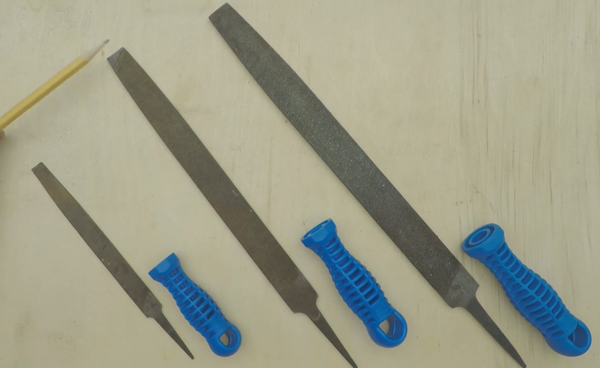
It can’t fulfill its full tool destiny without a handle.
In this recent Cool Tools video, Sean Ragan makes the case for why you need to get a handle on those nekkid file tangs. He even designs and 3D prints his own handle (and includes the STL file).
Making an Awl from an Old Drill Bit
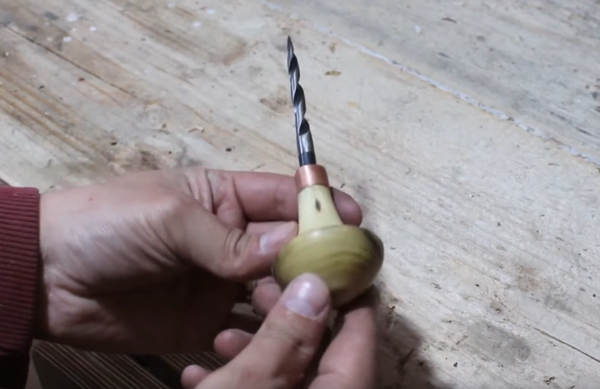
Awl you need is a drill bit.
I love projects like this for making simple, everyday tools. You need a lathe to make a handle like this, but if you don’t have one, you could buy or reuse an existing handle. I’ve never thought of repurposing an old, dull bit like this.
Toys!
Increasing your reach.
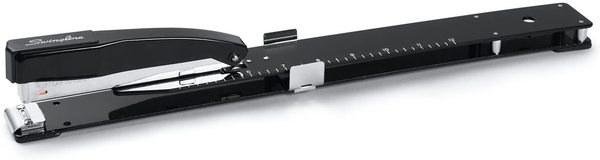
For my tool recommendation this week, I wanted to think of a tool that’s been a trusty companion for decades and my eyes immediately landed on my Swingline long reach heavy duty stapler. I’ve had this beast since the 1980s when I had a graphic design business. I’ve use it to saddle stitch countless booklets and newsletters and to bind my early 1990s zine, Going Gaga. Because of my heavy involvement in zine publishing in the 90s, people getting into zine-making today often ask me what tools they need. Besides a computer and a printer, you basically need a desktop guillotine paper cutter and one of these and you’re well on your way to being your own press.
Life Hacks
Padma Lakshmi demonstrates how to fold and close a bag of chips without the need of a bulldog clip or rubber band. This could obviously be used on any type of similar bag. Via Boing Boing.
Shop Talk
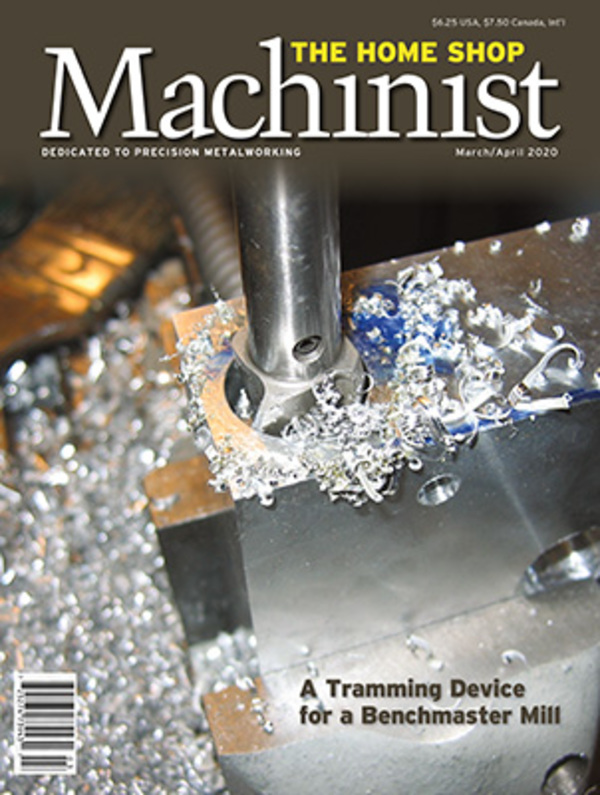
Here are some of the print catalogs and DIY magazines that readers say they enjoy. More!
Earl Adams:
ARC Magazine - Free welding magazine from Lincoln Electric – excellent articles about interesting people, welding tips, and projects.
WAWAK – Monthly catalog of top-quality sewing supplies, thread, zippers, scissors, etc. at good prices. Excellent customer service. Well worth signing up for.
Springfield Leather - Industrial sewing machine catalog. Good suggestions and information on sewing machinery & supplies.
Rex Burkheimer:
Home Shop Machinist and Machinist’s Workshop from Village Press. High-quality magazines for the hobby machinist. Workshop is the more advanced of the two. Each is issued on alternate months, six issues per year each. Worth every penny to subscribe.
Adam Palmer:
The Harken catalog. It’s sailing gear, mostly blocks and running gear, but there are a lot of interesting attachment devices and ways to increase purchase that are useful beyond sailing.
[Gareth’s Tips, Tools, and Shop Tales is published by Cool Tools Lab. To receive the newsletter a week early, sign up here.]
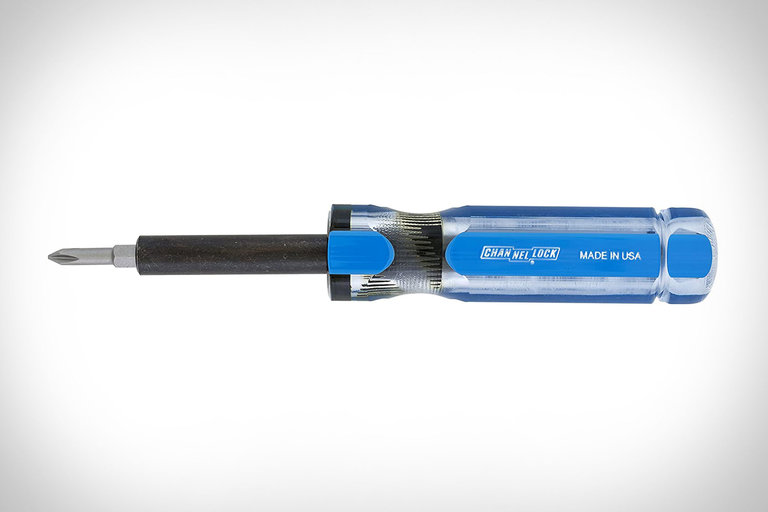
The Best All-Around Screwdriver
Visit Uncrate for the full post.
Florida judge: Get out of bed, get dressed for Zoom hearings
Is 5G Safe or Dangerous? Here’s Everything You Need to Know

Smartphones have changed the way we interact with the internet. Our cell networks have evolved over the years to keep up with our increasing demand, and 5G is the latest iteration of mobile internet.
Now that 5G networks are coming online, there has been speculation about the safety of the technology. You may have even heard some of these claims. So, it’s time to find out, is 5G safe?
What Is 5G?
In most homes, connections to the internet are usually made via Wi-Fi. This is common across offices, and even coffee shops and public spaces like shopping malls. Outside of those areas, the cellular networks operated by AT&T, Verizon, and similar providers connect us to the internet.
There have been technological developments to improve mobile internet speeds, reliability, and coverage to support the increase of internet-connected devices. One of the most significant developments came in the form of 4G and LTE, which allowed us to use our smartphones to stream music, video call, and even watch Netflix while on the go.
5G represents the evolution of cellular networks to handle the coming influx of devices. The technology promises broadband-like speeds while out and about, as well as supporting the future of the internet of Things (IoT) devices. These are just the headlines, though; there are many ways that 5G will make mobile internet faster.
Is 5G Dangerous?
In 2019, there was a public debate about whether Huawei should be able to operate 5G networks. This may have made you concerned whether 5G is a security risk. It’s also possible that you’ve heard about some of the health concerns raised about the network, too. During the COVID-19 pandemic, 5G was wrongly implicated in spreading the disease, for example.
There are some extreme claims about the health impact of 5G networks and technologies. However, despite media coverage of such claims, there is no evidence to suggest that 5G is dangerous to your health. As the New York Times noted, many of the same issues were raised about 4G, too.
Similarly to those older technologies, there is no evidence that 5G networks are dangerous. Initial studies have shown that the amounts of radiation generated by 5G cell towers and 5G smartphones are well below official safety limits.
In March 2020, The Guardian recounted statements by The International Commission on Non-Ionizing Radiation Protection (ICNIRP), noting that 5G is safe, while the risk posed is no different from other wireless networks.
It is reasonable, though, to still be cautious—after all, absence of evidence is not evidence of absence. That’s why governments around the world keep the situation under review.
One complication is that scientific studies produce different results from one another. Study A may show no negative impact, while Study B shows a small possible impact. In this example, Study A would not be widely reported—it’s not very interesting to say nothing happened—but Study B would likely receive a fair amount of media coverage.
The Scientific Method
The Scientific Method exists to deal with inconsistent results. This is a method of inquiry used by researchers, where data is observed without bias or assumption, as much as possible. In this scenario, someone has a question and sets about trying to answer it by developing a test and generating data.
The researchers then draw conclusions from the data. Once written up, the study is peer-reviewed, and, if found to be without error, will be accepted into a scientific journal for publication. This allows for public scrutiny of the study and the conclusions that were drawn from it.
Other scientists may ask the same or similar question, but have a different method of testing. This will likely give different results, too. Because of this, there could be a situation where two studies, broadly examining the same topic, give different results.
To combat this, scientists and governments look for consensus on a given issue. However, an agreement can be challenging to achieve. For example, two opinion articles in Scientific American exposed differing views on the safety of 5G.
Published first, an article by Joel M. Moscowitz makes the arguement that 5G is unsafe. At the same time, a follow-up piece by David Robert Grimes contends that personal idealogy and low-quality studies guide Moscowitz’s argument.
Is 5G Safe?
The British telecoms regulator, Ofcom, performed one of the country’s first studies into 5G networks. They took measurements at 16 locations in 10 UK cities. As reported by the BBC, their results showed that the maximum radiation output was 0.039 percent of official safety limits.
Scientific consensus is based on the data we currently have. So, of course, this may change in the future.
Studies into 5G are presently limited as the technology is still being rolled out. There are low numbers of users and compatible phones, too. As 5G becomes widely available, there will be more opportunities for studies and, importantly, long-term research into wireless technologies.
Based on our current understanding, though, 5G does not pose a risk to human health.
Wireless Networks and Cancer
One of the long-standing claims about the new network is that 5G may cause cancer, so it’s worth taking a look at this particular assertion.
Cancer is the uncontrollable growth of our body’s cells. Our DNA contains instructions on how the cell should behave, and control the growth of the cell, too. If there is a change, or mutation, to these structures, then the instructions become incorrect, leading to abnormal growth and multiplication of cells.
Radiation can damage cells, leading to these mutations. There are multiple types and strengths of radiation. If the radiation has enough energy, it is able to interact with atoms, and detach electrons. This is ionizing radiation and is considered the most dangerous to humans. Despite the damage it can inflict, ionizing radiation is also used in cancer radiotherapy treatment.
Low-energy, non-ionizing radiation is not able to interact with atoms, and, as a result, our cells. Wireless technologies, like Wi-Fi, radio, and LTE, fall into this category. That is true of 5G, as well. However, since the introduction of mobile phones in the 1990s, there have been suggestions that the non-ionizing radiation emitted by these wireless devices can harm us.
Does 5G Cause Cancer?
The World Health Organization’s (WHO) 2014 guidance states that a “…large number of studies have been performed over the last two decades to assess whether mobile phones pose a potential health risk. To date, no adverse health effects have been established as being caused by mobile phone use.”
While this type of non-ionization radiation may not directly cause mutations, there have also been studies into the other effects of wireless radiofrequency radiation. For example, this low-energy radiofrequency radiation can cause increases in temperature. However, investigations into this effect have also shown there are no impacts to your health as a result.
Such was the case in Australia. As reported by ZDNet, network operators found that 5G networks were no more harmful than other household items like baby monitors and microwaves.
Is 5G the Future?
While it’s worth being cautious around new technologies, there’s no evidence to suggest that 5G is any more dangerous than 4G, Wi-Fi, or any other existing wireless systems. Even then, the impact of such networks is debatable, with most studies concluding there is insufficient evidence to report them as unsafe.
If you’re ready to dive into the mobile network of the future, then you’ll need a phone that supports it. So, be sure to check out the best 5G smartphones before you make your next upgrade.
Read the full article: Is 5G Safe or Dangerous? Here’s Everything You Need to Know
5 Musical Skills You Can Learn Online for Free, With or Without Instruments

Since you have some extra free time at home, how about learning a musical skill? You can get free music lessons online, with or without instruments, to pick up a new art form.
While self-isolating during this pandemic, you can use the opportunity to learn some skills. It’s both interesting right now, and it’ll serve you well once you rejoin society.
The internet has free music lessons for all types of things. We’ve already told you the best sites to learn the basics of music theory.
In this article, you’ll learn to sing and beatbox, play the guitar like a pro, or even produce an entire song.
1. Learn How to Beatbox Online for Free
You don’t need any instruments to add some beats. It’s easy to learn beatboxing online, the art of vocal percussion to mimic the sounds of drums. After all, most of us don’t have a spare drum kit lying around that we can learn in our free time.
Start at Beatbox Camp, a three-part free video series on YouTube by Grant Zabriskie. This is great for kids, teens, and beginners, and something you can try together too.
In the three lessons that total up to 40 minutes, Zabriskie tells you the essentials of what you’ll need, basic beats, and how to practice.
If you learn better through text than video, the Human Bootbox teaches it all.
Start with the beginner’s guide to understanding the structure of how you will pick up the skill. Then go through their exercises and suggestions in serial order.
For a detailed explanation of each beatbox sound, check out Fat Tony’s beatbox tutorials on YouTube.
Each video is about two minutes, where he demonstrates what the beat should sound like, and shows how to do it. Fat Tony’s explanations are some of the most-shared resources on the internet among beatboxing communities.
2. Learn How to Play Guitar Online for Free
It’s time to dust off that old six-string and finally get serious about learning to play the guitar. Whether you’re a complete beginner, need extra practice, or want to take your skills to the next level, you’ll easily find free online guitar lessons.
New Guitar Lessons is an excellent starting point for beginners to learn to play the guitar.
You’ll learn the basics of a guitar, like tuning, reading guitar tabs, pentatonic scales, simple chords, and fingerstyle. If you don’t know these, practice them before you try to play a song.
The Berklee College of Music offers a free online course on guitar lessons, through Coursera.
Over four weeks, blues guitarist Thaddeus Hogarth teaches the basics of guitar and music theory, as well as musical scales. It includes videos, reading material, and quizzes. You can learn the course at your own pace, and start immediately.
If you already know your way around a guitar and want to level-up your skills, head to FretGym.
This neat web app creates custom exercise routines for guitarists as warm-ups, appregios, or scales. For each exercise, you’ll see the name, a description, and what it improves. If you don’t like the workout, simply generate another one.
Apart from these three resources, the internet also offers free apps to learn the guitar as well as websites like the ever-popular Justin Guitar.
3. Learn How to Play the Harmonica Online for Free
The harmonica is a fantastic instrument for beginner musicians. It doesn’t take up space in your house. It’s not so loud that you’ll disturb others. And once you’re good at it, you can carry it in a pocket to impress others with your talent.
Pick one up based on the tips in the video above, and you’re ready to go.
That video is from Liam Ward who offers extensive premium lessons on LearnTheHarmonica.com. But you can get a bunch of them for free on his YouTube channel.
He neatly categorizes lessons in different playlists, so start with the Beginner harmonica lessons playlist, which itself has over 100 videos of instructions. Then you can move to essential harmonica techniques, or select a musical genre (pop, rock, blues) to learn songs.
With a lot of online courses going free during the coronavirus pandemic, you can try the 30 Day Harmonica Challenge by Erik of Harmonica Notes.
While it’s actually from way back in 2010, the lessons are as useful today as ever before. Every day, go through a new video (under 10 minutes) and then practice it. It’s as simple as that, and you don’t have to pay a dime.
4. Learn How to Sing Online for Free
All right, first things first. You can’t become a great singer through online lessons. At some point, you’ll need an in-person coach. But you can learn the basics so that you don’t sound tone-deaf when you sing.
Start your online singing journey with the 10-Step Cheat Sheet to Learn How to Sing by Take Lessons.
This article guides you through each step, like vocal health, breathing, posture, tone and pitch, and so on. You can use the resources in the guide itself, or use it as a template for your journey to learn singing on the internet.
Aaron Anastasi’s Superior Singing Method is the most frequently recommended YouTube channel to learn how to sing online.
It’s not a huge collection of videos either, so you can start with the first and watch them all in order. Since it’s not a guided course, go through as many as you’d like. He covers all the steps in the checklist above, so you can apply the lessons easily.
Similarly, check out the YouTube channels Healthy Vocal Technique by Victoria Rapanan and Singing Success.
If you can already sing decently and want to level-up your skills, get the OB1 Theater Company’s free ebook, The Essential Guide to SOVT. Semi-Occluded Vocal Tract (SOVT) exercises will ensure your voice gets better and better.
5. Learn How to Become a Music Producer or Engineer Online for Free
The NYU’s Music Experience Design Lab (MusEDLab) is one of the coolest places to learn music online.
Play With Your Music is a free crash course in the fundamentals of music, aided by innovative apps to play music on your computer. Take the course at your own pace or join a group, where you’ll learn how to be a music producer or engineer.
MusEDLab collaborated with singer-songwriter Peter Gabriel to use his tracks Sledgehammer and In Your Eyes.
You can mix and match the tunes and beats from these songs to learn how to put a song together. The course takes you through the basics before letting you play with the good stuff, so you know what you’re doing.
Play With Your Music’s highlight features are the series of apps created by MusEDLab.
For example, try aQWERTYon to turn a computer keyboard into any instrument, and learn the basics of how to match notes to create music. Or there’s Groove Pizza to virtually set up beats on a digital drum kit.
In no time, you’ll learn how to make your own song, or your version of how Sledgehammer should have sounded!
More Music Learning Websites
Apart from the five skills above, there are other musical skills you can pick up online for free. How about learning to read musical notes or general music theory? Or maybe you’d like to play the piano or bow the violin?
Before YouTube and online courses, the internet relied on simple websites to share and receive knowledge. So try this giant list of the easiest music learning websites to pick up a new skill for free.
Read the full article: 5 Musical Skills You Can Learn Online for Free, With or Without Instruments
All 50 states under disaster declaration for first time in US history
Burger Bar: Hank Williams' Last-Chance Meal, Bristol, VA
Chang and Eng, Famous Siamese Twins, Mount Airy, NC
Tuesday’s Texas Railroad Commission Hearing Will Be One For The History Books


Broadmoor House

Visit Uncrate for the full post.
New Balance Fresh Foam Heirro Trail Sneakers
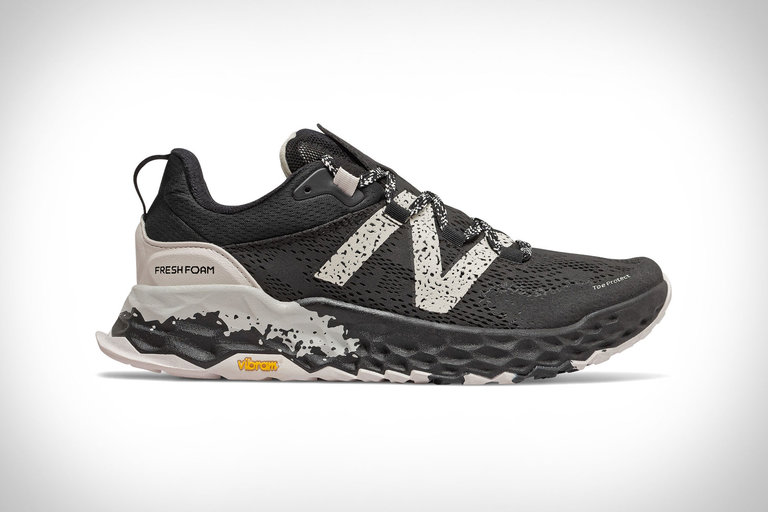
Visit Uncrate for the full post.
General Patton's Dodge WC57 Command Car

Visit Uncrate for the full post.
Himalaya 70th Anniversary Defender Truck

Visit Uncrate for the full post.
Classic Songs Re-Imagined as Vintage Book Covers During Our Troubled Times: “Under Pressure,” “It’s the End of the World as We Know It,” “Shelter from the Storm” & More
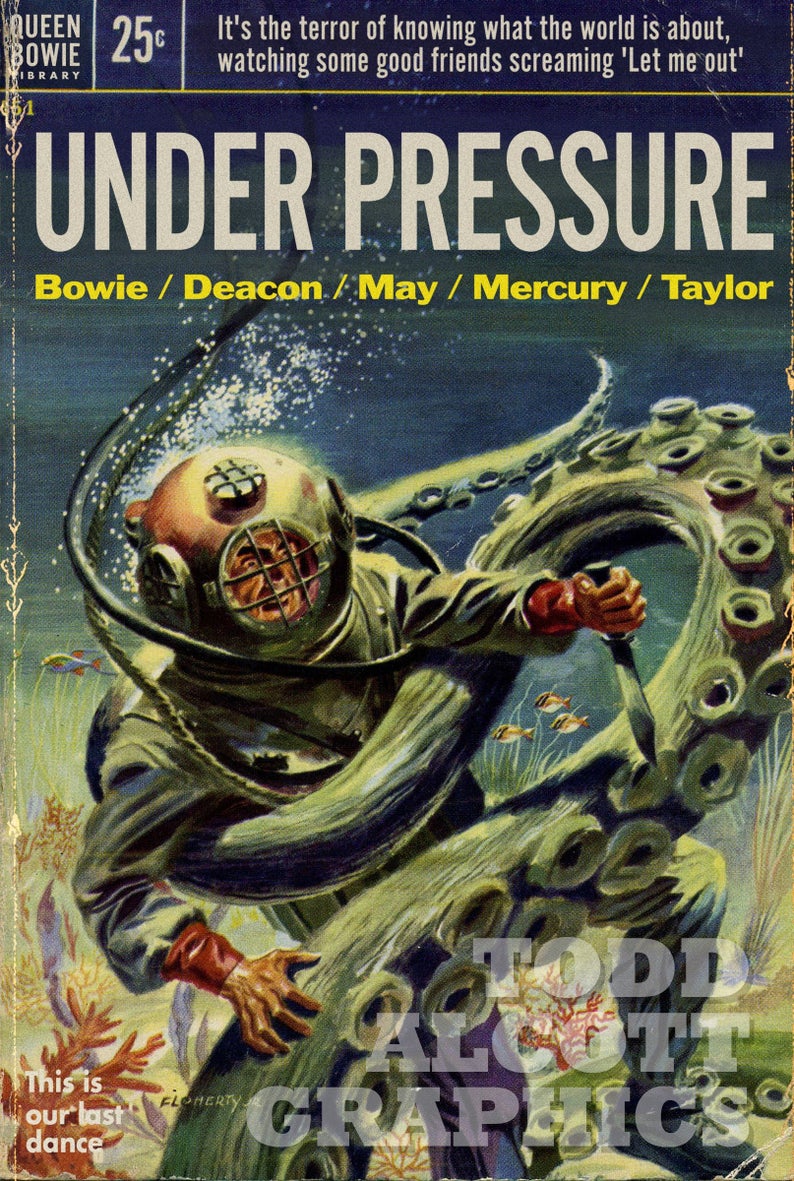
Even before the COVID-19 pandemic, how many of us sought solace from the turbulent 21st century in cultural artifacts of bygone eras? Our favorite records by the likes of the Beatles, Queen, David Bowie; our favorite novels by the likes of Raymond Chandler, Ian Fleming, Philip K. Dick: all of them now possess a solidity that seems lacking in much current popular culture. The work of all these creators has its own kind of artistic daring, and all of it, too, also came out of times troubled in their own way.
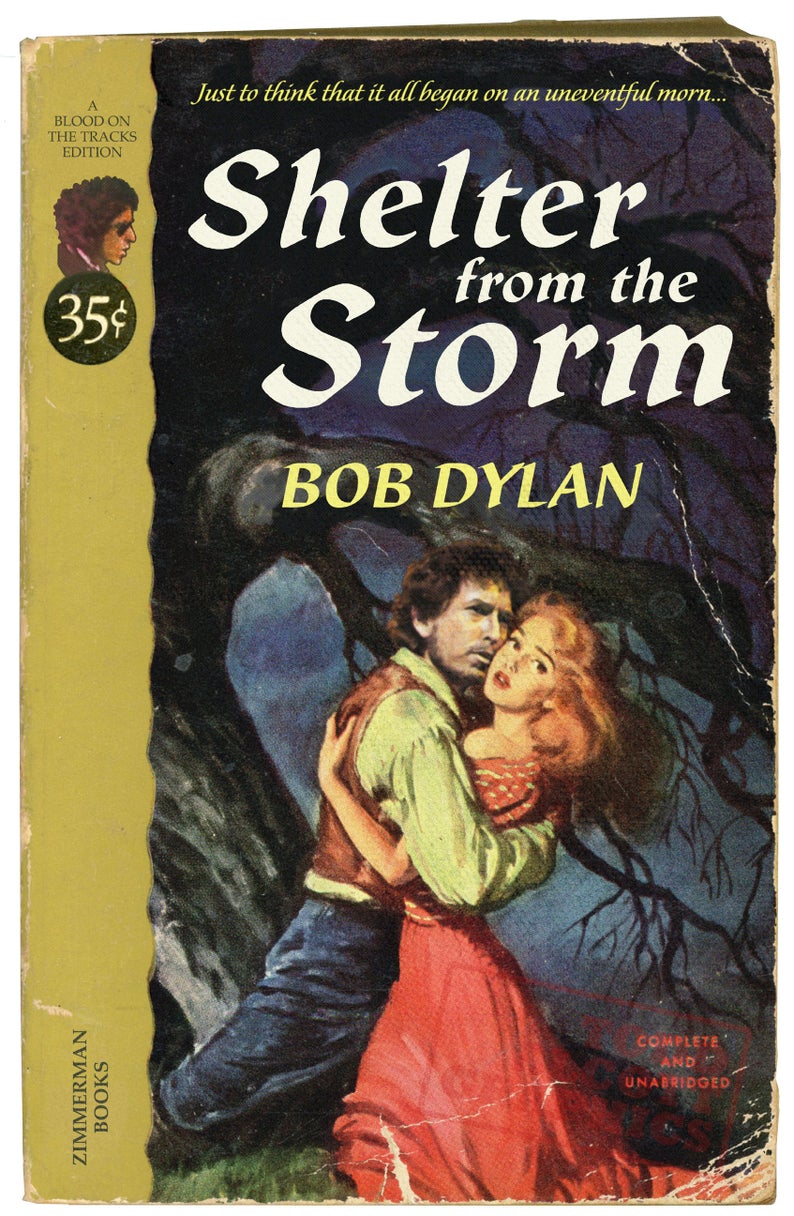
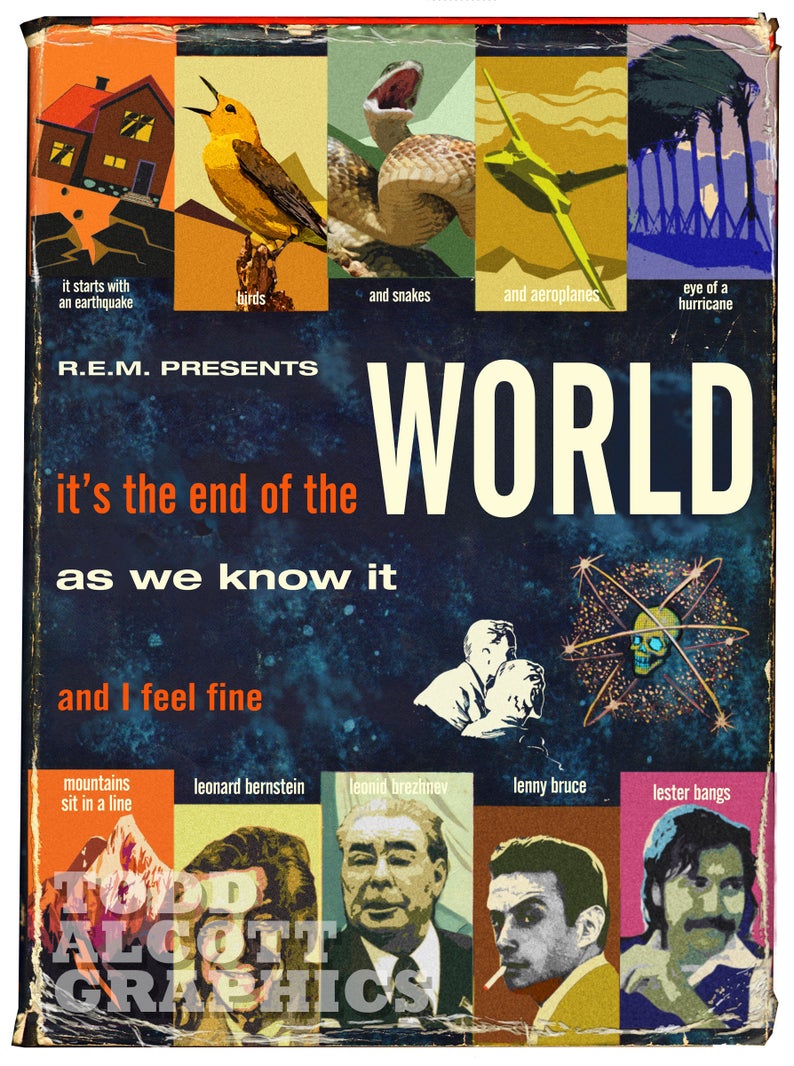
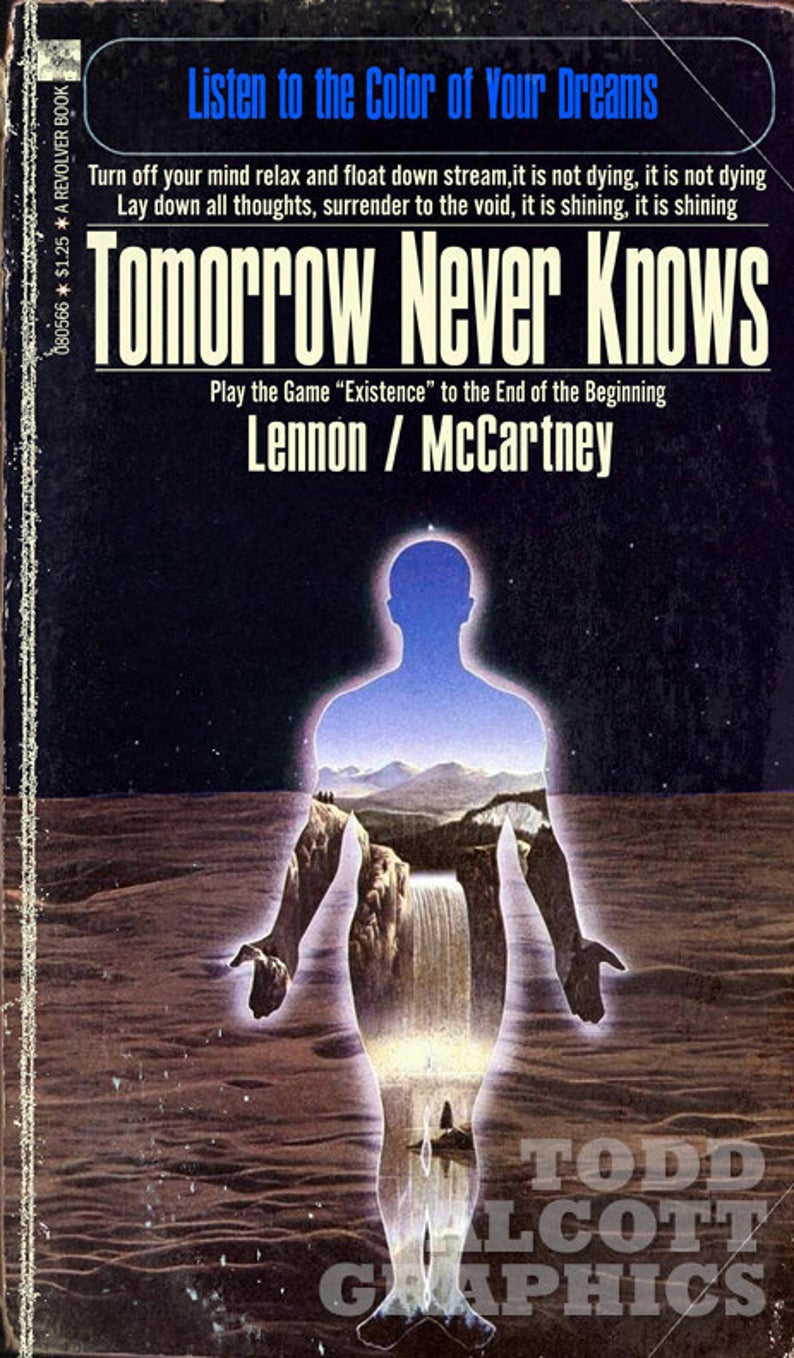
Hence the cultural resonance that has long outlasted their first burst of popularity — and that fuels the visual mash-ups of Todd Alcott. A professional screenwriter and graphic designer, Alcott takes mid-20th-century works of graphic design, most often paperback book covers, and reimagines them with the lyrics, themes, and even imagery of popular songs from a slightly later period. This project is easier shown than explained, but take a glance at his Etsy shop and you'll understand it at once.
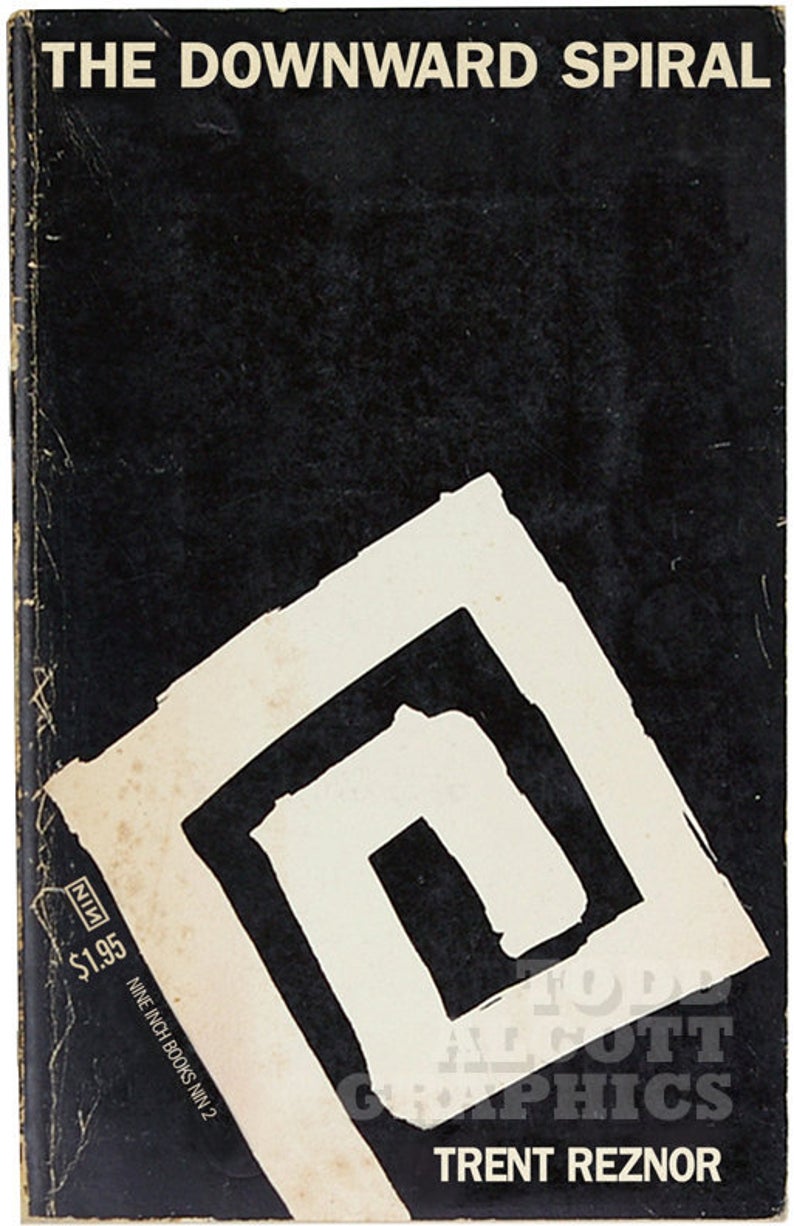
You'll also take notice of a few mash-ups especially relevant to the present moment, one in which we all feel a bit "Under Pressure." The whole of "Planet Earth," after all, has found itself subject to the kind of deadly pandemic that only happens "Once in a Lifetime," if that often.
Increasingly many of us feel the need to "Call the Doctor," but increasingly often, the doctor has proven unavailable. Most of us can do no better than seeking "Shelter from the Storm" — and some of us have been forced by law to do so.
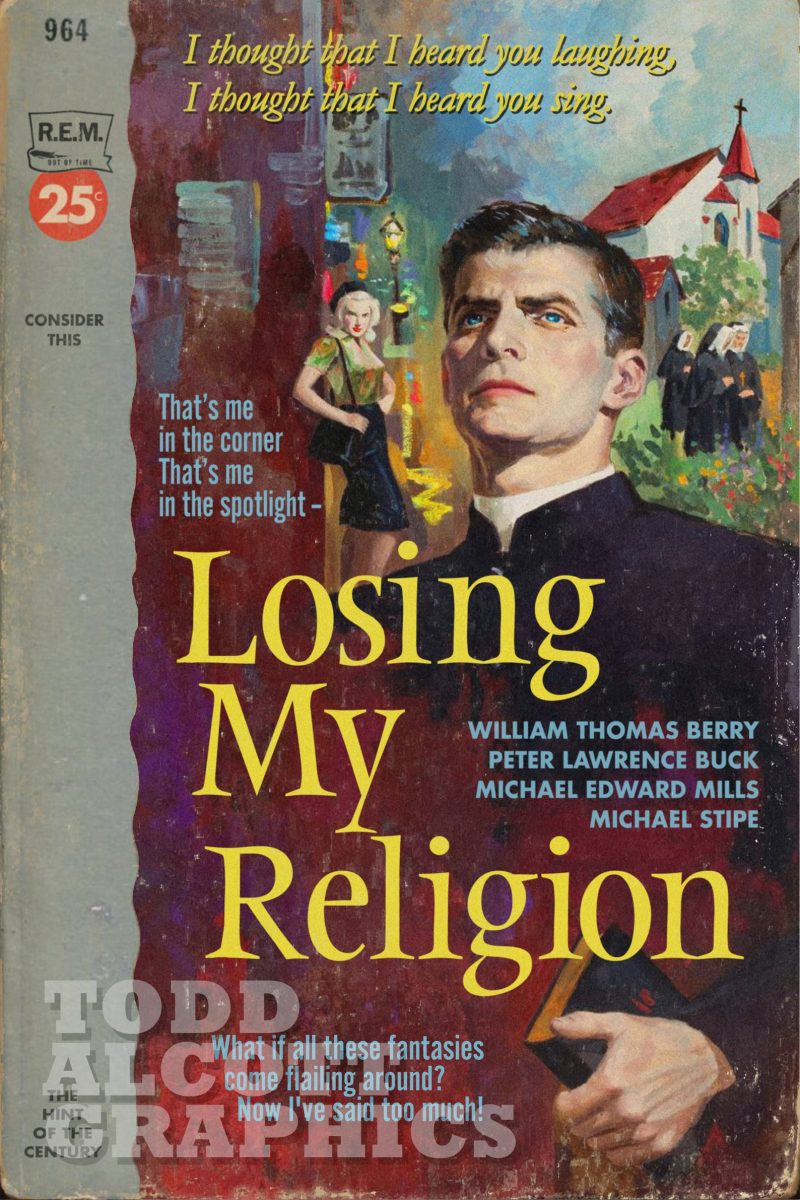
In some countries, all this has begun to feel like "Life During Wartime." Extended periods confined to our homes have rendered some of us "Comfortably Numb," and no few Americans have begun to say, "I'm So Bored with the U.S.A." Perhaps you've even heard from friends who describes themselves as in the process of "Losing My Religion." Some see humanity as plunging into "The Downward Spiral" that ultimately means "It's the End of the World as We Know It."
Others say "Don't Worry About the Government," expecting as they do a "Revolution" for which they've already begun to arm themselves with "Lawyers, Guns and Money." But how many of us can really say with confidence what a post-coronavirus world will look like, and how or whether it will be different from the one we've grown used to? Best to draw all we can from the wisdom of the past — whatever form it comes in — and bear in mind that, as a 20th-century sage once put it, "Tomorrow Never Knows." You can purchase copies of Todd Alcott's covers (which extends well beyond what appears here) at his Etsy shop.
Related Content:
David Bowie Songs Reimagined as Pulp Fiction Book Covers: Space Oddity, Heroes, Life on Mars & More
Songs by Joni Mitchell Re-Imagined as Pulp Fiction Book Covers & Vintage Movie Posters
Based in Seoul, Colin Marshall writes and broadcasts on cities, language, and culture. His projects include the book The Stateless City: a Walk through 21st-Century Los Angeles and the video series The City in Cinema. Follow him on Twitter at @colinmarshall, on Facebook, or on Instagram.
Classic Songs Re-Imagined as Vintage Book Covers During Our Troubled Times: “Under Pressure,” “It’s the End of the World as We Know It,” “Shelter from the Storm” & More is a post from: Open Culture. Follow us on Facebook, Twitter, and Google Plus, or get our Daily Email. And don't miss our big collections of Free Online Courses, Free Online Movies, Free eBooks, Free Audio Books, Free Foreign Language Lessons, and MOOCs.
A 1665 Advertisement Promises a “Famous and Effectual” Cure for the Great Plague
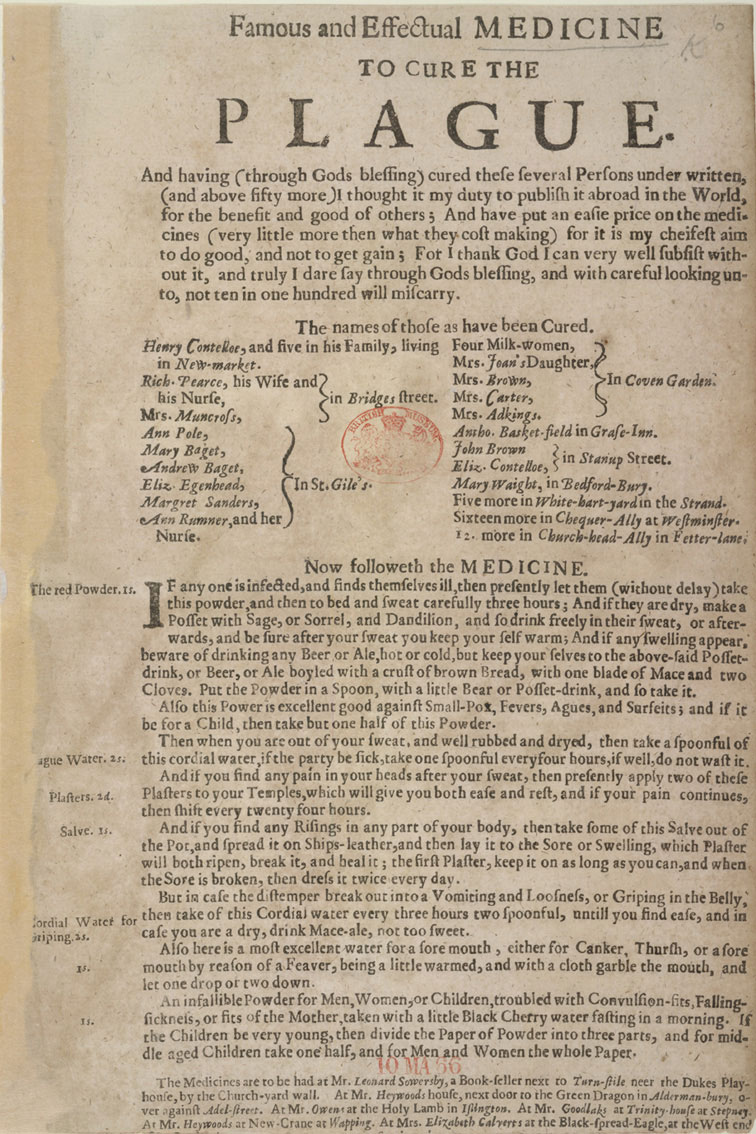
There is a level of avarice and depravity in defrauding victims of an epidemic that should shock even the most jaded. But a look into the archives of history confirms that venal mountebanks and con artists have always followed disaster when it strikes. In 1665, the Black Death reappeared in London, a disease that had ravaged medieval Europe for centuries and left an indelible impression on cultural memory. After the rats began to spread disease, terror spread with it. Then came the advertisements for sure cures.
“Everyone dreaded catching the disease,” notes the British Library. “Victims were often nailed into their houses in an attempt to stop the spread… They usually died within days, in agony and madness from fevers and infected swellings.” This grotesque scene of panic and pain seemed like a growth market to “quack doctors selling fake remedies. There were many different pills and potions,” and they “were often very expensive to buy and claimed, falsely, to have been successfully used in previous epidemics.”
Surely, there were many in the medical profession, such as it was, who genuinely wanted to help, but no honest doctor could claim, as the broadside above does, to have discovered a “Famous and Effectual MEDICINE TO CURE THE PLAGUE.” So confident is this ad that it lists the names and locations of several people supposedly cured (and promises to have cured “above fifty more”). You can go look up “Andrew Baget, in St. Gile’s,” or “Mrs. Adkings. In Coven Garden,” or “Mary-Waight, in Bedford-Bury.” Ask them yourself! Only, that might be a little difficult as you’ve currently got the plague…. (See a transcription of the advertisement here.)
This particular example appears to have been a guild effort. At the bottom of the pamphlet we find a list of merchants offering the needed ingredients for the medicine, which sufferers would presumably mix themselves, having first visited the shops of Mr. Leonard Sowersby, Mr. Heywoods, Mr. Owens, Mr. Goodlaks, a second Mr. Heywoods, and Mrs. Elizabeth Calverts (potentially infecting others all the time.) Customers were clearly desperate. They aren’t even given the stamp of a physician’s approval, only the merchants' promise that others have returned from the brink by means of an “infallible Powder” that also cures “Small-Pox, Fevers, Agues, and Surfeits.” Children should take half a dose.
17th century physicians fared little better against the plague than doctors had over 300 years earlier when the disease first made its appearance in Europe in 1347, traveling from Asia to Italy. They did what they could, as the BBC points out, recommending “mustard, mint sauce, apple sauce and horseradish” as dietary aids. Other attempted 14th century cures included “rubbing onions, herbs or a chopped up snake (if available) on the boils or cutting up a pigeon and rubbing it over an infected body.”
This sounded specious to many people at the time. One 1380 source, Jean Froissart’s Chronicles, stated sarcastically, “doctors need three qualifications: to be able to lie and not get caught; to pretend to be honest; and to cause death without guilt.” Such qualifications have always suited those intent on careers in government or finance, where times of trouble can be highly profitable. We are fortunate, however, for the advances of modern medicine, and for medical professionals who risk their lives daily for victims of COVID-19, even if some other human qualities haven’t changed since people tried to end pandemics by marching through the streets whipping themselves.
Related Content:
The History of the Plague: Every Major Epidemic in an Animated Map
Download Classic Works of Plague Fiction: From Daniel Defoe & Mary Shelley, to Edgar Allan Poe
Why You Should Read The Plague, the Albert Camus Novel the Coronavirus Has Made a Bestseller Again
Josh Jones is a writer and musician based in Durham, NC. Follow him at @jdmagness
A 1665 Advertisement Promises a “Famous and Effectual” Cure for the Great Plague is a post from: Open Culture. Follow us on Facebook, Twitter, and Google Plus, or get our Daily Email. And don't miss our big collections of Free Online Courses, Free Online Movies, Free eBooks, Free Audio Books, Free Foreign Language Lessons, and MOOCs.
365 Free Movies Streaming on YouTube
The wail resounds in every corner of the house, you cannot stop it—the books have all been read, the new releases streamed, every video game played to the end multiple times. I’m bored… You gave up quarantine homeschool weeks ago. Just who did you think you were? Here’s an idea, parent at your wit’s end: sit the kids in front of Lone Wolf McQuade or Over the Top.
Tell them how everything used to look like that when you were young. No second or third screen to turn to when you lost interest. You’d catch a free movie on a Sunday afternoon—streaming in real time, as it were—on one of four or five channels. No pause, rewind, or save for later. (Play it up—maybe you didn’t live this, they don't know that.)
Oh, and there were commercials every ten minutes or so—lots and lots and lots of ads. This is a lesson in media history—you’re an educator! They’ll readily admit how much better they have it as they watch Chuck Norris and Stallone rack up the kills on YouTube, free to stream (and pause, rewind, and save for later), with many fewer ad interruptions than in your day, and with 363 other films to watch and more to come.
But say you find this content objectionable, or… well, bad. You could certainly do much worse, believe me, as you’ll see in a cursory look at the many feature entertainments available to stream free with ads on YouTube. But, in all seriousness, you care about your children’s education, and with some careful digging, you’ll find quite a lot to give them a real cultural lesson, and to enlighten the grown-ups, too.
Learn, for example, about the Wrecking Crew, in a documentary of the same name, the famous cohort of studio musicians who played on hundreds of the best pop, rock, soul, etc. records in the 60s. As the Funk Brothers were to Motown, Booker T. & the MGs to Stax, so were the Wrecking Crew to the West Coast Sound (and the sound of Elvis, The Beach Boys, Frank Sinatra, Nat King Cole, the Mamas and the Papas, Sonny & Cher, Simon & Garfunkel, and so on).

And as the Wrecking Crew were to the West Coast so was Muscle Shoals to the deep South. The tiny Alabama town and its FAME Studios featured some of the greatest R&B, soul, and country rhythm players in the world, major contributors to records by Dylan, the Stones, Lynyrd Skynyrd, Aretha Franklin, Wilson Pickett, and so many more. There's a film about them too. (We can’t embed the full movies here, but you’ll find them in the links below.)
There are many other quality educational entertainments about pop music history, like the Dave Grohl-directed Sound City. You’ll also find documentaries like Super Size Me, Capitalism: A Love Story, and Freakonomics. (An economics course!) Many other platforms have introduced free streaming movies with ads. In YouTube’s case, as AdAge notes, the move to streaming free films comes as a way to recoup advertisers who increasingly found their ads running “inside offensive videos, some with terrorist propaganda and hate speech.”

The company is cleaning up its image, and in the process becoming something like the TV channels of old, only with all the digital ease that makes streaming so convenient. “They are now a TV network,” says an executive for one video ad technology platform, moving away from low-quality, user-generated content and toward high dollar series and the goldmine of old movies. Advertising is everything, so, there’s another lesson for you—even in the new media business, history repeats.
See a list of recommended films available to stream free on YouTube, with ads, below. Enter the general collection here. And feel free to explore our collection, 1,150 Free Movies Online: Great Classics, Indies, Noir, Westerns, etc..
Freddie Mercury: The King of Queen
George Harrison: All Things Pass
Related Content:
Download 6600 Free Films from The Prelinger Archives and Use Them However You Like
Josh Jones is a writer and musician based in Durham, NC. Follow him at @jdmagness
365 Free Movies Streaming on YouTube is a post from: Open Culture. Follow us on Facebook, Twitter, and Google Plus, or get our Daily Email. And don't miss our big collections of Free Online Courses, Free Online Movies, Free eBooks, Free Audio Books, Free Foreign Language Lessons, and MOOCs.
7 YouTube Channels for the Stay-at-Home Food Adventurer
Food is both a comfort and a necessity. Thanks to grocery-store workers, delivery people, and many others, those fortunate enough to be sheltering in place at home are sustaining themselves with bread-baking projects, foods from childhood, and new recipes.
But along with its comfort value, food can be transportive. In the last few years, a certain kind of food channel on YouTube has become an island of charming calm in an ocean of frenetic cooking competitions and sped-up, hands-and-pans vertical videos. Filmed in the countryside, or in a quiet kitchen, they feature people around the world making use of ever-more inexpensive technology to film themselves cooking and crafting. They rarely offer instruction—instead, the viewer watches in awe as a cook deftly makes something wonderful.
Liziqi
The queen of food and handcrafts on the internet may very well be Li Ziqi, a young woman from Sichuan, China, with millions of fans and dozens of videos. With intense focus and Herculean effort, she forages, crafts, and cooks in rural surroundings that have the beauty of a fairy tale. Clarissa Wei, a senior reporter for Goldthread, notes that for many people in China, these videos are nostalgic, as they offer "a glorified version of domestic viewers’ childhoods" in the countryside. Li Ziqi and her Yunnan-based counterpart Dianxi Xiaoge both have plenty of fans outside of China as well, she adds. "But the difference is that foreign viewers are amazed by everything they do and see their lives as a type of escapism."
Xiao Xi's Culinary Idyll
From a village in Hunan comes a more technical but equally soothing video series. On the channel Xiao Xi's Culinary Idyll, the host makes dishes ranging from soup dumplings to stewed radish, a process complicated by the fact that he often weaves the bamboo steamer or forges his skillet himself. (He noted in an interview earlier this year that viewers are often much more interested in the food he cooks than the tools he makes.) In this video, Xiao Xi makes Tibetan-style braised chicken in a stone pot, but only after he chips himself a pot out of a rock picked up by the riverside. Xiao Xi has also addressed the current global pandemic by filming himself making Wuhan's hot dry noodles, a dish that has become a symbol of resilience.
Grandpa Kitchen
Out of all the culinary feats performed on the internet, those of Grandpa Kitchen are the worthiest. Narayana Reddy, from the Indian state of Telangana, started the channel in 2017, documenting himself and his assistants cooking massive amounts of food for orphaned children and filming it for awed fans around the world. The food itself ranges from Indian classics to massive red velvet cakes and milkshakes, all made outdoors in a lush green setting and enjoyed by hungry children.
In this video, he cooks an immense amount of falooda, a sweet, creamy dessert made with vermicelli noodles. Reddy himself passed away late last year, but his work continues, with recent videos showing his nephew Srikanth cooking orange chicken and American-style fried rice.
Peaceful Cuisine
All of the videos on this list are far from frenetic, but Peaceful Kitchen from Japan takes it a step further, offering each video with and without music (the latter for those who like the ASMR effect). Plus, host Ryoya Takashima cooks with vegan ingredients (in a 2014 interview, he expressed a desire to be a vegan Jamie Oliver). His videos range from Japanese takoyaki to Turkish simit bread to everything in between, including a how-to on vegan California rolls. The videos, though quiet, are beautiful and thought-provoking, in line with Takashima's mission to show "how adopting a vegan lifestyle, even at a small scale, can make a significant difference."
JunsKitchen
Junichi Yoshizuki is perhaps best known for his video of himself turning a rusty old knife into a sleek kitchen tool once more. On his channel, JunsKitchen, he often ventures out on a bike, with his large fluffy cat, to source ingredients. Once home, he whips up homemade tofu, sushi for his cats, and, as in the above video, a glorious model of a cherry tree made out of tempura and somen noodles.
De Mi Rancho a Tu Cocina
For those who like more than just pretty visuals, Doña Angela delivers the practicality. On her channel, De mi Rancho a Tu Cocina, she walks viewers through each step of making pozole (a pork and corn-based stew), mole, enchiladas, and gorditas over the course of dozens of videos. Her channel's title translates to From My Ranch to Your Kitchen, and Doña Angela's ranch in Michoacán provides many of her ingredients, such as the slightly wilted pumpkin flowers she harvests for the quesadillas she cooks on her wood-fired stove.
Cooking With Marobud
While many videos in this genre feature traditional cooking, the series Cooking With Marobud looks even further back to recreate Viking cuisine. Using ingredients that would have been available to ancient Vikings, Marobud, a Czech reenactment group, cooks flatbreads, meat, and soup with elegant tools and neat efficiency. Though a good number of Marobud's videos are devoted to cooking, the remainder demonstrate other essential skills for Vikings, such as how to start a fire with flint and steel, how to make a Viking backpack, and how to undertake an 800-mile journey to Rome with only Viking-age equipment.
Do you know of any other YouTube channels we missed? You can join the conversation about this and other stories in the Atlas Obscura Community Forums.
Why Telephone Companies Once Discouraged People From Chatting
As the COVID-19 pandemic continues to sweep across the world, putting billions in isolation, many people are scrambling to stay tethered to friends, family, and coworkers. More than 80 percent of people surveyed in the United States and United Kingdom report spending more time squinting at their phones and other screens, according to data published by the World Economic Forum. Those little screens have come to feel like a lifeline, offering a sense of community and a sliver of normalcy.
That’s not exactly new. Decades ago, Bell and AT&T ran ads exhorting people to “reach out and touch someone.” The ads promised that phone calls could collapse the physical and emotional distance between people. In one commercial from the late 1980s, a kid phoning his parents from college was able to picture his family’s routine—sister primping for a date, brother rushing in from soccer practice, dad rifling through the refrigerator just a few hours after dinner.

But, of course, it wasn’t always this way. The last time a pandemic of comparable scale stampeded around the world, in 1918, only around a third of American households had phones, The New York Times recently reported—and, obviously, those devices were much lower-fi. For decades, people with phones had been largely discouraged from using them for gabbing, ostensibly because some towns only had a few lines to serve everyone. Then, when the flu began to devastate communities, some phone companies begged people to keep their calls to a minimum, Fast Company reported. In October 1918, for instance, the Michigan State Telephone Company took out an ad in a Battle Creek newspaper, asking locals to "please restrict your use of the telephone to calls which are absolutely essential," thus freeing up operators to attend to "the essential business of the community." Similar messages went out in New Jersey and North Carolina, where an ad asked the public to "refrain from using the telephone except when necessary so that prompt service can be given to the sick."

“The sociability function seems so obviously important today, and yet was ignored or resisted by the industry for almost the first half of its history,” writes Claude S. Fischer, a sociologist at the University of California, Berkeley, in a 1988 article in the journal Technology and Culture.
Atlas Obscura exchanged emails with Fischer, also author of America Calling: A Social History of the Telephone to 1940, about how phones have helped people connect—sometimes, to the frustration of the phone companies.
When the telephone first emerged as a consumer product, how was it marketed, and who was encouraged to buy it?
It was originally marketed to businesses as a business device—a much-improved telegraph. When the Bell company started marketing to households, it focused for 30-plus years on practical household management: Get the phone for your wife so that she can call the doctor, the grocer, the police, and you can call her when you're coming home with company. That sort of thing.

How did that work out?
Household users did use it for these purposes, but almost from the start customers—notably women—used it for social purposes: To check in with others, to arrange social dates, and, frankly, to gossip. This was even clearer in rural areas, where the phones were a major social lifeline. The telephone industry for decades saw this as a misuse of the telephone, and even tried to suppress it.
What changed?
The shift was not the personal staying-connected use of the telephone, but the industry coming around to see these social uses as not a bug, but a feature. In the 1920s, the Bell companies switched from trying to repress chit-chat on the phones to marketing the phones as a great way to stay in touch with family and friends.
Now that we have so many other ways of staying in touch, what role does the phone play in times of crisis?
I see voice-to-voice communication today as part of a package of diverse and more flexible one-to-one communications, including email, texting, and the like. So people may, for example, text a few times a day, and arrange for a phone call on top. There is some evidence to suggest that the voice-to-voice remains the most intimate part of the communications package.
This interview has been edited and condensed.