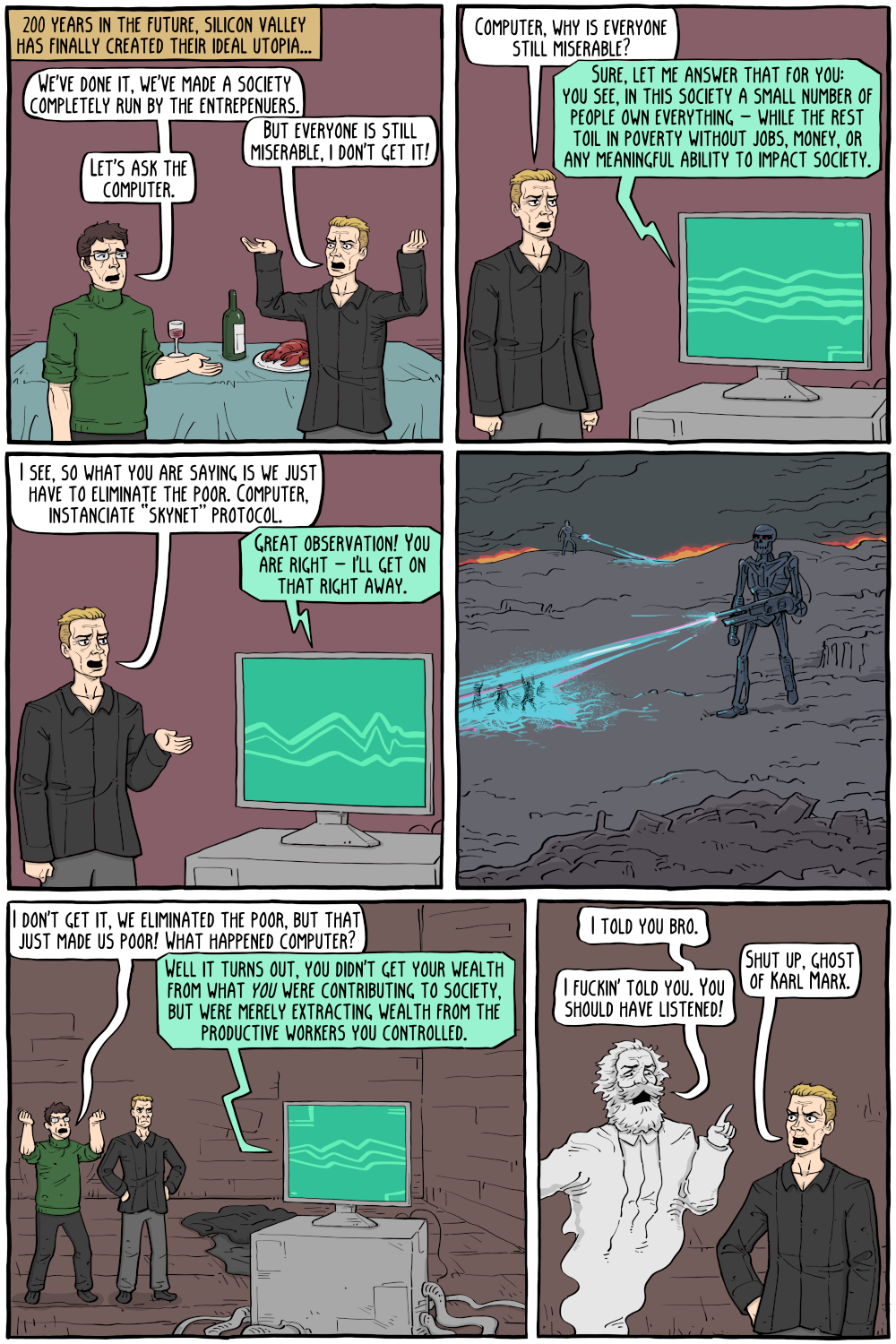
Does… that count as driving them insane?
Does… that count as driving them insane?

A little Gameoverse fanart!
Congratulations to the whole Glitch team!

A reader writes:
I have one of those intensely low-stakes questions that I would love to get your and the commentariat’s opinion on.
I like using paper planners. I like decorating them. I recently started a new job.
My question is twofold:
1. How much can I decorate my planner without people starting to look at me as an overgrown eight-year-old?
2. How much decorating can I do while physically at work? Some planning on paper feels fine to do while in the office but fiddling with stickers and different colored pens, maybe not? Where does one draw the line, so to speak?
I’ve attached two different types of planner spreads (they are not confidential and most likely not even understandable to outsiders so it would be fine to publish these).


Hmmm. I bet there’s going to be a wide range of opinions on this, in part because different things will fly in different offices, but to give you a very general rule, I’d say that what the first photo shows (different color inks and highlighting) is 100% fine and won’t even get a second glance, but the planner in the second photo would be A Lot for many offices.
One decorative sticker? Unremarkable. Multiple decorative stickers? Starts to look more like a craft project and younger/fluffier than what typically aligns with “professional” presentation. (I’m specifying “decorative” stickers here because I’m talking about the flowers, cloud, apple, and affirmations; the colored dots to set some items off are completely fine.) It’s also true that the more decoration there is, the more it starts to look like your focus is in the wrong place for work.
As for how much decorating you can do while physically at work; different color pens are fine; a lot of people use different colors of ink or colored labels to help organize their work, and it’s likely to come across as that (assuming you’re not sitting at your desk with a 100-color pen set, painstakingly using each of them). Slapping a single sticker or a handful of dots on a page, no big deal. More than that will come across oddly in enough offices that I wouldn’t do it.
This all goes triple when you’ve just started a new job and are still making an impression. You don’t want your early impression to be that you’re the sticker person; you want to be known for your work.
The post how much can I decorate my planner at work without looking like a kid? appeared first on Ask a Manager.
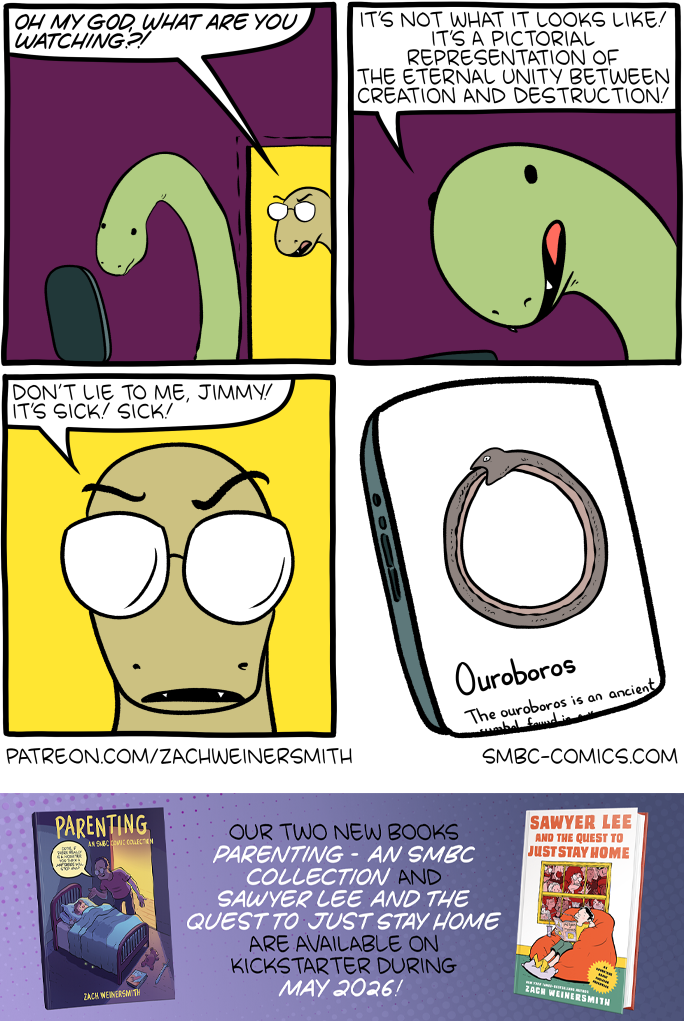
Hovertext:
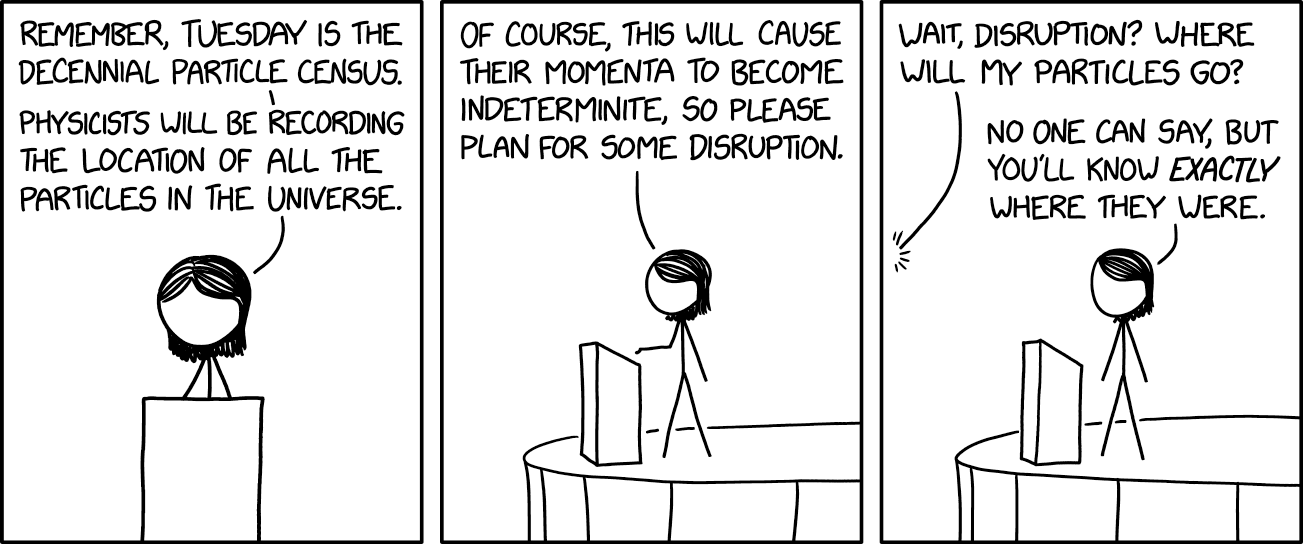
Oddly enough, Ouroboros is also the sound a snake makes when trying to do this.
Does the business of selling a work of art have anything to do with its value? It’s a complex question, and one Houston gallerist, secondary market art broker, and fine art appraiser, Heidi Vaughan, is uniquely qualified to answer.
Located on Lake Street at Colquitt, along Houston’s oldest gallery row, Heidi Vaughan Fine Art (HVFA), is small in square footage, but formidable in its reach and reputation. It is a traditional gallery, representing a diverse array of Houston-based established artists, including McKay Otto and Thedra Cullar-Ledford, and several emerging creatives, each pushing their respective mediums in surprising directions. New to the fold is Houston painter Afi Lane, who creates striking portraits of Black people elegantly poised in historical costumes adorned with symbolic objects and modern-day accoutrements. HVFA also advises on all aspects of art collecting, including sales, the creation of cohesive collections, valuation, authentication, conservation, framing, installation, display, shipping, storage, deaccessioning, and liquidation.
From appraising art destined for inheritance to advising first-time collectors on their first-ever purchase, Vaughan’s multifaceted role requires a thorough knowledge of art history, a critical eye, and a genuine sensitivity to the emotional and financial well-being of her clients.
“AI is not taking my job,” says Vaughan with a smile, and she’s right.
With her trademark silver blonde mane and Louis Vuitton x Jeff Koons Mona Lisa purse, Vaughan is an immediately recognizable figure when out on the town. She is the one gallerist I’m most likely to see when I’m out at a special event, be it a museum exhibition preview, a music performance in the woods of Splendora Gardens (Vaughan studied flute and piano as a child, and her sister is a professional concert oboist), or a fancy gala. Her presence as an advocate for the arts extends well beyond the square footage of her gallery.
On her lively radio show, The Houston Hour, which currently airs on Wednesdays at Noon on 90.1 KPFT HD2, Vaughan and her co-host, Houston historian Mister McKinney, divide the hour between conversations with members of the city’s creative community and those deeply connected to its rich history. She’s also a fan of art writing, be it online or in books, magazines, or newspapers. (She is a Houston Chronicle subscriber, and at one point, our conversation veered to a recent article in the Sunday Arts Section of the New York Times about Paris Fashion Week.)

While Vaughan is not shy about discussing the business and pleasure of selling art, in conversation, it’s clear that what she values most in an artist’s work is its power to engage and transform the viewer and speak to a better future. I started our conversation by asking about the previous weekend’s opening of McKay Otto’s show GOLD.
Heidi Vaughan (HV): It was one of the best parties we’ve ever had. Because McKay has been doing this for decades, the opening brought in some of the most important collectors from throughout the history of Houston. If you’ve ever been here on a Saturday night during one of our openings, it gets crazy crowded. And when I’m stuck back here (behind the front desk) with my cash register, I’m in my happy place. I don’t care how busy it is; if I’m bringing in money, that’s making me very happy.
Chris Becker (CB): So, sales are happening, even in a partylike environment?
HV: Oh, yeah!

CB: Why do you think McKay’s work has connected with so many collectors?
HV: There are several reasons. One, he’s just beloved. He’s been in Houston since the ’80s, and a lot of people know him. He has a lot of friends.
I endeavor to work with artists who make work that is uplifting. There’s a lot of great art out there that’s making great commentary about modern times and the society we live in, and some of it might be something I’d like to look at in a museum, but it’s not something I want to live with or want to sell. This body of work by McKay (GOLD) is all about the light. The paintings have phosphorescent pigments beneath the surface, and they glow in the dark in a beautiful, subtle, meditative way.
I think it’s the right time for this kind of art. We are at this point where society has become so nuts, and there’s so much darkness around the world. But if you look at everything that’s going on with the arts, it’s so uplifting, and such a wonderful counterpoint to all of the heaviness going on. And when I think about people going to Bruce Springsteen’s concerts, or Coachella, and those puppet shows (Bob Baker Marionette Theater) — this is stuff that really lifts our spirits, and we need as much of it as possible.
CB: Do you introduce your artists to potential collectors?
HV: Absolutely. I always tell the artists I represent that the person who is most likely to buy your work is someone who has already bought your work. We know that they get you, and they like you. My artists, at the end of every year, get a spreadsheet with all their sales, including the name, email, and phone number of each person who bought their work. So, when they have the next show, that’s our VIP list for that particular artist. But not all galleries do that. In fact, I’ve heard artists say they don’t even know who owns their work, which I think is horrible.
My favorite thing is selling art to new collectors. I love helping people who have never bought art before to feel confident about the decisions they make. As an appraiser, I’m able to help them understand why purchasing one thing might be better than purchasing something else elsewhere.
CB: Who are your collectors?
HV: I sell art to all kinds of people, of all ages. My oldest client was Jay Marks, Lester Marks’ father; he lived to be 101 . He got art for his 99th birthday from my gallery. And if you think he didn’t have plenty of art, he did! But it’s always nice to have something new to look at.
One very rare thing is when people who don’t know me, who’ve never been here, and don’t know the artist, walk into the gallery and say, “Oh, my God. I love it. I’ll buy it!” Usually, it takes a while to develop a relationship, and when I know my clients and what they like, I might get something in and tell them, “I know this is for you!”
There are terrific collectors in Houston. Last year, I sold a photography collection that one of the top photography appraisers in America valued at $11 million. That’s really fun and exciting. I feel like the best deals are the ones where everyone walks away feeling like they won. I make a lot more money doing that than I do with the primary market. Which isn’t to say I don’t love the primary market. I do. But it’s a combination of all of it.
I also sell art on Artsy, an online, global platform, to people I don’t know. But I wouldn’t typically use Artsy to sell art by my artists. I sell secondary market art as well, works by artists that everyone knows, like Damien Hirst or Takashi Murakami. That’s the kind of stuff I sell to people I don’t know and who don’t live in Houston.
CB: What exactly is the secondary market?
HV: Art that has been bought once, maybe even more than once, and is available for sale.
CB: And the primary market is artists represented by Heidi Vaughan Fine Art.
HV: Yes.

CB: What factors do you have to consider when appraising a work of art?
An appraiser is held to the same standards as an accountant. People are surprised to find out this isn’t random, that we don’t just pull a number out of thin air! (HVFA is an accredited member of the International Society of Appraisers and is compliant with the Uniform Standards of Professional Appraisal Practices.)
Number one, for me, is the image itself. You can have a work of art by an artist you really care about, but maybe it’s not a particularly good image. It’s the main reason why someone might choose not to get something: they just don’t like the image. Who comes to mind immediately is Picasso. He made some rough stuff! He made some very unattractive things. But appraisers don’t use words like “beautiful.” We use “good,” “fair,” and “poor,” and we define what those words mean. We don’t use superlatives.
There’s also a hierarchy of materials that determines value. We tend to think of oil on canvas as being the “king daddy.” Maybe oil on panel, depending on the work. A watercolor is often more valuable than a print. A drawing might fall in the middle somewhere. If we’re looking at sculptures, a bronze or marble sculpture is going to have more value than an aluminum sculpture.
Also, rarity. Is it editioned? How big is the edition? Provenance is another one. We need to know the work is authentic and who owned it previously.
And the notoriety of the artist definitely contributes to the value. If we’re thinking about artists from Houston, I consider what exhibitions they’ve been in. If the work has been in an important museum show, that matters. One exhibition we think about a lot is Fresh Paint: The Houston School. That was such a pivotal show in 1985 at the Museum of Fine Arts, Houston, that it went on to be exhibited at P.S. 1 Contemporary Art Center [now MoMA PS1] in New York. Those artists are still important. It was a great exhibition, and I’ve handled some of the works featured in the book Fresh Paint: The Houston School, by [the exhibition’s] curators, Barbara Rose and Susie Kalil. Susie’s book The Color of Being/El Color del Ser: Dorothy Hood, 1918–2000 has had a tremendous impact on the value of Dorothy Hood’s work. I’ve seen Hood’s drawings go from $8,000 to $28,000. The value of her paintings has just skyrocketed.
CB: Because the book brought more exposure to Hood? Or was it the scholarship in the book?
HV: Both. Susie is an exceptional art writer. It’s one of the books I look at the most. I use books around here a lot, because they do help people find a way to engage with the art.

CB: What compels you to reach out to an artist and offer to represent them?
HV: How it started in the beginning is that I invited people whose work I had already collected. I’ve been collecting art since the ’80s. I am my client. I buy this stuff, and I get irrational. I have to have things! (laughs) Things haunt me, and all of that.
CB: What kinds of art “haunt” you?
HV: Well, my personal collection is a Texas collection. I don’t have any bluebonnets, and I don’t have any longhorns, and I’m from Chicago. It’s art that is fun, uplifting, and maybe has a little humor to it. I usually buy something from every show we do. I’ve gotten to a point where that’s a little crazy, and unfortunately, I have art in storage.
What I love about art is that you can’t live in it. You can’t sail it. You can’t drive it. All you can do is look at it. And I love that someone is willing to spend money, sometimes large amounts of money, to just look at a work of art.
One of my favorite compliments I’ve received was from a man who called me the day after we had installed a painting in his house and told me, “I just want you to know that my wife and I stayed up until two in the morning just looking at it.” That made me so happy.
Growing Up Wise, a solo exhibition by multidisciplinary artist Vivian Wise, is on view at Heidi Vaughan Fine Art through June 20, 2026.
The post You Can’t Drive It; You Can Only Look At It: A Conversation with Heidi Vaughan appeared first on Glasstire.
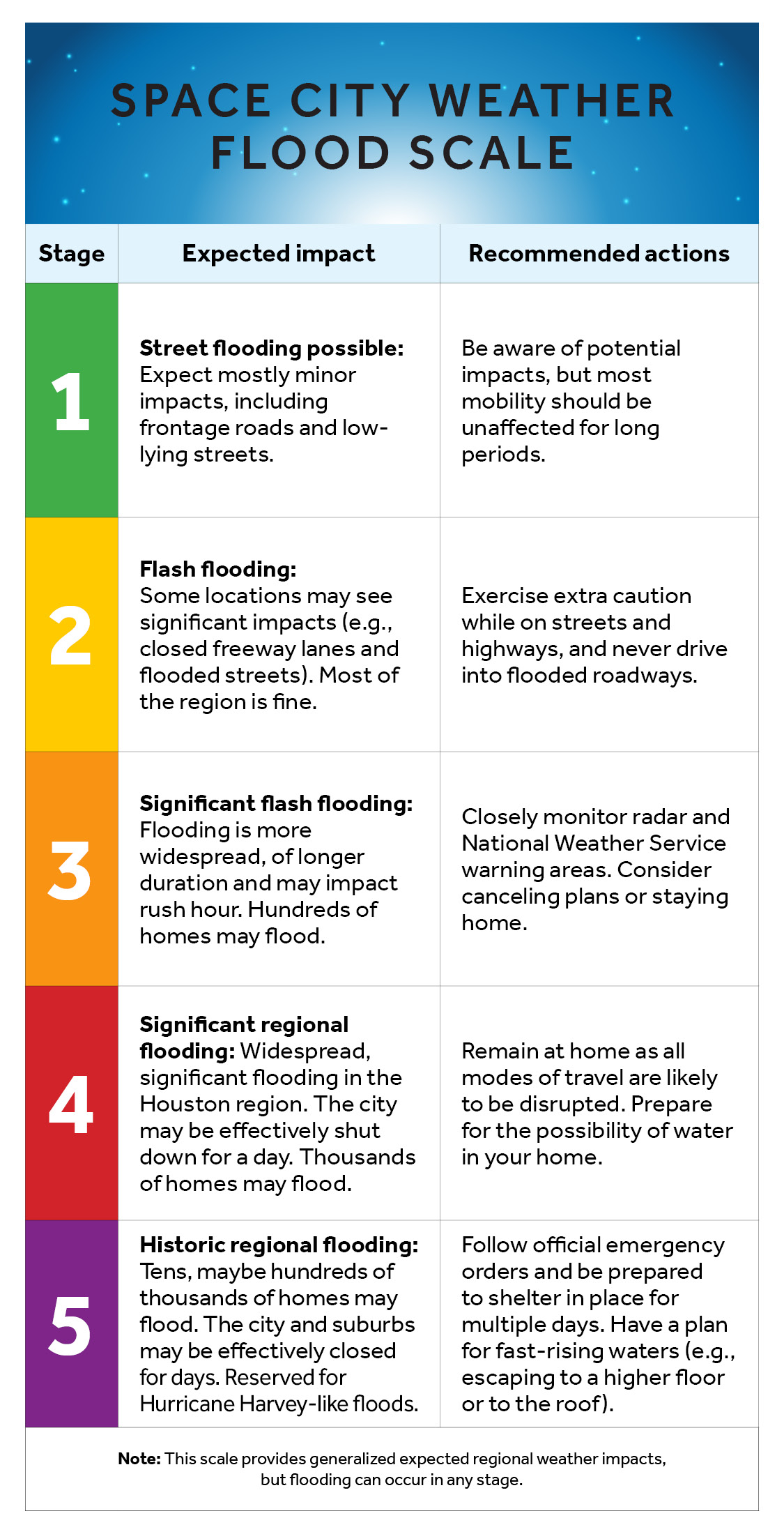
In brief: In today’s post we’re are initiating a Stage 2 flood alert through Memorial Day Weekend due to the potential for periods of heavy rainfall that will accumulate in creeks and bayous over time. Please remain weather aware for the next week.
With the complete breakdown of high pressure, plenty of moisture in the atmosphere, and an upper air pattern that will eject a series of disturbances into Texas from the southwest, the next seven days (at least) should feature periods of moderate to heavy rainfall. During this time accumulations of 4 to 8 inches of rainfall are possible, with higher amounts likely in some areas. As rainfall totals stack up over time they may bring some rivers, creeks, bayous, and other waterways to flood stage. For this reason we are putting a Stage 2 flood alert into effect through next Monday. This means that while most of our roads should be fine most of the time, there will be the potential for flash flooding, and you should remain weather aware.
Let’s start with this fact: The large mass of showers moving into southwest Houston this morning was not well predicted. This underscores the reality that timing these atmospheric disturbances (which produce the lift and other conditions needed for rainfall) more than 24 hours out will be difficult. I know there are a lot of graduations later this week, and weekend, in addition to graduation parties. It is that time of year. Unfortunately there is no way I can sit here on Tuesday morning and tell you whether it will, for sure, rain on Friday evening, Saturday afternoon, or whenever.
All we can really say is that there is a good likelihood of rainfall, some of which may be heavy. Some of these showers may come in the form of thunderstorms, but the overall threat for severe weather beyond rainfall is not particularly high. It also will not rain all day and night, certainly, but the potential for showers during the daytime, through Memorial Day, is pretty high, especially over the weekend.
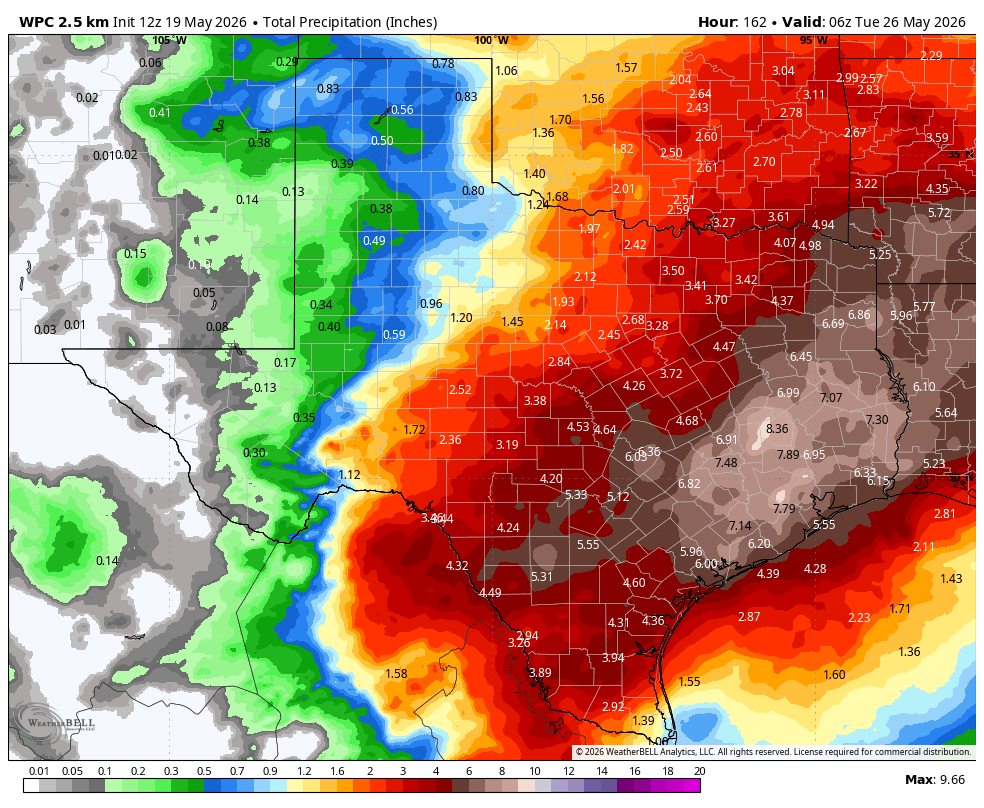
There are some benefits to all of this. Although Harris County is now drought free, many areas near Houston remain in a moderate to severe drought. Additionally, you may have heard about the water crisis in Corpus Christi. This will not end the problems there, but the potential for 3 to 6 inches of rainfall over the next week in the Coastal Bend area will provide some help with at least short-term water issues. And finally, instead of high temperatures around 90 degrees, we are going to be in the low- to mid-80s for the rest of the week.
Well, if you read yesterday’s forecast post, you may recall that I thought most of the daytime on Tuesday would be rain-free. Surprise! The arrival of a round of showers from the southwest this morning means that we could see intermittent showers through about noon. I think the stronger storms associated with this system will mostly remain off the coast, but we can’t rule out some moderate or heavy rainfall in the Houston region this morning. After this we probably will see some partly sunny skies this afternoon that will allow high temperatures to push into the mid- or possibly upper-80s. It will be plenty humid.

Then, beginning this evening, a weak front will approach and should move into the area from the north. I am not totally confident in how this system will progress, but we can probably expect a line of storms to develop north of Houston around sunset (i.e. in the vicinity of Conroe), and then propagate south into Houston this evening before reaching the coast around midnight, give or take. I suspect these storms will weaken as the move into the city, you should nonetheless be prepared for the possibility of thunderstorms this evening, and into early Wednesday across the region.
This will be a partly to mostly cloudy day, with highs probably in the mid-80s. Rain chances during the daytime hours will likely depend on how worked over the atmosphere is on Tuesday night (i.e. more widespread storms on Tuesday evening would probably lead to less coverage on Wednesday during the daytime, and a weaker line of storms on Tuesday would allow for more widespread showers and thunderstorms on Wednesday). Anyway, I’d peg rain chances in the vicinity of 50 percent. After today, rain chances will increase for the rest of the week.
In general we expect these days to have mostly cloudy skies, highs in the lower 80s, and overnight lows in the mid-70s. That’s the easy part. In terms of rainfall, each day will have rain chances in the vicinity of 70 to 90 percent, with slightly lower chances during the overnight hours. It would be a fool’s errand to try and predict precisely when it will rain, or when the heaviest rainfall will occur. Just know that the pattern will be broadly supportive of rainfall, and that as amounts accumulate we may well see street flooding and flash flooding (rapidly rising waters). Generally mobility will probably be OK most of the time, but probably not all of the time for everywhere. We, at Space City Weather, will be with you the whole period. It’s not exactly the Memorial Day Weekend festivities we envisioned either, but here we are.
Rain chances will remain healthy next week, but probably take a step back to around 50 percent daily. Maybe. Honestly, it’s difficult to predict when this overly wet and cooler pattern will end with any confidence.

PASADENA, CA—Releasing the latest images transmitted by the robotic vehicle, scientists from NASA announced Tuesday that the Curiosity rover had found beauty in the mundane on Mars. “After more than a dozen years on the Red Planet, our rover has officially uncovered a peaceful quietude among the endless rust-colored vistas,” aerospace engineer Haley Thompson said about the discovery, which reportedly prompted a wave of serene introspection throughout NASA’s Jet Propulsion Laboratory. “These never-before-seen photographs capture the tranquil majesty of a simple rock, identifying for the first time the sublime in the everyday. Thanks to Curiosity, we have come to the powerful conclusion that while we’ve spent all these years searching Mars for definitive evidence of life and water, the true meaning was always before us in every pebble, every grain of sand. We are no longer concerned with endless advancement, but merely satisfied to live in the present moment.” At press time, sources confirmed the Curiosity rover had contacted NASA to request a paintbrush.
The post NASA Announces Rover Has Found Beauty In The Mundane On Mars appeared first on The Onion.
FORT WAYNE, IN—In a potent reminder of the inescapably transitory nature of all that is or ever will be, reports confirmed Tuesday that the sweaty ass print left on a rowing machine at a local Crunch Fitness location was already fading away, much like all of our earthly works and aspirations. According to gym sources, the glittering delineation of an ass left as the vestige of a recent 25-minute cardiovascular workout session had, within seconds of its imprinting, begun evaporating from sight and memory, serving as yet another emblem of the impassive decay that claims all things. The rapidly dimming sweat mark—left by a gym-goer whose name matters not, for it will soon be forgotten like each of our travails—had at press time ebbed into little more than a pale shadow of its original form, soon to be lost to eternity, lost, as if it never was. For nothing is to endure, sources confirmed; empires will crumble, dynasties will be extinguished, ass prints will vanish, one and all in the blink of an eye. What we purport to be—our petty attachments, desires, fears—is a fleeting mirage. We are naught but the fading outline of a butt on the contoured rowing cushion of infinity. And in the face of our impending and necessary annihilation, quaking helplessly in the aerobic equipment room before the boundless vaults of time, what, terrified sources asked, is one to do? Why, one is to live, of course. For what meaning should life have beyond that which you can touch and taste and love at this very moment? Sow your seed, build your temple—whether its cornerstone be laid in Crunch Fitness or Babylon. And when the sands despoil it, when your clammy, temporal ass print is reclaimed by the cosmogonic ether whence it issued, the seraphs will reportedly smile upon you. For you were here, you were holy, you got a workout in. Live for today! Live, damn you. Live.
The post Sweaty Ass Print On Rowing Machine Already Fading Like All Of Our Earthly Works appeared first on The Onion.
CANNES, FRANCE—Glancing over their shoulders to make sure no one was watching them leave, the Cannes Film Festival jury reportedly sneaked off Tuesday to watch Mortal Kombat II. “Come on, no one’s looking, just go,” said actor Stellan Skarsgård, who ushered the rest of the jury members through an emergency exit door and down a back stairwell of the Grand Auditorium Louis Lumière so the group could catch a 4:15 matinee of the video game adaptation. “Don’t worry, [Park] Chan-wook, we’re not going to get in trouble. We’ll be back before the last film’s over. They won’t even notice. God, aren’t you guys stoked to finally see something good? I haven’t seen a single decent fatality all week.” At press time, the jury members were said to be frozen in their seats after Cannes general delegate Thierry Frémaux entered the theater playing Mortal Kombat II and sat directly in front of them.
The post Cannes Jury Sneaks Off To Watch ‘Mortal Kombat II’ appeared first on The Onion.
It’s five answers to five questions. Here we go…
1. Interview questions meant to identify covert North Korean workers
As you may already know, with the rise of remote work, some sectors in the U.S. have had an issue with North Korean workers applying for work while pretending to be a U.S. citizen, with an American liaison hosting their work laptop in the U.S. and providing aid with documents and such. Since this has been discovered, some interviewers have of course tried to find ways to weed out these fraudulent applicants, and I was wondering what you think of the matter.
I heard today of an interviewer who would ask candidates to repeat a phrase like “Kim Jong Un is a fucking asshole” to prove they aren’t from the DPRK. It seems effective, but I feel like this could be sketchy on the legal front. My kneejerk reaction was that this could be seen as discriminatory based on political beliefs, but I realize that even if it were covered by states with those protections, it would be difficult to pursue. I also think the inability of any current DPRK citizen to legally work in the U.S. would negate claims of discrimination based on national origin. I do think it could be an issue if this wasn’t requested of all candidates interviewed, and wonder if it could seem stereotypical to the level of racial discrimination. Do you think this is as messy of a solution as it seems? Do you know of or have any ideas for what other solutions interviewers could implement here?
It’s an absurd solution. First, it assumes a North Korean citizen would be incapable of repeating those words insincerely and in the pursuit of what they saw as a greater good, which is likely a flawed assumption. Second, it makes them look incredibly weird to everyone else (both because of the request itself and because if this is what they consider a strong security practice, that’s a problem).
I don’t know what the right security solution is — that’s way outside my expertise — but there are entire fields specializing in it, so step one would be to consult with someone whose job it is to know!
2. I promised an employee a promotion before I should have
I manage a 25-person department in a large, bureaucratic organization. The department is organized into three groups, and I was an outside hire a couple of years ago. Generally speaking, my staff is great — we punch above our weight in a lot of our work.
Last summer, the organization started going through a process improvement push. As part of that, my boss (who is in the C-suite) told me that he would support me in doing a small reorg in my department to create a fourth group on my team focusing on more strategic projects. I am excited by this idea, because if anything is holding my team back, it is the difficulty of focusing on longer-term projects when we have so many immediate deadlines. This reorg would allow me to promote Paula, who is developing into a rock star. We’ve already informally moved Paula into a position that focuses on process improvement, but being able to give her a small team and turn her loose to focus on strategic work could be huge for us. Also, I worry that without these changes I will eventually lose her to someone else, either an internal team with a promotion opportunity or another company.
I know you’re going to tell me this next part was a mistake, but I told Paula about the reorg/promotion idea shortly after my boss and I agreed to put it into motion. And then, I ran into a bureaucratic nightmare of trying to get HR approval to make the changes required. I need to reclassify a position to promote Paula and create a team for her, and I keep getting told “not right now.” The broader organization is going through budget tightening and it’s hard to get approval for spending more on salaries (which the promotion would require). We have support to make these changes from the C-suite, but everything is going really slowly.
It’s been eight months since I floated this idea with Paula, and I’m still working on actually getting approval to do it! My boss is supportive. His boss is supportive. It’s just going really, really slowly. I’ve been up-front with Paula on what’s going on but I worry that she is going to lose confidence. What should I do, since I can’t go back in time and stop myself from discussing this with her?
Does your C-suite boss have any pull to expedite this? Ideally the next step is a conversation with him to express your concerns about losing Paula and ask him what a realistic timeline is so that both you and she can plan. Emphasize that you want a realistic timeline, not an optimistic one, and also ask if there’s anything you should prepare for that might derail that.
Right now, the most important thing you can give Paula is very, very realistic info about what’s going on and what the timeline will likely look like, so that she doesn’t feel like she’s being strung along or being fed overly optimistic projections. “I’m so sorry about this but it’s going to be at least eight months because of X” is more confidence-enhancing in her shoes than hearing “it’s really slow going but we’re working on it” every so often — because the former is specific and you won’t sound as much like you’re stringing her along. You can also ask if there are things that she wants during the waiting period that you can offer — maybe that’s a title change or authority to do X or help removing obstacle Y. Or maybe there’s nothing, but you should talk with her and find out.
Ultimately, you might lose Paula if this drags out, but that’s just the reality of how these things go.
3. My boss didn’t include a major accomplishment in my review
I work for a nonprofit that underwent a major systems overhaul last year, replacing outdated internal tools with a new CRM. The transition was rocky and in the months following launch, many of us worked significant overtime to stabilize workflows and prevent service disruptions. During that period, I consistently worked 60-hour weeks identifying and documenting system issues critical to our department’s function. One project in particular required substantial independent effort and had a surprisingly helpful impact on improving operations.
Because of the organization’s financial strain from the rollout, staff received only modest cost-of-living increases this past review cycle, with no merit raises. I’m genuinely okay with that, as I value the mission and benefits, and I understand the constraints.
My concern is recognition, not compensation. In my 2025 performance review, my supervisor did not mention my largest post-launch contribution. I added context in my written response, but it wasn’t reflected in their evaluation. In a recent one-on-one, I asked whether the extra work done during the transition period could be considered in next year’s review cycle.
My supervisor seemed to interpret my question as a complaint about compensation and responded by explaining the organization’s budget deficit. I clarified that I appreciated the context but didn’t push back or mention that I wasn’t asking for more money.
Now I’m concerned about two things: first, that my contributions during a uniquely demanding period won’t be formally recognized, and second, that my supervisor may have misinterpreted my intent as dissatisfaction with pay.
Is it reasonable to expect that work done in a particularly intense period (like a major system rollout) would carry over into the next performance review cycle if it wasn’t fully captured in the previous one? Should I proactively clarify with my manager that my concern is about accurate recognition of my contributions and not compensation? If so, how direct should I be?
I want to advocate for my work without coming across as transactional or tone-deaf to the organization’s financial realities. At the same time, I don’t want a significant effort to effectively disappear from the record.
I can see why your manager interpreted it that way — usually when someone is concerned about considering a particular piece of work in a particular review cycle, it’s linked to money. In part that’s because in a lot of organizations, the content of a particular evaluation doesn’t matter that much year to year; rather, the content’s main impact is on (a) your pay and (b) your overall rating. If your overall rating was already very high and you’re not advocating for it to be increased, I can see why your manager assumed what you were advocating for was money. It sounds like you really just want the work itself it be recognized within the narrative of the review — which isn’t unreasonable, but that’s probably why she missed it.
You could go back to her and say something like, “I think I miscommunicated my interest in having the X work included in my review. I’m not asking for a different raise or even a different rating; rather, it was such a significant part of my work this year, and I believe had strong enough results, that ideally I’d like it be included in the written record of my work for this period.”
4. My job might want me to take on new work — how do I ask for more details?
I currently work in accounts receiving but the bulk of my experience is in accounts payable. At my current job, the accounts payable Major Dames might be retiring by the end of the year. I have been approached to take over their duties (along with some automation).
I asked how much time I had to think and was told Q3 at the earliest (because The Major Dames might push back their retirement). I’ve taken the time to think and I want to move forward with this. How do I approach the conversation in which I want to say, “Yes, I want this. What does it look like? Like title *ahem* pay … etc.” Should I ask what concerns they might have with me now so I can address them? The more I think, the better it seems but instead of getting wrapped up in the fantasy of better money and more pay, how do I instigate the conversation: tell me more?
Be straightforward! “I’ve given it some thought and I’m very interested. Can you tell me more about what that would look like logistically, as well as what it would mean for my title and pay?”
Be prepared for the possibility that they might not have been planning to change those things! If that turns out to the case, you could say, “Based on the increase in responsibility, I was hoping we could consider X or similar for a title, with a salary change to reflect the increased work.”
You don’t need to ask what concerns they might have with you; from what they’ve said so far, they might not have any. If they do start to seem less solid about moving forward with this, at that point you could ask whether they have specific concerns about your ability to take on the work, but based on what’s been said so far it doesn’t sound like you need to ask that right now.
5. I need business referrals but I also need friends
I am a professional fine artist. I’m building my business around custom commissions for clients. My paintings are at a price point where they’d be considered luxury goods by a lot of people and as a result, my business relies heavily on referrals. I am lucky and grateful to have a lot of friends who are very supportive, very impressed with what I do, and tell their friends about it. However, I don’t want to fall into the tupperware party trap of turning all my friends into business leads.
I’d love to hear from other readers in similar situations about strategies they use to grow their business without wrecking their social lives.
I’m happy to throw this out to readers, but as a general rule I think it’s fine to say once, “If you’re ever interested in a commission or know someone who is, I’d love to talk about it!” Saying it once is completely fine — you’re letting them know of your availability. After that, though, assume they’ll tell you if they’re interested in doing that; they may be friends who are very supportive but not likely to pay luxury-good prices for art, and that’s okay!
The post interview questions meant to identify North Koreans, I promised an employee a promotion before I should have, and more appeared first on Ask a Manager.
STANFORD, CA—Issuing a stern reminder to all concert attendees, event security staff warned BTS fans Tuesday evening that flash photography would trigger J-Hope’s assassination protocol. “Have your tickets ready, keys and phones out of your pockets, and—this part is very important, so please listen up—make sure flash settings on your phones and cameras are off, ” said a security staffer positioned near the entrance to the stadium, who shouted out the instructions to make sure all fans had a fun, safe, and secret South Korean military weapon–free night. “Trust me, you don’t want to activate J-Hope’s attack mode. He’s stronger than an elephant and faster than lightning. And official light sticks only, please. We don’t want a repeat of what happened in Tampa.” Security officials also reminded fans there would be no refunds in the event J-Hope snapped their necks.
The post BTS Fans Warned Flash Photography Will Trigger J-Hope’s Assassination Protocol appeared first on The Onion.
The post Terrified Introvert One Away From Bingo appeared first on The Onion.
The post Calves and Have-Nots appeared first on The Onion.
McSweeney’s and Broadway Video present the official over-six-hundred-page comprehensive companion book to IFC’s Documentary Now!, made with the assistance of series directors Rhys Thomas and Alex Buono and including new writing by Seth Meyers, a foreword by Pulitzer Prize–finalist Matt Zoller Seitz, the complete sheet music for John Mulaney and Eli Bolin’s Co-op: The Musical, and much more.
The book is out today, and to celebrate, we’re sharing an excerpt featuring the show’s very first host, the legendary Burt Lancaster.
A fierce advocate for independent cinema and documentary, Burt Lancaster was the original host of Documentary Now!1, serving in this capacity for over a decade. He began his career as an acrobat, and after serving in WWII, ascended to the heights of Hollywood stardom, appearing in such classics as From Here to Eternity, The Leopard, The Swimmer, and many more. This introduction has been included in all editions of this book.
The first time I saw a film camera, it was in the hands of an amateur documentarian. He was a small man with piercing blue eyes who had come to record the circus where I was performing as part of the acrobatic team, Lang and Cravat. He owned a chain of picture houses outside Miami, and he wanted a one-reeler he could show before the main attractions. I can still recall the butterflies fluttering in my stomach that afternoon. Suddenly, the bars seemed slipperier. The crowd seemed louder. Performing our trapeze routine on film added a layer of permanence to the whole affair.
I share all this to give you a sense of how momentous it is to have one’s life recorded. Documentary as a medium is one of our most powerful precisely because it can reach out into the real world and extract beauty and complexity from one’s actual life.
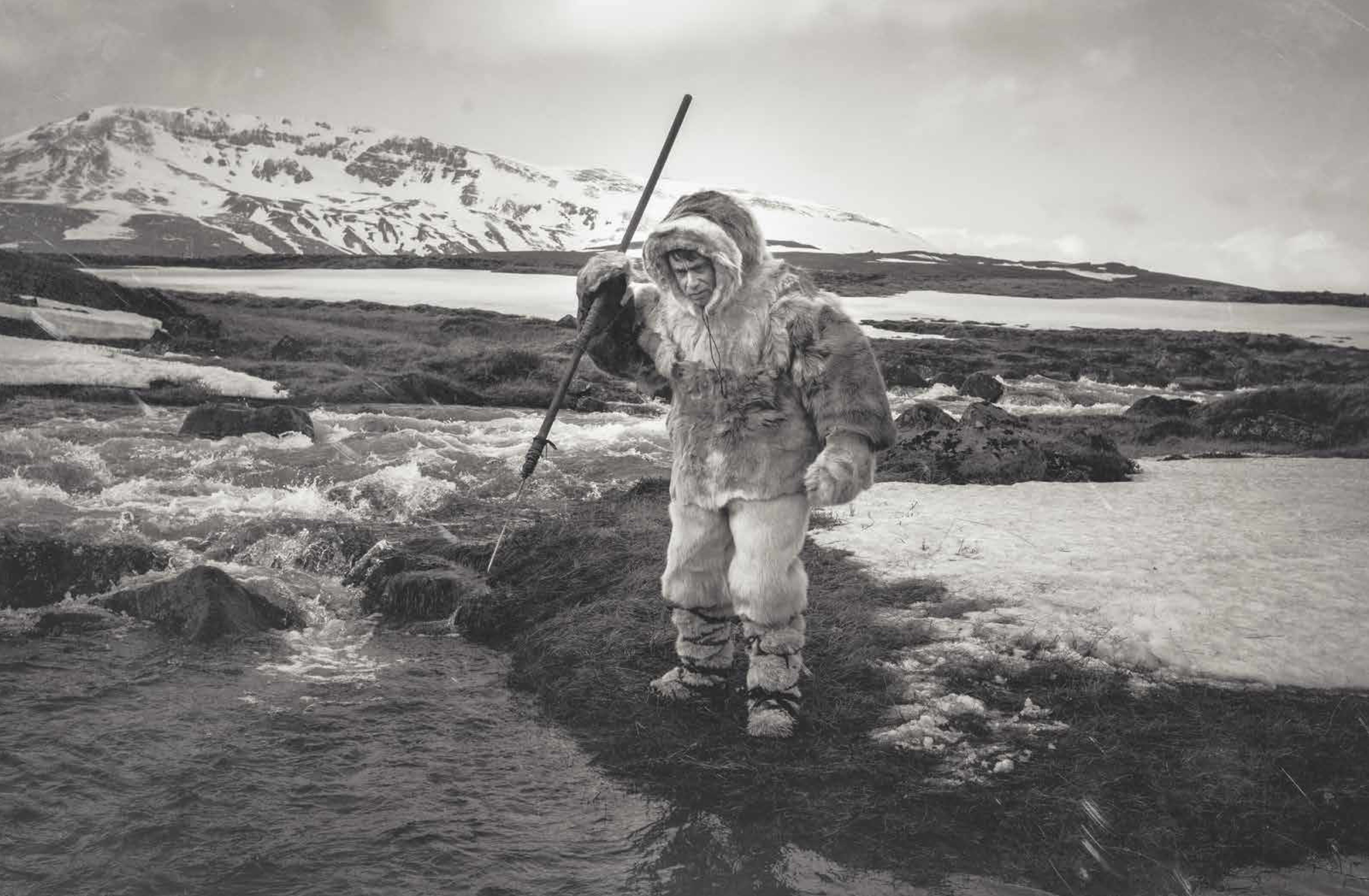
A still from Kunuk Uncovered.
It’s always a lovely compliment when an actor’s performance is praised as honest, or when a Hollywood film is lauded by the press as “real.” But in the documentary, there’s no need for such puffery. This business of costumes, and casting, and producers calling with notes about the script, well, the documentary doesn’t have to contend with all that. The stories you see are the truth. The people you meet aren’t pretending. If film is the most democratic of modern forms, then documentary is its pinnacle.
A still from Globesman.
In that regard, hosting Documentary Now! has been one of the great honors of my career. This fine program consistently showcases bold, thoughtful, and revolutionary work. The films they’ve broadcast since their inception are unlike anything else in the entertainment landscape. And now, as we set down words and cement celluloid dreams onto the printed page, our humble aspiration is that we might capture a fraction of this essence.
Classic posters from two classic documentaries.
As for that first documentary, the one-reeler of my trapeze performance. Well, I never saw the final result. But I can still recall the incredible feeling of being filmed. It was the feeling that perhaps my story was worthy of telling. It was the feeling that, perhaps, they all are.
1 After his retirement, Lancaster was replaced by a rotating cast of hosts, including Gregory Peck, John Pierson, Mel Gibson, James Naughton, Richard Roeper, and Billy Bob Thornton, before Helen Mirren took on the mantle permanently in 2008.
You can buy Documentary Now! in our store.
A reader writes:
I work for a large nonprofit organization; I started here a few months ago. I am a mid-career professional, and in general, I feel like I usually have pretty good instincts for how to handle interpersonal conflict at work. But I feel stumped by this one.
In a recent call (on Zoom/video) with approximately 10 staff members, we were discussing a stressful work project where a lot of things are going wrong. One of the senior leaders on my team said (I am paraphrasing), “If XYZ happens, I will kill someone.”
They did not name a specific person; they seemed to be expressing their extreme frustration at how the project was going.
I tried to intervene with empathy, saying something like, “I know, this is a very stressful situation and it’s frustrating that we are facing these issues.” The leader then said, “I am not joking. I will literally kill someone.”
From this person’s tone and body language, I feel like they actually were (probably) joking … even though they said, “I am not joking!” But no matter what the person intended, it does not sit well with me. The more I think about it, the more I feel (a) uncomfortable at people threatening homicide in the workplace and (b) resentful that I feel like I need to spend time wondering if my senior leader will or will not actually commit a harmful act.
My feeling is: any time someone says that they intend to kill someone — either themself or someone else — we as a society should err on the side of caution and not ignore it. So I am wondering if I should say something and, if so, to whom?
We do not have an anonymous reporting tip line in my office, so the options I am considering include HR and my own boss, with whom I have a good relationship (though this person is their boss, so I feel discomfort in that).
P.S. For what it’s worth, I am keeping my eyes and ears out as I learn more about working at this place, because not long after this, another person on the call said something like, “You are not the first person today to express homicidal tendencies in a meeting.” I am beginning to wonder if this just a toxic work culture.
It’s much, much more likely that these are people using hyperbole to express frustration than that they are actually considering murder.
To be clear, that’s not good! People shouldn’t do that. But a lot of people do talk this way, just like a lot of people say “if this printer jams one more time, I’m going to throw myself out the window” without meaning they are truly considering self-harm.
You are entitled not to want to hear that kind of thing at work. And people need to be more thoughtful about how their language might land with someone who, for example, had a loved one murdered or who did in fact throw themselves out a window. People tend to use this kind of expression without thinking about the fact that those things happen in real life, and that their audience may include people have been affected by the exact thing they’re joking about.
But it’s also true that this kind of expression pops up at work sometimes, and you are generally expected to differentiate between clear hyperbole and a potential threat. I want to be clear — I’m not saying that’s right, just that it’s usually the reality of it.
As for what to do, you could certainly talk to HR and/or your boss about it. They will probably tell you that it sounds like hyperbole to them, and your boss in particular might have more insight about her boss that would put it in context. But you could point out that it’s jarring and upsetting to hear that kind of thing at work, especially as someone fairly new who doesn’t have long relationships with the parties involved to put it in context, and suggest reminding people — and especially this manager — to be more thoughtful about their language.
The post a senior leader threatened to kill someone in a meeting appeared first on Ask a Manager.
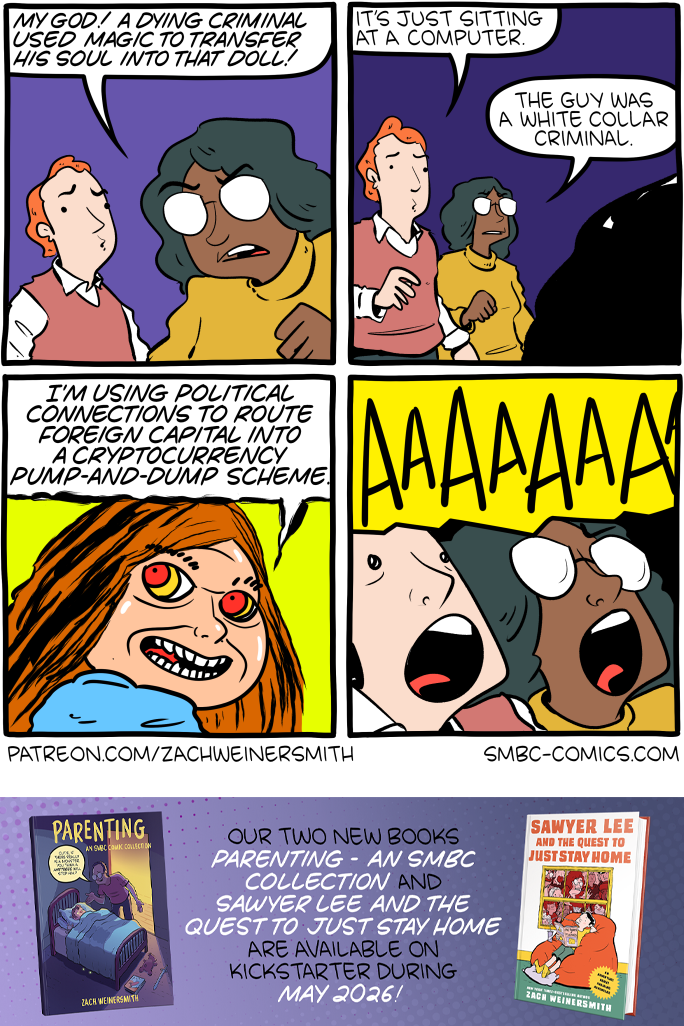
Hovertext:
I'm so incredibly available to write this movie and 17 sequels. It's like the movie Wall Street, but with dolls.
WASHINGTON—Declaring the financial allocation a matter of utmost urgency, President Donald Trump on Monday requested $1.2 trillion to have. “I’m calling upon Congress today to immediately provide me with $1.2 trillion in funding that I currently do not possess but which I will possess once it is given to me,” said Trump, acknowledging that he had previously asked for just $900 billion but was now requesting more so that he would have more. “Even as we speak, I do not have this money, and the only way for me to get it is through swift budgetary action. I’ve gone too long without $1.2 trillion that I’d very much like to have so I can spend it on things I want. It is also possible I’ll want to have more money at a later date, and I will request it then.” At press time, the Senate passed the $1.2 trillion spending measure mostly along party lines, with Sen. John Fetterman (D-PA) joining all Republicans in support.
The post Trump Requests $1.2 Trillion To Have appeared first on The Onion.
In brief: A quick Monday table setter to discuss severe weather today, flooding concerns that are coming up, and an early season heat wave on the East Coast. Eastern Pacific hurricane season is also officially underway.
Tropical concerns: None.
Eastern Pacific hurricane season began on Friday, and it looks quiet for the time being. Nothing on the Atlantic side to get us stirred up either. Look for part 3 of our 2025 Atlantic season in review on Wednesday.
Severe weather concerns: Moderate risk today Kansas/SE Nebraska
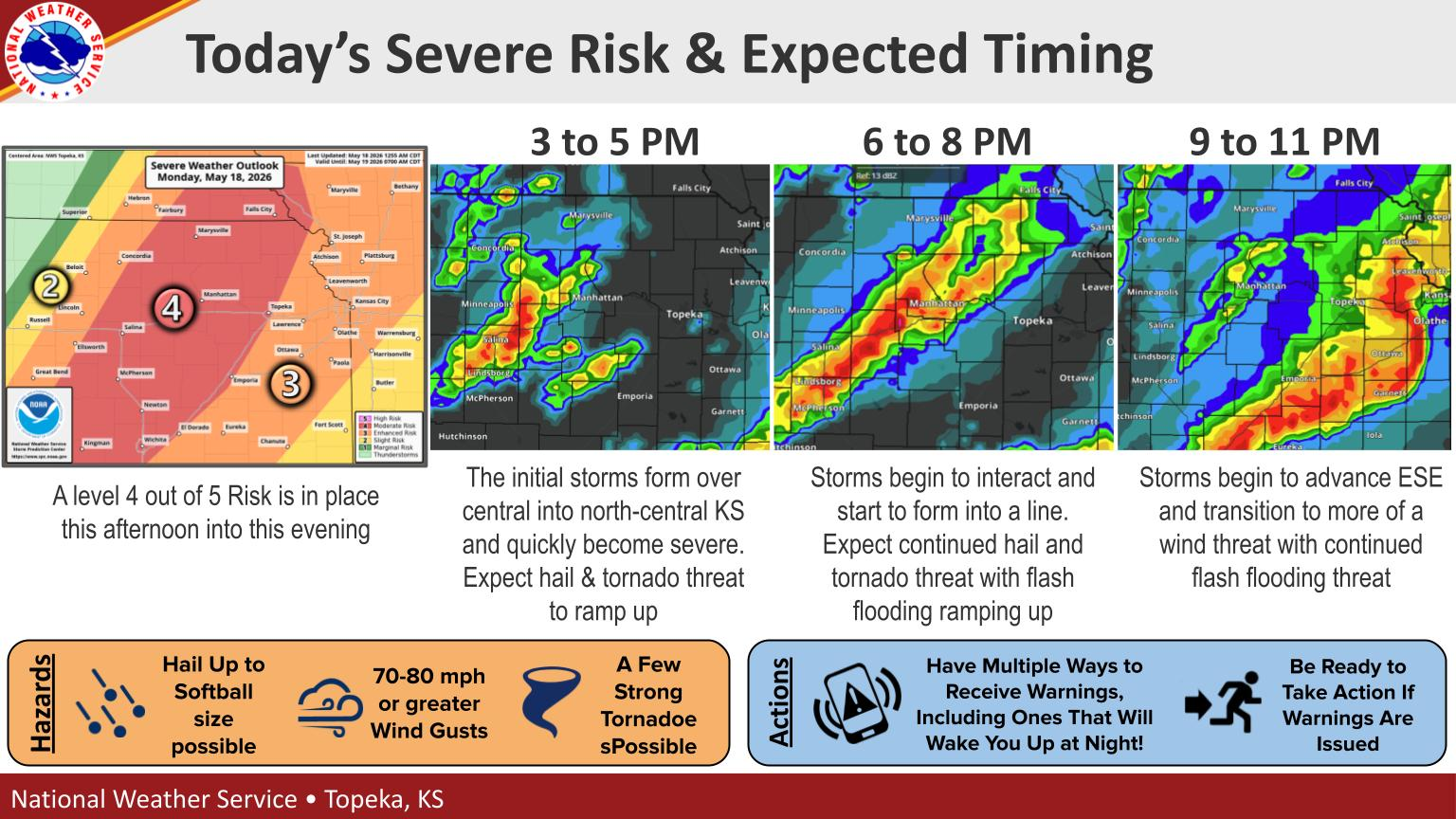
A moderate risk (level 4/5) is in place today for much of central and northeast Kansas, as well as southeast Nebraska. The risk today is for significant hail and strong tornadoes in this area.
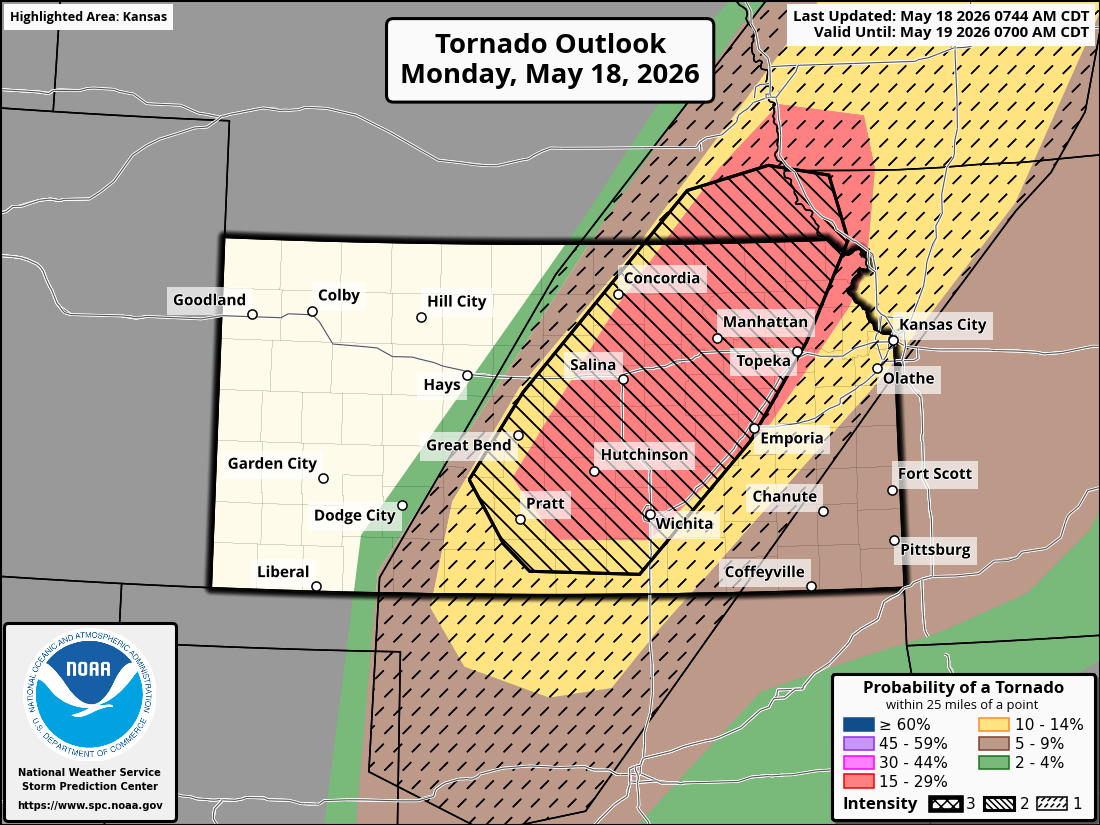
Storms should develop later this afternoon and advance east across Iowa and Missouri. Much of those areas are in enhanced (3/5) and slight (2/5) risk as well. So there is substantial risk for damaging thunderstorms today and tonight in these regions.
Storms will advance south and east tomorrow where a very broad slight risk (2/5) is in place from Upstate New York into Texas.
Flooding concerns: Central U.S., including Texas
Storms today will cause localized flash flooding from Kansas into Iowa and Minnesota but also a bullseye in Missouri. In these areas a “slight” risk (2/4) is in place for excessive rainfall and flooding, except a moderate risk (3/4) in Missouri.
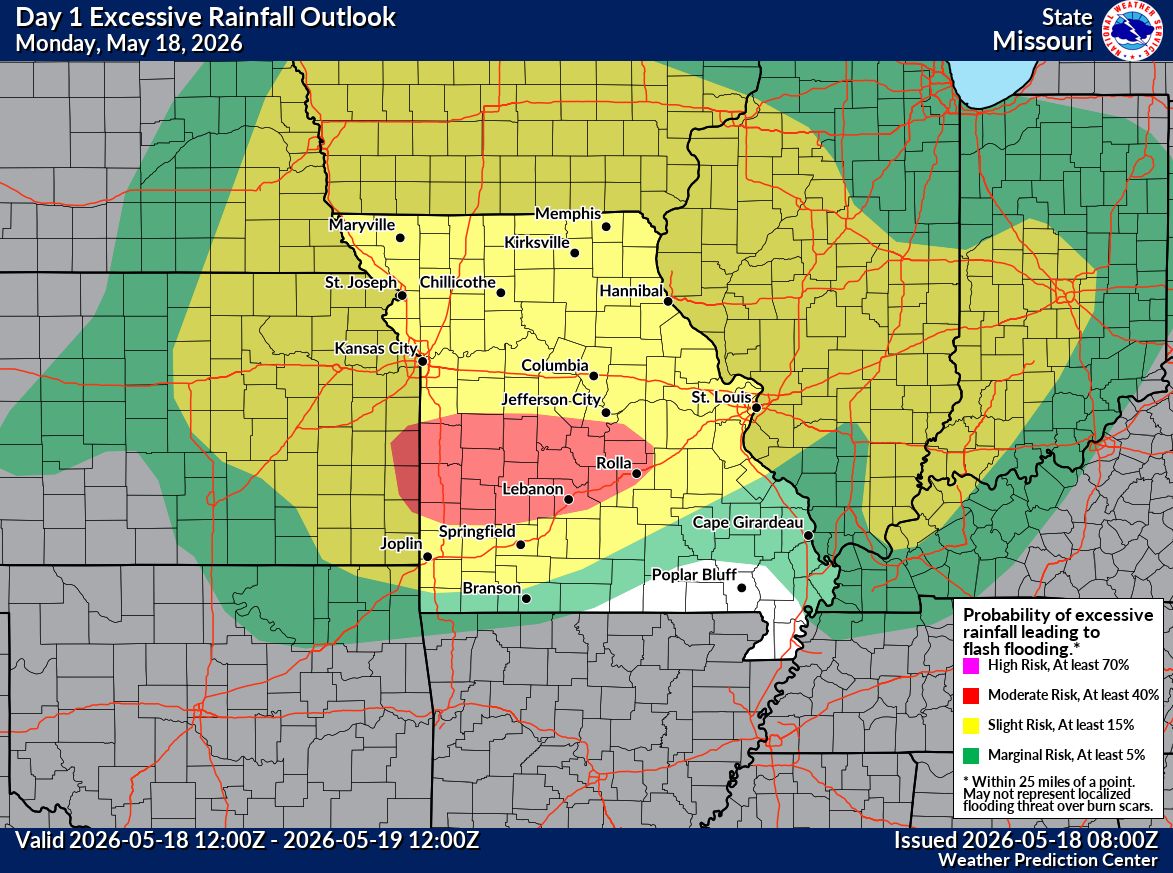
Flood watches are posted in this area.
As that system exits to the east, the setup over the Central U.S., from about Texas into the Ohio Valley and Southeast is going to favor continuous moisture coming in off the Pacific, Gulf of Mexico, and Caribbean Sea. This will lead to repeated rounds of rain and thunderstorms beginning tomorrow and continuing probably into next week in these areas. Rainfall totals will probably add up to 4 to 8 inches over a broad area in that 7 to 10 day period.
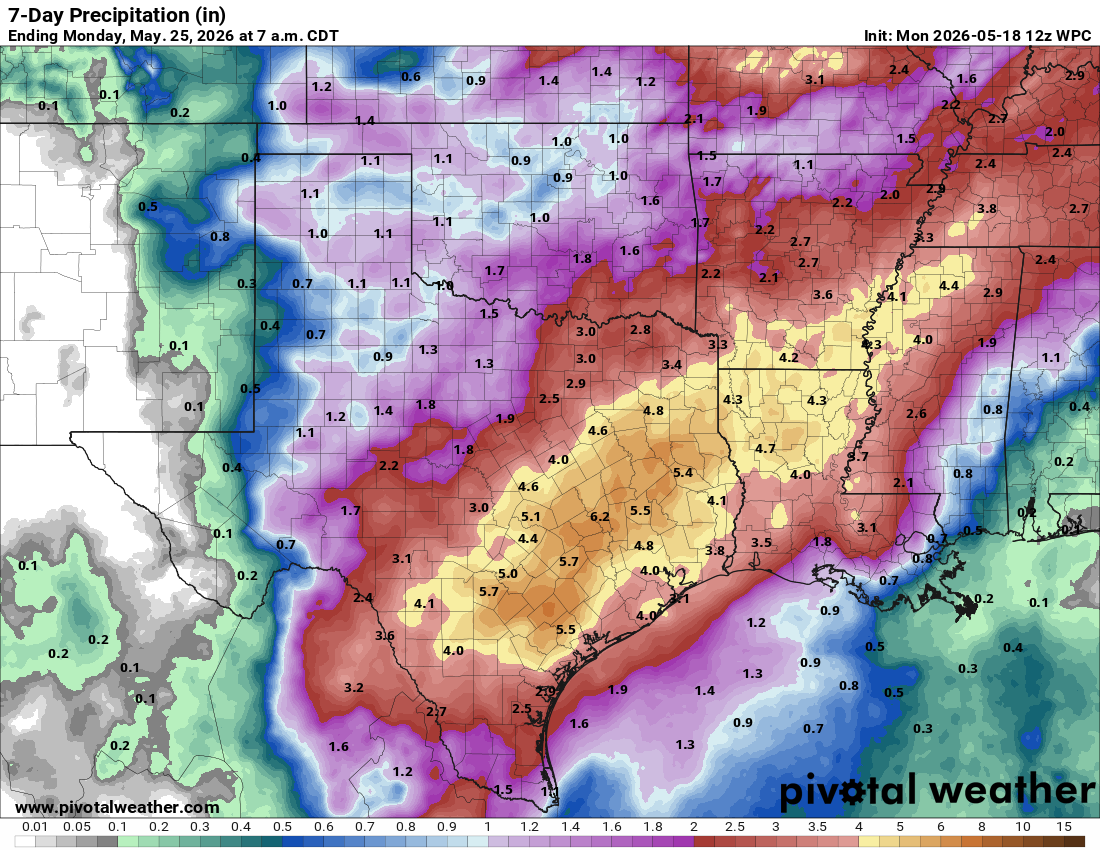
In localized spots, we could see some flash flooding concerns ramp up, including portions of Louisiana and the Houston area in Texas. We could also see some larger rivers begin to flood as well. We’ll be monitoring the rain chances for Houston closely at Space City Weather. But this looks like a major, prolonged and drought-busting rain event across the South and Ohio Valley. We will likely have more to come on this either here or at Space City Weather.
One other additional note: Corpus Christi has been in the news a lot lately because of the potentially devastating water shortage issues in that area. While this will not end those concerns at all, 1 to 4 inches of rain would help a lot in the near-term. Most models show this as a plausible outcome, though the heavier rains will be focused northeast of there. Hopefully with a developing El Niño, the rains will occur more frequently, though flooding concerns may emerge more frequently too.
Heat concerns: Northeast Corridor
Not necessarily out of the ordinary, but an early season heat wave is going to impact parts of the Northeast Corridor, especially between New York City and Richmond, Virginia the next couple days. Yesterday was a taste of things with 89 degrees recorded in New York, Philadelphia, and Washington. Today and tomorrow should be worse. Forecast highs are in the mid-90s for DC and Philly today and tomorrow and perhaps mid-90s into New York and Boston tomorrow.
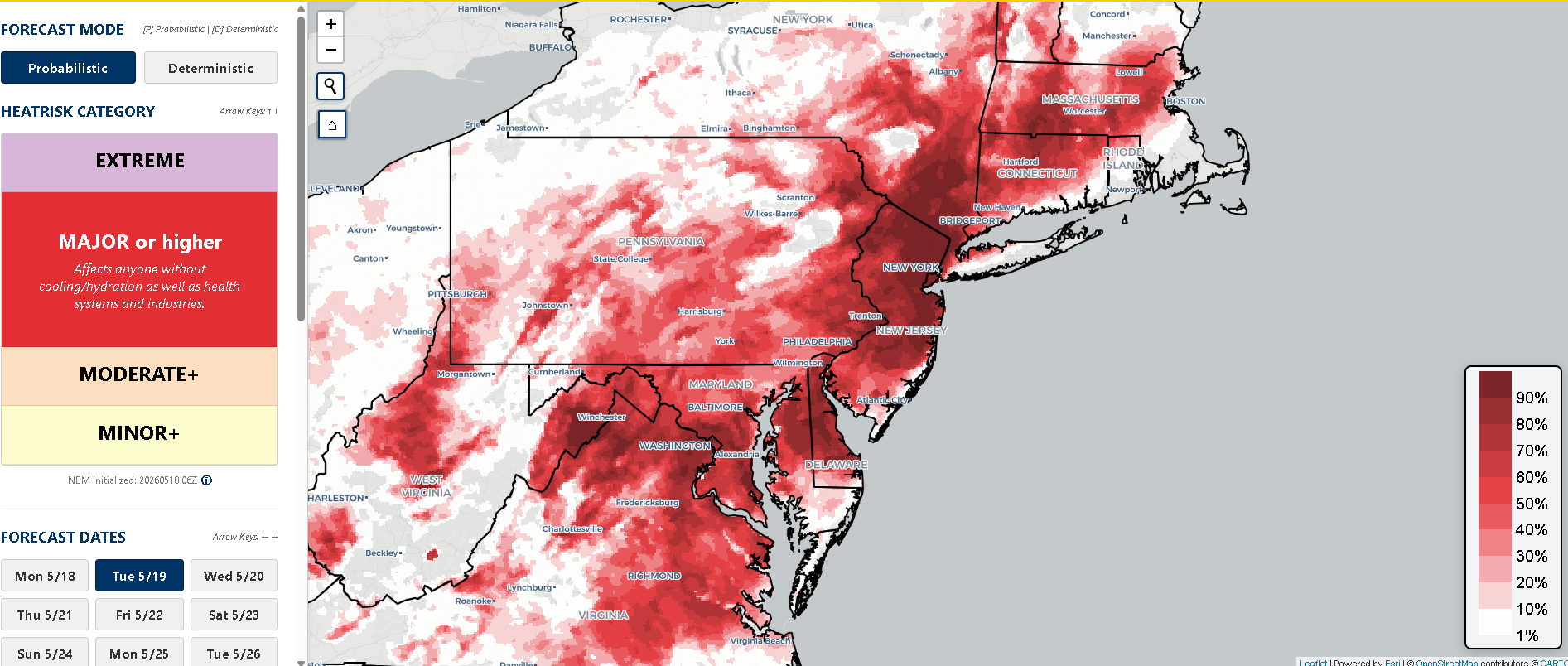
Tuesday should be the hotter of the two days overall, and the NWS heat risk map above shows pretty high probabilities of “major” risk (level 3/4) over a broad area. Heat should end on Wednesday evening with a cold front slamming through the region.
"The phrase ‘tax the rich’ can be ‘just as hateful as some disgusting racial slurs,’ according to the New York City billionaire Steve Roth, who said that the top 1 percent should be ‘praised and thanked.’” — The Guardian
First they came for the pieds-à-terre, which they said were driving up the cost of housing.
And I did not speak out.
Because my pied-à-terre was in Greenwich, Connecticut, not Greenwich Village.
Then they came for the capital gains, which they said should be taxed as income.
And I did not speak out.
Because I had all of my company stock in a tax-sheltered backdoor Roth.
Then they came for the bad landlords, who they said were ripping off tenants.
And I did not speak out.
Because I was so wealthy I didn’t even bother renting out any of my investment properties.
Then they came for the 1031 exchanges, which they said were an unfair tax loophole the wealthy use to buy fancier vacation homes.
And I did not speak out.
Because I inherited all of my vacation homes from my father using a totally different tax loophole.
Then they came for the real estate shell corporations, which they said shady billionaires were using to anonymously buy up enormous swaths of properties.
And I did not speak out.
Because, years ago, I had my name legally changed to Equity Holdings LLC.
Then they came for the corporate income tax increase, which they argued companies would happily accept in order to continue operating in arguably the most lucrative city in the world to do business.
And I did not speak out.
Because I just assumed that corporate lobbyists would find a way around this, either at the state or federal level, because that’s the sort of thing corporate lobbyists seem to always be able to do.
Then they came for the mega-mergers, which they argued, at this rate, would eventually turn the S&P 500 into basically the S&P 5 and result in the nation’s entire wealth being split down the middle between Jeff Bezos and Elon Musk.
And I did not speak out.
Because I was good friends with Bezos, this actually seemed like it could work out in my favor, though, admittedly, I began to worry we were definitely reaching some sort of breaking point as a country.
Then they came for the general notion that the ultra-wealthy should be exempt from paying their fair share in taxes on account of them being “job creators,” which they argued was true, but only in the narrow sense that having a small group of mustache-twirling centi-billionaires hoarding all the wealth results in an economy where average people have to work three or more jobs just to survive, so, yes, technically there are more jobs but all of the jobs suck.
And I did not speak out.
Because I was just a deca-billionaire and because I was also getting a little scared that perhaps they were right; perhaps American society was completely falling apart at the seams, and we were quickly spiraling into an authoritarian kleptocracy, even though the offensively simple solution would be for the wealthy to simply agree to an increase in taxes so small they likely wouldn’t feel it in any meaningful way.
Then they came for me.
And there was no one left to speak for me.
Because the rest of the oligarchs had moved to Miami Beach.