
Arquidoll
Shared posts
08 Nov 20:07
Slightly Disturbing Human Body Facts That Will Make You Feel Weird
by Geeks are Sexy
When looked upon close, people’s bodies are slightly disturbing…
18 Oct 02:41


Carimbos de Rainha - A Missão
by Luciana Leal & Luiz Felipe
História de "vingança".
Estava eu no facebook, quando uma médica (que lê o nosso blog) postou sobre um produto, e um carimbo parecido com esse aparecia sobre a mesa dela. Quando vi aquilo, meus olhos só faltaram pular das órbitas!
Eu pre-ci-sa-va ter aquele carimbo de rainha.
Perguntei para a pessoa em questão, onde ela havia comprado o digníssimo carimbo. E fui ignorada.
Perguntei novamente. Silêncio total.
Mandei uma mensagem privada. Nada.
E o carimbo sempre aparecendo nos cantinhos das fotos. Foi quando me toquei que talvez ela não estivesse me respondendo de propósito. Para ela ter e eu não, parecido com o que fazíamos quando tínhamos cinco anos.
Pensei com os meus botões, "ainda se usa fazer isso?".
Aparentemente sim.
Portanto, encontrar quem vendesse o carimbo se tornou uma prioridade. Levei semanas, mas encontrei (até porque tenho mais o que fazer da vida).
Procurei em sites americanos, indianos e o que mais vocês puderem imaginar. Mas foi só eu escrever no Google "carimbos com pedrarias" que ele apareceu.
Mas você pode estar se perguntando onde está a vingança. Bom, neste post. Pois se a pessoa queria ser a única no mundo a ter esse carimbo, bom, sinto em informar que, se depender de mim, todas as mulheres na área de saúde no mundo, vão poder ter um também.
E talvez outras mulheres de outras áreas também se animem a fazer um.
É um ótimo presente para aquela pessoa que já tem tudo, ou para quem se formou.
Existem muitos modelos, e eles ainda fazem a capa do celular combinando.
É um ótimo presente para aquela pessoa que já tem tudo, ou para quem se formou.
Existem muitos modelos, e eles ainda fazem a capa do celular combinando.
KKKKKKKKKKKKKKKKKKKKKKKKKKKKKKKKKKKKKKKKKKK
Quanto custou? R$100,00 o carimbo + R$15,00 o frete.
Quem fez? Arte Deluxe
whatsapp: (22) 997368441
E-mail: arte.deluxe@hotmail.com
OBS. Vingança só é "legal" quando não prejudica ninguém! Vingança "do bem", eu apóio!
OBS. Vingança só é "legal" quando não prejudica ninguém! Vingança "do bem", eu apóio!
Arquidoll likes this
01 May 23:21
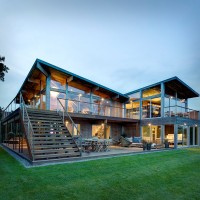
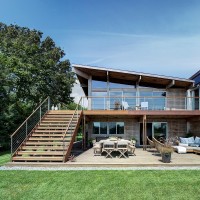
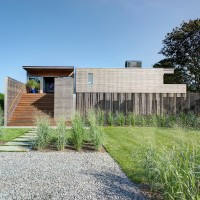
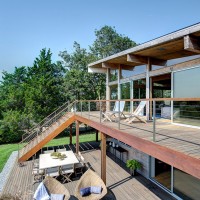
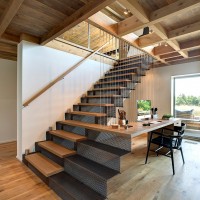
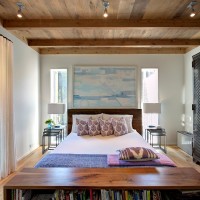
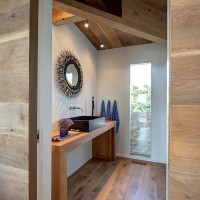
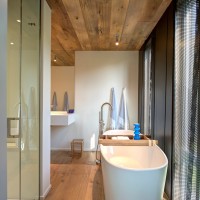

Far Pond by Bates Masi Architects
by Erin
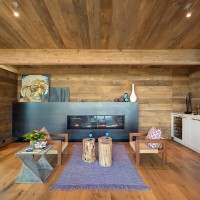
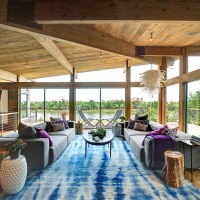
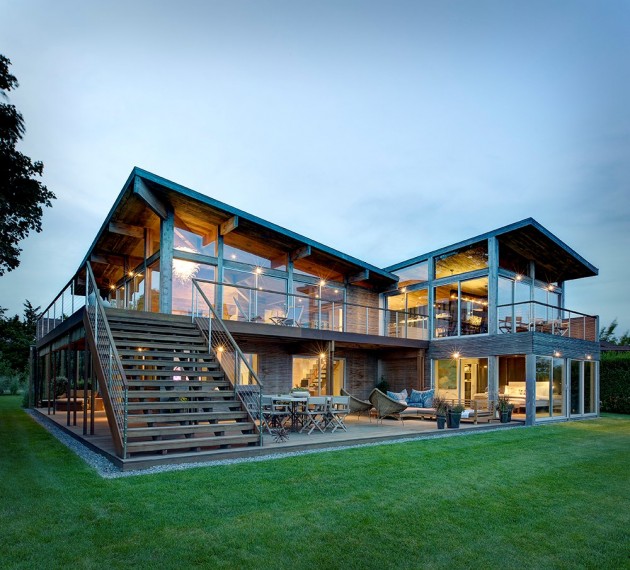
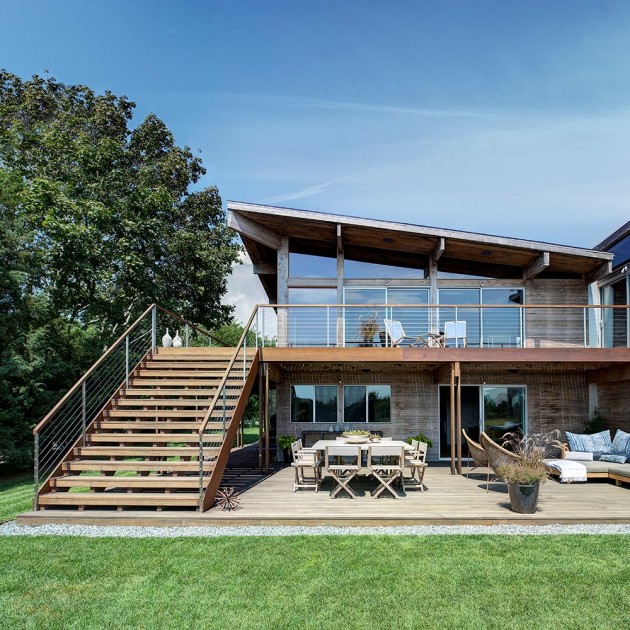
Bates Masi Architects have designed a single family residence in Southampton, New York.
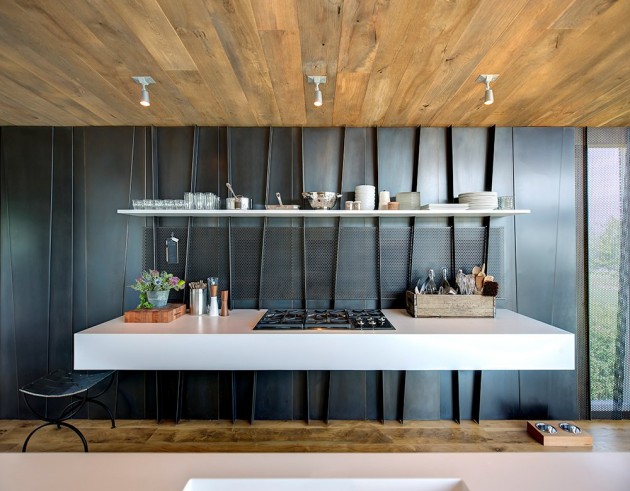
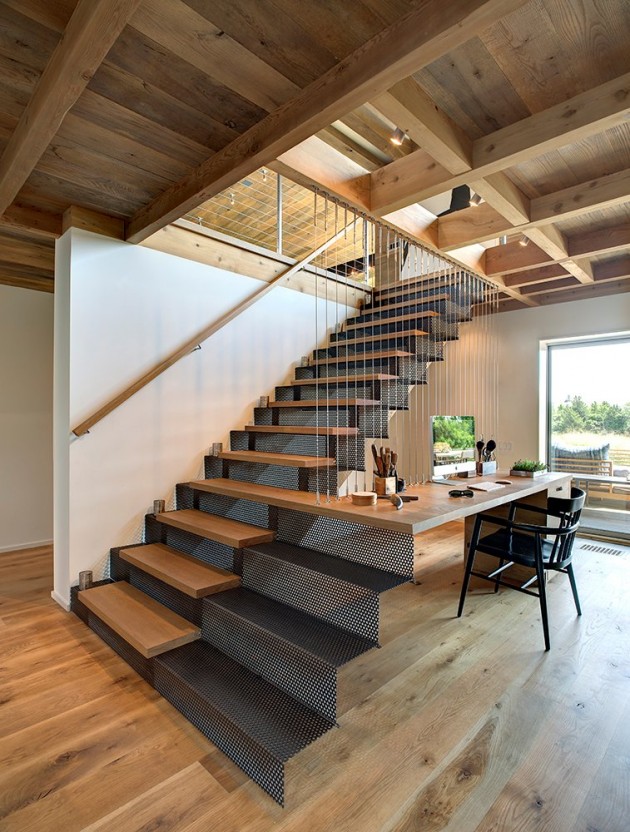
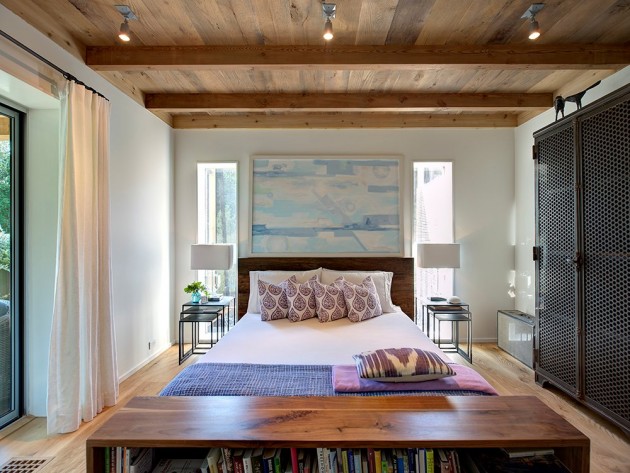
From the architects
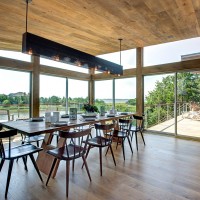
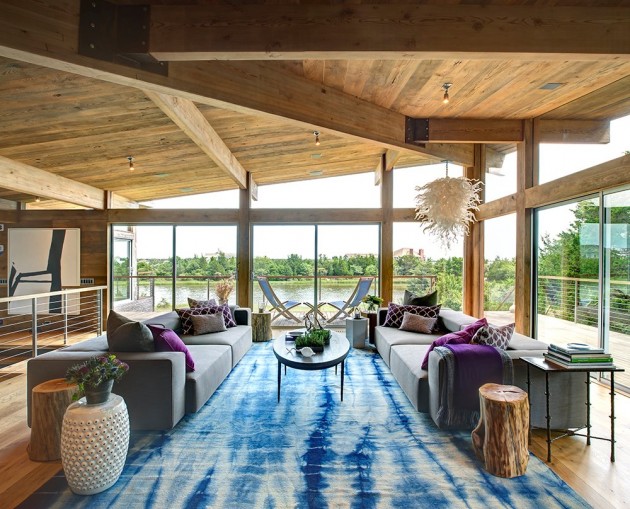
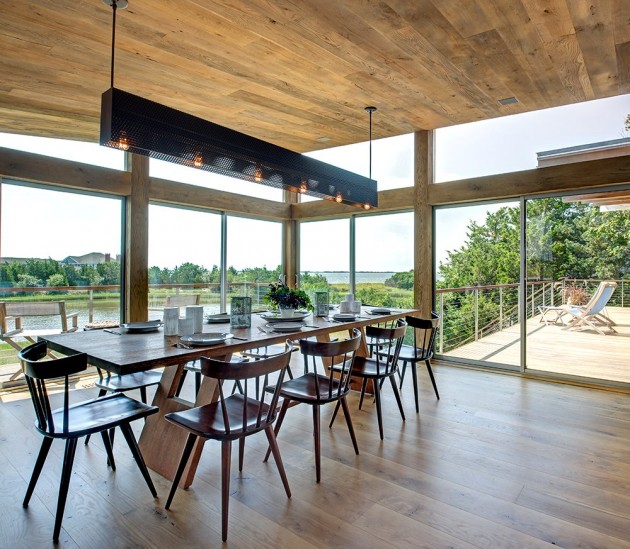
The waterfront site of an existing 1970’s kit house overlooks layers of wetlands to an estuary, the bay, and the ocean. The client set the parameters of keeping the existing structure while doubling the size of the house with an addition. The existing structure consists of glulam post and beam construction connected with steel plates. One solution could be to mimic the existing architectural language of the post and beam skeletal structure in the addition. Since the existing house clearly expressed the structural system, the addition should also express this. The architect chose to clearly identify the existing system of the house and create a dialogue with a contrasting panelized system in the addition. The new system utilizes prefabricated elements that resolve multiple structural and spatial problems. Examining the strategy of a kit of parts, current material fabrication technologies are utilized to expand on this idea. A different approach to sustainability is explored, minimizing waste by simplifying to the essential components in order to resolve multiple problems, thus eliminating typical construction waste. Using a standard as a precedent and developing a new structural system paired with the latest technologies, a material can accomplish multiple tasks and heighten the experience of inhabiting the space.
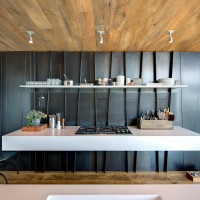
Prefabricated shear wall panels, used in light frame construction in areas that are hurricane prone with high force winds, were studied. Most are made from a light gauge metal folded to add strength and rigidity. For our case the panels were to be exposed and used for more than just a hidden structural component. A standard light gauge 4×8 steel sheet was folded back and forth along the long axis adding the same strength and rigidity to the panel. The resulting 2’ panel locks into adjacent panels and is a structural shear and bearing assembly, as well as a decorative furniture component.
The new structural panels multitask throughout the addition. The solid steel transitions to a perforated panel that baffles the sunlight over windows and doors. The light quality varies throughout the day as light levels transition through the overlapped perforations. Fins that protrude from the wall panels are laser cut to accept shelving, seating and countertops. The same perforated steel becomes the dining room chandelier, and the platform for the stair and desk. This one material is exhausted in its possible uses throughout the house, minimizing the necessity for additional components that require wasteful shipping and packaging. The secondary infill material is used through both structures, on the floors, walls and ceilings to unify the old and the new.
Using new technologies to fabricate customized panels from a standard product accomplishes several things: less material is necessary to achieve greater structural strength, multiple programs can be integrated into one material, waste is minimized resulting in a more effective approach to sustainability, and the dialogue between the existing and new structural systems elevates the experience of inhabiting the space.
Architect: Bates Masi Architects
Landscape Design: Bates Masi Architects
Photography by Bates Masi Architects
30 Oct 22:12

lilyserpent: “If animals could speak, the dog would be a...
“If animals could speak, the dog would be a blundering outspoken fellow; but the cat would have the rare grace of never saying a word too much.” ― Mark Twain
Arquidoll likes this
22 Jun 23:30


The Wall House by FARM
by Erin
Singapore-based architects FARM have designed the Wall House.

From the architects
This is a tale of two houses – similar looking, yet independent and coming together to form a coherent whole. The two blocks sit on a sprawling piece of land, belonging respectively to the retired parents and one of their children.
This separation of the house into two blocks, in part a response to the sheer scale of the land, is also a requirement brief given by the clients. Programmatically, it consists of a two-storey block with the main living and master bedroom area, and a single-storey block housing the entertainment areas of the house.
What links these two volumes together is the huge central courtyard at the entrance expressed in an austere geometry of granite floor and wall, an organically shaped oculus and a minimalist planting of six willowy trees. Like a sparse yet artful Chinese landscape painting, this sets the tone for the rest of the spaces.
The landscape design, similar to the house, is also experienced in multiple correlated layers. It takes its inspiration from the philosophy of classical Chinese Garden where views are borrowed through cutouts and vistas, and where sight lines and spaces begin to overlap.
Architects: FARM
Photographer: Bryan van der Beek and Edward Hendricks
No more posts. Check out what's trending.