

Read more of this story at Slashdot.
Read more of this story at Slashdot.

Zodiac, the late-'60s serial killer whose undistinguished death toll was made legendary by his keen fashion sense and talent for writing challenging puzzles, was a man named Gary Poste—at least according to a team of cold-case researchers.
— Read the restThe Case Breakers is now saying it has identified the Zodiac Killer as Gary Francis Poste, who passed away in 2018.
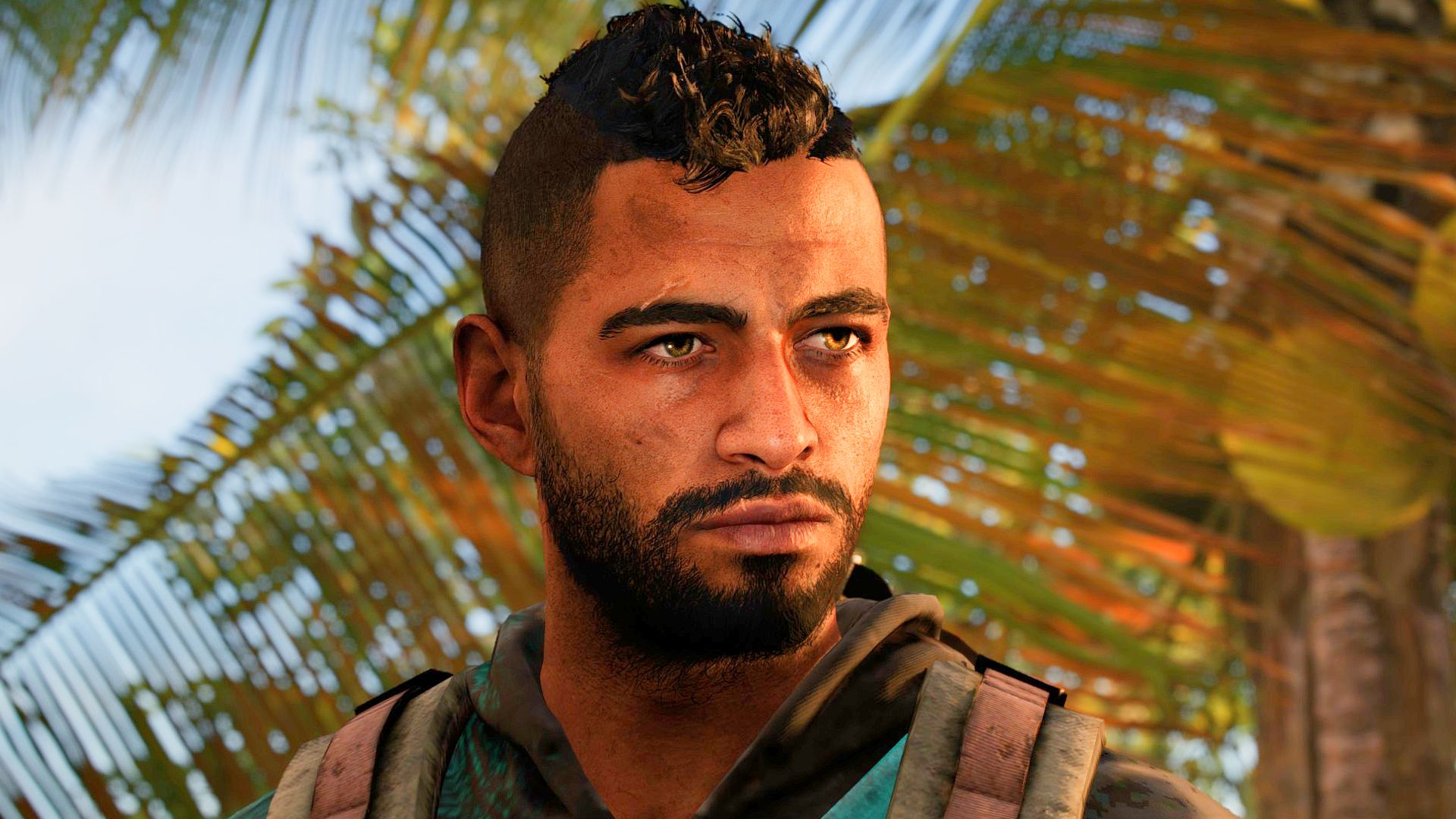
Dani is a guerrilla. Or at least, that's what they're told throughout Far Cry 6. Despite a story that's all about revolutionaries, an abundance of DIY superweapons, and a lush new tropical setting, this is still Far Cry as you've been playing it for nearly ten years now. That formula still makes a fun game, but after another 20-plus hours fending off animal attacks, liberating outposts, and making friends with the local oddballs, there's more than a hint of irony that you're meant to be carrying out a 'revolution' on the island of Yara.
Following in the footsteps of Assassin's Creed Odyssey - albeit a few years behind the curve - Ubisoft infuses its FPS series with light RPG mechanics, namely an obsession with collecting and crafting gear. Rather than leveling up and unlocking new skills, Dani's abilities are defined by the guns and gear they equip. Initially, this feels a little limiting. Why can't I have all the different stealth takedowns and resistances to all of the damage types? But after a while you'll start to complete sets and settle on a build that suits the way you prefer to play, and as you get more comfortable you'll spot new ways to enhance Dani's arsenal so that you excel in your chosen field.
You might find that a set of armour that buffs your fire resistance feels too situational for most battles, but if you equip petrol bombs, a flamethrower, and a supremo (an improvised weapon that acts as a de facto ultimate ability) that sets the area around you on fire, you'll find that you're practically unstoppable. The obvious trade-off is that playing as a hulking, Mad Max-looking rebel with a flame-belching backpack isn't great for keeping a low profile. I've loved mixing and matching gear sets to incorporate whatever new boots or gloves I discover. Swapping a pair of trainers that quickens my crouched movement speed into my road warrior get-up means I now take a tiny bit of damage from fire, but in exchange I get to zip around bushes at what feels like a sprinter's pace, brutally slaying soldiers without being spotted.
RELATED LINKS: Far Cry 6 wishlist, The best open-world games, Pre-order Far Cry 6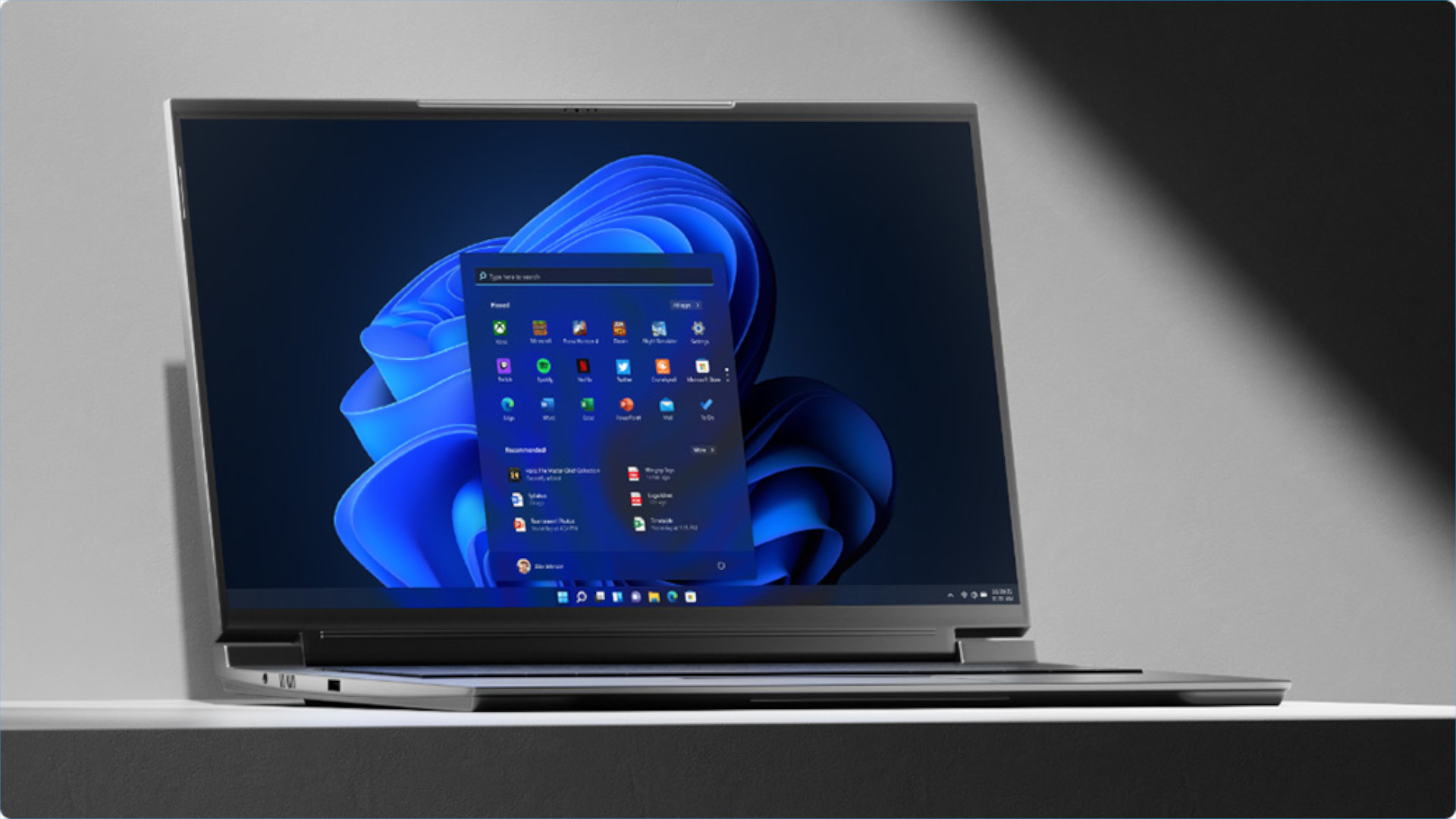
If you’re the type of person who stresses over packet loss and other connection related issues on their gaming PC, or don’t think twice about these kinds of things, we can all agree that lag ruins the experience for everyone. A new feature in Windows 11 called Wi-Fi Dual Station, developed with input from Valve and Qualcomm, reportedly reduces latency by up to 4x compared to current solutions. Qualcomm has issued a press release, as highlighted by GamesRadar, but we have all the details you need to know about it right here.
All eyes are on Microsoft’s newly released operating system, particularly when it comes to gaming performance. Excitement for enhancements such as Auto-HDR is spoiled by reports of the OS having an insatiable appetite for the best gaming RAM, leaving some would-be upgraders with cold feet. Then there’s the muddied conversation surrounding Windows 11's support for older gaming PCs, which is leaving many users confused.
Regardless, Wi-Fi Dual Station sounds like a great addition to the operating system and should help to significantly boost the performance of Wi-Fi gaming on the best gaming laptops and rigs that use wireless networks.
RELATED LINKS: Best SSD for gaming, How to build a gaming PC, Best gaming CPU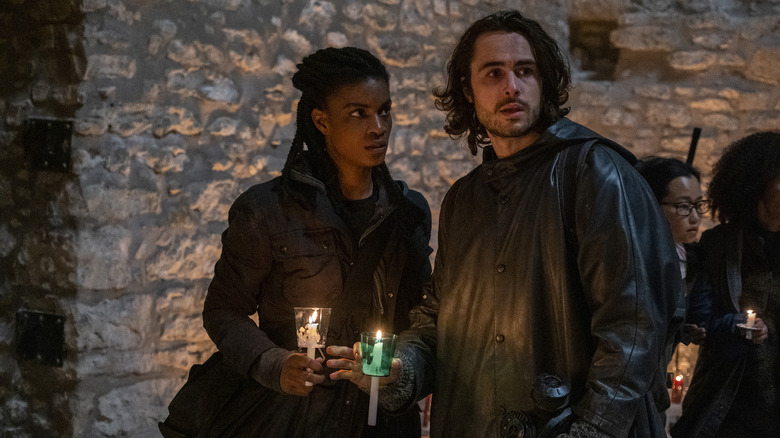
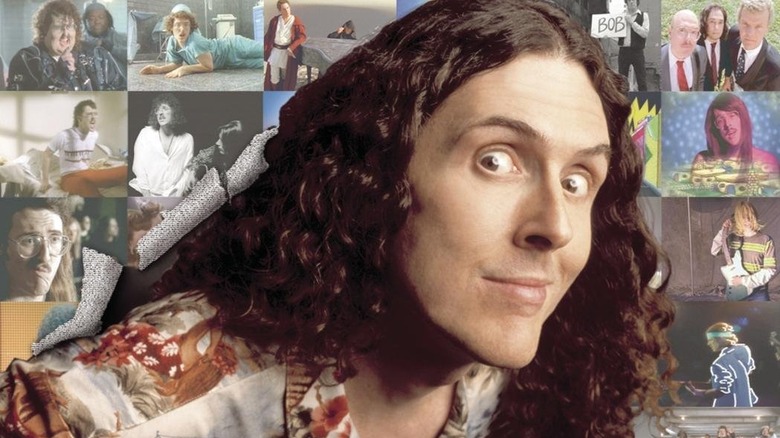
American treasure Al Yankovic had no idea what to expect when he sat back for lowkey night of binging on Hulu. In his search, he stumbled across an interesting new show: "Y The Last Man." But how could he have known the dark truth if its premise?
"Y The Last Man" has everything you could need: episodes ready to binge? Check. Intriguing premise? Yup. A Capuchin monkey?! Huge win. But after barreling through the first five episodes, poor ole Al made two discoveries. First off, "Y The Last Man" airs new episodes weekly, which means a solid wait before the next episode would arrive. But the second discovery was the most distressing — the sixth episode of the series has a very strange and vaguely threatening title: "Weird Al is Dead."
Our good pal Al took to Twitter with his response: a very brief and nervous "Uh oh."
The sixth episode of the post-apocalyptic series premiered on October 4, featuring an episode in which lead character Yorick Brown (Ben Schnetzer) attends a candlelit performance of an acapella choir singing Radiohead's "Karma Police." Let's be honest, it's rough out there in apocalypse land and sometimes you need music to lift your spirits. Case in point, Yorick gets all nostalgic, since he's hearing Radiohead for the first time since the world as he knew it disintegrated. He remarks that he got the chance to see them live, back in the olden days of regular society. His sister took him because "she wanted to show me there was more to music than Weird Al." To this, Yorick's companions looked down and solemnly said, "Rest in Peace Weird Al."
That's right folks, in the apocalyptic world of "Y The Last Man," Weird Al Yankovich has been stolen from humanity. Vaguely disturbed by the news, Al followed up on Twitter with a reluctant thank you.
Hate to break it to you, but if the fictional loss of Weird Al is too painful to bear, then "Y The Last Man" might be a difficult show to stomach. The entire premise of the show is that everyone with a Y chromosome has died of a mysterious plague — leaving only Yorick, his monkey Ampersand, and a world of people with X chromosomes.
Whatever has allowed Yorick and his Capuchin money to survive is the mystery at the center of the series — one which he and the secretive Agent 355 (Ashley Romans) risk their lives to understand. The whole thing is made stranger by the fact that Yorick is, as far as he knows, completely normal. So why him? The man is an amateur escape artist who teaches children how to get out of handcuffs (but not especially well, given his only client signed up for magic camp instead.)
Still, Yorick is somehow the only surviving cigender man on Earth. Sadly, whatever saves him doesn't extend to the likes of Grammy winner Al Yankovich ... so just think of all the other stars lost to the premise of "Y The Last Man." Lin-Manuel Miranda? Gone! Keanu Reeves? Bye. Tom Hanks?! No one is safe!
...But if you can get past the terrifying implications of your favorite celebrities being dead, then "Y The Last Man" is just a pretty cool show about the world crumbling around us. Ya know, another fun Tuesday night binge.
New episodes air weekly on FX on Hulu, so you can catch up before episode 7 arrives on October 11. Check out the official series synopsis below.
Based on DC Comics' acclaimed series by Brian K. Vaughan and Pia Guerra, Y: The Last Man traverses a post-apocalyptic world in which a cataclysmic event decimates every mammal with a Y chromosome but for one cisgender man and his pet monkey. The series follows the survivors in this new world as they struggle with their efforts to restore what was lost and the opportunity to build something better.
Read this next: The 20 Best Dystopian Movies Of All Time
The post Y: The Last Man 'Killed' Weird Al, and Here's How He Responded appeared first on /Film.
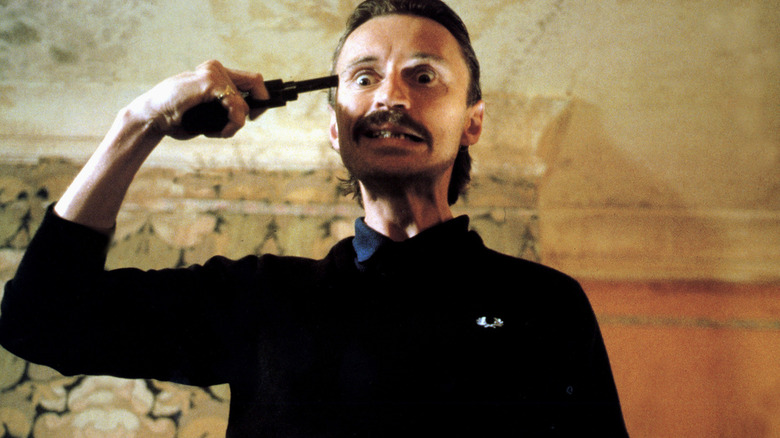
Begbie's back, baby! That is to say, Robert Carlyle ("Stargate Universe") is reprising his role as Francis Begbie, the most rotten man in all of Scotland.
Deadline reports that Carlyle will executive produce and star in a TV series based on the "Trainspotting" novel sequel, "The Blade Artist." The six-part series is being produced by Buccaneer Media. Carlyle and Welsh are executive producing alongside Buccaneer Media CEO duo Tony Wood and Richard Tulk-Hart. No streaming service or network is yet attached.
When asked about his involvement in the project, Welsh said:
"Begbie is Begbie and Robert is the long-term friend and collaborator who inspirationally brought the character to life with his incendiary portrayal. To say I'm excited at us reuniting creatively on this project is obviously something of an understatement."
For his part, Carlyle said that the prospect of working with Welsh and portraying Begbie once more is "an absolute gift."
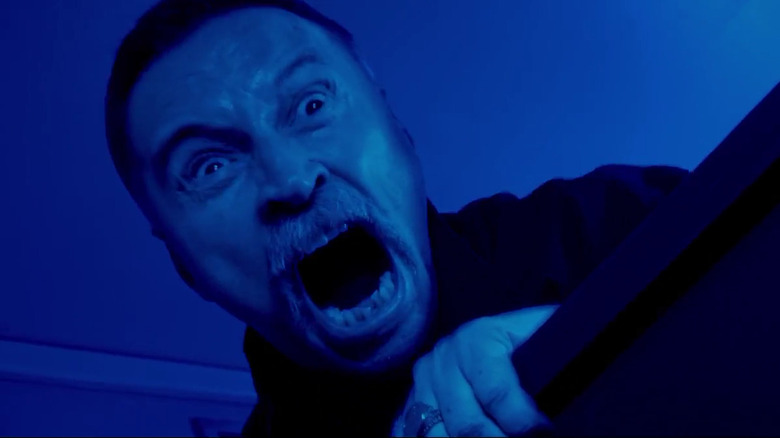
It's been more than 25 years since Carlyle first debuted as the heinous Francis Begbie in Danny Boyle's movie "Trainspotting." Begbie is a violent, angry man who doesn't pay attention to anyone or anything that doesn't benefit him. (His most famous scene in the first film shows him tossing a glass off a balcony and bloodying a girl's face.) He reprised the role in Boyle's 2017 sequel, "T2: Trainspotting," which once more pits him against Renton (Ewan McGregor), Spud (Ewen Bremner), and Sick Boy (Jonny Lee Miller).
"T2" doesn't exactly follow Irvine Welsh's novel sequel to "Trainspotting," "Porno," and that's probably for the better. "Porno" is a fiercely funny novel, but some of it simply couldn't work as a follow-up to the film version of "Trainspotting." It does bring up some questions about how "The Blade Artist" will fit into the filmed adaptations so far, or if it will stand on it own as a unique adaptation.
"The Blade Artist" was published in 2016 and follows Begbie under the assumed name of Jim Francis. He's living in California and has reformed himself, two decades after the events of "Trainspotting." But when his son is murdered and he returns to Scotland for the funeral, his past comes back to haunt him. Old habits die hard, and Begbie's violent tendencies are as old as he is.
Here's the synopsis for the novel "The Blade Artist," to give you a better idea of what we're in for:
Jim Francis has finally found the perfect life – and is now unrecognisable, even to himself. A successful painter and sculptor, he lives quietly with his wife, Melanie, and their two young daughters, in an affluent beach town in California. Some say he's a fake and a con man, while others see him as a genuine visionary. But Francis has a very dark past, with another identity and a very different set of values.When he crosses the Atlantic to his native Scotland, for the funeral of a murdered son he barely knew, his old Edinburgh community expects him to take bloody revenge. But as he confronts his previous life, all those friends and enemies – and, most alarmingly, his former self – Francis seems to have other ideas. When Melanie discovers something gruesome in California, which indicates that her husband's violent past might also be his psychotic present, things start to go very bad, very quickly.
Read this next: The Best Movies Of 2021 So Far
The post Trainspotting Sequel TV Series in the Works, Robert Carlyle to Return appeared first on /Film.
Though they don’t come out with the annual frequency of an iPhone, video game consoles can always be counted on to have a few mid-cycle refreshes (think: the PlayStation 4 Pro or Xbox One X). This week it’s Nintendo giving the OG Switch a makeover, adding an OLED screen and a few other exterior tweaks. But it’s basically the same system on the inside, so don’t call it the Switch Pro. It’s officially dubbed the Nintendo Switch OLED, because calling it the “slightly nicer Switch” doesn’t really move units from the shelves. If you’ve already invested in a Switch or Switch Lite you won’t need the upgrade, but if you’re still Switch-less this is the model to buy.
It’s $50 more than the original, which is not being pulled from shelves just yet. For $350, the new Switch has a full 7-inch OLED screen, a step up from the older model’s 6.2-inch display. The larger screen size is appreciated, though after six hours of playing it in handheld mode I didn’t notice the difference as much.
What did catch my attention when I switched back to the original were the chunky bezels around the 6.2-inch display. I’ve never liked them and found them to be one of the least attractive things about the system. Now they make me recoil in disgust when I compare them to the OLED model’s slim lines, which have been whittled to a third of the size. The matte plastic frame around the screen has also shrunk and changed to a glossy plastic, making it even less obtrusive.
As for the display itself: yes, it is noticeably brighter. There’s enough of a difference that in my initial hands-on I was dismayed when I returned to my personal Switch at home hours later. When placed side by side, the difference is undeniable. The colors pop just a bit more, the blacks are deeper and the whites are… more white, with the original having a slight lavender tint in contrast to the purer white of the OLED screen.
While not every game will benefit from better colors, Nintendo is also releasing Metroid Dread the same day. Like all titles in the series, the game traffics in a lot of dark spaces, with the bright pop of Samus’ red and yellow (or blue) armor contrasting nicely alongside backgrounds of brown and gray. It’s a good showcase for the OLED’s improved color fidelity and just a nice-looking game in general, which distracts from the fact that the new Switch doesn’t bring any actual improvements under the hood.
The CPU and GPU go unaltered, which ensures that all future Switch titles remain compatible with existing Switch and Switch Lite systems. This is pretty much in keeping with the Game Boy Advance and 3DS lines of products, which saw some radical redesigns like the Game Boy micro and 2DS over their lifespans. Sure, there were handhelds like the DSi and New 3DS that came with improved internal specs, but those never saw widespread adoption. The Switch OLED is a lot more like the Game Boy Advance SP: significant improvements to the display and form factor, but the same old library of games.
Alongside that new display are a bunch of minor tweaks that don’t seem like much when considered individually, but as a whole really improve the experience. The most notable is the new stand on the back. The one on the original Switch is small and roughly a finger’s width, with only two positions: open and closed. The one on my original launch unit no longer locks in the “closed” position and has a tendency to flop out when I’m playing in handheld mode. It also detaches completely if you look at it funny.
The Switch OLED’s stand is an entirely different beast. Instead of a skinny little strip, it’s now a Microsoft Surface-style panel that stretches across the back of the entire unit, with real hinges that can be left in a number of positions so you can now put your unit at whatever angle you prefer. I wouldn’t try to pull this thing off; the hinges are actually molded into the plastic, so if you do break it, it’ll have to go off to the Nintendo repair shop to get fixed up.
To accommodate the new stand a bunch of stuff has been moved around on the back of the Switch unit. The logo is now printed on the stand itself, so it’s been moved to the lower half of the rear. The manufacturing info, like the parts number and voltage, is now printed in black on the black plastic, underneath the stand. So it’s doubly hidden — a subtle but welcome improvement. The rear speakers have been moved to the bottom edge of the unit, where they also serve as a way to pull the stand out. It’s actually very thoughtful, while providing clear game audio and minimizing system noise. And, while the microSD hasn’t been completely relocated, it’s now placed parallel to the bottom edge. I assume this small change is to keep users from accidentally pulling out the card when they’re trying to adjust the stand. The one thing that hasn’t been relocated is the USB-C port on the bottom, so you still can’t recharge it in tabletop mode.
There are fewer changes to the device’s top edge, with the most notable being a button redesign resulting in longer, thinner power and volume switches. The new buttons aren’t easier to hit, but they do look sleeker and feel better under my fingers thanks to the textured plastic of the Switch OLED. The system is actually just nicer to hold now, like when it kept the sweat from pooling under my clammy hands during a particularly stressful boss fight in Metroid Dread.
Because the Switch OLED has to be compatible with all existing accessories, that means the unit is the same height and width as the original model. The Joy-Cons haven’t gotten a redesign, but hopefully the infamous “Joy-Con drift” has been eradicated by now. The new black and white color scheme is very nice, a step up from my all-gray launch unit in terms of style. If you like a more playful color palette, the Switch OLED can also be bought with red and blue Joy-Cons, or you can swap any other Joy-Cons you want. But the white ones don’t show scratches as easily as the other shades, so they’ll look spiffy for longer.
The one change in the system’s dimensions is the weight, thanks to the OLED screen. When handling the original and new Switch side by side, the difference is undeniable. But it’s not a big enough divide to make the Switch OLED less portable in any way. Subjectively, it might actually seem a bit lighter, possibly because the weight is well-distributed. The one thing about the build that feels like a step down is that the OLED model has a tiny bit of flex in the middle of the rear panel that’s not present in the original. However, it doesn’t make much of a difference to the build quality unless you’re planning to take a hammer to the back of the unit.
Because the system keeps the same internals, that means the battery has gone unchanged as well. It’s the same as the refreshed 2019 battery, which offers between four and nine hours of battery life compared to the launch unit’s cap of six hours. However, the new OLED should be more power-efficient than the LCD, and in use it appears to be. I got almost seven hours of Metroid Dread before I got the “low battery” warning at 15 percent, and that’s a game that makes frequent use of vibration. Compare that to the four or five hours I tend to get out of my OG Switch, even when playing something fairly tame like Animal Crossing or Untitled Goose Game.
If you already have an existing Switch, you can drop the OLED model into your current dock and it will work just fine. But the system does come with its own, redesigned dock that you might want to set up. It looks a lot nicer thanks to its rounded corners and glossy black plastic on the inside (which admittedly will probably scratch up over time). The back panel isn’t great, as it feels flimsy and can come off completely (so you may lose it). But all of these are outweighed by the important addition of an ethernet port.
Prior to this, the Switch has always been intended as a wireless system, and it hasn’t been stellar. Early models had a tendency to “forget” how to connect to your WiFi, forcing you to restart the system. And even now, downloading from the Nintendo eShop can be pokey; even with the OLED model I had to leave my system sitting for an hour or two while it downloaded games wirelessly. But now you can just plug in a cable for a faster, more reliable connection. If you have one in your living room, that is. Many people don’t, which makes this a feature for the more technical-minded fans. It’s the one new feature of the Switch OLED that I would consider “pro” level, and if you have a place to plug in it’s certainly worth the $50 premium.
Overall, the Switch OLED is a nice system coming out at an odd time, as it’s been over four years since the release of the original Switch. Based on Nintendo’s past release history, that would indicate a new console some time around 2023. So it’s a big ask of people to buy a $350 system if something better is just around the corner. (Nintendo has categorically denied that it has plans for a new Switch as recently as last week, but that doesn’t preclude that one will come out eventually.)
There’s also the specter of the Steam Deck in December, just two short months from now (assuming no delays). It's far more powerful than the Switch, and is also much larger, but promises access to almost the entire Steam library, which happens to overlap with the current Nintendo eShop quite a bit. The biggest selling point for the Switch OLED is access to storied franchises like Mario and Zelda, as well as the incredible bargain that is Switch Online. But you don’t need an OLED screen or wired ethernet to enjoy old NES, SNES, N64 and Genesis titles.
If you’re not going to be able to plug it into ethernet, or don’t need better speeds because you play offline all the time, the choice to upgrade to a Switch OLED is tricky. If you always play on the TV, there’s absolutely no point in buying this one, as there’s no difference in the dock’s output quality. It’s going to look the same as it always has, as this is most definitely not the rumored upgrade to 4K. But even if you’re a handheld player it’s not a must-have, unless you’ve given up on your original Switch because you just really, really hate LCD displays, or absolutely need more than five hours of battery life.

New World (PC), Storybook Brawl (PC), Voice of Cards: The Isle Dragon Roars (PS4/5, Xbox, Steam, Nintendo), Hot Wheels Unleashed (PC), Timberborn (PC/Mac), Hot Wheels Unleashed (PC), Development of Language in Video Games with Karnak, and more!

In an interview with CRN, Intel's CEO, Pat Gelsinger, stated that AMD's lead over them will be over with the release of Alder Lake & Sapphire Rapids CPUs.
In the previous interview, Pat Gelsinger revealed how Intel's Alder Lake chips will feature three AMD Zen-Like architectural innovations. In the latest interview, Pat revealed how his company plans to innovate with a solid roadmap and architectural foundation while ending the lead of competitors with new product designs such as CPUs, GPUs, and Software APIs.
“AMD has done a solid job over the last couple of years. We won’t dismiss them of the good work that they’ve done, but that’s over with Alder Lake and Sapphire Rapids,” he said.
Intel CEO, Pat Gelsinger (via CRN)
From the quote above, Intel's CEO acknowledges that AMD has done a solid job over the last years, especially with its Zen core architecture and its iterations but he states that AMD's solid run is over with the release of Alder Lake consumer and Sapphire Rapids server CPUs.
When you flip over to the PC side, we’re very happy with [what we presented at Intel] Architecture Day, bringing our hybrid solutions, where we have performance leadership and energy efficiency leadership with Alder Lake. We think that’s a game changer because we’re going to be able to compete on both dimensions where [AMD] is not.
Intel CEO, Pat Gelsinger (via CRN)

Interestingly, Pat states that the new hybrid model introduced on Alder Lake CPUs which includes P-Core for performance and E-Core for efficiency will allow them to secure leadership in both the performance and efficiency segments and states that this will be a game-changer for the industry as their competition (AMD) can't tackle them on both fronts. This is definitely up for debate as the red team is going to launch its Zen 4 CPUs next year and Intel has been unable to beat Zen 3 until now in both performance and efficiency departments. So all the lead Intel secures with Alder Lake might diminish when Zen 4 comes out unless they got a new chip in design (which they have in the form of Raptor Lake).
I think we’re in a supply-constrained environment, so in that view, I don’t think there’s a lot more opportunity for share movements one way or the other in this period of time. I see it as a fairly stable environment in terms of market share and ASPs in that environment.
And if anything, ASPs are rising, not falling because of supply constraints and the costs of the supply chain coming at us and at [AMD] in this period of time. In that sense, I just don’t see a lot of change on market share, which in some respects, as our products are rebuilding strength, we’ll be in an environment where as the products get better as they ramp, and as we look out [two to] three years, we expect unquestioned leadership products in every dimension that we participate in.
So this period of time when people could say, “Hey, [AMD] is leading,” that’s over. We are back with a very defined view of what it requires to be leadership in every dimension: leadership product, leadership [chip] packaging, leadership process, leadership software, unquestioned leadership on critical new workloads like AI, graphics, media, power-performance, enabling again the ecosystem. This is what we will be doing with aggressive actions and programs over the next couple of years.
Intel CEO, Pat Gelsinger (via CRN)
Pat also states that the current market conditions make it seem like AMD might be leading but they still control over 80% of the server market share and that's with a supply-constrained environment. According to Intel, once Sapphire Rapids is out and Ice Lake ramps up, the market share will return to them.
Intel is back. These are the best products in their category. We have the best supply situation. We have the best quality software assets. The most respected, venerable technology brand in the industry. Yeah, that’s what your channel readers need to be delivering to their customers.
Intel CEO, Pat Gelsinger (via CRN)
Intel also wants to leverage the use of both internal and external fabs with its IDM 2.0 strategy as detailed during the process and manufacturing day. The CEO says that he wants his design teams to be utilizing the best foundries to build the best products. Overall, Intel's new strategy under Pat Gelsinger, CEO, looks like it could work if handled and executed well. The company faces a lot of competition from chipmakers and its fabs are also undress stress to deliver the next-gen nodes on time but with this new strategy, Intel could once again lead the industry forward in terms of innovation!
The post Intel’s CEO: AMD Has Done A Solid Job But Their Lead is ‘Over’ With Alder Lake Consumer & Sapphire Rapids Server CPUs by Hassan Mujtaba appeared first on Wccftech.

CEO Tim Cook appears to be gravely concerned for users who are using too much technology, according to the latest interview. The Apple executive also believes that the company’s devices should be used for creativity purposes, but instead, people are engaged in ‘endless scrolling.’
The interview conducted by Bustle discussed Apple’s support of the app Shine, which focuses on combating the negativity surrounding mental health issues. Tim Cook himself admits that he tackles the pressure associated with being Apple’s CEO and the multitude of responsibilities accompanied with this position by meditating. Cook states that by doing this, he is connected with nature and feels insignificant in the world, which we assume would take a massive load off his shoulders.
By also introducing Screen Time, Cook shares that the feature could change people’s usage habits, as it did for him.
“Like many people, I found that when we deployed Screen Time, my estimate of what I was doing was different than the reality, and it did cause me to change. And I hope everybody goes through that process.”
Cook mentioned in the interview that technology should be there to serve humanity, not the other way round, while also voicing his concerns that people are using technology too much. As such, Apple’s CEO claims that the technology giant is hard at work trying to help such individuals, which we believe are in the millions.
“I’ve always thought that technology should serve humanity and not the other way around. And I always worried about people using technology too much. And so, we came out with Screen Time to try to give people a true reading of the amount of time they’re really spending on their devices because generally it’s a lot more than they say.”
The use of social media and its endless scrolling in viewing near-limitless content also caught Tim Cook’s eye. The Apple CEO says that he wants the company’s devices to be used in a creative manner, such as taking breathtaking photographs or something else.
“I’ve often worried about the endless scrolling, the surrounding yourself with negativity and so forth. And so elevating a company like Shine and getting people to go check it out — that’s a great use of our technologies because that does serve humanity. Their whole company is based on this. And it’s how we look at the world. We want people to do things with their devices, like the photography exhibit that we both enjoyed, or connecting with family and friends with FaceTime. Not endless, mindless scrolling.”
Do you think Tim Cook’s view on how the majority of people use their devices is accurate? Share your thoughts down in the comments.
The post Tim Cook Worried About Apple Devices Used for ‘Endless Scrolling’ – Wants People to Use Them for Creativity by Omar Sohail appeared first on Wccftech.
I’ve had trust issues ever since I found out that swallowed chewing gum doesn’t actually sit in your gut for seven to eight years. But have you ever dismissed something as an old wives’ tale, only to discover it was actually true—that science, math, and reason were actually on the old wives’ side (go feminism)? Here…
It is important to listen to early adopters of ZTNA, as they can provide insights into key factors to success and help avoid pitfalls
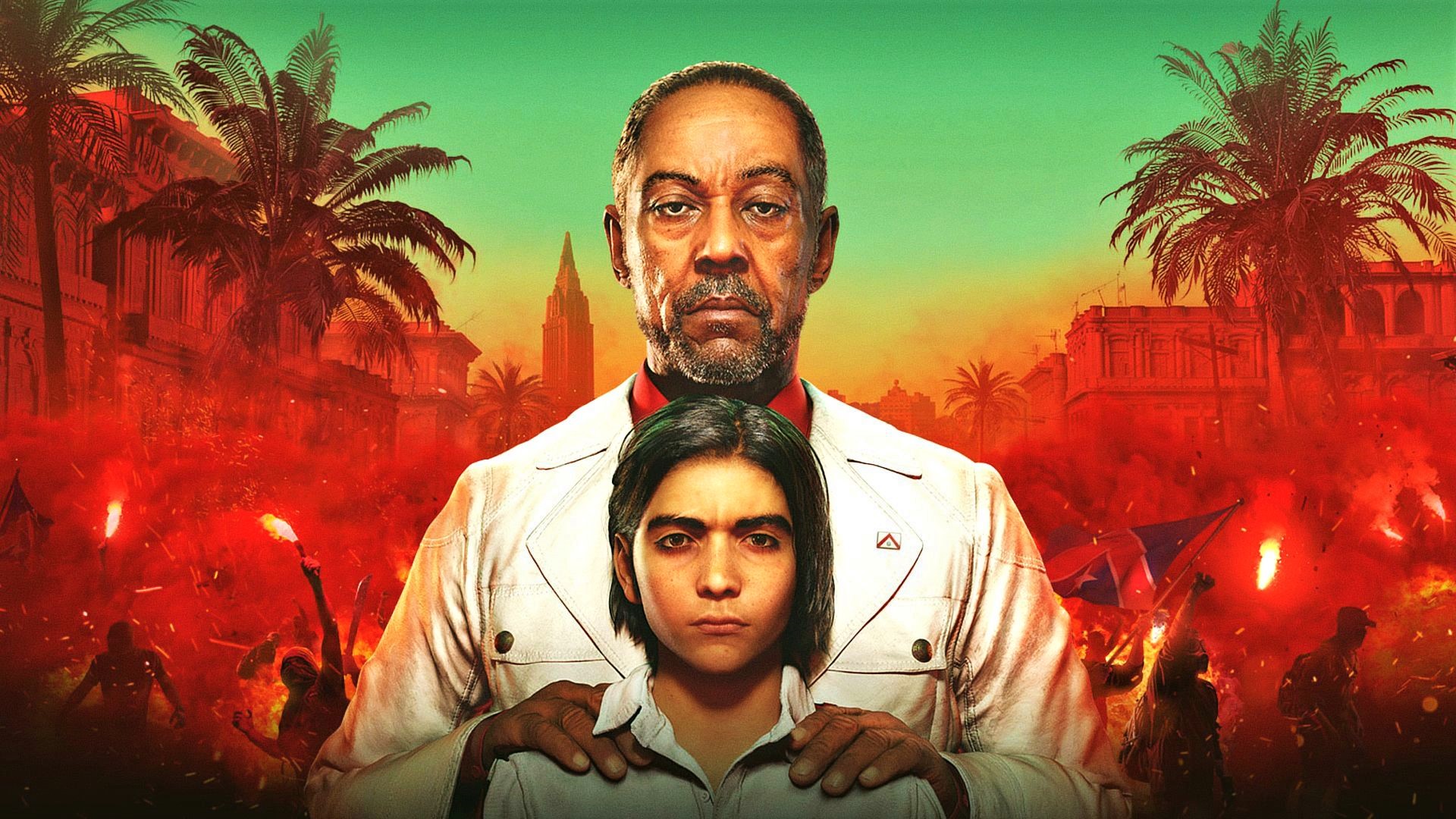
The big day approaches. The Far Cry 6 release time is just around the corner, with Ubisoft's latest entry in the long-running FPS games series unlocking around the world tomorrow, October 7. Now, the reviews are rolling in giving us a good idea of what's to come, and whether it's worth your hard-earned pennies - so, let's see what the critics have made of it.
Broadly, it looks like the new PC game's fared well with critics, with review scores mostly leaning towards the upper end of the scale. Far Cry 6's gameplay and adventure are recurring themes in critics' praise. IGN's write-up notes, for example, that it "smooths over a lot of the bumps that have cropped up in the past few games and even though it misses some steps, especially with its new inventory system, it's the best the series has been in years". However, there are a few among the mix that put it lower down on the score. VGC, for example, scores it a two-stars-out-of-five and describes some of its elements as a bit "bland".
In our own Far Cry 6 review, deputy editor Jordan scores the game a seven-out-of-ten, concluding that, "the series' foundations have been rejigged to offer an exciting and satisfying new gameplay loop. Not all of the revisions work in its favour, but unfortunately it's the complete lack of change with its approach to storytelling and structure that really holds Far Cry 6 back."
RELATED LINKS: Far Cry 6 wishlist, The best open-world games, Pre-order Far Cry 6Superheroes may be able to save everyone in a fantasy world, but they can’t keep online accounts secure in the digital era, Mozilla warns.
With hundreds of thousands of occurrences in breach datasets, superhero passwords aren’t a strong account protection method, even when the real identities of superheroes are used instead.
This past Monday, Facebook experienced an outage which lasted almost six hours. This had rattle-on effects. Facebook's pile of services all failed, from the core application to WhatsApp to Oculus. Many other services use Facebook for authentication, so people lost access to those (which highlights some rather horrifying dependencies on Facebook's infrastructure). DNS servers were also strained as users and applications kept trying to find Facebook, and kept failing.
CloudFlare has more information about what went wrong, but at its core: Facebook's network stopped advertising the routes to its DNS servers. The underlying cause of that may have been a bug in their Border Gateway Protocol automation system:
How could a company of Facebook’s scale get BGP wrong? An early candidate is that aforementioned peering automation gone bad. The astoundingly profitable internet giant hailed the software as a triumph because it saved a single network administrator over eight hours of work each week.
Facebook employs more than 60,000 people. If a change designed to save one of them a day a week has indeed taken the company offline for six or more hours, that's quite something.
Now, that's just speculation, but there's one thing that's not speculation: someone effed up.
IT in general, and software in specific, is a rather bizarre field in terms of how skills work. If, for example, you wanted to get good at basketball, you might practice free-throws. As you practice, you'd expect the number of free-throws you make to gradually increase. It'll never be 100%, but the error rate will decline, the success rate will increase. Big-name players can expect a 90% success rate, and on average a professional player can expect about an 80% success rate, at least according to this article. I don't actually know anything about basketball.
But my ignorance aside, I want you to imagine writing a non-trivial block of code and having it compile, run, and pass its tests on the first try. Now, imagine doing that 80% of the time.
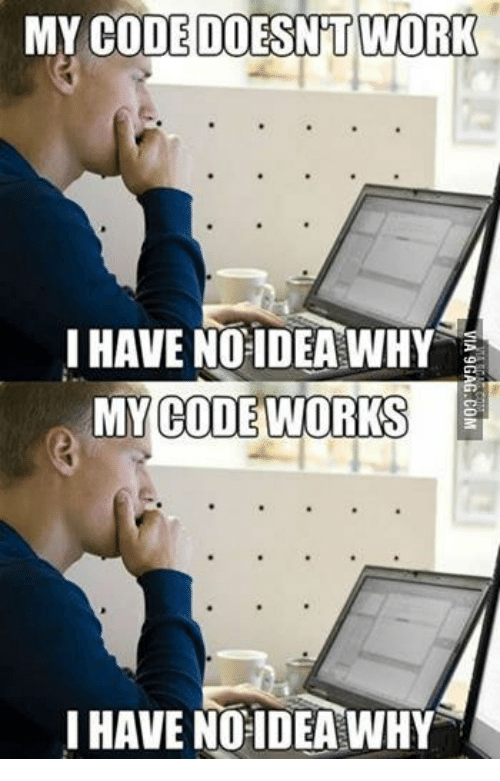
It's a joke in our industry, right? It's a joke that's so overplayed that perhaps it should join "It's hard to exit VIM" in the bin of jokes that needs a break. But why is this experience so universal? Why do we have a moment of panic when our code just works the first time, and we wonder what we screwed up?
It's because we already know the truth of software development: effing up is actually your job.
You absolutely don't get a choice. Effing up is your job. You're going to watch your program crash. You're going to make a simple change and watch all the tests go from green to red. That semicolon you forgot is going to break the build. And you will stare at one line of code for six hours, silently screaming, WHY DON'T YOU WORK?
And that's because programming is hard. It's not one skill, it's this whole complex of vaguely related skills involving language, logic, abstract reasoning, and so many more cognitive skills I can't even name. We're making thousands of choices, all the time, and it's impossible to do this without effing up.
Athletes and musicians and pretty much everybody else practices repeating the same tasks over and over again, to cut down on how often they eff up. The very nature of our job is that we rarely do exactly the same task- if you're doing the same task over and over again, you'd automate it- and thus we never cut down on our mistakes.
Your job is to eff up.
You can't avoid it. And when something goes wrong, you're stuck with the consequences. Often, those consequences are just confusion, frustration, and wasted time, but sometimes it's much worse than that. A botched release can ruin a product's reputation. You could take down Facebook. In the worst case, you could kill someone.
But wait, if our job is to eff up, and those mistakes have consequences, are we trapped in a hopeless cycle? Are we trapped in an existential crisis where nothing we do has meaning, god is dead, and technology was a mistake?
No. Because here's the secret to being a good developer:
You gotta get good at effing up.
The difference between a novice developer and an experienced one is how quickly and efficiently they screw up. You need to eff up in ways that are obvious and have minimal consequences. You need tools, processes, and procedures that highlight your mistakes.
Take continuous integration, for example. While your tests aren't going to be perfect, if you've effed up, it's going to make it easier to find that mistake before anybody else does. Code linting standards and code reviews- these are tools that are designed to help spot eff ups. Even issue tracking on your projects and knowledge bases are all about remembering the ways we effed up in the past so we can avoid them in the future.
Your job is to eff up.
When looking at tooling, when looking at practices, when looking at things like network automation (if that truly is what caused the Facebook outage), our natural instinct is to think about the features they offer, the pain points they eliminate, and how they're better than the thing we're using right now. And that's useful to think about, but I would argue that thinking about something else is just as important: How does this help me eff up faster and more efficiently?
New framework's getting good buzz? New Agile methodology promises to make standups less painful? You heard about a new thing they're doing at Google and wonder if you should do it at your company? Ask yourself these questions:
Your job is to eff up.
The more mistakes you make, the better a programmer you are. Embrace those mistakes. Breaking the build doesn't make you an imposter. Spending a morning trying to track down a syntax error that should be obvious but you can't spot it for the life of you doesn't mean you're a failure as a programmer. Shipping a bug is inevitable.
Effing up is the job, and those eff ups aren't impediments, but your stepping stones. The more mistakes you make, the better you'll get at spotting them, at containing the fallout, and at learning from the next round of mistakes you're bound to make.
Now, get out there and eff up. But try not to take down Facebook while you do it.
 [Advertisement]
Otter - Provision your servers automatically without ever needing to log-in to a command prompt. Get started today!
[Advertisement]
Otter - Provision your servers automatically without ever needing to log-in to a command prompt. Get started today!
Read more of this story at Slashdot.
The first season of "Loki" is an intricate time travel tap dance, with everyone swaying to the tune of He Who Remains. But even with its deft plotting, smooth continuity, and lots of exposition (thank you, Jonathan Majors), "Loki" Season 1 left viewers with several questions.
While the meat of "Loki" is absolutely sound, a few details don't add up without doing some mental gymnastics. Some of these conundrums could be easily explained in Season 2, or in a future Marvel project (looking directly at you, "Dr. Strange in the Multiverse of Madness"), but for now there's just not enough on screen to provide a definitive answer. For answers, we look to the time-tested tradition of the Marvel No-Prize, an honor awarded in the comic books' letters column when a reader could explain away a continuity error (with, hopefully, a reason more compelling and interesting than "He Who Remains arranged it that way").
Settle in as we explore the "Loki" timeline and hand out a few No-Prizes of our own -- these are the "Loki" details that leave more questions than answers.
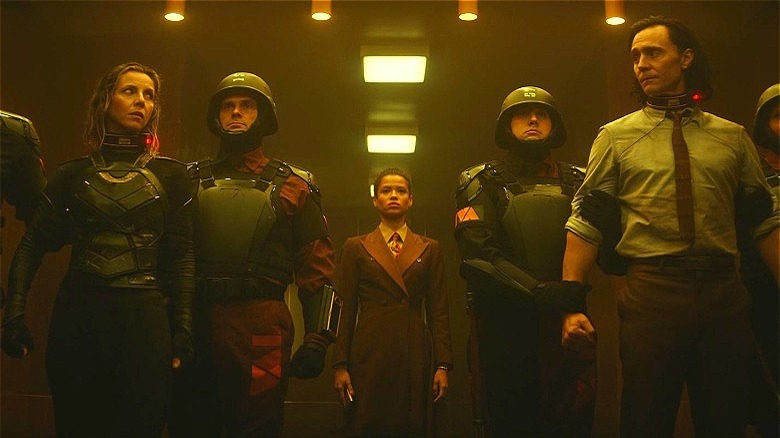
If the TVA is responsible for policing all of time and space, it stands to reason that there should not only be more non-human variants lurking in the background, but non-human TVA agents as well.
Because the majority of the action in "Loki" takes place on Earth (or on planets inhabited by humanoid off-worlders), it is possible that we're seeing a section of the TVA designed specifically to deal with Earth and Earth-like civilizations. The TVA isn't concerned with its agents' anachronistic dress, understanding that most bystanders will stare with confusion at futuristic SWAT gear, but will withhold comments (unless the TVA shows up at a Renaissance Faire). Green and blue skin and extra appendages, though? Make way for some alarm.
From a tactical standpoint, it makes sense that TVA agents would be sent to deal with infractions where their species will blend in. But why aren't there also Kree or Titan or vampire TVA agents in the background? After all, Mobius says they've brought in all these different species in the past. Sadly, Earthlings, the No-Prize answer may lie in the fact that all TVA agents are mind-wiped variants. Maybe human minds are just easier to control than those of our alien brethren.
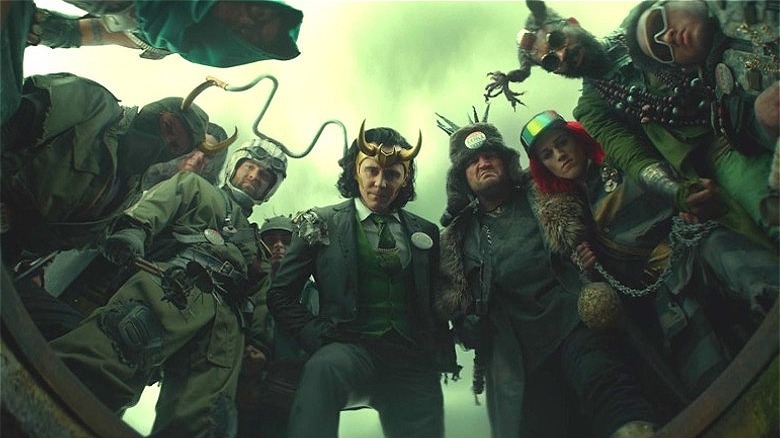
While the variety of Loki variants in the Void is delightful and refreshing, it also defies some of the logic of how things work.
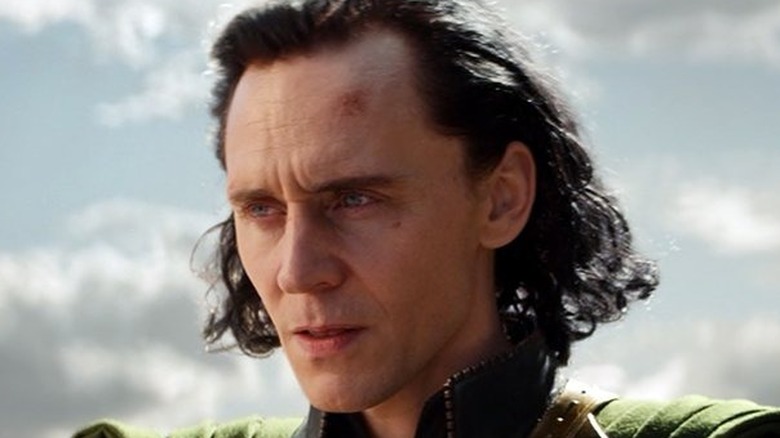
Put aside the fact that Loki is a shapeshifter, and recall that Loki tends to default to one form (ie, Tom Hiddleston). The purpose of the TVA is to create a singular timeline that always leads to the same events. Assuming variations in Loki's appearance are indicators of how far the timeline has diverged, the variants closest to the Sacred Timeline would look like Tom Hiddleston's Loki. Those versions would essentially be "younger," having been pruned more recently, and thus would have spent less time in the Void, and would be less likely to have been consumed by Alioth. Therefore, variations of Tom Hiddleston's Loki should outnumber the other versions -- but most of the variants look nothing like him.
One explanation for why a greater variety of Lokis exist in the Void than you'd expect could be that the "superior" Loki isn't the Tom Hiddleston flavor. Perhaps the older versions are more robust and more resilient, and they've been able to outmaneuver Alioth for longer, while the versions closer to the MCU's Loki Laufeyson succumbed faster to the smoke monster. He Who Remains has been slowly whittling Loki into a supporting character, so perhaps it's the leading Lokis who have been able to survive the Void.
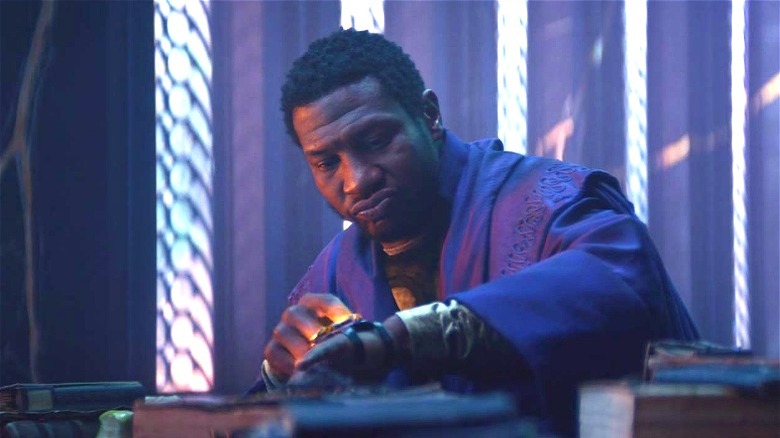
As arbiter of the Sacred Timeline and author of the MCU, He Who Remains should have been able to direct the TVA to Sylvie's exact location. He has a script of his encounter with Loki and Sylvie in the Citadel at the End of Time, thus proving his omniscience, so why didn't he tell the TVA where to track down the timeline-bombing variant?
On one hand, it could be as simple as He Who Remains biding his time. His one strength (aside from being a conqueror of Kangs) is that He Who Remains' million lives granted him great patience. Sylvie must have hidden in apocalypses for hundreds of years, given her assertion that she was pruned before our Loki even existed. Being able to look at the whole plan, Kang may have immediately identified Sylvie as a possible successor to his throne, and thus withheld information from the TVA to ensure that she had time to develop into a credible threat.
On the other hand, perhaps the apocalypses really did hide Sylvie -- not just from the TVA's instruments, but from He Who Remains as well. With the Sacred Timeline in flux, constantly being sculpted and formed and restrained, he might not have known where Sylvie was hiding until Loki made the discovery. He Who Remains specifies that he knows what happened between the two variants on Lamentis-1, but he doesn't mention any of the other apocalypses, so we don't know how far his omniscience really extends.
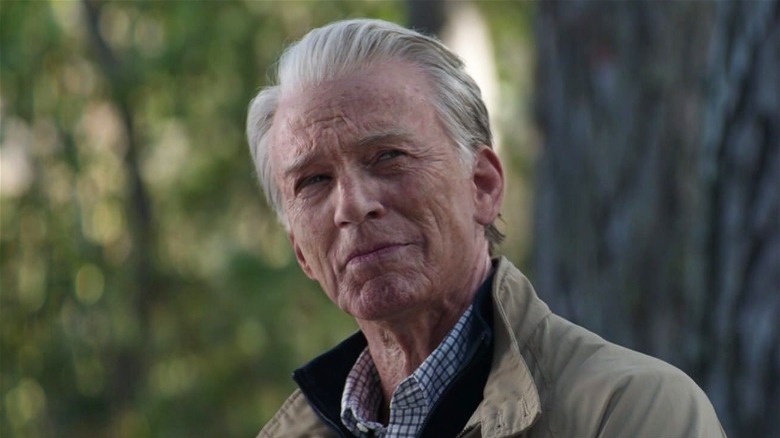
"Loki" director Kate Herron theorized in an interview with The Direct that the TVA likely pruned Peggy Carter and Steve Rogers after Steve decided to remain in the past. While this makes sense within the context of "Loki," how was Old Steve able to pass the shield on to Sam Wilson?
While this is really something that already makes no sense in "Endgame," it makes even less sense given the world-building introduced in "Loki." Whether Old Steve reunited with his wartime honey and lived an entire second life in the same timeline (the Christopher Markus and Stephen McFeely theory) or in an alternate timeline (the Joe and Anthony Russo theory), it's far from neat and tidy.
Assuming that's actually Steve Rogers at the end of "Endgame" (oh no, what can of worms have I opened?), the one way this makes sense is if Steve Rogers was allowed (by Kang) to live in a branched timeline specifically to let him become old and powerless so that he would not be around to protect the MCU. While this may not bode well for the future, it fits the assertion that everything in the Sacred Timeline is going according to Kang's grand plan.
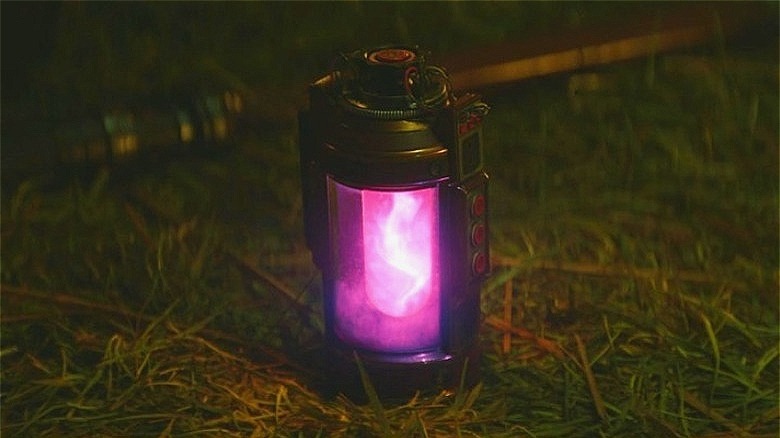
The specifics of how a branch is clipped are clear: The energy from a prune stick or a reset charge shifts all matter it touches to the Void, where it will be consumed by Alioth. How pruning resets the timeline, though, is more of a mystery.
During his first mission with Loki, Mobius explains that the TVA deals with Nexus events in real time. When agents arrive, they arrest the offender and eliminate all the consequences of the variant's actions in linear time. The TVA may do a lot of unfair things, but they're not pulling a "Minority Report" on the Sacred Timeline, arresting criminals before the crime occurs. However, Mobius never articulates how the timeline is reset. Loki quotes the TVA handbook, explaining that pruning the branch allows "time to heal all its wounds." That is a very handwavy statement that doesn't make much sense, especially when so much else about the TVA is precisely defined.
Even a No-Prize answer begets questions. Maybe the reset charges extend backward in time and remove the offending event. But then, what stops the variant from making the same choice again? Does the TVA keep pruning the same event until chaos makes the variant choose "correctly?" What about events that impact multiple locations -- like Loki stealing the Tesseract in New York and teleporting to the Gobi Desert? Are teams dispatched to both settings? And how exactly does healing that specific event work?
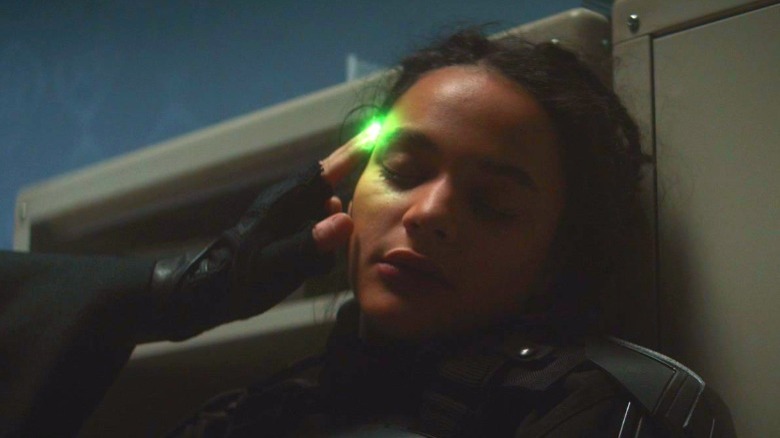
The TVA agents are all variants, plucked from the Sacred Timeline and reprogrammed to believe they were created by the Time Keepers. While He Who Remains may have started with hands-on manipulation of the timeline, it's been a long time since he's been directly involved, instead working through the Time Keeper puppets and chilling in his citadel at the End of Time.
The sheer size of the TVA would require some assistance in selecting, mind-wiping, and reprogramming the scores of Minute Men employed at the TVA. And while the mind-wipe goes deeper than what Hydra did to Bucky Barnes as the Winter Soldier, or even the mind control Loki achieved with the Mind Stone, Sylvie was able to break it using enchantments. Given that the mind-wipes are impermanent, someone at the TVA must be in the know, reporting to the Time Keepers or taking care of infractions on their own.
It's possible that He Who Remains was counting on his true believers' blind loyalty, but Judge Renslayer shows how even the most faithful TVA agents respond when shown the truth. When Ravonna Renslayer questioned C-20, the Hunter who remembered that she had a life on the Sacred Timeline, Renslayer was shocked. Her mission shifted from apprehending Sylvie to finding who lied to her about the TVA -- and about herself. He Who Remains might play fast and loose with the Time Keepers, but it's hard to believe that he didn't plan for this inevitability.
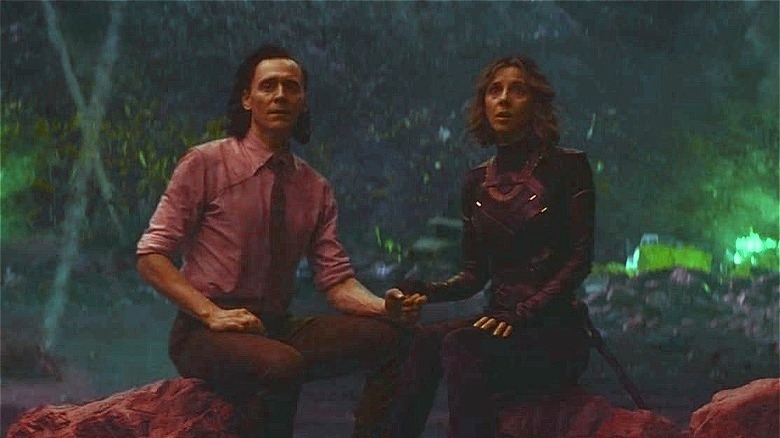
Sylvie Laufeydottir has had a rough life. Because her timeline has been pruned, her very existence is a Nexus event, sending up a smoke flare every time she sets foot outside of an apocalypse. Apocalypses are safe because, if the world is about to end, there's nothing she can do to affect the Sacred Timeline, so it masks her presence. That's why the Nexus event on Lamentis-1 is so striking -- and why it might be a bootstrap paradox.
A bootstrap paradox is when a time loop is created for which there is no definable origin -- each event in the loop causes the other. The Nexus event on Lamentis-1 can only affect the timeline if the TVA saves Loki and Sylvie. But the Nexus event is what alerts the TVA to where Loki and Sylvie are. So, the TVA can't save them until the Nexus event registers, but the Nexus event can't register until the TVA can save them.
It's possible that Mobius is right and that two variants of the same person falling for each other can break reality so completely that it registers as a Nexus event even during an apocalypse, but that's not really what the TVA monitors. And if Loki and Sylvie falling for each other could break reality in the same way that killing He Who Remains does, why reveal the man behind the curtain instead of giving the two lovebirds a minute to catch their breath and sort out their feelings? Both paths lead back to the multiverse -- and one includes much less stabbing.
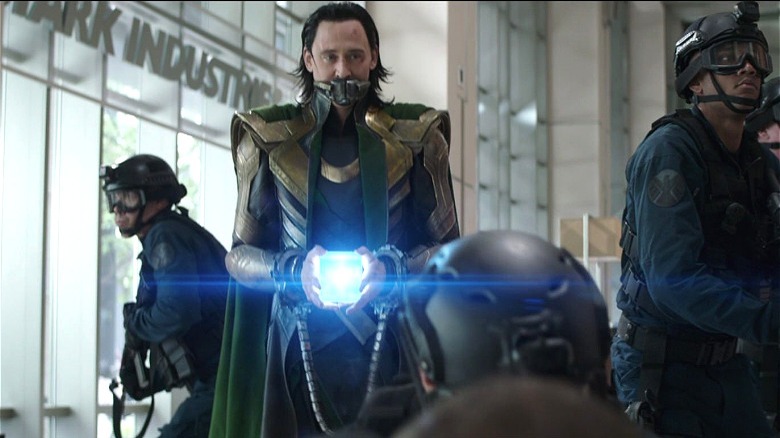
During Loki's trial in Episode 1, Judge Renslayer decrees that the Avengers were supposed to go back in time to retrieve the Infinity Stones, but that Loki was not supposed to escape. However, if everything the Avengers do is Sacred Timeline canon, Loki has to steal the Tesseract, forcing Tony Stark and Steve Rogers to improvise their jaunt to New Jersey, 1970. Pruning Loki -- correcting the timeline after his escape -- potentially erases the Avengers' need to go to 1970 and creates a grandfather paradox, eliminating the event that caused future events (which, of course, is even more confusing, because those future narrative events actually take place in the past; ugh, time travel!).
Loki is actually an unwitting curator of the Sacred Timeline in 2012, sending Steve Rogers into a past where he crosses paths with Peggy Carter, reminding him of how long it's been since he's been with her. Stealing the Tesseract sets up Steve as a time fugitive who stays in the past, getting Steve Rogers out of the way when Kang ascends to power. Remember, the Sacred Timeline has been organized and maintained by He Who Remains, who has grown tired of his "benevolent" ways and has set up a world ripe for his variants to ascend to power. Putting Captain America out commission (as well as Iron Man, whose death was required to defeat Thanos) is all part of Kang's plan -- which also means that Loki was supposed to steal the Tesseract, and that his arrest by the TVA is just another manipulation.
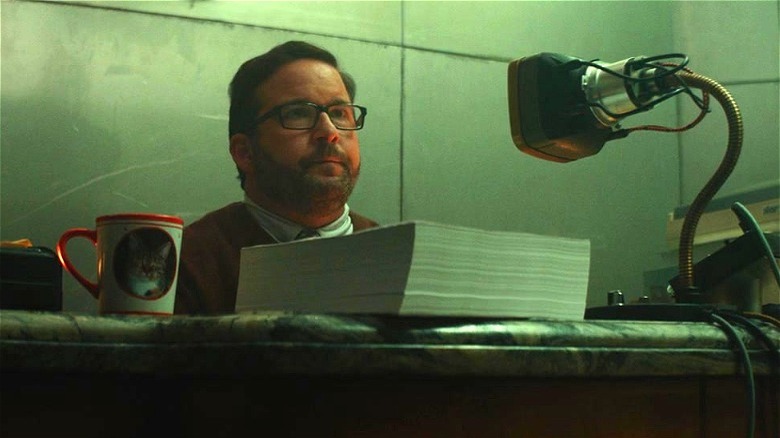
Regardless of his penchant for speechifying and grandstanding, Loki is over 1,000 years old. Unless he spent a few hundred years under a vow of silence, that stack of paper is much too short to be a record of everything he's ever said.
Math warning! Loki said roughly 1,000 words with just 20 minutes of screen time in "Thor." Even if every page was filled with things Loki said without any context, an average single-spaced page contains about 500 words (disregarding that the printout clearly contains a header and timestamp, taking up more space per page). 1,000 pages allows for about 500,000 words, which would only account for 25,000 minutes, or 417 hours, of Loki's life. Which, as Mobius can attest, is much less time than Loki normally talky-talks.
If we have to No-Prize an explanation for this short stack, we can assume the TVA, with the ability to time travel, also has the power of microprinting and can fit thousands of words on a page (and that the final pages printed on-the-spot are not standard size), or that the TVA has a method of condensing materials so that a stack several thousand pages high appears in a more manageable form. Either way, no on-screen confirmation means that this small stack of paper doesn't currently make sense.
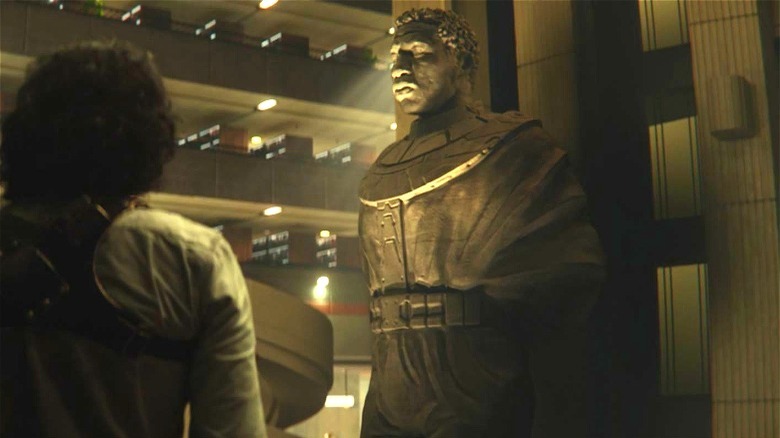
Admittedly, the TVA is built on lies, so it's difficult to know how something works when any information could be false. But the fact that "time works differently" at the TVA, and that Renslayer and Mobius have been friends for eons, means that something about the TVA functions outside the normal flow of time (Earthlings just don't live that long). So, it's hard to figure out how the TVA both exists outside of time and is changed enough at the end of Season 1 that Mobius doesn't recognize Loki.
While a new Kang could've founded a different TVA and given them a different function, different procedures, and a different trajectory, including one that may not have crossed paths with Loki, the most compelling explanation is found in some sleight of hand.
Since the timeline began branching before Sylvie pushed Loki through the time door, Loki may have arrived in a different branch, not the MCU's main timeline (which is Earth-199999, if you're keeping track). After the timeline irrevocably branches, the show cuts to Mobius and Hunter B-15 standing before the Sacred Timeline monitors. A brief exchange shows that they're determined to live within the new chaos. In the next scene, Loki finds Mobius and B-15 in the archives. While they might have had time to change locations, why would they? The easiest explanation: This TVA is not the TVA where Loki started. The first scene is set on Earth-199999, and the second scene is ... somewhere else.
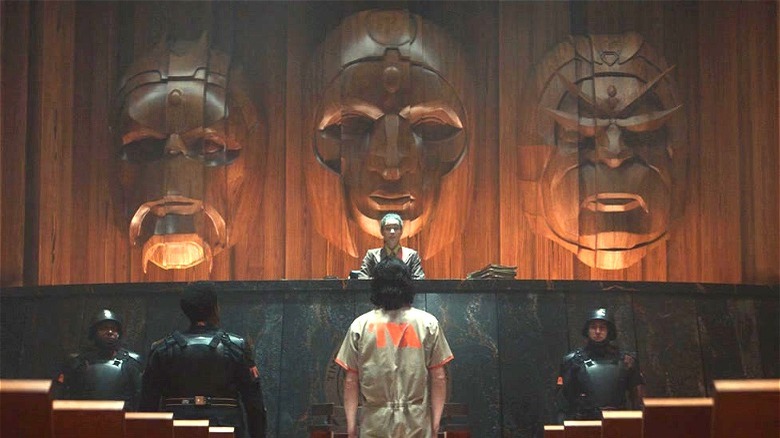
Each time a variant is arrested for crimes against the Sacred Timeline, they are dressed in a variant uniform, confirm a record of everything they've ever said, and have their temporal aura registered. After winding their way through a stanchion-lined room, they stand trial before a judge who inexplicably asks how they plead. While the only trial shown in Season 1 is Loki's, and that trial is interrupted, the evidence indicates that all crimes against the Sacred Timeline end in pruning.
Upon arrest, the branching timeline is obliterated, so even if the variants succeed in defending themselves, there's no timeline for them to return to. Therefore, all arrested variants must be pruned (we know they're not working for the TVA, because otherwise it would be common knowledge that at least some TVA agents are variants). The TVA is absolutely a bureaucracy for the sake of bureaucracy, but it's a little surprising that they have trials at all given propaganda posters like the one B-15 reviews in Episode 4: "Did you get them all? Verify through deletion." With so many agents willing to prune any and all offenders, why bother with the song and dance?
We're struggling to come up with a logical reason for all the paperwork, so just remember, anything that doesn't make sense in the MCU can now be explained by a simple sentence: It's been Kang all along.
Read this next: 11 Marvel Comics Villains We Really Want To See In The MCU
The post 11 things that make absolutely no sense in Loki appeared first on /Film.
Read more of this story at Slashdot.
A variety of Halloween aesthetics abound this spooky season on TikTok, whether they're based on personal favorite Halloween decor, favorite color schemes, or even zodiac signs. Each TikTokker professing their favorite aesthetic has plenty of photo references and an apt name that conveys the type of Halloween style that resonates with them on a personal level.
One of the best parts of Halloween time is snuggling up with a cup of apple cider, a blanket, and a good Halloween movie. Naturally, one's personal aesthetic will affect what kind of films one likes to watch, so choosing a Halloween movie based on the different Halloween aesthetics found on TikTok is a perfect twist on this trend.
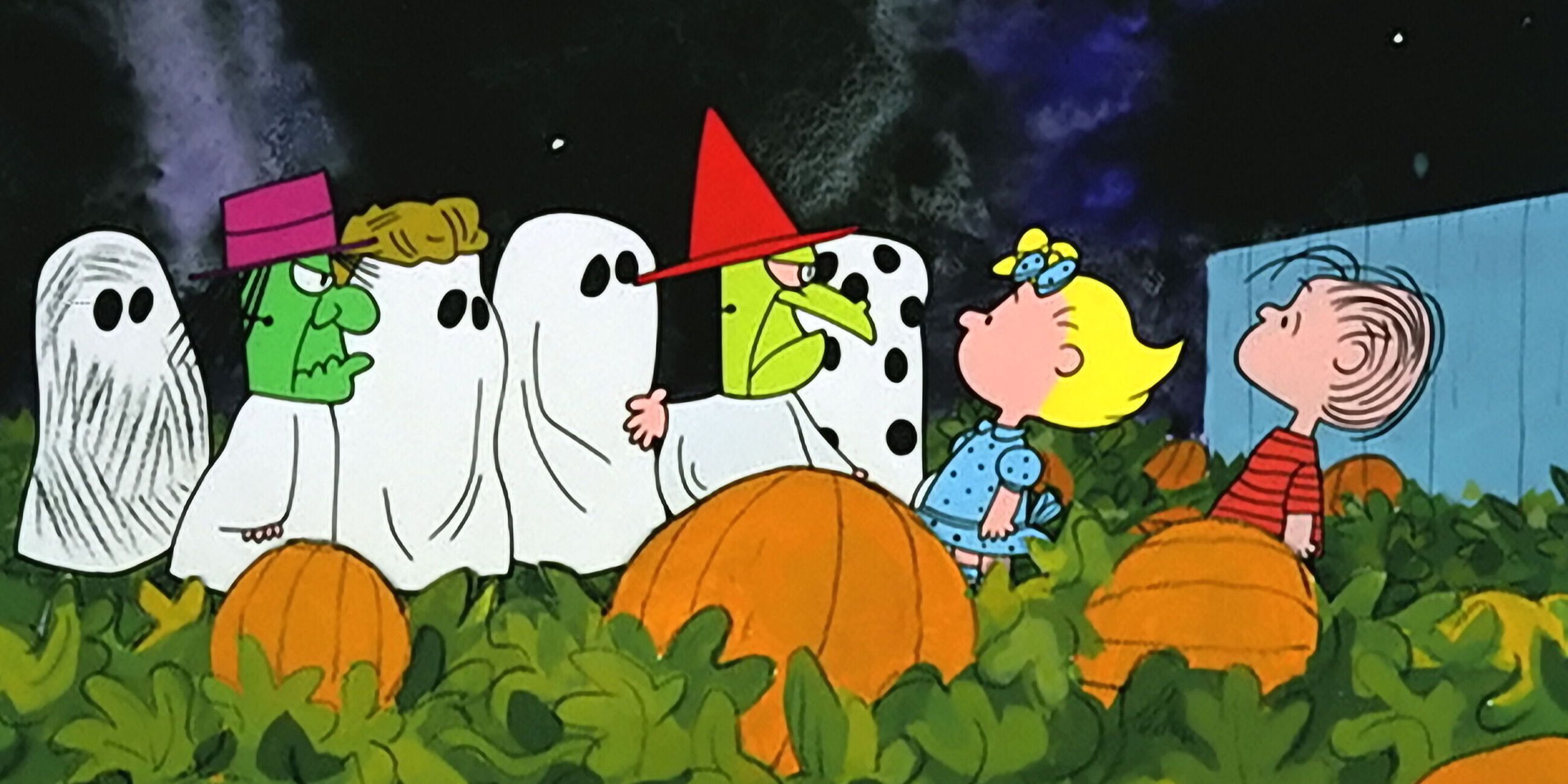
For lovers of vintage Halloween artwork, costumes of the 1920s through '50s, and old-timey Halloween hits like, "This House Is Haunted" by Roy Fox or "The Skeleton Rag" by the American Quartet, this is the perfect Halloween flick.
The Great Pumpkin has memorable moments centered around all of the cute old-school Halloween themes: pumpkin patches, sheet ghost costumes, and cozy, ambient music. It's not the scariest Halloween movie, but this aesthetic is more concerned with vintage vibes than scares. It's the perfect background movie for while you are hand-sewing your costume.
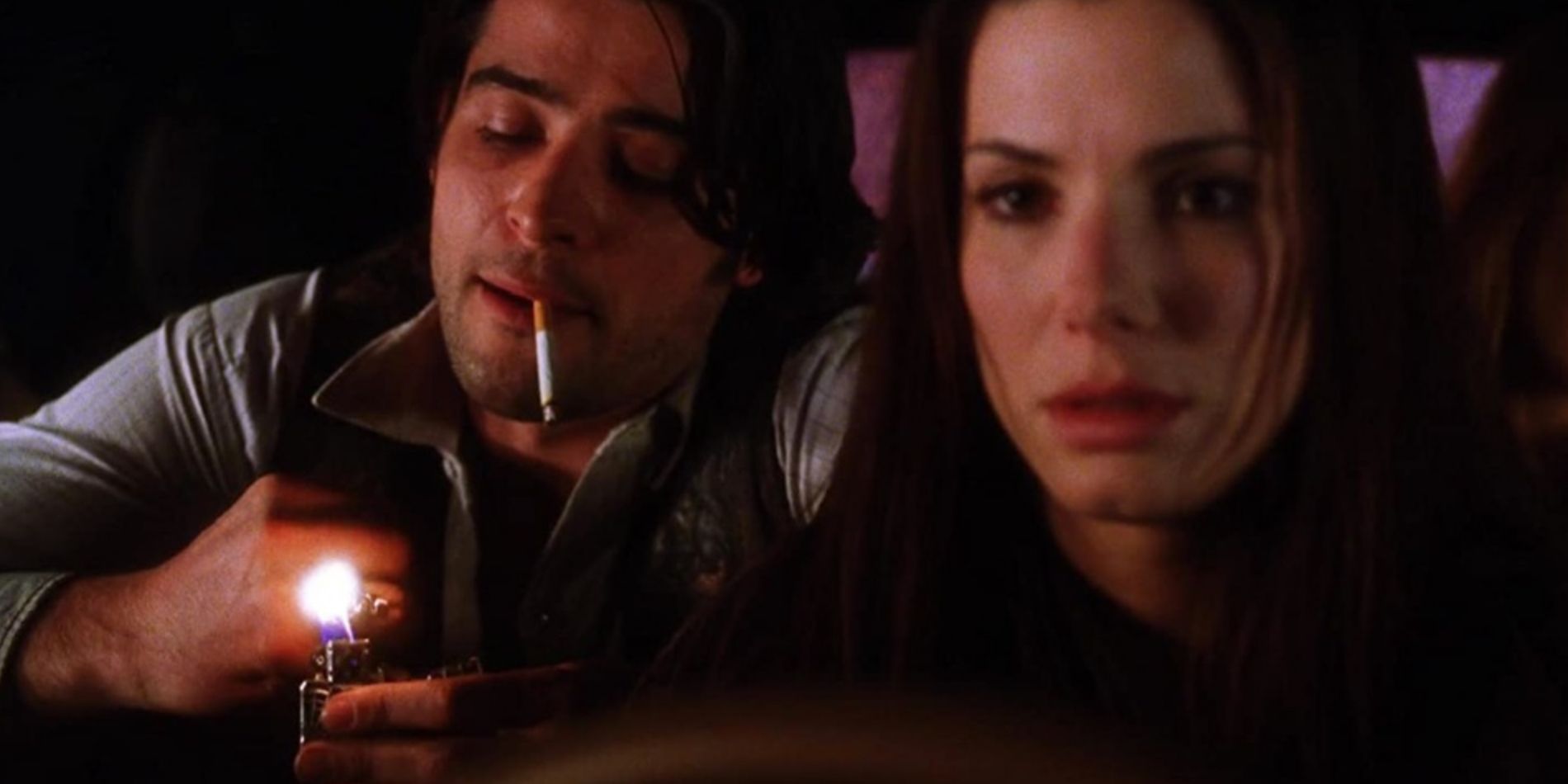
Those who like to boil cinnamon, cloves, orange slices, and star anise on the stovetop to welcome in the fall season and cleanse their home are the same people who might have a garden of herbs and a steaming cup of herbal tea when one of their friends gets the sniffles from the autumn air. If you love the image of red and brown leaves on cobblestone roads and brick buildings with vines crawling up the sides in a small northeast town, this is the aesthetic for you.
Practical Magic, which has had a resurgence in popularity over the past year, is all about real-life mystical energy (and really amazing outfits) and is the perfect Halloween pick for everyone's resident witchy or warlocky friend. The film also has some perfectly spooky quotes to use for an Insta pic featuring colorful fall flora or a well-decorated witchy kitchen.
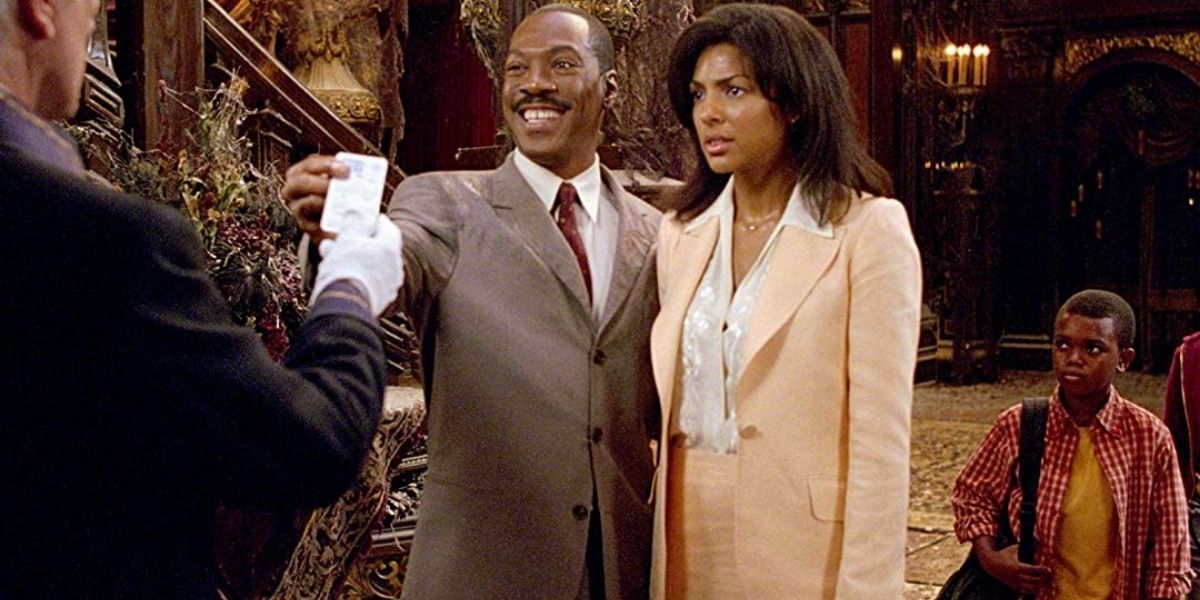
If fixing up a dilapidated Victorian home and making friends with the resident ghosts sounds appealing instead of scary, then this aesthetic may be the right fit. A creak in the night, walking down a hallway in a flowing night robe armed with a candlestick, maybe you're not quite sure if that portrait moved or not. Ornate decor with detailed woodwork, velvet, and lace -- not to mention cobwebs, are all over this vibe.
Watching The Haunted Mansion is a wonderful pick for those who love old architecture and a good romantic ghost story. The 2003 Disney movie based on the fan-favorite attraction has eerie music, and a sorrowful ghostly host mourning the death of his beloved. There are also, of course, a few good laughs on the part of lead actor Eddie Murphy, and the comical ghostly employees of the mansion.
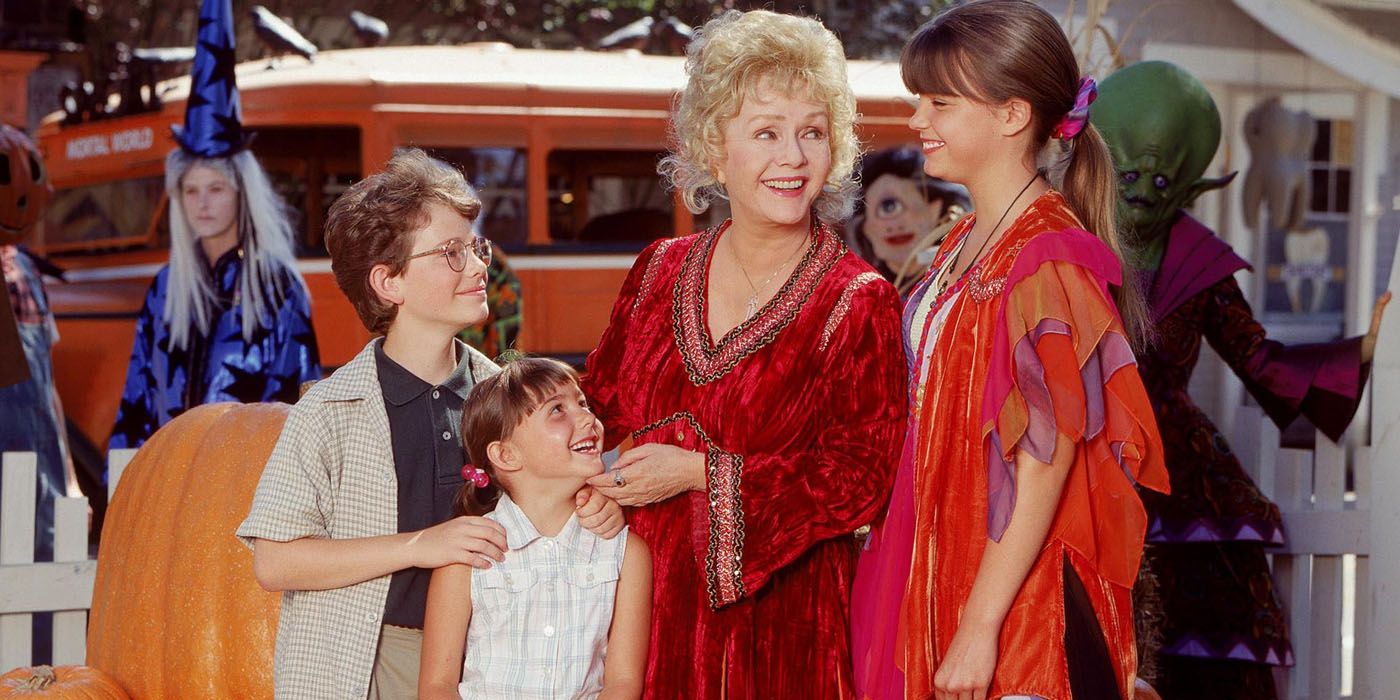
This aesthetic is all about small-town life during the Halloween season. There are storefront decorations, fall-time produce, an array of pumpkins to go home and carve, and an orchard for apple picking. Walking around in the crisp air trick or treating around the neighborhood and getting to wear costumes to school are the best parts of the holiday for those who love this aesthetic.
Fans of Halloweentown may not know that they can visit real-life Halloweentown in St. Helens, Oregon, as the city celebrates the movie's aesthetic for the entire October month every year! Additionally, Aggie's home in the film is an operating bed and breakfast in St. Helens, if people want to really get immersed in the world.
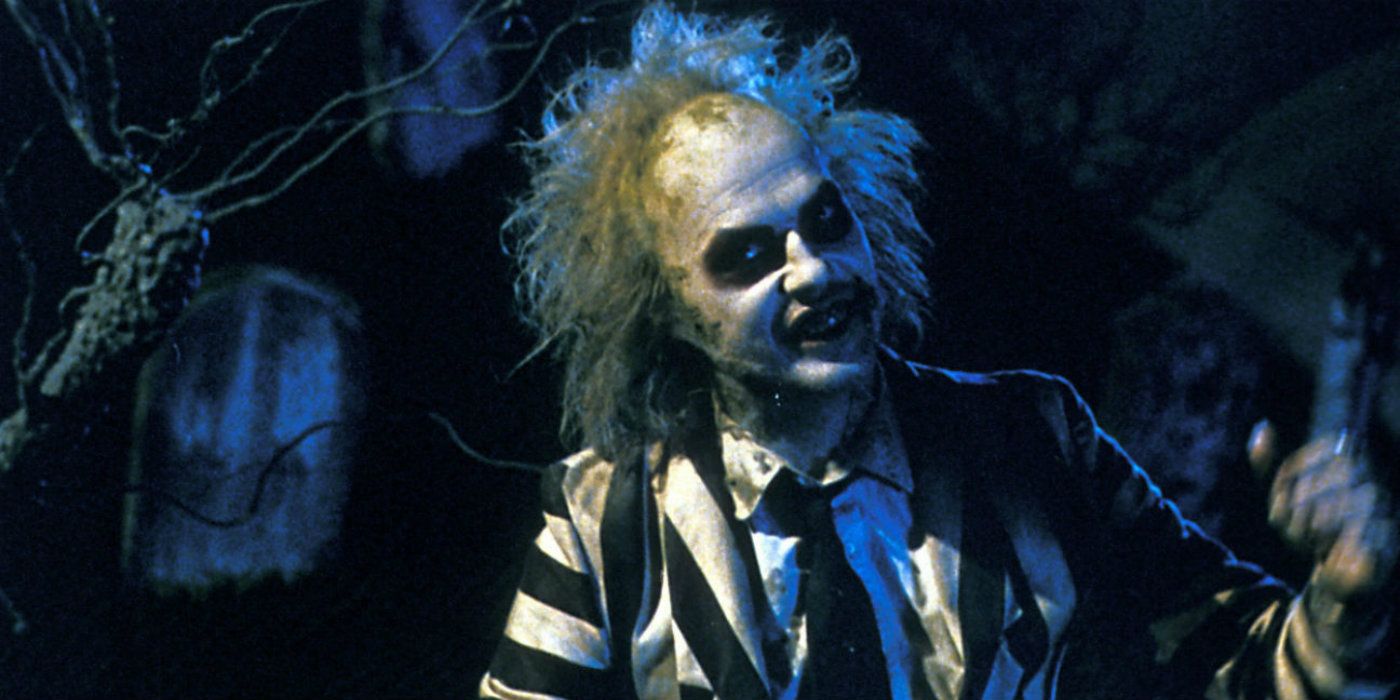
Some say the best part of Halloween is a really good costume party, complete with multi-colored lights and decorations, witch's brew punch, "The Monster Mash" and "Thriller." If putting together a Halloween-themed snack tray and creating the perfect spooky and fun playlist fuels excitement for the season, then this aesthetic will resonate with you.
Beetlejuice is the OG Halloween life of the party -- with nonstop shenanigans, bright colors, and a million cool and underrated Tim Burton characters to inspire outfits for a costume contest. It also has that classic '80s movie energy that's perfect for a house party with a few friends --- or a few hundred!
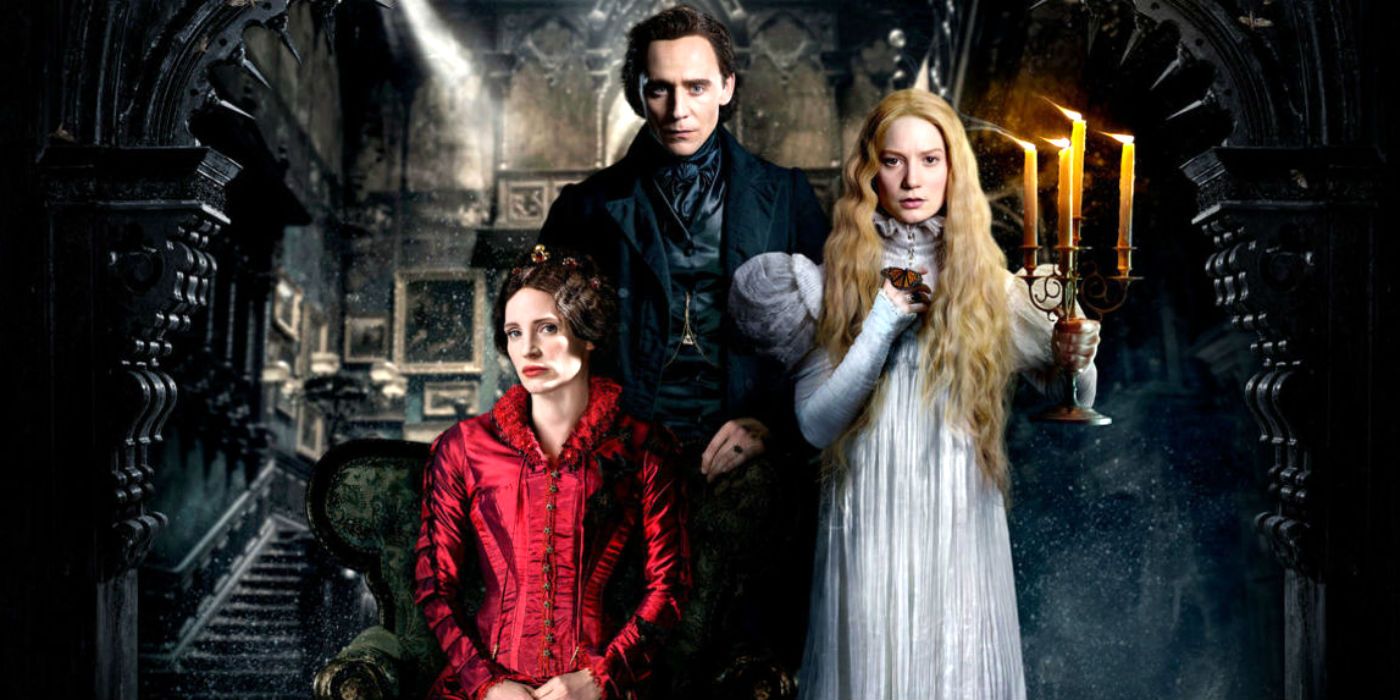
Castles, blood-red accents, an air of gothic mystery, and a love of bats and vampire-chic outfits are the trademarks of this aesthetic. This is often paired with a love of gothic horror novels like Bram Stoker's "Dracula" and Mary Shelley's "Frankenstein." A Halloween spent traipsing around the castles of Transylvania would be a dream vacation for people who identify with this aesthetic.
Crimson Peak is a beautifully dressed and shot gothic horror film that takes place in a gigantic family home complete with a haunting piano in the mountain peaks and snow that turns crimson when it's walked on. It tells a traditional gothic ghost story, where the ghosts aren't ghosts at all, but people with secrets that haunt them.
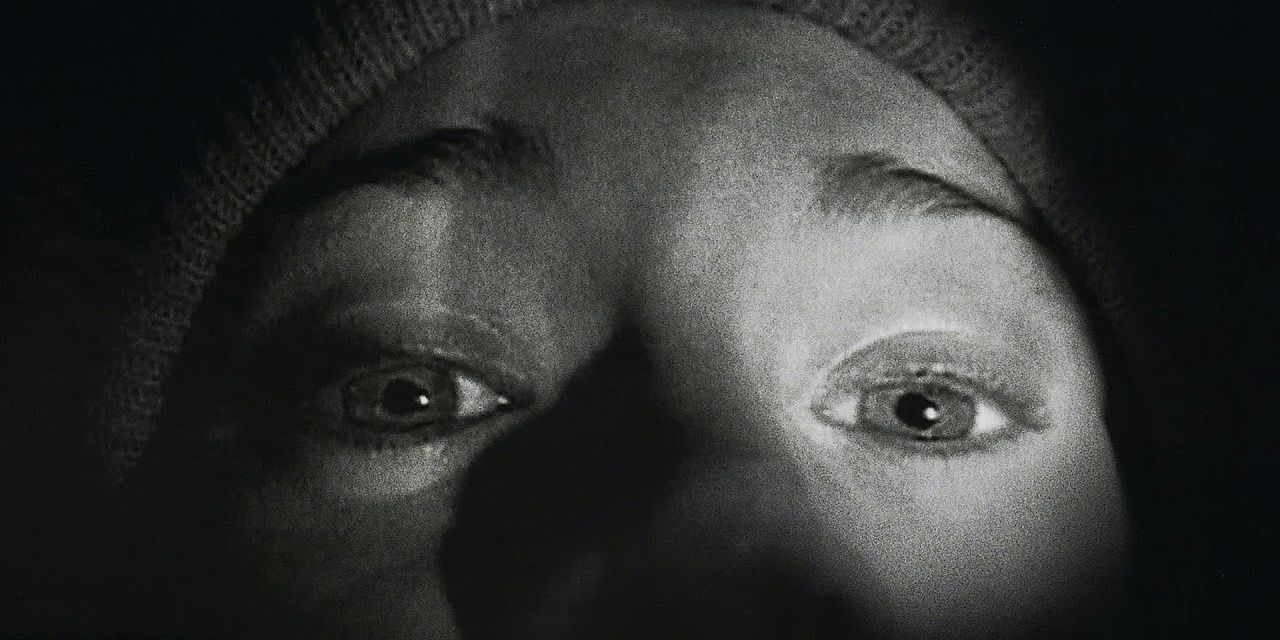
Real-life horror is the bread and butter of this aesthetic. Chilly wind whistles through the trees as friends surround a fire and trade their ghost experiences -- each trying to scare everyone more than the last story. Lovers of this aesthetic have definitely downloaded a ghost hunting app on their phones before, and they know the location of every haunted place within a 100-mile radius of them.
The Blair Witch Project truly frightened audiences into thinking it was real when it was released -- partially due to the film's marketing. The promo for the 1999 found-footage movie included missing posters for the cast, adding an extra layer of anxiety and fear for moviegoers. This, of course, wasn't true and the cast was perfectly fine -- but it does make for a good aesthetic.
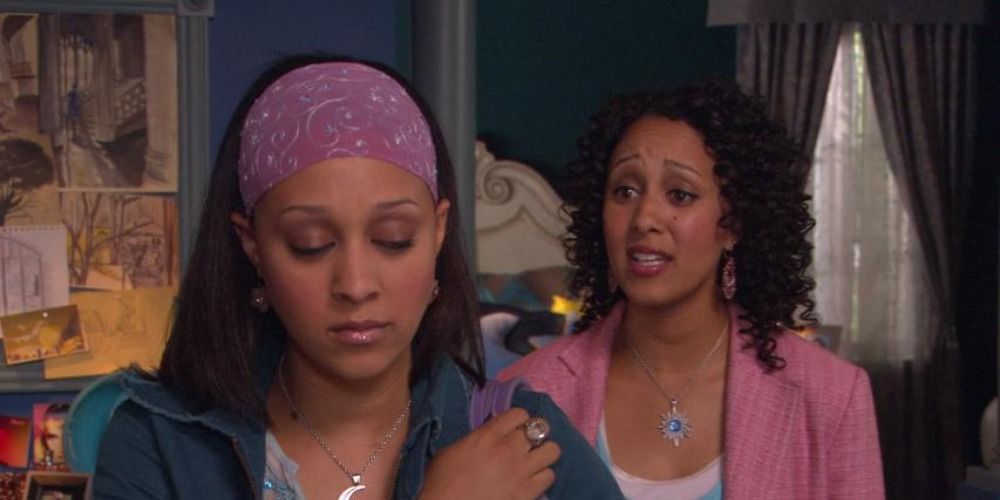
A solid Halloween DCOM with cuddling up underneath a fuzzy blanket, some twinkling orange lights, and autumn plaid decorative pillows is a perfect fall night for those who love this aesthetic. Naturally, there's a stop at Starbucks along the way to pick up some PSLs and an autumnal baked good.
A not-so-scary Disney Halloween movie is the go-to here. Fans of this aesthetic want a good laugh or two, some cute witchy outfits, and a good soundtrack. Twitches tell the story of twin witches with colorful and adorable early 2000s looks who discover their powers and combine their strengths to defeat their bad guy: The Darkness.
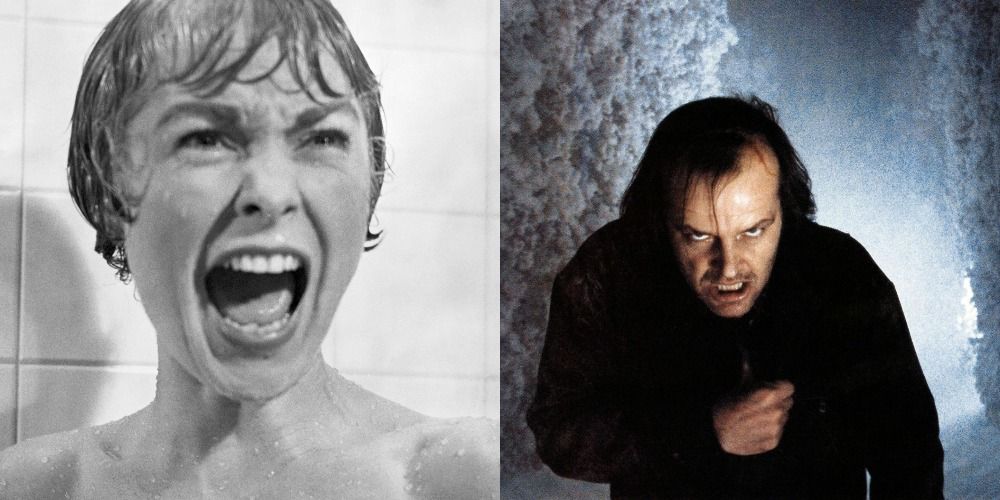
For this aesthetic, October is about evening drives to look at the changing colors of the leaves, flannel layers under denim jackets, and hot apple cider while enjoying a movie with family or on a date. A black and white flick at a late-night double feature is exactly what the doctor ordered for people who enjoy this aesthetic.
Psycho and The Shining lend themselves perfectly to double-feature pairing. The eerie natures and slow burn of the motel and hotel duo are what make them true iconic classic horror movies. Don't forget to stock up on snacks in the car beforehand -- or sneak them in under the blanket.
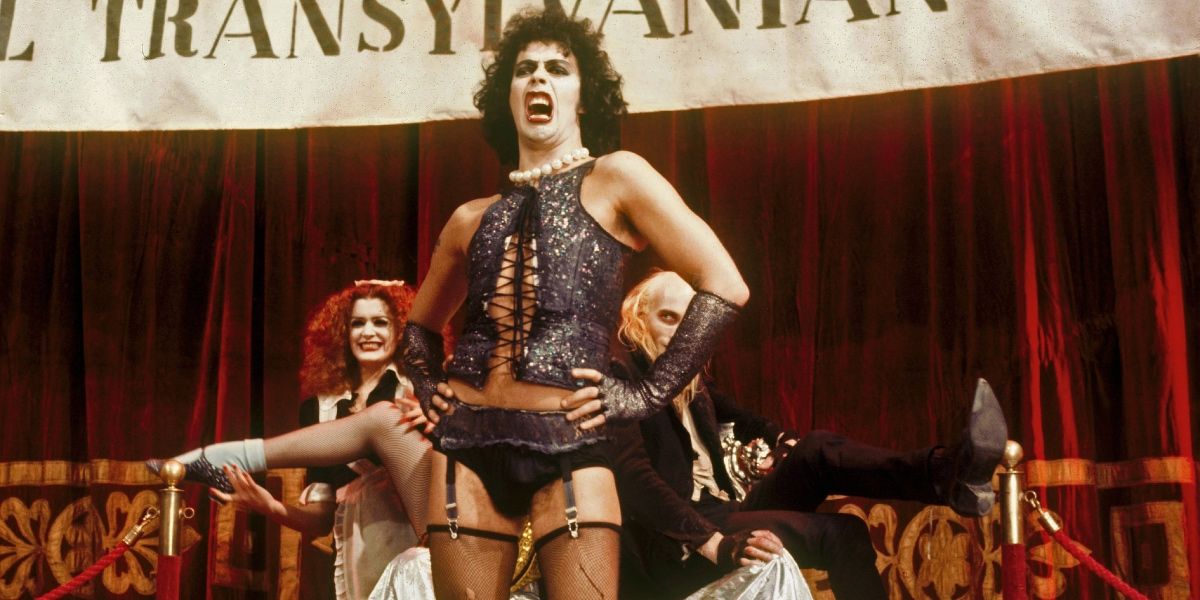
The smell of rubber masks is in the air and the anticipated arrival of Halloween costume shops popping up in empty storefronts is eagerly anticipated by fans of this aesthetic. Patrons of this aesthetic have designated inspiration boards on their Pinterest pages for all of their costuming ideas. They learned how to sew before they were born, and they would never limit themselves to one costume each Halloween season.
For those with this eclectic and avant-garde taste, not just any Halloween movie will do. The Rocky Horror Picture Show, a hard-to-find cult classic about a couple who happens upon aliens from Transexual, Transylvania, calls to fans' intense love of group and couples costumes and extravagant attention to detail. With the many outfit changes throughout the offbeat musical horror, the lavish and edgy aesthetic created during the film provides more than enough inspiration for a DIY or five.

Remember when terrorists attempting to overthrow the government on January 6 swept through the U.S. Capitol chanting "Hang Mike Pence" and erecting gallows in front of the Capitol steps?
Well, Mike Pence wants the media to stop reporting on these fine Americans because it hurts their feelings. — Read the rest
The post Luzifer – Review [Fantastic Fest] (4/5) appeared first on Heaven of Horror.
The post Barbarians – Review [Fantastic Fest] (4/5) appeared first on Heaven of Horror.
The post Zalava – Review [Fantastic Fest] (4/5) appeared first on Heaven of Horror.
The post V/H/S/94 – Shudder Review (3/5) appeared first on Heaven of Horror.
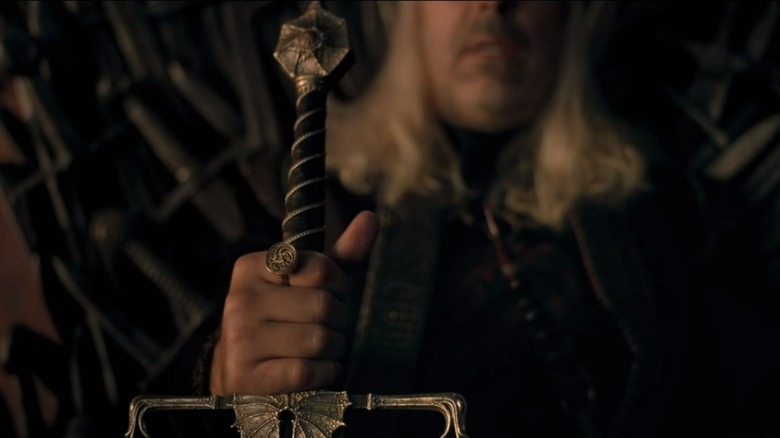
Just when I thought I was out, they pull me back in. "Game of Thrones" may have ended with more of a whimper than a bang for many disappointed fans, but that's not stopping HBO from redoubling their commitment to author George R.R. Martin's popular fantasy works. This time, "House of the Dragon" is taking viewers on a trip centuries into the distant past of Westeros -- a time when the Targaryen dynasty, the very same lineage that Daenerys (Emilia Clarke) belonged to in "Game of Thrones," ruled the land with an iron grip and their prized dragons. HBO just released the first fiery trailer footage from "House of the Dragon" as the centerpiece of today's HBO Max Europe presentation, which you can watch below.
It's hard to imagine even the most jilted fans of the "Game of Thrones" finale being able to stay away from "House of the Dragon," let's just put it that way. The familiar bleached-white visage of the Targaryens are front-and-center in this footage, courtesy of Matt Smith's Prince Daemon Targaryen and Emma D'Arcy's Princess Rhaenyra Targaryen. The trailer also features glimpses of an even more ostentatious (and more book-accurate) Iron Throne, some intriguing cast member reveals, and -- of course -- a tantalizing hint of dragons.
Whereas "Game of Thrones" took its cues from Martin's still-unfinished "A Song of Ice and Fire" series of novels, "House of the Dragon" will be an adaptation of Martin's more history-oriented "Fire & Blood" collection. You can think of it, essentially, as "The Silmarillion" to author J.R.R. Tolkien's "The Lord of the Rings." Set 200 years before the events of "Game of Thrones" and "the fall of the throne," as the trailer puts it, "House of the Dragon" will chart the peak (and, presumably, the eventual downfall) of the Targaryen rule over Westeros.
In addition to Matt Smith and Emma D'Arcy, previously announced cast members include Olivia Cooke as Alicent Hightower, Rhys Ifans as Otto Hightower, Steve Toussaint as Lord Corlys Velaryon (also known as "The Sea Snake"), and Paddy Considine as King Viserys Targaryen. Newly revealed cast members are as follows:
"House of the Dragon" comes to HBO Max in 2022. To get more of a hint of the direction the show may take, here's the synopsis for Martin's "Fire & Blood" novels:
Centuries before the events of A Game of Thrones, House Targaryen—the only family of dragonlords to survive the Doom of Valyria—took up residence on Dragonstone. Fire & Blood begins their tale with the legendary Aegon the Conqueror, creator of the Iron Throne, and goes on to recount the generations of Targaryens who fought to hold that iconic seat, all the way up to the civil war that nearly tore their dynasty apart.
Read this next: Fantasy Box Office Bombs That Deserve A Second Chance
The post House of the Dragon Teaser: The Game of Thrones Prequel Arrives With Fire and Blood appeared first on /Film.


