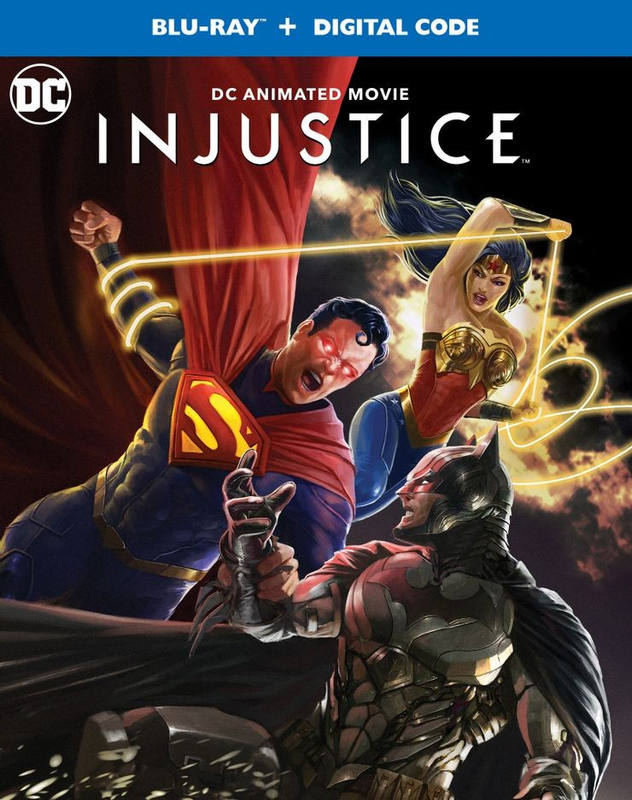
The post Injustice 2021 1080p Bluray DTS-HD MA 5 1 X264-EVO appeared first on SceneSource.
The post Injustice 2021 1080p Bluray DTS-HD MA 5 1 X264-EVO appeared first on SceneSource.
In these days of abundant sequels and prequels, it's rare when a horror movie is not part of a franchise, but there are films that break the mold. In some cases, the movie promised a sequel that never came. In others, the follow-up was either canceled or wasn't viable due to the original's poor box office receipts for the original. Sometimes, sequels end languishing in development hell, trapped in a maze of convoluted arguments over rights. In a few cases, there's no sequel because there's no way there could be -- the full story is well and truly told in a single installment, or ended with apocalyptic event that could never be followed up on.
For better or for worse, here 14 choice horror movies that stand proudly alone. Each one is an excellent film in its own right, with nary a "To be continued..." among them -- as much as, in some cases, we might wish otherwise.
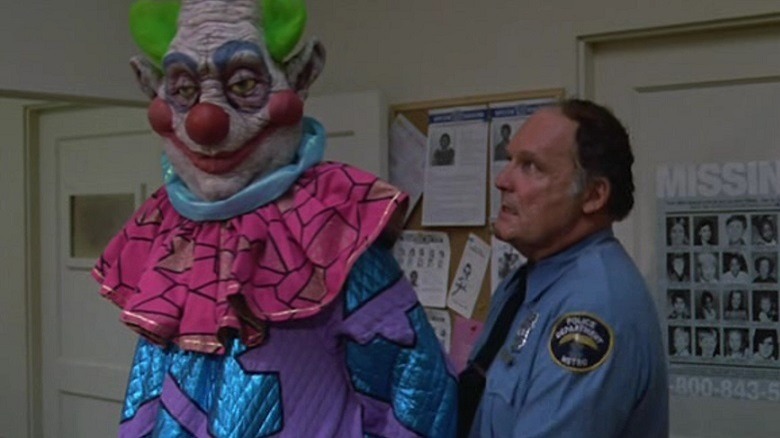
The original TV mini-series of Stephen King's "It" is often blamed for giving a generation an irrational fear of clowns. However, I'd posit that "Killer Klowns from Outer Space" is far guiltier of generating coulrophobes. "It" only features a single grease-painted ghoul, whereas "Killer Klowns from Outer Space" has a whole host of rampaging, red-nosed recidivists.
Encountering a strange tent on the site of a fallen comet, two teenagers realize that the town has been invaded by aliens who resemble circus clowns. There's not a single thing associated with clownery that these genocidal jesters won't exploit to kill the townsfolk: acidic custard pies, terrifying shadow puppetry, and popcorn that tries to eat you are just some of their devious delights.
"Killer Klowns from Outer Space" is a cult classic for good reason, taking a preposterous premise to its ridiculous extreme. With a soundtrack by John Massari that's as good as anything unfolding on screen, it's a perfect example of '80s comedy-horror. A sequel was touted straight after the release of the movie, but it's been languishing in development hell since, with proposed SyFy and Netflix follow-ups never getting past the drawing board. Perhaps it's for the best -- any sequel would have big shoes to fill.
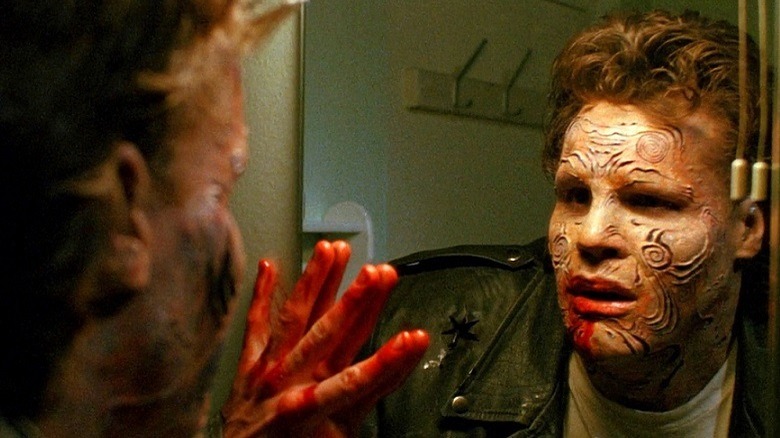
Boone, haunted by nightmares of a labyrinthine domain of monsters, seeks psychiatric help. Little does he know that the place in his dreams is real, and that his psychiatrist is a psychopathic murderer. Both men, for their own reasons, will stumble into the realm of the Nightbreed, monsters shunned by humanity who seek refuge amongst their own kind.
This adaption of Clive Barker's novel "Cabal" suffered from a studio that struggled with what to do with this unusual property. The message in the movie is unmistakable: Humans are the true monsters, and the Nightbreed are the sympathetic characters. However, writer-director Barker struggled to convey that message to the powers that be, making for a muddled and confusing marketing campaign and release. Audiences went in expecting a violent slasher, and were presented with an excellent yet flawed film about a town of monsters.
Originally planned as part of a trilogy, lackluster box office results put an end to the project. A two-part graphic novel -- a crossover between Clive Barker's Nightbreed and Hellraiser properties -- saw the light in 1990, but, despite the film's last act strongly hinting that it was the first of a series, a sequel never happened. Progress was made on a "Nightbreed" TV series but, like the elusive monsters themselves, it's gone into hiding.
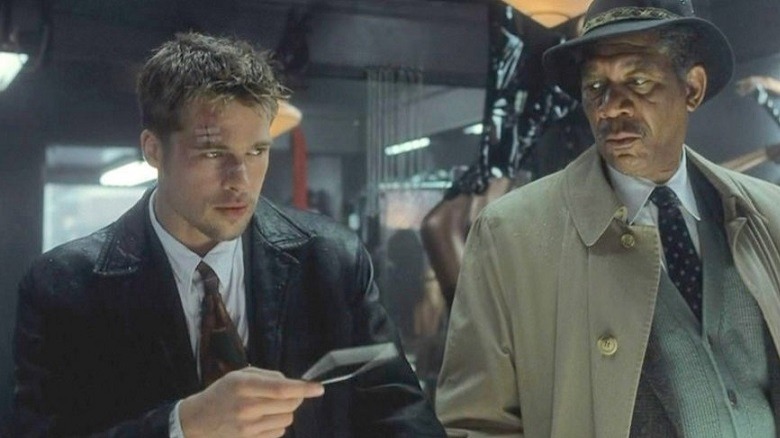
A retiring police detective on his final case (never a promising sign) teams up with a newly transferred detective. Following a series of gruesome murders, they're tasked with investigating a serial killer who is targeting people who he believes represent one of the seven deadly sins. Thus, the scene is set for one of the most successful breakthrough films of the mid-'90s.
Purists might argue about whether or not "Se7en" is horror at all, but I stand steadfastly by that definition -- the sloth scene alone is a masterpiece in horror film direction. "Se7en" is a nihilistic and bleak psychological thriller that made a huge impact both critically and commercially upon its release in 1995, and spawned a myriad of dark and gritty copycats.
Because of that success, New Line Cinema repurposed an existing script called "Solace" and tried to retrofit it into a "Se7en" sequel focusing on Morgan Freeman's character, who would've suddenly had psychic powers. Eventually, that plan was scrapped, and "Solace" was made and released without any connection to Fincher's thriller (unfortunately, it is still not very good).
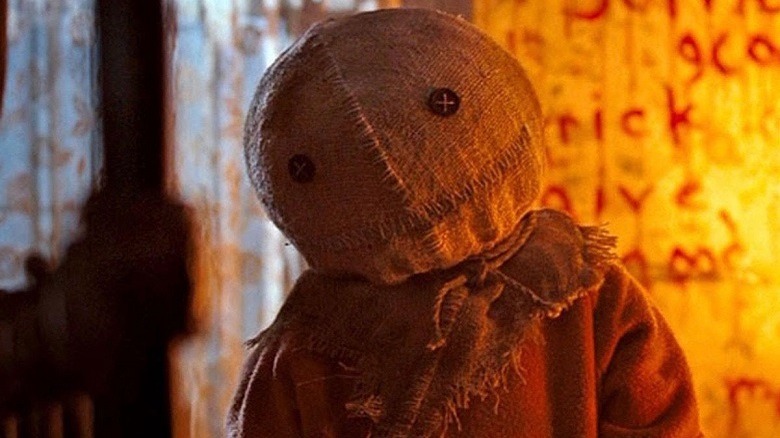
Horror anthologies are commonplace now, but they're all too often a means by which to disguise an uninspiring script -- the stories are short, and the audiences' memories often are, too. That said, there are some real gems amongst the format ("Creepshow" and "Dead of Night," to name two), not least of which is this 2007 horror-comedy anthology.
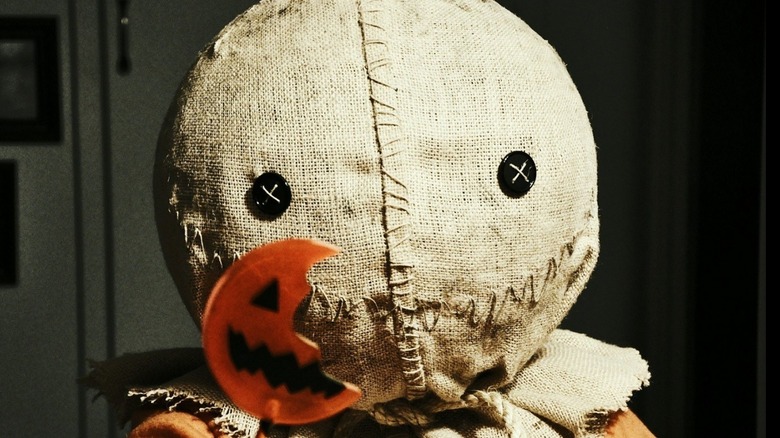
With five tales all themed around Halloween, "Trick 'r Treat" has become as essential seasonal viewing as John Carpenter's classic proto-slasher. It also created an instant horror icon in Sam, the creepy pajama-clad trick-or-treater who hides behind a burlap sack. It offers tales about serial killers, werewolves, pranks gone too far, and what really happens if you blow out a jack o' lantern before midnight. It's everything the season should typify: good, scary, peering-out-between-your-fingers fun.
Given the resounding critical reaction to the movie despite the lack of a wide release ("Trick 'r Treat" only played at film festivals and one-off events), it seemed inevitable that there would be a sequel. Talk of one began back as early as 2009, but nothing has surfaced as of yet. Hopefully, Sam will one day get the chance to go trick-or-treating again.
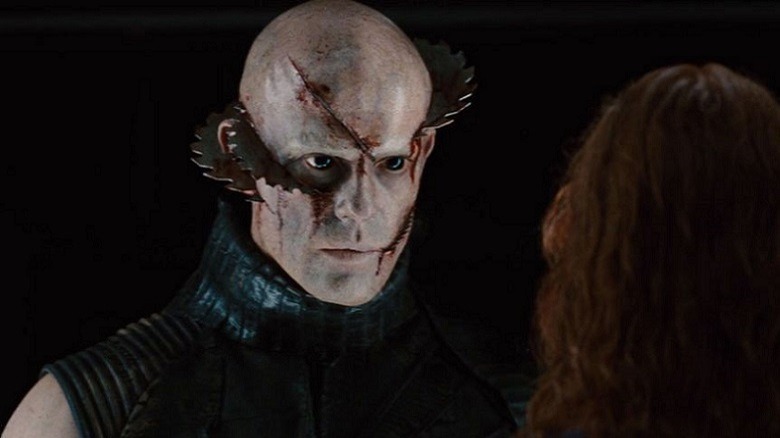
"Wes Craven's New Nightmare" wasn't the first meta horror film, but it was certainly one of the most successful. Its vein of clever self-parody and self-awareness continued with "Scream," before "The Cabin in the Woods" picked up the baton and took off with it.
At first glance, the plot is an over-familiar cliché: Five friends travel to a remote cabin for a break and end up unleashing great horrors, forcing them to fight for their lives. It's dull on paper, but there's more to "The Cabin in the Woods" than it seems at first, and the end result is a subversive and wry look at both the horror genre and our expectations for it.
Coupled with savvy marketing, which led viewers to think that the trailers had given away most of the plot only to subject them to a majestic rug pull at the end of the first act, "The Cabin in the Woods" is a smart and multi-layered piece of filmmaking, one that might alter the way you digest other horror films. It's also refreshing to see a big studio release that isn't set up to be the tentpole for another franchise, given the movie's satisfactory and completely unambiguous conclusion.
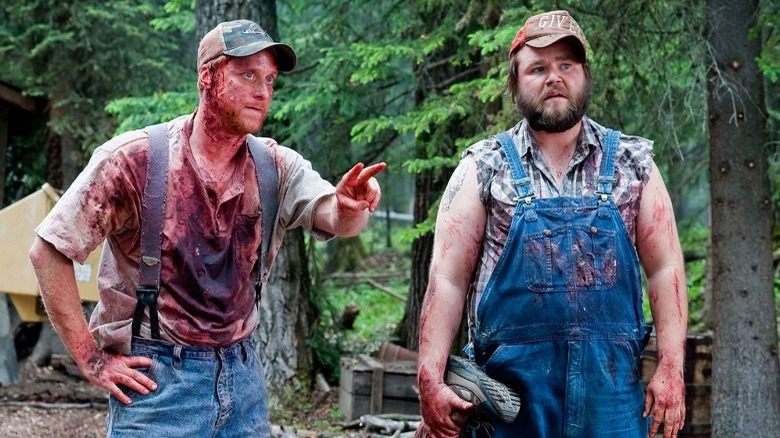
Murderous hillbillies living in the woods was a hot topic back in the '70s (see films like "Deliverance" and "The Hills have Eyes" for examples) -- and also, therefore, a common trope in a glut of recent remakes -- but "Tucker and Dale" takes that exhausted cliché and turns it on its head, revitalizing it in the process.
See, the eponymous characters are simply two friends who are just trying to live a quiet life while they work on their rickety mountain home. However, their tranquility is interrupted by vacationing college kids who somehow mistake them for murderous backwoodsmen. As confusion grows, the death toll rises.
A spoof lives or dies on the strength of its characters. Thankfully, Tucker and Dale are both flawless. Naïve, hapless, and yet adorable, Alan Tudyk and Tyler Labine are perfectly cast, serving as a modern-day Abbot and Costello. Much like the aforementioned Hollywood stars, it would have been wonderful to see these ill-fated characters face more horrific situations in spin-off movies. Sadly, the potential of a sequel seems to have been fed through Tucker and Dale's woodchipper, as a proposed script was abandoned many years back. Hopefully, in some form, we'll see Tucker and Dale again.
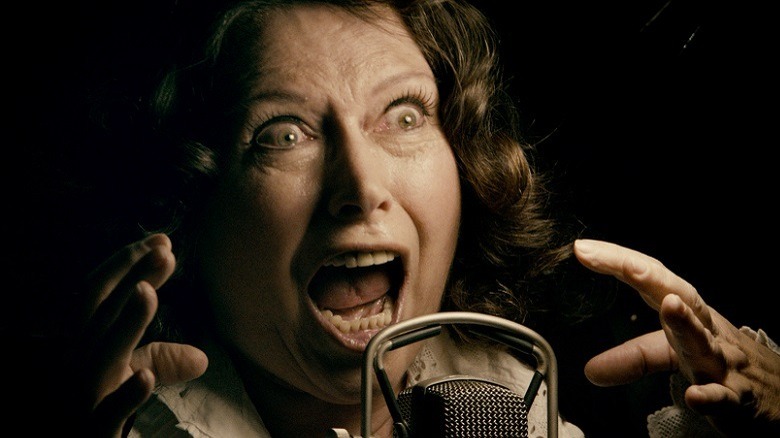
"Berberian Sound Studio," writer-director Peter Strickland's love letter to the unsung heroes of the silver screen and Italian giallo, relates the tale of Gilderoy (Toby Jones), a meek sound engineer who is hired by an Italian film studio to work on a film that he believes to be about horses, but is actually a horror movie called "Equestrian Vortex." While working his audio magic on footage of gory torture sequences, Gilderoy begins to feel more and more disconnected from reality, his sanity as pliable as the soundscapes he works with.
Peter Strickland is a far from conventional director, and, appropriately for a film whose primary narrative motif is the power of sound, much of the horror in "Berberian Sound Studio" is either implied or masked by flickering, blurred images. The real terror comes from the dubbed screams of increasingly frustrated and tormented session actors, or through the work of Gilderoy and his bored and unhelpful Foley assistants.
Like anything from Strickland's filmography, "Berberian Sound Studio" is a powerful, distinctive, and memorable piece of cinema that will linger long after the ambiguous final shot -- which is good, because while there's been a stage adaptation, no sequel seems to be forthcoming.
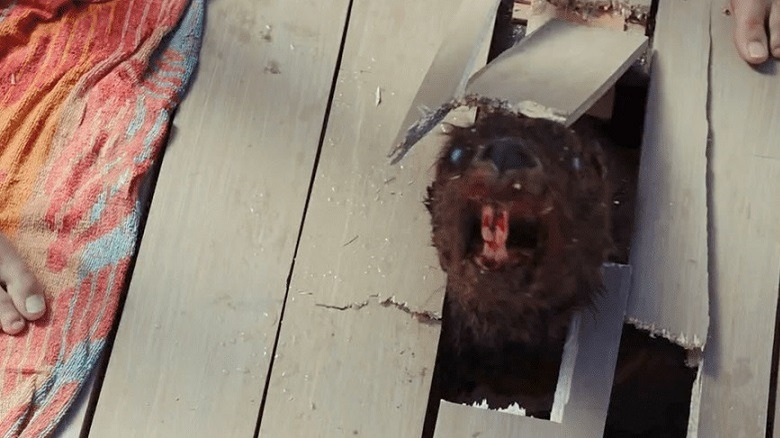
Featuring beavers that put the "B" in "B-movie," this tale of undead, semi-aquatic Castor canadensis is as silly and as lowbrow as they come, but is delivered in such an earnest and affectionate style that it's hard not to be won over. A group of college-aged kids stay at a riverside cabin, which soon comes under attack from a family of deadly zombie beavers. What should have been a decadent weekend break ends up as a desperate struggle for survival against wave after wave of fanged dam fanatics.
It's a joy to encounter a film that is unashamedly proud of itself and its heritage. Despite a Troma-level budget, "Zombeavers" is reminiscent of Peter Jackson's earlier works -- ambitious, funny, not afraid to parody bigger-budget movies, and as entertaining to watch as it must have been to make. The end credit theme, a song retelling the events of the film delivered like a Frank Sinatra crooner, makes it worth watching on its own. A post-credits sequence hints at a literal B-movie sequel -- you'll have to see it to understand -- but it doesn't look like one was ever actually considered.
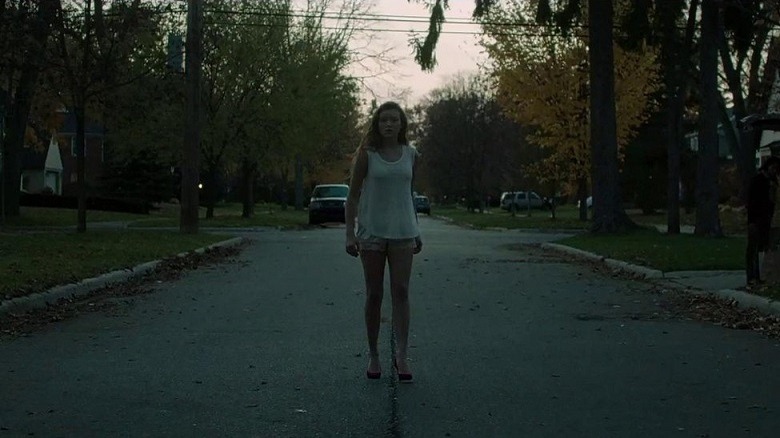
"It Follows" appeared during a terrific time for clever and thought-provoking horror, and much like its peers, "The Babadook" and "The Witch," has an original take on a tired premise. Like the Final Destination series neatly removed the slasher from the slasher format, "It Follows" pits a group of teenagers against a non-conventional and more existential threat -- in this case, a murderous sexually-transmitted disease.
Heroine Jay finds, after sleeping with her new boyfriend, that he has deliberately given her a deadly curse passed on by sexual intercourse. Death is inexorably approaching, and will work its way backwards through its victims. Only by sleeping with someone else can Jay pass the affliction on and buy herself some time.
Atmospheric and tense with some wonderfully effective jump scares -- even for this writer, who isn't a typically fan of that lazy technique -- "It Follows" is a somber piece with a deliberately ambiguous ending. Like actual mortality, there is no stopping the curse. It can only be delayed. As such, a satisfactory resolution is impossible -- the closest you'll get is seeing the characters resign themselves to inevitability. That's hardly franchise material, and while there's been some interest in a sequel, nothing has come of it yet.
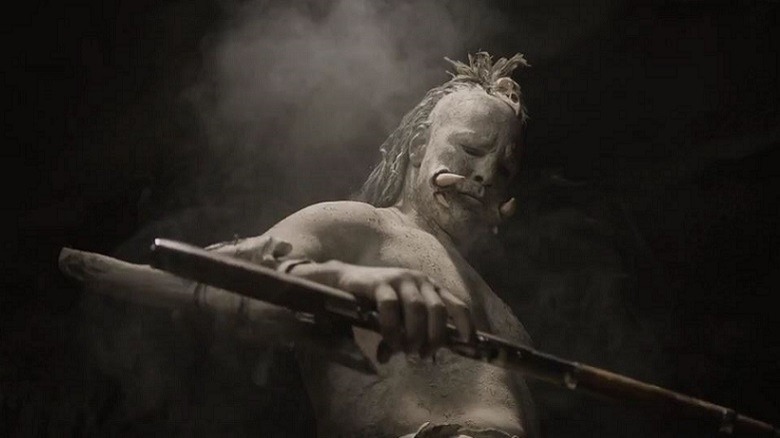
When a pair of drifters trespass on a hidden burial site in the late 19th century, they provoke the wrath of a Native American tribe. One man is killed, but the other flees to the nearby frontier town of Bright Hope. When the tribe kidnaps both the escapee and the town doctor's assistant, the local sheriff is forced to lead an unlikely posse across the wilderness to retrieve them.
The directorial debut of S. Craig Zahler ("Brawl in Cell Block 99," "Dragged Across Concrete") is a confident masterclass in filmmaking; "Bone Tomahawk" has a wonderfully convincing sense of time and place, a cast of enigmatic and interesting characters, dialogue that absolutely sings, and an excellent sense of pace. Top this with a career-best performance from Kurt Russell, who plays a jaded and cynical sheriff, and you've got one of the single-best genre films made in the last decade.
"Bone Tomahawk" spans genres effortlessly, being both a stand-out Western and a superb horror film. The scary moments, though few and far between, are visceral and grounded, but it's that documentary-style realism that makes certain shots from this one-and-done adventure linger in the consciousness far longer than you'd comfortably like.
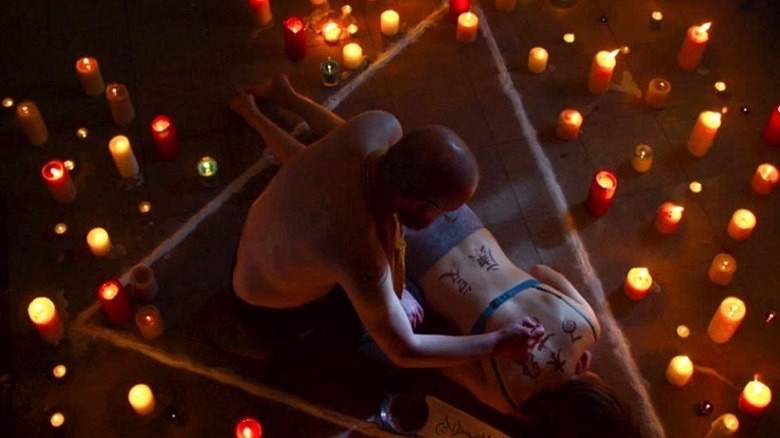
Sophia is a grieving mother, having witnessed the death of her only child. Despairing, she seeks solace in the arms of the supernatural. Having rented a remote house in rural Wales, she's hired the services of a magician named Solomon to perform a complex and lengthy ritual to allow her to communicate with her dead offspring.
"A Dark Song" is as much a character study as it is a horror story, a tale of two desperate, disparate, and damaged personalities trapped in a house with one another. Sophia is bitter and justifiably angry at her loss, and Solomon is jaded, sardonic, and controlling. The film takes a clinical approach to the ritual itself, with its scientific complexities and rules, and it's this matter-of-fact approach to magic that makes the film quite unique. There is always a price to pay for altering the natural scheme of things, and "A Dark Song" hammers this theme home repeatedly.
Like many other entries on this list, "A Dark Song" is far from a traditional horror movie, being a complex and thought-provoking examination of faith and loss held together by performances from two leads at the very top of their acting game.
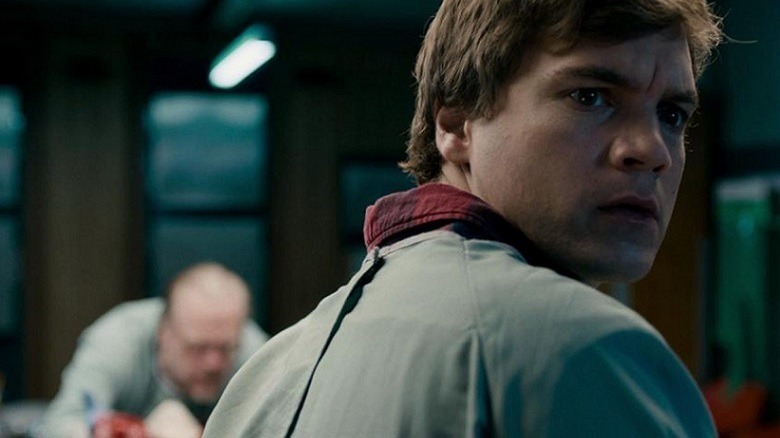
The corpse of an unidentified young woman is brought to a coroner's office by the sheriff, who claims that he needs to know her identity by next morning. The father and son team who run the morgue decide to work through the night on the autopsy, attempting to unravel the mysteries behind both the girl's life and her eventual death.
"The Autopsy of Jane Doe" is a slow-burn and is all the more effective for it. Set in the already unnerving confines of an autopsy room, it's elevated by the wonderful performances of the two leads, Emile Hirsch and the always-reliable Brian Cox.
There's a complex backstory at work, but the autopsy is an interesting means of delivering exposition -- Jane Doe's body is a literal puzzle, and we get each piece at the same time as the main characters. There's a horrible inevitability too, as the plot moves on and you just know that it is not going to end well. A detailed mythology underpins the story, and could easily be explored in other movies -- however, despite the open ending, "The Autopsy of Jane Doe" remains a standalone film.
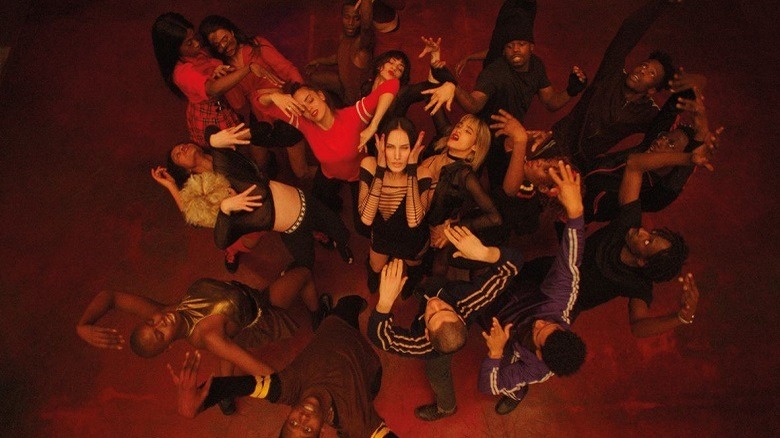
"Climax" is set in a snowed-in community center in the late '90s, where a dance troupe is celebrating a successful rehearsal the night before their American tour begins. We've barely been introduced to the diverse cast of dancers when somebody spikes the punch bowl with powerful hallucinogens, and the rest of the evening plays out like "Dante's Inferno" with a soundtrack of club classics -- a literal disco inferno, if you will.
Director-writer Gasper Noé is no stranger to controversy, having directed 2002's "Irreversible," a landmark piece of New French Extremity cinema. In "Climax," he's no less shocking, catapulting his cast of beautiful young people into the worst drug trip imaginable. As hell erupts in the various rooms of the center, Noé keeps bringing us back to the central dance floor. Every new visit shows that it has plunged deeper into chaos, the lighting and soundtrack keeping track of how far everyone has fallen. In a film full of violence and sadism, it's appropriate that almost every scene is also an assault on the senses.
"Climax" is far from conventional -- the end credits roll at the start, the opening credits don't begin until halfway into the movie, and the first shot offers a clue as to how it'll all end -- and there's a dreaded irrevocability to it. We're just along for the ride.
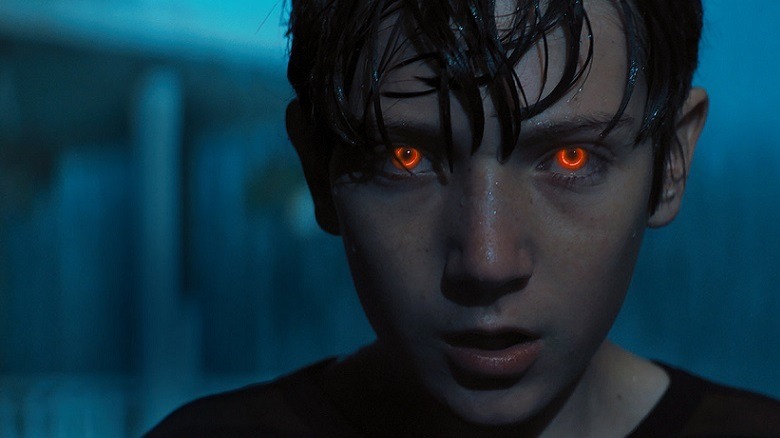
Superhero movies and horror had met before in projects like "Blade" and "Darkman," but the mash-up has never been as on-the-nose as it is in this Superman parody. "What if Superman was evil?" is a far from original concept, having already been richly mined in comics, TV, and video games (check out "Injustice" or Amazon's one-two punch of "Invincible" and "The Boys" for more), but "Brightburn" was the first real attempt to tell that kind of story on the big screen.
After struggling to have a child, a couple's dreams of parenthood come true when a craft carrying a baby crash-lands on their farm. They raise the infant as their own, and it's only when young Brandon hits puberty that his powers -- and true nature -- manifest. In Brandon's case, with great powers comes great reprehensibility, and "Brightburn" becomes an original yet grisly take on the slasher genre. How do you chastise an invulnerable child with a superiority complex?
No superhero movie is complete without the obligatory mid-credit sequence, and "Brightburn" is no exception, both hinting at a sequel that hasn't come (although there are plans), as well as implying that the film takes place in the same universe as another violent superhero movie from producer James Gunn, the Rainn Wilson-starring "Super" from 2010.
Read this next: Every Peter Jackson Film Ranked From Worst To Best
The post 14 Awesome Horror Movies That Never Got Sequels appeared first on /Film.


Read more of this story at Slashdot.
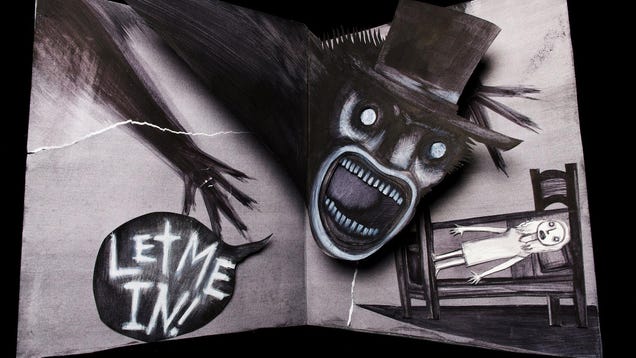
Demons can be a little hard to define, and sometimes in horror the term is used as a catch-all for anything that isn’t a ghost, werewolf, witch, vampire, or other readily definable monster. Satan is sometimes in the mix, but only sometimes.

Are you an uber-organized minimalist whose kitchen looks like Marie Kondo and Pinterest’s love child? We applaud you. If your kitchen resembles more of a disturbing way station for stuffed animals, mail, hairbrushes, stickers, and disembodied Legos, we...have a friend whose kitchen is exactly like that. While we don’t…
Aye, Mateys! Time to sail the seven seas and search for adventure with these classic pirate movies. The life of a pirate is a life of freedom, danger, and debauchery that make for perfect entertainment. Pirate films are fun and exciting adventure movies that provide a little bit of everything.
There are usually great fight scenes, ship battles, and even some romance. Audiences can have a great time with these movies, and most critics can't deny their joy at getting the chance to become invested in the world of pirates.
Updated October 7th, 2021 by Rose Graceling-Moore - Pirates continue to be a source of fascination for audiences, with recent offerings including Netflix's mini-series The Lost Pirate Kingdom (which managed an impressive 100% on Rotten Tomatoes itself). The Pirates of the Caribbean pirate movie franchise also continues to grow, with reports of a female-fronted installment in the works. In the meantime, these classics, twists, and new favorites are enough to keep any pirate happy!
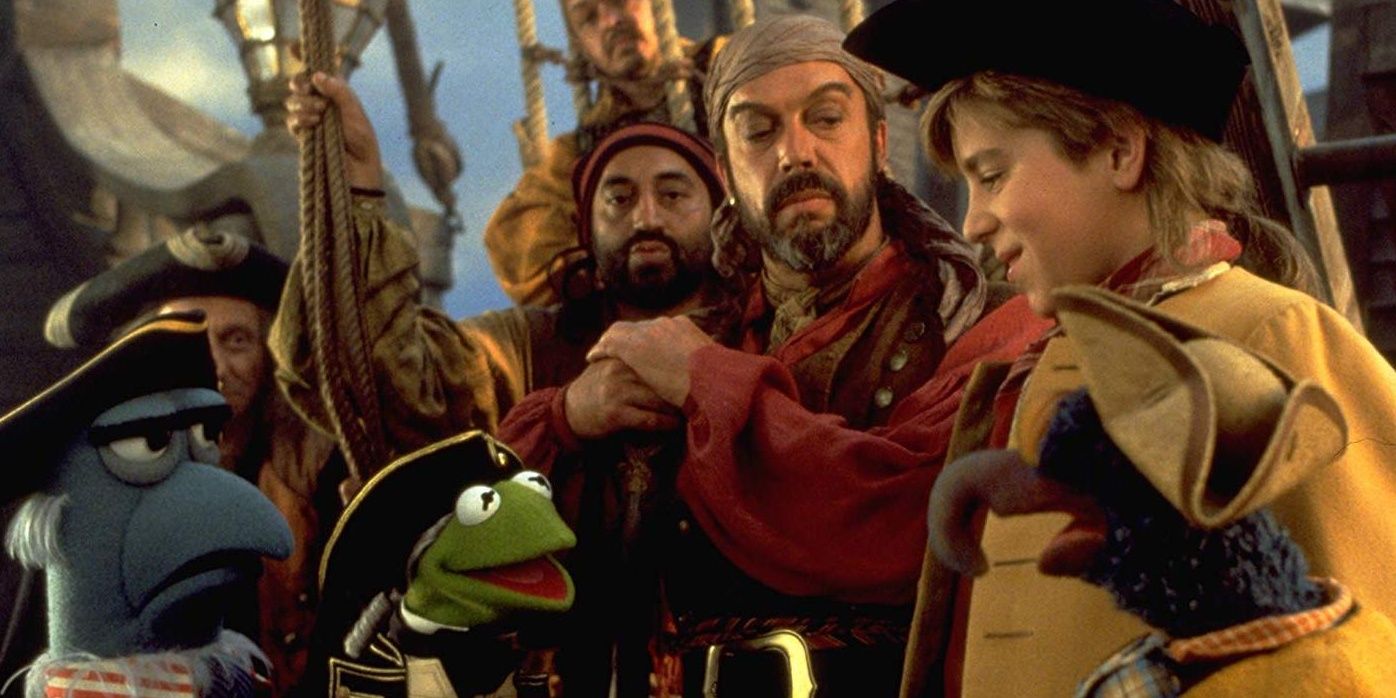
Muppet Treasure Island is a retelling of the classic novel, but with The Muppets. The Muppets fit very well in this movie, with Kermit the Frog as the captain and Gonzo as a member of the crew. However, the star of this movie is Tim Curry as Long John Silver, who is clearly having the time of his life portraying a pirate alongside Muppet characters.
One of the most enjoyable aspects of this film is the creative and memorable musical numbers that are guaranteed to get stuck in fans' heads. It's got a lot of humor, heart, and family-friendly pirate entertainment. While many pirate films are certainly not appropriate for younger viewers, this is a sanitized version of piracy that anyone can enjoy.
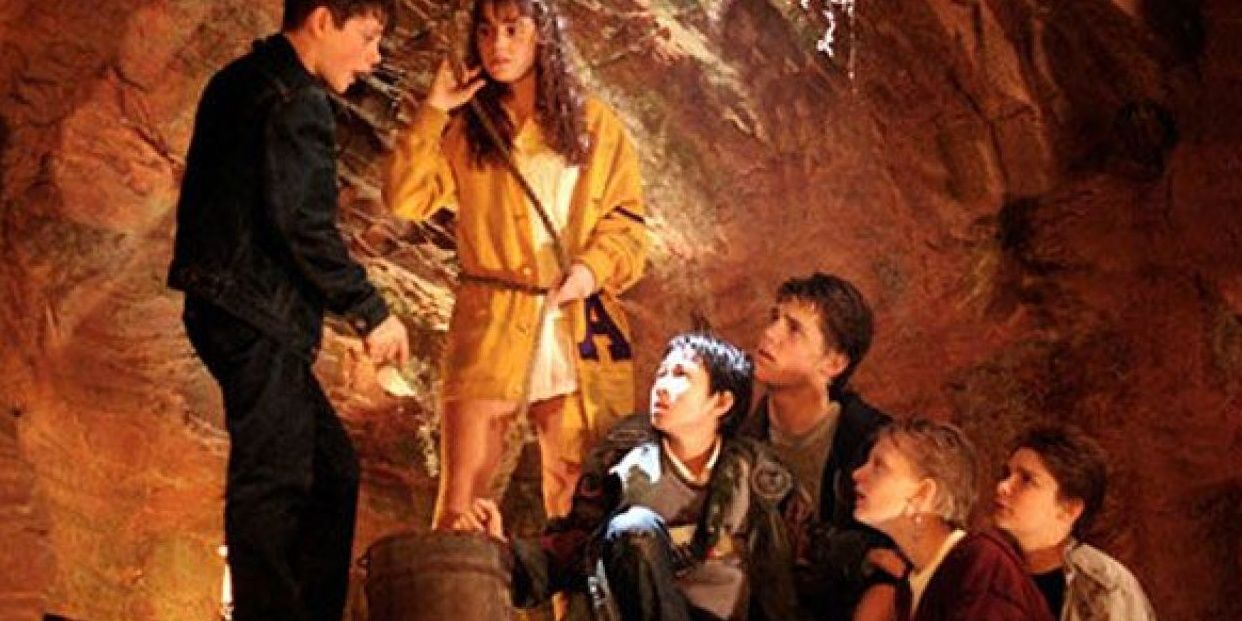
The Goonies is the definition of a good time. It follows a group of curious kids who search for lost pirate treasure after stumbling upon a treasure map. Along the way, they face dangerous foes and obstacles that they will have to get through in order to find the treasure, in a classic treasure hunt.
The Goonies has lots of pirate moments, including a treasure room on a ship that was owned by a character named One-Eyed Willy. Critics really enjoyed this family adventure and it is considered a classic movie from the '80s. It's hard to watch this movie and not be sucked into the adventure.
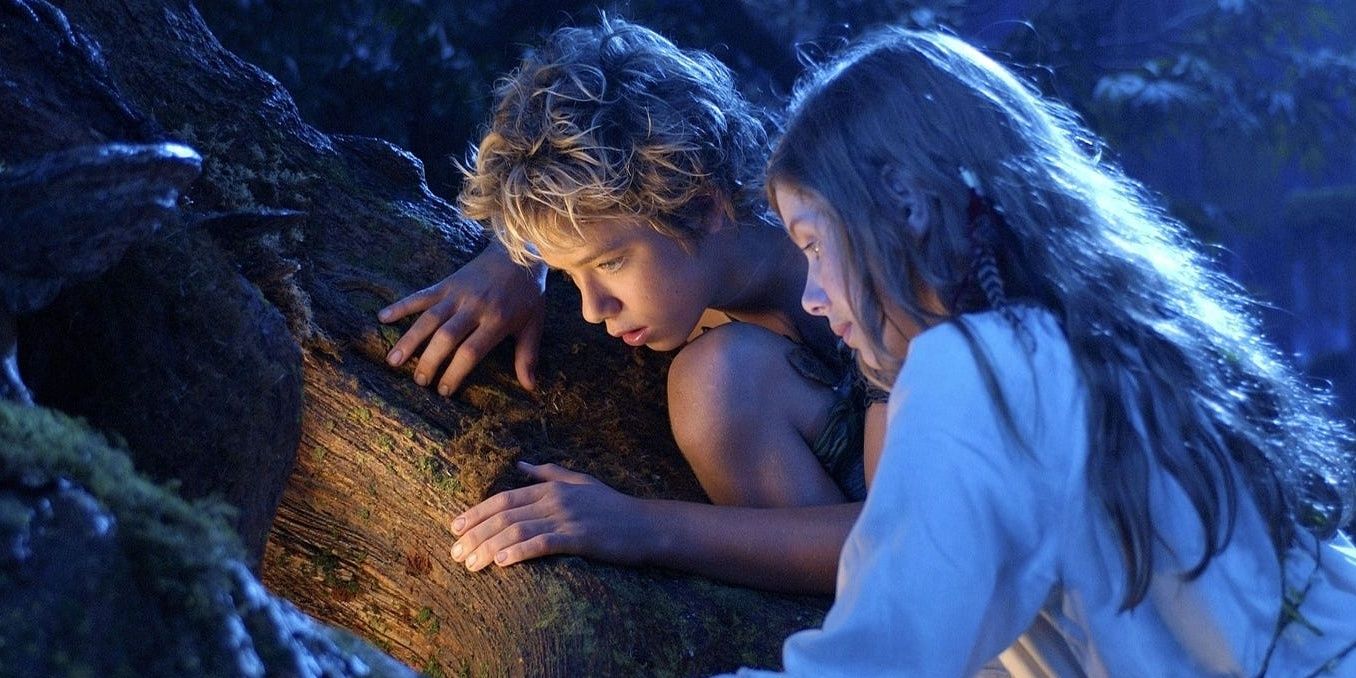
When it comes to movies that tell the tale of Peter Pan, most people think of the Disney animated classic and Hook. However, many overlooked this 2003 version of the classic story, yet it is considered to be one of the better versions by critics who found it to be a faithful adaptation that still manages to be a great fantasy story.
Captain Hook is a legendary pirate character who is on a mission to get his revenge on Peter. Here, he is played by Jason Isaacs, who always loves to play the villainous characters. This version of Peter Pan may have forgotten about, but it deserves more attention.
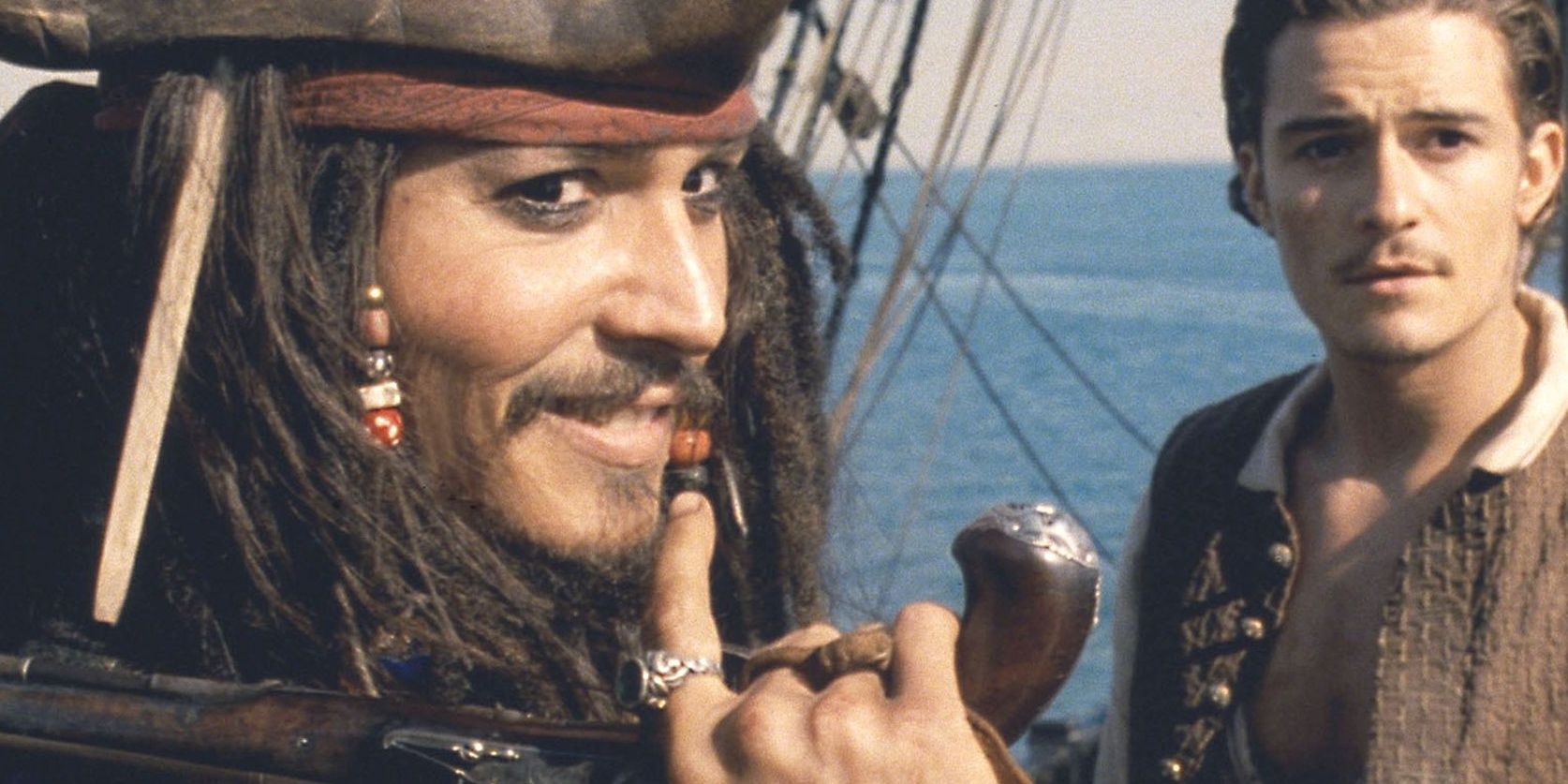
While it is not the highest-rated film on this list, Pirates of the Caribbean is one of the most famous pirate films. Based on the popular attraction at Disney Parks around the world, Pirates of the Caribbean is incredibly enjoyable. It has an amazing swordfight, a cool story with a unique mythology, and a world enraptured by its swashbuckling atmosphere.
Jack Sparrow is the most iconic pirate character ever put to film, helmed by a great performance from Johnny Depp. However, Geoffrey Rush as Barbossa also competes for the best cinema pirate. It's one of the biggest franchises ever and people love revisiting these characters. Also, Hans Zimmer's incredible score is the theme music for anything pirate-related, forever. Surprisingly, though, the rest of the franchise doesn't do so well on the aggregate site, with many of the films managing a 'rotten' rating.
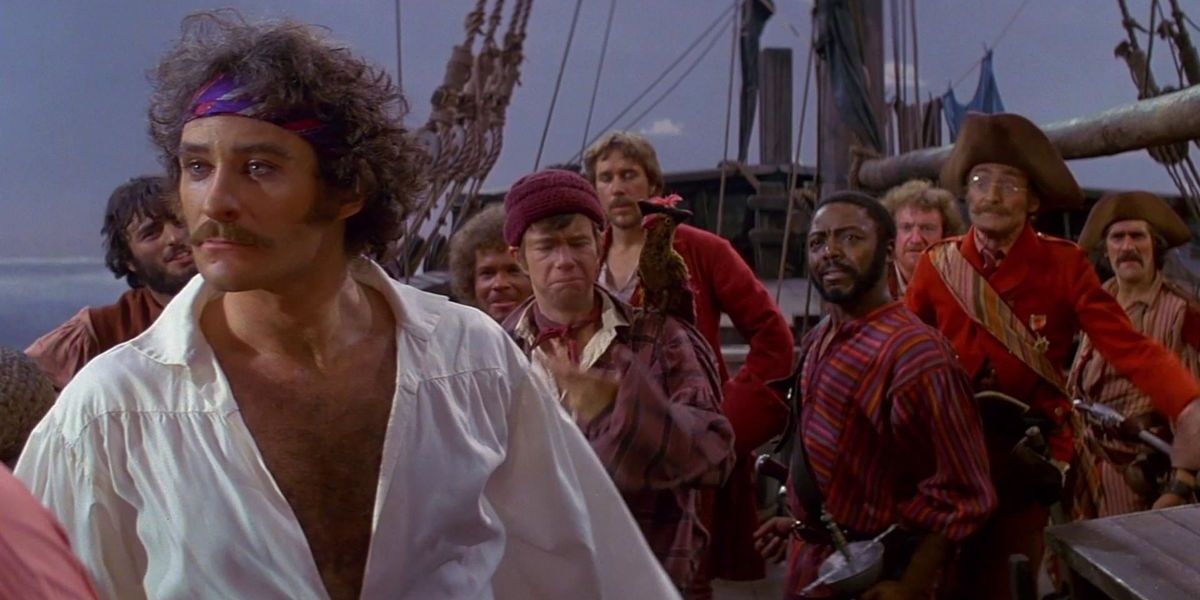
The Pirates of Penzance is a romantic musical comedy from 1983. Based on the Broadway play, the film appears as though it straight from Broadway. as the sets are very obvious and the musical atmosphere is in every frame of this movie. It does have a lot of entertaining pirate moments, but the musical numbers are also clever, catchy, and fit in with the world of pirates.
It still manages to be a pirate adventure while also being a great musical. The action may not be as exciting as other pirate movies, but there is still a lot that critics love about this goofy, pirate musical.
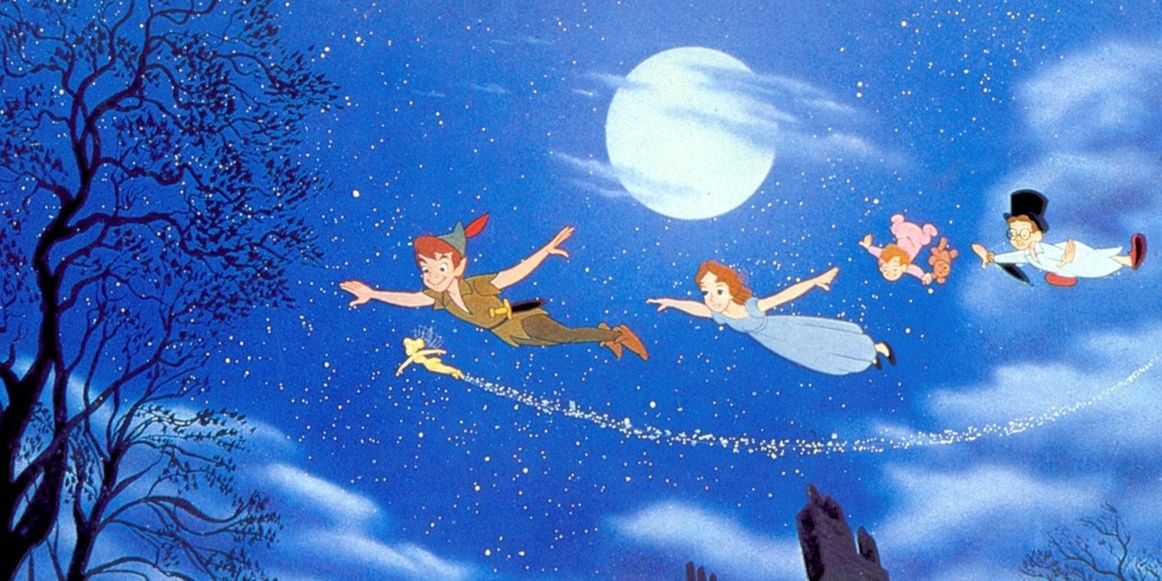
Disney's Peter Pan is an animated classic that makes viewers wish they could stay kids forever. While there are moments in Peter Pan that have aged incredibly poorly, there is still a lot to love here. The animation is colorful, bright, and beautiful throughout. Peter Pan also has wonderful songs that will make any fan want to fly to the second star to the right.
Captain Hook is one of Disney's best villains, and it's just as easy to love his goofy sidekick, Mr. Smee. Hook and his pirate crew turn this animated fantasy into an imaginative pirate tale.
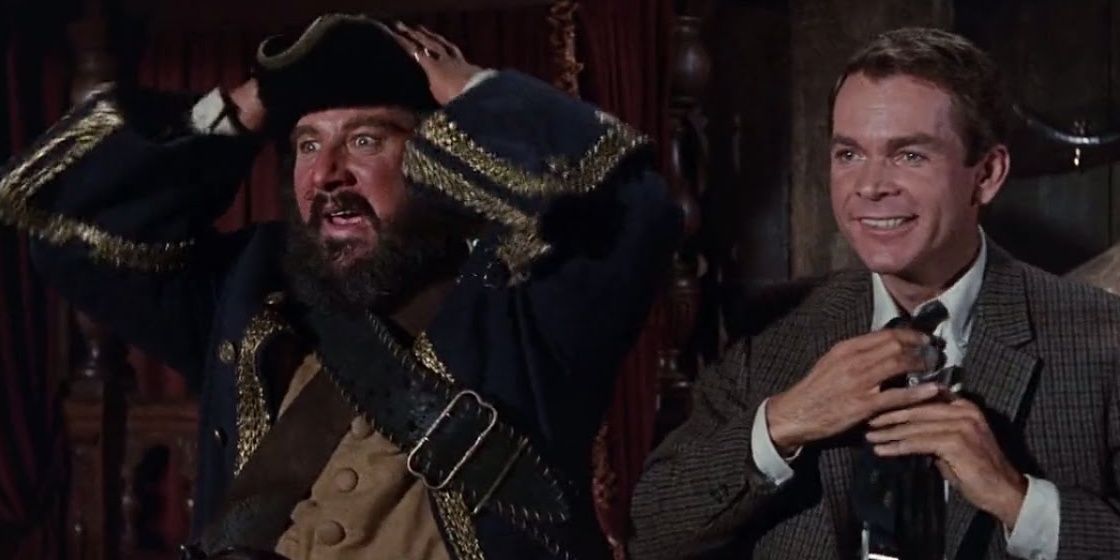
Blackbeard's Ghost is another pirate adventure from Disney in 1968. This movie is about a track coach who has a supernatural encounter with the ghost of the infamous pirate, Blackbeard. This sounds like a bizarre concept, but critics really enjoyed the movie and found it to be solid family entertainment that delivers some laughs and is immensely creative.
It's an intriguing concept, as it mixes modern day with the world of pirates. It turns out that these two worlds meld much better than expected.
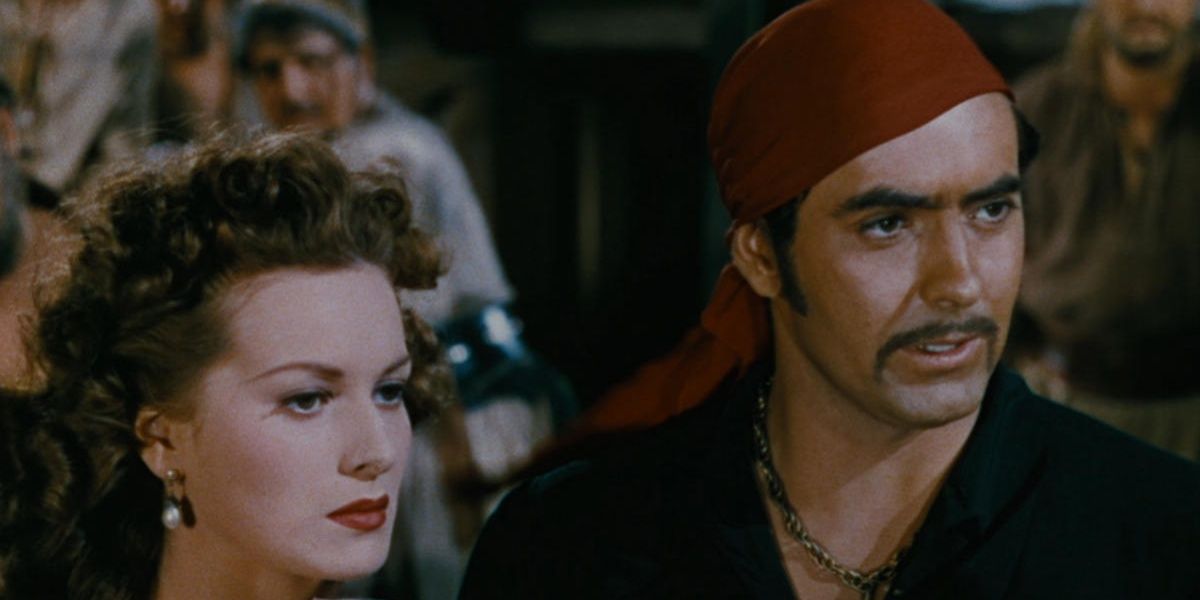
This pirate flick is an absolute classic, from 1942 - and an Academy Award winner (for Best Cinematography). The plot revolves around Henry Morgan, rogue pirates, the Jamaican governor, and a beautiful daughter... all the classic ingredients for a swashbuckler.
While elements of the film may appear outdated today, it's a pirate movie that still deserves the rating it has, not least because it is simply an excellent straightforward adventure movie. This isn't a film that will appeal to those wanting twists and turns, or historical accuracy, but anyone who wants swordfights and romance will be thrilled.
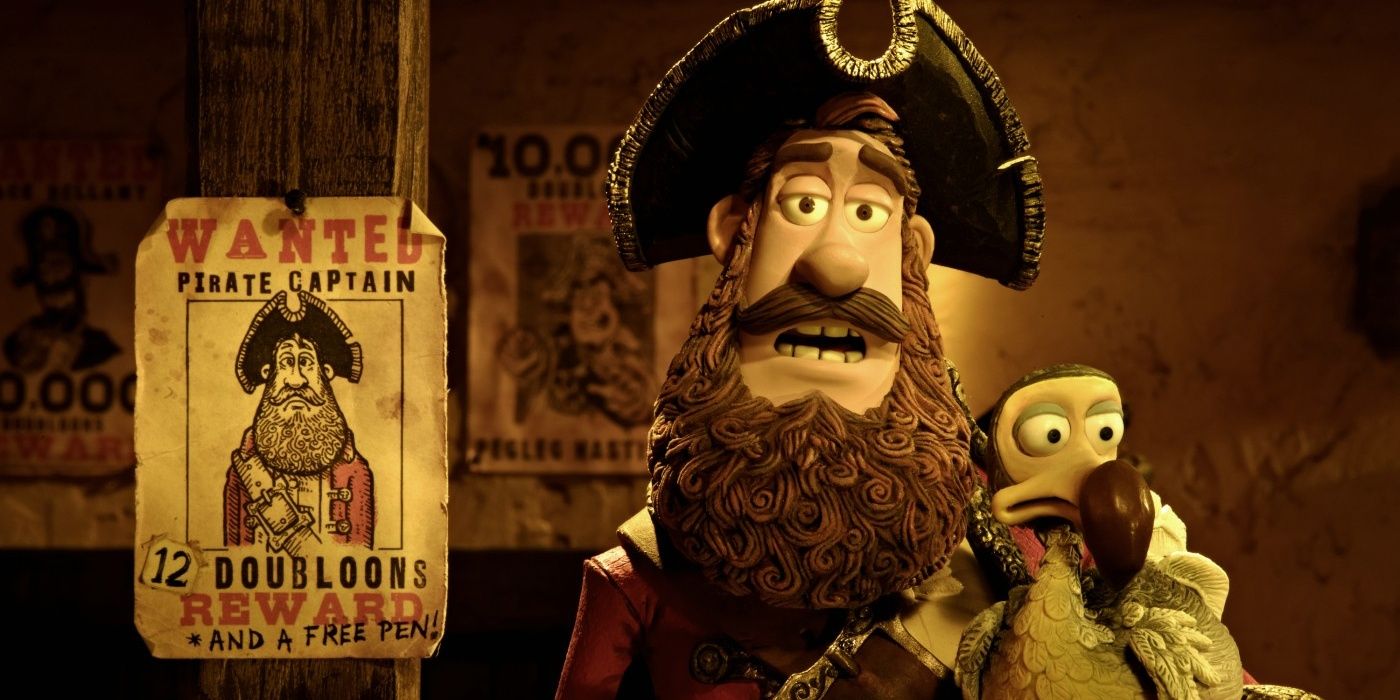
The Pirates: Band of Misfits is a 2012 stop-motion animated film about a band of pirate scoundrels. This movie has a tremendous voice cast, including Hugh Jackman, Salma Hayek, Brendan Gleeson, and Martin Freeman.
The animation is also impressive, especially since stop-motion is a difficult form of animation that takes a lot of time to complete. However, the effort was worth it here, as critics appear to love this movie. While it is a goofy film, critics praised the movie for having a lot of smart and clever humor mixed with a wonderful cast and beautiful animation.
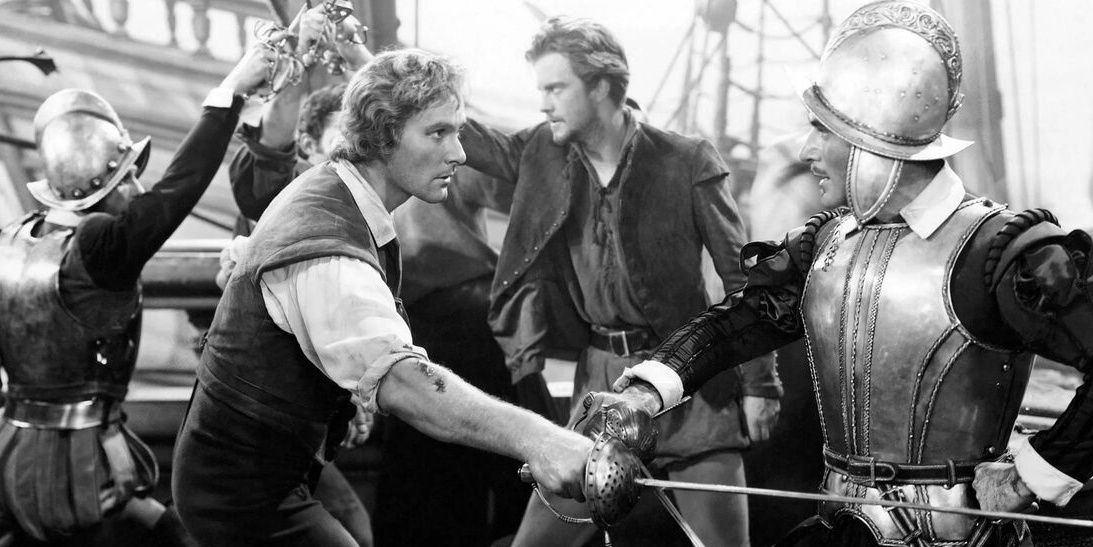
The true classic from 1940 stars Errol Flynn as Geoffrey Thorpe, Queen Elizabeth's man on the high seas. Focusing on the conflict between Queen Elizabeth and the Spanish (and her famous 'sea dogs' of the time period), there are plenty of swordfights to be found here - enough that the film was nominated for four Oscars.
Spies, pirates, adventure, battle and more is set against a stunning soundtrack, and although the film is in black and white (and many aspects of it may be considered outdated today) it remains a classic... and a film to prove just how long pirates have been popular on the big screen.
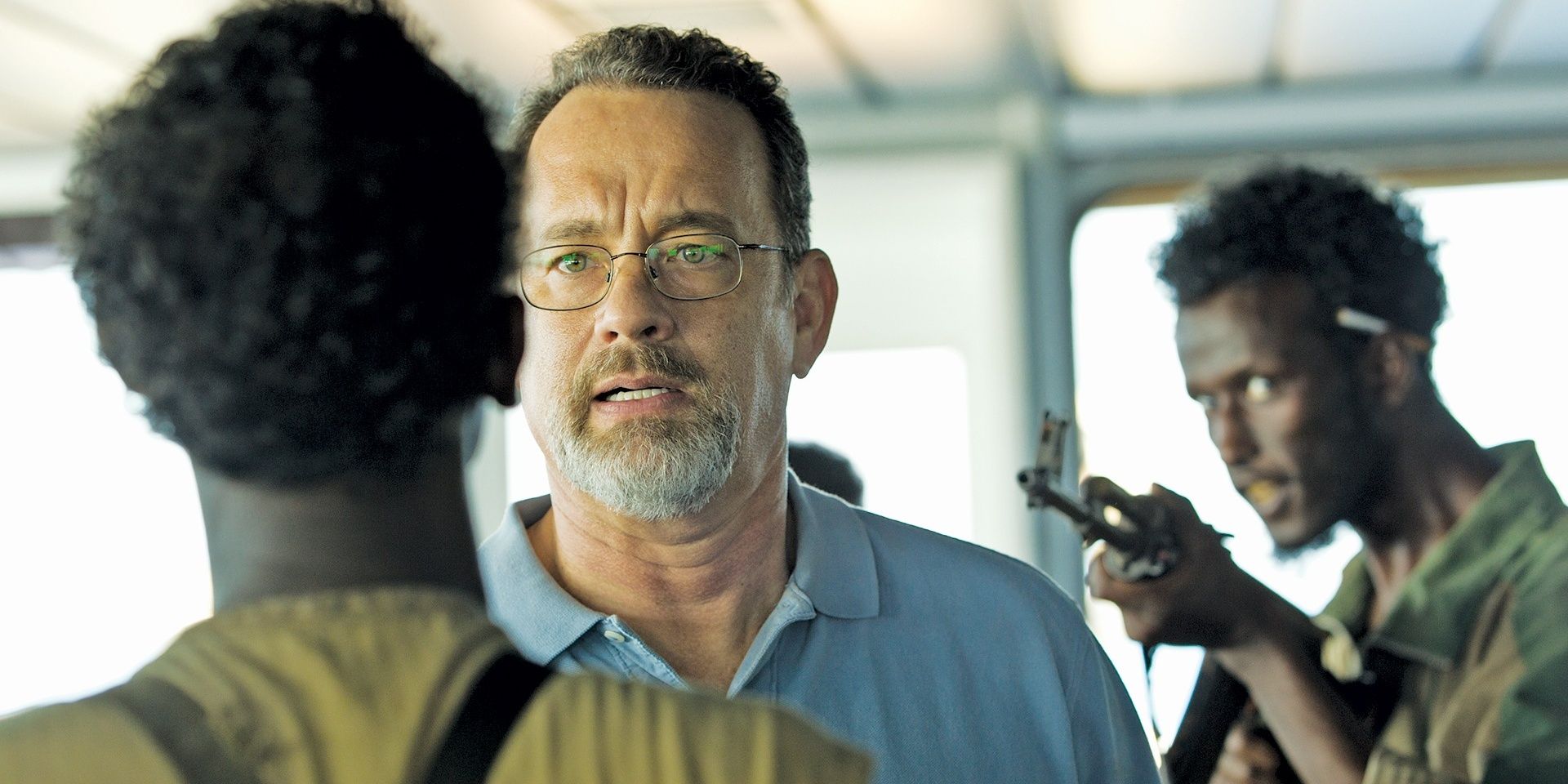
Unlike most pirate movies, Captain Phillips isn't a romanticized look at piracy or set in the Golden Age of Piracy, either. Instead, this modern-day movie looks at piracy as it still exists, a violent and frightening part of shipping and sailing. Based on a real-life story, the film centers on a merchant vessel taken hostage by pirates in 2009.
This is not the film for anyone seeking family-friendly swashbuckling adventures, but for those looking for an action film with real depth and intensity. The film was nominated for six Oscars.
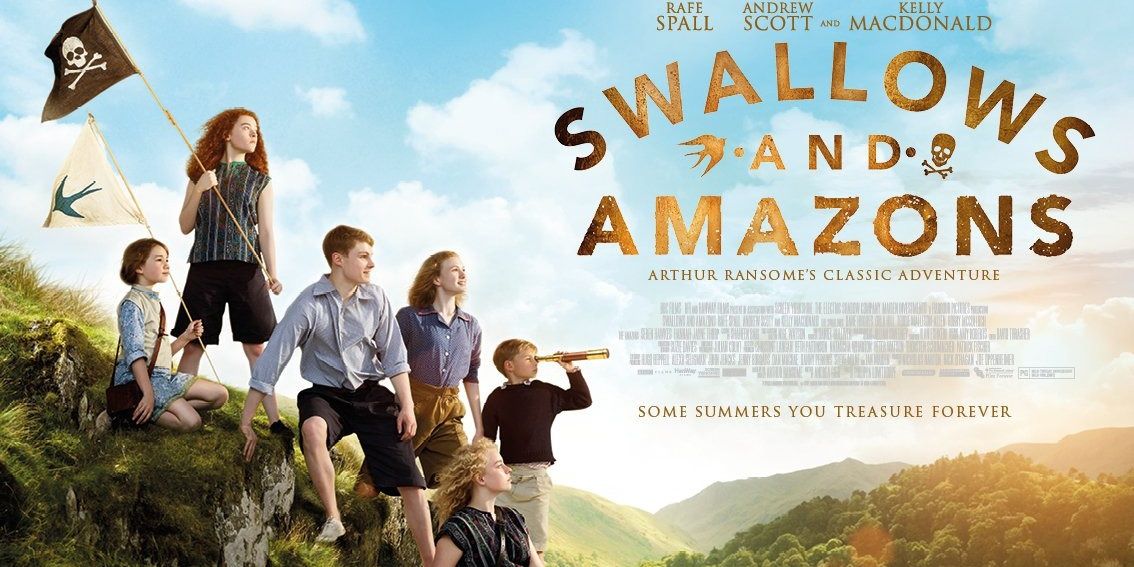
This recent 'pirate' film is an incredibly wholesome look at children playing at pirates and sailors in the Lake District, in the 1930s. Based on the novel of the same name, it is a sweet adventure about a simpler time... while also being a surprising adventure, when the children band together to take down a real-life criminal. There may be no swordfights, but there are some incredible action scenes involving a float plane which more than make up for it.
Treasure maps, imagination, and the power of friendship take center stage in this sweet pirate film appropriate for all ages.
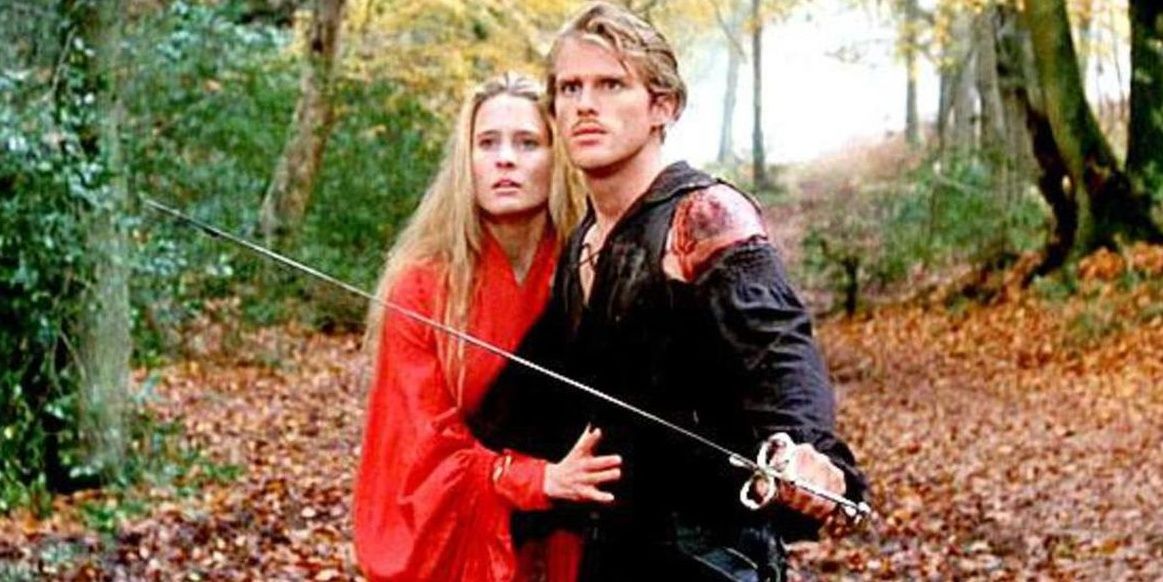
The Princess Bride is an iconic film, filled with memorable moments and quotes that stand the test of time. The characters are equally as memorable, from Buttercup and Westley to Fezzik and Inigo Montoya. Directed by Rob Reiner, The Princess Bride is a hilarious film that blends together action, comedy, and romance.
It's a great fantasy adventure that critics and audiences loved when it first came out and still love today. It is more of a fantasy film than a pirate film, but there are some great swordfights that make for some swashbuckling entertainment. Watching The Princess Bride without a smile is inconceivable.
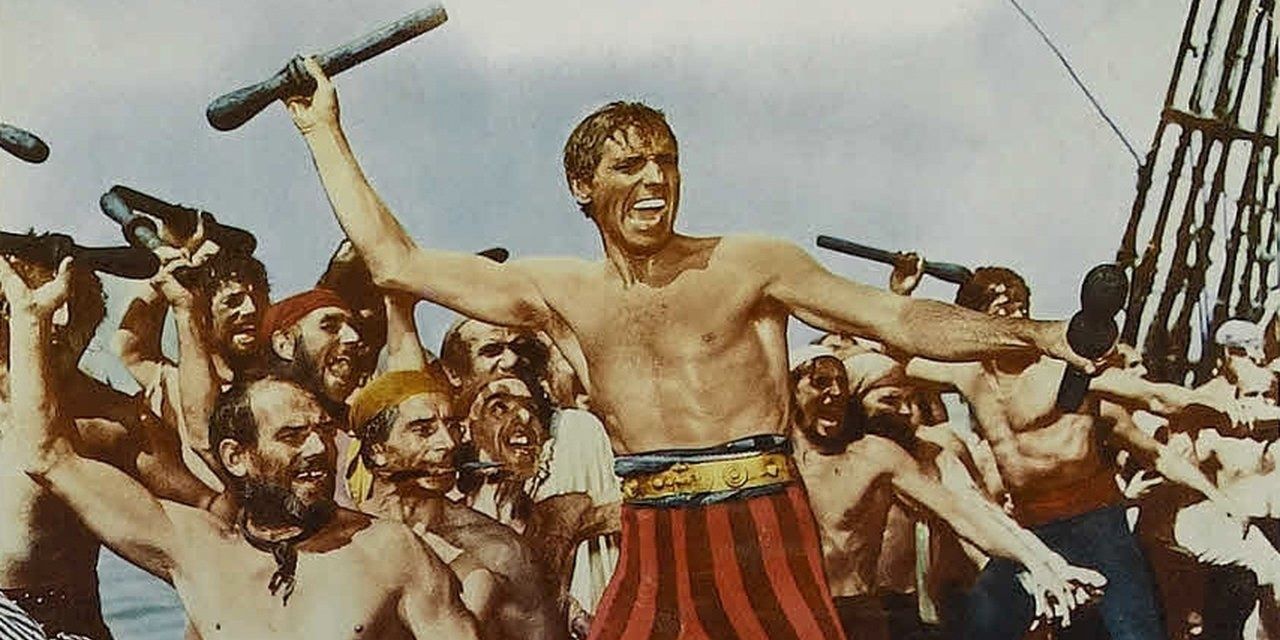
With a 100% rating on Rotten Tomatoes, The Crimson Pirate is a near-perfect pirate movie (for its time, of course). Made in 1952, the film stars Burt Lancaster as the pirate Captain Vallo, a classic swashbuckler who falls in love with a beautiful woman, and must save her from an odious marriage.
This may be something of a predictable film, as it fulfils so many of the tropes of classic Hollywood movies, but that doesn't make it any less enjoyable.
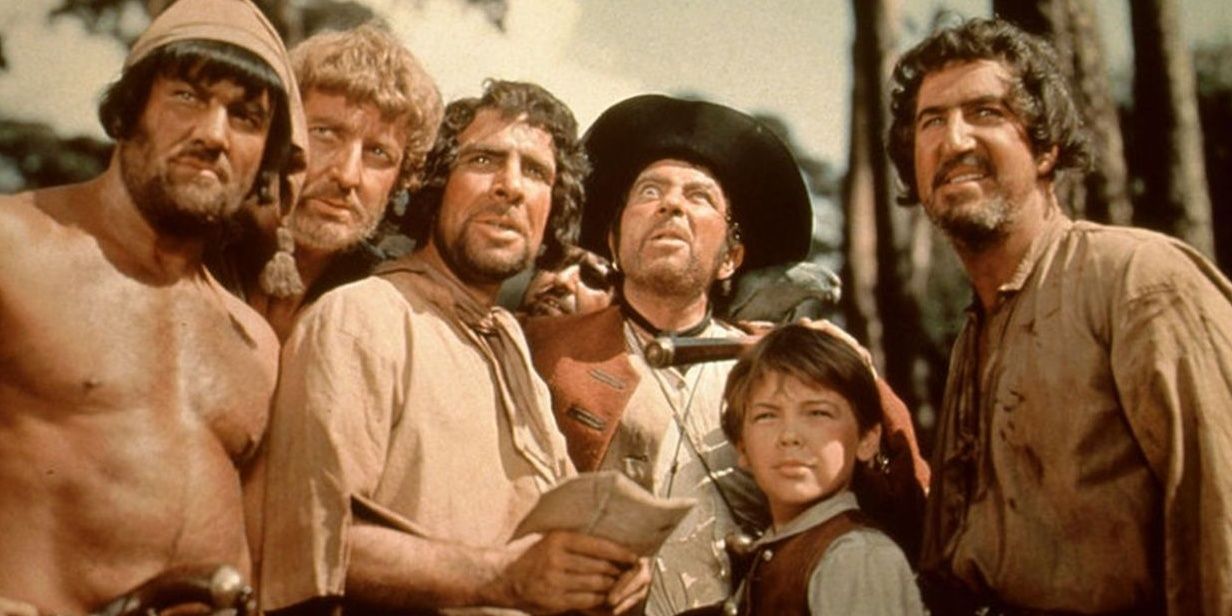
Disney is the king of pirate-themed entertainment. Treasure Island is a classic pirate tale about Jim Hawkins who encounters Long John Silver on a journey to recover lost pirate treasure. This adaptation of the classic novel is much more faithful to the novel than Muppet Treasure Island and critics praised it for bringing the novel to life.
It has a lot of great pirate action but still manages to capture the family fun that Disney is so well-known for. Disney did give Treasure Island a sci-fi spin with the animated Treasure Planet, but this version from 1950 is the most beloved by critics.
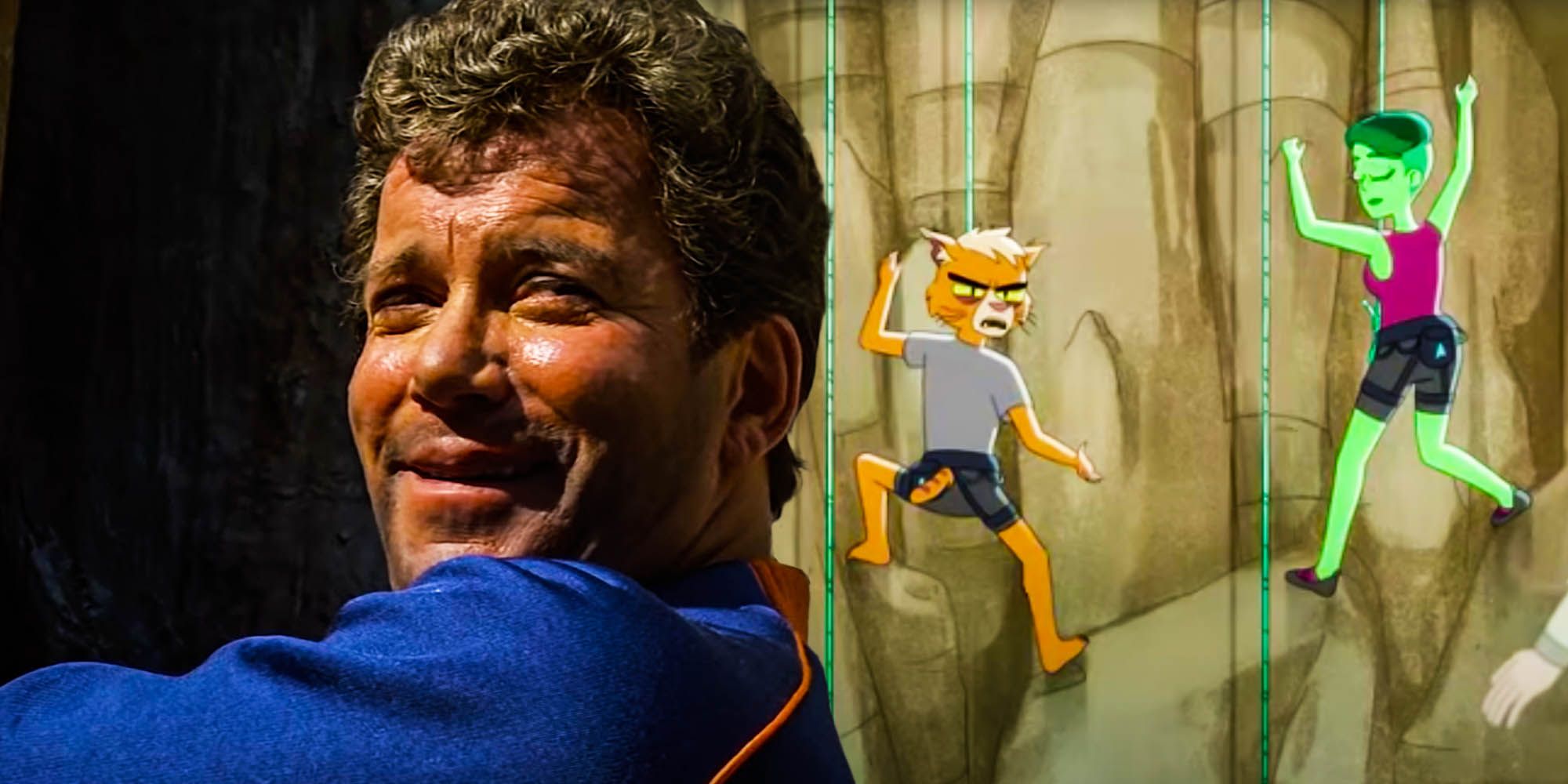
Warning: SPOILER for Star Trek: Lower Decks Season 2, Episode 9 - "weJ Duj (Three Ships)".
Captain Kirk's infamous opening scene in Star Trek V: The Final Frontier is parodied by Star Trek: Lower Decks with Ensign D'Vana Tendi and Dr. T'Ana potentially finishing the one mission Kirk never did. In Star Trek: Lower Decks season 2, episode 9, "weJ Duj (Three Ships)," the Lower Deckers aboard the USS Cerritos pair up with a "bridge buddy" for some rest and recreation during a long-haul warp flight. Tendi and T'Ana decide to recreate Kirk's Yosemite vacation gone wrong in Star Trek 5.
The William Shatner-directed Star Trek V ranks as least-loved of the movies starring the cast of Star Trek: The Orignal Series and scenes like Kirk at Yosemite National Park are partly why. After a prologue introduces Sybok (Laurence Luckinbill), the half-brother of Spock (Leonard Nimoy), the action turns to Kirk climbing El Capitan at Yosemite. The Captain's ascent is interrupted by Spock, who is wearing a pair of hover boots that allow him to fly. Kirk is so distracted by Spock that he loses his footing and ends up plummeting off the mountain. Of course, Spock saves his best friend. Kirk and Spock later join Dr. Leonard McCoy (DeForest Kelley) around the campfire later that night to sing "Row Row Row Your Boat" before they are summoned back aboard the Starship Enterprise.
In Star Trek: Lower Decks, Ensign Tendi (Noël Wells) and Dr. T'Ana (Gillian Vigman) climb El Capitan together in a holodeck simulation of Yosemite National Park and they are interrupted by Ensign Brad Boimler (Jack Quaid), who wears hover boots like Spock and the same "Go climb a rock" sweatshirt that Kirk is wearing aboard the bridge of the Enterprise in Star Trek V. In Lower Decks, Boimler's flying footwear malfunctions and he plummets hundreds of feet, although Bradward's life is saved by tree branches. Meanwhile, it's implied that the Orion Ensign and the Caitian Starfleet doctor finished their climb because they weren't far from El Capitan's summit and they weren't particularly concerned about Boimer since they assumed the holodeck's safety protocols were on. If Tendi and T'Ana did make it to the top of El Capitan, then they finished the climb Kirk never did.
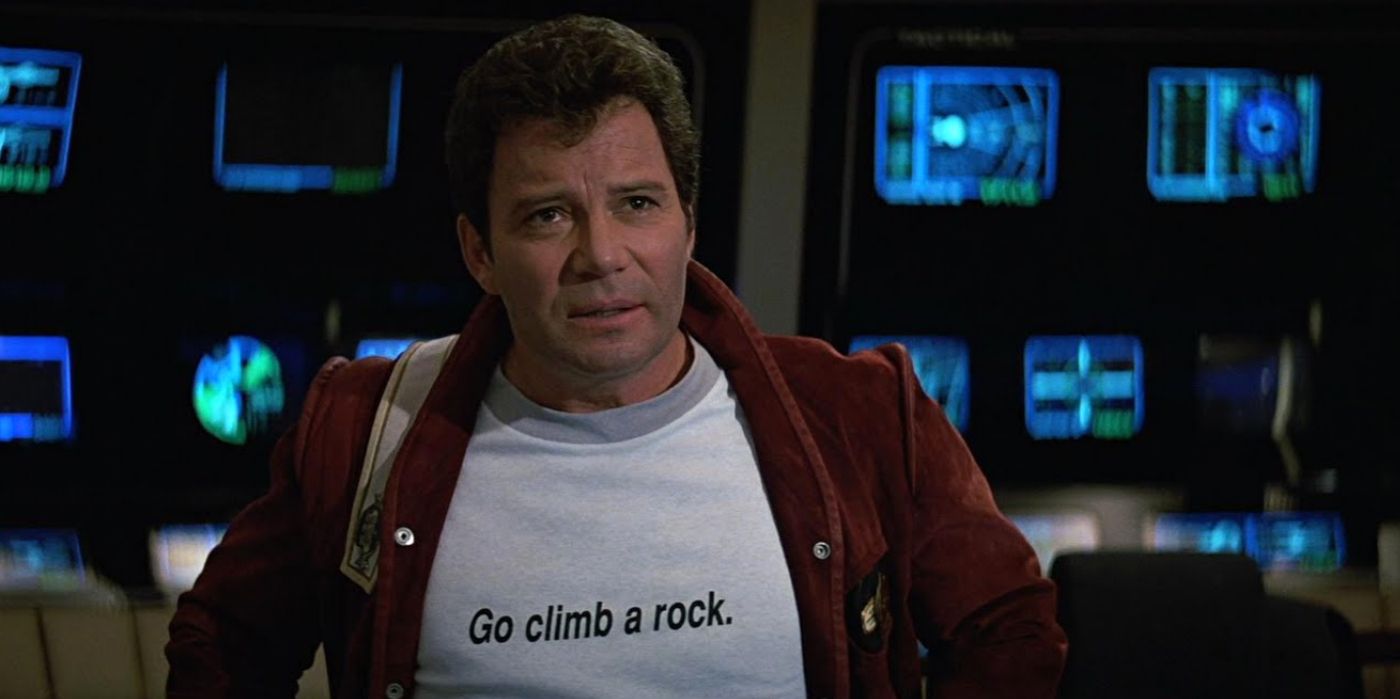
Star Trek V never made it clear whether Kirk ever actually made it to the top of El Capitan. At the end of Star Trek V, Kirk, Spock, and McCoy returned to Yosemite to resume their shore leave, but the film ends with the Enterprise trio once again singing "Row Row Row Your Boat" around the campfire. It's possible that Kirk didn't go back to climb that giant rock, especially since Bones was furious that Kirk nearly died the first time he tried it. Not that Kirk always heeds his doctor's advice, but the captain of the Enterprise could have just settled for enjoying camping on terra firma with his best friends instead of risking his life ascending El Capitan once again.
Despite Star Trek V's less than stellar reputation among Trekkers, William Shatner's The Final Frontier continues to have an indelible influence on Star Trek and there's a reason why Lower Decks loves to reference it. Star Trek V has its flaws but at the core of the film is the reaffirmation of the friendship between Kirk, Spock, and Bones. Sybok tests the bond of the Enterprise trio but they emerged from their encounter with "God" as steadfast as ever.
Similarly, Star Trek: Lower Decks is a testament to the friendship of the Cerritos' junior officers, Ensigns Beckett Mariner (Tawney Newsome), Boimler, Tendi, and Sam Rutherford (Eugene Cordero). The weird aspects of Star Trek V: The Final Frontier are natural fodder for Star Trek: Lower Decks' comedy, which celebrates everything strange but wonderful about being in Starfleet. Star Trek: Lower Decks also reveres Kirk and Spock, and the Captain of the Enterprise might be amused that his climbing El Capitan is now mimicked by others in Starfleet, even if they get to finish the ascent Kirk didn't.
Star Trek: Lower Decks streams Thursdays on Paramount+.
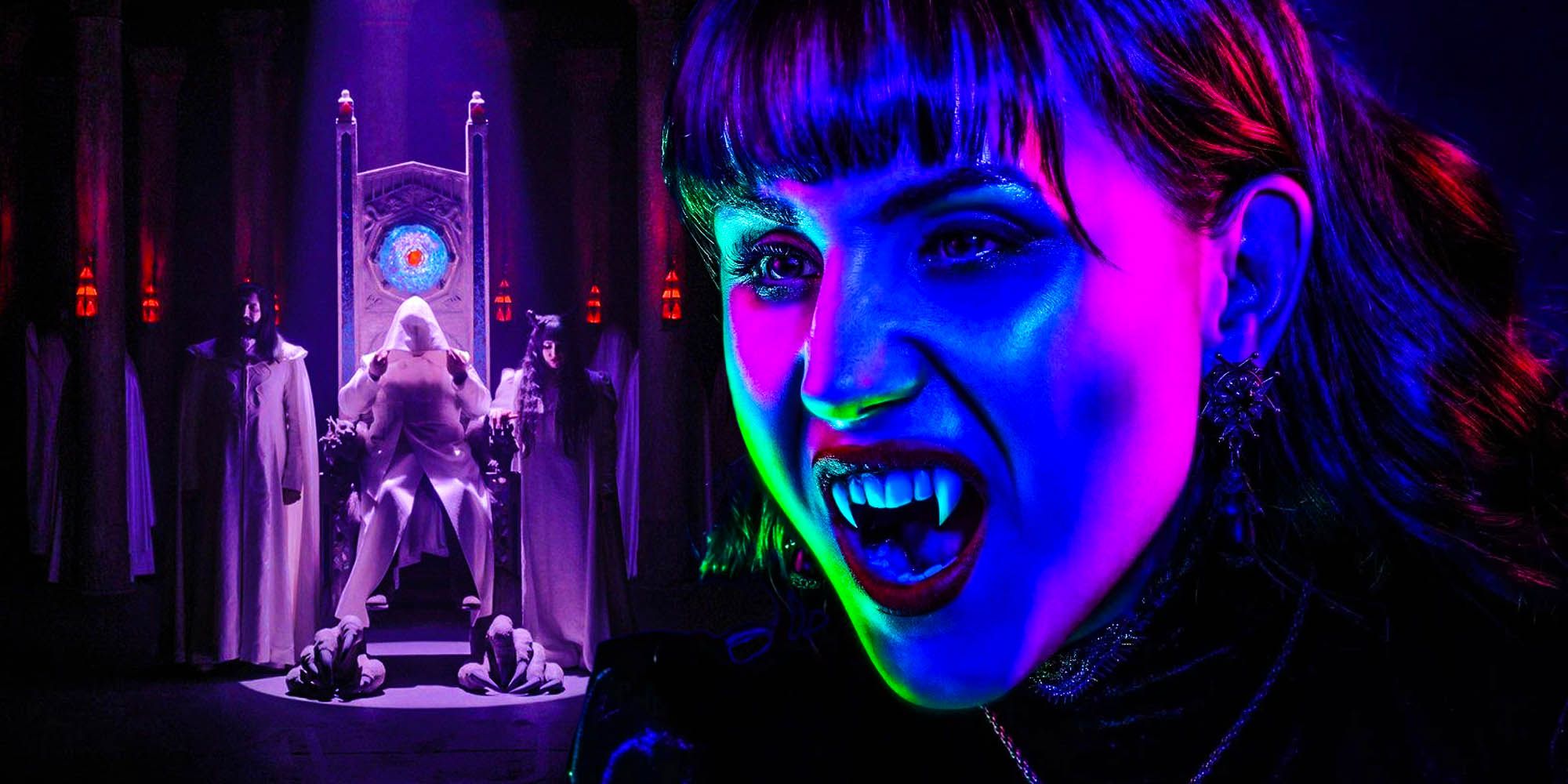
What We Do In The Shadows’ Nadja of Antipaxos (Natasia Demetriou) is bound to ascend to the Supreme Council of vampires. A 500-year-old vampire of Romani descent, Nadja had a very disadvantaged life as a human. But in What We Do In The Shadows season 3, Nadja – along with her roommates Nandor (Kayvan Novak), Laszlo (Matt Berry), and Colin (Mark Proksch) – are promoted to become the leaders of the local Vampiric Council.
In the final episode of What We Do In The Shadows season 2, the group is summoned by the Vampiric Council to be executed for killing Baron Afanas (Doug Jones). However, Guillermo (Harvey Guillén) breaks out his masters and kills the council members in the process. While this makes the vampires fear retaliation from the other elders, the Supreme Council instead recognizes the massacre as a sign of strength. And as a result, Nadja’s group was promoted into the new leaders of the local Vampiric Council.
While Laszlo and Colin are uninterested in their new leadership roles, Nadja and Nandor bicker over who gets to sit on the council’s throne, much to the chagrin of the Floating Woman, also known as the vampire council Guide (Kristen Schaal). Guillermo convinces Nadja and Nandor to let him sit on the throne to keep up appearances that the council is united by a single figure. However, this is only a temporary solution to the building tensions between Nadja and Nandor. And the evidence suggests that not only will Nadja take the local Vampiric Council throne; she will also eventually ascend the ranks to become a member of the Supreme Council.
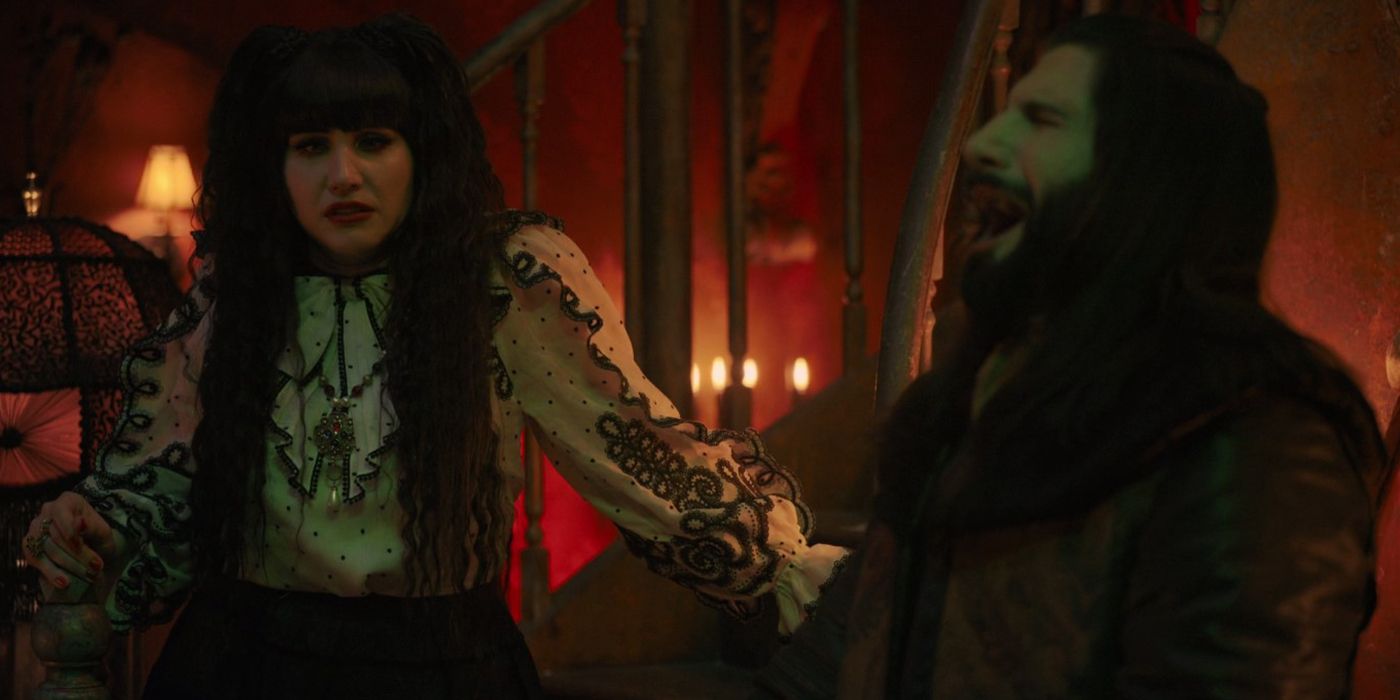
Before the four vampires ascended to become the leaders of the local Vampiric Council, it was Nandor who primarily dealt with council matters. Nandor is the de facto leader who answers emails and deals with the vampire bureaucracy. However, it is Nadja who clearly has the most natural leadership ability. Even when the energy vampire Colin Robinson, along with Laszlo and Nandor, are adamant about their opinions on vampire matters, they often end up following Nadja’s lead, as her decisions are often congruent with the traditional dominating perspective that is expected of elder vampires. For instance, it was Nadja’s violently vocal objections to Baron Afanas’ orders that eventually led them to follow with the plan to kill him, which would’ve likely still happened had Guillermo not accidentally finished the job.
Nadja was also right about Laszlo’s witch-skin hat being cursed, and the entire group would’ve avoided all the trouble with Simon the Devious (Nick Kroll) had Laszlo heeded her advice about ditching the hat. Moreover, when Nadja and Nandor are called by the Guide to perform their duties of judging erring vampires for the council, Nadja is much more decisive than Nandor, whose bureaucratic tendencies tend to get in the way of decision making. And although Guillermo’s vampire-killing abilities give him the highest kill count in What We Do In The Shadows, the show’s most brutal vocal insults undoubtedly belong to Nadja. This strong penchant for insults will come in handy when she ascends to become a Supreme Council member, as it will allow her to dominate vampires that are much more assertive than her roommates and the remaining vampires of New York.
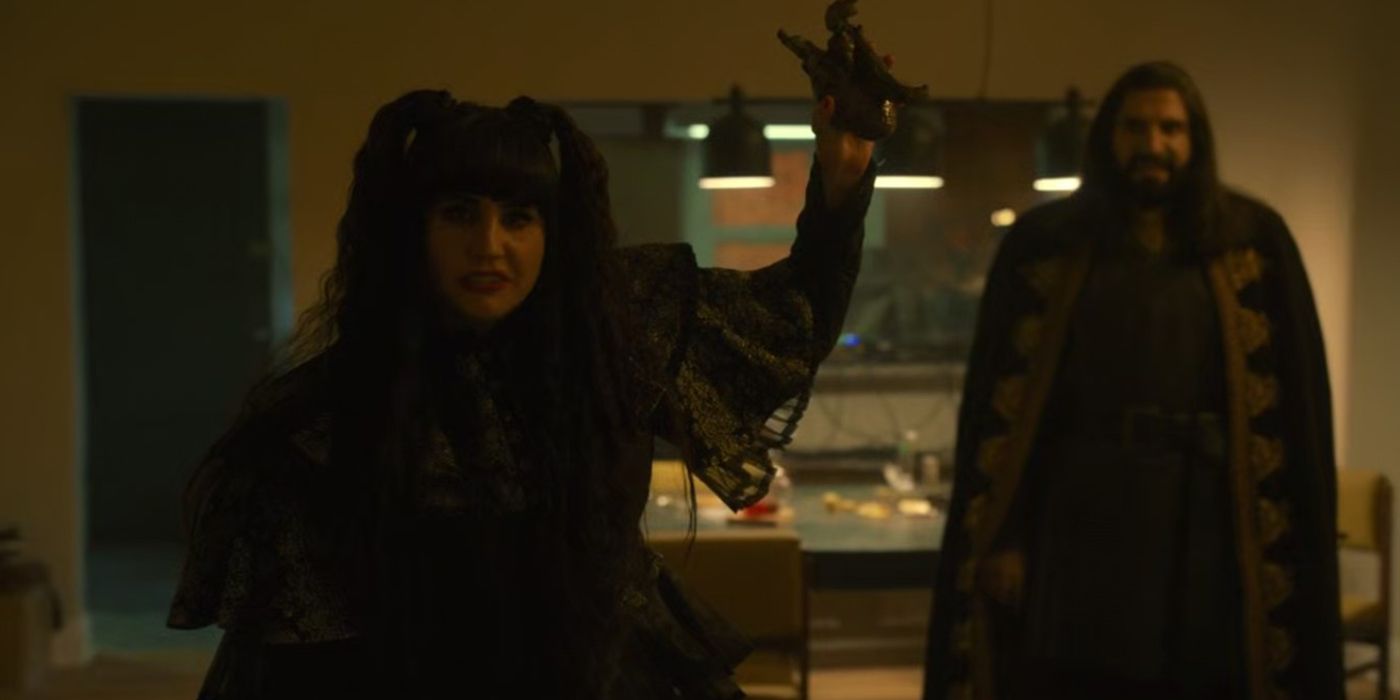
As the group’s recent promotion shows, the Supreme Council respects brutality. There’s no question that Nadja is the most brutal and dangerous vampire in the main cast. When it comes to brutality, her roommates pale in comparison. For instance, Laszlo only kills out of necessity, like when he murdered the owner of a Pennsylvania bar in order to take it over and assume the role of beloved human bartender Jackie Daytona. Meanwhile, the energy vampire Colin has never killed anyone, although the fate of his victims may be worse than death. As for Nandor, who was a mass-murdering military and political leader based on Vlad the Impaler, he has actually shown a disdain for violence. Instead, it is always Guillermo who does all the killing for Nandor. However, Guillermo, who will likely never become a vampire, is not a real contender for the throne.
Moreover, while Guillermo’s kill count is unrivaled, the most brutal kill still belongs to Nadja, when she tore out the heart of a vampire who refused to pay council dues, essentially putting a stop to a fledgling vampire rebellion with one move. Nadja also accidentally kills Nandor’s werewolf love interest, Gail (Aida Turturro), when she kicks a ball that hits her right in the head, which happened during the Twilight parody episode, in which the vampires played kickball with the werewolves. While Nadja has only killed humans for blood during previous seasons, What We Do In The Shadows season 3 seems to be exploring her knack for decisive violence, which will garner the favor of the Supreme Council.
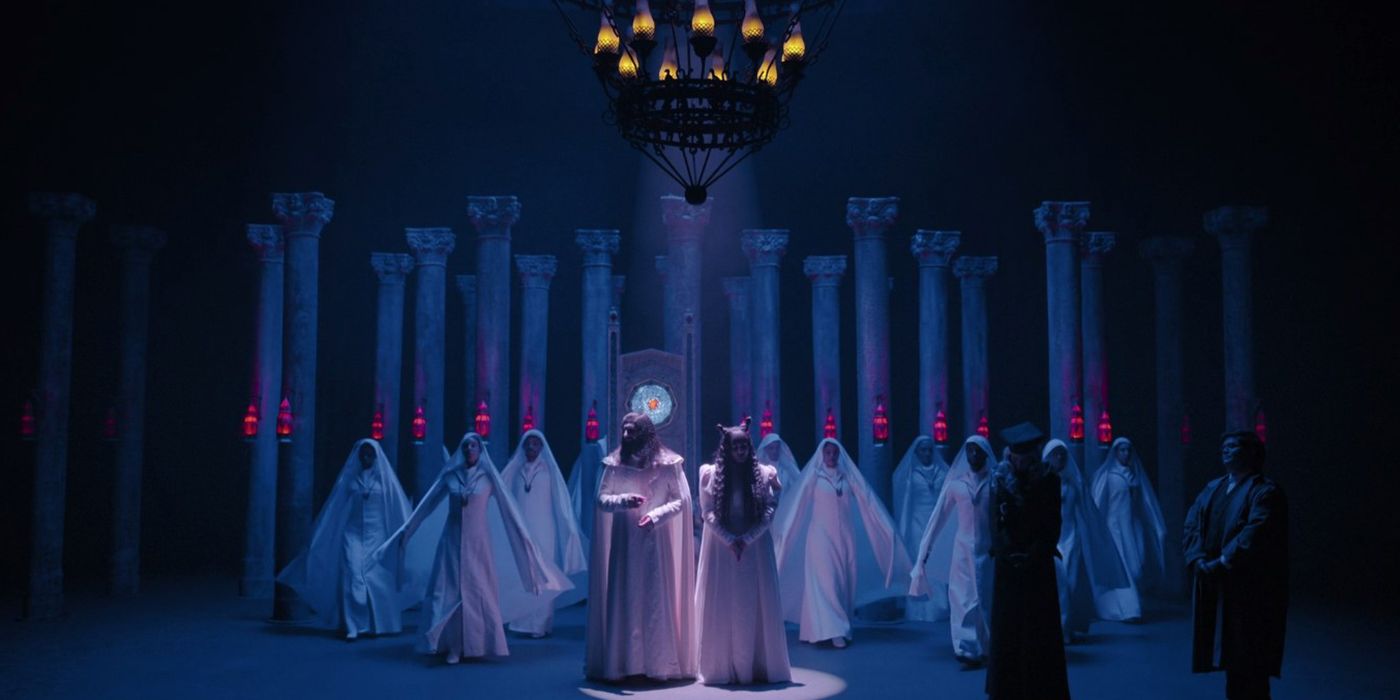
Despite Nandor’s past of laying waste to countless lives over several centuries, he is mostly unwilling to do any actual violence and often focuses on the bureaucratic aspects of leadership. This is why Nandor will most likely step aside for the much more decisive Nadja to take the Vampiric Council throne. With Nadja as the leader, Nandor can do what he does best and let his familiar and bodyguard, vampire hunter Guillermo, do all the dirty and violent work for the council. Moreover, Nadja had already shown how easily she could manipulate Nandor when she made him take the blame for the Sire’s escape, which was really her fault. This incident will also no doubt factor into the debate on who deserves the throne more. Meanwhile, the recently resurrected Baron Afanas, who is already vampire royalty, is unlikely to threaten Nadja’s ascension. As for the Floating Woman, aka the Guide, she likely sees Nadja as a decisive leader – someone whom she can serve with loyalty.
On the other hand, these are the paths that would make the most sense for the show’s main characters. And if there’s anything certain about What We Do In The Shadows’ main characters, it is that they are highly unpredictable. Although Nadja’s ascent to the Vampiric Throne and the Supreme Council of Vampires makes sense, it might be funnier for Nandor, Laszlo, or even Colin to get the promotion and interact with more powerful and dominating vampires. For now, it remains to be seen whether or not What We Do In The Shadows is ready to make such a huge and uncharacteristically sensible leap for the show.
We don’t talk a lot about weight loss here at Lifehacker, mostly because weight loss is a thing that our culture talks far too much about. Pay attention to it a little too long, and you’re on a slippery slope of “thinner is better” and thinking of food and exercise only in terms of how they can make your body smaller.

Um, I’m sorry. Did I just read that we lose approximately 30,000 to 40,000 dead skin cells every minute? Totaling about nine pounds of dead skin cells a year? Much to my dismay, yes. And where, pray tell, do these dead skin cells land after I take a gloriously scorching shower? On my towel of course.
Yes, even mine I usually trawl through various Reddit forums and friends’ brains for my column ideas, and as much...
The post The gamer boyfriend, explained appeared first on Destructoid.
If you like to live dangerously you can pop into your registry and create a DWORD called "AllowUpgradesWithUnsupportedTPMOrCPU" under HKEY_LOCAL_MACHINE\SYSTEM\Setup\MoSetup and set it to a value of 1. After doing so…
The coronavirus and the subsequent shutdowns — and in some cases re-openings and re-shutdowns — have had the totally expected outcome of being tough on business. Very specifically small businesses. Even more specifically than that, small businesses owned and operated by people of color.
But the best/worst part? We’re still not out of the woods when it comes to the possibility of the uninterrupted flow of business in the future so how to handle not getting laughed out of the joint when it comes to asking a bank for a bridge loan, is a must.
So how must you best position you and your business to make it through the rocky shoals of the shutdown while convincing a bank that it’s not just a case of good money following bad? We asked and discovered precisely how.
“It’s really important to be sure that your bank has lots of types of financial instruments and understands the type of business you’re building, because not all banks take every type of risk,” said Candice Matthews Brackeen, a General Partner and founder of the venture capital firm Lightship Capital. The Cincinnati, Ohio firm has created a $50 million fund to invest in underrepresented founders in the Midwest, from racial minorities to the LGBTQ and disabled communities.
“There are lots of Wall Street banks that don’t fund venture. So you’ve got to find something that is going to be able to have a working line of credit to buy something in, say, manufacturing. Not all banks are one-size fits all, you’ve got to figure out what works for your type of business.”
Also since small business loans are a solid way to let you expand your business, provide capital for expanding your business or consolidating debt in order to expand — counterintuitive during COVID we know but stick with us — you should know after you get to the bank, what they’re looking for. Because this has not changed much at all: capacity, capital, character, collateral, and conditions.
In a nutshell: can the loan be repaid (capacity), how much cash do you have on hand to pay it off (capital), does your history and references suggest you will repay (character), if it can’t be repaid do you have other available assets (collateral) and, finally, what the climate is like for business when you’re asking (conditions). On the one hand in the middle of a pandemic conditions might seem bad. On the other hand? It’s bad for everyone.
So once level set for the prevailing conditions and understanding that business will still go on, this is most assuredly what will help you over the banking hump.
“There are a lot of banks making lots of money,” Brackeen said. “And sharing profits with what communities they decide they will go to. There is kind of a big push…” Which is precisely why with your ducks in a row you should be ready to go if you just need a little help making it from here to there. COVID or not, businesses will not die.
The post Being Bankable appeared first on OZY.
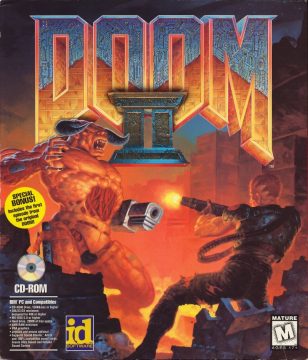
Note: Screenshots, unless stated otherwise, come from the re-release by Nerve Software for PC, which does tweak the graphical fidelity of the original game, but otherwise remains faithful to the original style.
Doom II, also know as Doom II: Hell on Earth, is the first retail release of Doom. id Software had a now-curious distribution model where the first game was not distributed at retail, and needed to be mailed away for, while the sequel ended up in stores. (Wolfenstein 3D followed a similar model with Spear of Destiny, though the first entries eventually made their ways to stores too.) While it is mostly a standalone expansion more than anything else, Doom II established the violent, gory chaos that would define the franchise in the wider public consciousness and among some of its future developers. The maze-focused design of the previous game was downplayed a bit for a greater focus on huge, ridiculous mountains of monsters trying to murder you and requiring even more face shooting then ever.
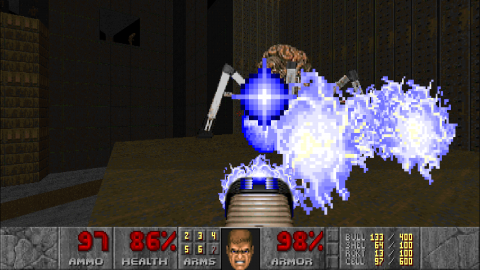
It is an amazing game that really defined what Doom was, but also pushed forward the idea that an FPS could be more than just exploring mazes with occasional gun combat. Rather, an FPS can be heavily focused on the shooting itself, with the level design facilitating special encounters. Doom defined the foundation, Doom II pushed forward its edgy, violent style as the norm.
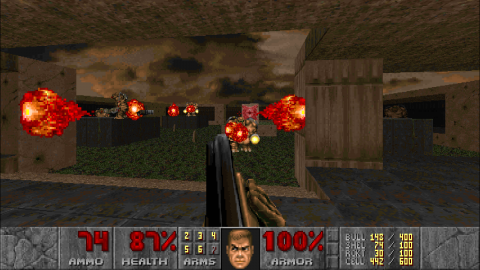
John Romero’s role at iD is also very well documented now, with him being too busy producing games with Raven and deathmatching too much to actually do that much work, only having a small handful of maps on this one. iD was changing, and in that chaos, Sandy Petersen had to basically design half of the levels, with American McGee helping to pick up some of the slack along the way, while Romero remained a fairly small presence with just six maps. McGee handled most of the first third of the game, with Petersen making up the majority of the rest. Romero’s levels were sprinkled throughout Petersen’s, and also of note is the single map by Shawn Green, Bloodfalls, a solid addition with a cool blood motif.What does and doesn’t work here is mostly because of Sandy Petersen, and we can read his levels as a baseline for the overall quality.
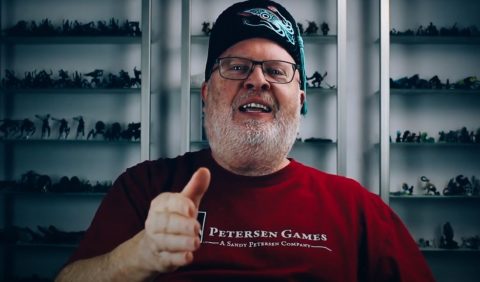
This is Sandy Petersen today. All of these people are still nerds, god bless.
In the original Doom, the hellish demon menace was contained to just military installations in space, but now the creatures have reach Earth, so it’s up to the Doomguy to travel home to exterminate them. The game only has one new weapon, but that weapon is the Super Shotgun, and people aren’t exaggerating when they call it one of the best shotguns in gaming. It devours low-tier enemies and can do solid damage to larger enemies, saving rockets and cell ammo for hairier situations. To counter this, the gun takes two shells instead of one, and the new enemies are very dangerous and spice up encounters significantly.
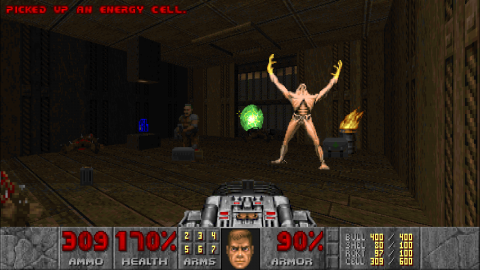
The “heavy weapon dude,” more well known as the chaingunner, is a new possessed soldier type that can do a lot of damage quick in large numbers with his hitscan chaingun. The Hell Knight is a lower health Hell Baron that can be more easily placed in encounters without soaking up ammo, but remains a big threat. The Mancubus can take a lot of damage while firing fireballs with a strange arc to them compared to other projectile shooting enemies. Arachnotrons are the small brained children of the spiderdemon, now armed with fast plasma shots for high damage, though they can be dodged.
The pain elemental spits out lost souls and is the worst thing about this game, mainly there for eating ammo. The mighty arch-vile is both deadly with its odd explosion attack that cuts off your sight, and has a unique power to resurrect any enemy that leaves behind a corpse. Most importantly, there is the revenant, the boney, homing missile shooting, closet cramping skeleton, both a danger and a goofy presence with his awkward melee animation and general appearance.
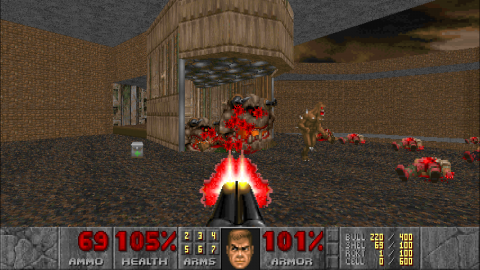
With the first game under the belt, the team better understood how to use the elements of the game to their advantage, including making all these new monsters force the player to think on their feet. The trap game here is fantastic, especially in Tricks and Traps (obviously), finding a good balance between frustrating and challenging. Petersen gets some highlights himself, especially the chaotic Mancubus storm in The Suburbs, and there’s some charm to the jerkishness to Barrels o’ Fun since the level is at least nice enough to make what’s coming clear each time.
But, Petersen also made The Chasm, which is an infamously bad level for a reason. The cramped hallways would be fine if not for the eventual arrival of the titular chasm, an obnoxious thin line maze over acid that loves to spawn monsters at the most inopportune moments (which is basically any time you are traveling through the chasm, which is all the time during this section of The Chasm). A level that has a segment where you enter a new chasm where you teleport in right next to about ten lost souls that push you into a pit with no way out is a bad level.
Most unusual is the final boss, named the Icon of Sin which is a gigantic head painted on a wall, with an opening on its head. The only way to destroy it is by aiming and firing a rocket at just the right position, sort of like trying to hit the weak point of the Death Star. If you miss, you use a teleporter to go back up to the top and try again. If you use a cheat code to clip through the walls and see inside this weakpoint, you’ll find a digitized image of John Romero’s skewered head.
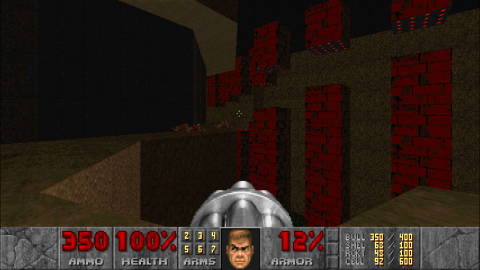
Doom II is a constantly shifting mix of highs and lows, and while the worst lows are fairly low, they can be forgiven as early genre experiments (except The Chasm, which will not be forgiven). The highs, however, are ridiculously high, from Petersen’s completion of an old Tom Hall map with the heavily populated and secret heavy Refueling Base, to Romero’s Gotcha! and its surprise spiderdemon and cyberdemon fight. Romero also got the second to last level with The Living End, and it is fittingly hectic, while Petersen’s The Spirit World had a revenant monster closet that will be meme’ed through the Doom fanbase for ages.
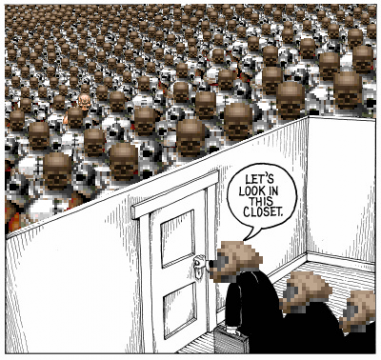
Buddy, just wait till we get to Plutonia.
Do be warned it can be a big rough at times. The Pit, an early game level, will devour your ammo due to all the pain elementals on Ultra Violence. Secrets are a bit stranger this time around, the team more aware of the odd falling physics of the game and using that for platforming secrets. There are a lot more mean traps to look out for designed to wear down your ammo pool, so you can’t get complacent. It’s a lot of fun, but those odd moments of frustration pile up. The game is basically three episodes strung together so take your time if you need to, especially if you’re a secret hunter.
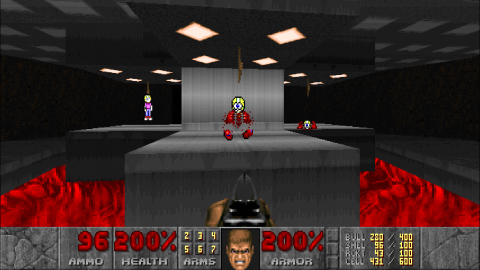
The music is more of the same for the most part, Bobby Prince back doing his usual “metal metal to MIDI” thing, while the slightly updated engine mainly focuses on letting the team make more unique structures in the game. The team all tried their hand at making spaces that looked like places that exist somewhere, which is ultimately a failure since this is still the Doom engine, but still admirable in what they managed to accomplish with their limited resources at the time. There’s also more trickery with event triggers to make levels flow differently and have a greater spectacle to them, like making a building collapse or shooting down a long hall full of flying cacodemons. Special mention must be made to American McGee’s Underhalls, the game’s second level, which introduces the ridiculous number of enemies you’ll be fighting regularly from now on. It’s very well paced and eases you in well, leaving you wanting more.
There’s also a lot to be said for the last third of the game, where the maps get more imaginative. The Hell levels this time look way more interesting then in the first game, Sandy’s The Spirit World doing a great job of using flesh textures, lava, and distorted colors. Some of the most striking levels in terms of style in classic era Doom are found here, alongside the attempts at depicting actual places. Great use of decorative corpses and blood, well done stuff.
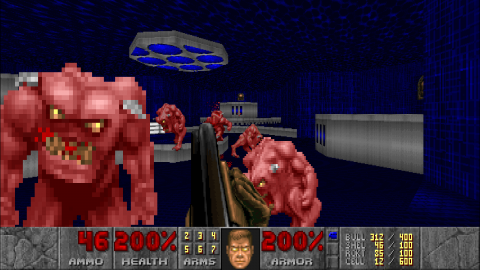
If you want more besides the extensive mod community, check out the Master Levels, officially released fan maps made by some of the best true doom murderheads out there. There’s also No Rest for the Living, a unique episode initially made by Nerve Software for the Xbox 360 and PlayStation 3 ports. It’s pretty well liked and can be easily downloaded via the add-ons section of modern ports, which also include a listing of other mods from the scene. Other than that, you could try searching out the Doom 3 Collector’s Edition Xbox releases, which included Doom II and a unique secret level with Nazis in it (they only pop up in the base game via the two original secret levels, which remix Wolfenstein 3D maps). You can also find the level, titled Betray, from the fansite Classic Doom.
If there’s one thing special about Doom II besides what it did for the franchise, is that it’s the last Doom game of classic Id, before everything would unravel with Quake. It has that vibe to it that only the old guard could bring with their unique mix of passions.
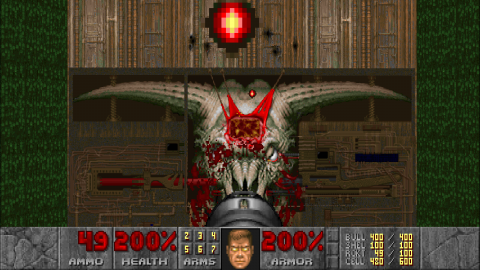
Doom II didn’t receive any standalone console ports at the time of its release, though its levels were typically combined in with other ports to make one big mega-game (even if some levels were excluded.) This includes the Saturn and PlayStation and the Final Doom port on the PS1, which uses some of the Master Levels stages. Doom II was released separately on the Game Boy Advance, but unlike the port of the first game, which converted the Doom engine, uses a completely different 3D renderer. But again, it’s solid considering it’s so tiny. However, once again, modern ports are the best way to play for newcomers.
The next two games in the classic Doom era are a bit different. Instead of Id doing them in-house, since they were busy with a new franchise and slow self-implosion, they looked to the community. Romero took notice of a team called TeamTNT, and in that process, took notice of two brothers named Milo and Dario. Dario Casali would later to go on to help design Half-Life. Before that, there was Final Doom…and Plutonia. And TNT Evilution too but mainly Plutonia.

The FBI today poured cold water on the latest purported identification of the Zodiac killer: "The case remains open." A team of retired detectives claims it is a man named Gary Poste who died in 2018, pointing to photographic evidence, odd coincidences and other such proofs. — Read the rest
Last time, Morgan had just launched herself into space and then snuck back on board Talos-1 through the cargo bay. Here we meet a cluster of well-armed survivors who have been gathering supplies and holding the Typhon back. This small group is really all that’s left of the command structure of the station. There are a few isolated survivors elsewhere,[1] but the cargo bay is the only place where people are still relatively safe and organized.
These survivors aren’t stuck on the other side of a window. We don’t have a locked door between us. We meet face-to-face with these NPCs. And I hate it.

Designers of story-driven AAA games have a problem. Stories require characters. Characters generally require some degree of back-and-forth dialog. Dialog requires the ability to listen and understand. And in a practical sense, computers are terrible at that last bit.
Maybe the designer has a scene where Jimmy Sidekick tells us about the time Dr. Crazo destroyed his hometown with an army of murder-bots. When the story is over, then the player is probably having some sort of emotional reaction.[2] There are a lot of ways someone might respond to something like this. There are countless different ways you might take a conversation in response to someone revealing their trauma…
I’m not proposing these as equally valid in terms of helping someone deal with their trauma, but they are roughly equal in terms of their potential storytelling value. These are all things various players might want to do, or things that the player might feel their character would want to do, or things the designer wants to allow them to do, and so on.
That’s a lot. These choices don’t just represent seven different dialog choices, these are almost eight completely different conversations you could have. And of course, those are just the options that occurred to me. Ask someone else with a different personality and different life experiences, and you’ll get even more possibilities.
Obviously a videogame designer can’t offer this sort of freeform dialog. We can make a game where you can walk in any arbitrary direction, but we can’t make a game where you lead a conversation in an arbitrary direction.
The designer rarely offers the exact idea I want to express. And even when they do, I usually dislike how they’ve phrased it. And even when I’m okay with the phrasing,[3] I’ll often be frustrated by how the actor delivered the line.
Even if the designer is willing to write a dozen different possible conversations, the modern demand for vocalized dialog means that it would be infeasible to produce such a game. Maybe daring indies can come up with something interesting using natural language processing, neural networks, and speech synthesis, but that sort of experimental tech isn’t appropriate for modern AAA titles. You don’t dump 100 people and 50 million dollars into a project that depends on technology that hasn’t been invented yet.
So instead designers must resort to ugly workarounds like dialog trees. Instead of writing 12 different conversations, the writer tries to anticipate the 3 or 4 most likely responses, and writes a conversation that allows you to pick one. It’s not perfect. In fact, it’s often frustrating or immersion-breaking. But it’s the best we can do.

But Prey – like the System Shocks and BioShocks before it – has a built-in workaround. The player doesn’t need to talk to anyone, because everyone else is dead. We hear their stories through audiologs, but we don’t need the game to mediate a conversation between the protagonist and all the people decomposing across the station.
There’s usually someone on the radio to give exposition and guidance, but we don’t meet face-to-face and so we’re not burdened by those interpersonal expectations. If we do meet someone in person, there’s usually a barrier between us or some other problem that prevents us from exchanging supplies and information.
Boom! We’ve created a nice clean setup that allows all the stuff games are good at (combat and delivering exposition) and none of the things they’re bad at (conversing) and thus we can have a world filled with characters without resorting to ugly hacks like dialog wheels.
This is a great system, and it’s one of the reasons I find these games so immersive. I never find myself talking with a creepy dead-eyed mannikin and trying to figure out which of my four uninteresting dialog options is the least unhelpful. I’m not constantly arguing with the designer in my head thinking, “I should totally be able to ask about X. This dialog wheel is forcing my character to be a dullard!”
Instead we have a world where you can only speak through actions, which is exactly the kind of world that computers are good at simulating.
So it’s really baffling to me that Prey goes out of its way to have Morgan meet a group of people.

Imagine an alternate world where game designers never figured out how to make human faces work. They can do it, but the faces look awful, creepy, and are incredibly immersion breaking.[4] Over the years we’ve gradually gotten used to the awful faces and we’ve simply accepted this as a limitation of the medium.
And then someone comes up with a concept for a game where the zombie plague is spread via airborne virus. So everyone hides inside their homes and you just speak to them through the mail slot. If someone leaves the house, they have to wear a full face-covering mask. This effectively routes around this face-rendering limitation. We can have characters in our games without those icky faces messing things up. Sure, you can’t generalize this solution for all games, but we have found a way to avoid having gross faces in this game. That’s great!
And then somewhere in the mid-point of the zombie game you get a brief scene where you enter someone’s house and you get to see a bunch of people without masks, and the faces are just awful. Like, worse than other games. You’d probably find yourself wondering, what’s the deal? Why did the designer have this scene? They had such a good thing going!
This is what it feels like to reach the Talos-1 cargo bay and meet all these wandering NPCs.
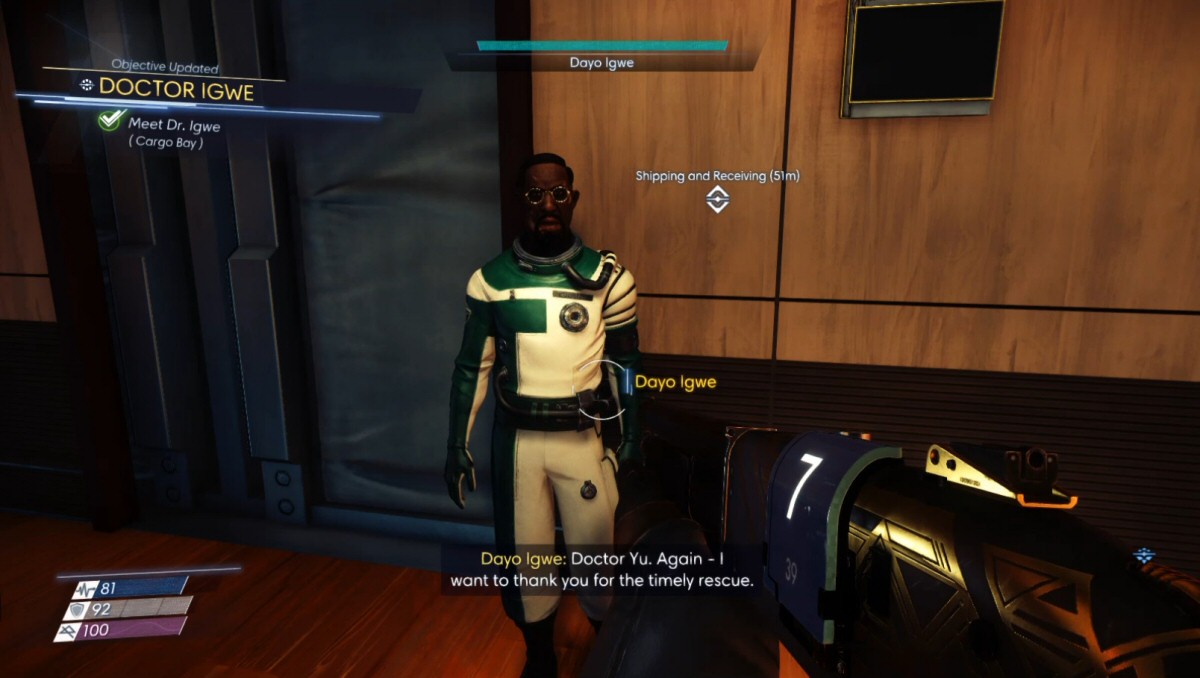
The levels in this game look amazing. The environments are packed with detail, the interactions with computers are crisp and seamless, the lighting is varied so that different areas have different moods, and the soundscape is brilliant. The enemy designs are properly creepy and their animations are appropriately alien. Artistically, this game is very strong.
EXCEPT…
Except the one area where the game doesn’t quite measure up is with NPC interactions. Faces look plastic. The lip sync is all over the place. The faces have dead eyes that don’t properly track the player. Most of the people in the cargo bay have awkward poses and a couple have very robotic patrol routes.
And that’s fine! Given the design of this game, this is a good place to cut corners. In a game about exploring alone, it doesn’t make sense to spend thousands of manhours polishing face-to-face conversations. But if dialog is going to be so rough and if it’s such a small part of the game, then why bother having it at all? Let’s just focus on the bits the game is good at and leave NPC interactions to the BioWares and Don’t Nods of the world.
Moreover, we’re once again breaking the rules of the silent protagonist. It’s fine to be silent when there’s nothing you need to say. But as an amnesiac CEO in the middle of a crisis, I have a lot of questions to ask these people and a lot of orders I’d like to give. I don’t mind when Gordon Freeman doesn’t have anything to say. He’s not in charge and – as the least knowledgeable person in the room – nobody needs his opinion. Also, his silence is a bit of a running joke. And finally, the scenes in Half-Life 2 are filled with hurried chatter between the other NPCs. It’s not like there’s a long silence where Gordon could play 20 questions with Dr. Vance.
But it’s really weird when Morgan finds herself in this group of people and can’t ask any of her dozens of questions or tell people all the important things she’s learned.
Everything feels so fake. These dead-eyed, plastic-faced people shuffle through their mechanical patrol routes or stand around in identical poses. The people don’t feel real, and my interactions with them are stiff and mechanical. While most of this game is a world of pure immersion, this scene in the cargo bay feels as artificial as a conversation in Skyrim.

Like I said in my Mass Effect series, it’s really important to have peasants in your gameworld. The player needs to meet the rank-and-file normies they’re trying to save. And these folks in the cargo bay fulfill that purpose. They put a face on the tragedy and give you someone to save. Without this group, your entire experience with the crew would be looting their corpses on the way to your next objective.
You could make these people less immersion-breaking if you were willing to spend more money on them. Give everyone unique poses that show how tired they are. Bring them to life with some facial expressions. Have them make eye contact when you get close. Give them stuff to do in the form of pacing, operating machinery, tending to wounded, or carrying stuff around so they aren’t all stuck in idle poses.
Then again, that kind of work is stupefyingly expensive. I’m basically asking the developers to turn these modest 3D characters into Naughty Dog style virtual actors with fully articulated faces and motion-captured performances. That’s a really unreasonable thing to ask for! Not every team has the equipment and expertise to do that kind of work, and setting it all up for this one scene in cargo bay would be a terrible way to allocate resources.
These peasants shatter my immersion, but they’re also important to giving the world stakes and putting a face on the tragedy. And making them better would require a frankly unreasonable amount of resources. These games are already too expensive relative to their niche audience.
So I don’t know. I realize you can’t have everything, but I felt like the game and I had a good thing going until it asked me to pretend these dead-eyed statues were people. I always hurry through the cargo bay and do my best to avoid looking at anyone’s faces too closely.

Spoken Word with Electronics is an audio series of unusual stories and commentary, paired with modular electronic sounds and noises.
Hi, everyone, welcome back to the show. This week we discuss Wife Swapping. It's a book reviewed by John Wilcock in OTHER SCENES #2, 1967. — Read the rest
366 Weird Movies may earn commissions from purchases made through product links.

DIRECTED BY: Julia Ducournau
FEATURING: Agathe Rousselle, Vincent Lindon
PLOT: After a car accident, a young girl has a titanium plate installed in her head; she grows up to be a sexy car-show dancer obsessed with automobiles, and then things get strange.

WHY IT MIGHT JOIN THE APOCRYPHA: The weirdness Julia Ducournau conceived in her cannibal debut Raw is delivered in the biomechanical horror Titane.
COMMENTS: We recommend avoiding spoilers in this case; fortunately, the trailer appears as baffled by Titane‘s action as most viewers were when the final credits rolled. Titane‘s grounded-yet-bizarre story goes in at least two directions you wouldn’t expect. It’s fair to say that it thoroughly addresses body horror—of multiple flavors—but there are also episodes of black comedy and dangerous eroticism, followed by a segue into grief drama and a delusional love story; all the while, in the background, the consequences of an inexplicable and strange assignation grow to an illogical conclusion. The synopsis suggested in the pressbook—“TITANE: A metal highly resistant to heat and corrosion, with high tensile strength alloys, often used in medical prostheses due to its pronounced biocompatibility”—may be as helpful as anything.
The two main performers rock. Agathe Rousselle comes out of nowhere, starting her feature film career with a bang. She starts as a seductive lingerie dancer with a violent side, then turns androgynous and mute. Vincent Lindon has one of those weathered faces that looks like it has absorbed a lifetime of beatings, physical and emotional. He’s as obsessed with his hyper-masculine physique as professional dancer Alexia is with her feminine curves; despite his impressive steroid-aided bulk, his inability to clear a high pull-up bar is the perfect illustration of the frustrated desire to conquer corporeality.
The cinematography and editing is top-notch. From the opening car-show debauchery to a homoerotic firefighter dance party, Ducournau shows an affinity for rave-type dance scenes, relishing the disorienting beauty of being lost in motion inside a beat. Arguably, the sound design is even better; there are moments where the sound of ripping flesh makes you cringe. The musical cues are well-chosen; this is perhaps the only film where you will see someone twerk to a cover of the bluegrass classic “Wayfaring Stranger.” All in all, Titane is a collection of incompatible parts that shouldn’t work, but somehow gear up to create a gruesome but movingly human head-scratcher nonpareil. After making two excellent movies, I’m convinced Ducournau has an unqualified masterpiece inside her somewhere, just about ready to tear itself out.
The fact that a horror movie as violent and transgressive as this one could win the Palme d’Or in 2021 suggests that Cannes has come a long way since it was scandalized and outraged by David Cronenberg‘s similarly-themed Crash (1996). What is it with the French and objectophilia at this moment in history? After this and Jumbo (2020), both of which incorporate motor oil as a bodily fluid, it’s like Tetsuo: The Iron Man (1989) had a French baby, and she’s all grown up now and ready to party.
WHAT THE CRITICS SAY:
With only nine more days until DC Comics drops the motherload of new reveals for movies, TV, video games and -- lest we forget -- comics at this year's virtual DC Fandome convention, the company has decided to tease us with a new trailer giving us new looks at "The Flash," "The Batman" (that new trailer is coming, folks), "Black Adam," "Peacemaker" and much, much more! As Robert Pattinson says, save the date for October 16, 2021 starting at 10am PST at this link right here.
If you remember anything about last year's DC Fandome you'll know it was a virtual avalanche of news, clips and revelations from cast and crew of our favorite movie and television franchises. If you're a DC fan it's really the only place for you to be on October 16. As for which project will wind up being the "winner" of this year's Fandome, sparking the most conversations and Twitter hashtags, that's anybody's guess -- but it's fair to say if we get to see the first footage of Michael Keaton in costume saying "I'm Batman" again, game over.
Check out the trailer for the event below.
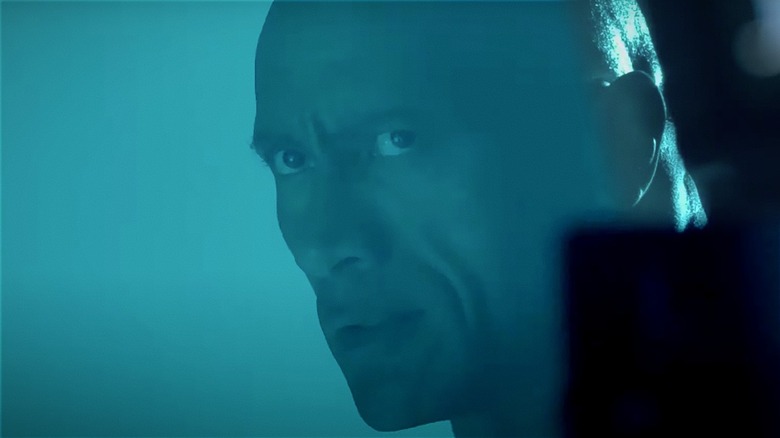
As you can see, the DC Fandome trailer is giving us our first good look at Dwayne Johnson close up as Shazam! nemesis Black Adam, and he looks like ... well, Dwayne Johnson in a black costume. What did we expect, really? We also see Pierce Brosnan, who will suit up as Doctor Fate alongside Black Adam in that 2022 feature.
There's a tease of "The Batman," with Robert Pattinson and his Catwoman co-star Zoë Kravitz showing up to hype the fan event. On-set footage includes Jason Momoa on a cave location for "Aquaman and the Lost Kingdom," and Ezra Miller in the Batcave (but which one???), promising to blow minds with "The Flash."
Other confirmed titles scheduled to be showcased will include (but not be limited to) "DC League of Super-Pets" and "Shazam! Fury of the Gods" on the movie side; CW series "Batwoman," "Superman & Lois," and "DC's Stargirl;" video games "Gotham Knights" and "Suicide Squad: Kill the Justice League," and more.
Warner Bros. Animation will be showcasing its upcoming limited series "Aquaman: King of Atlantis," season 3 of the adult animated comedy series "Harley Quinn" and an early look at upcoming series "Batman: Caped Crusader," and will also give fans a preview of "Young Justice: Phantoms." Warner Bros Home Entertainment is previewing two direct-to-video DC animated films: the R-rated "Injustice" and the anime-inspired heist movie "Catwoman: Hunted."
DC FanDome kicks off at 10am PT/1pm ET on October 16, 2021.
Read this next: Batman Movies Ranked From Worst To Best
The post DC FanDome Trailer Teases Black Adam Footage and New Batman Trailer appeared first on /Film.
There was much talk last weekend about the box office -- and for good reason. "Venom: Let There Be Carnage" set records with its $90 million domestic opening, and "No Time to Die" made nearly $120 million in its international rollout. But, amazingly, those weren't the highest-grossing movies worldwide last weekend. And what's even more surprising is it's not even sort of close. Rather, a Chinese propaganda film titled "The Battle at Lake Changjin" absolutely obliterated the competition, which could mean big things for the future.
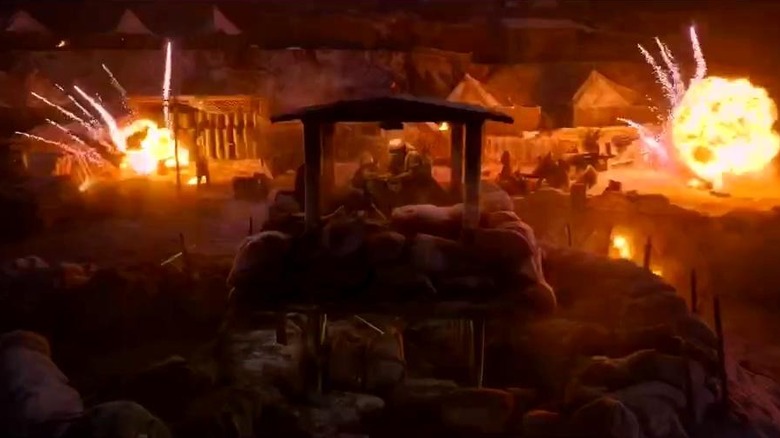
According to Box Office Mojo, director Chen Kaige's "The Battle at Lake Changjin" opened to an absolutely blistering $203.2 million last weekend. Mind you, this movie did not have a big international rollout that the U.S. wasn't privy to -- this was just in China. What's more, as of this writing, the movie has already earned $405 million in six days. It is already the fifth highest-grossing movie of the year, just behind "Godzilla vs. Kong" ($467.8 million), a total that it will surely surpass any day now, if it hasn't already. This is, to say the least, surprising to many who follow box office reports from North America, as most of us have likely not even heard of this movie.
It was produced as part of the 100th Anniversary of the Communist Party of China and the country is showing movies this year that are meant to celebrate it. Just in case anyone is curious as to what could so heartily topple the likes of 007 and Tom Hard's bromance with Venom, here's the synopsis for the film:
Set in the Second Phase Offensive of the Korean War, 'The Battle at Lake Changjin' tells an epic historical tale: 71 years ago, the People's Volunteer Army (PVA) entered North Korea for battle. Under extreme freezing conditions, the troops on the Eastern Front pursued with fearless spirit and iron will, as they courageously fought the enemy at Lake Changjin (also known as Chosin Reservoir). The battle was a turning point in the Korean War and demonstrated the courage and resolve of the PVA.
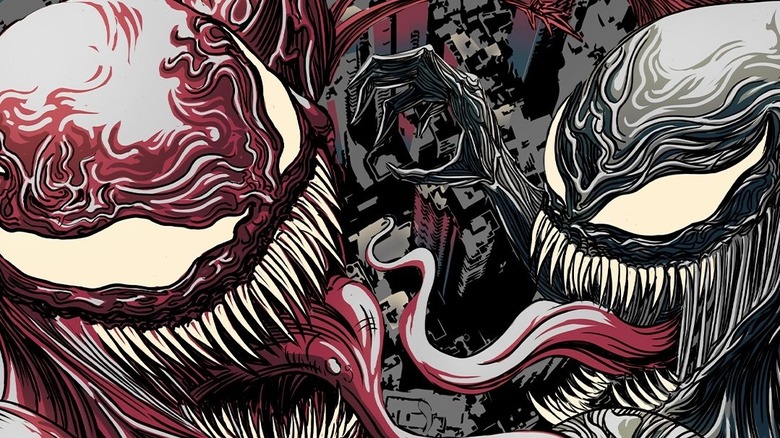
For many years, China has been the second-largest moviegoing market in the world. However, the pandemic upended just about everything in the movie business. While COVID ravaged China first, the nation's exhibition business has clearly recovered in a downright remarkable way. They ended up as the number one moviegoing market in the world last year and, thanks to other hits such as "Hi, Mom" ($822 million) and "Detective Chinatown 3" ($686 million), the country may well take the top spot again this year.
It's important to emphasize that this does not just affect films produced in China. Hollywood blockbusters rely on ticket sales in the country. It certainly doesn't help matters that censors only allow a certain number of foreign films to play there each year, meaning fewer and fewer American movies are getting their time in China. To that end, "Black Widow" and "Shang-Chi and the Legend of the Ten Rings" failed to secure releases in China this year. This likely means Hollywood will have to work harder to cater to Chinese audiences, which will undoubtedly impact blockbuster filmmaking in the near future. As Bob Dylan so eloquently put it, "The times they are a-changin'."
Read this next: The 14 Best Film Acting Debuts Of All Time
The post A Chinese Film Beat No Time to Die and Venom 2 at the Box Office appeared first on /Film.
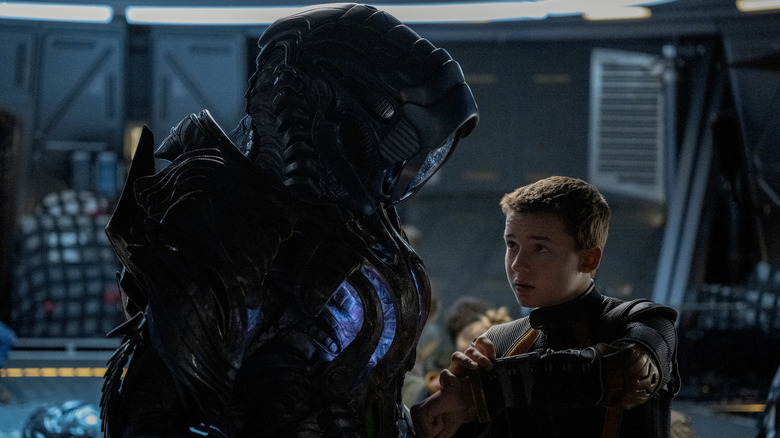
Netflix's third and final season of its "Lost in Space" reboot is coming at us on December 1, and we've got a trailer to let us know what we might see in the show's remaining episodes.
Things haven't been going so great for the Robinsons and the other survivors in the 24th Colonist Group. And if this trailer is indication, things will continue to be tough, although the beloved robot, Robot, is still around (and maybe the other good robot, Scarecrow, too). The markedly older Robinson kids are, however, lost in space (again) around an unknown planet while their parents are in another system still dealing with the not-so-nice alien robots.
The season 3 trailer hints at what Will Robinson (Maxwell Jenkins) will do in the final season. He wants to save everyone, understandably, even if that might mean sacrificing himself. Check out the trailer below.
"I thought I could save everybody," Will says over images of him uncontrollably flailing through space and hitting the hull of his ship. We also see glimpses of the not-so-nice alien robots being ominous and not-so-nice, and all members of the Robinson family in dire straits, albeit in different systems.
Want to know more about what season 3 has in store for us? Check out Netflix's official synopsis:
In the third and final season of "Lost in Space," the stakes are higher than ever and the Robinson family's survival instincts will be put to the ultimate test. After a year of being trapped on a mysterious planet, Judy, Penny, Will and the Robot must lead the 97 young Colonists in a harrowing evacuation -- but not before secrets are unearthed that will change their lives forever. Meanwhile John and Maureen -- with Don at their side -- must battle overwhelming odds as they try to reunite with their kids. The Robinsons will have to grapple with the emotional challenge of not just being lost -- but being separated from the ones they love... as they face the greatest alien threat yet.
Netflix's "Lost in Space" was rebooted by showrunner Zack Estrin, with Matt Sazama and Burk Sharpless on board as writers. In addition to Jenkins as Will Robinson, it stars Toby Stephens as John Robinson, Molly Parker as Maureen Robinson, Taylor Russell as Judy Robinson, and Mina Sundwall as Penny Robinson. The third and final season drops on the streaming platform on December 1, 2021.
Read this next: The 14 Greatest Science Fiction Movies Of The 21st Century
The post Lost In Space Season 3 Trailer: Even More Danger, Will Robinson appeared first on /Film.
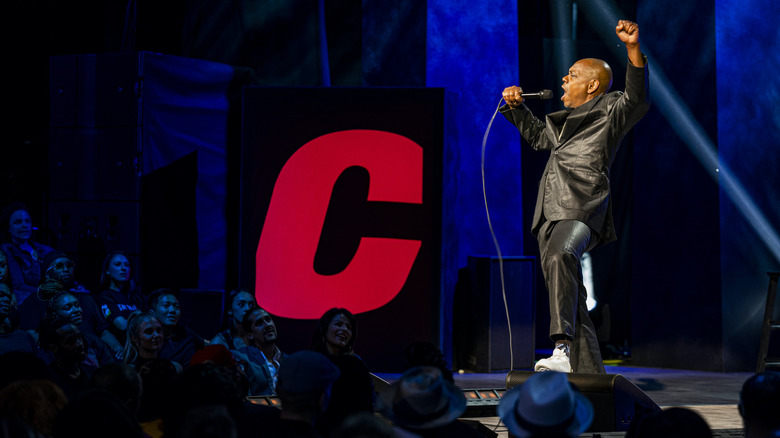
In his sixth stand-up special for Netflix, "The Closer," Dave Chappelle has completed his deal with the streamer and gone out on a note so sour, Warheads candies seem sweet by comparison. Upon its release on Tuesday, audiences have been taking to social media to express their outrage, and both GLAAD and The National Black Justice Coalition have called for the special's removal from the streaming platform, noting the very real harm his words may cause.
"This is going to be my last special for a minute," he says in the special. Honestly? Good.
Once upon a time, Dave Chappelle was a boundary-pushing comedian who offered brilliant and biting commentary on systemic racism and bigotry in America, knowing full well that using comedy as a vehicle to educate had the potential to enact genuine change. His career spans decades and three seasons of "Chappelle's Show" on Comedy Central defined what was considered "funny" for most of the 2000s. Chappelle would say on "My Next Guest Needs No Introduction With David Letterman" that the show ended because he was concerned that his comedy was getting misinterpreted by people who didn't have a strong enough grasp on the context. Knowing how freely white teens would spout "F*ck yo couch, [n-word]!" fifteen years ago, he was right.
In the last few years, unfortunately, the Dave Chappelle that influenced a generation has completely lost what made him groundbreaking and has instead turned into the very thing he's always set out to criticize — an oppressor.
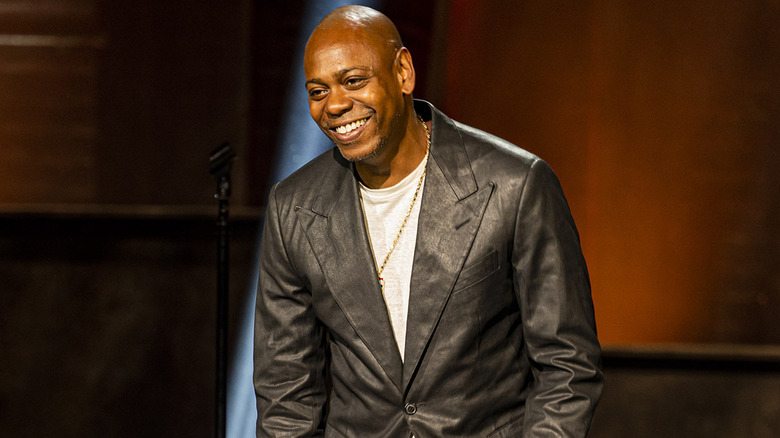
Dave Chappelle is known for going after everyone, regardless of identity, and this special is no different. Part of his special contains him talking about contracting COVID-19 back in January, making plenty of jokes at his own expense. It was rumored that Chappelle had caught COVID-19 after being photographed maskless indoors with perpetual douche bros Joe Rogan and Elon Musk, but this was proven false.
That doesn't change the fact that he was totally cool with going out maskless and hanging out with propaganda peddlers in the middle of a pandemic, but that's an entirely different annoyance.
He brings up his disappointment in seeing the violence against the Asian community because of the pandemic, but immediately takes a turn for the bigoted by saying, "I couldn't help but feel like, when I saw these brothers beating these Asians up, that's probably what's happening inside of my body" in reference to his Johnson & Johnson vaccine fighting the virus. This supposed "joke" is no different than Trump calling it the "Wuhan Virus" or the "Kung-Flu."
Apparently being "The GOAT" excuses his xenophobic comments and perpetuation of offensive mistruths, at least in his mind. Not long after, he attempted to comment on the Israel-Palestine conflict with antisemitic nonsense, resulting in the punchline "Space Jews" trending at one point on Twitter, which is alarming, to say the least.
Mind you, this is all in the first 10 minutes.
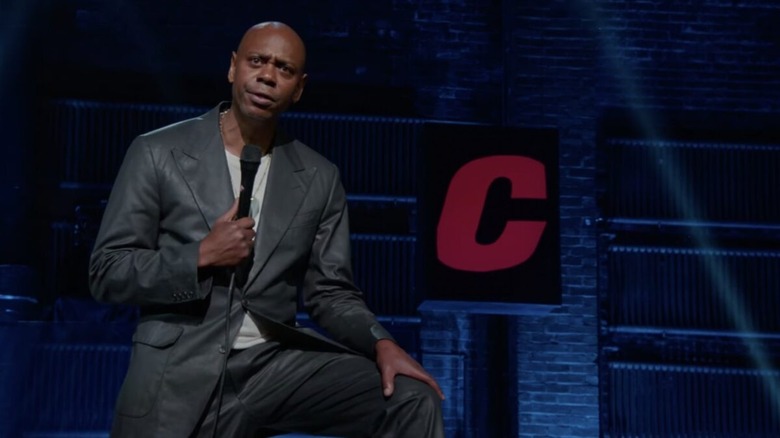
But the comments that are really causing outrage for ol' Dave are his barrage of jokes focusing on the LGBTQ+ community, and trans women, in particular. He brings up rapper DaBaby, who said some homophobic nonsense about Lil Nas X and AIDS and notes that his history of shooting someone did less to harm his career than his bigoted remarks. "In our country, you can shoot and kill a [n-word], but you better not hurt a gay person's feelings," he says. He fails to acknowledge that DaBaby was allegedly defending himself and instead chooses to pit racial injustice against LGBTQ+ acceptance as if the two cannot exist simultaneously.
"If slaves had oil and booty shorts on, we might have been free 100 years sooner," he says. "Gay people are minorities until they need to be white again." Look, Dave is right in that there are serious issues with white members of the LGBTQ+ community and a lack of intersectionality. Inarguably. But what Dave doesn't realize is that he's doing the same damn thing by completely disregarding the existence of Black queer people.
Eric Deggans of NPR noted in his review that Chappelle "ignores the fact that there are plenty of nonwhite gay people who face oppression for both their sexual orientation and their race." He continues, "And, of course, opposing these public statements of homophobia isn't just about making gay people feel better; it's about keeping the anger and prejudice behind those words from becoming widely acceptable or turning into action."
Dave also tells a ridiculously uncomfortable story about the time he "beat the sh*t" out of a butch lesbian, and notes that he misses the days of Stonewall gays. The Stonewall Riots happened over 50 years ago so he might as well be "old man yells at cloud."
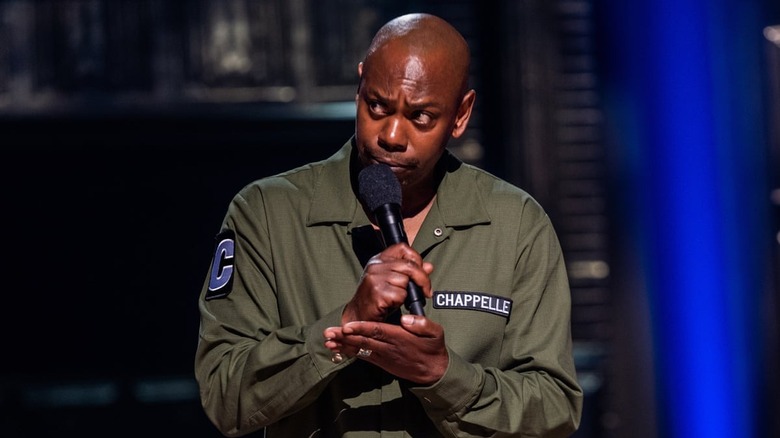
Perhaps most insidiously, Dave continues a trend for the third special in a row where he dedicates a huge chunk of time to dismissing trans women. He proudly claims to be "Team TERF" (trans-exclusionary radical feminist), defends J.K. Rowling, and makes ignorant as hell comments comparing gender transition to blackface. It's unnecessary, disgusting, and continues to perpetuate harmful stereotypes that lead to legitimate violence.
Seriously, Netflix? You're going to have this disgusting display on the same streaming network as Laverne Cox's documentary, "Disclosure," which shows how the dehumanization of trans women leads to real-life violence?
He playfully jokes that the transgender community "wants him dead" due to his years-long obsession with mocking the LGBTQ+ community, but tries to cover his own ass by saying, "Any of you who have ever watched me know that I have never had a problem with transgender people. If you listen to what I'm saying, clearly, my problem has always been with white people," he claims. If that's true, Dave, then why are you constantly attacking a marginalized community that Black people also belong to?
Dave may not have privilege as a Black person in a white supremacist society, but he sure as f*ck does as a cisgender heterosexual man and has continually used that privilege to humiliate those of marginalized gender identities and sexuality. For a man who shut down his show knowing that people weren't understanding the greater point of his message, he sure has no problem continuing to spit dangerous rhetoric as long as the community being impacted isn't one he belongs to.
"The Closer" ends on an incredibly somber note, but one that also inspires downright fury.
In Chappelle's previous special, "Sticks & Stones," he told the story about transgender comedian Daphne Dorman whom he had open for him during a club appearance in 2019. After the release of the special, Dorman died by suicide. He talks a lot about the criticism she met on social media for defending him and announces that he's started a trust for Dorman's daughter. It's a genuine and noble act, but one that feels performative considering just minutes before he was misgendering Caitlyn Jenner and comparing trans women's bodies to vegan meat substitutes.
The National Black Justice Coalition's executive director, David Johns, spoke out about his comments saying, "It is deeply disappointing that Netflix allowed Dave Chappelle's lazy and hostile transphobia and homophobia to air on its platform." He continued stating facts like, "With 2021 on track to be the deadliest year on record for transgender people in the United States — the majority of whom are Black transgender people — Netflix should know better. Perpetuating transphobia perpetuates violence."
Apparently, though, Dave is done talking about it. He ends "The Closer," by saying, "I am not telling another joke about you until we are both sure that we are laughing together." He continues, "All I ask from your community, with all humility, will you please stop punching down on my people?"
What does "your community" mean, Dave? Because while it'd be easy to lump the LGBTQ+ community alongside white supremacists (trust and believe, there are plenty of white gays that need serious racial education), that blanket statement is harmful to all of the people under the umbrella who do not benefit from white supremacy.
As Deggans said, "Untangling homophobia, transphobia, racism, and white privilege requires a lot more effort and understanding than Chappelle makes here."
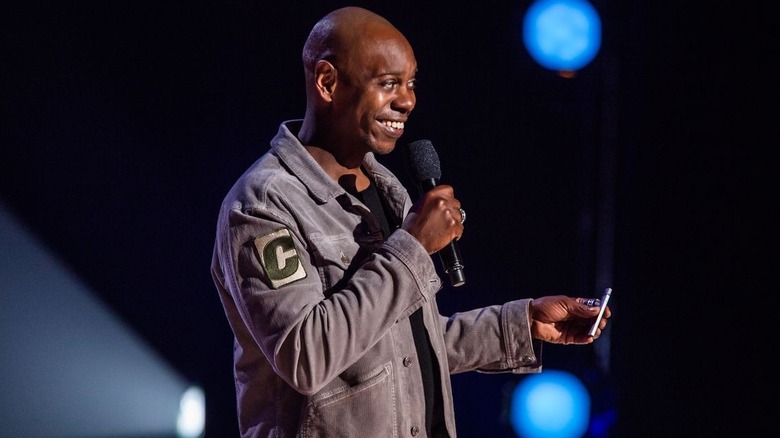
And so ends another comedy special from a millionaire on the biggest streaming platform in the world laughing about how his comments are going to get him "canceled." Plenty of organizations have called for the special's removal which will absolutely not happen, and Netflix has declined to comment with any publications who have reached out. "The Closer" is here to stay and will play over and over across the globe long after the outrage upon its release has died down.
The reality is that this article, and many others like it, will be screenshot, mocked, and ridiculed by his defenders as they loudly proclaim that any of us wanting to hold him accountable are "proving his point," "too sensitive," or "can't take a joke."
Sometimes, though, like in the case of "The Closer," the jokes just aren't funny.
Read this next: Top 15 Best Natural Disaster Movies
The post Dave Chappelle Sparks Justified Outrage With New Comedy Special appeared first on /Film.
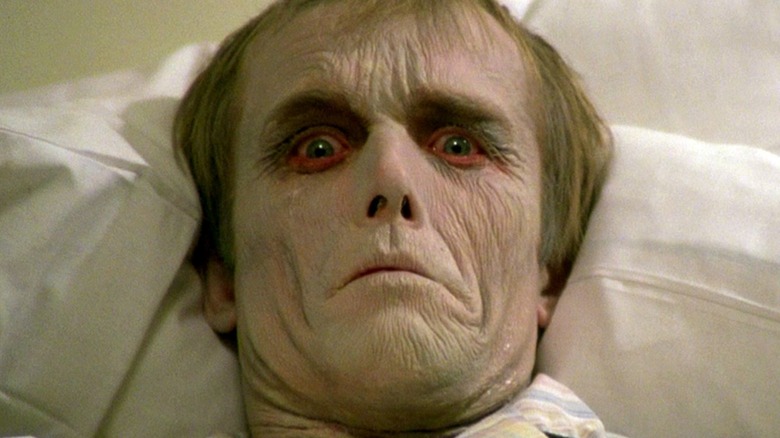
The '70s was a decade marked by social and political upheaval, including the Nixon and the Watergate scandal, the Vietnam War and the antiwar movement, the fight for women's liberation and civil rights, and a conservative backlash to the freewheeling counterculture that began in the '60s. With so much happening on the cultural front, it's no wonder that the '70s was a peak era for cinema, and an incredible decade for horror movies.
The '70s saw a slew of maverick directors forging what are still considered to be among the best and most influential horror films of all time. It was the decade that gave birth to both the slasher and to the blockbuster, and gave rise to the final girl archetype.
Given that the 10-year time span that includes multiple works from horror masters and several classics of the genre, it's extremely difficult to create a "best of" list. Any number of films could be considered the best, as many of the era's horror movies strike an intangible balance between technical and artistic achievements, with strong stories, themes, impacts, legacies, and of course, the ability to frighten us. But rank them we must, so without further ado, here are the 15 best '70s horror movies.
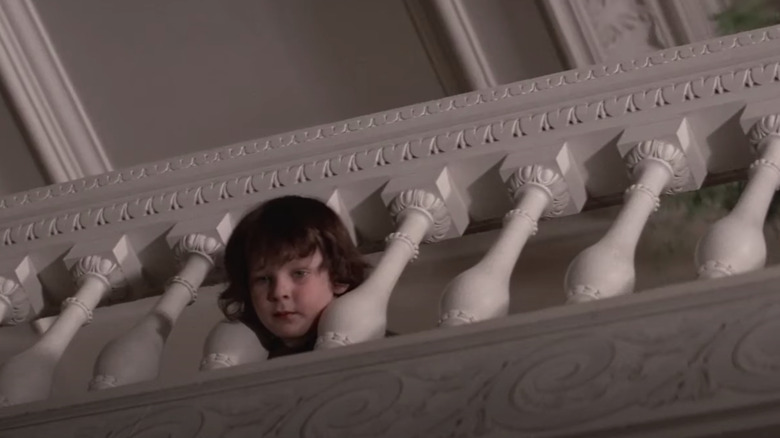
It's hard to believe that the beloved director of "Superman" and "The Goonies" first broke through with a terrifying film about the devil. "The Omen" catapulted Richard Donner into the limelight after it became one of the highest grossing films of 1976. It stars Gregory Peck as an American diplomat who secretly adopts a baby, only to later discover that the boy, Damien (Harvey Spencer Stephens), is, in fact, the Antichrist. Yikes!
Lee Remick plays Damien's mother, and David Warner appears as a photographer who helps figure out that Damien's arrival signals the coming of the apocalypse. Clues include the arrival of a creepy nanny, an attack by a random pack of Rottweilers, and the untimely deaths of almost everyone involved. Oh, and then there's that eerie theme song, "Ave Satani," which was nominated for the Academy Award for best original song (composer Jerry Goldsmith did take home an Oscar for best original score).
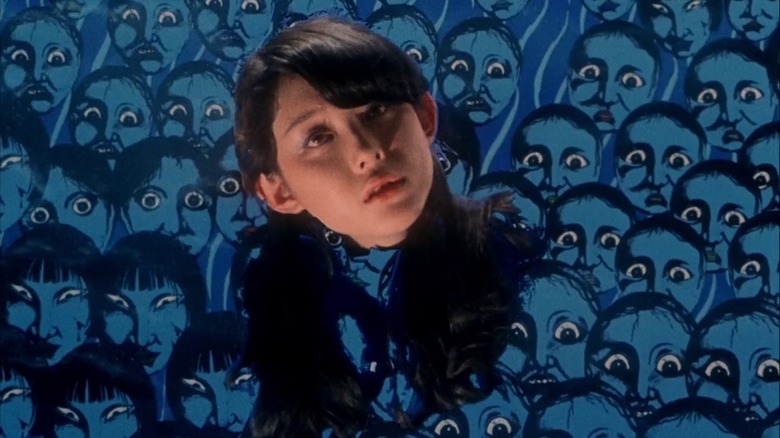
Nobuhiko Obayashi's wildly psychedelic Japanese cult classic, "Hausu" (also known as "House"), is a work of mad genius: part fantasy, part horror, part comedy, and pure chaos. It tells the trippy tale of a girl named Gorgeous (Kimiko Ikegami), who, along with six of her friends, gets eaten by the titular haunted house while visiting her aunt (Yōko Minamida), who turns out to be a demon that wants to steal the girls' youth and beauty.
At a basic level, "House" is a tale of innocence versus evil, infused with the antiwar themes that are a hallmark of Obayashi's work. With its hypnotic, inventive blend of childlike cheerfulness, grand guignol-style gore, and intentionally low-tech effects, it serves as a demented supernatural fairy tale and a haunted house film of the weirdest kind, featuring memorable highlights like a bloodthirsty piano and a grinning, blood-spewing, ghostly cat.
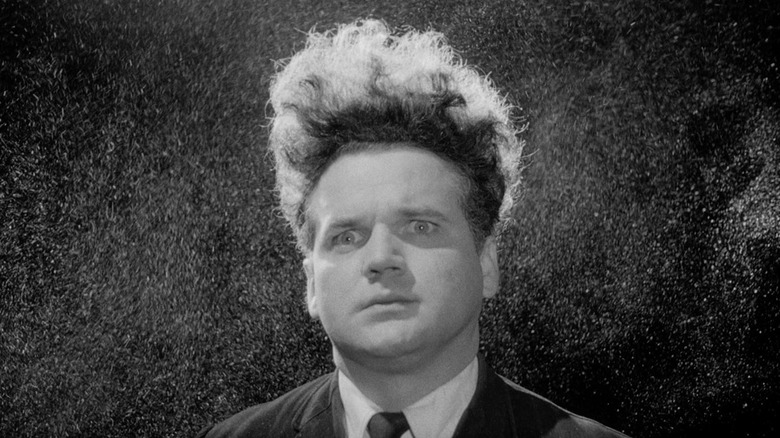
"Eraserhead" is David Lynch's surrealist, nightmarish vision of fatherhood and domesticity. Though somewhat difficult to describe, the plot generally centers on Henry (Jack Nance), a shock-haired young man who has an alien-like baby with his girlfriend Mary X (Charlotte Stewart), a situation that he is neither thrilled about nor equipped to handle.
There are other elements to the plot. Henry receives a visit from a mysterious, smiling lady (Laurel Near) who lives inside a radiator. He is tempted by the alluring woman who lives across the hall (Judith Roberts). His head is lopped off and used to make erasers (hence the film's title). But, as a whole, it's up to the audience to decipher all of the film's disturbing metaphors.
Using black and white cinematography, industrial sounds and images, grotesque practical effects, and uncomfortable scenarios, Lynch's first feature unnerves and disturbs with an avant-garde style. "Eraserhead" became a highly influential work, with Stanley Kubrick reportedly making the cast and crew of "The Shining" watch it for inspiration. Jack Nance would later become a series regular on "Twin Peaks," another David Lynch project about parenthood gone wrong.
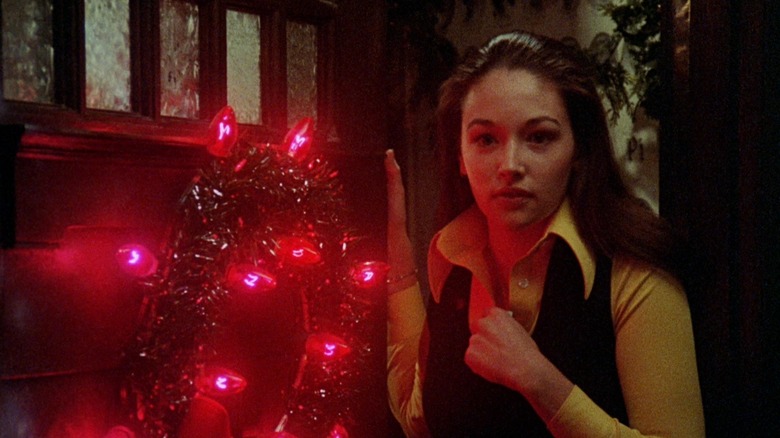
Director Bob Clark clearly had a sardonic view of Christmas. Not only did he make the darkly comedic "A Christmas Story," but he also directed the cult classic Canadian horror flick, "Black Christmas." Released four years before John Carpenter's "Halloween," the yuletide-set "Black Christmas'' is one of the earliest and most influential examples of a slasher, and one of the first of its kind to use the killer's first-person point of view as a device.
The plot of "Black Christmas" revolves around a mysterious killer named "Billy" who begins stalking and murdering the members of a sorority house, while occasionally calling them on the phone to harass them with obscenities. The film has progressively feminist leanings, featuring a subplot in which the protagonist, Jess (Olivia Hussey), decides to get an abortion against the wishes of her boyfriend, Peter (Keir Dullea), and a memorable turn by Margot Kidder as the brash and heavy-drinking Barb, who's not afraid to poke back at Billy's taunts.
While both "Black Christmas" and "Halloween" share similarities with Hitchcock's "Psycho," the influence of "Black Christmas" can be seen in films like "Halloween," "When a Stranger Calls," "Scream," and beyond. It's a terrific and important work that has also inspired two remakes.
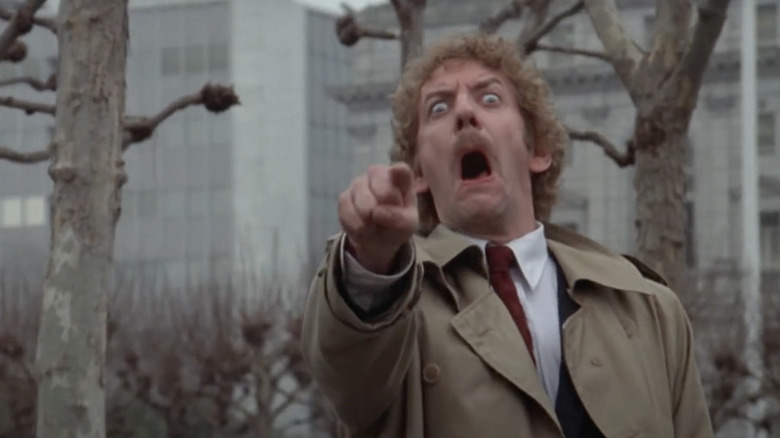
Themes of paranoia and conformity run through 1978's "Invasion of the Body Snatchers," the Philip Kaufman-directed remake of the 1958 film of the same name. Donald Sutherland stars as Matthew Bennell, a San Francisco-based health inspector whose colleague Elizabeth (Brooke Adams) takes home an alien pod adorned with a pink flower. The pod promptly infects Elizabeth's boyfriend, and an under-the-radar alien invasion begins. For help, Elizabeth and Matthew turn to psychologist David (Leonard Nimoy), who remains skeptical; when creepy duplicate bodies start turning up, including that of Matthew's friend Jack (Jeff Goldblum), Matthew begins to realize that they are all in great danger.
With Jack's wife (Veronica Cartwright), Matthew and Elizabeth must find a way to destroy or outrun the pods before they are replaced by extraterrestrial pod people themselves. Kaufman's dread-soaked remake is more terrifying than the original film, and remains relevant today.
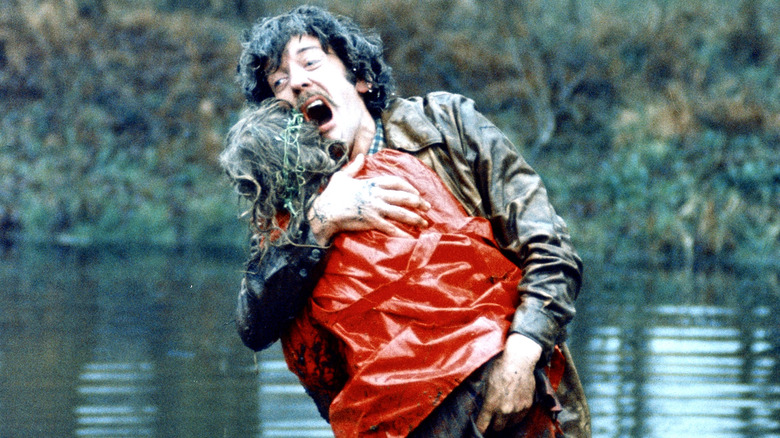
"Nothing is as it seems" in Nicholas Roeg's "Don't Look Now," a deeply unsettling film that examines the devastating effects of grief on a married couple. John (Donald Sutherland) and Laura (Julie Christie) travel to Venice after the accidental drowning of their daughter, Christine (Sharon Baxter). Things take an eerie turn for the grief-stricken pair when they encounter two elderly sisters (Hilary Mason and Clelia Matania), one of whom claims to be psychic and offers a warning of danger from their deceased daughter.
John dismisses the warnings at first, but his paranoia grows and he begins to see strange things, including glimpses of a red-coated figure that could be Christine. Utilizing a uniquely disorienting editing style and flashbacks and flashforwards that unnerve and disturb, "Don't Look Now" keeps viewers guessing until its shocking and memorable conclusion. Roeg's masterpiece has been cited as an influence on numerous filmmakers including Darren Aronofsky, Danny Boyle, and Lars Von Trier. In 2010, The Guardian declared it the third-best horror film of all time.
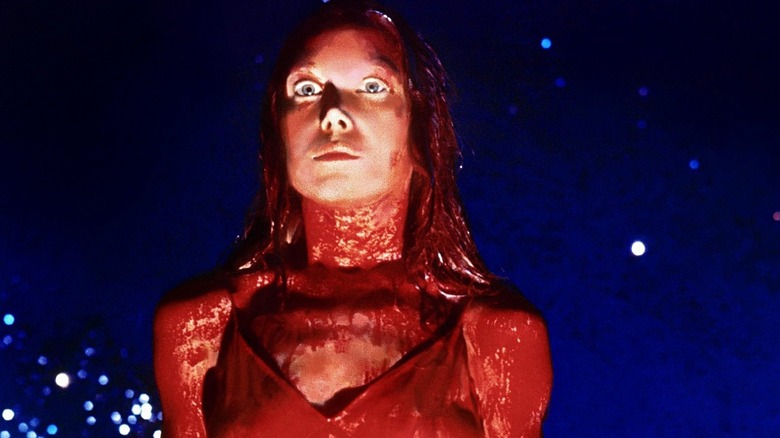
Stephen King's wife Tabitha famously rescued the pages of his first published novel, "Carrie," from the trash can. Thank goodness for us that she did. And thank goodness for Brian De Palma, who directed the 1976 adaptation that is widely considered one of the best horror films of the '70s -- or any decade.
In "Carrie," Sissy Spacek stars as 16-year-old Carrie White, a painfully shy girl whose religious mother, Margaret (Piper Laurie), is overbearing, controlling, and abusive. The socially awkward Carrie struggles to fit in at high school, where she is relentlessly bullied by the cool kids, including the popular Chris (Nancy Allen) and her boyfriend Billy (John Travolta). Feeling guilty, one of the nicer students, Sue (Amy Irving) convinces her boyfriend Tommy (William Katt) to invite Carrie to the prom, but they're unaware of an exceptionally cruel prank that Chris is planning.
However, as they are all about to discover, Carrie has a unique power of her own: telekinesis. Her mother's taunting prediction that "they're all gonna laugh at you" comes true, but in the end, Carrie has the terrifying last laugh.
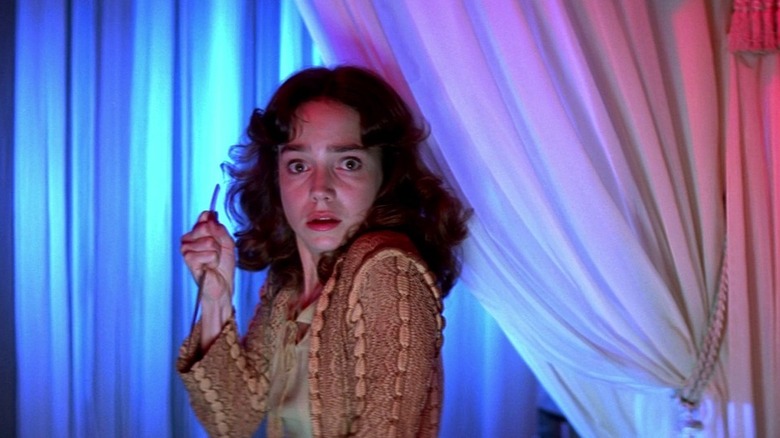
The '70s was a prolific decade for giallo directors, including Dario Argento, whose "Deep Red" and "Bird with the Crystal Plumage" could have also made this list. His grand supernatural spectacle, "Suspiria," leans more heavily into the occult than typical giallos, which tend to stick closer to crime thrillers or murder mysteries.
"Suspiria" focuses on an American student, Suzy (Jessica Harper), who arrives at a prestigious dance academy, only to discover that it is run by a coven of witches headed by Miss Tanner (Alida Valli) and Madame Blanc (Joan Bennett). The script, co-written by Daria Nicolodi, is partially based on Thomas De Quincey's essay "Suspiria de Profundis," and the film is the first in Argento's "Three Mothers" series, which also includes "Inferno" and "The Mother of Tears."
Featuring a memorable score by progressive rock band Goblin, a color-drenched palette of vivid reds, blues, and greens, and a hauntingly bewitching ambiance, "Suspiria" is a surreal yet visceral feast for all senses.
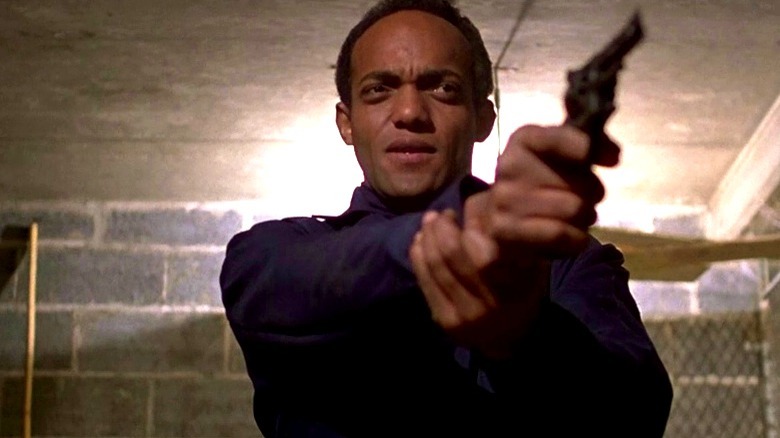
The father of the zombie movie, George A. Romero, rewrote the rules of horror and established the modern zombie film with "Night of the Living Dead," then kicked it up a notch 10 years later with its spiritual successor, "Dawn of the Dead."
Larger in scope, gorier, and funnier than its predecessor, "Dawn of the Dead" begins with a live newscast of the zombie apocalypse, and follows two of the station employees (David Emge and Gaylen Ross) as they team up with a pair of SWAT officers (Ken Foree and Scott Reiniger) and fly a helicopter to a nearby shopping mall, where they make a bloody stand against the mindless undead hordes.
Romero fan and fellow director Dario Argento helped fund the film and worked with Romero on the story, which has plenty to say in its scathing critique of capitalism and consumerism, which remains as relevant as ever today. Regarding the zombies that became his calling card, Romero has said, "All I did was I took them out of 'exotica' and I made them the neighbors."
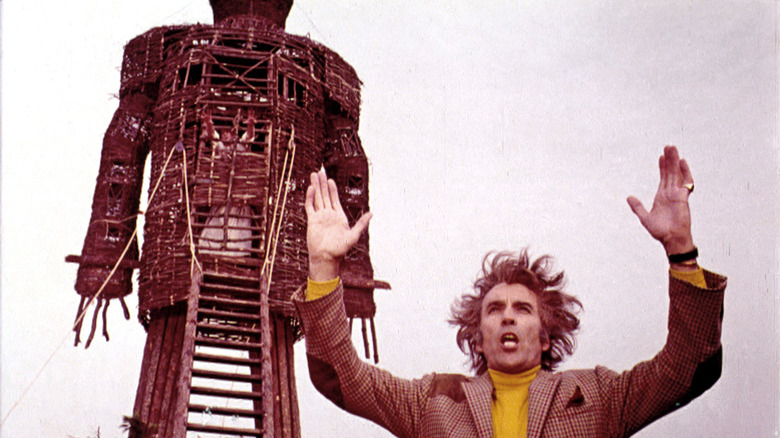
Folk horror is experiencing something of a resurgence thanks to films like Robert Eggers "The Witch" and Ari Aster's "Midsommar," the latter of which pays direct homage to a defining masterpiece of the genre, Robin Hardy's "The Wicker Man." Edward Woodward stars as police sergeant Neil Howie, who travels to a remote Hebridean island to investigate the disappearance of a young girl, only to discover that the freewheeling local islanders seem far more occupied with preparing for an upcoming pagan festival than helping him find the child.
Eventually, Howie's investigation leads him to the enigmatic Lord Summerisle (Christopher Lee) who soon reveals the terrifying true purpose for the festivities. With the clash between Sergeant Howie's strait-laced Catholicism and the wild paganism of Summerisle's inhabitants, "The Wicker Man" can be read as a statement on the perils of religion and the power of belief, and speaks to the conservative backlash to the hippie counterculture of the time. It is often cited as one of the great horror films, with the Guardian placing it at number four on its list of the best horror films of all time, and Christopher Lee naming it as his favorite of his movies.
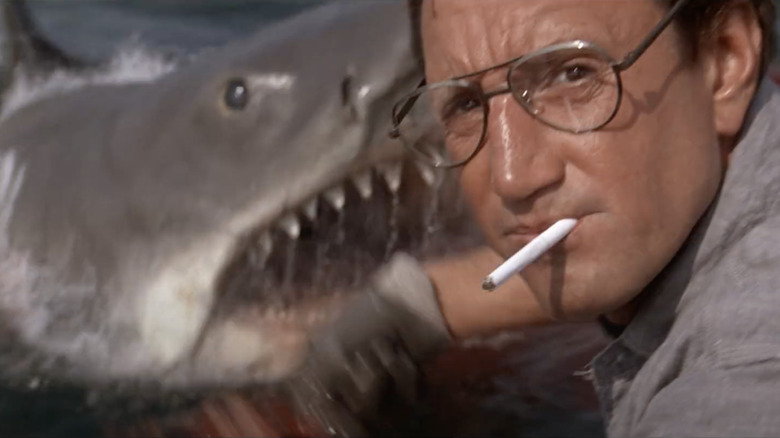
In the summer of 1975, audiences lined up around the block to see Steven Spielberg's movie about a great white shark terrorizing a resort town, marking "Jaws" as the first modern Hollywood blockbuster. When a shark attack occurs in the idyllic Amity Island enclave, the new police chief, Martin Brody (Roy Scheider), wants to close the beaches, but the mayor (Murray Hamilton) insists on keeping them open, resulting in the death of another innocent beach-goer.
The frustrated Brody eventually teams up with a young marine biologist, Hooper (Richard Dreyfuss), and a hardened fisherman, Quint (Robert Shaw), to track down the toothy beast, although they realize too late that they're "gonna need a bigger boat." Based on the novel by Peter Benchley, "Jaws" remains a cinematic classic that highlights the dangers not only of sharks, but of capitalism. It won three Academy Awards, including one for John Williams' iconic score, and is widely considered one of the greatest films of all time.
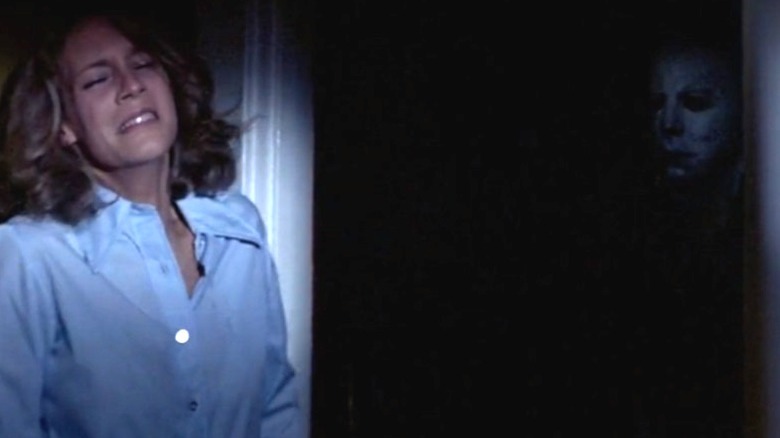
Just a mention of John Carpenter's "Halloween" instantly conjures up the sound of a synth beat and the image of Michael Myers (Nick Castle) in his trademark overalls and mask, wielding a large kitchen knife as he pursues the teens of Haddonfield, Illinois. It's an iconic combo that scares us with its relentlessness -- the score seems to never let up, and neither does our boogeyman, who has escaped a sanitarium and seems hellbent on murdering one teen in particular: Laurie Strode (Jamie Lee Curtis).
"Halloween" makes effective and terrifying use of its setting; its titular holiday is the perfect time for a masked killer to blend in with unsuspecting victims, especially in a seemingly idyllic midwestern town where many people probably don't lock their doors. This vulnerability, paired with Michael's unmotivated evil, helps make "Halloween" one of the great horror films, and secured Carpenter's place as a master of the genre.
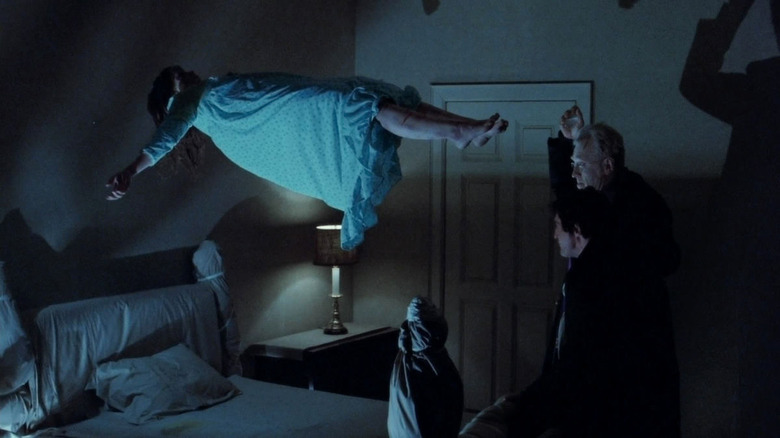
William Friedkin's religiously-skewed shocker, "The Exorcist," pushed horror to new heights and scared the hell out of audiences who flocked to see it in theaters upon its debut, surprising the studio with its popularity and becoming the highest-grossing movie of the year. Based on William Peter Blatty's novel, "The Exorcist'' revolves around a demonically-possessed 12-year-old girl, Regan Macneill (Linda Blair), and the efforts of her mother (Ellen Burstyn) to save her.
This ultimately involves enlisting the assistance of two priests, the faith-questioning Father Karras (Jason Miller) and the more senior Father Merrin (Max Von Sydow), who arrive at the home drenched by streetlight in one of the movie's most famous scenes. Other memorable moments include Regan spinning her head around 360 degrees, projectile vomiting all over the place, and climbing backwards down the stairs while barking out vulgarities. It's all in an exorcist's day's work.
"The Exorcist" was nominated for 10 Academy Awards, winning for best adapted screenplay and best sound, and securing its place as one of the best horror films of all time.
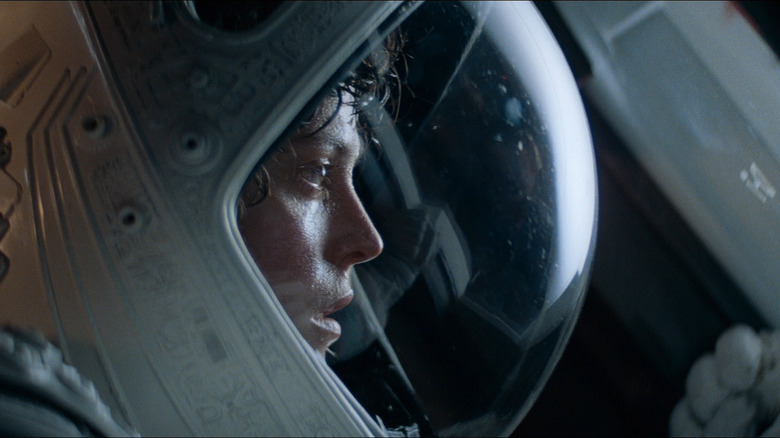
"You still don't understand what you're dealing with, do you? The perfect organism. Its structural perfection is matched only by its hostility."
This quote from Ash (Ian Holm) in Ridley Scott's "Alien" serves as a meta-take on the film itself. "Alien" is a blend of horror and sci-fi, but it's essentially a haunted house movie set in space -- and it's a perfect one, as well as one of the best horror films ever made.
The film follows the crew of the Nostromo as they are pulled out of stasis due to a distress signal from a nearby moon, where they discover a garden of egg-like objects. A face-hugging creature bursts out of one of them and attaches itself to crew member Kane (John Hurt). The crew brings Kane and the creature on board, a decision they soon regret: The facehugger is only the first stage in the alien's life cycle. After it finds a host, it evolves into a "chestburster," and finally a large and powerful Xenomorph.
Much about "Alien" is iconic, including the alien itself (designed by H.R. Giger), the infamous chestburster scene, and the ship's cat, Jonesy. The whole cast is stellar, but it's the strong protagonist in officer Ellen Ripley (Sigourney Weaver) that is perhaps the most iconic element of all, setting the standard for all female action heroes who followed.
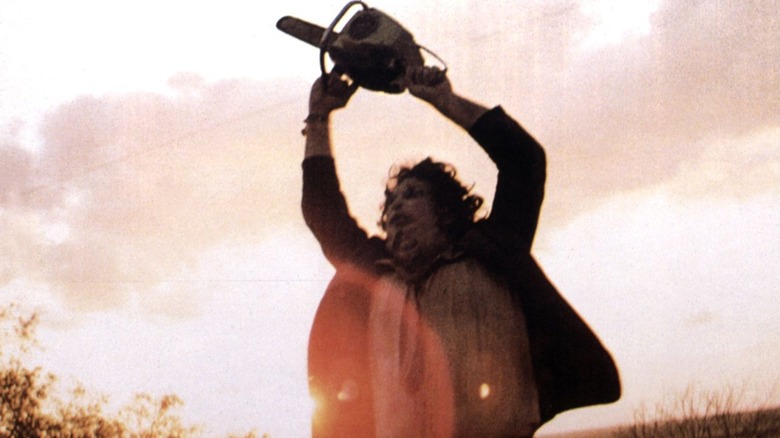
1974 saw the release of a simple film about a boy and his chainsaw, and the horror genre was made all the better for it. Tobe Hooper's "The Texas Chain Saw Massacre" is a film of raw terror, inspired by Hooper's time as a documentary cameraman, during which he determined that humans are the world's real monsters.
Presented as a true story, "The Texas Chain Saw Massacre" documents the journey of five friends, including Sally Hardesty (Marilyn Burns) and her brother Franklin (Paul A. Partain), whose idyllic summer drive descends into a horrifying ordeal when they stumble upon the home of a cannibalistic family that includes Leatherface (Gunnar Hansen), a meaty man with a mask made of skin and an affinity for chainsaws.
A frenetic energy continues to build as the unfortunate friends encounter increasingly terrifying scenarios, and the family attempts to turn them into good ol' Texas barbecue. It's a living nightmare from which neither they nor the audience can wake up. Hooper's film serves as an allegory for the Vietnam war, made in part as a reaction to and statement on post-Vietnam disillusionment. It's also a seminal work of horror, influencing directors like Ridley Scott and Wes Craven, who said that "whoever made this must have been a Mansonite crazoid."
Read this next: The 20 Best Dystopian Movies Of All Time
The post The 15 best '70s horror movies ranked appeared first on /Film.

Windows 11 has various features that will ensure that you get a better user experience than before. One such feature is the hardware-accelerated GPU scheduling. This feature improves video and gaming performance using the PC’s GPU. This tutorial will address this and show you how to enable hardware-accelerated GPU scheduling on Windows 11 systems.
So, what does this feature do? Usually, any graphic intensive data that may hinder computer performance is dumped onto the GPU for rendering. The CPU is responsible for gathering data, assigning commands, and prioritizing which information is to be rendered by the GPU. However, with the hardware-accelerated GPU scheduling feature, VRAM and the GPU scheduling processor takes over some of these tasks for the CPU and ensures that your system runs better.
This feature was introduced in the Windows 10 May 2020 Update, and it is disabled by default in Windows 11 systems. You should have an NVIDIA (GTX 1000 or later) or AMD (5600 series or later) graphics card with the latest drivers installed for this feature to work.
Step-1: Click on the Windows icon on the taskbar and then select the Settings app. (You can also open the app using the shortcut keys Win + I)

Step-2: Ensure that you are in the System Settings from the left pane.
Step-3: In the right pane, click on the Display option.

Step-4: Scroll down and in the Related settings header, select Graphics.

Step-5: Click on Change default graphics settings.

Step-6: Turn the toggle switch On under Hardware-accelerated GPU scheduling.
Step-7: Restart your system.
If you are not satisfied with the results, you can disable it later on as well. Just follow all the above steps but in Step-6, turn the toggle Off.
The post How to Enable Hardware-Accelerated GPU Scheduling on Windows 11 Systems by Zarmeen Shahzad appeared first on Wccftech.

The PlayStation 5 has been a success by any metric since launch last year, but it seems PlayStation boss Jim Ryan’s ambitions are even grander than you might expect. Not only does he expect the PS5 to be the biggest PlayStation ever, he seems to envision a future beyond the traditional console model as he admits mega-hits like Spider-Man selling 20 to 30 million copies actually “frustrates” him. You can check out check out Ryan’s somewhat eyebrow raising comments, courtesy of a new interview with GamesIndustry.biz, below.
I see no reason why gaming as ubiquitous as music, movies or TV shows. When you think about the implications of that for the people who make games and the people who play games, that's potentially really amazing and really powerful. […]
I really believe the PlayStation 5 will be Sony's biggest and best and most beloved PlayStation yet. I hope that will happen. I would also like to see a world where the games that we make at PlayStation can be enjoyed by many tens of millions of people. Perhaps hundreds of millions of people. Right now success with the current console model, a really great PlayStation hit you're talking ten or 20 million people being able to play that game.
We're talking about games stacking up against music, we're talking about games stacking up against movies. Music and movies, they can be enjoyed by almost limitless audiences. And I think some of the art that our studios are making is some of the finest entertainment that has been made anywhere in the world. And to kind-of gate the audience for the wonderful art, wonderful entertainment that our studios are making... to gate the audience for that at 20 or 30 million, frustrates me. I would love to see a world where hundreds of millions of people can enjoy those games.
While it’s often a mistake to read too much specific meaning into what Ryan says, it sure seems like he’s looking somewhat jealously at Xbox Game Pass and Microsoft’s obvious plans to move beyond the strictures of the traditional console business. Still, even if they weren’t tied to a specific console, 100s of million players for PS exclusives is a pretty lofty goal. If you’d like more Ryan-isms, you can scroll on down for the full GamesIndustry review.
What do you think? What’s PlayStation’s end goal under Jim Ryan’s leadership?
The post PlayStation’s Jim Ryan Wants 100s of Millions Playing His Games, Finds Console Model Frustrating by Nathan Birch appeared first on Wccftech.
The post The Manor – Review [Prime Video] (3/5) appeared first on Heaven of Horror.
The post Madres – Review [Prime Video] (4/5) appeared first on Heaven of Horror.

