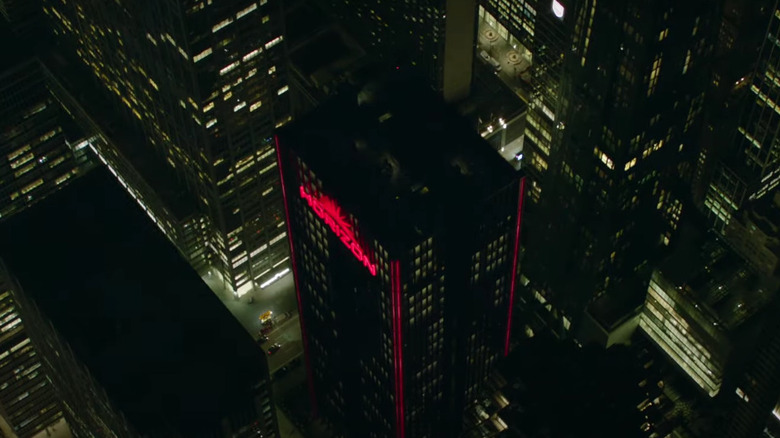
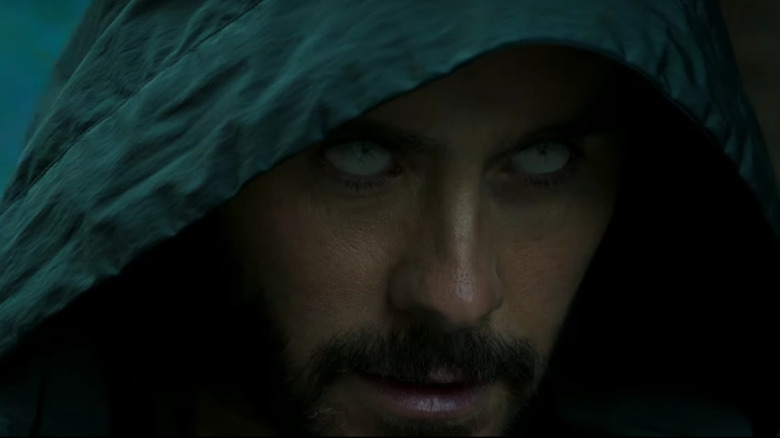
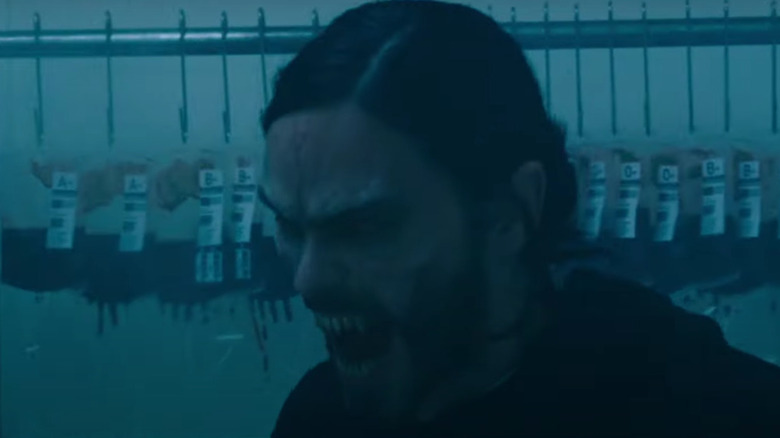
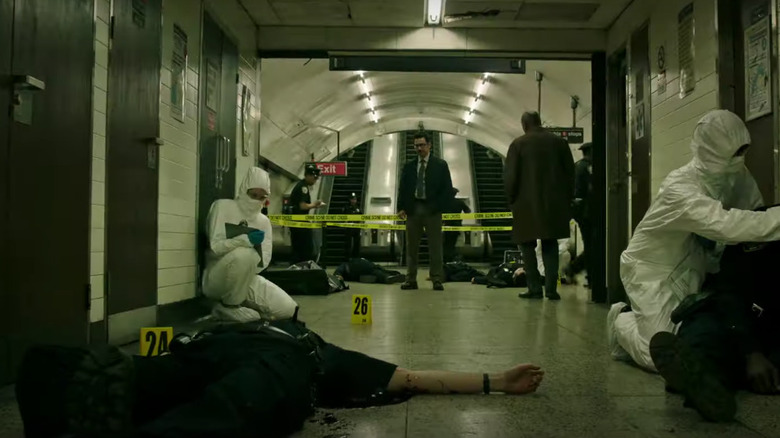
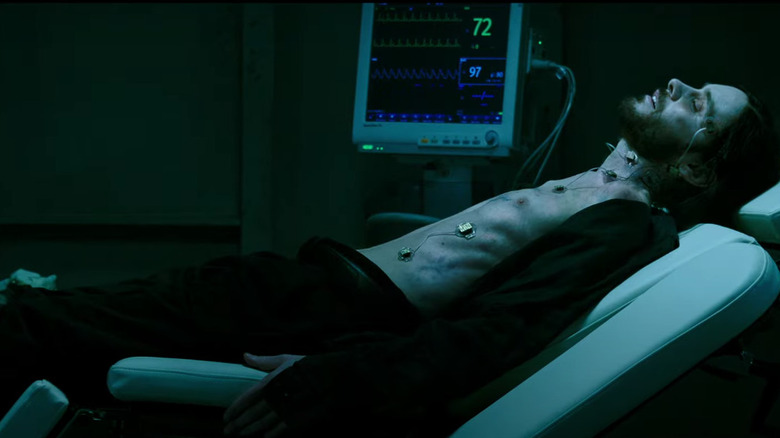
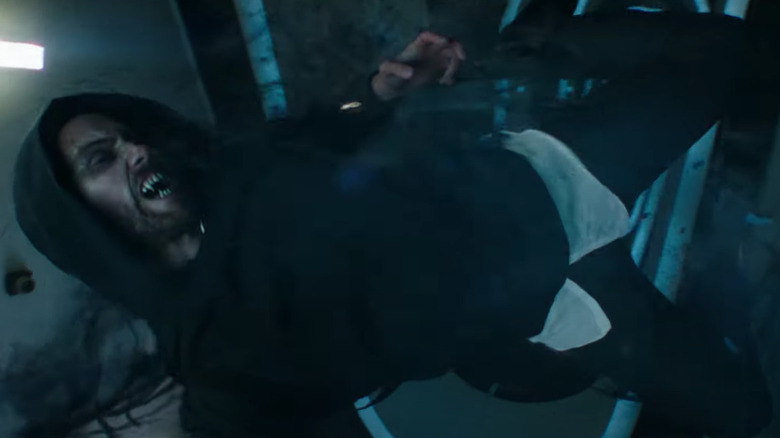
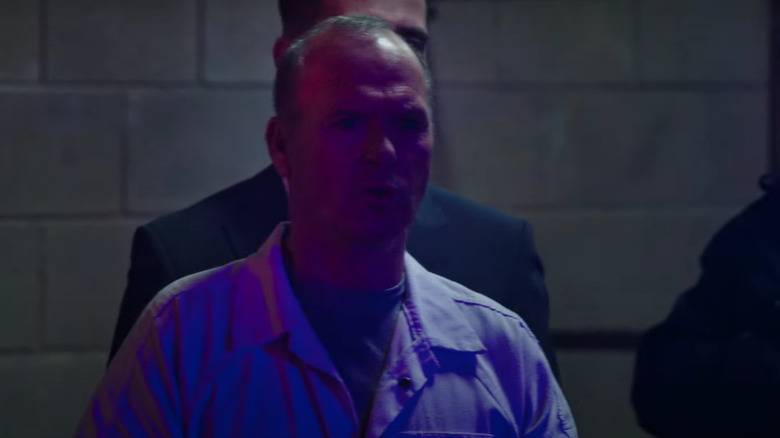
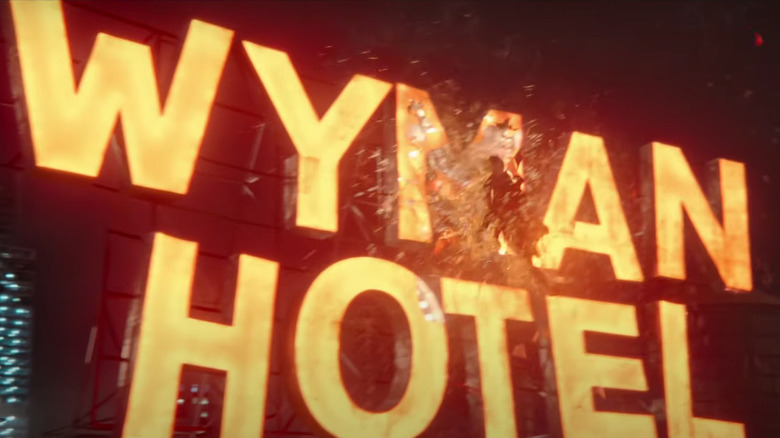
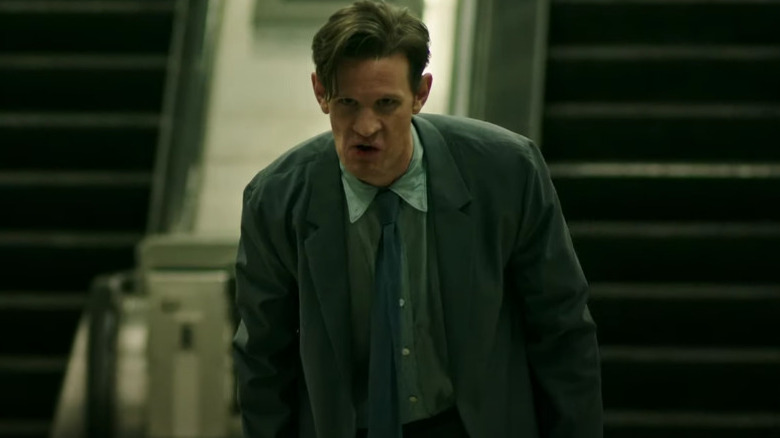
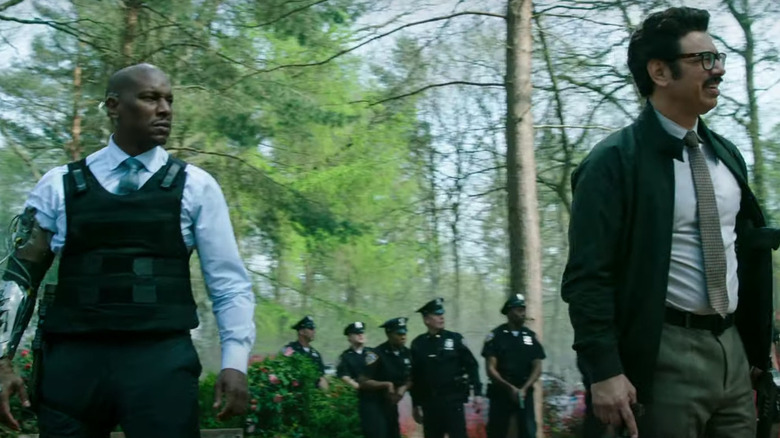
Whenever a new "Batman" movie rolls around, there is a checklist of cinematic items you usually expect to run through. Gothic atmosphere. A colorful rogues' gallery. High-tech gadgets. Brooding, moody moments. Darkness, no parents, etc. One thing you don't normally expect to find in a Bat-movie, though, is a Nirvana song. And yet, the very first teaser for Matt Reeves' "The Batman" featured a re-arrangement of Nirvana's "Something in the Way," which appeared on the iconic grunge band's 1991 album "Nevermind."
But this wasn't just a case of a song being used solely for a trailer. No, Michael Giacchino's massive "The Batman" score actually layers notes from "Something in the Way" directly into Batman's theme music — and the song itself plays over multiple scenes, including a montage near the beginning of the film. So what's the deal here? Did Matt Reeves just want to throw some sick Nirvana jams into his superhero movie? Or is there more to it?
Something In The Way
"Something in the Way" is not your typical Nirvana song. It's a softer, quieter, more stripped-down number compared to the louder, angrier music the Seattle band churned out in the 1990s. Nirvana frontman Kurt Cobain likely wrote an early version of the song sometime in 1990, and in 1991, he turned to producer Butch Vig to record it. According to Vig, Cobain wanted "Something in the Way" to feature the full Nirvana band from the jump, but when the producer heard Cobain playing the song solo on acoustic guitar, it was a lightbulb-above-the-head moment. Vig recorded Cobain's solo version, later bringing in band members Dave Grohl (drums) and Krist Novoselic (bass) to add to the recording. Finally, Kirk Canning was asked to add the haunting sounds of a cello to the song.
Slow and ominous, the song opens with Cobain droning, "Underneath the bridge, the tarp has sprung a leak, and the animals I've trapped, have all become my pets ..." It's an evocative opening; you can almost feel the muddy, dank, under-the-bridge dampness in Cobain's thick, sleepy voice. Like most Nirvana songs, the lyrics are cryptic, which meant plenty of people had plenty of interpretations.
For a while, the most common reading of the song was that Cobain was singing about a brief period in which he was homeless and slept under the Young Street Bridge in Aberdeen, Washington. However, while Cobain was homeless for a period of time in his youth, those who knew him at the time later claimed he likely never slept under the Young Street Bridge, or any bridge for that matter.
Cobain himself claimed in the interview that the song was about a made-up character, or perhaps a fictionalized version of himself, saying that the song "[Was] like if I was living under the bridge and I was dying of A.I.D.S. ... if I was sick and I couldn't move and I was a total street person. That was kind of the fantasy of it." In any case, the melancholy, bleak number remains one of Nirvana's most interesting songs, and now it's front and center in "The Batman." In fact, "The Batman" has had such an impact on "Something in the Way" that the song reached the top 20 on both Amazon Music's and iTunes' digital music charts after it was used in that initial teaser. Remember the '90s? They're back, in "The Batman" form.
Last Days
But why, exactly, is a Nirvana song so prominent in "The Batman"? There's a rather simple answer to this, other than, "Because it sounds cool!" According to director Matt Reeves, when he was working on "The Batman" screenplay, he was listening to some music — and "Something in the Way" came on:
"When I write, I listen to music, and as I was writing the first act, I put on Nirvana's 'Something In The Way' ... That's when it came to me that, rather than make Bruce Wayne the playboy version we've seen before, there's another version who had gone through a great tragedy and become a recluse."
Reeves then took the Nirvana comparisons a step further, revealing that he tried to design the Bruce Wayne we see in "The Batman" on Kurt Cobain. Or, more specifically, a version of Kurt Cobain:
"So I started making this connection to Gus Van Sant's 'Last Days,' and the idea of this fictionalised version of Kurt Cobain being in this kind of decaying manor."
In "Last Days," Michael Pitt plays Blake, a rock star clearly modeled on Cobain, right down to the way the character looks. The Cobain avatar in "Last Days" spends almost the entire movie wandering around his mansion, alone and mumbling to himself. He's a broken man nearing the end of his life, and it's clear that Reeves drew on that for his Bruce Wayne, who is portrayed by Robert Pattinson as a scruff guy wandering around his mansion, alone and mumbling to himself. It's a close connection, and it's definitely unlike any Bruce Wayne we've seen on the screen before. The Nirvana accompaniment only aids in the portrayal, giving this Batman a kind of grunge punk rock vibe that signifies audiences are in for something different here. And don't be surprised if you walk out of the movie humming "Something in the Way" to yourself.
There have been plenty of iconic iterations, with the likes of Christian Bale, Ben Affleck, and Michael Keaton being popular choices.
It may seem like a straightforward question, but depending on how big a fan you are of the DC Comics character, there are simply so many elements to consider when selecting a favourite. One essential element is the suit, with the three stars just mentioned having very different costumes to work with.
Now that Matt Reeves’ The Batman is making its way to audiences, it’s worth addressing an interesting fan theory about the movie’s batsuit…
still from The Batman trailer, Warner Bros. Pictures
Have you heard this Batsuit fan theory for The Batman?
There is a fan theory that has been making the rounds about the batsuit as worn by Robert Pattinson for his portrayal of the caped crusader.
Some believe that the bat symbol attached to the chest area of the suit is actually detachable. More importantly, speculation suggests that it’s the gun that was used by the individual who murdered Bruce Wayne’s parents.
Taking this theory into account, it’s wise to assume that – if this were the case – Batman would’ve hunted the killer down and taken the weapon, or rather, retrieved it from the authorities.
It ultimately depends on the outcome of the murder investigation in this take on the character’s origins.
My Theory for Robert Pattinson’s Suit for #TheBatman is that the bat logo is his chest area is made from the gun that killed his parents in crime alley! This can be his burden and would explain why his logo looks cool and unusual and if im right then his logo is unique! pic.twitter.com/eMSV4tSwQZ
While it’s a stimulating theory, Matt Reeves is ultimately the authority on the matter and he’s acknowledged that the symbol isn’t a gun at all.
However, he has revealed to HeyUGuys that it has a use beyond being a symbol:
“Well I wanted it to be something that was a practical use. It’s not the gun. That was interesting that people were speculating that’s what it was. What people did happen on that’s right is I wanted it to be not just an emblem but I wanted it to be something tactical and functional… That’s actually a glauca knife that he uses in a couple of places in the movie.”
He continued: “So somewhere along the way I said ‘I want to figure out a way that this is something that we can see him using it. I want to see him use that knife.’ The knife had been written into the script, so the idea was is there a way we can take that knife and make it the bat symbol, and that was what they set out to do.”
The Batman | Main Trailer
BridTV
8717
The Batman | Main Trailer
964683
964683
center
32600
The Batman is back on the big screen
At long last, the big date for The Batman’s arrival in theaters is Friday, March 4th 2022.
That will be the only place to see the three-hour blockbuster too, as The Batman is being released exclusively in cinemas.
It’s a much darker vision than those previous too; it is rated a PG-13 in the US and a 15 in the UK.
SEMrush and Ahrefs are among
the most popular tools in the SEO industry. Both companies have been in
business for years and have thousands of customers per month.
If you're a professional SEO or trying to do digital
marketing on your own, at some point you'll likely consider using a tool to
help with your efforts. Ahrefs and SEMrush are two names that will likely
appear on your shortlist.
In this guide, I'm going to help you learn more about
these SEO tools and how to choose the one that's best for your purposes.
What is SEMrush?
SEMrush is a popular SEO tool with a wide range of
features—it's the leading competitor research service for online marketers.
SEMrush's SEO Keyword Magic tool offers over 20 billion Google-approved
keywords, which are constantly updated and it's the largest keyword database.
The program was developed in 2007 as SeoQuake is a
small Firefox extension
Features
Most accurate keyword data: Accurate keyword
search volume data is crucial for SEO and PPC campaigns by allowing you to
identify what keywords are most likely to bring in big sales from ad clicks.
SEMrush constantly updates its databases and provides the most accurate data.
Largest Keyword database: SEMrush's Keyword
Magic Tool now features 20-billion keywords, providing marketers and SEO
professionals the largest database of keywords.
All SEMrush users receive daily ranking data, mobile
volume information, and the option to buy additional keywords by default with
no additional payment or add-ons needed
Most accurate position tracking tool: This tool
provides all subscribers with basic tracking capabilities, making it suitable
for SEO professionals. Plus, the Position Tracking tool provides local-level
data to everyone who uses the tool.
SEO Data Management: SEMrush makes managing your
online data easy by allowing you to create visually appealing custom PDF
reports, including Branded and White Label reports, report scheduling, and
integration with GA, GMB, and GSC.
Toxic link monitoring and penalty recovery: With
SEMrush, you can make a detailed analysis of toxic backlinks, toxic scores,
toxic markers, and outreach to those sites.
Content Optimization and Creation Tools: SEMrush
offers content optimization and creation tools that let you create SEO-friendly
content. Some features include the SEO Writing Assistant, On-Page SEO Check,
er/SEO Content Template, Content Audit, Post Tracking, Brand Monitoring.
Ahrefs
Ahrefs is a leading SEO platform that offers a set of
tools to grow your search traffic, research your competitors, and monitor your
niche. The company was founded in 2010, and it has become a popular choice
among SEO tools. Ahrefs has a keyword index of over 10.3 billion keywords and
offers accurate and extensive backlink data updated every 15-30 minutes and it
is the world's most extensive backlink index database.
Features
Backlink alerts data and new keywords: Get an
alert when your site is linked to or discussed in blogs, forums, comments, or
when new keywords are added to a blog posting about you.
Intuitive interface: The intuitive design of the
widget helps you see the overall health of your website and search engine
ranking at a glance.
Site Explorer: The Site Explorer will give you
an in-depth look at your site's search traffic.
Domain Comparison
Reports with charts and graphs
JavaScript rendering and a site audit can identify SEO
issues.
A question explorer that provides well-crafted topic
suggestions
Direct Comparisons: Ahrefs vs SEMrush
Now that you know a little more about each tool, let's
take a look at how they compare. I'll analyze each tool to see how they differ
in interfaces, keyword research resources, rank tracking, and competitor
analysis.
User Interface
Ahrefs and SEMrush both offer comprehensive information
and quick metrics regarding your website's SEO performance. However, Ahrefs
takes a bit more of a hands-on approach to getting your account fully set up,
whereas SEMrush's simpler dashboard can give you access to the data you need
quickly.
In this section, we provide a brief overview of the elements
found on each dashboard and highlight the ease with which you can complete
tasks.
AHREFS
The Ahrefs dashboard is less cluttered than that of
SEMrush, and its primary menu is at the very top of the page, with a search bar
designed only for entering URLs.
Additional features of the Ahrefs platform include:
You can see analytics from the dashboard, including
search engine rankings to domain ratings, referring domains, and backlink
Jumping from one tool to another is easy. You can use
the Keyword Explorer to find a keyword to target and then directly track your
ranking with one click.
The website offers a tooltip helper tool that allows
you to hover your mouse over something that isn't clear and get an in-depth
explanation.
SEMRUSH
When you log into the SEMrush Tool, you will find four
main modules. These include information about your domains, organic keyword
analysis, ad keyword, and site traffic.
You'll also find some other options like
A search bar allows you to enter a domain, keyword, or
anything else you wish to explore.
A menu on the left side of the page provides quick
links to relevant information, including marketing insights, projects, keyword
analytics, and more.
The customer support resources located directly within
the dashboard can be used to communicate with the support team or to learn
about other resources such as webinars and blogs.
Detailed descriptions of every resource offered. This
detail is beneficial for new marketers, who are just starting.
WHO WINS?
Both Ahrefs and SEMrush have user-friendly dashboards,
but Ahrefs is less cluttered and easier to navigate. On the other hand, SEMrush
offers dozens of extra tools, including access to customer support resources.
When deciding on which dashboard to use, consider what
you value in the user interface, and test out both.
Rank Tracking
If you're looking to track your website's search engine
ranking, rank tracking features can help. You can also use them to monitor your
competitors.
Let's take a look at Ahrefs vs. SEMrush to see which
tool does a better job.
Ahrefs
The Ahrefs Rank Tracker is simpler to use. Just type in
the domain name and keywords you want to analyze, and it spits out a report
showing you the search engine results page (SERP) ranking for each keyword you
enter.
Rank Tracker looks at the ranking performance of
keywords and compares them with the top rankings for those keywords. Ahrefs
also offers:
You'll see metrics that help you understand your
visibility, traffic, average position, and keyword difficulty.
It gives you an idea of whether a keyword would be
profitable to target or not.
SEMRUSH
SEMRush offers a tool called Position Tracking. This
tool is a project tool—you must set it up as a new project. Below are a few of
the most popular features of the SEMrush Position Tracking tool:
All subscribers are given regular data updates and
mobile search rankings upon subscribing
The platform provides opportunities to track several
SERP features, including Local tracking.
Intuitive reports allow you to track statistics for the
pages on your website, as well as the keywords used in those pages.
Identify pages that may be competing with each other
using the Cannibalization report.
WHO WINS?
Ahrefs is a more user-friendly option. It takes seconds
to enter a domain name and keywords. From there, you can quickly decide whether
to proceed with that keyword or figure out how to rank better for other
keywords.
SEMrush allows you to check your mobile rankings and
ranking updates daily, which is something Ahrefs does not offer. SEMrush also
offers social media rankings, a tool you won't find within the Ahrefs platform.
Both are good which one do you like let me know in the comment.
Keyword Research
Keyword research is closely related to rank tracking,
but it's used for deciding which keywords you plan on using for future content
rather than those you use now.
When it comes to SEO, keyword research is the most
important thing to consider when comparing the two platforms.
AHREFS
The Ahrefs Keyword Explorer provides you with thousands
of keyword ideas and filters search results based on the chosen search engine.
Ahrefs supports several features, including:
It can search multiple keywords in a single search and
analyze them together. At SEMrush, you also have this feature in Keyword
Overview.
Ahrefs has a variety of keywords for different search
engines, including Google, YouTube, Amazon, Bing, Yahoo, Yandex, and other
search engines.
When you click on a keyword, you can see its search
volume and keyword difficulty, but also other keywords related to it, which you
didn't use.
SEMRUSH
SEMrush's Keyword Magic Tool has over 20 billion
keywords for Google. You can type in any keyword you want, and a list of
suggested keywords will appear.
The Keyword Magic Tool also lets you to:
Show performance metrics by keyword
Search results are based on both broad and exact
keyword matches.
Show data like search volume, trends, keyword
difficulty, and CPC.
Show the first 100 Google search results for any
keyword.
Identify SERP Features and Questions related to each
keyword
SEMrush has released a new Keyword Gap Tool that
uncovers potentially useful keyword opportunities for you, including both paid
and organic keywords.
WHO WINS?
Both of these tools offer keyword research features and
allow users to break down complicated tasks into something that can be
understood by beginners and advanced users alike.
If you're interested in keyword suggestions, SEMrush
appears to have more keyword suggestions than Ahrefs does. It also continues to
add new features, like the Keyword Gap tool and SERP Questions recommendations.
Competitor Analysis
Both platforms offer competitor analysis tools,
eliminating the need to come up with keywords off the top of your head. Each
tool is useful for finding keywords that will be useful for your competition so
you know they will be valuable to you.
AHREFS
Ahrefs' domain comparison tool lets you compare up to
five websites (your website and four competitors) side-by-side.it also shows
you how your site is ranked against others with metrics
such as backlinks, domain ratings, and more.
Use the Competing Domains section to see a list of your
most direct competitors, and explore how many keywords matches your competitors
have.
To find more information about your competitor, you can
look at the Site Explorer and Content Explorer tools and type in their URL
instead of yours.
SEMRUSH
SEMrush provides a variety of insights into your
competitors' marketing tactics. The platform enables you to research your
competitors effectively. It also offers several resources for competitor
analysis including:
Traffic Analytics helps you identify where your
audience comes from, how they engage with your site, what devices visitors use
to view your site, and how your audiences overlap with other websites.
SEMrush's Organic Research examines your website's
major competitors and shows their organic search rankings, keywords they are
ranking for, and even if they are ranking for any (SERP) features and more.
The Market Explorer search field allows you to type in
a domain and lists websites or articles similar to what you entered. Market
Explorer also allows users to perform in-depth data analytics on These
companies and markets.
WHO WINS?
SEMrush wins here because it has more tools dedicated to
competitor analysis than Ahrefs. However, Ahrefs offers a lot of functionality
in this area, too. It takes a combination of both tools to gain an advantage
over your competition.
Pricing
Ahrefs
Lite Monthly: $99/month
Standard Monthly: $179/month
Annually Lite: $990/year
Annually Standard: $1790/year
SEMRUSH
Pro Plan: $119.95/month
Guru Plan:$229.95/month
Business Plan: $449.95/month
Which SEO tool should you choose for digital
marketing?
When it comes to keyword data research, you will become
confused about which one to choose.
Consider choosing Ahrefs if you
Like friendly and clean interface
Searching for simple keyword suggestions
Want to get more keywords for different search engines
like Amazon, Bing, Yahoo, Yandex, Baidu, and more
Consider SEMrush if you:
Want more marketing and SEO features
Need competitor analysis tool
Need to keep your backlinks profile clean
Looking for more keyword suggestions for Google
Both tools are great. Choose the one which meets your
requirements and if you have any experience using either Ahrefs or SEMrush let
me know in the comment section which works well for you.
Cybersecurity researchers tracking destructive data-wiping malware attacks in Ukraine are finding signs of new malware with worm-spreading capabilities and what appears to be a rudimentary ransomware decoy.
Washington is expected to lean on major Chinese companies from Semiconductor Manufacturing International Corp to Lenovo to join U.S.-led sanctions against Russia, aiming to cripple the country's ability to buy key technologies and components. From a report: China is Russia's biggest supplier of electronics, accounting for a third of its semiconductor imports and more than half of its computers and smartphones. Beijing has opposed the increasingly severe measures that the U.S. has taken to restrict Russia's trade and economy in response to its invasion of Ukraine, however U.S. officials expect tech suppliers such as SMIC to uphold the new rules and curtail trade of sensitive technology with American origin, especially as it relates to Russia's defense sector. Any items produced with certain U.S. inputs, including American software and designs, are subject to the ban, even if they are made overseas, a U.S. official told Bloomberg News on Monday. Companies that attempt to evade these new controls would face the prospect of themselves being cut off from U.S.-origin technology and corporate executives risk going to jail for violations.
Germany's Enercon on Monday said a "massive disruption" of satellite connections in Europe was affecting the operations of 5,800 wind turbines in central Europe. MarketScreener reports: It said the satellite connections stopped working on Thursday, knocking out remote monitoring and control of the wind turbines, which have a total capacity of 11 gigawatt (GW). "The exact cause of the disruption is not yet known. The communication services failed almost simultaneously with the start of the Russian invasion of Ukraine," Enercon said in a statement.
Enercon has informed Germany's cybersecurity watchdog BSI and is working with the relevant providers of the satellite communication networks to resolve the disruption, which it said affected around 30,000 satellite terminals used by companies and organisations from various sectors across Europe. "However, no effects on power grid stability are currently expected due to redundant communication capabilities of the responsible grid operators. Further investigations into the cause are being carried out by the company concerned in close exchange with the responsible authorities," BSI said. There was no risk to the turbines as they continued to operate on "auto mode," the company said. The report also notes that Viasat was "investigating a suspected cyberattack that caused a partial outage in its residential broadband services in Ukraine and other European countries"
The release of Shadow Warrior 3 is expected tomorrow. But you don't have to go in blind. We have a roundup of reviews that have begun appearing today: Shadow Warrior 3 Review - AusGamers.com. Shadow...
After Serious Sam 3 released, Croteam put out a short little experiment with various mechanics they were toying with for a possible Serious Sam 4. People liked what they had, but they also didn’t feel like these were gameplay elements that belonged in an explosive mob shooter. The team ended up making complicated puzzles with these new development toys, so the team decided to make a new IP that would allow them to go all out with this, putting Serious Sam 4 on the back burner awhile longer. Croteam even brought on two new writers, Tom Jubert (who was the narrative designer for Driver: San Francisco) and Jonas Kyratzes, a German indie game developer and writer. The latter did such a great job with this new game that he landed lead writer for Serious Sam 4, and he more than earned it.
The game that resulted was The Talos Principle, the most critically acclaimed game Croteam have ever put out, and a steady seller for years due to the shift to puzzles giving it a completely different audience appeal from Serious Sam, something that wasn’t just an event to front load but something unique that caught tons of word of mouth over time. This is kind of funny because there’s a ridiculous amount of Serious Sam DNA left over, ranging from the near exact level of movement from Serious Sam 3 to reused graphical assets and even sound effects, including the iconic kamikaze yell. Even the minigun laser turrets from SS3 make a return. In play and narrative, however, it is indeed a completely different beast and arguably one of the best puzzle games made in the past decade.
You play as some sort of android in a realm controlled by a voice in the sky that acts like a god, able to control the world around you. The amount of glitching gives away that this world is artificial, but it’s not clear what the role of your character is or why this world exists. That gets answered slowly by reading files from various computers scattered around the world, talking with another intelligence through said computers, and a few audio logs scattered around. Needless to say, it is far more complicated then it first seems.
The Talos Principle is fascinating if you’re into philosophy, as the other intelligence you chat with is often most interested in debating you. There’s constant questioning about what it means to be a person, what consciousness is, and all that jazz, getting to the heart of the question often requiring you to go against the seemingly benevolent god ruling your reality. Every ending is interesting to boot, including an extra one unlocked for finding hidden stars and beating extra puzzles that brings up an interesting counterpoint to the regular best ending. You can see the hope at the edge of disaster narrative bones of Serious Sam 4 forming here, though while that game was more interested in the emotional reality, this one tries to work through it with thought. There’s also a DLC campaign from another character perspective that further fleshes all this out as well. Also worth noting the Serious DLC, which replaces that virtual god with Sam “Serious” Stone, originally an April Fools joke that you can now patch it for three bucks.
Perhaps the best comparison is Portal, but the focus on portals shifted to lasers. Instead of a funnel to the end, you go through various level hubs and beat puzzles to earn collectibles to unlock more, mainly tetrominoes called “sigils” used for lock puzzles. Each puzzle has a title that appears when you enter them, usually giving a hint to the solution. Solving puzzles is based around using the tools in the given level, like the jammers that stop electronic devices like barriers and turrets, little prism stands that let you refract lasers, and even some rather high concept stuff like a replay machine. The game is giving you new tools at a regular pace too, keeping things from becoming stale right when it’s headed in that territory.
These are quite good brainteasers too, allowing you to take your time and minimizing getting yourself locked out of progress – and the few times that’s possible, you have a puzzle restart button you can hold to try again. Even dying just resets the puzzle and lets you tackle it again as much as you want, learning more with every try. It’s very much unlike the momentum obsessed final puzzles in Portal, made stronger by the game having no oddly out of place boss battles. The conflict of the game is entirely between differing points of view among a bunch of people with a shared goal, and the conflict is not solved by fighting but getting you to see their perspective. It’s refreshing, as is giving you fast Serious Sam style movement to let you move through large puzzles easily, down to a nice bunny hop, avoiding any drag.
It also cannot be stressed enough just how much positive buzz this game has enjoyed. It’s one of the few games that Yahtzee is willing to break from persona to praise, not to mention the string of 8s and 9s in its review scores. Alexander Bruce, the creator of indie puzzler Antichamber, is even a big fan as well. It’s both a fun time and surprisingly smart in what it has to say and the ideas it wants to explore. The sheer amount of mileage Croteam got out of such a simple set of mechanics is incredible, especially in how they managed to keep it easy to understand and constantly engaging.
There’s been word of a sequel for a long while now, supposedly now the focus with Serious Sam 4 finally out. Keep an eye out and play the original before or if that day comes, because there are few puzzle games as dense as this one. The Talos Principle is just straight up good in every area it counts.
I always pre-rinse my dishes. While I’m no nutcase—I don’t actually wash them before placing them in the dishwasher racks—leaving the remains of a runny egg, clingy sauce, or (gasp) oatmeal on my crockery simply feels wrong.
Very often in DFIR, we categorize artifacts in an easy-to-understand and easy-to-digest manner, as using or relying on these categories often helps us navigate our investigations. There are also times when we reduce those artifacts to a level where they're easier to understand, and in doing so, the categorization of the artifact isn't quite accurate. As such, it's necessary now and again to go back and take a look at that categorization to determine if still holds, or if it truly served the community in the manner intended.
SPOILER ALERT - TL:DR Within the DFIR community, we should not be hanging investigation findings on single artifacts in isolation. If there are gaps in data, they need to be recognized, understood and communicated. Do not spackle those gaps over with guesswork and assumption; instead, ensure that you're validating your findings through artifact constellations.
Program Execution One such artifact category is Program Execution. As with other categories, this one often lists single artifacts, in isolation, that provide an indication to the examiner that a program may have been executed on the endpoint. This issue of the category's misuse sprouts from when analysts do not use it as an indication for further investigation, but instead look to those single artifacts on which to build their findings, without further validation or support.
Execution consists of techniques that result in adversary-controlled code running on a local or remote system. Techniques that run malicious code are often paired with techniques from all other tactics to achieve broader goals, like exploring a network or stealing data.
Note that the description specifies "...trying to run code"; this does not say that it succeeded. This is an apt and necessary distinction, as there are times (many, many times) when code is attempted to be run but is not successful for some reason. As stated in the description, the tactic provides a number of techniques that describe how an actor might attempt to initiate execution of a program or process, but that does not guarantee that the code runs successfully.
The SANS DFIR poster includes a "Program Execution" section, which includes individual artifacts such as ShimCache, AmCache, etc. all of which are meant to provide indications of...yes..."program execution". However, some of the artifacts mentioned do not specifically indicate that a program executed (only that the file existed on the system) in and of themselves, while others provide simply an indication that an actor (the user or a threat actor) may have attempted to initiate a program. The important thing to remember here is that these indicators are just that...indicators...and that further analysis is required.
As it turns out, we (those of us in the DFIR community) are misusing the term "program execution", to the point where a more apt description might be that we're abusing it. What I mean is that we may look to a single artifact...EDR telemetry, a ShimCache entry, UserAssist entry, or another Registry entry of some kind...and assume that it means that a program was executed, that it was launched or started, and at some point it successfully completed execution. As such, the "program execution" category can sometimes be specious; attempts may have been made to create a process, but for some reason, those attempts failed. As such, there was no actual "program execution", in the sense that a process was created and completed it's intended function. Relying on a single artifact to support a finding or theory is insufficient analysis, and can get us into trouble because we will be incorrectly reporting what occurred on the system.
Instances of "program execution" misuse result from insufficient investigations, and often start out as a SOC alert based on NDR or EDR telemetry, or as an initial finding during a DFIR investigation. If we suspect that code has been executed, or we're attempting to establish if code has been executed, we need to ensure that we're not basing our findings on single "program execution" artifacts in isolation, but instead pursuing additional artifacts within the constellation to support our finding.
What we should expect to see (artifact constellation/toolmarks): - Prefetch file, depending upon the Windows version - UserAssist entry, if launched by the user double-clicking via Explorer - Impact of the execution on the system (Registry keys/values, Windows Event Log records, etc.)
Sometimes we might not find these additional artifacts from the constellation; if this is the case, we need to determine why.
What can impact "program execution": - AV, NGAV, EDR (in block mode) - Privilege management software (BeyondTrust, OneIdentity, etc.) - System configurations - Coding errors - System region or "locale" settings
The point is that in some cases, we may "see" what we think is an attempt to launch a program or script, but we need to look beyond that single artifact, and examine the system more broadly to validate the finding. Did Windows Error Reporting (WER) kick off as the launch attempt occurred? Was an application popup error message or a crash dump generated? Was a log entry generated as a result of UAC or some other protection mechanism blocking the execution?
We need to ensure that when we see a single artifact in isolation, we have to ensure that we're validating our findings through the use of artifact constellations and toolmarks.
A Closer Look At Some Artifacts What do some of the artifacts that we look to as indicators of "program execution" really tell us? What do they really mean?
With respect to the ShimCache artifacts, there is a Mandiant blog post from 2015 which states (emphasis added):
It is important to understand there may be entries in the Shimcache that were not actually executed.
In addition the ShimCache tracks executables that have not been executed but were browsed for example through explorer.exe. This makes a valuable source of evidence for example to track executables that were on the system but weren’t executed...
I should note that many of these articles are older, covering Windows XP and Windows 7/2008, and there have been some modifications to what is available in Windows 10. For example, the ShimCache entries on Windows 10 still maintain the time stamp and file path, but the "execution flag" seen on earlier versions of Windows does not appear to be available. However, the time stamp within the entry is still the file system last modification time, extracted from the $STANDARD_INFORMATION attribute within the MFT. As such, if the threat actor were to create the file on the system (copy it over, extract it from an archive, etc.), and then time stomp the file, when the file is added to the ShimCache, it will have the "new", albeit incorrect time data. I've seen this happen on a number of incidents, specifically with respect to PCI forensic investigations, where an accurate understanding of the "window of compromise" is mandated by the PCI Council.
As for the AmCache artifacts that may be found, this paper provides a much more detailed examination of the forensic uses of the artifact, based on library versions, and within the paper, those libraries are associated with specific Windows 10 builds. A thorough read of the paper leaves us with the clear understanding that simply because there is an entry in the AmCache for a file, this does NOT specifically indicate that it was executed. For example, section 6.2 states (emphasis added):
Secondly, the last write time of the subkey coincides with either the first time of execution of the PE or the time of installation of the program.
Given this, while the AmCache is listed as an "indicator of program execution", we cannot simply state that there was, in fact, program execution based on an entry in the file. Where the entry is located (beneath which key) within the AmCache.hve file is an important factor, as is the fact that the existence of the entry does not specifically correlate to program execution.
Amcache entries are created for executables that were never executed. Executables that were launched and then deleted aren't recorded. Also, Amcache entries aren't created for executables in non-standard locations (e.g., "C:\1\2\") _unless_ they were actually executed.
As such, it should be clear that, in isolation, AmCache entries do not explicitly state that a program was run, but rather provides an indication that the file was on the endpoint, and may have been run.
Something else Maxim has also pointed out is that the hashes in the AmCache file are generated for the first 30Mb of the file. As such, if the file is greater than 30Mb, the hash you generate for the file itself will not match what's listed in the AmCache.hve file, and the hash from the AmCache.hve file should not be used for open source searches.
Later this week, I’m sure you’ll notice people walking around with crosses smudged on their foreheads. Maybe you’ll think, “Oh, right. Ash Wednesday, which is...some kind of religious day.” And you’d be right—it is some kind of religious day, and if you want to know more, here are the whats, whys, and wherefores of…
Microsoft is calling attention to a surge in cyberattacks on Ukrainian civilian digital targets, warning that the new “digital war” includes destructive malware attacks on emergency response services and humanitarian aid efforts.
These are exciting and demanding days for organizations adapting to hybrid work realities, including a wider distributed workforce and more rapid change in employee roles. Organizations are becoming more agile as they refocus on employee onboarding and empowerment, opportunities with third-party partners, and cloud transformation. These dramatic shifts drive business resilience and upside in a world still coping with pandemic disruptions.
These workplace shifts test and break an organization’s compliance postures as executive, IT, and risk professionals take stock of resulting gaps and blind spots. Research from Carnegie Mellon University’s CyLab, with support from Microsoft, found that a majority of surveyed organizations had experienced over five malicious insider threat incidents in the last year (69 percent of respondents), and over 10 inadvertent or data misuse incidents (58 percent of respondents).1
Underscoring the stakes of the moment is the business sector’s high-profile challenge: the Great Reshuffle of employee roles and talent. Microsoft’s 2021 Work Trend Index found that 41 percent of the global workforce was considering leaving their employer due to burnout and a lack of workplace flexibility.2 The cyber risk ramifications of reshuffles like this are clear when you consider the data exposure that can occur with a mix of departing employees and new staff unfamiliar with the organization’s security and compliance policies.
The best course of action for navigating the changing data landscape isn’t overly restricting employee access or aggressively punishing small errors. Organizations need a solution that lends employees the access they need while providing IT teams tools to quickly identify risky insider activity. This balance of trust is critical when implementing an insider risk program and can create a culture of empathy that empowers employees to work safely and independently.
We’re excited to announce a few new features that can help organizations better manage their insider risks, while also facilitating a corporate culture of safety and respect.
Improving insider risk management visibility, context, and integrations
Identifying and managing security and data risks inside your organization can be challenging. Insider risk management in Microsoft 365 helps minimize internal risks by empowering security teams to detect and act on malicious and inadvertent activities in your organization. Where traditional tools and strategies may focus on preventing sensitive data from leaving your organization, insider risk management leverages machine learning to correlate signals around risky user behavior and identify which activities may result in data theft or data leakage. These insights help security teams to identify potential concerns and can help accelerate time to action.
Communication compliance in Microsoft 365 helps organizations foster safe and compliant communications across corporate communications. In the world of hybrid work, organizations seek out communication and collaboration tools to empower employees to do their best work. At the same time, they need to manage risk in communications to protect company assets, fulfill regulatory compliance obligations, and detect code of conduct violations, like harassing or threatening language, sharing of adult content, and inappropriate sharing of sensitive information. We are honored that Gartner® has listed Microsoft as a Leader in its 2022 Magic Quadrant for Enterprise Information Archiving, a market “designed for archiving data sources to a centralized platform to satisfy information governance requirements.”3
Built with privacy by design, the solutions ensure that user names are pseudonymized by default, role-based access controls are built-in, and investigators must be explicitly added by an administrator.
Today, Microsoft is excited to announce new functionalities in insider risk management and communication compliance for Microsoft 365:
Enhancements to sequence detections.
Enhancements and additions to insider risk investigation capabilities.
To help security and risk management teams accelerate time to action when it comes to insider risk management, it’s important to provide a rich context of risky user activity that goes beyond a transactional view.
In 2021, we introduced sequence detection to help analysts and investigators identify a series of connected activities and get a better understanding of intent. Today, we’re excited to announce enhancements to our sequence detections, including the ability to identify changes in document sensitivities, such as a document label being downgraded from Confidential to Public in an effort to evade detections. Insider risk can also detect sequences that may start on an endpoint device, providing greater visibility into the risky activity that may start on a workstation or device. We’ve also included additional exfiltration signals to broaden the coverage of sequences, including visibility for when a user uploads data to a cloud as a potential exfiltration step.
Enhancement and additions to insider risk investigation capabilities
With insider risk management, your security, data protection, or investigative teams have new tools and capabilities to better understand and investigate the risky activities happening in your environment.
This update includes an improved user experience for drilling down into sequences within the activity explorer. With these latest updates, security teams can get better insights into user activity types, including the ability to filter by activity category in the user activity view.
The improved alert triage experience in insider risk management includes a new summary user alert history timeline to provide better context, as well as an enhanced alert overview page.
Furthermore, insider risk management administrators can now set up email notifications for high severity alerts or for policy health recommendations.
With cumulative exfiltration anomaly detection (CEAD) in insider risk management, organizations can leverage machine learning models to detect when a user’s exfiltration activities exceed the organizational averages. This can help to detect exfiltration activities that security teams might traditionally miss through data loss prevention (DLP) or structured policies alone. Learn more about CEAD.
With these latest updates, there are new visuals to represent potentially risky activity, making it easier for investigative or analyst teams to review and triage user activity against the organizational normal. CEAD will also prioritize cumulative exfiltration of sensitive documents based on prioritized SharePoint sites and built-in sensitive information types, as well as Microsoft Information Protection (MIP) label prioritization.
Enhanced audit trail of investigator and analyst activity
When security or investigative teams are looking into organizational activity, it is crucial that investigations align with regulatory requirements and your organization’s compliance and security policies. It is also key to ensuring objectivity on the part of the investigators and analysts who are reviewing user activities.
Microsoft is announcing new audit events for insider risk management, including audit events of activities within the content explorer, activity explorer, and user timeline. These additional audit log events mean that anyone reviewing audit logs will have a better understanding of what investigators or analysts did within the insider risk management interface.
New customer complaints model in communication compliance
In highly regulated industries, such as financial services, pharmaceuticals, and food, organizations are mandated by law to track and address customer complaints made on their products or services. We are excited to announce the preview of a new customer complaint classifier that detects possible complaints filed by customers and surfaces matches for customer complaint management.
This new feature can help organizations meet regulations that mandate detection and triage of complaints, such as the Consumer Financial Protection Bureau and the Food and Drug Administrator requirements. Additionally, this feature can help organizations gain insight into how to improve their products and services.
Microsoft partners with other security leaders to address insider risk
In addition to our work in growing the capabilities of our insider risk management and communication compliance solutions, Microsoft is focused on reducing insider risks through partnerships and knowledge sharing. Microsoft is a Founding Research Sponsor of MITRE Engenuity’s Center for Threat-Informed Defense (Center), which launched a knowledge base to identify insider threats. See the Center’s release announcement here.
This latest resource from the Center is designed to help insider threat programs and security operation centers (SOCs) “detect, mitigate, and emulate insider actions on IT systems” and to stop those behaviors deemed risky or damaging. These resources include a Knowledge Base of Tactics, Techniques, and Procedures (TTPs) and the Design Principles and Methodology report.
As a Founding Research Sponsor, Microsoft researchers and security practitioners collaborated with other security industry partners to share TTPs and insights for what we are seeing in the insider risk space. “Microsoft’s work with the Center team and other security leaders confirms that insider risks pose a huge threat and that detection requires context beyond standard TTPs. Through this program, Microsoft’s Digital Security and Resilience and engineering teams partnered with and learned from others, and we are excited to see the collaboration in this space grow,” shared Rob McCann, Principal Data Scientist in Microsoft’s Security Research division. “This initial Knowledge Base sets the stage for industry-wide expansion and increased awareness of insider risk across the security community, and helps lay a foundation for further development and understanding of the insider risk landscape. This is an exciting step forward, and we’re grateful to have been a part of it.”
The insights and learnings from Microsoft’s participation in the Center have reaffirmed the priorities that have shaped Microsoft’s investments, both internally and in solutions available to our customers, including insider risk management.
Building an effective insider risk program
Over the past 18 months, we have seen high-profile insider risk incidents across a number of industries, ranging from data theft to corporate code of conduct violations. Recent high-profile examples have included the theft of confidential documents related to COVID-19 vaccines in the pharmaceutical industry to workplace harassment.
PwC and Microsoft advocate for an enterprise-wide approach to insider risk by leveraging key stakeholders to identify potential insider risks and tailor technical controls to address them. See how your organization can benefit from this approach by downloading the PwC and Microsoft whitepaper Building an effective insider risk management program.
Get started
These new features in insider risk management and communication compliance for Microsoft 365 have already rolled out or will start rolling out to customer tenants in the coming weeks. These solutions are also generally available across government clouds, supported in Government Community Cloud (GCC), GCC-High, and US Department of Defense (DoD) tenants.
We are happy to share that there is now an easier way for you to try Microsoft compliance solutions directly in the Microsoft 365 compliance center. By enabling the trial in the compliance center, you can quickly start using all capabilities of Microsoft Compliance, including insider risk management, communication compliance, records management, Advanced Audit, Advanced eDiscovery, MIP, DLP, and Compliance Manager.
Learn more about how to get started and configure policies in your tenant in the supporting documentation for insider risk management and communication compliance. Keep a lookout for updates to the documentation with information on the new features over the coming weeks.
To learn more about Microsoft Security solutions, visit our website. Bookmark the Security blog to keep up with our expert coverage on security matters. Also, follow us at @MSFTSecurity for the latest news and updates on cybersecurity.
Gartner and Magic Quadrant are registered trademarks of Gartner, Inc. and/or its affiliates in the U.S. and internationally and is used herein with permission. All rights reserved.
Gartner does not endorse any vendor, product or service depicted in its research publications, and does not advise technology users to select only those vendors with the highest ratings or other designation. Gartner research publications consist of the opinions of Gartner’s research organization and should not be construed as statements of fact. Gartner disclaims all warranties, expressed or implied, with respect to this research, including any warranties of merchantability or fitness for a particular purpose.
Shadow Warrior 3 continues the series tradition of completely rebooting the style of each game. This time it’s going for a more linear arena shooter style, similar to 2013's Shadow Warrior, and it’s got generally the right idea. You play as the former freelance mercenary Lo Wang, and mainly just try to get from A to B. This means jumping through hand-crafted levels, and generally shooting and slicing your way through the various demonic mobs and mini-bosses that spawn in front of you. Whenever you’re not clearing out enemies in an arena setting, you’ll be parkouring between them, or using your skills to navigate some setpieces. That's basically it, that's the game.
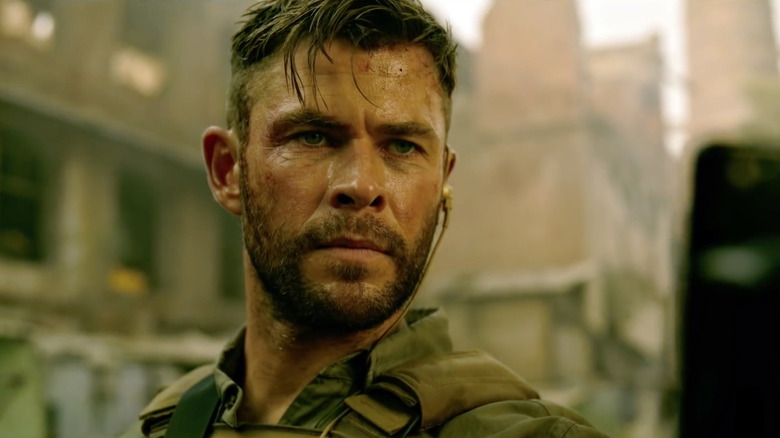
In "Blood, Sweat & Chrome: The Wild and True Story of Mad Max: Fury Road," author Kyle Buchanan dug deep into not only the creation of "Mad Max: Fury Road," but its upcoming prequel film, "Furiosa." While "Furiosa" is still a ways away, with plans to premiere in 2024, at least fans can sink their teeth into all of the goodies Buchanan unearthed, including some casting information about the main villain. According to "Blood, Sweat & Chrome," Australian heartthrob and Thor himself, Chris Hemsworth, will be the primary baddie facing off against Anya Taylor-Joy's Furiosa.
"Mad Max" has always been a decidedly Aussie franchise, and Hemsworth's addition to the cast is another level of awesome authenticity. Besides, we haven't seen him really dig into a villainous role yet, and this might be the perfect fit.
Time For Hemsworth To 'Play Totally Against Type'
In Buchanan's book, P. J. Voeten, a producer and first assistant director on "Mad Max: Fury Road," shared the story of how Hemsworth's casting came to be:
"George saw Chris [Hemsworth] initially as a courtesy and then fell in love with the idea. He's going to play totally against type, the lead baddie. Unfortunately, we've got to find all of our other characters that aren't around anymore: a new Immortan, a new Bullet Farmer, and a few others."
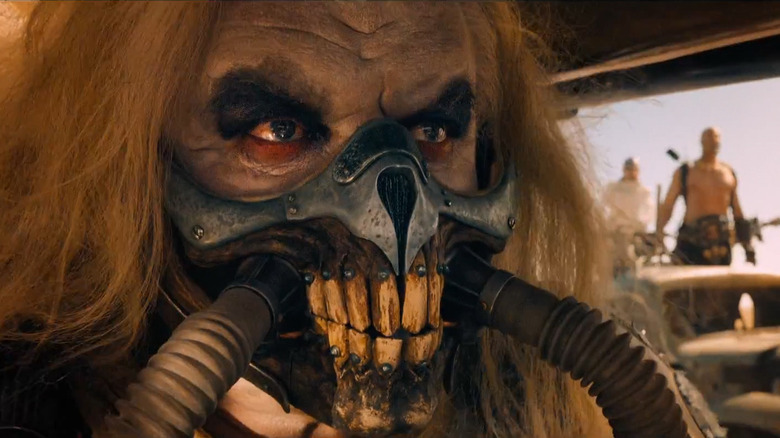
This brief quote tells us quite a few things. First, Hemsworth is likely a new baddie and not one of the characters listed. That means he's not a young Immortan Joe or Bullet Farmer, though there are a few other franchise villains whose boots he could potentially fill. It also reveals that some of the characters from "Fury Road" will be back, albeit in new forms. Even if the creators decided to digitally de-age the performers, Richard Carter (the Bullet Farmer) and Hugh Keays-Byrne (Immortan Joe) are sadly no longer with us. It will be interesting to see who gets cast in these roles as production progresses, as they've become touchstones of the franchise.
Hemsworth going into full baddie mode sounds like a great deal of fun, and it'll be fascinating to see just how much they mess with his roguish good looks. The closest thing this franchise has had to a hot villain was Tina Turner in "Mad Max: Beyond Thunderdome," and she wasn't totally a villain. At least we know he looks good with an eye-patch already, if they decide to go that route.
We'll all be able to ride shiny and chrome once more when "Furiosa" hits theaters on May 24, 2024.
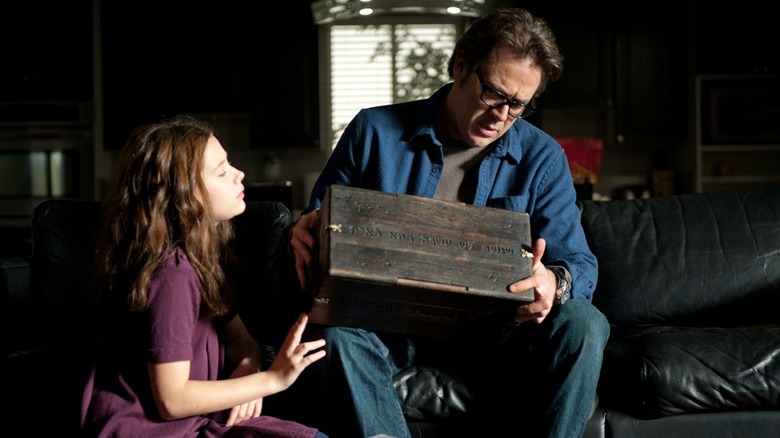
There's plenty for viewers to be scared of when it comes to the 2012 horror film "The Possession." There's the fact that it was based on the allegedly true story of the "dybbuk box," a mysterious, cursed object that some claim is responsible for the physical and psychological torment of nearly everyone who owned or happened to be around it. There's also the fact that the film realistically depicts the helplessness of a family in turmoil, with their pain and silent heartbreak made worse by the presence of a malevolent supernatural entity that takes control of Emily, the family's youngest daughter. I mean, navigating unfortunate family affairs is frightening enough without the added bonus of evil spirits who make your daughter stab you in the hand with a fork.
The Box That Spooked Negan
According to Jeffrey Dean Morgan, who convincingly plays Emily's desperate and frightened father in the film, the scares weren't just limited to viewers. Despite describing himself as a skeptic, the actor admitted to experiencing a sense of unease and unexplained incidents while filming "The Possession" that made him want to stay away from the dybbuk box and its supposed real-life victims. He even stated in an interview that his co-stars shared the same fear, saying "I'm a skeptic, look, I'm not going to lie. That being said, there was some weird goings on set. Lots of light bulbs exploding. Just overall kind of creepiness ... 'Don't mock the box' was sort of the mantra that we lived by while we were filming this."
In that same interview, Morgan also describes how someone wanted to bring the dybbuk box onto the set of "The Possession," to which he adamantly objected:
"I didn't want to get scared. It might have freaked me out a little bit too much, to be honest. Somebody wanted to bring the box to the set, the real box. I was adamantly against it. If you go and you look at what has happened to people that have had contact with an actual dybbuk box, it's not good stuff ... Why risk that?"
So just what is it about the dybbuk box that could strike fear into the heart of the same guy who played the fearless and sadistic bat-wielding Negan in "The Walking Dead"?
A Quick Lesson On Dybbuks And Boxes
In order to really answer that question, we should first learn what a dybbuk is. In Jewish folklore, a dybbuk is defined as a disembodied human spirit that attaches itself to living people. According to the educational website My Jewish Learning, a dybbuk is not always evil or malevolent, unlike its depiction in "The Possession." According to the site:
Ideally it returns to its source, but sometimes the process goes wrong. In such cases, a variety of ills may befall the soul. The most well-known of these is the phenomenon of the dybbuk, or possession, when one soul 'sticks' onto another. Possession by a dybbuk can happen for a number of reasons. Perhaps the departed soul is sinister and the living person innocent. Or, conversely, the departed soul may have been saintly, but wronged by the living; in this case, possession by a dybbuk is essentially punishment (or revenge) for an improper act. Or, apparently, possession may happen almost at random.
As for a dybbuk box, well ... they aren't real. Not in the sense that movies like "The Possession" or popular depictions would have people believe. By definition, a dybbuk is a human soul that attaches itself specifically to humans who are still alive. Knowing this, it wouldn't make much sense for it to be attached to an inanimate object, like a box. The concept of a dybbuk willfully inhabiting or being trapped inside of a box does not actually exist in traditional Jewish folklore or mythology. Instead, according to the book "Kabbalah: Secrecy, Scandal and the Soul," in the event that a dybbuk must be expelled from a living host, it is sent away from our world entirely and back to the realm of the dead — not kept in a box or any other trinkets.
So, Where Did The Infamous Dybbuk Box Come From?
According to a 2004 Los Angeles Times article, the infamous dybbuk box that inspired "The Possession" and the mythos surrounding it is actually a wine cabinet that seemed to wreak havoc in the lives of those who owned or spent too much time around it. It first appeared in an eBay listing created by a man named Kevin Mannis, who claimed that the box once belonged to a Holocaust survivor and that several strange and unfortunate events in his life were linked to the box, including his mother suffering a stroke that temporarily took away her ability to speak after he gave it to her as a gift.
The box was eventually purchased from Mannis by a guy named Iosif Neitzke. Neitzke eventually decided to sell the box on eBay as well, claiming that he experienced a string of bad luck since the box came into his possession, including an unidentifiable sudden illness and hair loss.
As tales of the cursed box and its victims began to spread over the years, Mannis eventually came out and said that he actually made up aspects of the tale, although his recanting is somewhat unclear and inconsistent, as illustrated in his confession in a 2021 InputMag article about the murky origin of the box. At first, Mannis claimed that he didn't make up the part about the box originally belonging to a Holocaust survivor, as reported by Charles Moss. The following is an excerpt from the article which features Mannis' response to Moss asking him if "the whole backstory of it coming from a Holocaust survivor" was made up:
"No, no, I'm not saying that," he replies. He explains the term Dybbuk Box came from the Holocaust survivor, who somehow imbued the wine cabinet with supernatural powers, and that her granddaughter used the term when he bought it from her in 2001. As he's telling me this, he starts stumbling over his words and then quickly changes the subject.
Moss states that he spoke to Mannis again sometime after this exchange and that this time, Mannis admitted to making all of it up, saying:
"I am a creative writer. The Dybbuk Box is a story that I created. And the Dybbuk Box story has done exactly what I intended it to do when I posted it 20 years ago [...] Which is to become an interactive horror story in real-time."
In that same article, Mannis also reiterates the fact that the idea of a dybbuk attaching itself to a box does not line up with traditional beliefs about such spirits, saying, "It's kind of an oxymoron. Dybbuks don't live in boxes. So a dybbuk box, by definition, doesn't make any sense.
The Damage Was Done
Despite the fact that he made up the entire Holocaust survivor backstory, using one of the worst atrocities in human history to add some zest to his eBay listing, Mannis maintains that his mother did suffer a stroke after he gave her the box. He also says that he fabricated the "Dybbuk Box" story during a particularly unhappy time in his life.
Jason Haxton, another previous owner of the box — and arguably the most well-known of them all — is also featured in the InputMag article. In it, he states that he believes Mannis did fabricate the origin story, but only to cover up the fact that he probably cursed the box himself using Kabbalah. The problem with this theory is that Kabbalah is a school of thought that deals with Jewish mysticism, and not some "Hocus Pocus"-style magic used to cast spells or curse people. Haxton also claims that Mannis may just be bitter about not being the most well-known of the dybbuk box owners, and is seeking to destroy the box's urban legend status and legacy by claiming it was all a hoax.
To sum it up, even though Mannis admits to fabricating the box's origin story, Haxton still firmly believes that it's cursed.
Somehow, Post Malone Is Involved
Mannis' confession doesn't account for the inexplicable bad luck attributed to other people who had contact with the box over the years, and it turns out Jeffrey Dean Morgan isn't the only celebrity to be freaked out by the dybbuk box. Unlike Morgan, who made a point to stay away from the box entirely, musician Post Malone experienced the supposed negative consequences of being around the box firsthand.
Malone came into contact with the box when filming an episode of the popular paranormal investigation series "Ghost Adventures" in 2018. Specifically, he was in the same room when Zak Bagans, his friend and the host of the show, committed the taboo act of opening the box. According to the made-up lore surrounding it, opening the box is supposed to invite chaos and misery into your life.
Shortly after this incident, the rapper would experience a barrage of bad luck including a car accident, an emergency plane landing, and a break-in, all of which took place in less than two weeks. Fans speculated that his recent contact with the box was responsible for this rapid-fire series of unfortunate events. Malone, who is a believer in the supernatural, acknowledged this theory in an interview on "Late Night with Seth Meyers."
The original box that started it all is currently in the possession of Zak Bagans as part of the collection of haunted artifacts housed at the Zak Bagans Haunted Museum in downtown Las Vegas. Whatever the case may be, the many strange and unfortunate incidents surrounding the infamous so-called "dybbuk box" were more than enough to strike fear into the hearts of Jeffrey Dean Morgan and his costars on the set of "The Possession."
If you happen to believe in any sort of divine retribution, perhaps the bad luck surrounding the box is the result of all the negative energy created by an admitted conman taking advantage of the general public's lack of knowledge concerning Jewish mythology in an attempt to capitalize on ignorance and antisemitism for personal gain and amusement. In other words, maybe the real source of the alleged curse is just the lies that were told along the way.
"At least once a year, I like to bring in some of my Kevin's famous chili. The trick is to undercook the onions. Everybody is going to get to know each other in the pot. I'm serious about this stuff. I'm up the night before, pressing garlic and dicing whole tomatoes. I toast my own ancho chiles. It's a recipe passed down from Malone's for generations.
It's probably the thing I do best."
Of the 200+ cold opens on the American version of "The Office," that of the 26th episode of season 5 takes the cake – or the pot. "Casual Friday" begins with Kevin Malone (Brian Baumgartner) of accounting at Dunder Mifflin (Scranton branch) gleefully bringing his famous chili into work. As Kevin's voiceover describes his process, things go horribly south and the pot ends up upside down on the floor by reception, spilling forth its contents like pig's blood in "Carrie."
We missed National Chili Day by a bit, but in most parts of the country it's still chili weather, so Peacock's decision to share Kevin's recipe, albeit in a stealthy way, is a welcome one. All nine seasons are ready for your viewing pleasure on Peacock, and if you're already signed up for the subscription service, there's a little treat waiting for you in the mumbo jumbo of the official Terms and Conditions.
Hawkeyed TikTok user McKenzie Floyd is credited with posting a video on the app pointing out the recipe hidden in plain sight, in the Peacock text of terms and conditions. AV Club reports that the user's boyfriend is one of those folks who actually reads the T&C before checking the box and moving on. She asks why it's necessary to include the recipe, though the answer should be painfully clear: because good chili should be spread around like holiday cheer. A good chili recipe is as good as tomato-based gold: it's always a treat to find out what the "secret" ingredient or technique is that takes the taster straight to Flavortown. Some swear by a spoonful of bacon grease in the mix, others claim that a splash of sherry or a pinch of cocoa powder is the magic element – Kevin's chili success relies on sweating the onions. Whatever the lynchpin may be, the final product is a labor of love. One bite, and the angels sing, which makes Kevin's saga all the more tragic.
For Sale: Floor Chili, Never Eaten
Kevin's is a horror story, through the lens of those of us who only excel at one thing. Look at this doomed man, grinning ear-to-ear as he carts in the pot. He's a little tired, because he stayed up late prepping all of the fixings. He toasted the chiles, maybe directly over the stovetop because that's how his pops taught him to do it. Maybe he hand-ground the herbs with a mortar and pestle whilst listening to The Police – Season 2's "Casino Night" revealed that he's in a tribute band called Scrantonicity. His eyes are stinging from the chopped onions, but it'll be worth it when Michael Scott (Steve Carell) gives a firm thumbs up of approval once he gets a spoonful.
Kevin treks up the stairs, struggling but taking care not to spill a drop. But terror strikes: he overcorrects after an adjustment and flips the whole shebang over just as his voice asserts, "I'm serious about this stuff." Shock gives way to desperation as we witness a grown man going through several stages of grief over tumbled food. Baumgartner nails the scene, heaving his shoulders and breathing with the urgency of someone trying to un-spill their milk. Pam's paperwork is another casualty in the debacle, as Kevin swipes whatever's handy to scoop the chunky treasure back into its container. The biggest casualties of the spill, however, are the new wave of parishioners who would have been led to the cumin-specked light of Kevin's chili gospel.
Thankfully, we have the recipe for ourselves now. Here it is for your enjoyment:
Kevin's Chili Recipe
Ingredients:
1 lb. 85/15 lean ground beef
1 (12 oz.) coarsely chopped yellow onion
1 (15 oz.) can petite diced tomatoes
1 (8 oz.) can tomato sauce
2 (about 1 oz.) dried ancho chiles
1 cup water
2 1/2 tablespoons chili powder
1 tablespoon garlic powder
1 1/2 teaspoons salt
1/2 teaspoon ground black pepper
Toppings of your choice (shredded cheese, scallions, etc.)
Instructions:
Combine beef and onion in a large saucepan over medium heat.
Sauté until meat and onion are browned (the trick is to undercook the onions).
Stir in tomatoes, tomato sauce, toasted ancho chilis, and water.
Season with chili powder, garlic powder, salt, and ground black pepper to taste.
Boil on a low-heat.
Simmer for 15 minutes while covered.
Add the toppings of your choice (shredded cheese, scallions, etc.).
Microsoft says it began detecting "destructive cyberattacks directed against Ukraine's digital infrastructure" several hours before the Russian military began launching missiles or moving tanks into the country last week. From a report: The disclosure Monday, part of a larger blog post about Ukraine by Microsoft President Brad Smith, provides a glimpse of how cyber-warfare is being used as part of the ongoing invasion. The company says it is giving ongoing guidance to the Ukrainian government about cyberthreats as the situation unfolds. Smith also outlined the company's efforts to combat state-sponsored disinformation campaigns, ensuring that its platforms are not displaying or distributing any content or apps from Russia's state-sponsored RT and Sputnik news organizations, in line with a recent European Union decision. He wrote that there's "a well-orchestrated battle ongoing in the information ecosystem where the ammunition is disinformation, undermining truth and sowing seeds of discord and distrust," he wrote.
An anonymous reader quotes a report from Ars Technica: VESA, which makes the DisplayPort spec, today announced a certification program aimed at helping consumers understand if a DisplayPort 2.0 cable, monitor, or video source can support the max refresh rates and resolutions the spec claims. VESA's latest certification is around DisplayPort 2.0. The spec can support a max throughput of 80Gbps compared to DisplayPort 1.4's 32.4Gbps. This enables extreme uses, like 16K resolution with display stream compression (DSC), 10K without compression, or two 8K HDR screens at 120 Hz. But just because a monitor or cable, for example, is DisplayPort 2.0-certified doesn't mean that's the performance you'll get.
The Ultra-high Bit Rate (UHBR) Certification is what you'll have to check for if you want to be certain about these figures. VESA's new "DP80 UHBR" certification means the display, cable, or video source supports up to a 20Gbps link rate (what VESA calls UHBR20) and a throughput of up to 80Gbps via four lanes. Meanwhile, "DP40 UHBR" certification calls for support for a 10Gbps link rate (UHBR10) and a maximum throughput of 40Gbps via four-lane operation. Of course, it's possible that some products will still claim such performance without going through VESA's certification process, but UHBR certifications seem to be the only way to know for sure if the DisplayPort 2.0 product will give you that impressive bandwidth.
There should eventually be UHBR-certified monitors and video sources, but today's announcement is only accompanied by UHBR-certified cables. According to VESA, there are now DisplayPort and Mini DisplayPort DP40 and DP80 cables from companies including Accell, Bizlink, and WIZEN. The cables are also backward-compatible with other DisplayPort link rates, such as HBR 3 and 2. [...] In terms of DisplayPort over Alt Mode, VESA noted that "full-feature passive USB-C cables already support UHBR bit rate speeds." It added that UHBR-certified USB Type-C-to-DisplayPort converter cables will be available "soon." VESA also said that "multiple video source and display products" it's currently testing should be DisplayPort UHBR-certified "soon."
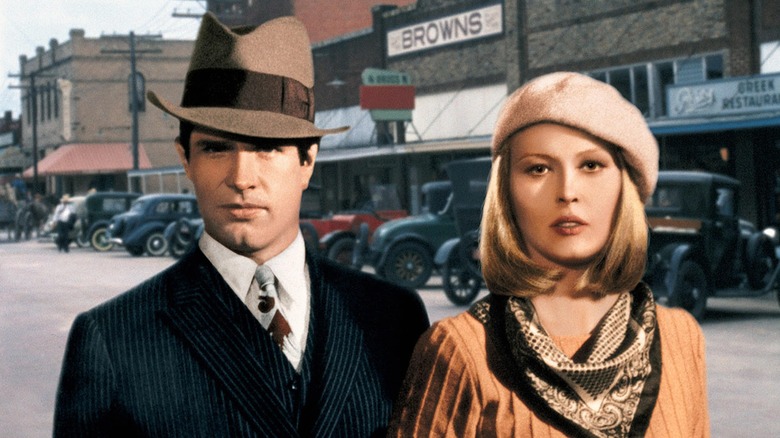
In 1967, the landscape of American cinema was changed forever with the release of "Bonnie and Clyde." It was one of the first films of the New Hollywood era, an inventive style of filmmaking that used unconventional storytelling techniques. Director Arthur Penn's spin on 1930s gangster movies had a counterculture sensibility that broke numerous cinematic taboos. It took critics and audiences some time to appreciate the film's radical spirit.
The story of the notorious twosome who went on a vicious crime spree during the Great Depression was retooled to reflect the turbulent late 1960s society. Bonnie and Clyde's anarchic rebellion resonated with a society in the midst of intense Vietnam War and civil rights protests. "Bonnie and Clyde" was a work of "grindhouse pulp" that "dunked the cinema in a baptism of style and blood and glamour and adulthood. It was a revolution both holy and unholy. From that moment on, American films would reach higher than they ever had — and lower," Owen Gleiberman writes in Variety.
Penn's sensational film immediately drew controversy and the ire of critics. Bosley Crowther wrote in his scathing New York Times review:
"It is a cheap piece of bald-faced slapstick comedy that treats the hideous depredations of that sleazy, moronic pair as though they were as full of fun and frolic as the jazz-age cut-ups in 'Thoroughly Modern Millie.'"
In Newsweek, Joe Morgenstern said "Bonnie and Clyde" was "a squalid shoot-em-up for the moron trade" (via The New Yorker). However, Morgenstern changed his initial opinion when he saw "Bonnie and Clyde" a second time and published a glowing review. Time magazine, who initially panned the movie, praised it in a cover story. This critical backpedaling helped draw viewers, and "Bonnie and Clyde" went on to become a sleeper hit at the box office and earn an Academy Award nomination for Best Picture."Bonnie and Clyde" shook the foundations of mainstream cinema, and there were two particular elements that attracted the most debate.
Strong Sexual Overtones
"Bonnie and Clyde" has a kinky energy that — when combined with its glamorization of sociopathic criminality — shocked audiences. Sex symbol Warren Beatty plays against type in his role of the impotent Clyde Barrow. Through his sexual incompetence, Penn makes the "provocative suggestion that his gun has, in a certain sense, replaced his penis," BBC observes. In one scene, the coquettish Bonnie Parker (Faye Dunaway) strokes the phallic symbol of Clyde's revolver, positioned directly in front of his groin and pointing towards her. This brief, lewd visual metaphor highlights the connection between Bonnie and Clyde's bloody crimes and sexual attraction. When the passionate pair first meet, she seductively puts the phallic neck of a Coke bottle close to her plump lips, a clear reference to oral sex.
There was even more sexual content in the original script. Clyde was written as bisexual, sharing a relationship with Bonnie and their male getaway driver. However, Penn felt that a third party would take away from the couple's electric bond and feared that homophobic viewers would write Bonnie and Clyde off as "sexually deviant." According to Senses of Cinema, Penn expressed his worries to screenwriters David Newman and Robert Benton:
"You're making a mistake, guys, because these characters are out there far enough. They kill people and rob banks. If you want the audience to identify with them, you're going to lose that immediately if you say this guy is homosexual. It's going to destroy the movie."
"Bonnie and Clyde" may have avoided the ambiguous history of Clyde's sexuality, but it still managed to ruffle feathers by featuring characters who not only responded to ruthless violence with glee, but were aroused by it. The graphicness of their savagery would become the most scandalous aspect of this screwball gangster movie.
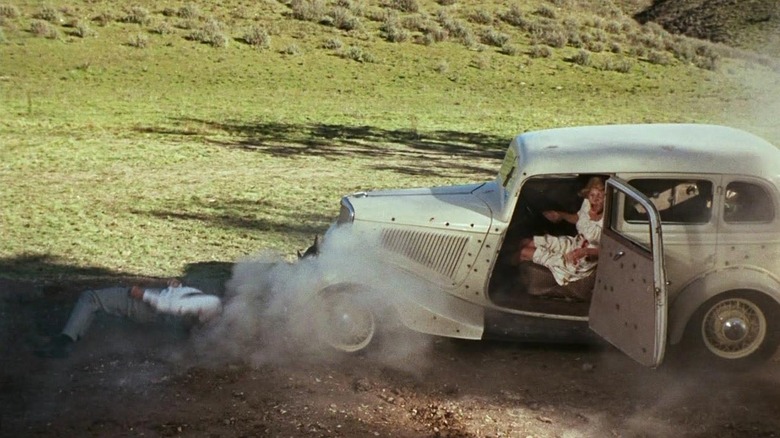
A Brutally Violent Ending
The dangerous couple meets their grim fate with realistic brutality that was mostly unprecedented on the big screen at the time. Bonnie and Clyde are massacred in a rainstorm of police bullets, their bodies spurting blood and flopping as if in some twisted ballet. The choppy cuts and uncomfortable close-ups add to the scene's chaotic feeling. The finale was, as Chris Nashawaty writes in Entertainment Weekly, "a prolonged and excruciating Grand Guignol spasm of gore. It was literally overkill." Nevertheless, the bloody sequence resonated with audiences in the wake of the JFK assassination and the horrors of the Vietnam war. Although it was set during the 1930s, "Bonnie and Clyde" could not be more timely, foreshadowing the violence that would ravage America in the coming years.
"Bonnie and Clyde" was one of the first films to extensively use squibs — small explosives filled with fake blood placed inside an actor's clothes — to simulate the graphic bullet hits. Before this film, death with so much blood and pain was rarely been seen on mainstream screens. Film critic Charles Champlin comments on the role "Bonnie and Clyde" plays in the history of cinematic violence (via Senses of Cinema):
"Under the old [Production] Code, you would see somebody be shot but you never saw the body being torn apart. You didn't make the link. Now, all at once, violent death could be communicated as a nearly physical sensation in full anatomical detail."
Penn's audacious shoot 'em up paved the way for films such as "The Wild Bunch" and "The Godfather" to use graphic, authentic bloodshed.
What disturbed audiences the most about "Bonnie and Clyde" was Penn's depiction of horrific crimes with a slapstick comedy tone; this zany style illustrates how killing satisfied Bonnie and Clyde's sadomasochistic desires. The couple truly enjoyed their lawless and homicidal existence. "Bonnie and Clyde" has a bold vision that interlaces violence and sex in a way that conventional audiences had never seen before. It is a deeply unsettling work that spoke to the shifting social climate during the late 1960s and would leave a lasting mark on Hollywood history.
If you ask a horror fan to name the top 10 best horror movies of all time, more often than not, Stanley Kubrick's "The Shining" will make an appearance. The 1980 film adaptation of Stephen King's novel of the same name is largely considered to be a cinematic horror masterpiece, and in 2018, "The Shining" was selected for preservation in the United States National Film Registry by the Library of Congress as being "culturally, historically, or aesthetically significant." The film has completely permeated culture as a whole, where even people who've never actually seen the film can identify moments like "Red Rum," The Grady twins standing in the hallway, and Jack Nicholson's now iconic delivery of "Heeeere's Johnny!" The film has enjoyed an over 40-year reign as one of the scariest movies ever made, but if you ask "The Shining" writer Stephen King, these accolades are undeserved.
From the very beginning of production, Stephen King was very vocal regarding his disappointment with Kubrick's filmmaking decisions. Rather than deliver a faithful adaptation of King's work, Kubrick made "The Shining" his own, going against the wishes and artistic intent of King, and deviating from his original story. In the years since the release of "The Shining," King has spoken ad nauseum regarding his distaste for the movie, even encouraging him to write and produce the Mick Garris directed mini-series "Stephen King's The Shining," in the wake of his dissatisfaction with Kubrick's movie. Why does Stephen King hate Kubrick's movie so much? Let's take a visit to the Overlook Hotel and break it all down.
Stephen King Hated The Casting Of Jack Nicholson
Despite an incomparable career, Jack Nicholson's portrayal of Jack Torrance in "The Shining" is arguably his most recognizable. In King's novel, Jack is introduced as a well-intentioned and likable man, still struggling to overcome his history of alcoholism and a general dislike for authority. Upon entering The Overlook Hotel, Jack quickly becomes overtaken by the evil within its walls, possessing him and destroying everything inside his mind that kept him human. In Kubrick's film, Torrance is presented as a sinister presence almost immediately. Frederick Clarke of Cinefantastique magazine in 1996 described the change as, "Instead of playing a normal man who becomes insane, Nicholson portrays a crazy man attempting to remain sane."
"The character of Jack Torrance has no arc in that movie ...absolutely no arc at all," King said. In a chat with Deadline (via IndieWire), King elaborated:
"When we first see Jack Nicholson, he's in the office of Mr. Ullman, the manager of the hotel, and you know, then, he's crazy as a s*** house rat. All he does is get crazier. In the book, he's a guy who's struggling with his sanity and finally loses it. To me, that's a tragedy. In the movie, there's no tragedy because there's no real change."
From the moment King heard Kubrick was looking at Nicholson for the role, he disavowed the casting. According to the book "Fright Favorites: 31 Movies to Haunt Your Halloween and Beyond," King had suggested actors Michael Moriarty, Jon Voight, and Martin Sheen, who he felt would better represent the character he had written. Kubrick was looking at Nicholson, Robert De Niro, Harrison Ford, and Robin Williams.
Jack Torrance wasn't the only character to be overhauled by Kubrick, Wendy Torrance's film adaptation was also dramatically changed. Kubrick's version of Wendy Torrance portrays her as frail, emotionally weak, submissive, and vulnerable, casting Shelley Duvall fresh off the heels of her roles in "3 Women" and "Annie Hall." Unfortunately, Kubrick's decision to make Wendy Torrance appear weaker than King's character in the book had a permanent impact on Duvall, who Kubrick psychologically tormented on set to get the performance out of her he desired. The famous scene of Wendy backing away from Jack on the stairs was shot a record number 127 takes, shredding Duvall's hands raw from gripping a baseball bat and suffering from dehydration from crying.
King has been vocally critical of the change, calling Duvall's characterization of Wendy as "one of the most misogynistic characters ever put on film." The author added, "She's basically just there to scream and be stupid, and that's not the woman that I wrote about." King has created some of the best female characters in horror history, and it's a shame that the true character of Wendy Torrance has been lost in the eyes of the general public. Even so, Duvall's character is the definitive version from a pop culture standpoint, regardless of how King's book originally presented her.
King And Kubrick Fundamentally Disagree On What Makes Horror
In the TCM documentary "A Night At The Movies: The Horrors of Stephen King," King mentioned a phone call he had with Kubrick regarding ghost stories and the possibilities of life after death. Kubrick told King that there's a fundamental sense of optimism with ghost stories, because they imply an existence after death. King responded asking if he found hell to be optimistic, and Kubrick stated that he doesn't believe in hell. Right away, this is the basis for the disconnect between King and Kubrick's visions of horror. King's view of good and evil is rooted in Biblical influences, while Kubrick was a known pessimist. These differing views on what makes something good or evil is a direct influence on their differing beliefs regarding Jack Torrance.
"I think 'The Shining' is a beautiful film and it looks terrific and as I've said before, it's like a big, beautiful Cadillac with no engine inside it," King said a few years back. "In that sense, when it opened, a lot of the reviews weren't very favorable, and I was one of those reviewers ... I kept my mouth shut at the time, but I didn't care for it much."
King has definitely opened his mouth in the years since, unafraid to express how he really feels. "The movie has no heart; there's no center to the picture," he said. "I wrote the book as a tragedy, and if it was a tragedy, it was because all the people loved each other ... here, it seems there's no tragedy because there's nothing to be lost."
Doctor Sleep Changed Kubrick's Shining For Stephen King
36 years after King published "The Shining," he released the sequel novel, "Doctor Sleep." Focused on a now adult Danny Torrance (Ewan McGregor), contemporary master of horror Mike Flanagan was tasked with the impossible a few years later when directing the film adaptation — the need to marry the undeniable iconography of Kubrick's "The Shining" with the artistic intent of Stephen King. When Flanagan was chosen for the job, he was honest with King and told him, "If you say 'Overlook Hotel,' I see something. It lives right up in my brain because of Stanley Kubrick ... you can't pretend that isn't the case." Admittedly reluctant, King was eventually won over by Flanagan's screenplay, going so far as to say, "Everything that I ever disliked about the Kubrick version of 'The Shining' is redeemed for me here."
King saw the finished project for the first time in an empty theater with Flanagan, who told him he did "a beautiful job" once the credits rolled. As Flanagan tells it, in the conversations that followed, King told him that "Doctor Sleep" actually helped warm his feelings toward Kubrick's version of "The Shining." King said:
"Mike took my material, he created a terrific story, people who have seen this movie flip for it, and I flipped for it, too. He managed to take my novel of 'Doctor Sleep,' the sequel, and somehow weld it seamlessly to the Kubrick version of 'The Shining,' the movie. So, yeah, I liked it a lot."
Thanks to Mike Flanagan, the impossible was made possible, and the legendary strife between Stephen King and Stanley Kubrick's ideas of "The Shining" was made a bit sweeter.
More than two years (!) after the first trailer for the movie arrived, Sony Pictures has released what is being billed as the final trailer for "Morbius," the studio's latest Marvel Comics adaptation. This is cut from a similar cloth as "Venom," with Sony utilizing the characters connected to Spider-Man that it has at its disposal to create solo franchises that can exist (mostly) divorced from the main Marvel Cinematic Universe. Soon enough, we'll see if Jared Leto's Living Vampire can have the same amount of gas in the tank with the moviegoing masses as Tom Hardy's Lethal Protector.
With this final trailer, Sony is throwing it all at the wall with a two-minute, action-packed, vampire-filled bit of footage. To try and make some sense of it all, we're going to break down the footage in detail and see what we can learn about what this movie is going to be, and where it exists within the larger Marvel multiverse. Let's dig in, shall we?
I'm On A Boat
Here we start with a longer version of a sequence from the original trailer. Seemingly, a transformed Michael Morbius smuggles himself onto a ship after his bat incident and proceeds to take out an entire group of men with machine guns.
Even for an antihero, it appears Leto's character is going to be doing a whole bunch of murders.
The Face Of Evil
At the end of the sequence, we get a sustained look at Leto in his full-blown vampire form after feeding on those helpless soldier boys. Much can be said of what this movie appears to be overall but they did go pretty hard on the character design.
The Mysterious Bat Cave
This is another restructured version of a scene we've seen in the previous trailers, which sees a sick Dr. Michael Morbius attempting to find a cure for his mysterious disease using bats, apparently.
The specifics of it remain a bit hazy but this is the inciting incident for this Marvel character and the thing that sets him on the path of becoming a blood-drinking vampire.
Get Down With The Sickness
We get a brief interruption from the cave shenanigans to see the good doctor in his normal environment, attempting to help sick people despite his own illness. This poor girl is laid up in a hospital bed and is not looking all that well. The voiceover from Leto indicates that he truly just wanted to help people -- and that seemingly extended to helping himself.
The Money Shot
Sony had to slip this shot into this trailer as well, which has been the key shot of Morbius in his full vampire from floating around for the past couple of years or so. We get a whole lot more full-tilt vampire in this trailer so the shot doesn't have quite as much impact but it's still a shot they are leaning on pretty hard.
Horizon Labs
We quickly get a shot of the Horizon building, which may contain some major connectivity to the larger Marvel universe. Michael Morbius works for the company in the comics and actually is the one who creates the Anti-Spider virus serum. Horizon is also headed up by Max Modell, whom Peter Parker idolizes. We know that a version of Spider-Man exists in this universe, we just don't know which one yet.
Bat Radar
Now we get a glimpse of Michael testing out some of his powers, which includes the "bat radar" (as he called it in a previous trailer).
Bats use echolocation and it appears this superpower is, more or less, a heightened version of that. Hence, the wavy bus.
Bloodthirsty
With being a vampire comes certain problems one must contend with. Specifically, Michael now has a thirst for blood and this is something he is struggling with. To hunt people and consume blood or whither away and die? That likely explains why we're seeing him in a room full of blood bags, presumably an attempt to avoid any more murder.
Super Jump
This trailer packs in a lot more super power stuff and this little sequence is a prefect example. We get see Leto in full vampire mode, streaking across the skyline in the night before leaping off of this building.
This looks a little more heroic than much of the other vampire stuff we see. This is a superhero movie, after all.
Let The Bodies Hit The Floor
Now wet get a bit of Al Madrigal as Agent Rodriguez, staring down a hallway in what looks to be a train station, with bodies decorating the floor. Did Morbius do this? More bodies stacking up for him to explain? Or is someone (or something!) else at play here?
Drink Or Die
Revisiting Michael's dilemma from earlier, we now get a glimpse of what will happen if he doesn't consume human blood. Leto is seen looking absolutely drained of life in this hospital bed, seemingly attempting to fight his newfound urges.
Jared Harris Arrives
Jarred Harris is playing Emil Nikols in the film and we finally get a look at him in this brief sequence. He is chilling on a park bench with Michael and it appears he is a bit of a shady ally. He is offering some vague advice about controlling the monster that now lives within him. Whether or not he gives any actionable advice remains to be seen.
Another Money Shot
This is yet another money shot of Leto in full, raging vampire mode, descending the void between some stairs, claws and teeth out, ready to rock. It's really just a way of demonstrating what his powers look like in action while showcasing what director Daniel Espinosa's action is going to look like.
Adrian Toomes Returns
This is where things get strange. Michael Keaton returns as Adrian Toomes, who we saw in "Spider-Man: Homecoming." Yet, that movie firmly exists in the MCU. So, is this another version of him within the multiverse? That remains very much up in the air and leads to some of the confusion regarding where this movie exists in the overall multiverse.
Also worth pointing out that we see more of the character in this particular trailer, signaling that he may be in the movie a little bit more than previously expected. It's also interesting that he seems familiar with Dr. Michael Morbius. What is the nature of their relationship, exactly? More questions than answers for now.
Riding The Rails
Again, this is another demonstration of Morbius' powers that we've seen in previous trailers. He can seemingly fly, or at least float, and he's doing so in front of this train in the subway. How useful is this facet of his power set outside of subway stations? We shall see.
A Glimpse Of Romance
This shot gives us a tiny sense of the relationship between Leto's lead character and Adria Arjorna's Martine Bancroft. We haven't seen a ton of her in the trailers but it's clear they care about one another and this shot offers a taste of their romance. One can only imagine the whole vampire situation is going to complicate matters for their love life.
Jailbreak
This little sequence, though difficult to make out in still frame form, appears to see Michael using his vampire powers to break out of jail. It does appear that he is taken into custody by the authorities at some point. But can a jail really hold the Living Vampire? Of course not!
Let Them Fight
This is a pretty interesting shot as we see Morbius fighting someone, or something, that is not just a guy with a gun. It seems like this might be our anti-hero duking it out with Matt Smith's Loxias Crown, who we're going to see more of in human form shortly.
Flashback
This is a very intriguing shot which sees two young kids laid up in hospital beds. The framing of the trailer makes it very much seem like this is a flashback and I suspect this is Michael and Loxias in the same children's hospital together as youngsters. That explains their bond and what might put them on the path to fighting one another later on in the movie
In this same flashback, it appears as though the young Loxias is getting beat up by some of his fellow youngsters, and Michael isn't there to help him. Some resentment to play off of later, perhaps?
Loxias All Grown Up
Now we catch up with Loxias all grown up, with Matt Smith looking more than a little irritated in this shot. This also looks like it might be the same subway station where those bodies were strewn about before. Perhaps it was Loxias responsible for those dead guys and not Morbius? He's also giving a pretty bitter speech about living with death and wanting revenge here, so yeah, pretty standard comic book villain stuff.
Tyrese Gibson Arrives
Finally, Tyrese Gibson's Simon Stroud shows up. He will be one of the primary cops partnering up with Agent Rodriguez. We don't see nearly as much of Stroud in this trailer but he's here investigating something or other with a whole bunch of other officers in the woods.
Accept Who You Are
After a few very quick cut action shots, we get to another money short of sorts with Leto surrounded by bats before revealing, once again, his full vampire form.
This comes as the line "accept who you are" is delivered by Loxias, which seems to imply that much of this is going to be about Leto embracing the beast, rather than trying to conquer it.
Vampire Fight
As the trailer nears its conclusion, we get a shot of Morbius and an unidentified foe tumbling out of this building during a brawl. Again, the assumption is that this is Loxias, who is very much the main villain of this piece.
The Glory Shot
Again, because this movie is so dark a lot of this stuff doesn't look as great in still form, but this is kind of the big conclusion shot of the trailer before the title card, which sees Morbius flying towards the sky surrounded by bats. It is very much the kind of shot you would expect to see in a movie in which Jared Leto is playing a superheroic vampire.
Holy Water
After the title card we get to the trailer's only real moment of levity, which sees Agent Rodriguez bringing a bit of holy water into the interrogation room with Michael. When Stroud questions this, he brings up "The Lost Boys," to which, Michael replies with "story of my life."
A Last Bit Of Action
Naturally, the whole thing concludes with another bit of action (again something we've seen in the other trailers) with Morbius tearing through another group of armed men with ease. And that's about it! Lots more action. Still not too much regarding the overall story. Still no big villain reveal, and this is our final trailer. It's interesting the amount that Sony appears to be holding back. We'll see how it all shakes out soon enough.
VentureBeat reports:
In Ukraine today, Mykhailo Fedorov, the country's vice prime minister, announced on Twitter, "We are creating an IT army."
"We need digital talents," wrote Fedorov, who also holds the title of minister of digital transformation — sharing a link to a Telegram channel where he said operational tasks will be distributed. "We continue to fight on the cyber front." On the Telegram channel, the IT army reportedly posted its list of Russian targets — which were also translated into English "for all IT specialists from other countries...."
On Friday, Christian Sorensen, a former U.S. Cyber Command official, told VentureBeat that "hacktivists around the world [will be] working against Russia, because they are the aggressor.... I think things will ramp up against western targets, but Russia and Belarus will be targeted by these groups even more" said Sorensen, formerly the operational planning team lead for the U.S. Cyber Command....
[O]n Friday, a Bloomberg report said that a hacker group that was now forming to bring counterattacks against Russia had amassed 500 members. And today, we have the announcement of Ukraine's IT army — potentially including assistance from hackers around the globe. "Whether sanctioned or not, official or not, if people have or can get the right information, know-how, and desire — they can make an impact," Sorensen said on Friday, prior to the announcement of Ukraine's IT army. "We'll have to wait and see what they are able to do."
The next day Reuters reported that the official website of the Kremlin, "the office of Russian President Vladimir Putin....was down on Saturday, following reports of denial of service (DDoS) attacks on various other Russian government and state media websites.
"The outages came as Ukraine's vice prime minister said it had launched an 'IT army' to combat Russia in cyberspace."
But the Independent reports that the cyberattacks may have been even more extensive:
Ukraine's state telecommunications agency announced on Saturday that six Russian government websites, including the Kremlin's, were down, according to The Kyiv Independent.
The agency also stated that the Russian media regulator's website had gone down, and that hackers had got Russian TV channels to play the Ukrainian music.
Note from Slashdot: the blue/purple bar means the story was posted automatically from the firehose without a Slashdot editor selecting it. This happens when a story gets a huge amount of upvotes in the firehose.
America's power grid consists of 3,000 public and private sector power companies, with 55,000 substations scattered across the country. On the CBS News show 60 Minutes, reporter Bill Whitaker notes that each grid hold grid-powering transformers — then tells the story of "the most serious attack on our power grid in history" on the night of April 16, 2013:
For 20 minutes, gunmen methodically fired at high voltage transformers at the Metcalf Power substation. Security cameras captured bullets hitting the chain link fence.
Jon Wellinghoff: They knew what they were doing. They had a specific objective. They wanted to knock out the substation.
At the time, Jon Wellinghoff was chairman of FERC, the Federal Energy Regulatory Commission, a small government agency with jurisdiction over the U.S. high voltage transmission system.... [T]he attackers had reconnoitered the site and marked firing positions with piles of rocks. That night they broke into two underground vaults and cut off communications coming from the substation.
Jon Wellinghoff: Then they went from these vaults, across this road, over into a pasture area here. There were at least four or five different firing positions.
Bill Whitaker: No real security?
Jon Wellinghoff: There was no security at all, really.
They aimed at the narrow cooling fins, causing 17 of 21 large transformers to overheat and stop working.
Jon Wellinghoff: They hit them 90 times, so they were very accurate. And they were doing this at night, with muzzle flash in their face.
Someone outside the plant heard gunfire and called 911. The gunmen disappeared without a trace about a minute before a patrol car arrived. The substation was down for weeks, but fortunately PG&E had enough time to reroute power and avoid disaster.
Bill Whitaker: If they had succeeded, what would've happened?
Jon Wellinghoff: Could've brought down all of Silicon Valley.
Bill Whitaker: We're talking Google, Apple; all these guys--
Jon Wellinghoff: Yes, yes. That's correct.
Bill Whitaker: Who do you think this could have been?
Jon Wellinghoff: I don't know. We don't know if they were a nation state. We don't know if they were domestic actors. But it was somebody who did have competent people who could in fact plan out this kind of a very sophisticated attack....
A few months before the assault on Metcalf, Jon Wellinghoff of FERC commissioned a study to see if a physical attack on critical transformers could trigger cascading blackouts... The report was leaked to the Wall Street Journal. It found the U.S. could suffer a coast-to-coast blackout if saboteurs knocked out just nine substations....
In 2016, an eco terrorist in Utah shot up a large transformer, triggering a blackout. He said he'd planned to hit five substations in one day to shut down the West Coast. In 2020, the FBI uncovered a white supremacist plot called "lights out" to simultaneously attack substations around the country.
While the threats can also come from the internet, America's deputy national security advisor for cyber (formerly at the NSA) tells the reporter "We've taken any information we have about malicious software or tactics that the Russian government has used, shared that with the private sector with very practical advice of how to protect against it."
The reporter later spoke to the president's homeland security advisor, who points out there's no specific national regulation for the power plants, arguing that one of the system's strengths is "the resources for energy are different in different regions."
But they also acknowledged the federal government is now setting standards "in a variety of arenas."
Though the Russian government has tried geofencing access to crucial web sites, the Jerusalem Post reports that two Russian government web site still went offline Saturday — the Kremlin and the Ministry of Defense. "Gosuslugi, Russia's web portal of state services, went offline on Saturday night as well, with the Russian Ministry of Digital Development, Communications and Mass Media telling TASS that the site is facing cyberattacks on an 'unprecedented scale.'"
Meanwhile, the Washington Post interviews 22-year-old Alex Horlan, a Ukrainian cybersecurity expert in Spain "helping take down some of Russia's most powerful websites — including state media and even the official page of the Kremlin."
The attacks he and others are helping to carry out on Russian websites are part of a wide information war in the background of the much larger conflict here, as Ukrainians target Russian websites to rewrite the narrative Moscow is presenting to Russians back home. "We are creating an IT army," Ukrainian Vice Prime Minister Mykhailo Fedorov tweeted on Saturday. Horlan is a cybersecurity expert who recently launched an app called disBalancer that helps take down scam websites by overwhelming them with online traffic. He has redirected his team's efforts in recent days to instead target Russian websites he says are spreading dangerous disinformation about the Russian invasion of Ukraine....
Thousands of people are joining Horlan and others' efforts to target the Russian sites, with around 2,000 logging into his app at any given time, he said. The main challenge is that many are losing WiFi when air raid sirens force them to retreat to underground bunkers....
Volunteers are gathering information on attacks and casualties to fact check and challenge Russia's version of events, posting messages on Telegram and other Russian social media platforms [according to Liuba Tsbulska, a Ukrainian analyst and activist who has tracked Russian disinformation for eight year]. Others work to educate international audiences or produce patriotic content. Some also target Russian military and intelligence officers, flooding their emails and other platforms with messages. Volunteers are reaching out to the mothers of Russian soldiers to convince them to call for Russian President Vladimir Putin to bring their boys back home.
In Kharkiv, after reports that Russian troops and armored vehicles entered Ukraine's second largest city early Sunday, one local Telegram channel with more than 400,000 subscribers urged people to continue to document the adversary's movements as a way to aid Ukraine's forces in the area. In one message, the Truha Kharkiv channel asked citizens to "carefully film and send information about the movement of Russian troops to our channel. This is vital to the defense of our city."
Another message instructed citizens on how to make molotov cocktails.
A second, custom backdoor was observed being deployed in attacks on four defense contractors if the primary backdoor was removed, security researchers with Palo Alto Networks’ Unit 42 division report.
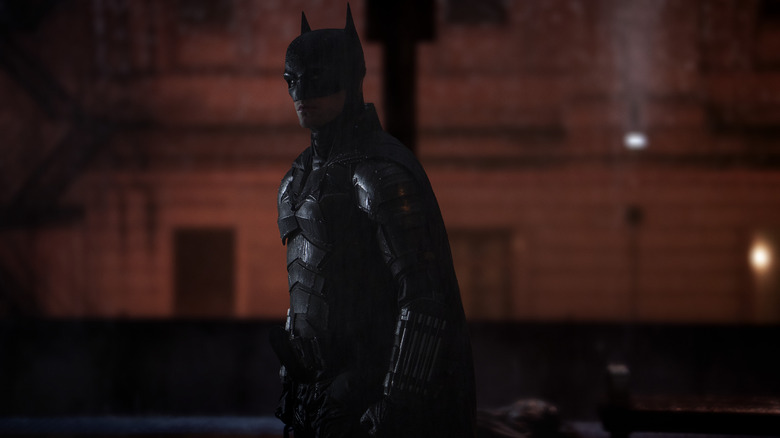

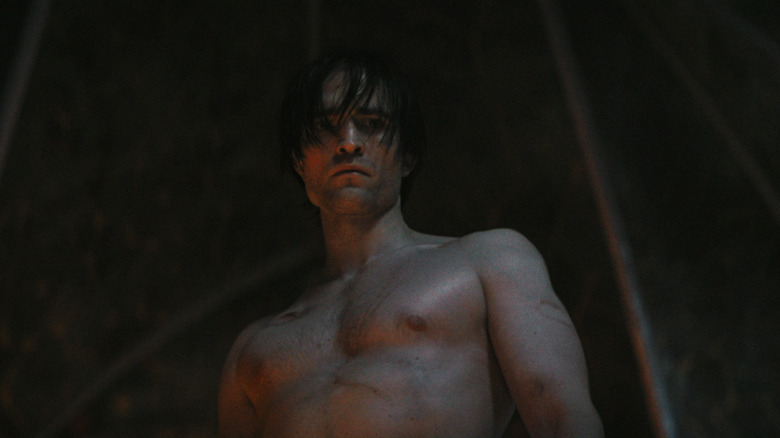





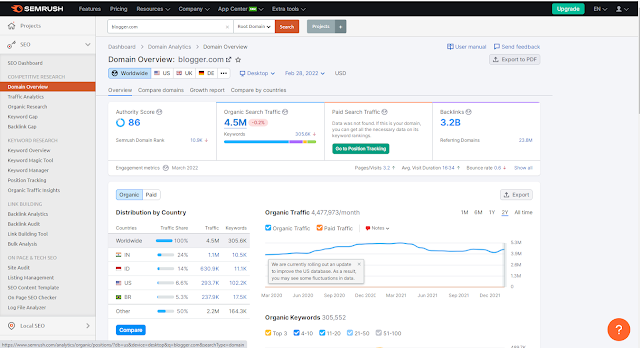

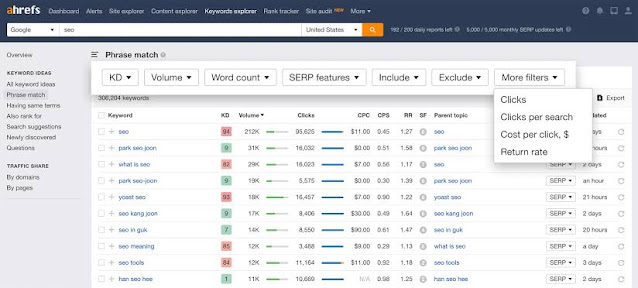
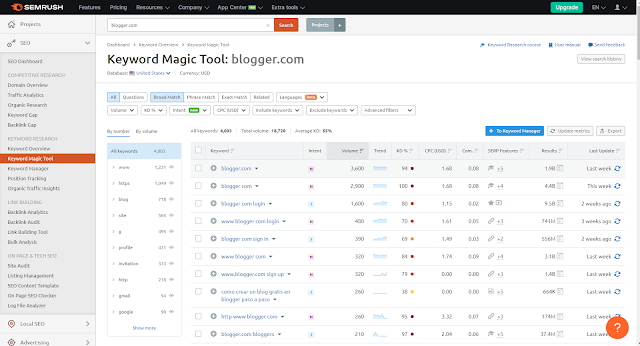
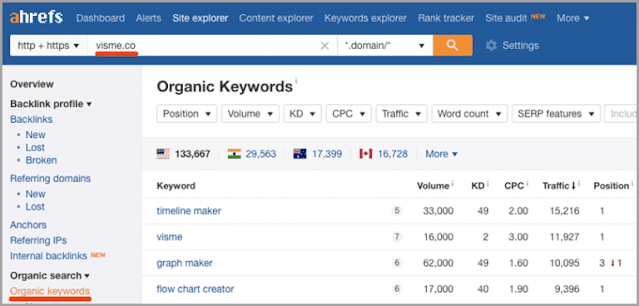
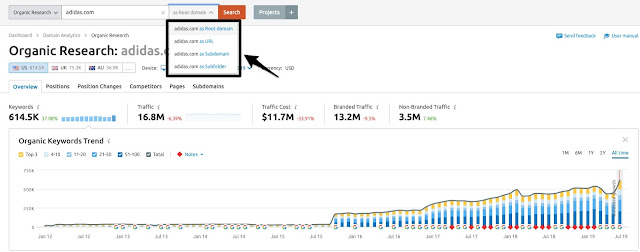


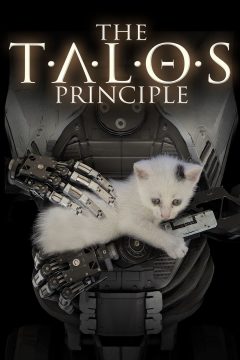
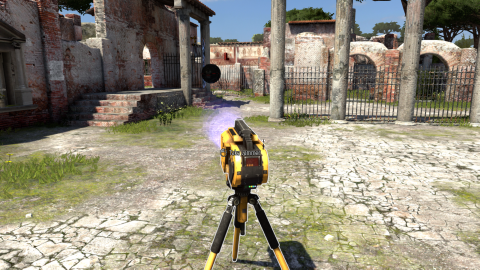
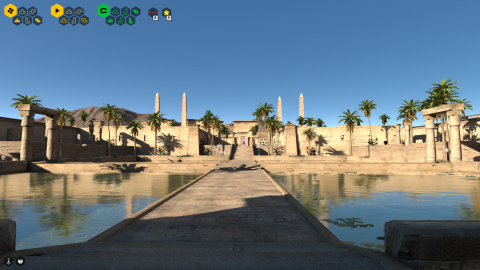
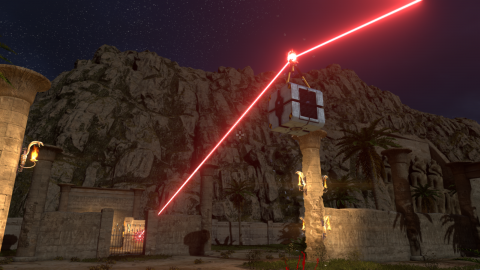
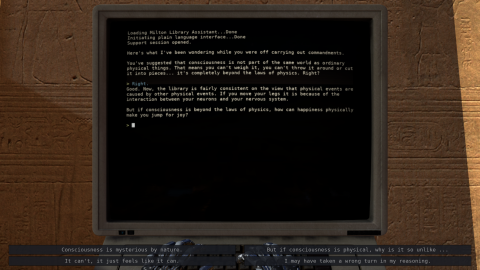


 for Enterprise Information Archiving, a market “designed for archiving data sources to a centralized platform to satisfy information governance requirements.”3