Webmasters are turning to ChatGPT and other AI tools for a search engine boost. But what does Google say about AI writing?
The post The Changing Landscape of AI and SEO appeared first on Plagiarism Today.
Webmasters are turning to ChatGPT and other AI tools for a search engine boost. But what does Google say about AI writing?
The post The Changing Landscape of AI and SEO appeared first on Plagiarism Today.
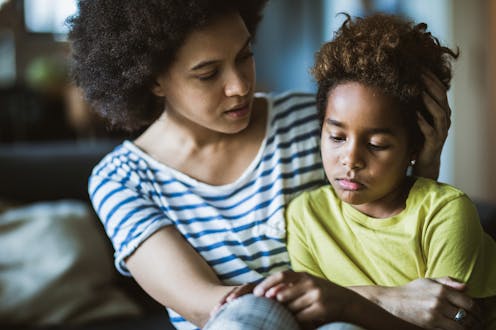
Black mothers are the canaries in the coal mine when it comes to the mental and physical harms of stress from living with gun violence in America.
In the U.S., Black people are likelier than white people to reside in impoverished, racially segregated communities with high levels of gun violence. Research has suggested that living in violent and unsafe environments can result in continuous traumatic stress, a constant form of PTSD. Researchers have also linked experiences of violence and poverty to an increased risk of chronic disease such as cancer and cardiovascular, respiratory and neurodegenerative diseases.
We are Black women and public policy and sociology professors who study health inequities and sustainable policy solutions. Our research has found that Black mothers who feel trapped in neighborhoods they perceived as unsafe because of high levels of community violence are more likely to report elevated PTSD and depression symptoms, as well as elevated stress hormone levels.
The trauma of gun violence and systemic racism isn’t simply a Black mother’s story – it’s an American story.
Our research team sought to understand how stress from structural violence affects the body, specifically the immune system. We talked to 68 low-income single Black mothers living on the South Side of Chicago about how they deal with gun violence in their communities and how it affects their health.
We asked these Black mothers to complete surveys that measured depression and PTSD symptoms. We also asked them to provide blood samples to examine the effects of stress at the cellular level, measuring the activity of genes that code for the receptors for the stress hormone cortisol. Looking at cortisol receptors offers a more cumulative measure of cortisol levels over time.
We found that about 65% of the mothers wanted to move out of their neighborhoods but could not afford to do so. These mothers felt trapped in areas with high levels of gun violence that fostered a sense of not feeling safe for adults and children. One mother in our study, whom we will call Ellan, described her neighborhood as dangerous and wanted to leave as soon as she could. “I’m very terrified of my kids going out to the park, playing in front of the house,” she said. “And I’m afraid that a car might come past shootin’ and one of my kids get hurt.”
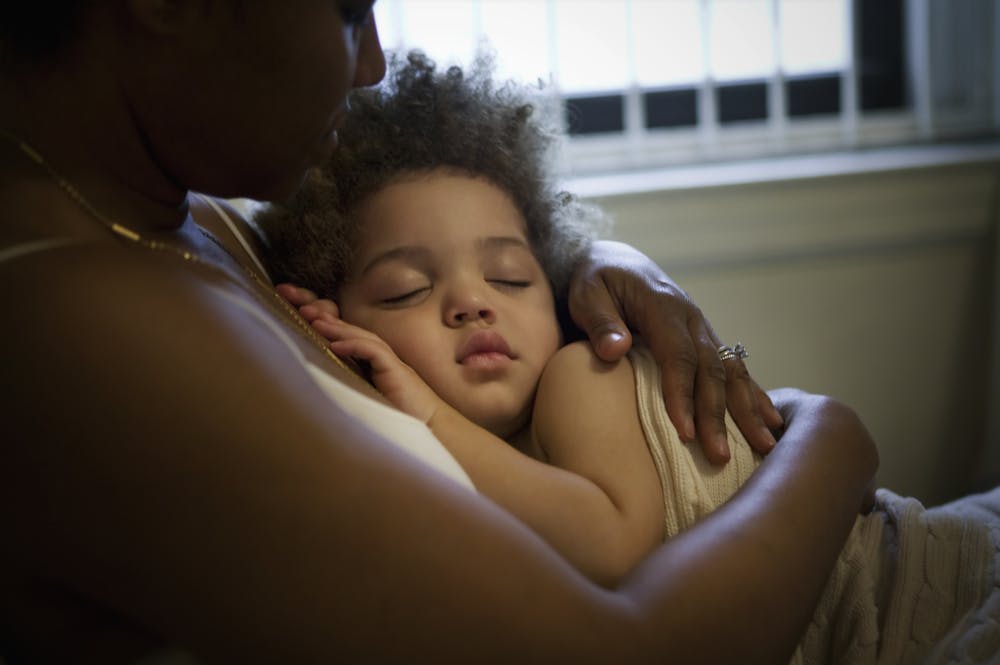
Another mother in our study, whom we will call Skylar, felt she couldn’t escape to a safer community. “I don’t really want to raise my kids there, but I don’t have a choice. You know, cause it’s what I can afford. But it’s real violent.”
Mothers who felt trapped reported more symptoms of PTSD, like disturbing memories and dreams and reliving stressful experiences, than mothers who did not feel trapped. They also reported more depressive symptoms, such as feeling down and hopeless, taking little pleasure in doing things and having trouble sleeping.
Mothers unable to afford the move to safer neighborhoods had lower levels of glucocorticoid receptors. Having fewer glucocorticoid receptors helped protect their bodies from being overwhelmed by high cortisol levels caused by stress. Nevertheless, high cortisol levels from chronic stress are linked to a number of negative mental and physical health outcomes.
Where someone lives, learns, works, plays and worships can determine their health and has the power to make them sick and cause premature death.
Researchers have estimated that around 83,570 Black people die prematurely each year in the U.S. because of health disparities, using 2002 data. Some scholars have previously described this as equivalent to a plane full of Black passengers falling out the sky every day every year.
It is important to note that it is not the racial makeup of where a person lives that shapes the significant disparities they face, but exposure to violence, poverty and lack of resources as a result of structural racism. Redlining, environmental contamination, food deserts and gun violence are a part of the racial capitalism, or exploitation of marginalized communities, that affect the health of Black women.
What we are learning about the constant threats to the safety of Black mothers and their families also applies to the general American public.
The rate of mass shootings is increasing. Firearm fatalities are a leading cause of death among children ages 1 to 19 in the U.S. Gun violence has harmed people while they are watching a parade, shopping at a store, worshipping, attending school and other ordinary events.
Understanding the complexity of the exposome – the word researchers use for environmental factors like gun violence that affect an individual’s health and well-being – can help extend the years of healthy life of groups who typically experience premature death. Building this knowledge requires input from people of color and others who have traditionally been pushed to the margins of society.
We are currently creating a “wellness store” that places wellness tools and health knowledge at the fingertips of individuals, especially for those experiencing interlocking traumas such as racism, sexism, classism, incarceration, racial segregation and rural geographic isolation. These tools, co-created with community health workers and citizen scientists, range from phone apps to public policy designed to get stress “out from under the skin.” Our goal is to work with clinics, hospitals and community organizations to provide accessible tools to prevent illness.
Black communities are filled with resilient and vulnerable individuals who deserve urgent policy solutions that lead to societal change. We believe that more investment in disease prevention and health equity can help the U.S. use the knowledge, technology and finances that it already has to help people access its most precious resource: a healthy life and the ability to pursue wellness.

Loren Henderson is affiliated with Association of Black Sociologists. I am the Executive Officer of the Association of Black Sociologists.
Ruby Mendenhall receives funding from the National Science Foundation, the MacArthur Foundation and the University of Illinois at Urbana-Champaign.
Mayor Jane Castor just unveiled a new tree initiative to protect and improve the city’s tree canopy. The Mayor is calling on Tampa to renew and re-energize its commitment to maintaining a world class tree canopy, setting a goal of planting 30,000 new trees by 2030.
City of Tampa residents are invited to pick up a free tree during Mayor Jane’s Tree Giveaway on May 6. The city is providing 1,000 trees to the community to support Tampa’s urban tree canopy. Residents will be able to choose between 6 tree species (each is a 3 gallons tree) while supplies last. Residents will get up to two (2) free trees per household.
Residents must live within City of Tampa limits to be eligible for up to two free trees per household; and must be prepared to show proof of residency. For those unsure, trees need to be planted 10 feet from underground utilities such as water and sewer and should not be planted within 30 feet from above ground electrical lines.
Those interested in reserving their spot can do so in advance on the official event page.
The post Tampa officials plan to plant 30,000 new trees in the city by 2030 appeared first on That's So Tampa.
The world’s most valuable resource is no longer oil, but data. Unfortunately, it has become easier for hackers to access people’s personal information. It’s not just malware and phishing scams stealing info. New research suggests people are unknowingly volunteering their personal data to online hackers.
Researchers from the University of East Anglia find that people are more willing to reveal their personal information when they repeatedly encounter the same questions over and over again. The repetition of the question makes people over-disclose, putting them at risk for identity theft and cybercrime.
Our personal data is being mined all the time when people are subscribing to online newspapers, turning off an adblocker, or completing customer surveys.
“You may have received an email asking for a small increase in your monthly charity donation, or if you log in to social media, it may ask you for a little more profile data like adding your school or workplace,” says Piers Fleming. He’s a professor of psychology at UEA. “This can lead to minor inconveniences such as junk emails or more disruptive potential consequences such as identity theft.”
The team recruited 27 people and asked them to answer a series of questions online, ranging from their height and weight to their phone number. The questions also included opinions on topics like immigration, abortion, and politics. Next, the people arranged the online questions from least to most intrusive. Researchers also asked the group how much of their personal information they would “sell” and allow on a public website for two weeks.
The study then asked participants again how much information they would sell to appear for another two weeks in exchange for even more money. Making repetitive requests is a strategy advertising and marketing companies use. The goal is to wear someone down, so they give in to what the company is selling or asking the person to do.
Related: Infographic: 11 Tech Trends to Watch in 2023
In a second study, 132 participants underwent the same process. But they were asked to sell their information at two different points in time. The participants also answered several personality questions.
“Our first study showed that asking for real personal data led to increased information disclosure when asked again. Our second study replicated this effect and found no change in people’s associated concerns about their privacy. People change their behavior but not their view,” explains Fleming. “This demonstrates that simple repetition can make people over-disclose, compared to their existing, and unchanged concern.”
The tactic follows a psychological concept called a “foot-in-the-door” effect. The tactic gets a person to agree to a large request by getting them to agree to a modest request first. Understanding why people are so willing to share personal data and the tactics behind it can help researchers figure out strategies on when people should share when it’s mutually beneficial and avoid oversharing when it is potentially dangerous.
The study is published in the Journal of Cybersecurity.
Story attributed to Study Finds.
The post Here’s How You Volunteer Your Personal Info to Online Hackers appeared first on ModernGlobe.
Named one of the most “beautiful cinemas” in the world, the Tampa Theatre is receiving much-needed repair and restoration improvements to protect and fully preserve the iconic landmark. Phase I of the restoration efforts started in 2017. This phase addressed substantial infrastructure needs to the interior and exterior of the historical building.
Now the Tampa Community Redevelopment Agency (CRA) has formally voted to move forward with renovations.
“Our Goal is to present a fully restored Tampa Theatre to the community in time for the Theatre’s 100th anniversary in October of 2026,” said John Bell. He’s President & CEO, Tampa Theatre.
Click here to learn more about The Tampa Theatre
Tampa Theatre is a strong economic driver, averaging 160,000 visitors yearly. It provides over 246 full-time jobs. Some items that will be restored and added to the theatre include:
Tampa Theatre has lived in the hearts of its community and its impact on diversity and inclusivity has made it a renown gathering place.
“The CRA Board voted unanimously to approve the funding for the Phase II restoration of the Tampa Theatre. The CRA support will ensure that the Tampa Theatre continues to be a landmark in Downtown Tampa and allows everyone to enjoy its unique cultural experience,” said CRA Chairwoman Lynn Hurtak.
The post Iconic Tampa Theatre to Receive $14 Million to Repair and Restore appeared first on ModernGlobe.
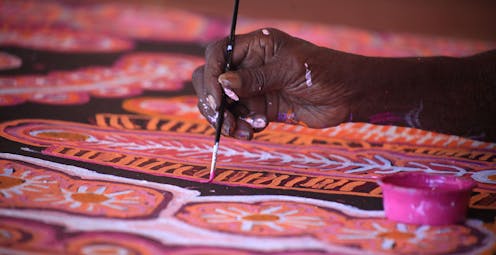
From souvenir shops to art galleries, First Nations designs are big business. Australia’s Productivity Commission estimates about $250 million of Indigenous-style art and consumer products are sold annually. But just 16% of that ends up in the hands of Aboriginal and Torres Strait Islander artists.
When it comes Indigenous-style souvenirs, the commission says about 75% aren’t authentic. The art market is a little better, but fakes are prevalent enough for one to have appeared in comedian Ricky Gervais’ sit-com Afterlife.
To support First Nations artists and communities, here’s what you need to know, and need to ask, before buying.
Aboriginal and Torres Strait Islander art is more than aesthetically pleasing shapes and colours. It is a cultural expression, a means of passing information from one generation to the next, of telling stories.
These stories may be about sacred knowledge and dreamings specific to an individual, a family or a community – stories not culturally permissible for others to tell. Those stories share commonalities but also differ according to place – plants, animals, customs and laws.
Each of Australia’s more than 200 Indigenous nation groups – comprised of clans that share a common language and kinship systems – will use designs, colours and materials related to place.
Dot painting, for example, is specific to the desert interior of Western Australia, Northern Territory and South Australia.
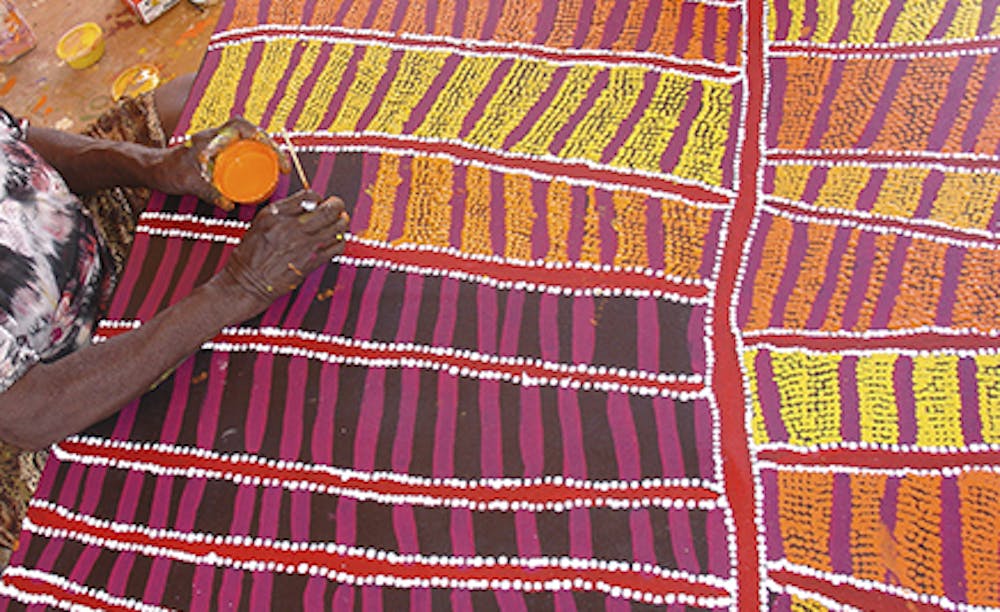
Cross-hatching and “x-ray” paintings come from Arnhem Land in north-east Northern Territory.

Depictions of “Wandjina” spirits come from the Kimberley coast in northern Western Australia. The Wandjina are the most powerful creation spirits, symbolising rain. They are often depicted with bodies of dots, representing rainfall.
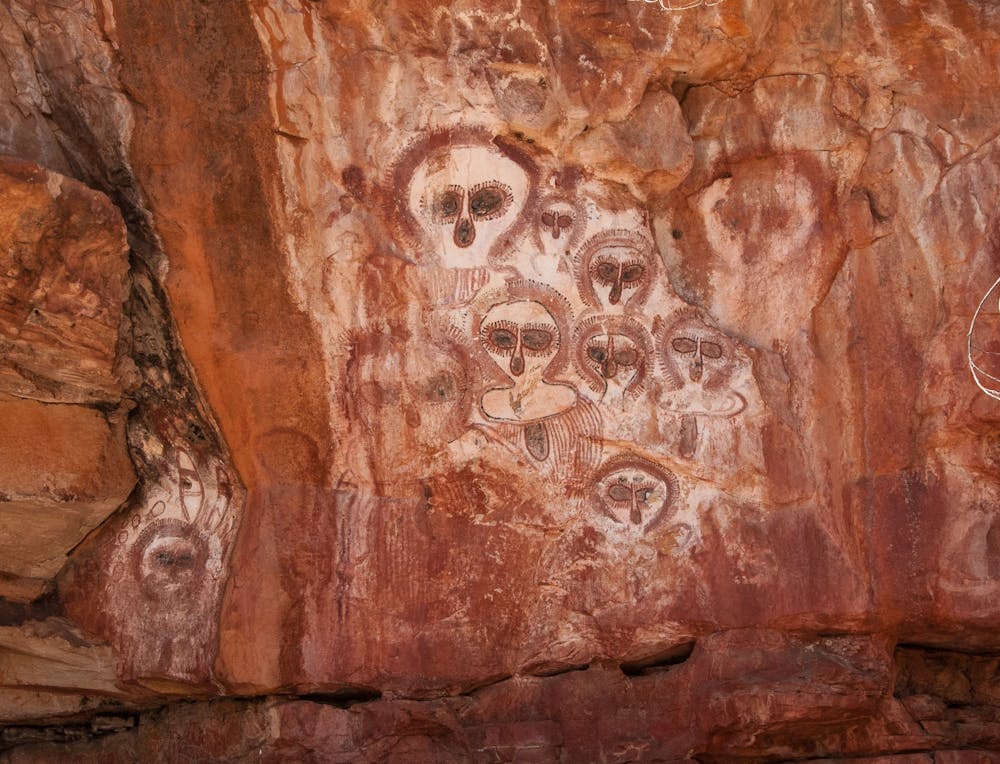
Ochre pigments, derived from soil, are used across the east Kimberley, Arnhem Land and central Northern Territory.

Any authentic piece of Indigenous art tells a story. Before you buy, get to know that story.
There’s one simple rule when buying First Nations art or crafts: the more information the better.
Artists have two main ways to sell their art. For original art, it’s through a gallery, which takes a hefty commission. If it’s a design on a product, licensing is more common: the artist gives permission for the reproduction of their work in exchange for a one-off payment or an ongoing commission, usually linked to sales.
In either case, a legitimate gallery or licensee has a vested interest in assuring you of the authenticity of what they are selling, and that the artist is benefiting from your purchase.
They should be able to provide you with:
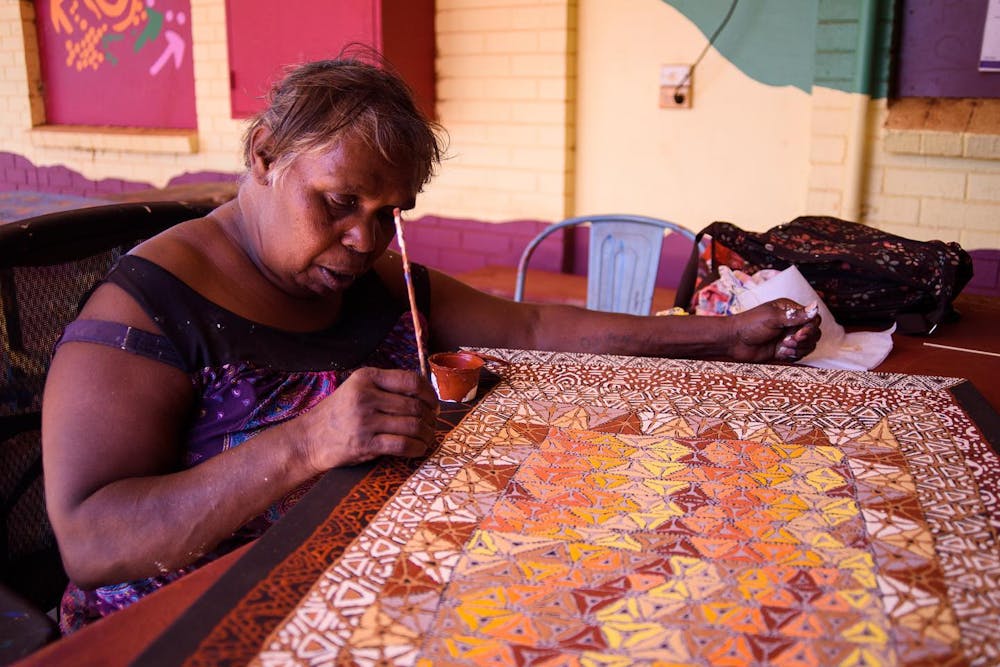
If there’s no information on who created an artwork and where they’re from, it is most likely fake.
In short: buy from sellers with transparent policies. On their website and in person they should provide clear information on all off the above. Reluctance to share this information is a red flag.
Galleries and other intermediaries may be Indigenous or non-Indigenous-owned. They may be private for-profit businesses or community-owned.
Private businesses can be highly ethical and reinvest in their community, but there is greater assurance of this happening with collectively owned businesses established specifically for the benefit of local artists, to employ local people and fund community projects.
An example is the Warlukurlangu Artists Aboriginal Corporation, a not-for-profit company owned by artists from the Yuendumu community in the Northern Territory, about 300 kilometres northwest of Alice Springs. Founded in 1985, the company uses its surpluses to fund community projects such as a health program and a dog program, which cares for the local dog population.
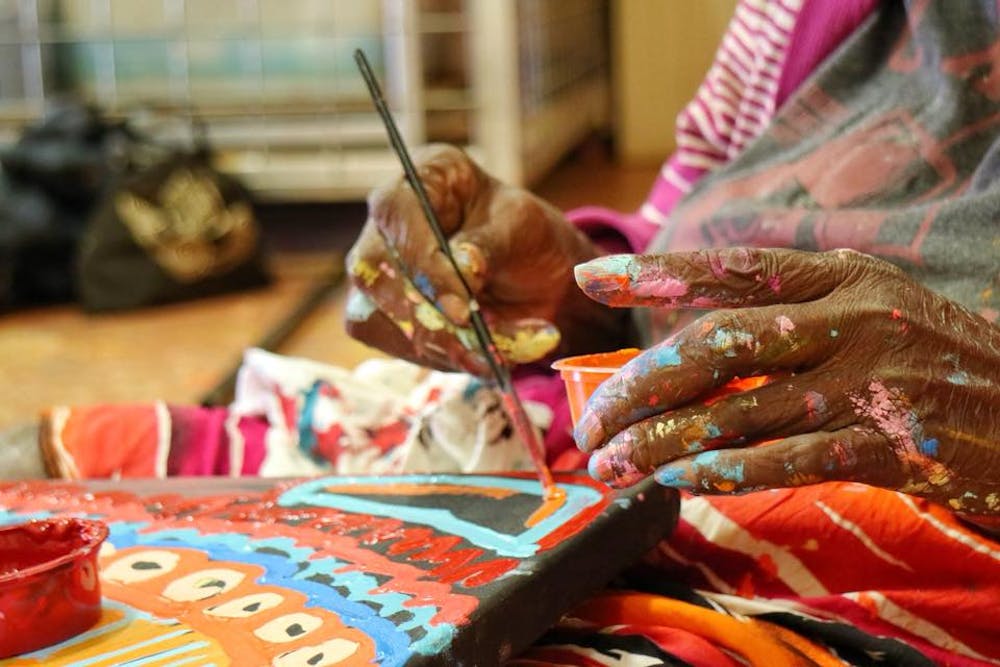
There are more than 100 such independently governed First Nations art and craft centres in Australia, including umbrella organisations in the following areas:
Art centres sell online. They may have arrangements to sell artwork through commercial galleries nearer population hotspots. They may also license art for use on homeware and souvenirs.
In the wider market for First Nations designs and products, look for evidence of Indigenous ownership, commitment to compensate artists, and other evidence of community engagement. Most First Nations-run businesses are proud to acknowledge their heritage.
There is a federal scheme, called Supply Nation database, that verify Aboriginal and Torres Strait Islander businesses. But because this is focused on government and commercial procurement, it has few listings for arts, craft, and design business.
So use your best judgement. Ask the right questions, expect full answers.
What about certifying products? This is done for Australian Made goods. Why not for First Nations-made products?
The problem, according to the Productivity Commission, is that certification schemes need high producer take-up and high consumer recognition to succeed. That would require resources the artists don’t have.
The commission has recommended an alternative approach, mandatory labelling of inauthentic products, through amending the Australian Consumer Law.
It has also recommended new “cultural rights” legislation, giving traditional owners control over cultural assets such as stories, symbols and motifs, with power to take legal action when the infringement of their rights.
So far, however, the federal government has given no indication of if and when it will act on these recommendations.
Until it does, and there are more legal protections and clear labelling – of fake or authentic good – take the time to ask the right questions and get the right answers.

Nicola St John receives funding from The Australia Council for the Arts, the Australian Government's principal arts investment, development and advisory body. She also consults to Solid Lines, Australia's only First Nations led illustration agency.
Emrhan Sultan has received funding from The Australia Council for the Arts, the Australian Government's principal arts investment, development, and advisory body. Emrhan is the co-founder and manager of Solid Lines, Australia's only First Nations led illustration agency.
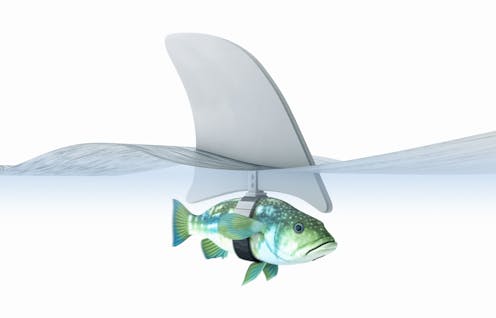
It turns out that pop stars Drake and The Weeknd didn’t suddenly drop a new track that went viral on TikTok and YouTube in April 2023. The photograph that won an international photography competition that same month wasn’t a real photograph. And the image of Pope Francis sporting a Balenciaga jacket that appeared in March 2023? That was also a fake.
All were made with the help of generative AI, the new technology that can generate humanlike text, audio and images on demand through programs such as ChatGPT, Midjourney and Bard, among others.
There’s certainly something unsettling about the ease with which people can be duped by these fakes, and I see it as a harbinger of an authenticity crisis that raises some difficult questions.
How will voters know whether a video of a political candidate saying something offensive was real or generated by AI? Will people be willing to pay artists for their work when AI can create something visually stunning? Why follow certain authors when stories in their writing style will be freely circulating on the internet?
I’ve been seeing the anxiety play out all around me at Stanford University, where I’m a professor and also lead a large generative AI and education initiative.
With text, image, audio and video all becoming easier for anyone to produce through new generative AI tools, I believe people are going to need to reexamine and recalibrate how authenticity is judged in the first place.
Fortunately, social science offers some guidance.
Long before generative AI and ChatGPT rose to the fore, people had been probing what makes something feel authentic.
When a real estate agent is gushing over a property they are trying to sell you, are they being authentic or just trying to close the deal? Is that stylish acquaintance wearing authentic designer fashion or a mass-produced knock-off? As you mature, how do you discover your authentic self?
These are not just philosophical exercises. Neuroscience research has shown that believing a piece of art is authentic will activate the brain’s reward centers in ways that viewing something you’ve been told is a forgery won’t.
Authenticity also matters because it is a social glue that reinforces trust. Take the social media misinformation crisis, in which fake news has been inadvertently spread and authentic news decreed fake.
In short, authenticity matters, for both individuals and society as a whole.
But what actually makes something feel authentic?
Psychologist George Newman has explored this question in a series of studies. He found that there are three major dimensions of authenticity.
One of those is historical authenticity, or whether an object is truly from the time, place and person someone claims it to be. An actual painting made by Rembrandt would have historical authenticity; a modern forgery would not.
A second dimension of authenticity is the kind that plays out when, say, a restaurant in Japan offers exceptional and authentic Neapolitan pizza. Their pizza was not made in Naples or imported from Italy. The chef who prepared it may not have a drop of Italian blood in their veins. But the ingredients, appearance and taste may match really well with what tourists would expect to find at a great restaurant in Naples. Newman calls that categorical authenticity.
And finally, there is the authenticity that comes from our values and beliefs. This is the kind that many voters find wanting in politicians and elected leaders who say one thing but do another. It is what admissions officers look for in college essays.
In my own research, I’ve also seen that authenticity can relate to our expectations about what tools and activities are involved in creating things.
For example, when you see a piece of custom furniture that claims to be handmade, you probably assume that it wasn’t literally made by hand – that all sorts of modern tools were nonetheless used to cut, shape and attach each piece. Similarly, if an architect uses computer software to help draw up building plans, you still probably think of the product as legitimate and original. This is because there’s a general understanding that those tools are part of what it takes to make those products.
In most of your quick judgments of authenticity, you don’t think much about these dimensions. But with generative AI, you will need to.
That’s because back when it took a lot of time to produce original new content, there was a general assumption that it required skill to create – that it only could have been made by skilled individuals putting in a lot of effort and acting with the best of intentions.
These are not safe assumptions anymore.
Generative AI thrives on exploiting people’s reliance on categorical authenticity by producing material that looks like “the real thing.”
So it’ll be important to disentangle historical and categorical authenticity in your own thinking. Just because a recording sounds exactly like Drake – that is, it fits the category expectations for Drake’s music - it does not mean that Drake actually recorded it. The great essay that was turned in for a college writing class assignment may not actually be from a student laboring to craft sentences for hours on a word processor.
If it looks like a duck, walks like a duck and quacks like a duck, everyone will need to consider that it may not have actually hatched from an egg.
Also, it’ll be important for everyone to get up to speed on what these new generative AI tools really can and can’t do. I think this will involve ensuring that people learn about AI in schools and in the workplace, and having open conversations about how creative processes will change with AI being broadly available.
Writing papers for school in the future will not necessarily mean that students have to meticulously form each and every sentence; there are now tools that can help them think of ways to phrase their ideas. And creating an amazing picture won’t require exceptional hand-eye coordination or mastery of Adobe Photoshop and Adobe Illustrator.
Finally, in a world where AI operates as a tool, society is going to have to consider how to establish guardrails. These could take the form of regulations, or the creation of norms within certain fields for disclosing how and when AI has been used.
Does AI get credited as a co-author on writing? Is it disallowed on certain types of documents or for certain grade levels in school? Does entering a piece of art into a competition require a signed statement that the artist did not use AI to create their submission? Or does there need to be new, separate competitions that expressly invite AI-generated work?
These questions are tricky. It may be tempting to simply deem generative AI an unacceptable aid, in the same way that calculators are forbidden in some math classes.
However, sequestering new technology risks imposing arbitrary limits on human creative potential. Would the expressive power of images be what it is now if photography had been deemed an unfair use of technology? What if Pixar films were deemed ineligible for the Academy Awards because people thought computer animation tools undermined their authenticity?
The capabilities of generative AI have surprised many and will challenge everyone to think differently. But I believe humans can use AI to expand the boundaries of what is possible and create interesting, worthwhile – and, yes, authentic – works of art, writing and design.

Victor R. Lee receives funding from the National Science Foundation, the Wallace foundation, the Spencer Foundation, the Institute of Museum and Library Services, and the Marriner S. Eccles Foundation. He has done some advisory work for Google on wearable technology.
Powerful hurricanes, typhoons, and tropical storms can devastate our communities, threaten the lives of our families, and damage everything we have worked so hard to build. During National Hurricane Preparedness Week, we raise awareness about the hazards posed by hurricanes and share resources to help Americans stay safe and protect their property before these storms make landfall. We also celebrate the remarkable first responders and community members who help rescue, recover, and rebuild in the aftermath of these natural disasters.
During last year’s hurricane season, especially in Florida and Puerto Rico, we witnessed the overwhelming damage these storms so often leave in their wake. Families lost their homes. Business owners lost their livelihoods. Survivors were left with unimaginable grief. As the climate crisis intensifies, the impacts of storm surges, flooding, mudslides, and heavy rainfall will only increase, and communities that lack the resources to respond and recover will be hit hardest.
That is one reason why I signed the historic Bipartisan Infrastructure Law, which will keep Americans safer from natural disasters by building stronger roads and bridges, improving levees and floodwalls, and making our power grid more resilient. This law includes over $50 billion to shore up our defenses against flooding and other weather and climate disasters. It provides States with billions of dollars to prepare evacuation routes and improve other at-risk coastal infrastructure. It also invests in community-wide planning to ensure that those most impacted by extreme weather have a voice in preparing for the future.
Our Inflation Reduction Act takes these efforts a step further, making the largest investment in our Nation’s history to combat climate change. With historic funding for green manufacturing, clean energy development, and climate-smart agriculture, this law puts us on a path to cut America’s greenhouse gas emissions in half by 2030. It gives families tax credits to make their homes more energy efficient, saving money and helping ensure that the power stays on when the grid goes down. And it provides the National Oceanic and Atmospheric Administration with billions of dollars to improve weather forecasting and invest in resilience projects in coastal communities that will help them more easily recover from extreme weather events.
These actions build on our efforts to ensure communities consider climate resilience as they plan for the future — from modernizing building codes so that structures are more protective and less pollutive to harnessing the power of ecosystems like reefs, beaches, and wetlands, which keep us safer during storms.
These bold investments will benefit our communities for years to come. But as we enter another hurricane season, every American can do their part to plan, prepare, and protect their families. Check your insurance policies to ensure they are up to date. Put your important documents in a location where they are easy to find. Know your local evacuation route, and have an emergency kit ready to go. Help increase awareness about the risks among your friends, family, and neighbors. And when storms approach, pay attention to storm surge and hurricane warnings, and follow the guidance from your local authorities, including guidance about when it is safe to return to affected areas.
As we prepare, we must also remember and honor the courage, kindness, and resilience of our fellow Americans. As President, I have issued dozens of disaster declarations to support the American people wherever they live, and every time, first responders have worked around the clock to save lives and provide food and shelter. Neighbors, community organizations, and faith groups have opened their doors to people in need. Workers have rebuilt homes, schools, and businesses to make them more resilient to future disasters. Scientists have helped communities adapt and remain safe. Families, having often lost everything, have found the strength to move forward. Time and again, in America’s most trying moments, we are reminded that we are a great Nation because we are a good people.
This National Hurricane Preparedness Week, let us each recommit to doing our part to help safeguard our families, our communities, and our Nation from these devastating natural disasters.
NOW, THEREFORE, I, JOSEPH R. BIDEN JR., President of the United States of America, by virtue of the authority vested in me by the Constitution and the laws of the United States, do hereby proclaim April 30 through May 6, 2023, as National Hurricane Preparedness Week. I urge all Americans to help build our climate resilient Nation so that individuals, organizations, and community leaders are empowered to take action to make their communities more resilient to extreme weather and climate change. I call on our Federal, State, Tribal, territorial, and local government agencies to share information that will protect lives and property.
IN WITNESS WHEREOF, I have hereunto set my hand this twenty-eighth day of April, in the year of our Lord two thousand twenty-three, and of the Independence of the United States of America the two hundred and forty-seventh.
JOSEPH R. BIDEN JR.
The post A Proclamation on National Hurricane Preparedness Week,<span class="dewidow"> </span>2023 appeared first on The White House.

A few years ago, my friends and I reminisced about our favourite novels as children. One of them was Judy Blume’s 1970 classic, Are You There God? It’s Me, Margaret, released this week (in the US, though not yet in Australia) as a film.
Blume’s novel centres on a year in the life of 11-year-old Margaret Simon, after she moves from New York City to the suburbs of New Jersey. Margaret was raised without religion: her mother was disowned by her Christian parents when she married Margaret’s Jewish father.
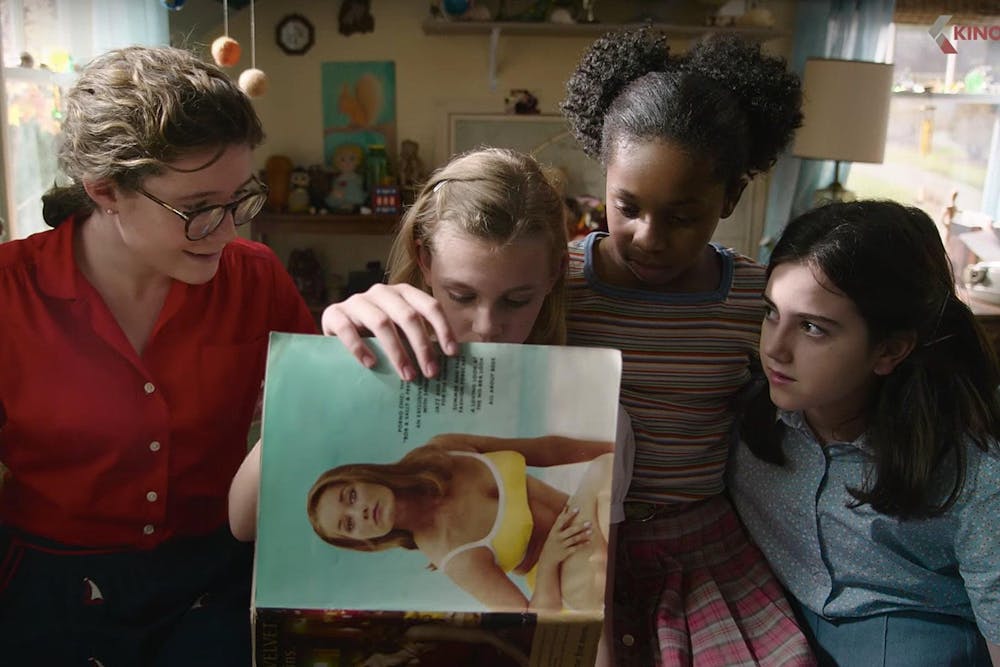
But Margaret secretly talks to God as she grapples with the challenges of puberty, friendship and finding her religious identity. Margaret and her friends, who dub themselves the Pre-Teen Sensations, are obsessed with growing breasts and getting their periods.
Despite Blume’s novels’ enduring legacies, there have been few screen adaptations of her work – and Blume has frequently been disappointed by them.
But she was convinced by the passion of director Kelly Fremon Craig (The Edge of Seventeen) and producer James L. Brooks (Broadcast News, The Simpsons).
Read more: Sex and other reasons why we ban books for young people
Blume has spoken out against current movements to ban and censor books, observing the climate is worse now than in the 1980s, “because it’s become political.”
Are You There God? It’s Me, Margaret and Forever (1975) – also slated for a screen adaptation, by Netflix – are Blume’s most controversial books, for their frank depictions of puberty and teen sexuality.
Are You There God? It’s Me, Margaret was listed in the American Library Association’s 100 most challenged books – books people were seeking to ban – from the 1990s (when the association first started tracking) until the 2010s. It was even banned in Blume’s children’s school library.
Forever, a no-holds-barred, sweet and funny account of first love and first sex, published in 1975, ranks number seven on the most challenged books list. Most recently, it was banned by a school district in Florida.
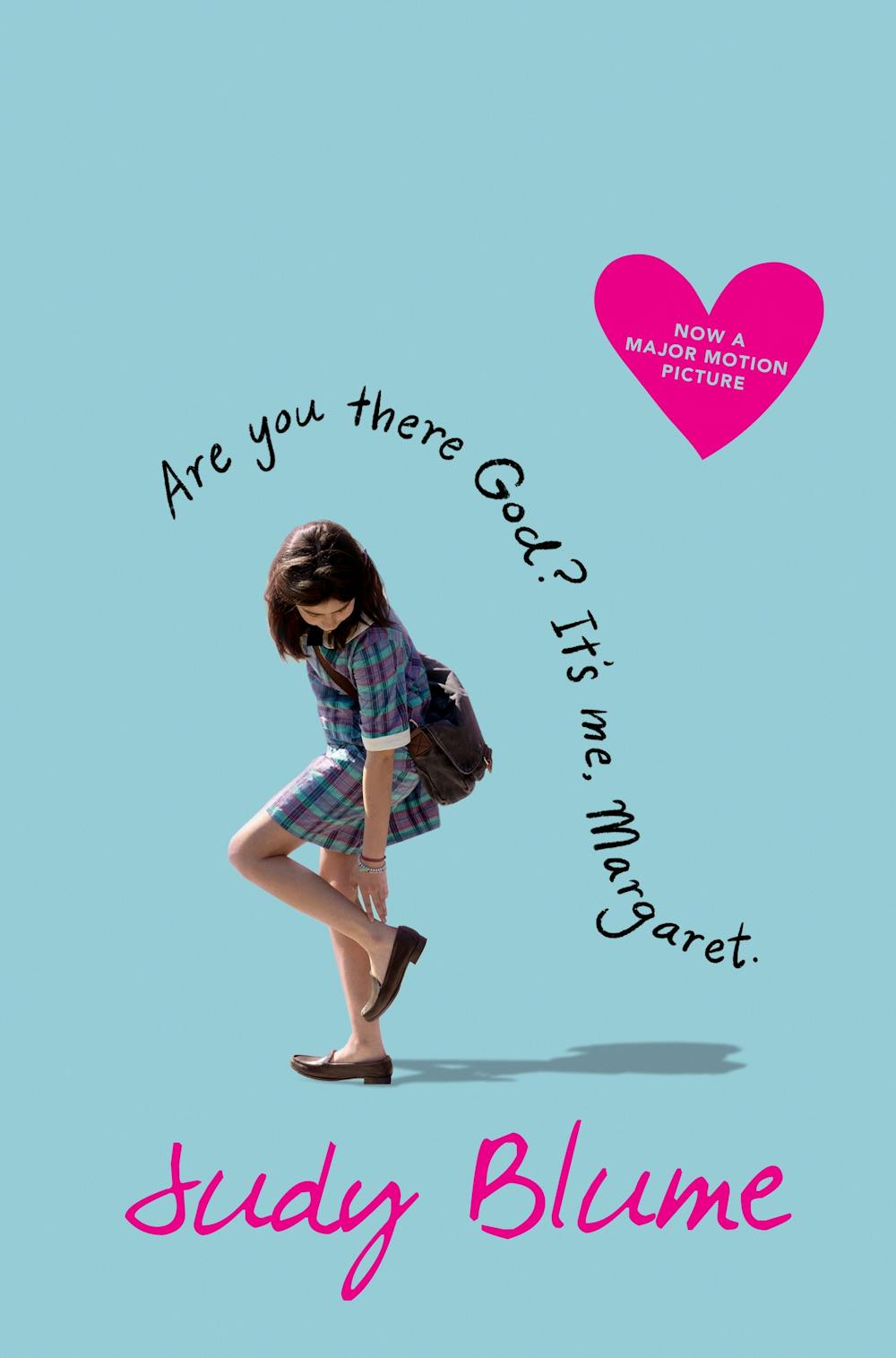
Are You There God? It’s Me, Margaret was also controversial for its treatment of religion. Many of us might remember it for the Pre-Teen Sensations’ preoccupation with periods, breasts and boys. But Margaret’s search for a religious identity – and her understanding of how this shapes her family relationships – is at the heart of the novel. Ultimately, the book’s message seems to be that organised religion matters less than Margaret’s personal relationship to God.
According to a PEN America report released late last year, there are currently 1,648 unique book titles affected by bans in the United States.
Of these, 49% of banned books are intended for a young adult audience, 22% of books are banned for sexual content – including depictions of puberty – and 4% are banned for featuring stories with religious minorities, including Judaism. But reading diverse and sometimes difficult stories is important for developing empathy and understanding.
Read more: Book bans reflect outdated beliefs about how children read
In an era where so-called “Don’t Say Period” legislation is being debated in Florida, Are You There God? It’s me, Margaret’s focus on menstruation and puberty has renewed political and cultural significance.
The legislation seeks to ban instruction about menstruation in US schools before grade six – Margaret’s own age in the novel.
“Even if they don’t let them read books, their bodies are still going to change and their feelings about their bodies are going to change,” says Blume about the ban. “And you can’t control that. They have to be able to read, to question.”
Blume’s books are already on banned lists in Florida. So it’s perhaps overly optimistic to hope Florida school libraries will overlook copies of Margaret in the stacks to ensure this generation of readers can find an empathetic voice in this context.
Many young readers found a kindred spirit in Margaret. She helped normalise the confusing feelings of puberty and the complicated process of figuring out who you are for generations of readers, and still does.
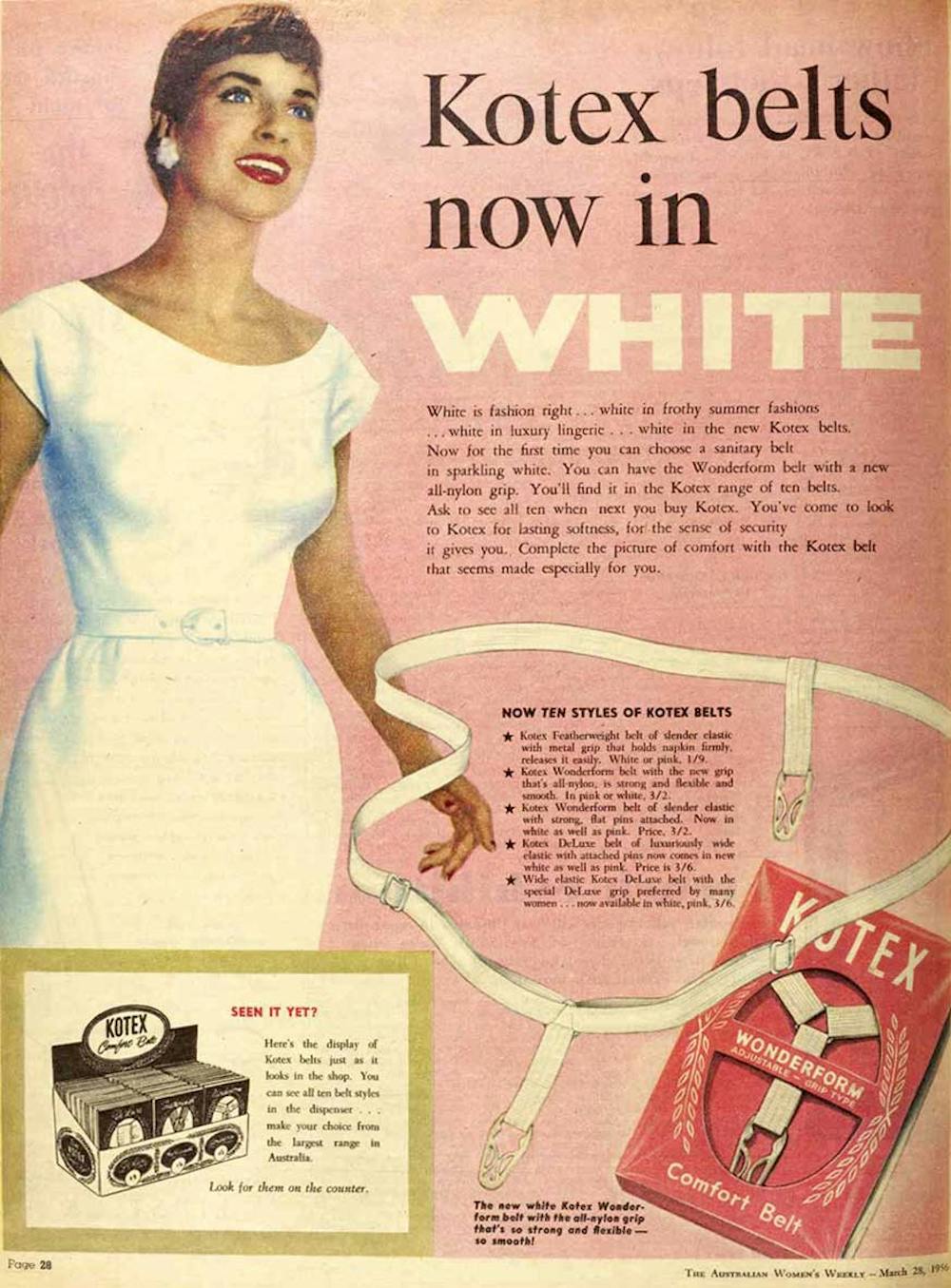
My friends and I howled with laughter about the confusion our adolescent selves had felt about the menstrual belt described in the novel – a form of menstrual hygiene product already on its way out in the 1970s, let alone when we were reading the novel in the 1980s and early 1990s.
As Margaret awaits her period’s arrival, she practises wearing a menstrual belt and pad. So, she is well-prepared when her period finally does arrive on the last day of sixth grade. After reading the novel as a child, I remember rummaging through my mother’s bathroom supplies in search of such a contraption, finding only adhesive pads.
When I reread the novel as an adult, The Belt was nowhere to be found – Margaret uses adhesive pads instead. I wondered: did we misremember it?
The answer is no: the novel itself was updated in 1998. Other period (pardon the pun) details are unchanged. Margaret’s mother gives her a cream rinse and sets her hair in rollers before a party. The girls split into pairs to call each other nightly on the landline telephone (no group chat here!). And it only costs five dollars to have a neighbourhood kid mow the lawn.
Unlike the recent controversial changes made to Roald Dahl’s children’s books, the changes to Are You There God? It’s Me, Margaret were made by Blume herself.
For Blume, it was more important to ensure that a new generation of readers were receiving useful health information than to capture in amber a moment of menstrual history. Similarly, revised editions for her 1975 novel, Forever, include a preface where Blume points out the outdated sexual health advice provided to the protagonist, and refers readers to services such as Planned Parenthood.
Older generations of nostalgic readers might miss The Belt (it can still be found in some e-book versions), but Blume’s attitude to revising her own work to benefit each generation of new readers highlights her sense of responsibility to them.
It also emphasises the important role literature plays in educating young readers. Certainly, they might miss out on learning a historical fact about menstrual hygiene in the 1970s, but the revised versions might make them better equipped to deal with menstruation today.
Where the 1970s might be hard to interpret on page, it provides a vibrant visual setting on screen that will engage newer generations in the visual and cultural details of the novel’s original context. (And help them learn the definitive way of performing the Pre-Teen Sensations’ iconic chant, “we must increase our bust”.)
Importantly, the spirit of the story and the characters remains the same. At its heart, Are You There God? It’s me, Margaret is a coming-of-age story about identity, relationships with others, and relationships with your own body.
The specifics of menstrual belts, tampons, or period underwear matter less than seeing the glorious, confusing awkwardness of puberty and girlhood taking up space on the big screen.

Jess Carniel does not work for, consult, own shares in or receive funding from any company or organization that would benefit from this article, and has disclosed no relevant affiliations beyond their academic appointment.

On April 17, 2023, the Nebraska Cornhuskers unveiled the latest version of their beloved mascot, Herbie Husker.
Herbie’s left hand no longer forms the “OK” symbol. Instead, an index finger is raised to indicate that the team is No. 1.
The change was made, University of Nebraska officials explained, because the universal symbol of approbation – curling the index finger to touch the thumb, forming an “O” – had become associated with white supremacy and hate speech.

How did something as benign and commonplace as the “OK” hand gesture come to assume such sinister undertones? And what does the University of Nebraska’s willingness to change its mascot say about the ways in which ambiguous signs and symbols can take on a life of their own?
In 2015, Milo Yiannopoulos, Richard Spencer and other figures of the “alt-right,” a white nationalist movement, started using the hand gesture in posed photos of themselves. But it took off in February 2017, when a prank message was posted on 4-chan, the anonymous messaging site that has been a breeding ground for racism and conspiracy theories.
“Operation O-KKK” encouraged the flooding of social media sites like Twitter with posts proclaiming the familiar gesture to be a symbol of the alt-right. But what began as an effort to “troll the libs” quickly took on a life of its own.
In May 2019, an attendee at a Chicago Cubs baseball game made the gesture on camera behind a Black reporter, prompting the team to ban him from Wrigley Field.
Shortly thereafter, school officials recalled yearbooks in Petaluma, California, and Chicago after discovering pictures of students making the gesture. The Anti-Defamation League went on to add the gesture to its database of hate symbols.
There have also been cases of mistaken identity, however.
During the 2019 Army-Navy football game, midshipmen and cadets flashed what seemed to be the white power gesture on-camera behind the ESPN commentator – a game that was politically charged because then-President Donald Trump was in attendance.
The academies, however, determined that the students had been playing the Circle Game instead – a practical joke in which participants try to trick each other into looking at a circle gesture, which prompts a punch.
The Army-Navy incident was a high-profile example of misperception. But there have been several similar episodes involving the same gesture.
In June 2020, for example, a utility employee in San Diego supposedly made a white power sign while dangling his arm from a company truck. Another motorist took a picture and reported the worker to his company. The employee was fired, even though he claimed to be merely cracking his knuckles.
And in April 2021, a contestant on “Jeopardy!” held up three fingers when he was introduced in celebration of having won the three previous games. Yet the belief that it was a white power gesture prompted nearly 600 former contestants to sign a statement denouncing what they perceived as a gesture of hate.
As I describe in my recently published book on the causes of miscommunication, these types of incidents are not new and not unusual.
They can be characterized as symptoms of moral panic, in which the media, politicians and activists fan the flames of uncertainty and worry.
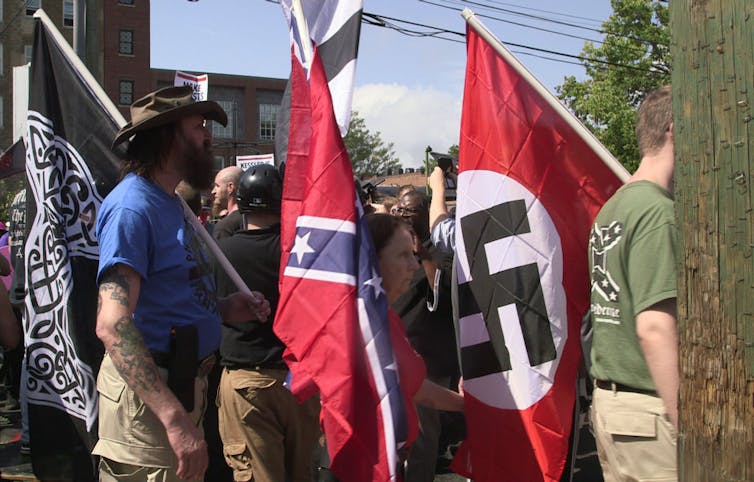
In the case of the “OK” symbol, concerns about white supremacy snowballed in the wake of events like the 2017 Unite the Right rally, when white nationalists and far-right militias converged on Charlottesville, Virginia.
The ensuing clashes with counterprotesters resulted in more than 30 injuries and one death. Afterward, many Americans were particularly sensitive to racist symbols – and perhaps more prone to interpret ambiguous gestures as white power signs.
A very similar dynamic involving gang signs has played out over the past couple of decades.
In 2007, the Virginia Tourism Agency created an ad campaign that included actors making the heart sign: curled fingers joined with thumbs pointing downward. The campaign was changed when state officials discovered that the street and prison gang the Gangster Disciples also used the symbol.
In 2013, a group of California high school seniors ordered sweatshirts with “XIV” – their year of graduation – emblazoned on them. However, the number is also a symbol of the northern California Norteños gangs, as “N” is the 14th letter of the alphabet. To avoid any association with the gangs, school officials advised students to avoid wearing the clothing.
And in March 2014, a Mississippi high school placed a student on indefinite suspension after he had been photographed standing next to his biology project. He was accused of flashing a gang sign because his thumb and two other fingers were outstretched. These form a “V” and an “L” – a symbol of the Vice Lords gang. But the student protested that he was merely indicating “3,” the number of his football jersey, which he was also wearing in the photo.
Tragically, there have also been episodes in which sign language was misinterpreted as gang symbols, leading to acts of violence against those simply trying to communicate.
As these examples make clear, moral panics often reflect society’s anxieties.
They run the gamut, from uneasiness about young children using smartphones to house cats killing wildlife and even to role-playing games fostering demon worship.
Fears of gangs and hate groups are just the latest manifestation of this phenomenon.
At the time of the Army-Navy game, The Washington Post wrote that the “OK” gesture “now lives in a purgatory of meaning.”
It’s hardly surprising, then, that universities are distancing themselves from ambiguous and controversial symbols.
Moral panics may not be grounded in reality, but the concerns they give life to can still be bad for one’s image – or one’s team.

Roger J. Kreuz does not work for, consult, own shares in or receive funding from any company or organisation that would benefit from this article, and has disclosed no relevant affiliations beyond their academic appointment.
Our Nation has made tremendous progress in advancing the cause of equality for LGBTQI+ Americans. To keep building on that progress, we must reflect honestly on the darkest chapters of our story and on how far we have come. Seventy years ago, as the Cold War set in, President Eisenhower signed an Executive Order banning LGBTQI+ Americans from serving in the Federal Government. This action codified a shameful chapter in our Nation’s history known as the “Lavender Scare.” It was a decades-long period when 5,000 to 10,000 LGBTQI+ Federal employees were investigated, were interrogated, and lost their jobs simply because of who they were and whom they loved.
On this anniversary, we acknowledge the importance of telling the complete history of our Nation, reflecting on the lives changed by this discrimination, honoring the courageous Americans who fought to end this injustice, and celebrating the contributions of today’s proud LGBTQI+ public servants — including members of our Armed Forces.
Our Nation was founded on the sacred idea that all of us are created equal and deserve to be treated equally under our laws. But for so many members of the LGBTQI+ community, hate, discrimination, and isolation throughout our country’s history have denied them the full promise of America. The Lavender Scare epitomized — and institutionalized — this injustice. As LGBTQI+ employees were forced out of the workforce, the Federal Government attempted to defend its policies by propagating false and hateful stereotypes — accusing this community of being a threat to our national security and unworthy of public trust. Employees who were fired under these policies often lost future employment, other opportunities, and even relationships with their own families. Many endured poverty and public disgrace. Some took their own lives as a result of the trauma they had to bear.
While this is a story of profound injustice, it is also a story of remarkable bravery. From seeking relief in the courts to picketing in front of the White House, activists stood up for their rights and helped lay the foundation for the modern-day LGBTQI+ civil rights movement. One such trailblazer was Franklin Kameny, an Army astronomer, who after being fired because he was gay, dedicated over 50 years of his life to activism and helping LGBTQI+ workers stand up for their rights. In 2009, I was proud to meet Frank Kameny in the Oval Office as President Obama and I officially expanded many Federal benefits to same-sex partners of Government employees.
I am equally proud to have mandated additional protections for the fundamental rights of LGBTQI+ Americans. I have appointed barrier-breaking LGBTQI+ leaders to the highest levels of Government, including the first openly gay Senate-confirmed Cabinet Secretary, the first two openly transgender Americans to be confirmed by the United States Senate, and the first open lesbian to achieve the rank of Ambassador. When Americans tune in to the daily White House press briefing, they see the first openly gay White House Press Secretary representing my Administration on the world stage.
But this is just the beginning. I rescinded the discriminatory ban on transgender service members, paving the way for these brave Americans to once again serve openly in the United States military. I signed an Executive Order on Advancing Diversity, Equity, Inclusion, and Accessibility in the Federal Workforce, taking additional steps to ensure that LGBTQI+ public servants are treated with dignity and respect. I also signed a landmark Executive Order charging the Federal Government to prevent and combat discrimination on the basis of sexual orientation and gender identity. Federal agencies have since strengthened or clarified protections for LGBTQI+ Americans in housing, health care, education, employment, credit and lending services, and the criminal justice system. Just last year, I proudly signed the Respect for Marriage Act to defend the rights of LGBTQI+ and interracial couples.
The struggle for equal justice is not over. Today and in each generation, we must rededicate ourselves to ending the hatred and discrimination that LGBTQI+ Americans continue to face. That includes addressing a wave of discriminatory laws that target them — especially transgender children — and that echo the hateful stereotypes and stigma of the Lavender Scare. My Administration is standing firmly with brave LGBTQI+ Americans to push back against these injustices.
Great nations face their history openly and honestly: the good, the bad, and the truth. Today, we make our message simple to every public servant who suffered from the un-American policies and discrimination of the Lavender Scare: We see your sacrifices. We acknowledge what you lost and what you wrongfully endured. I have mandated my Administration to do all we can to write a new chapter of our American story that will demonstrate our abiding commitment to equal rights, respect for human dignity, and limitless opportunity for all.
NOW, THEREFORE, I, JOSEPH R. BIDEN JR., President of the United States of America, by virtue of the authority vested in me by the Constitution and the laws of the United States, do hereby proclaim April 27, 2023, as the 70th Anniversary of the Lavender Scare. I call upon government officials and the people of the United States of America to honor the contributions of LGBTQI+ public servants, to recognize the lives impacted by the Lavender Scare, and to celebrate the great diversity of the American people.
IN WITNESS WHEREOF, I have hereunto set my hand this twenty-sixth day of April, in the year of our Lord two thousand twenty-three, and of the Independence of the United States of America the two hundred and forty-seventh.
JOSEPH R. BIDEN JR.
The post A Proclamation on the 70th Anniversary of the Lavender<span class="dewidow"> </span>Scare appeared first on The White House.
The Tampa area is replete with stunning indie bookstores, and ample used and gently used book exchange stations. There are so many local shops to support and each shop emerges with its own quintessential identity (and offerings). Here’s a quick look at the bookstores you should have on your radar in Tampa Bay.

Back in the Day Books
355 Main St, Dunedin
Back in the Day Book Store features new books including many current best sellers and collectible, rare, out of print, fine bindings and more. They buy books in the store by appointment and prefer that you call or e-mail them first to make sure that we might be able to use the books you are considering bringing in. They even make house calls for larger collections.

Book + Bottle
17 6th St N, St. Pete
Books and wine, what more do you need? Book + Bottle combines the elegance of a boutique wine bar and cafe with the wonder of an independent bookstore. They host author talks and book signings, tons of book clubs, and they carry books for kids and adults. There’s also a strong selection of Florida made books and gifts. Their staff are as knowledgable about wine as they are books. A true gem in St. Pete.

Book Rescuers
10410 66th St N #6, Pinellas Park
This shop features more than 40,000 beautiful used books. The Book Rescuers have a gigantic collection of used books for kids and adults. They’ve popped up at events across the Tampa Bay region, but the owners also just opened up their warehouse in Pinellas Park to the public. You can find the huge space at 10440 66th St N Unit 6. They pice their books anywhere from $1-3 — the highest is 100-year-old books for $8.

Lighthouse Books
14046 5th Street, Dade City
Lighthouse Books is a family run shop that has served book lovers for more than 45 years. They specialize in books of a scholarly nature, particularly Florida History, Americana, and military history, but carry a broad range of general antiquarian books, used/secondhand books, and a small gallery of prints and maps.

Mojo Books
2554 E Fowler Ave, Tampa
Tampa’s independent used and new book & record store and coffee & tea bar. This sprawling collection includes the top titles out today, and includes some sleeper hits and interesting paperbacks you may have never heard of before. Mojo also has a huge collection of vinyl, and one of the best staffs in the state of Florida.

Oxford Exchange Bookstore
420 W Kennedy Blvd, Tampa
The Oxford Exchange Bookstore may be the most beautiful bookstore in the state of Florida. The beautifully designed shop features the top award-winning fiction, and non-fiction titles, poetry collections, kids books, and literary classics. Renowned authors frequently pop in the shop for readings and signings, too. Where else can you enjoy a National Book Award winning book and the best brunch in America at the same time?

Portkey Books
404 Main St, Safety Harbor
The owner of Portkey Books believes that books can transport and connect us. After a time operating as a pop-up bookstore, they debuted a tiny storefront on Main Street in Safety Harbor, FL. We offer free delivery within Safety Harbor, or you can pick up your order from their new storefront. This intimate space is lovingly curated and a must visit in the wonderful town of Safety Harbor.

Tombolo Books
2153 1st Avenue South, St. Pete
This locally owned shop has a big heart. They feature a lovingly curated children’s book section (complete with a reading nook for kids), offer sections dedicated to Florida authors, order new books in every single day, and have one of the most robust events programs you’re bound to find at any bookstore in the country. They also host sci fi, horror, short story, fantasy, and crime fiction book clubs. They also share a beautiful courtyard with a coffee shop and a fresh juice shop where authors holding readings and lectures. It’s one of my personal go-to spots when shopping for gifts.

Wilson’s Book World
535 16th St N, St. Pete
Wilson’s Book World has served St. Pete for decades. The family owned used bookstore has a huge selection of science fiction and horror novels. They even have a funny Freddy Krueger cut out that moves spots in the store all the time. Their collection of comics grows every week as well. It’s a local institution well worth a visit.
The post Beautiful bookstores to visit in Tampa and the greater Tampa area appeared first on That's So Tampa.
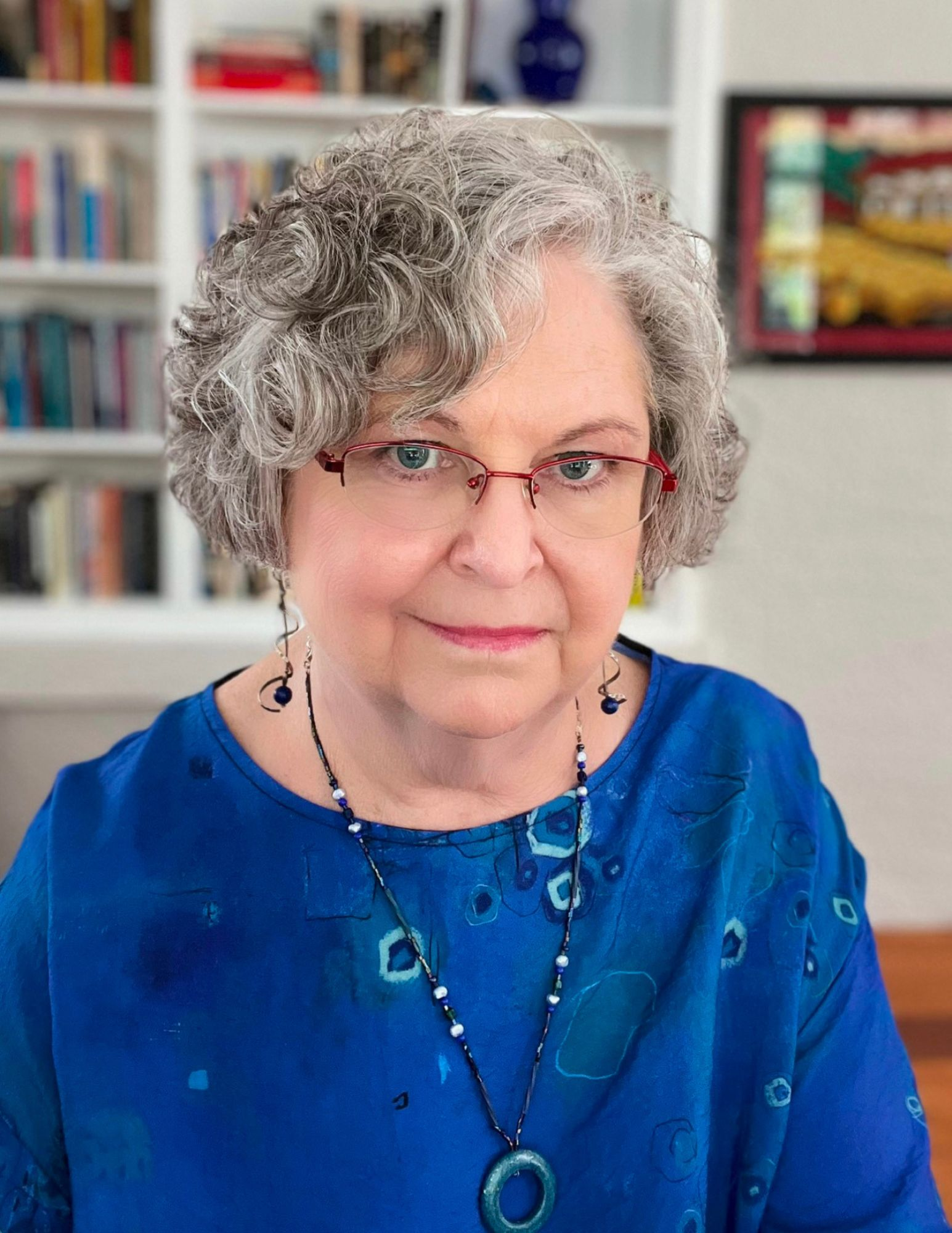
After engaging in a discussion with her neighbor about politics in academics, Women and Gender Studies (WGS) Department Chair Diane Price-Herndl said she offered another perspective on the value of educating students.
“I have a neighbor… we were having a conversation the other day about the political situation, and he was like ‘Well, I think we need to get back to the basics of reading, and writing and arithmetic,’” Price-Herdl said.
“And I said, ‘Well, you know, I don’t disagree with that, but I’m teaching college right now and if the students in college don’t already know how to read and write… I would rather my students learn about gender and racial differences in a classroom with somebody who studies it and can help them understand it, rather than learn about it from Tik Tok. And he was like ‘Oh, yeah.”
Price-Herndl arrived at USF in 2010, joining a WGS department that was disappearing amidst a provost who declared a desire to close the department.
Associate professor of Feminist Pedagogy and Feminist Research Methods at the WGS department Michelle Hughes-Miller said Price-Herndl has had a great influence on the department.
“Her effect on our department has … been profound. From her graduate and undergraduate teaching, to her transformative and public scholarship, to her immense and diverse engagement in service across all levels of our university, to her 10 years as our chair,” she said.
After “starting from scratch” in 2010, faculty members continued to join the department. In 2013, Price-Herndl became the department chair. Hughes-Miller said Price-Herndl’s effect on the WGS program has been incredibly vast, bringing important changes for students and community populations alike.
“Price Herndl has, since becoming chair, done the vast majority of our department’s public community-based presentations on and off campus on a range of topics related to the subject matter of our discipline, like reproductive justice, pay inequity, equality in medicine, International Women’s Day and women in U.S. politics,” she said.
“These talks both help to educate the general public and facilitate a stronger campus-community partnership.”
This is Price-Herndl’s last semester as department chair before she ventures on leave and potentially retires after. She said WGS means “everything” to her, as it facilitates the creation of connections while forming a better understanding of differences between individuals.
“It is such a wonderful way to connect with our students, to help our students understand all of these things in our culture that don’t seem to make a whole lot of sense… It opens up all these possibilities about how you can better understand the world, better understand difference, better understand how humans interact with each other and the built environment and the natural environment,” she said.
The impact of the course is felt by students on the emotional level as well, according to Price-Herndl. She said most semesters at least one student will tell her the program made a big difference in their life.
“I don’t think a semester goes by that I don’t have a student say to me, ‘This program saved my life,’” she said. “And when I think about some of the suicide rates among kids, we save lives.”
Price-Herndl said she is not oblivious to the commonly portrayed viewpoint of WGS departments. She said she recognizes the stereotypical view that can be denoted to such departments, with some critics labeling them as ‘indoctrination.’
“That is not at all what we do,” Price-Herndl said. “What we do is help people think… It’s not like students aren’t gonna learn about race and gender… We need to help people learn about it in a way that’s critical, learn how to think about it.”
Too often, Price-Herndl said the general view of WGS fails to recognize the breadth of knowledge such programs possess their students with and the importance of the existence of such departments within university programs. The WGS department will not be deterred by the current political climate and neither will its students, according to Price-Herndl.
“We’re full steam ahead… we’re not backing away on this… People are always going to have an issue, and I would say it’s largely because they don’t know what we’re [actually] doing [teaching]…” she said.
“Our students are furious, our students are adults… you don’t need a legislator telling you all what you can and cannot study…We don’t believe it’s legal or permanent.”
Alongside her department colleagues, Price-Herndl said she aims to highlight the true focus of WGS which looks to empower and explain the variety of differences between individuals, the focus on creative thinking that the department provides and the preparation for real life circumstances that come from being a part of the WGS department.
Though Price-Herndl said it is not an easy task, the WGS department looks to better prepare their students for the real world by showing students how to understand different perspectives than their own – a theme which is central to WGS.
“How do I work with someone who is not like me? How do I understand them better? How can we still be doing really great things in the world, even if we’re doing it differently? [WGS] teaches you how to think and it teaches you how to think about other people who are not exactly like you,” Price-Herndl said.
Price-Herndl said WGS looks to promote equality for all, not just women. The department and its courses push for equality and discuss the need for equal treatment and recognition of men, women and those identifying as LGBTQ.
The department is prepared to continue succeeding and continuing to admit incoming freshmen as well as a new group of graduate students, according to Price-Herndl.
“There’s growth in the future… [The program] is flourishing. We’re doing great. As of next year, we’re becoming Women, Gender and Sexuality studies,” she said.
“People are publishing like crazy, people are getting national reputations, international reputations, they’re giving papers at conferences all over the world. Our students are going out and they’re doing great things. Our alums are all over the place doing amazing work.”

In one key respect, Ralph Yarl was fortunate. The wounds the 16-year-old suffered after being shot twice on April 13, 2023, by the owner of the house whose doorbell he rang, thinking it was where he was due to pick up his two younger brothers, did not prove fatal.
Others who have made similar mistakes have died. Take Renisha McBride, who sought help after wrecking her car in a Detroit suburb in 2013, or Carson Senfield, who entered the wrong car in Tampa – thinking it was his Uber – on his 19th birthday. And then there is the case of 20-year-old Kaylin Gillis, a passenger in a car that turned around in a driveway in upstate New York on April 15, 2023. What these young people have in common is that they were killed in accidental encounters with armed property owners.
As a scholar who has studied America’s love affair with guns and lethal self-defense, I have explored the history of laws that selectively shield citizens from criminal responsibility when they use force and claim self-defense. Since 2005, these “stand your ground” laws have spread to around 30 states, transforming the United States’ legal landscape.
While preexisting laws regarding justifiable use of force allowed the use of lethal force for self-defense in some circumstances, they required that people first try to retreat from a perceived threat if it was safe to do so or to seek a nonlethal solution to a hostile encounter. Stand your ground laws, meanwhile, authorize defensive violence without a duty to retreat, wherever a person may legally be. Some also expand the circumstances in which someone could use lethal force to defend property.
Although the laws appear to apply to all law-abiding citizens, research shows that they are not equitably enforced, and that they may be emboldening property owners to shoot first and question their actions later, even when there is no real threat of harm.
Certainly that seems to be the case with the shooting of Yarl. The wounding of the Black teen, who was simply trying to pick up his siblings, generated widespread outrage, especially when Kansas City Police Chief Stacey Graves suggested that investigators would consider whether the shooter – an 84-year-old white man – might have recourse to the state’s stand your ground law as a defense against prosecution.
Given that the encounter took place on the shooter’s property, there is a possibility the shooter could find legal protection in the “castle doctrine,” which allows someone to use reasonable force – without first trying to retreat – in self-defense in their home. But he would still have to show reasonable cause for firing two shots at the unarmed teen standing at his front door.
It seems that in the case of Yarl, state prosecutors believe that the bar of reasonable cause was not met. Andrew D. Lester, the homeowner, has since been charged with two counts: assault in the first degree and armed criminal action.
This does not preclude the defense from invoking Lester’s right to “stand his ground” and use force in self-defense, if his lawyers can show Lester truly believed Yarl posed a real threat.
Missouri’s stand your ground law, in place since 2016, removes the duty to retreat anywhere a person may legally be, even beyond one’s “castle.” But you still need to prove that force is used reasonably, that it was not carried out in aggression or anger, and that there was a genuine fear for your life.
Indeed, the resolution of cases like the Yarl shooting turn on a highly subjective reckoning of what counts as reasonable force, and on which side – prosecution or defense – bears the burden of proof.
Traditional laws on the use of force place that burden on the alleged self-defender, who must prove that their actions were reasonable. But some other states with stand your ground laws, like Florida, remove the burden of proof from the defense, placing it on the prosecution.
This means that the prosecution must prove that the alleged self-defender was truly fearful when using force. In some instances, as in the shooting of Senfield after he tried to enter a car he misidentified as his Uber, the stand your ground law becomes a shield against prosecution. No charges have been filed in that case, in large part because there were no other witnesses to contradict the shooter’s claim that he was in fear for his life when Senfield tried to enter his car.
Contrary to the claims of the framers and promoters of stand your ground laws, there is scant empirical evidence that the laws prevent crime. In fact, multiple studies show just the opposite.
Research on public health and crime reveals a pernicious effect of stand your ground laws on public safety, showing a correlation with increased rates of gun homicide. One study, which includes an assessment of Missouri’s law, found that the passage of stand your ground laws correlates with an 8% to 11% increase in firearm homicide rates.
An analysis of stand your ground cases in Florida, carried out by gun violence prevention group Everytown for Gun Safety, addressed the way removal of the duty to retreat encourages violent escalation; researchers suggested that over half the cases could have been resolved without loss of life.
Further, recent scholarship shows how stand your ground laws intensify existing racial injustices in the U.S. criminal legal system. A study by the think tank Urban Institute found significant discrepancies in the rate at which homicides in stand your ground cases were deemed justified, depending on the race of the shooter and the race of the deceased. White shooters were significantly more likely to to be exonerated when their victim was Black, suggesting that – particularly in states with stand your ground laws – white people may feel more legally empowered to use lethal force and avoid prosecution, as long as their victims are Black.
In the Yarl case, the possible presence of racial bias has not escaped the attention of Kansas City prosecutors. Lester’s grandson has described his grandfather as a QAnon devotee with “racist tendencies and beliefs” that likely prompted his violent reaction to Yarl’s presence on his doorstep.
Against the backdrop of historical legacies of racial bias in the U.S., stand your ground laws intensify the risks of shooting deaths in an increasingly gun-saturated public. With laws that encourage armed citizens to use force against any perceived threat – real or imagined – even the most innocent mistakes and chance encounters can turn deadly.

Caroline Light is affiliated with Street Philosophy Institute (SPI) and the Center for Antiracist Research (CAR) at Boston University.

From skyscrapers that defy gravity to tunnels below the sea, mankind’s civil engineering feats are all around us. The complexity of older structures like the Great Wall of China, Chichén Itzá, and the Taj Mahal continue to captivate and fascinate visitors today, but it’s worth noting that “wonders” such as these are not a modern concept. As far back as the 2nd century BCE, ancient guide books and poems were being written by Greeks that had toured the extent of Alexander the Great’s kingdoms, giving us the original “ancient seven wonders of the world” from the Hellenistic world they knew at the time.
This graphic by Pranav Gavali looks at the original ancient seven wonders. Including their modern-day locations and features, using data from Encyclopedia Britannica and Wikipedia.
The original seven wonders of the world were built around the Mediterranean Sea and in the Middle East over a span of 3,000 years. All before the Common Era.

From the Great Pyramid of Giza in Egypt to the Colossus in Rhodes, each wonder represents a different aspect of human ambition and ingenuity.
And while only one of the wonders still stands today, their legacy lives on. Let’s explore the stories behind the seven wonders of the world:
The ancient Egyptians believed that death was a pitstop on the way to a new life. And royals were buried in massive royal tombs.
This 4,500-year-old pyramid was one such tomb, built for Pharaoh Khufu. Standing tall at an initial 147 meters (139 meters today), this monument is the oldest and largest of the seven wonders of the world. It is also the only ancient wonder still standing.
The Gardens of Babylon are believed to have provided a stunning oasis in the middle of the desert in 600 BCE, with tiered gardens of trees, shrubs, and vines.
The common belief is that King Nebuchadnezzar II built these gardens for his wife Amytis. She missed the lush hills of her homeland Media (northwest Iran).
However, their existence has been disputed by historians which have struggled to find concrete archaeological evidence. They are commonly believed to have been destroyed by an earthquake after 700 years, making them the shortest-lived ancient wonder.
Built in the 6th century BCE, this temple was dedicated to the Greek goddess Artemis. Even larger than a present-day football field and with more than 127 columns, it was the first all-marble temple ever built in Greece.
It was destroyed and rebuilt several times, with the third phase listed as the grandest world wonder. It was finally closed and destroyed around the start of the 5th century.
In 435 BC, Greek sculptor Phidias was tasked with creating an enormous statue of Zeus in Olympia, the site of Temple of Zeus and the ancient Olympic Games.
Related: Hidden History: The Tampa Theatre
The statue was seated on a throne made from ivory, gold, and wood. Zeus was holding a massive scepter supporting an eagle in one hand and a small statue of Nike, the goddess of victory, in the other. It was believed to have been destroyed in the times of the Romans around 400 CE. But it’s unknown whether that was in a fire or if it were broken into pieces and sent to different cities.
Much like today’s Alexandria or Babylon, Halicarnassus was a thriving ancient city and capital of Caria. Its most famous ruler was Mausolus, the king of Caria. When building the capital, he also commissioned an elaborate above-ground tomb for himself.
Built in 351 BCE, the Mausoleum was over 45 meters tall and adorned with stunning sculptures and intricate carvings. It was destroyed by many local earthquakes between the 12th and 15th centuries. But its legacy lives on as the word mausoleum went on to define stately, magnificent tombs.
Back in 304 BCE, Greece’s harbor city of Rhodes successfully resisted a year-long siege, and its people celebrated by using abandoned weaponry to create an enormous statue of the ancient Greek god of the Sun, Helios.
It stood over the port entry to the city, and was about the same height (33 meters) as the Statue of Liberty from feet to crown. And though the Colossus technically fell after a 226 BCE earthquake, it lay on the ground and was still impressive for another 800 years.
Lighthouses serve as beacons for all those at sea, and the Lighthouse of Alexandria was no different. However, its impressive architectural design of 100 meters of sandstone and limestone was far from simple, being one of the world’s tallest man-made structures for centuries.
It was built during the time of pharaoh Ptolemy II Philadelphus on the small island of Pharos. It was said to have been crowned with a mirror that reflected sunlight during the day and fire at night. This made it visible from up to 50 km away. Though the lighthouse was damaged in earthquakes and survived until 1480, “pharos” became the root word for lighthouse in Greek and many Romance languages.
To reflect the continued usage and understanding of the term “seven wonders of the world,” the New 7 Wonders Foundation started a campaign to choose seven new wonders in 2001.
After a large and lengthy campaign, here’s the final list:

The Great Pyramid of Giza has honorary status as a world wonder.
The post Mapped: The Ancient Seven Wonders of the World appeared first on ModernGlobe.
Every few years, an unsourced report circulates that “the FBI says plugging into public charging kiosks is dangerous.” Here’s why you should ignore the freakout and install software updates regularly.
Your phone is designed to communicate safely with lots of things – chargers , web sites, Bluetooth devices such as earbuds or speakers, Wi-Fi, and even other phones, for instance when sending and receiving text messages. If doing any of these normal phone things can give your phone malware, that is a security vulnerability (which is a type of bug).
Security vulnerabilities happen with some frequency. That is why your phone prompts you to update your software so often – the makers of its software find out about bugs and fix them.
So, when you hear a report that public chargers are giving people malware, you should ask “what is the vulnerability being used, and when will it be fixed?” as well as “how widespread is the problem? How many people are affected?” Unfortunately, the periodic reports of “juice jacking” never have such details, usually because they are recycled from earlier reports which themselves lack details.
The most recent news reports reference a tweet from the FBI Denver field office. According to reporter Dan Goodin’s conversation with an FBI spokesperson, the field office relied on an article the FCC published in 2019 warning about USB charging stations. The only source for that article was a warning from the Los Angeles County District Attorney’s Office that did not itself allege any specific bug or specific instances of charging stations being used for attacks. The FCC later quietly removed the sourcing from its article, allowing itself to be incorrectly treated as a primary source for juice jacking claims.
While the video from the LA County D.A. doesn’t mention it, the ultimate source for the term “juice jacking” is a Brian Krebs article from 2011 reporting on a vulnerability demonstrated at DEFCON that year. As you can imagine, phone security has changed dramatically since 2011. And so far there have been no reports of widespread exploitation of USB vulnerabilities in the wild.
As a complex protocol, USB does present a large attack surface– and there are some built-in risks, like the ability for a USB device to pretend to be a keyboard (so lock your phone while charging). You may also want to bring your own charger or battery for electrical reasons. Phone manufacturers often recommend charging only with approved chargers, to avoid charging too slow or (worse) too fast, and potentially damaging your phone or battery. But realistic security is about risk management, and for most people the risk of a public USB charger is very low.
Undoubtedly there will continue to be bugs in phones’ USB stacks in the future, just as there will be bugs in web browsers and chat apps. Some of those bugs will have the potential to infect your phone with malware, particularly if large numbers of people forget to update their software. But with a little skepticism and common sense, we can stop zombie scaremongering about charging stations from making the rounds again.

As public attention focuses on Supreme Court Justice Clarence Thomas’ close personal and financial relationship with a politically active conservative billionaire, the scrutiny is overlooking a key role Thomas has played for nearly three decades on the nation’s highest court.
Thomas’ predecessor on the court, Thurgood Marshall, was a civil rights lawyer before becoming a justice. In 1991, in his final opinion before retiring after a quarter century on the court, Marshall warned that his fellow justices’ growing appetite to revisit – and reverse – prior decisions would ultimately “squander the authority and legitimacy of this Court as a protector of the powerless.”
His prediction has been quoted by Supreme Court decisions since, including a three-justice dissent from the June 2022 Dobbs v. Jackson Women’s Health Organization ruling that declared there was no constitutional right to reproductive choice and overturned Roe v. Wade.
In his concurrence with the majority decision in that case, Thomas declared his opposition to Marshall’s principle, lamenting that the court had not done more to pare back its prior work. “In future cases, we should reconsider all of this Court’s substantive due process precedents,” Thomas wrote – directly implicating Americans’ rights to sexual privacy and same-sex marriage.
Throughout Thomas’ tenure he has pushed the Supreme Court to revisit prior decisions that embraced robust rights for society’s most vulnerable, and to replace Marshall’s vision with one more amenable to the powerful than the powerless. And in writing my book tracing the lives and work of both justices, I have seen the fruits of this effort multiply over the past decade.
Few phrases could so aptly capture Thurgood Marshall’s vision of the court’s work as “protector of the powerless.” And few, if any, Americans have done as much to make that vision a reality.
Marshall’s work to advance Black citizenship is well known, but he also fought for expanded rights for women and the indigent, the accused and convicted, adherents to marginalized religions and those with unpopular viewpoints.
At the root of Marshall’s jurisprudence was a hope that while law could be a powerful tool of oppression, it might also be a shield.
As he wrote in that final dissent, in Payne v. Tennessee, enforcement of constitutional rights “frequently requires this Court to rein in the forces of democratic politics,” to protect the powerless from the tyranny of the majority.
While his Payne dissent criticized the court for reversing itself, Marshall was no stranger to calling for reconsideration of established law. Marshall’s signature accomplishment as a lawyer in Brown v. Board of Education was to convince the court to overturn the doctrine of separate but equal that had emerged after the 1896 Plessy v. Ferguson decision.

As a justice, Marshall argued passionately and repeatedly that the death penalty violated the Eighth Amendment’s prohibition on cruel and unusual punishment, leading to a brief period where it was considered unconstitutional.
The distinction between Marshall and Thomas is not really about whether the court should reverse past decisions but simply which ones.
While Marshall willed the court to become a “protector of the powerless,” Thomas has, I believe, argued not only to scale that vision back, but to advance the interests of the powerful.
While last summer’s abortion decision is an obvious example, Thomas has led the court’s assault on precedent in other areas as well.
For example, years before the court invalidated portions of the Voting Rights Act in Shelby County v. Holder, Thomas had argued that the lack of modern voting discrimination made the act unnecessary.
Similarly, recent decisions have followed Thomas’ lead in weakening the vitality of the First Amendment’s Establishment Clause, which fortifies the separation between church and state.
Thomas has even called for the court to reconsider its ruling in Gideon v. Wainwright, which established a constitutional right to a lawyer for indigent criminal defendants.
In each case, it is the powerless who stand to be most significantly affected.
Those in need of constitutional protection in Thomas’ view are more likely to be property owners, corporations making campaign contributions or gun owners.
Perhaps no topic better captures the distinction between the two men’s views than affirmative action, which the court is considering in a pair of cases from Harvard and the University of North Carolina to be decided this term.
The distrust of government that fuels many of Thomas’ perspectives is never more personal than in cases about the use of race in college admissions. He has railed against affirmative action, saying it brands Black people in prominent positions with a “stigma” about “whether their skin color played a part in their advancement.”
Indeed, Thomas claims his position requiring colorblindness is a better path toward full Black citizenship. He has made that claim even in situations where he knew it would result in more limited access to opportunities for Black students in the short term.
Marshall always looked at the issue from a different perspective, arguing that access to opportunities was essential not only for the Black students affected but for the nation at large.
“If we are ever to become a fully integrated society, one in which the color of a person’s skin will not determine the opportunities available to him or her,” Marshall wrote in 1977, “we must be willing to take steps to open those doors.”
It was access for the powerless that Marshall thought ought drive the thinking of the court.
But this summer, the court may finally embrace a different vision on affirmative action, coming again to a position Thomas has been advocating for decades.
That turn would be yet another reversal squandering Marshall’s vision of the court.

Daniel Kiel does not work for, consult, own shares in or receive funding from any company or organization that would benefit from this article, and has disclosed no relevant affiliations beyond their academic appointment.
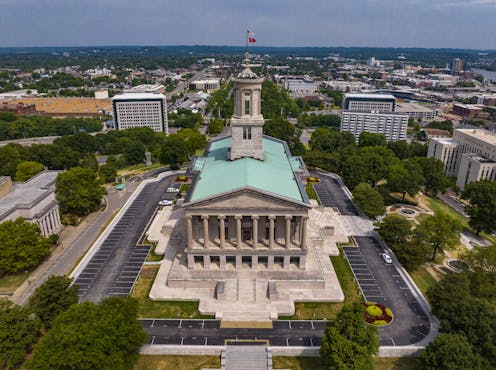
The ghost of the Confederacy hangs heavily over the Tennessee Legislature.
Justin Jones, one of two Black members expelled from the state’s House of Representatives in April 2023, had run afoul of House leadership before. In 2019, as a private citizen, he was arrested following his actions in protesting a bust in the state capitol honoring Nathan Bedford Forrest, a Confederate general and later Grand Wizard of the Ku Klux Klan.
While the expulsion of Jones and his colleague, Justin J. Pearson, riveted the nation’s attention, a curious and related event in the Legislature’s other branch, the Tennessee Senate, passed nearly unnoticed.
On Feb. 3, 2023, two state senators issued a formal proclamation commemorating April 2023 as Confederate History Month and encouraging “all Tennesseans to increase their knowledge of this momentous era in the history of this State.”
One of the signers is Senate Speaker Randy McNally, who is also the state’s lieutenant governor; the other is Sen. Mark Pody from Lebanon. Though not considered in legislative session and not listed on the Legislature’s website, the proclamation holds an official stature: It was issued on Senate stationery and stamped with the Tennessee state seal.
The proclamation’s wording closely follows that of a proclamation issued by Virginia’s Gov. Robert McDonnell in April 2010, with one striking exception. McDonnell’s proclamation in final form included a paragraph, inserted after protests to an earlier version, stating “that it is important for all Virginians to understand that the institution of slavery led to this war.”
The Tennessee proclamation, which includes eight introductory clauses celebrating “the cause of Southern liberty,” says nothing of slavery at all. Rather, it declares that Confederates conducted “a four-year heroic struggle for states’ rights, individual freedom, local government control, and a determined struggle for deeply held beliefs.”
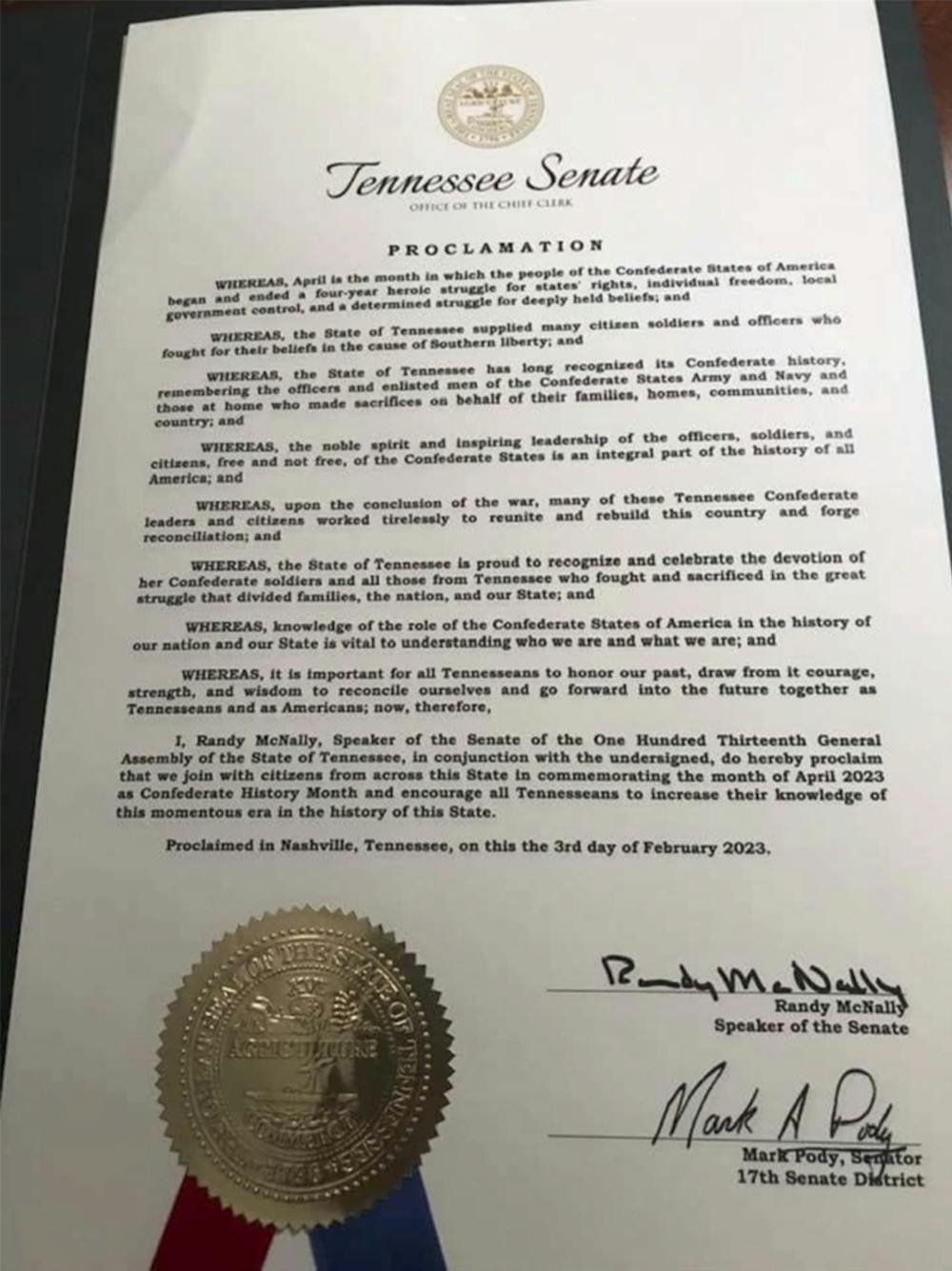
As we historians of the Civil War have tirelessly pointed out, the documentary record speaks clearly of the motive behind that “heroic struggle.”
Both official proceedings and private utterances prove abundantly that there was only one reason to secede from the United States and create a new Confederacy. That was to safeguard racial slavery from the threat posed by the election of an antislavery Northerner, Abraham Lincoln, as president of the United States.
Tennessee seceded later than other states, after the Confederate firing on Fort Sumter. Lincoln’s responding call for troops made plain that there would be a war and that Tennessee, like other fence-sitting Upper South states, would have to choose sides.
The record of the state’s reasons is easy to find, and would have been available to the authors of the recent proclamation. In 2021, the University of Tennessee Press published “Tennessee Secedes: A Documentary History.” It shows that in Tennessee, as elsewhere, the protection of slavery was the sole motive for secession.
In 1861, Gov. Isham Harris convened the state’s Legislature with a message denouncing the North’s “systematic, wanton, and long continued agitation of the slavery question,” crowned by the insulting election of a president who “asserted the equality of the black with the white race.”
Harris went on:
“To evade the issue thus forced upon us at this time, without the fullest security for our rights, is, in my opinion, fatal to the institution of slavery forever. The time has arrived when the people of the South must prepare either to abandon or to fortify and maintain it. Abandon it, we cannot, interwoven as it is with our wealth, prosperity and domestic happiness.”
In all the deliberations that followed, no cause or grievance but slavery was mentioned.
Yet these basic facts go unacknowledged in a proclamation that boldly declares that knowledge of Confederate history is “vital to understanding who we are and what we are.”
Other omissions in the proclamation are equally curious.
Tennessee’s role in the Confederacy was uniquely conflicted. Thousands of citizens, especially in mountainous East Tennessee, opposed secession. Ignoring “local government control,” the state suppressed their dissent by force.
Some 50,000 Tennesseans, white and Black, spurned the Confederacy and fought for the United States – more than from any other Confederate state. The proclamation silently erases not only their struggle and sacrifice but their very existence.
Whether the Confederacy should be celebrated or condemned depends inescapably on point of view.
The proclamation casts the Confederacy in the mode of the American Revolution. The picture it paints is of a noble, if unsuccessful, attempt to erect a new self-governing independent nation – ignoring the fact that the institution of human slavery was at its center, as the Confederate constitution made clear.
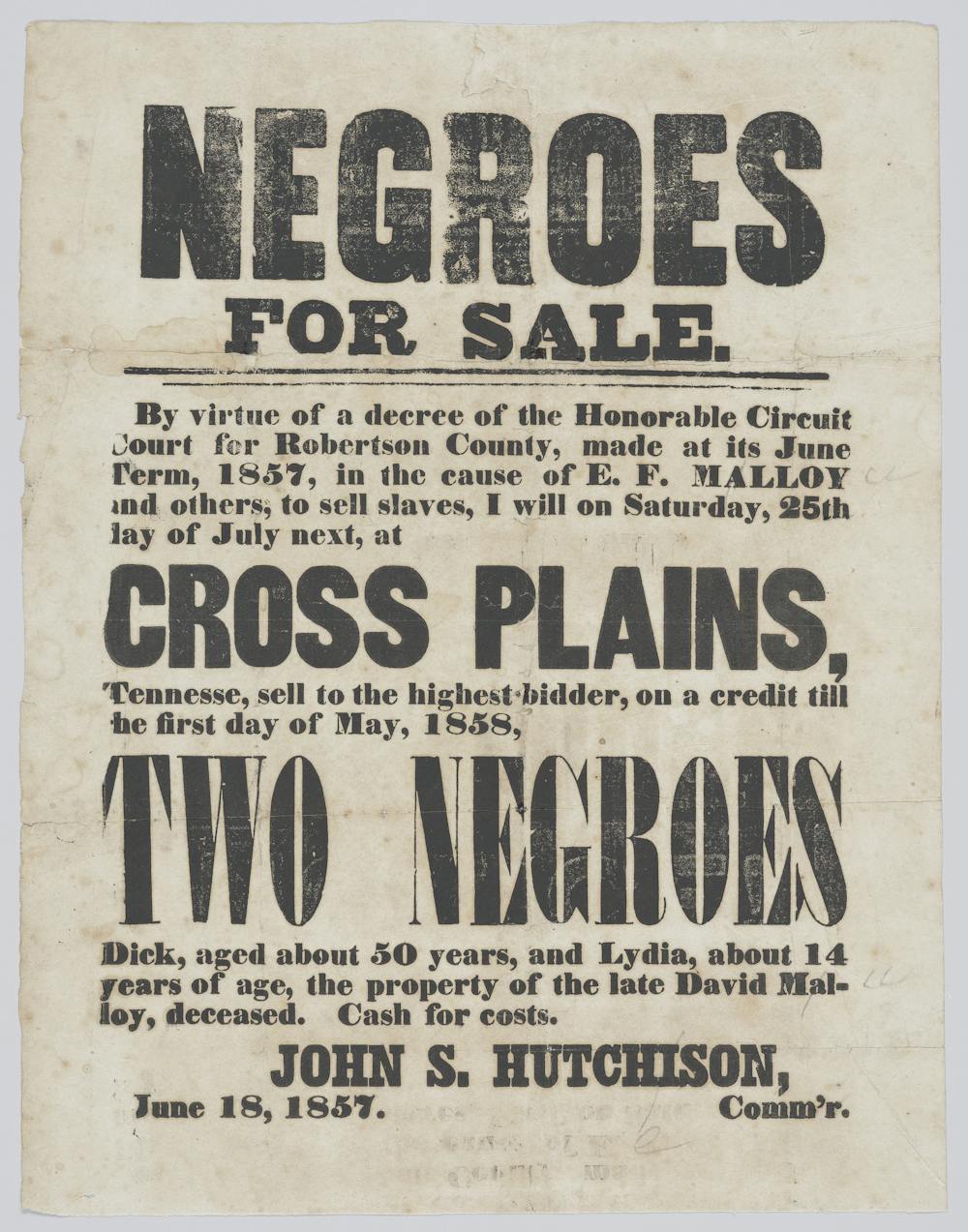
Yet from another perspective, the Confederacy was nothing more than an armed mass rebellion against a legitimately elected government.
It was, ironically, a famous Tennessean, President Andrew Jackson, who had warned would-be seceders in an official proclamation in 1832: “Be not deceived by names. Disunion by armed force is treason. Are you really ready to incur its guilt?”
Lincoln labeled the Confederacy an “insurrection” within the United States itself, which the government and loyal citizens had not only a right but a duty to put down.
In words that echo today, Lincoln also observed that if the United States won its battle against forcible dismemberment, “it will then have been proved that, among free men, there can be no successful appeal from the ballot to the bullet; and that they who take such appeal are sure to lose their case, and pay the cost.”
The old adage that the victors write history is true at least to this extent. Generally the American Revolutionaries are deemed patriot heroes rather than rebels and traitors because they won their war, and because the course of subsequent history appears to have vindicated their cause.
Yet many Confederate acolytes, the proclamation’s sponsors among them, seem to have difficulty confronting what the Confederacy actually stood for. Hence, citizens serving in government – who upon entering their offices take a solemn oath to uphold and defend the United States Constitution and begin their daily sessions by pledging allegiance to “one Nation indivisible” – chose to officially exalt a failed attempt to overthrow that Constitution and dismember the nation that it bound together.
Under a statute enacted in 2021, Tennessee public school teachers are barred from using instructional materials “promoting or advocating the violent overthrow of the United States government.”
No such prohibition applies to state legislators.

Daniel Feller does not work for, consult, own shares in or receive funding from any company or organisation that would benefit from this article, and has disclosed no relevant affiliations beyond their academic appointment.
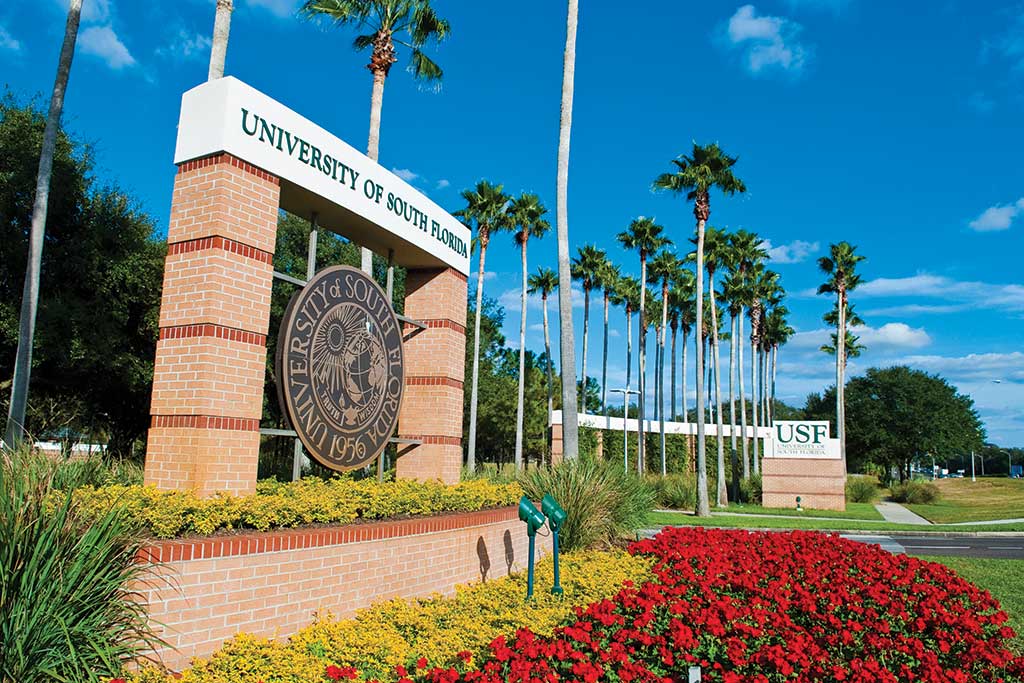
When assistant professor Kyaien Conner was offered a position to be the director for a Center on Race and Social Problems as well as the Associate Dean for Diversity, Equity and Inclusion (DEI) in an out-of-state university, she said knowing she’d probably never be offered the same position in Florida solidified her decision to leave the state.
“I do love Florida. My family is here. I have great colleagues at the University of South Florida and I’ve been successful at USF and have achieved tenure and have multiple, very large grants,” Conner said.
“I think it was the recognition that what I was being offered at the University of Pittsburgh is something that fundamentally right now I would not be able to do at the University of South Florida. I would not be able to get funding from the university to have a center on race and social problems. I would likely not be able to be an Associate Dean for Diversity, Equity and Inclusion.”
She said with legislation targeting DEI and critical theory –such as House Bill (H.B.) 999 and its companion Senate Bill 266 – it would be hard for her to continue the work she is passionate about. Conner, who also serves as the Chair of the Faculty Senate’s Racial Justice Council, said she needs an environment where politics don’t dictate the ways she can conduct her work.
“For me, for my mental health, but also for me to be able to continue to do the work that I am passionate about, it was the best decision for me to take that offer and to move my program of work to the University of Pittsburgh,” she said.
Under H.B. 999, Florida state universities would be required to remove majors and minors which are related to critical race theory, queer theory, intersectionality and radical gender theory, according to the Florida Senate.
The bill would also prohibit universities from expending funds into DEI and institute post-tenure review for faculty every five years or at any time with cause – such as insubordination, misconduct and violations of laws and rules.
As a result of legislation targeting DEI and critical theory, Conner said there will likely be an exodus of people leaving the state, attesting that many of her colleagues are currently on the job market or have already accepted offers to leave the university.
For faculty in the STEM fields, the legislation will also pose a challenge, according to psychiatry and behavioral sciences professor Jerri Edwards. She said as a consequence of the bills, obtaining external funding will become difficult as the National Institutes of Health (NIH) consider the “environment” when scoring grants.
Edwards’ own NIH funding is contingent on maintaining positive relationships with minority communities so they are able to engage in research, according to her. In order to be successful, Edwards said she has considered leaving the university if the legislation were to be implemented as she needs to be in a university which promotes DEI and faculty success.
“Merely the consideration of this legislation is hurting our reputation and likely how our grants will be scored on the environment,” Edwards said.
Conner said losing research faculty will impact students as well, as they will miss out on an opportunity to have mentor-mentee relationships. With Florida’s reputation being hurt on the world stage, she said she foresees a huge loss in “people capital, social capital but also financial capital.”
The bill also stands to have an impact on the courses and curriculum offered in universities, according to Conner, but this could then affect accreditations. This is a possibility in the case of the School of Public Health, where DEI curriculum plays a major role, she said. She said if the university loses courses and consequently its accreditations, less students and faculty will choose to come here.
“[It could impact] faculty decisions about whether or not this is the right place for them to teach… If they want to be in a system where the concepts and the values that they believe in very strongly are things that we have to sort of tiptoe around because there’s this new language in the law that prohibits us from being able to talk about certain issues,” she said.
USF is currently monitoring bills that have been introduced which could impact the university, according to Director of Media Relations Althea Johnson. She said the university will assess how legislation might impact the university if any laws are passed.
Freshman psychology major Isabel Santos said she is scared her minor in queer and sexuality studies will not count anymore and is considering leaving the state after graduation. Though she said she always thought she’d stay in Florida, the new legislation targeting both DEI and LGBTQ rights has changed that.
“I don’t feel safe in Florida anymore. I was born and raised in Florida. I always thought I would live in Florida forever because I love the state. I really do. It’s beautiful. But with all the laws being passed lately, I do not feel safe as a gay woman,” she said.
The courses that would be in danger of being banned have great value as they ensure history won’t repeat itself, according to Santos.
“History will repeat itself if we don’t teach about it. And, it’s not something we’re supposed to hide. It’s history. It happens. People need to know what actually happened,” she said.
Taking away the option of those courses will also narrow down people’s exposures to different cultures and viewpoints, according to junior political science major Nakai Creecy. He said it is also important for him as a Black person to be able to know and learn about where he comes from.
“I don’t think that it’s fair for the government to deny that of me and my identity,” he said.
Due to the legislation both in Florida and surrounding states, Creecy said both he and his wife are in the process of coming up with a plan to leave the state, as they no longer feel safe.
“It’s getting to a point where I feel like there’s better places out there. Honestly, I mean, who would want to live in a place where [it is] one way or no way?” he said.
Conner said H.B. 999 is not the only issue, but also the book bannings and removal of the Advanced Placement African American History course, according to Conner. She said these recent legislative decisions have made her feel as though she is personally under attack as someone who represents the Black community.
“It feels like a lot of the things that we have worked very hard for us as society to try to recognize the importance of equality and equity, to move these issues forward …that we’ve taken some pretty significant steps backwards in history,” she said.
“It feels very scary to live in Florida right now. It doesn’t feel like a safe place for me or my children.”
“Every once in a while a book lands on your desk that changes the way you perceive the world you live in, a book that fundamentally challenges your understanding of human history.” So began the blurb that came with this book. Aha! I thought. The usual advertising hyperbole, a gross exaggeration.
Yet Pathogenesis did challenge much of my understanding of world history. Who knew that if it wasn’t for an Ebola-like pandemic in the 2nd century CE, Christianity would never have become a world religion? Or that if it weren’t for retroviruses, women would be laying eggs rather than having live births? (According to Kennedy, a retrovirus inserted DNA into our ancestor’s genome that caused the placenta to develop.)
Book review: Pathogenesis: How germs made history – by Jonathan Kennedy (Torva)
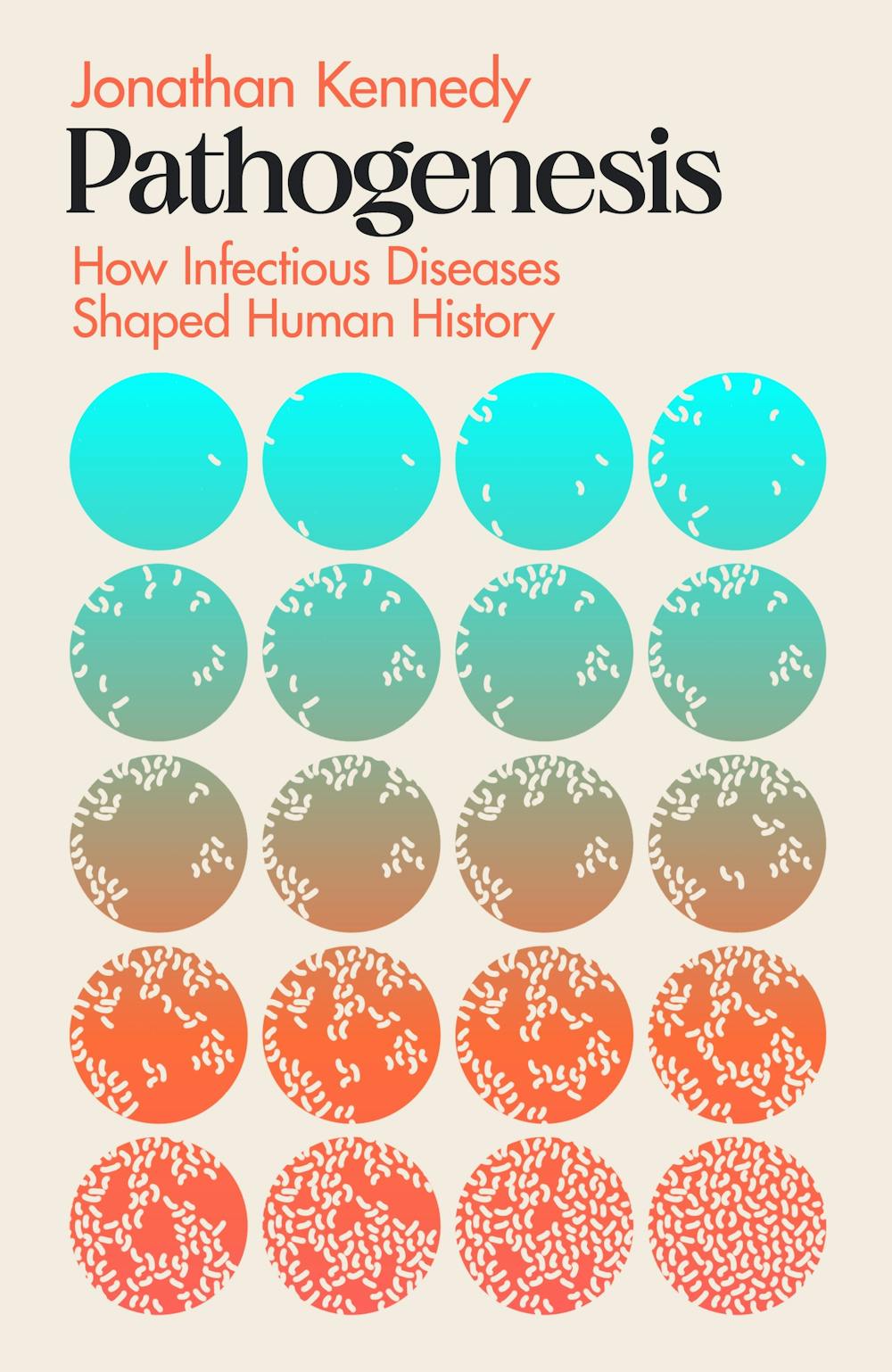
However, this is not another book of Amazing Facts: it is a work of scholarship, with nearly 700 references and notes. At the same time, it is very readable, and even amusing at times.
Many books have been written about the impact of disease on civilisation. I have even written my own modest essay on the topic. However, Pathogenesis delves deeply into the social history of the world.
Jonathan Kennedy has a PhD in sociology from the University of Cambridge, and his sociological bent comes through strongly. In eight chapters, and some 350 pages, Kennedy takes us on a whirlwind tour of social history, describing how infectious diseases have shaped humanity at every stage.
Read more: Viruses are both the villains and heroes of life as we know it
Kennedy starts by describing the three great branches of living organisms, bacteria, archaea, and eukaryotes – it is the latter that contains all complex life forms, including humans. However, fewer than 0.001% of all species are eukaryotes.
Bacteria, on the other hand, are the dominant life form on this planet. As Kennedy puts it, “it’s a bacterial world, and we’re just squatting here”.
Our own species, Homo sapiens, arose some 315,000 years ago, living for the most part in Africa. At the same time, human species such as Neanderthals and Denisovans spread out into Europe. However, about 50,000 years ago, Homo sapiens burst out of Africa and spread across the world, while all other human species simply vanished. There are many theories as to why and how this occurred – for example, perhaps Homo sapiens were just smarter.
However, Kennedy proposes his own theory. Because Homo sapiens lived primarily in Africa, they were exposed to many pathogens, and eventually acquired genetic changes that gave them some protection. The exodus out of Africa exposed other species to these pathogens, causing their demise.
He describes the Neolithic revolution, which took place about 12,000 years ago and which saw the change from hunter-gatherers to farmers. Because of their nomadic existence in small groups, hunter-gatherers tended to be relatively healthy, with an average lifespan of 72 - better than the average lifespan in some countries today!
It has always been assumed that this revolution was a good thing, bringing better nutrition and more leisure time. However, in Kennedy’s view, the Neolithic revolution led to the emergence of despotism, inequality, poverty and backbreaking work. He describes how settlement and the farming of domestic animals led to the emergence of zoonotic diseases – that is, diseases spread by animals.

Read more: Disease evolution: our long history of fighting viruses
In a chapter on ancient plagues, Kennedy quotes from Monty Python’s The Life of Brian:
All right, but apart from the sanitation, the medicine, education, wine, public order, irrigation, roads, a fresh water system, and public health, what have the Romans ever done for us?
He points out that Roman cities were, in fact, “filthy, stinking and disease-ridden”, and goes on to describe the great plagues that weakened the Roman Empire. The first was the Antonine Plague, possibly caused by smallpox. This was followed some 70 years later by the Plague of Cyprian from AD 249-262, which led to the splitting of the Roman Empire and the rise of Christianity.
Kennedy completes this chapter with a description of the Plague of Justinian, caused by bubonic plague. The massive deaths caused by this epidemic led to the demise of the Roman Empire, and the Muslim conquest of the Middle East.
In the period 1346–53, the Black Death tore through North Africa and Europe, killing an estimated 75 million to 200 million people. Kennedy describes the devastation and huge social upheavals that resulted from this pandemic. Until then, the Roman Catholic Church dominated society. But:
During the Black Death and subsequent plague outbreaks, people looked to the Church for comfort. All too often they didn’t find it.
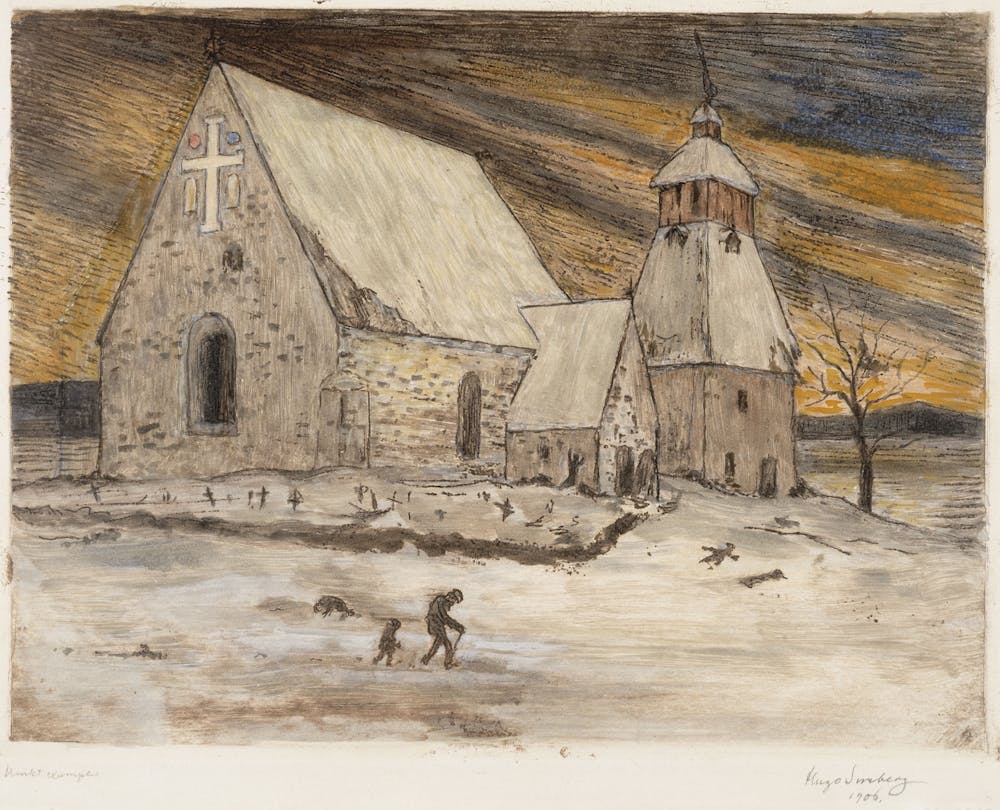
This led to the rise of Protestantism, aided by the invention of the printing press - a shortage of labour encouraged the development of such labour-saving devices. Over the next 200 years, waves of plague repeatedly hit Europe. A quarantine system was developed in Venice, and cordon sanitaires established, to prevent movement of people between cities - ring any bells?
Read more: Did the Black Death give birth to modern plagues?
In the period from 1500 onwards, white colonialists nearly wiped out indigenous people by infecting them. Kennedy starts with the early 16th century, when Spanish conquistador Hernán Cortés led an expedition to Mexico. His arrival introduced smallpox, which resulted in the total destruction of the Aztec Empire within just two years. However, this was just the start.
In the early 1530s, Mexico was hit by an epidemic of measles that killed 80% of its population, making it the deadliest epidemic in recorded history. Over the following decades, across the whole of the Americas, the introduction of infectious diseases from Europe resulted in a 90% fall in the population.
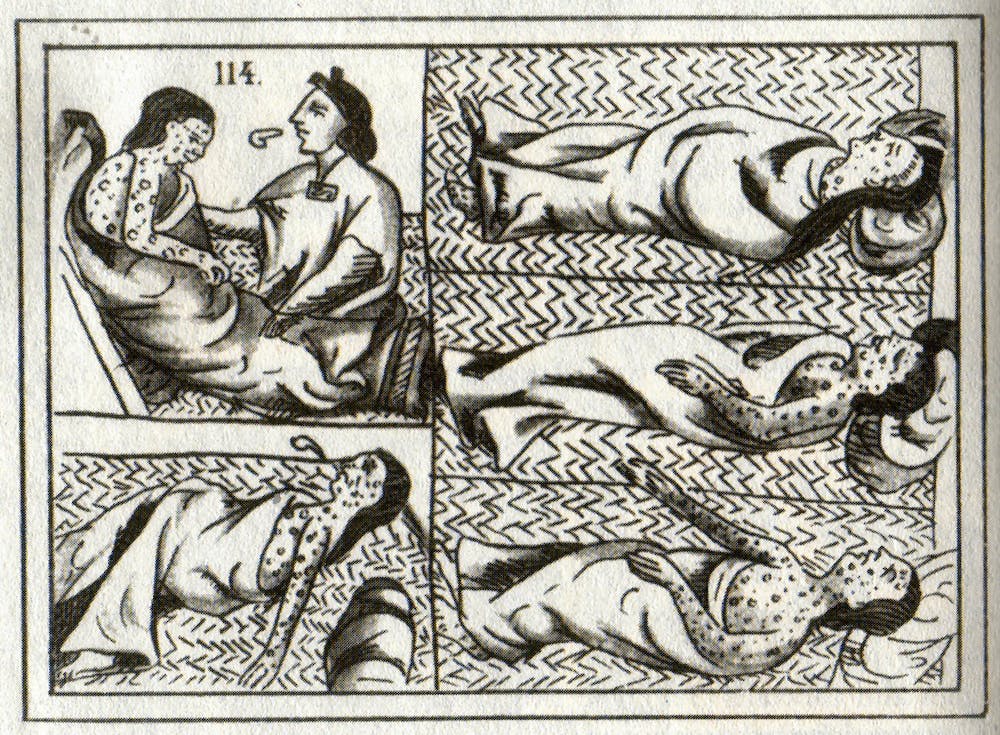
However, during this period, it wasn’t just the New World that was profoundly affected by pathogens. On the west coast of Africa, explorers and would-be colonialists died in droves from malaria and yellow fever.
Interestingly, Kennedy starts his chapter on revolutionary plagues with the murder of George Floyd and the Black Lives Matter movement, before delving deep into the history of slavery. He describes slavery in Greek and Roman times, and the booming trade in slaves in the medieval Mediterranean.
The association between black Africans and slavery only began in the 15th century. In fact, only 3% of the 12.5 million humans trafficked across the Atlantic ended up in the United States. The most common destinations of the slave ships were the European colonies in the Caribbean, where African slave labour was first used more than a century before their shipment to North America.
Meanwhile, in the Caribbean, slave labour from tropical West Africa toiled on sugar plantations owned by the English, Spanish, French and Dutch. Yellow fever carried by mosquitoes wiped out many of the Europeans, including military garrisons, leading to slave revolts.
Read more: Friday essay: a slave state - how blackbirding in colonial Australia created a legacy of racism
When Kennedy switches his focus to Britain, and the industrial revolution, he describes it as the change from a Thomas Hardy novel to one by Charles Dickens. The crowded and unsanitary conditions in working-class urban districts created new habitats, in which pathogens thrived.
Kennedy again evokes Monty Python to invoke the scenery of those days, reminding readers of the famous four Yorkshiremen sketch. The scene made me think of a different quote from the same sketch:
You were lucky to have a house! We used to live in one room, all hundred and twenty-six of us, no furniture. Half the floor was missing; we were all huddled together in one corner for fear of falling!
Every Epidemiology 101 course covers the story of John Snow (no – not the “Winter is coming” one!). Two decades before the development of the microscope, Snow examined cholera outbreaks to discover the cause of disease and how to prevent it.
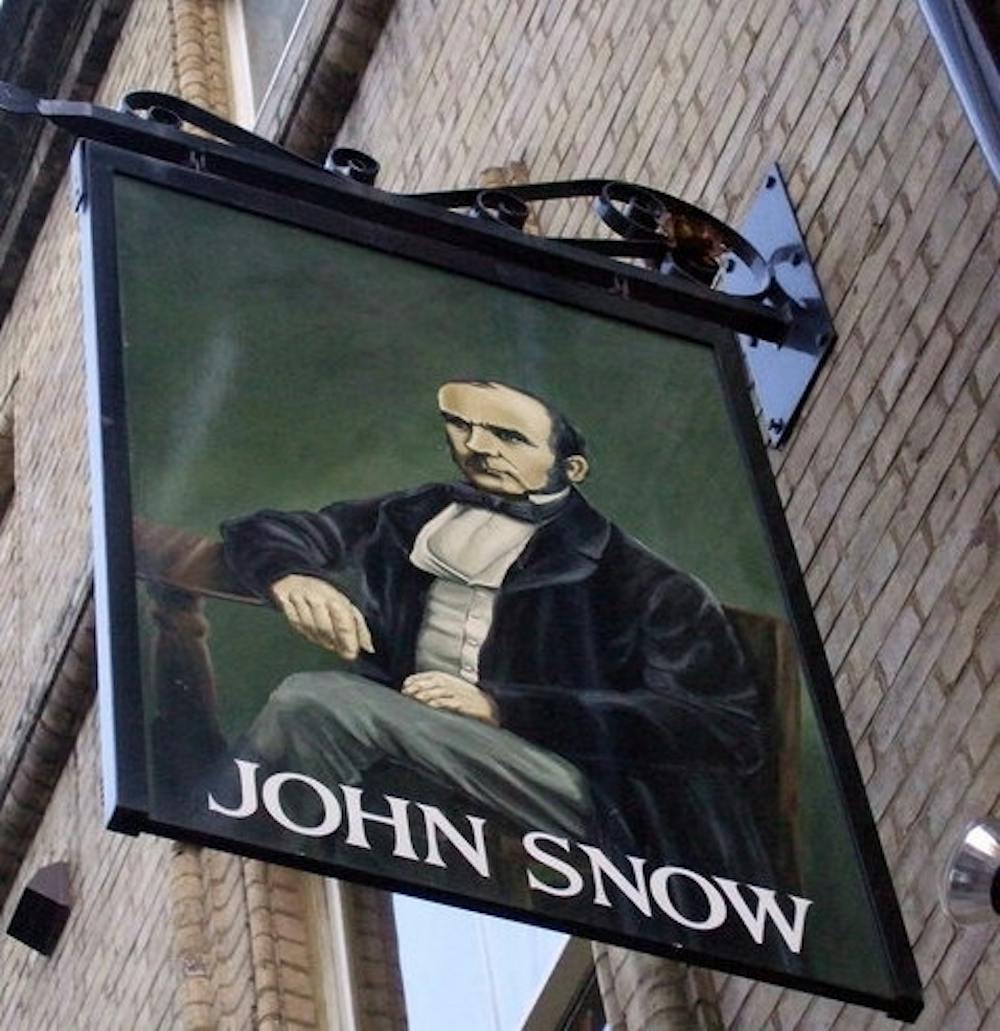
During the third UK cholera outbreak in 1854, Snow famously removed London’s Broad Street water pump, to demonstrate that cholera was a waterborne disease. For those interested, there is a John Snow pub in London. Kennedy, of course, includes this story in his book.
Kennedy points out that 3.5 million people – half of the world’s population – have no access to proper toilets, while a billion don’t have clean drinking water and 1.5 million people, mainly children, die every year from waterborne diarrhoeal diseases.
We still have massive cholera outbreaks, especially in areas where normal life has been disrupted by war or natural disasters. Tuberculosis still kills 1.2 million people a year, despite the availability of antibiotics. Malaria kills another 600,000.
Finally in this section, he briefly covers COVID. He points out that not everyone in the world benefited from the medical advances that came about because of COVID, and the self-interested actions of high-income countries have deprived the poorer countries. As he puts it, “pathogens thrive on inequality and injustice”.
Read more: Fleas to flu to coronavirus: how 'death ships' spread disease through the ages
Kennedy concludes by looking at future plagues. He points out humanity’s precarious position: we live on a planet dominated by bacteria and viruses. He believes our best chance of surviving the threat posed by pathogens will come from working collaboratively and reducing inequality both within and between countries.
Based on its title, I assumed this book would be about the role of pathogens in shaping civilisation. Instead, I found a social history of the world, with the odd foray into diseases and their influence on society. Nonetheless, I thoroughly enjoyed the book, and can highly recommend it to those with an interest in history, sociology and epidemiology.

Adrian Esterman does not work for, consult, own shares in or receive funding from any company or organisation that would benefit from this article, and has disclosed no relevant affiliations beyond their academic appointment.
Most people think that empathy – the ability to put yourself in another person’s shoes – is fixed, but it’s not. Empathy can be taught. Research has shown that reading can help children develop empathy. Through reading, children can experience the situations of others that are very different to their own, and reflect on that experience.
Further findings on the effect of teaching empathy in schools come from a programme I work with called Empathy Week. It shows pupils documentary films with a range of scenarios from different cultures, designed to inspire empathy. Early findings (which have not yet been peer-reviewed by other scientists) suggest that as little as one week of empathy lessons using these films improves pupils’ emotional awareness.
What’s more, in my research with schools I have found that learning that incorporates empathy can also help students increase their creativity.
We have empathy to a larger or lesser extent depending on a variety of factors, including personality traits, our genes and our environment. Research has shown that some, but not much, of our empathy is genetic – about 10%. This suggests that there is potentially a large amount of empathy that can be acquired from our everyday interactions.
However, we can lose empathy as we grow older. Research with children aged between five and nine measured their degree of empathy as they viewed scenarios depicting social injustices towards children of different races.
Their brain activity was measured using an EEG (electroencephalogram), which looked for higher levels of “mu suppression” – a brain frequency that is used as an indicator of empathy levels.
The children did not show racial bias in their empathy responses – but previous studies with adults have found that adults do have this bias in their empathy responses. This suggests that people have the potential to develop biases that can reduce empathy.

Empathy helps us understand what others are thinking and feeling. It helps children build relationships, engage with what they are learning about, and work and play together.
My research has investigated the effect of teaching empathy on the social and emotional skills of creativity in design and technology classes in the UK.
Pupils in year nine – aged 13 to 14 years – from two schools were assessed for their creativity levels both at the start and at the end of the academic school year. We did this using the Torrance Test of Creative Thinking – which measures drawn and written responses to drawn and written prompts.
After the students first took the test, one school carried on as normal with its usual design and technology lessons. At the other school, the usual lessons were replaced with a series of lessons that focused on empathy, called Designing our Tomorrow.
The students were asked to create a product for children with asthma and their families: a pack that contained the information and equipment needed to treat asthma in young children. They were prompted to be empathetic – for instance, by not being judgmental of their own designs and those of others. The students were encouraged to empathise with the people they were designing the product for.
Results showed that only the school where we ran the lessons focused on empathy increased its levels of creative responses. These findings suggest that creativity can be taught – particularly with instructions that advocate the importance of empathising with the subject matter.
Teaching empathy at school would help young people retain it in their repertoire of social skills, enhancing their learning and equipping them for the adult world.

Helen Demetriou does not work for, consult, own shares in or receive funding from any company or organisation that would benefit from this article, and has disclosed no relevant affiliations beyond their academic appointment.
Are Americans really as politically polarized as they seem – and everybody says?
It’s definitely true that Democrats and Republicans increasingly hate and fear one another. But this animosity seems to have more to do with tribal loyalty than liberal-versus-conservative disagreements about policy. Our research into what Americans actually want in terms of policy shows that many have strong political views that can’t really be characterized in terms of “right” or “left.”
The media often talks about the American political landscape as if it were a line. Liberal Democrats are on the left, conservative Republicans on the right, and a small sliver of moderate independents are in the middle. But political scientists like us have long argued that a line is a bad metaphor for how Americans think about politics.
Sometimes scholars and pundits will argue that views on economic issues like taxes and income redistribution, and views on so-called social or cultural issues like abortion and gay marriage, actually represent two distinct dimensions in American political attitudes. Americans, they say, can have liberal views on one dimension but conservative views on the other. So you could have a pro-choice voter who wants lower taxes, or a pro-life voter who wants the government to do more to help the poor.
But even this more sophisticated, two-dimensional picture doesn’t reveal what Americans actually want the government to do – or not do – when it comes to policy.
First, it ignores some of the most contentious topics in American politics today, like affirmative action, the Black Lives Matter movement and attempts to stamp out “wokeness” on college campuses.
Since 2016, when Donald Trump won the presidency while simultaneously stoking racial anxieties and bucking Republican orthodoxy on taxes and same-sex marriage, it has become clear that what Americans think about politics can’t really be understood without knowing what they think about racism, and what – if anything – they want done about it.
Recently, some political scientists have argued that views on racial issues represent a third “dimension” in American politics. But there are other problems with treating political attitudes as a set of “dimensions” in the first place. For example, even a “3D” picture doesn’t allow for the possibility that Americans with conservative economic views tend to also hold conservative racial views, while Americans with liberal economic views are deeply divided on issues related to race.
In our new article in Sociological Inquiry, we analyzed public opinion data from 2004 to 2020 to develop a more nuanced picture of American political attitudes. Our aim was to do a better job of figuring out what Americans actually think about politics, including policies related to race and racism.
Using a new analytic method that doesn’t force us to think in terms of dimensions at all, we found that, over the past two decades, Americans can be broadly divided into five different groups.
In most years, slightly less than half of all Americans had consistently liberal or conservative views on policies related to the economy, morality and race, and thus fall into one of two groups.
“Consistent Conservatives” tend to believe that the free market should be given free rein in the economy, are generally anti-abortion, tend to say that they support “traditional family ties” and oppose most government efforts to address racial disparities. These Americans almost exclusively identify themselves as Republicans.
“Consistent Liberals” strongly support government intervention in the economy, tend to be in favor of abortion rights and pro-same-sex marriage and feel that the government has a responsibility to help address discrimination against Black Americans. They mostly identify as Democrats.
But the majority of Americans, who don’t fall into one of these two groups, are not necessarily “moderates,” as they are often characterized. Many have very strong views on certain issues, but can’t be pigeonholed as being on the left or right in general.
Instead, we find that these Americans can be classified as one of three groups, whose size and relationship to the two major parties change from one election cycle to the next:
“Racial Justice Communitarians” have liberal views on economic issues like taxes and redistribution and moderate or conservative views on moral issues like abortion and same-sex marriage. They also strongly believe that the government has a responsibility to address racial discrimination. This group likely includes many of the Black evangelicals who strongly supported Barack Obama’s presidential campaign, but were also deeply uncomfortable with his expression of support for same-sex marriage in 2012.
“Nativist Communitarians” also have liberal views on economics and conservative views on moral issues, but they are extremely conservative with respect to race and immigration, in some cases even more so than Consistent Conservatives. Picture, for instance, those voters in 2016 who were attracted to both Bernie Sanders’ economic populism and Donald Trump’s attacks on immigrants.
“Libertarians,” who we find became much more prominent after the tea party protests of 2010, are conservative on economic issues, liberal on social issues and have mixed but generally conservative views in regard to racial issues. Think here of Silicon Valley entrepreneurs and venture capitalists who think that the government has no business telling them how to run their company – or telling gay couples that they can’t get married.
These three groups of Americans have a difficult time fitting in with either of the two major parties in the U.S.
In every year we looked, the Racial Justice Communitarians – who include the largest percentage of nonwhite Americans – were most likely to identify as Democrats. But in some years up to 40% still thought of themselves as Republicans or independents.
Nativist Communitarians and Libertarians are even harder to pin down. During the Obama years they were actually slightly more likely to be Democrats than Republicans. But since Trump’s rise in 2016, both groups are now slightly more likely to identify as Republicans, although large percentages of each group describe themselves as independents or Democrats.
Seeing Americans as divided into these five groups – as opposed to polarized between the left and right – shows that both political parties are competing for coalitions of voters with different combinations of views.
Many Racial Justice Communitarians disagree with the Democratic Party when it comes to cultural and social issues. But the party probably can’t win national elections without their votes. And, unless they are willing to make a strong push for promoting “racial justice,” the Republican Party’s national electoral prospects probably depend on attracting significant support from either the economically liberal Nativist Communitarians or the socially liberal Libertarians.
But perhaps most importantly, these five groups show how diverse Americans’ political attitudes really are. Just because American democracy is a two-party system doesn’t mean that there are only two kinds of American voters.

The authors do not work for, consult, own shares in or receive funding from any company or organization that would benefit from this article, and have disclosed no relevant affiliations beyond their academic appointment.

By investigating haunted locations, seals and recording sightings of ghosts on campus, President Nolan Nolan and Vice President Brenda Nguyen observe many peculiar things while leading the Occult Research Society club at USF.
Nolan said he has always been intrigued and fascinated by the occult. He tested out this curiosity by occasionally playing with a Ouija board and visiting a haunted historical house an hour away from campus. He noticed a doll’s silhouette in the house’s attic window that changed positions when he visited the room a second time. Despite witnessing paranormal occurrences, Nolan has no fear when investigating the occult – only interest.
“I think I love the idea of mystery in this world. I love thinking that there is something out there that can be discovered. I think that there’s all the paranormal occult stuff out there that not a lot of people are paying attention to, so I love the idea of being able to figure that out,” he said.
Daniel Mendoza founded the Occult Research Society in 2019 during his sophomore year at USF, where he was the club’s president until Nolan succeeded him.
The art of folklore oral storytelling and the unification of people through supernatural research captivated Mendoza. He said he realized occult research was beneficial for his project in creative writing, so the idea of an occult research club at USF came into fruition. The mission of the club is to collect and categorize urban legends on a global scale, especially on campus.
Mendoza said he understood that expanding the management team was beneficial for the organization of the Occult Research Society, initially appointing Nolan as the vice president and adding a treasurer position. As his graduation approached, Mendoza recognized the spark and creativity that Nolan and Nguyen possessed and recommended them for the roles of president and vice president.
“Nolan showed a lot of interest. He has a way of doing things which is awesome. I am glad that he and Brenda take the initiative to better the club, create an inclusive and learning environment with cool topics,” Mendoza said.
“Brenda is super creative. She likes to paint and make artistic things for the club like chalk sigils for an activity.”
General topics the club researches are cursed objects, demonology, alchemy, dolls, ghosts, cryptids, monsters, supernatural artifacts and magical practices from different cultures across the globe.
Nguyen described the Occult Research Society as a casual, educational, spooky and relaxing environment to learn about the paranormal.
The most notable strength of the club is every member’s open mindset and great desire to learn about the occult, hypothesize and discuss theories, Nolan said. However, the club’s current unpopularity – with only a turnout of 10 members out of 181– is something leadership wants to work on, according to Nolan. They aspire to improve by organizing Bulls Market events next semester and promoting the club on social media.
Isabella Mendoza, an active club member, said Nolan and Nguyen make great leaders and help ensure the club remains exciting and fun.
“Brenda and Nolan are really fun together. They are both quite cool and approachable people,” Mendoza said.
Typical club meetings begin with the dimming of the lights to set the mood of mystery and the occult, followed by a presentation of the meeting topic. A Q&A portion and a more informal discussion period also take place.
Some of the equipment that the club uses to research occult activity are electromagnetic frequency (EMF) meters, which are often used in ghost hunting to measure the limited electric magnetic field of ghosts. In the presence of a paranormal entity, the EMF meter allegedly spikes up. The club has used these meters to investigate paranormal activity in the library as well as the theoretically haunted HMS architecture building.
While the meters have not alerted them of any occult activity in the library, they have noticed small EMF meter spikes at the architecture building.
Some hauntings at USF the club has researched are the girl with the green backpack who haunts the fourth floor of the library, ‘Trepanation’ and the cursed supply closet in the School of Architecture and Community Design building.
‘Trepanation’ was supposedly a medical student that performed trepanation on himself by drilling holes in his skull to enhance mystical visualizations, and according to Mendoza, the last sighting of Trepanation was in 2019.
“He thought that by releasing pressure in his brain, he could perform more efficiently. He started to see hallucinations afterwards and those hallucinations would make him seem smarter and give him the ability to tell the history of objects,” Mendoza said.
The legend of the HMS architecture building involves the presence of a cursed supply closet.
“It is said that there is a room that is like a supply closet. But if you go by the room at night, you hear voices on the other side. But if you open it, there’s nobody there. And I wish I could remember what room number it was, but everyone believes it’s on the second floor and it’s just a supply closet,” Nolan said.
Non-USF hauntings that the club researches include the Voynich manuscript and the Mothman.
The Voynich manuscript, as explained by Nolan and Nguyen, is an old book written in an unknown language that surfaced in the Italian Renaissance. Not a single person has been able to decipher the language or the strange depictions of plants that are included in the book. Nolan said the two want to plan a presentation of the mysterious book and have an open discussion to share hypotheses on the purpose of it.
They also described the Mothman as a cryptid or humanoid creature from Point Pleasant, West Virginia. Many people speculated in lore that the Mothman was responsible for the Silver Bridge collapse that killed 46 people in 1967, and not one of the faulty integrity of the bridge.
Nolan said they hope to create a body of work of USF folklore and unite people who share the same curiosity, creativity and passion to research the occult and engage in storytelling.
“The paranormal is the science that we just don’t understand yet,” Nolan said. “I believe that this statement sums up the theme of the club extremely well. We’re all just trying to make sense of the weird world we live in.”
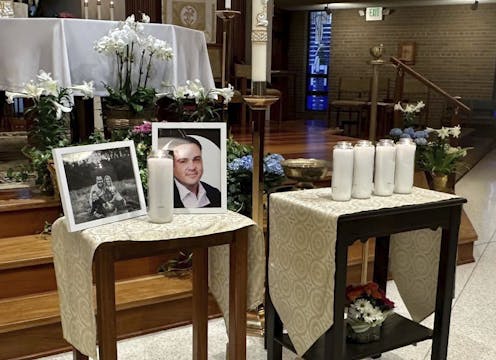
An acutely troubling aspect of life in contemporary America is the growing proliferation of mass shootings that claim thousands of innocent lives year after painful year and make everyone feel unsafe.
The year 2023 is still young, and already there have been at least 146 mass shooting events in the U.S. on record, including the killing of five people in a Louisville, Kentucky, bank that the shooter livestreamed. There were 647 mass shootings in 2022 and 693 in 2021, resulting in 859 and 920 deaths, respectively, with no respite in sight from this ghastly epidemic. Since 2015, over 19,000 people have been shot and wounded or killed in mass shootings.
In the wake of most shootings, the news media and the public reflexively ask: What was the killer’s motive?
As a psychologist who studies violence and extremism, I understand that the question immediately pops to mind because of the bizarre nature of the attacks, the “out-of-the-blue” shock that they produce, and people’s need to comprehend and reach closure on what initially appears to be completely senseless and irrational.
But what would constitute a satisfactory answer to the public’s question?
Media reports typically describe shooters’ motives based on specific individual details of the case, on their “manifestos” or social media postings. These generally list insults, humiliations or rejections – by co-workers, potential romantic partners or schoolmates – that a perpetrator may have suffered. Or they may cite alleged threats to the shooter’s group from some imagined enemy such as Jews, people of color, Muslims, Asians or members of the LGBTQ+ community.
Though perhaps informative about a given perpetrator’s way of thinking, I believe these motives are too specific. Each shooter’s life story is unique, yet the growing number of mass shootings suggests a general trend that transcends personal details.
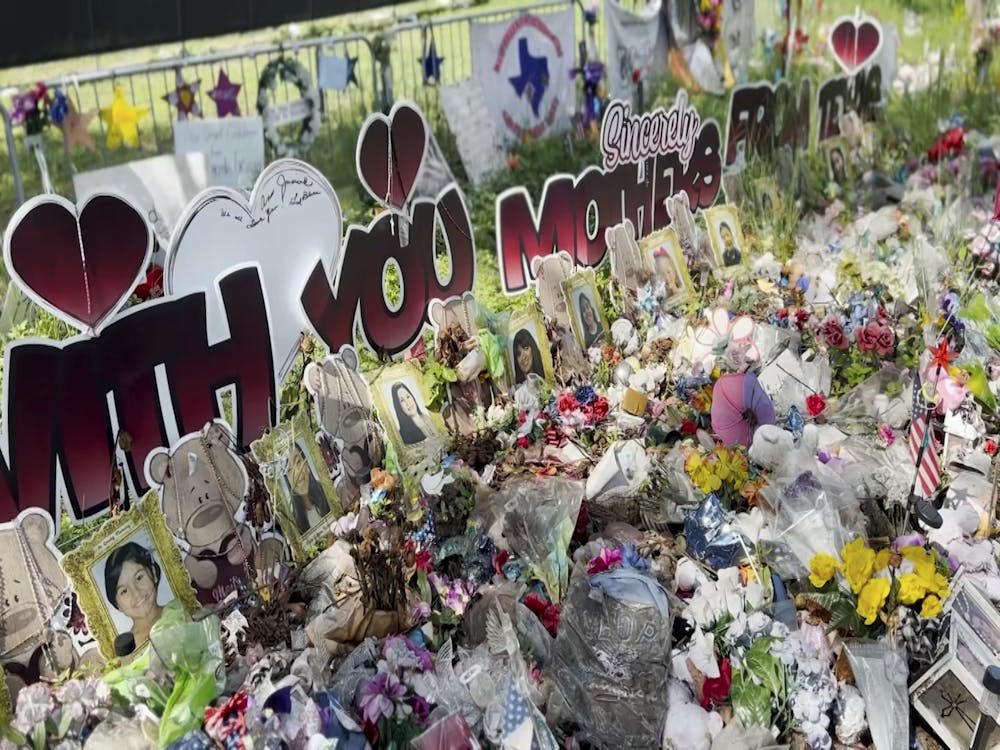
Perhaps surprisingly, the general motive that drives mass shootings is a fundamental human need. It is everyone’s quest for significance and a feeling that their life matters.
That need gets activated when someone feels the loss of significance, the sense of being slighted, humiliated or excluded, but also when there is an opportunity for a gain in one’s sense of significance, being the object of admiration, a hero or a martyr in other people’s eyes.
I took part in a recent study carried out in the aftermath of the 2016 Orlando mass shooting. In that study, headed by social psychologist Pontus Leander of Wayne State University, we subjected American gun owners to feeling a loss of significance by giving them a failing score – or not – on an achievement task. We then asked this random sample of gun owners to respond to a number of questions including whether they would be ready to kill a home intruder even if they were about to leave the home they invaded, and also how empowered those gun owners felt by owning a gun.
We found that the experience of failure increased participants’ view of guns as a means of empowerment, and enhanced their readiness to shoot and kill a home intruder.
And a 2020 review of mass shooting incidents between the years 2010 and 2019 found that 78% of mass shooters in that period were motivated by fame-seeking or attention-seeking – that is, by the quest for significance.
If the need for significance is so fundamental and universal, how is it that mass shooting is an isolated phenomenon perpetrated by a handful of desperate individuals – and not by everyone?
Two factors can push this common human striving into mayhem and destruction.
First, it takes extreme heights of significance craving to pay this high a price for potential notoriety. Shooting is an extreme act that demands self-sacrifice, not only giving up on acceptance in the mainstream society, but also producing a high likelihood of dying in shootouts with law enforcement.
Research shows that about 25% to 31% of mass shooters exhibit signs of mental illness, which is likely to induce in them a deep sense of disempowerment and insignificance. But even the remaining 70%-75% with no known pathologies are likely to have suffered extreme significance issues, as attested by their ample statements about humiliation, rejection and exclusion they believe they or their group suffered at the hands of some real or imagined culprits. These feelings can create a one-track significance focus that can ultimately precipitate a mass shooting.
Yet even someone who really really wants to feel significant is not necessarily going to carry out a mass shooting.
In fact, most highly motivated people satisfy their egos quite differently; they focus their extremism on various socially approved areas: business, sports, the arts, the sciences or politics. Why would some then choose the repugnant road to infamy paved by the massacre of innocents?
There is a method to this madness: The shocked public attention a shooting attracts delivers instantaneous “significance.” Climbing the steep hill of a respectable career, however, is fraught with obstacles and uncertainties. Success is elusive, takes ages to attain, and is inequitably afforded to those with unusual ability, grit or privilege, or some combination of those.
Committing a mass shooting represents a widely available shortcut to “stardom.”
There are over 390 million guns in today’s America and a lack of background checks in many states. People have the freedom to purchase assault weapons at a local store. Thus, planning and executing a mass shooting is a road to notoriety open to anyone, and the narrative that links gun violence to significance – that is, the idea that by becoming a mass shooter you become famous – has been spreading ever wider with each successive shooting.
A final puzzle is this: If significance and respect are what the shooters are after, how come they do things that most people despise?
In today’s fractured public sphere dominated by social media, it is easy to find networks of supporters and admirers for nearly anything under the sun, including the most repugnant and unconscionable acts of cruelty and callousness. In fact, there is ample evidence that mass shooters are celebrated by appreciative audiences and can serve as role models to other would-be heroes who seek to outscore them in casualty counts.
What my colleagues and I call the “Three Ns”: need, narrative and network, refer to the would-be shooter’s need to become significant or notorious, the narrative that says being a shooter means being important, and the network that exists to support such behavior. They together combine into a toxic mixture, driving a person to carry out a mass shooting.
But this framework also suggests how the tide of this horrific epidemic may be stemmed: Negating the narrative that depicts violence as an easy path to significance and dismantling the networks that support that narrative.
The two go together. Disproving the narrative that gun violence is an easy route to fame by making it hard to obtain guns, for instance, and reducing media attention to shooters would reduce the appeal of gun violence to people seeking to feel more significant.
It is equally important to identify and make available alternative paths to significance, conveyed in alternative narratives. This would likely require a concerted effort across society and its institutions. Understanding the psychology of it all may be a necessary precondition for taking effective steps in this direction.

Arie Kruglanski receives funding from the Department of Defense.
Public transit systems face daunting challenges across the U.S., from pandemic ridership losses to traffic congestion, fare evasion and pressure to keep rides affordable. In some cities, including Boston, Kansas City and Washington, many elected officials and advocates see fare-free public transit as the solution.
Federal COVID-19 relief funds, which have subsidized transit operations across the nation at an unprecedented level since 2020, offered a natural experiment in free-fare transit. Advocates applauded these changes and are now pushing to make fare-free bus lines permanent.
But although these experiments aided low-income families and modestly boosted ridership, they also created new political and economic challenges for beleaguered transit agencies. With ridership still dramatically below pre-pandemic levels and temporary federal support expiring, transportation agencies face an economic and managerial “doom spiral.”
Free public transit that doesn’t bankrupt agencies would require a revolution in transit funding. In most regions, U.S. voters – 85% of whom commute by automobile – have resisted deep subsidies and expect fare collection to cover a portion of operating budgets. Studies also show that transit riders are likely to prefer better, low-cost service to free rides on the substandard options that exist in much of the U.S.
As I recount in my new book, “The Great American Transit Disaster,” mass transit in the U.S. was an unsubsidized, privately operated service for decades prior to the 1960s and 1970s. In the 19th and early 20th centuries, prosperous city dwellers used public transit to escape from overcrowded urban neighborhoods to more spacious “streetcar suburbs.” Commuting symbolized success for families with the income to pay the daily fare.
These systems were self-financing: Transit company investors made their money in suburban real estate when rail lines opened up. They charged low fares to entice riders looking to buy land and homes. The most famous example was the Pacific Electric “red car” transit system in Los Angeles that Henry Huntingdon built to transform his vast landholdings into profitable subdivisions.
However, once streetcar suburbs were built out, these companies had no further incentive to provide excellent transit. Unhappy voters felt suckered into crummy commutes. In response, city officials retaliated against the powerful transit interests by taxing them heavily and charging them for street repairs.
Meanwhile, the introduction of mass-produced personal cars created new competition for public transit. As autos gained popularity in the 1920s and 1930s, frustrated commuters swapped out riding for driving, and private transit companies like Pacific Electric began failing.
In most cities, politicians refused to prop up the often-hated private transit companies that now were begging for tax concessions, fare increases or public buyouts. In 1959, for instance, politicians still forced Baltimore’s fading private transit company, the BTC, to divert US$2.6 million in revenues annually to taxes. The companies retaliated by slashing maintenance, routes and service.
Local and state governments finally stepped in to save the ruins of the hardest-strapped companies in the 1960s and 1970s. Public buyouts took place only after decades of devastating losses, including most streetcar networks, in cities such as Baltimore (1970), Atlanta (1971) and Houston (1974).
These poorly subsidized public systems continued to lose riders. Transit’s share of daily commuters fell from 8.5% in 1970 to 4.9% in 2018. And while low-income people disprortionately ride transit, a 2008 study showed that roughly 80% of the working poor commuted by vehicle instead, despite the high cost of car ownership.
There were exceptions. Notably, San Francisco and Boston began subsidizing transit in 1904 and 1918, respectively, by sharing tax revenues with newly created public operators. Even in the face of significant ridership losses from 1945 to 1970, these cities’ transit systems kept fares low, maintained legacy rail and bus lines and modestly renovated their systems.
Today, public transit is under enormous pressure nationwide. Inflation and driver shortages are driving up operating costs. Managers are spending more money on public safety in response to rising transit crime rates and unhoused people using buses and trains for shelter.
Many systems are also contending with decrepit infrastructure. The American Society of Civil Engineers gives U.S. public transit systems a grade of D-minus and estimates their national backlog of unmet capital needs at $176 billion. Deferred repairs and upgrades reduce service quality, leading to events like a 30-day emergency shutdown of an entire subway line in Boston in 2022.
Despite flashing warning signs, political support for public transit remains weak, especially among conservatives. So it’s not clear that relying on government to make up for free fares is sustainable or a priority.
For example, in Washington, conflict is brewing within the city government over how to fund a free bus initiative. Kansas City, the largest U.S. system to adopt fare-free transit, faces a new challenge: finding funding to expand its small network, which just 3% of its residents use
Other cities are using more targeted strategies to make public transit accessible to everyone. For example, “Fair fare” programs in San Francisco, New York and Boston offer discounts based on income, while still collecting full fares from those who can afford to pay. Income-based discounts like these reduce the political liability of giving free rides to everyone, including affluent transit users.
Some providers have initiated or are considering fare integration policies. In this approach, transfers between different types of transit and systems are free; riders pay one time. For example, in Chicago, rapid transit or bus riders can transfer at no charge to a suburban bus to finish their trips, and vice versa.
Fare integration is less costly than fare-free systems, and lower-income riders stand to benefit. Enabling riders to pay for all types of trips with a single smart card further streamlines their journeys.
As ridership grows under Fair Fares and fare integration, I expect that additional revenue will help build better service, attracting more riders. Increasing ridership while supporting agency budgets will help make the political case for deeper public investments in service and equipment. A virtuous circle could develop.
History shows what works best to rebuild public transit networks, and free transit isn’t high on the list. Cities like Boston, San Francisco and New York have more transit because voters and politicians have supplemented fare collection with a combination of property taxes, bridge tolls, sales taxes and more. Taking fares out of the formula spreads the red ink even faster.

Nicholas Dagen Bloom does not work for, consult, own shares in or receive funding from any company or organization that would benefit from this article, and has disclosed no relevant affiliations beyond their academic appointment.

Endometriosis is a debilitating condition which affects 10% of women worldwide. The condition can have a serious affect on a person’s quality of life, often causing a range of symptoms including chronic pain, fatigue and pain during sex.
Despite how common endometriosis is, most women wait on average 7.5 years for a diagnosis in the UK. Not only does this mean many years without treatment, it also puts them at risk of even greater health problems. Untreated endometriosis can lead to organ damage (including the uterus and bowels) and infertility.
There’s currently no cure for endometriosis. This may be due to how complex endometriosis is, affecting many different parts of the body – meaning researchers still don’t fully understand all the causes of the disease.
In the last few years, studies have found that the immune system is also affected by endometriosis. It’s still unclear whether the immune system causes endometriosis or is merely affected by it. But exploring this link could eventually lead to better targeted treatment for the condition.
To understand how our immune system and endometriosis are connected, it’s first important to understand an immune system process called inflammation.
Inflammation is a key feature of how our immune system works. When the body encounters a harmful pathogen (such as a virus or bacteria), our immune system is triggered. The body then secretes special proteins called cytokines, which tell our immune cells what to do.
The symptoms you experience as a result of inflammation will depend on the reason these cells have been mobilised. For example, if your inflammation is caused by a cut to your finger, you may find the area around the cut becomes hot, red and swollen as the immune system works to combat pathogens and repair the damage. If inflammation is caused by a virus, you might experience flu-like symptoms – such as a fever.
For the most part, inflammation is a short-term process. But sometimes the immune system gets things wrong, and your body continues to send inflammatory cells and cytokines even when there’s no threat. Autoimmune diseases such as rheumatoid arthritis are an example of this, where the body’s immune system continues to attack, leading to long-term inflammation in the joints.
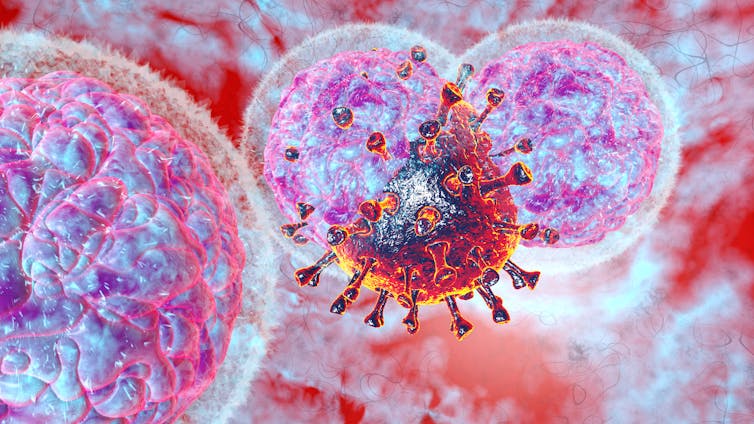
Inflammation is also a normal feature of the menstrual cycle.
The normal menstrual cycle consists of two phases: the follicular phase (from the first day of the period until ovulation) and the luteal phase (from ovulation until your period starts). Most inflammation during the menstrual cycle happens in the uterus, but changes may also occur throughout the body.
During the follicular phase, there are increased levels of oestrogen circulating in the body. Oestrogen stimulates the lining of the uterus to thicken in preparation for a fertilised embryo.
But some immune cells have specific receptors which recognise oestrogen, causing them to initiate an immune response. This readies the body to fight off any foreign invaders so it’s healthy for pregnancy, should fertilisation occur. As such, women will be less susceptible to infections during the follicular phase. However, women with autoimmune diseases may experience more symptoms at this stage.
But in order not to reject a fertilised egg, the immune system is then suppressed during the luteal phase – which may subsequently increase risk of infection, and cause relief from some autoimmune symptoms.
Research has observed multiple immune system changes in people with endometriosis.
One study found patients with endometriosis had elevated inflammation levels (specifically higher levels of cytokines). Research has also shown that people with endometriosis have disturbed immune cell function – namely a specific type of immune cell called natural killer cells.
These have a vital role in fighting viruses and tumours, but research shows they function more poorly in people with endometriosis. The uterine lining in patients with endometriosis is also shown to produce excess molecules called chemokines that attract other immune cells, worsening inflammation.
Again, it’s still not certain whether altered immune function causes endometriosis or is merely a symptom of the disease. But immune system dysfunction may explain why there’s a suspected association between people with endometriosis and autoimmune disorders such as lupus, rheumatoid arthritis and inflammatory bowel disease.
Elevated inflammation levels also mean that women with endometriosis may be more likely to experience worse symptoms during infections. For example, research has found that when patients with endometriosis catch COVID-19, their symptoms appear to be worse than people who don’t have the condition.
COVID-19 may also worsen endometriosis symptoms – particularly pelvic pain, depression, fatigue and gastrointestinal issues. A recent study has also found that women with endometriosis were 22% more likely to suffer long COVID – and their long COVID symptoms may last longer.
While it’s currently not known how precisely the immune system is linked with endometriosis (and whether it causes the disease), working to further understand this relationship could be key in helping develop better treatments – or possibly even a cure – for endometriosis.
Research into this disease is still severely under-funded, and the time to diagnosis is far beyond what would be expected from other chronic conditions – such as asthma or diabetes. It’s clear that greater priority needs to be placed into researching endometriosis and its causes to help provide new insights and better treatment for the millions of women affected.

April Rees does not work for, consult, own shares in or receive funding from any company or organisation that would benefit from this article, and has disclosed no relevant affiliations beyond their academic appointment.
April 12, 2023—On Tuesday, April 4, Donald Trump made incorrect claims about the Presidential Records Act. These claims are patently false and do not reflect the law or the practices of the National Archives and Records Administration. During a speech on April 4, Mr. Trump said, "Just so everyone knows, I come under what's known as the Presidential Records Act, which was designed and approved by Congress long ago just for this reason. Under the act, I'm supposed to negotiate with NARA, the National Archives and Records Administration."
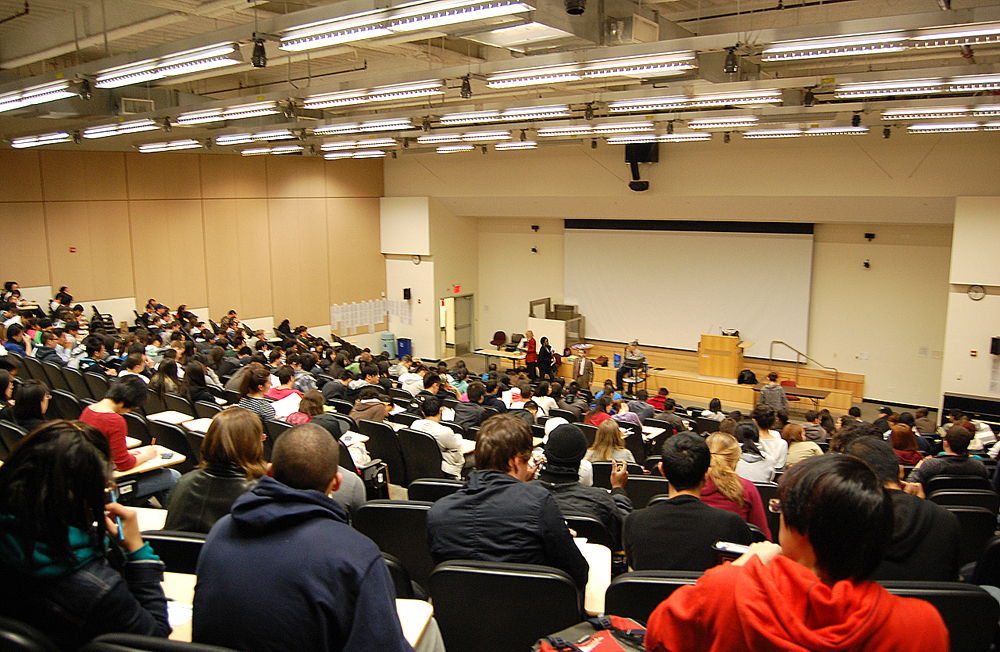
Adult IQ levels in the U.S. have been consistently declining since the 90s, according to Northwestern University research released in an article for the May-June 2023 issue of Intelligence Journal.
Florida has a college or higher education graduation rate of only 30.5% this year, according to research by World Population Review. These results demonstrate an ineffective education system and necessitate immediate action by Florida and national universities alike.
Additionally, cognitive development and critical thinking skills are lacking in most U.S. college graduates, as reflected by 2021 research in The American Journal of Economics and Sociology.
American higher education must be reformed by the implementation of new methods of teaching, like the T-method. Rapid societal change and current teaching methods threaten modern society and the future of the nation.
Still, 55% of U.S. college courses are taught through lecture instruction, leaving little room for multidisciplinary exploration, according to findings by the University of Nebraska in 2018.
Education shapes new generations, meaning that it has vast effects on American, and even global civilization. Educators, administrators and students must be made aware of the possibility of education reform and included in a seamless transition to innovative teaching methods. USF has the responsibility to promote the development of new methods of education and universities not currently using these methods would improve their teaching by implementing them.
College education has emerged to encourage specialized learning and it has become much more accessible to the general public, yet it has not evolved with changes in society.
“We are in the midst of a profound social and economic transformation that has been catalyzed by breathtaking advances in automation and artificial intelligence, and unprecedented access to data and computation,” said Carnegie Mellon University President Farnam Jahanian at the 2020 World Economic Forum Annual Meeting.
Jahanian also posed a solution, a way that higher education can adapt, known as the T-method. This is a system that teaches vertically to produce “deep disciplinary expertise,” but also teaches horizontally to promote interdisciplinary learning and work. In other words, this teaching method focuses on promoting learning that specializes in one discipline while also incorporating relevant information and skills that reach across other fields of study.
Interdisciplinary inquiry is the hallmark of the USF Judy Genshaft Honors College. The Honors College understands the importance of the T-method and integrates it into its courses. These teaching methods set a precedent for the future of higher education. Other colleges within USF as well as universities nationwide should learn from these methods and adapt their teaching.
“I think that the Honors College model is a promising one for higher education in the sense that there will be an increasing amount of interdisciplinary work and teaching. Crossing disciplinary boundaries will be increasingly important, and holds the key to the future of education,” said Honors College Dean Charles Adams in an April 7 interview with the Oracle.
Education reform is a daunting task that is affected by many social and economic factors. It will not happen overnight, but initiatives taken by individual schools such as USF’s focus on interdisciplinary inquiry will eventually promote societal change and influence policy.
“USF has a tremendous future. We are very well positioned to be increasingly important. We are a top-level public metropolitan research university and we are able to be an economic driver and thought leader throughout the state,” said Adams.
For USF to play a part in reform, they must promote the use of the T-method. Universities nationwide should follow suit and move toward interdisciplinary teaching and educational progress. The reform of the education system is vital to the prosperity of American society, and the willingness to change and improve schooling will prove to be the driving factor for the future of education.