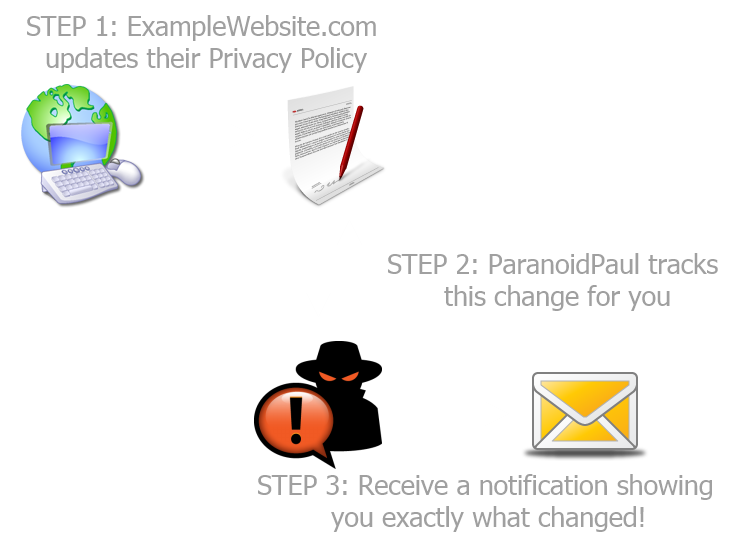
Paul writes, "I've created a free service called ParanoidPaul that notifies you when updates are made to the terms that affect you. I strongly believe that the websites we use every day should be accountable to their users, and transparent about changes made to their privacy policies and terms of services."
Read the rest
Leettaschmidt
Shared posts
09 Feb 21:06

Paranoid Paul: get notified of silent, sneaky terms of service updates
by Cory Doctorow
17 Sep 18:26

The World’s First Floating Outdoor Living Room
by Caroline Williamson

DEDON had our hearts first with the Daniel Pouzet-designed Swingrest and they’re expanding the awesome with SwingMe and SwingUs, creating the world’s first floating outdoor living room. I know, our minds were kind of blown, too.

Gardens aren’t static, so Pouzet developed the concept of suspending the furniture from a tree or structure giving them movement. Whether you want to swing from the trees solo (single-seater) or with someone else (loveseat), you have lounging options.


15 Sep 19:46
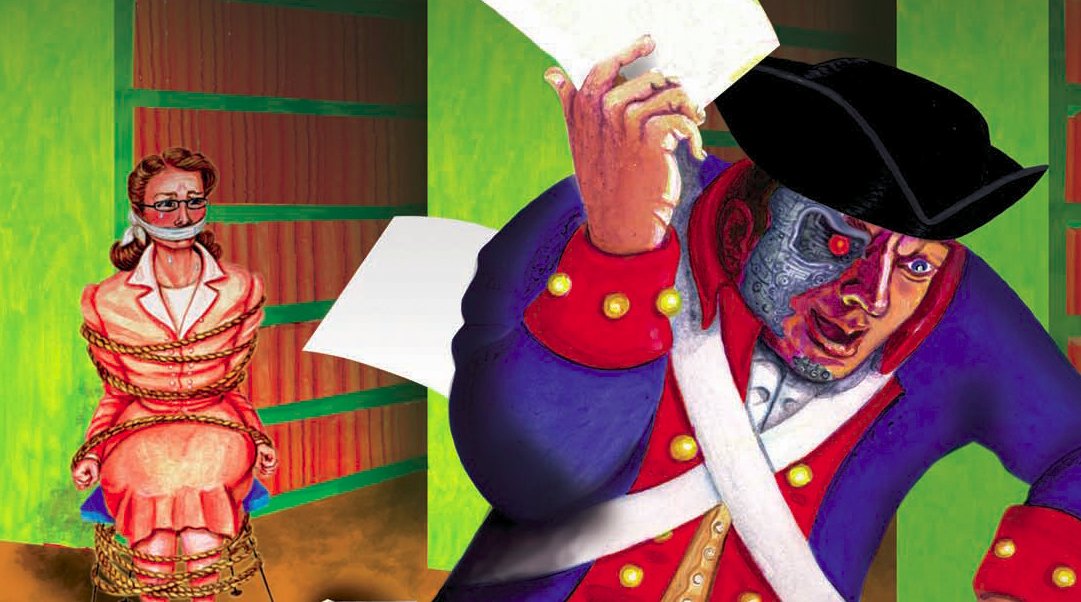 Librarians in Massachusetts are working to give their patrons a chance to opt-out of pervasive surveillance. Partnering with the ACLU of Massachusetts, area librarians have been teaching and taking workshops on how freedom of speech and the right to privacy are compromised by the surveillance of online and digital communications -- and what new privacy-protecting services they can offer patrons to shield them from unwanted spying of their library activity. Read the rest
Radical Librarianship: how ninja librarians are ensuring patrons' electronic privacy
by Alison Macrina and April Glaser
Librarians in Massachusetts are working to give their patrons a chance to opt-out of pervasive surveillance. Partnering with the ACLU of Massachusetts, area librarians have been teaching and taking workshops on how freedom of speech and the right to privacy are compromised by the surveillance of online and digital communications -- and what new privacy-protecting services they can offer patrons to shield them from unwanted spying of their library activity. Read the rest
08 Sep 14:01
Signing My Rights Away (a guest post by Jennifer Ahern-Dodson)
by Kevin Smith, J.D.
NOTE — Authorship can be a tricky thing, impacted by contractual agreements and even by shifting media. In this guest post by Jennifer Ahern-Dodson of Duke’s Thompson Writing Program we get an additional perspective on the issues, one that is unusual but might just become more common over time It illustrates nicely, I think, the link between authorship credit, publication agreements and a concern for managing one’s online identity. A big “thank you” to Jennifer for sharing her story:
Signing My Rights Away
Jennifer Ahern-Dodson
I stared at my name on the computer screen, listed in an index as a co-author for a chapter in a book that I don’t remember writing. How could I be published in a book and not know about it? I had Googled my name on the web (what public digital humanist Jesse Stommel calls the Googlesume), as part of my research developing a personal website through the Domain of One’s Own project, which emphasizes student and faculty control of their own web domains and identities. Who am I online? I started this project to find out.
I was taken aback by some of what I found because it felt so personal—my father’s obituary, a donation I had made to a non-profit, former home addresses. All of that is public information, so I shouldn’t have been surprised, but then about four screens in I found my name listed in the table of contents for a book I’d never heard of. Because the listed co-author and I had collaborated on projects before, including national presentations and a journal publication, I wondered if I had just forgotten something we’d written together.
I emailed her immediately and included a screenshot of the index page. Subject line: “Did we write this?”
She wrote back a few minutes later.
WHAT??!!! We have a book chapter that we didn’t even know about???!!!!! How is this possible? Ahahahahahahahaha!!!!!
It’s a line for our CV! But, wait, what is this publication? Do we even want to list it? Would we list it as a new publication? Is it even our work? How did this happen?
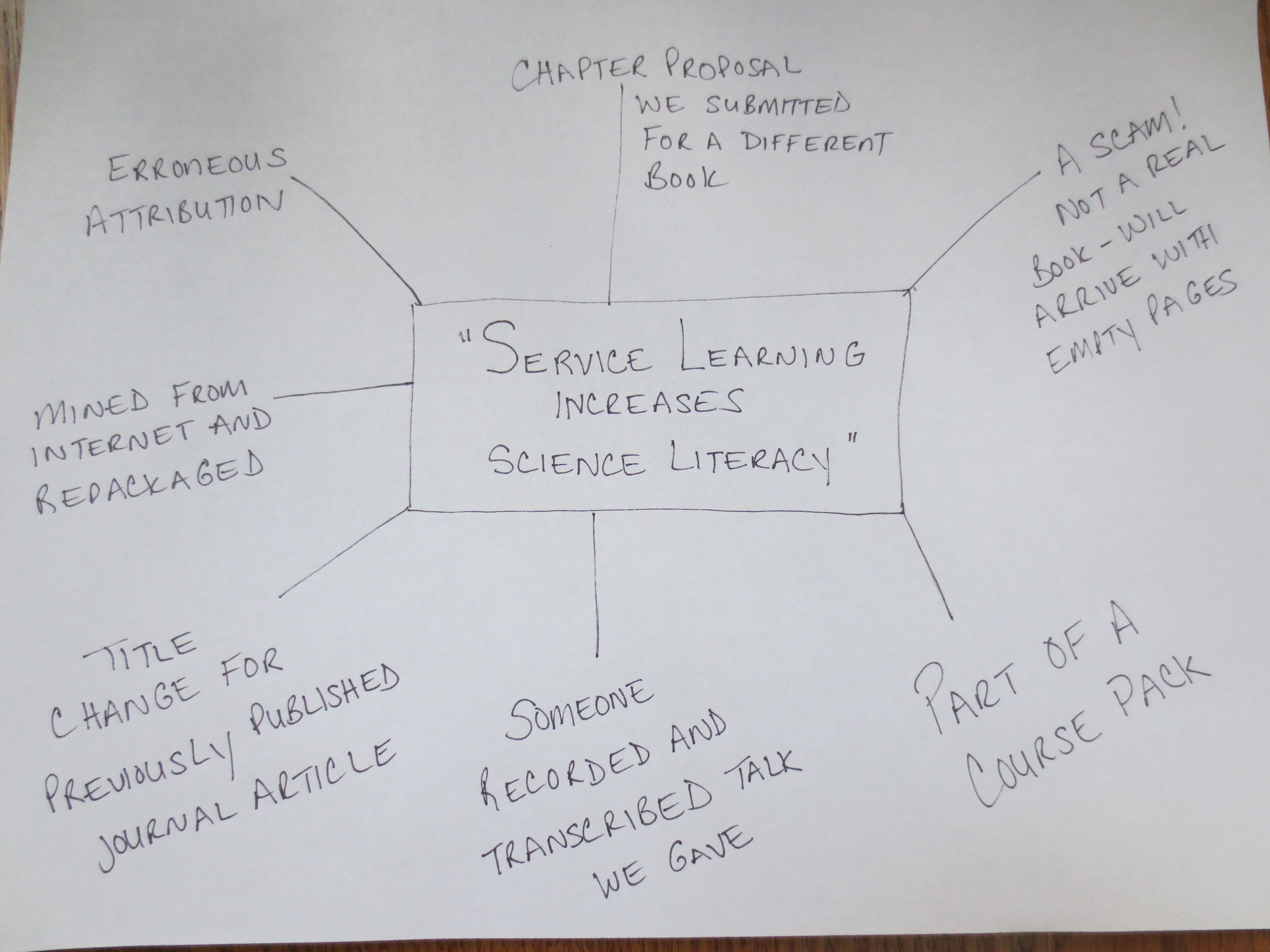
This indeed was a mystery. At the time this was all unfolding, I was participating in a multidisciplinary faculty writing retreat. Once I shared the story with fellow writers, they enthusiastically joined in the brainstorming and generated a wide range of theories including plagiarism, erroneous attribution, a reprint, and an Internet scam (see Figure below). I mapped the possibilities for this curious little chapter called “Service Learning Increases Science Literacy,” listed on page 143 of the book National Service: Opposing Viewpoints (2011)[1].
I needed to do more research and so requested the book through Interlibrary Loan and purchased it online as well.
And then there was the story of the editor. Who was she? Did she really exist? Was she a robot editor—just a name added to the front of a book jacket? I started wondering, now that so much of our work is digitized, are robots reading—and culling through—our work more than people? A quick search on Google revealed she was the editor for over 300 books, mostly for young adults. Follow up searches on LinkedIn and Google+ revealed profiles that seemed authentic.
The book arrives.
About a week later, the book arrived through Inter-library Loan. While still standing at the library service desk, I quickly flipped to page 143.

What I discovered is a reprint (with a new title) of an article my author and I had published in the Journal of College Science Teaching.[2] It was republished with permission through the journal, conveyed through Copyright Clearance Center. The table of contents included a range of authors and works, including an
excerpt from a speech by George W. Bush.
It all looked legitimate. But how could I be published and not know about it?
In an email conversation with Kevin Smith, my university’s scholarly communication director and copyright specialist, I learned that typically in publication agreements, authors transfer copyright to the organization that publishes the journal. From then on, the organization has nearly total control. It can do what it wants with the article (like republish it or modify it), and for most other uses I might want to make (like including it on my website), I’d have to ask their permission.

I also learned that republication is not uncommon. Although this book is marketed as “new,” it is in fact really just repackaged material from other sources that libraries likely already have. In this case, our article for a
college teaching journal was repackaged for an audience of high school teachers as part of an opposing viewpoints series, essentially marketing the same content to a different audience.
In a slightly different repackaging model, MIT Press has started re-publishing scholarly articles from its journals in a thematically curated eBook series called Batches.
These two models made visible for me the ways that copyright, institutional claims, and the Internet fuel change at a pace so rapid it seems almost impossible for authors to keep up.
Where to go from here
Although the ending to this mystery is not as thrilling as I thought it would be (someone plagiarized our work! Someone recorded and transcribed a talk! The book is a scam!), what I uncovered was this whole phenomenon of book republishing. Our chapter was legitimately repackaged in a mass marketed book with copyright secured, which allowed our work to be shared with a broader audience (which I see as a good thing). Yet, the process distanced me from my work in a way I was not expecting. In my naïve, yet I suspect widely held view of academic authorship, I assumed the contract I had signed was simply a formality, more of a commitment by the journal to publish the article and an agreement by my co-author and me to do so. I only skimmed the contract, distracted perhaps by the satisfaction of getting published and the opportunity to circulate my ideas more broadly.
As I submerged myself into the murky depths of republishing, I started to think about my own responsibility as both a writer and a teacher of undergraduate writers, to educate myself on authors’ rights. Could I negotiate publishing agreements to retain copyright? Or, at the very least, could I secure flexibility to re-use my work? As it turns out, yes. The Scholarly Publishing and Academic Resources Coalition has created an Author Addendum to help authors manage their copyright and negotiate with publishers rather than relinquishing intellectual property.
Although it is not uncommon for publishers to ask authors to sign over their legal rights to their work, at least one publisher—Nature Publishing, which includes the journals Scientific American and Nature—goes even farther. It requires authors not only to waive their legal rights but also their “moral rights.” Under this agreement, work could conceivably be republished without attribution to the original author. There was a story about this a couple of months ago, see http://chronicle.com/article/Nature-Publishing-Group/145637/.
In my case, I clearly did not do due diligence as an author when I read and signed the agreement for the science literacy article, and neither the journal nor the book editor or publisher was under any legal obligation to notify me that my work was republished or retitled. I wonder, however, what would happen if we applied the concept of academic hospitality to our publishing relationships. Could a simple email notification when/if our work gets republished be a kind of professional courtesy we can expect? Or, should we as authors get more comfortable with less control over our work and choose to share our ideas more liberally in public domains in addition to academic journals, which have limited readership and at times draconian author agreements? Do institutions have any role to play in educating their faculty and graduate students about signing agreements?
In my quest to create a domain of my own, to “reclaim the web” and be an agent in crafting my own author identity online, I discovered that, in fact, I had given up control of some of my own work. Now, I’m aware of the need to balance going public with my work—both online and in print—with a thoughtful and informed understanding of my rights and responsibilities as an academic author.
[1] Gerdes, Louise, Ed. Greenhaven Press.
[2] Reynolds, J. and Ahern-Dodson, J. “Promoting science literacy through Research Service-Learning, an emerging pedagogy with significant benefits for students, faculty, universities, and communities.” Journal of College Science Teaching 39.6 (2010).
The post Signing My Rights Away (a guest post by Jennifer Ahern-Dodson) appeared first on Scholarly Communications @ Duke.
Leettaschmidt likes this
05 Sep 13:02

Dyson announces robot vacuum
by David Pescovitz
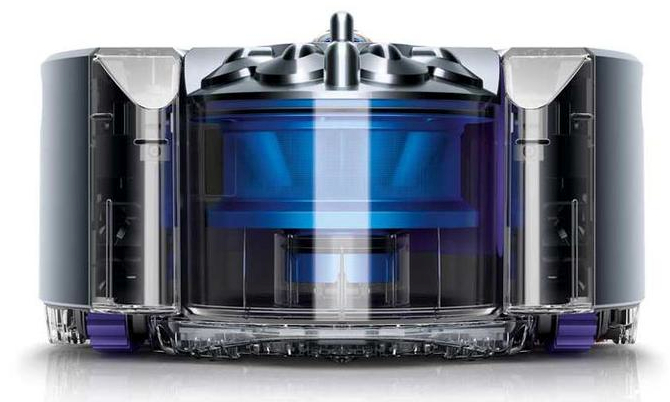
Dyson announced its first robotic vacuum, the Dyson 360 Eye. Forget about suction, I want to see the inevitable cockfights between the Eye and the Roomba! Read the rest
05 Sep 12:56
Clever Ikea ad treats print as a new technology: 'Experience the power of a bookbook™'
by Xeni Jardin
"At only 8mm thin, and weighing in at less than 400g, the 2015 IKEA Catalogue comes pre-installed with thousands of home furnishing ideas."
A very clever ad campaign.
[Video Link, thanks Ken Snider!]
Scirocco6 likes this
03 Sep 19:38

Documentary about people and vultures
by David Pescovitz
Help fund Requiem For A Bird, an artistic documentary about Mumbai's Parsi people who ritualistically gift their dead to vultures whose population there has been decimated as a consequence of an anti-inflammatory drug previously given to cattle. (more…)
02 Sep 19:52

Internet Archive uploads more than 14 million public domain images to Flickr
by Cory Doctorow
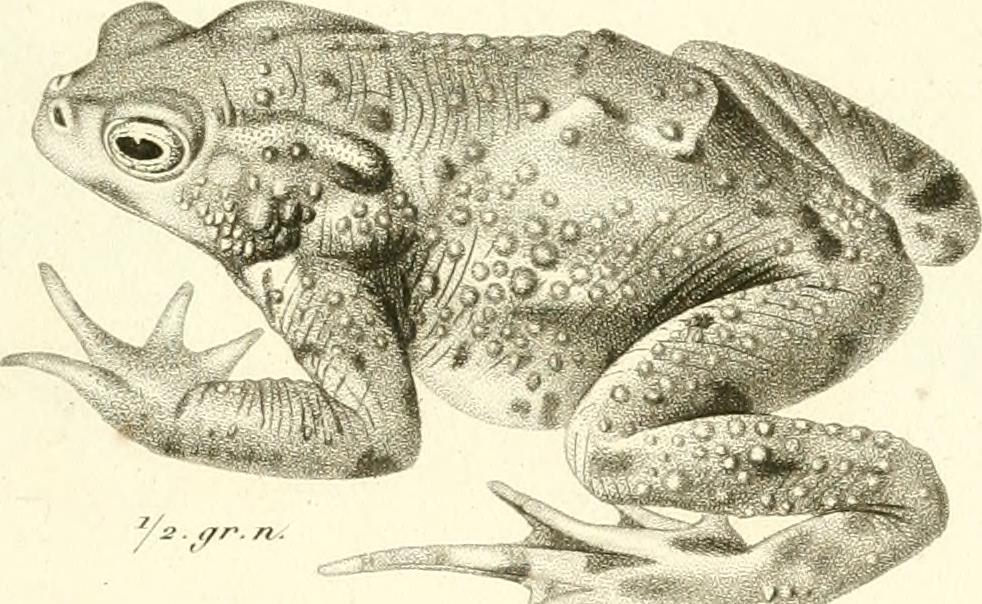
Kalev Leetaru programatically recovered all the images that were discarded by the OCR program that digitizes the millions of public domain books scanned by the Archive; these were cropped, cleaned up, and uploaded to Flickr with the text that appears before and after them, and links to see their whole scanned page.
Read the rest
Leettaschmidt likes this
02 Sep 19:48

Frank Sinatra’s 1963 Playboy interview
by Mark Frauenfelder
I like Frank Sinatra's music. I didn't know he was so articulate and well-read, though. Go get 'em, Blue Eyes! Read the rest
02 Sep 17:44
How to respond to a bad review
by Rob Beschizza
Stephan J Harper, author of a self-published ebook concerning crime-fighting teddy bears, makes a spectacular appearance in the comment section of Michael E. Cohen's review. [via]
Bette Cooper likes this
28 Aug 17:59

Open Intellectual Property Casebook: free, superior alternative to $160 textbook
by Cory Doctorow

James Boyle and Jennifer Jenkins, eminent copyright scholars at the Duke Center for the Public Domain, have released their 788-page Open Intellectual Property Casebook as a free, open, CC-licensed download, replacing textbooks that normally sell for $160 (you can get a hardcopy is $24); it's not just a cheaper alternative, either -- it's a better one, enlivened with sprightly writing, excellent illustrations (including comics in the vein of Boyle and Jenkins's Bound By Law).
Read the rest
28 Aug 17:58

Firefox's new start page is a gateway drug to awesome Web literacy
by Cory Doctorow
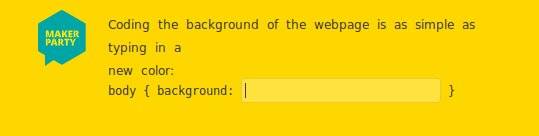
The Mozilla Foundation -- who make Firefox -- have been doing some really cool things with Firefox's "start page" (the blank screen you get when you open a new browser tab or window), but this is the coolest: an interactive doodle that invites you to learn to code in the simplest, least-intimidating, most fun way possible.
Read the rest
25 Aug 19:23

USB Condom: charge your devices without allowing sneaky data-transfers
by Cory Doctorow
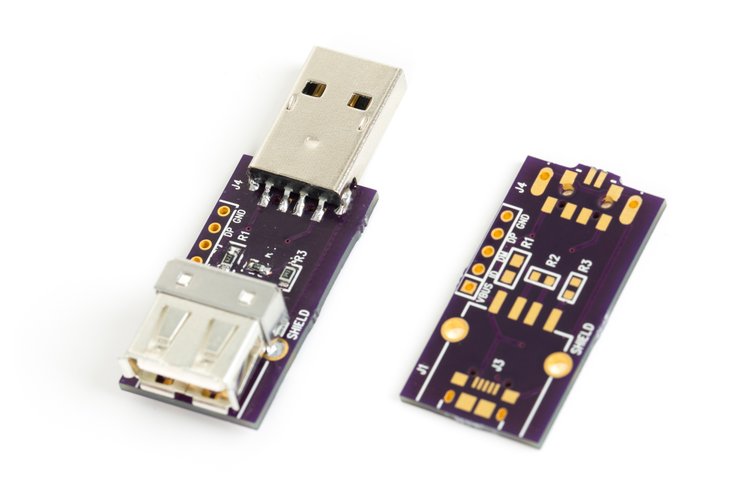
Those public USB charging points are tempting, but could be used to propagate all kind of grotesque malware (imagine what happens when your phone's camera, mic, storage, keyboard and GPS start leaking your data to voyeurs and identity thieves) -- sure, you can always buy a charge-only cable, but these crowdfunded adapters turn any cable into a power-only source.
Read the rest
Ronald.phillips likes this
22 Aug 15:17

A New Kind of Faucet with a Little Twist
by Caroline Williamson

You know how when your hands are dirty or covered in soap and you go to rinse them and your faucet’s handles get dirty too? It seems the handles are constantly needing to be wiped off after your wash your hands. Industrial designer Sarang Sheth looks to solve that with Little Twist, a faucet with the handle built under the water source. So, when it’s time to turn the water on, your hands are already waiting under where the stream will come out.

It’s pretty cool seeing no handles to the sides of the faucet, isn’t it? You’d probably have to post a note for your guests as to how to turn the water on or leave them to guess. You might not see them for awhile though!

Now, the little gold handle cleans itself every time the water is on. Simple twist it 90 degrees for full flow and then twist it back when you’re done. The handle will never have water stains or lose its finish.


22 Aug 12:17

U.S. Copyright Office says it won't register works by animals, plants or supernatural beings
by Rob Beschizza
The draft of its official practices, third edition contains a requirement of human authorship: The U.S. Copyright Office will register an original work of authorship, provided that the work was created by a human being.
Read the rest
21 Aug 19:09
Making a better butter knife
by Mark Frauenfelder
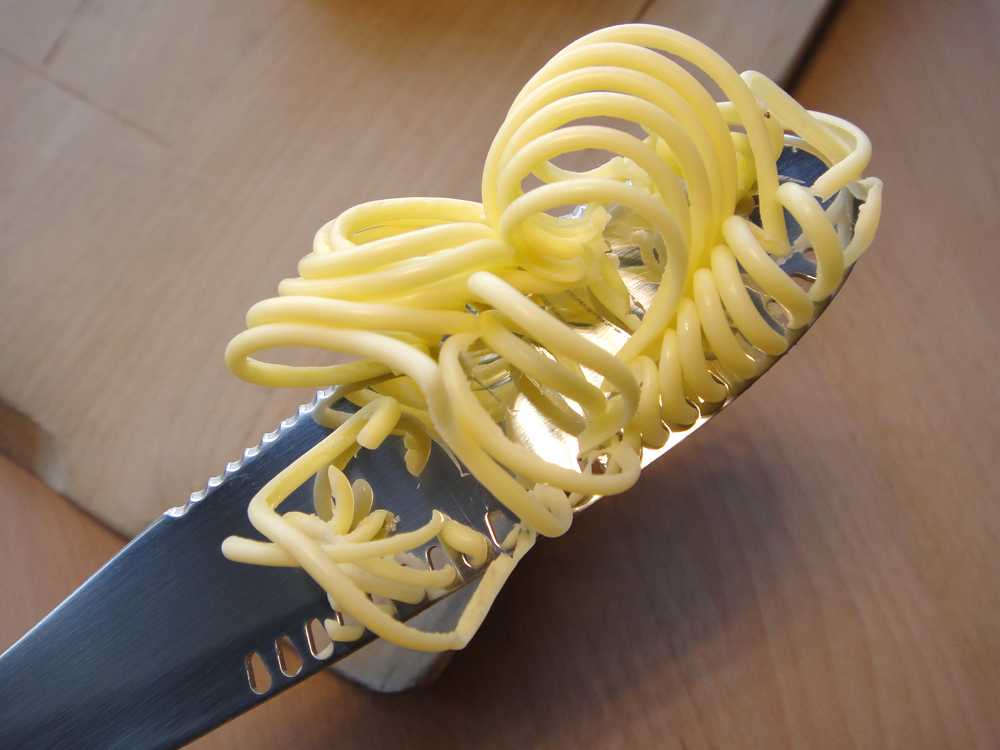 Three Australian designers have made a butter knife that works like a cheese grater. No more torn bread! The Stupendous Splendiferous Butterup has raised $186,212 on Kickstarter. Reserve one for US$16."
20 Aug 16:40
A Close Look at Highlights from the USF Tampa Library Special Collections
by Susan Ariew
The video here is from the WUSF Channel on YouTube and it features Matt Knight, Coordinator of the USF Tampa Library Special Collection showing Mark Schreiner some of the highlights from the collections. Video shot by Jesse McLane & Wes Moss, edited by Deb Holland.
19 Aug 13:45

Princeton economists: democratic presidents are just "lucky"
by Mark Frauenfelder
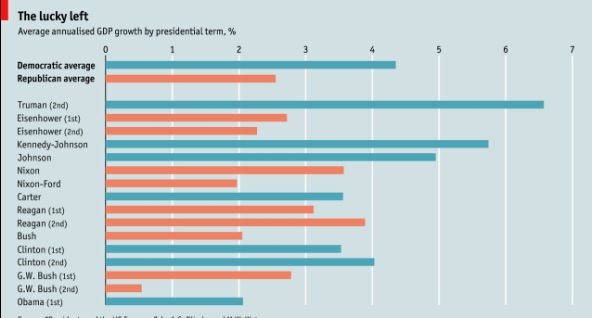 It's well established that the US economy fares better when a democrat is president. Why is this?
Read the rest
It's well established that the US economy fares better when a democrat is president. Why is this?
Read the rest
19 Aug 13:37
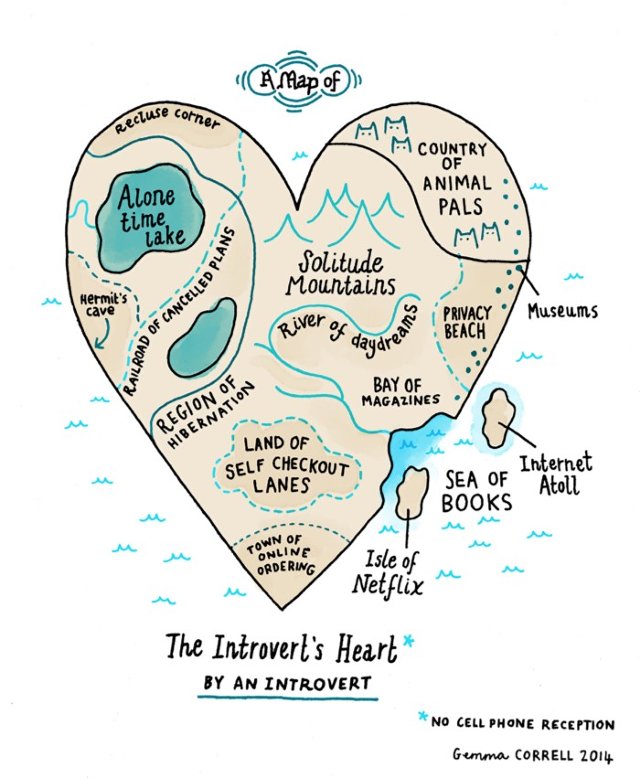

A Map of the Introvert’s Heart By an Introvert
by Xeni Jardin
Gemma Correll
We missed this wonderful illlustration when it hit the internet last month, but how timeless is Gemma Correll's map of an introvert's heart? (more…)
Bette Cooper likes this
14 Aug 12:55
Highlights from Folger Shakespeare Library’s Release of almost 80,000 Images
by Adam Green
Highlights from the Folger Shakespeare Library's Digital Image Collection, released now under a Creative Commons Share-Alike license.
13 Aug 11:18
The London Guide and Stranger’s Safeguard against the Cheats, Swindlers, and Pickpockets (1819)
by Adam Green
A comprehensive guide to help the unwitting visitor avoid falling victim to the various and nefarious crimes abound in early 19th-century London.
11 Aug 18:59

Facts about Ebola, from the CDC
by Xeni Jardin
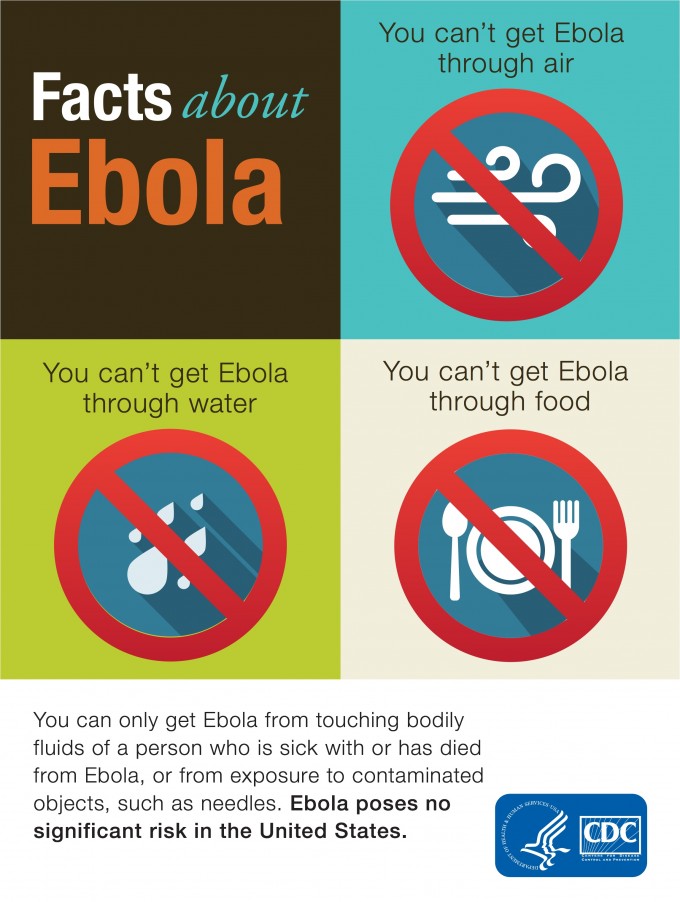
This infographic from the US Centers for Disease Control serves to dispel some of the panic spreading around the disease. Read the rest
11 Aug 15:25

TBD: A SkyMall catalog of the future
by David Pescovitz

Julian Bleecker and his Near Future Laboratory created the smart and provocative TBD Catalog that is essentially a science fiction SkyMall catalog.
Read the rest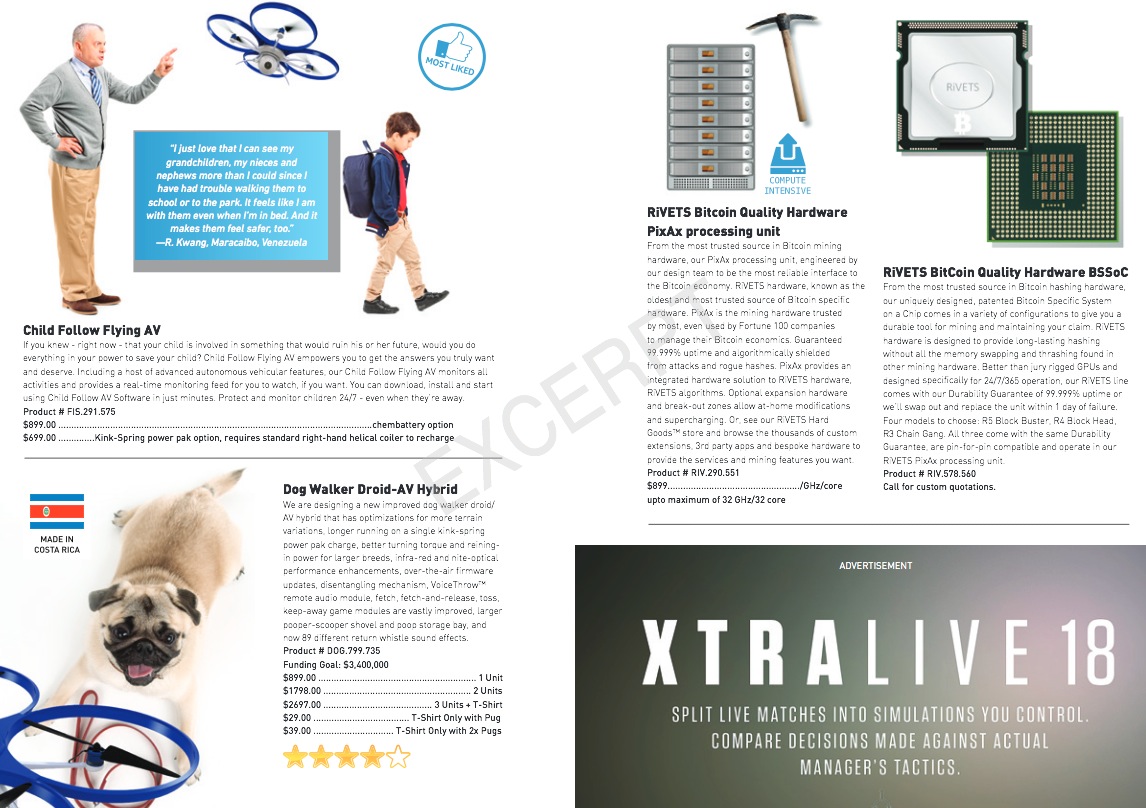

11 Aug 13:20

'Impossible Bottles,' a GIF series by artist Rafael Varona
by Xeni Jardin

Berlin-based artist and illustrator Rafael Varona created this wonderful series of animated GIF art: Impossible Bottles.
11 Aug 13:17

Amazing drone's-eye ocean videos of whales and dolphins. Lots of them.
by Xeni Jardin
Captain Dave’s Dolphin & Whale Safari has some new amazing drone videos online that showcase the incredible variety of cetacean life off the Southern California coast, where their tours operate. Read the rest
11 Aug 13:17
Sometimes Good Guys Don't Wear White, the Standells
by Jason Weisberger
"Hey, and who's to say who's the better man When I've always done the best I can?"
30 Jul 19:15

A Desk for Selfie Lovers Called Narcissus by Sebastian Errazuriz
by Caroline Williamson

Designer Sebastian Errazuriz continues his reign of creating unforgettable functional pieces that double as sculptures which also make you think. The latest is The Narcissus Desk, a desk that will let you gaze at your reflection all day long.

The desk’s inspiration came from a Caravaggio painting of Narcissus that Errazuriz remembers seeing with his father, an art teacher, as a child on a trip to Italy. The painting made him think about the idea that someone could stare at their reflection but not necessarily be aware that they were looking at themselves. In today’s times, with everyone’s obsession with selfies and being “our own perfectly edited online self”, we tend to forget about the real person that exists outside the screen.

The desk offers the user a moment of reflection, where we spend most of our days and tend to make the most important decisions in our lives.

Errazuriz found a broken French desk from around 1880 and completely restored it. He then cut a semi-circle out that lets the user fit inside the desk. The top is now a mirror letting you take a moment to reflect on yourself and your life, and perhaps the occasional good hair day.


29 Jul 19:18
Publishing!?
by Jason W. Dean
Scholarship and publishing: both the blessing and the curse of a tenure-track academic position. Of the three requirements for tenure and promotion, scholarship seems to be the most stressful requirement for many tenure-track librarians to meet. It is a frequent topic of conversation among younger faculty, reflective of the stress associated with this requirement. I feel that I’ve at least been able to keep up with this requirement (though others are far more active than I am) and so I’d like to share some of the things that have worked well for me. Furthermore, I want to follow my three points with some things I struggle with and am working on as a young librarian, as well as include a call to hear advice from readers.
First, write about that which interests you. There is so much literature in the library and information science profession that is just not of interest to many people. Some of the best and most interesting writing comes from authors who are interested in and excited by their work – be one of those writers! Perhaps it’s some topic which is interesting, or an innovation or novel process that you are implementing at your library – whatever it is, write about it and find a good journal for it. Chances are that you enjoy your career as a librarian, but have a wide variety of other interests (we are a profession with broad passions and curiosities). Where do your professional and personal interests align? Last month, I attended a panel at which Jessica Pigza spoke about her book BiblioCraft – which is an example of what great things can happen when you find the intersections between your professional and personal interests – and then write about it!
Second, though being sole author of articles is important for tenure and promotion, equally important to me has been collaboration on articles and other peer reviewed work. I feel very fortunate to have worked with some great folks on publications and presentations – and that collaboration made the finished product far stronger. Much of the work I’ve done collaboratively really could not have been done alone. Thinking about my first point, being passionate about what you write, it occurs to me that you might have some great, big idea piece you’d like to write. Part of it is very much in your area of expertise, but much of it is not. This is a perfect opportunity for collaboration. Invite the person that can speak to the areas where you feel less knowledgeable to be a co-author. I’ve met some great people this way, and have vastly expanded my own knowledge. It’s also a great way for a new professional to get one’s name on a wider stage.
Third, managing my writing and publication has been key for me. It’s important to always be writing, and to show progress, so that at the end of the tenure clock you aren’t trying to write a multitude of articles and hoping they will be accepted and published. For me, this means I am trying always to be active on three tasks: waiting on review of articles I have submitted, actively writing an article, and developing ideas and collaborations. Having some kind of sequencing like that is helpful, but presentations and articles don’t write themselves, and don’t appear magically out of the air. Perhaps sharing how I write and craft new ideas will be helpful to you, reader, and will also prompt you to share ideas with me (and the wider audience) that will improve our writing processes.
For me, writing begins with a very rough idea. It might come from something I read, an art work, a presentation, or even a movie. Always being open to blending things in and outside libraries has really expanded the pale of what I write about. Drawing parallels between libraries, and say, the work of Wes Anderson (I’d love to read that article) for example. When I have an idea, though, I need to write it down before it vanishes from my mind. Next for me is refining that idea by talking informally with knowledgeable people in and outside of the library. What things are interesting to people? What things work? Listen, and be willing to adjust your original idea – or abandon it altogether. When I feel like I have an idea a bit more refined, I am usually very excited to start writing – and that’s exactly what I do. Riding those waves of inspiration and excitement gets the majority of my first draft finished – but deadlines for draft submission (and tenure requirements) help. Blocking out time when you are writing is essential to me (as is having a clean workspace). When the writing is finished, my first draft is typically awful – and I try to step away from it. Give it to some people you trust to look at – for me revision is key in refining my flow and points. I try to listen earnestly to the feedback, and swallow my pride and address the comments – even if that means a very thorough revision. Repeat the process of review and revision a few times, and something approaching a finished article or presentation is the result.
As I mentioned above, it’s not all quite dancing and happy times when I am writing (and I am certainly no Gene Kelly). My first point above was about finding where your interests overlap, which seems fairly simple prima facie. However, finding the area of overlap between your personal interests and the expectations for areas to publish about in scholarly journals is a bit more difficult for me. It’s especially hard for me – blending the tenure expectations of my job with writing for my PhD and then finding where that small area overlaps with my personal interests is very difficult. I would be really interested to hear what ideas you readers might have about that, and more broadly where, and how, you find positive overlap for scholarship.
Beyond finding that intersection of personal and professional interests, follow-through is also a problem for me. I have a hard time after the initial blush of interest starting to write. How do you all bridge the gap from idea to actually writing?
Finally, I frequently have ideas for scholarship that are broad (and inspired by people that inspired me) that I need to invite collaborators. It can be hard for me to swallow my pride and ask people who I deeply respect (and am a bit in awe of) to work with me. Do you all have any strategies on asking people to collaborate, and doing that collaboration in the best way?
I’d like to conclude with an invitation to you, reader, to share what works well for you (and what doesn’t) in the scholarship arena! Perhaps together we can reduce the stress we all feel about this area of tenure and promotion!
29 Jul 19:06

Decor and Accessories Made Out of Hair by Studio Swine
by Nanette Wong

You read that right. From Studio Swine comes a full collection of highly decorative objects, called Hair Highway, and a short documentary film investigating the global hair industry in China.


Interestingly, hair is the one natural resource that is increasing as the world’s population increases. Studio Swine investigates the journey of hair, starting from people who sell their hair to the hair merchants, markets, and factories in the short film, Hair Highway.


Hair Highway is a modern take on the ancient Silk Road, where not only silk was exchanged between East and West, but also technology, aesthetics, and ideas. With China being the largest importer of tropical hardwood and the biggest exporter of human hair, Studio Swine went to the Shandong province of China to follow the journey of human hair.


Hair Highway reflects on China’s relationship with the rest of the world, while exploring the idea that trade has the ability to not only transport products but also values and perceptions.


The innovative collection of decorative pieces is made by combining hair with a natural resin, which then becomes a sustainable alternative to the diminishing natural resources in the world. It becomes a material that’s durable, and also evokes natural patterns, such as tortoise shell or polished horn grains and exotic hardwoods. Together, the collection has a unique look that’s inspired by the 1930’s Shanghai-deco style.


To learn more about Hair Highway, watch the film below: