Today the European Commission has announced that it has found Google in breach of EU antitrust laws and has fined the company €4.34 billion.
The original proceedings against Google formally opened in April 2015, and investigated Google’s business practices related to Android licensing between 2011 and 2014. In their investigation the EU determined that Google was in violation of EU rules prohibiting anti-competitive agreements and abuse of dominant market positions.
As detailed in the thorough press-release, Google was found to have engaged in a trio of illegal practices:
- has required manufacturers to pre-install the Google Search app and browser app (Chrome), as a condition for licensing Google's app store (the Play Store);
- made payments to certain large manufacturers and mobile network operators on condition that they exclusively pre-installed the Google Search app on their devices; and
- has prevented manufacturers wishing to pre-install Google apps from selling even a single smart mobile device running on alternative versions of Android that were not approved by Google (so-called "Android forks").
Furthermore in the press release, the Commission correctly details Google’s business model for Android, as it describes that the operating system was created in order for Google to be a part of the crucial shift from desktop PCs towards mobile devices. And, in turn, to ensure that its flagship product, Google Search, would feature predominantly in the mobile space. The Commission determined that starting in 2011 Google became dominant in the market for app stores for Android, and thus its practice of forcing manufacturers to preinstall the Google Search app was found to be illegal.
The tying of the Google Chrome browser into the list of required pre-installed application from 2012 onwards was also found to be abusive of its dominant market position.
The commission argues that pre-installation creates a status quo bias for users, as whatever default applications are included with a device are the predominantly retained ones by users, creating a significant barrier to entry for competing alternatives. Google forcing manufacturers to pre-install these applications thus reduced the ability of rival application developers to compete.
The investigation also found that Google offered significant financial incentives to device manufacturers to exclusively pre-install only Google Search across that manufacturer's whole device portfolio. The investigation is said to have shown that rival search engine providers would have been unable to counter-compensate a manufacturer for the loss of revenue from Google while still generating a profit of their own. The Commission found that this particular conduct was gradually lessened in 2013 and ceased as of 2014.
Finally, one of the bigger findings is Google’s obstruction of the development and distribution of competing Android operating systems (forks). As Android is an open-source operating system, in theory any manufacturer could just fork it and continue to develop it independently as they would see fit. While in theory nothing stops a manufacturer from doing this, in practice Google’s strict CTS requirements mean that any such fork would not be supported by any Google services, and as such be shut out of the main Android application ecosystem. Of particular note is that a manufacturer would lose all rights to bundle Google apps across all of its devices if it were to sell any alternative device with a forked OS.
Google’s counterargument to this was that the restrictions were necessary in order to avoid fragmentation; the Commission however found that Google had made no effort in trying to determine if Android forks would be compliant with the technical requirements of its own proprietary applications. The Commission also said that Google had made no credible evidence available that could demonstrate any technical failures in forks that would cause them to be unable to support Google’s apps.
The €4.34bn fine takes into account the duration and gravity of the infringements, and is based on Google’s revenue from search and advertising in the European Economic Area. The Commission decision requires Google to end its illegal conduct within 90 days or else face further fines of up to 5% of daily average worldwide turnover of Alphabet (Google’s parent company).
Google for their part is refuting the commision's anti-competitive findings, and has stated that they intend to formally appeal the EU's ruling.
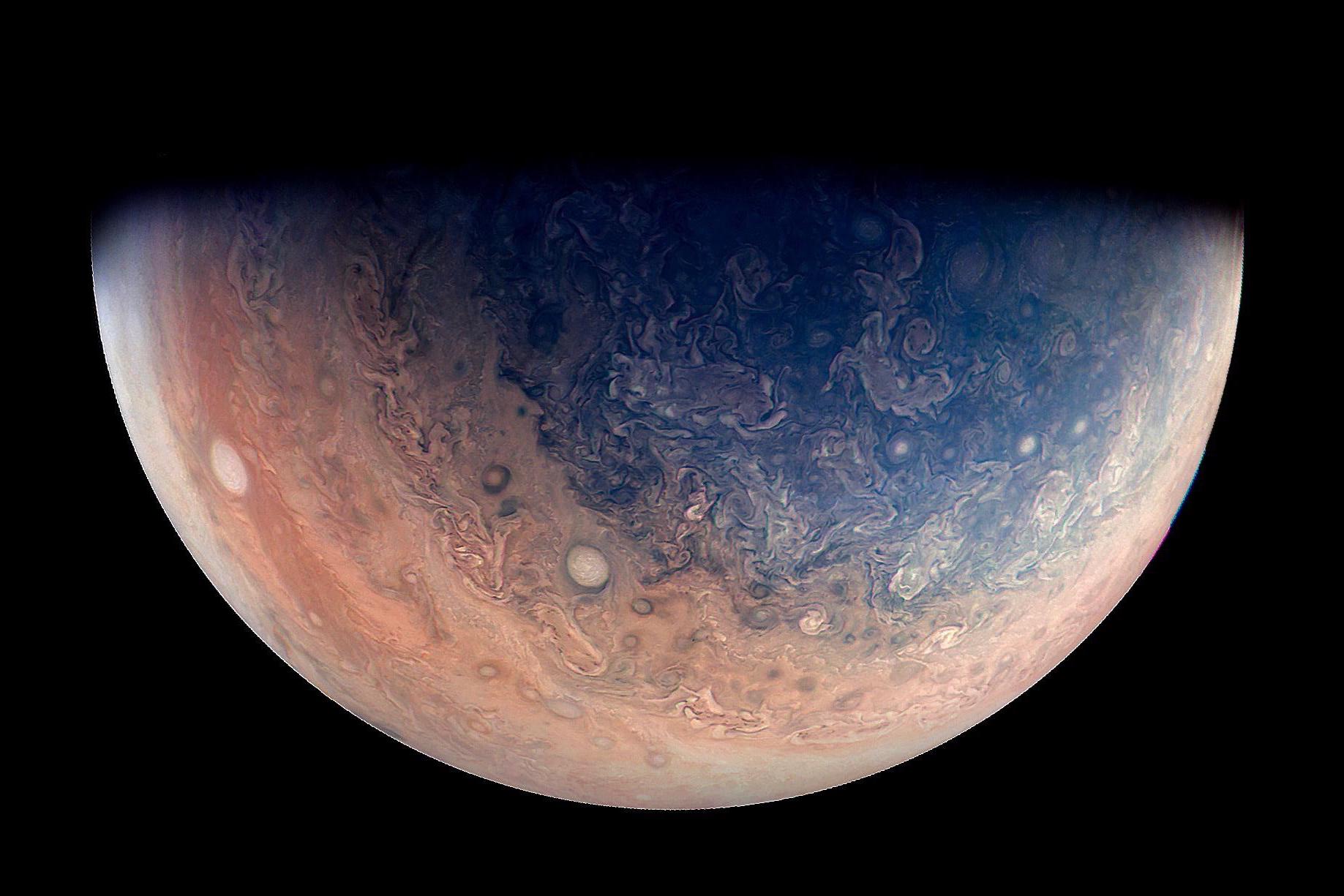 Today, researchers from the Carnegie Institution for Science announced that they have discovered twelve more moons of our solar system's resident monster planet, Jupiter. This brings the official total of identified Jovian moons to 79. That's the hig...
 Today, Netflix announced the first TV shows and movies based on comic book writer Mark Millar's properties. Netflix will add two television series and three movies to its original programming.


 Fans have been hoping for years that Nathan Fillion would play Uncharted protagonist Nathan Drake in a film adaptation, but now that the long-delayed official movie has refocused to a prequel story, that hope seemed less and less possible. For those...
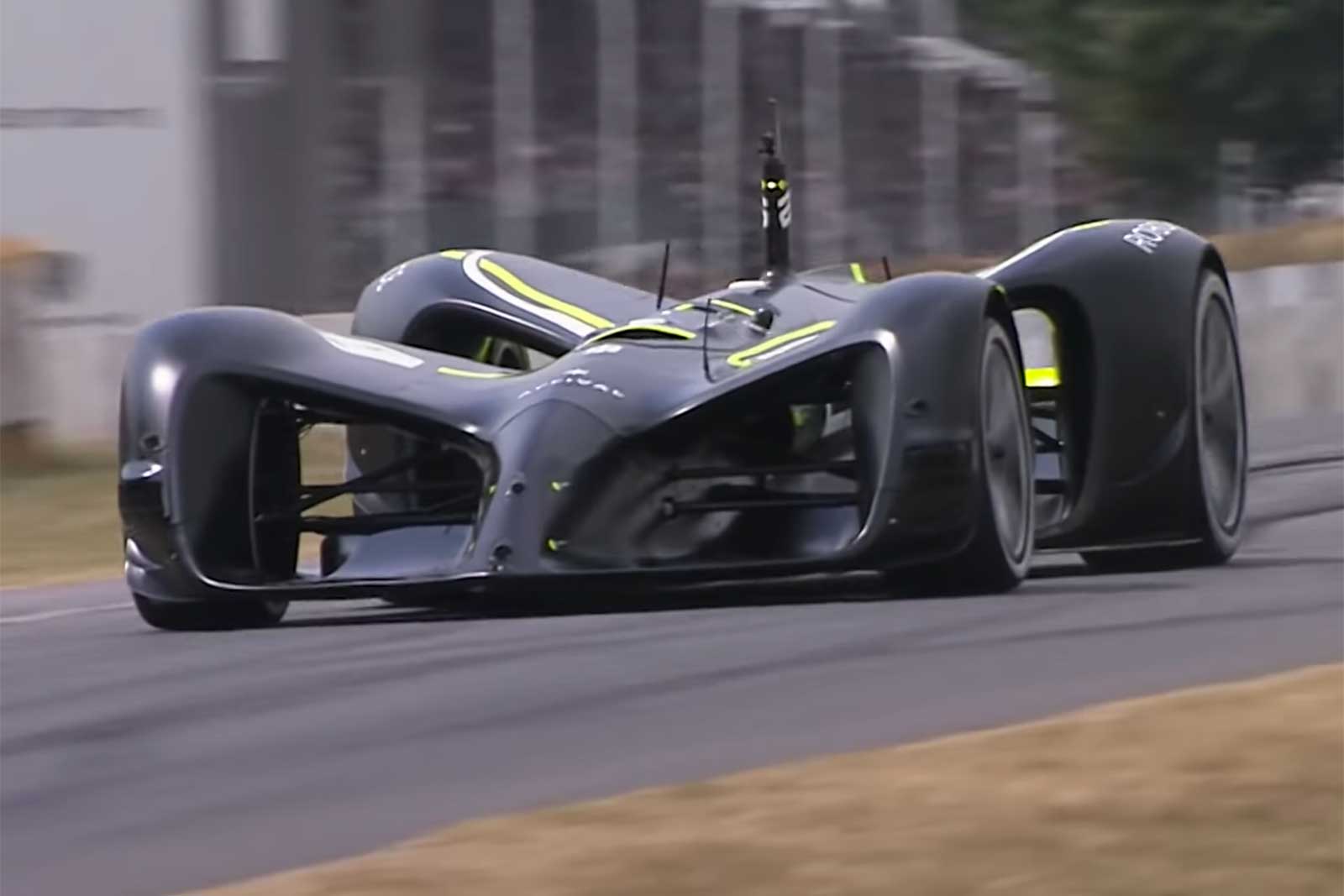 Want a hint of how the automotive zeitgeist is changing? You only need to look at the just-ended Goodwood Festival of Speed. Roborace has carved out a small niche in history with the first self-driving vehicle to successfully complete Goodwood's fa...

 Special counsel Robert Mueller and his team have received an indictment for 12 Russian intelligence for hacking Democrats leading up to the 2016 presidential election. The spies are accused of digitally infiltrating the Democratic National Committee...
 Joss Whedon's next show has been ordered by HBO, which reportedly beat out other bidders including Netflix, per The Hollywood Reporter. The Nevers is a science fiction drama about a group of Victorian women with unusual abilities who have to fight en...

 Transport Security Administration (TSA) officials have intercepted a traveler at Miami International Airport who planned to illegally smuggle a snake en route to Barbados. The female passenger was prevented from boarding the flight after security age...
 Researchers from the University of California, San Francisco have uncovered a gene-editing technique which could provide safer treatments for patients with cancer and autoimmune diseases. The breakthrough -- which involves the CRISPR/Cas9 system -- w...
 Those little plastic straws that you get at virtually every restaurant in America have become a huge problem for the world's oceans and Starbucks is finally doing something about it. The global coffeehouse chain announced on Monday that it will immed...
 "VISUAL CAFFEINE" #6















































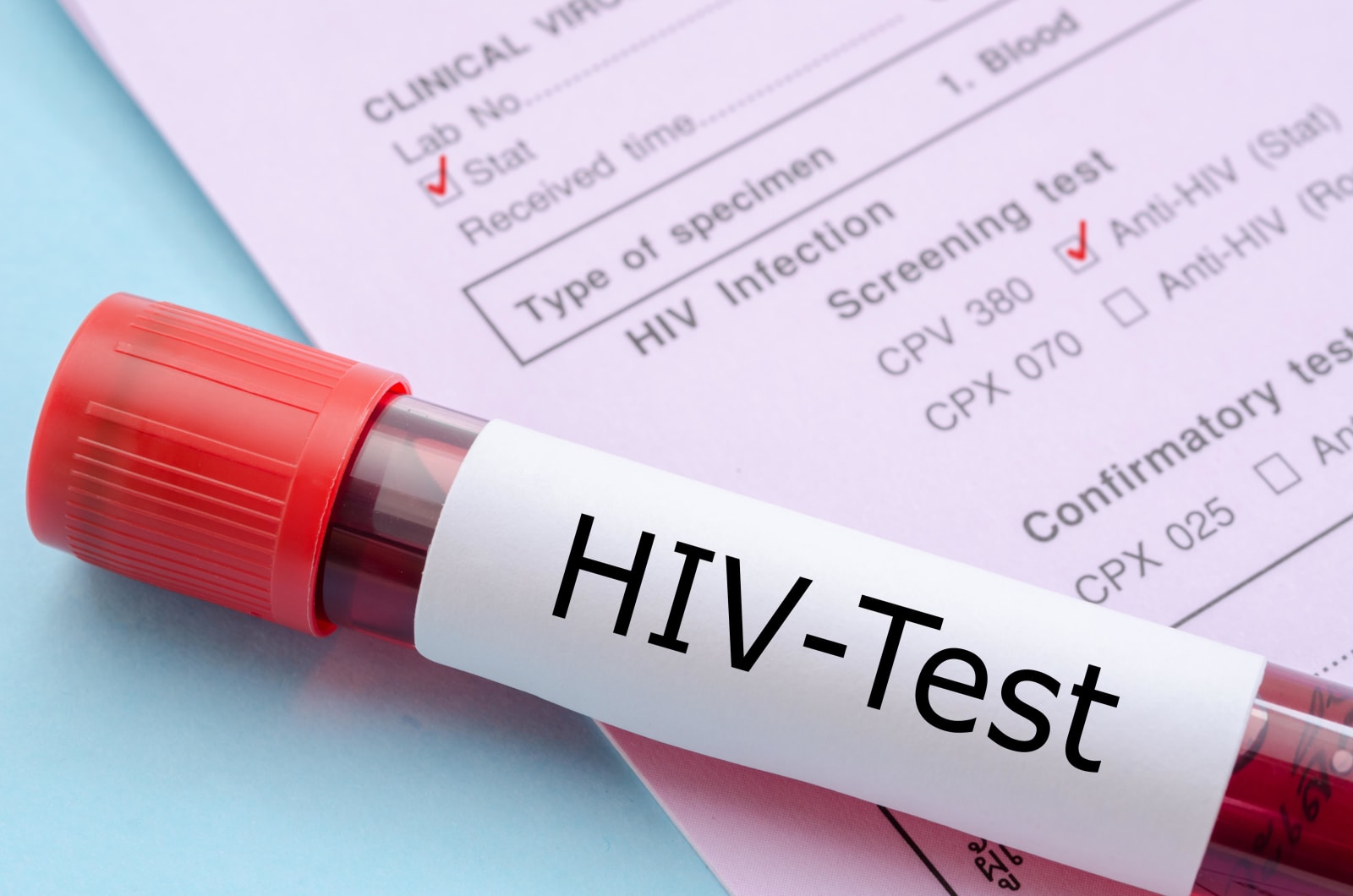 A Harvard-led team of scientists has made important progress in the quest to prevent HIV infections. They've had early success testing a multi-strain vaccine in humans -- everyone who received the drug produced at least some kind of anti-HIV immune r...

 E-readers have become one of the most pervasive pieces of tech for many reasons. They survive alongside tablets because they're accessible -- Amazon's entry-level Kindle is just $80 -- and don't require daily charging. E-ink displays don't strain you...
 Research in AI continues to make video games better. The technology informs NPCs that can move and fight more convincingly, orcs with personalities and ever-more realistic visuals. Now researchers at DeepMind have taught an AI to play a customized ve...
_-_Bouquet_of_Flowers_in_a_Ceramic_Vase.jpg)