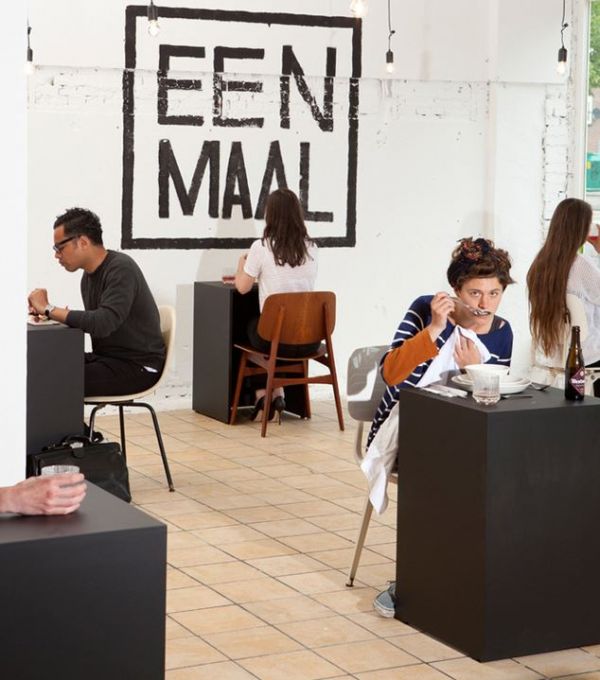
Table for one, please! At Eenmaal, a new restaurant in Amsterdam, that's your only choice. All of the tables seat only one person each. Jeroen Beekmans of Pop-Up City writes:
“‘Eenmaal’ is a restaurant like any other restaurant, but one thing is totally different: you only find tables for one person here. ‘Eenmaal’ is an exciting experiment for those who never go out dining alone, as well as an appealing opportunity for those who often eat alone at restaurants”, explains social designer and initiator Marina van Goor.
Being alone has a negative image, according to Van Goor. Her one-person restaurant is part of a wider mission to break this taboo and to make it more attractive for people to be alone in public space. She’s definitely on something here — particularly in contemporary urban design public space is perceived as a place for people to meet and gather, rather than a place to be quiet and relax, alone.
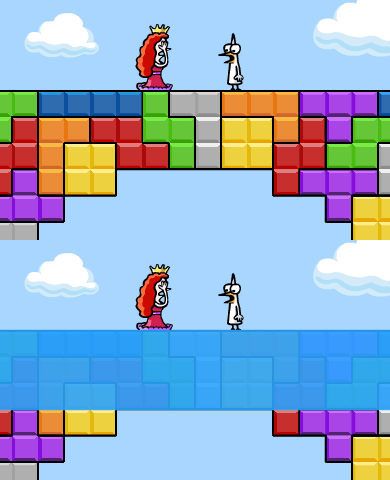
"Everything you've learned in school as "obvious" becomes less and less obvious as you begin to study the universe. For example, there are no solids in the universe. There's not even a suggestion of a solid. There are no absolute continuums. There are no surfaces. There are no straight lines."
You've been eating dinner all your life, but chances are, you've been doing it wrong. But don't worry, Joanna Goddard and Gemma Correll are here to rescue you with this nifty guide to how to eat dinner when you're a guest at a dinner party:
If you're a guest at a dinner party (pictured above), wait to start eating until the host or hostess takes his or her first bite (unless they absolutely insist that you start).
Your wine and water glasses are to the RIGHT of your plate. Your bread plate is to the LEFT of your plate. If you remember that, you'll never drink someone's water or eat their bread again! (A genius tip from readers: To remember the order of the placesetting, think "BMW" -- for bread, then meal, then water.)
Surprisingly, salt and pepper should be passed together, even if someone asks only for one. They're considered "married!"
Chicken and waffles are a delicious flavor combination, but they're also a bit hard to eat...until now. Mom On Timeout has all the instructions you need to make your own tasty chicken and waffle ranch sliders at home.
There's a complex interaction of chemicals that make your coffee what it is. And the result is a magical and delicious liquid ambrosia. -via Daily of the Day
Arquitectos: taller adc
Ubicación: Alvarado, Veracruz, México
Equipo: Carlos Antonio Castillo, Jimena Díaz Lombardo, Jorge Carrillo
Colaboradores: Lesley Carrillo, Luis Griz, Julio Cesar Romero, Cindy Gutiérrez
Ingenería Estructural: Carlos Caballero
Cancelería: Akvalo – Jaime Del Val
Área: 260.0 m2
Año Proyecto: 2012
Fotografías: Rafael Gamo
Dentro del sutil tejido Sub-urbano cada casa se debería narrar con una identidad abierta – libre y no como un cajón más, homogeneizado como un simple producto en serie.
La casaestá construida en un terreno rectangular de 170m2 localizado dentro de un fraccionamiento en el municipio de Alvarado, Veracruz. Esta zona actualmente tiene un gran auge de desarrollo inmobiliario en el cual se han establecido fraccionamientos con lotificaciones entre 180m2 a 300m2 que apuestan a familias jóvenes y que disponen trazos urbanos dependientes del automóvil. El rápido desarrollo de estos fraccionamientos ha propiciado la proliferación de desarrollos de casas casi estereotipadas con un gen muy marcado en la distribución de sus plantas.
La pregunta que nos hicimos con este proyecto fue el como romper con este estereotipo de esquemas donde tres cuartas partes de las fronteras del terreno se desperdician, ya que, dos dan a colindancias y una más se le da en su totalidad a los cajones de estacionamiento, quedando irremediablemente el fondo del terreno como espacio residual de la casa destinado generalmente para los espacios públicos e iluminación de la misma.
A partir de lo anterior planteamos un gen distinto al proyecto que se diseñó en dos plantas, las cuales son unidas por un gran marco de concreto aparente que da protagonismo y amplitud con una doble altura a la alberca de relajación, la cual ,está orientada hacia la calle para lograr una sensación espacial mucho más libre y atrevida .La división de este espacio con la calle es representada sutilmente mediante un cristal esmerilado, el cual deja entrar la luz y los sonidos de un fraccionamiento tranquilo pero al mismo tiempo crea una barrera visual para resguardar cierta privacidad a los usuarios de la casa. La alberca es también remate de sala, comedor y cocina como un espacio continuo. El alinear las áreas públicas permitió ahorrar espacio y así generar un pequeño vestíbulo hacia una recamara al fondo de este mismo nivel como un requerimiento indispensable del cliente. Los cajones de estacionamiento se diseñaron a un costado, dispuestos uno atrás de otro.
En planta alta se diseñaron tres recamaras más, dejando la principal de ellas al frente y haciendo un juego de volúmenes extruidos con el marco de concreto aparente.
Planta Baja
El romper con la inercia de los diseños genéricos en este suburbio nos permitió explorar alternativas para aprovechar los metros cuadrados del terreno al máximo así como crear ambientes distintos en la casa con volúmenes predominantes en color blanco y en menor proporción materiales naturales como el concreto aparente , madera , mármol y cantera.
BGD Architects designed the Amalfi Drive Residence in Queensland, Australia.
Description
This river front design is located on an older established residential island that is undergoing redevelopment. Intimately designed by the architect for his young active family, the residence reflects their dynamic outdoor lifestyle. With easy access to the river, the house draws towards the southern waterfront and turns away from the street.
This residence was a chance for the architect to experiment and play with fresh ideas. Aiming to exploit natural lighting and impeding views, cross ventilation to the South was also a priority. An open plan maximising entertaining spaces was preferred to cater for regular gatherings. Exploration of materials and finishes, including the use of off-form concrete and heavy stucco render, are in contrast with warm New Guinea rosewood cladding on the exterior. Presenting itself as a clean, contemporary design, visitors are made aware of the mixture of chosen distinct materials from street front.
A slim wet edge swimming pool is placed on the eastern side, adjacent to the strip of the neighbouring public parkland. This 25m pool forms a secure edge and acts as a moat between public and private. Windows on the Eastern side frame the outdoor trees, bringing the outdoor inside.
Journey towards the entry takes you down through a portico to the side of the site, formed by a series of crisp recycled timber columns. This leads to a 2 metre wide pivoted entrance door in the centre of the plan. Opening up to a low timber lined ceiling hallway, it soon uncovers an elevated 2 storey area perpendicular to the river. Here, visitors are instantly exposed to the exaggerated river view, sweeping from the southeast to southwest including the Broadbeach skyline. In the centre of the residence stands a set of captivating staircase that features concrete stringer and cantilevered timber treads. Internal spaces continue with the mixture of materials, where the raw structure has been left exposed in places to contrast with the more refined applied finishes of marble surfaces, bluestone flooring and blackbutt timber.
Open planned living zones are on the lower level while the upper level is reserved for bedrooms. Separated by the entry void, upstairs is divided into two wings, defining adult and children space. The children’s wing can also be completely closed off, while their balcony to the street front acts as their activity deck. Fixed with aqua, blue and white louvres, privacy from the public can be controlled. Simultaneously this allows cross ventilation and Northern daylight to penetrate through, creating a magical and colourful space for the restless youths. This experimentation with coloured louvres expresses the relationship between water and the property. At the same time it gives the junior boys a sense of ownership of the space filled with their favourite colour.
Glazing in the corner of the lounge opens up fully to the outdoor entertainment spaces. Two storey high timber columns supporting a flat roof with circular void invites visitors to the outdoor daybed and BBQ area. Coated with polished concrete, the backyard terrace asserts a raw and low maintenance finish.
Horizontals are also a design feature, accentuated through the banding of materials, concrete upstands, flat roof together with swimming pool are also a feature to the architect’s design.
Architects & Interiors: BGD Architects – Bayden Goddard, Marcus Rosner, Kate Richards
Structural Engineer: Cozens Regan Williams Prove
Builder: JMD Projects Pty Ltd
Lighting: BGD Architects & Tony Dowthwaite Lighting Design
Photographer: Remco Jansen
Following in the footsteps of San Francisco, Seattle, and other cities around the world, the Los Angeles City Council has voted to ban single-use plastic bags. Plastic bags have a huge environmental cost as they enter landfills, waterways and ultimately the ocean, and campaign groups fought hard for the measure, which received 11-1 votes in favor from the council. The measure will go into effect on January 1st, 2014, and it makes Los Angeles the largest city in the U.S. to ban plastic bags. Not only that, but it means that by the end of 2014, over 30% of California’s population will be covered by laws regulating plastic and paper bags.
Dogchitecture es una exposición inspirada en “Architecture for Dogs”, un proyecto de Kenya Hara en Japón, en donde se busca reinventar la casa para el perro integrándola con el mundo del diseño, a través de los puntos de vista y filosofías de arquitectos jóvenes mexicanos.
Dogchitecture será expuesta en el Polyforum Siqueiros del 20 de junio al 18 de agosto del 2013. Y será una muestra itinerante que llegará a distintos museos importantes de México. Dentro de la inauguración, también se realizó la presentación del libro de la exposición que contendrá una serie de fotografías y descripciones de los proyectos presentados en Dogchitecture.
A continuación las propuestas de la exposición Dogchitecture.
With graduation in the air, we recently had the privilege of viewing all the senior thesis Product Design projects at the Parsons School of Design. Richmond Young, now a Parsons graduate, invited us to a private tour. Richmond had contacted us earlier in the year as part of his research.
The basis of his project explores how designers and chefs collaborate. Funny enough, we struggle with this every day! Walking the aisles of the senior show, we were surprised to see how many students chose Food Design as their focus. It’s official—Food Design is taking the world by storm!
Richmond’s approach to product development and the depth of knowledge he has for current and future manufacturing techniques is quite impressive. He used a 3D printer for his project, and as you know, 3D printing has been creeping its way into mainstream Product Design for a little over a decade now. We have been exploring ways to incorporate its benefits into our products at Pinch, and Richmond helped inspire us.
Here’s a taste of one of the newest members of the Food Design community. We look forward to seeing Richmond’s contributions for years to come!
The project: Ad Tempus, 2013, 3D printed ceramic A series of dessert plating that understands the symbiotic relationship between food, presentation, and diner. Following the temporality of menus, Ad Tempus is designed to adapt and evolve.
Toast (first images also) is an assembly of pain perdu, maple gelée, and pamplemousse sorbet concealed under a crust of white chocolate to be excavated timidly by the diner (served on the Carter, named after famed archaeologist).
Toast
Milk/Tea is a “soup” course that is created by the performance of two state changes: hot rose milk will be poured over to dissolve a lemon sugar dome to later melt the chrysanthemum sorbet served with pomegranate seeds (served on the Hillary, named after famed climber and explorer).
Milk/Tea
Crémeux: is a quasi-deconstructed crème brûlée: pistachio crémeux with chocolate mousse guarded underneath a shield of a clear vanilla sugar tuille to be hacked by the diner (served on the Geronimo, named after the fearless Apache Warrior Chief).
Crémeux
Crémeux
Next Seasons Menu is: 1. Tomato: custard, biscuit, white chocolate crust/shell 2. Affogato: espresso, candied chestnut, milk, lemon sugar 3. Barquillos (the 3 wafers sticks): persimmon sorbet, almond powder, genoise cake (inside)
Next Seasons Menu
Food photography by Richmond Young Studio still life (plain white bare) by Martin Seck Food: Chef Veronica Duboise
Looking for a cool new home bar? Bombay Sapphire and design firm, AvroKO have teamed up to craft the limited edition Bombay Sapphire East Gin Wheel.
If you’re a gin lover, you know a thing or two about Bombay Sapphire. However, from the design side, AvroKO is responsible for several high-profile projects including LAVO, Beauty & Essex, Kid Robot, and Saxon & Parole in NYC. The firm uses storytelling as a way to create innovative designs and transformative experiences.
Inspired by the “Lazy Susan” turntable, the new Gin Wheel is handcrafted from exotic walnut. Its base – on which the main body spins on – is a plate made of brushed stainless steel. The Gin Wheel’s design celebrates the classic nature of the Gin & Tonic cocktail (of which it’s meant to celebrate!) while boasting an imaginative and refined aesthetic.
The main body opens to high quality bar tools, glassware, removable cutting boards, coasters and custom made aluminum tongs that double as a locking mechanism. There’s also storage for ice and garnish for your cocktails.
Starting next month you’ll be able to buy one of these from The Future Perfect. Bottoms up!
Say goodbye to water damaged phones and soggy shoes – Rust-Oleum just launched NeverWet, an amazing product that can waterproof nearly any surface or object. The ultra-hydrophobic spray coating was developed by Ross Nanotechnology, and it repels water like nothing you have ever seen. After a long time in development the product is finally available to the public, and you can get it now at Home Depot for $20 for an 18oz can.
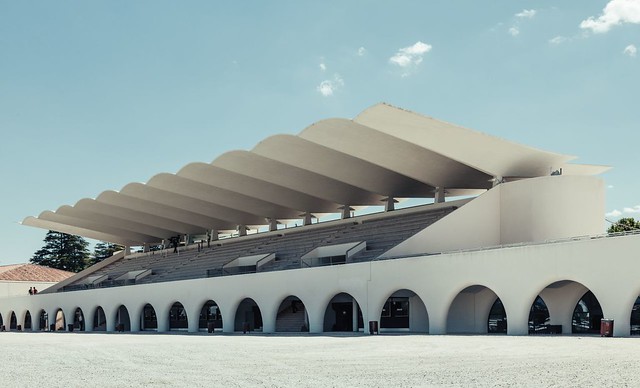
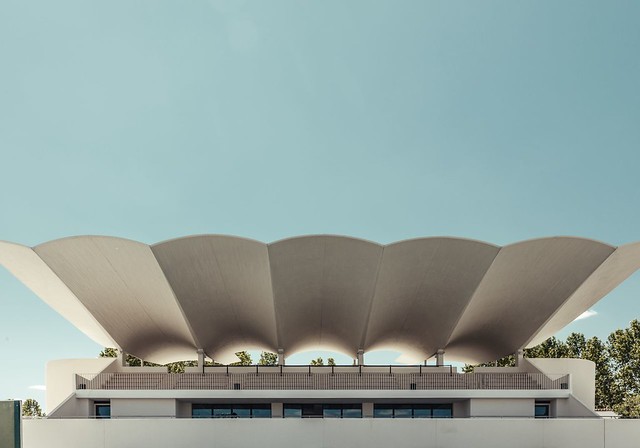
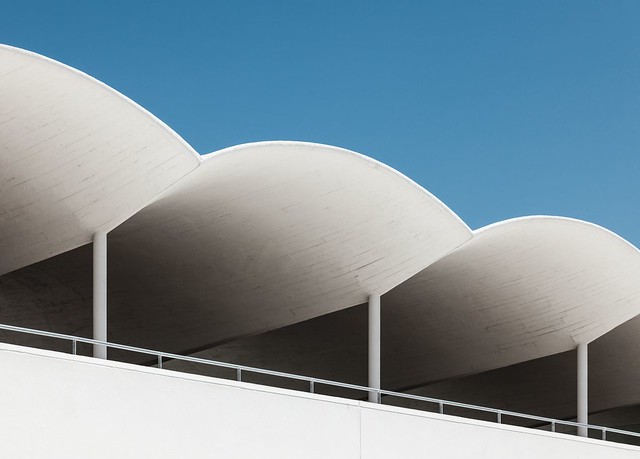
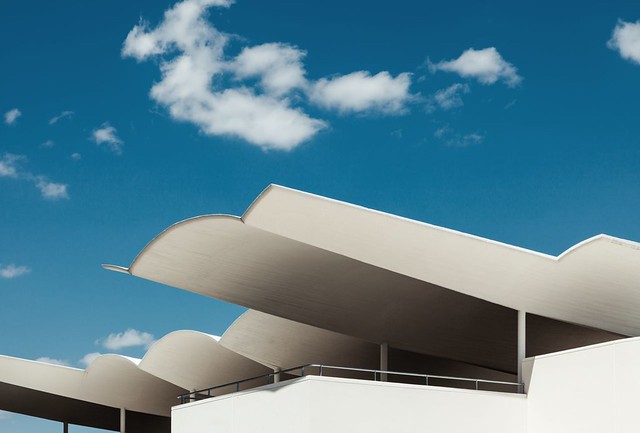
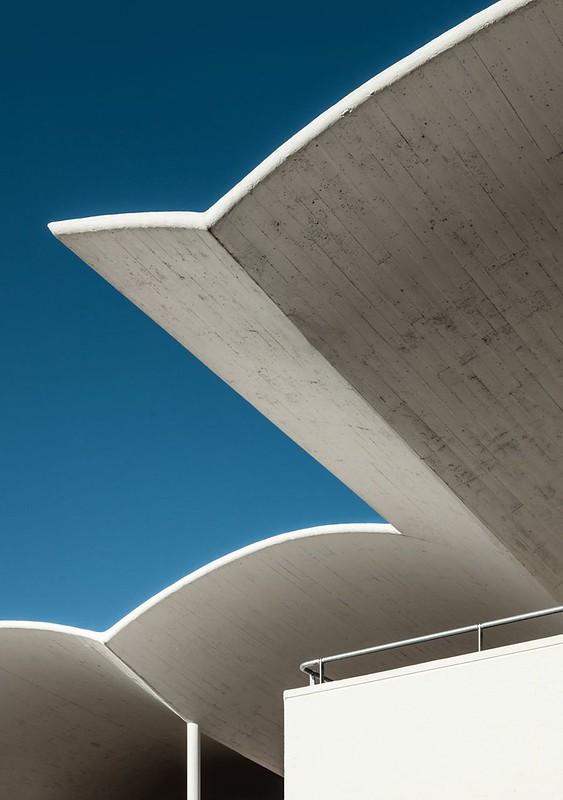
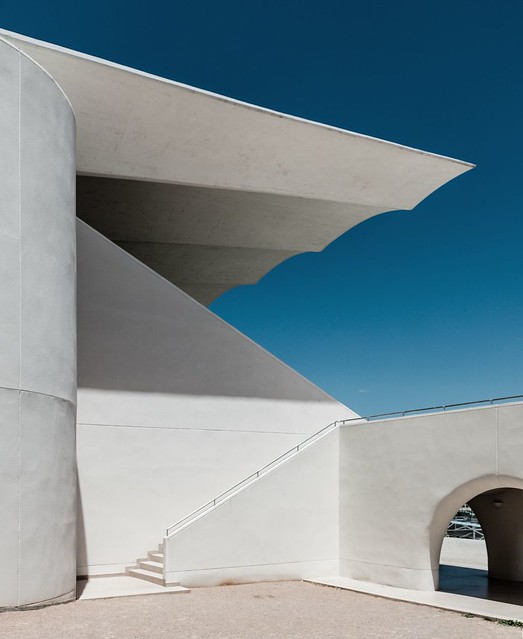
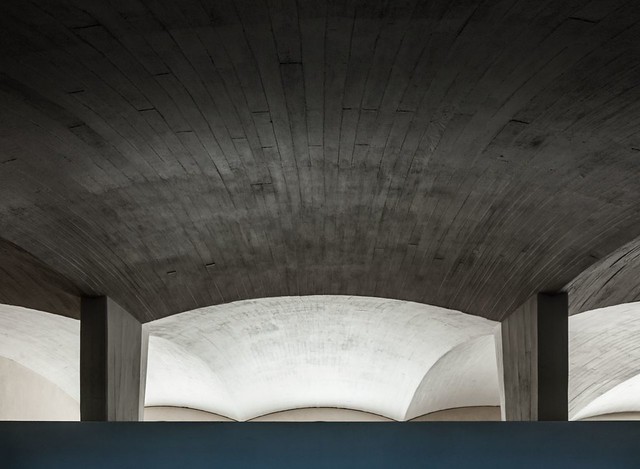
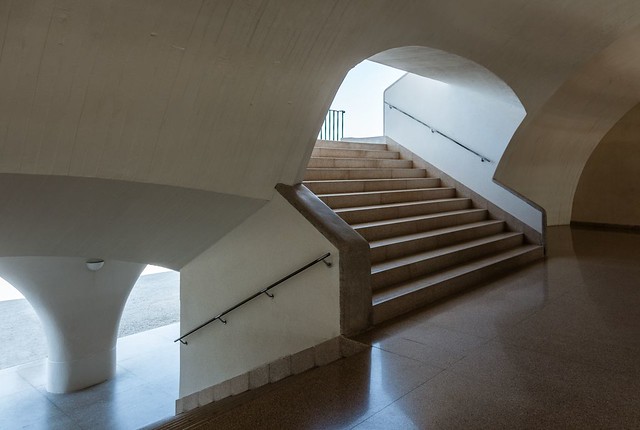
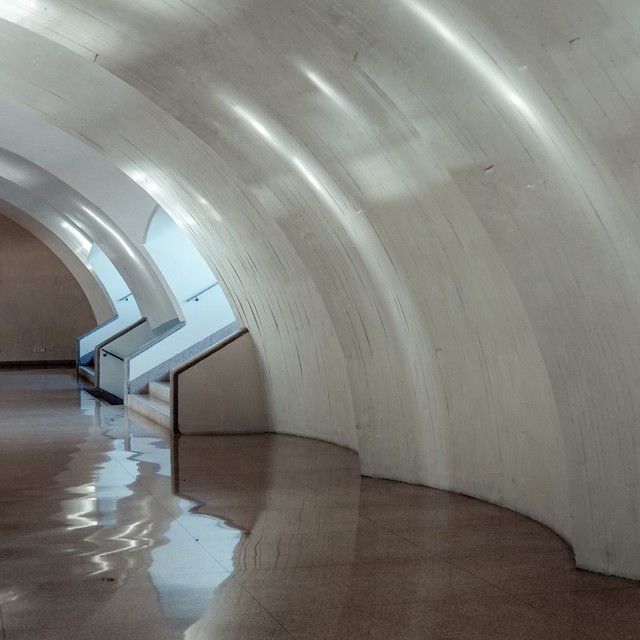
Here are some photos of the Zarzuela Hippodrome (1935) in Madrid, Spain, by architects Carlos Arniches and Martín Dominguez, and engineer Eduardo Torroja, photographed by Ximo Michavila.
To contribute your Flickr images for consideration, just:
Alzheimer's disease and depression have a lot in common, and people with depression face a greater risk of dementia as they age. Researchers aren't sure why, and are seeking clues. They are trying to find out if treating depression will then help prevent or delay dementia.
In their latest video, BytesizeScience explains how eating asparagus can lead to odd-smelling urine. Interestingly, not everyone can detect the odor and not everyone generates it when they eat asparagus. And as Wikipedia points out, the phenomenon has been observed for centuries:
“A few Stems of Asparagus eaten, shall give our Urine a disagreable Odour…” (“Letter to the Royal Academy of Brussels,” Benjamin Franklin, c. 1781)
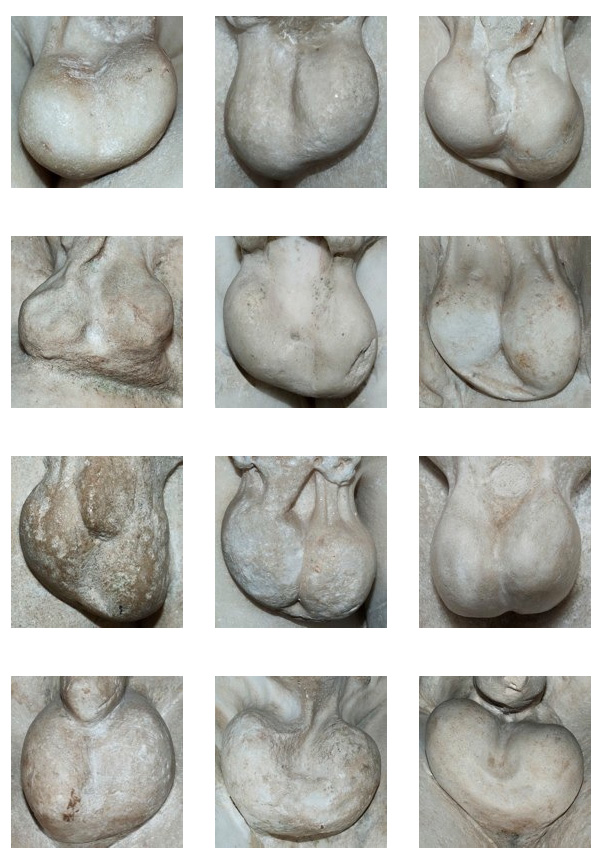
“Marbles” is a 2013 photo series by London-based photographer Ingrid Berthon-Moine that focuses specifically on the testicles of marble Greek statues found throughout Europe. Feature Shoot states the “work explores masculinity in the 21st century, both the representation of it and the idea of ornamental masculinity which until now had been largely ‘reserved’ to the female gender. It also looks at how masculinity has shifted over time, and how men have had to redefine their identity as society changes.”
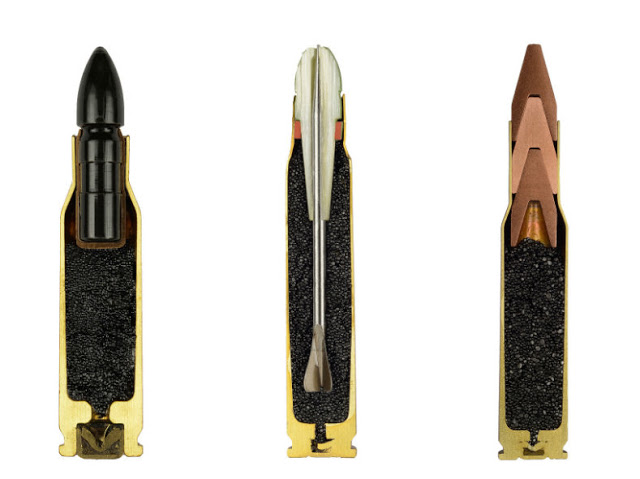
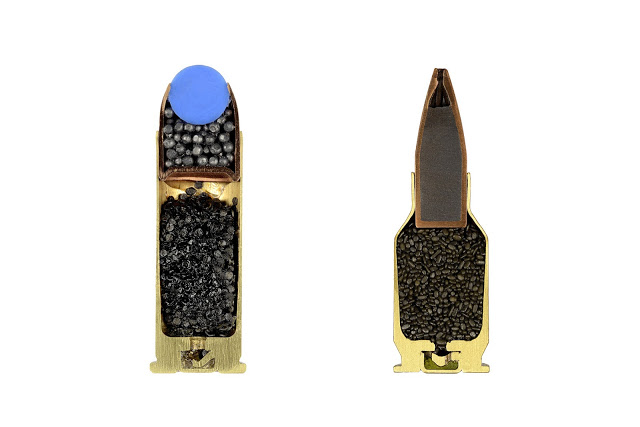
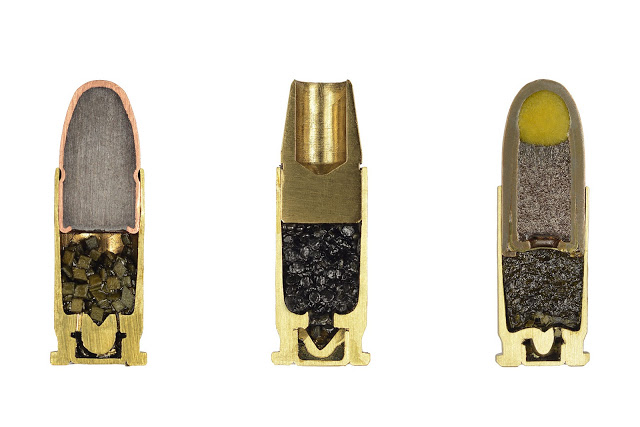
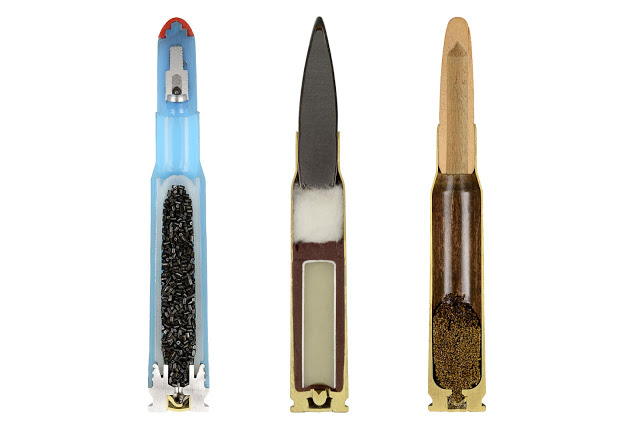
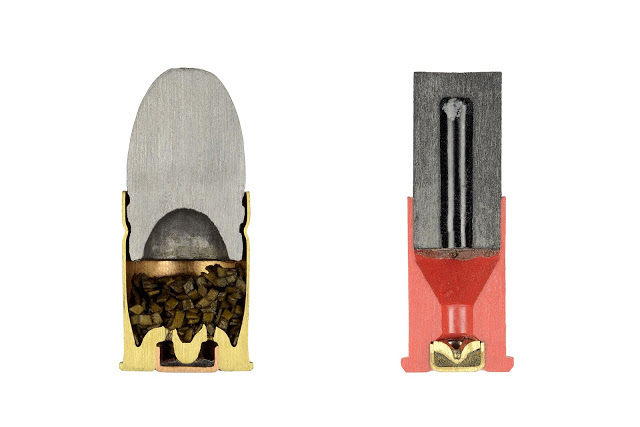
“AMMO” is a photo series of some 900 pieces of ammunition that have been neatly cut in half to reveal their surprisingly varied and intricate contents. Photographer Sabine Pearlman shot the series last year in a WWII-era bunker in Switzerland.
I was originally intrigued by the ambiguous nature of the subject matter. The cross-sections reveal a hidden complexity and beauty of form, which stands in vast contrast to the destructive purpose of the object. It is a representation of the evil and the beautiful, a reflection of the human condition.
In a landmark decision that could have a dramatic impact on the lives of millions of Americans, the American Medical Association voted Tuesday to officially recognize obesity as a disease, drawing a clear distinction between what has long been regarded as a consequence of lifestyle and a medical illness.
The internet was originally used to help academics exchange information. It has been abused ever since. To honor that lasting achievement, here's how you can misuse a site that was designed to help people identify written characters, to draw cat pictures instead.
Sabine Pearlman's photographs find beauty in the destructive engineering of ammunition with this series of cross-sections of bullets cartridges from a Swiss bunker. They reveal the complexity inside each case.
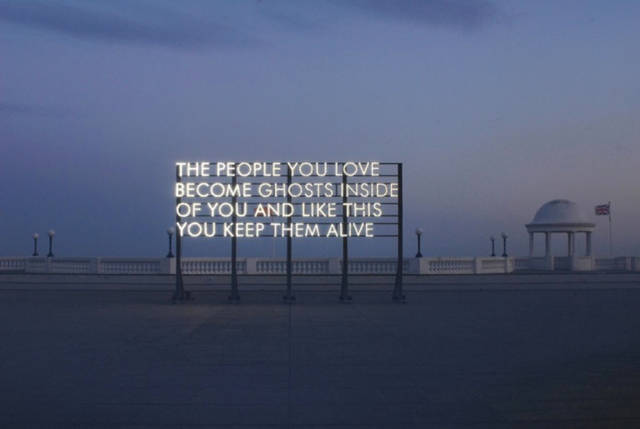
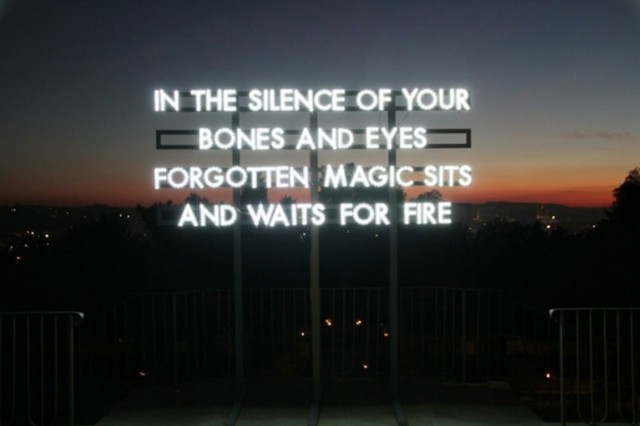
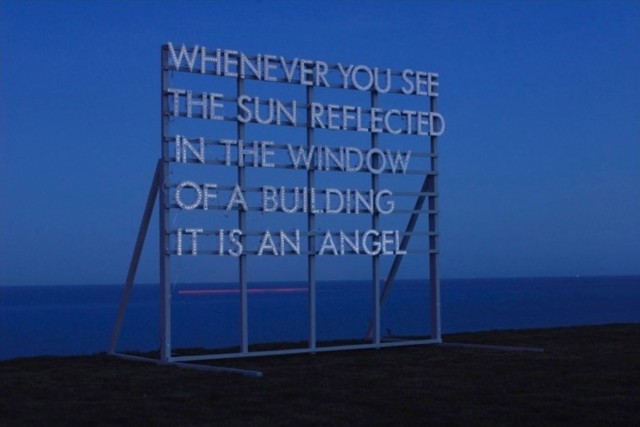
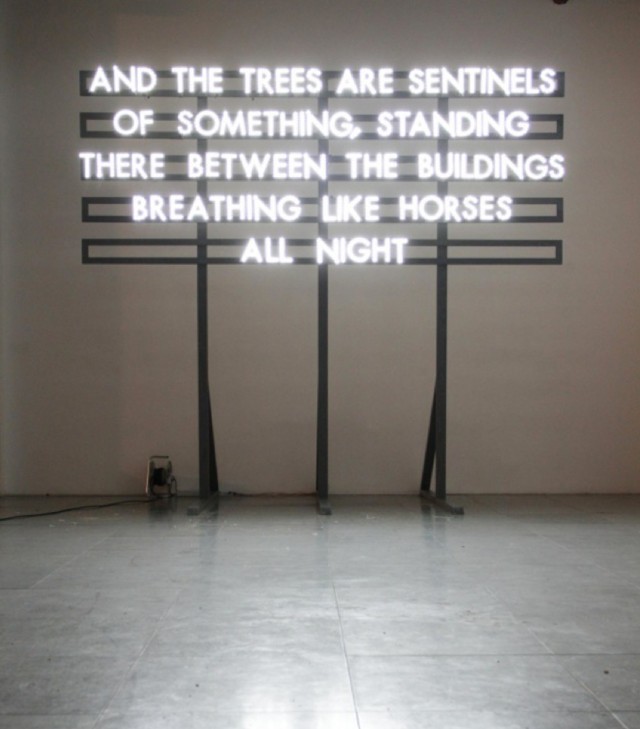
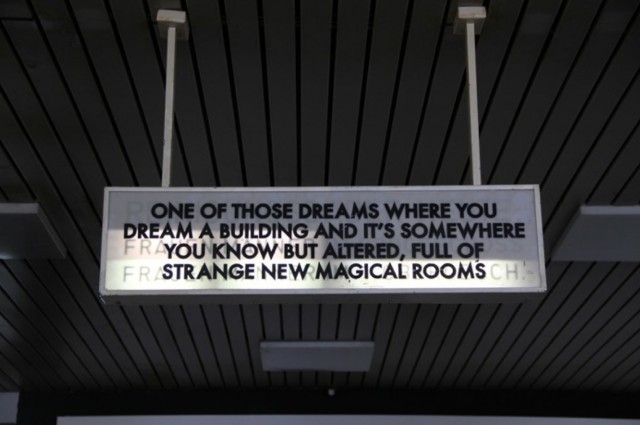
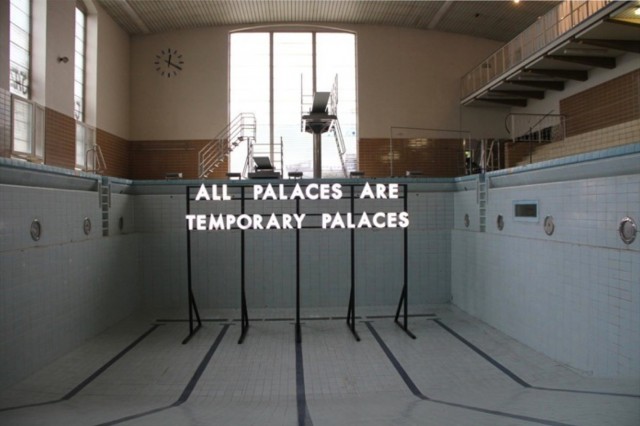
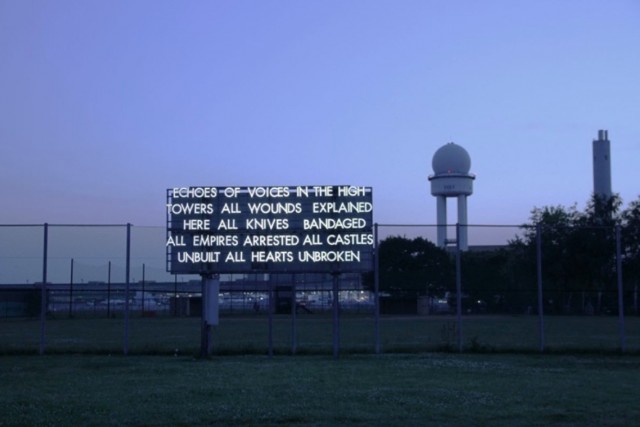
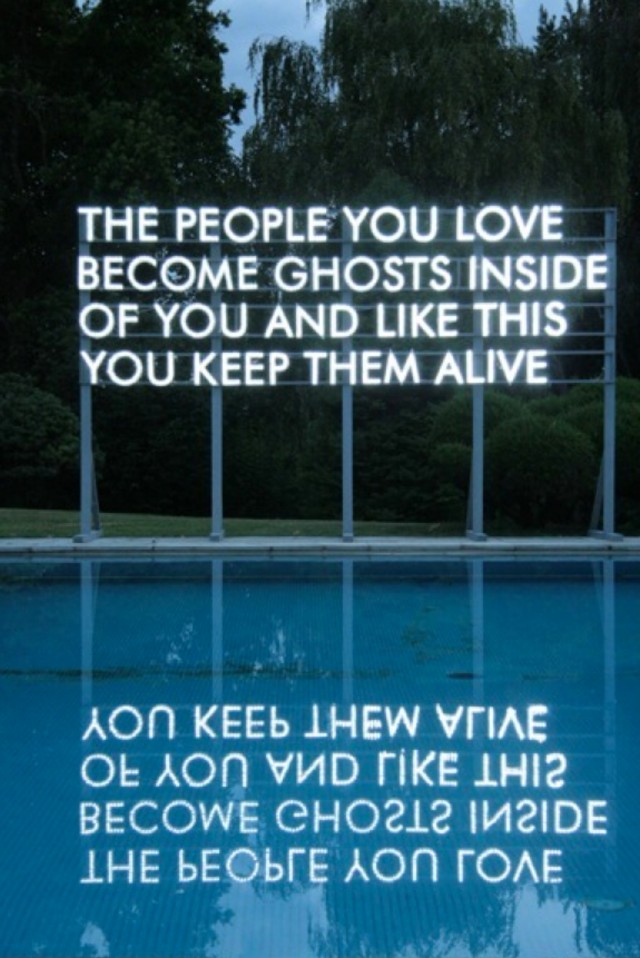
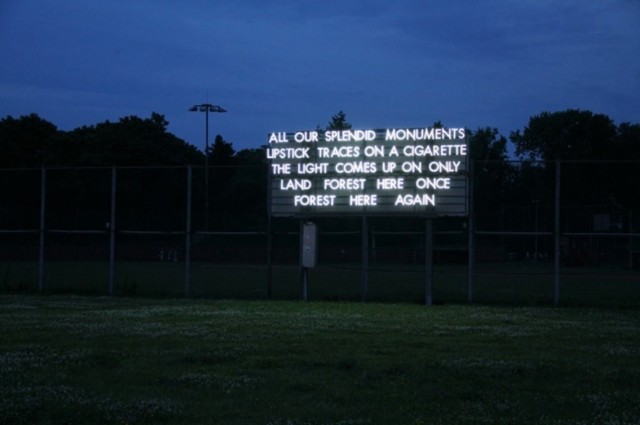
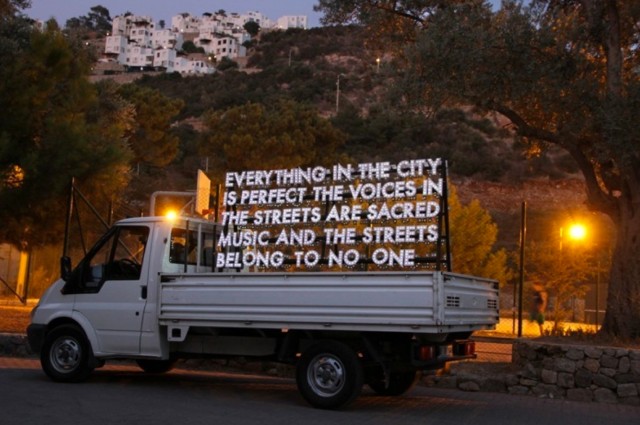
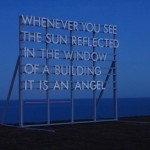
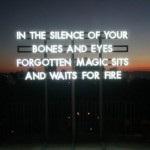
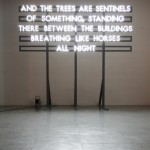
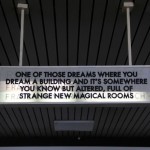
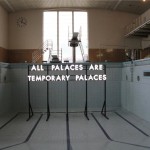
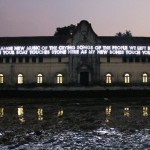
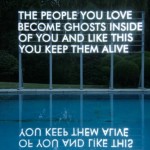
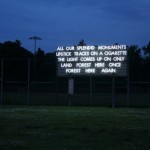
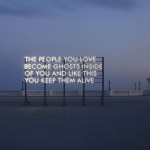
L’écrivain et artiste écossais Robert Montgomery a choisi de mettre ses pensées à la vue de tous en les installant à l’aide de panneaux solaires dans les rues. Pensées profondes et réconfortantes, elles sont un appel à lever les yeux du quotidien pour un moment. À découvrir en images dans la suite.
A new Kickstarter project takes all the work out of playing fetch with your dog, replacing your throwing arm with a nifty gizmo and keeping your hands drool-free. It’s essentially a more basic pitching machine that requires no human intervention, but the iFetch looks like an incredibly useful tool for the play-obsessed pup, so long as it can learn the necessary trick to get the cycle started.
At base the iFetch is a simple machine; dogs put a ball in one end, the iFetch winds up and launches it for retrieval. Once the dog figures out that all it has to do to get it to launch again is drop the ball in the big opening, the cycle is complete, and an infinite loop is theoretically created. From a dog’s perspective, we humans are merely flesh and bone prototype versions of the iFetch, ones that tire and grow weak.
The iFetch needs only AC power, or 6 C batteries for portable use, not proteins, carbs and nutrients. It doesn’t get arm pain, isn’t squeamish about a dog’s mouth fluids or a little dirt, and, can throw balls at distances of either 10, 20 or 30 feet depending on how it’s set. The iFetch project creators, an Austin-based family called the Hamills (no apparent relation to Mark), suggest the iFetch for small or medium-sized dogs, likely because larger dogs might find the balls too small (could be a choking hazard for a Great Dane, for instance).
In my extensive history of familiarity with dogs, I’ve also known some that don’t have any aptitude or interest at all in playing fetch, and it’s unlikely that the iFetch will change their mind on that score. But for those dogs that are fetch fans, there looks to be little not to love here, and the Hamills even suggest that you can use the iFetch with kids, too! That’s some hands-free parenting right there, and if you’ve got both dog and kid, the iFetch can instigate a ready-made Man vs. Beast competition at a moment’s notice.
The iFetch has already met its funding goal, so there should be not that much standing in the way of the Hamill family shipping by their intended delivery date of November 2013. Pre-order backer amounts start at just $60, which includes the iFetch as well as 3 balls, and a plug-in AC adapter. One caveat if you do pick up one of these: never forget to leave it on if you have a dachshund that doesn’t know its limits and live in a hot climate, for instance. iFetch is tireless; your enthusiastic little dog is not.
In recent years, high profile news outlets like The New York Times and CNN have featured architects’ struggles by citing the dire unemployment statistic of 13.9% for recent graduates, the highest of any college major. Many architecture firms are still reluctant to hire new full-time members to their team, and all too often students and recent graduates remain without work. Since approximately 40% of architecture graduates pursue work outside of the architectural profession, and the National Council of Architectural Registration Boards (NCARB) currently reports 26,850 students enrolled in accredited architecture programs, we can assume that over the following years 10,000 students trained as architects will forge their own path in a variety of other occupations.
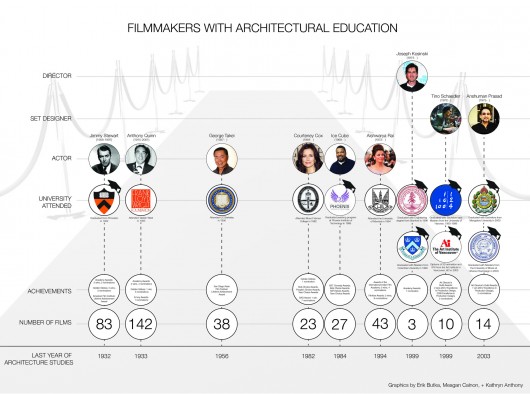
One of the most creative, high profile fields that can offer an architect a wide range of positions is the film industry. And, in fact, those with architectural backgrounds have been making the transition into the filmmaking industry for decades. Our timeline showcases a sample of those with an architectural education who have enjoyed enormous success in the filmmaking industry over the last 80 years as actors, set designers, or directors.
You can read more about their stories (including how Jimmy Stewart went from architecture to acting), after the break…
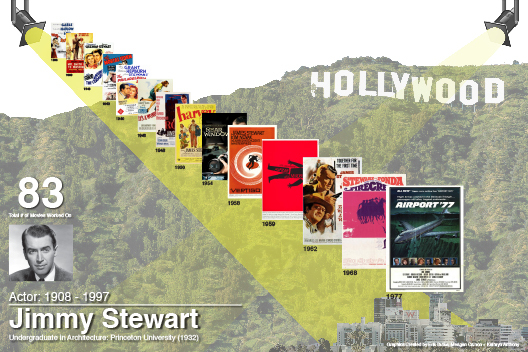
Readers may be surprised to learn that Academy Award winning actors and classic film legends, Jimmy Stewart and Anthony Quinn, both have architectural education backgrounds. Jimmy Stewart graduated from Princeton University with his architectural degree in 1932. Ever since he was a boy, he had a strong interest in aviation, and so his architectural thesis focused on airport design.
He began his acting career before entering the Army Air Corps in World War II, acting in 29 motion pictures from 1935-39. Stewart went on to star in four Alfred Hitchcock blockbusters, Rope, Rear Window, The Man Who Knew Too Much, and Vertigo and over 80 films over the course of his career. He received highly-sought after recognition for his acting abilities, culminating in an Academy Award for Best Actor in 1941 for The Philadelphia Story.
Our graphic below showcases a sample of some of his most famous films in which he had a starring role.
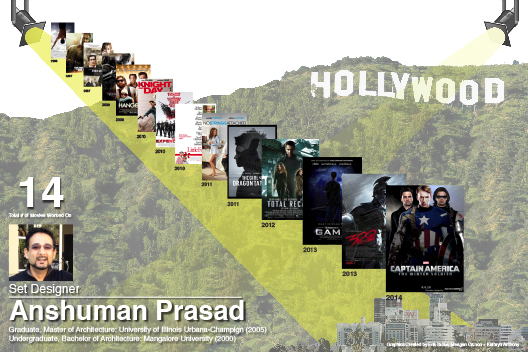
For architecture graduates considering a career in the film industry, set design may be the most obvious avenue of entrance. One example of an architecture grad who made that leap is Anshuman Prasad, who graduated from the University of Illinois at Urbana-Champaign in 2003 with his Master of Architecture. After writing his thesis Beyond Mise-En-Scene: Narrative Through Architecture in Main Stream Cinema (1980-2002), Prasad moved to Los Angeles to pursue a career as a set designer. He is now a member of the Art Director’s Guild. One of his latest projects as set designer is the film Captain America: Winter Soldier. From 2005-2013, he has been involved in many blockbuster films, including Die Hard 4, The Hangover, No Strings Attached, and Girl With the Dragon Tattoo, as shown in our timeline below.
Prasad views his film career as more of a specialization rather than abandonment of architecture, as his time as set designer has given him a new appreciation for the mood and character of spaces. In particular, light, shade, reflections and rain create incredible variations within a space. The benefit of being a set designer is that all these conditions can be controlled. He also believes that the most critical aspect of set design is proportion, and here his architecture degree is especially useful. Looking back on his career transition, Prasad reminisced, “I believe it was the diversity of the work that has always attracted me to set design and there was a lot of passion as well, after all, this was Hollywood. For someone who still believes in the magic, it was a dream job.”
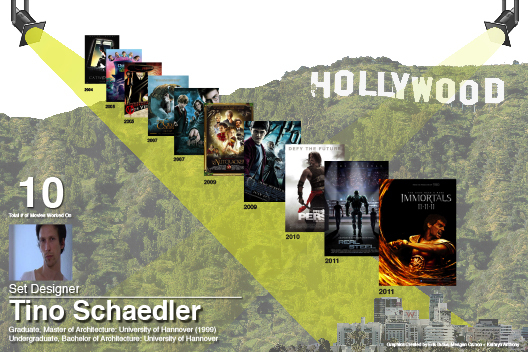
Before becoming a virtual set designer, Tino Schaedler began his architecture career at The University of Hanover in Germany, graduating with his Masters in 1999. He practiced for three years, working for Daniel Libeskind and Barkow Leibinger, while teaching Studio Digital Analog at the University of Arts in Berlin.
When interviewed by designboom.com, he admitted that he felt stifled as an architect. While fascinated with accessible mediums and techniques, he endured long hours, lots of pressure, and little money. He quickly realized the potential of broadening his architectural design and representation skills with advancing digital tools and decided to attend film school at the Art Institute of Vancouver, British Columbia, where he graduated with a diploma in 3D animation and visual effects in 2003.
Schaedler realized that his degree in architecture provided him with a broad range of “understanding and sensitivity for other fields.” It was a hard decision to quit architecture but it led to more creative freedom, since he was now able to create opportunities to bridge various fields and mediums together. His approach to architecture has shifted as a virtual set designer as he no longer feels limited to traditional building practices.
From 2003 to 2011, he was involved with blockbuster films such as Charlie and the Chocolate Factory, V for Vendetta, Harry Potter and the Half-Blood Prince, and Fantastic Voyage. He now views space as a relationship driven by a narrative rather than being conceptually rigid. Schaedler continues to enjoy being fully in charge of his own designs and to grow in his passion as a virtual set designer, art director, and trained architect. Our graphic highlights all 10 of Schaedler’s Hollywood motion pictures to date.
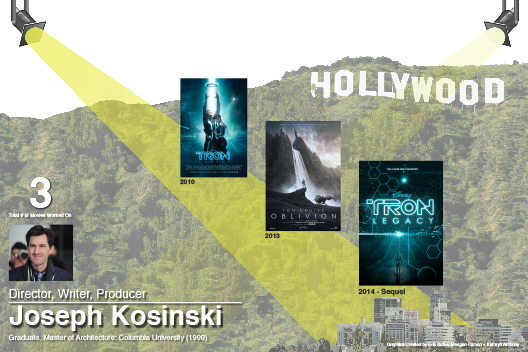
His decision not to be an architect paid off. Kosinski made his directorial debut in 2010 with the blockbuster sequel, Tron Legacy. He landed this job due to his digital modeling skills, which he learned while studying architecture. Originally, Disney sought to use a formula for the movie similar to The Matrix, but Kosinski was able to convince the producer, Sean Bailey, to hire him based on his ability to conceptualize a new reality in his world of Tron.
This year, Kosinski extended his filmmaking resume by serving as director, writer, and producer for Oblivion, starring Tom Cruise. Due to Oblivion’s instant popularity as the number one film at the box office on its opening weekend, Kosinski’s background in architecture is gaining extra attention. The highly visited pop culture website Buzzfeed.com has profiled how his architecture degree is able to help him design structures like the ‘Sky Tower’ in Oblivion. When interviewed for that piece, Kosinski was quick to point out that he does not miss being an architect. In fact, he argued, he has done just as much if not more than most of his colleagues with whom he went to school. As a filmmaker, he is able to be more of a dreamer, one that, using the same digital tools as an architect, can create what cannot be physically built at this time. Our graphic shows all three of his Hollywood motion pictures to date.
For Prasad, Schaedler, and Kosinski, this transition between creative fields lent itself to more gratifying design work, much higher pay, and ultimately a more satisfying life. Their stories remind us that those with an architectural education are fortunate – they have the creative grounding, technical knowledge, and flexibility to be successful in a variety of other industries. Working in a standard architectural firm may not be for everyone, especially if it entails working long, thankless hours, getting stuck drawing bathroom details, or even getting laid off at the drop of a hat. These stories show how an architectural degree can allow architecture grads to forge their own path, and create a dream job of their own design.
Erik Butka graduated with his Master of Architecture degree from the University of Illinois at Urbana-Champaign and earned his Bachelor of Science in Architecture degree from the University of Michigan. After working in an architectural firm and strengthening his digital modeling skills, he is considering the transition into the film industry.
Meagan Calnon graduated with her Master of Architecture degree from the University of Illinois at Urbana-Champaign and earned her Bachelor of Arts in Architecture degree from Miami University. In addition to architecture, she continues to be interested in multidisciplinary creative outlets including furniture and product design.
Kathryn H. Anthony, Ph.D. is ACSA Distinguished Professor at the School of Architecture, University of Illinois at Urbana-Champaign, and the author of two scholarly books, Design Juries on Trial: The Renaissance of the Design Studio (20th Anniversary Edition available on Amazon.com) and Designing for Diversity: Gender, Race and Ethnicity in the Architectural Profession (University of Illinois Press); over 100 scholarly articles, and two apps for iOS: The Design Student Survival Guide, and The Student Survival Guide. For the past two years, she has taught a new graduate seminar on “Architecture, Cinema, Environment and Behavior.” The class was inspired by her experience supervising Anshuman Prasad’s architectural masters’ thesis.



 (
(