Does it seem strange to anyone else that police have been unable to locate the horse?
A horse was reportedly hit by a taxi driver in midtown at around 10 a.m. this morning, though police say they have not been able to locate either the horse or the cabdriver. No injuries have been reported. [ more › ]
Evolo has announced the winners of its 2017 Skyscraper Competition, and though projects specific to NYC didn’t take the top spots this year, several of the honorable mentions looked at new ways to build high-rise projects in New York. This one, the Human Castell Skyscraper, comes from a New Zealand-based team who wanted to address the question “where does art end and architecture begin?” Inspired by the castells of ancient Catalonia, the designers eliminated exterior walls for the Midtown tower to open its insides out towards the city, tapping into the history of architecture using sculptural expression to speak of its inhabitants’ “myths and tales.”
Tamin Song, Jin Woo Kuk, Sun Hee Yoo, Bruce Han, Gangmin Yoo, and Jun Sun Baek describe the thought process behind Human Castell:
It presents a concrete and very solid depiction of our society as it is: the fear, the pain, the joy, and the excitement. Each layer enriching the other to finally become the most raw, unobstructed representation of who we are and what our stories create. At last breathing a much needed sense of identity and emotion into the grey city.
They propose using CNC machines to 3D print the building’s reinforced concrete forms, which “retain the bespoke quality of traditional sculptures” such as domes, columns, and gates. They also divide the tower into three architectural representations of human emotions–anger, delight, and distress.
See all the winners and honorable mentions on Evolo >>
Our ongoing series “My sqft” checks out the homes of 6sqft’s friends, family and fellow New Yorkers across all the boroughs. Our latest interior adventure brings us to the Williamsburg loft of Molly Young and Teddy Blanks. Want to see your home featured here? Get in touch!
Melding belongings is often a struggle for couples who take the leap and move in together. Many fear that their individuality will be lost to their partner’s vision, personal items packed away because there’s “just not enough room.” But for Molly Young, a New York Times Magazine contributor and crossword puzzle creator, and Teddy Blanks, a graphic designer and director, checking one’s ego and a co-regent rule are key to unrestrained creativity and authenticity in the home.
In this week’s My sqft, Molly and Teddy bring us into their incredible 1400-square-foot loft, a hidden gem situated within an innocuous factory building along an even more innocuous Williamsburg street. Filled with color, whimsical artwork, and quirky objects procured everywhere from eBay to Etsy to a failed Sotheby’s auction, this pair’s apartment reveals that cohabitation can and should be a co-creative endeavor that both inspires and amuses.
Take the tour and get to know them ahead.
The loft’s ceilings reach 17 feet, making the 1400-square-foot apartment feel even more massive
What do you two do for a living?
Molly: I am a writer for the New York Times Magazine and a creative lead at Warby Parker. I also write crossword puzzles for the New York Times.
Teddy: I’m a partner at the Brooklyn-based graphic design studio CHIPS and I co-direct commercials and music videos with Alex Karpovsky.
How did you two meet?
We’d been orbiting on the outskirts of each others’ social circles for almost a decade before we actually started dating about 1.5 years ago.
Both are big on puzzles. Molly herself a frequent crossword puzzle creator for The New York Times and other publications (top); The pair’s cat, Helen, seeks refuge under a side chair (middle); Their huge collection of books is used as decor all throughout the house
You two often collaborate on projects, what is the dynamic like? Do you sit down and brainstorm ideas together, or is it more casual?
We come up with thousands of bad ideas on a casual basis and some of them turn into good ideas, or at least executable ideas that we get a kick out of, like our Old Masters sticker pack or the Periodic Table of NYC Trash.
How would you describe your design style together, and does one person have more creative power over the house?
It’s a co-principality—we rule jointly over household decisions. Our kingdom is a peaceful one.
The steel ladder was found on the street and carried into the apartment (top); A lofted bedroom provides space for guests and another area to read (center – bottom)
What do you love most about the space architecturally? What do you hate?
Molly: I love the celestially high ceilings and gnarly wooden floors. Apparently the building used to be a plating factory. If you lie down, you can stare through holes in the floorboards and see what’s going on in the warehouse that operates beneath us. Usually they are moving cabbages around with a forklift.
Molly calls her office a condensed version of her former Chinatown apartment; The 904 on her office door is a joke between her and Teddy. “The thought that there could be 904 rooms in here cracks us up,” muses Molly.
The vinyl on my office door is a childhood dream that Teddy fulfilled. It’s my version of Sam Spade’s door.
I dislike the incredibly leaky roof.
The pair describes their bathroom as “1980s-does-Ancient-Greece.” The theme is built around the bathroom’s Grecian-style sink, which Teddy hated. They decided one day to just “lean in” and now all of the bathroom’s decor mirrors the sink. The Corona bottle wall came with the apartment and is the only thing the landlord won’t let them change.
Teddy: The sink in the bathroom rests on a “Greek-inspired” column, which I thought was horrible until we decided to lean into it and redo the bathroom in a “1980s-does-Ancient-Greece” theme, with faux Carrara marble floor tiles from Lowe’s, pedestals from EventsWholesale.com, and framed hi-res print-outs of Caligula from the Met Museum’s collection of antiquities.
The bookshelf has been designed as a wedge and sits against a crooked wall. Teddy and a friend, Mark Grattan, designed the furniture piece so that it would align parallel to the opposite wall and square off the room. At some point Teddy hopes fill each shelf to its narrowest point by shaving down some books (top); The odd bird/pitcher ceramic is an “ewer,” a gift from Molly’s friend that pokes fun at the fact that the word is frequently used in crossword puzzles thanks to its handful of useful characters (bottom)
What are a few of your favorite pieces?
Molly: Isabel Halley pinch pots (to use as salt bowls), our collection of eBay’d lamps from all eras, and a large colorful Carroll Dunham print of a man with a penis for a nose.
Teddy: There’s a giant piece of wood spraypainted with chalkboard paint that hangs above the kitchen sink. Over the years I’ve made a number of typographic compositions on it with chalk. The current phrase in rotation is a John Waters quote: “Fiction is the truth, fool!” The previous quote was “Yo baby, you gonna miss that plane” from the last scene of “Before Sunset”.
In addition to providing daily inspiration, the massive chalkboard also covers one side of the Corona bottle wall (top); Jasper John reproductions hang in the dining space. Teddy scanned them from a book and printed them on heavy banner material (bottom); The dining table unfolds into a square (check out the photo gallery to see it in action!)
What are your top three tips for making an apartment livable?
Paint everything white, obtain a couple of pothos plants (they are impossible to kill) and treat yourself to a high-powered dust buster to keep the grounds sparkling.
The terrazzo lamp is from eBay, while the purple wall was inspired by Truffaut’s “Bed and Board”; Clocks can always be found in an eyeshot. This keeps them from looking at their phone to check the time
What are your favorite local haunts?
We are obsessed with “Escape Rooms” and have been lately exhausting the options at Komnata Quest in Greenpoint. Also Abracadabra on Bedford, which has great rose-cocoa macaroons and some VERY exciting meatballs.
Lamps can be found all over the apartment, making every space a reading space
Quick! There’s a fire and you can only grab one item, what do you take?
Molly: A few years ago I bought a 16th-century painting through Sotheby’s after it went unsold at auction. It’s an oil portrait of a menacing, gleeful little boy with a receding hairline. We call him “Babyman.” In case of fire, I’d haul Babyman out the door with me.
“Baby Man” Molly acquired post Sotheby’s auction. No one bid on the item and she gave the auction house a call and made an offer. They didn’t refuse. It’s Flemish and dates back to the 1500s
Teddy: The makeshift fire-escape ladder that we bought after realizing that this entire illegally-zoned building could go up in flames and we’d have no egress.
Only in NYC is this shit hole cave called a "boho duplex"
The listing for this quirky little bohemian bolthole at 121 East 10th Street, near the iconic St. Marks Church in-the-Bowery, uses words like “special,” “handpicked” and “salvaged,” and there’s a reason beyond salesmanship. Looking at this enchanted mini-loft does, in fact, make us feel “transported to another time and place.” Another time, at least: The place is the old East Village of legend. Who knows, this could even be the apartment that invented exposed brick.
This duplex co-op is, as described, filled with historic charm. The apartment’s former owner, an interior designer, restored and embellished every handpicked, salvaged detail. Starting upstairs in true unconventional fashion, an open-plan living space is lined with brick beneath a dramatic barrel-vaulted 10-foot ceiling, with wide rift-cut Georgian white pine floors below.
Custom lighting and large windows illuminate many a cool and creative detail. The carefully-planned kitchen charms, and the blue slate-lined bathroom’s inspired use of penny tiles (and a brick and glass shower) will not escape admiration and compliments from visitors.
A custom-designed industrial open staircase made from–how perfect is this?–a reclaimed beam from a demolished Ninth Street building descends to the lower level, where a cozy white-brick bedroom feels like a marshmallow cavern, with exposed beams above and magical hand-painted floorboards below.
An enormous walk-in closet is a very practical though utterly charming addition, and a “separate, semi-private” entrance adds convenience.
The 1899 building on a lovely tree-lined block in the heart of the St. Mark’s Historic District offers central laundry, a live-in super and a roof deck just waiting to be strung with fairy lights for lively gatherings. Additional perks include manageable monthly maintenance and unlimited subletting after two years.
I just recently rewatched the original Mad Max and was surprised by how well it survived the passage of time.
I remember watching it as a kid and being struck by the sad desperation of a post-apocalyptic world, but, because I was kid, I was obviously way more struck by how totally flippin’ awesome it was. Now a new generation of kids has Mad Max: Fury Road to be both awed and awesome-ed by.
Ian Pfaff, director by day, prop enthusiast by night, and a dad all the time, did something amazing in this motif. He took two Little Tykes Cozy Coupes cars and modified them into what’s probably called “diesel punk” or something. Whatever the barbed and junk-bedazzled style is, it’s outrageously rad. Behold!
1) Let the transformation begin…
2) Hardware and Grills and Spoilers, oh my!
3) No no. This party’s just getting started.
4) The devil’s in the details!
5) A Rock ’em Sock ’em Robot hood ornament? Yup.
6) Personalized plates? DUH!
7) Why the hell not!
8) No fluffy steering wheel cover here. Bike chains, baby!
9) A retired breast pump for extended exhaust pipes? Blam!
10) THAT is a friggin’ sippy cup.
11) Junkyard doll as a figurehead? Are you kidding me!
12) Matching leather road warrior armor? Pfffft! Of course!
13) The finished war coupes!
“Oh, what a day. What a lovely day!”
My thanks to Ian Pfaff for letting me feature pictures of his amazing project and for being an obscenely cool dad. Visit his website to see what other creative shenanigans he’s up to: ianpfaff.com
Woah. This would be super convenient for sous vide.
Scientists from Michigan to Japan have been working on artificial wombs for years in hopes of increasing the hundreds of thousands of preterm babies born each year. Now, researchers at the Children’s Hospital of Philadelphia (CHOP) have comerecreating an environment that could help more babies born extremely premature — between 23 and 28 weeks — thrive outside of their mother’s bodies. It’s already working for premature lambs.
Lambs make for an adequate experimental substitute for humans because their lungs develop similar to humans, and lung development is vital for premature infant survival. Results showed that their “extra-uterine device” could physiologically support lambs for up to four weeks. With the help of nutritional support, lambs on the system displayed normal physiological growth as well as lung and brain maturation.
Unlike past experiments, this one incorporated a pumpless oxygenator circuit connected to the lamb fetuses through an umbilical cord interface. The interface has a close “amniotic fluid circuit” that reproduces the environment of the womb. This is significant because pumps often overload underdeveloped hearts, which can be fatal. Ventilators, which can damage immature lungs, are not needed either. Instead, the fetus heart pumps blood via the umbilical cord into the systems external oxygenator that substitutes for a real placenta — except for no one is trying to eat this one after.
It’s important to note that this only extended the viability of fetuses to 23 weeks, and for the optimal odds of survival they need to reach 28 weeks. A lot more work needs to be done, but these findings are still promising. Past attempts at pumpless systems caused brain damage in animal subjects and only achieved a maximum duration of 60 hours. This system operated for up to 28 days or 670 hours, without the same questions. The CHOP team is breaking new ground and they predict incubation technology could be used on human babies within the next three years. Until then, these little lambs may hold more answers.
With a versatile banded design, Ministry of Supply’s new Daystarter Dress Shirt offers a clean, simple silhouette. And while it looks great, it performs just as well. It offers underarm ventilation so you stay cool and free of sweat stains and the inside boasts a brushed finish that delivers a soft touch whether it’s fresh […]
Understandably busy creative couple Elisa Restrepo, co-founder of the luxurious minimalist shoe label Dieppa Restrepo, and restaurateur Dylan Dodd (Karasu, Walter’s, Walter Foods, and Barrio Chino) turned to Brooklyn architects Space Exploration to transform their three-story split-level house in the laid-back (though lately less so) surfing village of Montauk. 6sqft has featured the firm’s work before, and they’ve done another fine job creating an un-fussy and livable space with white and pale woods, earthy textiles and plenty of natural light. The house underwent a full gut remodel, including extensive landscaping, which took a year, but looks completely worth the effort.
The heart of this three-story house is the main open space for living, dining and socializing, on the top floor, with views over Fort Pond Bay.
Bright entry spaces tie the floors together. The house’s original wood framing was given coats of white paint and left visible on the ceiling.
The kitchen is cool and casual, with countertops made from marine-grade Baltic birch plywood, meant to be temporary until the homeowners grew to love the look (the firm designed the interiors of two of Dodd’s Brooklyn restaurants, Walter’s and Karasu).
It’s almost beside the point to have a solarium in a house this sun-filled, but that’s the best way to describe the sunken lounge space that opens directly onto the grounds via glass doors. The lowest floor also contains an office and a kids’ bedroom.
Windows were moved and enlarged for more light, always a good thing in bedrooms.
Details are personal, colorful and playful, and no-one is afraid to keep cool gear like these surfboards out in the open.
Okay maybe that’s not exactly how it happened, and maybe those weren’t his exact words. But after learning about the new company Elon Musk was starting, I’ve come to realize that that’s exactly what he’s trying to do.
When I wrote about Tesla and SpaceX, I learned that you can only fully wrap your head around certain companies by zooming both way, way in and way, way out. In, on the technical challenges facing the engineers, out on the existential challenges facing our species. In on a snapshot of the world right now, out on the big story of how we got to this moment and what our far future could look like.
Not only is Elon’s new venture—Neuralink—the same type of deal, but six weeks after first learning about the company, I’m convinced that it somehow manages to eclipse Tesla and SpaceX in both the boldness of its engineering undertaking and the grandeur of its mission. The other two companies aim to redefine what future humans will do—Neuralink wants to redefine what future humans will be.
The mind-bending bigness of Neuralink’s mission, combined with the labyrinth of impossible complexity that is the human brain, made this the hardest set of concepts yet to fully wrap my head around—but it also made it the most exhilarating when, with enough time spent zoomed on both ends, it all finally clicked. I feel like I took a time machine to the future, and I’m here to tell you that it’s even weirder than we expect.
But before I can bring you in the time machine to show you what I found, we need to get in our zoom machine—because as I learned the hard way, Elon’s wizard hat plans cannot be properly understood until your head’s in the right place.
So wipe your brain clean of what it thinks it knows about itself and its future, put on soft clothes, and let’s jump into the vortex.
600 million years ago, no one really did anything, ever.
The problem is that no one had any nerves. Without nerves, you can’t move, or think, or process information of any kind. So you just had to kind of exist and wait there until you died.
But then came the jellyfish.
The jellyfish was the first animal to figure out that nerves were an obvious thing to make sure you had, and it had the world’s first nervous system—a nerve net.
The jellyfish’s nerve net allowed it to collect important information from the world around it—like where there were objects, predators, or food—and pass that information along, through a big game of telephone, to all parts of its body. Being able to receive and process information meant that the jellyfish could actually react to changes in its environment in order to increase the odds of life going well, rather than just floating aimlessly and hoping for the best.
A little later, a new animal came around who had an even cooler idea.
The flatworm figured out that you could get a lot more done if there was someone in the nervous system who was in charge of everything—a nervous system boss. The boss lived in the flatworm’s head and had a rule that all nerves in the body had to report any new information directly to him. So instead of arranging themselves in a net shape, the flatworm’s nervous system all revolved around a central highway of messenger nerves that would pass messages back and forth between the boss and everyone else:
The flatworm’s boss-highway system was the world’s first central nervous system, and the boss in the flatworm’s head was the world’s first brain.
The idea of a nervous system boss quickly caught on with others, and soon, there were thousands of species on Earth with brains.
As time passed and Earth’s animals started inventing intricate new body systems, the bosses got busier.
A little while later came the arrival of mammals. For the Millennials of the Animal Kingdom, life was complicated. Yes, their hearts needed to beat and their lungs needed to breathe, but mammals were about a lot more than survival functions—they were in touch with complex feelings like love, anger, and fear.
For the reptilian brain, which had only had to deal with reptiles and other simpler creatures so far, mammals were just…a lot. So a second boss developed in mammals to pair up with the reptilian brain and take care of all of these new needs—the world’s first limbic system.
Over the next 100 million years, the lives of mammals grew more and more complex, and one day, the two bosses noticed a new resident in the cockpit with them.
What appeared to be a random infant was actually the early version of the neocortex, and though he didn’t say much at first, as evolution gave rise to primates and then great apes and then early hominids, this new boss grew from a baby into a child and eventually into a teenager with his own idea of how things should be run.
The new boss’s ideas turned out to be really helpful, and he became the hominid’s go-to boss for things like tool-making, hunting strategy, and cooperation with other hominids.
Over the next few million years, the new boss grew older and wiser, and his ideas kept getting better. He figured out how to not be naked. He figured out how to control fire. He learned how to make a spear.
But his coolest trick was thinking. He turned each human’s head into a little world of its own, making humans the first animal that could think complex thoughts, reason through decisions, and make long-term plans.
And then, maybe about 100,000 years ago, he came up with a breakthrough.
The human brain had advanced to the point where it could understand that even though the sound “rock” was not itself a rock, it could be used as a symbol of a rock—it was a sound that referred to a rock. The early human had invented language.
Soon there were words for all kinds of things, and by 50,000 BC, humans were speaking in full, complex language with each other.
The neocortex had turned humans into magicians. Not only had he made the human head a wondrous internal ocean of complex thoughts, his latest breakthrough had found a way to translate those thoughts into a symbolic set of sounds and send them vibrating through the air into the heads of other humans, who could then decode the sounds and absorb the embedded idea into their own internal thought oceans. The human neocortex had been thinking about things for a long time—and he finally had someone to talk about it all with.
A neocortex party ensued. Neocortexes—fine—neocortices shared everything with each other—stories from their past, funny jokes they had thought of, opinions they had formed, plans for the future.
But most useful was sharing what they had learned. If one human learned through trial and error that a certain type of berry led to 48 hours of your life being run by diarrhea, they could use language to share the hard-earned lesson with the rest of their tribe, like photocopying the lesson and handing it to everyone else. Tribe members would then use language to pass along that lesson to their children, and their children would pass it to their own children. Rather than the same mistake being made again and again by many different people, one person’s “stay away from that berry” wisdom could travel through space and time to protect everyone else from having their bad experience.
The same thing would happen when one human figured out a new clever trick. One unusually-intelligent hunter particularly attuned to both star constellations and the annual migration patterns of wildebeest1 herds could share a system he devised that used the night sky to determine exactly how many days remained until the herd would return. Even though very few hunters would have been able to come up with that system on their own, through word-of-mouth, all future hunters in the tribe would now benefit from the ingenuity of one ancestor, with that one hunter’s crowning discovery serving as every future hunter’s starting point of knowledge.
And let’s say this knowledge advancement makes the hunting season more efficient, which gives tribe members more time to work on their weapons—which allows one extra-clever hunter a few generations later to discover a method for making lighter, denser spears that can be thrown more accurately. And just like that, every present and future hunter in the tribe hunts with a more effective spear.
Language allows the best epiphanies of the very smartest people, through the generations, to accumulate into a little collective tower of tribal knowledge—a “greatest hits” of their ancestors’ best “aha!” moments. Every new generation has this knowledge tower installed in their heads as their starting point in life, leading them to new, even better discoveries that build on what their ancestors learned, as the tribe’s knowledge continues to grow bigger and wiser. Language is the difference between this:
And this:
The major trajectory upgrade happens for two reasons. Each generation can learn a lot more new things when they can talk to each other, compare notes, and combine their individual learnings (that’s why the blue bars are so much higher in the second graph). And each generation can successfully pass a higher percentage of their learnings on to the next generation, so knowledge sticks better through time.
Knowledge, when shared, becomes like a grand, collective, inter-generational collaboration. Hundreds of generations later, what started as a pro tip about a certain berry to avoid has become an intricate system of planting long rows of the stomach-friendly berry bushes and harvesting them annually. The initial stroke of genius about wildebeest migrations has turned into a system of goat domestication. The spear innovation, through hundreds of incremental tweaks over tens of thousands of years, has become the bow and arrow.
Language gives a group of humans a collective intelligence far greater than individual human intelligence and allows each human to benefit from the collective intelligence as if he came up with it all himself. We think of the bow and arrow as a primitive technology, but raise Einstein in the woods with no existing knowledge and tell him to come up with the best hunting device he can, and he won’t be nearly intelligent or skilled or knowledgeable enough to invent the bow and arrow. Only a collective human effort can pull that off.
Being able to speak to each other also allowed humans to form complex social structures which, along with advanced technologies like farming and animal domestication, led tribes over time to begin to settle into permanent locations and merge into organized super-tribes. When this happened, each tribe’s tower of accumulated knowledge could be shared with the larger super-tribe, forming a super-tower. Mass cooperation raised the quality of life for everyone, and by 10,000 BC, the first cities had formed.
According to Wikipedia, there’s something called Metcalfe’s law, which states that “the value of a telecommunications network is proportional to the square of the number of connected users of the system.” And they include this little chart of old telephones:1
But the same idea applies to people. Two people can have one conversation. Three people have four unique conversation groups (three different two-person conversations and a fourth conversation between all three as a group). Five people have 26. Twenty people have 1,048,555.
So not only did the members of a city benefit from a huge knowledge tower as a foundation, but Metcalfe’s law means that the number of conversation possibilities now skyrocketed to an unprecedented amount of variety. More conversations meant more ideas bumping up against each other, which led to many more discoveries clicking together, and the pace of innovation soared.
Humans soon mastered agriculture, which freed many people up to think about all kinds of other ideas, and it wasn’t long before they stumbled upon a new, giant breakthrough: writing.
Historians think humans first started writing things down about 5 – 6,000 years ago. Up until that point, the collective knowledge tower was stored only in a network of people’s memories and accessed only through livestream word-of-mouth communication. This system worked in small tribes, but with a vastly larger body of knowledge shared among a vastly larger group of people, memories alone would have had a hard time supporting it all, and most of it would have ended up lost.
If language let humans send a thought from one brain to another, writing let them stick a thought onto a physical object,like a stone, where it could live forever. When people began writing on thin sheets of parchment or paper, huge fields of knowledge that would take weeks to be conveyed by word of mouth could be compressed into a book or a scroll you could hold in your hand. The human collective knowledge tower now lived in physical form, neatly organized on the shelves of city libraries and universities.
These shelves became humanity’s grand instruction manual on everything. They guided humanity toward new inventions and discoveries, and those would in turn become new books on the shelves, as the grand instruction manual built upon itself. The manual taught us the intricacies of trade and currency, of shipbuilding and architecture, of medicine and astronomy. Each generation began life with a higher floor of knowledge and technology than the last, and progress continued to accelerate.
But painstakingly handwritten books were treated like treasures,2 and likely only accessible to the extreme elite (in the mid 15th century, there were only 30,000 books in all of Europe). And then came another breakthrough: the printing press.
In the 15th century, the beardy Johannes Gutenberg came up with a way to create multiple identical copies of the same book, much more quickly and cheaply than ever before. (Or, more accurately, when Gutenberg was born, humanity had already figured out the first 95% of how to invent the printing press, and Gutenberg, with that knowledge as his starting point, invented the last 5%.) (Oh, also, Gutenberg didn’t invent the printing press, the Chinese did a bunch of centuries earlier. Pretty reliable rule is that everything you think was invented somewhere other than China was probably actually invented in China.) Here’s how it worked:
It Turns Out Gutenberg Isn’t Actually Impressive Blue Box
To prepare to write this blue box, I found this video explaining how Gutenberg’s press worked and was surprised to find myself unimpressed. I always assumed Gutenberg had made some genius machine, but it turns out he just created a bunch of stamps of letters and punctuation and manually arranged them as the page of a book and then put ink on them and pressed a piece of paper onto the letters, and that was one book page. While he had the letters all set up for that page, he’d make a bunch of copies. Then he’d spend forever manually rearranging the stamps (this is the “movable type” part) into the next page, and then do a bunch of copies of that. His first project was 180 copies of the Bible,3 which took him and his employees two years.
That‘s Gutenberg’s thing? A bunch of stamps? I feel like I could have come up with that pretty easily. Not really clear why it took humanity 5,000 years to go from figuring out how to write to creating a bunch of manual stamps. I guess it’s not that I’m unimpressed with Gutenberg—I’m neutral on Gutenberg, he’s fine—it’s that I’m unimpressed with everyone else.
Anyway, despite how disappointing Gutenberg’s press turned out to be, it was a huge leap forward for humanity’s ability to spread information. Over the coming centuries, printing technology rapidly improved, bringing the number of pages a machine could print in an hour from about 25 in Gutenberg’s time4 up 100-fold to 2,400 by the early 19th century.2
Mass-produced books allowed information to spread like wildfire, and with books being made increasingly affordable, no longer was education an elite privilege—millions now had access to books, and literacy rates shot upwards. One person’s thoughts could now reach millions of people. The era of mass communication had begun.
The avalanche of books allowed knowledge to transcend borders, as the world’s regional knowledge towers finally merged into one species-wide knowledge tower that stretched into the stratosphere.
The better we could communicate on a mass scale, the more our species began to function like a single organism, with humanity’s collective knowledge tower as its brain and each individual human brain like a nerve or a muscle fiber in its body. With the era of mass communication upon us, the collective human organism—the Human Colossus—rose into existence.
With the entire body of collective human knowledge in its brain, the Human Colossus began inventing things no human could have dreamed of inventing on their own—things that would have seemed like absurd science fiction to people only a few generations before.
It turned our ox-drawn carts into speedy locomotives and our horse-and-buggies into shiny metal cars. It turned our lanterns into lightbulbs and written letters into telephone calls and factory workers into industrial machines. It sent us soaring through the skies and out into space. It redefined the meaning of “mass communication” by giving us radio and TV, opening up a world where a thought in someone’s head could be beamed instantly into the brains of a billion people.
If an individual human’s core motivation is to pass its genes on, which keeps the species going, the forces of macroeconomics make the Human Colossus’s core motivation to create value, which means it tends to want to invent newer and better technology. Every time it does that, it becomes an even better inventor, which means it can invent new stuff even faster.
And around the middle of the 20th century, the Human Colossus began working on its most ambitious invention yet.
The Colossus had figured out a long time ago that the best way to create value was to invent value-creating machines. Machines were better than humans at doing many kinds of work, which generated a flood of new resources that could be put towards value creation. Perhaps even more importantly, machine labor freed up huge portions of human time and energy—i.e. huge portions of the Colossus itself—to focus on innovation. It had already outsourced the work of our arms to factory machines and the work of our legs to driving machines, and it had done so through the power of its brain—now what if, somehow, it could outsource the work of the brain itself to a machine?
The first digital computers sprung up in the 1940s.
One kind of brain labor computers could do was the work of information storage—they were remembering machines. But we already knew how to outsource our memories using books, just like we had been outsourcing our leg labor to horses long before cars provided a far better solution. Computers were simply a memory-outsourcing upgrade.
Information-processing was a different story—a type of brain labor we had never figured out how to outsource. The Human Colossus had always had to do all of its own computing. Computers changed that.
Factory machines allowed us to outsource a physical process—we put a material in, the machines physically processed it and spit out the results. Computers could do the same thing for information processing. A software program was like a factory machine for information processes.
These new information-storage/organizing/processing machines proved to be useful. Computers began to play a central role in the day-to-day operation of companies and governments. By the late 1980s, it was common for individual people to own their own personal brain assistant.
Then came another leap.
In the early 90s, we taught millions of isolated machine-brains how to communicate with one another. They formed a worldwide computer network, and a new giant was born—the Computer Colossus.
The Computer Colossus and the great network it formed were like popeye spinach for the Human Colossus.
If individual human brains are the nerves and muscle fibers of the Human Colossus, the internet gave the giant its first legit nervous system. Each of its nodes was now interconnected to all of its other nodes, and information could travel through the system with light speed. This made the Human Colossus a faster, more fluid thinker.
The internet gave billions of humans instant, free, easily-searchable access to the entire human knowledge tower (which by now stretched past the moon). This made the Human Colossus a smarter, faster learner.
And if individual computers had served as brain extensions for individual people, companies, or governments, the Computer Colossus was a brain extension for the entire Human Colossus itself.
With its first real nervous system, an upgraded brain, and a powerful new tool, the Human Colossus took inventing to a whole new level—and noticing how useful its new computer friend was, it focused a large portion of its efforts on advancing computer technology.
It figured out how to make computers faster and cheaper. It made internet faster and wireless. It made computing chips smaller and smaller until there was a powerful computer in everyone’s pocket.
Each innovation was like a new truckload of spinach for the Human Colossus.
But today, the Human Colossus has its eyes set on an even bigger idea than more spinach. Computers have been a game-changer, allowing humanity to outsource many of its brain-related tasks and better function as a single organism. But there’s one kind of brain labor computers still can’t quite do. Thinking.
Computers can compute and organize and run complex software—software that can even learn on its own. But they can’t think in the way humans can. The Human Colossus knows that everything it’s built has originated with its ability to reason creatively and independently—and it knows that the ultimate brain extension tool would be one that can really, actually, legitimately think. It has no idea what it will be like when the Computer Colossus can think for itself—when it one day opens its eyes and becomes a real colossus—but with its core goal to create value and push technology to its limits, the Human Colossus is determined to find out.
___________
We’ll come back here in a bit. First, we have some learning to do.
As we’ve discussed before, knowledge works like a tree. If you try to learn a branch or a leaf of a topic before you have a solid tree trunk foundation of understanding in your head, it won’t work. The branches and leaves will have nothing to stick to, so they’ll fall right out of your head.
We’ve established that Elon Musk wants to build a wizard hat for the brain, and understanding why he wants to do that is the key to understanding Neuralink—and to understanding what our future might actually be like.
But none of that will make much sense until we really get into the truly mind-blowing concept of what a wizard hat is, what it might be like to wear one, and how we get there from where we are today.
The foundation for that discussion is an understanding of what brain-machine interfaces are, how they work, and where the technology is today.
Finally, BMIs themselves are just a larger branch—not the tree’s trunk. In order to really understand BMIs and how they work, we need to understand the brain. Getting how the brain works is our tree trunk.
So we’ll start with the brain, which will prepare us to learn about BMIs, which will teach us about what it’ll take to build a wizard hat, and that’ll set things up for an insane discussion about the future—which will get our heads right where they need to be to wrap themselves around why Elon thinks a wizard hat is such a critical piece of our future. And by the time we reach the end, this whole thing should click into place.
Part 2: The Brain
This post was a nice reminder of why I like working with a brain that looks nice and cute like this:
Because the real brain is extremely uncute and upsetting-looking. People are gross.
But I’ve been living in a shimmery, oozy, blood-vessel-lined Google Images hell for the past month, and now you have to deal with it too. So just settle in.
We’ll start outside the head. One thing I will give to biology is that it’s sometimes very satisfying,5 and the brain has some satisfying things going on. The first of which is that there’s a real Russian doll situation going on with your head.
You have your hair, and under that is your scalp, and then you think your skull comes next—but it’s actually like 19 things and then your skull:3
Then below your skull,6 another whole bunch of things are going on before you get to the brain4:
Your brain has three membranes around it underneath the skull:
On the outside, there’s the dura mater (which means “hard mother” in Latin), a firm, rugged, waterproof layer. The dura is flush with the skull. I’ve heard it said that the brain has no pain sensory area, but the dura actually does—it’s about as sensitive as the skin on your face—and pressure on or contusions in the dura often account for people’s bad headaches.
Then below that there’s the arachnoid mater (“spider mother”), which is a layer of skin and then an open space with these stretchy-looking fibers. I always thought my brain was just floating aimlessly in my head in some kind of fluid, but actually, the only real space gap between the outside of the brain and the inner wall of the skull is this arachnoid business. Those fibers stabilize the brain in position so it can’t move too much, and they act as a shock absorber when your head bumps into something. This area is filled with spinal fluid, which keeps the brain mostly buoyant, since its density is similar to that of water.
Finally you have the pia mater (“soft mother”), a fine, delicate layer of skin that’s fused with the outside of the brain. You know how when you see a brain, it’s always covered with icky blood vessels? Those aren’t actually on the brain’s surface, they’re embedded in the pia. (For the non-squeamish, here’s a video of a professor peeling the pia off of a human brain.)
Here’s the full overview, using the head of what looks like probably a pig:
From the left you have the skin (the pink), then two scalp layers, then the skull, then the dura, arachnoid, and on the far right, just the brain covered by the pia.
Once we’ve stripped everything down, we’re left with this silly boy:5
This ridiculous-looking thing is the most complex known object in the universe—three pounds of what neuroengineer Tim Hanson calls “one of the most information-dense, structured, and self-structuring matter known.”6 All while operating on only 20 watts of power (an equivalently powerful computer runs on 24,000,000 watts).
It’s also what MIT professor Polina Anikeeva calls “soft pudding you could scoop with a spoon.” Brain surgeon Ben Rapoport described it to me more scientifically, as “somewhere between pudding and jello.” He explained that if you placed a brain on a table, gravity would make it lose its shape and flatten out a bit, kind of like a jellyfish. We often don’t think of the brain as so smooshy, because it’s normally suspended in water.
But this is what we all are. You look in the mirror and see your body and your face and you think that’s you—but that’s really just the machine you’re riding in. What you actually are is a zany-looking ball of jello. I hope that’s okay.
And given how weird that is, you can’t really blame Aristotle, or the ancient Egyptians, or many others, for assuming that the brain was somewhat-meaningless “cranial stuffing” (Aristotle believed the heart was the center of intelligence).7
Eventually, humans figured out the deal. But only kind of.
Professor Krishna Shenoy likens our understanding of the brain to humanity’s grasp on the world map in the early 1500s.
Another professor, Jeff Lichtman, is even harsher. He starts off his courses by asking his students the question, “If everything you need to know about the brain is a mile, how far have we walked in this mile?” He says students give answers like three-quarters of a mile, half a mile, a quarter of a mile, etc.—but that he believes the real answer is “about three inches.”8
A third professor, neuroscientist Moran Cerf, shared with me an old neuroscience saying that points out why trying to master the brain is a bit of a catch-22: “If the human brain were so simple that we could understand it, we would be so simple that we couldn’t.”
Maybe with the help of the great knowledge tower our species is building, we can get there at some point. For now, let’s go through what we do currently know about the jellyfish in our heads—starting with the big picture.
The brain, zoomed out
Let’s look at the major sections of the brain using a hemisphere cross section. So this is what the brain looks like in your head:
Now let’s take the brain out of the head and remove the left hemisphere, which gives us a good view of the inside.9
Neurologist Paul MacLean made a simple diagram that illustrates the basic idea we talked about earlier of the reptile brain coming first in evolution, then being built upon by mammals, and finally being built upon again to give us our brain trifecta.
Here’s how this essentially maps out on our real brain:
Let’s take a look at each section:
The Reptilian Brain: The Brain Stem (and Cerebellum)
That’s the section of our brain cross section above that the frog boss resides over. In fact, a frog’s entire brain is similar to this lower part of our brain. Here’s a real frog brain:11
When you understand the function of these parts, the fact that they’re ancient makes sense—everything these parts do, frogs and lizards can do. These are the major sections (click any of these spinning images to see a high-res version):
Themedulla oblongata
The medulla oblongata really just wants you to not die. It does the thankless tasks of controlling involuntary things like your heart rate, breathing, and blood pressure, along with making you vomit when it thinks you’ve been poisoned.
The pons
The pons’s thing is that it does a little bit of this and a little bit of that. It deals with swallowing, bladder control, facial expressions, chewing, saliva, tears, and posture—really just whatever it’s in the mood for.
The midbrain
The midbrain is dealing with an even bigger identity crisis than the pons. You know a brain part is going through some shit when almost all its functions are already another brain part’s thing. In the case of the midbrain, it deals with vision, hearing, motor control, alertness, temperature control, and a bunch of other things that other people in the brain already do. The rest of the brain doesn’t seem very into the midbrain either, given that they created a ridiculously uneven “forebrain, midbrain, hindbrain” divide that intentionally isolates the midbrain all by itself while everyone else hangs out.12
One thing I’ll grant the pons and midbrain is that it’s the two of them that control your voluntary eye movement, which is a pretty legit job. So if right now you move your eyes around, that’s you doing something specifically with your pons and midbrain.7
The cerebellum
The odd-looking thing that looks like your brain’s scrotum is your cerebellum (Latin for “little brain”), which makes sure you stay a balanced, coordinated, and normal-moving person. Here’s that rad professor again showing you what a real cerebellum looks like.8
The Paleo-Mammalian Brain: The Limbic System
Above the brain stem is the limbic system—the part of the brain that makes humans so insane.13
The limbic system is a survival system. A decent rule of thumb is that whenever you’re doing something that your dog might also do—eating, drinking, having sex, fighting, hiding or running away from something scary—your limbic system is probably behind the wheel. Whether it feels like it or not, when you’re doing any of those things, you’re in primitive survival mode.
The limbic system is also where your emotions live, and in the end, emotions are also all about survival—they’re the more advanced mechanisms of survival, necessary for animals living in a complex social structure.
In other posts, when I refer to your Instant Gratification Monkey, your Social Survival Mammoth, and all your other animals—I’m usually referring to your limbic system. Anytime there’s an internal battle going on in your head, it’s likely that the limbic system’s role is urging you to do the thing you’ll later regret doing.
I’m pretty sure that gaining control over your limbic system is both the definition of maturity and the core human struggle. It’s not that we would be better off without our limbic systems—limbic systems are half of what makes us distinctly human, and most of the fun of life is related to emotions and/or fulfilling your animal needs—it’s just that your limbic system doesn’t get that you live in a civilization, and if you let it run your life too much, it’ll quickly ruin your life.
Anyway, let’s take a closer look at it. There are a lot of little parts of the limbic system, but we’ll keep it to the biggest celebrities:
The amygdala
The amygdala is kind of an emotional wreck of a brain structure. It deals with anxiety, sadness, and our responses to fear. There are two amygdalae, and oddly, the left one has been shown to be more balanced, sometimes producing happy feelings in addition to the usual angsty ones, while the right one is always in a bad mood.
The hippocampus
Your hippocampus (Greek for “seahorse” because it looks like one) is like a scratch board for memory. When rats start to memorize directions in a maze, the memory gets encoded in their hippocampus—quite literally. Different parts of the rat’s two hippocampi will fire during different parts of the maze, since each section of the maze is stored in its own section of the hippocampus. But if after learning one maze, the rat is given other tasks and is brought back to the original maze a year later, it will have a hard time remembering it, because the hippocampus scratch board has been mostly wiped of the memory so as to free itself up for new memories.
The condition in the movie Memento is a real thing—anterograde amnesia—and it’s caused by damage to the hippocampus. Alzheimer’s also starts in the hippocampus before working its way through many parts of the brain, which is why, of the slew of devastating effects of the disease, diminished memory happens first.
The thalamus
In its central position in the brain, the thalamus also serves as a sensory middleman that receives information from your sensory organs and sends them to your cortex for processing. When you’re sleeping, the thalamus goes to sleep with you, which means the sensory middleman is off duty. That’s why in a deep sleep, some sound or light or touch often will not wake you up. If you want to wake someone up who’s in a deep sleep, you have to be aggressive enough to wake their thalamus up.
The exception is your sense of smell, which is the one sense that bypasses the thalamus. That’s why smelling salts are used to wake up a passed-out person. While we’re here, cool fact: smell is the function of the olfactory bulband is the most ancient of the senses. Unlike the other senses, smell is located deep in the limbic system, where it works closely with the hippocampus and amygdala—which is why smell is so closely tied to memory and emotion.
The Neo-Mammalian Brain: The Cortex
Finally, we arrive at the cortex. The cerebral cortex. The neocortex. The cerebrum. The pallium.
The most important part of the whole brain can’t figure out what its name is. Here’s what’s happening:
The What the Hell is it Actually Called Blue Box
The cerebrum is the whole big top/outside part of the brain but it also technically includes some of the internal parts too.
Cortex means “bark” in Latin and is the word used for the outer layer of many organs, not just the brain. The outside of the cerebellum is the cerebellar cortex. And the outside of the cerebrum is the cerebral cortex. Only mammals have cerebral cortices. The equivalent part of the brain in reptiles is called the pallium.
The neocortex is often used interchangeably with “cerebral cortex,” but it’s technically the outer layers of the cerebral cortex that are especially developed in more advanced mammals. The other parts are called the allocortex.
In the rest of this post, we’ll be mostly referring to the neocortex but we’ll just call it the cortex, since that’s the least annoying way to do it for everyone.
The cortex is in charge of basically everything—processing what you see, hear, and feel, along with language, movement, thinking, planning, and personality.
It’s pretty unsatisfying to describe what they each do, because they each do so many things and there’s a lot of overlap, but to oversimplify:
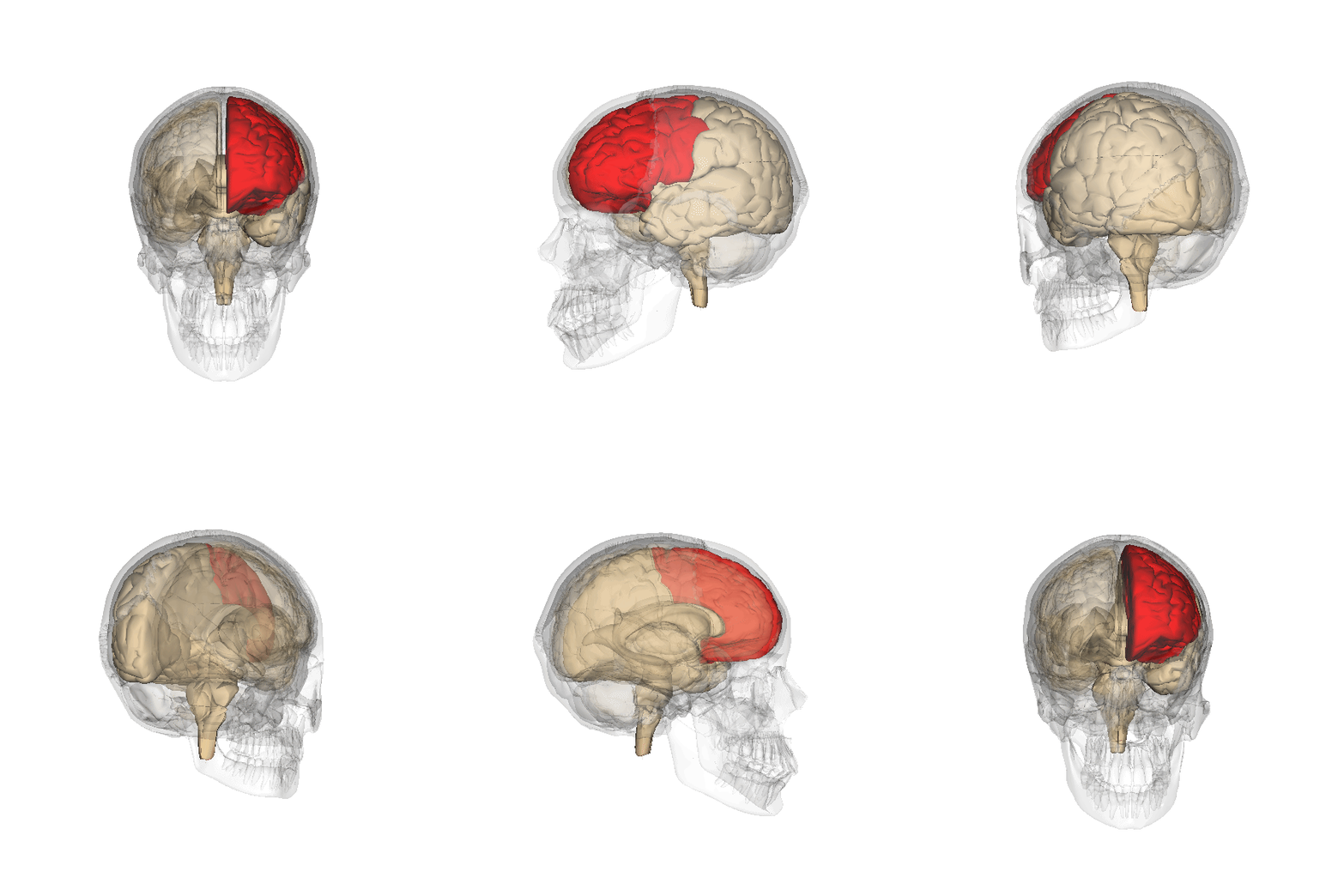
The frontal lobe (click the words to see a gif)handles your personality, along with a lot of what we think of as “thinking”—reasoning, planning, and executive function. In particular, a lot of your thinking takes place in the front part of the frontal lobe, called the prefrontal cortex—the adult in your head. The prefrontal cortex is the other character in those internal battles that go on in your life. The rational decision-maker trying to get you to do your work. The authentic voice trying to get you to stop worrying so much what others think and just be yourself. The higher being who wishes you’d stop sweating the small stuff.
As if that’s not enough to worry about, the frontal lobe is also in charge of your body’s movement. The top strip of the frontal lobe is your
A luxury condo now stands on the site of one of the Bowery’s most notorious saloons
Reinvention and resurgence are intrinsic to New York, and few parts of the city exemplify this better than the Bowery. After all, it has been many things—a pastoral country lane turned infamous area of ill-repute, and now, a playground for wealthy trendsetters and NYU kids.
Many of the buildings that existed during the Bowery’s late-19th- and early-20th-century heyday are either long gone or virtually unrecognizable, but some establishments were so notorious that their history lives on. One of those—McGurk’s Suicide Hall—offers a glimpse into the Bowery’s sordid past.
The building, which was located at 295 Bowery between Houston and East 1st Street, didn’t always have that grisly moniker. It was built in 1863 as a hotel primarily serving soldiers returning from the Civil War. But over the next few decades, the thoroughfare—which one attracted a respectable clientele—would change dramatically, becoming a haven for debauchery in New York.
This was precisely the type of locale that its owner, John McGurk, favored. An Irish immigrant, he owned several saloons in the area (all of which were shut down by the police) prior to opening “McGurk’s Saloon” in 1893. And from the onset, his bar was considered the most degraded destination on the Bowery.
According to Daytonian in Manhattan, the head bartender, known as “Short-Change Charley” Steele, “kept a supply of chloral hydrate ready to drug unsuspecting patrons” in order to steal from them with ease. (He was later arrested for murder.) McGurk’s was the first saloon in the city to employ an armed bouncer, “Eat-‘em Up” Jack McManus, a former boxing champion. Although he was repeatedly arrested for assault, he was never charged as “his victims were always stricken with memory loss when it was time to identify him.” (He was associates with Paul Kelly, founder of the legendary Five Points Gang, which may explain his victims’ sudden amnesia.)
Unsurprisingly, police raids were common at McGurk’s. In 1893, The New York Times recorded these raids, explaining how “agents found it overrun with men and women of the lowest type” where “everything was carried on openly and in a disgusting manner.” A year later, in 1894, McGurk was charged with operating a brothel but was released “due to the transient nature of his ‘hotel’ guests”—a raid would have been proven futile.
Via Bowery Boogie
A New York Herald piece about McGurk’s from 1899.
McGurk’s was also heavily frequented by prostitutes, many of whom severely down on their luck and in a poor, helpless state—and their actions helped lead to the saloon’s macabre appellation. In 1899 alone, there were reportedly six deaths and seven failed suicide attempts; some of the women jumped out of the top floor windows, others ingested carbolic acid. Luc Sante, author of Low Life: Lures and Snares of Old New York, discusses one of the more infamous prostitute suicide tales:
In October [1899], for example, Blonde Madge Davenport and her partner, Big Mame, decided to end it all, and so they bought carbolic acid, the elixir of choice, at a drugstore a few doors away. Blonde Madge was successful in gulping it down, but Big Mame hesitated and succeeded in spilling most of it on her face; the resulting disfiguration resulted only in her getting permanently barred from the place.
In perhaps the most heartless marketing ploy ever, John McGurk capitalized on this eerie phenomenon and renamed his saloon “Suicide Hall.” Despite the events that took place in his establishment, he did not take any blame. Sante’s book also includes this telling quote from McGurk:
Most of the women who come to my place have been on the down grade too long to think of reforming. I just want to say that I never pushed a girl downhill any more than I ever refused a helping hand to one who wanted to climb.
By the end of the 19th century, McGurk’s faced increased pressure from community leaders, City Hall, and the police—including, most notably, Theodore Roosevelt, who served as the police commissioner at the time. Given the increased number of arrests and charges (for prostitution, assault, election rigging, and the aforementioned murder charge against Charley Steele), the actions committed at McGurk’s could no longer be ignored. In 1901, there was yet another raid, but this time the police came equipped with multiple arrest warrants.
Within a year, a new police captain was at the helm who concentrated his efforts on “closing down disorderly houses and sending their proprietors to prison.” When informed by the police that he would have to close his saloon, McGurk feigned being a “nervous invalid” and requested one month in order to “dispose of his lease to some financial advantage.”
The building that once housed McGurk’s in the early aughts.
But clearly, the new captain didn’t know who he was dealing with: McGurk used the one-month leniency to skip bail by fleeing with his wife and daughter to California with half a million dollars in cash. McGurk would die in 1913 due to heart failure at the age of 59.
The “Suicide Hall” ceased operation in 1902 and 295 Bowery became the Liberty Hotel, a cheap lodging catering to a similar clientele. In the 1960s, the building was taken over by a cooperative of female artists, who lived there for more than 40 years. However, in the late 1990s the building—really, the land the building occupied—was being eyed by developers, a fate that would befall many of the Bowery’s old buildings in the years to come.
Its tenants and preservationists petitioned for the building to be landmarked due to its colorful history; however, the Landmarks Preservation Commission denied landmark designation, citing that it did not have “sufficient historical, cultural or architectural merit.” The building was razed in 2005 and the Avalon Bowery Place, a luxury apartment building, now stands there.
Are you drinking so much coffee you’re worried about your pearly whites? Clear Coffee won’t stain your teeth. The “first colorless coffee in the world” was dreamed up by two Slovakian brothers with the same concerns as you. Using only a proprietary production process; high quality, freshly roasted Arabica beans; and pure water, Clear Coffee […]
A man who has a habit of riding on top of subway trains in Queens posted Instagram footage of himself on top of the 7 train yesterday.
The footage is found on the Instagram account of Anthony Baker. Here there are numerous videos and photos of a man on the subway tracks and riding trains.
Because New York City needs more ridiculous skyscrapers
Well, here’s a thing: architecture firm Oiio has come up with a conceptual design for a structure they call The Big Bend, which would be the longest—not the tallest—building in the world.
Renderings for the project, published on Dezeen, show a building—can we call it a building?—that looks, at the most basic level, like Rafael Viñoly’s 432 Park Avenue, but stretched out and bent, creating a U-shaped structure.
In the renderings, the Big Bend sits in the middle of Billionaires’ Row (because where else would a building like this go?), with the U-shape sitting on either side of the Calvary Baptist Church. This would put it next door to One57, and just down the block from rising supertalls like Central Park Tower and SHoP’s skinny, Steinway Hall-replacing skyscraper.
It would still, however, be taller than most of the supertalls on that block—Oiio’s plans show the building having a total length of 4,000 feet, meaning that it would join the ranks of the world’s “megatalls”—buildings that are taller than 1,968 feet, according to the Council on Tall Buildings and Urban Habitat. The renderings show it looming over One57, as well as SHoP’s 1,400-foot tower at 111 West 57th Street.
On its website, Oiio describes its reasoning for the concept as such:
New York city’s zoning laws have created a peculiar set of tricks through which developers try to maximize their property’s height in order to infuse it with the prestige of a high rise structure. But what if we substituted height with length? What if our buildings were long instead of tall? If we manage to bend our structure instead of bending the zoning rules of New York we would be able to create one of the most prestigious buildings in Manhattan.
What a concept, right? Well, yes: it’s a concept. It seems highly unlikely that a project like this would ever get off the ground, so to speak—community members and preservation groups (including the Municipal Art Society) have already condemned the rise of supertalls along Central Park South, so adding another one to the mix couldn’t possibly go over well.
There would also be the more banal hurdles—funding, finding a developer who’s keen on this idea, and the like—to cross before something like this could ever happen.
Plus, does New York really need a building that looks, as one of our Curbed colleagues put it, like “a massive Dyson bladeless fan to cool Central Park”? Probably not—but we’ll let you sound off on that in the comments.
Architects and developers are constantly battling height restrictions and zoning laws to build new tall towers, but one firm has decided to take it to a whole new level—to space, to be precise.
In a mind boggling new conceptual proposal, architecture firm Clouds Architecture Office has proposed suspending the world’s tallest tower from an asteroid (yep, you read that right). Dezeen first reported on this dizzying (literally, we imagine) proposal. Per the architect’s pie-in-the-sky (or should we say tower in the sky?) plan, the tower would be built out of Dubai due to the low cost of construction, and would then be sent into orbit over parts of North and South America, passing over New York City.
To conceptualize the building, Clouds AO directed their thought to the European Space Agency’s Rosetta mission, that made it possible to land on a spinning comet, and NASA’s proposed Asteroid Redirect Mission that would make it possible to capture and redirect the orbit of an asteroid.
The proposal calls for a top down approach to construction. Cables attached to the asteroid would hold the structure, which would be assembled in modules sent up from earth. Once construction is complete, the building (along with the asteroid) would orbit in a figure eight pattern over North and South America, and the slowest and lowest part of this trajectory would take place over Midtown Manhattan like so:
The orbit is where the building gets its name from as well—Analemma Tower, analemma being the word for the figure 8 orbital pattern. Now, how in the world do people get off this spaceship-skyscraper-home? They parachute down naturally, with the orbit set to be programmed as such that the tower would arrive in New York during office hours. Alternately, people would also use large drones to get on and off the building, Ostap Rudakevych, one of the founding members of Clouds AO, told Curbed.
The lower portion of the building would be offices, the apartments would be located two-thirds of the way up, and the top portion of the building would be reserved for religious establishments or funerary services, according to Dezeen. Atmospheric pressure would of course require different portions of the building to be built differently, and the size and shape of windows have been designed accordingly like so:
The building would be powered through solar panels located higher up on the tower, so there would be an uninterrupted supply of energy. Analemma Tower would get its water supply from cloud condensation and rainwater, and electromagnetic elevators would run throughout the course of this building.
While NASA has yet to comment on this proposal, this isn’t Clouds AO’s first foray into space architecture by any means. The firm has already won a NASA Mars habitat contest for their design of an ice home on the planet.
This is the second out-there proposal we’ve laid our eyes on in as many weeks with the Big Bend skyscraper proposal coming just a few weeks ago, about a curvy supertall on Billionaires’ Row.
So what do you make of all of this? What burning questions and observations do you have? Sound off in the comments section below!
wth? the bathroom is literally in the entry hallway
Wait until you see this
Welcome back to The Six-Digit Club, in which we take a look at a newish-to-market listing priced under $1 million, because nice things sometimes come in small packages. Send nominations to the tipline.
For being such a small space, there’s a lot going on in this Chelsea studio. It’s located in a building that dates back to 1899, but the apartment itself has gotten a sleek, modern redo: there are bookshelves built into the exposed brick in the living room, a custom Murphy bed, and a revamped kitchen that has a not-too-terrible amount of storage space.
We do, however, need to talk about the bathroom: it’s … creative, and perhaps best for someone who either never has people over, or is something of an exhibitionist. The shower/tub stall (because somehow, there’s a bathtub) is on a raised platform in the middle of the space, while the toilet is adjacent and slightly sunken. To offer the faintest whiff of privacy, perhaps? We’re honestly not sure.
Also, the entrance to the apartment is next to the toilet, because nothing says “welcome to my home!” like … a toilet.
So, yeah, that’s a bit odd. There are some perks here: there’s plenty of storage space (including some that’s built into the floor), and it’s in a great location, on 21st Street between Eighth and Ninth Avenues. At $469,000, it’s firmly in the six-digit club. And hey, to be fair, that shower is really nice.
But truly, this is an unusual space—sound off with your thoughts in the comments, because we know you’re gonna have them.
Samsung’s newest line of televisions is focusing primarily on design, and no where is this better seen than with The Frame. It’s a Samsung TV when on, but switches to a high-res picture frame when “Art Mode” is selected. In Art Mode, the user can choose between 100 images in 10 categories, making sure to […]
Your microwave is a wonderful thing. It pops your corn, it makes your cocoa hot, and, despite what you may have heard from Kellyanne Conway, it’s most likely not being used by the government to secretly watch you defrost pork chops.
Still, you can’t help but wonder what would happen if you stuck something other than food in this magical mystery box. Thanks to YouTube experimenter Steve Mould, you don’t have to lose any more sleep over it. He used his high-tech skills to film exactly what happens when you microwave a bar of soap (Hint: It’s really f–cking cool).
As the video above demonstrates, a typical bar of soap is completely transformed when exposed to the heat and radiation of your favorite kitchen appliance. Instead of looking like a tiny, soft brick or a weird candy bar, the water in the soap vaporizes (vape life!) and the bar starts to expand. The transformation is surprisingly beautiful, and the soap ends up looking like a fluffy pack of clouds. The coolest part? Mould says that this microwaved soap can still totally be used to clean your filthy kid. Just add a bit of water, and prepare for the coolest use of soap since Fight Club.
While you’re probably already planning to show off this badass microwave trick to your kid, Mould does offer a word of warning ⏤ don’t try to film it from inside the microwave. While it worked for him, he’s still trying to figure out the exact safety aspects. Your wife is cool, but she probably wouldn’t be too happy if you blew up your iPhone (and the kitchen), even if it was for science.
The single-floor house at 130 Grotke Road in Chestnut Ridge, NY really is, as the listing boasts, a “unique home straight out of the pages of CA Modern Magazine.” 6sqft previously covered the home–one of a trio of East Coast Eichlers; the four-plus-bedroom, 2,000-square-foot 1962 slate gray beauty is on the market for $489,900. Joseph L. Eichler, whose modernist tract homes can be found throughout Northern California as well as the Greater Los Angeles area, was one of the most prolific residential homebuilders of the mid-20th century. Today, his homes are “collected” by modern design buffs for their ahead-of-their-time design and anti-McMansion cachet.
This bit of Palm Springs in Rockland County has been lovingly improved throughout the years, though there’s still room for improvement. Now, new interior photos reveal a stylish and livable home with a fabulous architectural history, ready for years of enjoyment.
The home, designed by favored Eichler architects Jones & Emmons, has the signature walls of windows, double A-frame roof and open interior atrium that the current homeowner likens to “a snow globe that comes alive in the middle of your house.”
A light-filled family room is highlighted by a warm brick wall, a wood-burning fireplace, exposed beams and clerestory windows.
The formal dining room is an impressive modern space with glass walls that overlook the home’s back yard. A tidy eat-in-kitchen somehow resembles a modern kitchen in 1962 as much as it does a pricey Henrybuilt kitchen in a newly-minted Manhattan loft.
Five good-sized bedrooms join two newly remodeled bathrooms. The home also features radiant floor heat (currently considered a top “green” choice, standard in Eichler homes), ductless air conditioning and plenty of closets.
Between 1949 and 1974, Eichler’s company built 11,000 homes—more than any other US tract home developer. His insistence on quality for middle-class housing was unrivaled in that era. Eichler homes received countless design awards. Using many locally-sourced materials and with an eye for natural beauty and modernist design—one of his biggest inspirations was a Frank Lloyd Wright “Usonian” house he’d rented—enclaves of Eichler’s homes sprung up in places like San Mateo, Walnut Creek, Sacramento, Marin County and Palo Alto. In the 21st century, along with similar “California Modern” homes in places like Palm Springs, CA, California’s diminutive Eichlers command prices in the million dollar range and up.
Here in Ramapo, NY, Chestnut Ridge design buffs–who love living in an Eichler neighborhood for much the same reason their West Coast counterparts do—find resources to renovate the sometimes-challenging structures on resource websites for Eichler fans, sharing knowledge and collaborating on restoration efforts, restoring interiors to accommodate modern life while preserving the architecture.
The next time you visit Kuala Lumpur, keep a look out for an interesting mixture of cafes—from specialty coffee shops to up-and-coming potential cafes. Some of the cafes have retained traditional Malaysian touches while others are influenced by foreign cultures from abroad.
Needless to say, we are excited and anticipating more cafes to pop up in the near future. As for now, here are our picks for 13 Cafes and Coffee ShopsinKuala Lumpur.
A hidden gem under a pedestrian bridge along Jalan Pudu, the humble breakfast bar has been making rounds on social media thanks to its photogenic breakfast toasts and refreshing fruit juices. There is a counter outside so you can grab a sandwich to go.
291 Jalan Pudu
Kuala Lumpur, Malaysia
Tel: +60 13 277 5654
Mon to Fri: 6am – 3pm
Sat & Sun: 9am – 3pm
This stylish cafe is the perfect spot for looking for a place to celebrate special occasions. Have coffee in the chic cafe by day or sip on champagne at night when the cafe transforms into a bar. When at Acme Bar & Coffee, you have to try the Sizzling Brownie & Oreo Ice Cream (RM19++/ S$6.30++).
Ground Floor, The Troika
19 Persiaran KLCC
50450 Kuala Lumpur
Tel: +60 03 2162 2288
Mon to Thu: 11am – 12 Midnight
Fri: 11am – 1am
Sat: 9.30am – 1am
Sun: 9.30am – 12 Midnight
Visitors will fall in love with its charming retro interior and impeccable attention to details. With old wooden tables, exposed light bulbs and a sunny courtyard, every corner of Chocha Foodstore makes for great OOTD backgrounds.
156 Petaling Street
Kuala Lumpur, Malaysia
Tel: +60 3 2022 1100
Tue to Sun: 11am – 10pm
#4 COFFEE AMO
One of the more popular cafes in Chinatown is Coffee Amo and it is near the touristy Petaling Street. Rest your tired feet while waiting for the barista to craft out cute latte art on your coffee! Besides that, their simple food menu consists of sandwiches, waffles and sliced cakes.
54, Jalan Sultan
Kuala Lumpur, Malaysia
Tel:+60 3 2857 2677
Daily: 10am – 9pm
#5 DR.INC
Firstly, Dr.Inc is actually intended to sound like “drink” and not “doctor inc”. The quaint hideout is located a stone’s throw away from Bangsar’s main bustling area and is more than just any other ordinary cafe. Dr.Inc also shares the same space with local boutique designer Nala Designs.
8, Jalan Kemuja, Bangsar, 59000 Kuala Lumpur
Wilayah Persekutuan Kuala Lumpur, Malaysia
Tel: +60 11 2368 2537
Mon: 9am – 7pm
Tue to Sun: 9am – 10pm
#6 DRIP LOFT
A new wave of cafe has sprouted along Kuala Lumpur’s streets and Drip Loft is one of the brilliant hybrids. Combining a coffee shop and a comprehensive vape store, visitors get to indulge in aromatic caffeinated beverages and try a vast variety of different vapes.
1, Bangsar Baru, 5, Jalan Telawi 3, Bangsar, 59100 Kuala Lumpur
Wilayah Persekutuan Kuala Lumpur, Malaysia
Tel: +60 3-2202 1330
Daily: 12pm – 12am
#7 FEEKA COFFEE ROASTERS
Located in the heart of Kuala Lumpur is Feeka Coffee Roasters, a third-wave specialty coffee shop that is the go-to place for a satisfying cuppa. The casual eatery also offers an all-encompassing menu of cakes, sandwiches and other delightful mains.
19, Jalan Mesui, Bukit Bintang, 50200 Kuala Lumpur, Malaysia
Tel: +60 3-2110 4599
Daily: 8am – 11pm
#8 LEAGUE OF CAPTAINS
League of Captains is a successful venture by Malaysian clothing brand Pestle & Mortar, where both cafe hoppers and shopaholics alike can come forth to shop for clothes whilst indulging in espresso-based beverages. The industrial-chic two-storey cafe offers alfresco dining upstairs.
42, Jalan Doraisamy, 50300 Kuala Lumpur
Wilayah Persekutuan Kuala Lumpur, Malaysia
Tel: +60 3-2602 2281
Mon to Fri: 8am – 8pm
Sat: 10am – 8pm
Sun: 10am – 6pm
#9 LOKL COFFEE CO
Located in Kuala Lumpur’s historic neighbourhood, LOKL Coffee Co is a one-stop destination for coffees, cakes and comforting food with Asian twists. Start your day with a hot cappuccino (RM$12) and fill your tummies with a scrumptious Buttermilk Chicken Chop (RM$25.50).
30, Jalan Tun H S Lee, 50100 Kuala Lumpur
Wilayah Persekutuan Kuala Lumpur, Malaysia
Tel: +60 3-2072 1188
Daily: 8am – 6pm
#10 MERCHANT’S LANE
Situated in Chinatown district, Merchant’s Lane is considered a hidden gem—unless you look hard enough to spot its barely visible entrance.
Do try their bestselling dessert, aptly named Better Than Sex (RM$16)—which is essentially a pandan roti jala topped with melted cheese, served with kaya ice-cream and completed with a drizzle of gula melaka.
150, Jalan Petaling, City Centre, 50000 Kuala Lumpur
Wilayah Persekutuan Kuala Lumpur, Malaysia
Tel: +60 3-2022 1736
Wed: Closed
Mon, Tue, Thu & Fri: 11.30am – 10pm
Sat & Sun: 9.30am – 10pm
#11 PULP BY PAPA PALHETA
Independent boutique coffee shop PULP by Papa Palheta is actually the brainchild of the same people behind Singapore’s reputable Papa Palheta and Chye Seng Huat Hardware Coffee Bar. An impressive collection of roasted beans and coffee equipment are available for purchase too.
29, Jalan Riong, Bangsar, 59100 Kuala Lumpur
Wilayah Persekutuan Kuala Lumpur, Malaysia
Tel: +60 3-2201 3650
Mon to Fri: 7.30am – 10pm
Sat and Sun: 9am – 11pm
#12 THREE LITTLE BIRDS COFFEE
While there are a total of three Three Little Birds Coffee cafes across Kuala Lumpur, it is the cafe at Sentul that coffee connoisseurs should check out. Look out for Artisan Roastery’s SmartRoast Merlin coffee roaster, where you can witness the entire roasting process and then sample the freshly roasted beans firsthand at Three Little Birds Coffee itself.
D7, Jalan Sentul, Sentul, 51000 Kuala Lumpur
Wilayah Persekutuan Kuala Lumpur, Malaysia
Mon to Thu: 8am – 11pm
Fri and Sat: 8am – 12am
Sun: 9am – 10pm
Tel: +60 012 508 0510
#13 VCR
VCR is housed within a double-storey dark-grey shophouse, and is the ultimate hipster brunch place to check out. We thorough enjoyed the Soft Shell Crab Burger (RM$24)—a tasty battered crustacean sandwiched between two lightly toasted fluffy brioches. Highly recommended!
2, Jalan Galloway, Bukit Bintang, 50150 Kuala Lumpur
Wilayah Persekutuan Kuala Lumpur, Malaysia
Tel: +60 3-2110 2330
Daily: 8.30am – 11pm
This house, located a block from Manhattan Beach Park on Oriental Boulevard, certainly fits that profile: Spread out over 6,000 square feet, it has six bedrooms, five bathrooms, and an aesthetic that’s hard to pin down, but definitely takes heavy inspiration from the 1980s. (The house itself was built in 1970, and updated sometime in the ’90s.)
But is it Memphis-inspired? Or more of a PoMo thing? And why is there so much cracked glass everywhere? The answers to those questions are, alas, unanswerable—but it’s certainly a unique space. The living room is enormous, with high ceilings and a wall o’windows; a curved staircase leads to the second floor, where bedrooms (including a master with an oh-so-’80s platform for a bed) and bathrooms abound. There’s marble and granite everywhere; the kitchen comes with a black curved counter.
So yes: it’s a lot, and so is the asking price: the house is going for just about $6 million. But it does have all that space, along with a pool (not pictured) and a six-car garage. Whether or not someone will actually pay that much, though, is another question.
Mashable has a cool story about two Norwegian photographers and their gender bending experiments in the late 19th century. Between the years of 1895 and 1903, Marie Høeg and Bolette Berg operated a small commercial photography studio in Horten, a town in Vestfold county, Norway. During their off hours, they’d dress up in men’s clothing, or put on fake mustaches while wearing dresses, as a way to explore the boundaries of gender. An except:
Høeg was an active and outspoken suffragist, and used the studio as a meeting place for fellow activists and women interested in the suffrage movement. (Women won the right to vote in Norway in 1913.)
More than three decades after Høeg’s death in 1949, a box of the partners’ glass plate negatives marked “private” was discovered on a farm where they once lived.
[…]
Høeg’s defiant suffragist spirit shines through the images, her costume choices allowing her to occupy traditionally male roles and personas as she campaigns for women’s right to an equal place in society.
While there are many doggie-abodes on the market, the designers at RAH:DESIGN found themselves struggling to find something that fit with their carefully curated home decor. Instead of continuing their search, they decided to take matters into their own hands and launched MDK9 Dog Haus. Not only was it constructed using modern home-building materials, but it includes human-level amenities such as an overhang for shading, metal mesh siding for ventilation, wheels for easy mobility, and a built-in feeder.
To build MDK9 Dog Haus, which is currently going for $3,650, RAH:DESIGN employed several techniques and materials currently being used in the construction of modern homes such as Brazilian Teak, powder-coated steel, and concrete. Included in this mix are custom name plaques that were created in collaboration with ModernHouseNumbers, as well as a variety of custom dog bedding from Jax and Bones.
RAH:DESIGN is a full-service custom furniture design company based in Los Angeles. They pride themselves on their process and strive to make each piece they produce extraordinary. See more work from this up-and-coming company here.
Tacos, burritos, and all the Mexican goodness you can handle — the city’s got it all. While we love our Japanese, Italian, and Thai staples, there’s something about a perfectly spiced taco or a burrito bursting at the seams that hits the spot. The best Mexican restaurants in Singapore serve the real deal, balancing bold, authentic flavours with creative twists on the food to keep you coming back for more. Hungry? Let’s taco ‘bout where to get your fix!
Best restaurants in Singapore for Mexican food
1. Huevos
Photography: Huevos via Facebook
Have you seen the snaking queues for Huevos? The hottest Mexican food spot in Singapore is making waves for its irresistible tacos, quesadillas, loaded nachos and frozen margaritas. That’s why we recommend you show up early or make a reservation to avoid being stuck in line.
We’re eyeing the birria beef and Baja fish tacos, chorizo pork quesadillas, and breakfast burritos for a sumptuous meal. P.S. if you’re up for an indulgent dining experience, check out the liquid buffet. For $35 to $40, you’ll enjoy house pours with your choice of mixer, beers on tap, and frozen margaritas. Cheers!
How much: Tacos from $13, burritos from $14 Opening hours: Tuesdays to Sundays (closed every first Tuesday of the month), 11am – 3pm, 5pm – 10pm Huevos, multiple locations including North Bridge Road and New Bahru
2. Lavi Taco
Photography: Lavi Taco via Facebook
We’ll let you in on a little secret: tucked away in the artsy hideout of Pearl’s Hill Terrace is a Mexican food gem that’ll have you coming back for more. We love Lavi Taco for its edgy vibes and laid-back outdoor seating – perfect for a chill night out with friends.
Bring your appetite because you’ll want to dive into juicy grilled chicken and butter prawn tacos, fully loaded nachos, and the real MVP, birria tacos. We’re fans of the masala lamb and braised oxtail with brisket options offering gooey melted cheese in every bite. Tip: dunk yours into the birria broth for absolute taco bliss!
How much: Tacos from $15 Opening hours: Tuesdays to Sundays, 5.30pm – 9.30pm Lavi Taco, #01-54, 195 Pearl’s Hill Terrace, Singapore 168976
3. Nixta Mexican Grill & Bar
Photography: Nixta Mexican Grill & Bar
Step into the warm embrace of Nixta, and you’ll be welcomed by friendly staff into the cosy space. The restaurant is a nod to authentic Mexican flavours and cooking techniques, offering a taste of Mexico in Singapore. Just take a peek at the wood-fired rotisserie and grill in the open kitchen, and you’ll see the team of chefs making fresh masa from scratch using dried corn – it’s used as the base for tacos, tlayudas and tostadas. These folks also produce their chorizos, sauces and salsas in-house.
If it’s your first time here, we recommend starting with the Aguachile Nixta for a zesty, ceviche-style dish. The tlayuda de la casa, or Mexican pizza, is another unmissable treat topped with roasted white corn, melty Oaxaca cheese, epazote, and herb oil. Of course, you have to try the tacos as well – fillings include duck barbacoa, Kurobuta pork belly, and grilled sea bass. End with the rich tres leches (three-milk) cake or the crispy churros for dessert.
How much: Tacos from $15, tlayudas from $29 Opening hours: Mondays to Wednesdays, 12pm – 3pm, 5.30pm – 11pm; Thursdays to Saturdays, 12pm – 11.30pm; Sundays 12pm – 11pm Nixta Mexican Grill & Bar, 116 Amoy Street, Singapore 069936
4. Super Loco
Photography: Super Loco Customs House via Facebook
A sibling to Lucha Loco on Duxton Hill (and Amoy Street’s roast chicken haven, Chico Loco), this Mexican restaurant in Singapore has it all: killer vibes, drool-worthy tacos, and cocktails that hit just right. Tip: if you want dinner with a view, we highly recommend the Customs House location for a stunning waterfront dining experience. It makes date nights even better with a romantic stroll around Marina Bay afterwards.
The menu is a fiesta of flavours, featuring everything from crispy barramundi and cilantro prawn to fried chicken and tender beef brisket tacos. Pair that with gooey quesadillas, crunchy chips, and a lineup of zesty salsas to have a feast. Trust us, this one’s a must-visit!
How much: Tacos from $10, mains from $28 Opening hours: Varies by location Super Loco, multiple locations including Customs House and Robertson Quay
5. Senor Taco
Photography: Senor Taco via Facebook
If you’re all about good vibes, lively crowds, and colourful decor, this buzzing Mexican restaurant in Singapore should be on your radar. Senor Taco’s Clarke Quay space is our go-to for a night of fun. Picture live music, a dazzling dance floor, and an electric atmosphere. (Yes, you can even pick up a move or two at classes with professional Latin dance instructors.)
But let’s talk about the real star: the tacos. From crispy fish to tenderloin beef, grilled chicken, and pork carnitas, every bite is pure satisfaction. If you’re sharing, go big with the sizzling fajitas plate. P.S. happy hour goes on daily from 5.30pm to 6.30pm, so you know when to show up!
How much: (Happy hour prices) tacos from $12, quesadillas from $15 Opening hours: Sundays to Mondays, 5.30pm – 1am; Tuesdays to Thursdays, 5.30pm – 2am; Fridays to Saturdays, 5.30pm – 3am Senor Taco, #01-09A, Block 3C River Valley Road, Singapore 179022
6. Margarita’s
Photography: Margarita’s via Facebook
If you’re the type to drown everything in fresh, spicy salsa (we see you), Margarita’s is your kind of place. The pico de gallo? Next-level chunky goodness. But that’s just the beginning. Pair it with a refreshing margarita, a hearty chicken grande taco salad, or some cheesy, saucy enchiladas. This popular Mexican restaurant in Dempsey aims for authenticity in its food, which we love. However, take note that prices here lean towards the higher side, so you might want to save it for a splurge.
Rolling in with your crew? Go all out and order beef fajitas with warm tortillas, salsa roja, guacamole, and queso for the ultimate DIY taco feast. And because no meal is complete without dessert, we’re diving straight into the chocolate three-milk cake and Mexican puff doughnuts. Oh, and if you spot the friendly owner, don’t forget to say hi!
How much: Tacos and burritos from $26, enchiladas from $24 Opening hours: Daily, 11.30am – 10.30pm Margarita’s, #01-09, 11 Dempsey Road, Singapore 249673
7. Lucha Loco
Photography: Lucha Loco via Facebook
Inspired by the bold spirit of Lucha Libre, Lucha Loco serves fresh, modern Mexican fare with effortless cool. And after its recent glow-up, it’s looking better than ever. But let’s get to the good stuff: the tacos. Hands down, they’re some of the best in Singapore. Take your pick from fried barramundi, plump prawns, slow-braised lamb, pork chorizo, or smoked brisket.
Pro tip: don’t skip the elotes — charred Mexican street corn slathered in chipotle mayo, cotija cheese, and a squeeze of lime. For a sweet finale, the blue corn cake with vanilla ice cream is pure magic. Wash it all down with a frozen lime margarita (or a whole jug, no judgment). Good times!
How much: Tacos from $10, quesadillas from $18, burritos from $17 Opening hours: Mondays to Thursdays, 11.30am – 11pm; Fridays and Saturdays, 11.30am – 12.30am Lucha Loco, 15 Duxton Hill, Singapore 089598
8. Muchachos
Photography: Muchachos via Facebook
If burritos are your love language, this no-frills Mexican joint speaks it fluently. Known for its giant, Mission-style wraps, it’s all about the tortillas here — they’re soft, warm, and packed to perfection. Load yours up with rice, refried beans, pico de gallo, and a hefty scoop of guacamole. As for the fillings? Go for the tender pork (carnitas), juicy steak (carne asada), or flavourful chicken (pollo asado). Other options include lamb, tofu, shrimp and even beef tongue. Choose your meat, pick from burritos, tacos, quesadillas, nachos or tortas (bread), and go wild.
Oh, and here’s a little tip: don’t sleep on the cheeseburger. It’s greasy, messy, and ridiculously good. We’re also obsessed with how Muchachos goes beyond the regular Mexican options to offer birria ramen, fried chicken sandwiches, and tuna melts on the menu. It’s well worth multiple revisits if you ask us.
How much: Burritos from $14, tacos from $5.60, quesadillas from $14, nachos from $14 Opening hours: Mondays to Fridays, 11am – 9pm; Saturdays and Sundays, 10am – 3pm Muchachos, #01-01, Frasers Tower, 182 Cecil Street, Singapore 069547
9. Piedra Negra
Photography: Piedra Negra
Bright, bold, and buzzing with energy, Piedra Negra is impossible to miss as you stroll through Arab Street and Haji Lane. First order of business? The guac. It’s chunky, fresh, and made tableside for that extra wow factor. Scoop it up with tortilla chips, and you’re off to a great start.
Next up: the flavour-packed pulled beef burritos served with golden waffle fries, which is our go-to every time we hit up this Mexican restaurant in Singapore. And because no feast is complete without a drink, sip on a frozen margarita that’s as strong as it is refreshing.
How much: Burritos from $13.90, quesadillas from $11.90, tacos from $12.90 Opening hours: Daily, 12pm – 12am Piedra Negra, 241 Beach Road, Singapore 189753
10. Cafe Iguana
Photography: Cafe Iguana via Facebook
This decades-old Mexican restaurant knows how to bring the fiesta with its lip-smacking food and buzzing vibes. Bonus points for the wallet-friendly happy hour deals ($10 per glass from 12pm to 3pm, $13 per glass from 3pm to 7pm).
As for the food, expect a feast of tacos, fajitas, burritos, and quesadillas filled with braised beef, tender chicken, and succulent prawns. Our top pick is the barbacoa beef chimichangas, which are deep-fried burritos stuffed with braised beef short ribs. Tip: we prefer the Clarke Quay outpost because you can sip boozy cocktails and munch on tacos while soaking in those vibrant waterfront views. Now, that’s a vibe.
How much: Tacos from $6, burritos from $22 Opening hours: Varies by location Cafe Iguana, multiple locations including Riverside Point and Orchard Rendezvous Hotel
11. Papi’s Tacos
Photography: Papi’s Tacos via Facebook
This no-frills taqueria is helmed by Mexican chef-owner Mauricio Espinoza – aka ‘papi’ to his regulars – who serves authentic street food with a side of charm. The cosy space channels serious food truck energy, buzzing with chatter and the aroma of tacos on the grill. Wanna try the crowd-favourite tacos? Go for smoked pork belly, beef brisket and spicy pork chorizo – or get them all with the Papi’s platter. You know it’s gonna be fire.
Of course, you’ll also find chicken, beef and pork burritos on the menu, as well as cheesy quesadillas packed with meat. Don’t forget to grab an ice-cold margarita to complete the meal.
How much: Tacos from $14, burritos from $18, quesadillas from $16 Opening hours: Varies by location Papi’s Tacos, multiple locations including Seah Street, Joo Chiat and Tanjong Pagar Road
12. Vatos Kitchen & Bar
Photography: Vatos Kitchen & Bar via Facebook
Anyone up for Korean-style tacos? You might not believe it, but Korean-Mexican fusion is a match made in food heaven. Start with a chips and salsa spread before diving into kimchi carnitas or guacamole steak fries, kimchi pork and mango prawn quesadillas, and more. Let’s not forget the tacos, which come with twists like galbi short rib and Korean pork belly.
P.S. don’t miss out on happy hour from 3pm to 7pm on Mondays to Fridays to enjoy one of the following for $10: chips and salsa, kimchi carnitas fries, wines, beers and margaritas.
How much: Tacos from $18, quesadillas from $20 Opening hours: Mondays to Fridays, 11.30am – 10pm; Saturdays and Sundays, 5pm – 10pm Vatos Kitchen & Bar, #01-01, City House, 36 Robinson Road, Singapore 068877
13. Chimichanga
Photography: Chimichanga via Facebook
If you’re in the mood for a dive bar vibe with a side of mouthwatering Mexican, Chimichangas is where it’s at. From tacos to chimichangas (of course) and everything in between, this place nails it. The beef burrito bowls and nachos piled high with ancho beef or chipotle chicken are top-notch. Pair your meal with cocktails and a waterfront view (at the VivoCity outlet), and you’ve got the ultimate Mexican feast.
How much: Tacos from $14, chimichangas from $16, burritos from $16 Opening hours: Varies by location Chimichanga, multiple locations including VivoCity, Holland Village and Paya Lebar
14. Afterwit
Photography: Afterwit via Facebook
If you’re looking for halal Mexican food in Singapore, Afterwit’s your spot. These “cheese skirt” tacos are a fiesta of flavours, with options like pulled beef brisket, lamb adobo asador, chicken thigh, crispy fish, and more. Don’t forget to snack on some loaded nachos and birria quesadillas while you’re at it! Still hungry? Order hearty burgers, burrito bowls, sizzling fajitas, and churros for dessert.
How much: Tacos from $19 Opening hours: Daily, 12pm – 10pm Afterwit, 778 North Bridge Road, Singapore 198746
15. Guzman Y Gomez
Photography: Guzman Y Gomez via Facebook
If you’re on the hunt for fuss-free food, Guzman Y Gomez has your back with all the Mexican classics, from burritos and tacos to quesadillas and burrito bowls. Simply pick your preferred choice, throw in meats such as chicken or beef, grab a side like fries or corn chips, and you’re good to go.
It’s all takeaway-friendly and super quick, so you’ll be in and out in no time. Oh, and the affordable joint prides itself on having a clean menu with no added preservatives or artificial flavours – just good, fresh Mexican food.
How much: Burritos from $10.30, tacos from $3, quesadillas from $10 Opening hours: Varies by location Guzman Y Gomez, multiple locations including One Holland Village and Ion Orchard
16. Cha Cha Cha Mexican Restaurant
We’re digging into tacos as delicious as these.
A true OG in Singapore’s Mexican food scene, Cha Cha Cha serves no-frills food in a chill, family-friendly spot. The sizzling fajitas, massive burritos, cheesy enchiladas, and crispy chimichangas are all crowd favourites. It’s the kind of place you keep coming back to for that perfect balance of comfort and flavour.
How much: Burritos from $16, tacos from $15, quesadillas from $14 Opening hours: Sundays to Thursdays, 11.30am – 11pm; Fridays and Saturdays, 11.30am – 12am Cha Cha Cha Mexican Restaurant, 32 Lorong Mambong, Holland Village, Singapore 277690
Eat your fill of fantastic Mexican food at these restaurants in Singapore!
Mayor Bill de Blasio convened an emergency press conference on Wednesday night to address President Donald Trump's executive order threatening to strip federal funding from "sanctuary cities," i.e. cities where local law enforcement and city agencies generally don't cooperate with federal immigration authorities. He emphasized that the order is "vague" in its language, and that New York City is prepared to challenge it in court. [ more › ]
Homes in Park Slope, Boerum Hill, Cobble Hill, and more are up for grabs
Welcome to the Brooklyn Townhouse Roundup, where we—you guessed it—take a look at the most notable Brooklyn townhouses on the market. Got tips? Send 'em here.
↑One of the first things you notice within this stunning Boerum Hill home, asking $3.56 million, are the brick-lined walls and ten-foot ceilings. A working fireplace occupies the open concept parlor floor while the rest of the home is comprised of six bedrooms, three-and-a-half bathrooms, a cellar, and large backyard. [Floorplan]
↑This 4,400-square-foot residence in Greenpoint is an interesting combination of modern style and 19th century detail. Currently situated as a three-family home, the space gives way to five bedrooms, four bedrooms, and tons of closet space. Original wood floors, decorative fireplaces, and crown molding all reside within the bright red brick townhouse. Asking price is $2.85 million. [Floorplan]
↑Prospect Lefferts Garden is known for its lovely prewar townhouses like this beauty that made it onto the market, asking $2.1 million. Details are in abundance here and include original hardwood floors, four decorative mantles, pocket doors, a Pier mirror, a claw foot tub, and so much more throughout the four-bedroom abode. [Floorplan]
↑In Park Slope, a lovely brownstone with four bedrooms and three bathrooms is seeking $3.5 million. It’s a multi-family home but is currently being utilized as a single-family residence. Built in 1901, the space features a contemporary design though plenty of period details remain intact. The lovely backyard has been landscaped and boasts enough space for outdoor entertaining. [Floorplan]
↑The rowhouses on Warren Place in Cobble Hill have come a long way since there original intended use as affordable housing for workers. In present day, they command seven figures when they hit the market, like this $2.049 million home at 26 Warren Place. It’s comprised of just two bedrooms and one-and-a-half bathrooms but is filled with 19th century charm alongside more modern updates. [Floorplan]
↑After a gut renovation, this 2,823-square-foot home in Greenwood wants $2.75 million. The light and airy space boasts five bedrooms, four bedrooms, and is decked out with a sleek, modern design. The home is also flooded with natural light and outdoor space includes a deck, patio, and spacious backyard. [Floorplan]
It's like they ran all the photos through an instagram filter
A standout even among the region’s Great Camps, the secluded Camp Uncas was built in 1895 by Brooklynite William West Durant, who is credited with perfecting the iconic Adirondack Great Camp style. The compound’s biggest claim to fame, however, is that it once belonged to financier J.P. Morgan, who purchased the 1,500 acre property from Durant in 1897; for the fifty years that followed, it served as a vacation home for Morgan and his family. Though the property has traded hands several times since, the appeal of its iconic architecture remains as compelling as its history. Designated as a national landmark by the U.S. Department of the Interior in 2010, this historically significant piece of the Adirondacks is for sale for $2.7 million, reduced from its original 2015 ask of $3.25M.
After the death of J.P. Morgan, Jr. in 1943, the family sold the lodge to Mrs. Margaret Emerson who used it to entertain distinguished guests from around the globe, including Secretary of State George Marshall, Madame Chiang Kai-shek and Bernard Baruch. After 1965 the property was sold to the Boy Scouts of Rockland County, New York. Years of hard use and little upkeep left Camp Uncas in desperate need of maintenance.
Fortunately for the storied property, Howard Kirschenbaum and Barbara Glaser restored to its former glory when they bought it in 1975. Following their divorce sometime in the 1980s the property was split, and Kirschenbaum’s share of Camp Uncas seeks a new owner.
Considering the offer, the price, though in the millions, almost seems to good to be true. Besides being steeped in luxury and history, the rambling lodge contains five bedrooms, 3.5 bathrooms and an intimate great room on the first floor—the perfect space for entertaining family and friends. A fieldstone fireplace serves as the focal point of the room, while exquisite built-in furniture throughout the lodge combine design and functionality. These original rustic furnishings are also included with the purchase, which should make it easy for the next owners to settle in.
Though new owners will want to make updates to meet modern needs, the home’s historic decor and finishes seem almost untouched by time. Remnants of the camp’s past, which date all the way back to when Durant was a resident, are evident throughout. The queen-sized bed in the master bedroom, for example, is dressed in an original Uncas blanket; in the same room you’ll find rare arts-and-crafts furniture including a Gustav Stickley night stand.
Steps from the kitchen is a covered screened porch that serves as an important part of Adirondack living for three seasons of the year. One area seats 12 people for outdoor dining while another provides a sitting space filled with the original couch and porch rockers.
In addition to the main lodge there are two cabins on-site, the Hawkeye and the Chingachgook (kitchen, pictured above), as well as a boathouse. The two cabins carry the same unique regional charm found in the main building and provide excellent private quarters for visiting guests.
Camp Uncas is sited within the Great Camps Historic Recreational Area, a reserve designated by the New York State Department of Environmental Conservation as part of the Moose River Plains Wild Forest and Blue Ridge Wilderness Areas. Although there is plenty to do on the property, there is also an abundance of hiking trails surrounding the home, and a sandy beach just a few minutes away. You can also go fishing for trout and northern pike in the 60-acre Mohegan Lake which wraps three sides of the land. The lake is also perfect for swimming, canoeing, kayaking, rowing or windsurfing. And as a bonus, the buyer of the Camp Uncas will also get an Emerson Adirondack guide boat original to the compound, two modern canoes and a rowboat.
If it ever gets produced, “Tipping” will offer one hell of a unique view of the Montpellier mountains thanks to architect and designer Christophe Benichou. The theoretical project was dreamed up on the occasion of a friend’s 30th birthday as a combination of an homage to the beauty of the territory and a place of rest […]
The following was syndicated from Babble for The Fatherly Forum, a community of parents and influencers with insights about work, family, and life. If you’d like to join the Forum, drop us a line at TheForum@Fatherly.com.
As the plane began to taxi down the runway, I was feeling pretty proud of myself. We had made it to the airport on time, I could only think of a few things I had forgotten to pack, and no more than 3 of my carry-on items were confiscated at the security gate.
My 5-year-old son was sitting in his car seat, happily playing on a tablet, and my 8-year-old daughter was getting settled in with a movie. Turning to my husband, I smugly mouthed, “Could this get any better?” and then turned my attention to the in-flight programming I planned to lose myself in during the next few hours.
Just before I could get TV-ready cozy, the seatbelt light flashed on while the flight attendant made an announcement that we might experience some turbulence.
“Turbulence,” I chuckled to myself. “I bet it will rock the kids to sleep!”
But my side chuckle didn’t even have time to travel to my husband’s ears before it began. Swaying and dipping, bumping and dropping — it felt like the plane was being suspended in the sky by marionette strings and the controller was in a VERY bad mood.
Looking across the aisle to where my husband was seated, he motioned to see if I was OK. I’m not sure if it was the death grip that I had on the armrests that gave it away, but I was not. Sheer panic washed over me.
Not wanting to alarm my children, I tried to send him “S.O.S! HELP ME!” messages with my eyes. He looked around uncomfortably and shrugged his shoulders.
Super helpful.
It was then that the flight attendant made another announcement: According to traffic control, other flights in our path had been canceled, but the pilot and air traffic controller both agreed we were OK to keep going.
Because I’m a mom, and it’s my job to keep the family together times of crisis, I first tried to swallow the lump in my throat. After, I looked at my 5-year-old son (still playing contently on his tablet) and decided that he obviously must need some comfort. I offered him a package of organic gummy snacks — because, you know, it’s important to stick to a “no artificial” diet when your life is flashing before your eyes.
“I’m not hungry,” he said, in a quivering voice.
“You’re … not … hungry?”
When my typically starving child looked up, I saw that his face was a terrifying shade of white. He then shoved his tablet into my lap and exclaimed 3 words that every parent dreads: “My tummy hurts!”
About 3.5 milliseconds later, all hell broke loose. And by hell, I mean vomit. Lots and LOTS of vomit.
Out of his mouth, down his body, into the car seat buckles, and pooling into his lap. If I hadn’t felt sick before, I sure did now. In fact, my first reaction was to leap from my own seat and get out of the splash zone.
Hey, did I mention that when my son throws up, he also passes out? Well, he does. So there’s my tiny boy, covered in his regurgitated breakfast, passed out in his car seat — and I am literally sitting on my 8-year-old daughter’s lap desperately trying to get away from him.
Oh, I probably also didn’t mention that my daughter uses a wheelchair. So I, a full-grown woman, was sitting on the lap of my disabled child to get away from my other sick, passed-out child.
It was basically my finest parenting moment EVER, and luckily for me, I had an entire plane full of people to witness it. Yay me!
My new husband — also a brand-new dad — was up and out of his seat, unbuckling our son and cleaning him up before the red even left my cheeks. Finally pulling myself together, I began to rub my son’s back and blow on his face in an effort to rouse him. Somehow, it worked. But just enough for him to open his eyes, turn ever so slightly, and throw up all over my husband — who, in turn, began to also retch in a way that had me contemplating skydiving just to get the hell outta dodge.
My son soon came around, and assured us that he was “feeling all better now.” Thankfully, between the rows of seats on the extremely cramped airplane, we had tons of room to clean up.
Oh no, wait. That’s a lie.
We had a space half the size of our body widths, and the floor was completely covered in the 1.5 lbs of gluten-free pretzels I had thrown to the ground and trampled on during just one of my episodes of panic.
While my husband worked on getting his own vomit-covered shirt over his head, I helped my son get his clothes off. I dressed him in the only other clothing item we had in our carry-on — just so he could, you know, puke all over that too.
By the time the plane landed, any earlier feelings I had resembling travel competence were replaced by the tears of failing motherhood. My now shirtless husband grabbed my son’s puke-soaked car seat, while I dressed him in the only clean items I had left to work with; a winter coat, a Pull-Up that barely fit a potty trained 5-year-old, and wet shoes that had been washed in the sink.
Together, we disembarked, and made our way down the jet bridge, where the way-too-small Pull-Up promptly tore away from my 5-year-old son’s butt. We then had to run our naked child to baggage claim to get him some pants.
Best. flight. ever.
Eden Strong is a regular contributor to over 40 wonderful companies, including Yahoo and Huffington Post and a mother of 2. Read more from Babble below:
 A horse was reportedly hit by a taxi driver in midtown at around 10 a.m. this morning, though police say they have not been able to locate either the horse or the cabdriver. No injuries have been reported. [ more › ]
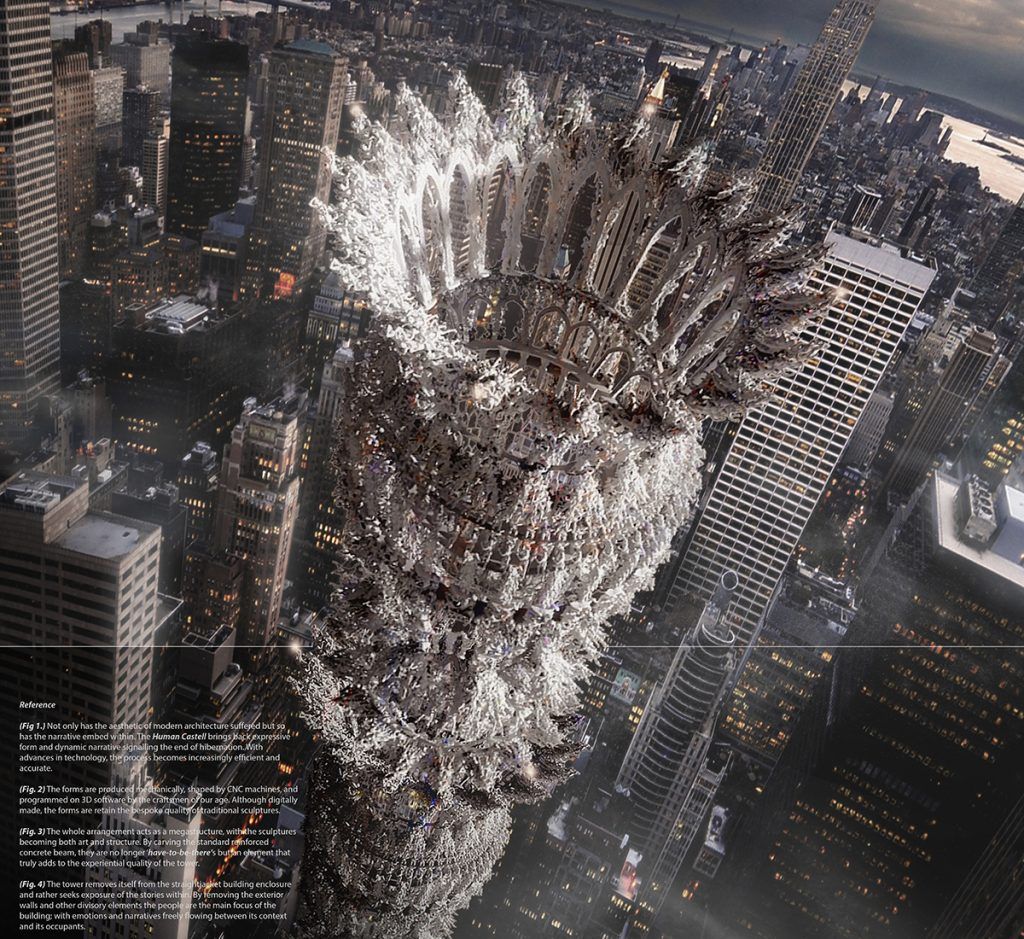


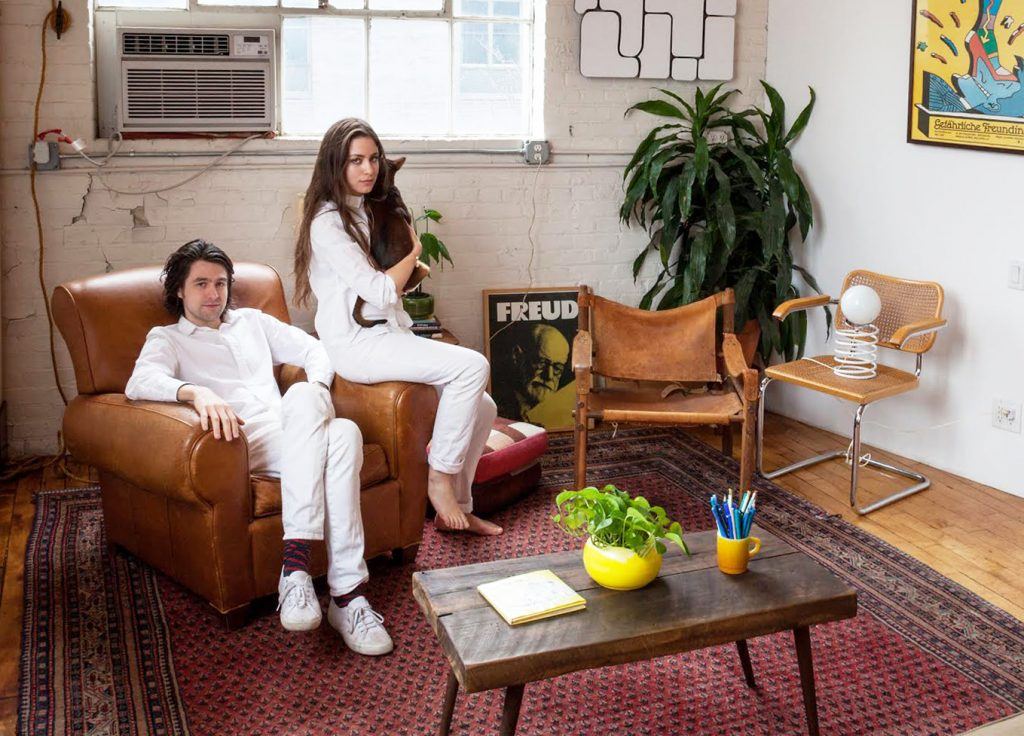




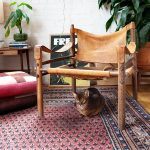




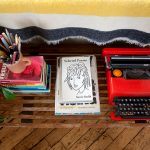
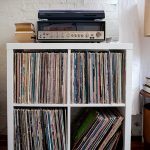
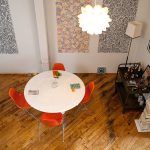
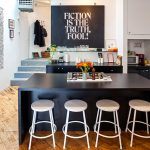



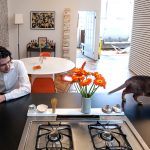
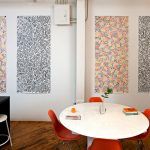



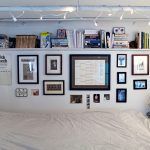

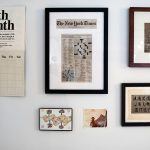


 The loft’s ceilings reach 17 feet, making the 1400-square-foot apartment feel even more massive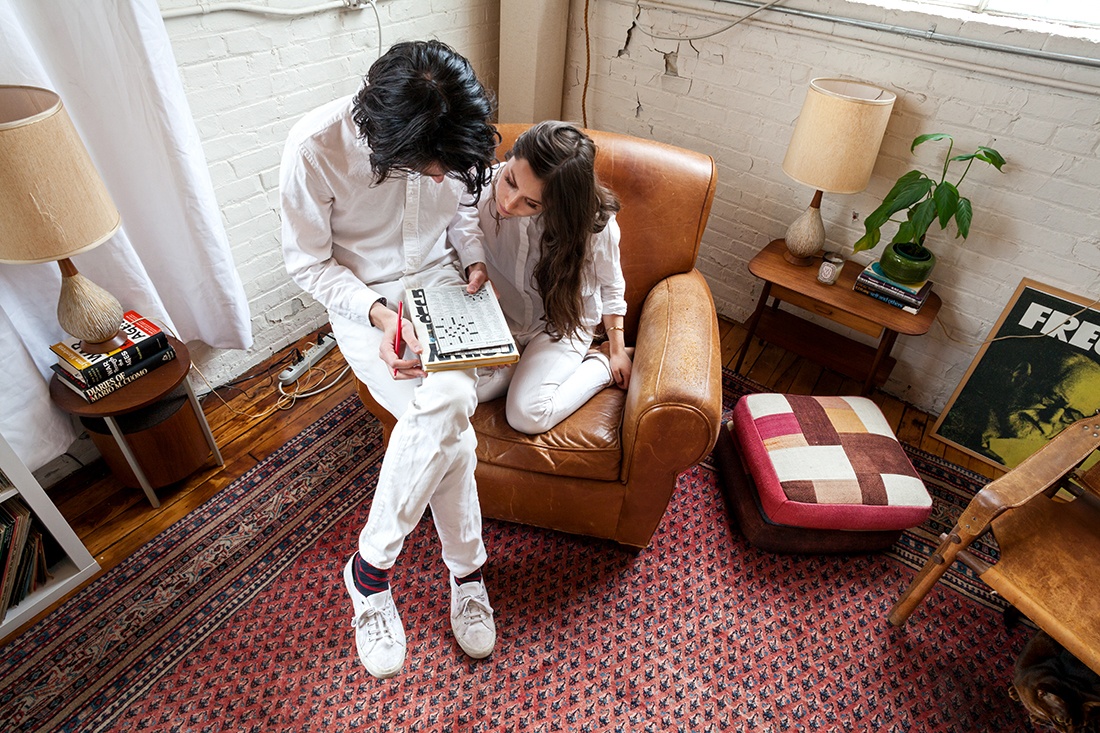
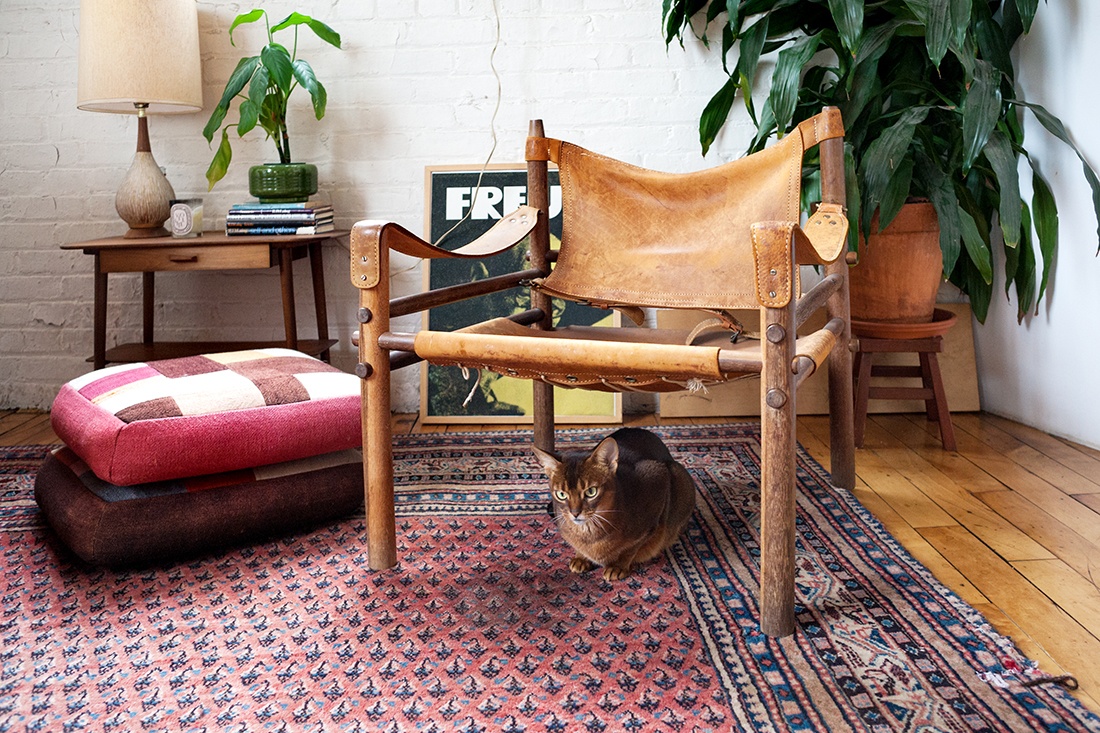
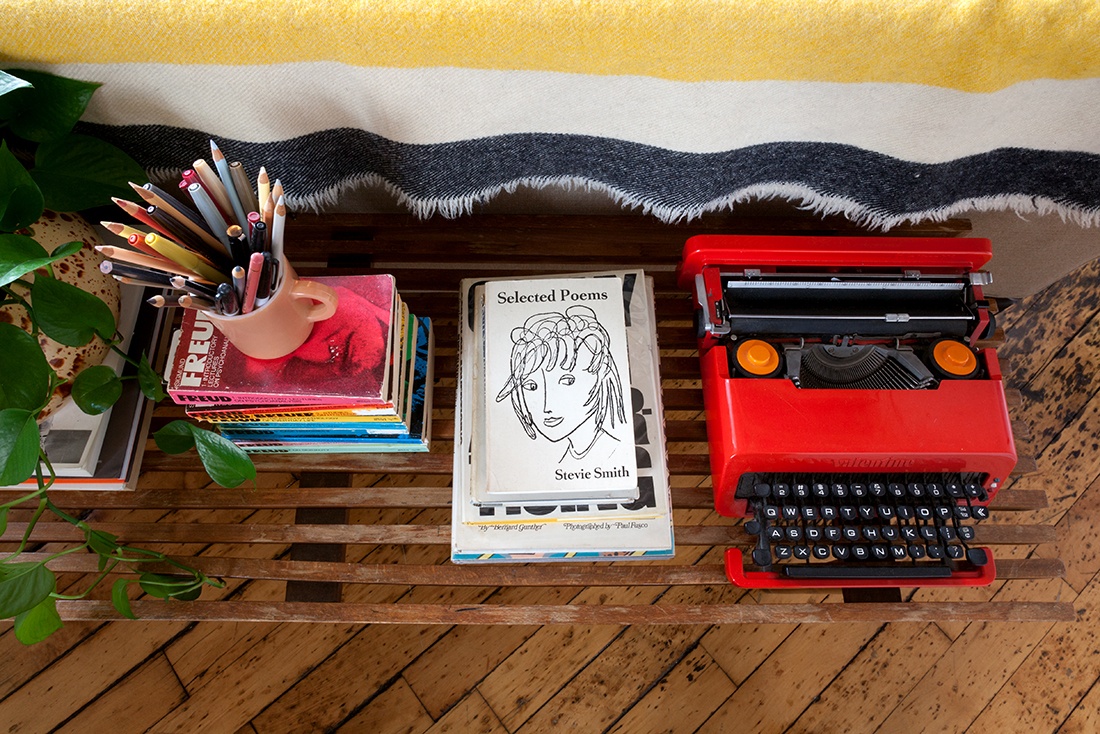 Both are big on puzzles. Molly herself a frequent crossword puzzle creator for The New York Times and other publications (top); The pair’s cat, Helen, seeks refuge under a side chair (middle); Their huge collection of books is used as decor all throughout the house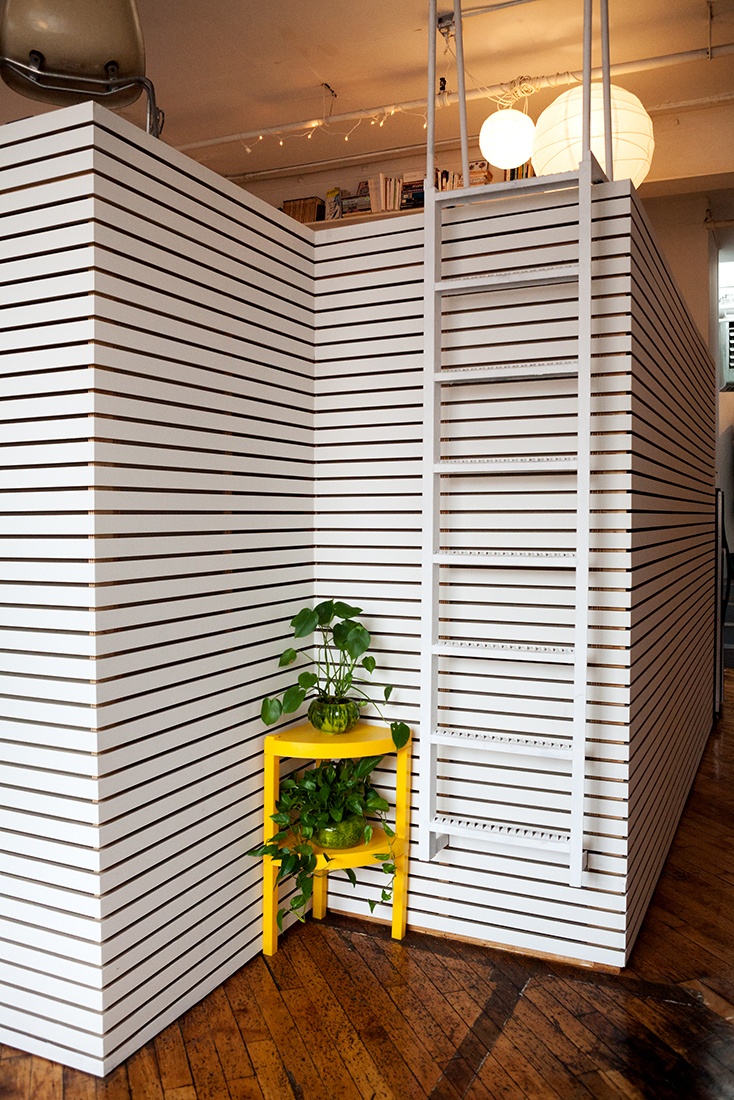
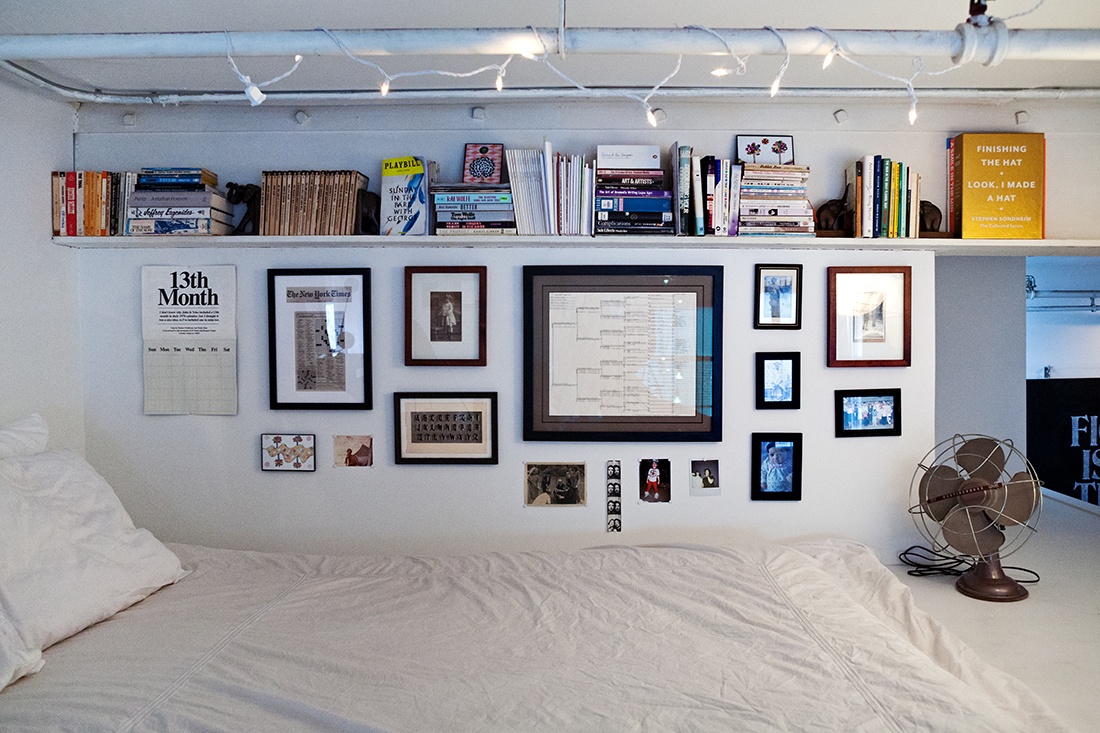
 The steel ladder was found on the street and carried into the apartment (top); A lofted bedroom provides space for guests and another area to read (center – bottom)

 Molly calls her office a condensed version of her former Chinatown apartment; The 904 on her office door is a joke between her and Teddy. “The thought that there could be 904 rooms in here cracks us up,” muses Molly.
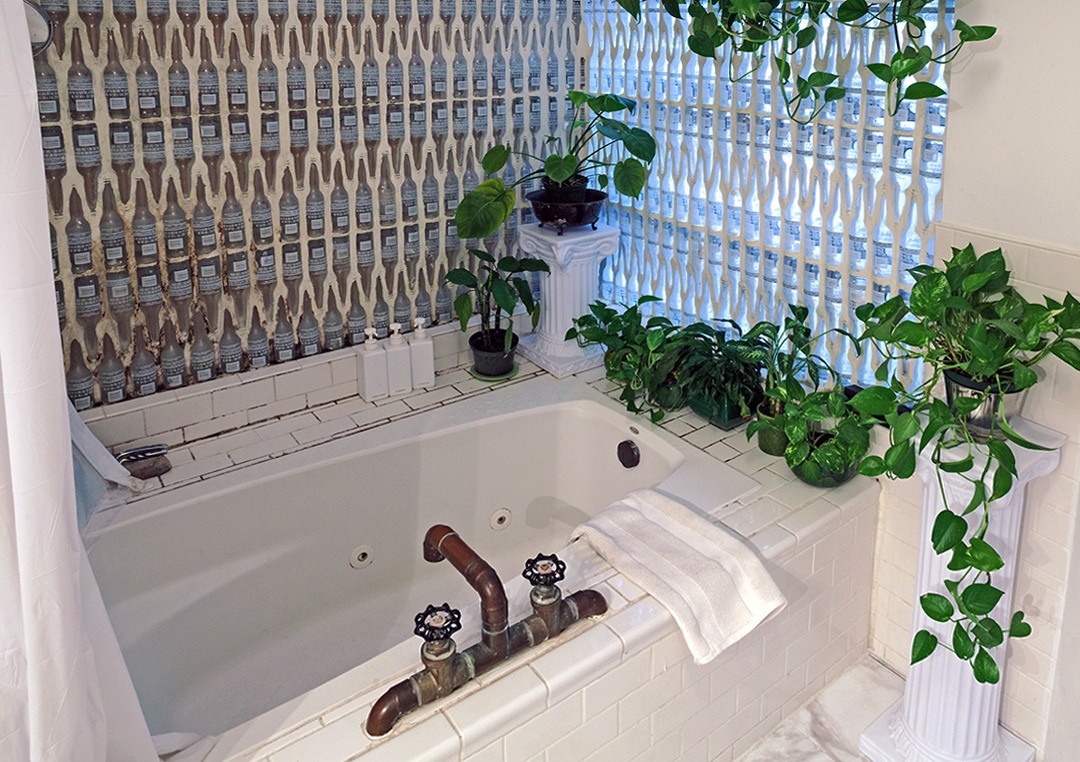 The pair describes their bathroom as “1980s-does-Ancient-Greece.” The theme is built around the bathroom’s Grecian-style sink, which Teddy hated. They decided one day to just “lean in” and now all of the bathroom’s decor mirrors the sink. The Corona bottle wall came with the apartment and is the only thing the landlord won’t let them change.
 The bookshelf has been designed as a wedge and sits against a crooked wall. Teddy and a friend, Mark Grattan, designed the furniture piece so that it would align parallel to the opposite wall and square off the room. At some point Teddy hopes fill each shelf to its narrowest point by shaving down some books (top); The odd bird/pitcher ceramic is an “ewer,” a gift from Molly’s friend that pokes fun at the fact that the word is frequently used in crossword puzzles thanks to its handful of useful characters (bottom)

 In addition to providing daily inspiration, the massive chalkboard also covers one side of the Corona bottle wall (top); Jasper John reproductions hang in the dining space. Teddy scanned them from a book and printed them on heavy banner material (bottom); The dining table unfolds into a square (check out the photo gallery to see it in action!)

 The terrazzo lamp is from eBay, while the purple wall was inspired by Truffaut’s “Bed and Board”; Clocks can always be found in an eyeshot. This keeps them from looking at their phone to check the time

 Lamps can be found all over the apartment, making every space a reading space
 “Baby Man” Molly acquired post Sotheby’s auction. No one bid on the item and she gave the auction house a call and made an offer. They didn’t refuse. It’s Flemish and dates back to the 1500s
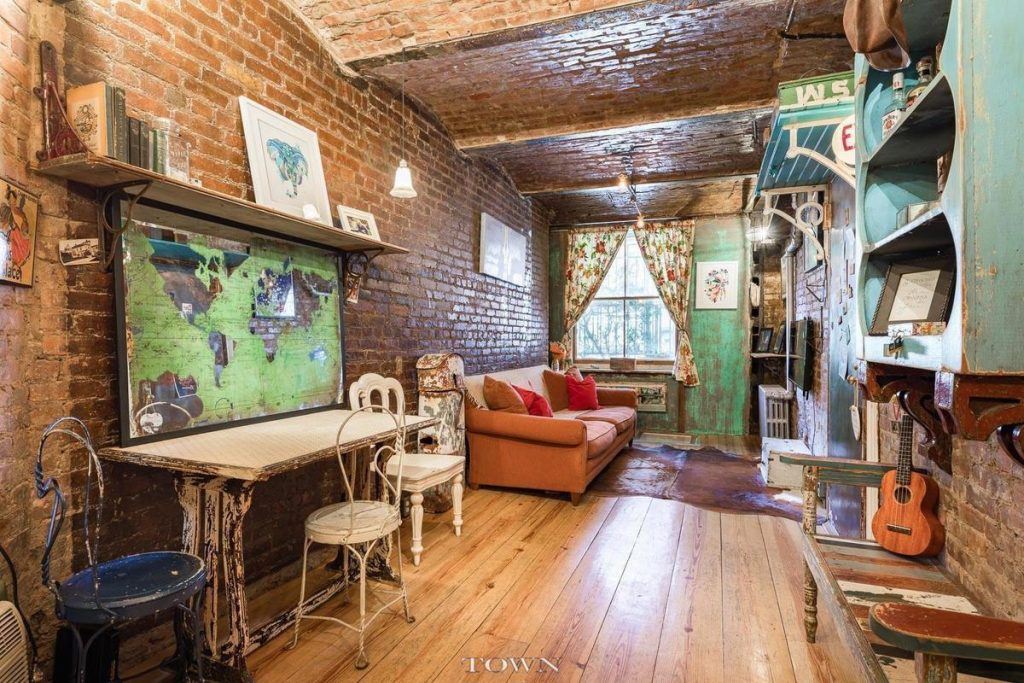
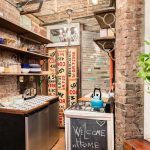
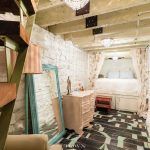
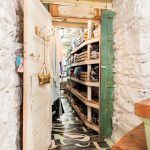
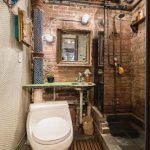
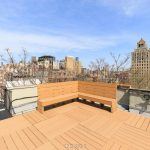
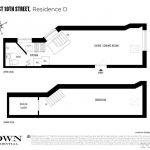


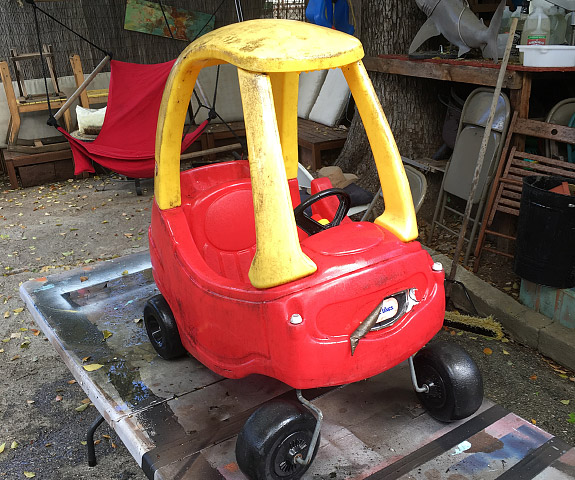
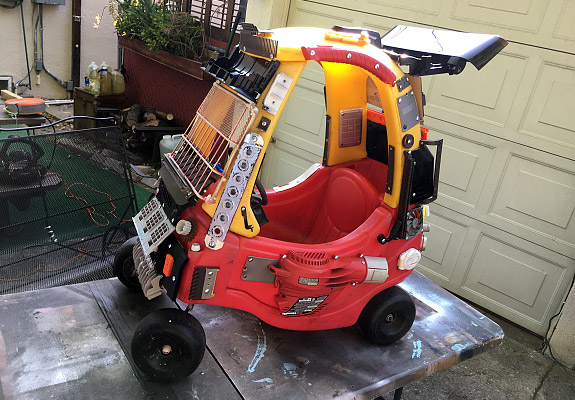
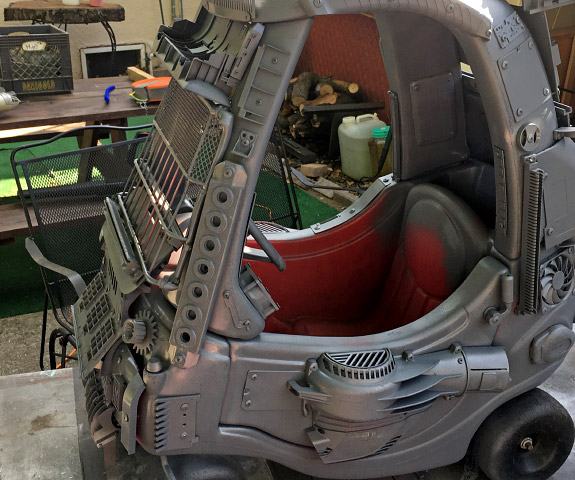


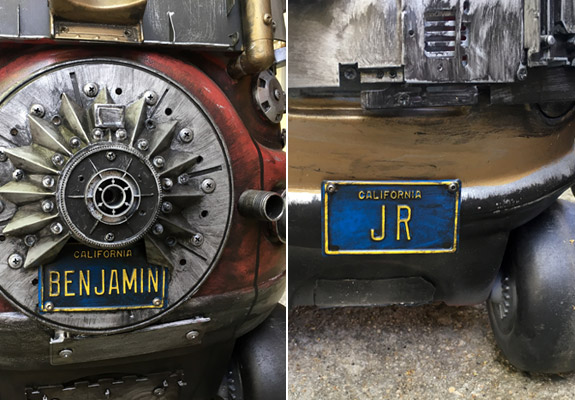
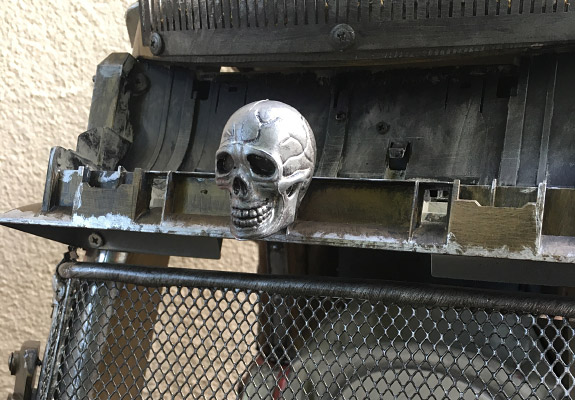
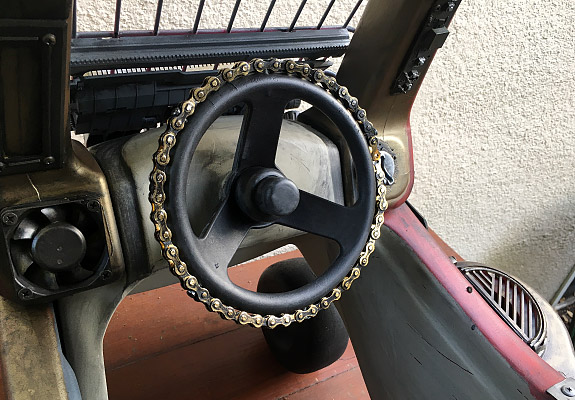



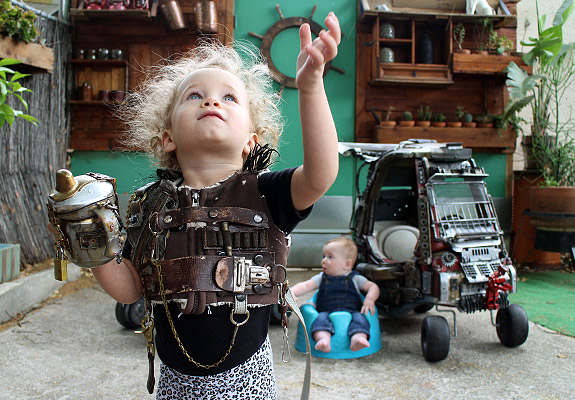
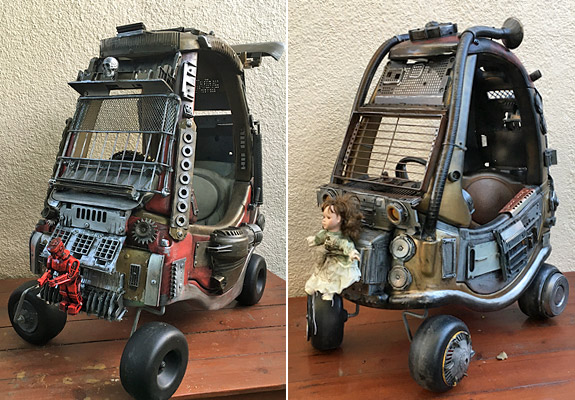
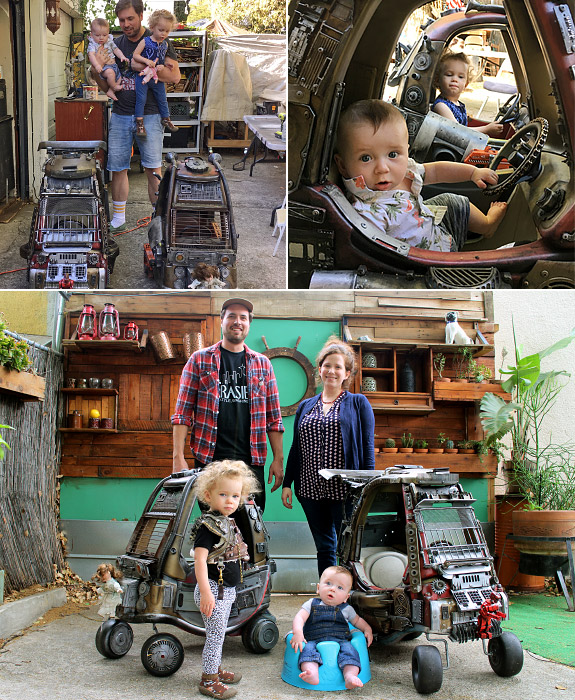




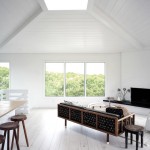


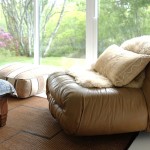
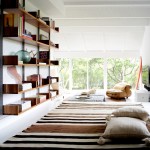









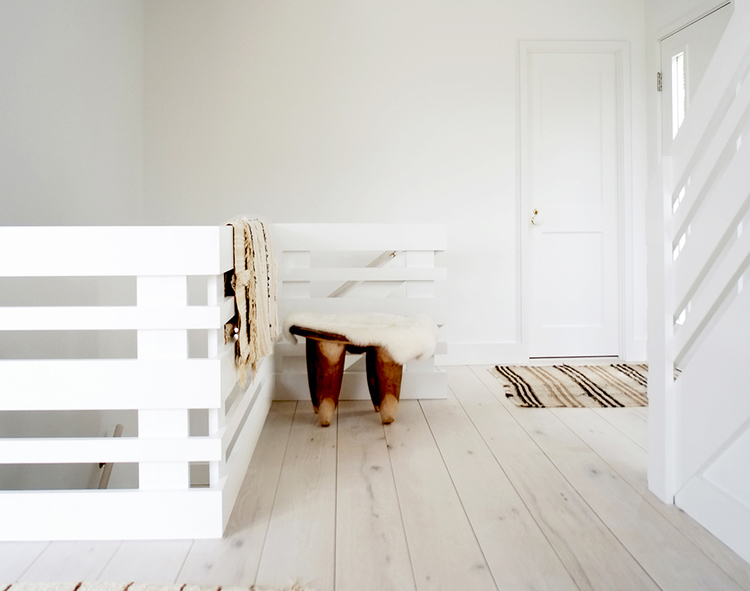
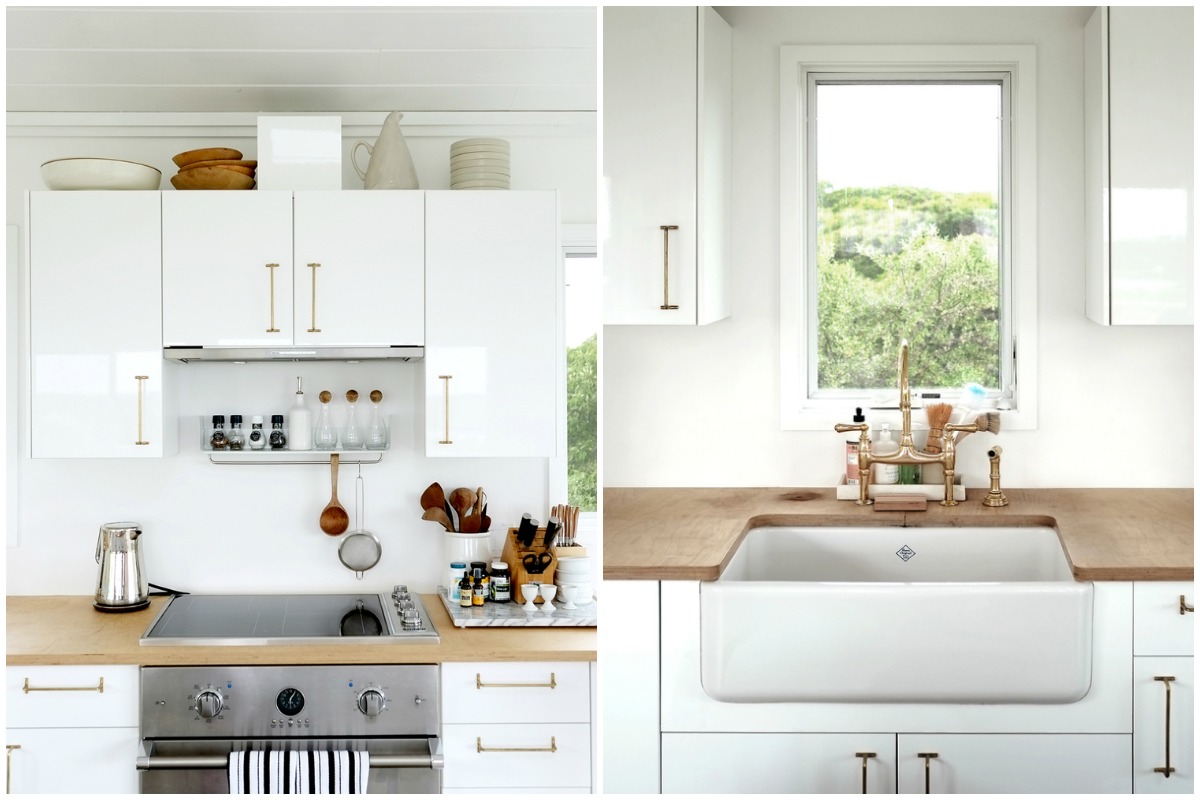

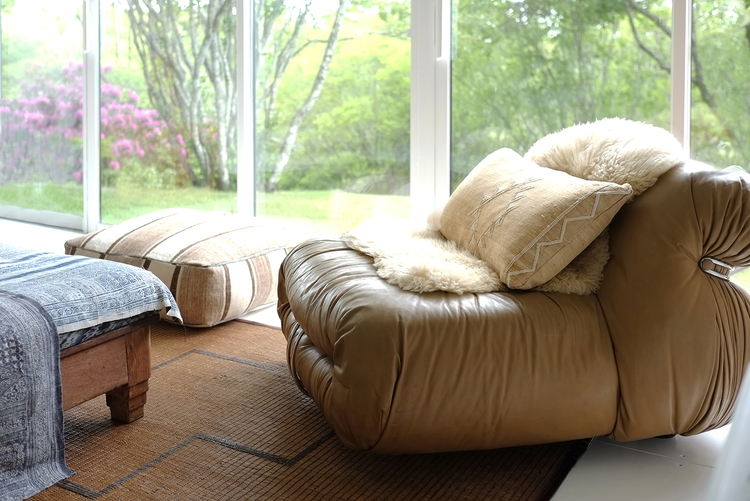
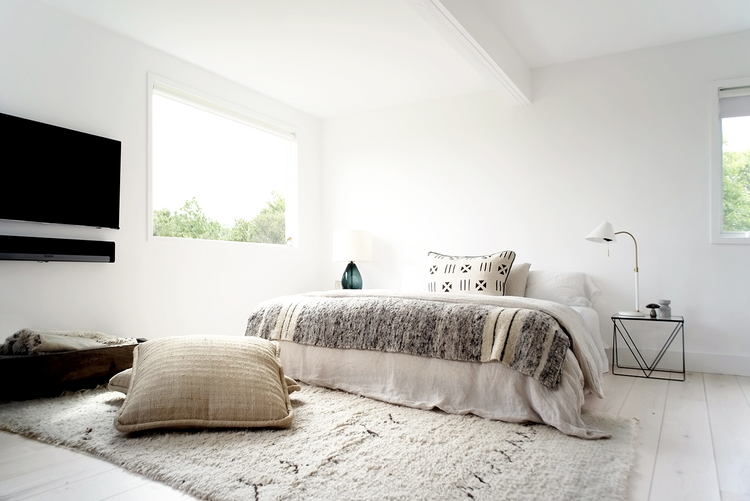


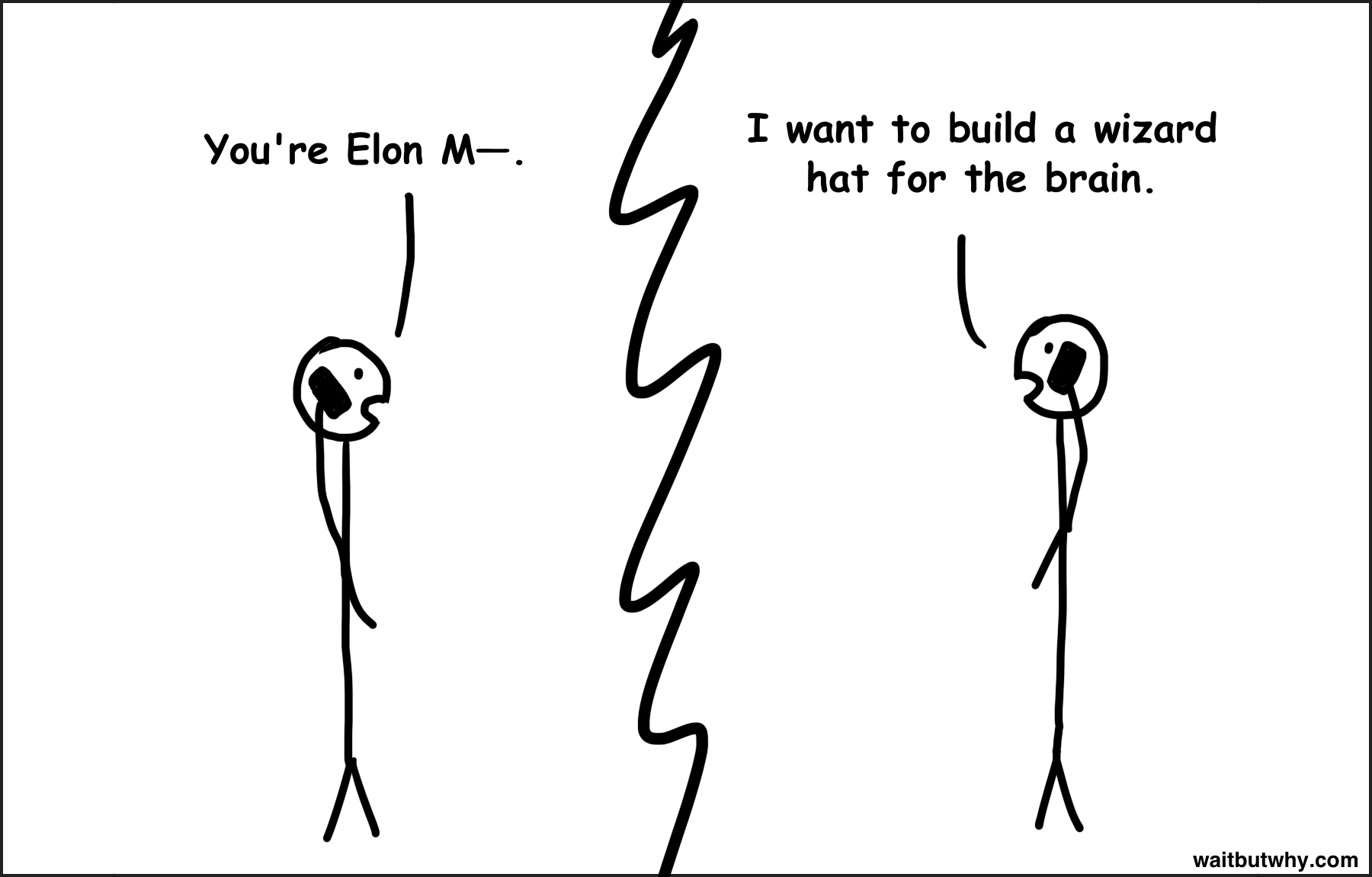


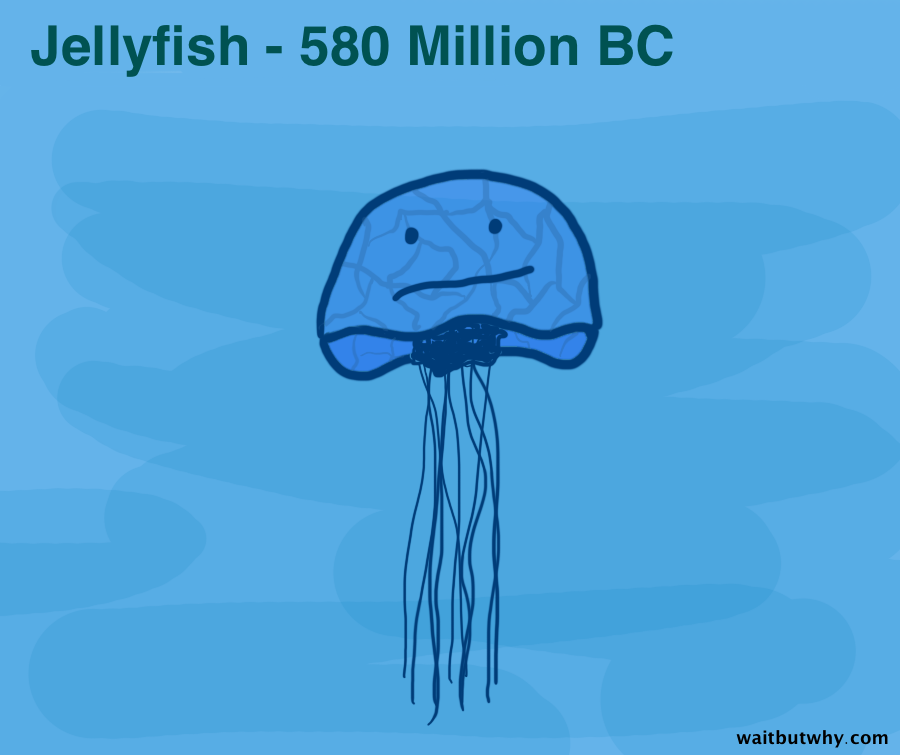

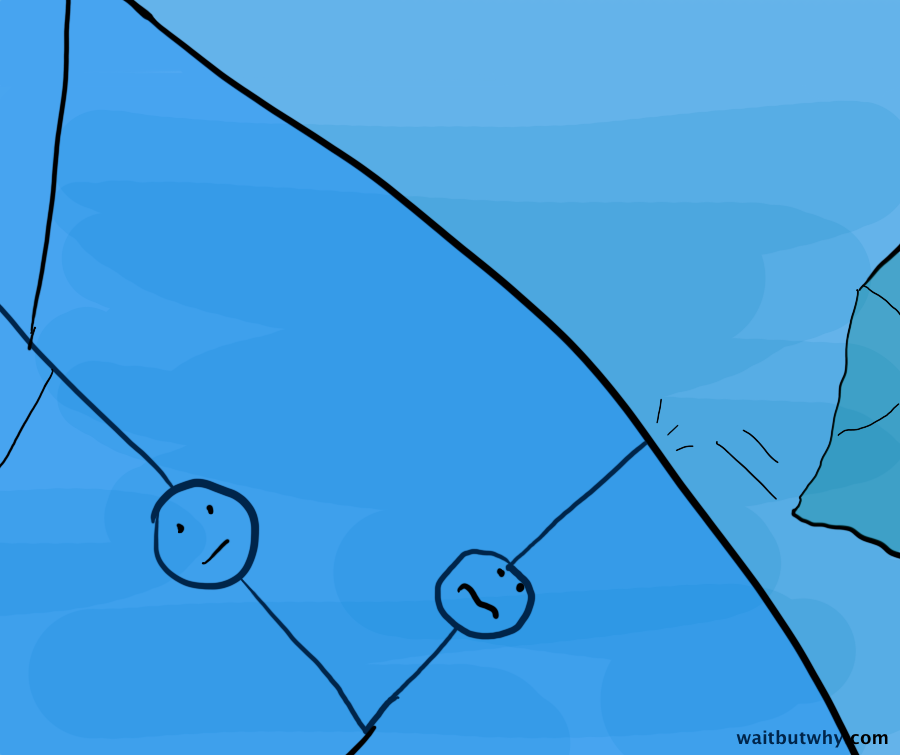

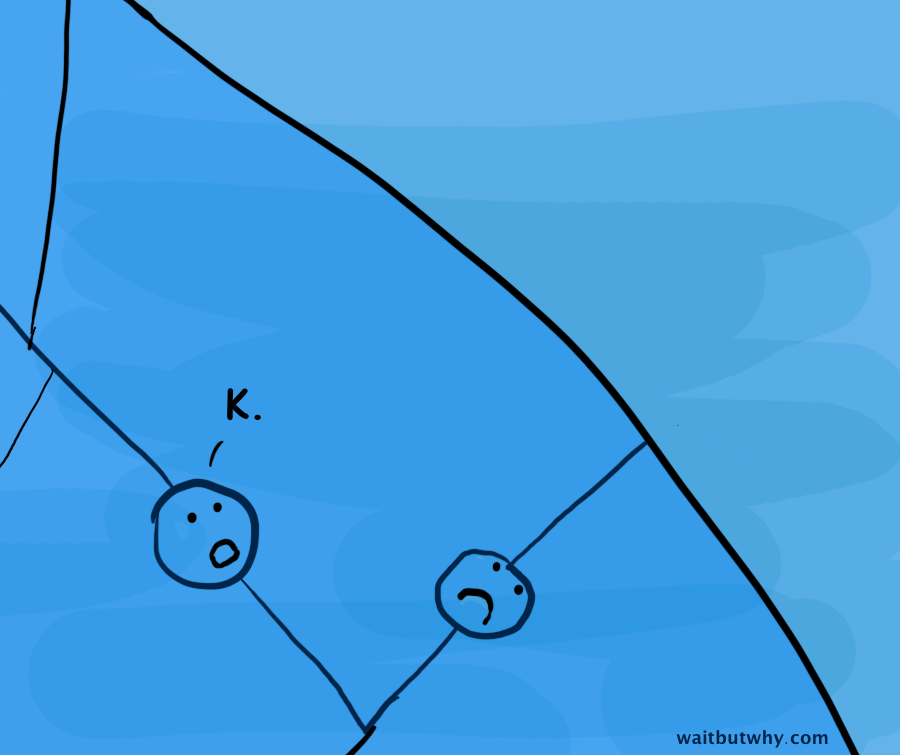

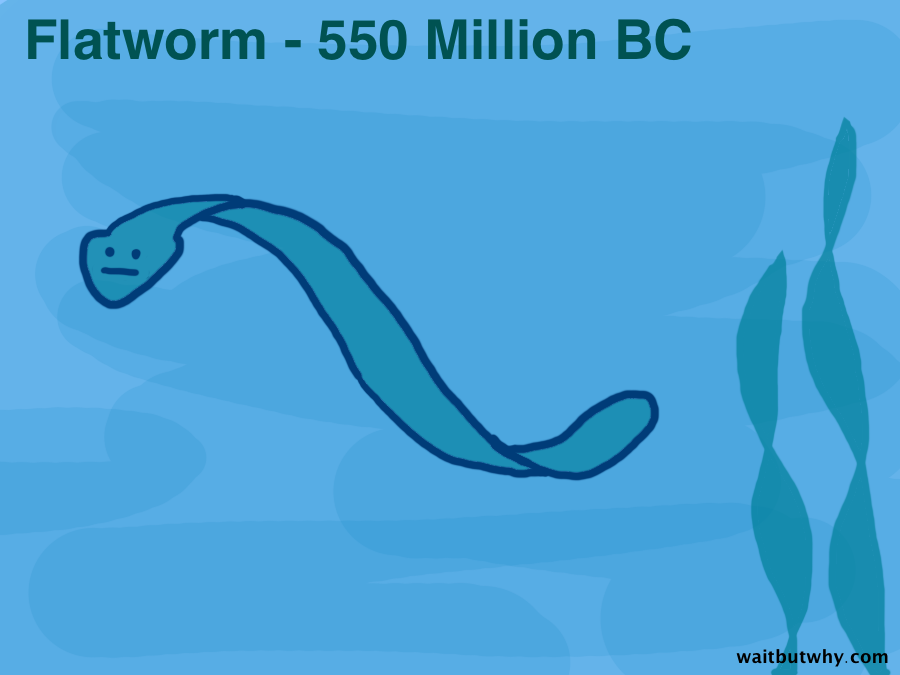
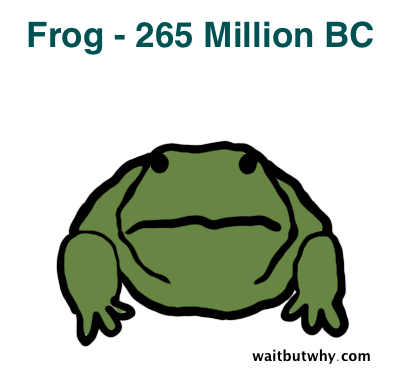

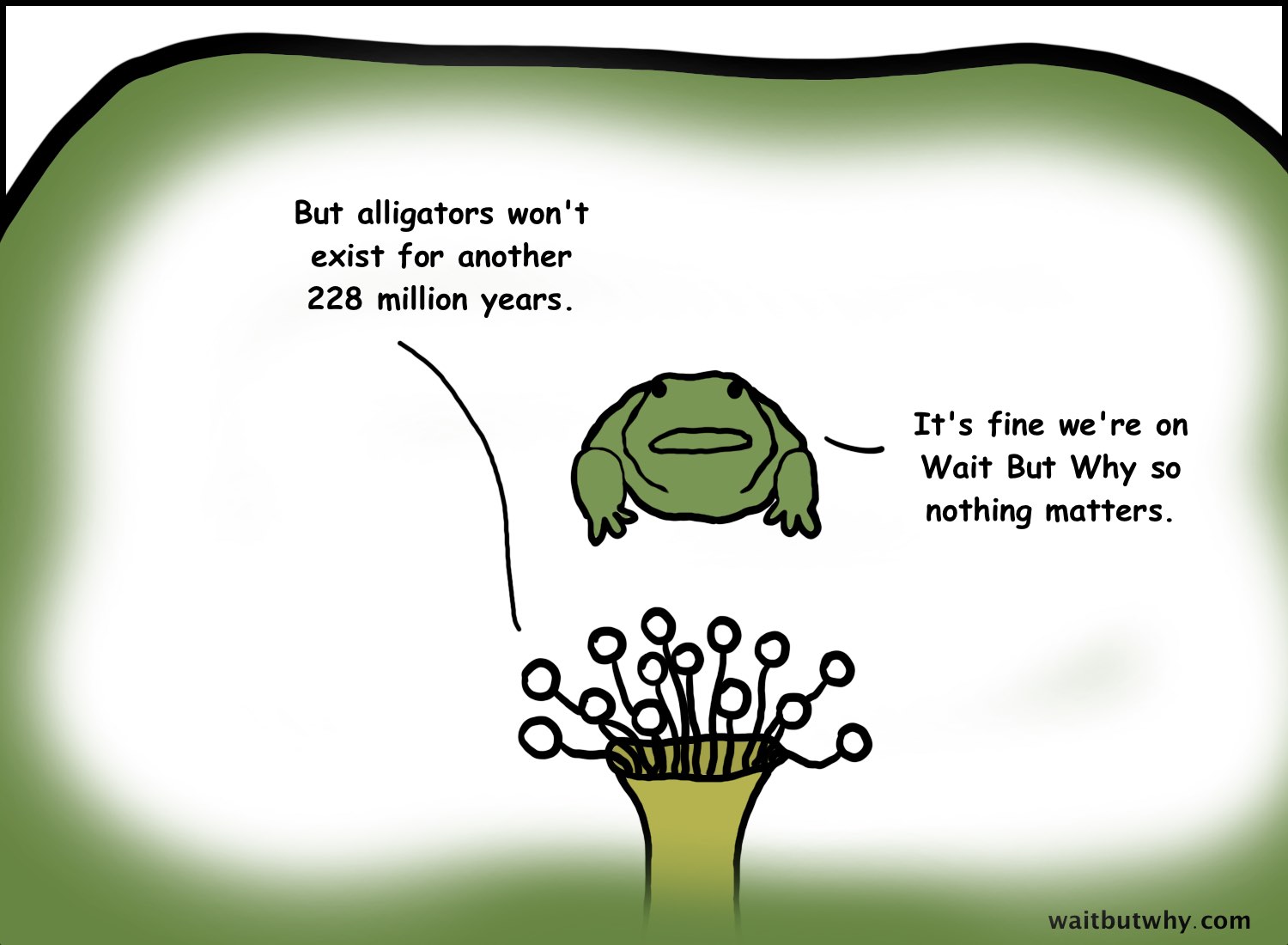
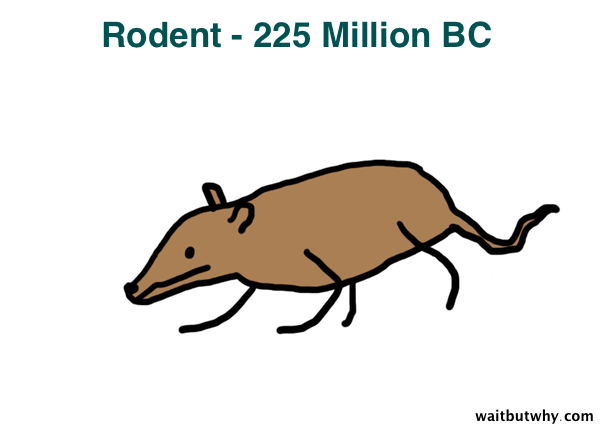
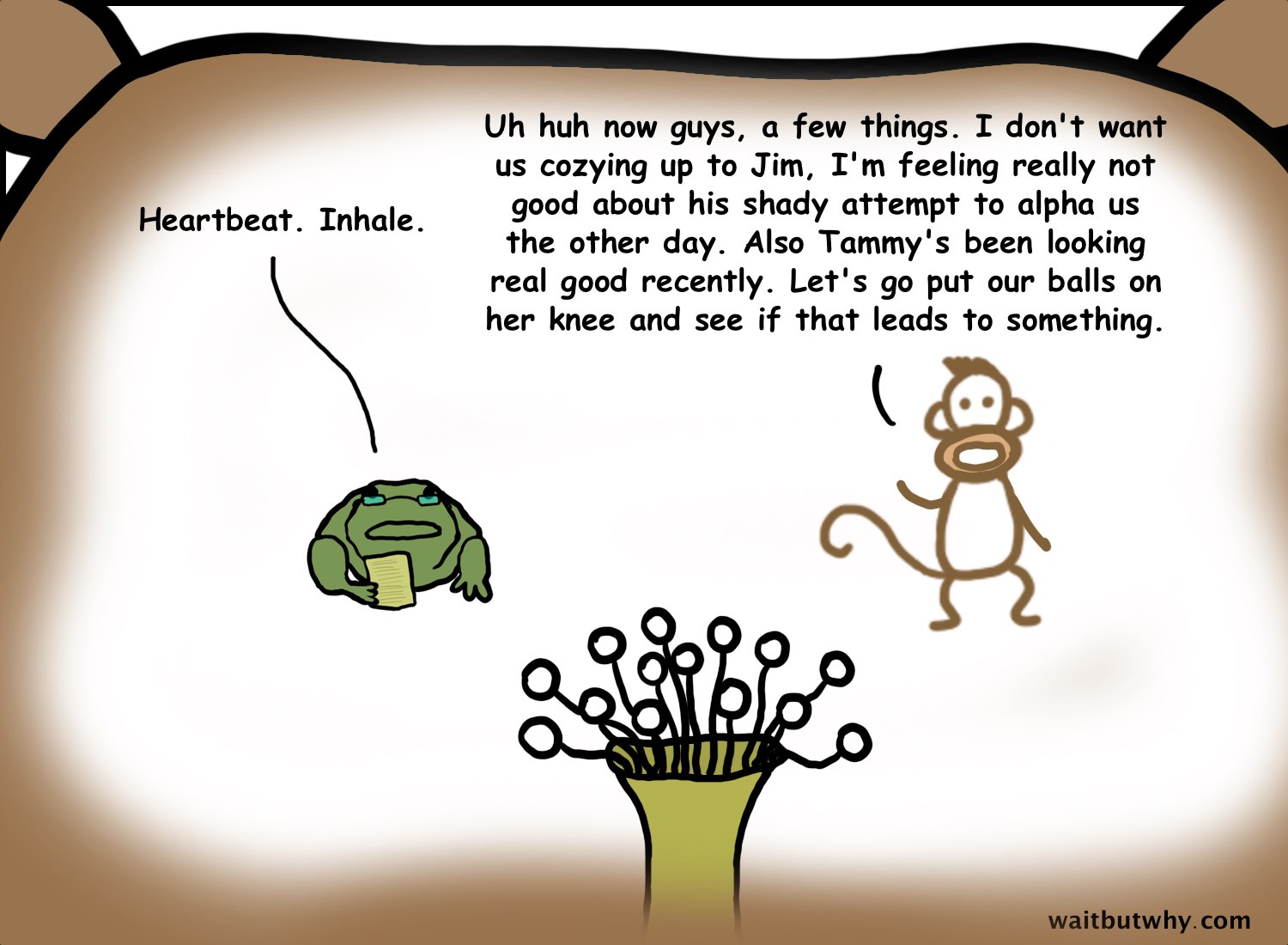
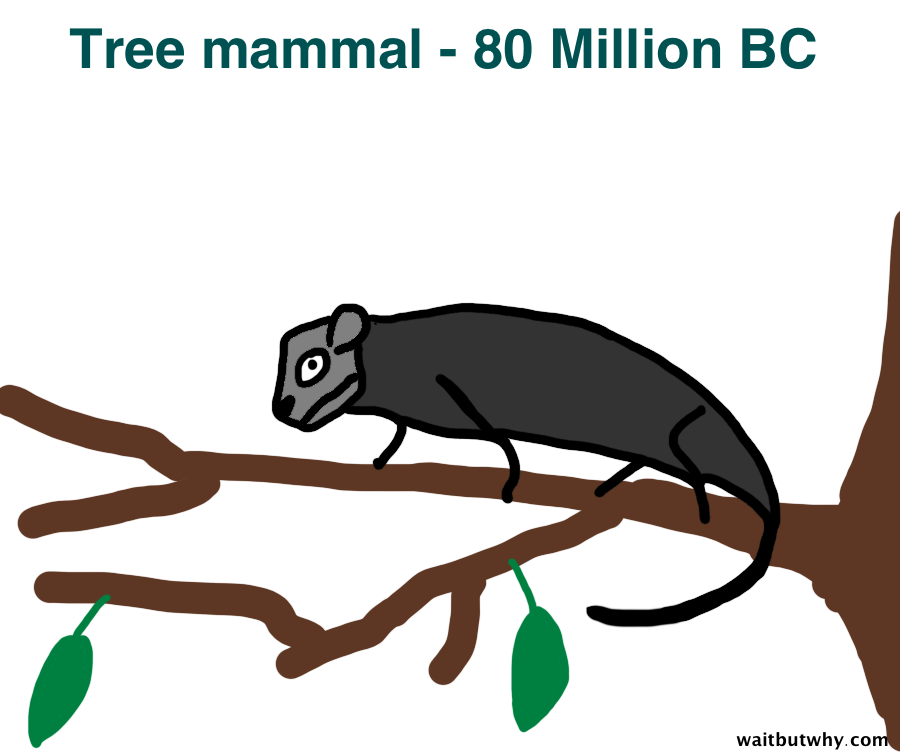
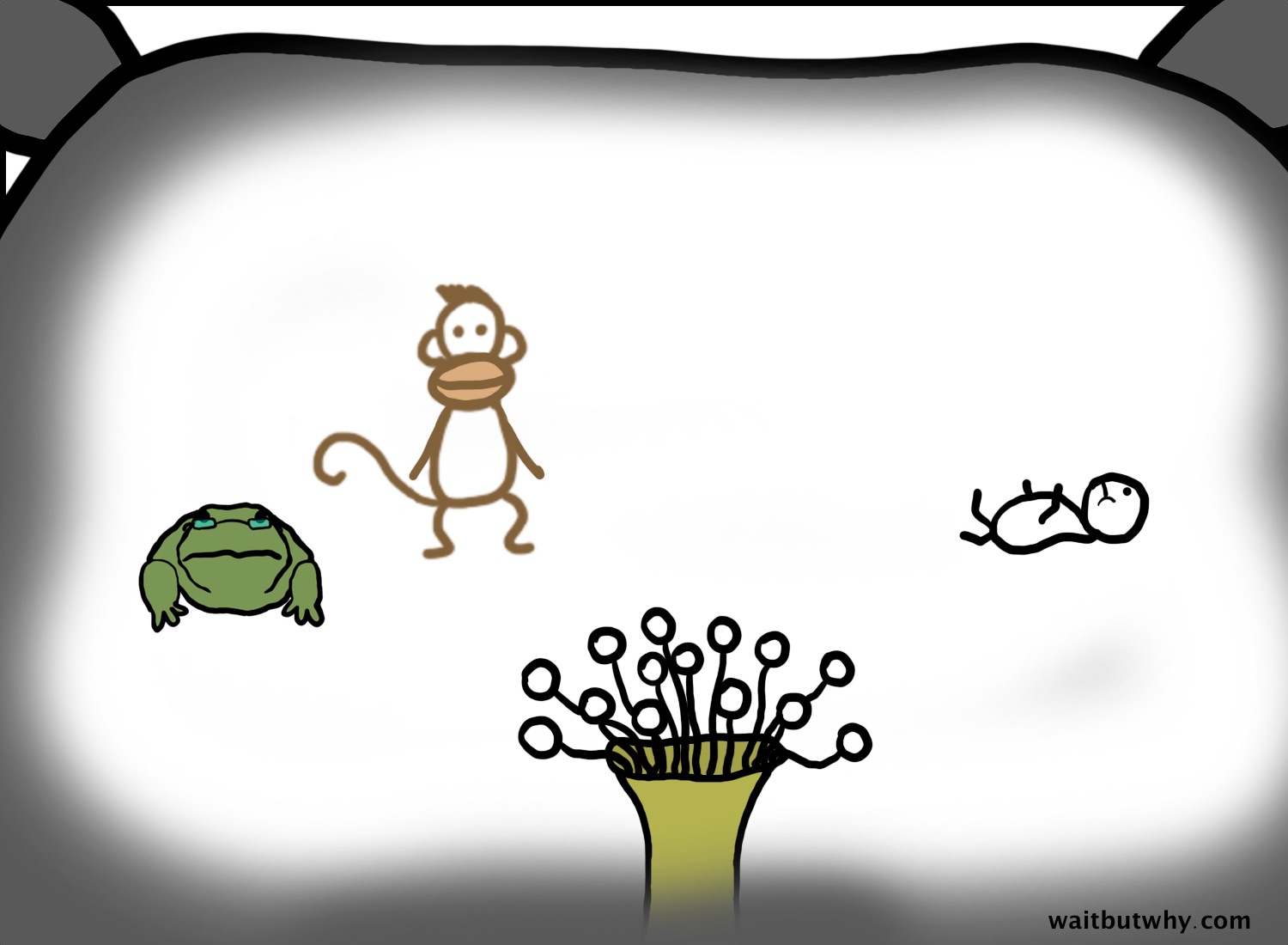

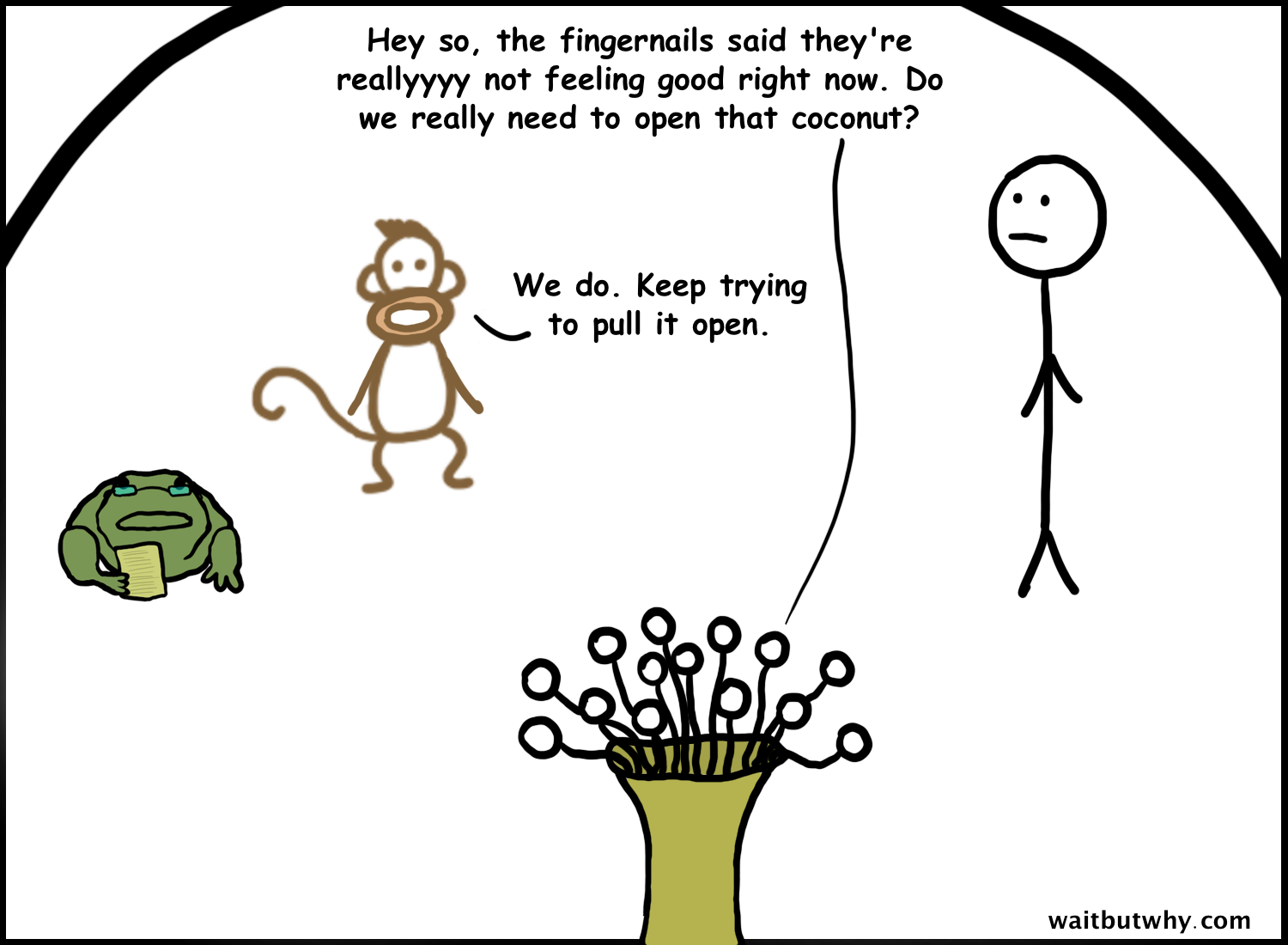

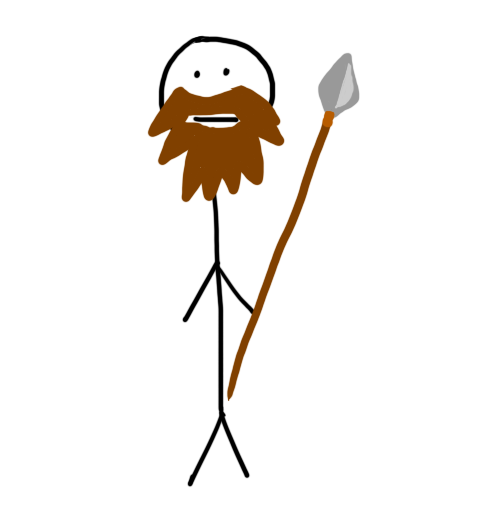

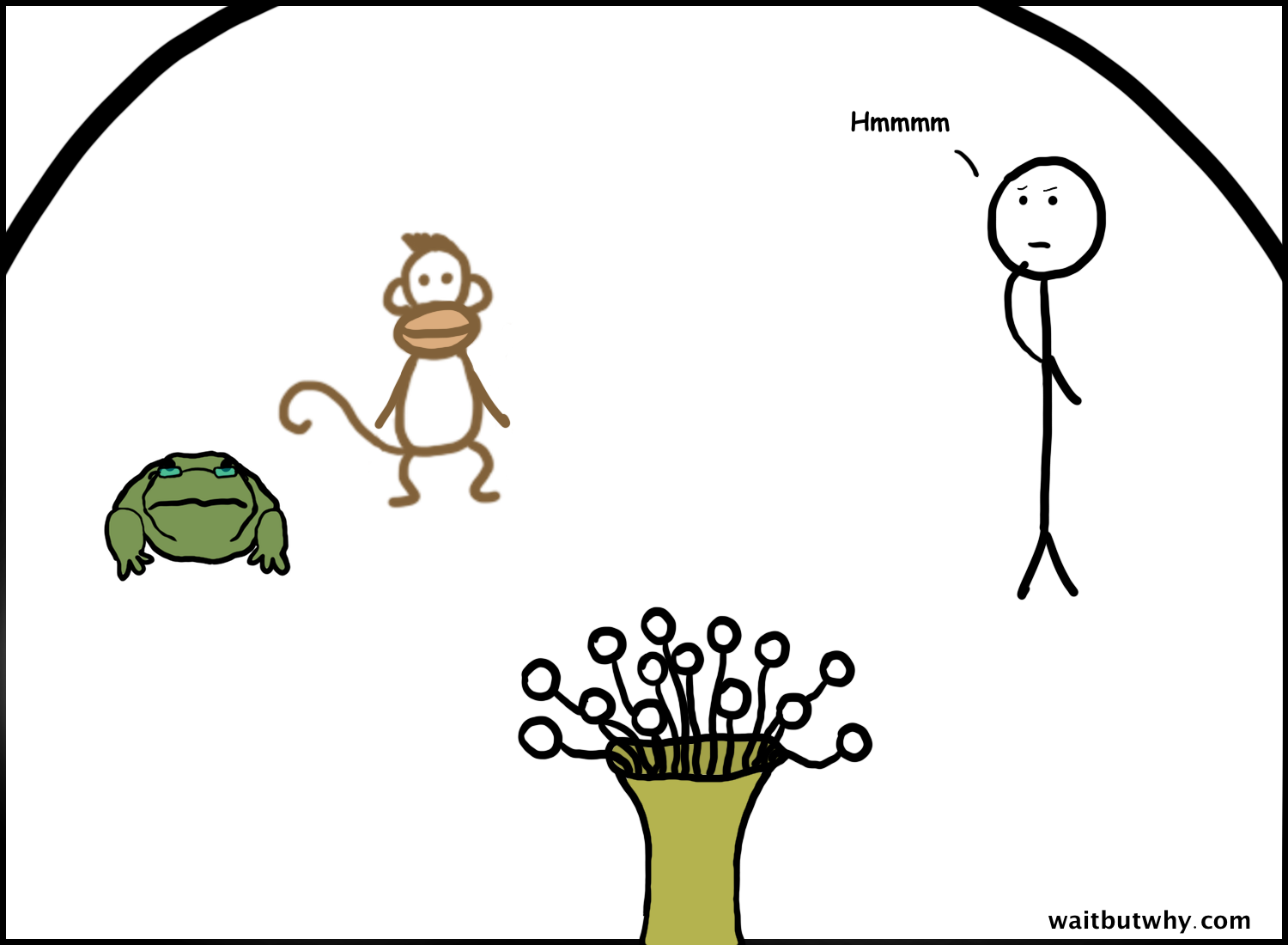


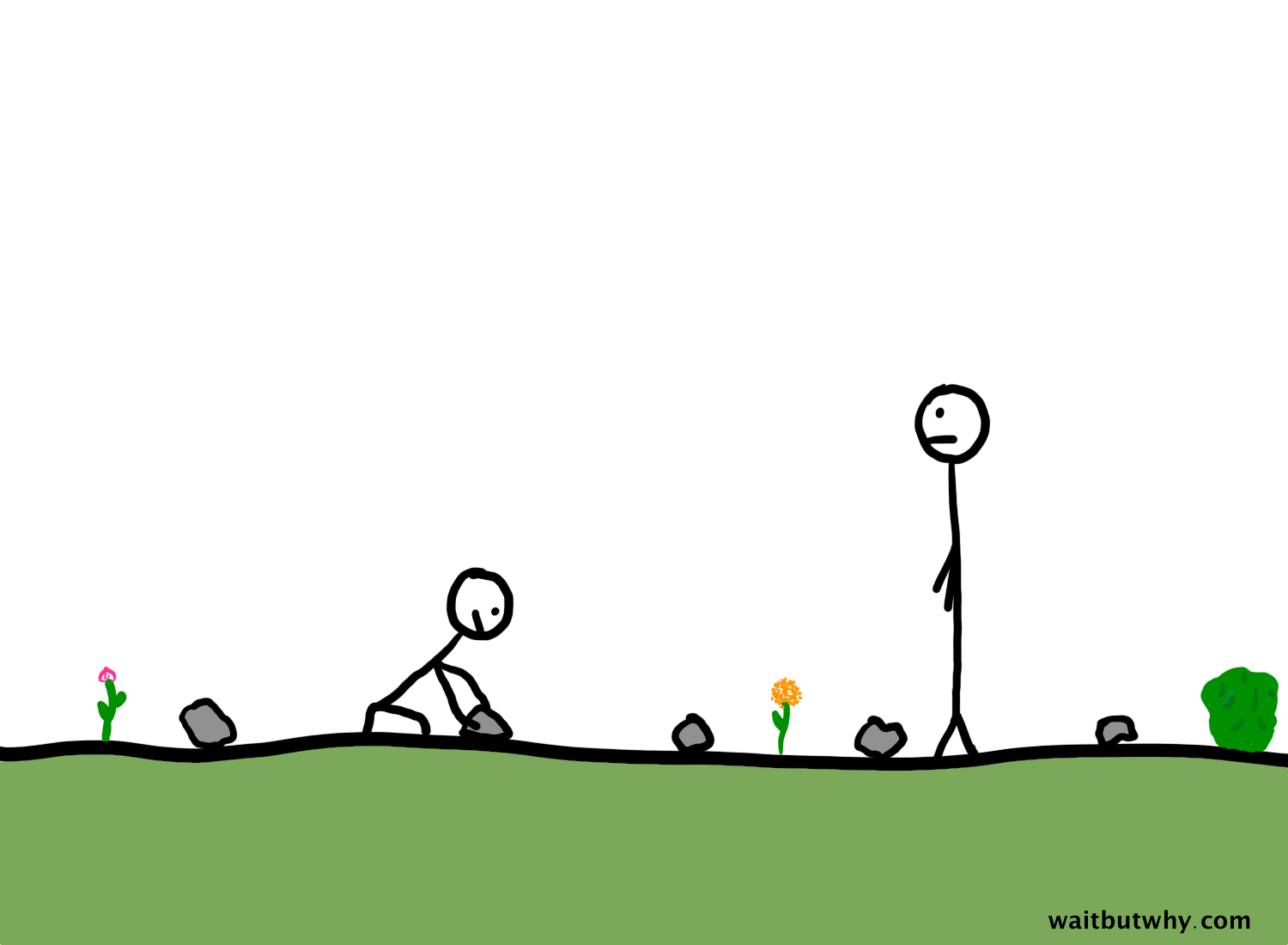





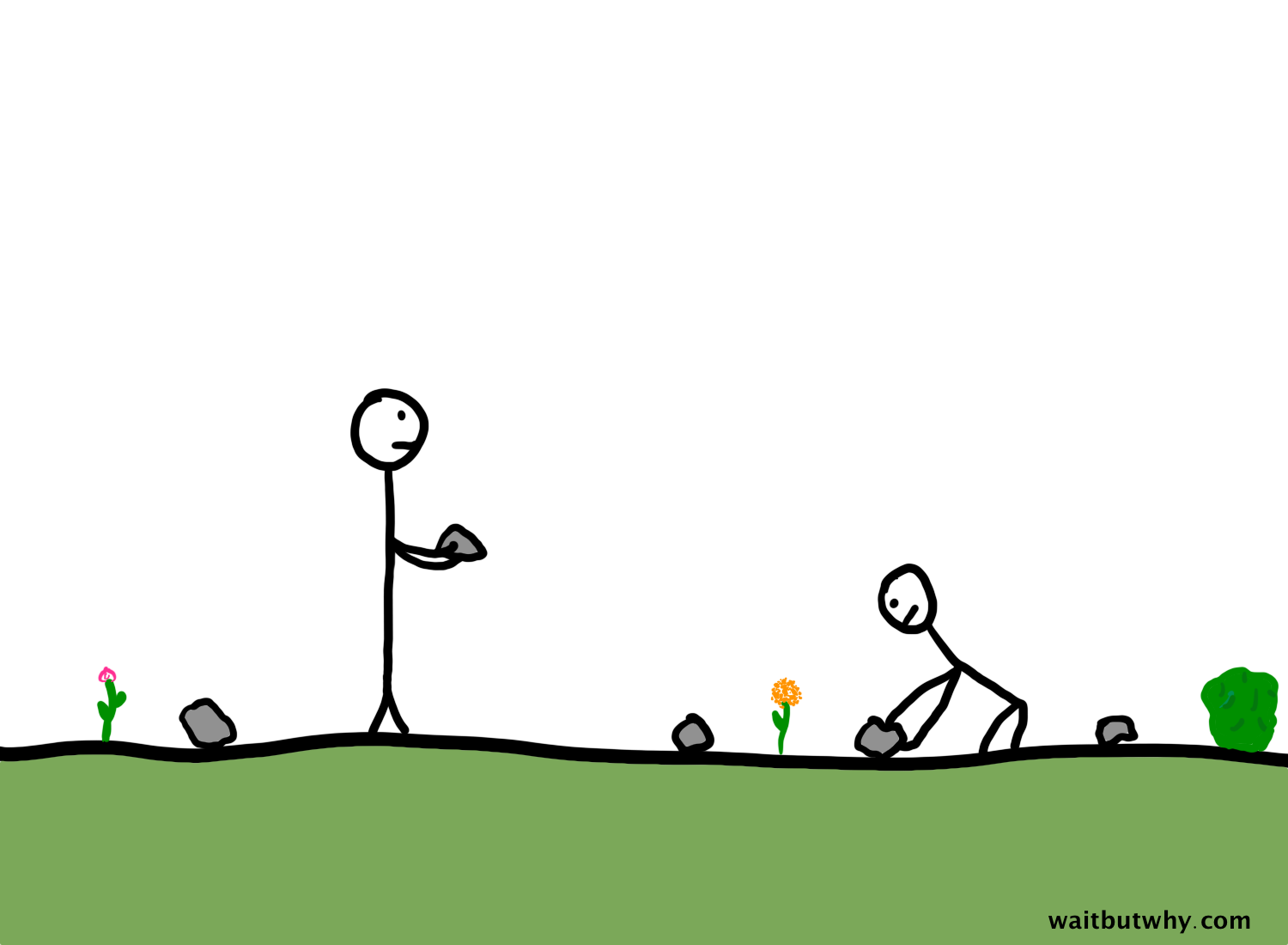







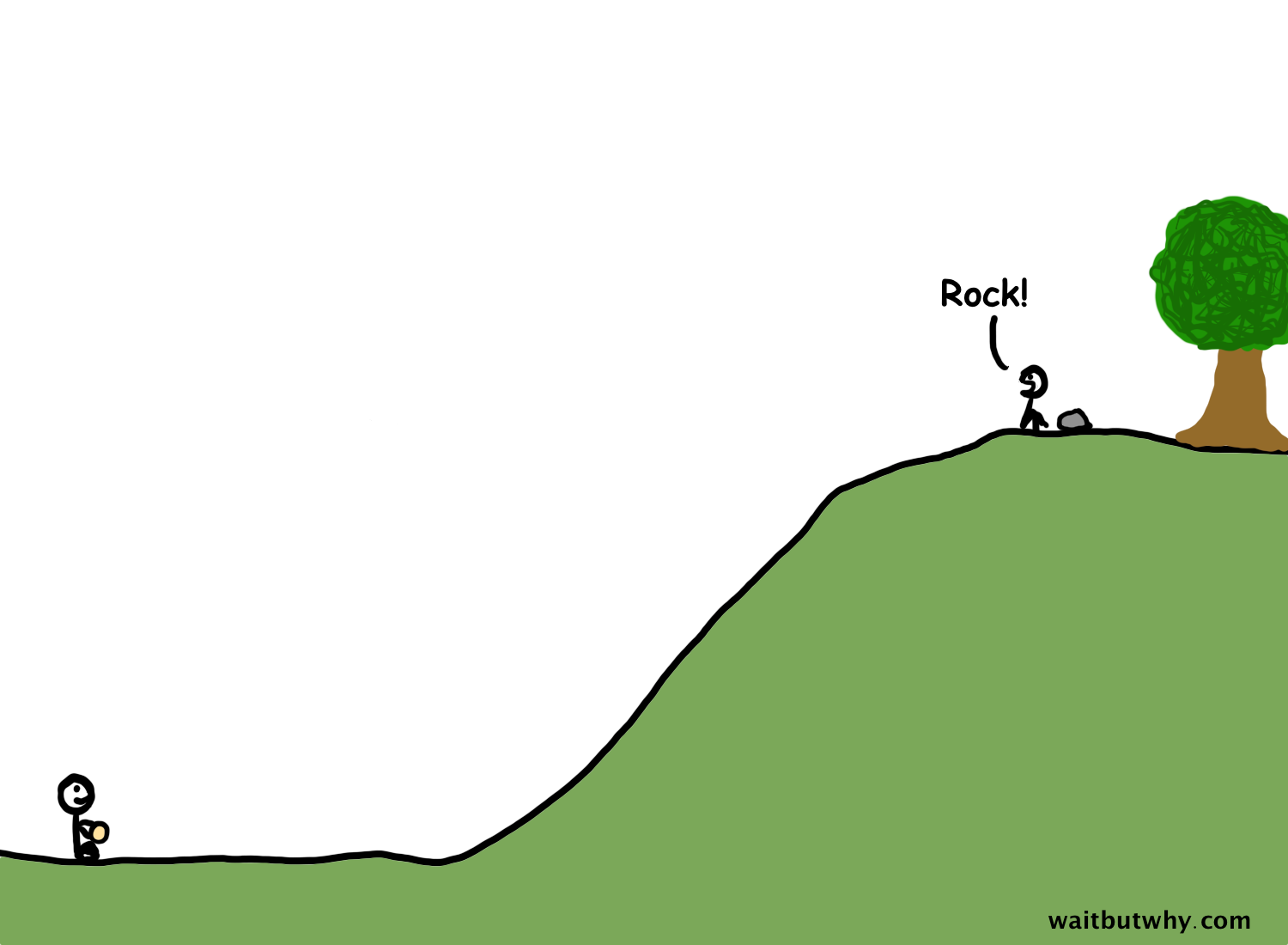
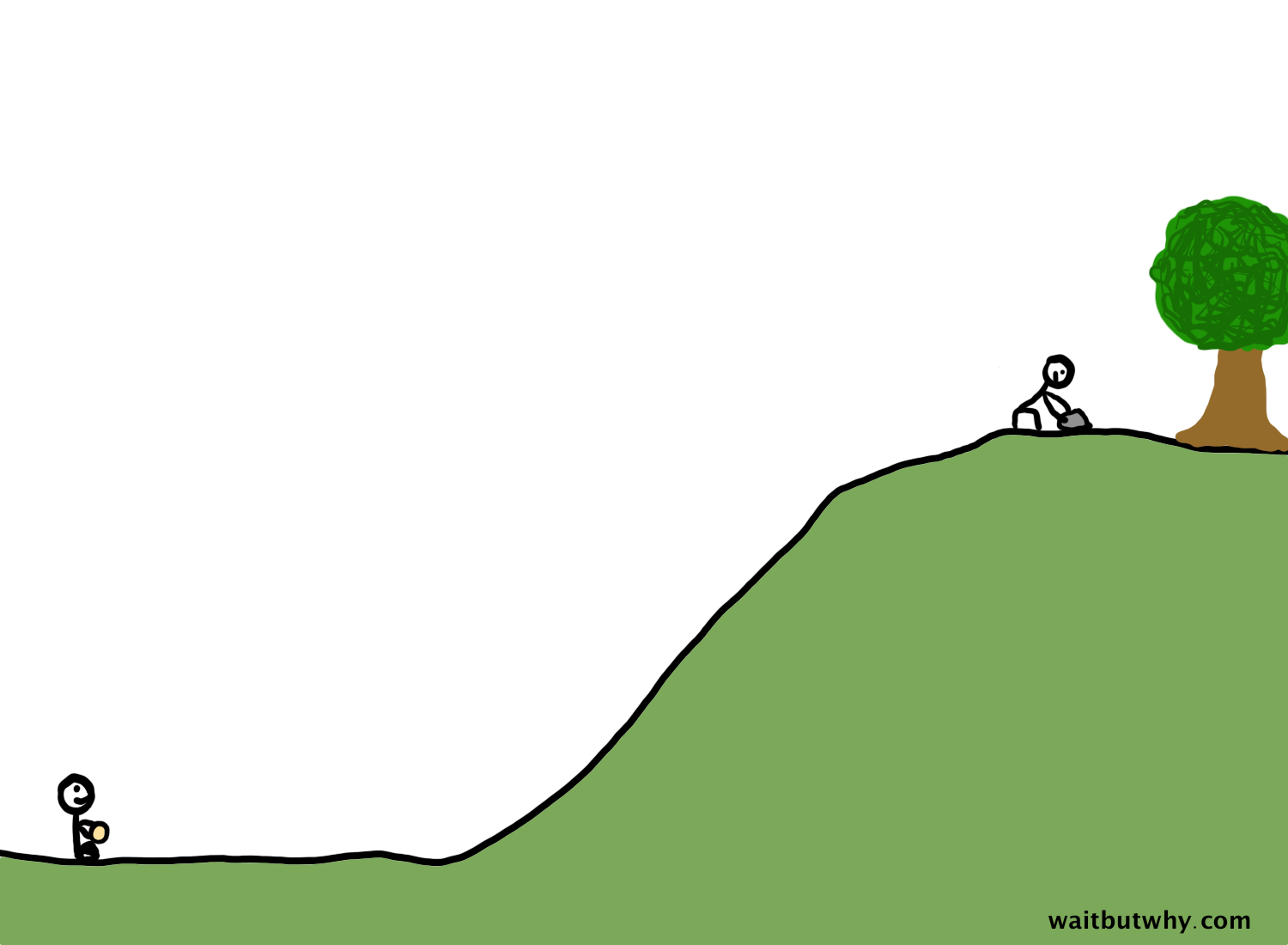
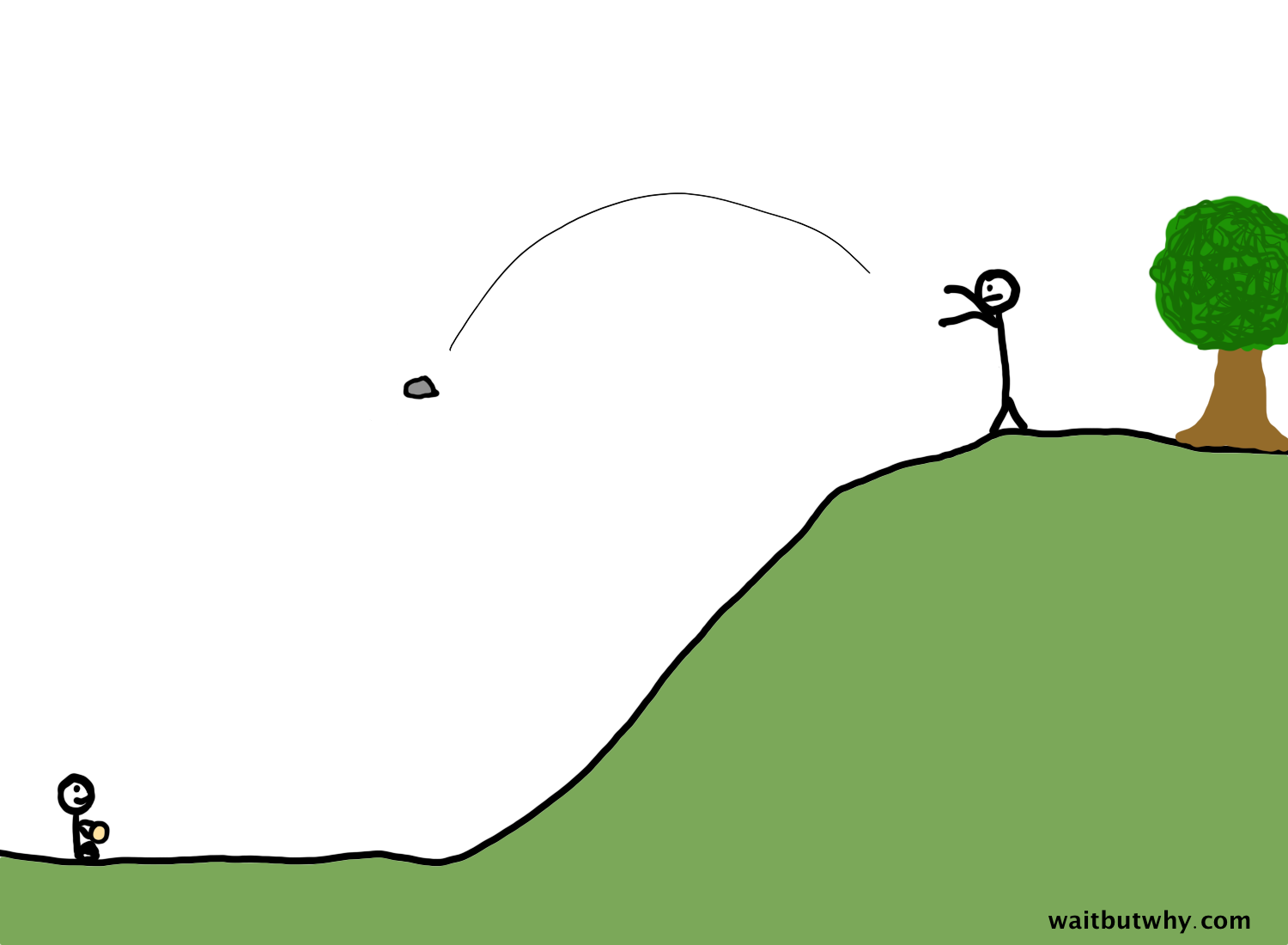

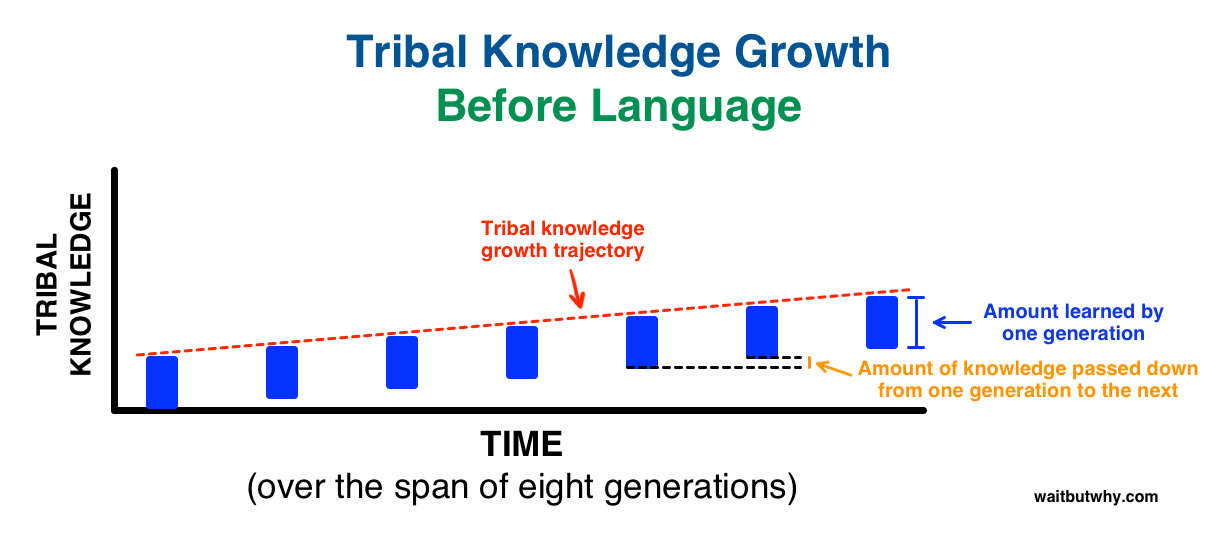
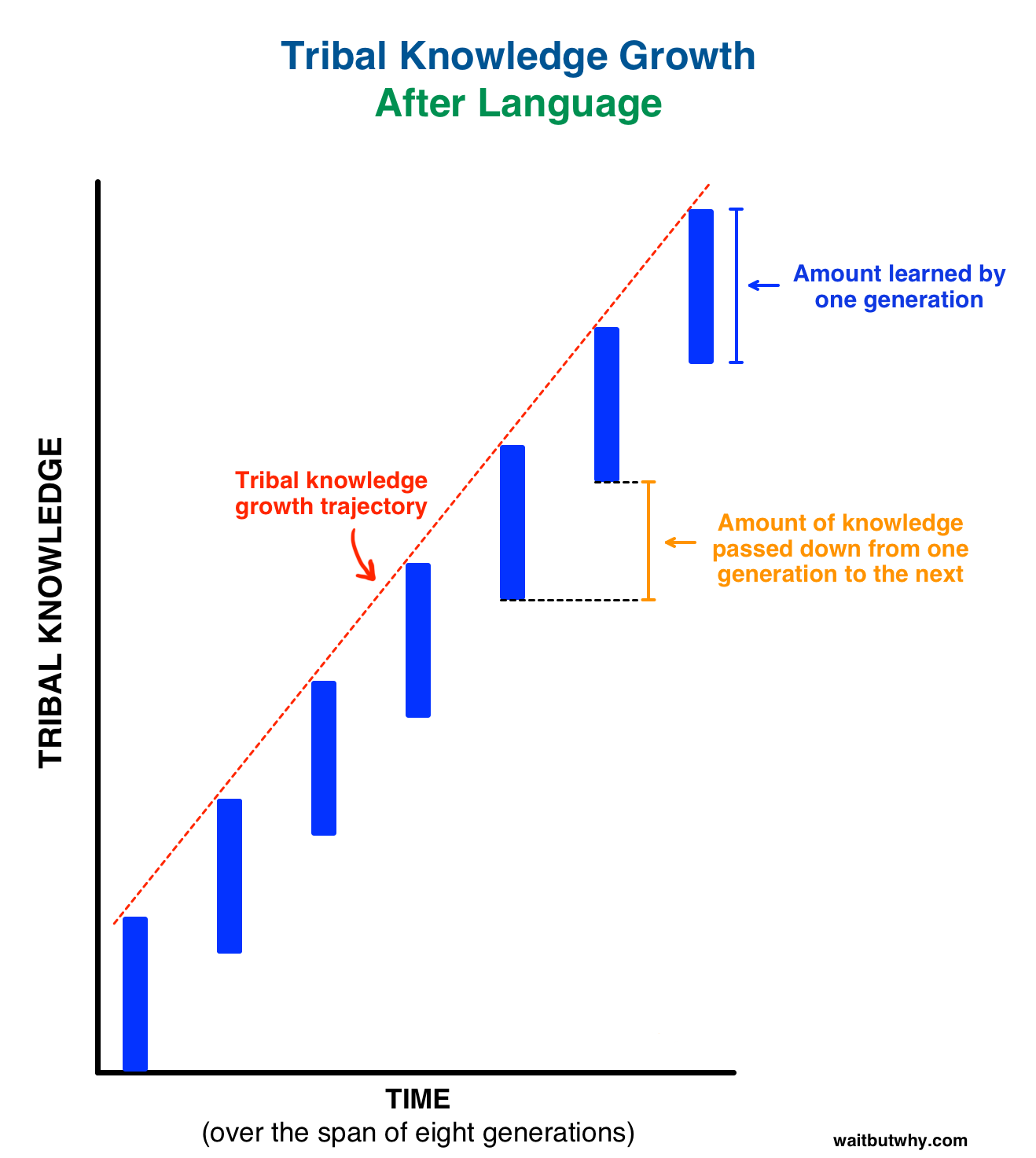



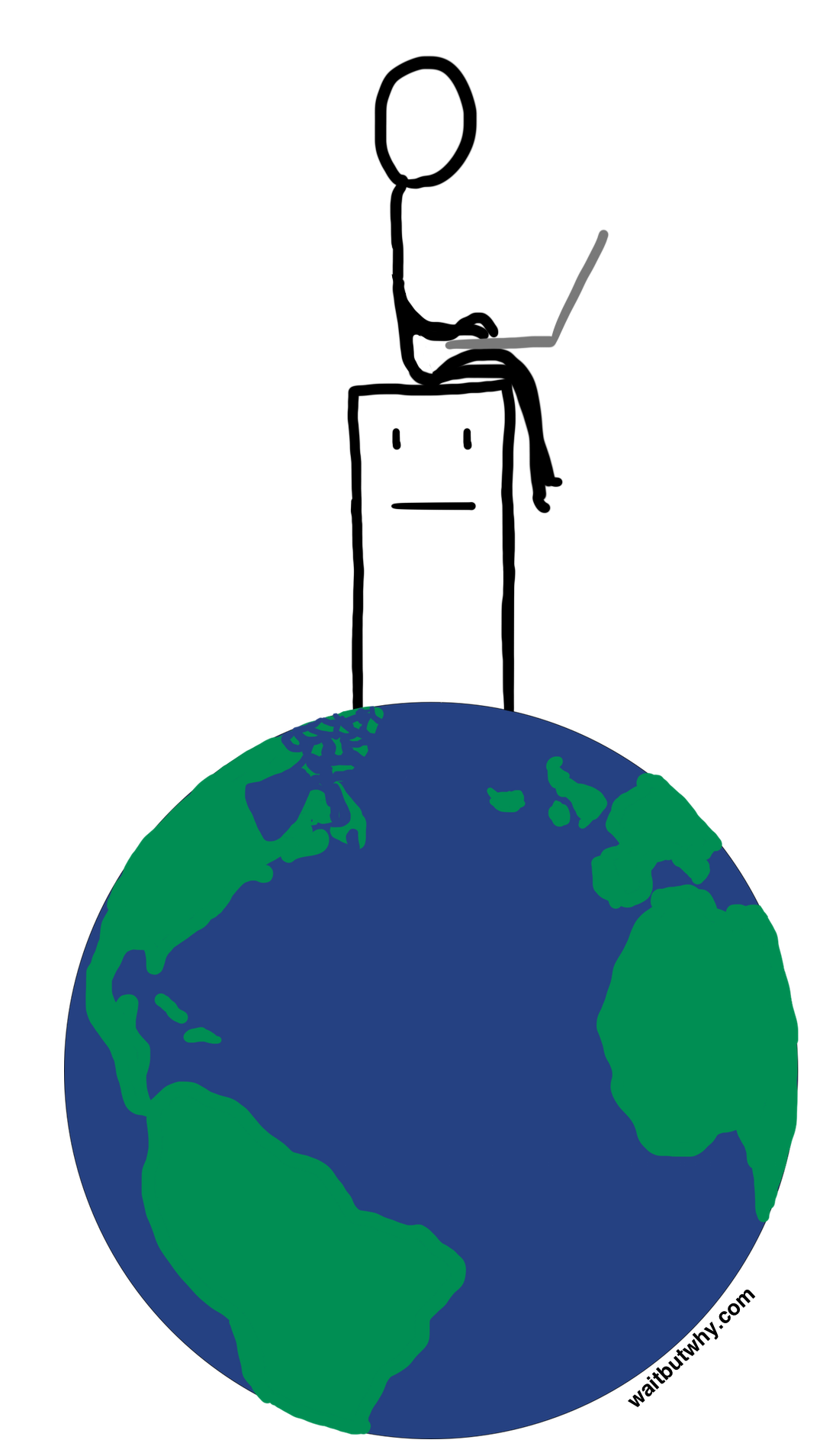
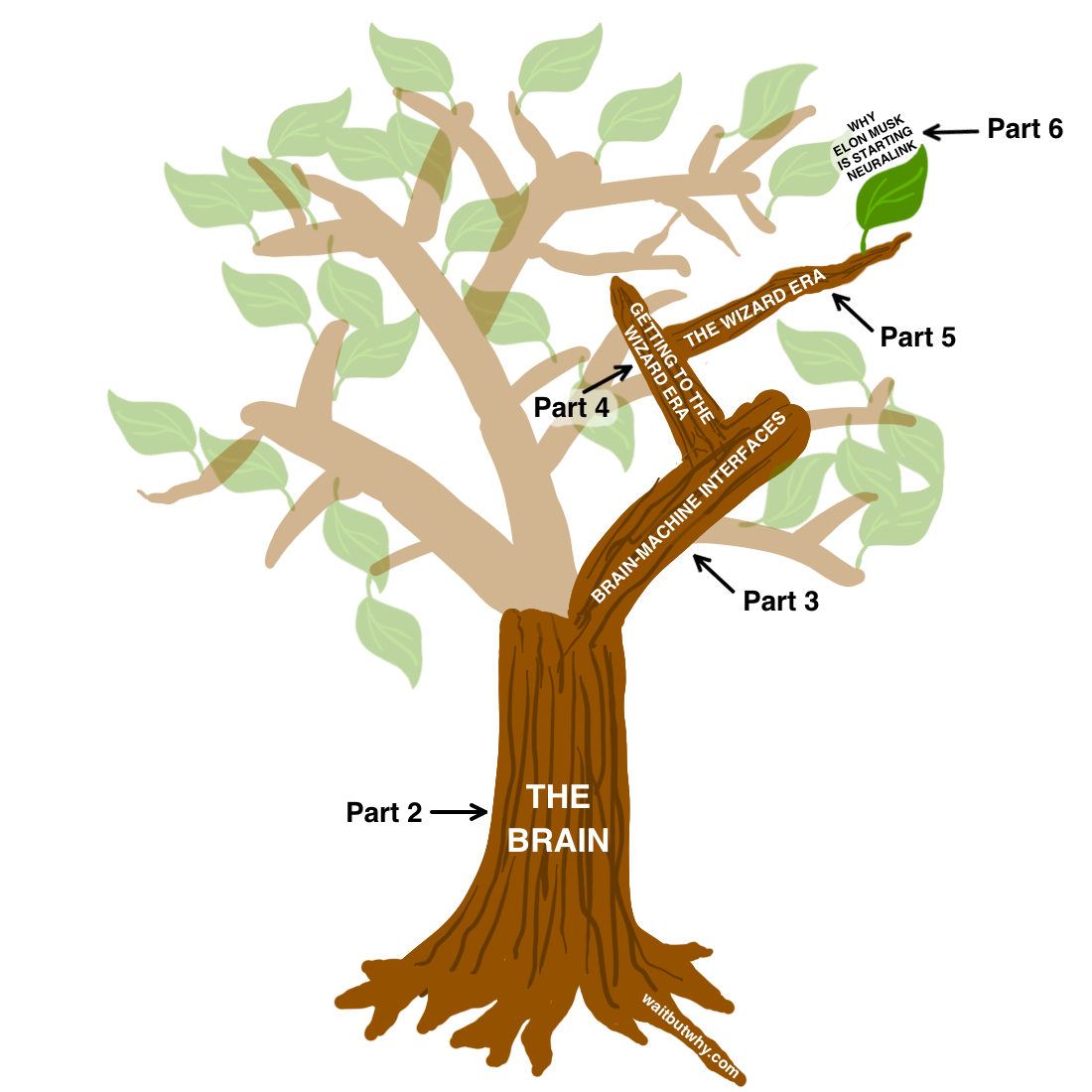


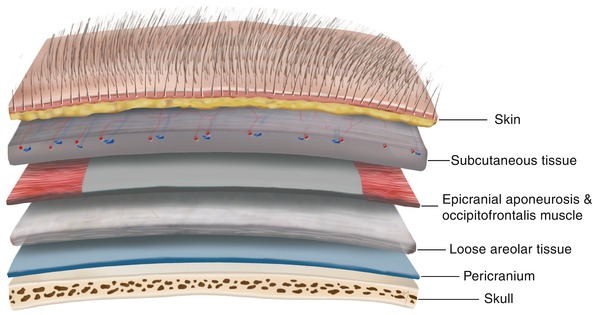

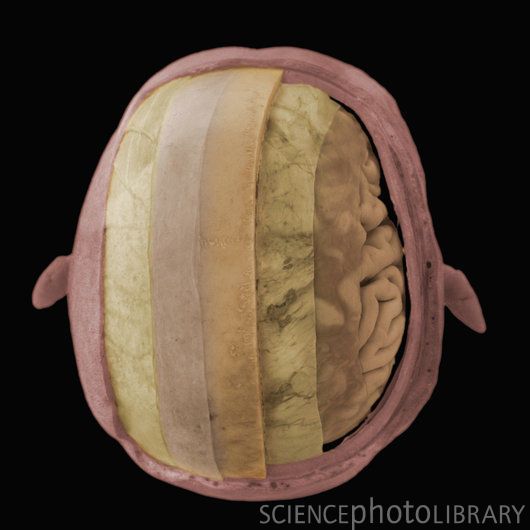
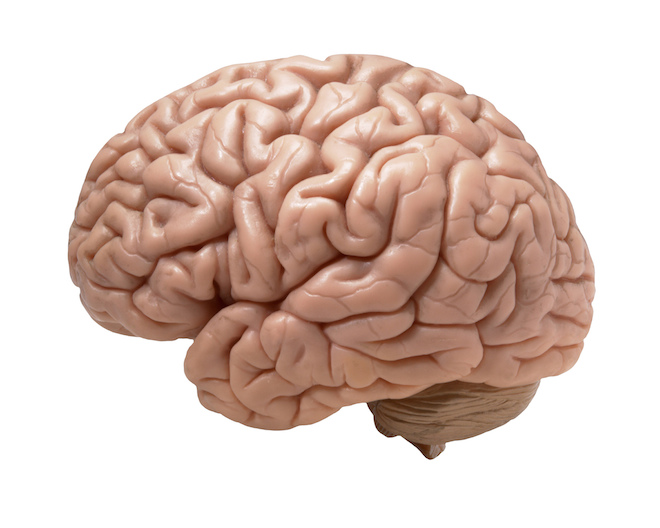
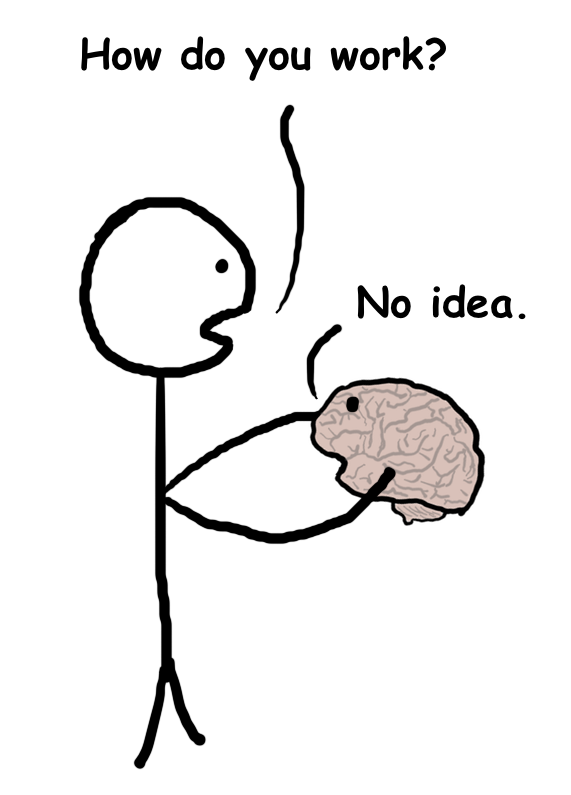
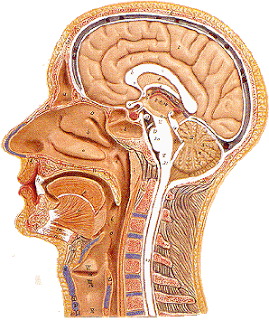

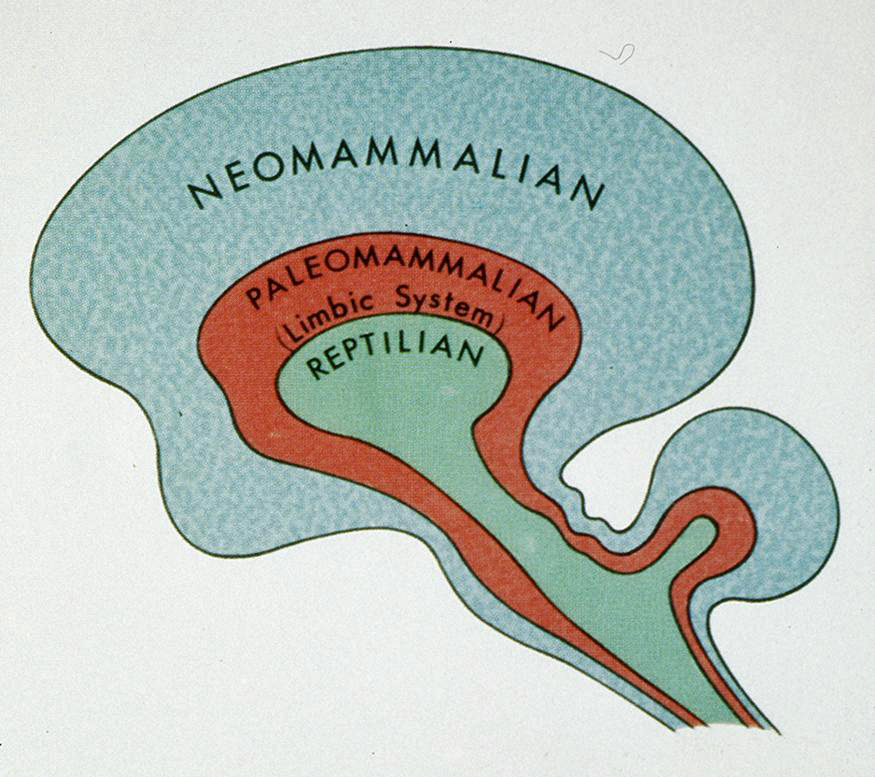

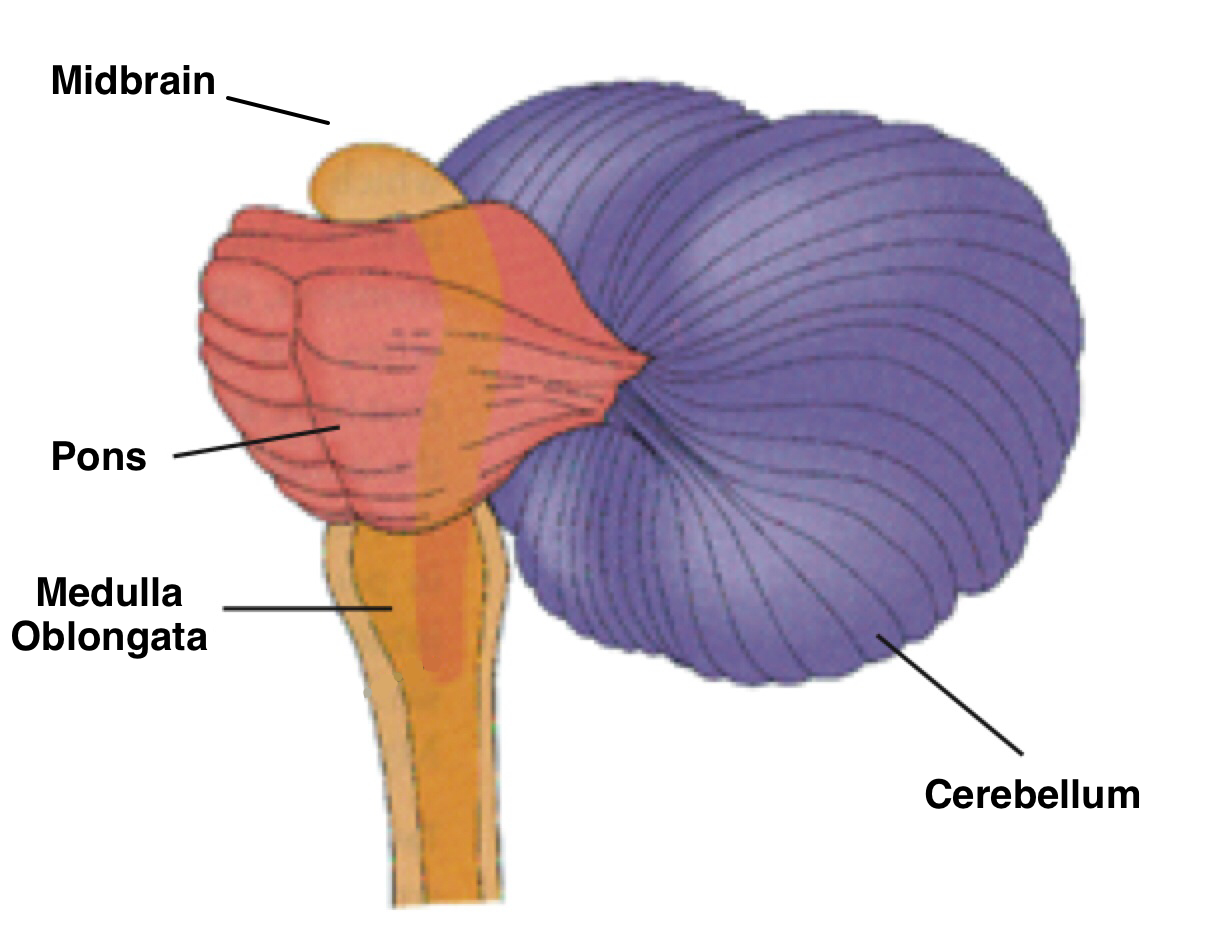


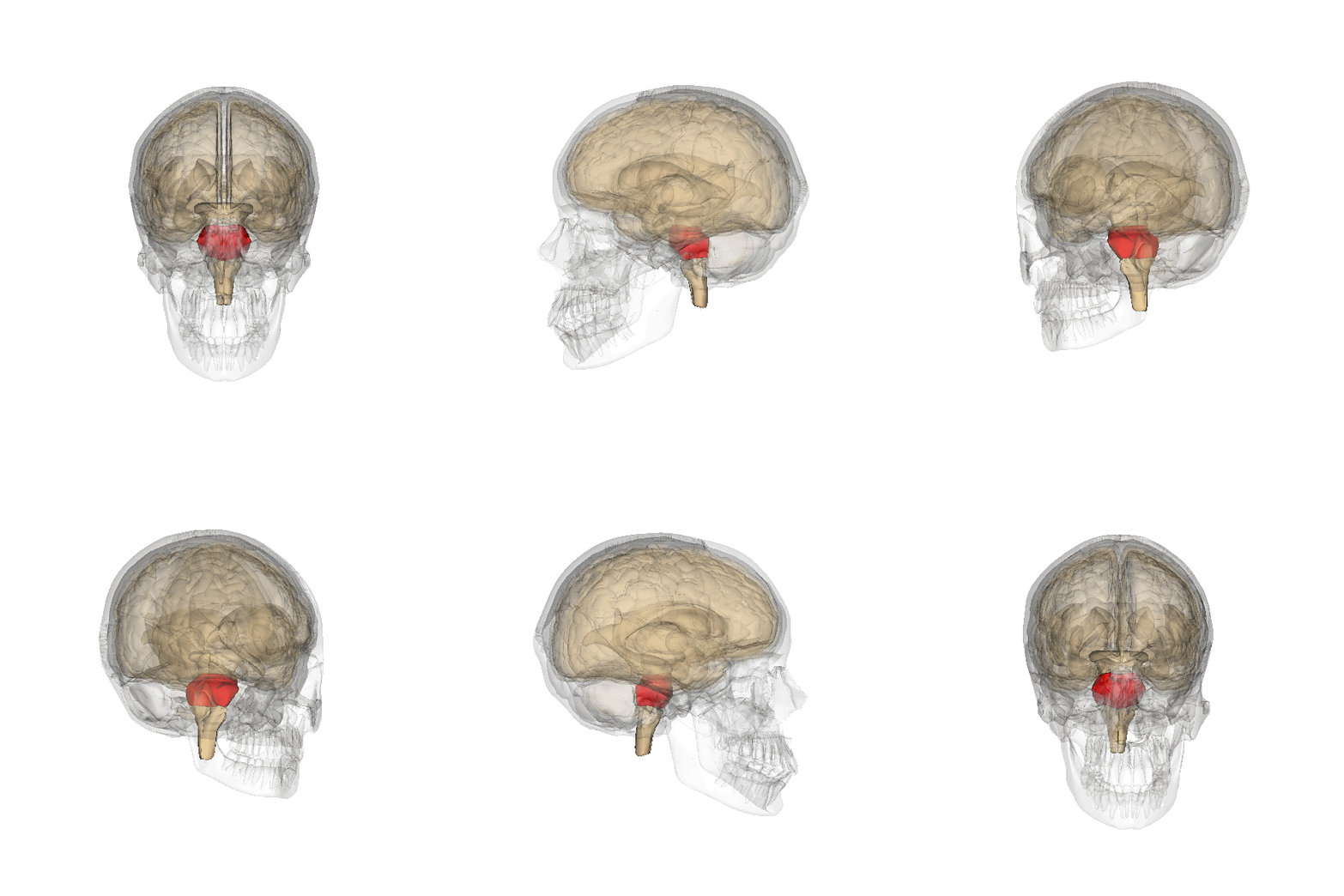

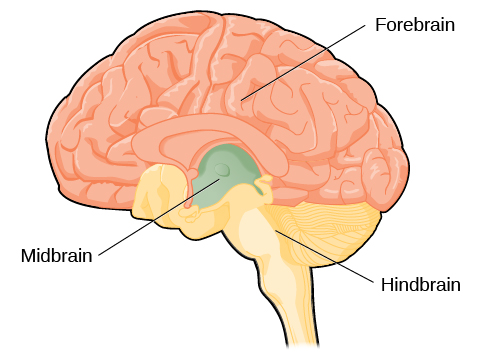
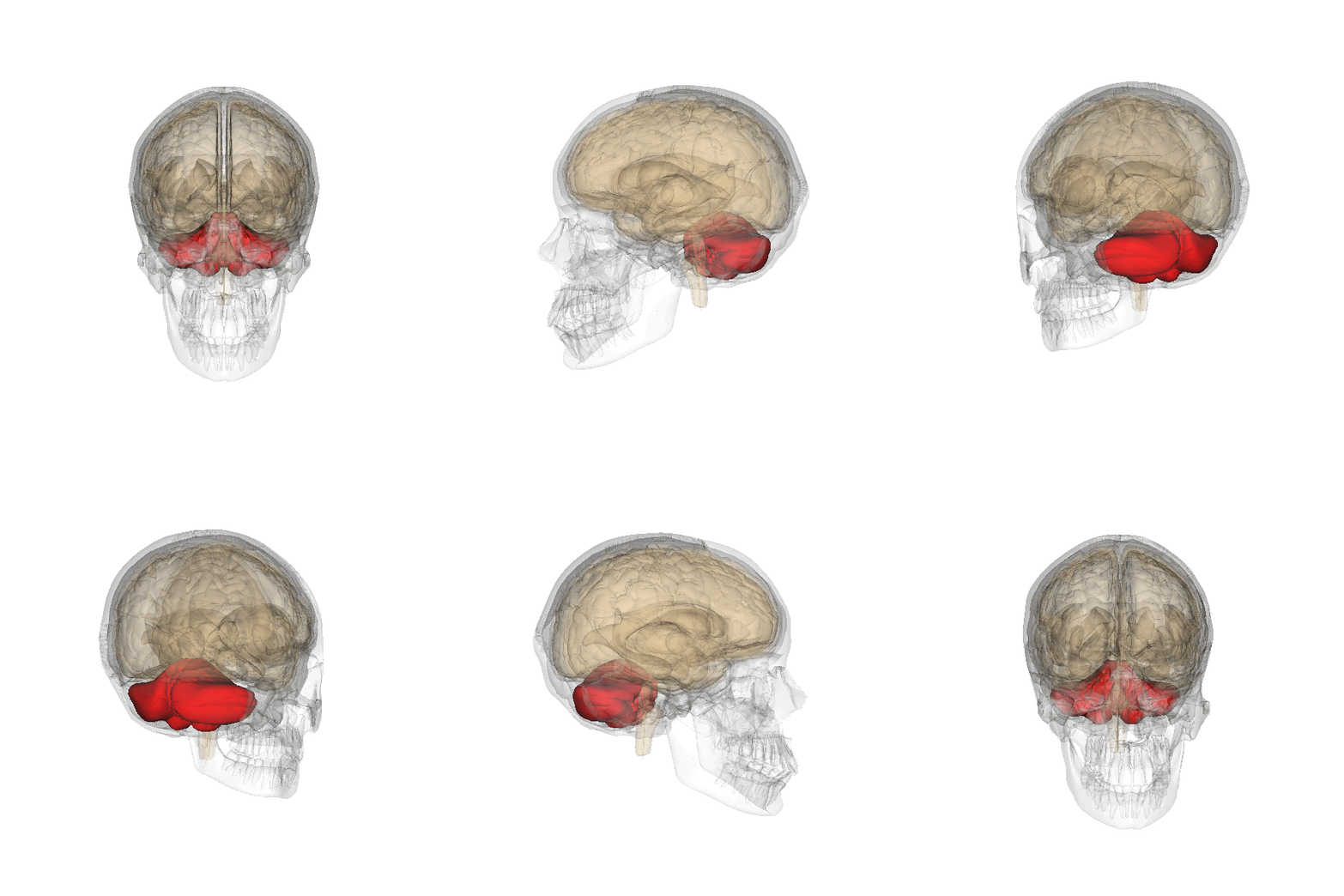


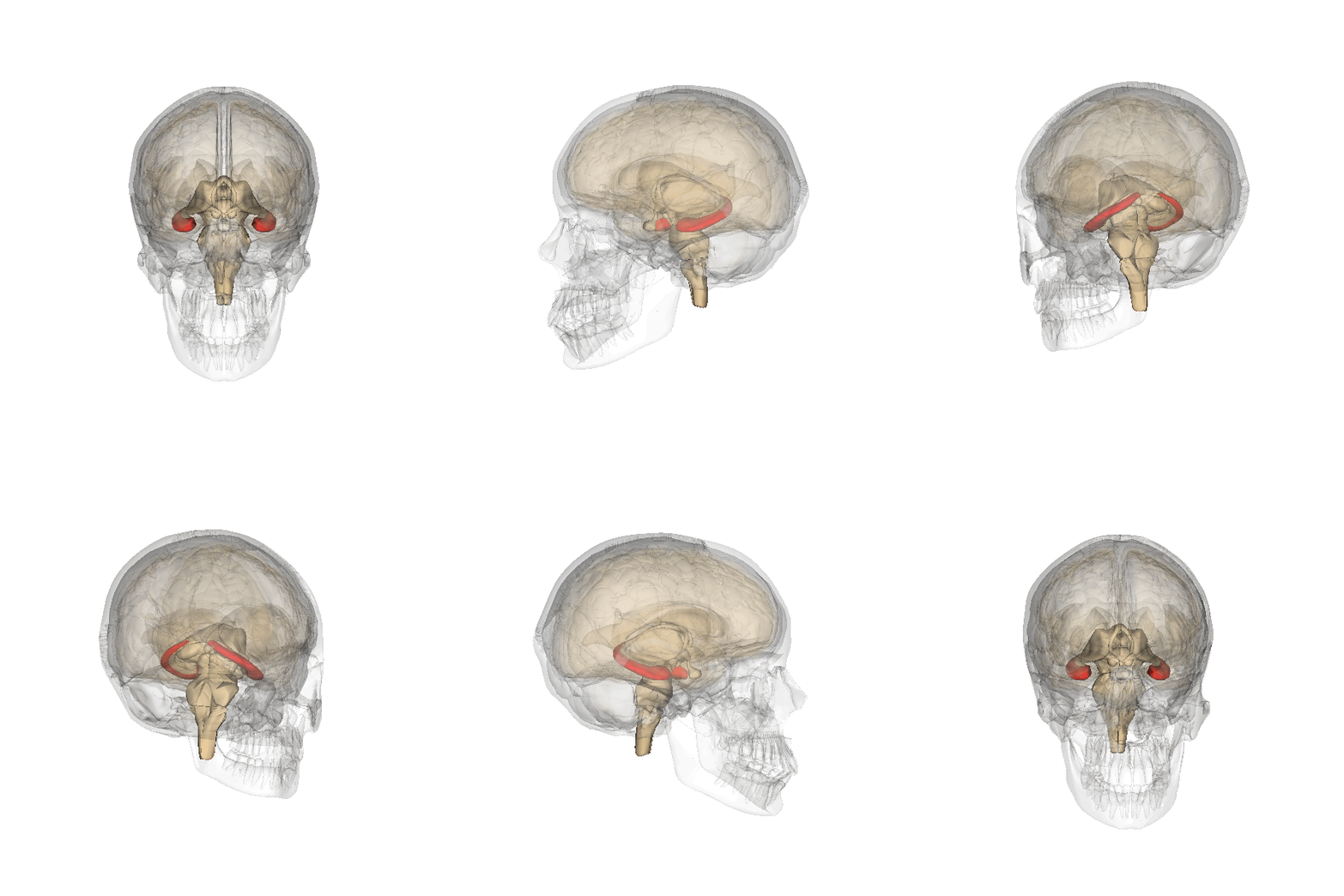
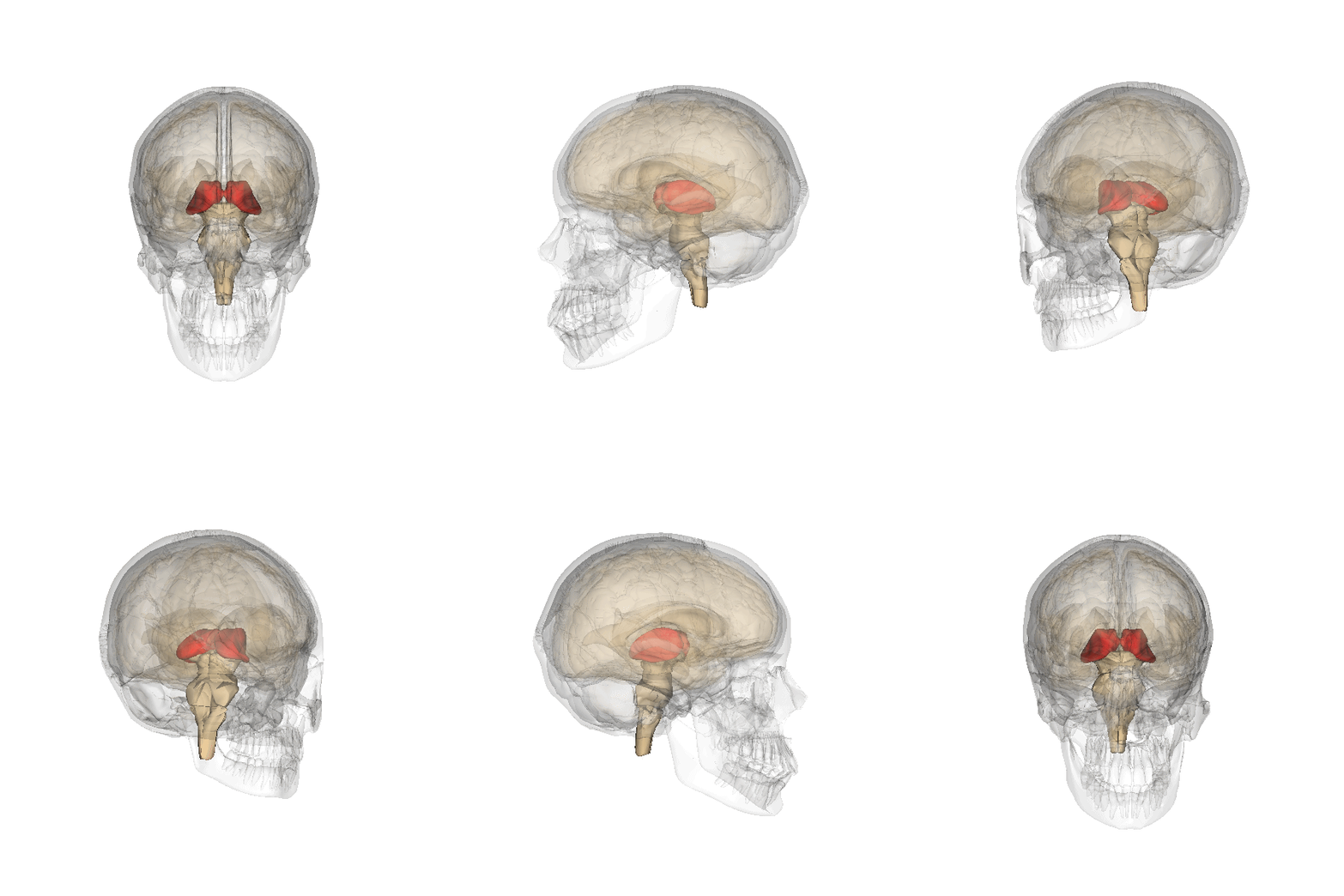


/cdn0.vox-cdn.com/uploads/chorus_asset/file/8371701/mcgurks.png) Via Bowery Boogie
Via Bowery Boogie
/cdn0.vox-cdn.com/uploads/chorus_asset/file/8371571/2005_07_mcgurks.jpg)


/cdn0.vox-cdn.com/uploads/chorus_asset/file/8175467/bigbend.jpg)

/cdn0.vox-cdn.com/uploads/chorus_asset/file/8247351/Analemma_00_CloudsAO.jpg)
/cdn0.vox-cdn.com/uploads/chorus_asset/file/8247357/Analemma_01_CloudsAO.jpg)
/cdn0.vox-cdn.com/uploads/chorus_asset/file/8247363/Analemma_03_CloudsAO.jpg)
/cdn0.vox-cdn.com/uploads/chorus_asset/file/8247377/Analemma_04_CloudsAO.jpg)
/cdn0.vox-cdn.com/uploads/chorus_asset/file/8246959/Analemma_02_CloudsAO.png)
/cdn0.vox-cdn.com/uploads/chorus_asset/file/8247341/Analemma_09_CloudsAO.jpg)
/cdn0.vox-cdn.com/uploads/chorus_asset/file/8247447/Analemma_10_CloudsAO.jpg)

/cdn0.vox-cdn.com/uploads/chorus_asset/file/8210245/325w21St_16_Gallery_Bathroom_2.jpg)
/cdn0.vox-cdn.com/uploads/chorus_asset/file/8210239/325w21St_16_Bathroom_Gallery.jpg)
/cdn0.vox-cdn.com/uploads/chorus_asset/file/8210237/325w21St_16_Living_2.jpg)
/cdn0.vox-cdn.com/uploads/chorus_asset/file/8210241/325w21St_16_Kitchen.jpg)
/cdn0.vox-cdn.com/uploads/chorus_asset/file/8210243/325West21stStreet_16_Floor_Plan.jpg)













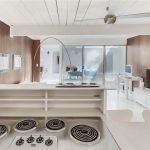

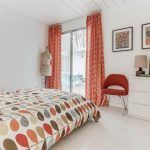






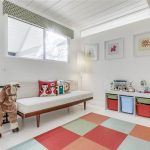




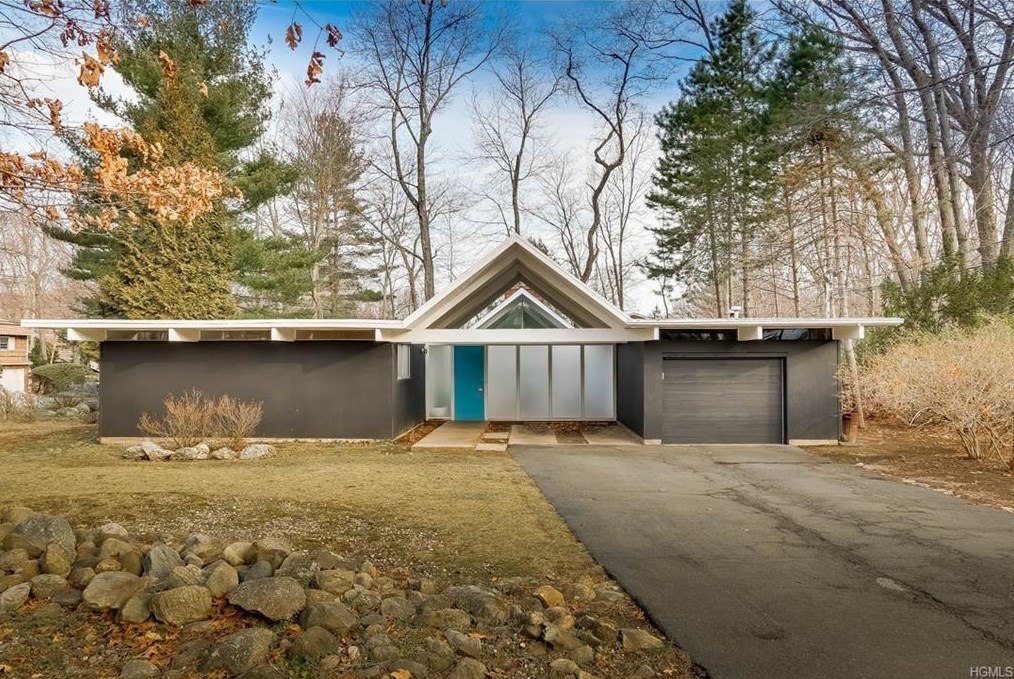

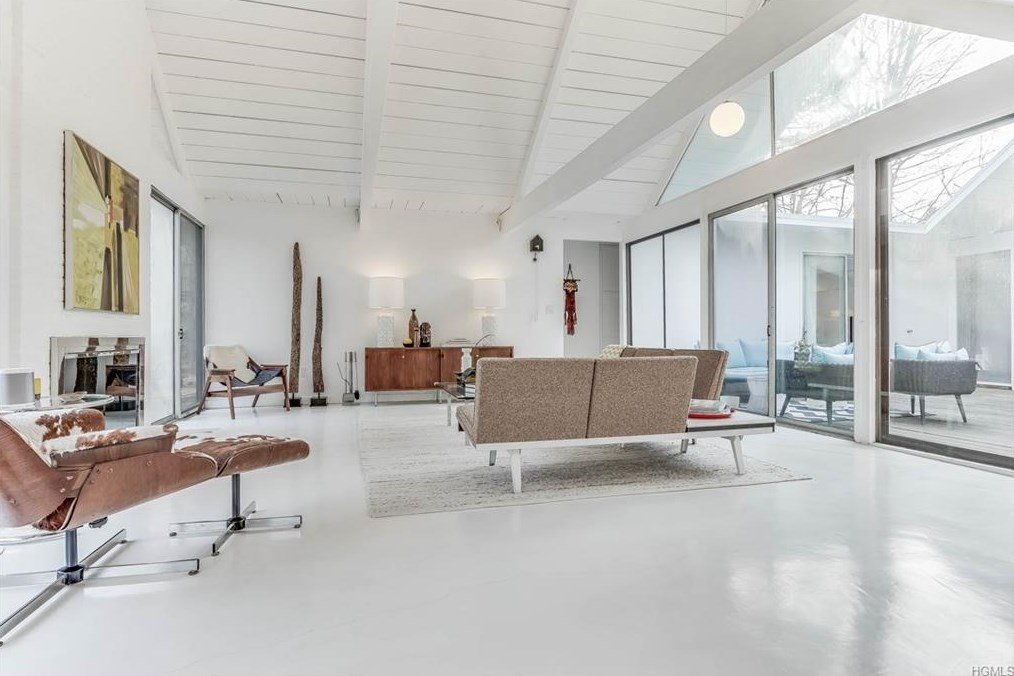


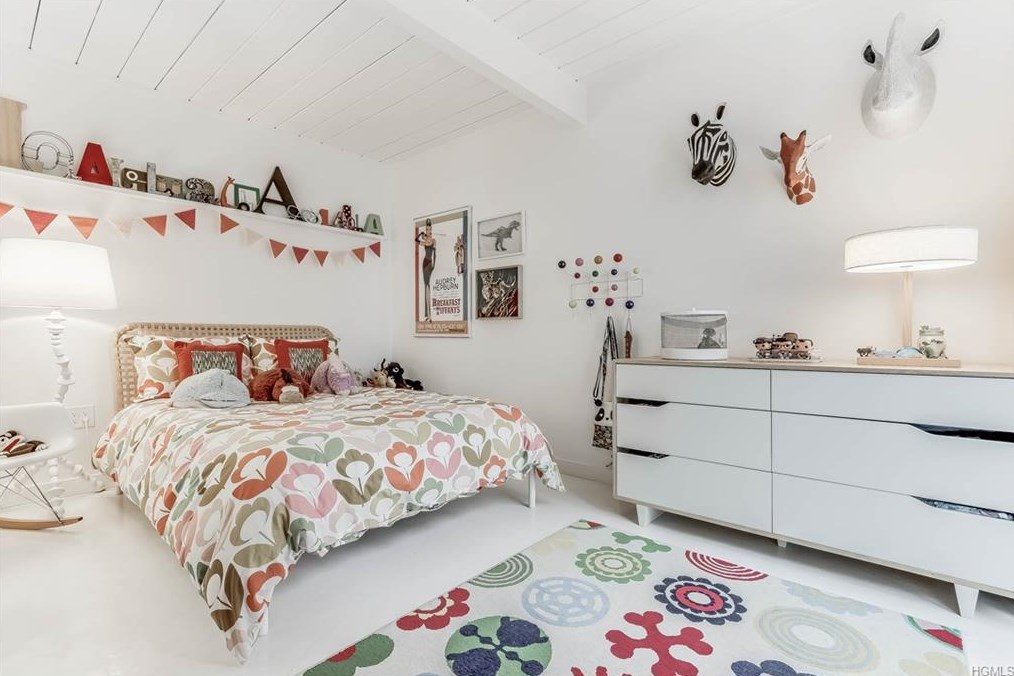


/cdn0.vox-cdn.com/uploads/chorus_asset/file/8126307/Screen_Shot_2017_03_09_at_12.34.34_PM.png)
/cdn0.vox-cdn.com/uploads/chorus_asset/file/8126305/Screen_Shot_2017_03_09_at_12.34.24_PM.png)
/cdn0.vox-cdn.com/uploads/chorus_asset/file/8126311/Screen_Shot_2017_03_09_at_12.34.14_PM.png)
/cdn0.vox-cdn.com/uploads/chorus_asset/file/8126309/Screen_Shot_2017_03_09_at_12.34.05_PM.png)
/cdn0.vox-cdn.com/uploads/chorus_asset/file/8126317/Screen_Shot_2017_03_09_at_12.33.57_PM.png)
/cdn0.vox-cdn.com/uploads/chorus_asset/file/8126319/Screen_Shot_2017_03_09_at_12.33.48_PM.png)
/cdn0.vox-cdn.com/uploads/chorus_asset/file/8126315/Screen_Shot_2017_03_09_at_12.33.38_PM.png)
/cdn0.vox-cdn.com/uploads/chorus_asset/file/8126313/Screen_Shot_2017_03_09_at_12.33.27_PM.png)
/cdn0.vox-cdn.com/uploads/chorus_asset/file/8126321/Screen_Shot_2017_03_09_at_12.33.06_PM.png)





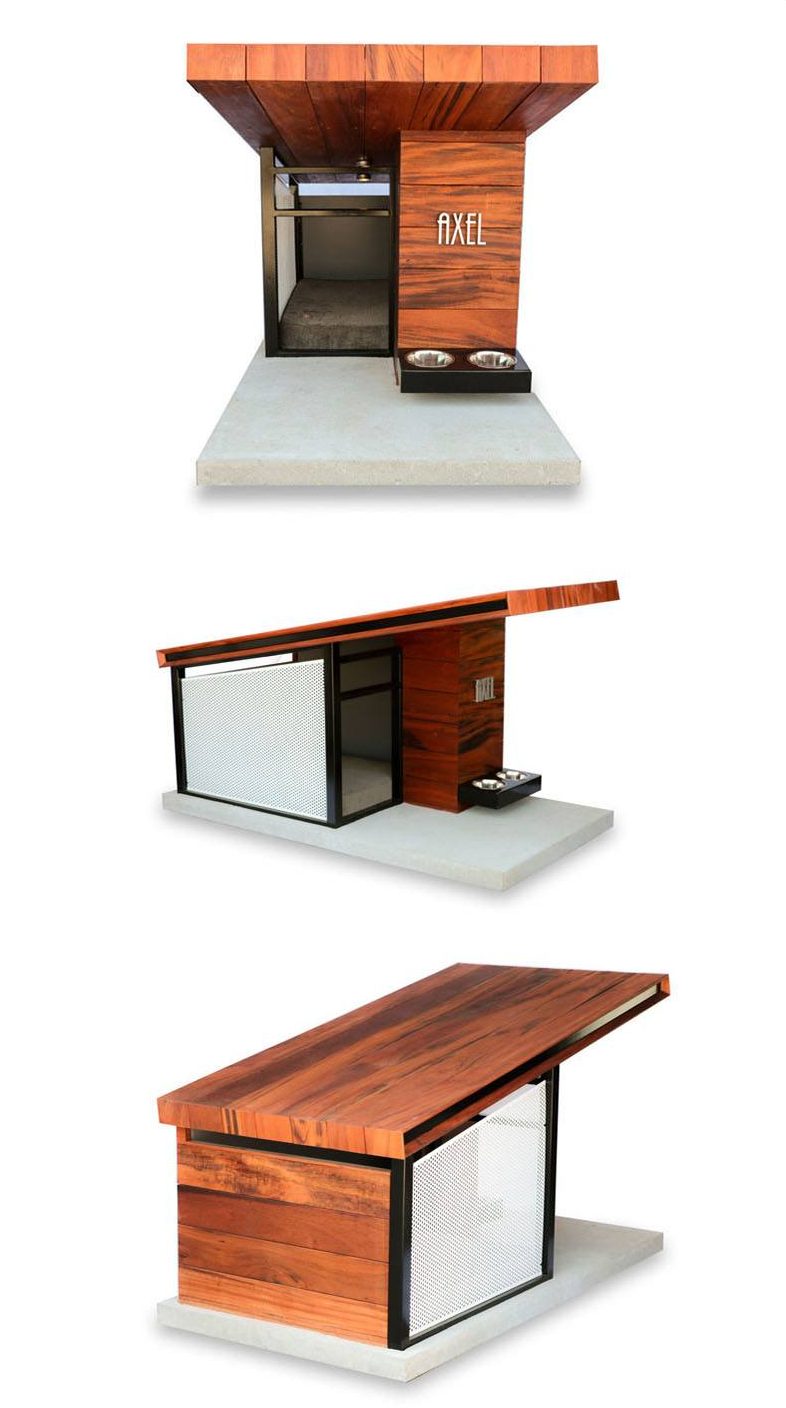


 Mayor Bill de Blasio convened an emergency press conference on Wednesday night to address President Donald Trump's executive order threatening to strip federal funding from "sanctuary cities," i.e. cities where local law enforcement and city agencies generally don't cooperate with federal immigration authorities. He emphasized that the order is "vague" in its language, and that New York City is prepared to challenge it in court. [ more › ]

/cdn0.vox-cdn.com/uploads/chorus_asset/file/8046301/411_Pacific_Street_living.jpg)
/cdn0.vox-cdn.com/uploads/chorus_asset/file/8046303/411_Pacific_Street_living_2.jpg)
/cdn0.vox-cdn.com/uploads/chorus_asset/file/8046305/411_Pacific_Street_bed.jpg)
/cdn0.vox-cdn.com/uploads/chorus_asset/file/8046307/411_Pacific_Street_library.jpg)
/cdn0.vox-cdn.com/uploads/chorus_asset/file/8046105/126_Calyer_Street_living.jpg)
/cdn0.vox-cdn.com/uploads/chorus_asset/file/8046103/126_Calyer_Street_dining.jpg)
/cdn0.vox-cdn.com/uploads/chorus_asset/file/8046101/126_Calyer_Street_bed.jpg)
/cdn0.vox-cdn.com/uploads/chorus_asset/file/8046095/126_Calyer_Street_basement.jpg)
/cdn0.vox-cdn.com/uploads/chorus_asset/file/8046159/247_Lincoln_Road_living.jpg)
/cdn0.vox-cdn.com/uploads/chorus_asset/file/8046165/247_Lincoln_Road_living_2.jpg)
/cdn0.vox-cdn.com/uploads/chorus_asset/file/8046167/247_Lincoln_Road_bed.jpg)
/cdn0.vox-cdn.com/uploads/chorus_asset/file/8046171/247_Lincoln_Road_bed_2.jpg)
/cdn0.vox-cdn.com/uploads/chorus_asset/file/8046235/477_13th_Street_living_2.jpg)
/cdn0.vox-cdn.com/uploads/chorus_asset/file/8046239/477_13th_Street_kitchen.jpg)
/cdn0.vox-cdn.com/uploads/chorus_asset/file/8046241/477_13th_Street_dining.jpg)
/cdn0.vox-cdn.com/uploads/chorus_asset/file/8046243/477_13th_Street_bed_2.jpg)
/cdn0.vox-cdn.com/uploads/chorus_asset/file/8047957/26_Warren_Place_living.jpg)
/cdn0.vox-cdn.com/uploads/chorus_asset/file/8047959/26_Warren_Place_kitchen.jpg)
/cdn0.vox-cdn.com/uploads/chorus_asset/file/8047963/26_Warren_Place_dining.jpg)
/cdn0.vox-cdn.com/uploads/chorus_asset/file/8047965/26_Warren_Place_bed.jpg)
/cdn0.vox-cdn.com/uploads/chorus_asset/file/8048161/344_22nd_Street_living.jpg)
/cdn0.vox-cdn.com/uploads/chorus_asset/file/8048169/344_22nd_Street_bath.jpg)
/cdn0.vox-cdn.com/uploads/chorus_asset/file/8048165/344_22nd_Street_bed.jpg)
/cdn0.vox-cdn.com/uploads/chorus_asset/file/8048171/344_22nd_Street_bath_.jpg)